Small Molecule Research Tools

Explore bioactive compounds by research category, then narrow your search by target, product name, catalog number or CAS.

Newly added: LC-MG and OXF molecular glue research compounds →

6,823 products17 research categoriesBrowse all products ↓

Browse by research category

Products may appear in more than one category. Counts refer to distinct catalog numbers within each category.

Other Research Tools (75) · Additional reagents, building blocks and specialized research tools.

New literature-derived products

LC-MG-1 (DCA0006) · LC-MG-4 (DCA0007) · LC-MG-9 (DCA0008)

View structure and evidence summaries →

All small molecule products

Combine a keyword, research category and target to narrow the product list.

Loading catalog filters…

6,823 products · Showing 6,673–6,720

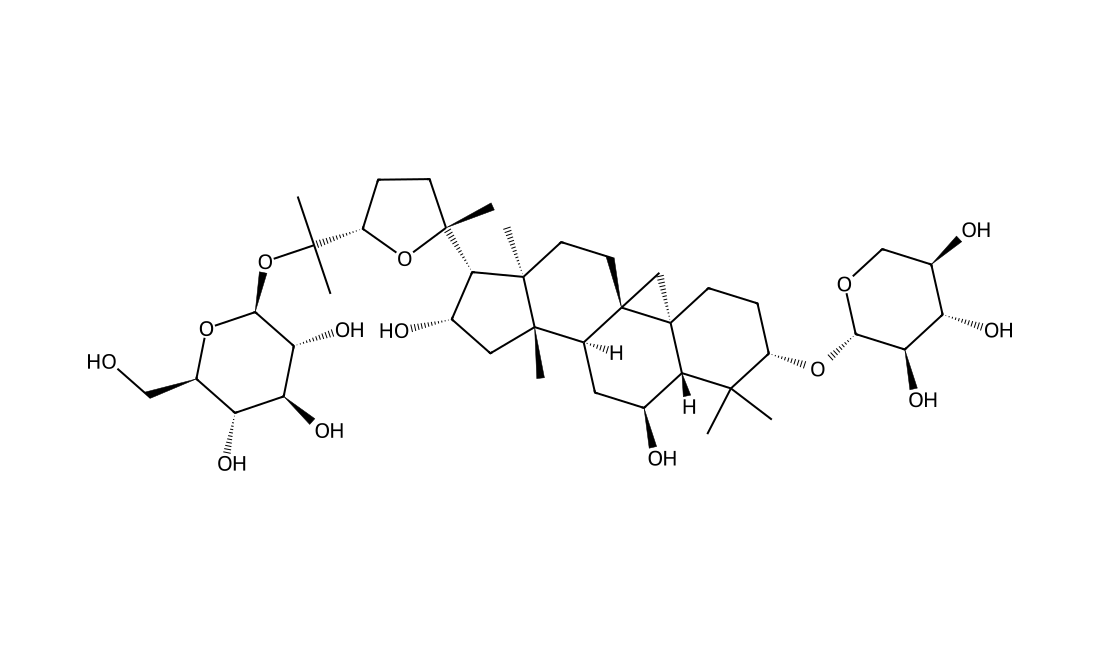
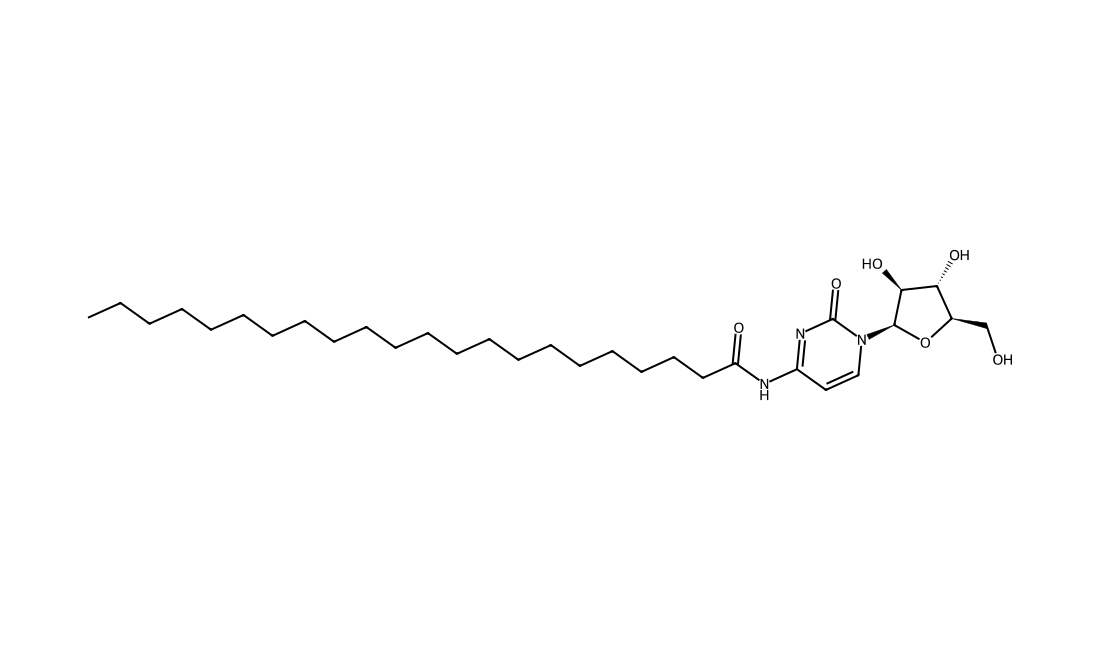
DC12071

Isocryptotanshinone

CAS 22550-15-8

In Vitro It is showed that tanshinones significantly inhibited A549 proliferation and Isocryptotanshinone (ICTS) exhibits the strongest activity. Isocryptotanshinone inhibits the constitutive STAT3 and p-STAT3 (Y705) expression in concentration and time-dependent manners. Isocryptotanshinone dramatically inhibits the IL-6-stimulated expression of p-STAT3 (Y705) in a time-dependent manner.

Isocryptotanshinone chemical structure
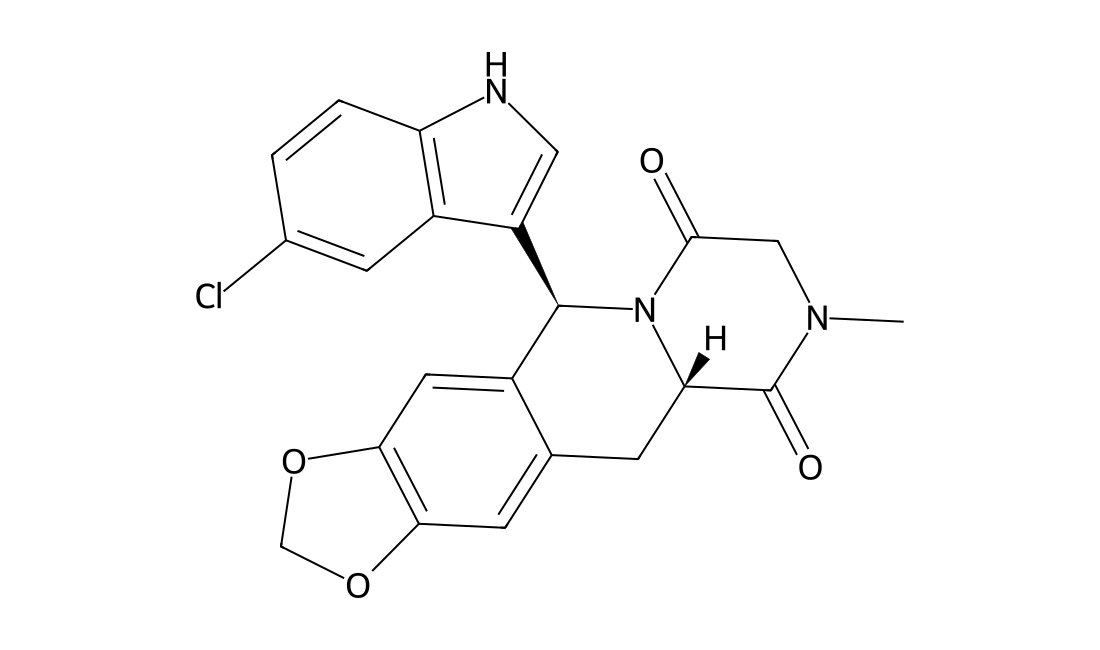
DC10340

ISA-2011B

CAS 1395347-24-6

The proliferation rate of PC-3 cells after treatment with ISA-2011B at 10, 20, and 50 μM is significantly reduced to 58.77%, 48.65%, and 21.62% of vehicle-treated controls, respectively. ISA-2011B exhibits the highest binding affinity to PIP5K1α, and to MAP/microtubule affinity-regulating kinase 1 and 4 (MARK1 and MARK4) across 460 kinases. ISA-2011B treatment inhibits PIP5K1α expression by 78.6% in PC-3 cells. ISA-2011B leads to a remarkable reduction in AR-V7 and CDK1 in both nucleus and cytoplasm of 22Rv1 cells. ISA-2011B treatment also abolishes AR expression in the nucleus, without depleting the cytoplasmic AR.ISA-2011B significantly inhibits growth of tumor cells in xenograft mice, and is mediated by targeting PIP5K1α-associated PI3K/AKT and the downstream survival, proliferation, and invasion pathways. Overexpression of AR-V7 increases PIP5K1α, promotes rapid growth of PCa in xenograft mice, whereas inhibition of PIP5K1α by its inhibitor ISA-2011B suppresses the growth and invasiveness of xenograft tumors overexpressing AR-V7. ISA-2011B disrupts protein stabilization of AR-V7 which is dependent on PIP5K1α, leading to suppression of invasive growth of AR-V7-high tumors in xenograft mice.

ISA-2011B chemical structure
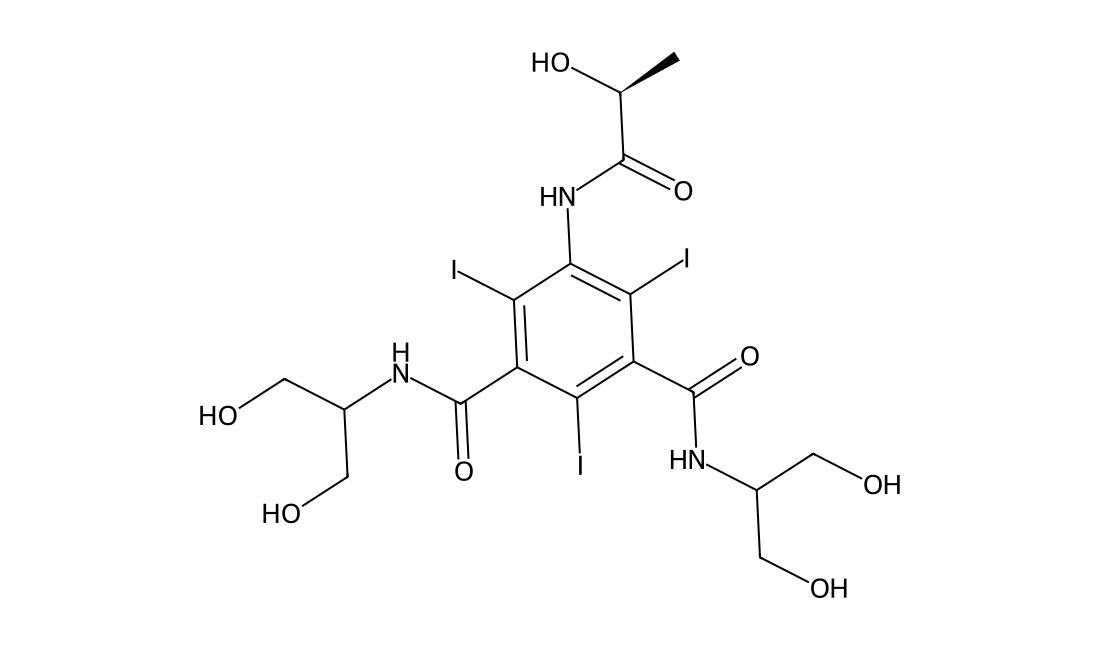
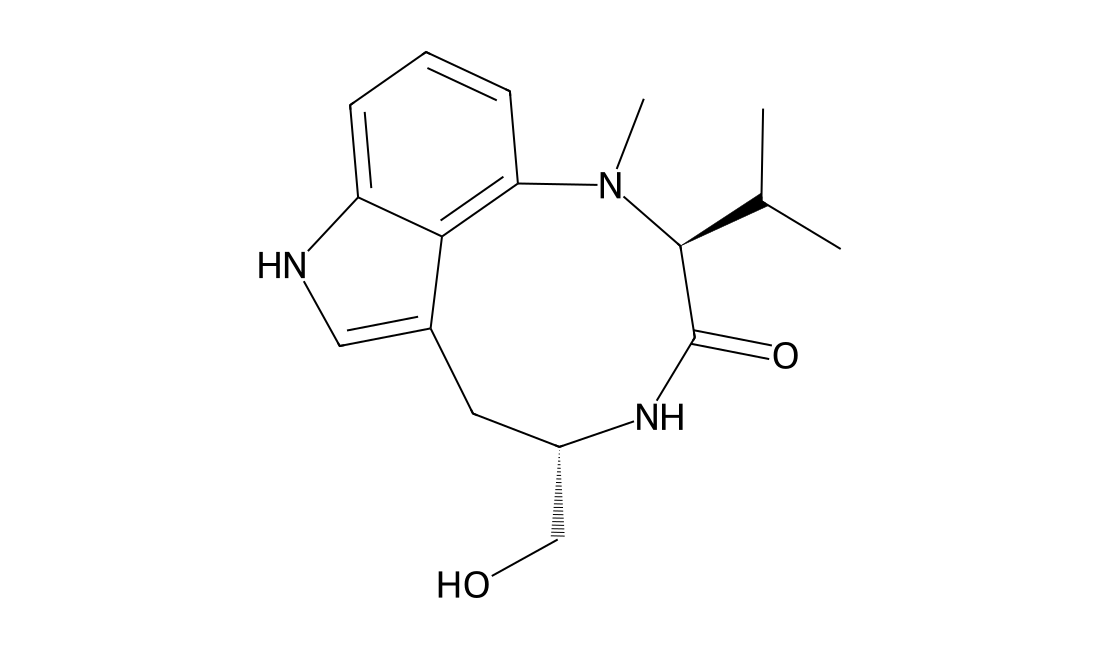
DC23921

Indolactam V

CAS 90365-57-4

Indolactam V ((-)-Indolactam V) is an indole alkaloid tumor promoter that activates protein kinase C (PKC), binds to PKC regulatory domains of mouse skin PKCη and rat brain PKCγ with Ki values of 3.4 nM and 1 uM, respectively; induces differentiation of human embryonic stem cells into pancreatic progenitors through activation of PKC signaling.

Indolactam V chemical structure
DC11311

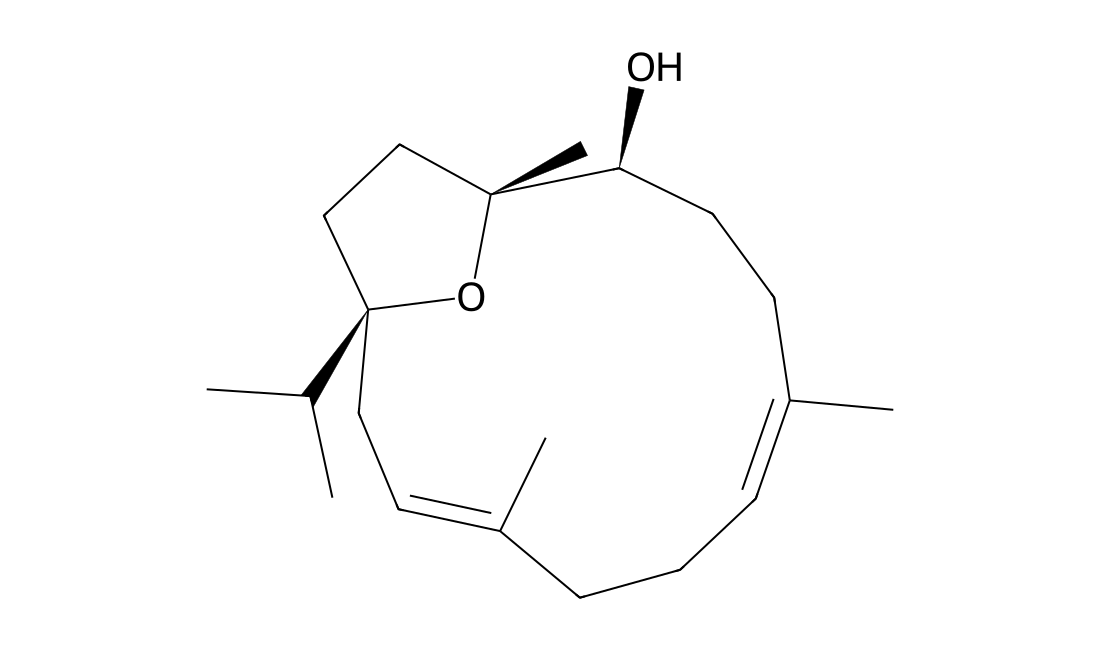
Incensole

CAS 22419-74-5

Incensole is a diterpene originally isolated from frankincense produced by B. carterii.It inhibits degradation of inhibitor of NF-κB (IκBα) in a concentration-dependent manner in TNF-α-stimulated HeLa cells when used at concentrations ranging from 60 to 140 μM.

Incensole chemical structure
DC9389

INCB3344

CAS 1262238-11-8

INCB3344 is a novel, potent and selective small molecule antagonist of the mouse CCR2 receptor; inhibits the binding of CCL2 to mouse monocytes with nanomolar potency (IC50 = 10 nM). In vitro: INCB3344 inhibits the binding of CCL2 to mouse monocytes with nanomolar potency (IC(50) = 10 nM) and displays dose-dependent inhibition of CCL2-mediated functional responses such as ERK phosphorylation and chemotaxis with similar potency. Against a panel of G protein-coupled receptors that includes other CC chemokine receptors, INCB3344 is at least 100-fold selective for CCR2. INCB3344 can also bind human CCR2 (hCCR2) with high affinity, having a dissociation constant (K(d)) of approximately 5nM. The binding of the compound to the receptor is rapid and reversible. INCB3344 potently inhibits hCCR2 binding of monocyte chemoattractant protein-1 (MCP-1) and MCP-1-induced signaling and function in hCCR2-expressing cells, including ERK phosphorylation and chemotaxis, and is competitive against MCP-1 in vitro. in vivo: INCB3344 possesses good oral bioavailability and systemic exposure in rodents that allows in vivo pharmacological studies. INCB3344 treatment results in a dose-dependent inhibition of macrophage influx in a mouse model of delayed-type hypersensitivity. Intervention with a CCR2 antagonist, INCB3344 (30 mg/kg per day, IP), 10 days after the induction of hypertension with DOCA/salt treatment, reduced the aortic expression of CCR2 mRNA and completely reversed the DOCA/salt-induced influx of macrophages.

INCB3344 chemical structure
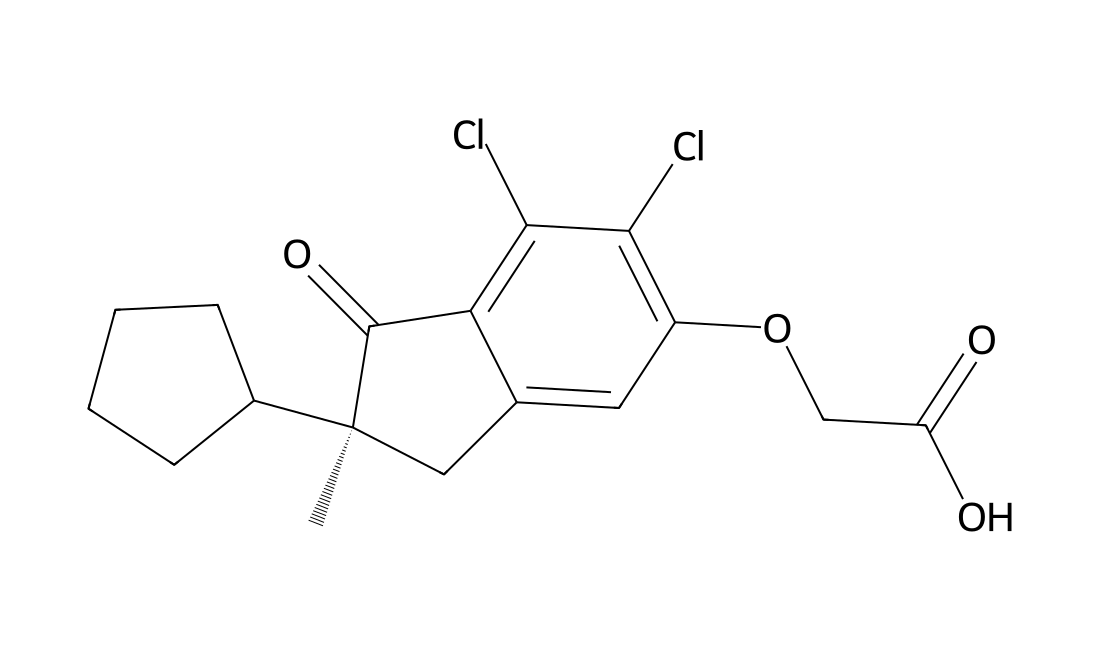
DC8601

IAA-94

CAS 54197-31-8

IAA-94 is an indanyloxyacetic acid blocker of epithelial chloride channels. IAA-94 has been employed in modulating chloride channel function to probe the dynamics and function of the channels. The high affinity of IAA-94 for the chloride channel has been exploited for isolation and reconstitution of these proteins.

IAA-94 chemical structure
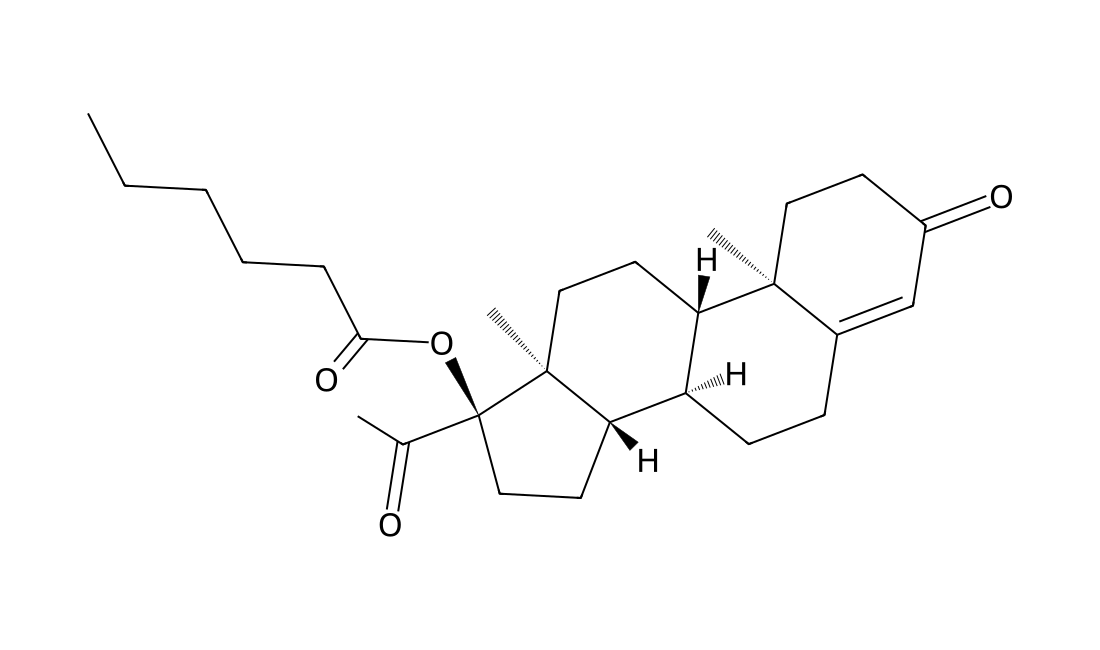
DC10237

Hydroxyprogesterone caproate

CAS 630-56-8

Hydroxyprogesterone Caproate is a synthetic progestational agent. It binds to and activates nuclear progesterone receptors in the reproductive system and inhibits ovulation and an alteration in the cervical mucus and endometrium.

Hydroxyprogesterone caproate chemical structure
DC12259

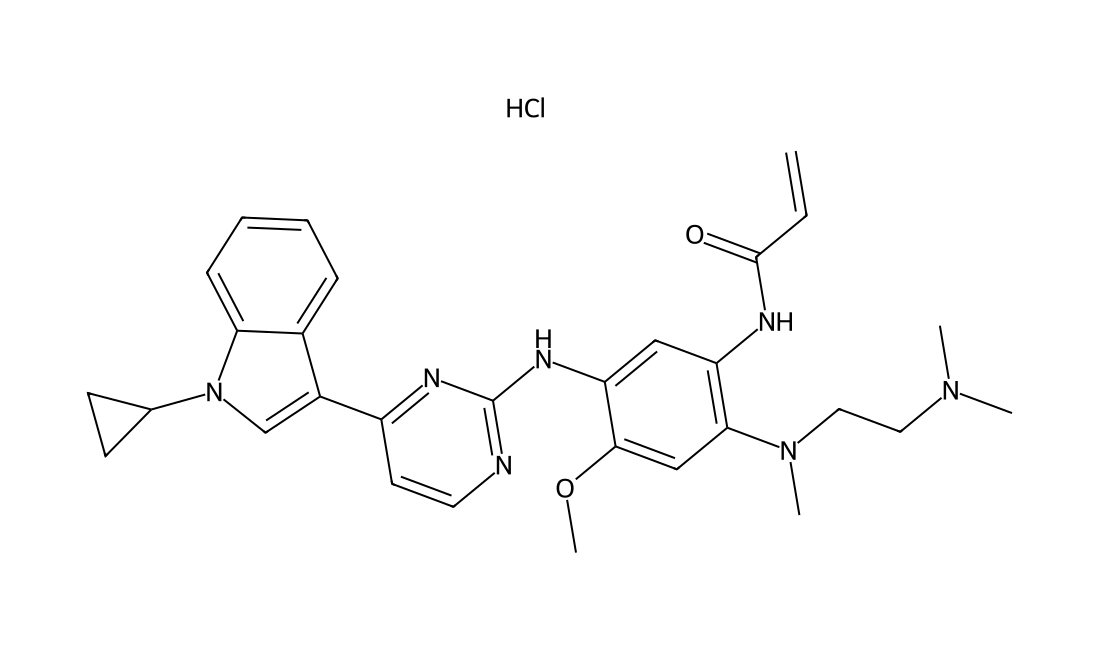
HS-10296 hydrochloride

CAS 2134096-03-8

In Vitro HS-10296 hydrochloride is an orally available inhibitor of the epidermal growth factor receptor (EGFR) mutant form T790M, with potential antineoplastic activity, which canbe used to treat NSCLC. Additionaly, HS-10296 could also inhibit other EGFR sensitive mutations, including G719X, del19, L858R and L861Q.

HS-10296 hydrochloride chemical structure
DC10177

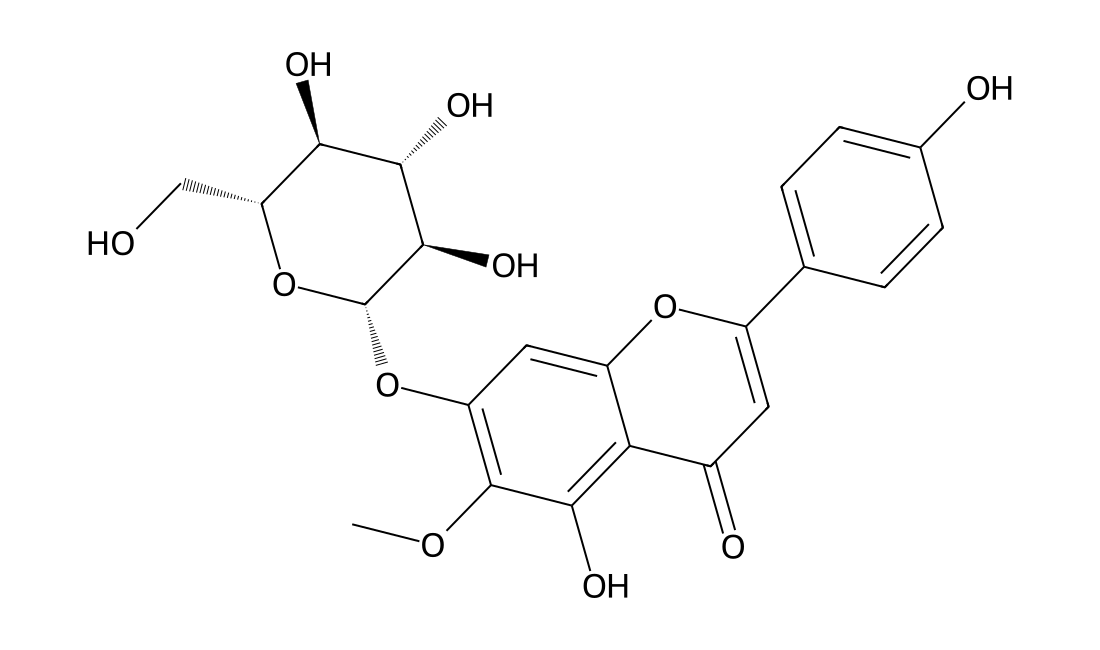
Homoplantaginin

CAS 17680-84-1

Homoplantaginin shows IC50 of reduction level of DPPH radical at 0.35 μg/mL. In human hepatocyte HL-7702 cells exposed to H2O2, the addition of 0.1-100μg/mL of homoplantaginin significantly reduces lactate dehydrogenase leakage, and increases glutathione, glutathione peroxidase and superoxide dismutase in supernatant. Homoplantaginin (0.1, 1, 10 μM) dose-dependently reduces expression of toll-like receptor-4 evoked by palmitic acid (100 μM). Homoplantaginin tightly controlls palmitic acid-induced reactive oxygen species to prevent nucleotide-binding domain-like receptor 3 (NLRP3) inflammasome activation by suppressing reactive oxygen species-sensitive thioredoxin-interacting protein, NLRP3, and caspase-1. Pre-treatment of homoplantaginin on human umbilical vein endothelial cells significantly inhibits palmitic acid induced TNF-α and IL-6 mRNA expression, and IKKβ and NF-κB p65 phosphorylation. Homoplantaginin significantly modulates the Ser/Thr phosphorylation of IRS-1, improves phosphorylation of Akt and endothelial nitric oxide synthase, and increases NO production in the presence of insulin.Homoplantaginin shows IC50 of reduction level of DPPH radical at 0.35 μg/mL. In human hepatocyte HL-7702 cells exposed to H2O2, the addition of 0.1-100μg/mL of homoplantaginin significantly reduces lactate dehydrogenase leakage, and increases glutathione, glutathione peroxidase and superoxide dismutase in supernatant. Homoplantaginin (0.1, 1, 10 μM) dose-dependently reduces expression of toll-like receptor-4 evoked by palmitic acid (100 μM). Homoplantaginin tightly controlls palmitic acid-induced reactive oxygen species to prevent nucleotide-binding domain-like receptor 3 (NLRP3) inflammasome activation by suppressing reactive oxygen species-sensitive thioredoxin-interacting protein, NLRP3, and caspase-1. Pre-treatment of homoplantaginin on human umbilical vein endothelial cells significantly inhibits palmitic acid induced TNF-α and IL-6 mRNA expression, and IKKβ and NF-κB p65 phosphorylation. Homoplantaginin significantly modulates the Ser/Thr phosphorylation of IRS-1, improves phosphorylation of Akt and endothelial nitric oxide synthase, and increases NO production in the presence of insulin.

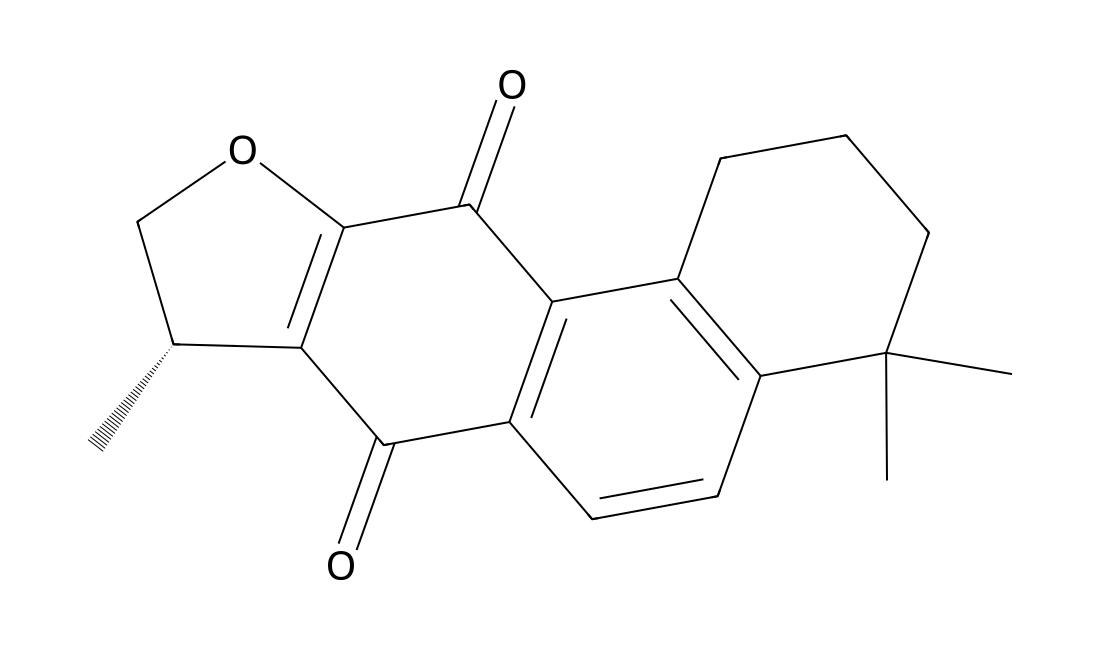
Homoplantaginin chemical structure
DC11366

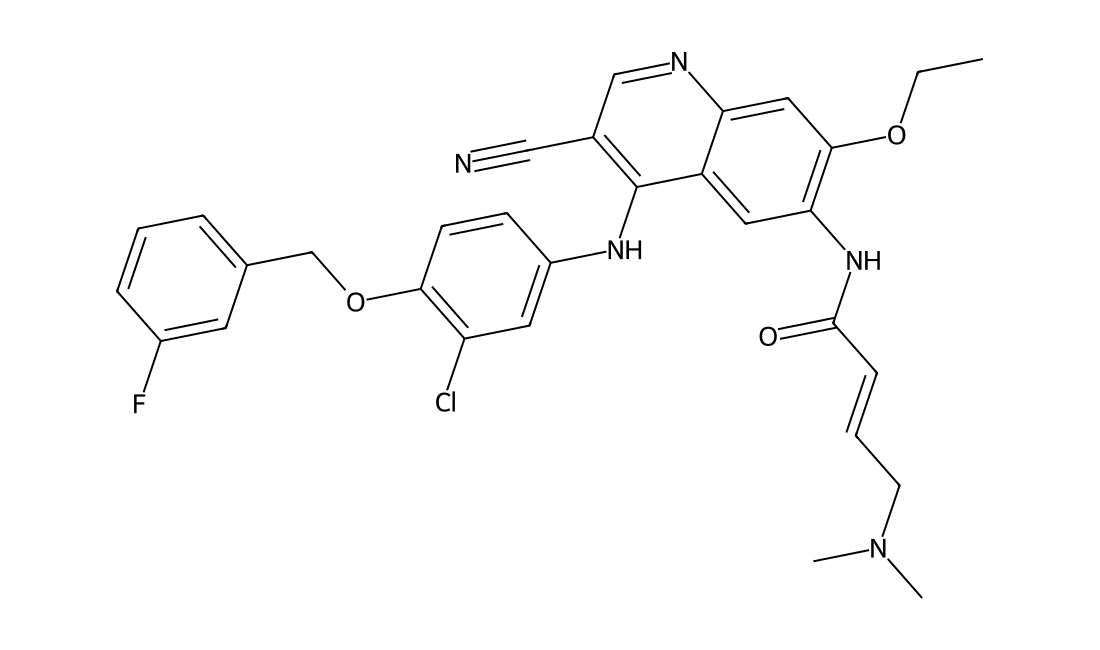
HKI 357

CAS 848133-17-5

HKI 357 is an irreversible dual inhibitor of the EGF receptor tyrosine kinases EGFR and HER2 (IC50s = 34 and 33 nM, respectively). It inhibits proliferation of A431, SK-BR-3, and SW620 cancer cell lines (IC50s = 120, 2.5, and 511 nM, respectively). HKI 357 suppresses EGFR autophosphorylation and phosphorylation of the downstream effectors AKT and ERK in the gefitinib-susceptible and -resistant cell lines NCI-H1650 and NCI-H1650(G7), respectively.In vivo, HKI 357 (10 mg/kg) inhibits tumor growth in BT474, A431, and SUM190 mouse xenograft models.

HKI 357 chemical structure
DC9749

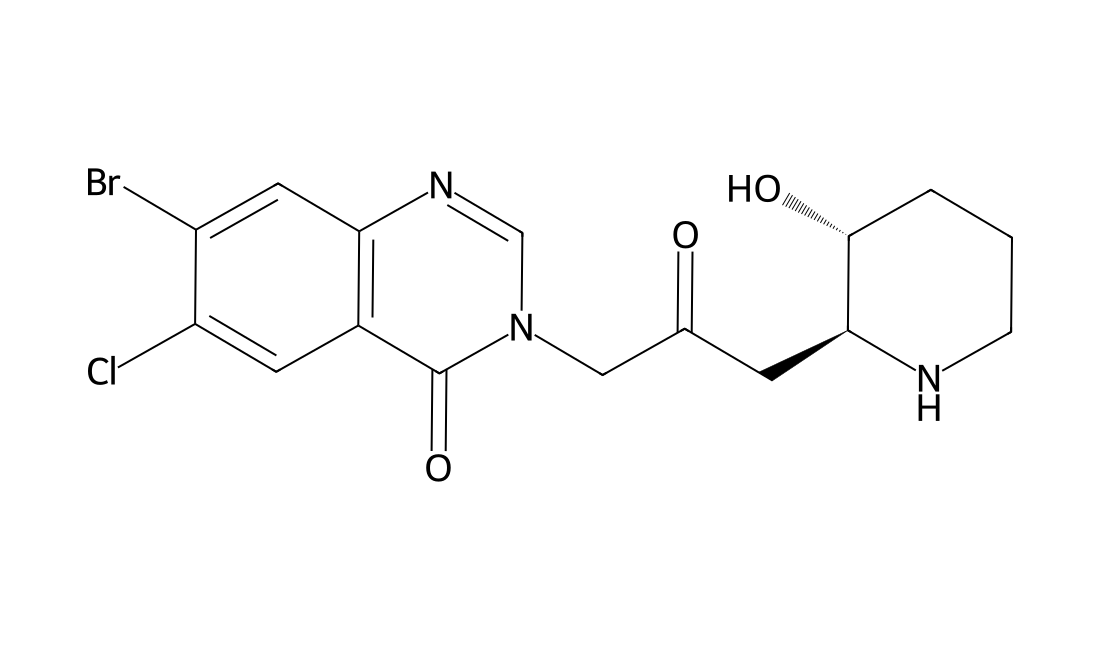
Halofuginone

CAS 55837-20-2

Halofuginone is the competitively inhibitor of prolyl-tRNA synthetase with Ki of 18.3 nM.It could also down-regulate Smad3 and blocked TGF-β signaling at 10 ng/ml in mammal.

Halofuginone chemical structure
DC12076

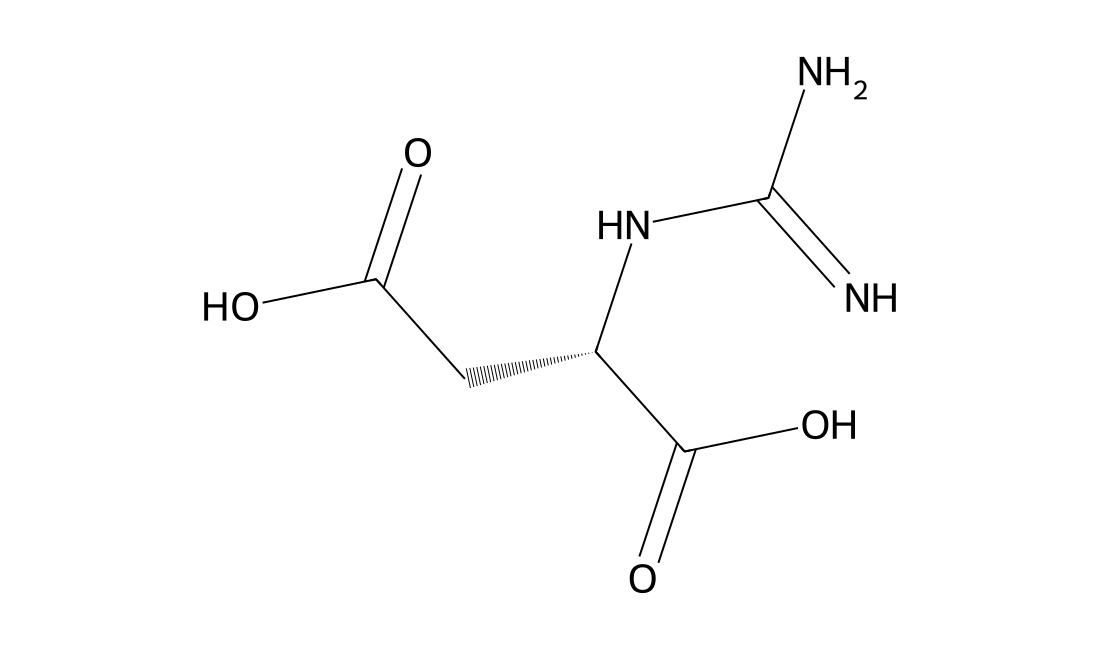
Guanidinosuccinic acid

CAS 6133-30-8

In Vivo Guanidinosuccinic acid, a constituent of normal urine, is elevated in the urine and serum of azotemic patients. Guanidinosuccinic acid (GSA), a guanidino compound found to be greatly increased in uremia, is administered by intraperitoneal (i.p.) injection to adult albino mice and to young mice 7, 14 and 21 days old. Epileptogenic and toxic properties are assessed and Guanidinosuccinic acid brain levels following i.p. injection ae determined. In adult mice, Guanidinosuccinic acid induces long-lasting generalized clonic and clonic-tonic convulsions in a dose-dependent manner with a CD50 (and 95% confidence interval) of 363 (287-458) mg/kg (n=35), and an LD50 of 579 (445-756) mg/kg. The CD50 of Guanidinosuccinic acid corresponded with a brain concentration of 56 nmol/g tissue. Electrocorticographic recording in five adult mice revealed epileptiform discharges (spikes, spike-waves, and polyspike-waves) which appeared concomitant with the convulsions, When young mice are i.p. injected with a (for adults) subconvulsive dose of Guanidinosuccinic acid (250 mg/kg), an age-dependent decrease is noted in Guanidinosuccinic acid-induced convulsions and in the resulting brain concentration.

Guanidinosuccinic acid chemical structure
DC9712

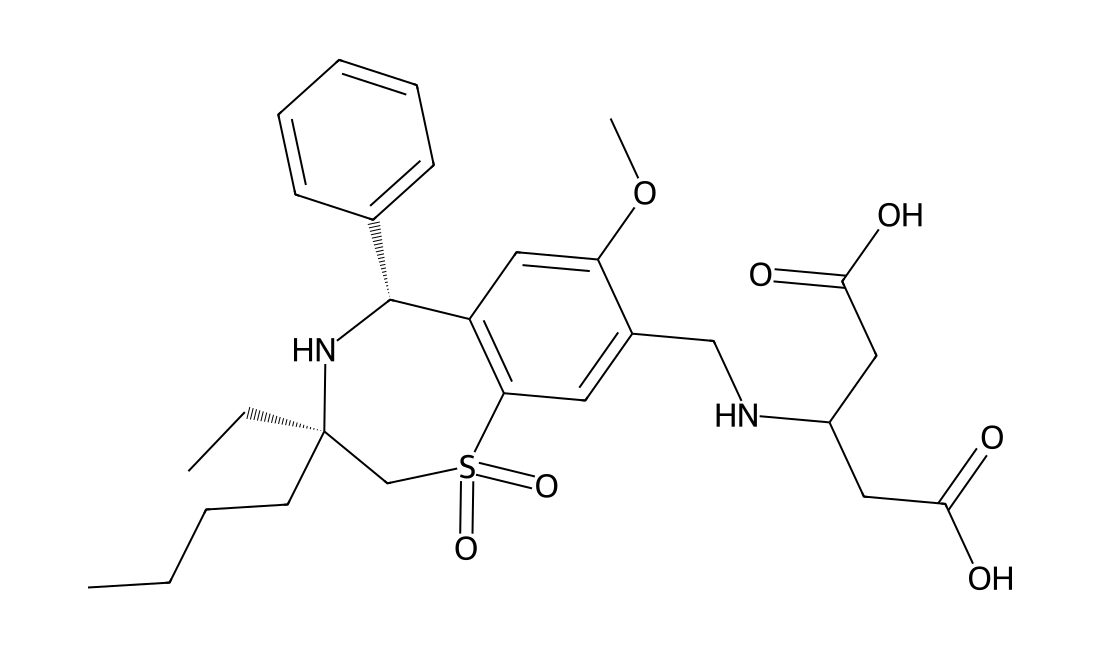
Iinerixibat

CAS 1345982-69-5

GSK2330672 is a highly potent, nonabsorbable ASBT inhibitor with excellent aqueous solubility, selectivity, and developability properties for evaluation in safety studies and ultimately humans. GSK2330672 will be a valuable clinical tool for exploring the therapeutic utility of a nonabsorbable ASBT inhibitor for treatment of patients with type 2 diabetes. in vivo: GSK2330672 results in potent inhibition of ASBT and very low oral absorption in the rat. GSK2330672 shows potent mouse and rat ASBT activity and was stable in GI stability assays. GSK2330672 is stable in the rodent GI tract and potently induced fecal bile acid excretion in mice, leading us to select these three compounds for mechanistic and efficacy studies in vivo in lean rats and Zucker Diabetic Fatty (ZDF) rats, respectively.

Iinerixibat chemical structure
DC9158

Glimepiride

CAS 93479-97-1

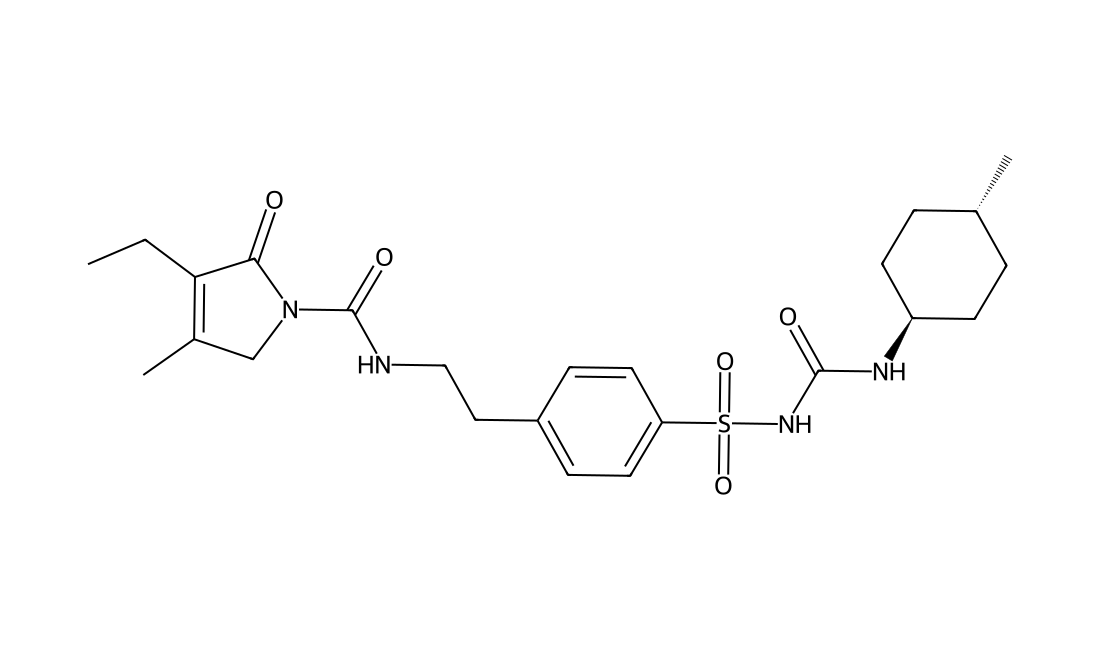
Glimepiride(Amaryl) is a medium-to-long acting sulfonylurea anti-diabetic compound with an ED50 of 182 μg/kg.Glimepiride (Hoe 490) is a new sulfonylurea. After oral administration of Hoe 490 to rabbits, blood glucose was lowered 3.5 times more than after glibenclamide (HB 419) and after intravenous administration, 2.5 times more. glimepiride decreased extracellular Aβ40 and Aβ42 levels. glimepiride may serve as a promising drug for the treatment of AD associated with diabetes. glimepiride was generally associated with lower risk of hypoglycemia and less weight gain compared to other sulfonylureas. Glimepiride use may be safer in patients with cardiovascular disease because of its lack of detrimental effects on ischemic preconditioning.

Glimepiride chemical structure
DC10347

Gestrinone

CAS 16320-04-0

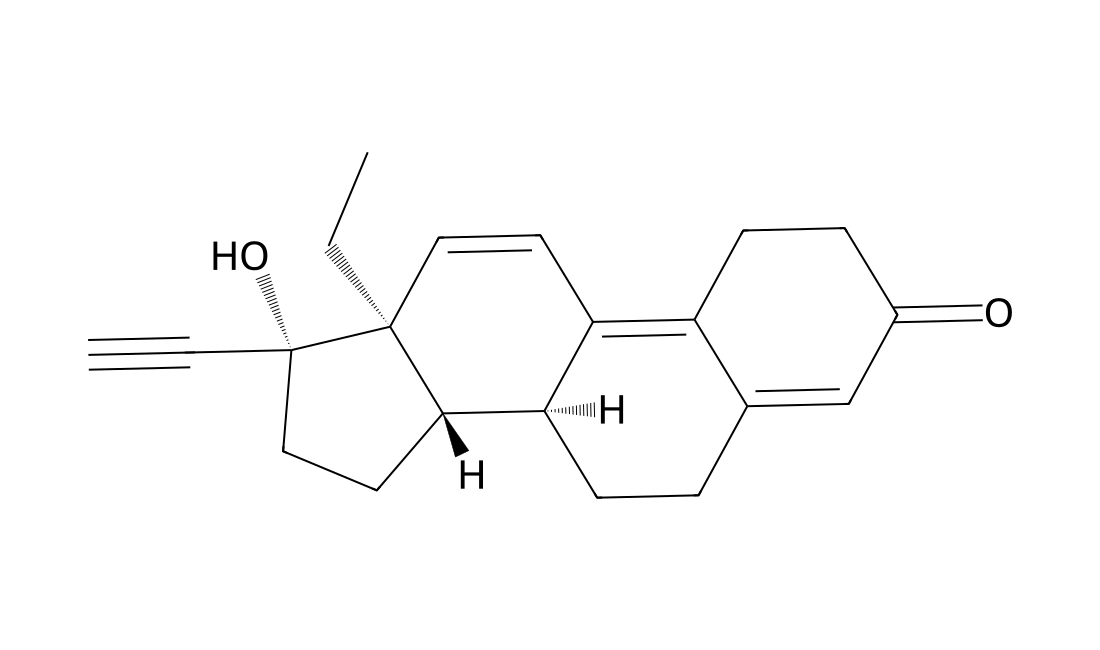
Gestrinone binds to endometrial receptors for estrogen, progesterone and androgen, occupies all specific binding sites of steroids in the steroid target cells despite the presence of endogenous steroids. Gestrinone exhibits stronger inhibitory effects on the growth of leiomyoma cells at 60 h than that at 20 and 40 h. Leiomyoma cells appears less dense, the cytoplasm is atrophic, the intercellular connections dwindled and nuclear aggregations are observed with more than 10 μM gestrinone treatment. Gestrinone treatment reduces the relative mRNA levels of estrogen α in a concentration dependent manner at concentrations of 0.1-3.0 μM.The estrogen-sensitive endpoints, vaginal keratinization and uterine progesterone receptor concentration, are enhanced by treatment with a combination of flutamide and either danazol or gestrinone. These data indicate that danazol and gestrinone have estrogenic activity that is masked by the androgenic component of these drugs. The mean hormone binding globulin treated with gestrinone fell from 56.4 nM to 28.1 nM after one week’s treatment and to 7.1 nM after 4 weeks respectively.

Gestrinone chemical structure
DC10590

Gemcitabine monophosphate

CAS 1638288-31-9

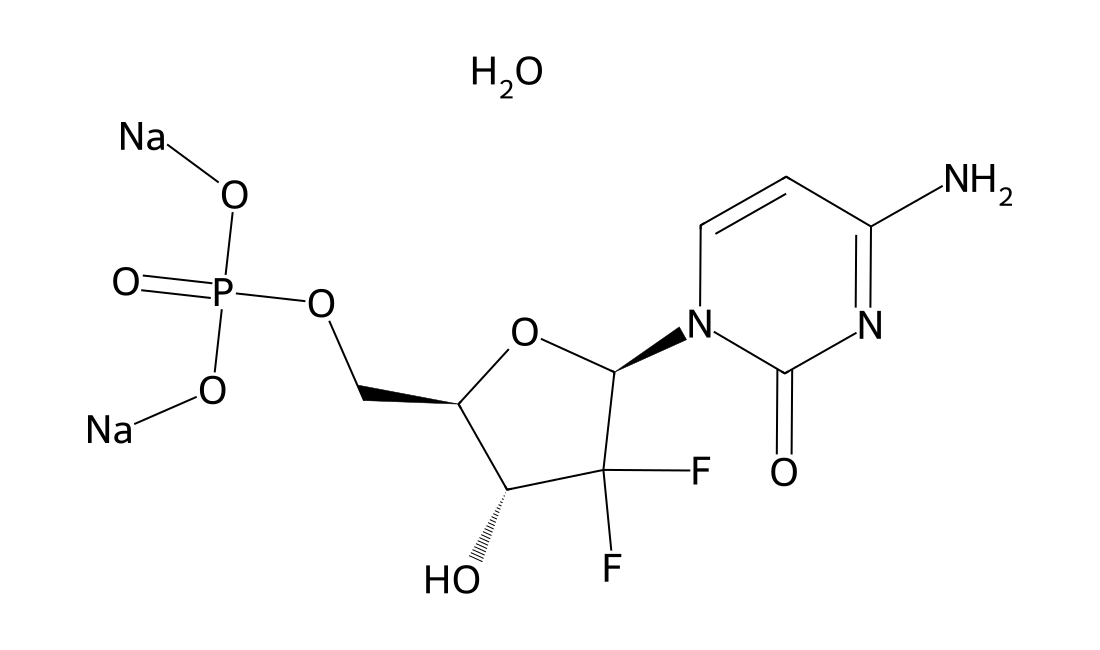
Gemcitabine monophosphate disodium salt, also called GemMP, is a monophosphate derivative of Gemcitabine. Gemcitabine (Gem) is a deoxycytidine analog that is effective against pancreatic cancer and other malignancies following conversion to the 5'-O-mono-, di- and tri-phosphate forms. GemMP decreased tumor cell growth at concentrations ranging from 1 to 50 nM. GemMP is a potent cytotoxic agent that serves to induce apoptosis in association with increased Fas expression in cultured thyroid cancer cell lines.

Gemcitabine monophosphate chemical structure
DC10035

GDC-0326

CAS 1282514-88-8

GDC-0326 is a potent and selective inhibitor of α-Isoform of Phosphoinositide 3-Kinase (PI3Kalpha inhibitor). GDC-0326 achieves a very high level of selectivity over other kinases. GDC-0326 has low plasma CL in human. Within the PI3 kinase family, there are four class I PI3K isoforms (α, β, δ, and γ). Of these isoforms, PI3Kα is the most commonly associated with cancers.

GDC-0326 chemical structure
DC9381

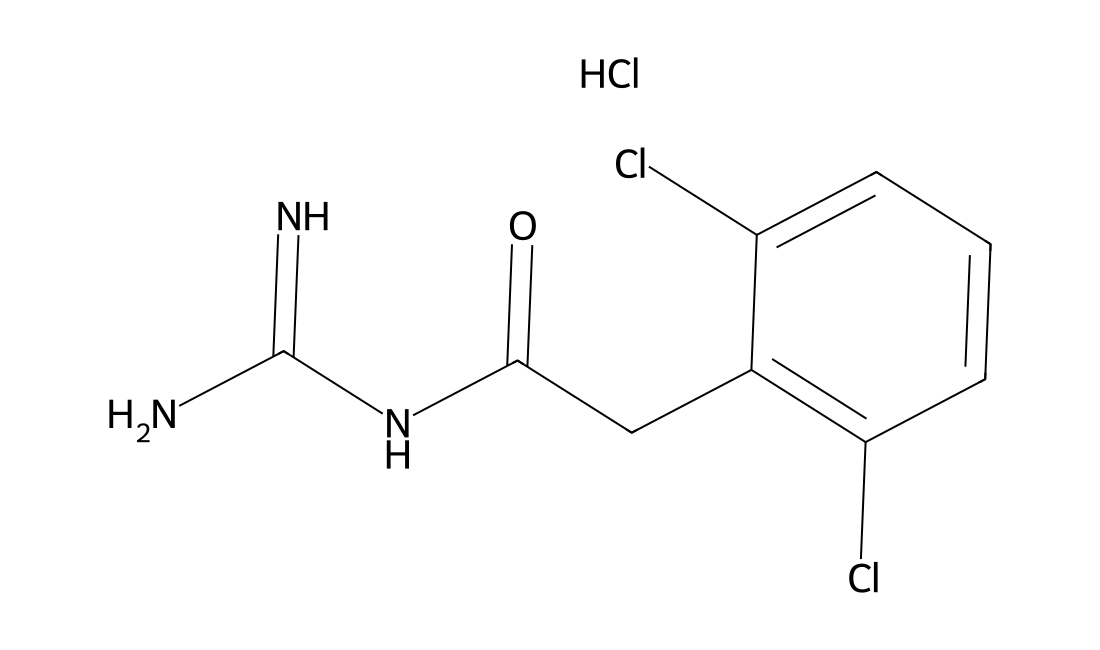
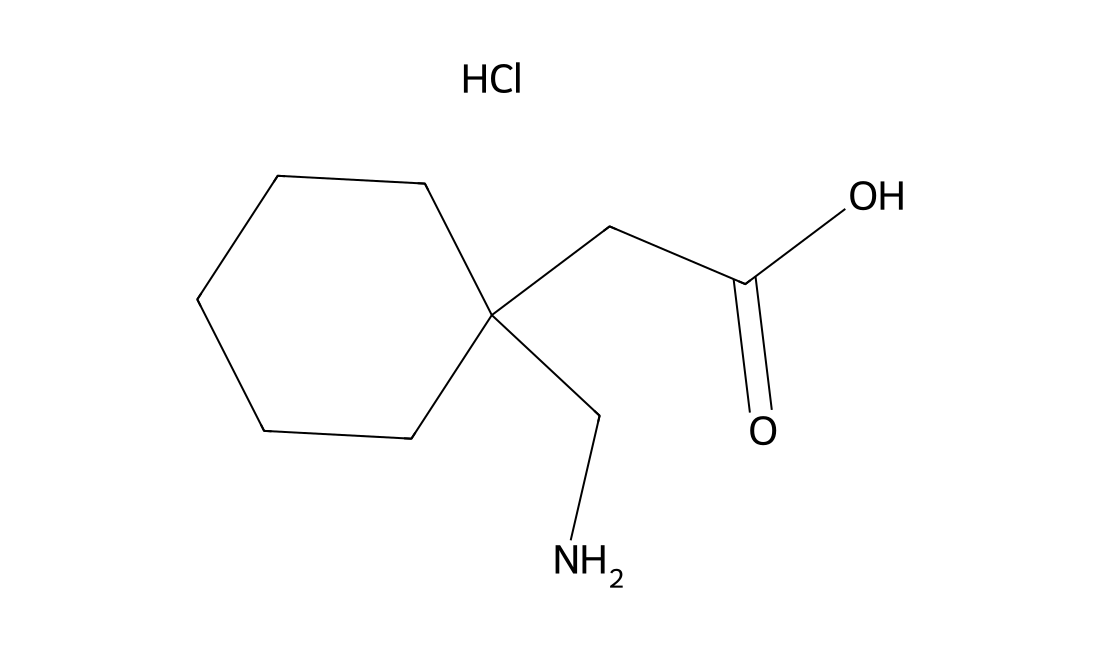
Gabapentin (hydrochloride)

CAS 60142-95-2

Gabapentin (Neurontin) is a pharmaceutical drug, specifically a GABA analog. It was originally developed to treat epilepsy, and currently is also used to relieve neuropathic pain. in vitro: Gabapentin, baclofen and CGP 44532 all reduced the electrically stimulated release of [3H]glutamic acid (IC50=20 microM, 0.8 microM and 2 microM, respectively). Gabapentin was without effect on the release of [3H]GABA, whilst baclofen (IC50=8 microM) and CGP 44532 (IC50=1 microM) inhibited [3H]GABA release. A large inhibition of calcium currents by gabapentin was observed in pyramidal neocortical cells (up to 34%). Significantly, the gabapentin-mediated inhibition of calcium currents saturated at particularly low concentrations (around 10 microM), at least in neocortical neurons (IC50 about 4 microM). in vivo: Gabapentin produced an anti-allodynic effect over the 7-day period, reducing the expression of pro-inflammatory cytokines but increasing the expression of IL-10 (TNF-α, 316.0 ± 69.7 pg/mL vs 88.8 ± 24.4 pg/mL; IL-1β, 1,212.9 ± 104.5 vs 577.4 ± 97.1 pg/mL; IL-6, 254.0 ± 64.8 pg/mL vs 125.5 ± 44.1 pg/mL; IL-10, 532.1 ± 78.7 pg/mL vs 918.9 ± 63.1 pg/mL). The suppressive effect of gabapentin on pro-inflammatory cytokine expression was partially blocked by the anti-IL-10 antibody.
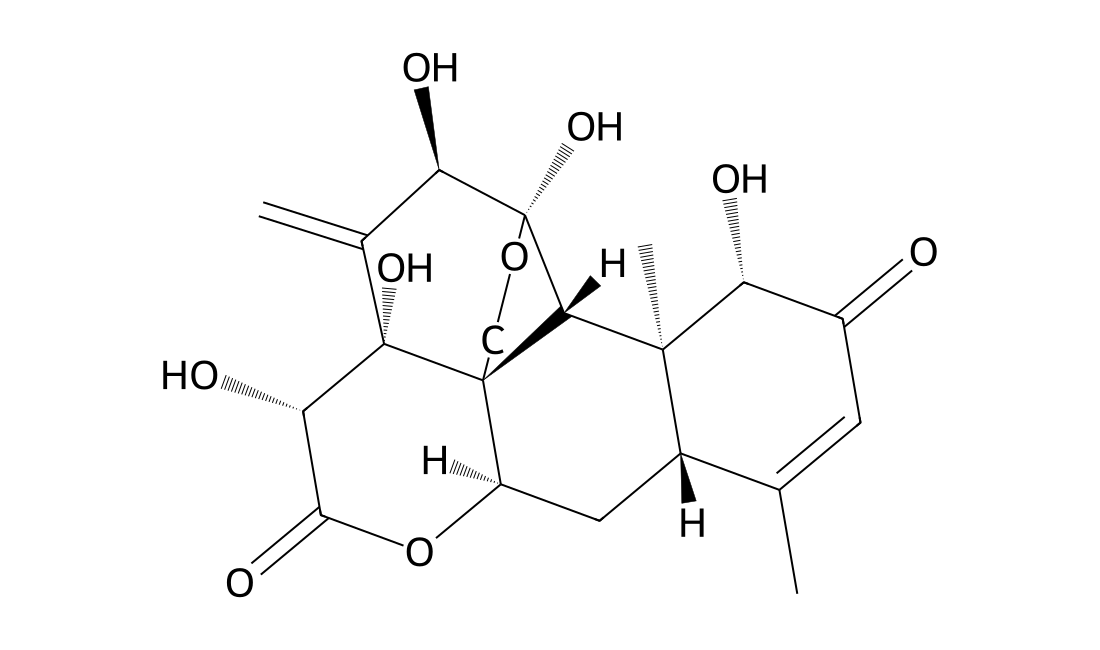
Gabapentin (hydrochloride) chemical structure
DC10240

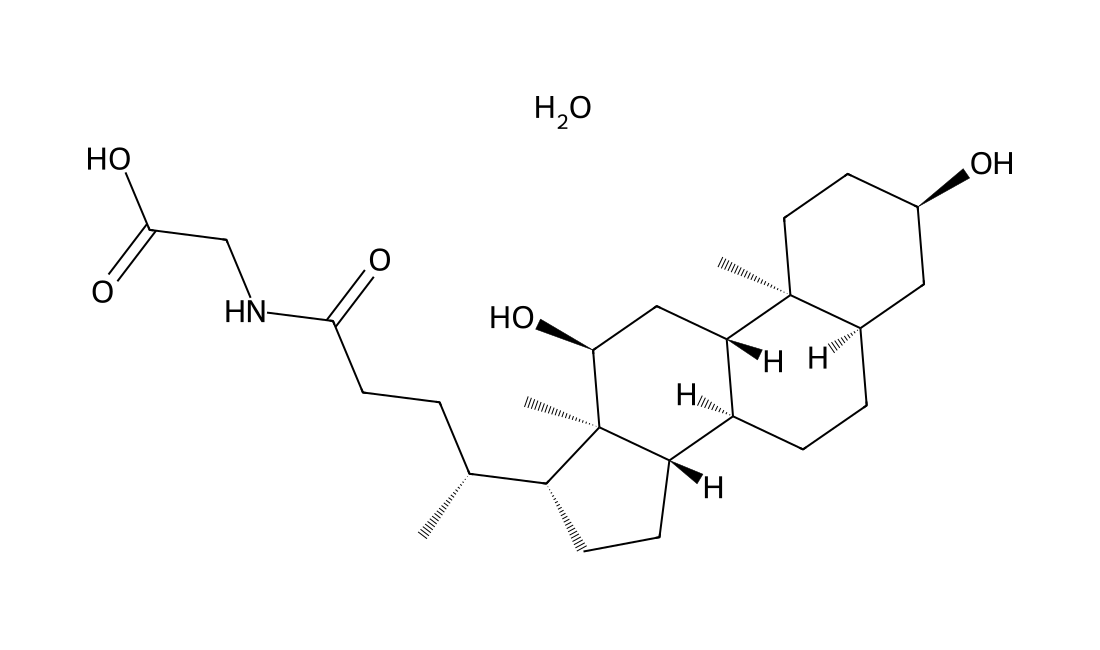
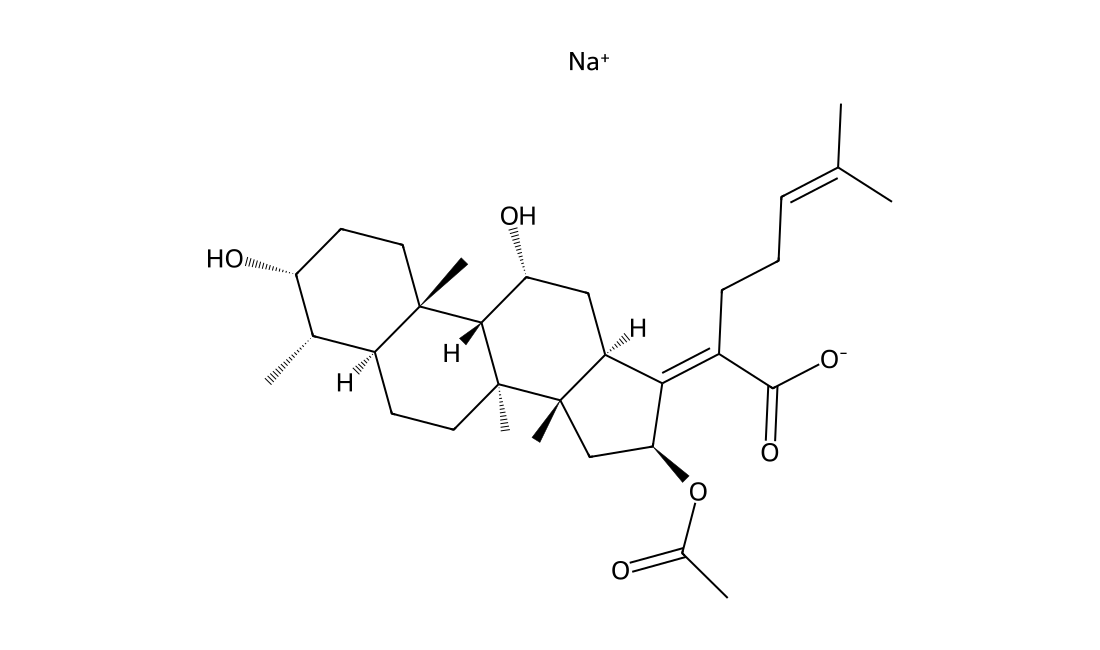
Fusidate Sodium

CAS 751-94-0

Fusidate Sodium is a sodium salt form of fusidic acid, a bacteriostatic antibiotic derived from the fungus Fusidium coccineum and used as a topical medication to treat skin infections.

Fusidate Sodium chemical structure
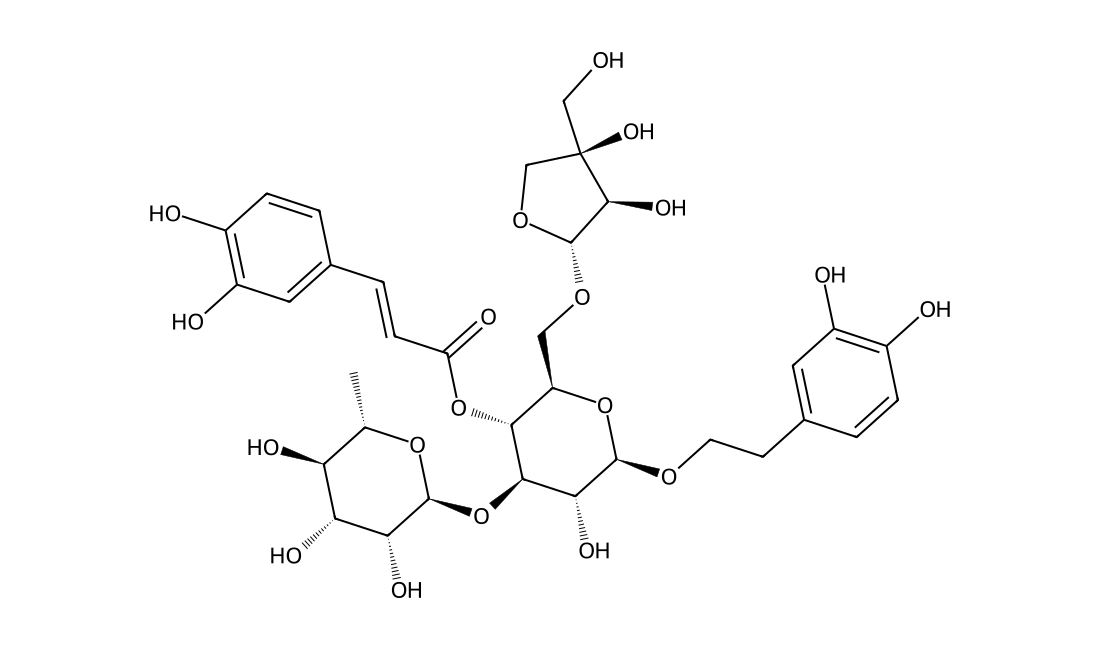
DC10181

Forsythoside B

CAS 81525-13-5

Forsythoside B concentration-dependently down-regulates the levels of TNF-α, IL-6 and high-mobility group-box 1 protein (HMGB1) in lipopolysaccharide (LPS)-stimulated RAW264.7 cells, inhibits the IκB kinase (IKK) pathway and modulated nuclear factor (NF)- κB.Intravenous injection of forsythoside B alone or plus imipenem reduces serum levels of TNF-α, IL-6, HMGB1, triggering receptor expressed on myeloid cells (TREM-1) and endotoxin, while the serum level of IL-10 is up-regulated and myeloperoxidase (MPO) in lung, liver and small intestine is reduced. Forsythoside B at doses higher than 8 mg/kg produces a significant neuroprotective potential in cerebral ischemia and reperfusion rats. Forsythoside B (20 mg/kg) demonstrates significant neuroprotective activity even after delayed administration at 1 h, 3 h and 5 h after cerebral ischemia and reperfusion. Forsythoside B 20 mg/kg attenuates histopathological damage as demonstrated by smaller brain infarct size and brain edema, decreased cerebral Evans blue extravasation and myeloperoxidase activity, inhibited cerebral phosphor-IκB-α and NF-κB expression. Forsythoside B shows a significant recovery in myocardial function with improvement of LVSP and +/-dp/dt(max). The myocardial infarct volume, serum levels of Tn-T, TNF-alpha and IL-6, content of MDA and MPO activity in myocardial tissue are all reduced, protein expression of HMGB1, phosphor-I kappaB-alpha and phosphor-NF-kappaB are down-regulated, while attenuate the decrease of SOD and GPx activities.
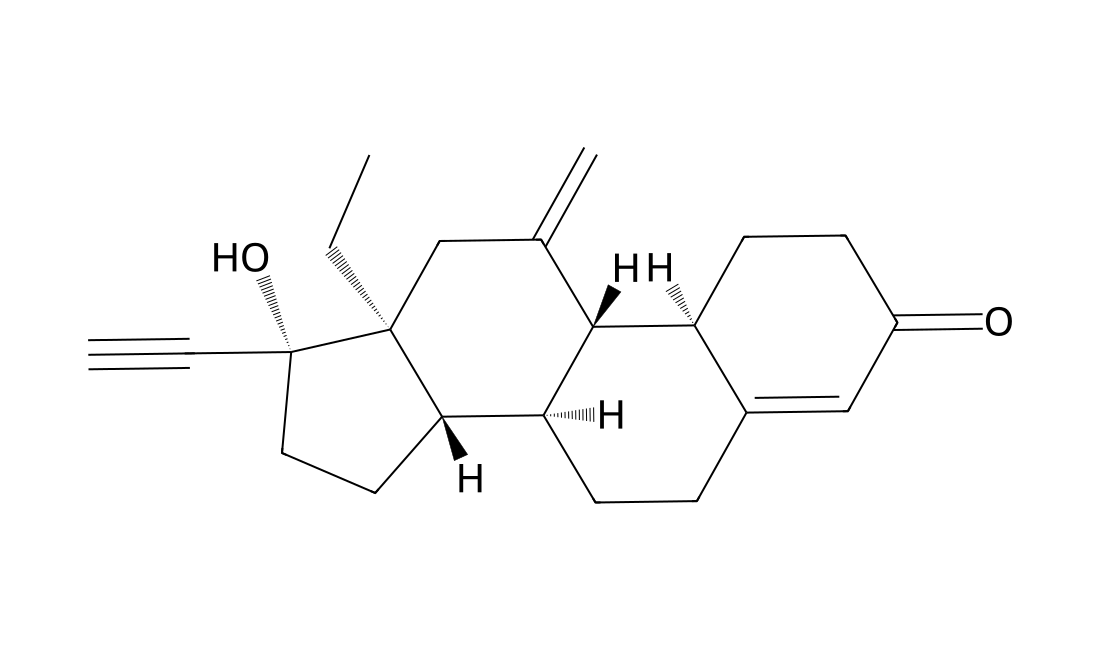
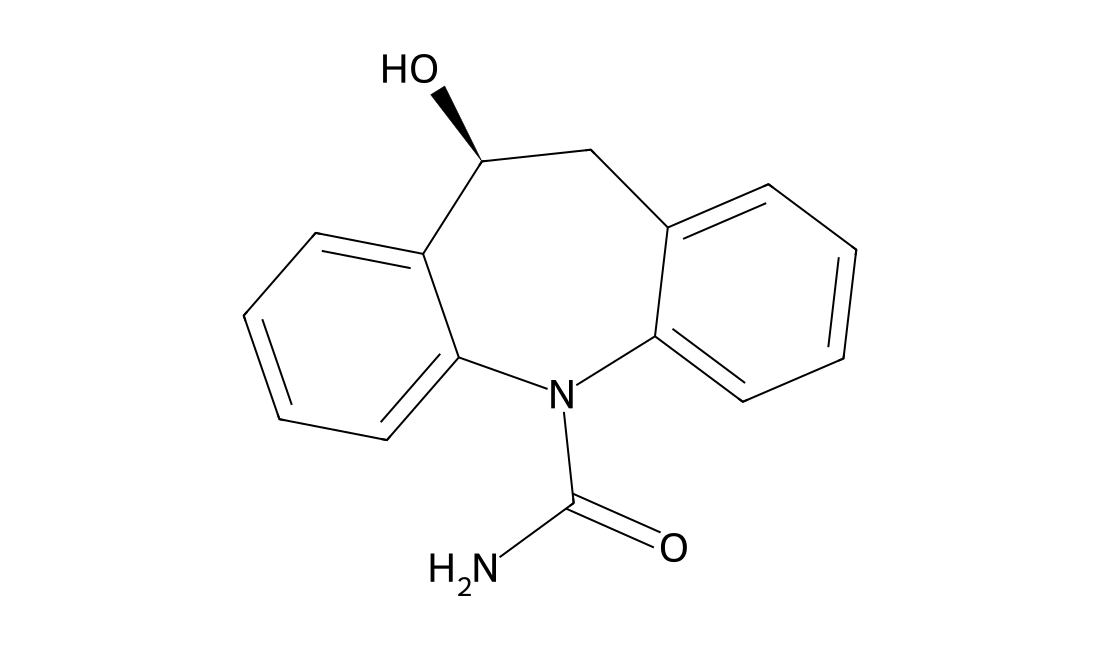
Forsythoside B chemical structure
DC9350

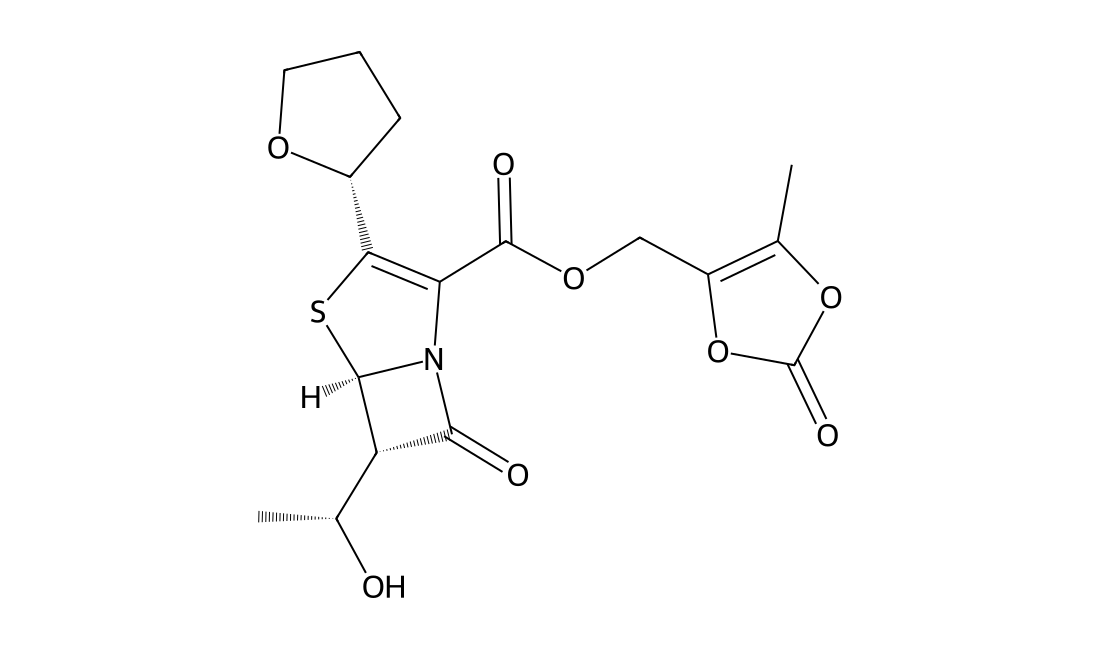
Faropenem daloxate

CAS 141702-36-5

Faropenem daloxate is the first oral penem in a new class of beta-lactam antibiotics. Faropenem daloxate is useful for penem and antibiotics. Faropenem medoxomil has excellent in vitro activity against Streptococcus pneumoniae, Haemophilus influenzae and other key pathogens implicated in acute bacterial rhinosinusitis. Clinical studies have demonstrated that, in the treatment of acute bacterial rhinosinusitis in adults, 7 days of treatment with faropenem medoxomil is as clinically and bacteriologically effective as 10 days of treatment with cefuroxime axetil. One study showed faropenem medoxomil to be superior to cefuroxime axetil. Overall, the safety profile of faropenem medoxomil is similar to that of most comparators.

Faropenem daloxate chemical structure
DC12061

Eurycomanone

CAS 84633-29-4

In Vitro Eurycomanone (EN) significantly increased testosterone production dose-dependently at 0.1, 1.0 and 10.0 μM, but the two lower doses when combined with 3-isobutyl-1-methylxanthine (IBMX), the phosphodiesterase inhibitor were not significantly higher than EN or IBMX alone, except at a higher concentration. The molecular docking studies indicated EN and IBMX were binding at different sites of the enzyme. EN has no reversal of inhibition by aminoglutethimide, ketoconazole or nifedipine at the respective steroid oogenesis enzyme. The quassinoid was also non-responsive to the inhibition of oestrogen receptor by tamoxifen, but displayed improved for mestane inhibition of aromatase in reducing oestrogen production. The molecular docking studies further supported that EN and formestane bound to aromatase with similar orientations and free energy binding values.

Eurycomanone chemical structure
DC9441

Etonogestrel

CAS 54048-10-1

Etonogestrel is a steroidal progestin used in hormonal contraceptives. Etonogestrel is used as a female contraceptive. Etonogestrel is a progestin or a synthetic form of the naturally occurring female sex hormone, progesterone. Etonogestrel tricks the body processes into thinking that ovulation has already occurred, by maintaining high levels of the synthetic progesterone. This prevents the release of eggs from the ovaries. Etonogestrel binds to the progesterone and estrogen receptors. Target cells include the female reproductive tract, the mammary gland, the hypothalamus, and the pituitary. Once bound to the receptor, progestins like etonogestrel will slow the frequency of release of gonadotropin releasing hormone (GnRH) from the hypothalamus and blunt the pre-ovulatory LH (luteinizing hormone) surge.

Etonogestrel chemical structure
DC12325

Eslicarbazepine (BIA 2-194)

CAS 104746-04-5

In Vivo Eslicarbazepine is an anti-epileptic drug, chemically related to carbamazepine but with a more favorable safety profile. Eslicarbazepine acetate is a prodrug for eslicarbazepine (S-licarbazepine), which is a dual a dual Inhibitor of β-Secretase and voltage-gated sodium channel.

Eslicarbazepine (BIA 2-194) chemical structure
DC9565

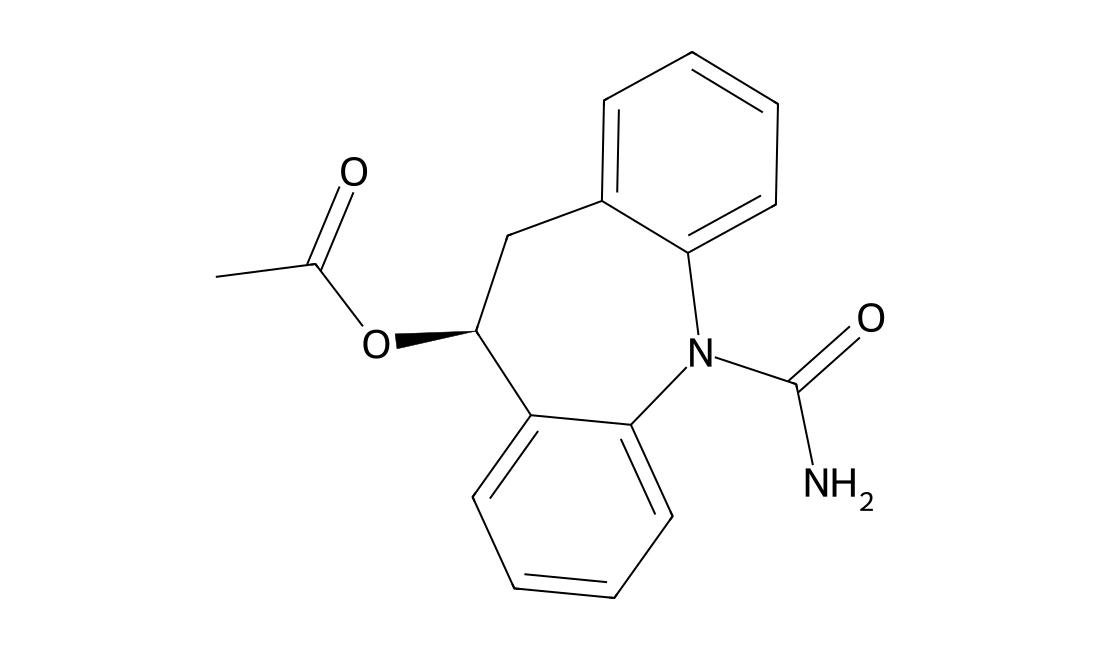
Eslicarbazepine (acetate)

CAS 236395-14-5

Eslicarbazepine acetate (BIA 2-093) is an antiepileptic drug. Eslicarbazepine acetate (BIA 2-093) is an antiepileptic drug. It is a prodrug which is activated to eslicarbazepine (S-licarbazepine), an active metabolite of oxcarbazepine. Eslicarbazepine acetate is a prodrug for (S)-(+)-licarbazepine, the major active metabolite of oxcarbazepine. Its mechanism of action is therefore identical to that of oxcarbazepine. There may, however, be pharmacokinetic differences. Eslicarbazepine acetate may not produce as high peak levels of (S)-(+)-licarbazepine immediately after dosing as does oxcarbazepine which could theoretically improve tolerability.

Eslicarbazepine (acetate) chemical structure
DC9363

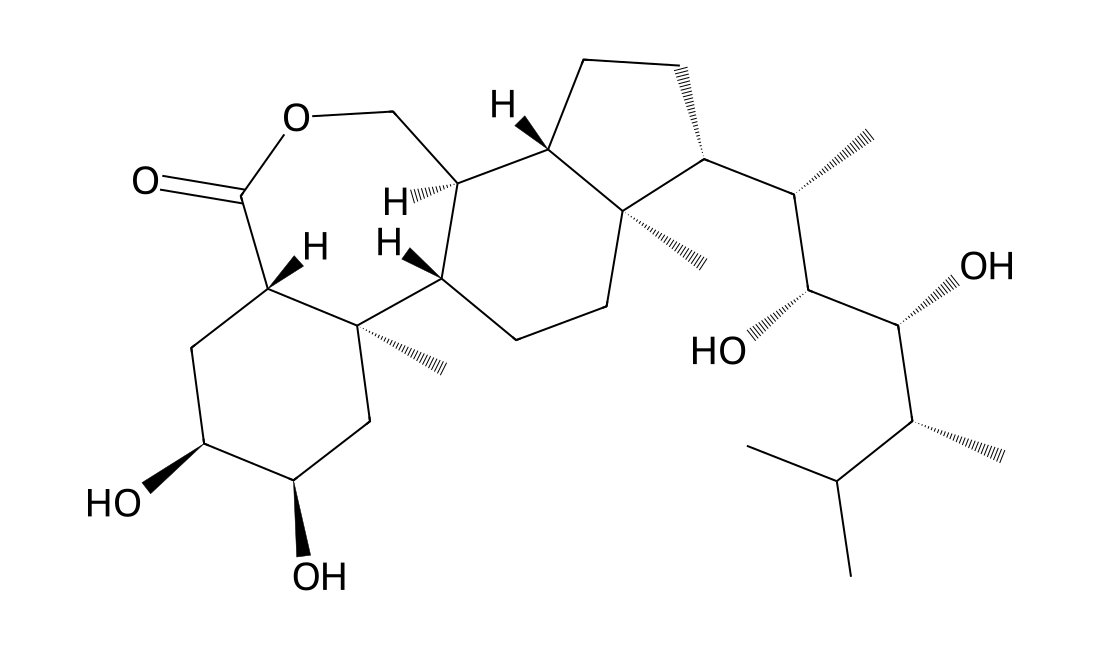
Epibrassinolide

CAS 78821-43-9

Epibrassinolide (EBR; B1105; 24-Epibrassinolide) is a biologically active compound of the brassinosteroids, steroid-derived plant growth regulator family; was shown as a potential apoptotic inducer in various cancer cells without affecting the non-tumor cell growth. in vitro: Induction of apoptotic cell death was observed in prostate cancer cell lines after EBR treatment. In addition, EBR induced the decrease of intracellular polyamine levels, accompanied by a significant ornithine decarboxylase (ODC) down-regulation in each prostate cancer cell and also modulated ODC antizyme and antizyme inhibitor expression levels only in LNCaP cells. transcriptional expression of eight genes involved in astaxanthin biosynthesis exposed to EBR (25 and 50 mg/L) was analyzed using qRT-PCR. The results demonstrated that both 25 and 50 mg/L EBR could increase astaxanthin productivity and the eight carotenogenic genes were up-regulated by EBR with different expression profiles. Moreover, EBR25 induction had a greater influence on the transcriptional expression of ipi-1, ipi-2, crtR-B, lyc and crtO (> 5- fold up-regulation) than on psy, pds, bkt; EBR50 treatment had a greater effect on the transcriptional expression of ipi-2, pds, lyc, crtR-B, bkt and crtO than on ipi-1 and psy. Furthermore, astaxanthin biosynthesis under EBR was up-regulated mainly by ipi1? and psy at the post-transcriptional level, pds, lyc, crtR-B, bkt and crtO at the transcriptional level and ipi-2 at both levels. Arabidopsis seedlings treated with BR 24-epibrassinolide (BL) show increased lateral roots (LR) density, inhibition of primary root (PR) elongation and NO accumulation. Similar effects were observed adding the NO donor GSNO to BR-receptor mutant bri1-1.

Epibrassinolide chemical structure
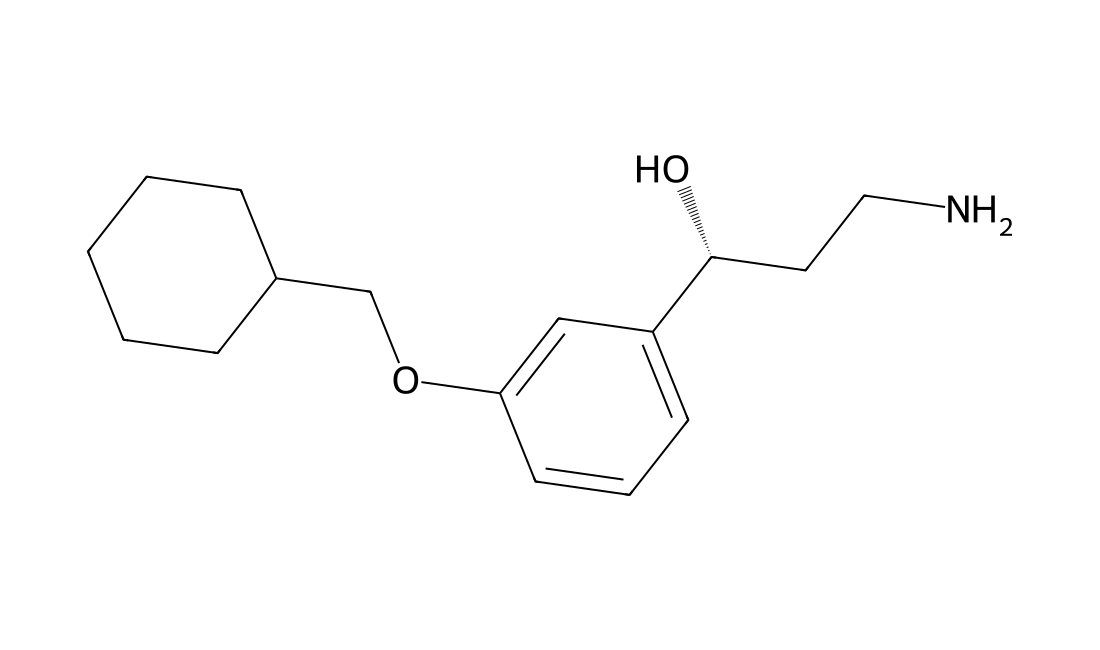
DC10314

Emixustat

CAS 1141777-14-1

Emixustat potently inhibits isomerase activity in vitro (IC50=4.4 nM). Treatment of emixustat shows a concentration dependent reduction of 11-cis-ROL production . Emixustat strongly inhibits 11-cis-retinol production with an IC50 value of 232±3 nM.Emixustat reduces the production of visual chromophore (11-cis retinal) in wild-type mice following a single oral dose (ED50=0.18mg/kg). In albino mice, emixustat is shown to be effective in preventing photoreceptor cell death caused by intense light exposure. Pre-treatment with a single dose of emixustat (0.3 mg/kg) provids a 50%protective effect against light-induced photoreceptor cell loss, while higher doses (1-3 mg/kg) are nearly 100%effective. In Abca4-/- mice, chronic (3 month) emixustat treatment markedly reduces lipofuscin autofluorescence and reduces A2E levels by 60%( ED50=0.47 mg/kg). In the retinopathy of prematurity rodent model, treatment with emixustat during the period of ischemia and reperfusion injury produces a 30%reduction in retinal neovascularization (ED50=0.46mg/kg).

Emixustat chemical structure
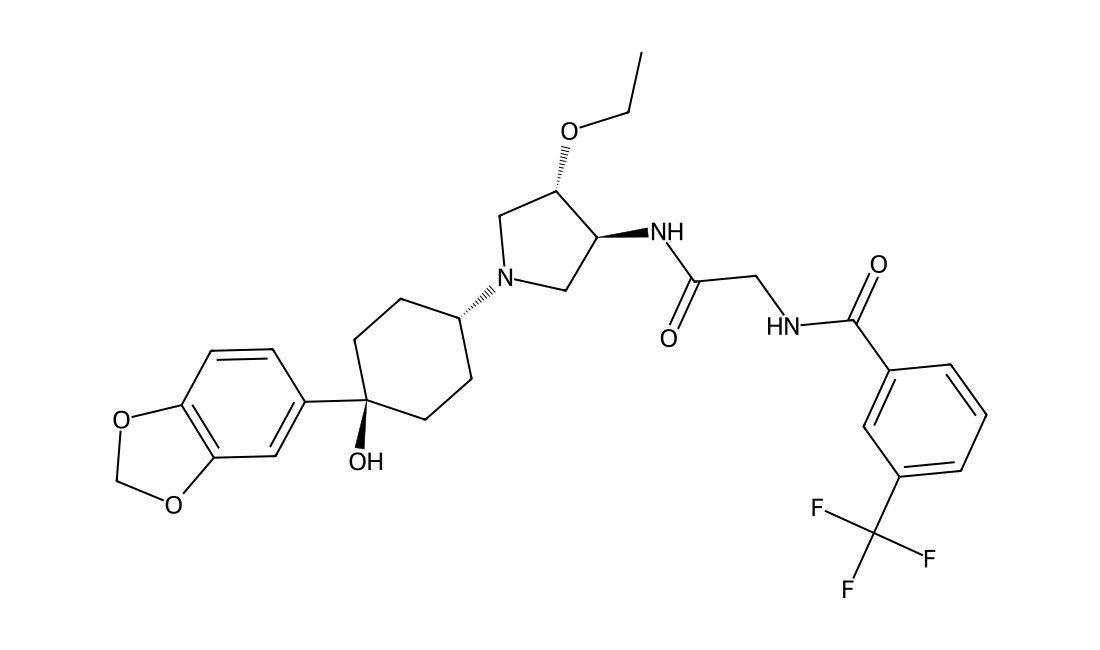
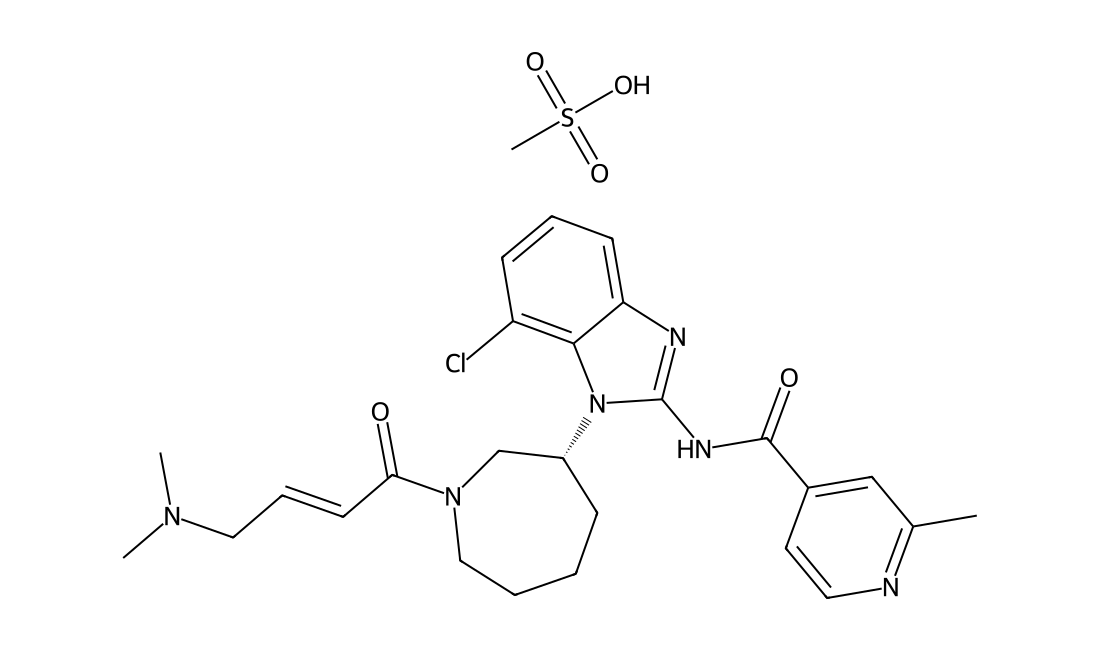
DC23179

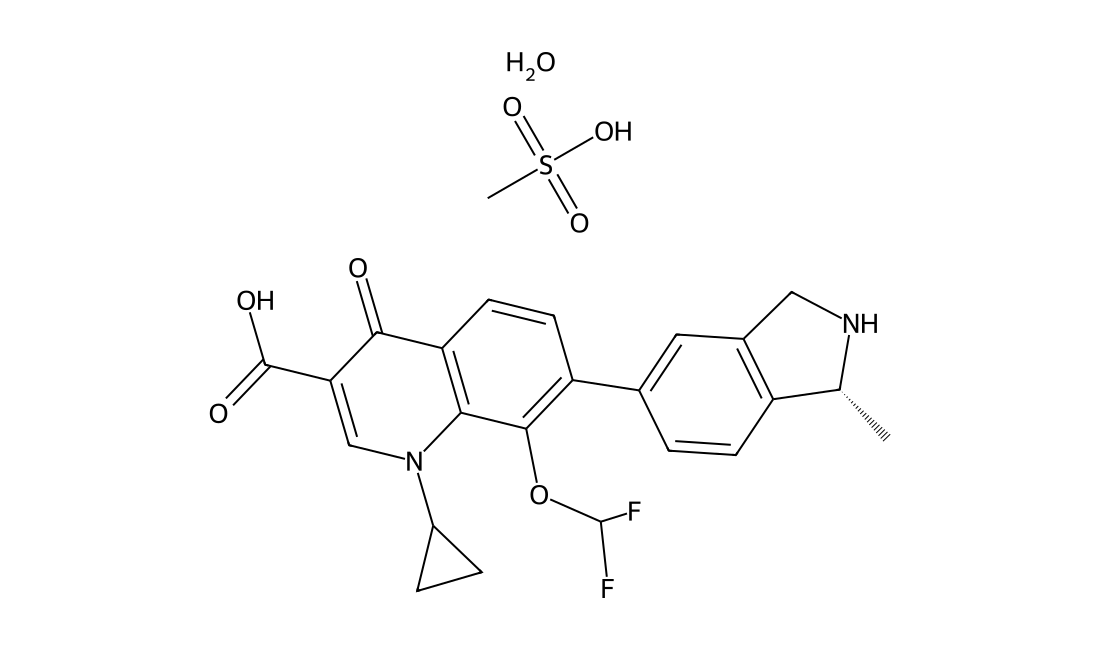
EGF816 mesylate

CAS 1508250-72-3

EGF816 (Nazartinib) is a potent, irreversible, mutant-selective EGFR inhibitor with Ki and Kinact of 31 nM and 0.222 min-1, respectively; shows potent inhibition of pEGFR levels in H3255, HCC827, and H1975 with EC50 of 5, 1, and 3 nM, which harbor the L858R, Ex19del, and L858R/T790M mutations, respectively, inhibitscell proliferation with EC50 of 9, 11, and 25 nM, but not the WT EGFR-containing patient-derived cell lines; potently inhibits the most common EGFR mutations L858R, Ex19del, and T790M in vitro; causes tumor regressions in vivo in several patient-derived xenograft models, also demonstrates antitumor activity in exon 20 insertion mutant model.Lung CancerPhase 3 Clinical

EGF816 mesylate chemical structure
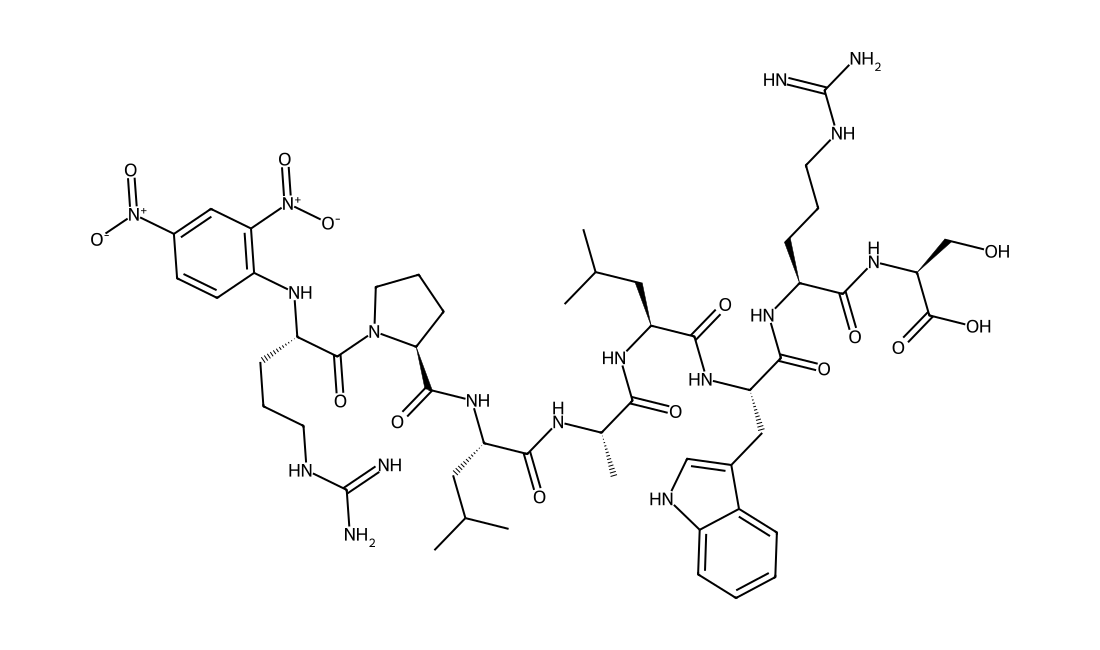
DC11345

MMP-7 Fluorogenic Substrate

CAS 172666-82-9

Dnp-RPLALWRS is a fluorogenic substrate for matrix metalloproteinase-7 (MMP-7).The activity of MMP-7 can be quantified by measuring tryptophan fluorescence that is unquenched upon peptide hydrolysis that removes the N-terminal dinitrophenol (Dnp) group.

MMP-7 Fluorogenic Substrate chemical structure
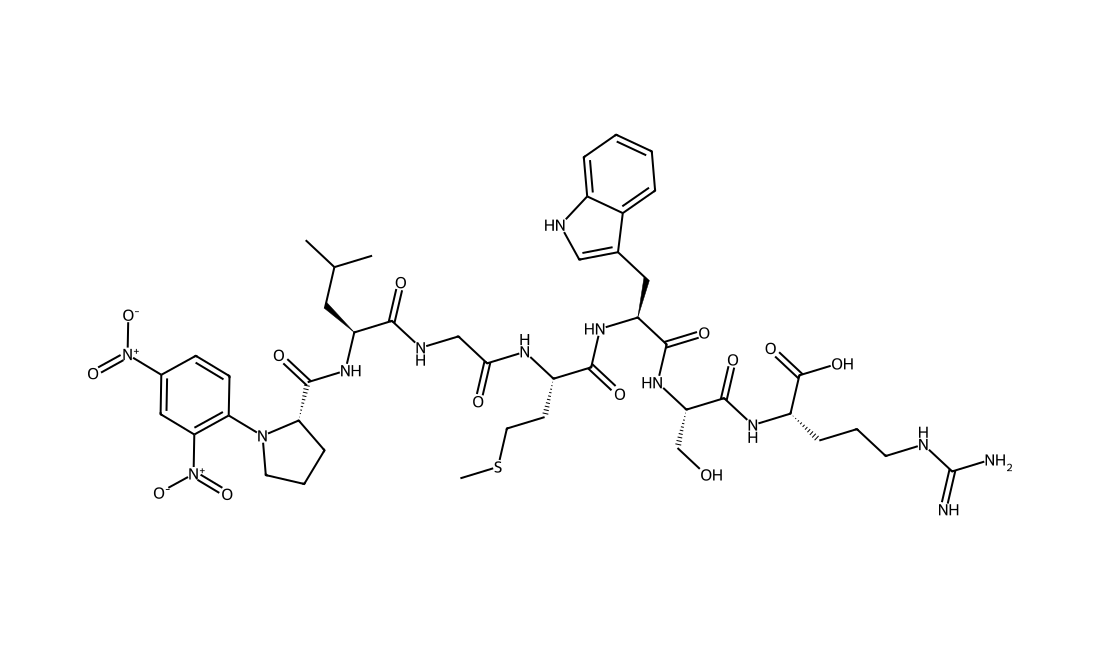
DC11344

MMP-2/MMP-9 Fluorogenic Substrate I

CAS 135662-07-6

Dnp-PLGMWSR is a fluorogenic substrate for matrix metalloproteinase-2 (MMP-2) and MMP-9.The activity of MMP-2 and MMP-9 can be quantified by measuring tryptophan fluorescence that is unquenched upon peptide hydrolysis that removes the N-terminal dinitrophenol (Dnp) group.

MMP-2/MMP-9 Fluorogenic Substrate I chemical structure
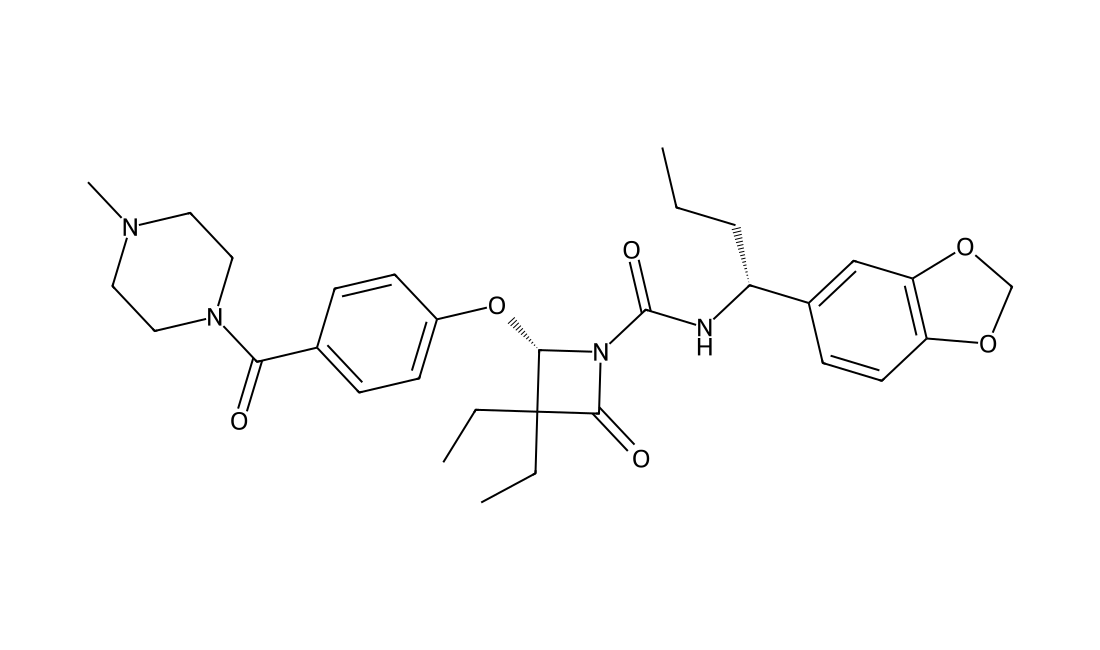
DC9434

DMP 777

CAS 157341-41-8

DMP 777(L-694458) is a potent, selective, and orally active human leukocyte elastase (HLE) inhibitor. After iv dosing, L-694,458 exhibited similar pharmacokinetic parameters in rats and rhesus monkeys. The bioavailability of a 10 mg/kg oral dose was higher in rats (65%) than in rhesus monkeys (39%). In both species, concentrations of L-694,458 in plasma increased more than proportionally when the oral dose was increased from 10 mg/kg to 40 mg/kg. In monkeys a protracted plasma concentration-time profile was observed at 40 mg/kg, characterized by a delayed T(max) (8-24 hr) and a long terminal half-life (6 hr). DMP-777 dissipated a gastric tubulovesicle proton gradient without impairing the H/K-ATPase activity, consistent with its pharmacological action as a parietal cell-specific protonophore which could induce parietal cell necrosis through backwash of luminal acid into actively secreting cells.

DMP 777 chemical structure
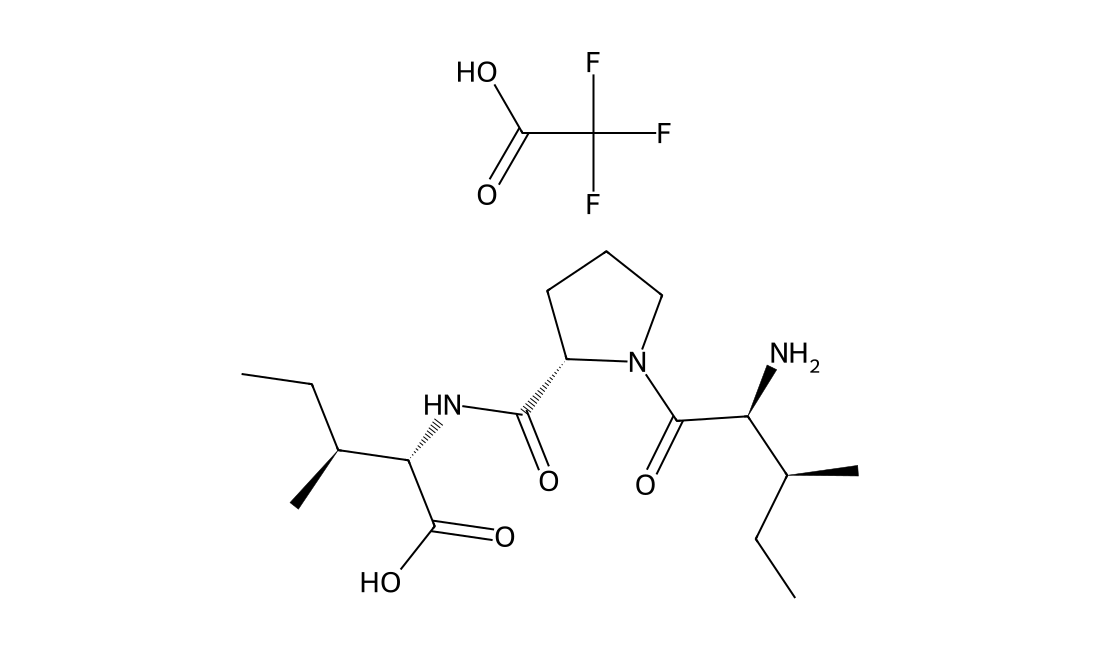
DC12269

Diprotin A TFA (Ile-Pro-Pro (TFA))

CAS 209248-71-5

In Vitro Diprotin A increases the phosphorylation of Src and vascular endothelial-cadherin (VE-cadherin) in human endothelial cells and disrupts endothelial cell-to-cell junctions, which are attenuated by CXCR4 (receptor of SDF-1α)-blocker or Src-inhibitor. In Vivo In the model of retinopathy of prematurity, Diprotin A increases not only retinal vascularity but also leakage. Additionally, in the murine diabetic retinopathy model, Diprotin A increases the phosphorylation of Src and VE-cadherin and aggravates vascular leakage in the retinas. Collectively, Diprotin A induces vascular leakage by augmenting the SDF-1α/CXCR4/Src/VE-cadherin signaling pathway.

Diprotin A TFA (Ile-Pro-Pro (TFA)) chemical structure
Browse target & topic index A–Z (366)
11β-HSD (1)15-PGDH (2)5-HT Receptor (16)Acetyl-CoA Carboxylase (ACC) (3)Acetylcholinesterase (AChE) (2)Ack1 (TNK2) (1)Acyltransferase (1)ADC Cytotoxin (6)ADCs Linker/Click Chemistry (5)Adenosine Receptor (9)Adenylate Cyclase (2)Adrenergic Receptor (11)Akt (12)Alcoholism (2)Aldehyde Dehydrogenase (ALDH) (6)Allergy (5)Alzheimer Disease (13)Aminopeptidase (1)AMPK (8)Amyloids (4)Anaplastic Lymphoma Kinase (ALK) (9)Androgen Receptor (AR) (11)Anemia (4)Angiotensin Receptor (4)Antibody/Protein labeling dyes (1)Antifolate (2)Anxiety (1)Apoptosis Inducer (3)Arginase (1)Arp2/3 complex (1)Aryl hydrocarbon Receptor (AhR) (1)Asthma (5)Atherosclerosis (2)ATM/ATR (8)Aurora Kinase (10)Autophagy (6)Autophagy-related Protein (Atg) (2)Autotaxin (2)Bacterial (26)Bacterial Infection (17)Bcl-2 (14)Bcr-Abl (5)BCRP (1)Beta-catenin (4)Beta-secretase (BACE) (4)Blood Cancer (91)BMI-1 (1)Bone Cancer (6)Brain Cancer (6)Breast Cancer (30)Bromodomain (22)BTK (10)c-Fms (CSF1R) (5)c-Fos/AP-1 (1)c-Kit (6)c-Met (HGFR) (11)c-Myc (2)Calcium Channel (4)Calcium-sensing Receptor (CaSR) (1)CaMK (4)Cannabinoid Receptor (6)Carbonic Anhydrase (1)Carboxypeptidase (1)Casein Kinase (6)Caspase (4)Cathepsin (6)Cdc2-like Kinase (CLK) (1)CETP (2)CFTR (7)Checkpoint Kinase (Chk) (8)Chemokine Receptor (CCR and CXCR) (14)Chemotherapeutic Agents (19)Chloride Channel (1)CMV (2)CMV Infection (2)Colon Cancer (9)Complement System (1)COPD (3)CREB/CBP (2)CRF Receptor (2)CRISPR/Cas9 (1)Cushing Disease (1)Cyclin-dependent Kinase (CDK) (39)Cyclooxygenase (COX) (4)Cytochrome P450 (CYPs) (5)Depression (2)Dermatitis (2)Deubiquitinase (DUB) (7)Diabetes (20)Dipeptidyl Peptidase (DPP) (3)Discoidin Domain Receptor (DDR) (1)DNA Alkylator/Crosslinker (10)DNA Methyltransferase (DNMT) (1)DNA Repair Protein (1)DNA-PK (2)DNA/RNA Synthesis (5)Dopamine beta-hydroxylase (1)Dopamine Receptor (7)Drug Metabolite (1)Drug-Linker Conjugates (11)Dyes (4)DYRK (1)Dyslipidemia (9)E3 Ligase Ligand (6)E3 Ligase Ligand-Linker Conjugate (1)E3 Ubiquitin Ligase (4)Ebola Virus Infection (1)EGFR (32)Elastase (2)Endothelin Receptor (5)Enzymes substrates (13)Epigenetic Reader Domain (3)Epilepsy (4)ERK (4)Estrogen Receptor/ERR (13)Eukaryotic Initiation Factor (eIF) (2)Exportin-1 (CRM1,XPO1) (2)FABP (1)Factor Xa (5)Farnesoid X Receptor (FXR) (5)Farnesyl transferase (FTase) (1)Ferroptosis (6)FGFR (20)Fibrosis (5)FLT3 (6)Focal Adhesion Kinase (FAK) (11)Foxo1 (1)Free Fatty Acid Receptor (FFAR) (5)Fungal (2)Fungal Infection (1)GABA Receptor (13)Galectin (1)Gastric Cancer (8)Ghrelin Receptor (GHSR) (3)Glucagon Receptor (4)Glucokinase (2)Glucose Transporter (GLUT) (2)Glutamate Transporter (2)GPCR (1)GPER (GPR30) (1)GPR139 (1)GPR183 (EBI2) (2)GPR39 (1)GPR55 (1)GPR84 (1)GRK (GPCRK) (2)Growth Hormone Deficiency (2)GSK-3 (8)Guanylate Cyclase (3)HBV (1)HBV Infection (1)HCN Channel (2)HCV (8)HCV Infection (9)HDAC (38)Heart Arrhythmia (2)Heart Failure (5)Heat Shock Protein (HSP) (15)Hedgehog (Hh) (1)HIF/HIF Prolyl-hydroxylase (8)Histamine Receptor (6)Histone Acetyltransferase (HAT) (5)Histone Demethylase (11)Histone Methyltransferase (HMTase) (31)HIV (12)HIV Infection (11)HMG-CoA Reductase (HMGCR) (3)HSV (1)HSV Infection (1)Hypercholesterolemia (1)Hyperparathyroidism (1)Hypertension (8)IAP (1)IGF-1R (3)iGluR (15)Indoleamine 2,3-Dioxygenase (IDO) (4)Infection (1)Influenza (6)Influenza Virus (6)Insulin Receptor (2)Integrin (6)Interleukin Receptor (1)IRAK (2)IRE1 (4)Irritable Bowel Syndrome (2)Ischemia (1)Isocitrate Dehydrogenase (IDH) (5)ITK (1)IκB kinase (IKK) (7)JAK (32)JNK (3)Keap1-Nrf2 (6)Kidney Cancer (10)Kinesin (5)Kruppel-like Factor (KLF) (1)Kynurenine 3-Monooxygenase (KMO) (1)Leukotriene Receptor (1)LIM Kinase (LIMK) (3)Lipids fragment (1)Liver Cancer (6)Liver X Receptor (LXR) (3)LRRK2 (9)Lung Cancer (39)Lysophospholipid Receptor (12)LYTACs (3)mAChR (9)MALT1 (2)MAP4K (1)Matrix Metalloproteinase (MMP) (10)MDM2-p53 (9)MEK (MAP2K) (14)MEKK (MAP3K) (1)Melanocortin Receptor (2)MELK (1)mGluR (7)MicroRNA (1)Microtubule/Tubulin (5)Mineralocorticoid Receptor (MLR) (1)MITF (1)Mixed Lineage Kinase (MLK) (3)MNK (2)Molecular Glues (21)Monoamine Transporter (5)Monocarboxylate Transporter (MCT) (1)Monopolar Spindle 1 (Mps1/TTK) (3)mTOR (13)Multiple Sclerosis (6)Myosin (1)Na-K-Cl Cotransporter (NKCC) (2)nAChR (2)NADPH Oxidase (NOX) (2)NAMPT (3)Natural products (37)Neprilysin (1)Neurokinin Receptor (3)Neuropeptide Y Receptor (3)NF-κB (5)Nitric Oxide Synthase (NOS) (1)NOD-like Receptor (NLR) (3)Notch (2)Nucleoside Antimetabolite/Analog (10)Nur77 (NR4A1) (1)Obesity (1)Oct3/4 (1)Opioid Receptor (5)Orexin Receptor (7)Osteoporosis (2)Ovarian Cancer (14)Oxytocin Receptor (OXTR) (2)P-glycoprotein (P-gp) (3)p21-activated Kinase (PAK) (1)P2X Receptor (2)P2Y Receptor (1)p38 MAPK (10)p97/VCP (1)Pain (12)Pancreatic Cancer (10)Parasite (5)Parasite Infection (2)Parkinson Disease (2)PARP (19)PCSK9 (1)PD-1/PD-L1 (4)PDGFR (4)PDK1 (2)PEGn (1)PERK (2)PGE synthase (2)Phosphodiesterase (PDE) (9)Phospholipase (4)PI3K (32)PI4K (2)Piezo Channel (1)PIKfyve (3)Pim (9)PKC (12)PKD (1)Plasminogen Activator Inhibitor-1 (PAI-1) (3)Polo-like Kinase (PLK) (4)Porcupine (3)Potassium Channel (13)PPAR (13)Pregnane X Receptor (PXR) (1)Progesterone Receptor (2)Prostaglandin Receptor (11)Prostate Cancer (7)PROTACs (35)Protease-activated Receptor (PAR) (3)Proteasome (12)Protein Disulfide Isomerase (PDI) (1)Protein Phosphatase/PTP (6)Proton Pump (1)Psoriasis (5)RAD51 (1)Radioligand precursors (15)Raf (18)RAR/RXR (3)Ras (17)Renin (2)RET Tyrosine Kinase (c-RET) (3)Rheumatoid Arthritis (16)Ribosomal S6 Kinase (RSK) (5)RIG-I-like Receptor (RLR) (2)RIP kinase (7)ROCK (12)ROR (2)RSV (4)RSV Infection (3)RUNX1-CBFβ (1)S-nitrosoglutathione reductase (GSNOR) (1)Saccharides and Glycosides (1)Salt Inducible Kinase (SIK) (2)SARS-CoV (16)SARS-CoV Infection (34)Schizophrenia (4)Sexual Dysfunction (1)SGLT (4)Sigma Receptor (4)Sirtuin (9)Skin Cancer (13)Sleep Disorder (7)SMN2 Modulator (1)Smoothened (Smo) (9)Sodium Channel (12)Solid Tumors (35)Somatostatin Receptor (2)Sphingosine kinase (SphK) (2)Src (7)STAT (5)Stearoyl-CoA Desaturase (SCD) (1)Steatohepatitis (7)Sterol lipids (1)STING (14)Syk (6)T Cell Receptor (TCR) (1)TAK1 (2)TAM Receptor (Tyro3-Axl-Mer) (4)Taste Receptor (1)Telomerase (2)TGF beta Receptor (TGFBR) (12)Thrombin (3)Thrombosis (13)Thyroid Cancer (1)Thyroid Hormone Receptor (THR) (1)Thyrotropin Receptor (2)TNIK (1)Toll-like Receptor (TLR) (2)TOPK (1)Topoisomerase (11)TRAIL (1)Translocator Protein (TSPO) (1)Trk Receptor (4)TRP Channel (13)Tryptophan Hydroxylase (TPH) (1)Ubiquitin-activating Enzyme (E1) (2)Ubiquitin-conjugating Enzyme (E2) (2)Ulcer (1)ULK (3)Vasopressin Receptor (2)VEGFR (25)Vitamin D Receptor (VDR) (3)Wee1 (1)WNK Kinase (1)Wnt (5)Yes-associated Protein (YAP) (4)γ-secretase (5)

Cart

Request quotation