Small Molecule Research Tools

Explore bioactive compounds by research category, then narrow your search by target, product name, catalog number or CAS.

Newly added: LC-MG and OXF molecular glue research compounds →

6,823 products17 research categoriesBrowse all products ↓

Browse by research category

Products may appear in more than one category. Counts refer to distinct catalog numbers within each category.

Other Research Tools (75) · Additional reagents, building blocks and specialized research tools.

New literature-derived products

LC-MG-1 (DCA0006) · LC-MG-4 (DCA0007) · LC-MG-9 (DCA0008)

View structure and evidence summaries →

All small molecule products

Combine a keyword, research category and target to narrow the product list.

Loading catalog filters…

6,823 products · Showing 6,625–6,672

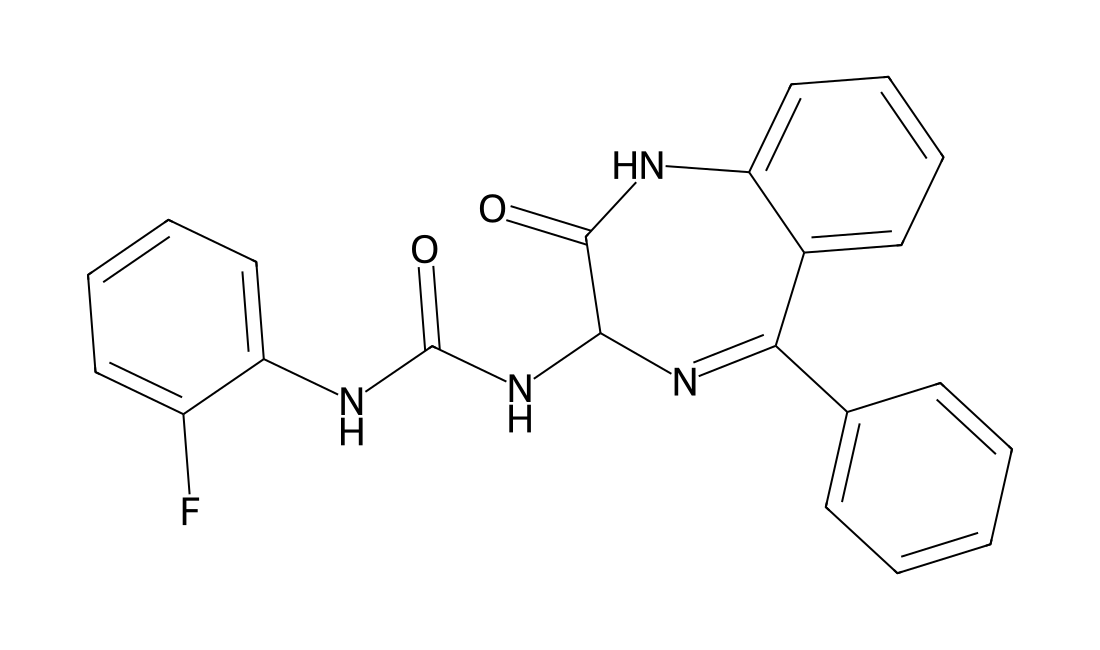
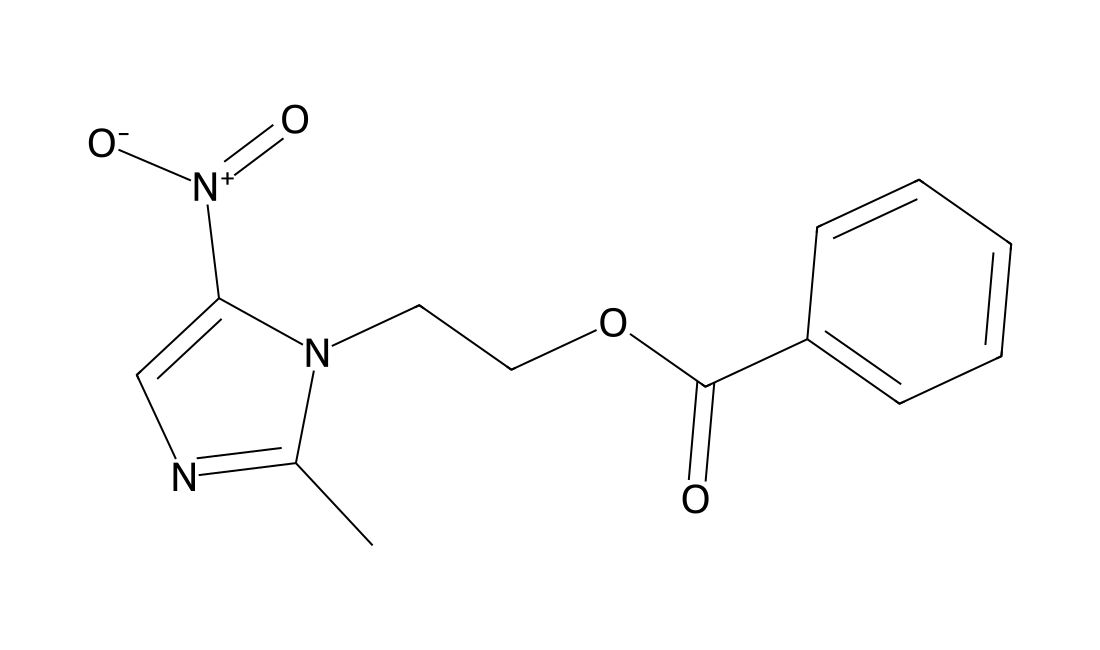
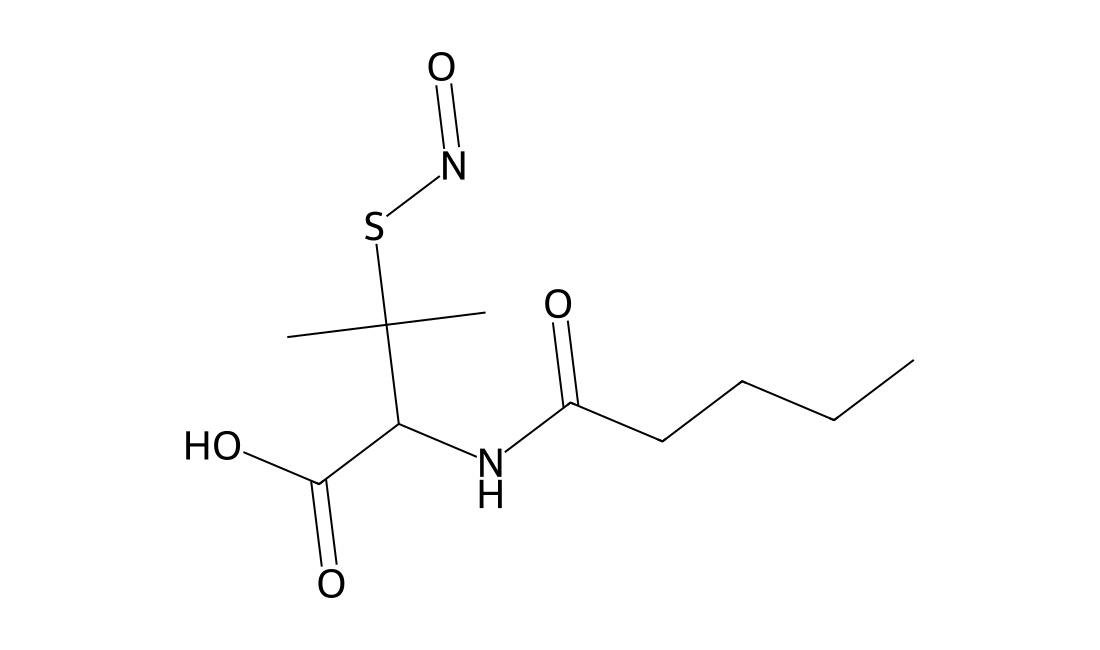
DC11318

SNVP

CAS 225233-99-8

SNVP is an S-nitrosothiol that acts as a nitric oxide (NO) donor and vasodilator.It decompensates to release NO in vitro, an effect that is enhanced by both CuSO4 and cysteine. SNVP induces dose-dependent vasodilation of isolated, precontracted, and endothelium-intact rat arteries (pD2 = 5.74). It also induces sustained vasodilation of isolated, precontracted, and endothelium-denuded rat arteries when used at concentrations greater than 1 μM.

SNVP chemical structure
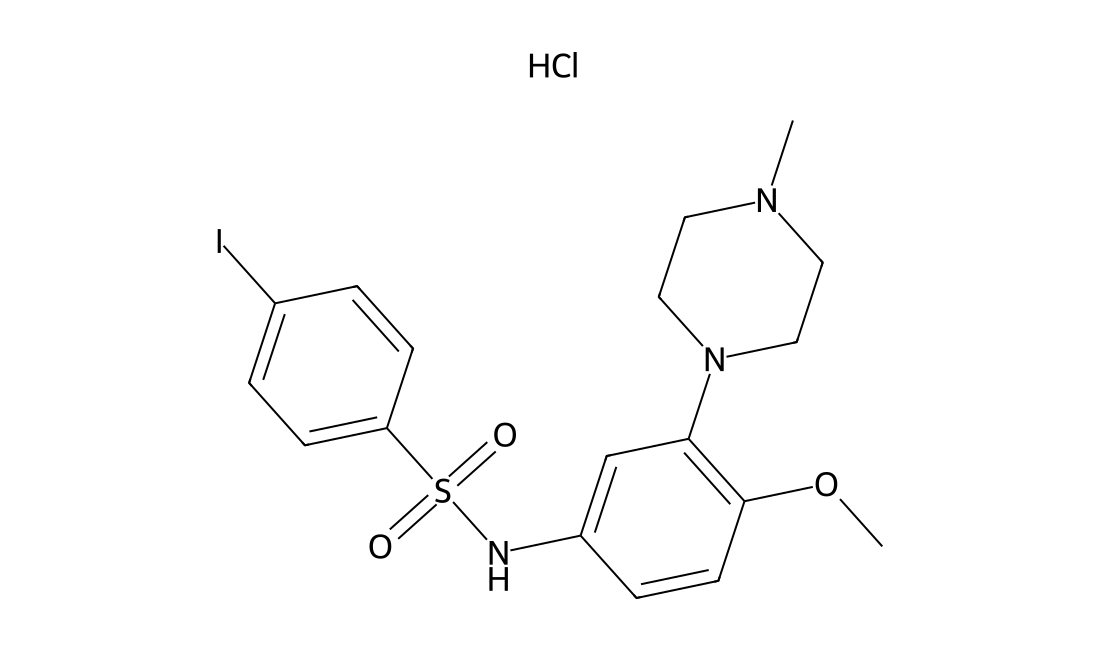
DC7492

SB 258585 hydrochloride

CAS 1216468-02-8

Potent and selective 5-HT6 receptor antagonist (pKi = 8.6); displays > 160-fold selectivity over other 5-HT receptor subtypes.For the detailed information of SB 258585 hydrochloride, the solubility of SB 258585 hydrochloride in water, the solubility of SB 258585 hydrochloride in DMSO, the solubility of SB 258585 hydrochloride in PBS buffer, the animal experiment (test) of SB 258585 hydrochloride, the cell expriment (test) of SB 258585 hydrochloride, the in vivo, in vitro and clinical trial test of SB 258585 hydrochloride, the EC50, IC50,and Affinity of SB 258585 hydrochloride, Please contact DC Chemicals.

SB 258585 hydrochloride chemical structure
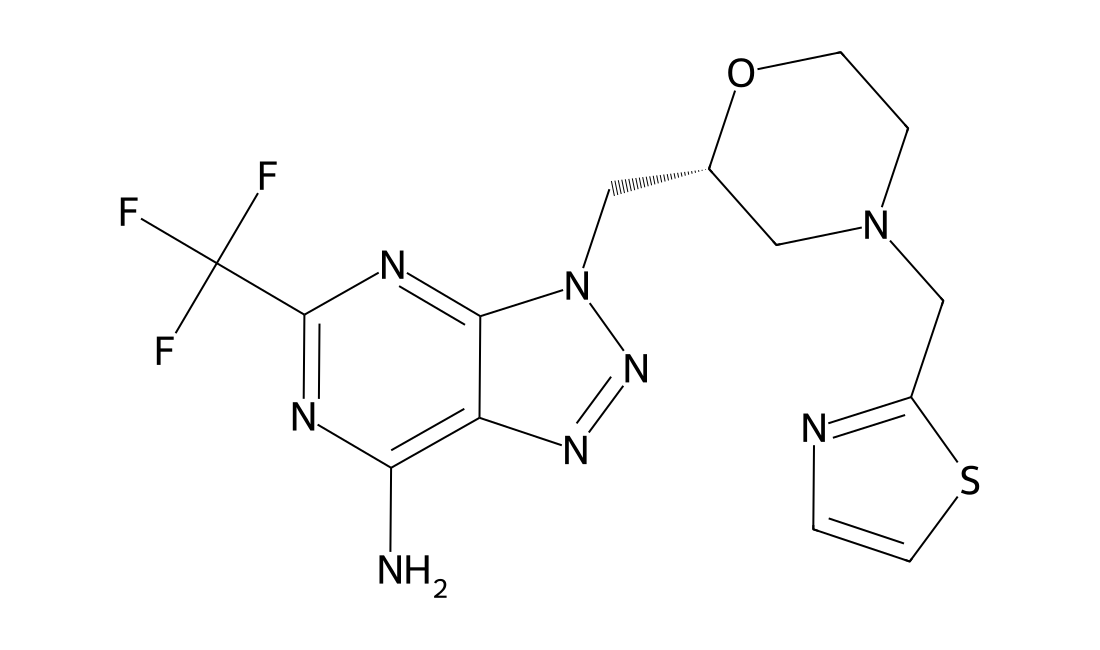
DC10418

PF-04957325

CAS 1305115-80-3

PF-04957325 is over two orders of magnitude less efficient than PICL in suppressing polyclonal Teff cell proliferation, and shows no effect on cytokine gene expression in these cells, despite its robust effect on T cell adhesion. PF-04957325 is a selective PDE8 inhibitor and inhibits breast cancer cell migration. PF-04957325 greatly potentiates steroidogenesis in WT adrenal cells. PF-04957325 shows a reported IC50 of 0.7 nM against PDE8A, 0.2 nM against PDE8B, and > 1.5 μM against all other PDE isoforms. PF-04957325 treatment of WT Leydig cells or MA10 cells increases steroid production but has no effect in PDE8A (-/-)/B(-/-) double-knockout cells, confirming the selectivity of the drug. Moreover, under basal conditions, cotreatment with PF-04957325 plus rolipram, a PDE4-selective inhibitor, synergistically potentiates steroid production.

PF-04957325 chemical structure
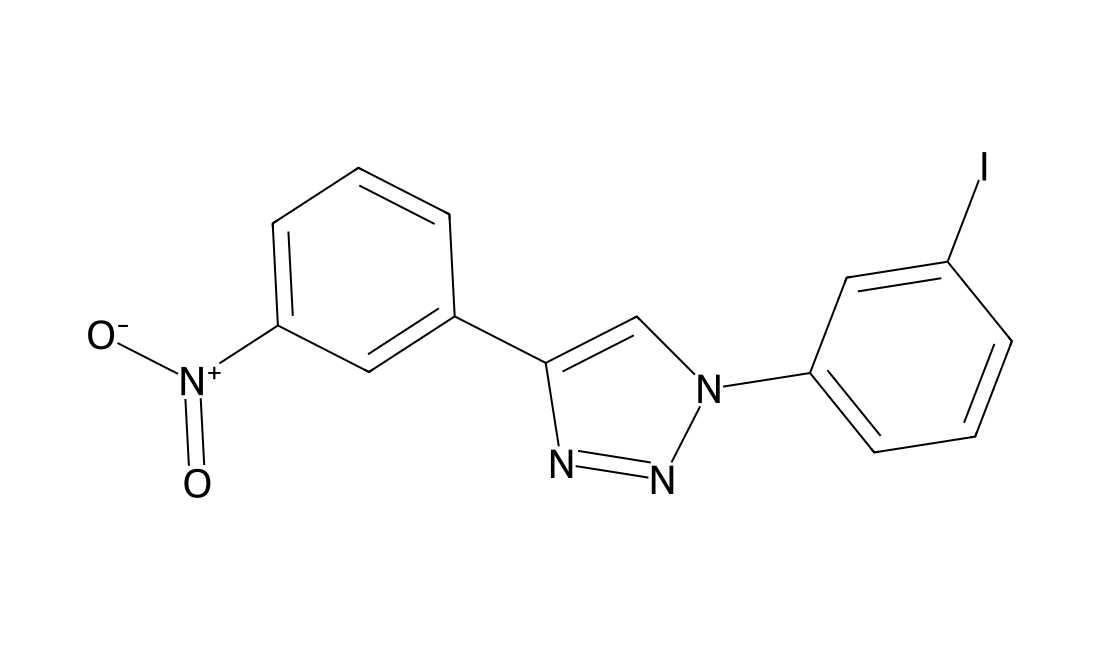
DC21520

P62-mediated mitophagy inducer

CAS 1809031-84-2

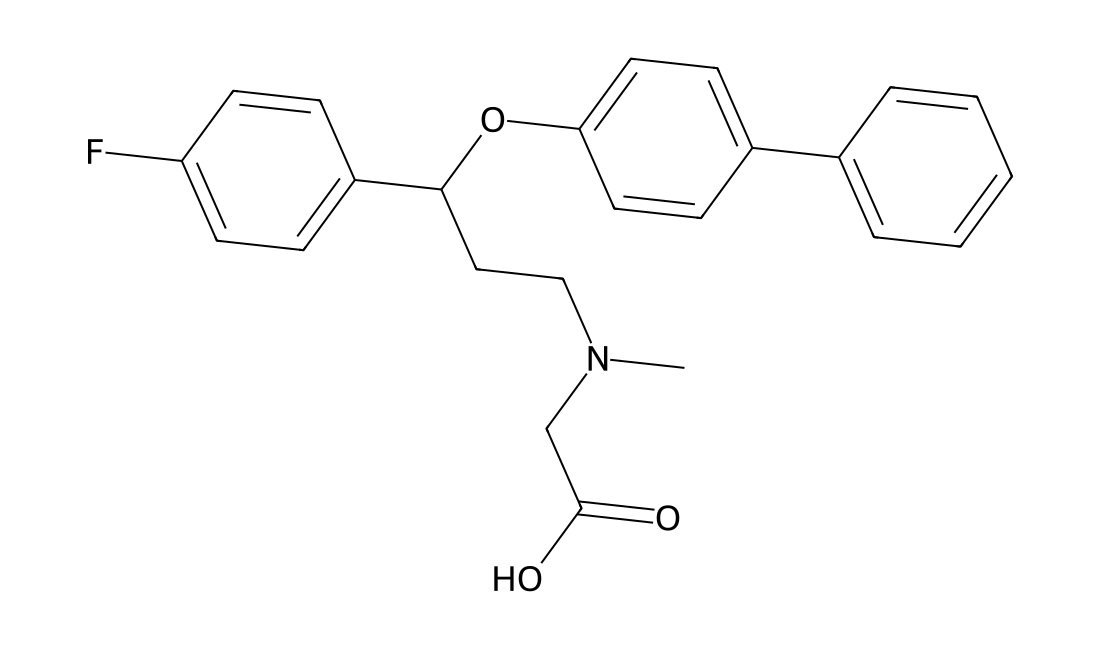
P62-mediated mitophagy inducer (PMI) is a small molecule p62-mediated mitophagy inducer that activates mitophagy without recruiting Parkin or collapsing membrane potential and retains activity in cells devoid of a fully functional PINK1/Parkin pathway; induces doubling NQO1 activity at 1 uM, and upregulates Nrf2 and ARE-dependent antioxidant genes; increases the expression and signaling of the autophagic adaptor molecule P62/SQSTM1 and forces mitochondria into autophagy; disrupts the Nrf2-Keap1 interaction.

P62-mediated mitophagy inducer chemical structure
DC23081

NFPS

CAS 405225-21-0

NFPS (ALX-5407) is a potent, selective GlyT1 inhibitor with IC50 of 2.8 and 9.8 nM for hGlyT1 and rGlyT1 respectively, >5,000-fold selectivity over rGlyT2; inhibits glycine transport by the GlyT1a, b and c subtypes of glycine transporters, but has no effect on the GLYT2a subtype of transporter; reverses PCP-induced changes in EEG power spectra in conscious rats (1-10 mg/kg i.p.), significantly enhances long-term potentiation in the hippocampal dentate gyrus in vivo.

NFPS chemical structure
DC9543

N3PT

CAS 13860-66-7

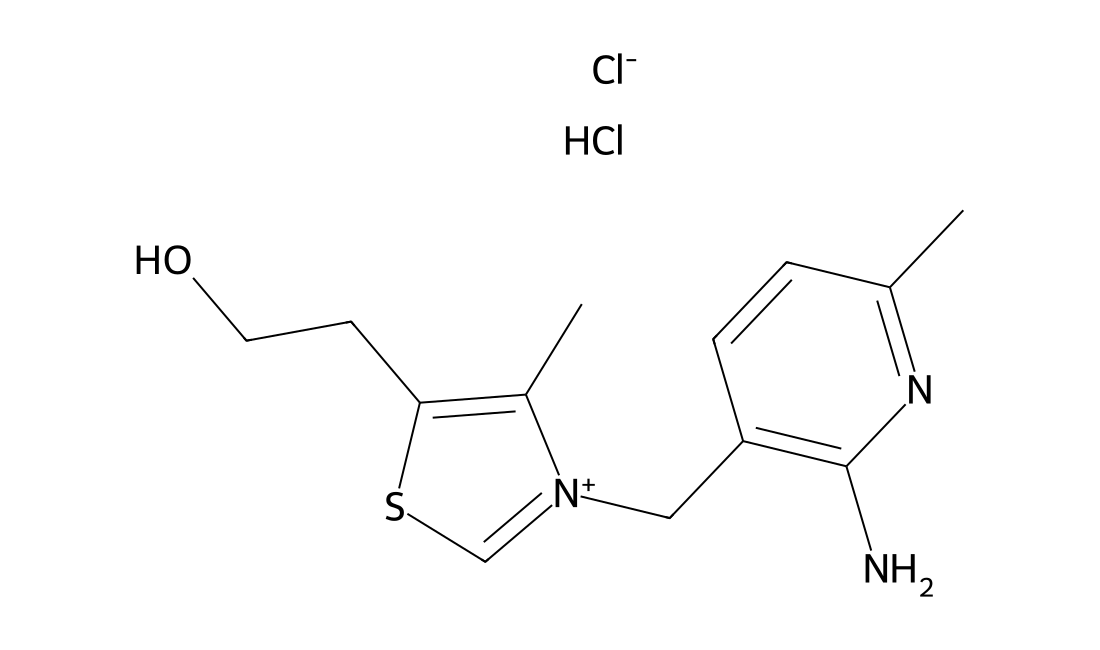
N3PT(N3-pyridyl thiamine) is a potent and selective transketolase(TK) inhibitor (IC50= 22 nM for Apo-TK) both in vitro and in vivo. in vitro: N3PT inhibits transketolase activity in a cell based assay. Competitive inhibition of TK by N3PT in cells treated with increasing doses of thiamine, expressed as percentage enzymatic activity (the slope of initial linear range) of controls not treated with compounds. in vivo: Tumors were induced in mice at day 0 and mice were then treated at day 7 with vehicle alone or with N3PT. Low-thiamine diet enhances the sensitivity to N3PT inhibition of TK in spleen. Animals were switched to diets containing 16.5 mg/kg (unchanged), 5 mg/kg, 1 mg/kg, or 0 mg/kg thiamine, from a normal chow containing 16.5mg/kg thiamine.

N3PT chemical structure
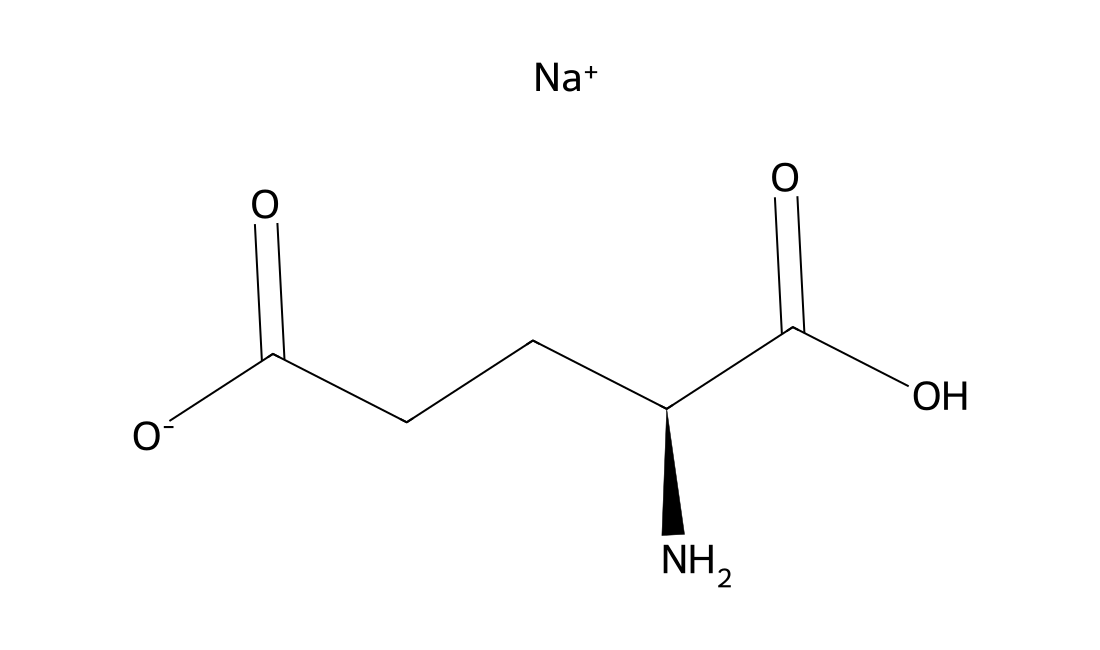
DC7464

MK-886 (sodium salt)

CAS 118427-55-7

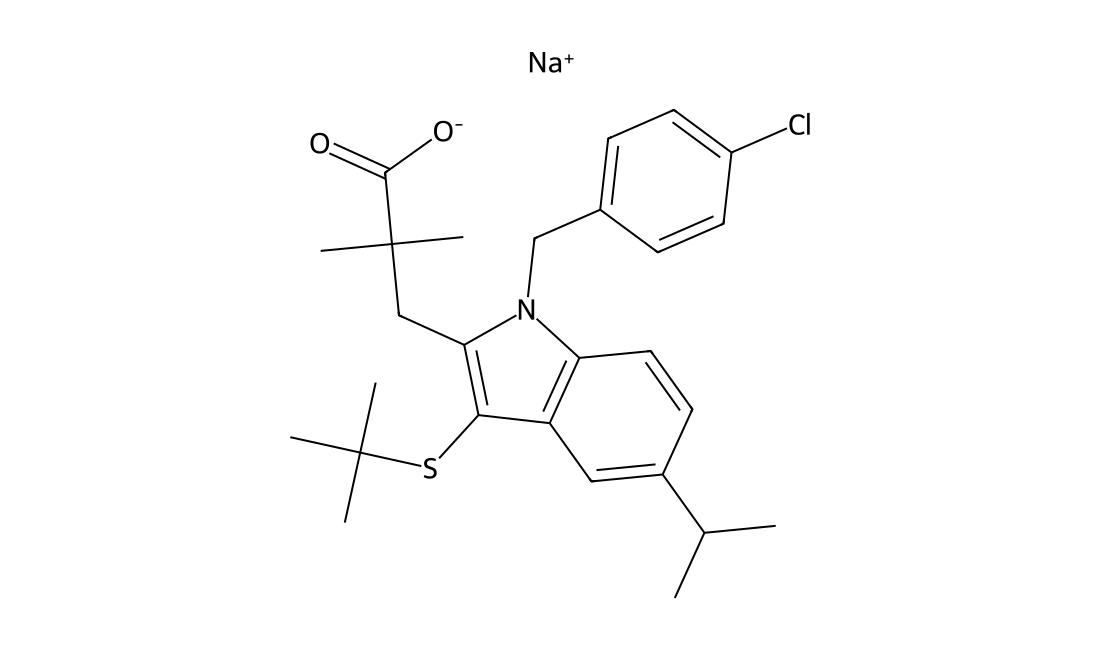
An inhibitor of leukotriene biosynthesis (IC50 = 3 nM in human polymorphonuclear leukocytes). Acts by inhibiting 5-lipoxygenase-activating protein (FLAP) (IC50 = 30 nM for inhibition of [125I]-L-691,678 photoaffinity labelling). Also moderately potent PPARα antagonist (IC50 = 0.5-1 μM). Orally active in vivo.

MK-886 (sodium salt) chemical structure
DC7352

ABT-333

CAS 1132935-63-7

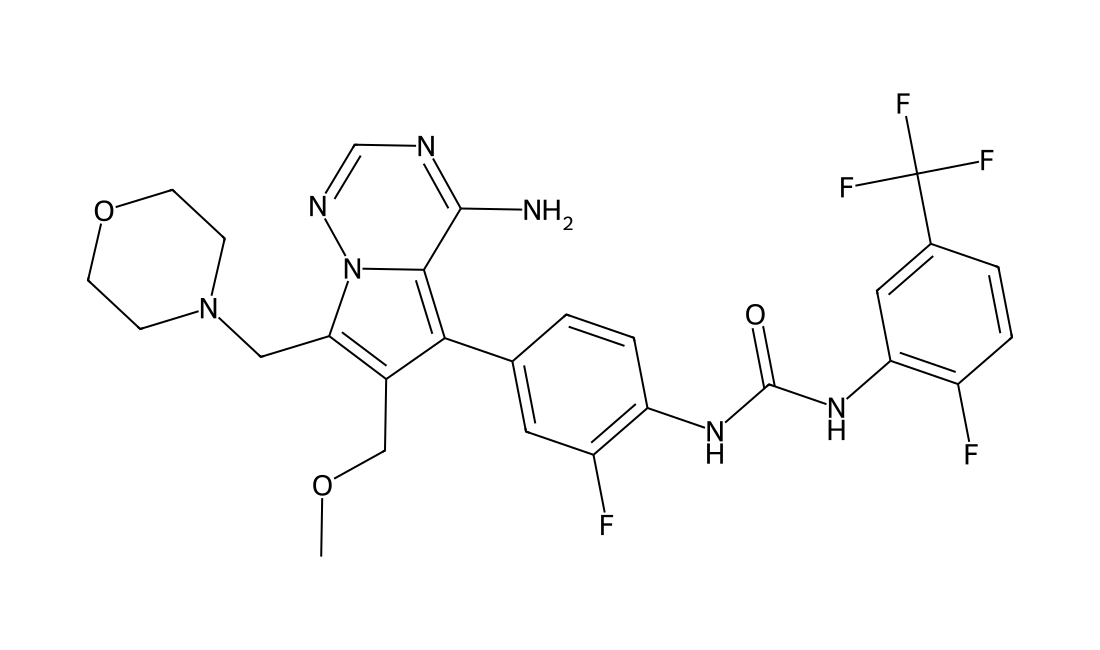
Dasabuvir (ABT-333) is a nonnucleoside inhibitor of the RNA-dependent RNA polymerase encoded by the HCV NS5B gene, inhibits recombinant NS5B polymerases derived from HCV genotype 1a and 1b clinical isolates, with IC50 between 2.2 and 10.7 nM.

ABT-333 chemical structure
DC8476

ACY-738

CAS 1375465-91-0

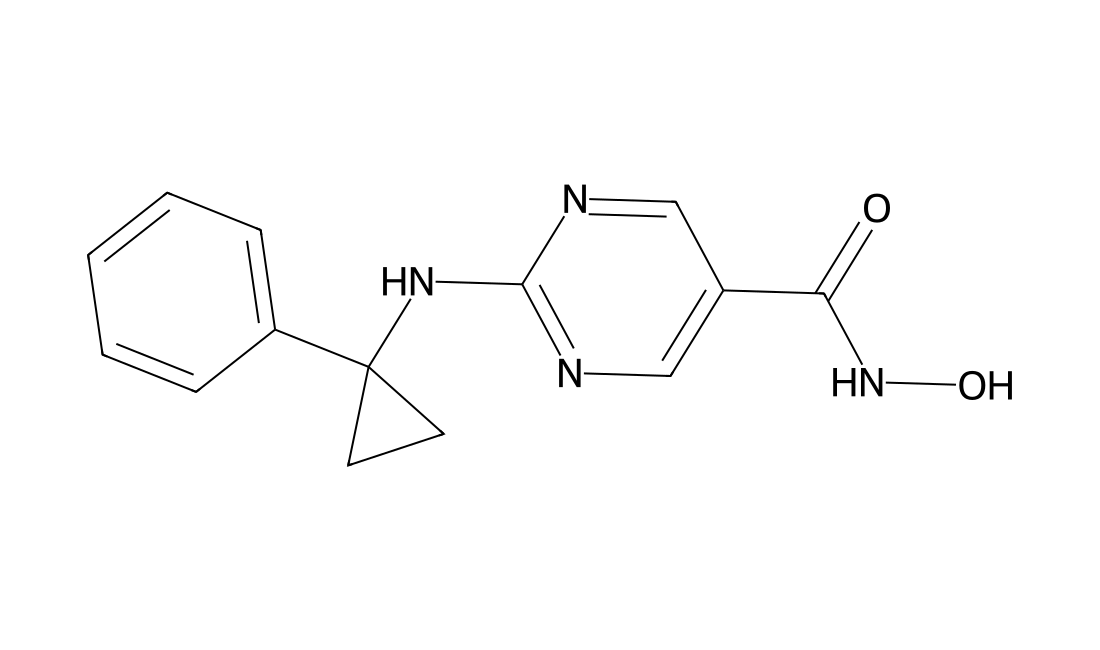
ACY-738 is a potent, selective and orally-bioavailable HDAC6 inhibitor, with an IC50s of 1.7 nM; ACY-738 also inhibits HDAC1, HDAC2, and HDAC3, with IC50s of 94, 128, and 218 nM.

ACY-738 chemical structure
DC10623

AG-494

CAS 133550-35-3

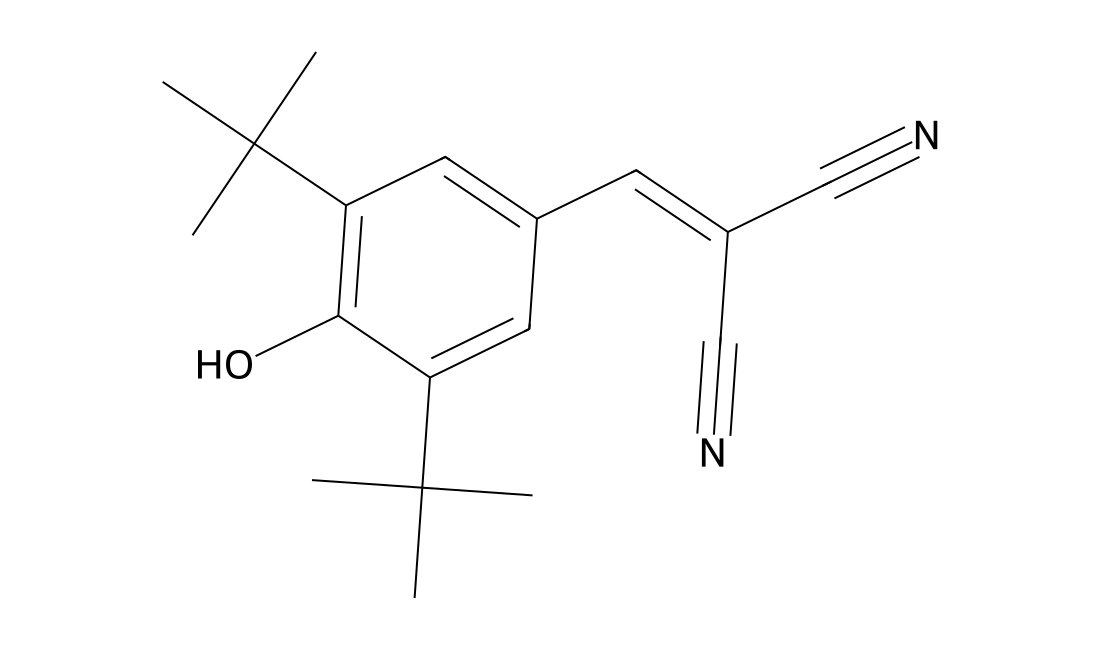
AG-494 (Tyrphostin AG 494) is a potent and selective EGFR tyrosine kinase inhibitor (IC50=0.7 μM). AG-494 inhibits the autophosphorylation of EGFR, ErbB2, HER1-2 and PDGF-R with IC50s 1.1, 39, 45 and 6 μM, respectively. AG-494 blocks Cdk2 activation and inhibits EGF-dependent DNA synthesis[1][2][3].

AG-494 chemical structure
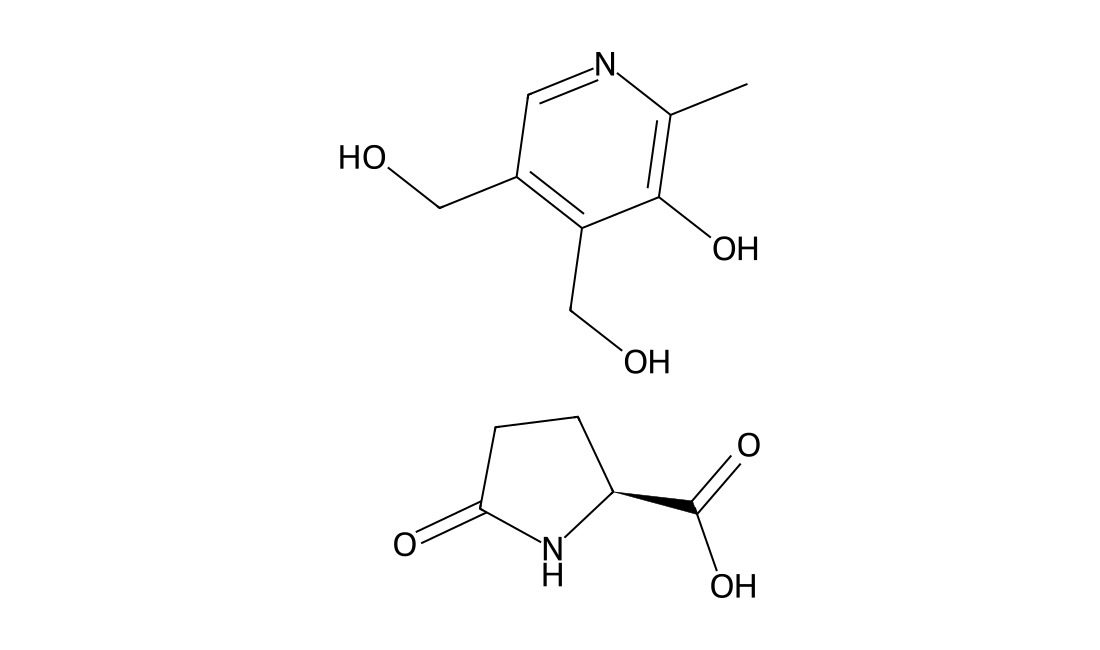
DC12327

Metadoxine

CAS 74536-44-0

In Vitro Simultaneous Metadoxine treatment notably inhibits adipogenic differentiation in a dose-dependent manner. Metadoxine treatment from day 4 through day 8 is required for inhibition of MDI-induced preadipocyte differentiation. Metadoxine prevents glutathione depletion and the increase in lipid peroxidation damage caused by ethanol and acetaldehyde in HepG2 cells. In hepatic stellate cells, Metadoxine prevents the increase in collagen and attenuated TNF-α secretion caused by acetaldehyde. Thus, Metadoxine could be useful in preventing the damage produced in early stages of alcoholic liver disease as it prevents the redox imbalance of the hepatocytes and prevents TNF-α induction, one of the earliest events in hepatic damage.

Metadoxine chemical structure
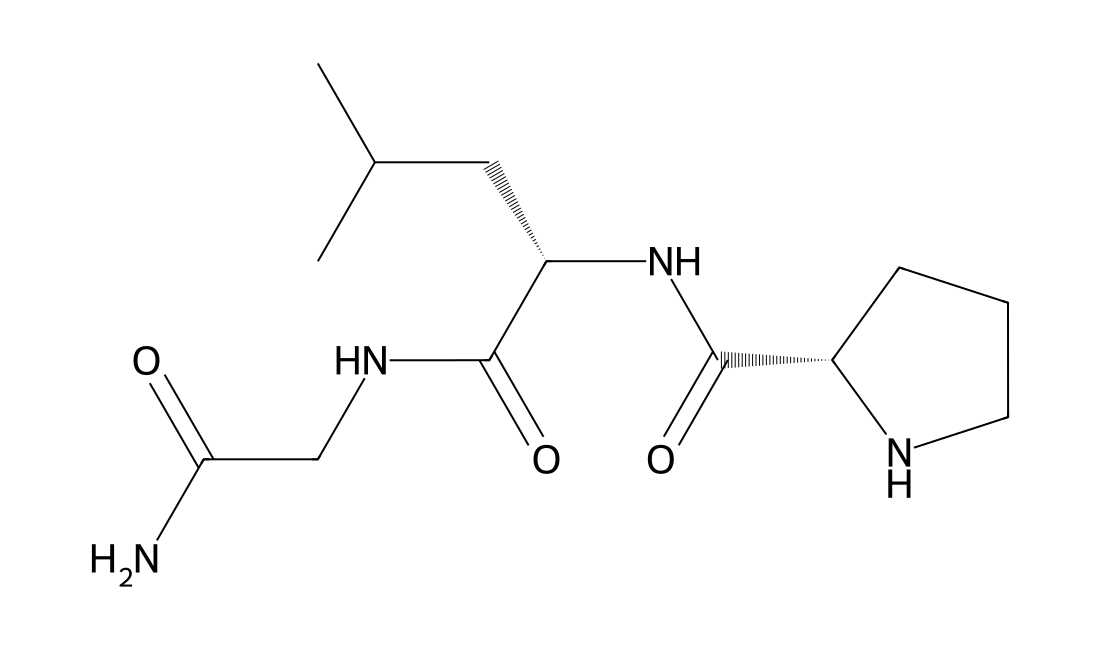
DC11353

MIF-1

CAS 2002-44-0

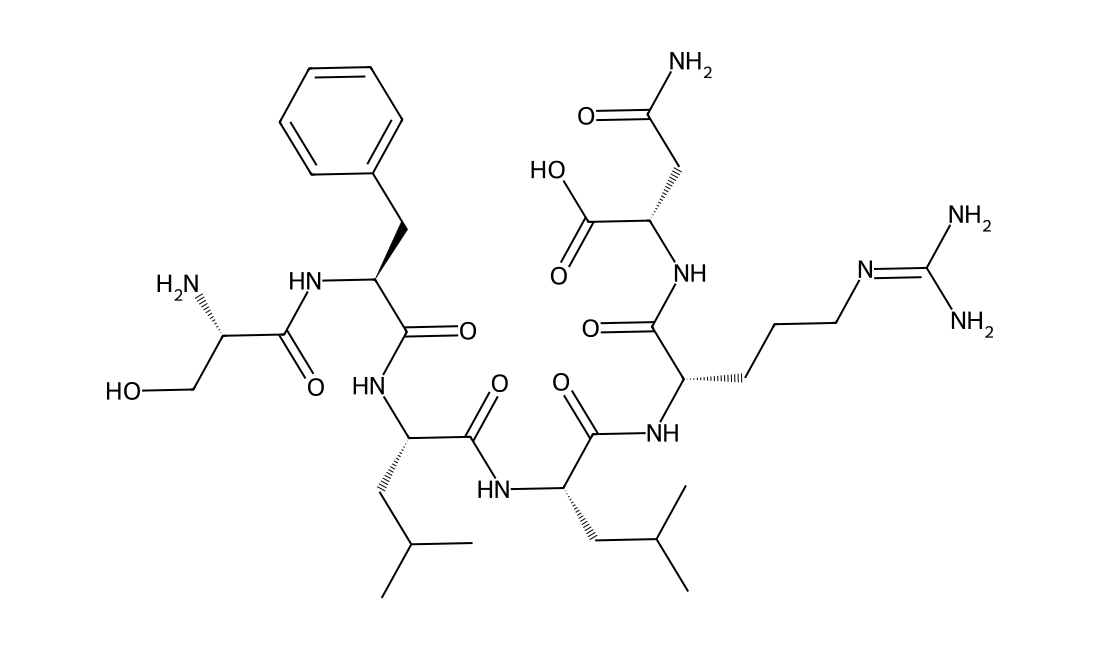
Melanocyte-stimulating hormone release-inhibiting factor (MSH-R-IF) is a hypothalamic tripeptide that binds to rat striatum (Kd = 4.69 nM) and has diverse biological activities.In vivo, MSH-R-IF (0.1 mg/kg) decreases immobility of mice in the forced swim test, indicating antidepressant-like activity.MSH-R-IF (20 mg/kg) increases striatal concentration of dopamine and the dopamine metabolites DOPAC, 3-methoxy tyramine, and homovanillic acid (HVA) in a mouse model of Parkinson's disease induced by MPTP.It decreases vacuous chewing movements induced by haloperidol in a rat model of tardive dyskinesia when administered at a dose of 2 mg/kg.4 MSH-R-IF also has anti-opiate effects, reversing analgesia induced by morphine and an enkephalin in mice in a radiant heat tail-flick assay.

MIF-1 chemical structure
DC9519

Maropitant

CAS 147116-67-4

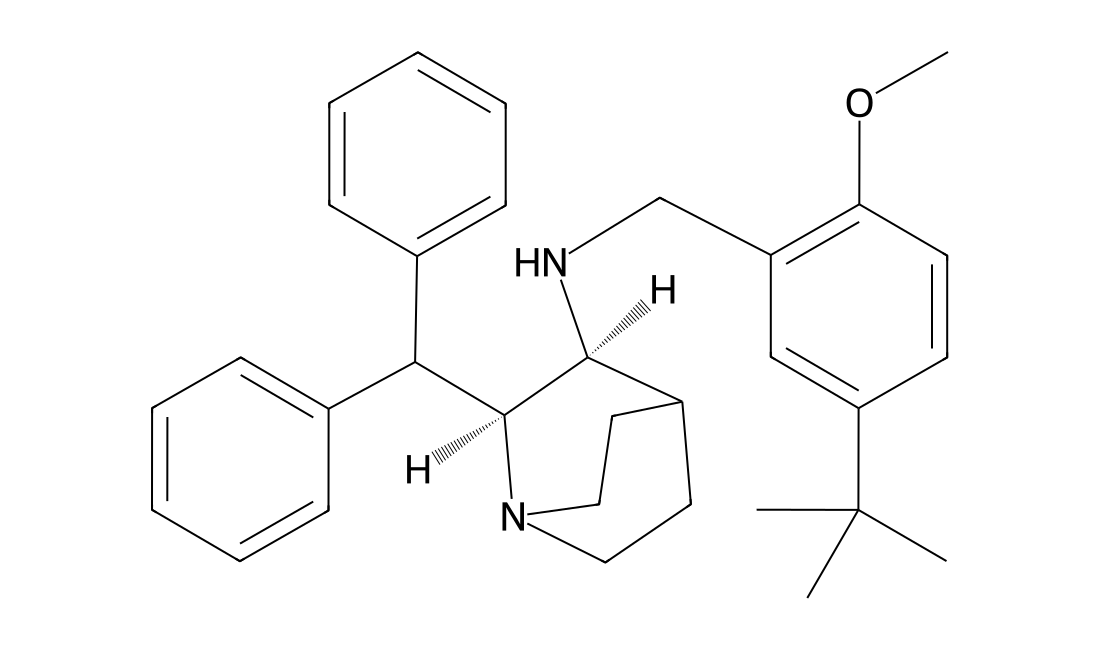
Maropitant is a neurokinin (NK1) receptor antagonist. Maropitant is the first NK1 receptor antagonist developed to treat and prevent emesis in dogs. Treatment with 1 mg/kg Maropitant citrate, significantly reduced the size of ulcerative dermatitis (UD) lesions in mice. Intravenous Maropitant decreased (p < 0.05) MAC by 16% (1.74 ± 0.17%). In contrast, epidural administration of either saline or Maropitant did not change (p > 0.05) the MAC (2.17 ± 0.34% and 1.92 ± 0.12%, respectively).

Maropitant chemical structure
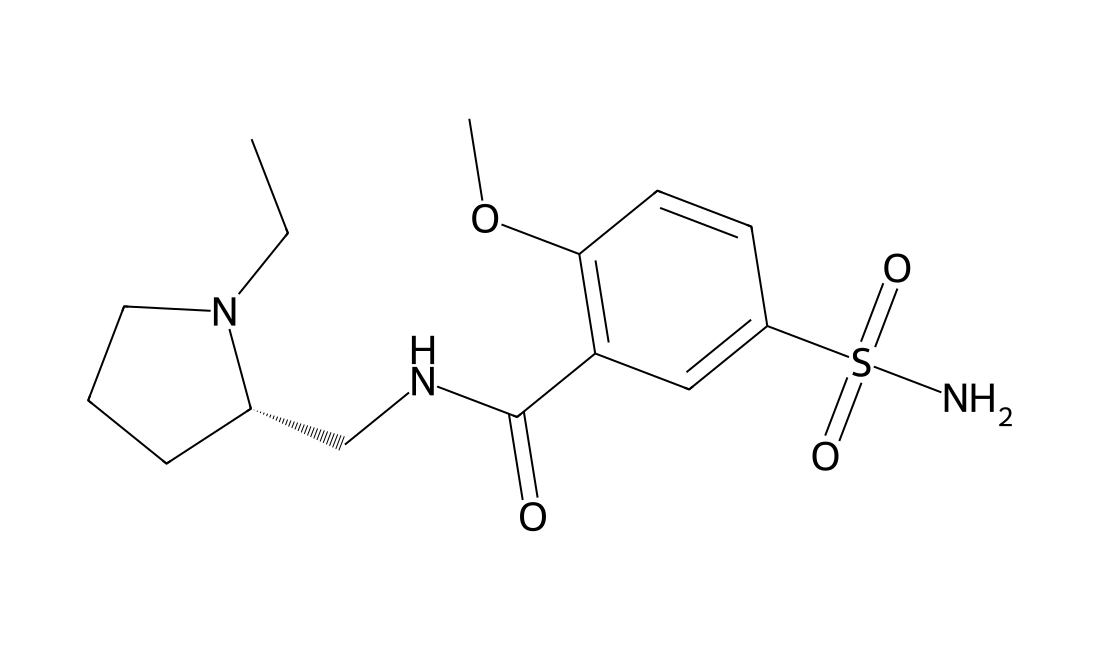
DC11323

LY354740

CAS 176199-48-7

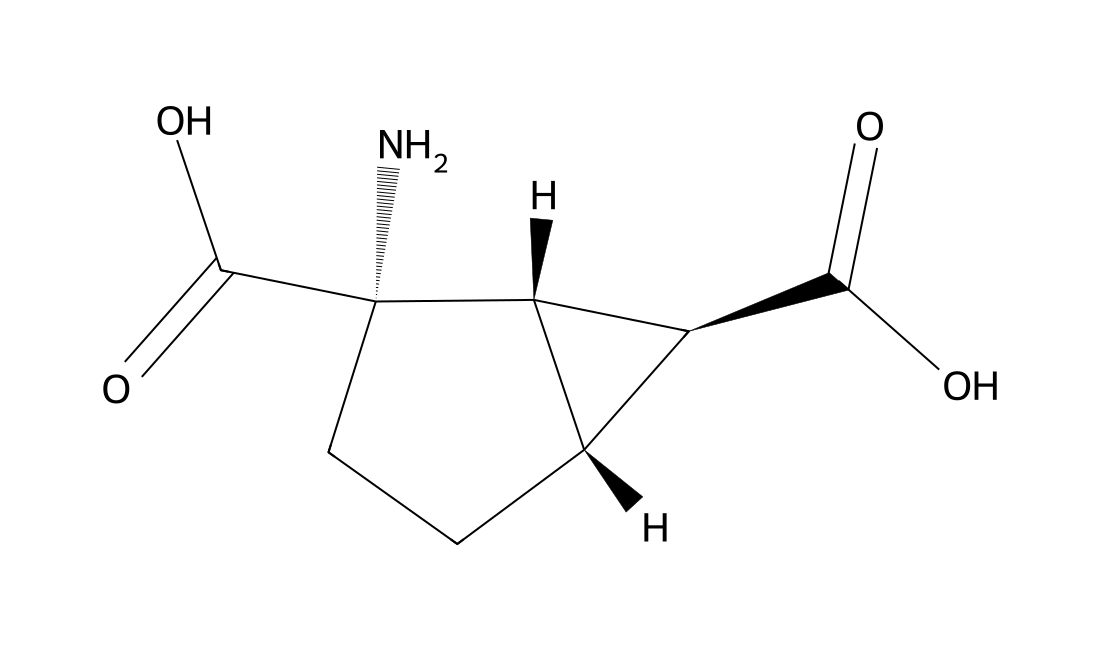
LY354740 is an agonist of the group II metabotropic glutamate receptor (mGluR) subtypes mGluR2 and mGluR3 (Kis = 99 and 94 nM, respectively).It inhibits forskolin-stimulated cAMP accumulation in cells expressing human mGluR2 and mGluR3 (EC50s = 5.1 and 24.3 nM, respectively) and is selective for mGluR2 and mGluR3 over mGluR4, mGluR7, mGluR1a, and mGluR5a (EC50s = >100 µM).LY354740 suppresses electrically stimulated excitatory postsynaptic potentials (EPSPs) in rat striatal neurons (EC50 = 20 nM) and excitatory postsynaptic currents (EPSCs) induced by serotonin in rat medial prefrontal cortex in vitro (EC50 = 89.1 nM).LY354740 (5 mM) iontophoretically ejected into the ventrobasal thalamus of rats reduces sensory inhibition by 20% compared to control in an alternating test, condition-test paradigm.It attenuates the effects of PCP on working memory, stereotypy, locomotion, and cortical glutamate efflux in a rat model of schizophrenia when administered at a dose of 10 mg/kg.LY354740 also shows efficacy in animal models of anxiety, epilepsy, and withdrawal from nicotine and morphine.

LY354740 chemical structure
DC9314

LY 344864

CAS 186544-26-3

LY344864 is a selective receptor agonist with an affinity of 6 nM (Ki) at the recently cloned 5-HT1F receptor. LY344864 possesses little affinity for the 56 other serotonergic and non-serotonergic neuronal binding sites examined. in vitro: he 5-HT1A, 5-HT1B and 5-HT1D receptor agonists 8-OH-DPAT (3 microM), CP93129 (3 microM) and L694247 (3 microM), but not the 5-HT1F receptor agonist LY344864 (1 - 3 microM) inhibited evoked IPSCs. in vivo: After an intravenous dose of 1 mg/kg, rat plasma LY344864 levels declined with time whereas brain cortex levels remained relatively constant for the first 6 hours after injection. Oral and intravenous LY344864 administration potently inhibited dural protein extravasation caused by electrical stimulation of the trigeminal ganglion in rats. Sumatriptan, zolmitriptan, rizatriptan, and naratriptan all contracted the rabbit saphenous vein from baseline tone, whereas LY344864 in concentrations up to 10(-4) M did not contract the rabbit saphenous vein. Furthermore, vascular contractions to sumatriptan were markedly augmented in the presence of prostaglandin F(2alpha) (PGF(2alpha)). However, even in the presence of PGF(2alpha) (3 x 10(-7) M), LY344864 did not contract the rabbit saphenous vein in concentrations well in excess of its 5-HT(1F) receptor affinity (pK(i) = 8.2) .

LY 344864 chemical structure
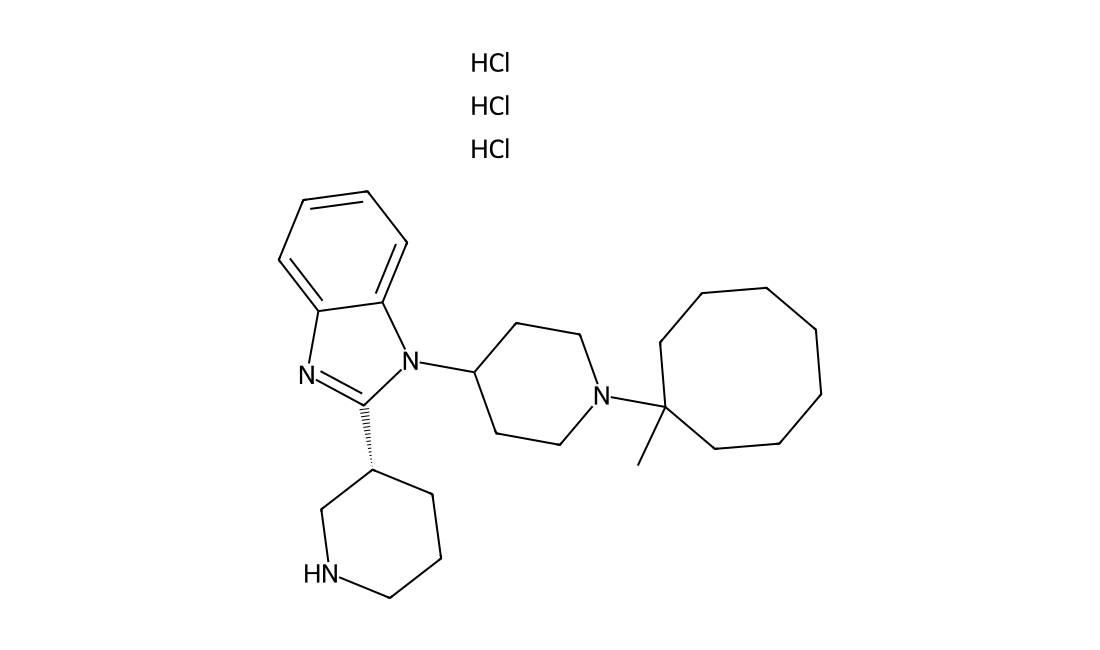
DC10782

LY2510924

CAS 1088715-84-7

LY2510924 is an inhibitor of CXC chemokine receptor 4 (CXCR4), with potential antineoplastic activity. Upon subcutaneous administration, CXCR4 inhibitor LY2510924 binds to the chemokine receptor CXCR4, thereby preventing CXCR4 binding to its ligand, stromal derived factor-1 (SDF-1), and subsequent receptor activation. This may result in decreased tumor cell proliferation and migration. CXCR4, a chemokine receptor belonging to the G protein-coupled receptor (GPCR) gene family, plays an important role in chemotaxis and angiogenesis and is upregulated in several tumor cell types.
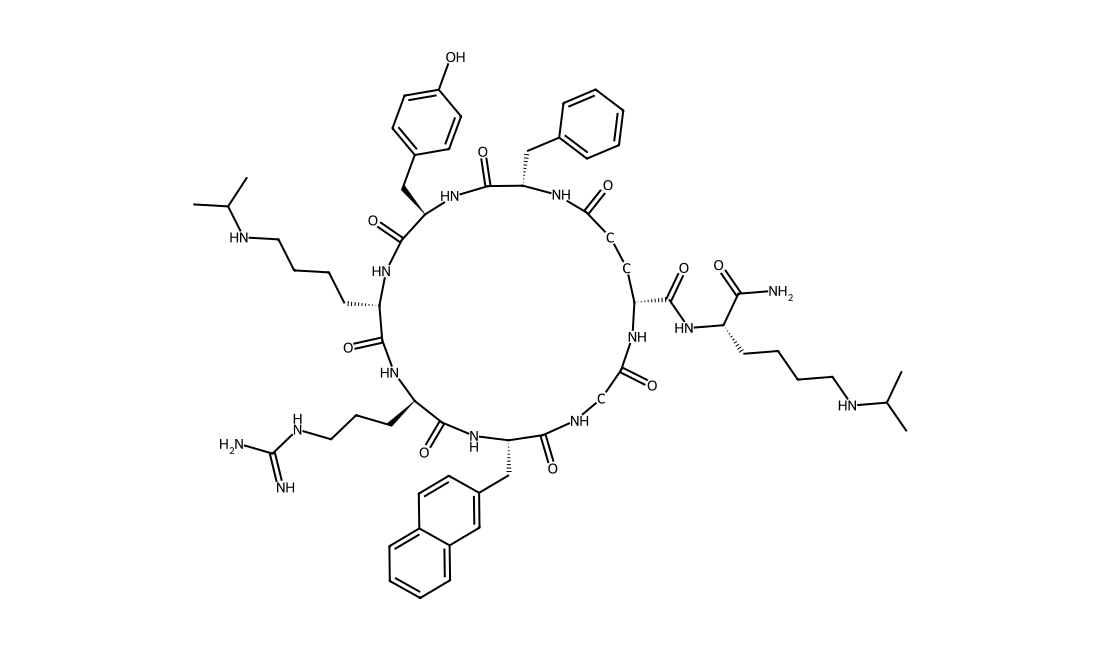
LY2510924 chemical structure
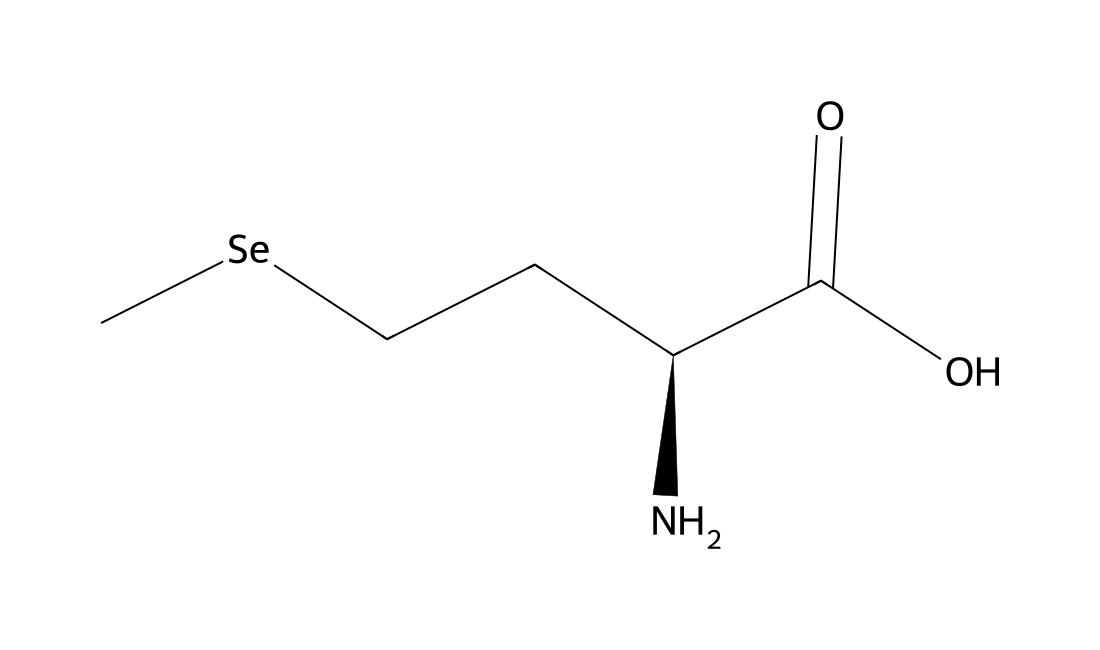
DC8698

L-SelenoMethionine

CAS 3211-76-5

L-SelenoMethionine is a major natural food-form of selenium.The median lethal dose (LD50) of L-SelenoMethionine in rats given an intraperitoneal injection was determined to 4.25 mg Se/kg body and thus is comparable to that of selenite or selenate. In mice, the LD50 of L-SelenoMethionine was 8.8 ± 1.37 mg Se/kg, and the minimal lethal dose, 4.0 mg Se/kg, after intravenous injection.

L-SelenoMethionine chemical structure
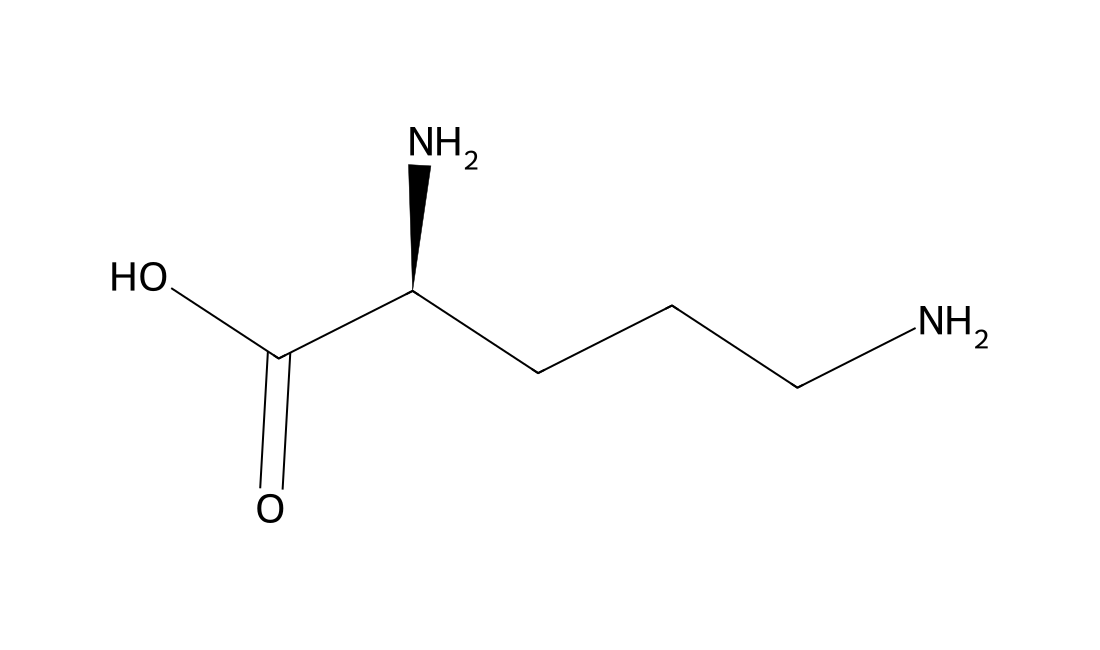
DC10254

L-Ornithine

CAS 70-26-8

L-ornithine has an antifatigue effect by increasing the efficiency of energy consumption and promoting the excretion of ammonia. It is one of the key reactants in the urea cycle.

L-Ornithine chemical structure
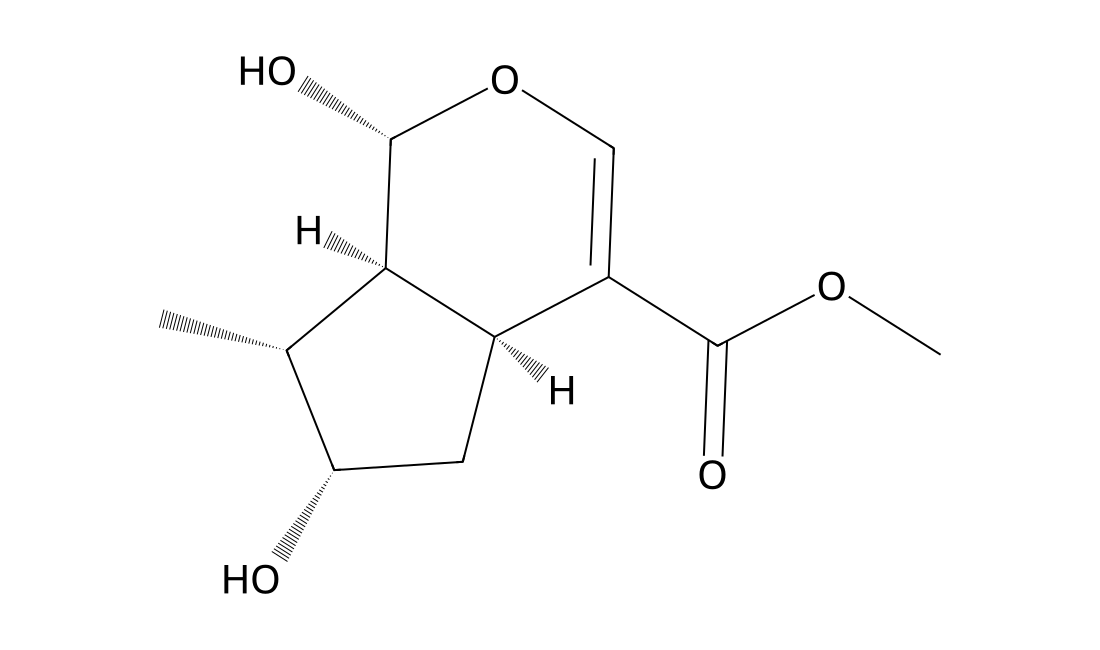
DC12324

Loganetin

CAS 29748-10-5

In Vitro Although Loganetin does not possess antibacterial activity of its own, but in combination, it appreciably reduces the minimum inhibitory concentration (MIC) of nalidixic acid (NA) against nalidixic acid resistant (NAREC) and nalidixic acid sensitive (NASEC) strains of Escherichia coli. Loganetin, a very common, inexpensive, and non-toxic natural product may finds its application in the antibacterial drug development for treating multidrug-resistant Gram negative infections.

Loganetin chemical structure
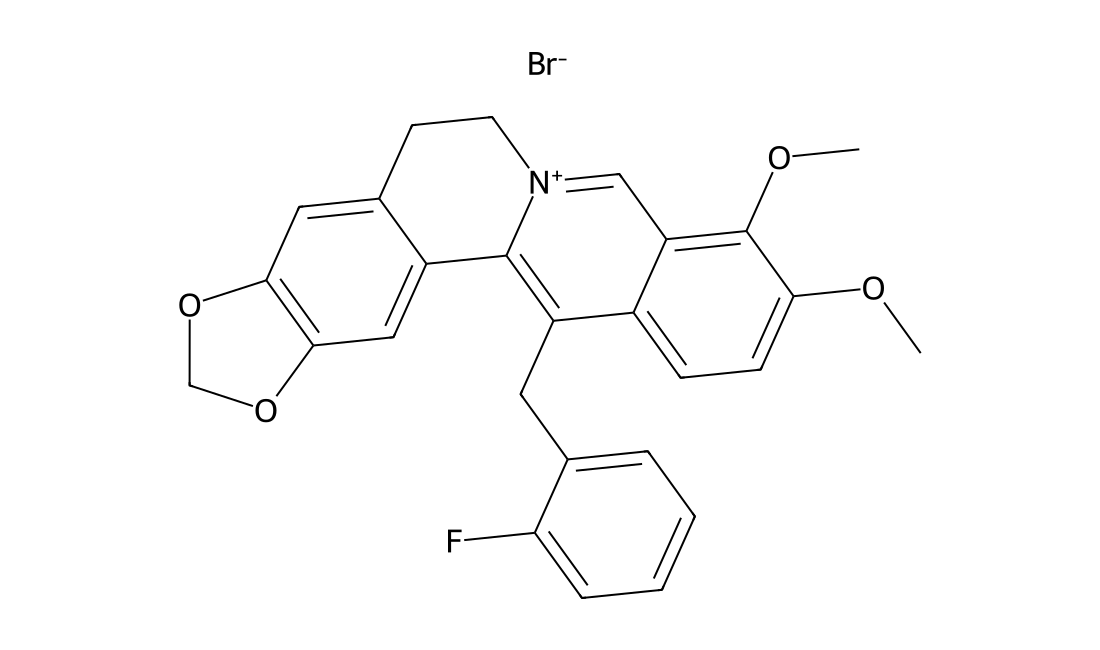
DC12186

KRN2 bromide

CAS 1390654-28-0

In Vitro KRN2 shows much stronger inhibition of NFAT5-dependent reporter activity in RAW 264.7 macrophages than does BBR; the IC50 value is 0.1 μM for KRN2 and 4 μM for BBR. In parallel, 0.5 μM of KRN2 significantly suppresses the LPS-stimulated increase in NFAT5 protein expression in RAW 264.7 macrophages. It is confirmed that LPS-induced NFAT5 mRNA and protein expression is nearly completely blocked by KRN2. Similarly, KRN2 inhibits the translocation of NFAT5 into the nucleus of RAW264.7 cells stimulated with LPS. KRN2 specifically represses LPS-induced NFAT5 promoter activity, whereas it fails to reduce high salt-induced NFAT5 activity in the same cells, which is consistent with the selective inhibition of TLR4-activated NFAT5, but not hypertonicity-induced NFAT5, by KRN2.

KRN2 bromide chemical structure
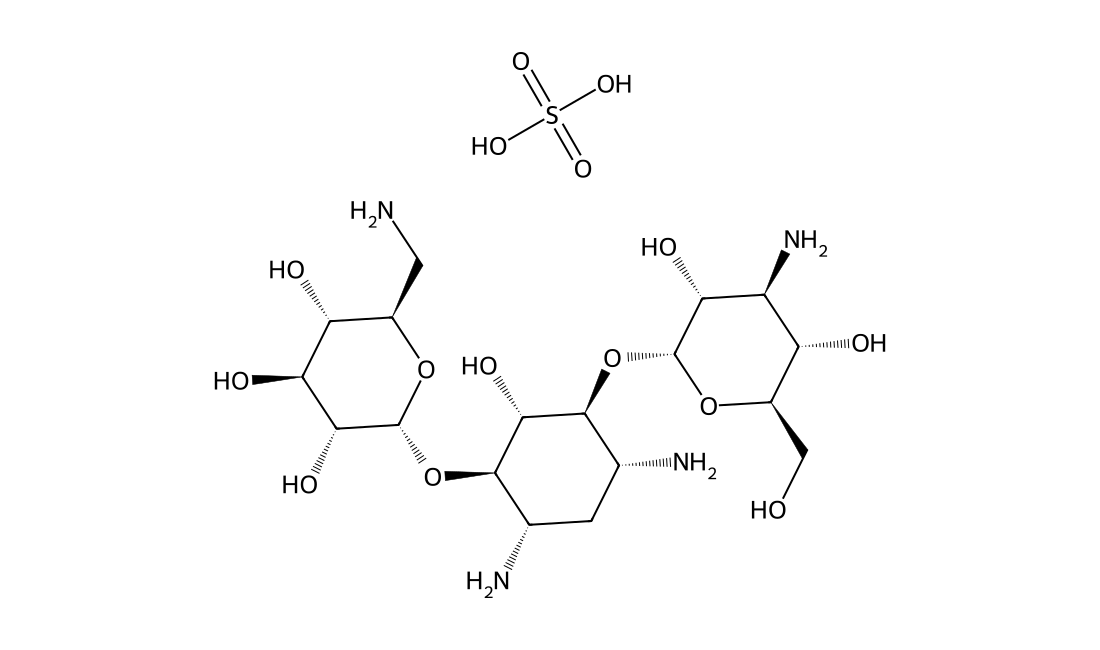
DC10216

Kanamycin sulfate

CAS 25389-94-0

Kanamycin sulfate(Kanamycin monosulfate) is an aminoglycoside antibiotic, available in oral, intravenous, and intramuscular forms, and used to treat a wide variety of infections.

Kanamycin sulfate chemical structure
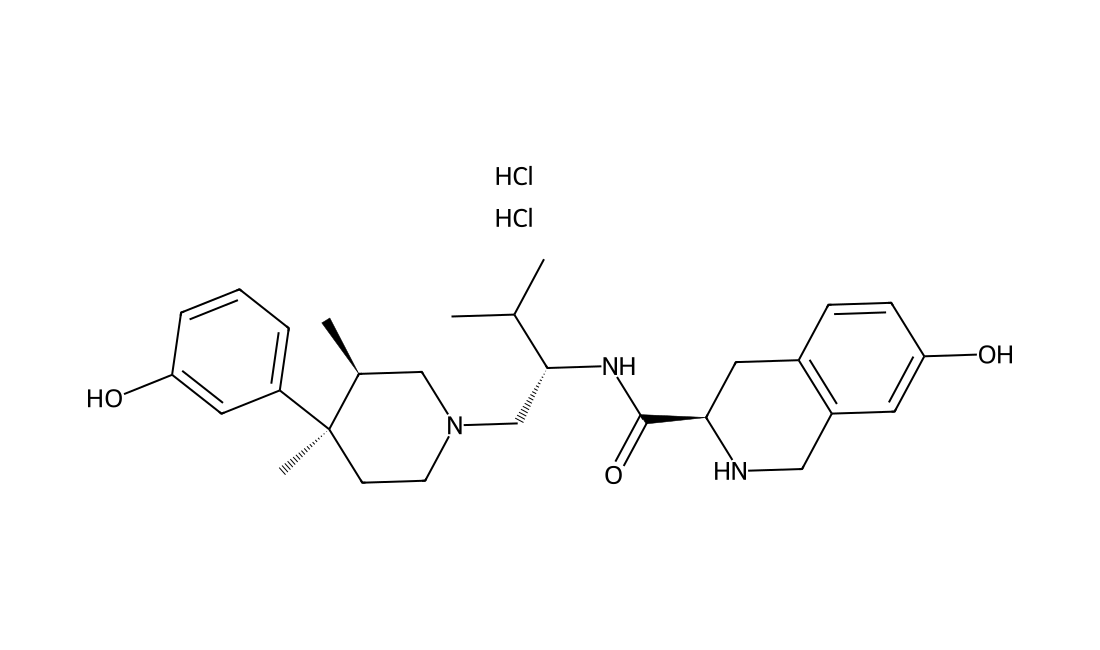
DC9524

JDTic (dihydrochloride)

CAS 785835-79-2

JDTic 2Hcl is a highly selective antagonist for the κ-opioid receptor; without affecting the μ- or δ-opioid receptors. JDTic is a 4-phenylpiperidine derivative, distantly structurally related to analgesic drugs such as meperidine and ketobemidone, and more closely to the mu opioid antagonist alvimopan, and is structurally distinct from other kappa antagonists such as norbinaltorphimine. JDTic has a very long duration of action, with effects in animals seen for up to several weeks after administration of a single dose, although its binding to the kappa opioid receptor is not irreversible and its long-acting effects are instead caused by altered activity of c-Jun N-terminal kinases. Animal studies suggest that it may produce antidepressant and anxiolytic effects, as well as having possible application in the treatment of addiction to cocaine and morphine.

JDTic (dihydrochloride) chemical structure
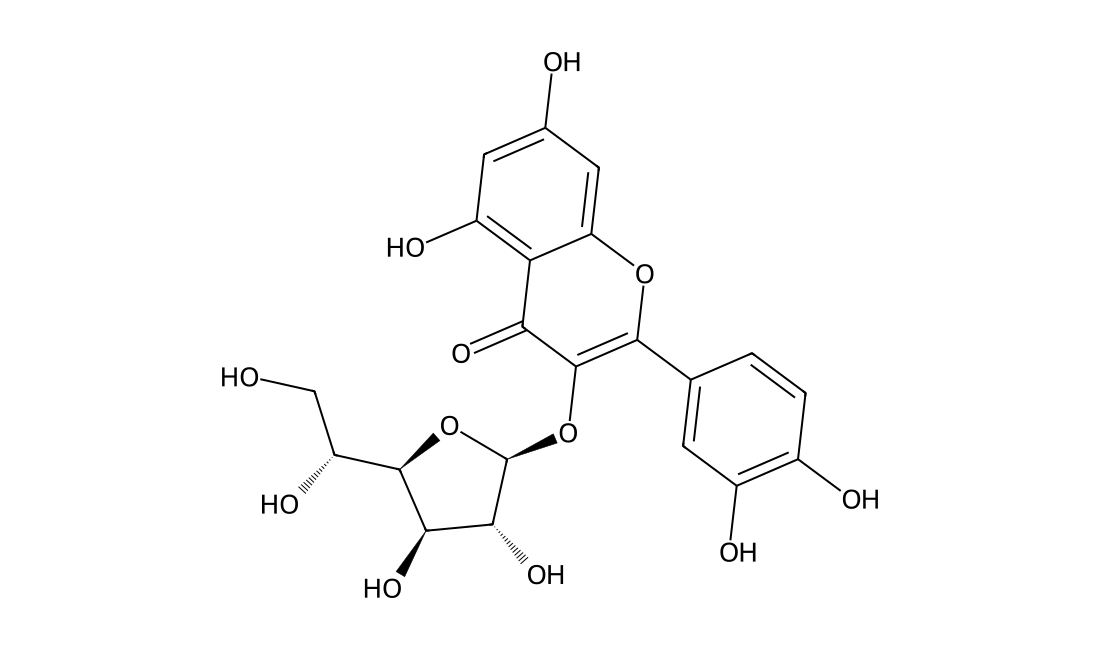
DC12147

Isoquercitrin (Isoquercitroside; Isoquercetin)

CAS 21637-25-2

In Vitro Isoquercitrin occurs widely in plants.10 μM of Isoquercitrin of the seven compounds partially but significantly blunt the negative effect of H2O2 on RGC-5 cells, as the viability of cells in the presence of H2O2 is increased from approximately 63% to 83% and 90% at 10 and 50 μM, respectively. Indeed, 50 μM Isoquercitrin is more effective as a neuroprotectant than the same concentration of EGCG. In Vivo In animals receiving Isoquercitrin or quercetin, eosinophil counts are lower in the BALF, blood and lung parenchyma. Neutrophil counts in blood and IL-5 levels in lung homogenate are lower only in Isoquercitrin-treated mice. No alterations in mononuclear cell numbers were observed.

Isoquercitrin (Isoquercitroside; Isoquercetin) chemical structure
Browse target & topic index A–Z (366)
11β-HSD (1)15-PGDH (2)5-HT Receptor (16)Acetyl-CoA Carboxylase (ACC) (3)Acetylcholinesterase (AChE) (2)Ack1 (TNK2) (1)Acyltransferase (1)ADC Cytotoxin (6)ADCs Linker/Click Chemistry (5)Adenosine Receptor (9)Adenylate Cyclase (2)Adrenergic Receptor (11)Akt (12)Alcoholism (2)Aldehyde Dehydrogenase (ALDH) (6)Allergy (5)Alzheimer Disease (13)Aminopeptidase (1)AMPK (8)Amyloids (4)Anaplastic Lymphoma Kinase (ALK) (9)Androgen Receptor (AR) (11)Anemia (4)Angiotensin Receptor (4)Antibody/Protein labeling dyes (1)Antifolate (2)Anxiety (1)Apoptosis Inducer (3)Arginase (1)Arp2/3 complex (1)Aryl hydrocarbon Receptor (AhR) (1)Asthma (5)Atherosclerosis (2)ATM/ATR (8)Aurora Kinase (10)Autophagy (6)Autophagy-related Protein (Atg) (2)Autotaxin (2)Bacterial (26)Bacterial Infection (17)Bcl-2 (14)Bcr-Abl (5)BCRP (1)Beta-catenin (4)Beta-secretase (BACE) (4)Blood Cancer (91)BMI-1 (1)Bone Cancer (6)Brain Cancer (6)Breast Cancer (30)Bromodomain (22)BTK (10)c-Fms (CSF1R) (5)c-Fos/AP-1 (1)c-Kit (6)c-Met (HGFR) (11)c-Myc (2)Calcium Channel (4)Calcium-sensing Receptor (CaSR) (1)CaMK (4)Cannabinoid Receptor (6)Carbonic Anhydrase (1)Carboxypeptidase (1)Casein Kinase (6)Caspase (4)Cathepsin (6)Cdc2-like Kinase (CLK) (1)CETP (2)CFTR (7)Checkpoint Kinase (Chk) (8)Chemokine Receptor (CCR and CXCR) (14)Chemotherapeutic Agents (19)Chloride Channel (1)CMV (2)CMV Infection (2)Colon Cancer (9)Complement System (1)COPD (3)CREB/CBP (2)CRF Receptor (2)CRISPR/Cas9 (1)Cushing Disease (1)Cyclin-dependent Kinase (CDK) (39)Cyclooxygenase (COX) (4)Cytochrome P450 (CYPs) (5)Depression (2)Dermatitis (2)Deubiquitinase (DUB) (7)Diabetes (20)Dipeptidyl Peptidase (DPP) (3)Discoidin Domain Receptor (DDR) (1)DNA Alkylator/Crosslinker (10)DNA Methyltransferase (DNMT) (1)DNA Repair Protein (1)DNA-PK (2)DNA/RNA Synthesis (5)Dopamine beta-hydroxylase (1)Dopamine Receptor (7)Drug Metabolite (1)Drug-Linker Conjugates (11)Dyes (4)DYRK (1)Dyslipidemia (9)E3 Ligase Ligand (6)E3 Ligase Ligand-Linker Conjugate (1)E3 Ubiquitin Ligase (4)Ebola Virus Infection (1)EGFR (32)Elastase (2)Endothelin Receptor (5)Enzymes substrates (13)Epigenetic Reader Domain (3)Epilepsy (4)ERK (4)Estrogen Receptor/ERR (13)Eukaryotic Initiation Factor (eIF) (2)Exportin-1 (CRM1,XPO1) (2)FABP (1)Factor Xa (5)Farnesoid X Receptor (FXR) (5)Farnesyl transferase (FTase) (1)Ferroptosis (6)FGFR (20)Fibrosis (5)FLT3 (6)Focal Adhesion Kinase (FAK) (11)Foxo1 (1)Free Fatty Acid Receptor (FFAR) (5)Fungal (2)Fungal Infection (1)GABA Receptor (13)Galectin (1)Gastric Cancer (8)Ghrelin Receptor (GHSR) (3)Glucagon Receptor (4)Glucokinase (2)Glucose Transporter (GLUT) (2)Glutamate Transporter (2)GPCR (1)GPER (GPR30) (1)GPR139 (1)GPR183 (EBI2) (2)GPR39 (1)GPR55 (1)GPR84 (1)GRK (GPCRK) (2)Growth Hormone Deficiency (2)GSK-3 (8)Guanylate Cyclase (3)HBV (1)HBV Infection (1)HCN Channel (2)HCV (8)HCV Infection (9)HDAC (38)Heart Arrhythmia (2)Heart Failure (5)Heat Shock Protein (HSP) (15)Hedgehog (Hh) (1)HIF/HIF Prolyl-hydroxylase (8)Histamine Receptor (6)Histone Acetyltransferase (HAT) (5)Histone Demethylase (11)Histone Methyltransferase (HMTase) (31)HIV (12)HIV Infection (11)HMG-CoA Reductase (HMGCR) (3)HSV (1)HSV Infection (1)Hypercholesterolemia (1)Hyperparathyroidism (1)Hypertension (8)IAP (1)IGF-1R (3)iGluR (15)Indoleamine 2,3-Dioxygenase (IDO) (4)Infection (1)Influenza (6)Influenza Virus (6)Insulin Receptor (2)Integrin (6)Interleukin Receptor (1)IRAK (2)IRE1 (4)Irritable Bowel Syndrome (2)Ischemia (1)Isocitrate Dehydrogenase (IDH) (5)ITK (1)IκB kinase (IKK) (7)JAK (32)JNK (3)Keap1-Nrf2 (6)Kidney Cancer (10)Kinesin (5)Kruppel-like Factor (KLF) (1)Kynurenine 3-Monooxygenase (KMO) (1)Leukotriene Receptor (1)LIM Kinase (LIMK) (3)Lipids fragment (1)Liver Cancer (6)Liver X Receptor (LXR) (3)LRRK2 (9)Lung Cancer (39)Lysophospholipid Receptor (12)LYTACs (3)mAChR (9)MALT1 (2)MAP4K (1)Matrix Metalloproteinase (MMP) (10)MDM2-p53 (9)MEK (MAP2K) (14)MEKK (MAP3K) (1)Melanocortin Receptor (2)MELK (1)mGluR (7)MicroRNA (1)Microtubule/Tubulin (5)Mineralocorticoid Receptor (MLR) (1)MITF (1)Mixed Lineage Kinase (MLK) (3)MNK (2)Molecular Glues (21)Monoamine Transporter (5)Monocarboxylate Transporter (MCT) (1)Monopolar Spindle 1 (Mps1/TTK) (3)mTOR (13)Multiple Sclerosis (6)Myosin (1)Na-K-Cl Cotransporter (NKCC) (2)nAChR (2)NADPH Oxidase (NOX) (2)NAMPT (3)Natural products (37)Neprilysin (1)Neurokinin Receptor (3)Neuropeptide Y Receptor (3)NF-κB (5)Nitric Oxide Synthase (NOS) (1)NOD-like Receptor (NLR) (3)Notch (2)Nucleoside Antimetabolite/Analog (10)Nur77 (NR4A1) (1)Obesity (1)Oct3/4 (1)Opioid Receptor (5)Orexin Receptor (7)Osteoporosis (2)Ovarian Cancer (14)Oxytocin Receptor (OXTR) (2)P-glycoprotein (P-gp) (3)p21-activated Kinase (PAK) (1)P2X Receptor (2)P2Y Receptor (1)p38 MAPK (10)p97/VCP (1)Pain (12)Pancreatic Cancer (10)Parasite (5)Parasite Infection (2)Parkinson Disease (2)PARP (19)PCSK9 (1)PD-1/PD-L1 (4)PDGFR (4)PDK1 (2)PEGn (1)PERK (2)PGE synthase (2)Phosphodiesterase (PDE) (9)Phospholipase (4)PI3K (32)PI4K (2)Piezo Channel (1)PIKfyve (3)Pim (9)PKC (12)PKD (1)Plasminogen Activator Inhibitor-1 (PAI-1) (3)Polo-like Kinase (PLK) (4)Porcupine (3)Potassium Channel (13)PPAR (13)Pregnane X Receptor (PXR) (1)Progesterone Receptor (2)Prostaglandin Receptor (11)Prostate Cancer (7)PROTACs (35)Protease-activated Receptor (PAR) (3)Proteasome (12)Protein Disulfide Isomerase (PDI) (1)Protein Phosphatase/PTP (6)Proton Pump (1)Psoriasis (5)RAD51 (1)Radioligand precursors (15)Raf (18)RAR/RXR (3)Ras (17)Renin (2)RET Tyrosine Kinase (c-RET) (3)Rheumatoid Arthritis (16)Ribosomal S6 Kinase (RSK) (5)RIG-I-like Receptor (RLR) (2)RIP kinase (7)ROCK (12)ROR (2)RSV (4)RSV Infection (3)RUNX1-CBFβ (1)S-nitrosoglutathione reductase (GSNOR) (1)Saccharides and Glycosides (1)Salt Inducible Kinase (SIK) (2)SARS-CoV (16)SARS-CoV Infection (34)Schizophrenia (4)Sexual Dysfunction (1)SGLT (4)Sigma Receptor (4)Sirtuin (9)Skin Cancer (13)Sleep Disorder (7)SMN2 Modulator (1)Smoothened (Smo) (9)Sodium Channel (12)Solid Tumors (35)Somatostatin Receptor (2)Sphingosine kinase (SphK) (2)Src (7)STAT (5)Stearoyl-CoA Desaturase (SCD) (1)Steatohepatitis (7)Sterol lipids (1)STING (14)Syk (6)T Cell Receptor (TCR) (1)TAK1 (2)TAM Receptor (Tyro3-Axl-Mer) (4)Taste Receptor (1)Telomerase (2)TGF beta Receptor (TGFBR) (12)Thrombin (3)Thrombosis (13)Thyroid Cancer (1)Thyroid Hormone Receptor (THR) (1)Thyrotropin Receptor (2)TNIK (1)Toll-like Receptor (TLR) (2)TOPK (1)Topoisomerase (11)TRAIL (1)Translocator Protein (TSPO) (1)Trk Receptor (4)TRP Channel (13)Tryptophan Hydroxylase (TPH) (1)Ubiquitin-activating Enzyme (E1) (2)Ubiquitin-conjugating Enzyme (E2) (2)Ulcer (1)ULK (3)Vasopressin Receptor (2)VEGFR (25)Vitamin D Receptor (VDR) (3)Wee1 (1)WNK Kinase (1)Wnt (5)Yes-associated Protein (YAP) (4)γ-secretase (5)

Cart

Request quotation