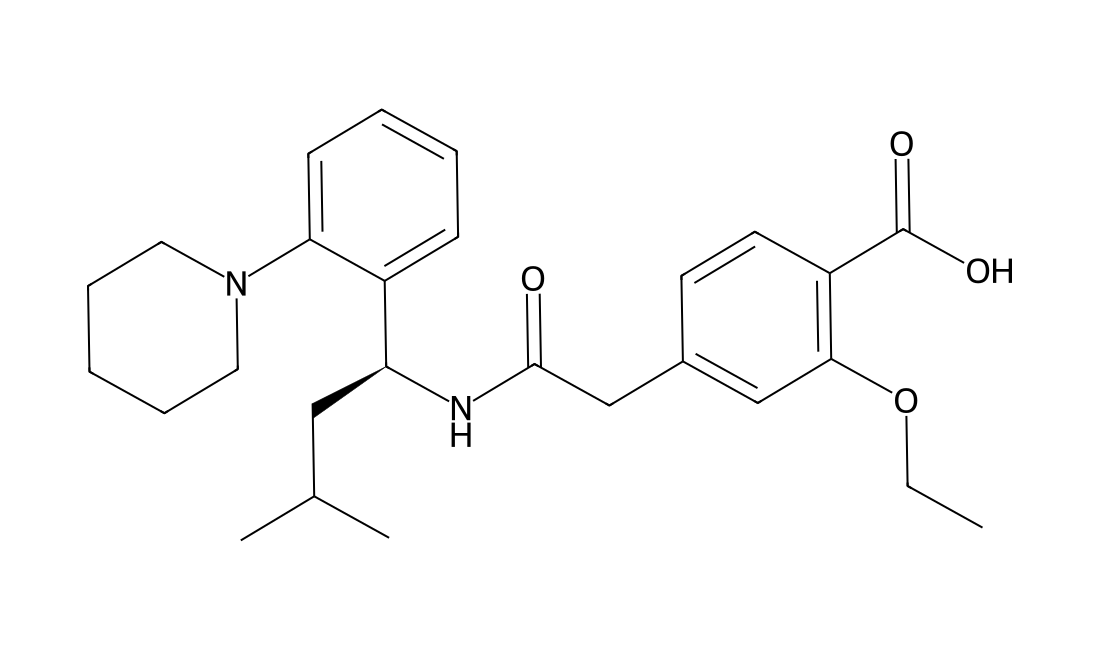
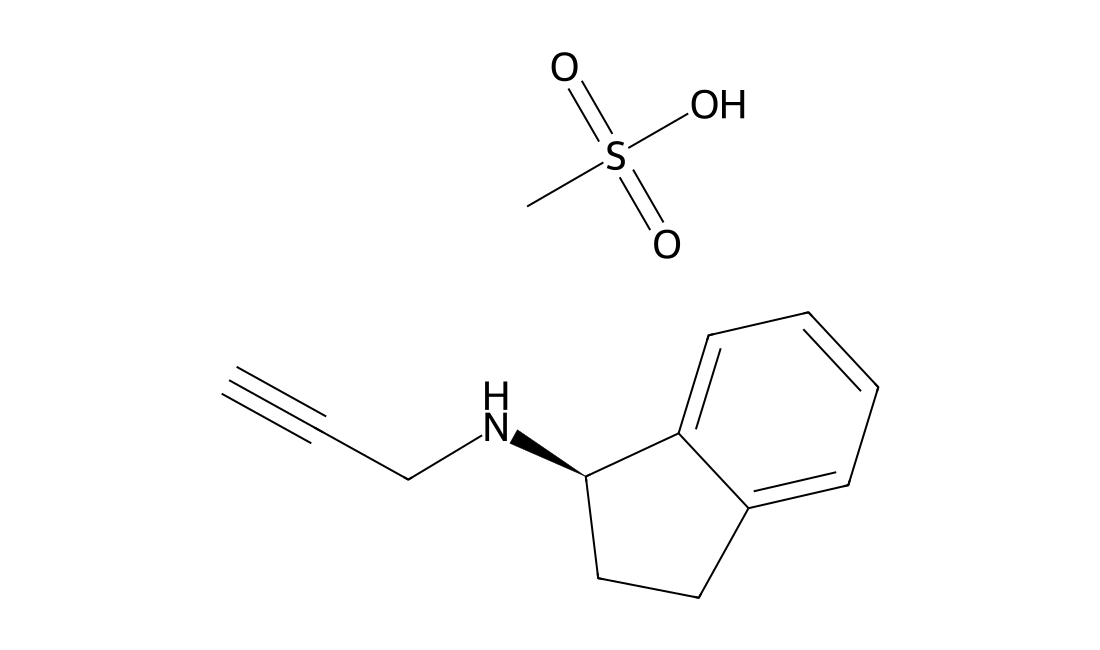
Small Molecule Research Tools

Explore bioactive compounds by research category, then narrow your search by target, product name, catalog number or CAS.

Newly added: LC-MG and OXF molecular glue research compounds →

6,823 products17 research categoriesBrowse all products ↓

Browse by research category

Products may appear in more than one category. Counts refer to distinct catalog numbers within each category.

Other Research Tools (75) · Additional reagents, building blocks and specialized research tools.

New literature-derived products

LC-MG-1 (DCA0006) · LC-MG-4 (DCA0007) · LC-MG-9 (DCA0008)

View structure and evidence summaries →

All small molecule products

Combine a keyword, research category and target to narrow the product list.

Loading catalog filters…

6,823 products · Showing 6,529–6,576

DC9409

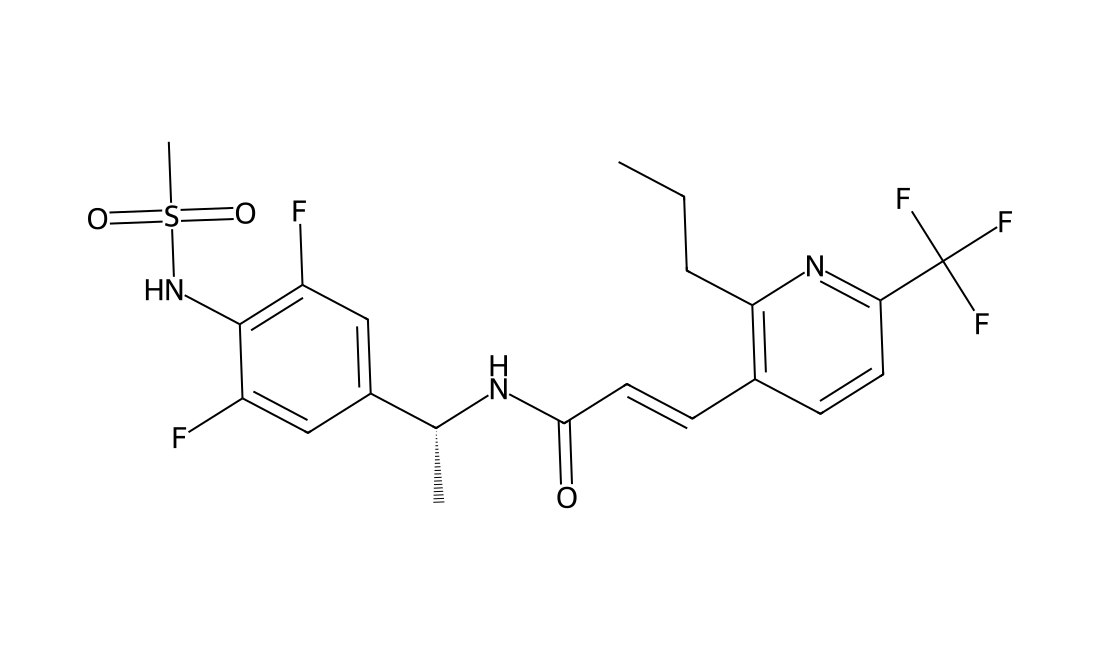
SCH 546738

CAS 906805-42-3

SCH 546738 is a novel, potent and non-competitive small molecule CXCR3 antagonist with Ki of 0.4 nM . in vitro: SCH 546738 at 10 nM inhibited T cell chemotaxis induced by all three CXCR3 ligands about 90%. In multiple experiments, the affinity constant (Ki) of SCH 546738 binding to human CXCR3 receptor was determined to be 0.4 nM. The IC50 of SCH 546738 is constant (~1 or 2 nM) and independent of the input concentrations of either [125I]hCXCL10 (25-500 pM) or [125I]hCXCL11 (12.5-250 pM), respectively. SCH 546738 has strong cross-species activities with IC50 of 1.3 nM, 6.4 nM, 5.9 nM and 4.2 nM in inhibiting the binding of [125I]hCXCL10 to CXCR3 of monkey, dog, mouse and rat origin, respectively. in vivo: SCH 546738 has a favourable pharmacokinetic profile in rodents. The plasma concentrations of SCH 546738 in Lewis rat and C57BL/6 mouse over 24 hr post-dose. The AUC (0-24 hr) is 7.7 μM.hr in Lewis rat @ 10 mg/kg (mpk) and is 12.6 μM.hr in C57BL/6 mouse @ 30 mpk. SCH 546738 attenuated disease development in a dose-dependent fashion, with significant reduction of the disease score evident at 40 mpk on days 4, 7 and 9, while it protected significantly on days 7 and 9 at 10 mpk. SCH 546738 administration at 3 mpk had no statistically significant effect on disease severity. SCH 546738 reduced the severity of the disease in a dose-dependent manner as well.
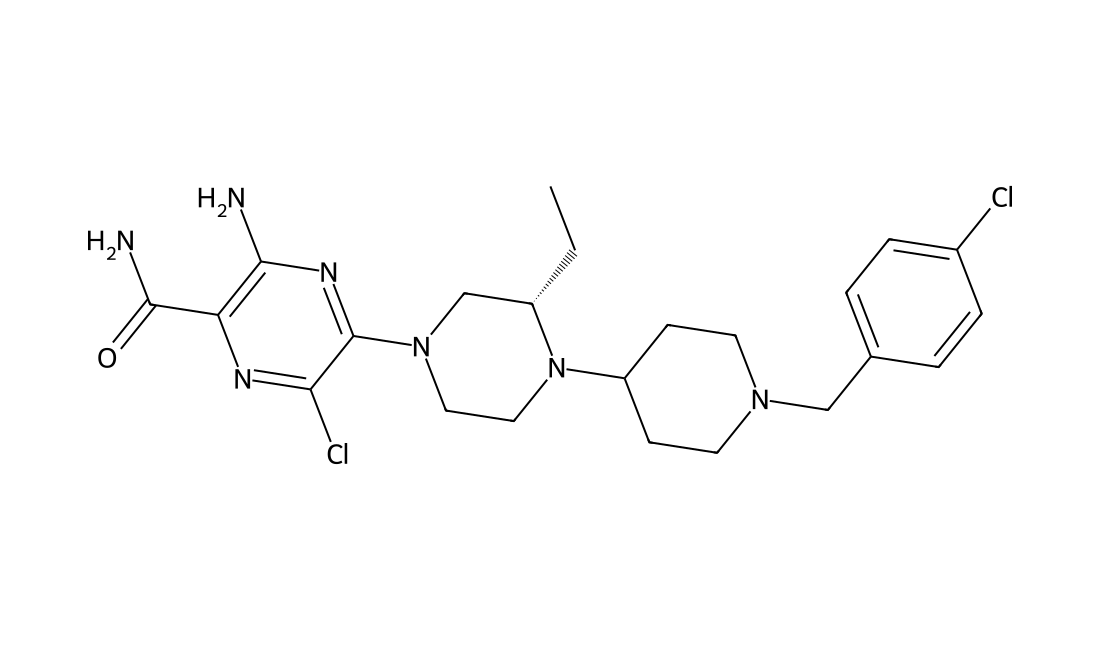
SCH 546738 chemical structure
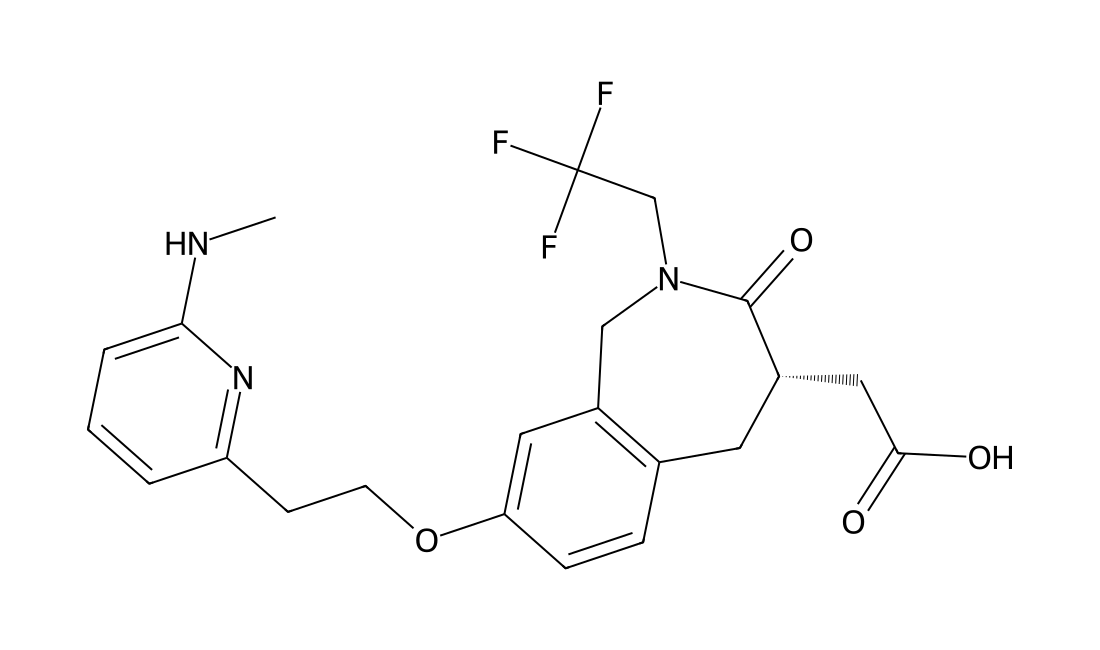
DC8417

SB273005

CAS 205678-31-5

In vitro, SB273005 inhibits human osteoclast-mediated bone resorption with IC50 of 11 nM. In blood containing MDA-MB-231 cells, a combination of SB273005 and lamifiban inhibits tumor cell adhesion to vascular extracellular matrix (ECM). In rat models of bone resorption and osteoporosis, SB273005 (30 mg/kg, p.o.) inhibits the parathyroid hormone-stimulated calcemic response, and inhibits bone loss. In rat with adjuvant-induced arthritis, SB273005 (60 mg/kg, p.o.) significantly reduces the symptoms of adjuvant-induced arthritis. SB273005 (1000 mg/kg/day, p.o.) causes acute, transient necrosis of vascular smooth muscle cell (VSMC) in aorta and renal arteries of mice. In pregnant mice, SB273005 reverses the reduction of Th1 cell-produced IL-2 levels and the increase of Th2 cell-derived IL-10 levels. [5] For the detailed information of SB273005, the solubility of SB273005 in water, the solubility of SB273005 in DMSO, the solubility of SB273005 in PBS buffer, the animal experiment (test) of SB273005, the cell expriment (test) of SB273005, the in vivo, in vitro and clinical trial test of SB273005, the EC50, IC50,and affinity,of SB273005, For the detailed information of SB273005, the solubility of SB273005 in water, the solubility of SB273005 in DMSO, the solubility of SB273005 in PBS buffer, the animal experiment (test) of SB273005, the cell expriment (test) of SB273005, the in vivo, in vitro and clinical trial test of SB273005, the EC50, IC50,and affinity,of SB273005, Please contact DC Chemicals.

SB273005 chemical structure
DC9316

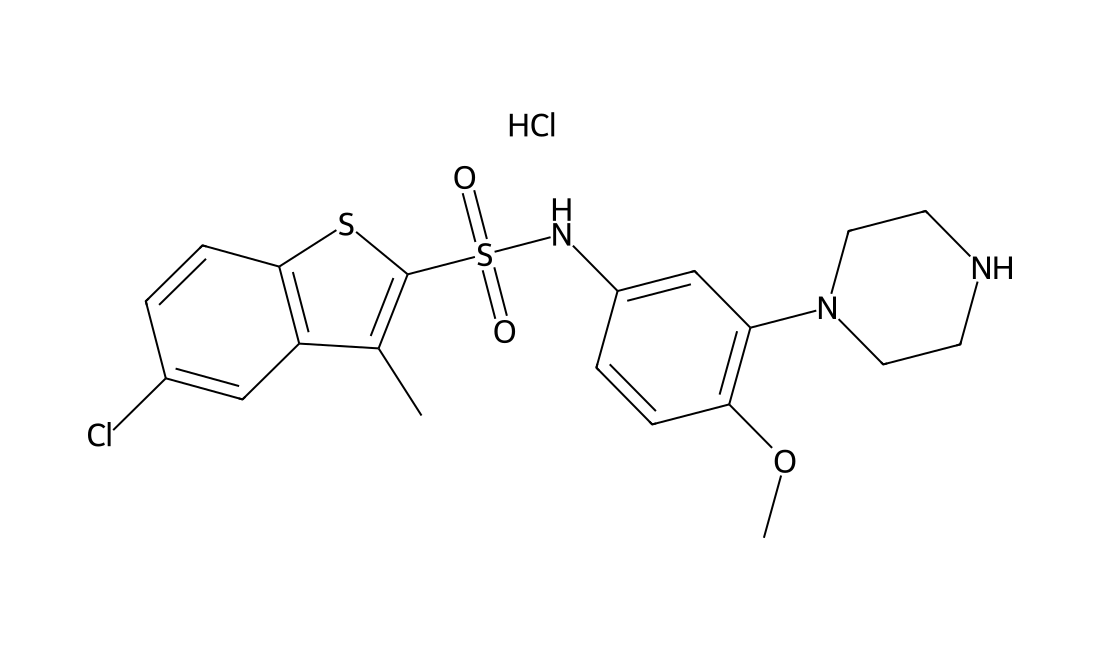
SB 271046 (Hydrochloride)

CAS 209481-24-3

SB271046 Hcl is a potent, selective and orally active 5-HT6 receptor antagonist with pKi of 8.9. in vitro: SB 271046 hydrochloride is a sulfonamidal benzothiophene derivative that has been shown to act as a selective 5-HT6 antagonist with pKi values of 9.02-8.92, 6.55, 6.35, 6.27, 6.05, 5.95, 5.76, 5.73, 5.62, 5.55, 5.41, 5.39, 5.27 and < 4.99 for 5-HT6, 5-HT1D, 5-HT1A, D3, 5-HT1B, 5-HT1F, α1B, 5-HT2C, 5-HT2A, D2, 5-HT2B, 5-HT7, 5-HT4 and 5-HT1E respectively, and is > 200-fold selective over 55 other receptors, enzymes and ion channels. in vivo: SB-271046 is moderately brain penetrant (10%), subject to low blood clearance (7.7 mL/min/kg) with a good half-life in rats (4.8 hours), and has excellent oral bioavailability (>80%). SB-271046 produces 3-fold and 2-fold increases in extracellular glutamate levels in both frontal cortex and dorsal hippocampus of rats, respectively, which may be used for the treatment of cognitive and memory dysfunction. SB-271046 (20 mg/kg, orally gavage) 30 min prior to training Wistar rats, is found to reverse significantly the amnesia produced by administering scopolamine (0.8 mg/kg, i.p.) in the 6 hours post-training period. SB-271046 progressively and significantly decreases platform swim angle and escape latencies over the five sequential trials on four consecutive daily sessions compared to vehicle-treated controls in aged rats. SB-271046 also improves task recall as measured by significant increases in the searching of the target quadrant on post-training days 1 and 3. SB-271046 (10 mg/kg, s.c.) produces a significant, tetrodotoxin-dependent, increase in extracellular levels of both glutamate and aspartate within the frontal cortex of rats, reaching maximum values of 375.4% and 215.3% of preinjection values, respectively.

SB 271046 (Hydrochloride) chemical structure
DC12330

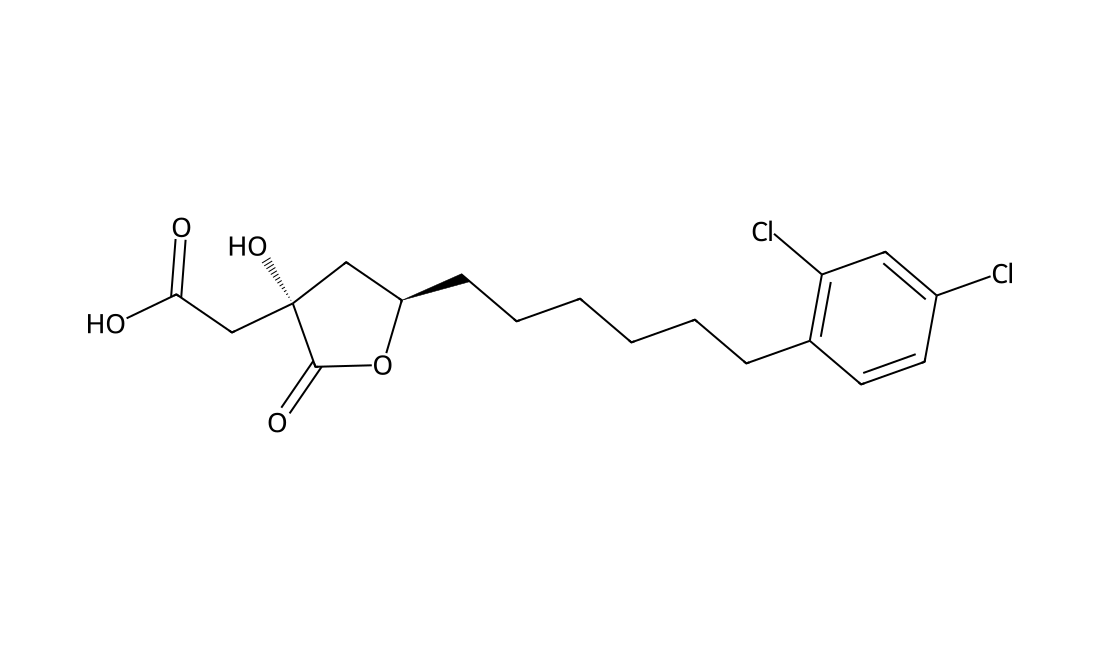
SB 204990

CAS 154566-12-8

In Vitro SB204990 (SB) is a specific inhibitor of ACLY enzyme. SB204990 treatment leads to a decrease in cytosolic Ac-CoA level and is thus expected to decrease acetylated and active β-catenin levels. In Vivo SB 204990, when administered orally to rats, is absorbed into the systemic circulation. When administered in the diet (0.05-0.25%, w/w) for 1 week, SB 204990 causes a dose-related decrease in plasma cholesterol (by up to 46%) and triglyceride levels (by up to 80%) in rats. SB 204990 (25 mg/kg per day) also decreases plasma cholesterol levels (by up to 23%) and triglyceride levels (by up to 38%) in the dog, preferentially decreasing low-density lipoprotein compared with high-density lipoprotein cholesterol levels.

SB 204990 chemical structure
DC8104

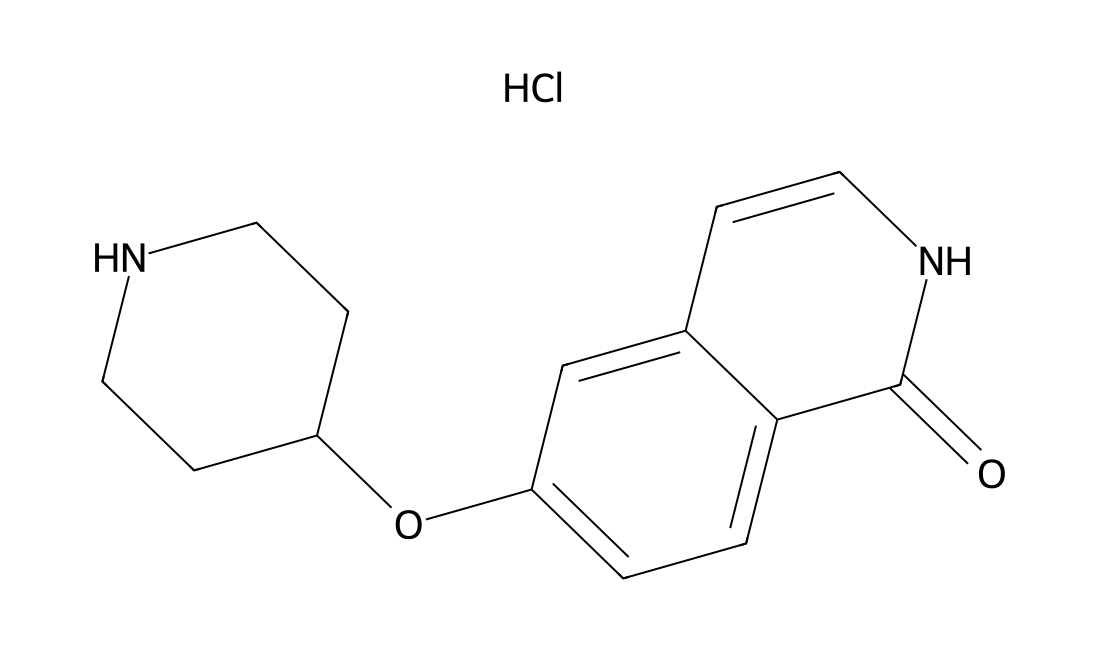
SAR407899 HCl

CAS 923262-96-8

SAR407899 Hcl is a potent, ATP-competitive ROCK inhibitor woth Ki value of 36 nM/41 nM for human ROCK/Rat ROCK respectively. in vitro: SAR407899 is highly selective in panel of 117 receptor and enzyme targets. SAR407899 is ≈8-fold more active than fasudil. In vitro, SAR407899 demonstrated concentration-dependent inhibition of Rho-kinase–mediated phosphorylation of myosin phosphatase, thrombin-induced stress fiber formation, platelet-derived growth factor–induced proliferation, and monocyte chemotactic protein-1–stimulated chemotaxis. SAR407899 potently (mean IC50 values: 122 to 280 nM) and species-independently relaxed precontracted isolated arteries of different species and different vascular beds. SAR407899 dose-dependently relaxed the pre-contracted corpora cavernosa in all species, with similar potency and efficacy in healthy vs diabetic rats, WKY vs SHR rats, healthy vs diabetic rabbits (IC(50) range from 0.05 to 0.29 μM, Emax range 89 to 97%). in vivo: Over the dose range 3 to 30 mg/kg PO, SAR407899 lowered blood pressure in a variety of rodent models of arterial hypertension. SAR407899 was more effective than Y27632 in reducing ET-1-induced vasoconstriction in ZDF rat renal resistance arteries. Maximum ET-1-induced vasoconstriction in SAR407899-treated and Y27632-treated human renal resistance arteries was 23±5 and 48±6% of control values, respectively. For the detailed information of SAR-407899, the solubility of SAR-407899 in water, the solubility of SAR-407899 in DMSO, the solubility of SAR-407899 in PBS buffer, the animal experiment (test) of SAR-407899, the cell expriment (test) of SAR-407899, the in vivo, in vitro and clinical trial test of SAR-407899, the EC50, IC50,and affinity,of SAR-407899, For the detailed information of SAR-407899, the solubility of SAR-407899 in water, the solubility of SAR-407899 in DMSO, the solubility of SAR-407899 in PBS buffer, the animal experiment (test) of SAR-407899, the cell expriment (test) of SAR-407899, the in vivo, in vitro and clinical trial test of SAR-407899, the EC50, IC50,and affinity,of SAR-407899, Please contact DC Chemicals.
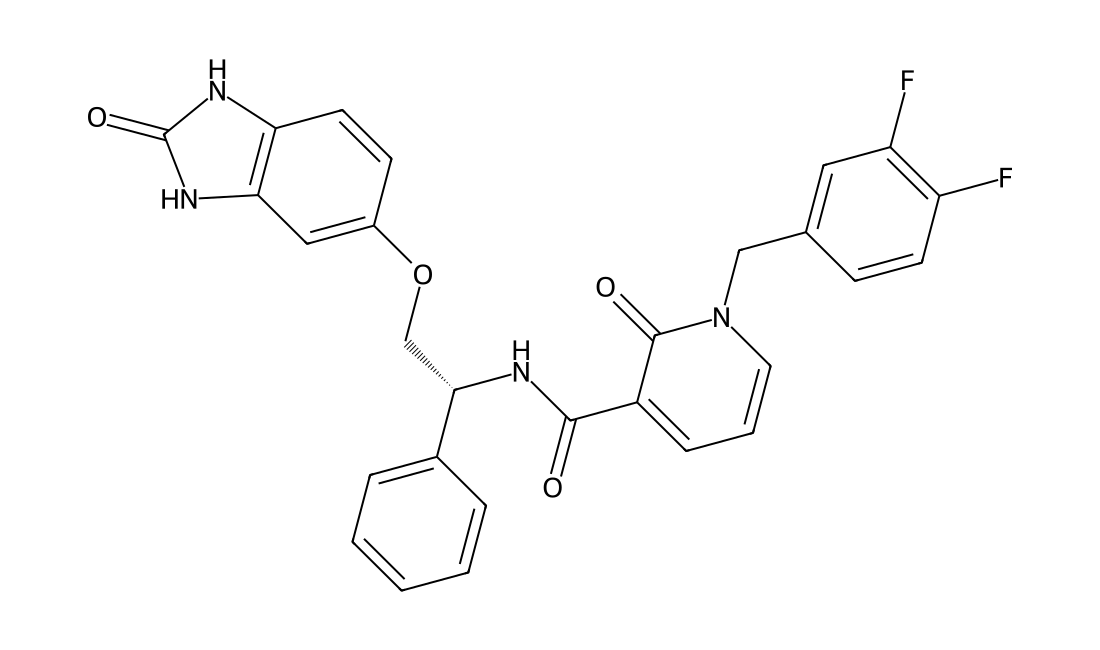
SAR407899 HCl chemical structure
DC10444

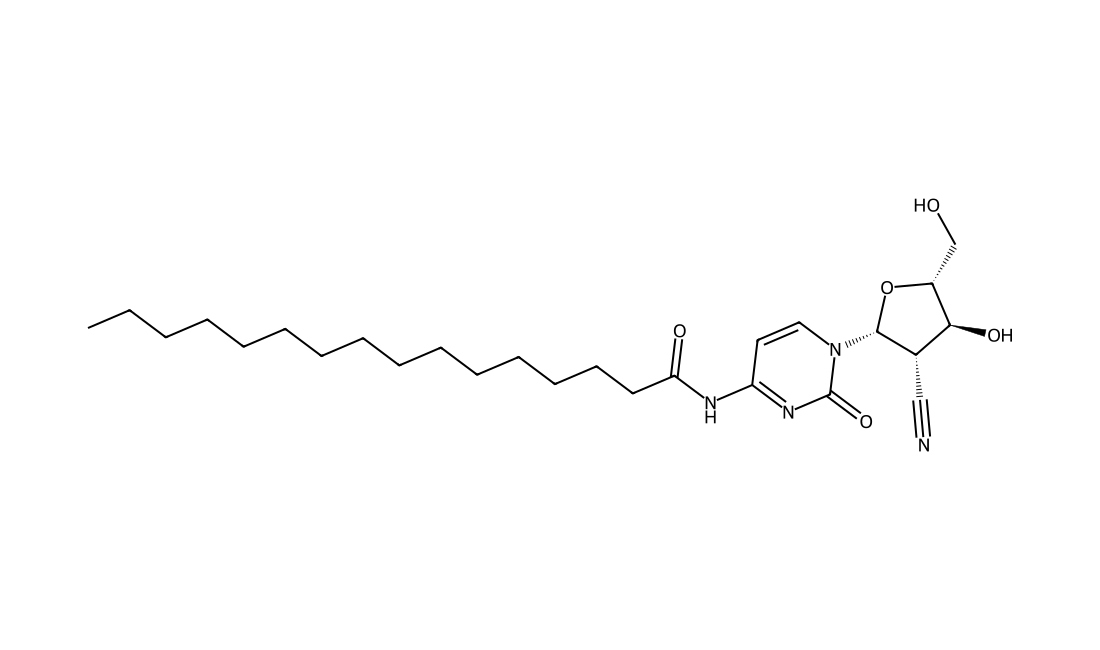
Sapacitabine (CYC682)

CAS 151823-14-2

Sapacitabine is unique in that it is an orally available nucleoside analog prodrug of CNDAC that acts through a dual mechanism. As a prodrug, it exhibits the therapeutic effect upon being metabolized; CNDAC lasts longer in the bloodstream by being metabolized from sapacitibine than by being directly administered. The compound interferes with DNA synthesis by causing single-strand DNA breaks due to CNDAC being incorporated into DNA during replication or repair,then inducing arrest of the cell division cycle at G2 phase.oth sapacitabine and its major metabolite, CNDAC, have demonstrated potent anti-tumor activity in both blood and solid tumors in preclinical studies. In a liver metastatic mouse model, sapacitabine was shown to be superior to gemcitabine (Gemzar; Lilly) or 5-FU, two widely used nucleoside analogs, in delaying the onset and growth of liver metastasis.

Sapacitabine (CYC682) chemical structure
DC5988

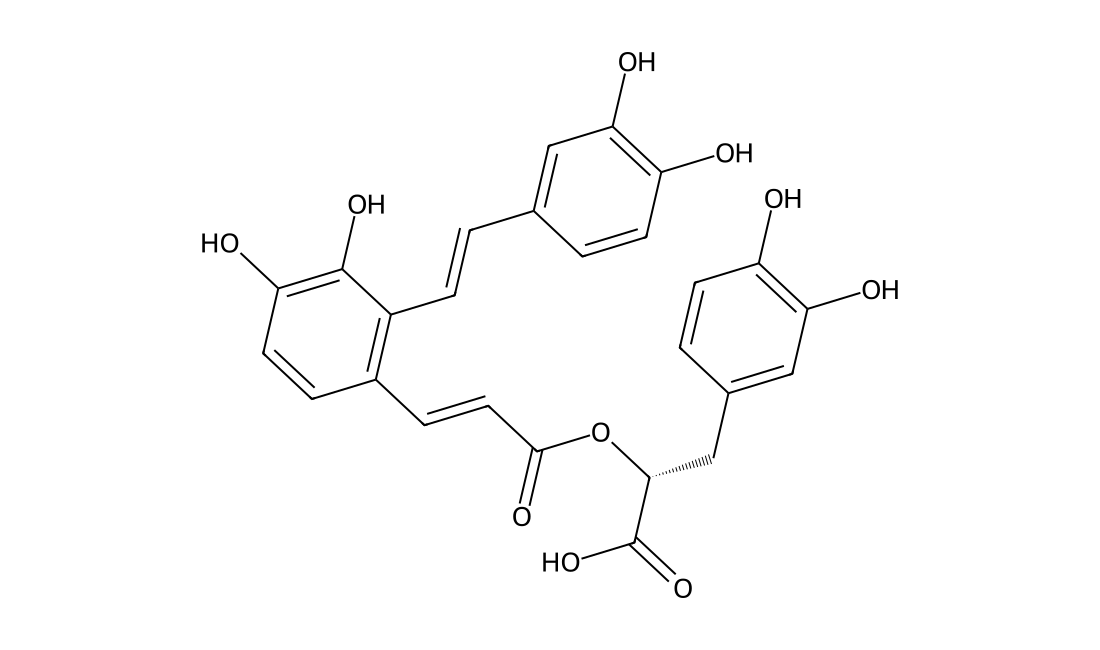
Salvianolic acid A

CAS 96574-01-5

Salvianolic acid A is cell protective antioxidant originally isolated from Salvia. It has been found to attenuate PDGF-induced ROS formation in hepatic stellate cells and protected against isoproterenol-induced myocardial damage in rats. Salvianolic acid A acts as scavengers of reactive oxygen species, reduces the adherence of leukocytes to endothelial cells, inhibits matrix metalloproteinases and inflammation. It has cardioprotective effects as it suppresses apoptosis, reduces lipid peroxidation in damaged cardiac tissue and decreases the leakage of lactic acid dehydrogenase. For the detailed information of Salvianolic acid A, the solubility of Salvianolic acid A in water, the solubility of Salvianolic acid A in DMSO, the solubility of Salvianolic acid A in PBS buffer, the animal experiment(test) (test) of Salvianolic acid A, the cell expriment (test) of Salvianolic acid A, the in vivo, in vitro and clinical trial test of Salvianolic acid A, the EC50, IC50,and Affinity of Salvianolic acid A,, please contact DC Chemicals.

Salvianolic acid A chemical structure
DC4134

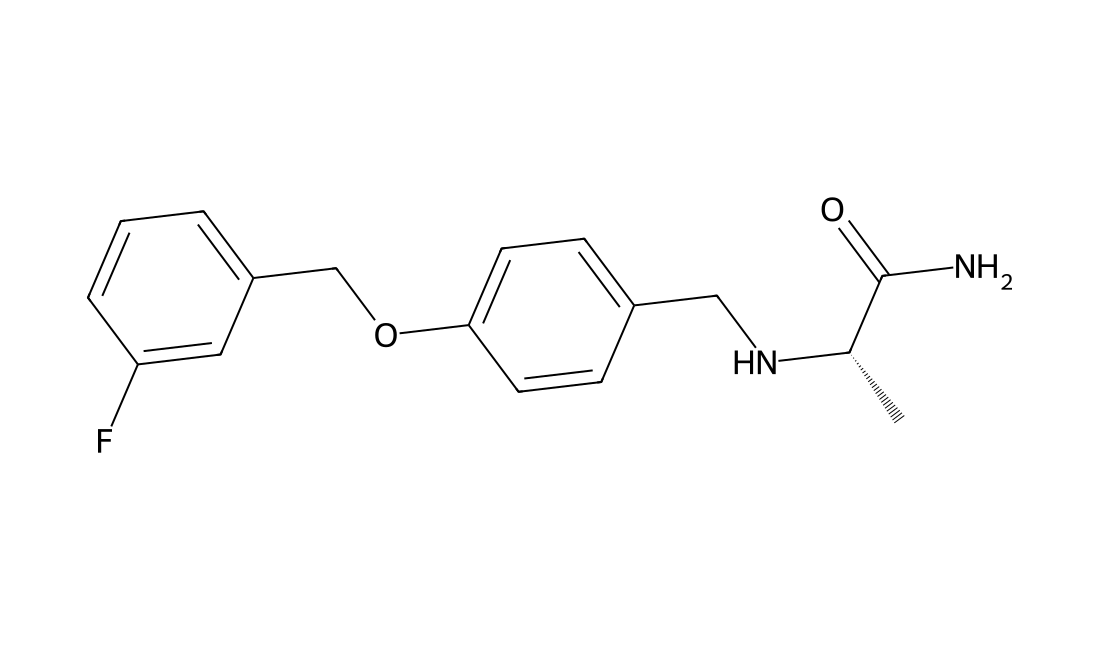
Safinamide

CAS 133865-89-1

Safinamide (EMD 1195686; FCE 26743; ) is a highly selective and reversible monoamine oxidase type B (MAO-B) inhibitor that increases neostriatal dopamine concentration. In addition, Safinamide (EMD 1195686; FCE 26743; ) is voltage-dependent sodium and calcium channel blocker. Safinamide (EMD 1195686; FCE 26743; ) appears to bind to the batrachotoxin-sensitive site 2 of the voltage-sensitive sodium channels. Safinamide blocks N and L-type calcium channels and inhibits glutamate and aspartate release from synaptic terminals.。For the detailed information about the solubility of Safinamide in water, the solubility of Safinamide in DMSO, the solubility of Safinamide in PBS buffer, the animal experiment(test) of Safinamide,the in vivo,in vitro and clinical trial test of Safinamide,the cell experiment(test) of Safinamide,the IC50, EC50 and Affinity of Safinamide, please contact DC Chemicals.

Safinamide chemical structure
DC12279

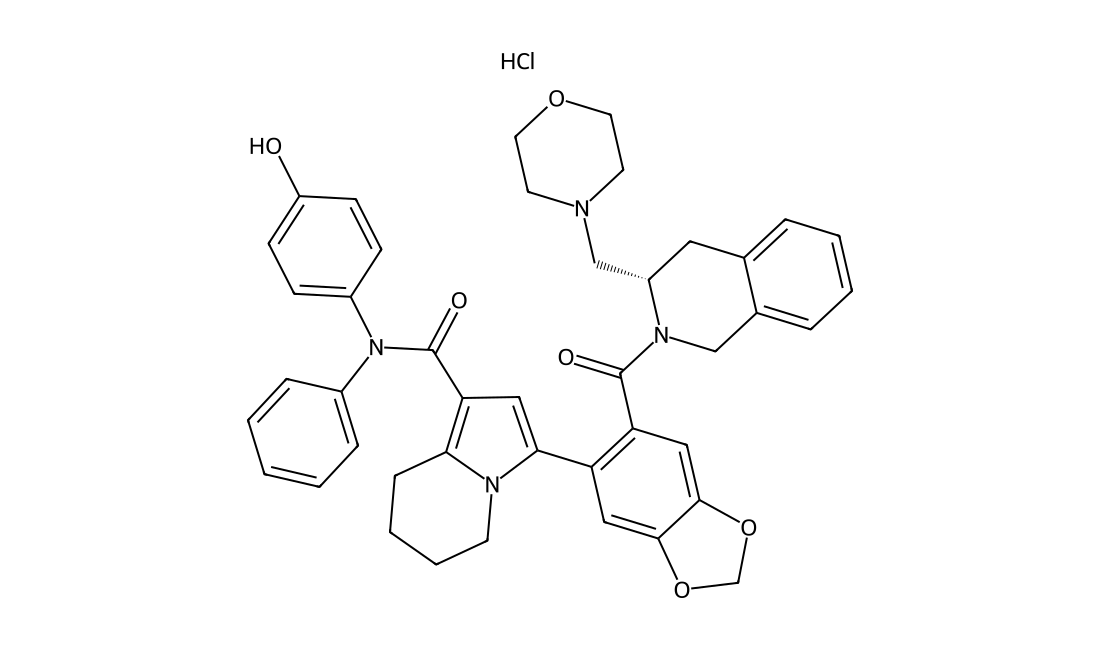
S55746 hydrochloride (BLC201 (hydrochloride))

CAS 1448525-91-4

In Vitro S55746 hydrochloride is a potent, orally active and selective BCL-2 inhibitor, with Kis and Kds of 1.3 nM, 520 nM and 3.9 nM, 186 nM for BCL-2 and BCL-XL, respectively. S55746 selectively induces cell death. S55746 potently causes RS4;11 cell killing with an IC50 of 71.6 nM after 72 h of treatment, but shows a much weaker activity in H146 (IC50 1.7 μM), a BCL-XL-dependent cell line. S55746 also selectively induces apoptosis through BCL-2 inhibition in a BAX/BAK-dependent manner. S55746 (3 nM) induces cell death in CLL cells. In Vivo S55746 is a highly efficacious and well-tolerated orally active BCL-2 inhibitor. S55746 (25 and 100 mg/kg, p.o.) inhibits xenograft growth in RS4;11 and Toledo models.

S55746 hydrochloride (BLC201 (hydrochloride)) chemical structure
DC12250

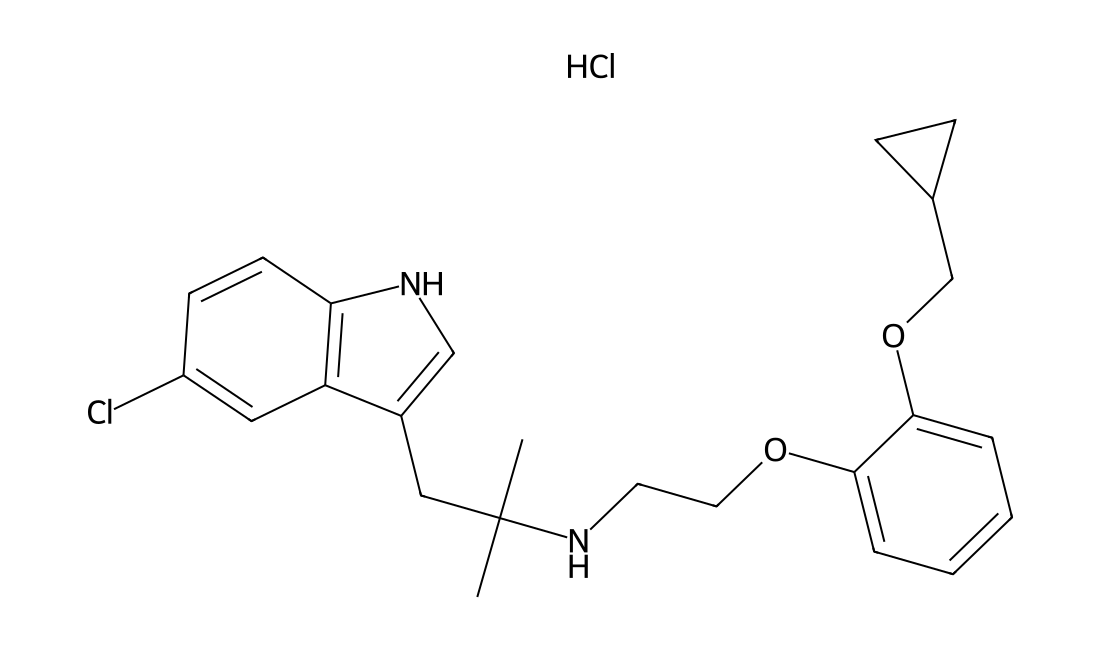
RS 17053 hydrochloride (RS-17053)

CAS 169505-93-5

In Vitro In several tissues from rat and cloned adrenoceptors, RS 17053 hydrochloride displays high affinity for the α1A-adrenoceptor (pKi and pA2 estimates of 9.1-9.9) and a 30-100-fold selectivity over the α1 B and the α1 D-adrenoceptor subtypes (pKi and pA2 estimates of 7.7-7.8). However, in isolated smooth muscle preparations from human LUT tissues, RS 17053 hydrochloride antagonizes responses to NE only at high concentrations. Estimates of affinity (pA2) at α1-adrenoceptors mediating NE-induced contractions are 7.5 in prostatic periurethral longitudinal smooth muscle (compared with 8.6 for prazosin), 6.9 in anterior fibromuscular stroma (prazosin, 8.9), and 7.1 in bladder neck (prazosin, 8.5). In Vivo RS 17053 hydrochloride has a rapid onset of action, and a duration of action exceeding 60 min. RS 17053 hydrochloride pretreatment significantly alteres food intake [F(4, 132) 5 6.28, p , 0.0001]. 10 mg/kg RS-17053 significantly suppresses food intake.

RS 17053 hydrochloride (RS-17053) chemical structure
DC8105

RPR-260243

CAS 668463-35-2

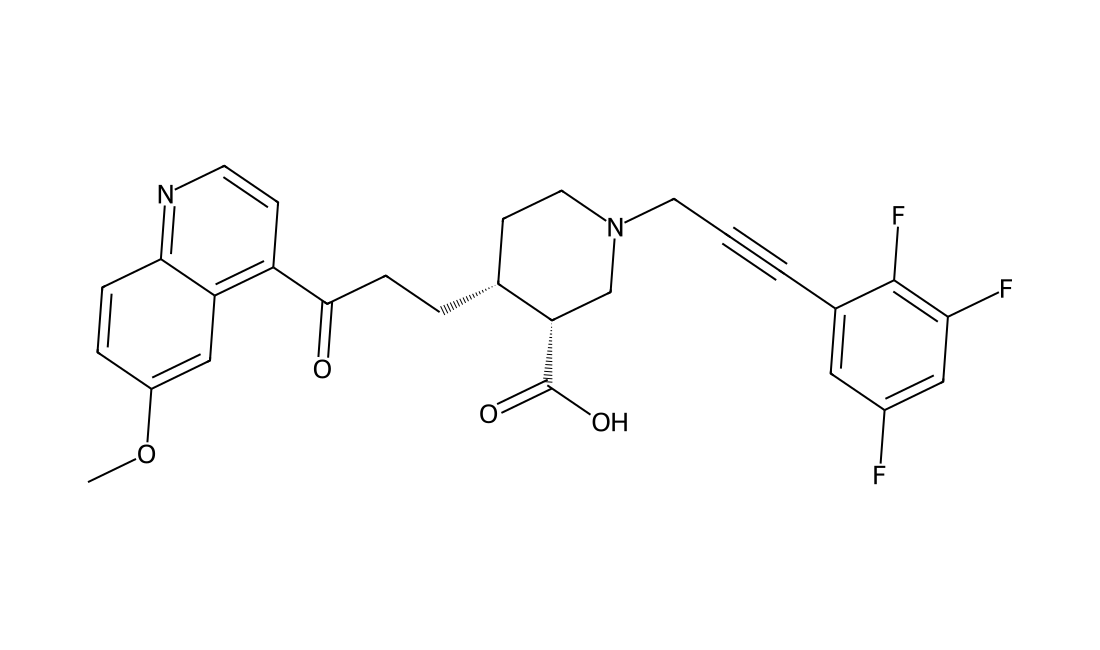
RPR260243 [(3R,4R)-4-[3-(6-methoxy-quinolin-4-yl)-3-oxo-propyl]-1-[3-(2,3,5-trifluoro-phenyl)-prop-2-yn-1-yl]-piperidine-3-carboxylic acid] was the first reported hERG channel activator. RPR260243 dramatically slows current deactivation in patch-clamp experiments, and its effect is temperature and voltage dependent. Though it is a weak inhibitor of the L-type Ca2+ channel, RPR260243 has no significant effects on the human cardiac Na+ channel or the KCNQ1/KCNE1 cardiac K+ channel, which are also linked with LQTS, thus showing high selectivity for hERG. Interestingly, RPR260243 inhibits the erg3 channel, which is in the same family as hERG, and a single S5 residue may account for this difference in pharmacology (Thr556 in hERG, Ile558 in rERG3). A Thr in this position favors agonist activity, whereas an Ile reveals a secondary blocking effect of RPR26024323. Additionally, RPR260243 enhances the delayed rectifier current in guinea pig myocytes and can, to some extent, reverse dofetilide-induced prolongation of action potential. Physiologically, it has been reported that RPR260243 can increase the T-wave amplitude, prolong the PR interval and shorten the QT interval in guinea pig hearts. For the detailed information of RPR-260243, the solubility of RPR-260243 in water, the solubility of RPR-260243 in DMSO, the solubility of RPR-260243 in PBS buffer, the animal experiment (test) of RPR-260243, the cell expriment (test) of RPR-260243, the in vivo, in vitro and clinical trial test of RPR-260243, the EC50, IC50,and affinity,of RPR-260243, For the detailed information of RPR-260243, the solubility of RPR-260243 in water, the solubility of RPR-260243 in DMSO, the solubility of RPR-260243 in PBS buffer, the animal experiment (test) of RPR-260243, the cell expriment (test) of RPR-260243, the in vivo, in vitro and clinical trial test of RPR-260243, the EC50, IC50,and affinity,of RPR-260243, Please contact DC Chemicals.

RPR-260243 chemical structure
DC9454

Ro 28-1675

CAS 300353-13-3

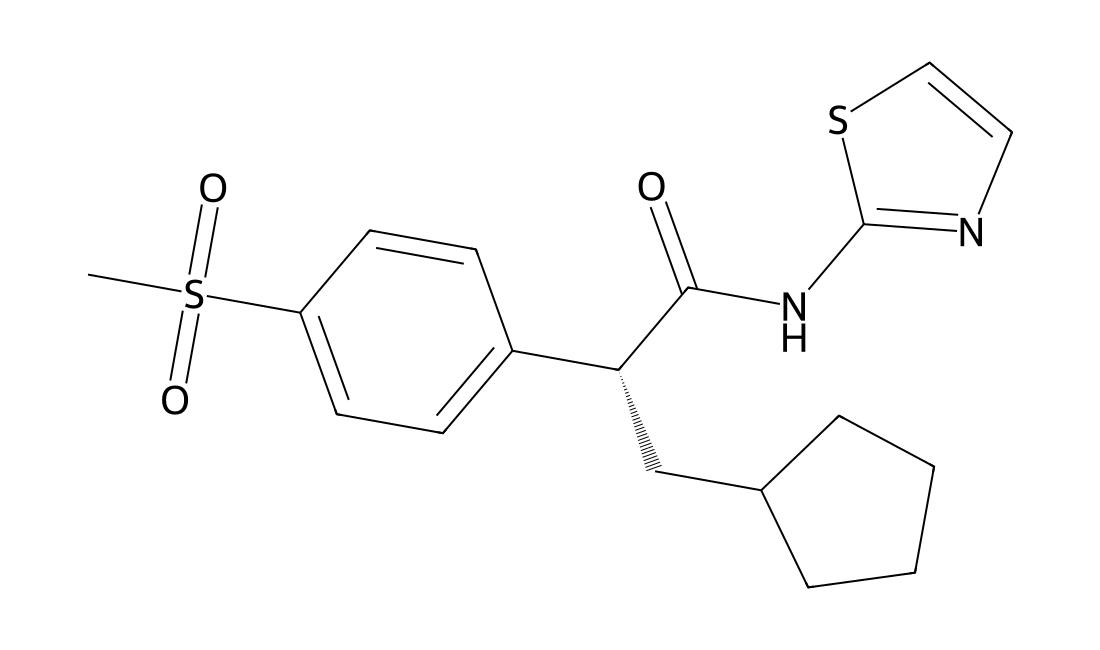
Ro 28-1675 (Ro 0281675) is a potent allosteric GK activator with a SC1.5 value of 0.24± 0.0019 uM. The R stereoisomer Ro 28-1675 activated GK with a SC1.5 of 0.24 uM, while the S isomer did not activated GK up to 10 uM. Oral administration of Ro 28-1675 (50 mg/Kg) to male C57B1/6J mice caused a statistically significant reduction in fasting glucose levels and improvement in glucose tolerance relative to the vehicle treated animals. Comparison of rat PK parameters indicated that Ro 28-1675 displayed lower clearance and higher oral bioavailability compared to 9a. Following a single oral dose, Ro 28-1675 reduced fasting and postprandial glucose levels following an OGTT, was well tolerated, and displayed no adverse effects related to drug administration other than hypoglycemia at the maximum dose (400 mg).

Ro 28-1675 chemical structure
DC23909

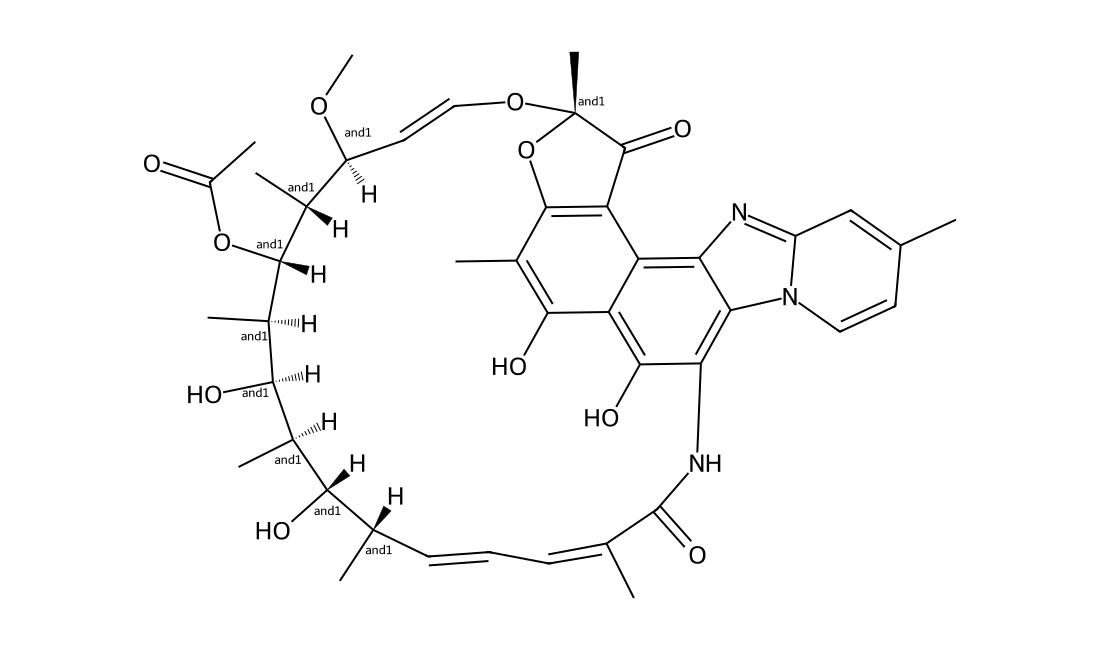
Rifaximin

CAS 80621-81-4

Rifaximin is an oral, semi-synthetic antibiotic derived from Rifamycin SV with antibacterial activity, interferes with transcription by binding to the β-subunit of bacterial RNA polymerase; Rifaximin is widely used to treat traveler's diarrhea, irritable bowel syndrome, and hepatic encephalopathy.Bacterial InfectionApproved

Rifaximin chemical structure
DC6918

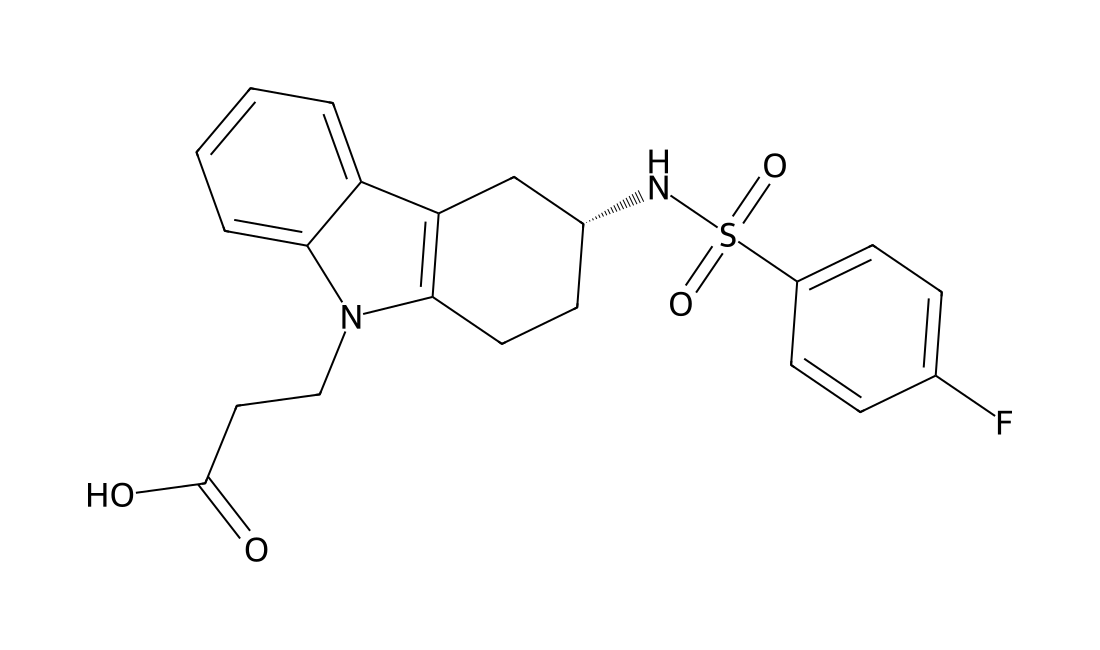
Ramatroban (BAY u3405)

CAS 116649-85-5

Ramatroban (BAY u3405) is a thromboxane A(2) (TxA(2)) antagonist marketed for allergic rhinitis.Ramatroban (Baynas, BAY u3405), a thromboxane A(2) (TxA(2)) antagonist marketed for allergic rhinitis, has been shown to partially attenuate prostaglandin (PG)D(2)-induced bronchial hyperresponsiveness in humans, as well as reduce antigen-induced early- and late-phase inflammatory responses in mice, guinea pigs, and rats. PGD(2)-stimulated human eosinophil migration was shown to be mediated exclusively through activation of CRTH2, and surprisingly, these effects were completely inhibited by ramatroban. This is also the first report detailing an orally bioavailable small molecule CRTH2 antagonist. Our findings suggest that clinical efficacy of ramatroban may be in part mediated through its action on this Th2-, eosinophil-, and basophil-specific chemoattractant receptor. Ramatroban can block the newly identified PGD2 receptor, chemoattractant receptor-homologous molecule expressed on Th2 cells (CRTh2). Ramatroban suppresses the late-phase inflammation via TP receptor and CRTh2 blockade. Ramatroban can suppress the expression of monocyte chemoattractant protein-1 (MCP-1) and adhesion molecules in endothelial cells and prevent exacerbation of inflammation by blocking these responses. For the detailed information of Ramatroban (BAY u3405), the solubility of Ramatroban (BAY u3405) in water, the solubility of Ramatroban (BAY u3405) in DMSO, the solubility of Ramatroban (BAY u3405) in PBS buffer, the animal experiment (test) of Ramatroban (BAY u3405), the cell expriment (test) of Ramatroban (BAY u3405), the in vivo, in vitro and clinical trial test of Ramatroban (BAY u3405), the EC50, IC50,and affinity,of Ramatroban (BAY u3405), For the detailed information of Ramatroban (BAY u3405), the solubility of Ramatroban (BAY u3405) in water, the solubility of Ramatroban (BAY u3405) in DMSO, the solubility of Ramatroban (BAY u3405) in PBS buffer, the animal experiment (test) of Ramatroban (BAY u3405), the cell expriment (test) of Ramatroban (BAY u3405), the in vivo, in vitro and clinical trial test of Ramatroban (BAY u3405), the EC50, IC50,and affinity,of Ramatroban (BAY u3405), Please contact DC Chemicals.

Ramatroban (BAY u3405) chemical structure
DC5139

QS 11 (QS11,BML-WN117)

CAS 944328-88-5

QS 11 is a GTPase activating protein of ADP-ribosylation factor 1 (ARFGAP1) inhibitor. Modulates ARF-GTP levels and synergizes with the Wnt/β-catenin signaling pathway to upregulate β-catenin nuclear translocation. Also reduces in vitro migration of metastatic human breast cancer cells.For the detailed information of QS 11 (QS11,BML-WN117), the solubility of QS 11 (QS11,BML-WN117) in water, the solubility of QS 11 (QS11,BML-WN117) in DMSO, the solubility of QS 11 (QS11,BML-WN117) in PBS buffer, the animal experiment (test) of QS 11 (QS11,BML-WN117), the cell expriment (test) of QS 11 (QS11,BML-WN117), the in vivo, in vitro and clinical trial test of QS 11 (QS11,BML-WN117), the EC50, IC50,and Affinity of QS 11 (QS11,BML-WN117), Please contact DC Chemicals.

QS 11 (QS11,BML-WN117) chemical structure
DC9430

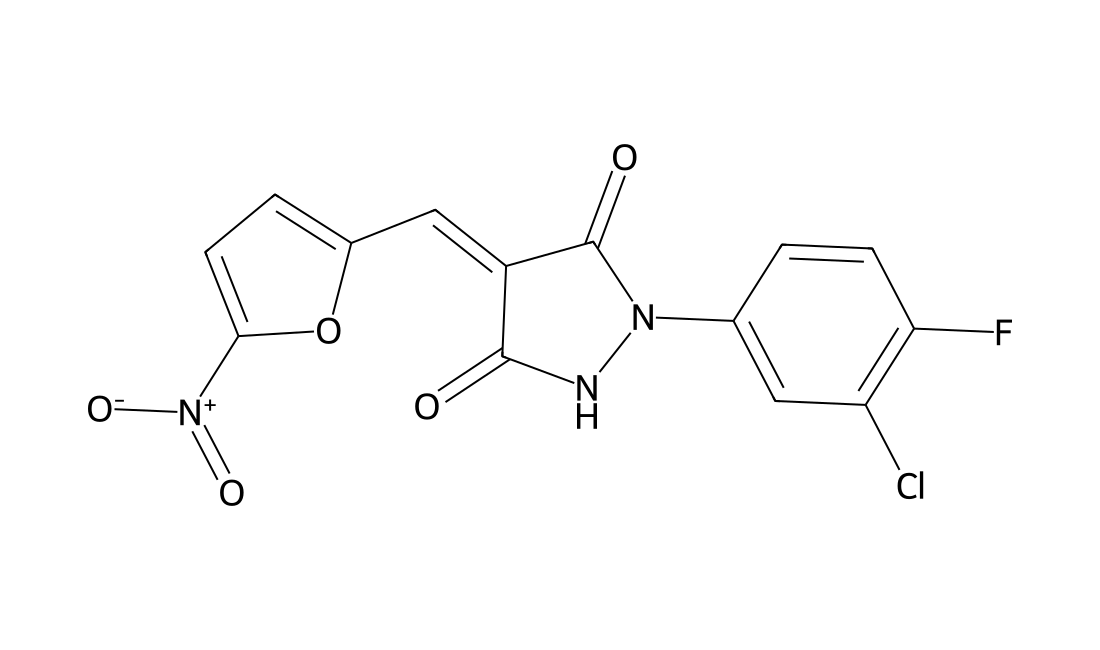
PYZD-4409

CAS 423148-78-1

PYZD-4409 is a novel small molecule inhibitor of Ubiquitin-activating enzyme UBA1/E1 enzyme with an IC50 of 20 uM (cell-free enzymatic assay). in vitro: PYZD-4409 inhibited the ATP-dependent activation of ubiquitin and subsequent transfer of the activated ubiquitin from the E1 to the common human E2 enzyme UBE2E2 in a gel-based assay. The IC50 of inhibition was estimated to be 20μM in a cell-free enzymatic assay. Suggesting specificity of PYZD-4409 for the E1 enzyme, the compound had no effect on unrelated enzymes such as α-Mannosidase II glycosylation enzyme or Luciferase at concentrations up to 100μM (data not shown). It also did not inhibit the summo E1, Uba2, at concentrations up to 100μM. In 5 of 8 leukemia and myeloma cell lines, PYZD-4409 induced cell death with a LD50 less than 10μM. Myeloma cell lines were particularly sensitive to E1 inhibition because PYZD-4409 induced cell death with 3 of 4 myeloma cell lines (ie, LP1, KMS11, and U226) having an LD50 of 3μM or less. In contrast, solid tumor cell lines were less sensitive with an LD50 of approximately 15 to 20μM. in vivo: SCID mice were injected subcutaneously with MDAY-D2 murine leukemia cells and then treated with PYZD-4409 (10 mg/kg) or buffer control intraperitoneally daily on alternate days over 8 days. Sixteen days after tumor implantation, the mice were killed, and the tumors excised and weighed. Compared with control-treated mice, treatment with PYZD-4409 delayed tumor growth and decreased tumor weight without untoward toxicity. Inhibition of the E1 can achieve an antitumor effect in vivo.

PYZD-4409 chemical structure
DC7254

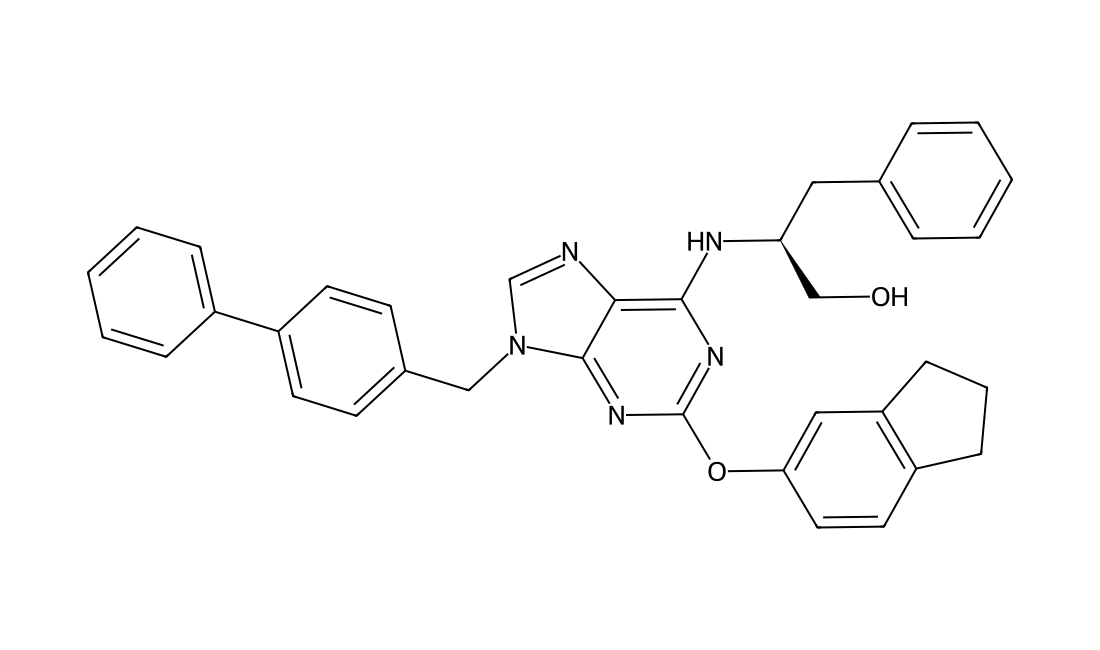
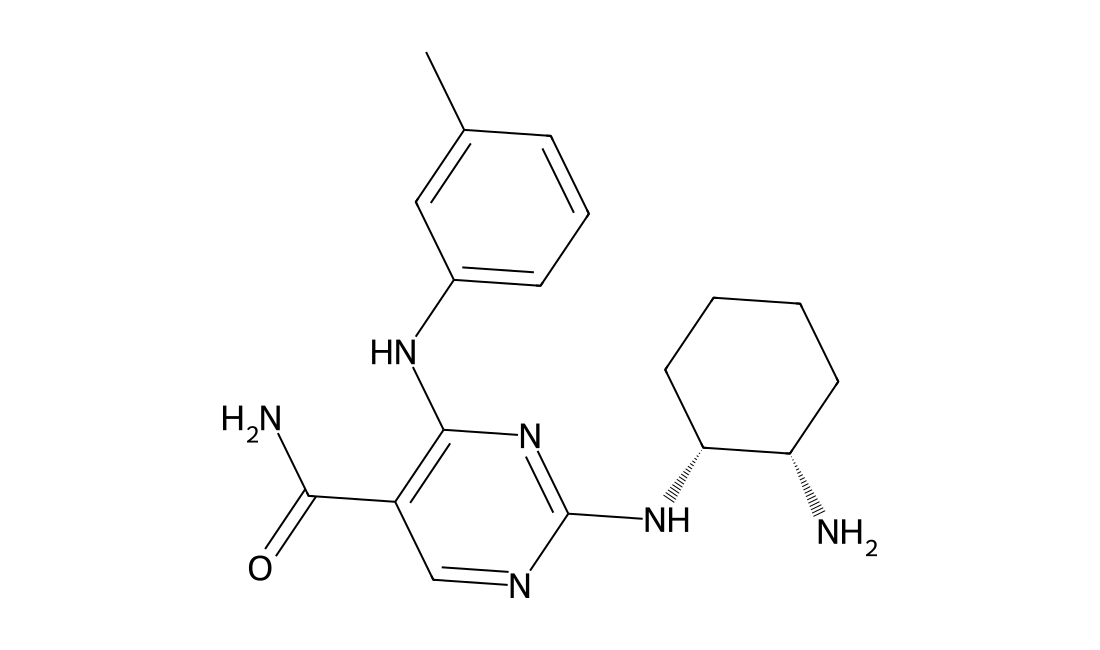
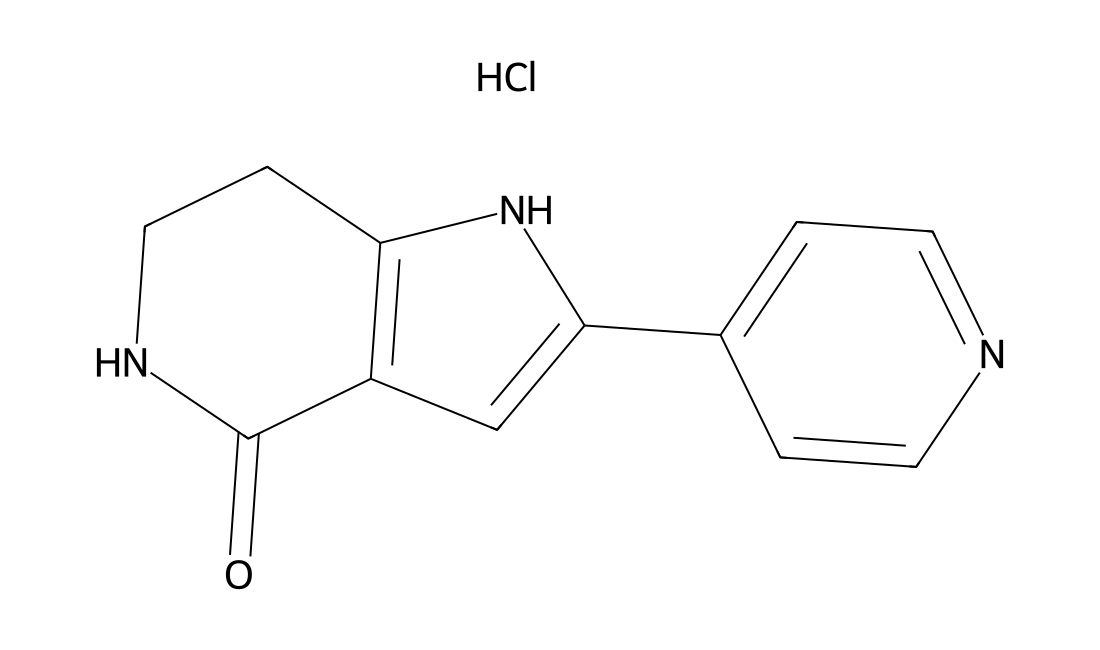
PRT062607

CAS 1370261-97-4

PRT062607(P505-15) anti-SYK activity is at least 80-fold greater than its affinity For other kinases. at least 80-fold greater than its affinity For other kinases. PRT062607 potently inhibits B cell antigen receptor-mediated B cell signaling and activation (IC50 0.27 and 0.28 μM, respectively) and Fcε receptor 1-mediated basophil degranulation (IC50 0.15 μM). PRT062607 inhibits BCR-dependent secretion of the chemokines CCL3 and CCL4 by CLL cells, and leukemia cell migration toward the tissue homing chemokines CXCL12, CXCL13, and beneath stromal cells. PRT062607 furthermore inhibits Syk and extracellular signal-regulated kinase phosphorylation after BCR triggering. For the detailed information of PRT062607, the solubility of PRT062607 in water, the solubility of PRT062607 in DMSO, the solubility of PRT062607 in PBS buffer, the animal experiment (test) of PRT062607, the cell expriment (test) of PRT062607, the in vivo, in vitro and clinical trial test of PRT062607, the EC50, IC50,and Affinity of PRT062607, Please contact DC Chemicals.

PRT062607 chemical structure
DC7948

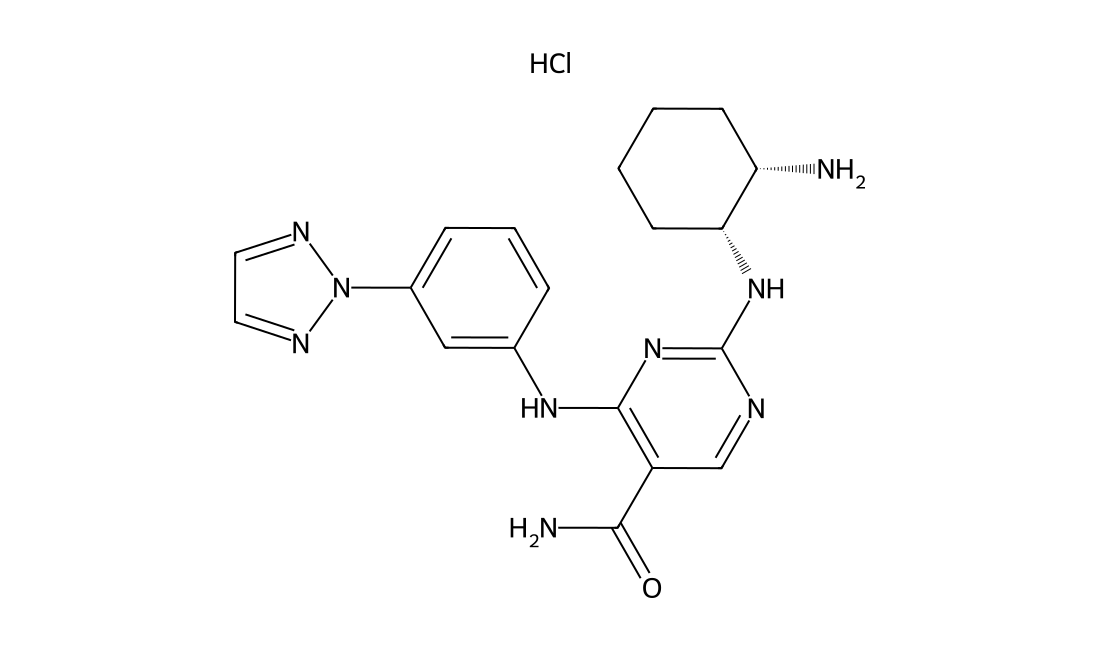
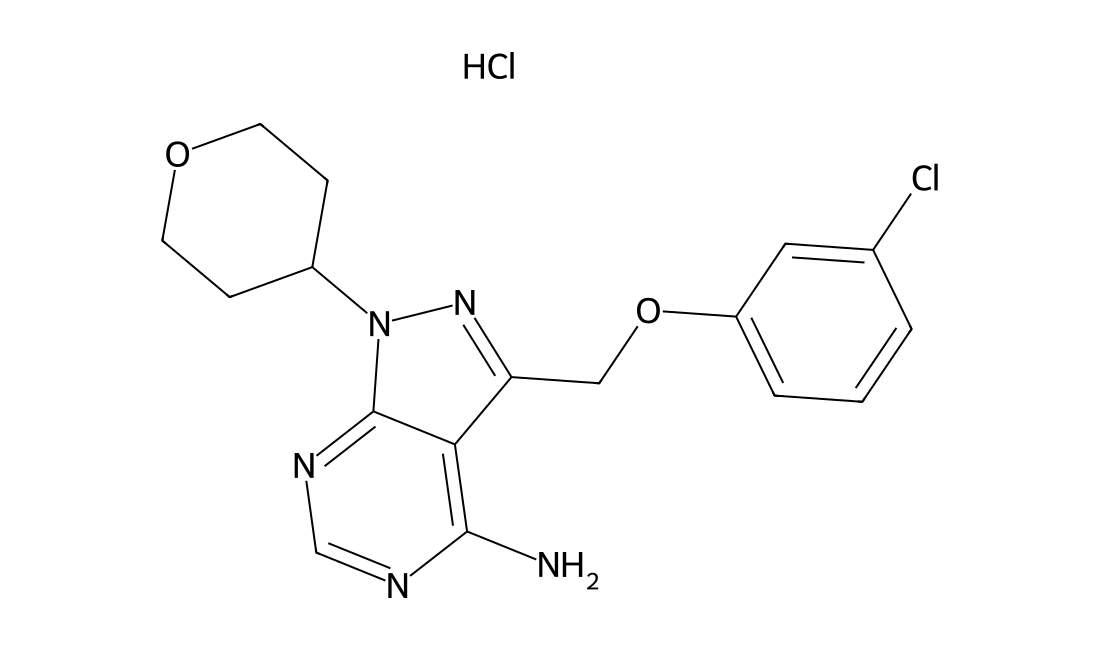
PRT-060318(PRT318)

CAS 1194961-19-7

PRT-060318, also known as PRT318 or P142–76, is a novel selective inhibitor of the tyrosine kinase Syk, as an approach to HIT treatment. PRT318 completely inhibited HIT immune complex-induced aggregation of both human and transgenic HIT mouse platelets. Transgenic HIT model mice were treated with KKO, a mouse monoclonal HIT-like antibody, and heparin. The experimental group received orally dosed PRT318, whereas the control group received vehicle. Nadir platelet counts of PRT318-treated mice were significantly higher than those of control mice. When examined with a novel thrombosis visualization technique, mice treated with PRT318 had significantly reduced thrombosis. The Syk inhibitor PRT318 thus prevented both HIT immune complex-induced thrombocytopenia and thrombosis in vivo, demonstrating its activity in HIT. (source: Blood. 2011 Feb 17;117(7):2241-6.) For the detailed information of PRT-060318 , the solubility of PRT-060318 in water, the solubility of PRT-060318 in DMSO, the solubility of PRT-060318 in PBS buffer, the animal experiment (test) of PRT-060318 , the cell expriment (test) of PRT-060318 , the in vivo, in vitro and clinical trial test of PRT-060318 , the EC50, IC50,and affinity,of PRT-060318 , Please contact DC Chemicals.

PRT-060318(PRT318) chemical structure
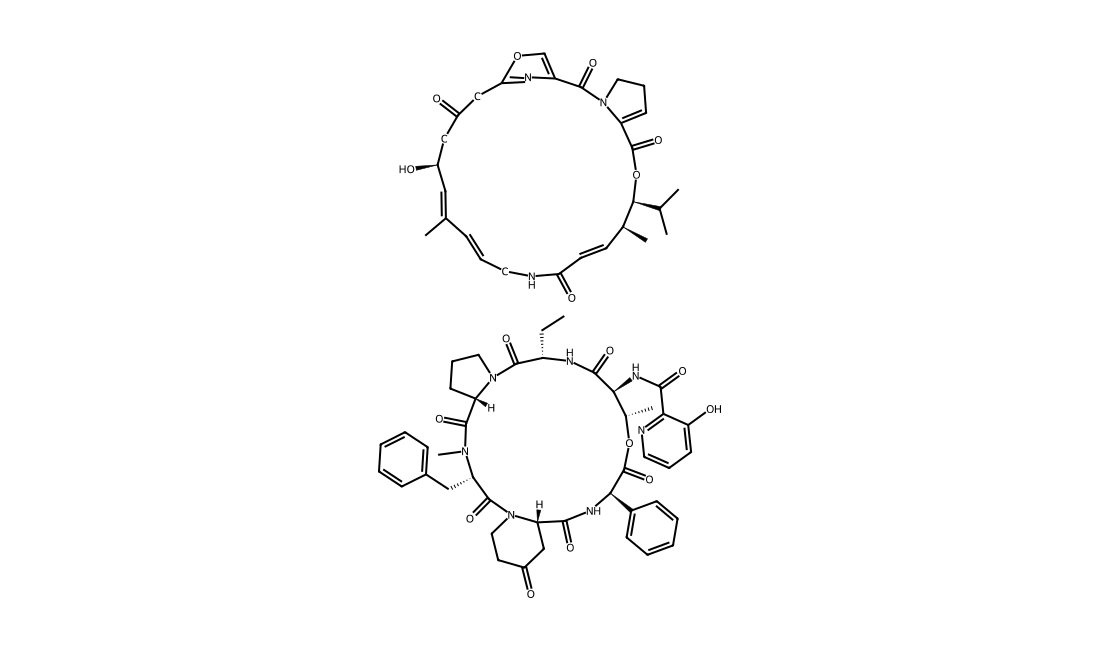
DC9656

Pristinamycin

CAS 11006-76-1

Pristinamycin is an antibiotic used primarily in the treatment of staphylococcal infections, and to a lesser extent streptococcal infections.

Pristinamycin chemical structure
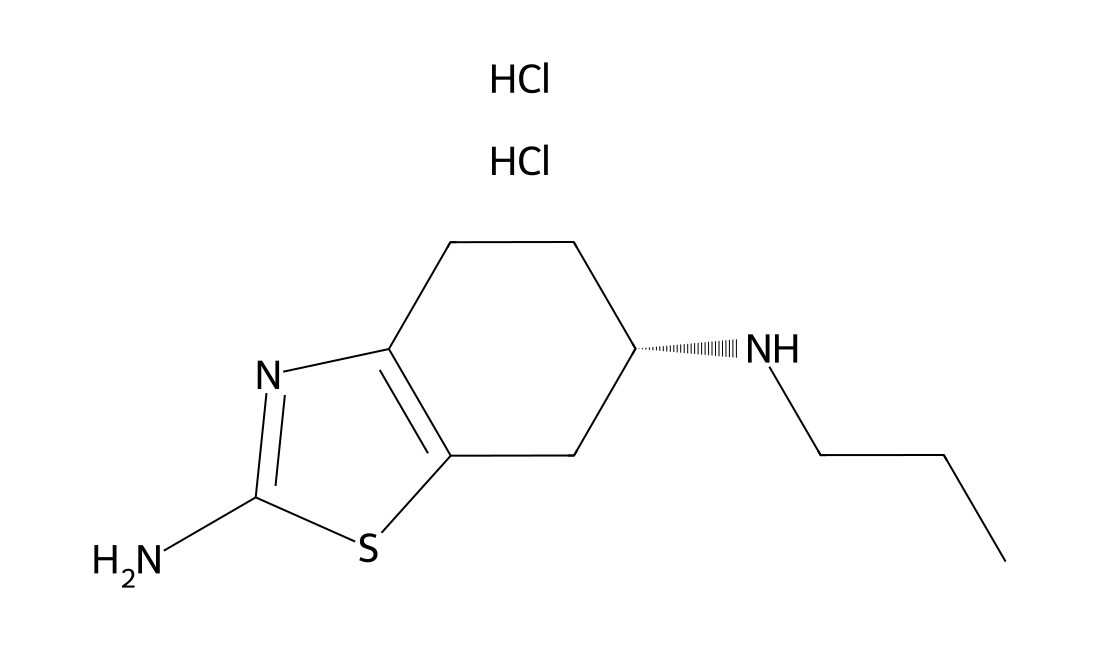
DC3151

Pramipexole dihydrochloride

CAS 104632-25-9

Pramipexole (Mirapex, Mirapexin, Sifrol) is a dopamine agonist of the non-ergoline class indicated For treating early-stage Parkinson's disease (PD) and restless legs syndrome (RLS). It is also sometimes used off-label as a treatment For cluster headache and to counteract problems with sexual dysfunction experienced by some users of selective serotonin reuptake inhibitor (SSRI) antidepressants. Pramipexole has shown robust effects on pilot studies in a placebo-controlled proof of concept study in bipolar disorder. It is also being investigated For the treatment of clinical depression and fibromyalgia. For the detailed information about the solubility of Pramipexole dihydrochloride in water, the solubility of Pramipexole dihydrochloride in DMSO, the solubility of Pramipexole dihydrochloride in PBS buffer, the animal experiment(test) of Pramipexole dihydrochloride,the in vivo,in vitro and clinical trial test of Pramipexole dihydrochloride,the cell experiment(test) of Pramipexole dihydrochloride,the IC50, EC50 and Affinity of Pramipexole dihydrochloride, please contact DC Chemicals.

Pramipexole dihydrochloride chemical structure
DC9629

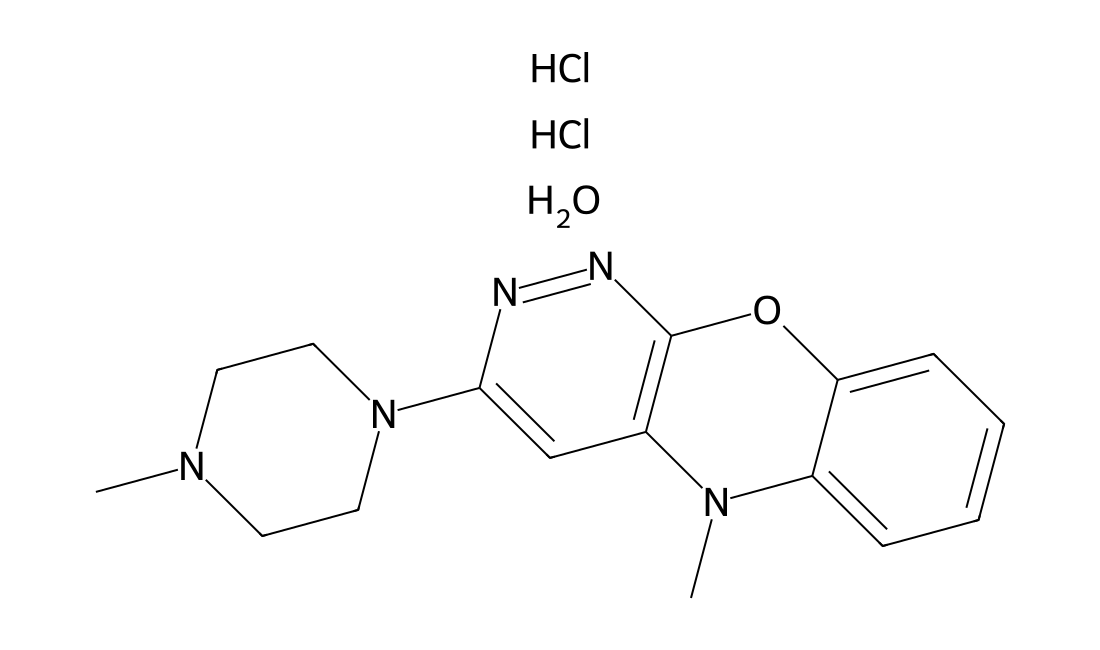
Azaphen (dihydrochloride monohydrate)

CAS 63302-99-8

Pipofezine(Azafen or Azaphen) is a potent inhibitor of the reuptake of serotonin. Pipofezine is a tricyclic antidepressant (TCA) approved in Russia for the treatment ofdepression. In addition to its antidepressant action, pipofezine has sedative effects as well, indicating antihistamine activity.

Azaphen (dihydrochloride monohydrate) chemical structure
DC9024

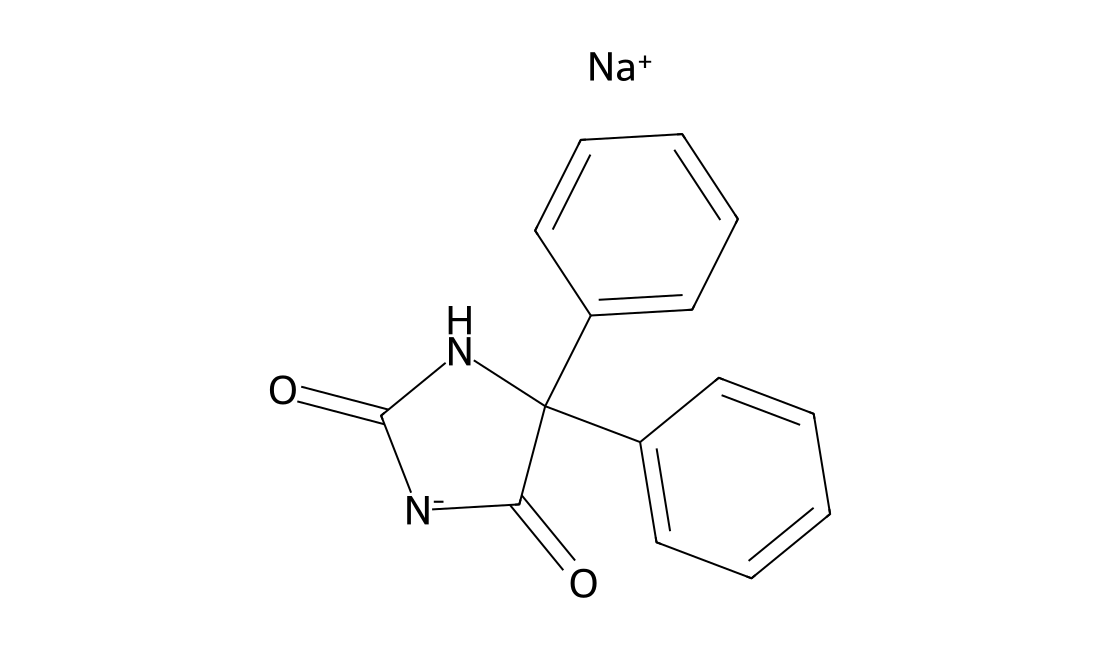
Phenytoin sodium

CAS 630-93-3

Phenytoin sodium is an inactive voltage-gated sodium channel stabilizer.Phenytoin sodium is an antiepileptic drug. It is useful to treat partial seizures and generalized tonic-clonic seizures but not primary generalized seizures such as absence seizures or myoclonic seizures. Phenytoin is believed to protect against seizures by causing voltage-dependent block of voltage-gated sodium channels. Phenytoin has low affinity for resting sodium channels at hyperpolarized membrane potentials. When neurons are depolarized and the channels transition into the open and inactivated states, greater binding and block occur. The inhibitory potency is strongly use dependent, so that block accumulates with prolonged or repetitive activation, such as occurs during a seizure discharge. The blocking of sodium channels by phenytoin is of slow onset. The time course of fast sodium currents is therefore not altered in the presence of the drug and action potentials evoked by synaptic depolarizations of ordinary duration are not blocked. Thus phenytoin is able to selectively inhibit pathological hyperexcitability in epilepsy without unduly impairing ongoing activity. Phenytoin also blocks persistent sodium current and this may be of particular importance in seizure control. Phenytoin is a class 1b antiarrhythmic.

Phenytoin sodium chemical structure
DC9391

PHA-767491 (hydrochloride)

CAS 942425-68-5

PHA-767491 (CAY10572) Hcl is a potent, ATP-competitive dual Cdc7/Cdk9 inhibitor with IC50 values of 10/34 nM. in vitro: PHA-767491 displays approximately 20-fold selectivity for Cdk1, Cdk2 and GSK3-β, 50-fold selectivity for MK2 and Cdk5 and 100-fold selectivity for PLK1 and CHK2. PHA-767491 inhibits cell proliferation in a variety of human cell lines with IC50 of 0.86 μM for SF-268 to 5.87 μM for K562, and significantly induces apoptosis in a p53-independent manner in almost all cell lines in contrast with 5-FU or gemcitabine which only works in a few of cell lines. Unlike current DNA synthesis inhibitors, PHA-767491 treatment at 5 μM blocks the initiation of DNA replication but not replication fork progression, due to specific inhibition of Cdc7 kinase and Mcm2 phosphorylation at the Cdc7-dependent Ser40 site. The direct mitochondrial dependent pro-apoptosis effect of PHA-767491 is also observed when applied at 1 μM in quiescent chronic lymphocytic leukemia (CLL) cells through the similar mechanism with EC50 of 0.34-0.97 μM. While in proliferating CLL cells stimulated by CD154 and interleukin-4, PHA-767491 treatment at 5 μM abolishes DNA synthesis by inhibiting Cdc7 rather than triggering cell death. The up-regulated Mcl-1 levels in ABT-737-resistant OCI-LY1 and SU-DHL-4 cells can be significantly decreased by PHA-767491 treatment at 3 μM possibly due to the inhibition of Cdk9, leading to the restoration of the sensitivity to ABT-737. in vivo: Administration of PHA-767491 twice a day for 5 days significantly inhibits the growth of HL60 xenograft in a dose-dependent manner with TGI of 50% and 92% at dose of 20 mg/kg and 30 mg/kg, respectively, the effect of which is also marked in A2780, Mx-1, and HCT-116 xenograft models as well as the DMBA-induced mammary carcinomas, and correlates with Cdc7 inhibition and subsequently decreased phosphorylation of Mcm2 at the Cdc7-dependent site Ser40.

PHA-767491 (hydrochloride) chemical structure
DC8147

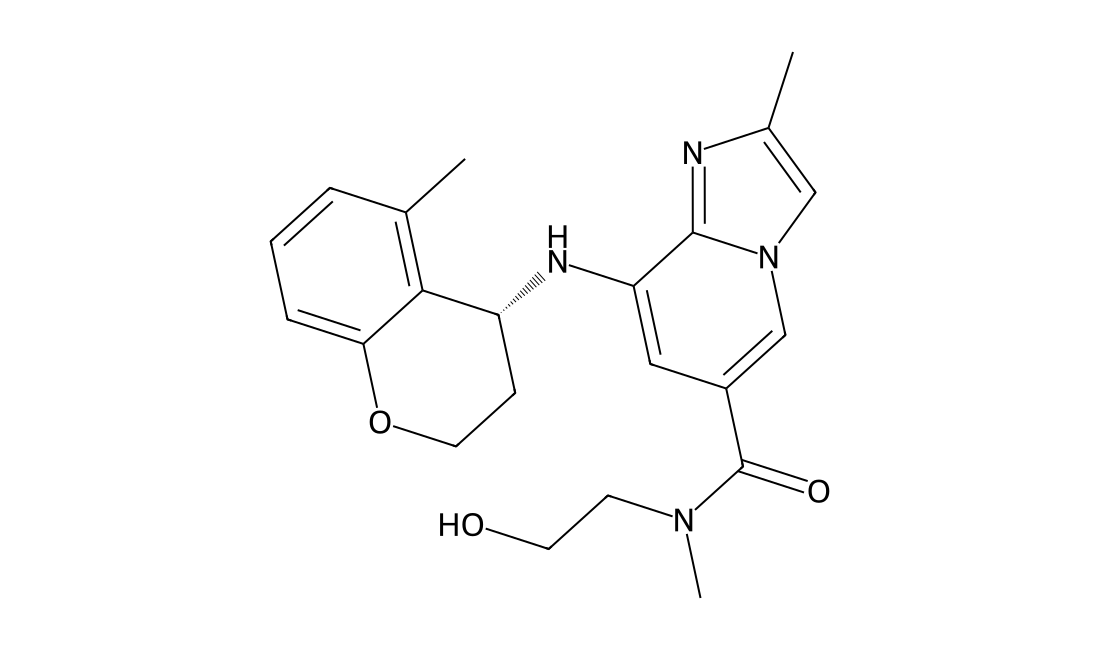
PF 4800567

CAS 1188296-52-7

Selective casein kinase 1ε inhibitor; displays 22-fold greater potency towards CK1ε than CK1δ (IC50 values are 32 and 711 nM for CK1ε and CK1δ respectively). ATP competitive. Displays minimal effect on the circadian clock. For the detailed information of PF 4800567, the solubility of PF 4800567 in water, the solubility of PF 4800567 in DMSO, the solubility of PF 4800567 in PBS buffer, the animal experiment (test) of PF 4800567, the cell expriment (test) of PF 4800567, the in vivo, in vitro and clinical trial test of PF 4800567, the EC50, IC50,and affinity,of PF 4800567, For the detailed information of PF 4800567, the solubility of PF 4800567 in water, the solubility of PF 4800567 in DMSO, the solubility of PF 4800567 in PBS buffer, the animal experiment (test) of PF 4800567, the cell expriment (test) of PF 4800567, the in vivo, in vitro and clinical trial test of PF 4800567, the EC50, IC50,and affinity,of PF 4800567, Please contact DC Chemicals.

PF 4800567 chemical structure
DC9018

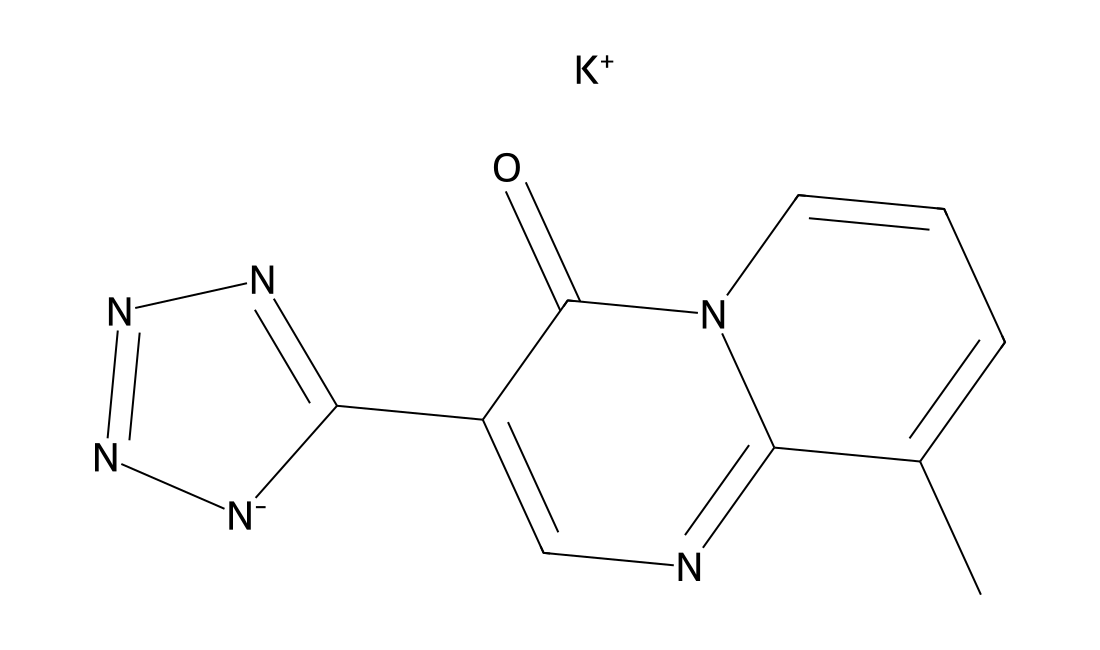
Pemirolast potassium

CAS 100299-08-9

Pemirolast Potassium (BMY 26517) is a histamine H1 antagonist and mast cell stabilizer that acts as an antiallergic agent.Pemirolast potassium (BMY 26517) is a new oral, nonbronchodilator antiallergy medication that is being evaluated for the therapy of asthma. Pemirolast potassium (BMY 26517) inhibits chemical mediator release from tissue mast cells and is also shown to inhibit the release of peptides including substance P, Pemirolast potassium (BMY 26517) reduces kaolin intake by inhibition of substance P release in rats. Pemirolast potently attenuates paclitaxel hypersensitivity reactions through inhibition of the release of sensory neuropeptides in rats. Pemirolast potassium is used for the treatment of allergic conjunctivitis and prophylaxis for pulmonary hypersensitivity reactions to drugs such as paclitaxel.

Pemirolast potassium chemical structure
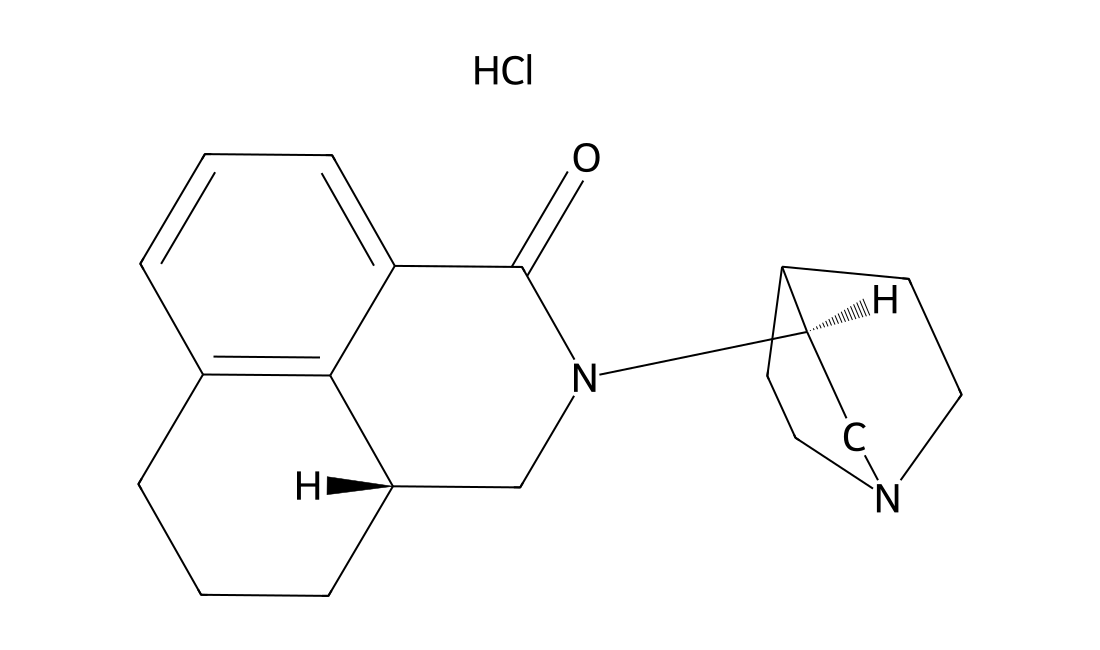
DC9134

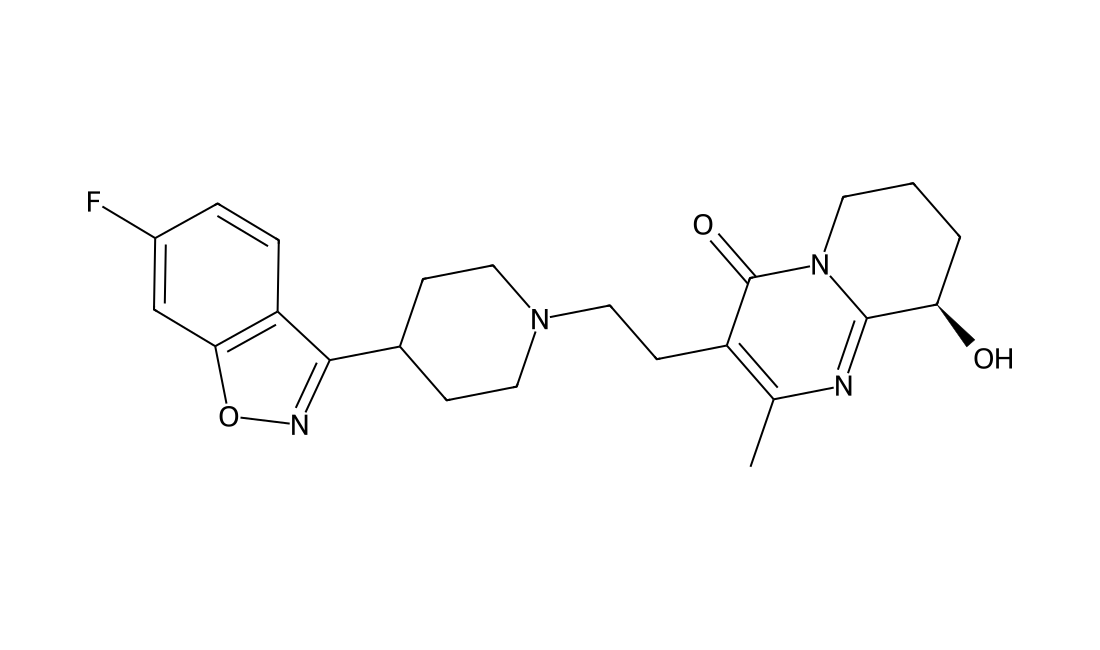
Paliperidone

CAS 144598-75-4

Paliperidone (9-hydroxyrisperidone) is a dopamine antagonist of the atypical antipsychotic class of medications.in vitro: Paliperidone inhibited MK-801 induced neurotoxicity both in MTT metabolism assay (p<0.01) and in lactate dehydrogenase (LDH) activity assay (p<0.01). Moreover, paliperidone could significantly retard MK-801-mediated inhibition of neurite outgrowth (p<0.01) and reverse MK-801-induced decreases of gene expression and phosphorylation of Akt1 and GSK3β (both p<0.01). Furthermore, these protective effects of paliperidone were blocked by pretreatment with a PI3K inhibitor LY294002. paliperidone works finely at low concentrations (10 and 50 μM) against Aβ(25-35) and MPP(+) and solely protected SH-SY5Y from hydrogen peroxide. At 100 μM, paliperidone completely diminished cell reduction induced by different stressors, regardless of their dosages. Paliperidone was demonstrated with a higher oxidative stress-scavenging properties than other APDs in several aspects, such as generated bulk glutathione, low HNE, and protein carbonyl productions. in vivo: The 9OHRIS (4 mg/bwkg) was administred by gastric tube. Four groups were formed depending on the treatment: (1) control, (2) stress, (3) 9OHRIS, (4) stress and parallel 9OHRIS treatment (n=5-6). The expression of APP, MAPK1, β-actin mRNAs from the perfused brain samples was measured with real-time PCR technique.Male offspring were treated orally via drinking water with vehicle, risperidone (0.01mg/kg/day), or paliperidone (0.01mg/kg/day) between postnatal days 35 and 56 (periadolescence) and extracellular glutamate levels in the prefrontal cortex were determined by microdialysis at PD 56.

Paliperidone chemical structure
DC10399

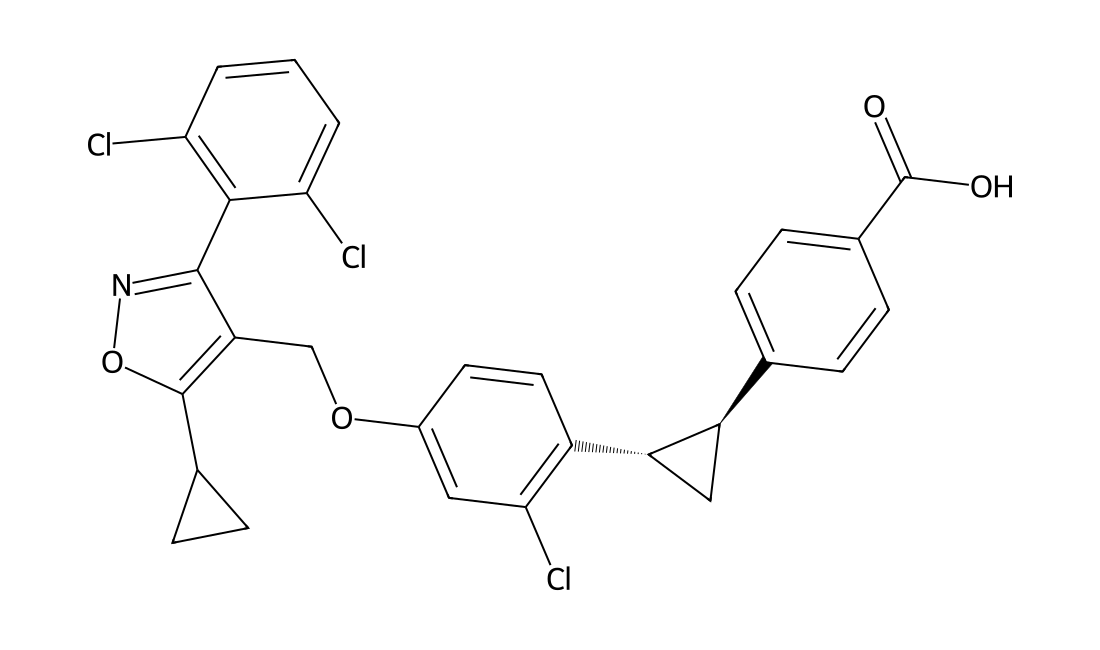
PAC-14028

CAS 1005168-10-4

PAC-14028 could prevent barrier damages, accelerate skin barrier recovery and suppress pruritus, showing a potential for the treatment of atopic dermatitis. It could suppress serum IgE increase, epidermal infiltration of inflammatory cells and mast cell degranulation associated with atopic dermatitis. PAC-14028 shows efficacies against diverse disease models including visceral pain, inflammatory bowel disease, and inflammatory pain.PAC-14028 shows a plasma half-life of 2.1 h in rats while it is extended slightly to 3.8 h in minipigs. Oral bioavailability at 10 mg/kg dose is determined to be 52.7% and 64.2% in rats and minipigs, respectively suggesting that PAC-14028 is relatively well-absorbed through oral route. PAC-14028 could inhibit capsaicin-evoked calcium influx in keratinocytes at sub-micromolar concentrations. This potent TRPV1 antagonistic activity in keratinocytes is manifested in vivo as the blockade of capsaicin-induced blood perfusion increase, and the accelerated barrier recovery from tape-stripping-induced barrier damages in hairless mice.

PAC-14028 chemical structure
DC9445

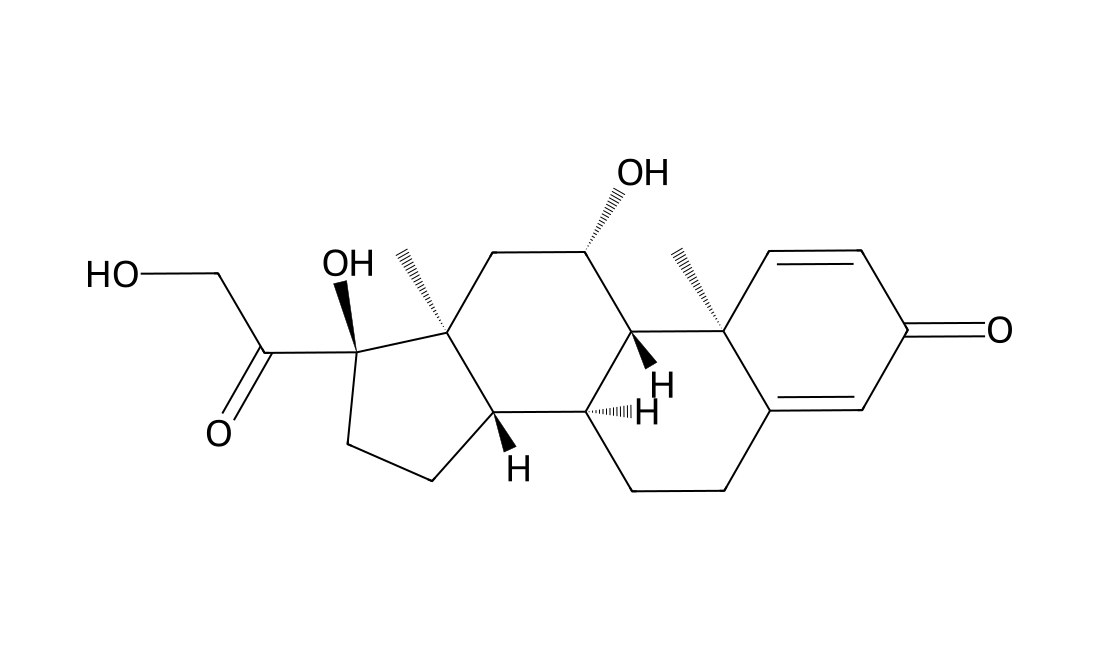
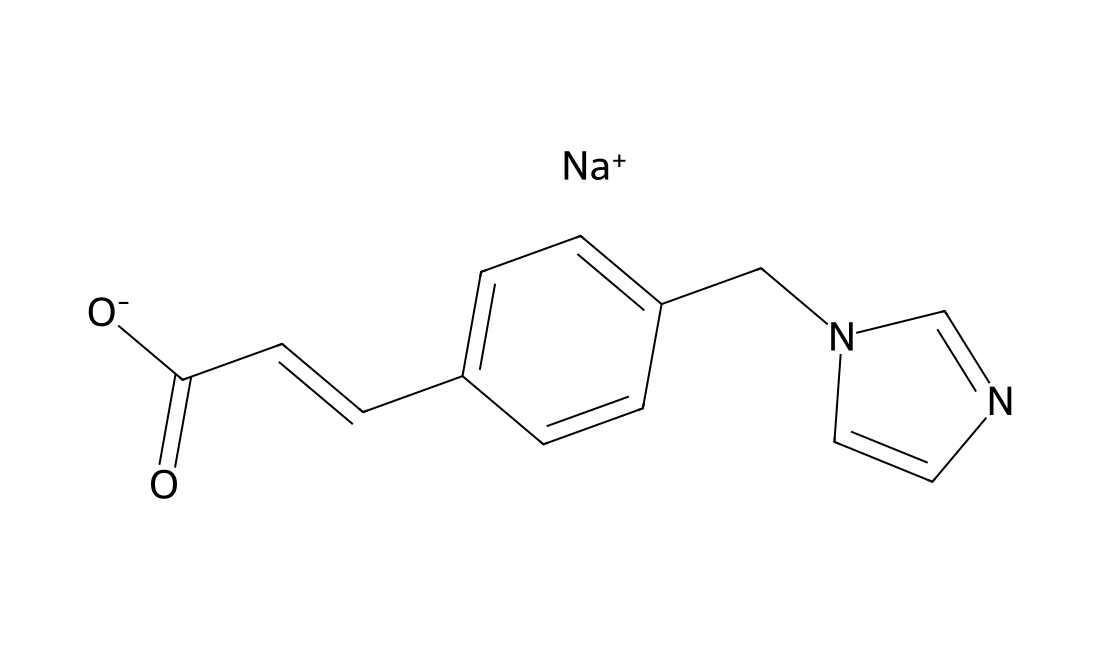
Ozagrel (sodium)

CAS 130952-46-4

Ozagrel(OKY-046) sodium salt is an antiplatelet agent working as a thromboxane A2 synthesis inhibitor. Ozagrel was selected as the best compound of highly selective inhibitors of TXA2 synthase. The inhibition of TXA2 synthase by ozagrel was more effective on human and rabbit enzymes than those of other species. Ozagrel increased 6-keto-PGF1 alpha, one of stable metabolites of PGI2, in various isolated cells and tissues perhaps via accumulated PG endoperoxides resulted by the inhibition of TXA2 synthase. Ozagrel was estimated to be a reversible mixed-type inhibitor of diphenolase activity with the constants (K (S1), K (S2), K (i1), and K (i2)) determined to be 2.21, 3.89, 0.454, and 0.799 mM, repectively. Infusion of OKY-046 significantly inhibited pulmonary thromboxane B2 delivery, attenuated the early increase in pulmonary vascular resistance, and blocked the increase in systemic vascular resistance. In addition, OKY-046 blunted and delayed the decrease in cardiac output and maintained end-systolic pressure-diameter relation, +dp/dt, and lung lymph flow at baseline values.

Ozagrel (sodium) chemical structure
DC8961

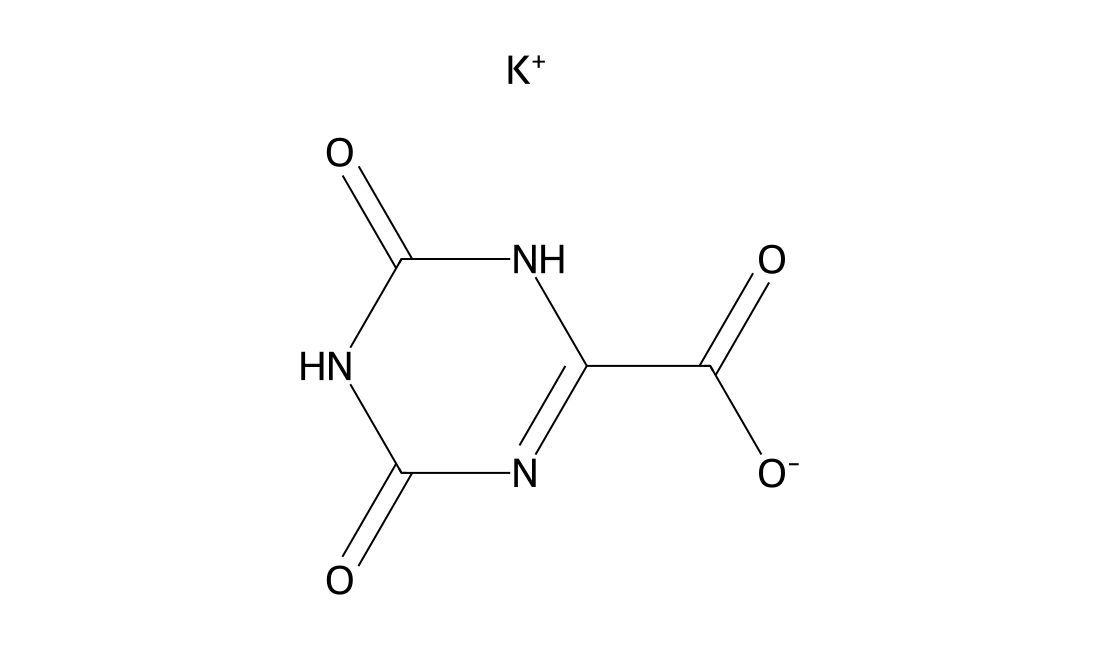
Potassium Oxonate

CAS 2207-75-2

Oxonic acid potassium salt is an inhibitor of uricase, oxonic inhibits the phosphorylation of 5-FU to 5-fluorouridine-5'-monophosphate catalyzed by pyrimidine phosphoribosyl-transferase in a different manner from allopurinol in cell-free extracts and intact cells in vitro.On p.o. administration of 5-FU (2 mg/kg) and a potent inhibitor of 5-FU degradation to Yoshida sarcoma-bearing rats, oxonic acid (10 mg/kg) was found to inhibit the formation of 5-fluorouridine-5'-monophosphate from 5-FU and its subsequent incorporation into the RNA fractions of small and large intestine but not of tumor and bone marrow tissues. Oxonic acid diet increased plasma uric acid by 80-90 micromol/l, while blood pressure was elevated only in hyperuricemic 5/6 nephrectomy rats (18 mmHg).

Potassium Oxonate chemical structure
DC9501

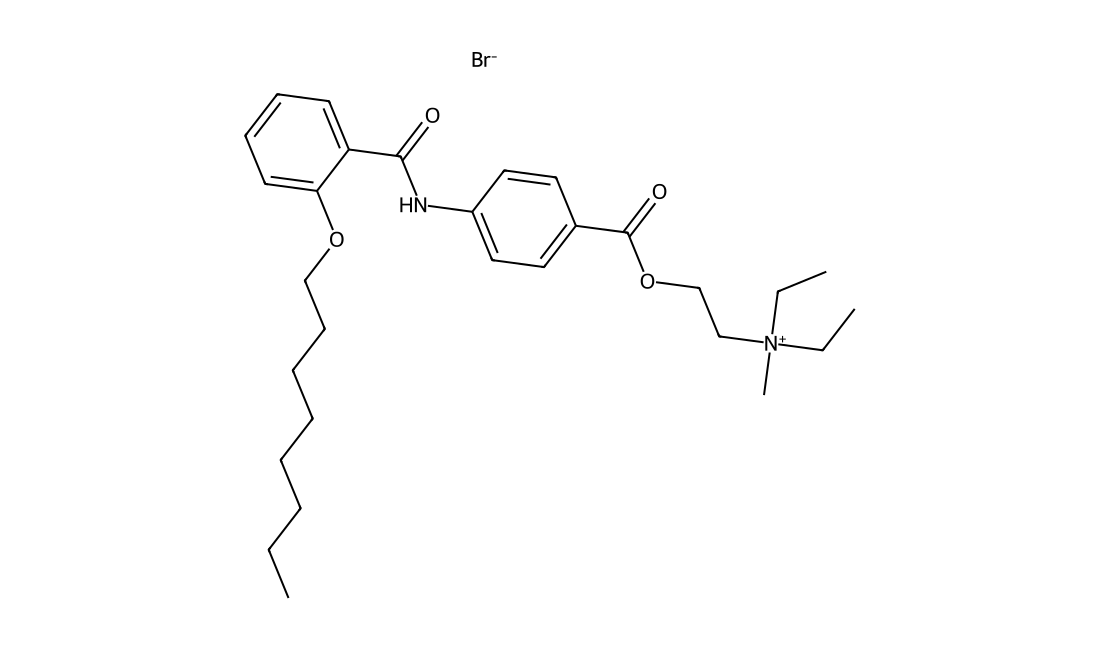
Otilonium (bromide)

CAS 26095-59-0

Otilonium Bromide is an antimuscarinic used as a spasmolytic agent. Otilonium bromide inhibited the generation of ACh-induced calcium signals in a dose dependent manner (IC50=880 nM). Otilonium, a clinically useful spasmolytic, behaves as a potent blocker of neuronal nicotinic acetylcholine receptors (AChR). Whole-cell Ba2+ currents (IBa) through Ca2+ channels of voltage-clamped chromaffin cells were blocked by otilonium with an IC50 of 6.4 microM. Otilonium inhibited the secretory responses induced by 10 s pulses of 50 microM DMPP with an IC50 of 7.4 nM. Otilonium bromide may represent an effective treatment for irritable bowel syndrome because it reduces its predominant symptom (abdominal pain/ discomfort) more than placebo does. ilonium bromide (OB) is a spasmolytic agent that blocks L-Type Calcium channels in human colonic smooth muscle. otilonium bromide is safe, well tolerated and superior to placebo in reducing the frequency of abdominal pain, severity of abdominal bloating and protecting from symptom relapse in IBS. These results further confirm that patients with IBS can improve during and following treatment with otilonium bromide.

Otilonium (bromide) chemical structure
DC9443

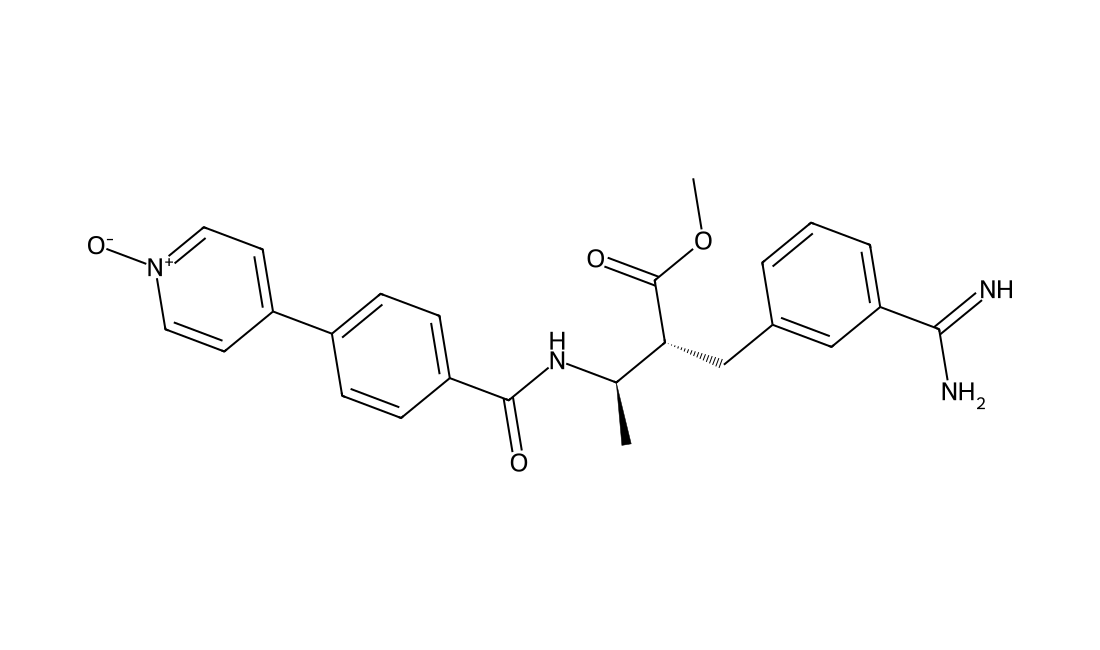
Otamixaban

CAS 193153-04-7

Otamixaban(FXV673) is a potent (Ki = 0.5 nM), selective, rapid acting, competitive and reversible fXa inhibitor that effectively inhibits both free and prothrombinase-bound fXa. Otamixaban is a potent (Ki = 0.5 nM), selective, rapid acting, competitive and reversible fXa inhibitor that effectively inhibits both free and prothrombinase-bound fXa. In vivo experiments have demonstrated that Otamixaban is highly efficacious in rodent, canine and porcine models of thrombosis. In addition, recent clinical findings indicate that Otamixaban is efficacious, safe and well tolerated in humans and therefore has considerable potential for the treatment of acute coronary syndrome. This review article chronicles the discovery and pre-clinical data surrounding the fXa inhibitor Otamixaban as well as the recent clinical findings in humans.

Otamixaban chemical structure
DC11335

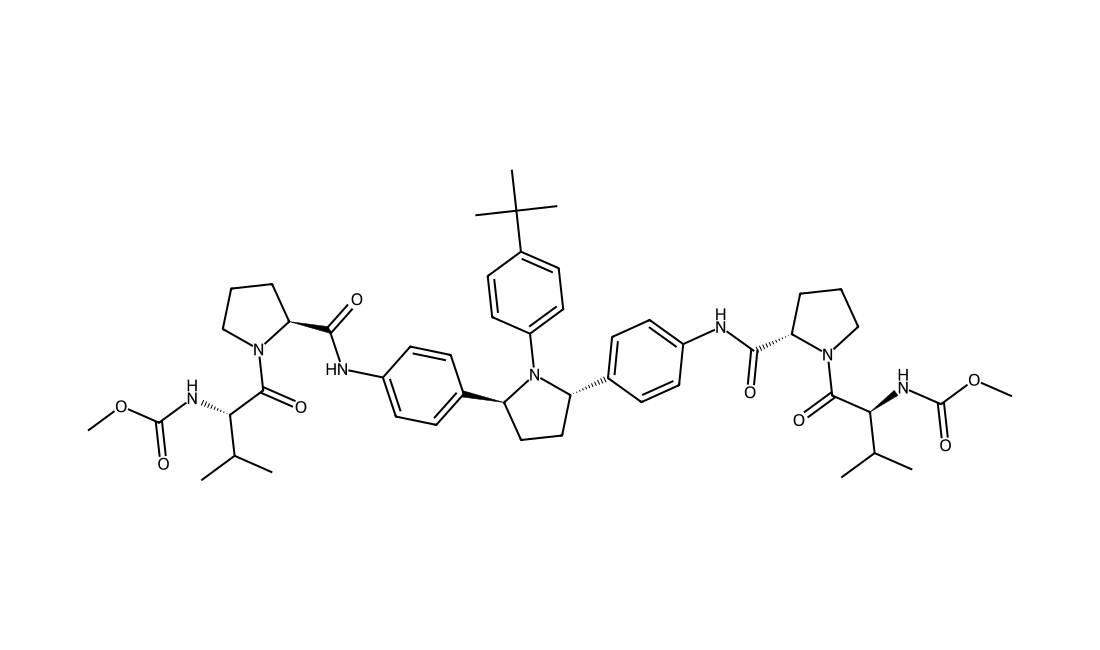
Ombitasvir

CAS 1258226-87-7

Ombitasvir is an orally bioavailable and potent inhibitor of the hepatitis C virus (HCV) non-structural protein 5A (NS5A).It reduces HCV replication in stable replicon cell lines with EC50 values ranging from 0.82 to 19.3 pM against genotypes 1a, 1b, 2a, 2b, 3a, 4a, and 5a and an EC50 value of 366 pM for genotype 6a.Against subgenomic replicons from clinical isolates of genotypes 1a-6a expressed in Huh-7 derived cells, ombitasvir inhibits HCV replication with EC50 values ranging from 0.1 pM for genotype 4a to 68 pM for genotype 6a.Formulations containing ombitasvir have been used in the treatment of HCV genotypes 1 and 4.

Ombitasvir chemical structure
DC12281

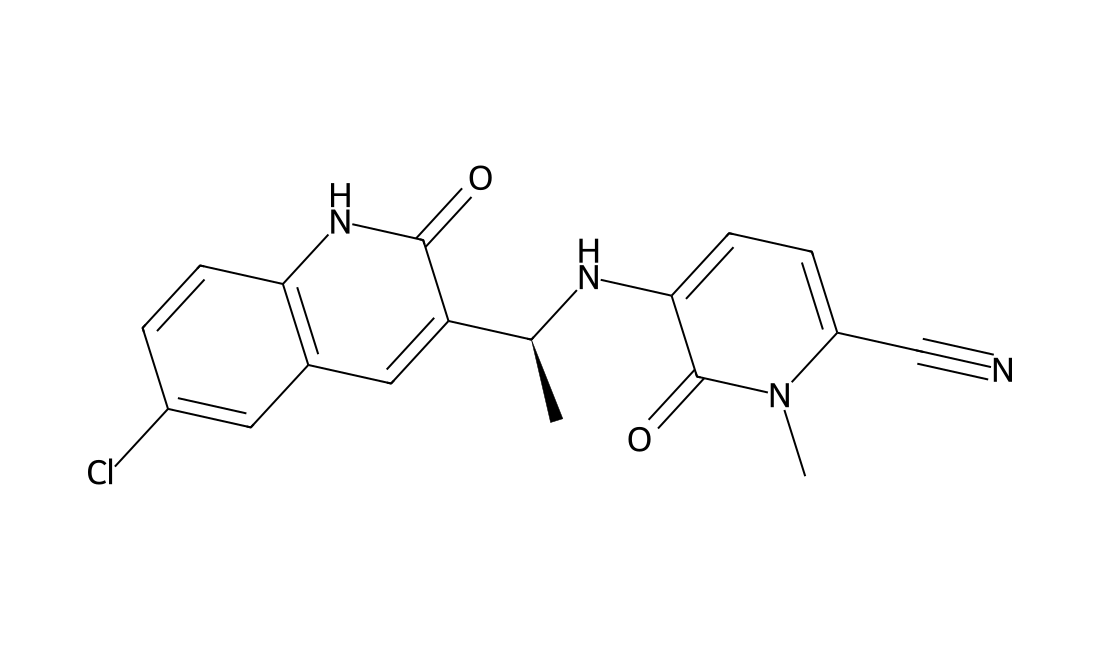
Olutasidenib (FT-2102)

CAS 1887014-12-1

Olutasidenib (FT-2102) is a highly potent, selective small molecule inhibitor of IDH1 mutations. Scientists use it in the research of human acute myeloid leukemia. To our delight, it has entered clinical research. In the phase 1/2 study, Olutasidenib is well tolerated both as a sing-treatment and in combination with azacitidine.Overall, Olutasidenib exhibits favorable safety and PK/PD. It inhibits IDH1 mutations in AML patients. Further study need to be done to explore more potential in the treatment of acute myeloid leukemia.

Olutasidenib (FT-2102) chemical structure
Browse target & topic index A–Z (366)
11β-HSD (1)15-PGDH (2)5-HT Receptor (16)Acetyl-CoA Carboxylase (ACC) (3)Acetylcholinesterase (AChE) (2)Ack1 (TNK2) (1)Acyltransferase (1)ADC Cytotoxin (6)ADCs Linker/Click Chemistry (5)Adenosine Receptor (9)Adenylate Cyclase (2)Adrenergic Receptor (11)Akt (12)Alcoholism (2)Aldehyde Dehydrogenase (ALDH) (6)Allergy (5)Alzheimer Disease (13)Aminopeptidase (1)AMPK (8)Amyloids (4)Anaplastic Lymphoma Kinase (ALK) (9)Androgen Receptor (AR) (11)Anemia (4)Angiotensin Receptor (4)Antibody/Protein labeling dyes (1)Antifolate (2)Anxiety (1)Apoptosis Inducer (3)Arginase (1)Arp2/3 complex (1)Aryl hydrocarbon Receptor (AhR) (1)Asthma (5)Atherosclerosis (2)ATM/ATR (8)Aurora Kinase (10)Autophagy (6)Autophagy-related Protein (Atg) (2)Autotaxin (2)Bacterial (26)Bacterial Infection (17)Bcl-2 (14)Bcr-Abl (5)BCRP (1)Beta-catenin (4)Beta-secretase (BACE) (4)Blood Cancer (91)BMI-1 (1)Bone Cancer (6)Brain Cancer (6)Breast Cancer (30)Bromodomain (22)BTK (10)c-Fms (CSF1R) (5)c-Fos/AP-1 (1)c-Kit (6)c-Met (HGFR) (11)c-Myc (2)Calcium Channel (4)Calcium-sensing Receptor (CaSR) (1)CaMK (4)Cannabinoid Receptor (6)Carbonic Anhydrase (1)Carboxypeptidase (1)Casein Kinase (6)Caspase (4)Cathepsin (6)Cdc2-like Kinase (CLK) (1)CETP (2)CFTR (7)Checkpoint Kinase (Chk) (8)Chemokine Receptor (CCR and CXCR) (14)Chemotherapeutic Agents (19)Chloride Channel (1)CMV (2)CMV Infection (2)Colon Cancer (9)Complement System (1)COPD (3)CREB/CBP (2)CRF Receptor (2)CRISPR/Cas9 (1)Cushing Disease (1)Cyclin-dependent Kinase (CDK) (39)Cyclooxygenase (COX) (4)Cytochrome P450 (CYPs) (5)Depression (2)Dermatitis (2)Deubiquitinase (DUB) (7)Diabetes (20)Dipeptidyl Peptidase (DPP) (3)Discoidin Domain Receptor (DDR) (1)DNA Alkylator/Crosslinker (10)DNA Methyltransferase (DNMT) (1)DNA Repair Protein (1)DNA-PK (2)DNA/RNA Synthesis (5)Dopamine beta-hydroxylase (1)Dopamine Receptor (7)Drug Metabolite (1)Drug-Linker Conjugates (11)Dyes (4)DYRK (1)Dyslipidemia (9)E3 Ligase Ligand (6)E3 Ligase Ligand-Linker Conjugate (1)E3 Ubiquitin Ligase (4)Ebola Virus Infection (1)EGFR (32)Elastase (2)Endothelin Receptor (5)Enzymes substrates (13)Epigenetic Reader Domain (3)Epilepsy (4)ERK (4)Estrogen Receptor/ERR (13)Eukaryotic Initiation Factor (eIF) (2)Exportin-1 (CRM1,XPO1) (2)FABP (1)Factor Xa (5)Farnesoid X Receptor (FXR) (5)Farnesyl transferase (FTase) (1)Ferroptosis (6)FGFR (20)Fibrosis (5)FLT3 (6)Focal Adhesion Kinase (FAK) (11)Foxo1 (1)Free Fatty Acid Receptor (FFAR) (5)Fungal (2)Fungal Infection (1)GABA Receptor (13)Galectin (1)Gastric Cancer (8)Ghrelin Receptor (GHSR) (3)Glucagon Receptor (4)Glucokinase (2)Glucose Transporter (GLUT) (2)Glutamate Transporter (2)GPCR (1)GPER (GPR30) (1)GPR139 (1)GPR183 (EBI2) (2)GPR39 (1)GPR55 (1)GPR84 (1)GRK (GPCRK) (2)Growth Hormone Deficiency (2)GSK-3 (8)Guanylate Cyclase (3)HBV (1)HBV Infection (1)HCN Channel (2)HCV (8)HCV Infection (9)HDAC (38)Heart Arrhythmia (2)Heart Failure (5)Heat Shock Protein (HSP) (15)Hedgehog (Hh) (1)HIF/HIF Prolyl-hydroxylase (8)Histamine Receptor (6)Histone Acetyltransferase (HAT) (5)Histone Demethylase (11)Histone Methyltransferase (HMTase) (31)HIV (12)HIV Infection (11)HMG-CoA Reductase (HMGCR) (3)HSV (1)HSV Infection (1)Hypercholesterolemia (1)Hyperparathyroidism (1)Hypertension (8)IAP (1)IGF-1R (3)iGluR (15)Indoleamine 2,3-Dioxygenase (IDO) (4)Infection (1)Influenza (6)Influenza Virus (6)Insulin Receptor (2)Integrin (6)Interleukin Receptor (1)IRAK (2)IRE1 (4)Irritable Bowel Syndrome (2)Ischemia (1)Isocitrate Dehydrogenase (IDH) (5)ITK (1)IκB kinase (IKK) (7)JAK (32)JNK (3)Keap1-Nrf2 (6)Kidney Cancer (10)Kinesin (5)Kruppel-like Factor (KLF) (1)Kynurenine 3-Monooxygenase (KMO) (1)Leukotriene Receptor (1)LIM Kinase (LIMK) (3)Lipids fragment (1)Liver Cancer (6)Liver X Receptor (LXR) (3)LRRK2 (9)Lung Cancer (39)Lysophospholipid Receptor (12)LYTACs (3)mAChR (9)MALT1 (2)MAP4K (1)Matrix Metalloproteinase (MMP) (10)MDM2-p53 (9)MEK (MAP2K) (14)MEKK (MAP3K) (1)Melanocortin Receptor (2)MELK (1)mGluR (7)MicroRNA (1)Microtubule/Tubulin (5)Mineralocorticoid Receptor (MLR) (1)MITF (1)Mixed Lineage Kinase (MLK) (3)MNK (2)Molecular Glues (21)Monoamine Transporter (5)Monocarboxylate Transporter (MCT) (1)Monopolar Spindle 1 (Mps1/TTK) (3)mTOR (13)Multiple Sclerosis (6)Myosin (1)Na-K-Cl Cotransporter (NKCC) (2)nAChR (2)NADPH Oxidase (NOX) (2)NAMPT (3)Natural products (37)Neprilysin (1)Neurokinin Receptor (3)Neuropeptide Y Receptor (3)NF-κB (5)Nitric Oxide Synthase (NOS) (1)NOD-like Receptor (NLR) (3)Notch (2)Nucleoside Antimetabolite/Analog (10)Nur77 (NR4A1) (1)Obesity (1)Oct3/4 (1)Opioid Receptor (5)Orexin Receptor (7)Osteoporosis (2)Ovarian Cancer (14)Oxytocin Receptor (OXTR) (2)P-glycoprotein (P-gp) (3)p21-activated Kinase (PAK) (1)P2X Receptor (2)P2Y Receptor (1)p38 MAPK (10)p97/VCP (1)Pain (12)Pancreatic Cancer (10)Parasite (5)Parasite Infection (2)Parkinson Disease (2)PARP (19)PCSK9 (1)PD-1/PD-L1 (4)PDGFR (4)PDK1 (2)PEGn (1)PERK (2)PGE synthase (2)Phosphodiesterase (PDE) (9)Phospholipase (4)PI3K (32)PI4K (2)Piezo Channel (1)PIKfyve (3)Pim (9)PKC (12)PKD (1)Plasminogen Activator Inhibitor-1 (PAI-1) (3)Polo-like Kinase (PLK) (4)Porcupine (3)Potassium Channel (13)PPAR (13)Pregnane X Receptor (PXR) (1)Progesterone Receptor (2)Prostaglandin Receptor (11)Prostate Cancer (7)PROTACs (35)Protease-activated Receptor (PAR) (3)Proteasome (12)Protein Disulfide Isomerase (PDI) (1)Protein Phosphatase/PTP (6)Proton Pump (1)Psoriasis (5)RAD51 (1)Radioligand precursors (15)Raf (18)RAR/RXR (3)Ras (17)Renin (2)RET Tyrosine Kinase (c-RET) (3)Rheumatoid Arthritis (16)Ribosomal S6 Kinase (RSK) (5)RIG-I-like Receptor (RLR) (2)RIP kinase (7)ROCK (12)ROR (2)RSV (4)RSV Infection (3)RUNX1-CBFβ (1)S-nitrosoglutathione reductase (GSNOR) (1)Saccharides and Glycosides (1)Salt Inducible Kinase (SIK) (2)SARS-CoV (16)SARS-CoV Infection (34)Schizophrenia (4)Sexual Dysfunction (1)SGLT (4)Sigma Receptor (4)Sirtuin (9)Skin Cancer (13)Sleep Disorder (7)SMN2 Modulator (1)Smoothened (Smo) (9)Sodium Channel (12)Solid Tumors (35)Somatostatin Receptor (2)Sphingosine kinase (SphK) (2)Src (7)STAT (5)Stearoyl-CoA Desaturase (SCD) (1)Steatohepatitis (7)Sterol lipids (1)STING (14)Syk (6)T Cell Receptor (TCR) (1)TAK1 (2)TAM Receptor (Tyro3-Axl-Mer) (4)Taste Receptor (1)Telomerase (2)TGF beta Receptor (TGFBR) (12)Thrombin (3)Thrombosis (13)Thyroid Cancer (1)Thyroid Hormone Receptor (THR) (1)Thyrotropin Receptor (2)TNIK (1)Toll-like Receptor (TLR) (2)TOPK (1)Topoisomerase (11)TRAIL (1)Translocator Protein (TSPO) (1)Trk Receptor (4)TRP Channel (13)Tryptophan Hydroxylase (TPH) (1)Ubiquitin-activating Enzyme (E1) (2)Ubiquitin-conjugating Enzyme (E2) (2)Ulcer (1)ULK (3)Vasopressin Receptor (2)VEGFR (25)Vitamin D Receptor (VDR) (3)Wee1 (1)WNK Kinase (1)Wnt (5)Yes-associated Protein (YAP) (4)γ-secretase (5)

Cart

Request quotation