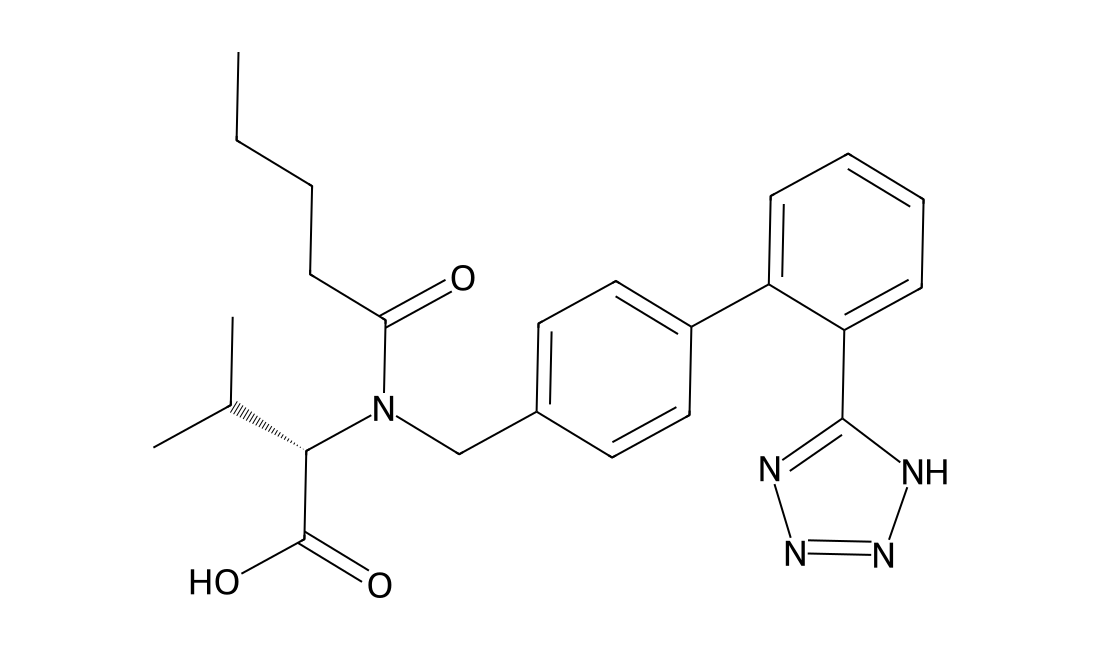
Valsartan
CAS 137862-53-4
Valsartan is a nonpeptide angiotensin II AT1-receptor antagonist with an IC50 ranging from 39.5 to 116 μM. This in turn causes blood vessel dilation.

Explore bioactive compounds by research category, then narrow your search by target, product name, catalog number or CAS.
Newly added: LC-MG and OXF molecular glue research compounds →
Products may appear in more than one category. Counts refer to distinct catalog numbers within each category.
Other Research Tools (75) · Additional reagents, building blocks and specialized research tools.
LC-MG-1 (DCA0006) · LC-MG-4 (DCA0007) · LC-MG-9 (DCA0008)
View structure and evidence summaries →Combine a keyword, research category and target to narrow the product list.
Loading catalog filters…
CAS 137862-53-4
Valsartan is a nonpeptide angiotensin II AT1-receptor antagonist with an IC50 ranging from 39.5 to 116 μM. This in turn causes blood vessel dilation.
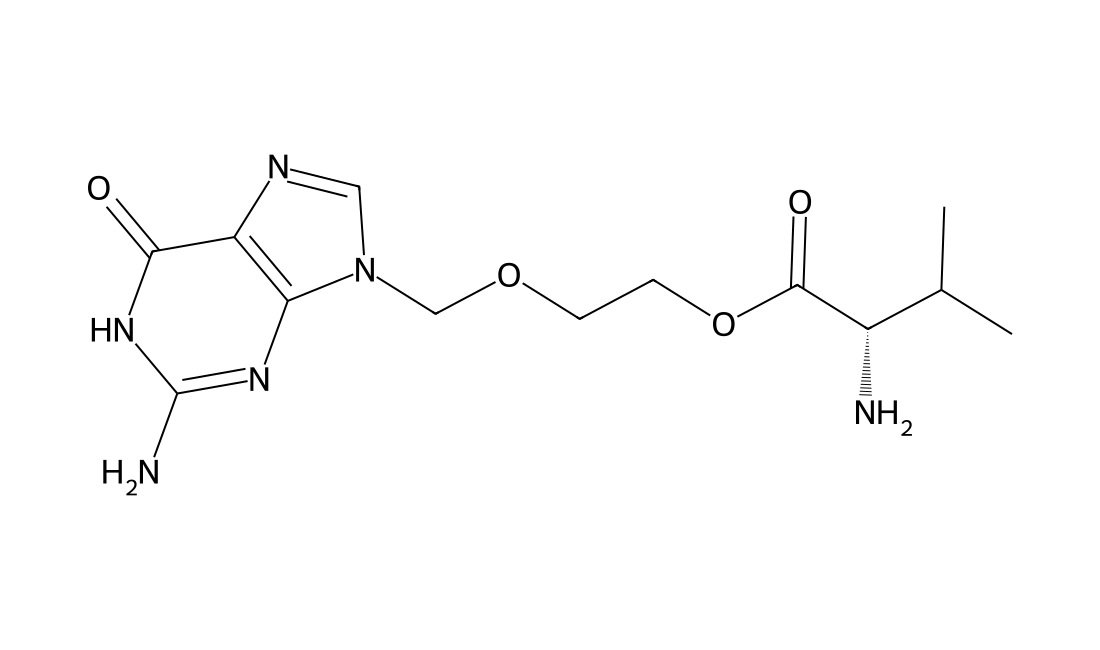
CAS 124832-26-4
Valacyclovir is an antiviral agent that acts as a very potent inhibitor of viral DNA polymerase; a prodrug of aciclovir for management of herpes simplex (HSV), herpes zoster and herpes B infection. HSV Infection Approved
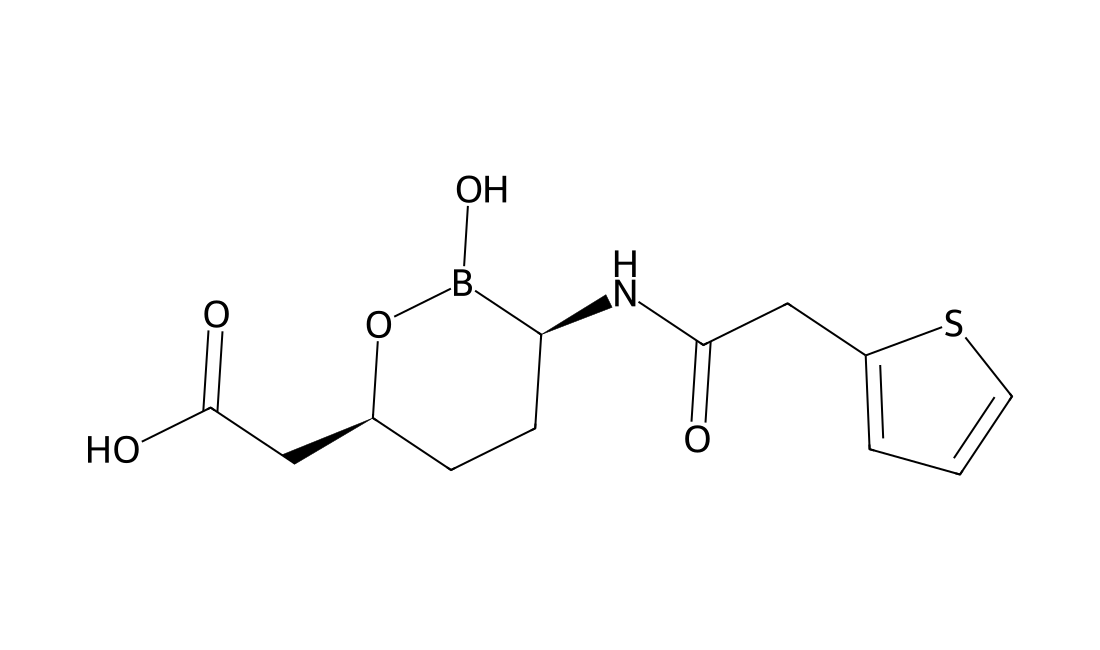
CAS 1360457-46-0
Vaborbactam is a broad spectrum of inhibition of β-lactamases, with particularly potent activity against KPC, CTX-M, SHV, and CMY enzymes. Vaborbactam restores meropenem activity for 72.7 to 98.1% of CPE isolates at ≤2 μg/mL, and maximum potentiation is achieved with fixed concentrations of ≥8 μg/mL of the inhibitor (≥96.5% of isolates are inhibited at ≤2 μg/mL of meropenem-vaborbactam). Meropenem-vaborbactam with a fixed concentration of 8 μg/mL of the inhibitor (MIC50, ≤0.06 μg/mL for all organisms) inhibits 93.7% of the CPE isolates displaying elevated meropenem MICs at ≤1 μg/mL. By forming a reversible dative bond with the blactamase, vaborbactam acts as a competitive inhibitor and is not hydrolyzed by the b-lactamase.Vaborbactam is well tolerated and has a half-life of 1.23 h, and steadystate volume of distribution of 21.0 L in subjects.
CAS 348622-88-8
UK-383367 (UK 383367) is a potent and selective inhibitor of BMP-1 (procollagen C-proteinase) with IC50 of 44 nM; Selective for BMP-1 over MMPs 1, 2, 3, 9 and 14 (IC50 values are >10,000 nM for listed MMPs).
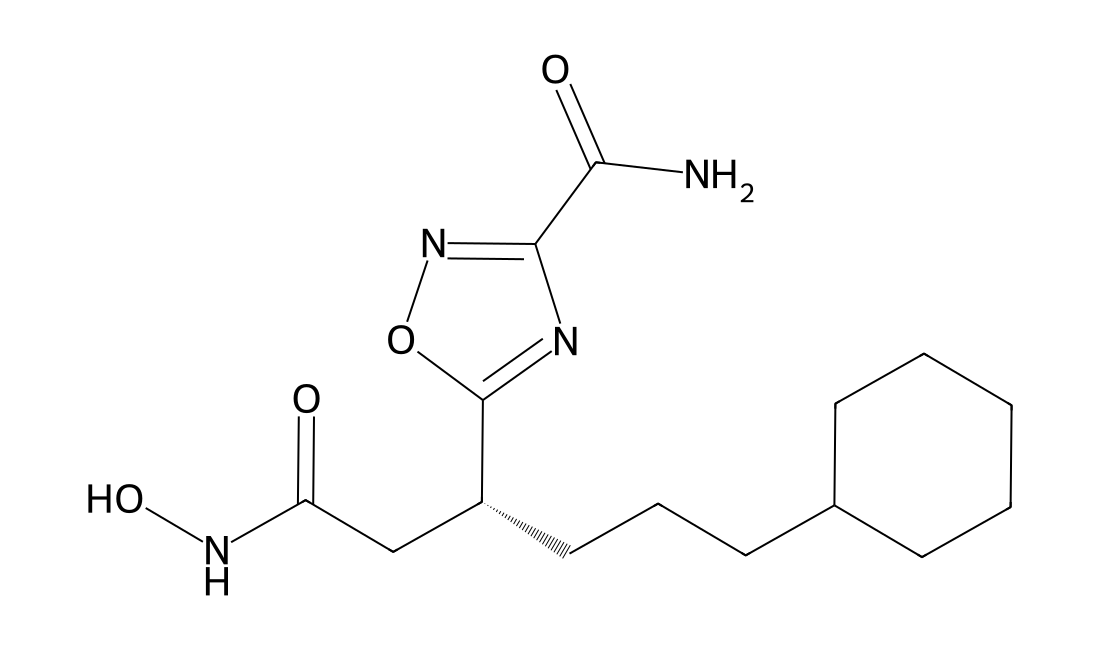
CAS 108477-18-5
G5 is capable of activating an apoptosome-independent apoptotic pathway. It targets the ubiquitinproteasome system by inhibiting the ubiquitin isopeptidases. G5 induces a rather unique apoptotic pathway, which includes a Bcl-2-dependent but apoptosome-independent mitochondrial pathway with upregulation of the BH3-only protein Noxa, stabilization of the inhibitor of apoptosis antagonist Smac, but also the involvement of the death receptor pathway. G5 is a potent apoptotic inducer showing IC50s of 1.76 and 1.6 μM in E1A and E1A/C9DN cells, respectively.
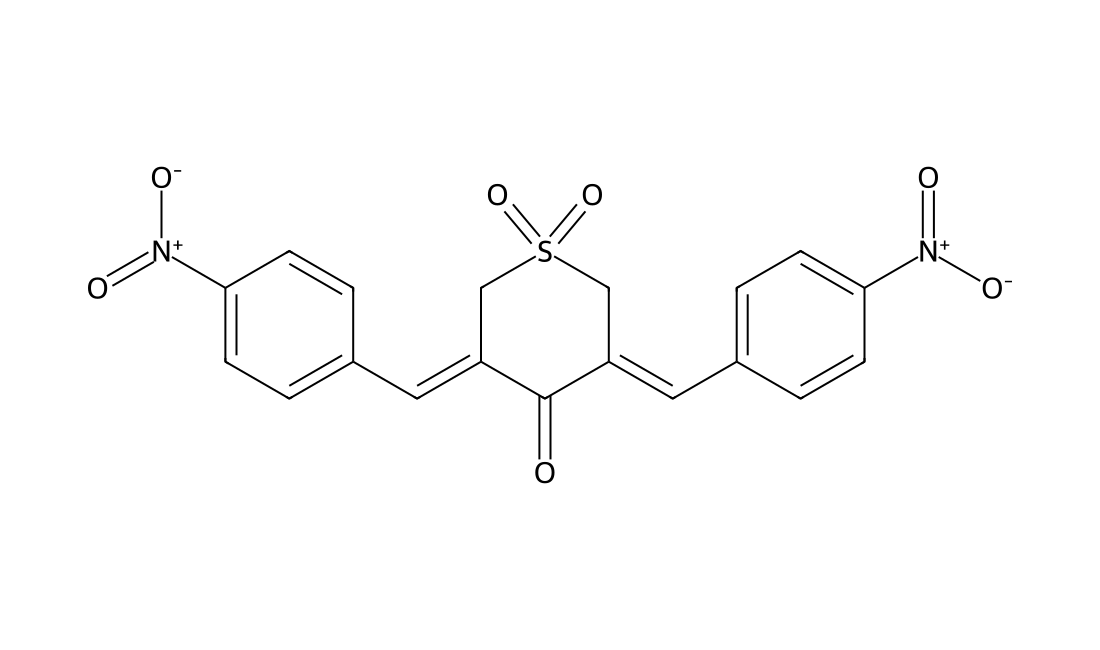
CAS 697797-51-6
UAMC00039 dihydrochloride is a potent inhibitor of dipeptidyl peptidase II (DPP-II) (IC50 = 0.48 nM). UAMC00039 exhibits selectivity for DPP-II against DPP-9, DPP-8 and DPP-IV (IC50 values are 78.6, 142 and 165 μM, respectively). Orally available.
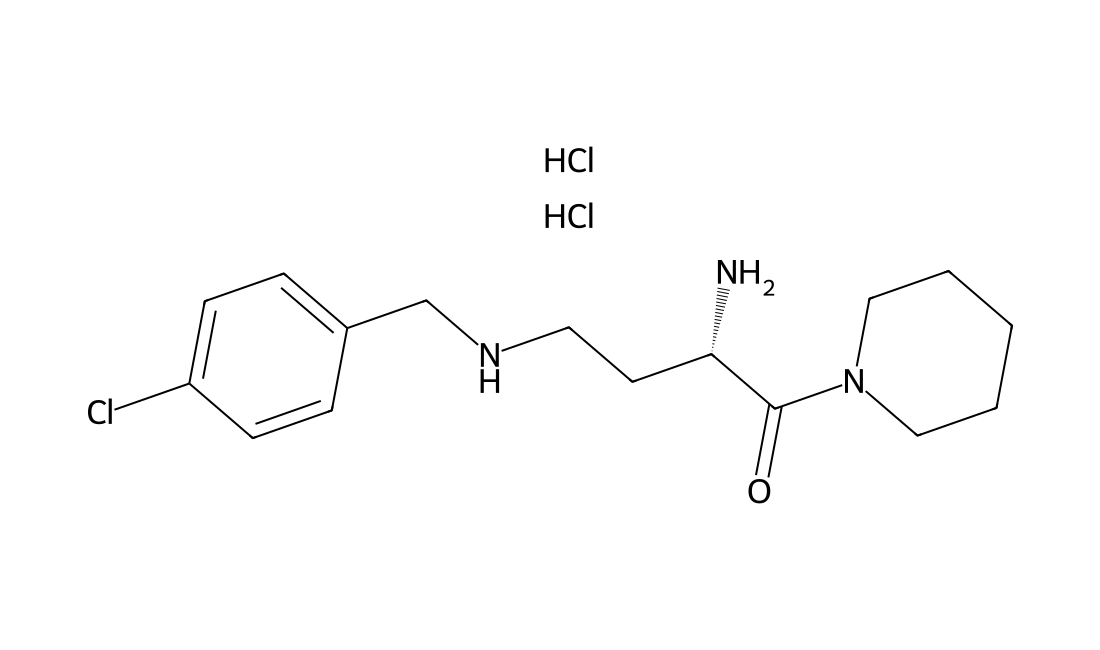
CAS 149654-41-1
U-92016A is an agonist of the serotonin (5-HT) receptor subtype 5-HT1A (Ki = 0.4 nM).It is selective for 5-HT1A over 5-HT1D, 5-HT2, dopamine D1 and D2, and α1- and α2-adrenergic receptors (Kis = 7.7, >1,000, >1,000, 36, >1,000, and >1,000 nM, respectively). U-92016A inhibits forskolin-stimulated cAMP synthesis in CHO cells transfected with human 5-HT1A. In vivo, U-92016A induces hypothermia in mice (ED50 = 0.041 mg/kg). It induces 5-HT syndrome, as measured by increased flat body posture and reciprocal forepaw treading, as well as decreases accumulation of 5-HT and dopamine in rats when administered at a dose of 5 mg/kg. U-92016A also decreases arterial blood pressure and heart rate in a dose-dependent manner in spontaneously hypertensive rats and reverses isolation-induced aggression in mice.
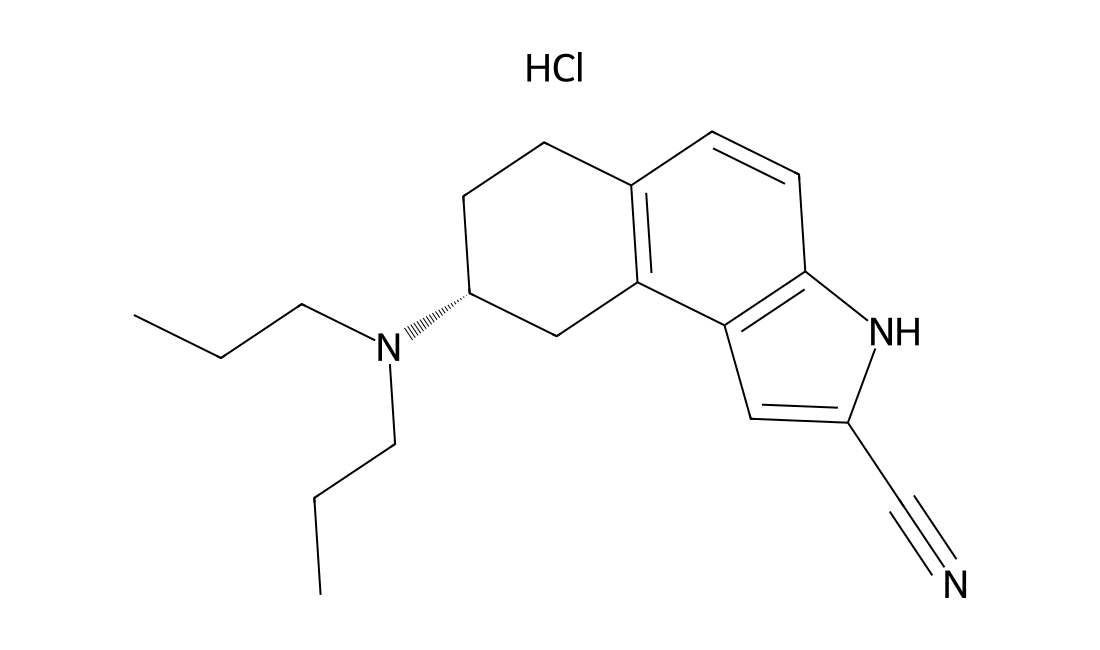
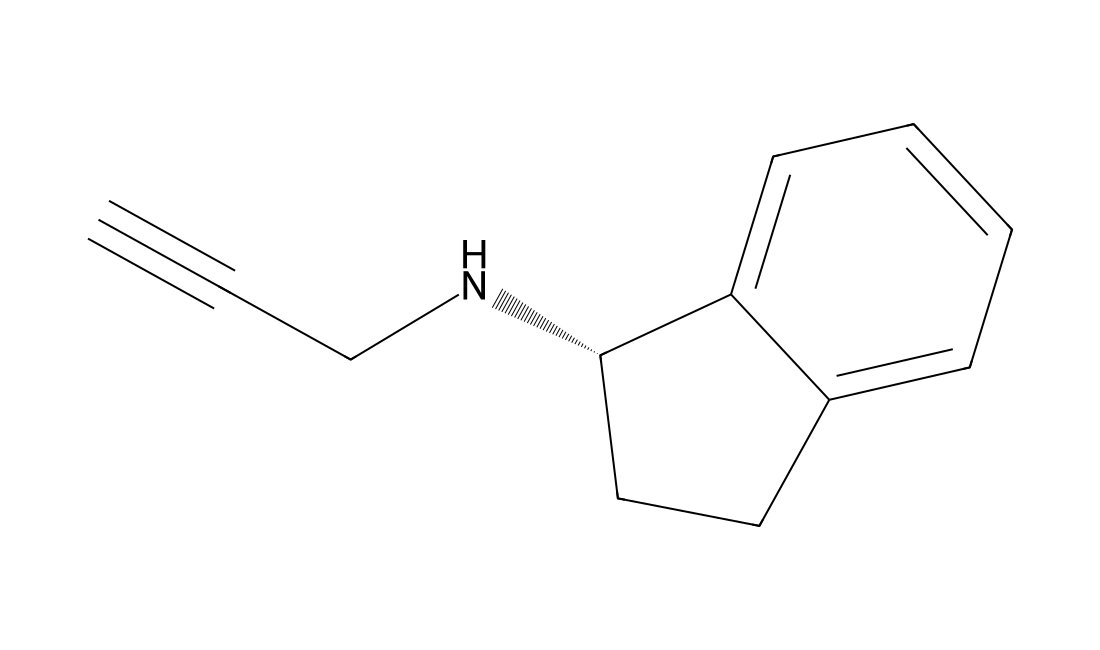
CAS 185517-74-2
TVP1022 is the S-isomer of rasagiline, which is an anti-Parkinson drug, appears to have the same neuroprotective activity as the R-isomer, but is 1000-fold less active as an MAO-B inhibitor.
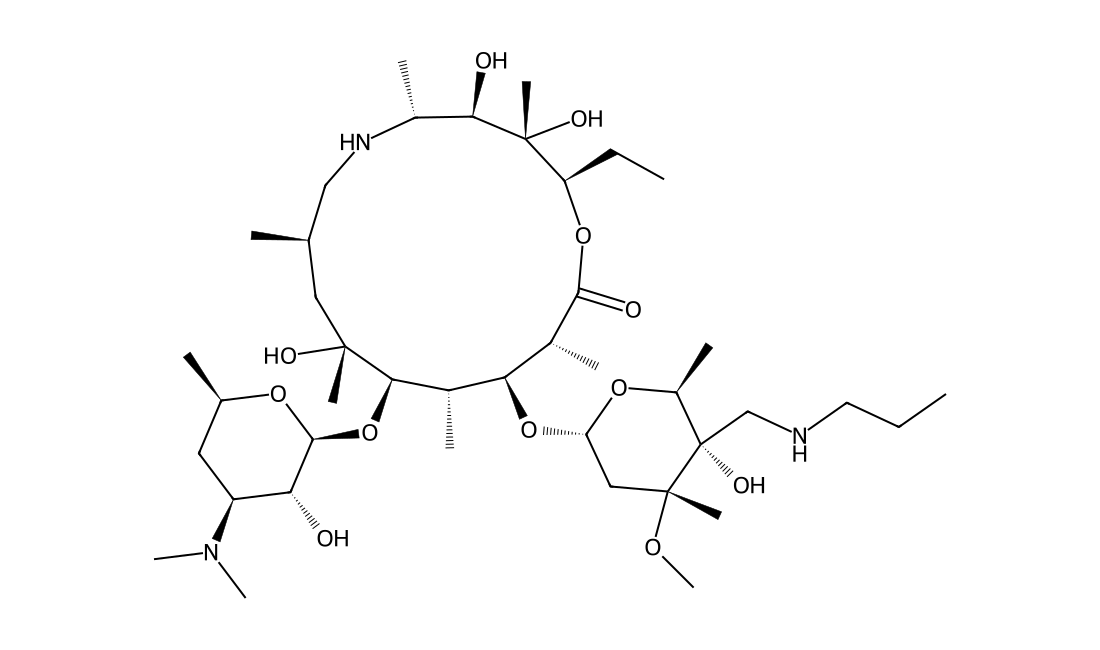
CAS 217500-96-4
Tulathromycin is a new semi-synthetic member of the macrolide group of antibiotics that is recommended for treatment and prevention of bacterial respiratory disease in cattle and pigs.
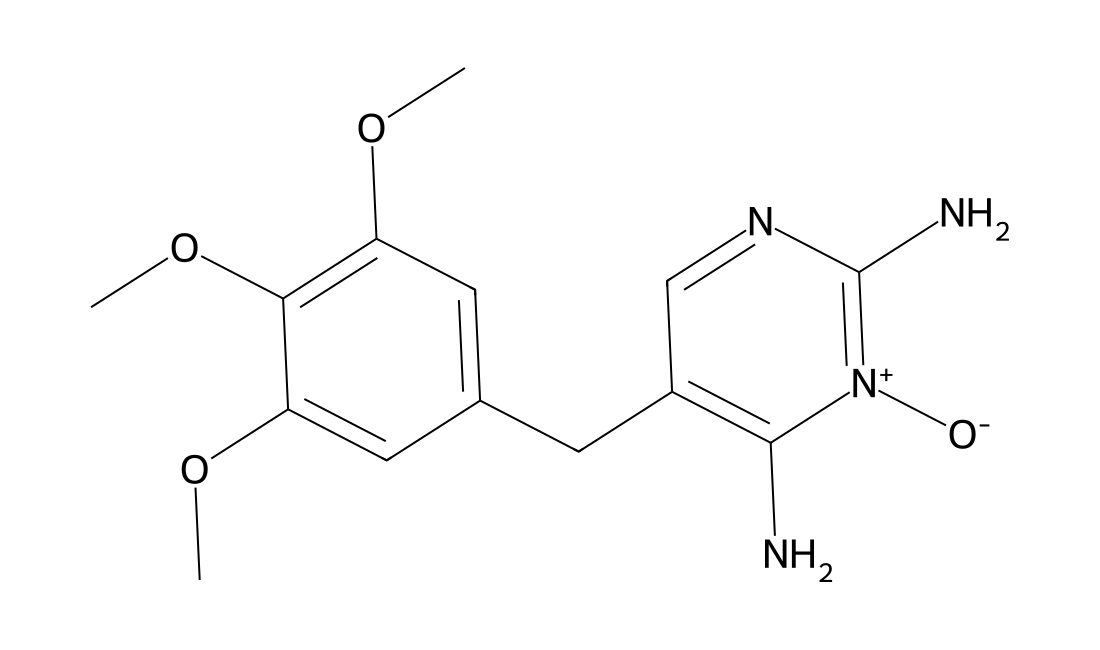
CAS 27653-67-4
In Vitro Trimethoprim 3-oxide is the primary metabolite of trimethoprim. Trimethoprim 3-oxide (3-NO-TMP) is converted from trimethoprim by CYP1A1 and CYP1B1 with highest rates in human liver microsomes (HLMs). The CYP1A inhibitor α-Naphthoflavone inhibits Trimethoprim 3-oxide formation, however, other competitive P450 inhibitors has no obvious inhibition on the formation.
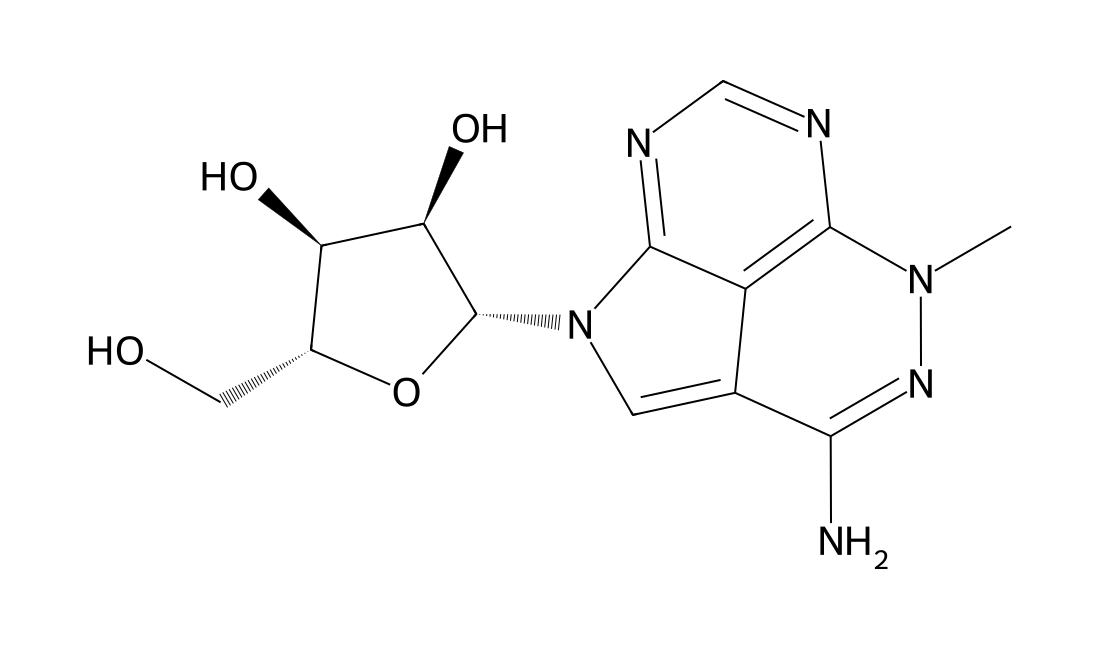
CAS 35943-35-2
Triciribine(API-2; NSC 154020) is a DNA synthesis inhibitor, also inhibits Akt and HIV-1 with IC50 of 130 nM and 20 nM, respectively; does not inhibit PI3K/PDK1; 5000-fold less active in cells lacking adenosine kinase.Triciribine, also known as API-2, suppresses the phosphorylation level and kinase activity of Akt. Triciribine is a cell-permeable tricyclic nucleoside that inhibits the phosphorylation, activation, and signalling of Akt-1, -2, and -3. Triciribine does not inhibit PI3-Kinase or PDK1, the direct upstream activators of Akt, nor does it inhibit PKC, PKA, ERK1/2, serum- and glucocorticoid-inducible kinase, p38, STAT3, or JNK signalling pathways. Triciribine induces apoptosis and growth arrest in vitro, preferentially in human cancer cells with elevated levels of Akt. Triciribine potently and selectively inhibits growth of Akt-overexpressing tumors in mice. Triciribine also inhibits DNA synthesis and displays antiviral activity against HIV-1 and -2.
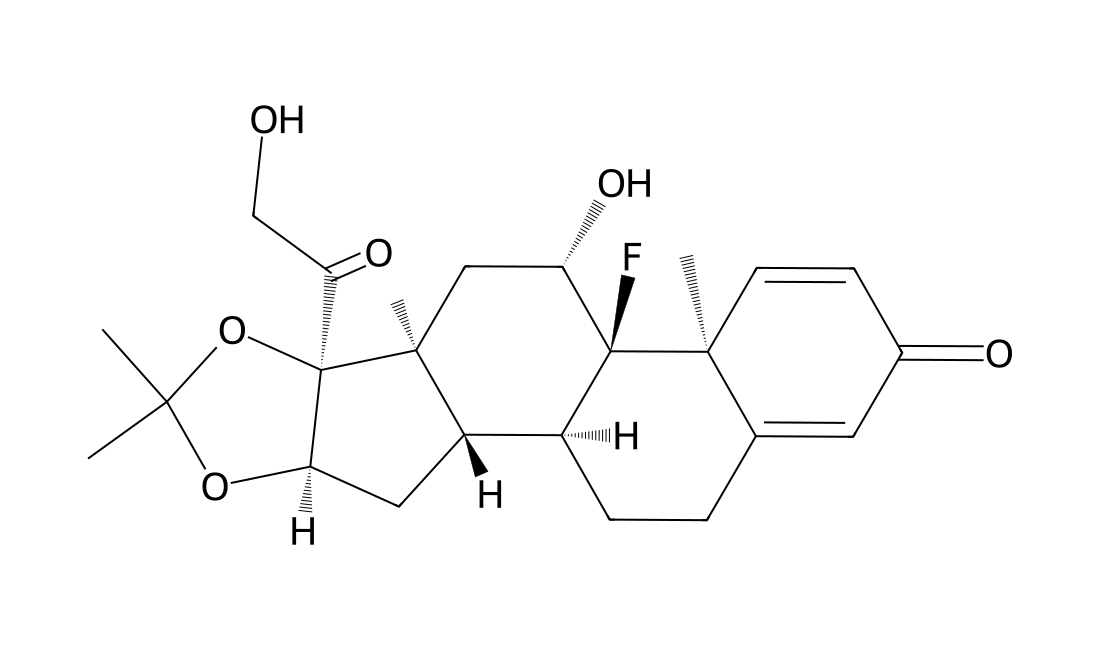
CAS 76-25-5
Triamcinolone Acetonide is a more potent type of triamcinolone, being about 8 times as effective as prednisone.Triamcinolone acetonide is a synthetic corticosteroid used to treat various skin conditions, to relieve the discomfort of mouth sores, and in nasal spray form, to treat allergic rhinitis. It is a more potent derivative of triamcinolone, and is about 8 times as potent as prednisone.
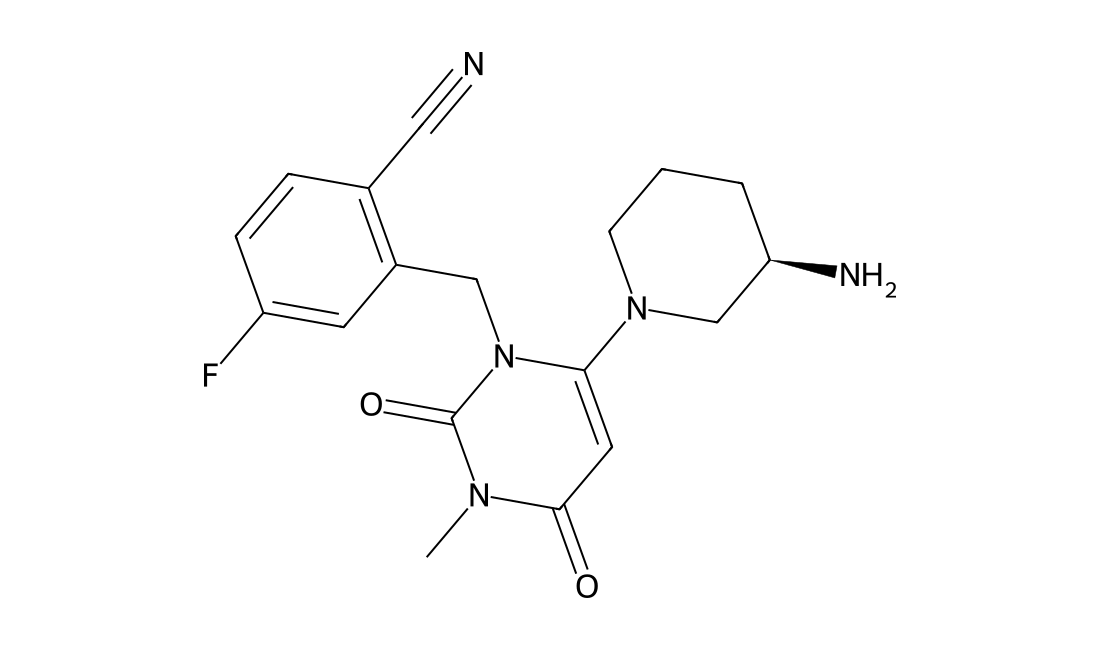
CAS 865759-25-7
Trelagliptin improves glycaemic control by inhibition of DPP-4 activity. For the detailed information of Trelagliptin, the solubility of Trelagliptin in water, the solubility of Trelagliptin in DMSO, the solubility of Trelagliptin in PBS buffer, the animal experiment (test) of Trelagliptin, the cell expriment (test) of Trelagliptin, the in vivo, in vitro and clinical trial test of Trelagliptin, the EC50, IC50,and Affinity of Trelagliptin, Please contact DC Chemicals.
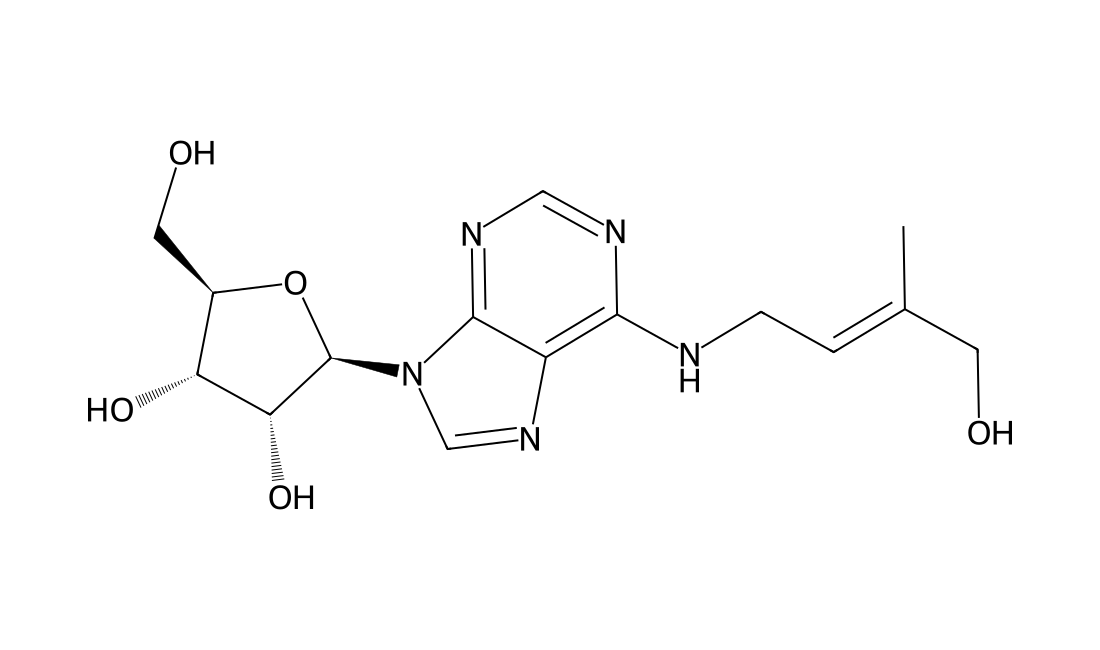
CAS 6025-53-2
trans-Zeatinriboside is a type of cytokinin precursor, acts as a major long-distance signalling form in xylem vessels, regulates leaf size and meristem activity-related traits.
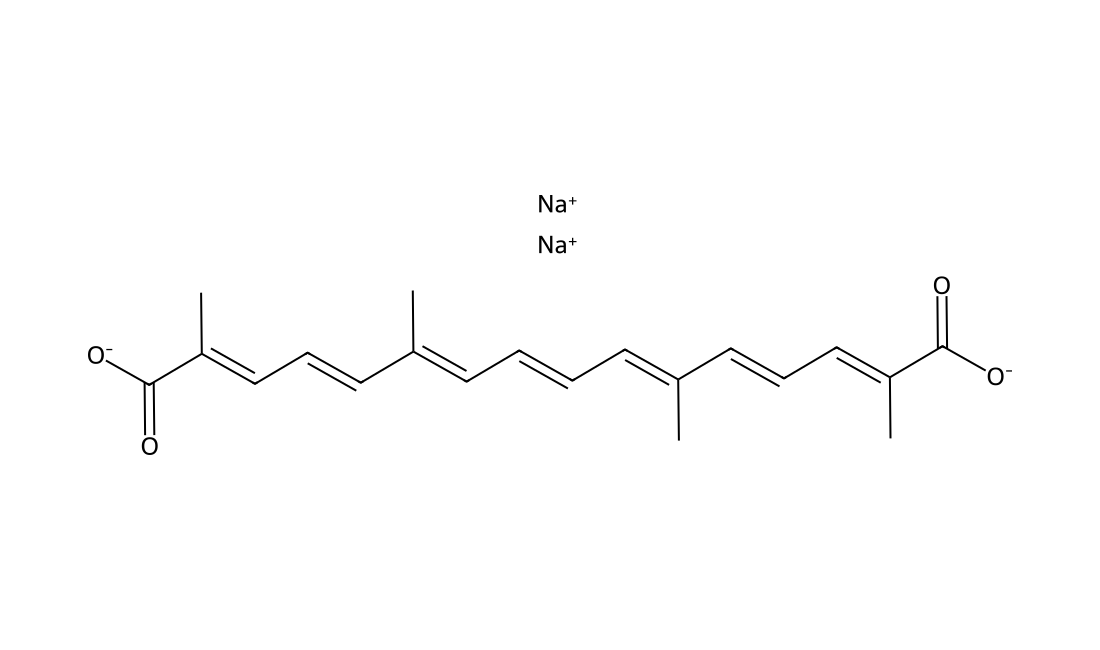
CAS 591230-99-8
In Vitro Transcrocetinate (Transcrocetin, trans-Crocetin), a saffron metabolite originating from the crocin apocarotenoids, has been shown to exert strong NMDA receptor affinity and is thought to be responsible for the CNS activity of saffron.To ensure unchanged viability of Caco-2 cells throughout the transport experiments, cellular mitochondrial dehydrogenase activity of Caco-2 cells is measured by MTT assay after a 24 h incubation period with the test compounds: Hydroalcoholic saffron extract saffron extract (SE, 0.5-1 mg/mL) and crocin-1 (250-1000 µM) reveal no negative significant changes in cellular viability. Transcrocetinate at 10 µM level does not change viability while higher concentrations (40-160 µM) reduces significantly cellular viability.
CAS 2018300-62-2
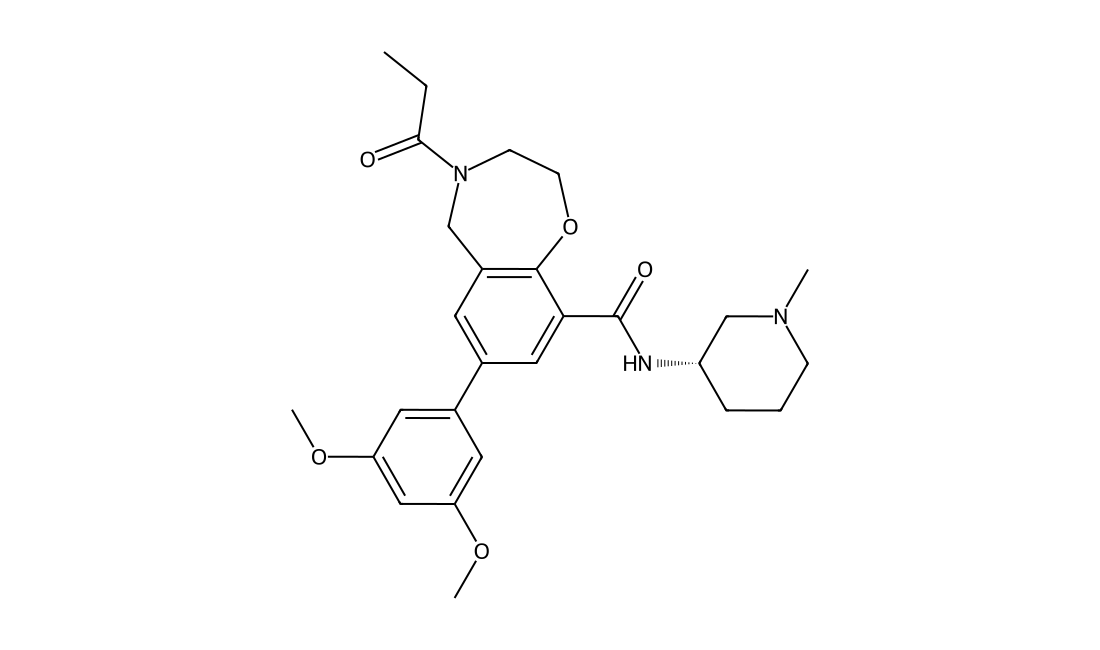
Exposure to 1 μM TPOP146 results in a significant decrease of recovery half-life that is comparable to the construct that contained the bromodomain inactivating mutation N1168F, demonstrating that TPOP146 targets the CBP bromodomain in the nucleus and is capable of competing with acetyl-lysine mediated interactions of the CBP bromodomain in cellular environments.
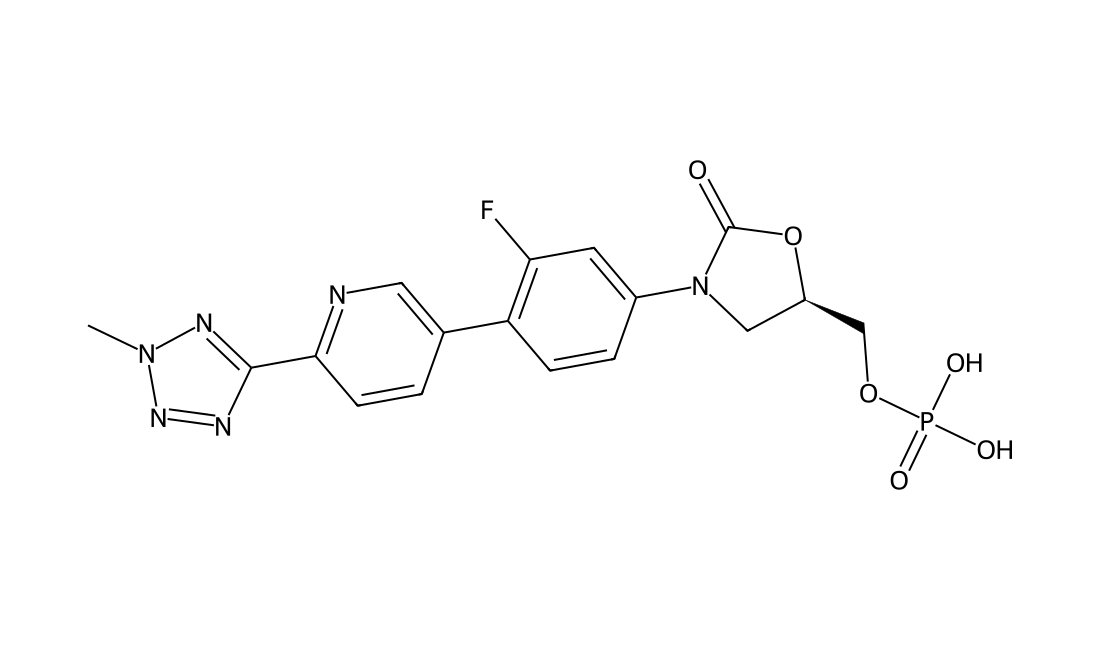
CAS 856867-55-5
Torezolid phosphate is a novel oxazolidinone for gram-positive infections, has an IC50 of 8.7 μM and 5.7 μM for monoamine oxidase (MAO)-A and MAO-B, respectively.
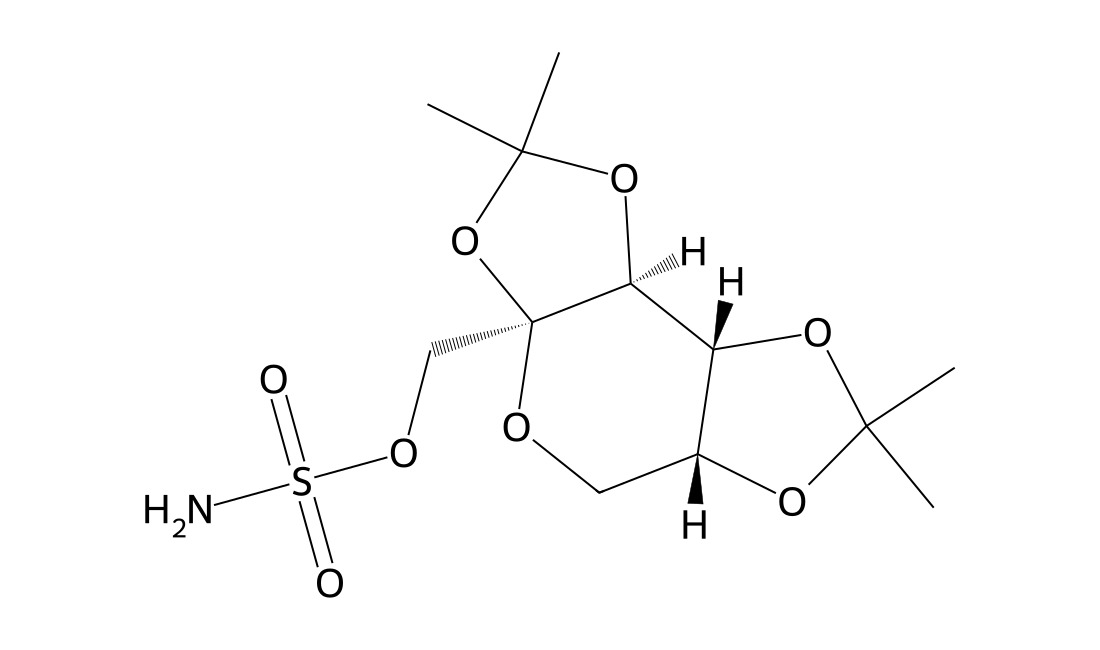
CAS 97240-79-4
Topiramate is an anticonvulsant that antagonizes GluR5 receptors and acts as a positive allosteric modulator of GABA receptor-mediated currents.Topiramate (Topamax) is a structurally novel broad-spectrum antiepileptic drug (AED) with established efficacy as monotherapy or adjunctive therapy in the treatment of adult and paediatric patients with generalised tonic-clonic seizures, partial seizures with or without generalised seizures, and seizures associated with Lennox-Gastaut syndrome. topiramate has been believed to be a type of antiepileptic drug that blocks spread of seizures. Thus far, the mechanisms of its actions have been proven to include use-dependent inhibition of voltage-dependent Na+ channels in neurons, potentiation of GABA (gamma-amino-butyric acid)-induced Cl- influx, and inhibitory effects on inward currents by antagonizing kainate/alpha-amino-3-hydroxy-5-methylisoxazole-4-propionic acid (AMPA) receptors. Topiramate (median average dosage 5.1 mg/kg/day) was also found to be useful as adjunctive therapy in the management of Lennox-Gastaut syndrome and significantly reduced the mean frequency of drop attacks by 14.8% compared with an increase of 5.1% with placebo. Further gains in seizure control were made in a nonblind extension of this trial where the mean topiramate dosage was 10 mg/kg/day. Nine of 11 patients in 1 pilot trial of children with otherwise intractable West syndrome, and 5 of 10 in another, achieved a > or =50% reduction in seizure rate with topiramate (target dosage up to 24 mg/kg/day).
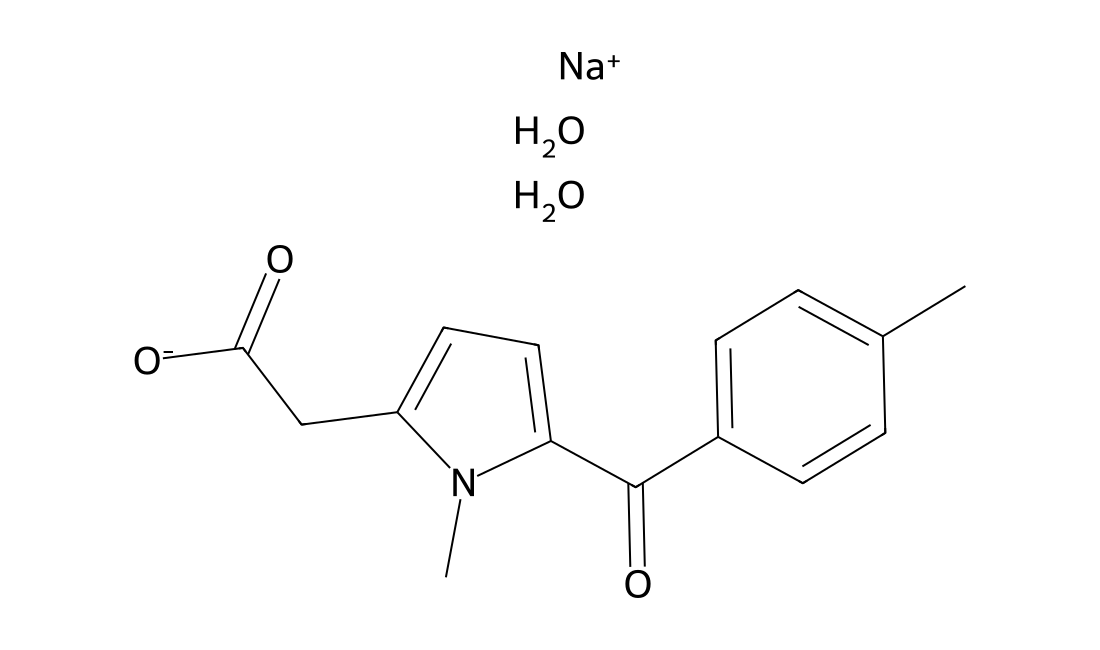
CAS 64490-92-2
Tolmetin sodium dihydrate is a non-steroidal anti-inflammatory agent (NSAID) with antioxidant and neuroprotective properties.
CAS 903565-83-3
Tofogliflozin (CSG-452) is a potent, highly selective SGLT2 inhibitor with Ki of 2.9, 14.9, and 6.4 nM against human, rat, and mouse SGLT2, respectively; displays high selectivity over human SGLT2 versus human SGLT1, SGLT6, and sodium/myo-inositol transporter 1; increases renal glucose clearance and lowered the blood glucose level in Zucker diabetic fatty rats, also improves postprandial glucose excursion; reduces glycated hemoglobin and improved glucose tolerance in the oral glucose tolerance test in vivo.DiabetesApproved
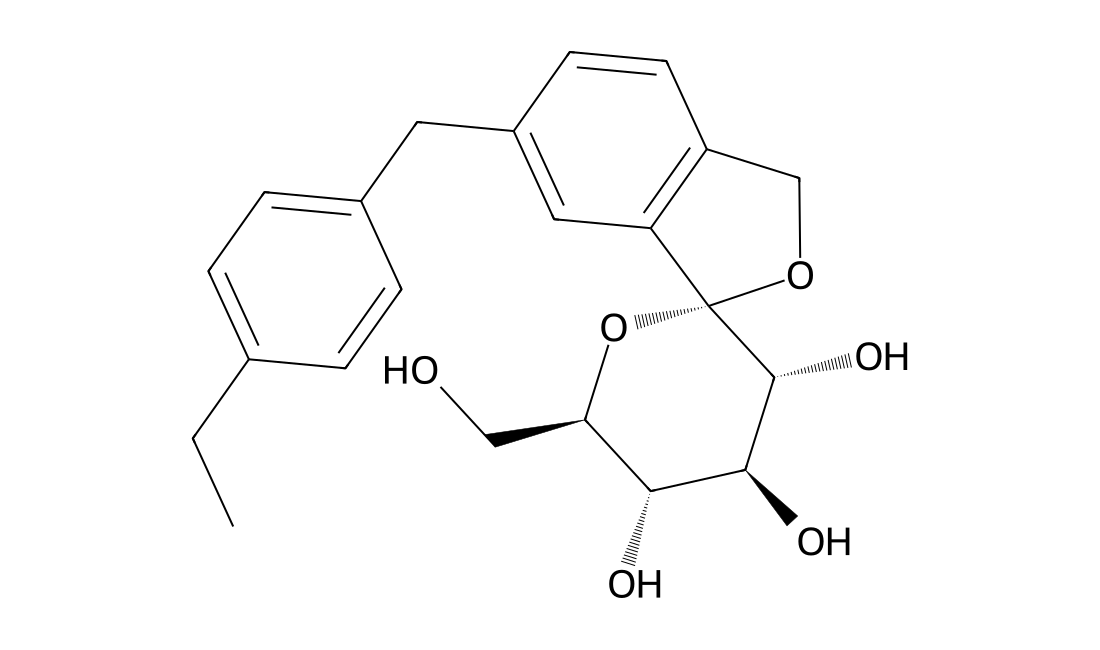
CAS 68422-00-4
Timosaponin A1 is a coprostane type steroidal saponin isolated from Rhizoma Anemarrhenae.
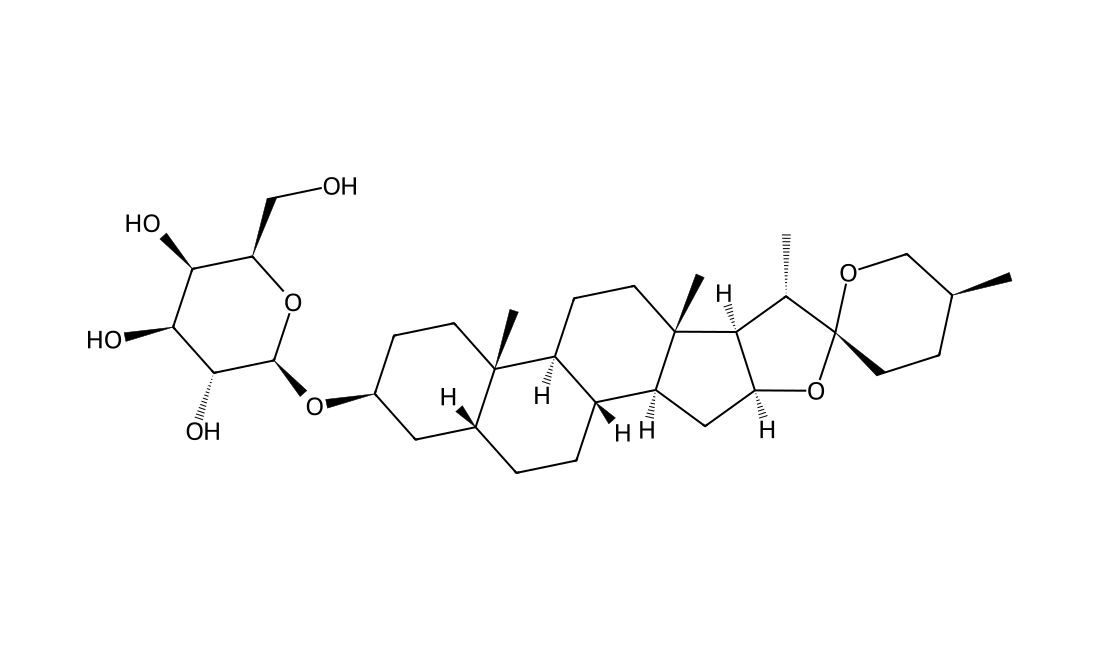
CAS 55297-96-6
Tiamulin is a diterpenic veterinary drug widely used in swine for the control of infectious diseases, including swine dysentery and enzootic pneumonia.
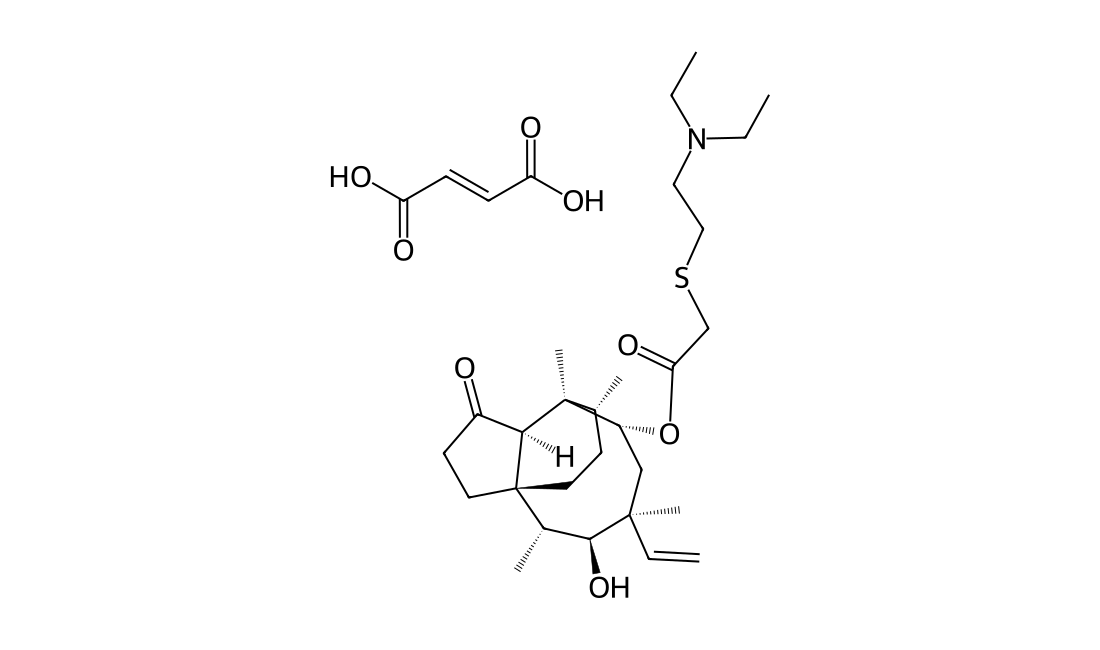
CAS 62054-67-5
THS-044 is a low micromolar HIF2α PAS-B binding compound (Kd=2 uM); modulates the affinity of the HIF2α:ARNT PAS-B heterodimer in vitro.
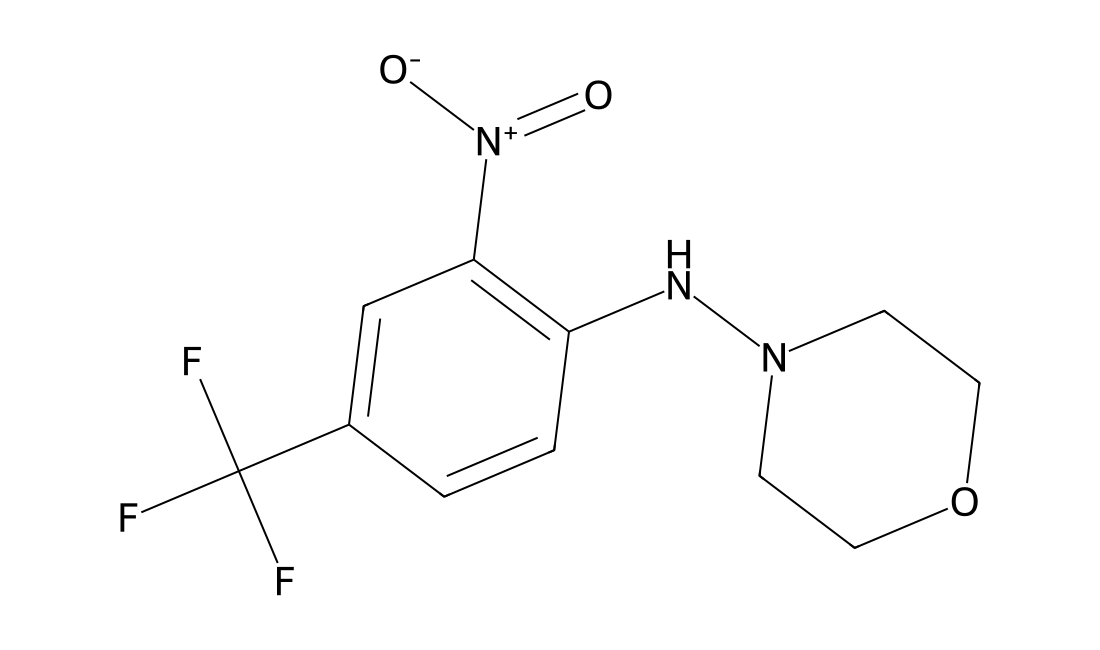
CAS 78338-22-4
Thionin (acetate) is a metachromic cationic histology dye used in biological staining widely.
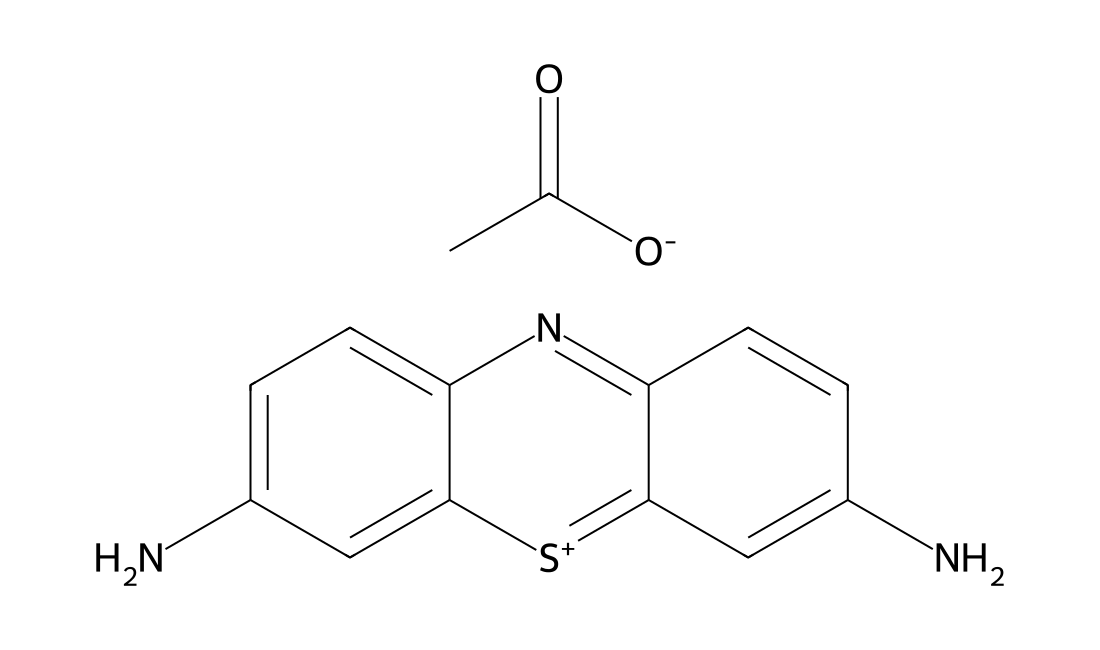
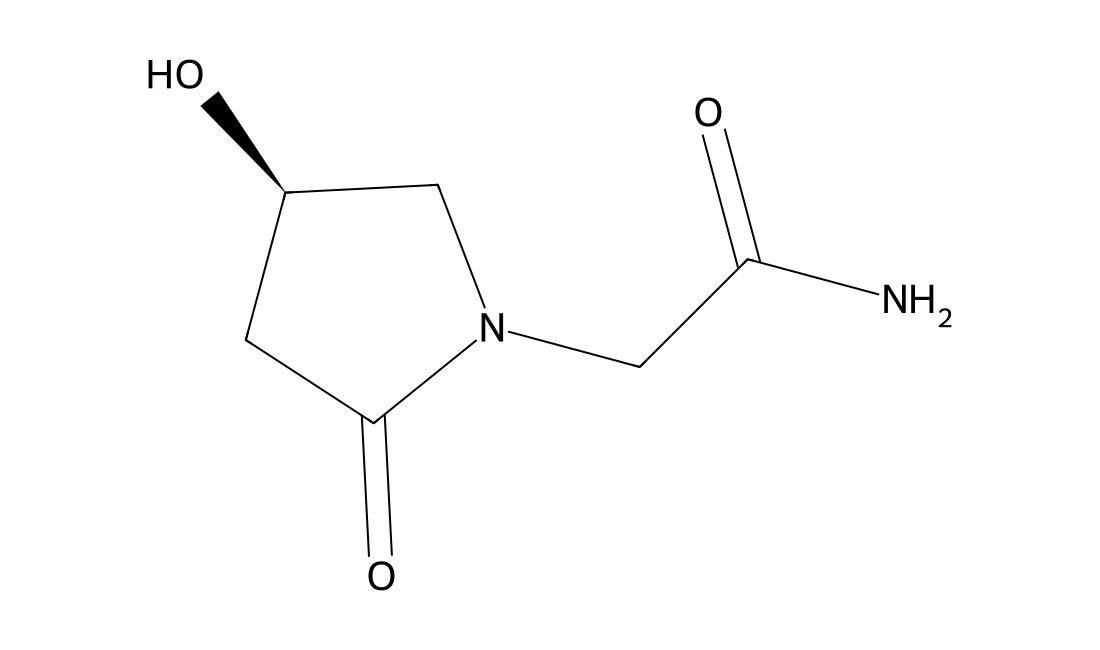
CAS 68252-28-8
the R-enantiomer of the nootropic drug oxiracetam (ISF 2522), which is a nootropic drug of the racetam family and stimulant.
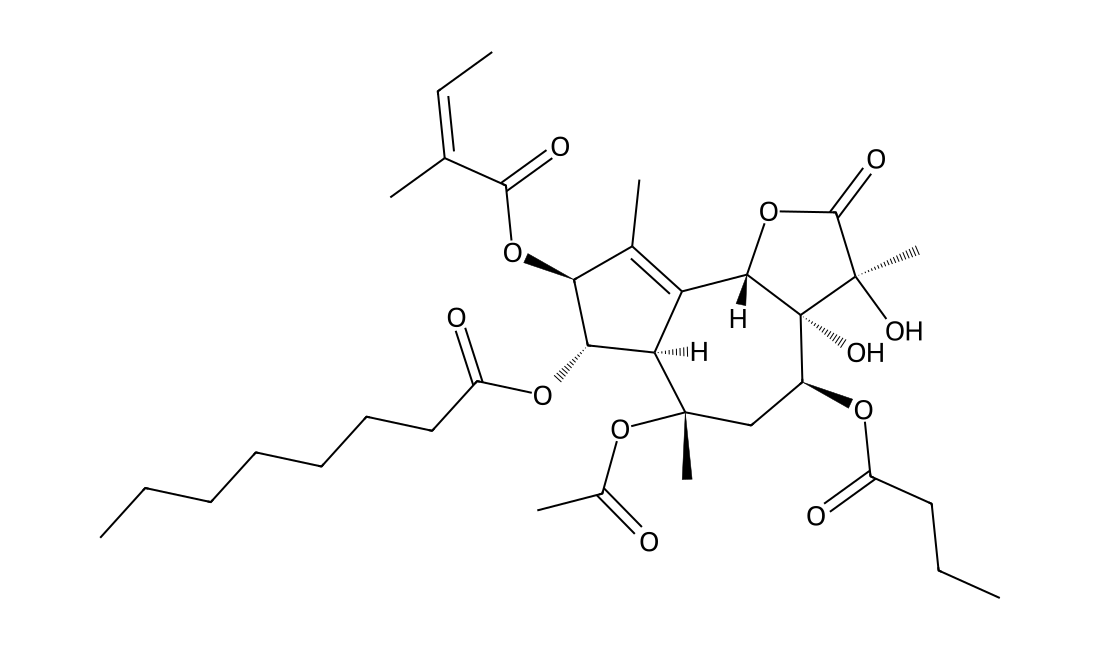
CAS 67526-95-8
In Vitro Thapsigargin inhibits Ca2+ entry into human neutrophil granulocytes[1]. Thapsigargin inhibits the carbachol-evoked [Ca2+]i-transients with (IC50=0.353 nM) or without (IC50=0.448 nM) a KCl-prestimulation, but an additional small component, with a much lower sensitivity (IC50=4814 nM), is observed in the absence of a KCl-prestimulation. In contrast, the KCl-evoked [Ca2+]i-transients displayed only one component with a very low sensitivity to Thapsigargin in both absence (IC50=3343 nM) and presence (IC50=6858 nM) of a carbachol-prestimulation[2]. To determine whether hepatitis B virus (HBV) affects cell survival and apoptosis, the HepG2.2.15 and HepG2 cells are treated with 500 nM Thapsigargin (TG) or PBS for 24, 48, 72 and 96 h and cell proliferation is detected using the MTT assay. Thapsigargin inhibitscell growth in a time-dependent manner, especially in the HepG2 cells, for which 64% cell growth is inhibited at 96 h compared with 45% in the HepG2.2.15 cells (P<0.001). Similarly, at 24, 48 and 72 h, greater inhibition is observed for the HepG2 cells than for HepG2.2.15 cells. In Vivo To assess endoplasmic reticulum (ER) stress in vivo, interperitoneal injection of either Thapsigargin (TG; 0.5 ug/g/body weight) or Tunicamycin (TUN; 1 ug/g/body weight) is performed in mice. Thapsigargin at a dose of 0.5 ug/g/body weight is safe and does not elicit any adverse effects on survival in these mice. The induction of ER stress in the liver and adipose tissue of mice treated with either Thapsigargin or TUN is then examined, by assessing the expression of key ER stress and UPR markers. Both Thapsigargin and TUN treatment in mice results in significant expression of ER stress markers ATF6 and eIF2α in adipose tissue (p<0.05).
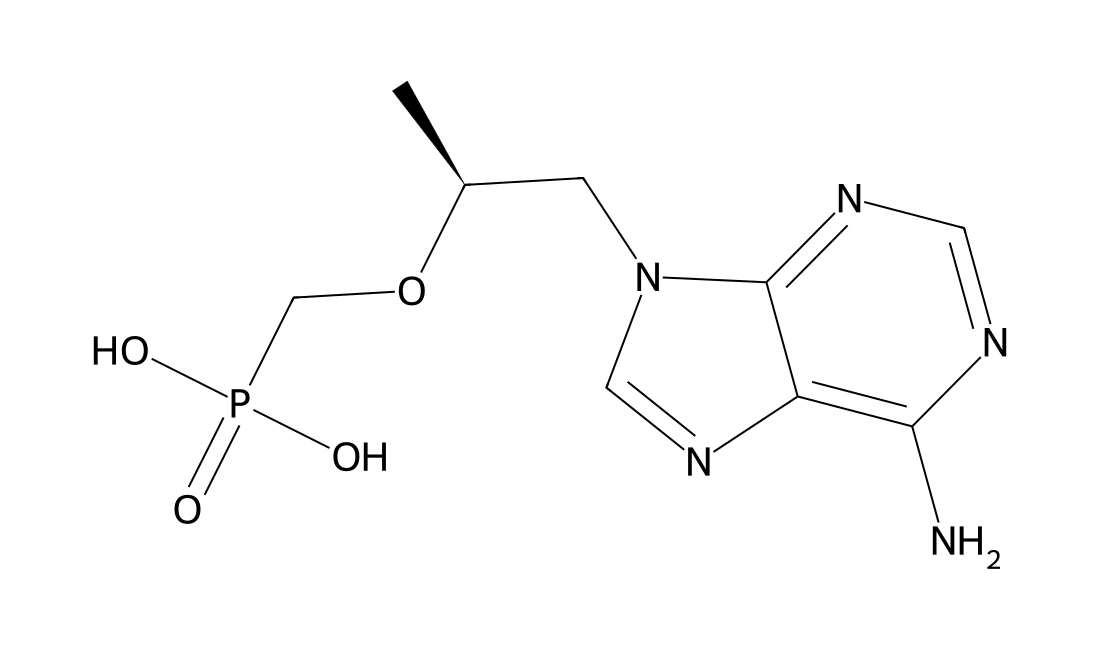
CAS 147127-20-6
Tenofovir(GS 1278, PMPA) is an antiretroviral drug known as nucleotide analogue reverse transcriptase inhibitors (NRTIs), which block reverse transcriptase, a crucial virus enzyme in HIV-1 and HBV.
CAS 1639417-53-0
Tenalisib shows selectivity over PI3K α (>300-fold) and β (>100-fold) isoforms. Tenalisib exhibits modest proliferation inhibition (33-46% inhibition @ 10 μM) in both HEL-RS and HEL-RR cells. Addition of 10 μM tenalisib to ruxolitinib is synergistic resulting in a near-complete inhibition of proliferation (>90% for HEL-RS and >70% for HEL-RR). Addition of 5 μM tenalisib, 4 h prior to the addition of ruxolitinib results in a significant reduction in EC50of ruxolitinib (5.8 μM) in HEL-RR cells. Incubation of 10 μM tenalisib with ruxolitinib for 72 h increases the percent of apoptotic cells (55% in HEL-RS and 37% in HEL-RR) compared to either agent alone (16-27% in HEL-RS and 17-21% in HEL-RR).Tenalisib has been well tolerated in subjects with heavily pre-treated relapsed/refractory hematologic malignancies. Reported toxicities are manageable with no DLTs. Single agent activity is evident in difficult-to-treat subjects at ≥ 200 mg BID.
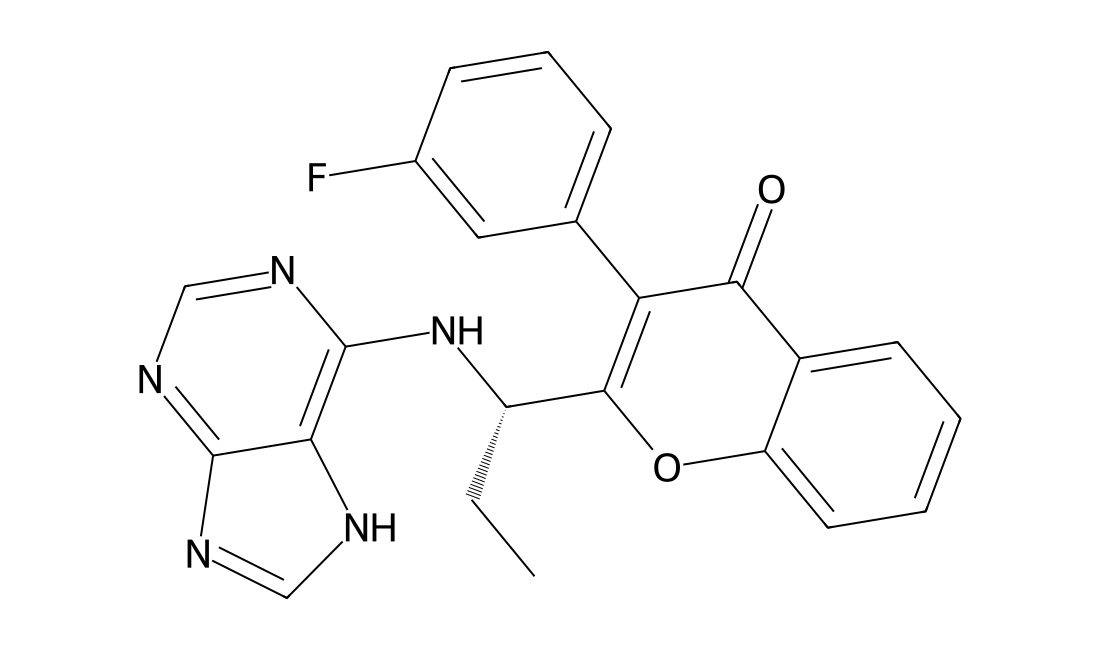
CAS 110221-44-8
Temocapril Hydrochloride is a long-acting angiotensin-converting enzyme (ACE) inhibitor, used for the treatment of hypertension. Temocapril hydrochloride is a novel prodrug-type angiotensin-I converting enzyme (ACE) inhibitor, lowering of the dose of temocapril might be recommended only in patients with severe renal insufficiency. Temocapril is regarded as an ACE inhibitor the disposition and efficacy of which are little affected in patients with impaired liver function.
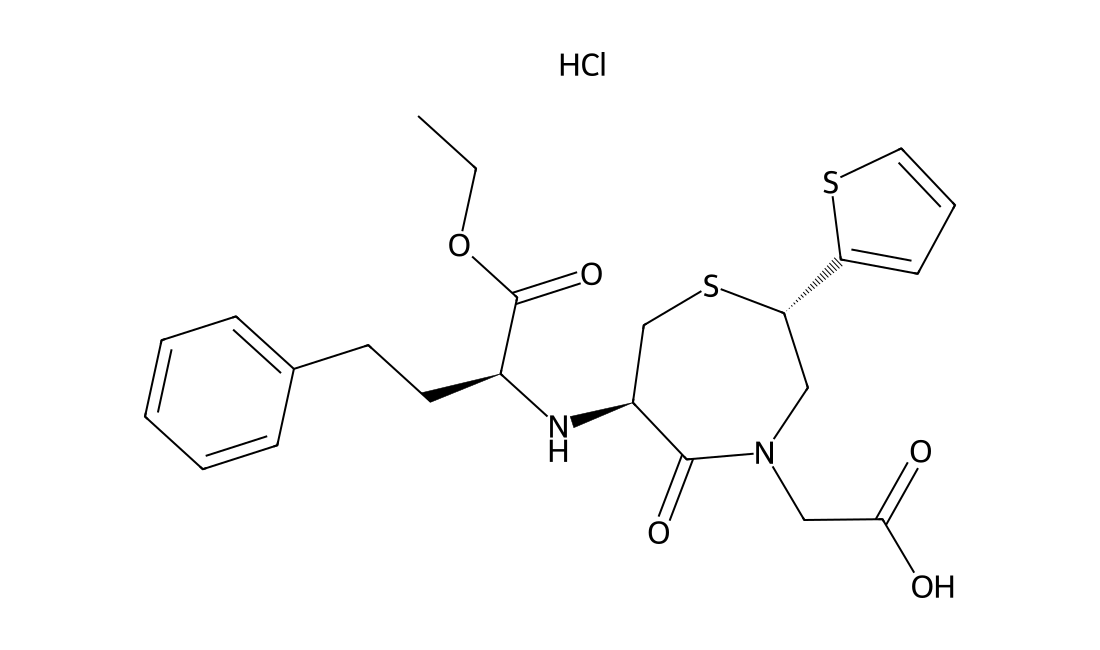
CAS 3424-98-4
Telbivudine (Tyzeka, Sebivo) is an antiviral agent used in the treatment of hepatitis B infection.
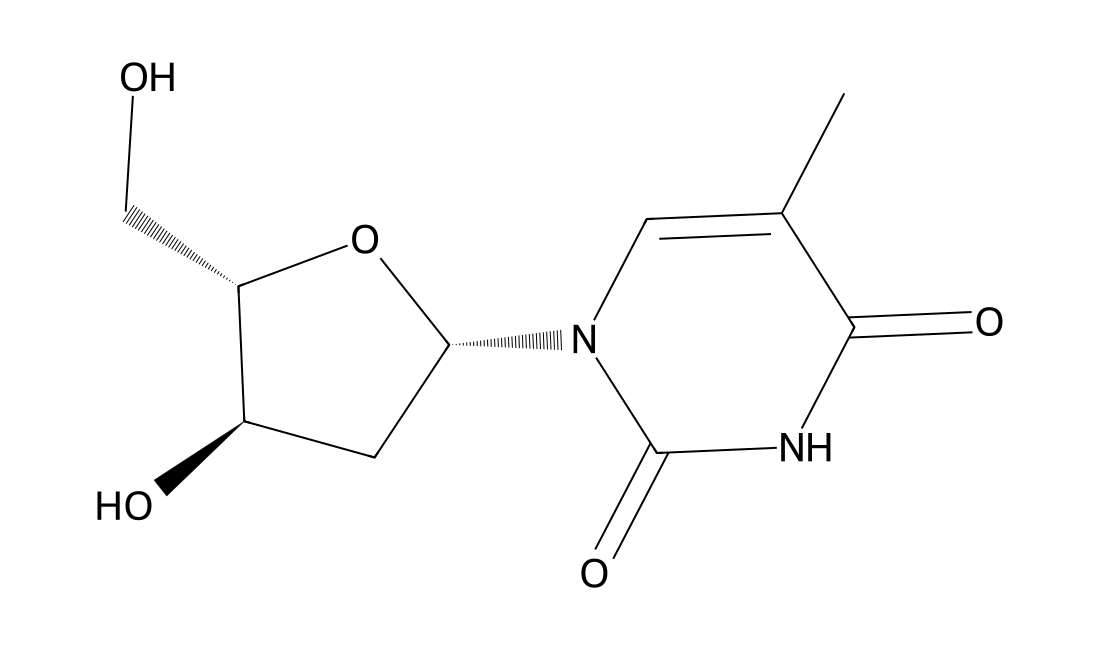
CAS 1257426-19-9
TBA-354 is narrow spectrum and bactericidal in vitro against replicating and nonreplicating Mycobacterium tuberculosis, with potency similar to that of delamanid and greater than that of PA-824. TBA-354 maintains activity against Mycobacterium tuberculosis H37Rv isogenic monoresistant strains and clinical drug-sensitive and drug-resistant isolates . TBA-354 is 5 to 10 times more potent than PA-824, but selected mutants are cross-resistant to PA-824 and delamanid. TBA-354 is 2 to 4 times more potent than PA-824 when combined with bedaquiline, and when administered at a dose equivalent to that of PA-824, TBA-354 demonstrated superior sterilizing efficacy For the detailed information of TBA-354 , the solubility of TBA-354 in water, the solubility of TBA-354 in DMSO, the solubility of TBA-354 in PBS buffer, the animal experiment (test) of TBA-354 , the cell expriment (test) of TBA-354 , the in vivo, in vitro and clinical trial test of TBA-354 , the EC50, IC50,and affinity,of TBA-354 , Please contact DC Chemicals.
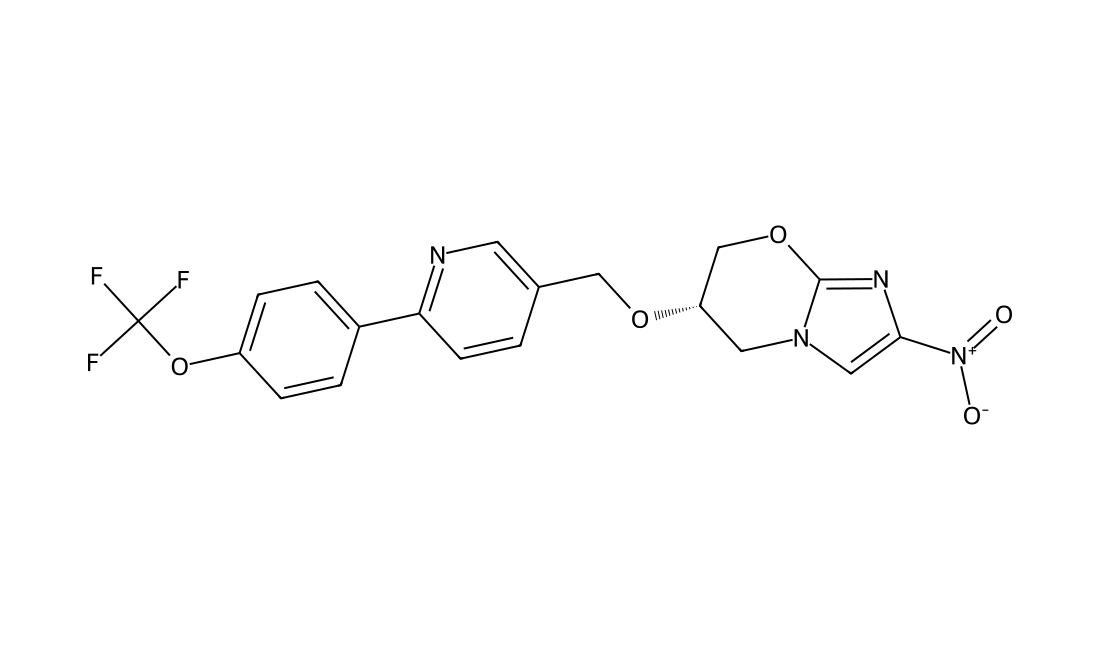
CAS 701977-09-5
Taranabant is a highly selective cannabinoid-1 (CB1) receptor inverse agonist.
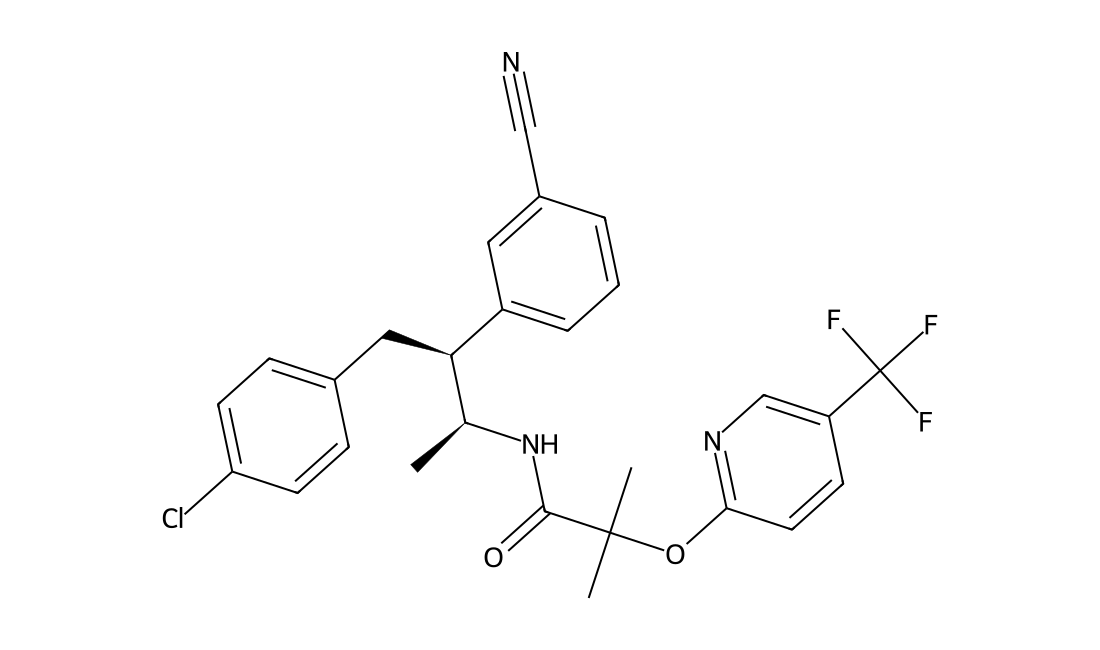
CAS 1159101-48-0
Tarafenacin(SVT-40776) is a highly selective M3 muscarinic receptor antagonist (Ki= 0.19 nM), ~200 fold selectivity over M2 receptor. in vitro: SVT-40776 is highly selective for M(3) over M(2) receptors (Ki = 0.19 nmol.L(-1) for M(3) receptor affinity). SVT-40776 was the most potent in inhibiting carbachol-induced bladder contractions of the anti-cholinergic agents tested, without affecting atrial contractions over the same range of concentrations. SVT-40776 exhibited the highest urinary versus cardiac selectivity (199-fold). SVT-40776 has a much higher binding affinity (K(d) = 0.4 nM) to M5 mAChR than that of solifenacin (K(d) = 31 nM) with the same reeptor. The calculated binding free energy change (-2.3 ± 0.3 kcal/mol) from solifenacin to SVT-40776 is in good agreement with the experimentally derived binding free energy change (-2.58 kcal/mol), suggesting that our modeled M5 mAChR structure and its complexes with the antagonists are reliable. in vivo: In the guinea pig in vivo model, SVT-40776 inhibited 25% of spontaneous bladder contractions at a very low dose (6.97 microg.kg(-1) i.v), without affecting arterial blood pressure.
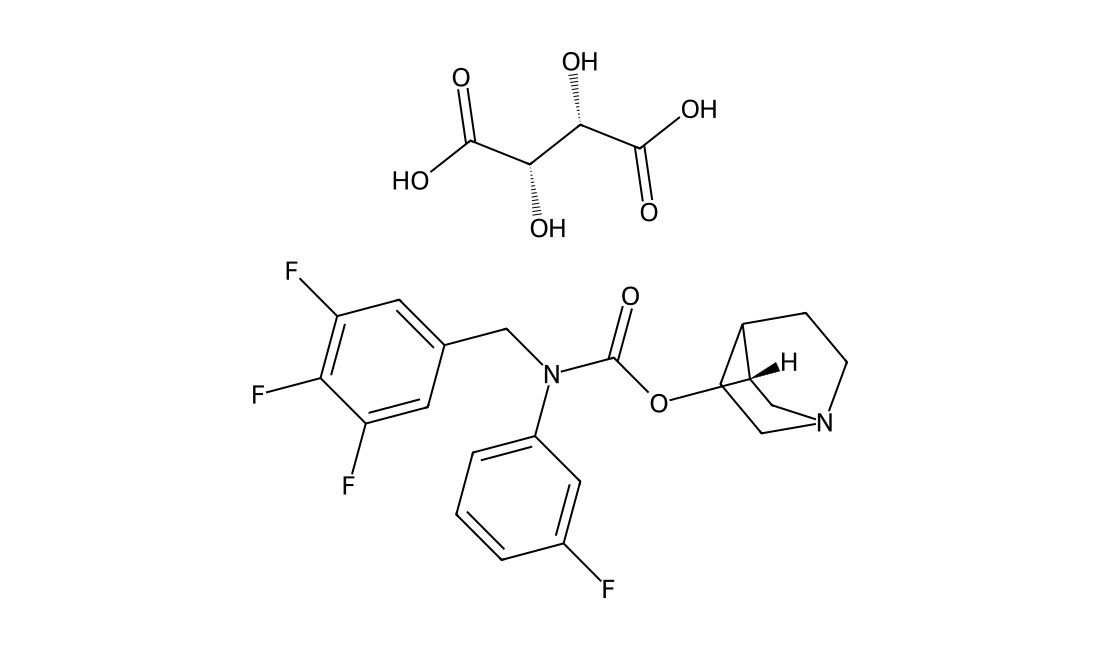
CAS 1784-03-8
In Vitro TAME shows inhibitory effect on APC activation when added to mitotic Xenopus extract. TAME (1-200 μM) inhibits Cdc20 association with mitotic APC and also inhibits Cdh1 association with interphase APC. TAME significantly inhibits crosslinking of the IR peptide to Cdc27 and Cdc16 but only slightly reduces crosslinking to Cdc23 and Apc7 at 20 µM; TAME strongly inhibits crosslinking to all APC subunits at 200 µM. TAME also inhibits binding of wild type Cdc20 to the APC, but not binding of a ΔIR mutant. TAME (200 μM) induces Cdc20 dissociation from the APC in mitotic Xenopus extract calls for APC-dependent ubiquitination. TAME induces Cdc20 dissociation from the APC by promoting Cdc20 ubiquitination, but the dissociation can be suppresses by Cyclin B1. TAME terminates cyclin B1 ubiquitination prematurely. TAME interacts with ATP by β and γ phosphate and the adenine ring of ATP. TAME in combination with the Mg(II) ion accelerates the ATP hydrolysis process.
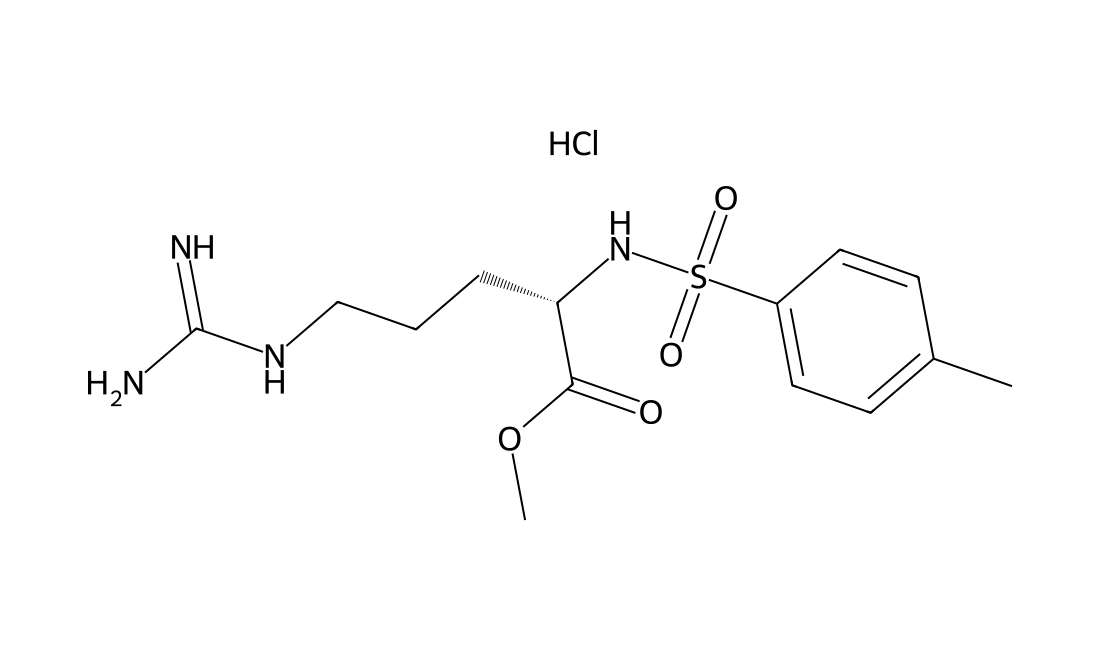
CAS 135459-87-9
Strontium Ranelate is a bone metabolism modulator that inhibits bone resorption while maintaining bone formation. Commonly used as an antiosteoporotic.
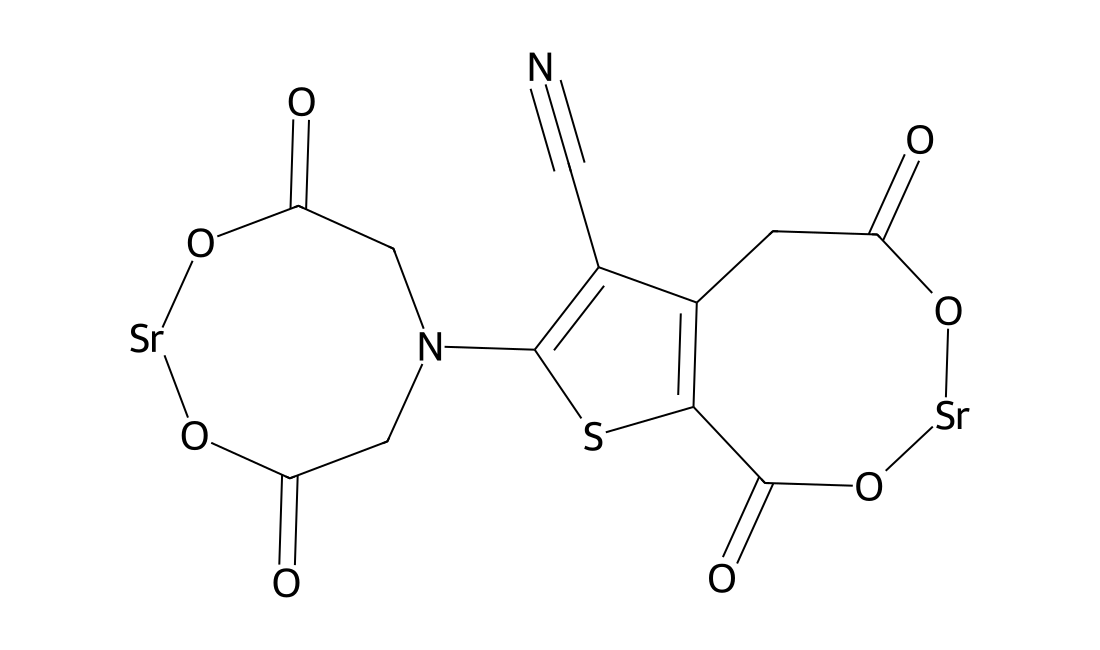
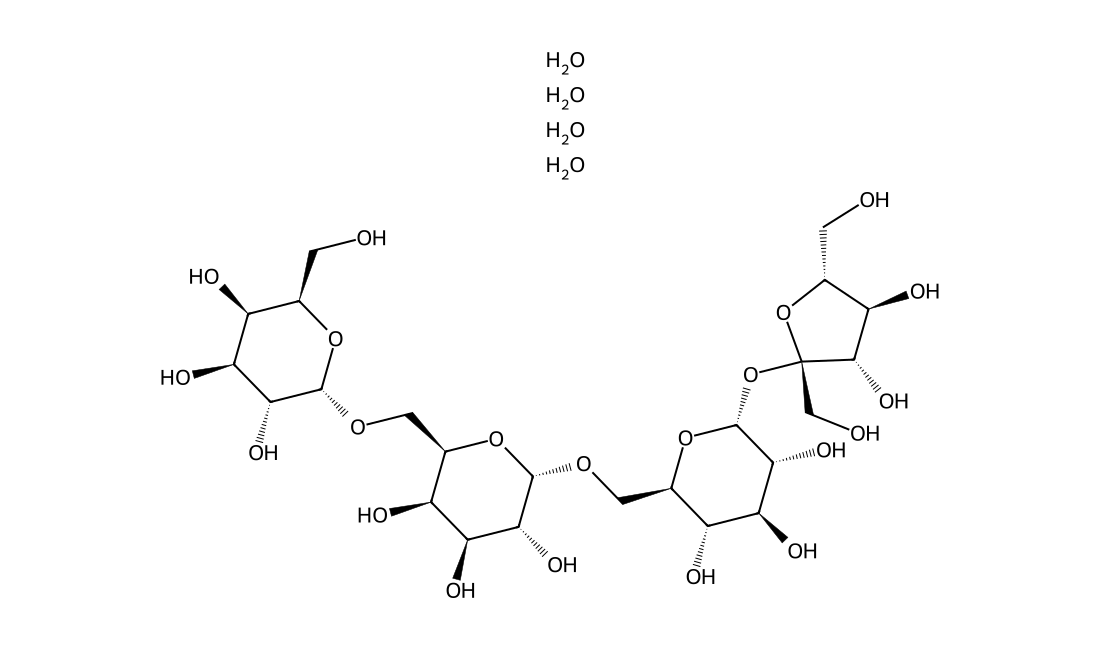
CAS 10094-58-3
In Vitro Stachyose highly promotes proliferation of lactic acid bacteria (LAB) by inducing LAB to produce more α-galactosidase to hydrolyze stachyose. In Vivo Stachyose may improve bioavailability of genistein via inhibiting intestinal degradation and first-pass metabolism of soy genistein.
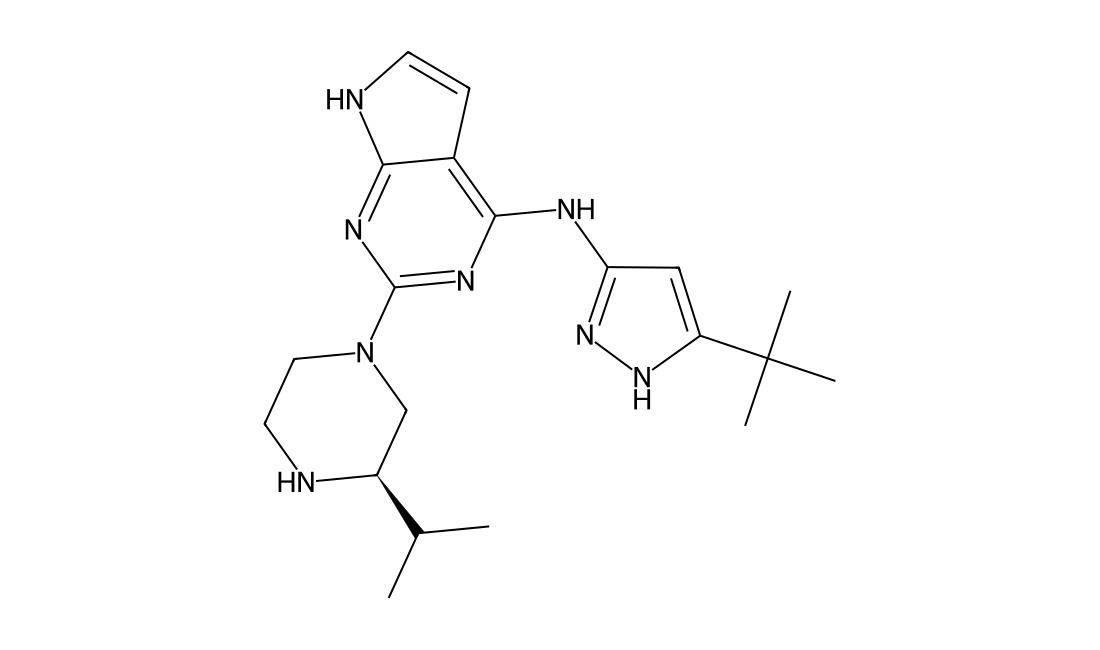
CAS 2351882-11-4
Spastazoline is a potent and selective spastin (a microtubule-severing AAA protein) inhibitor, with an IC50 of 99 nM for Human spastin. Spastazoline shows no effect on ATPase activity of a recombinant human VPS4.
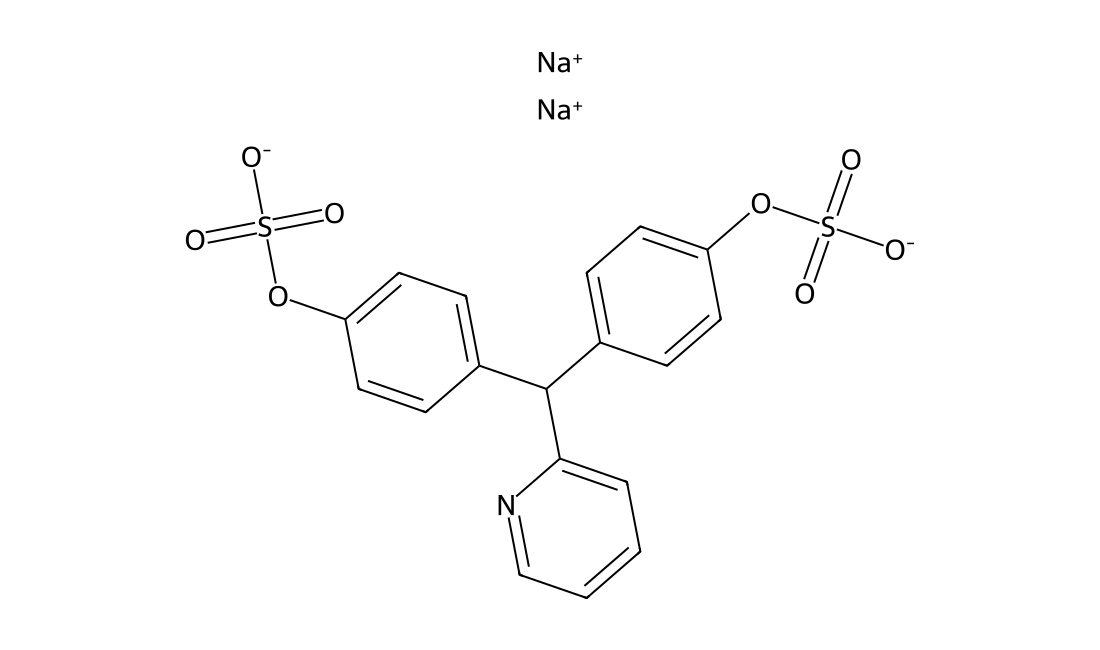
CAS 10040-45-6
Sodium Picosulfate inhibits absorption of water and electrolytes, and increases their secretion.
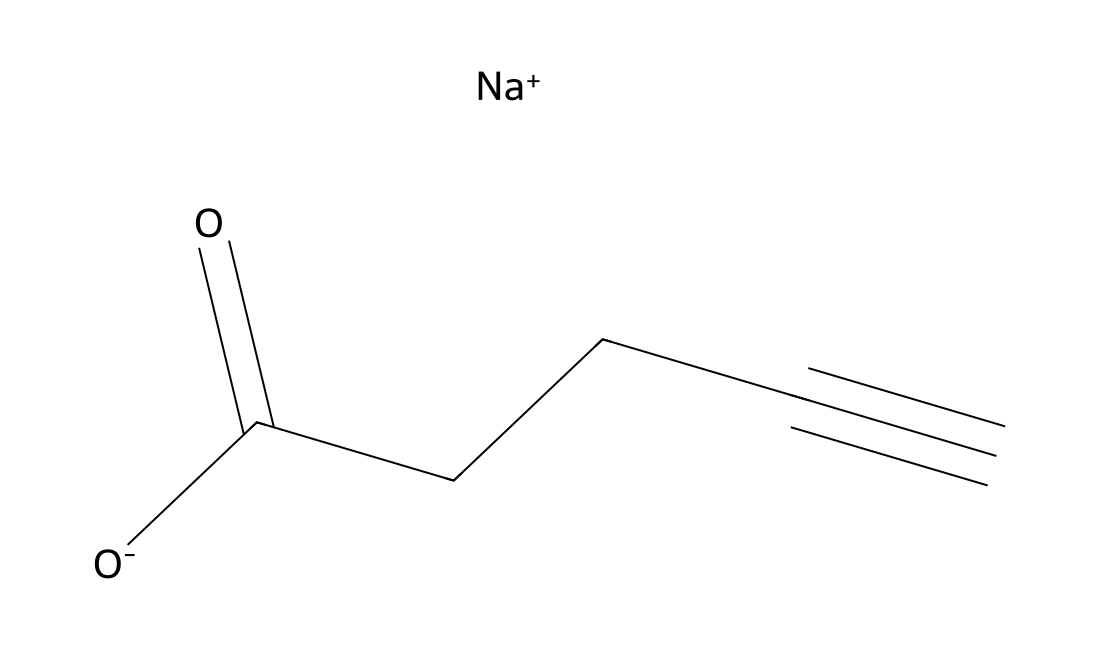
CAS 101917-30-0
sodium 4-pentynoate is a alkynylacetate analogue; can be metabolically incorporated onto cellular proteins through biosynthetic mechanisms for profiling of acetylated proteins in diverse cell types.
CAS 25126-32-3
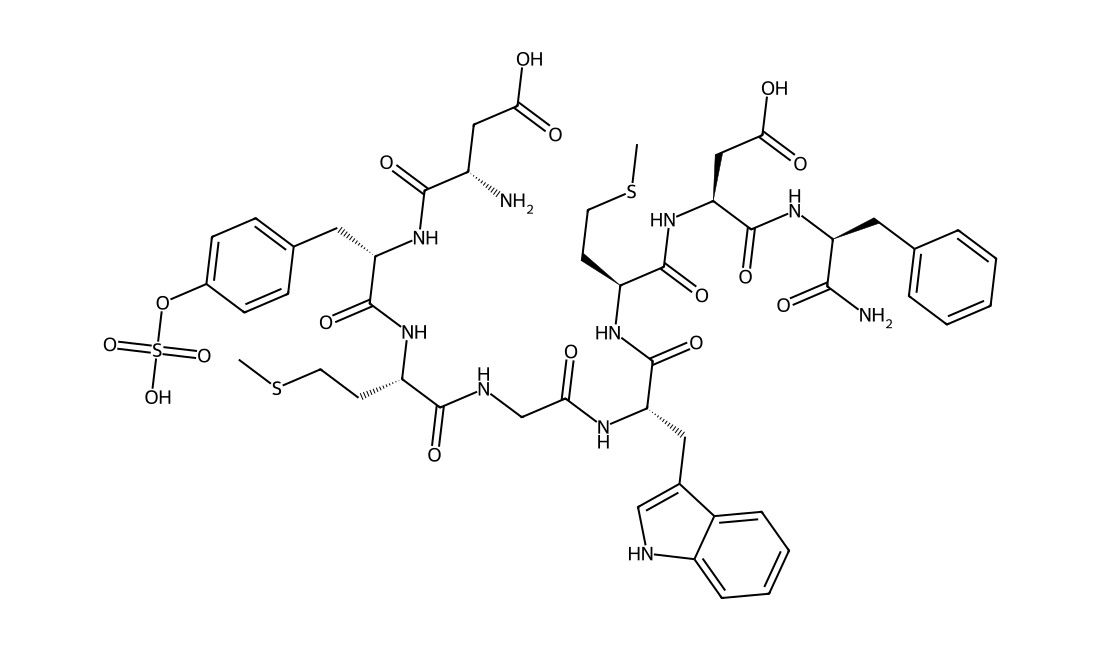
Sincalide (CCK-8) is a 8-amino acid C-terminal fragment of cholecystokinin; stimulates gallbladder contraction.
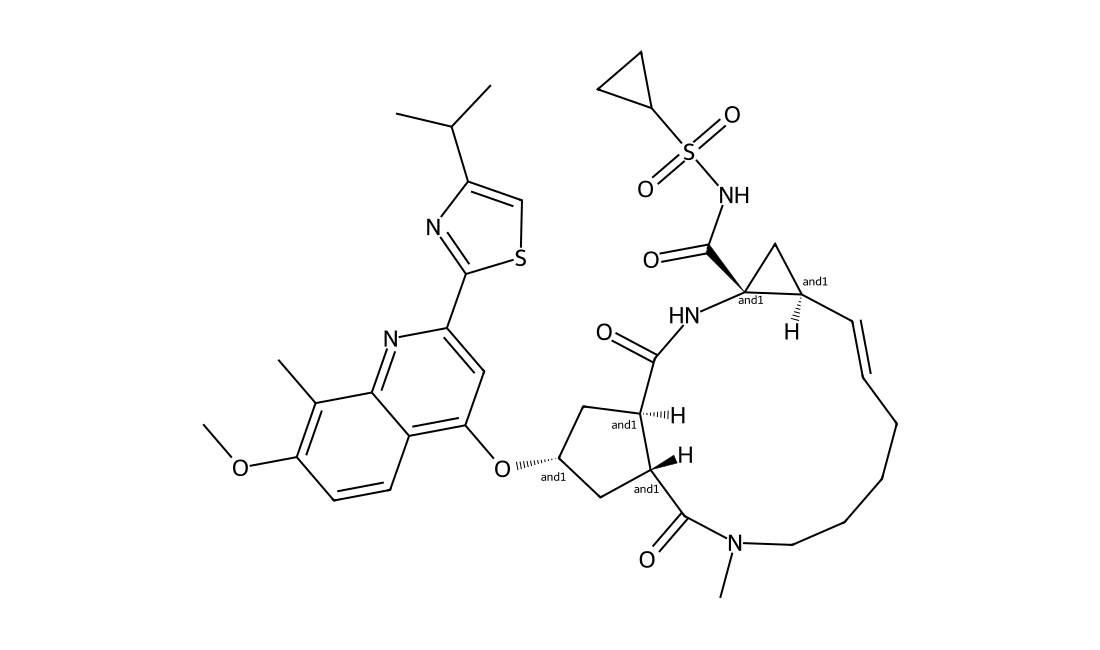
CAS 923604-59-5
Simeprevir (TMC 435350) is a potent inhibitor of HCV NS3/4A protease (Ki = 0.36 nM) and viral replication (replicon EC50 = 7.8 nM).
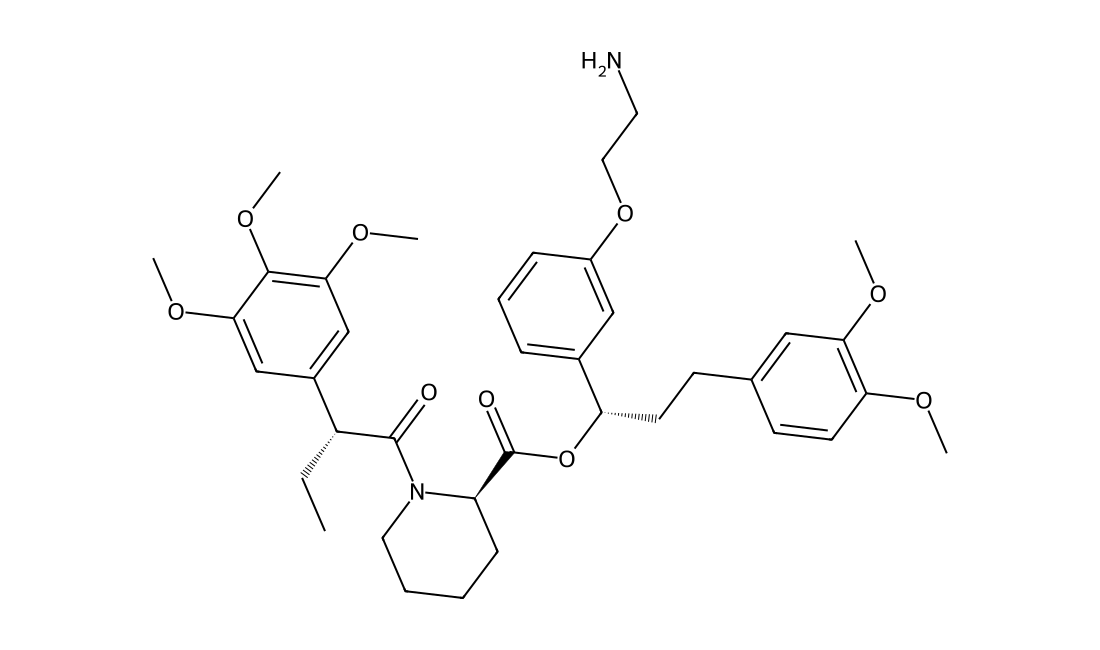
CAS 2127390-15-0
Shield-1 analog is a derivative of Shield-1,a cell-permeable FKBP ligand that is designed to protect an otherwise unstable protein domain from degradation; binds tightly to FKBP, induces rapid and processive degradation of the LID domain.
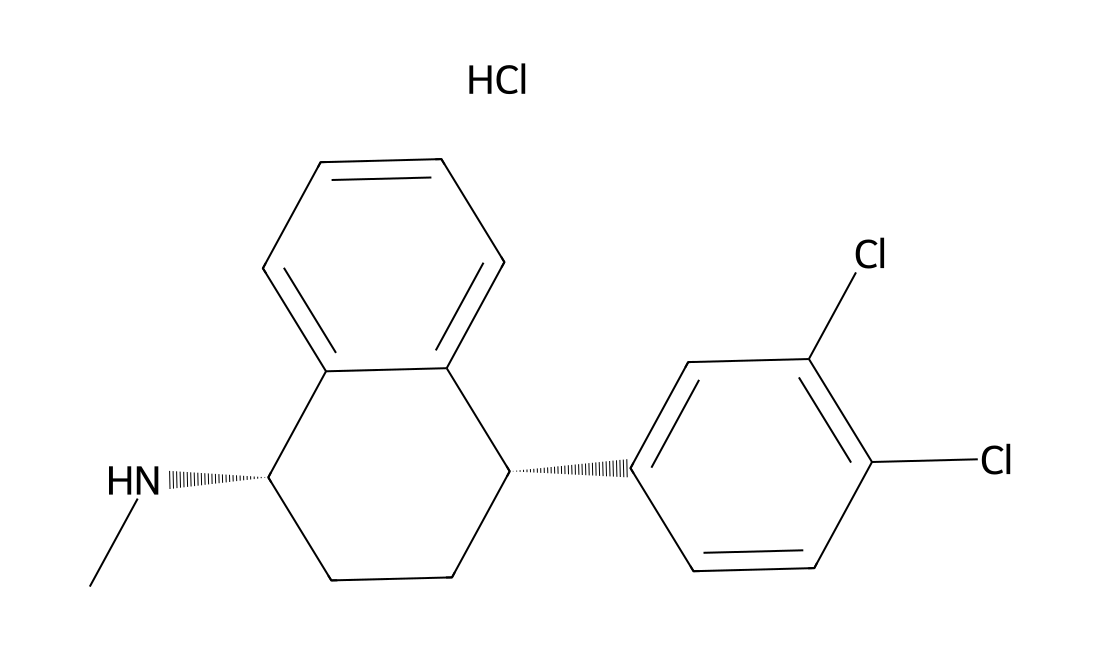
CAS 79559-97-0
Sertraline hydrochloride is an antidepressant of the selective serotonin reuptake inhibitor (SSRI) class.Sertraline is an antidepressant of the selective serotonin reuptake inhibitor (SSRI) class. It was introduced to the market by Pfizer in 1991. Sertraline is primarily prescribed for major depressive disorder in adult outpatients as well as obsessive–compulsive, panic, and social anxiety disorders in both adults and children. In 2011, it was the second-most prescribed antidepressant on the U.S. retail market, with 37,208,000 prescriptions. Sertraline is used for a number of conditions including: major depression, obsessive-compulsive disorder (OCD), body dysmorphic disorder (BDD), posttraumatic stress disorder (PTSD), premenstrual dysphoric disorder (PMDD), panic disorder and social phobia (social anxiety disorder). It has also been used for premature ejaculation and vascular headaches but evidence of the effectiveness in treating those conditions is less robust.
CAS 30516-87-1
Selective reverse transcriptase inhibitor. Exhibits 100-fold selectivity for HIV reverse transcriptase over DNA polymerase α. Suppresses HIV-1 replication and enhances cell viability in HIV-1 infected T cells. Attenuates growth of multiple myeloma (MM) cells in vitro and reduces growth of MM tumor xenografts in mice. Orally bioavailable and brain penetrant. Antiretroviral agent. Also decreases CRISPR-mediated homology directed repair (HDR) efficiency.
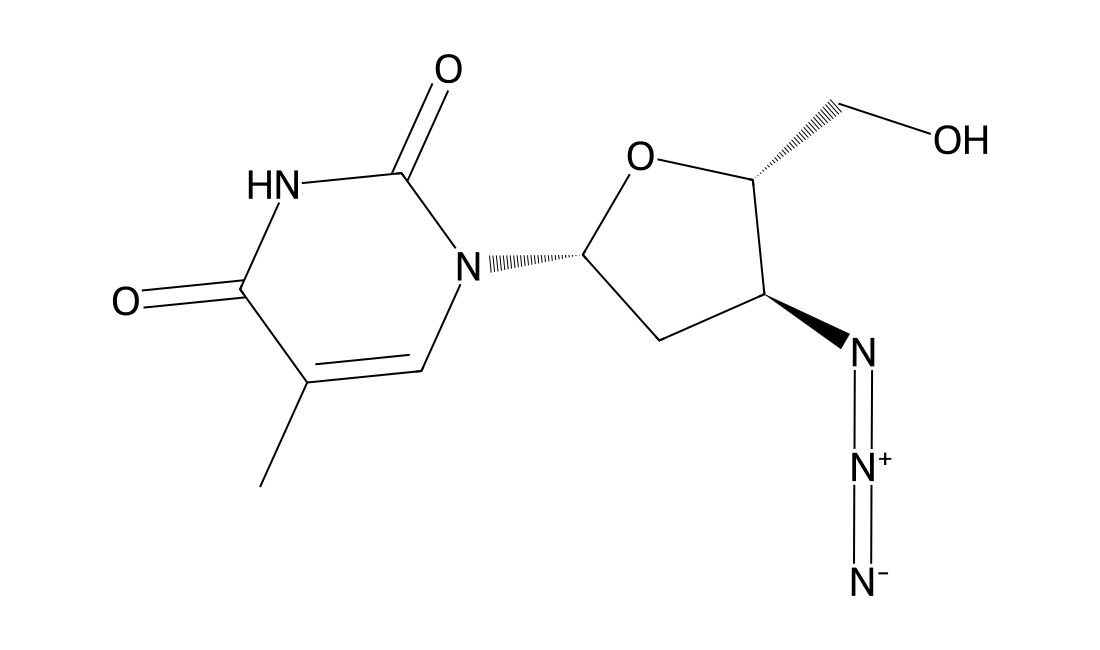
CAS 148554-65-8
Seco-rapamycin is the first in vivo open-ring metabolite of rapamycin that does not affect mTOR.
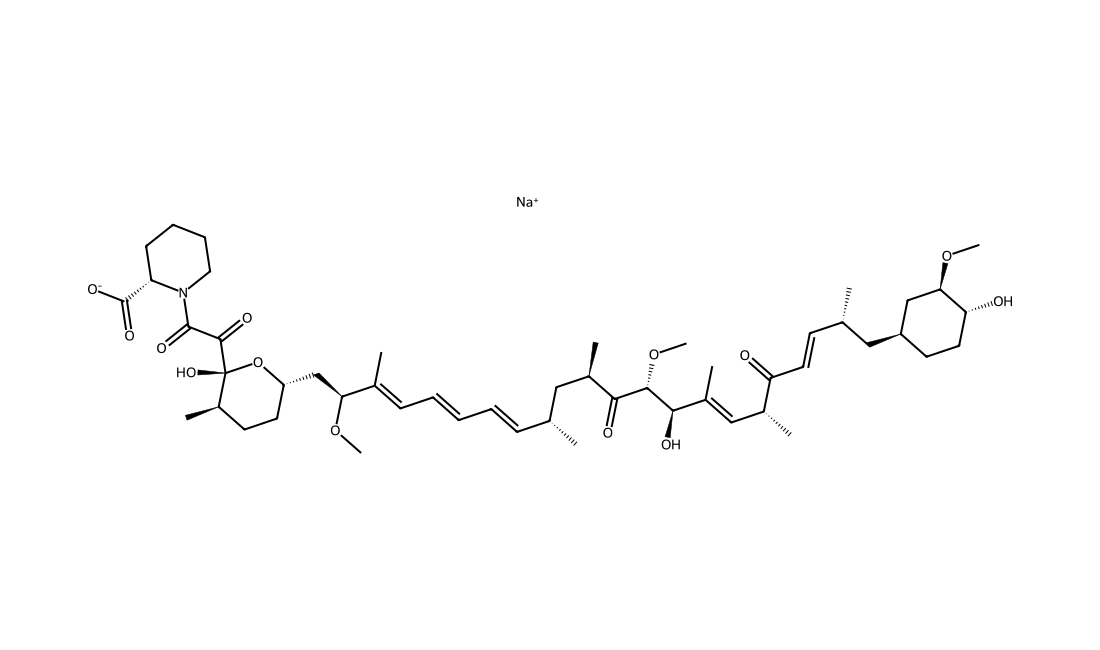
CAS 174575-17-8
SDZ 220-581 is a potent, competitive antagonist at the NMDA glutamate receptor subtype(pKi= 7.7). in vitro: Wake-promoting doses of LSN2463359 and LSN2814617 attenuated deficits in performance induced by the competitiveNMDA receptor antagonist SDZ 220,581 in two tests of operant behaviour: the variable interval 30 s task and the DMTP task. in vivo: Administration of SDZ 220-581 or CGS 19755 was associated with a robust reduction in PPI, whereas L-701,324, 4-Cl-KYN or MLA failed to alter PPI. With the most active agent, SDZ 220-581, full protection against maximal electroshock seizures (MES) was obtained at oral doses of 10 mg/kg in rats and in mice. The compound had a fast onset (< or = 1 hr) and a long duration (> or = 24 hr) of action. Rats were pretreated with clozapine (0 or 5.0 mg/kg) or haloperidol (0 or 0.1 mg/kg), together with SDZ 220-581 (0 or 2.5 mg/kg), and tested. SDZ 220-581 and SDZ EAB-515 decreased PPI without affecting startle magnitude.
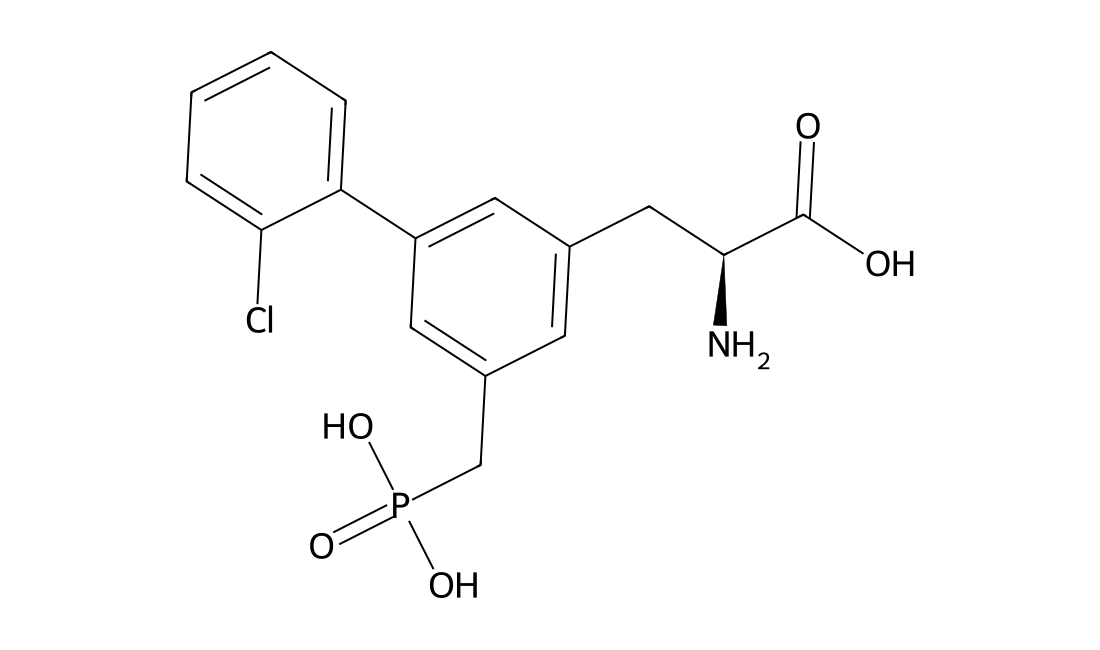
CAS 179411-93-9
SDZ 220-581 Hcl is a potent, competitive antagonist at the NMDA glutamate receptor subtype. in vitro: Wake-promoting doses of LSN2463359 and LSN2814617 attenuated deficits in performance induced by the competitiveNMDA receptor antagonist SDZ 220,581 in two tests of operant behaviour: the variable interval 30 s task and the DMTP task. in vivo: Administration of SDZ 220-581 or CGS 19755 was associated with a robust reduction in PPI, whereas L-701,324, 4-Cl-KYN or MLA failed to alter PPI. With the most active agent, SDZ 220-581, full protection against maximal electroshock seizures (MES) was obtained at oral doses of 10 mg/kg in rats and in mice. The compound had a fast onset (< or = 1 hr) and a long duration (> or = 24 hr) of action. Rats were pretreated with clozapine (0 or 5.0 mg/kg) or haloperidol (0 or 0.1 mg/kg), together with SDZ 220-581 (0 or 2.5 mg/kg), and tested. SDZ 220-581 and SDZ EAB-515 decreased PPI without affecting startle magnitude.
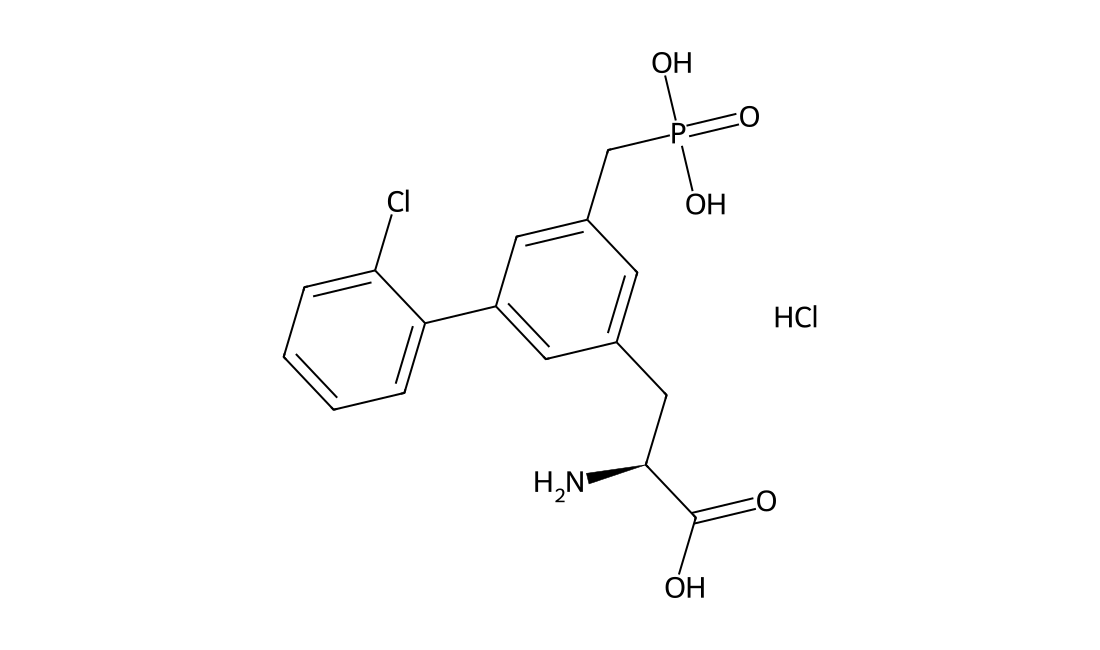
CAS 473727-83-2
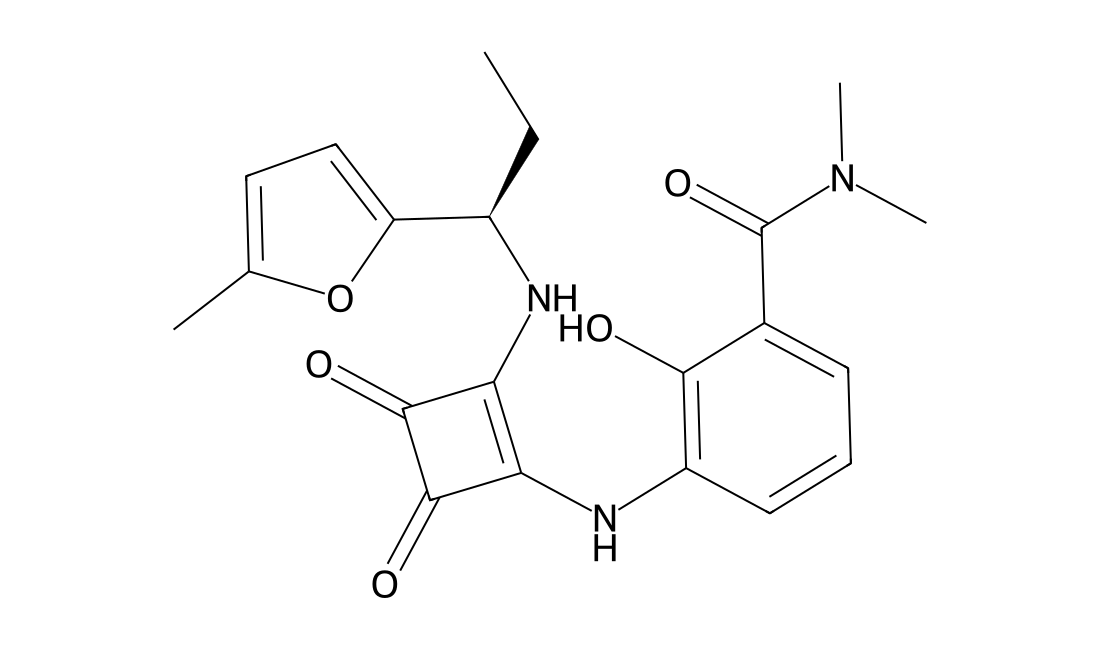
SCH-527123 is a potent antagonist of both CXCR1 and CXCR2 with IC50 of 42 nM and 3 nM, respectively. in vitro: Sch527123 inhibits chemokine binding to CXCR1 and CXCR2 receptors in an insurmountable manner and is categorized as an allosteric antagonist. Sch527123 inhibits neutrophil chemotaxis and myeloperoxidase release in response to CXCL1 and CXCL8 but has no effect on the response of these cells to C5a or formyl-methionyl-leucyl-phenylalanine. Sch527123 binding to CXCR1 and CXCR2 is both saturable and reversible. Sch527123 binds to CXCR1 with good affinity (Kd = 3.9 nM), the compound is CXCR2-selective (Kd = 0.049 nM). Sch527123 bound with high affinity to the CXCR2 receptors of mouse (Kd = 0.20 nM), rat (Kd = 0.20 nM), and cynomolgus monkey (Kd = 0.08 nM) and is a potent antagonist of CXCR2-mediated chemotaxis (IC50 ~3–6 nM). In contrast, Sch527123 bound to cynomolgus CXCR1 with lesser affinity (Kd = 41 nM) and weakly inhibited cynomolgus CXCR1-mediated chemotaxis (IC50 ~1000 nM). in vivo: Oral treatment with Sch527123 blocks pulmonary neutrophilia (ED50 = 1.2 mg/kg) and goblet cell hyperplasia (32–38% inhibition at 1–3 mg/kg) in mice following the intranasal lipopolysaccharide (LPS) administration. In rats, Sch527123 suppresses the pulmonary neutrophilia (ED50 = 1.8 mg/kg) and increase in bronchoalveolar lavage (BAL) mucin content (ED50 =<0.1 mg/kg) induced by intratracheal (i.t.) LPS. Sch527123 also suppresses the pulmonary neutrophilia (ED50 = 1.3 mg/kg), goblet cell hyperplasia (ED50 = 0.7 mg/kg), and increase in BAL mucin content (ED50 = <1 mg/kg) in rats after i.t. administration of vanadium pentoxide. In cynomolgus monkeys, Sch527123 reduces the pulmonary neutrophilia induced by repeat bronchoscopy and lavage (ED50 = 0.3 mg/kg).