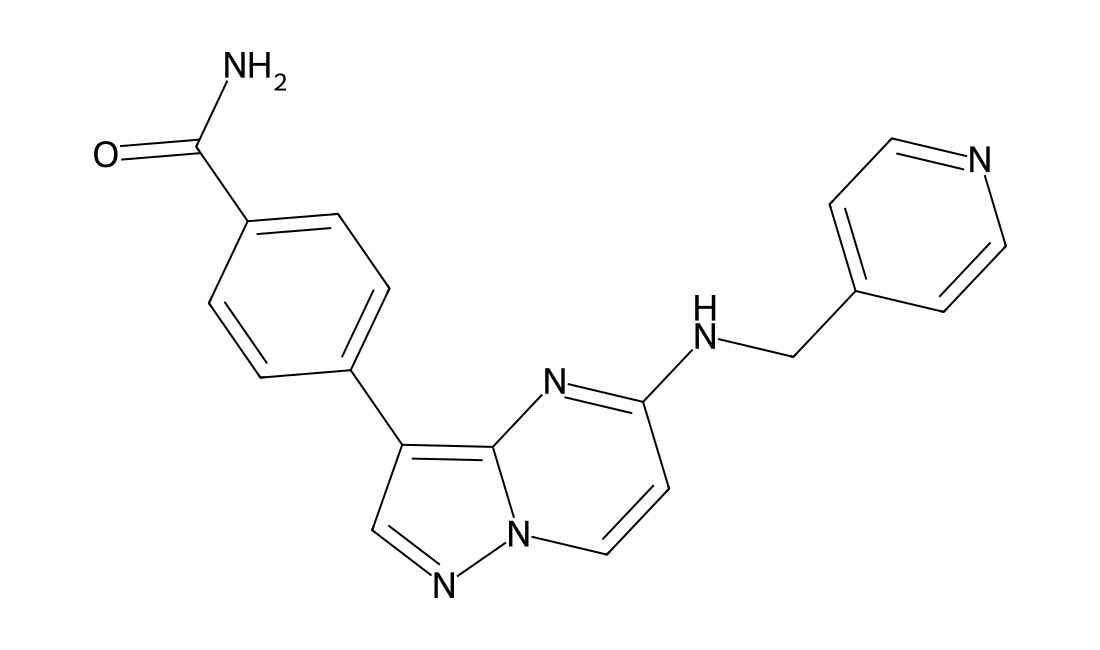
MDK35833(Oct3/4-inducer-1)
CAS 1016535-83-3
Oct3/4-inducer-1 (compound 2) is a potent Oct3/4 inducer. Oct3/4-inducer-1 promotes expression and stabilization of Oct3/4, and enhances its transcriptional activity in diverse human somatic cells[1].

Explore bioactive compounds by research category, then narrow your search by target, product name, catalog number or CAS.
Newly added: LC-MG and OXF molecular glue research compounds →
Products may appear in more than one category. Counts refer to distinct catalog numbers within each category.
Other Research Tools (75) · Additional reagents, building blocks and specialized research tools.
LC-MG-1 (DCA0006) · LC-MG-4 (DCA0007) · LC-MG-9 (DCA0008)
View structure and evidence summaries →Combine a keyword, research category and target to narrow the product list.
Loading catalog filters…
CAS 1016535-83-3
Oct3/4-inducer-1 (compound 2) is a potent Oct3/4 inducer. Oct3/4-inducer-1 promotes expression and stabilization of Oct3/4, and enhances its transcriptional activity in diverse human somatic cells[1].
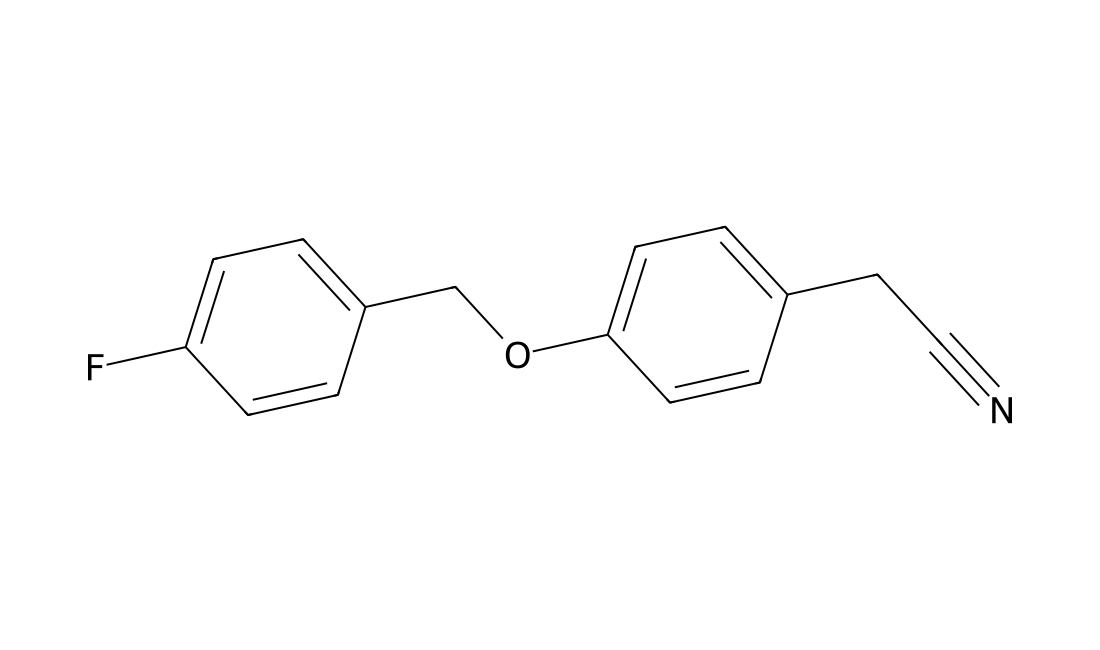
CAS 778274-97-8
Multi-kinase inhibitor 1 is a potent multi-kinase inhibitor. Multi-kinase inhibitor 1 has the potential for diseases or disorders associated with abnormal or deregulated tyrosine kinase activity, particularly diseases associated with the activity of PDGF-R, c-Kit and Bcr-abl[1].
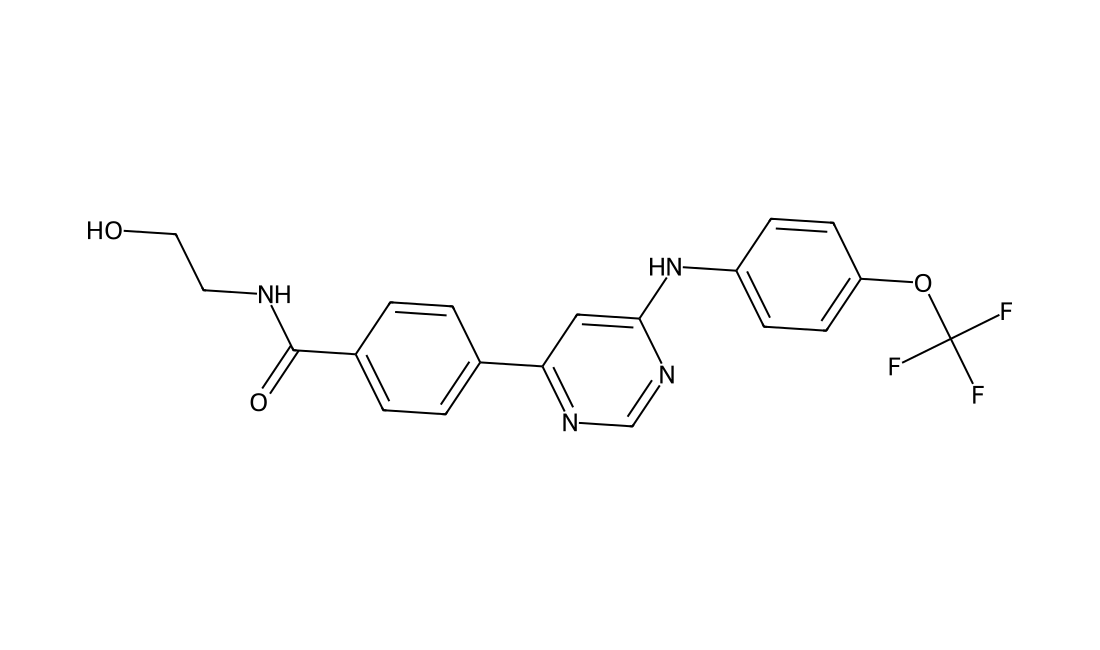
CAS 65096-46-0
GPDA(Glycylproline p-nitroanilide tosylate) is the substarate of X-Prolyl dipeptidyl-aminopeptidase in the enzyme assay.
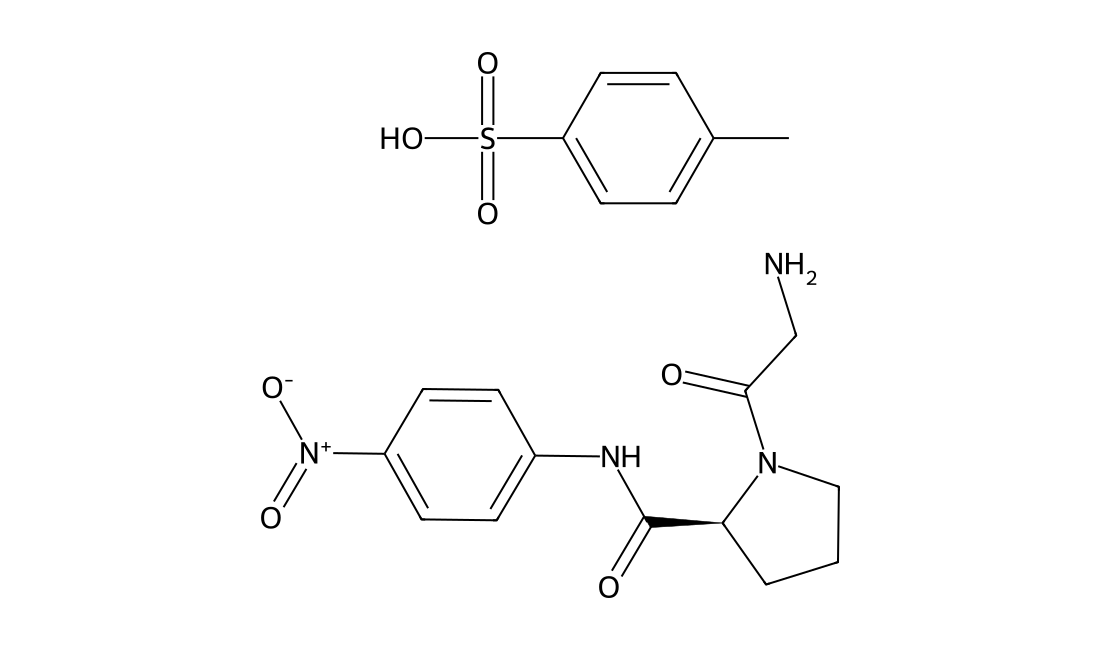
CAS 483313-22-0
SB-674042 is a potent and selective non-peptide orexin OX1 receptor antagonist (Kd = 3.76 nM); exhibits 100-fold selectivity for OX1 over OX2 receptors. SB-674042 has no effect at serotonergic, dopaminergic, adrenergic or purinergic receptors. Inhibits orexin 1-induced Ca2+ mobilization in CHO-DG44 cells stably transfected with the OX1 receptor.
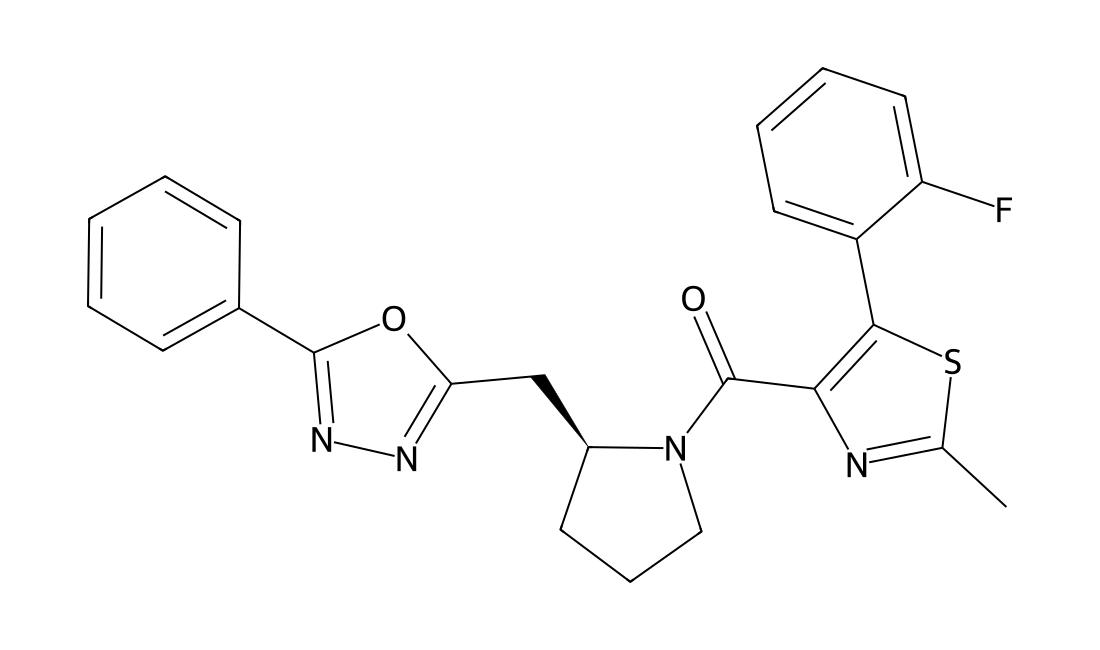
CAS 280749-17-9
A-286982 is a potent and allosteric LFA-1/ICAM-1 interaction inhibitor with IC50s of 44 nM and 35 nM in an LFA-1/ICAM-1 binding and LFA-1-mediated cellular adhesion assay, respectively[1][2].
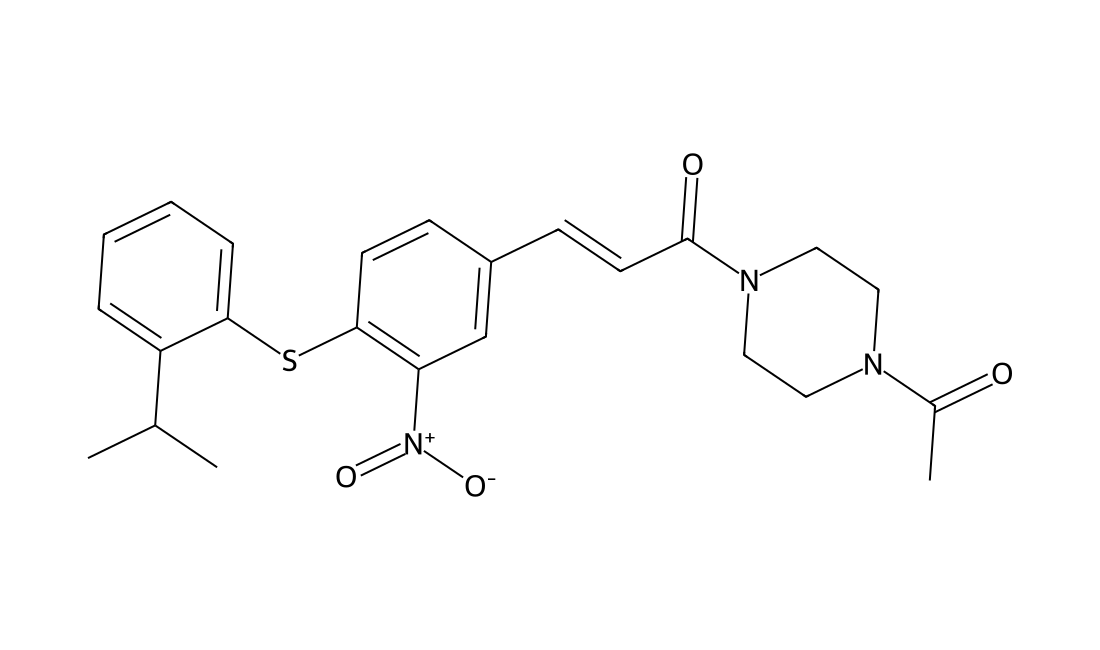
CAS 198821-22-6
Merimepodib is a novel noncompetitive inhibitor of IMPDH (Inosine monophosphate dehydrogenase)..
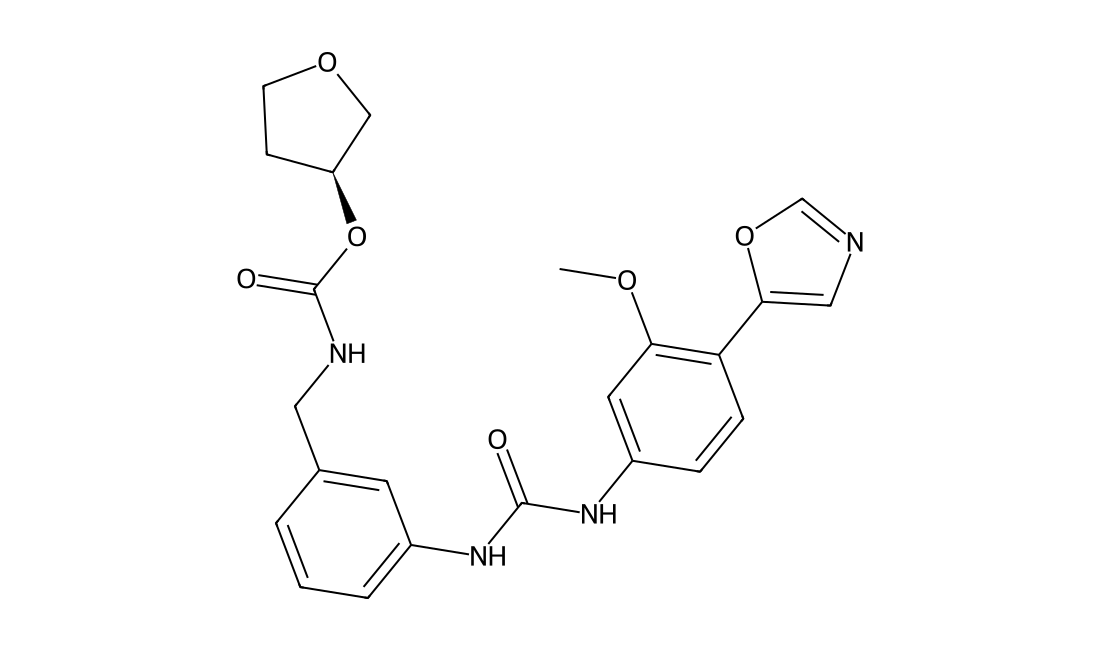
CAS 1628316-74-4
MI-136 inhibits DHT-induced expression of androgen receptor (AR) target genes. Target: androgen receptorin vitro: MI-136, a variant of a previously described inhibitor that can specifically inhibit the menin-MLL interaction. AR positive cell lines such as VCaP, LNCaP and 22RV1 are sensitive to MI-136. Treatment with MI-136 also inhibits the expression of genes that were bound to ASH2L after AR stimulation. Treatment with MI-136 induces apoptosis of VCaP cells as evidenced by PARP (cPARP) cleavage. Furthermore, treatment with MI-136 blocks DHT-induced cell proliferation in AR-dependent cell lines (LNCaP and VCaP). The effect of MI-136 on cell proliferation is similar to MDV-3100, a second-generation FDA-approved anti-androgen for patients with refractory prostate cancer. [1]in vivo: Treatment of VCaP tumor-bearing mice with MI-136 (40mg/kg) led to a modest but significant reduction in tumor volume with no effect on mouse body weight. [1]
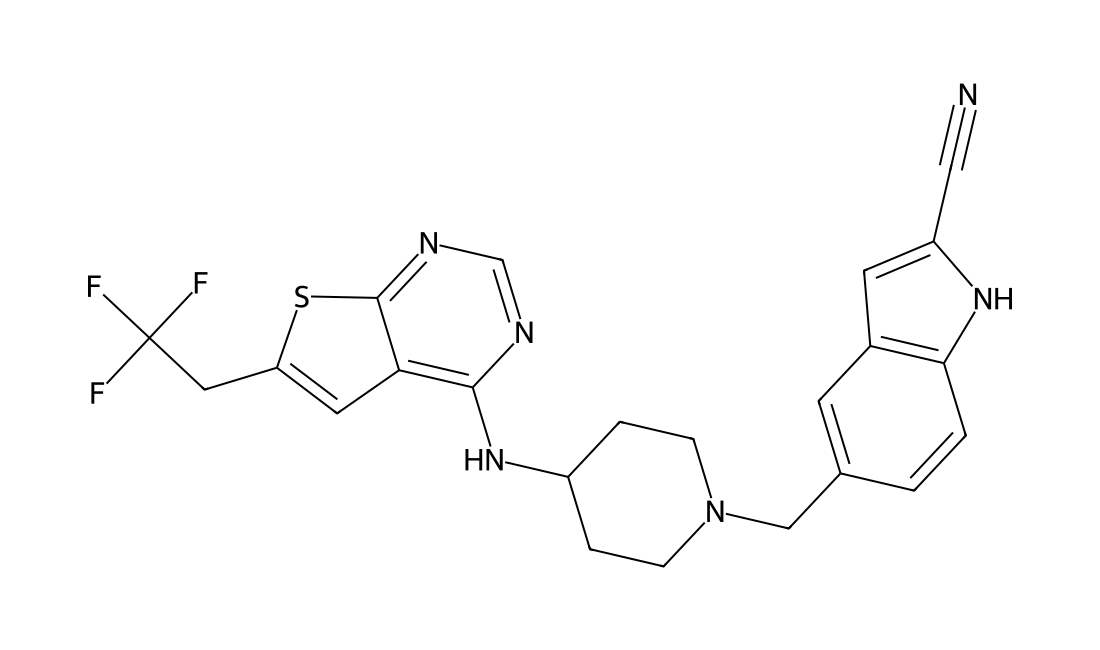
CAS 1857417-13-0
MI-503 is a highly potent and orally bioavailable small molecule inhibitor of the menin-mLL interaction.
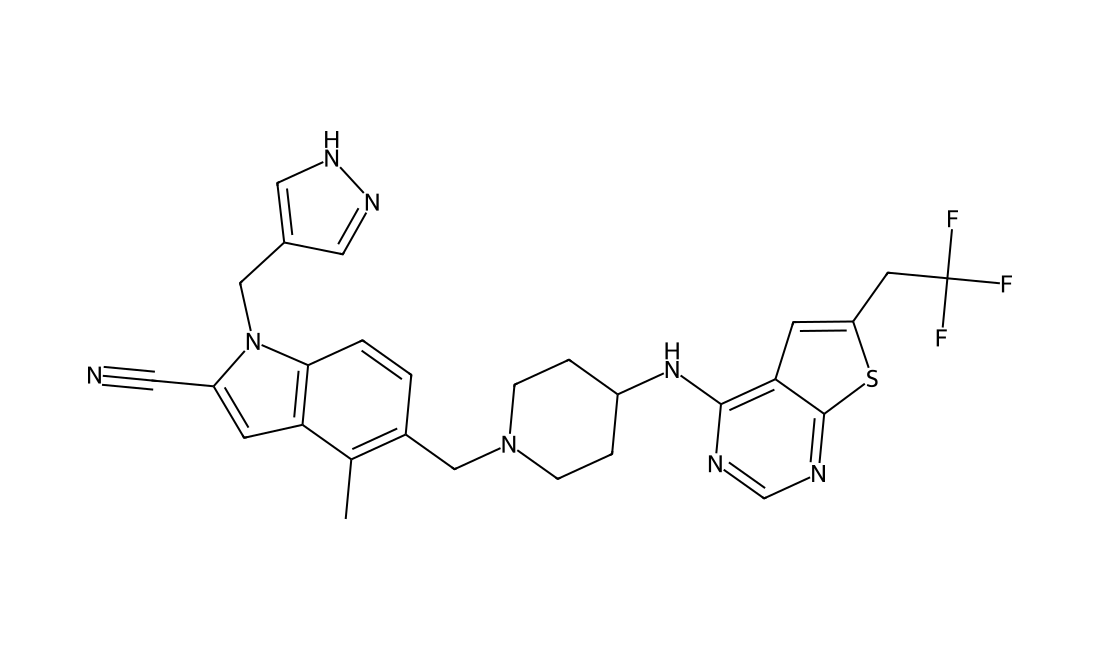
CAS 1303607-60-4
SAR405838 is a highly potent and selective MDM2 inhibitor, binds to MDM2 with Ki= 0.88 nM and has high specificity over other proteins.IC50 value: 0.88 nM (Ki) [1]Target: MDM2in vitro: SAR405838 potently inhibits cell growth in cancer cell lines, including SJSA-1 (IC50, 0.092 μM), RS4;11 (IC50, 0.089 μM), LNCaP (IC50, 0.27 μM), and HCT-116 (IC50, 0.20 μM) cells, and displays high selectivity over cancer cell lines with mutated or deleted p53, including SAOS-2 (IC50, >10 μM), PC-3 (IC50, >10 μM), SW620 (IC50, >10 μM), and HCT-116 (p53-/-) (IC50, >20 μM) cells.[1] SAR405838 effectively induces apoptosis in the RS4;11 cell line. SAR405838 potently inhibits cell growth and induces dose-dependent apoptosis in the ABTR1 and ABTR2 sublines, albeit with modestly reduced potency compared with that in the control RS4;11 cell line.[2]in vivo: At well-tolerated dose schedules, SAR405838 achieves either durable tumor regression or complete tumor growth inhibition in mouse xenograft models of SJSA-1 osteosarcoma, RS4;11 acute leukemia, LNCaP prostate cancer and HCT-116 colon cancer. Remarkably, a single oral dose of SAR405838 is sufficient to achieve complete tumor regression in the SJSA-1 model. In the SJSA-1 osteosarcoma, acute lymphoblastic leukemia RS4;11, LNCaP prostate cancer, and HCT-116 colon cancer xenograft model, MI-773 (p.o.) effectively inhibits tumor growth in a dose-dependent manner (10 mg/kg, 30 mg/kg, 50 mg/kg, 100 mg/kg, and 200 mg/kg,). [1]
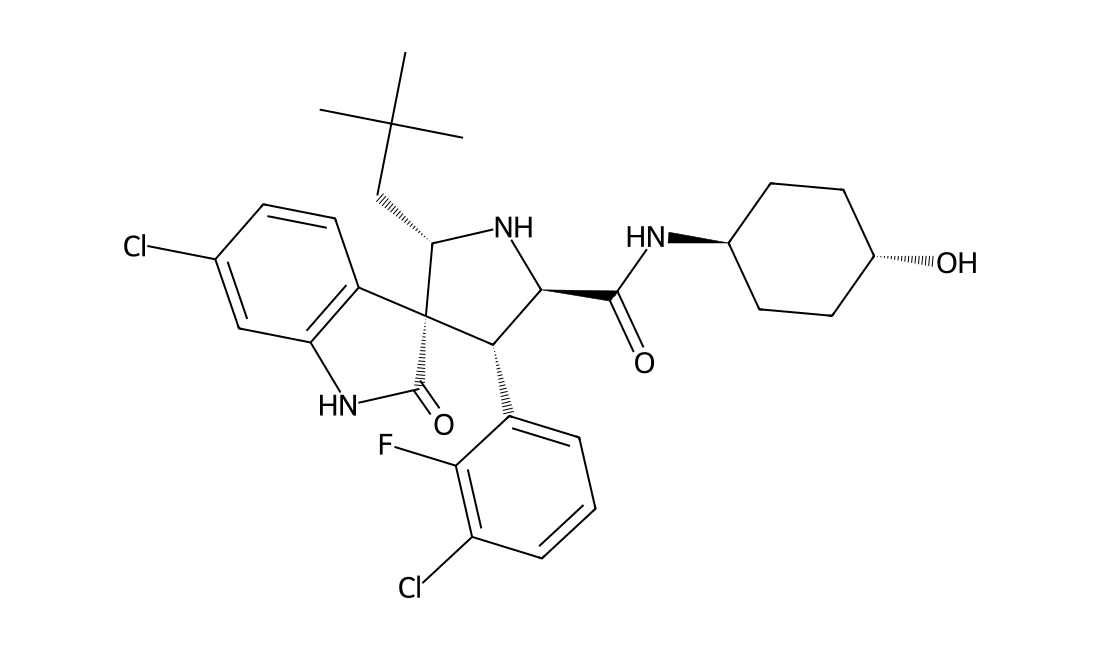
CAS 1138245-13-2
Mirogabalin (DS-5565) is a novel, preferentially selective α2δ-1 ligand characterized by high potency and selectivity to the α2δ-1 subunit of voltage-sensitive calcium channel complexes in the CNS.
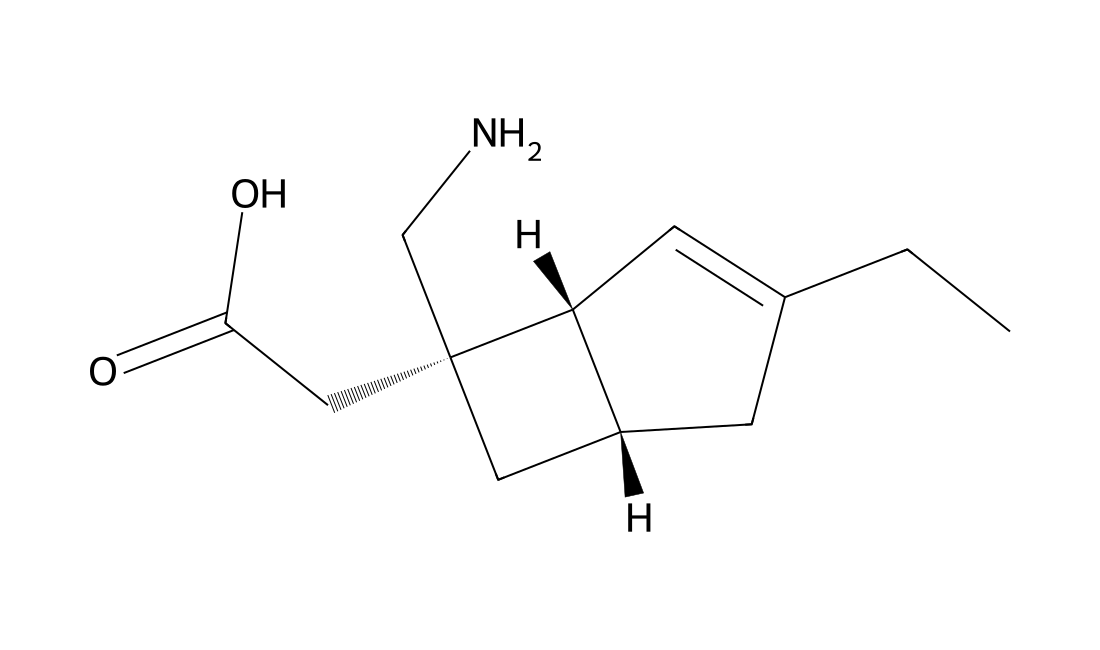
CAS 935273-79-3
MK-4101 is a potent SMO Inhibitor of the Hedgehog Pathway, highly active against Medulloblastoma and Basal Cell Carcinoma.target:SMOIn vivo: MK-4101 was highly efficacious against primary medulloblastoma and BCC developing in the cerebellum and skin of Ptch1+/- mice.In vitro: MK-4101 induce deregulation of cell cycle and block of DNA replication in tumors. MK-4101 targets the Hh pathway in tumor cells, showing the maximum inhibitory effect on Gli1. MK-4101 also induce deregulation of cell cycle and block of DNA replication in tumors.
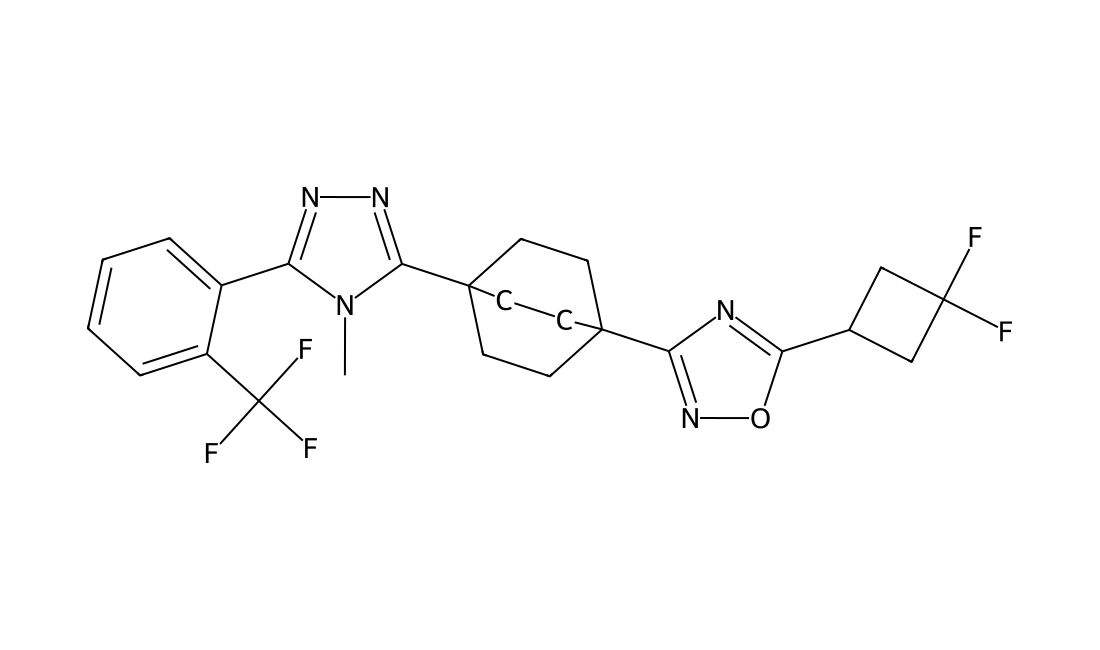
CAS 1038915-64-8
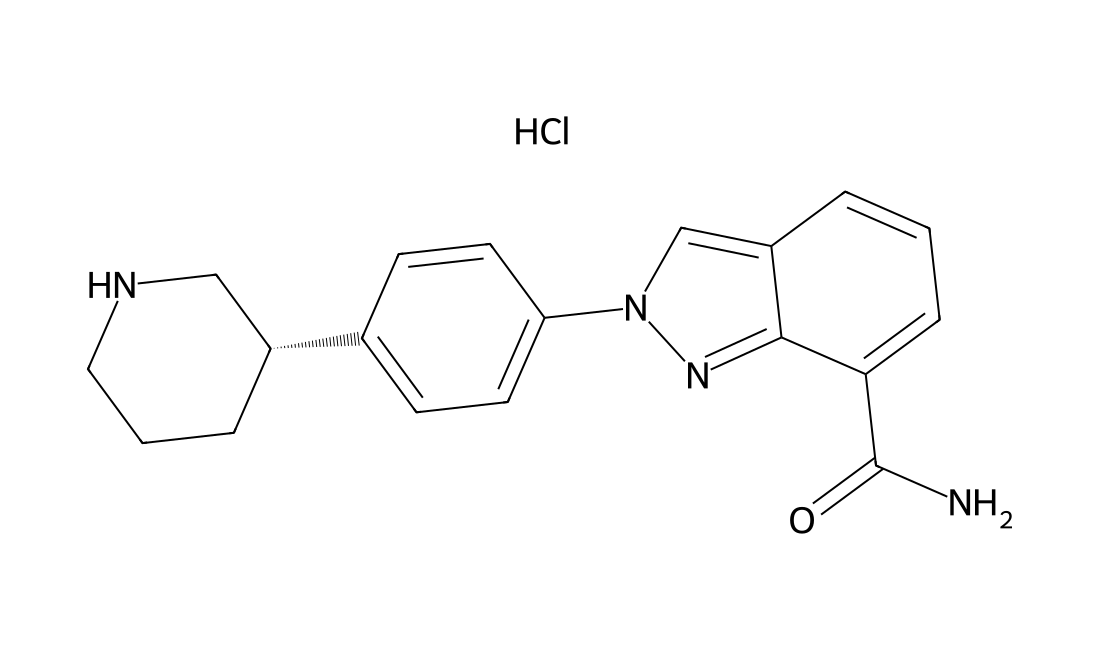
Niraparib hydrochloride (MK-4827 hydrochloride) is an excellent PARP1 and PARP2 inhibitor with IC50 of 3.8 and 2.1 nM, respectively.
CAS 1443448-82-5
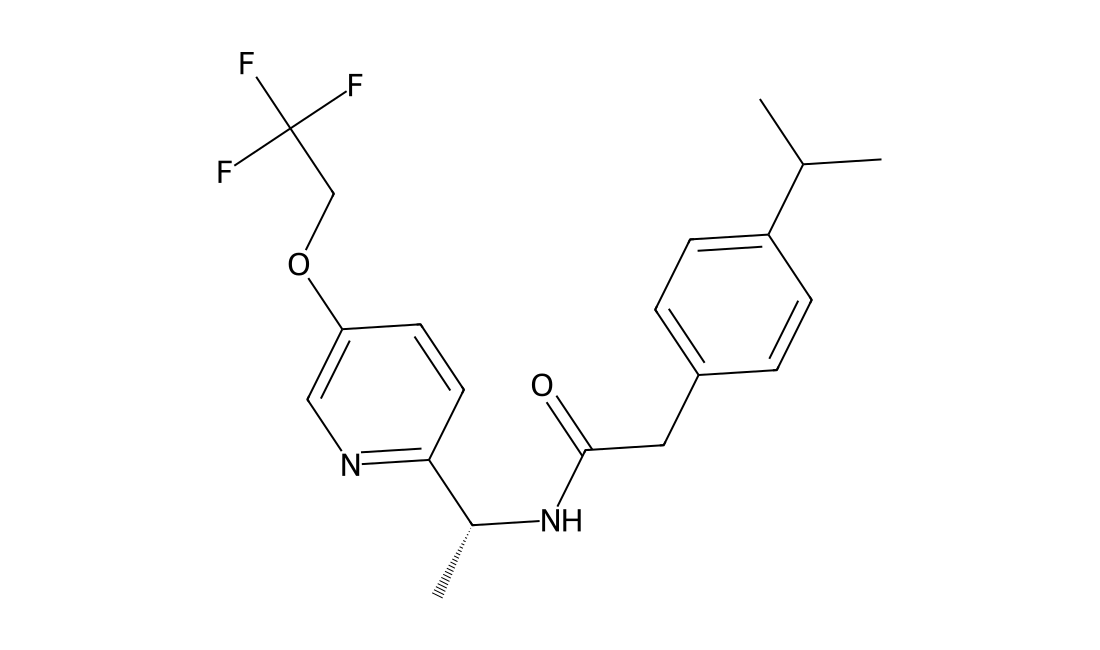
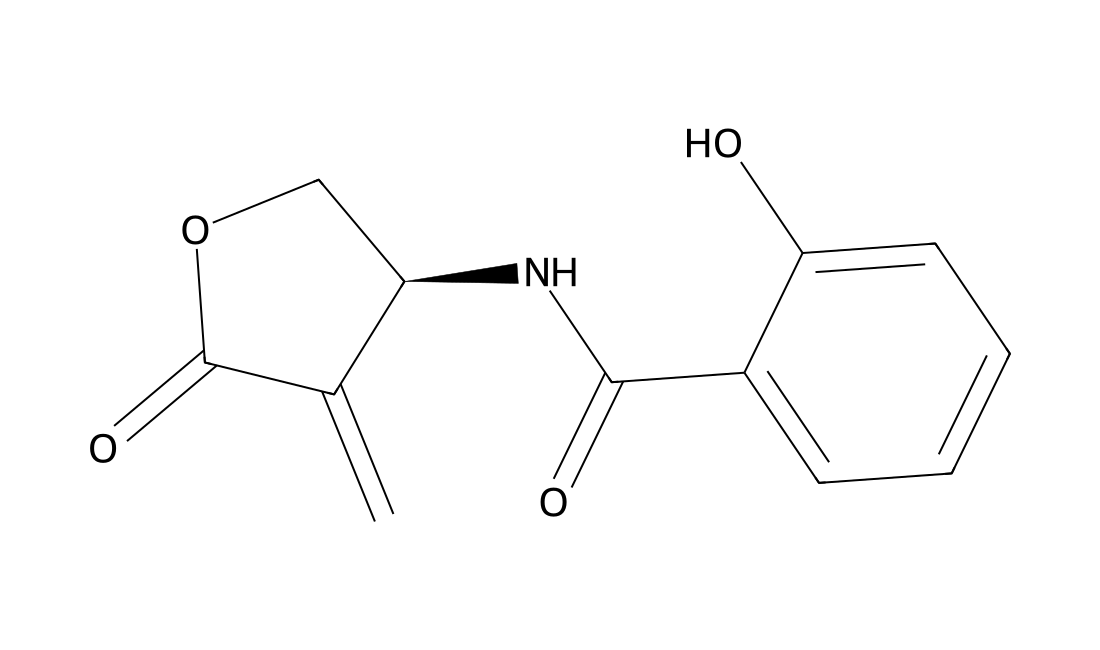
SEMBL is a potent NF-κB inhibitor that inhibits DNA binding of NF-κB component p65; inhibits LPS-induced NF-κB activation, iNOS expression, and inflammatory cytokine secretions; also inhibits NF-κB and cellular invasion in ovarian carcinoma ES-2 cells; enhances stability in aqueous solution compared with (-)-DHMEQ.
CAS 2083618-79-3
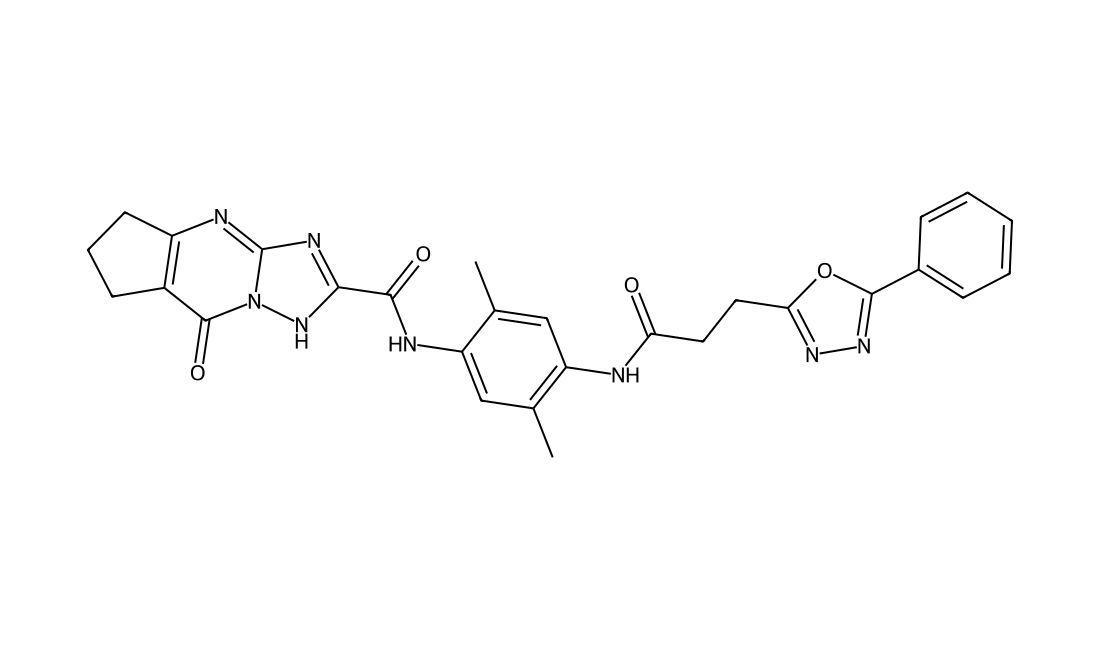
PDZ1i (113B7) is a specific inhibitor of MDA-9/Syntenin activity that inhibits MDA-9/Syntenin binding to EGFRvIII; selectively binds with micromolar affinity to the PDZ1 domain of MDA-9/Syntenin, with no affinity for PDZ2 domain of MDA-9/Syntenin; reduces invasion gains in GBM cells following radiation, inhibits crucial GBM signaling involving FAK and mutant EGFR, EGFRvIII, and abrogated gains in secreted proteases, MMP-2 and MMP-9, following radiation; results in smaller, less invasive tumors and enhanced survival in an in vivo glioma model.
CAS 1946010-79-2
SAR405 R enantiomer is the less active enantiomer of SAR405. SAR405 is a PIK3C3/Vps34 inhibitor.
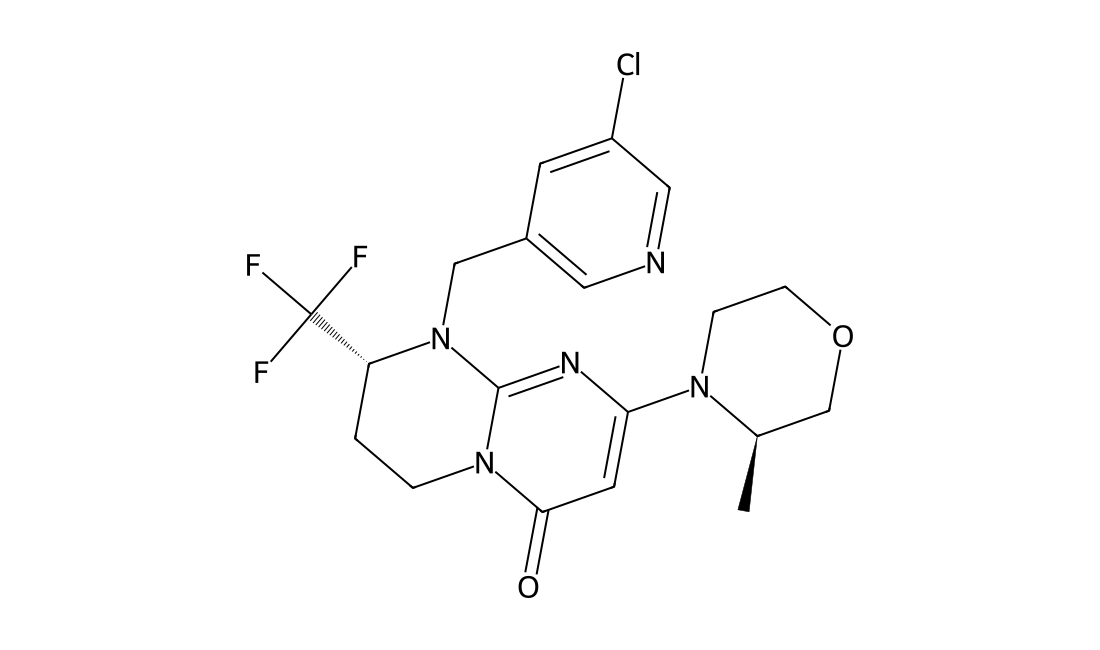
CAS 1436861-97-0
Zidebactam (WCK-5107) is a potent β-lactamase inhibitor[1]. Zidebactam also is a penicillin-binding protein2 (PBP2) inhibitor with an IC50 of 0.26 μg/mL[2].
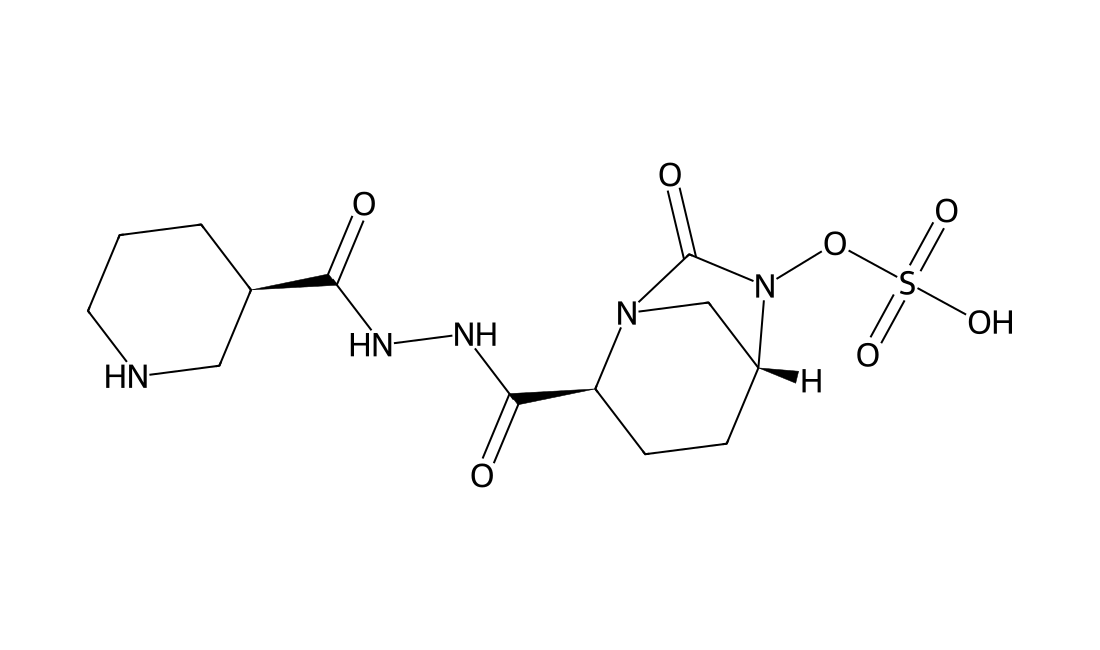
CAS 2097117-06-9
Lu AF27139 is a novel rodent-active and CNS-penetrant P2X7 receptor antagonist. Lu AF27139 is highly selective and potent against rat, mouse, and human forms of the receptors. The rat pharmacokinetic profile is favorable with high oral bioavailability, modest clearance (0.79 L/(h kg)), and good CNS permeability. Importantly, Lu AF27139 was without effect in standard in vitro and in vivo toxicity studies. Lu AF27139 is a valuable tool for probing the role of the P2X7 receptor in rodent models of CNS diseases.
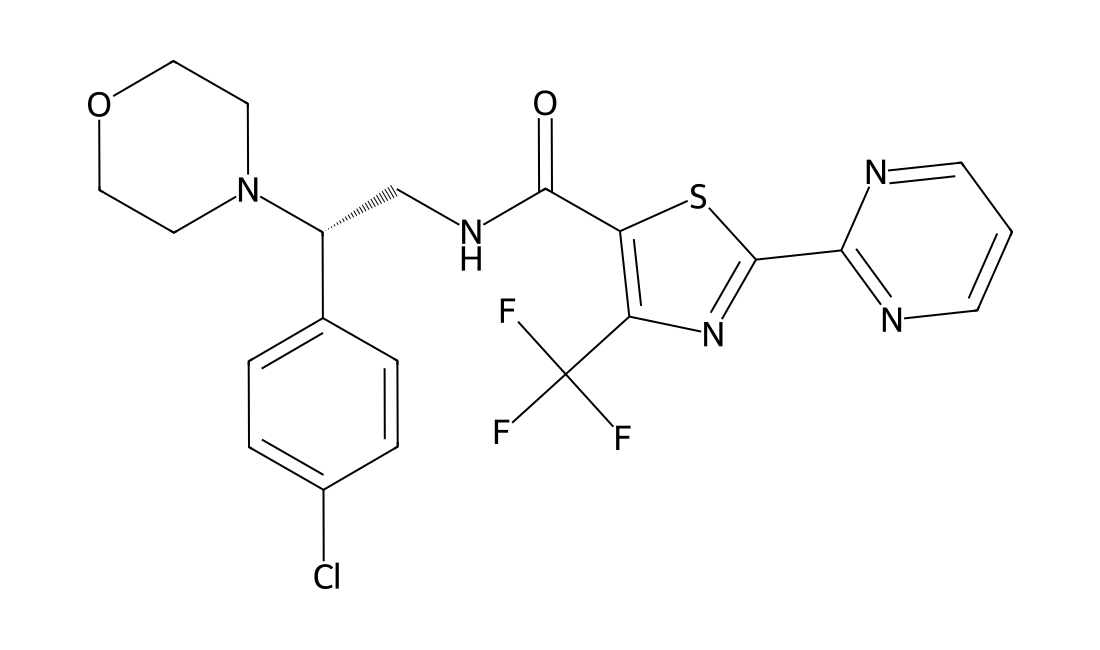
CAS 103404-75-7
D-Luciferin sodium salt is the substrate of luciferases that catalyze the production of light in bioluminescent insects.
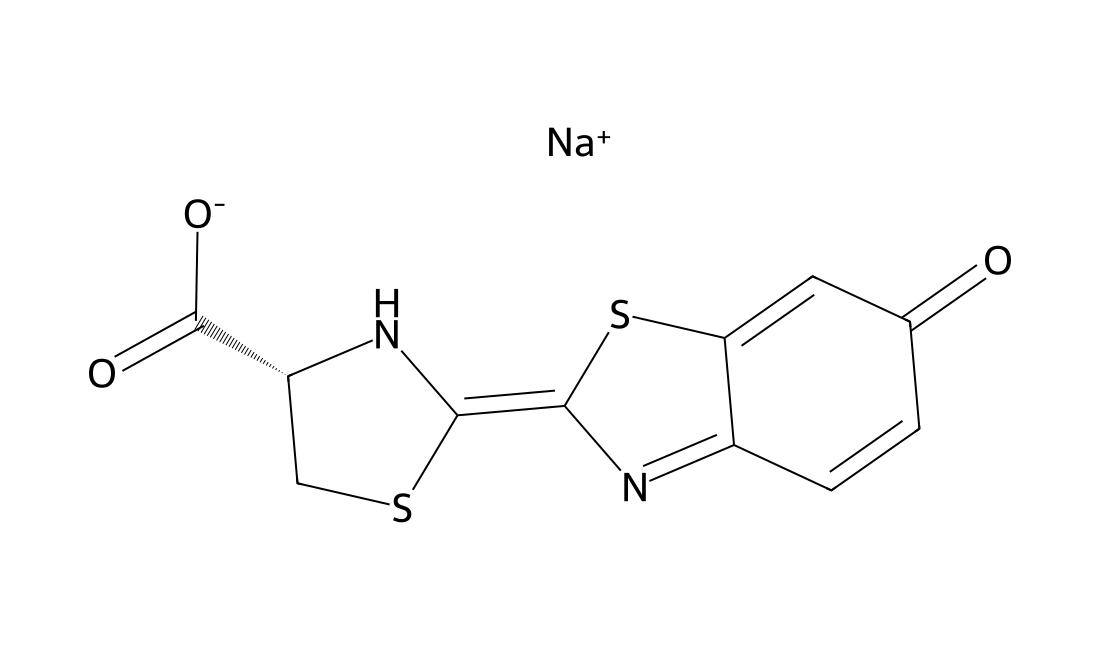
CAS 874590-32-6
M1001 is a weak agonist of HIF-2α, directly binds to the HIF-2α PAS-B domain, with a Kd of 667 nM. M1001 enhances the stabilities of HIF-2α-ARNT complex[1].
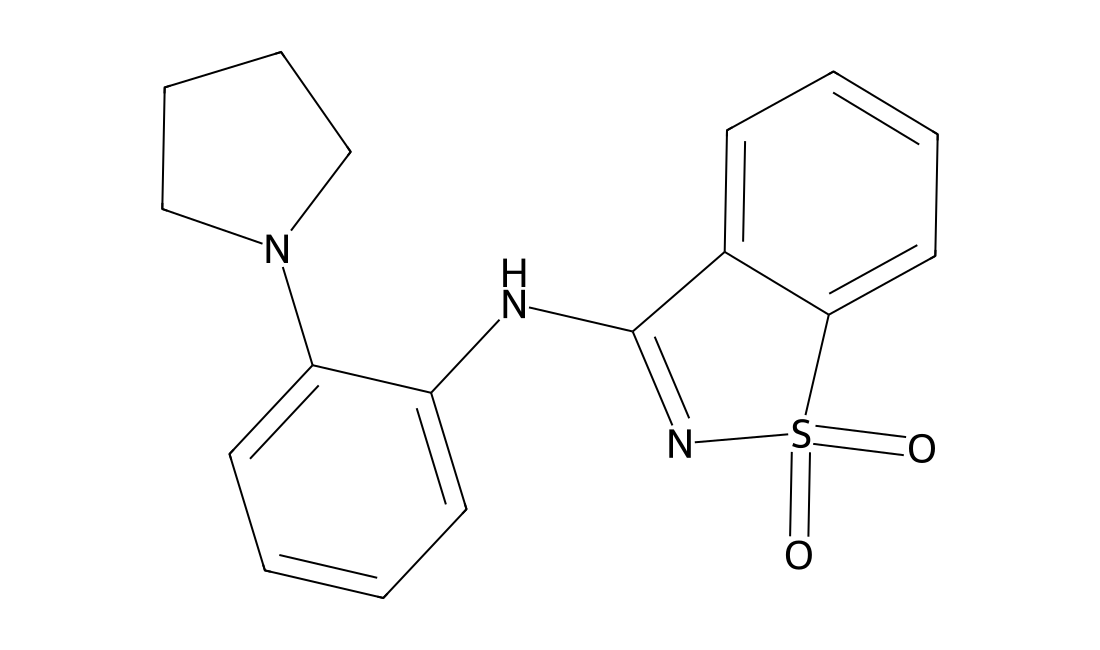
CAS 210344-95-9
Z-DEVD-FMK is a specific and irreversible caspase-3 inhibitor with IC50 of 18 μM.
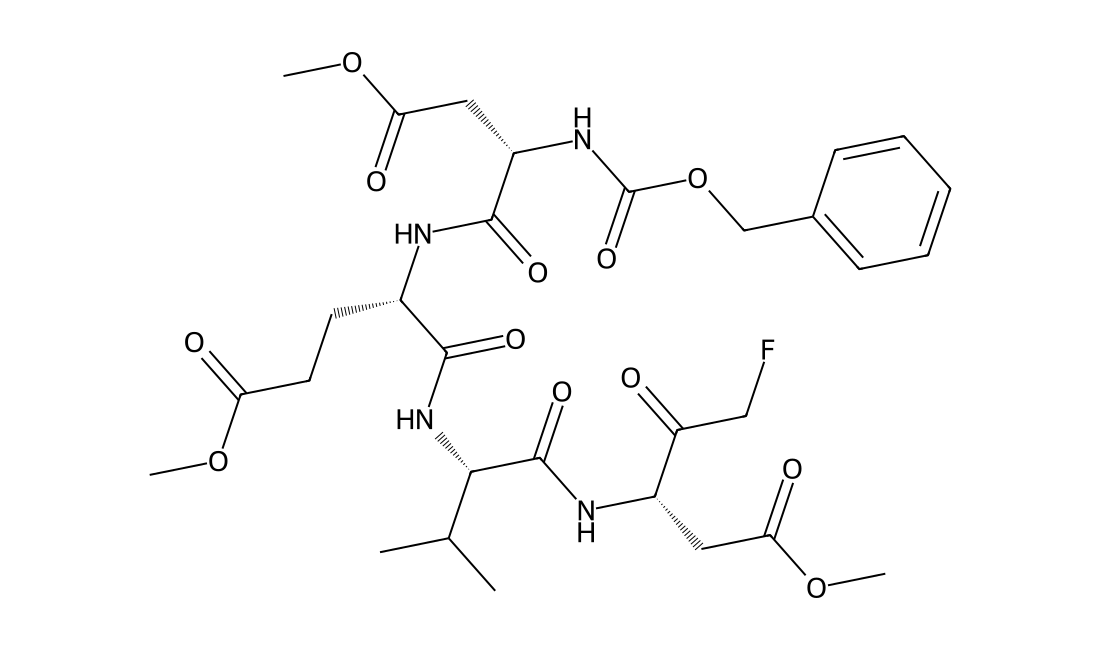
CAS 1686147-55-6
ICG amine, as a near-infrared fluorescent probe, binds to amino acid residues without condensing agents. ICG is a tricarbocyanine dye[1].
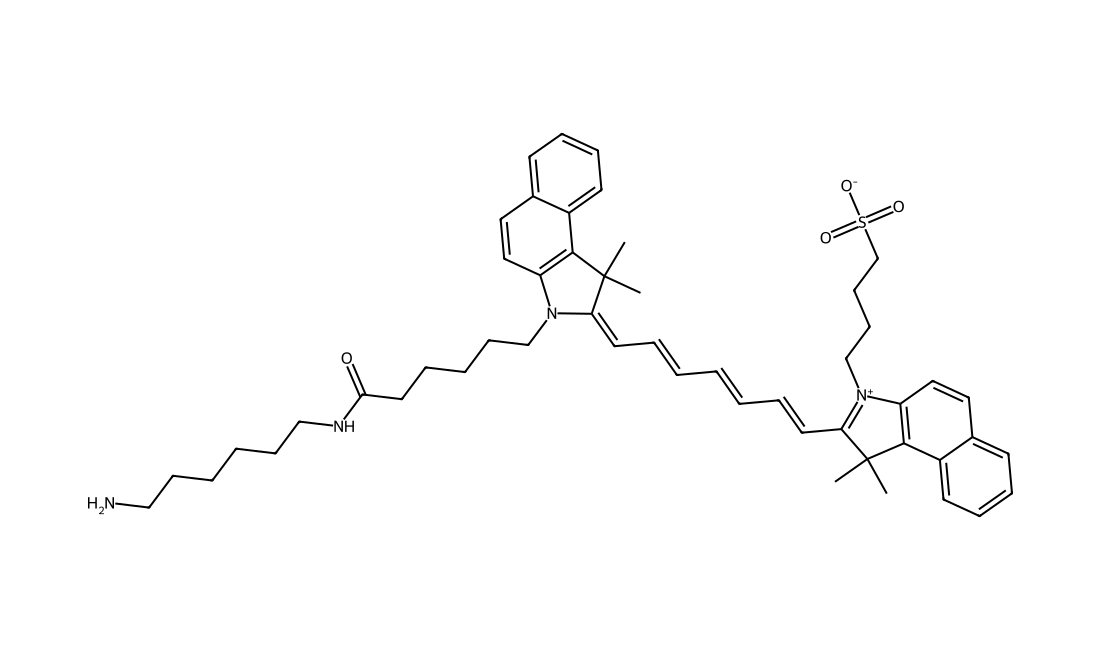
CAS 1007882-23-6
HCV-IN-30 (compound 48) is a HCV NS5A replication complex inhibitor, with IC50s of 901 and 102 nM for genotypes 1a and 1b replicons, respectively[1].
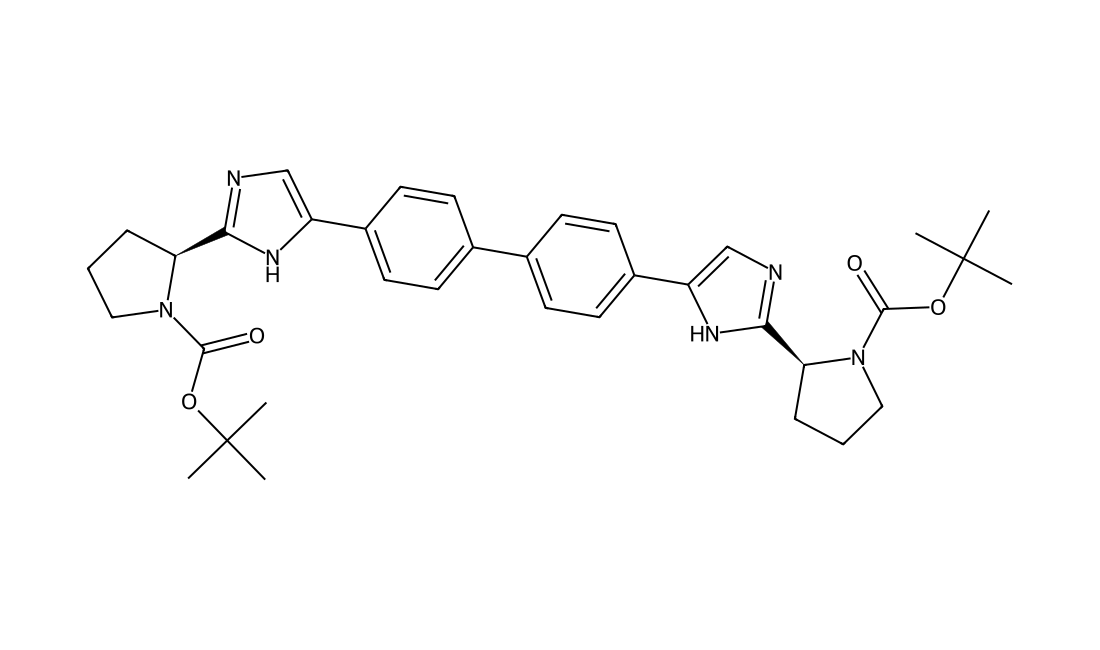
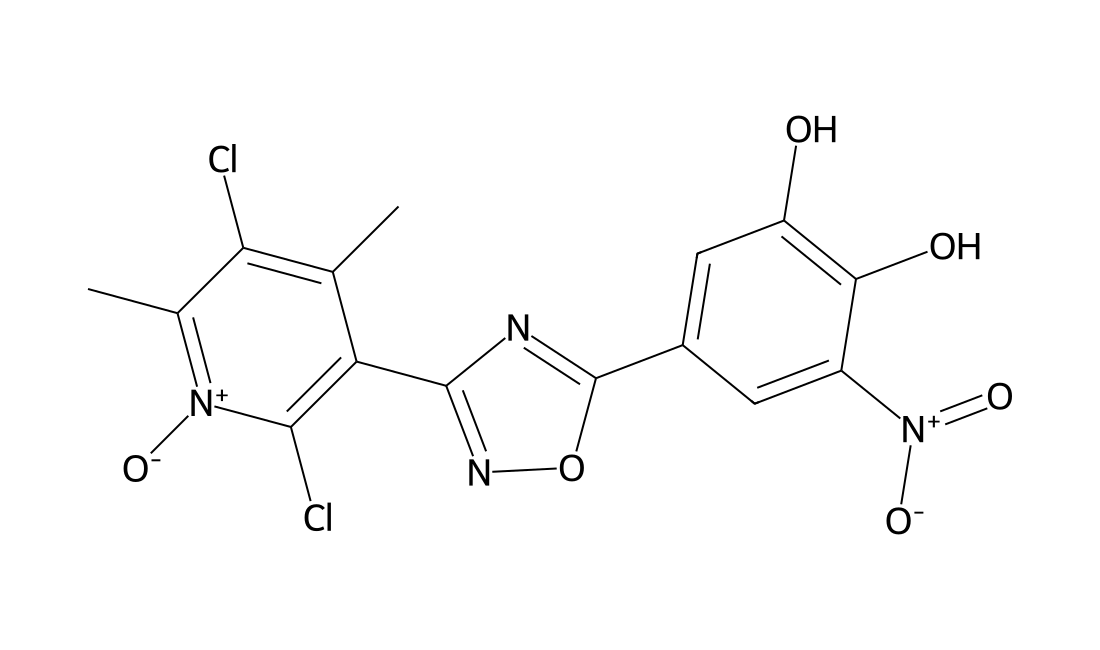
CAS 923287-50-7
Opicapone is an available catechol-O-methyltransferase (COMT) inhibitor. Opicapone decreases the ATP content of the cells with IC50 values of 98 μM.
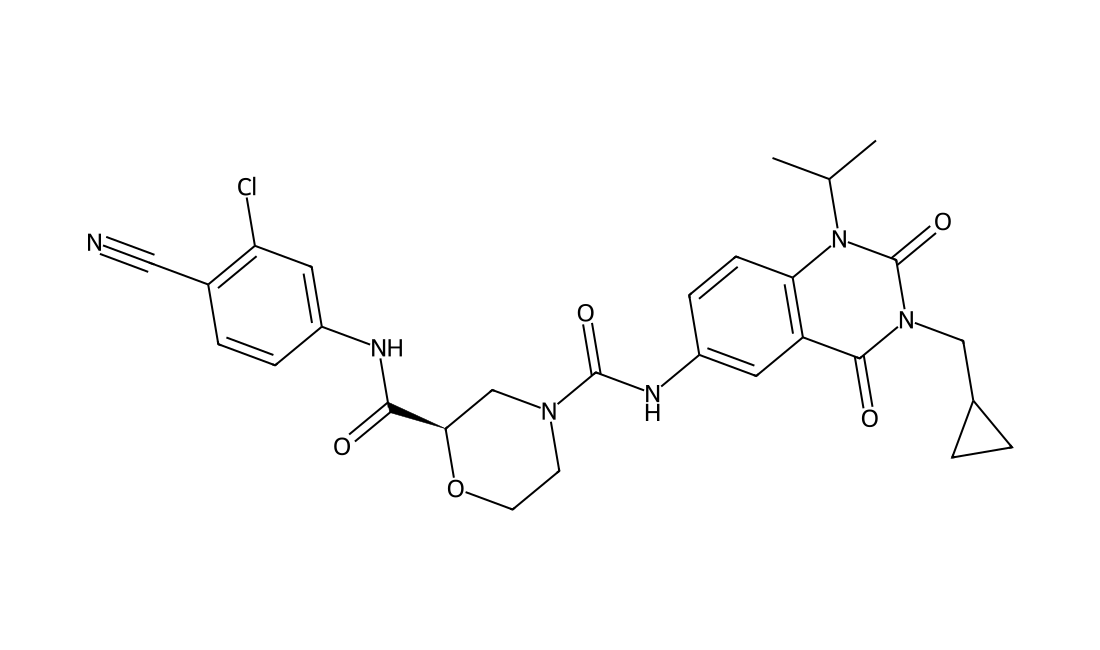
CAS 1887161-80-9
RORγt Inverse agonist 6 (compound 43) is a RORγt inverse agonist for the treatment of Th17-driven autoimmune diseases. RORγt Inverse agonist 6 (compound 43) suppresses IL-17A gene expression by IL-23 stimulation in vivo[1].
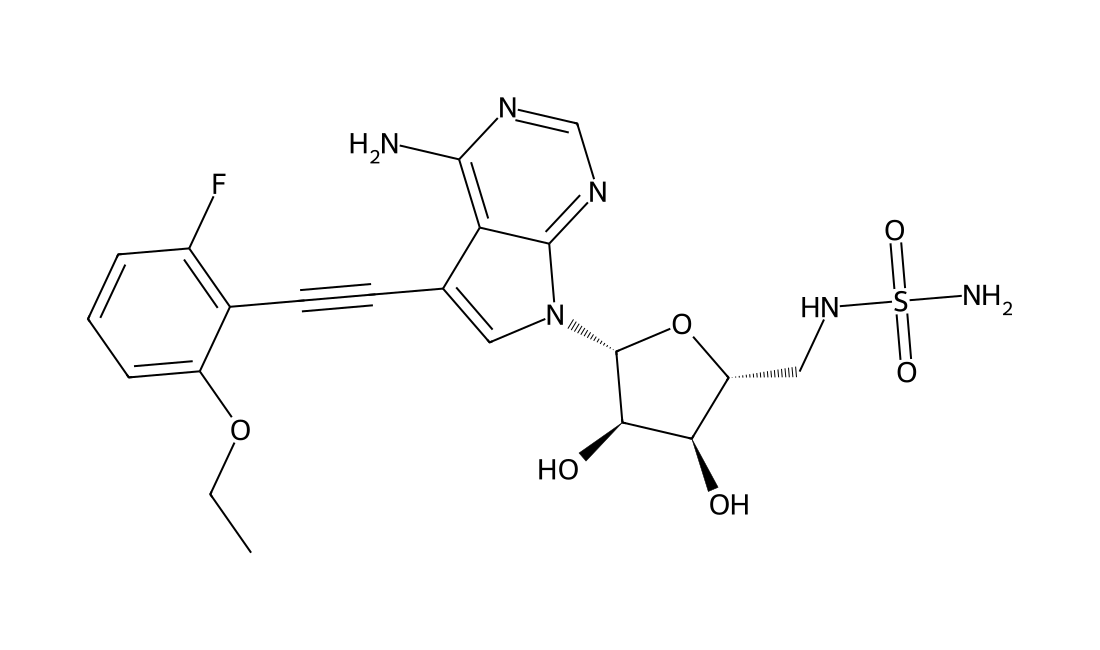
CAS 1848959-10-3
TAS4464 is a highly potent and selective inhibitor of NEDD8 activating enzyme (NAE), with an IC50 of 0.955 nM[1].
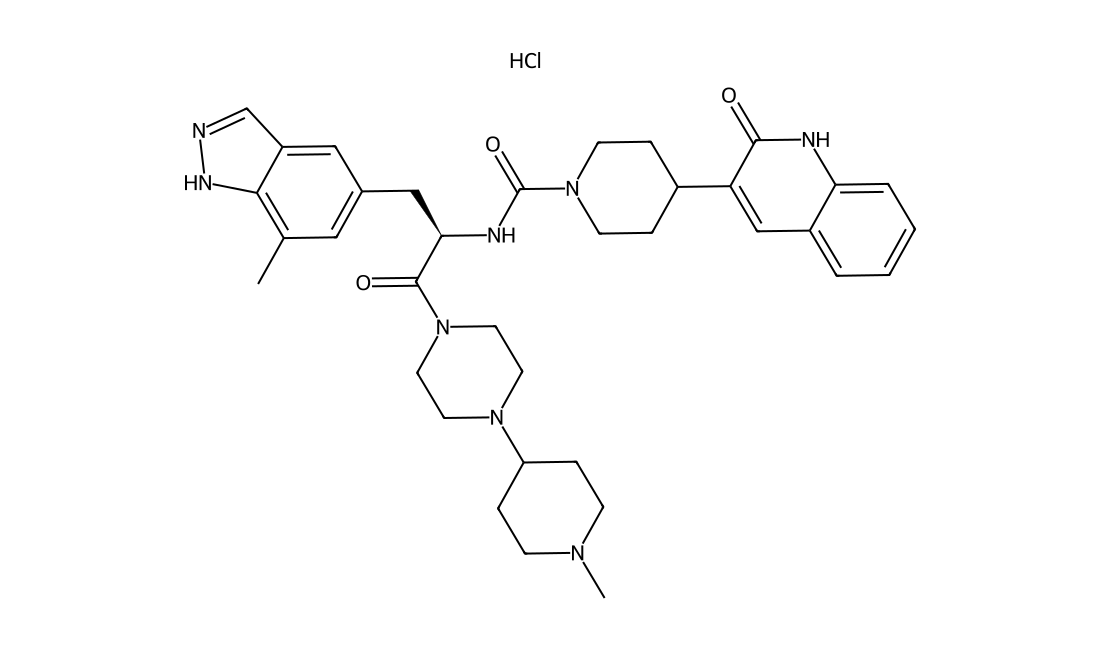
CAS 1414976-20-7
Vazegepant (BHV-3500) hydrochloride is a highly affinity CGRP receptor antagonist (hCGRP Ki= 0.023 nM). Vazegepant hydrochloride is the first intranasal gepant for migraine. Vazegepant hydrochloride may be helpful in effective management of COVID-19 associated pulmonary inflammation[1][2][3].
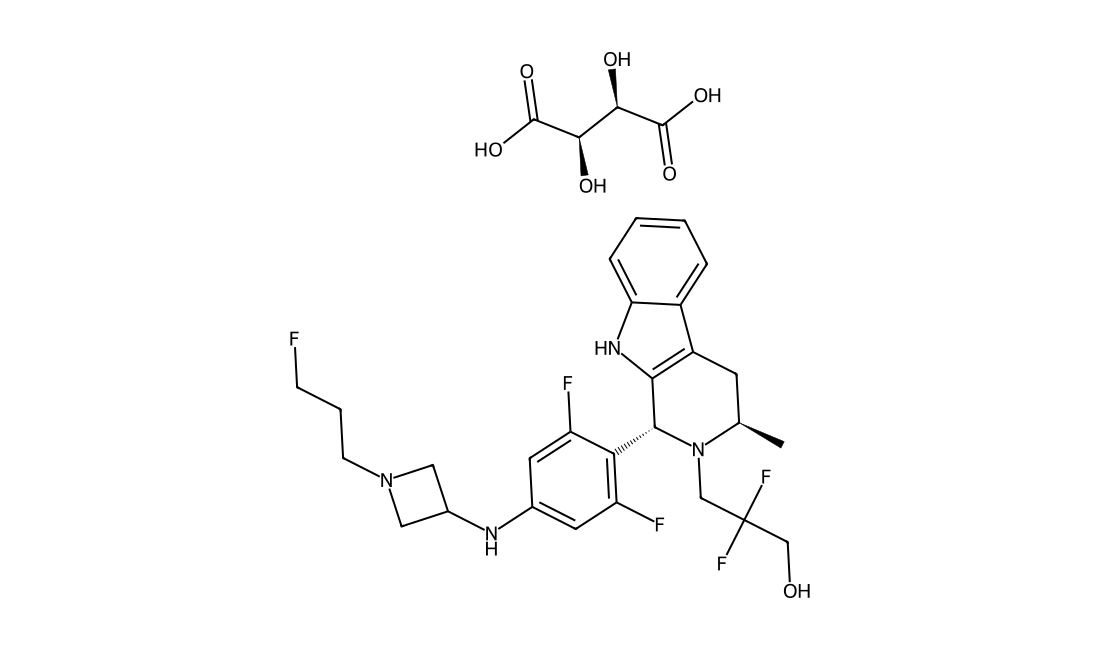
CAS 2407529-33-1
Giredestrant tartrate (GDC-9545 tartrate), a non-steroidal ER ligand, is an orally active and selective estrogen receptor (ER) antagonist. Giredestrant tartrate potently competes with estradiol for binding and induces a conformational change within the ER ligand binding domain. Anti-tumor activity[1].
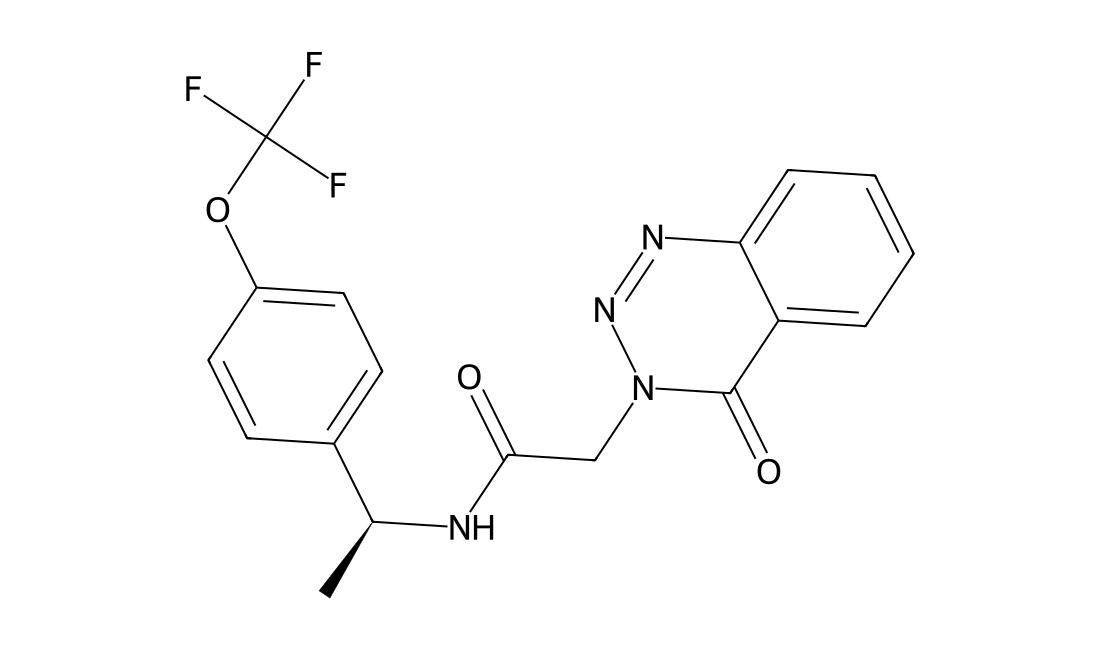
CAS 1929519-13-0
TAK-041 is a potent and selective GPR139 agonist with an EC50 of 22 nM. TAK-041 has the potential for the research of negative symptoms associated with schizophrenia[1].
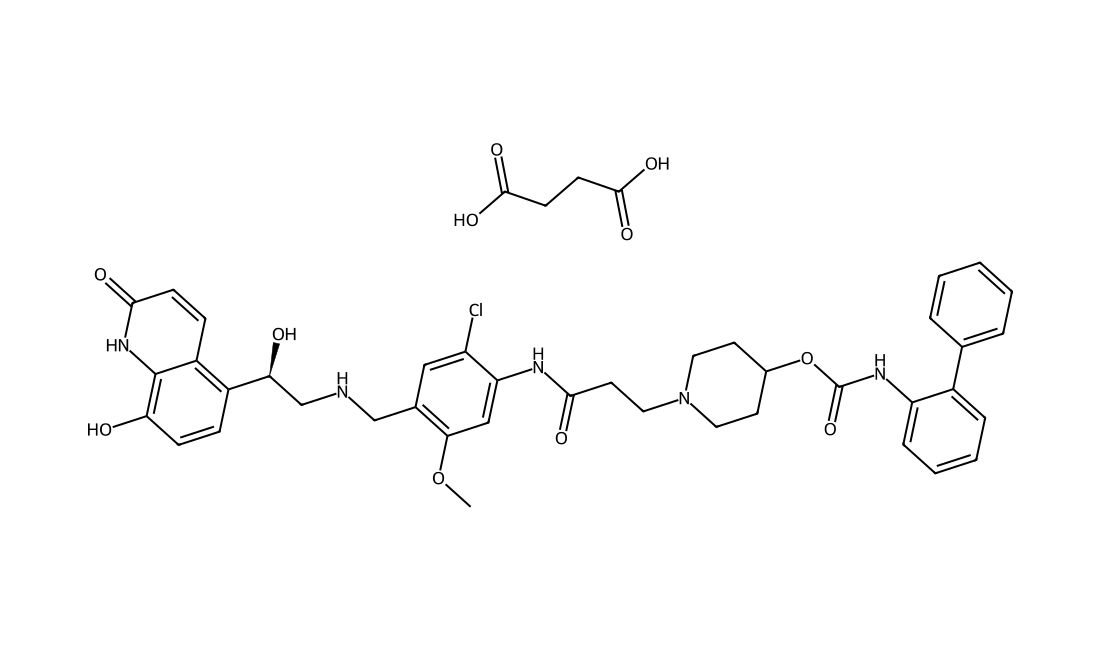
CAS 945905-37-3
Batefenterol Succinate is a first-in-class inhaled bifunctional bronchodilator possessing muscarinic receptor antagonist and β2-adrenoceptor agonist properties.
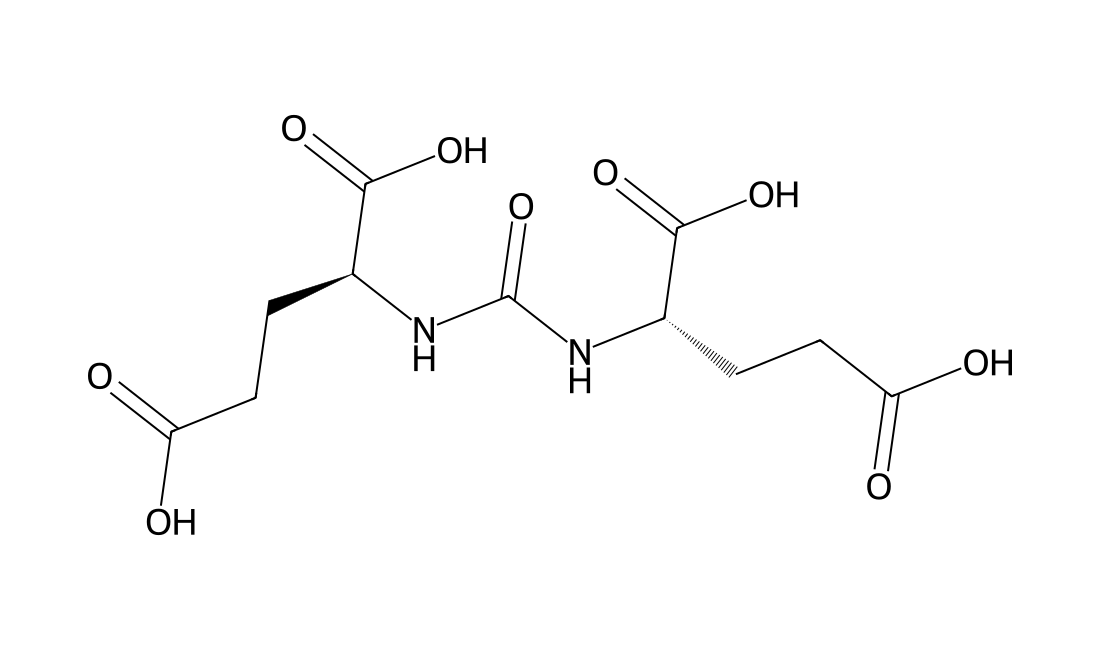
CAS 302941-52-2
SWN41522, also known as DUPA and FN11, is a potent Urea-Based Inhibitor of Glutamate Carboxypeptidase II (NAALADase). In vivo antitumor tests using U-87 glioblastoma xenograft showed that FN11 reduced tumor vol. to a value of ∼0.4-0.6 (at 10 or 100 μM) after 4 days treatment, and ∼ 1.0 (at both dosages) after 7 days treatment. The antiangiogenesis activity of FN11 was examd. with similarly grown tumors, and revealed a preponderance of avascular and low vascular areas in tumors treated with FN11 at 100 μM. It was first reported in patent WO 2000064911 and Journal of Medicinal Chemistry (2001), 44(3), 298-301.
CAS 2711717-77-8
Difelikefalin is a κ-opioid receptor (KOR) agonist. It activates KOR in HEK293 cells expressing the human receptor (EC50 = 0.16 nM in a transactivation assay) and inhibits forskolin-induced cAMP production in R1.G1 mouse thyoma cells (EC50 = 0.048 nM). Difelikefalin is selective for KOR over the μ-opioid receptor.
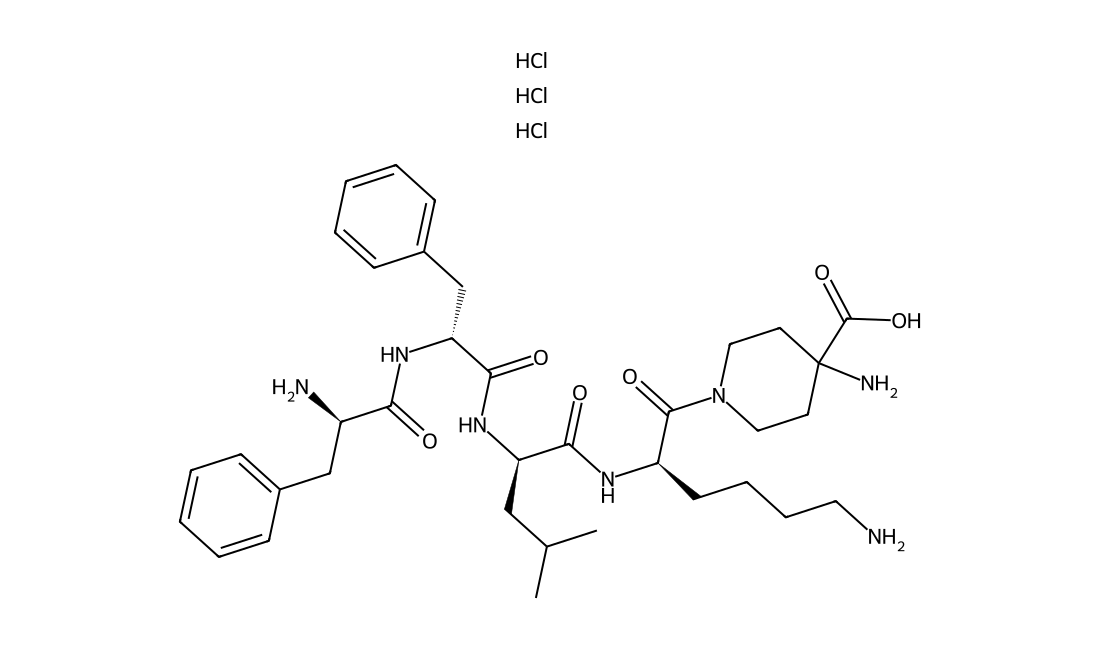
CAS 2448173-47-3
Menin-MLL inhibitor 20 is an irreversible menin-MLL interaction inhibitor with antitumor activities (WO2020142557A1, compound 6).
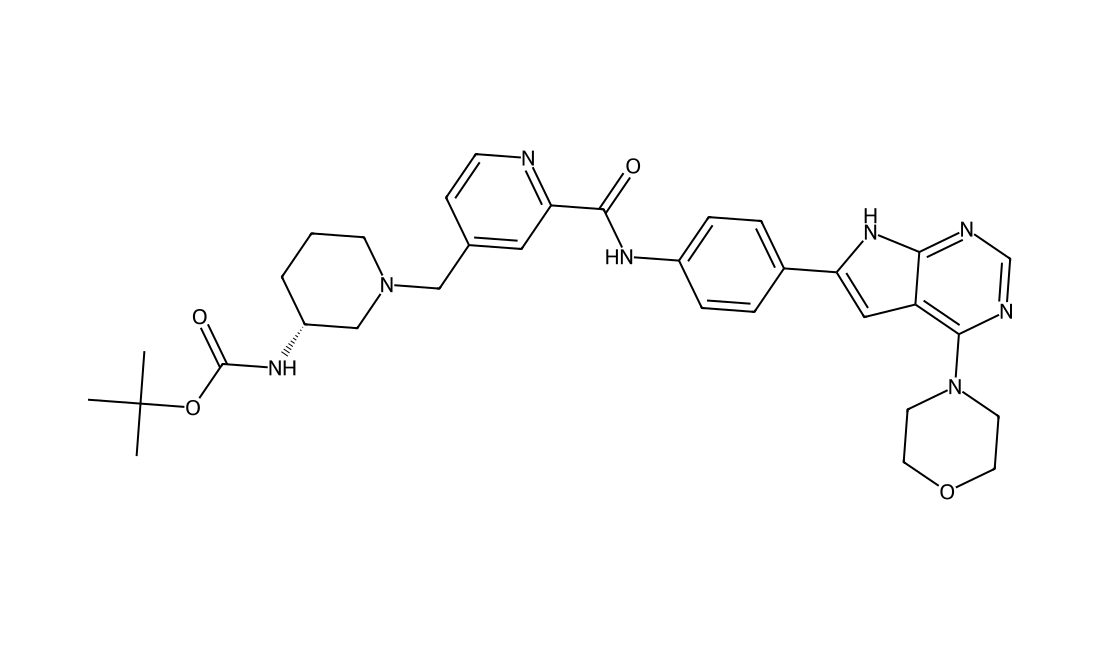
CAS 1565827-99-7
Novel upregulator of TRIB1 expression, leading to reprogramming of hepatic lipoprotein metabolism from lipogenesis to scavenging
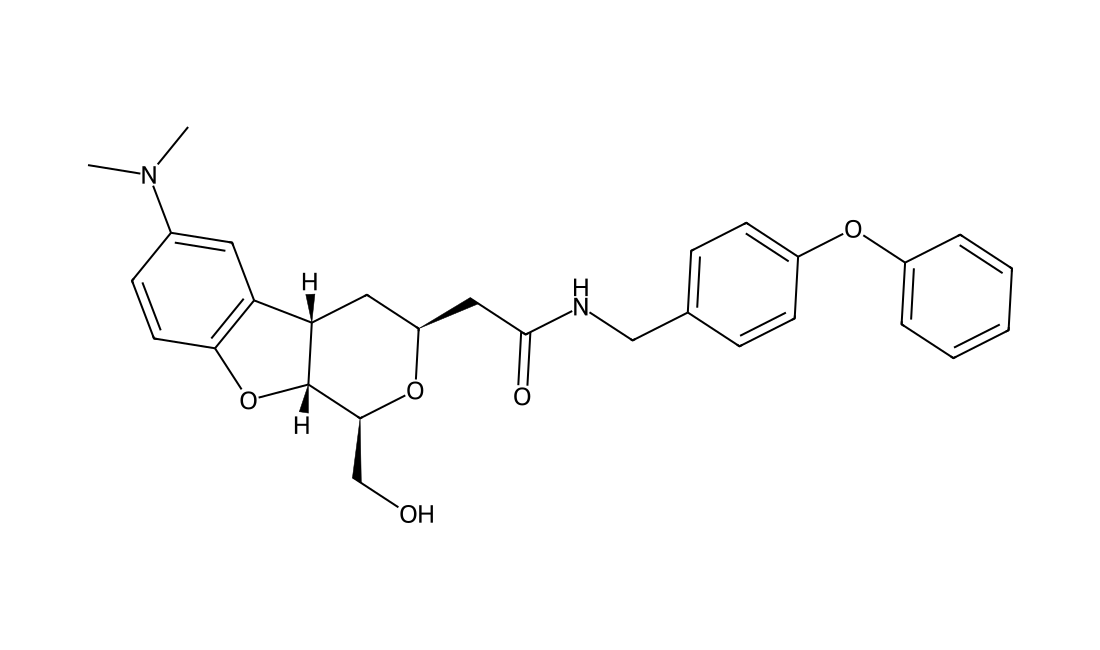
CAS 88899-55-2
Bafilomycin A1 is a vacuolar H+-ATPase inhibitor with IC50 of 0.44 nM.
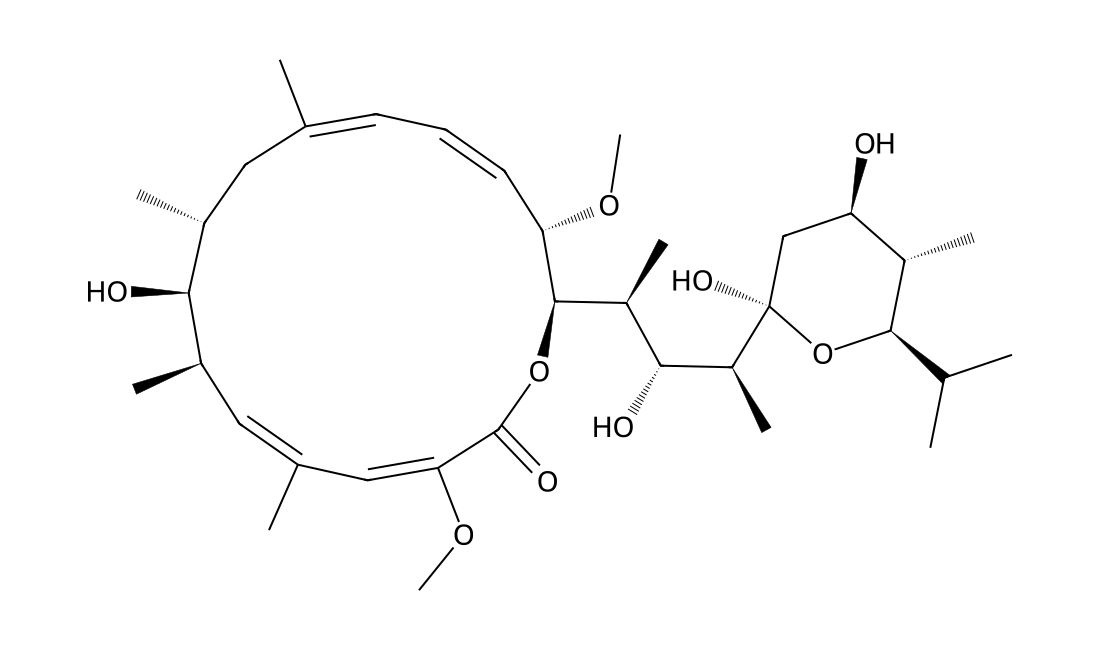
CAS 50293-90-8
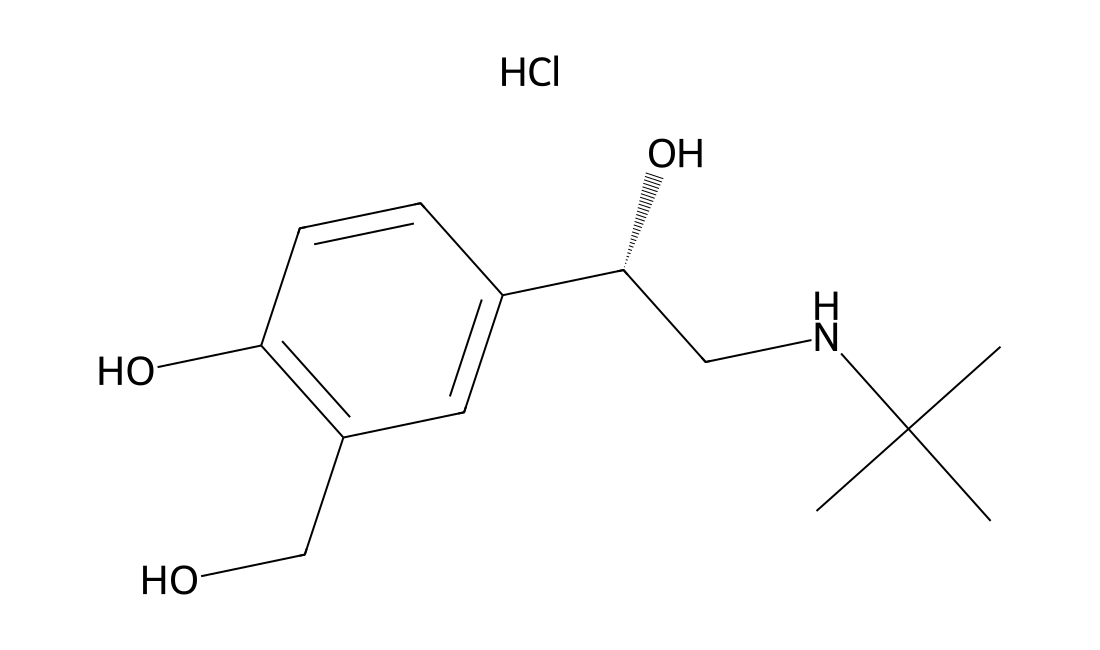
Salbutamol is an agonist of the β2-adrenergic receptor (β2-AR; Kd = 759 nM in a radioligand binding assay using CHO cells expressing the human receptor).It is selective for β2-ARs over β1- and β3-ARs (Kds = 46.8 and 21.9 μM, respectively). Salbutamol (25-50 μg/kg, i.v.) reduces acetylcholine-induced bronchospasm in anesthetized guinea pigs.It also reduces response of bronchial muscle to efferent vagal stimulation in anesthetized cats and dogs when administered at doses ranging from 1 to 2.5 and 10 to 20 μg/kg, respectively. Nebulized salbutamol reduces transpulmonary pressure in recurrent airway obstruction-affected horses (EC50 = 39.7 μg).Formulations containing salbutamol have been used in the treatment of asthma and chronic obstructive pulmonary disease (COPD).
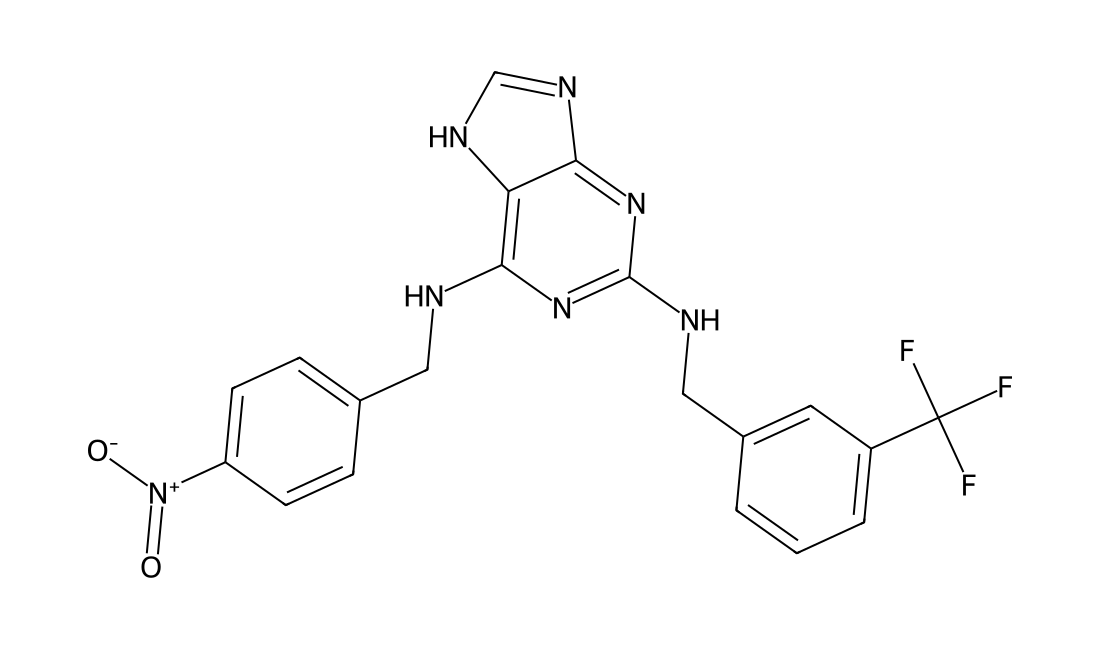
CAS 519178-28-0
IP6K1 inhibitor TNP is a potent, selective inositol hexakisphosphate kinase IP6K with IC50 of 0.47 uM (IP6K1), does not inhibit either human or yeast Vip/PPIP5K; reversibly inhibits InsP7 and InsP8 synthesis in vivo without affecting levels of other inositol phosphates; increases the IGF-1 elicited stimulation of T308 phosphorylation of Akt without influencing p-S473, combination of TNP (10 μM) and SB216763 (1 μM) virtually abolishes adipogenic differentiation of NIH3T3-L1 cells; ameliorates diet induced obesity and insulin resistance via inhibition of the IP6K1 pathway, also suppresses neutrophil-mediated pulmonary damage in bacterial pneumonia.
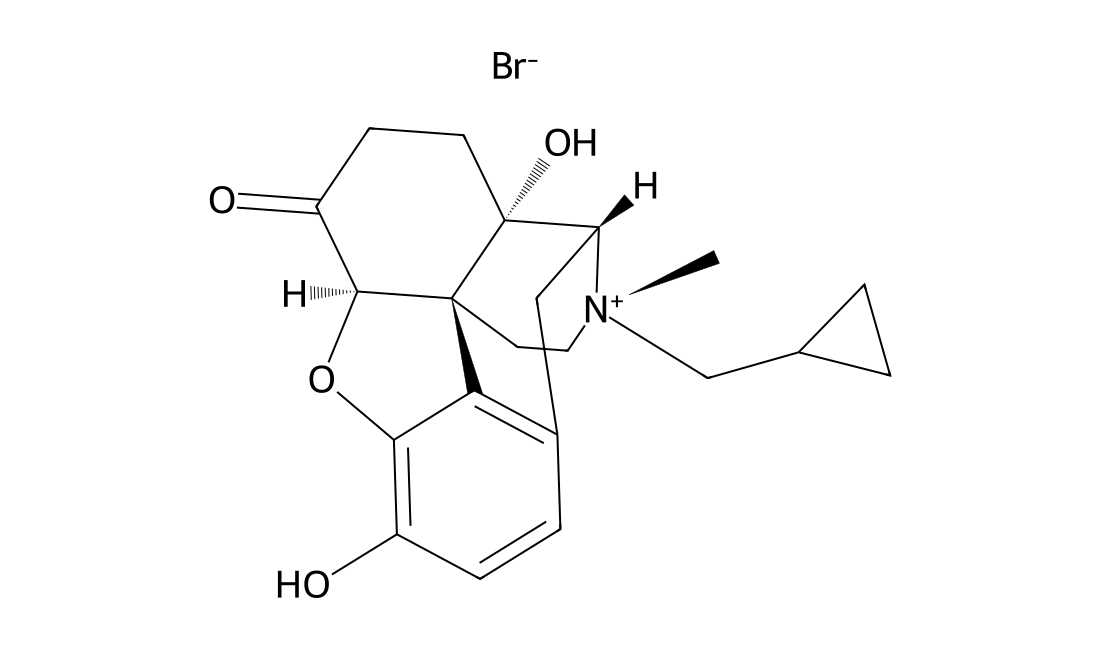
CAS 73232-52-7
Methylnaltrexone Bromide is a pheriphally-acting μ-opioid antagonist that acts on the gastrointestinal tract to decrease opioid-induced constipation. Methylnaltrexone is one of the newer agents of peripherally-acting μ-opioid antagonists that act to reverse some of the side effects of opioid drugs such as constipation without affecting analgesia or precipitating withdrawals. Because Methylnaltrexone contains a permanently charged tetravalent nitrogen atom, it cannot cross the blood-brain barrier, and so has antagonist effects throughout the body, counteracting effects such as itching and constipation, but without affecting opioid effects in the brain such as analgesia. However, since a significant fraction (up to 60 %) of opioid analgesia can be mediated by opioid receptors on peripheral sensory neurons, particularly in inflammatory conditions such as arthritis, traumatic or surgical pain, Methylnaltrexone may increase pain under such circumstances.
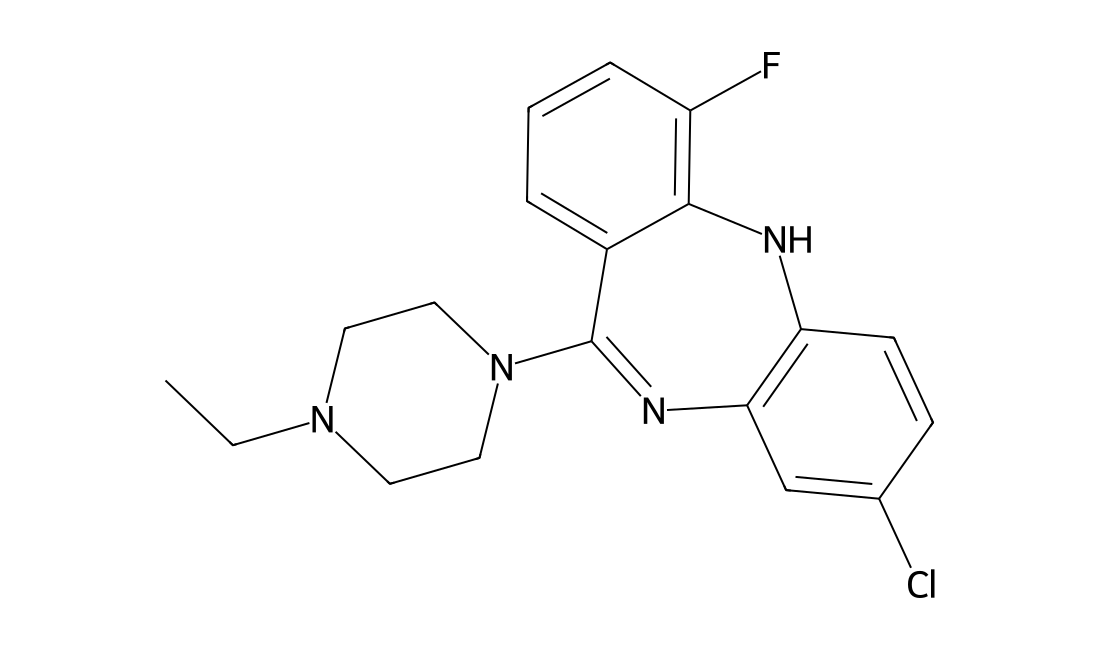
CAS 2369979-68-8
JHU37160 is a potent and brain-penetrant DREADD agonist, with EC50s of 18.5 nM and 0.2 nM for hM3Dq and hM4Di DREADDs in HEK-293 cells, respectively. JHU37160 exhibits selective [3H]Clozapine displacement from DREADDs and not from other Clozapine-binding sites in mice brain tissue.
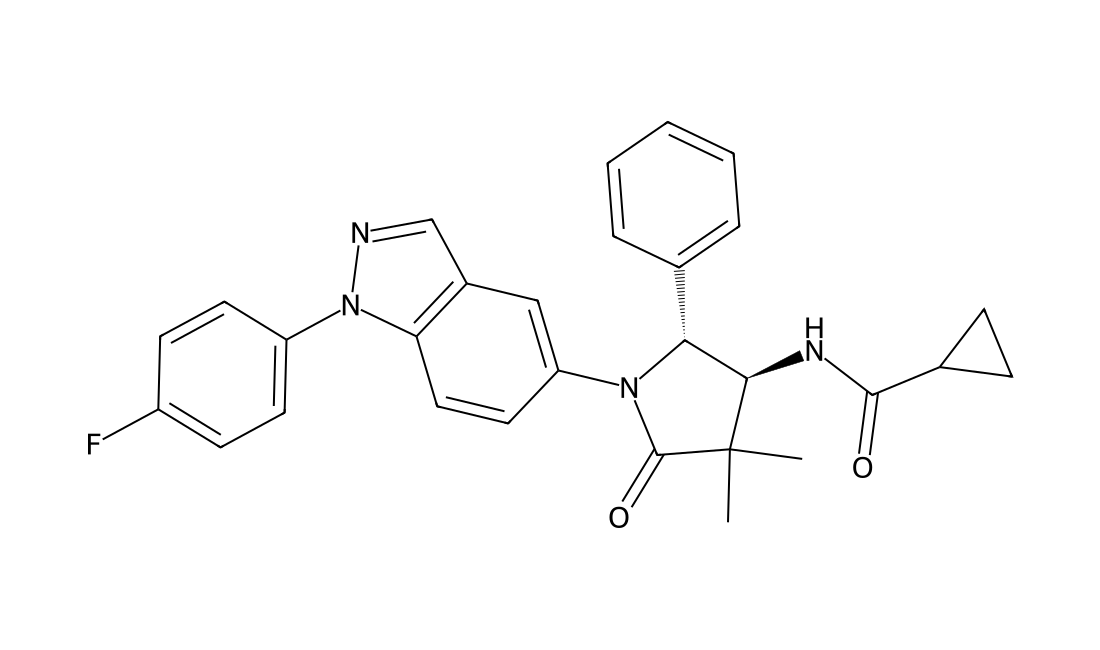
CAS 1221412-23-2
Novel lipid-lowering agent, acting as an AMPK activator, increasing ABCA1 protein expression and improving hepatic lipid metabolism and leukocyte trafficking in experimental hepatic steatosis
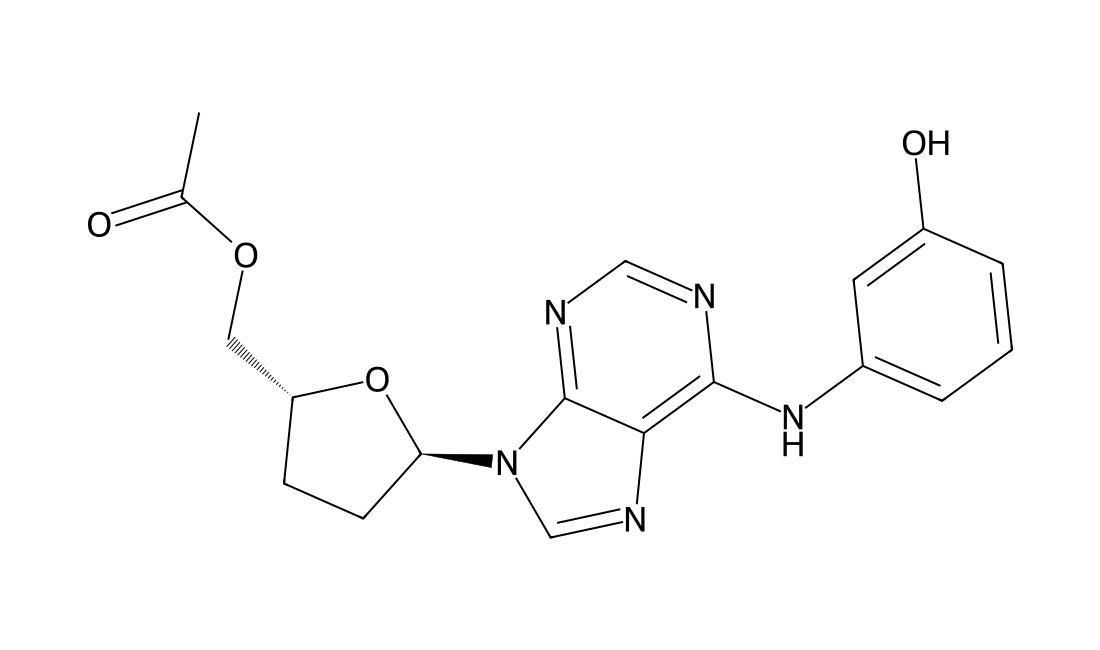
CAS 756487-18-0
TKN87180 is a Hydrolyzable linker for making ADC conjugate. TKN87180 was first reported in Bioorganic & Medicinal Chemistry Letters (2004), 14(16), 4323-4327. This product has not formal name. For the convenience of scientific communication, we named it by combining its Inchi key (3 letters from the first letter of each section) with the last 5 digits of its CAS number or its molecule weight if its CAS number is not available.
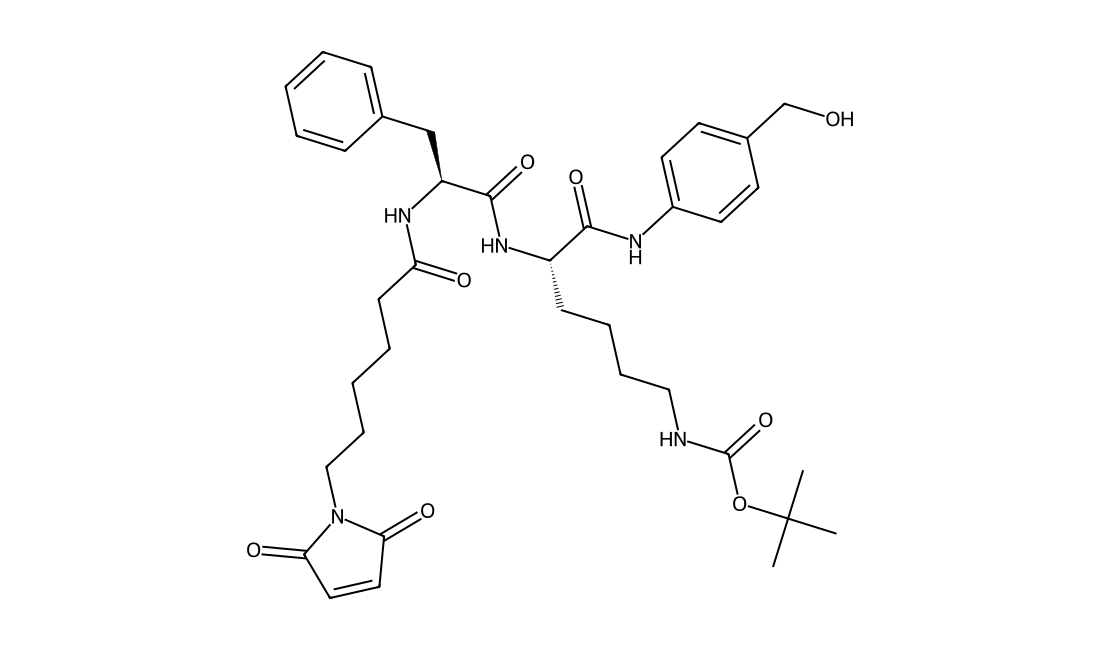
CAS 1338574-93-8
WWL-154 is a serine hydrolase inhibitor. Serine hydrolases (SHs) are-one of the largest and most diverse enzyme classes in mammals. They play fundamental roles in virtually all physiol. processes and are targeted by drugs to treat diseases such as diabetes, obesity, and neurodegenerative disorders.
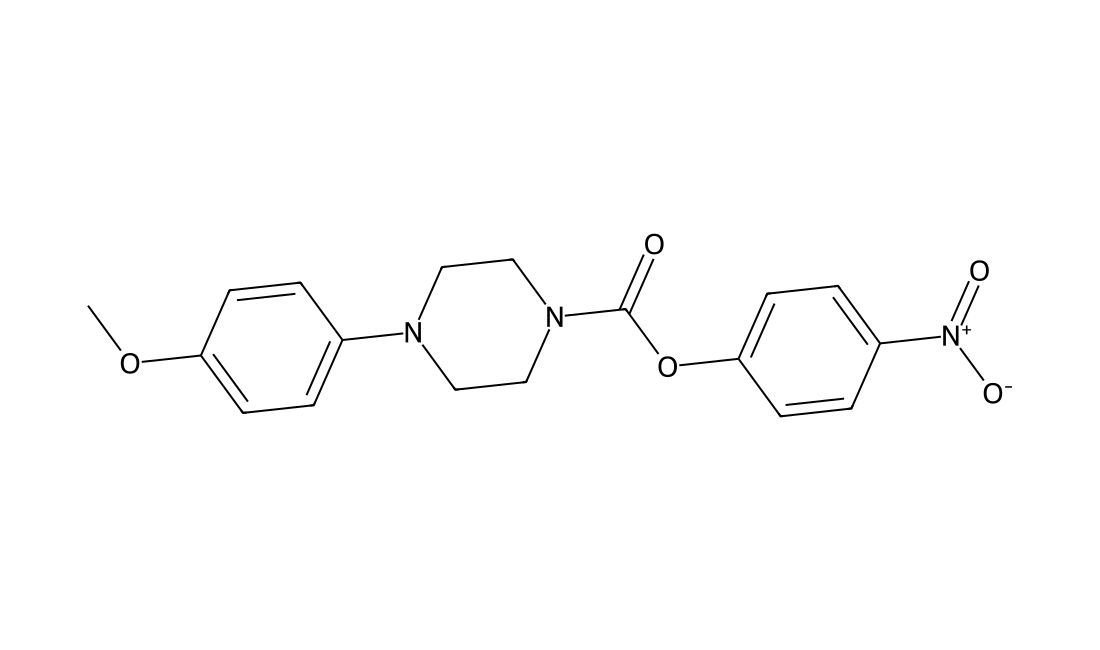
CAS 2561476-24-0
EMAC10101d is a potent and selective toward hCA II inhibitor, with a Ki of 8.1 nM.
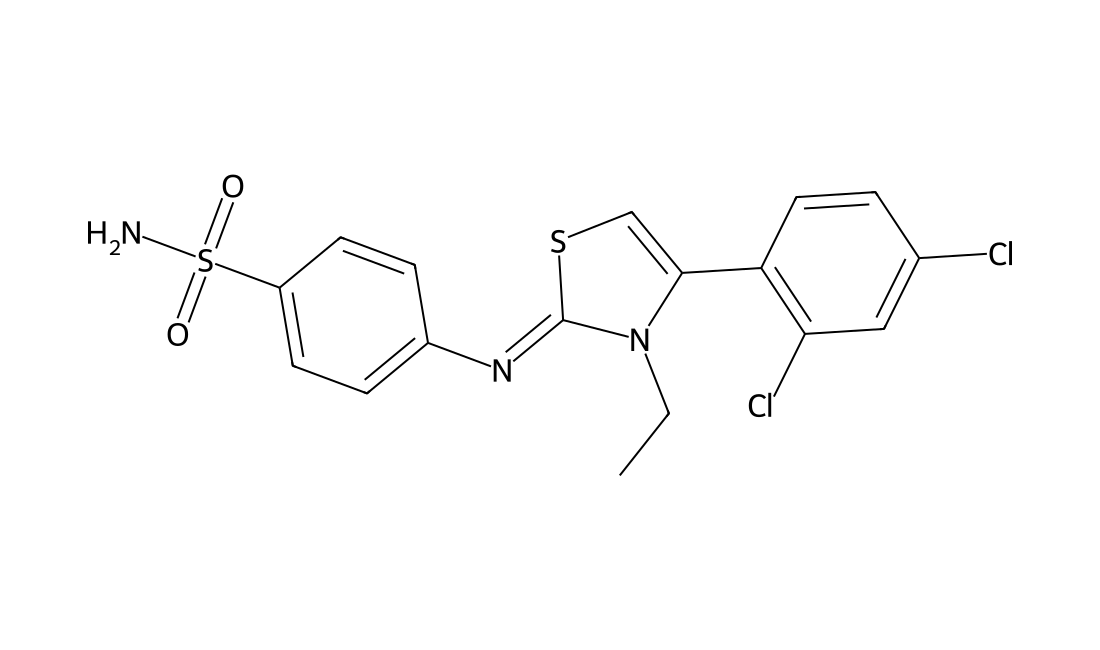
CAS 1092794-11-0
GUN94110 is a WEE1 kinase inhibitors useful in treatment of cancer and other proliferative diseases. GUN94110 was reported in WO 2019028008. This product has no formal name at the moment.
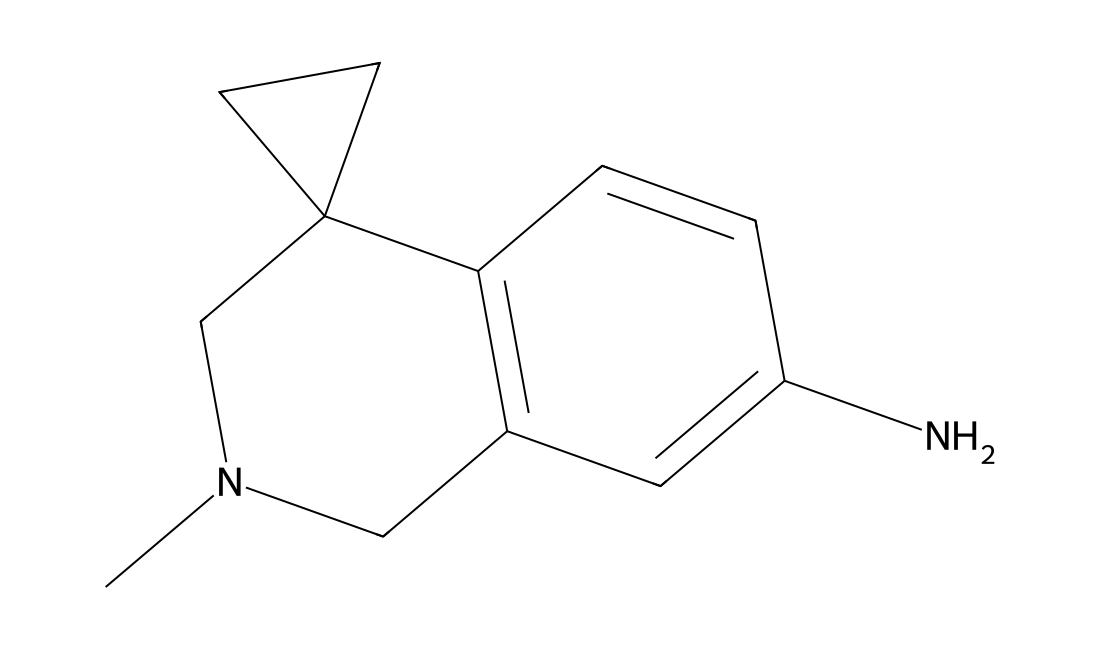
CAS 2314467-60-0
OUN67600, is a Novel Transient Receptor Potential Vanilloid 4 (TRPV4) Agonist as Regulators of Chondrogenic Differentiation. OUN67600 was first reported by Atobe et al (compound 36 in J Med Chem. 2019 Feb 14;62(3):1468-1483). OUN67600 has CAS#2314467-60-0, no formal name. For the convenience of scientific communication, we named it as OUN67600 (combined from Inchi key plus CAS#) according to Hodoodo Chemical Nomenclature.
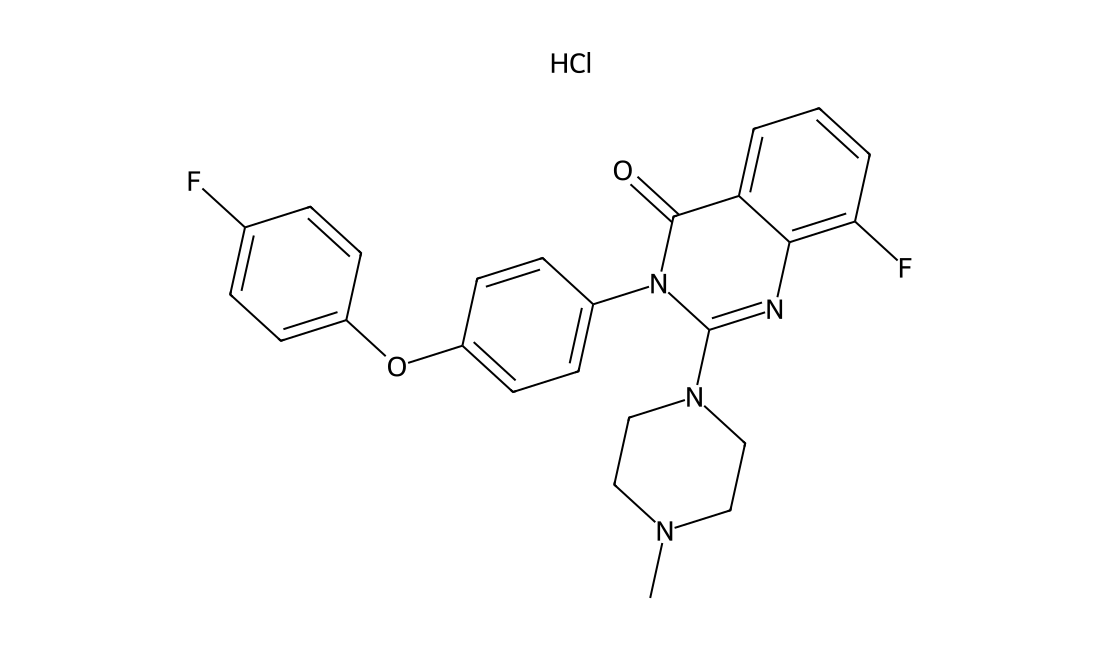
CAS 208459-17-0
Gly-AMC, also known as L-Gly-7-Amino-4-Methylcoumarin, is a probe and chromphore substrate for aminopeptidase. it is useful to make the C-terminal conjugate of ubiquitin with 7-amino-4-methylcoumarin (Ub-AMC), which is an important probe for fluorescence-based anal. of deubiquitinating enzyme (DUB) activity.
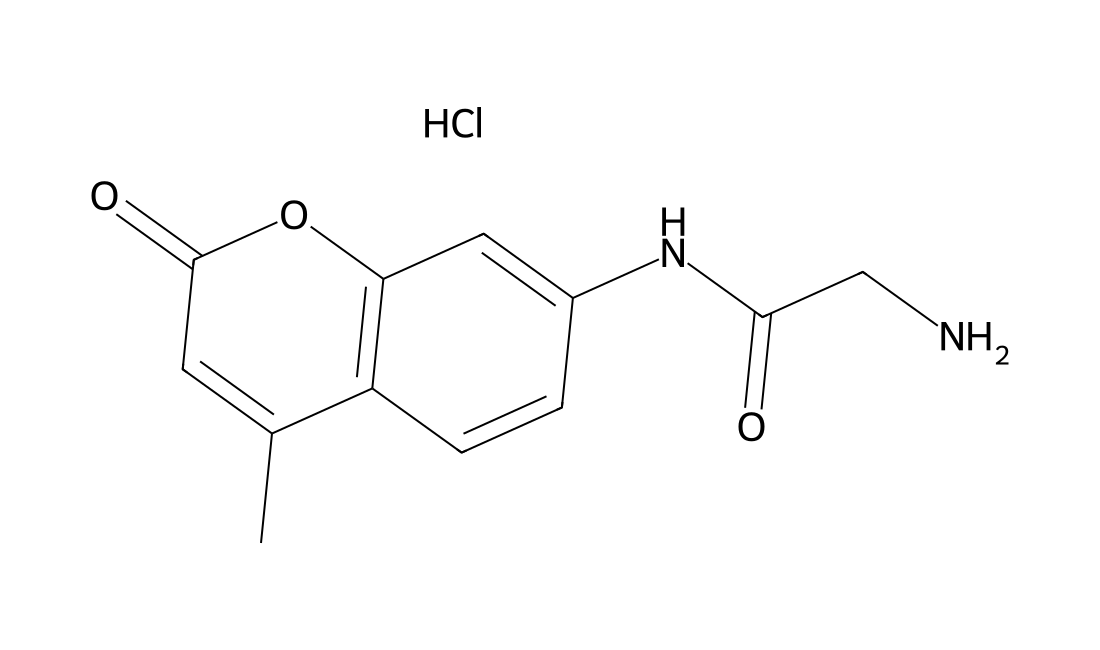
CAS 2414373-42-3
DUN73423 is a RET/KDR-Selective Inhibitor of RETV804M Kinase with IC50 = 7 nM. DUN73423 was listed in ACS Med Chem Lett . 2020 Feb 28;11(4):497-505 (compound 5). DUN73423 has CAS#2414373-42-3, no formal name For the convenience of scientific communication, we named it as DUN73423 (combined from Inchi key plus CAS#) according to Hodoodo Chemical Nomenclature .