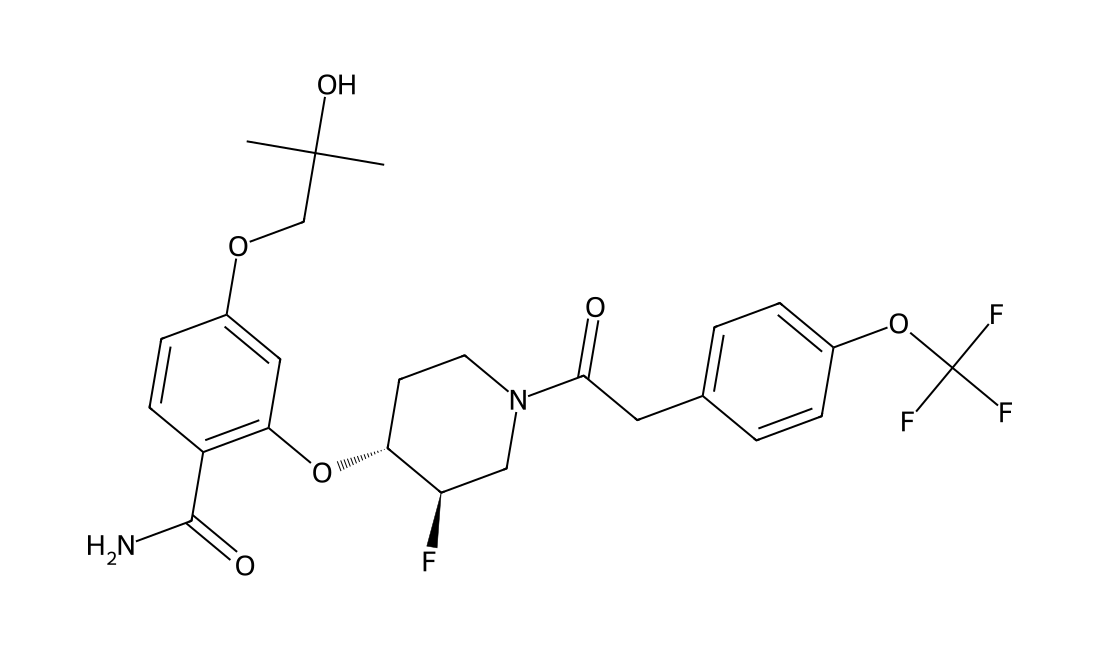
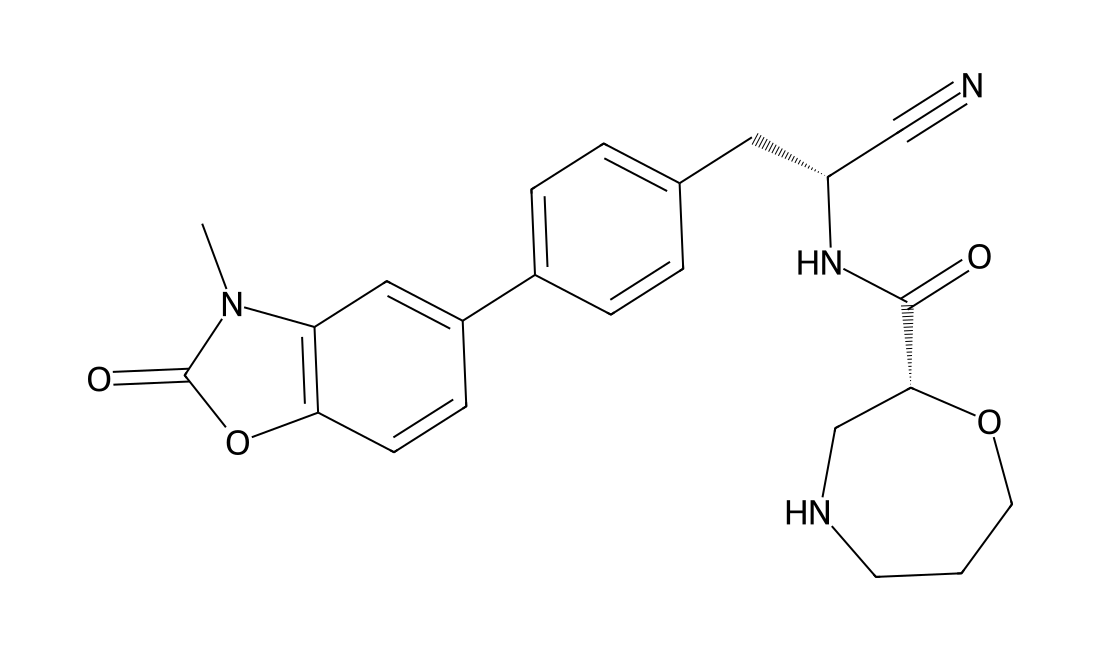
PF-06700841 free base
CAS 1883299-62-4
PF-06700841 is a dual JAK1 and TYK2 inhibitor with IC50s of 17 and 23 nM, respectively. Anti-inflammatory activity[1].

Explore bioactive compounds by research category, then narrow your search by target, product name, catalog number or CAS.
Newly added: LC-MG and OXF molecular glue research compounds →
Products may appear in more than one category. Counts refer to distinct catalog numbers within each category.
Other Research Tools (75) · Additional reagents, building blocks and specialized research tools.
LC-MG-1 (DCA0006) · LC-MG-4 (DCA0007) · LC-MG-9 (DCA0008)
View structure and evidence summaries →Combine a keyword, research category and target to narrow the product list.
Loading catalog filters…
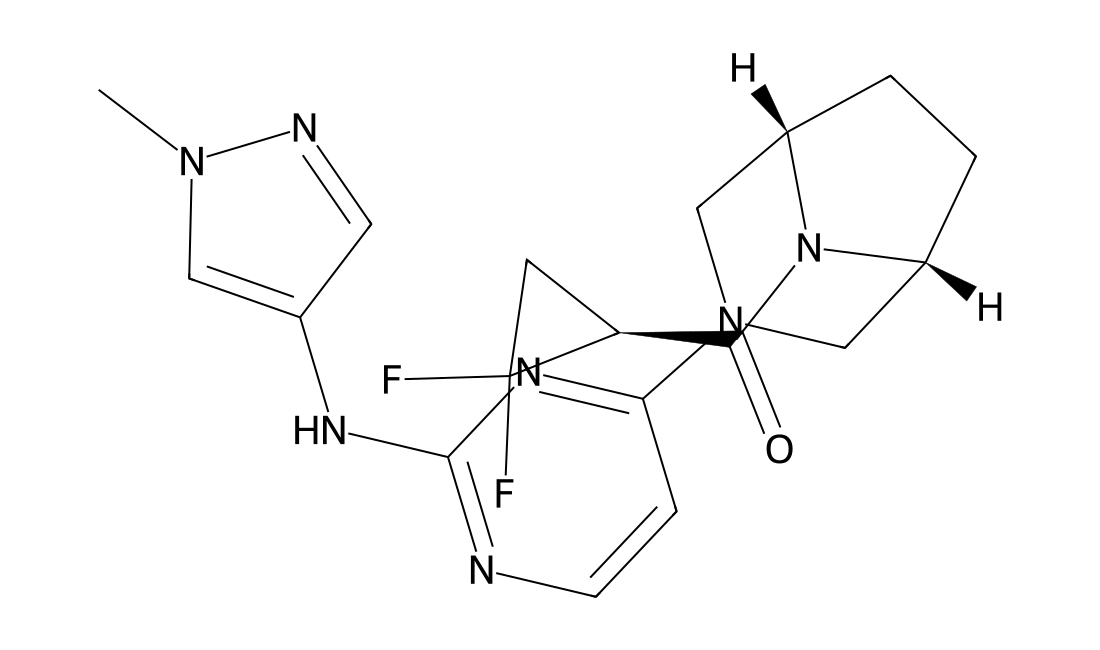
CAS 1883299-62-4
PF-06700841 is a dual JAK1 and TYK2 inhibitor with IC50s of 17 and 23 nM, respectively. Anti-inflammatory activity[1].
CAS 1092443-55-4
BS-194 is a selective and potent CDK inhibitor, which inhibits CDK2, CDK1, CDK5, CDK7, and CDK9 with IC(50) values of 3, 30, 30, 250, and 90nM, respectively.
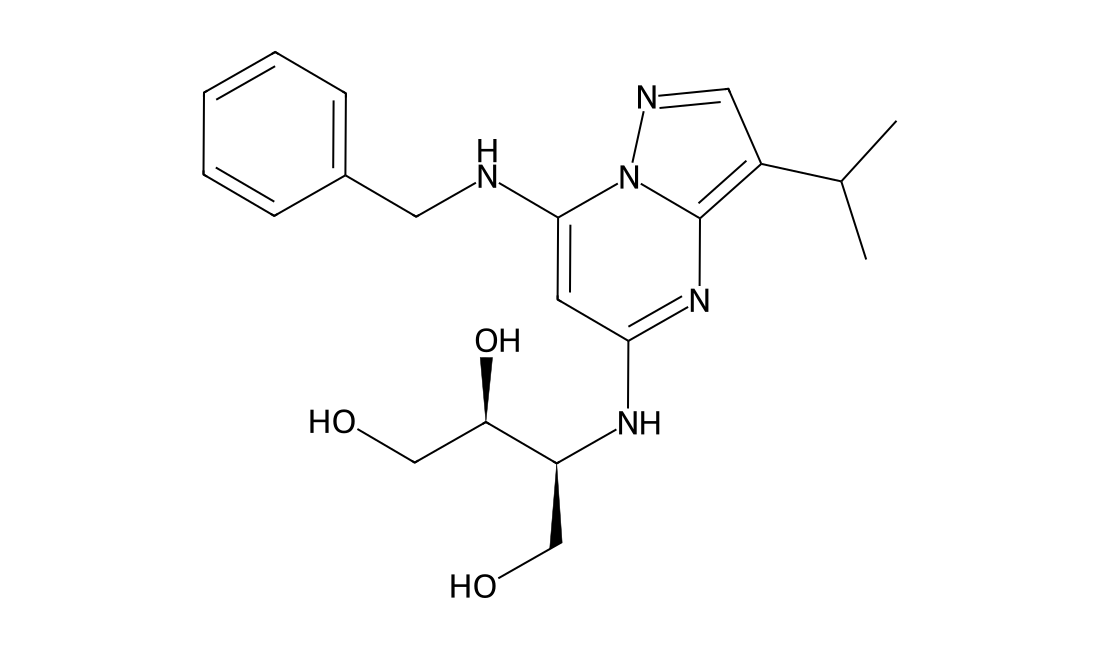
CAS 1883545-60-5
CRT0066101 dihydrochloride is a potent and specific PKD inhibitor with IC50 values of 1, 2.5 and 2 nM for PKD1, 2, and 3 respectively.
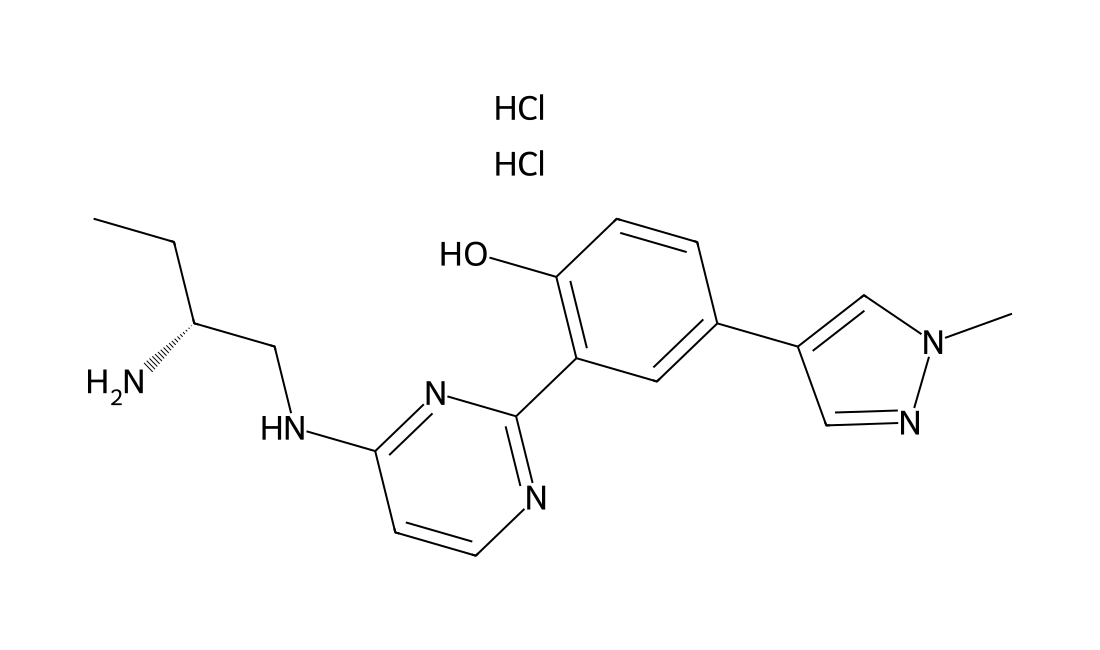
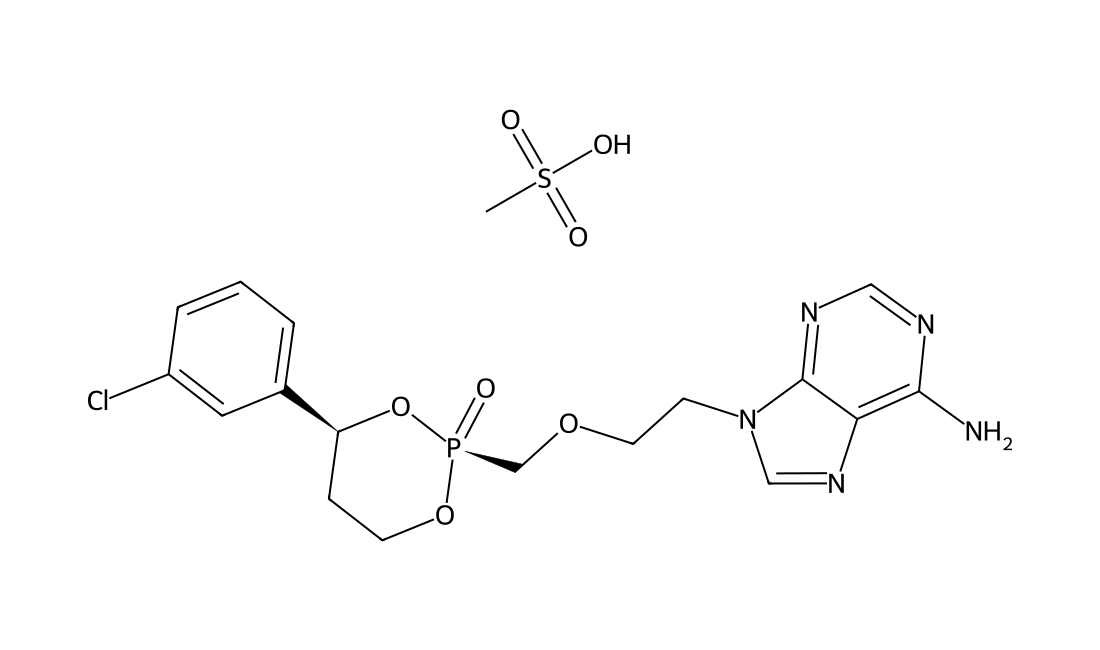
CAS 625095-61-6
Pradefovir mesylate is a good substrate for liver CYP3A4. Pradefovir is converted to 9-(2-phosphonylmethoxyethyl)adenine (PMEA) in human liver microsomes with a Km of 60 μM.
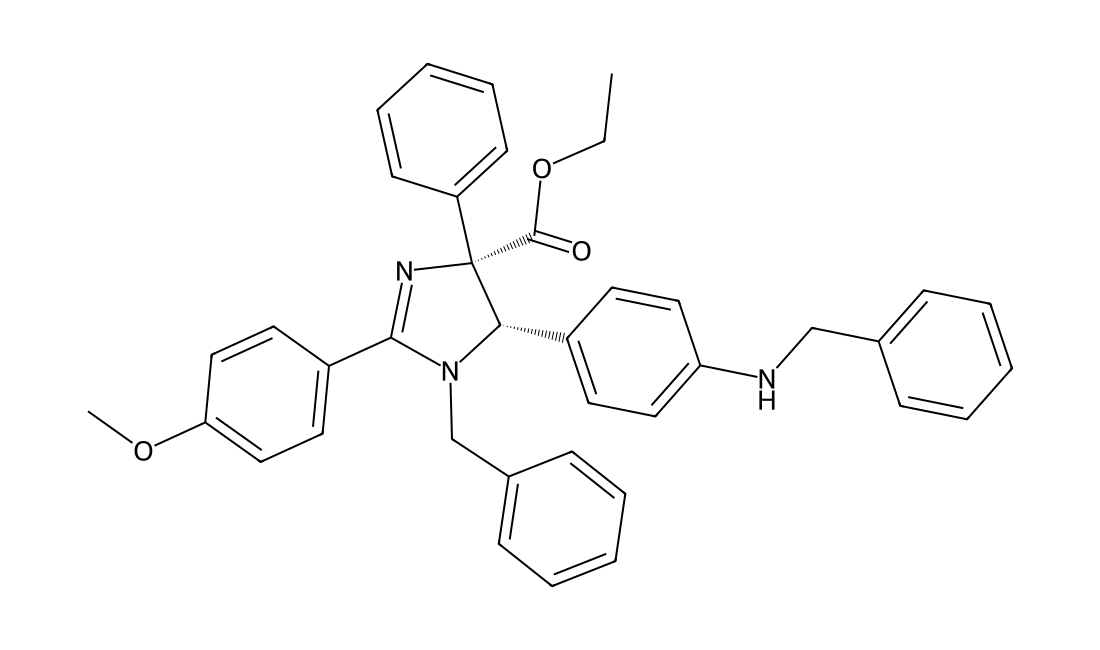
CAS 1446350-60-2
TCH-165 is a specific small molecule modulator of proteasome assembly, regulates the dynamic equilibrium between the 20S and 26S proteasome complexes, favoring 20S-mediated protein degradation; enhances the degradation of both α-syn and tau, does not induce the degradation of GAPDH, enhances the degradation of intrinsically disordered proteins in cell culture; display a decrease in assembled 26S and an increase in 20S proteasome in treated cells.
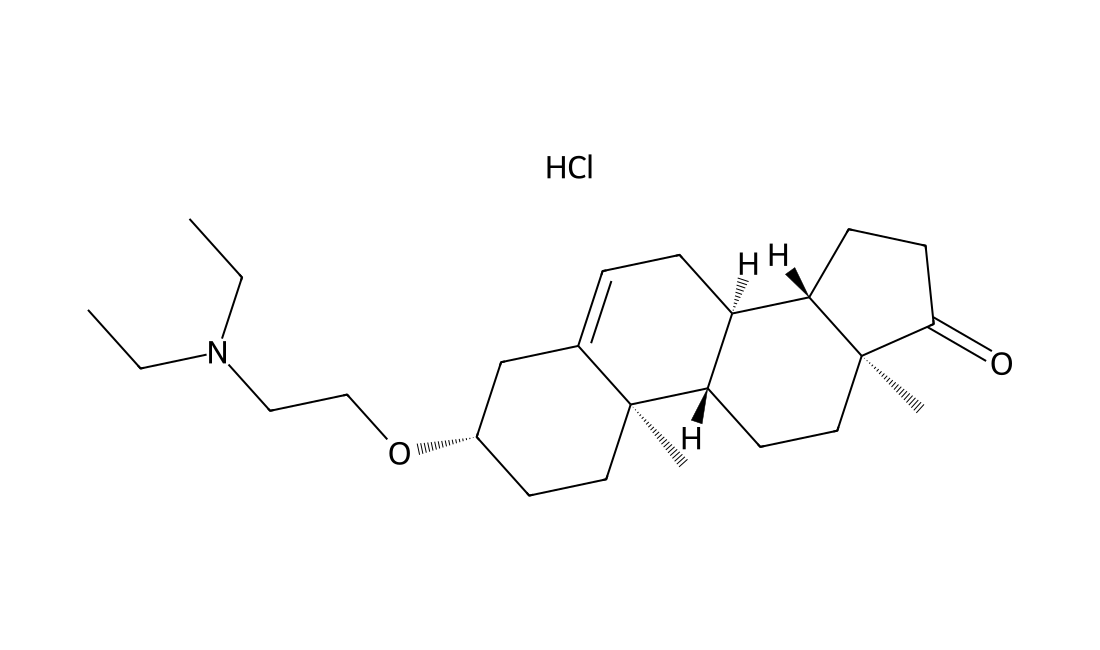
CAS 3039-71-2
U18666A, a cell permeable drug, is a cholesterol synthesis and transport inhibitor.
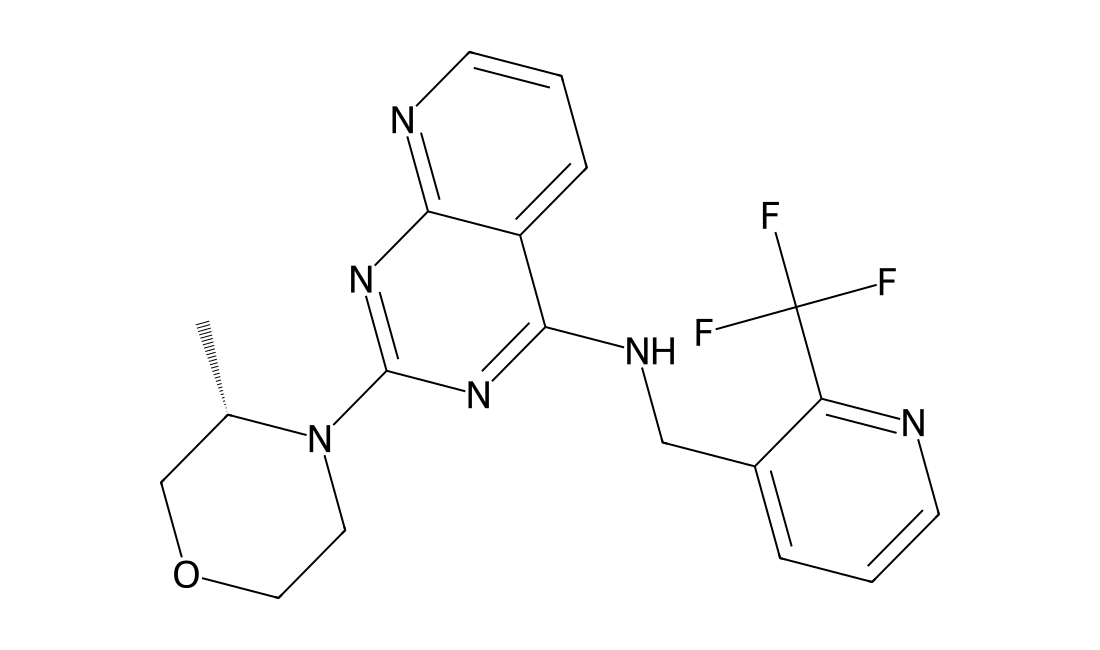
CAS 2239272-16-1
AWZ1066S is a highly specific anti-Wolbachia drug candidate for a short-course treatment of filariasis, with an EC50 of 2.5 nM in cell assay[1].
CAS 2252488-69-8
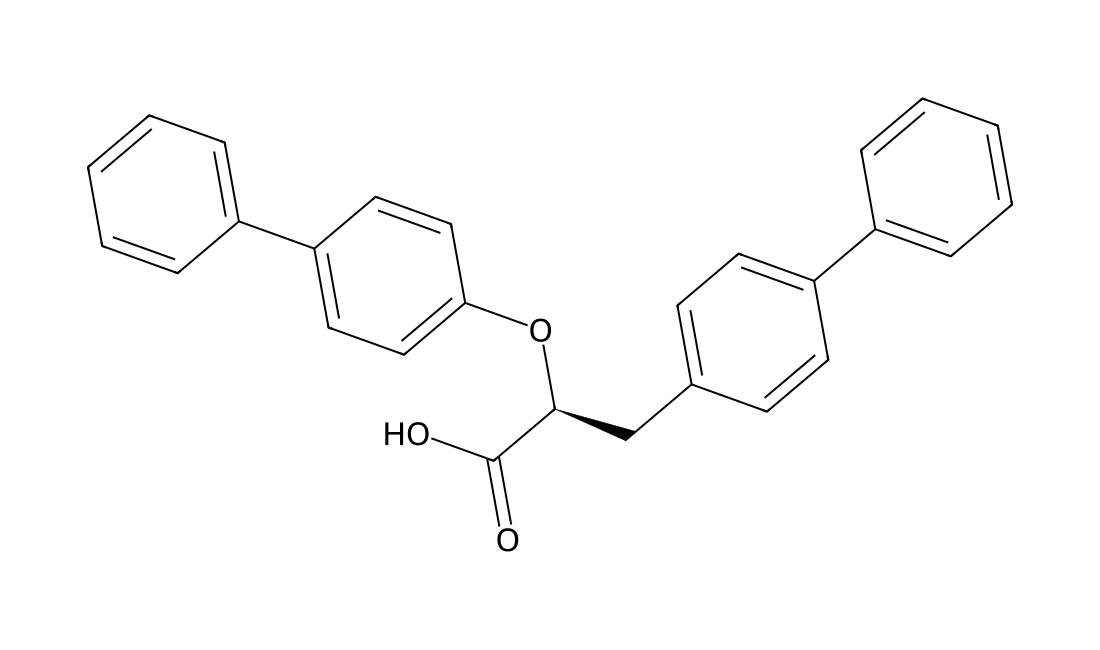
LJ570 is a PPARα/PPARγ dual agonist with EC50s of 1.05 and 0.12 μM, respectively[1].
CAS 887650-05-7
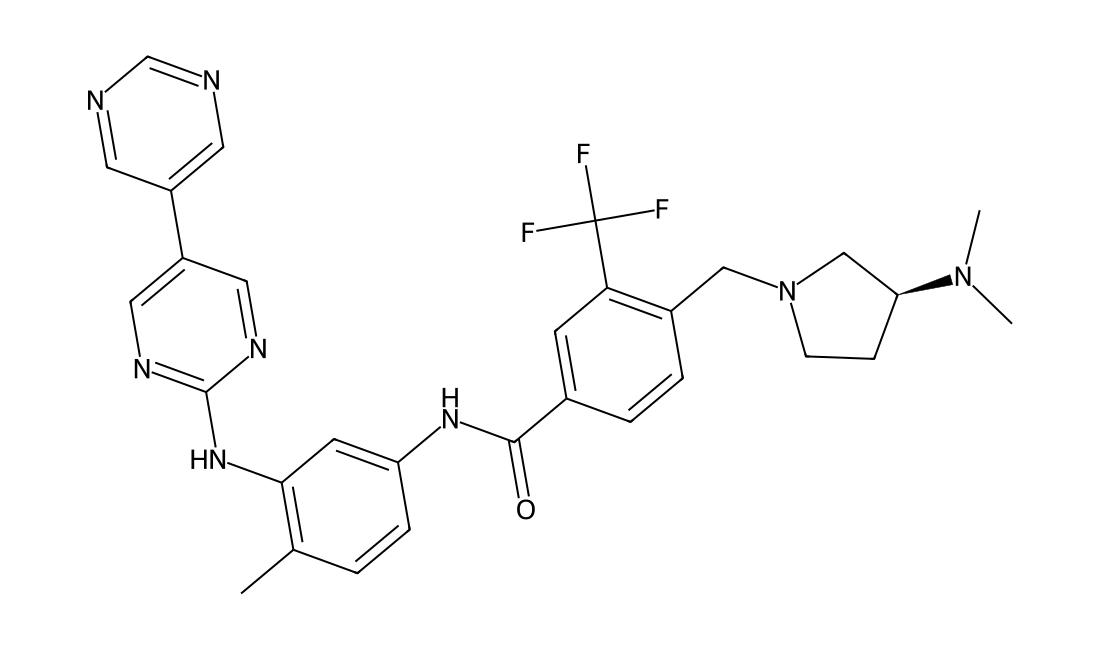
Lyn-IN-1 is a potent and selective dual Bcr-Abl/Lyn inhibitor, extracted from patent WO2014169128A1.
CAS 127060-75-7
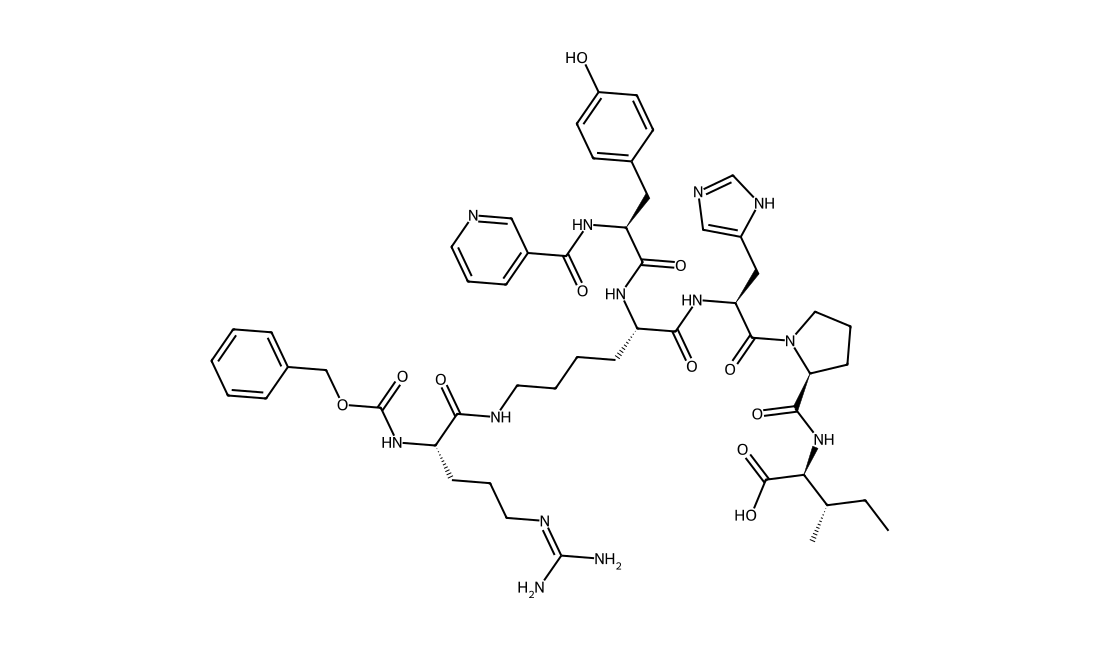
CGP-42112(CGP-42112A) is a potent Angiotensin-II subtype 2 receptor(AT2 R) agonist.
CAS 2110428-64-1
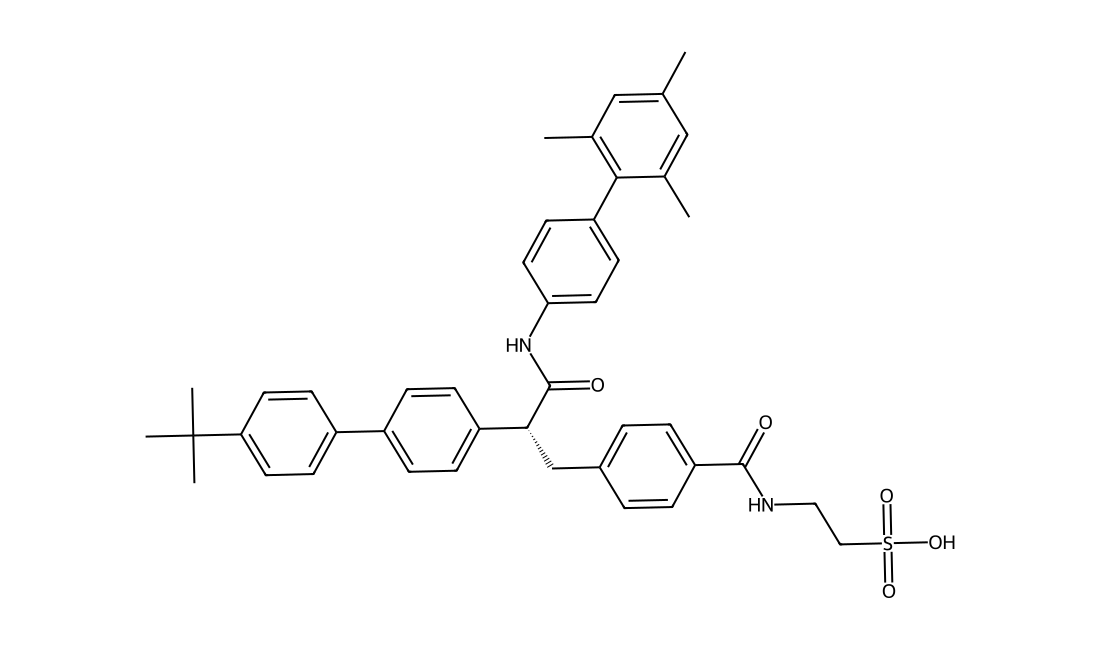
JNJ63576253, also known as TRC253, is a potent and orally active androgen receptor antagonist. TRC253 specifically binds to both wild-type and certain mutant forms of AR, thereby preventing androgen-induced receptor activation and facilitating the formation of inactive complexes that cannot translocate to the nucleus.
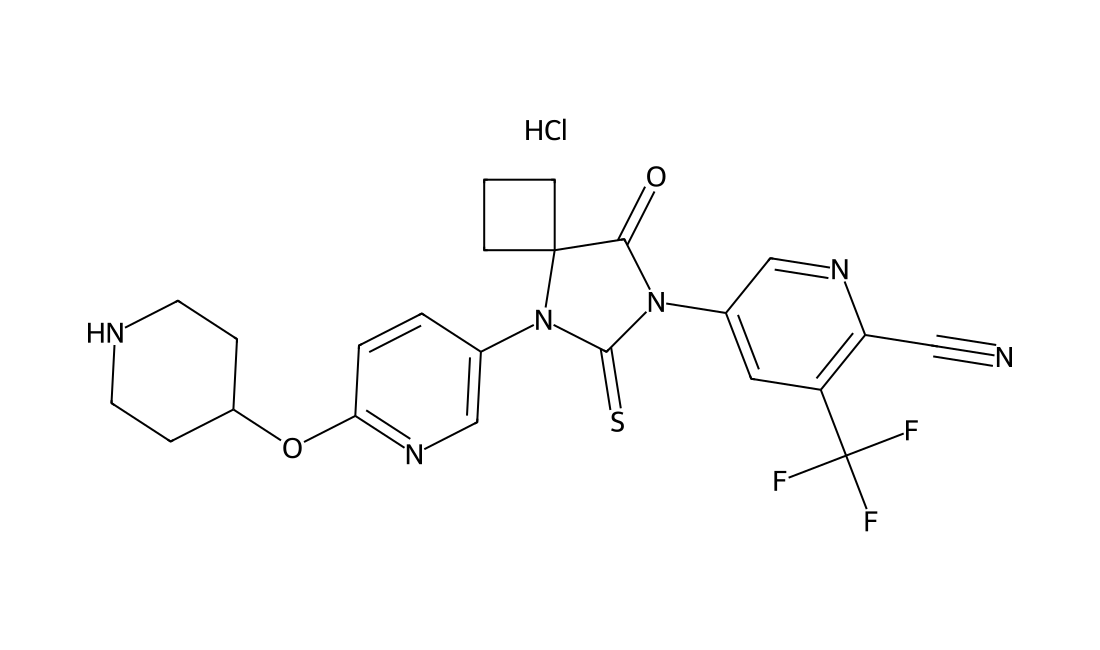
CAS 2310135-46-5
YUN35454, also known as LMPTP INHIBITOR 1 is a selective inhibitor of low molecular weight protein tyrosine phosphatase (LMPTP), with an IC50 of 0.8 μM LMPTP-A. LMPTP is a key promoter of insulin resistance and that LMPTP inhibitors would be beneficial for treating type 2 diabetes. YUN35454 was first reported in Nature Chemical Biology (2017), 13(6), 624-632.
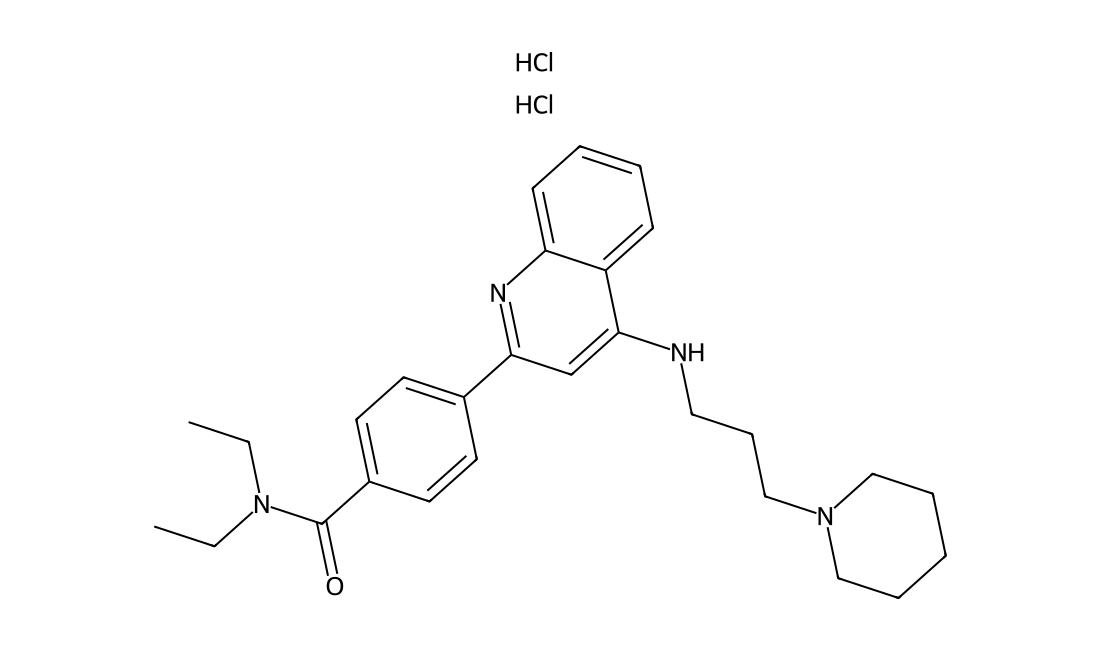
CAS 1429054-28-3
IDF-11774 is a novel hypoxia-inducible factor (HIF)-1 inhibitor with an IC50 of 3.65 μM. IDF-11774 has been approved as a clinical candidate for a phase I study.
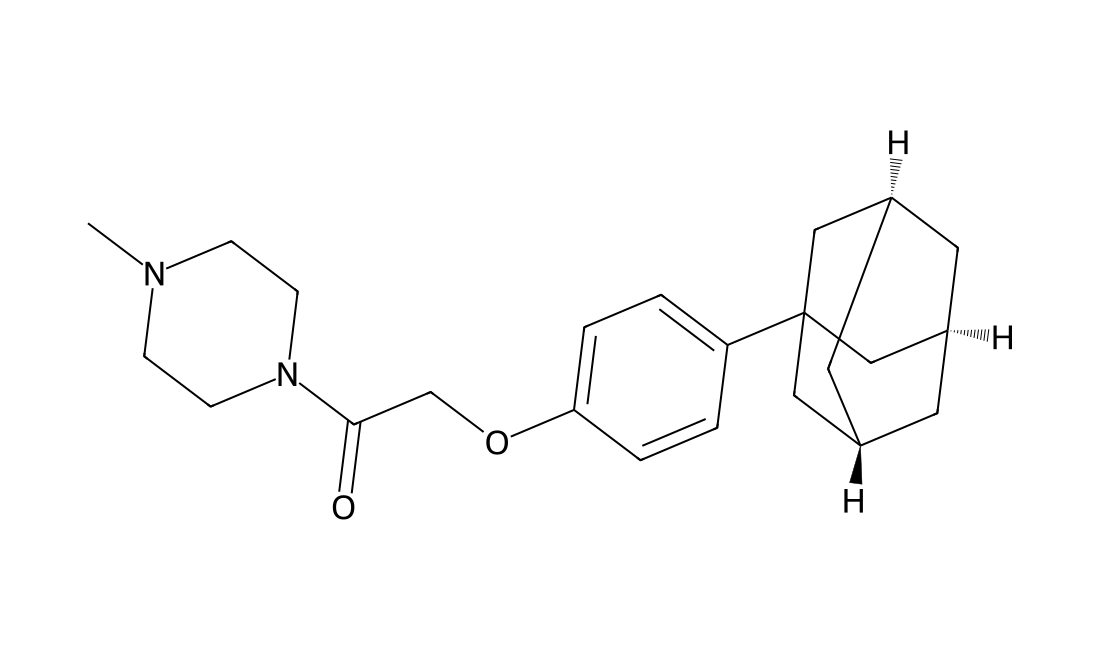
CAS 1448754-43-5
Eleclazine hydrochloride is a novel late Na+ current inhibitor with IC50 value of 0.7 uM. target: Na+ current.
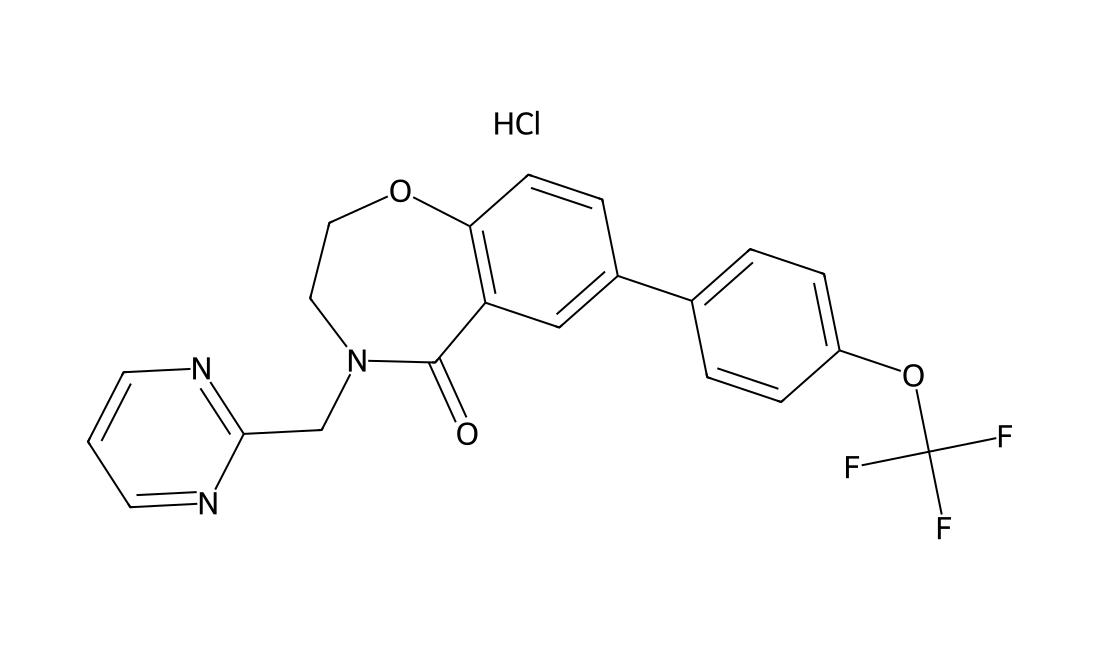
CAS 1802148-05-5
AZD7986 is a Dipeptidyl peptidase 1 (DPP1) inhibitor with pIC50s of 6.85, 7.6, 7.7, 7.8, and 7.8 in human, mouse, rat, dog and rabbit, respectively.
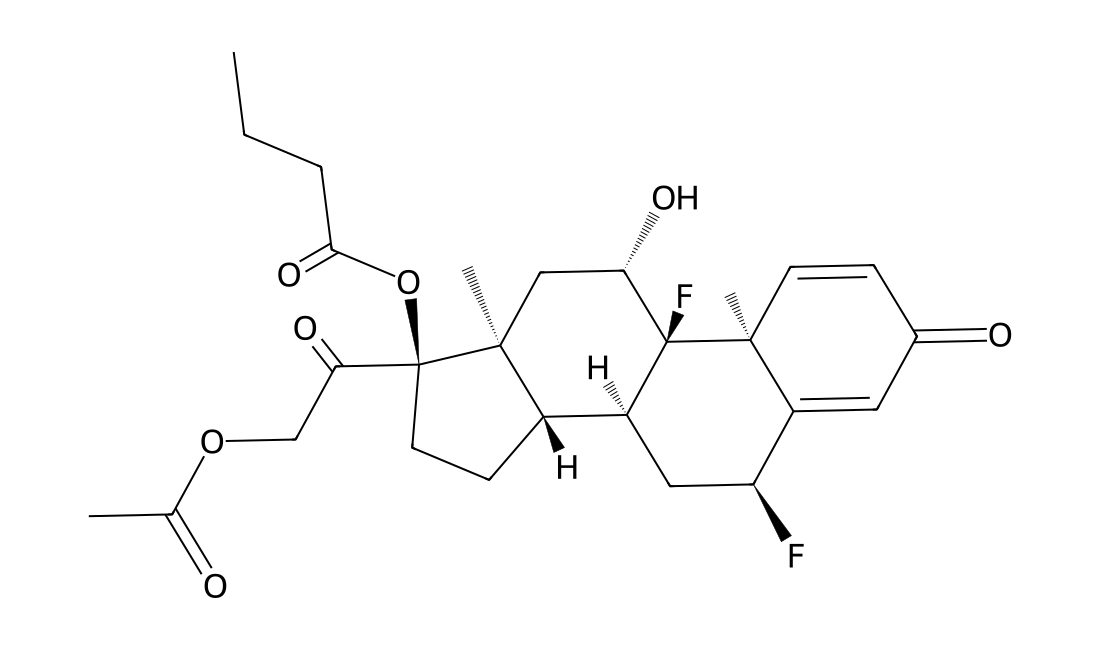
CAS 23674-86-4
Difluprednate(Durezol) is a corticosteroid, approved difluprednate for the treatment of post-operative ocular inflammation and pain.Difluprednate ophthalmic emulsion 0.05% is also being studied in other ocular inflammatory diseases, including a U.S. Phase 3 study evaluating difluprednate for the treatment of anterior uveitis.
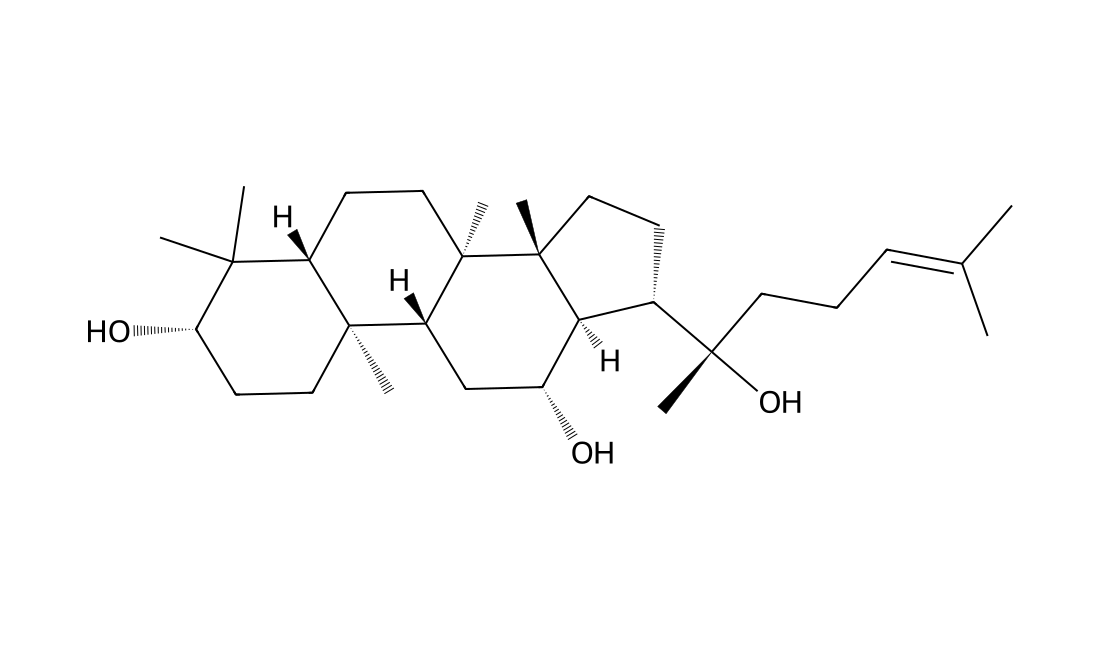
CAS 30636-90-9
(20S)-Protopanaxadiol (20-Epiprotopanaxadiol) is an aglycon metabolic derivative of the protopanaxadiol-type ginseng saponin; apoptosis inducer.
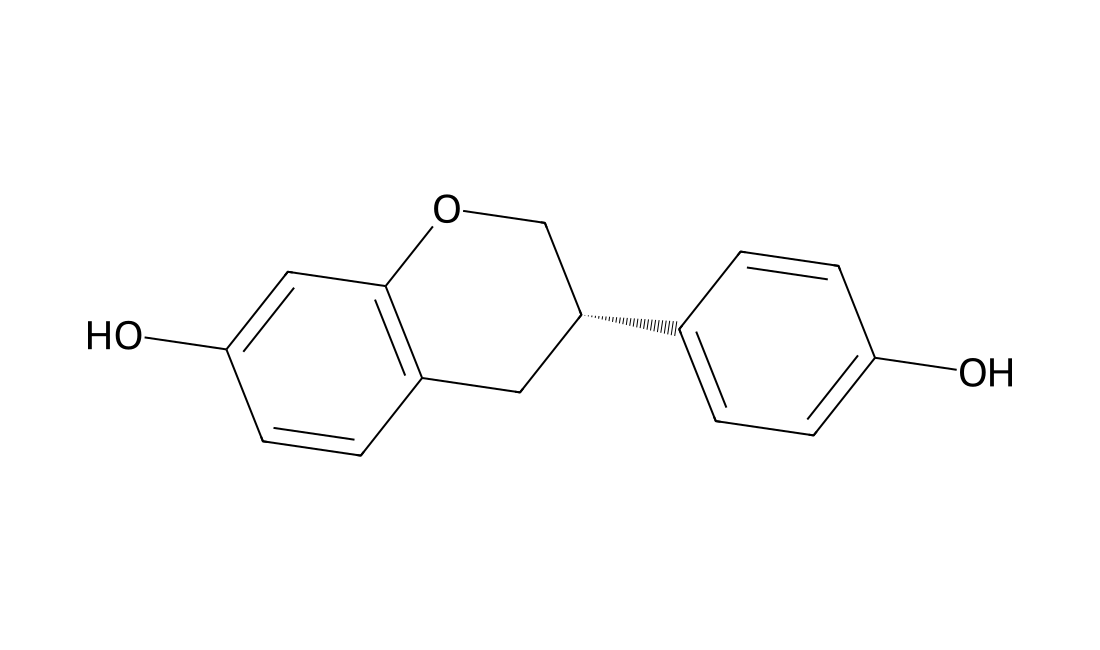
CAS 531-95-3
(-)-(S)-Equol is a high affinity ligand for estrogen receptor β with a Ki of 0.73 nM.
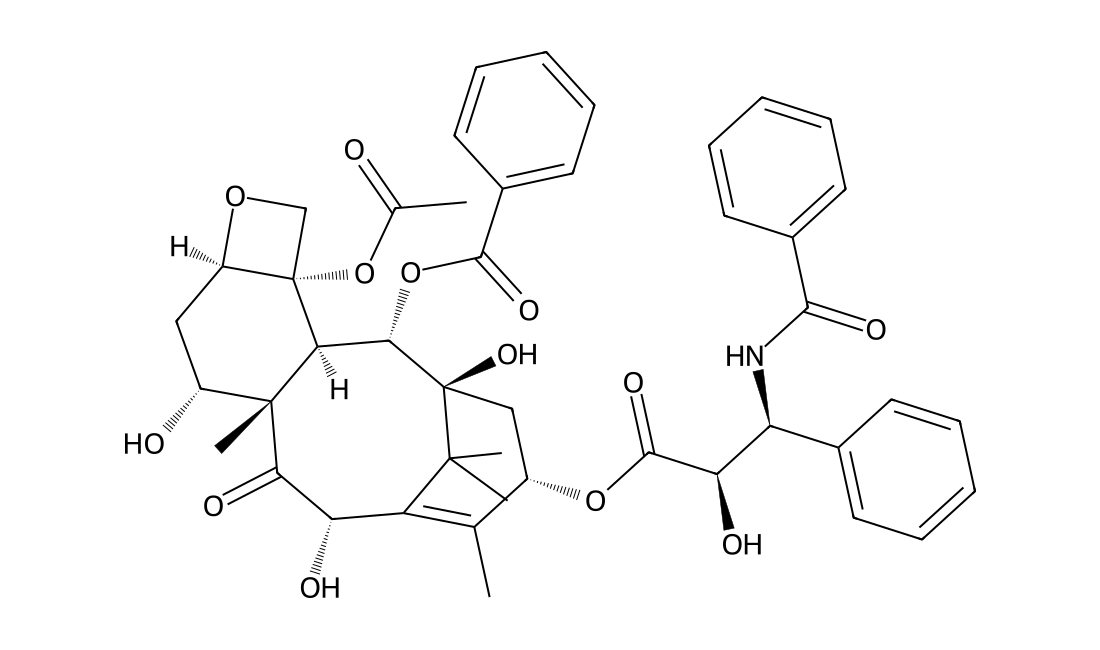
CAS 78432-77-6
10-Deacetyltaxol (10-Deacetylpaclitaxel) is a taxane derivative isolated from Taxus wallichiana Zucc[1]. 10-Deacetyltaxol (10-Deacetylpaclitaxel) promotes the polymerization of tubulin and to inhibit the depolymerization of microtubules induced by cold or by calcium ions in vitro[2]. 10-Deacetyltaxol (10-Deacetylpaclitaxel) exhibits cytotoxicity in human glial and neuroblastoma cell-lines[3].
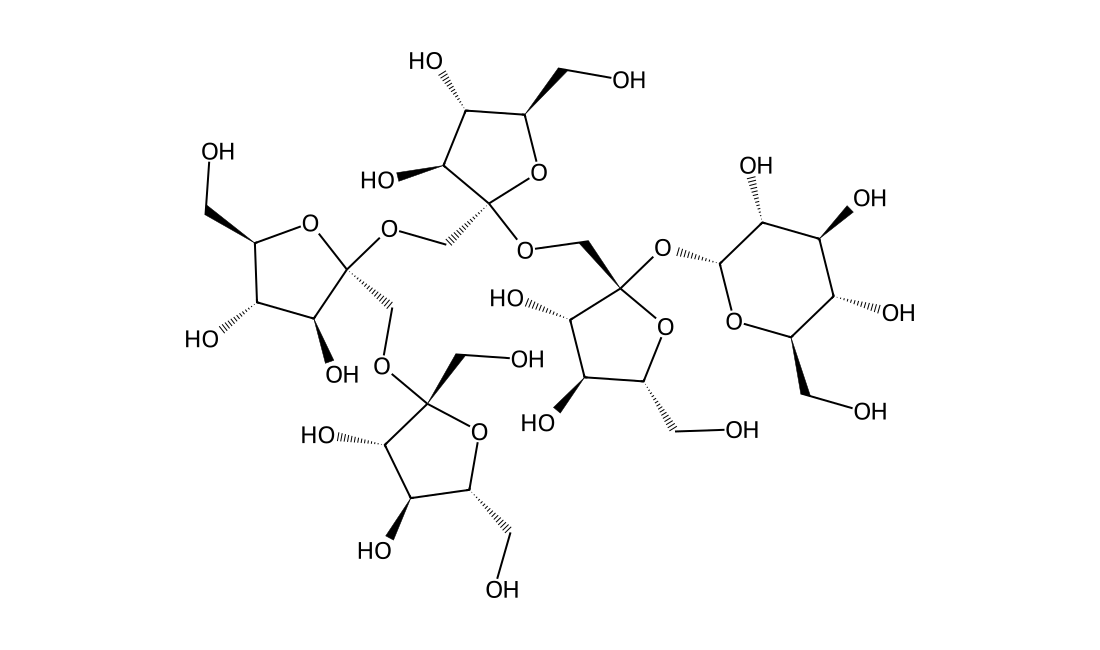
CAS 59432-60-9
1F-Fructofuranosylnystose can be used in the synthesis of Fructooligosaccharides (FOSs). Fructooligosaccharides exhibit lots of beneficial effects on our health and have been used as food ingredients.
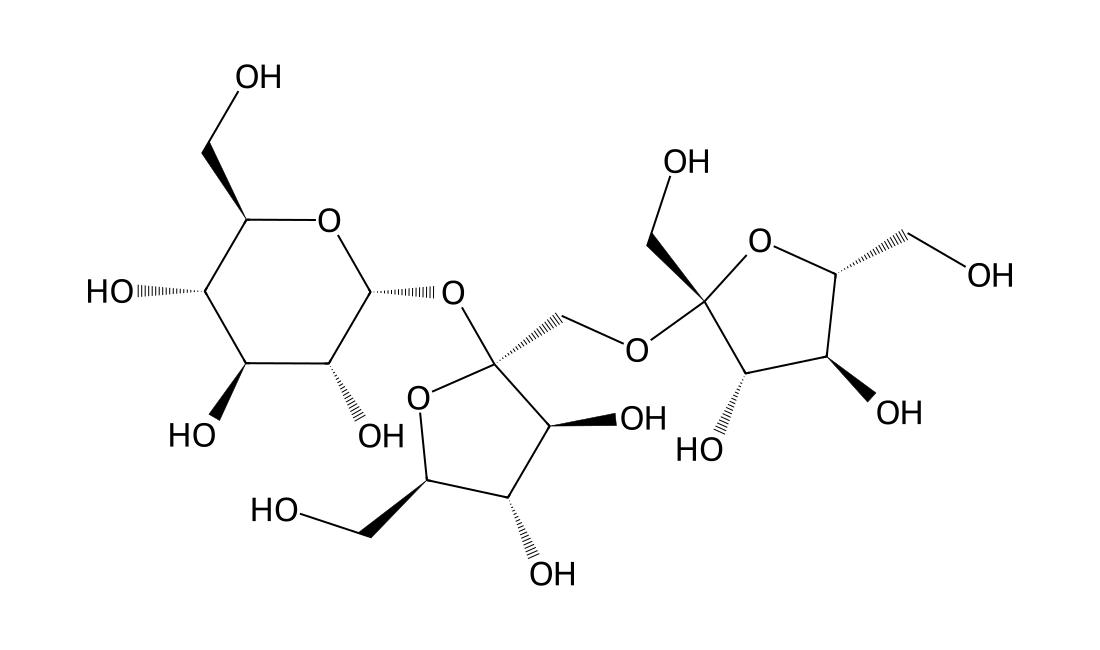
CAS 470-69-9
1-Kestose, the smallest fructooligosaccharide component, which efficiently stimulates Faecalibacterium prausnitzii as well as Bifidobacteria.
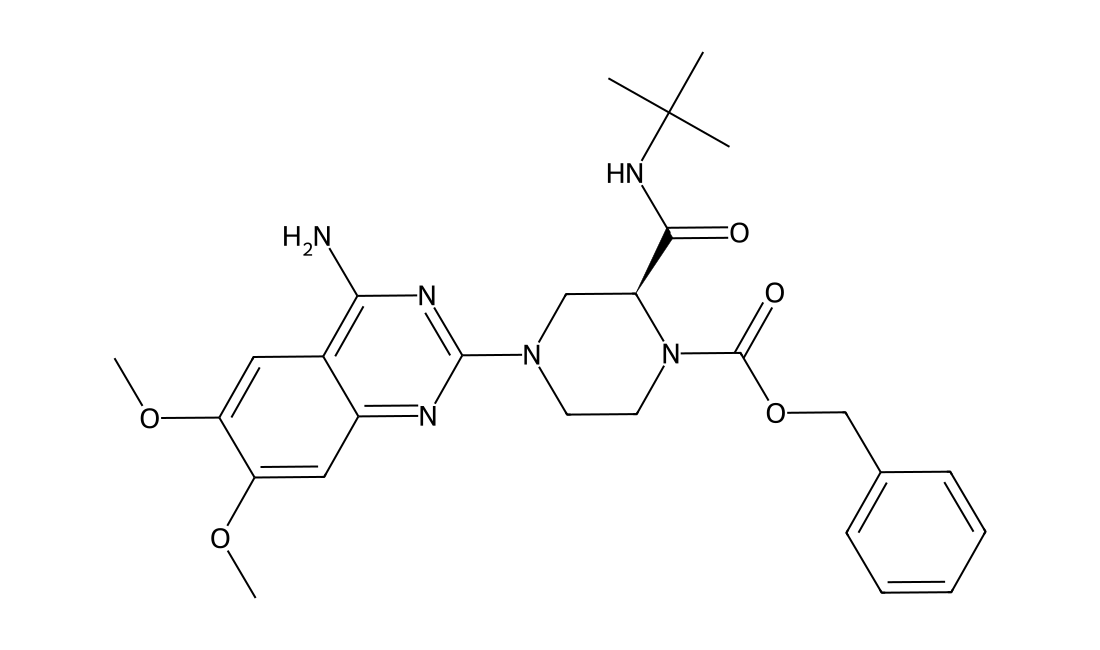
CAS 189349-50-6
L-765314 is a potent and selective α1b adrenergic receptor antagonist with Kis of 5.4 nM and 2.0 nM for rat and human α1b adrenergic receptor, respectively.
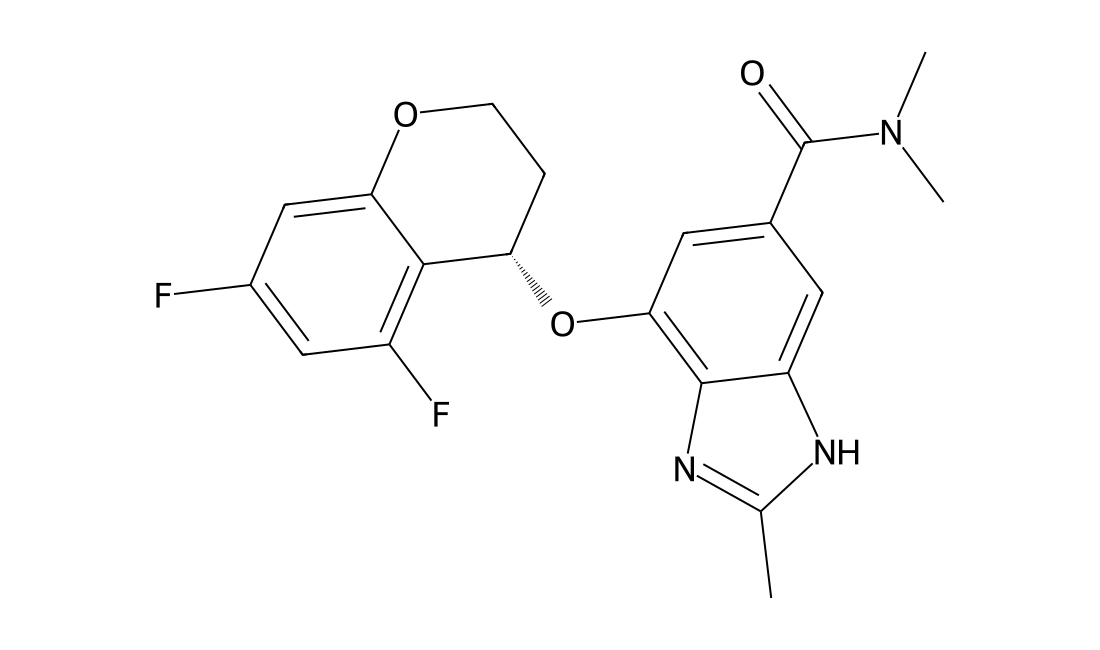
CAS 942195-55-3
Tegoprazan, a potassium-competitive acid blocker, is a potent, oral active and highly selective inhibitor of gastric H+/K+-ATPase that could control gastric acid secretion and motility, with IC50 values ranging from 0.29-0.52 μM for porcine, canine, and human H+/K+-ATPases in vitro[1].
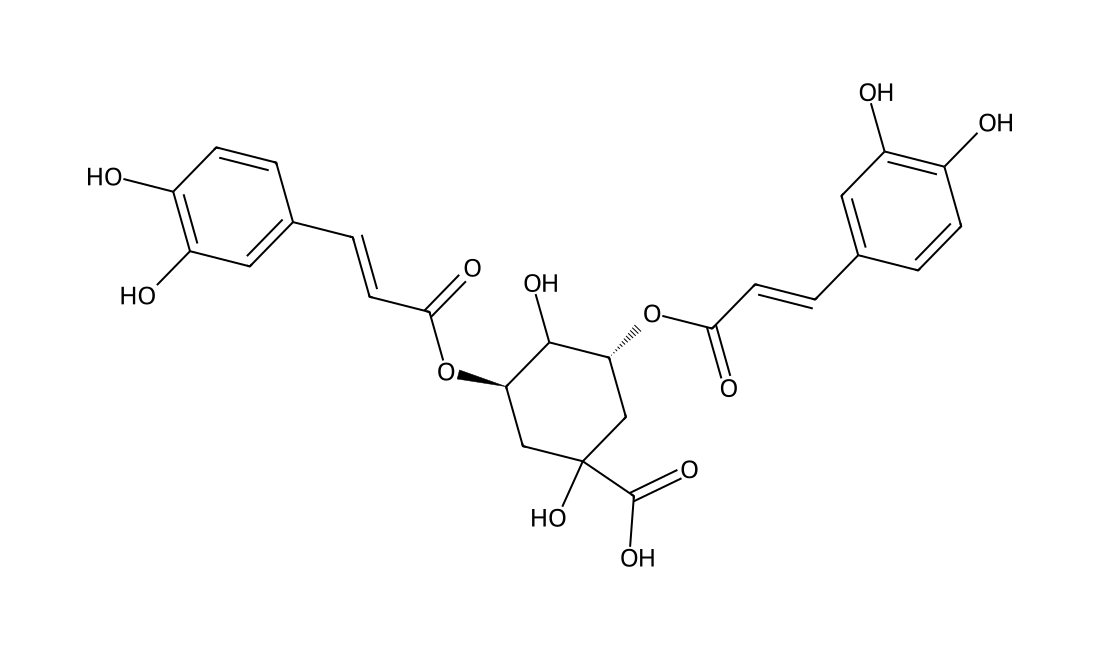
CAS 2450-53-5
3,5-Dicaffeoylquinic acid is a natural phenolic acid with antioxidant and anti-inflammatory activities .
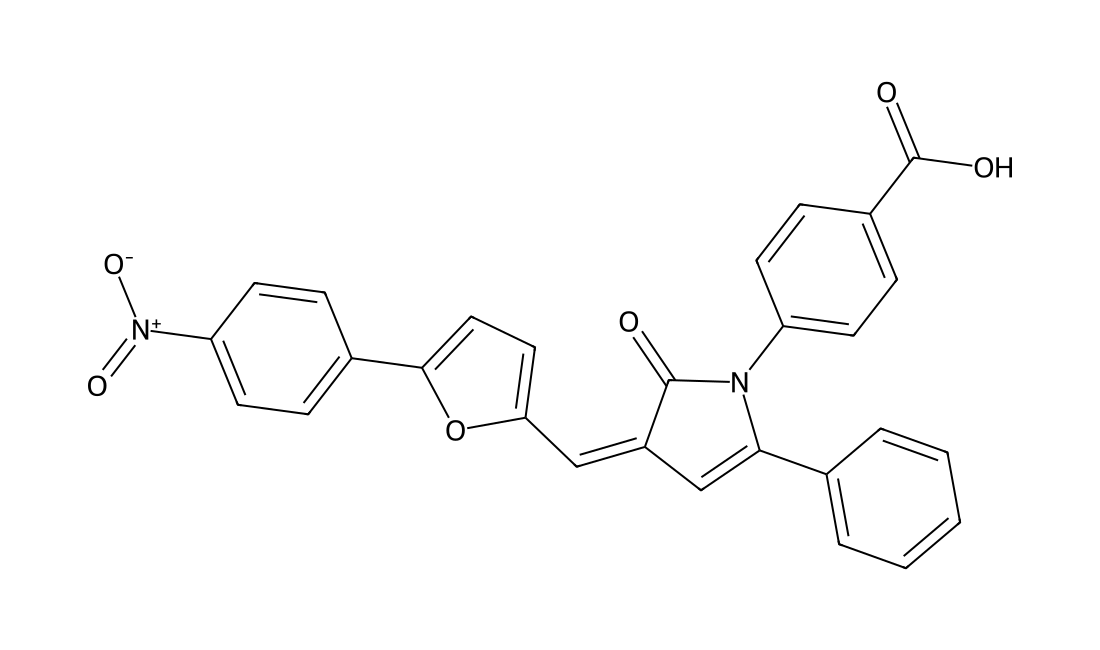
CAS 328998-25-0
4E1RCat is an inhibitor of cap-dependent translation, and inhibits eIF4E:eIF4GI interaction, with an IC50 an of ∼4 μM.
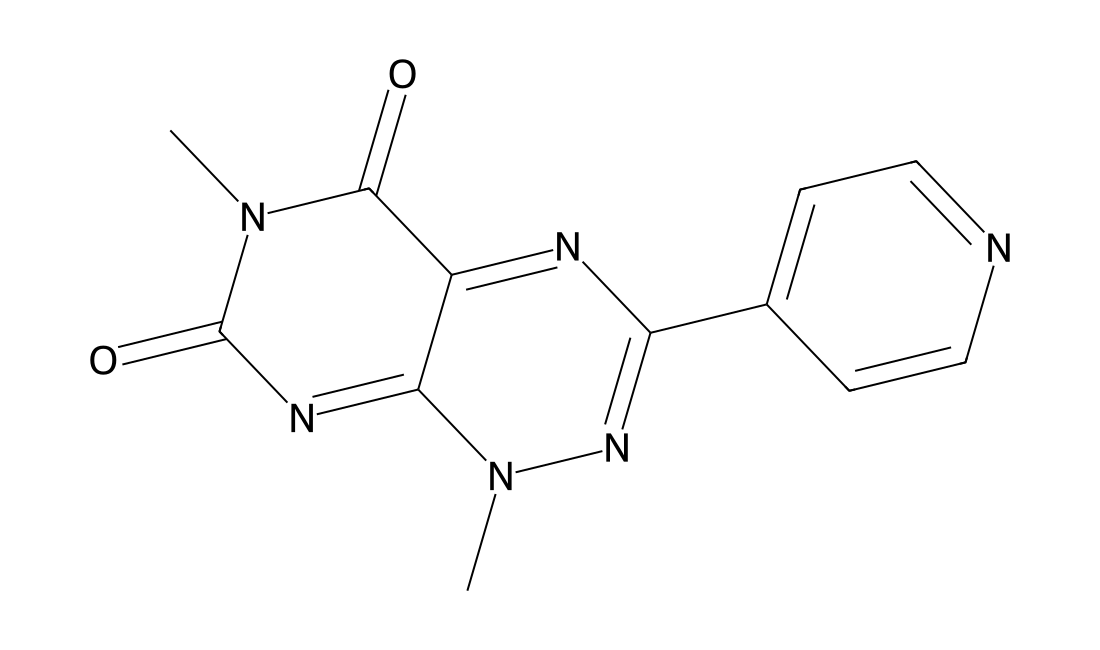
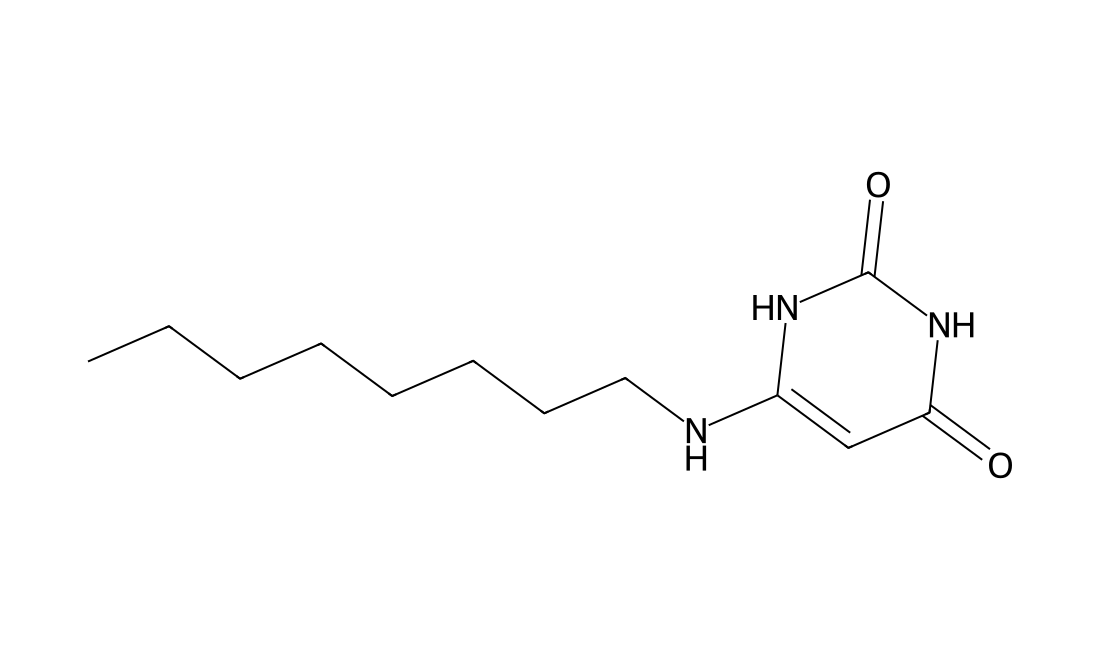
CAS 83797-69-7
6-OAU(GTPL5846; 6-n-octylaminouracil) is a surrogate agonist of GPR84; activates human GPR84 in the presence of Gqi5 chimera in HEK293 cells with an EC50 of 105 nM in the PI assay.
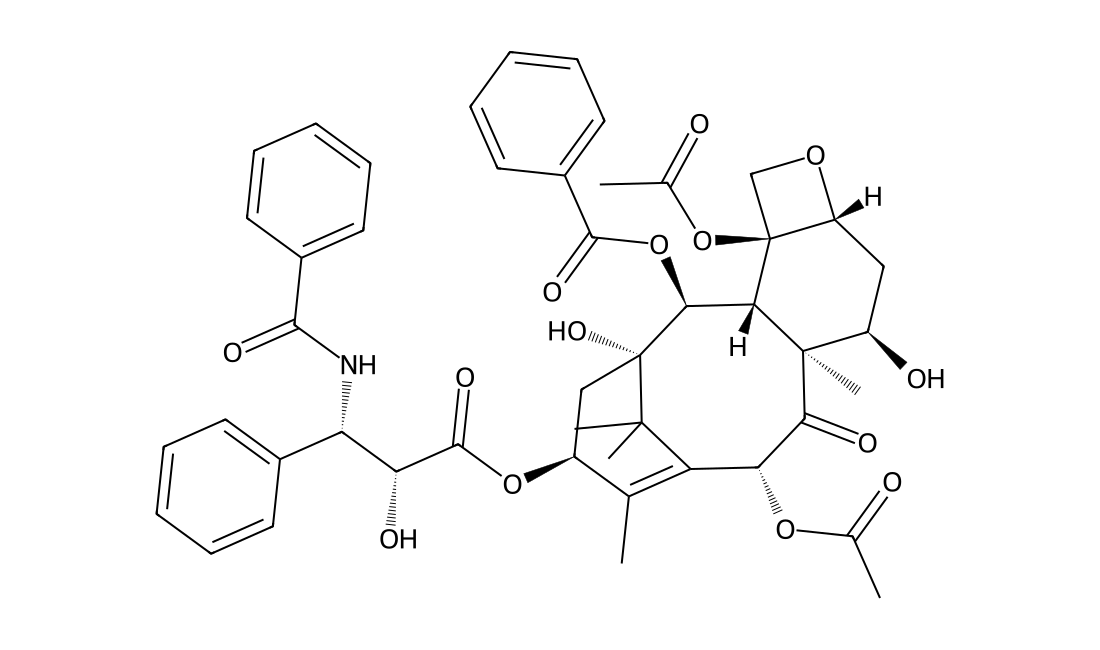
CAS 105454-04-4
7-epi-Taxol is an active metabolite of taxol, with activity comparable to that of taxol against cell replication, promoting microtubule bundle formation and against microtubule depolymerization.
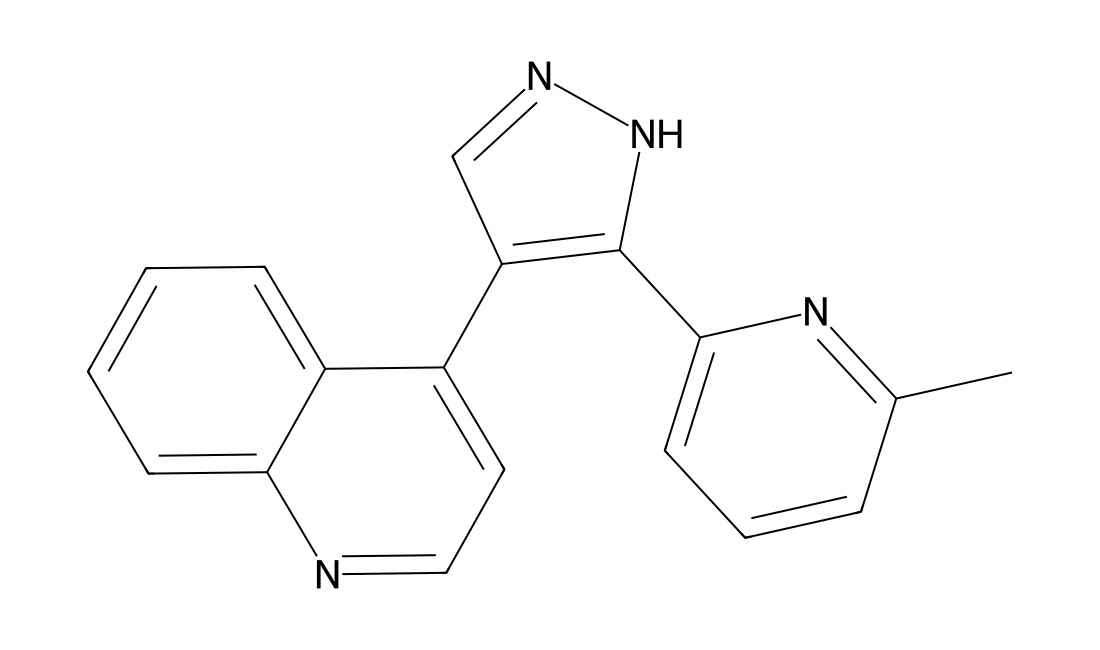
CAS 607737-87-1
A 77-01 is a potent inhibitor of TGF-β type I receptor superfamily activin-like kinase ALK5 with IC50 of 25 nM. IC50 Value: 25 nM [1]Target: ALK5A-77-01 is a close analogue of A-83-01(Axon 1421) and has a very similar biological profile of A-83-01. A-83-01 is found to decompose to A-77-01 under certain circumstances and A-77-01 is likely an active component or metabolite of its prodrug A-83-01.
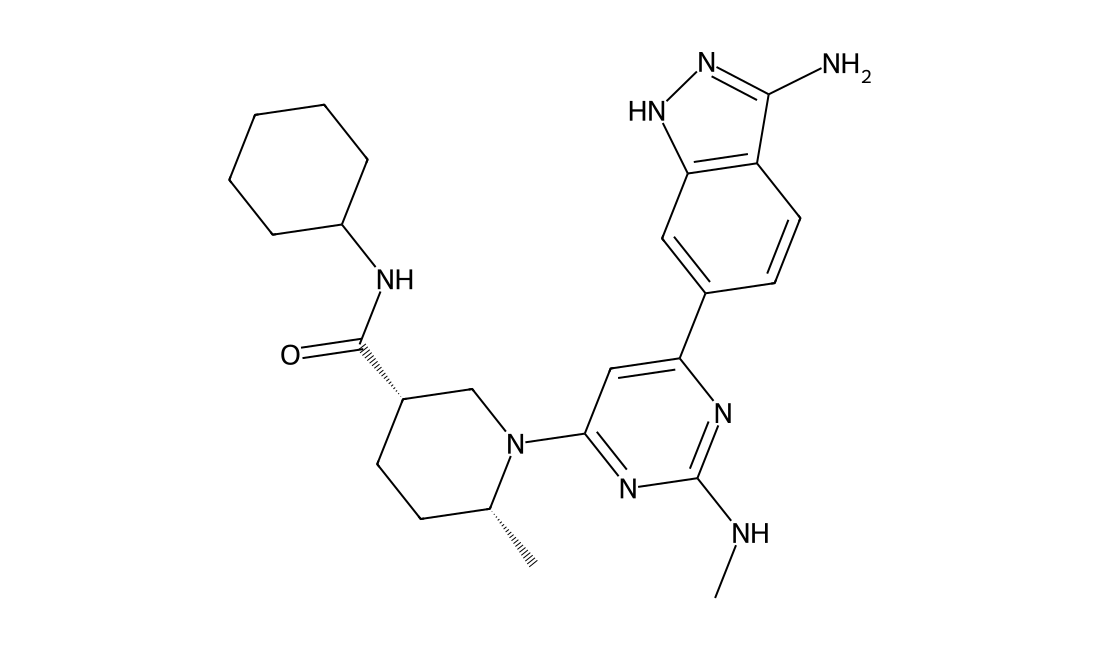
CAS 1227911-45-6
GSK2334470 is a highly specific and potent inhibitor of PDK1 with an IC50 of 10 nM.
CAS 2427584-96-9
TP0586532 is a non-hydroxamate LpxC inhibitor (IC50=0.101 μM). TP0586532 as a compound with a low cardiovascular risk that is effective against K. pneumoniae, including resistant strains[1].
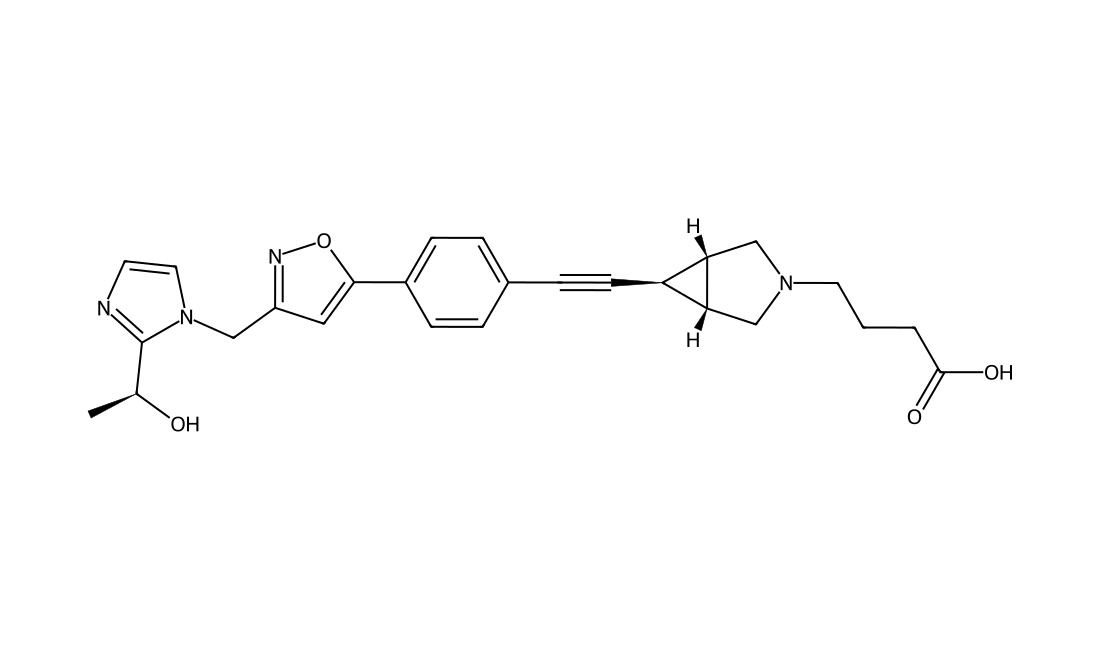
CAS 39809-25-1
Penciclovir is reported to be potent against HSV types 1 and 2 with IC50 of 0.04-1.8 μg/mL and 0.06-4.4 μg/mL, respectively.
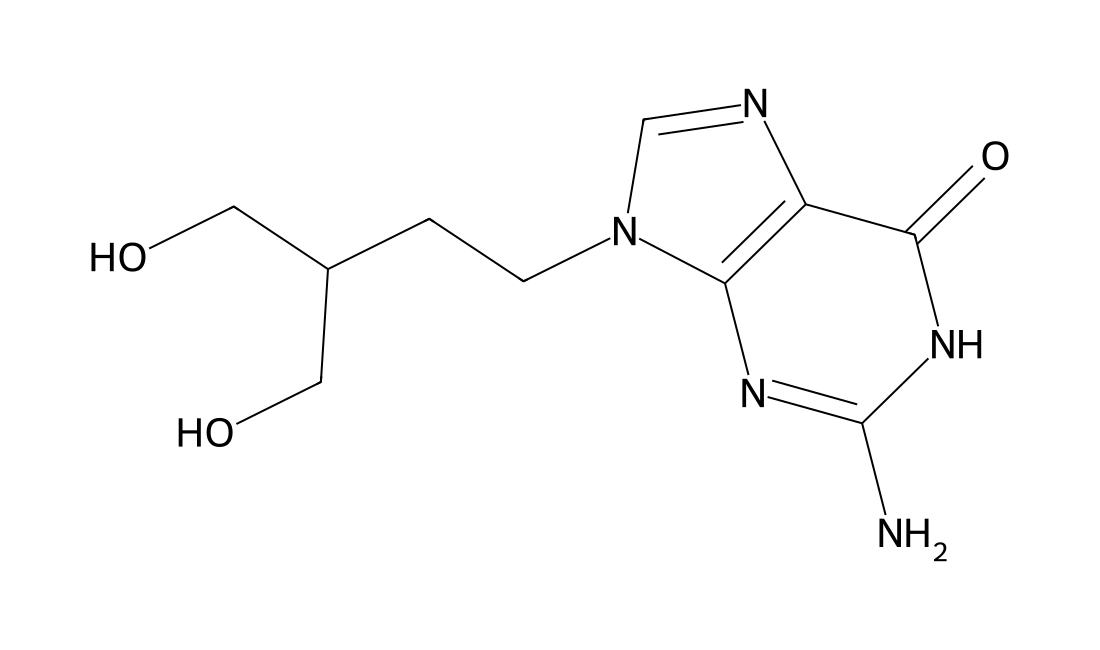
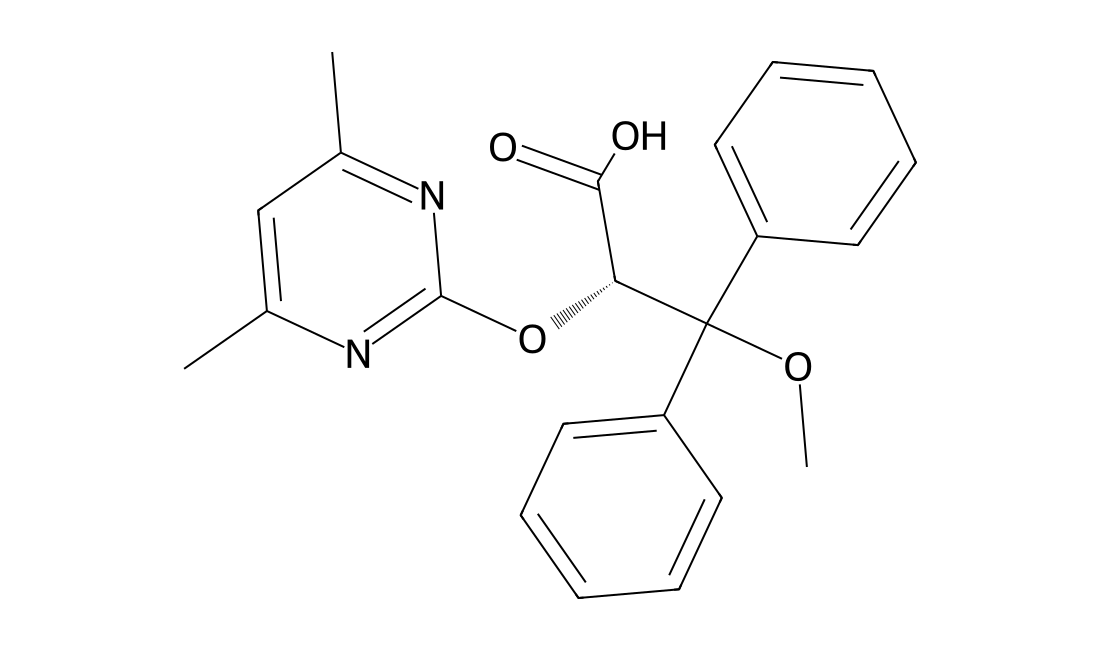
CAS 2310392-52-8
A novel P2X3 and P2X2/3 receptor antagonist useful for the treatmentof urinary tract diseases, pain, respiratory diseases and cardiovascular diseases.
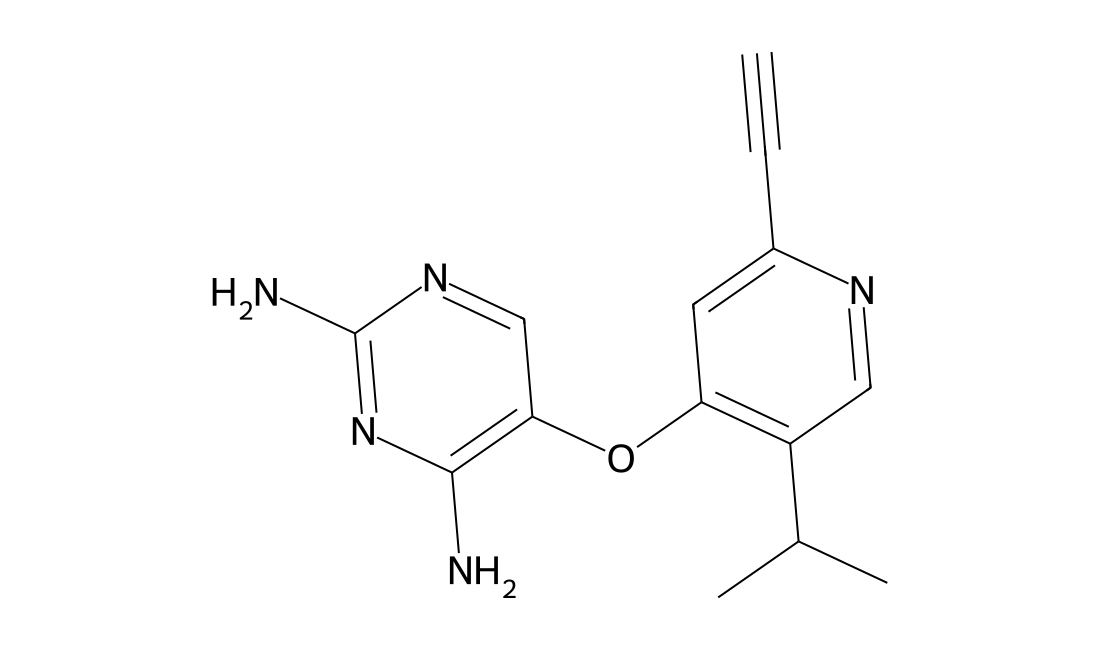
CAS 1032678-42-4
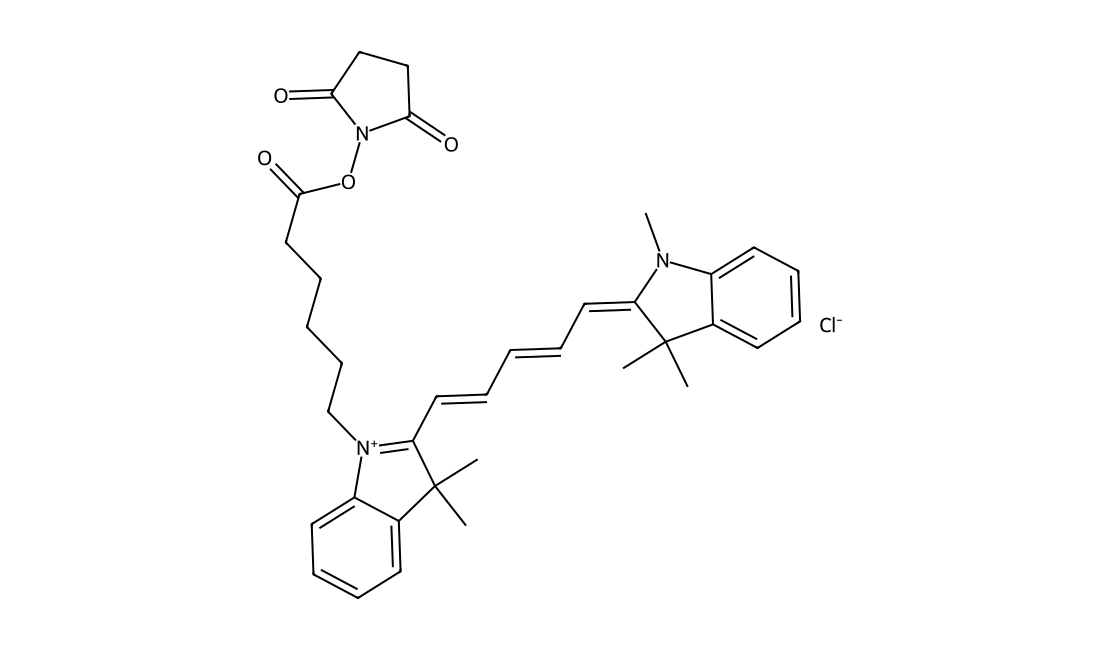
Cyanine5 NHS ester chloride is a red emitting fluorescent dye for labeling of amino-groups in peptides, proteins, and oligonucleotides[1].
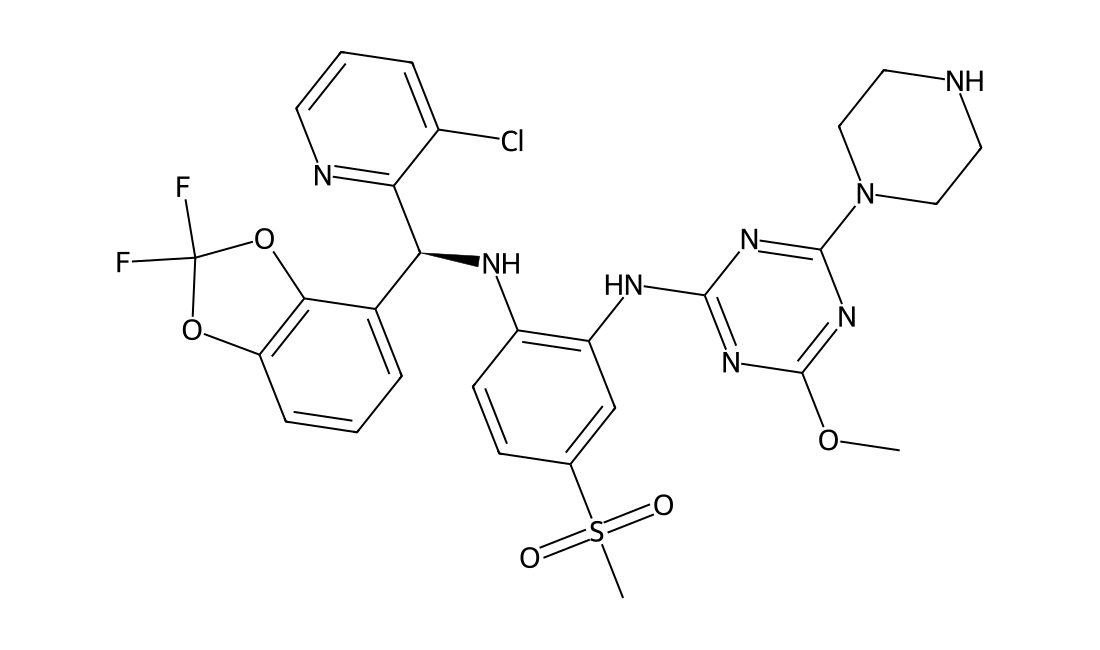
CAS 2565705-02-2
QQN05022, also known as Dot1L-IN-4 is a potent disruptor of telomeric silencing 1-like protein (DOT1L) inhibitor. This molecule was first reported in ACS Medicinal Chemistry Letters (2019), 10(12), 1655-1660. This product has no formal name at the moment. For the convenience of communication, a temporal code name was therefore proposed according to MedKoo Chemical Nomenclature.
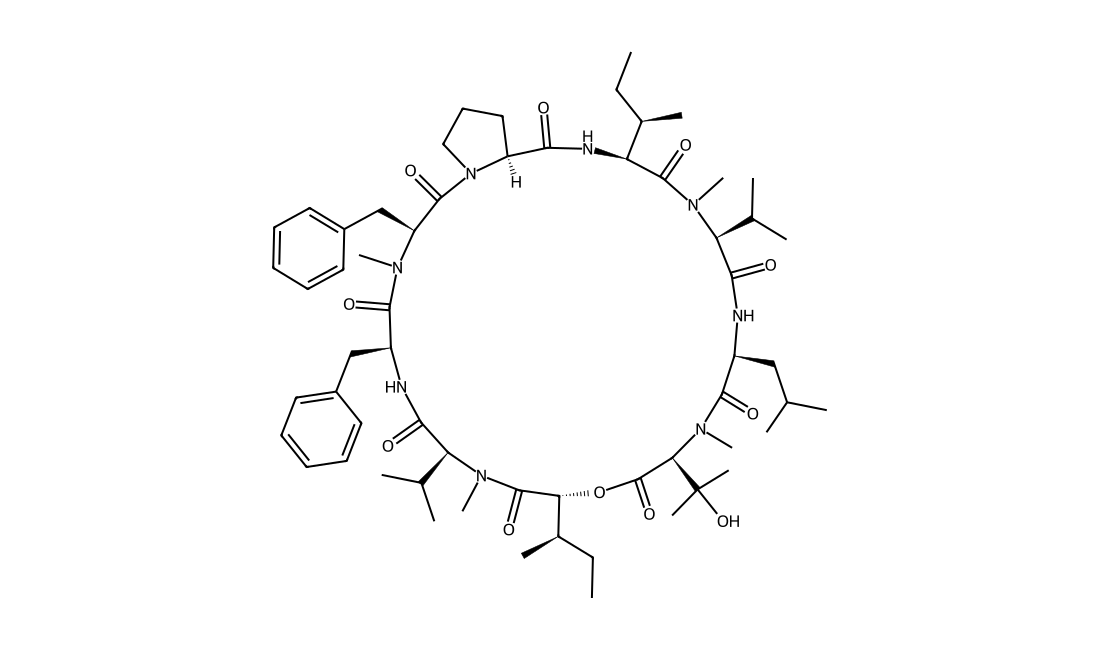
CAS 127785-64-2
Aureobasidin A (Basifungin), a cyclic depsipetide, is an antifungal antibiotic. Aureobasidin A (Basifungin) A is an inhibitor of the inositolphosphorylceramide synthase AUR1[1][2].
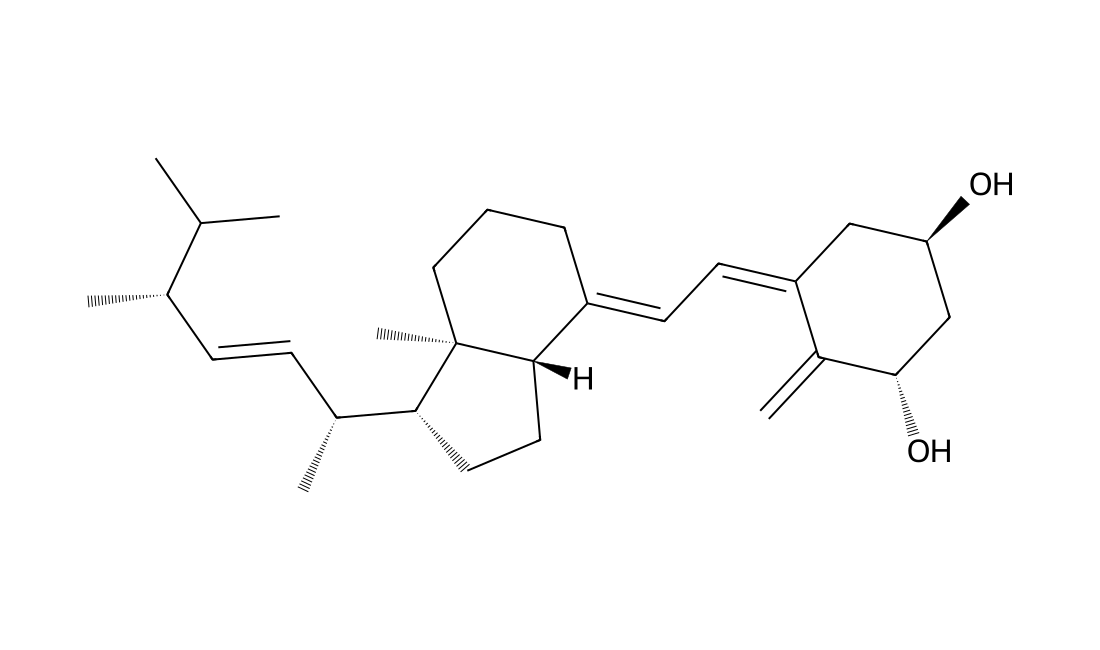
CAS 54573-75-0
Doxercalciferol is a Vitamin D2 analog, acts as an activator of Vitamin D receptor, and prevent renal disease.
CAS 211364-06-6
AT-130 is a potent inhibitor of HBV capsid assembly, inhibits wild-type HBV replication with IC50 of 2.4 uM; inhibits replication of wild-type and lamivudine-resistant strains of hepatitis B virus in vitro with same sensitivity (rtL180M, rtM204I, and rtL180M + rtM204V); blocks HBV replication at the level of viral RNA packaging, interferes with capsid morphogenesis, shows activity against the main lamivudine- and adefovir-resistant mutants.
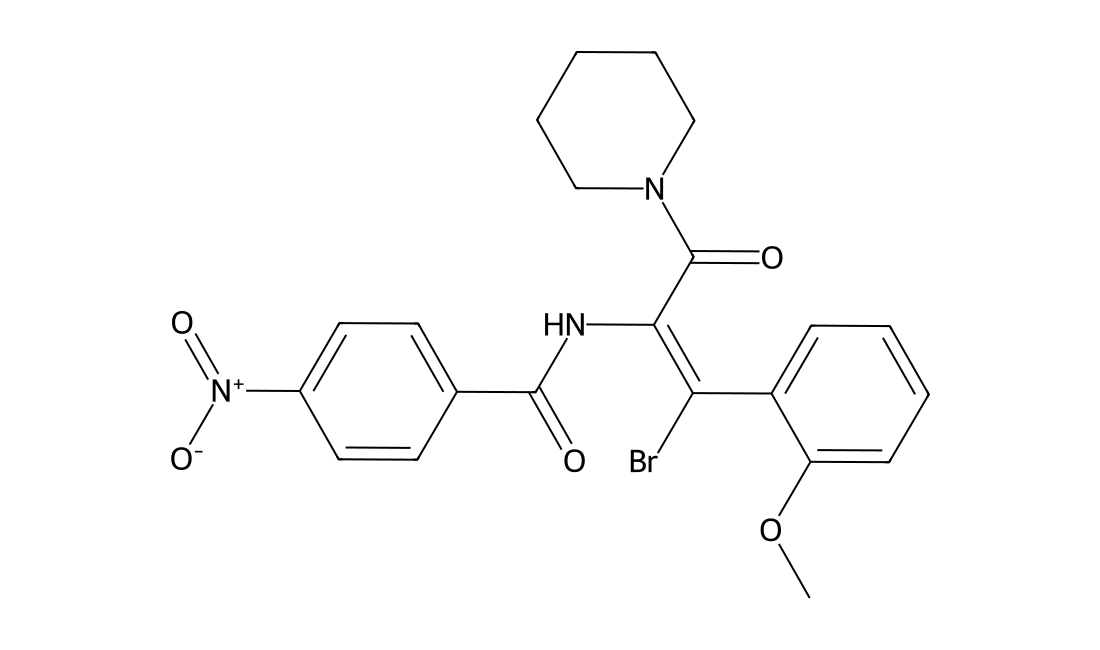
CAS 1346528-50-4
JNJ-42165279 is a FAAH inhibitor with IC50 of 70 ± 8 nM and 313 ± 28 nM for hFAAH and rFAAH, respectively.IC50 value: 70 ± 8 nM (for hFAAH), 313 ± 28 nM (for rFAAH )Target:FAAHJNJ-42165279 covalently inactivates the FAAH enzyme, but is highly selective with regard to other enzymes, ion channels, transporters, and receptors. JNJ-42165279 exhibits high selectivity against a panel of 50 receptors, enzymes, transporters, and ion-channels at 10 μM, at which concentration it does not produce >50% inhibition of binding to any of the targets. Fortunately, JNJ-42165279 also does not inhibit CYPS (1A2, 2C8, 2C9, 2C19, 2D6, 3A4) or hERG when tested at a 10 μM compound concentration. [1]in vivo: JNJ-42165279 exhibits excellent ADME and pharmacodynamic properties as evidenced by its ability to block FAAH in the brain and periphery of rats and thereby cause an elevation of the concentrations of anandamide (AEA), oleoyl ethanolamide (OEA), and palmitoyl ethanolamide (PEA). The compound was also efficacious in the spinal nerve ligation (SNL) model of neuropathic pain. JNJ-42165279 exhibits relatively rapid clearance in the course of rat pharmacokinetic experiments, manifesting as a low AUC and Cmax; however, sufficiently high exposures were obtainable to support preclinical animal models. In a subsequent higher dose (20 mg/kg) oral PK experiment, compound concentrations were determined both in the plasma and brain of rats. [1]
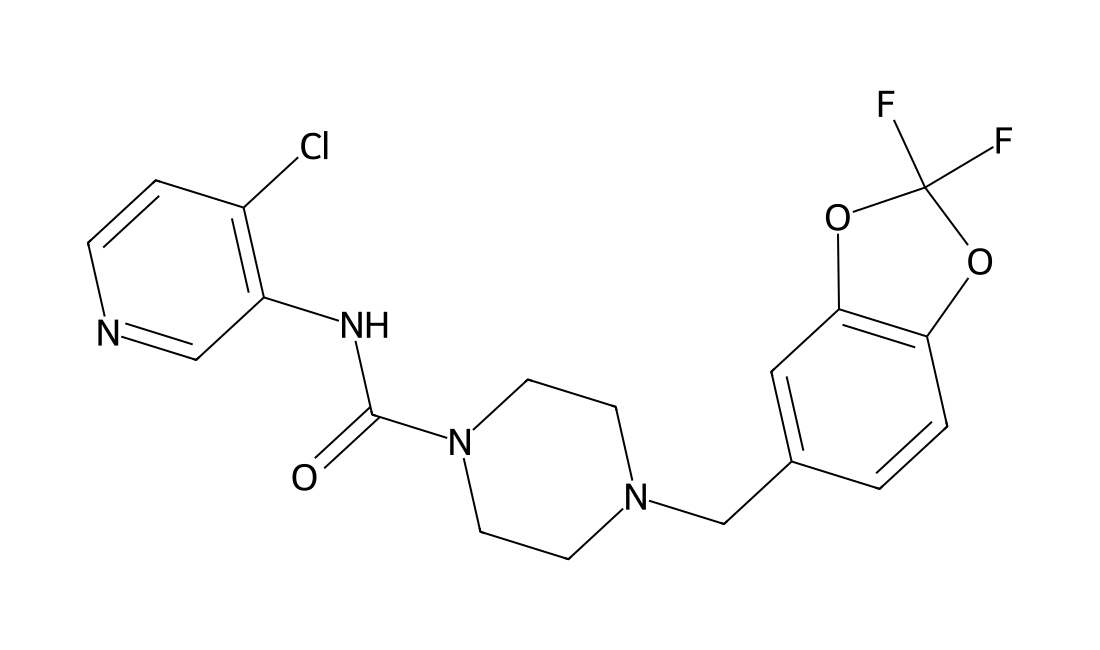
CAS 443797-96-4
JNJ-7706621 is a potent aurora kinase inhibitor, and also inhibits CDK1 and CDK2, with IC50s of 9, 3, 11, and 15 nM for CDK1, CDK2, Aurora-A and Aurora-B, respectively.
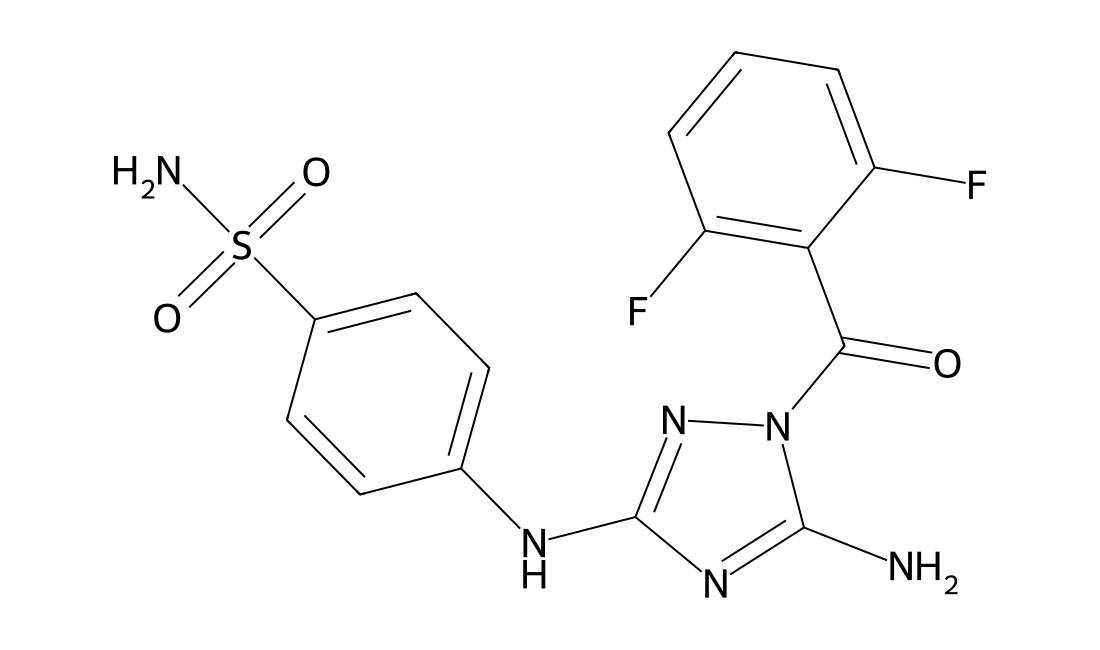
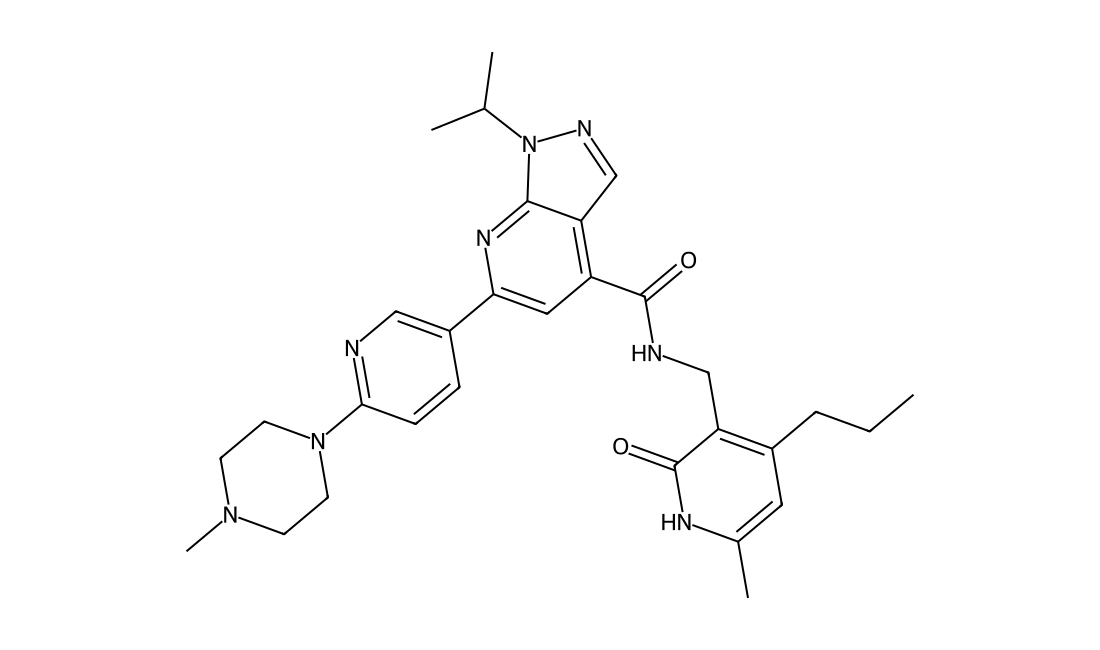
CAS 1210004-12-8
JZL195 is a selective and efficacious dual FAAH/MAGL inhibitor with IC50 of 13 nM and 19 nM for mouse brain FAAH and MAGL respectively.IC50 value: 13 nM/19 nM (mouse brain FAAH/MAGL) [1]Target: dual FAAH/MAGL inhibitorin vitro: JZL195 shows only modest and incomplete inhibitory activity against NTE (IC50 >5 uM). At higher concentrations, JZL195 inhibited ABHD6 but not any of the other brain serine hydrolases detected in our competitive ABPP assays. JZL195 also inhibited rat and human FAAH and MAGL enzymes with IC50 values in the range of 10–100 nM based on competitive ABPP assays [1].in vivo: A time course analysis of mice given one administration ofJZL195 (20 mg/kg, i.p.) revealed that blockade of FAAH andMAGL lasted at least 10 h as judged by gel-based ABPP or AEAand 2-AG hydrolysis assays [1]. The effect of systemic injections of a range of doses of JZL195 and the pan-cannabinoid receptor agonist WIN55212 were performed 1 day following intraplantar injection of CFA in C57BL/6 mice. JZL195 and WIN55212 both reduced mechanical allodynia and thermal hyperalgesia, and produced catalepsy and sedation in a dose dependent manner. Unlike WIN55212, JZL195 reduced allodynia at doses below those at which side-effects were observed [2].
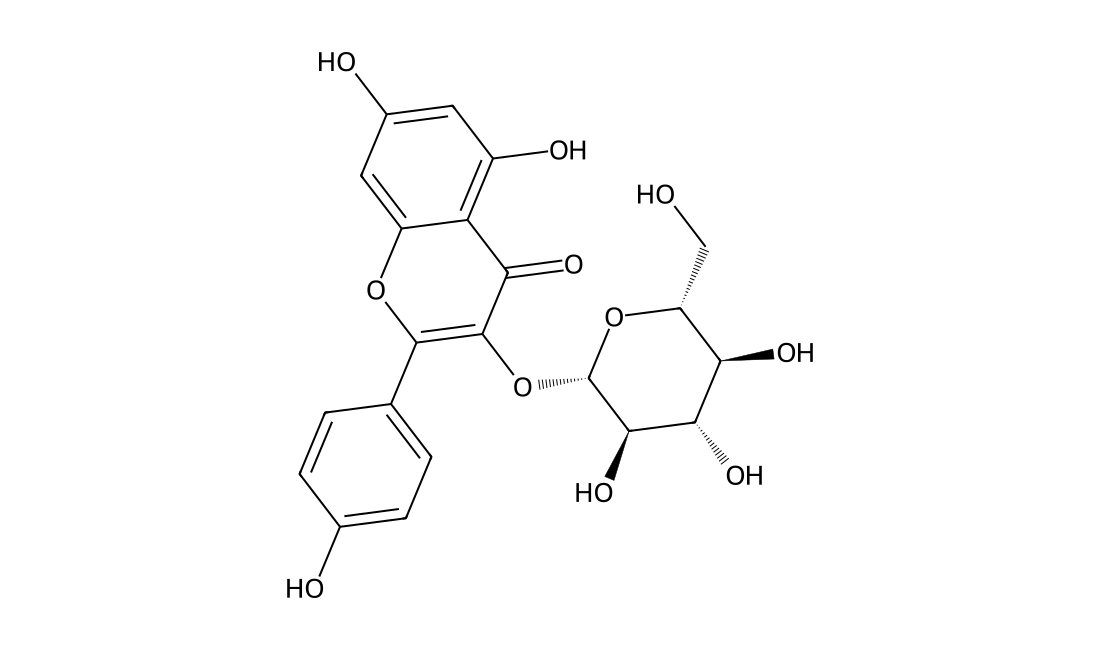
CAS 480-10-4
Astragalin (kaempferol-3-O-glucoside) is a flavonoid with anti-inflammatory activity and newly found in persimmon leaves and green tea seeds.IC50 value:Target: in vitro: Astragalin nontoxic at ≤ 20 μM suppressed cellular induction of Toll-like receptor 4 (TLR4) and ROS production enhanced by LPS. Both LPS and H2O2 induced epithelial eotaxin-1 expression, which was blocked by astragalin. LPS activated and induced PLCγ1, PKCβ2, and NADPH oxidase subunits of p22phox and p47phox in epithelial cells and such activation and induction were demoted by astragalin or TLR4 inhibition antagonizing eotaxin-1 induction. H2O2-upregulated phosphorylation of JNK and p38 MAPK was dampened by adding astragalin to epithelial cells, while this compound enhanced epithelial activation of Akt and ERK. H2O2 and LPS promoted epithelial apoptosis concomitant with nuclear condensation or caspase-3 activation, which was blunted by astragalin [1]. astragalin suppressed the expression of tumor necrosis factor α, interleukin 6, and nitric oxide in a dose-dependent manner in mMECs [2]. astragalin attenuated the infiltration of inflammatory cells, the activity of myeloperoxidase (MPO) and the expression of tumor necrosis factor-α (TNF-α), interleukin-6 (IL-6) and interleukin-1β (IL-1β) in a dose-dependent manner. Additionally, Western blotting results showed that astragalin efficiently blunt decreased nuclear factor-kappaB (NF-κB) activation by inhibiting the degradation and phosphorylation of IκBα and the nuclear translocation of p65 [3]. Astragalin significantly reduced LPS-induced expression of iNOS, COX-2 and cytokines/chemokines, and production of NO in J774A.1 mouse macrophages. Astragalin inhibited LPSinduced activation of NF-κB as indicated by inhibition of degradation of IκBα, nuclear translocation of NF-κB, and NF-κB dependent gene reporter assay [4].in vivo: Mice were injected intraperitoneally (i.p.) with lipopolysaccharide (LPS) (dose range: 5-40 mg/kg). pretreatment with astragalin can improve survival during lethal endotoxemia and attenuate inflammatory responses in a murine model of lipopolysaccharide-induced acute lung injury [4].
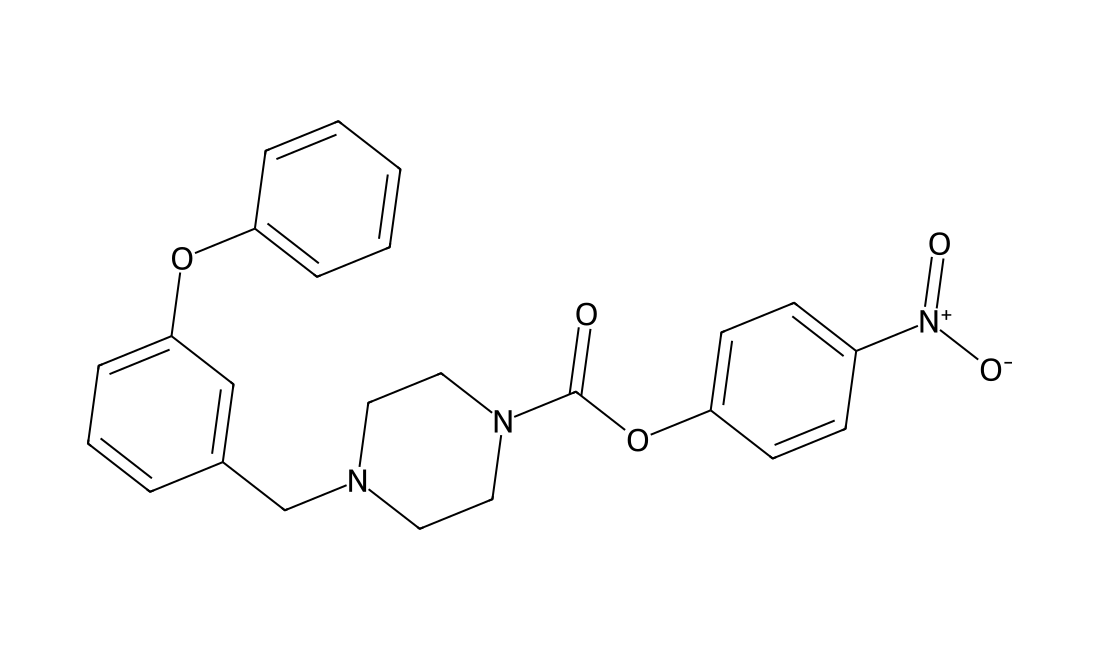
CAS 2098902-68-0
KDM4D-IN-1 is a new histone lysine demethylase 4D (KDM4D) inhibitor with an IC50 value of 0.41±0.03 μM.
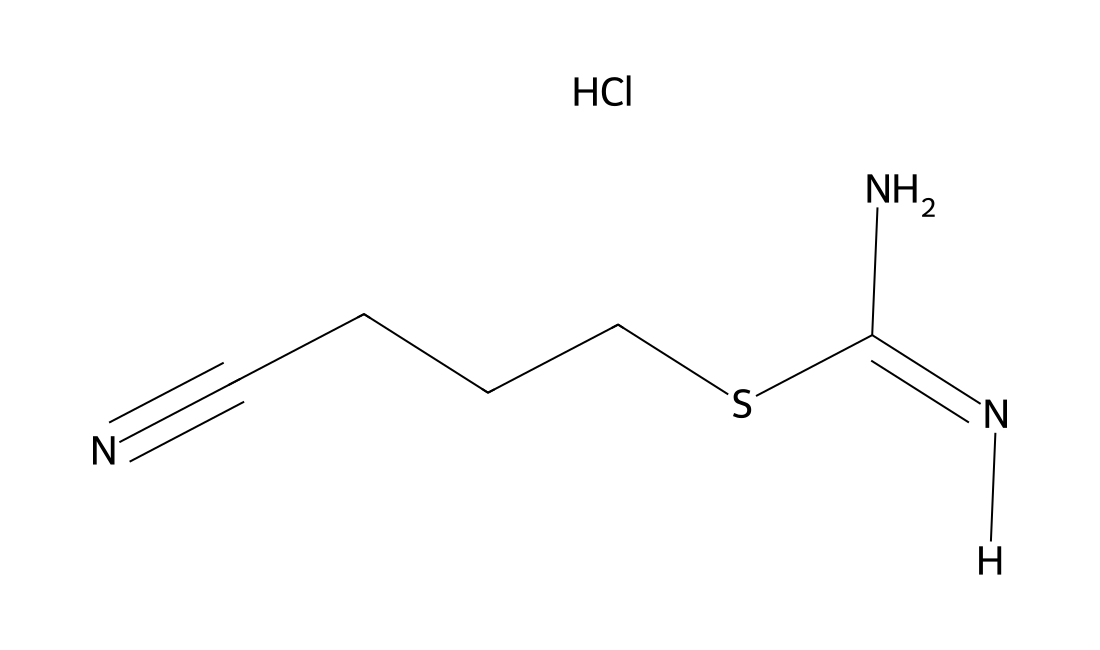
CAS 66592-89-0
Kevetrin hydrochloride is a small molecule and activator of the tumor suppressor protein p53, with potential antineoplastic activity. Target:p53in vitro: Kevetrin activates p53 which in turn induces the expressions of p21 and PUMA (p53 up-regulated modulator of apoptosis), thereby inhibiting cancer cell growth and causing tumor cell apoptosis. Kevetrin may be effective in drug-resistant cancers with mutated p53. p53 tumor suppressor, a transcription factor regulating the expression of many stress response genes and mediating various anti-proliferative processes, is often mutated in cancer cells. in vivo: Kevetrin has demonstrated potent anti-tumor efficacy against various carcinoma xenograft models: lung, breast, colon, prostate and squamous cell carcinoma, and in a leukemia tumor model. In drug-resistant cell lines, Kevetrin has shown excellent activity, galvanizing the Company to focus on Kevetrin's development potential in this area.
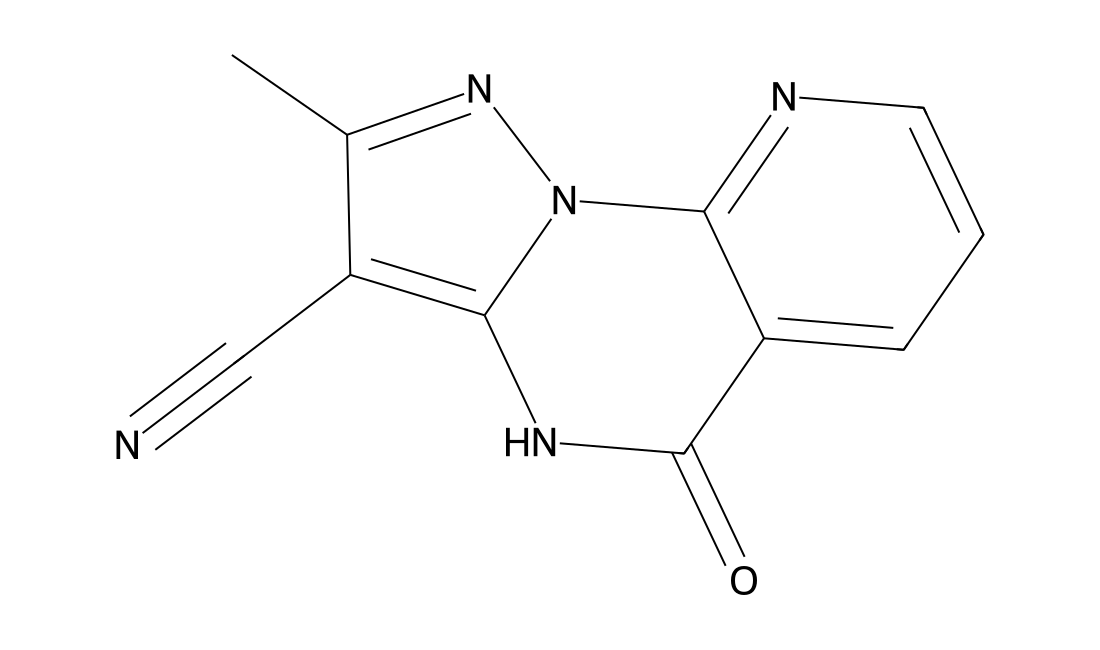
CAS 1863905-38-7
PF-06737007 is a potent pan-Trk inhibitor in cell-based assays with IC50s of 7.7 nM, 15 nM and 3.9 nM for TrkA, TrkB and TrkC, respectively[1]. Anti-hyperalgesic effect[1].