Small Molecule Research Tools

Explore bioactive compounds by research category, then narrow your search by target, product name, catalog number or CAS.

Newly added: LC-MG and OXF molecular glue research compounds →

6,823 products17 research categoriesBrowse all products ↓

Browse by research category

Products may appear in more than one category. Counts refer to distinct catalog numbers within each category.

Other Research Tools (75) · Additional reagents, building blocks and specialized research tools.

New literature-derived products

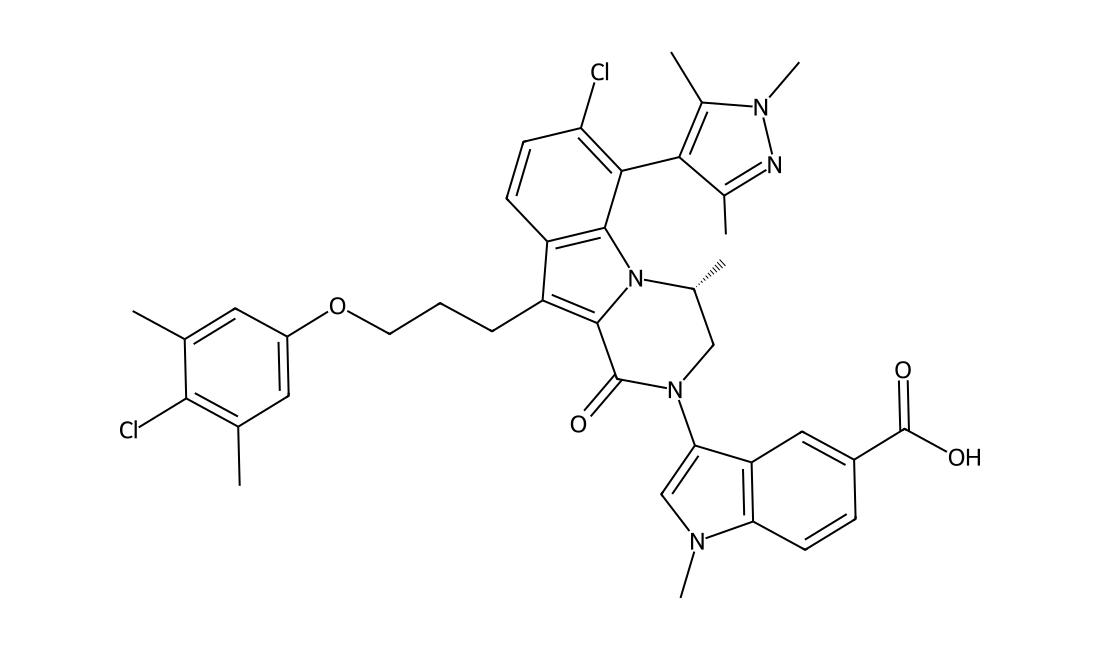
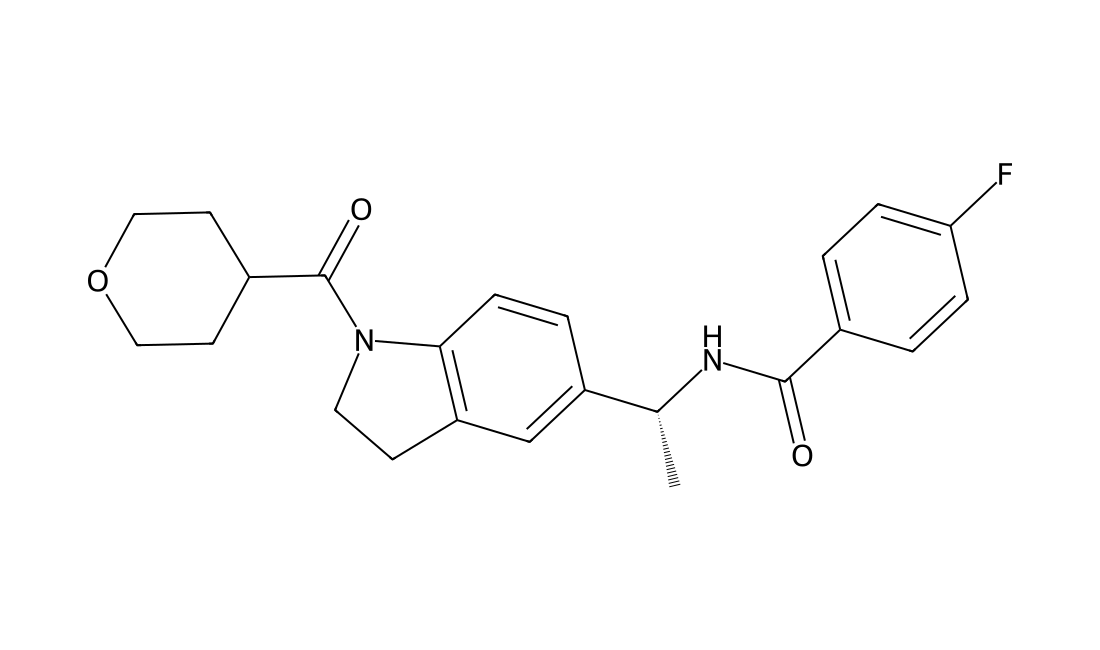
LC-MG-1 (DCA0006) · LC-MG-4 (DCA0007) · LC-MG-9 (DCA0008)

View structure and evidence summaries →

All small molecule products

Combine a keyword, research category and target to narrow the product list.

Loading catalog filters…

6,823 products · Showing 6,241–6,288

DC11082

Danicopan (ACH-4471)

CAS 1903768-17-1

Danicopan, a selective and orally active small-molecule factor D inhibitor, inhibits alternative pathway of complement (APC) activity. Danicopan has potential to block the alternative pathway of complement in paroxysmal nocturnal hemoglobinuria (PNH) and atypical hemolytic uremic syndrome (aHUS)[1].

Danicopan (ACH-4471) chemical structure
DC21396

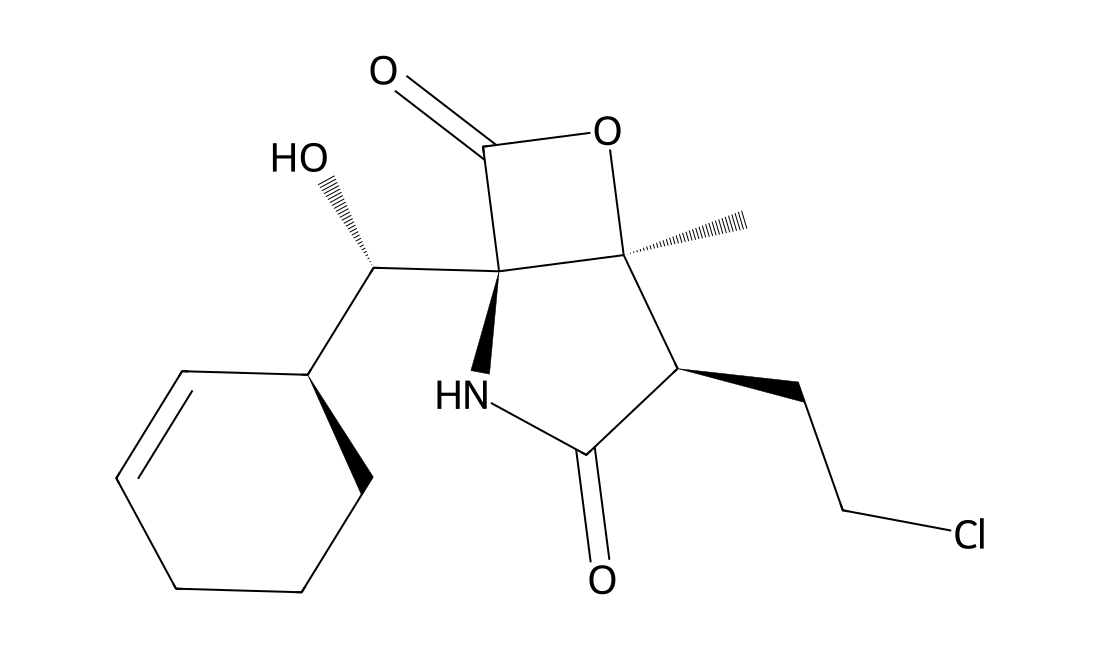
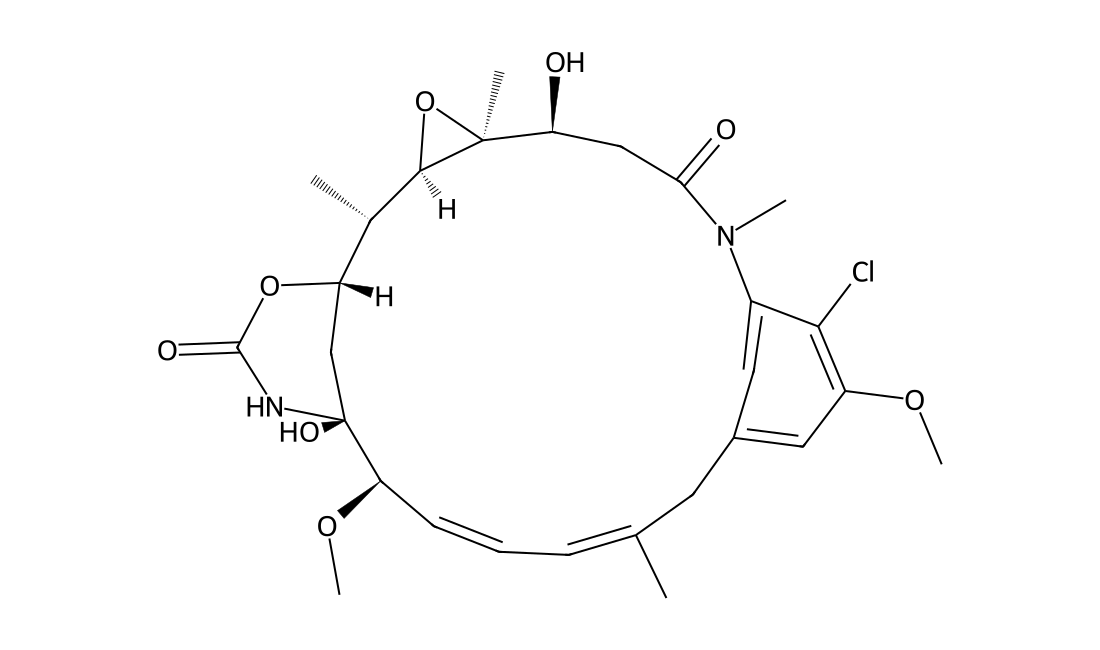
Marizomib

CAS 437742-34-2

Marizomib (Salinosporamide A) is second-generation, irreversible, brain-penetrant, pan-proteasome inhibitor. Marizomib inhibits the CT-L (β5), CT-T-laspase-like (C-L, β1) and trypsin-like (T-L, β2) activities of the 20S proteasome (IC50=3.5, 28, and 430 nM, respectively)[1][2][3].

Marizomib chemical structure
DC11999

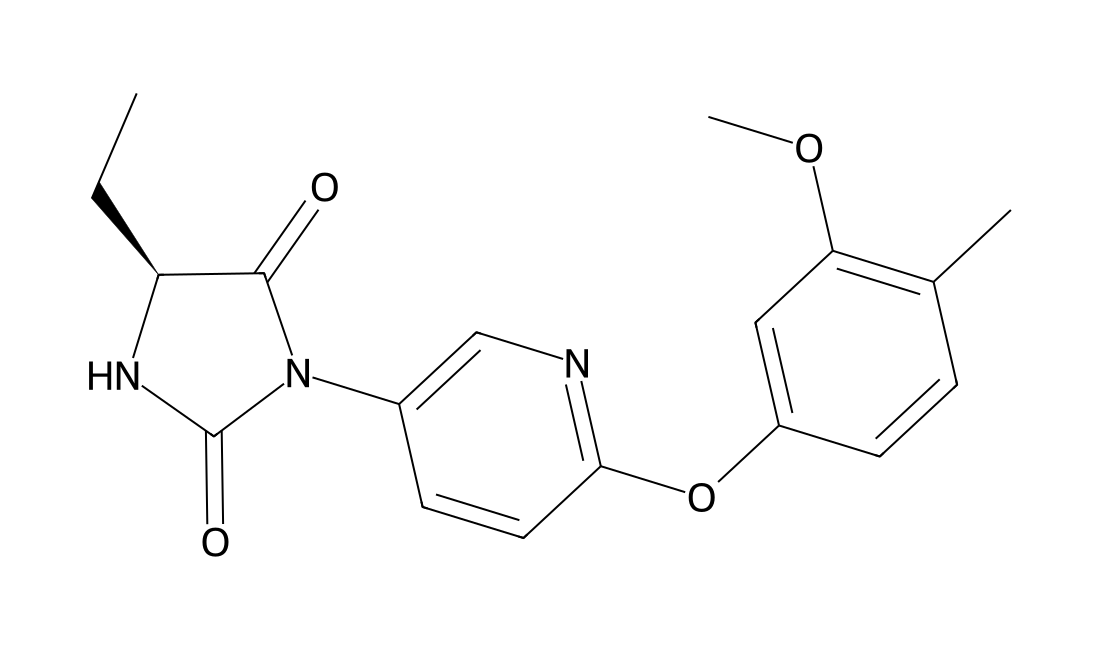
AUT-1

CAS 1311136-84-1

AUT1 is a Kv3 potassium channel modulator, with pEC50s of 5.33 and 5.31 for human recombinant Kv3.1b and Kv3.2a, respectively, exhibits 10-fold lower potency at human recombinant Kv3.3 channel (pEC50, 4.5)[1].

AUT-1 chemical structure
DC9579

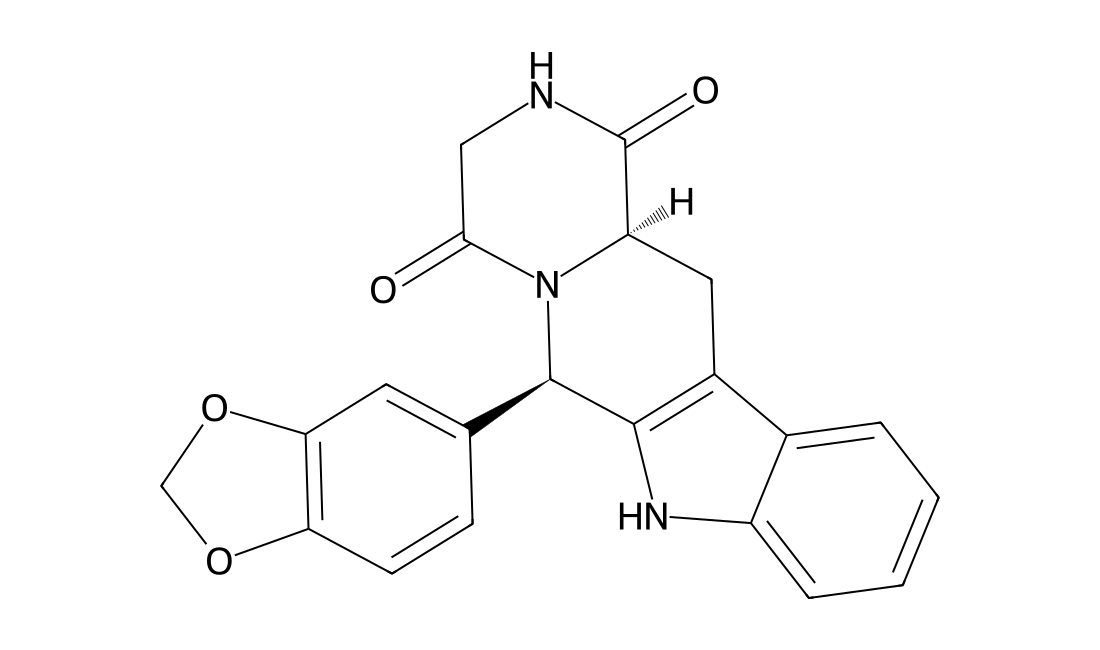
Nortadalafil

CAS 171596-36-4

Nortadalafil is demethyl Tadalafil, which is a PDE5 inhibitor, currently marketed in pill form for treating erectile dysfunction (ED) under the name Cialis; and under the name Adcirca for the treatment of pulmonary arterial hypertension.

Nortadalafil chemical structure
DC20478

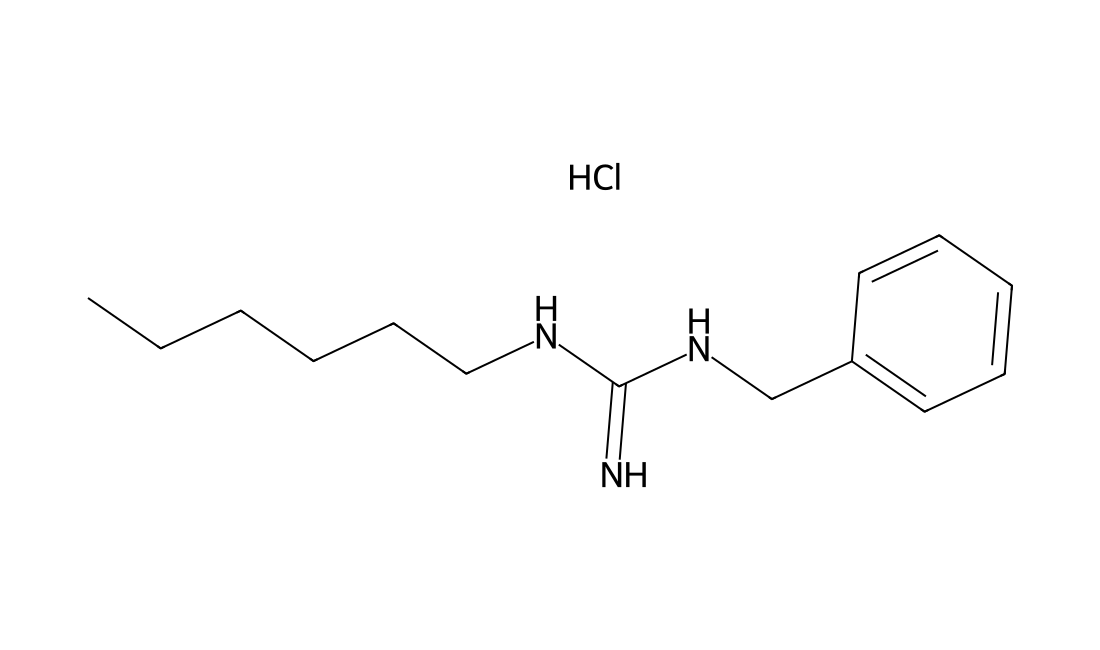
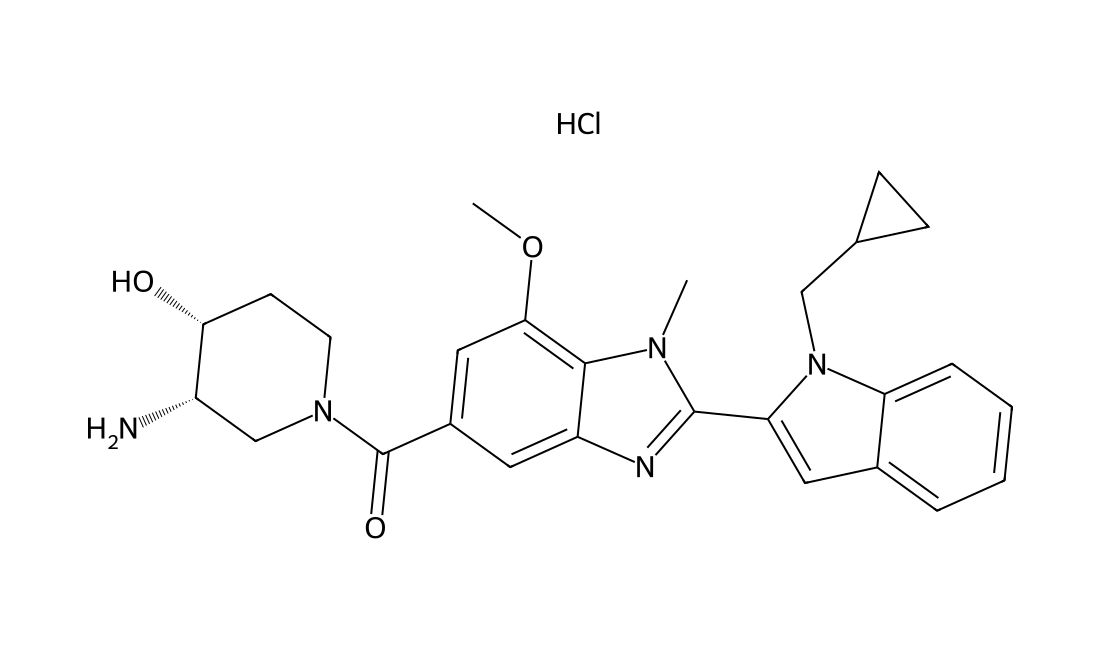
NS-3-008 HCl

CAS 1172854-54-4

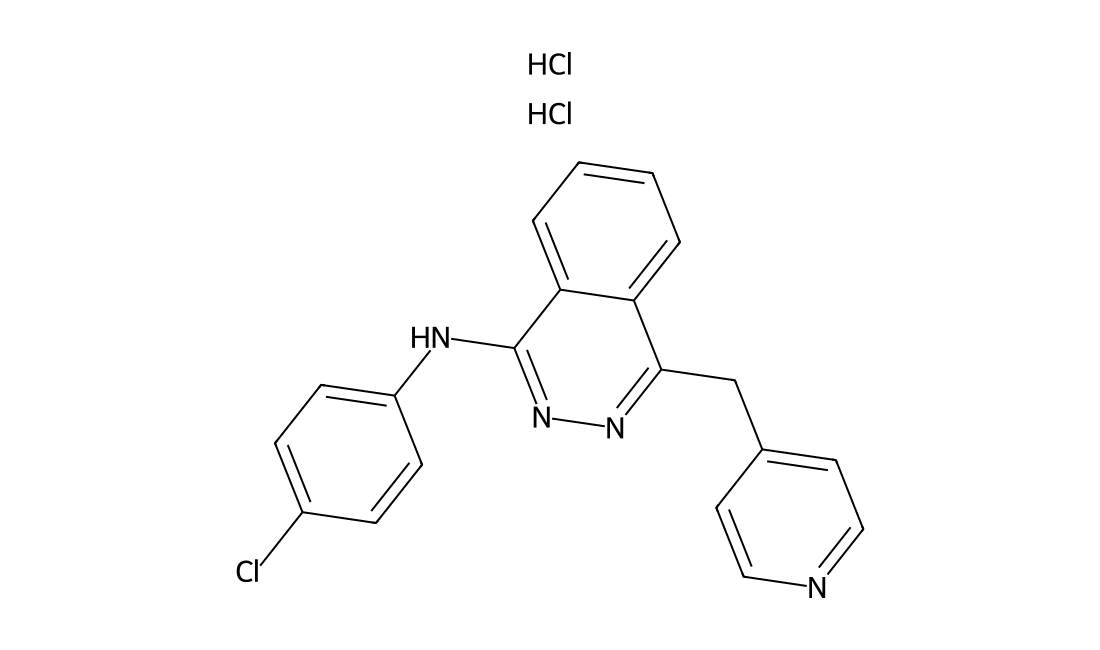
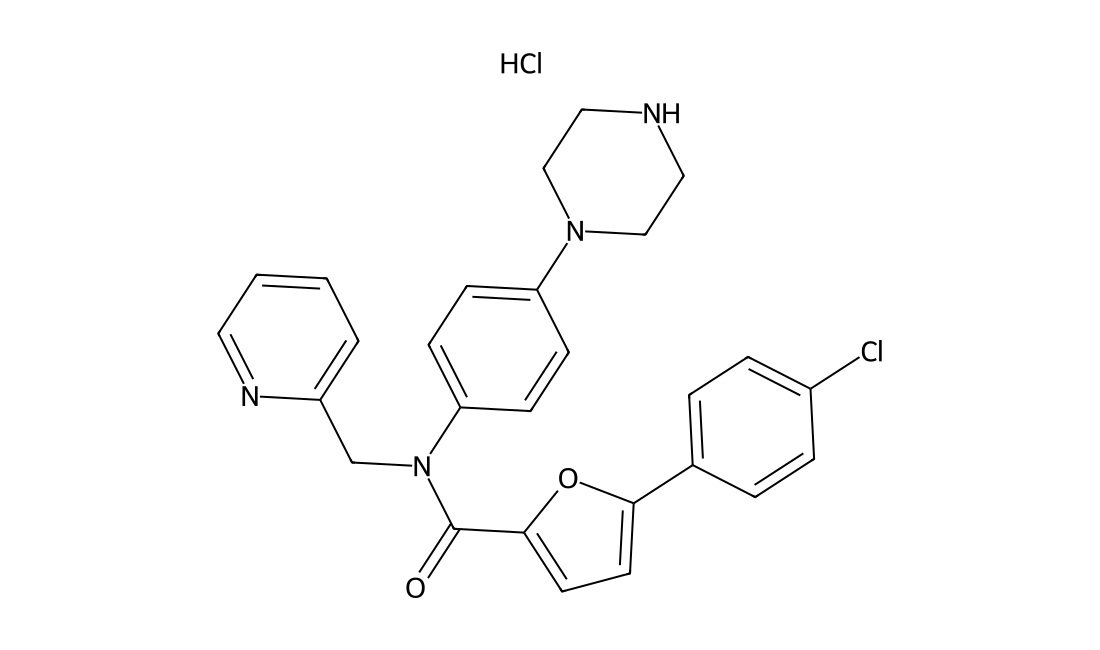
NS-3-008 is a novel small-molecule transcriptional inhibitor of G0s2 (G0/G1 switch 2) with IC50 of 2.25 uM; decreases levels of G0s2 and Ccl2 mRNA in the kidneys (5 mg/kg, p.o.); decreases the phosphorylation of Stat5 and p65 protein and suppresses renal inflammation in 5/6Nx mice, ameliorates renal dysfunction in mouse model of chronic kidney disease (CKD).

NS-3-008 HCl chemical structure
DC22592

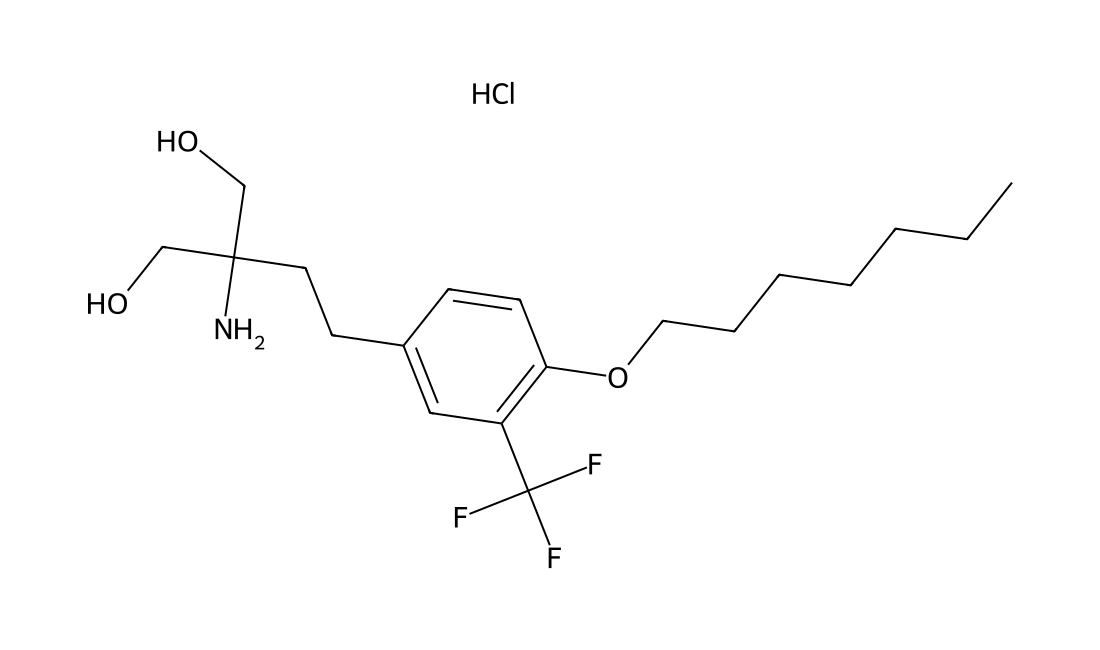
Amiselimod hydrochloride (MT-1303 hydrochloride)

CAS 942398-84-7

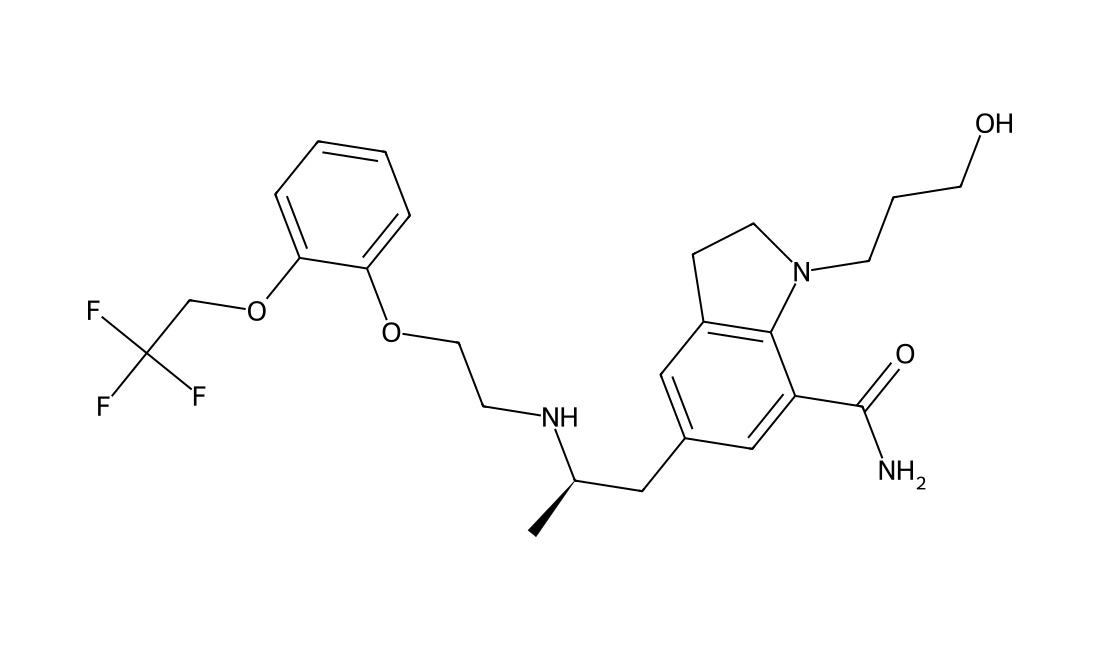
Amiselimod hydrochloride is a novel sphingosine 1-phosphate receptor-1 (S1P1) modulator, designed to reduce the bradycardia effects associated with fingolimod and other S1P receptor modulators.target: S1P1In vivo: After oral administration of amiselimod or fingolimod at 1 mg/kg, the concentration of amiselimod-P in rat heart tissue was relatively lower than that of fingolimod-P, potentially contributing to the minimal cardiac effects of amiselimod. Amiselimod-P showed potent selectivity for S1P1 , high selectivity for S1P5 , minimal agonist activity for S1P4 , no distinct agonist activity for S1P2 or S1P3 , and approximately 5-fold weaker GIRK activation than fingolimod-P. [1] Amiselimod 0·2 mg and 0·4 mg significantly reduced the total number of gadolinium-enhanced T1-weighted lesions. [2]

Amiselimod hydrochloride (MT-1303 hydrochloride) chemical structure
DC20180

BRL-50481

CAS 433695-36-4

BRL-50481 is a novel and selective inhibitor of PDE7 with IC50s of 0.15, 12.1, 62 and 490 μM for PDE7A, PDE7B, PDE4 and PDE3, respectively.

BRL-50481 chemical structure
DC11755

L-732138

CAS 148451-96-1

L-732138 is a selective, potent and competitive neurokinin-1 (NK-1) receptor antagonist with an IC50 of 2.3 nM. L-732138 has 200-fold more potent in cloned human NK-1 receptors than cloned rat NK-1 receptors, and has > 1000-fold more potent than human NK-2 and NK-3 receptors. L-732138 can reduce hyperalgesia and has antitumor action[1][2].

L-732138 chemical structure
DC22832

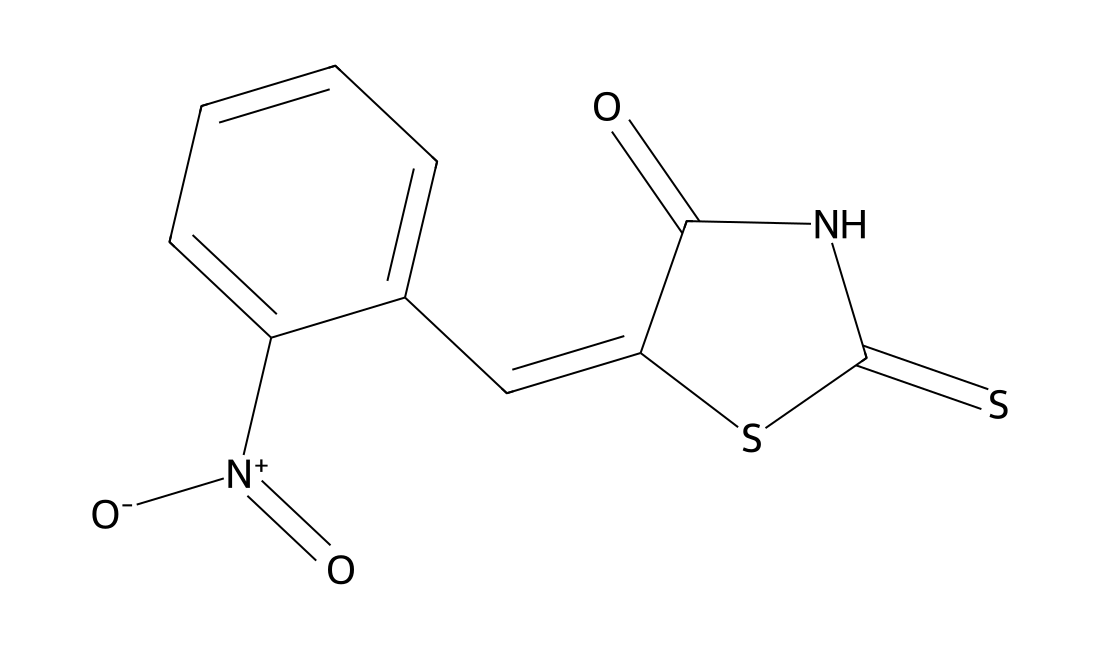
Filastatin

CAS 431996-53-1

Filastatin is a long-lasting inhibitor of Candida albicans filamentation. Filastatin inhibits adhesion by multiple pathogenic Candida species with an IC50 of ~3 μM in the GFP-based adhesion assay. Filastatin inhibits fungal adhesion to polystyrene and human cells, the yeast-to-hyphal morphological transition, induction of the hyphal-specific HWP1 promoter. Filastatin has potent antifungal effect[1].

Filastatin chemical structure
DC8487

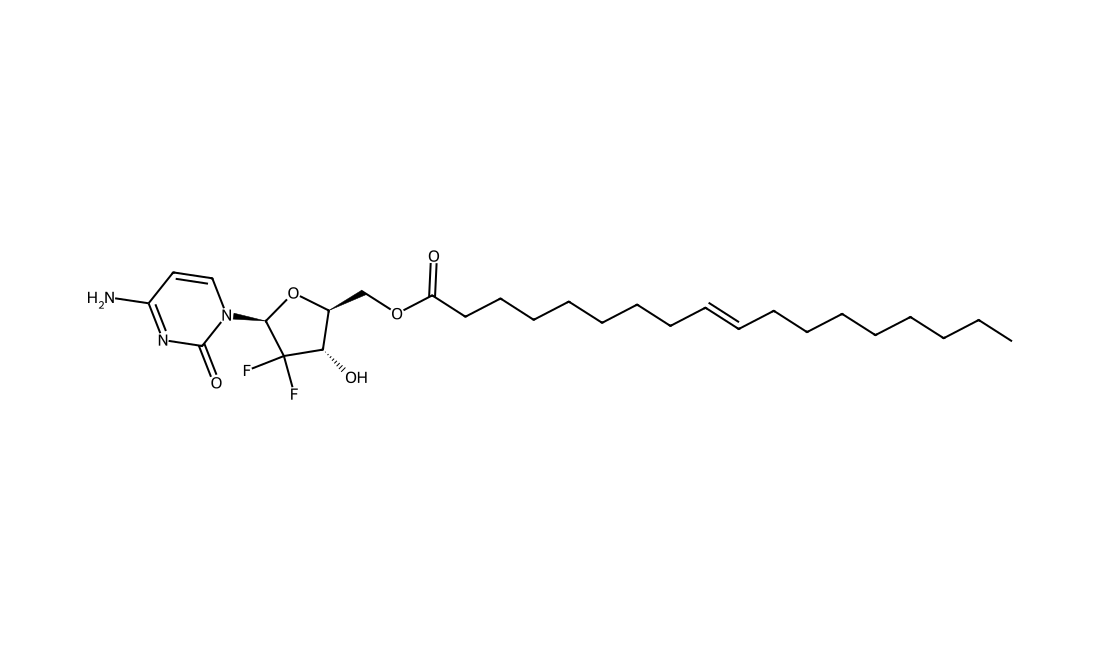
Gemcitabine elaidate

CAS 210829-30-4

Gemcitabine elaidate(CP-4126; CO-101) is a lipophilic, unsaturated fatty acid ester derivative of gemcitabine (dFdC), an antimetabolite deoxynucleoside analogue, with potential antineoplastic activity.Gemcitabine analogUpon hydrolysis intracellularly by esterases, the prodrug gemcitabine is converted into the active metabolites difluorodeoxycytidine di- and tri-phosphate (dFdCDP and dFdCTP) by deoxycytidine kinase. dFdCDP inhibits ribonucleotide reductase, thereby decreasing the deoxynucleotide pool available for DNA synthesis; dFdCTP is incorporated into DNA, resulting in DNA strand termination and apoptosis. Due to its lipophilicity, gemcitabine 5'-elaidic acid ester exhibits an increased cellular uptake and accumulation, resulting in an increased conversion to active metabolites, compared to gemcitabine. In addition, this formulation of gemcitabine may be less susceptible to deamination and deactivation by deoxycytidine deaminase. Check for active clinical trials or closed clinical trials using this agent.

Gemcitabine elaidate chemical structure
DC11301

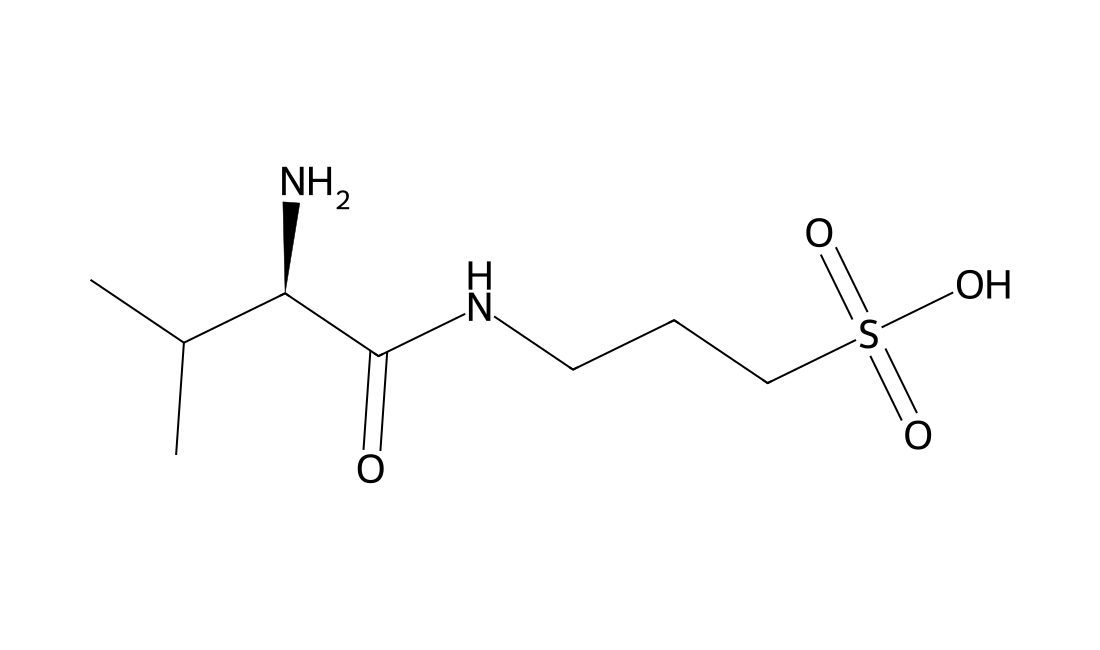
ALZ-801

CAS 1034190-08-3

ALZ-801 is an orally available, small-molecule β-amyloid (Aβ) anti-oligomer and aggregation inhibitor, valine-conjugated prodrug of Tramiprosate with substantially improved PK properties and gastrointestinal tolerability compared with the parent compound[1]. ALZ-801 is an advanced and markedly improved clinical candidate for the treatment of Alzheimer’s disease[2].

ALZ-801 chemical structure
DCAPI1163

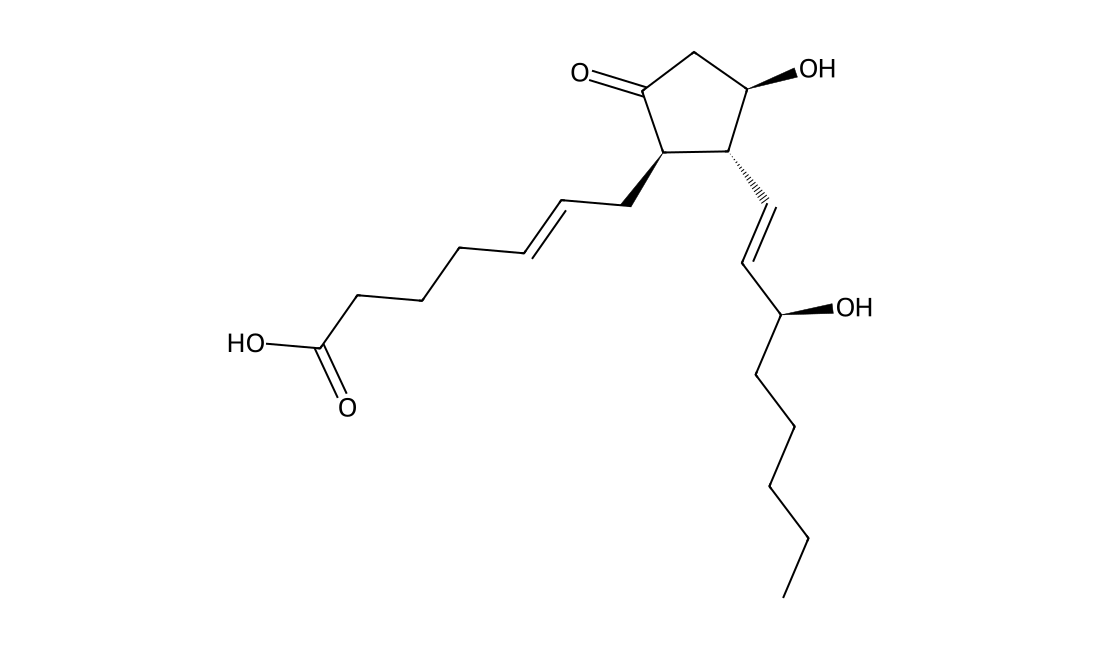
Prostaglandin E2 (Cervidil)

CAS 363-24-6

Prostaglandin E2 is a hormone-like substance that participate in a wide range of body functions such as the contraction and relaxation of smooth muscle, the dilation and constriction of blood vessels, control of blood pressure, and modulation of inflammation.

Prostaglandin E2 (Cervidil) chemical structure
DCAPI1251

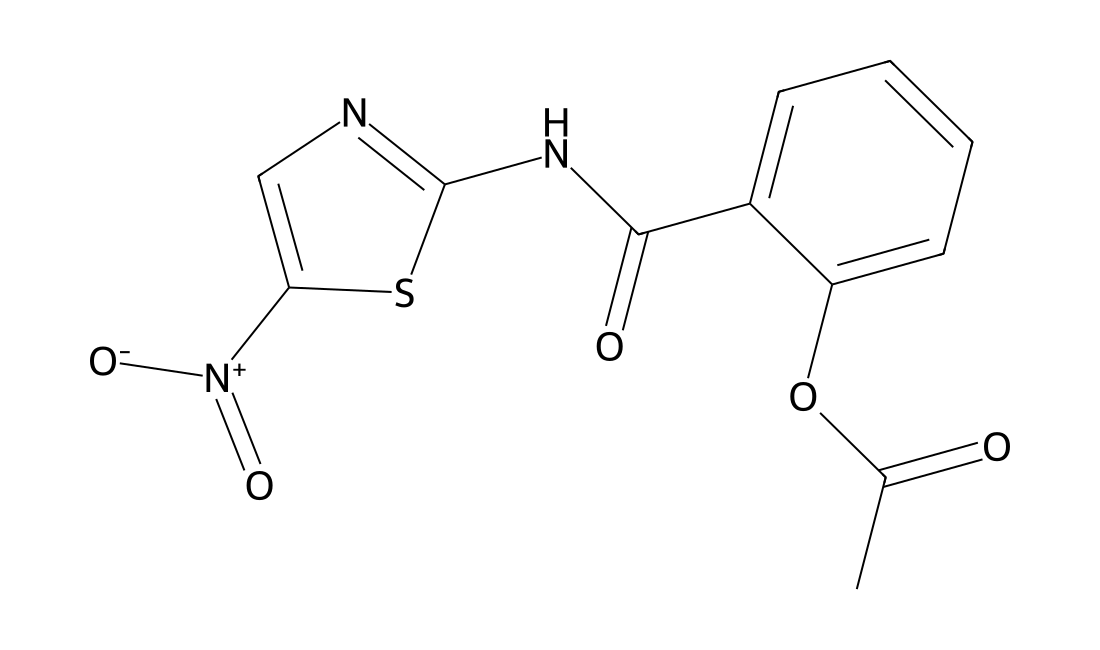
Nitazoxanide (Alinia, Annita)

CAS 55981-09-4

Nitazoxanide is a synthetic nitrothiazolyl-salicylamide derivative and an antiprotozoal agent. (IC50 for canine influenza virus ranges from 0.17 to 0.21 μM).Nitazoxanide is a synthetic nitrothiazolyl-salicylamide derivative and an antiprotozoal agent. In vitro studies demonstrated much broader activity. Dr. Rossignol co-founded Romark Laboratories, with the goal of bringing nitazoxanide to market as an anti-parasitic drug. Initial studies in the USA were conducted in collaboration with Unimed Pharmaceuticals, Inc. (Marietta, GA) and focused on development of the drug for treatment of cryptosporidiosis in AIDS.The anti-protozoal activity of nitazoxanide is believed to be due to interference with the pyruvate:ferredoxin oxidoreductase (PFOR) enzyme dependent electron transfer reaction which is essential to anaerobic energy metabolism. It has also been shown to have activity against influenza A virus in vitro. The mechanism appears to be by selectively blocking the maturation of the viral hemagglutinin at a stage preceding resistance to endoglycosidase H digestion. This impairs hemagglutinin intracellular trafficking and insertion of the protein into the host plasma membrane.
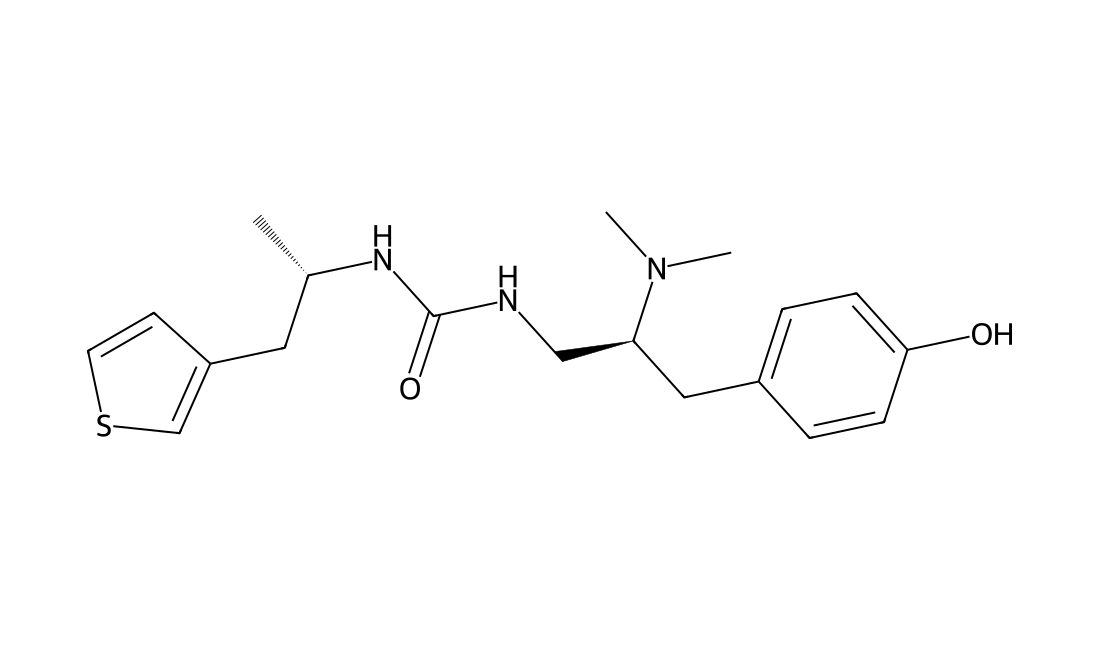
Nitazoxanide (Alinia, Annita) chemical structure
DC7630

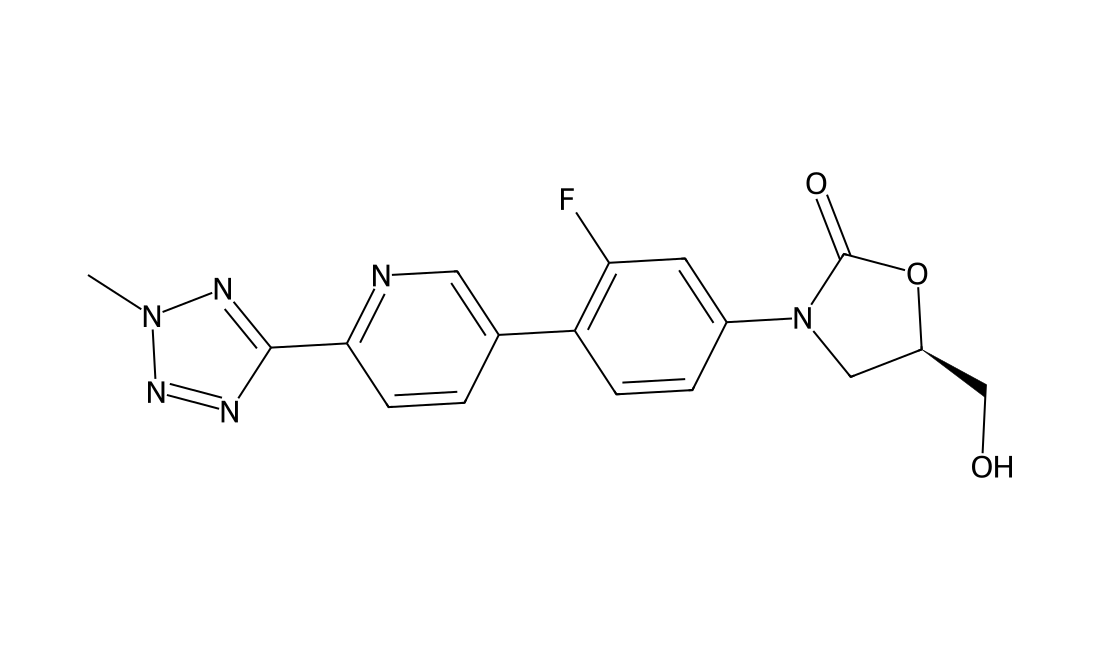
Tedizolid

CAS 856866-72-3

Tedizolid is a novel oxazolidinone, acting through inhibition of bacterial protein synthesis by binding to 23S ribosomal RNA (rRNA) of the 50S subunit of the ribosome.

Tedizolid chemical structure
DC11381

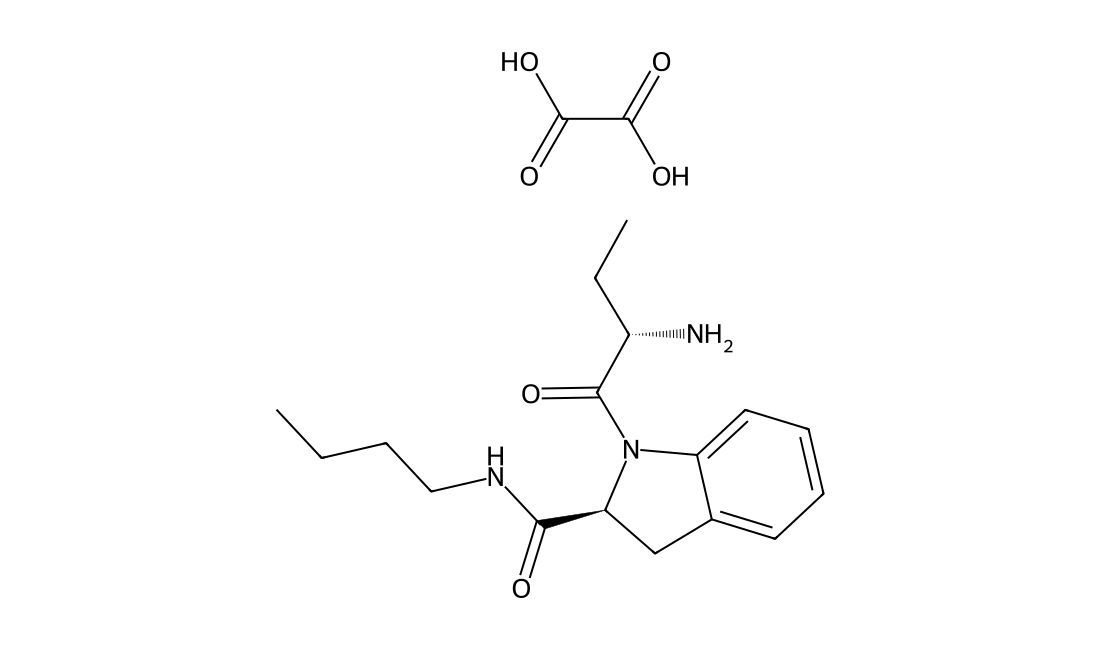
Butabindide (oxalate)

CAS 185213-03-0

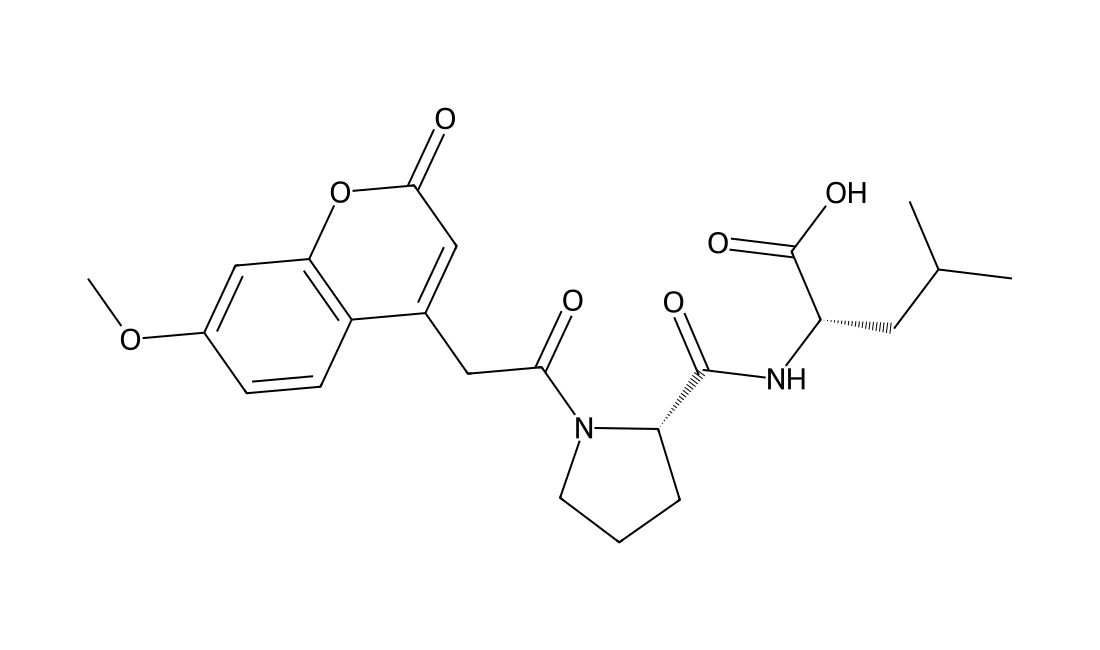
Butabindide is a potent inhibitor of cholecystokinin-inactivating peptidase/tripeptidyl peptidase 2 (CCK-inactivating peptidase/TPP-2; Ki = 7 nM).1 It is selective for CCK-inactivating peptidase/TPP-2 over a panel of serine proteases (Kis = >1 μM) as well as CCK receptors (Kis = >0.1 mM).

Butabindide (oxalate) chemical structure
DC21240

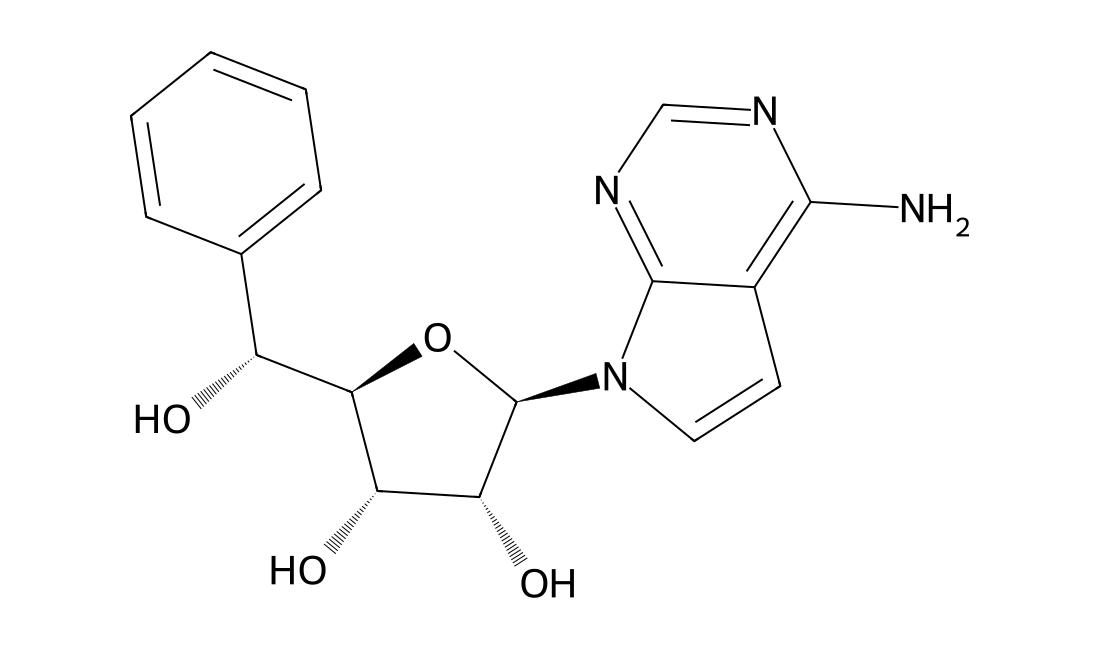
LLY-283

CAS 2040291-27-6

LLY-283 is a potent, selective and oral protein arginine methyltransferase 5 (PRMT5) inhibitor, with an IC50 of 22 nM and a Kd of 6 nM for PRMT5:MEP50 complex, and shows antitumor activity.

LLY-283 chemical structure
DC23274

Purfalcamine

CAS 1038620-68-6

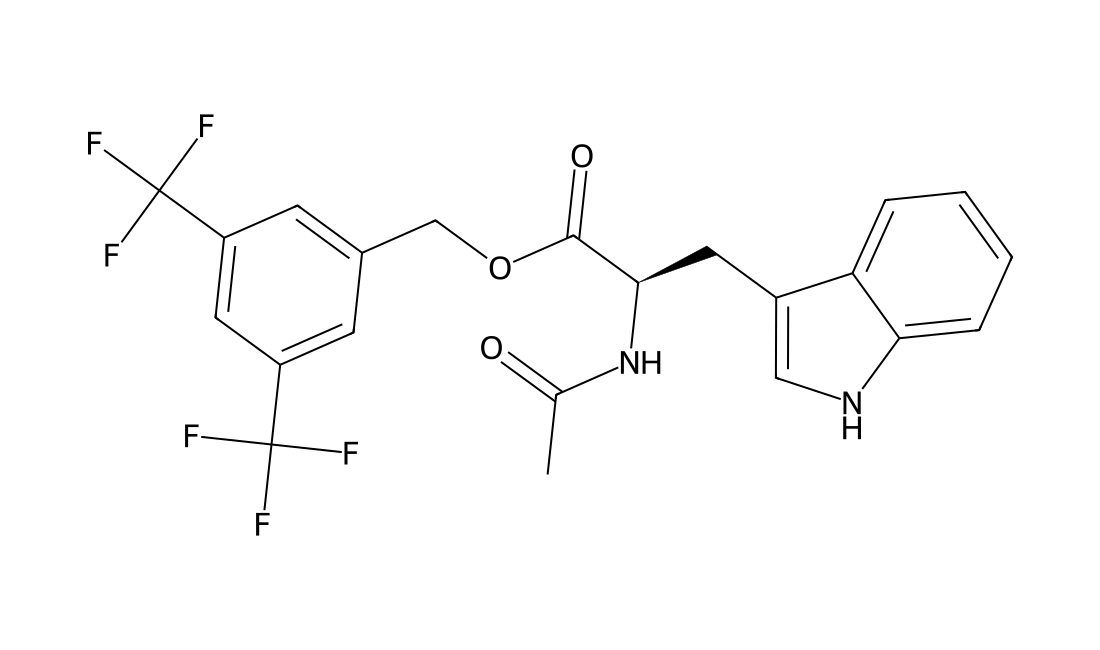
Purfalcamine is a potent, specific inhibitor of Plaasmodium falciparum calcium-dependent protein kinase 1 (PfCDPK1) with IC50 of 17 nM; inhibits proliferation of P falciparum strains (Dd2, FCB, HB3 and W2) with nanomolar EC50s of (171–259 nM); blocks microneme discharge and erythrocyte invasion by P. falciparum merozoites; an anti-malaria parasite agent.
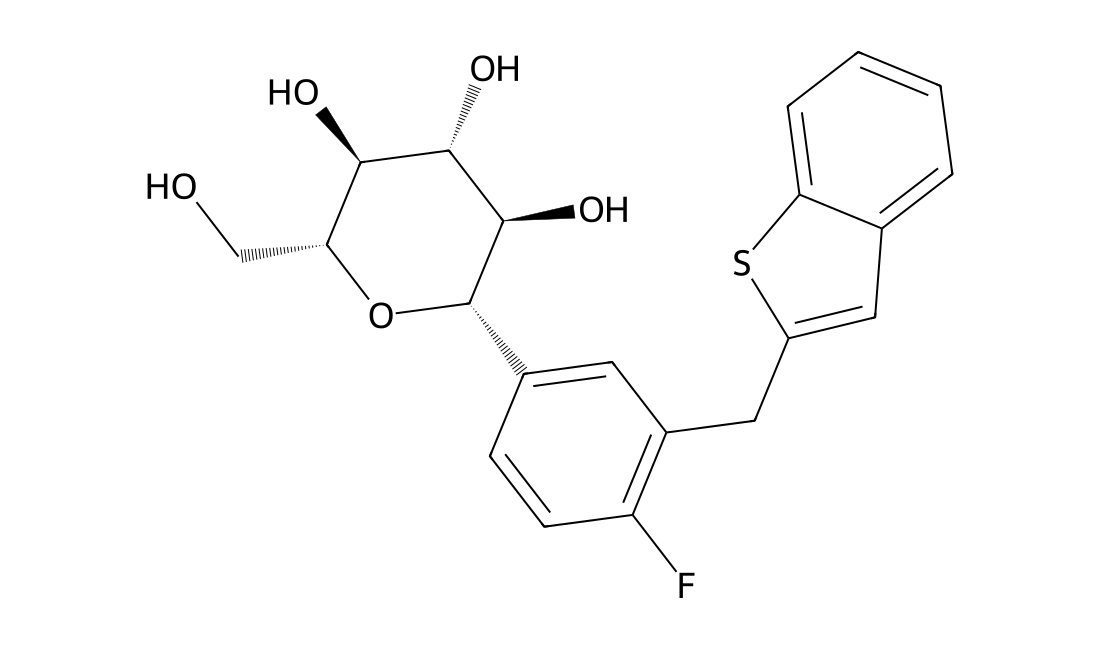
Purfalcamine chemical structure
DC33651

ML188

CAS 1417700-13-0

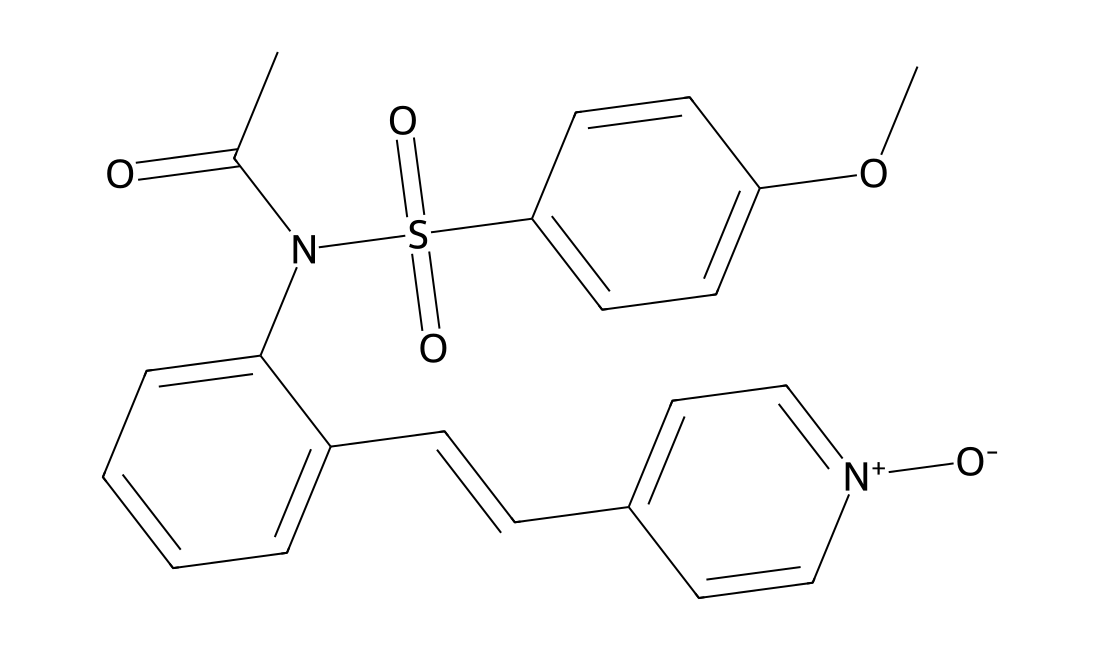
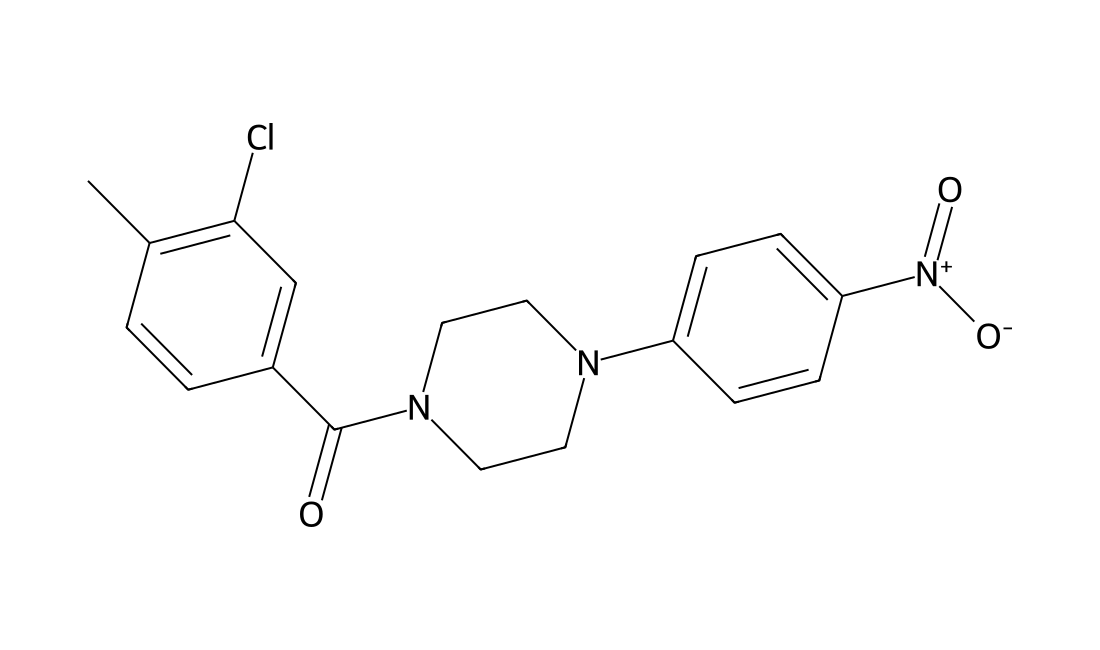
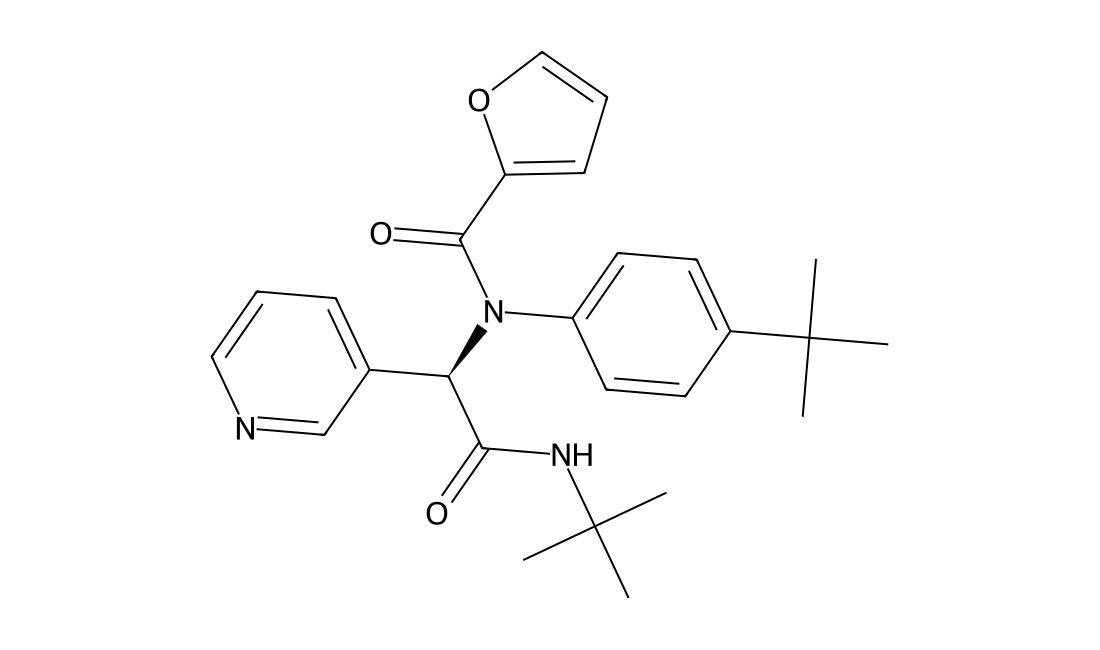
ML188, a first in class probe, is a selective non-covalent SARS-CoV 3CLpro inhibitor with an IC50 of 1.5 μM. Antiviral activity[1].

ML188 chemical structure
DC24120

MK2-IN-1 hydrochloride

CAS 1314118-94-9

MK2-IN-1 hydrochloride is a potent and selecitve MAPKAPK2(MK2) inhibitor(IC50=0.11 uM) with a non-ATP competitive binding mode.MK2-IN-1 was profiled for kinase selectivity by screening against a broad panel of 150 protein kinases at a concentration of 10 μM, and only CK1γ3 was significantly inhibited at greater than 50%. MK2-IN-1 inhibited pro-inflammatory cytokine secretion from the human THP1 acute monocytic leukemia cell line, causing dose-dependent inhibition of LPS-stimulated TNFα and IL6 secretion. MK2-IN-1 also dose dependently inhibited IL1β-stimulated matrixmetalloprotease (MMP)13 secretion from the SW1353 chondrosarcoma cell line and human primary chondrocyte cultures. Of note, given its high degree of selectivity, our data suggest that MK2-IN-1 may be an excellent pharmacologic tool for specifically exploring and validating MK2 biology [3].

MK2-IN-1 hydrochloride chemical structure
DC31118

ICI118630

CAS 145781-92-6

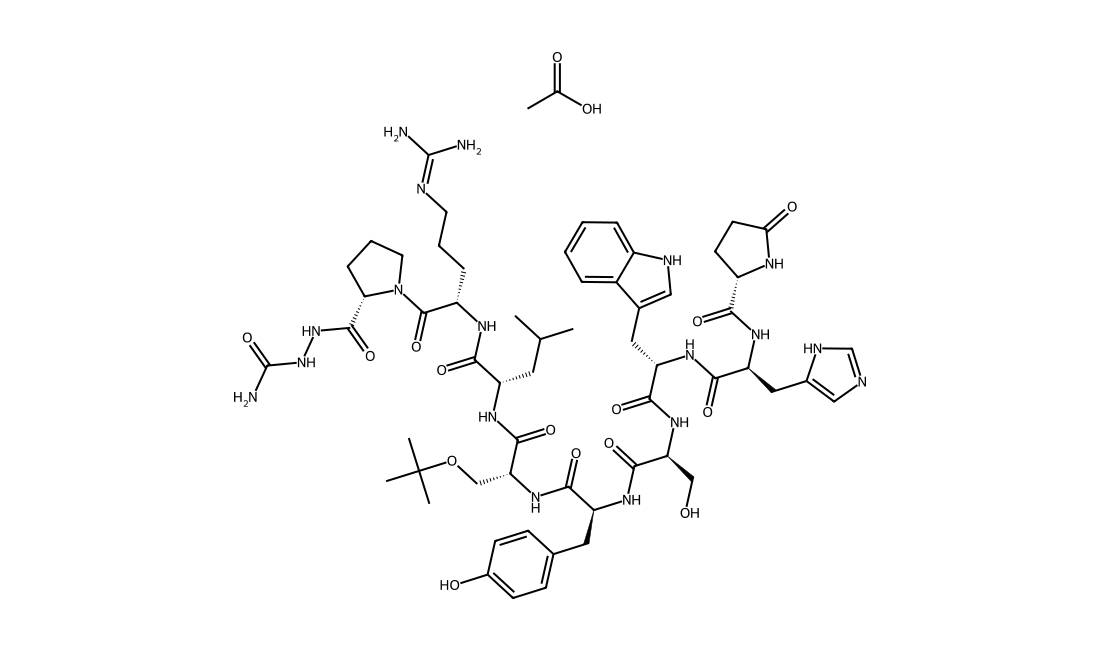
Goserelin (ICI 118630) acetate is an injectable gonadotropin releasing hormone superagonist (GnRH agonist).Goserelin is used to treat hormone-sensitive cancers of the breast (in pre- and peri- menopausal women) and prostate, and some benign gynaecological disorders (endometriosis, uterine fibroids and endometrial thinning). In addition, goserelin is used in assisted reproduction and in the treatment of precocious puberty. It may also be used in the treatment of male-to-female transsexuals and is favoured above other anti-androgens in some countries, such as the UK. It is available as a 1-month depot and a long-acting 3-month depot. Goserelin stimulates the production of the sex hormones testosterone and estrogen in a non-pulsatile (non-physiological) manner.
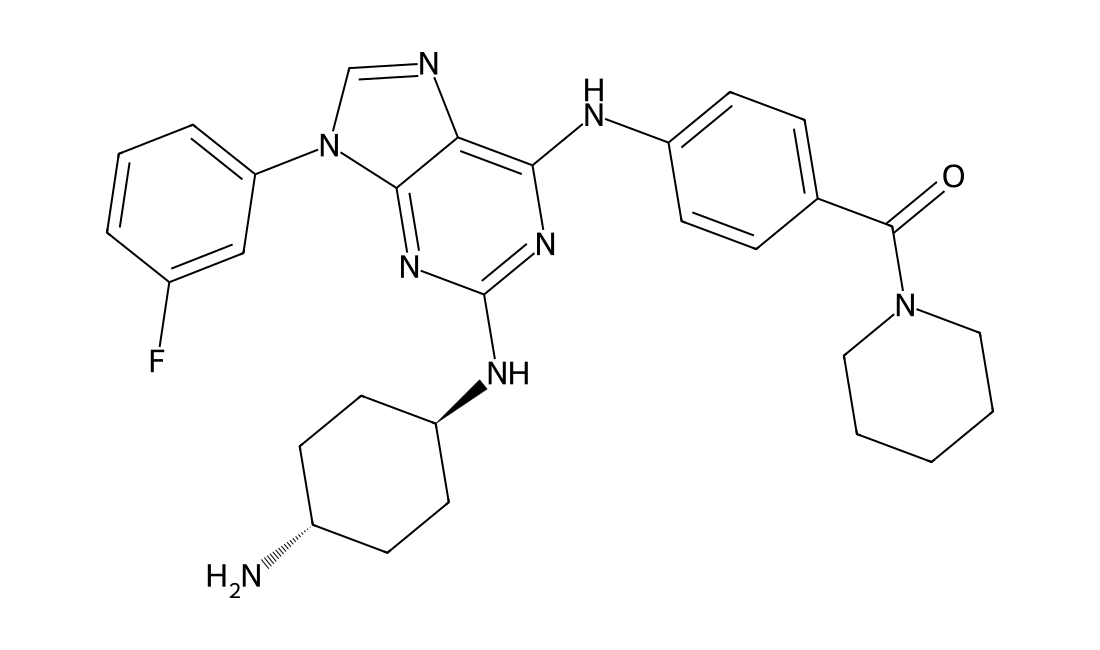
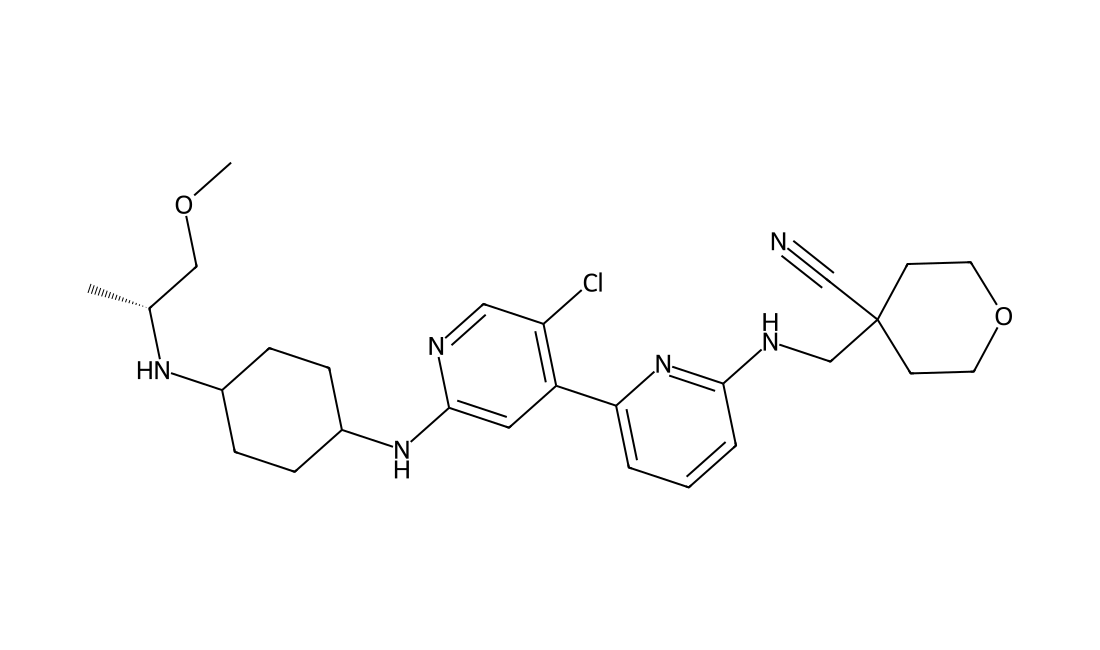
ICI118630 chemical structure
DC21915

LIN28 inhibitor LI71

CAS 1357248-83-9

LIN28 inhibitor LI71 is a potent and cell-permeable LIN28 inhibitor, which abolishes LIN28-mediated oligouridylation with an IC50 of 7 uM. LIN28 inhibitor LI71 directly binds the cold shock domain (CSD) to suppress LIN28’s activity against let-7 in leukemia cells and embryonic stem cells[1].

LIN28 inhibitor LI71 chemical structure
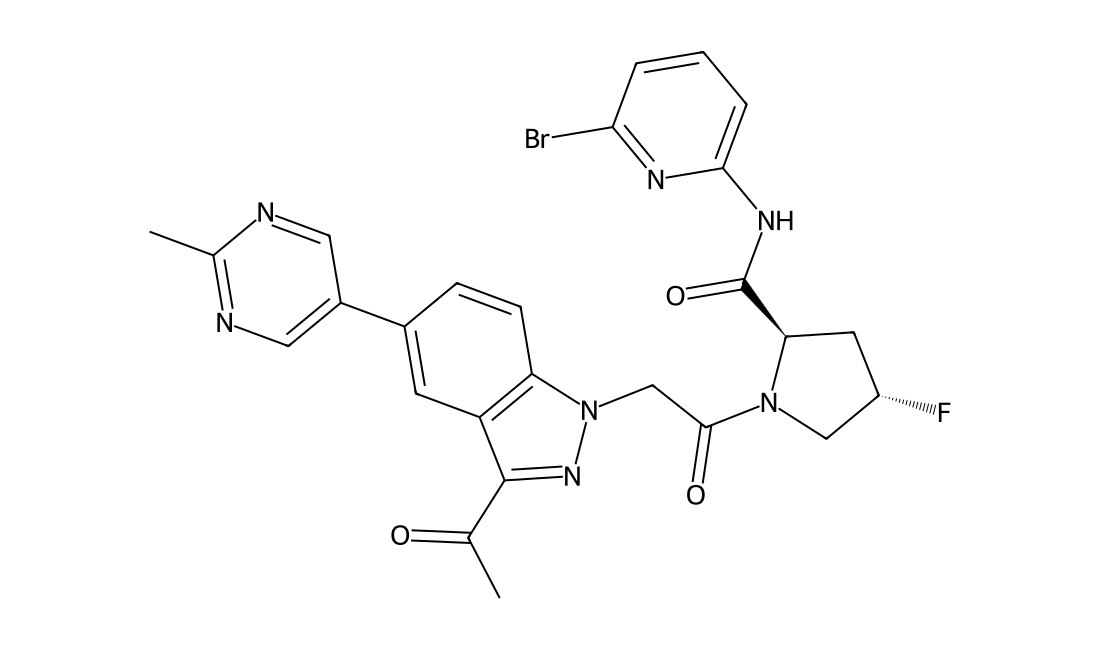
DC44151

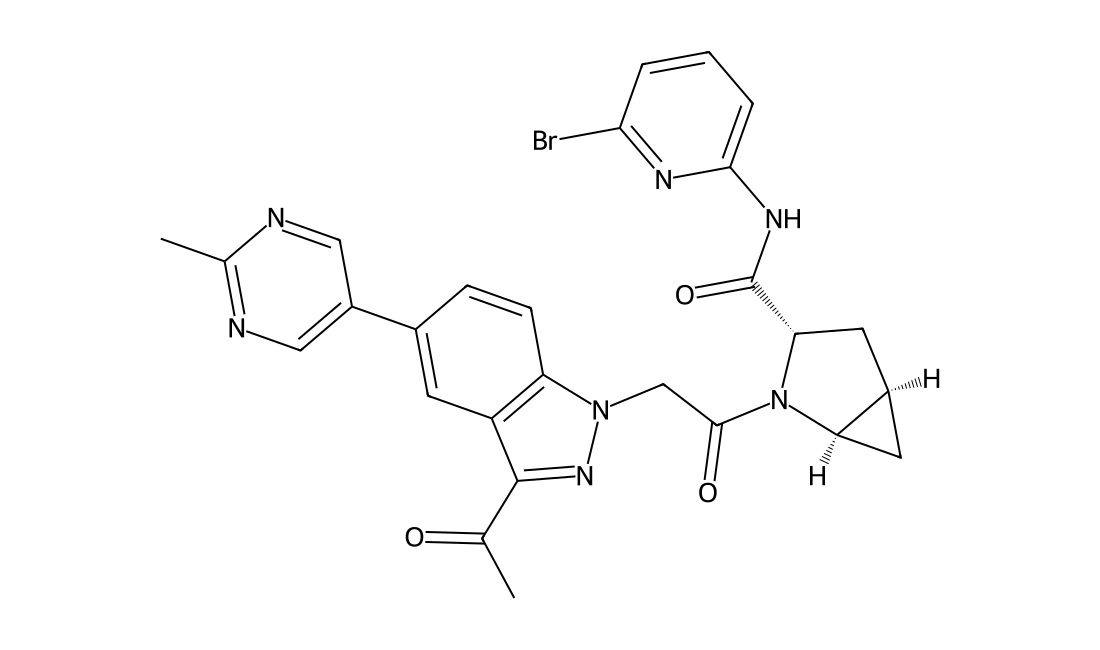
Complement factor D-IN-2

CAS 1903742-34-6

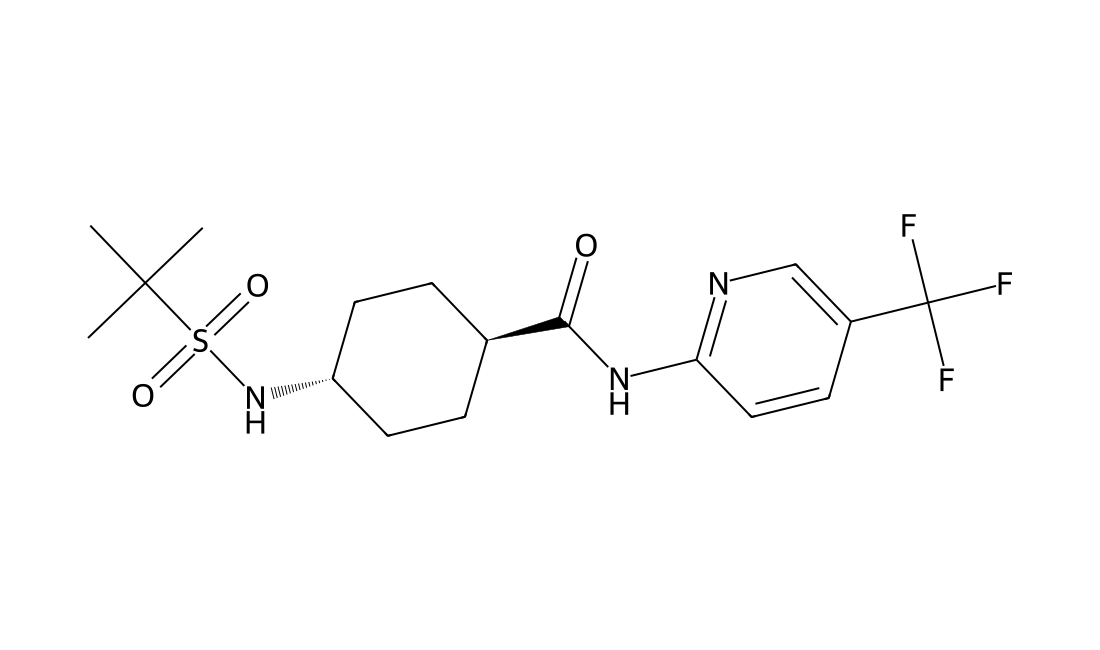
Complement factor D-IN-2 is an inhibitor of complement factor D extracted from patent WO2015130838A1, compound 190. Complement factor D-IN-2 targets factor D and inhibits the complement cascade at an early and essential point in the alternative complement pathway. Complement factor D-IN-2 can be used for the research of autoimmune diseases.

Complement factor D-IN-2 chemical structure
DC8589

PAD4 inhibitor GSK484

CAS 1652591-81-5

GSK484 is a peptidylarginine deiminase 4 (PAD4) inhibitor. GSK484 demonstrates high affinity binding to PAD4 with IC50s of 50 nM in the absence of Calcium. In the presence of 2 mM Calcium, notably lower potency (250 nM) is observed.

PAD4 inhibitor GSK484 chemical structure
DC26225

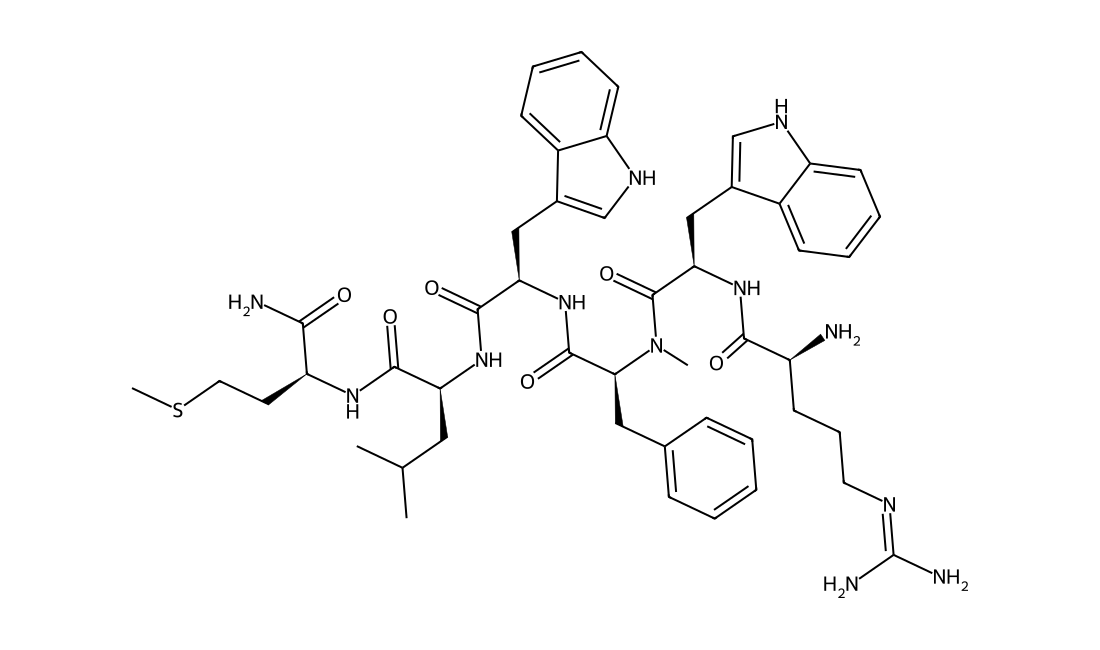
Antagonist G

CAS 115150-59-9

Antagonist G is a potent vasopressin antagonist. Antagonist G is also a weak antagonist of GRP and Bradykinin. Antagonist G induces AP-1 transcription and sensitizes cells to chemotherapy[1][2].

Antagonist G chemical structure
DC21526

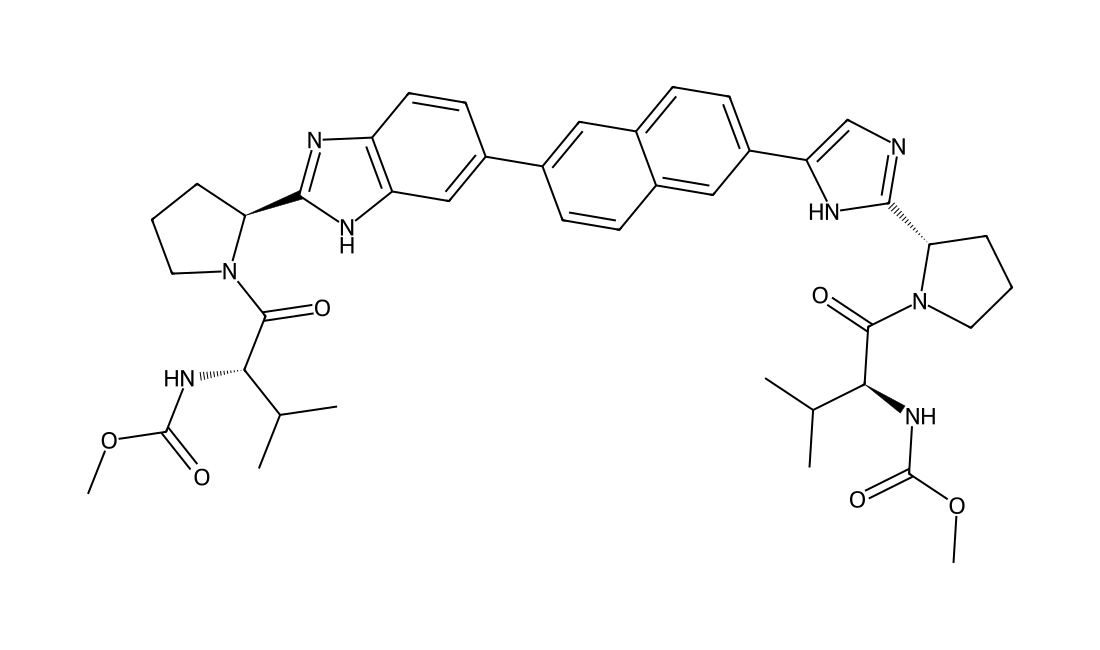
Ravidasvir free base

CAS 1242087-93-9

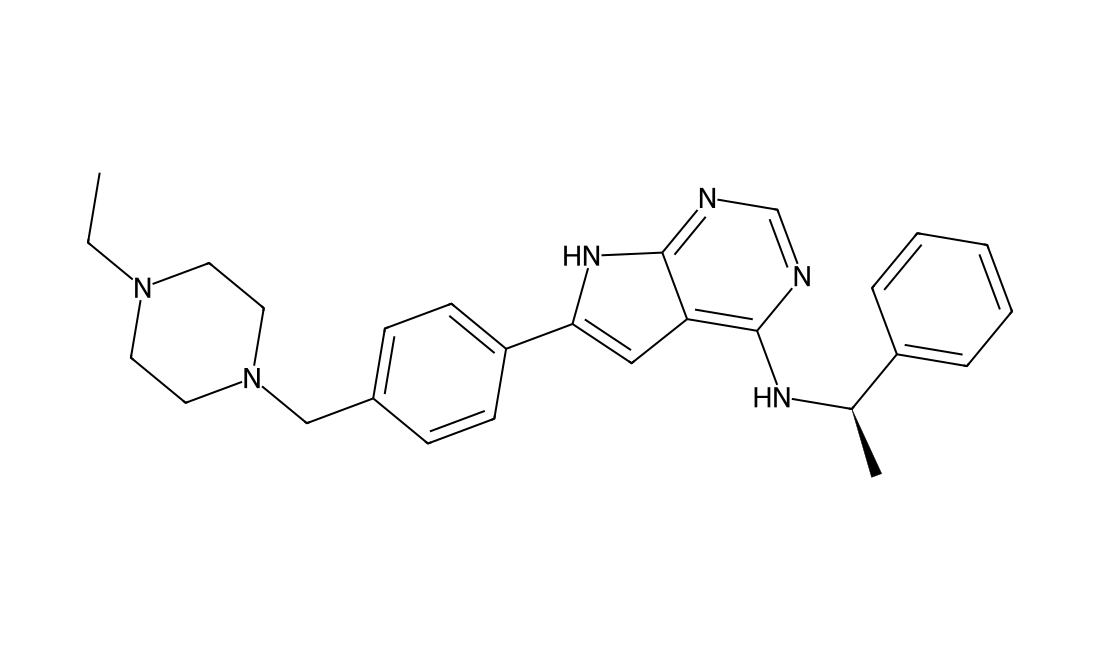
Ravidasvir (PPI-668;BI 238630) is a potent pan-genotypic HCV NS5A inhibitor with IC50 of 0.12/0.01/1.14 nM for HCV gt-1a/1b/3a in replicon luciferase assay;

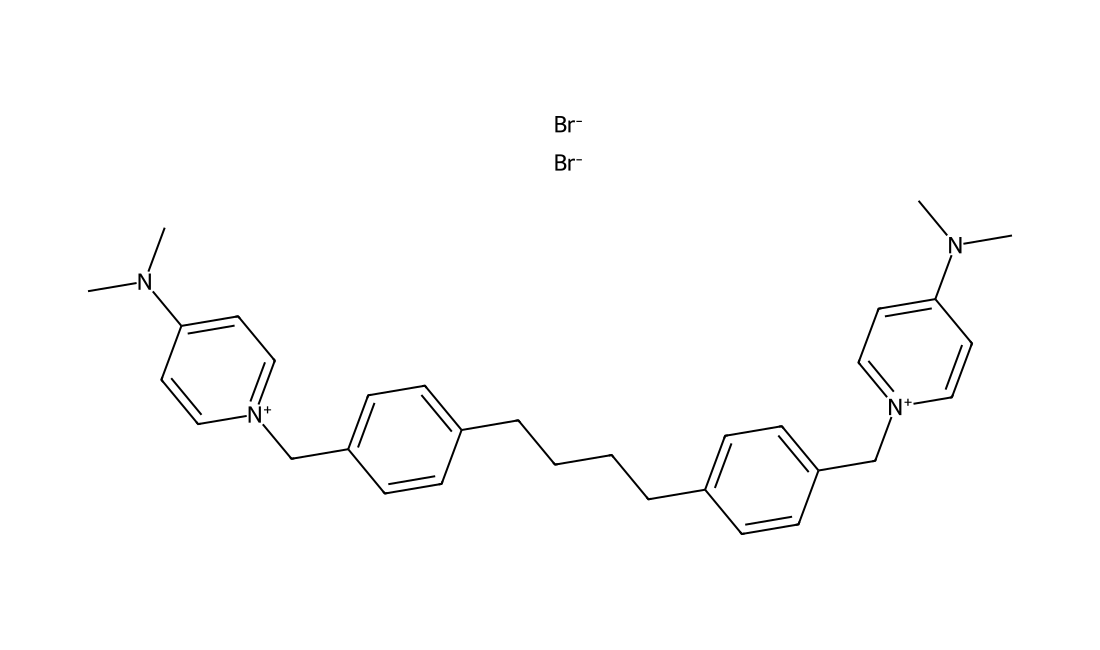
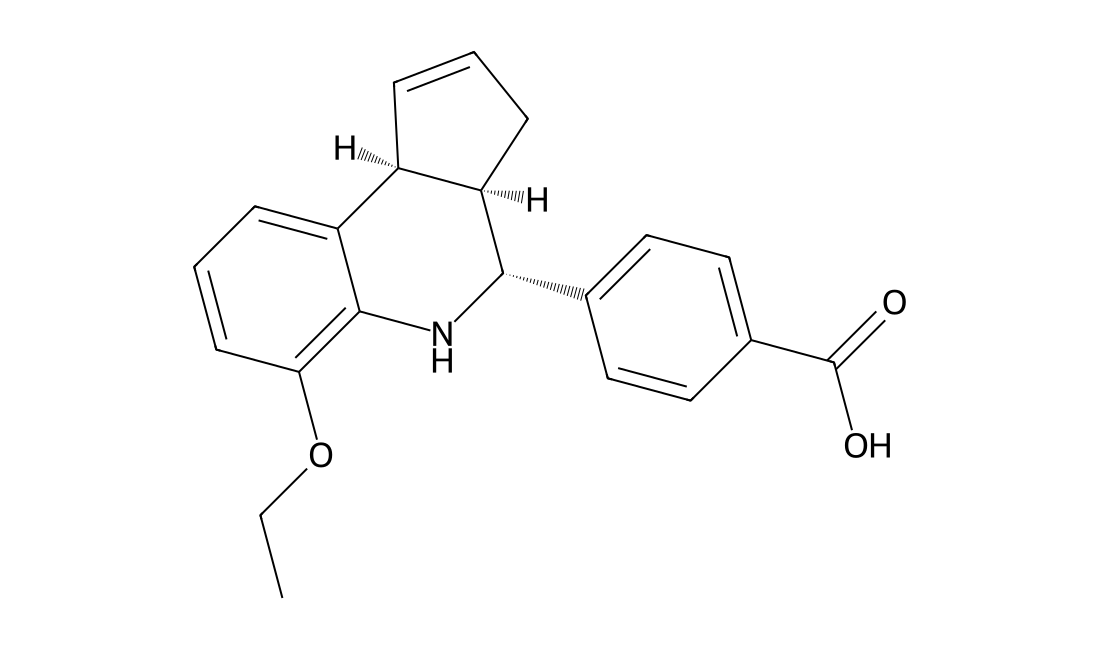
Ravidasvir free base chemical structure
Browse target & topic index A–Z (366)
11β-HSD (1)15-PGDH (2)5-HT Receptor (16)Acetyl-CoA Carboxylase (ACC) (3)Acetylcholinesterase (AChE) (2)Ack1 (TNK2) (1)Acyltransferase (1)ADC Cytotoxin (6)ADCs Linker/Click Chemistry (5)Adenosine Receptor (9)Adenylate Cyclase (2)Adrenergic Receptor (11)Akt (12)Alcoholism (2)Aldehyde Dehydrogenase (ALDH) (6)Allergy (5)Alzheimer Disease (13)Aminopeptidase (1)AMPK (8)Amyloids (4)Anaplastic Lymphoma Kinase (ALK) (9)Androgen Receptor (AR) (11)Anemia (4)Angiotensin Receptor (4)Antibody/Protein labeling dyes (1)Antifolate (2)Anxiety (1)Apoptosis Inducer (3)Arginase (1)Arp2/3 complex (1)Aryl hydrocarbon Receptor (AhR) (1)Asthma (5)Atherosclerosis (2)ATM/ATR (8)Aurora Kinase (10)Autophagy (6)Autophagy-related Protein (Atg) (2)Autotaxin (2)Bacterial (26)Bacterial Infection (17)Bcl-2 (14)Bcr-Abl (5)BCRP (1)Beta-catenin (4)Beta-secretase (BACE) (4)Blood Cancer (91)BMI-1 (1)Bone Cancer (6)Brain Cancer (6)Breast Cancer (30)Bromodomain (22)BTK (10)c-Fms (CSF1R) (5)c-Fos/AP-1 (1)c-Kit (6)c-Met (HGFR) (11)c-Myc (2)Calcium Channel (4)Calcium-sensing Receptor (CaSR) (1)CaMK (4)Cannabinoid Receptor (6)Carbonic Anhydrase (1)Carboxypeptidase (1)Casein Kinase (6)Caspase (4)Cathepsin (6)Cdc2-like Kinase (CLK) (1)CETP (2)CFTR (7)Checkpoint Kinase (Chk) (8)Chemokine Receptor (CCR and CXCR) (14)Chemotherapeutic Agents (19)Chloride Channel (1)CMV (2)CMV Infection (2)Colon Cancer (9)Complement System (1)COPD (3)CREB/CBP (2)CRF Receptor (2)CRISPR/Cas9 (1)Cushing Disease (1)Cyclin-dependent Kinase (CDK) (39)Cyclooxygenase (COX) (4)Cytochrome P450 (CYPs) (5)Depression (2)Dermatitis (2)Deubiquitinase (DUB) (7)Diabetes (20)Dipeptidyl Peptidase (DPP) (3)Discoidin Domain Receptor (DDR) (1)DNA Alkylator/Crosslinker (10)DNA Methyltransferase (DNMT) (1)DNA Repair Protein (1)DNA-PK (2)DNA/RNA Synthesis (5)Dopamine beta-hydroxylase (1)Dopamine Receptor (7)Drug Metabolite (1)Drug-Linker Conjugates (11)Dyes (4)DYRK (1)Dyslipidemia (9)E3 Ligase Ligand (6)E3 Ligase Ligand-Linker Conjugate (1)E3 Ubiquitin Ligase (4)Ebola Virus Infection (1)EGFR (32)Elastase (2)Endothelin Receptor (5)Enzymes substrates (13)Epigenetic Reader Domain (3)Epilepsy (4)ERK (4)Estrogen Receptor/ERR (13)Eukaryotic Initiation Factor (eIF) (2)Exportin-1 (CRM1,XPO1) (2)FABP (1)Factor Xa (5)Farnesoid X Receptor (FXR) (5)Farnesyl transferase (FTase) (1)Ferroptosis (6)FGFR (20)Fibrosis (5)FLT3 (6)Focal Adhesion Kinase (FAK) (11)Foxo1 (1)Free Fatty Acid Receptor (FFAR) (5)Fungal (2)Fungal Infection (1)GABA Receptor (13)Galectin (1)Gastric Cancer (8)Ghrelin Receptor (GHSR) (3)Glucagon Receptor (4)Glucokinase (2)Glucose Transporter (GLUT) (2)Glutamate Transporter (2)GPCR (1)GPER (GPR30) (1)GPR139 (1)GPR183 (EBI2) (2)GPR39 (1)GPR55 (1)GPR84 (1)GRK (GPCRK) (2)Growth Hormone Deficiency (2)GSK-3 (8)Guanylate Cyclase (3)HBV (1)HBV Infection (1)HCN Channel (2)HCV (8)HCV Infection (9)HDAC (38)Heart Arrhythmia (2)Heart Failure (5)Heat Shock Protein (HSP) (15)Hedgehog (Hh) (1)HIF/HIF Prolyl-hydroxylase (8)Histamine Receptor (6)Histone Acetyltransferase (HAT) (5)Histone Demethylase (11)Histone Methyltransferase (HMTase) (31)HIV (12)HIV Infection (11)HMG-CoA Reductase (HMGCR) (3)HSV (1)HSV Infection (1)Hypercholesterolemia (1)Hyperparathyroidism (1)Hypertension (8)IAP (1)IGF-1R (3)iGluR (15)Indoleamine 2,3-Dioxygenase (IDO) (4)Infection (1)Influenza (6)Influenza Virus (6)Insulin Receptor (2)Integrin (6)Interleukin Receptor (1)IRAK (2)IRE1 (4)Irritable Bowel Syndrome (2)Ischemia (1)Isocitrate Dehydrogenase (IDH) (5)ITK (1)IκB kinase (IKK) (7)JAK (32)JNK (3)Keap1-Nrf2 (6)Kidney Cancer (10)Kinesin (5)Kruppel-like Factor (KLF) (1)Kynurenine 3-Monooxygenase (KMO) (1)Leukotriene Receptor (1)LIM Kinase (LIMK) (3)Lipids fragment (1)Liver Cancer (6)Liver X Receptor (LXR) (3)LRRK2 (9)Lung Cancer (39)Lysophospholipid Receptor (12)LYTACs (3)mAChR (9)MALT1 (2)MAP4K (1)Matrix Metalloproteinase (MMP) (10)MDM2-p53 (9)MEK (MAP2K) (14)MEKK (MAP3K) (1)Melanocortin Receptor (2)MELK (1)mGluR (7)MicroRNA (1)Microtubule/Tubulin (5)Mineralocorticoid Receptor (MLR) (1)MITF (1)Mixed Lineage Kinase (MLK) (3)MNK (2)Molecular Glues (21)Monoamine Transporter (5)Monocarboxylate Transporter (MCT) (1)Monopolar Spindle 1 (Mps1/TTK) (3)mTOR (13)Multiple Sclerosis (6)Myosin (1)Na-K-Cl Cotransporter (NKCC) (2)nAChR (2)NADPH Oxidase (NOX) (2)NAMPT (3)Natural products (37)Neprilysin (1)Neurokinin Receptor (3)Neuropeptide Y Receptor (3)NF-κB (5)Nitric Oxide Synthase (NOS) (1)NOD-like Receptor (NLR) (3)Notch (2)Nucleoside Antimetabolite/Analog (10)Nur77 (NR4A1) (1)Obesity (1)Oct3/4 (1)Opioid Receptor (5)Orexin Receptor (7)Osteoporosis (2)Ovarian Cancer (14)Oxytocin Receptor (OXTR) (2)P-glycoprotein (P-gp) (3)p21-activated Kinase (PAK) (1)P2X Receptor (2)P2Y Receptor (1)p38 MAPK (10)p97/VCP (1)Pain (12)Pancreatic Cancer (10)Parasite (5)Parasite Infection (2)Parkinson Disease (2)PARP (19)PCSK9 (1)PD-1/PD-L1 (4)PDGFR (4)PDK1 (2)PEGn (1)PERK (2)PGE synthase (2)Phosphodiesterase (PDE) (9)Phospholipase (4)PI3K (32)PI4K (2)Piezo Channel (1)PIKfyve (3)Pim (9)PKC (12)PKD (1)Plasminogen Activator Inhibitor-1 (PAI-1) (3)Polo-like Kinase (PLK) (4)Porcupine (3)Potassium Channel (13)PPAR (13)Pregnane X Receptor (PXR) (1)Progesterone Receptor (2)Prostaglandin Receptor (11)Prostate Cancer (7)PROTACs (35)Protease-activated Receptor (PAR) (3)Proteasome (12)Protein Disulfide Isomerase (PDI) (1)Protein Phosphatase/PTP (6)Proton Pump (1)Psoriasis (5)RAD51 (1)Radioligand precursors (15)Raf (18)RAR/RXR (3)Ras (17)Renin (2)RET Tyrosine Kinase (c-RET) (3)Rheumatoid Arthritis (16)Ribosomal S6 Kinase (RSK) (5)RIG-I-like Receptor (RLR) (2)RIP kinase (7)ROCK (12)ROR (2)RSV (4)RSV Infection (3)RUNX1-CBFβ (1)S-nitrosoglutathione reductase (GSNOR) (1)Saccharides and Glycosides (1)Salt Inducible Kinase (SIK) (2)SARS-CoV (16)SARS-CoV Infection (34)Schizophrenia (4)Sexual Dysfunction (1)SGLT (4)Sigma Receptor (4)Sirtuin (9)Skin Cancer (13)Sleep Disorder (7)SMN2 Modulator (1)Smoothened (Smo) (9)Sodium Channel (12)Solid Tumors (35)Somatostatin Receptor (2)Sphingosine kinase (SphK) (2)Src (7)STAT (5)Stearoyl-CoA Desaturase (SCD) (1)Steatohepatitis (7)Sterol lipids (1)STING (14)Syk (6)T Cell Receptor (TCR) (1)TAK1 (2)TAM Receptor (Tyro3-Axl-Mer) (4)Taste Receptor (1)Telomerase (2)TGF beta Receptor (TGFBR) (12)Thrombin (3)Thrombosis (13)Thyroid Cancer (1)Thyroid Hormone Receptor (THR) (1)Thyrotropin Receptor (2)TNIK (1)Toll-like Receptor (TLR) (2)TOPK (1)Topoisomerase (11)TRAIL (1)Translocator Protein (TSPO) (1)Trk Receptor (4)TRP Channel (13)Tryptophan Hydroxylase (TPH) (1)Ubiquitin-activating Enzyme (E1) (2)Ubiquitin-conjugating Enzyme (E2) (2)Ulcer (1)ULK (3)Vasopressin Receptor (2)VEGFR (25)Vitamin D Receptor (VDR) (3)Wee1 (1)WNK Kinase (1)Wnt (5)Yes-associated Protein (YAP) (4)γ-secretase (5)

Cart

Request quotation