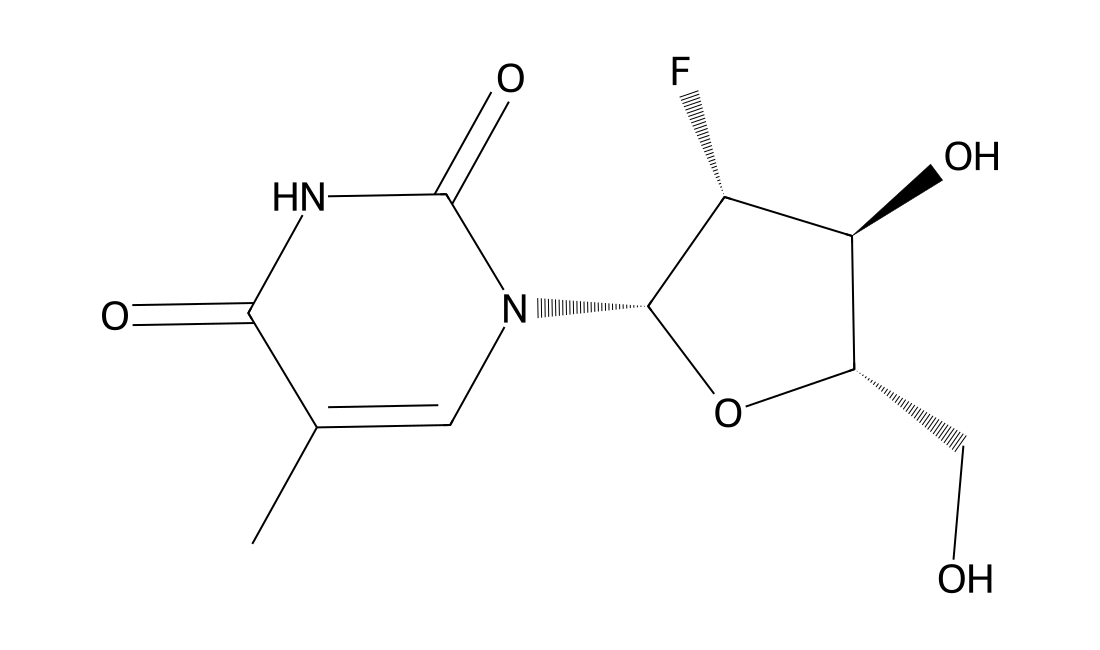
TPT-260 2HCl(NSC55712)
CAS 2076-91-7
TPT-260 2Hcl (TPU260 2Hcl) is a thiophene thiourea derivative with molecule weight 260.00 in free base form; There is no formal name yet, we temporally call this molecule as TPT-260.

Explore bioactive compounds by research category, then narrow your search by target, product name, catalog number or CAS.
Newly added: LC-MG and OXF molecular glue research compounds →
Products may appear in more than one category. Counts refer to distinct catalog numbers within each category.
Other Research Tools (75) · Additional reagents, building blocks and specialized research tools.
LC-MG-1 (DCA0006) · LC-MG-4 (DCA0007) · LC-MG-9 (DCA0008)
View structure and evidence summaries →Combine a keyword, research category and target to narrow the product list.
Loading catalog filters…
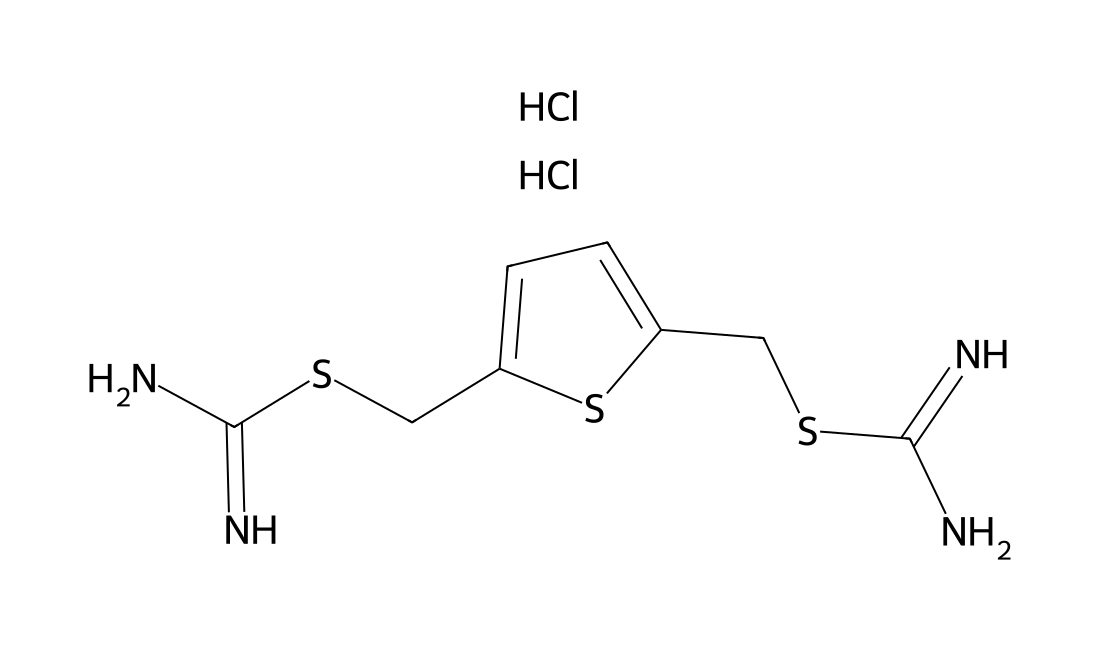
CAS 2076-91-7
TPT-260 2Hcl (TPU260 2Hcl) is a thiophene thiourea derivative with molecule weight 260.00 in free base form; There is no formal name yet, we temporally call this molecule as TPT-260.
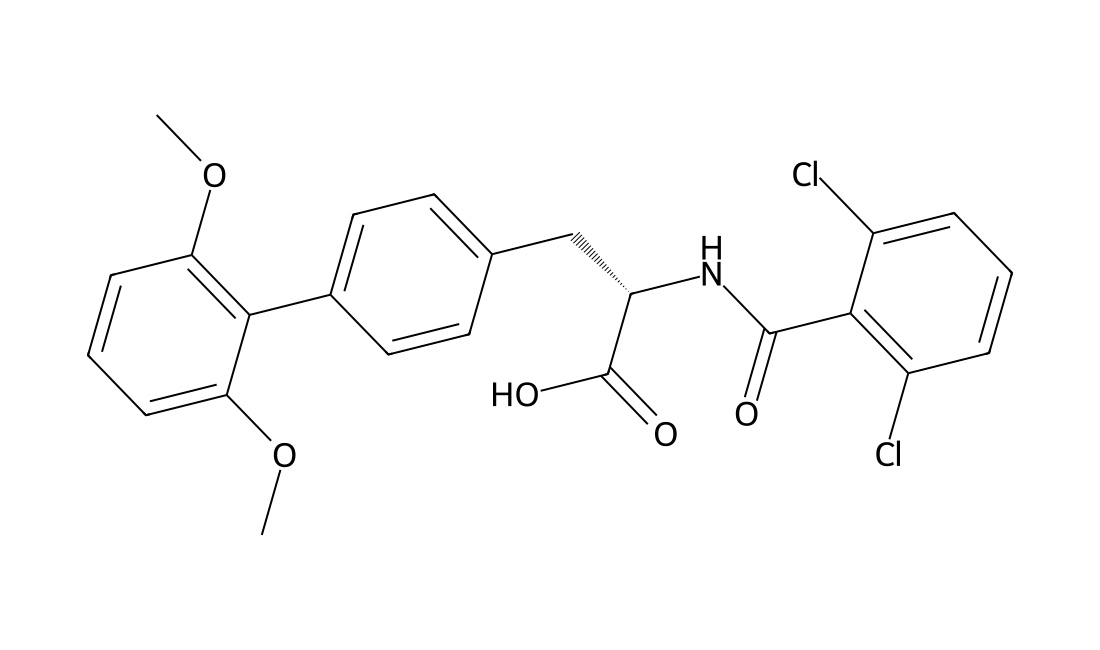
CAS 232271-19-1
TR-14035 is a a dual alpha4beta7(IC50=7 nM)/alpha4beta1 (IC50=87 nM) integrin antagonist TR14035 blocked the binding of human alpha(4)beta(7) to an (125)I-MAdCAM-Ig fusion protein with IC(50) values of 0.75 nM. TR14035 blocked binding of human alpha(4)beta(7)-expressing RPMI-8866 cells or murine mesenteric lymph node lymphocytes to MAdCAM-Ig with IC(50) values of 0.1 microM [2]. TR14035 blocked adhesion to HEVs [ED(50) of 0.01-0.1 mpk i.v.].TR-14035 was taken up by rat and human hepatocytes by an apparently single saturable mechanism with K(m) of 6.7 and 2.1 microM, respectively, and taurocholate and digoxin reduced this uptake [3].
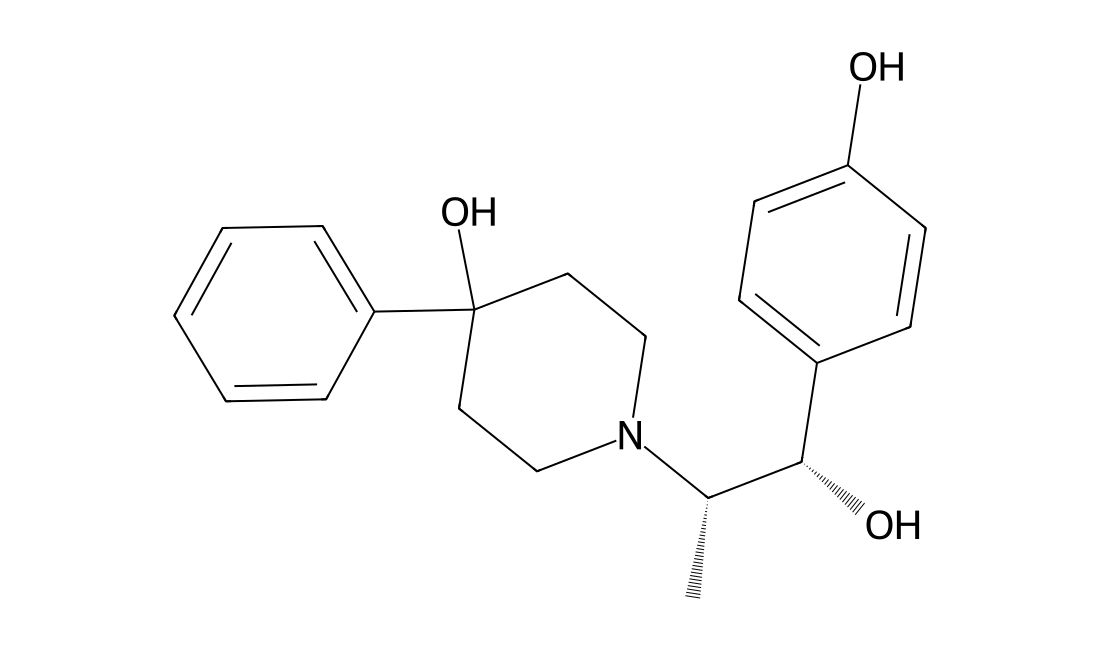
CAS 134234-12-1
Traxoprodil (CP101,606) is a potent and selective NMDA antagonist and protect hippocampal neurons with an IC50 of 10 nM.
CAS 289480-64-4
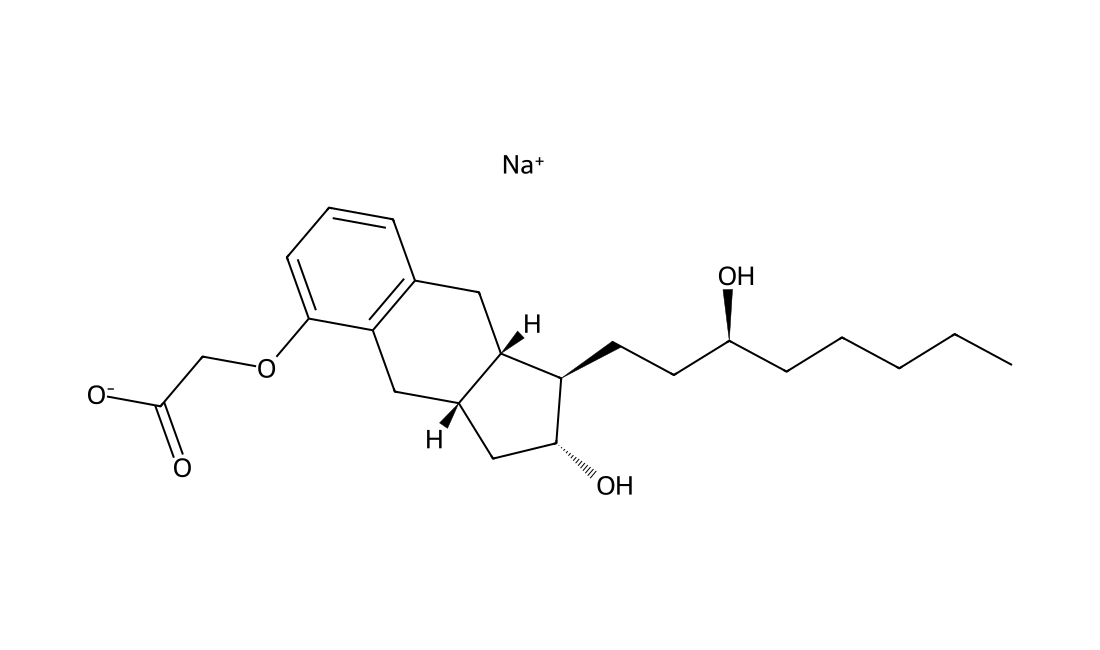
Treprostinil sodium is a potent DP1 and EP2 agonist with EC50 values of 0.6±0.1 and 6.2±1.2 nM, respectively.
CAS 246020-68-8
TRi-1 is a potent, specific and irreversible inhibitor of cytosolic thioredoxin reductase 1 (TXNRD1), with an IC50 of 12 nM. TRi-1 has little mitochondrial toxicity for anticancer therapy[1].
CAS 70-00-8
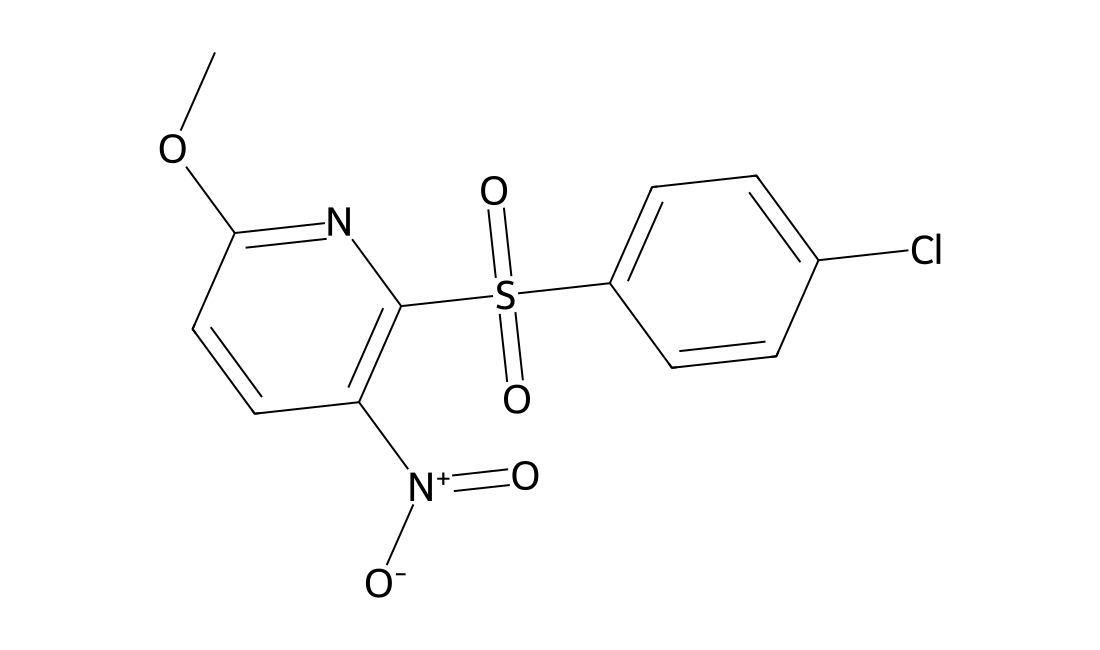
Trifluridine is an irreversible thymidylate synthase inhibitor, and thereby suppresses DNA synthesis. Trifluridine is an antiviral drug for herpes simplex virus (HSV) infection.
CAS 259674-19-6
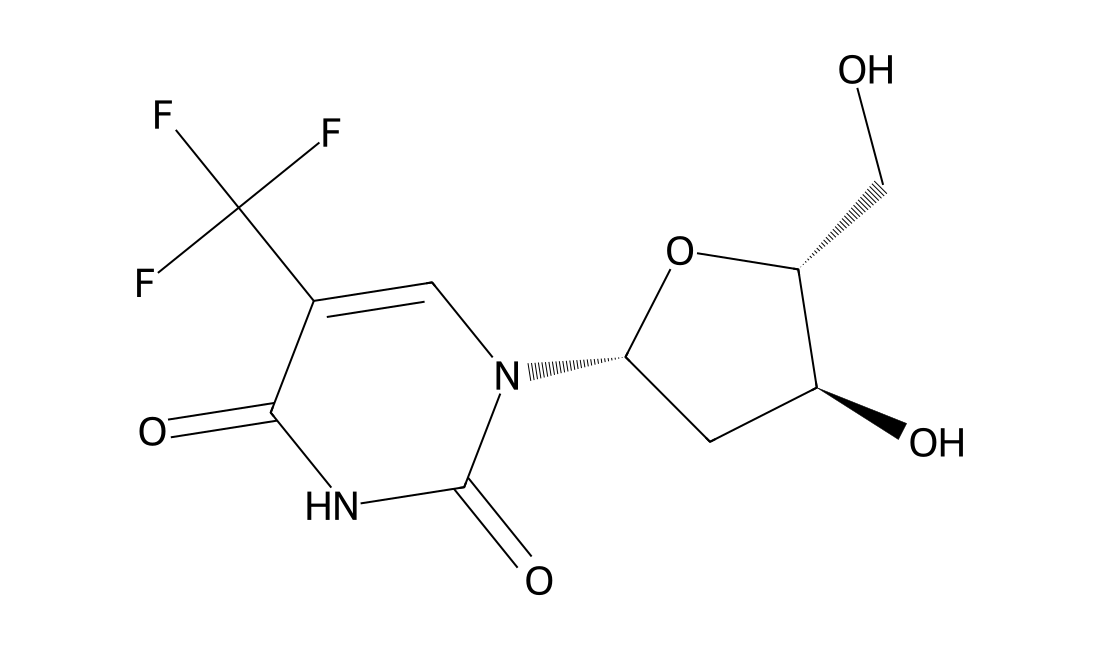
TRPM8 Antagonist is a potent and selective TRPM8 antagonist, with an IC50 of 0.2 nM, used in the research of neuropathic pain syndromes.
CAS 1310693-92-5
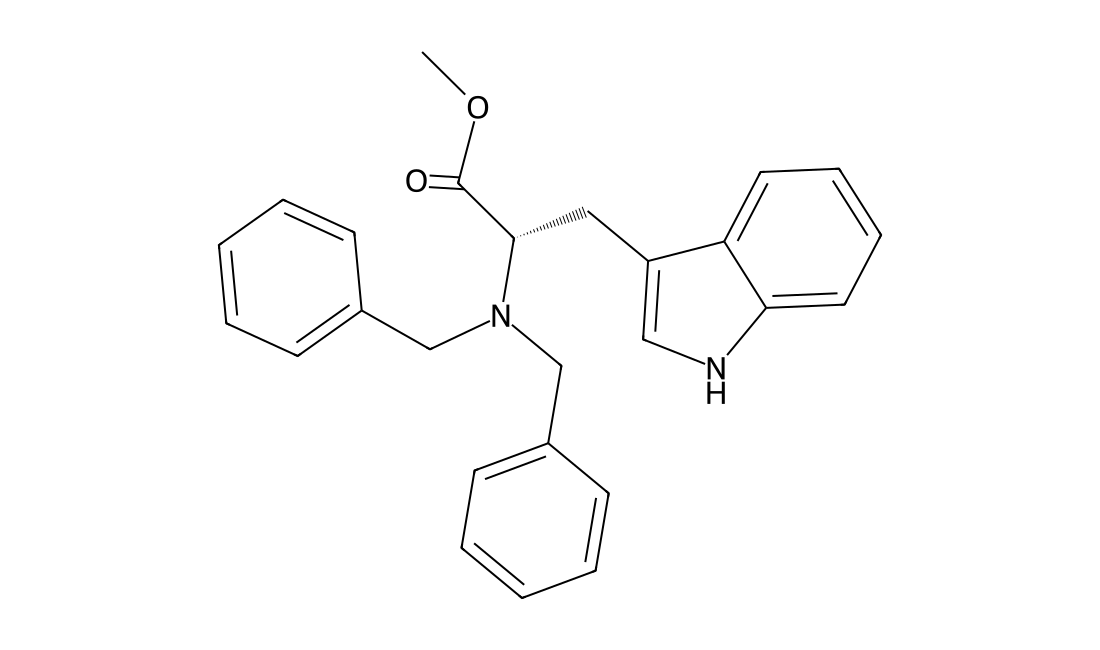
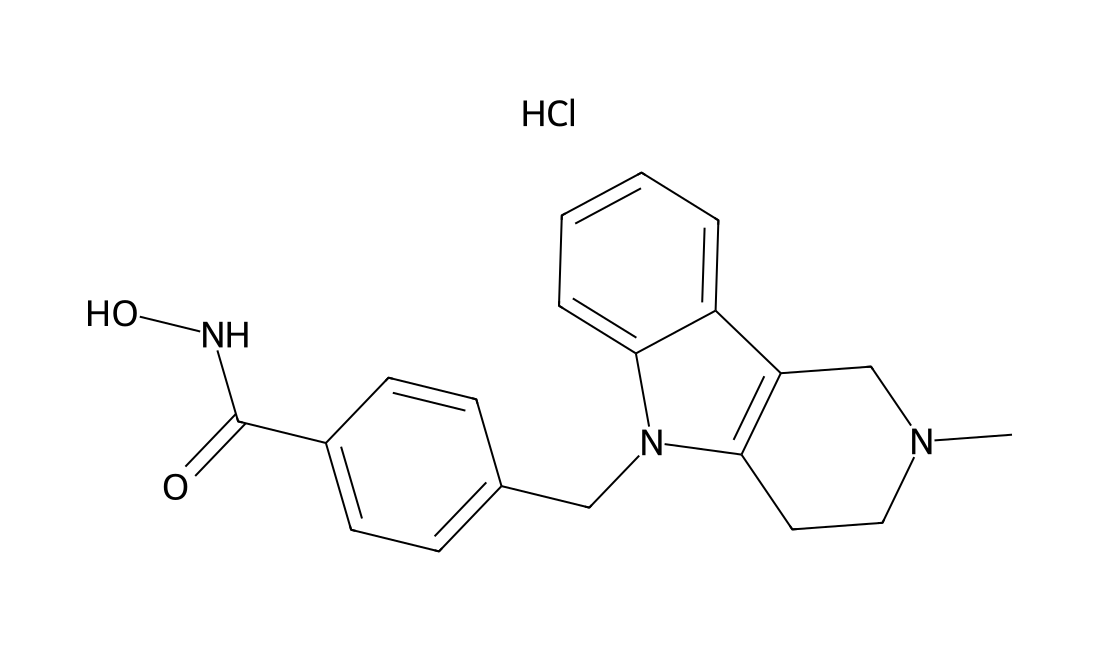
Tubastatin A (Hydrochloride) is a potent and selective HDAC6 inhibitor with IC50 of 15 nM in a cell-free assay, and is selective (1000-fold more) against all other isozymes except HDAC8 (57-fold more).
CAS 69-33-0
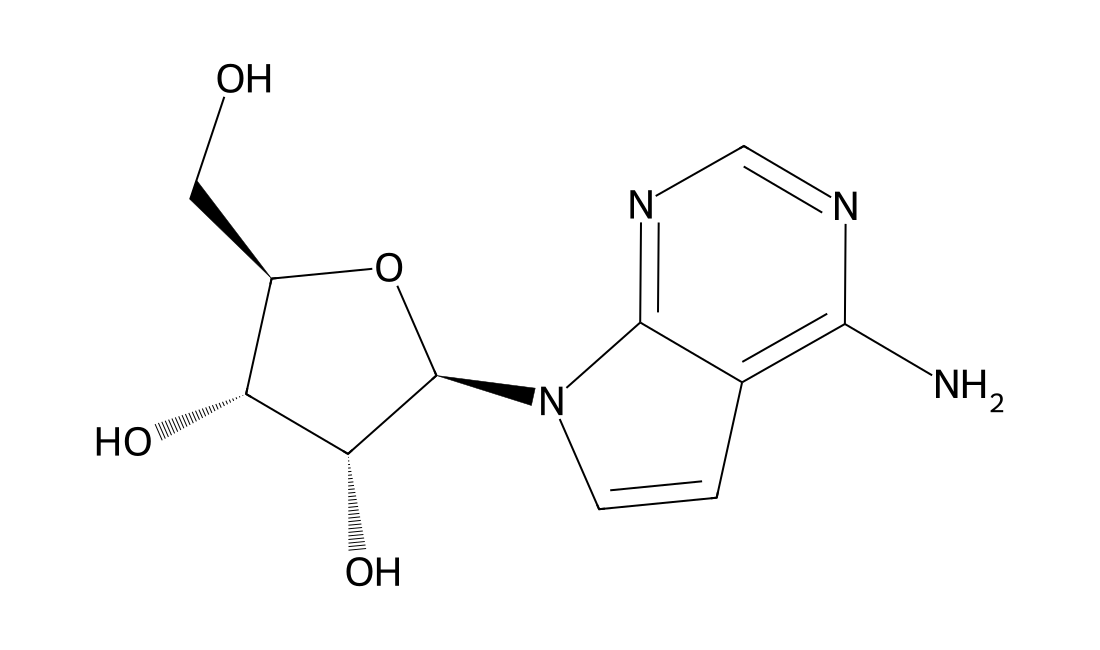
Tubercidin (7-Deazaadenosine) is an adenosine analog, is an antibiotic obtained from Streptomyces tubercidicus.Tubercidin inhibits the growth of Streptococcus faecalis by 50 % at a concentration of 20 nM. Tubercidin is not subject to cleavage by adenosine phosphorylase or to deamination by adenosine deaminase. The antibiotic served as a substrate for numerous enzymes involved in the anabolism of adenosine, as demonstrated by its incorporation into RNA and DNA, and by the formation of nicotinamide-deaza-adenine dinucleotide. Tubercidin proves to be a weak inhibitor of adenosine phosphorylase, and interfered with the phosphorylation of adenosine and AMP. The inhibition of the growth of S. faecalis by Tubercidin is prevented by purine and pyrimidine nucleosides, ribose 5-phosphate, pyruvate, and certain amino acids. In the presence of Tubercidin, growing cultures of the test organism used pyruvate instead of glucose, whereas in the absence of the antibiotic glucose served as the main source of energy. It is suggested, therefore, that the impairment of growth is due primarily to the interference of Tubercidin with the utilization of glucose.
CAS 205304-86-5
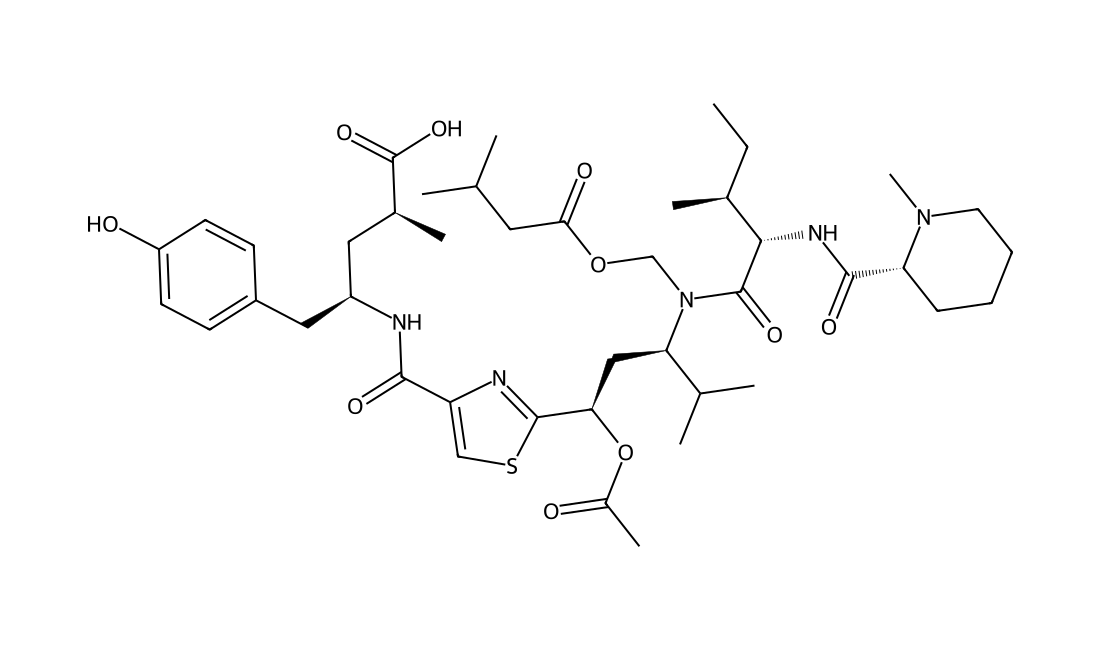
Tubulysin A(TubA) is a myxobacterial product that can function as an antiangiogenic agent in many in vitro assays; anti-microtubule, anti-mitotic, an apoptosis inducer, anticancer, anti-angiogenic, and antiproliferative.Tubulysin A is a novel antibiotic, which is anti-microtubule, anti-mitotic, apoptosis inducer, anticancer, anti-angiogenic, and antiproliferative. Tubulysins are cytotoxic peptides, which include 9 members (A-I). Tubulysin A has potential application as an anticancer agent. It arrests cells in the G2/M phase. Tubulysin A inhibits polymerization more efficiently than vinblastine and induces depolymerization of isolated microtubules. Tubulysin A has potent cytostatic effects on various tumor cell lines with IC50 in the picomolar range.
CAS 138168-48-6
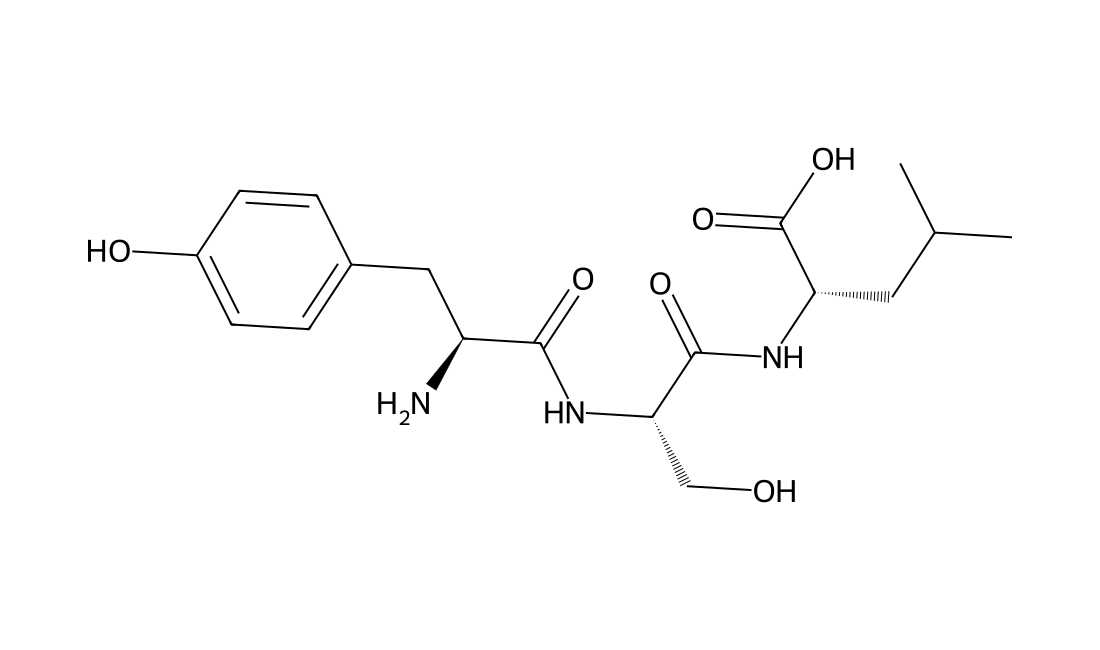
Tyroserleutide (YSL), isolated from the degradation products of porcine spleen[1], is a small molecular tripeptide which inhibits tumor growth both in vitro and in vivo[2].
CAS 126784-99-4
Ulipristal (acetate) is a novel selective progesterone receptor modulator (SPRM) for the treatment of benign gynecological conditions such as uterine myoma.
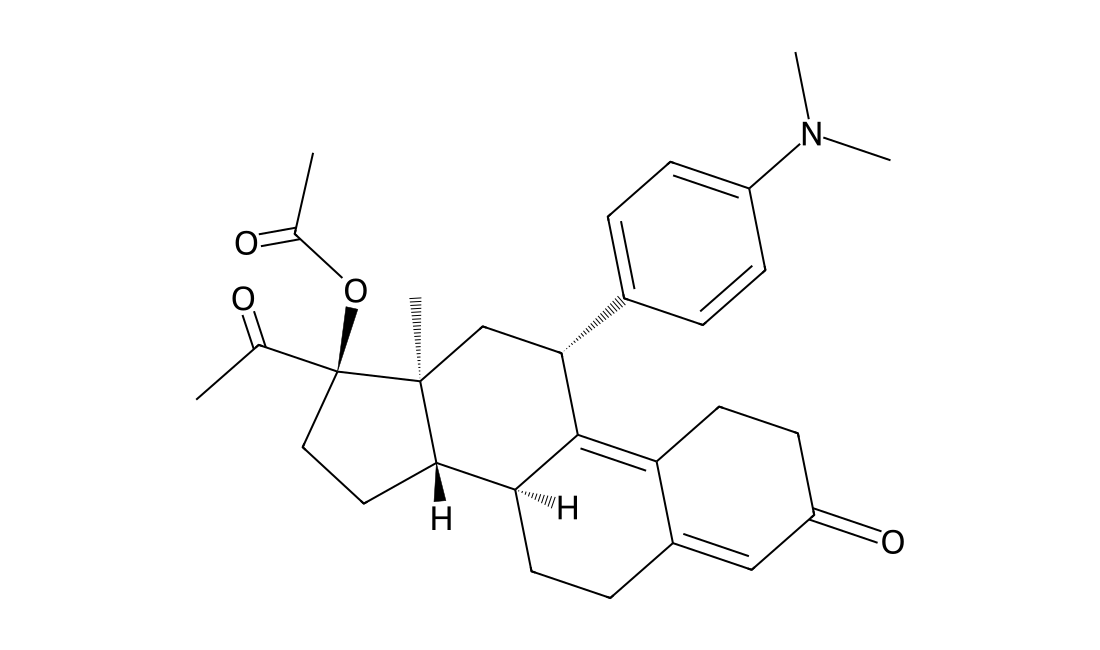
CAS 869113-09-7
Umeclidinium bromide is a novel mAChR antagonist. The affinity (Ki) of Umeclidinium bromide for the cloned human M1-M5 mAChRs ranges from 0.05 to 0.16 nM.
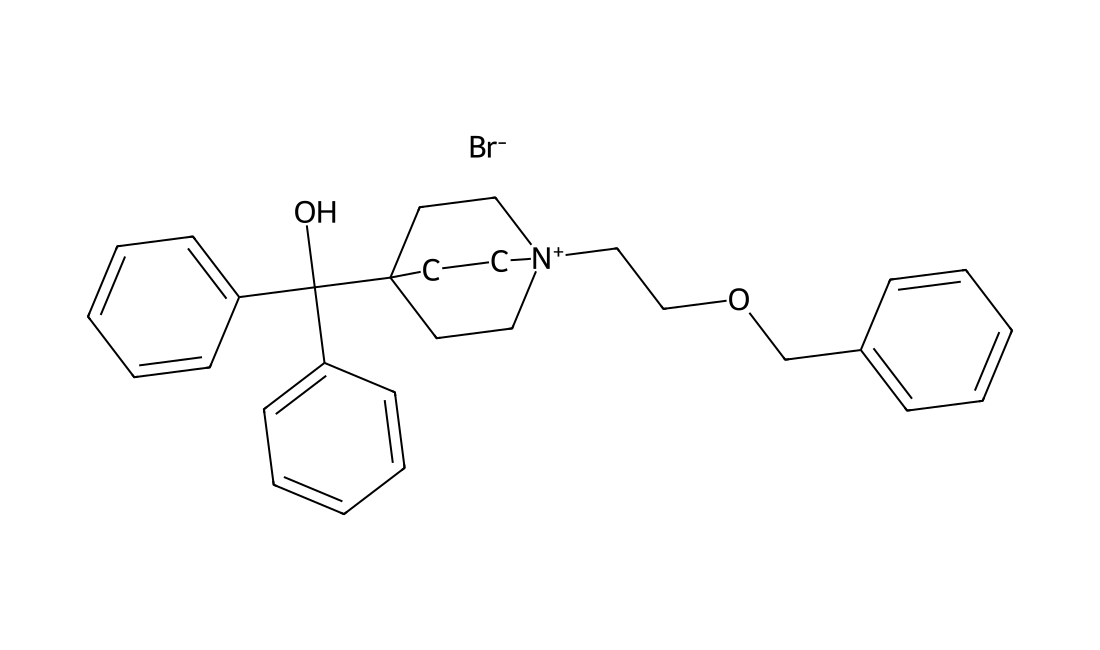
CAS 121584-18-7
Valspodar is a P-glycoprotein (P-gp) inhibitor widely used as overcoming multidrug resistance modulator.
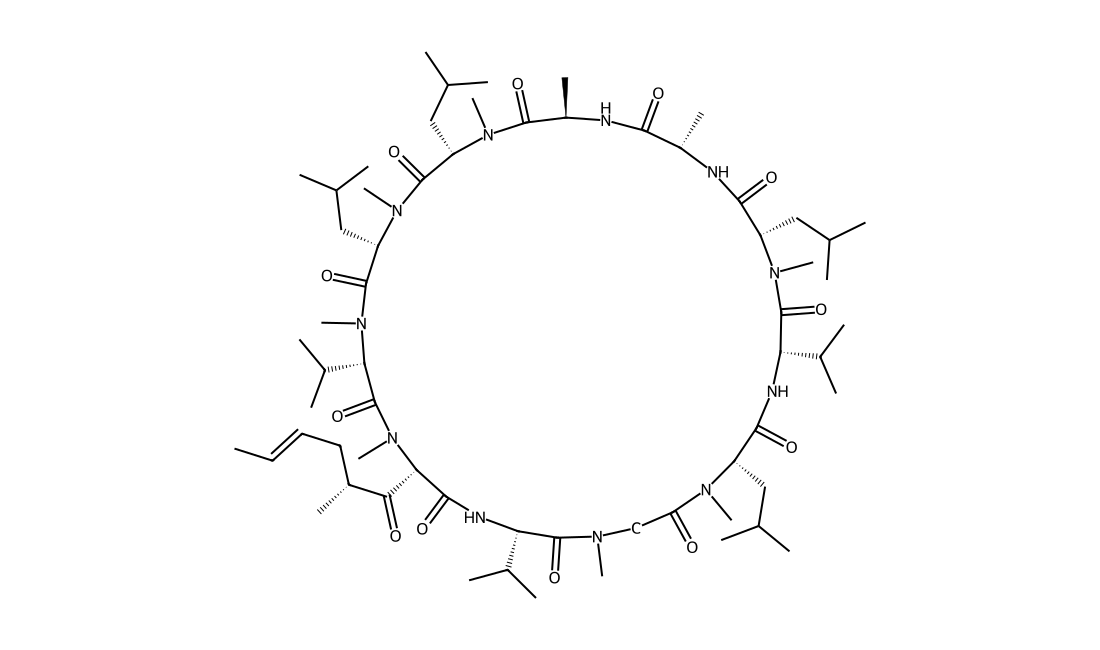
CAS 912444-00-9
ABT888(Veliparib) is a potent PARP inhibitor, inhibiting PARP1 and PARP2 with Kis of 5.2 and 2.9 nM, respectively.
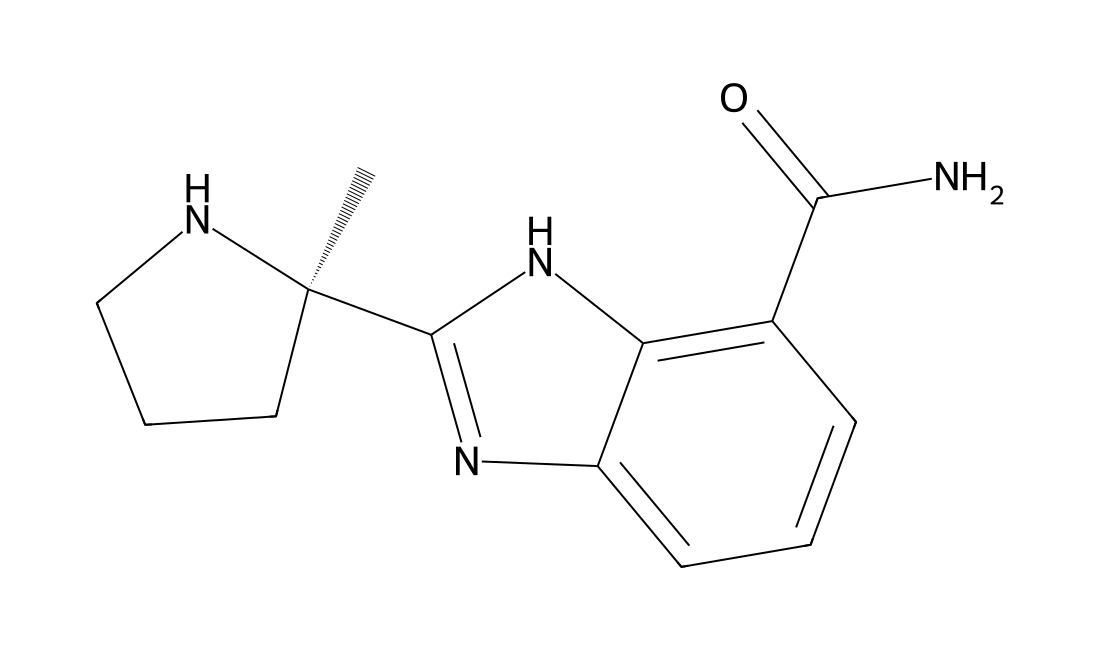
CAS 885220-61-1
Verucerfont is a corticotropin-releasing factor receptor 1 (CRF1) antagonist with IC50s of ~6.1, >1000 and >1000 nM for CRF1, CRF2, and CRF-BP, respectively.
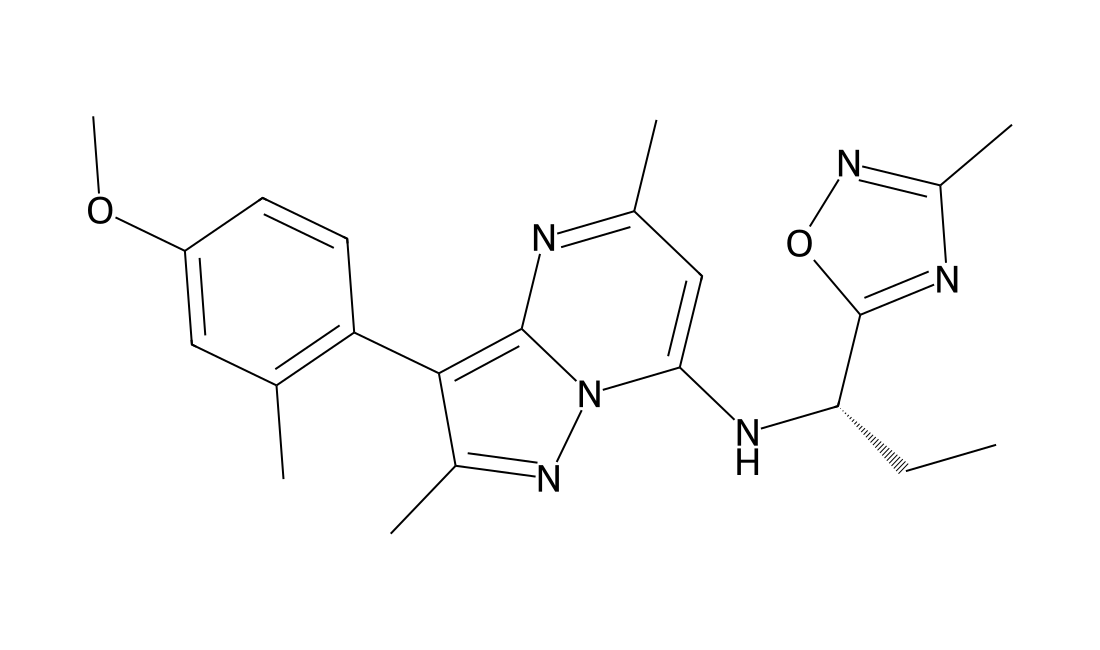
CAS 1000023-04-0
Voruciclib is a clinical stage orally active and selective CDK inhibitor with Ki values of 0.626 nM-9.1 nM. Voruciclib potently blocks CDK9, the transcriptional regulator of MCL-1. Voruciclib represses expression of MCL-1 in multiple models of diffuse large B-cell lymphoma (DLBCL)[1].
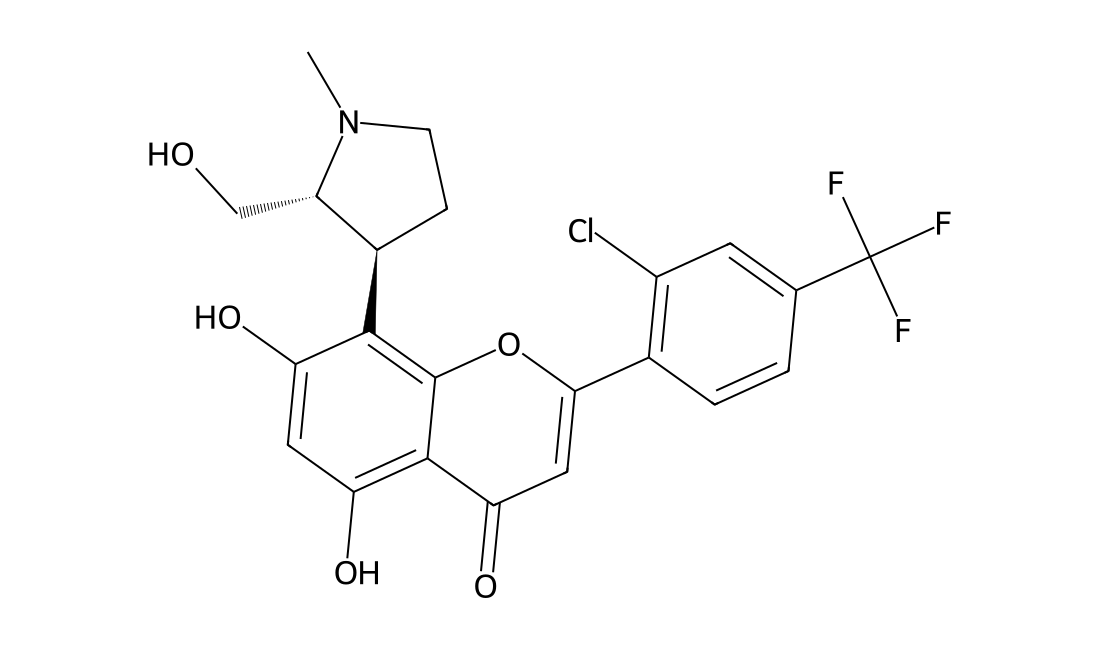
CAS 1093757-42-6
VU0155041 is a potent, selective and mixed allosteric agonist/positive allosteric modulator (PAM) of mGluR4, with EC50s of 798 nM and 693 nM for human and rat mGluR4, respectively. VU0155041 is a partial agonist of mGluR4 that activates the receptor by interacting with a site that is distinct from the glutamate binding site[1].
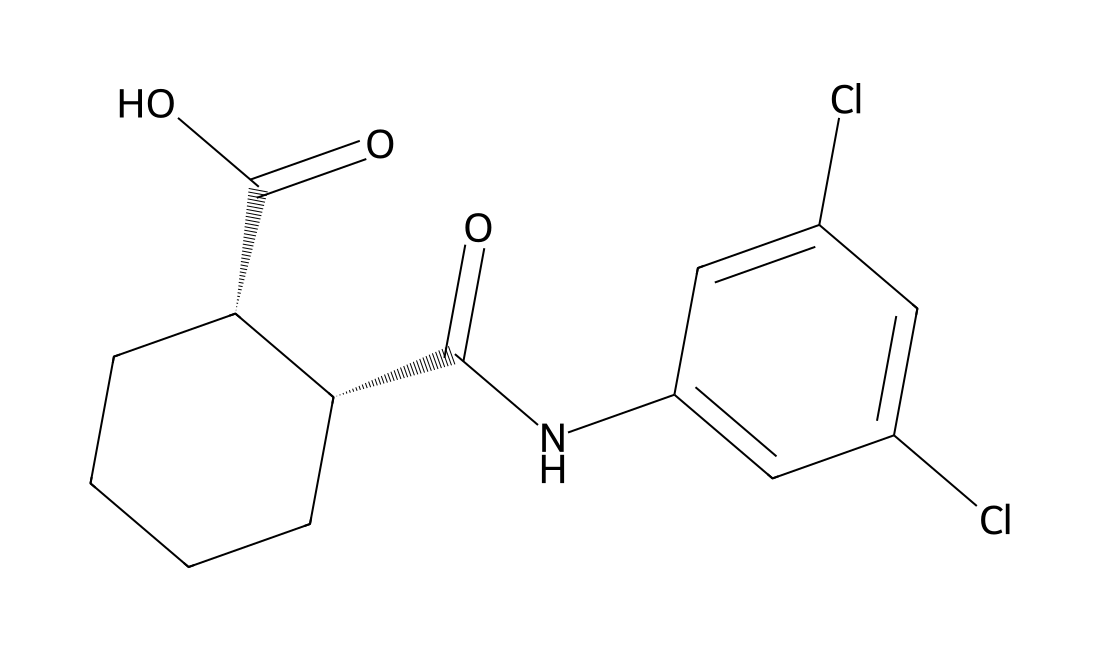
CAS 35286-58-9
Ziyuglycoside I isolated from S. officinalis root, has anti-wrinkle activity, and increases the expression of type I collagen. Ziyuglycoside I could be used as an active ingredient for cosmetics[1].Ziyuglycoside I triggers cell cycle arrest and apoptosis mediated by p53, it can be a potential drug candidate for treating triple-negative breast cancer (TNBC)[2].
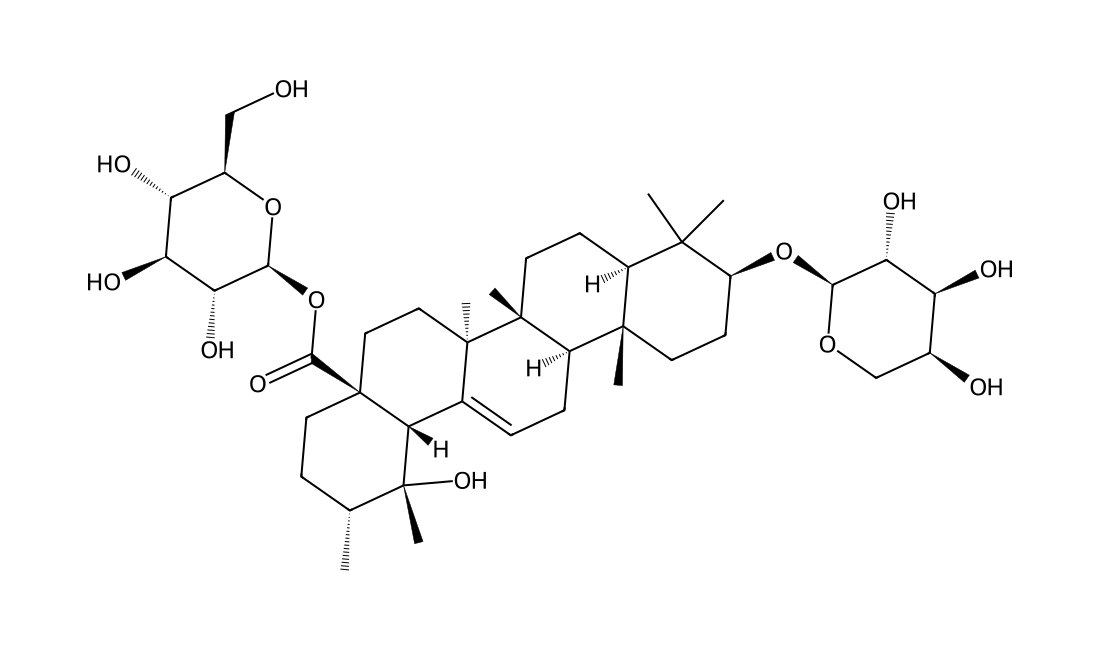
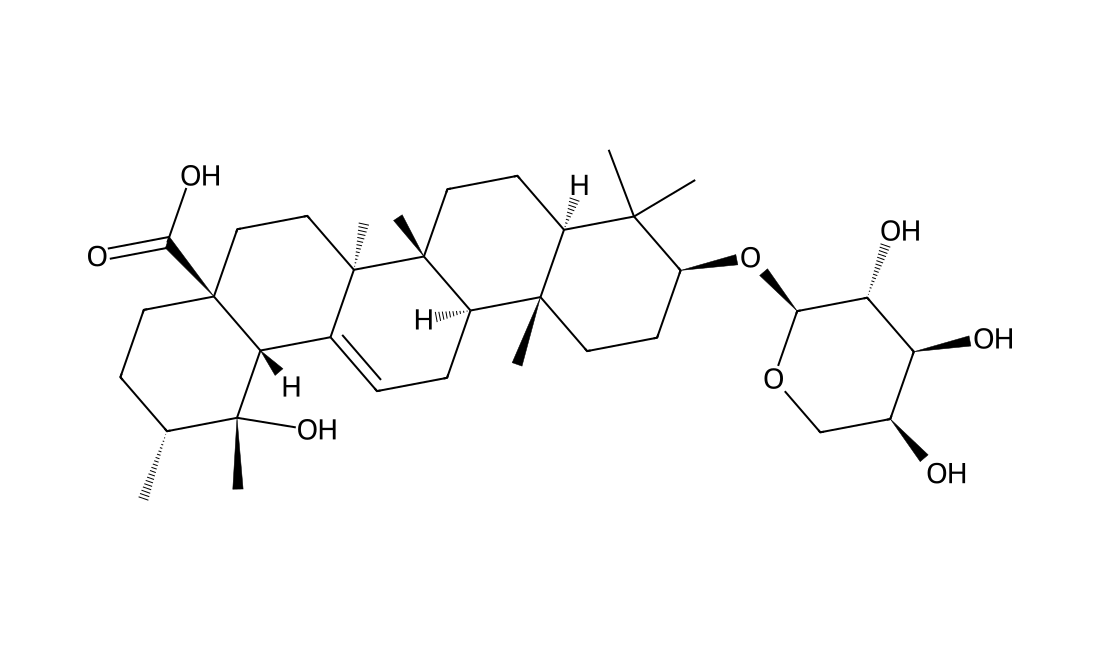
CAS 35286-59-0
Ziyuglycoside II is a triterpenoid saponin compound extracted from Sanguisorba officinalis L.. Ziyuglycoside II induces reactive oxygen species (ROS) production and apoptosis. Anti-inflammation and anti-cancer effect[1].
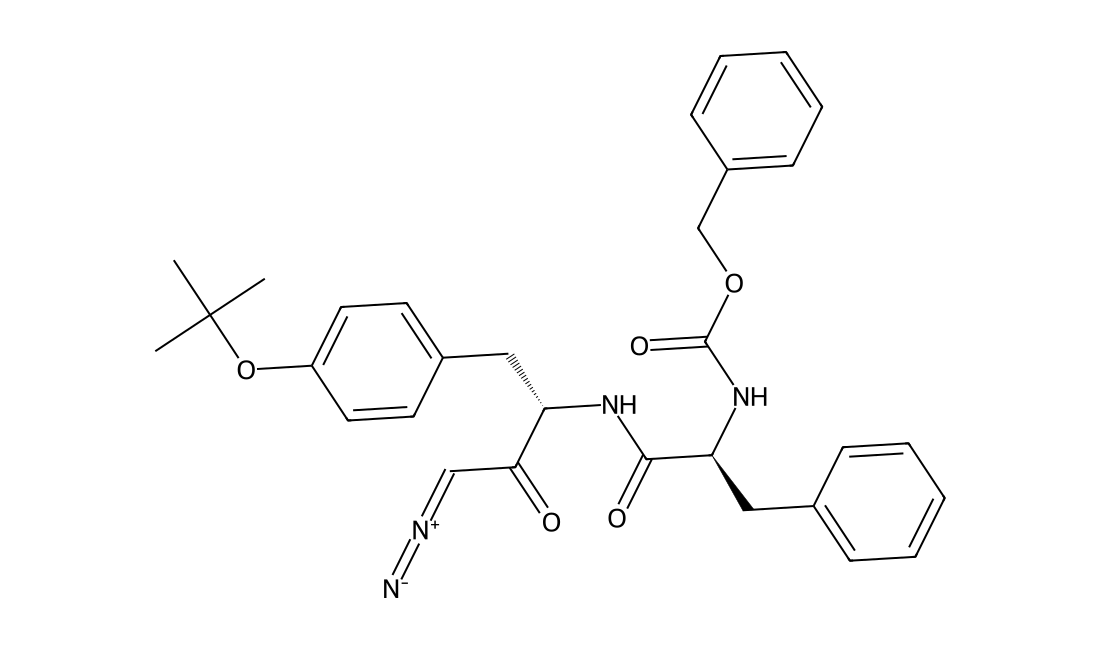
CAS 114014-15-2
Z-Phe-Tyr(tBu)-diazomethylketone is an inhibitor of cathepsin L
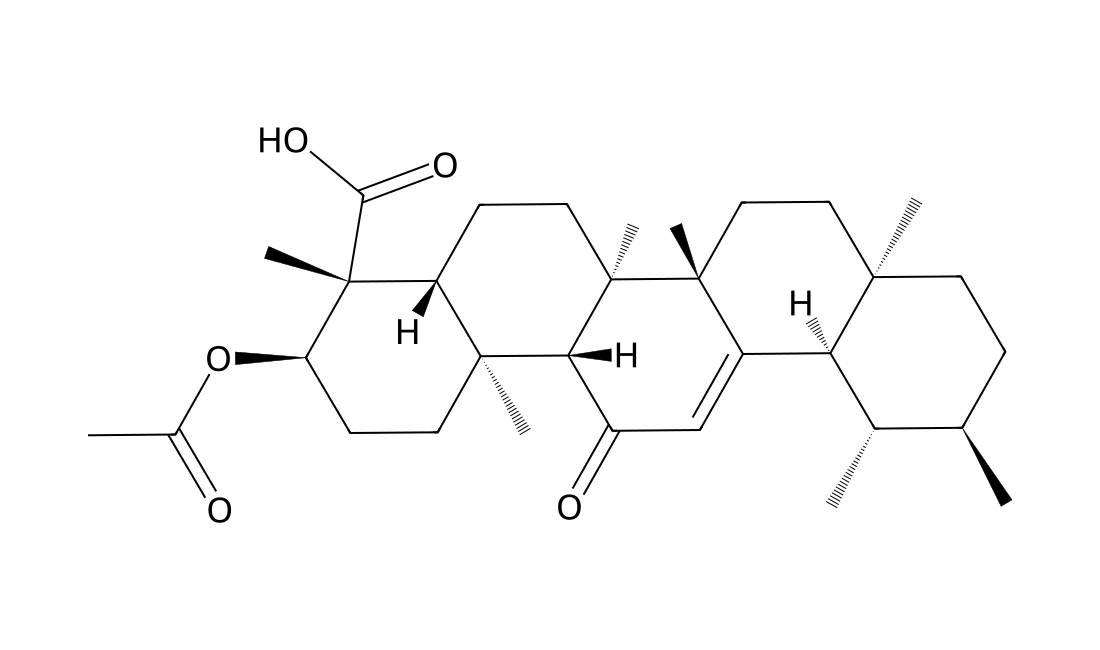
CAS 67416-61-9
Acetyl-11-Keto-β-Boswellic Acid (AKBA) is an active triterpenoid compound from the extract of Boswellia serrate; a novel Nrf2 activator.
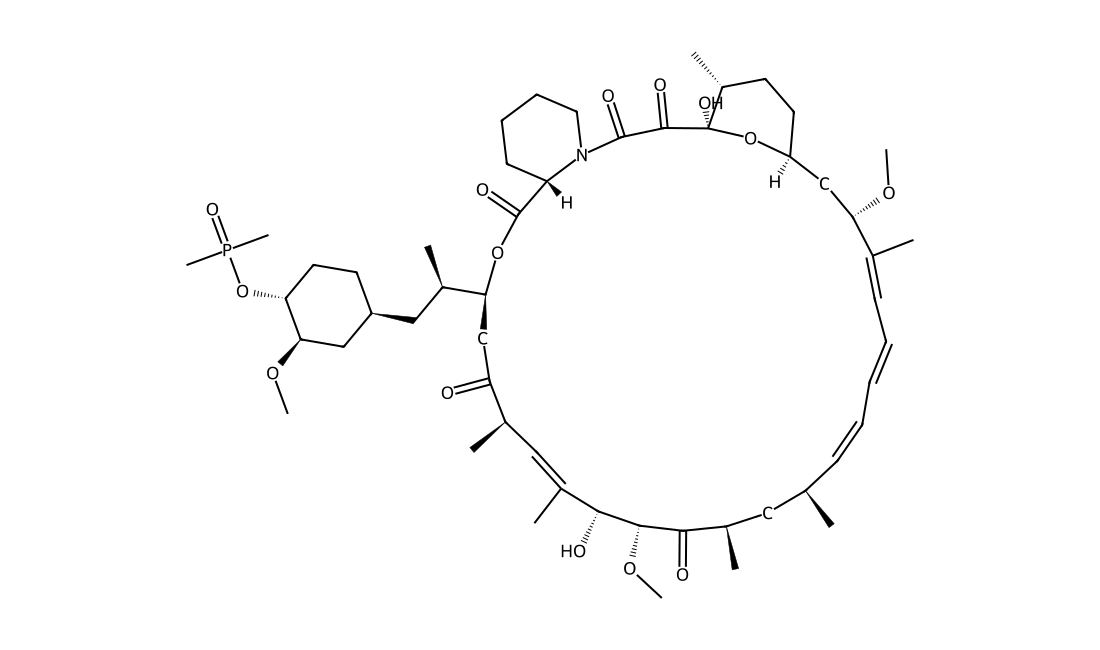
CAS 572924-54-0
Deforolimus (AP23573; MK-8669) is a potent and selective mTOR inhibitor; inhibits ribosomal protein S6 phosphorylation with an IC50 of 0.2 nM in HT-1080 cells.
CAS 18797-79-0
Corynoline, isolated from Corydalis incise (Papaveraceae), is a reversible and noncompetitive acetylcholinesterase (AChE) inhibitor with an IC50 of 30.6 μM[1]. Corynoline exhibits anti-inflammatory activity by activating Nrf2[2].
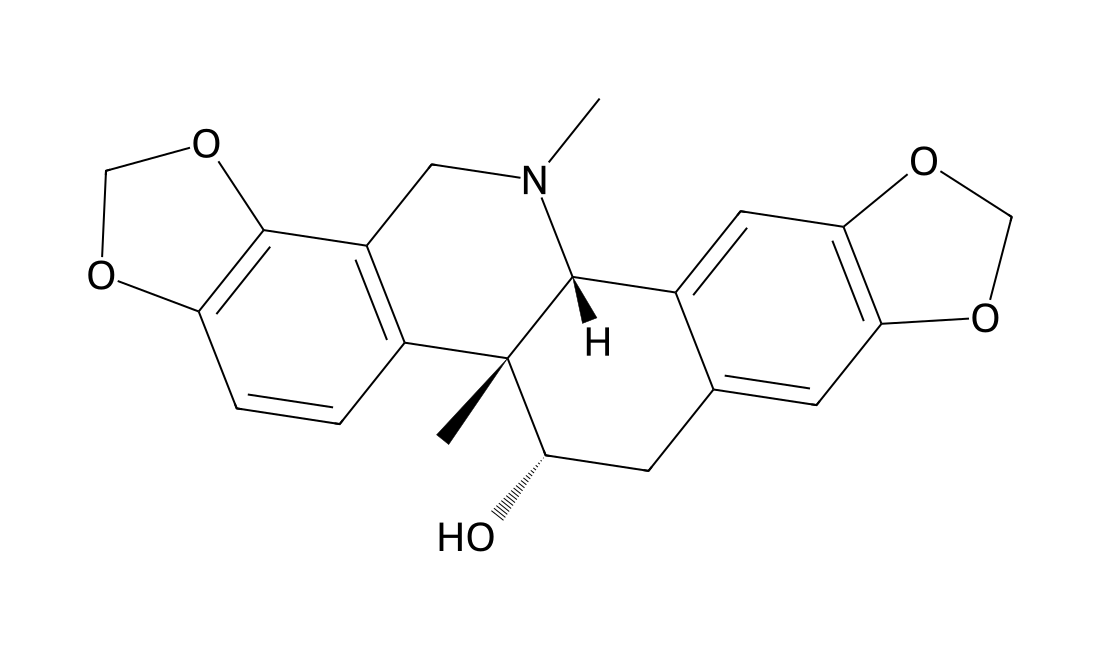
CAS 1534358-79-6
COH000 is an inhibitor of Ubiquitin-like 1-activating enzyme (SUMO-activating enzyme), with an IC50 of 0.2 μM for SUMOylation in vitro[1].
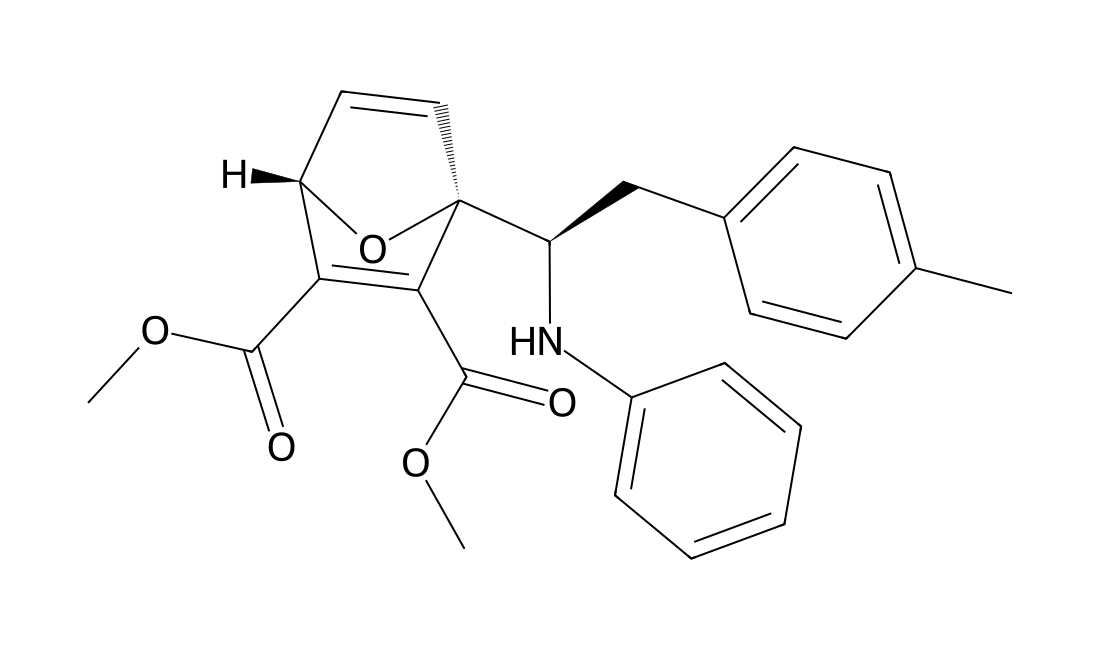
CAS 1110873-99-8
RU-301 is a pan-TAM receptor inhibitor, exerts pan-TAM inhibitory activity by binding at the interface between Gas6 and the Ig1 domain of the respective TAMs with Kd and IC50 values of 12 μM and 10 μM, respectively[1].
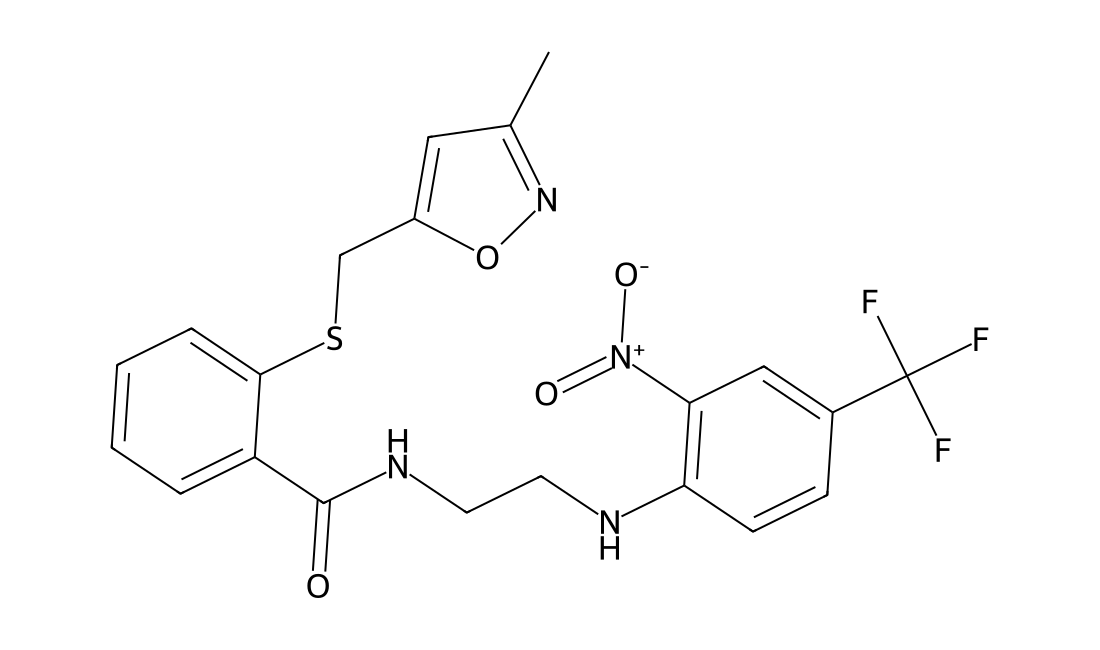
CAS 1001600-54-9
MV1 is an antagonist of IAP (inhibitor of apoptosis protein), leads to protein knockdown of HaloTag-fused proteins when combined with HaloTag ligand[1].
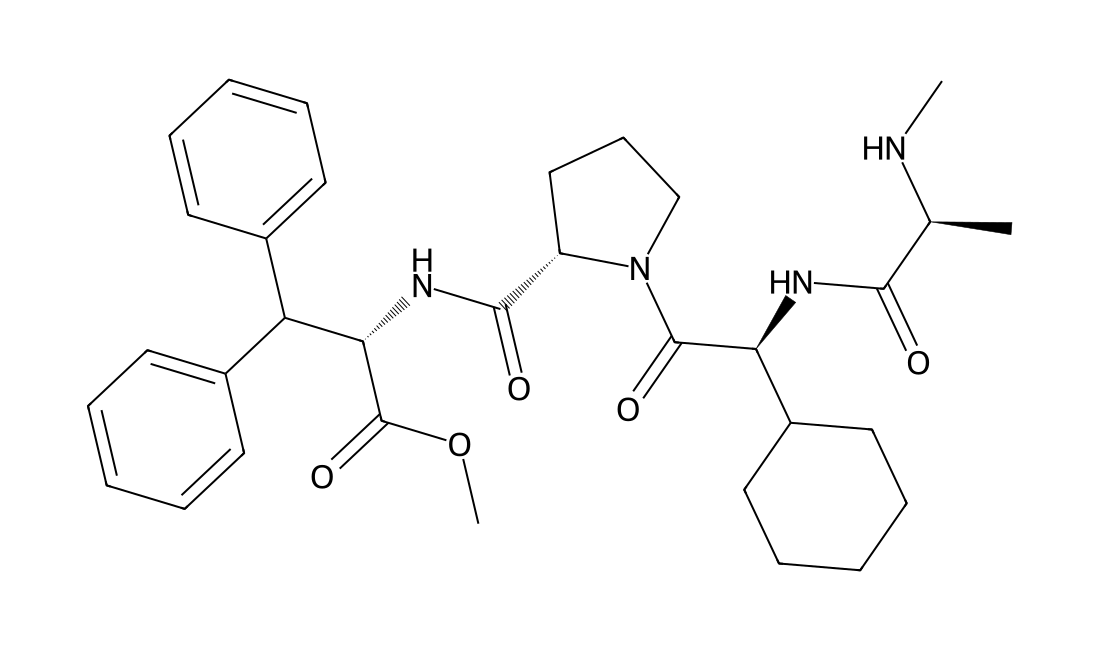
CAS 1489389-18-5
SRA737(CCT245737) is a orally active and seletive Chk1 inhibitor, with an IC50 of 1.3 nM。
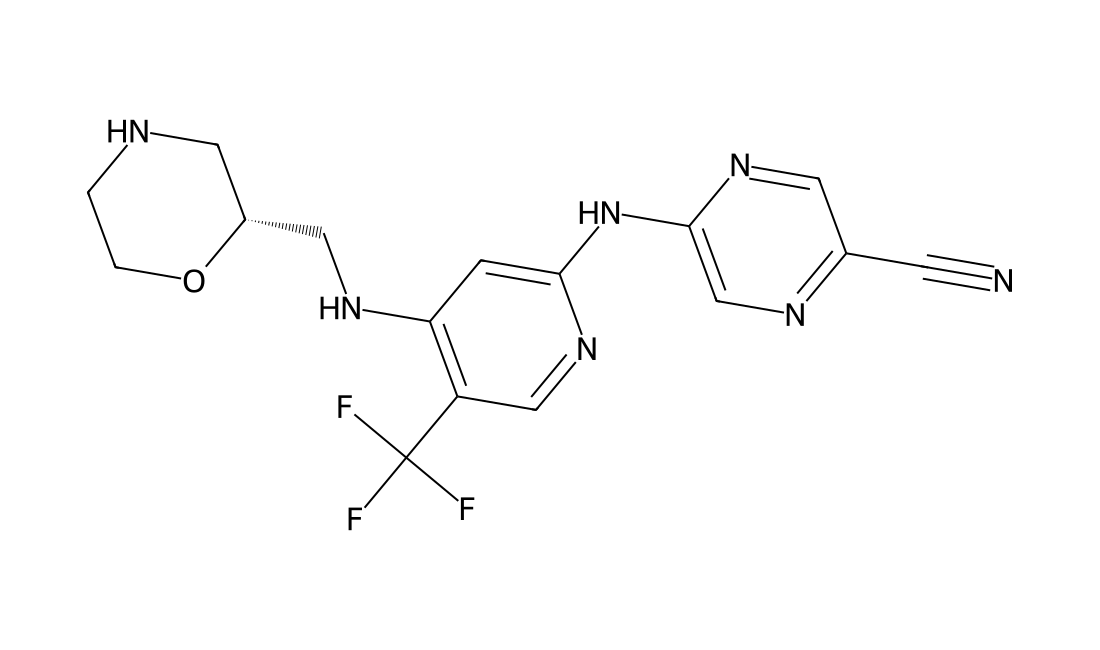
CAS 947257-66-1
D-3263 is an agonist of transient receptor potential melastatin member 8 (TRPM8) with potential antineoplastic activity.
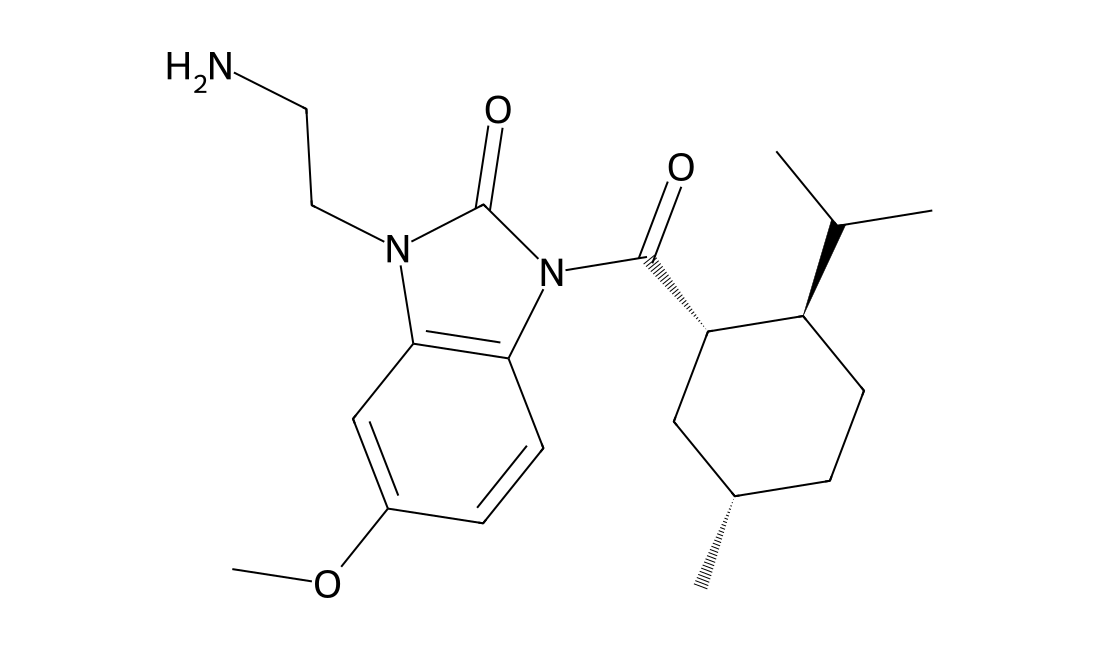
CAS 58816-69-6
SB297006 is a CCR3 antagonist, which significantly inhibits proliferation and neurosphere formation in CCL11-treated neural progenitor cells.
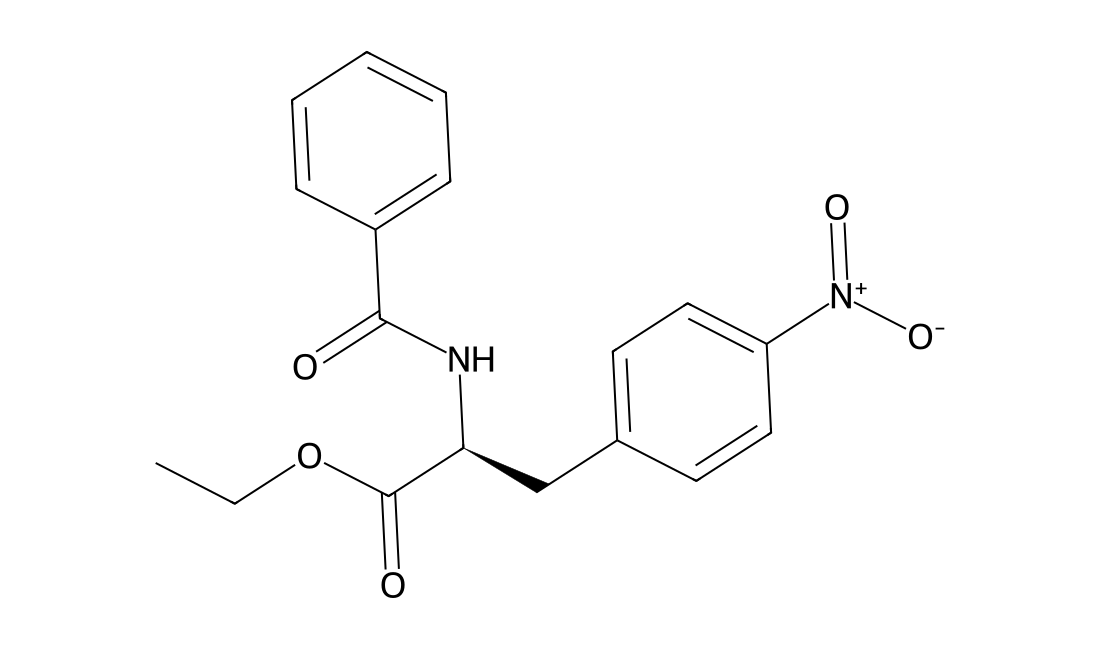
CAS 2080306-21-2
MRT68921 hydrochloride is the most potent inhibitor of ULK1 and ULK2, with IC50 values of 2.9 nM and 1.1 nM, respectively.
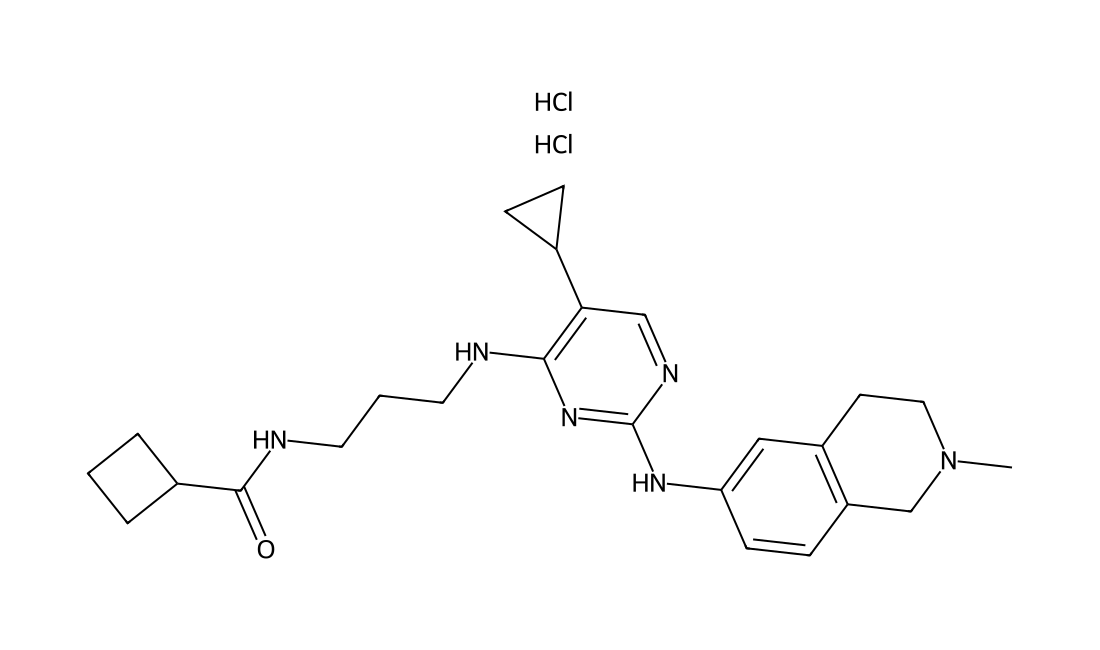
CAS 686347-12-6
Otenabant Hydrochloride is a potent and selective cannabinoid receptor CB1 antagonist with Ki of 0.7 nM, exhibits 10,000-fold greater selectivity against human CB2 receptor.
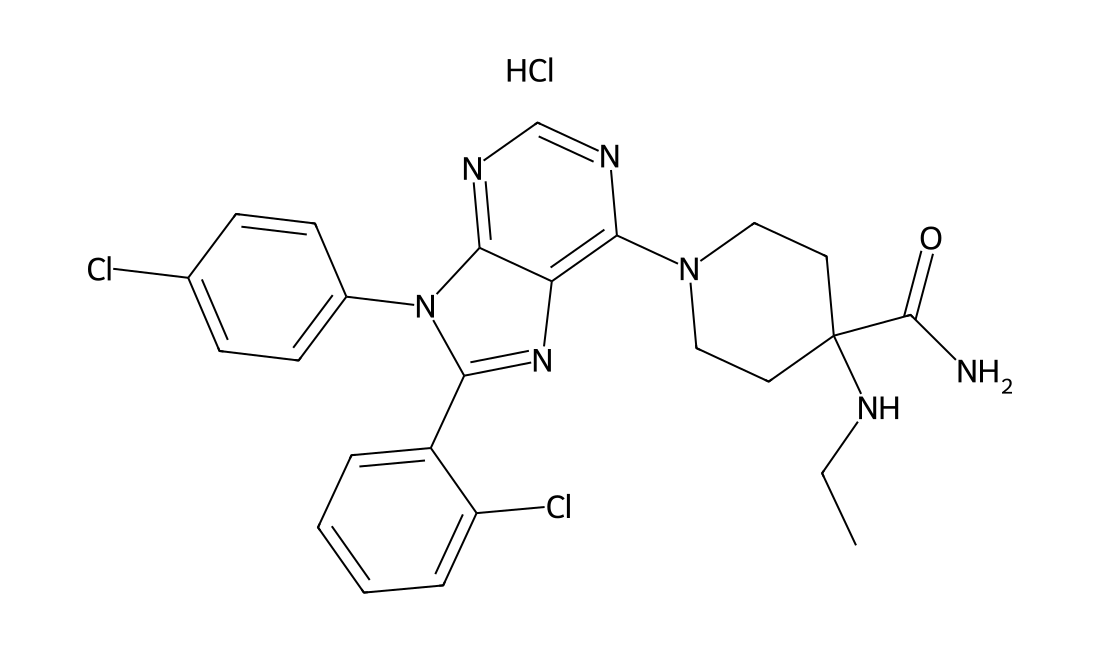
CAS 2125956-82-1
PXS-5153A is a potent, selective, orally active and fast-acting inhibitor of lysyl oxidase like 2/3 enzymatic (LOXL2/LOXL3), with an IC50 of <40 nM for LOXL2 across all mammalian species and an IC50 of 63 nM for human LOXL3. PXS-5153A could reduce crosslinks and ameliorates fibrosis.
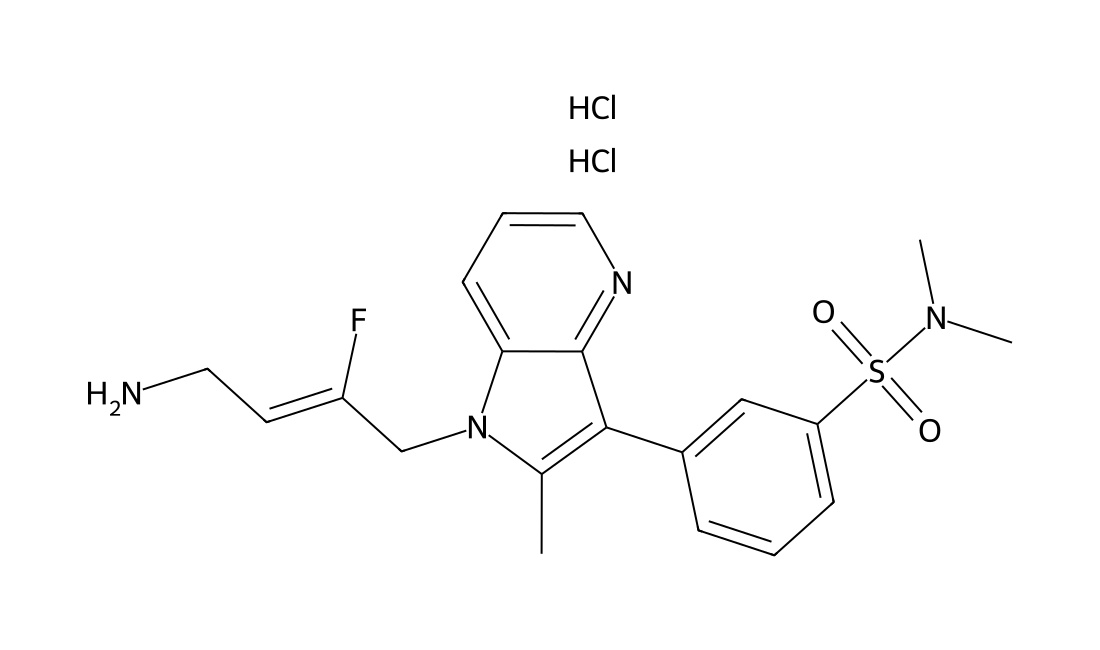
CAS 1629138-41-5
SRI-011381 is an orally active TGF-β signaling agonist, exhibits neuroprotective effects[1][2].
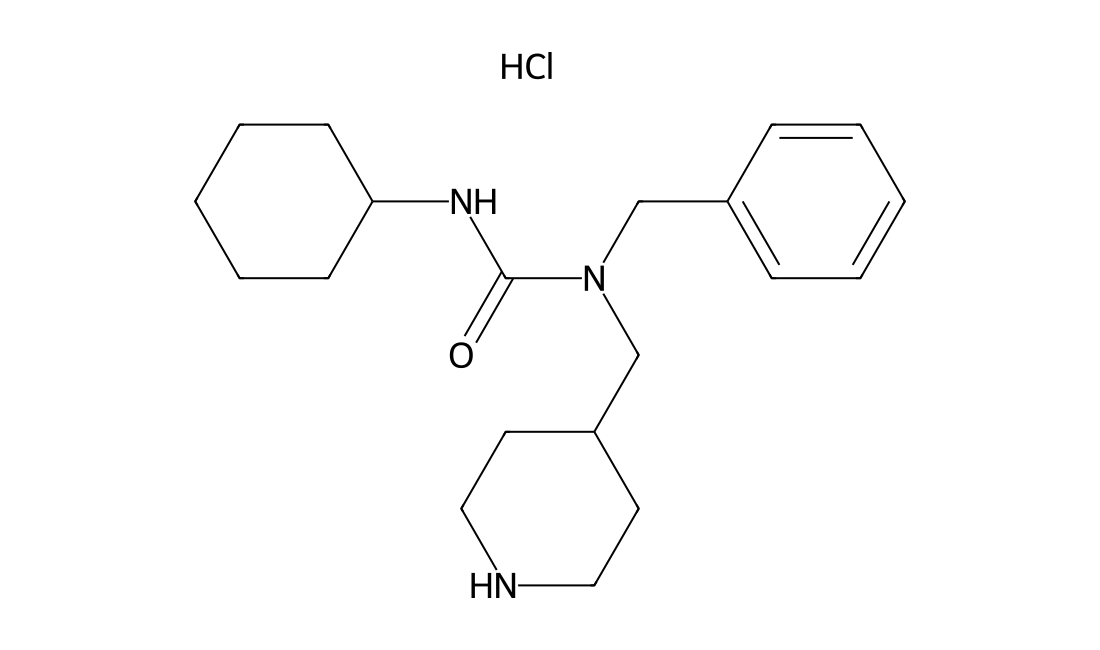
CAS 1204707-71-0
SRT3109 is an antagonist of CXCR2, with a pIC50 of 8.2, and used in the research of chemokine mediated diseases.
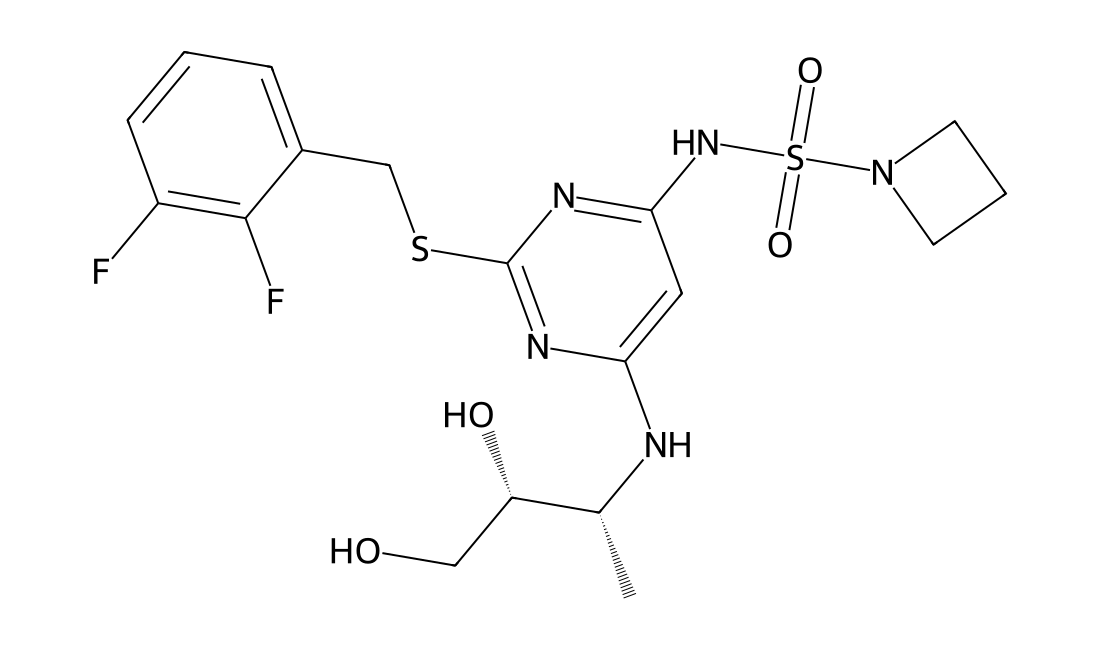
CAS 736048-65-0
PKC-theta inhibitor is a selective PKC-θinhibitor, with an IC50 of 12 nM.
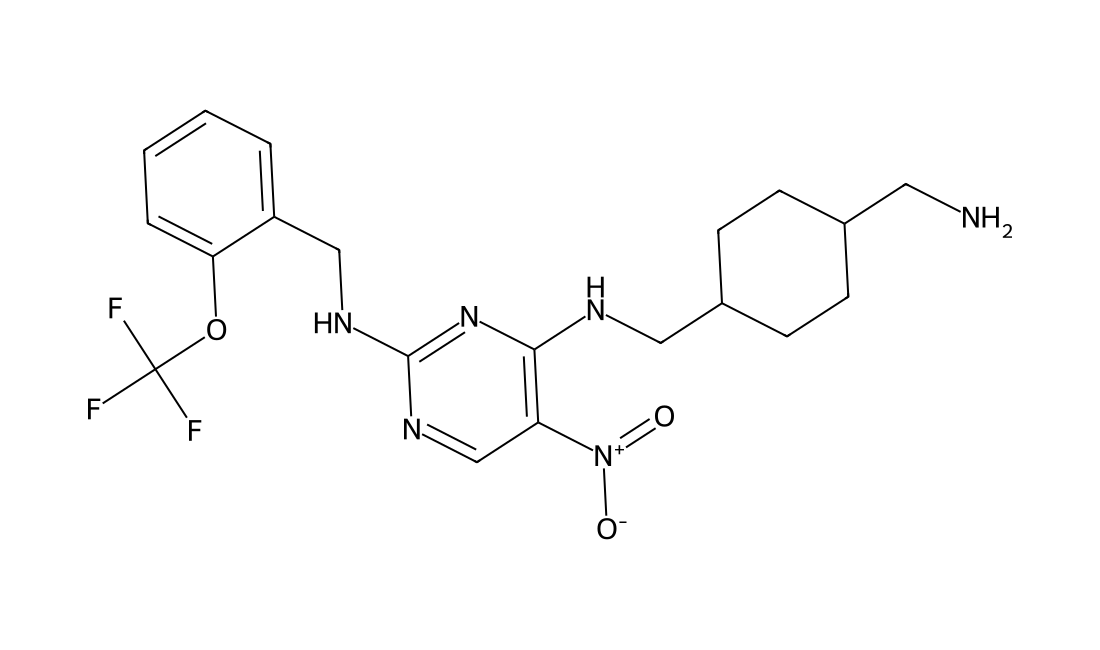
CAS 372196-67-3
PIK-75 is a reversible DNA-PK and p110α-selective inhibitor, which inhibits DNA-PK, p110α and p110γ with IC50s of 2, 5.8 and 76 nM, respectively. PIK-75 inhibits p110α >200-fold more potently than p110β (IC50=1.3 μM)[1][2]. PIK-75 induces apoptosis[3].
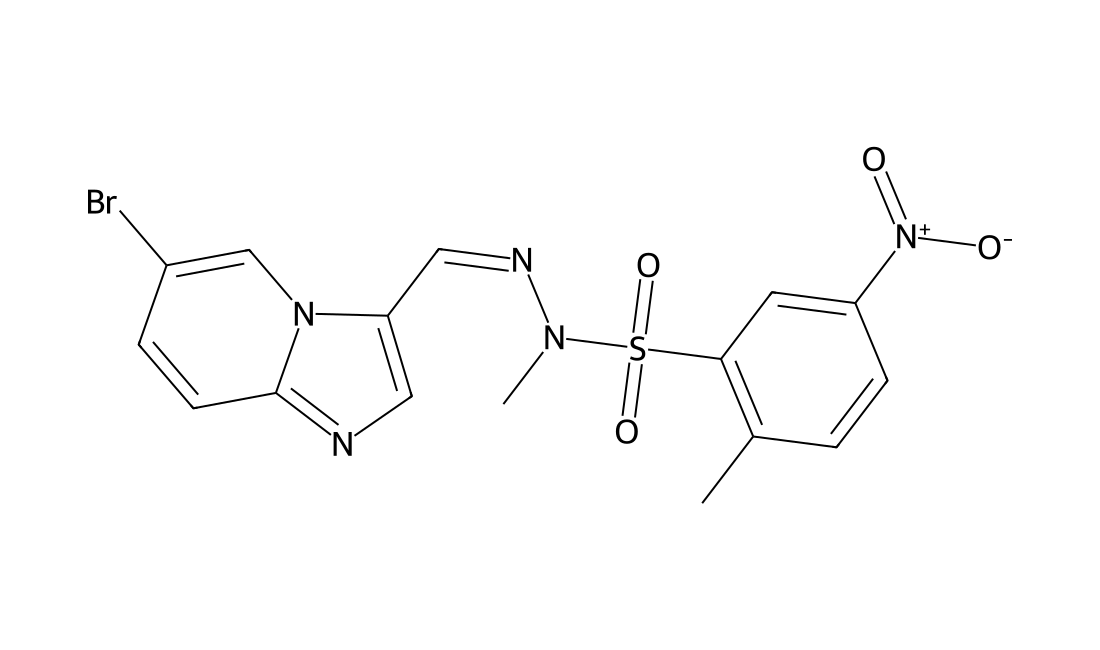
CAS 96760-69-9
Adenosine amine congener (ADAC) is a selective A1 adenosine receptor agonist, can ameliorate noise- and Cisplatin-induced cochlear injury. Adenosine amine congener also has neuroprotective effects[1][2].
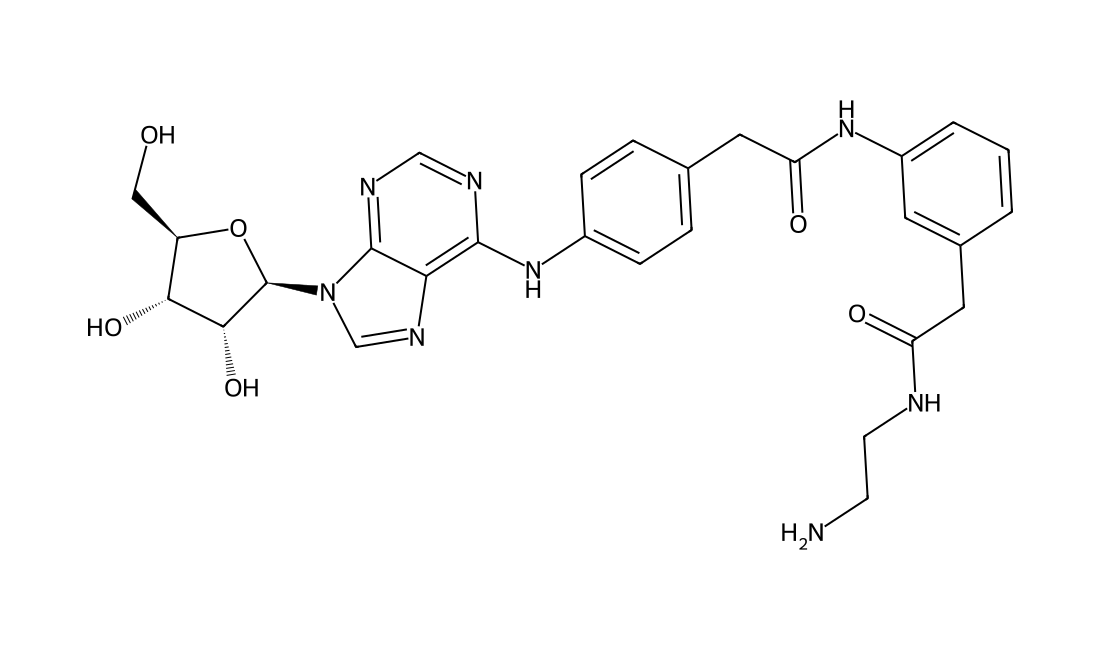
CAS 1443461-21-9
GSK2838232 is a novel human immune virus (HIV) maturation inhibitor being developed for the treatment of chronic HIV infection.
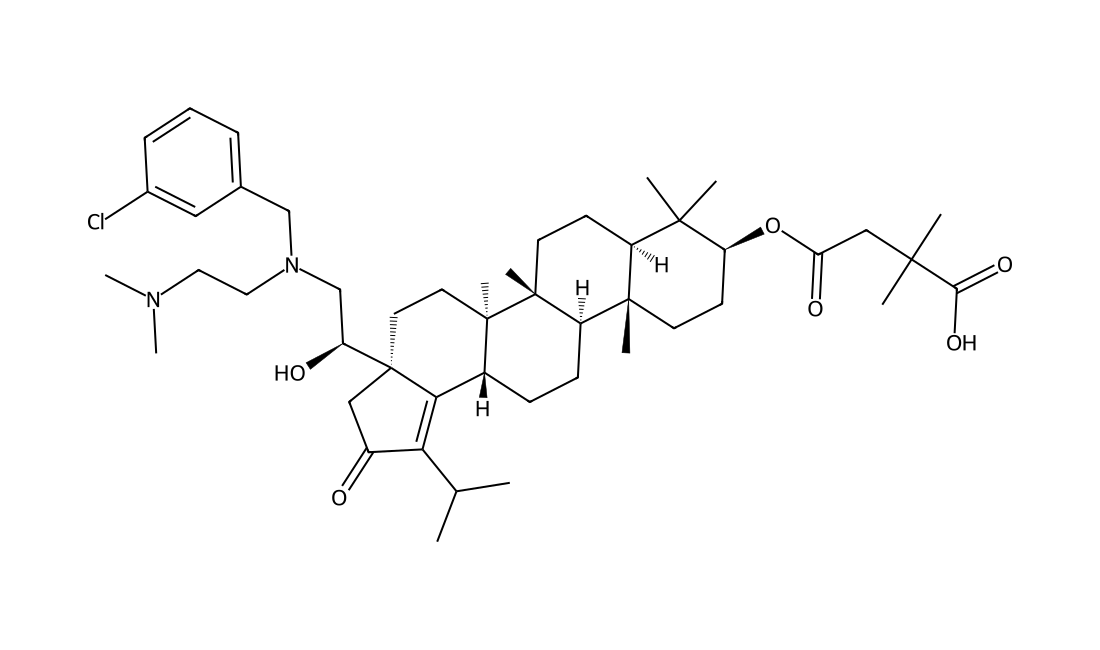
CAS 954126-98-8
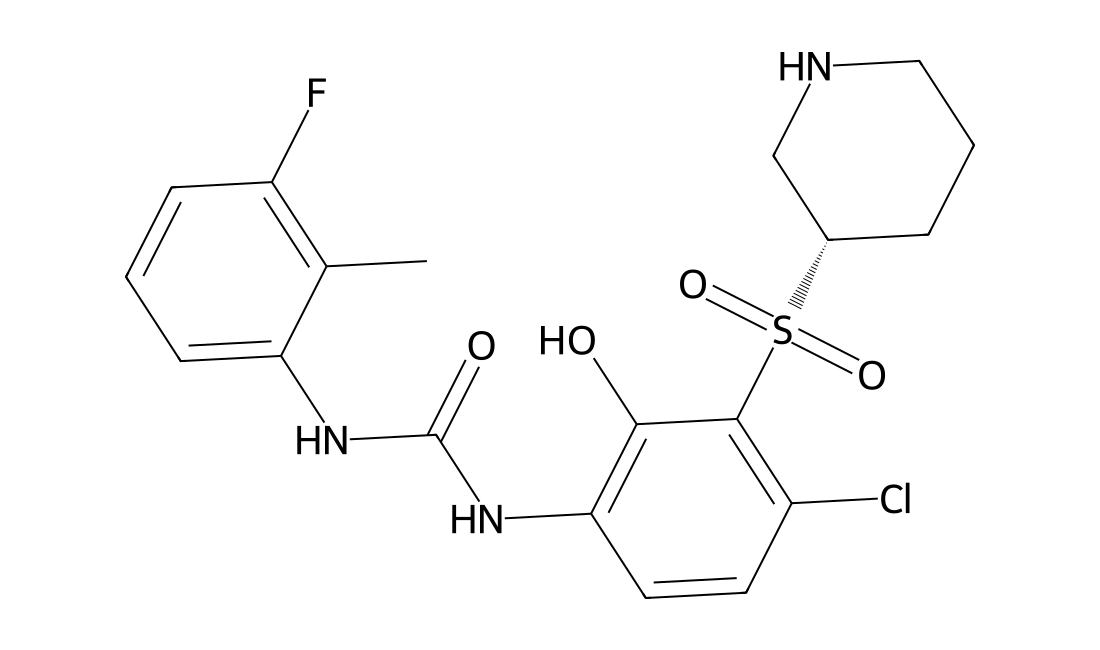
Danirixin is a selective, and reversible CXCR2 antagonist, with IC50 of 12.5 nM for CXCL8.
CAS 219861-08-2
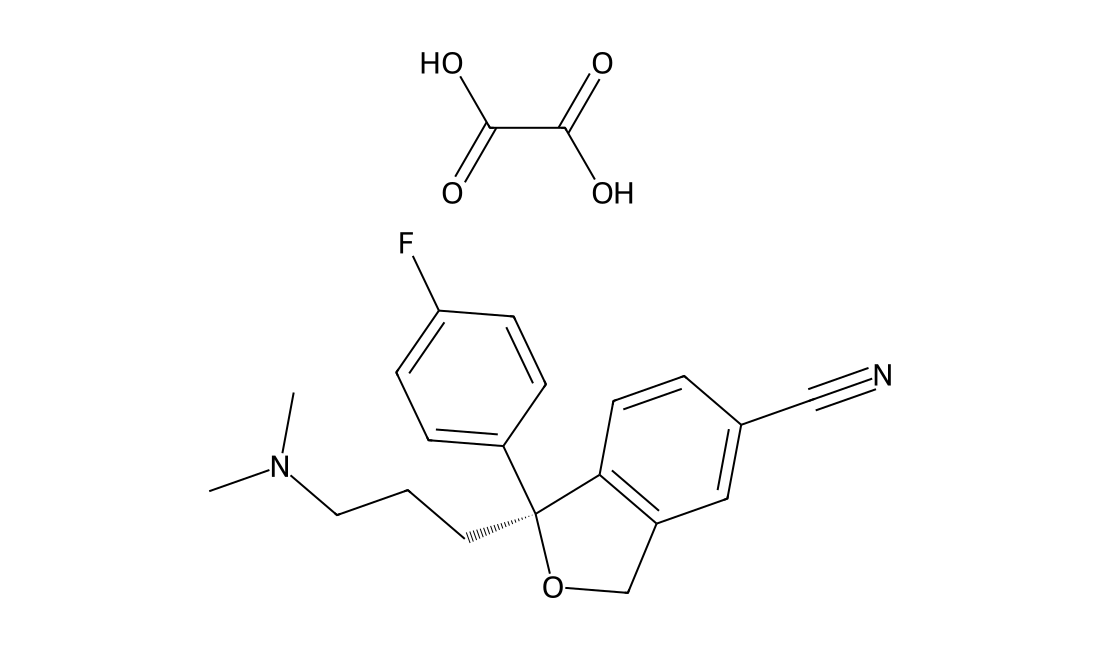
Escitalopram is a selective serotonin reuptake inhibitor (SSRI) with Ki of 0.89 nM.Escitalopram, the S-enantiomer of citalopram, belongs to a class of antidepressant agents known as selective serotonin-reuptake inhibitors (SSRIs). Escitalopram may be used to treat major depressive disorder (MDD) and generalized anxiety disorder (GAD). Escitalopram has no significant affinity for adrenergic (alpha1, alpha2, beta), cholinergic, GABA, dopaminergic, histaminergic, serotonergic (5HT1A, 5HT1B, 5HT2), or benzodiazepine receptors; antagonism of such receptors has been hypothesized to be associated with various anticholinergic, sedative, and cardiovascular effects for other psychotropic drugs. The chronic administration of escitalopram is found to downregulate brain norepinephrine receptors, as has been observed with other drugs effective in the treatment of major depressive disorder. Escitalopram does not inhibit monoamine oxidase.
CAS 834153-87-6
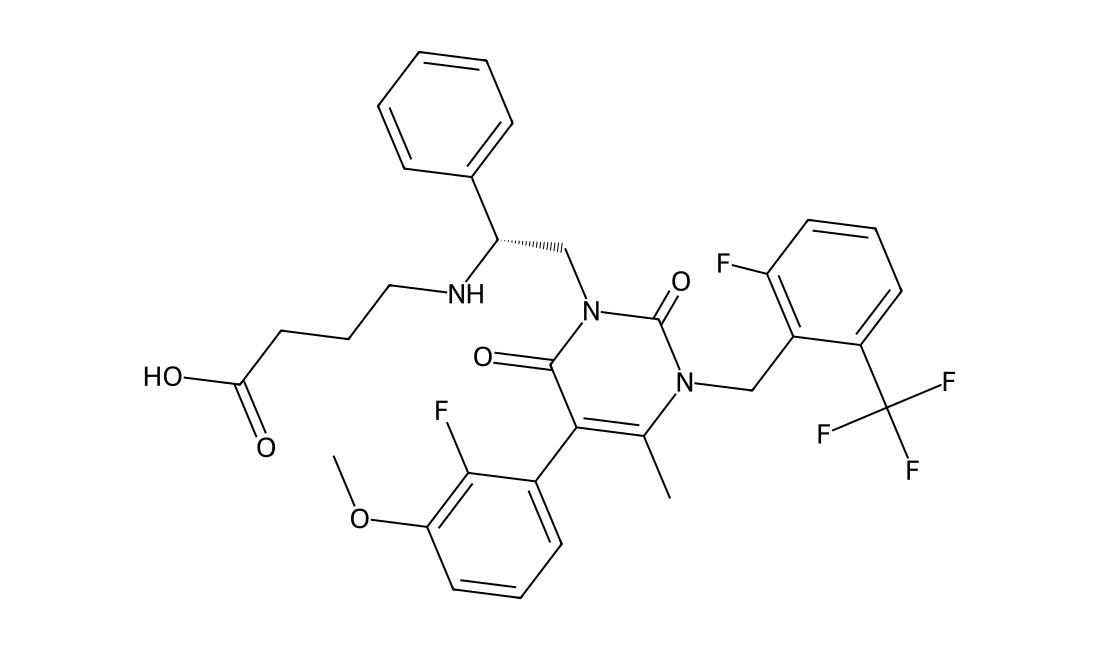
Elagolix is a highly potent, selective, orally-active, short-duration, non-peptide antagonist of the gonadotropin-releasing hormone receptor (GnRHR) (KD = 54 pM).
CAS 341001-38-5
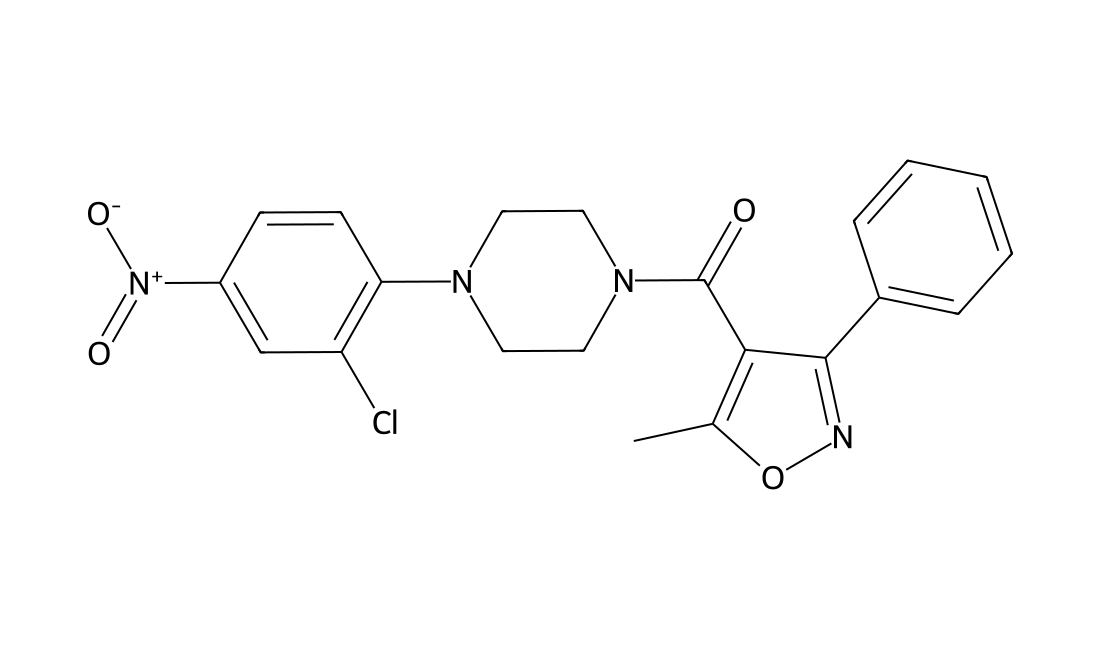
Nucleozin targets influenza A nucleoprotein (NP), a multifunctional, RNA-binding protein necessary for virus replication. IC50 Value: Target: Influenza Virus NPNucleozin targets influenza A nucleoprotein, a multifunctional, RNA-binding protein necessary for virus replication. It induces the formation of nucleoptotein aggregates and inhibits its accumulation, interfering with viral replication. EC50 is in the nM range. Nucleozin is effective in H1N1, H3N2, and H5N1 flu virus strains.
CAS 1352879-65-2
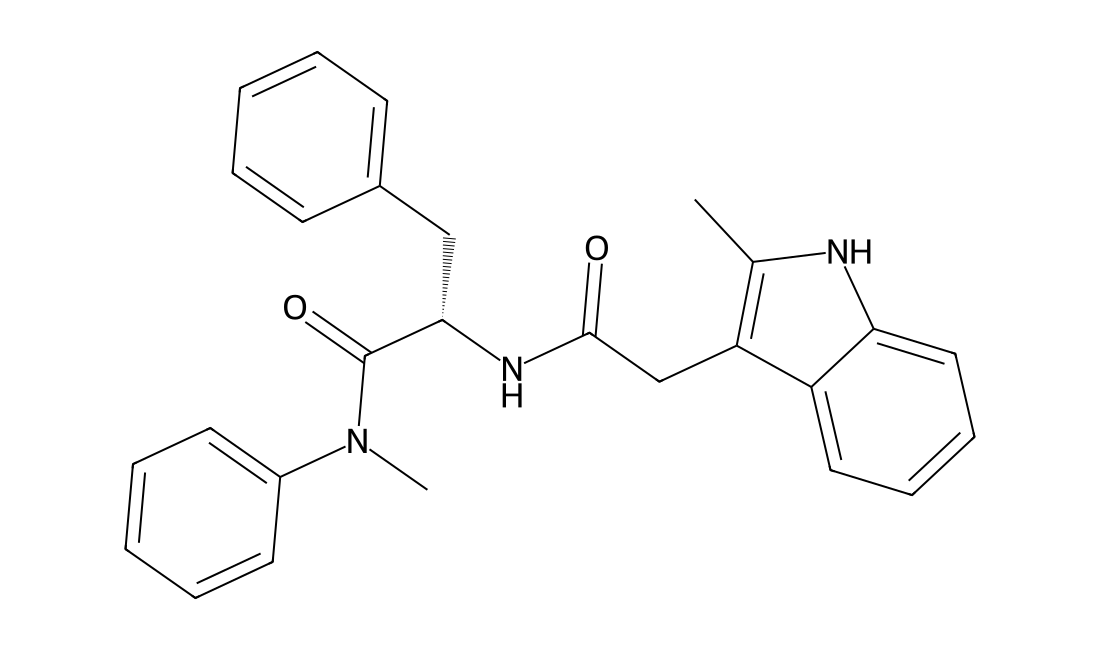
PF-3450074 (PF-74) is a specifical inhibitor of HIV-1 capsid protein (CA) and displays a broad-spectrum inhibition of HIV isolates with submicromolar potency (EC50=8-640 nM). PF-3450074 (PF-74) acts at an early stage of HIV-1 infection, inhibits viral replication by directly competing with the binding of CPSF6 and NUP153, and blocks the uncoating, assembly, and the reverse transcription steps of the viral life cycle[1][2]. CPSF6: nuclear host factors cleavage and polyadenylation specific factor 6; NUP153: nucleoporin 153.
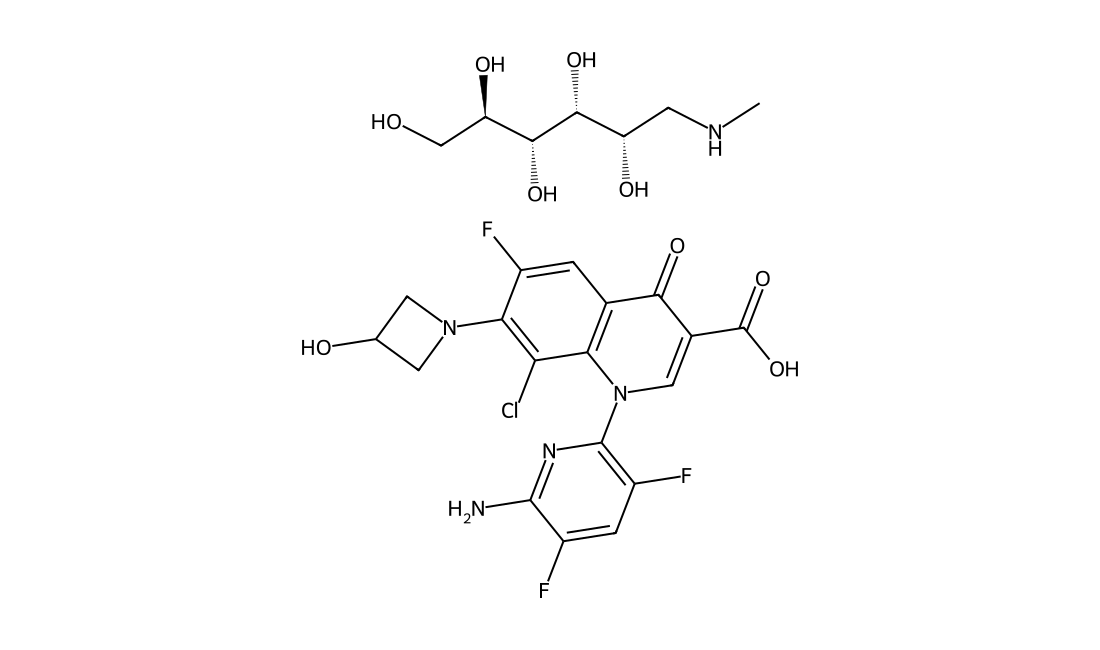
CAS 352458-37-8
Delafloxacin meglumine is a fluoroquinolone antibiotic agent.ABT-492 was more potent against quinolone-susceptible and -resistant gram-positive organisms, had activity similar to that of ciprofloxacin against certain members of the family Enterobacteriaceae, and had comparable activity against quinolone-susceptible, nonfermentative, gram-negative organisms.
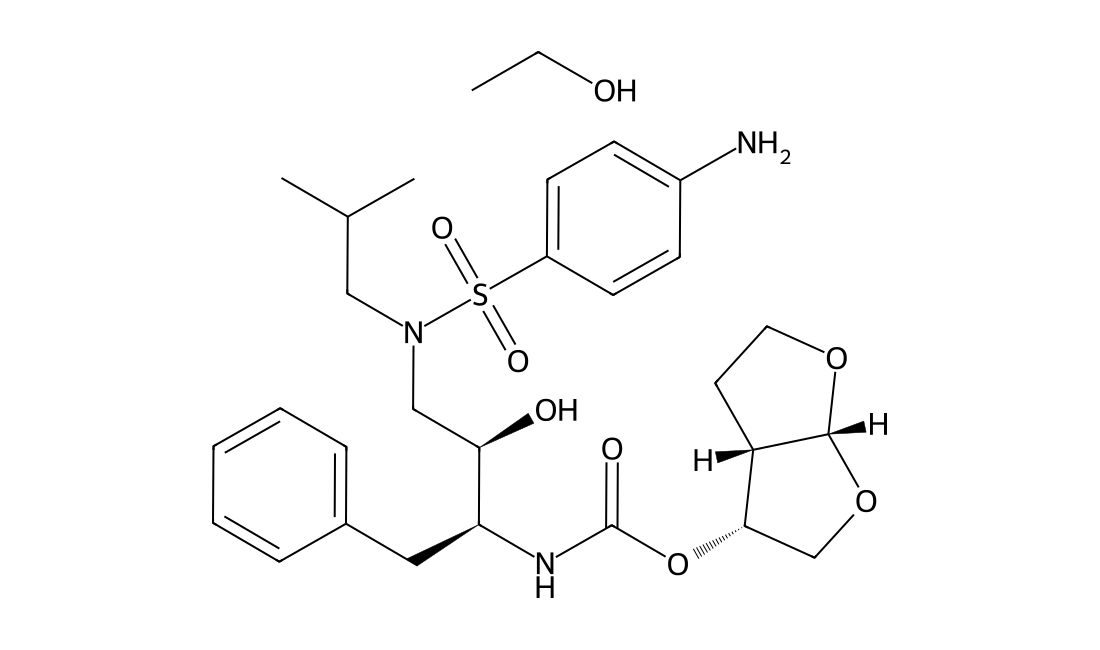
CAS 635728-49-3
Darunavir ethanolate (TMC114 ethanolate) is a potent HIV protease inhibitor used to treat and prevent HIV/AIDS. Darunavir has a Ki of 1 nM for wild type HIV-1 protease.
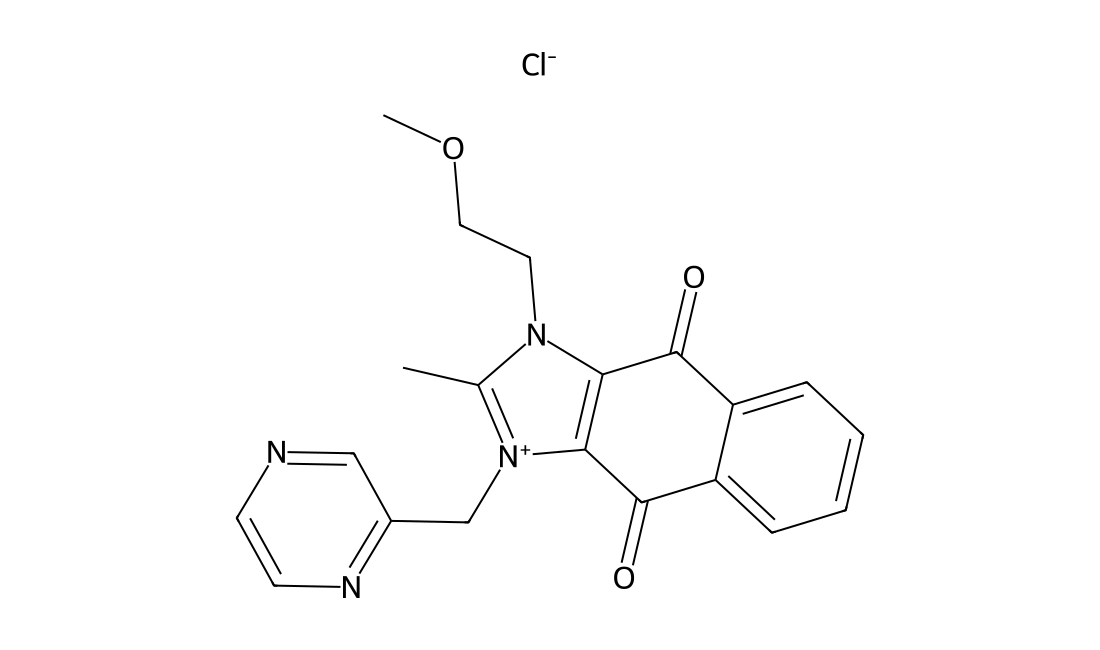
CAS 355406-09-6
A potent, specific survivin inhibitor that inhibits survivin promoter activity with IC50 of 0.54 nM; does not significantly inhibit SV40 promoter activity (>30 uM); suppresses expression of survivin and induces apoptosis in PC-3 and PPC-1 human HRPC cell lines at 10 nM, without effect on IAP- or Bcl-2-related proteins; induces massive tumor regression in PC-3 tumor mice model (3-10 mg/kg).Blood CancerPhase 1 Discontinued
CAS 163252-36-6
Clevudine is an antiviral drug for the treatment of hepatitis B. Target: HBVClevudine is a nucleoside analog with an unnatural beta-L configuration. Clevudine showed potent antiviral activity during therapy and induced a sustained posttreatment antiviral effect for 6 months after a 12-week treatment period, and this was associated with a sustained normalization of ALT levels [1]. Clevudine showed a potent antiviral response, and its effect was higher in HBeAg-negative patients, with rapid viral load reduction after therapy. However, long-term therapy for more than 1 year resulted in the development of considerable resistance and myopathy. Therefore, we should consider alternative antiviral agents if clevudine resistance or clevudine-induced myopathy is developed in patients on clevudine for the treatment of CHB [2].