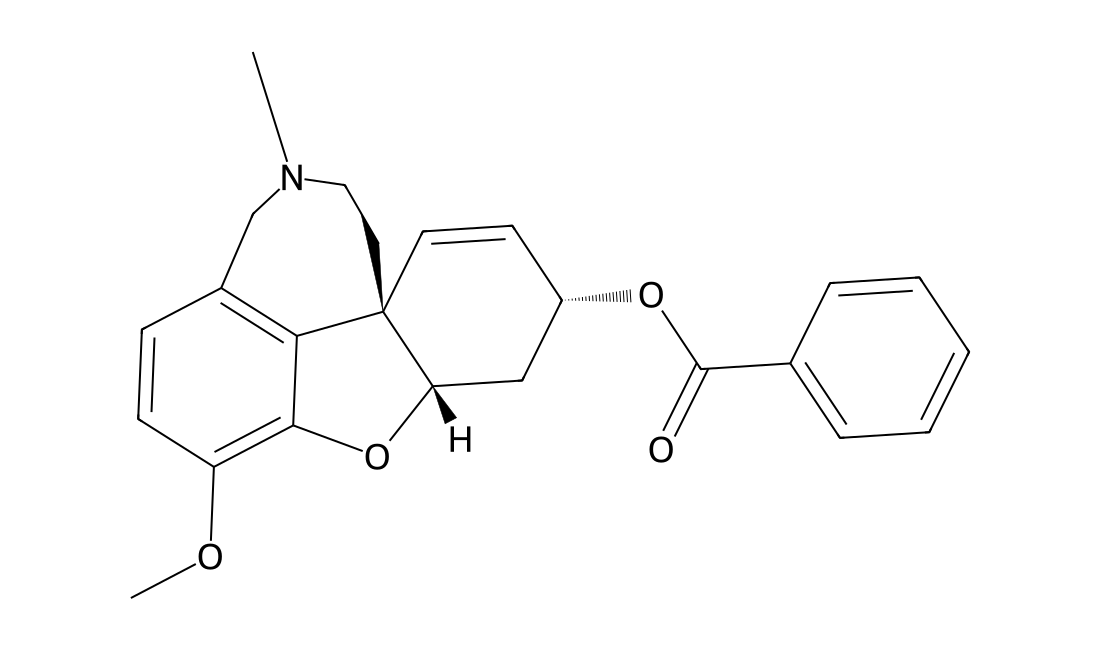
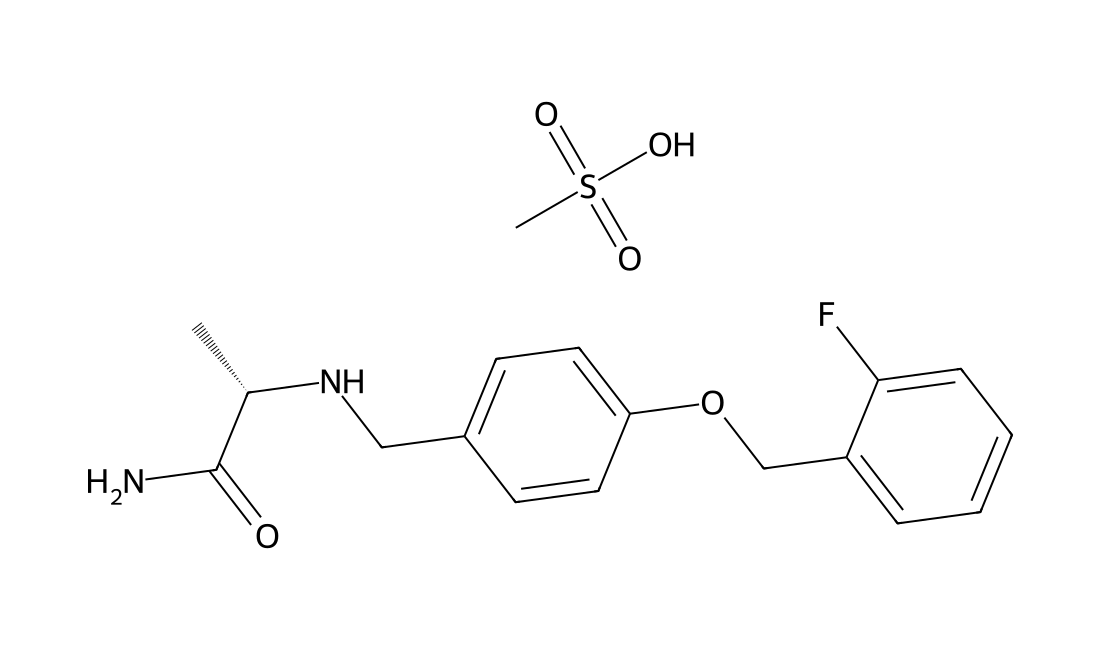
GLN-1062
CAS 224169-27-1
GLN-1062 (Memogain) is an inactive pro-drug of galantamine, the latter being a plant alkaloid approved for the treatment of mild to moderate Alzheimer's disease.

Explore bioactive compounds by research category, then narrow your search by target, product name, catalog number or CAS.
Newly added: LC-MG and OXF molecular glue research compounds →
Products may appear in more than one category. Counts refer to distinct catalog numbers within each category.
Other Research Tools (75) · Additional reagents, building blocks and specialized research tools.
LC-MG-1 (DCA0006) · LC-MG-4 (DCA0007) · LC-MG-9 (DCA0008)
View structure and evidence summaries →Combine a keyword, research category and target to narrow the product list.
Loading catalog filters…
CAS 224169-27-1
GLN-1062 (Memogain) is an inactive pro-drug of galantamine, the latter being a plant alkaloid approved for the treatment of mild to moderate Alzheimer's disease.
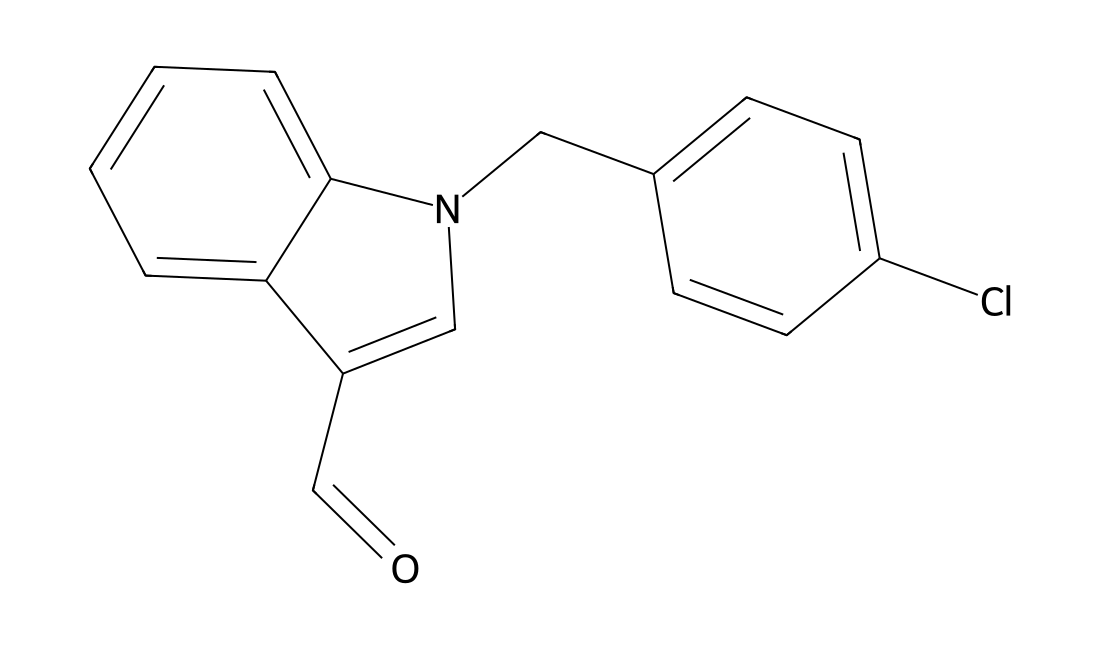
CAS 75629-57-1
Oncrasin 1 is a proapoptotic substance. Induces abnormal nuclear aggregation of PKCι and suppressing RNA transcription. Displays antiproliferative effects against various human tumor cell lines. Shown to inhibit human xenograft growth by 75% in vivo. For the detailed information of Oncrasin 1, the solubility of Oncrasin 1 in water, the solubility of Oncrasin 1 in DMSO, the solubility of Oncrasin 1 in PBS buffer, the animal experiment (test) of Oncrasin 1, the cell expriment (test) of Oncrasin 1, the in vivo, in vitro and clinical trial test of Oncrasin 1, the EC50, IC50,and affinity,of Oncrasin 1, For the detailed information of Oncrasin 1, the solubility of Oncrasin 1 in water, the solubility of Oncrasin 1 in DMSO, the solubility of Oncrasin 1 in PBS buffer, the animal experiment (test) of Oncrasin 1, the cell expriment (test) of Oncrasin 1, the in vivo, in vitro and clinical trial test of Oncrasin 1, the EC50, IC50,and affinity,of Oncrasin 1, Please contact DC Chemicals.
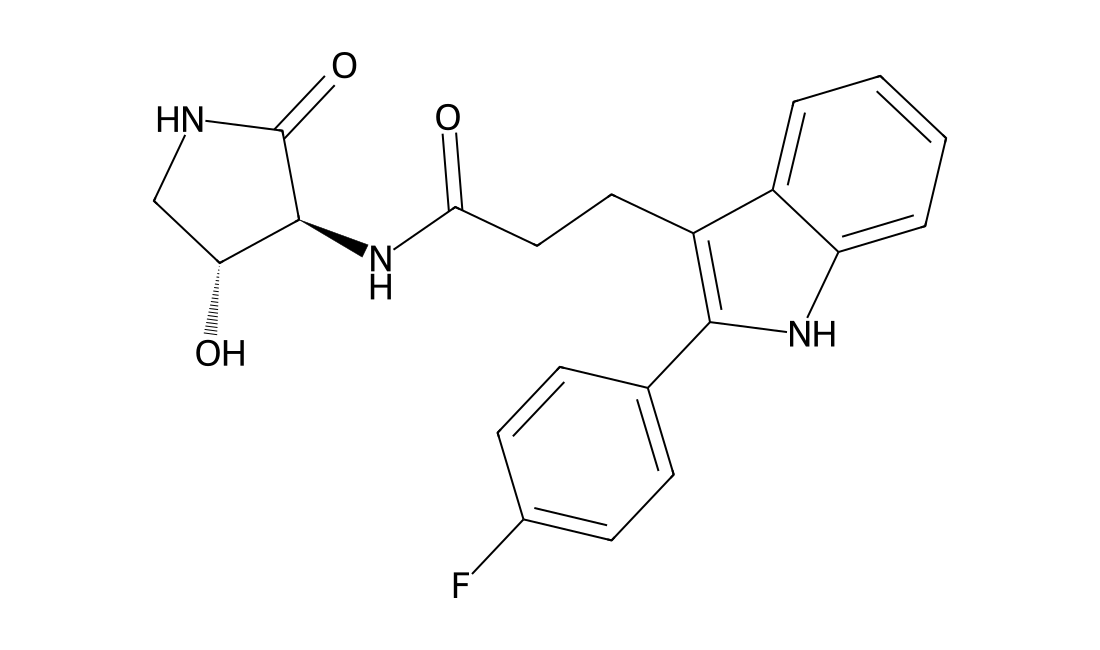
CAS 2446817-72-5
APOL1-IN-1 is a apolipoprotein L1 (APOL1) inhibitor extracted from patent WO2020131807A1 compound 87. APOL1-IN-1 can be used for the research of focal segmental glomerulosclerosis (FSGS) and non-diabetic kidney disease (NDKD)[1].
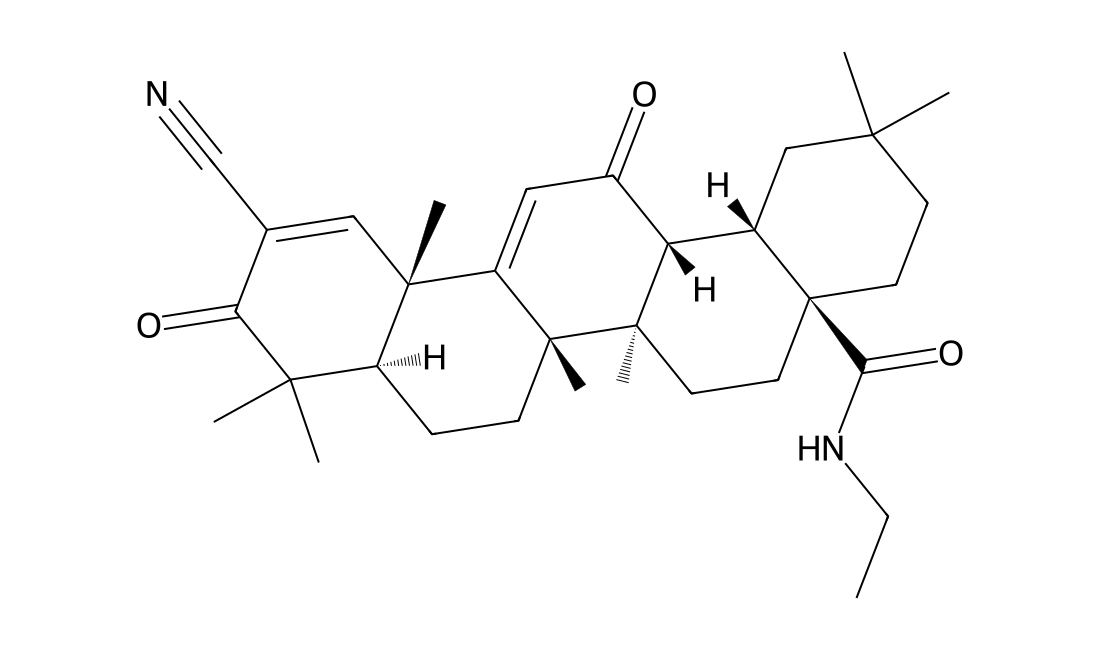
CAS 932730-51-3
A potent Nrf2 activator that upregulates Nrf2 expression and resulted in translocation of Nrf2 into the nucleus.
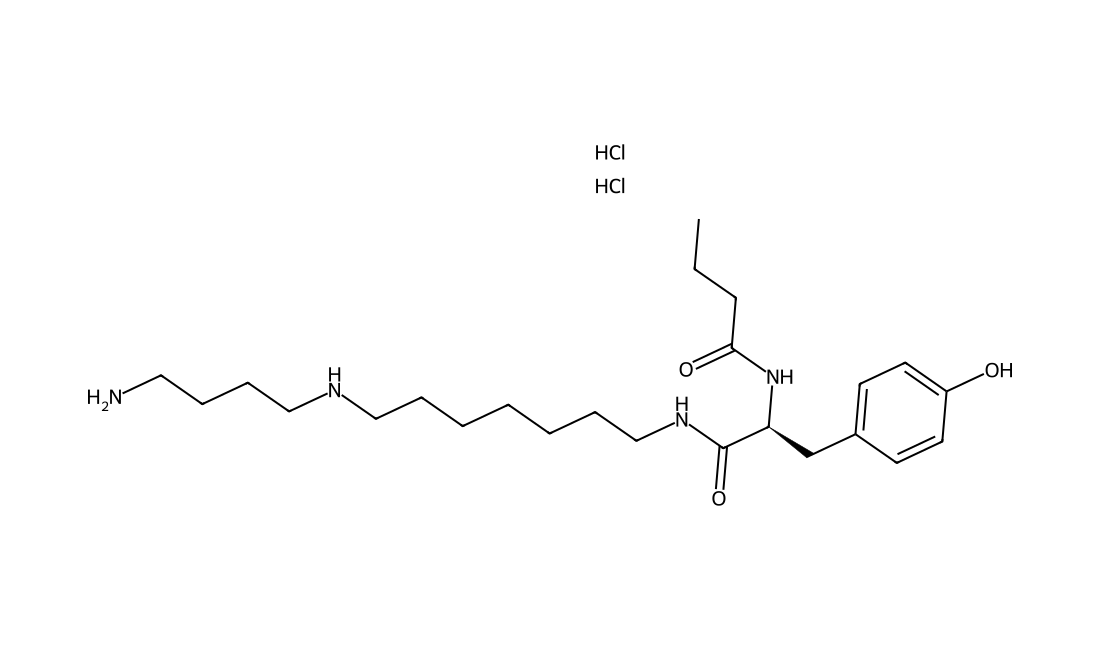
CAS 1227301-51-0
Philanthotoxin 74 dihydrochloride (PhTx 74) is an AMPAR antagonist; inhibits GluR3 and GluR1 with IC50s of 263 and 296 nM, respectively.
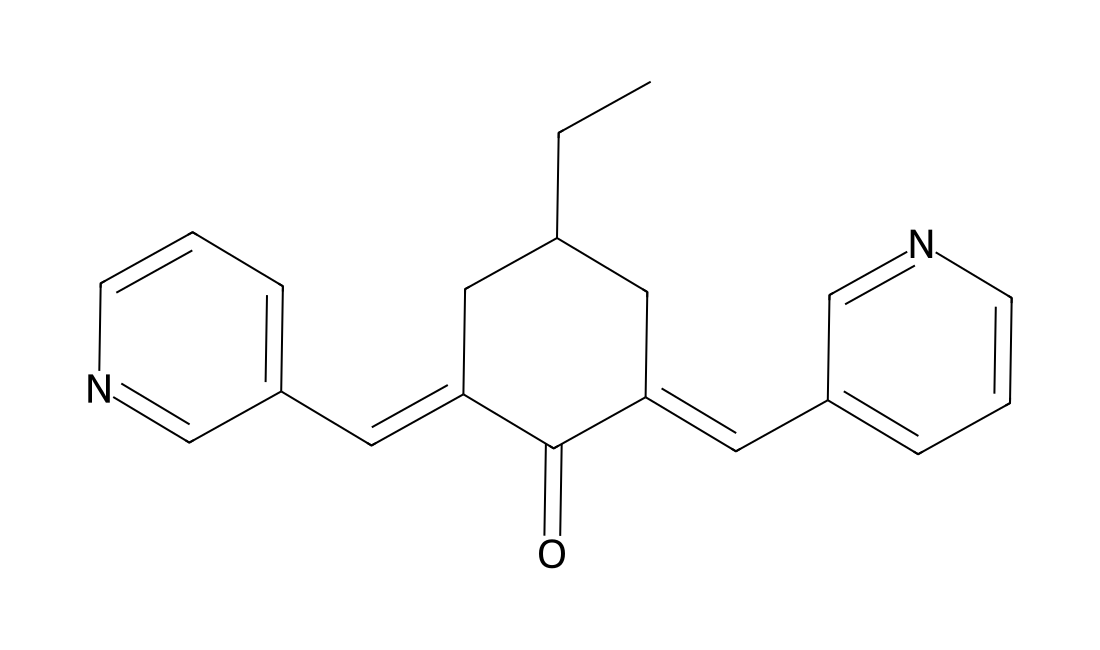
CAS 1162656-22-5
MCB-613 is a novel and potent stimulator of p160 steroid receptor coactivators (SRCs). It is a Pan-SRCs stimulator.
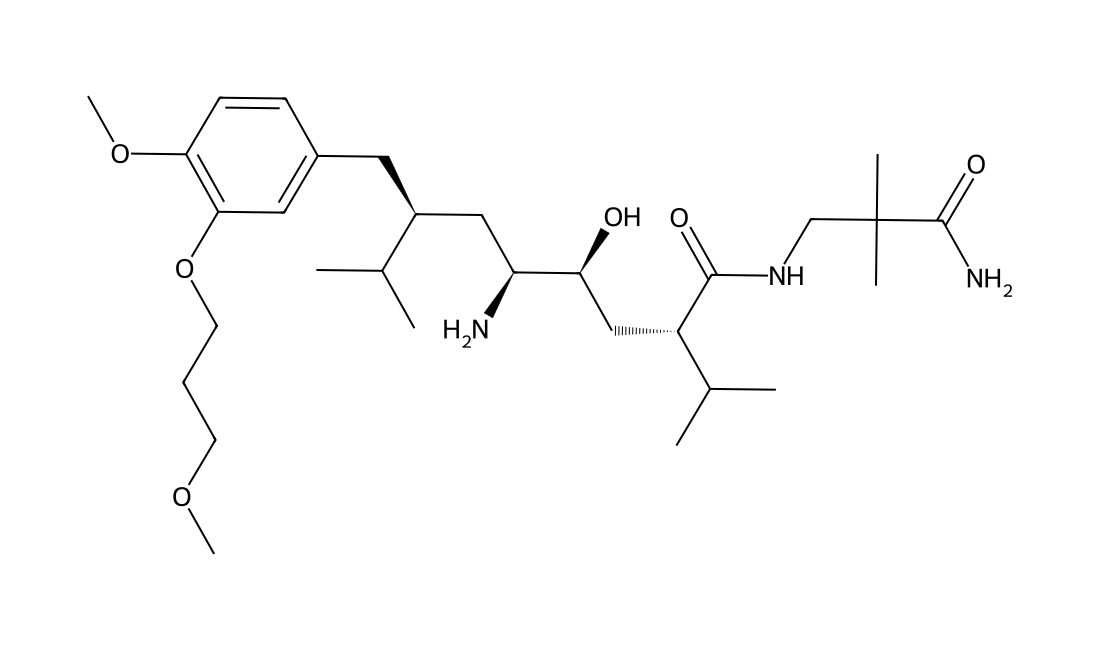
CAS 173334-57-1
The first in a class, potent and highly selective, direct renin inhibitor with IC50 of 0.6 nM; no significant inhibition on Cathepsin D, Cathepsin E, Pepsin and HIV-1 peptidase (> 50 uM); orally bioactive.HypertensionApproved
CAS 2414285-40-6
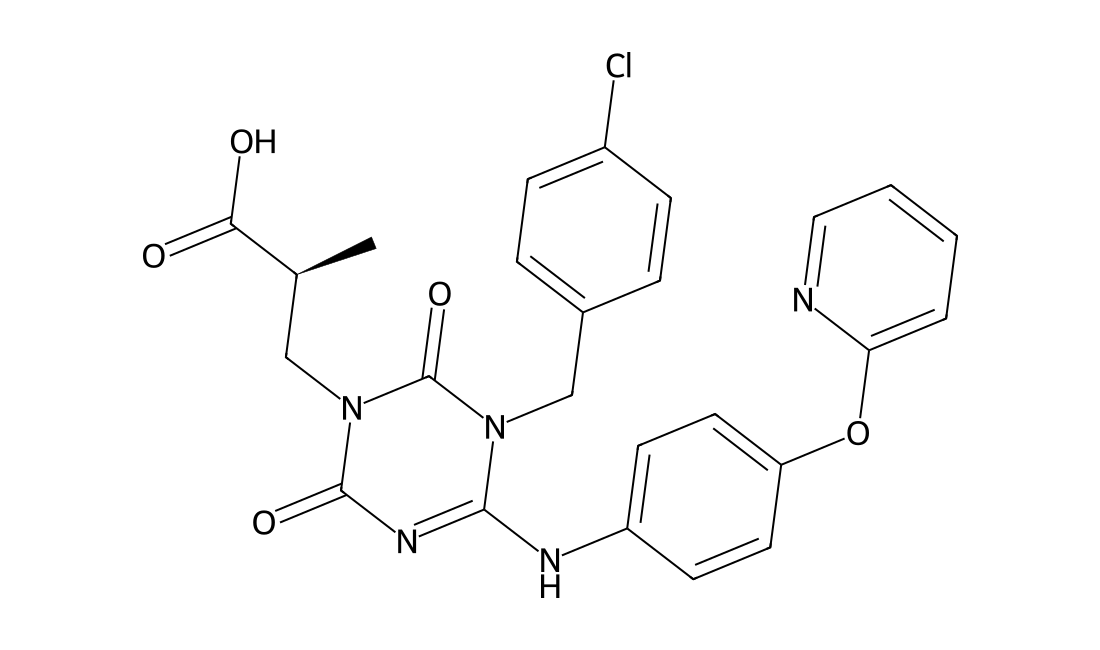
Sivopixant (S-600918) is a potent and selective P2X3 receptor antagonist (P2X3 IC50=4.2 nM; P2X2/3 IC50=1100 nM). Sivopixant shows strong analgesic effect.
CAS 706782-28-7
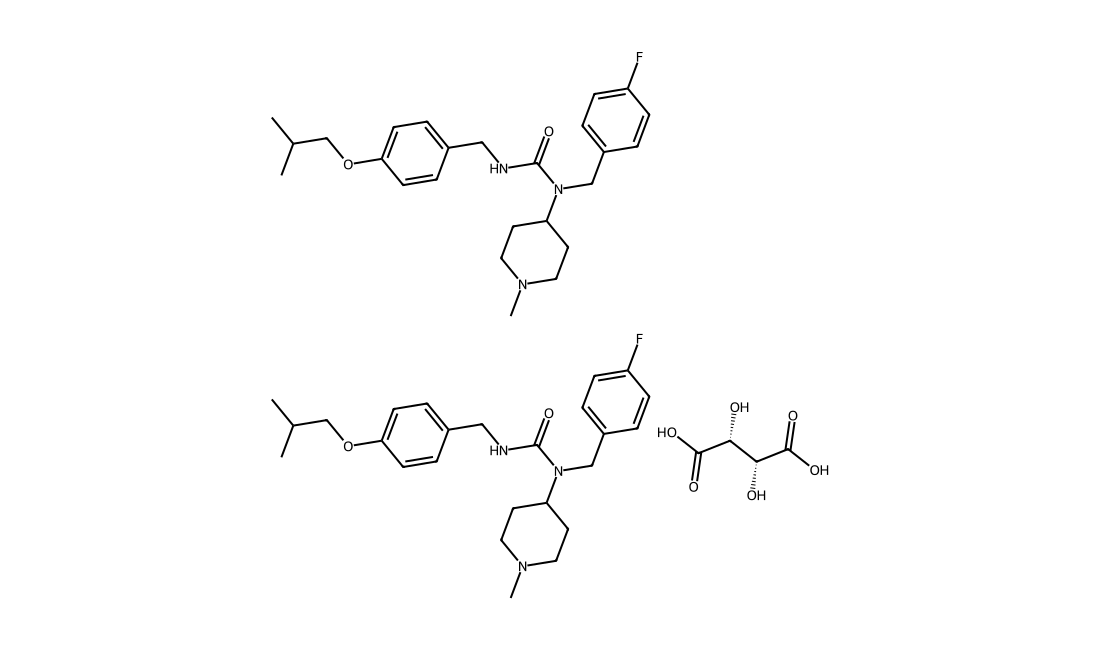
Pimavanserin, also known as ACP-103, is a non-dopaminergic atypical antipsychotic for the treatment of Parkinson's disease psychosis and schizophrenia. Pimavanserin has a unique mechanism of action relative to other antipsychotics, behaving as a selective inverse agonist of the serotonin 5-HT2A receptor, with 40-fold selectivity for this site over the 5-HT2C receptor and no significant affinity or activity at the 5-HT2B receptor or dopamine receptors. It was approved by the FDA to treat hallucinations and delusions associated with psychosis experienced by some people with Parkinson's disease on April 29, 2016.
CAS 2244452-09-1
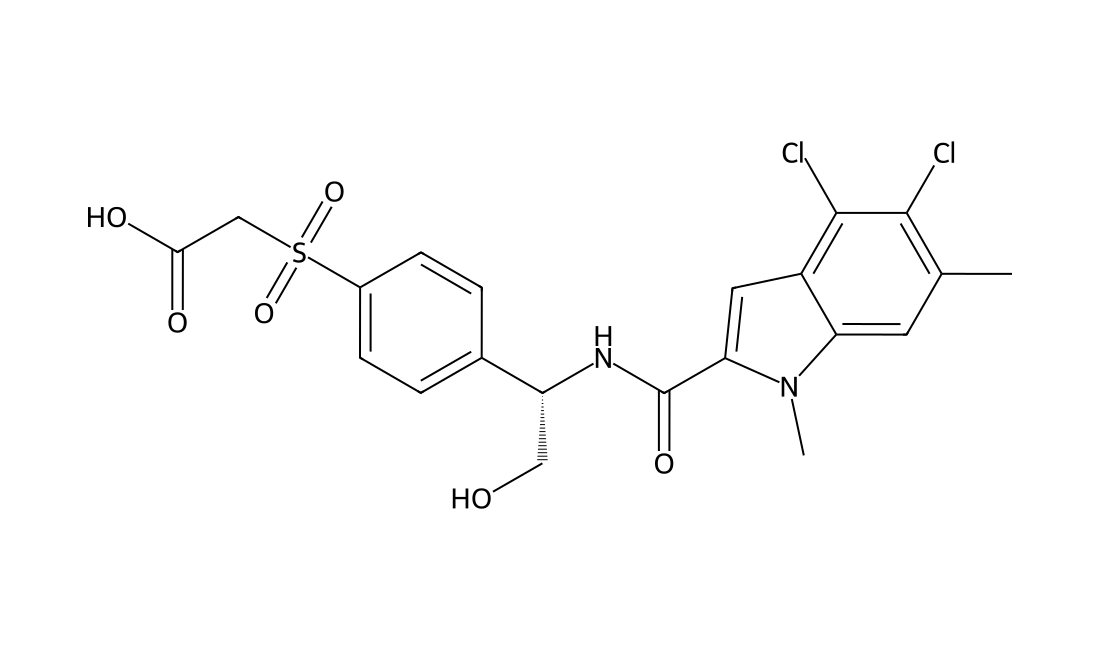
BI-4924 (BI 4924) is a potent, selective NADH/NAD+-competitive PHGDH inhibitor with IC50 of 2 nM.BI-4924 splays high selectivity against the majority of other dehydrogenase targets.
CAS 202825-45-4
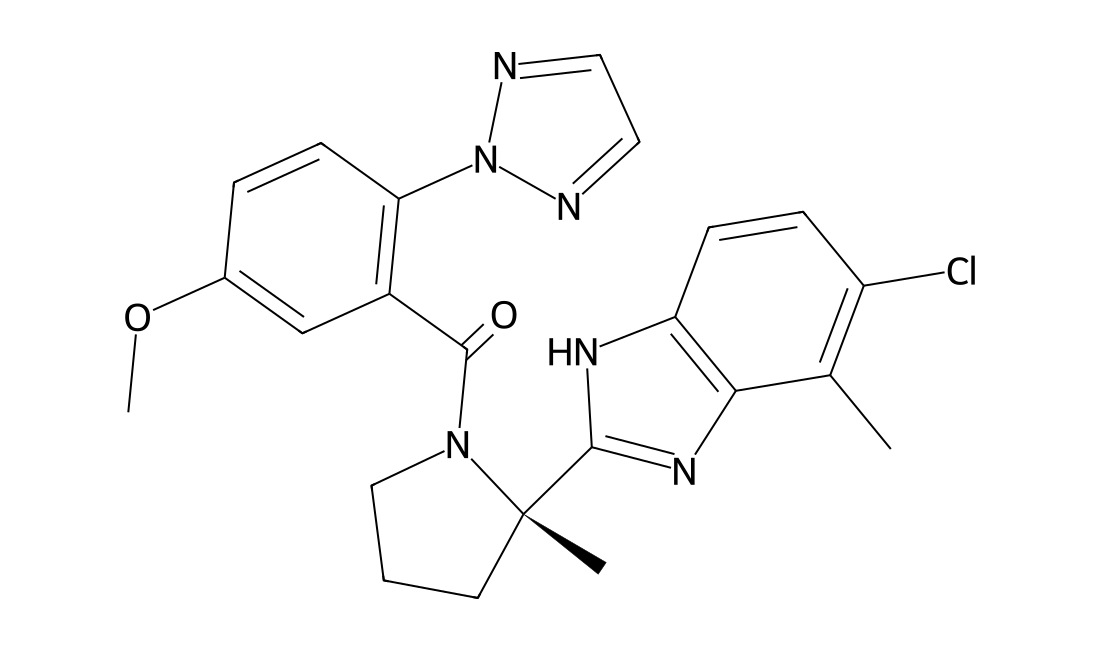
Selective Na+ blocker. Suppresses tetrodotoxin-resistant Na+ currents. Shows antiparkinsonian, antinociceptive and potent anticonvulsant effects in vivo. Orally active.For the detailed information of Ralfinamide, the solubility of Ralfinamide in water, the solubility of Ralfinamide in DMSO, the solubility of Ralfinamide in PBS buffer, the animal experiment (test) of Ralfinamide, the cell expriment (test) of Ralfinamide, the in vivo, in vitro and clinical trial test of Ralfinamide, the EC50, IC50,and Affinity of Ralfinamide, Please contact DC Chemicals.
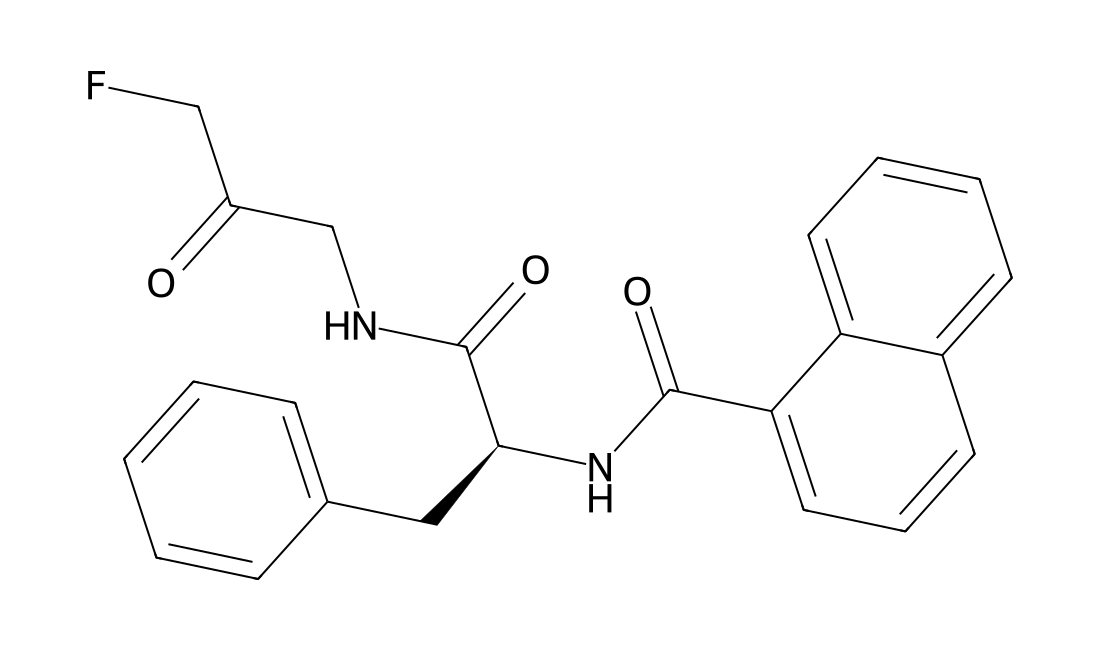
CAS 1955550-51-2
ATG4B or autophagin-1 is a cysteine protease that cleaves ATG8 family proteins. ATG4B plays essential roles in the autophagosome formation and the autophagy pathway. FMK 9a shows strong inhibition of ATG4B, with IC50 values of 80 and 73 nM in the TR-FRET and cellular-based LRA assays, respectively. LC−MS/MS study indicates that FMK 9a forms an irreversible covalent bond with the more reactive thiol group of Cys74 located at the catalytic site of ATG4B and thus inactivates ATG4B proteolytic activity.FMK 9a shows moderate solubility (LYSA: 41 μg/mL) and high human and mouse liver microsome clearances of 13.9 and 70 mL/kg per minute.
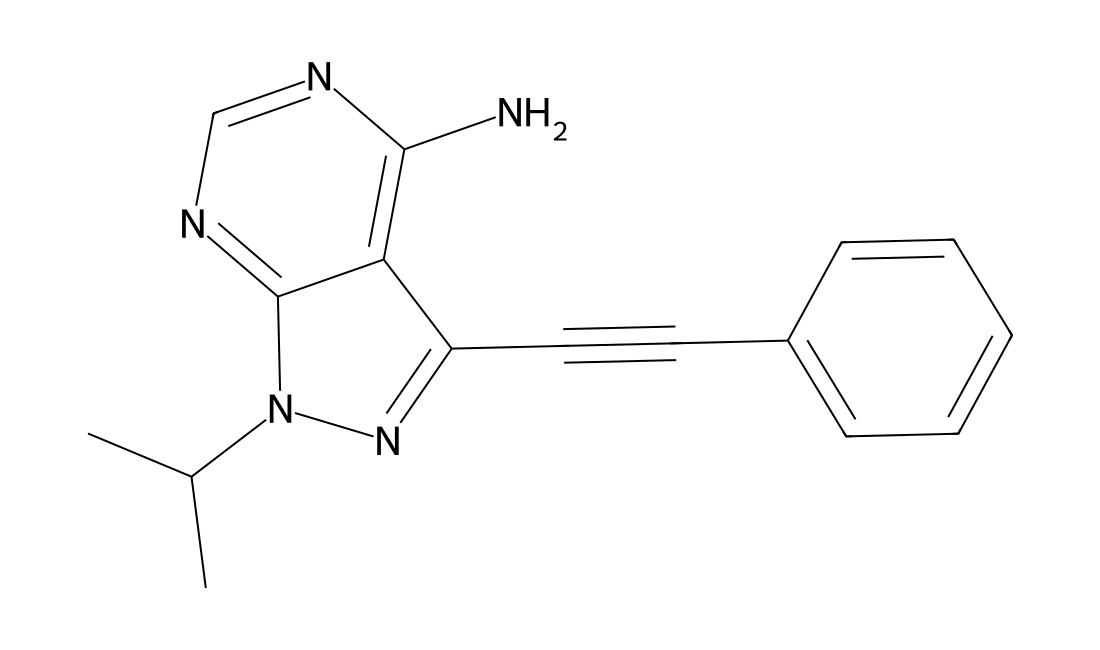
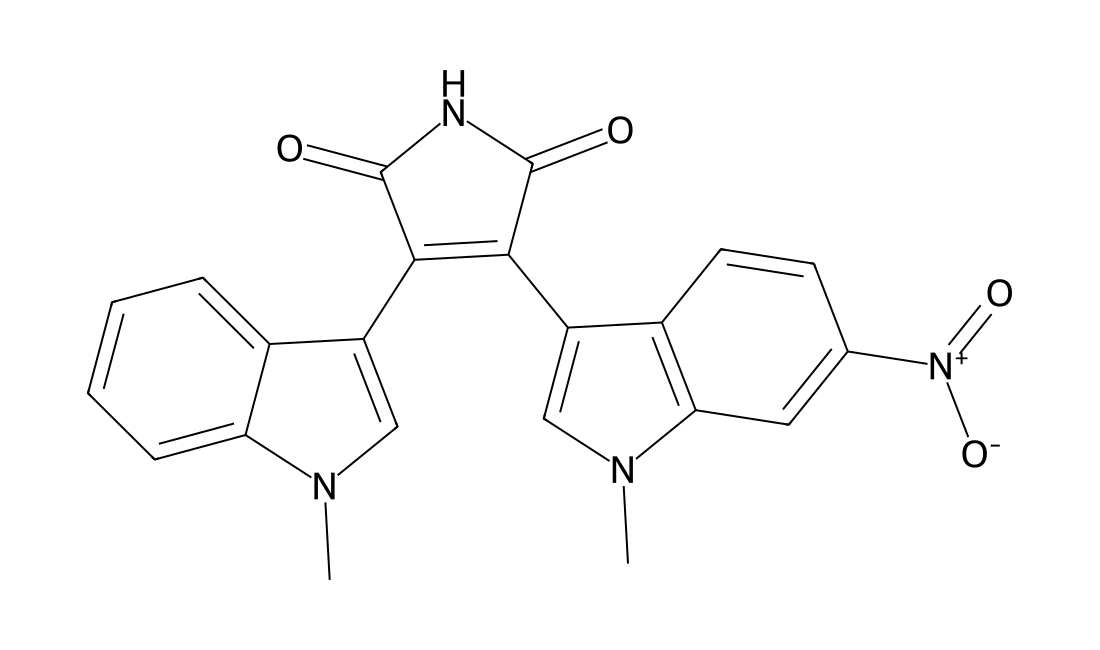
CAS 125313-92-0
MKC-1 is an orally bioavailable, small-molecule, bisindolylmaleimide cell cycle inhibitor with potential antineoplastic activity. MKC-1 and its metabolites inhibit tubulin polymerization, blocking the formation of the mitotic spindle, which may result in cell cycle arrest at the G2/M phase and apoptosis.
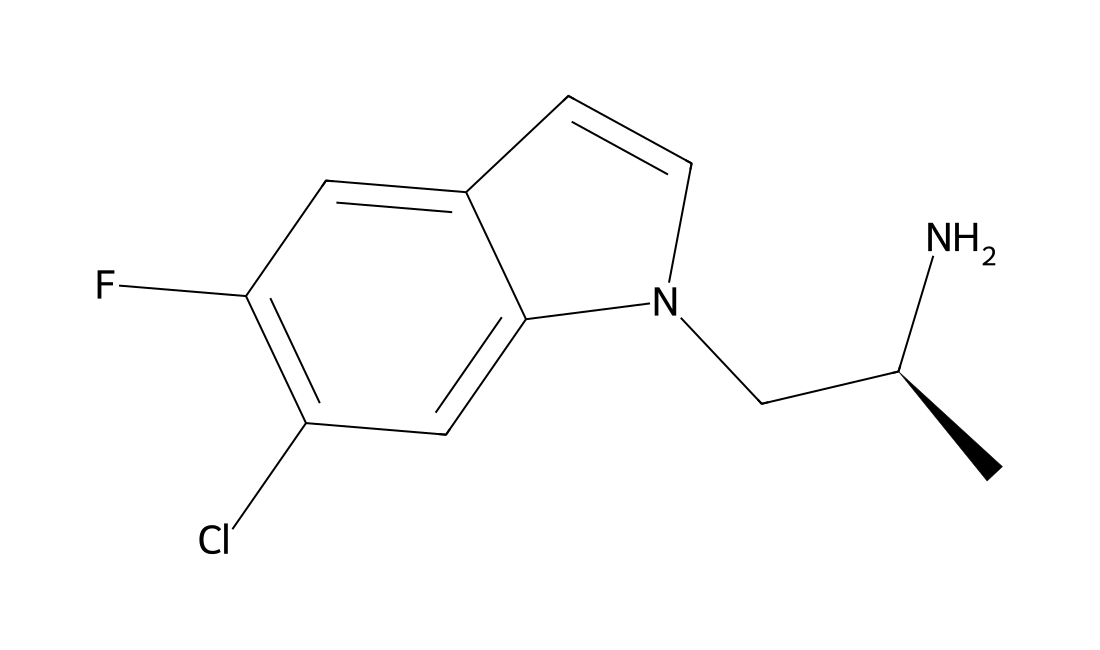
CAS 169675-08-5
Ro 60-0175 is a potent, selective 5-HT2C receptor agonist with pKi of 9, 7.5, 5.4, 5.2 and 5.6 for human 5-HT2C, 2A, 1A, 6 and 7 receptors respectively; induces hypolocomotion in rats at doses greater than 0.5 mg/kg s.c.; (0.3 and 1 mg/kg s.c.) simultaneously reduces both unpunished and punished lever pressing, a profile consistent with sedation, induces sedative-like responses via 5-HT(2C) receptor activation in vivo.
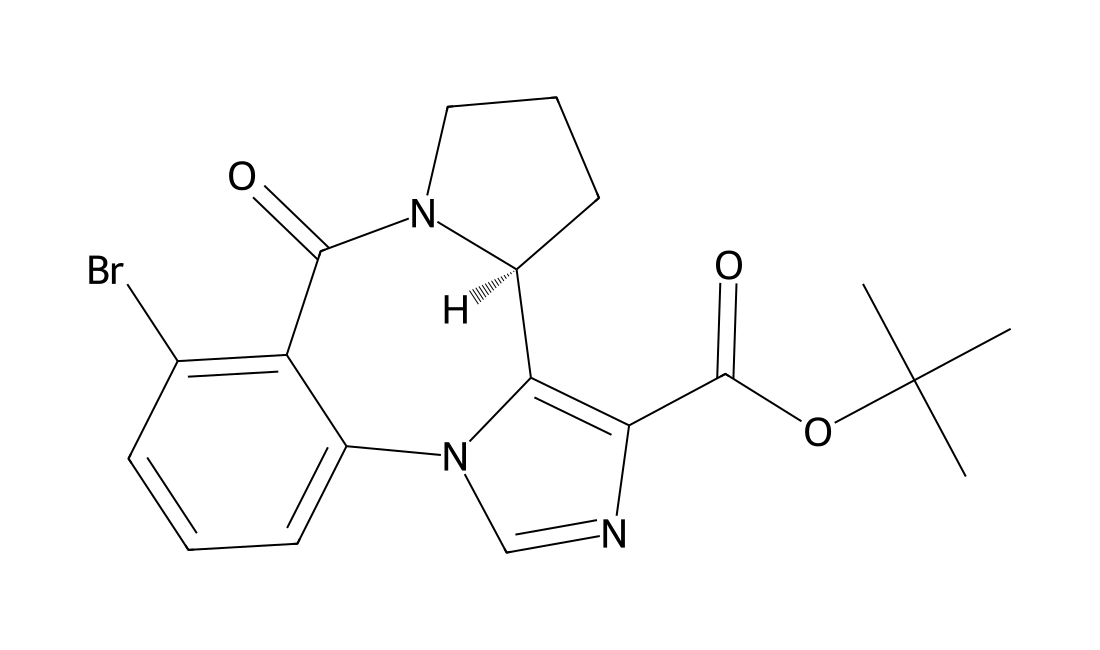
CAS 84379-13-5
Bretazenil, also known as Ro 16-6028, is GABA A receptor agonist potentially for the treatment of anxiety disorders. Bretazenil differs from traditional 1,4-benzodiazepines by being a partial agonist and because it binds to α1, α2, α3, α4, α5 and α6 subunit containing GABAA receptor benzodiazepine receptor complexes. 1,4-benzodiazepines bind only to α1, α2, α3 and α5 GABAA benzodiazepine receptor complexes.
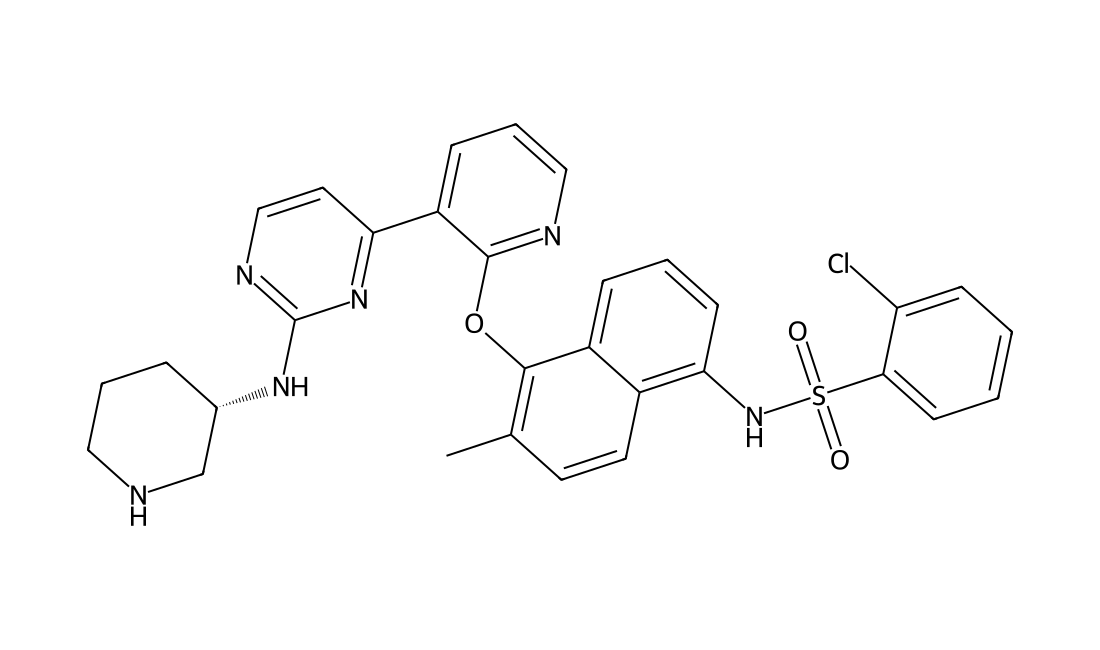
CAS 1630086-20-2
In Vitro KIRA8 blocks IRE1α oligomerization, and potently inhibits IRE1α RNase activity against XBP1 and Ins2 RNAs. KIRA8 more potently reduces IRE1α-driven apoptosis in INS-1 cells than KIRA6 and also reverses XBP1 splicing promoted by GNF-2. In Vivo Kira8 efficaciously reverses established diabetes in NOD mice by sparing β-cells and preserving their physiological function. KIRA8 is first tested in 3-week-old male pre-diabetic Akita mice by i.p. daily dosing of 50 mg/kg, whereupon significant reduction of hyperglycemia became apparent over several weeks. Then KIRA8 (50 mg/kg) is tested in the complex NOD. Showing target engagement, one week treatment of pre-diabetic NODs with KIRA8 leads to significant reductions in islet XBP1 splicing and TXNIP mRNAs, and preserved Ins1/Ins2, BiP and MANF mRNAs.
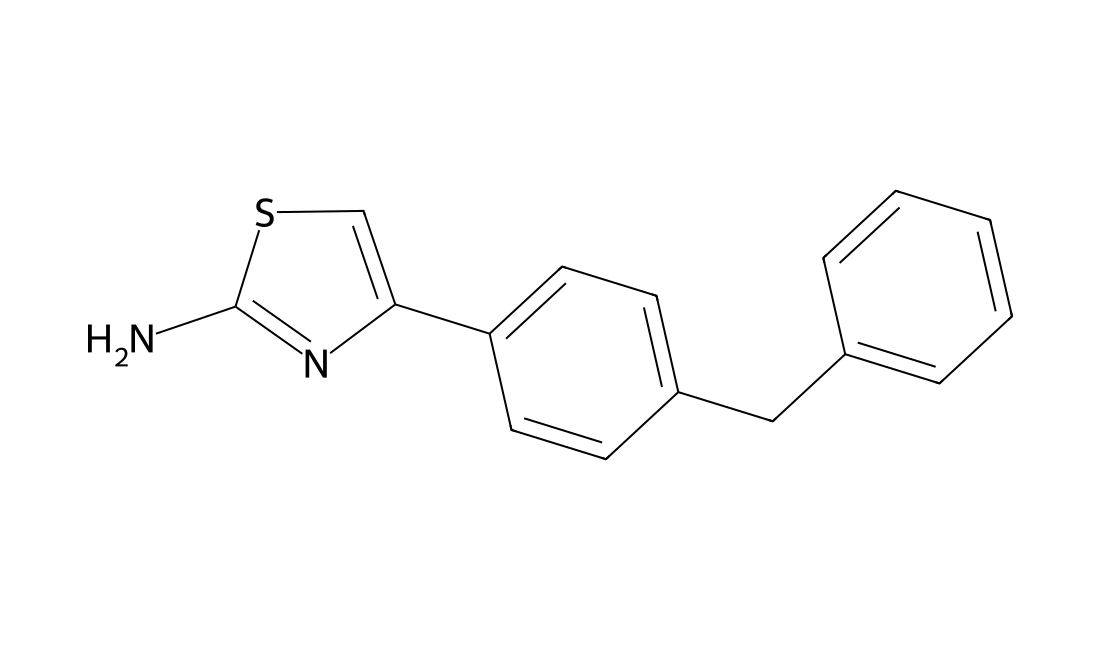
CAS 68729-05-5
A novel LTA4 hydrolase (LTA4H) inhibitor that inhibits LTB4 synthesis in human neutrophils with IC50 of 0.5 uM; selectively blocks conversion of LTA4 into LTB4, sparing the enzyme's anti-inflammatory aminopeptidase activity; represents a new class of LTA4 hydrolase inhibitor that holds promise for improved anti-inflammatory properties.
CAS 1938056-90-6
A novel FTY720 analog that acts as PP2A activator, disrupts the SET/PP2A interaction devoid of immunosuppressive effects leads to the reactivation of PP2A; triggers apoptosis of CLL cells, and the action of MP07-66 is synergistically amplified when used in combination with Src family kinase inhibitors.
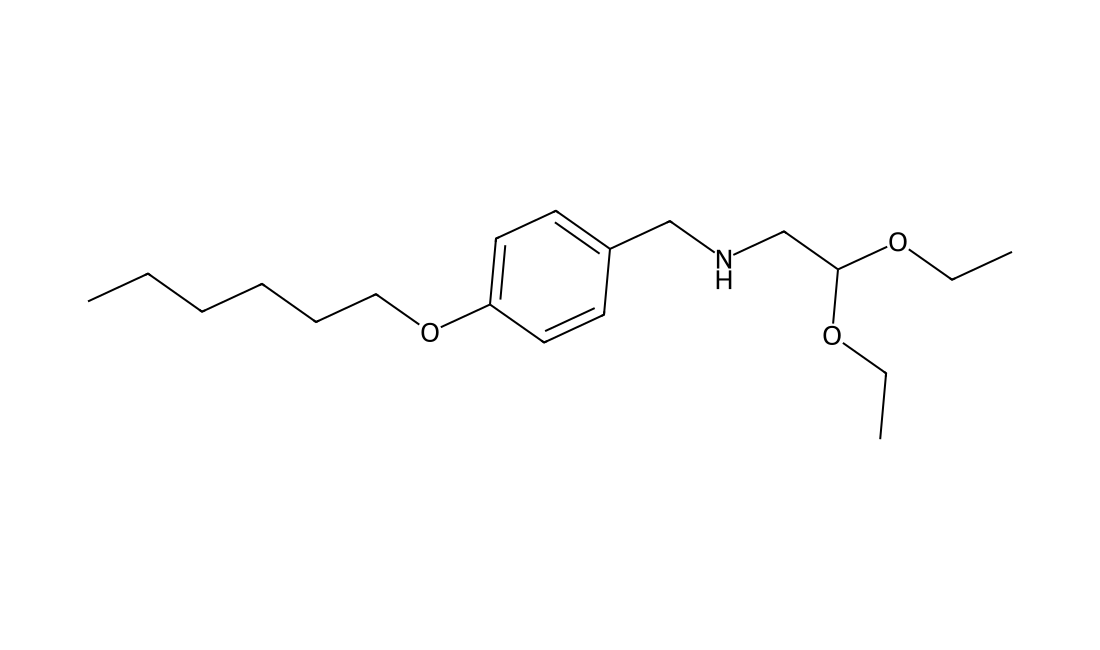
CAS 2167246-24-2
Rimtuzalcap (CAD-1883) is a first-in-class selective positive allosteric modulator of small-conductance calcium-activated potassium channels (SK channels). Rimtuzalcap can be used for the research of movement disorders including essential tremor (ET) and spinocerebellar ataxia (SCA).
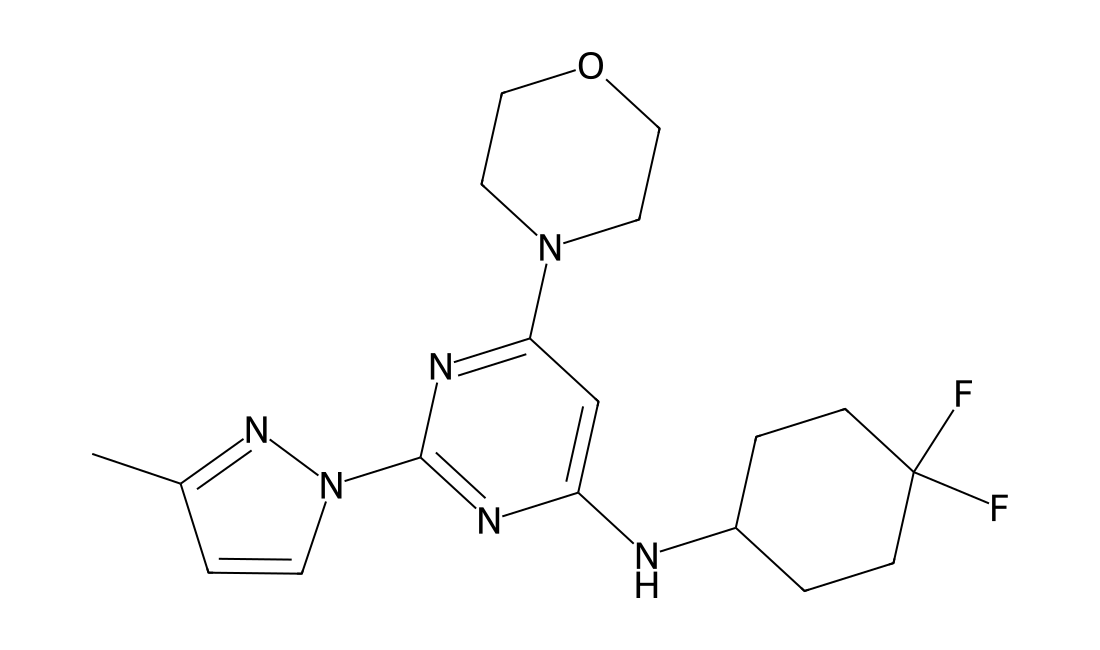
CAS 1458630-17-5
First-in-class Haspin inhibitor with a wide spectrum of anticancer effects
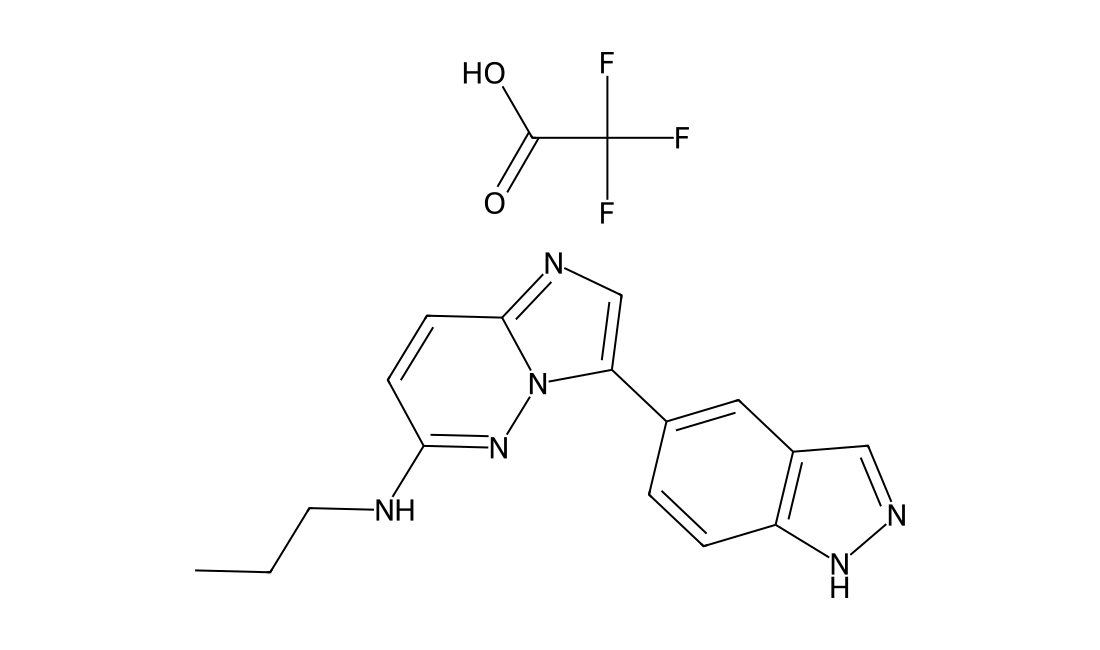
CAS 1644342-14-2
ML 792 is a potent, seletive SUMO-activating enzyme (SAE) inhibitor with IC50 of 3 nM and 11 nM for SAE/SUMO1 and SAE/SUMO2, respectively; shows no significant inhibition for closely related E1 enzymes NAE (IC50=32 uM) and ubiquitin-activating enzyme (UAE) (IC50 >100 uM), as well as a panel of 366 ATP-using enzymes; dose-dependently decreases global SUMOylation in HCT116 cells (EC50=19 nM), demonstrates potent antiproliferative effect in HCT116 cells and MDA-MB-231 cells with EC50 of 0.04 and 0.11 uM, respectively.
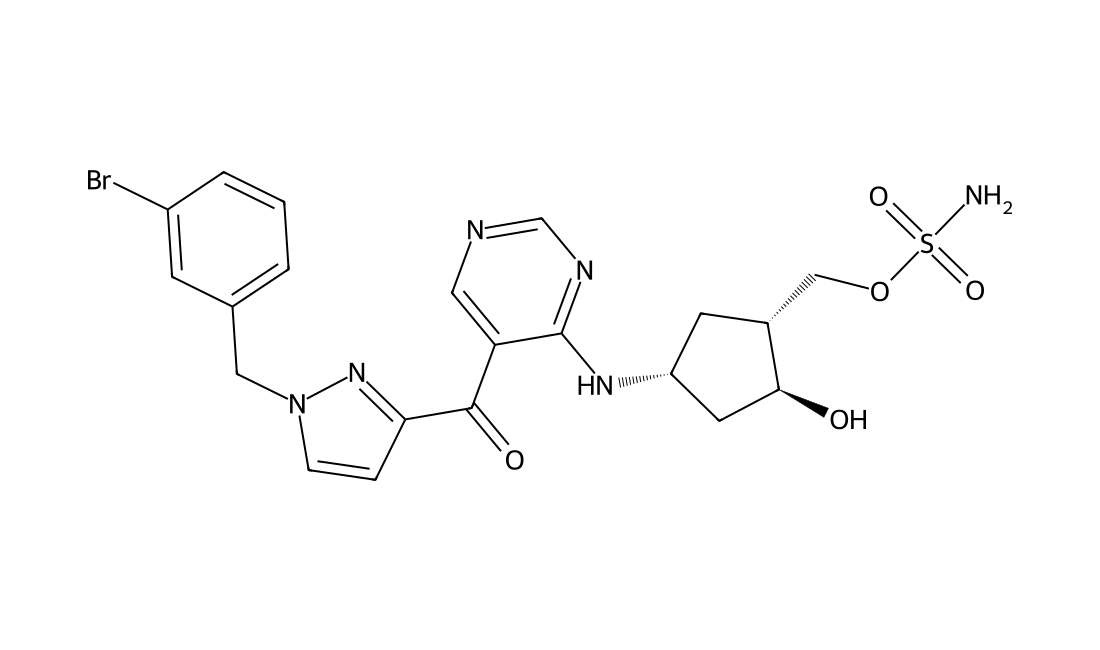
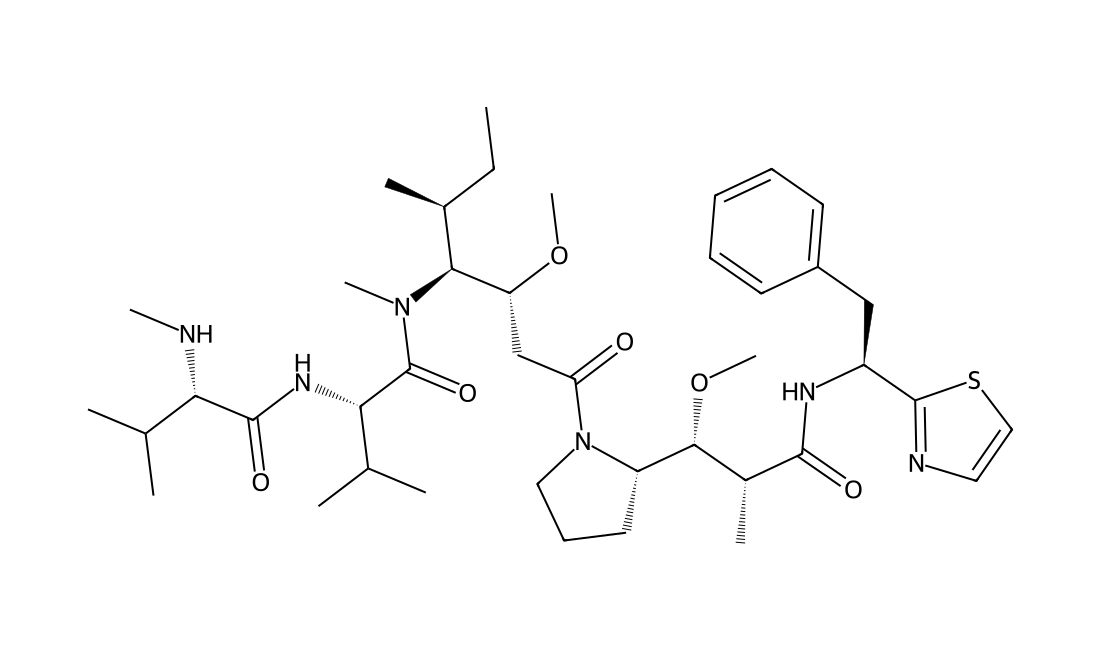
CAS 203849-91-6
MMAD is a potent tubulin inhibitor, is a toxin payload in antibody drug conjugates (ADCs).
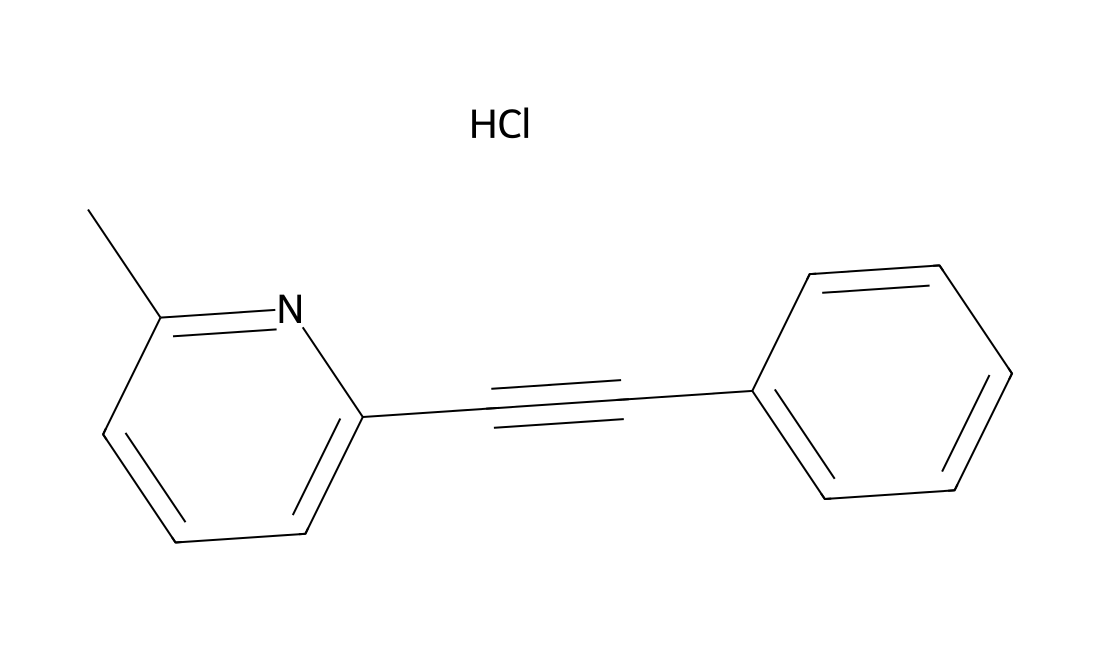
CAS 219911-35-0
MPEP hydrochloride is a potent and highly selective non-competitive antagonist at the mGlu5 receptor subtype with IC50 of 36 nM.
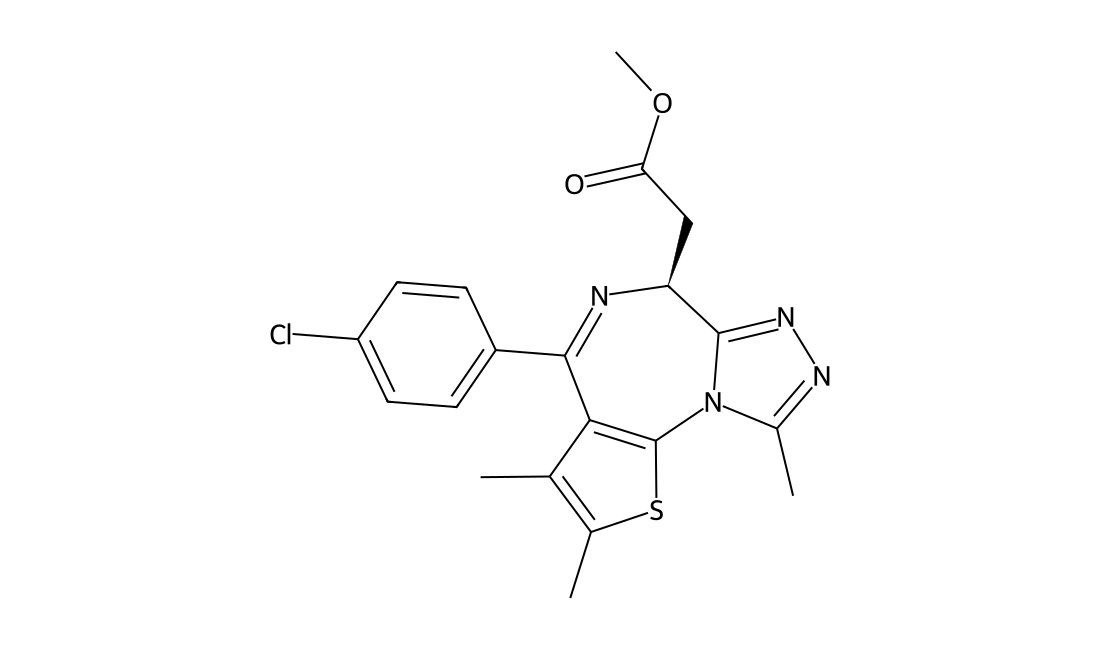
CAS 916489-36-6
MS417 is a BET-specific BRD4 inhibitor, binds to BRD4-BD1 and BRD4-BD2 with IC50s of 30, 46 nM and Kds of 36.1, 25.4 nM, respectively, with weak selectivity at CBP BRD (IC50, 32.7 μM).
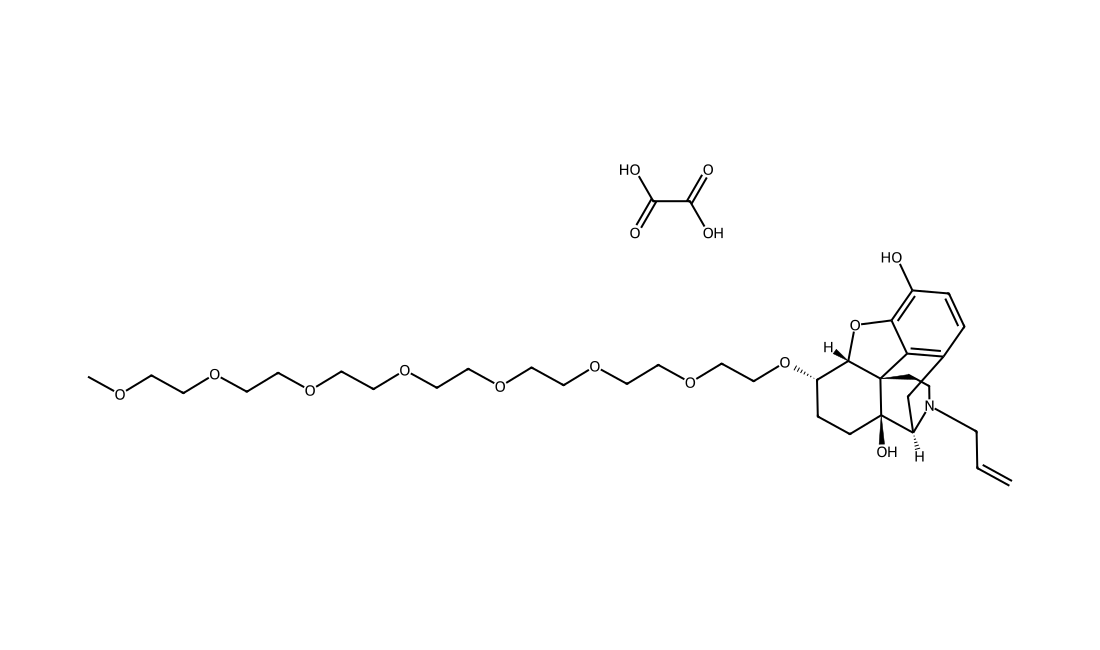
CAS 1354744-91-4
Naloxegol oxalate (NKTR-118 oxalate; AZ-13337019 oxalate) is an opioid-receptor antagonist[1].
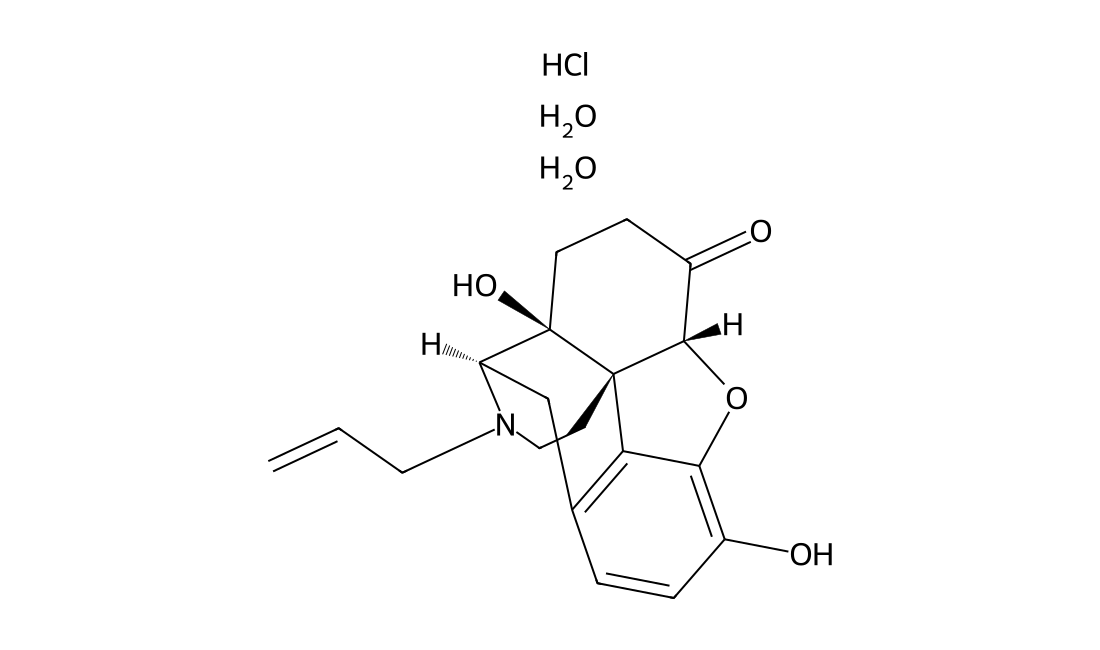
CAS 51481-60-8
Naloxone HCl Dihydrate is an opioid inverse agonist drug used to counter the effects of opiate overdose.
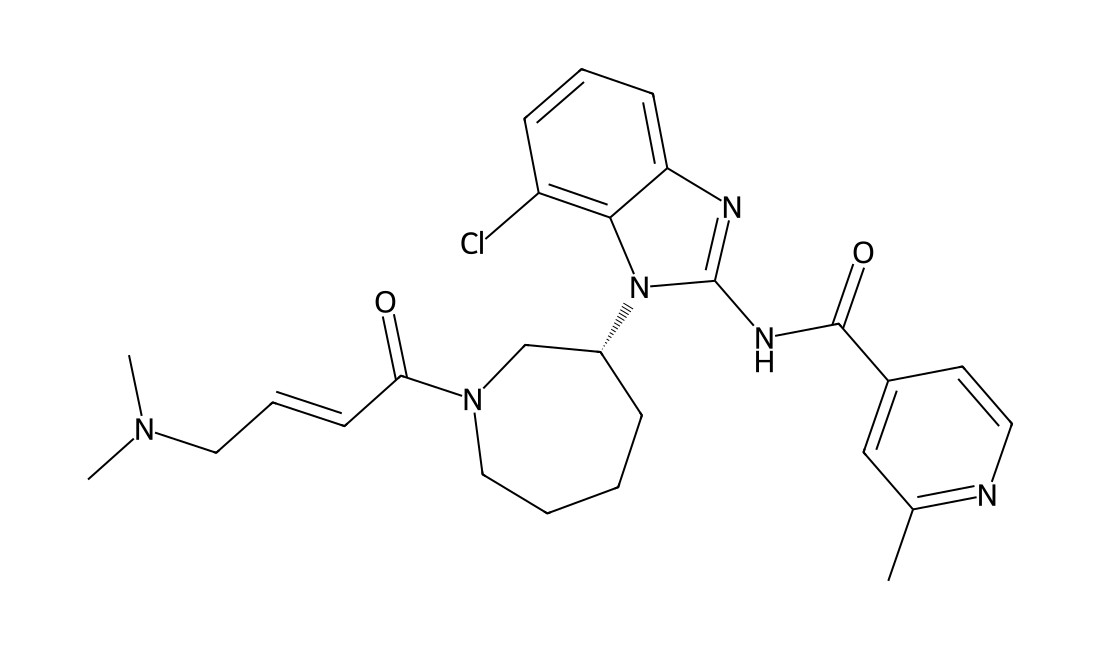
CAS 1508250-71-2
Nazartinib (EGF816) is a novel, covalent mutant-selective EGFR inhibitor, with Ki and Kinact of 31 nM and 0.222 min−1 on EGFR(L858R/790M) mutant, respectively.
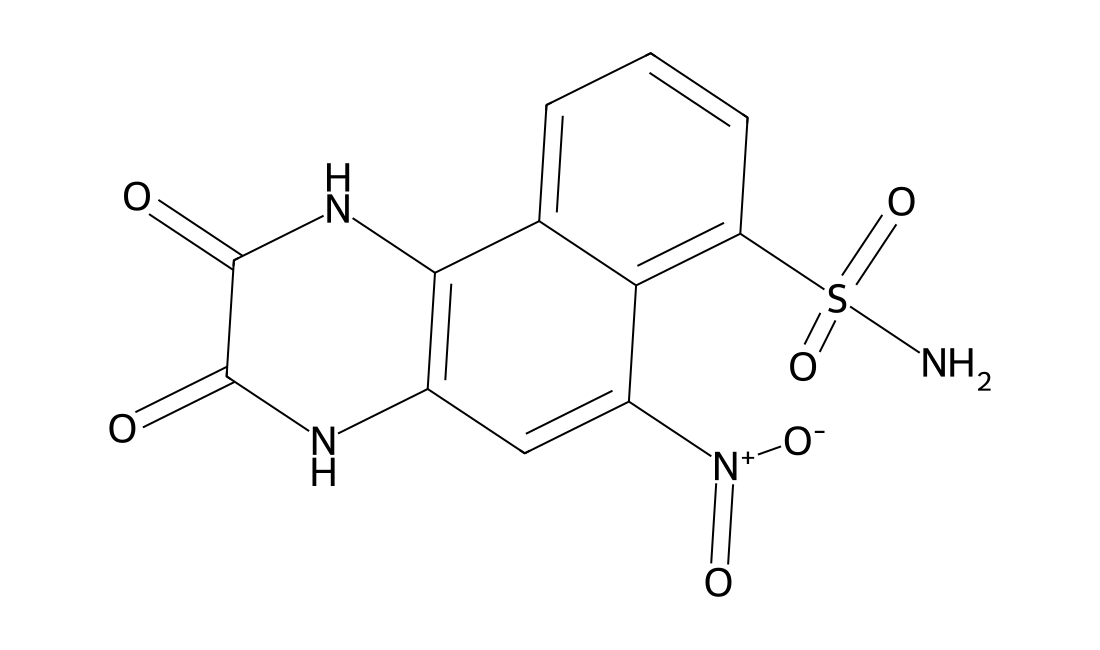
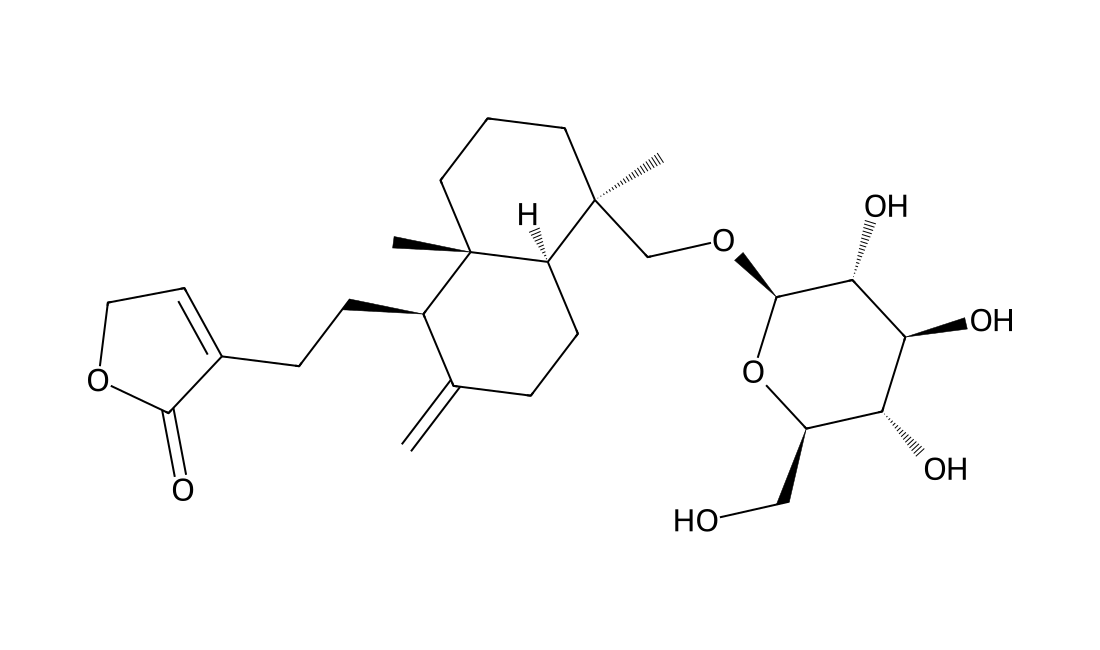
CAS 27215-14-1
Neoandrographolide is a diterpenoid from the Andrographis paniculata (Acanthaceae).
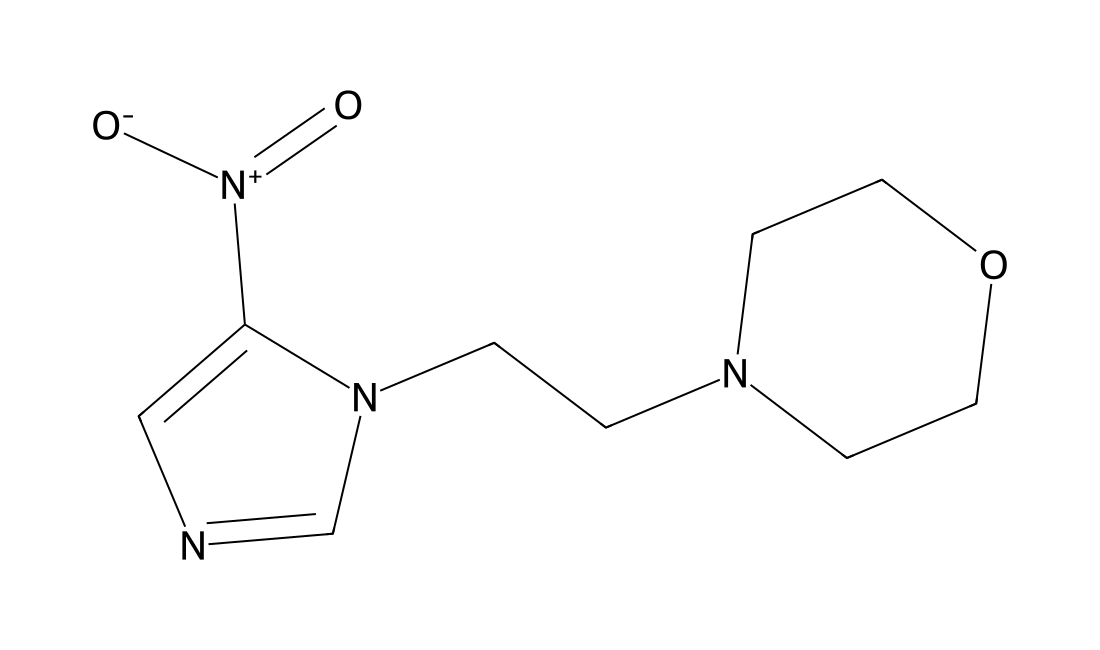
CAS 85650-56-2
Asenapine maleate is a 5-HT (1A, 1B, 2A, 2B, 2C, 5A, 6, 7) and D2 antagonist with Ki values of 0.03-4.0 nM, 1.3nM, respectively, and an antipsychotic.
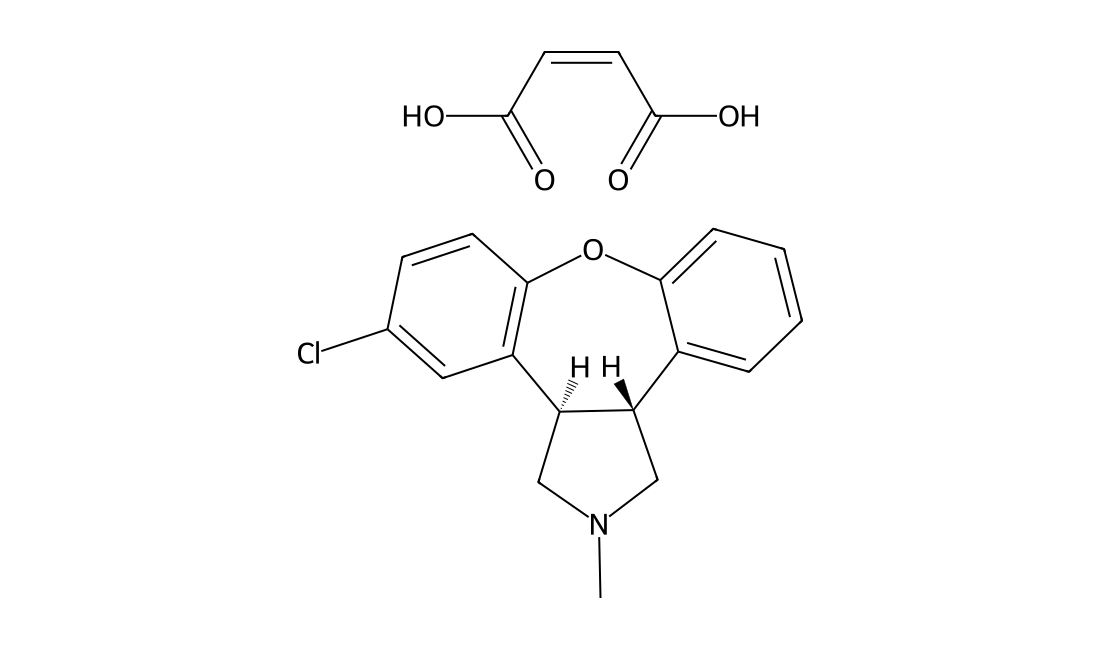
CAS 113104-25-9
NSC 228155 is a potent inhibitor of KIX-KID interaction, inhibits kinase-inducible domain (KID) from CREB and KID-interacting domain (KIX) from CBP, with an IC50 of 0.36 μM. NSC 228155 is not selective against CREB-mediated gene transcription in living HEK 293T cells[1].
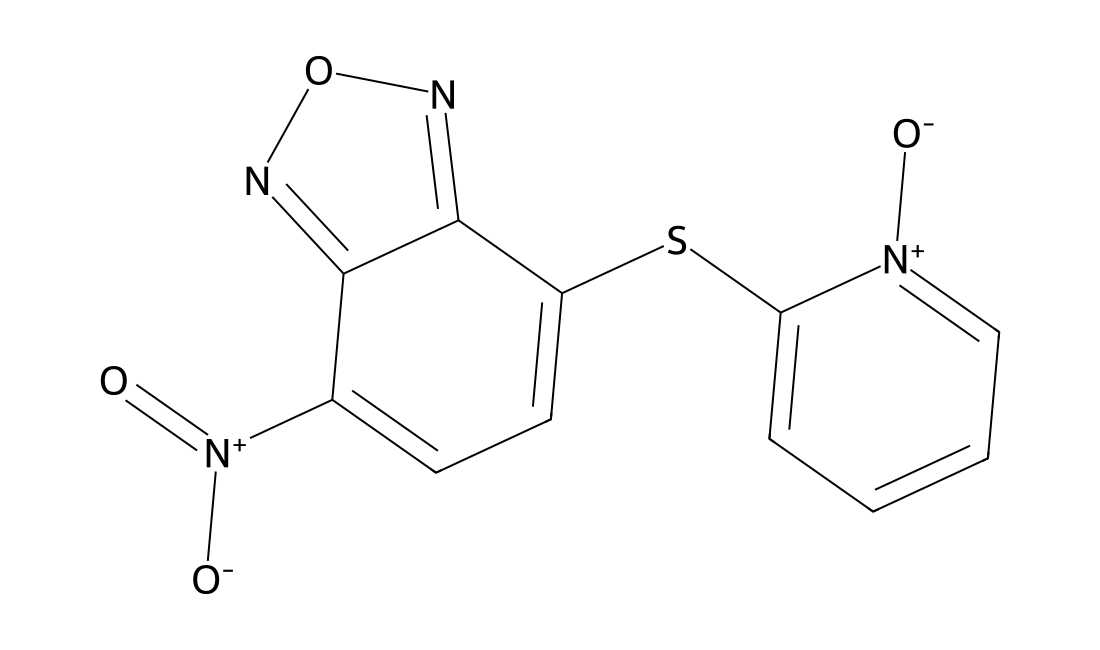
CAS 343351-67-7
NSC697923 is a potent UBE2N (ubiquitin-conjugating enzyme E2 N, Ubc13) inhibitor. NSC697923 induces neuroblastoma (NB) cell death via promoting nuclear importation of p53 in p53 wild-type NB cells. NSC697923 also induces cell death in p53 mutant NB cells by activation of JNK-mediated apoptotic pathway. NSC697923 inhibits DNA damage and NF-κB signaling. Antitumor activity[1][2].
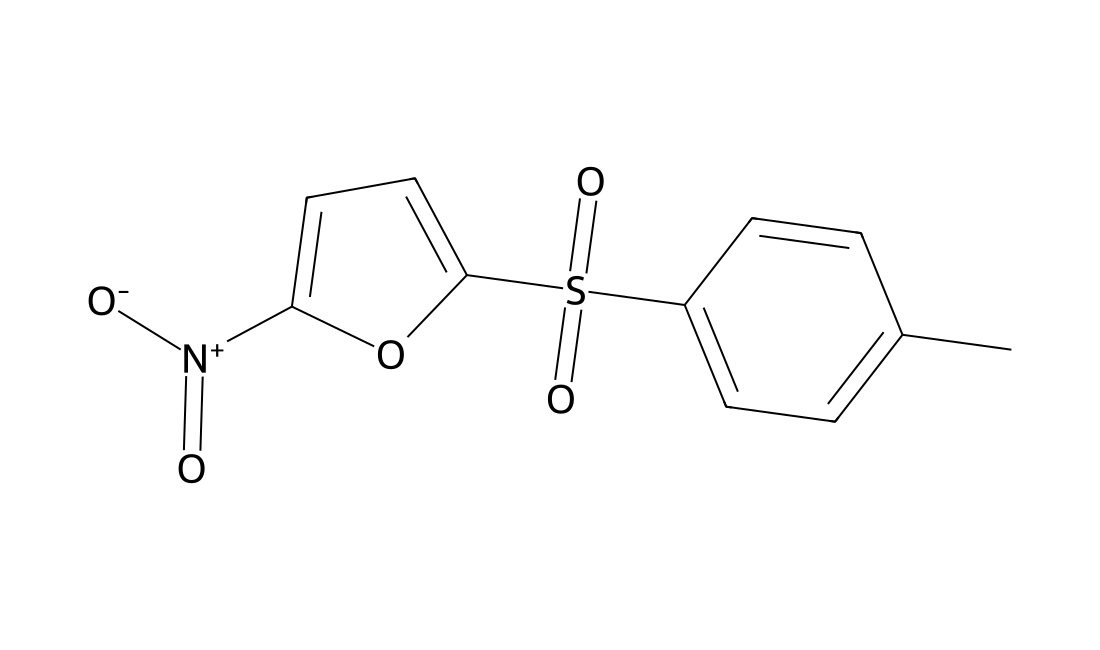
CAS 475488-23-4
NVP-ADW742(ADW742; GSK 552602A ) is an selective IGF-1R inhibitor with IC50 of 0.17 μM, >16-fold more potent against IGF-1R than InsR; little activity to HER2, PDGFR, VEGFR-2, Bcr-Abl and c-Kit.
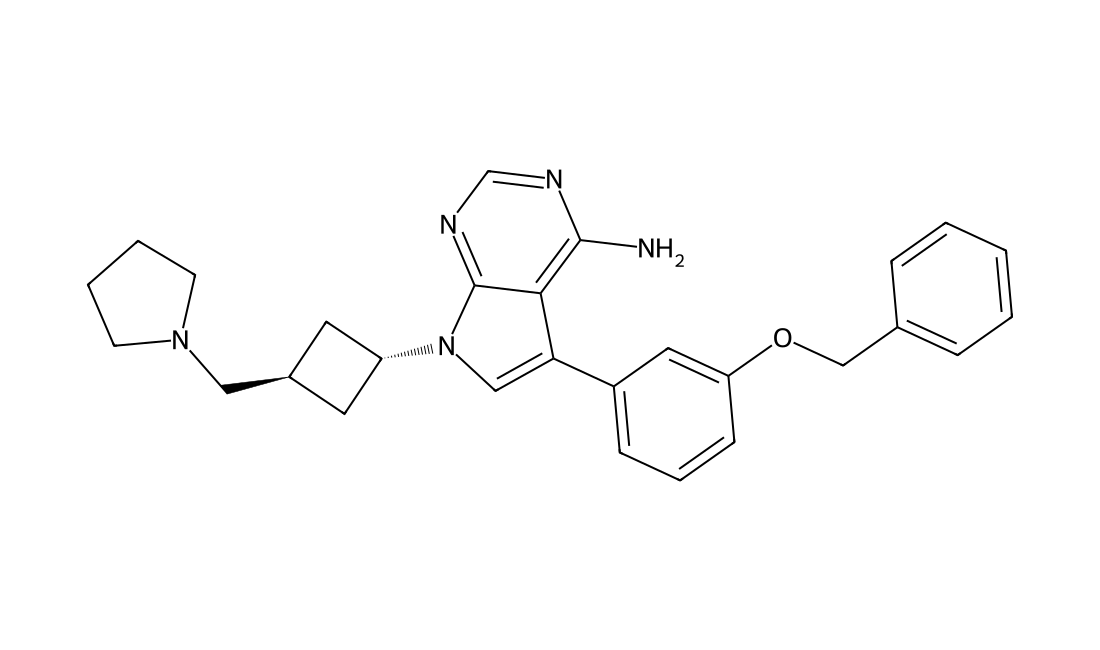
CAS 868049-49-4
Olodaterol (BI1744) is a selective, long acting β2-adrenoceptor (β2-AR) agonist (EC50=0.1 nM and pKi= 9.14 for human β2-adrenoceptor, respectively). Olodaterol can be used for chronic obstructive pulmonary disease (COPD) and pulmonary fibrosis[1][2][3].
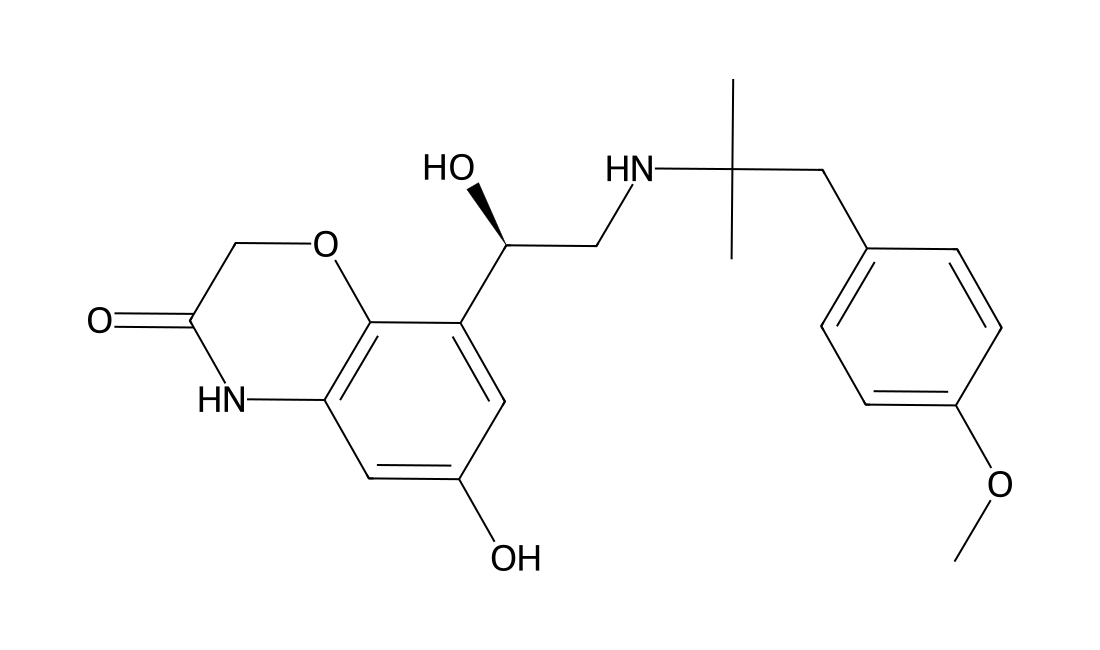
CAS 181816-48-8
Ombrabulin is a derivative of CA-4 phosphate, which is known to exhibit antivascular effects through selective disruption of the tubulin cytoskeleton of endothelial cells.
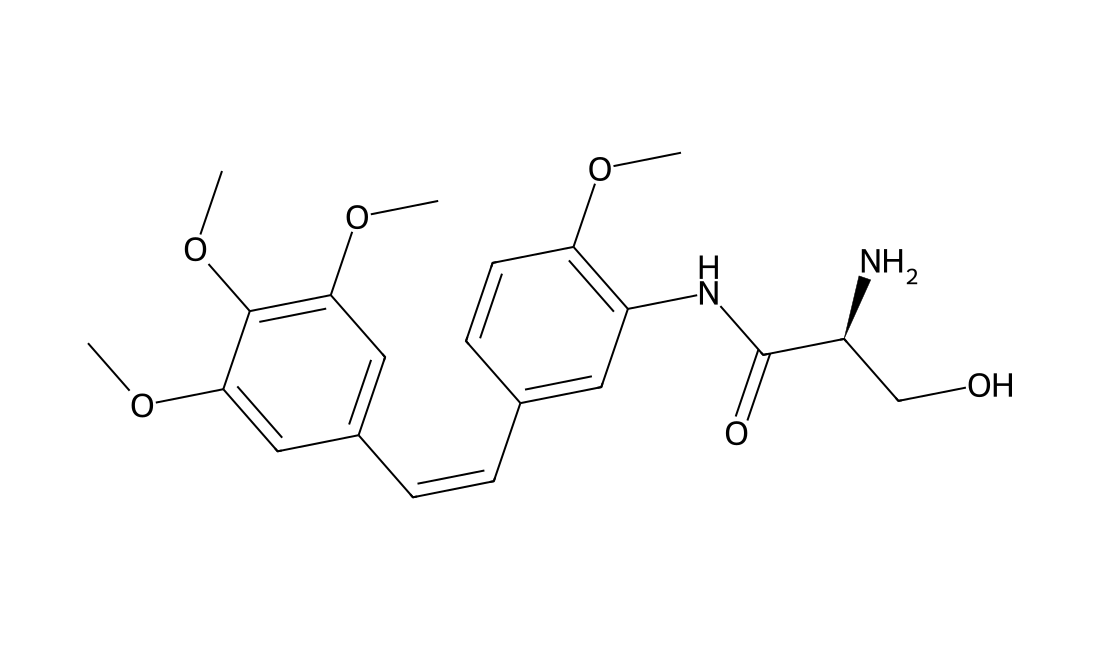
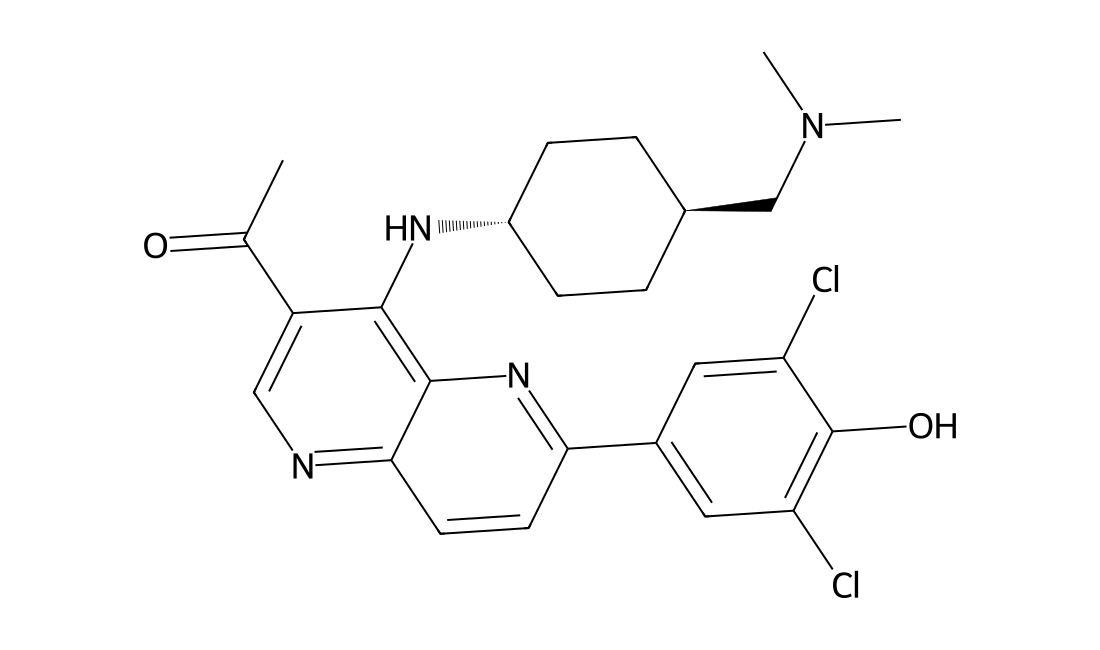
CAS 187235-37-6
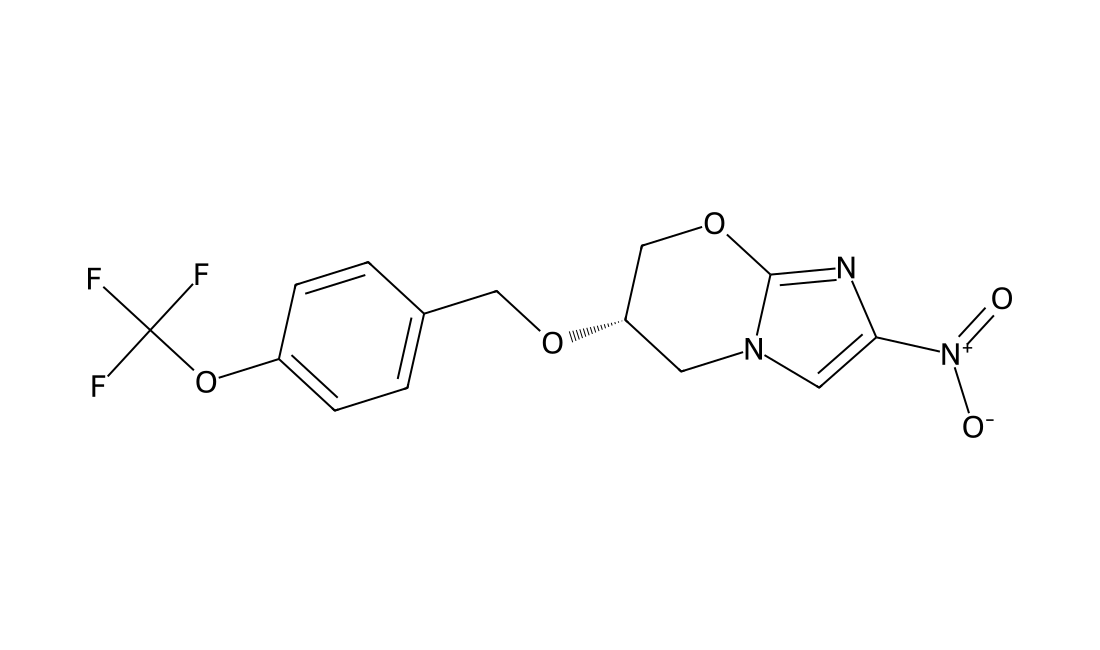
Pretomanid (PA-824) is a small-molecule nitroimidazopyran drug candidate for the treatment of tuberculosis; the MIC values of PA-824 against a panel of MTB pan-sensitive and rifampin mono-resistant clinical isolates ranged from 0.015 to 0.25 ug/ml.
CAS 13040-46-5
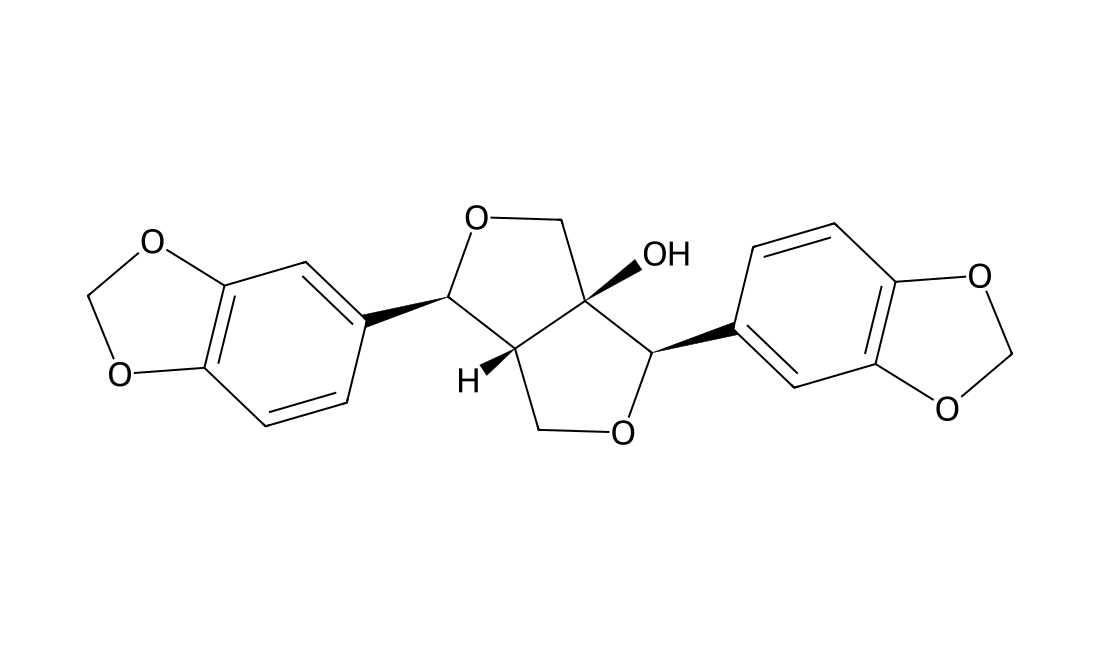
Paulownin, a component of wood of Paulownia tomentosa Steud, is a constituent of medicinal plants[1].
CAS 152121-53-4
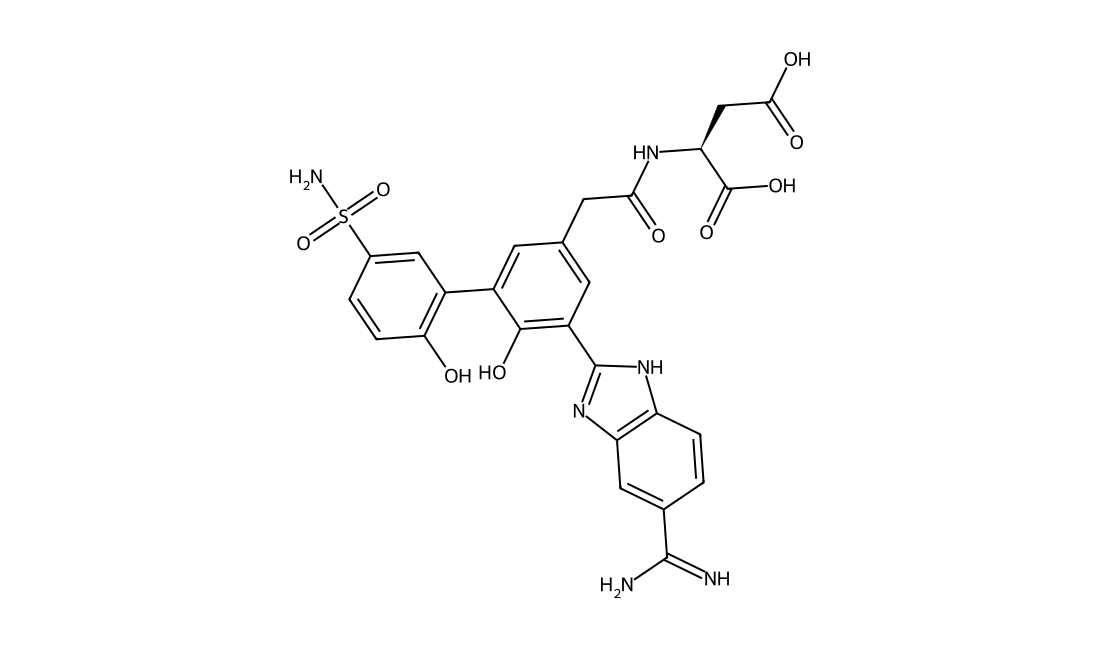
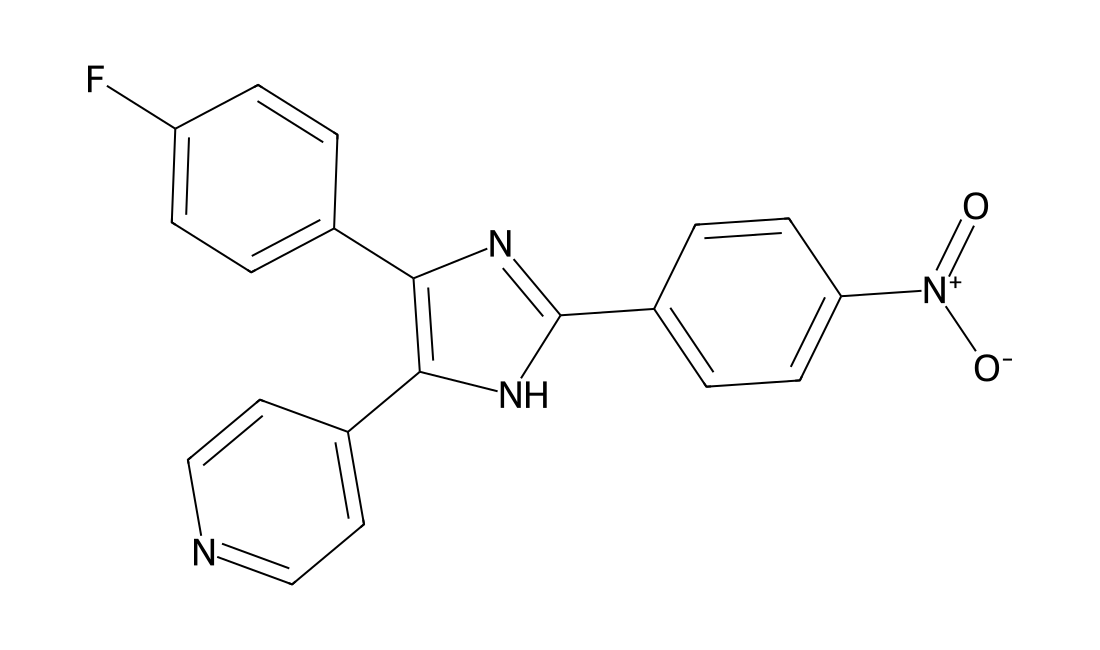
PD 169316 is a potent, cell-permeable and selective p38 MAP kinase inhibitor, with IC50 of 89 nM.
CAS 50357-45-4
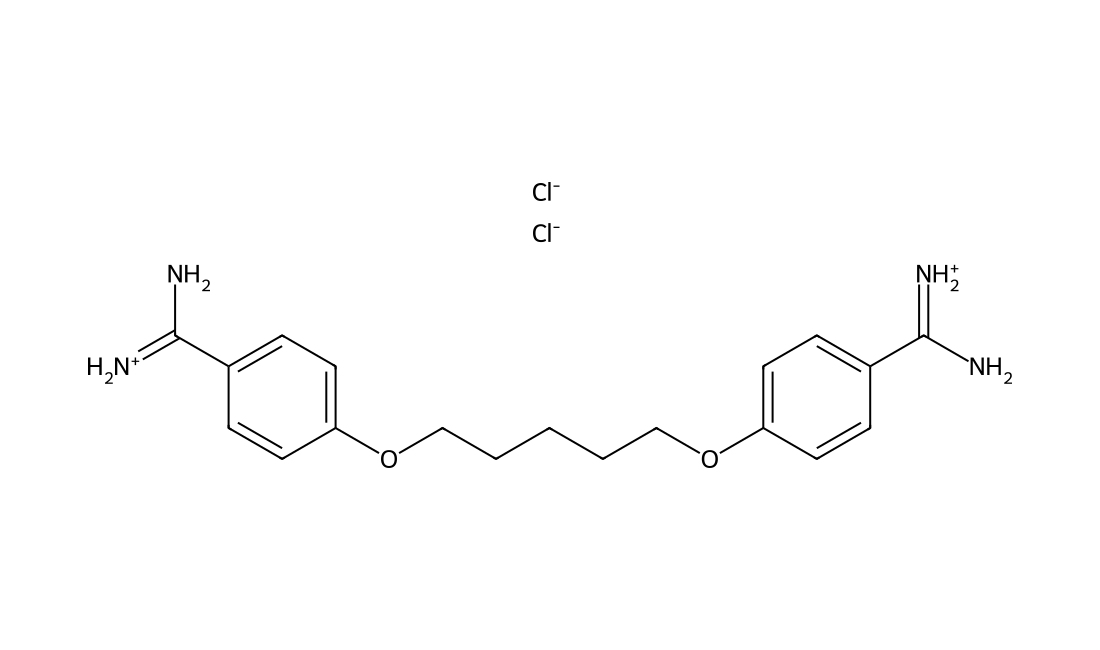
Pentamidine Dihydrochloride(MP601205 dihydrochloride) is an antimicrobial agent.Pentamidine Dihydrochloride has a potent in vitro antiprotozoal activity. Pentamidine displays cytotoxic activity against L. infantum promastigotes with IC50 of 2.5 μM. 2.5 μM Pentamidine induces early programmed cell death in 49.6% of L. infantum promastigotes. 2.5 μM Pentamidine induces a notorious decrease in promastigotes in both G1 and S phases relative to the control-untreated samples (G1:77.0 vs 15.0%; S:11.0 vs 2.4% for control- and pentamidine-treated promastigotes, resp). Pentamidine is able to bind with calf-thymus DNA (CT-DNA) and induces conformational changes in the DNA double helix. Pentamidine also binds with ubiquitin to modifiy the β-cluster of ubiquitin [1]. Pentamidine is an inhibitor of phosphatase of regenerating liver (PRLs). 1 μg/mL of Pentamidine complete inhibits the activity of recombinant PTP1B in dephosphorylating a phos-photyrosine peptide. 10 μg/mL of Pentamidine completely inhibits the activities of recombinant PRL-1, PRL-2 and PRL-3 in dephosphorylating a phosphotyrosine peptide substrate. Incubation with Pentamidine (1 μg/mL) for 48 h reduces the activity of intracellular PRL phosphatases in transfected NIH3T3 cells by more than 85%. 10 μg/mL Pentamidine completely inhibits the growth of melanoma cell line (WM9), prostate carcinoma cell line (DU145 and C4-2), ovarian carcinoma cell line (Hey), colon carcinoma cell line (WM480), and lung carcinoma cell line (A549) which all express endogenous PRLs [2].
CAS 372196-77-5
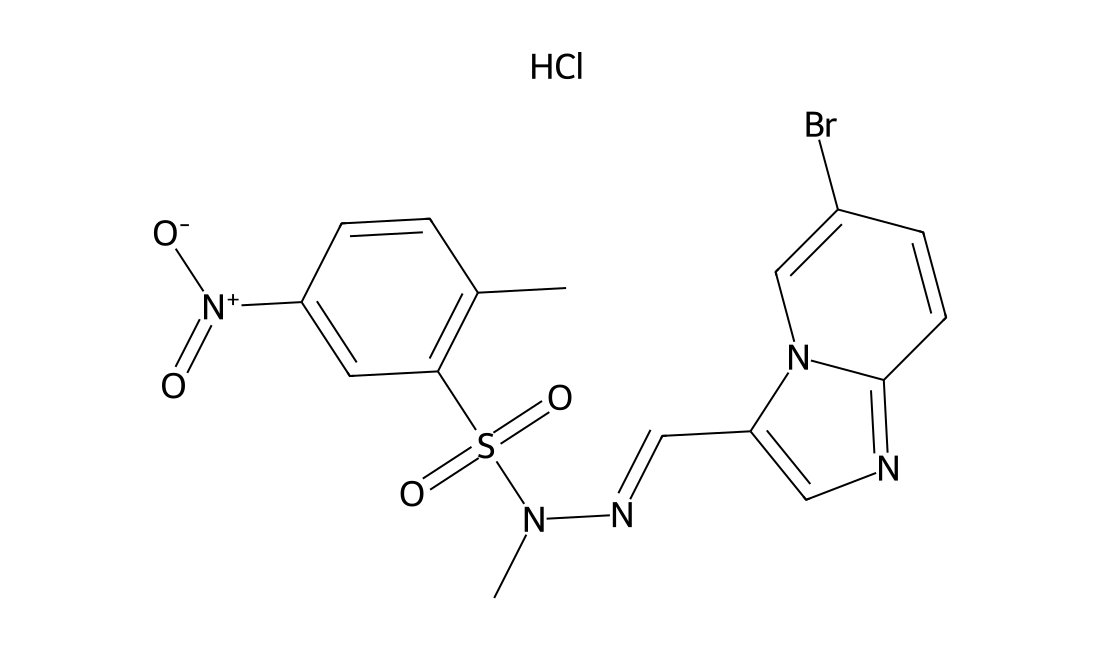
PIK-75 is a DNA-PK and PI3K inhibitor, which inhibits DNA-PK, p110α and p110γ with IC50s of 2, 5.8 and 76 nM, respectively. PIK-75 inhibits p110α >200-fold more potently than p110β (IC50=1.3 μM).
CAS 1629869-44-8
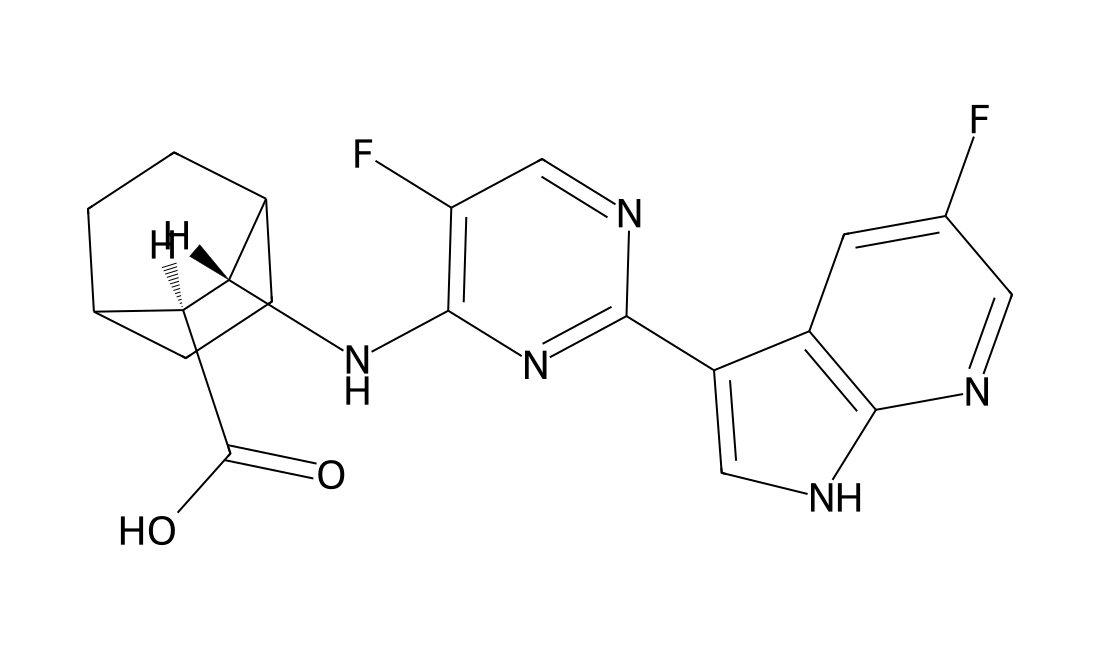
Pimodivir (VX-787) is an orally bioavailable inhibitor of influenza A virus polymerases through interaction with the viral PB2 subunit.
CAS 147526-32-7
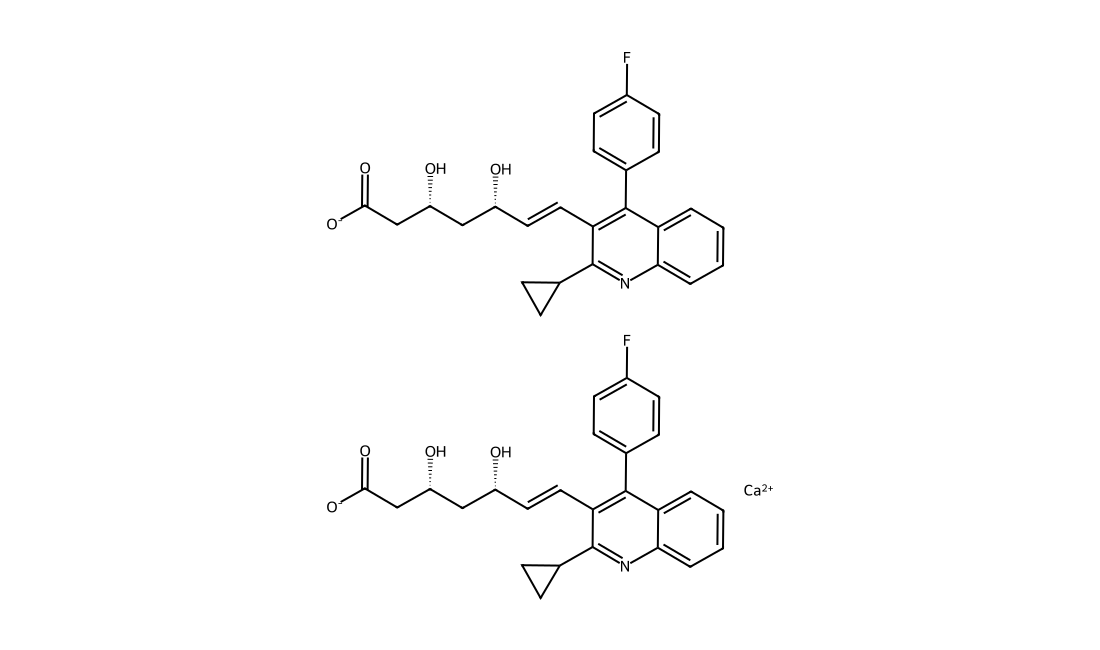
Pitavastatin Calcium is a potent hydroxymethylglutaryl-CoA (HMG-CoA) reductase inhibitor. Pitavastatin inhibits cholesterol synthesis from acetic acid with an IC50 of 5.8 nM in HepG2 cells.
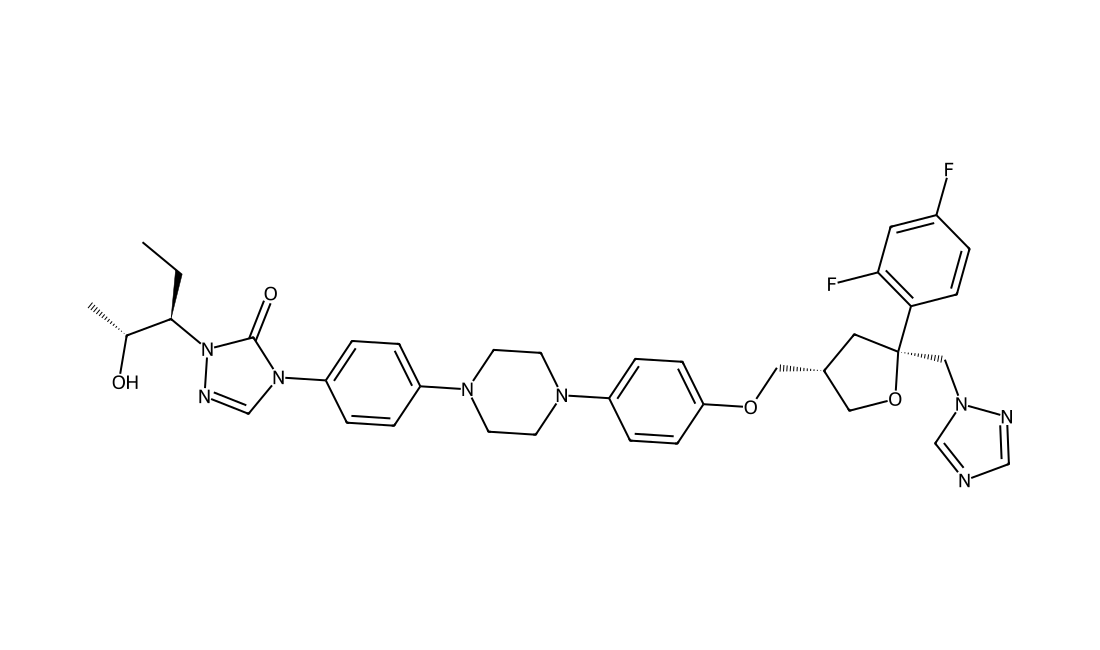
CAS 171228-49-2
Posaconazole is a broad-spectrum, second generation, triazole compound with antifungal activity.