Small Molecule Research Tools

Explore bioactive compounds by research category, then narrow your search by target, product name, catalog number or CAS.

Newly added: LC-MG and OXF molecular glue research compounds →

6,823 products17 research categoriesBrowse all products ↓

Browse by research category

Products may appear in more than one category. Counts refer to distinct catalog numbers within each category.

Other Research Tools (75) · Additional reagents, building blocks and specialized research tools.

New literature-derived products

LC-MG-1 (DCA0006) · LC-MG-4 (DCA0007) · LC-MG-9 (DCA0008)

View structure and evidence summaries →

All small molecule products

Combine a keyword, research category and target to narrow the product list.

Loading catalog filters…

6,823 products · Showing 6,049–6,096

DC23662

ITI214 free base

CAS 1160521-50-5

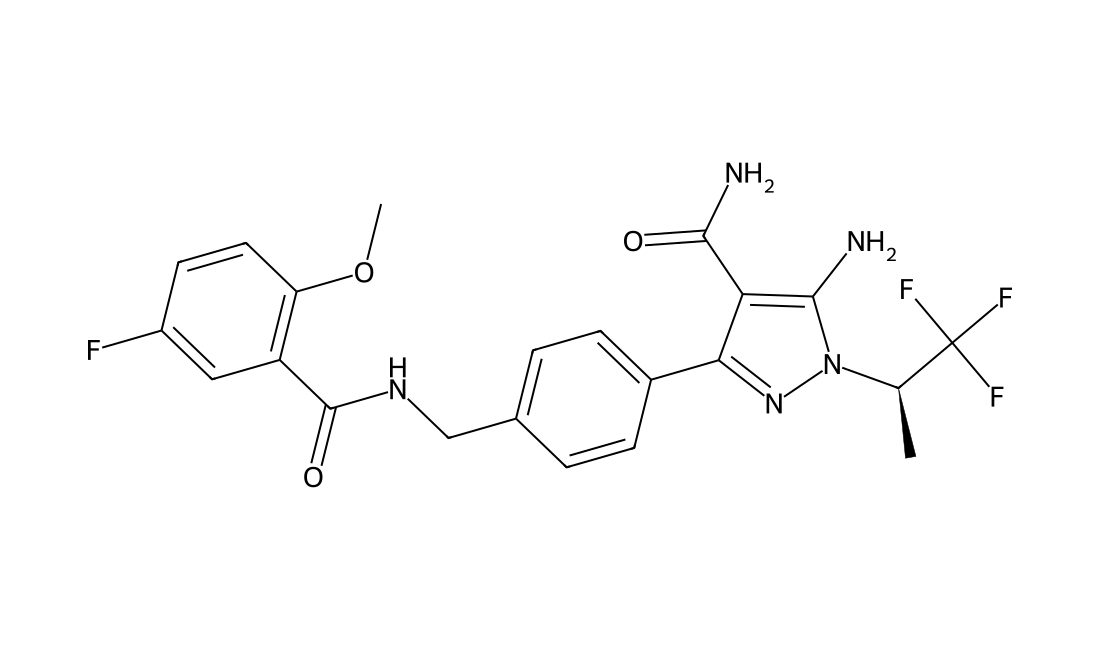
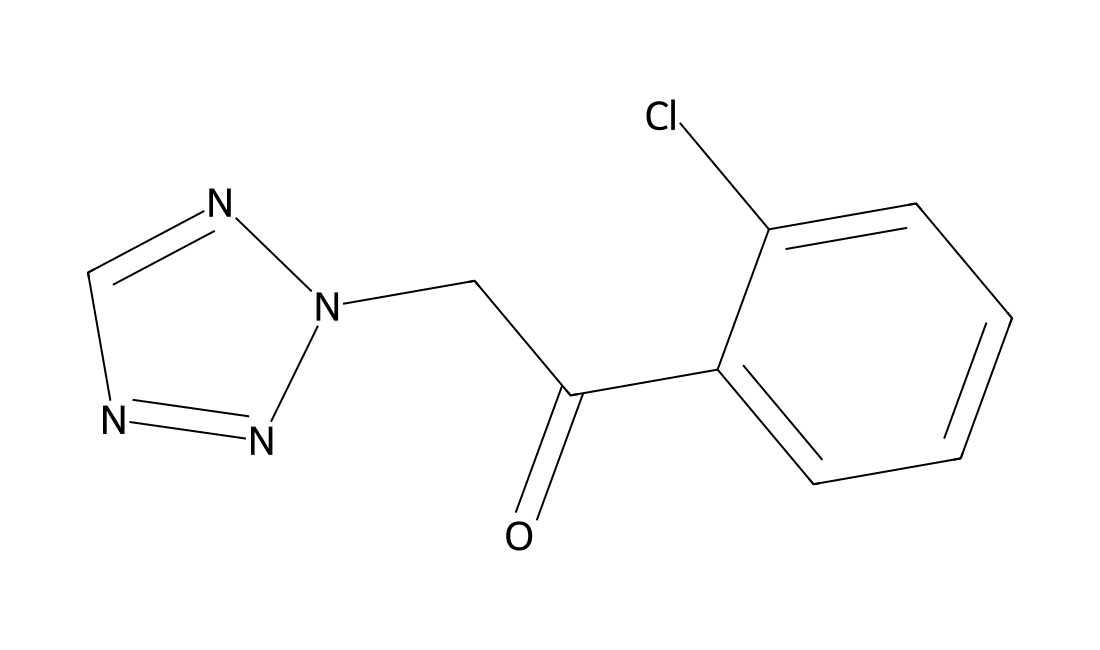
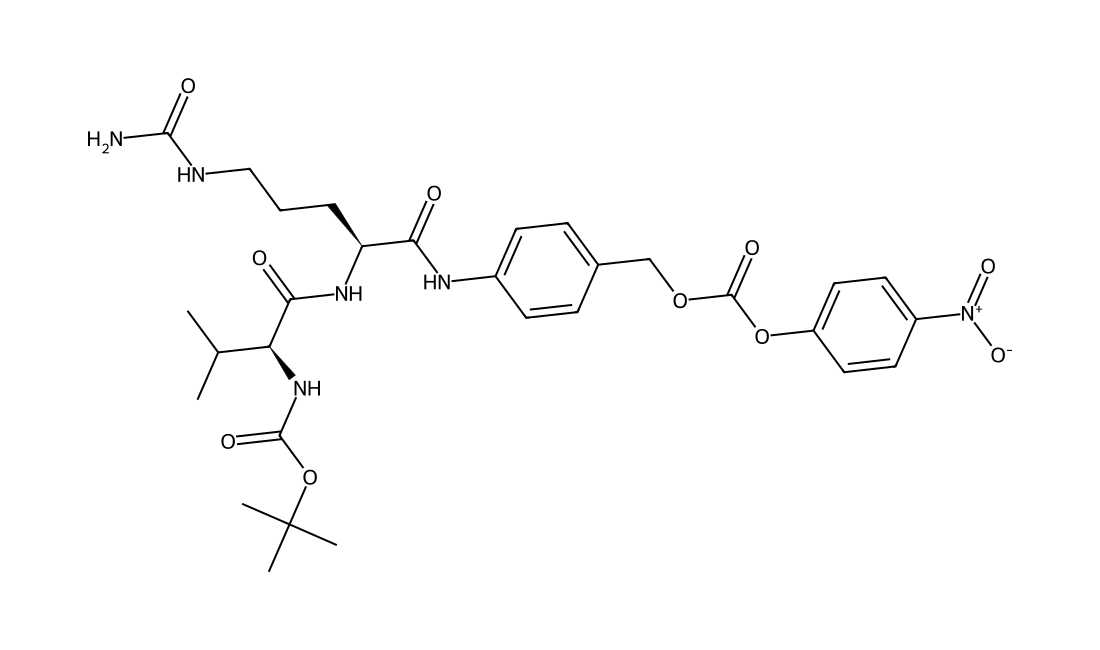
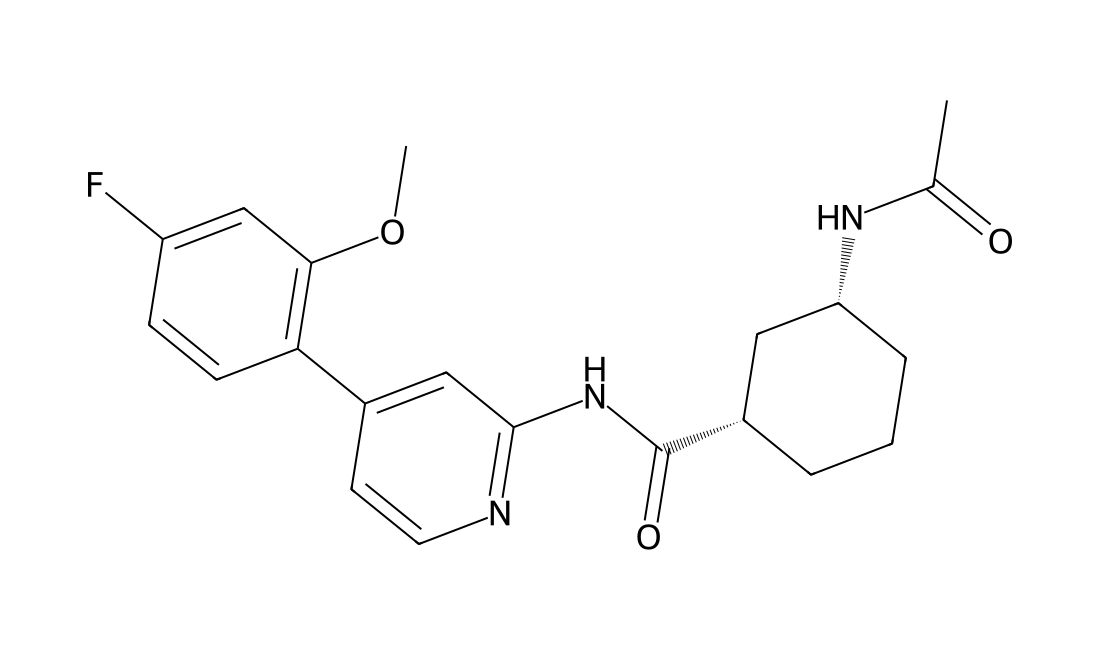
ITI-214 is a potent, selective phosphodiesterase 1 (PDE1) inhibitor with Ki of 58 pM, displays >1,000-fold selectivity over PDE4A/4D and other PDE isoforms; improves the memory processes of acquisition, consolidation, and retrieval across a broad dose range (0.1-10 mg/kg, po) without disrupting the antipsychotic-like activity of a clinical antipsychotic medication, shows potential for schizophrenia and Alzheimer's disease, movement disorders, attention deficit and hyperactivity disorders, and other central nervous system (CNS) and non-CNS disorders.Parkinson DiseasePhase 2 Clinical
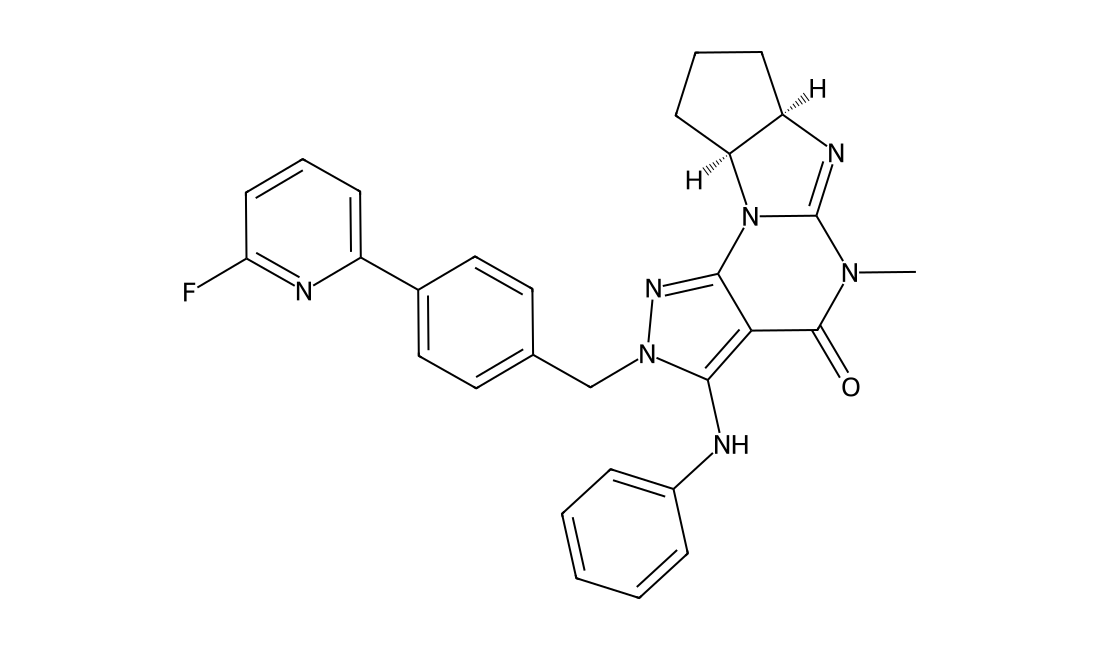
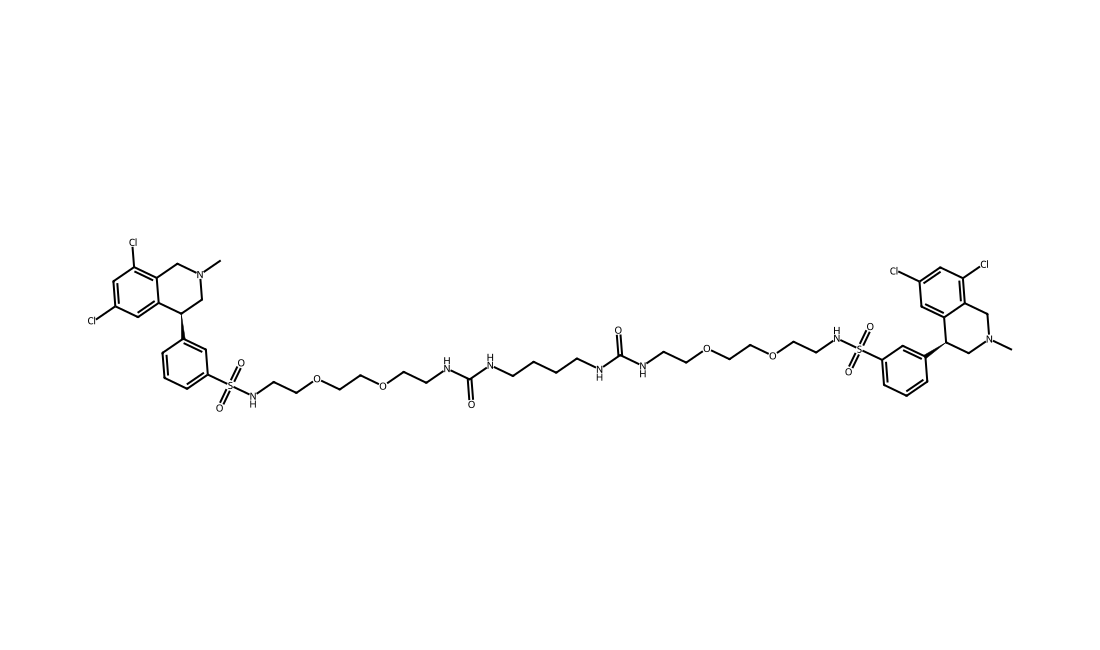
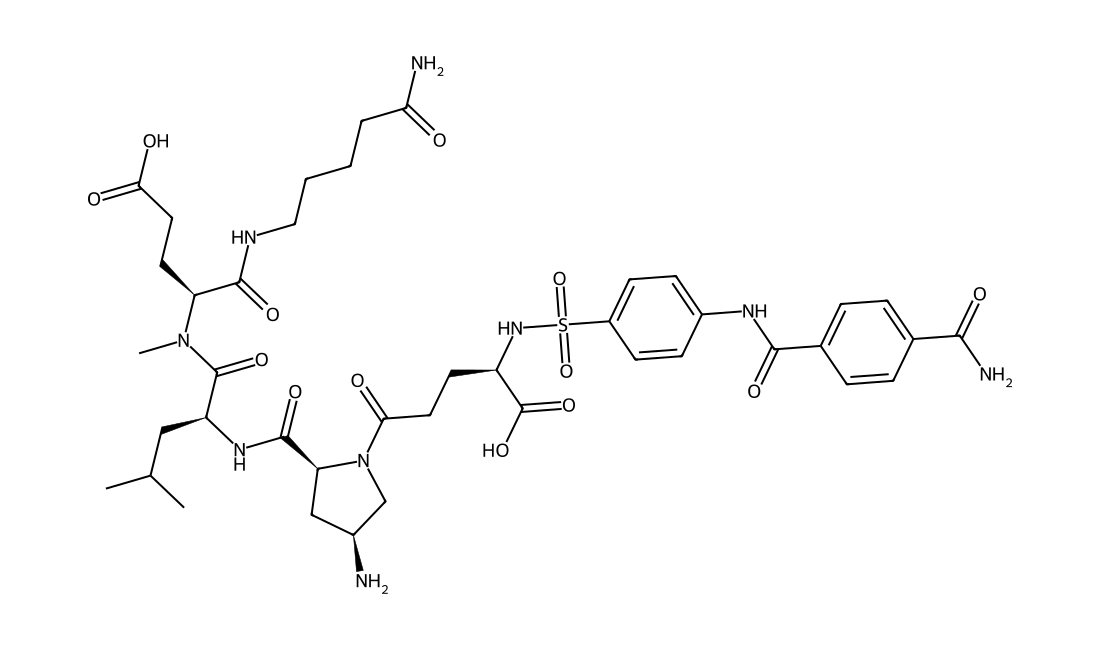
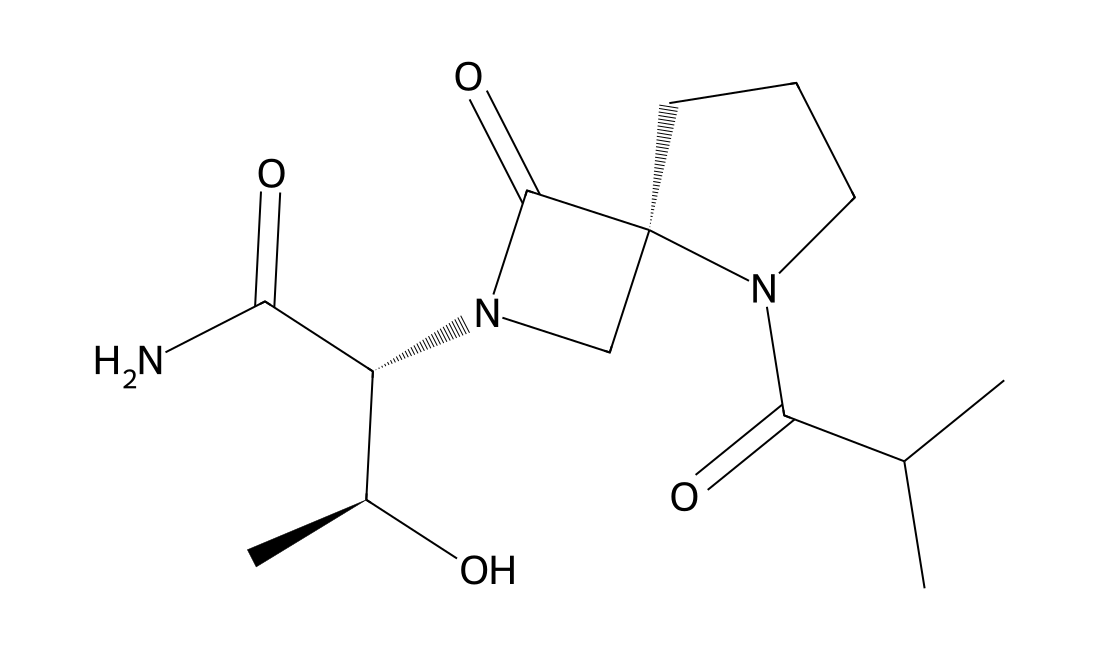
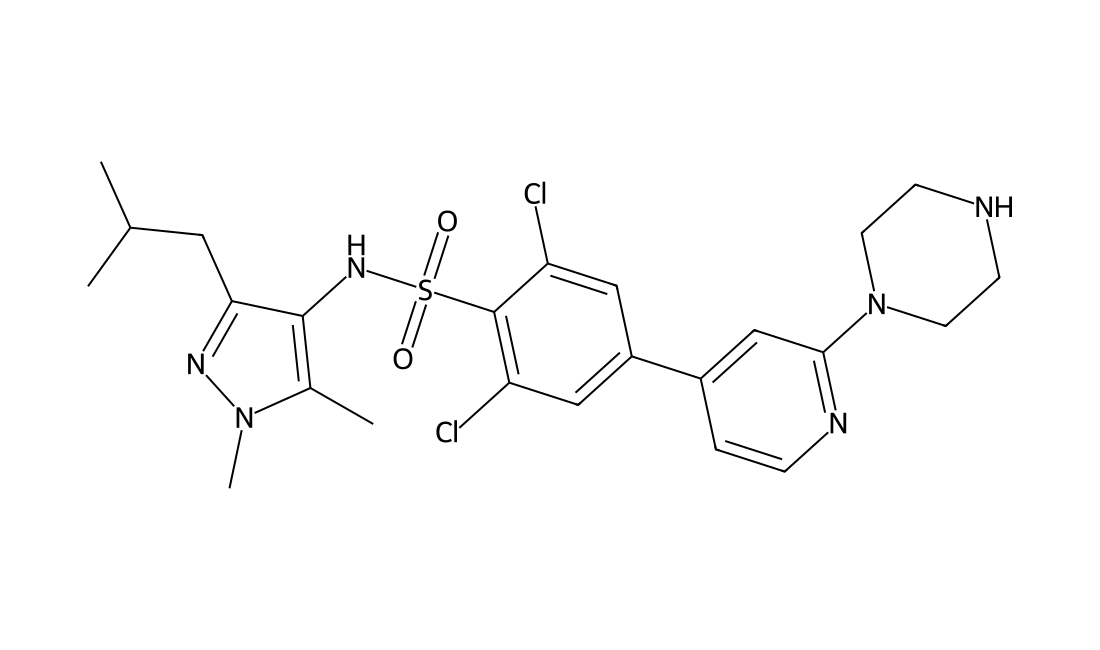
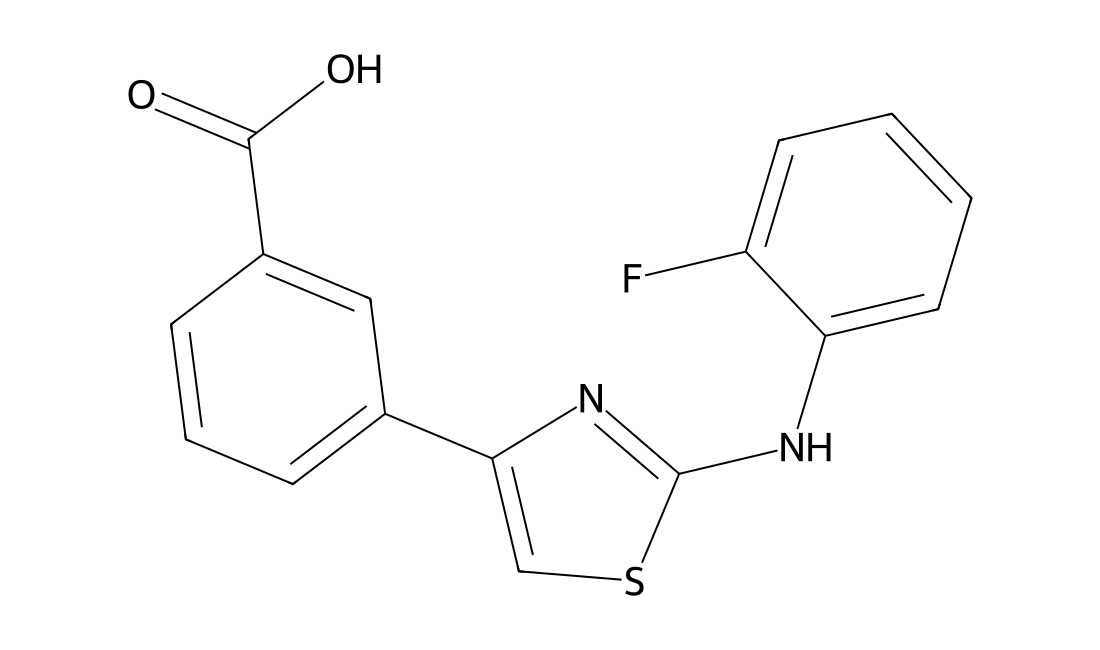
ITI214 free base chemical structure
DC10386

Tenapanor

CAS 1234423-95-0

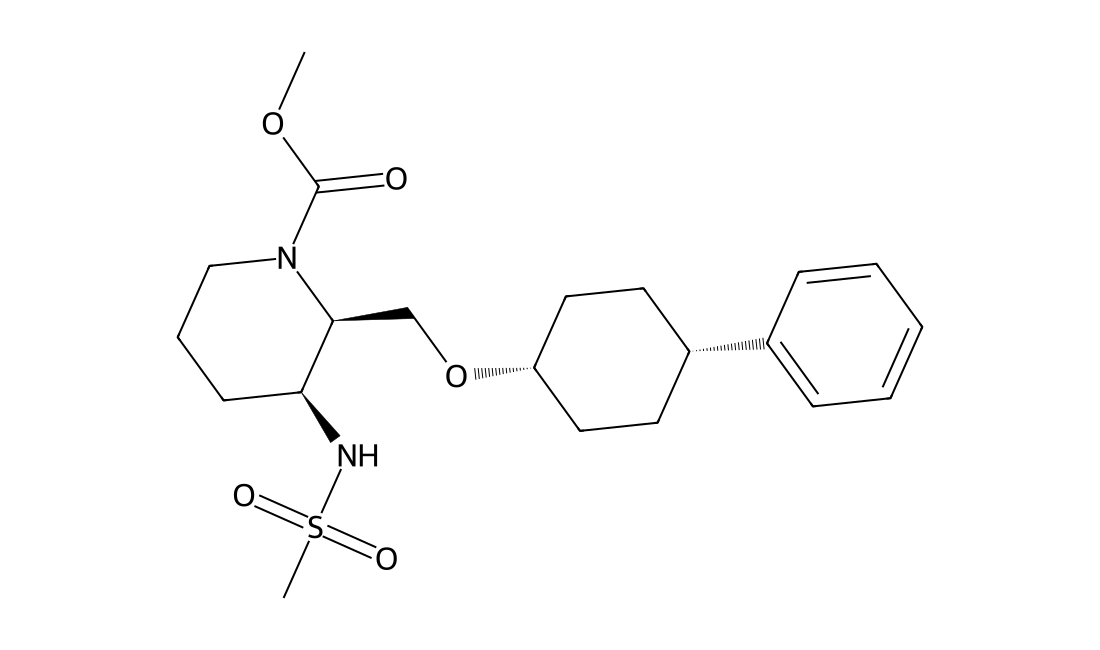
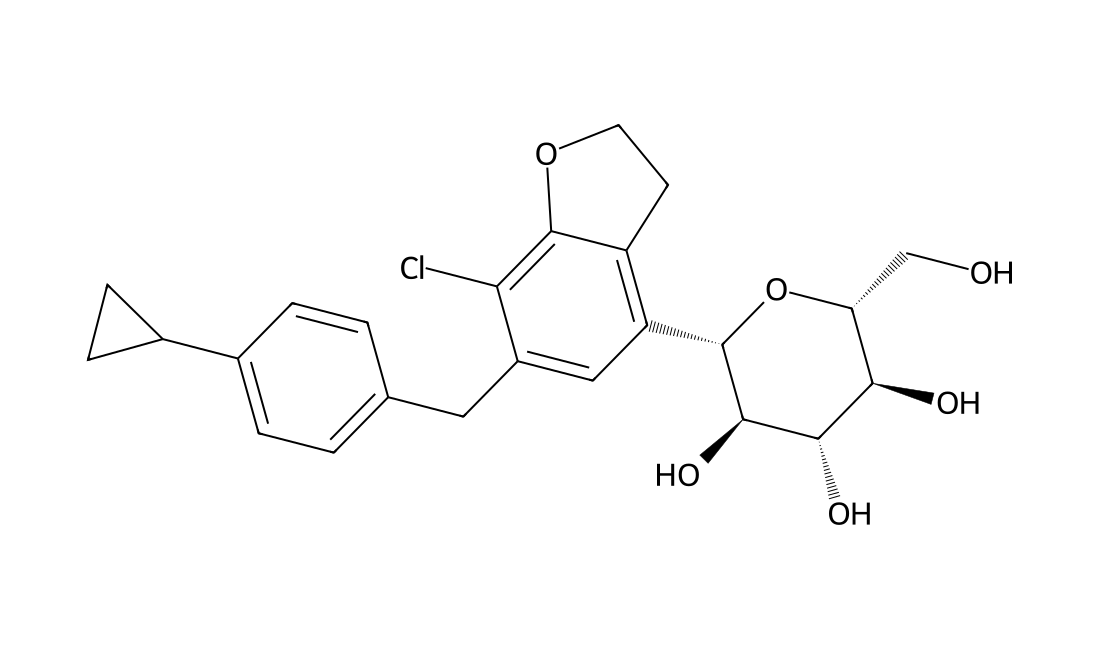
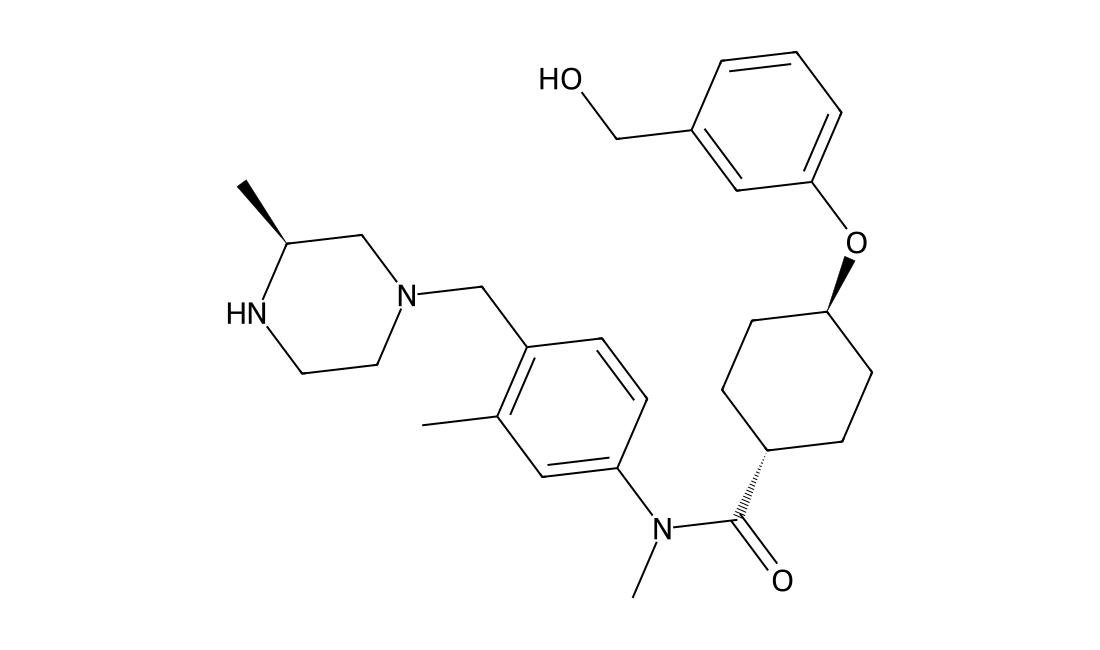
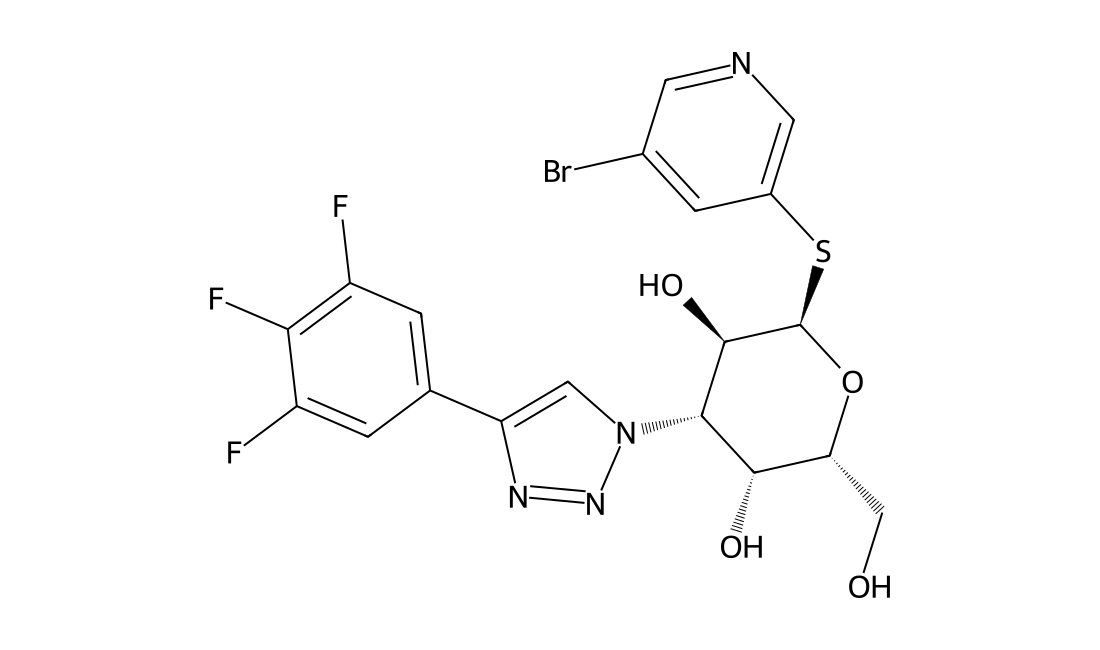
Tenapanor exhibits human and rat NHE3 with IC50 values of 5 and 10 nM, respectively. Human intestinal transporters NHE1, NHE2, TGR5, ASBT, and Pit-1 and the sodium-dependent phosphate transporter NaPiIIb are not inhibited by tenapanor at concentrations up to 10 to 30 μM.Tenapanor plays a prominent role in sodium handling in the gastrointestinal tract and kidney. It acts exclusively in the gastrointestinal tract to inhibit sodium uptake when administered orally to rats. Average plasma Cmax values of tenapanor in rats and humans are less than 1 ng/mL with negligible area under the curve at doses of up to 30mg/kg in rats, 10mg/kg in dogs, and 900 mg in humans. Dose-dependent reductions in urinary sodium and increases in fecal sodium and luminal fluid mass are observed upon administering single doses of tenapanor to rats. Chronic administration of tenapanor to rats fed with standard chow (0.49% NaCl) causes a sustained reduction of urinary sodium and increase in fecal sodium.

Tenapanor chemical structure
DC70823

TAK-925

CAS 2114324-48-8

TAK-925 (Danavorexton) is a potent, selective, and brain-penetrant Orexin 2 receptor (OX2R) agonist with EC50 of 5.5 nM, no significant inhibition on OX1R (IC50>100 uM).TAK-925 also showed good selectivity against 106 off-target enzymes and receptors.

TAK-925 chemical structure
DC71032

DS-3801b

CAS 1369412-66-7

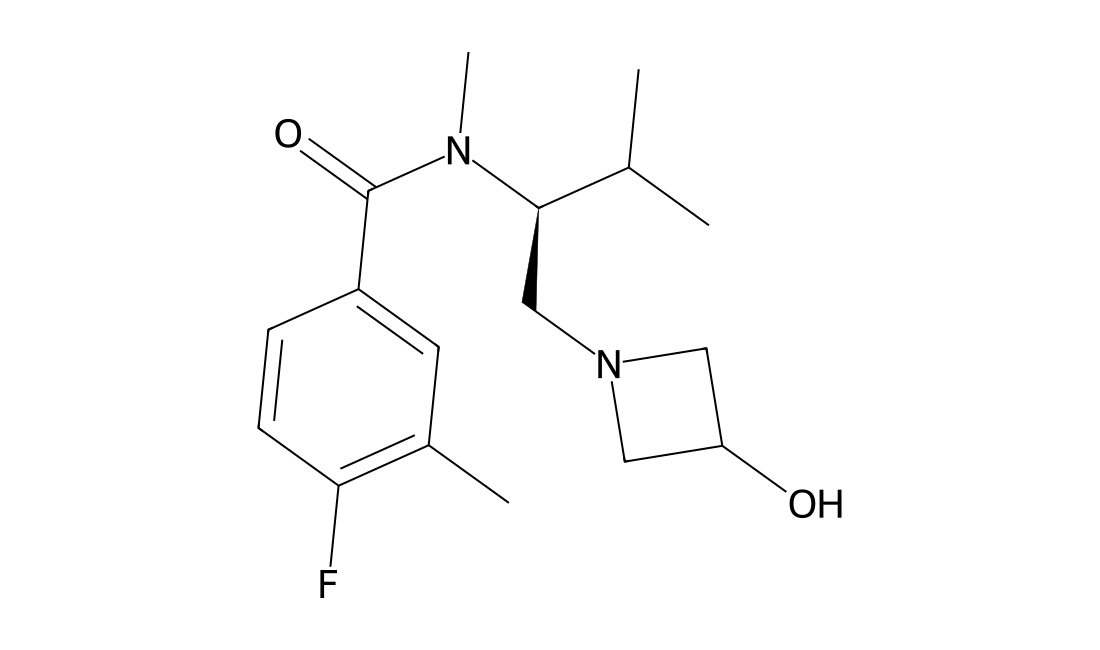
DS-3801b is a potent and non-macrolide agonist of GPR38. DS-3801b is expected to be novel gastrointestinal prokinetic agents for the research of functional gastrointestinal disorders such as gastroparesis and chronic constipation.

DS-3801b chemical structure
DC48132

Bexotegrast

CAS 2376257-44-0

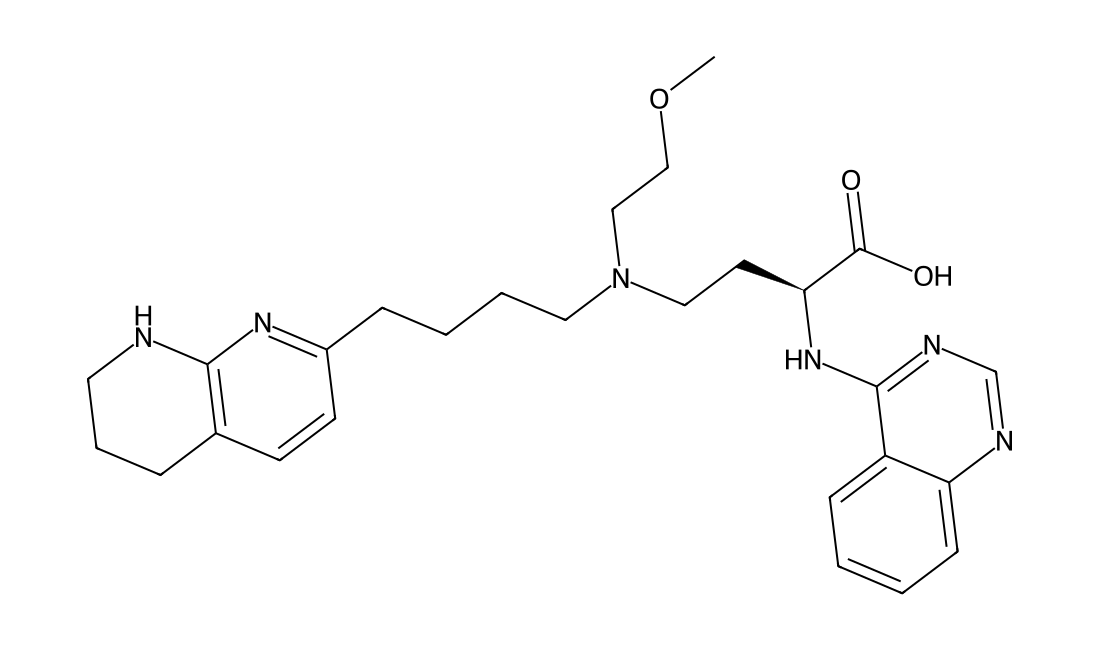
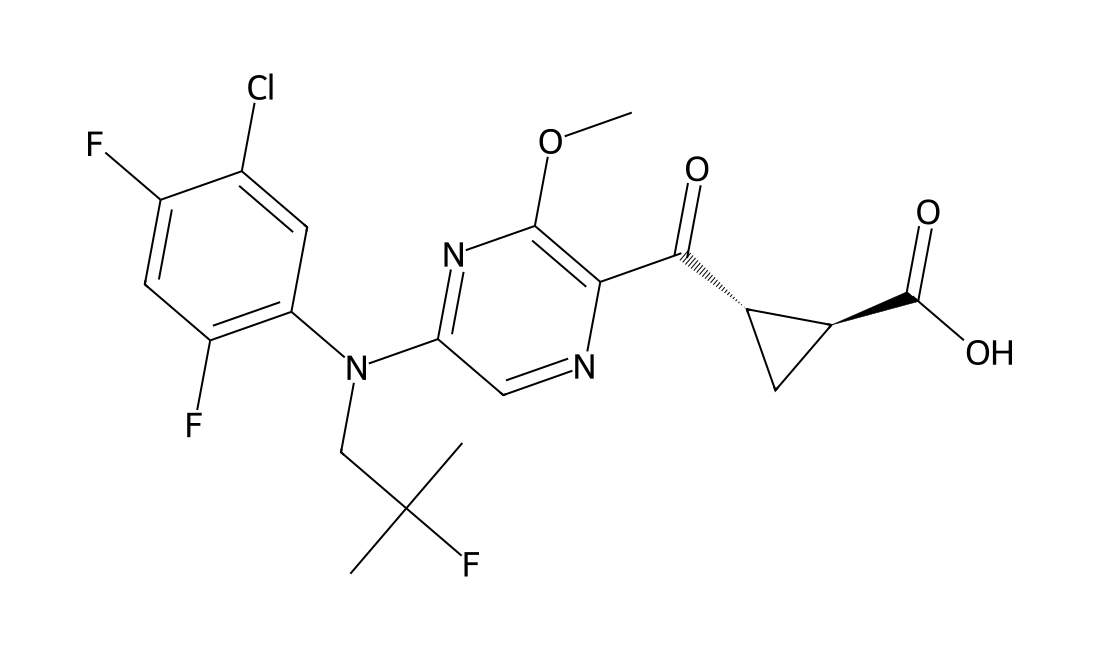
Bexotegrast is a potent inhibitor of ανβ6 integrin. Bexotegrast can be used for researching fibrosis such as idiopathic pulmonary fibrosis (IPF) and nonspecific interstitial pneumonia (NSIP) (extracted from patent WO2020210404A1, compound 5).

Bexotegrast chemical structure
DC44837

M4205

CAS 2590556-80-0

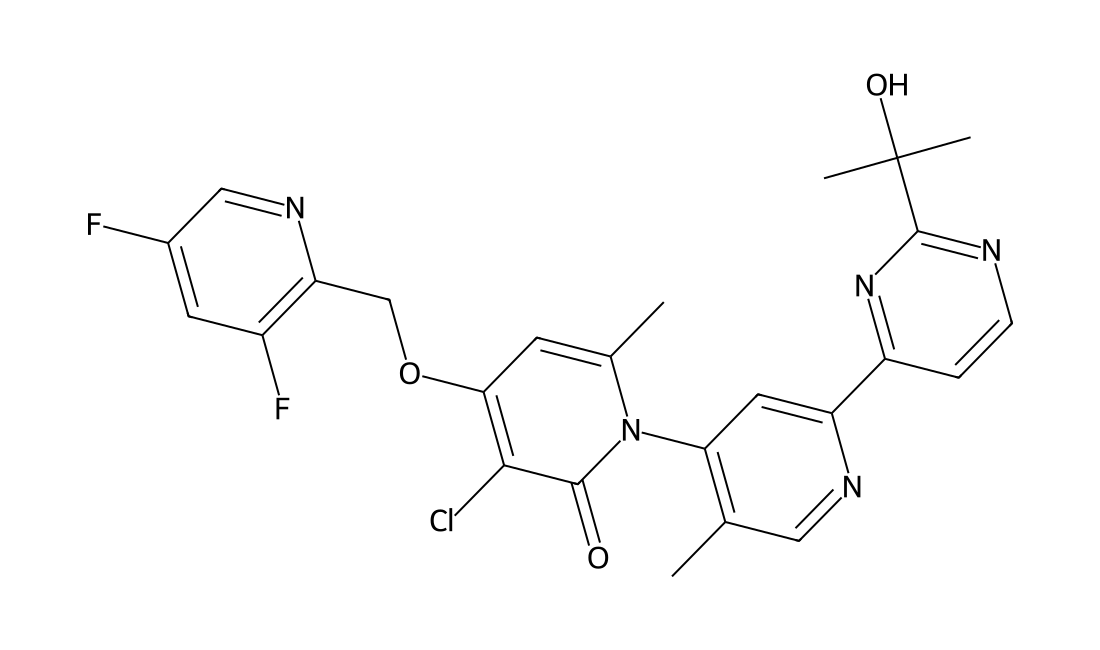
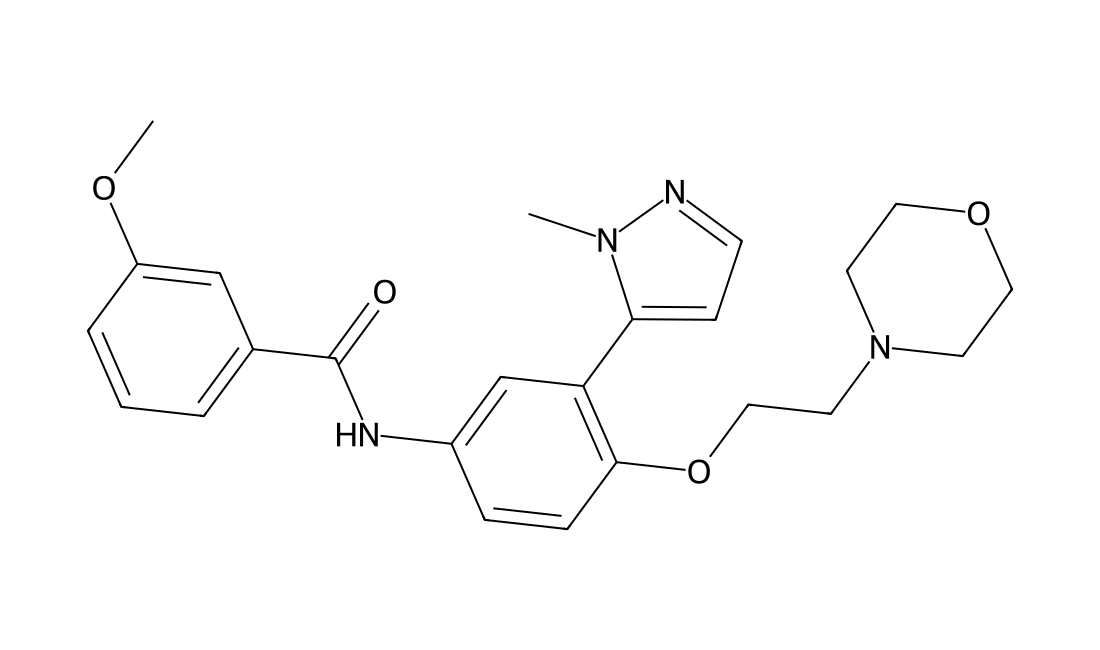
M4205 is a c-KIT inhibitor, with an IC50 of 10 nM for c-KIT V654A. M4205 has high activity on c-KIT mutations in exon 11, 13, 17.

M4205 chemical structure
DC72365

BAY-390

CAS 2741956-55-6

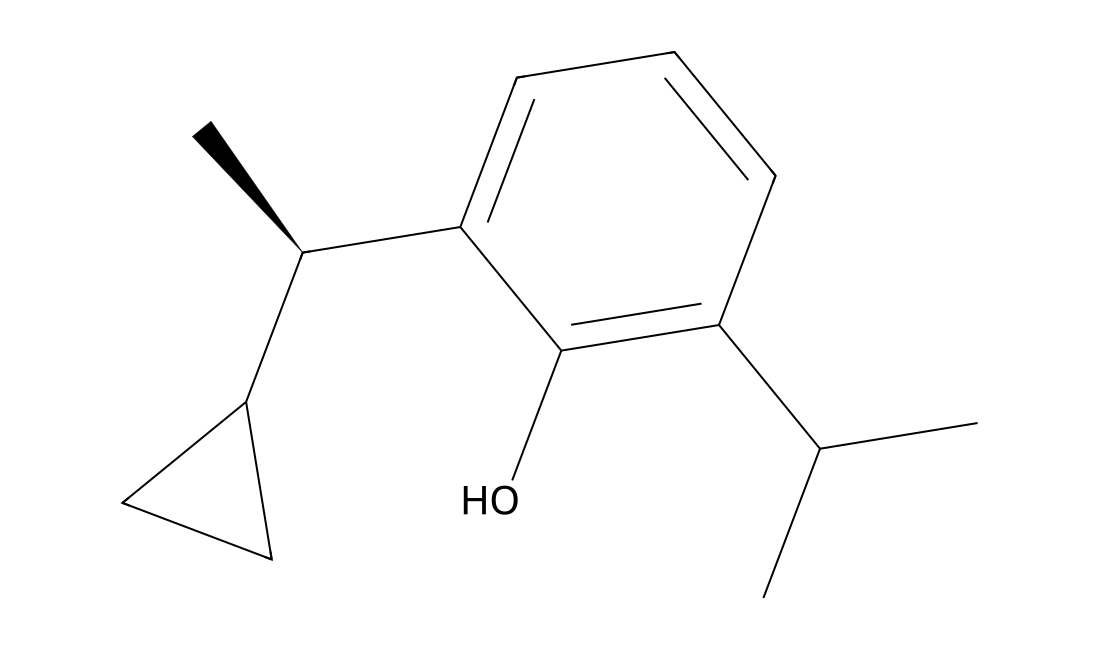
BAY-390 is a selective, across species active and brain penetrating TRPA1 inhibitor. BAY-390 inhibits hTRPA1 FLIPR, hTRPA1 Ephys, rTRPA1 FLIPR and rDRG Ephys with IC50s of 16, 82, 63 and 35 nM, respectively.

BAY-390 chemical structure
DC11382

NYX-2925

CAS 2012536-16-0

NYX-2925 has a low potential for "off-target" activity, as it did not exhibit any significant affinity for a large panel of neuroactive receptors, including hERG receptors. NYX-2925 increased MK-801 binding to human N-methyl-D-aspartate receptor NR2A-D subtypes expressed in HEK cells and enhanced N-methyl-D-aspartate receptor current and long-term potentiation (LTP) in rat hippocampal slices (100-500 nM). Single dose ex vivo studies showed increased metaplasticity in a hippocampal LTP paradigm and structural plasticity 24 hours after administration (1 mg/kg p.o.). Significant learning enhancement in both novel object recognition and positive emotional learning paradigms were observed (0.01-1 mg/kg p.o.), and these effects were blocked by the N-methyl-D-aspartate receptor antagonist CPP. NYX-2925 does not show any addictive or sedative/ataxic side effects and has a therapeutic index of >1000. NYX-2925 (1 mg/kg p.o.) has a cerebrospinal fluid half-life of 1.2 hours with a Cmax of 44 nM at 1 hour.NYX-2925, like rapastinel, activates an NMDA receptor-mediated synaptic plasticity process and may have therapeutic potential for a variety of NMDA receptor-mediated central nervous system disorders.

NYX-2925 chemical structure
DC71735

PCLX-001

CAS 1215011-08-7

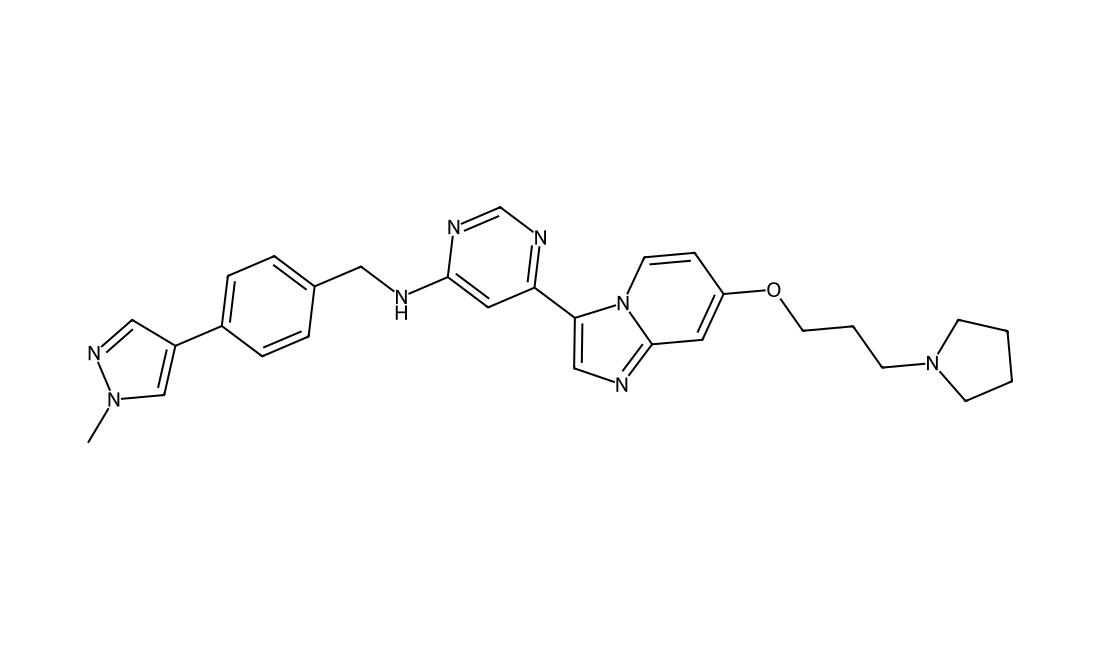
PCLX-001 is an orally acitve, small-molecule, dual N-myristoyltransferase (NMT) inhibitor, with IC50s of 5 nM (NMT1) and 8 nM (NMT2), respectively.

PCLX-001 chemical structure
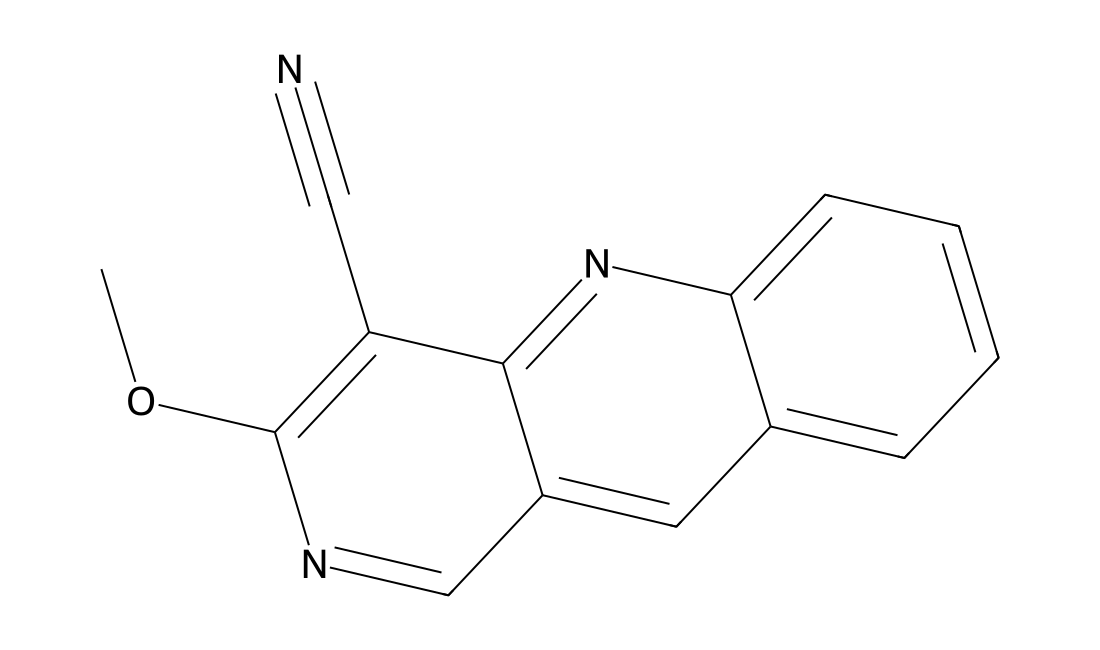
DC65192

RXN00442

CAS 2463200-44-2

RXN00442, also known as EGFR-IN-11, is a fourth-generation EGFR-tyrosine kinase inhibitor (EGFR-TKI). This compound was first reported in Eur J Med Chem.

RXN00442 chemical structure
DC65073

AZD9898

CAS 2042347-69-1

AZD9898 is an orally active leukotriene-C4 synthetase (LTC4S, glutathione S-transferase II) inhibitor, with an IC50 of 0.28 nM. AZD9898 mitigates the GABA binding and hepatic toxicity signal. AZD9898 has the potential to treat asthma.

AZD9898 chemical structure
DC46145

Paltusotine

CAS 2172870-89-0

Paltusotine (CRN00808) is an orally active, nonpeptide selective somatostatin type 2 (SST2) receptor agonist. Paltusotine has the potential for maintaining GH and IGF-1 levels after depot somatostatin receptor ligand therapy.

Paltusotine chemical structure
DC11527

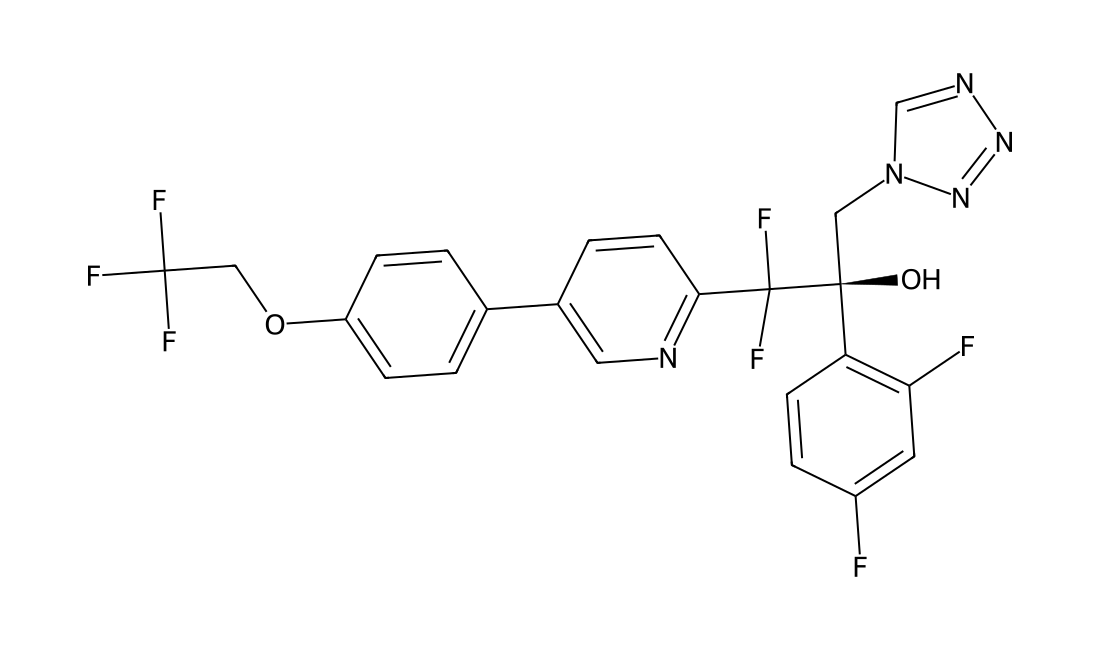
Quilseconazole

CAS 1340593-70-5

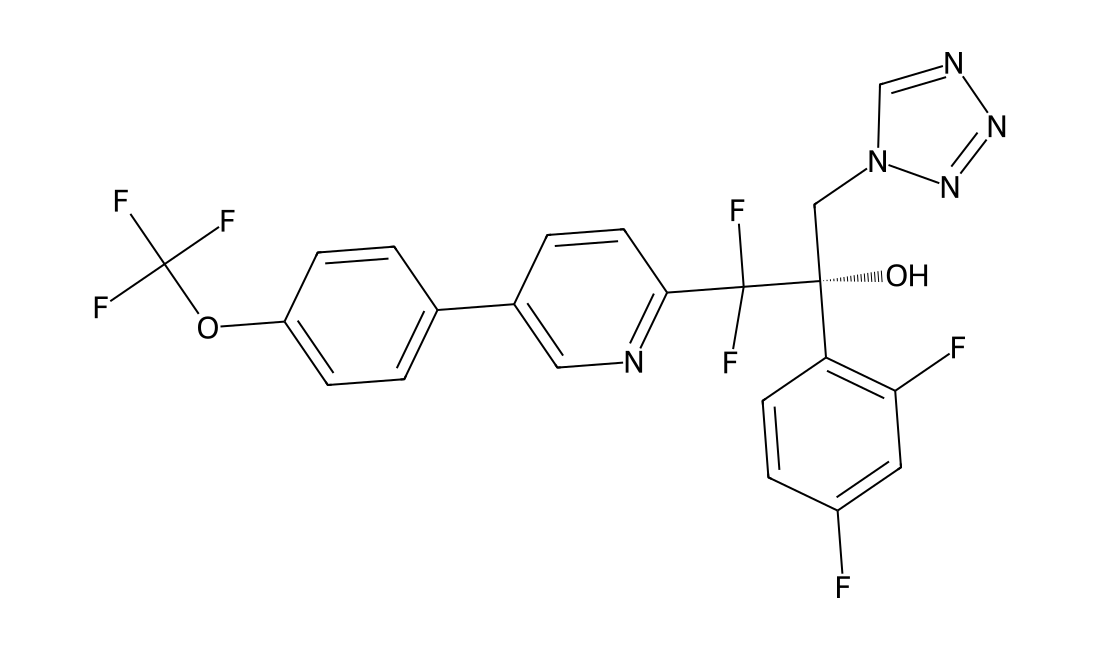
A novel selective, orally available fungal CYP51 (lanosterol 14-α-demethylase) inhibitor; displays greater selectivity for fungal enzyme than for mammalian CYP450 compared to the approved azole class of antifungal drugs; inhibits C. albicans and T. rubrum with MIC of <0.001 ug/mL, also demonstrated potent activities against Cryptococcusspecies as demonstrated by low MIC50 and MIC90 values.

Quilseconazole chemical structure
DC72507

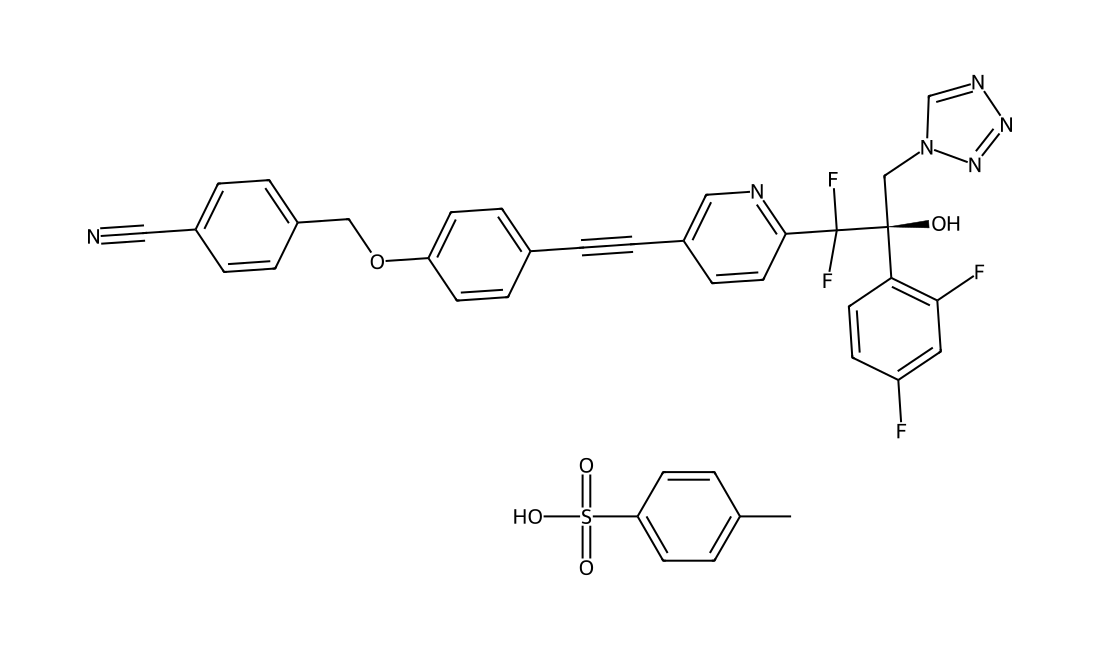
VT-1598 tosylate

CAS 2089321-00-4

VT-1598 tosylate is an orally active and selective fungal inhibitor targeting CYP51. VT-1598 tosylate shows anti-fungal activity against C. auris.

VT-1598 tosylate chemical structure
DC20764

BDP9066

CAS 2226507-04-4

BDP9066 (BDP-9066) is a highly potent and selective Myotonic dystrophy-related Cdc42-binding kinase MRCK inhibitor with IC50 of 43 nM, >100-fold selectivity over related ROCK1 or ROCK2; shows similar activity against MRCKα and MRCKβ; inhibits MLC2 phosphorylation (EC50=64 nM) and blocks SCC12 squamous cell carcinoma motility and invasion; reduces MRCKα S1003 autophosphorylation and skin papilloma outgrowth in chemical carcinogenesis model of murine squamous cell carcinoma.

BDP9066 chemical structure
DC21800

VT-1161

CAS 1340593-59-0

VT-1161 is a potent, highly-selective, and oral fungal CYP51 inhibitor with Kd of ≤ 39 nM; demonstrates >2,000-fold selectivit over human CYP51, weakly inhibits human CYP2C9, CYP2C19, and CYP3A4; exhibits excellent potency against key yeast and dermatophyte strains.Fungal InfectionPhase 2 Clinical
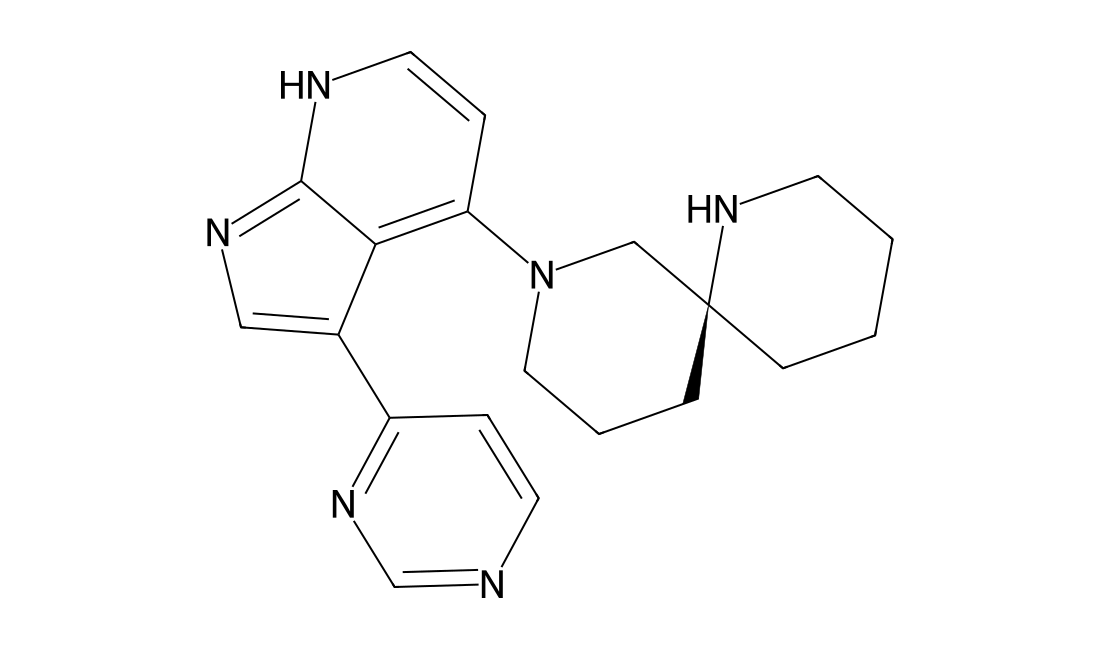
VT-1161 chemical structure
DC12590

CCB 02

CAS 2100864-57-9

CCB02 (CCB 02) is a specific small molecule inhibitor of CPAP-tubulin interaction with IC50 of 0.689 uM in AlphaScreen assay, selectively binds at the CPAP binding site of tubulin; does not inhibits a panel of cell cycle- and centrosome-related kinases; impairs proliferation of cells with centrosome amplification, activates extra centrosomes to nucleate enhanced numbers of microtubules prior to mitosis, causes cells to undergo centrosome de-clustering, prolonged multipolar mitosis, and cell death; demonstrates broad anti-invasive activity in various cancer models, including tyrosine kinase inhibitor (TKI)-resistant EGFR-mutant NSCLC.

CCB 02 chemical structure
DC46686

(R)-Pirtobrutinib

CAS 2101700-14-3

(R)-Pirtobrutinib ((R)-LOXO-305) is a less active enantiomer of Pirtobrutinib. Pirtobrutinib (LOXO-305), a highly selective and non-covalent next generation BTK inhibitor, inhibits diverse BTK C481 substitution mutations.

(R)-Pirtobrutinib chemical structure
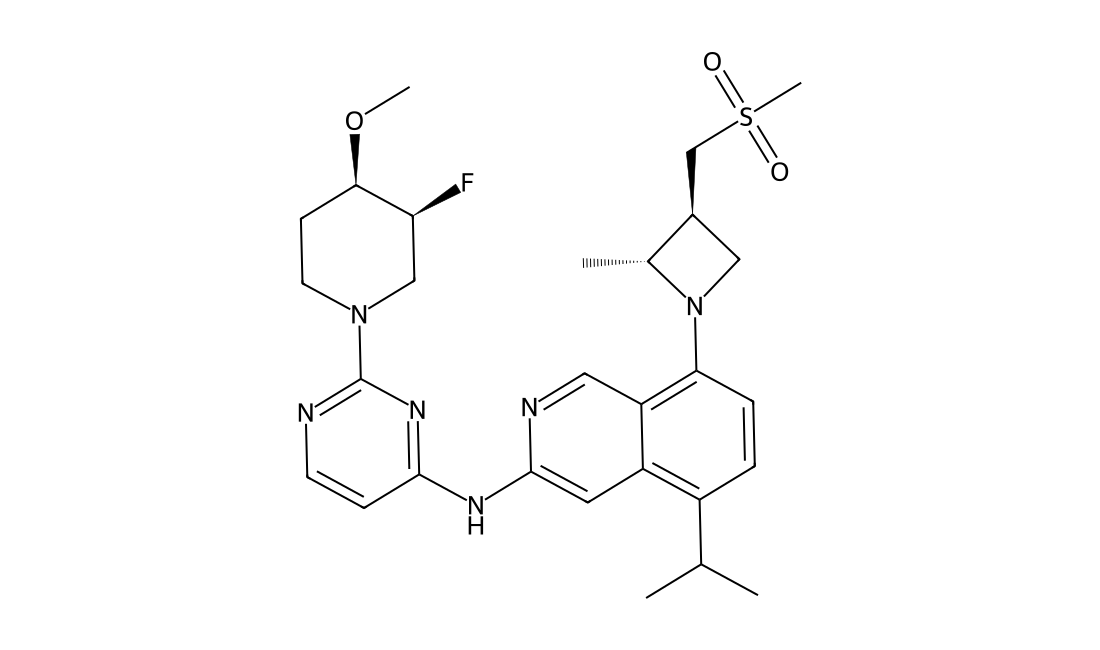
DC70230

AZ5576

CAS 2751721-40-9

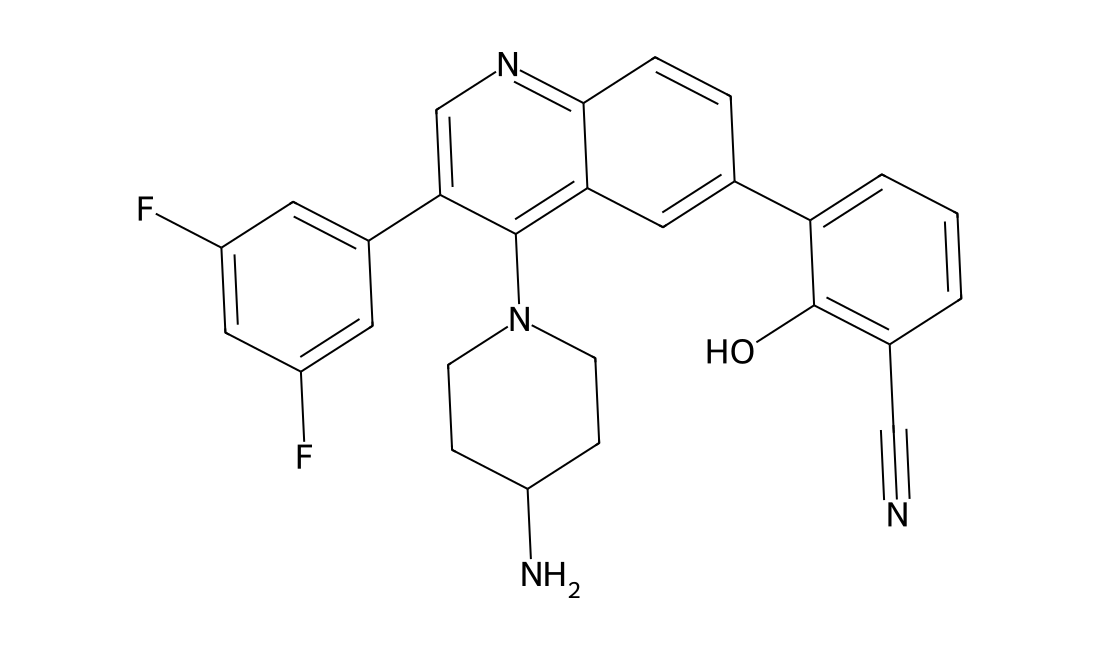
AZ5576 (AZ-5576) is a potent, selective CDK9 inhibitor with an IC 50 <5 nM, decreases phosphorlyation of Ser2-RNAPII in cells with an IC 50 of 96 nM.AZ5576 downregulated Mcl-1 and MYC protein abundance across multiple tested DLBCL cell lines and in primary DLBCL cells.MYC sensitizes DLBCL cells to AZ5576, genetic downregulation of MYC in U-2932 and OCI-LY19 cells resulted in diminished susceptibility to AZ5576.AZ5576 dose-dependently downregulated MYC transcription of a luciferase reporter containing multiple canonical MYC-MAX-binding sites, an effect more pronounced compared with multi-CDK inhibitor dinaciclib.AZ5576 restricts growth of xenografted DLBCL tumors in vivo.
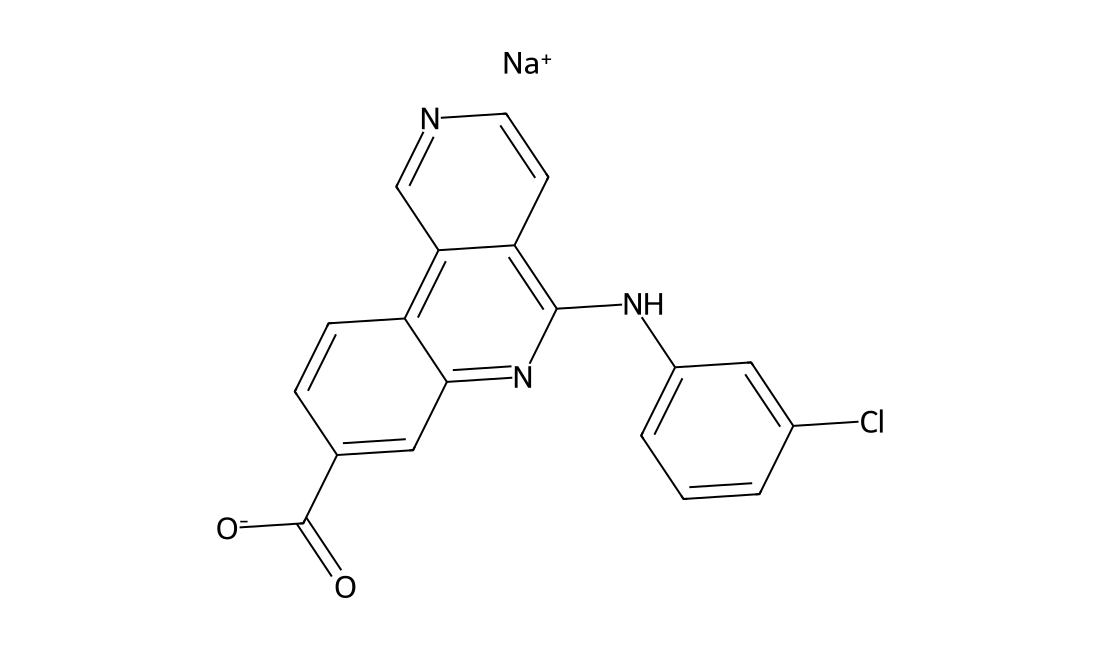
AZ5576 chemical structure
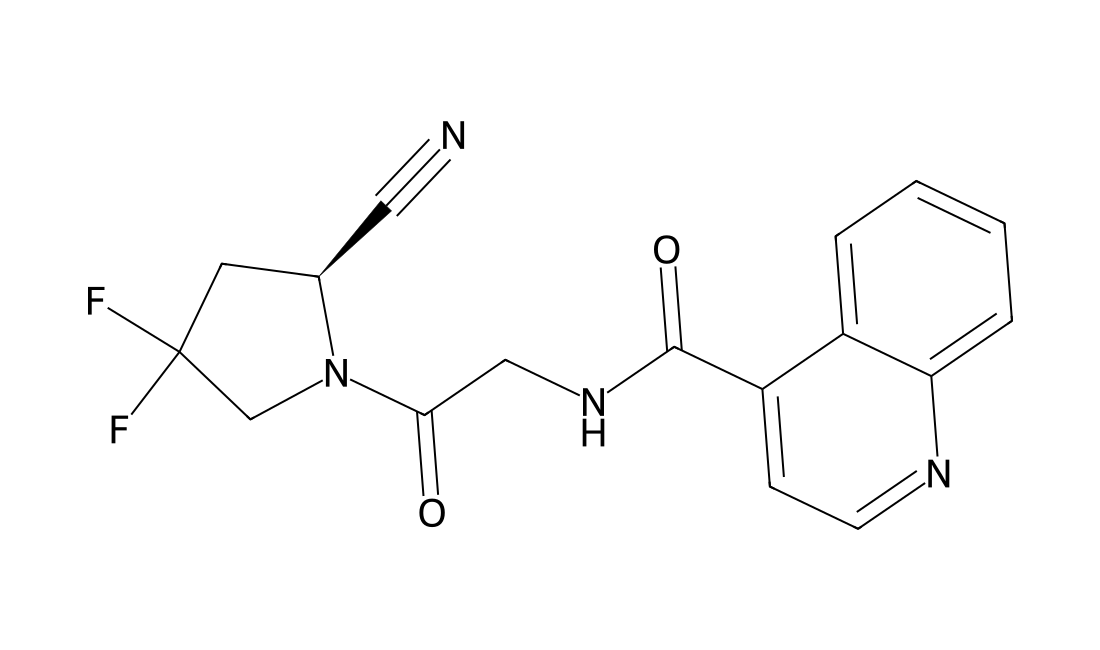
DC60402

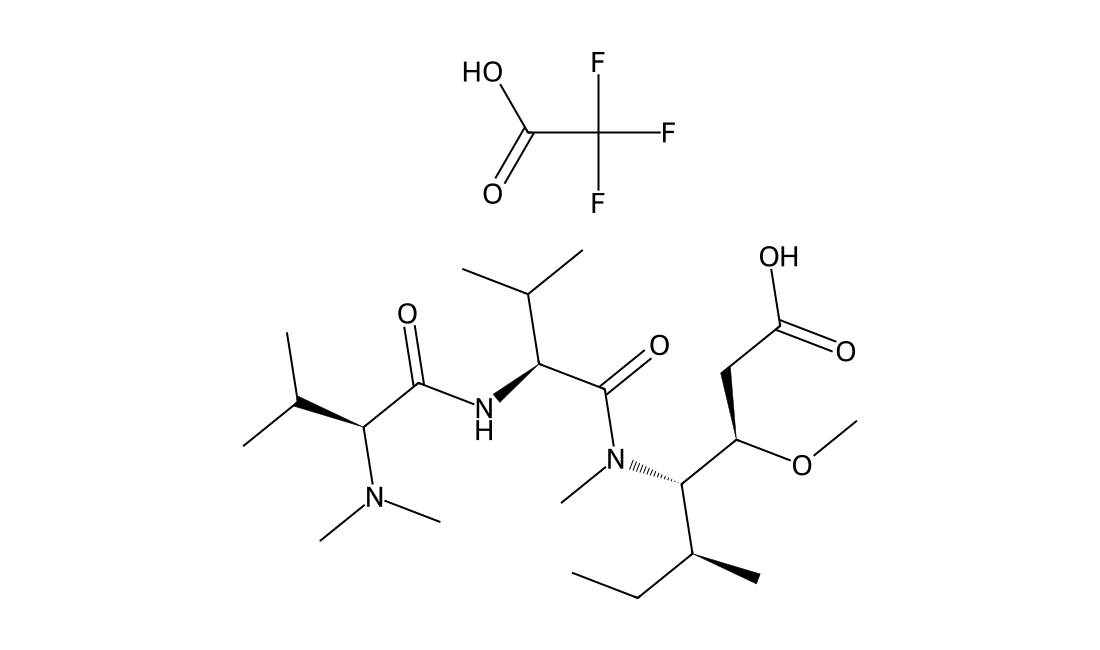
Dov-Val-Dil-OH

CAS 133120-90-8

Dov-Val-Dil-OH is a useful chemical intermediate for synthesis of auristatin-related compounds, such as Monomethyl auristatin E (MMAE), Auristatins are antimitotic agents which inhibits cell division by blocking the polymerisation of tubulin.
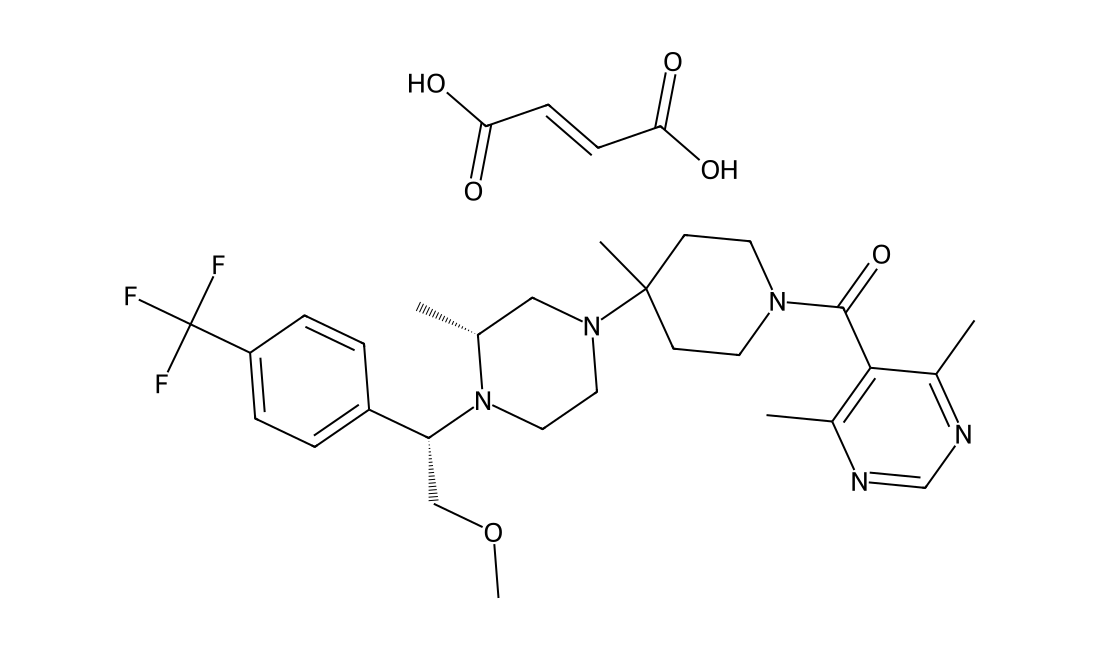
Dov-Val-Dil-OH chemical structure
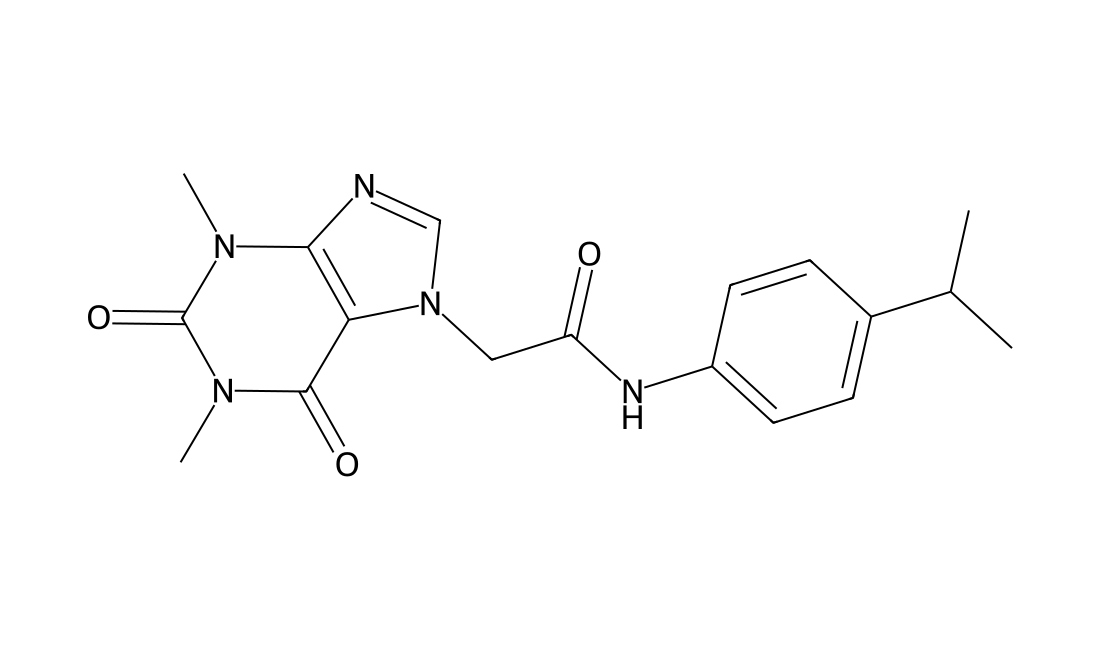
DC42729

UAMC-1110

CAS 1448440-52-5

SP-13786(UAMC-1110) is a Novel potent and selective inhibitor of fibroblast activation protein (FAP), displaying low nanomolar inhibitory potency and high selectivity against the related dipeptidyl peptidases (DPPs) DPPIV, DPP9, DPPII, and prolyl oligopeptidase (PREP)
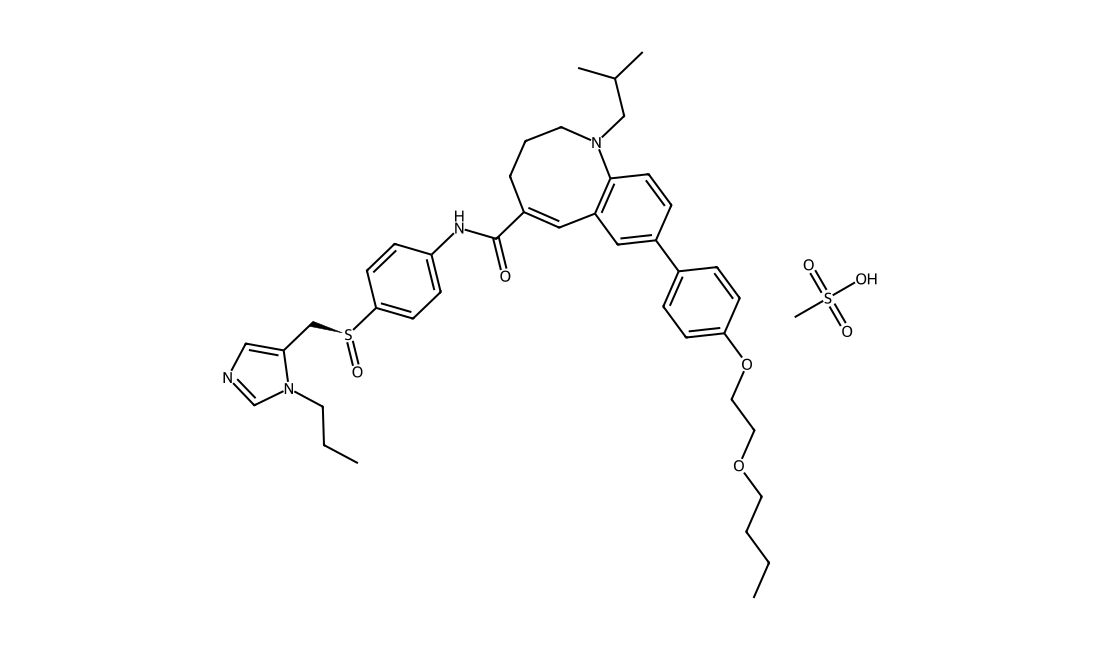
UAMC-1110 chemical structure
DC5200

HC-030031

CAS 349085-38-7

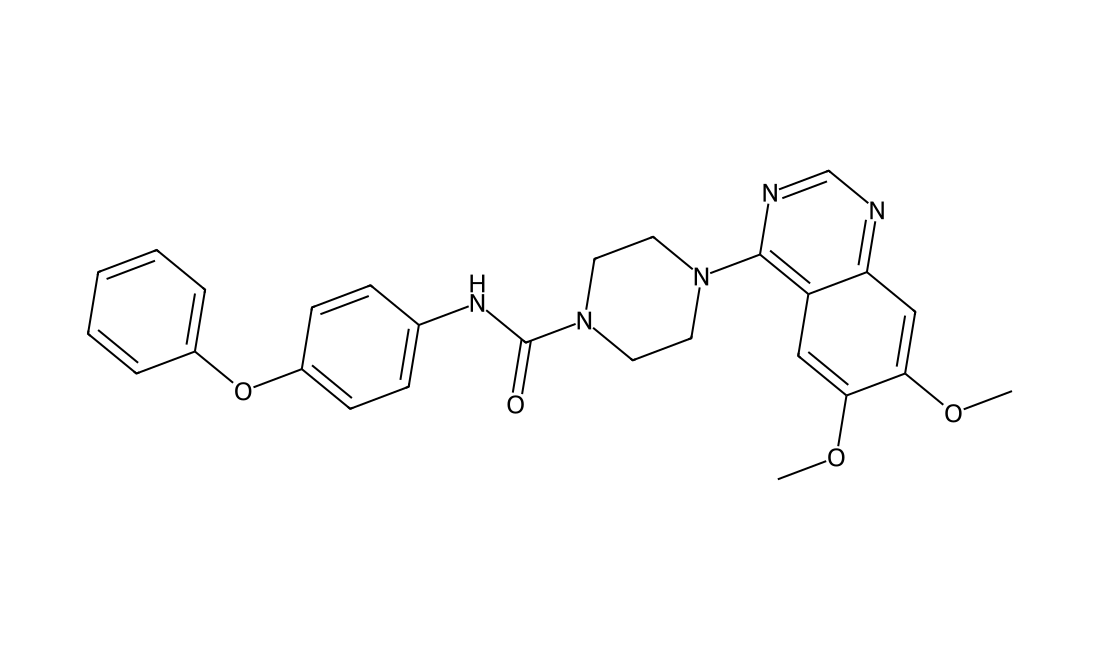
HC-030031 is a potent and selective TRPA1 inhibitor, which antagonizes AITC- and formalin-evoked calcium influx with IC50s of 6.2±0.2 and 5.3±0.2 μM, respectively.

HC-030031 chemical structure
DC60259

BLU-945

CAS 2660250-10-0

BLU-945(BLU945,BLU 945) is a highly potent and selective EGFR+/T790M/C797S (IC50 of 0.5 nM) and EGFR+/T790M (IC50 of 0.4 nM) inhibitor with >900-fold selectivity over EGFR WT (IC50 of 736.3 nM).

BLU-945 chemical structure
DC60319

sigma-1 Receptor antagonist 1

CAS 1639220-19-1

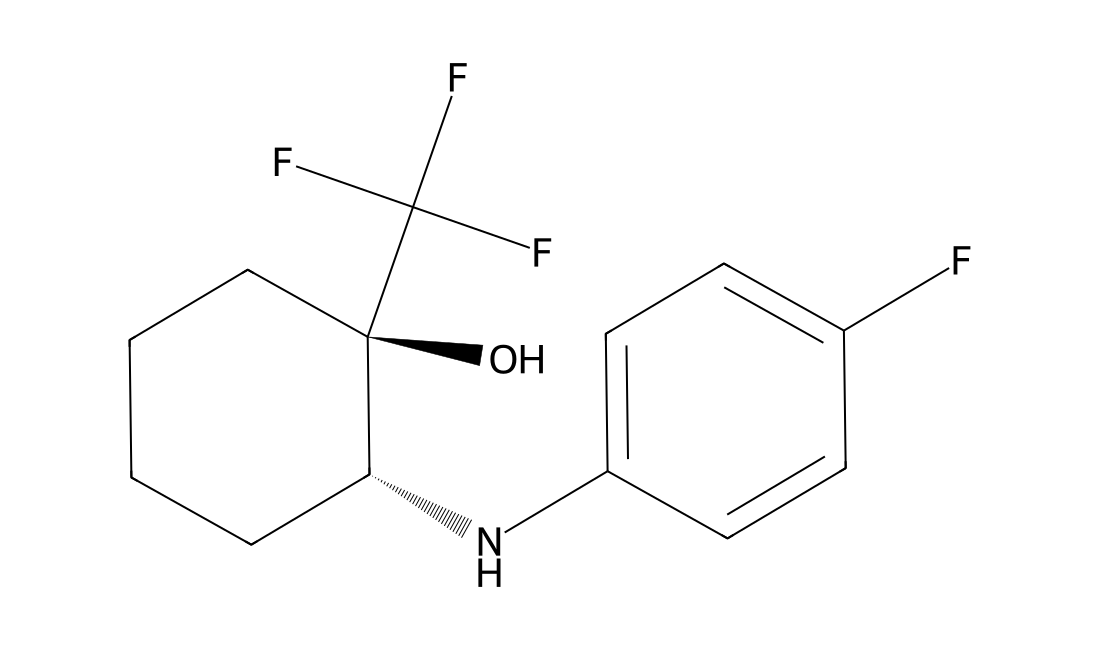
Sigma‑1 receptor antagonist 1 (compound 137) is a potent and selective sigma-1 receptor (σ1R) antagonist, with a high binding affinity to σ1R receptor (Ki = 1.06 nM). Sigma‑1 receptor antagonist 1 exhibits antineuropathic pain activity and acts as a promising agent for the treatment of neuropathic pain[1].

sigma-1 Receptor antagonist 1 chemical structure
DC72265

GDC-2394

CAS 2238822-07-4

GDC-2394 is an orally active and selective NLRP3 inhibitor, and also inhibits IL-1β with IC50s of 0.4 μM (human IL-1β) and 0.1 μM (mouse IL-1β). GDC-2394 inhibits NLRP3-induced caspase-1 activity without inhibiting NLRC4-dependent inflammasome activation.

GDC-2394 chemical structure
DC40956

β-catenin-IN-2

CAS 1458664-10-2

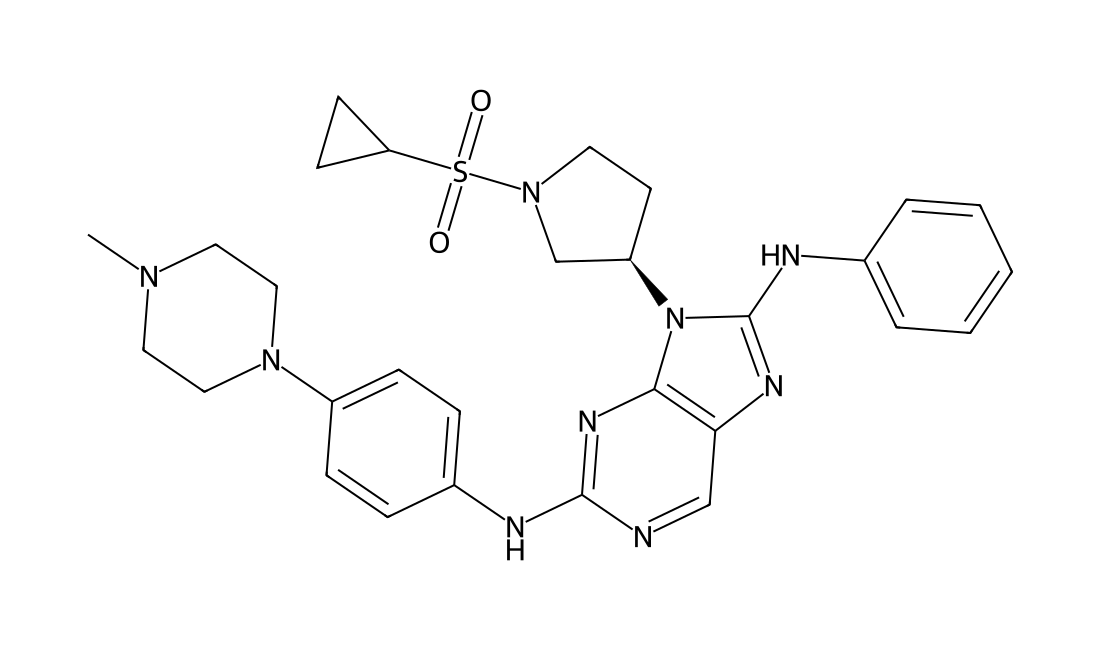
β-catenin-IN-2 is a potent β-catenin inhibitor, compound H1B1, extracted from patent US20150374662A1. β-catenin-IN-2 can be used for the study of colorectal cancer.

β-catenin-IN-2 chemical structure
DC71723

LCS3

CAS 109844-92-0

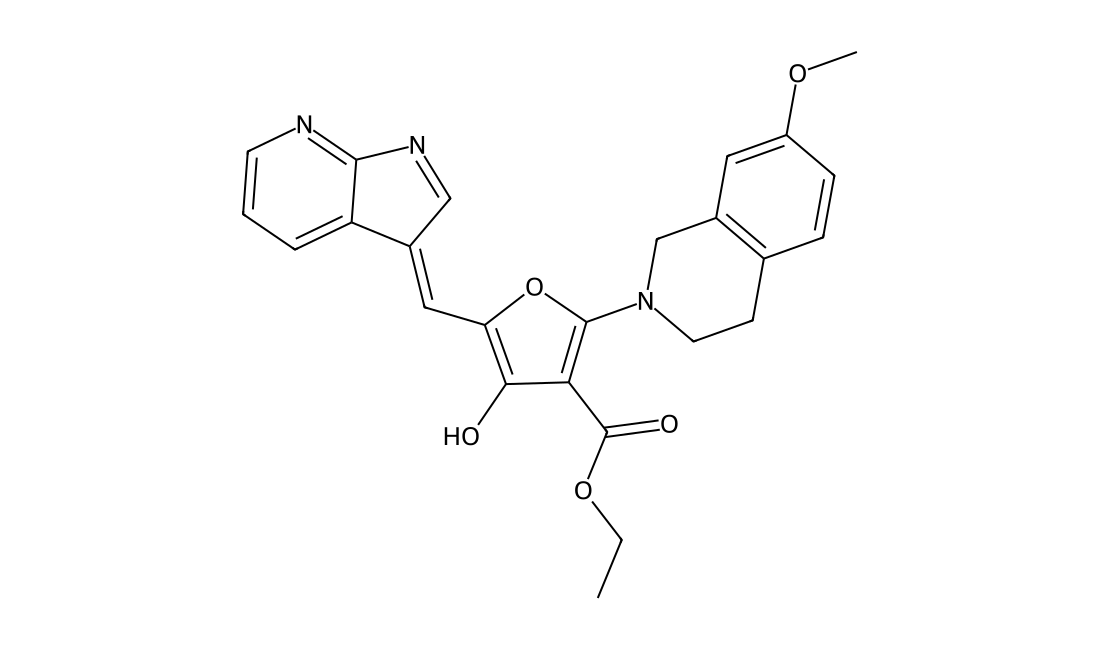
LCS3 inhibits glutathione disulfide reductase (GSR) and thioredoxin reductase 1 (TXNRD1) (IC50=3.3 µM and 3.8 µM, respectively) synergistically. LCS3 shows anti-tumor activity, and induces apoptosis. LCS3 can be used in lung adenocarcinoma (LUAD) research.

LCS3 chemical structure
DC71474

VP-4604

CAS 64268-93-5

VP-4604 is a potent anti-methicillin-resistant Staphylococcus aureus (MRSA) agent. VP-4604 exhibits significant microbial growth inhibition toward Staphylococcus aureus (ATCC 43300) with MIC of 4-8 µg/mL. VP-4604 inhibits the growth of methicillin‐resistant Staphylococcus aureus with growth inhibition >95%.

VP-4604 chemical structure
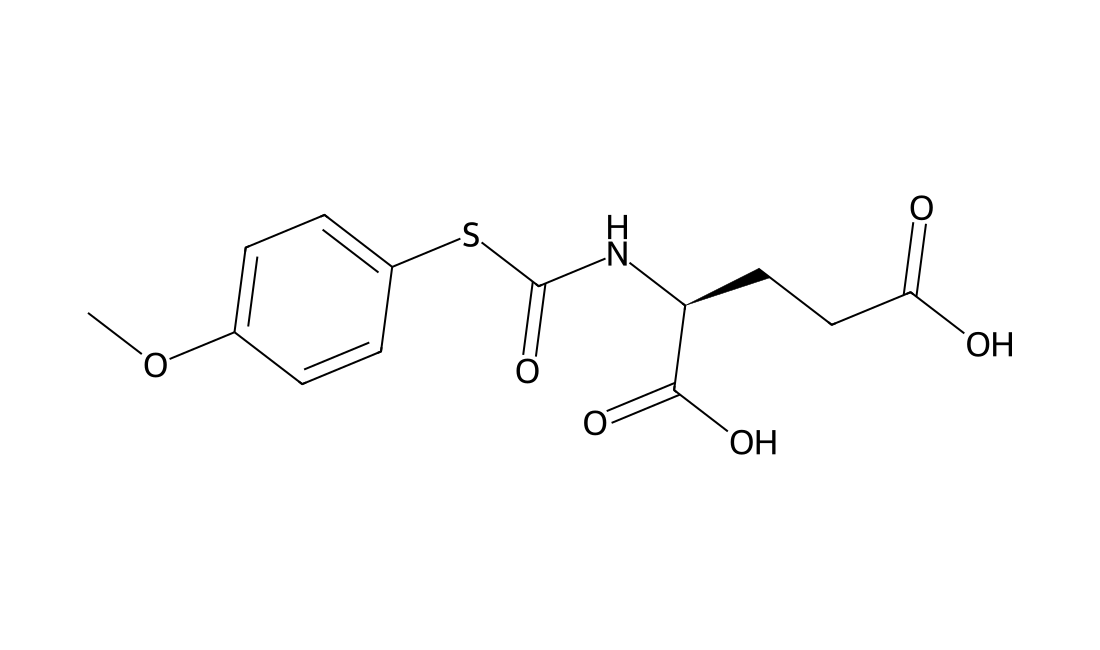
DC43389

ZINC69391

CAS 303094-67-9

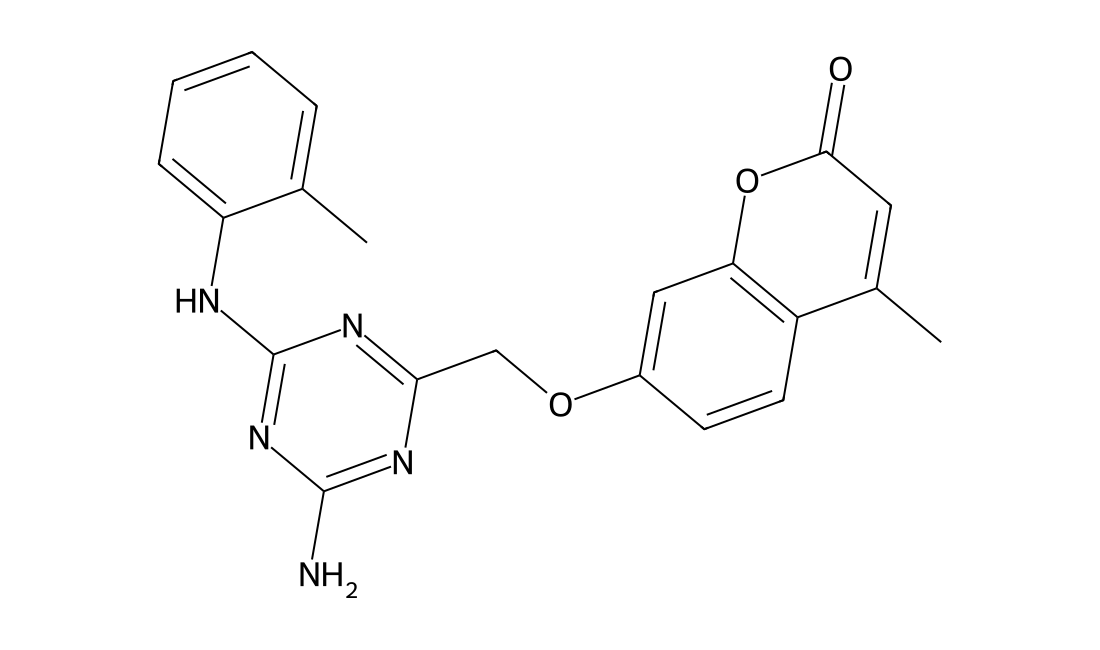
Novel specific Rac1 inhibitor, interferring with the interaction of Rac1 with Dock180, a relevant Rac1 activator in glioma invasion, and to reduce Rac1-GTP levels

ZINC69391 chemical structure
Browse target & topic index A–Z (366)
11β-HSD (1)15-PGDH (2)5-HT Receptor (16)Acetyl-CoA Carboxylase (ACC) (3)Acetylcholinesterase (AChE) (2)Ack1 (TNK2) (1)Acyltransferase (1)ADC Cytotoxin (6)ADCs Linker/Click Chemistry (5)Adenosine Receptor (9)Adenylate Cyclase (2)Adrenergic Receptor (11)Akt (12)Alcoholism (2)Aldehyde Dehydrogenase (ALDH) (6)Allergy (5)Alzheimer Disease (13)Aminopeptidase (1)AMPK (8)Amyloids (4)Anaplastic Lymphoma Kinase (ALK) (9)Androgen Receptor (AR) (11)Anemia (4)Angiotensin Receptor (4)Antibody/Protein labeling dyes (1)Antifolate (2)Anxiety (1)Apoptosis Inducer (3)Arginase (1)Arp2/3 complex (1)Aryl hydrocarbon Receptor (AhR) (1)Asthma (5)Atherosclerosis (2)ATM/ATR (8)Aurora Kinase (10)Autophagy (6)Autophagy-related Protein (Atg) (2)Autotaxin (2)Bacterial (26)Bacterial Infection (17)Bcl-2 (14)Bcr-Abl (5)BCRP (1)Beta-catenin (4)Beta-secretase (BACE) (4)Blood Cancer (91)BMI-1 (1)Bone Cancer (6)Brain Cancer (6)Breast Cancer (30)Bromodomain (22)BTK (10)c-Fms (CSF1R) (5)c-Fos/AP-1 (1)c-Kit (6)c-Met (HGFR) (11)c-Myc (2)Calcium Channel (4)Calcium-sensing Receptor (CaSR) (1)CaMK (4)Cannabinoid Receptor (6)Carbonic Anhydrase (1)Carboxypeptidase (1)Casein Kinase (6)Caspase (4)Cathepsin (6)Cdc2-like Kinase (CLK) (1)CETP (2)CFTR (7)Checkpoint Kinase (Chk) (8)Chemokine Receptor (CCR and CXCR) (14)Chemotherapeutic Agents (19)Chloride Channel (1)CMV (2)CMV Infection (2)Colon Cancer (9)Complement System (1)COPD (3)CREB/CBP (2)CRF Receptor (2)CRISPR/Cas9 (1)Cushing Disease (1)Cyclin-dependent Kinase (CDK) (39)Cyclooxygenase (COX) (4)Cytochrome P450 (CYPs) (5)Depression (2)Dermatitis (2)Deubiquitinase (DUB) (7)Diabetes (20)Dipeptidyl Peptidase (DPP) (3)Discoidin Domain Receptor (DDR) (1)DNA Alkylator/Crosslinker (10)DNA Methyltransferase (DNMT) (1)DNA Repair Protein (1)DNA-PK (2)DNA/RNA Synthesis (5)Dopamine beta-hydroxylase (1)Dopamine Receptor (7)Drug Metabolite (1)Drug-Linker Conjugates (11)Dyes (4)DYRK (1)Dyslipidemia (9)E3 Ligase Ligand (6)E3 Ligase Ligand-Linker Conjugate (1)E3 Ubiquitin Ligase (4)Ebola Virus Infection (1)EGFR (32)Elastase (2)Endothelin Receptor (5)Enzymes substrates (13)Epigenetic Reader Domain (3)Epilepsy (4)ERK (4)Estrogen Receptor/ERR (13)Eukaryotic Initiation Factor (eIF) (2)Exportin-1 (CRM1,XPO1) (2)FABP (1)Factor Xa (5)Farnesoid X Receptor (FXR) (5)Farnesyl transferase (FTase) (1)Ferroptosis (6)FGFR (20)Fibrosis (5)FLT3 (6)Focal Adhesion Kinase (FAK) (11)Foxo1 (1)Free Fatty Acid Receptor (FFAR) (5)Fungal (2)Fungal Infection (1)GABA Receptor (13)Galectin (1)Gastric Cancer (8)Ghrelin Receptor (GHSR) (3)Glucagon Receptor (4)Glucokinase (2)Glucose Transporter (GLUT) (2)Glutamate Transporter (2)GPCR (1)GPER (GPR30) (1)GPR139 (1)GPR183 (EBI2) (2)GPR39 (1)GPR55 (1)GPR84 (1)GRK (GPCRK) (2)Growth Hormone Deficiency (2)GSK-3 (8)Guanylate Cyclase (3)HBV (1)HBV Infection (1)HCN Channel (2)HCV (8)HCV Infection (9)HDAC (38)Heart Arrhythmia (2)Heart Failure (5)Heat Shock Protein (HSP) (15)Hedgehog (Hh) (1)HIF/HIF Prolyl-hydroxylase (8)Histamine Receptor (6)Histone Acetyltransferase (HAT) (5)Histone Demethylase (11)Histone Methyltransferase (HMTase) (31)HIV (12)HIV Infection (11)HMG-CoA Reductase (HMGCR) (3)HSV (1)HSV Infection (1)Hypercholesterolemia (1)Hyperparathyroidism (1)Hypertension (8)IAP (1)IGF-1R (3)iGluR (15)Indoleamine 2,3-Dioxygenase (IDO) (4)Infection (1)Influenza (6)Influenza Virus (6)Insulin Receptor (2)Integrin (6)Interleukin Receptor (1)IRAK (2)IRE1 (4)Irritable Bowel Syndrome (2)Ischemia (1)Isocitrate Dehydrogenase (IDH) (5)ITK (1)IκB kinase (IKK) (7)JAK (32)JNK (3)Keap1-Nrf2 (6)Kidney Cancer (10)Kinesin (5)Kruppel-like Factor (KLF) (1)Kynurenine 3-Monooxygenase (KMO) (1)Leukotriene Receptor (1)LIM Kinase (LIMK) (3)Lipids fragment (1)Liver Cancer (6)Liver X Receptor (LXR) (3)LRRK2 (9)Lung Cancer (39)Lysophospholipid Receptor (12)LYTACs (3)mAChR (9)MALT1 (2)MAP4K (1)Matrix Metalloproteinase (MMP) (10)MDM2-p53 (9)MEK (MAP2K) (14)MEKK (MAP3K) (1)Melanocortin Receptor (2)MELK (1)mGluR (7)MicroRNA (1)Microtubule/Tubulin (5)Mineralocorticoid Receptor (MLR) (1)MITF (1)Mixed Lineage Kinase (MLK) (3)MNK (2)Molecular Glues (21)Monoamine Transporter (5)Monocarboxylate Transporter (MCT) (1)Monopolar Spindle 1 (Mps1/TTK) (3)mTOR (13)Multiple Sclerosis (6)Myosin (1)Na-K-Cl Cotransporter (NKCC) (2)nAChR (2)NADPH Oxidase (NOX) (2)NAMPT (3)Natural products (37)Neprilysin (1)Neurokinin Receptor (3)Neuropeptide Y Receptor (3)NF-κB (5)Nitric Oxide Synthase (NOS) (1)NOD-like Receptor (NLR) (3)Notch (2)Nucleoside Antimetabolite/Analog (10)Nur77 (NR4A1) (1)Obesity (1)Oct3/4 (1)Opioid Receptor (5)Orexin Receptor (7)Osteoporosis (2)Ovarian Cancer (14)Oxytocin Receptor (OXTR) (2)P-glycoprotein (P-gp) (3)p21-activated Kinase (PAK) (1)P2X Receptor (2)P2Y Receptor (1)p38 MAPK (10)p97/VCP (1)Pain (12)Pancreatic Cancer (10)Parasite (5)Parasite Infection (2)Parkinson Disease (2)PARP (19)PCSK9 (1)PD-1/PD-L1 (4)PDGFR (4)PDK1 (2)PEGn (1)PERK (2)PGE synthase (2)Phosphodiesterase (PDE) (9)Phospholipase (4)PI3K (32)PI4K (2)Piezo Channel (1)PIKfyve (3)Pim (9)PKC (12)PKD (1)Plasminogen Activator Inhibitor-1 (PAI-1) (3)Polo-like Kinase (PLK) (4)Porcupine (3)Potassium Channel (13)PPAR (13)Pregnane X Receptor (PXR) (1)Progesterone Receptor (2)Prostaglandin Receptor (11)Prostate Cancer (7)PROTACs (35)Protease-activated Receptor (PAR) (3)Proteasome (12)Protein Disulfide Isomerase (PDI) (1)Protein Phosphatase/PTP (6)Proton Pump (1)Psoriasis (5)RAD51 (1)Radioligand precursors (15)Raf (18)RAR/RXR (3)Ras (17)Renin (2)RET Tyrosine Kinase (c-RET) (3)Rheumatoid Arthritis (16)Ribosomal S6 Kinase (RSK) (5)RIG-I-like Receptor (RLR) (2)RIP kinase (7)ROCK (12)ROR (2)RSV (4)RSV Infection (3)RUNX1-CBFβ (1)S-nitrosoglutathione reductase (GSNOR) (1)Saccharides and Glycosides (1)Salt Inducible Kinase (SIK) (2)SARS-CoV (16)SARS-CoV Infection (34)Schizophrenia (4)Sexual Dysfunction (1)SGLT (4)Sigma Receptor (4)Sirtuin (9)Skin Cancer (13)Sleep Disorder (7)SMN2 Modulator (1)Smoothened (Smo) (9)Sodium Channel (12)Solid Tumors (35)Somatostatin Receptor (2)Sphingosine kinase (SphK) (2)Src (7)STAT (5)Stearoyl-CoA Desaturase (SCD) (1)Steatohepatitis (7)Sterol lipids (1)STING (14)Syk (6)T Cell Receptor (TCR) (1)TAK1 (2)TAM Receptor (Tyro3-Axl-Mer) (4)Taste Receptor (1)Telomerase (2)TGF beta Receptor (TGFBR) (12)Thrombin (3)Thrombosis (13)Thyroid Cancer (1)Thyroid Hormone Receptor (THR) (1)Thyrotropin Receptor (2)TNIK (1)Toll-like Receptor (TLR) (2)TOPK (1)Topoisomerase (11)TRAIL (1)Translocator Protein (TSPO) (1)Trk Receptor (4)TRP Channel (13)Tryptophan Hydroxylase (TPH) (1)Ubiquitin-activating Enzyme (E1) (2)Ubiquitin-conjugating Enzyme (E2) (2)Ulcer (1)ULK (3)Vasopressin Receptor (2)VEGFR (25)Vitamin D Receptor (VDR) (3)Wee1 (1)WNK Kinase (1)Wnt (5)Yes-associated Protein (YAP) (4)γ-secretase (5)

Cart

Request quotation