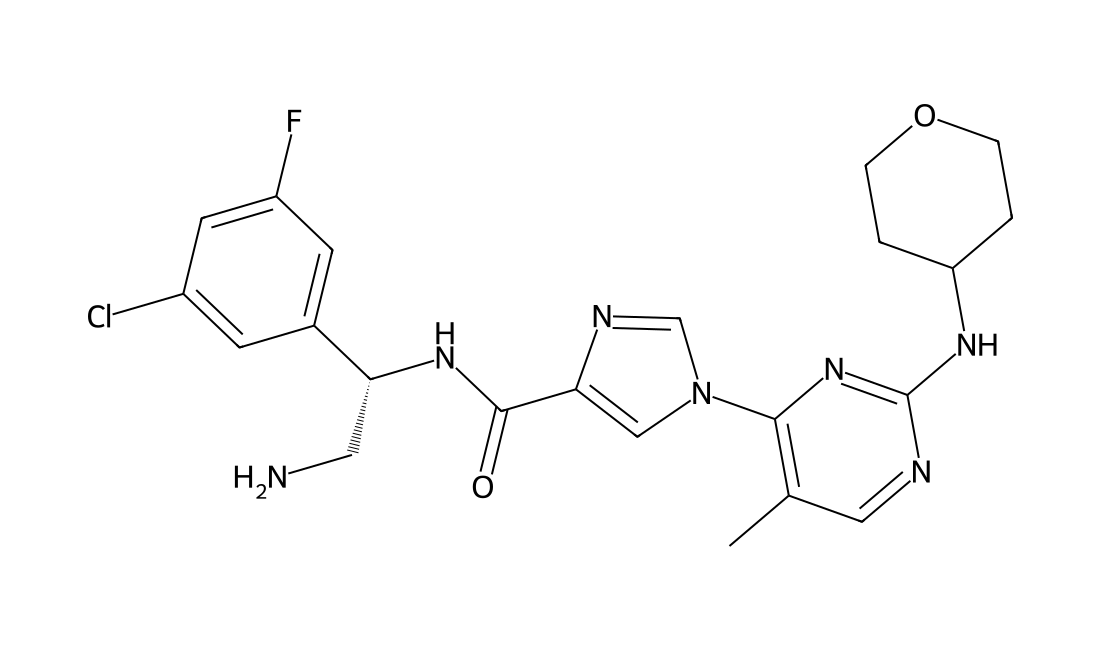
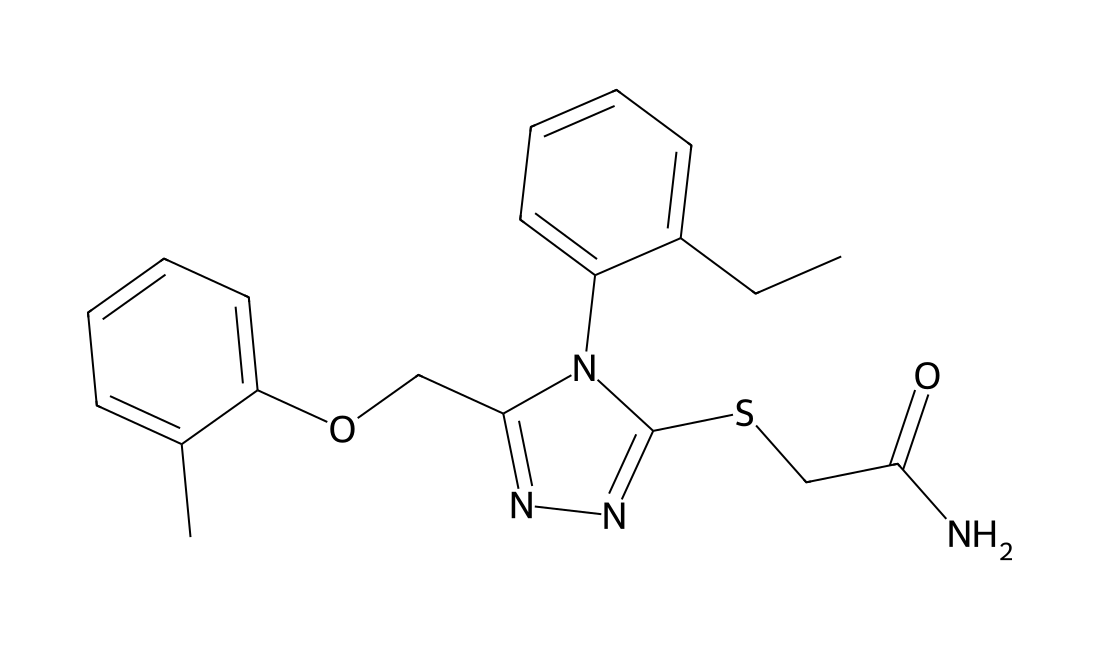
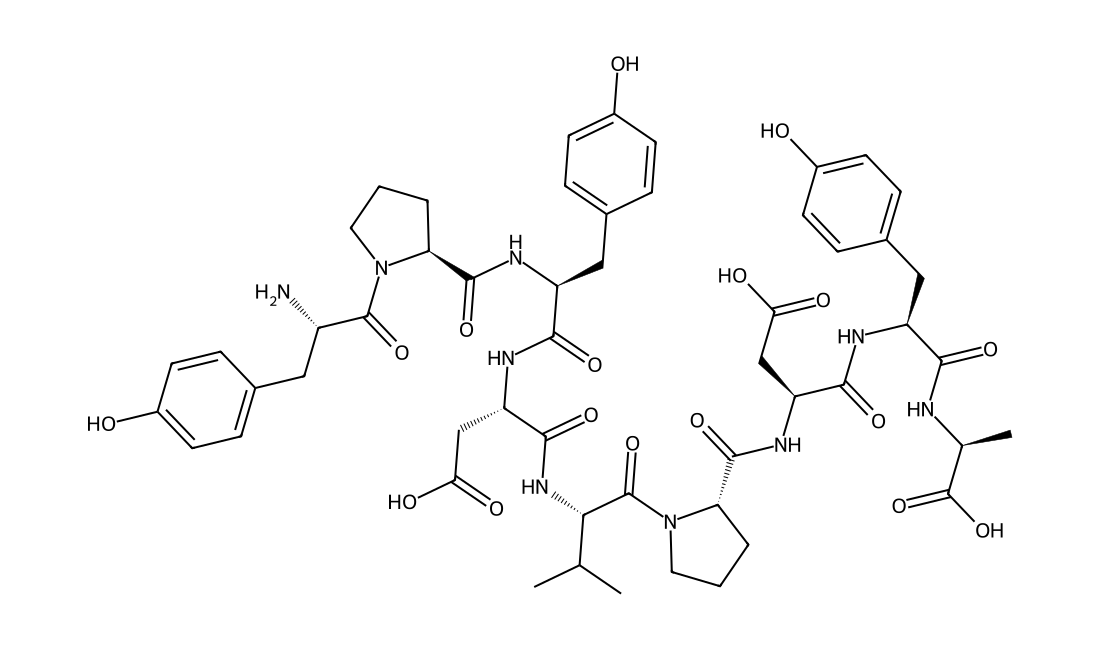
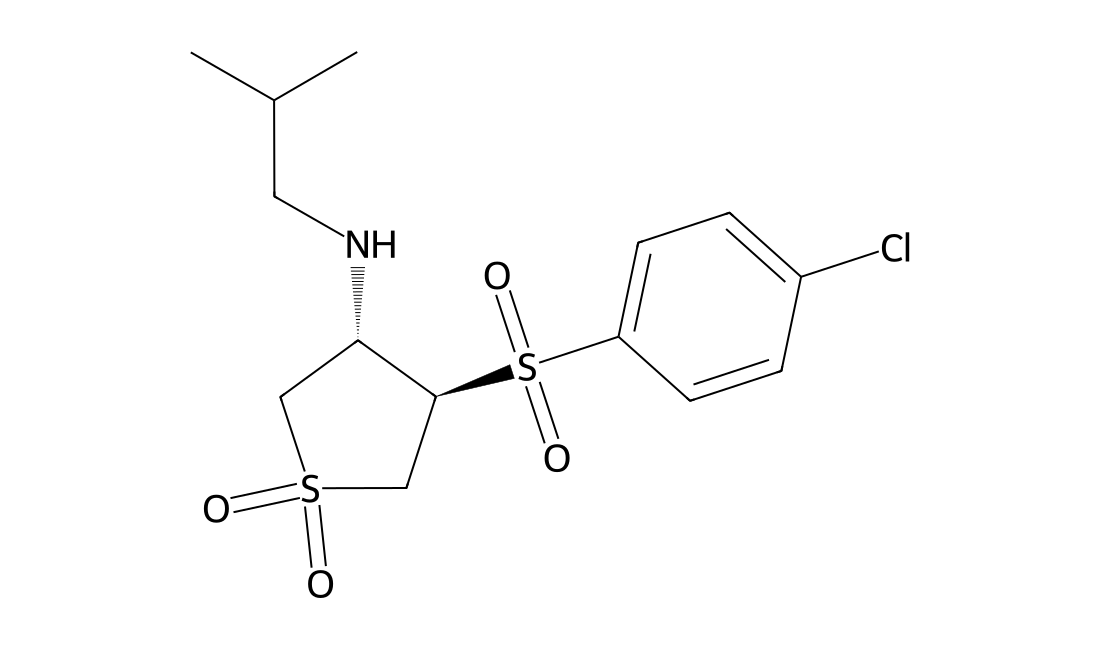
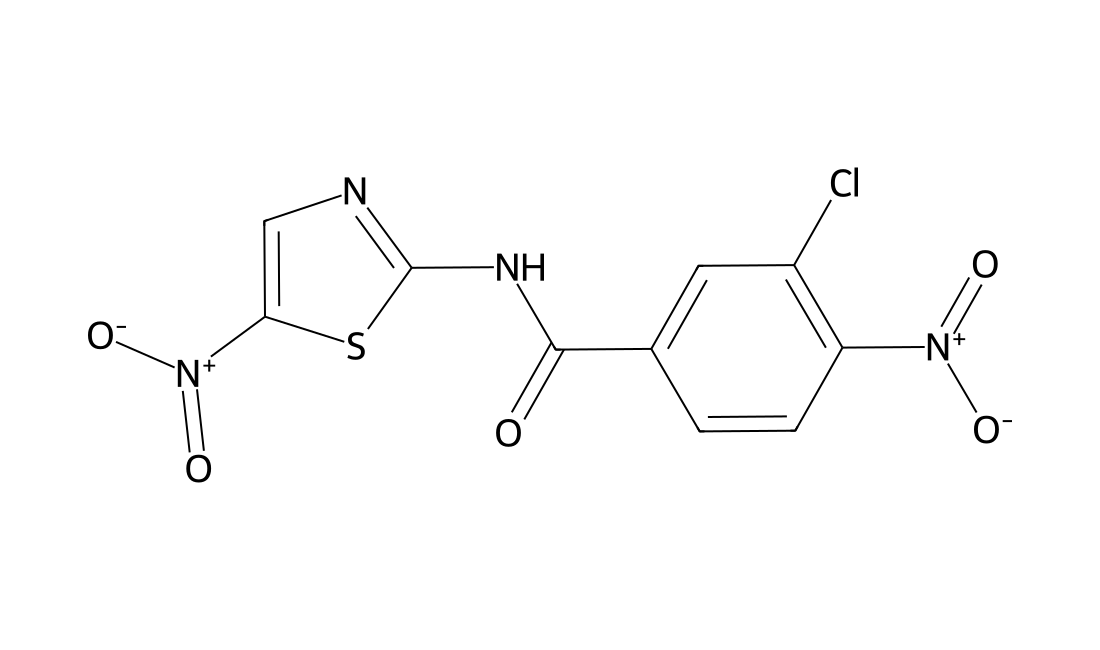
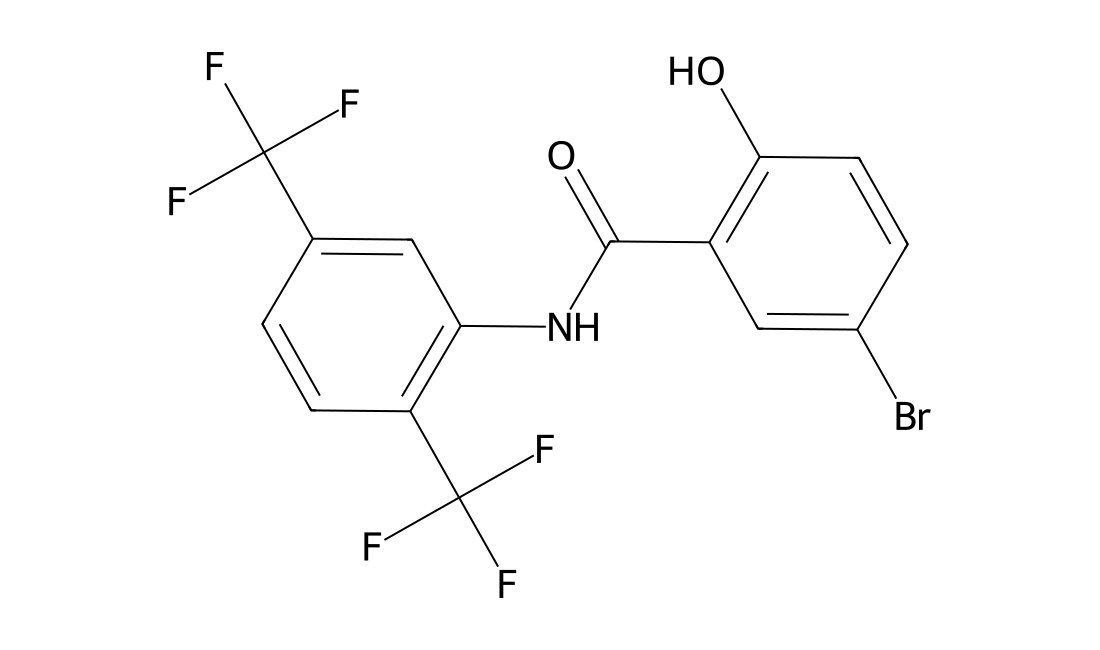
Small Molecule Research Tools

Explore bioactive compounds by research category, then narrow your search by target, product name, catalog number or CAS.

Newly added: LC-MG and OXF molecular glue research compounds →

6,823 products17 research categoriesBrowse all products ↓

Browse by research category

Products may appear in more than one category. Counts refer to distinct catalog numbers within each category.

Other Research Tools (75) · Additional reagents, building blocks and specialized research tools.

New literature-derived products

LC-MG-1 (DCA0006) · LC-MG-4 (DCA0007) · LC-MG-9 (DCA0008)

View structure and evidence summaries →

All small molecule products

Combine a keyword, research category and target to narrow the product list.

Loading catalog filters…

6,823 products · Showing 5,953–6,000

DC65629

Deslorelin

CAS 57773-65-6

Deslorelin is a GnRH agonist. Deslorelin implants can be used as an alternative to dopamine agonists to induce fertil eoestrus in the bitch in anoestrus. The deslorelin implant can be used successfully in the queen for oestrus inhibition. Deslorelin acetate did not significantly affect the spontaneous contraction amplitude but caused a decrease in the frequency in the dorsal and ventral parts of the bladder.
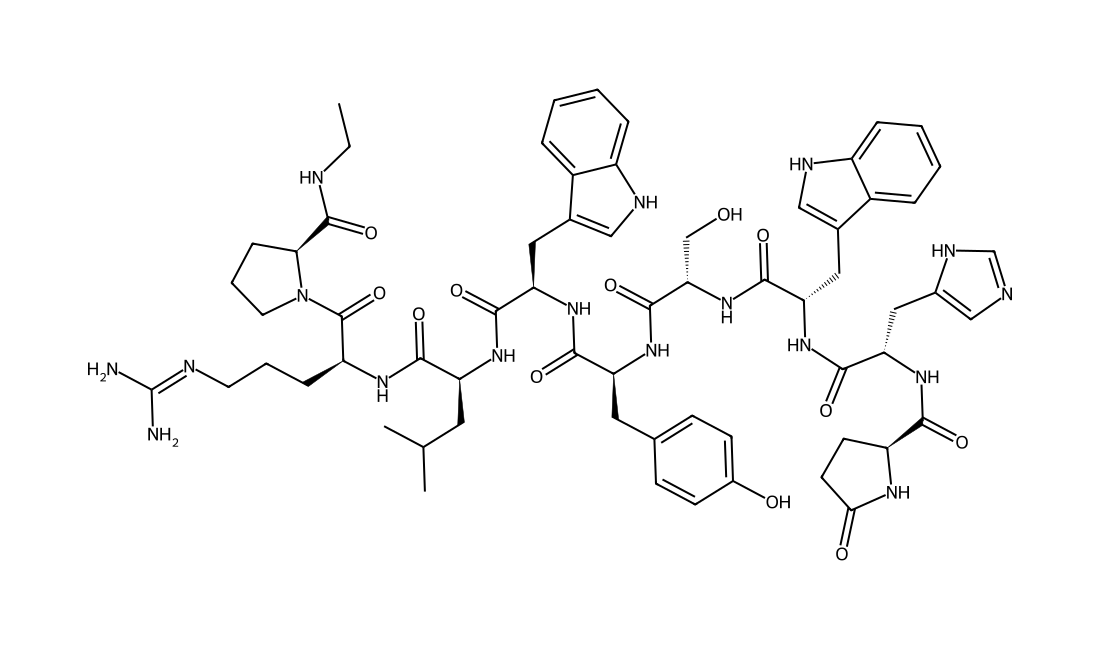
Deslorelin chemical structure
DC31635

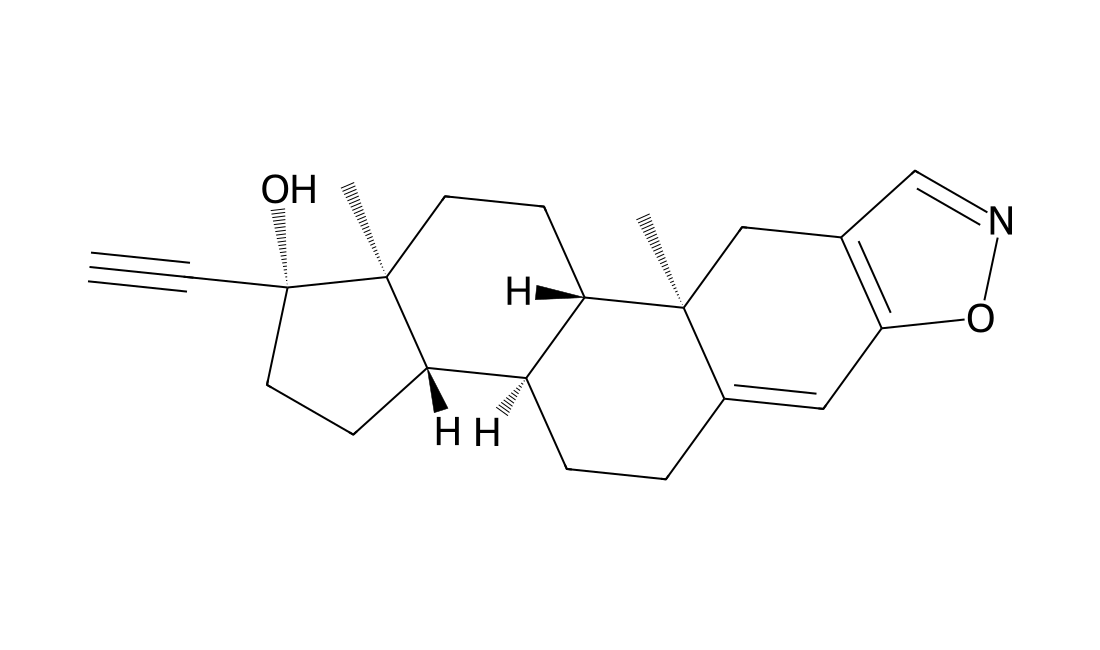
Danazol

CAS 17230-88-5

Danazol is a derivative of the synthetic steroid ethisterone that suppresses the production of gonadotropins and has some weak androgenic effects. Before becoming available as a generic drug, danazol was marketed as Danocrine in the United States. It was approved by the US Food and Drug Administration (FDA) as the first drug to specifically treat endometriosis in the early 1970s. Although effective for endometriosis, its use is limited by its masculinizing side-effects. Its role as a treatment for endometriosis has been largely replaced by the GnRH agonists.

Danazol chemical structure
DC22485

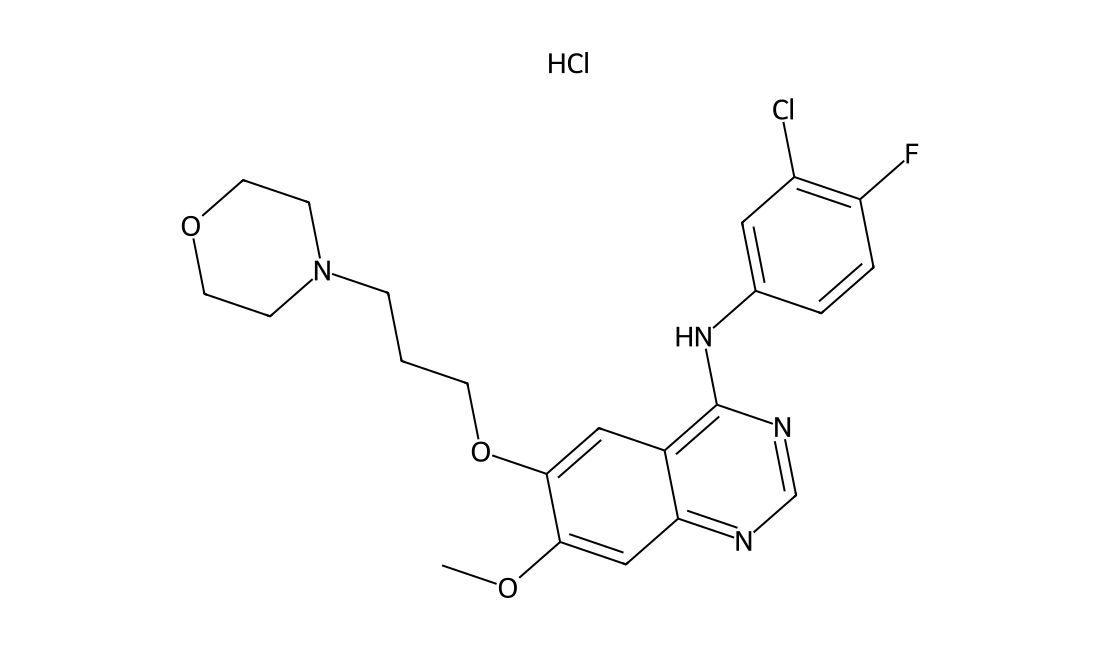
Gefitinib hydrochloride

CAS 184475-55-6

A potent, selective, orally active EGFR inhibitor with IC50 of 23 nM; inhibits EGF-stimulated proliferation of KB cells with IC50 of 80 nM; blocks the growth of GEO colon cancer, ZR-75-1 and MCF-10A Ha-ras breast cancer, and OVCAR-3 ovarian cancer cell lines with IC50 of 0.2-0.4 uM; significantly decreases EGFRvIII phosphotyrosine load, EGFRvIII-mediated proliferation and anchorage-independent growth; has been used to treat advanced (or recurrent) non-small cell lung cancer.Lung CancerApproved

Gefitinib hydrochloride chemical structure
DC44102

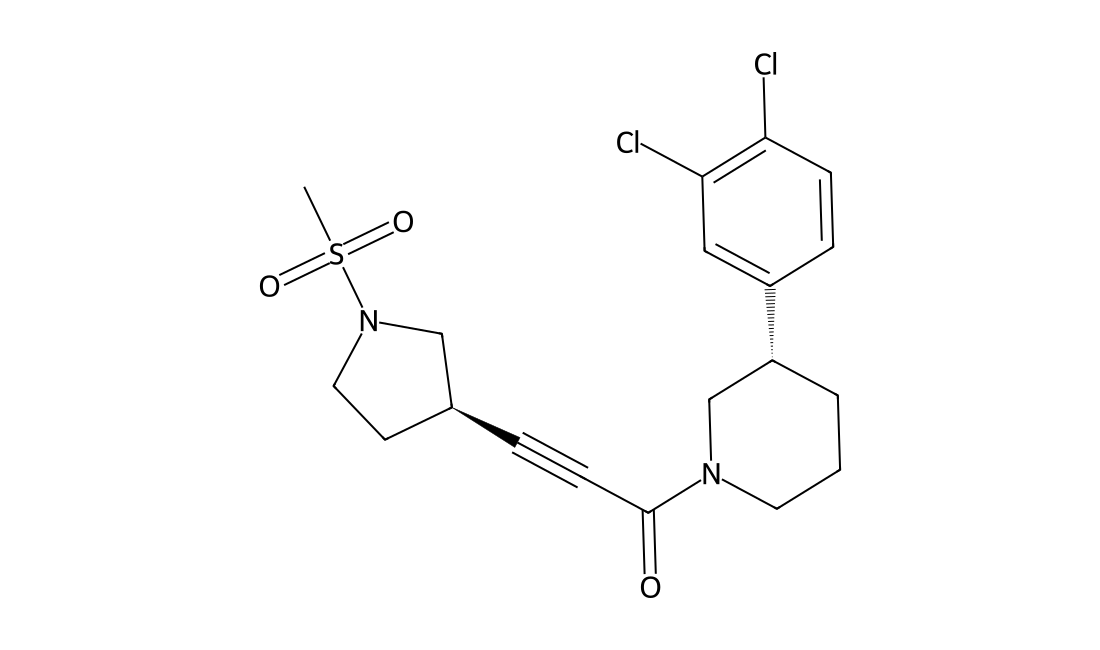
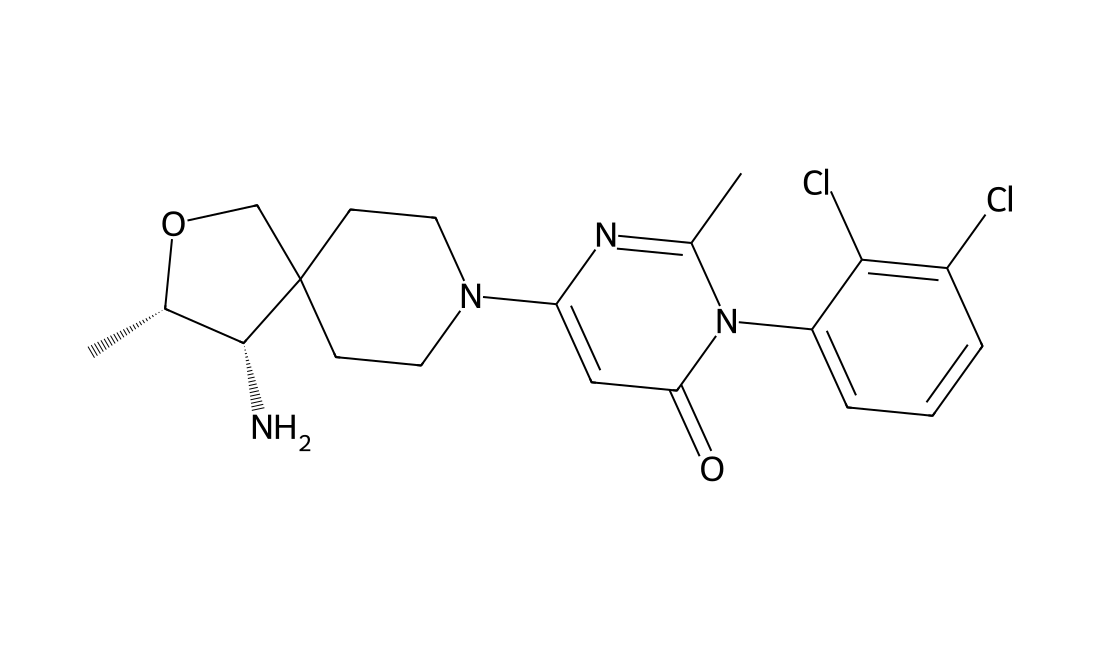
IPN60090

CAS 1853164-83-6

IPN-60090 is an orally active and highly selective inhibitor of glutaminase 1 (GLS1; IC50=31 nM), with no activity observed against GLS-2. IPN-60090 exhibits excellent physicochemical and pharmacokinetic properties in vivo. IPN-60090 can be used for solid tumors research, such as lung and ovarian cancers.

IPN60090 chemical structure
DC39261

LEO 39652

CAS 1445656-91-6

LEO 39652 is a novel PDE4 inhibitor with IC50 of 3.8 nM and selected as a clinical candidate as it is potent and rapidly degraded by blood and liver to inactive metabolites.

LEO 39652 chemical structure
DC65567

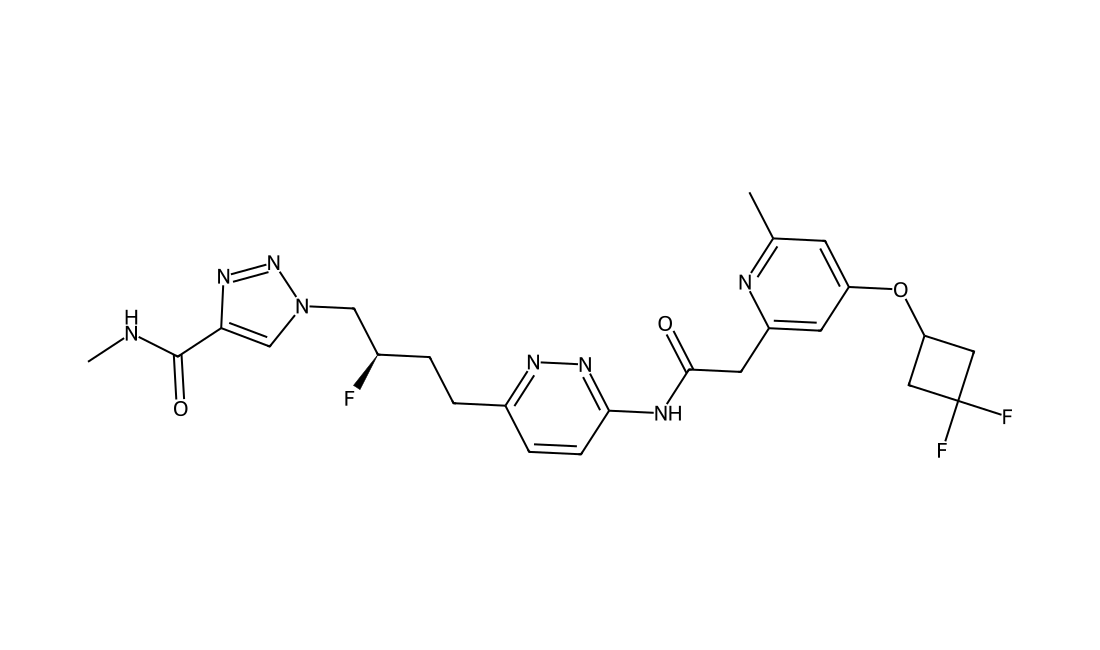
ABBV-CLS-484

CAS 2489404-97-7

Osunprotafib (ABBV-CLS-484) is a potent PTPN1 and PTPN2 inhibitor with subnanomolar activity. Osunprotafib has antitumor activity, enhances the immune response and increases the sensitivity of tumors to immune-mediated killing.

ABBV-CLS-484 chemical structure
DC31324

TRC102

CAS 593-56-6

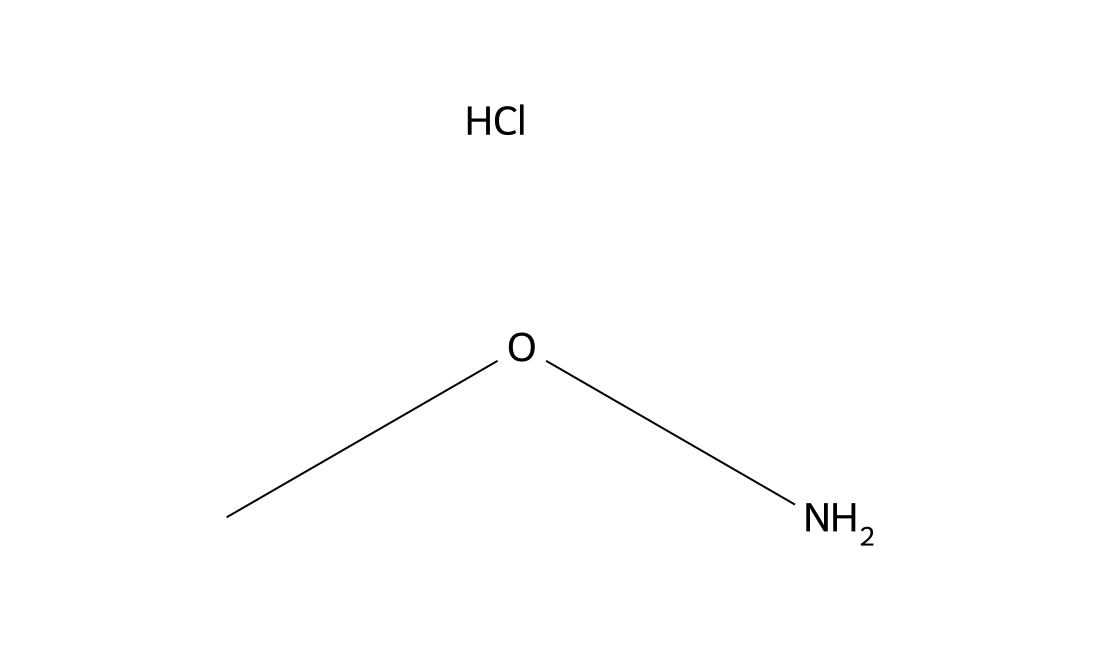
Methoxyamine is an orally bioavailable small molecule inhibitor with potential adjuvant activity. Methoxyamine covalently binds to apurinic/apyrimidinic (AP) DNA damage sites and inhibits base excision repair (BER), which may result in an increase in DNA strand breaks and apoptosis. This agent may potentiate the anti-tumor activity of alkylating agents. Check for active clinical trials or closed clinical trials using this agent. (NCI Thesaurus).

TRC102 chemical structure
DC10917

MF-094

CAS 2241025-68-1

MF-094 (MF094) is a potent, highly selective inhibitor of ubiquitin specific protease 30 (USP30) with IC50 of 0.12 uM, demonstrates <30% inhibitory activity for a panel of 22 USPs assays at 10 uM; increases protein ubiquitination and accelerates mitophagy.

MF-094 chemical structure
DC40957

A2ti-1

CAS 570390-00-0

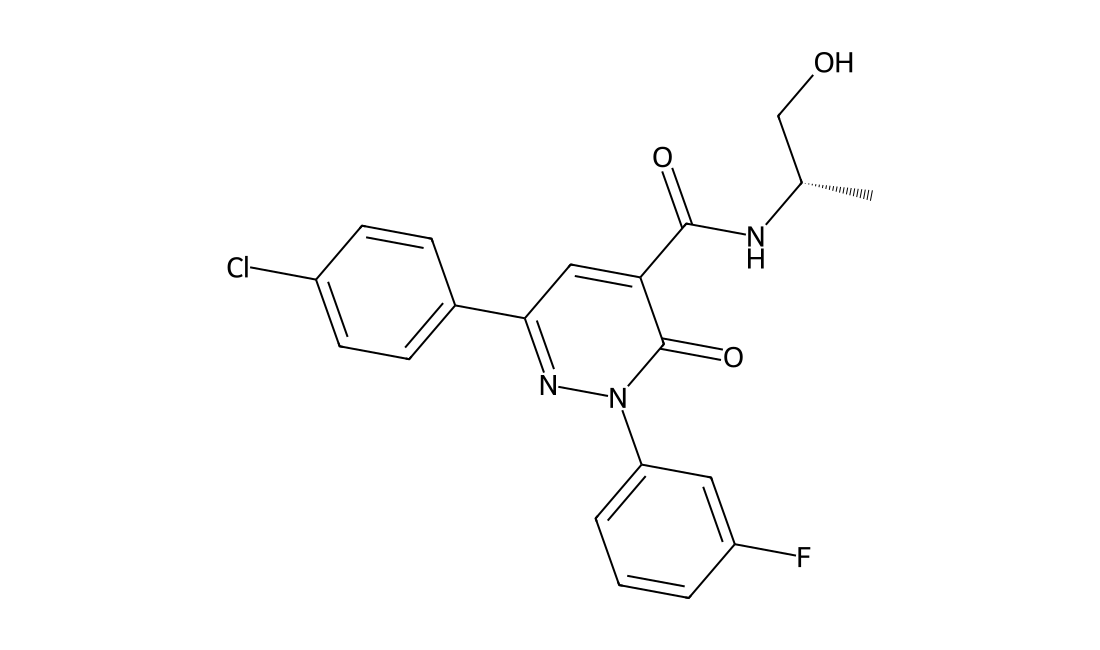
A2ti-1 is a selective and high-affinity annexin A2/S100A10 heterotetramer (A2t) inhibitor with an IC50 of 24 μM. A2ti-1 specifically disrupts the protein-protein interaction (PPI) between A2 and S100A10. A2ti-1 prevents human papillomavirus type 16 (HPV16) infection.

A2ti-1 chemical structure
DC34053

SM-7368

CAS 380623-76-7

SM-7368 inhibits TNF-alpha-induced MMP-9 upregulation in a concentration-dependent manner. SM-7368 strongly inhibits the TNF-alpha-induced invasion of HT1080 human fibrosarcoma cell line.
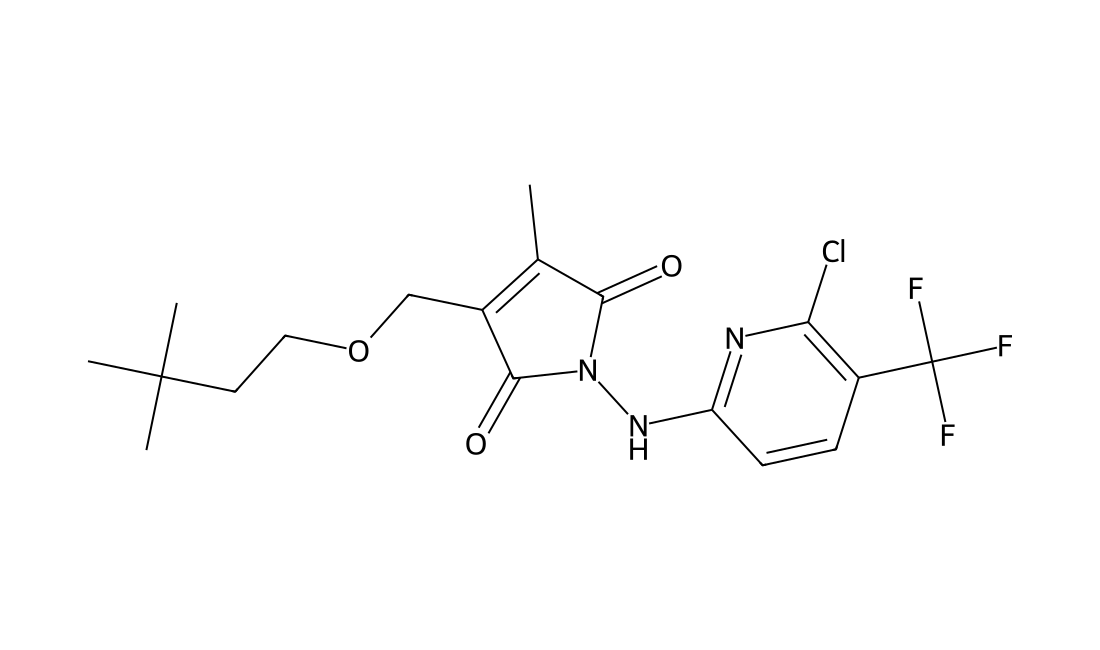
SM-7368 chemical structure
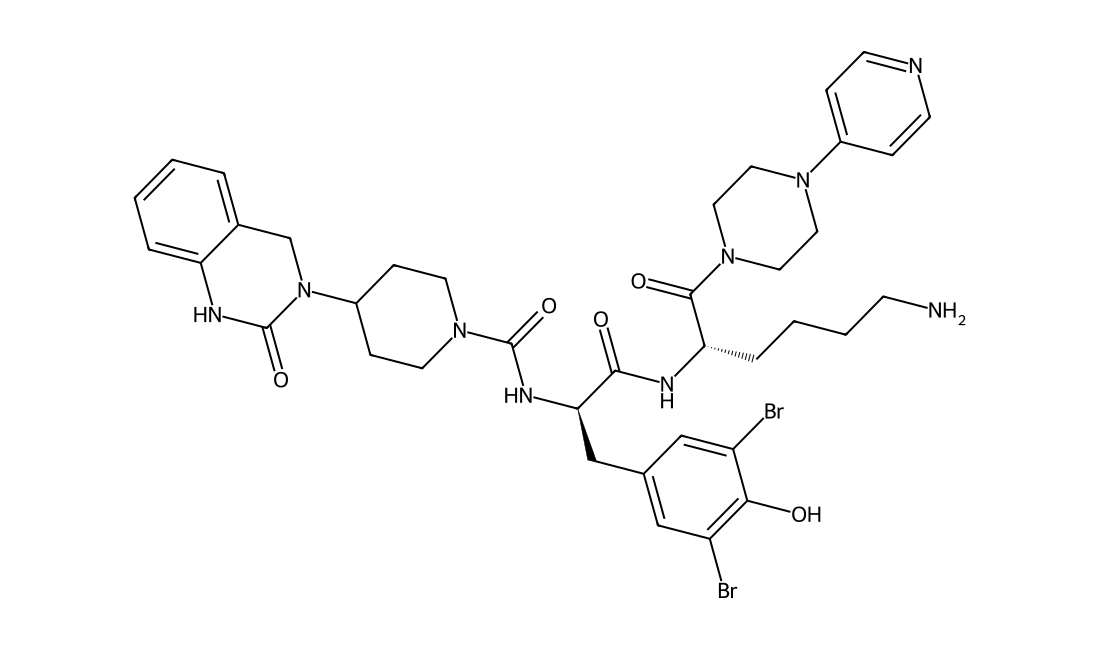
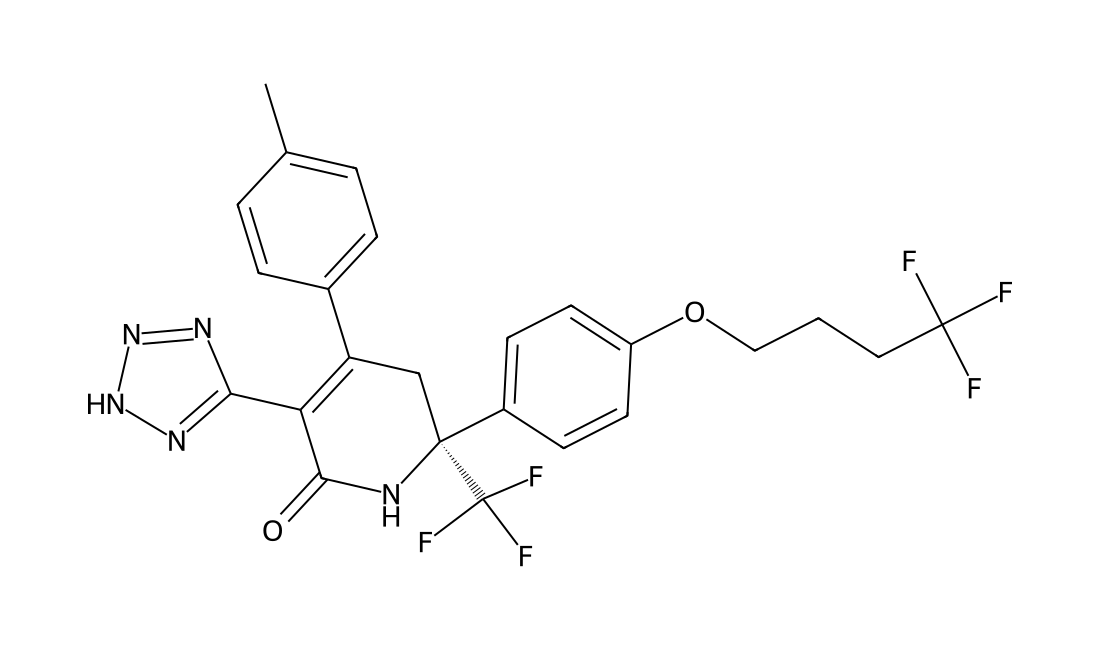
DC9396

Olcegepant

CAS 204697-65-4

Olcegepant(BIBN 4096; BIBN 4096BS) is the first potent and selective non-peptide antagonist of the calcitonin gene-related peptide 1 (CGRP1) receptor(IC50= 0.03 nM). Olcegepant(BIBN-4096; BIBN-4096BS) inhibits the release and action of Calcitonin Gene-Related Peptide (CGRP).Olcegepant is useful for treatment of acute attacks of migraine. Olcegepant exhibiting a favorable biological profile was selected for initial clinical trials. A proof of concept study indicated that intravenous application of 19 was effective in the treatment of acute migraine headache.

Olcegepant chemical structure
DC70350

Debio 0123

CAS 2243882-74-6

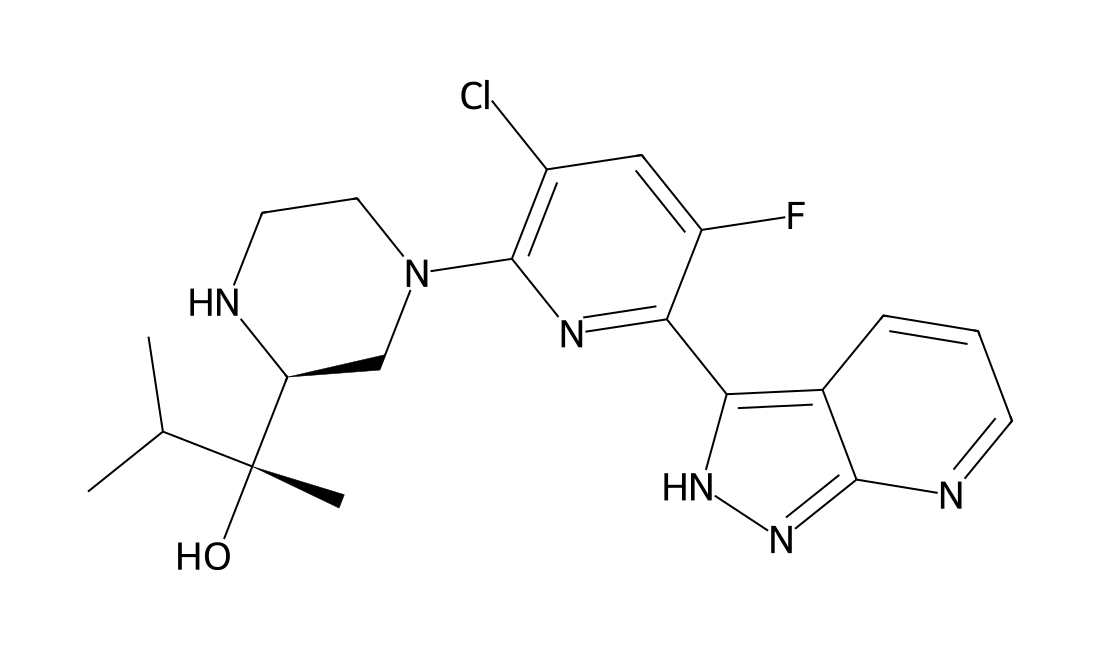
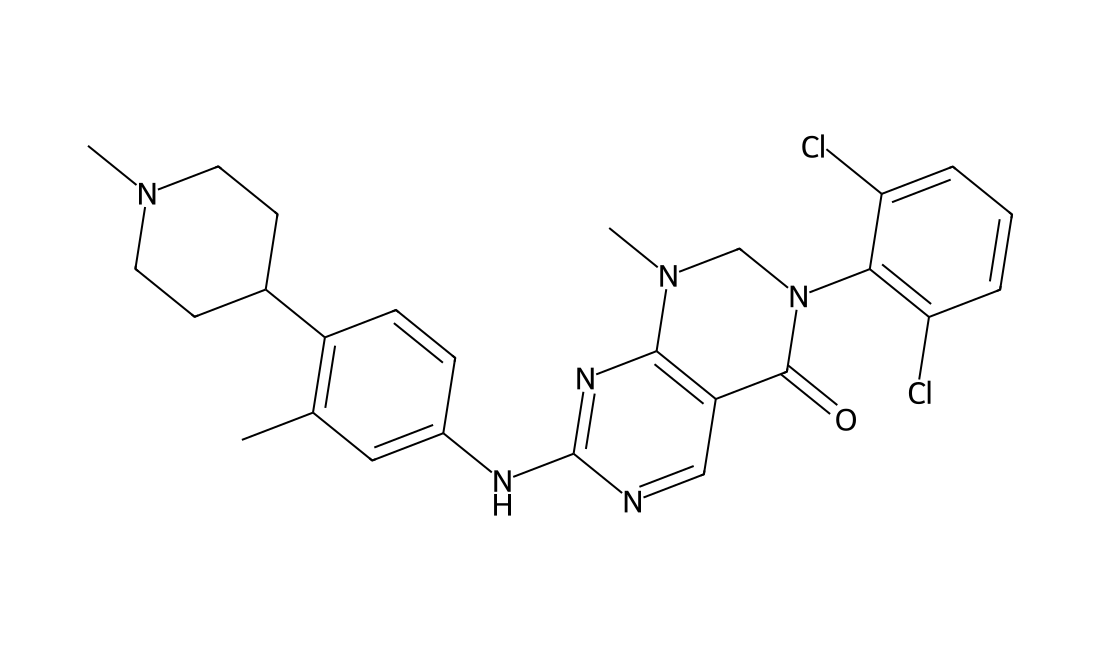
Debio 0123 (Debio0123) is a potent, orally available, and highly selective Wee1 kinase inhibitor with IC50 of 0.8 nM, Ki of 0.1 nM.Debio 0123 is highly selective to Wee1 on 465 selected kinases in a cellfree system, does not inhibit Plk1 and Plk2, as also reported in recent publications for AZD1775.Debio 0123 exhibits in vitro growth inhibition activity in a broad number of human cancer cell lines (IC50= 0.109 to 7.08 uM).Debio 0123 prevent CDC2 / Cdk1 phosphorylation, induces γH2AX and enhances phosphorylation of histone H3.Debio 0123 induces apoptosis through mitotic catastrophe following cell cycle progression despite accumulation of unrepaired DNA damage both in vitro and in vivo.

Debio 0123 chemical structure
DC11890

Delgocitinib

CAS 1263774-59-9

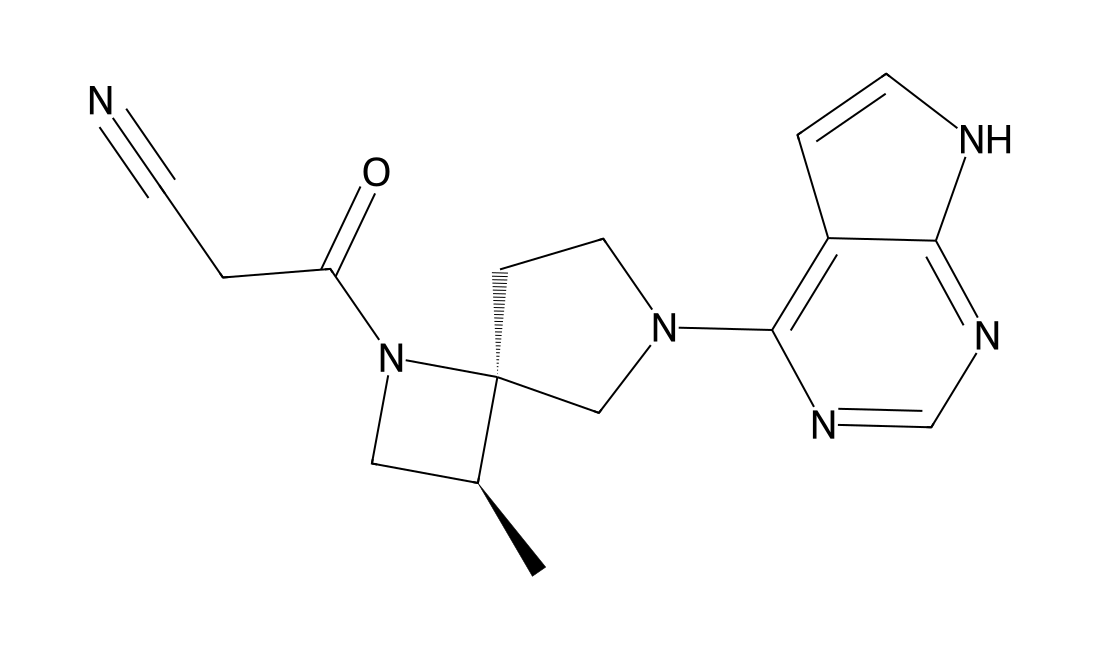
Delgocitinib (JTE-052, LEO 124249) is a potent, selective, orally active, pan-JAK inhibitor with IC50 of 2.8, 2.6, 13 and 58 nM for JAK1,2,3 and Tyk2, respectively; does not inhibit a broad panel of kinases with exception of ROCK-II (IC50=140 nM); inhibits cytokine signaling evoked by IL-2, IL-6, IL-23, granulocyte/macrophage CSF, and IFN-α in vitro; potently suppresses the IL-2-induced IFN-γ production in mice (ED50=1.1 mg/kg), suppresses inflammatory responses in collagen-induced arthritis model.

Delgocitinib chemical structure
DC22498

A-443654

CAS 552325-16-3

A potent and selective Akt inhibitor with Ki of 0.16 nM for Akt1; has equal potency against Akt1, Akt2, or Akt3 within cells, displays 40-fold selectivity over PKA, and CMGC family kinases; inhibits Akt-dependent signal transduction, inhibits proliferation of MiaPaCa-2 cells with EC50 of 0.1 uM; inhibits tumor growth in vivo, and is more potent and more selective than A-674563.

A-443654 chemical structure
DC23277

AA-115

CAS 1818393-16-6

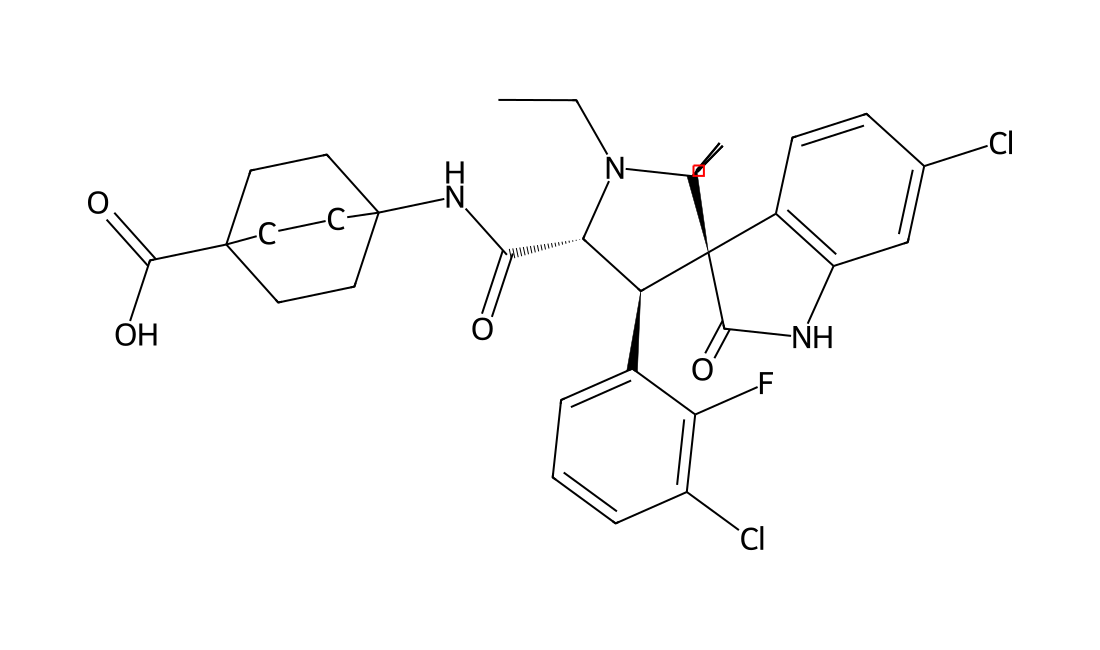
AA-115 (APG 115) is a potent and orally active MDM2 inhibitor with Ki <1 nM, potently inhibits SJSA-1 cell growth with IC50 of 60 nM; exhibits IC50 values of 38, 18, and 104 nM in the RS4;11 acute leukemia, LNCaP prostate cancer, and HCT116 colon cancer cell lines, respectively; effectively inhibits tumor growth and causes no or minimal weight loss.

AA-115 chemical structure
DC11284

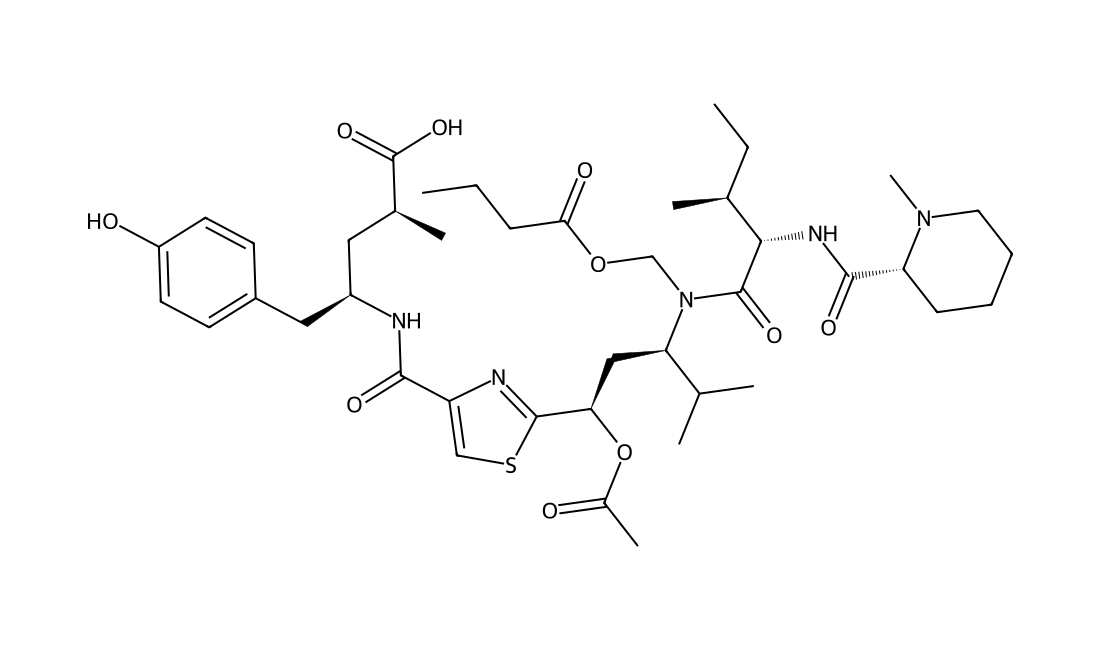
Tubulysin B

CAS 205304-87-6

Tubulysin B is a highly cytotoxic peptide and potent microtubule destabilizing agents isolated from the myxobacteria Archangium geophyra and Angiococcus disciformis. Tubulysin B has IC50 values in the picomolar range against many cancer cell lines, including those with multidrug resistant properties[1].Tubulysin B is a cytotoxic activity tubulysin which inhibits tubulin polymerization and leads to cell cycle arrest and apoptosis[2].

Tubulysin B chemical structure
DC31458

Tipranavir

CAS 174484-41-4

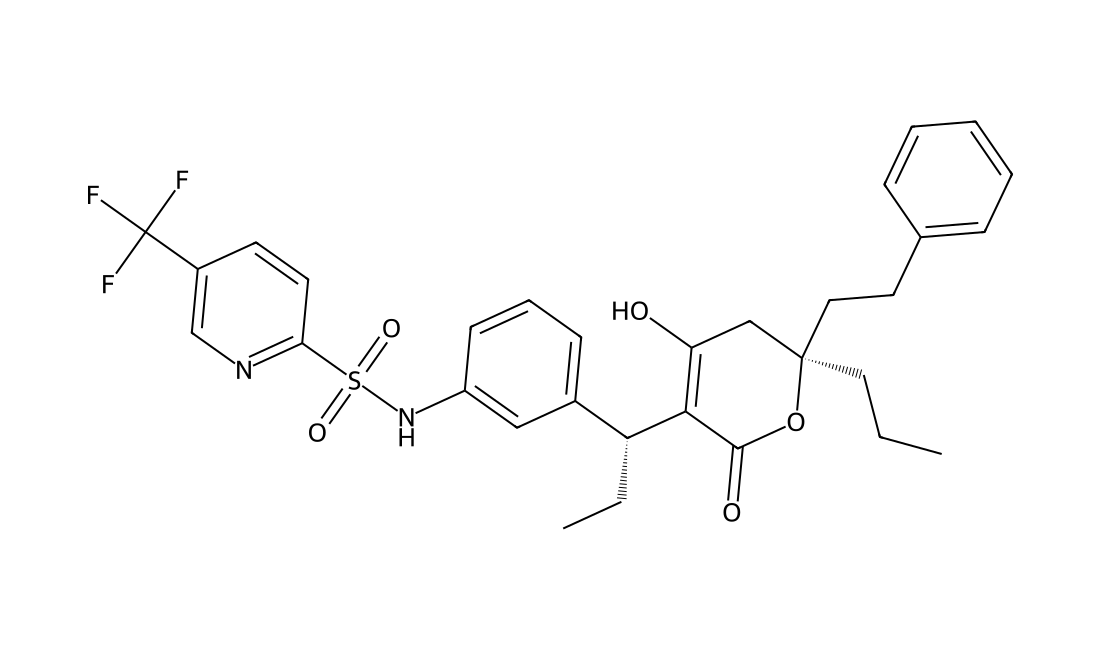
Tipranavir is a nonpeptidic protease inhibitor. Tipranavir has the ability to inhibit the replication of viruses that are resistant to other protease inhibitors and it recommended for patients who are resistant to other treatments. Resistance to tipranavir itself seems to require multiple mutations. Tipranavir was approved by the Food and Drug Administration (FDA) on June 22, 2005, and was approved for pediatric use on June 24, 2008. Like lopinavir and atazanavir, it is very potent and is effective in salvage therapy for patients with some drug resistance.
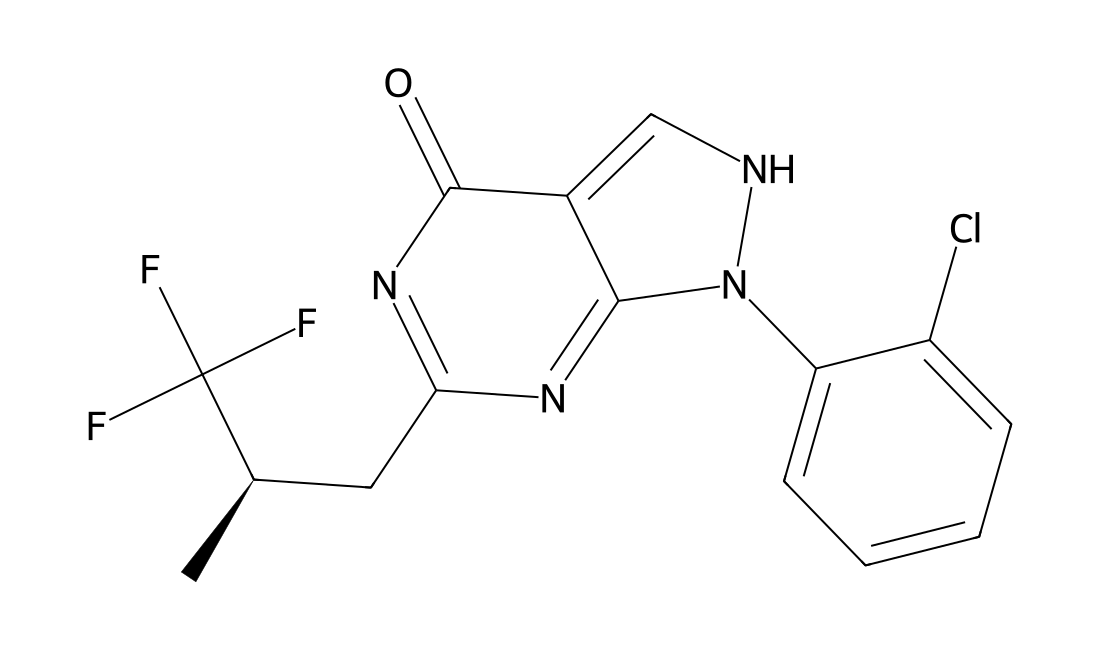
Tipranavir chemical structure
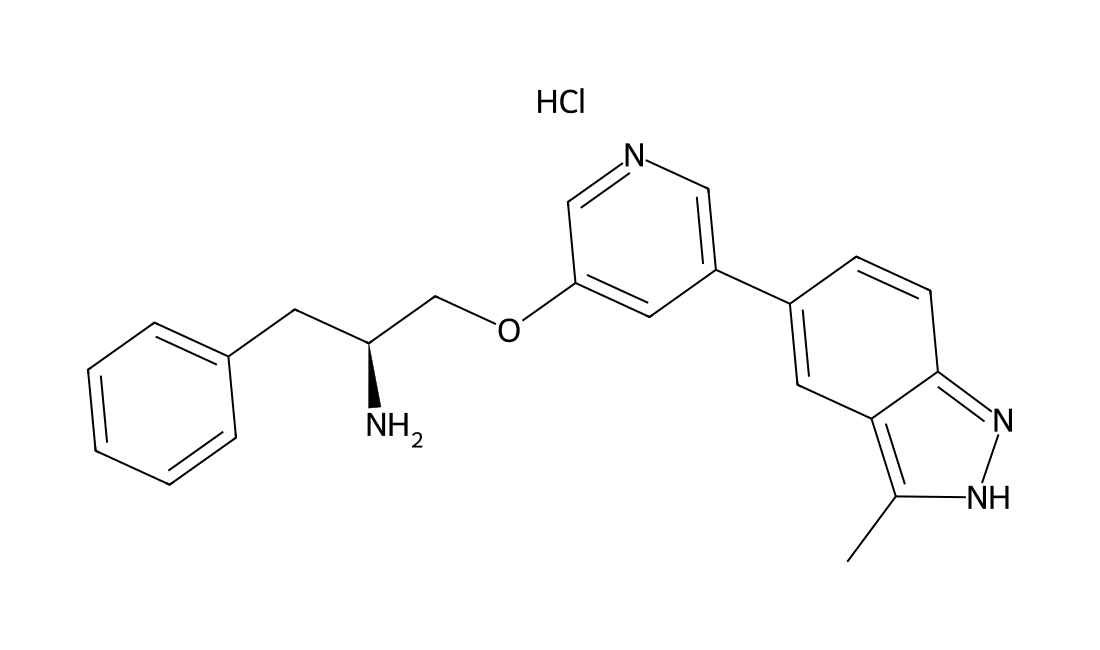
DC65347

A-674563 HCl

CAS 2070009-66-2

A-674563 is a potent and selective Akt1 inhibitor with Ki of 11 nM. A-674563 suppressed the activation of the NLRP3 inflammasome in cardiomyocytes following β-adrenoceptor activation, suggesting that AKT1 is a critical regulator molecule upstream of the NLRP3 inflammasome. A-674563 suppresses CDK2 activity, inhibits human NSCLC cell growth more effectively than the pan-AKT inhibitor, MK-2206

A-674563 HCl chemical structure
DC48112

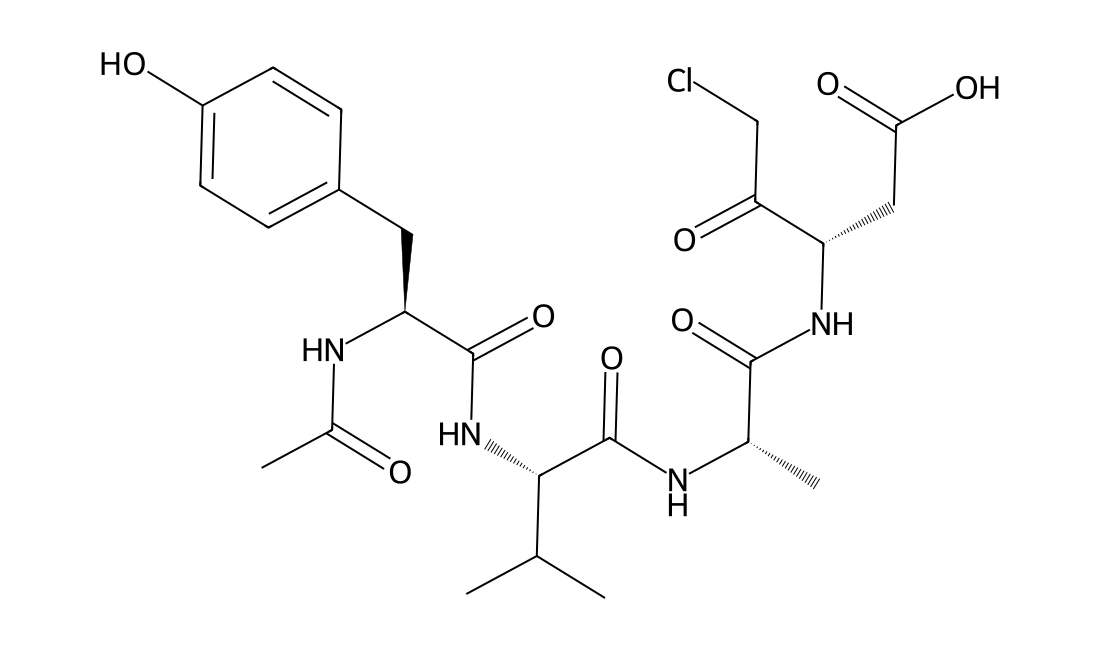
Ac-YVAD-cmk

CAS 178603-78-6

Ac-YVAD-cmk (Caspase-1 Inhibitor II) is a selective caspase-1 (IL-1beta converting enzyme, ICE)) inhibitor with neuroprotective and anti-inflammatory effects. Ac-YVAD-cmk effectively suppresses the expression of IL-1β and IL-18. Ac-YVAD-cmk inhibits pyroptosis in many diseases.

Ac-YVAD-cmk chemical structure
DC65337

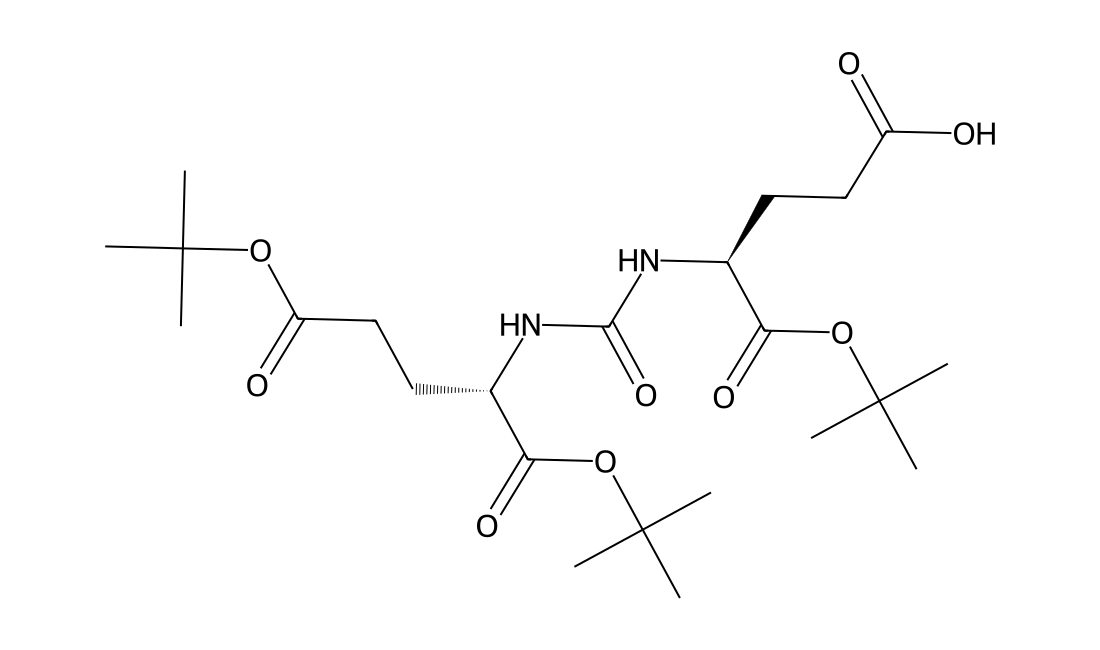
DUPA(OtBu)-OH

CAS 1026987-94-9

DUPA(OtBu)-OH is a DUPA precursor. DUPA is used as the targeting moiety to actively deliver Docetaxel (DTX) for treatment of Prostate-Specific Membrane Antigen (PSMA) expressing prostate cancer.

DUPA(OtBu)-OH chemical structure
DC70502

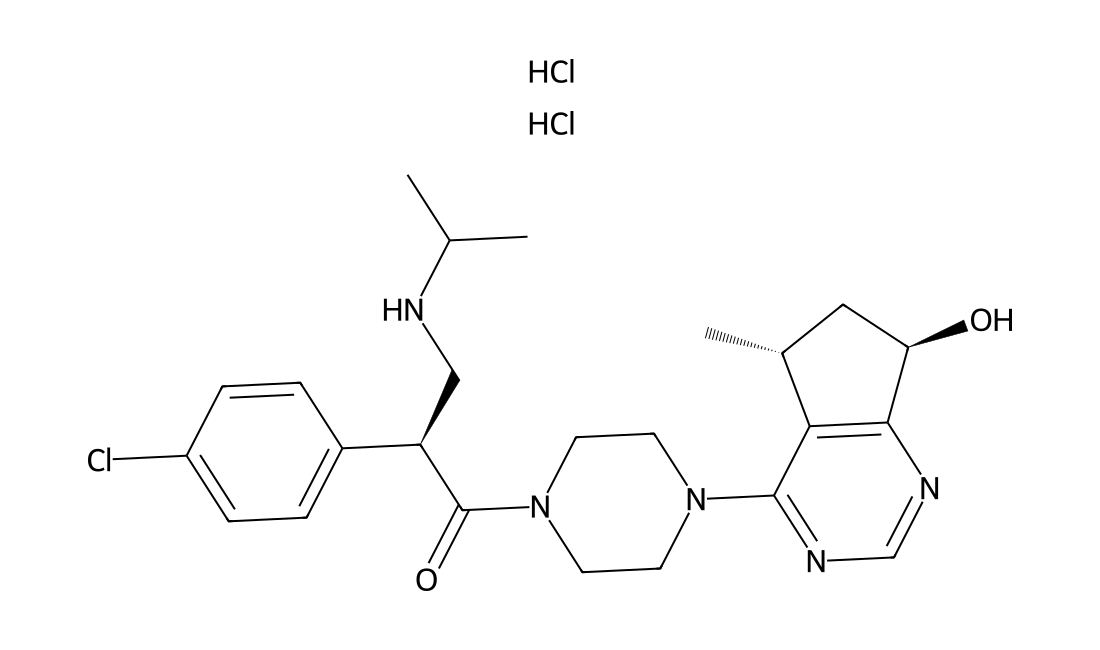
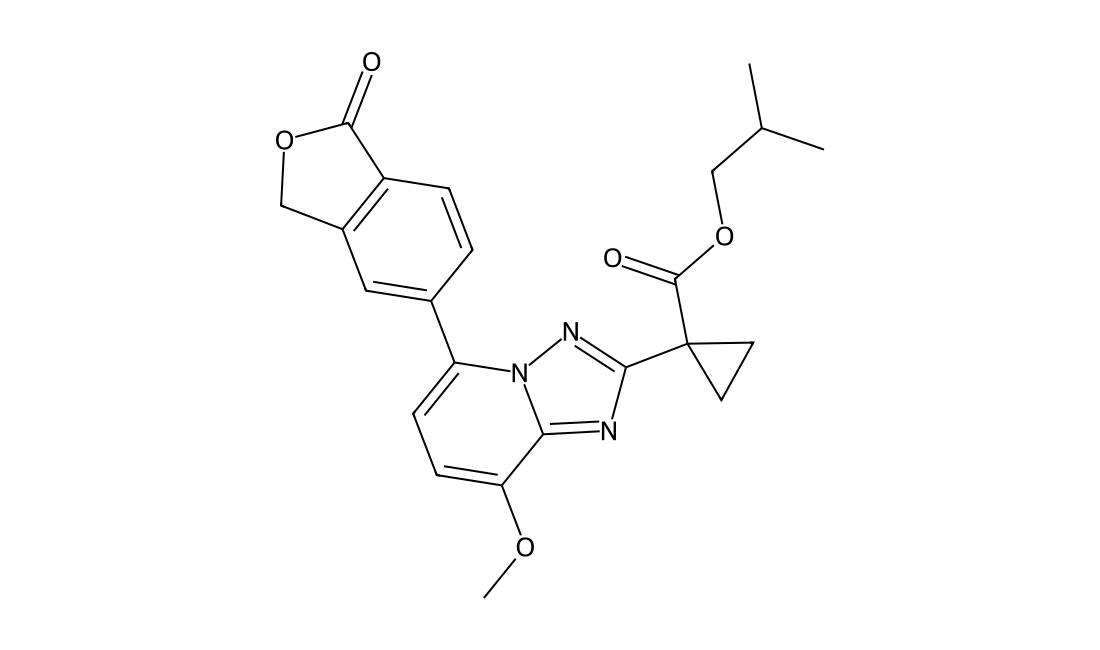
IACS-15414

CAS 2411321-29-2

IACS-15414 (IACS 15414) is a potent, selective, orally bioavailable SHP2 inhibitor with IC50 of 122 nM; IACS-15414 potently suppressed the mitogen-activated protein kinase (MAPK) pathway signaling and tumor growth in RTK-activated and KRASmut xenograft models in vivo. IACS-15414 potently suppressed the mitogen-activated protein kinase (MAPK) pathway signaling and tumor growth. IACS-15414 had excellent PK properties across species but a narrow hERG window.

IACS-15414 chemical structure
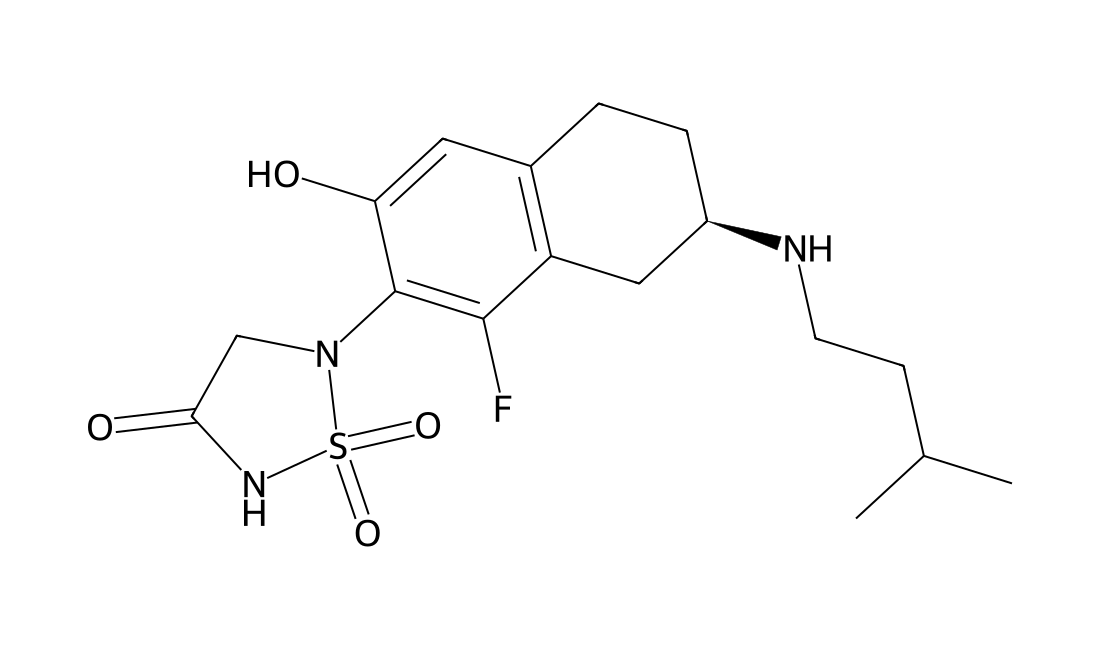
DC47768

BMS-963272

CAS 1441057-15-3

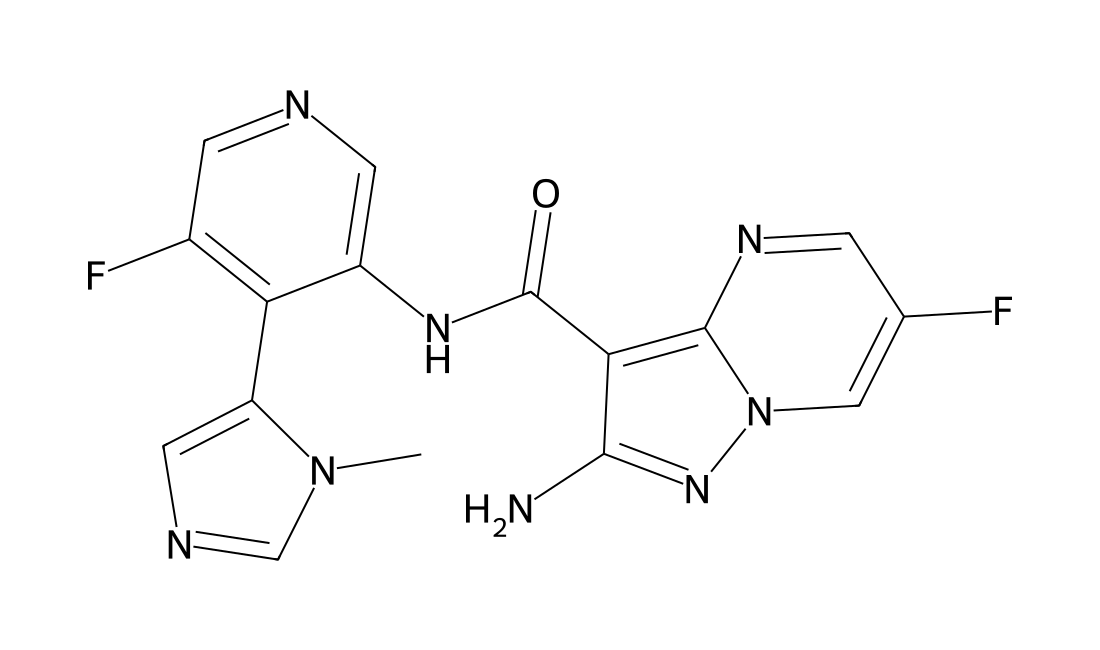
BMS-963272 is a potent, selective MGAT2 inhibitor with IC50 of 7.1 nM/18 nM (hMGAT2/mMGAT2) and shows excellent efficacy, safety, and tolerability profile.

BMS-963272 chemical structure
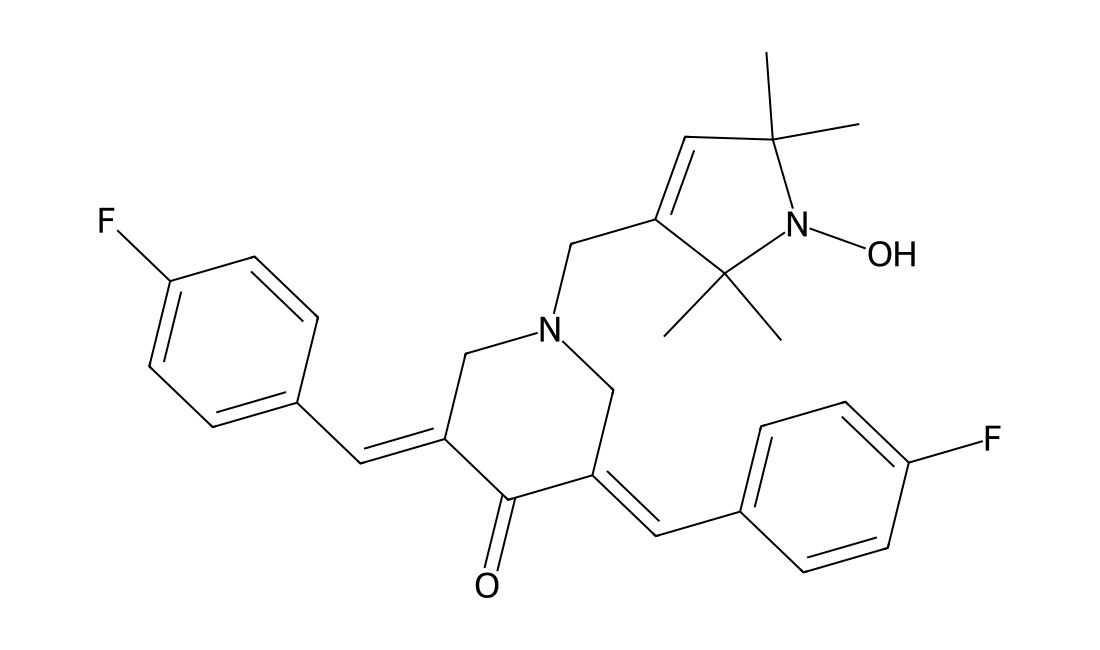
DC23209

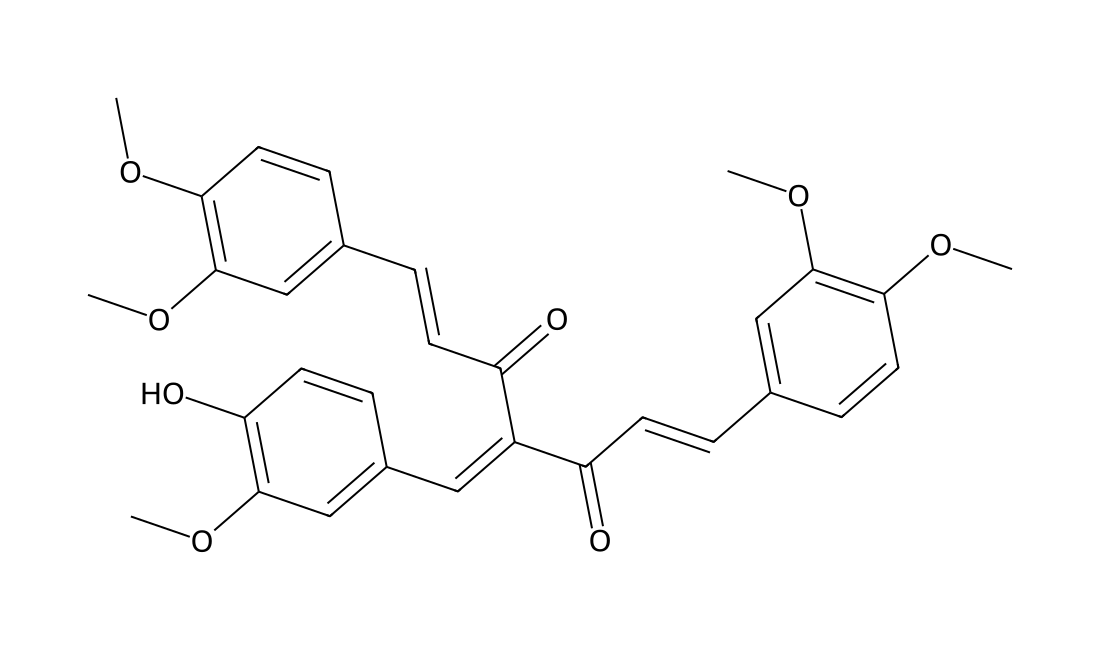
HO-3867

CAS 1172133-28-6

A synthetic curcuminoid that selectively inhibits STAT3 phosphorylation, transcription, and DNA binding without affecting the expression of other active STATs; induces G2-M cell cycle arrest in A2780 cells by modulating cell cycle regulatory molecules p53, p21, p27, CDK 2, and cyclin, and promotes apoptosis, inhibits pSTAT3 (Tyr705 and Ser727) and JAK1 and increases apoptotic markers cleaved caspase-3 and PARP in xenograft tumor tissues.

HO-3867 chemical structure
Browse target & topic index A–Z (366)
11β-HSD (1)15-PGDH (2)5-HT Receptor (16)Acetyl-CoA Carboxylase (ACC) (3)Acetylcholinesterase (AChE) (2)Ack1 (TNK2) (1)Acyltransferase (1)ADC Cytotoxin (6)ADCs Linker/Click Chemistry (5)Adenosine Receptor (9)Adenylate Cyclase (2)Adrenergic Receptor (11)Akt (12)Alcoholism (2)Aldehyde Dehydrogenase (ALDH) (6)Allergy (5)Alzheimer Disease (13)Aminopeptidase (1)AMPK (8)Amyloids (4)Anaplastic Lymphoma Kinase (ALK) (9)Androgen Receptor (AR) (11)Anemia (4)Angiotensin Receptor (4)Antibody/Protein labeling dyes (1)Antifolate (2)Anxiety (1)Apoptosis Inducer (3)Arginase (1)Arp2/3 complex (1)Aryl hydrocarbon Receptor (AhR) (1)Asthma (5)Atherosclerosis (2)ATM/ATR (8)Aurora Kinase (10)Autophagy (6)Autophagy-related Protein (Atg) (2)Autotaxin (2)Bacterial (26)Bacterial Infection (17)Bcl-2 (14)Bcr-Abl (5)BCRP (1)Beta-catenin (4)Beta-secretase (BACE) (4)Blood Cancer (91)BMI-1 (1)Bone Cancer (6)Brain Cancer (6)Breast Cancer (30)Bromodomain (22)BTK (10)c-Fms (CSF1R) (5)c-Fos/AP-1 (1)c-Kit (6)c-Met (HGFR) (11)c-Myc (2)Calcium Channel (4)Calcium-sensing Receptor (CaSR) (1)CaMK (4)Cannabinoid Receptor (6)Carbonic Anhydrase (1)Carboxypeptidase (1)Casein Kinase (6)Caspase (4)Cathepsin (6)Cdc2-like Kinase (CLK) (1)CETP (2)CFTR (7)Checkpoint Kinase (Chk) (8)Chemokine Receptor (CCR and CXCR) (14)Chemotherapeutic Agents (19)Chloride Channel (1)CMV (2)CMV Infection (2)Colon Cancer (9)Complement System (1)COPD (3)CREB/CBP (2)CRF Receptor (2)CRISPR/Cas9 (1)Cushing Disease (1)Cyclin-dependent Kinase (CDK) (39)Cyclooxygenase (COX) (4)Cytochrome P450 (CYPs) (5)Depression (2)Dermatitis (2)Deubiquitinase (DUB) (7)Diabetes (20)Dipeptidyl Peptidase (DPP) (3)Discoidin Domain Receptor (DDR) (1)DNA Alkylator/Crosslinker (10)DNA Methyltransferase (DNMT) (1)DNA Repair Protein (1)DNA-PK (2)DNA/RNA Synthesis (5)Dopamine beta-hydroxylase (1)Dopamine Receptor (7)Drug Metabolite (1)Drug-Linker Conjugates (11)Dyes (4)DYRK (1)Dyslipidemia (9)E3 Ligase Ligand (6)E3 Ligase Ligand-Linker Conjugate (1)E3 Ubiquitin Ligase (4)Ebola Virus Infection (1)EGFR (32)Elastase (2)Endothelin Receptor (5)Enzymes substrates (13)Epigenetic Reader Domain (3)Epilepsy (4)ERK (4)Estrogen Receptor/ERR (13)Eukaryotic Initiation Factor (eIF) (2)Exportin-1 (CRM1,XPO1) (2)FABP (1)Factor Xa (5)Farnesoid X Receptor (FXR) (5)Farnesyl transferase (FTase) (1)Ferroptosis (6)FGFR (20)Fibrosis (5)FLT3 (6)Focal Adhesion Kinase (FAK) (11)Foxo1 (1)Free Fatty Acid Receptor (FFAR) (5)Fungal (2)Fungal Infection (1)GABA Receptor (13)Galectin (1)Gastric Cancer (8)Ghrelin Receptor (GHSR) (3)Glucagon Receptor (4)Glucokinase (2)Glucose Transporter (GLUT) (2)Glutamate Transporter (2)GPCR (1)GPER (GPR30) (1)GPR139 (1)GPR183 (EBI2) (2)GPR39 (1)GPR55 (1)GPR84 (1)GRK (GPCRK) (2)Growth Hormone Deficiency (2)GSK-3 (8)Guanylate Cyclase (3)HBV (1)HBV Infection (1)HCN Channel (2)HCV (8)HCV Infection (9)HDAC (38)Heart Arrhythmia (2)Heart Failure (5)Heat Shock Protein (HSP) (15)Hedgehog (Hh) (1)HIF/HIF Prolyl-hydroxylase (8)Histamine Receptor (6)Histone Acetyltransferase (HAT) (5)Histone Demethylase (11)Histone Methyltransferase (HMTase) (31)HIV (12)HIV Infection (11)HMG-CoA Reductase (HMGCR) (3)HSV (1)HSV Infection (1)Hypercholesterolemia (1)Hyperparathyroidism (1)Hypertension (8)IAP (1)IGF-1R (3)iGluR (15)Indoleamine 2,3-Dioxygenase (IDO) (4)Infection (1)Influenza (6)Influenza Virus (6)Insulin Receptor (2)Integrin (6)Interleukin Receptor (1)IRAK (2)IRE1 (4)Irritable Bowel Syndrome (2)Ischemia (1)Isocitrate Dehydrogenase (IDH) (5)ITK (1)IκB kinase (IKK) (7)JAK (32)JNK (3)Keap1-Nrf2 (6)Kidney Cancer (10)Kinesin (5)Kruppel-like Factor (KLF) (1)Kynurenine 3-Monooxygenase (KMO) (1)Leukotriene Receptor (1)LIM Kinase (LIMK) (3)Lipids fragment (1)Liver Cancer (6)Liver X Receptor (LXR) (3)LRRK2 (9)Lung Cancer (39)Lysophospholipid Receptor (12)LYTACs (3)mAChR (9)MALT1 (2)MAP4K (1)Matrix Metalloproteinase (MMP) (10)MDM2-p53 (9)MEK (MAP2K) (14)MEKK (MAP3K) (1)Melanocortin Receptor (2)MELK (1)mGluR (7)MicroRNA (1)Microtubule/Tubulin (5)Mineralocorticoid Receptor (MLR) (1)MITF (1)Mixed Lineage Kinase (MLK) (3)MNK (2)Molecular Glues (21)Monoamine Transporter (5)Monocarboxylate Transporter (MCT) (1)Monopolar Spindle 1 (Mps1/TTK) (3)mTOR (13)Multiple Sclerosis (6)Myosin (1)Na-K-Cl Cotransporter (NKCC) (2)nAChR (2)NADPH Oxidase (NOX) (2)NAMPT (3)Natural products (37)Neprilysin (1)Neurokinin Receptor (3)Neuropeptide Y Receptor (3)NF-κB (5)Nitric Oxide Synthase (NOS) (1)NOD-like Receptor (NLR) (3)Notch (2)Nucleoside Antimetabolite/Analog (10)Nur77 (NR4A1) (1)Obesity (1)Oct3/4 (1)Opioid Receptor (5)Orexin Receptor (7)Osteoporosis (2)Ovarian Cancer (14)Oxytocin Receptor (OXTR) (2)P-glycoprotein (P-gp) (3)p21-activated Kinase (PAK) (1)P2X Receptor (2)P2Y Receptor (1)p38 MAPK (10)p97/VCP (1)Pain (12)Pancreatic Cancer (10)Parasite (5)Parasite Infection (2)Parkinson Disease (2)PARP (19)PCSK9 (1)PD-1/PD-L1 (4)PDGFR (4)PDK1 (2)PEGn (1)PERK (2)PGE synthase (2)Phosphodiesterase (PDE) (9)Phospholipase (4)PI3K (32)PI4K (2)Piezo Channel (1)PIKfyve (3)Pim (9)PKC (12)PKD (1)Plasminogen Activator Inhibitor-1 (PAI-1) (3)Polo-like Kinase (PLK) (4)Porcupine (3)Potassium Channel (13)PPAR (13)Pregnane X Receptor (PXR) (1)Progesterone Receptor (2)Prostaglandin Receptor (11)Prostate Cancer (7)PROTACs (35)Protease-activated Receptor (PAR) (3)Proteasome (12)Protein Disulfide Isomerase (PDI) (1)Protein Phosphatase/PTP (6)Proton Pump (1)Psoriasis (5)RAD51 (1)Radioligand precursors (15)Raf (18)RAR/RXR (3)Ras (17)Renin (2)RET Tyrosine Kinase (c-RET) (3)Rheumatoid Arthritis (16)Ribosomal S6 Kinase (RSK) (5)RIG-I-like Receptor (RLR) (2)RIP kinase (7)ROCK (12)ROR (2)RSV (4)RSV Infection (3)RUNX1-CBFβ (1)S-nitrosoglutathione reductase (GSNOR) (1)Saccharides and Glycosides (1)Salt Inducible Kinase (SIK) (2)SARS-CoV (16)SARS-CoV Infection (34)Schizophrenia (4)Sexual Dysfunction (1)SGLT (4)Sigma Receptor (4)Sirtuin (9)Skin Cancer (13)Sleep Disorder (7)SMN2 Modulator (1)Smoothened (Smo) (9)Sodium Channel (12)Solid Tumors (35)Somatostatin Receptor (2)Sphingosine kinase (SphK) (2)Src (7)STAT (5)Stearoyl-CoA Desaturase (SCD) (1)Steatohepatitis (7)Sterol lipids (1)STING (14)Syk (6)T Cell Receptor (TCR) (1)TAK1 (2)TAM Receptor (Tyro3-Axl-Mer) (4)Taste Receptor (1)Telomerase (2)TGF beta Receptor (TGFBR) (12)Thrombin (3)Thrombosis (13)Thyroid Cancer (1)Thyroid Hormone Receptor (THR) (1)Thyrotropin Receptor (2)TNIK (1)Toll-like Receptor (TLR) (2)TOPK (1)Topoisomerase (11)TRAIL (1)Translocator Protein (TSPO) (1)Trk Receptor (4)TRP Channel (13)Tryptophan Hydroxylase (TPH) (1)Ubiquitin-activating Enzyme (E1) (2)Ubiquitin-conjugating Enzyme (E2) (2)Ulcer (1)ULK (3)Vasopressin Receptor (2)VEGFR (25)Vitamin D Receptor (VDR) (3)Wee1 (1)WNK Kinase (1)Wnt (5)Yes-associated Protein (YAP) (4)γ-secretase (5)

Cart

Request quotation