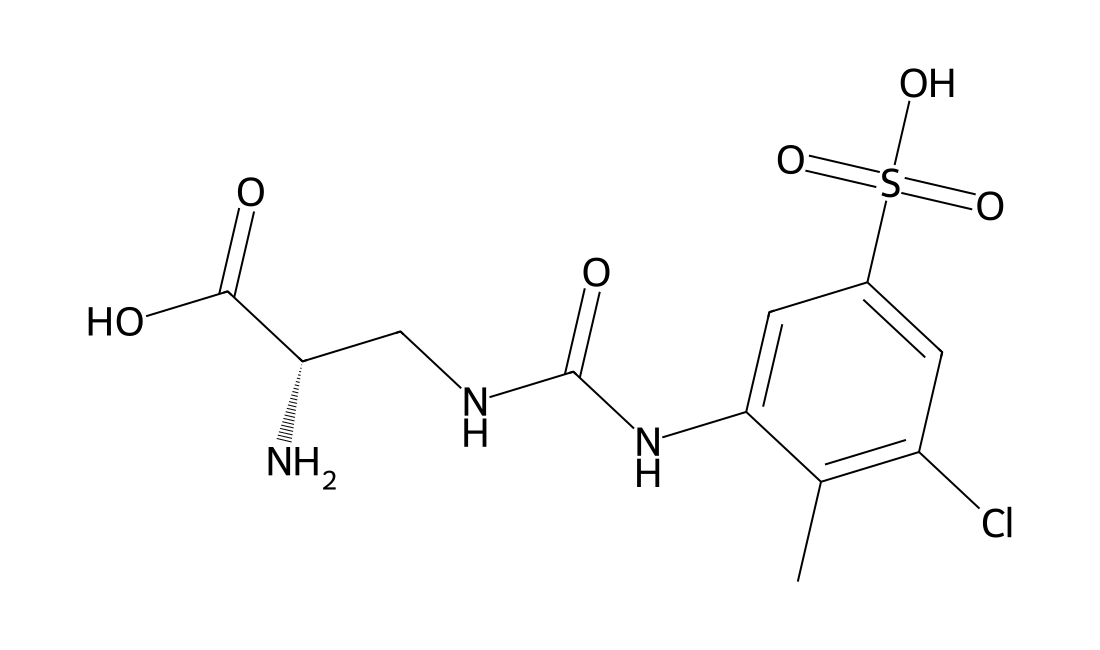
H-89 free base
CAS 127243-85-0
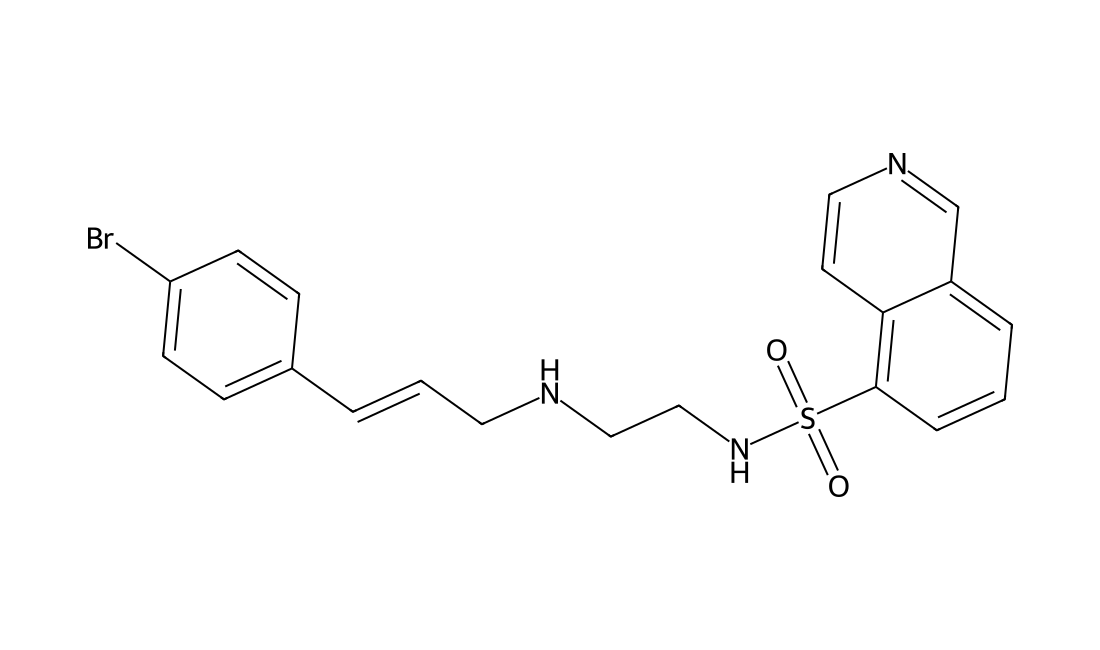
H-89 is a potent inhibitor of cyclic AMP-dependent protein kinase (protein kinase A) with IC50 of 48 nM and has weak inhibition on PKG, PKC, Casein Kinase, and others kinases.

Explore bioactive compounds by research category, then narrow your search by target, product name, catalog number or CAS.
Newly added: LC-MG and OXF molecular glue research compounds →
Products may appear in more than one category. Counts refer to distinct catalog numbers within each category.
Other Research Tools (75) · Additional reagents, building blocks and specialized research tools.
LC-MG-1 (DCA0006) · LC-MG-4 (DCA0007) · LC-MG-9 (DCA0008)
View structure and evidence summaries →Combine a keyword, research category and target to narrow the product list.
Loading catalog filters…
CAS 127243-85-0
H-89 is a potent inhibitor of cyclic AMP-dependent protein kinase (protein kinase A) with IC50 of 48 nM and has weak inhibition on PKG, PKC, Casein Kinase, and others kinases.
CAS 1419609-94-1
GSK2798745 is a first-in-class, highly potent, selective, orally active transient receptor potential vanilloid 4 (TRPV4) ion channel blocker with IC50s of 1.8 and 1.6 nM for hTRPV4 and rTRPV4, respectively. GSK2798745 is used in research for the treatment of pulmonary edema associated with congestive heart failure[1][2].
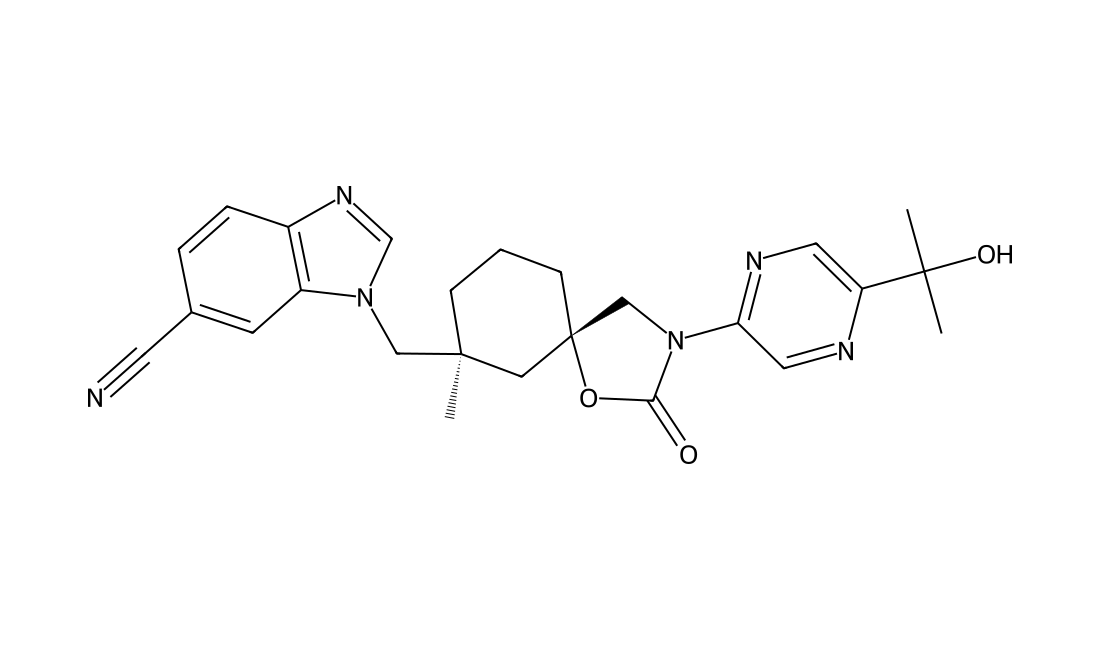
CAS 2041075-86-7
AZD5718 (AZD-5718, AZD 5718) is a novel potent 5-lipoxygenase activating protein (FLAP) inhibitor with binding IC50 of 6.3 nM; exhibits LTB4 inhibition in human whole blood assays with IC50 of 39 nM; reduce the production of pro-inflammatory and vasoactive leukotrienes both in vitro and in vivo.
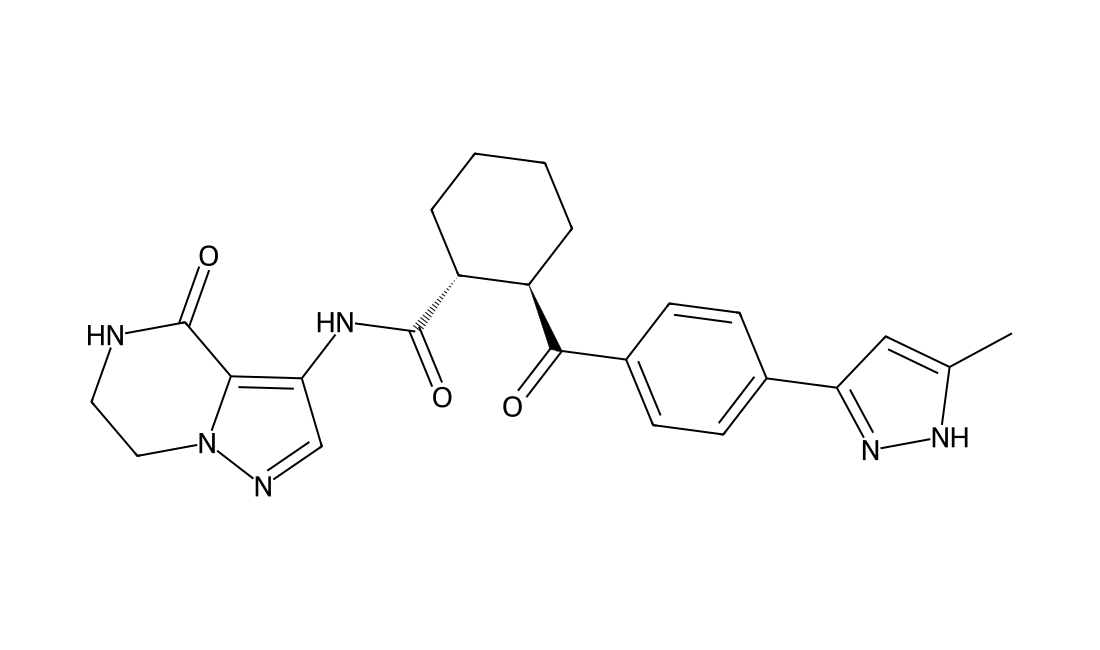
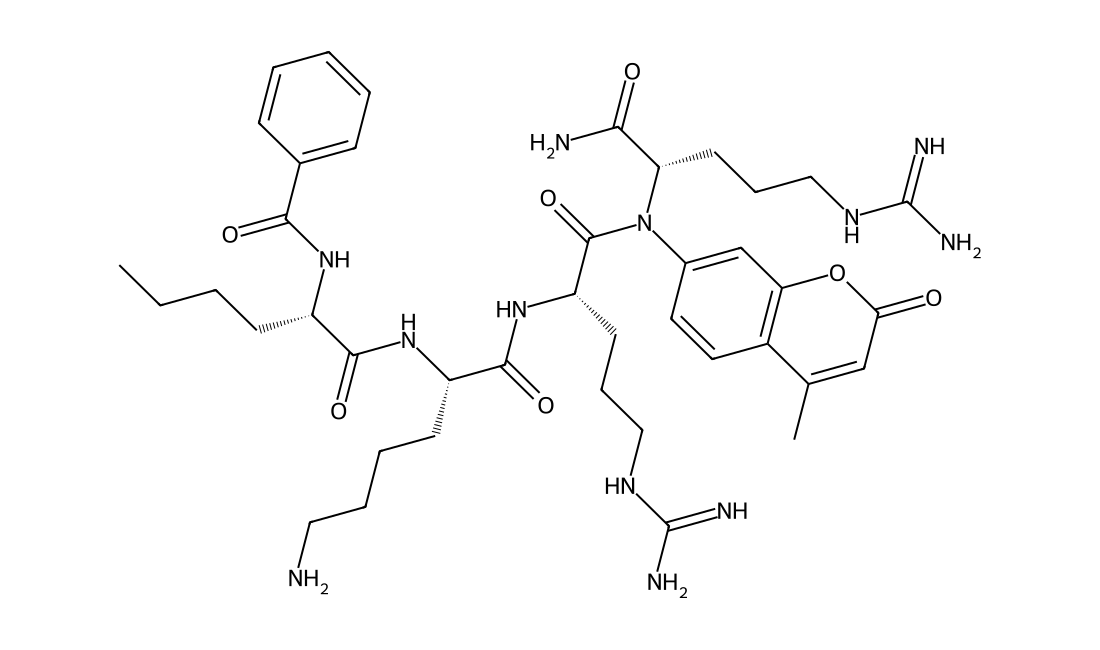
CAS 863975-32-0
Substrate for dengue virus NS2B-NS3 and yellow fever virus NS3 protease. The kcat/Km value of Bz-NleKRR-AMC for the dengue virus type 4 (DEN4) enzyme is > 800 fold higher than that of Boc-Gly-Arg-Arg-AMC (I-1565), a widely used NS3 substrate (kcat = 2.9 s⁻¹, Km = 8.6 μM for DEN4). For yellow fever virus NS3 protease the kcat value was 0.111 s⁻¹, the Km value 14.6 μM.
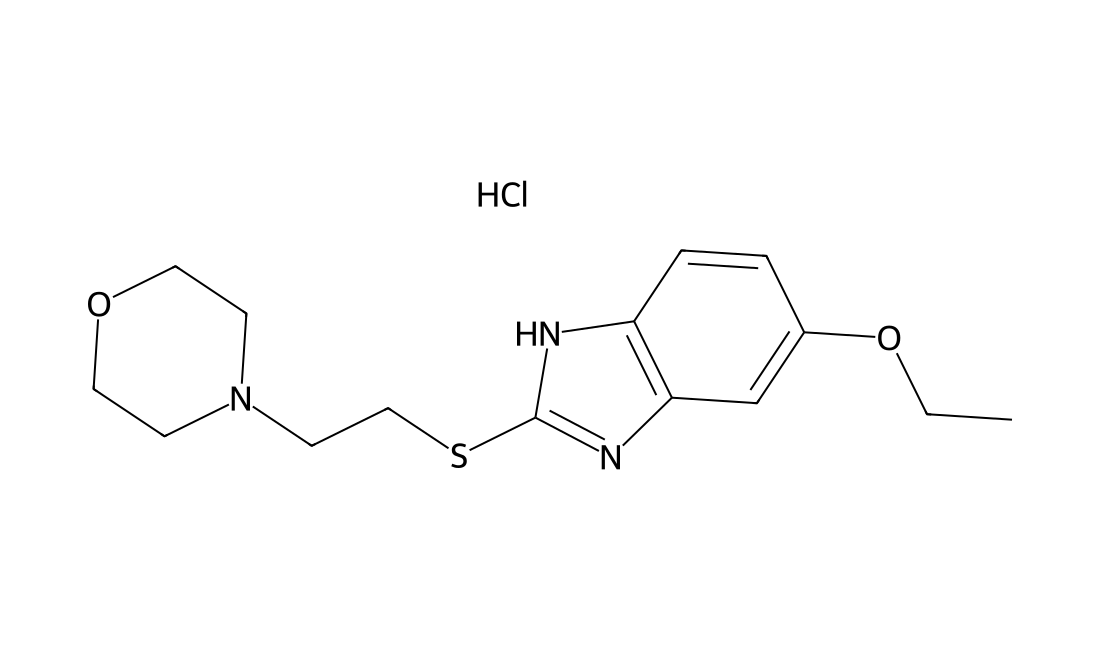
CAS 173352-39-1
Afobazol HCl(CM346 HCl) is an anxiolytic drug; produces anxiolytic and neuroprotective effects without any sedative or muscle relaxant actions.anxiolytic agent Afobazole's mechanism of action remains poorly defined however, with GABAergic, NGF and BDNF release promoting, MT1 receptor antagonism, MT3 receptor antagonism, and sigma agonism suggested as potential mechanisms. Afobazole was shown to inhibit MAO-A reversibly and there might be also some involvement with serotonin receptors. Afobazole has found little clinical use outside of Russia and has not been evaluated by the FDA.
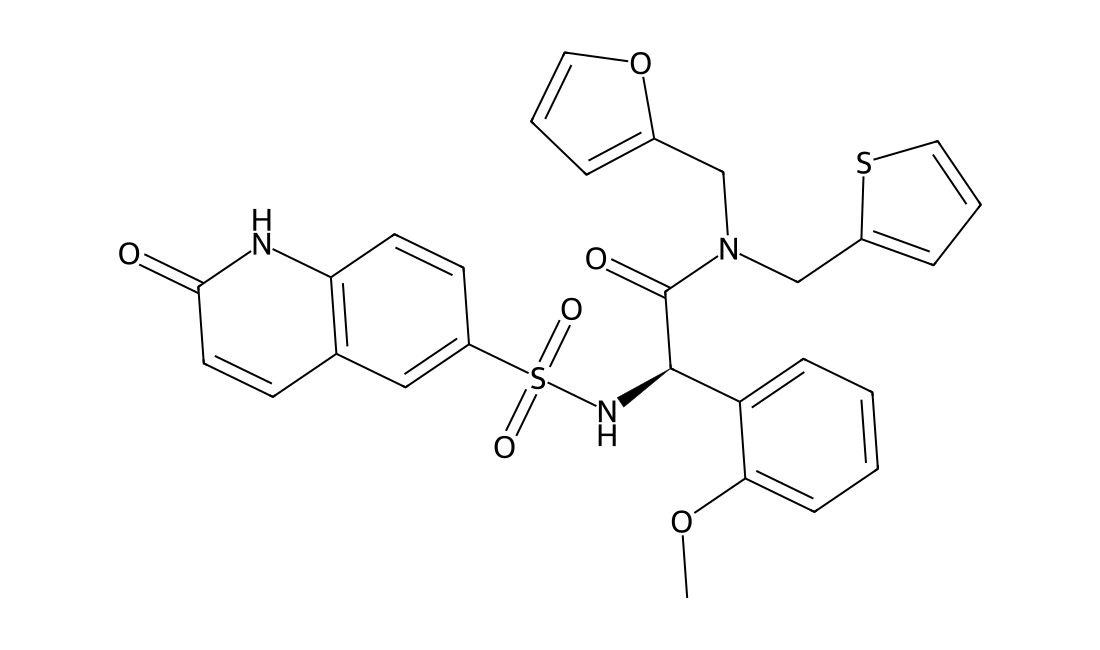
CAS 1681056-61-0
OSMI-1 is a cell-permeable, small molecule O-GlcNAc transferase (OGT) inhibitor with IC50 of 2.7 uM; inhibits protein O-GlcNAcylation in several mammalian cell lines without qualitatively altering cell surface N- or O-linked glycans; also significantly decreases HSV replication.
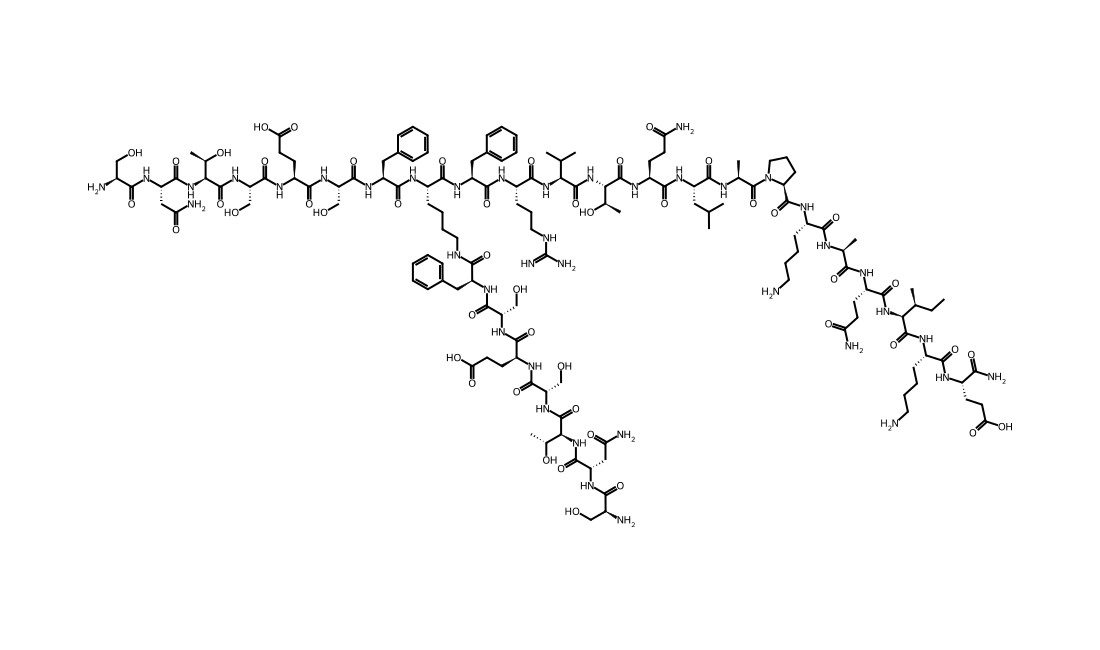
CAS 1353563-85-5
AUNP-12 (Aurigene-012) is a PD-1 inhibitor peptide, blocks the PD-1/PD-L1, PD-1/PD-L2 and PD-L1/CD80 pathways; AUNP-12 is highly effective in antagonizing PD-1 signaling, with desirable in vivo exposure upon subcutaneous dosing. It inhibits tumor growth and metastasis in preclinical models of cancer and is well tolerated with no overt toxicity at any of the tested doses.
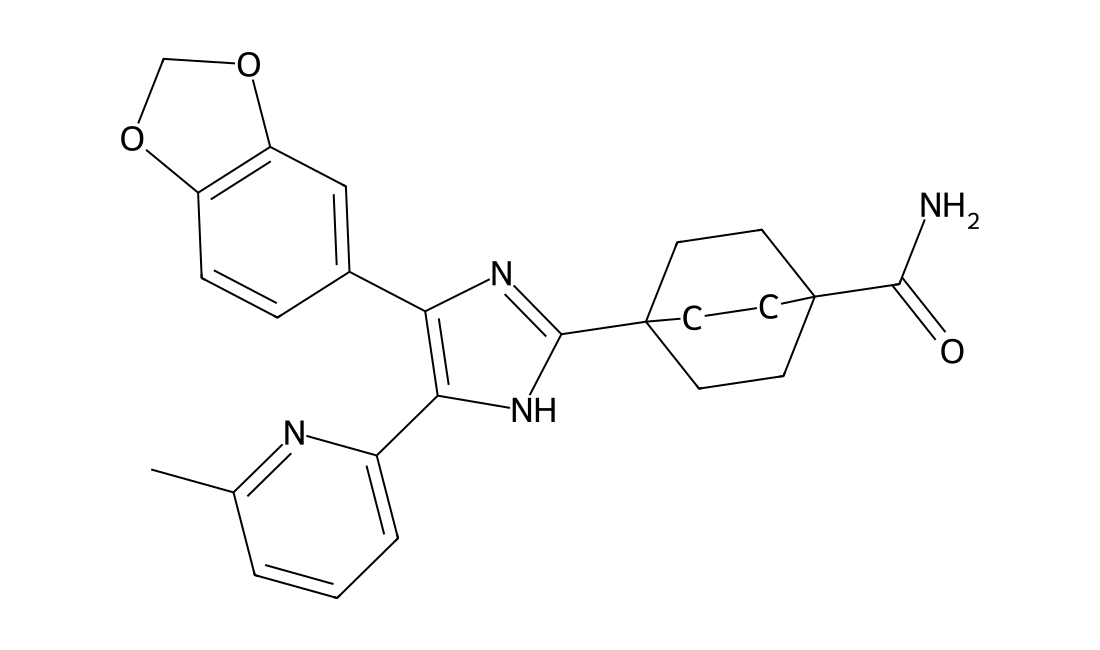
CAS 610318-54-2
RGX-104 (free base) is an orally bioavailable and potent liver-X nuclear hormone receptor (LXR) agonist that modulates innate immunity via transcriptional activation of the ApoE gene.
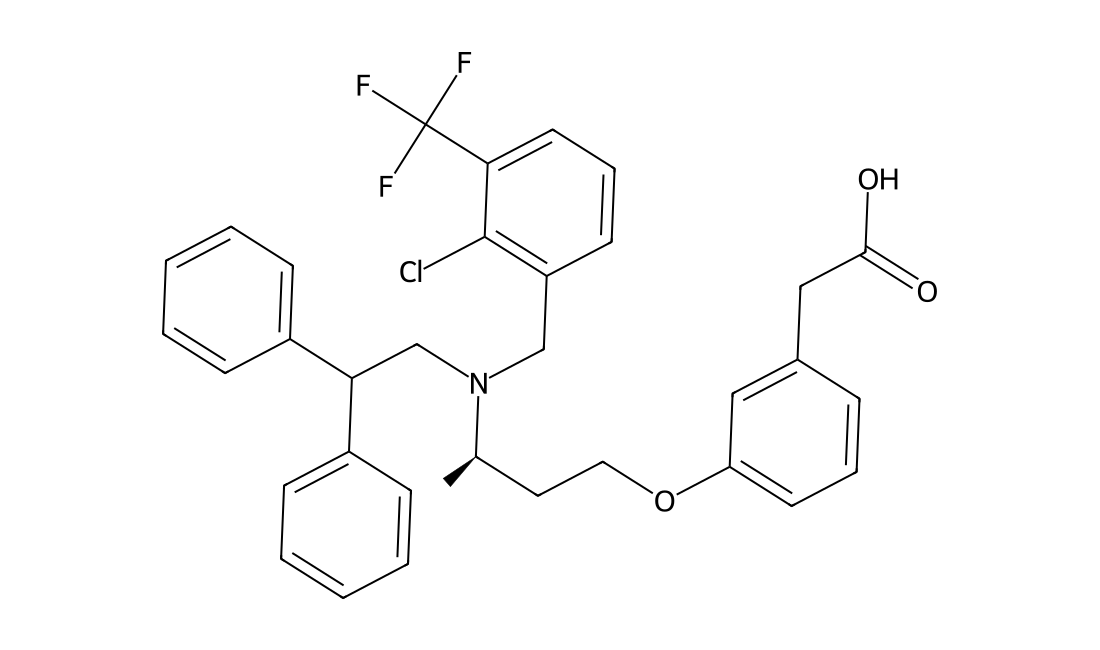
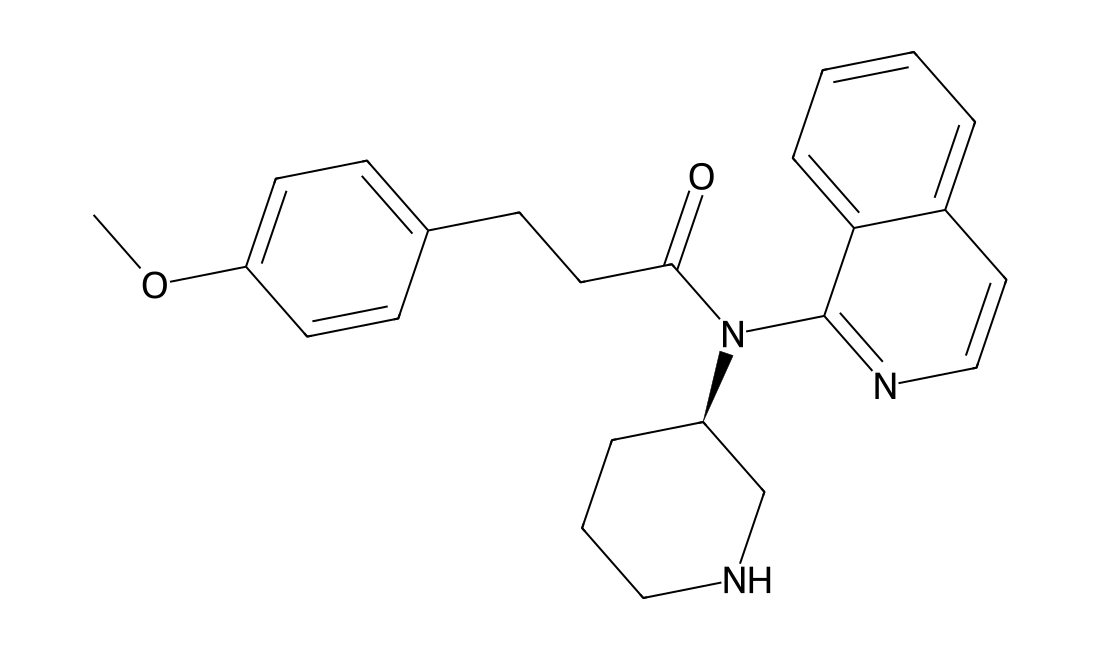
CAS 133156-06-6
GR-73632 is a novel tachykinin neurokinin 1 (NK-1) receptor agonist[1]. GR-73632 acts directly on the peripheral terminals of primary sensory neurons through NK1 receptor which convey itch signals[2].
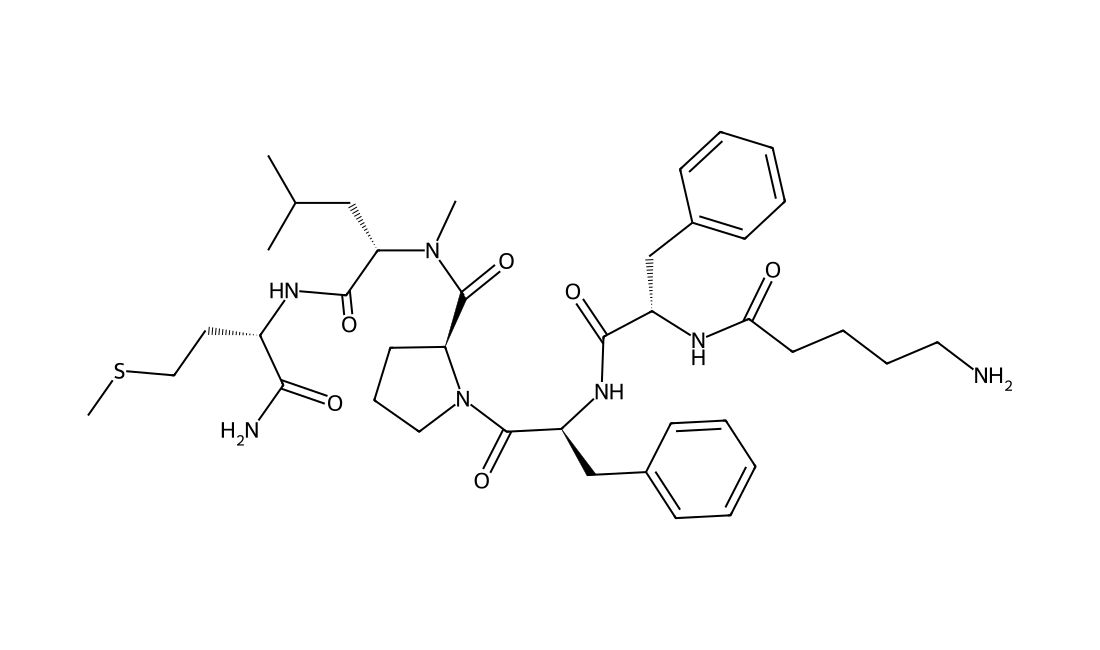
CAS 87134-87-0
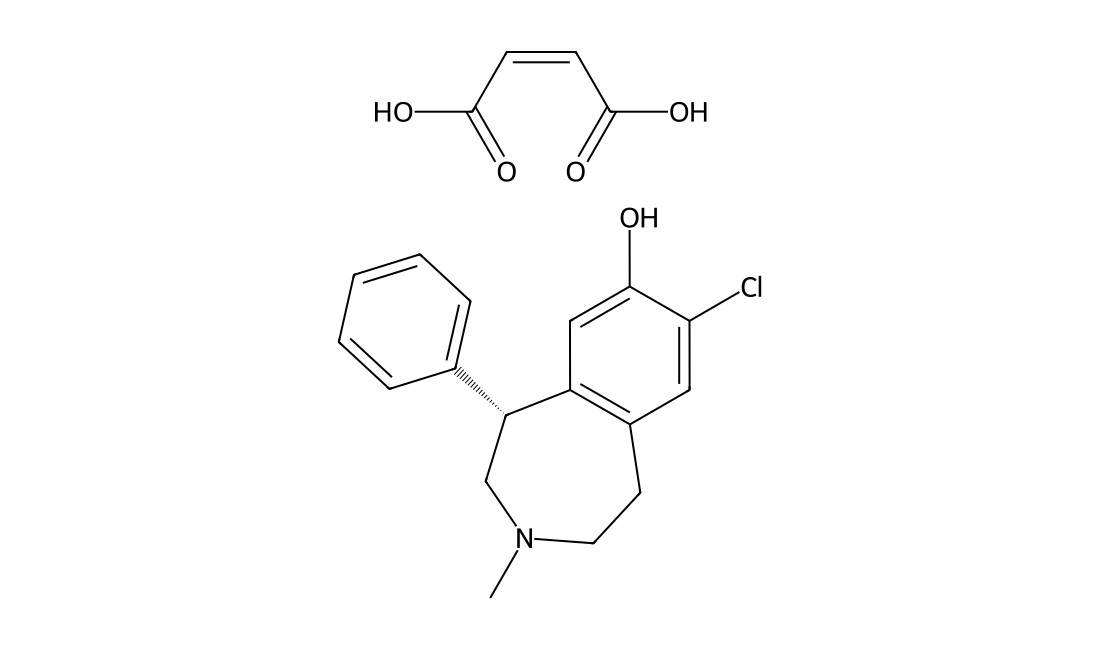
SCH-23390 maleate (R-(+)-SCH-23390 maleate) is a potent and selective dopamine D1-like receptor antagonist with Kis of 0.2 nM and 0.3 nM for the D1 and D5 receptor, respectively. SCH-23390 maleate is a potent and high efficacy human 5-HT2C receptor agonist with a Ki of 9.3 nM. SCH-23390 maleate also binds with high affinity to the 5-HT2 and 5-HT1C receptors. SCH-23390 maleate inhibits G protein-coupled inwardly rectifying potassium (GIRK) channels with an IC50 of 268 nM[1][2][3].
CAS 666843-10-3
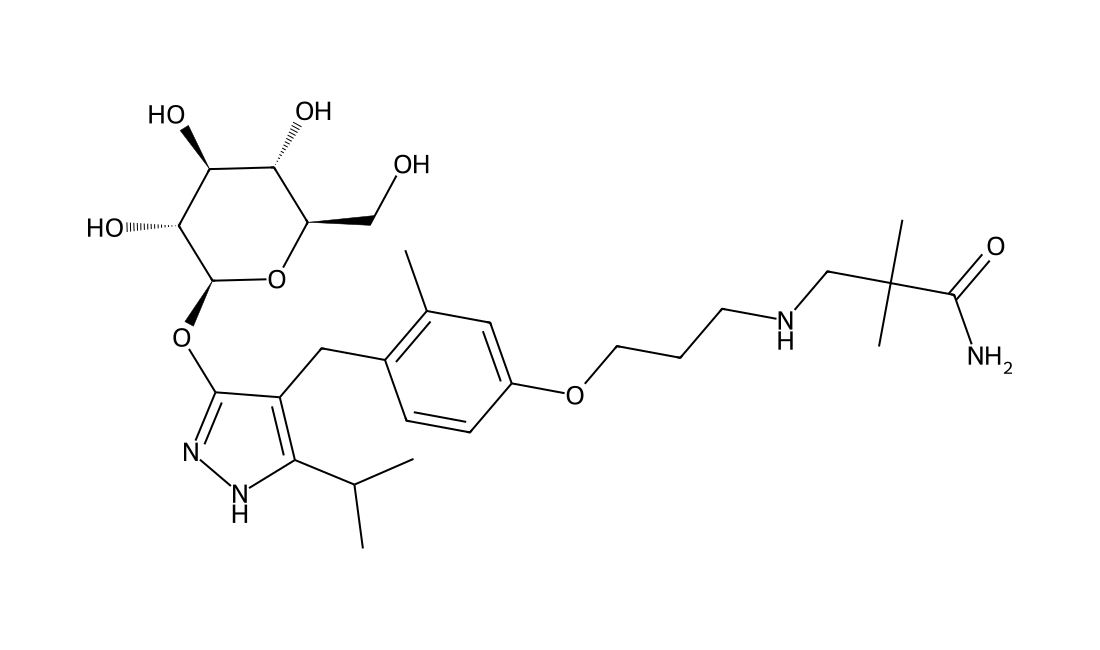
Mizagliflozin (DSP-3235, KGA-3235, GSK-1614235) is a potent, selective, orally active SGLT1 inhibitor with Ki of 27 nM, displays >350-fold selectivity over SGLT2; increases stool frequency and loosens stool consistency in phase I study; increases fecal wet weight in a dog model of loperamide-induced constipation and a rat model of low-fiber-diet-induced constipation, similar to lubiprostone. Diabetes Phase 1 Clinical
CAS 1005883-72-6
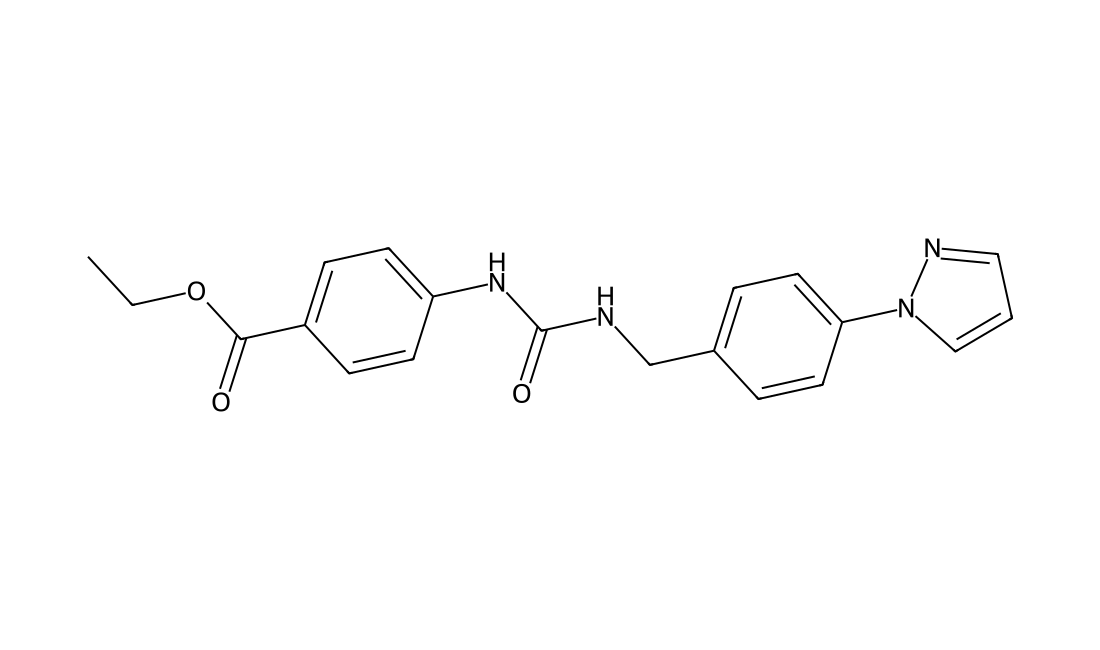
Z433927330 is a potent and selective inhibitor of Aquaporin-7 (AQP7), less potently inhibits AQP3 and AQPs9, with IC50s of ~0.2 µM, ~0.7 µM and ~1.1 µM for mAQP7, mAQP3 and mAQP9, respectively[1].
CAS 2095128-20-2
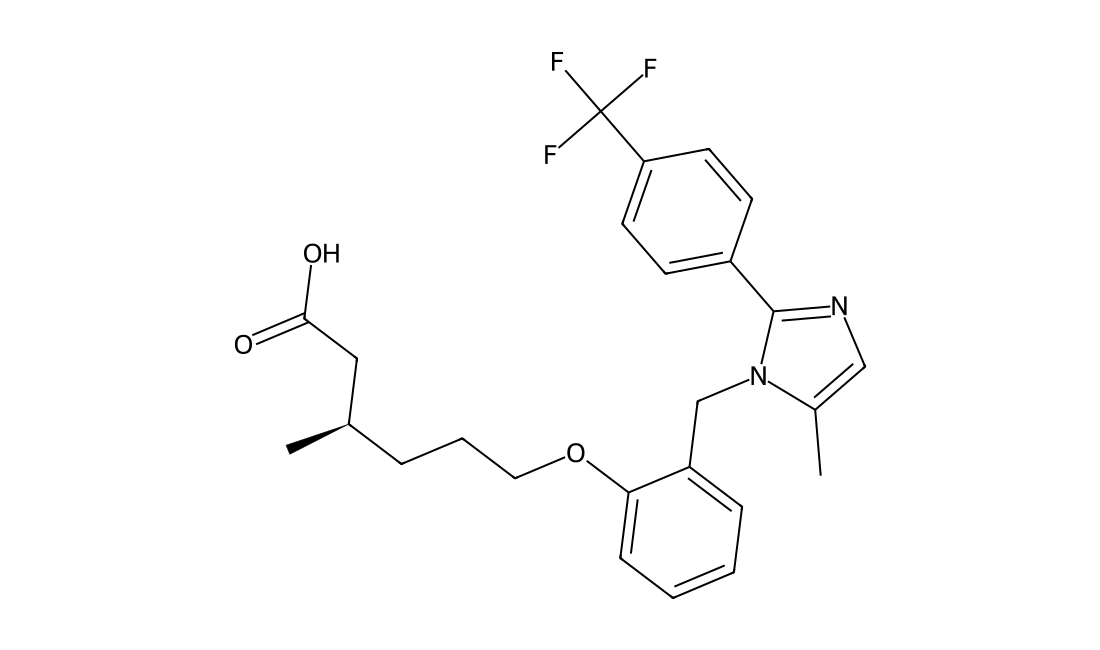
Bocidelpar is a modulator of peroxisome proliferator-activated receptor delta (PPAR-δ). Bocidelpar improves mitochondrial biogenesis and function in Duchenne Muscular Dystrophy (DMD) muscle cells (extracted from patent WO2017062468A1, compound 2b)[1].
CAS 2579689-83-9
ML 339 is a potent and selective hCXCR6 antagonist (IC50 = 140 nM); 100-fold less active at the murine CXCR6 receptor (IC50 = 18 μM). Exhibits selectivity over CXCR5, CXCR4, CCR6 and APJ receptors (IC50 >79 μM).
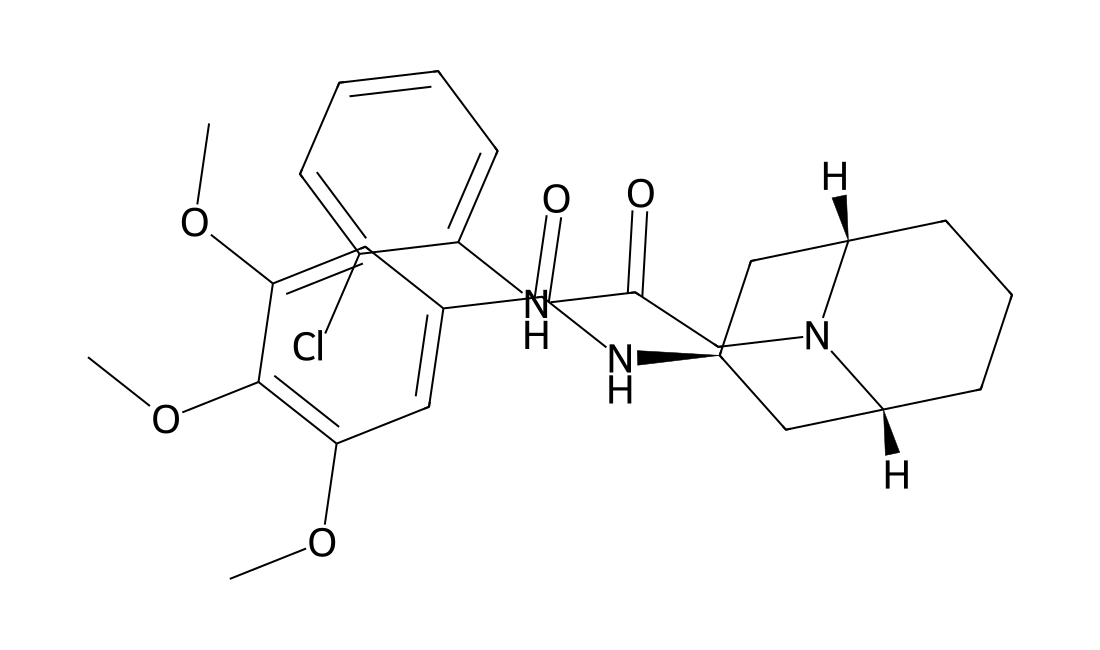
CAS 1222104-37-1
DS-7423 is a novel potent, small-molecule dual inhibitor of PI3K/mTOR with IC50 of 15.6, 1143, 249, 262 and 34.9 nM for PI3Kα, PI3Kβ, PI3Kγ, PI3Kδ, and mTOR respectively; exerts anti-tumor effect against a panel of nine OCCA cell lines with IC50 of <75 nM, regardless of the mutational status of PIK3CA; suppresses the tumor growth of OCCA in a dose-dependent manner in mouse xenograft models.Solid TumorsPhase 1 Discontinued
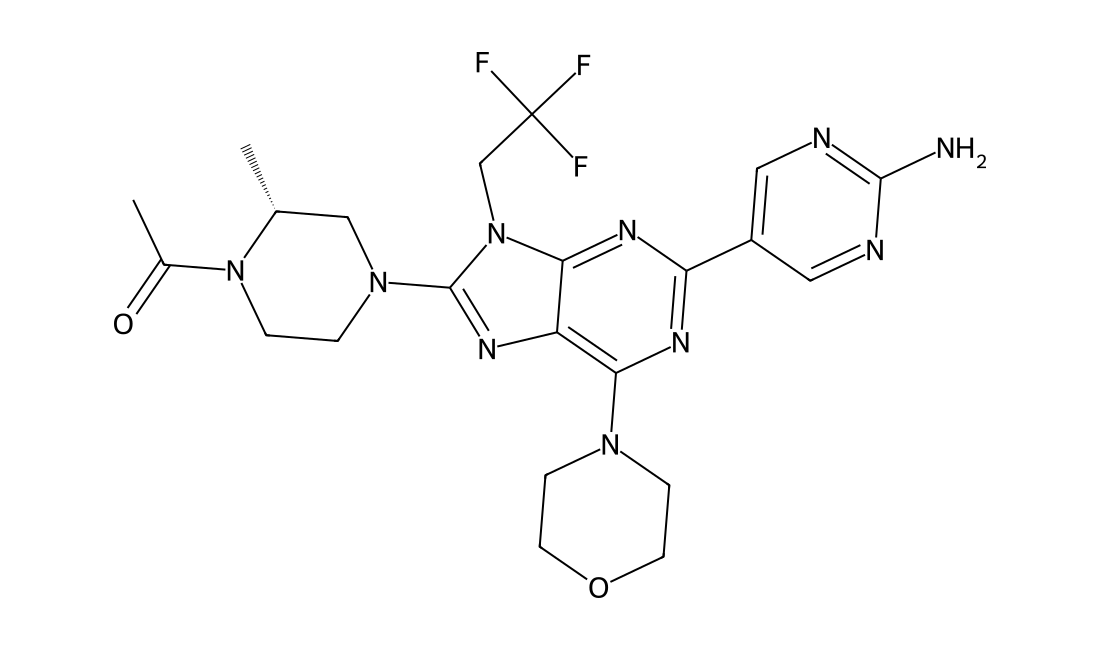
CAS 23491-45-4
BXI-72(Hoechst 33258) is a fluorescent dye that emits blue fluorescence when bound to dsDNA.
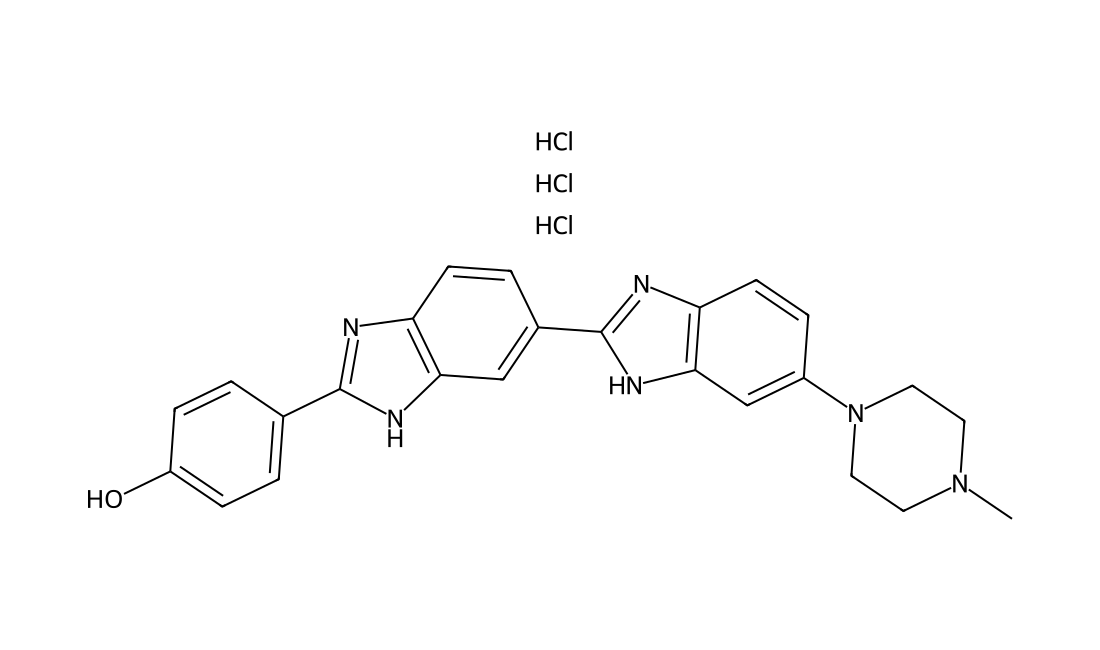
CAS 555-60-2
CCCP is an oxidative phosphorylation (OXPHOS) uncoupler. CCCP induces activation of PINK1 leading to Parkin Ser65 phosphorylation.
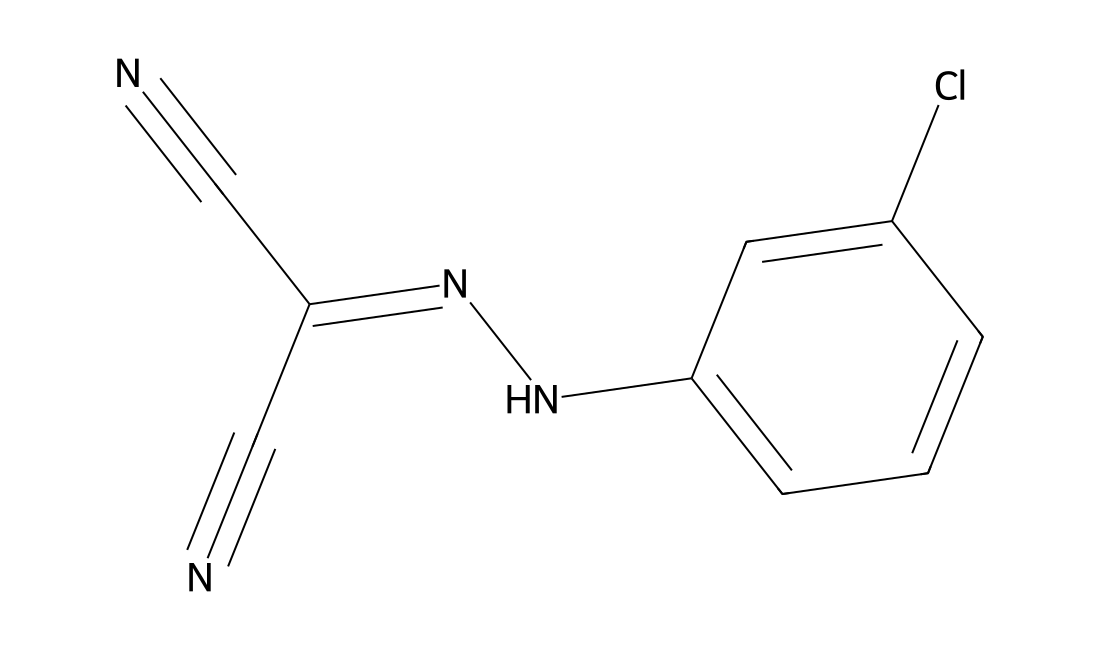
CAS 853953-65-8
GW604714X is a novel potent and selective inhibitor of mitochondrial respiration supported by pyruvate.
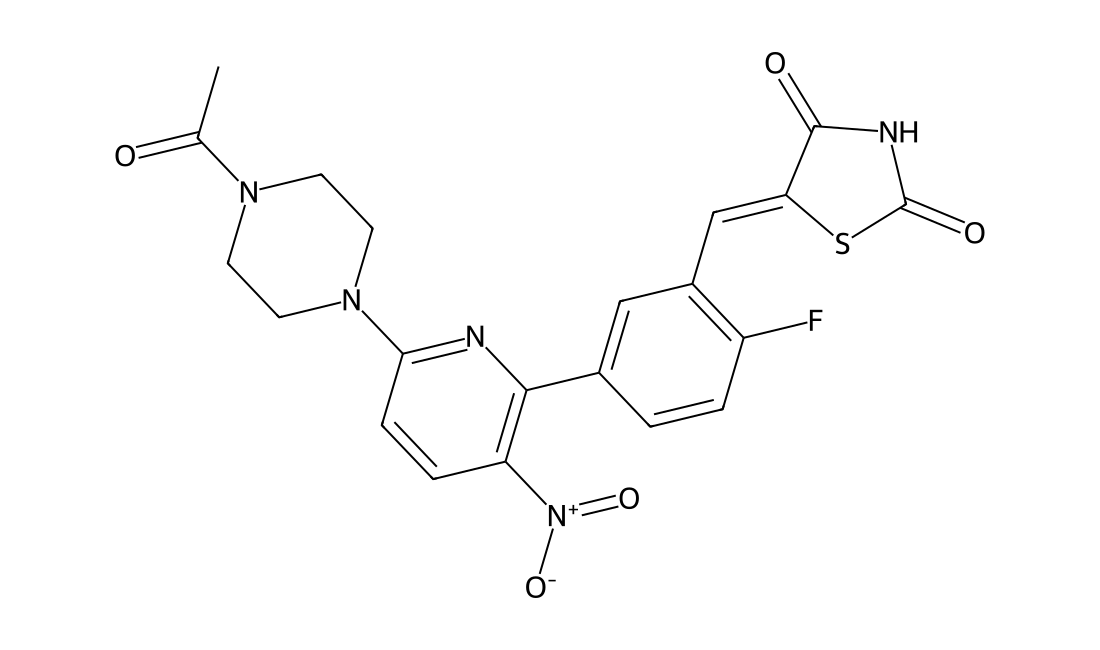
CAS 520-32-1
Tricin is a natural flavonoid present in large amounts in rice bran. Tricin can inhibit human cytomegalovirus (HCMV) replication by inhibiting CDK9. Tricin inhibits the proliferation and invasion of C6 glioma cells via the upregulation of focal-adhesion-finase (FAK)-targeting microRNA-7[1][2][3].
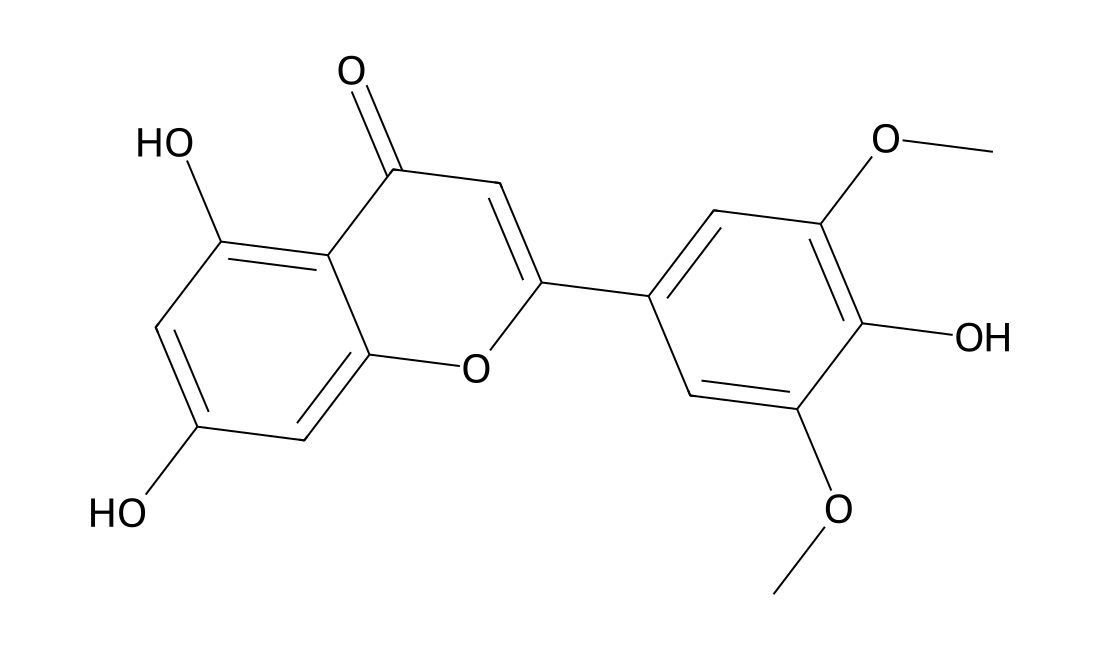
CAS 43077-30-1
DPO-1 is a potent inhibitor of the voltage-gated potassium channel subtype Kv1.5 and a blocker of ultrarapid delayed rectifier potassium current. DPO-1 prevents atrial arrhythmia.
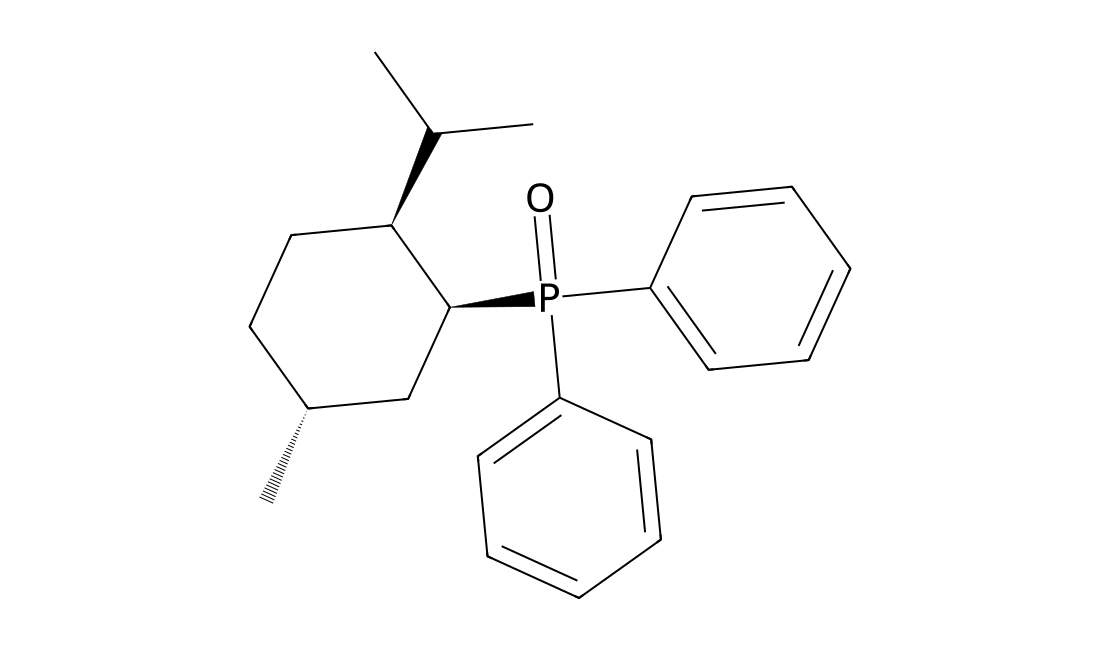
CAS 93987-29-2
BI-6015 is a hepatocyte nuclear factor 4α (HNF4α) antagonist that can inhibit the expression of known HNF4α target genes. BI6015 represses insulin promoter activity through HNF4α antagonism. BI-6015 can be used for the research of cancer and diabetes[1].
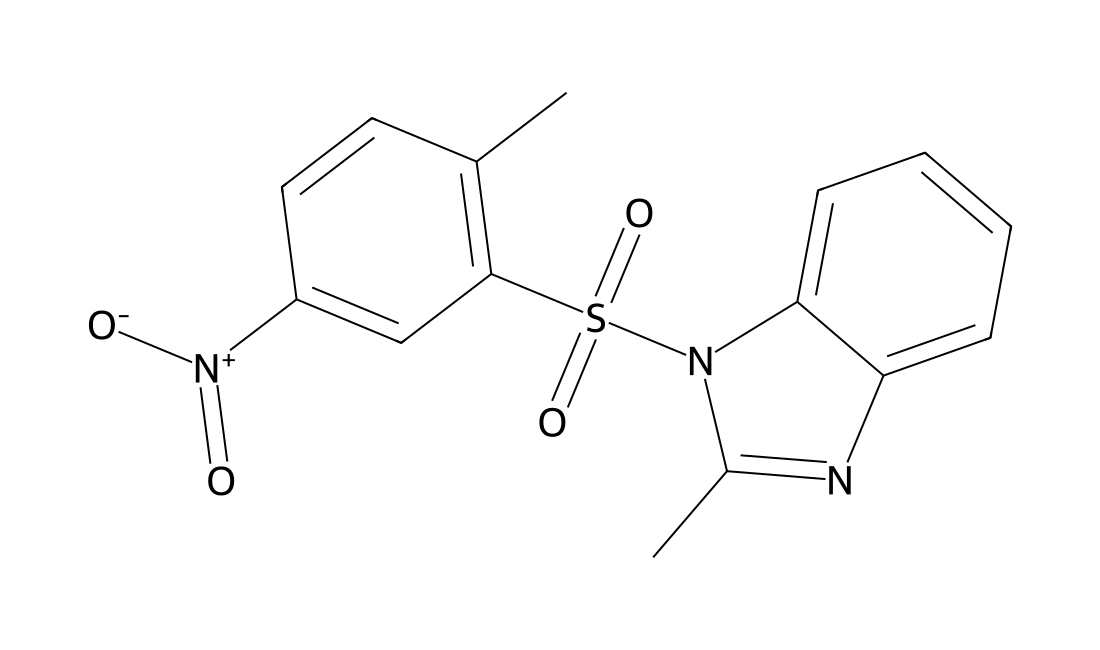
CAS 2407860-34-6
(S)-ErSO is the dextrorotatory enantiomer of ErSO. (S)-ErSO is inactive in MCF-7 cells (from patent WO2020009958A1, compound (s)-105)[1].
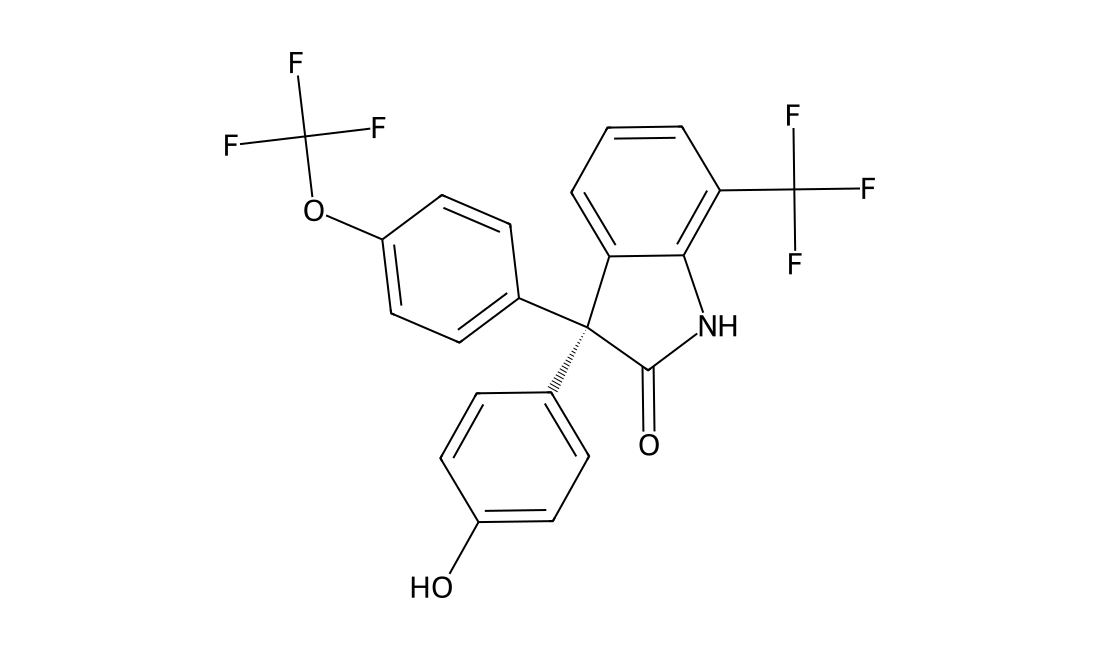
CAS 1887237-54-8
I-BET567 is a potent and oral active inhibitor of pan-BET candidate with pIC50s of 6.9 and 7.2 for BRD4 BD1 and BD2, respectively. I-BET567 has been demonstrated efficacy in mouse models of oncology and inflammation.
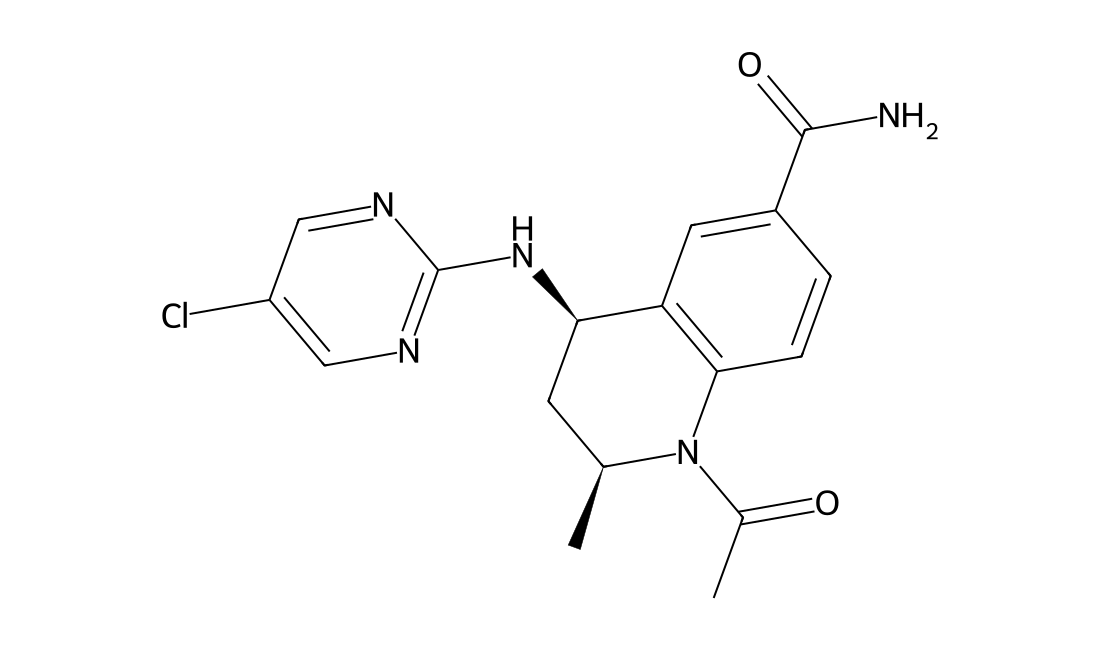
CAS 1628048-93-0
SGK1-IN-4 (compound 17a) is a highly selective, orally active SGK1 inhibitor. SGK1-IN-4 can be used for osteoarthritis research.
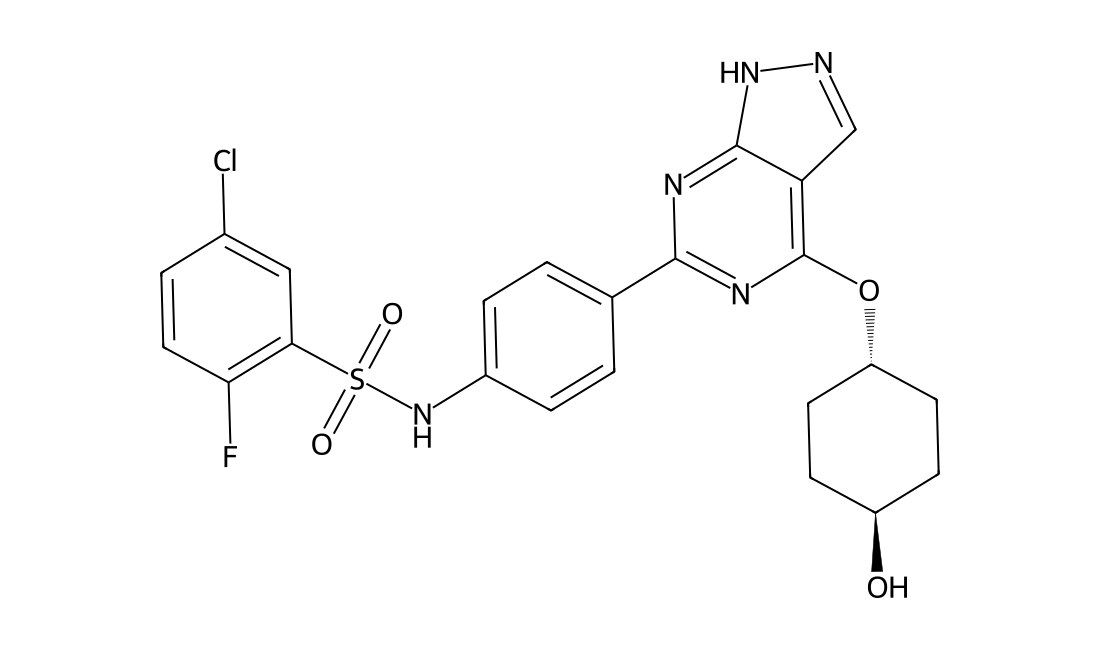
CAS 1799824-08-0
E-7386 (E7386) is a potent, orally active modulator of CBP/beta-catenin, disrupts the interaction and inhibits canonical Wnt signaling pathway /TCF reporter gene activity in LiCl-stimulated HEK-293 and MDA-MB-231 with IC50 of 55 and 73 nM, respectively; exhibits anti-tumor activity in vitro tumor proliferation panel against 28 human tumor cell lines; modulates the expression of Wnt signaling pathway related genes including AXIN2 and other genes, significantly suppressed the number of polyposis in a dose dependent manner at the dose 8.5-50 mg/kg, also significantly changed the expressions of Wnt related genes in whisker follicle of ApcMin/+mice model.
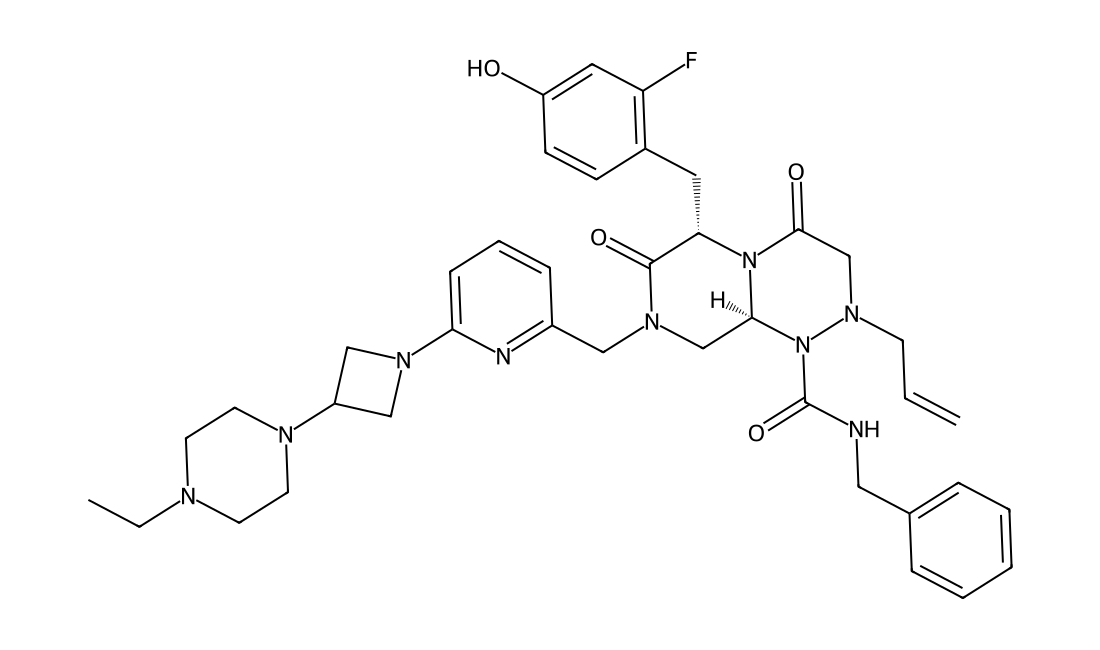
CAS 2414198-64-2
LY-3537982 (LY3537982) is a highly selective and potent KRAS-G12C inhibitor, selectively inhibits growth of KRAS G12C mutant cells (IC50=1-60 nM).LY-3537982 does not inhibit growth of KRAS G12S/G13C/G12D mutant cells and WT KRAS cells (CI50>10 uM).LY-3537982 displays high selectivity for proteome-wide cysteine residues was evaluated using competitive chemical proteomics (8866 peptides).LY3537982 inhibits the growth of subcutaneous EL3187 NSCLC PDX tumors in nude mice in a dose dependent manner.LY3537982 demonstrates robust tumor regression in combination with other agents in KRAS G12C in vivo models.LY3537982 is a promising KRAS G12C inhibitor predicted to deliver >90% KRAS G12C target occupancy in the clinic.
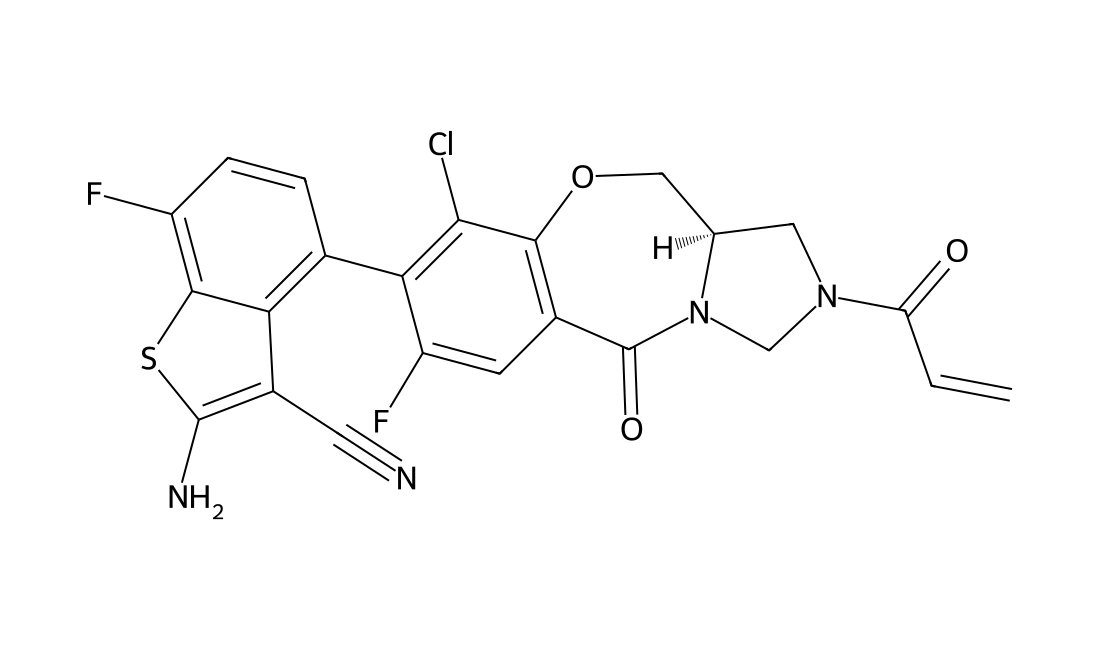
CAS 2446816-88-0
apolipoprotein L1 (APOL1) function inhibitor (WO2020131807, compound 2). Inaxaplin
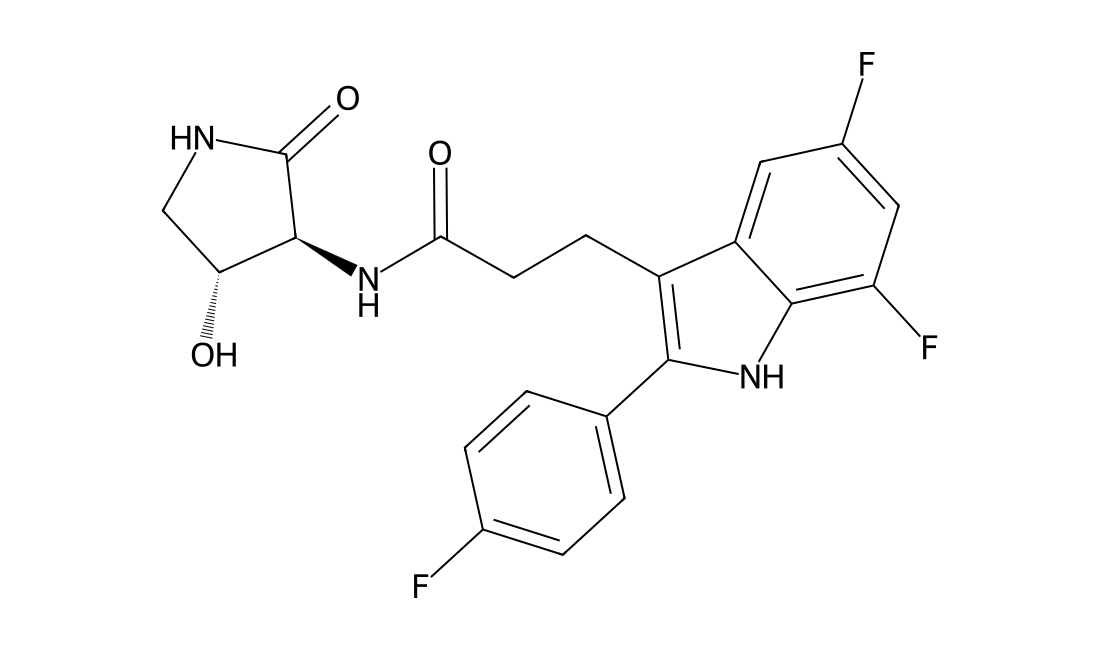
CAS 2440087-54-5
ERX-41 is a potent therapeutic agent targeting lysosomal acid lipase A (LIPA) and shows the mechanism of action (disruption of protein folding and induction of ER stress) that may have utility in treating patients with TNBC or other multiple solid tumors.
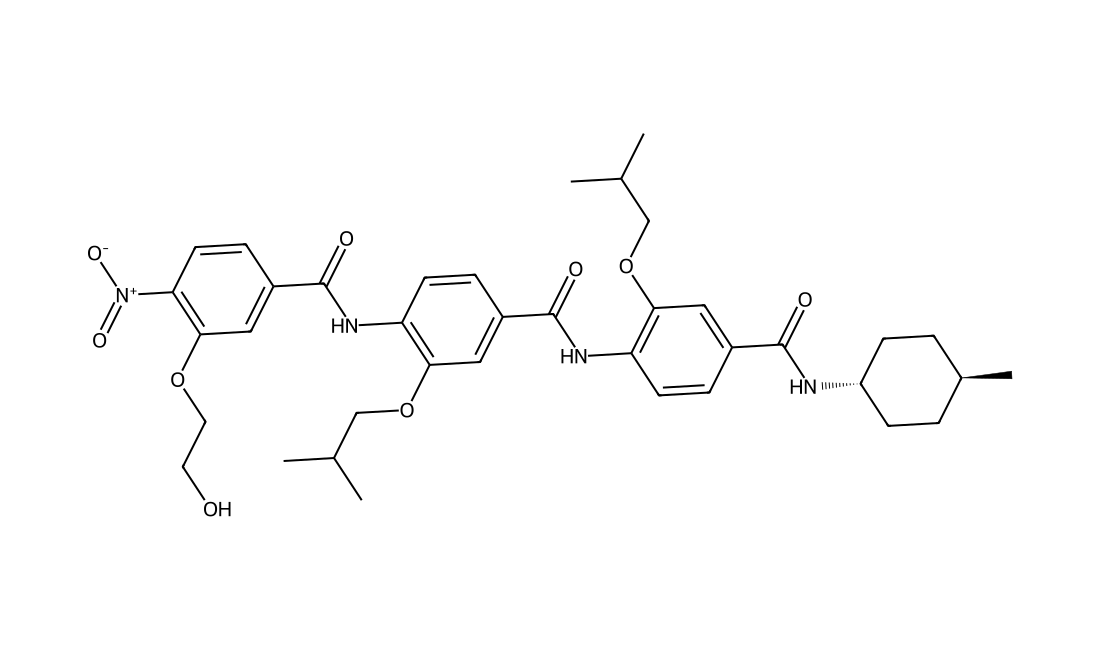
CAS 2247614-80-6
BIIB091 is a novel reversible, selective, potent BTK inhibitor with Kd of 0.07 nM.
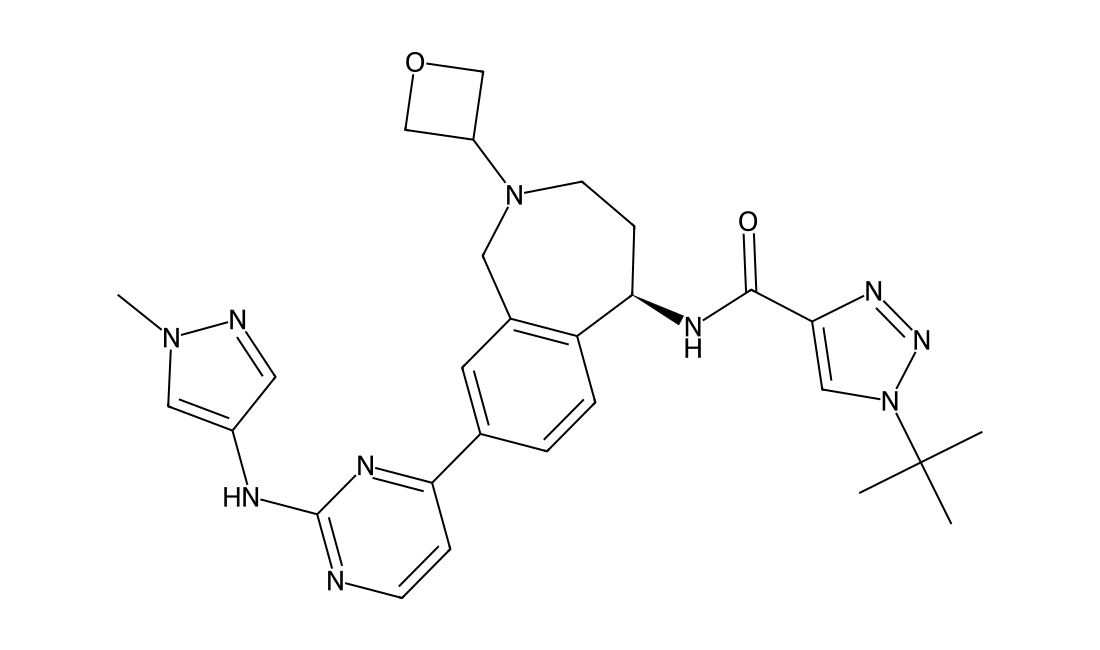
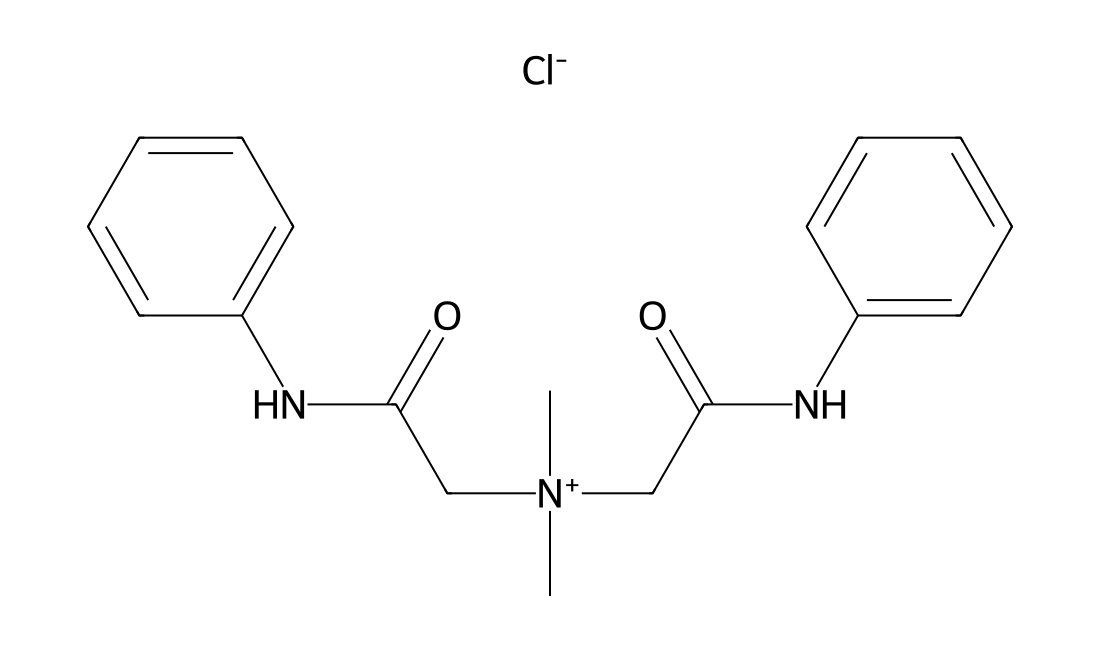
CAS 1042-42-8
Carcainium chloride (QX 572) is a quaternary derivative of the local anesthetic Lidocaine. Antitussive effect.
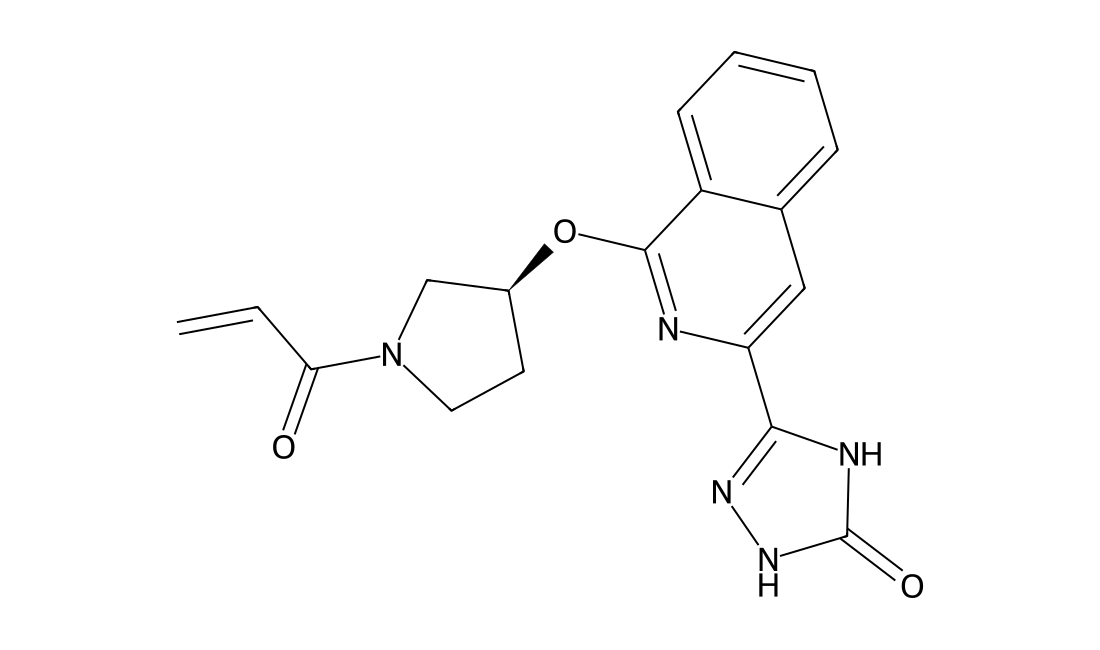
CAS 423150-91-8
BAY-4931 is a potent covalent PPARγ inverse-agonist with IC50 of 0.17 nM and could be a novel tool for probing the in vitro biology of PPARγ inverse-agonism.
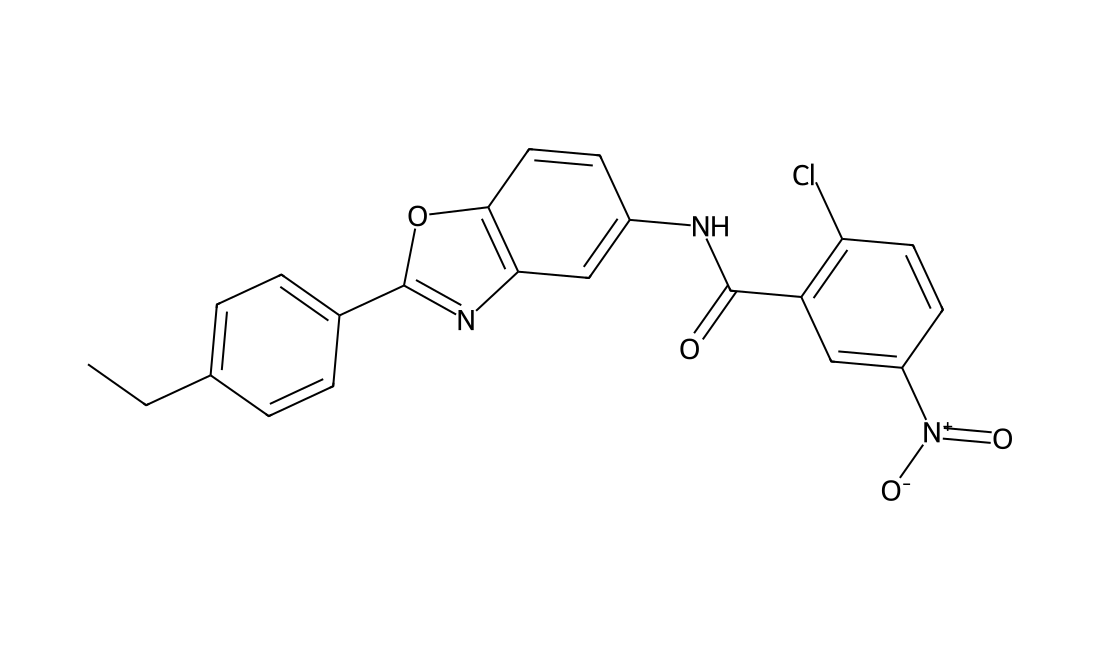
CAS 420826-65-9
BAY-0069 is a potent covalent PPARγ inverse-agonist with IC50 of 0.22 nM and could be a novel tool for probing the in vitro biology of PPARγ inverse-agonism.
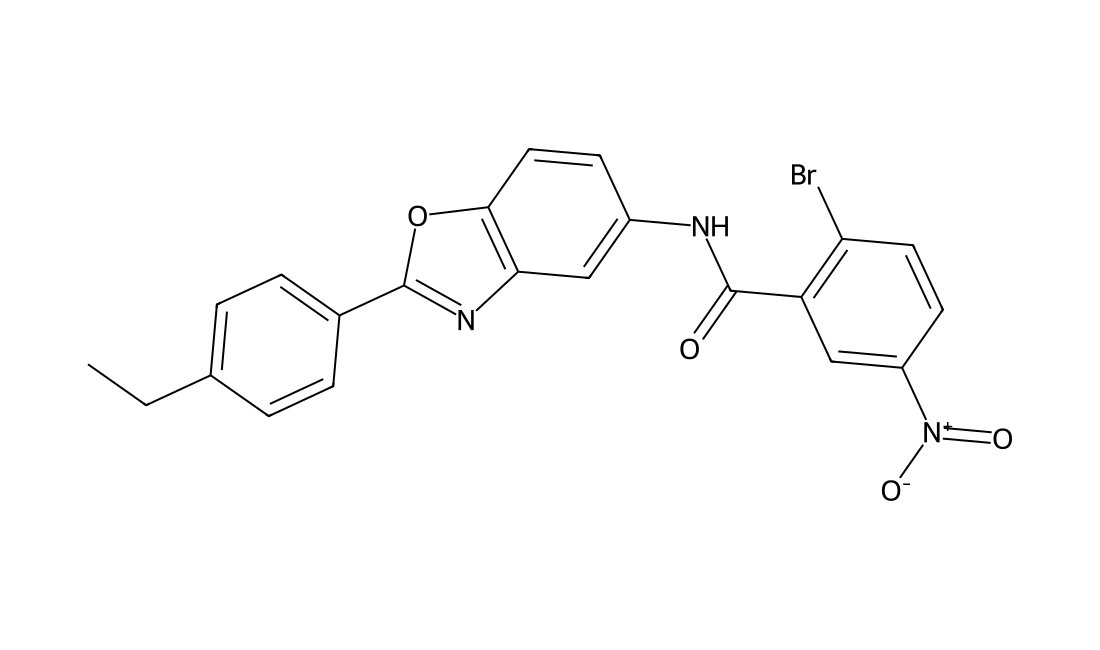
CAS 1403232-33-6
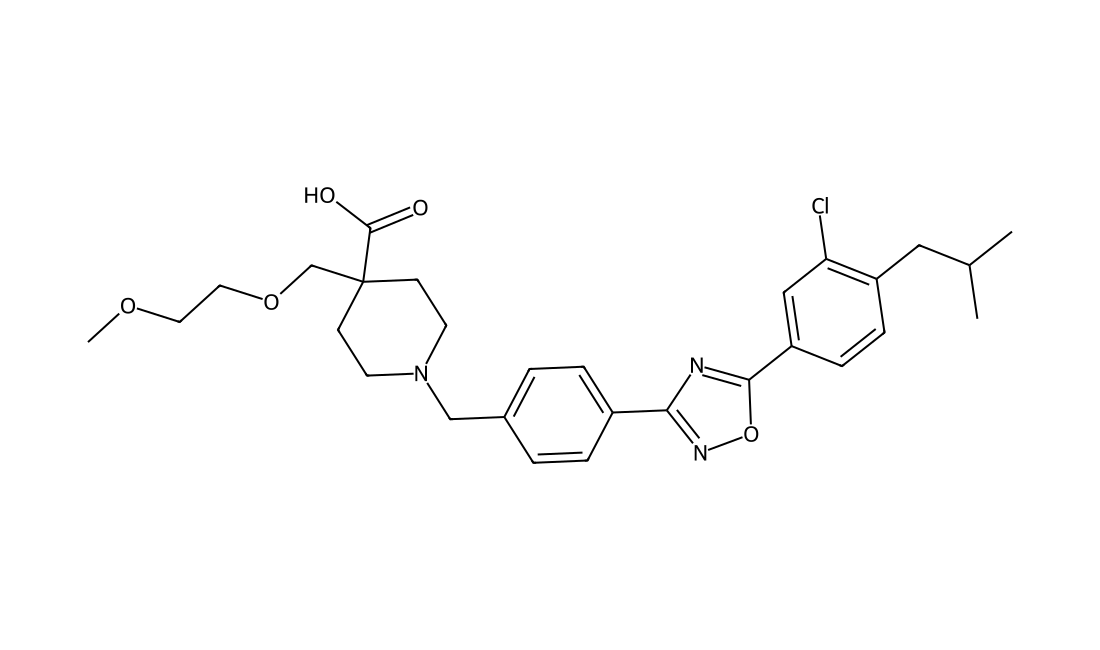
Vibozilimod (example 33) is a S1p1 receptor agonist (extracted from patent WO2012140020A1).
CAS 1972617-87-0
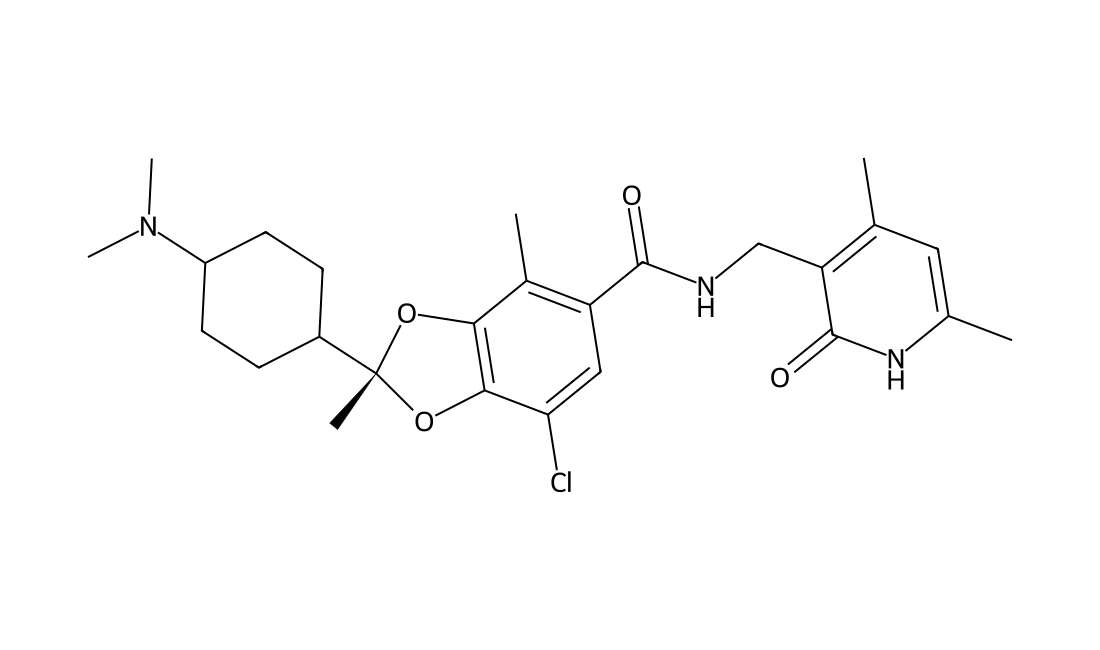
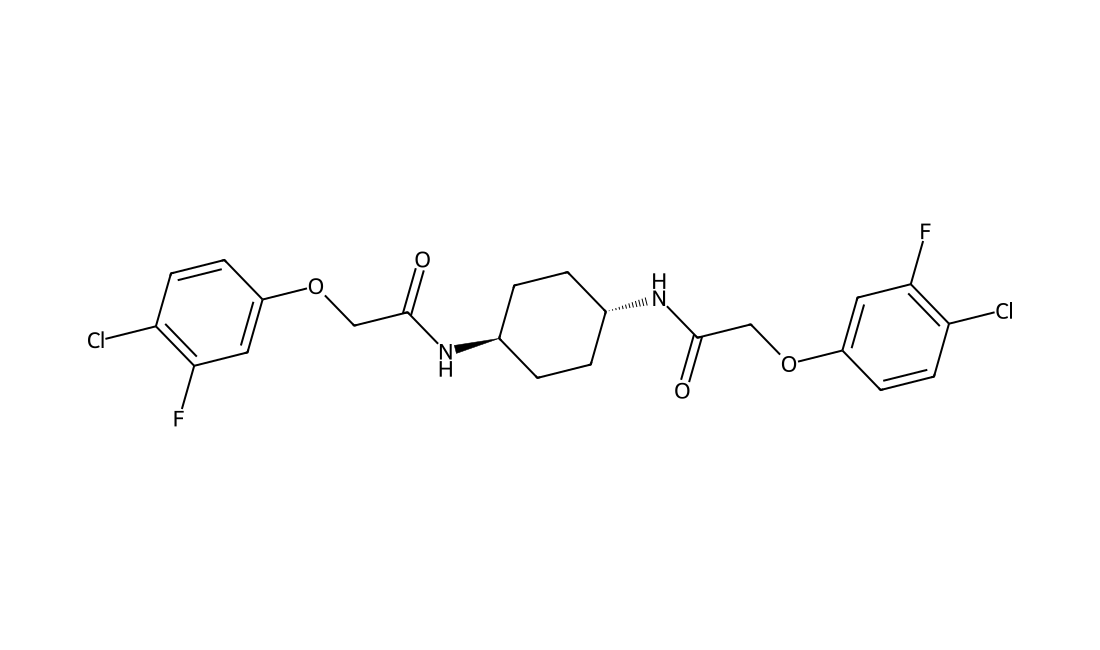
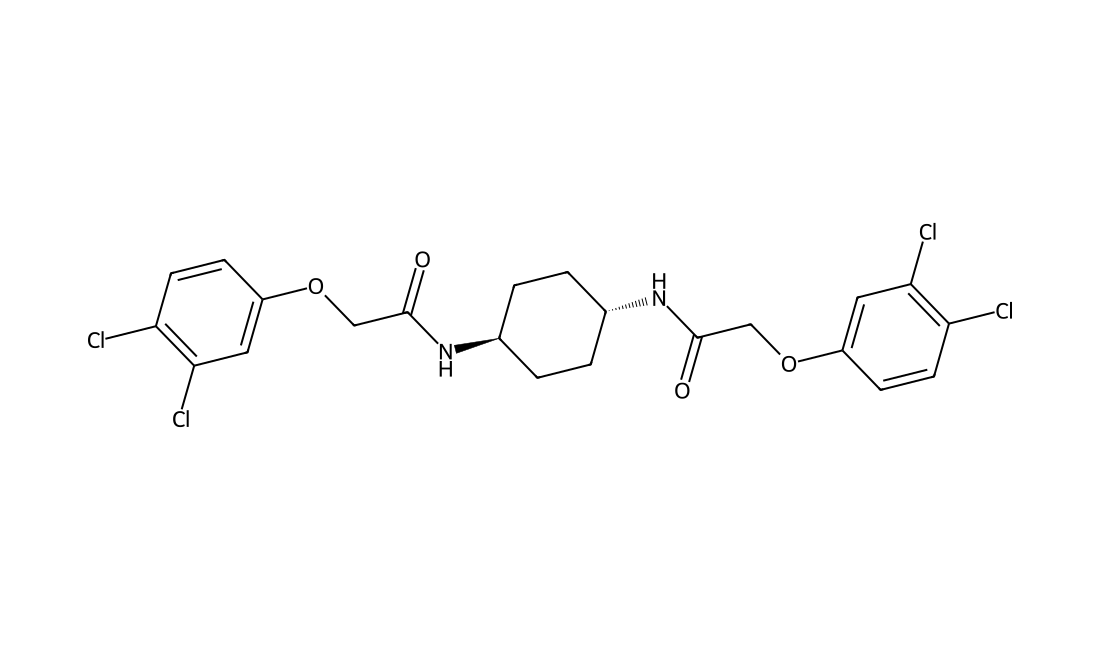
GSK 3186899 (GSK-3186899, DDD853651) is a novel specific inhibitor of parasite cdc-2-related kinase 12 (CRK12), shows activity against L. donovani in intra-macrophage assay with EC50 value of 1.4 uM, and shows good selectivity against mammalian THP-1 host cells (EC50> 50 uM).
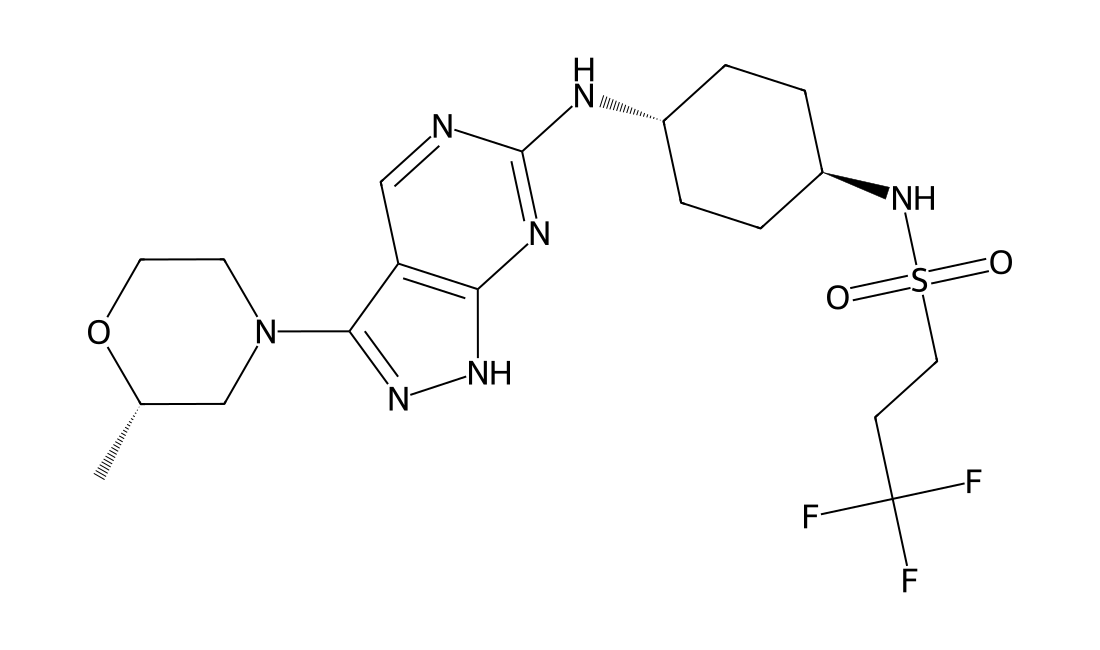
CAS 2113650-05-6
BMS-1166 hydrochloride is a potent PD-1/PD-L1 interaction inhibitor with an IC50 of 1.4 nM. BMS-1166 antagonizes the inhibitory effect of PD-1/PD-L1 immune checkpoint on T cell activation.
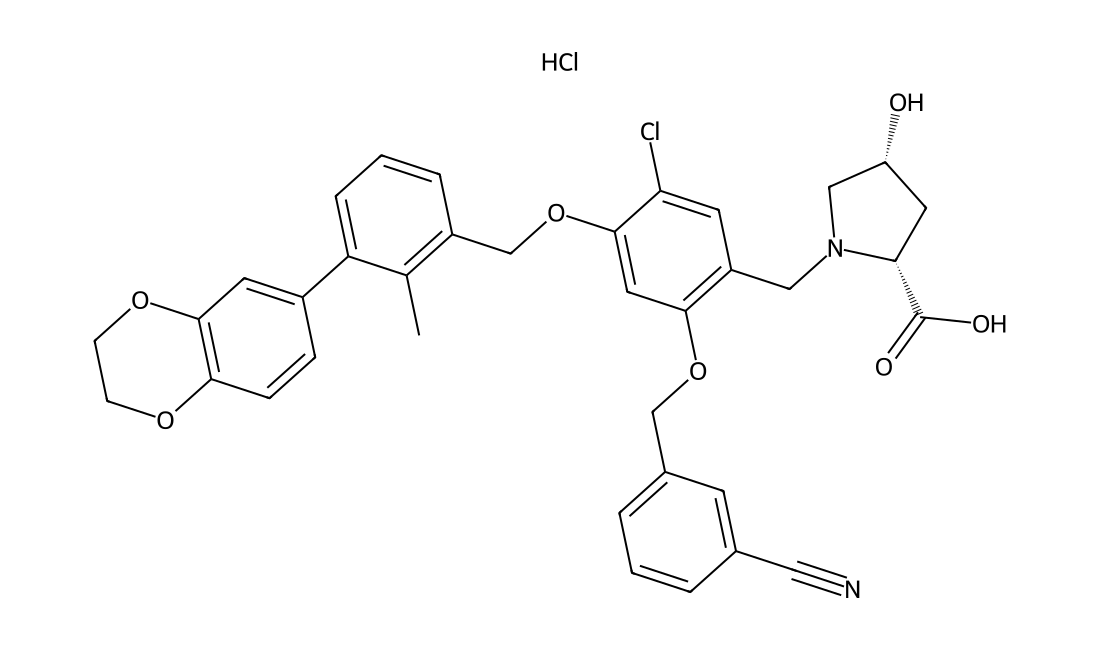
CAS 1931994-81-8
Zabedosertib (BAY 1834845) is a IRAK4 inhibitor with immunomodulatory potential. IRAK4 is a protein kinase involved in signaling innate immune responses from Toll-like receptors.
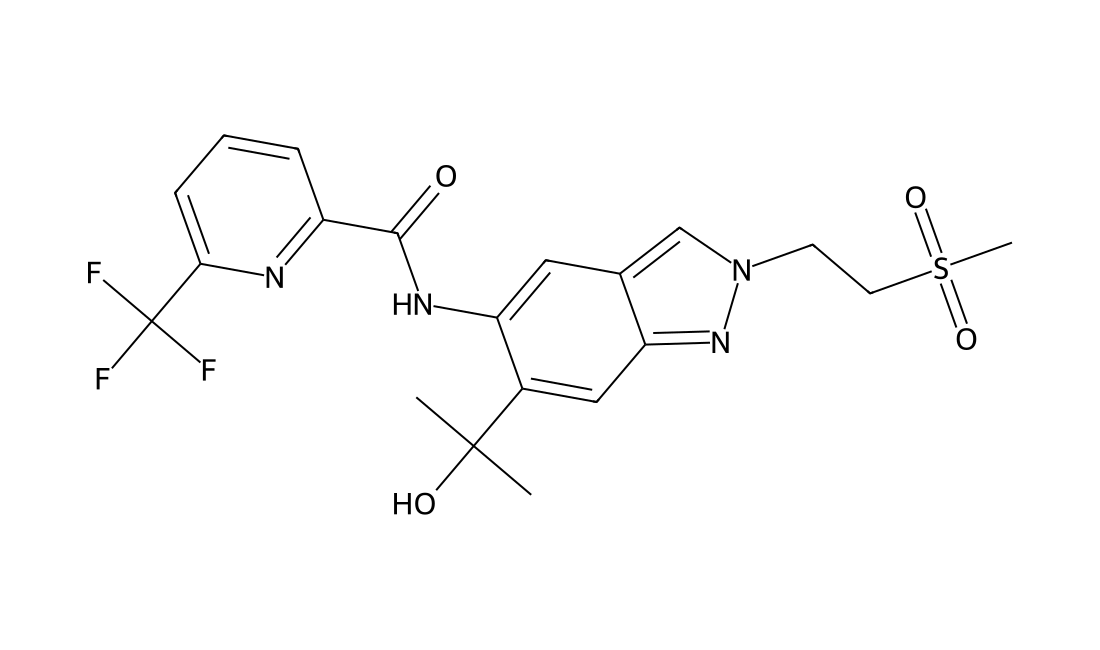
CAS 2364554-48-1
Aficamten (CK-274) is a novel cardiac myosin inhibitor with an IC50 of 1.4 μM. Aficamten can be used for the research of hypertrophic cardiomyopathy (HCM)[1].
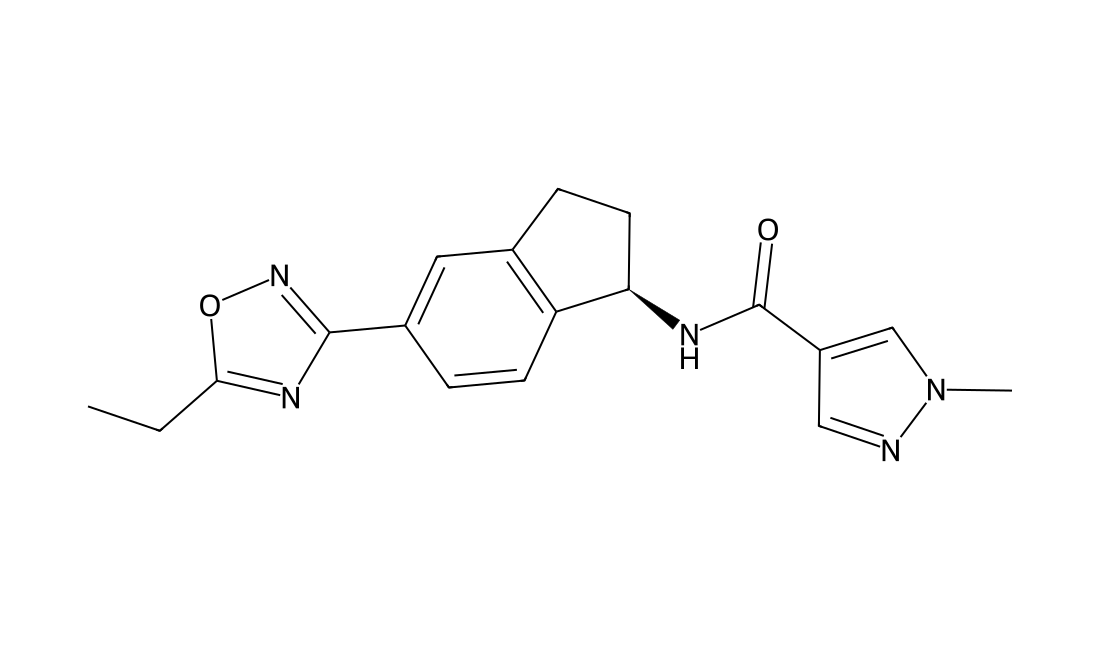
CAS 1644670-37-0
LNP023 is a highly potent factor B (FB) inhibitor with an IC50 value of 10 nM. LNP023 shows direct, reversible, and high-affinity binding to human FB (KD=7.9 nM).
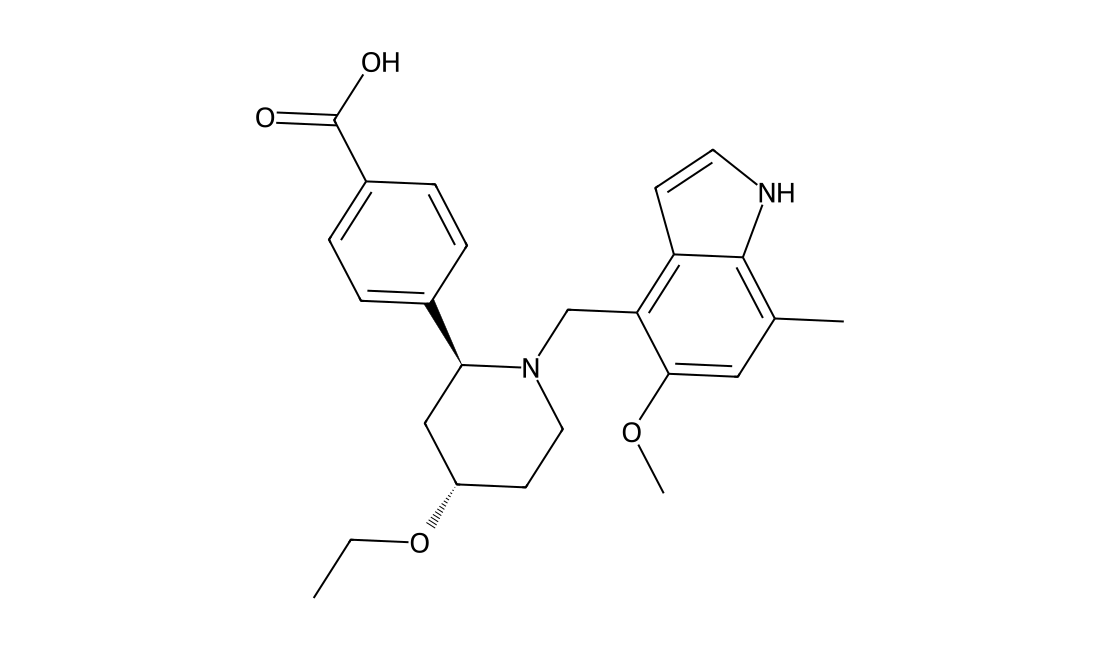
CAS 1673571-51-1
KAR-5585 (Rodatristat) is the prodrug of the potent TPH1 inhibitor KAR5417, shows robust reduction of intestinal serotonin (5-HT) levels in mice; generates high and sustained systemic exposure of the active parent KAR5417 in rats and dogs; orally bioavailable. Hypertension Phase 1 Clinical
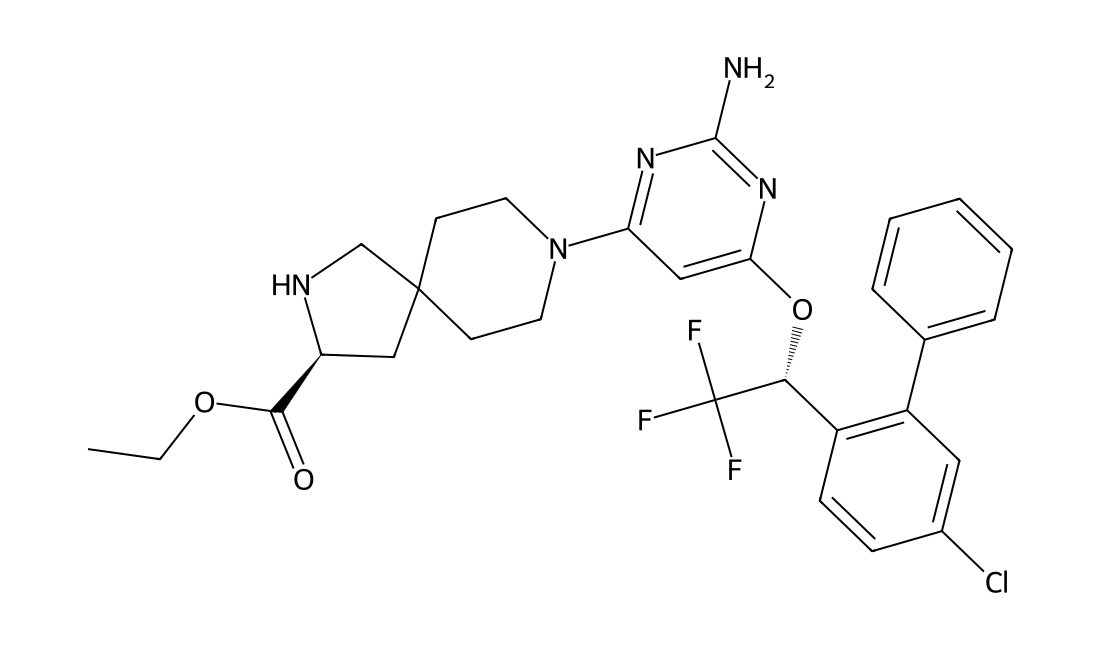
CAS 1660107-77-6
MAP855 is a novel highly potent and selective MEK1/2 kinase inhibitor with equipotent inhibition of WT and mutant MEK1/2, whose drug-like properties allow further investigation in the mutant MEK setting upon BRAF/MEK therapy.
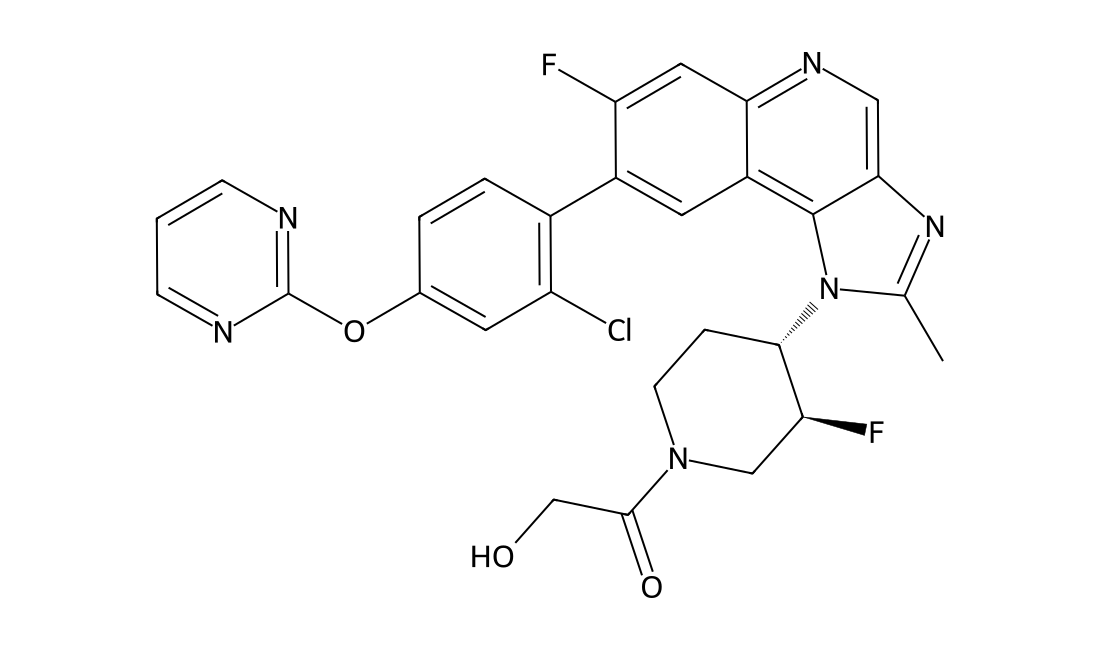
CAS 2411748-50-8
EZM0414 is a potent, selective, and orally bioavailable inhibitor of Histone-lysine N-methyltransferase SETD2.
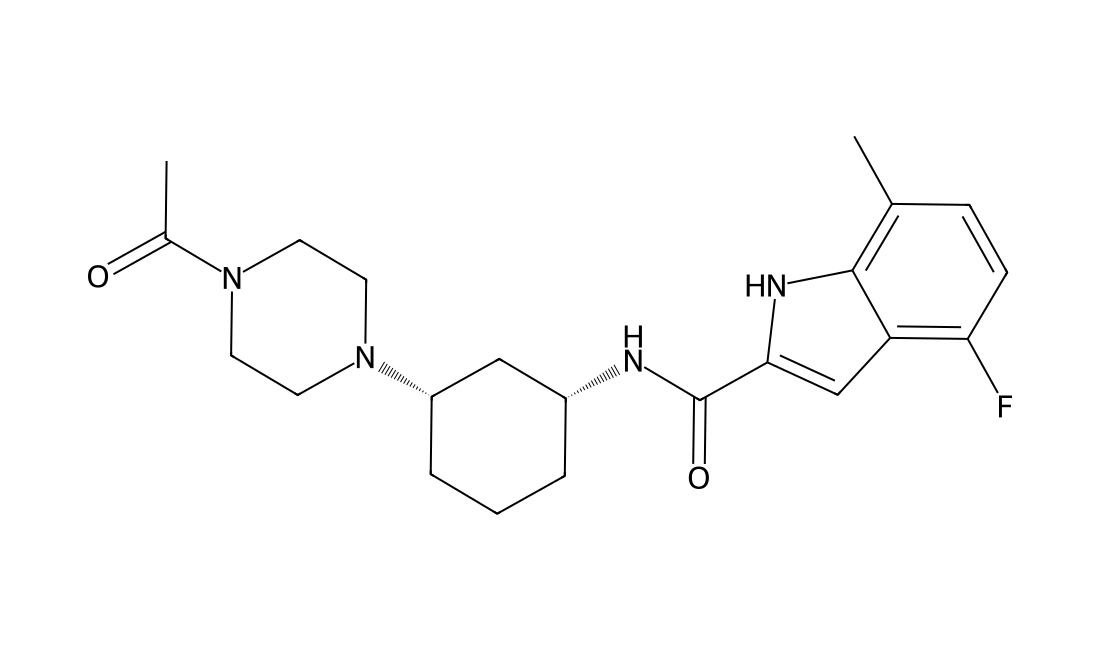
CAS 1333218-50-0
Upacicalcet is an intravenous calcimimetic agent. Upacicalcet suppresses excessive parathyroid hormone (PTH) secretion, thereby lowering blood PTH levels, by acting directly on parathyroid cell membrane calcium-sensing receptors. Upacicalcet can be used for researching the disease of secondary hyperparathyroidism (SHPT).