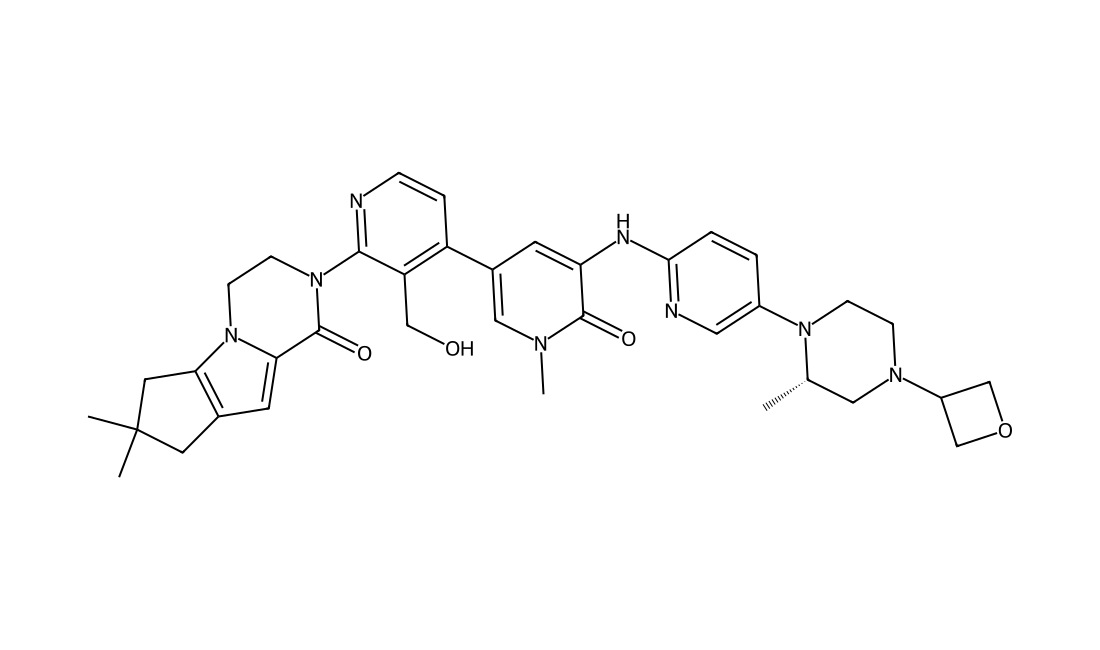
Benzenesulfonamide, n-b-d-glucopyranosyl-4-(hydroxyamino)-n-[2-(2-naphthalenyloxy)ethyl]-
CAS 188480-51-5
SCH 54292 is a potent Ras-GEF interaction inhibitor with IC50 of 0.7 uM.

Explore bioactive compounds by research category, then narrow your search by target, product name, catalog number or CAS.
Newly added: LC-MG and OXF molecular glue research compounds →
Products may appear in more than one category. Counts refer to distinct catalog numbers within each category.
Other Research Tools (75) · Additional reagents, building blocks and specialized research tools.
LC-MG-1 (DCA0006) · LC-MG-4 (DCA0007) · LC-MG-9 (DCA0008)
View structure and evidence summaries →Combine a keyword, research category and target to narrow the product list.
Loading catalog filters…
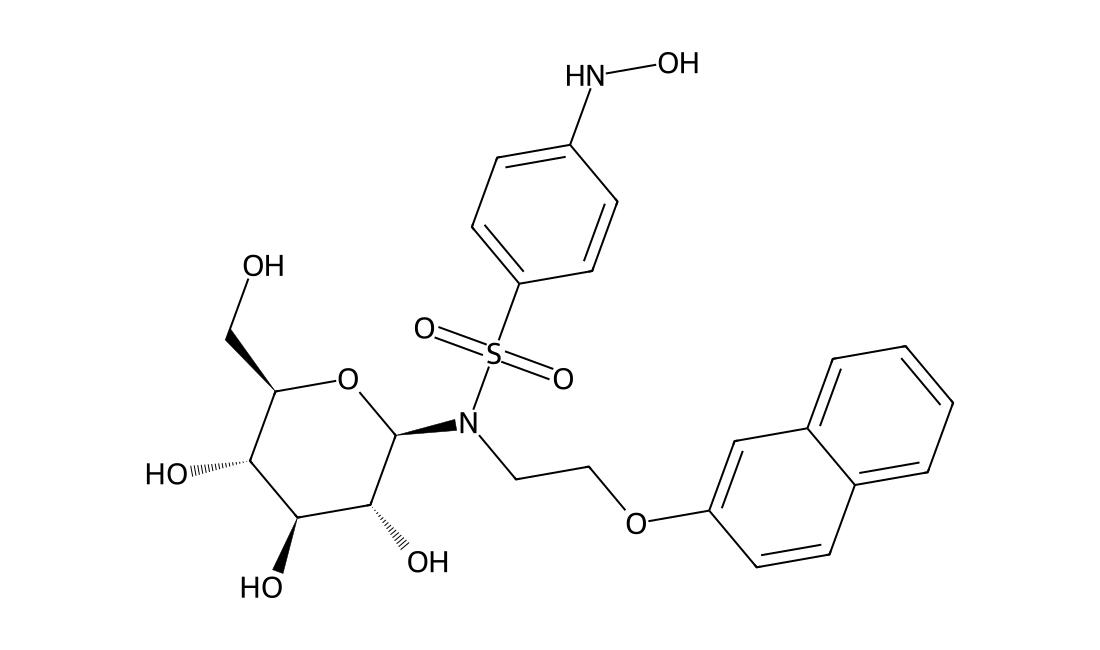
CAS 188480-51-5
SCH 54292 is a potent Ras-GEF interaction inhibitor with IC50 of 0.7 uM.
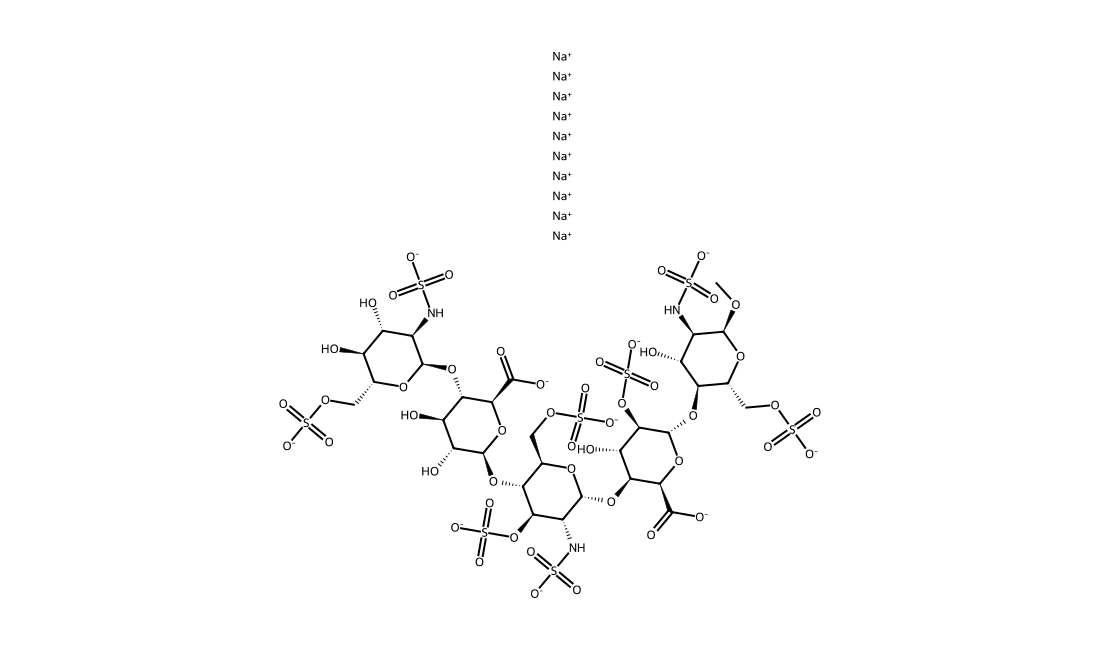
CAS 114870-03-0
Fondaparinux sodium is an antithrombin-dependent factor Xa inhibitor.
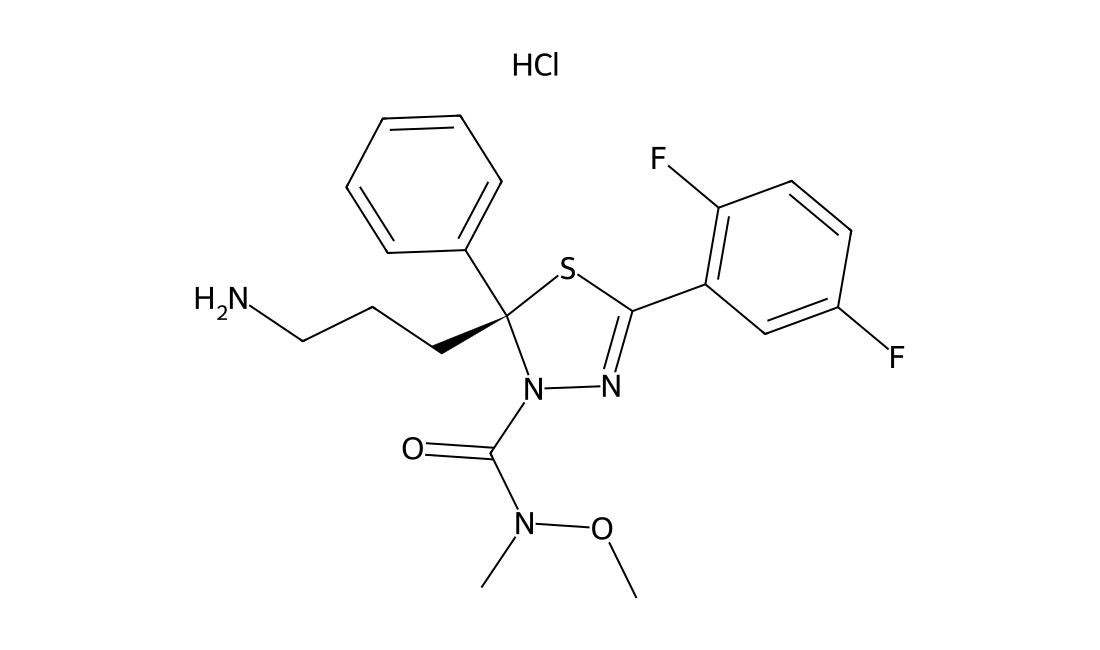
CAS 1385020-40-5
Filanesib (ARRY-520) hydrochloride is a selective and noncompetitive kinesin spindle protein (KSP) inhibitor, with an IC50 of 6 nM for human KSP. Filanesib induces cell death by apoptosis in vitro. Filanesib has potent anti-proliferative activity.
CAS 274693-27-5
Ticagrelor (AZD6140) is a reversible oral P2Y12 receptor antagonist for the treatment of platelet aggregation.
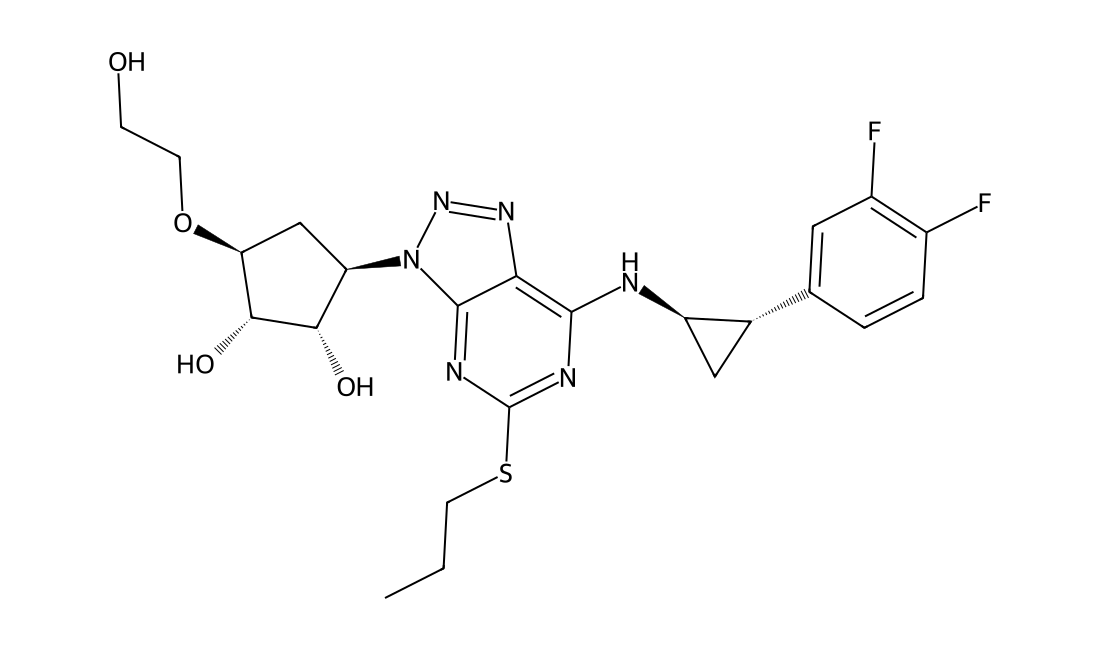
CAS 1674364-87-4
DS-437 is a potent, selective, dual inhibitor of PRMT5 and PRMT7 with IC50 of 6.0 uM for both, DS-437 is inactive against 29 other human protein-, DNA-, and RNA-methyltransferases; inhibits methylation of full-length histone 4 by PRMT5-MEP50 with an IC50 of 37 ± 1.2 μM in a biochemical assay; inhibits symmetrical dimethylation of PRMT5 substrates in cells.
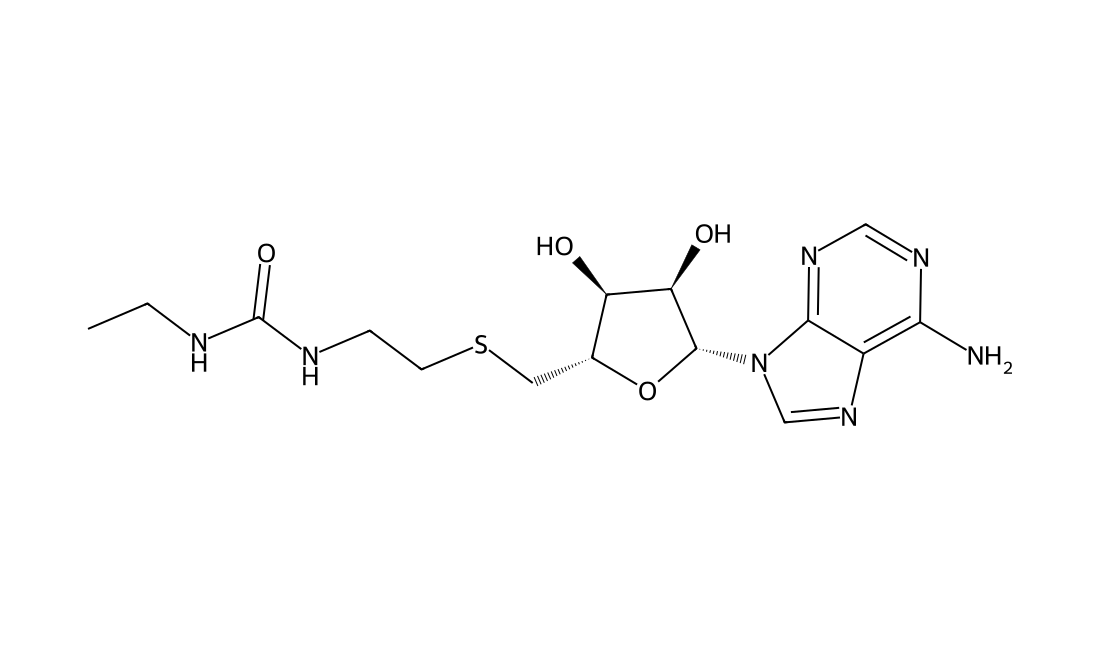
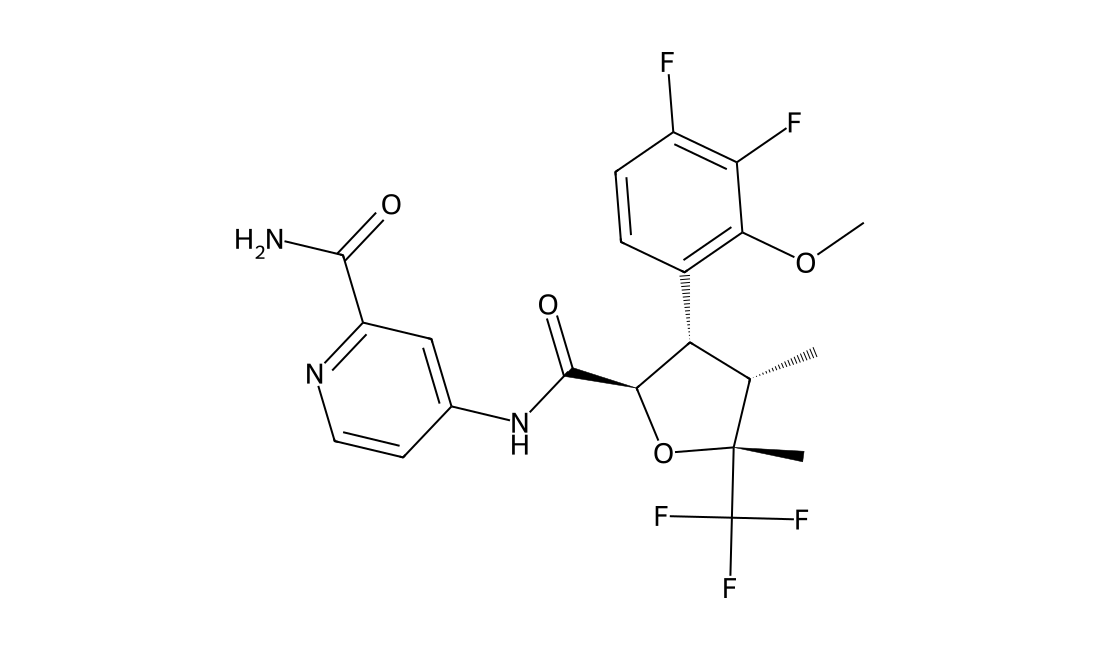
CAS 1817773-66-2
Bevurogant is a retinoid-related orphan receptor-gamma t (RORγt) antagonist. Bevurogant can be used for the research of chronic inflammatory diseases.
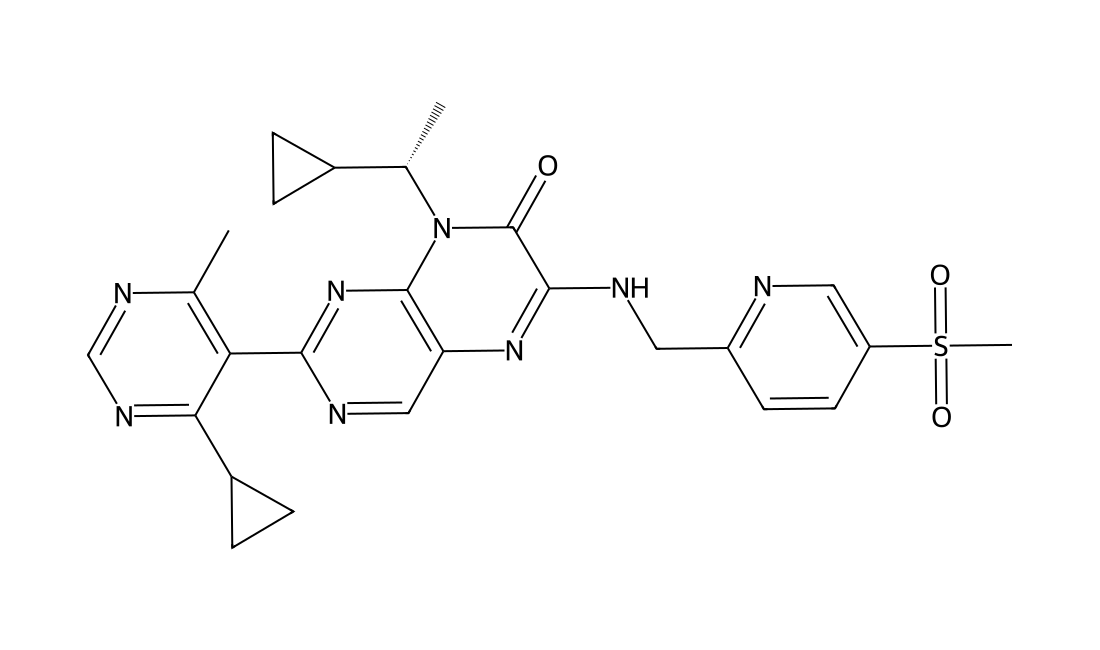
CAS 2227149-22-4
DS18561882 is a potent and isozyme-selective MTHFD2 inhibitor with GI50 of 140 nM, which also shows good oral pharmacokinetic profile.
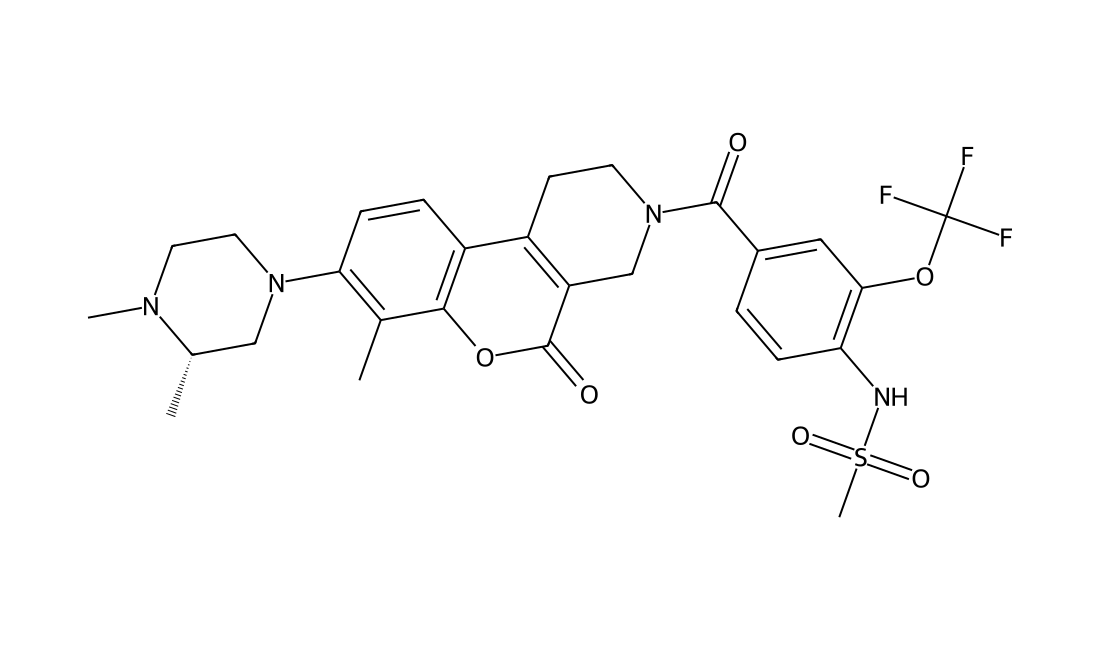
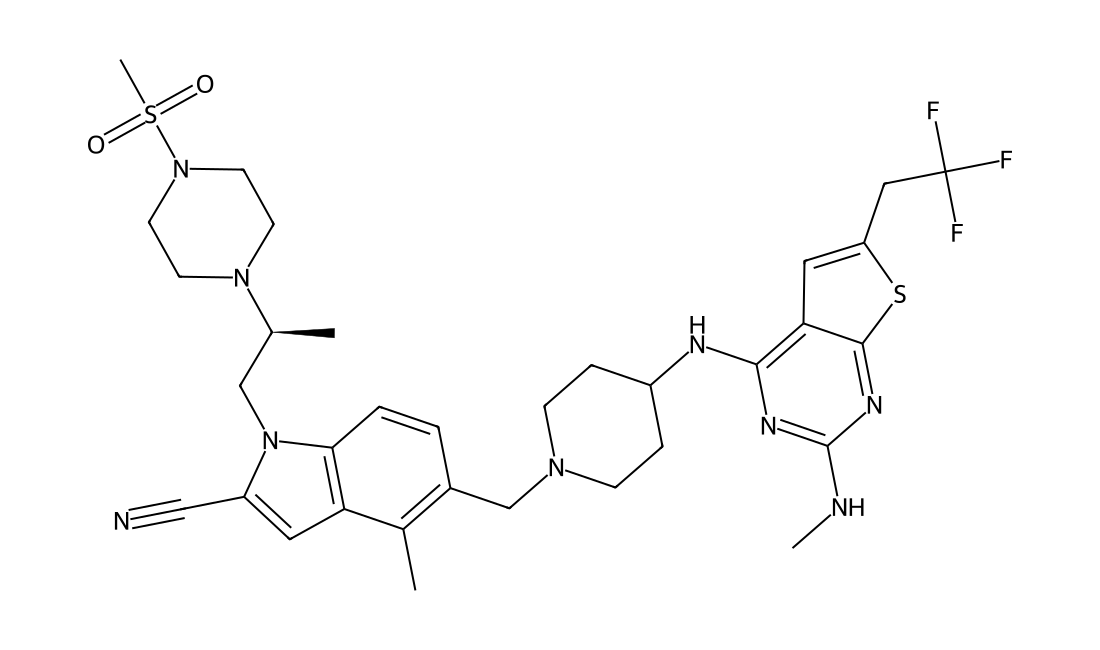
CAS 2134675-36-6
Ziftomenib is a menin-MLL interaction inhibitor with antitumor activities (WO2017161028A1, compound 151).
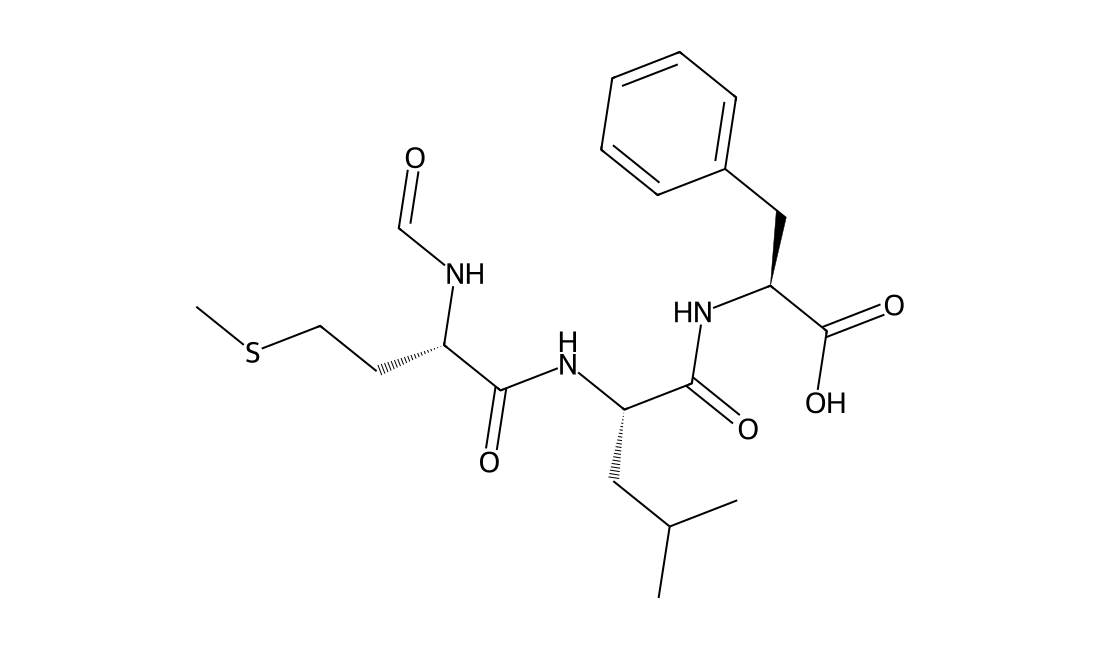
CAS 59880-97-6
N-Formyl-Met-Leu-Phe, also known as fMLF, is a potent neutrophil chemoattractant and the reference agonist for the G protein-coupled N-formylpeptide receptor (FPR).
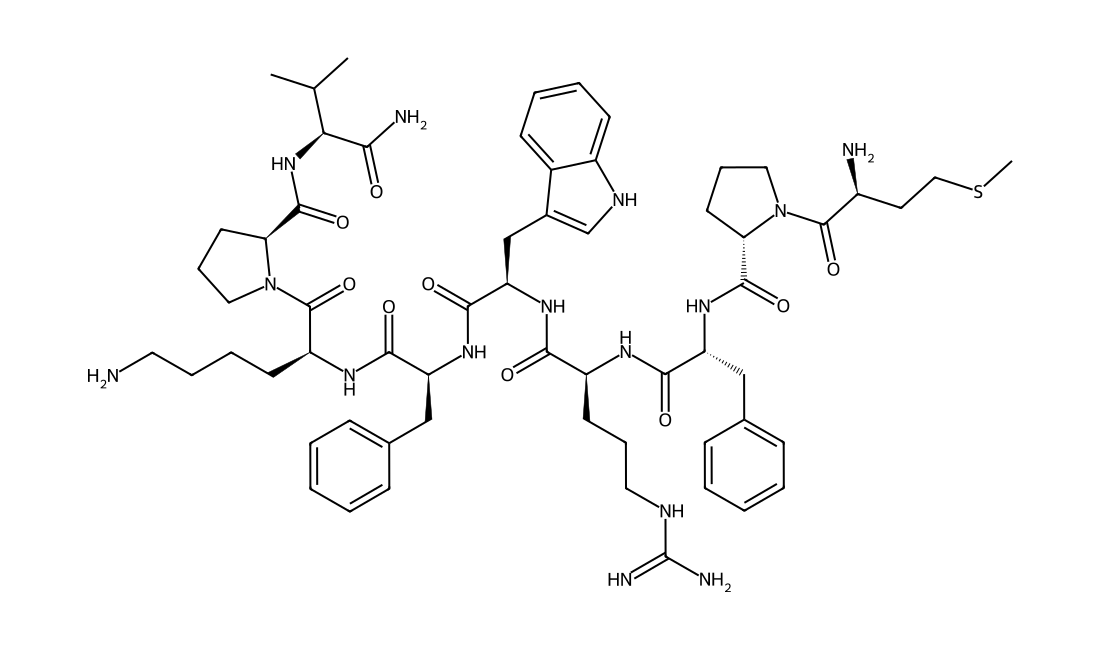
CAS 158563-45-2
Nonapeptide-1 (Melanostatine-5), a peptide hormone, is a selective antagonist of MC1R (Ki: 40 nM). Nonapeptide-1 is a competitive α-MSH antagonist that potently inhibits intracellular cAMP and melanosome dispersion induced by α-MSH in melanocytes (IC50: 2.5 nM and 11 nM, respectively). Nonapeptide-1 inhibits melanin synthesis, and can be used in the research of skin pigmentation and regulation of steroid production in the adrenal gland, skin cancer.
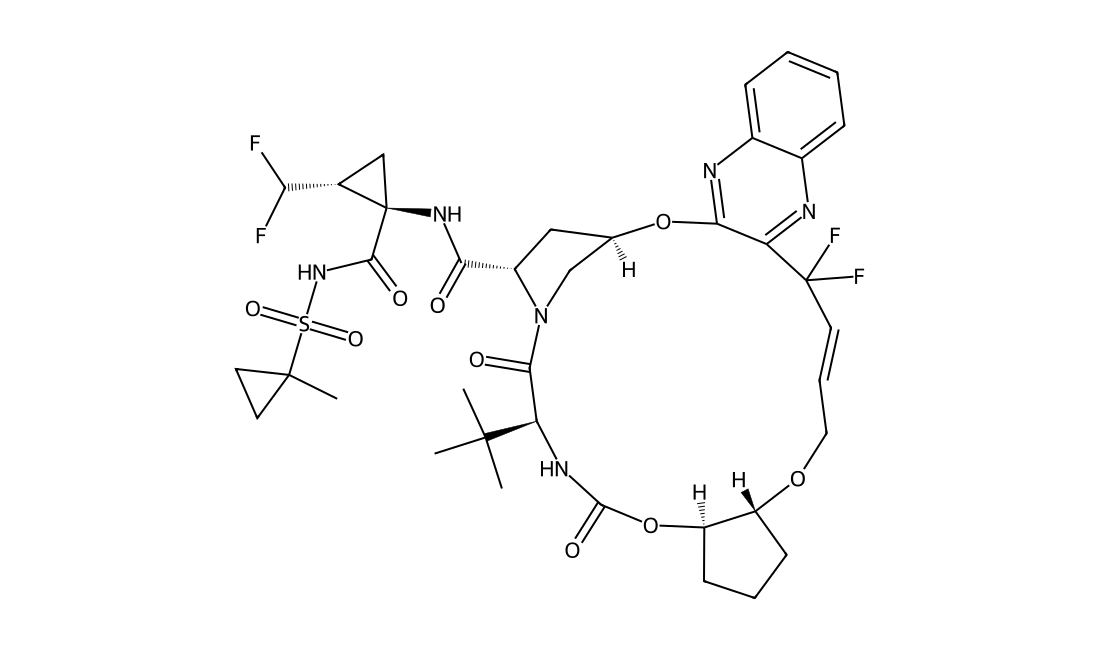
CAS 1365970-03-1
Glecaprevir is a novel HCV NS3/4A protease inhibitor, with IC50 values ranging from 3.5 to 11.3 nM.
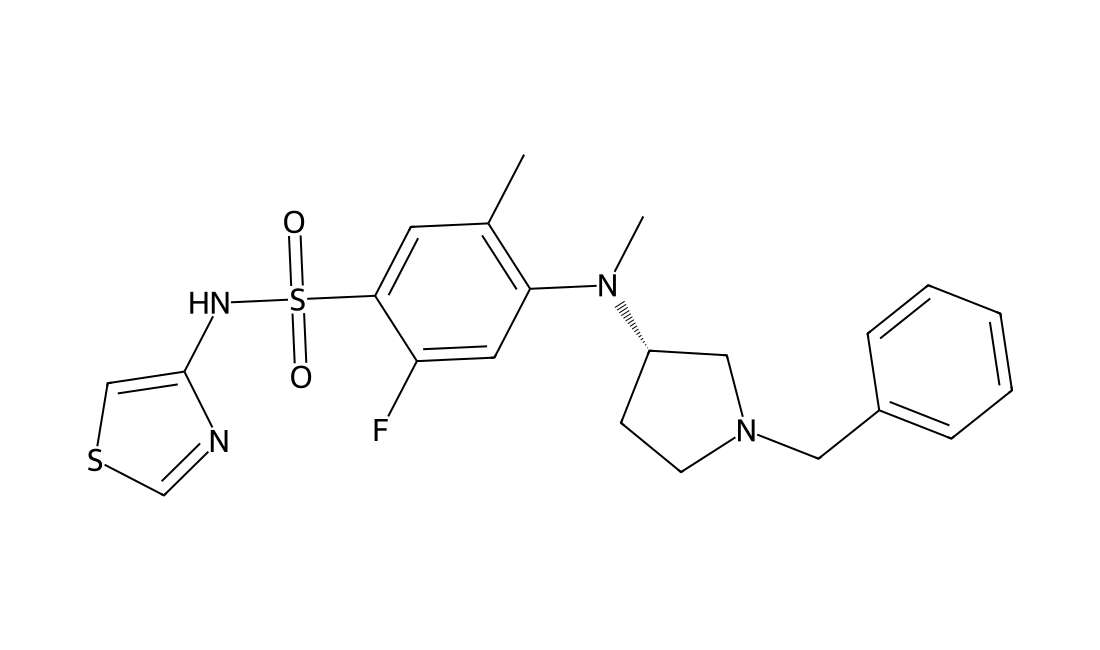
CAS 2154406-04-7
Zandatrigine is a sodium channel protein type 8 subunit alpha (Scn8α) blocker.
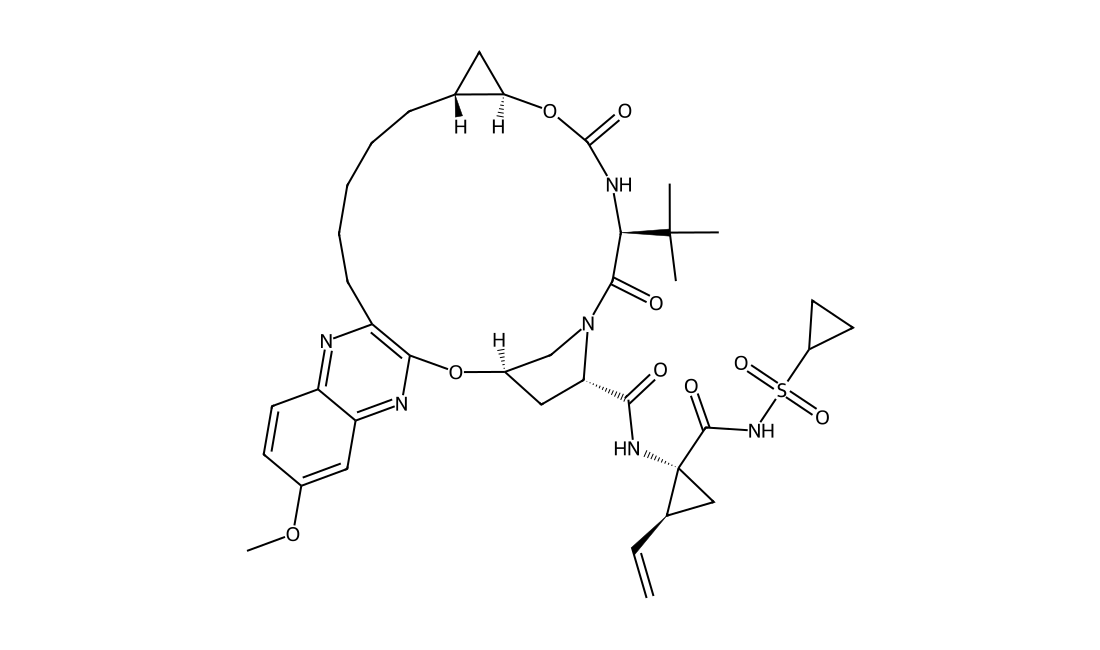
CAS 1350514-68-9
Grazoprevir (MK-5172) is a selective inhibitor of Hepatitis C virus NS3/4a protease with broad activity across genotypes and resistant variants, with Kis of 0.01 nM (gt1b), 0.01 nM (gt1a), 0.08 nM (gt2a), 0.15 nM (gt2b), 0.90 nM (gt3a), respectively.
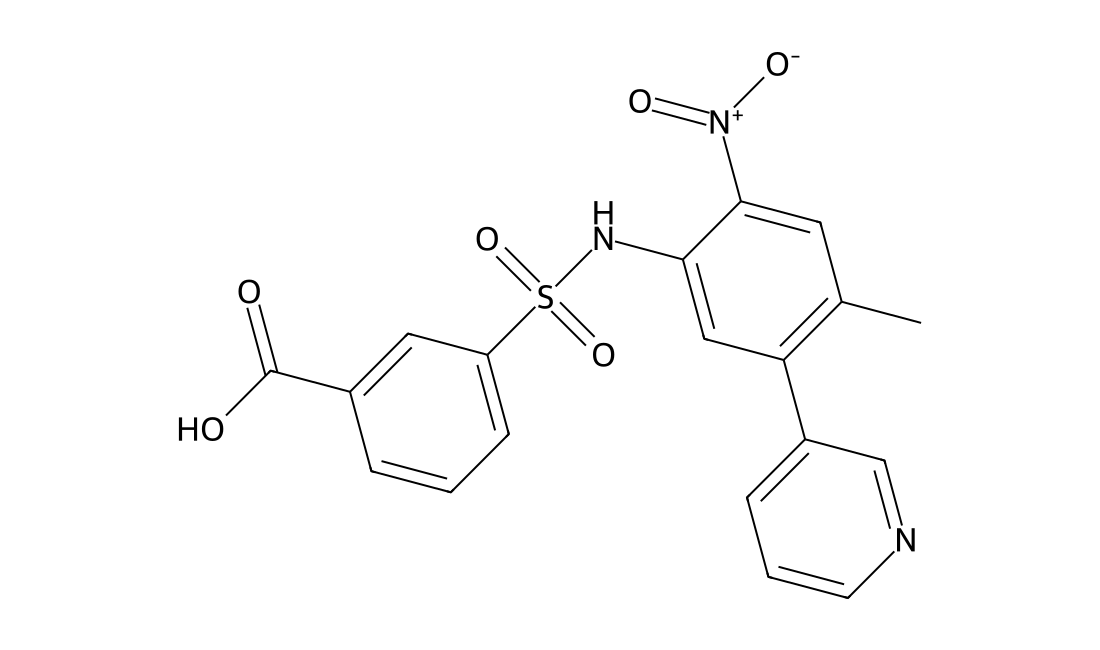
CAS 1612888-66-0
Alofanib (RPT835) is a potent and selective allosteric inhibitor of fibroblast growth factor receptor 2 (FGFR2). Anticancer activities[1]. Antiangiogenic Activity[2].
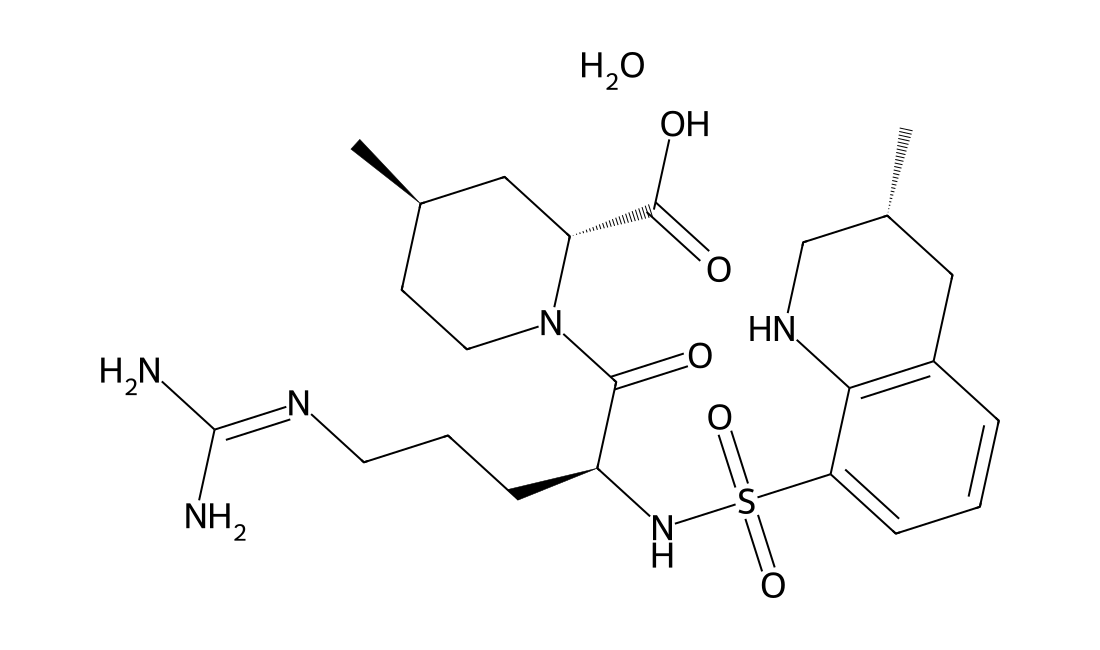
CAS 141396-28-3
Argatroban monohydrate is a direct, selective thrombin inhibitor.
CAS 1402057-88-8
Cdc7-IN-6 (compound I-D) is a potent Cdc7 kinase inhibitor (IC50=4 nM), extracted from patent WO2019165473A1, compound I- D, has anti-tumor activity.
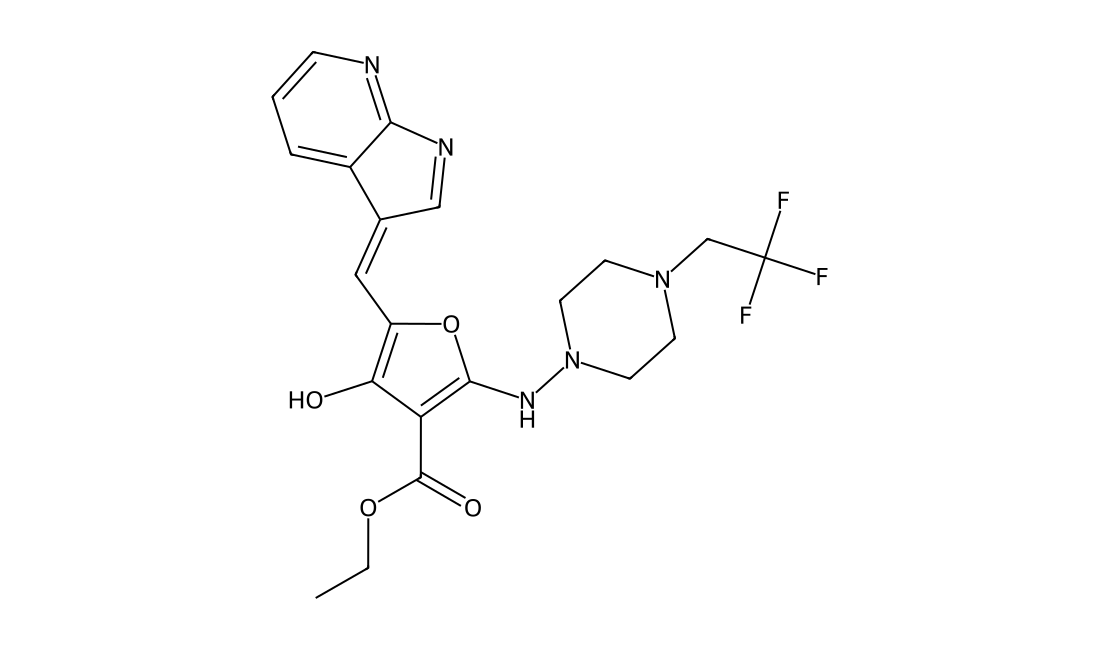
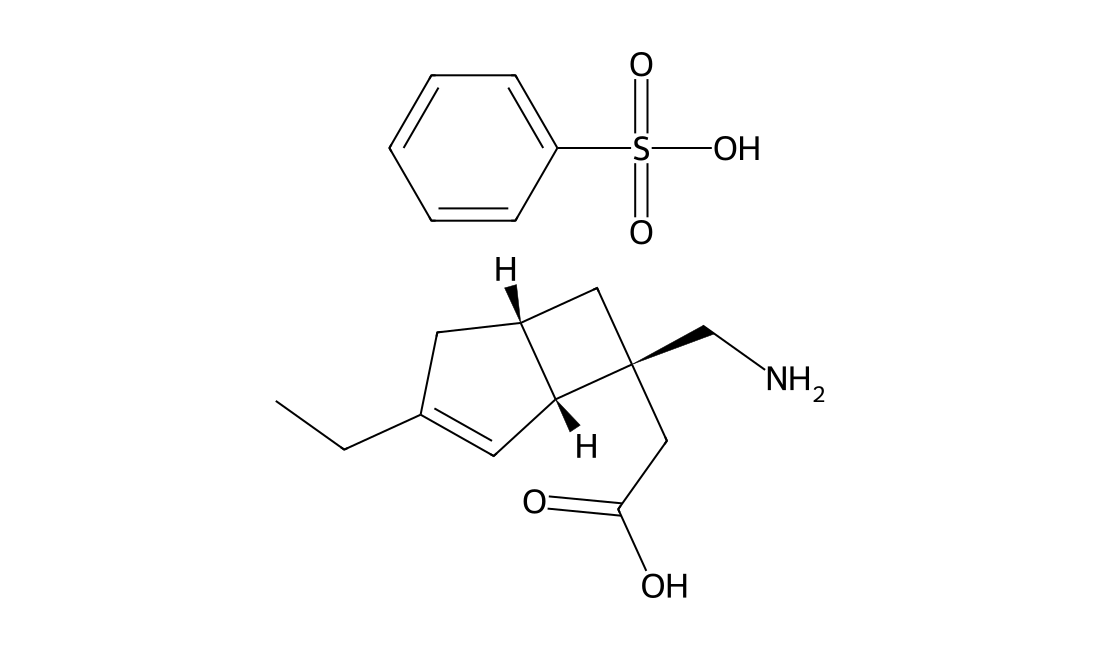
CAS 1138245-21-2
Mirogabalin besylate is a selective and orally available ligand for the α2δ subunit of voltage-gated calcium channels, with Kds of 13.5 nM, 22.7 nM, 27 nM, and 47.6 nM for human α2δ-1, human α2δ-2, rat α2δ-1, and rat α2δ-2, respectively.
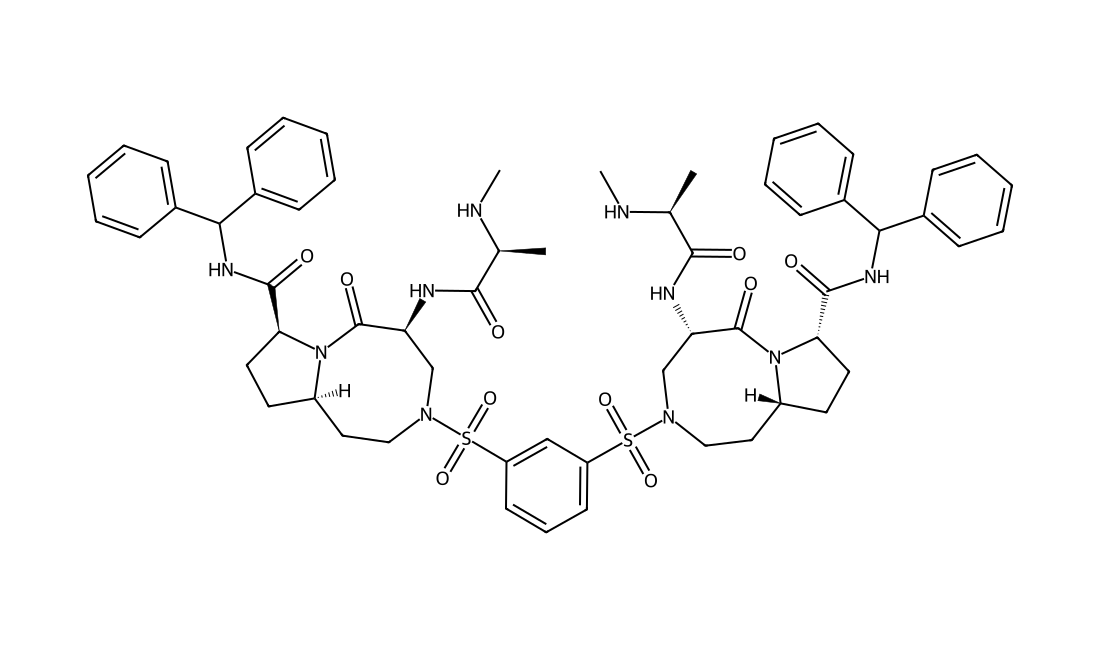
CAS 1570231-89-8
APG-1387, a bivalent SMAC mimetic, is an IAP antagonist that can induce proteasomal degradation of IAPs. APG-1387 sensitizes immune-mediated cell apoptosis in cancers. APG-1387 can be used for the research of hepatocellular carcinoma, ovarian cancer, and nasopharyngeal carcinoma.
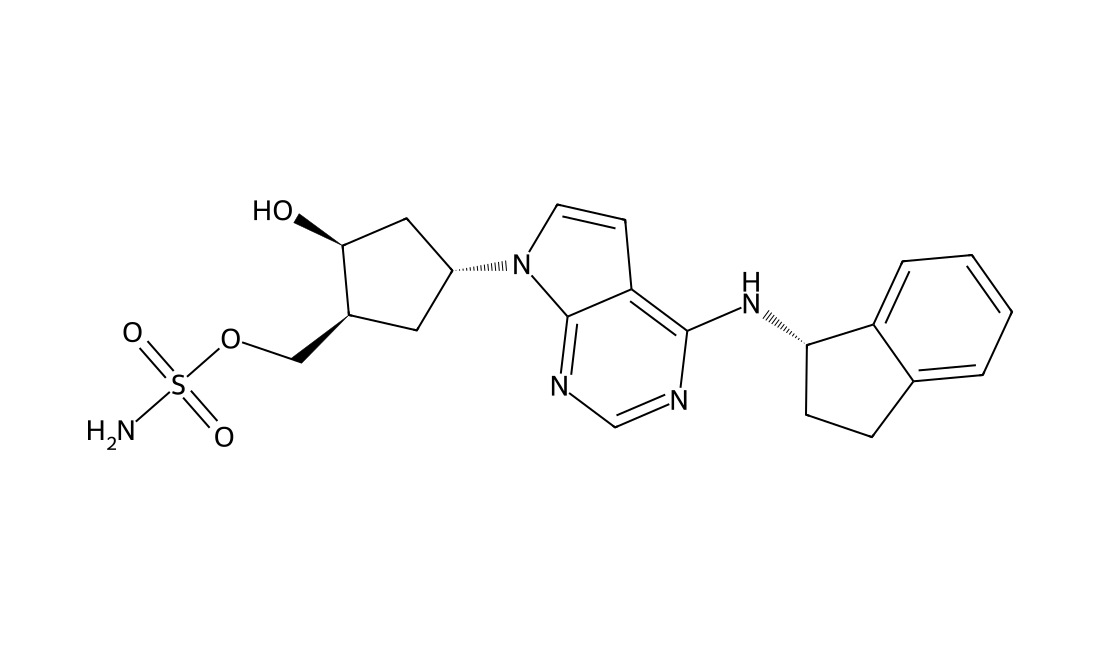
CAS 905579-51-3
MLN4924 is a small molecule inhibitor of Nedd8 activating enzyme (NAE) with potential antineoplastic activity. NAE inhibitor MLN4924 binds to and inhibits NAE, which may result in the inhibition of tumor cell proliferation and survival. NAE activates Nedd8 (Neural precursor cell expressed, developmentally down-regulated 8), an ubiquitin-like (UBL) protein that modifies cellular targets in a pathway that is parallel to but distinct from the ubiquitin-proteasome pathway (UPP). Functioning in diverse regulatory activities, proteins conjugated to UBLs like Nedd8 typically are not targeted For proteasomal degradation.
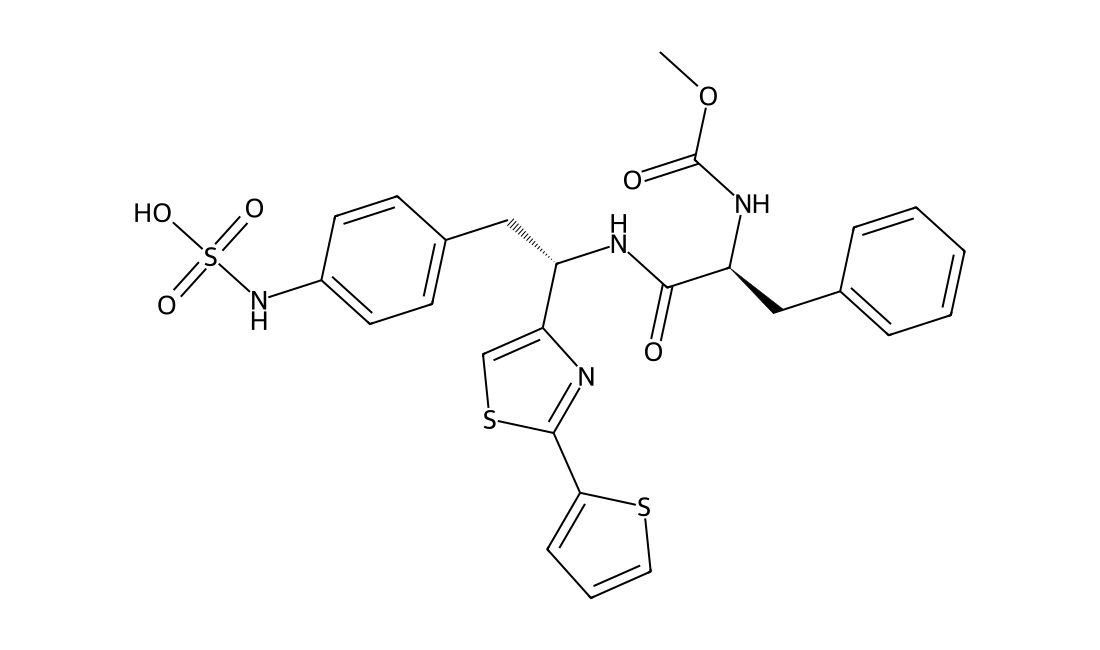
CAS 1008510-37-9
Razuprotafib is a potent protein tyrosine phosphatase β (HPTPβ) inhibitor.
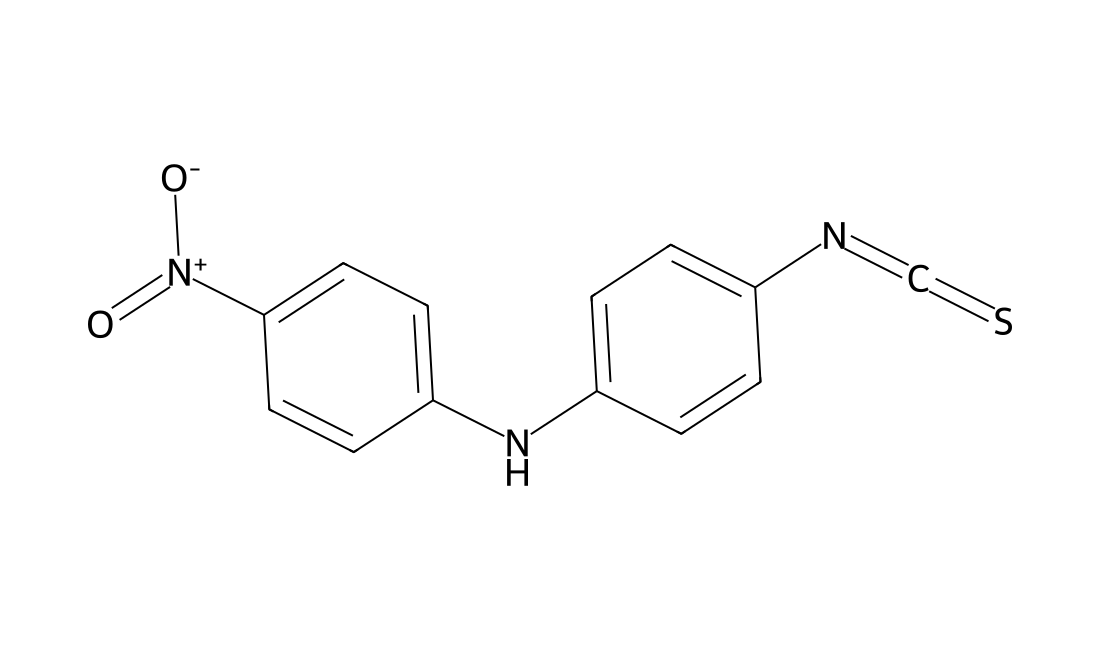
CAS 100990-46-3
Amoscanate (cgp4540) is phenyl isothiocyanate in which the hydrogen at the para-position has been replaced by a 4-nitroanilinyl group. Amoscanate is an anti-schistosomal agent. Amoscanate, as an isothiocyanate compound and uncoupler of oxidative phosphorylation, potently injures rodent ependyma[1].
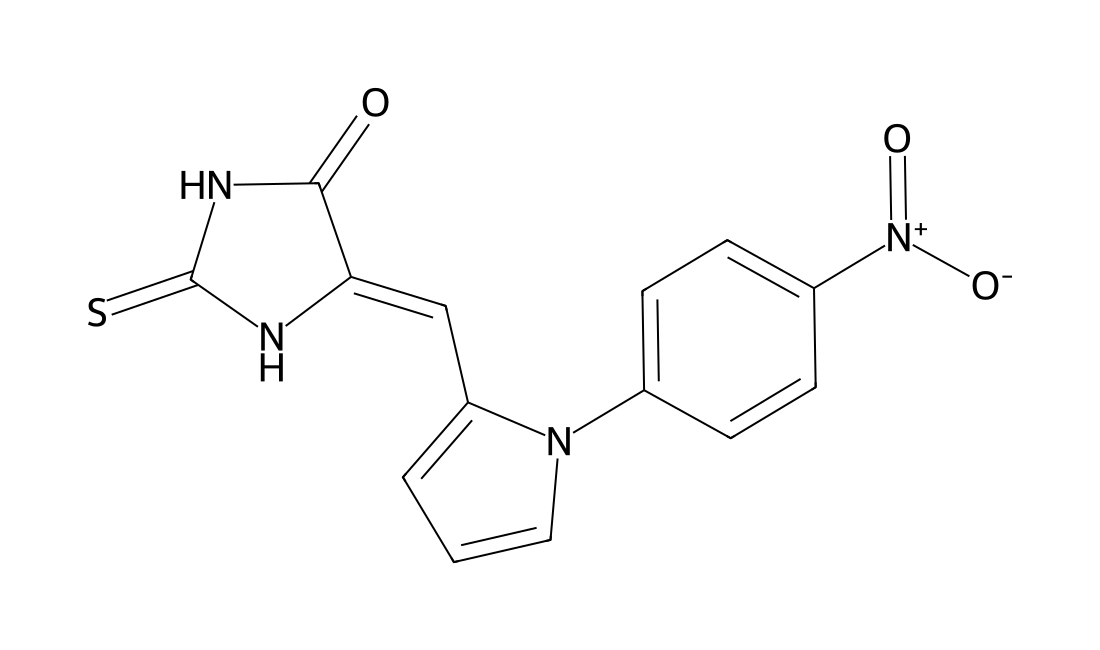
CAS 292168-79-7
KY1220 is a compound that destabilizes both β-catenin and Ras, via targeting the Wnt/β-catenin pathway; with an IC50 of 2.1 μM in HEK293 reporter cells.
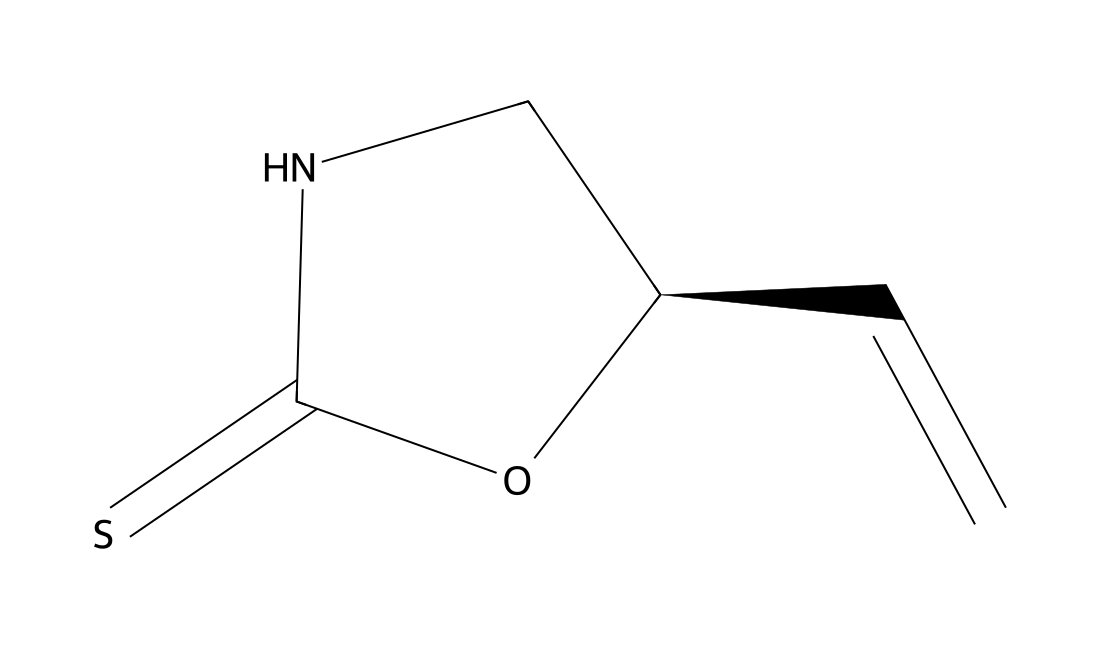
CAS 1072-93-1
Epigoitrin is a natural alkaloid from Isatis indigotica, with antiviral activities. Epigoitrin reduces susceptibility to influenza virus via mitochondrial antiviral signaling[1][2].
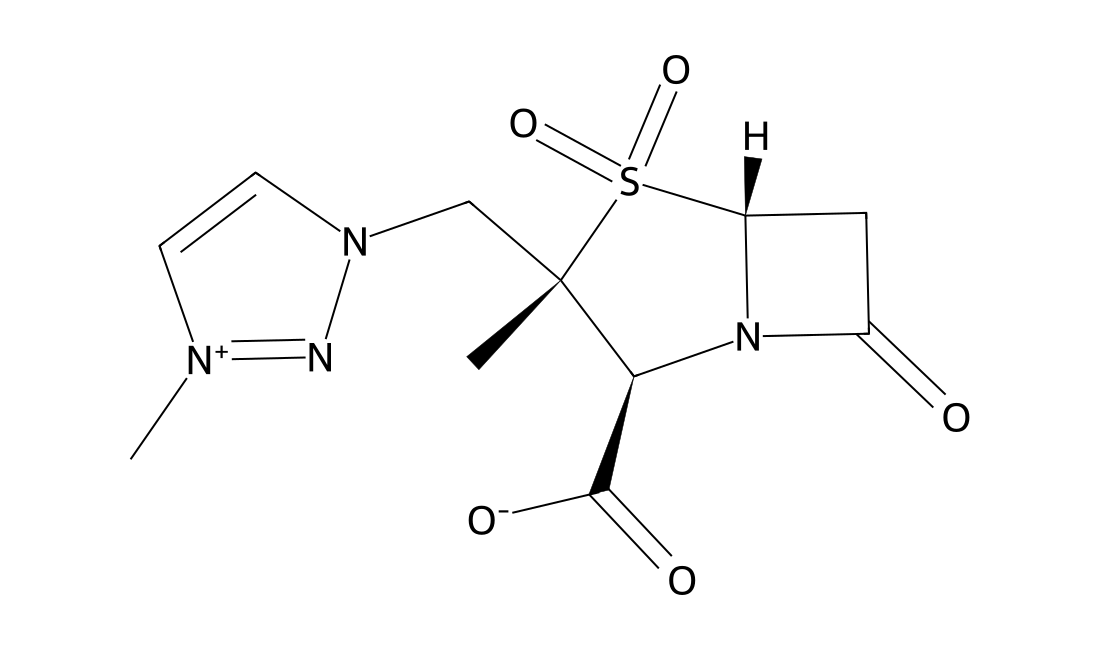
CAS 1001404-83-6
AAI101 is an extended-spectrum β-lactamase inhibitor, against many resistant Gram-negative pathogens.
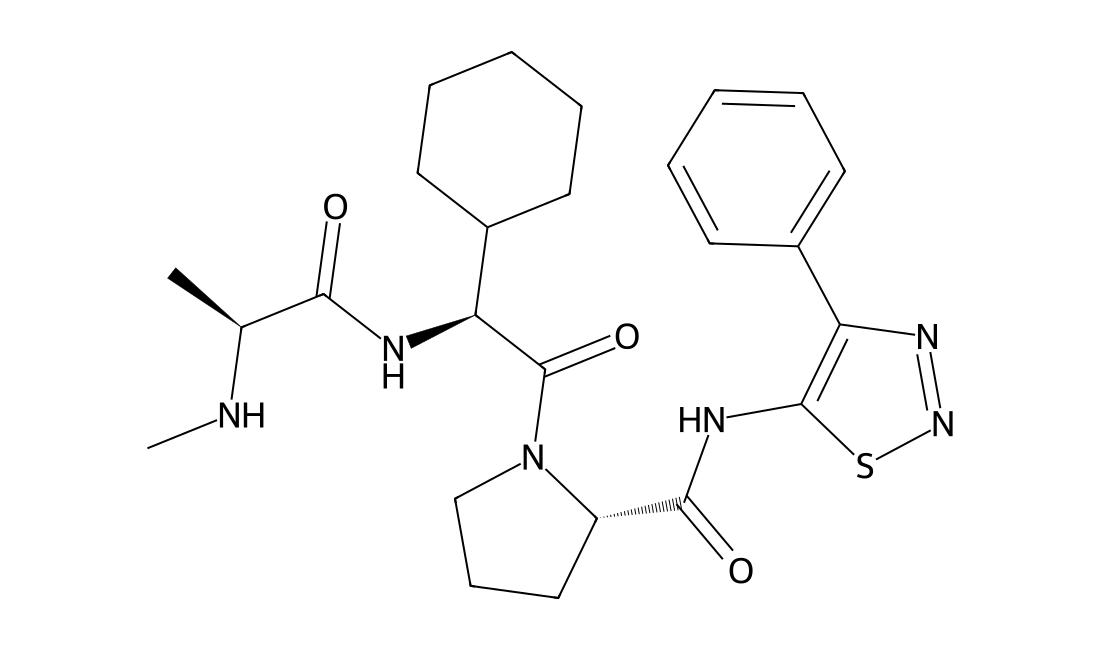
CAS 873652-48-3
GDC-0152 is a potent inhibitor of IAPs which binds to the XIAP BIR3 domain, the BIR domain of ML-IAP, and the BIR3 domains of cIAP1 and cIAP2 with Ki values of 28, 14, 17, and 43 nM, respectively.
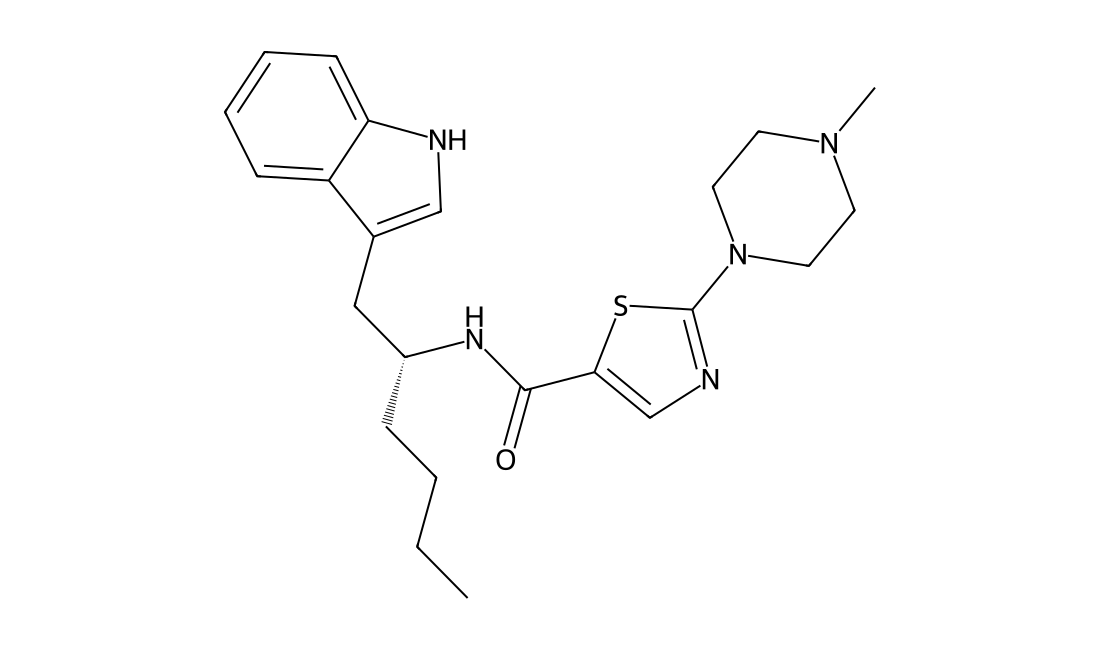
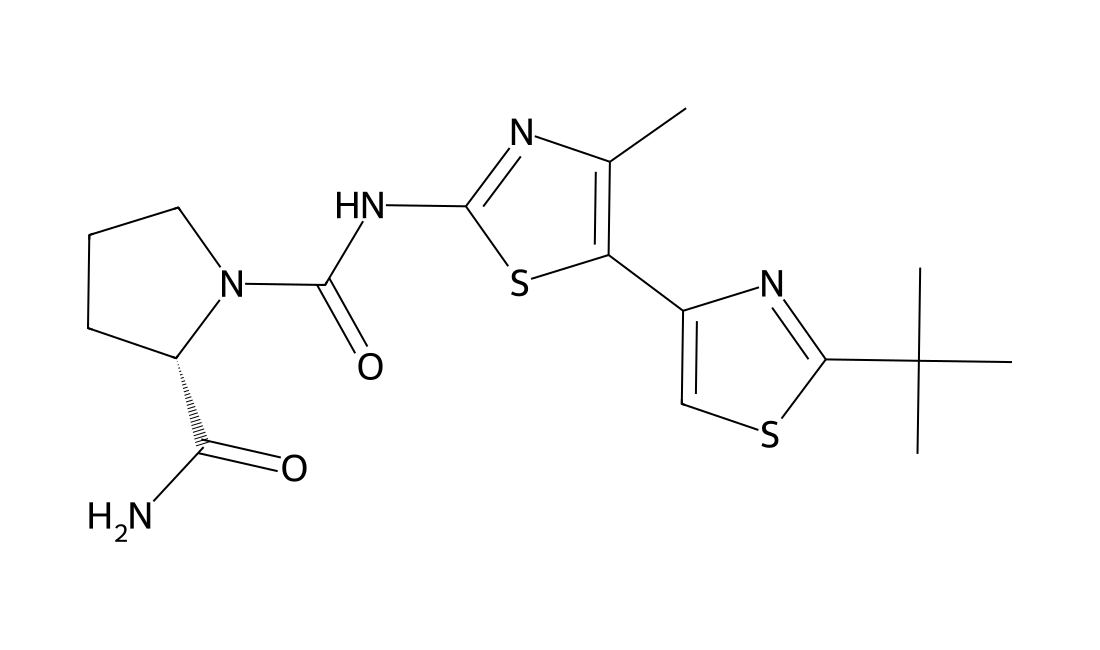
CAS 1135237-88-5
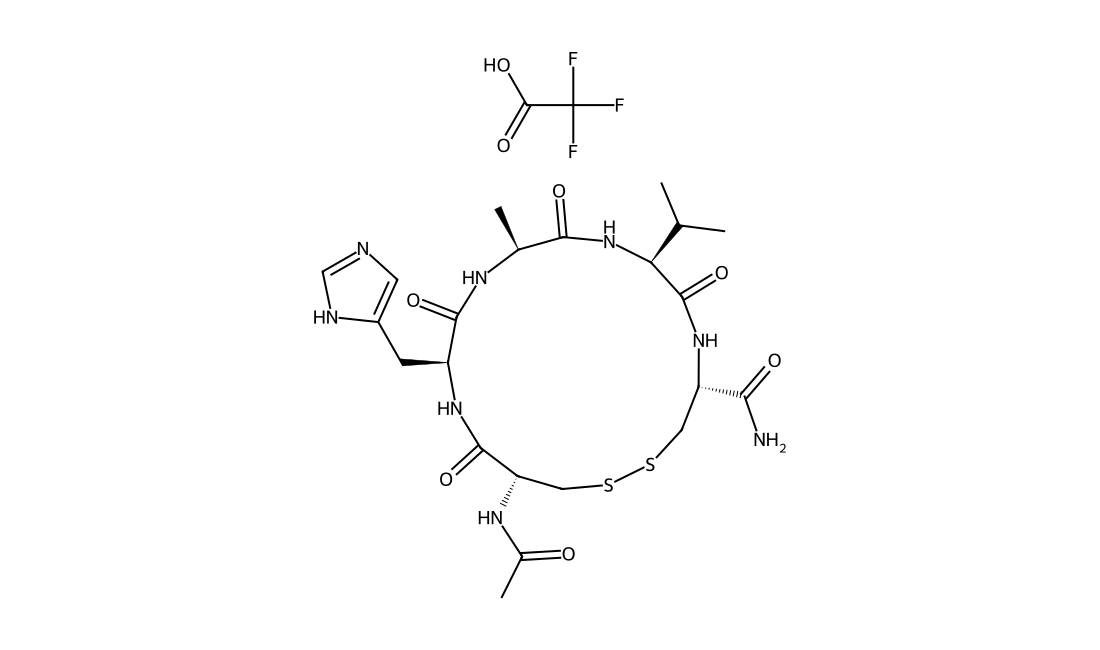
Exherin (ADH-1) trifluoroacetate is a small, cyclic pentapeptide vascular-targeting agent with potential antineoplastic and antiangiogenic activities; selectively and competitively binds to and blocks N-cadherin. ADH-1 selectively and competitively binds to and blocks N-cadherin, which may result in disruption of tumor vasculature, inhibition of tumor cell growth, and the induction of tumor cell and endothelial cell apoptosis. N-cadherin, a cell- surface transmembrane glycoprotein of the cadherin superfamily of proteins involved in calcium-mediated cell-cell adhesion and signaling mechanisms; may be upregulated in some aggressive tumors and the endothelial cells and pericytes of some tumor blood vessels.
CAS 914361-45-8
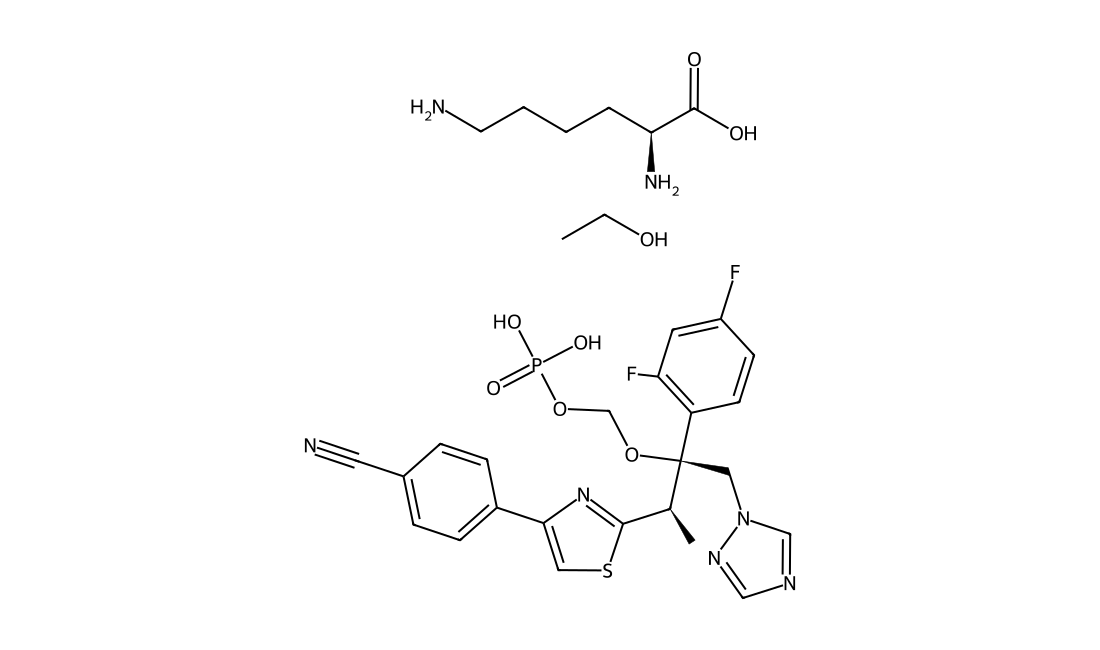
Fosravuconazole L-lysine ethanolate (BMS-379224 L-lysine ethanolate), a prodrug of Ravuconazole, is an orally active broad spectrum antifungal agent. Fosravuconazole L-lysine ethanolate can be used for candidiasis, onychomycosis and parasitemia research.
CAS 2306193-61-1
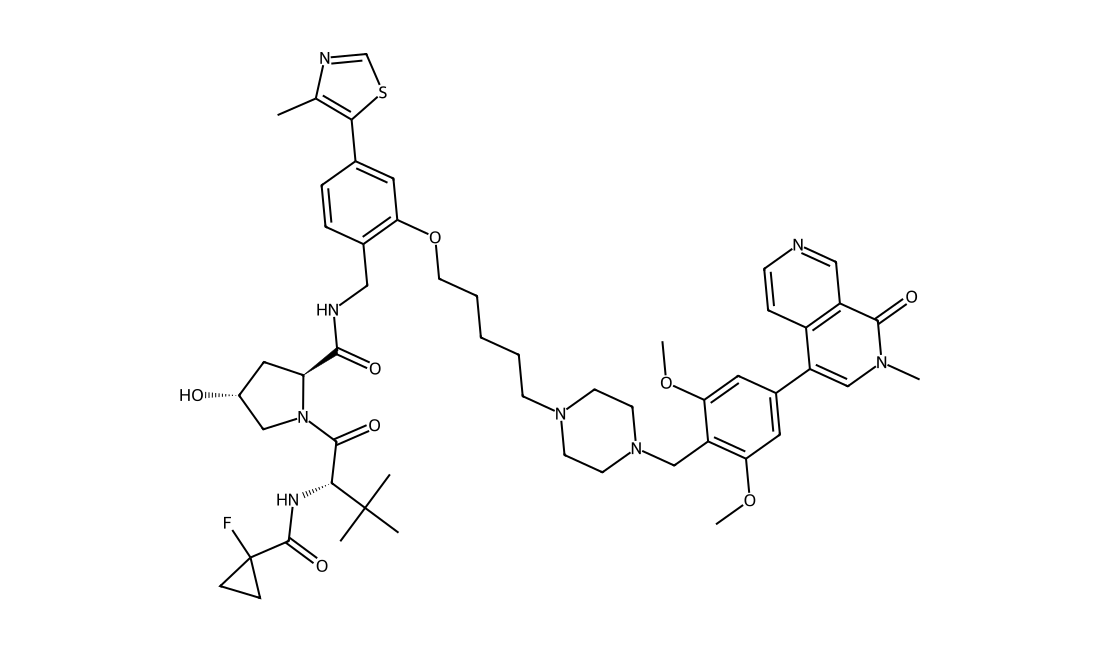
VZ185 (VZ-185) is a potent, fast and selective, VHL-based dual degrader probe (PROTAC) of BRD9 and BRD7 with DC50 of 1.8 and 4.5 nM, respectively; induces strong and rapid degradation of of BRD9, BRD7 in a time- and dose-dependent manner after treatment of RI-1 cells, also shows a DC50 between 2-8 nM for BRD9 in a panel of other human cancer cell lines (EOL-1, A-204).
CAS 2484865-42-9
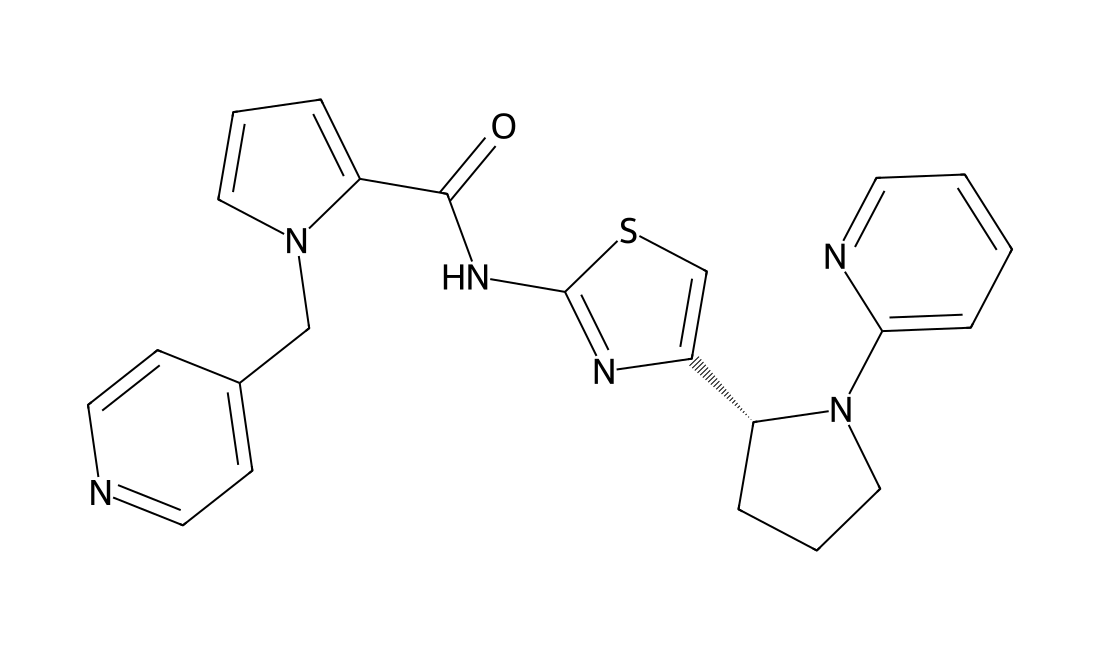
Sec61-IN-1 is a potent sec61 inhibitor (Patent WO2020176863A1, compound A317).
CAS 1310422-41-3
SEP-363856 hydrochloride (SEP-856 hydrochloride), an orally active and CNS active psychotropic agent with a unique, non-D2/5-HT2A mechanism of action, exerts its antipsychotic-like effects. SEP-363856 hydrochloride (SEP-856 hydrochloride) has the potential for the study of schizophrenia.
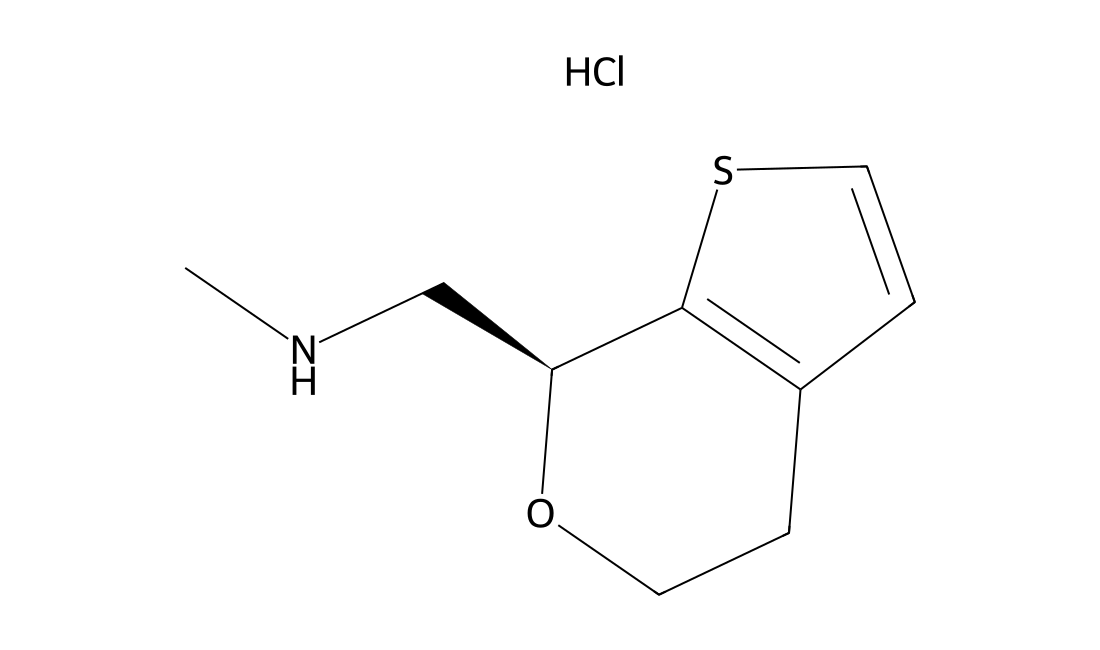
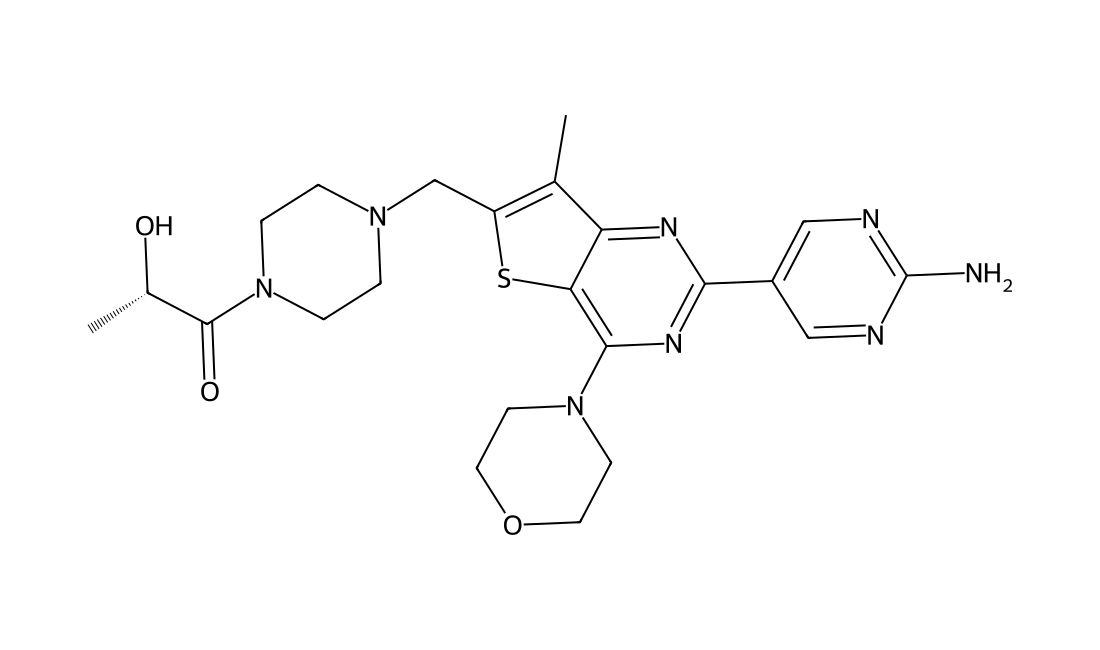
CAS 1032754-93-0
Apitolisib (GDC-0980) is a selective, potent, orally bioavailable Class I PI3 kinase and mTOR kinase (TORC1/2) inhibitor with IC50s of 5 nM/27 nM/7 nM/14 nM for PI3Kα/PI3Kβ/PI3Kδ/PI3Kγ, and with a Ki of 17 nM for mTOR.
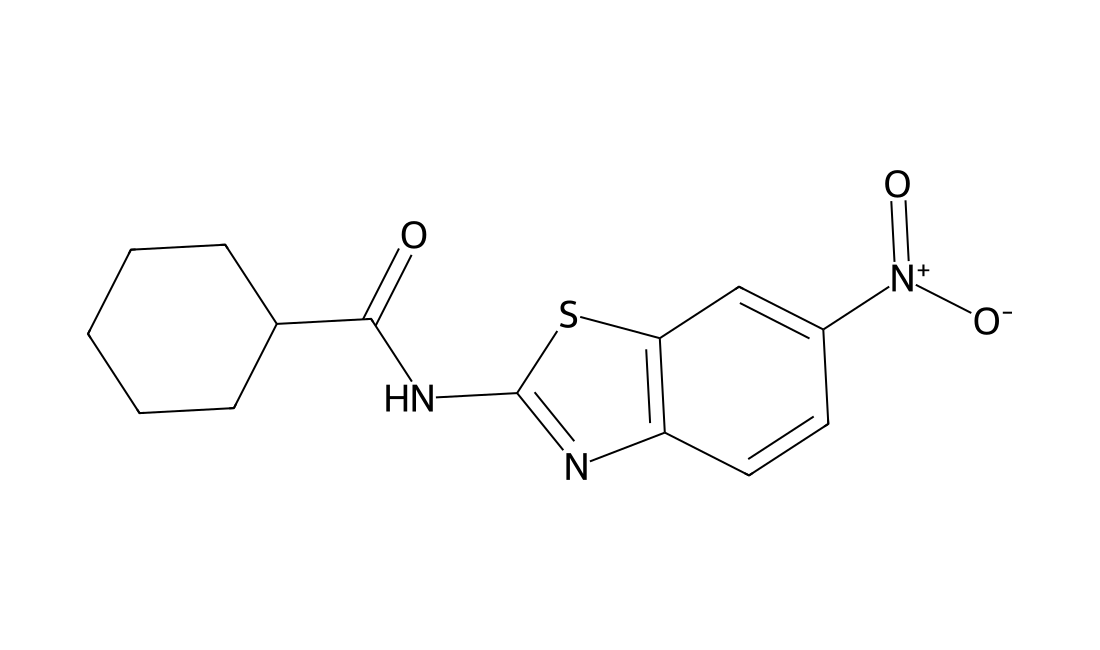
CAS 312747-21-0
Novel vasorelaxing agent, stimulating soluble guanylyl cyclase, activating K+ channels, and blocking extracellular Ca2+ influx
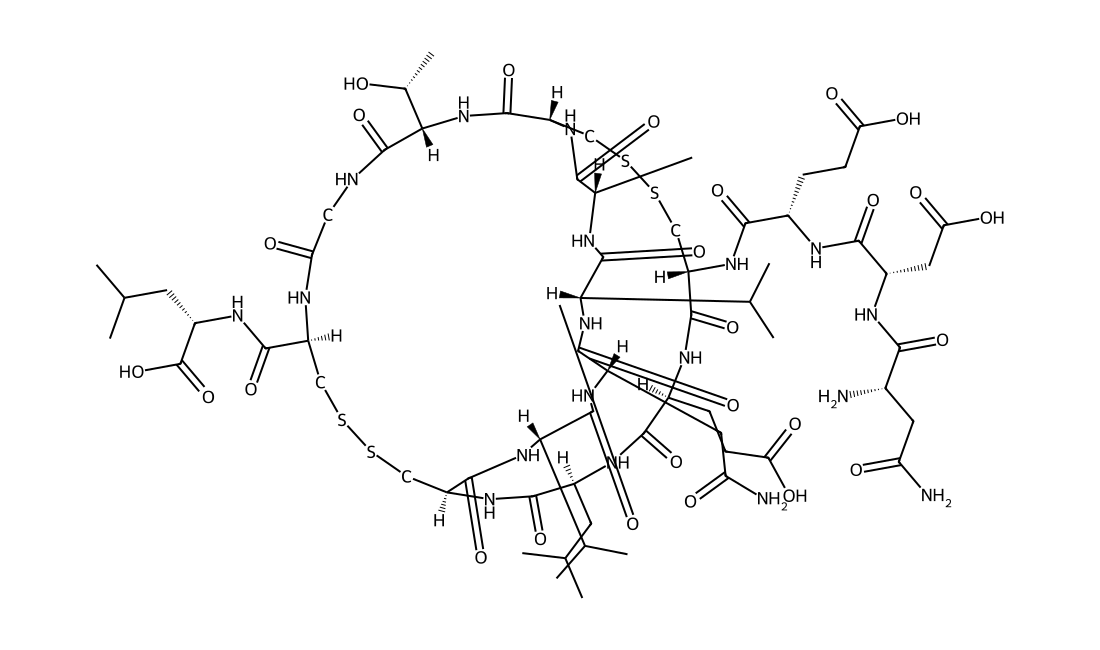
CAS 467426-54-6
Plecanatide, an analogue of Uroguanylin, is an orally active guanylate cyclase-C (GC-C) receptor agonist. Plecanatide activates GC-C receptors to stimulate cGMP synthesis with an EC50 of 190 nM in T84 cells assay. Plecanatide shows anti-inflammatory activity in models of murine colitis.
CAS 81265-93-2
5'-O-DMT-2'-O-TBDMS-N-Bz-Adenosine is an adenosine derivative and can be used as an intermediate for oligonucleotides synthesis.
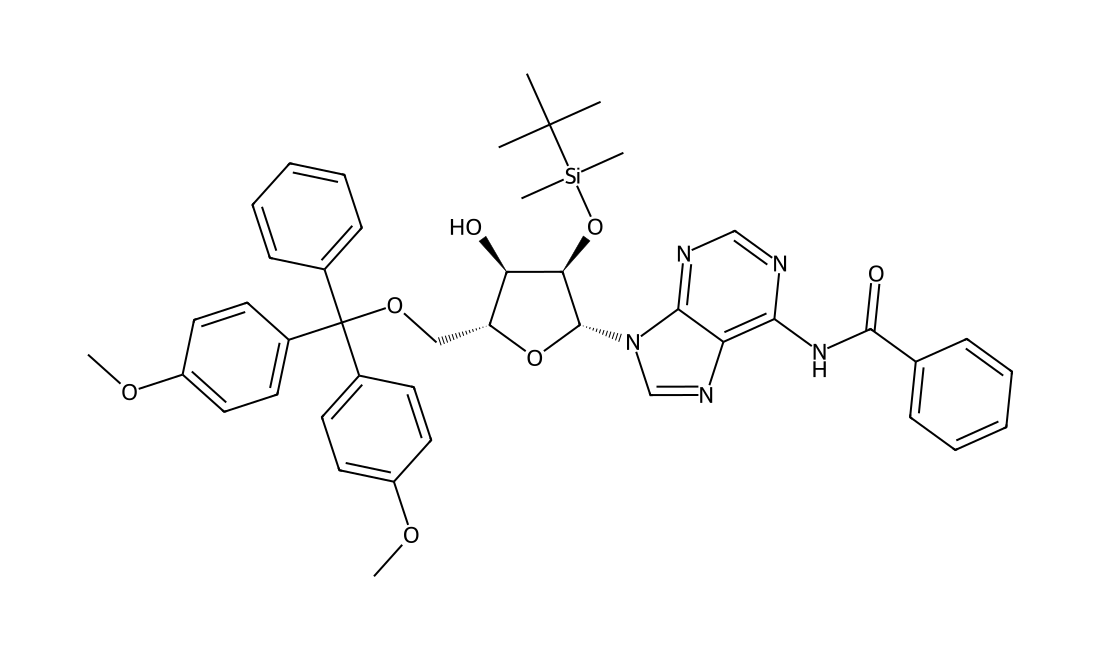
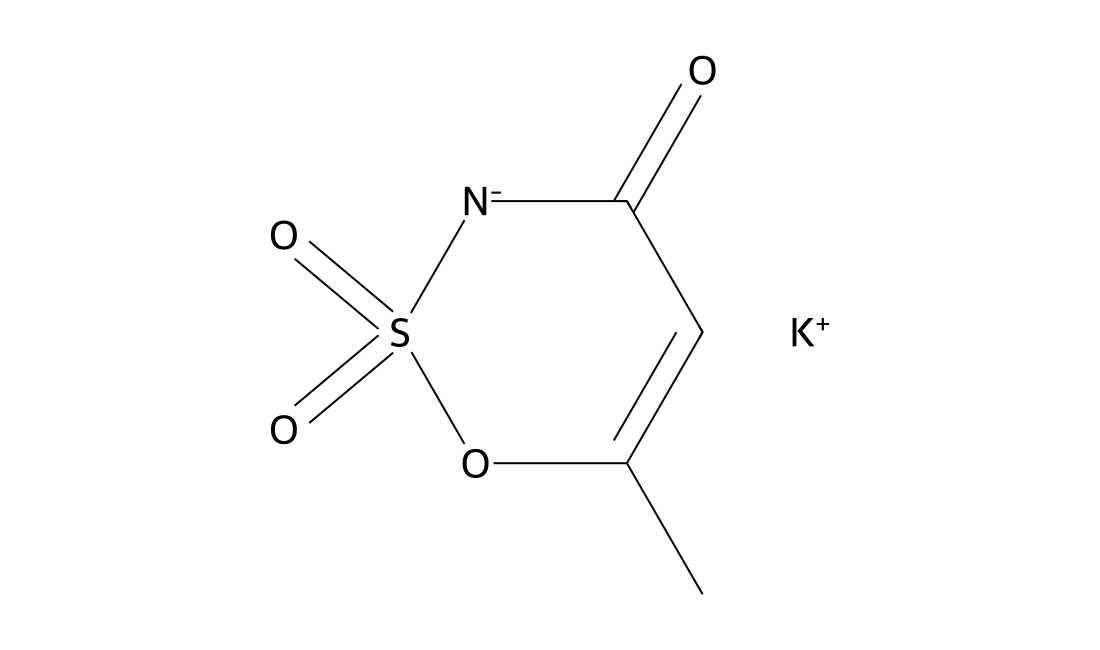
CAS 55589-62-3
Acesulfame potassium is an artificial sweetener. Acesulfame potassium (long-term) affects cognitive functions, potentially via altering neuro-metabolic functions in mice.
CAS 1628830-21-6
EZM 2302 is an inhibitor of coactivator-associated arginine methyltransferase 1 (CARM1) with an IC50 of 6 nM.
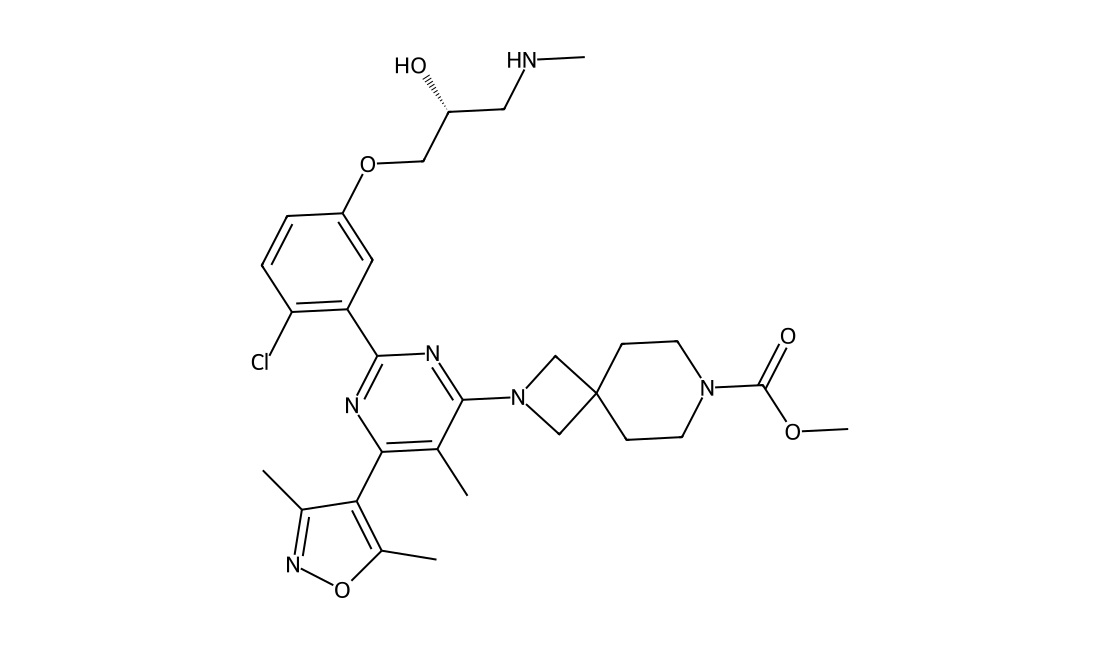
CAS 2407854-18-4
BMS-502 is a dual DGKα and ζ inhibitor. BMS-502 demonstrated dose-dependent immune stimulation in the mouse OT-1 model, setting the stage for a drug discovery program.
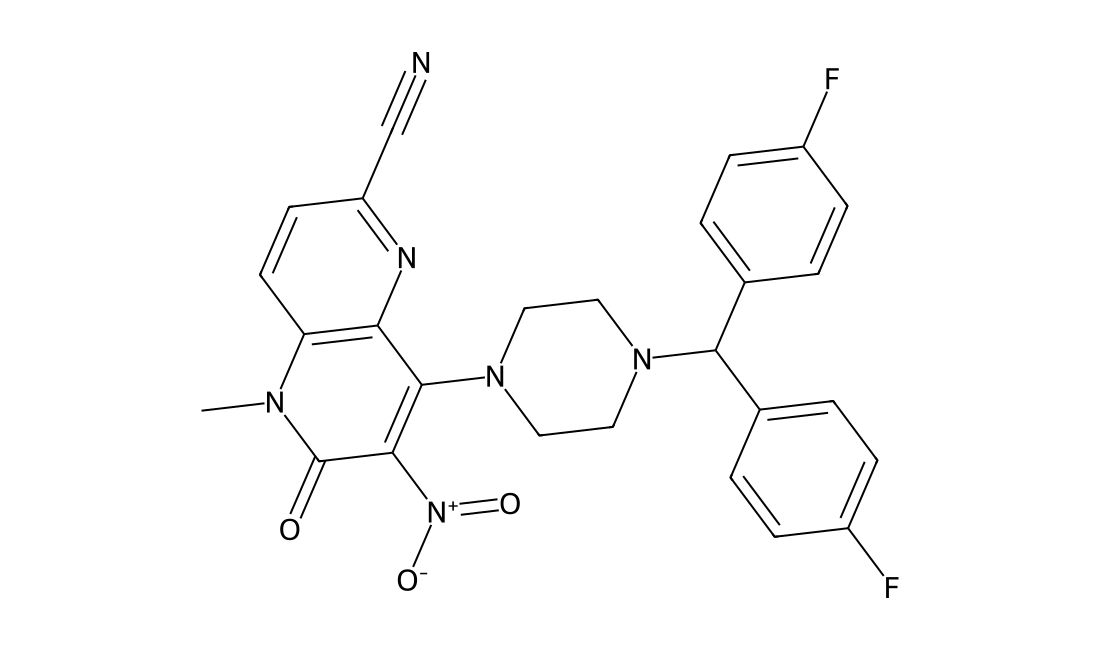
CAS 2649467-58-1
Suzetrigine is a SCN10A blocker. The SCN10A is associated with the onset of pain due to peripheral neuropathy. Suzetrigine functions as an analgesic.
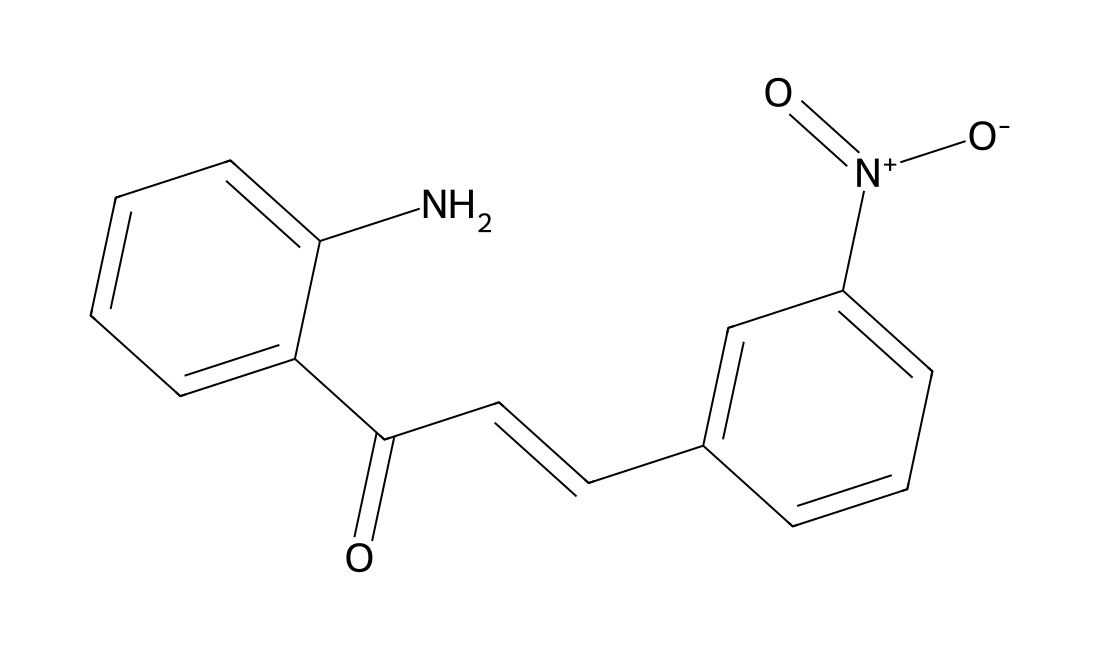
CAS 173937-91-2
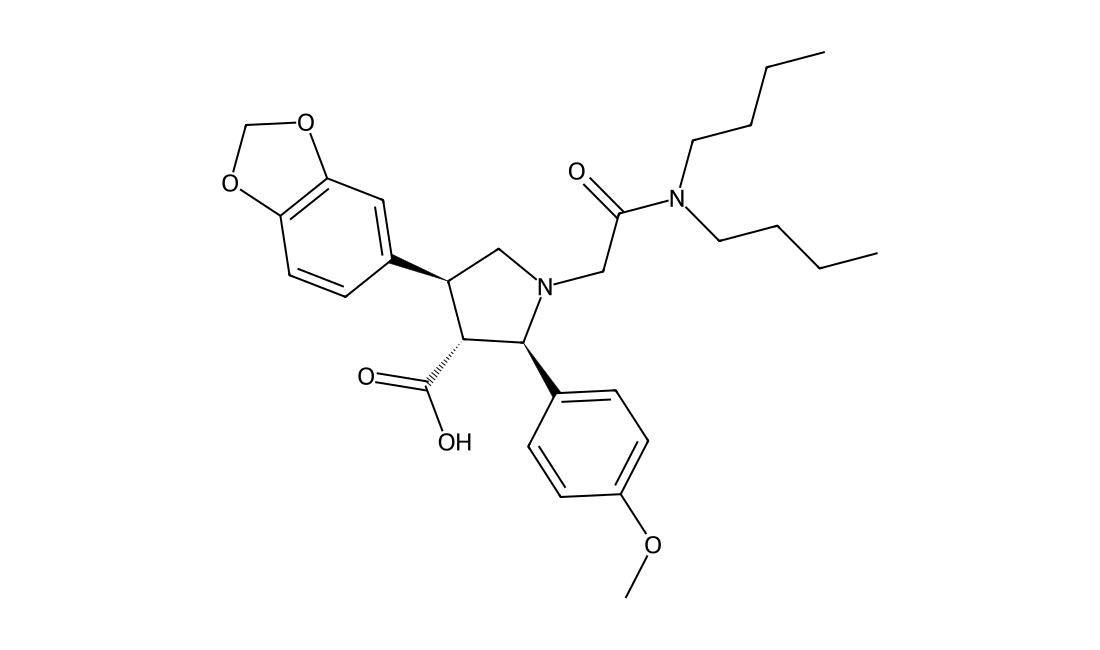
Atrasentan is designed to block the action of endothelin-1; for treating metastatic hormone-refractory prostate cancer.
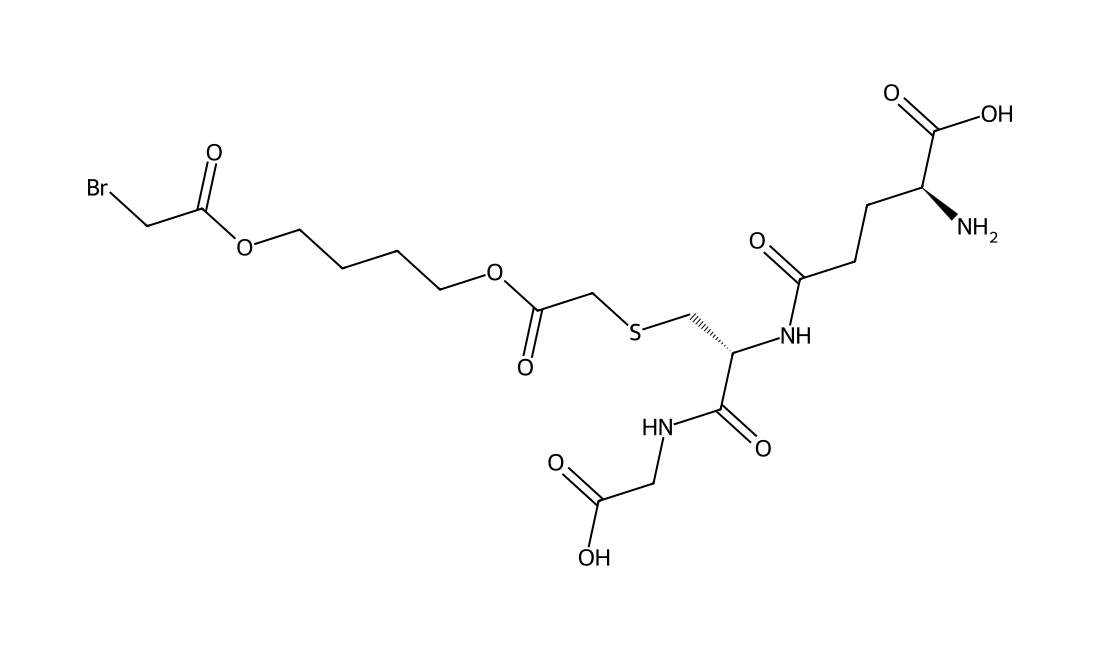
CAS 828262-76-6
4BAB (compound 29) is an irreversible glyoxalase I (GLO1) inhibitor. 4BAB has anticancer effects.
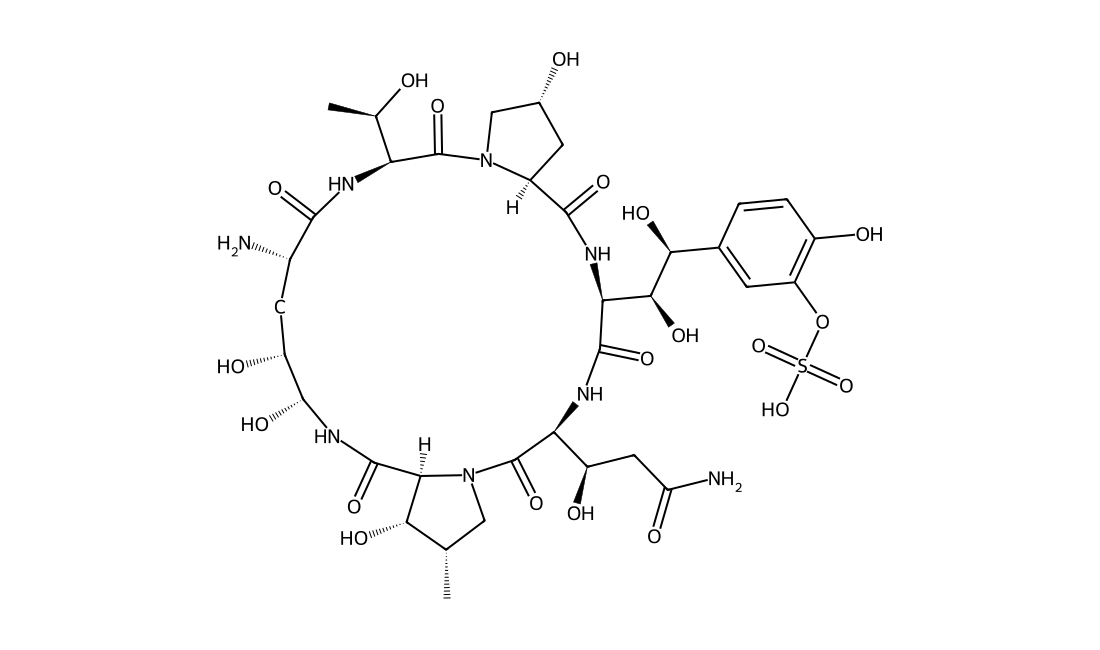
CAS 168110-44-9
FR179642 is a key intermediate in the synthesis of the echinocandin antifungal Micafungin[1]. FR179642 is the cyclic peptide nucleus of the echinocandin-like antifungal lipopeptide FR901379[2]
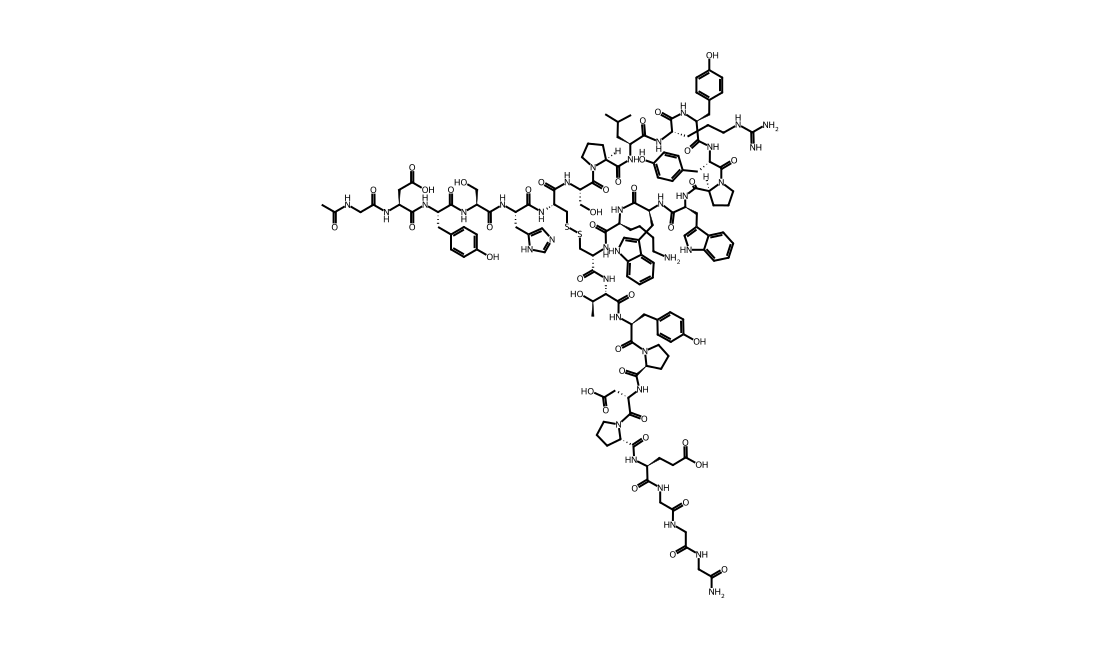
CAS 478188-26-0
DX600 is a potent and selective peptide inhibitor of angiotensin-converting enzyme 2 (ACE2; Kis = 2.8, 200, and 1,200 nM for recombinant, human, and murine ACE2, respectively).
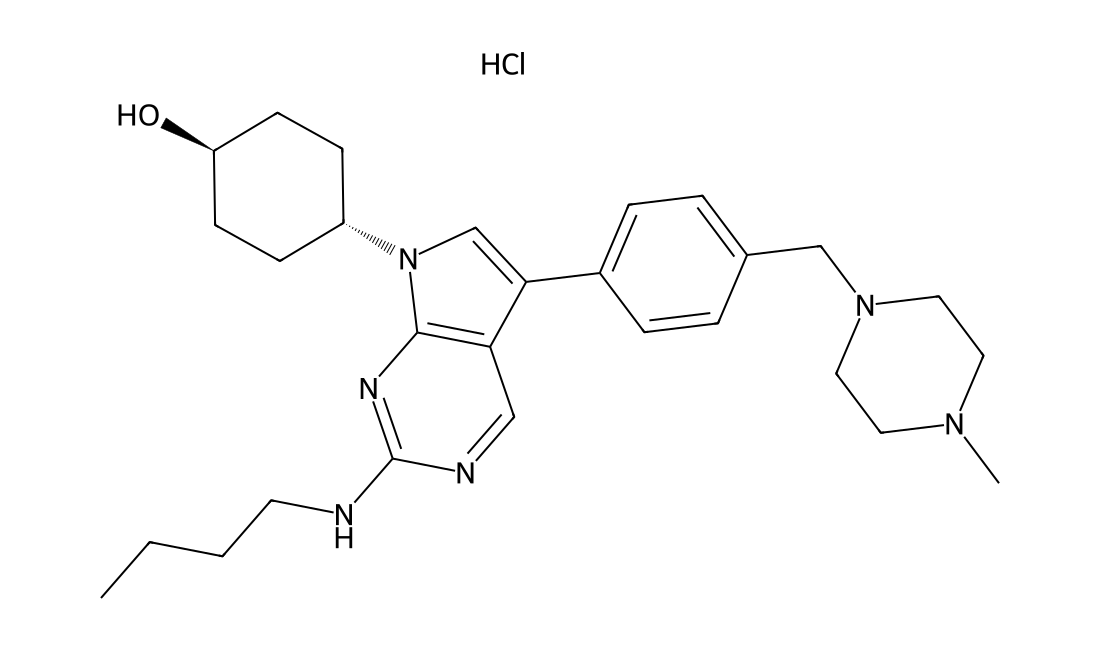
CAS 2070015-17-5
UNC-2025 is a potent and orally bioavailable dual MER/FLT3 inhibitor with IC50 of 0.74 nM and 0.8 nM, respectively, about 20-fold selectivity over Axl and Tyro3.
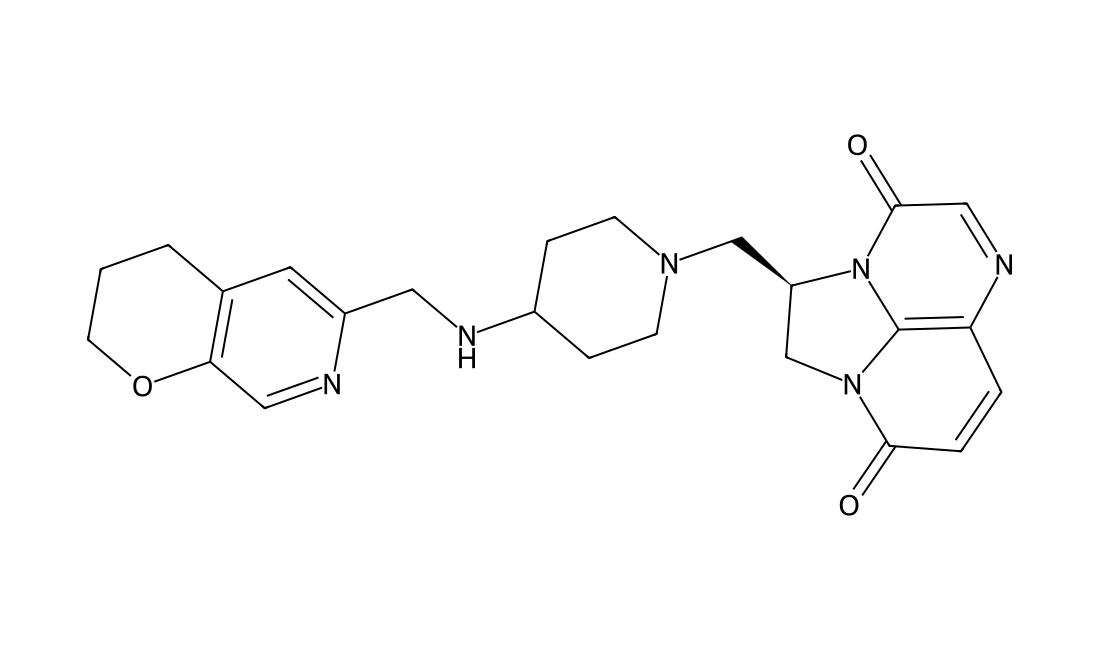
CAS 1075236-89-3
Gepotidacin is a novel, first-in-class, triazaacenaphthylene antibacterial that inhibits bacterial DNA gyrase and topoisomerase IV via a unique mechanism and has demonstrated in vitro activity against gram-negative and gram-positive bacterias , including drug-resistant strains, and also targets pathogens associated with other conventional and biothreat infections. The MIC50 and MIC90 for gepotidacin against the 25 N. gonorrhoeae isolates tested are 0.12 and 0.25 μg/mL, respectively. The gepotidacin MIC90s are as follows (in μg/mL): Streptococcus pyogenes, 0.25; Escherichia coli, 2; Moraxella catarrhalis, ≤0.06; Streptococcus pneumoniae, 0.25; Haemophilus influenzae, 1; Clostridium perfringens, 0.5; and Shigella spp., 1. Gepotidacin hasin vitroactivity against causative pathogens of acute bacterial skin and skin structure infections (ABSSSIs).GSK2140944 MICs are 0.125 to 0.5 mg/L against the six MRSA isolates. ELF penetration ratios range from 1.1 to 1.4. Observed maximal decreases are 1.1 to 3.1 log10 CFU in neutropenic mice. The mean fAUC/MIC ratios required for stasis and 1-log-unit decreases are 59.3 ± 34.6 and 148.4 ± 83.3, respectively.
CAS 1434048-34-6
GDC-0853 is orally available inhibitor of Bruton's tyrosine kinase (BTK) with potential antineoplastic activity. Upon administration, GDC-0853 inhibits the activity of BTK and prevents the activation of the B-cell antigen receptor (BCR) signaling pathway. This prevents both B-cell activation and BTK-mediated activation of downstream survival pathways, which leads to the inhibition of the growth of malignant B-cells that overexpress BTK. BTK, a member of the Src-related BTK/Tec family of cytoplasmic tyrosine kinases, is overexpressed in B-cell malignancies; it plays an important role in B-lymphocyte development, activation, signaling, proliferation and survival.