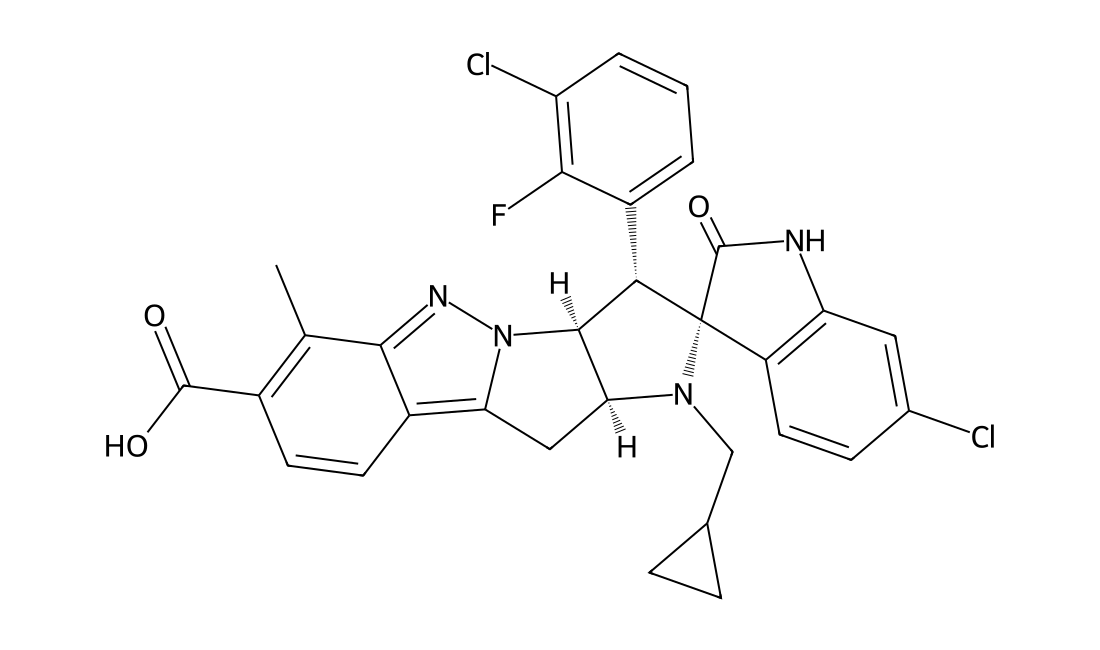
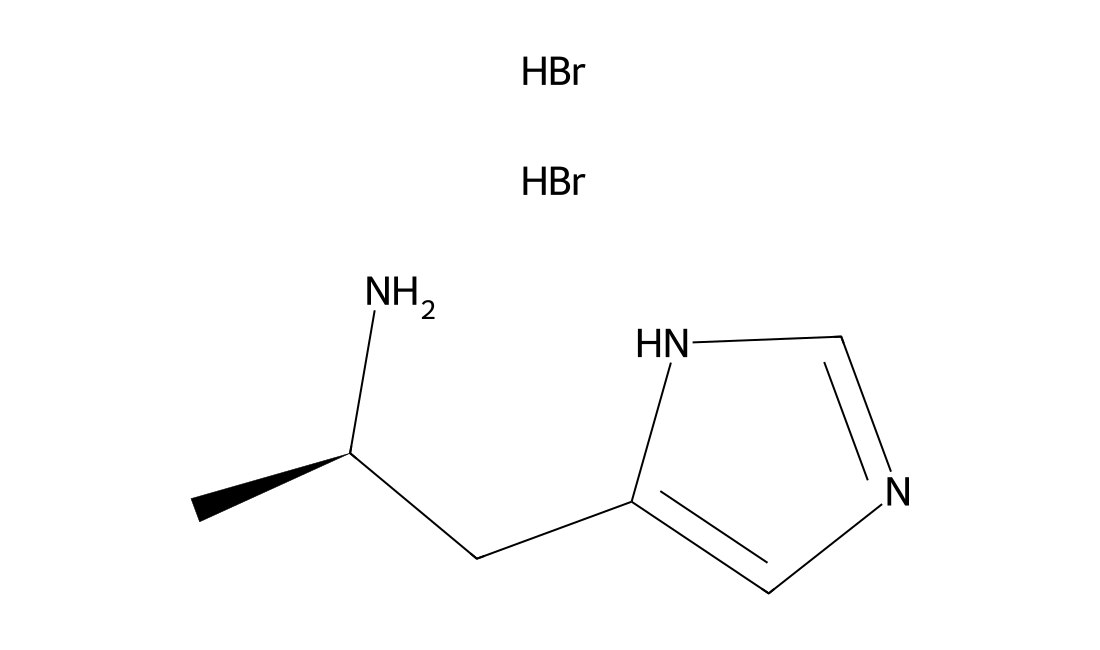
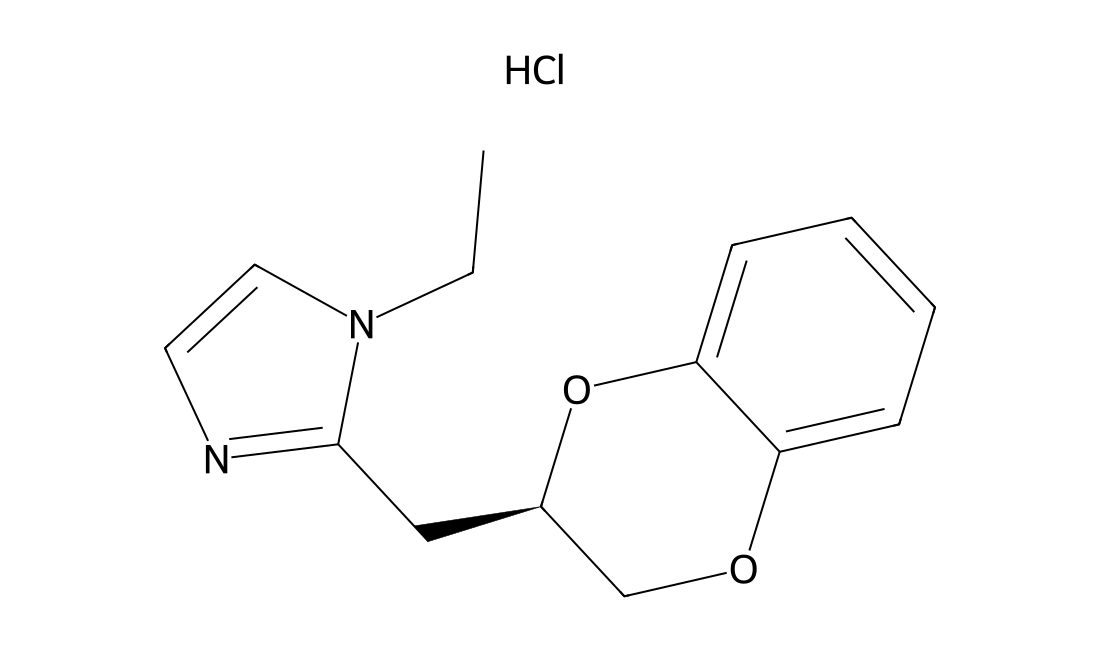
Small Molecule Research Tools

Explore bioactive compounds by research category, then narrow your search by target, product name, catalog number or CAS.

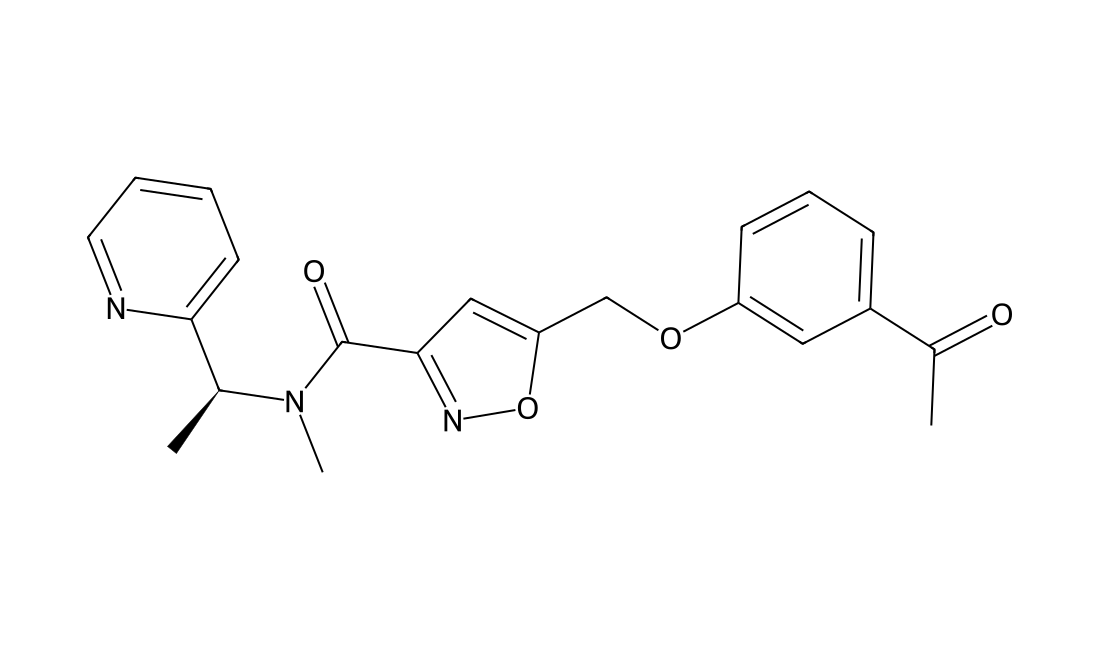
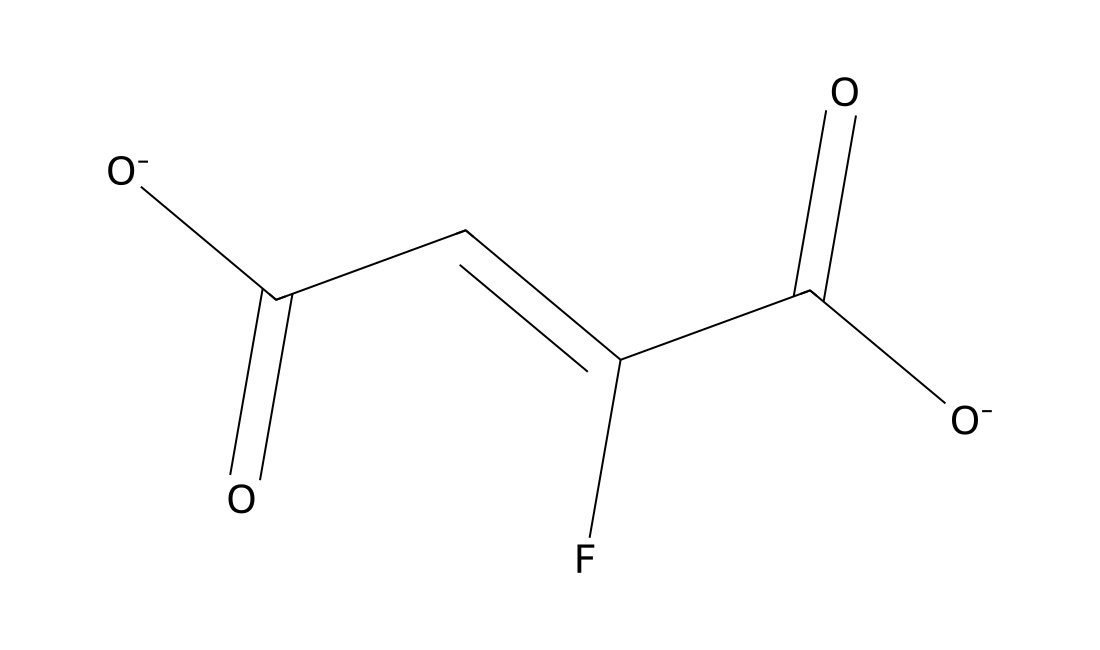
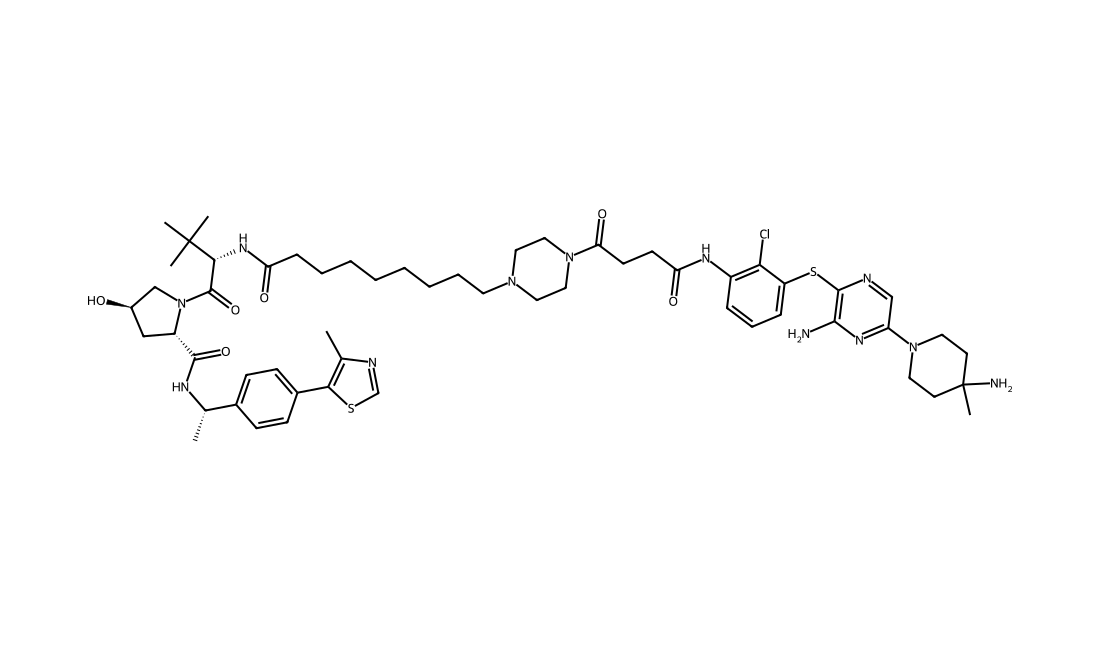
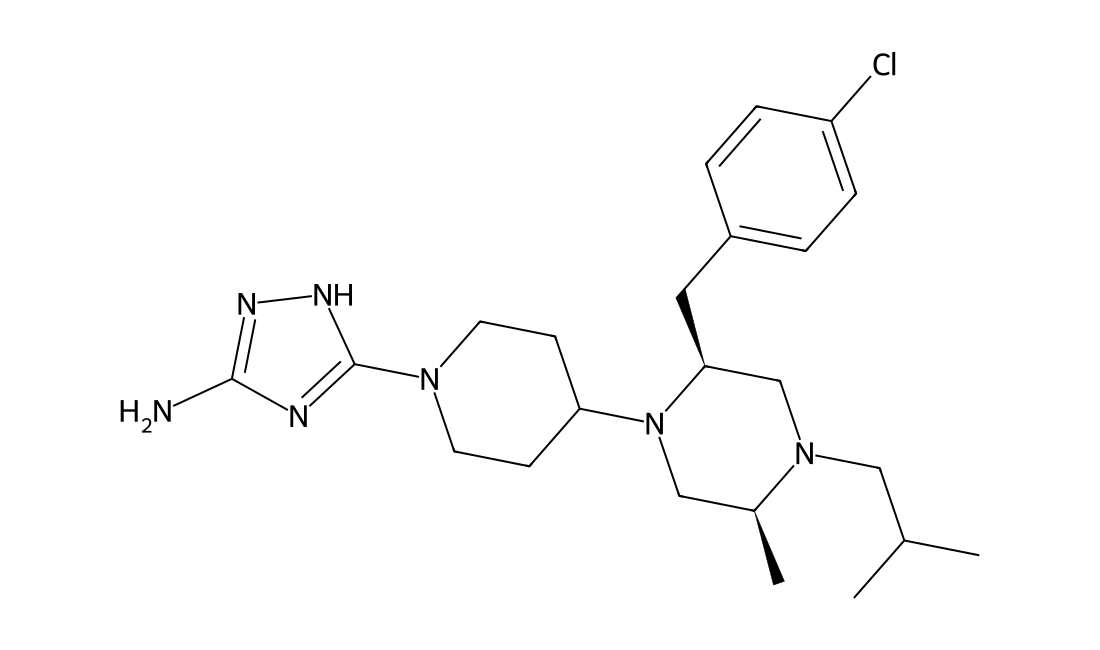
Newly added: LC-MG and OXF molecular glue research compounds →

6,823 products17 research categoriesBrowse all products ↓

Browse by research category

Products may appear in more than one category. Counts refer to distinct catalog numbers within each category.

Other Research Tools (75) · Additional reagents, building blocks and specialized research tools.

New literature-derived products

LC-MG-1 (DCA0006) · LC-MG-4 (DCA0007) · LC-MG-9 (DCA0008)

View structure and evidence summaries →

All small molecule products

Combine a keyword, research category and target to narrow the product list.

Loading catalog filters…

6,823 products · Showing 5,665–5,712

DC20141

Maltitol

CAS 585-88-6

Maltitol is a sugar alcohol used as a sugar substitute. It has 75-90% of the sweetness of sucrose (table sugar) and nearly identical properties. Maltitol may also be used as a plasticizer in gelatin capsules, as an emollient, and as a humectant.
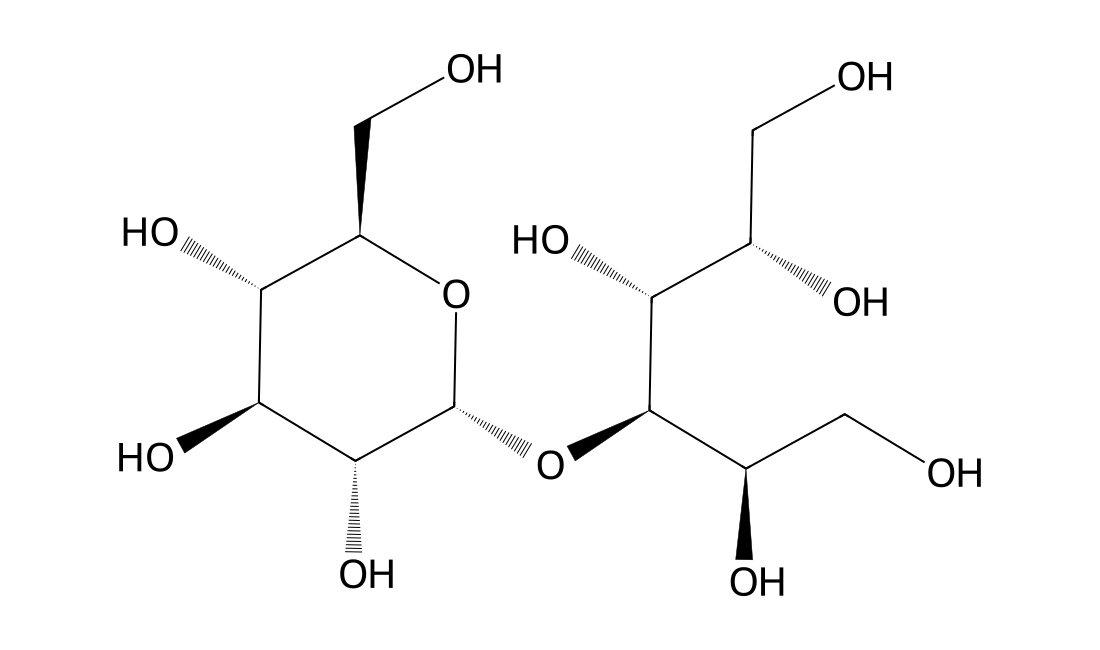
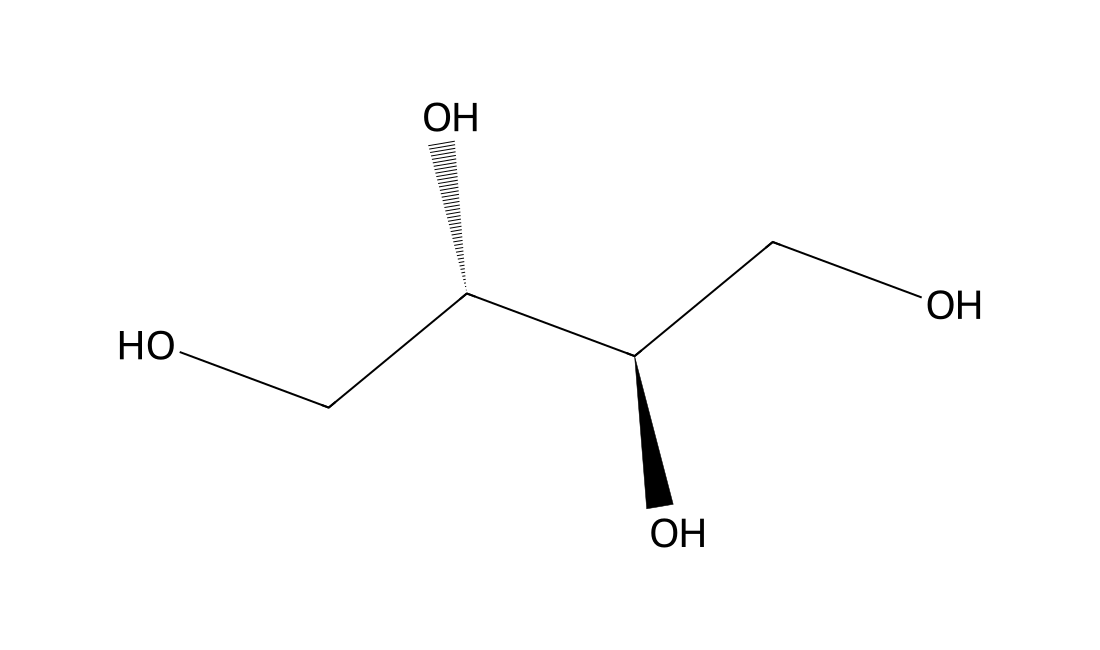
Maltitol chemical structure
DC20130

meso-Erythritol

CAS 149-32-6

meso-Erythritol is a sugar alcohol that occurs naturally in a variety of foods (e.g., pear, watermelon), is 60-80% as sweet as sucrose, and is an approved low-calorie sweetener food additive.

meso-Erythritol chemical structure
DC20131

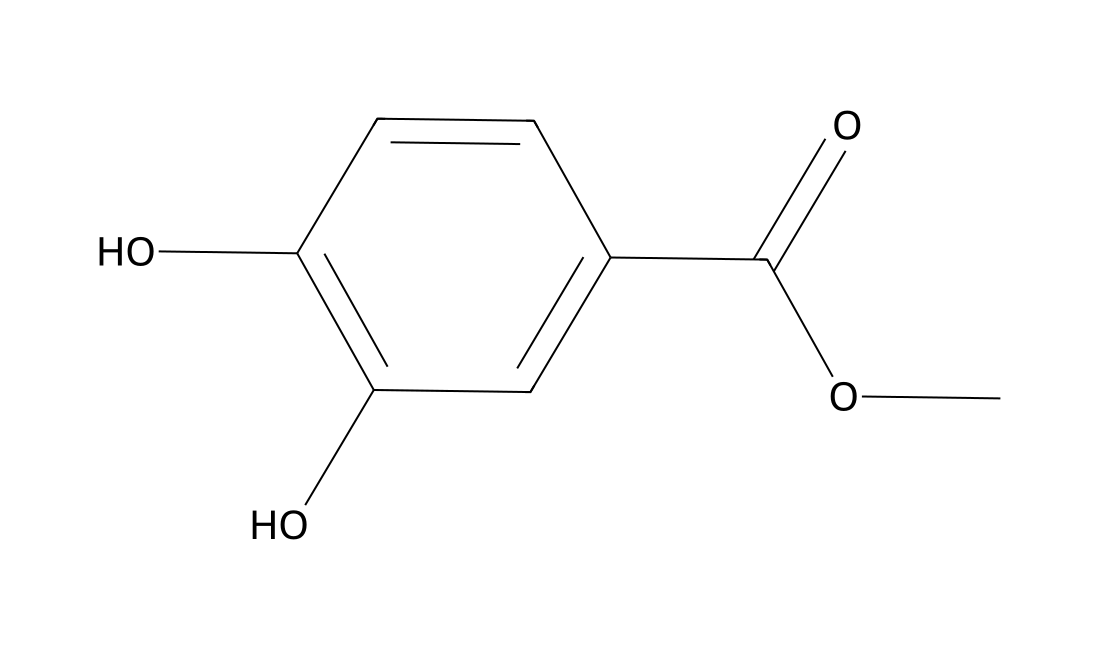
Methyl 3,4-dihydroxybenzoate

CAS 2150-43-8

In Vitro Methyl 3,4-dihydroxybenzoate (Protocatechuic acid methyl ester;Methyl protocatechuate) alleviates the toxic effects of F- via modulating its bioavailability, intracellular calcium level, mitochondrial membrane integrity and redox signaling in A549 cells. In Vivo Methyl 3,4-dihydroxybenzoate (Protocatechuic acid methyl ester;Methyl protocatechuate) (25 or 50 mg/kg bw/day) prevents the cellular F- accumulation and oxidative stress. It prevents the inflammatory and associated fibrosis progression by restoring the expression of RAGE and Nrf2.

Methyl 3,4-dihydroxybenzoate chemical structure
DC24053

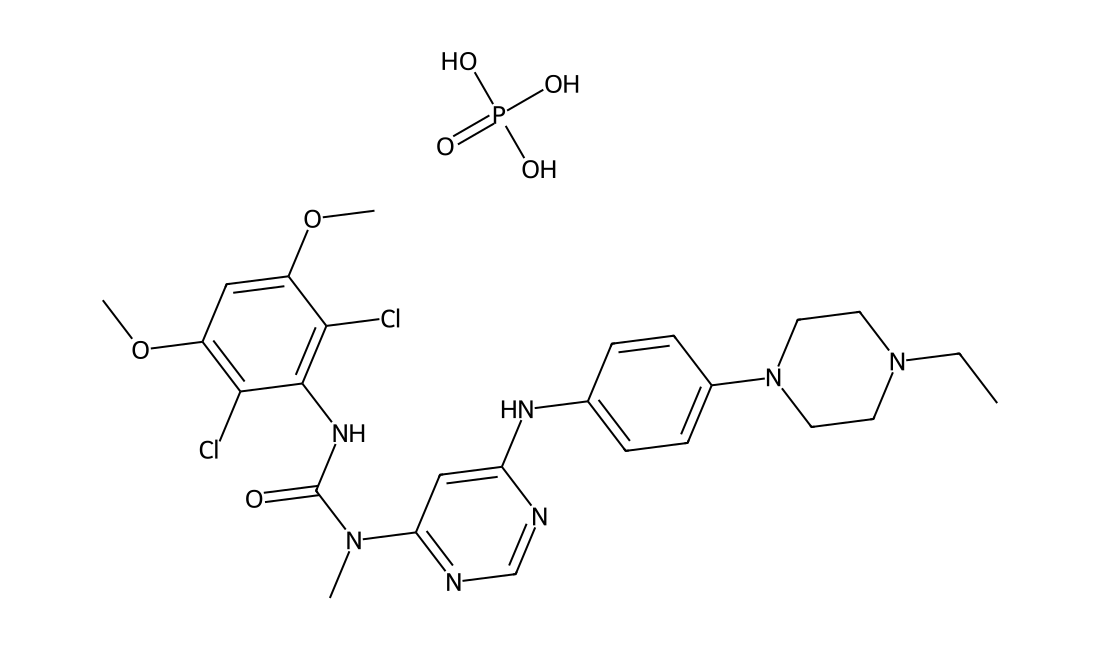
NVP-BGJ398 phosphate

CAS 1310746-10-1

NVP-BGJ398 phosphate (Infigratinib phosphate, BGJ398 phosphate) is a potent, selective pan-FGFR inhibitor with IC50 of 0.9/1.0/1.4/60 nM for FGFR1/2/3/4, also shows high potenct against mutant FGFR3-K650E with IC50 of 4.9 nM; inhibits the proliferation of the FGFR1-, FGFR2-, and FGFR3-dependent BaF3 cells with IC50 of low nanomolar range; shows significant antitumor activity in RT112 bladder cancer xenografts models overexpressing wild-type FGFR3, significantly inhibits the growth of FGFR2-mutated endometrial cancer xenograft models, also ameliorates FGF23-mediated hypophosphatemic rickets in mouse models.Blood CancerPhase 2 Clinical

NVP-BGJ398 phosphate chemical structure
DC23923

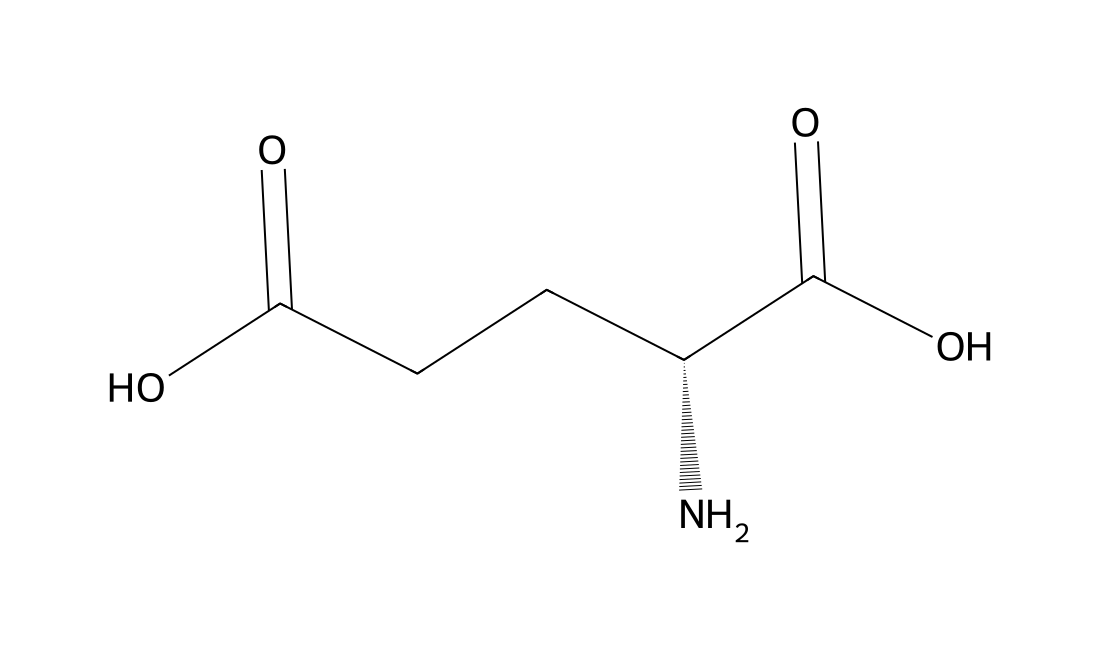
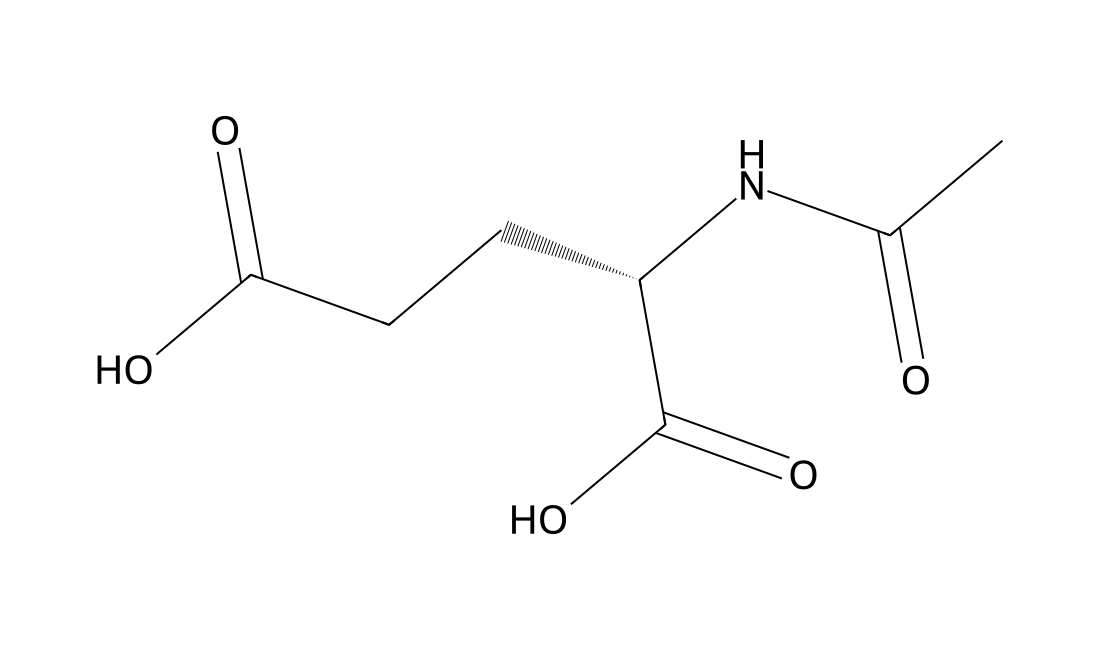
D-Glutamic acid

CAS 6893-26-1

The one form of glutamic acid found in nature, is the most potent natural inhibitor of glutathione synthesis; is not endogenously produced in higher mammals, found naturally primarily in the cell walls of certain bacteria.

D-Glutamic acid chemical structure
DC34066

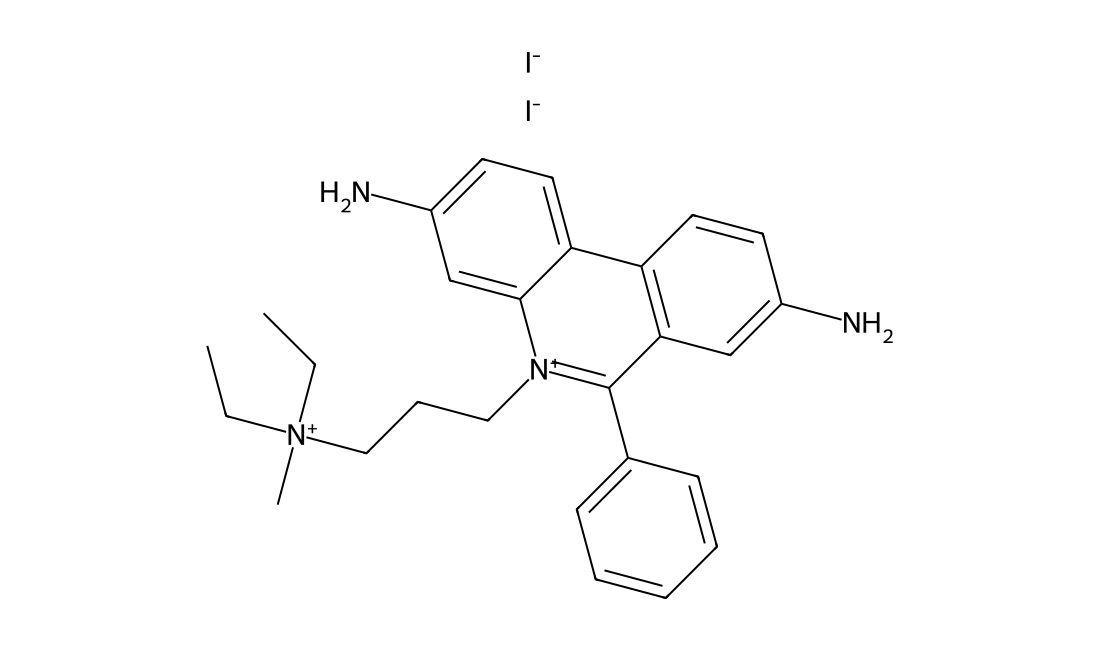
Propidium Iodide

CAS 25535-16-4

Propidium Iodide is a fluorescent intercalating agent that can be used to stain cells. Propidium Iodide is used as a DNA stain in flow cytometry to evaluate cell viability or DNA content in cell cycle analysis, and in microscopy to visualise the nucleus and other DNA-containing organelles. Propidium Iodide cannot cross the membrane of live cells, making it useful to differentiate necrotic, apoptotic and healthy cells.

Propidium Iodide chemical structure
DC12660

NFAT Inhibitor-1

CAS 249537-73-3

Selective inhibitor of calcineurin-mediated dephosphorylation of nuclear factor of activated T cells (NFAT). Does not disrupt other calcineurin-dependent pathways. Inhibits NFAT activation and NFAT-dependent expression of endogenous cytokine genes in T cells.

NFAT Inhibitor-1 chemical structure
DC45629

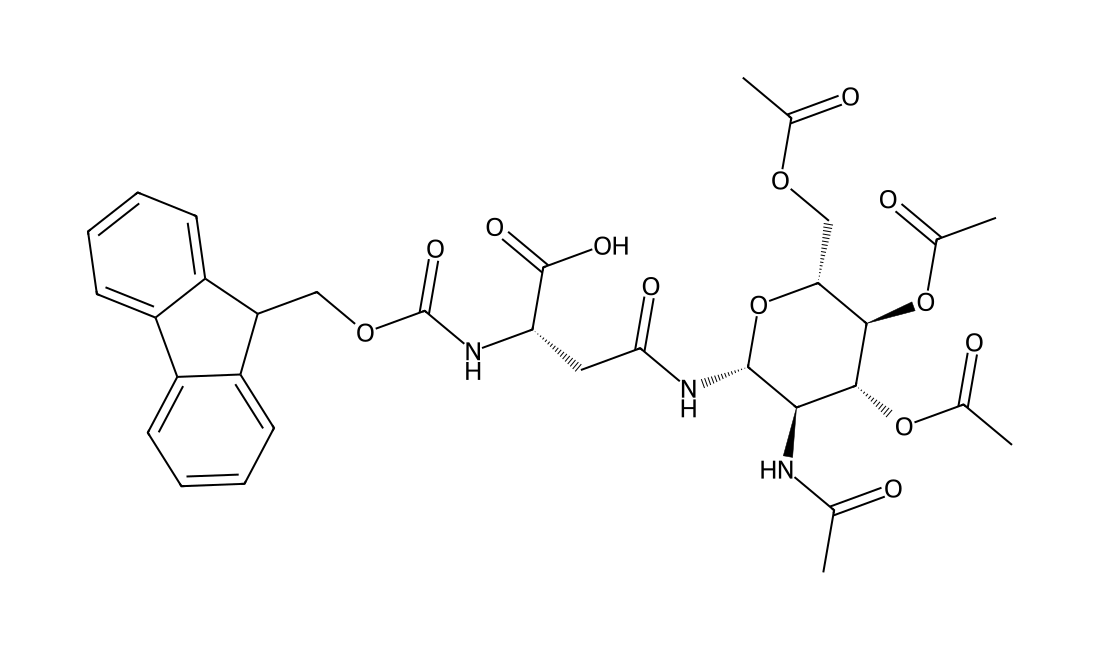
Fmoc-L-Asn(beta-D-GlcNAc(Ac)3)-OH

CAS 131287-39-3

Fmoc-L-Asn(beta-D-GlcNAc(Ac)3)-OH (Fmoc-Asn(Ac3AcNH-beta-Glc)-OH) can be used in the synthesis of silicon-fluoride acceptor (SiFA) derivatized octreotate derivatives. SiFA-octreotate analogues, as tumor imaging agents, are useful tool for the research of positron emission tomography (PET).

Fmoc-L-Asn(beta-D-GlcNAc(Ac)3)-OH chemical structure
DC34048

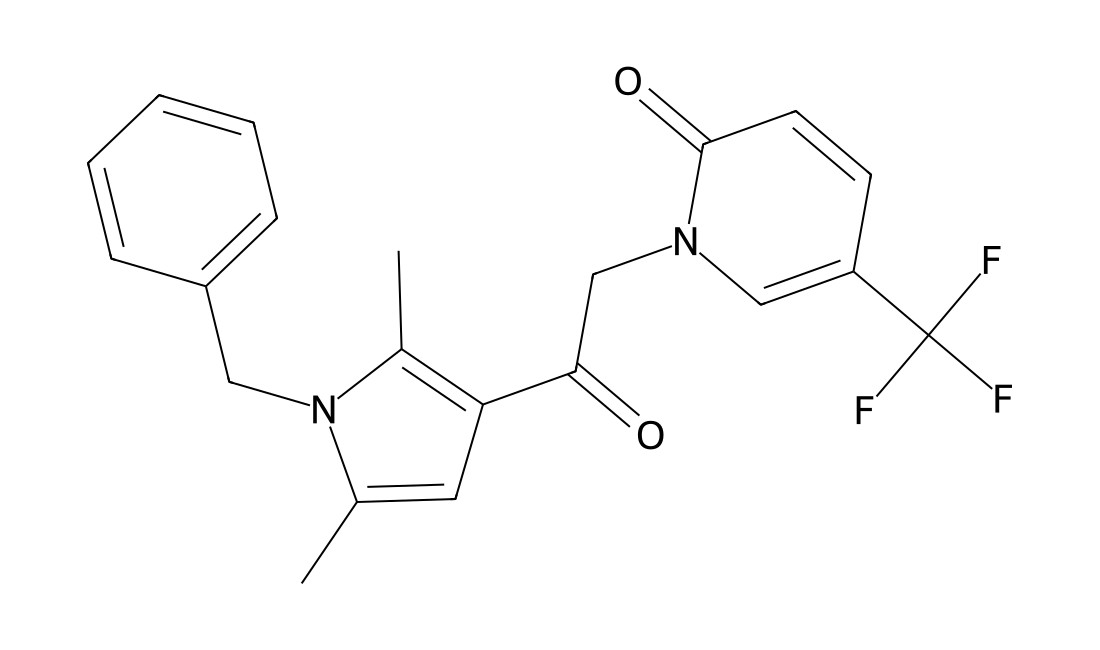
CYM-5478

CAS 870762-83-7

CYM-5478 is a potent, selective agonist for S1P2. Under nutrient-deprivation stress produced by serum-starvation, CYM-5478 induced a statistically significant increase in the viability of C6 cells in a dose dependent manner at concentrations above 100?nM.

CYM-5478 chemical structure
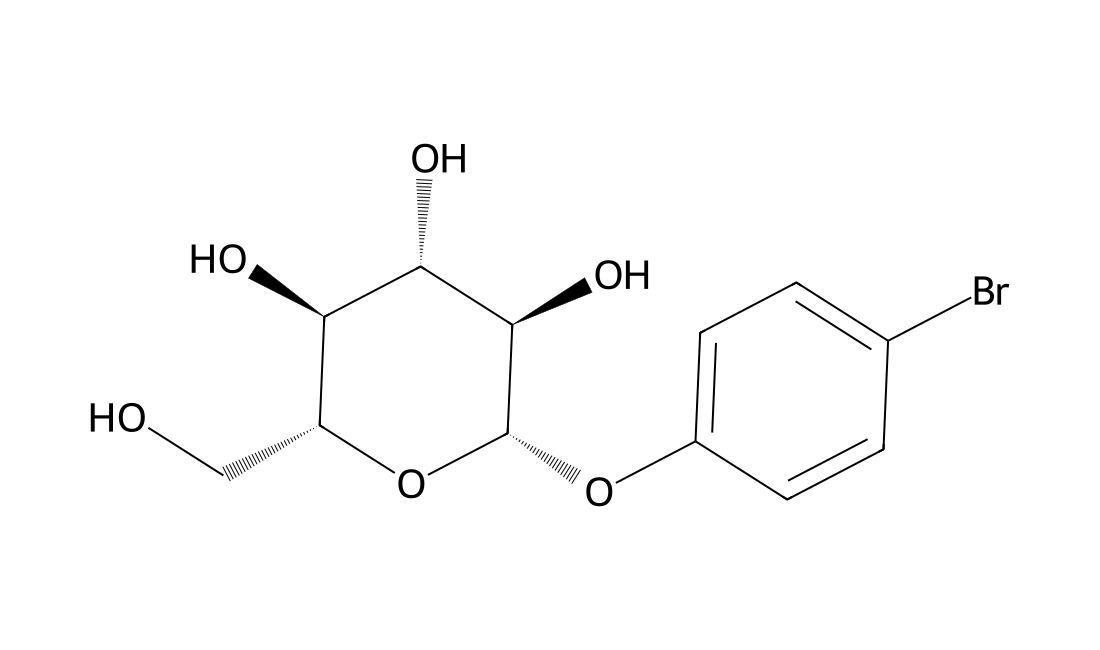
DC65913

ß-pBrPh-Glc

CAS 30572-42-0

β-pBrPh-Glc is a small-molecule ice recrystallization inhibitor. β-pBrPh-Glc can control the rate and extent of intracellular ice recrystallization in the nuclei over a broad range of subzero temperatures. β-pBrPh-Glc is an important tool to improve the recovery and function of cryopreserved cells and tissues.

ß-pBrPh-Glc chemical structure
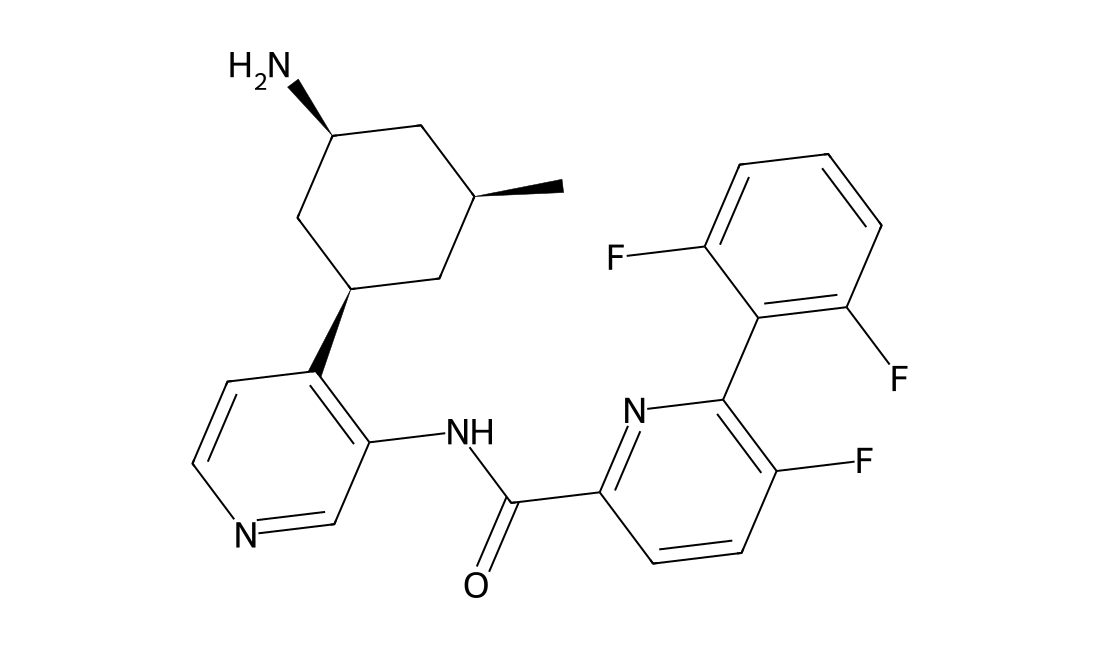
DC42596

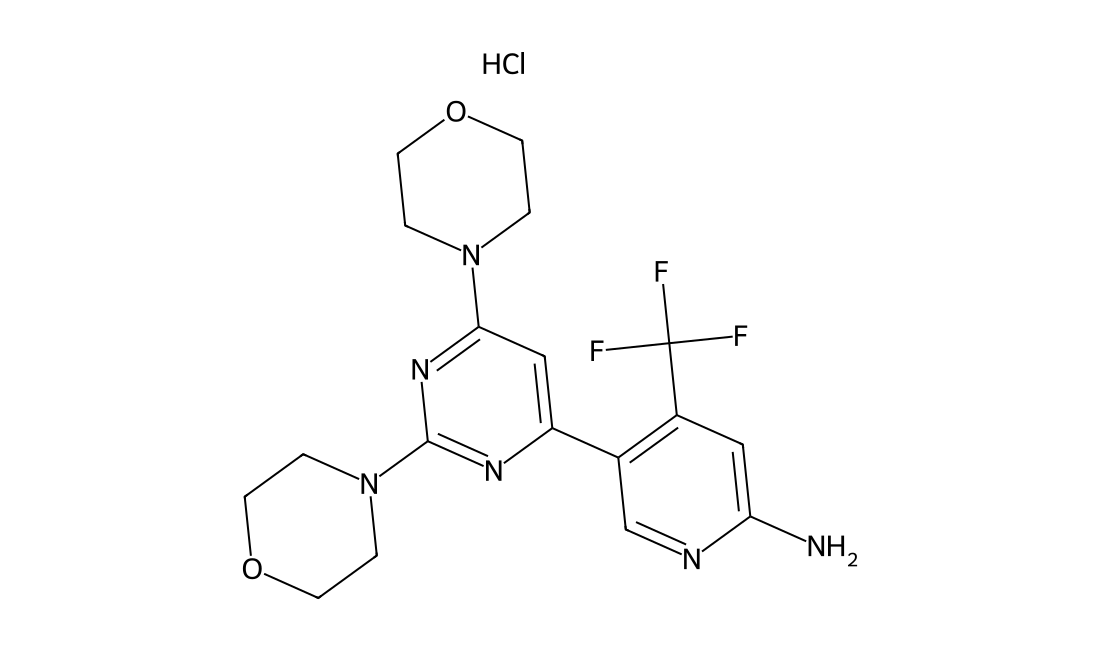
LGH447

CAS 1210608-43-7

Potent and specific pan-PIM inhibitor, inhibiting proliferation of several AML cell lines, showing dual antitumoral and bone antiresorptive effects

LGH447 chemical structure
DC23512

ML381 (VU0488130)

CAS 1623481-80-0

ML381 (VU0488130) is a highly mAChR subtype selective M5 orthosteric antagonist with IC50/Ki of 450/340 nM for hM5, has no inhibitory activity on hM1-4 (IC50>30 uM); exhibits good DMPK properties and CNS penetration (B:P ratio of 0.58) to support both in vitro and in vivo studies.

ML381 (VU0488130) chemical structure
DC21437

OAT-2068

CAS 2221950-65-6

OAT-2068 is a potent, selective, orally bioavailable inhibitor of mouse chitotriosidase (mCHIT1) with IC50 of 29 nM, 143-fold selectivity over mAMCase; exhibits excellent pharmacokinetic profile and is an ideal and unique tool for studying the role of CHIT1 in biological models.

OAT-2068 chemical structure
DC34054

PHPS1

CAS 314291-83-3

PHPS1 is an inhibitor of the protein tyrosine phosphatase Shp2. PHPS1 also efficiently inhibits activation of Erk1/2 by the leukemia-associated Shp2 mutant, Shp2-E76K, and blocks the anchorage-independent growth of a variety of human tumor cell lines.

PHPS1 chemical structure
DC12414

ZLc002

CAS 308277-46-5

ZLc002 (ZLc-002) is a putative small-molecule inhibitor of nNOS interaction with NOS1AP, disrupts neuronal nitric oxide synthase-NOS1AP interaction in intact cells; exhibits anxiolytic-like efficacy in a mouse model of chronic mild stress without altering appetite, general activity, or locomotor activity or interfering with the resting potential of neurons, also inhibits co-immunoprecipitation of NOS1AP with nNOS in hippocampal cells; suppresses inflammatory nociception and chemotherapy-induced neuropathic pain and synergizes with paclitaxel to reduce tumor cell viability; suppresses formalin-evoked inflammatory pain in rats and reduced Fos protein-like immunoreactivity in the lumbar spinal dorsal horn (4-10 mg/kg i.p.).

ZLc002 chemical structure
DC65885

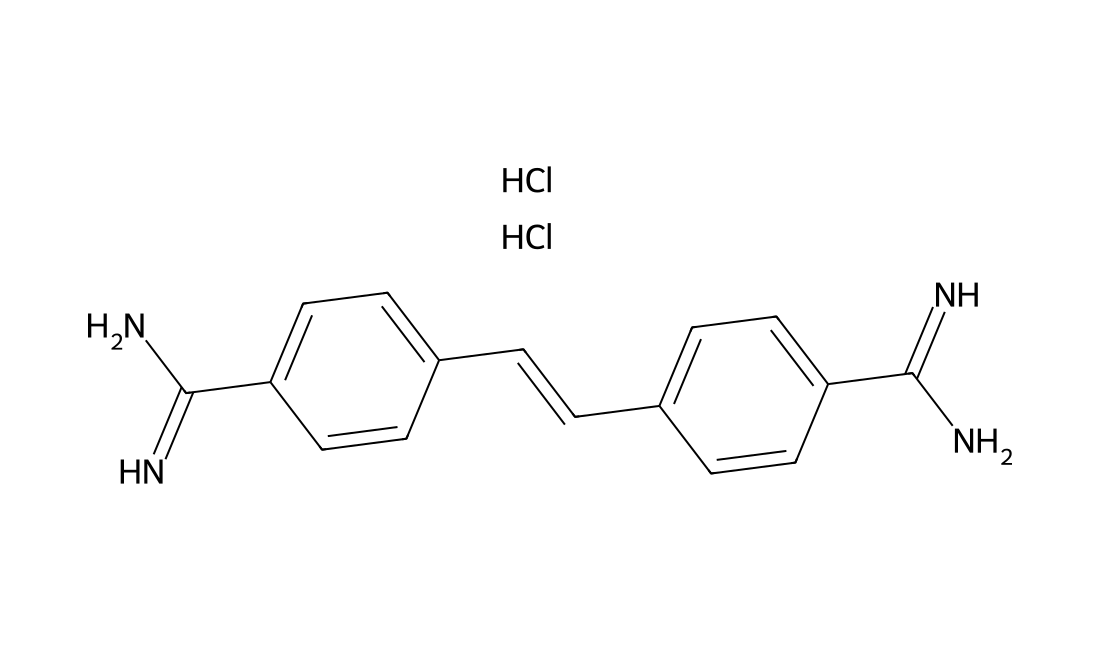
Stilbamidine dihydrochloride

CAS 6935-63-3

Stilbamidine dihydrochloride is a blocker of neuromuscular transmission and axonal conduction. It is used to study the distribution of the drug in the organs and tissues of rats following intravenous injection.

Stilbamidine dihydrochloride chemical structure
DC65880

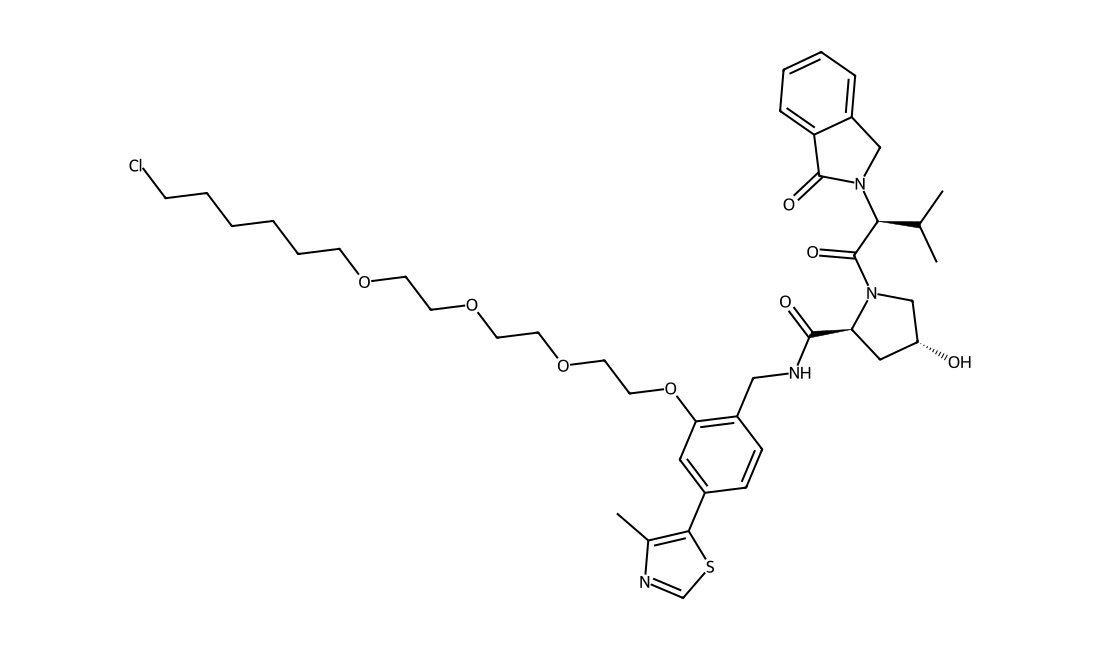
HaloPROTAC-E

CAS 2365478-58-4

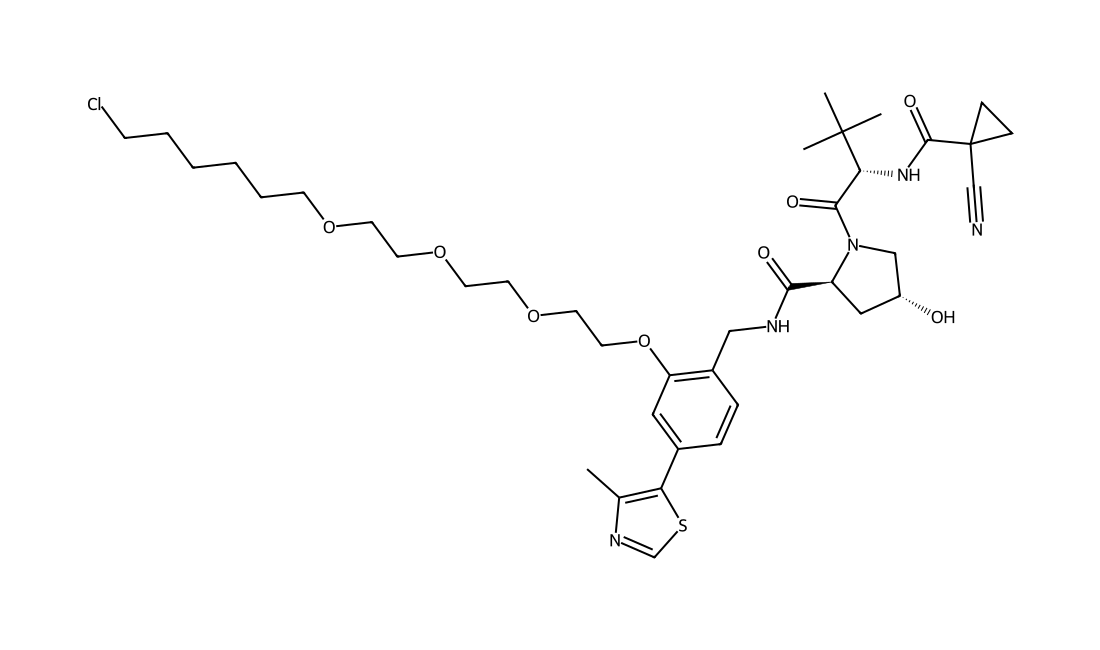
HaloPROTAC-E is a novel HaloPROTAC potent degrader, inducing reversible degradation of two endosomally localized proteins, SGK3 and VPS34, with a DC50 of 3-10 nM, remarkably selective inducing only degradation of the Halo tagged endogenous VPS34 complex (VPS34, VPS15, Beclin1, and ATG14) and no other proteins were significantly degraded.

HaloPROTAC-E chemical structure
DC65879

AP1189 acetate

CAS 959850-74-9

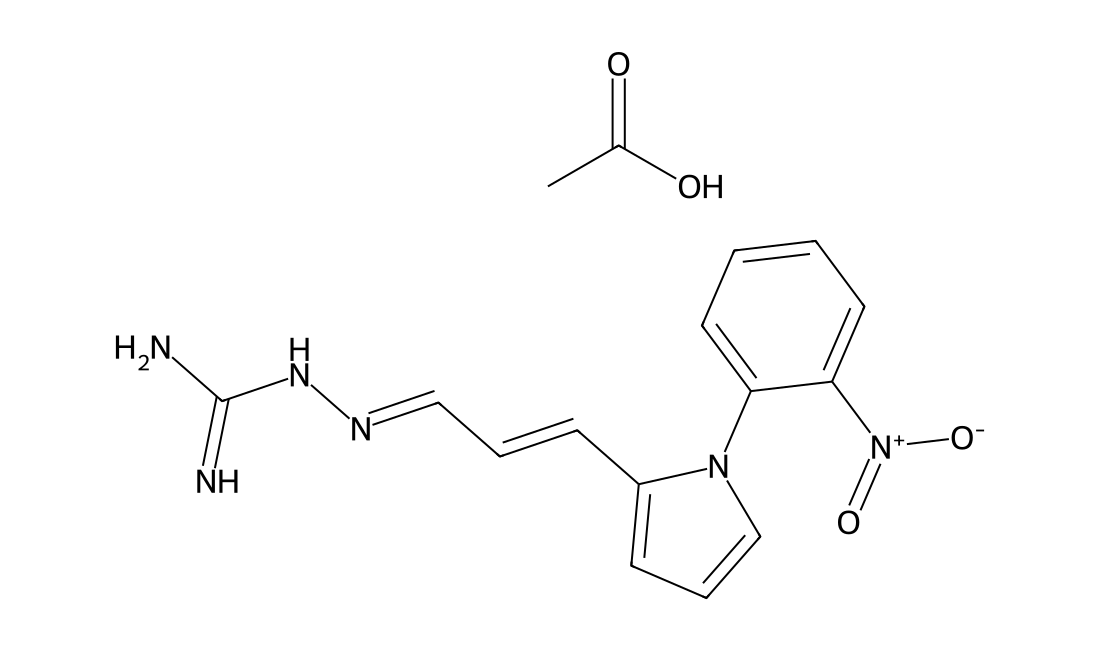
AP1189 is a biased agonist at receptors MC1 and MC3. AP1189 reduced cytokine release, an effect reliant on both MC1 and MC3 as evident from the use of Mc1r(-/-) and Mc3r(-/-) macrophages. No melanogenesis was induced by AP1189 in B16-F10 melanocytes. In vivo, oral AP1189 elicited anti-inflammatory actions in peritonitis and, upon administration at the peak of inflammation, accelerated the resolution phase by ∼3-fold.

AP1189 acetate chemical structure
DC65876

VT-105

CAS 2417718-38-6

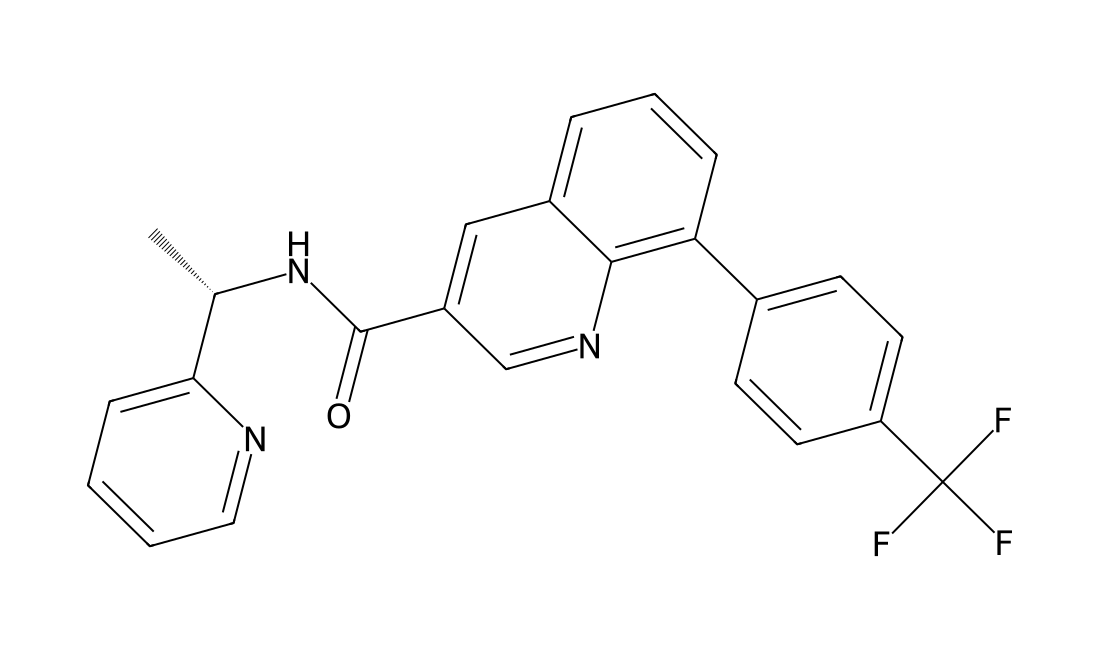
VT-105 is a potent and selective TEAD Auto-palmitoylation inhibitor that Inhibits Proliferation and Tumor Growth of NF2-deficient Mesothelioma. VT105 is a more soluble analog of VT104.

VT-105 chemical structure
DC65870

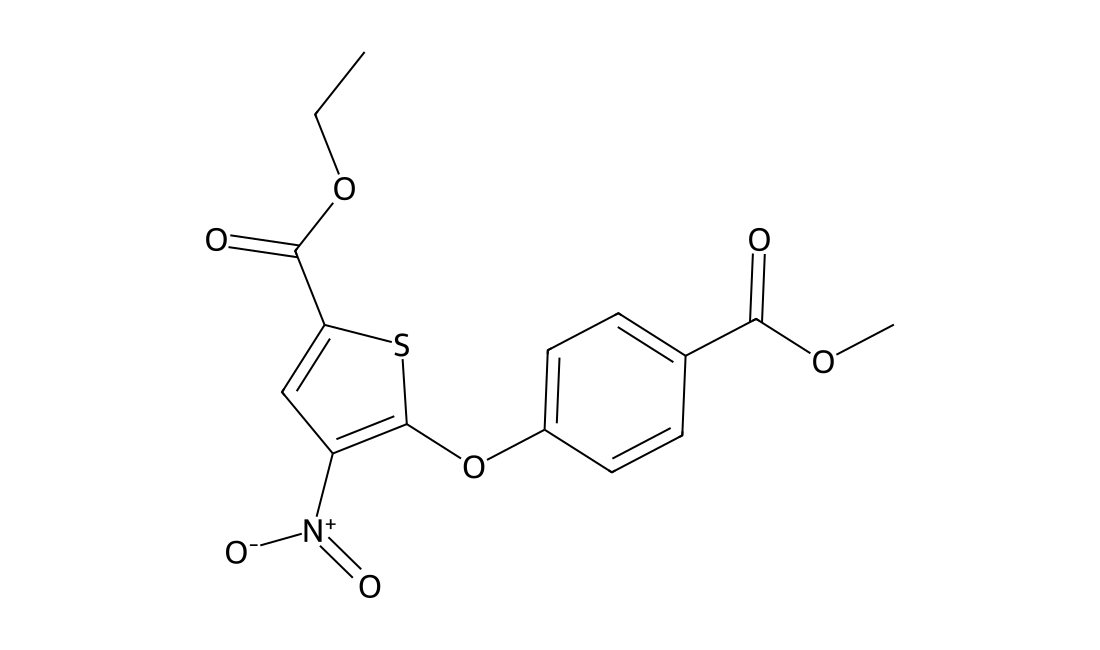
NVOC cage-TMP-Halo

CAS 2137894-98-3

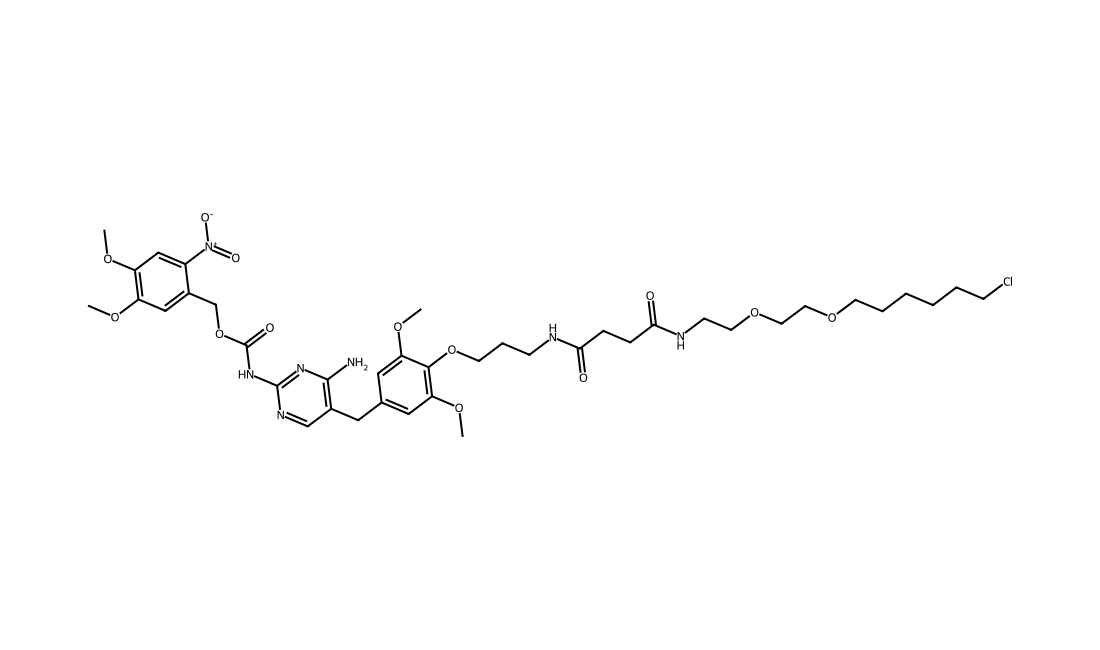
NVOC cage-TMP-Halo is a cell-permeable and photoactivatable protein dimerization inducer. NVOC cage-TMP-Halo can rapidly and reversibly control protein localization in living cells. NVOC cage-TMP-Halo can be used for dynamic cellular processes research.

NVOC cage-TMP-Halo chemical structure
DC70873

USP10 inhibitor Wu-5

CAS 2630378-05-9

USP10 inhibitor Wu-5 (Wu-5) is a novel small molecule USP10 inhibitor inducing the degradation of FLT3-mutated protein, directly interacts and inactivates USP10, the deubiquitinase for FLT3-ITD in vitro (IC50=8.3 uM) and in FLT3-ITD-positive AML cells.Wu-5 selectively inhibited the viability of FLT3 inhibitor-sensitive (MV4-11, Molm13) and -resistant (MV4-11R) FLT3-ITD-positive AML cells with IC50 of 3.794, 5.056, and 8.386 uM, respectively.Wu-5 (1-10 μM) dose-dependently induced apoptosis of MV4-11, Molm13, and MV4-11R cells through the proteasome-mediated degradation of FLT3-ITD.Combined treatment of Wu-5 and crenolanib produced synergistic cell death in FLT3-ITD-positive cells via the reduction of both FLT3 and AMPKα proteins.

USP10 inhibitor Wu-5 chemical structure
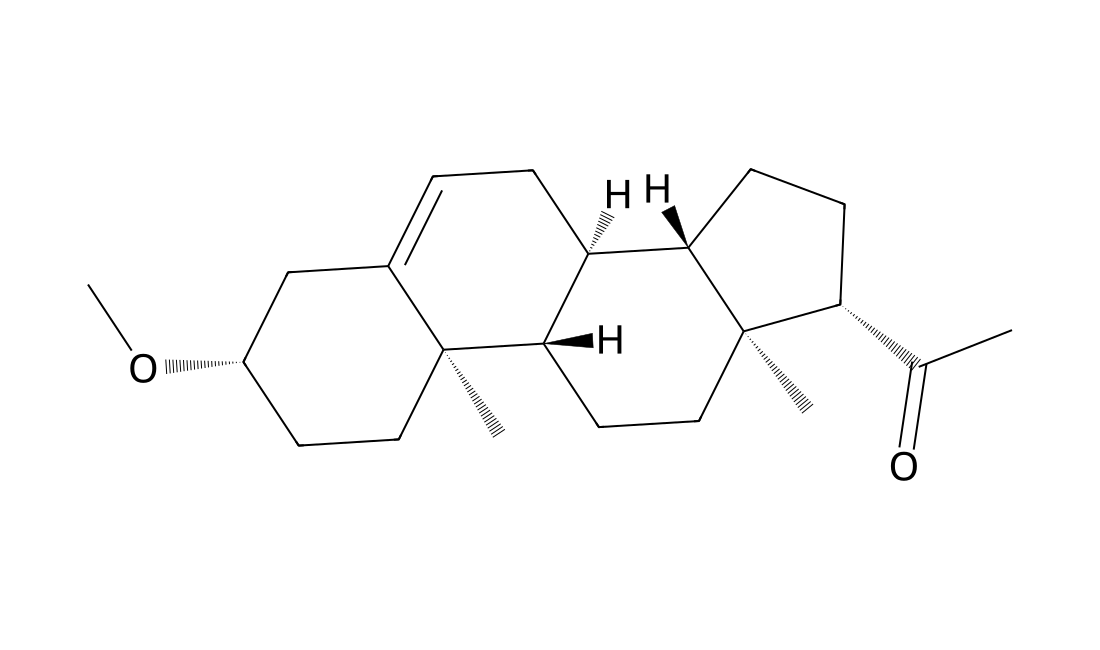
DC40078

MAP4343

CAS 511-26-2

MAP4343 is the 3-methylether derivative of Pregnenolone. MAP4343 binds in vitro to microtubule-associated protein 2 (MAP2), stimulates the polymerization of tubulin, enhances the extension of neurites and protects neurons against neurotoxic agents.

MAP4343 chemical structure
DC11554

FT-671

CAS 1959551-26-8

FT-671 is a novel potent, specific, non-covalent USP7 inhibitor with Kd of 65 nM (USP7 catalytic domain); inhibits USP7 with IC50 values of 52 nM (USP7 CD) and 69 nM (USP7C-term), display good USP7 selectivity in a panel of 38 deubiquitinases (DUBs); destabilizes USP7 substrates including MDM2, increases levels of p53, and results in the transcription of p53 target genes and induces tumour suppressor p21; blocks the proliferation of MM.1S cells (IC50=33 nM), suppresses tumour growth in mice; orally available.

FT-671 chemical structure
DC20653

ALE-0540

CAS 234779-34-1

ALE-0540 is a nerve growth factor (NGF) antagonist that inhibits the binding of NGF to TrkA or both p75 and TrkA with IC50 of 5.88 and 3.72 uM, respectively; produces antiallodynic actions in models of neuropathic pain.PainDiscontinued

ALE-0540 chemical structure
DC70309

cis-ISRIB

CAS 548470-11-7

cis-ISRIB is a weak inhibitor of PERK signaling compared to trans-ISRIB , potently reverses the effects of eIF2α phosphorylation with IC50 of 600 nM.ISRIB reduces the viability of cells subjected to PERK-activation by chronic endoplasmic reticulum stress, displays significant enhancement in spatial and fear-associated learning.ISRIB is a potent inhibitor of the integrated stress response (ISR)integrated stress response (ISR).

cis-ISRIB chemical structure
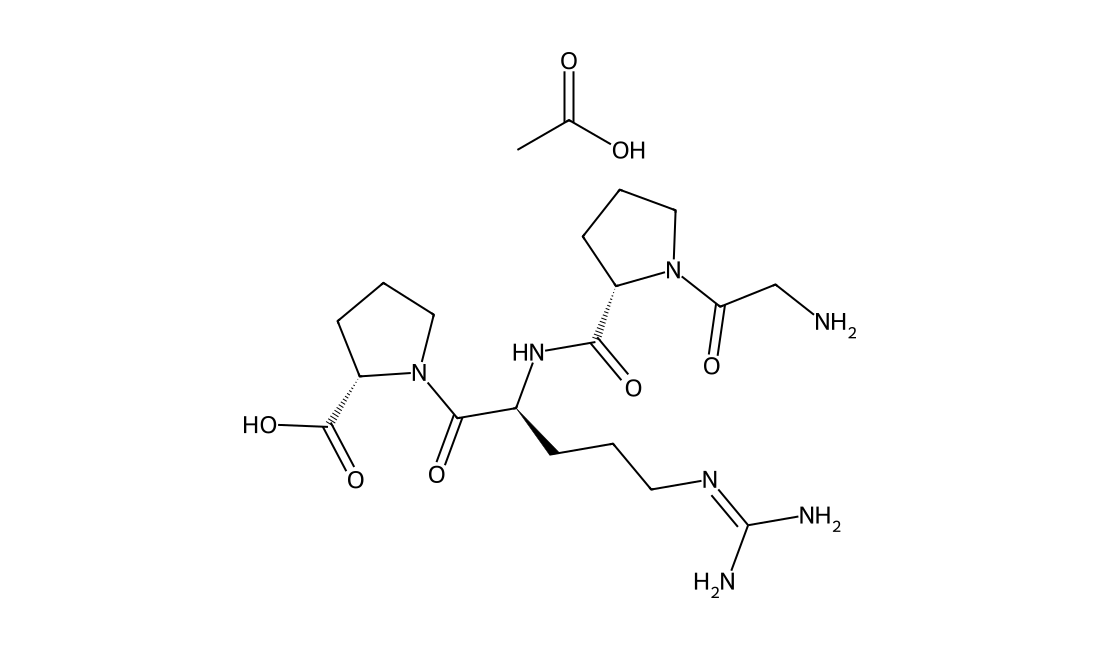
DC22365

GPRP acetate

CAS 157009-81-9

GPRP acetate is fibrinogen-related peptide, which inhibits the interaction of fibrinogen with the platelet membrane glycoprotein IIb/IIIa complex (GPIIb/IIIa). Sequence: Gly-Pro-Arg-Pro.

GPRP acetate chemical structure
DC70239

BAY 2666605

CAS 2275774-60-0

BAY2666605 is a potent, small molecule PDE3A-SLFN12 complex inducer with EC50 of 7 nM.BAY2666605 triggers the formation of a complex of two proteins called SLFN12 and PDE3A. This complex drive cancer cells into cell death by a mechanism called apoptosis.

BAY 2666605 chemical structure
DC11754

AD 2900

CAS 18360-29-7

AD 2900 (AD2900, AD-2900) is a novel potent, broad S1P receptor antagonist with IC50 of 3.8, 3.2, 6.2, 5.9 and 0.405 uM for S1P1, 2, 3, 4 and 5 respectively; shows no significant agonism effects (EC50>50 uM); suppresses PBMC proliferation, regulates the expression of S1P1 and CCR7 on PBMCs; accumulates T cells in the blood and spleen and in turn reduces T-cell number in the lymph nodes, shows significant effects on the localization of T-cell subpopulations in mice.

AD 2900 chemical structure
DC49271

BIM-26226

CAS 136207-23-3

BIM-26226, gastrin-releasing peptide, is a potent and selective antagonist of bombesin receptor. BIM-26226 inhibits BN- or GRP-stimulated amylase release with IC50s in the nanomolar range. BIM-26226 can be used for the research of cancer.

BIM-26226 chemical structure
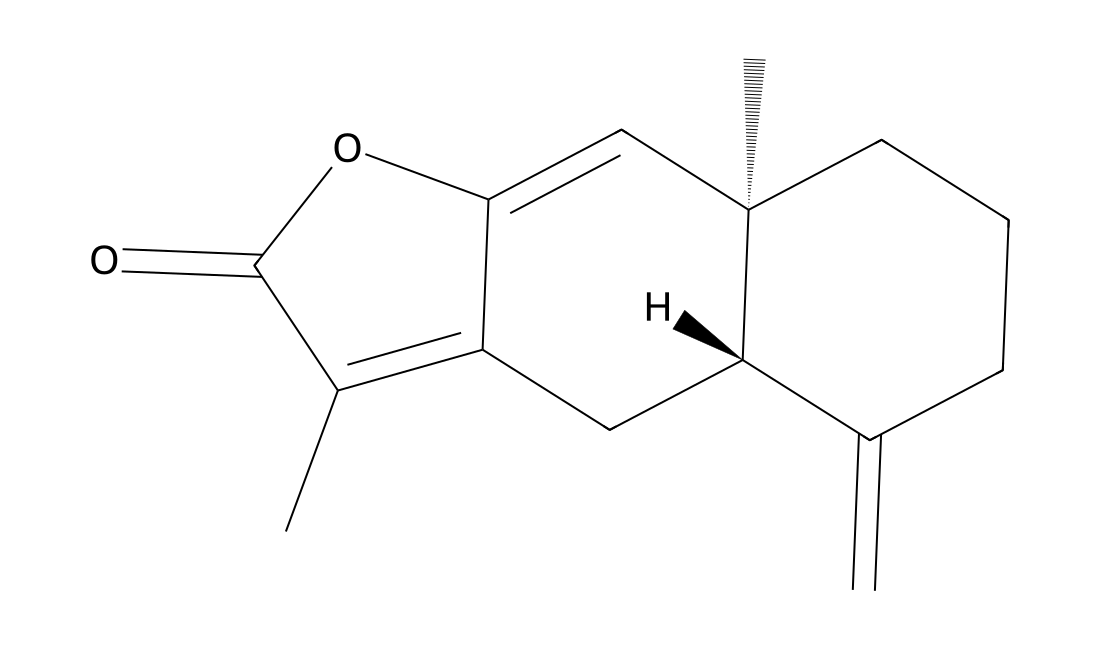
DC22287

Atractylenolide I

CAS 73069-13-3

Atractylenolide I is a sesquiterpene derived from the rhizome of Atractylodes macrocephala, possesses diverse bioactivities, such as neuroprotective, anti-allergic, anti-inflammatory and anticancer properties. Atractylenolide I reduces protein levels of phosphorylated JAK2 and STAT3 in A375 cells, and acts as a TLR4-antagonizing agent.
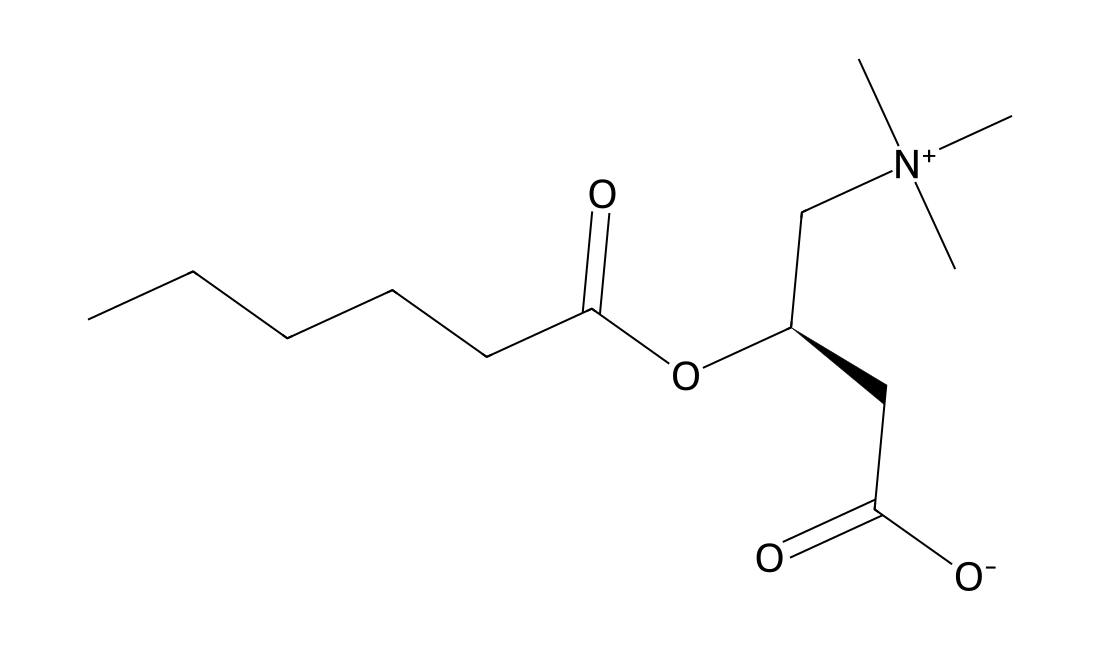
Atractylenolide I chemical structure
DC31255

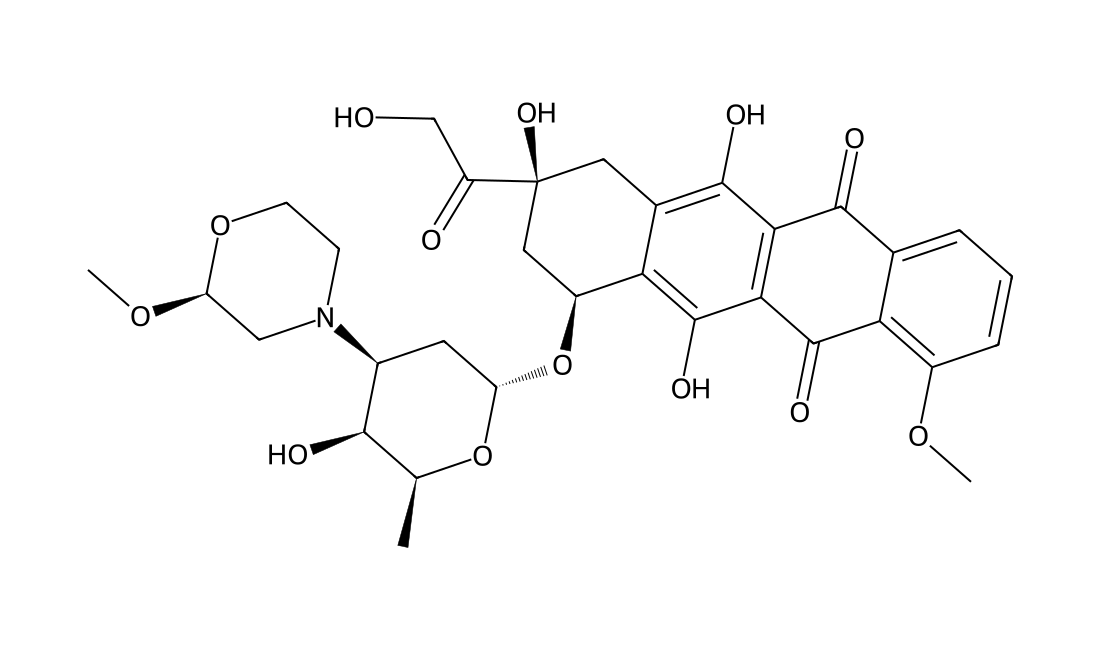
Nemorubicin

CAS 108852-90-0

Nemorubicin, also known as PNU152243A, is a doxorubicin derivative that differs significantly from its parent drug in terms of spectrum of antitumor activity, metabolism and toxicity profile. The drug is active on tumors resistant to alkylating agents, topoisomerase II inhibitors and platinum derivatives. It works primarily through topoisomerase I inhibition. Of note, Nemorubicin is active in cells with upregulation of the nucleotide excision repair (NER) pathway, where current therapies fail. Nemorubicin is biotransformed in the liver into cytotoxic metabolites that may further contribute to render this drug highly active against primary liver tumors or liver metastases.
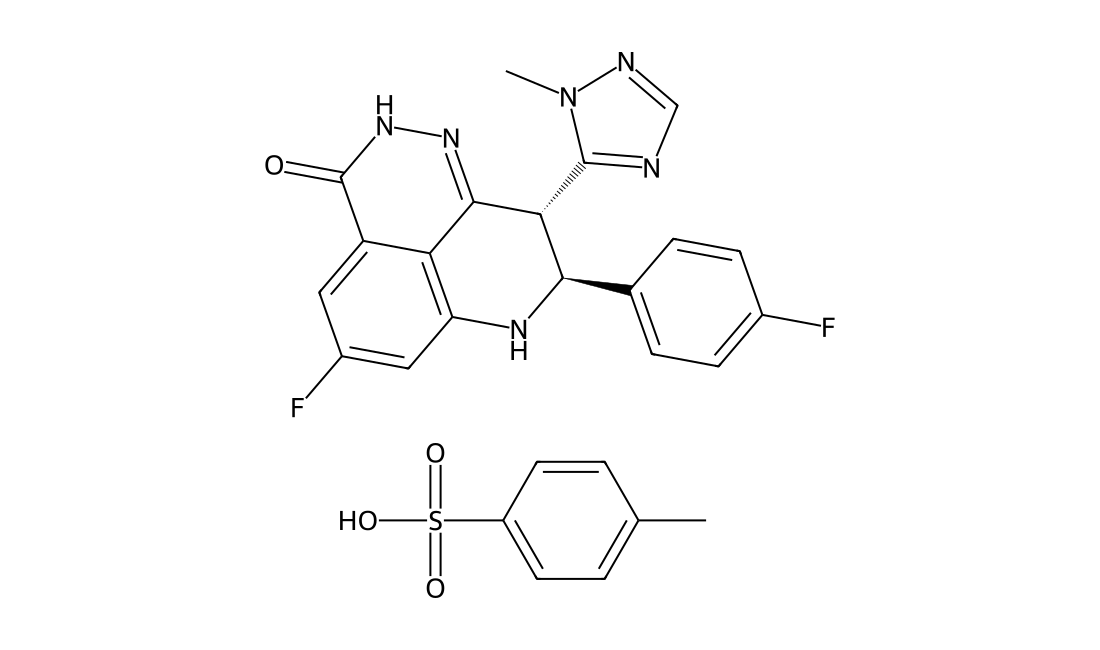
Nemorubicin chemical structure
Browse target & topic index A–Z (366)
11β-HSD (1)15-PGDH (2)5-HT Receptor (16)Acetyl-CoA Carboxylase (ACC) (3)Acetylcholinesterase (AChE) (2)Ack1 (TNK2) (1)Acyltransferase (1)ADC Cytotoxin (6)ADCs Linker/Click Chemistry (5)Adenosine Receptor (9)Adenylate Cyclase (2)Adrenergic Receptor (11)Akt (12)Alcoholism (2)Aldehyde Dehydrogenase (ALDH) (6)Allergy (5)Alzheimer Disease (13)Aminopeptidase (1)AMPK (8)Amyloids (4)Anaplastic Lymphoma Kinase (ALK) (9)Androgen Receptor (AR) (11)Anemia (4)Angiotensin Receptor (4)Antibody/Protein labeling dyes (1)Antifolate (2)Anxiety (1)Apoptosis Inducer (3)Arginase (1)Arp2/3 complex (1)Aryl hydrocarbon Receptor (AhR) (1)Asthma (5)Atherosclerosis (2)ATM/ATR (8)Aurora Kinase (10)Autophagy (6)Autophagy-related Protein (Atg) (2)Autotaxin (2)Bacterial (26)Bacterial Infection (17)Bcl-2 (14)Bcr-Abl (5)BCRP (1)Beta-catenin (4)Beta-secretase (BACE) (4)Blood Cancer (91)BMI-1 (1)Bone Cancer (6)Brain Cancer (6)Breast Cancer (30)Bromodomain (22)BTK (10)c-Fms (CSF1R) (5)c-Fos/AP-1 (1)c-Kit (6)c-Met (HGFR) (11)c-Myc (2)Calcium Channel (4)Calcium-sensing Receptor (CaSR) (1)CaMK (4)Cannabinoid Receptor (6)Carbonic Anhydrase (1)Carboxypeptidase (1)Casein Kinase (6)Caspase (4)Cathepsin (6)Cdc2-like Kinase (CLK) (1)CETP (2)CFTR (7)Checkpoint Kinase (Chk) (8)Chemokine Receptor (CCR and CXCR) (14)Chemotherapeutic Agents (19)Chloride Channel (1)CMV (2)CMV Infection (2)Colon Cancer (9)Complement System (1)COPD (3)CREB/CBP (2)CRF Receptor (2)CRISPR/Cas9 (1)Cushing Disease (1)Cyclin-dependent Kinase (CDK) (39)Cyclooxygenase (COX) (4)Cytochrome P450 (CYPs) (5)Depression (2)Dermatitis (2)Deubiquitinase (DUB) (7)Diabetes (20)Dipeptidyl Peptidase (DPP) (3)Discoidin Domain Receptor (DDR) (1)DNA Alkylator/Crosslinker (10)DNA Methyltransferase (DNMT) (1)DNA Repair Protein (1)DNA-PK (2)DNA/RNA Synthesis (5)Dopamine beta-hydroxylase (1)Dopamine Receptor (7)Drug Metabolite (1)Drug-Linker Conjugates (11)Dyes (4)DYRK (1)Dyslipidemia (9)E3 Ligase Ligand (6)E3 Ligase Ligand-Linker Conjugate (1)E3 Ubiquitin Ligase (4)Ebola Virus Infection (1)EGFR (32)Elastase (2)Endothelin Receptor (5)Enzymes substrates (13)Epigenetic Reader Domain (3)Epilepsy (4)ERK (4)Estrogen Receptor/ERR (13)Eukaryotic Initiation Factor (eIF) (2)Exportin-1 (CRM1,XPO1) (2)FABP (1)Factor Xa (5)Farnesoid X Receptor (FXR) (5)Farnesyl transferase (FTase) (1)Ferroptosis (6)FGFR (20)Fibrosis (5)FLT3 (6)Focal Adhesion Kinase (FAK) (11)Foxo1 (1)Free Fatty Acid Receptor (FFAR) (5)Fungal (2)Fungal Infection (1)GABA Receptor (13)Galectin (1)Gastric Cancer (8)Ghrelin Receptor (GHSR) (3)Glucagon Receptor (4)Glucokinase (2)Glucose Transporter (GLUT) (2)Glutamate Transporter (2)GPCR (1)GPER (GPR30) (1)GPR139 (1)GPR183 (EBI2) (2)GPR39 (1)GPR55 (1)GPR84 (1)GRK (GPCRK) (2)Growth Hormone Deficiency (2)GSK-3 (8)Guanylate Cyclase (3)HBV (1)HBV Infection (1)HCN Channel (2)HCV (8)HCV Infection (9)HDAC (38)Heart Arrhythmia (2)Heart Failure (5)Heat Shock Protein (HSP) (15)Hedgehog (Hh) (1)HIF/HIF Prolyl-hydroxylase (8)Histamine Receptor (6)Histone Acetyltransferase (HAT) (5)Histone Demethylase (11)Histone Methyltransferase (HMTase) (31)HIV (12)HIV Infection (11)HMG-CoA Reductase (HMGCR) (3)HSV (1)HSV Infection (1)Hypercholesterolemia (1)Hyperparathyroidism (1)Hypertension (8)IAP (1)IGF-1R (3)iGluR (15)Indoleamine 2,3-Dioxygenase (IDO) (4)Infection (1)Influenza (6)Influenza Virus (6)Insulin Receptor (2)Integrin (6)Interleukin Receptor (1)IRAK (2)IRE1 (4)Irritable Bowel Syndrome (2)Ischemia (1)Isocitrate Dehydrogenase (IDH) (5)ITK (1)IκB kinase (IKK) (7)JAK (32)JNK (3)Keap1-Nrf2 (6)Kidney Cancer (10)Kinesin (5)Kruppel-like Factor (KLF) (1)Kynurenine 3-Monooxygenase (KMO) (1)Leukotriene Receptor (1)LIM Kinase (LIMK) (3)Lipids fragment (1)Liver Cancer (6)Liver X Receptor (LXR) (3)LRRK2 (9)Lung Cancer (39)Lysophospholipid Receptor (12)LYTACs (3)mAChR (9)MALT1 (2)MAP4K (1)Matrix Metalloproteinase (MMP) (10)MDM2-p53 (9)MEK (MAP2K) (14)MEKK (MAP3K) (1)Melanocortin Receptor (2)MELK (1)mGluR (7)MicroRNA (1)Microtubule/Tubulin (5)Mineralocorticoid Receptor (MLR) (1)MITF (1)Mixed Lineage Kinase (MLK) (3)MNK (2)Molecular Glues (21)Monoamine Transporter (5)Monocarboxylate Transporter (MCT) (1)Monopolar Spindle 1 (Mps1/TTK) (3)mTOR (13)Multiple Sclerosis (6)Myosin (1)Na-K-Cl Cotransporter (NKCC) (2)nAChR (2)NADPH Oxidase (NOX) (2)NAMPT (3)Natural products (37)Neprilysin (1)Neurokinin Receptor (3)Neuropeptide Y Receptor (3)NF-κB (5)Nitric Oxide Synthase (NOS) (1)NOD-like Receptor (NLR) (3)Notch (2)Nucleoside Antimetabolite/Analog (10)Nur77 (NR4A1) (1)Obesity (1)Oct3/4 (1)Opioid Receptor (5)Orexin Receptor (7)Osteoporosis (2)Ovarian Cancer (14)Oxytocin Receptor (OXTR) (2)P-glycoprotein (P-gp) (3)p21-activated Kinase (PAK) (1)P2X Receptor (2)P2Y Receptor (1)p38 MAPK (10)p97/VCP (1)Pain (12)Pancreatic Cancer (10)Parasite (5)Parasite Infection (2)Parkinson Disease (2)PARP (19)PCSK9 (1)PD-1/PD-L1 (4)PDGFR (4)PDK1 (2)PEGn (1)PERK (2)PGE synthase (2)Phosphodiesterase (PDE) (9)Phospholipase (4)PI3K (32)PI4K (2)Piezo Channel (1)PIKfyve (3)Pim (9)PKC (12)PKD (1)Plasminogen Activator Inhibitor-1 (PAI-1) (3)Polo-like Kinase (PLK) (4)Porcupine (3)Potassium Channel (13)PPAR (13)Pregnane X Receptor (PXR) (1)Progesterone Receptor (2)Prostaglandin Receptor (11)Prostate Cancer (7)PROTACs (35)Protease-activated Receptor (PAR) (3)Proteasome (12)Protein Disulfide Isomerase (PDI) (1)Protein Phosphatase/PTP (6)Proton Pump (1)Psoriasis (5)RAD51 (1)Radioligand precursors (15)Raf (18)RAR/RXR (3)Ras (17)Renin (2)RET Tyrosine Kinase (c-RET) (3)Rheumatoid Arthritis (16)Ribosomal S6 Kinase (RSK) (5)RIG-I-like Receptor (RLR) (2)RIP kinase (7)ROCK (12)ROR (2)RSV (4)RSV Infection (3)RUNX1-CBFβ (1)S-nitrosoglutathione reductase (GSNOR) (1)Saccharides and Glycosides (1)Salt Inducible Kinase (SIK) (2)SARS-CoV (16)SARS-CoV Infection (34)Schizophrenia (4)Sexual Dysfunction (1)SGLT (4)Sigma Receptor (4)Sirtuin (9)Skin Cancer (13)Sleep Disorder (7)SMN2 Modulator (1)Smoothened (Smo) (9)Sodium Channel (12)Solid Tumors (35)Somatostatin Receptor (2)Sphingosine kinase (SphK) (2)Src (7)STAT (5)Stearoyl-CoA Desaturase (SCD) (1)Steatohepatitis (7)Sterol lipids (1)STING (14)Syk (6)T Cell Receptor (TCR) (1)TAK1 (2)TAM Receptor (Tyro3-Axl-Mer) (4)Taste Receptor (1)Telomerase (2)TGF beta Receptor (TGFBR) (12)Thrombin (3)Thrombosis (13)Thyroid Cancer (1)Thyroid Hormone Receptor (THR) (1)Thyrotropin Receptor (2)TNIK (1)Toll-like Receptor (TLR) (2)TOPK (1)Topoisomerase (11)TRAIL (1)Translocator Protein (TSPO) (1)Trk Receptor (4)TRP Channel (13)Tryptophan Hydroxylase (TPH) (1)Ubiquitin-activating Enzyme (E1) (2)Ubiquitin-conjugating Enzyme (E2) (2)Ulcer (1)ULK (3)Vasopressin Receptor (2)VEGFR (25)Vitamin D Receptor (VDR) (3)Wee1 (1)WNK Kinase (1)Wnt (5)Yes-associated Protein (YAP) (4)γ-secretase (5)

Cart

Request quotation