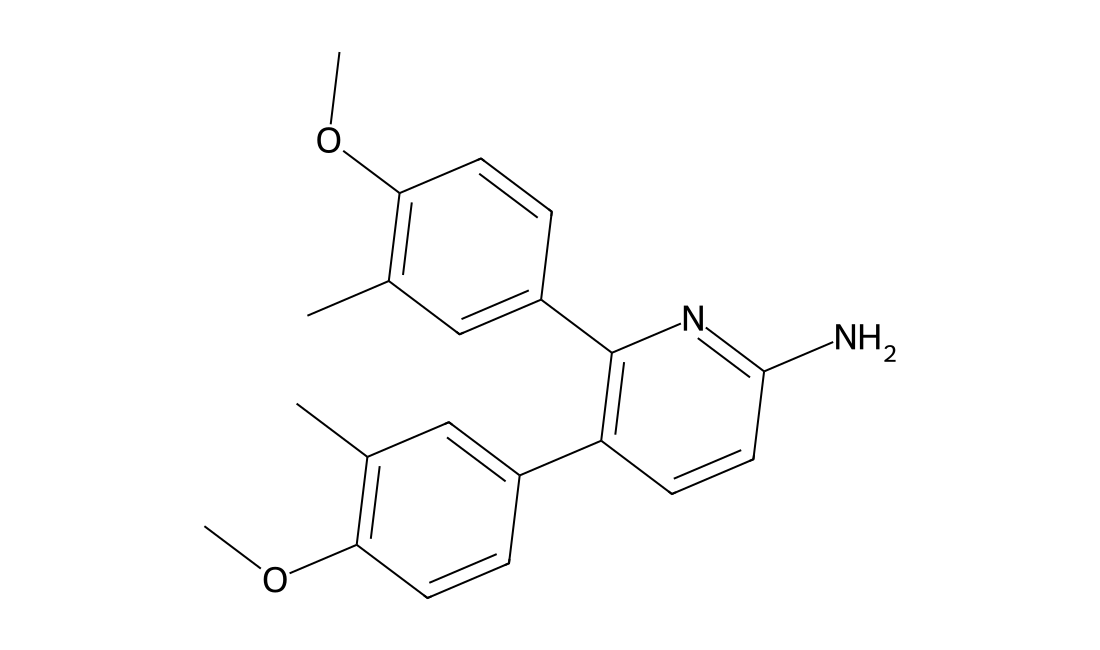
ATPase-IN-3
CAS 1134203-12-5
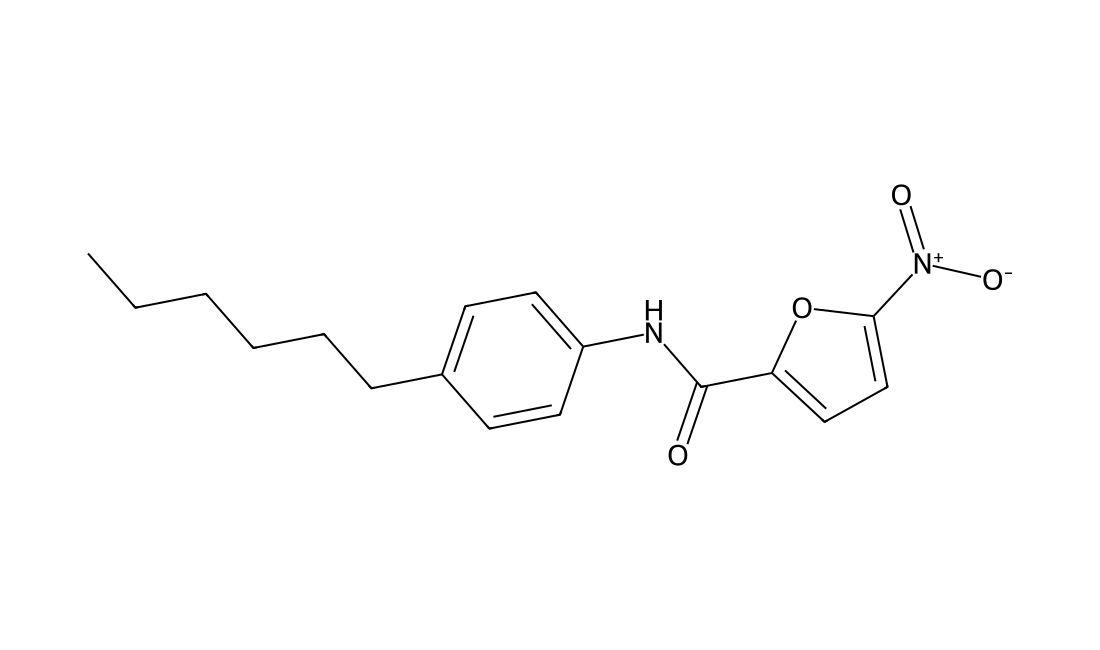
ATPase-IN-3 (compound 6) is a ATPase inhibitor. ATPase-IN-3 has Gastroprotective effect in ethanol-induced gastric ulcers by contribution of anti-apoptotic (BCL-2) and tumor suppressor (P53) proteins.

Explore bioactive compounds by research category, then narrow your search by target, product name, catalog number or CAS.
Newly added: LC-MG and OXF molecular glue research compounds →
Products may appear in more than one category. Counts refer to distinct catalog numbers within each category.
Other Research Tools (75) · Additional reagents, building blocks and specialized research tools.
LC-MG-1 (DCA0006) · LC-MG-4 (DCA0007) · LC-MG-9 (DCA0008)
View structure and evidence summaries →Combine a keyword, research category and target to narrow the product list.
Loading catalog filters…
CAS 1134203-12-5
ATPase-IN-3 (compound 6) is a ATPase inhibitor. ATPase-IN-3 has Gastroprotective effect in ethanol-induced gastric ulcers by contribution of anti-apoptotic (BCL-2) and tumor suppressor (P53) proteins.
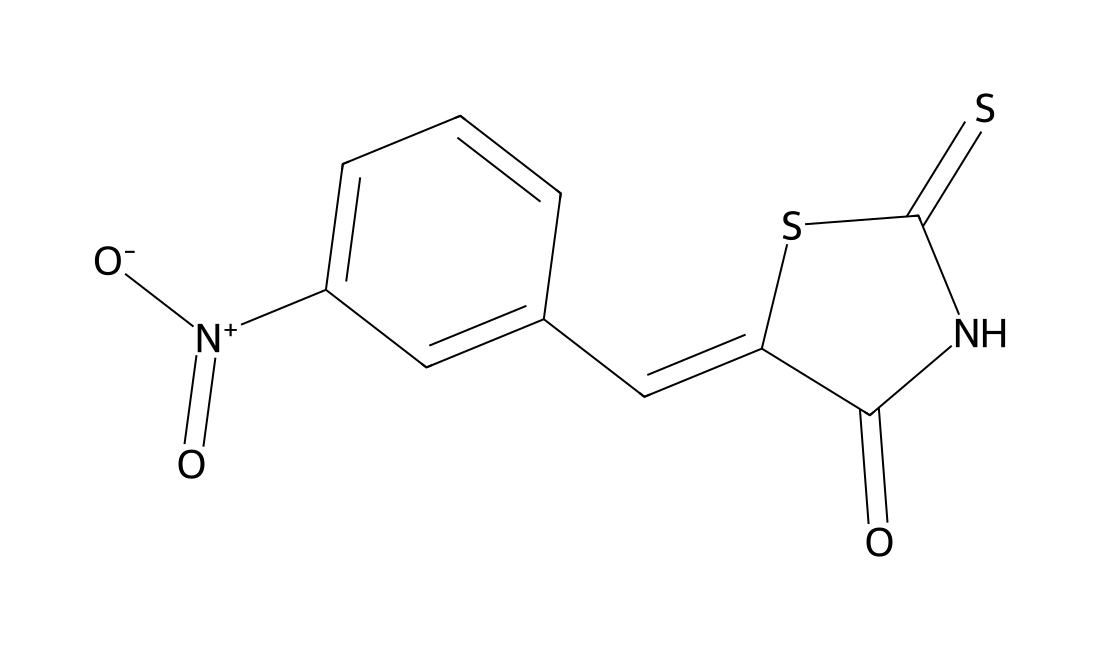
CAS 2102393-11-1
HKI12134085 (compound 3) is an orally available antibacterial nitrobenzothiazinone (BTZ) derivative with activity against Mycobacterium tuberculosis. HKI12134085 has in vivo inhibitory potency in a BALB/c mouse model of Mycobacterium tuberculosis infection.
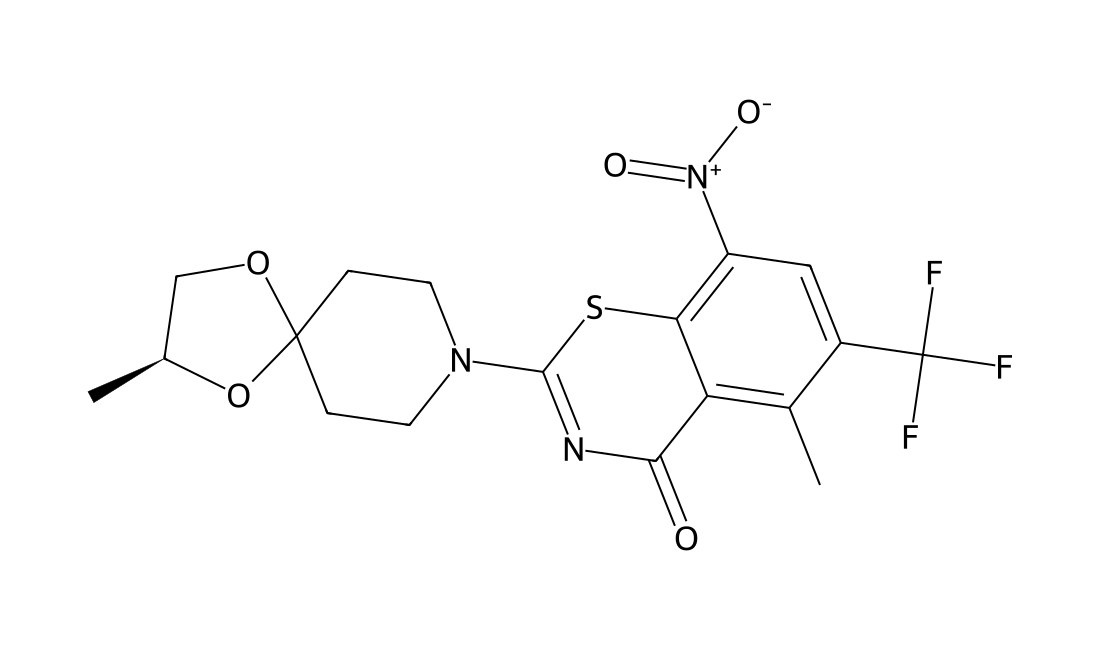
CAS 1040706-91-9
Novel inhibitor of PKM2-regulated signaling, suppressing non-glycolytic PKM2-regulated signaling in cancer cells
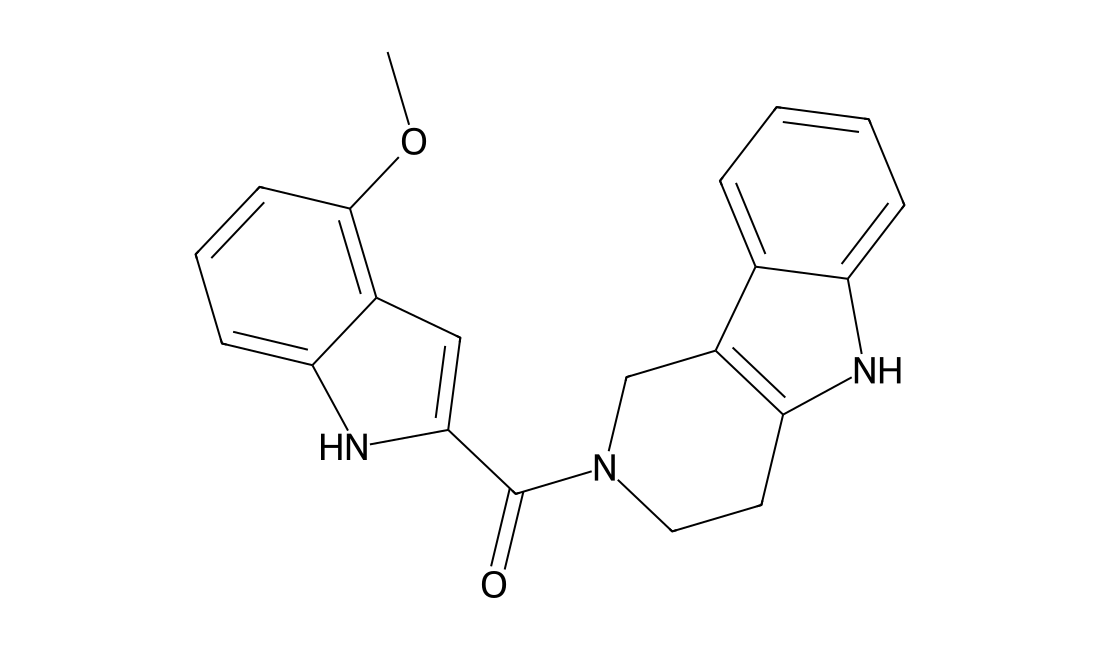
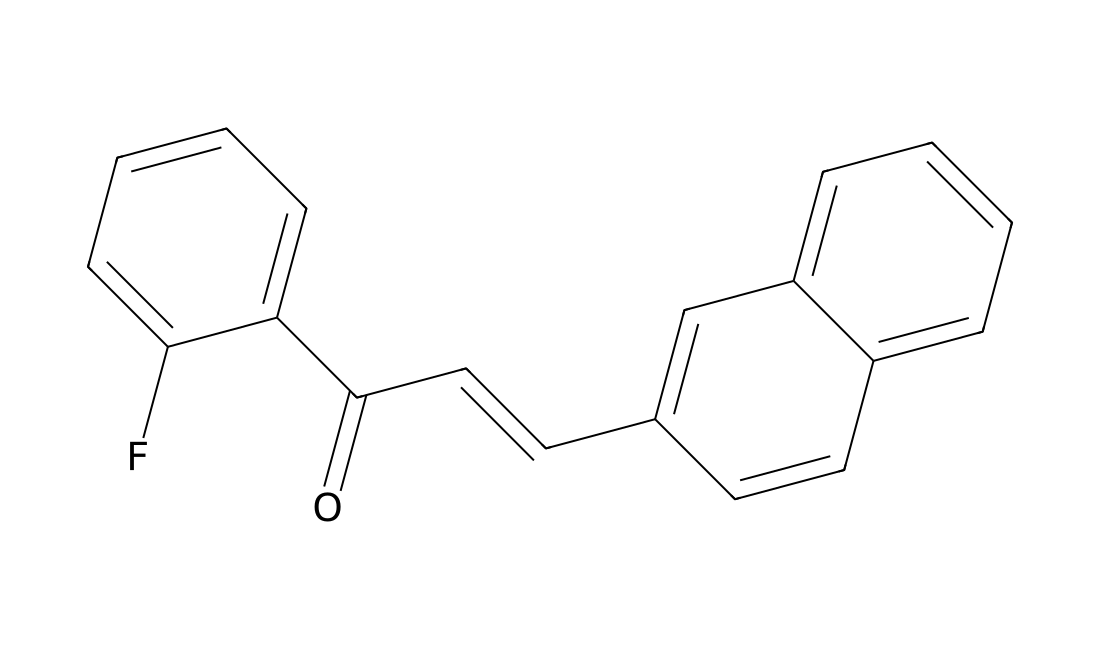
CAS 42310-54-3
WAY-658674 is an active molecule for the study of amyloid diseases and synucleinopathies.
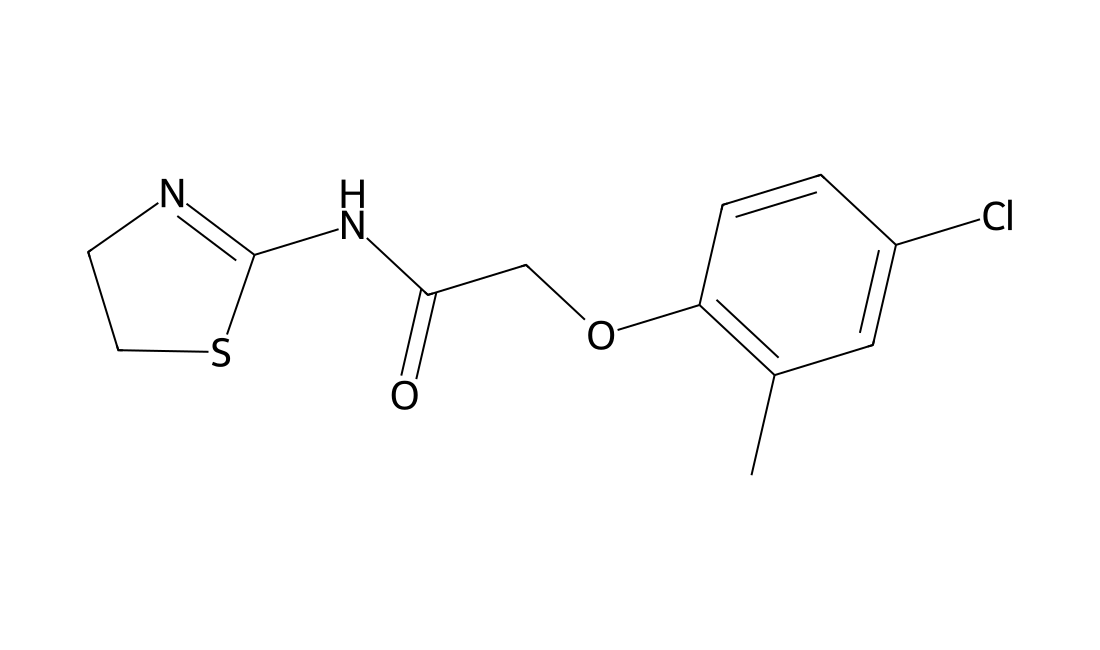
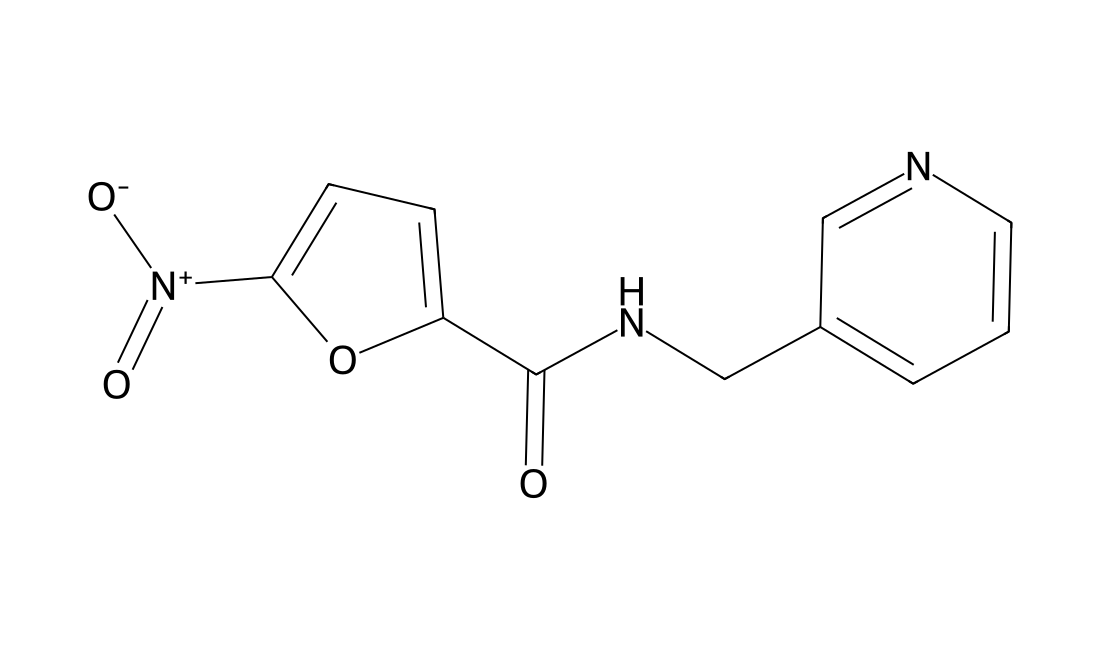
CAS 132335-97-8
(E)-Benzyl ferulate is a phenolic ester that can be isolated from Thai propolis.
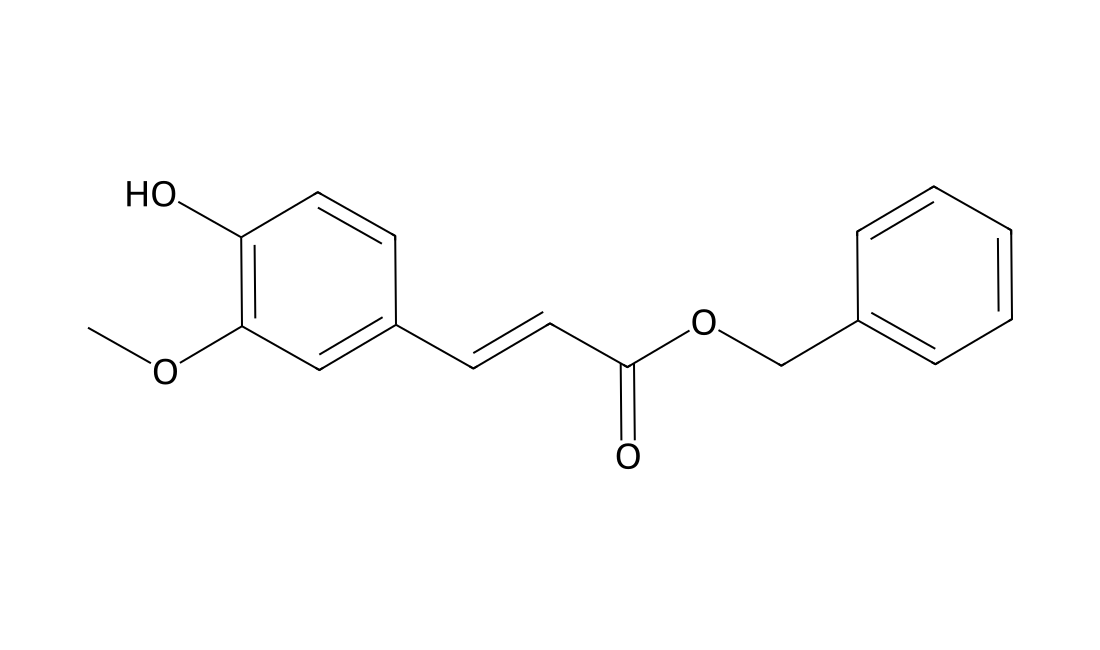
CAS 3789-75-1
Scarlet 808 (Bronze Red; Shanghai Bronze Red) is a naphthol red pigment. Scarlet 808 can be used for coloring coatings, leather, and latex paints. It has the advantages of high tinting power, good hiding power, alkali resistance, and acid resistance.
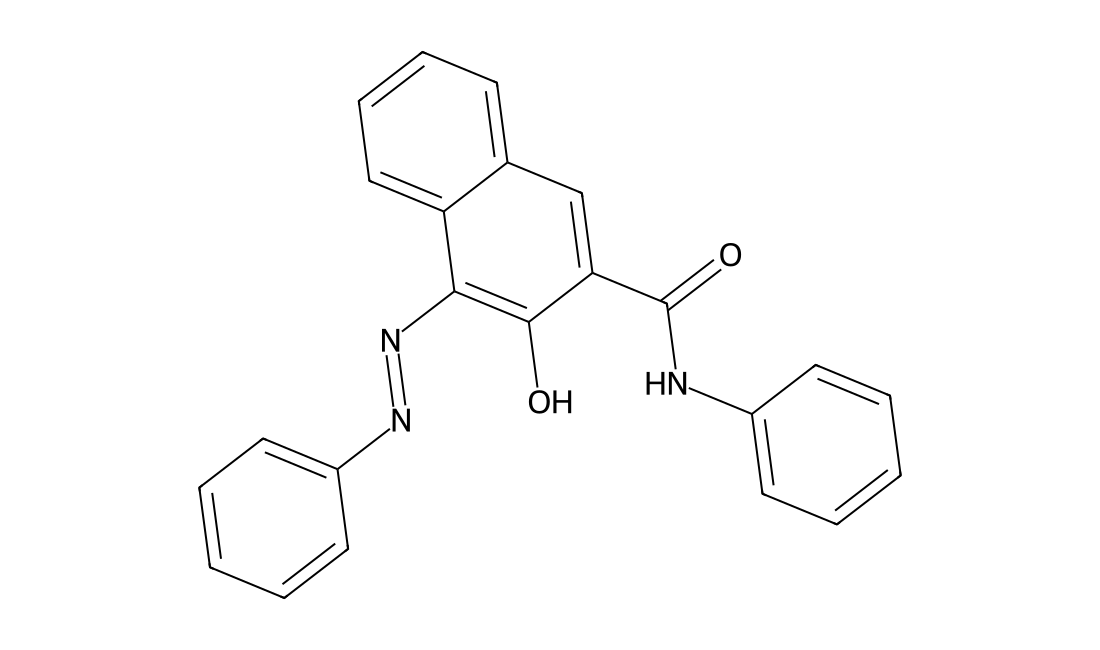
CAS 67579-73-1
N-Desmethyl-U-47700 is the primary metabolite of U-47700 (an opioid agonist).
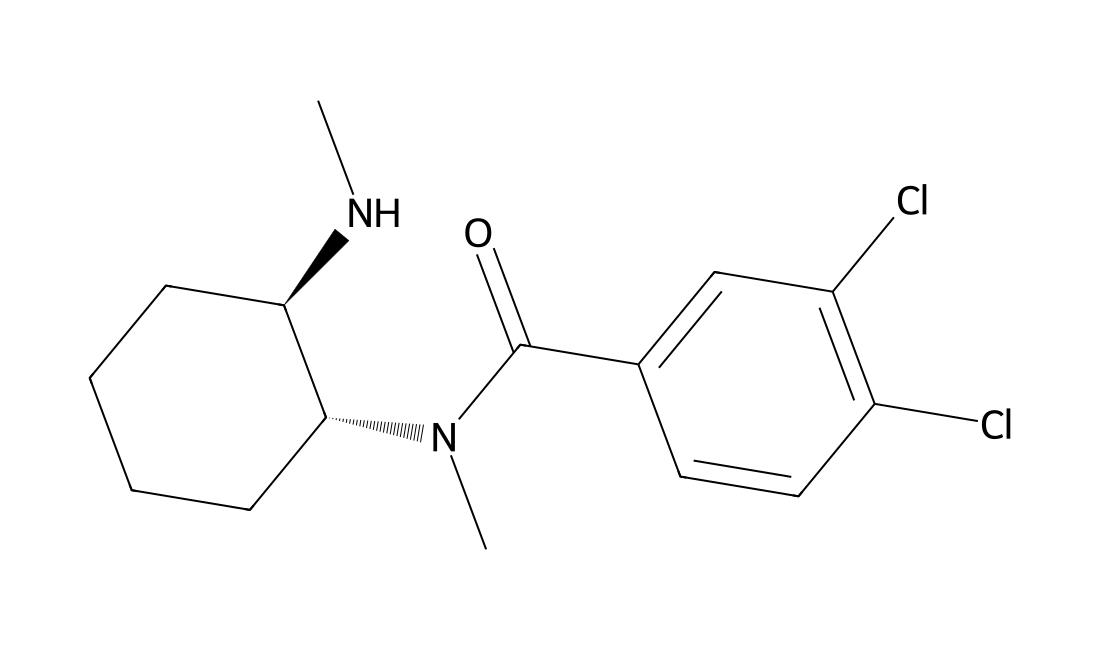
CAS 2972712-63-1
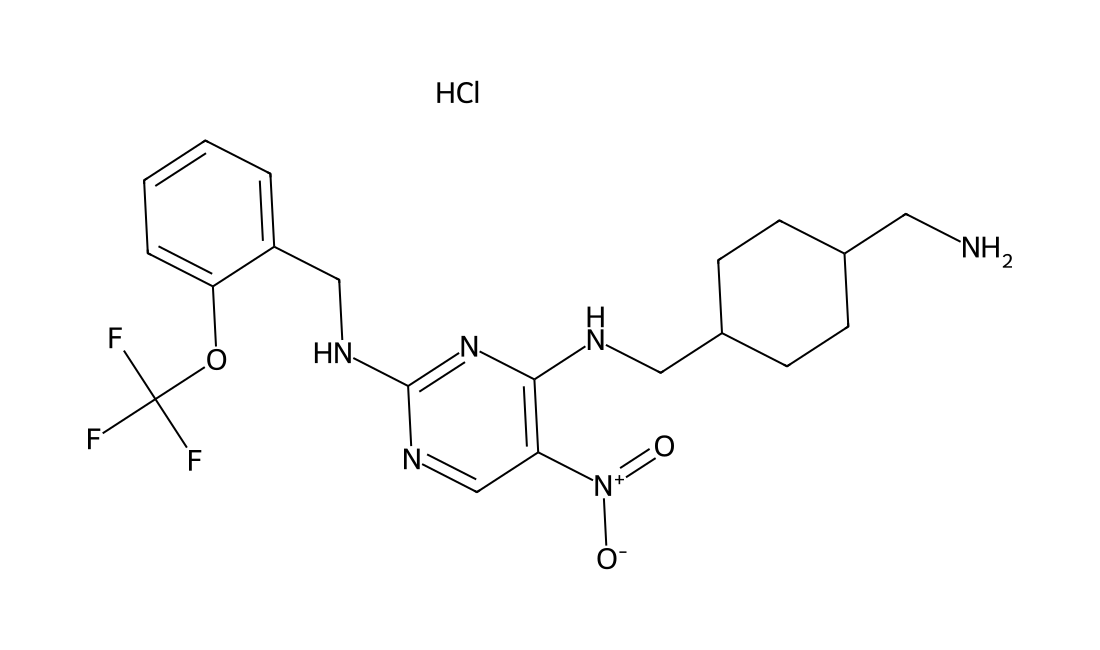
KA2507 hydrochloride is a potent and highly selective inhibitor of HDAC6 (IC50=2.5 nM) with no significant toxicities. KA2507 hydrochloride shows antitumor efficacy and immune modulatory effects.
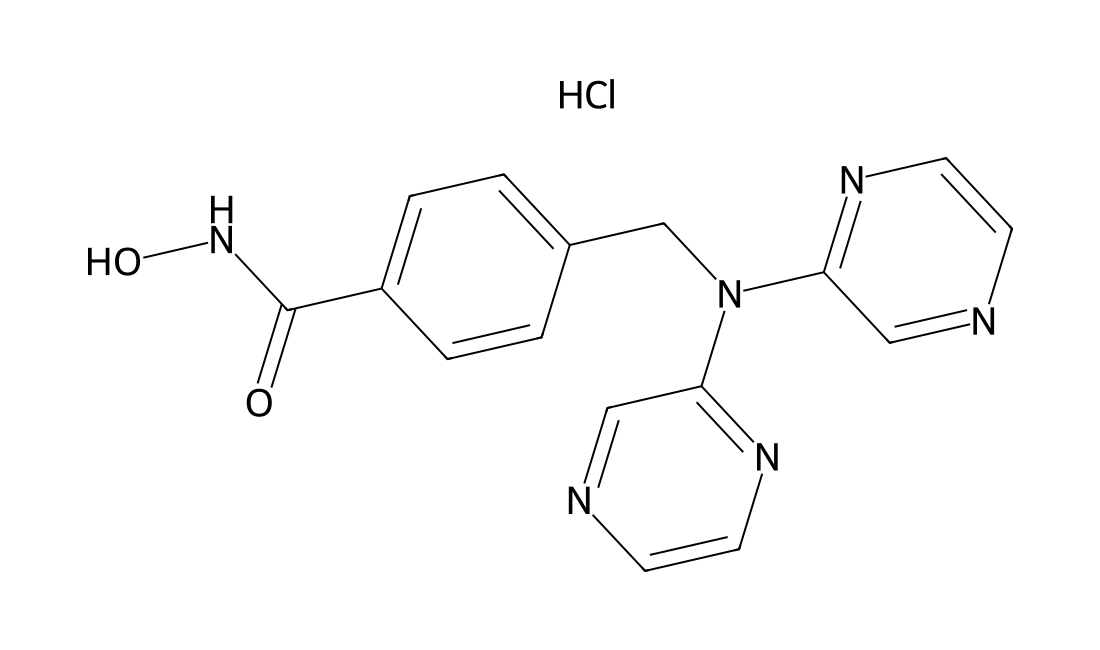
CAS 2319647-76-0
OTS514 hydrochloride is a highly potent TOPK inhibitor, which inhibits TOPK kinase activity with a median inhibitory concentration (IC50) value of 2.6 nM. OTS514 hydrochloride strongly suppresses the growth of TOPK-positive cancer cells. OTS514 hydrochloride induces cell cycle arrest and apoptosis.
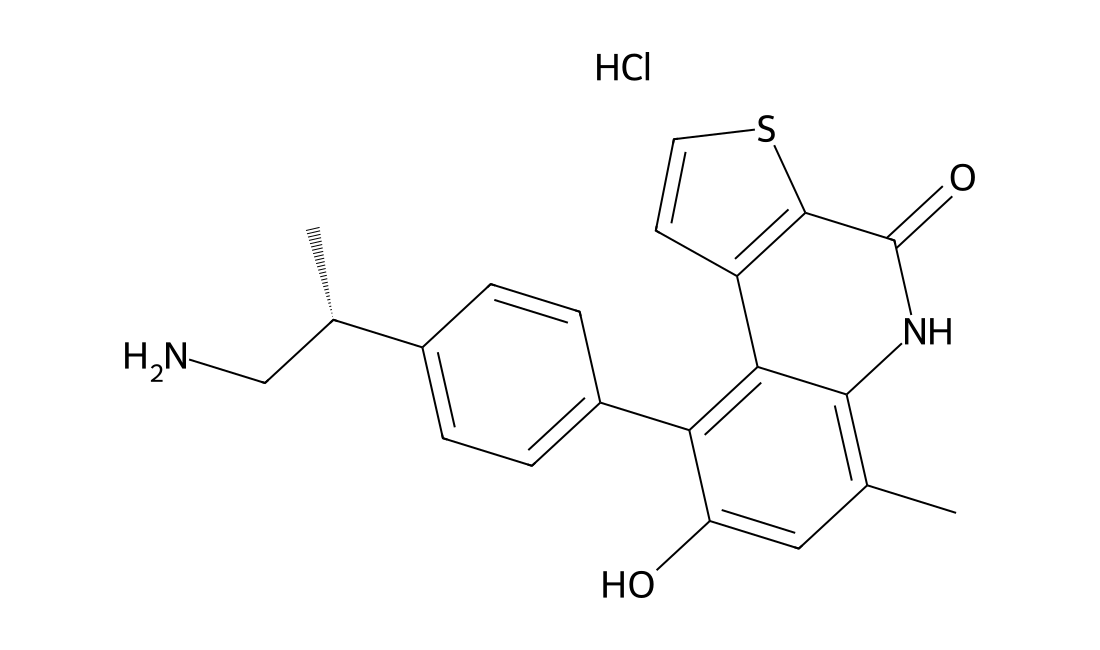
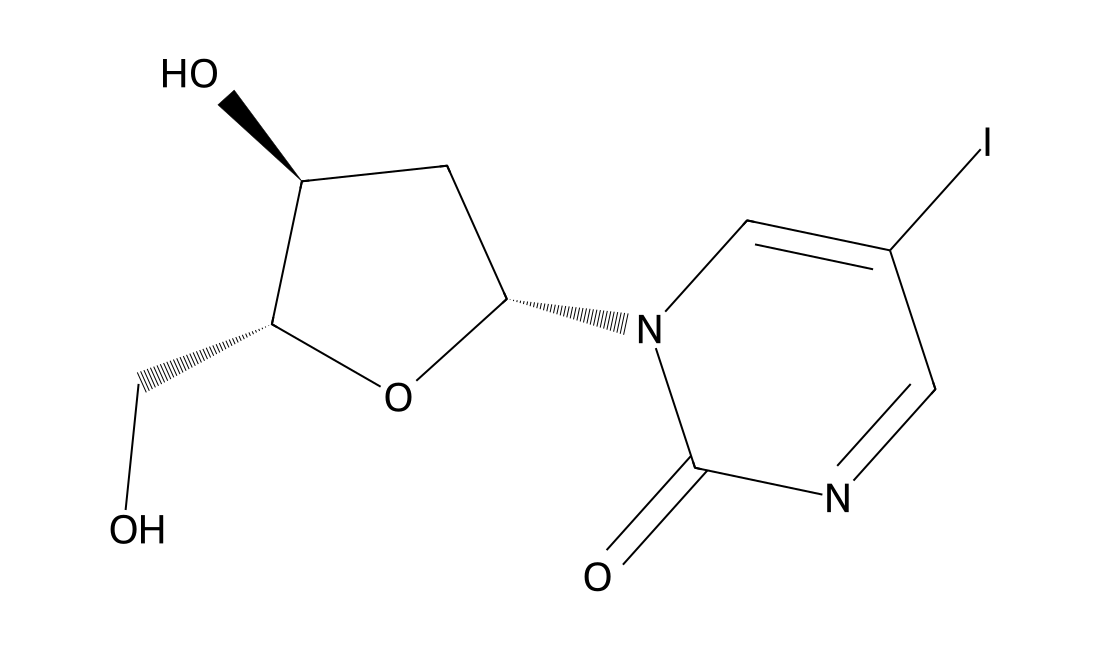
CAS 93265-81-7
Ropidoxuridine (IPdR) is a novel orally available, halogenated thymidine analog and is a potential radiosensitizer for use in human tumors.
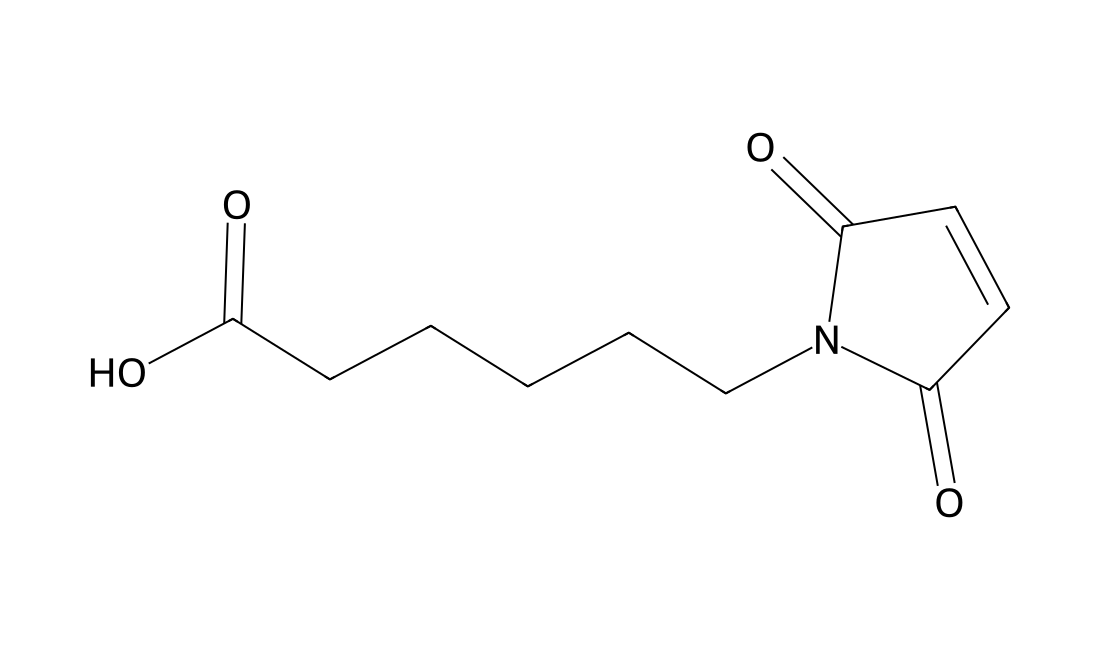
CAS 55750-53-3
6-Maleimidocaproic acid contains a maleimide group and a terminal carboxylic acid. The terminal carboxylic acid can be reacted with primary amine groups in the presence of activators (e.g. EDC, or DCC) to form a stable amide bond. The maleimide group will react with a thiol group to form a covalent bond, enabling the connection of biomolecule with a thiol.
CAS 1549811-36-0
BMS-P5 is a Novel Peptidylarginine Deiminase 4 (PAD4) Inhibitor with pIC50 values in the range of 5-7.5. BMS-P5 Blocks Formation of Neutrophil Extracellular Traps and Delays Progression of Multiple Myeloma. Administration of BMS-P5 to multiple myeloma-bearing mice delays appearance of symptoms and disease progression Targeting PAD4 may be beneficial for treatment of multiple myeloma.
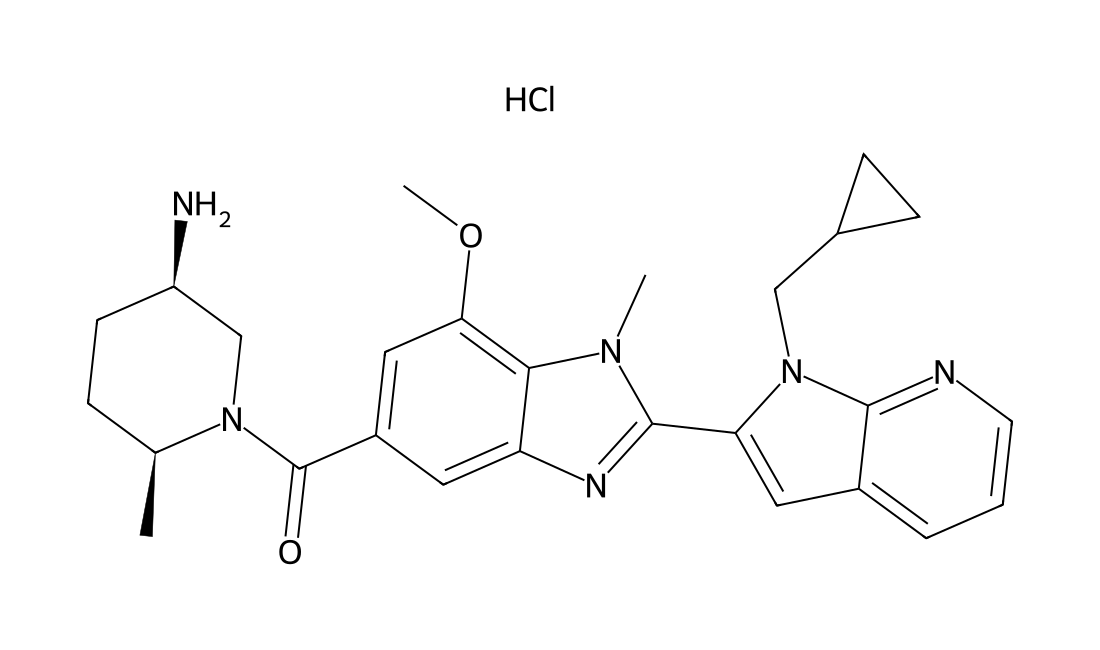
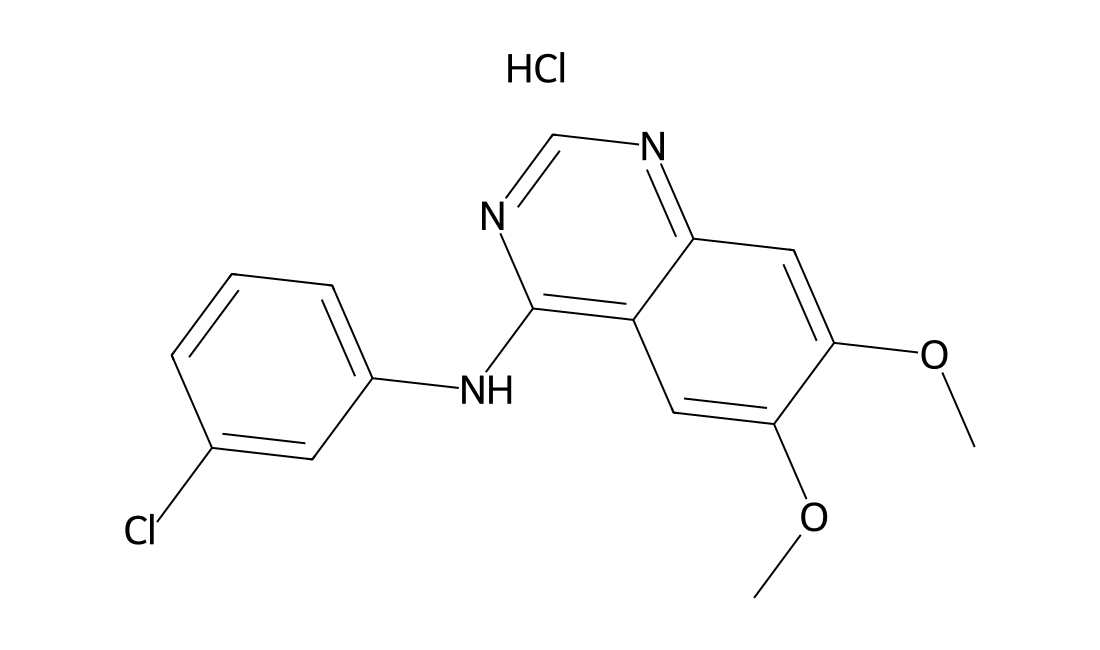
CAS 2170606-75-2
DB2313 is a first-in-class potent small-molecule inhibitor of PU.1. DB2313 disrupts the interaction of PU.1 with target gene promoters and leads to down-regulation of canonical PU.1 transcriptional targets.
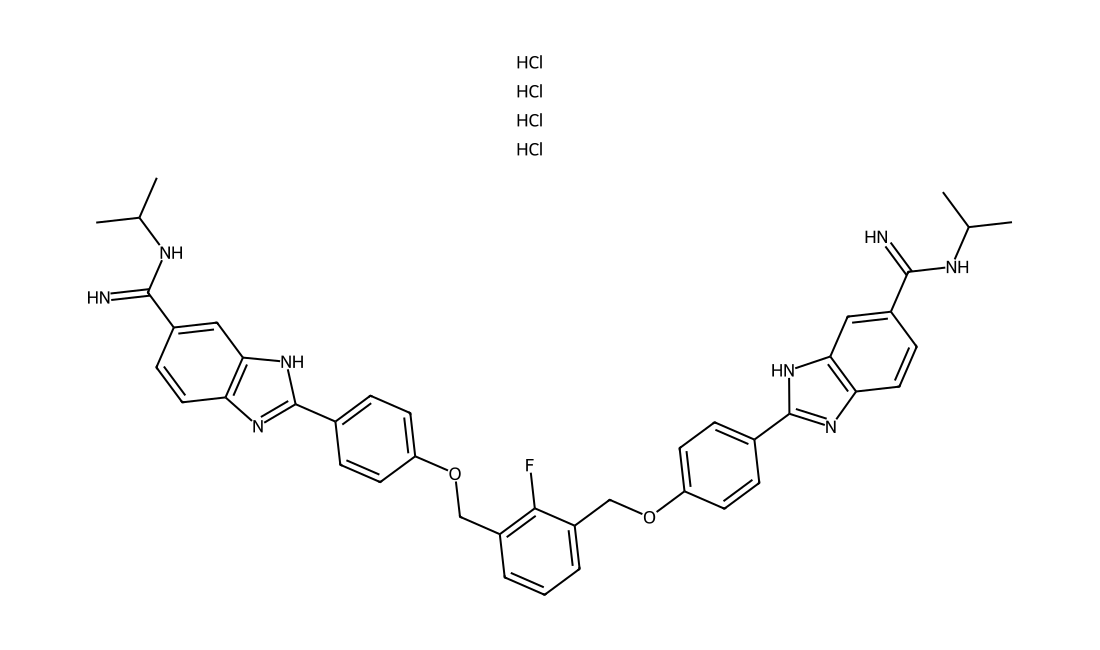
CAS 394694-98-5
MitoBloCK-10 (MB-10) is a potential attenuator of protein import into mitochondria via targeting Tim44, inhibits the import of substrates that use the TIM23 import pathway; targets Tim44 and mutations in the α4 helix of the C-terminal domain of Tim44 confer resistence to MitoBloCK-10 (MB-10); MitoBloCK-10 (MB-10) inhibits Tim44 binding to the precursor and to Hsp70, but not other component of the PAM complex; inhibits Hela cell viability with IC50 of 17.2 uM in MTT assays, impairs cardiac development and induces apoptosis in zebrafish.
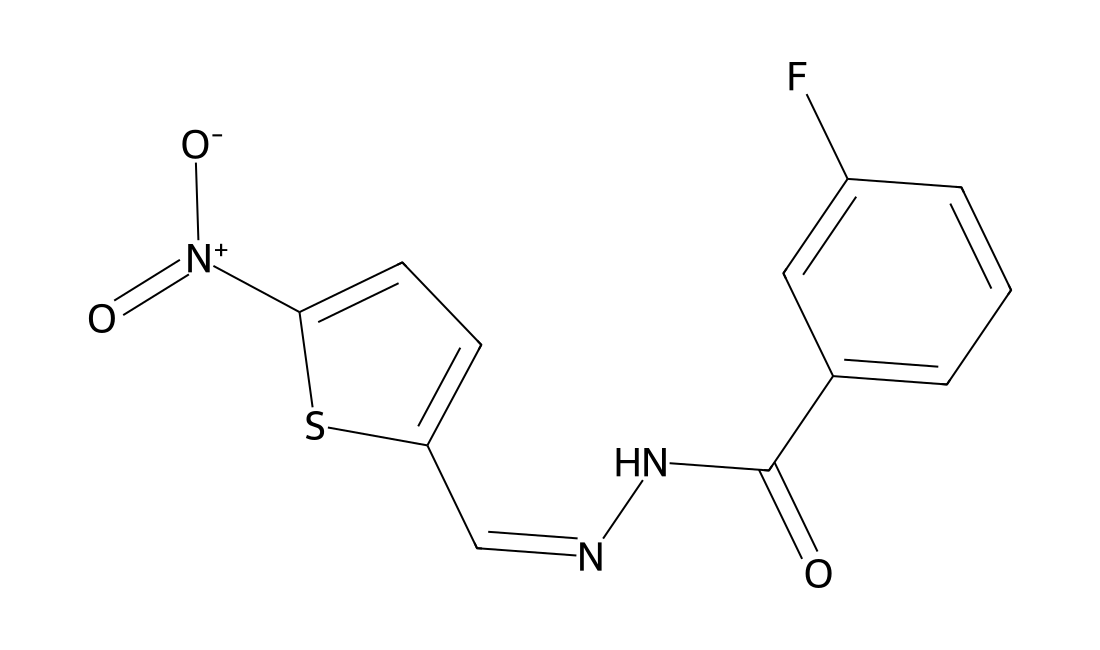
CAS 345651-04-9
BVDV IN-1 is a non-nucleoside inhibitor of bovine viral diarrhea virus (BVDV), with an EC50 of 1.8 μM.
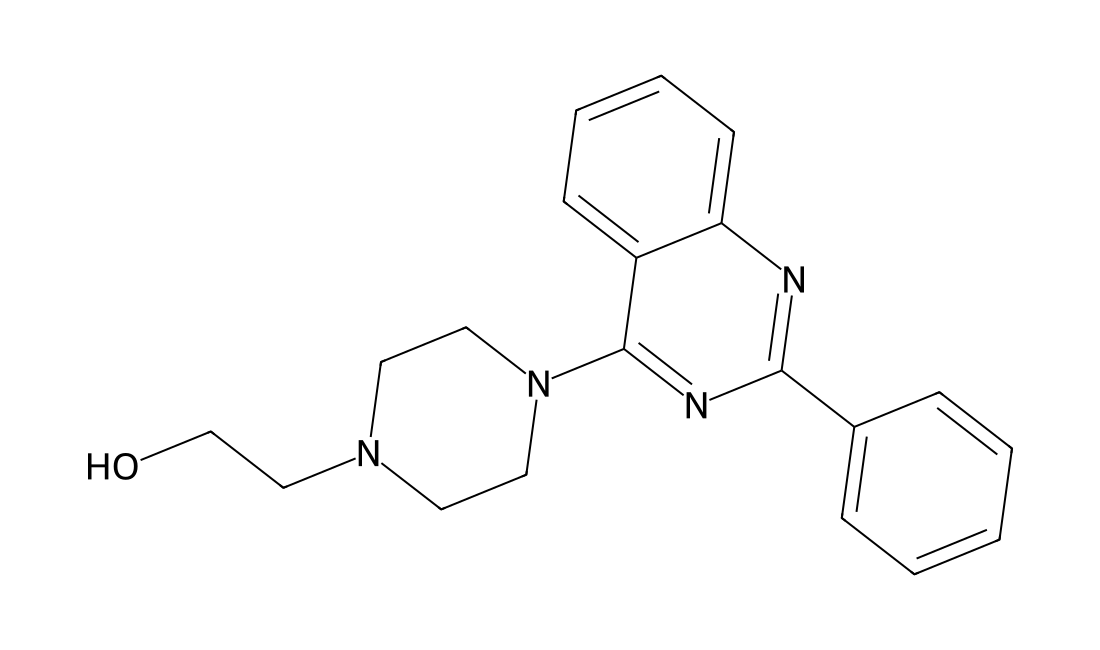
CAS 1784282-12-7
In Vitro KHS101 increases neuronal differentiation of adherently cultured rat NPCs in a dose-dependent fashion (EC50 ~1 μM). KHS101-induced neuron formation (40-60% TuJ1+ cells at 1.5–5 μM KHS101) is also observed under neurosphere-forming conditions in secondary neurospheres derived from both the hippocampus and the subventricular zone (SVZ) of adult rats. Moreover, hippocampal NPCs treated with KHS101 and cultured adherently on microelectrode arrays for 12 d exhibit neuronal morphologies as well as spontaneous spiking activity, hence indicating the presence of functional, maturing neurons. KHS101 markedly attenuates tumor cell growth as compared to the cells treated with the vehicle [dimethyl sulfoxide (DMSO)]. TACC3 is a known target of KHS101 in rodent neural progenitor cells. KHS101 has been shown to cause cellular destabilization of TACC3, hence reducing endogenous TACC3 protein levels over time. In Vivo Tumor cell proliferation is markedly reduced in KHS101-treated tumors (about twofold). KHS101-treated tumors show signs of elevated cell death (reduced cellularity/increased pyknosis) compared with tumors treated with vehicle control. KHS101 treatment markedly reduces both frontal-to-caudal tumor expansion and corpus callosum invasion of vimentin-positive GBM1 cells. It is also found that the survival of animals carrying GBMX1 tumors (established 2 or 6 weeks before treatment) is markedly increased by the KHS101 treatment regimen for 10 weeks. None of the mice have to be removed from the study because of adverse side effects of the treatment. An additional experiment using a continuous KHS101 treatment regimen until the experimental endpoints also shows a marked increase in the survival of GBMX1-bearing animals. Histological endpoint analysis of KHS101- and vehicle-treated animals confirms a significantly decreased tumor size in KHS101-treated mice.
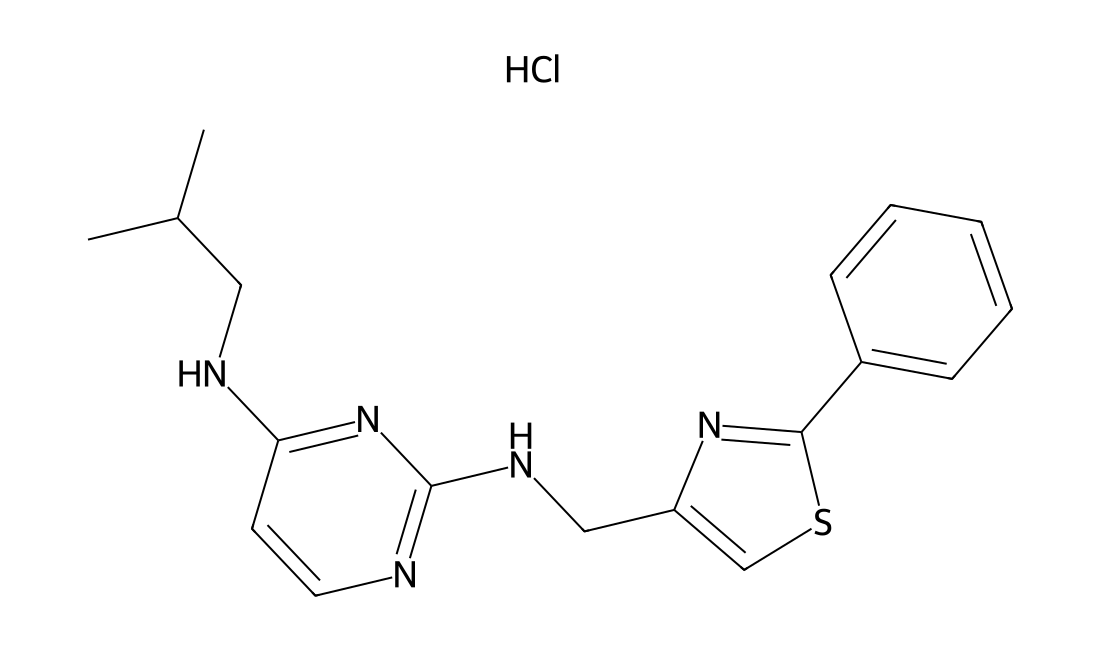
CAS 2244881-69-2
STING-IN-3 is an inhibitor of stimulator of interferon genes (STING). STING-IN-3 efficiently inhibits both hsSTING and mmSTING through covalently target the predicted transmembrane cysteine residue 91 and thereby block the activation-induced palmitoylation of STING.
CAS 1350456-56-2
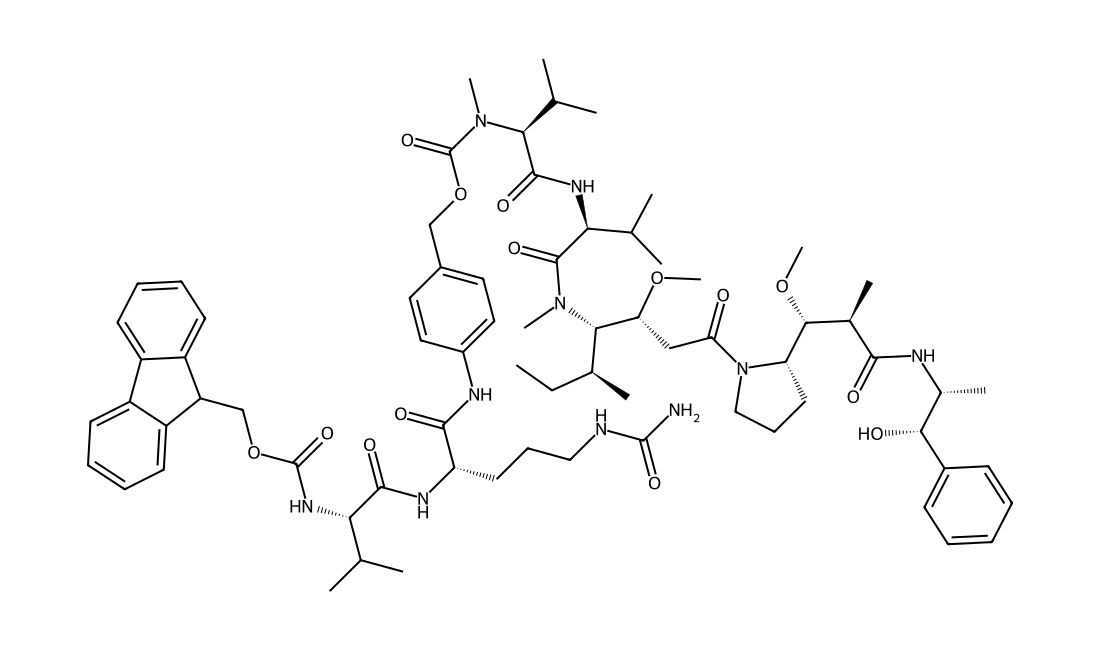
Fmoc-Val-Cit-PAB-MMAE consists the ADCs linker (Fmoc-Val-Cit-PAB) and potent tubulin inhibitor (MMAE). Fmoc-Val-Cit-PAB-MMAE is a agent-linker conjugate for ADC.
CAS 2732902-08-6
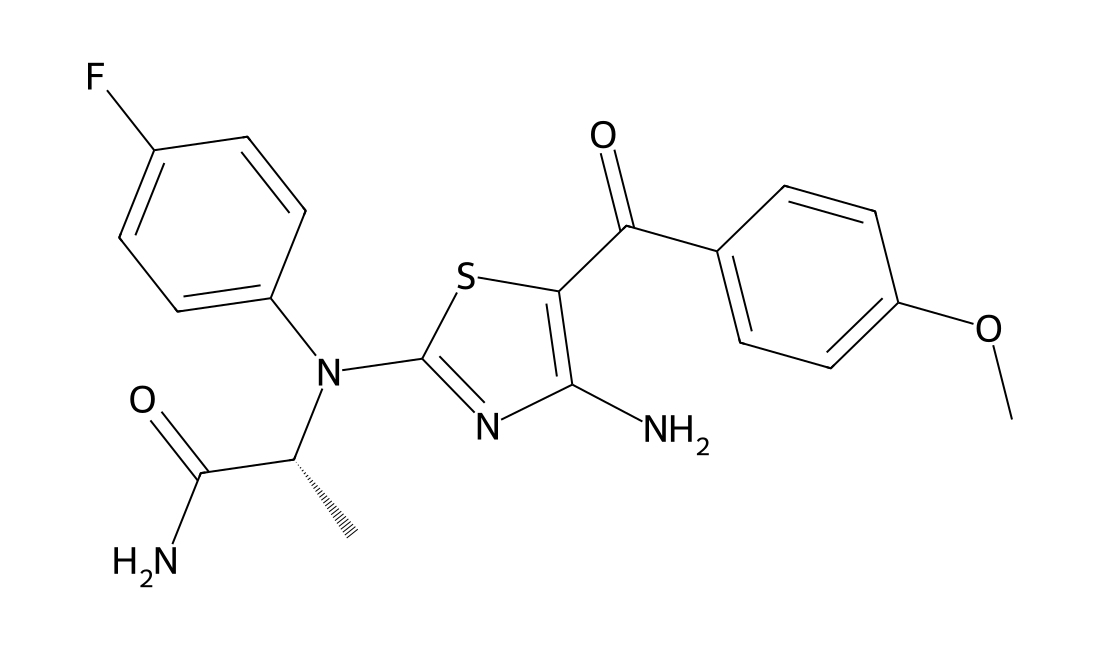
BAY-2965501 is a first-in-class a diacylglycerol kinase zeta (DGKζ, lipid kinase) inhibitor with IC50 of 27 nM/35 nM (human/mouse) and shows >20-fold selectivity for DGKζ over other DGK isotypes. BAY-2965501 blocks DGKζ in T-cells to activate them
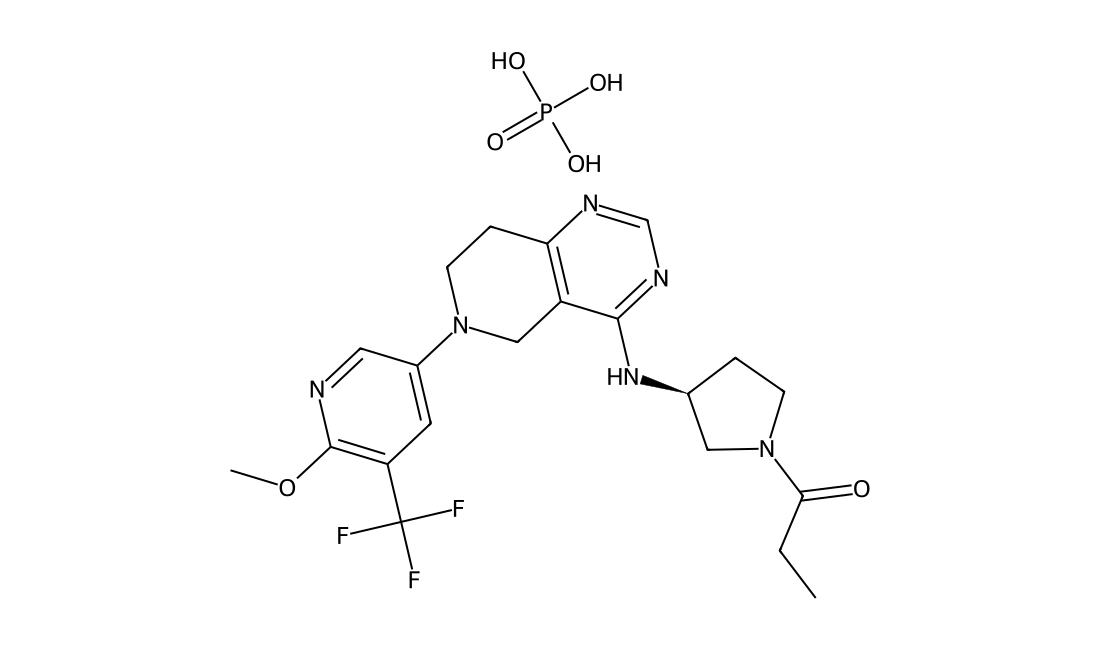
CAS 1354691-97-6
Leniolisib (CDZ173) phosphate is a potent and selective PI3Kδ inhibitor. Leniolisib phosphate has the potential for immunodeficiency disorders treatment.
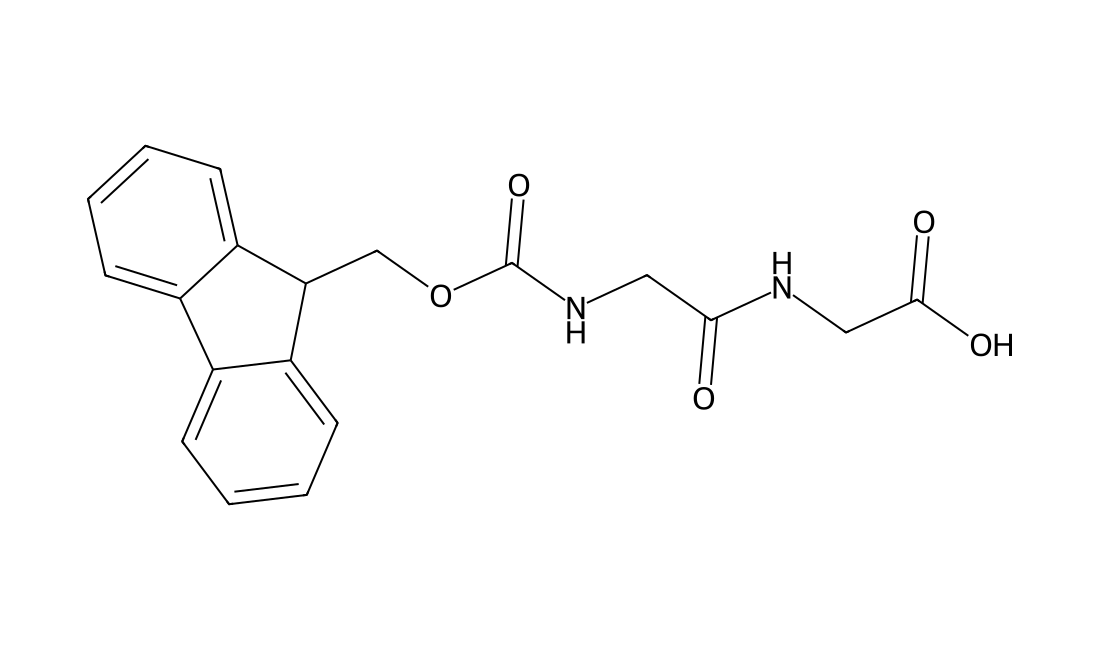
CAS 35665-38-4
Fmoc-Gly-Gly-OH is a cleavable ADC linker used in the synthesis of antibody-drug conjugates (ADCs).
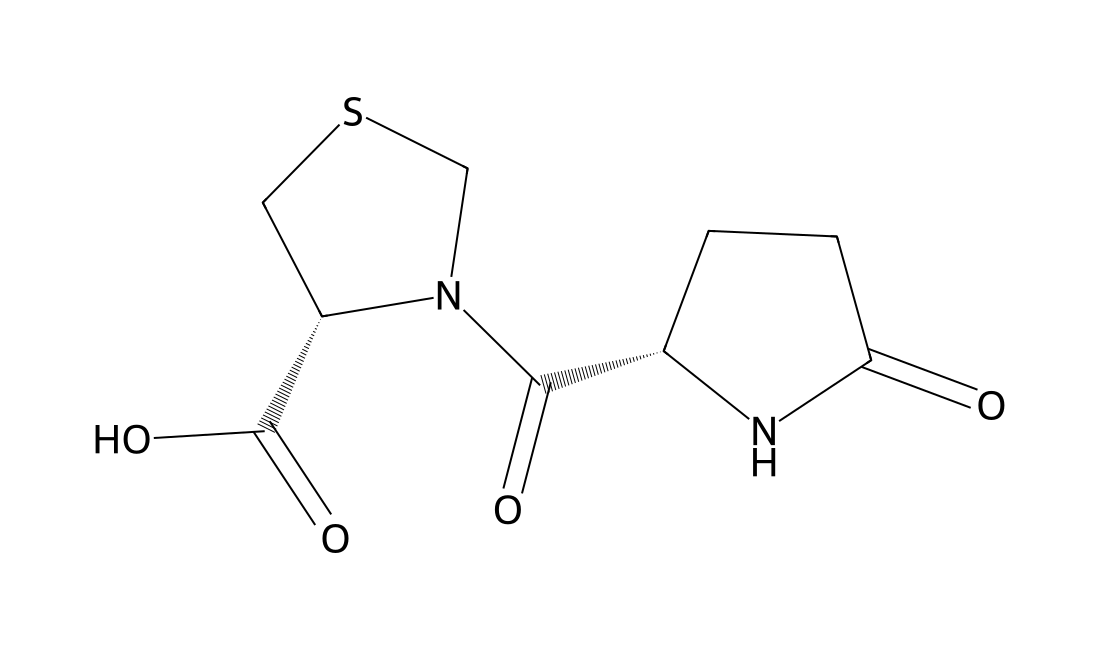
CAS 121808-62-6
Pidotimod is an immunostimulant, a synthetic dipeptide with immunomodulatory properties, also able to increase the concentration of salivary IgA directed against bacteria.
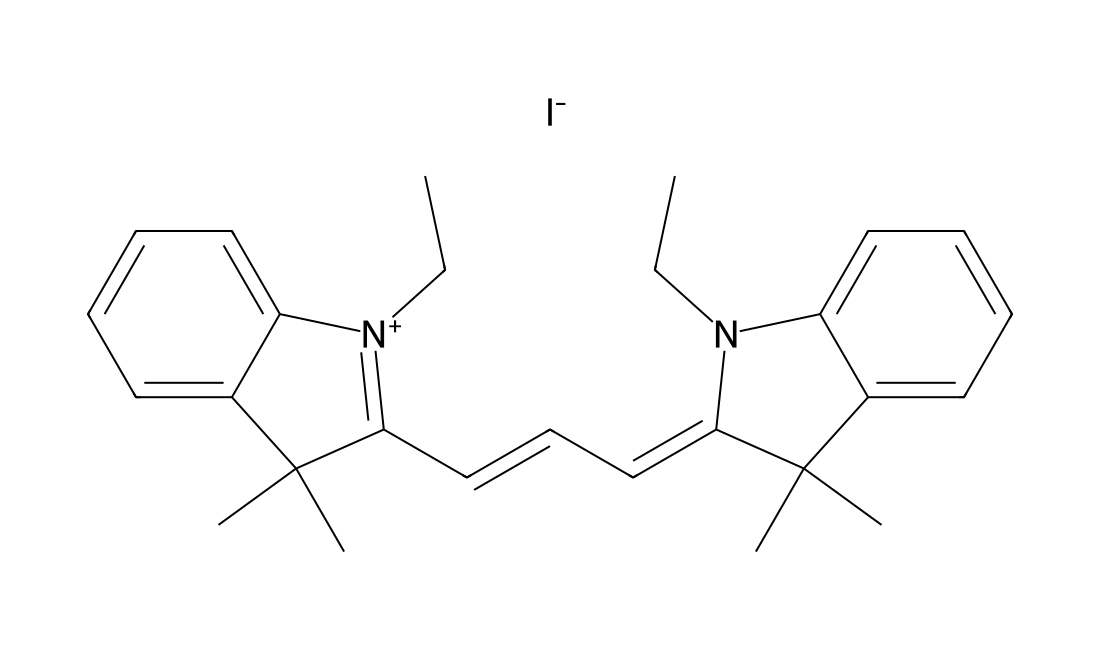
CAS 14696-39-0
Astrophloxine is a fluorescent imaging probe capable of targeting antiparallel dimers. Astrophloxine can be used to detect aggregated Aβ in brain tissue and cerebrospinal fluid samples of Alzheimer's disease (AD) mice.
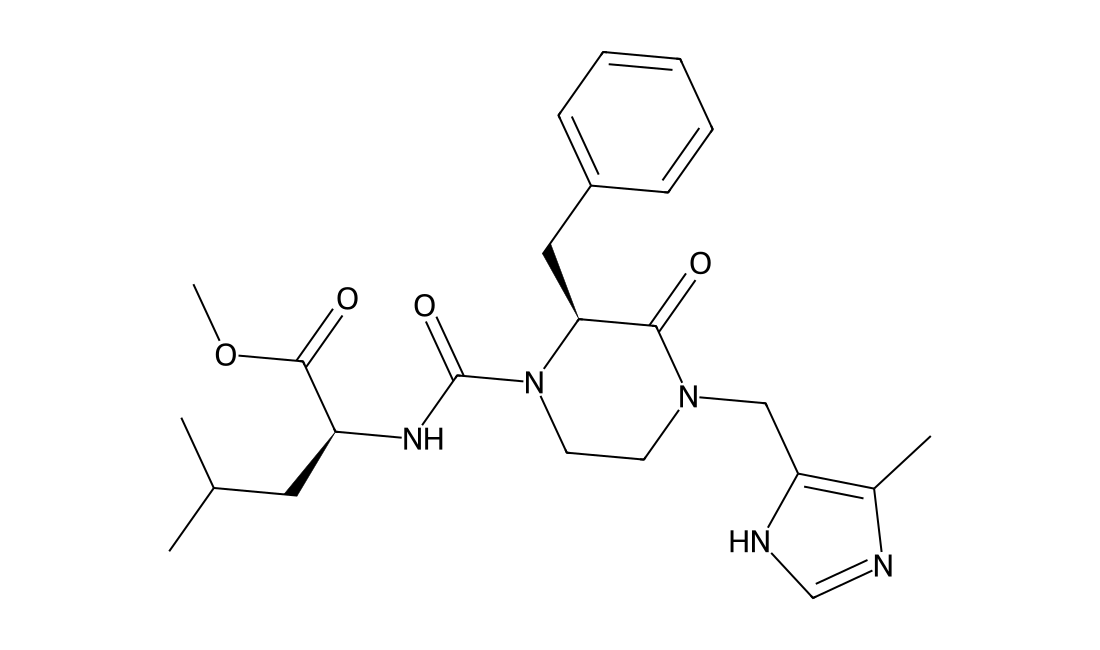
CAS 501010-05-5
GGTI 2417 is the methyl ester prodrug of GGTI-2418, a highly potent, competitive, and selective inhibitor of GGTase I; exhibits potent inhibitory activity against Rap1 geranylgeranylation with IC50 of 400 nM; increases p27 protein levels and induces accumulation in the G0/G1 phase as well as apoptotic cell death in breast cancer cells, and prevents the degradation of nuclear p27.
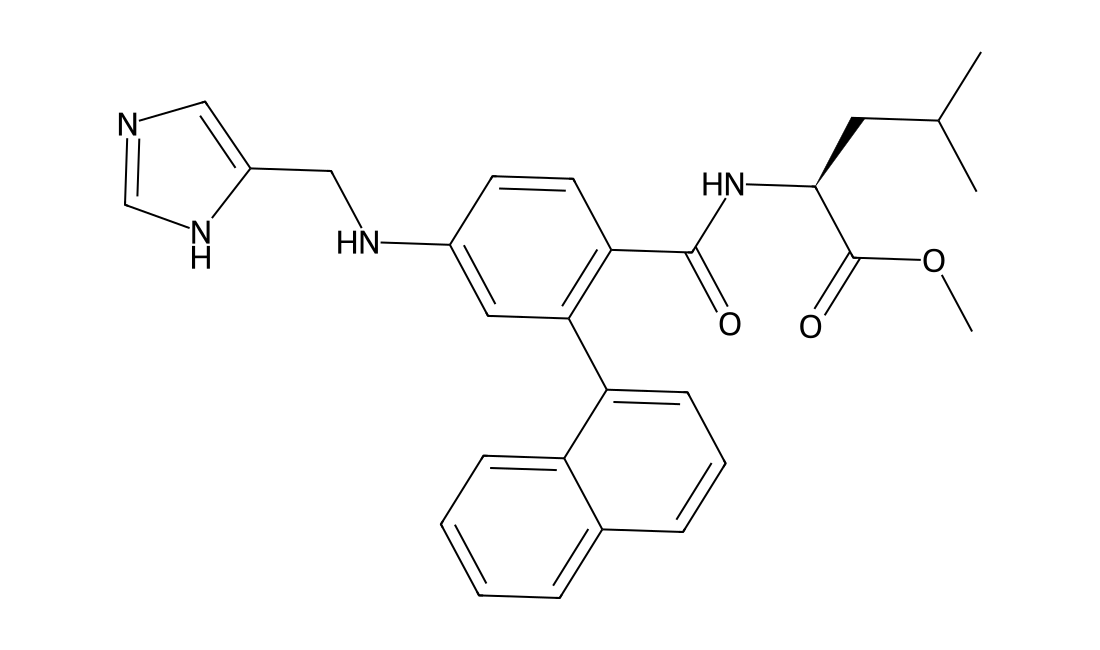
CAS 191102-87-1
GGTI-2147 is a non-thiol peptidomimetic that inhibits GGTase I and blocks geranyl-geranylation of Rap1A (IC50=0.5 uM); inhibits glucose- and KCl-induced insulin secretion; inhibits Rac1 geranylgeranylation, down-regulates the expression of p65, and ameliorated the OGD/R-induced neuronal apoptosis.
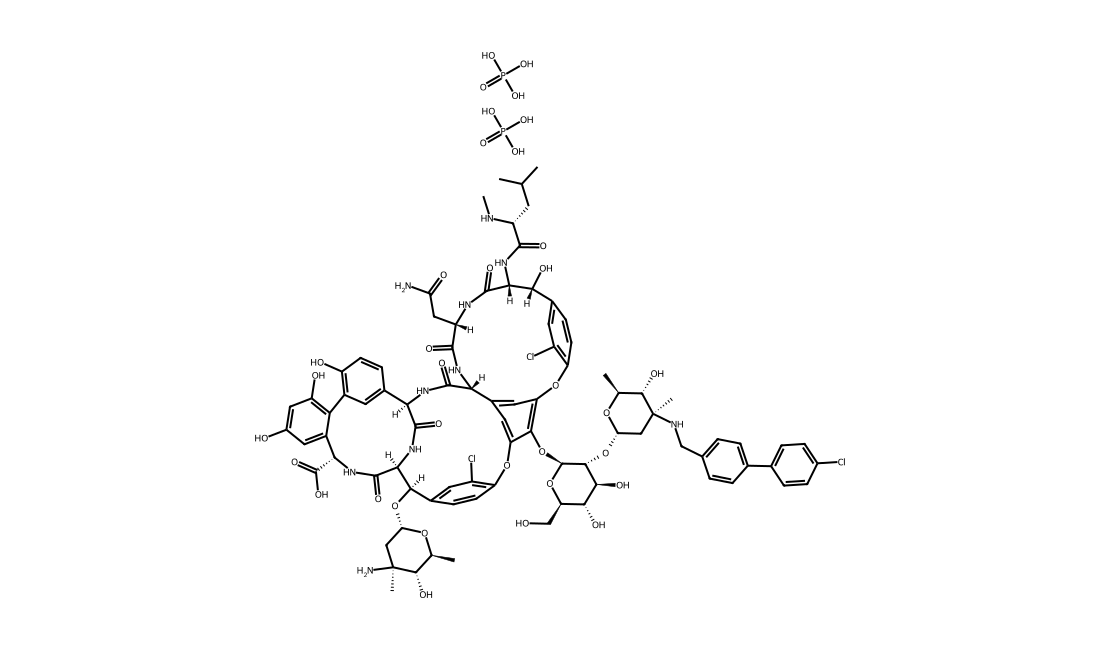
CAS 192564-14-0
Oritavancin is a semisynthetic glycopeptide antibiotic that inhibits the growth of Gram-positive bacteria.It inhibits transglycosylation and transpeptidation in the bacterial cell wall to disrupt membrane integrity.Oritavancin inhibits the growth of clinical isolates from skin and soft-tissue infections, including methicillin-resistant and -susceptible S. aureus (MRSA, MSSA), vancomycin-resistant and -susceptible E. faecium (VREF, VSRF), as well as other staphylococci, streptococci, and enterococci (MIC90s = ≤0.008-0.5 mg/L).Oritavancin inhibits growth of S. aureus in a neutropenic-mouse thigh model of infection (ED50 = 0.95 mg/kg for a single dose).It improves survival in a mouse inhalation model of B. anthracis Ames anthrax when administered prophylactically pre- and postexposure and when administered post symptom development.Formulations containing oritavancin have been used to treat bacterial skin infections.
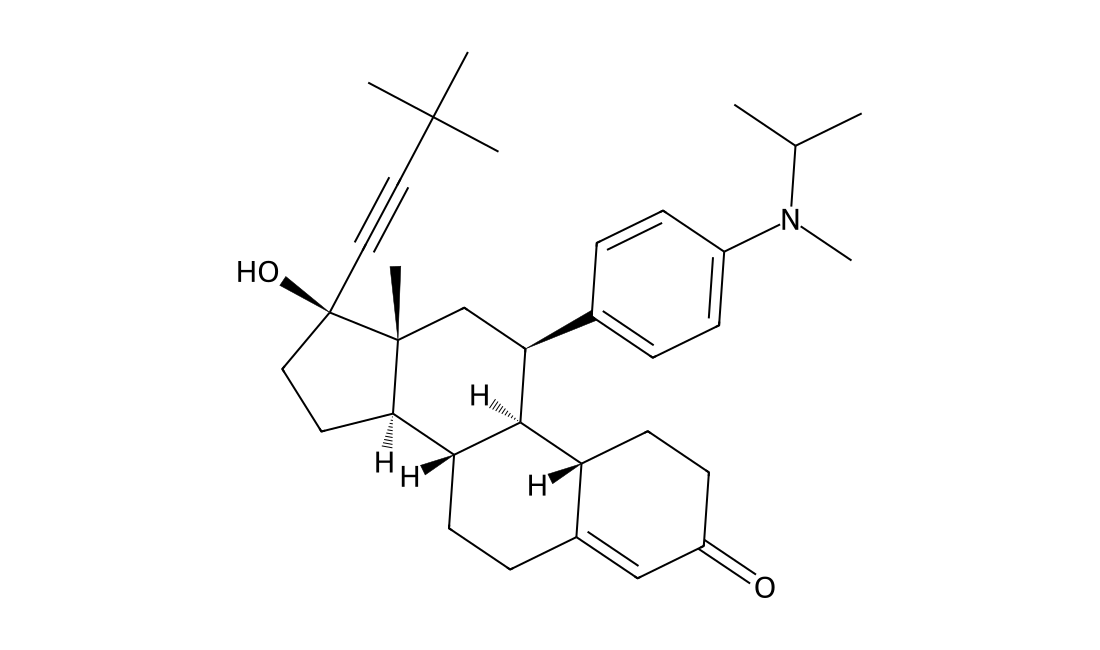
CAS 2222344-98-9
ORIC-101 (ORIC101) is a highly potent, selective steroidal glucocorticoid receptor (GR) antagonist (IC50=5.6 nM) with reduced androgen receptor (AR) agonistic activity; dose-dependently reduces the expression levels of two established GR target genes, GILZ and FKBP5 with IC50 of 24.9 and 19.5 nM in human PBMCs; demonstrates in vivo antitumor activity by enhancing response to chemotherapy in the GR+ OVCAR5 ovarian cancer xenograft model.
CAS 1566586-52-4
Pseudouridimycin (PUM), an antibiotic, is a selective bacterial RNA polymerase (RNAP) inhibitor. Pseudouridimycin is a C-nucleoside analogue that is effective against both Gram-negative and Gram-positive bacteria.
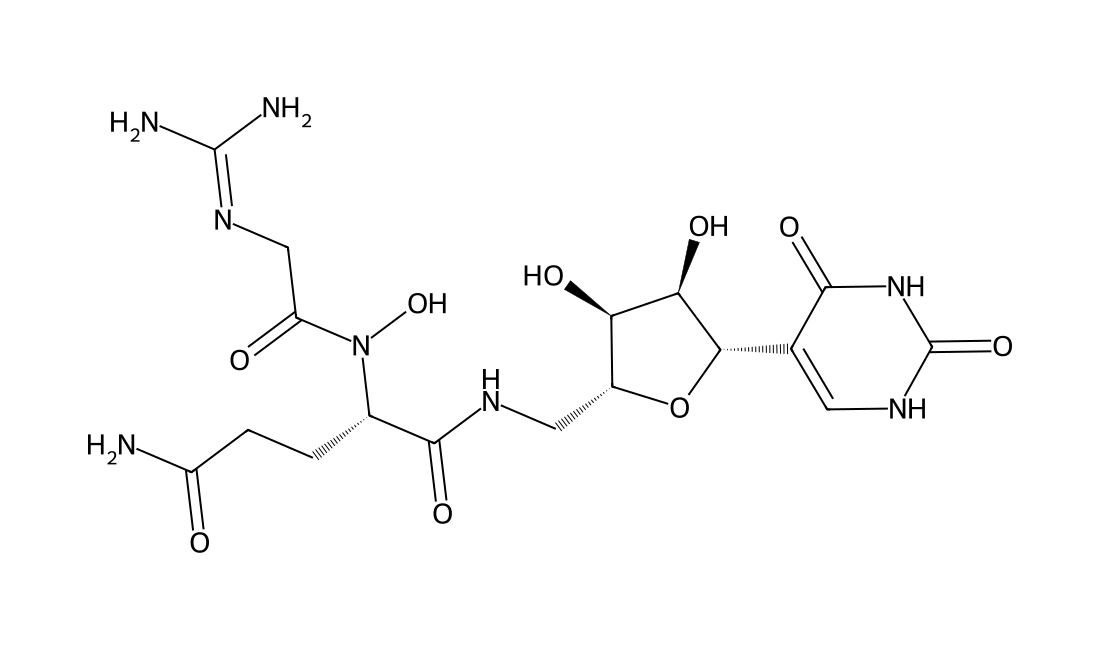
CAS 77327-05-0
Didemnin B is a depsipeptide extracted from the marine tunicate Trididemnin cyanophorum. Didemnin B can be used for the research of cancer[1].
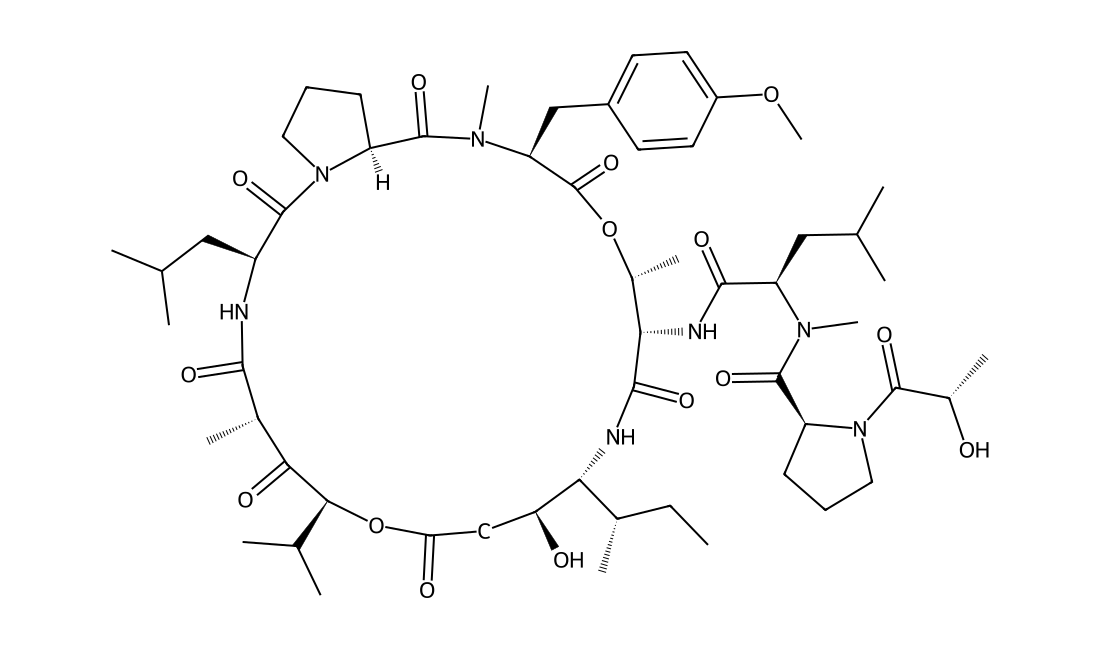
CAS 87081-35-4
Leptomycin B (CI 940; LMB) is a potent inhibitor of the nuclear export of proteins. Leptomycin B inactivates CRM1/exportin 1 by covalent modification at a cysteine residue. Leptomycin B is a potent antifungal antibiotic blocking the eukaryotic cell cycle[1].
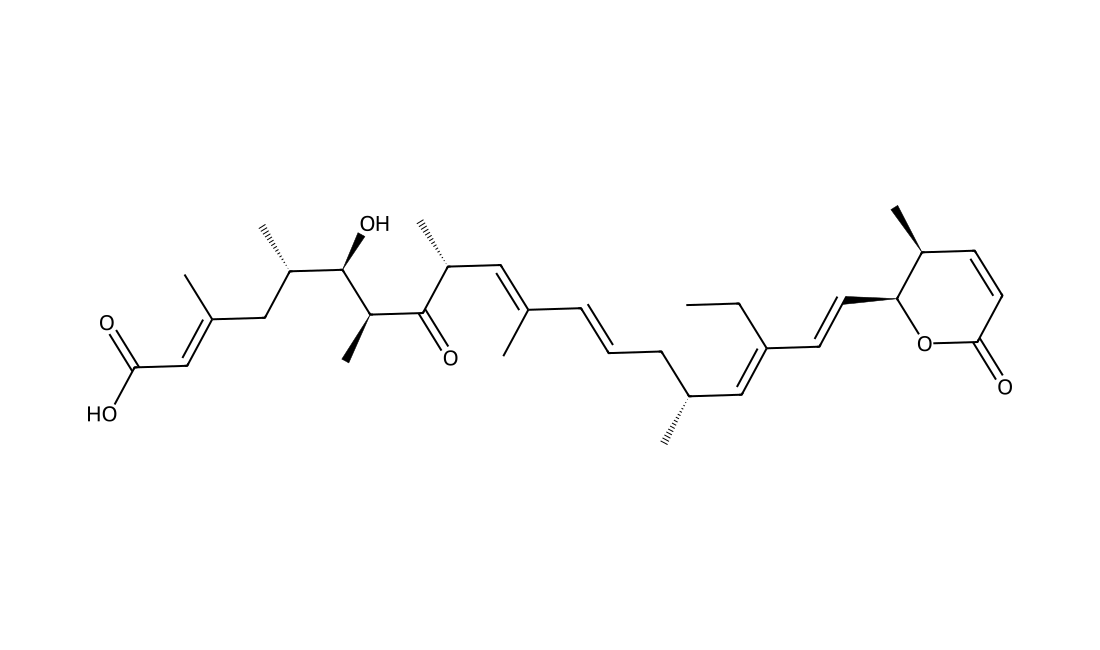
CAS 1190389-15-1
A potent and selective full β3 adrenergic receptor agonist with EC50 of 1.1 nM; displays no activity for β1 and β2 receptors (EC50>20 uM); dose-dependently increases bladder capacity, decreased micturition pressure, and increased bladder compliance in rhesus monkeys, dose-dependently increases the circulating glycerol and fatty acid levels in rhesus and rat in vivo; shows the potential for treatment of overactive bladder with M2/M3 antimuscarinics.Other IndicationPhase 3 Clinical
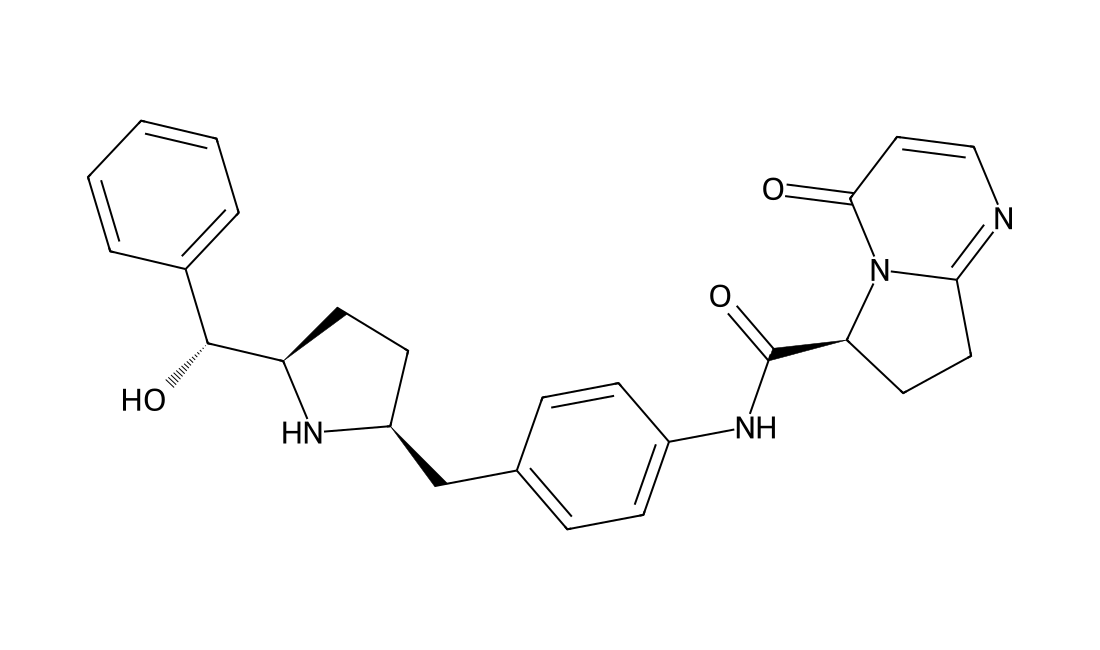
CAS 765914-60-1
Emprumapimod is a potent, orally bioavailable and selective inhibitor of p38α MAPK directly inhibits LPS-induced IL-6 production from RPMI-8226 cell (IC50=100 pM). Emprumapimod can be used for the research of dilated cardiomyopathy and acute inflammatory pain.
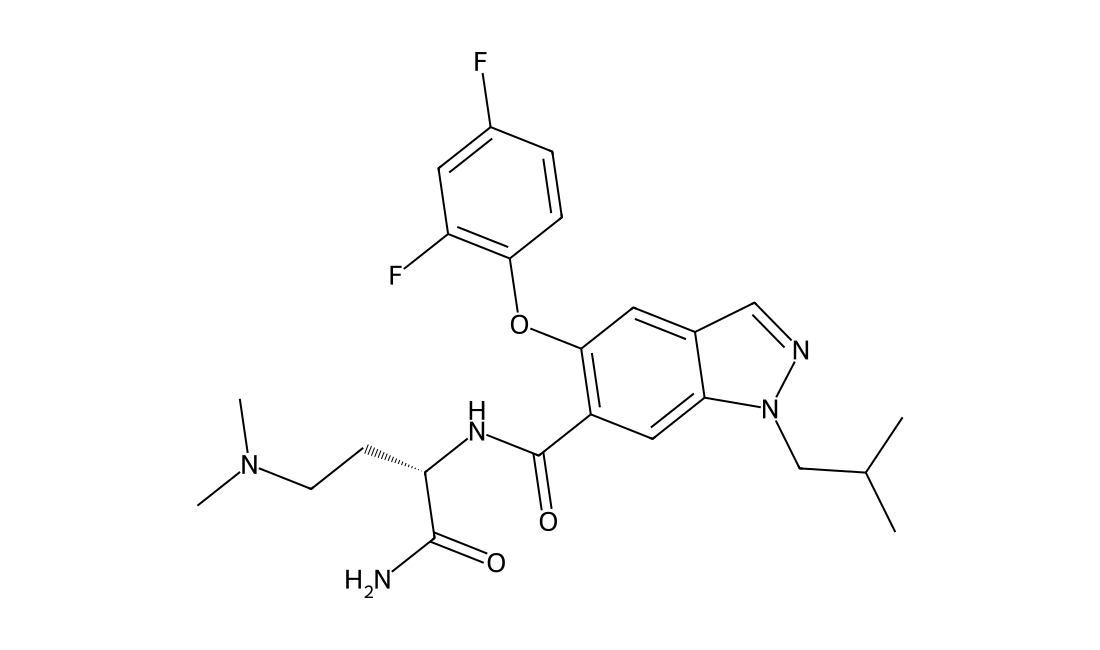
CAS 866874-63-7
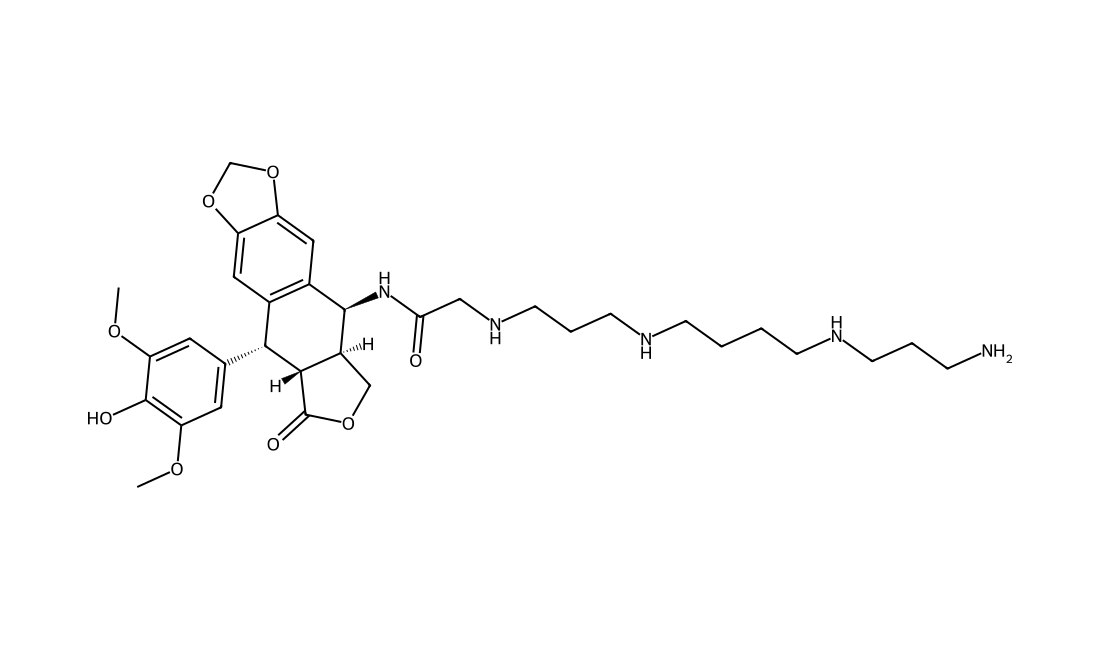
F-14512 is a DNA topoisomerase II inhibitor potentially for the treatment of acute myeloid leukemia.
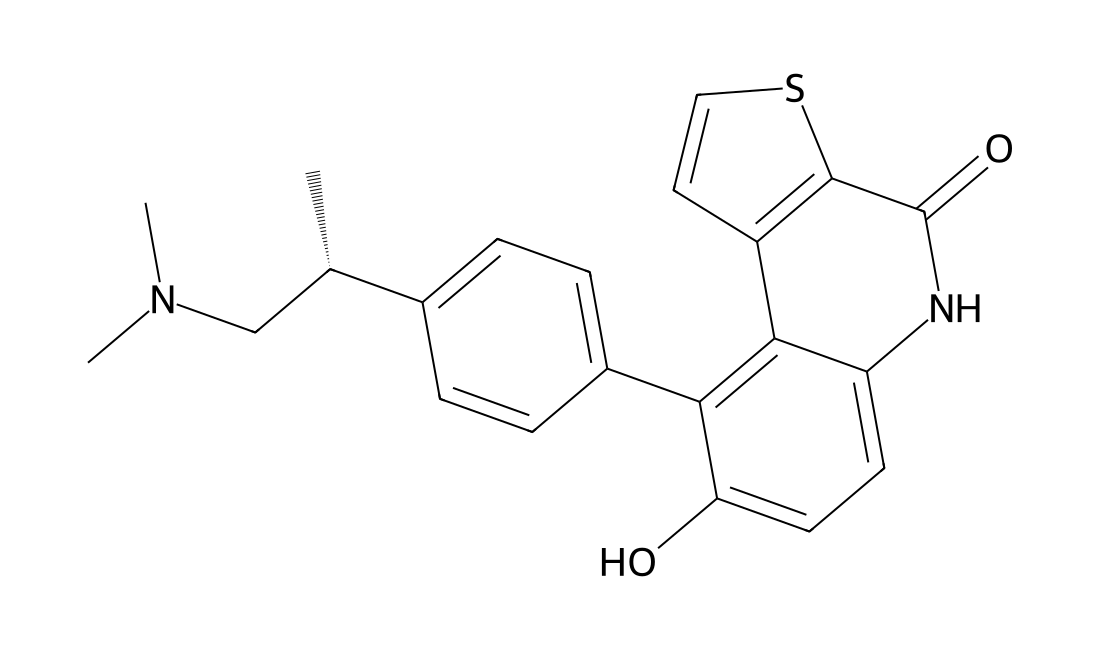
CAS 352017-71-1
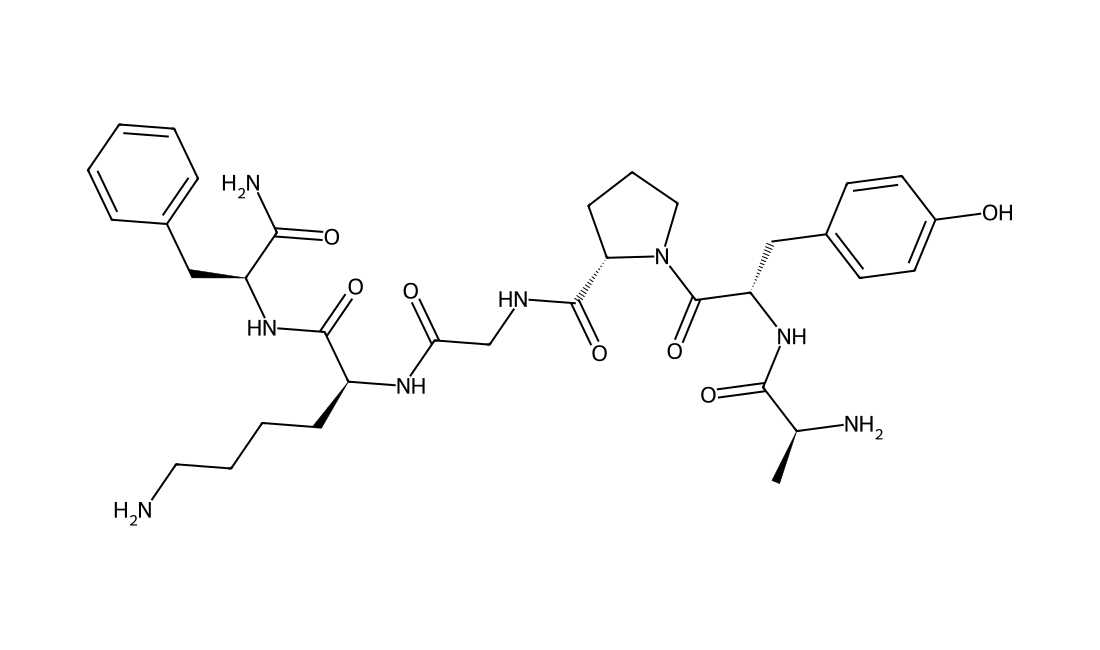
AY-NH2 is a peptide agonist of proteinase-activated receptor 4 (PAR4) that induces aggregation of rat and human platelets in vitro (EC50s = 15 and 60 μM, respectively).It reduces expression of glycoprotein (GP) Ib, and increases expression of GPIIb/IIIa on the surface of human platelets.AY-NH2 induces relaxation of isolated rat aortic rings and contraction of rat gastric longitudinal muscle strips (EC50s = 11 and 110 μM, respectively) as well as inhibits calcium mobilization evoked by capsaicin in rat sensory neurons.In vivo, AY-NH2 (1-100 μg) increases latency to paw withdrawal and the nociceptive threshold in response to thermal and mechanical stimuli.AY-NH2 (200 μg) also increases paw thickness in a rat paw edema assay.
CAS 91037-65-9
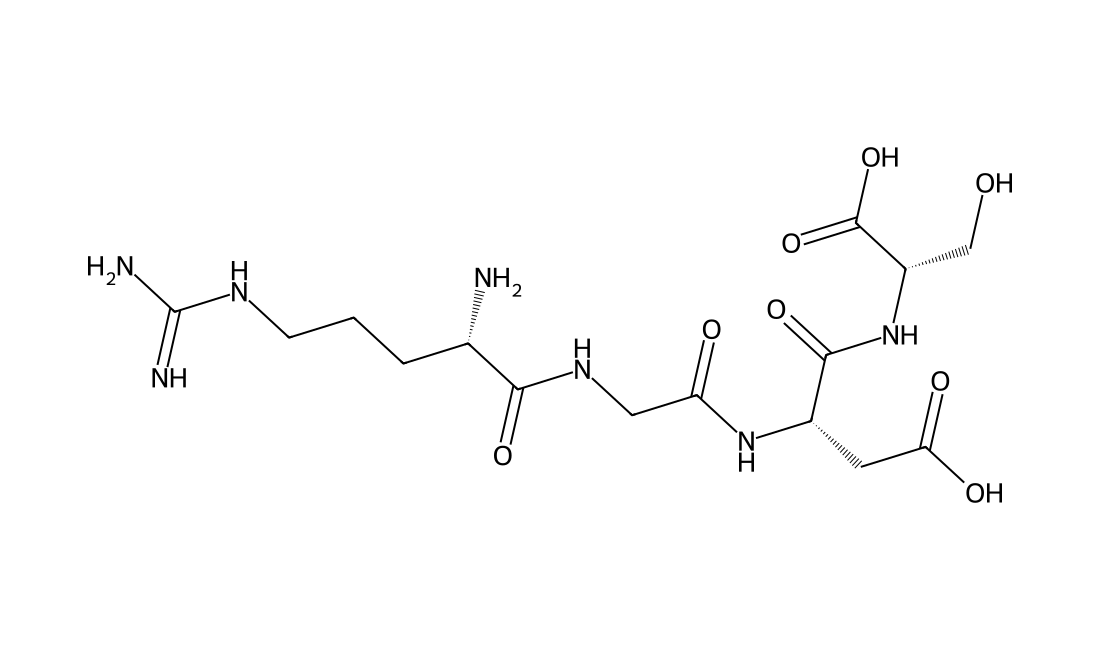
Arg-Gly-Asp-Ser is an integrin binding sequence that inhibits integrin receptor function, decreases systemic inflammation via inhibition of collagen-triggered activation of leukocytes and attenuates expression of inflammatory cytokines, iNOS and MMP-9.
CAS 550-83-4
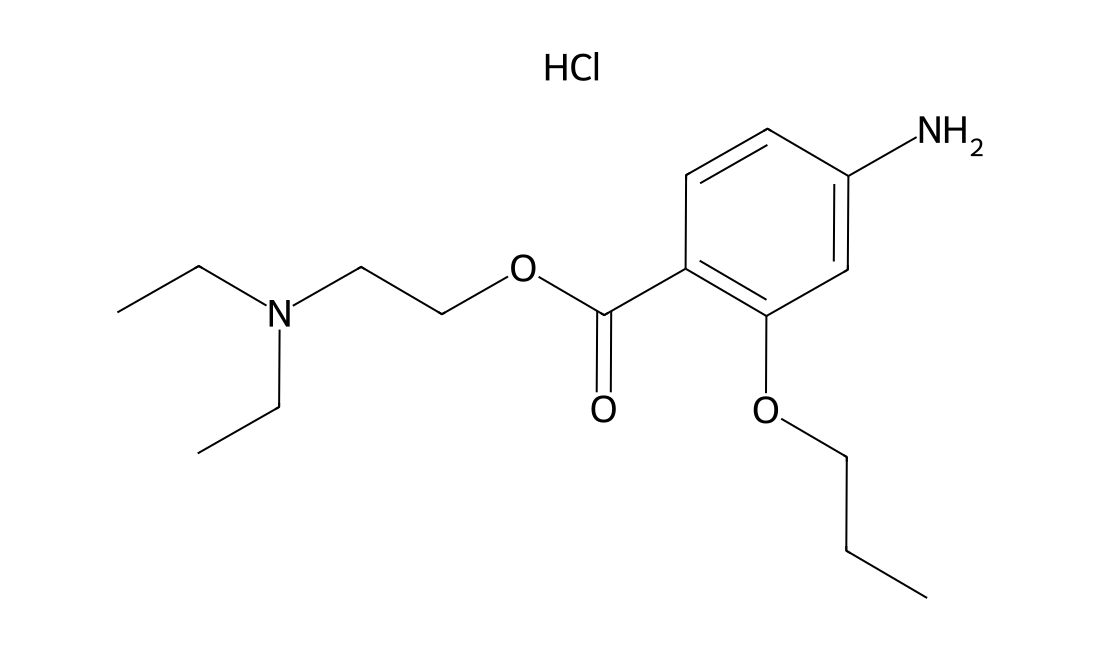
Propoxycaine hydrochloride inhibits voltage-gated sodium channels, and thereby inhibits the ionic flux required for the initiation and conduction of impulses. Propoxycaine hydrochloride application can lead to a loss of sensation.
CAS 1304778-15-1
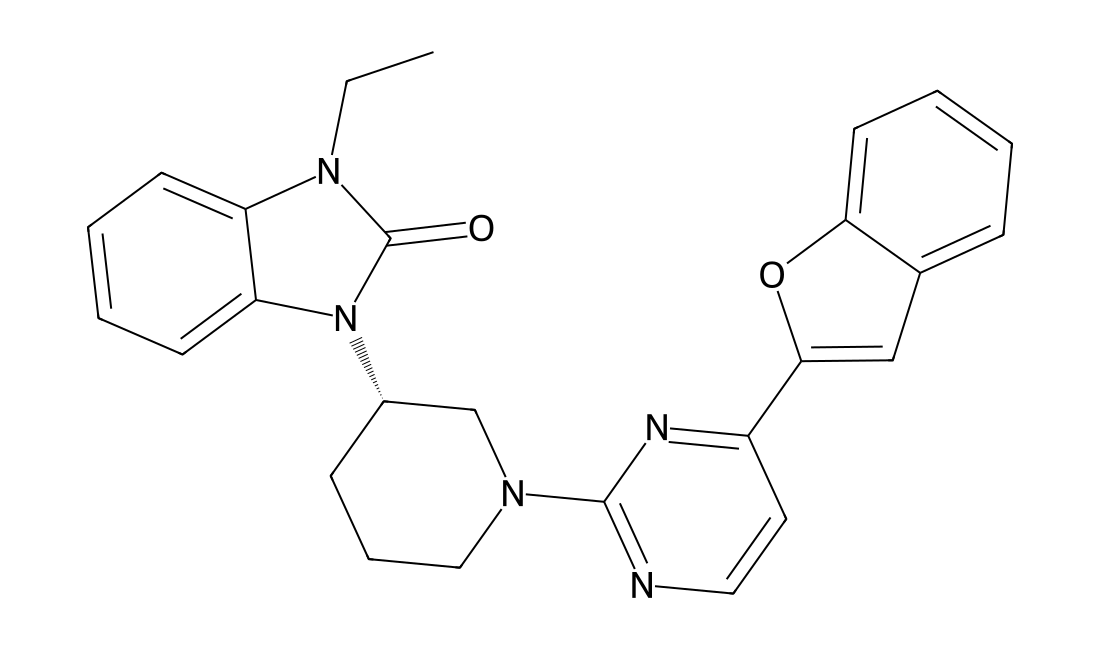
TC-F2 is a reversible non-covalent binding inhibitor of fatty acid amide hydrolase (FAAH) with an IC50 of 28 nM. FAAH is involved in many human diseases, particularly cancer, pain and inflammation as well as neurological, metabolic and cardiovascular disorders.
CAS 125602-71-3
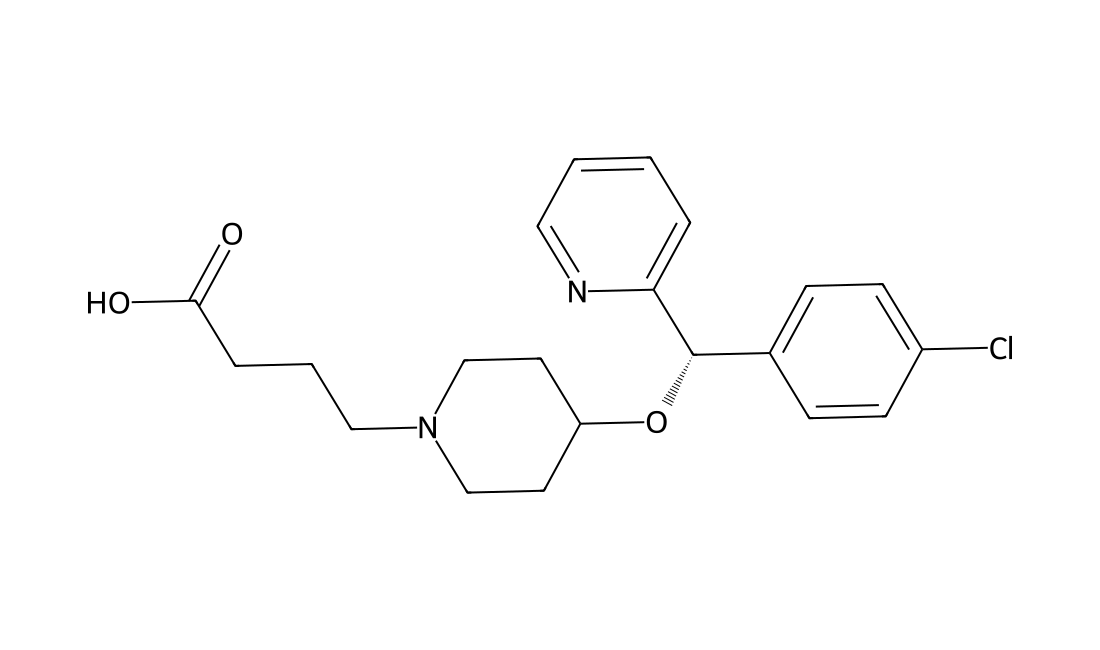
Bepotastine is a non-sedating, selective antagonist of the histamine 1 (H1) receptor.
CAS 853138-67-7
increasing ion transport by mutant-CFTR; altering the lifespan of a eukaryotic organism;
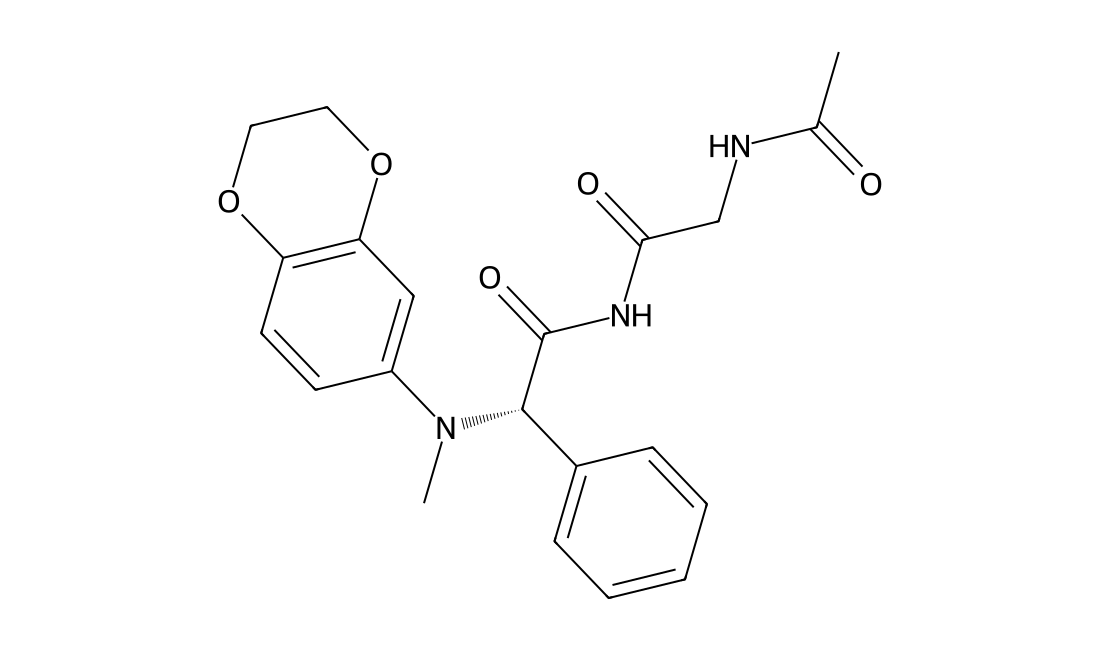
CAS 684234-55-7
PARP-1-IN-2 (compound 11g) is a potent and BBB-penetrated PARP1 inhibitor, with an IC50 of 149 nM. PARP1-IN-2 shows significantly potent anti-proliferative activity against Human lung adenocarcinoma epithelial cell line A549. PARP1-IN-2 can induce A549 cells apoptosis.
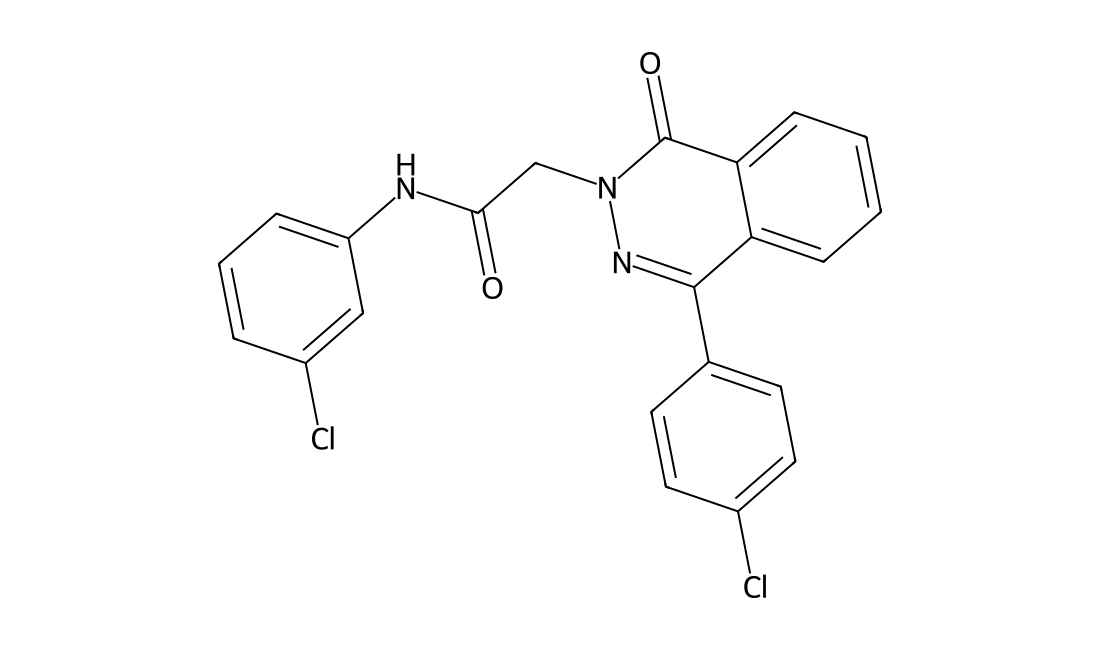
CAS 1780390-65-9
YM-244769 dihydrochloride is a potent Na+/Ca2+ exchange (NCX) inhibitor that preferentially inhibits NCX3 (IC50=18 nM). Neuronal and renal protection.
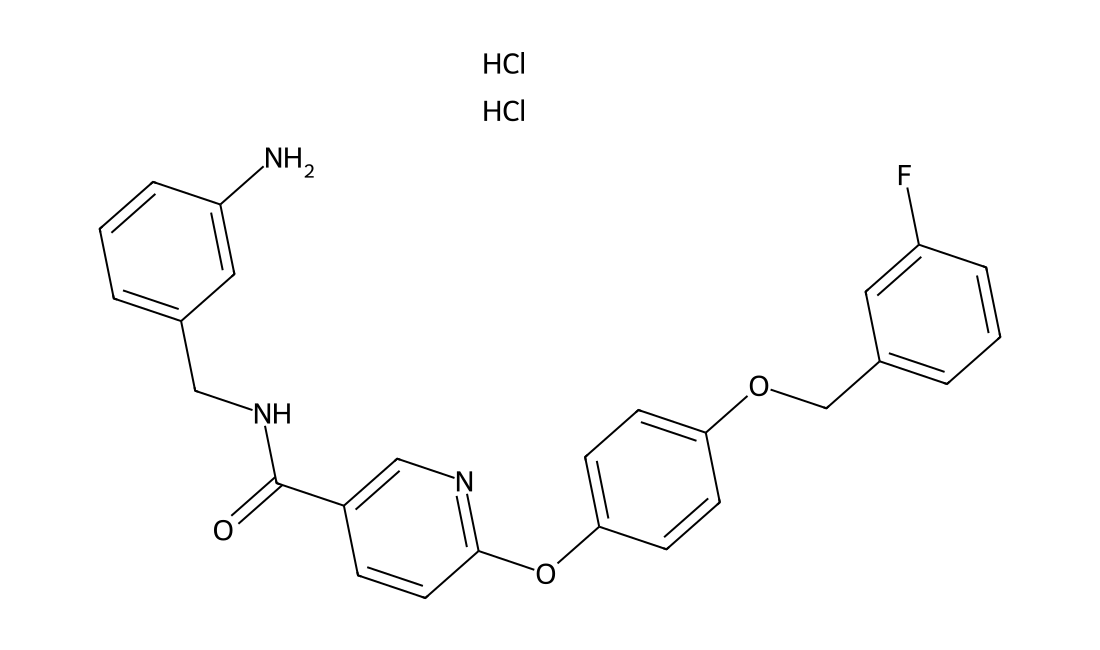
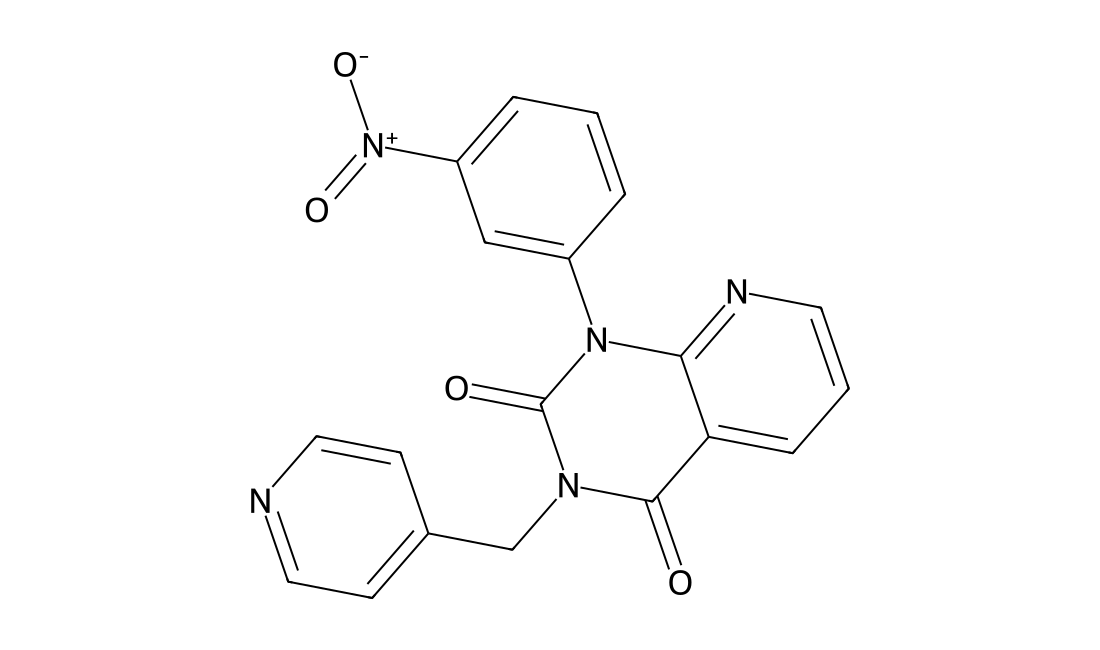
CAS 2306039-66-5
WSB1 Degrader 1 is a poten and orally active WSB1 (WD repeat and SOCS box-containing 1) degrader. WSB1 Degrader 1 has anticancer metastatic effects.