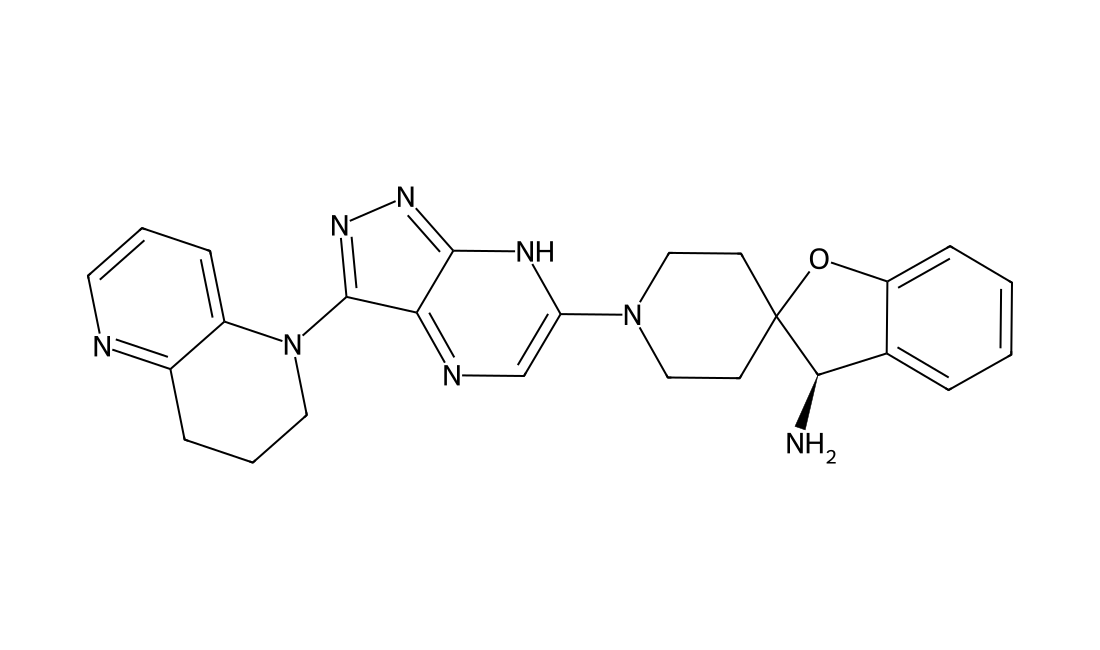
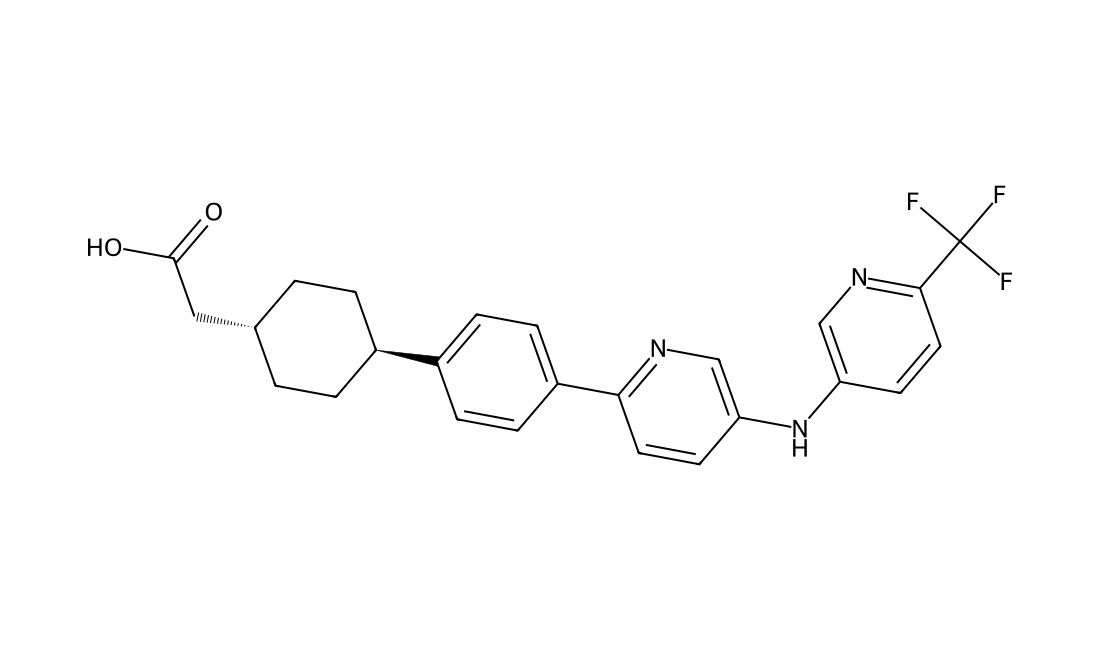
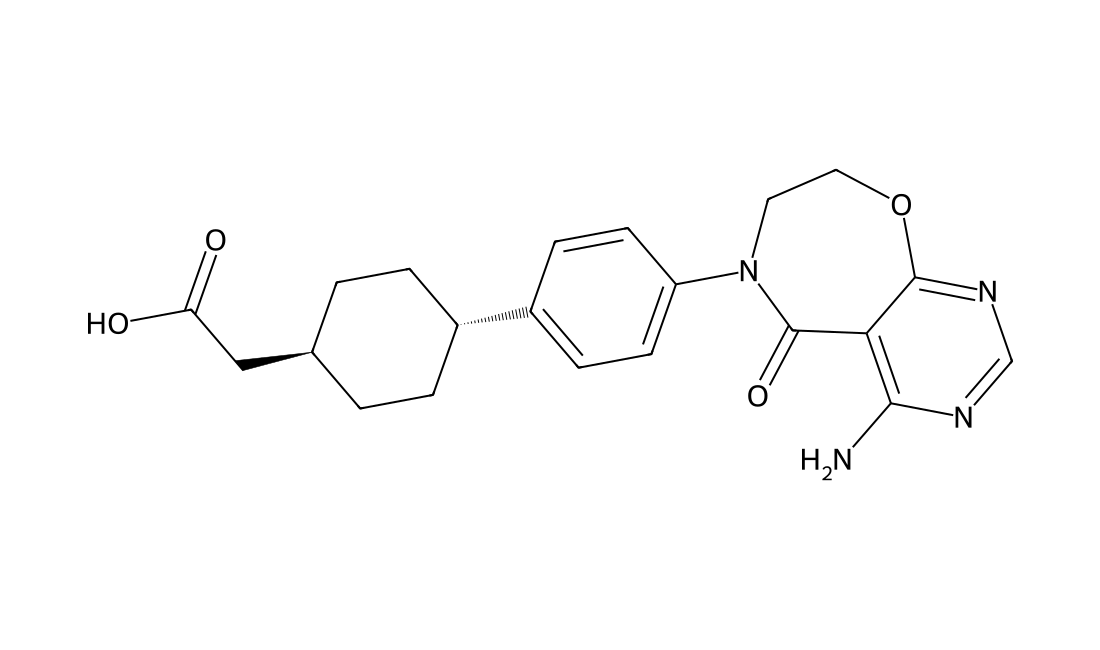
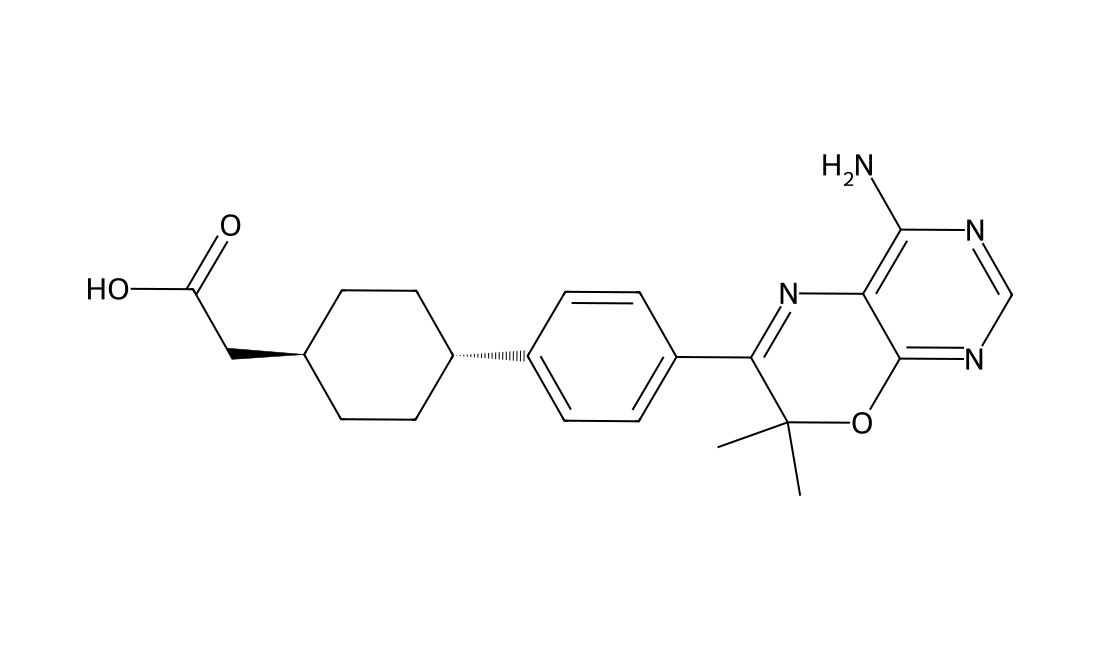
Small Molecule Research Tools

Explore bioactive compounds by research category, then narrow your search by target, product name, catalog number or CAS.

Newly added: LC-MG and OXF molecular glue research compounds →

6,823 products17 research categoriesBrowse all products ↓

Browse by research category

Products may appear in more than one category. Counts refer to distinct catalog numbers within each category.

Other Research Tools (75) · Additional reagents, building blocks and specialized research tools.

New literature-derived products

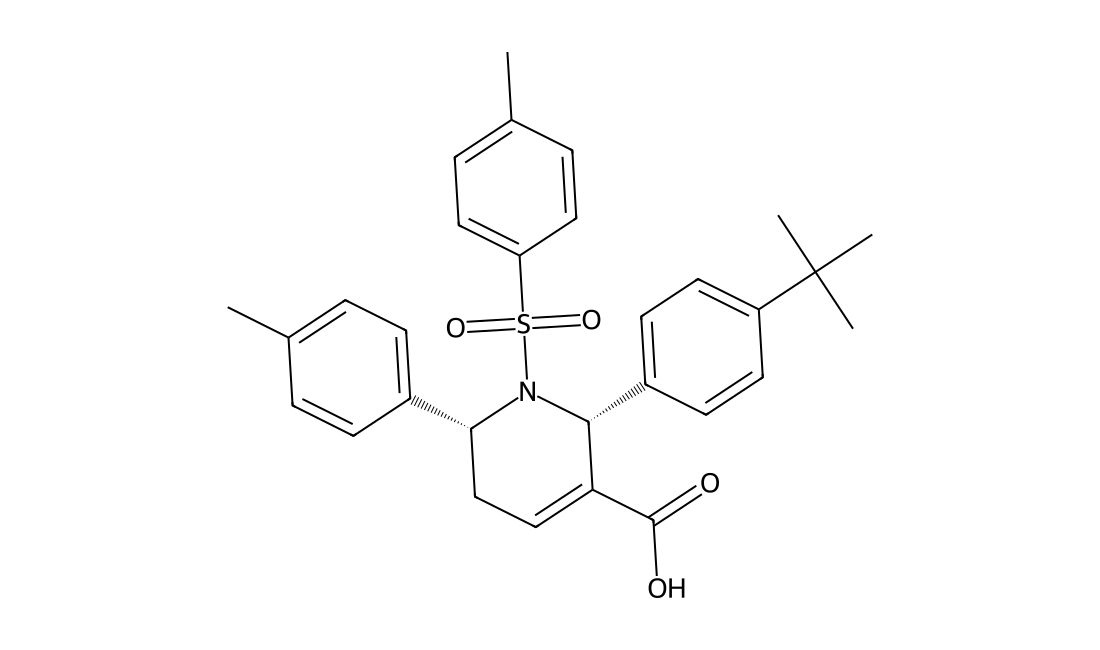
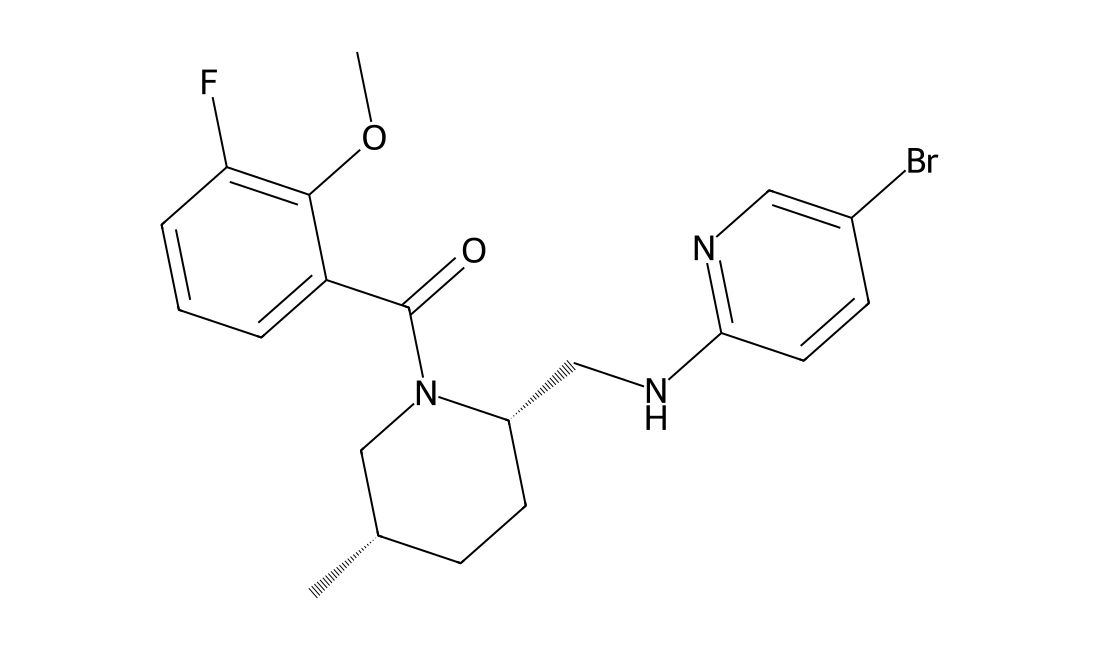
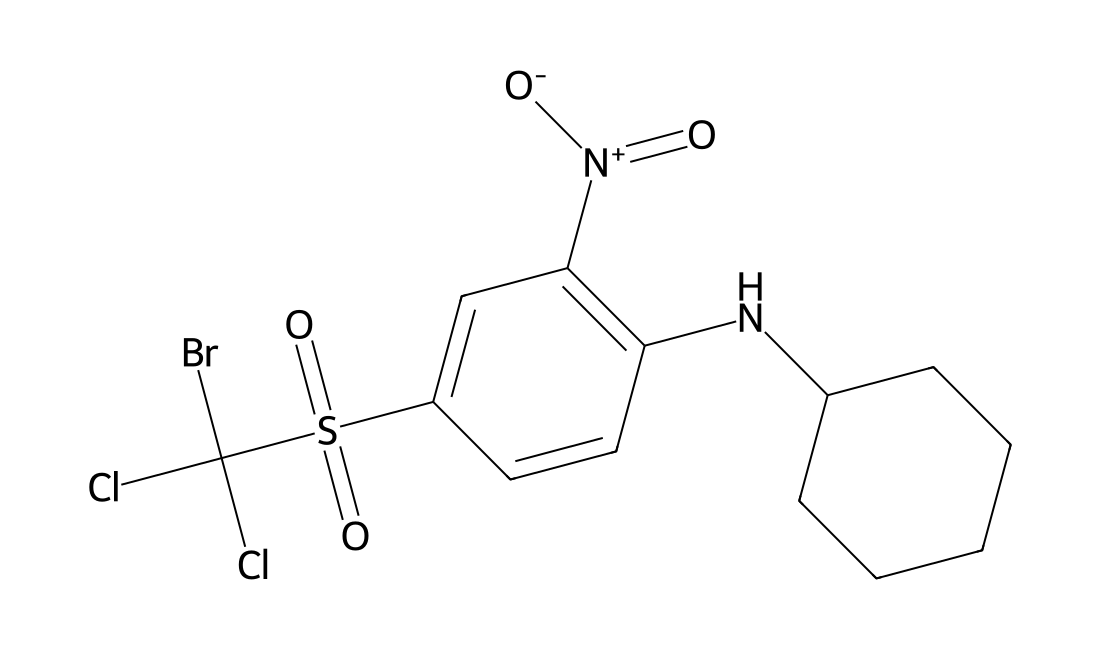
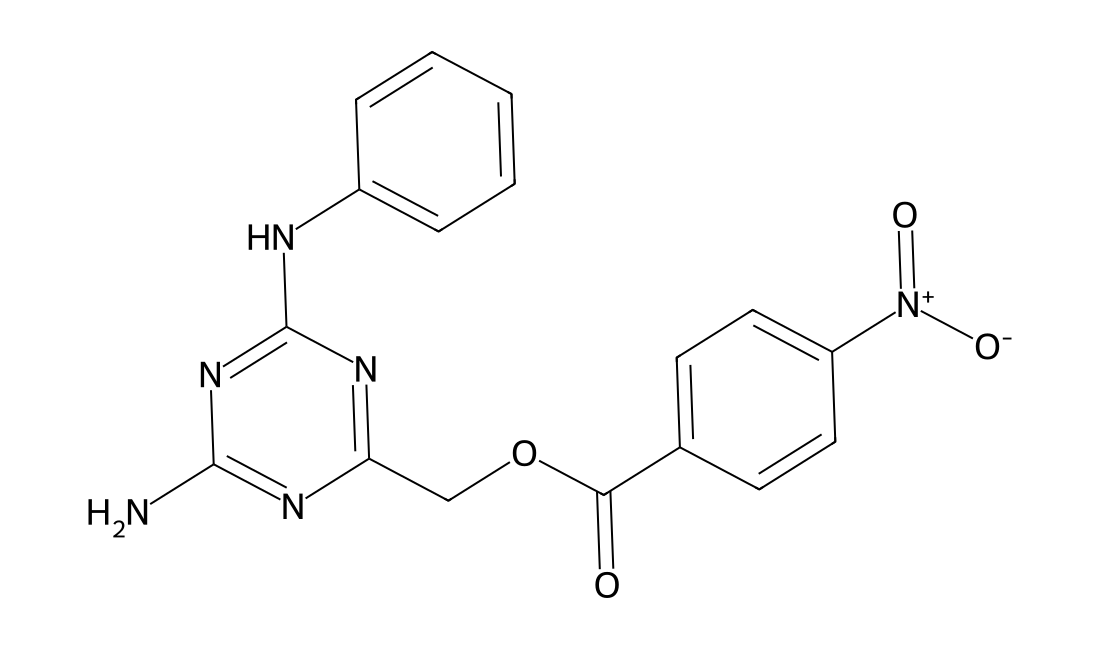
LC-MG-1 (DCA0006) · LC-MG-4 (DCA0007) · LC-MG-9 (DCA0008)

View structure and evidence summaries →

All small molecule products

Combine a keyword, research category and target to narrow the product list.

Loading catalog filters…

6,823 products · Showing 5,473–5,520

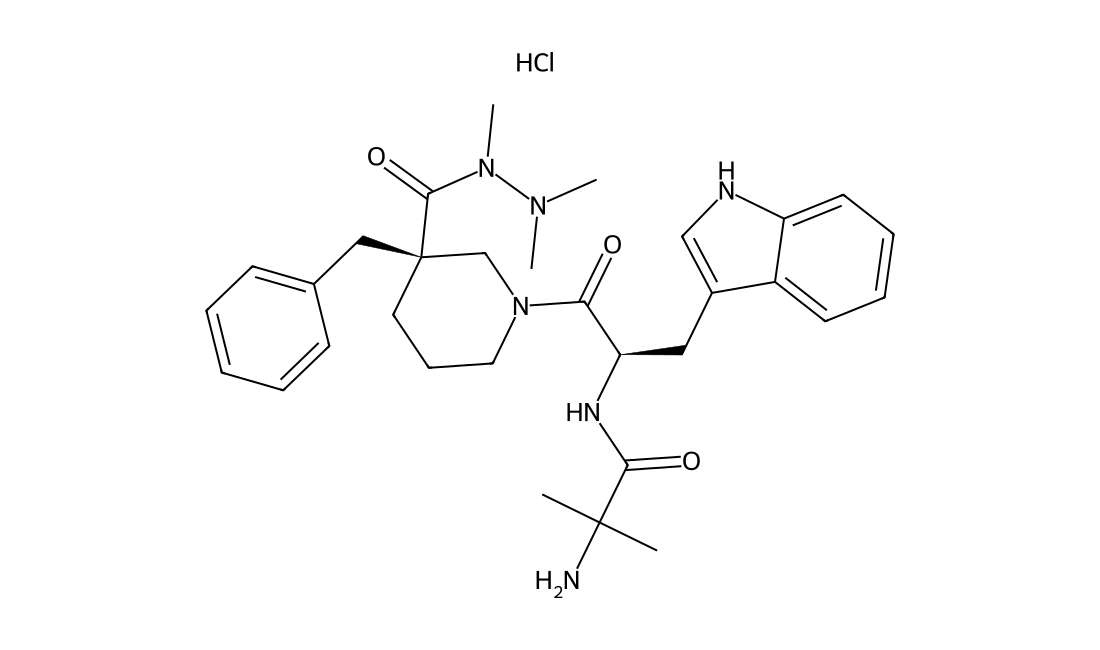
DC9973

Osilodrostat phosphate

CAS 1315449-72-9

Osilodrostat (LCI699) phosphate is a potent, orally active11β-hydroxylase (CYP11B1) inhibitor with an IC50 value of 35 nM. Osilodrostat phosphate is a potent, orally aldosterone synthase (CYP11B2) inhibitor with IC50 values of 0.7 nM and 160 nM for human aldosterone synthase and rat aldosterone synthase, respectively. Osilodrostat phosphate inhibits aldosterone and corticosterone synthesis. Osilodrostat phosphate has blood pressure lowering ability. Osilodrostat phosphate can be used for research of Cushing syndrome (CS).
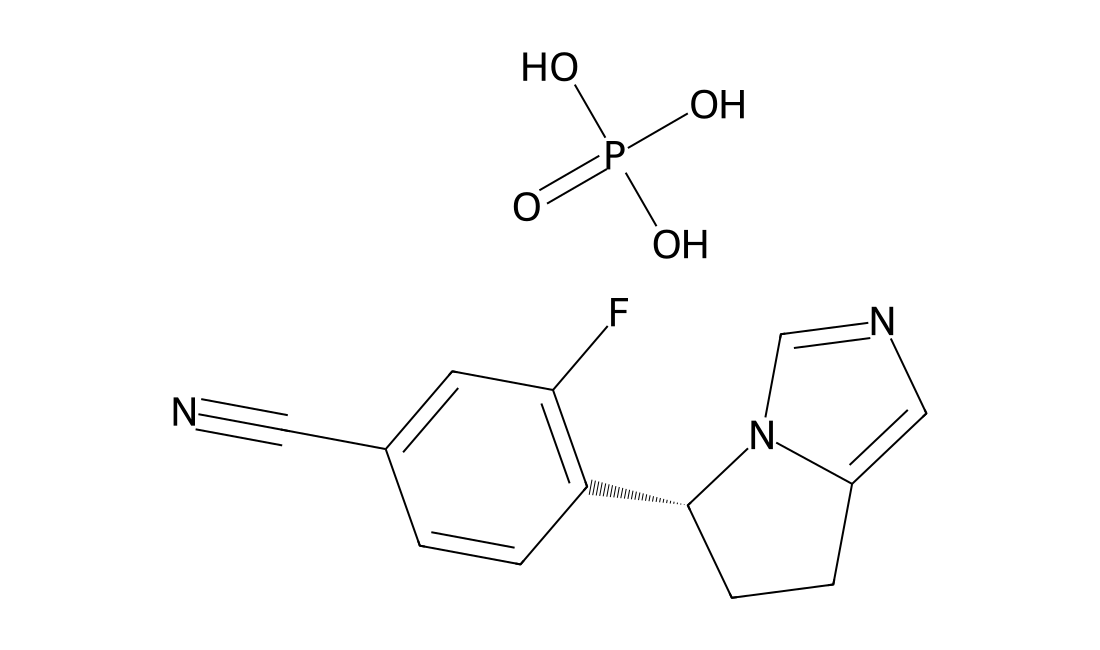
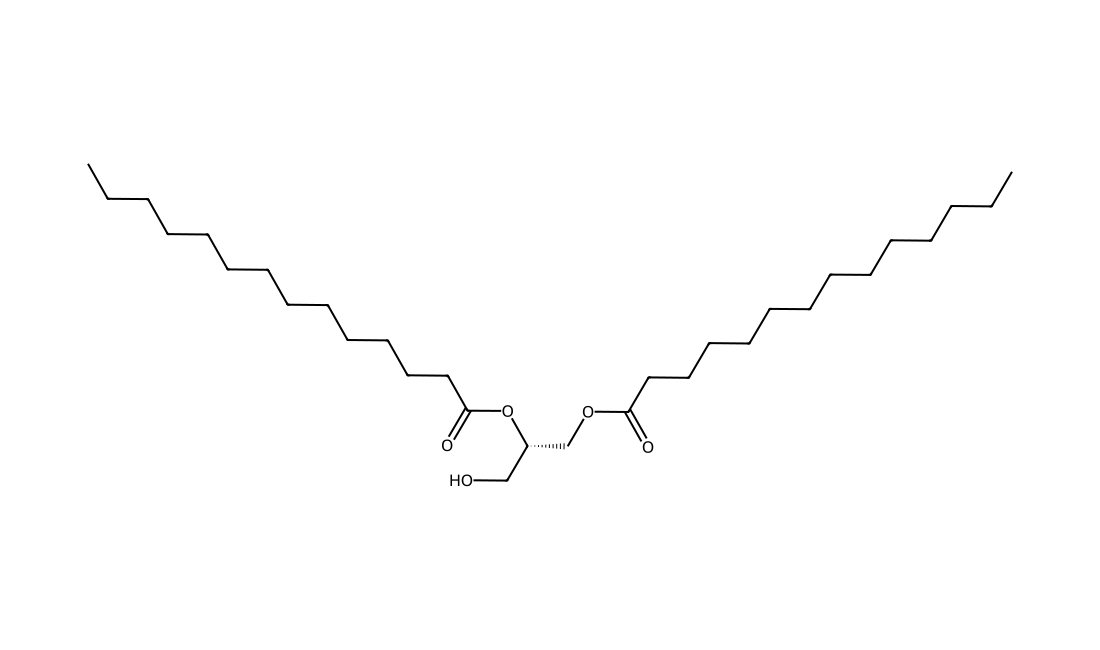
Osilodrostat phosphate chemical structure
DC31669

Dydrogesterone

CAS 152-62-5

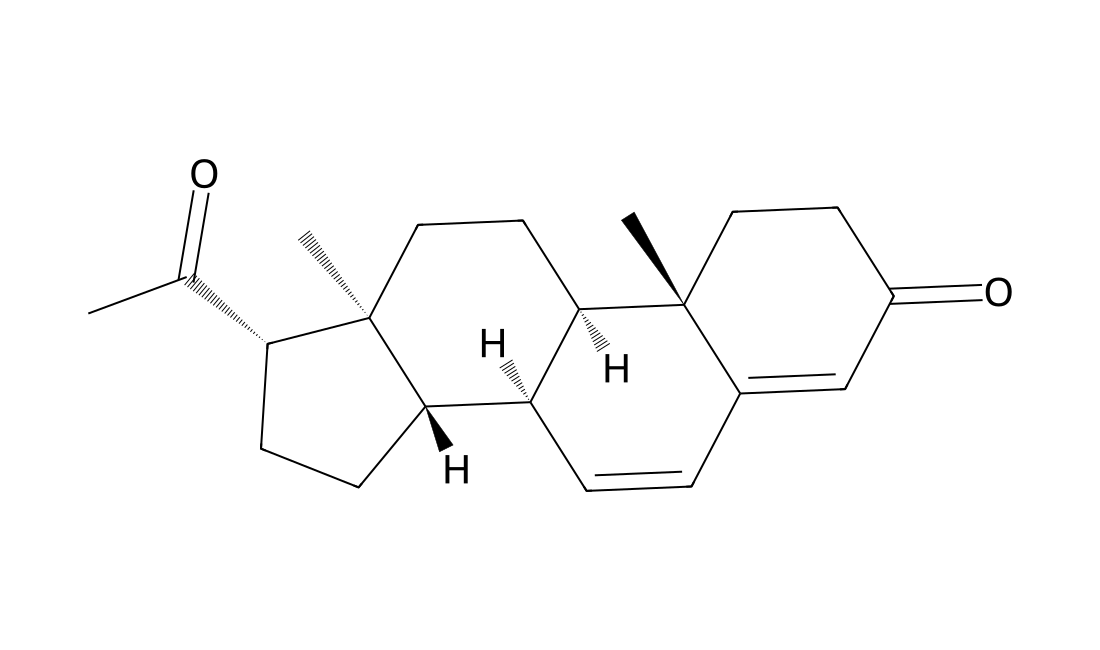
Dydrogesterone is a synthetic progestin. Dydrogesterone alone or in combination with estrogen to endothelial cells results in neutral effects on NO synthesis and on the activity and expression of eNOS. Unlike many other progestational compounds, dydrogesterone produces no increase in temperature and does not inhibit ovulation.

Dydrogesterone chemical structure
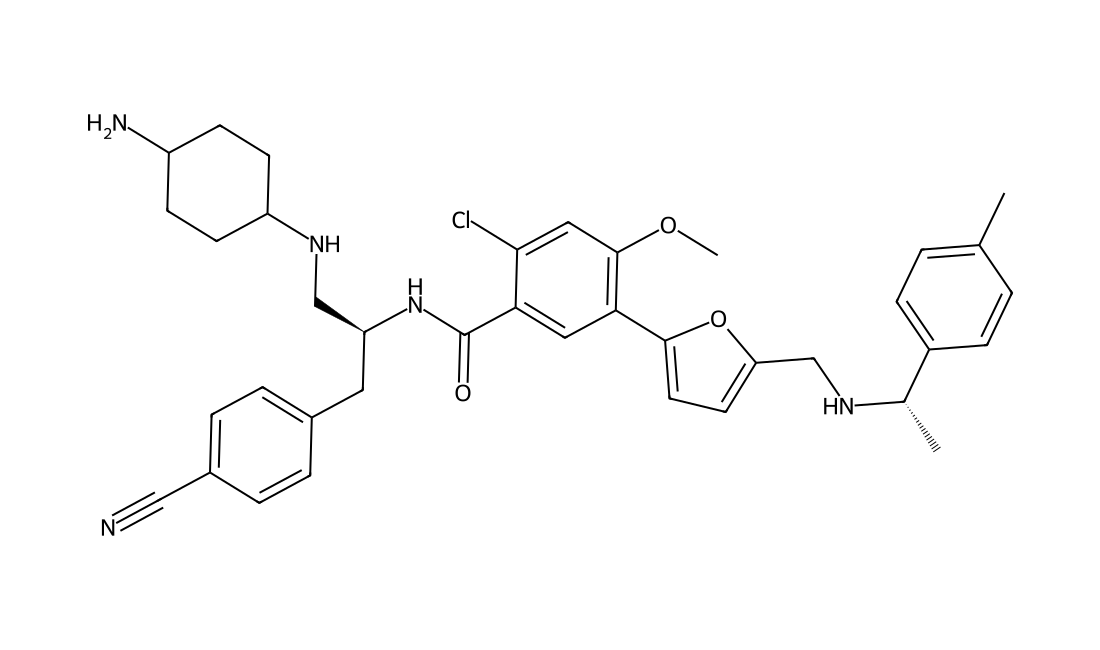
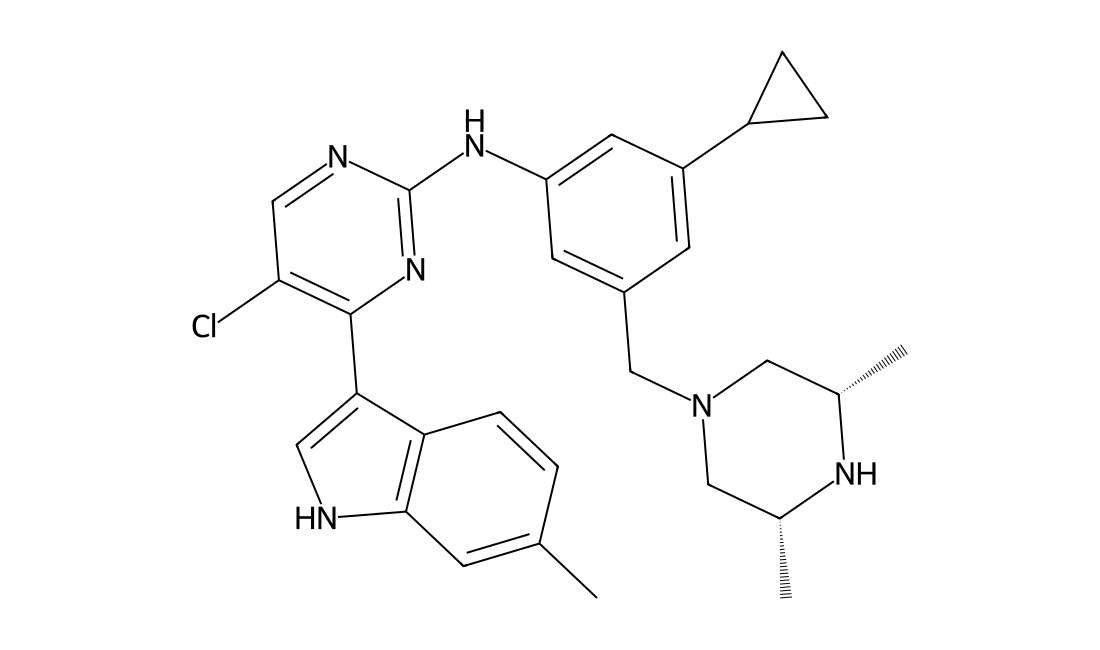
DCC2242

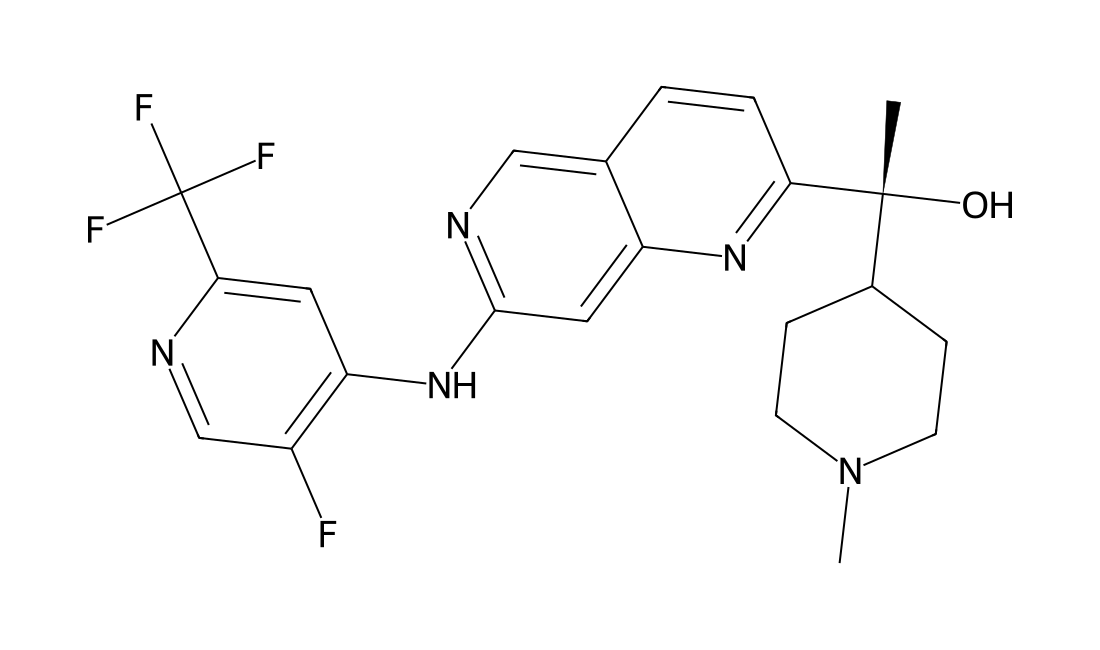
GFB-12811

CAS 2775311-17-4

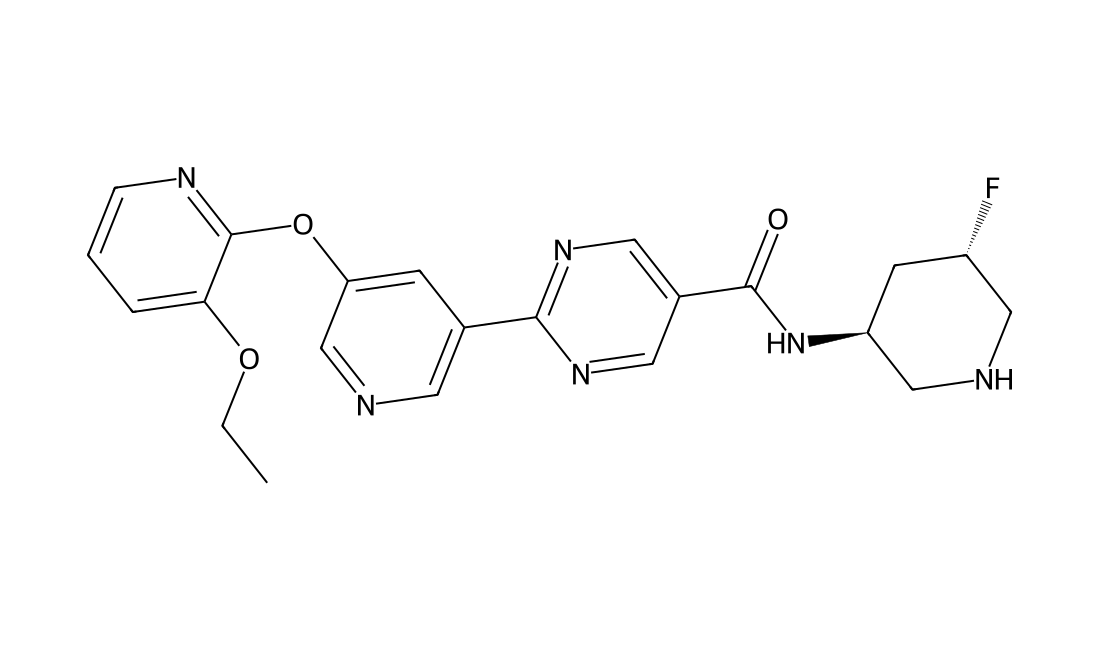
GFB-12811 is a high selective and orally active CDK5 inhibitor with an IC50 of 2.3 nM. GFB-12811 is highly selective over the other tested kinases (CDK1/2/6/7/9).
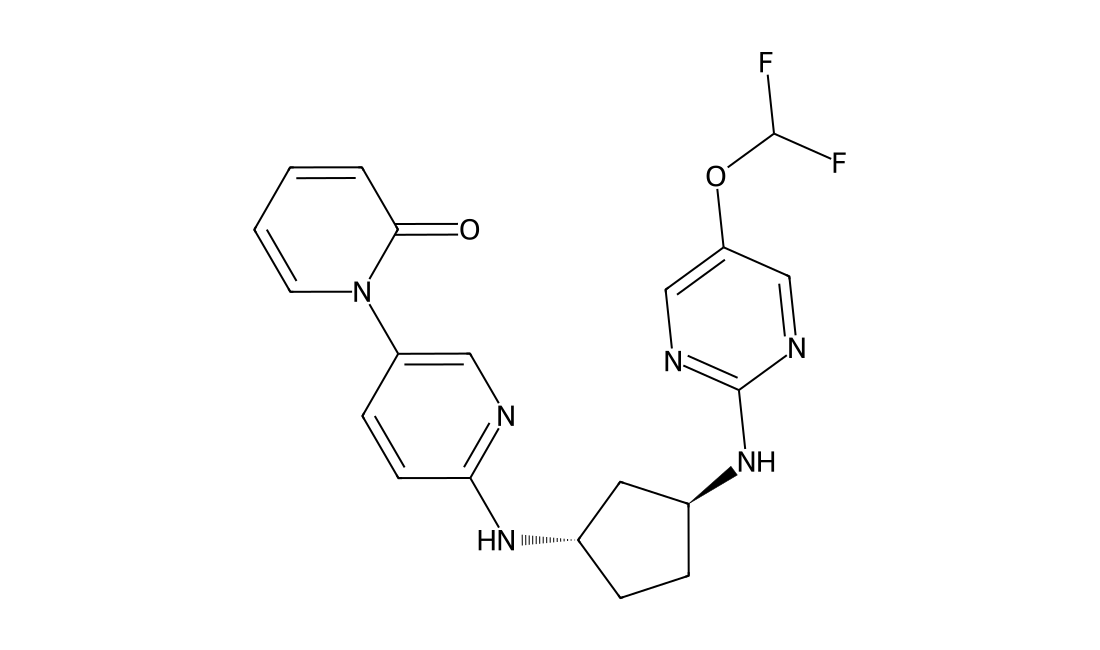
GFB-12811 chemical structure
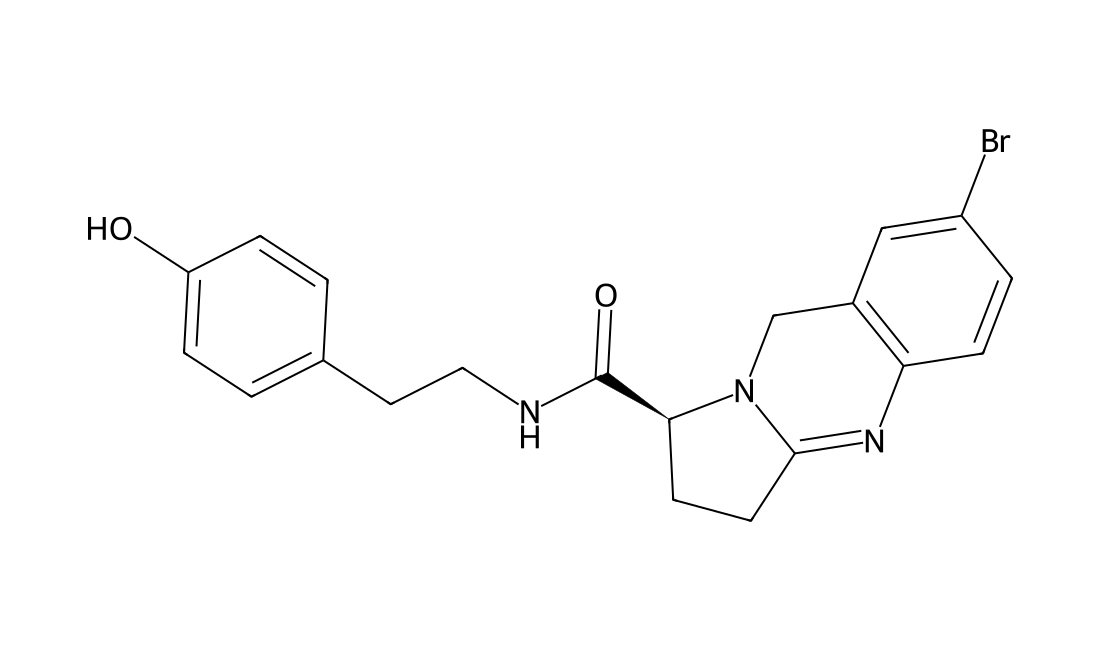
DC12331

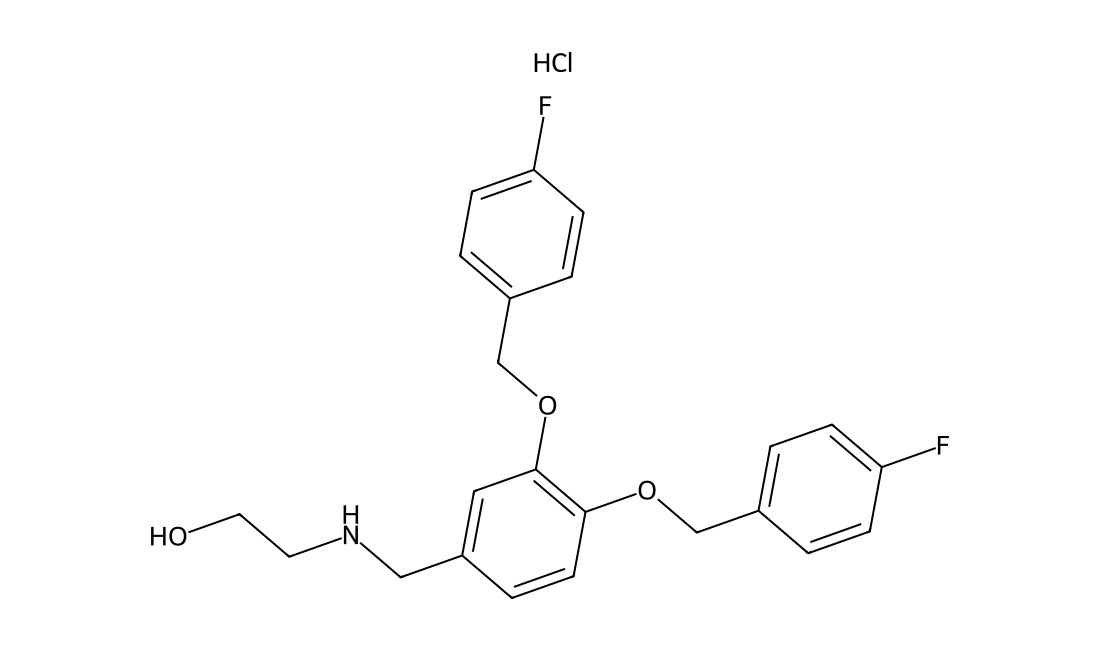
XRK3F2

CAS 2375193-43-2

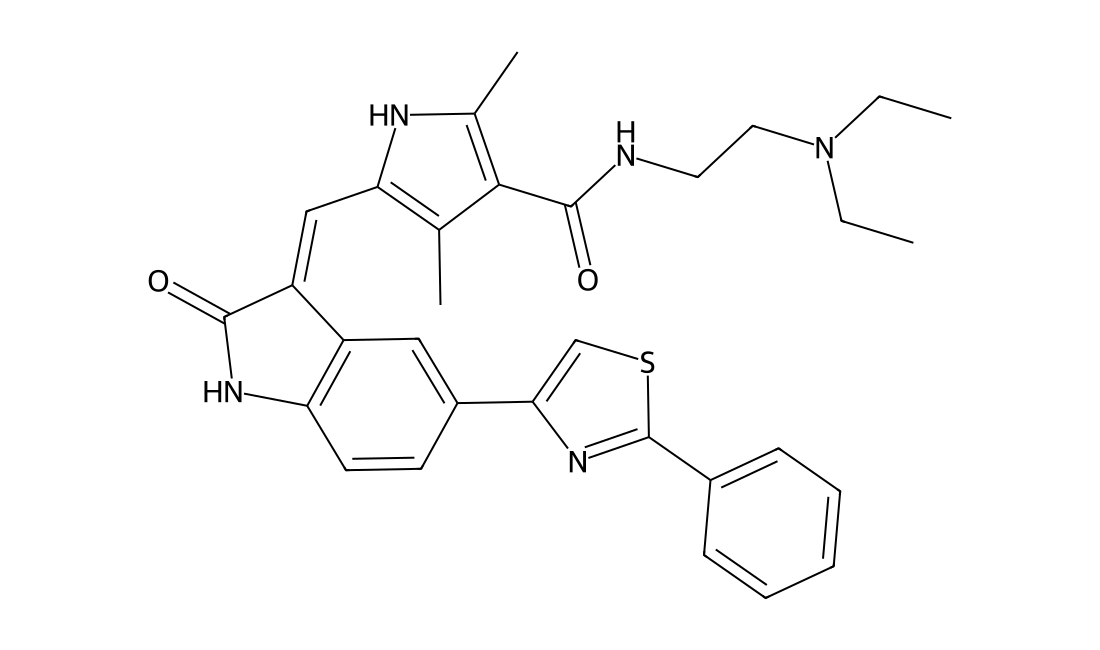
In Vitro The presence of XRK3F2 during MM-preOB co-cultures prevents Runx2 suppression at both d0 and d4. Furthermore, XRK3F2 blocks MM-induced upregulation of Gfi1. XRK3F2 blocks the induction of Gfi1 mRNA in BMSC in both treatment conditions. In contrast, XRK3F2 prevents both MM1.S CM and TNFα plus IL7-mediated Runx2 suppression. Further, the pro-inflammatory and myeloma pro-survival factor IL6 mRNA is also reduced by XRK3F2 treatment. In addition, XRK3F2 also prevents TNFα-mediated upregulation of Gfi1 and rescues inhibition of Runx2 in MC4 preOB. XRK3F2 prevents MM-induced GFI1 occupancy at the Runx2-P1 promoter. XRK3F2 treatment significantly rescues the H3K9ac levels at Runx2 in MM patient hBMSC and XRK3F2 can rescue early steps in osteogenesis.
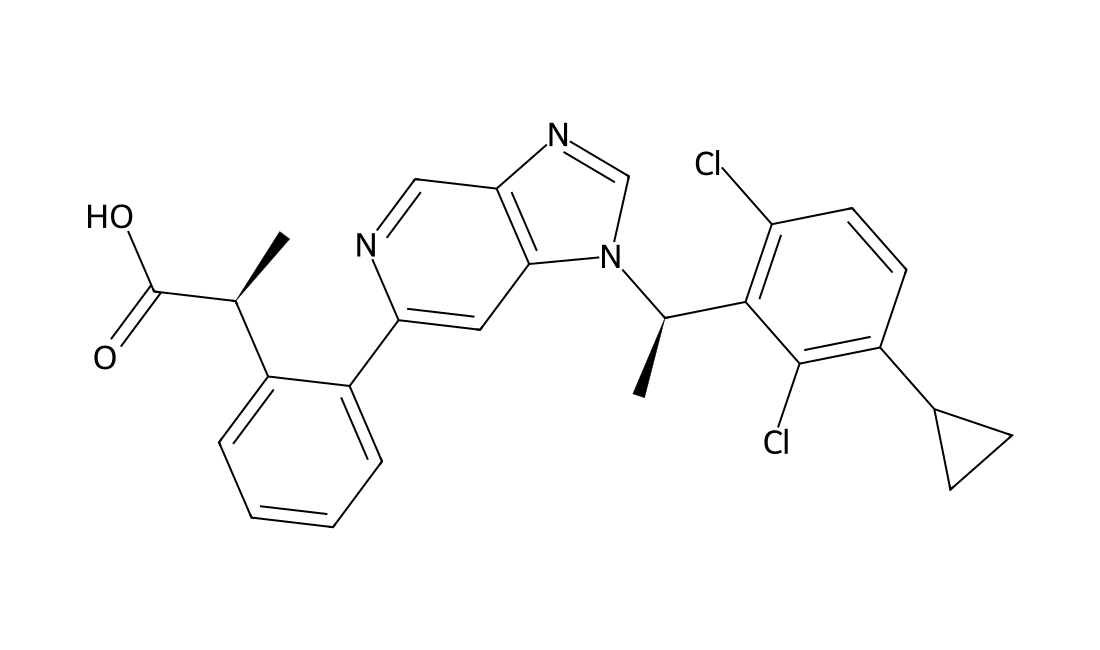
XRK3F2 chemical structure
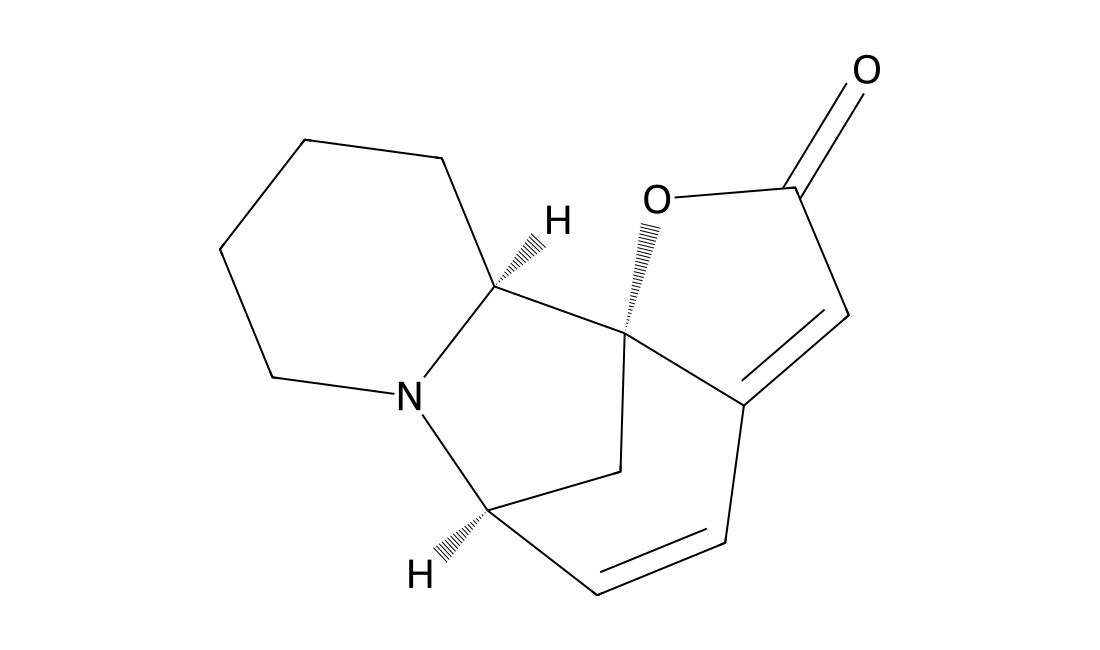
DC22975

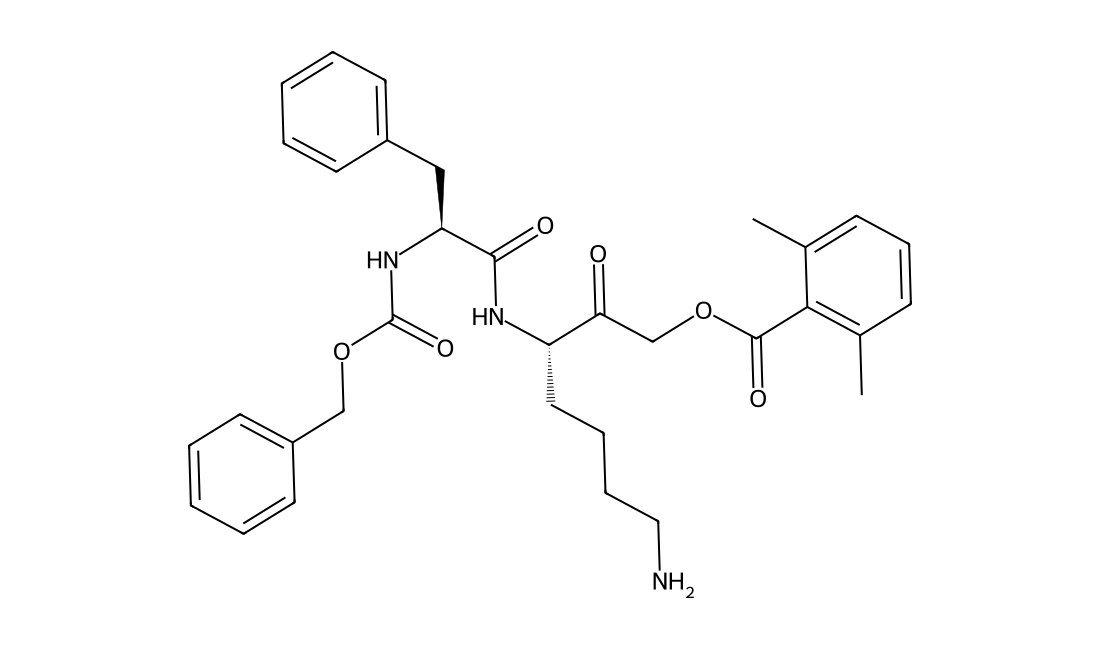
GB111-NH2

CAS 956479-18-8

GB111-NH2 (Z-Phe-Lys-AOMK) is a novel cysteine cathepsin inhibitor that blocks the activity of cathepsins B, L and S. GB111-NH2 (Z-Phe-Lys-AOMK) inhibits autophagy and increases oxidative stress, specifically trigger macrophage cell death.

GB111-NH2 chemical structure
DC71376

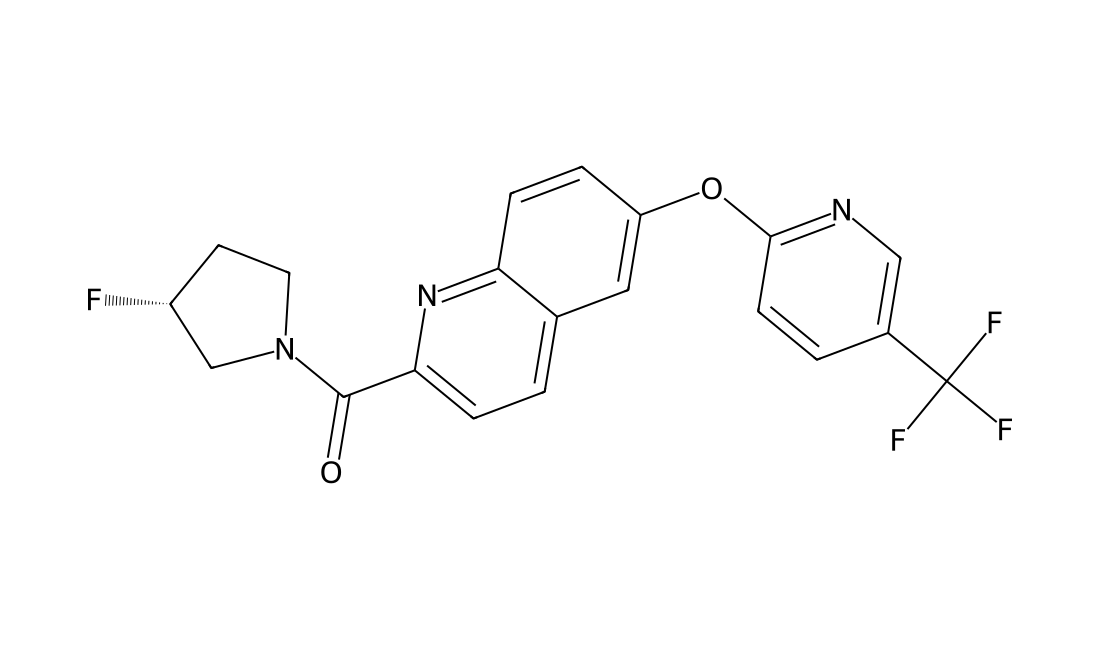
ABBV-318

CAS 1802848-94-7

ABBV-318 is a potent Nav1.7/ Nav1.8 blocker, with IC50s of 2.8 μM and 3.8 μM for hNav1.7 and hNav1.8, respectively. ABBV-318 can be used for the research of pain.

ABBV-318 chemical structure
DC72873

MTK458

CAS 2499962-58-0

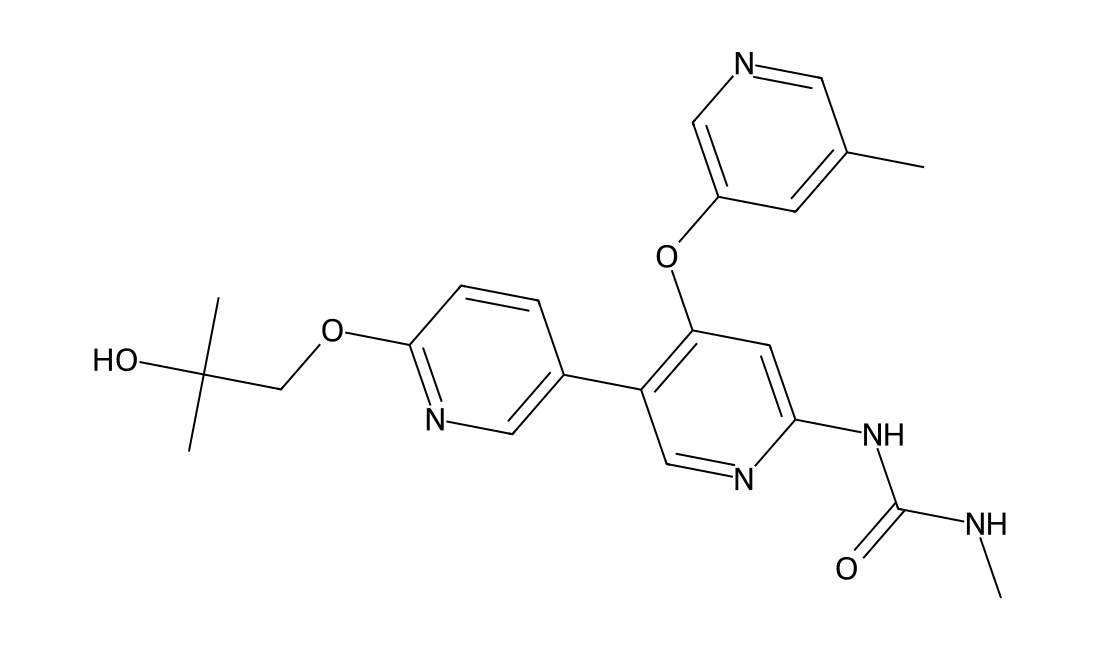
MTK458 (MTK-458) is a potent, selective and brain penetrant PINK1 activator, MTK-458 promotes the first step in mitophagy. MTK458 selectively activates PINK1 by stimulating dimerization and stabilization of the PINK1/TOM complex. MTK458 binds to PINK1 and stabilizes an active heterocomplex, thereby increasing mitophagy. MTK458 reduces the PINK1 substrate pS65-Ubiquitin (pUb) in primary neurons and in vivo. MTK458 drives clearance of pathologic α-synuclein in vitro and in vivo, decreases pS129 α-synuclein aggregates and normalized both brain and corresponding plasma pUb levels in both cellular and animal models of α-synuclein aggregation (PD-like pathology).

MTK458 chemical structure
DC70831

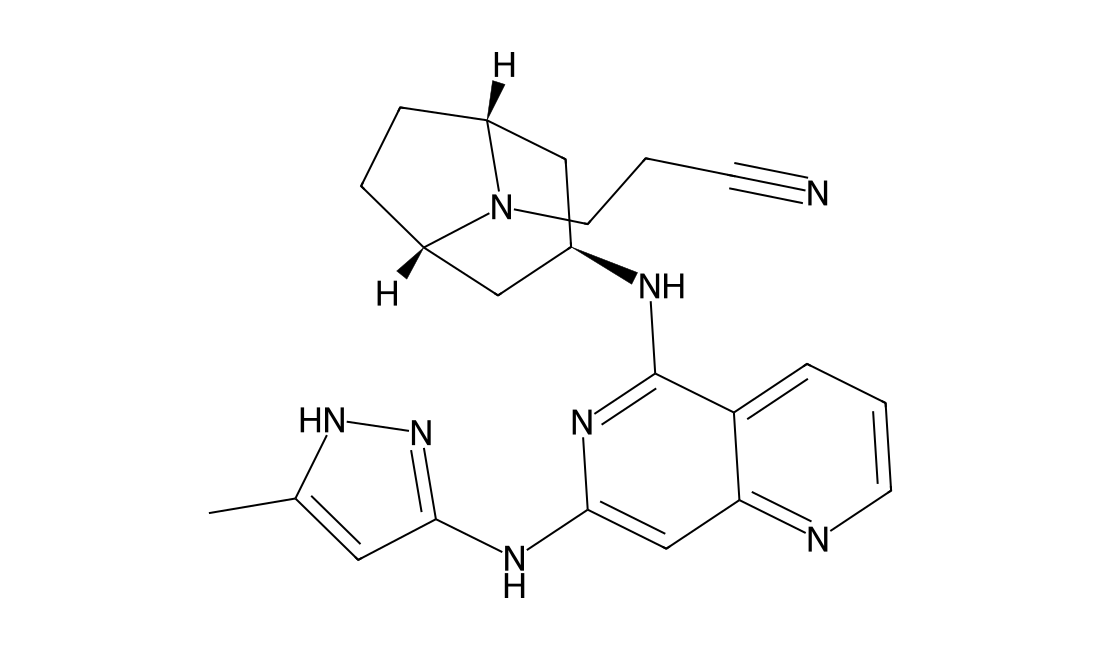
TD-1473

CAS 2051918-33-1

TD-1473 (Izencitinib, TD1473, JNJ 8398) is a potent, selective, oral gut-selective pan-JAK inhibitor with pKi of 10.0/10.0/8.8/9.5 for human recombinant JAK1, JAK2, JAK3 and TYK2.TD-1473 inhibited cytokine-induced phosphorylation of STAT1 in mouse primary colonic epithelial cells with pIC50 values for inhibition against IL-6, IFNα and IFNγ were 7.3, 6.8 and 7.0.TD-1473 demonstrated JAK inhibitory activity in ex vivo mouse colon and human IBD patient colonic tissue. TD-1473 (Izencitinib) is under development for the treatment of ulcerative colitis.

TD-1473 chemical structure
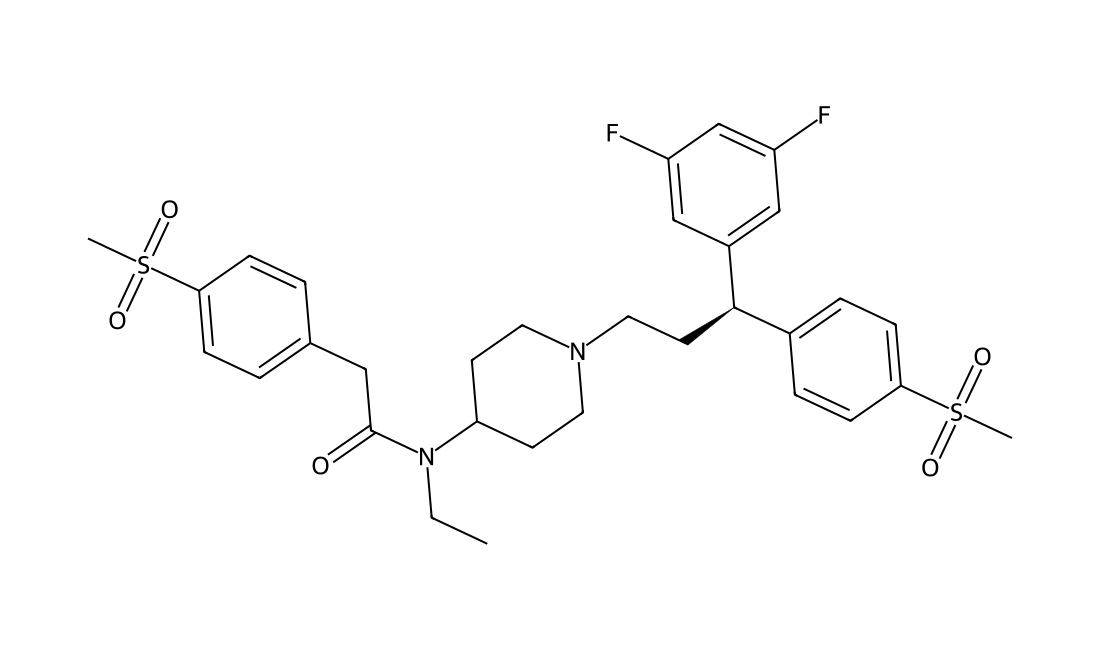
DC48046

AZD-5672

CAS 780750-65-4

AZD-5672 is an orally active, potent, and selective CCR5 antagonist (IC50=0.32 nM). AZD-5672 shows moderate activity against the hERG ion channel (binding IC50=7.3 μM). AZD5672 is a substrate of human P-gp, and inhibits P-gp-mediated digoxin transport (IC50=32 μM). AZD-5672 can be used for the research of rheumatoid arthritis.

AZD-5672 chemical structure
DC21637

Sepin-1

CAS 163126-81-6

Sepin-1 is a small molecule, noncompetitive separase inhibitor with IC50 of 14.8 uM; inhibits the growth of human cancer cell lines and breast cancer xenograft tumors in mice by inhibiting cell proliferation and inducing apoptosis.

Sepin-1 chemical structure
DC11505

BAY-850

CAS 2099142-76-2

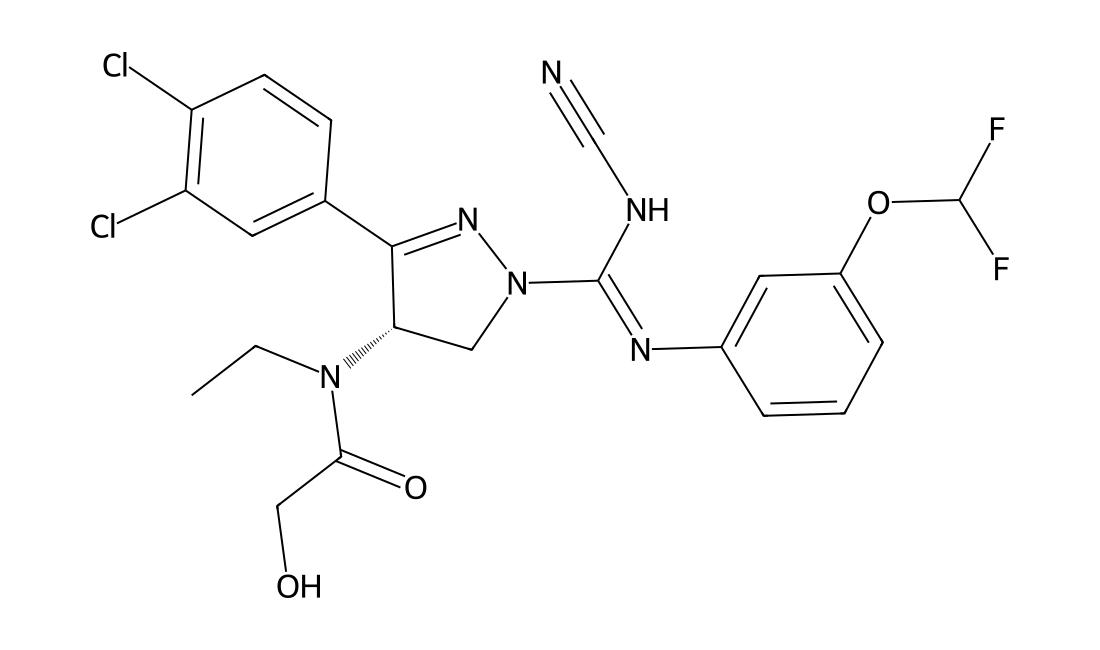
BAY-850 is a potent and isoform selective ATPase family AAA domain-containing protein 2 (ATAD2) inhibitor, with an IC50 of 166 nM.

BAY-850 chemical structure
DC60179

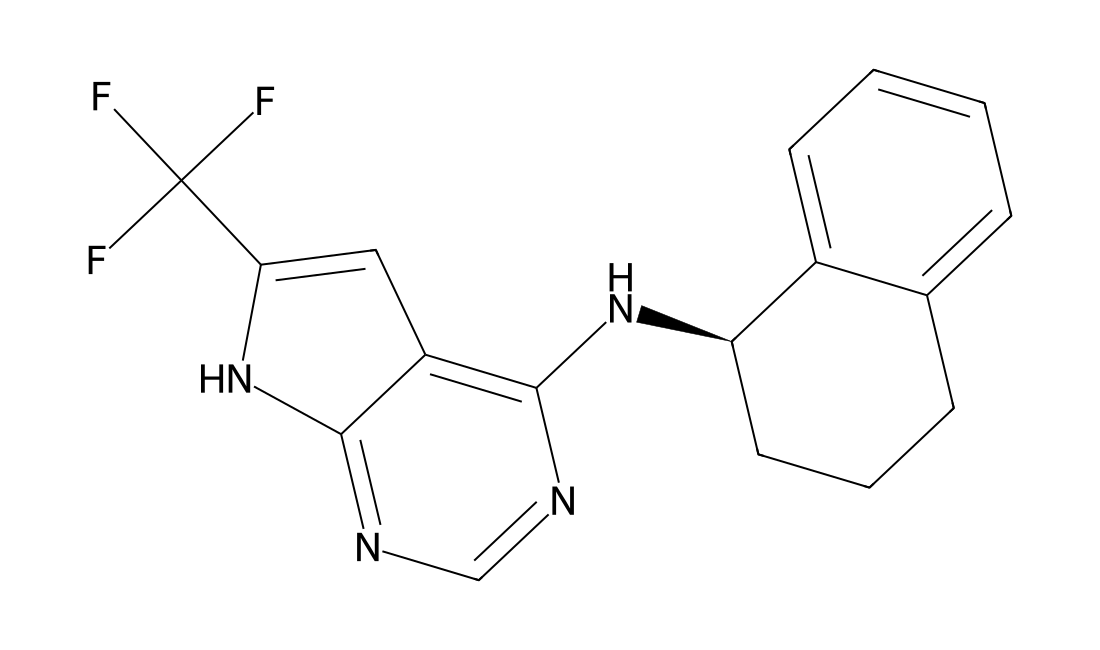
Tuspetinib(HM43239)

CAS 2294874-49-8

HM43239 is an orally active small molecule inhibitor of FLT3 that selectively inhibits not only FLT3 wild type, ITD mutants or TKD mutations, but also FLT3 ITD/TKD double mutations. HM43239 directly inhibits the kinase activity of FLT3 as a reversible Type I inhibitor and effectively modulates downstream p-STAT5 and p-ERK. HM43239 also demonstrated inhibition of SYK, JAK1/2 and TAK1, known to be involved in tumor cell proliferation and/or differentiation HM43239 monotherapy induced dose-dependent regression of tumor growth in FLT3 wild-type and FLT3 mutated leukemia cancer cell line.

Tuspetinib(HM43239) chemical structure
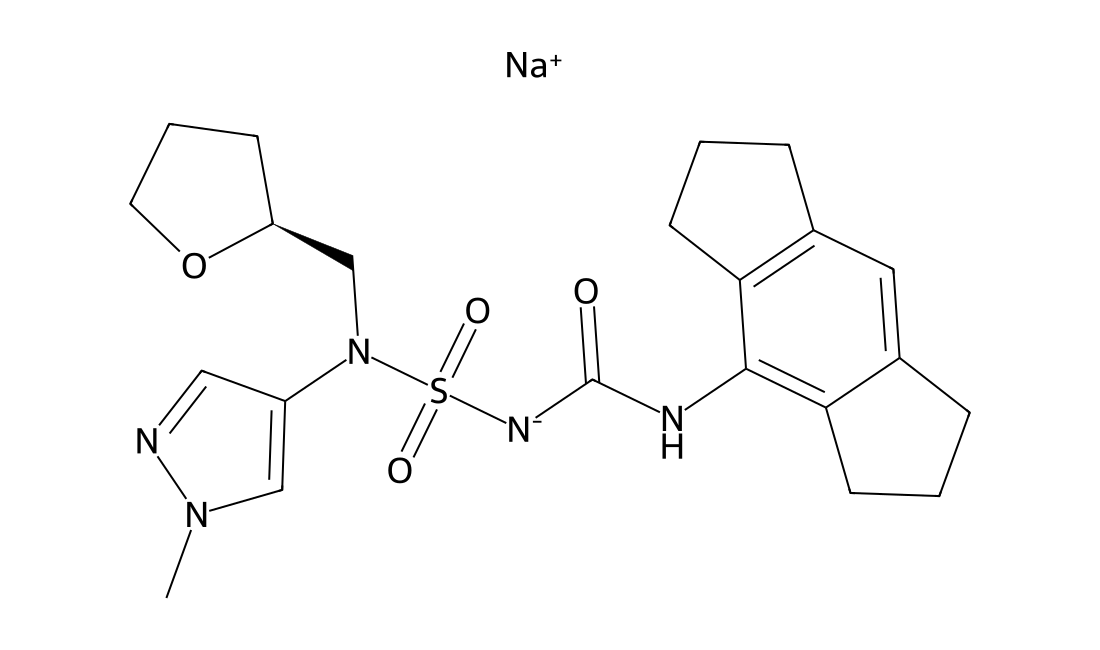
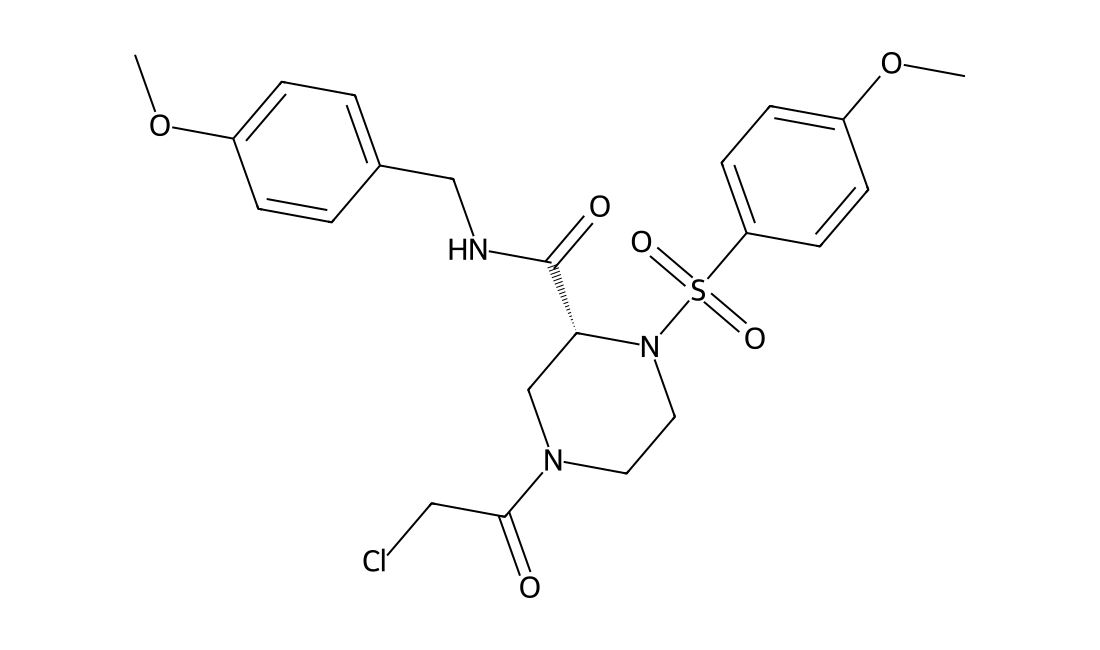
DC73881

(R)-SKBG-1

CAS 2955634-67-8

(R)-SKBG-1 is a covalent small molecule ligand of RNA-binding protein NONO, engages NONO Cys145 and suppress an array of cancer-relevant genes and impair cancer cell proliferation.

(R)-SKBG-1 chemical structure
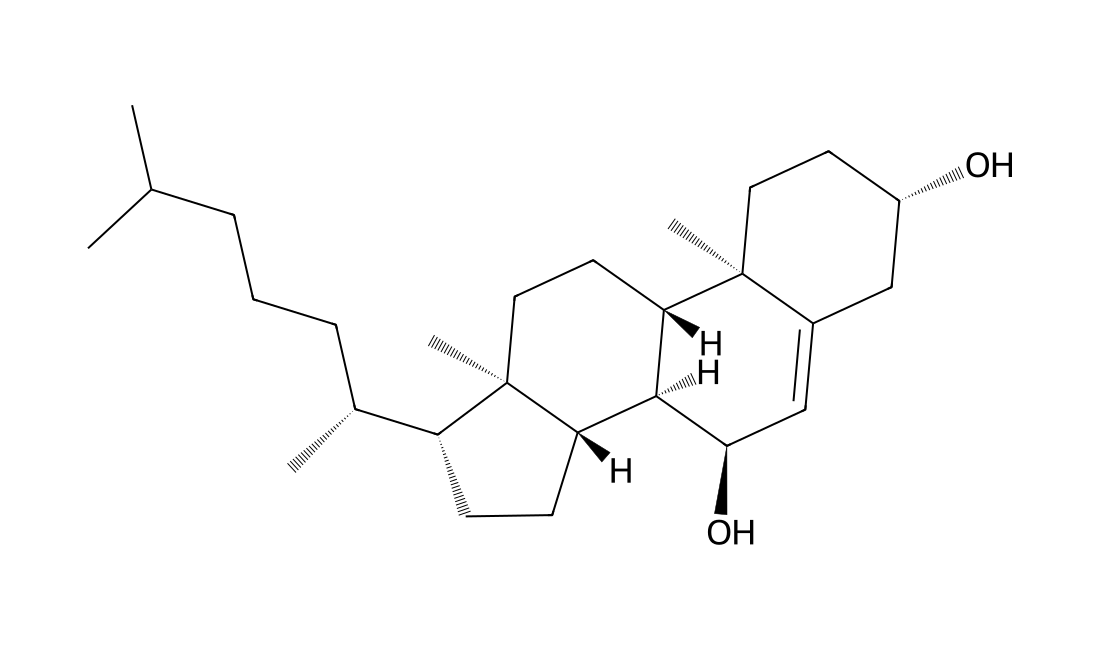
DC33613

INT-777

CAS 1199796-29-6

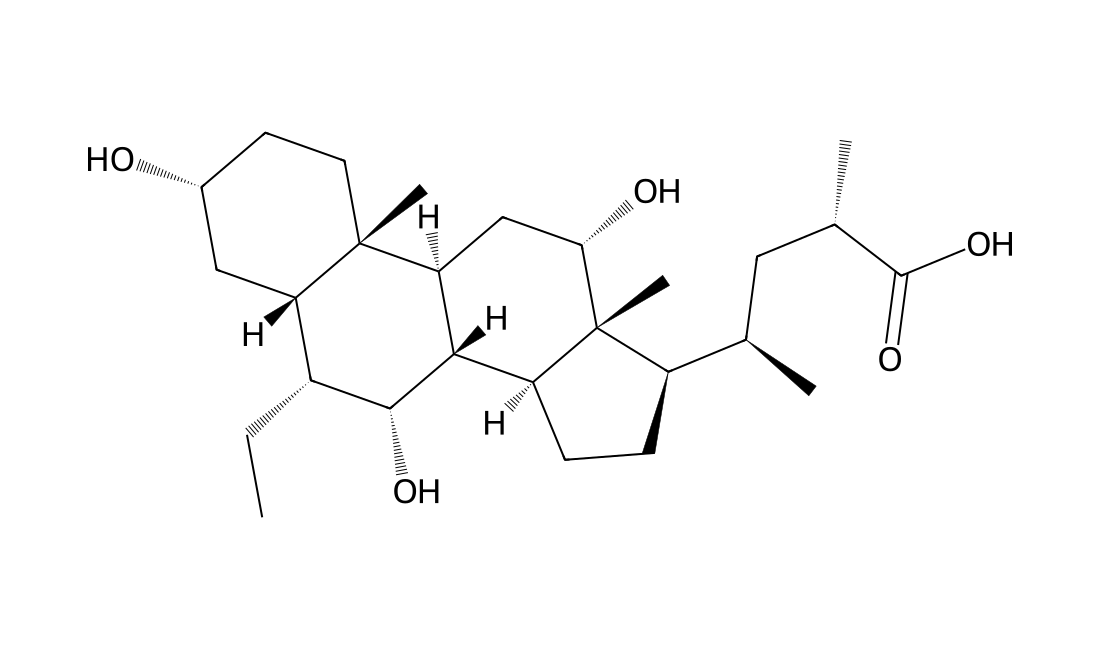
INT-777 is a semisynthetic bile acid that acts as an agonist of TGR5 (EC50 = 0.82 μM). INT-777 mitigates inflammatory response in human endometriotic stromal cells: A therapeutic implication for endometriosis.

INT-777 chemical structure
DC67045

Solriamfetol

CAS 178429-62-4

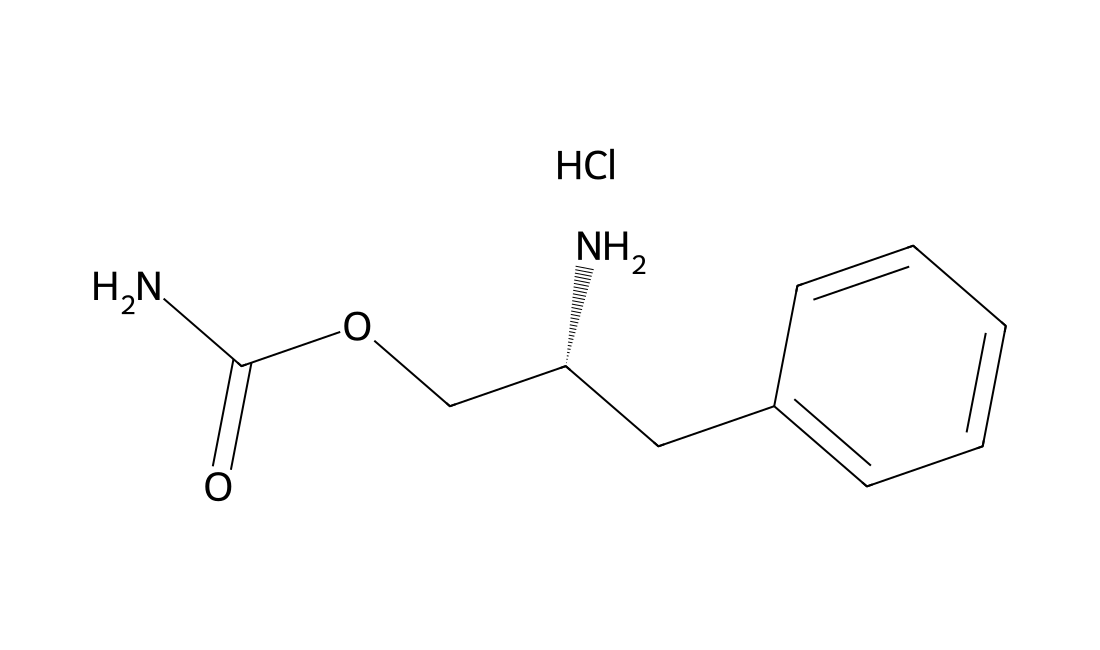
Solriamfetol (JZP-110) is a selective dopamine and norepinephrine reuptake inhibitor with robust wake-promoting effects. Solriamfetol binds to dopamine and norepinephrine transporters, so it can inhibit reuptake of dopamine and norepinephrine. Solriamfetol treatment significantly improves the ability to stay awake and subjective symptoms of excessive sleepiness in adults with narcolepsy.

Solriamfetol chemical structure
DC66889

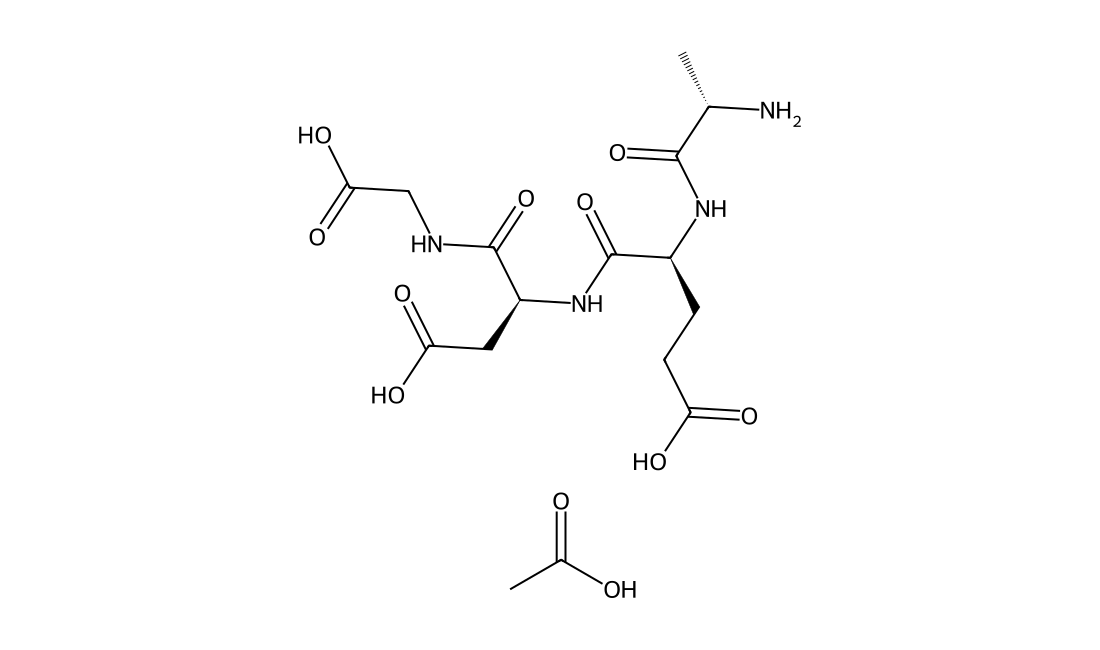
Epitalon acetate

CAS 307297-40-1

Epitalon acetate is a synthetic tetrapeptide with anti-aging properties. Epitalon acetate reduces levels of lipid peroxidation products, delays age-related estrous shutdown, and decreases the frequency of bone marrow cell chromosomal aberrations in female mice. It decreases spontaneous mammary gland and ovarian tumor development and metastasis in aged female mice. Epitalon also stimulates melatonin synthesis and normalizes the circadian rhythm.

Epitalon acetate chemical structure
DC65954

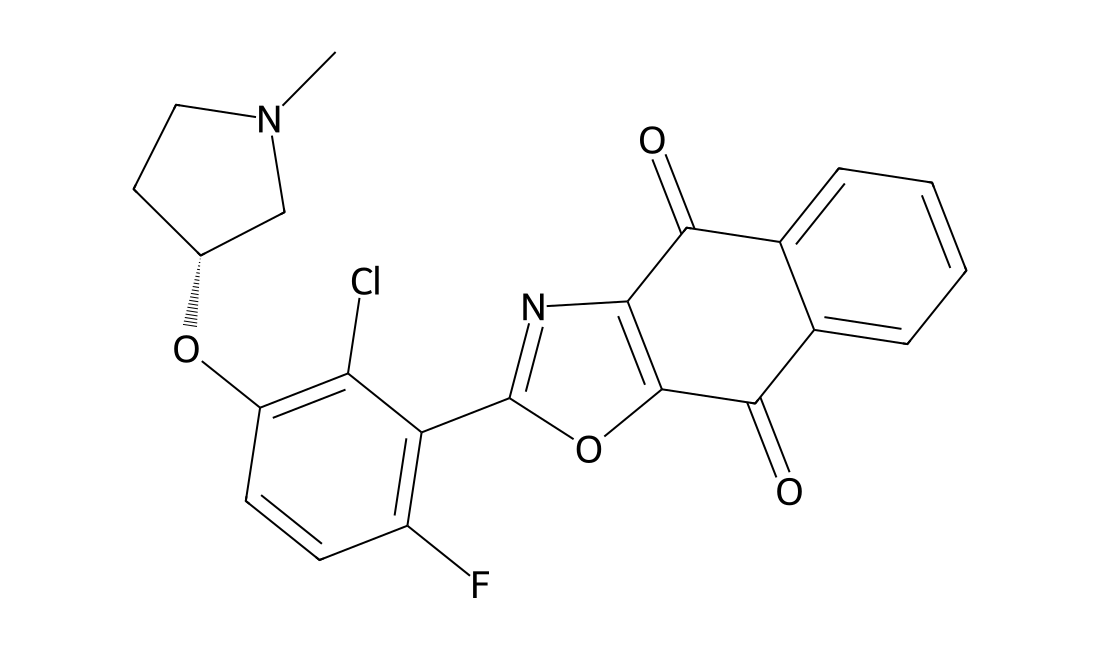
OTUB1/USP8 inhibitor 61

CAS 2858800-98-1

OTUB1/USP8-IN-1 is a potent dual OTUB1/USP8 inhibitor with IC50 values of 0.17 and 0.28 nM for OTUB1 and USP8, respectively. OTUB1/USP8-IN-1 can be used in research of cancer.

OTUB1/USP8 inhibitor 61 chemical structure
DC21454

P11

CAS 942285-55-4

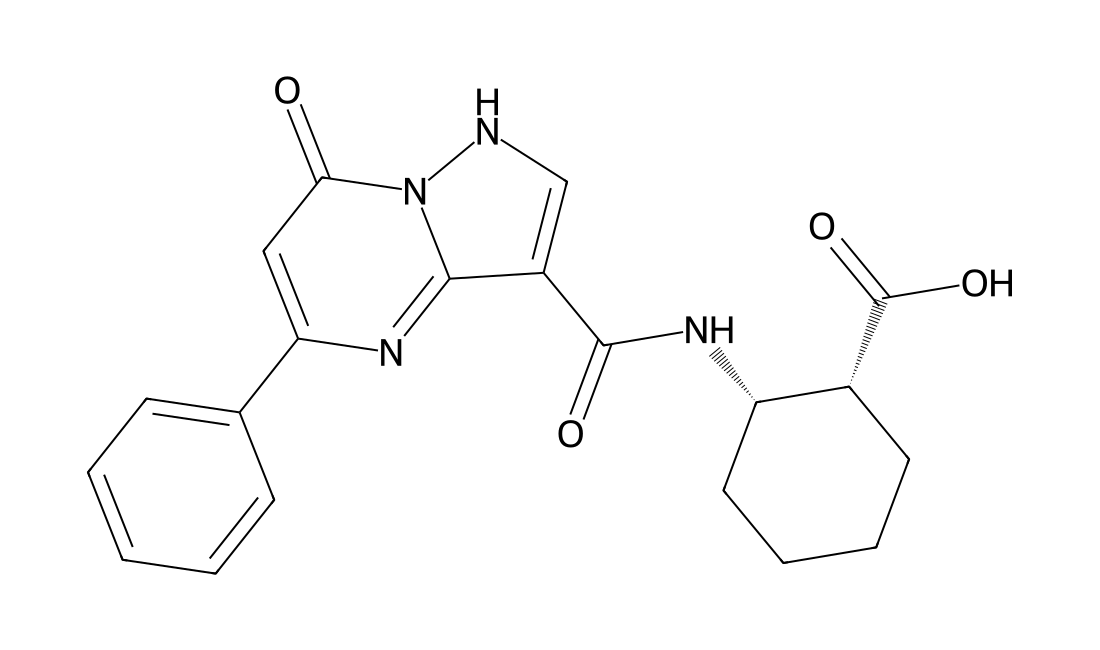
PAFAH inhibitor P11 (P11) is a potent, selective platelet-activating factor acetylhydrolases PAFAH1b2 and PAFAH1b3 inhibitor with IC50 of 40 nM and 900 nM respectively; blocks PAFAH1b2- and PAFAH1b3-mediated hydrolysis of the substrate PAF to lyso-PAF with IC50 values of 36 nM and 880 nM; impairs tumor cell survival; in situ-active and can be used to investigate the cellular functions of PAFAH1b2/3.

P11 chemical structure
DC66881

WNK1-IN-1

CAS 324022-39-1

WNK1-IN-1 is a selective inhibitor of WNK1 with an IC50 value of 1.6 μM. WNK1-IN-1 inhibits OSR1 phosphorylation with an IC50 value of 4.3 μM. WNK1-IN-1 can be used for the research of blood pressure regulation and cancer.

WNK1-IN-1 chemical structure
DC9431

TZ9

CAS 1002789-86-7

TZ9 is a novel inhibitor of Rad6 ubiquitin conjugating enzyme(E2 enzyme); inhibits MDA-MB-231 cell proliferation with IC50 of ~6 uM. The bulk of MDA-MB-231 cells treated with 10 μmol/L or more SMI #9 displayed a round morphology compared with controls and less than 5 μmol/L doses of SMI #9. Simultaneous comparison of SMIs #8 and 9 confirmed SMI #9 inhibits Matrigel-induced migration of MDA-MB-231 cells in a dose-dependent manner compared with SMI #8. 5 μmol/L SMI #9 treatment triggered morphologic changes consistent with apoptosis in a time-dependent manner. 5 μmol/L SMI #9 treatment of MDA-MB-231 cells for 24 hours increased the proportion of G2–M-arrested cells by 2-fold and was accompanied by a proportional decrease in S-phase cells. SMIs #8 or 9 treatments dramatically reduced β-catenin staining as visualized by reduced merged Rad6/β-catenin yellow fluorescence.

TZ9 chemical structure
DC36715

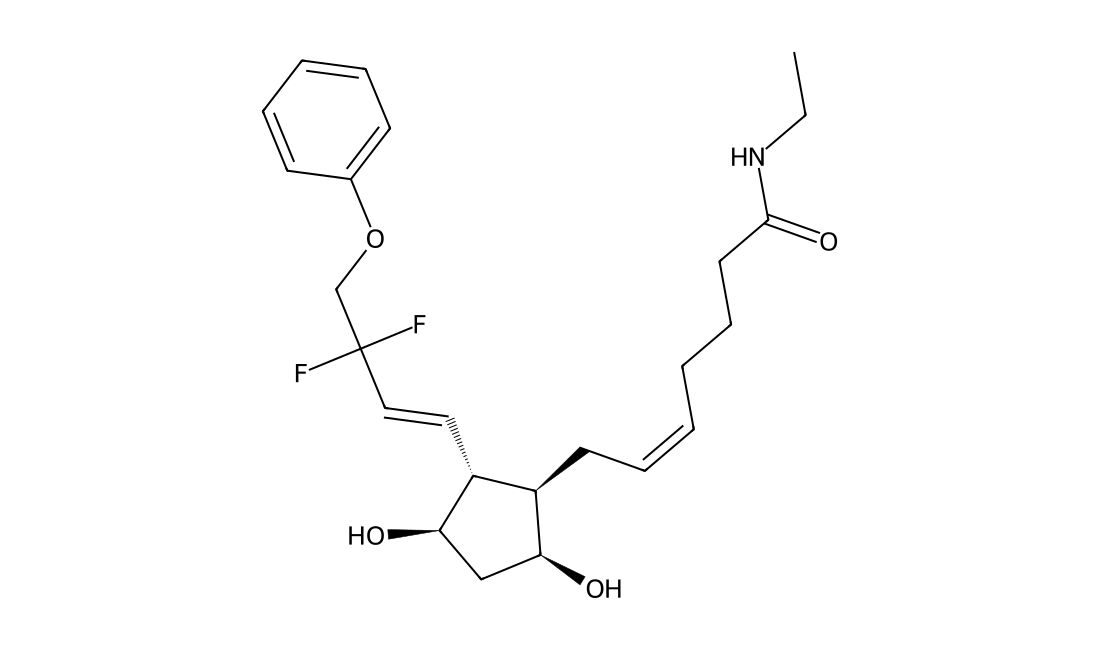
Taflpostamide(Tafluprost ethyl amide)

CAS 1185851-52-8

Tafluprost ethyl amide is a prostaglandin derivative. Tafluprost ethyl amide is capable of intraocular pressure (IOP) reduction and influencing eyelash growth. Tafluprost ethyl amide can be used in antiglaucoma ophthalmic compositions or cosmetics.

Taflpostamide(Tafluprost ethyl amide) chemical structure
DC71115

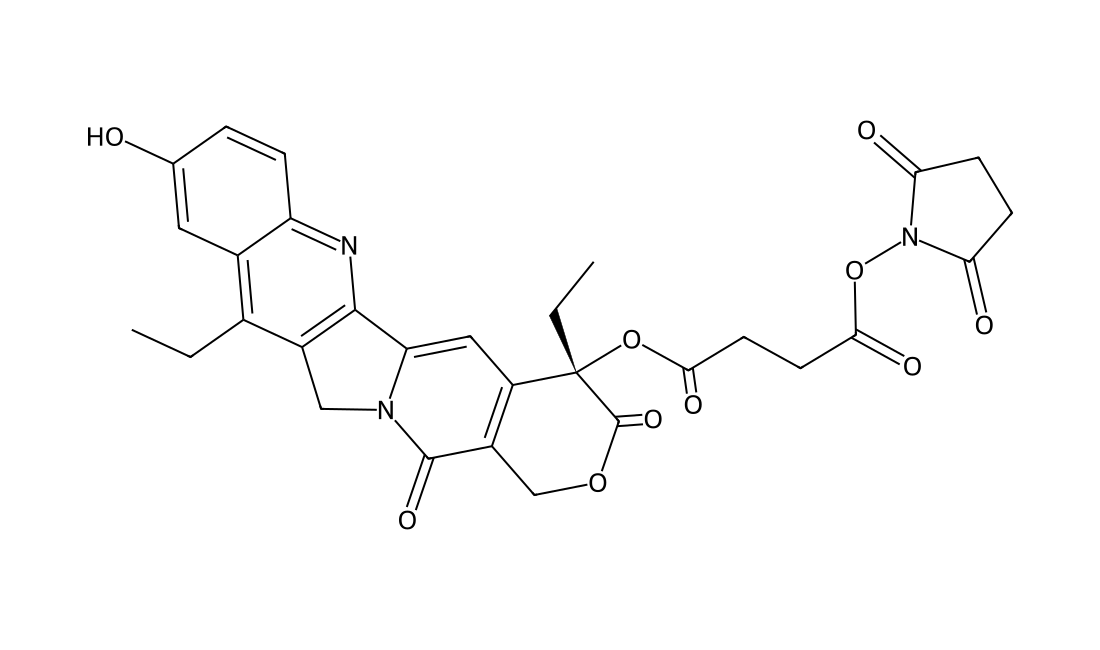
SN38 NHS ester

CAS 2400904-71-2

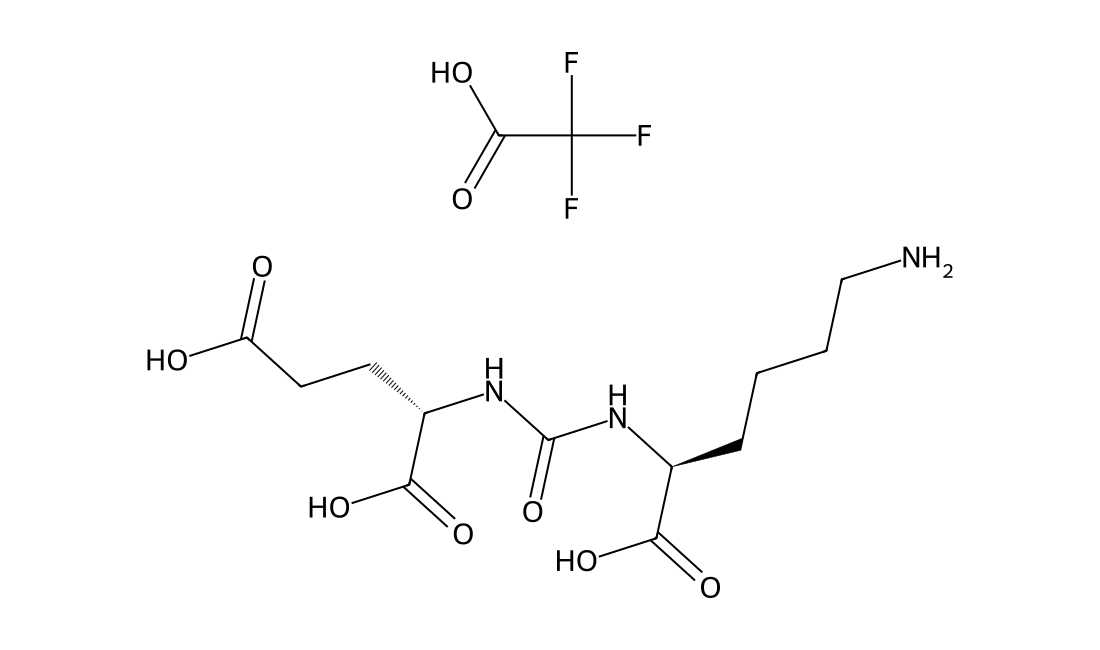
SN38 NHS ester is the NHS ester derivative of SN38. SN-38 is an active metabolite of the Topoisomerase I inhibitor Irinotecan. SN-38 inhibits DNA and RNA synthesis. SN38 NHS ester can be used for the synthesis of antibody-drug conjugates (ADCs).

SN38 NHS ester chemical structure
DC66700

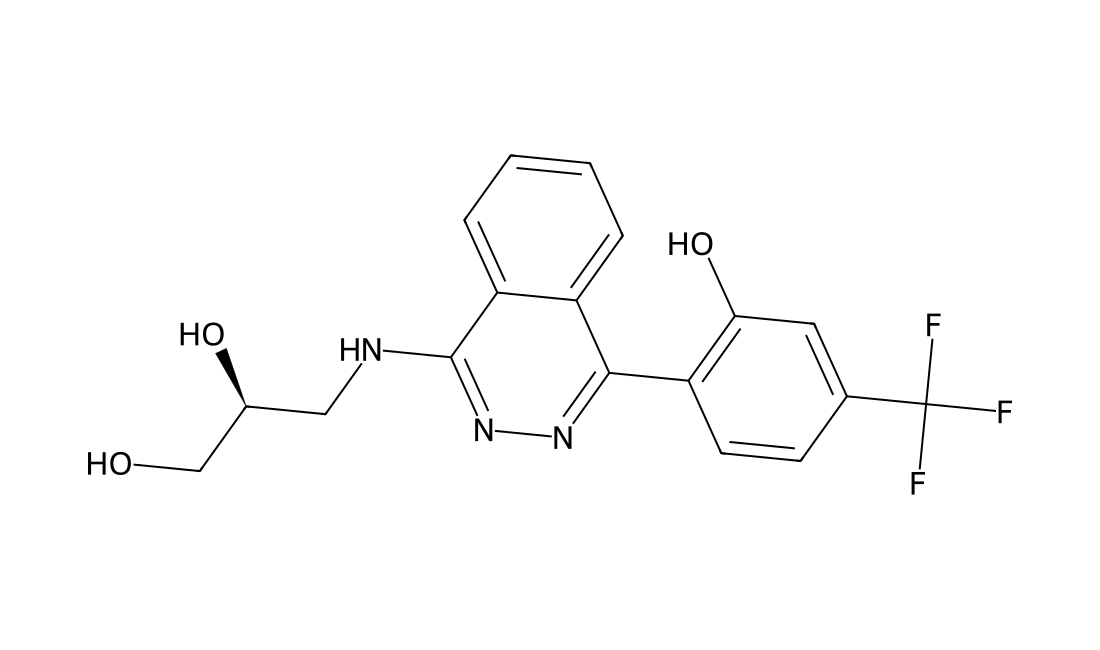
(S,R)-LSN3318839

CAS 2765539-92-0

(S,R)-LSN3318839 is the stereoisomer of LSN3318839 (HY-142162). LSN3318839 is an orally active positive allosteric modulator of the glucagon-like peptide-1 receptor (GLP-1R).

(S,R)-LSN3318839 chemical structure
DC42720

G140

CAS 2369751-07-3

G140 is a potent and selective inhibitor of cyclic GMP-AMP synthase (cGAS), with IC50s of 14.0 nM and 442 nM for h-cGAS and m-cGAS, respectively. G140 has anti-inflammatory activity.

G140 chemical structure
DC50265

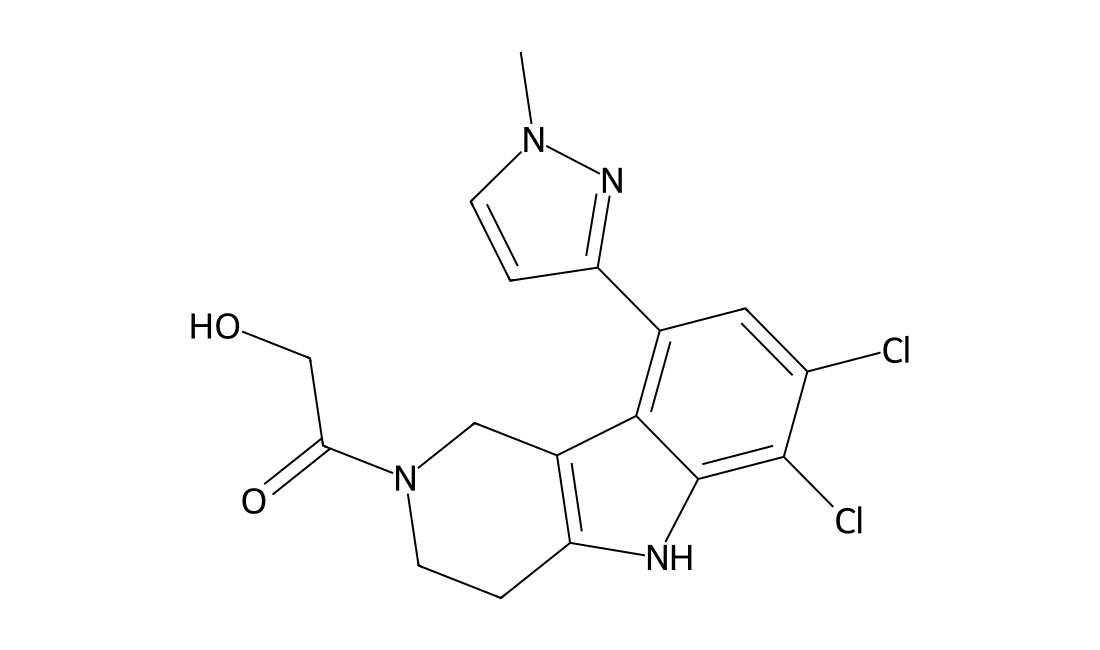
GDC-1971

CAS 2377352-49-1

GDC-1971 showed outstanding potency in biochemical and cell models, and it had a predicted human PK profile that suggested it would achieve target engagement at reasonable doses. GDC-1971 showed an IC50 below the limit of detection of the assay (≪0.001 μM), while that IC50 shifted to 0.17 μM in the same biochemical assay with the constitutively active E76K SHP2 mutant.

GDC-1971 chemical structure
DCC4236

Pradigastat

CAS 956136-95-1

Pradigastat (LCQ-908) is a potent, selective and orally active diacylglycerol acyltransferase 1 (DGAT1) inhibitor. Pradigastat has anti-obesity and anti-diabetic effects.

Pradigastat chemical structure
DC7227

PF-04620110

CAS 1109276-89-2

PF-04620110 is an orally active, selective and potent diglyceride acyltransferase-1 (DGAT1) inhibitor with IC50 of 19 nM.For the detailed information of PF-04620110, the solubility of PF-04620110 in water, the solubility of PF-04620110 in DMSO, the solubility of PF-04620110 in PBS buffer, the animal experiment (test) of PF-04620110, the cell expriment (test) of PF-04620110, the in vivo, in vitro and clinical trial test of PF-04620110, the EC50, IC50,and Affinity of PF-04620110, Please contact DC Chemicals.

PF-04620110 chemical structure
DC8058

T863

CAS 701232-20-4

T-863(DGAT-1 inhibitor) is an orally active, selective and potent DGAT1 (Acyl-CoA:diacylglycerol acyltransferase 1) inhibitor that interacts with the acyl-CoA binding site of DGAT1, and inhibits triacylglycerol synthesis in cells.IC50 value:Target: DGAT1T863 causes weight loss, reduction in serum and liver triglycerides, and improved insulin sensitivity in obese mice.

T863 chemical structure
Browse target & topic index A–Z (366)
11β-HSD (1)15-PGDH (2)5-HT Receptor (16)Acetyl-CoA Carboxylase (ACC) (3)Acetylcholinesterase (AChE) (2)Ack1 (TNK2) (1)Acyltransferase (1)ADC Cytotoxin (6)ADCs Linker/Click Chemistry (5)Adenosine Receptor (9)Adenylate Cyclase (2)Adrenergic Receptor (11)Akt (12)Alcoholism (2)Aldehyde Dehydrogenase (ALDH) (6)Allergy (5)Alzheimer Disease (13)Aminopeptidase (1)AMPK (8)Amyloids (4)Anaplastic Lymphoma Kinase (ALK) (9)Androgen Receptor (AR) (11)Anemia (4)Angiotensin Receptor (4)Antibody/Protein labeling dyes (1)Antifolate (2)Anxiety (1)Apoptosis Inducer (3)Arginase (1)Arp2/3 complex (1)Aryl hydrocarbon Receptor (AhR) (1)Asthma (5)Atherosclerosis (2)ATM/ATR (8)Aurora Kinase (10)Autophagy (6)Autophagy-related Protein (Atg) (2)Autotaxin (2)Bacterial (26)Bacterial Infection (17)Bcl-2 (14)Bcr-Abl (5)BCRP (1)Beta-catenin (4)Beta-secretase (BACE) (4)Blood Cancer (91)BMI-1 (1)Bone Cancer (6)Brain Cancer (6)Breast Cancer (30)Bromodomain (22)BTK (10)c-Fms (CSF1R) (5)c-Fos/AP-1 (1)c-Kit (6)c-Met (HGFR) (11)c-Myc (2)Calcium Channel (4)Calcium-sensing Receptor (CaSR) (1)CaMK (4)Cannabinoid Receptor (6)Carbonic Anhydrase (1)Carboxypeptidase (1)Casein Kinase (6)Caspase (4)Cathepsin (6)Cdc2-like Kinase (CLK) (1)CETP (2)CFTR (7)Checkpoint Kinase (Chk) (8)Chemokine Receptor (CCR and CXCR) (14)Chemotherapeutic Agents (19)Chloride Channel (1)CMV (2)CMV Infection (2)Colon Cancer (9)Complement System (1)COPD (3)CREB/CBP (2)CRF Receptor (2)CRISPR/Cas9 (1)Cushing Disease (1)Cyclin-dependent Kinase (CDK) (39)Cyclooxygenase (COX) (4)Cytochrome P450 (CYPs) (5)Depression (2)Dermatitis (2)Deubiquitinase (DUB) (7)Diabetes (20)Dipeptidyl Peptidase (DPP) (3)Discoidin Domain Receptor (DDR) (1)DNA Alkylator/Crosslinker (10)DNA Methyltransferase (DNMT) (1)DNA Repair Protein (1)DNA-PK (2)DNA/RNA Synthesis (5)Dopamine beta-hydroxylase (1)Dopamine Receptor (7)Drug Metabolite (1)Drug-Linker Conjugates (11)Dyes (4)DYRK (1)Dyslipidemia (9)E3 Ligase Ligand (6)E3 Ligase Ligand-Linker Conjugate (1)E3 Ubiquitin Ligase (4)Ebola Virus Infection (1)EGFR (32)Elastase (2)Endothelin Receptor (5)Enzymes substrates (13)Epigenetic Reader Domain (3)Epilepsy (4)ERK (4)Estrogen Receptor/ERR (13)Eukaryotic Initiation Factor (eIF) (2)Exportin-1 (CRM1,XPO1) (2)FABP (1)Factor Xa (5)Farnesoid X Receptor (FXR) (5)Farnesyl transferase (FTase) (1)Ferroptosis (6)FGFR (20)Fibrosis (5)FLT3 (6)Focal Adhesion Kinase (FAK) (11)Foxo1 (1)Free Fatty Acid Receptor (FFAR) (5)Fungal (2)Fungal Infection (1)GABA Receptor (13)Galectin (1)Gastric Cancer (8)Ghrelin Receptor (GHSR) (3)Glucagon Receptor (4)Glucokinase (2)Glucose Transporter (GLUT) (2)Glutamate Transporter (2)GPCR (1)GPER (GPR30) (1)GPR139 (1)GPR183 (EBI2) (2)GPR39 (1)GPR55 (1)GPR84 (1)GRK (GPCRK) (2)Growth Hormone Deficiency (2)GSK-3 (8)Guanylate Cyclase (3)HBV (1)HBV Infection (1)HCN Channel (2)HCV (8)HCV Infection (9)HDAC (38)Heart Arrhythmia (2)Heart Failure (5)Heat Shock Protein (HSP) (15)Hedgehog (Hh) (1)HIF/HIF Prolyl-hydroxylase (8)Histamine Receptor (6)Histone Acetyltransferase (HAT) (5)Histone Demethylase (11)Histone Methyltransferase (HMTase) (31)HIV (12)HIV Infection (11)HMG-CoA Reductase (HMGCR) (3)HSV (1)HSV Infection (1)Hypercholesterolemia (1)Hyperparathyroidism (1)Hypertension (8)IAP (1)IGF-1R (3)iGluR (15)Indoleamine 2,3-Dioxygenase (IDO) (4)Infection (1)Influenza (6)Influenza Virus (6)Insulin Receptor (2)Integrin (6)Interleukin Receptor (1)IRAK (2)IRE1 (4)Irritable Bowel Syndrome (2)Ischemia (1)Isocitrate Dehydrogenase (IDH) (5)ITK (1)IκB kinase (IKK) (7)JAK (32)JNK (3)Keap1-Nrf2 (6)Kidney Cancer (10)Kinesin (5)Kruppel-like Factor (KLF) (1)Kynurenine 3-Monooxygenase (KMO) (1)Leukotriene Receptor (1)LIM Kinase (LIMK) (3)Lipids fragment (1)Liver Cancer (6)Liver X Receptor (LXR) (3)LRRK2 (9)Lung Cancer (39)Lysophospholipid Receptor (12)LYTACs (3)mAChR (9)MALT1 (2)MAP4K (1)Matrix Metalloproteinase (MMP) (10)MDM2-p53 (9)MEK (MAP2K) (14)MEKK (MAP3K) (1)Melanocortin Receptor (2)MELK (1)mGluR (7)MicroRNA (1)Microtubule/Tubulin (5)Mineralocorticoid Receptor (MLR) (1)MITF (1)Mixed Lineage Kinase (MLK) (3)MNK (2)Molecular Glues (21)Monoamine Transporter (5)Monocarboxylate Transporter (MCT) (1)Monopolar Spindle 1 (Mps1/TTK) (3)mTOR (13)Multiple Sclerosis (6)Myosin (1)Na-K-Cl Cotransporter (NKCC) (2)nAChR (2)NADPH Oxidase (NOX) (2)NAMPT (3)Natural products (37)Neprilysin (1)Neurokinin Receptor (3)Neuropeptide Y Receptor (3)NF-κB (5)Nitric Oxide Synthase (NOS) (1)NOD-like Receptor (NLR) (3)Notch (2)Nucleoside Antimetabolite/Analog (10)Nur77 (NR4A1) (1)Obesity (1)Oct3/4 (1)Opioid Receptor (5)Orexin Receptor (7)Osteoporosis (2)Ovarian Cancer (14)Oxytocin Receptor (OXTR) (2)P-glycoprotein (P-gp) (3)p21-activated Kinase (PAK) (1)P2X Receptor (2)P2Y Receptor (1)p38 MAPK (10)p97/VCP (1)Pain (12)Pancreatic Cancer (10)Parasite (5)Parasite Infection (2)Parkinson Disease (2)PARP (19)PCSK9 (1)PD-1/PD-L1 (4)PDGFR (4)PDK1 (2)PEGn (1)PERK (2)PGE synthase (2)Phosphodiesterase (PDE) (9)Phospholipase (4)PI3K (32)PI4K (2)Piezo Channel (1)PIKfyve (3)Pim (9)PKC (12)PKD (1)Plasminogen Activator Inhibitor-1 (PAI-1) (3)Polo-like Kinase (PLK) (4)Porcupine (3)Potassium Channel (13)PPAR (13)Pregnane X Receptor (PXR) (1)Progesterone Receptor (2)Prostaglandin Receptor (11)Prostate Cancer (7)PROTACs (35)Protease-activated Receptor (PAR) (3)Proteasome (12)Protein Disulfide Isomerase (PDI) (1)Protein Phosphatase/PTP (6)Proton Pump (1)Psoriasis (5)RAD51 (1)Radioligand precursors (15)Raf (18)RAR/RXR (3)Ras (17)Renin (2)RET Tyrosine Kinase (c-RET) (3)Rheumatoid Arthritis (16)Ribosomal S6 Kinase (RSK) (5)RIG-I-like Receptor (RLR) (2)RIP kinase (7)ROCK (12)ROR (2)RSV (4)RSV Infection (3)RUNX1-CBFβ (1)S-nitrosoglutathione reductase (GSNOR) (1)Saccharides and Glycosides (1)Salt Inducible Kinase (SIK) (2)SARS-CoV (16)SARS-CoV Infection (34)Schizophrenia (4)Sexual Dysfunction (1)SGLT (4)Sigma Receptor (4)Sirtuin (9)Skin Cancer (13)Sleep Disorder (7)SMN2 Modulator (1)Smoothened (Smo) (9)Sodium Channel (12)Solid Tumors (35)Somatostatin Receptor (2)Sphingosine kinase (SphK) (2)Src (7)STAT (5)Stearoyl-CoA Desaturase (SCD) (1)Steatohepatitis (7)Sterol lipids (1)STING (14)Syk (6)T Cell Receptor (TCR) (1)TAK1 (2)TAM Receptor (Tyro3-Axl-Mer) (4)Taste Receptor (1)Telomerase (2)TGF beta Receptor (TGFBR) (12)Thrombin (3)Thrombosis (13)Thyroid Cancer (1)Thyroid Hormone Receptor (THR) (1)Thyrotropin Receptor (2)TNIK (1)Toll-like Receptor (TLR) (2)TOPK (1)Topoisomerase (11)TRAIL (1)Translocator Protein (TSPO) (1)Trk Receptor (4)TRP Channel (13)Tryptophan Hydroxylase (TPH) (1)Ubiquitin-activating Enzyme (E1) (2)Ubiquitin-conjugating Enzyme (E2) (2)Ulcer (1)ULK (3)Vasopressin Receptor (2)VEGFR (25)Vitamin D Receptor (VDR) (3)Wee1 (1)WNK Kinase (1)Wnt (5)Yes-associated Protein (YAP) (4)γ-secretase (5)

Cart

Request quotation