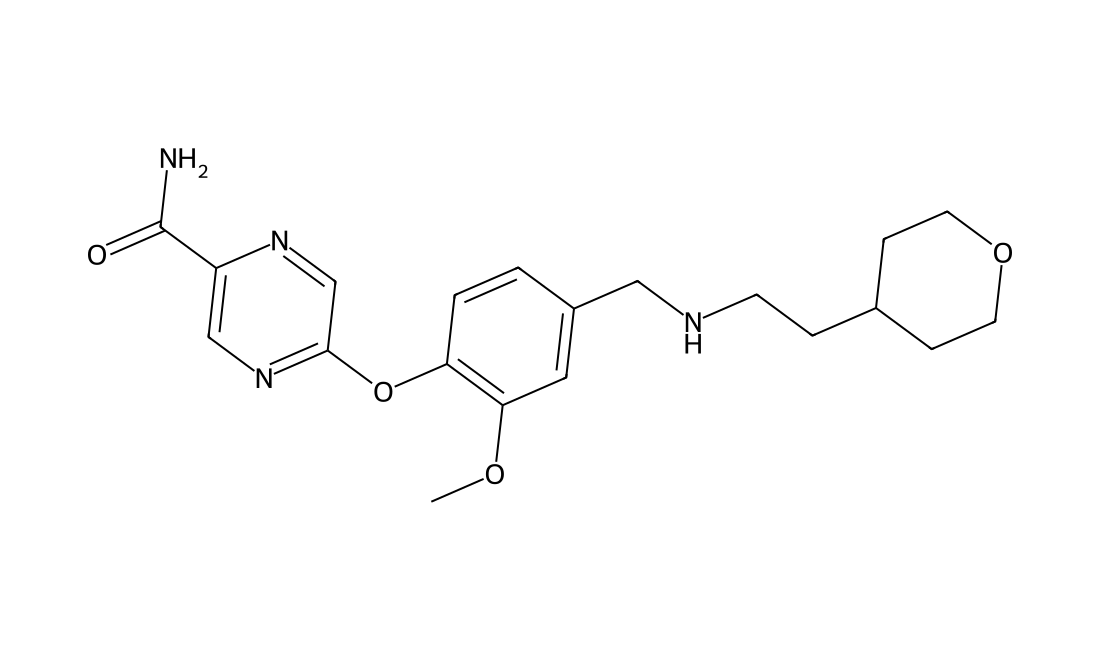
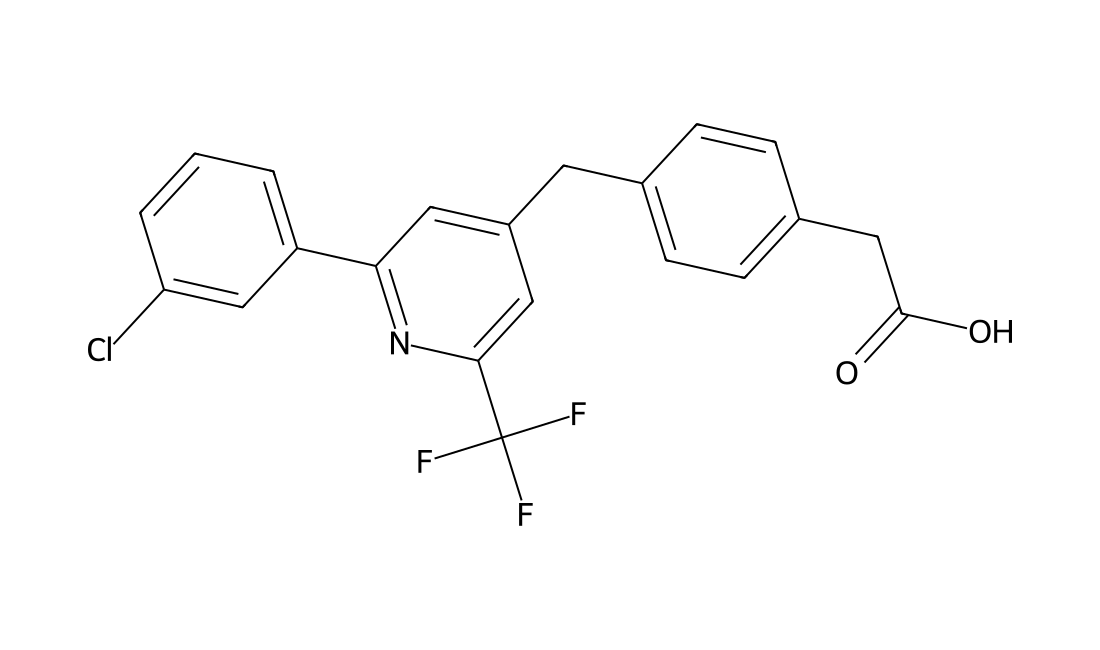
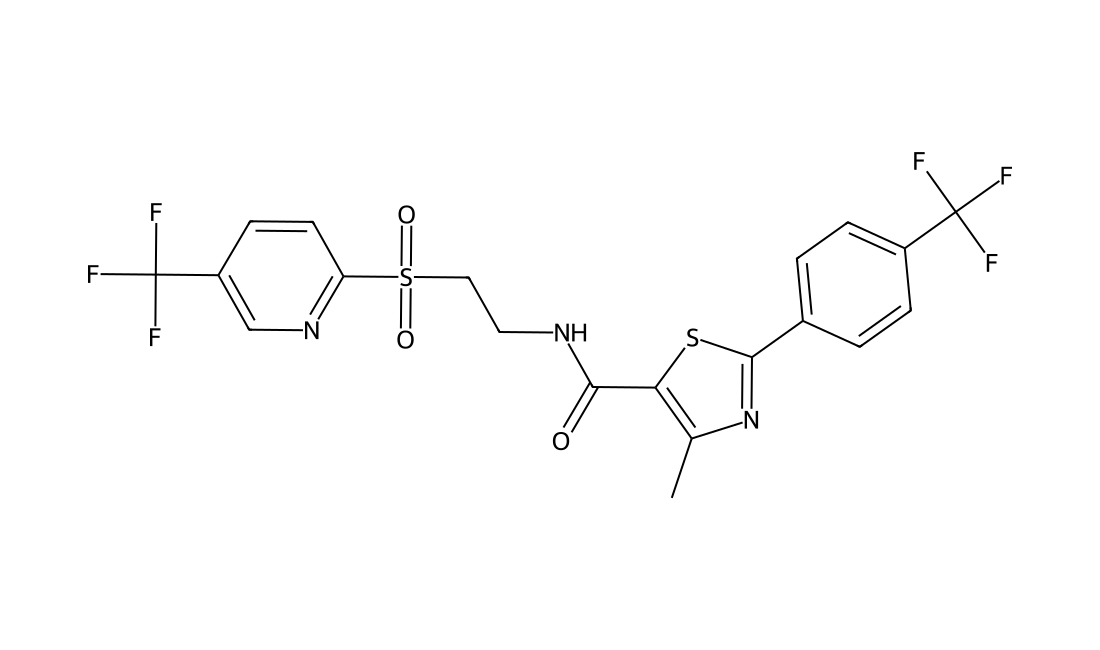
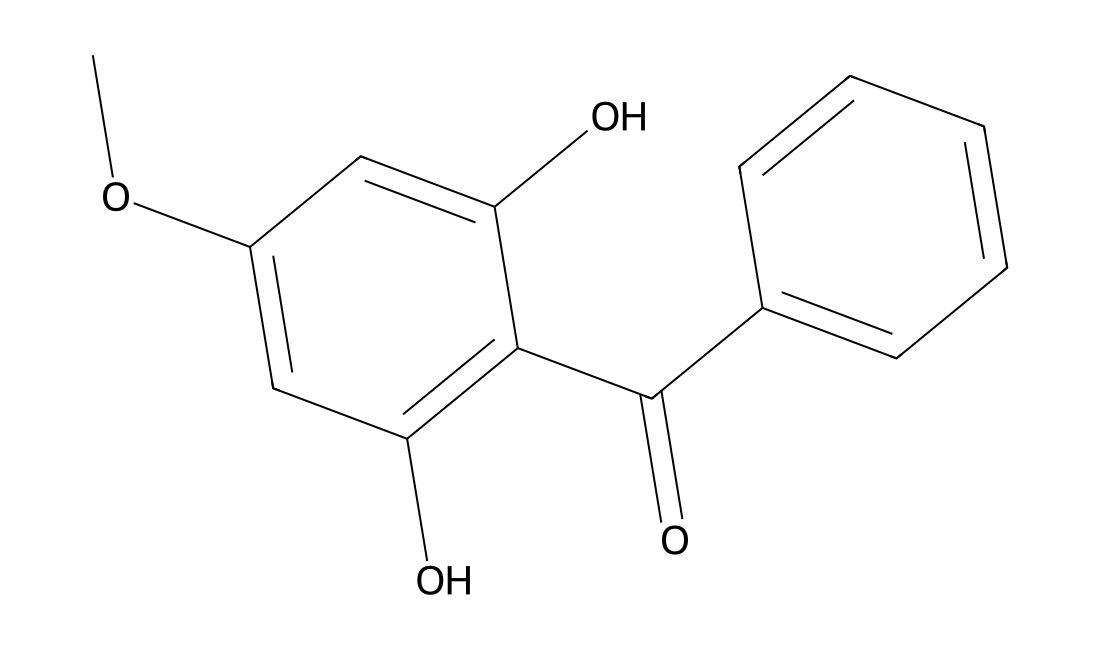
Small Molecule Research Tools

Explore bioactive compounds by research category, then narrow your search by target, product name, catalog number or CAS.

Newly added: LC-MG and OXF molecular glue research compounds →

6,823 products17 research categoriesBrowse all products ↓

Browse by research category

Products may appear in more than one category. Counts refer to distinct catalog numbers within each category.

Other Research Tools (75) · Additional reagents, building blocks and specialized research tools.

New literature-derived products

LC-MG-1 (DCA0006) · LC-MG-4 (DCA0007) · LC-MG-9 (DCA0008)

View structure and evidence summaries →

All small molecule products

Combine a keyword, research category and target to narrow the product list.

Loading catalog filters…

6,823 products · Showing 5,377–5,424

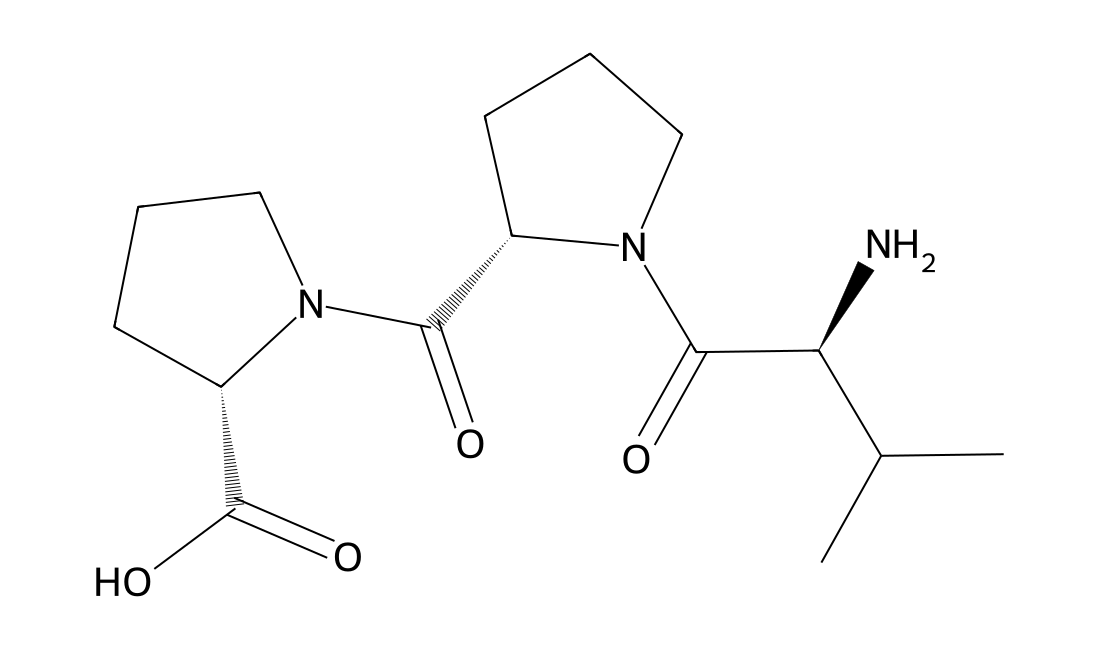
DC20081

H-Val-Pro-Pro-OH

CAS 58872-39-2

In Vitro H-Val-Pro-Pro-OH, a proline peptides derivative, could inhibit Angiotensin I converting enzyme (ACE), with an IC50 of 9 μM. H-Val-Pro-Pro-OH could enhance insulin sensitivity and prevent insulin resistance in 3T3-F442A pre-adipocytes. H-Val-Pro-Pro-OH also has anti-hypertensive and anti-inflammatory functions. H-Val-Pro-Pro-OH further enhances the expression of glucose transporter 4 (GLUT4) in adipocytes and restores glucose uptake in TNF-treated adipocytes.

H-Val-Pro-Pro-OH chemical structure
DC10304

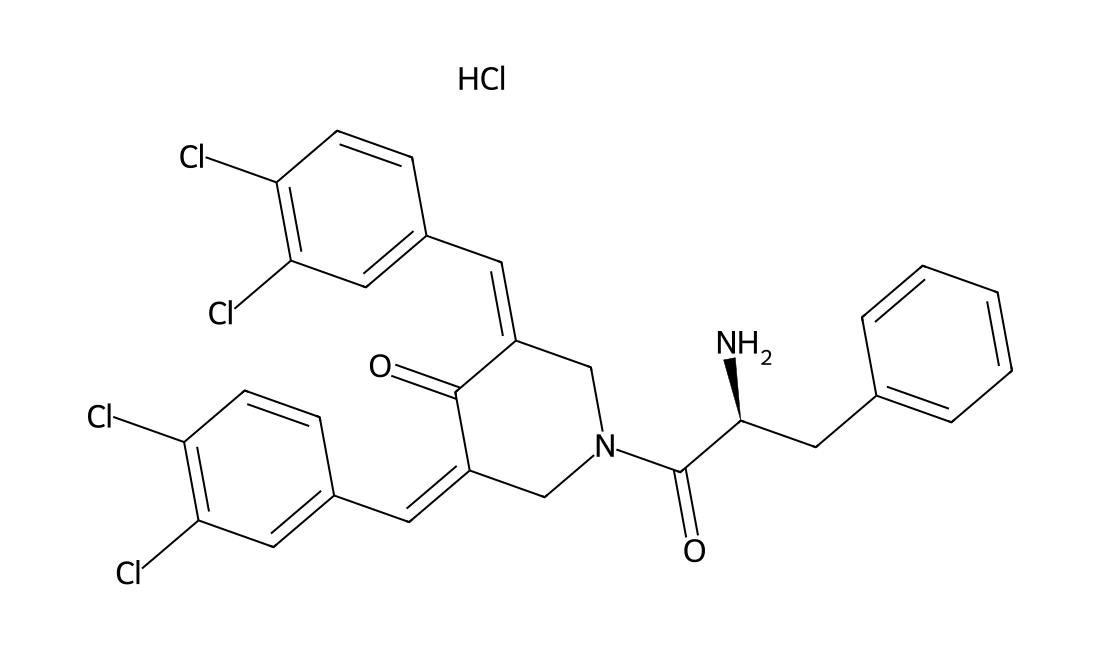
RA190

CAS 1617495-03-0

RA190 covalently binds to cysteine 88 of ubiquitin receptor RPN13 in the 19S regulatory particle and inhibits proteasome function, triggering rapid accumulation of polyubiquitinated proteins. Multiple myeloma (MM) lines, even those resistant to bortezomib, are sensitive to RA190 via endoplasmic reticulum stress-related apoptosis. RA190 stabilizes targets of human papillomavirus (HPV) E6 oncoprotein, and preferentially kills HPV-transformed cells.RA190 distributes to plasma and major organs excepting brain, and inhibits proteasome function in skin and muscle. RA190 administration profoundly reduces growth of multiple myeloma and ovarian cancer xenografts, and oral RA190 treatment retards HPV16+ syngeneic mouse tumor growth, without impacting spontaneous HPV-specific CD8+ T cell responses.

RA190 chemical structure
DC66716

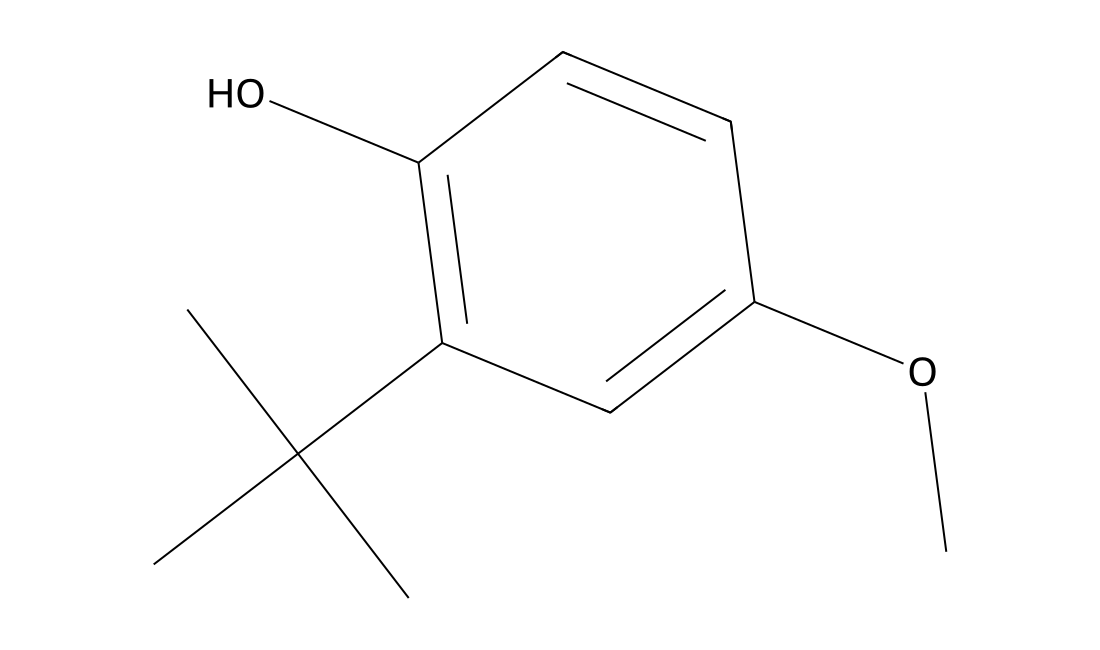
Butylhydroxyanisole

CAS 25013-16-5

Butylhydroxyanisole (Butylated hydroxyanisole) is an antioxidant used as a food additive preservative. Butylhydroxyanisole mediates liver toxicity, retardation in reproductive organ development and learning, and sleep deficit. Butylhydroxyanisole exerts neurotoxic effects and leads to disruption of the brain and nerve development. Butylhydroxyanisole is a ferroptosis inducer.

Butylhydroxyanisole chemical structure
DC66718

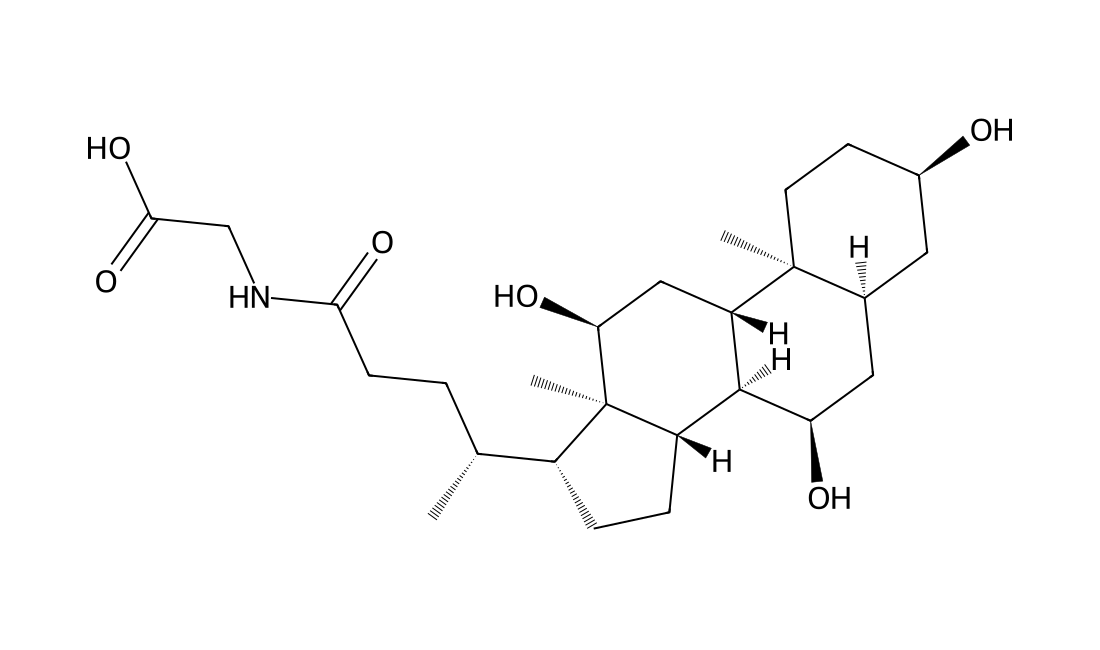
Glycocholic acid

CAS 475-31-0

Glycocholic acid is a bile acid with anticancer activity, targeting against pump resistance-related and non-pump resistance-related pathways.

Glycocholic acid chemical structure
DC66731

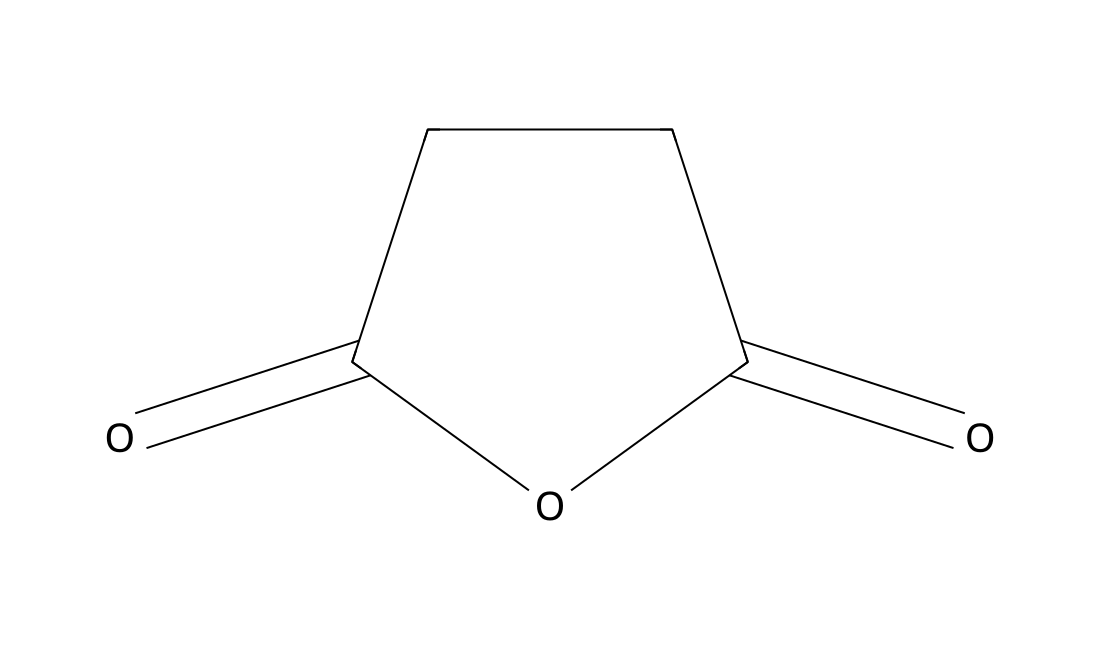
Succinic anhydride

CAS 108-30-5

Succinic anhydride is a cyclic anhydride and a nonclaevable ADC linker extracted from patent WO2009064913A1. Succinic anhydride can react with compound 4 of the patent to link the proagent to an amine or hydroxy 1 group of a targeting polypeptide.

Succinic anhydride chemical structure
DC37120

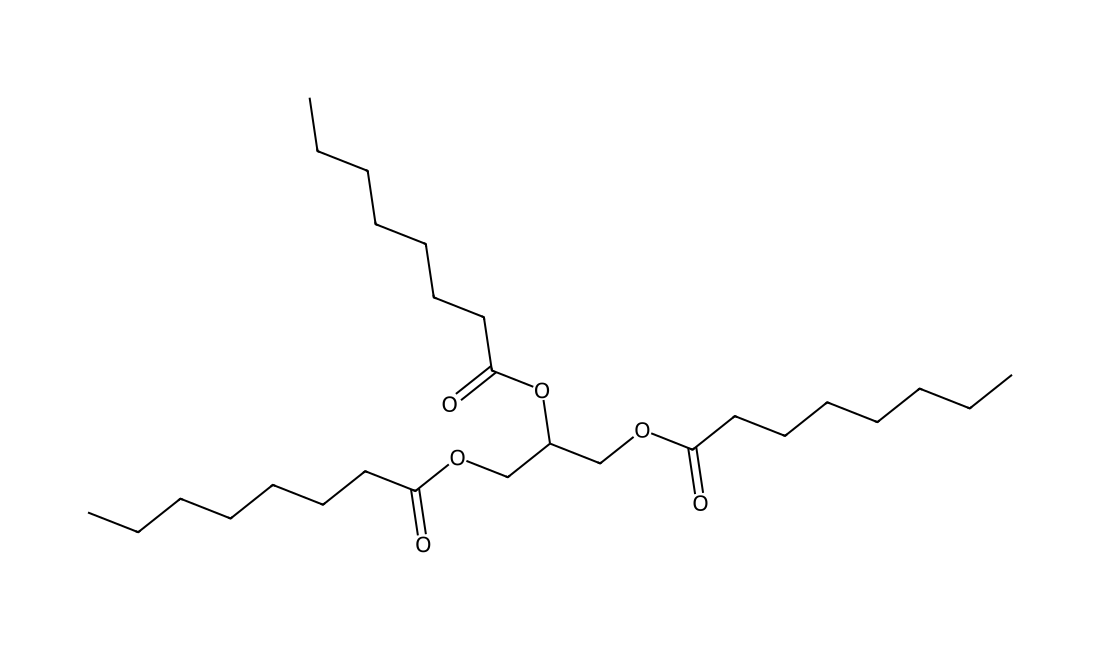
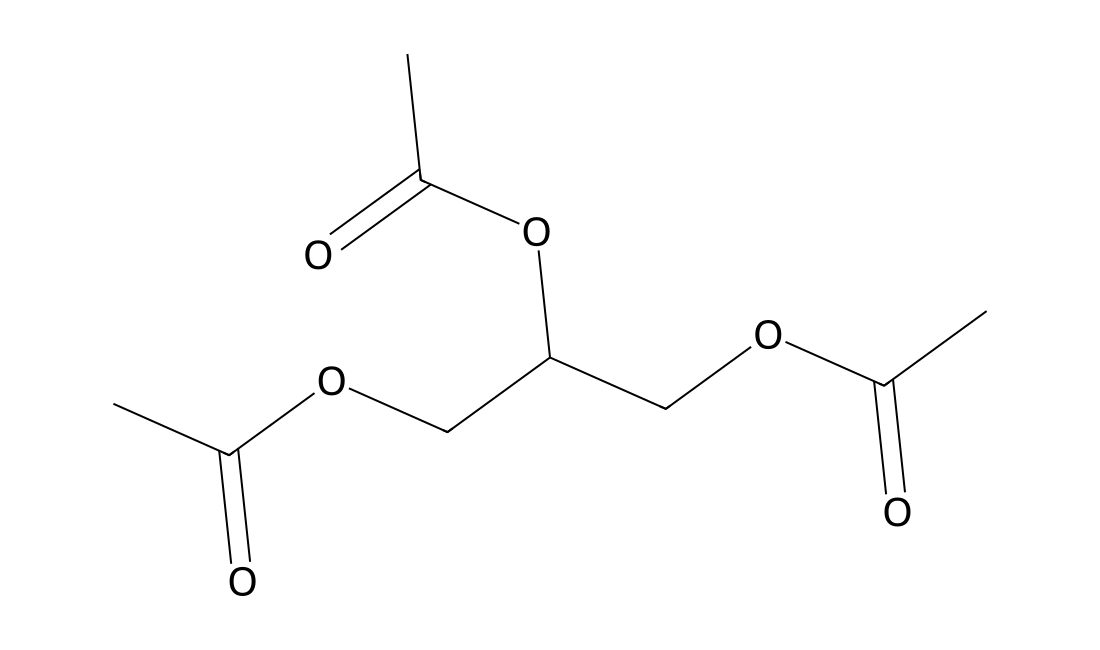
Triacetin

CAS 102-76-1

Triacetin, the triglyceride 1,2,3-triacetoxypropane is more generally known as triacetin and glycerin triacetate. It is the triester of glycerol and acetylating agents, such as acetic acid and acetic anhydride. It is an antifungal agent.

Triacetin chemical structure
DC60774

Monlunabant

CAS 2712480-46-9

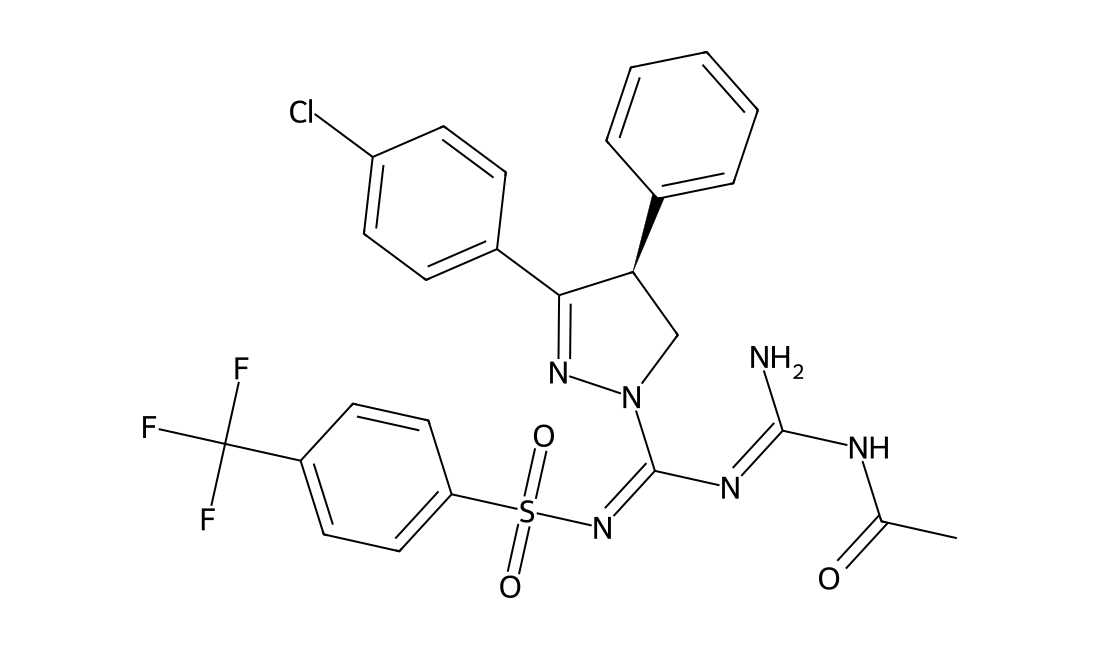
Monlunabant, also known as INV-202, is a potent CB1R inverse agonist. INV-202 reduced glomerular injury, preserved podocyte structure and function, reduced injury to PTECs, and ultimately reduced renal fibrosis in a streptozotocin-induced diabetic nephropathy mouse model.

Monlunabant chemical structure
DC7930

EI-1

CAS 1418308-27-6

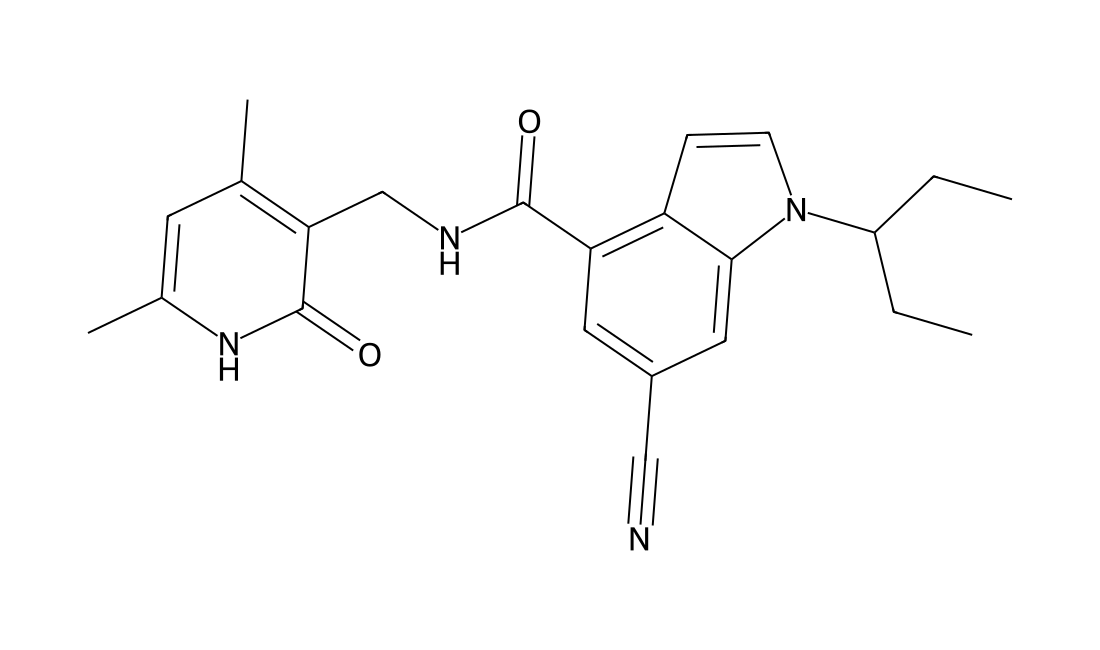
EI1 is a potent and selective small molecule inhibitor of EZH2 with IC50 values of 15 nM and 13 nM for wild type EZH2 and EZH2 Y641F mutant, respectively. IC50 Value: 15±2 nM (EZH2 wild type); 13±3 nM (EZH2 Y641F mutant type) For the detailed information of EI-1, the solubility of EI-1 in water, the solubility of EI-1 in DMSO, the solubility of EI-1 in PBS buffer, the animal experiment (test) of EI-1, the cell expriment (test) of EI-1, the in vivo, in vitro and clinical trial test of EI-1, the EC50, IC50,and affinity,of EI-1, Please contact DC Chemicals.

EI-1 chemical structure
DC33111

Tesofensine(NS-2330)

CAS 195875-84-4

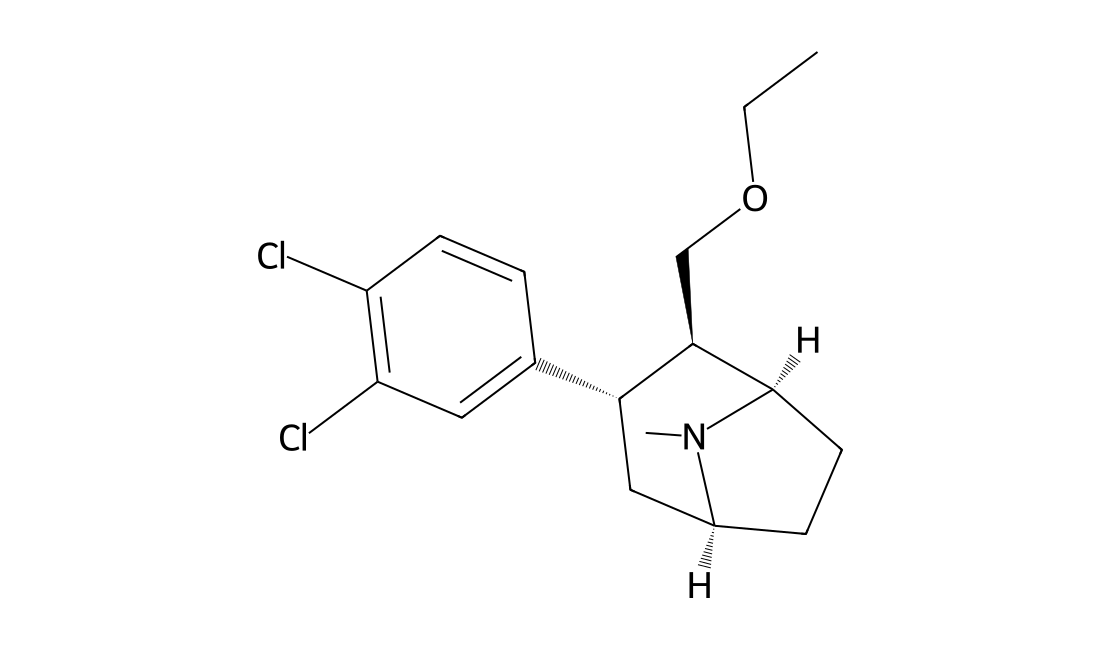
Tesofensine (NS-2330) is a triple monoamine reuptake inhibitor inducing a potent inhibition of the re-uptake process in the synaptic cleft of the neurotransmitters dopamine (DA; IC50=6.5 nM), norepinephrine (NE;IC50=1.7 nM), and serotonin (5-HT;IC50=11 nM), and with potentials as an anti-obesity agent. Tesofensine is a CNS acting anti-obesity agent.

Tesofensine(NS-2330) chemical structure
DC60748

Zatolmilast

CAS 1606974-33-7

Zatolmilast (BPN14770) is a selective phosphodiesterase 4D (PDE4D) allosteric inhibitor with IC50s of 7.8 nM and 7.4 nM for PDE4D7 and PDE4D3, respectively.

Zatolmilast chemical structure
DC60739

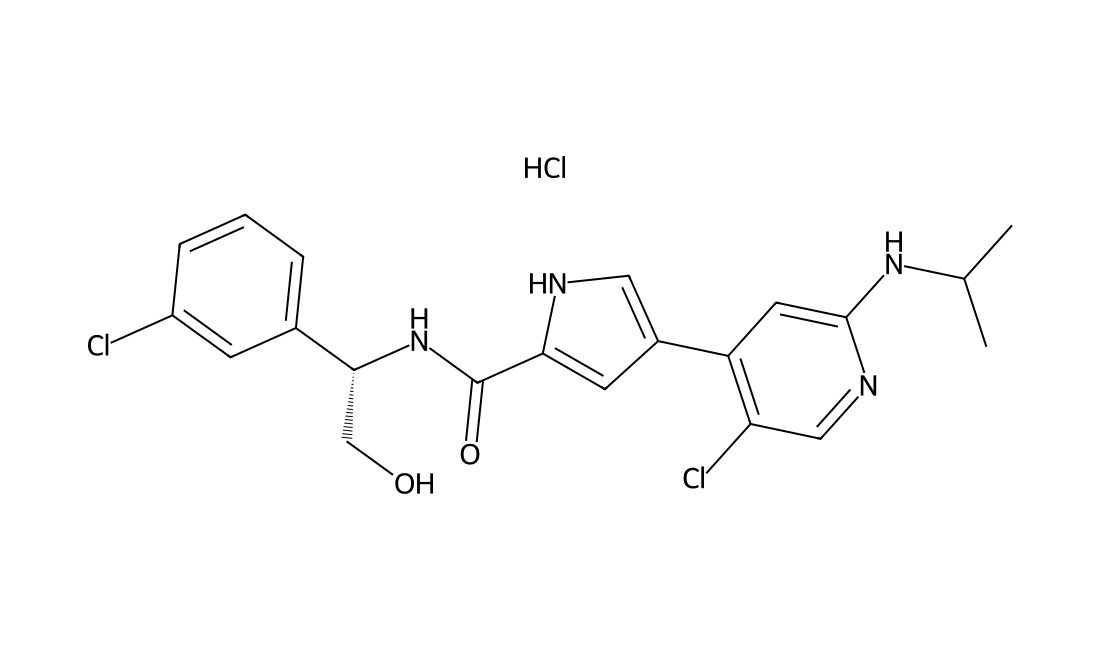
WAY-213613 hydrochloride

CAS 2450268-84-3

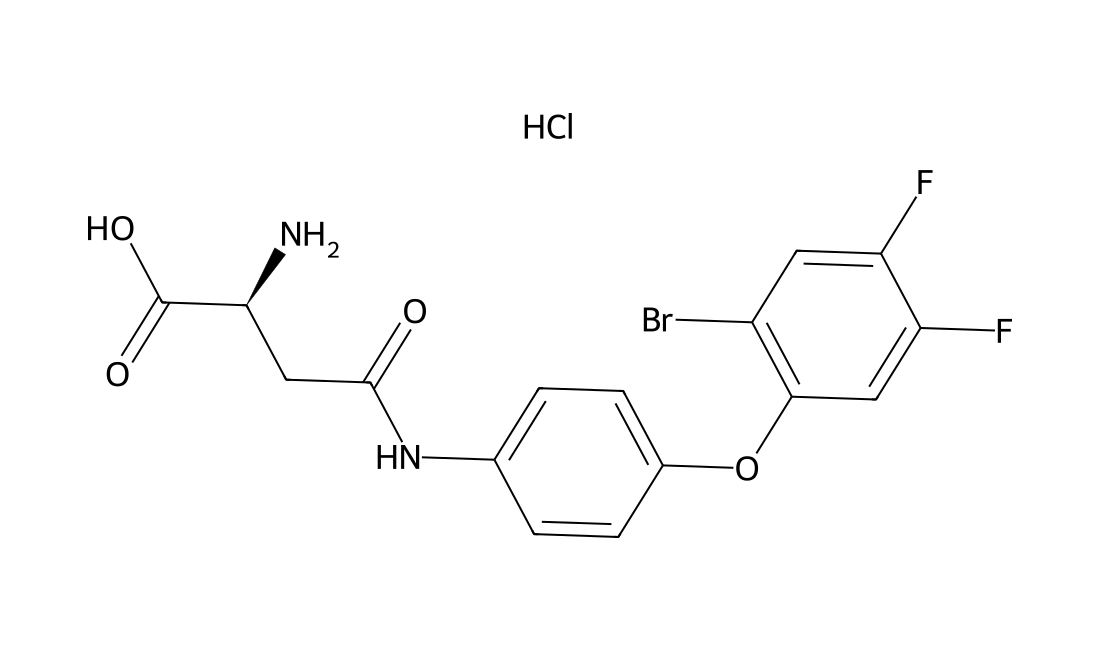
WAY-213613 (hydrochloride) is a potent and selective human EAAT2 inhibitor. WAY-213613 has potent EAAT2 inhibitory activity with an IC50 value of 85 nM. WAY-213613 can be used for the research of central nervous system.

WAY-213613 hydrochloride chemical structure
DC60738

ROCK inhibitor-2

CAS 1127308-52-4

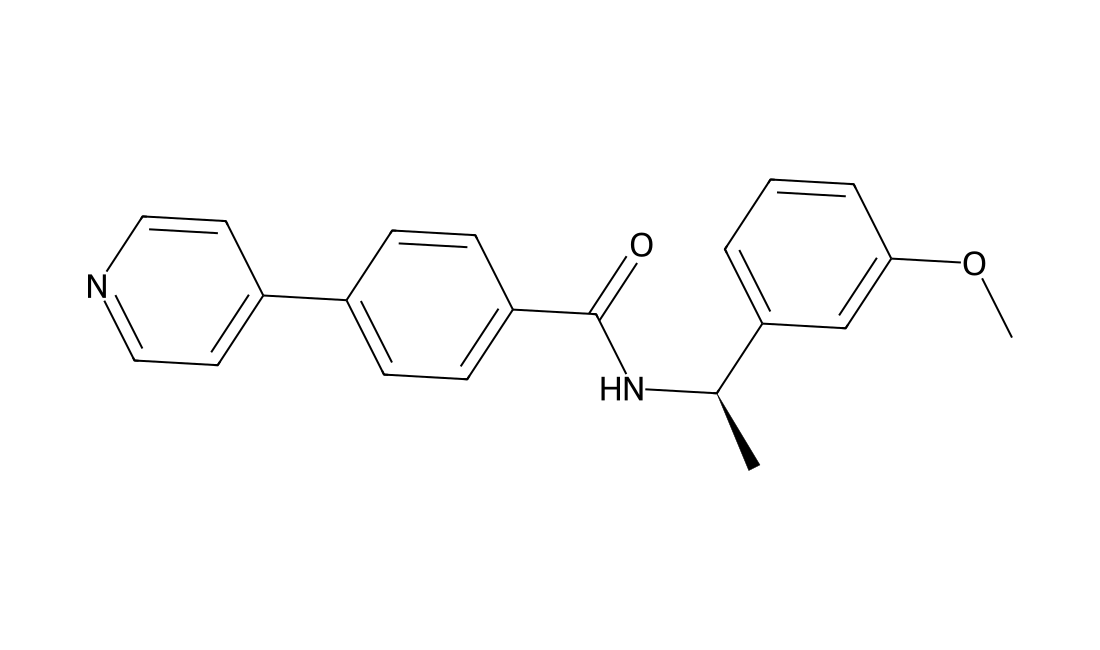
ROCK inhibitor-2 (compound 6) is a selective dual inhibitor of ROCK1 and ROCK2, with IC50 values of 160 nM and 21 nM, respectively. ROCK inhibitor-2 inhibits pMYPT1 with IC50 of 75 nM.

ROCK inhibitor-2 chemical structure
DC60735

ATP synthase inhibitor 1

CAS 1023043-30-2

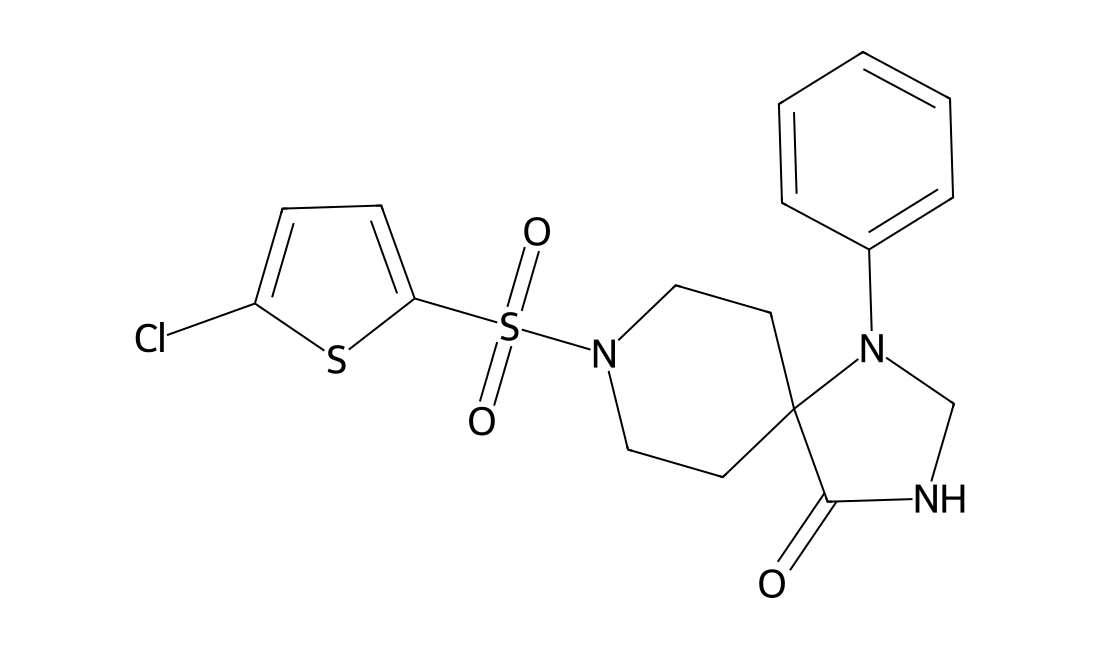
ATP synthase inhibitor 1 is a potent inhibitor of c subunit of the F1/FO-ATP synthase complex, inhibits mitochondrial permeability transition pore (mPTP) opening, does not affect ATP levels.

ATP synthase inhibitor 1 chemical structure
DC40870

Etalocib

CAS 161172-51-6

Etalocib (LY293111), an orally active leukotriene B4 receptor antagonist, inhibits the binding of [3H]LTB4, with a Ki of 25 nM. Etalocib (LY293111) prevents LTB4-induced calcium mobilization with an lC50 of 20 nM. Etalocib (LY293111) induces apoptosis.

Etalocib chemical structure
DC37910

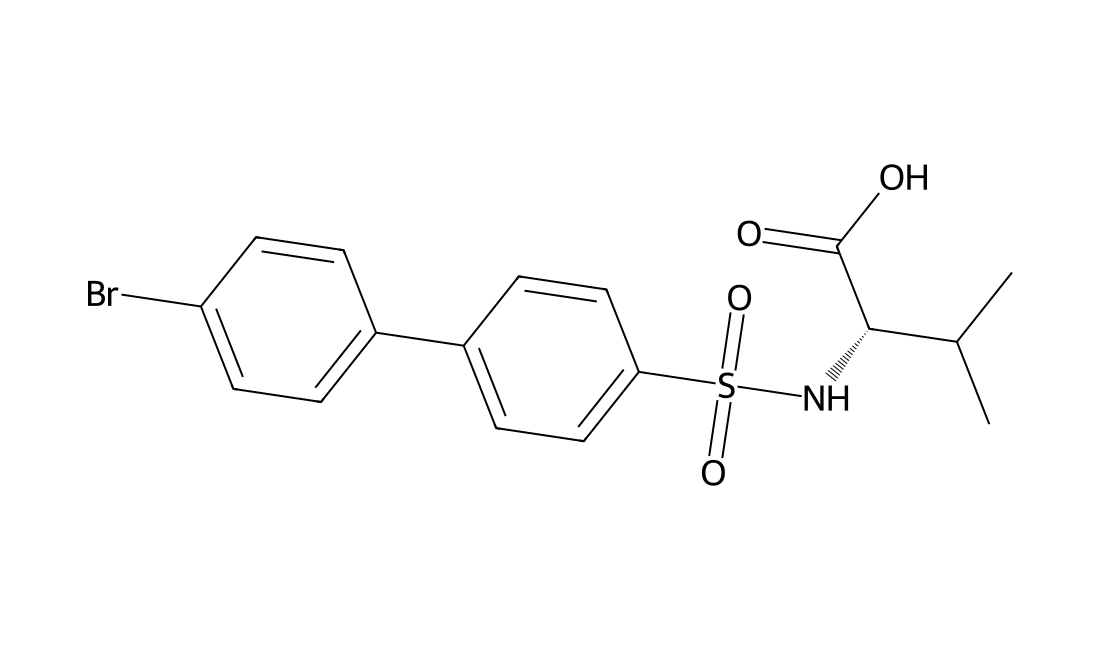
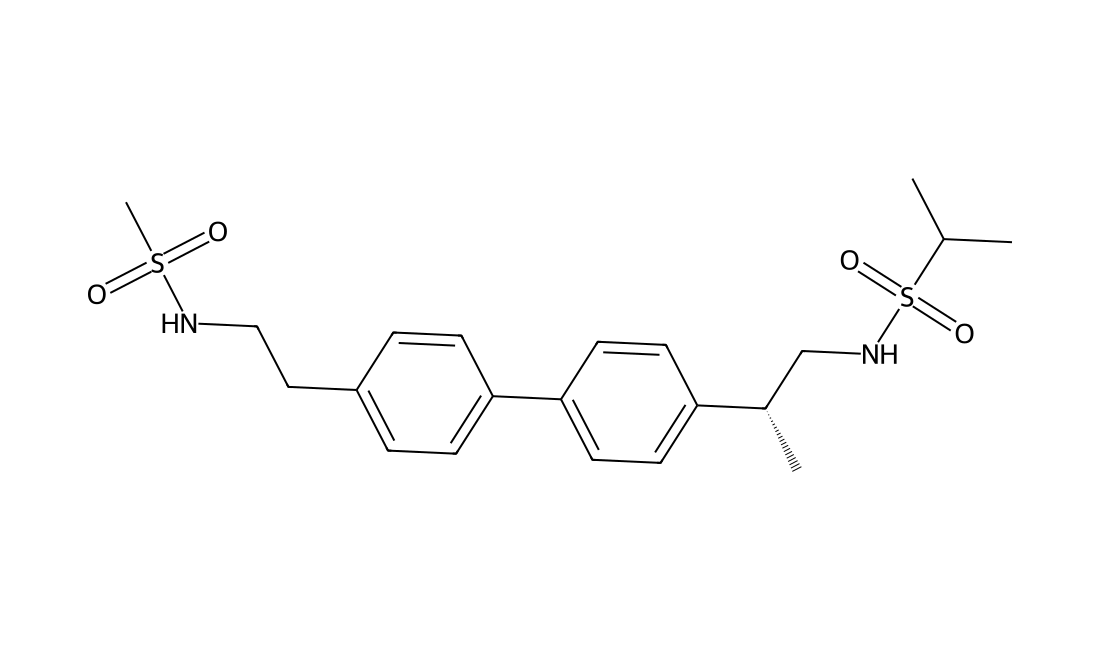
PD-166793

CAS 199850-67-4

PD-166793 is a cell-permeable biphenylsulfonylvaline compound that acts as a potent inhibitor against MMP-2, -3, and -13 (IC50 = 47, 12, and 8 nM, respectively) and a weaker inhibitor against AMP deaminase (20% inhibition at 0.1 μM), MMP-1, -7, -9, and -14 (IC50 = 6.1, 7.2, 7.9, and 0.24 μM, respectively). Shown to offer therapeutic benefits in vivo in various animal models of heart failure and diabetes.

PD-166793 chemical structure
DC21804

ML354

CAS 89159-60-4

ML354 (VU0099704) is a novel potent and selective PAR4 antagonist with IC50 of 140 nM, displays 71-fold selectivity versus PAR-1; also displays improved physical properties and is very amenable to future medicinal chemistry development.

ML354 chemical structure
DC21801

VU0155069

CAS 1130067-06-9

VU0155069 is a potent, selective phospholipase D1 (PLD1) inhibitor with IC50 of 46 nM, 20-fold selectivity over PLD2 (IC50=933 nM); sensitizes MCF7 and MDA-MB-231 breast cancer cells to doxorubicin-induced cytotoxicity, suppresses growth of colorectal cancer activated by the Wnt/β-catenin and PI3K signaling pathways.

VU0155069 chemical structure
DC33535

NMS-E973

CAS 1253584-84-7

NMS-E973 is a novel, selective and potent inhibitor of heat shock protein 90 (Hsp90). NMS-E973 displays significant efficacy in a human ovarian A2780 xenograft tumor model, with a mechanism of action confirmed in vivo by typical modulation of known Hsp90 client proteins, and with a favorable pharmacokinetic and safety profile. The efficacy profile of NMS-E973 suggests a potential for development in different clinical settings, including tumors that have become resistant to molecular targeted agents, particularly in cases of tumors which reside beyond the blood-brain barrier (BBB).

NMS-E973 chemical structure
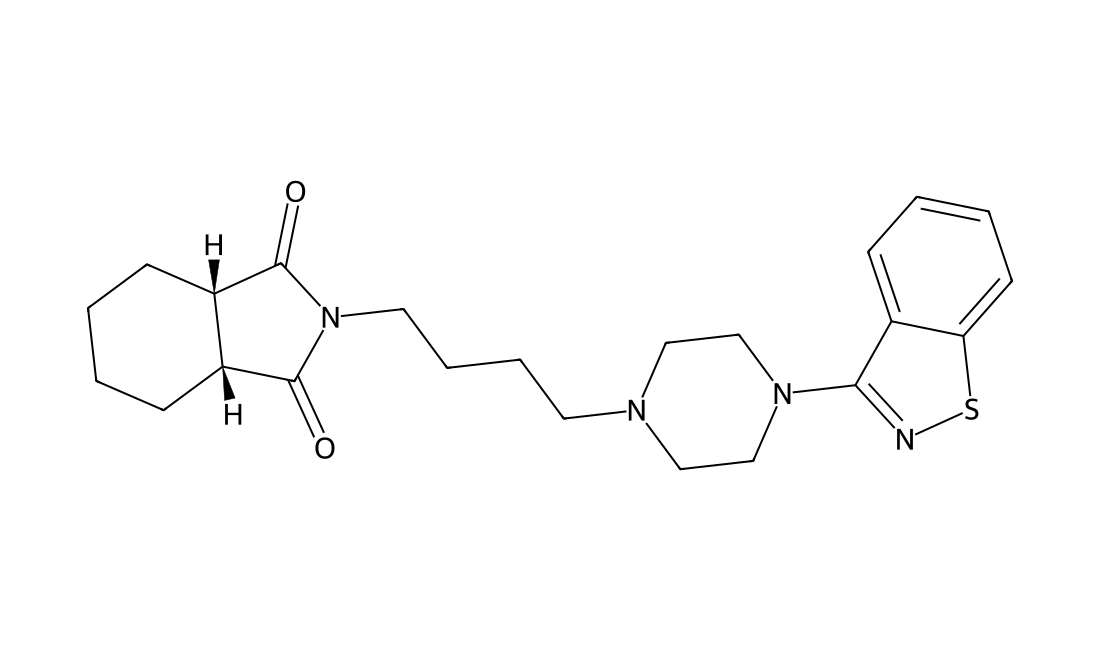
DC29051

Perospirone

CAS 150915-41-6

Perospirone (SM-9018 free base) is an orally active antagonist of 5-HT2A receptor (Ki=0.6 nM) and dopamine D2 receptor (Ki=1.4 nM), and also a partial agonist of 5-HT1A receptor (Ki=2.9 nM). Perospirone is an atypical antipsychotic drug and has the potential for schizophrenic disease treatment.

Perospirone chemical structure
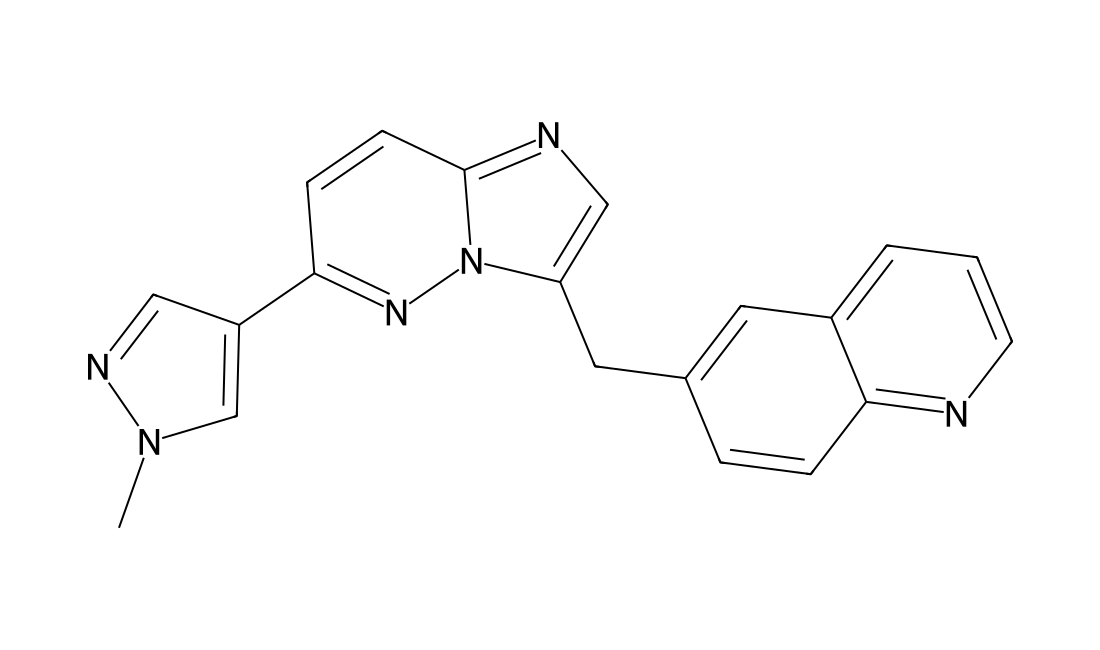
DC8743

NVP-BVU972

CAS 1185763-69-2

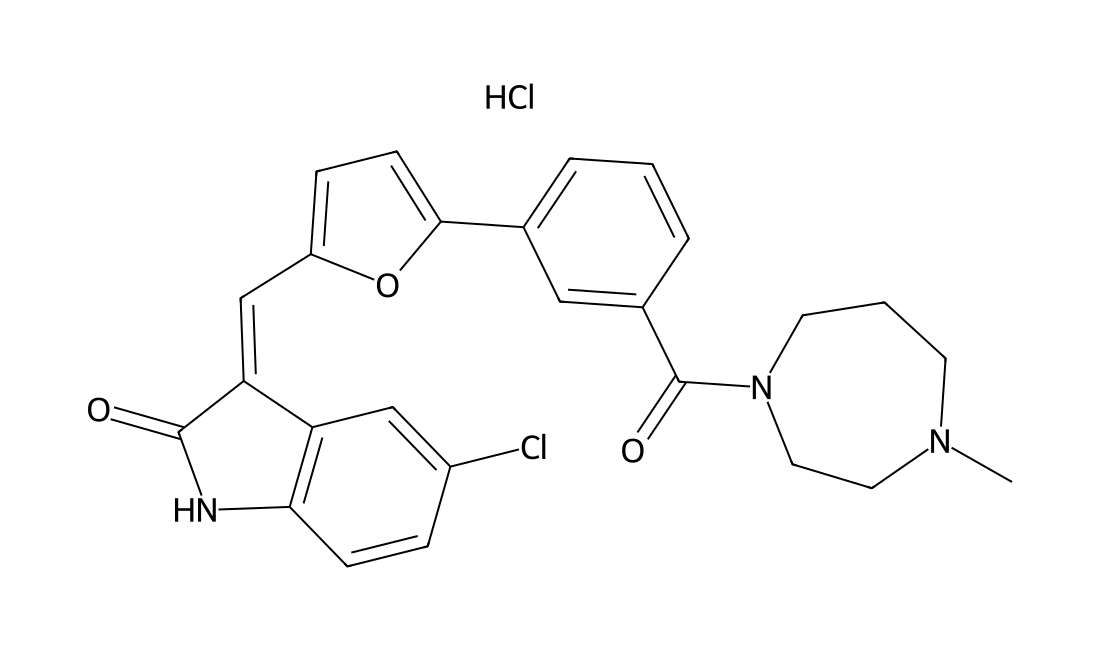
NVP-BVU972 is a selective and potent Met inhibitor (IC50 = 14 nM). Antitumor agents.NVP-BVU972 potently inhibits MET kinase but displays low inhibition against other kinases including the most closely related kinase RON with IC50 values of more than 1000 nM. NVP-BVU972 also suppresses constitutive MET phosphorylation in GTL-16 cells or HGF-stimulated MET phosphorylation in A549 cells with IC50 values of 7.3 nM and 22 nM, respectively. NVP-BVU972 potently prevents the growth of the MET gene amplified cell lines GTL-16, MKN-45 and EBC-1 with IC50 values of 66 nM, 82 nM and 32 nM, respectively. In line with their high frequency in the NVP-BVU972 screen, Y1230 and D1228 mutations give rise to dramatic shifts in the measured IC50 values for NVP-BVU972 in BaF3 cell line. Resistance triggered by V1155L is more limited to NVP-BVU972. A dose-dependent reduction in TPR-MET phosphorylation when applying NVP-BVU972 to BaF3 cells expressing wild-type TPR-MET. Both Y1230H and D1228A mutations abrogated the effect of NVP-BVU972 but not AMG 458. However, F1200I and L1195V interferes with the potency of NVP-BVU972 to prevent TPR-MET phosphorylation.

NVP-BVU972 chemical structure
DC73763

CC-11050

CAS 340019-69-4

Dovramilast (CC-11050) is a potent and orally active phosphodiesterase 4 (PDE4) inhibitor, CC-11050 is a promising candidate for host directed therapy of patients with pulmonary TB.

CC-11050 chemical structure
DC31417

BVD-523 hydrochloride

CAS 1956366-10-1

Ulixertinib, also known as BVD-523 and VRT752271, is an inhibitors of ERK protein kinase. Downmodulation of ERK protein kinase activity inhibits VEGF secretion by human myeloma cells and myeloma-induced angiogenesis. Upon oral administration, BVD-523 inhibits both ERK 1 and 2, thereby preventing the activation of ERK-mediated signal transduction pathways. This results in the inhibition of ERK-dependent tumor cell proliferation and survival. The mitogen-activated protein kinase (MAPK)/ERK pathway is often upregulated in a variety of tumor cell types and plays a key role in tumor cell proliferation, differentiation and survival.

BVD-523 hydrochloride chemical structure
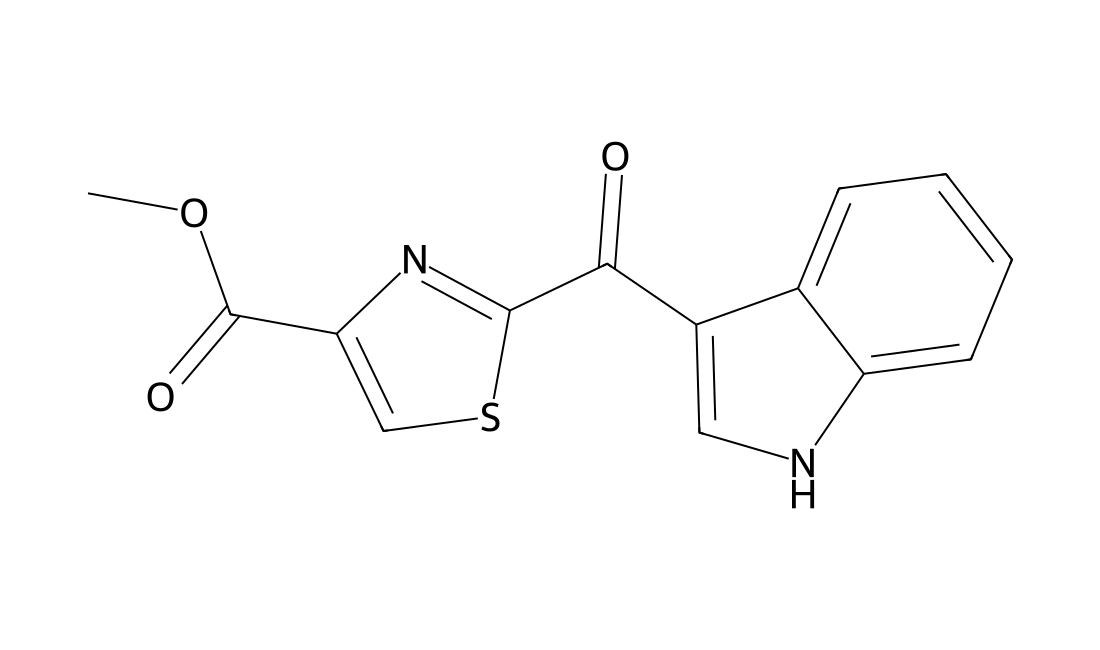
DC47053

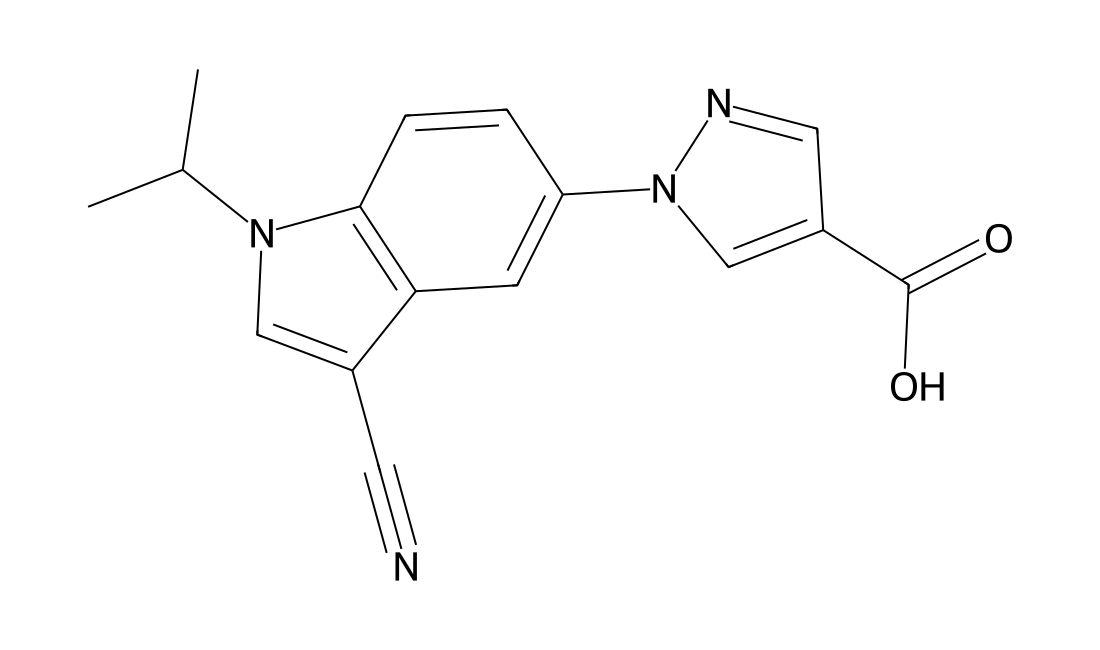
Tigulixostat

CAS 1287766-55-5

Tigulixostat is a novel (indolyl)heteroarylcarboxylate derivatives effective as non-purine selective xanthine oxidase inhibitor, which lowers the production of uric acid.

Tigulixostat chemical structure
DC7245

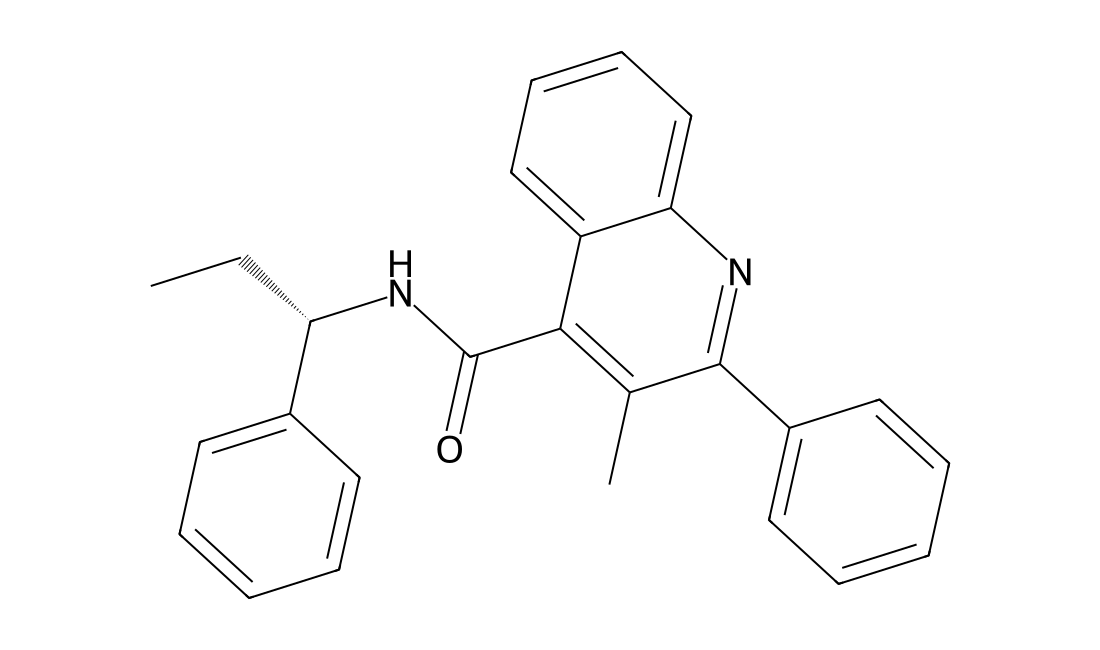
SB 222200

CAS 174635-69-9

Potent and selective non-peptide NK3 receptor antagonist (Ki values are 4.4, > 100,000 and 250 nM For human NK3, NK1 and NK2 receptors respectively). Antihypertensive in vivo. Brain penetrant.For the detailed information of SB 222200, the solubility of SB 222200 in water, the solubility of SB 222200 in DMSO, the solubility of SB 222200 in PBS buffer, the animal experiment (test) of SB 222200, the cell expriment (test) of SB 222200, the in vivo, in vitro and clinical trial test of SB 222200, the EC50, IC50,and Affinity of SB 222200, Please contact DC Chemicals.

SB 222200 chemical structure
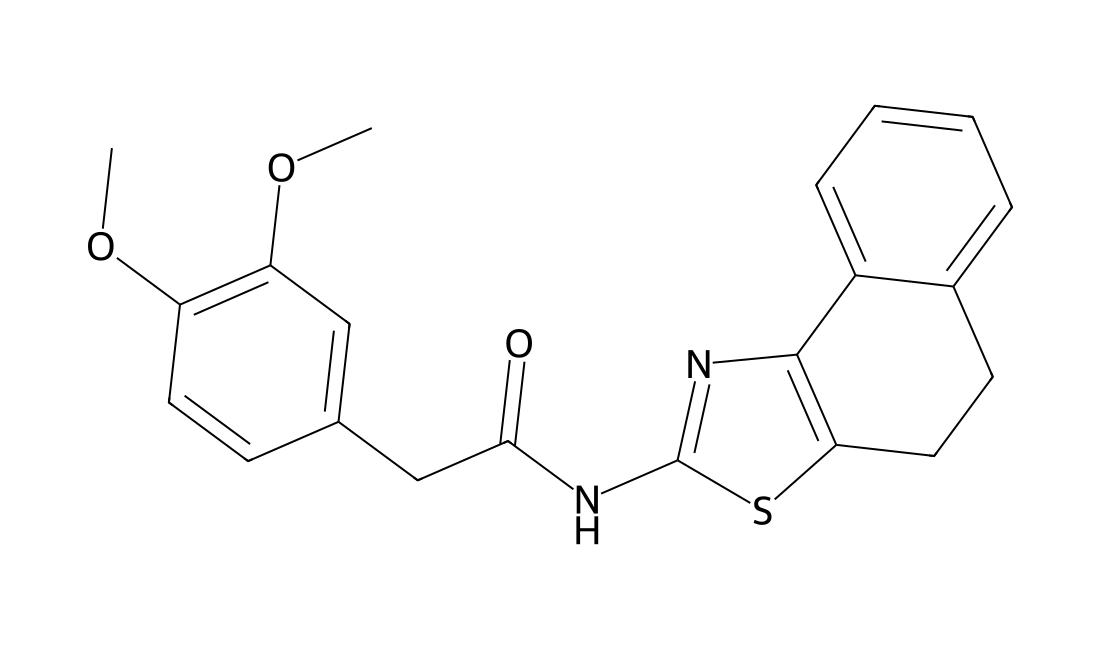
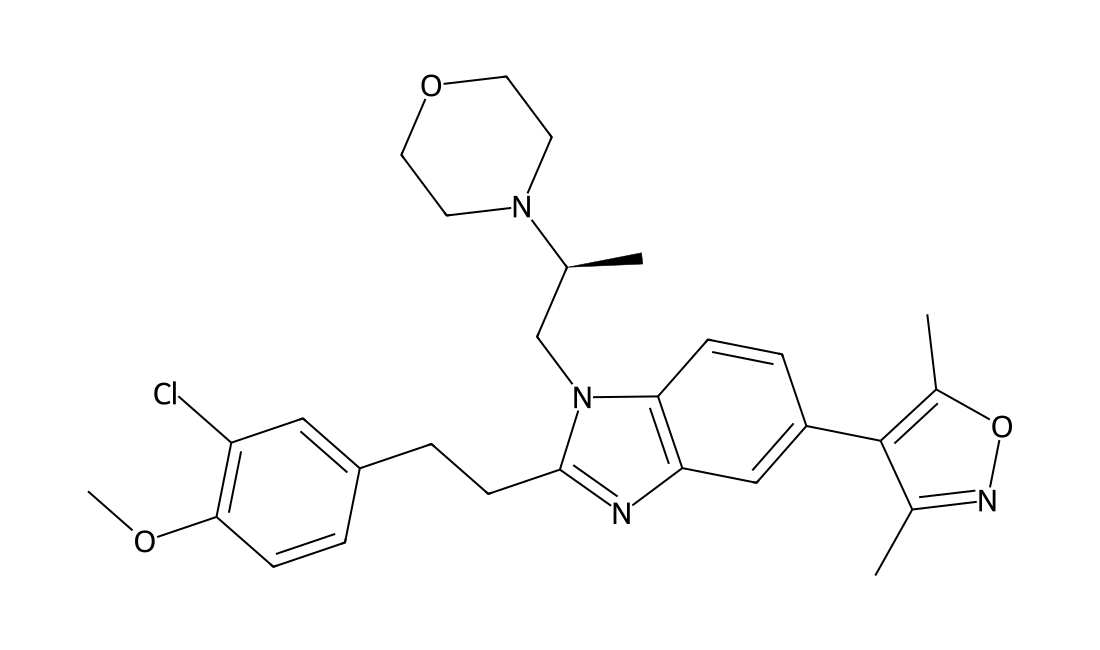
DC7554

SGC-CBP30

CAS 1613695-14-9

As a CREBBP/EP300-selective chemical probe, SGC-CBP30 shows moderate cytotoxicity in U2OS cells and HeLa cells.For the detailed information of SGC-CBP30, the solubility of SGC-CBP30 in water, the solubility of SGC-CBP30 in DMSO, the solubility of SGC-CBP30 in PBS buffer, the animal experiment (test) of SGC-CBP30, the cell expriment (test) of SGC-CBP30, the in vivo, in vitro and clinical trial test of SGC-CBP30, the EC50, IC50,and Affinity of SGC-CBP30, Please contact DC Chemicals.

SGC-CBP30 chemical structure
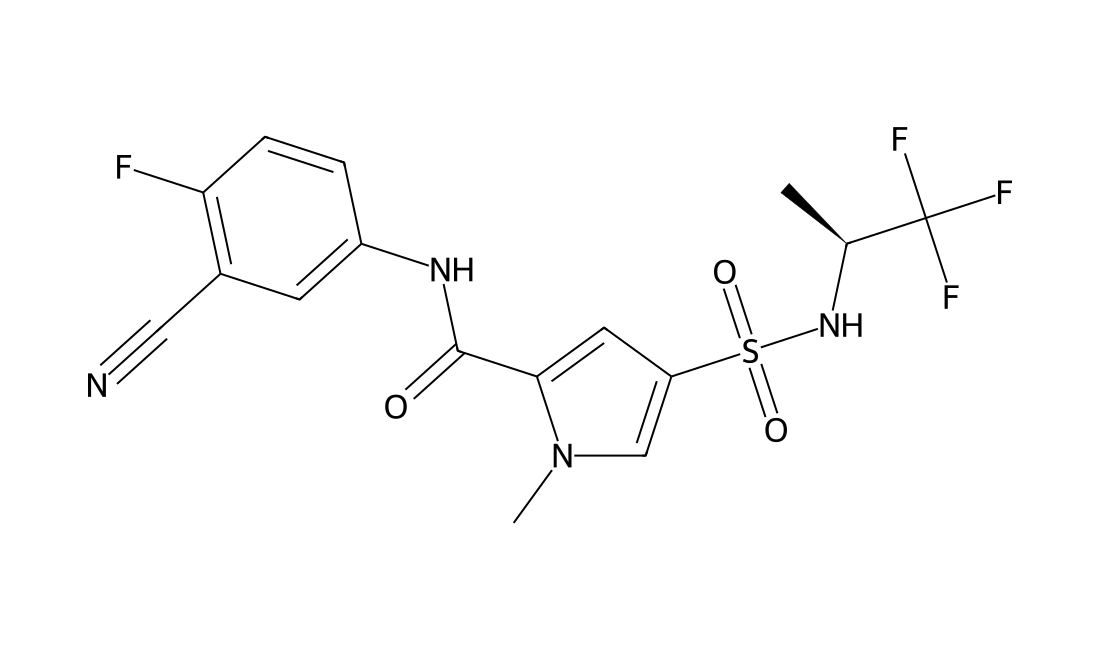
DC47069

Ninerafaxstat

CAS 2254741-41-6

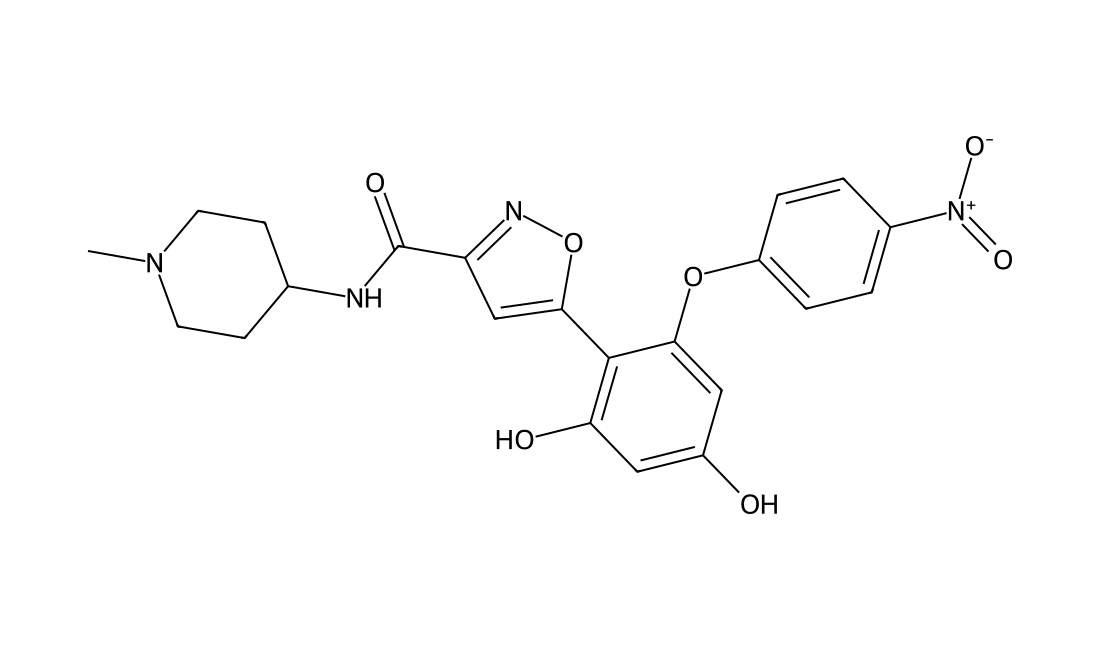
Ninerafaxstat hifts cellular metabolism from fatty acid oxidation to glucose oxidation.Ninerafaxstat decreases fatty acid oxidation and improve overall mitochondrial respiration.Ninerafaxstat inhibit the growth and proliferation of cancer cells.

Ninerafaxstat chemical structure
DC72116

Chiauranib

CAS 1256349-48-0

Chiauranib (CS2164) selectively inhibits multiple kinase targets aurora B kinase (AURKB), colony-stimulating factor 1 receptor (CSF1R), and vascular endothelial growth factor receptor (VEGFR)/platelet-derived growth factor receptor (PDGFR)/c-Kit , thereby inhibiting the rapid proliferation of tumor cells, enhancing the antitumor immunity, and inhibiting tumor angiogenesis, to achieve the anti-tumor efficacy.

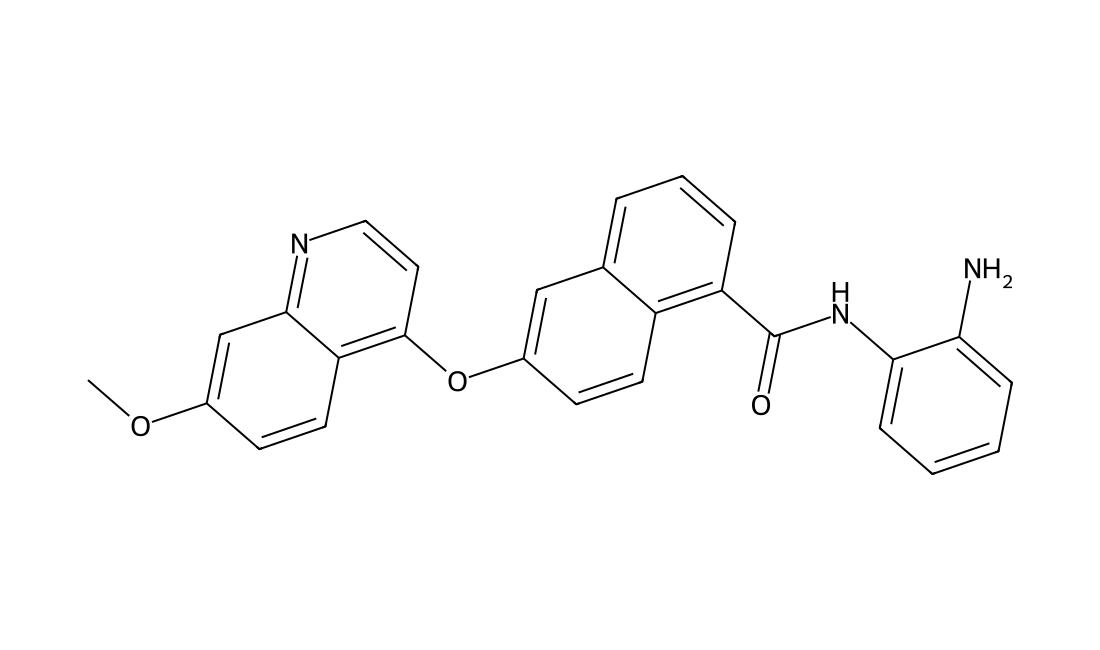
Chiauranib chemical structure
DC44976

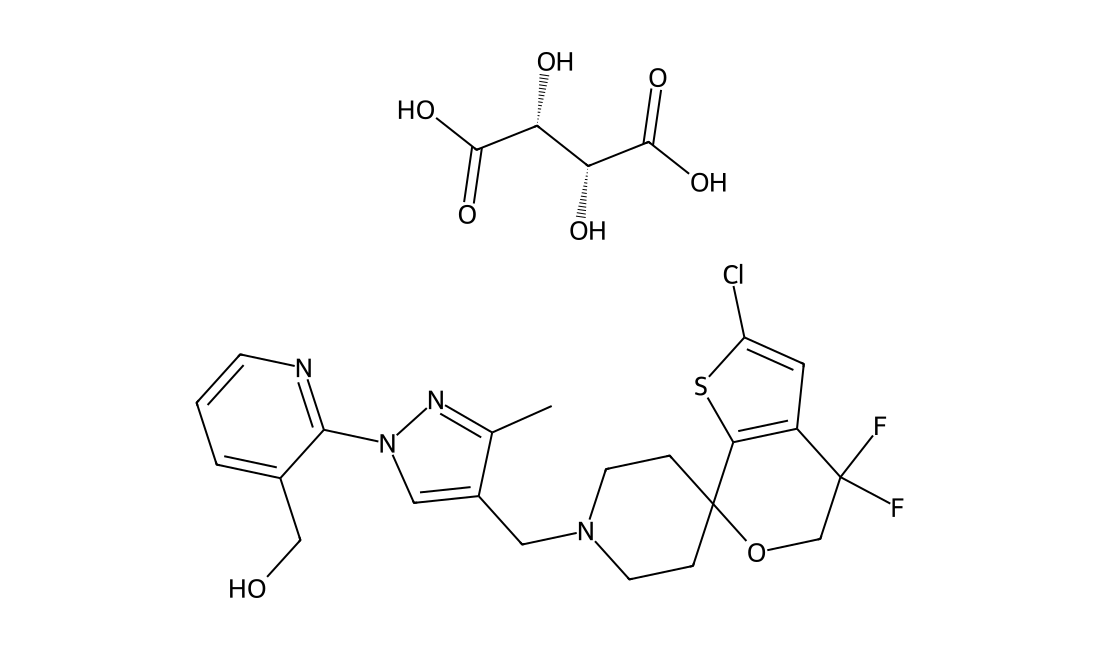
LY2940094 tartrate

CAS 1307245-87-9

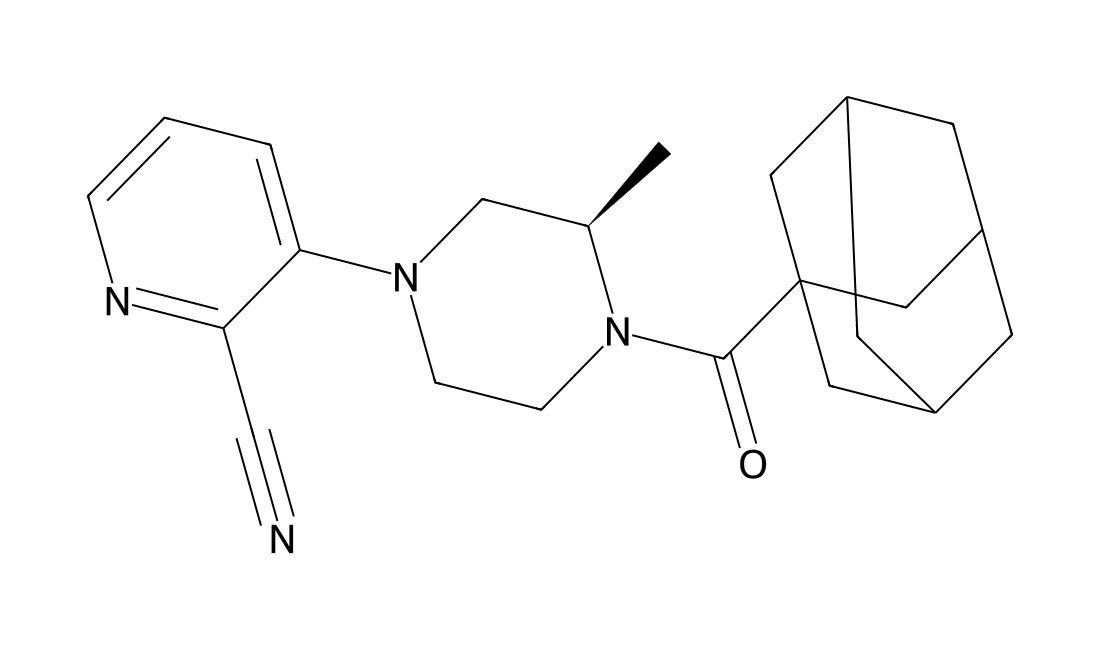
LY2940094 (BTRX-246040) tartrate is a potent, brain penetrant, selective and orally available N/OFQ peptide (NOP) receptor antagonist with high affinity (Ki=0.105 nM) and antagonist potency (Kb=0.166 nM). LY2940094 tartrate reduces Ethanol self-administration and Ethanol seeking in animal models.

LY2940094 tartrate chemical structure
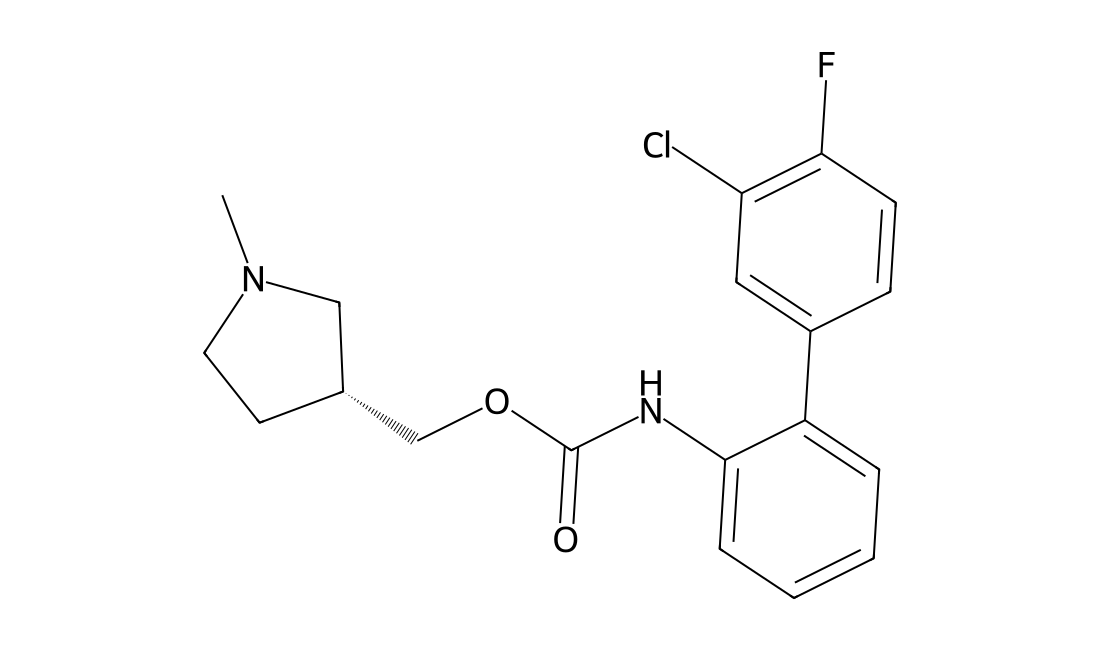
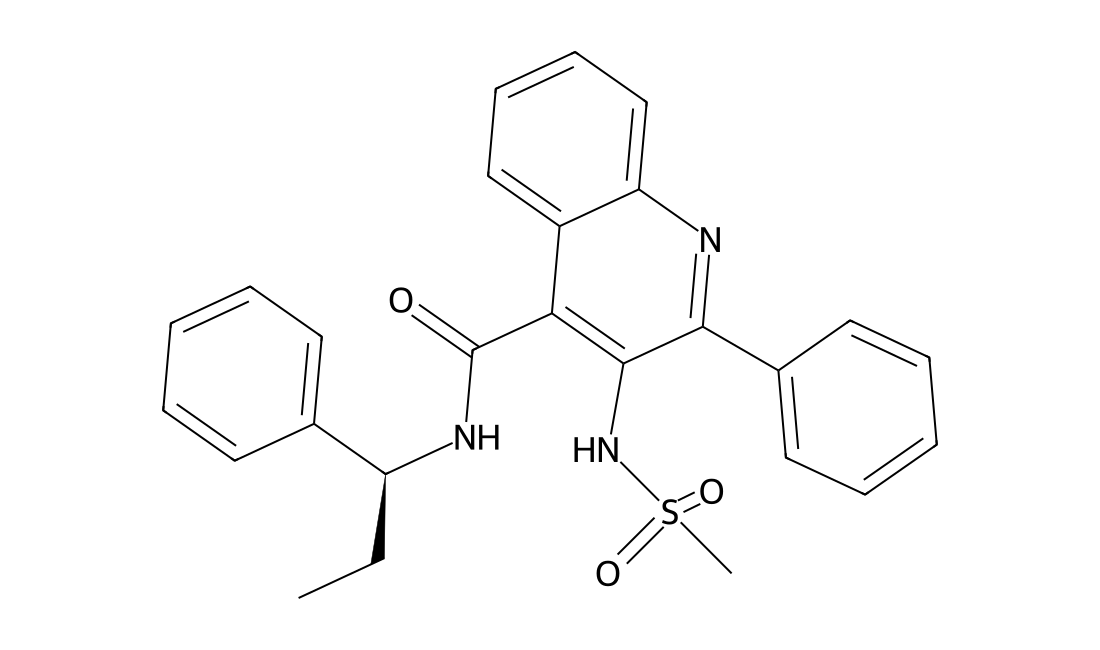
DC22900

MLE-4901

CAS 941690-55-7

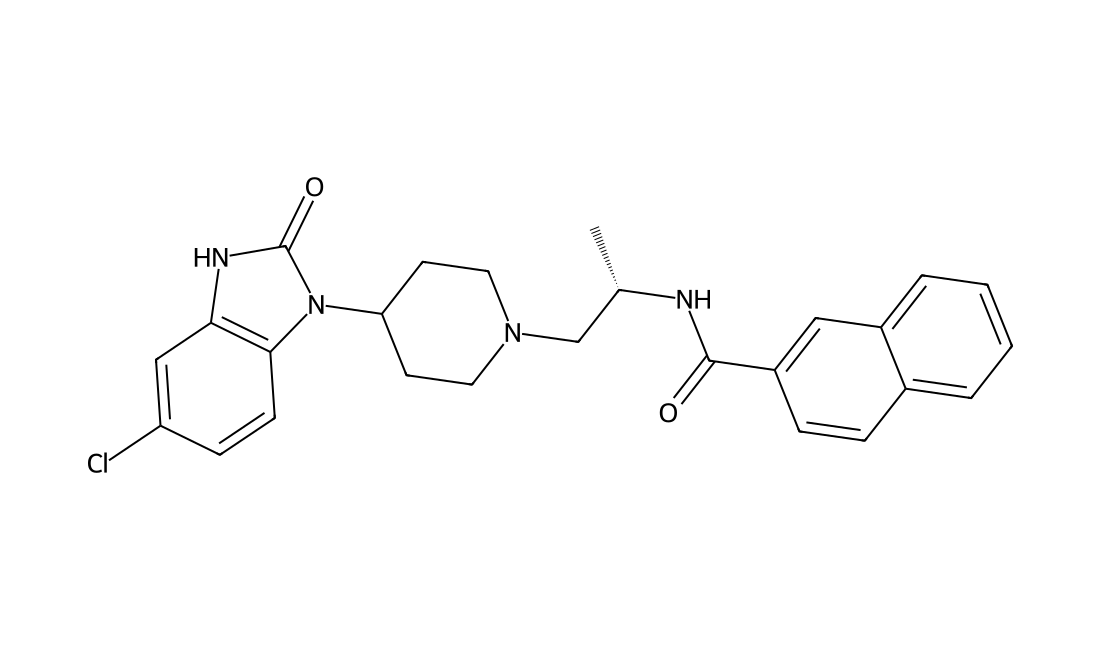
A potent, selective, orally active neurokinin 3 (NK3R) antagonist for the treatment of schizophrenia; demonstrates drug-like properties with low metabolic turnover rate in vitro and moderate human plasma protein binding.SchizophreniaPhase 2 Discontinued

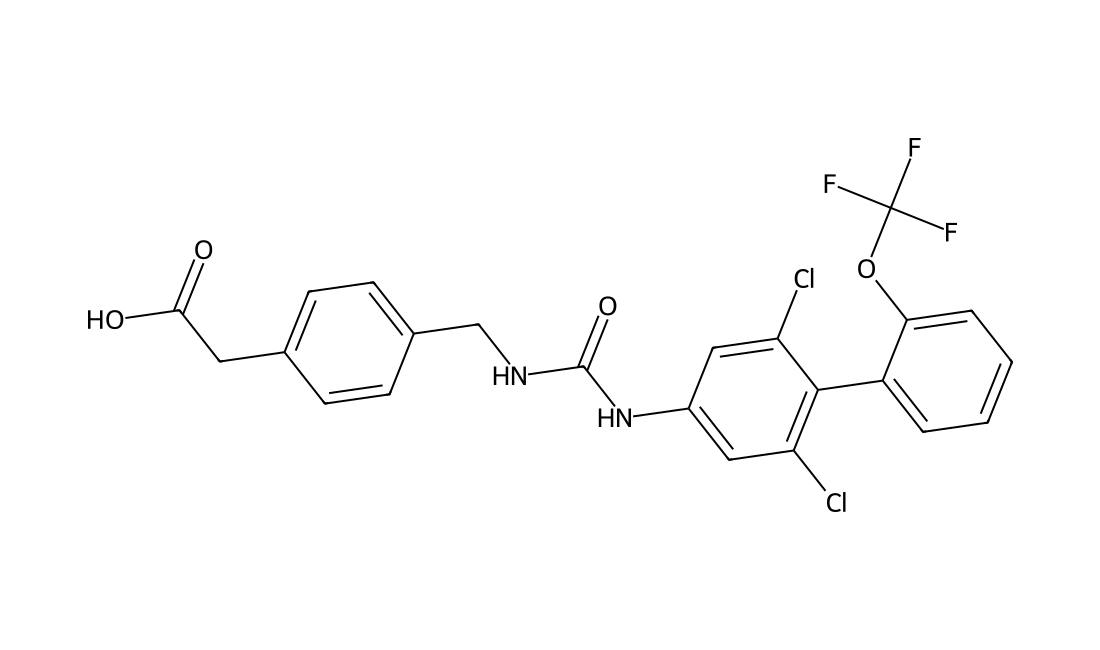
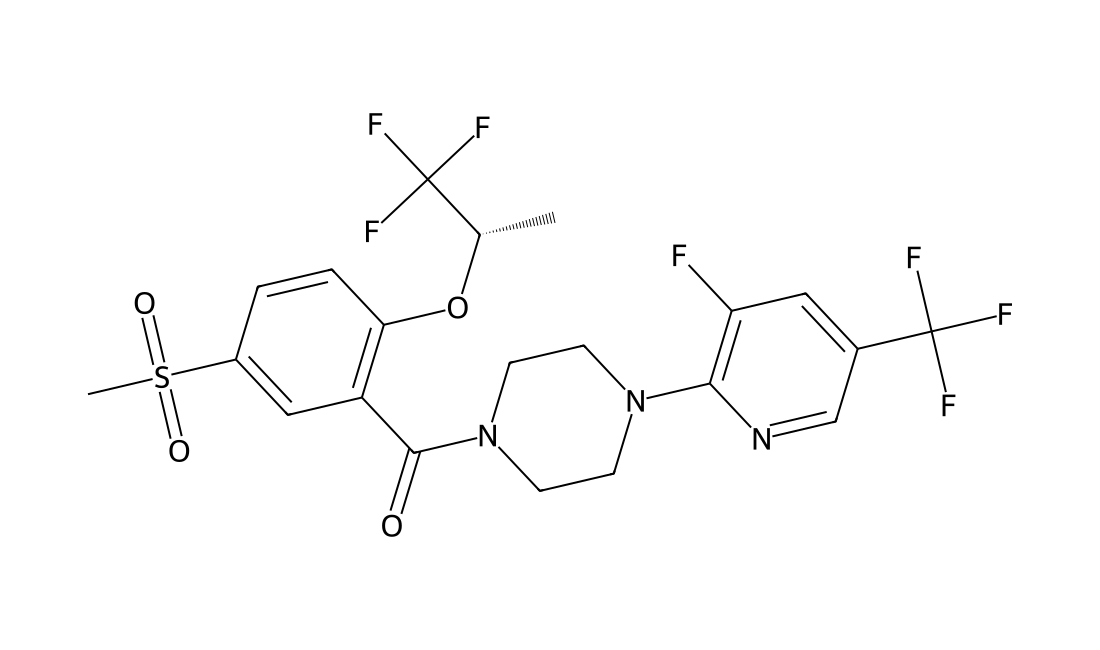
MLE-4901 chemical structure
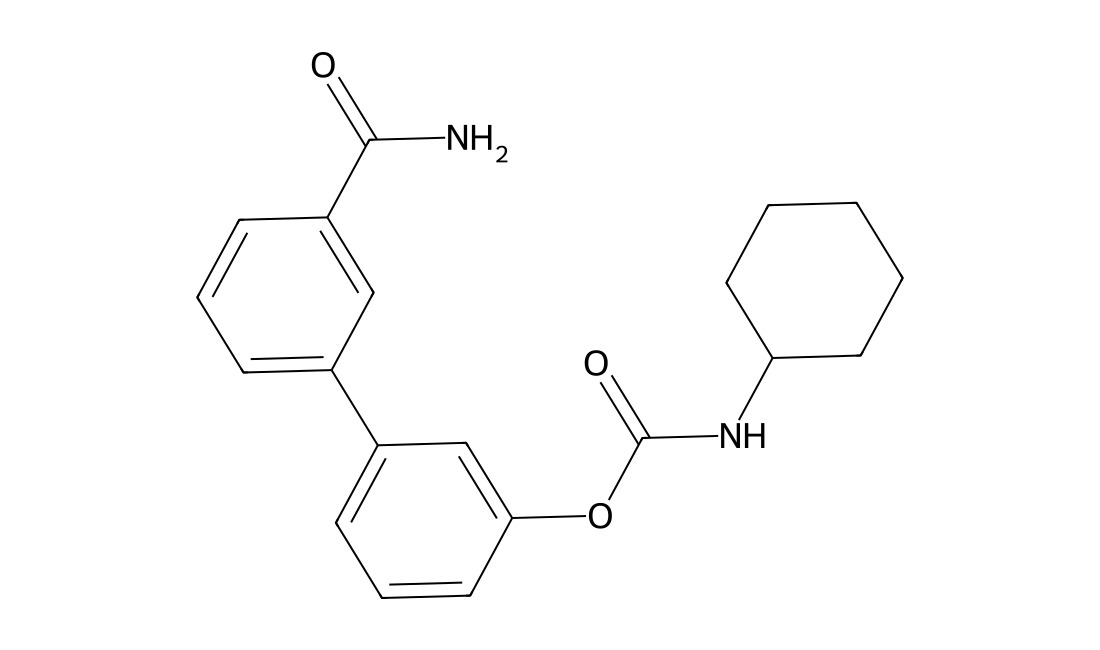
DC7335

URB-597

CAS 546141-08-6

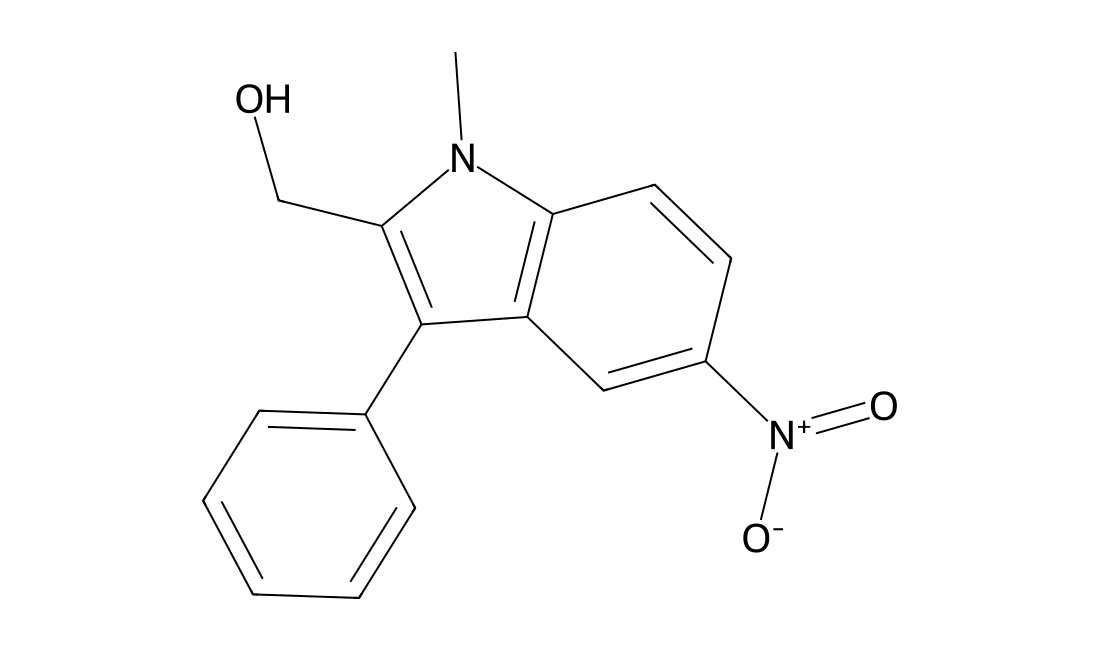
URB597 binds in the hydrophobic pocket and catalytic core of FAAH that connects the active site residues to the membrane surface of FAAH. URB597 inhibits FAAH activity in human liver microsomes with IC50 of 3 nM. URB597 reduces the expression of the LPS-induced enzymes cyclo-oxygenase 2 (COX-2) and inducible nitric oxide synthase (iNOS; NOS2) in primary rat microglial cell, with a concomitant reduction in the release of the inflammatory mediators prostaglandin E2 (PGE2) and (NO) nitric oxide. URB597 evokes Ca2+ entry in HEK293-F Cells transiently expressing human or rat TRPA1 gene. URB597 also activates Ca2+ entry in rat DRG neurons natively expressed TRPA1 channels. URB597 inhibits [3H]anandamide hydrolysis in rat brain membranes with a parallel increase in brain anandamide, OEA, and PEA content by inhibition of FAAH. URB597 enhances the hypothermia effect induced by ethanolamide by inhibiting FAAH. [5] When delivered intraperitonealy (0.3 mg/kg) URB597 reduces allodynia and hyperalgesia through cannabinoid CB1 and CB2 receptor-mediated analgesia in rats with inflammatory pain. [6] URB597 reduces the reduction in body weight gain and sucrose intake induced by the chronic mild stress in rats through inhibition of brain FAAH activity. [7] URB597 could reverse most depressive-like symptoms induced by adolescent THC exposure in femal rats. [8]For the detailed information of URB-597, the solubility of URB-597 in water, the solubility of URB-597 in DMSO, the solubility of URB-597 in PBS buffer, the animal experiment (test) of URB-597, the cell expriment (test) of URB-597, the in vivo, in vitro and clinical trial test of URB-597, the EC50, IC50,and Affinity of URB-597, Please contact DC Chemicals.

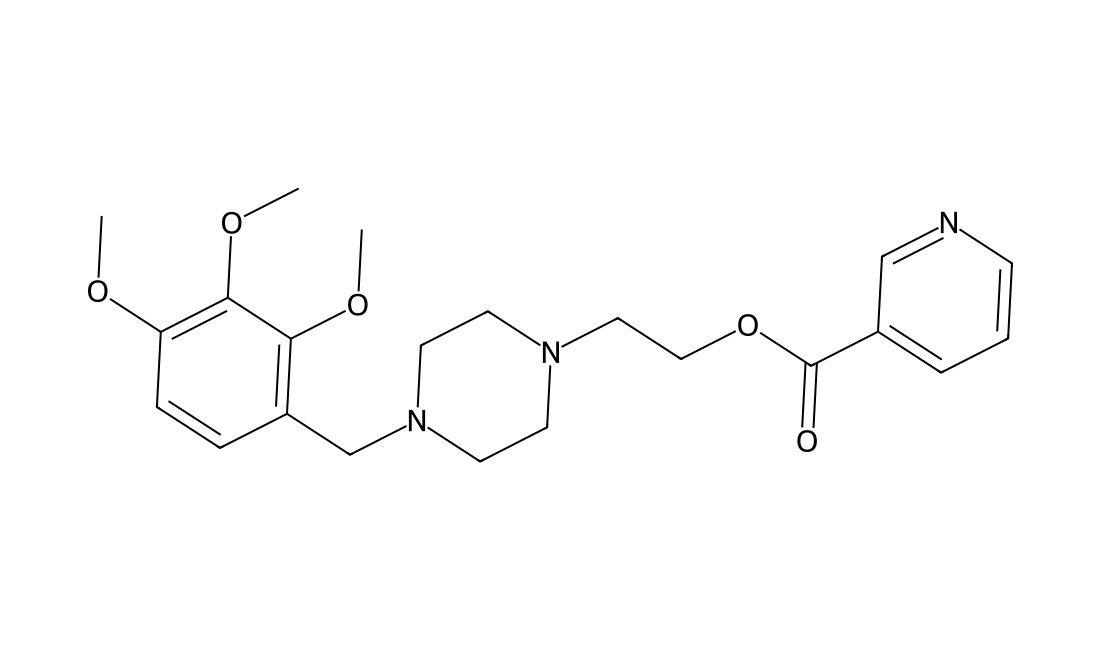
URB-597 chemical structure
Browse target & topic index A–Z (366)
11β-HSD (1)15-PGDH (2)5-HT Receptor (16)Acetyl-CoA Carboxylase (ACC) (3)Acetylcholinesterase (AChE) (2)Ack1 (TNK2) (1)Acyltransferase (1)ADC Cytotoxin (6)ADCs Linker/Click Chemistry (5)Adenosine Receptor (9)Adenylate Cyclase (2)Adrenergic Receptor (11)Akt (12)Alcoholism (2)Aldehyde Dehydrogenase (ALDH) (6)Allergy (5)Alzheimer Disease (13)Aminopeptidase (1)AMPK (8)Amyloids (4)Anaplastic Lymphoma Kinase (ALK) (9)Androgen Receptor (AR) (11)Anemia (4)Angiotensin Receptor (4)Antibody/Protein labeling dyes (1)Antifolate (2)Anxiety (1)Apoptosis Inducer (3)Arginase (1)Arp2/3 complex (1)Aryl hydrocarbon Receptor (AhR) (1)Asthma (5)Atherosclerosis (2)ATM/ATR (8)Aurora Kinase (10)Autophagy (6)Autophagy-related Protein (Atg) (2)Autotaxin (2)Bacterial (26)Bacterial Infection (17)Bcl-2 (14)Bcr-Abl (5)BCRP (1)Beta-catenin (4)Beta-secretase (BACE) (4)Blood Cancer (91)BMI-1 (1)Bone Cancer (6)Brain Cancer (6)Breast Cancer (30)Bromodomain (22)BTK (10)c-Fms (CSF1R) (5)c-Fos/AP-1 (1)c-Kit (6)c-Met (HGFR) (11)c-Myc (2)Calcium Channel (4)Calcium-sensing Receptor (CaSR) (1)CaMK (4)Cannabinoid Receptor (6)Carbonic Anhydrase (1)Carboxypeptidase (1)Casein Kinase (6)Caspase (4)Cathepsin (6)Cdc2-like Kinase (CLK) (1)CETP (2)CFTR (7)Checkpoint Kinase (Chk) (8)Chemokine Receptor (CCR and CXCR) (14)Chemotherapeutic Agents (19)Chloride Channel (1)CMV (2)CMV Infection (2)Colon Cancer (9)Complement System (1)COPD (3)CREB/CBP (2)CRF Receptor (2)CRISPR/Cas9 (1)Cushing Disease (1)Cyclin-dependent Kinase (CDK) (39)Cyclooxygenase (COX) (4)Cytochrome P450 (CYPs) (5)Depression (2)Dermatitis (2)Deubiquitinase (DUB) (7)Diabetes (20)Dipeptidyl Peptidase (DPP) (3)Discoidin Domain Receptor (DDR) (1)DNA Alkylator/Crosslinker (10)DNA Methyltransferase (DNMT) (1)DNA Repair Protein (1)DNA-PK (2)DNA/RNA Synthesis (5)Dopamine beta-hydroxylase (1)Dopamine Receptor (7)Drug Metabolite (1)Drug-Linker Conjugates (11)Dyes (4)DYRK (1)Dyslipidemia (9)E3 Ligase Ligand (6)E3 Ligase Ligand-Linker Conjugate (1)E3 Ubiquitin Ligase (4)Ebola Virus Infection (1)EGFR (32)Elastase (2)Endothelin Receptor (5)Enzymes substrates (13)Epigenetic Reader Domain (3)Epilepsy (4)ERK (4)Estrogen Receptor/ERR (13)Eukaryotic Initiation Factor (eIF) (2)Exportin-1 (CRM1,XPO1) (2)FABP (1)Factor Xa (5)Farnesoid X Receptor (FXR) (5)Farnesyl transferase (FTase) (1)Ferroptosis (6)FGFR (20)Fibrosis (5)FLT3 (6)Focal Adhesion Kinase (FAK) (11)Foxo1 (1)Free Fatty Acid Receptor (FFAR) (5)Fungal (2)Fungal Infection (1)GABA Receptor (13)Galectin (1)Gastric Cancer (8)Ghrelin Receptor (GHSR) (3)Glucagon Receptor (4)Glucokinase (2)Glucose Transporter (GLUT) (2)Glutamate Transporter (2)GPCR (1)GPER (GPR30) (1)GPR139 (1)GPR183 (EBI2) (2)GPR39 (1)GPR55 (1)GPR84 (1)GRK (GPCRK) (2)Growth Hormone Deficiency (2)GSK-3 (8)Guanylate Cyclase (3)HBV (1)HBV Infection (1)HCN Channel (2)HCV (8)HCV Infection (9)HDAC (38)Heart Arrhythmia (2)Heart Failure (5)Heat Shock Protein (HSP) (15)Hedgehog (Hh) (1)HIF/HIF Prolyl-hydroxylase (8)Histamine Receptor (6)Histone Acetyltransferase (HAT) (5)Histone Demethylase (11)Histone Methyltransferase (HMTase) (31)HIV (12)HIV Infection (11)HMG-CoA Reductase (HMGCR) (3)HSV (1)HSV Infection (1)Hypercholesterolemia (1)Hyperparathyroidism (1)Hypertension (8)IAP (1)IGF-1R (3)iGluR (15)Indoleamine 2,3-Dioxygenase (IDO) (4)Infection (1)Influenza (6)Influenza Virus (6)Insulin Receptor (2)Integrin (6)Interleukin Receptor (1)IRAK (2)IRE1 (4)Irritable Bowel Syndrome (2)Ischemia (1)Isocitrate Dehydrogenase (IDH) (5)ITK (1)IκB kinase (IKK) (7)JAK (32)JNK (3)Keap1-Nrf2 (6)Kidney Cancer (10)Kinesin (5)Kruppel-like Factor (KLF) (1)Kynurenine 3-Monooxygenase (KMO) (1)Leukotriene Receptor (1)LIM Kinase (LIMK) (3)Lipids fragment (1)Liver Cancer (6)Liver X Receptor (LXR) (3)LRRK2 (9)Lung Cancer (39)Lysophospholipid Receptor (12)LYTACs (3)mAChR (9)MALT1 (2)MAP4K (1)Matrix Metalloproteinase (MMP) (10)MDM2-p53 (9)MEK (MAP2K) (14)MEKK (MAP3K) (1)Melanocortin Receptor (2)MELK (1)mGluR (7)MicroRNA (1)Microtubule/Tubulin (5)Mineralocorticoid Receptor (MLR) (1)MITF (1)Mixed Lineage Kinase (MLK) (3)MNK (2)Molecular Glues (21)Monoamine Transporter (5)Monocarboxylate Transporter (MCT) (1)Monopolar Spindle 1 (Mps1/TTK) (3)mTOR (13)Multiple Sclerosis (6)Myosin (1)Na-K-Cl Cotransporter (NKCC) (2)nAChR (2)NADPH Oxidase (NOX) (2)NAMPT (3)Natural products (37)Neprilysin (1)Neurokinin Receptor (3)Neuropeptide Y Receptor (3)NF-κB (5)Nitric Oxide Synthase (NOS) (1)NOD-like Receptor (NLR) (3)Notch (2)Nucleoside Antimetabolite/Analog (10)Nur77 (NR4A1) (1)Obesity (1)Oct3/4 (1)Opioid Receptor (5)Orexin Receptor (7)Osteoporosis (2)Ovarian Cancer (14)Oxytocin Receptor (OXTR) (2)P-glycoprotein (P-gp) (3)p21-activated Kinase (PAK) (1)P2X Receptor (2)P2Y Receptor (1)p38 MAPK (10)p97/VCP (1)Pain (12)Pancreatic Cancer (10)Parasite (5)Parasite Infection (2)Parkinson Disease (2)PARP (19)PCSK9 (1)PD-1/PD-L1 (4)PDGFR (4)PDK1 (2)PEGn (1)PERK (2)PGE synthase (2)Phosphodiesterase (PDE) (9)Phospholipase (4)PI3K (32)PI4K (2)Piezo Channel (1)PIKfyve (3)Pim (9)PKC (12)PKD (1)Plasminogen Activator Inhibitor-1 (PAI-1) (3)Polo-like Kinase (PLK) (4)Porcupine (3)Potassium Channel (13)PPAR (13)Pregnane X Receptor (PXR) (1)Progesterone Receptor (2)Prostaglandin Receptor (11)Prostate Cancer (7)PROTACs (35)Protease-activated Receptor (PAR) (3)Proteasome (12)Protein Disulfide Isomerase (PDI) (1)Protein Phosphatase/PTP (6)Proton Pump (1)Psoriasis (5)RAD51 (1)Radioligand precursors (15)Raf (18)RAR/RXR (3)Ras (17)Renin (2)RET Tyrosine Kinase (c-RET) (3)Rheumatoid Arthritis (16)Ribosomal S6 Kinase (RSK) (5)RIG-I-like Receptor (RLR) (2)RIP kinase (7)ROCK (12)ROR (2)RSV (4)RSV Infection (3)RUNX1-CBFβ (1)S-nitrosoglutathione reductase (GSNOR) (1)Saccharides and Glycosides (1)Salt Inducible Kinase (SIK) (2)SARS-CoV (16)SARS-CoV Infection (34)Schizophrenia (4)Sexual Dysfunction (1)SGLT (4)Sigma Receptor (4)Sirtuin (9)Skin Cancer (13)Sleep Disorder (7)SMN2 Modulator (1)Smoothened (Smo) (9)Sodium Channel (12)Solid Tumors (35)Somatostatin Receptor (2)Sphingosine kinase (SphK) (2)Src (7)STAT (5)Stearoyl-CoA Desaturase (SCD) (1)Steatohepatitis (7)Sterol lipids (1)STING (14)Syk (6)T Cell Receptor (TCR) (1)TAK1 (2)TAM Receptor (Tyro3-Axl-Mer) (4)Taste Receptor (1)Telomerase (2)TGF beta Receptor (TGFBR) (12)Thrombin (3)Thrombosis (13)Thyroid Cancer (1)Thyroid Hormone Receptor (THR) (1)Thyrotropin Receptor (2)TNIK (1)Toll-like Receptor (TLR) (2)TOPK (1)Topoisomerase (11)TRAIL (1)Translocator Protein (TSPO) (1)Trk Receptor (4)TRP Channel (13)Tryptophan Hydroxylase (TPH) (1)Ubiquitin-activating Enzyme (E1) (2)Ubiquitin-conjugating Enzyme (E2) (2)Ulcer (1)ULK (3)Vasopressin Receptor (2)VEGFR (25)Vitamin D Receptor (VDR) (3)Wee1 (1)WNK Kinase (1)Wnt (5)Yes-associated Protein (YAP) (4)γ-secretase (5)

Cart

Request quotation