
Small Molecule Research Tools
Explore bioactive compounds by research category, then narrow your search by target, product name, catalog number or CAS.
Newly added: LC-MG and OXF molecular glue research compounds →
Browse by research category
Products may appear in more than one category. Counts refer to distinct catalog numbers within each category.
Kinases & Cell Signaling1,548 products →941 products →Epigenetics & Gene Regulation410 products →277 products →DNA Damage, Repair & Cell Cycle342 products →228 products →Cell Death & Autophagy233 products →117 products →Protein Degradation & Proteostasis252 products →181 products →Immunology & Inflammation515 products →297 products →Neuroscience793 products →363 products →GPCRs & Receptor Biology1,219 products →428 products →Ion Channels & Transporters373 products →196 products →Metabolism & Endocrinology697 products →404 products →Cardiovascular & Hematology264 products →141 products →Anti-infectives453 products →205 products →Cancer Research1,049 products →535 products →ADCs & Bioconjugation61 products →38 products →Probes & Assay Reagents150 products →82 products →Natural Products424 products →73 products →Cell Biology & Intracellular Transport181 products →61 products →
Other Research Tools (75) · Additional reagents, building blocks and specialized research tools.
New literature-derived products
LC-MG-1 (DCA0006) · LC-MG-4 (DCA0007) · LC-MG-9 (DCA0008)
View structure and evidence summaries →All small molecule products
Combine a keyword, research category and target to narrow the product list.
Loading catalog filters…
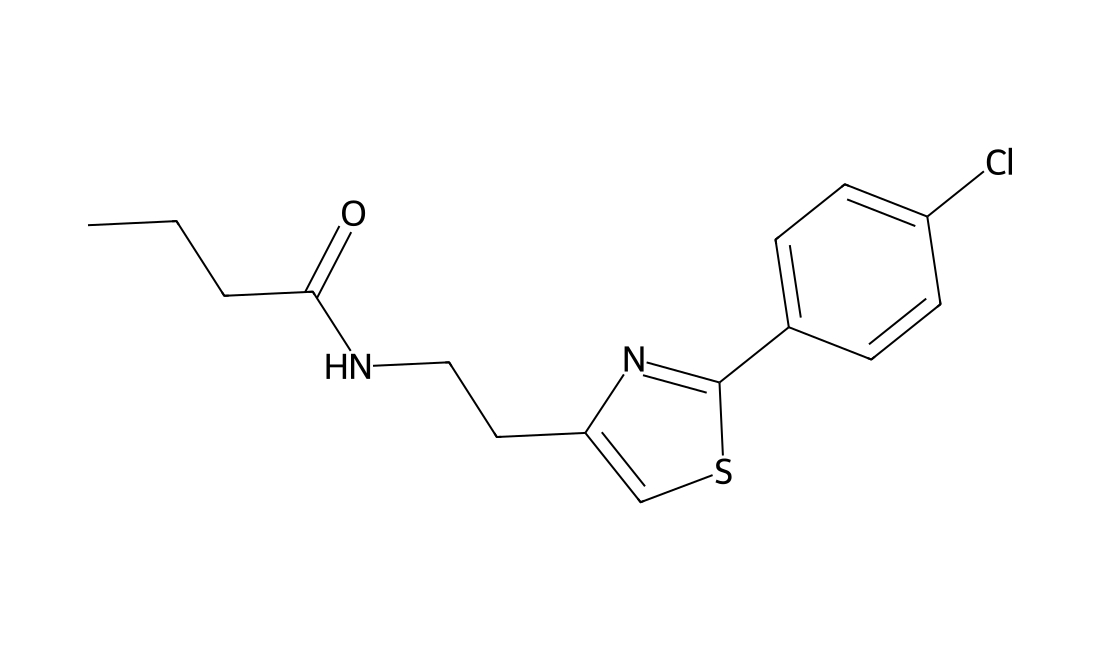
Azoramide
CAS 932986-18-0
Azoramide is a small-molecule modulator of the unfolded protein response with antidiabetic activity.
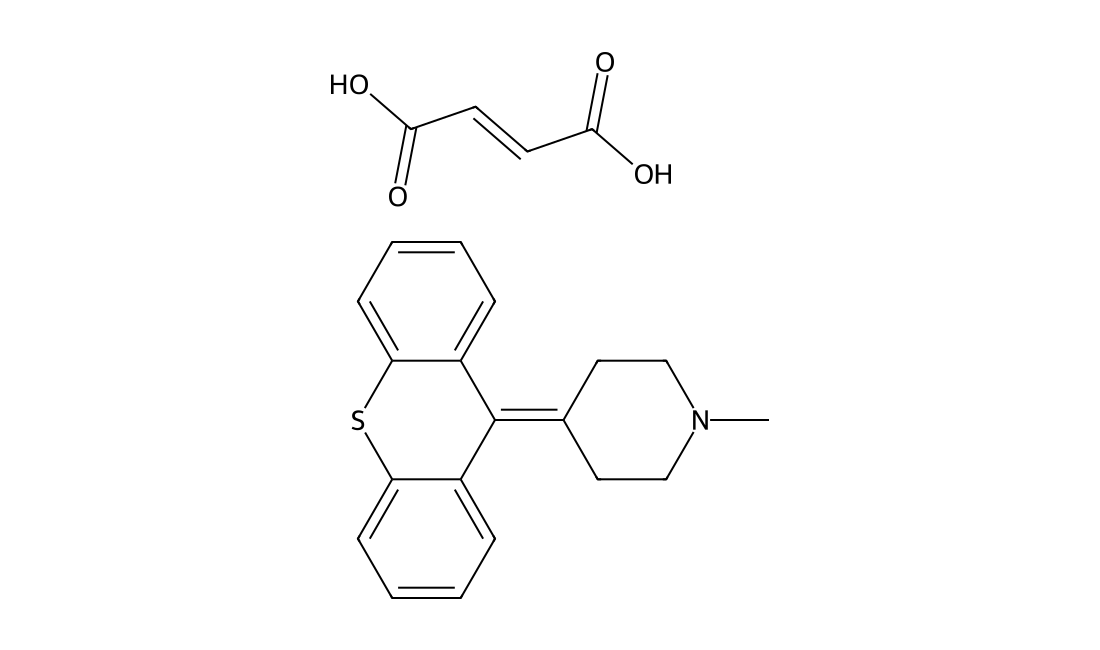
Pimethixene maleate
CAS 13187-06-9
Pimethixene maleate is antihistamine and antiserotonergic compound, acts as an antimigraine agent.Pimethixene maleate is a highly potent antagonist of 5-HT1A, 5-HT2A, 5-HT2B, 5-HT2C, histamine H1, dopamine D2 and D4.4 as well as muscarinic M1 and M2 receptors, with pKis of 7.63, 10.22, 10.44, 8.42, 10.14, 8.19, 7.54, 8.61 and 9.38, respectively[1].
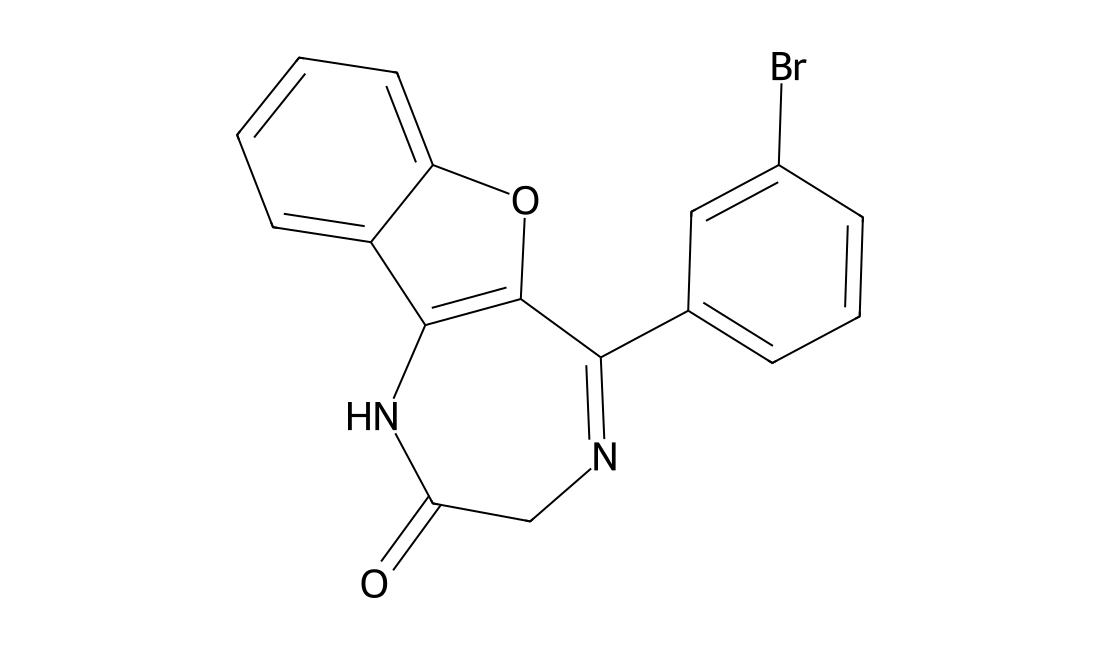
5-BDBD
CAS 768404-03-1
5-BDBD, a potent and selective P2X4 receptor antagonist, inhibits rP2X4R-mediated currents, with an IC50 of 0.75 μM. 5-BDBD completely blocks the basal and acute hyperalgesia induced by nitroglycerin (NTG)[1][2].
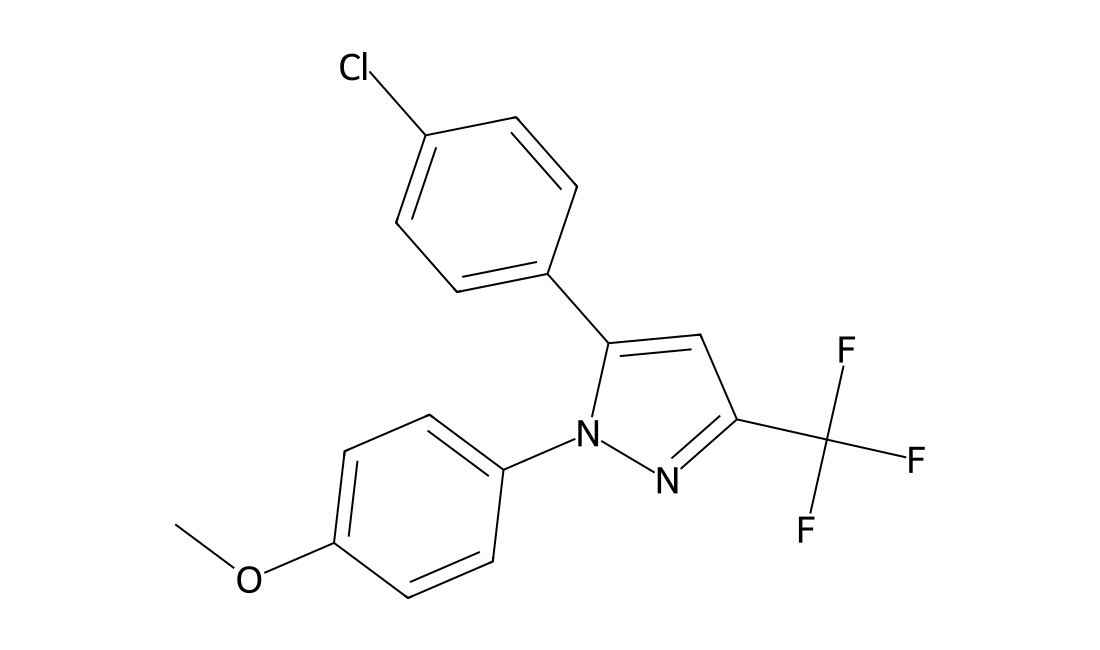
GSK-3484862(GSK862)
CAS 2170136-65-7
GSK-3484862 is a non-covalent inhibitor for DNA methyltransferase (Dnmt1). GSK-3484862 induces DNA hypomethylation to against cancer. GSK-3484862 mediates dramatic demethylation in murine embryonic stem cells with minimal non-specific toxicity.
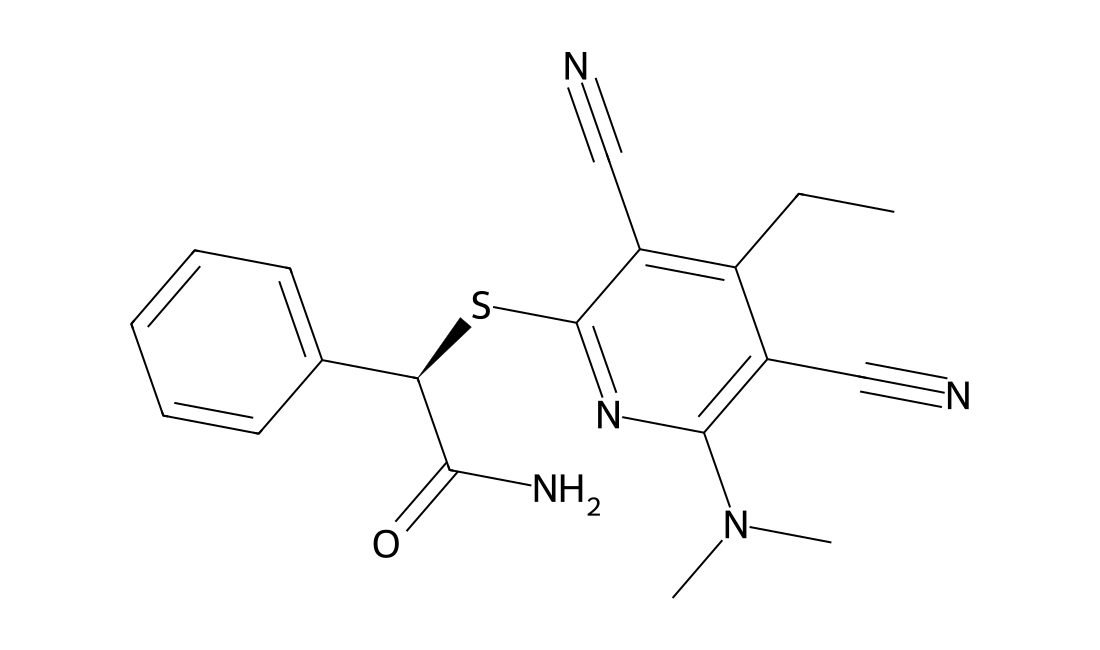
JQ-35-(S)
CAS 1349719-98-7
JQ-35-(S) is an inhibitor of the Bromodomain and Extra-Terminal (BET) family bromodomain-containing proteins with potential antineoplastic activity.
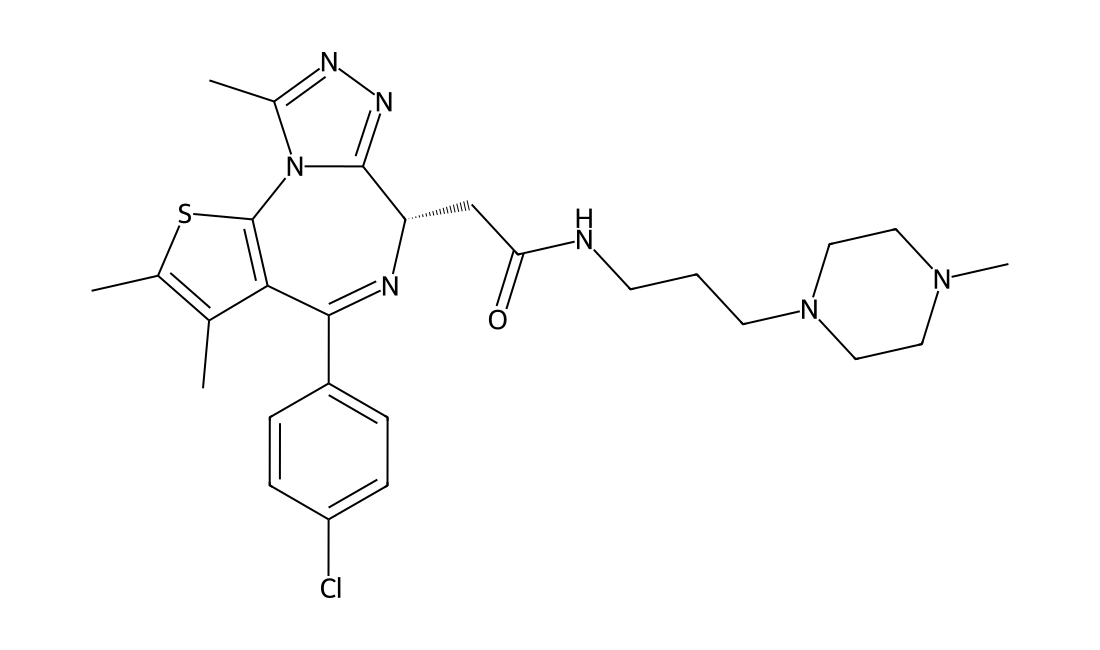
DM4
CAS 218168-58-2
DM4 is is an antitubulin agent that inhibit cell division. DM4 can be used in the preparation of antibody drug conjugate.
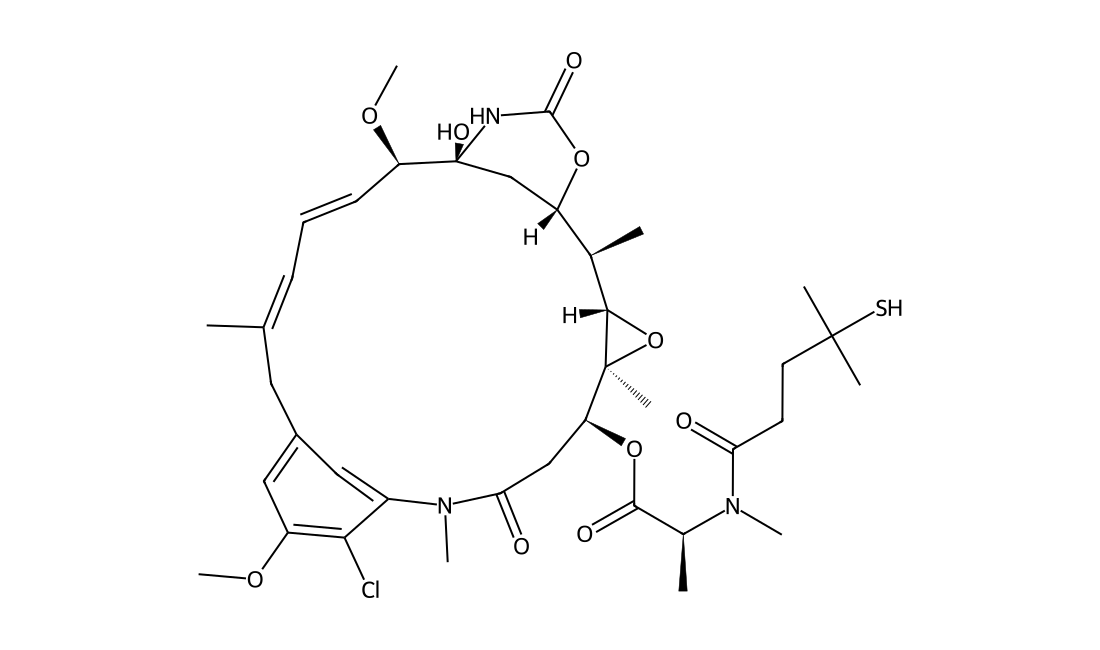
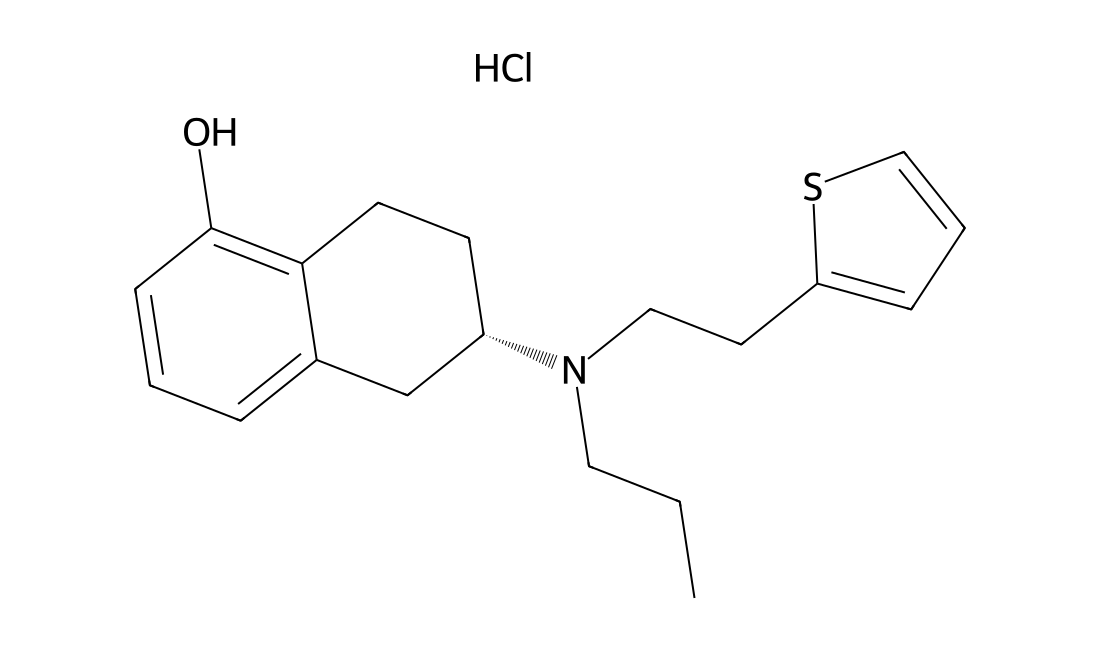
Rotigotine Hydrochloride
CAS 125572-93-2
Rotigotine is dopamine D2 and D3 receptor agonist. Ki values are 13 and 0.71 nM for D2 and D3 respectively. Rotigotine also has significant affinity for 5-HT1A and adrenergic α2B receptors. Rotigotine exhibits antiparkinsonian acitivity.
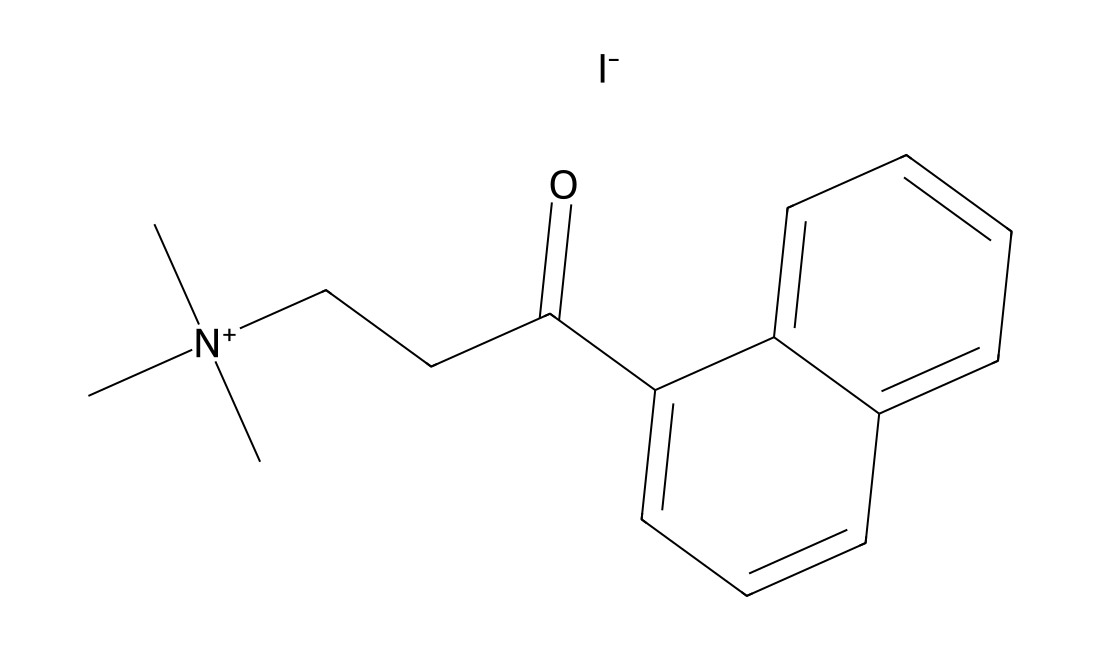
alpha-NETA
CAS 115066-04-1
alpha-NETA (α-NETA) is a small molecule antagonist of chemerin receptor chemokine-like receptor 1 (CMKLR1), inhibits chemerin-stimulated β-arrestin2 association with CMKLR1 with IC50 of 4.9 uM.
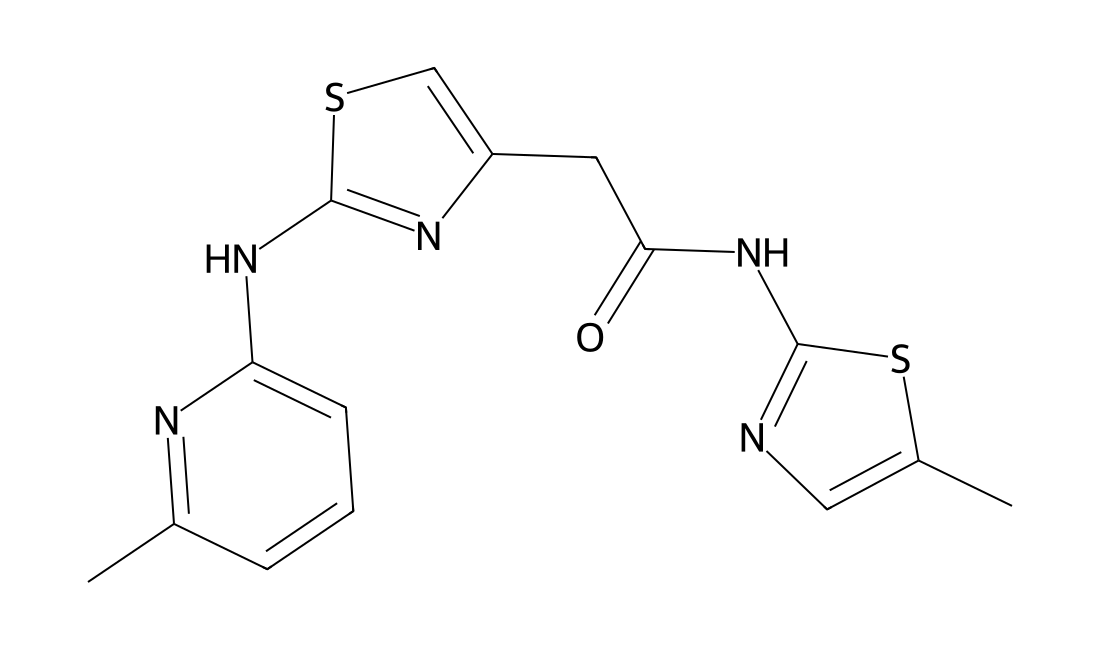
HQ461
CAS 1226443-41-9
HQ461 is a molecular glue degrader that facilitates the interaction between CDK12 and the DDB1-CUL4-RBX1 E3 ubiquitin ligase, resulting in the polyubiquitination and subsequent degradation of the CDK12-interacting protein Cyclin K (CCNK). This degradation impairs CDK12 function, leading to reduced phosphorylation of its substrates, downregulation of DNA damage response genes, and ultimately, cell death.
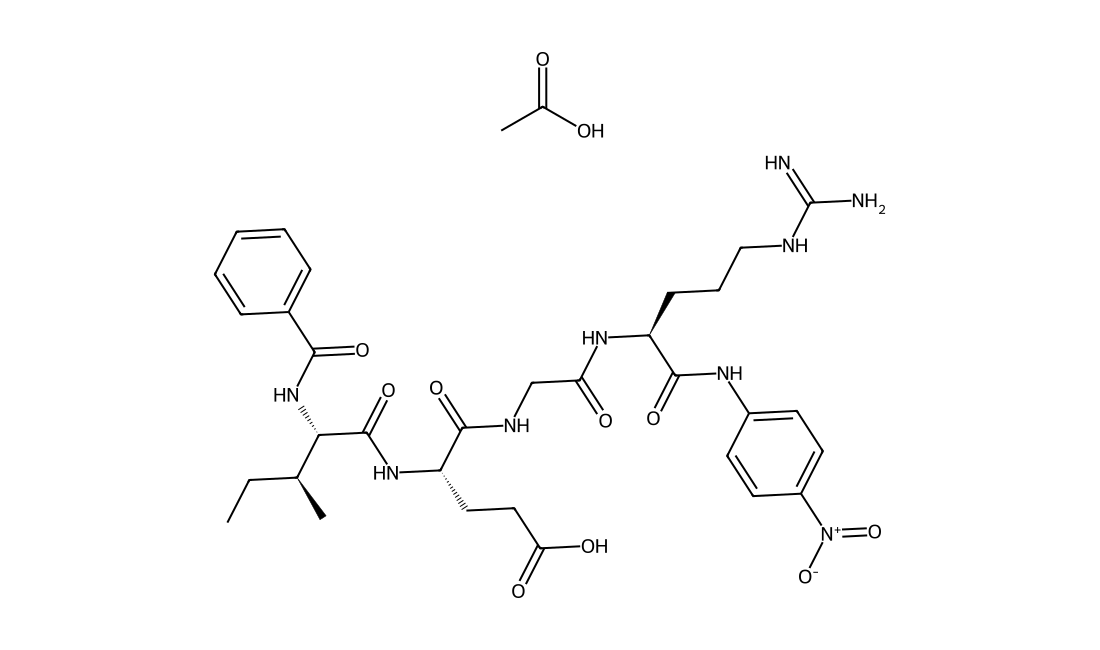
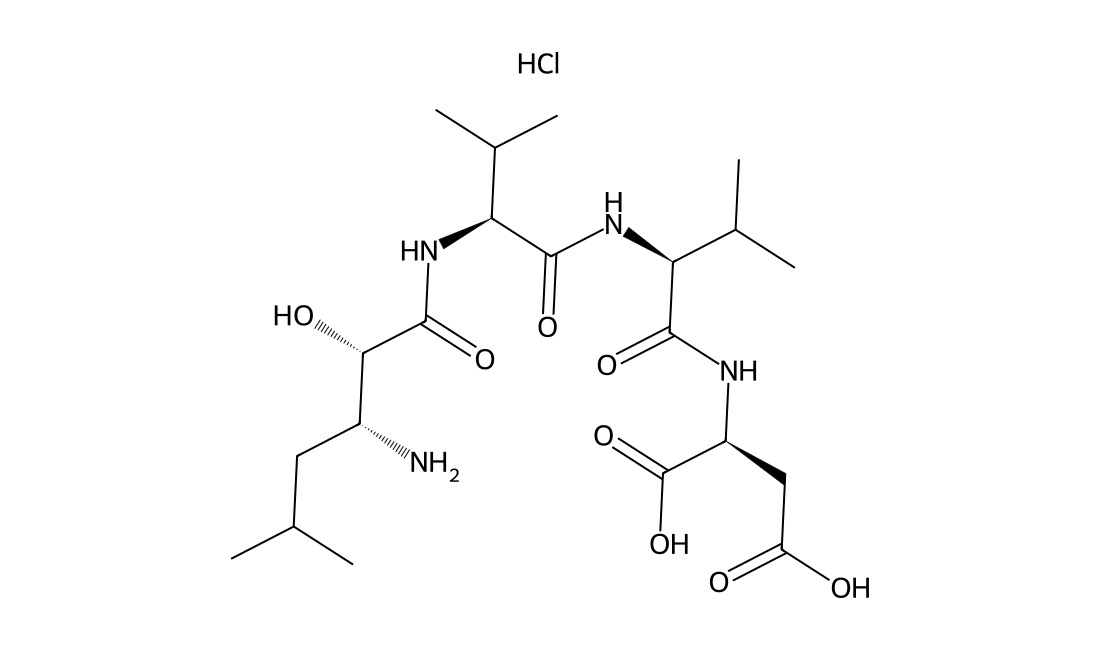
BIMI-1803
CAS 100938-10-1
Amastatin HCl is an aminopeptidase inhibitor that also induces vasoconstriction.
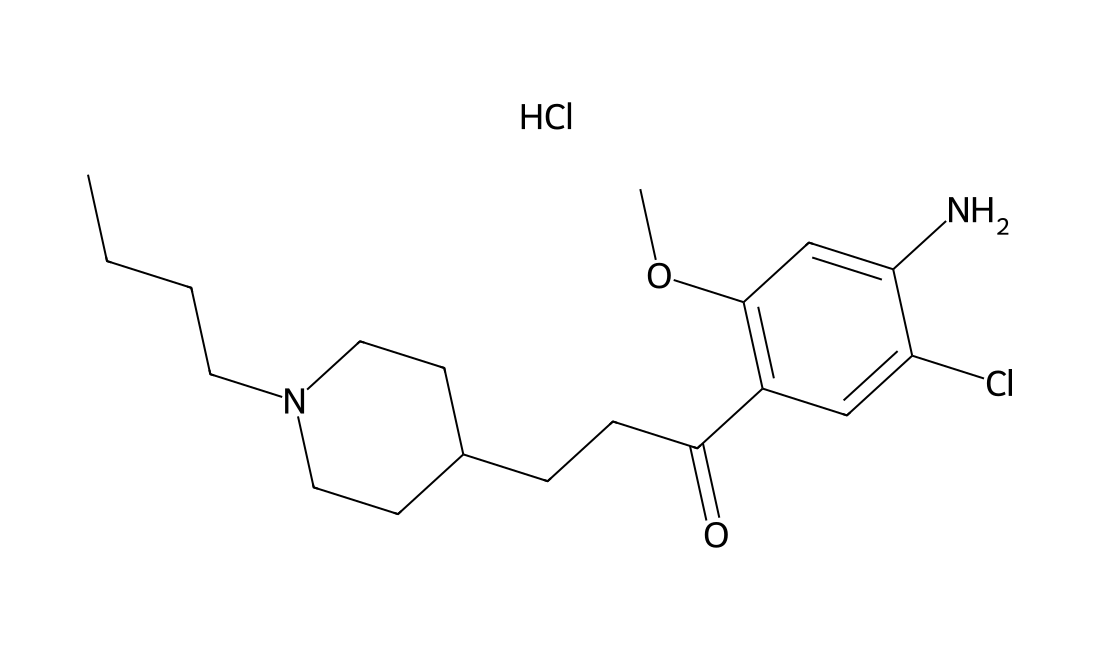
RS 67333 hydrochloride
CAS 168986-60-5
RS 67333 hydrochloride is a potent and selective 5-HT4 receptor (5-HT4R) partial agonist with a pKi of 8.7 in guinea-pig striatum. RS 67333 hydrochloride exhibits lower affinities at several other receptors including 5-HT1A, 5-HT1D, 5-HT2A, 5-HT2C, dopamine D1, D2 and muscarinic M1-M3 receptors. RS 67333 hydrochloride has neuroprotective effects, and can be used for Alzheimer's disease research.
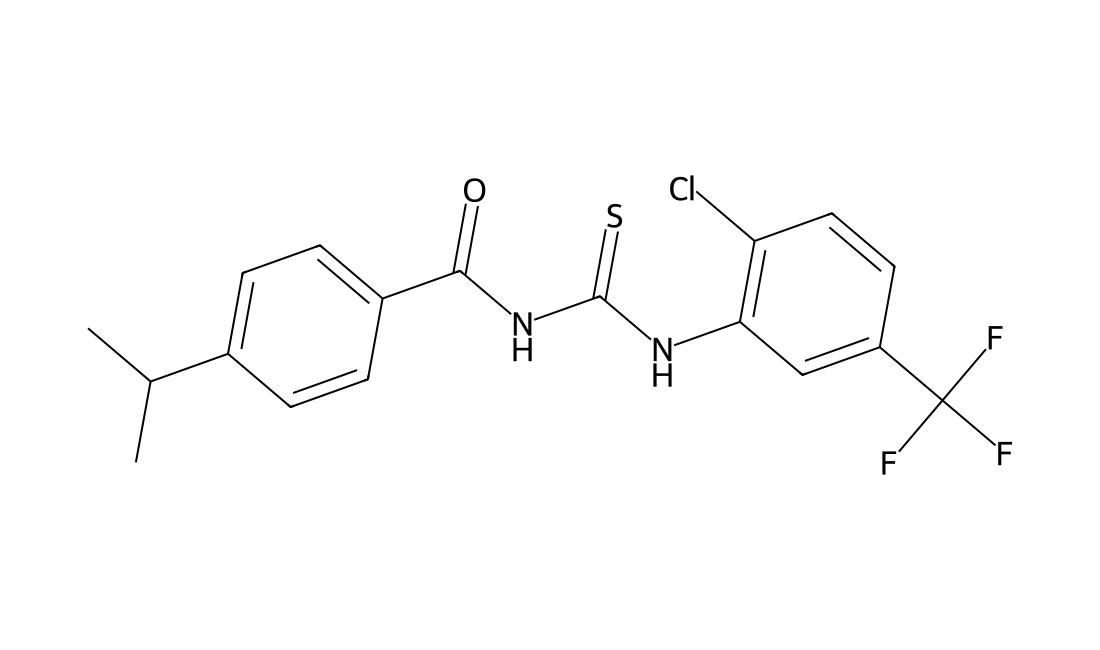
Mesendogen
CAS 864716-85-8
Novel inhibitor of TRPM6, promoting mesoderm and definitive endoderm differentiation of human embryonic stem cells through alteration of magnesium homeostasis
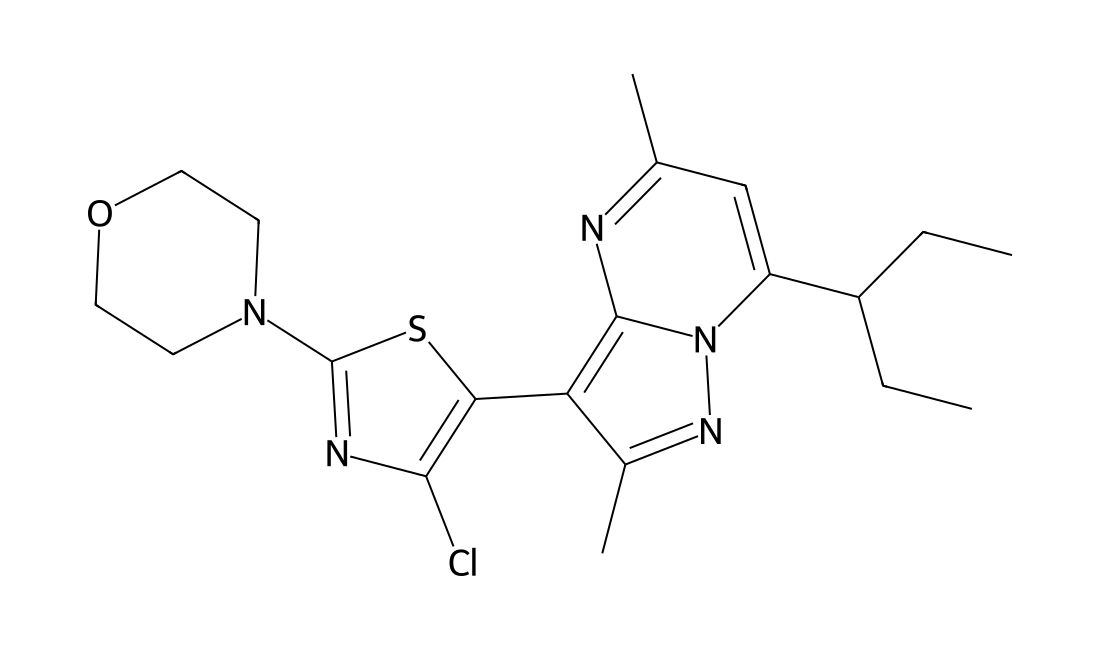
SR31527
CAS 311814-78-5
SR31527 is a novel allosteric Kinesin-like protein KIFC1 inhibitor that inhibits microtubule-stimulated KIFC1 ATPase activity with IC50 of 6.6 uM, binds directly to KIFC1 with Kd of 25.4 nM; prevents bipolar clustering of extra centrosomes in TNBC cells and significantly reducesTNBC cell colony formation and viability (MDA-MB-231, BT549 and MDA-MB-435s cells IC50=20-30 uM), with less toxicity to normal fibroblasts.
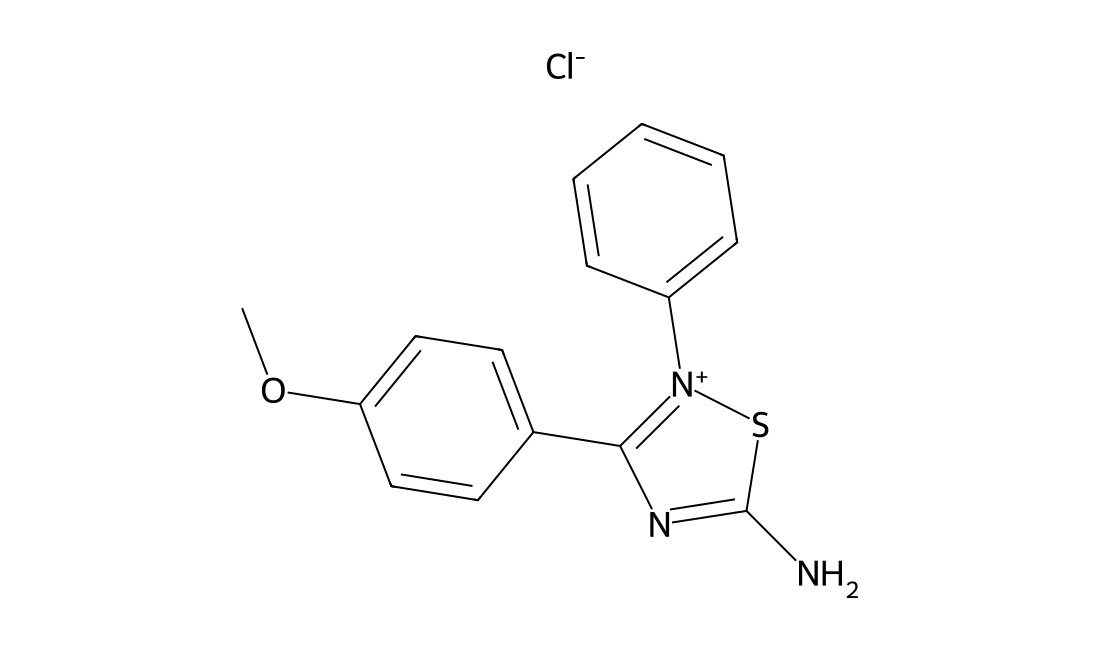
VPC-80051(VPC80051)
CAS 877969-69-2
VPC-80051 (VPC80051) is the first small molecule inhibitor of hnRNP A1 splicing activity, targets RNA-binding domain (RBD) of hnRNP A1; interacts directly with hnRNP A1 RBD and reduces AR-V7 messenger levels in 22Rv1 CRPC cell line, reduces AR-V7 mRNA levels.
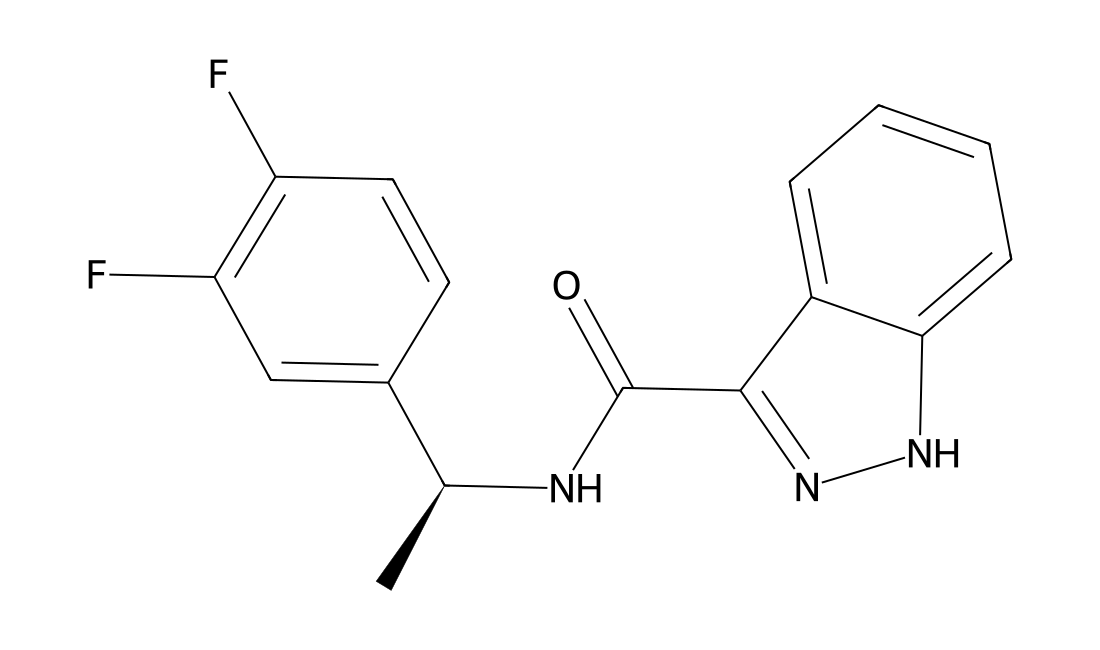
RG7834 (RO 7020322)
CAS 2072057-17-9
RG7834 (RO 7020322) is a highly selective and orally bioavailable HBV inhibitor, potently inhibits HBV antigens (both HBsAg and HBeAg) and HBV DNA, with IC50s of 2.8, 2.6, and 3.2 nM, respectively, in dHepaRG Cells[1].
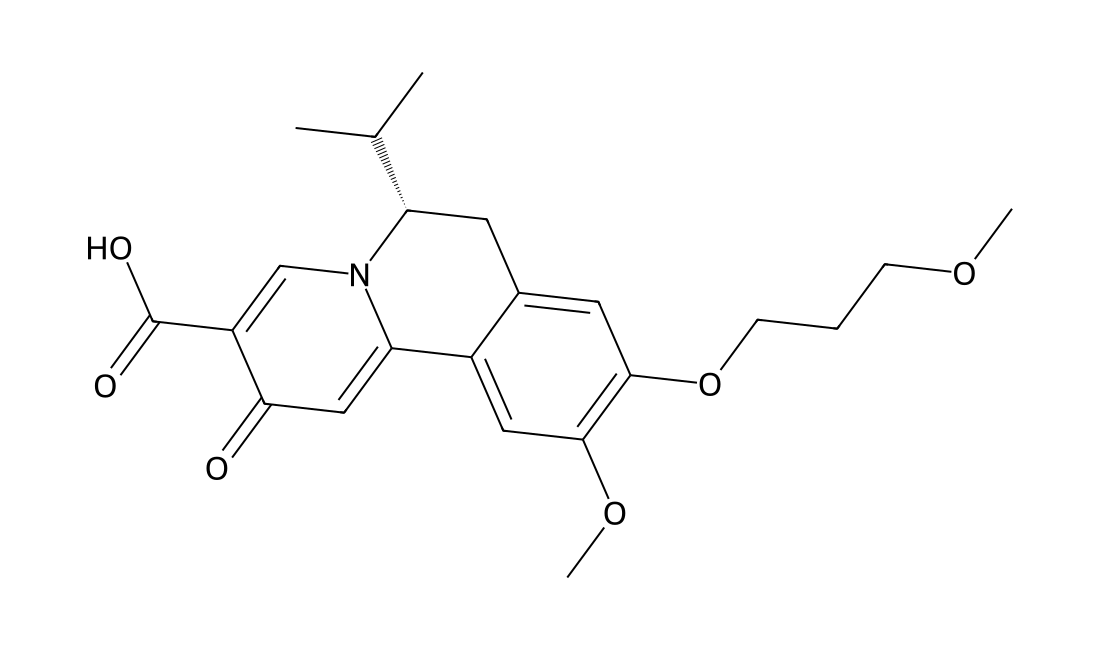
A-485
CAS 1889279-16-6
A-485 is a potent and selective catalytic inhibitor of p300/CBP with IC50s of 9.8 nM and 2.6 nM for p300 and CBP, respectively.
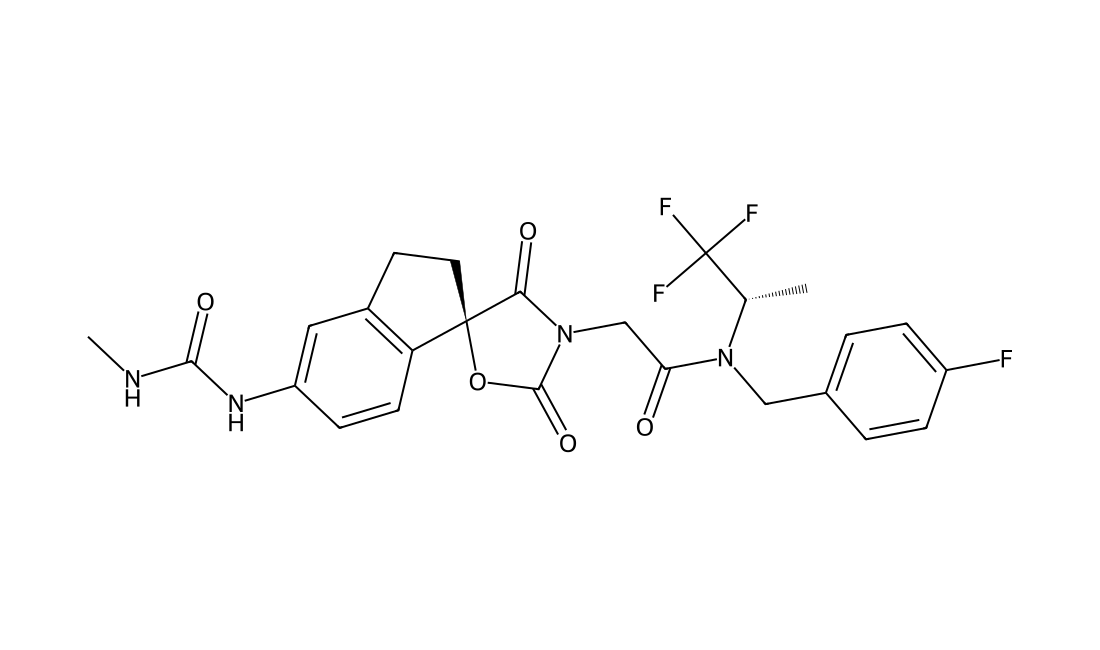
NCGC00262650
CAS 344359-25-7
NCGC00262650 demonstrates potent inhibition of the AMA1-RON2 protein interaction, effectively preventing merozoite invasion of erythrocytes.
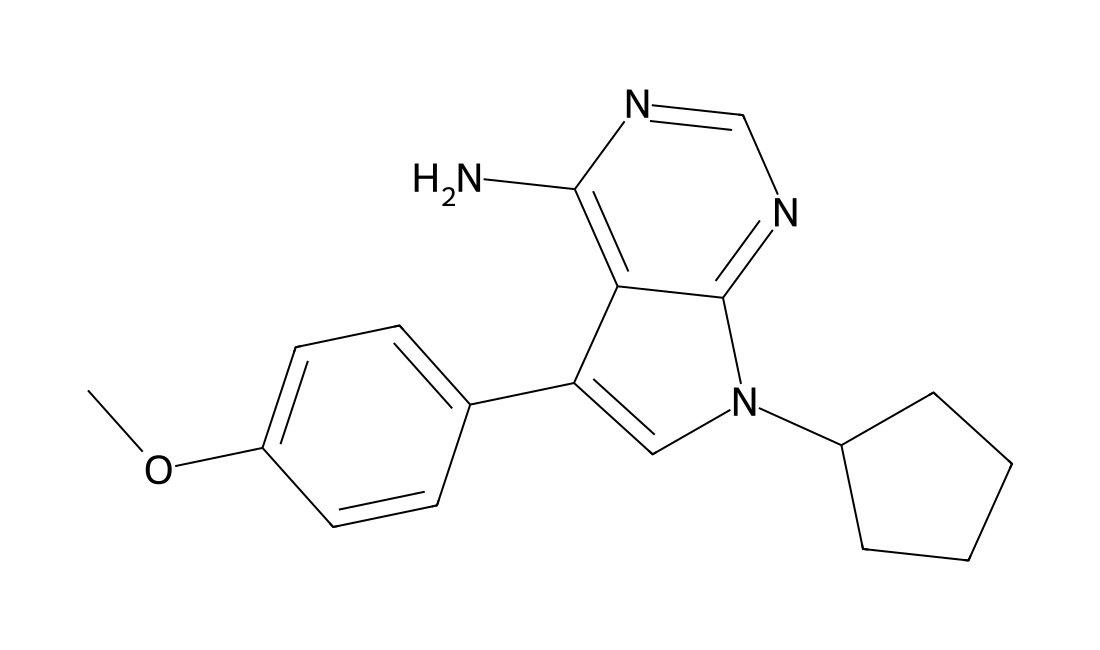
Metarrestin
CAS 1443414-10-5
Metarrestin (ML246) disrupts the nucleolar structure and inhibits RNA polymerase (Pol) I transcription, at least in part by interacting with the translation elongation factor eEF1A2. Metarrestin is a first-in-class perinucleolar compartment inhibitor with a favorable PK profile, which effectively suppresses metastasis[1][2].
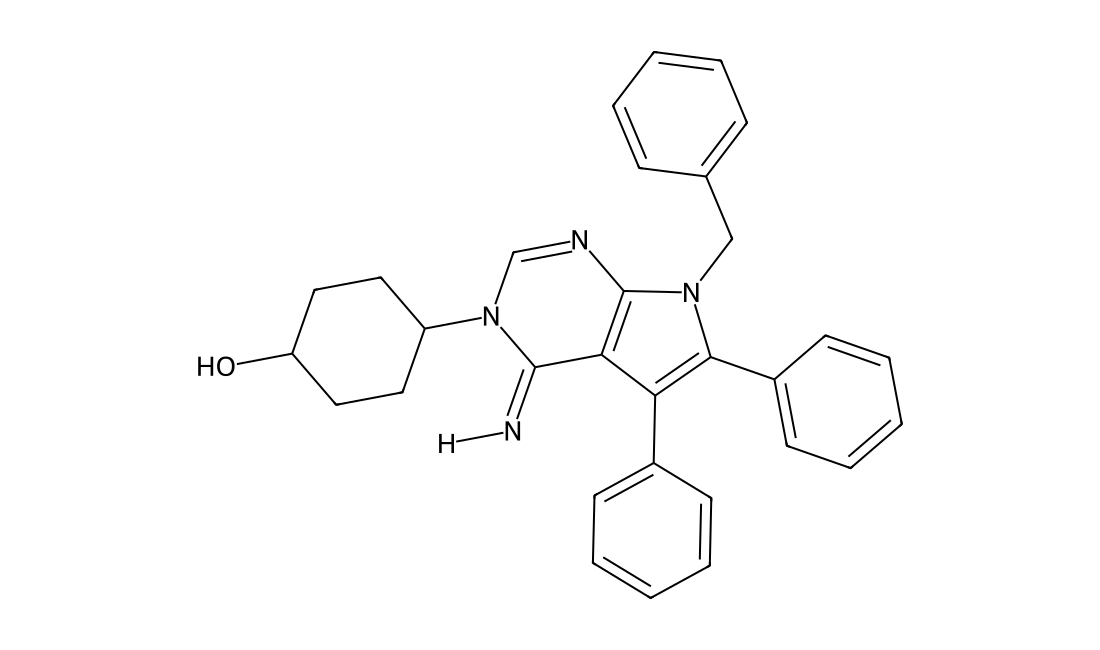
NSC45586
CAS 6300-44-3
A selective protein phosphatase PHLPP inhibitor with IC50 of 4 uM for PP2C domain of PHLPP2; also inhibits PHLPP2, has no activities against other phosphatases; activates AKT and ameliorates staurosporine-induced cell death in neurons.
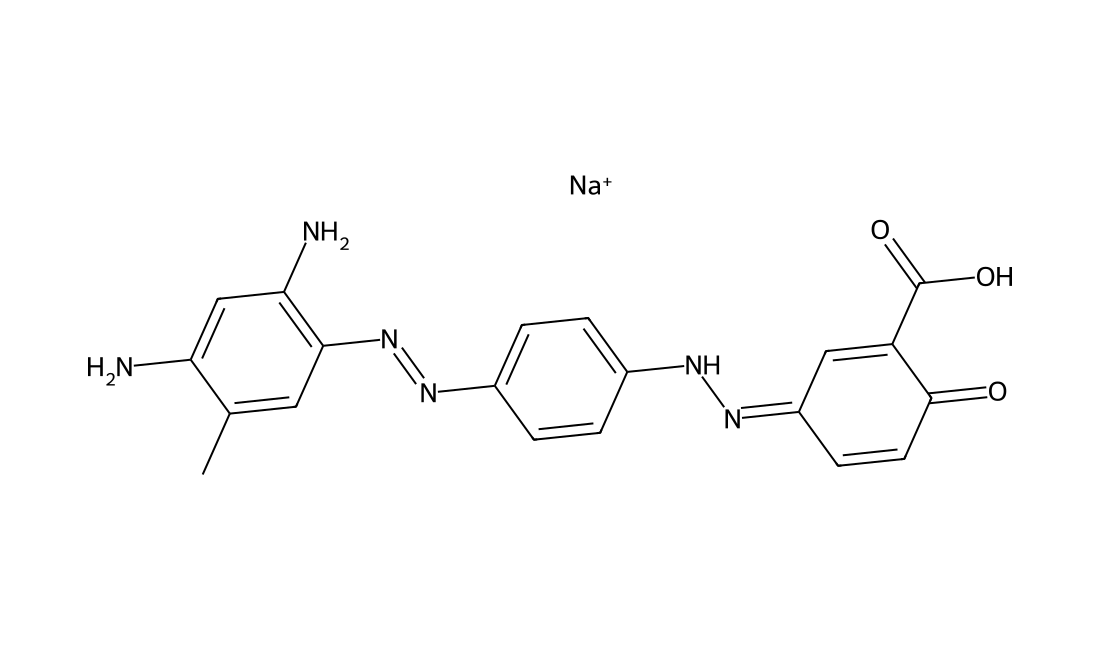
GSK'962
CAS 2049872-86-6
GSK962 is an inactive enantiomer of GSK963 and can be used to confirm on-target effects[1].
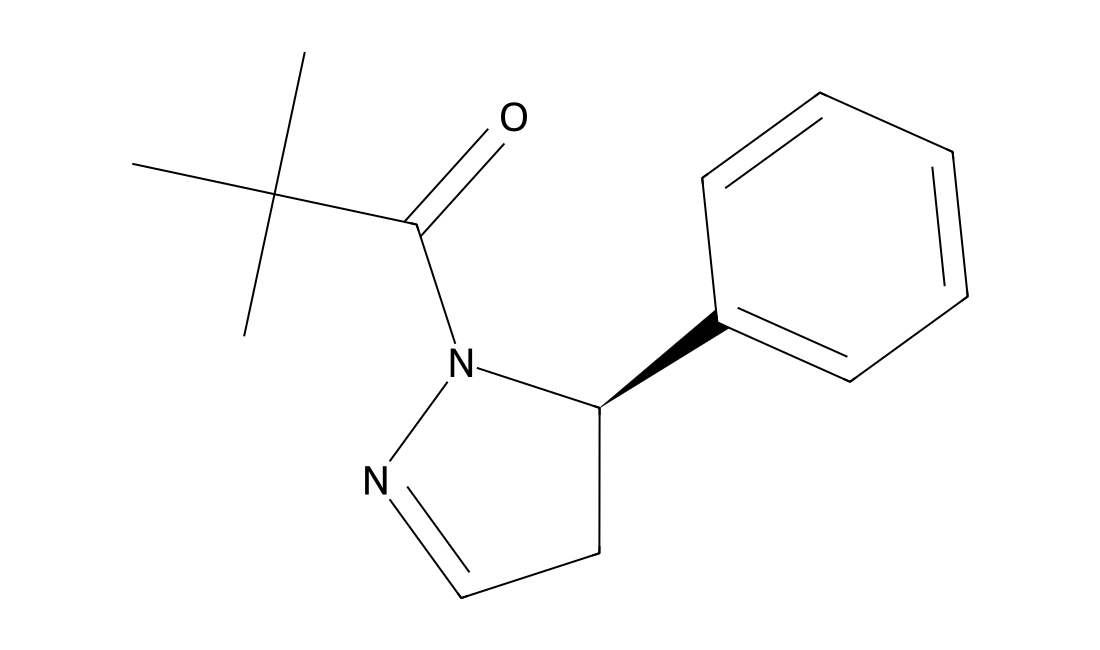
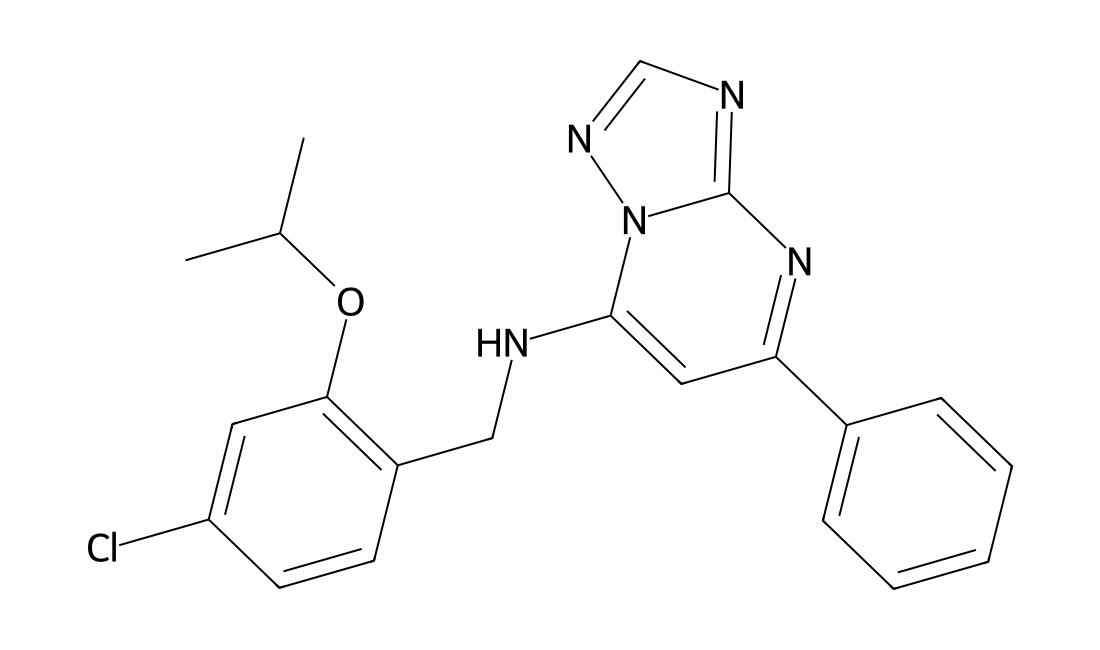
Creatine riboside
CAS 1616693-92-5
Creatine riboside is a urinary metabolite and is a diagnostic and prognostic biomarker of lung cancer[1][2].
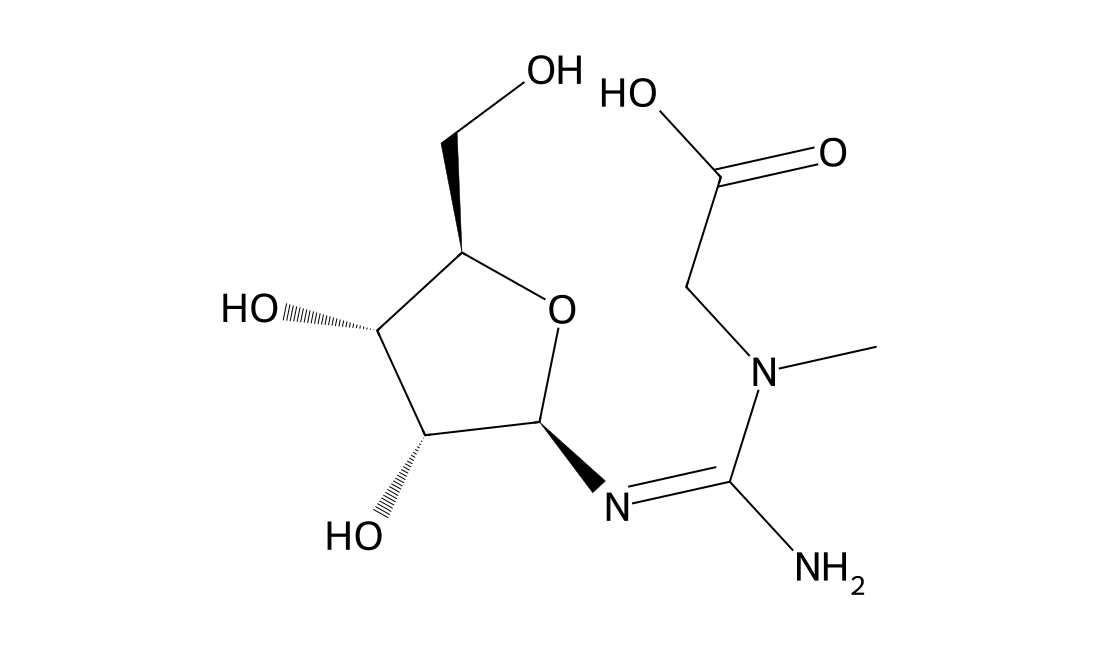
ML211
CAS 2205032-89-7
ML-211 is a carbamate-based dual inhibitor of acyl-protein thioesterase 1 (APT1)/lysophospholipase 1 (LYPLA1) (IC50=17 nM) and LYPLA2 (IC50=30 nM). ML-211 also inhibits theserine hydrolase ABHD11 with an IC50 value of 10 nM but is ≥ 50-fold selective for LYPLA in a panel of 20 additional serine hydrolases[1].
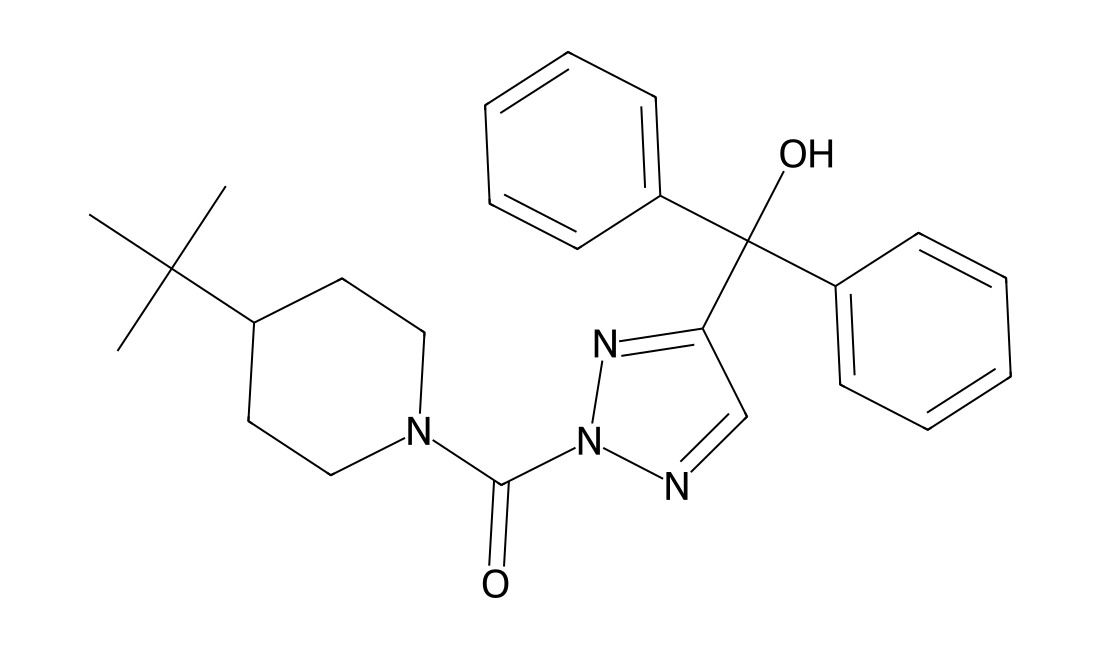
HS-1793
CAS 927885-00-5
HS-1793, a structural analog of Resveratrol (HY-16561), demonstrates broad-spectrum antitumor effects across multiple cancer cell lines by triggering apoptotic cell death.
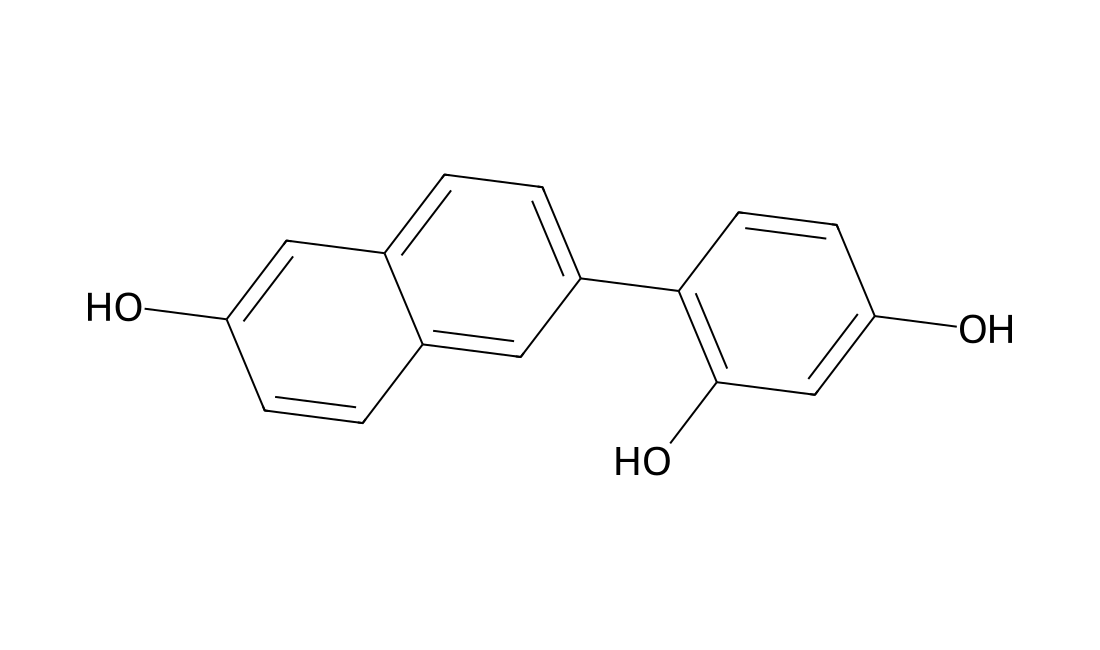
VPC 23019
CAS 449173-19-7
VPC23019, an aryl amide-containing Sphingosine 1-phosphate (S1P) analog, is a competitive antagonist at the S1P1 and S1P3 receptors (pKi= 7.86 and 5.93, respectively) and a agonist at the S1P4 and S1P5 receptors (pEC50= 6.58 and 7.07, respectively)[1].
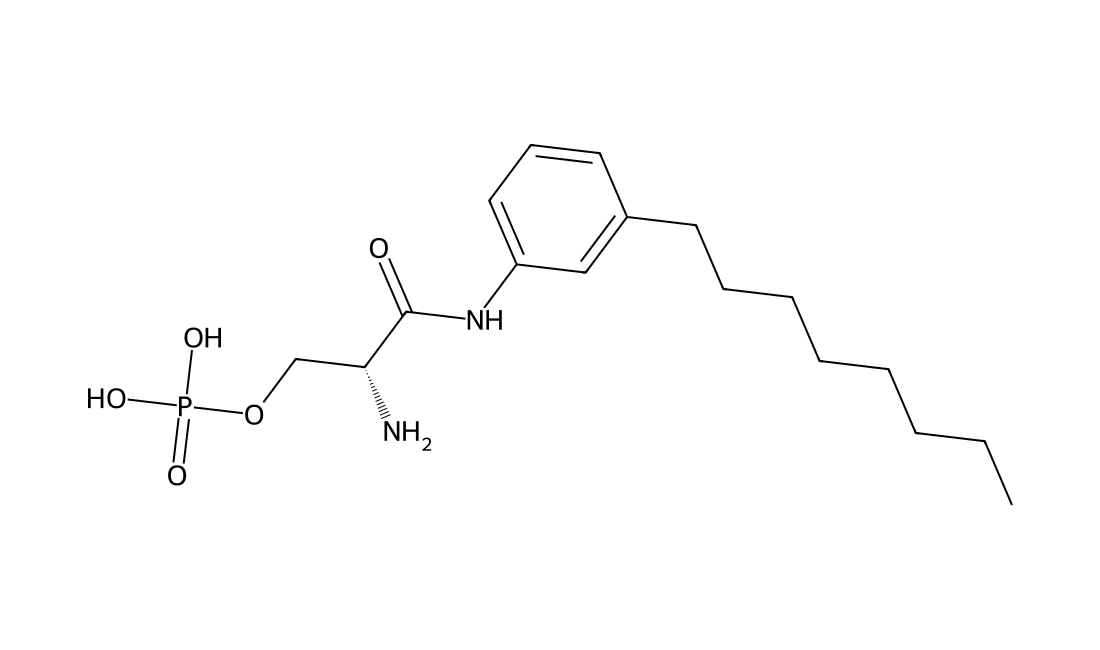
SW155246
CAS 420092-79-1
SW155246 is a selective DNA methyltransferase 1 (DNMT1) inhibitor, demonstrating potent activity against human DNMT1 (IC50 = 1.2 μM) while showing weaker inhibition of murine DNMT3A (IC50 = 38 μM). This compound holds potential for cancer research and other therapeutic applications.
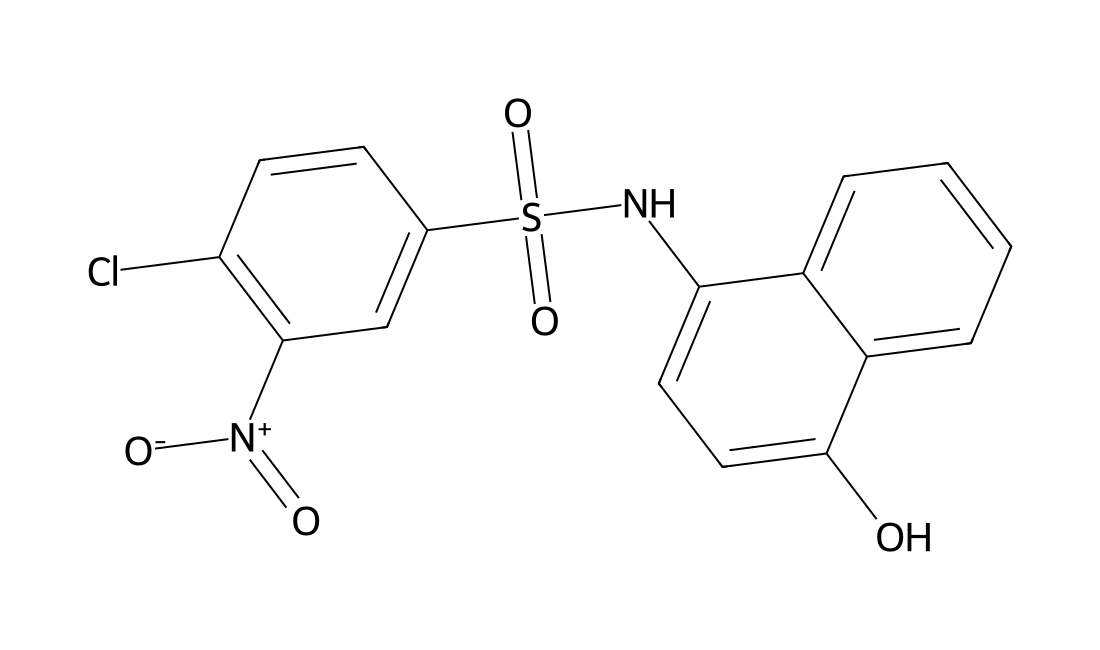
CYM2503
CAS 1308833-36-4
CYM2503 is a potential positive allosteric modulator of the galanin receptor subtype 2 (GalR2). Preclinical studies indicate that CYM2503 prolongs the onset of electrographic seizures and reduces overall seizure duration. Additionally, it exhibits protective effects against electroshock-induced seizures in murine models. Both GalR1 and GalR2 receptors are considered promising therapeutic targets for investigating seizure disorders and epilepsy.
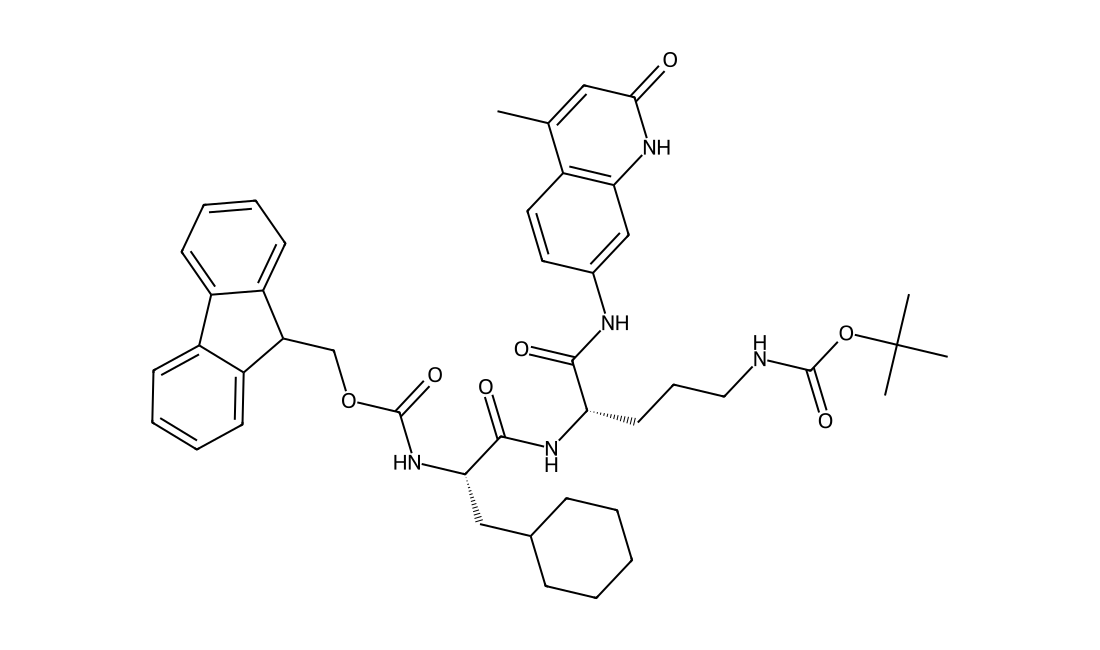
Atglistatin
CAS 1469924-27-3
Atglistatin is a highly potent, selective and competitive inhibitor of adipose triglyceride lipase (ATGL) with an IC50 of ~0.7 μM For inhibition of lipolysis in vitro, but no toxicity up to a concentration of 50 μM. IC50 value: 0.7 uM Target: ATGL Atglistatin inactivated ATGL in the presence or absence of the ATGL co-activator CGI-58. It does not displace ATGL from lipid droplets of adipocytes. Immunoprecipitation experiments revealed that Atglistatin does not interfere with the interaction of ATGL and CGI-58. Atglistatin inhibited TG hydrolase activity of wild-type WAT in a dose-dependent manner up to 78% in animal models. It was highly effective in inhibiting lipolysis in WAT organ cultures of wild-type mice. Dose and time-dependent inhibition of lipolysis was also observed in fasted wild-type C57Bl/6J mice. Atglistatin can serve as a very useful tool compound to study the pathophysiology and druggability of ATGL in animal models of metabolic disease and cachexia .For the detailed information of Atglistatin, the solubility of Atglistatin in water, the solubility of Atglistatin in DMSO, the solubility of Atglistatin in PBS buffer, the animal experiment (test) of Atglistatin, the cell expriment (test) of Atglistatin, the in vivo, in vitro and clinical trial test of Atglistatin, the EC50, IC50,and Affinity of Atglistatin, Please contact DC Chemicals.
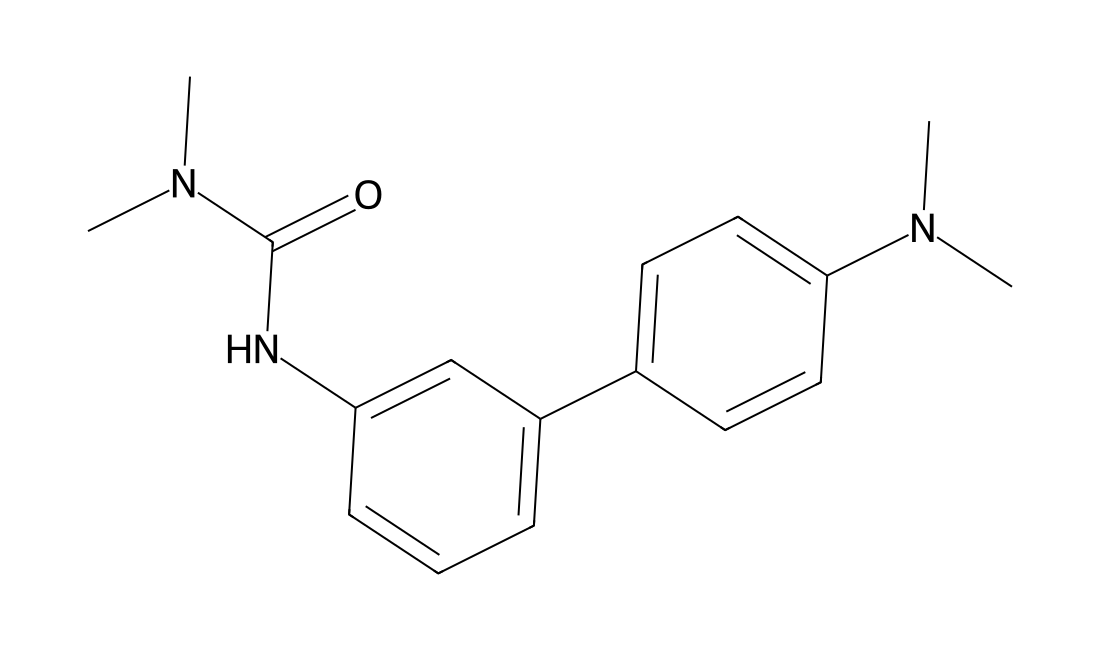
TH 588
CAS 1609960-31-7
TH588 is first-in-class nudix hydrolase family inhibitor that potently and selectively engage and inhibit the MTH1(IC50= 5 nM) in cells.TH588 is highly selective towards MTH1, with no relevant inhibition of other members of the nudix protein family or a panel of 87 enzymes, GPCRs, kinases, ion channels and transporter. TH588 has been shown to selectively kill a variety of cancer cell lines and with in vivo activity shown for TH588 in SW480 colorectal and MCF7 breast tumour xenografts.
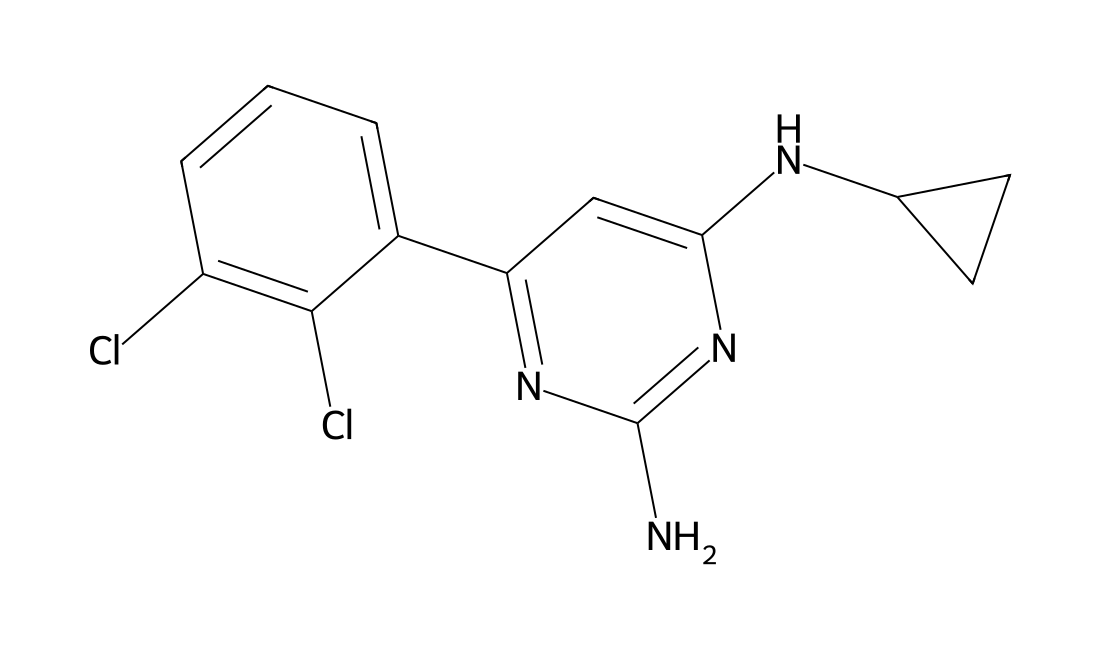
ML336
CAS 1613465-33-0
ML336 is an inhibitor of of the Venezuelan equine encephalitis virus (VEEV) strain TC-83.
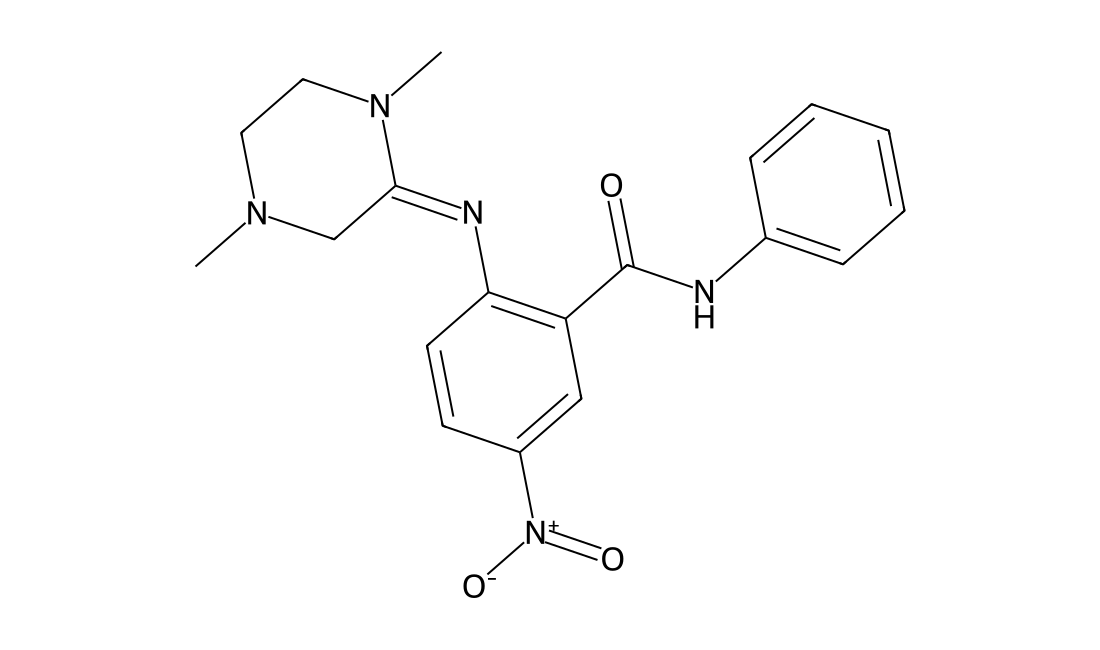
Mps1-IN-3
CAS 1609584-72-6
Mps1-IN-3 is a potent and selective MPS1 kinase inhibitor, with an IC50 of 50 nM.
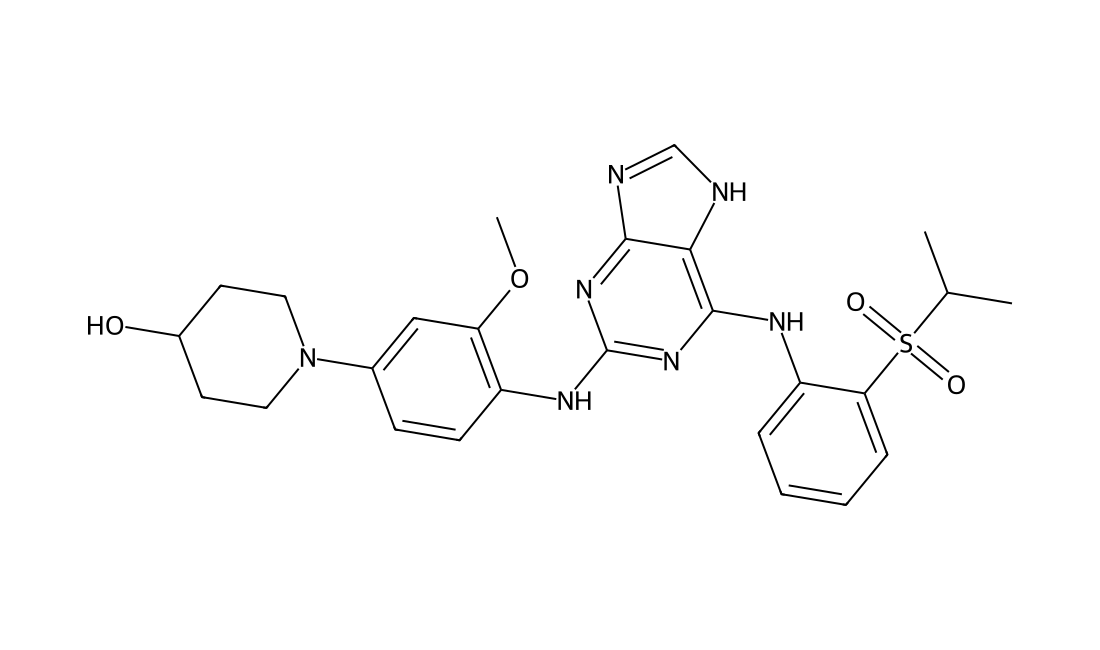
ML303
CAS 1638211-04-7
ML303 is a pyrazolopyridine influenza virus nonstructural protein 1 (NS1) antagonist (IC90 = 155 nM), with an EC50 of 0.7 μM for Influenza A virus H1N1[1].
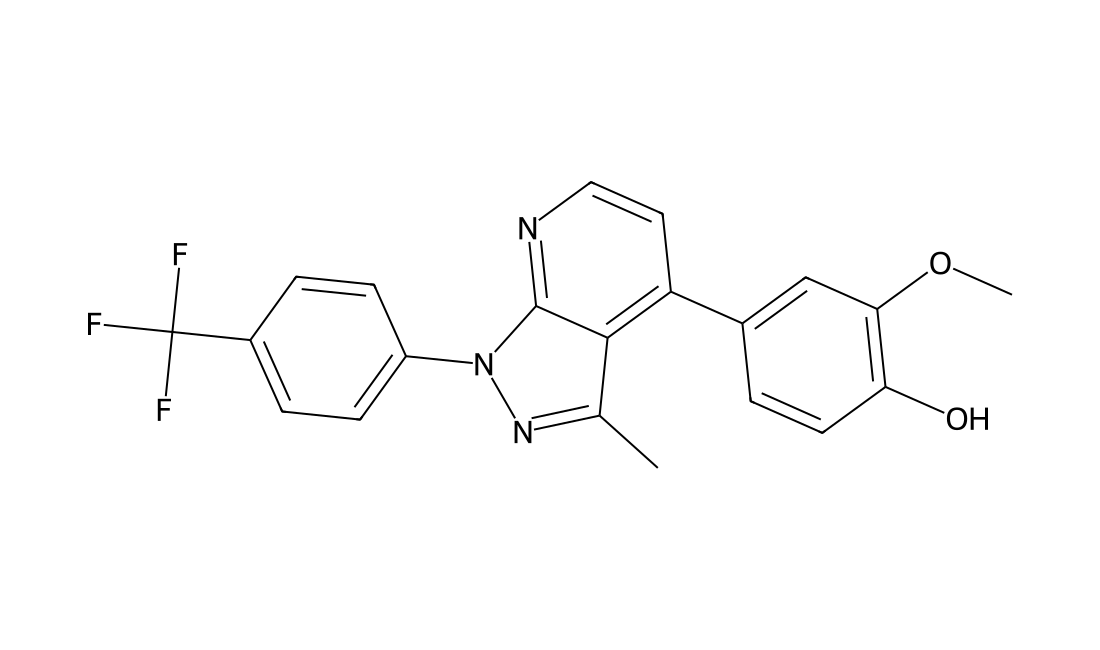
FPH 2(BRD9424)
CAS 957485-64-2
FPH2 induces of functional proliferation of primary human hepatocytes and may lead to the development of new therapeutics for liver diseases.
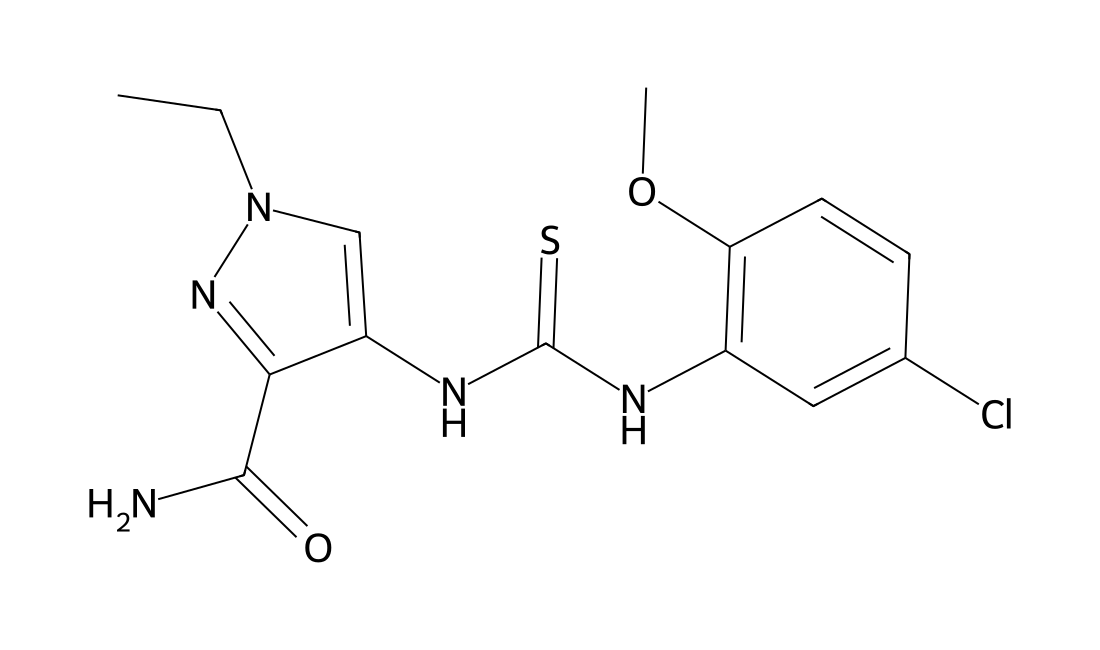
TAE-1
CAS 1414469-59-2
TAE-1 is a AChE inhibitor. TAE-1 inhibits acetylcholinesterase (AChE; IC50 = 0.465 µM for the human erythrocyte enzyme).
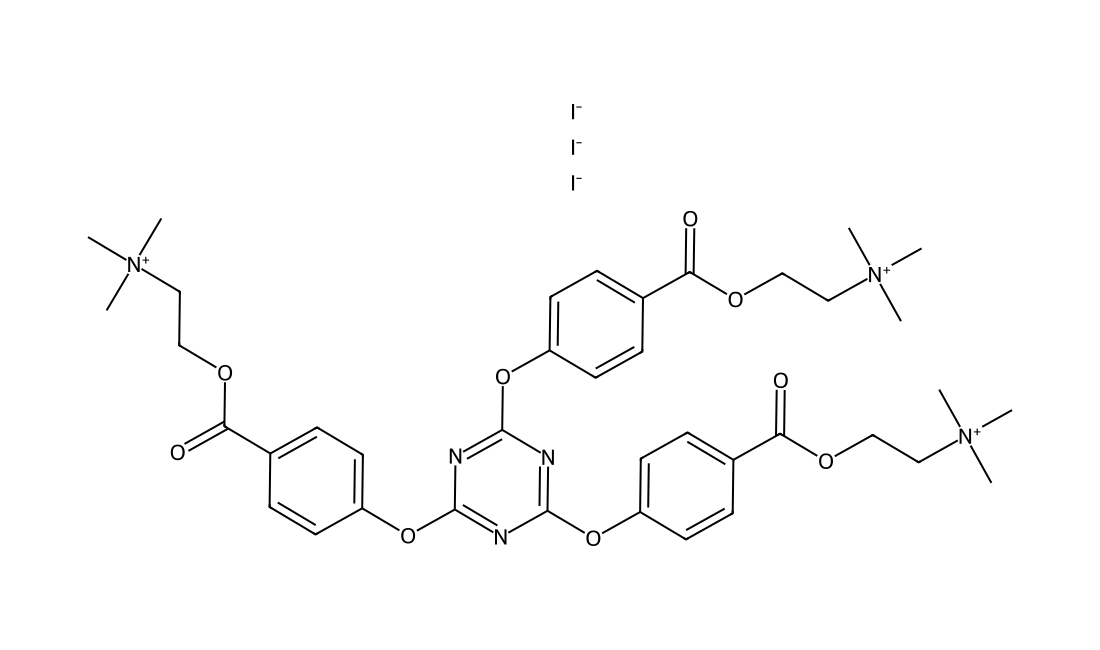
NRX-252262
CAS 2438637-61-5
NRX-252262 is a powerful enhancer of the interaction between β-Catenin and its cognate E3 ligase, SCFβ-TrCP. It effectively induces the degradation of mutant β-catenin, demonstrating an EC50 of 3.8 nM.
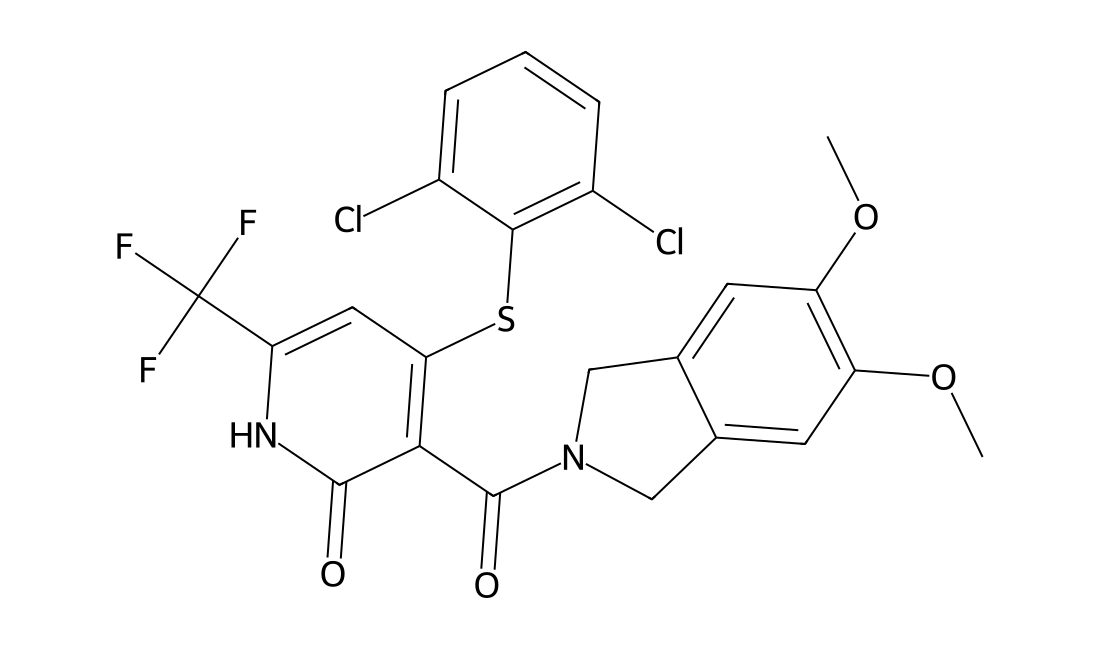
I-152
CAS 311343-11-0
I-152 is a novel conjugate composed of N-acetyl-cysteine (NAC) and cysteamine (MEA), designed to harness the synergistic effects of these two bioactive compounds. It demonstrates the ability to activate key cellular signaling pathways, including NRF2 and ATF4, which are involved in oxidative stress response and cellular homeostasis. Additionally, I-152 exhibits potent anti-proliferative properties, making it a promising candidate for research in conditions characterized by uncontrolled cell growth, such as cancer. This unique combination of NAC and MEA in I-152 offers a multifaceted approach to modulating cellular pathways and addressing pathological processes.
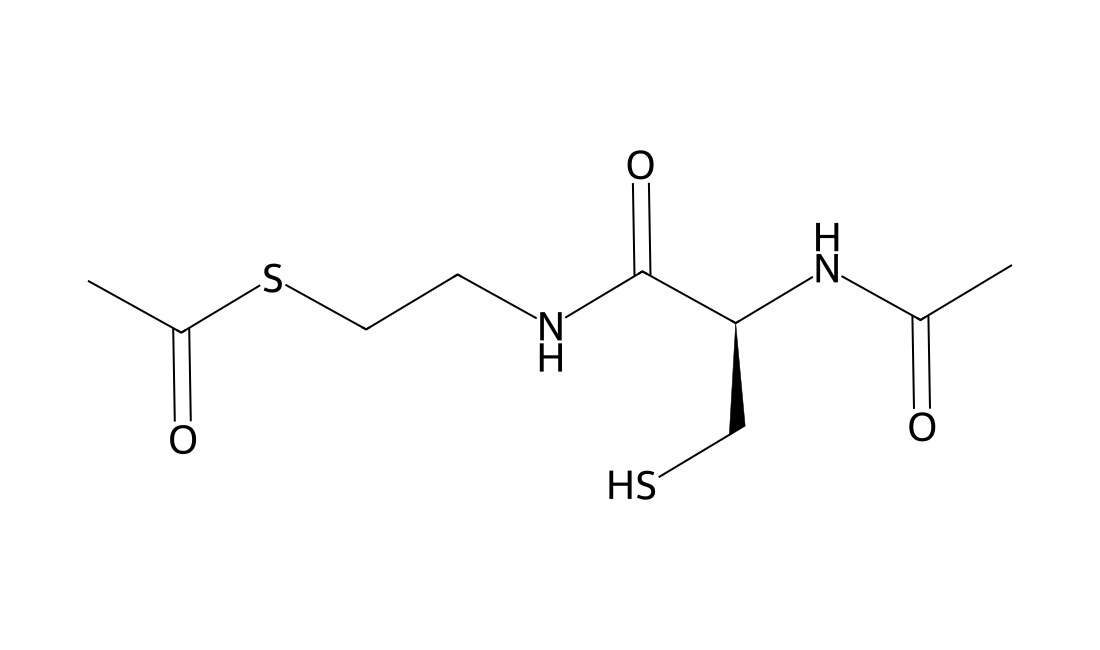
Alagebrium Chloride
CAS 341028-37-3
Alagebrium Chloride, identified as ALT711, emerged as a pioneering pharmaceutical candidate developed by Alteon, Inc. It marked the first clinical attempt to address the crosslinks formed by advanced glycation endproducts (AGEs), a key factor in the aging process. By targeting and disrupting these crosslinks, Alagebrium aims to counteract the stiffening of blood vessel walls, a condition linked to hypertension, cardiovascular disorders, and various age-related degenerative issues caused by protein crosslinking. Clinical studies have demonstrated its efficacy in lowering systolic blood pressure and offering therapeutic advantages for individuals with diastolic dysfunction.
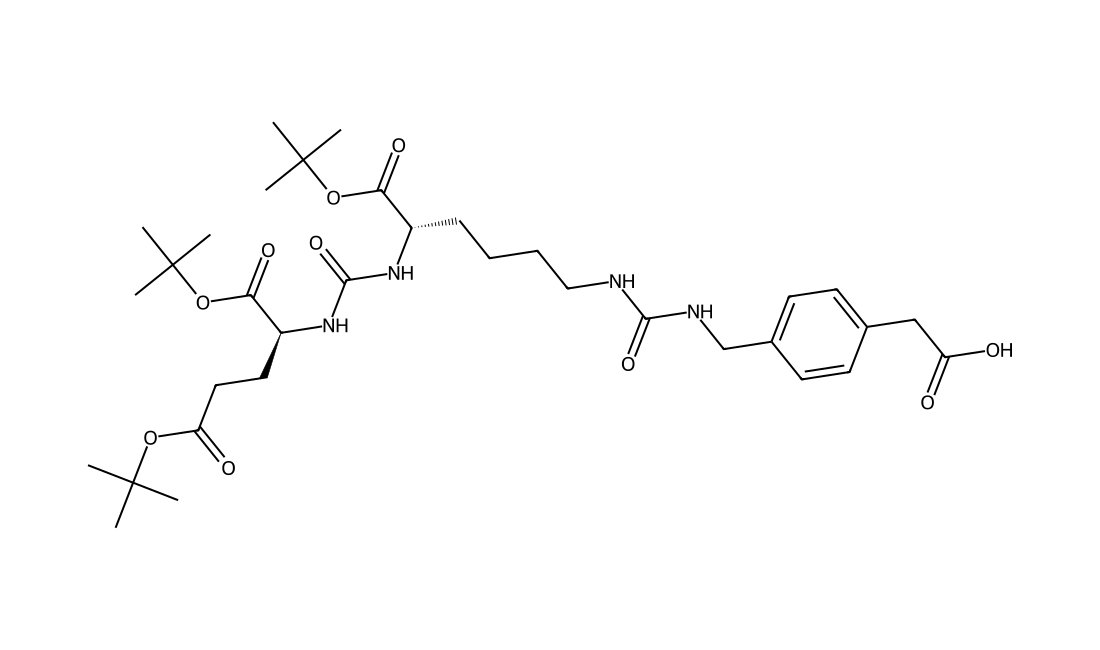
PSMA-ligand-1
CAS 1610413-97-2
A PSMA (prostate-specific membrane antigen) ligand-tubulysin compound.
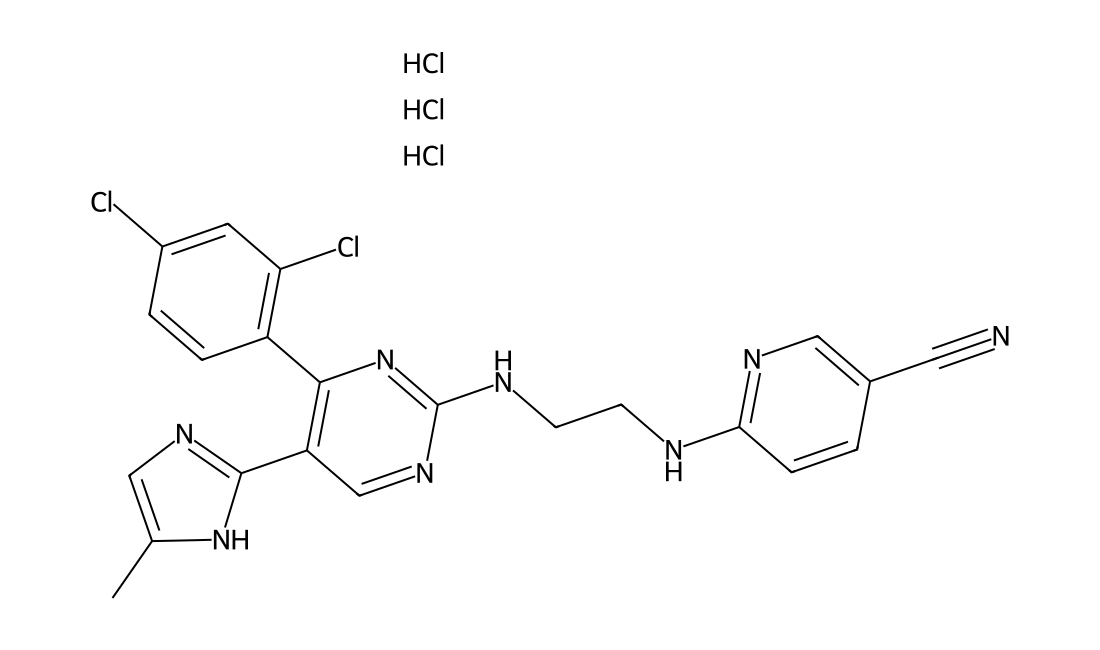
Laduviglusib trihydrochloride
CAS 1782235-14-6
A potent, specific GSK-3 inhibitor with IC50 of 5 nM and 10 nM for GSK3β and GSK3α, respectively; mimics Wnt signaling in preadipocytes, stabilizes free cytosolic beta-catenin and inhibits adipogenesis by blocking induction of C/EBPα and PPARγ; potentiates insulin activation of glucose transport and utilization in vitro and in vivo; also widely used for stem cell differentiation and naive stem cell generation.
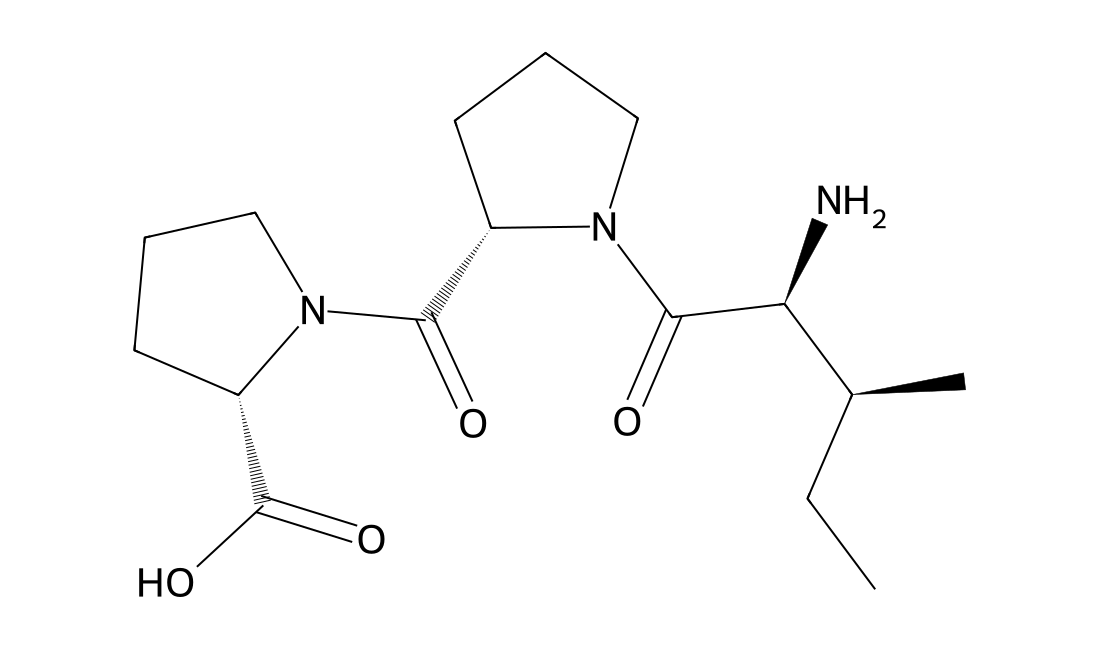
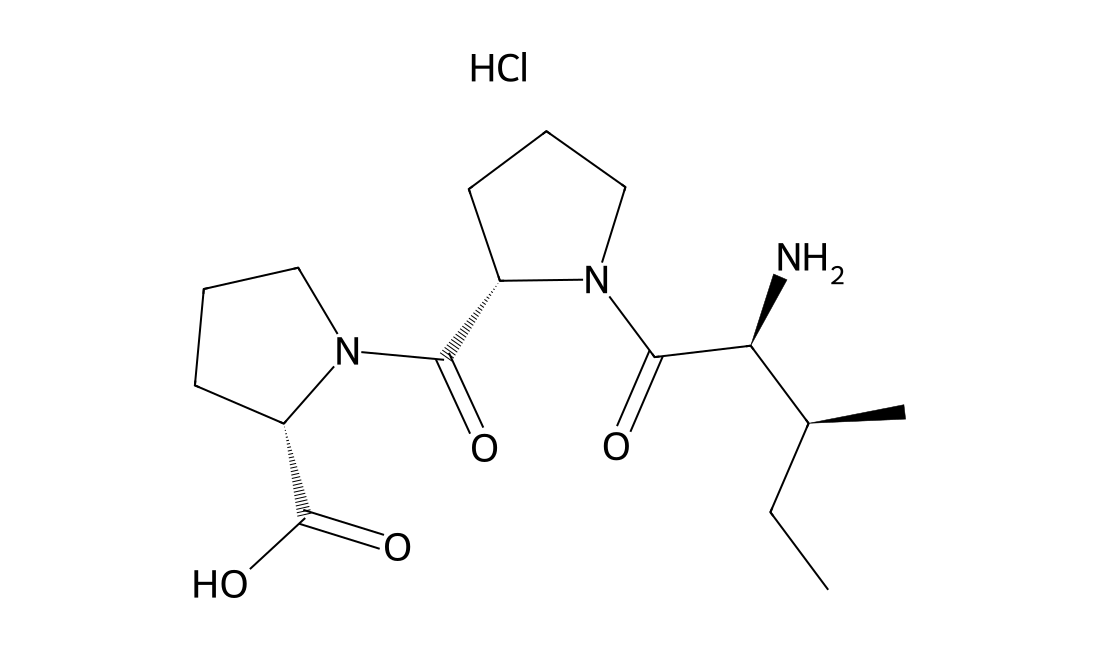
H-Ile-Pro-Pro-OH
CAS 26001-32-1
In Vitro Vitro: Ile-Pro-Pro (IPP) increases nitric oxide (NO) production in human umbilical vein endothelial cells (HUVECs). In Vivo Vivo: Ile-Pro-Pro attenuates arterial dysfunction in L-NAME-treated rats Ile-Pro-Pro (IPP) decreases blood pressure in spontaneously hypertensive rats (SHR). Ile-Pro-Pro (IPP) attenuates the development of atherosclerosis in apolipoprotein E-deficient (apoE(-/-)) mice.
H-Ile-Pro-Pro-OH hydrochloride
CAS 1208862-61-6
H-Ile-Pro-Pro-OH hydrochloride, a milk-derived peptide, inhibits angiotensin-converting enzyme (ACE) with an IC50 of 5 μM. Antihypertensive tripeptides.
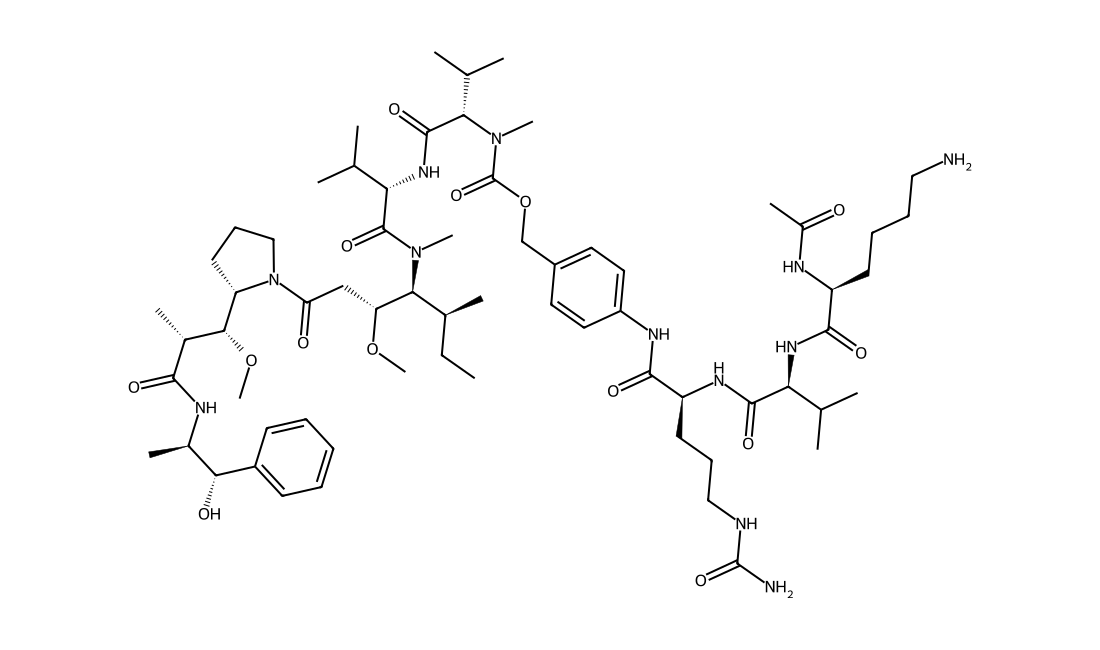
Ac-Lys-Val-Cit-PABC-MMAE
CAS 1650569-89-3
Ac-Lys-Val-Cit-PABC-MMAE is a drug-linker conjugate for ADC. Ac-Lys-Val-Cit-PABC-MMAE contains the ADC linker (peptide Ac-Lys-Val-Cit-PABC) and a potent tubulin polymerization inhibitor MMAE.
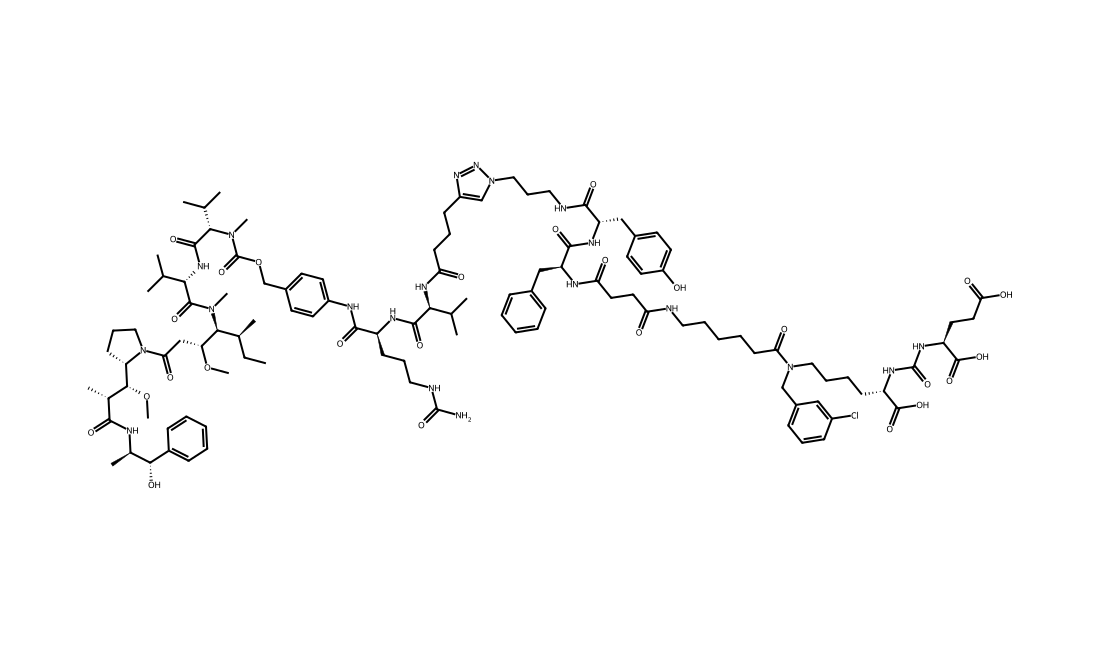
PSMA-Val-Cit-PAB-MMAE
CAS 2748039-79-2
PSMA-Val-Cit-PAB-MMAE is a novel small-molecule PSMA-targeted conjugate based on the monomethyl auristatin E for the chemotherapy of prostate cancer.
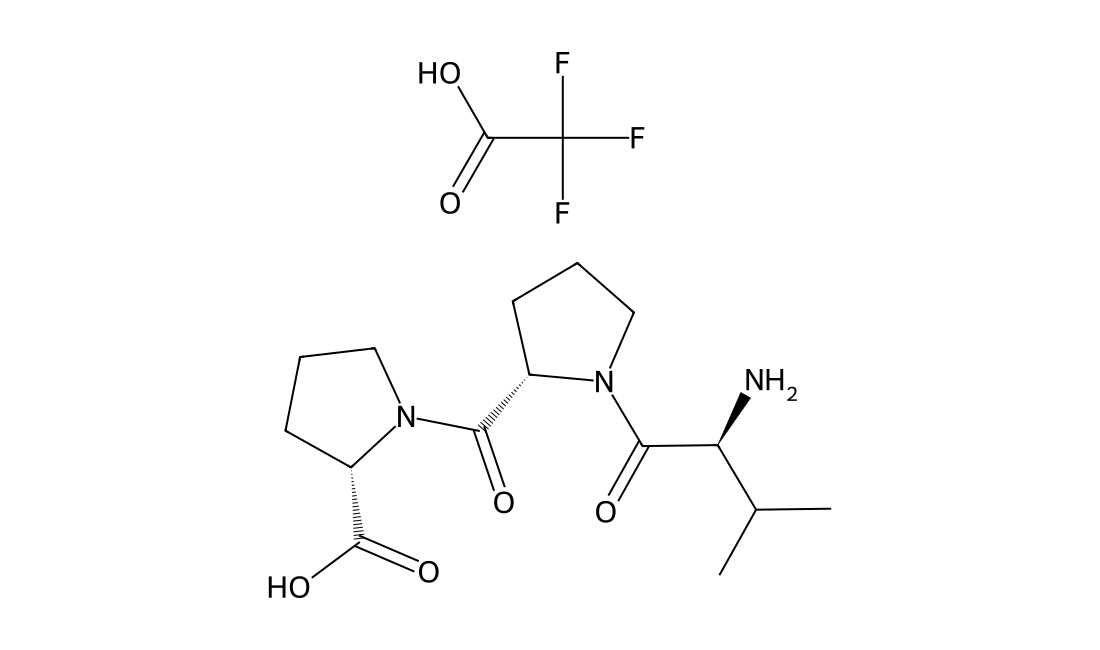
H-Val-Pro-Pro-OH TFA
CAS 2828433-08-3
In Vitro H-Val-Pro-Pro-OH (TFA), a proline peptides derivative, could inhibit Angiotensin I converting enzyme (ACE), with an IC50 of 9 μM. H-Val-Pro-Pro-OH (TFA) could enhance insulin sensitivity and prevent insulin resistance in 3T3-F442A pre-adipocytes. H-Val-Pro-Pro-OH (TFA) also has anti-hypertensive and anti-inflammatory functions. H-Val-Pro-Pro-OH (TFA) further enhances the expression of glucose transporter 4 (GLUT4) in adipocytes and restores glucose uptake in TNF-treated adipocytes.
Browse target & topic index A–Z (366)
11β-HSD (1)15-PGDH (2)5-HT Receptor (16)Acetyl-CoA Carboxylase (ACC) (3)Acetylcholinesterase (AChE) (2)Ack1 (TNK2) (1)Acyltransferase (1)ADC Cytotoxin (6)ADCs Linker/Click Chemistry (5)Adenosine Receptor (9)Adenylate Cyclase (2)Adrenergic Receptor (11)Akt (12)Alcoholism (2)Aldehyde Dehydrogenase (ALDH) (6)Allergy (5)Alzheimer Disease (13)Aminopeptidase (1)AMPK (8)Amyloids (4)Anaplastic Lymphoma Kinase (ALK) (9)Androgen Receptor (AR) (11)Anemia (4)Angiotensin Receptor (4)Antibody/Protein labeling dyes (1)Antifolate (2)Anxiety (1)Apoptosis Inducer (3)Arginase (1)Arp2/3 complex (1)Aryl hydrocarbon Receptor (AhR) (1)Asthma (5)Atherosclerosis (2)ATM/ATR (8)Aurora Kinase (10)Autophagy (6)Autophagy-related Protein (Atg) (2)Autotaxin (2)Bacterial (26)Bacterial Infection (17)Bcl-2 (14)Bcr-Abl (5)BCRP (1)Beta-catenin (4)Beta-secretase (BACE) (4)Blood Cancer (91)BMI-1 (1)Bone Cancer (6)Brain Cancer (6)Breast Cancer (30)Bromodomain (22)BTK (10)c-Fms (CSF1R) (5)c-Fos/AP-1 (1)c-Kit (6)c-Met (HGFR) (11)c-Myc (2)Calcium Channel (4)Calcium-sensing Receptor (CaSR) (1)CaMK (4)Cannabinoid Receptor (6)Carbonic Anhydrase (1)Carboxypeptidase (1)Casein Kinase (6)Caspase (4)Cathepsin (6)Cdc2-like Kinase (CLK) (1)CETP (2)CFTR (7)Checkpoint Kinase (Chk) (8)Chemokine Receptor (CCR and CXCR) (14)Chemotherapeutic Agents (19)Chloride Channel (1)CMV (2)CMV Infection (2)Colon Cancer (9)Complement System (1)COPD (3)CREB/CBP (2)CRF Receptor (2)CRISPR/Cas9 (1)Cushing Disease (1)Cyclin-dependent Kinase (CDK) (39)Cyclooxygenase (COX) (4)Cytochrome P450 (CYPs) (5)Depression (2)Dermatitis (2)Deubiquitinase (DUB) (7)Diabetes (20)Dipeptidyl Peptidase (DPP) (3)Discoidin Domain Receptor (DDR) (1)DNA Alkylator/Crosslinker (10)DNA Methyltransferase (DNMT) (1)DNA Repair Protein (1)DNA-PK (2)DNA/RNA Synthesis (5)Dopamine beta-hydroxylase (1)Dopamine Receptor (7)Drug Metabolite (1)Drug-Linker Conjugates (11)Dyes (4)DYRK (1)Dyslipidemia (9)E3 Ligase Ligand (6)E3 Ligase Ligand-Linker Conjugate (1)E3 Ubiquitin Ligase (4)Ebola Virus Infection (1)EGFR (32)Elastase (2)Endothelin Receptor (5)Enzymes substrates (13)Epigenetic Reader Domain (3)Epilepsy (4)ERK (4)Estrogen Receptor/ERR (13)Eukaryotic Initiation Factor (eIF) (2)Exportin-1 (CRM1,XPO1) (2)FABP (1)Factor Xa (5)Farnesoid X Receptor (FXR) (5)Farnesyl transferase (FTase) (1)Ferroptosis (6)FGFR (20)Fibrosis (5)FLT3 (6)Focal Adhesion Kinase (FAK) (11)Foxo1 (1)Free Fatty Acid Receptor (FFAR) (5)Fungal (2)Fungal Infection (1)GABA Receptor (13)Galectin (1)Gastric Cancer (8)Ghrelin Receptor (GHSR) (3)Glucagon Receptor (4)Glucokinase (2)Glucose Transporter (GLUT) (2)Glutamate Transporter (2)GPCR (1)GPER (GPR30) (1)GPR139 (1)GPR183 (EBI2) (2)GPR39 (1)GPR55 (1)GPR84 (1)GRK (GPCRK) (2)Growth Hormone Deficiency (2)GSK-3 (8)Guanylate Cyclase (3)HBV (1)HBV Infection (1)HCN Channel (2)HCV (8)HCV Infection (9)HDAC (38)Heart Arrhythmia (2)Heart Failure (5)Heat Shock Protein (HSP) (15)Hedgehog (Hh) (1)HIF/HIF Prolyl-hydroxylase (8)Histamine Receptor (6)Histone Acetyltransferase (HAT) (5)Histone Demethylase (11)Histone Methyltransferase (HMTase) (31)HIV (12)HIV Infection (11)HMG-CoA Reductase (HMGCR) (3)HSV (1)HSV Infection (1)Hypercholesterolemia (1)Hyperparathyroidism (1)Hypertension (8)IAP (1)IGF-1R (3)iGluR (15)Indoleamine 2,3-Dioxygenase (IDO) (4)Infection (1)Influenza (6)Influenza Virus (6)Insulin Receptor (2)Integrin (6)Interleukin Receptor (1)IRAK (2)IRE1 (4)Irritable Bowel Syndrome (2)Ischemia (1)Isocitrate Dehydrogenase (IDH) (5)ITK (1)IκB kinase (IKK) (7)JAK (32)JNK (3)Keap1-Nrf2 (6)Kidney Cancer (10)Kinesin (5)Kruppel-like Factor (KLF) (1)Kynurenine 3-Monooxygenase (KMO) (1)Leukotriene Receptor (1)LIM Kinase (LIMK) (3)Lipids fragment (1)Liver Cancer (6)Liver X Receptor (LXR) (3)LRRK2 (9)Lung Cancer (39)Lysophospholipid Receptor (12)LYTACs (3)mAChR (9)MALT1 (2)MAP4K (1)Matrix Metalloproteinase (MMP) (10)MDM2-p53 (9)MEK (MAP2K) (14)MEKK (MAP3K) (1)Melanocortin Receptor (2)MELK (1)mGluR (7)MicroRNA (1)Microtubule/Tubulin (5)Mineralocorticoid Receptor (MLR) (1)MITF (1)Mixed Lineage Kinase (MLK) (3)MNK (2)Molecular Glues (21)Monoamine Transporter (5)Monocarboxylate Transporter (MCT) (1)Monopolar Spindle 1 (Mps1/TTK) (3)mTOR (13)Multiple Sclerosis (6)Myosin (1)Na-K-Cl Cotransporter (NKCC) (2)nAChR (2)NADPH Oxidase (NOX) (2)NAMPT (3)Natural products (37)Neprilysin (1)Neurokinin Receptor (3)Neuropeptide Y Receptor (3)NF-κB (5)Nitric Oxide Synthase (NOS) (1)NOD-like Receptor (NLR) (3)Notch (2)Nucleoside Antimetabolite/Analog (10)Nur77 (NR4A1) (1)Obesity (1)Oct3/4 (1)Opioid Receptor (5)Orexin Receptor (7)Osteoporosis (2)Ovarian Cancer (14)Oxytocin Receptor (OXTR) (2)P-glycoprotein (P-gp) (3)p21-activated Kinase (PAK) (1)P2X Receptor (2)P2Y Receptor (1)p38 MAPK (10)p97/VCP (1)Pain (12)Pancreatic Cancer (10)Parasite (5)Parasite Infection (2)Parkinson Disease (2)PARP (19)PCSK9 (1)PD-1/PD-L1 (4)PDGFR (4)PDK1 (2)PEGn (1)PERK (2)PGE synthase (2)Phosphodiesterase (PDE) (9)Phospholipase (4)PI3K (32)PI4K (2)Piezo Channel (1)PIKfyve (3)Pim (9)PKC (12)PKD (1)Plasminogen Activator Inhibitor-1 (PAI-1) (3)Polo-like Kinase (PLK) (4)Porcupine (3)Potassium Channel (13)PPAR (13)Pregnane X Receptor (PXR) (1)Progesterone Receptor (2)Prostaglandin Receptor (11)Prostate Cancer (7)PROTACs (35)Protease-activated Receptor (PAR) (3)Proteasome (12)Protein Disulfide Isomerase (PDI) (1)Protein Phosphatase/PTP (6)Proton Pump (1)Psoriasis (5)RAD51 (1)Radioligand precursors (15)Raf (18)RAR/RXR (3)Ras (17)Renin (2)RET Tyrosine Kinase (c-RET) (3)Rheumatoid Arthritis (16)Ribosomal S6 Kinase (RSK) (5)RIG-I-like Receptor (RLR) (2)RIP kinase (7)ROCK (12)ROR (2)RSV (4)RSV Infection (3)RUNX1-CBFβ (1)S-nitrosoglutathione reductase (GSNOR) (1)Saccharides and Glycosides (1)Salt Inducible Kinase (SIK) (2)SARS-CoV (16)SARS-CoV Infection (34)Schizophrenia (4)Sexual Dysfunction (1)SGLT (4)Sigma Receptor (4)Sirtuin (9)Skin Cancer (13)Sleep Disorder (7)SMN2 Modulator (1)Smoothened (Smo) (9)Sodium Channel (12)Solid Tumors (35)Somatostatin Receptor (2)Sphingosine kinase (SphK) (2)Src (7)STAT (5)Stearoyl-CoA Desaturase (SCD) (1)Steatohepatitis (7)Sterol lipids (1)STING (14)Syk (6)T Cell Receptor (TCR) (1)TAK1 (2)TAM Receptor (Tyro3-Axl-Mer) (4)Taste Receptor (1)Telomerase (2)TGF beta Receptor (TGFBR) (12)Thrombin (3)Thrombosis (13)Thyroid Cancer (1)Thyroid Hormone Receptor (THR) (1)Thyrotropin Receptor (2)TNIK (1)Toll-like Receptor (TLR) (2)TOPK (1)Topoisomerase (11)TRAIL (1)Translocator Protein (TSPO) (1)Trk Receptor (4)TRP Channel (13)Tryptophan Hydroxylase (TPH) (1)Ubiquitin-activating Enzyme (E1) (2)Ubiquitin-conjugating Enzyme (E2) (2)Ulcer (1)ULK (3)Vasopressin Receptor (2)VEGFR (25)Vitamin D Receptor (VDR) (3)Wee1 (1)WNK Kinase (1)Wnt (5)Yes-associated Protein (YAP) (4)γ-secretase (5)