Tenovin-1
CAS 380315-80-0
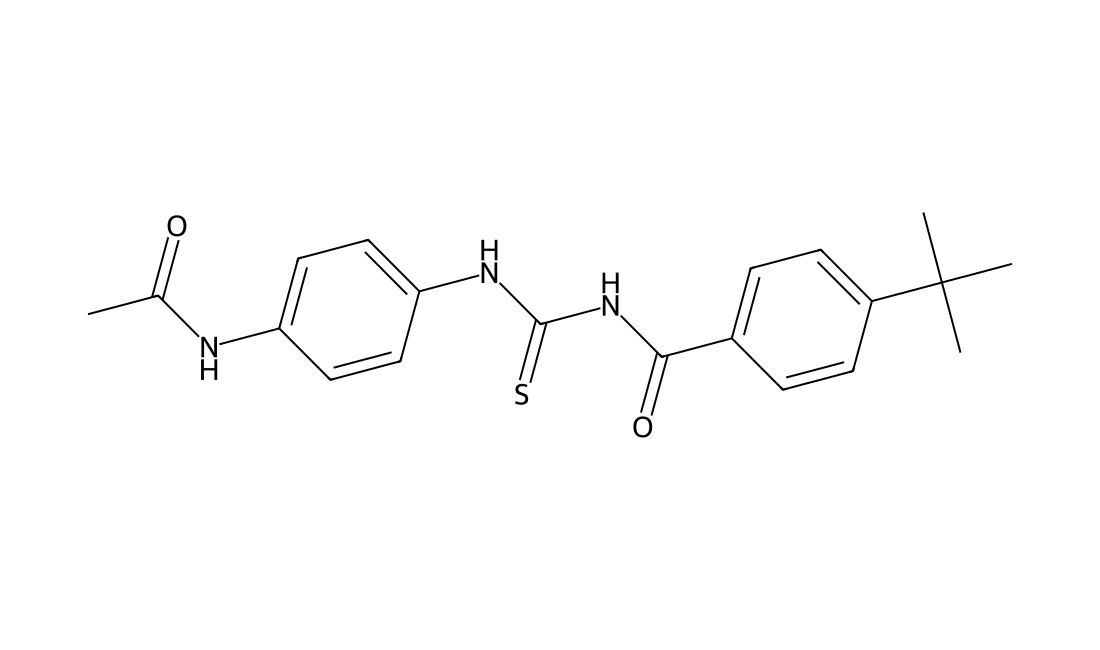
Tenovin-1 is an inhibitor of sirtuin 1 and sirtuin 2, an activator of p53 and may have potential in the management of cancer.

Explore bioactive compounds by research category, then narrow your search by target, product name, catalog number or CAS.
Newly added: LC-MG and OXF molecular glue research compounds →
Products may appear in more than one category. Counts refer to distinct catalog numbers within each category.
Other Research Tools (75) · Additional reagents, building blocks and specialized research tools.
LC-MG-1 (DCA0006) · LC-MG-4 (DCA0007) · LC-MG-9 (DCA0008)
View structure and evidence summaries →Combine a keyword, research category and target to narrow the product list.
Loading catalog filters…
CAS 380315-80-0
Tenovin-1 is an inhibitor of sirtuin 1 and sirtuin 2, an activator of p53 and may have potential in the management of cancer.
CAS 1236199-60-2
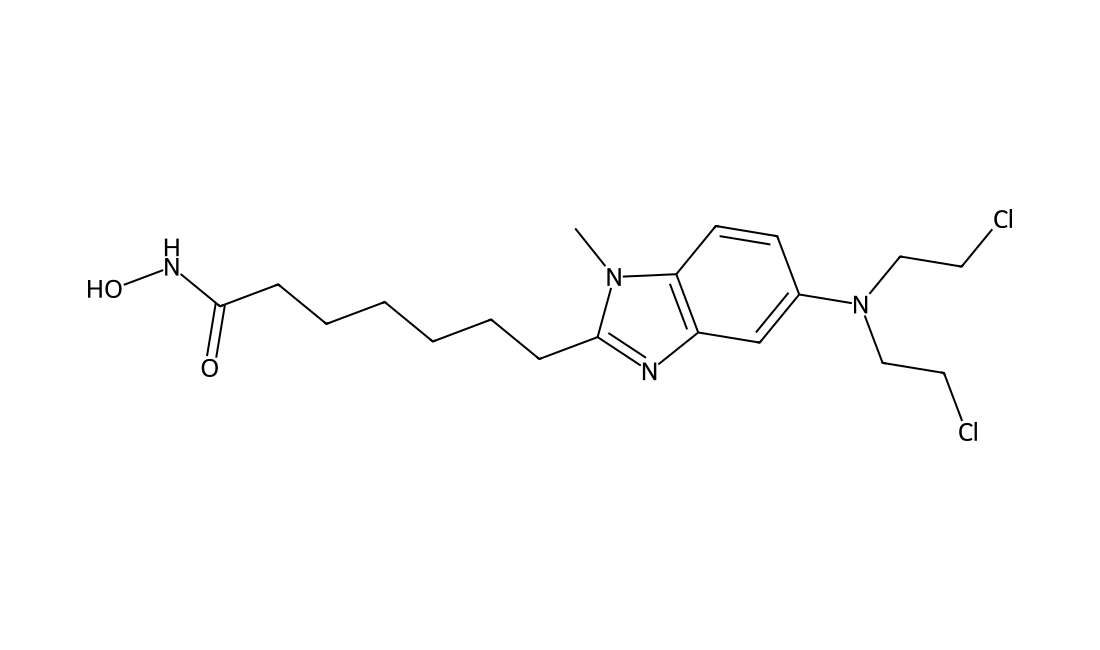
EDO-S101 is a pan HDAC inhibitor; inhibits HDAC1, HDAC2 and HDAC3 with IC50 values of 9, 9 and 25 nM, respectively.
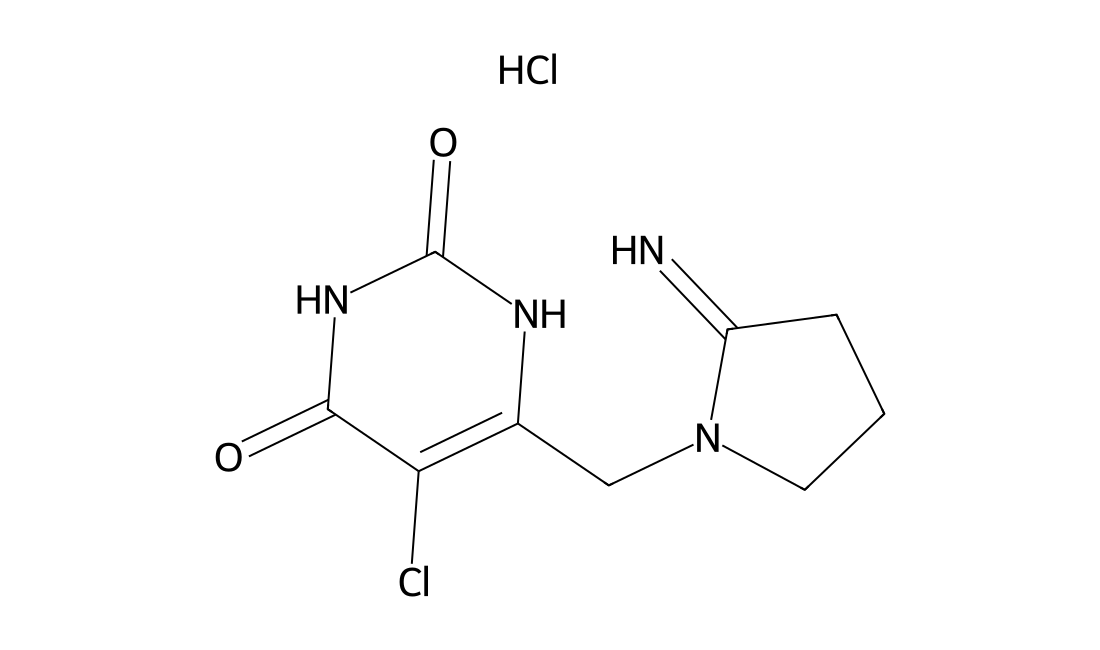
CAS 183204-72-0
Tipiracil (hydrochloride) is a thymidine phosphorylase inhibitor (TPI), used for cancer research.
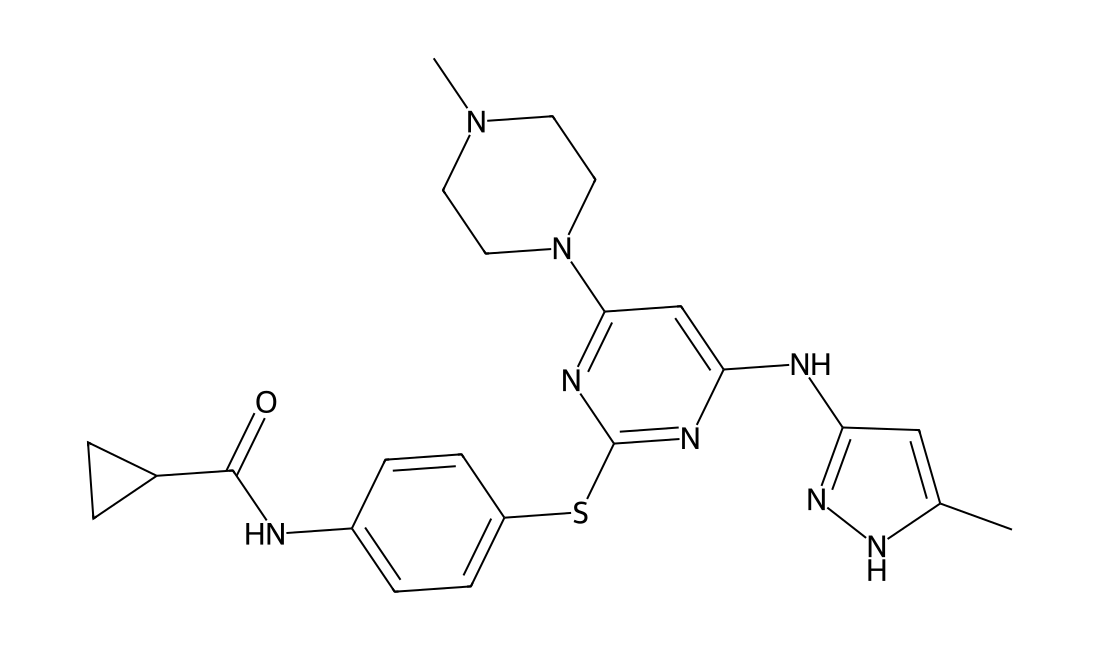
CAS 639089-54-6
Tozasertib is the inhibitor of Aurora A/B/C kinases with Kis of 0.6, 18, 4.6 nM, respectively.
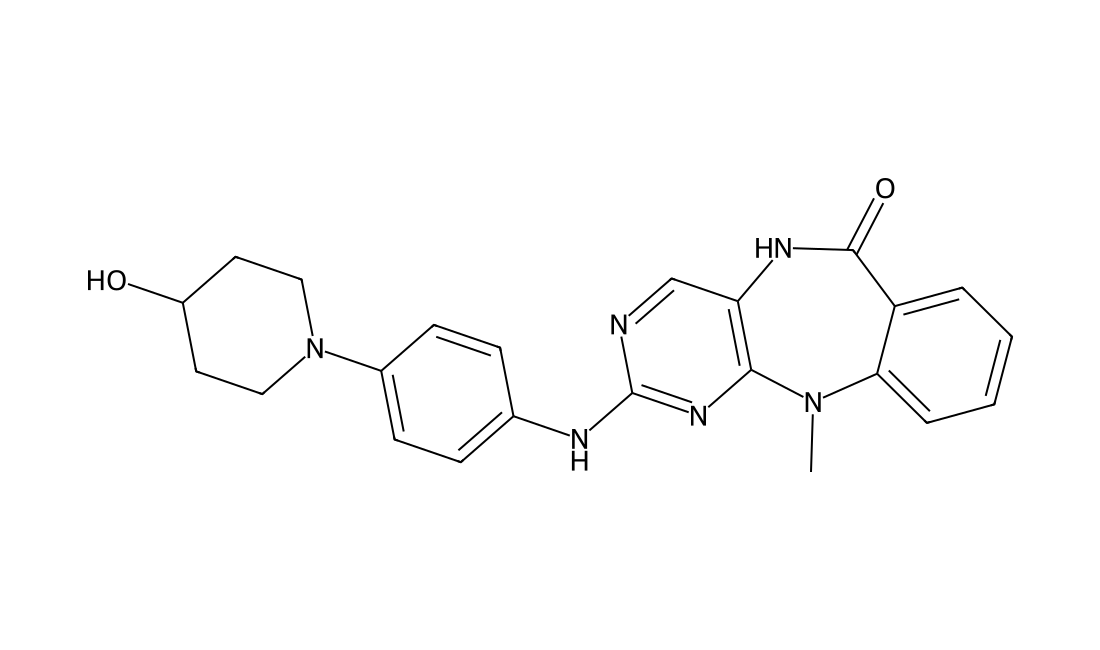
CAS 1345098-78-3
XMD16-5 is a potent TNK2 inhibitor with IC50 values of 16 and 77 nM for the D163E and R806Q mutations, respectively.
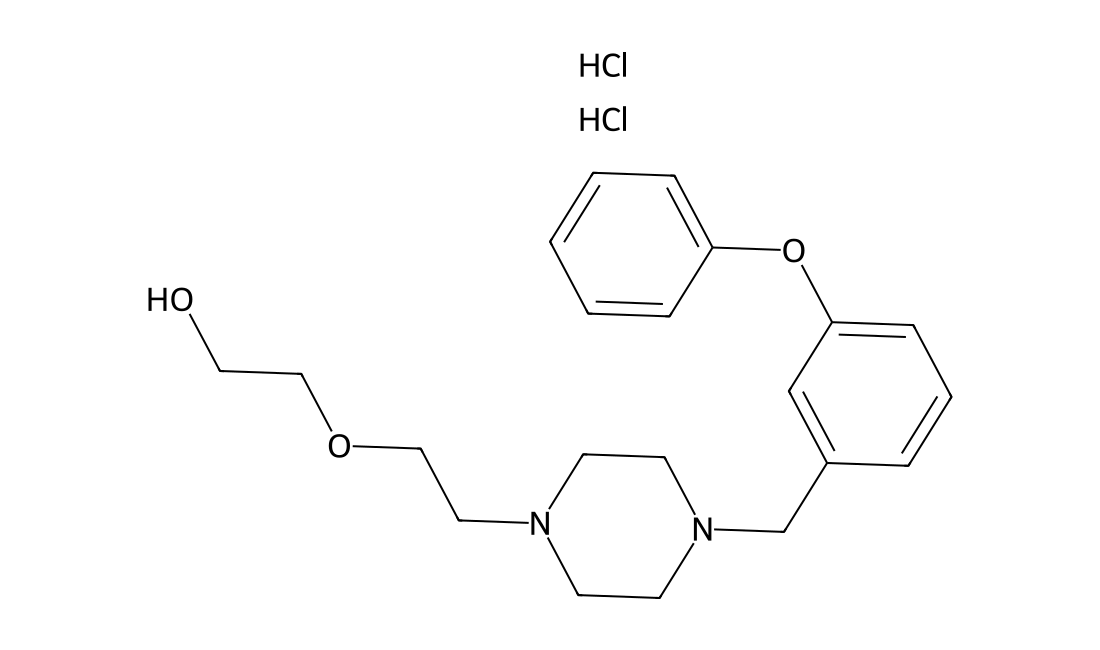
CAS 874911-96-3
ZK756326 is a full agonist of CCR8(Chemokine receptor 8) with an IC50 of 1.8 μM, dose-responsively eliciting an increase in intracellular calcium and cross-desensitizing the response of the receptor to CCL1.
CAS 118072-93-8
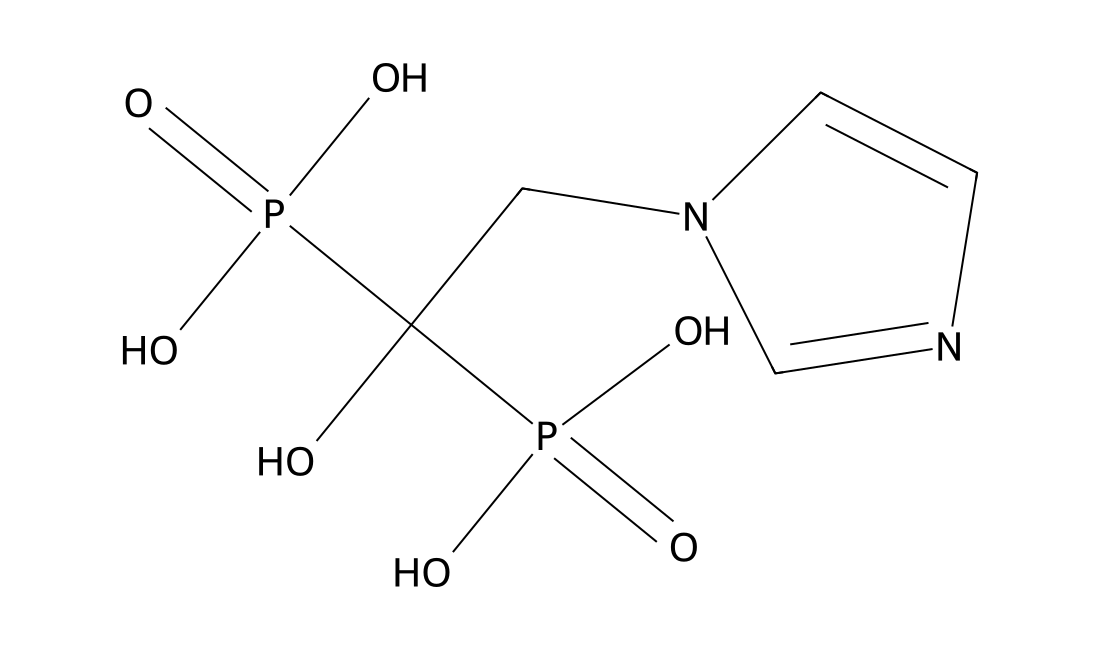
Zoledronic Acid is a third-generation, nitrogen-containing bisphosphonate, inhibits osteoclast-mediated bone resorption, and also has antitumor activity.
CAS 216168-45-5
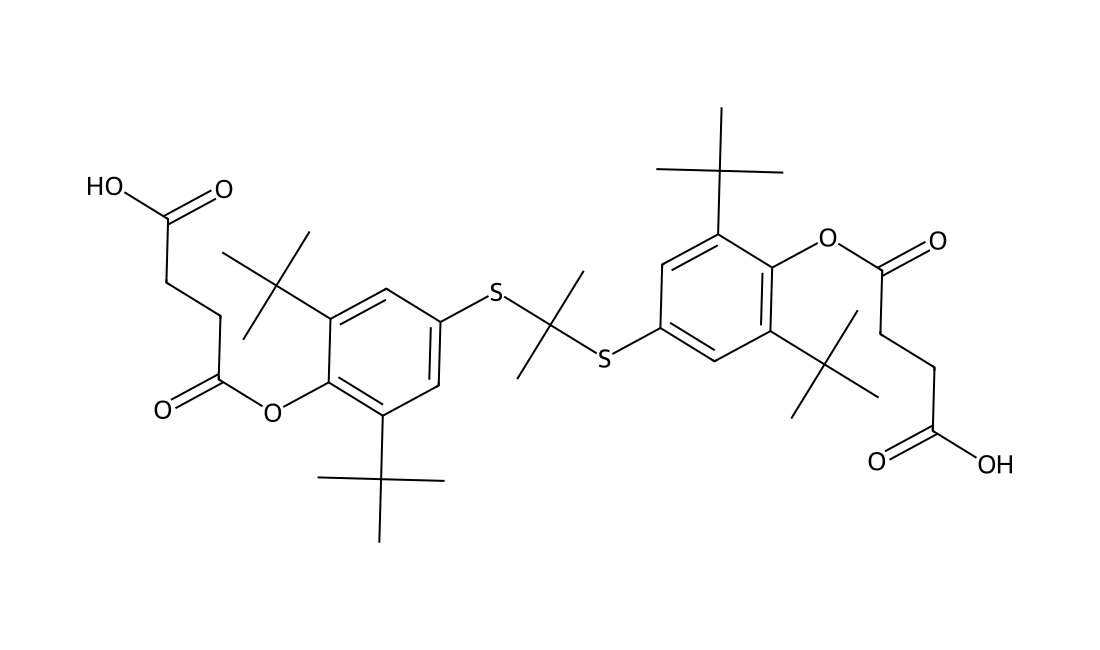
Probucol Disuccinate is a derivative of Probucol, a lipid-regulating agent and can reduce LDL-cholesterol levels[1].
CAS 720690-73-3
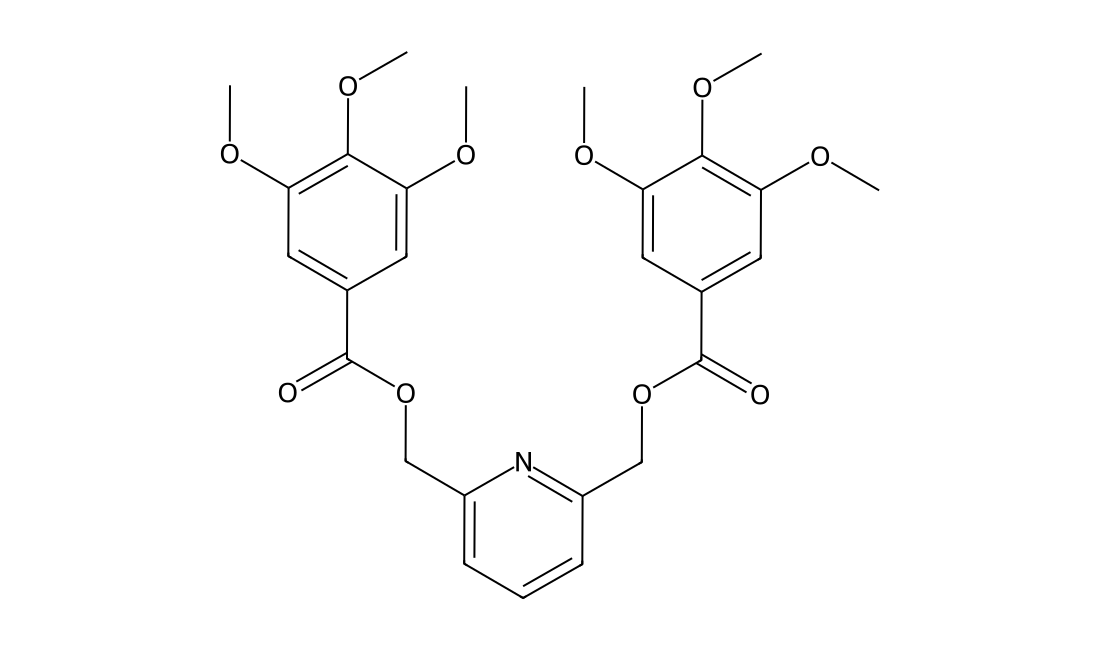
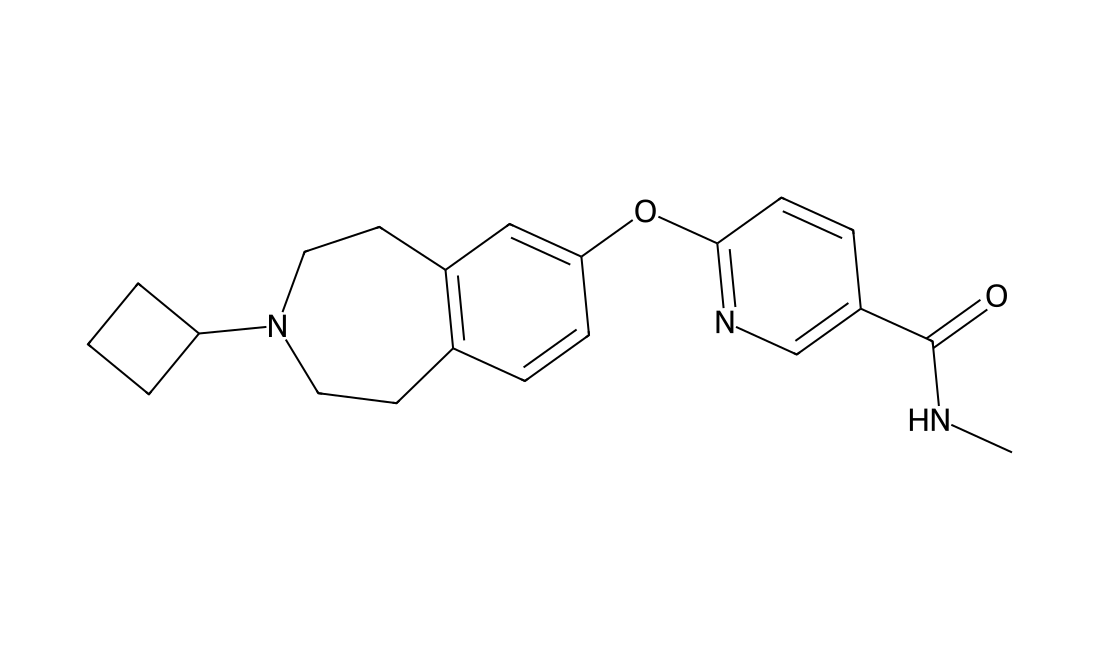
GSK189254A (GSK189254) is a novel, potent and selective histamine H3 receptor antagonist with pKi values of 9.59-9.90 and 8.51-9.17 for human and rat H3, respectively.
CAS 201530-41-8
Deferasirox (ICL 670) is an orally available iron chelator used for the management of transfusional iron overload.
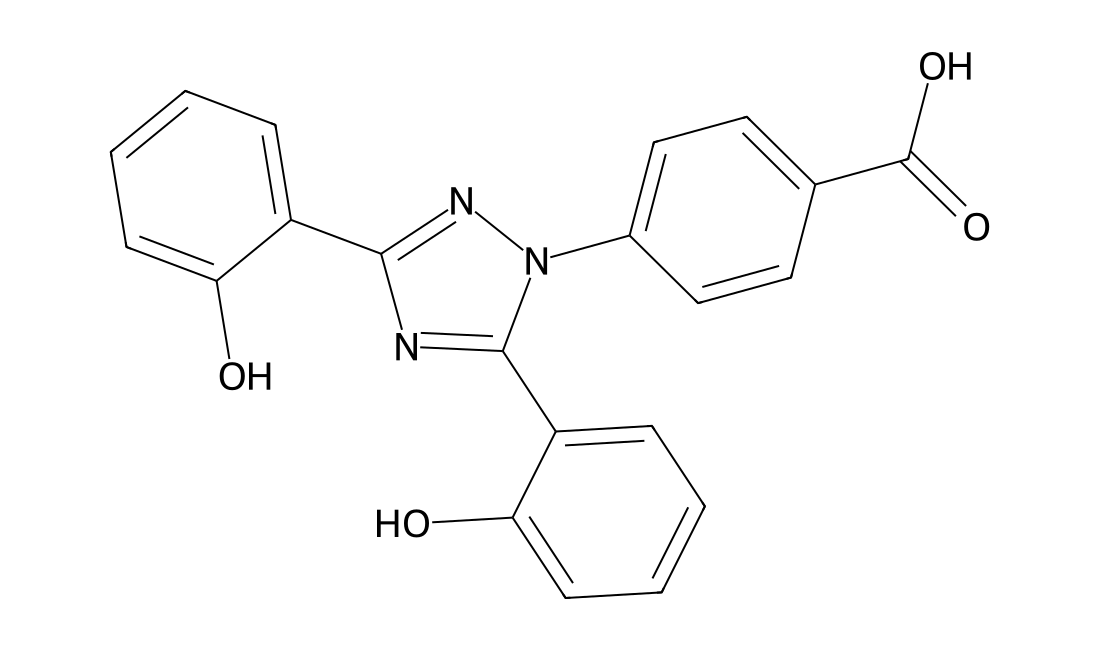
CAS 1217195-61-3
CP-31398 is a small molecule p53 reactivator that protects p53 from thermal denaturation, not only reactivates mutant p53 but also induces stabilization of wild type p53.
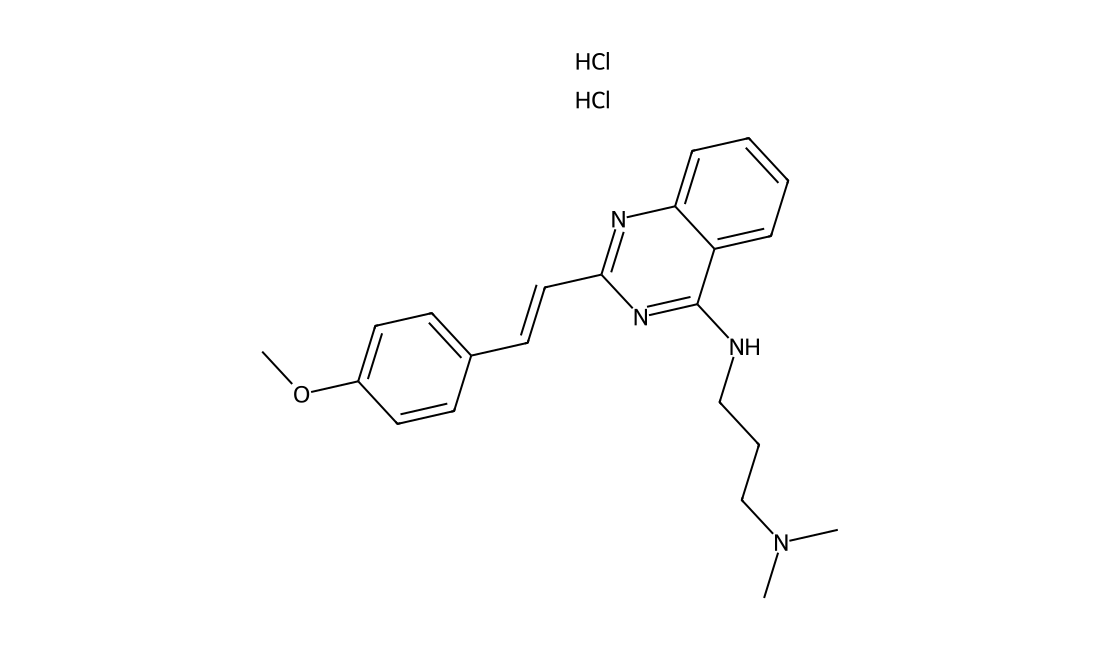
CAS 487051-12-7
SNAP 94847 is a novel, high affinity selective melanin-concentrating hormonereceptor1 (MCH1) antagonist with antidepressant-like activity, it differentiates from classic anxiolytic and antidepressant drugs.SNAP 94847 binds with high affinity to the mouse and rat MCHR1 with minimal cross-reactivity to other GPCR, ion channels, enzymes, and transporters.SNAP 94847 is a high affinity antagonist (pA2 = 7.81) of MCH-evoked inositol phosphate formation[1].
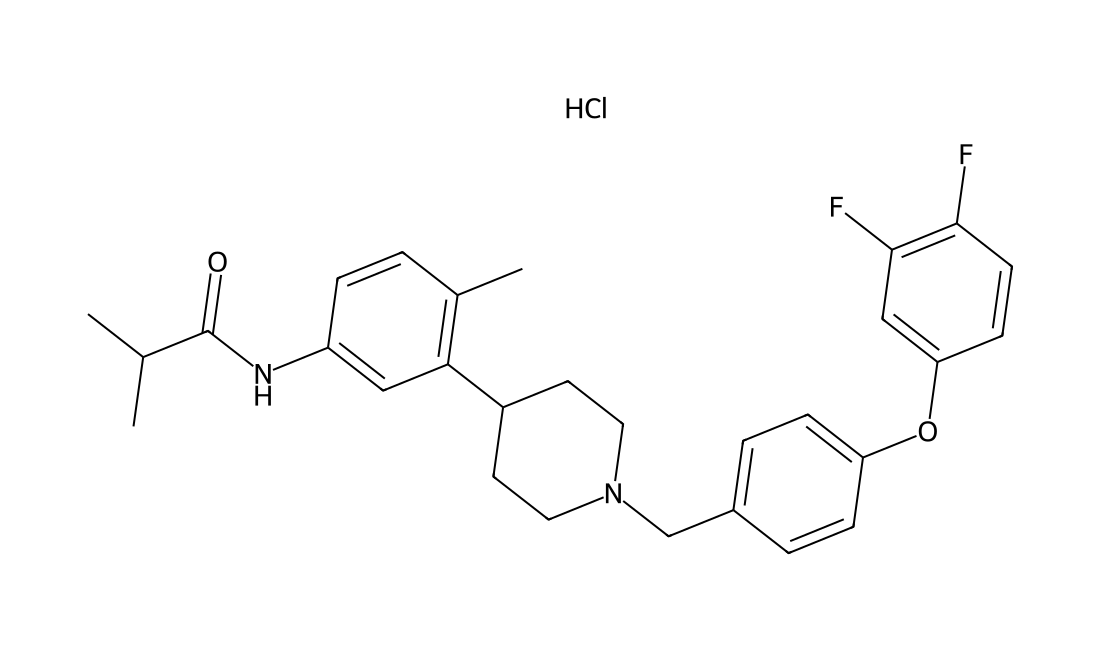
CAS 1187595-84-1
Baricitinib phosphate is a selective orally bioavailable JAK1/JAK2 inhibitor with IC50 of 5.9 nM and 5.7 nM, respectively.
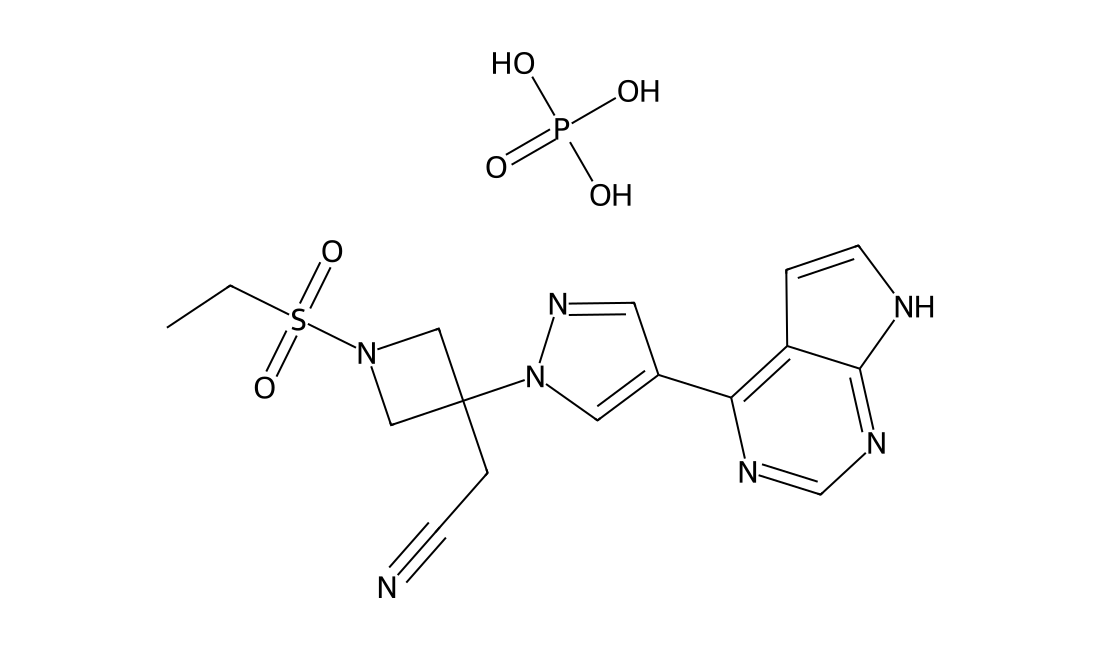
CAS 212631-67-9
PD184161 is an orally active MEK inhibitor. PD184161 inhibits MEK activity (IC50=10-100 nM) in a time- and concentration-dependent manner. PD184161 inhibits cell proliferation and induces apoptosis. PD184161 produces depressive-like behavior[1][2].
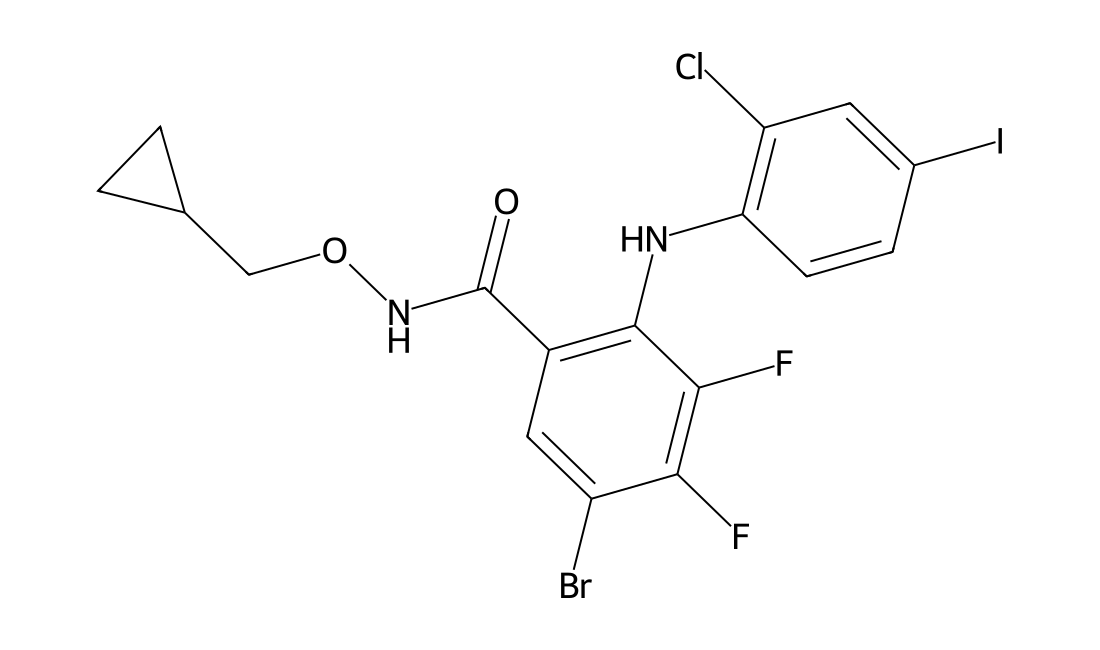
CAS 1268273-90-0
HSP70-IN-1 is a heat shock protein (HSP) inhibitor; inhibits the growth of Kasumi-1 cells with an IC50 of 2.3 μM.
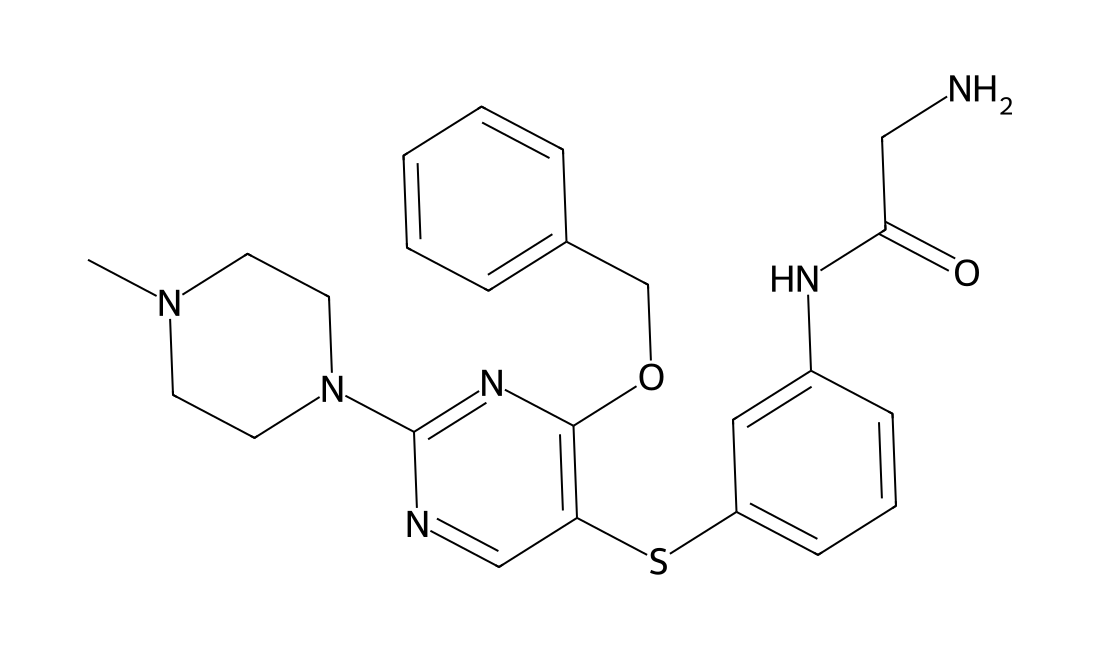
CAS 168626-94-6
Conivaptan (hydrochloride) is a non-peptide antagonist of vasopressin receptor, with Ki values of 0.48 and 3.04 nM for rat liver V1A receptor and rat kidney V2 receptor respectively.
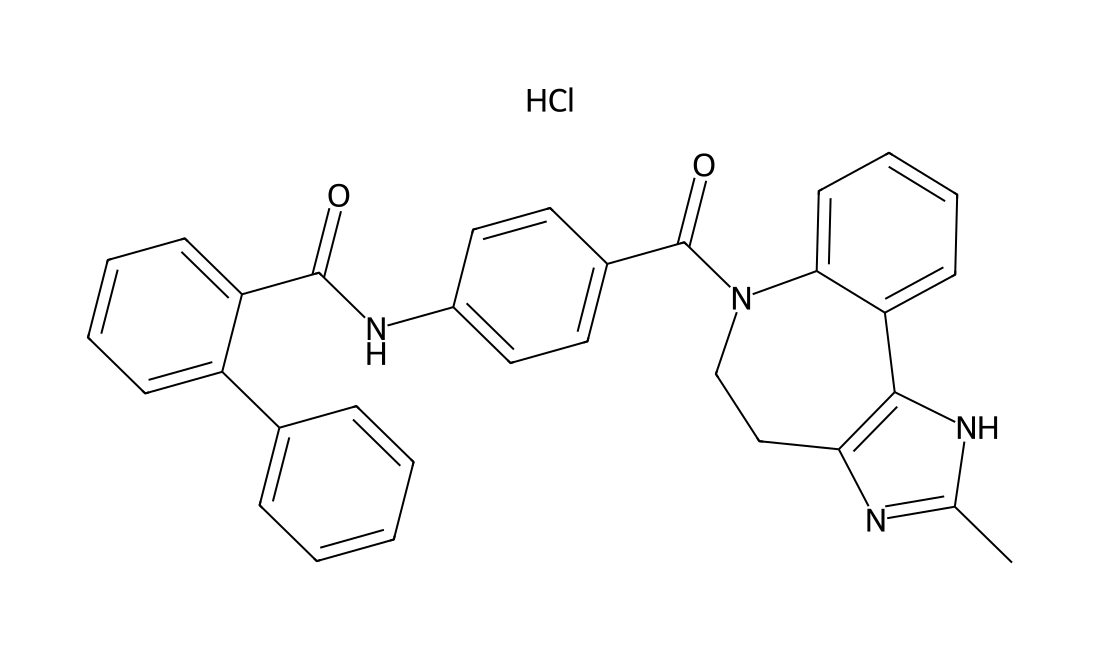
CAS 1478364-68-9
BI 1467335 (PXS-4728A, PXS-4728) is a potent, selective, orally active SSAO/VAP-1 (AOC3) inhibitor with IC50 of 5 nM; displays >500-fold selective for VAP-1/SSAO over all the related human amine oxidases; diminishes leukocyte rolling and adherence induced by CXCL1/KC, also inhibits the migration of neutrophils to the lungs in response to LPS, Klebsiella pneumoniae lung infection and CLP induced sepsis.
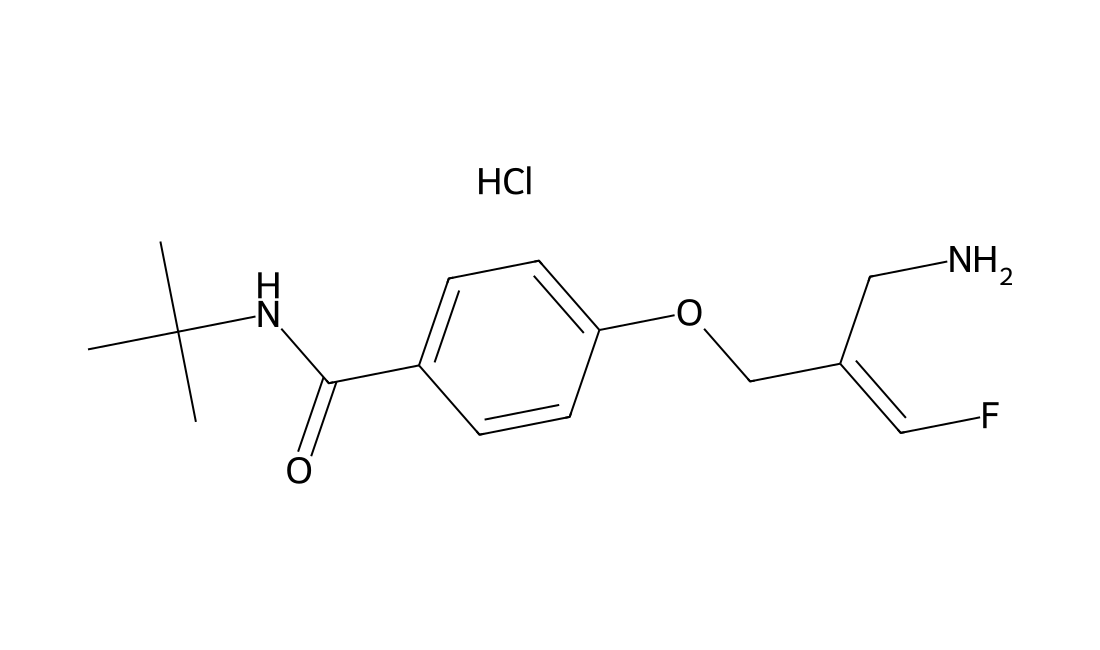
CAS 1403764-72-6
PFI-1 is a selective BET (bromodomain-containing protein) inhibitor for BRD4 with IC50 of 0.22 μM in a cell-free assay.
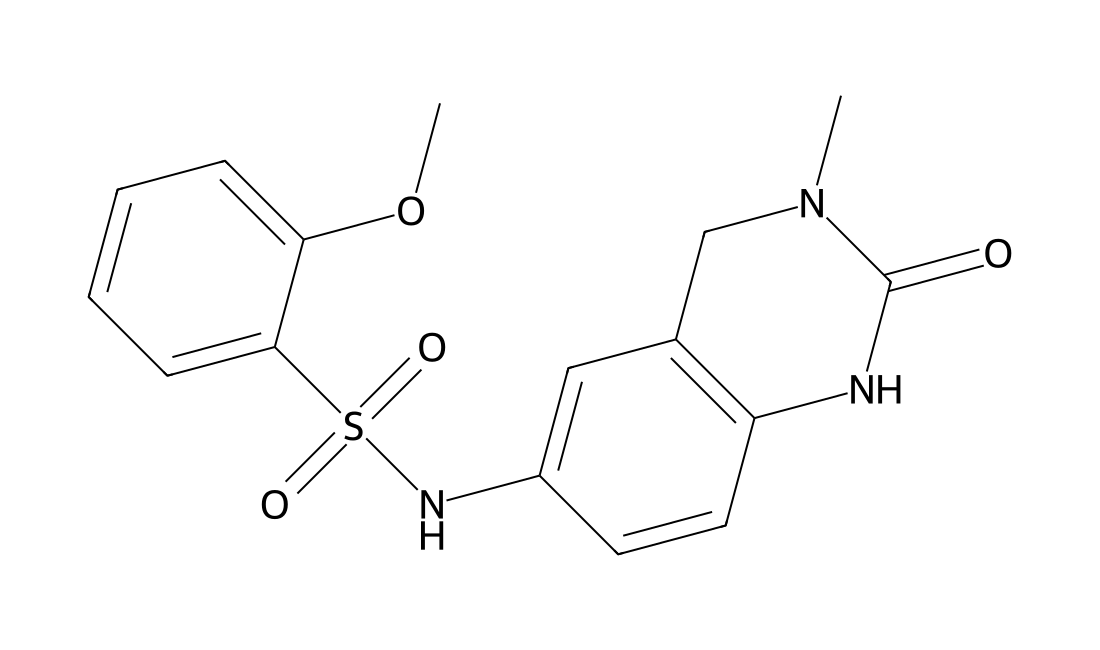
CAS 693228-63-6
CYC-116 is a potent aurora A and aurora B inhibitor with Kis of 8 and 9 nM, respectively.
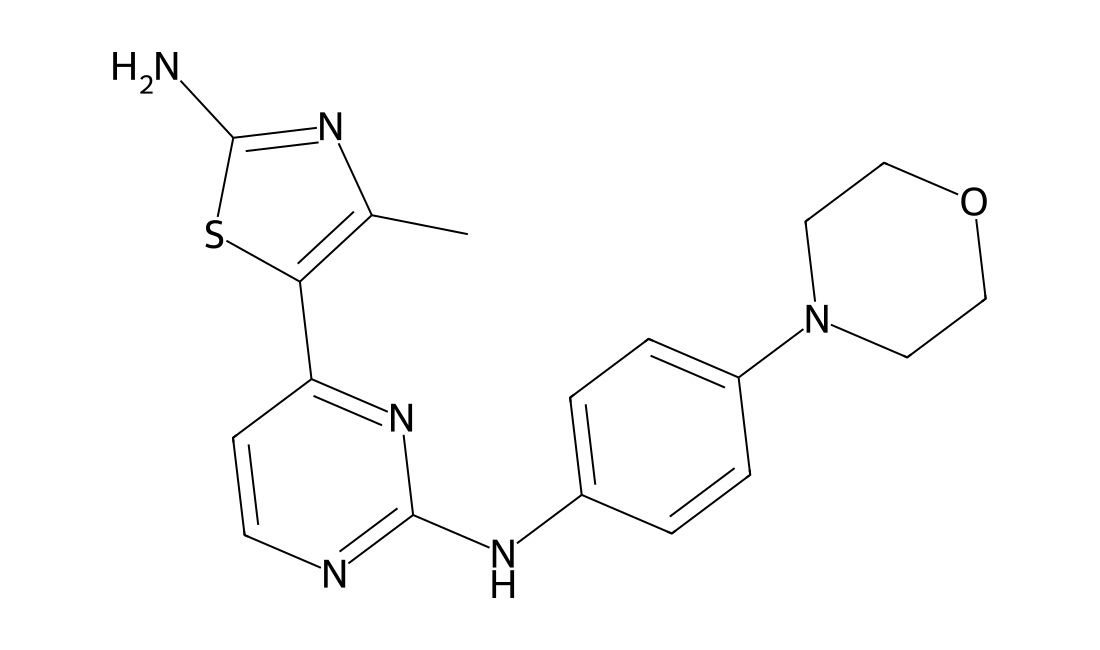
CAS 122955-13-9
XE 991 dihydrochloride, a Kv7 (KCNQ) channels blocker, potently inhibits Kv7.1 (KCNQ1), Kv7.2 (KCNQ2), Kv7.2 + Kv7.3 (KCNQ3) channel, and M-current with IC50s of 0.75 µM, 0.71 µM, 0.6 μM, and 0.98 µM, respectively[1].
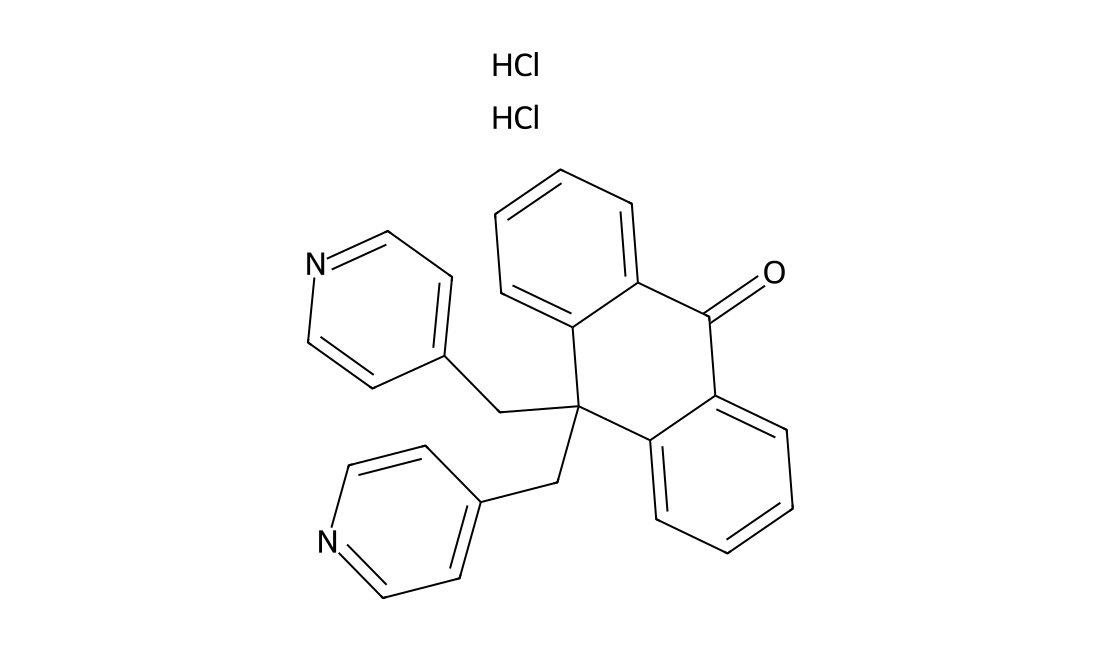
CAS 453562-69-1
Motesanib is a potent ATP-competitive inhibitor of VEGFR1/2/3 with IC50s of 2 nM/3 nM/6 nM, respectively, and has similar activity against Kit, and is appr 10-fold more selective for VEGFR than PDGFR and Ret.
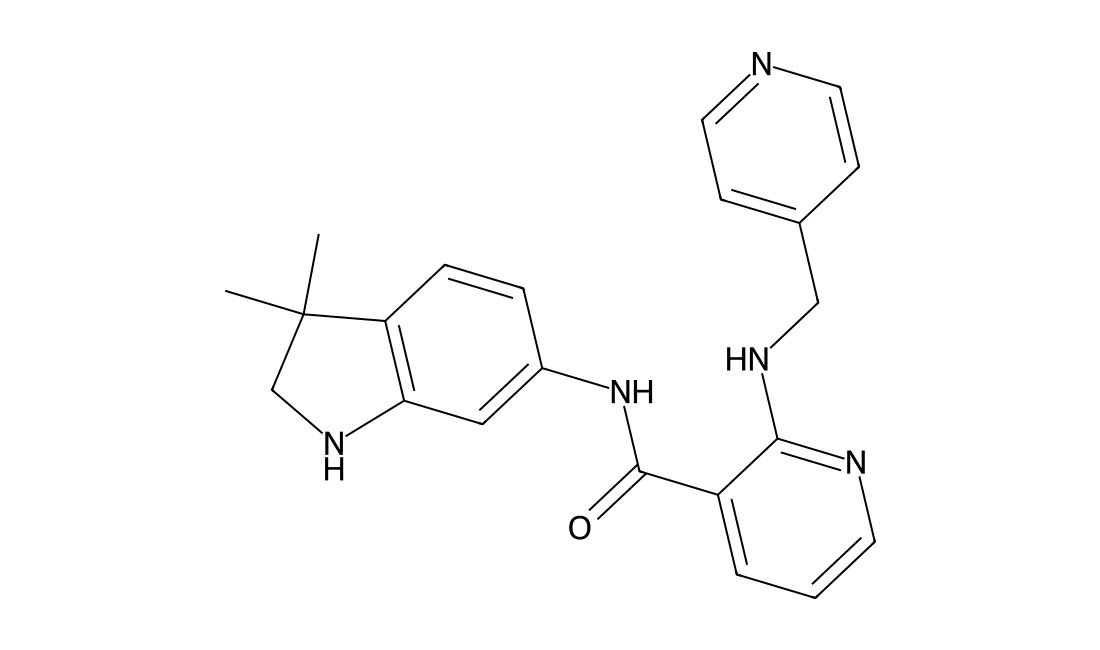
CAS 796967-16-3
Linifanib (ABT-869) is a multi-targeted inhibitor of VEGF and PDGFR receptor family with IC50s of 3, 4, 66, 4 nM for KDR, Flt-1, PDGFRβ and FLT3, respectively.
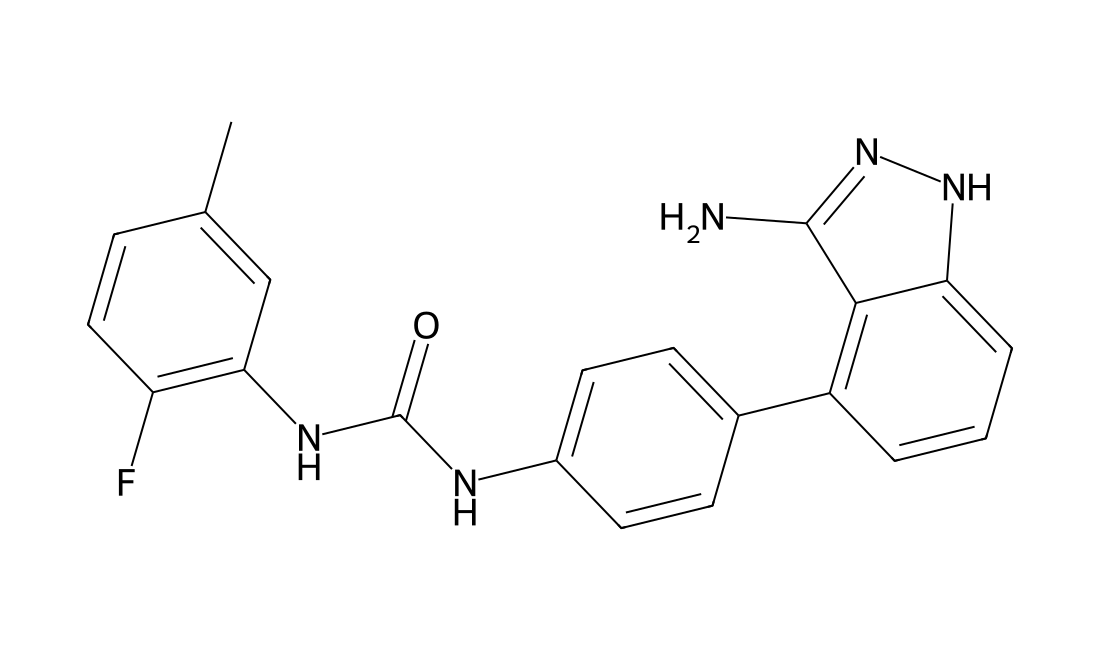
CAS 943319-70-8
Ponatinib is a potent, orally available multi-targeted kinase inhibitor with IC50s of 0.37 nM, 1.1 nM, 1.5 nM, 2.2 nM, and 5.4 nM for Abl, PDGFRα, VEGFR2, FGFR1, and Src, respectively.
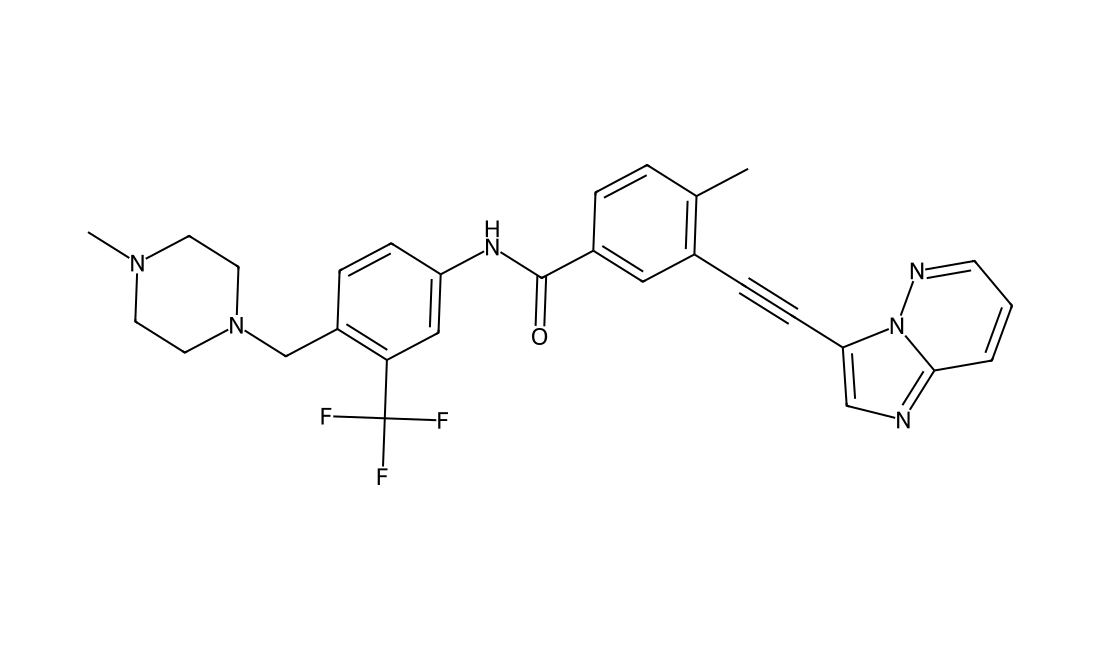
CAS 1357158-81-6
AZD-26(AKT-IN-1) is an allosteric AKT inhibitor with an IC50 of 1.042 μM.
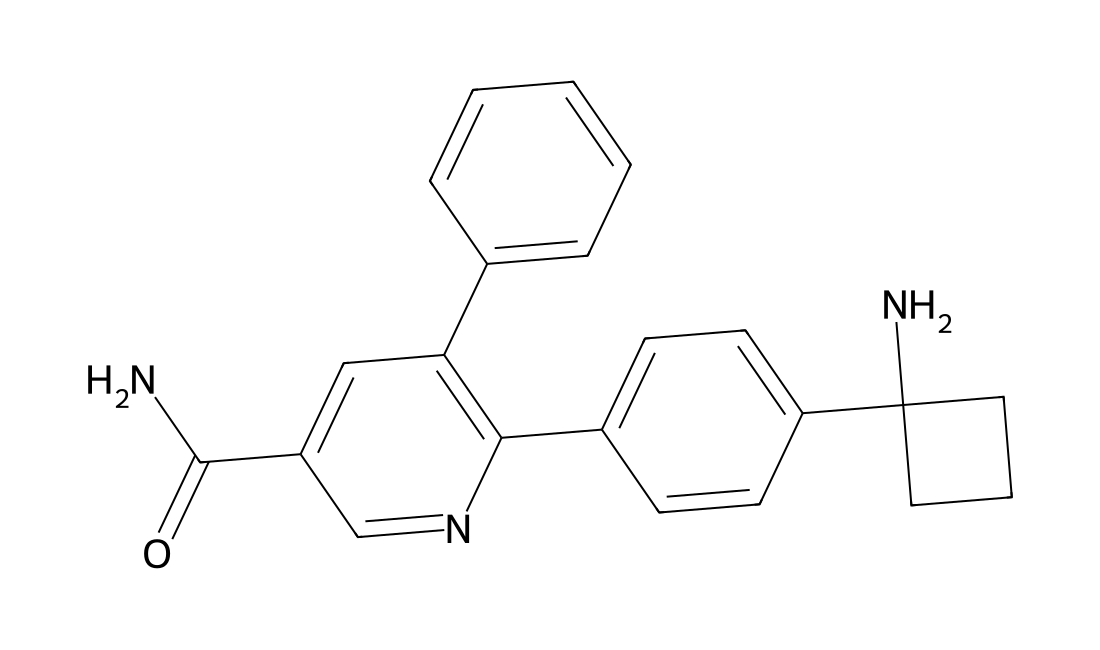
CAS 869357-68-6
AZD8330 (ARRY-424704) is a potent, uncompetitive MEK1/MEK2 inhibitor, with an IC50 of 7 nM.
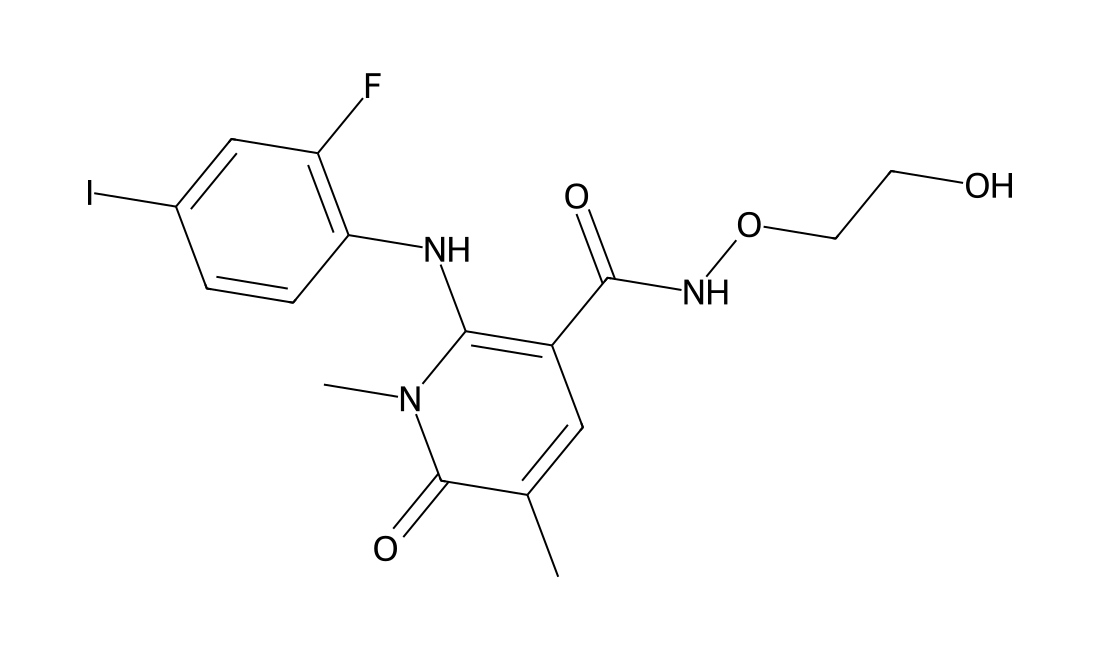
CAS 890129-26-7
BGG463 (NVP-BGG463) was generated by a rational ‘hybrid design’ approach. Like Imatinib, BGG463 disrupts the assembly of the hydrophobic spine, a characteristic feature of the active state of several kinases, thereby locking the kinase in an inactive ‘DFG-out’ conformation. BGG463 can inhibit c-ABL-T334I, BCR-ABL and BCR-ABL-T315I variants with a 50% inhibitory concentration (IC50) of 0.25 μM, 0.09 μM and 0.590 μM, respectively.
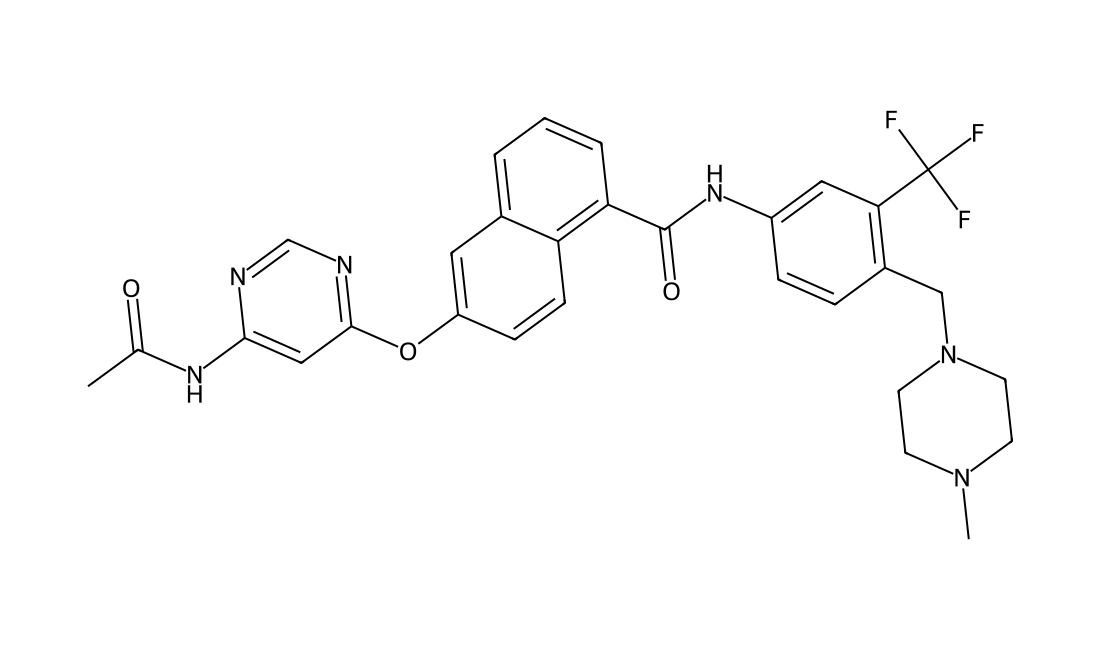
CAS 916603-07-1
Dianilinopyrimidine_01(CZC8004) is a pan-kinase inhibitor and binds a range of tyrosine kinases, including ABL kinase.
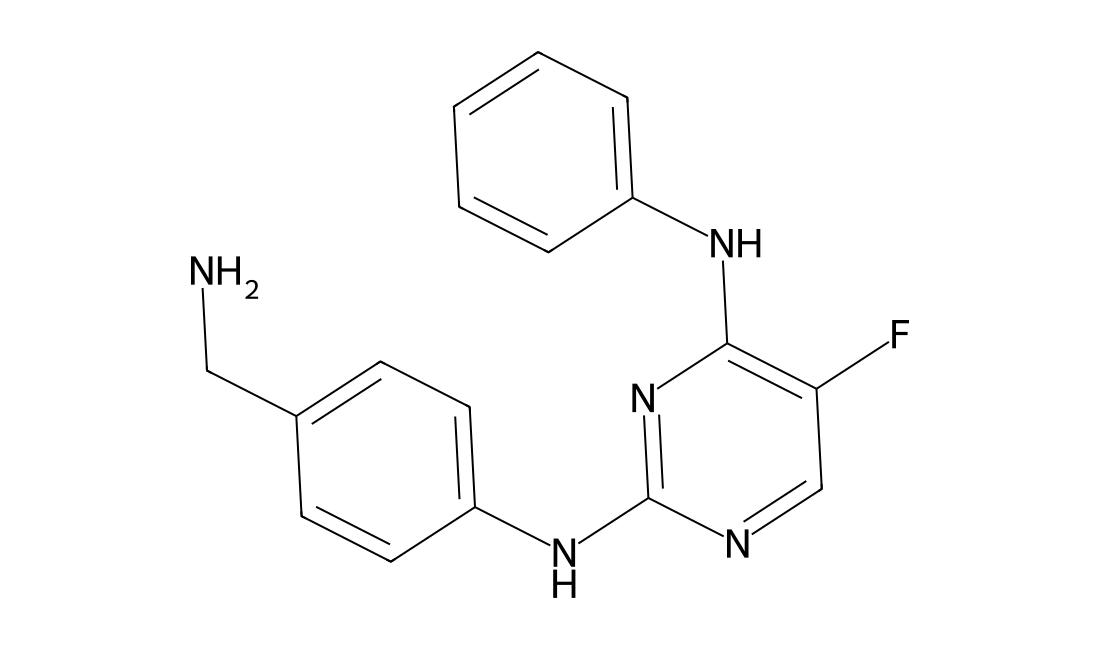
CAS 366017-09-6
Mubritinib (TAK-165) is a potent and selective EGFR2/HER2 inhibitor with an IC50 of 6 nM.
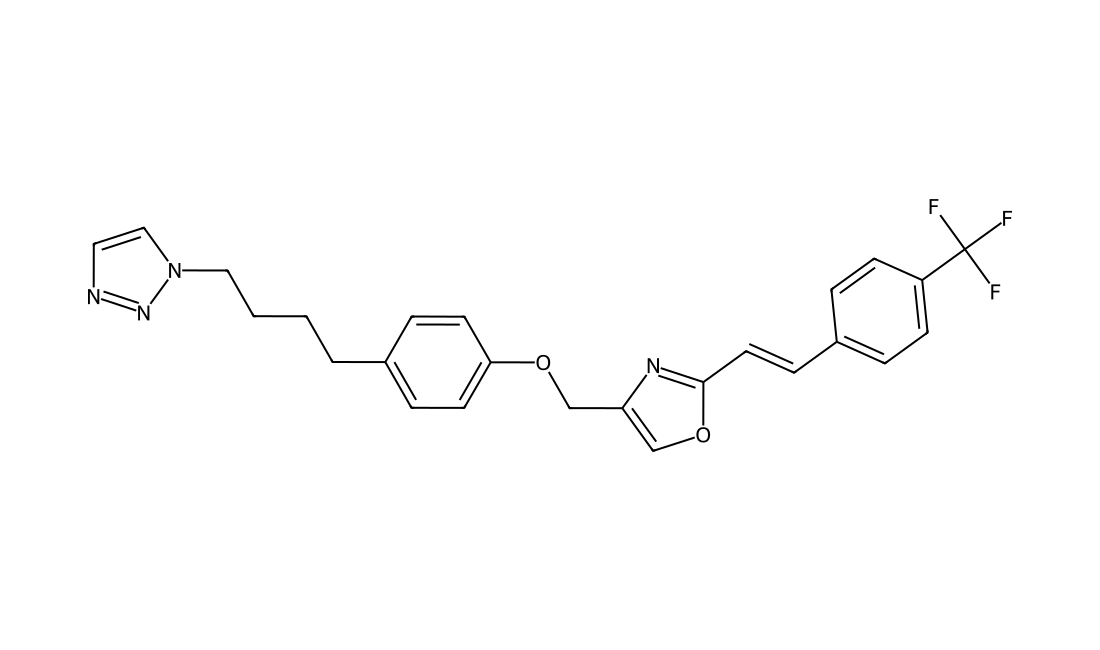
CAS 260415-63-2
PD173955 is src family-selective tyrosine kinase inhibitor with IC50 of ~22 nM for Src, Yes and Abl kinase; less potent for FGFRα and no activity on InsR and PKC.
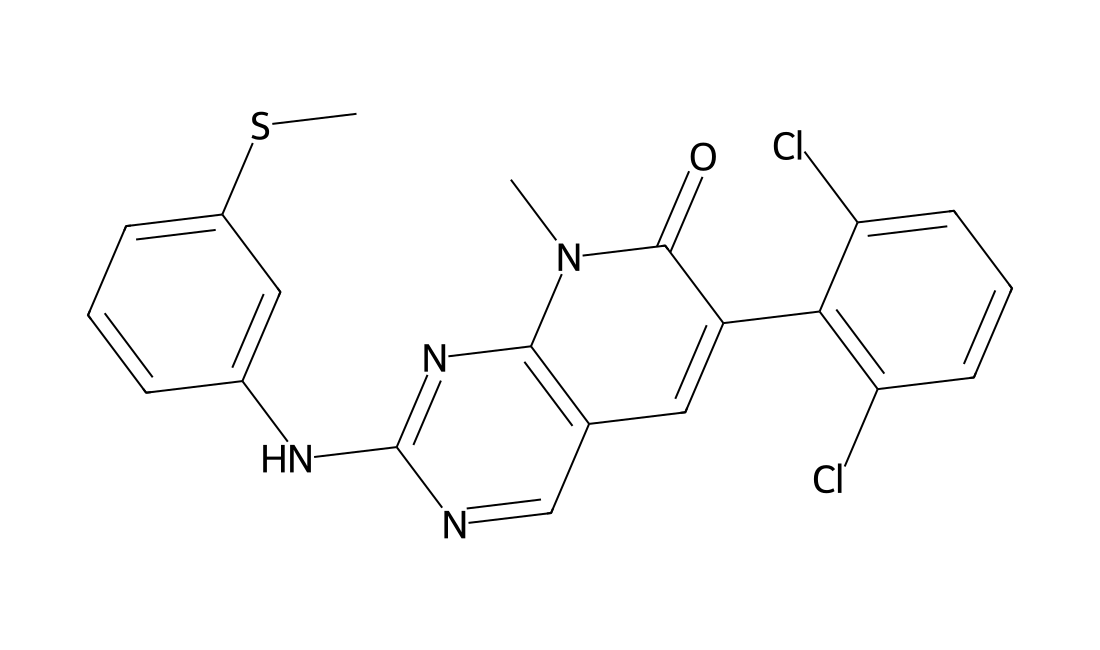
CAS 271576-80-8
SD 0006 (SD-06) is a p38 MAP kinase inhibitor; inhibits p38α with an IC50 value of 170 nM and inhibits LPS-stimulated TNF-release in rats (83% inhibition at 1mg/kg, po).
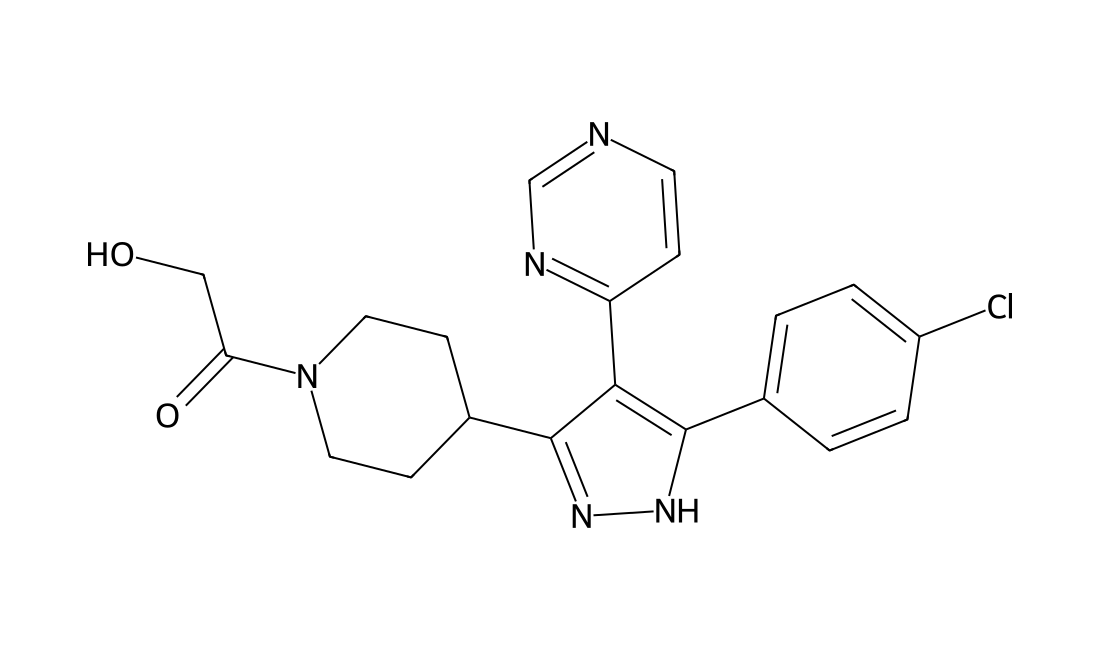
CAS 1670-87-7
SD-169 is an orally active ATP-competitive inhibitor of p38α MAPK, with an IC50 of 3.2 nM. SD-169 also weakly inhibits p38β MAPK with an IC50 of 122 nM. SD-169 prevents the development and progression of diabetes by inhibiting T cell infiltration and activation[1].
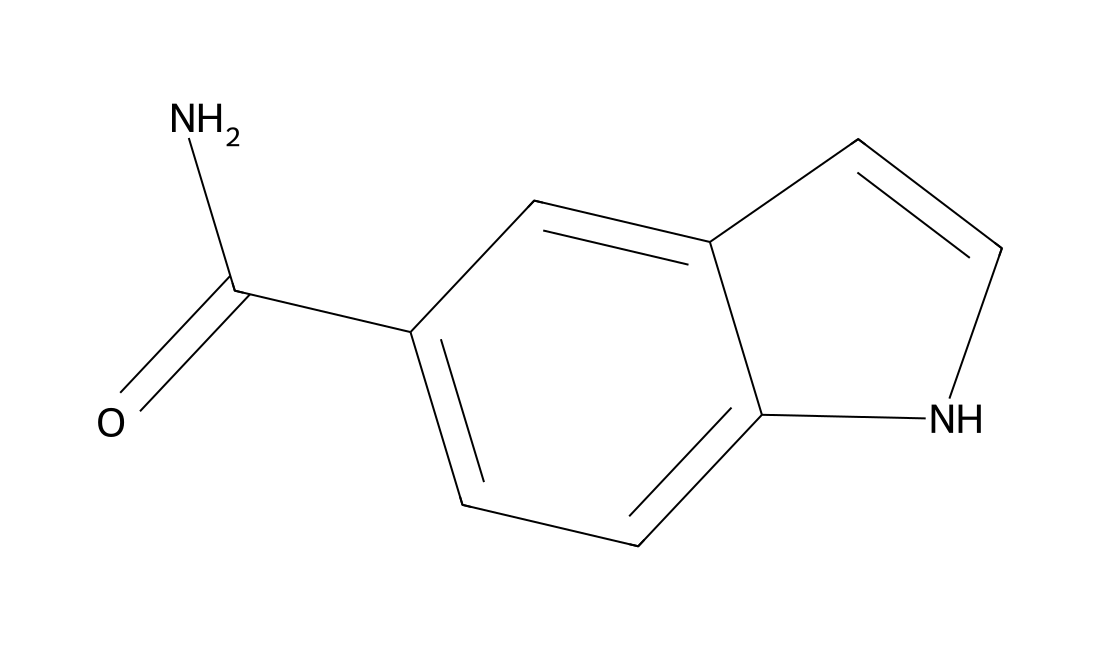
CAS 745833-23-2
VX-702 is a highly selective inhibitor of p38α MAPK(IC50=4 -20 nM), 14-fold higher potency against the p38α versus p38β
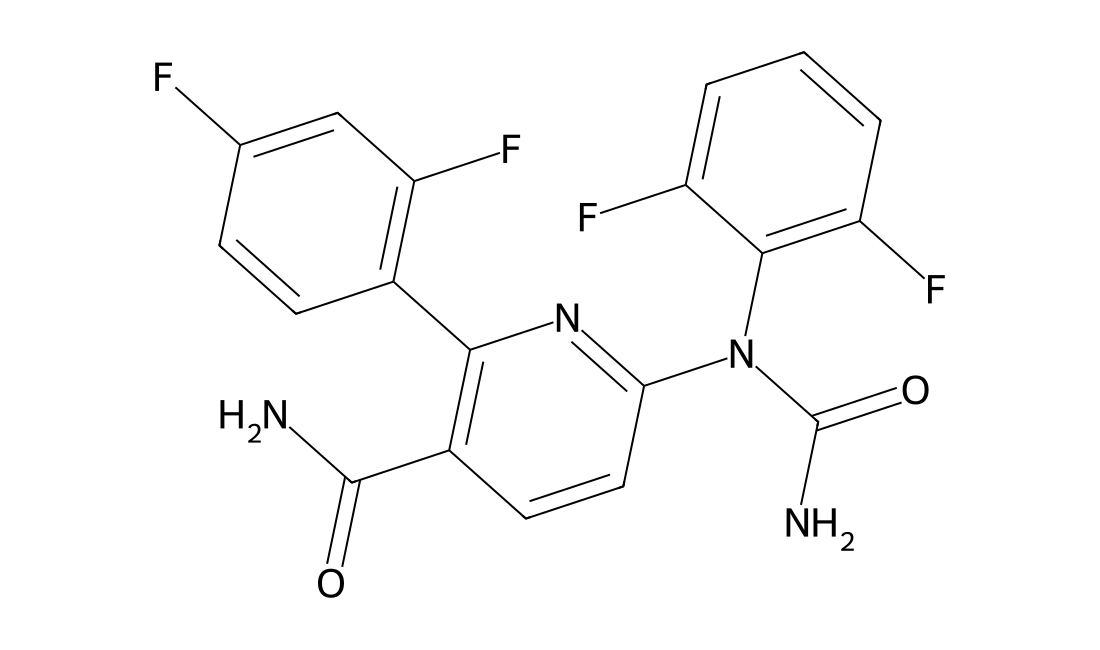
CAS 475110-96-4
ZSTK474 is an ATP-competitive pan-class I PI3K inhibitor with IC50s of16 nM, 44 nM, 4.6 nM and 49 nM for PΙ3Κα, PI3Kβ, PI3Kδ and PI3Kγ, respectively.
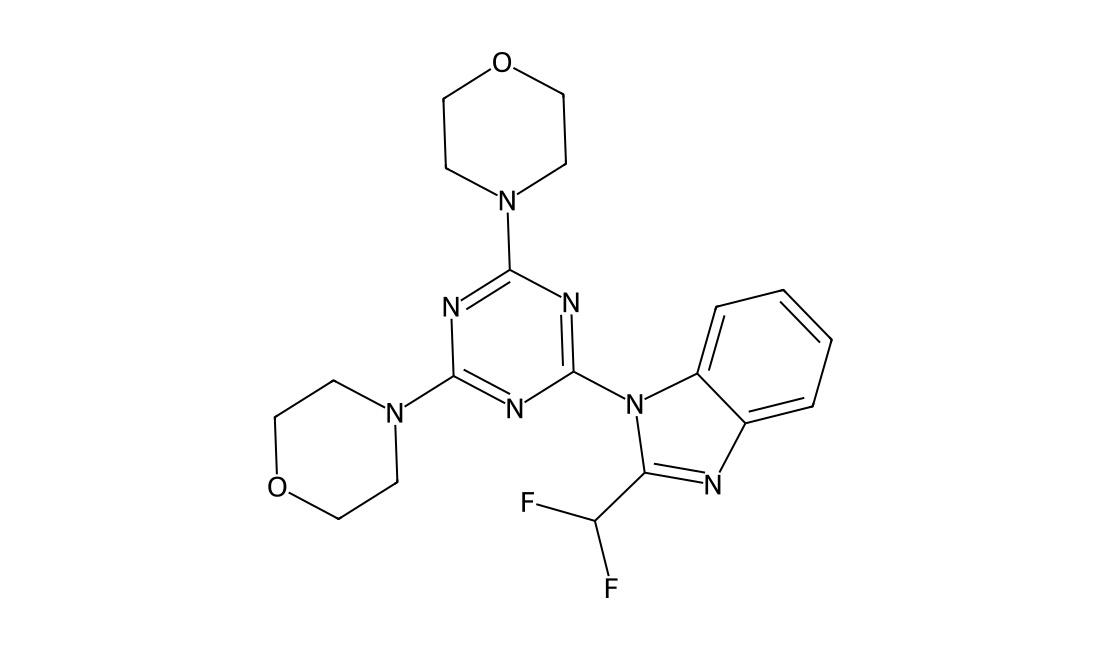
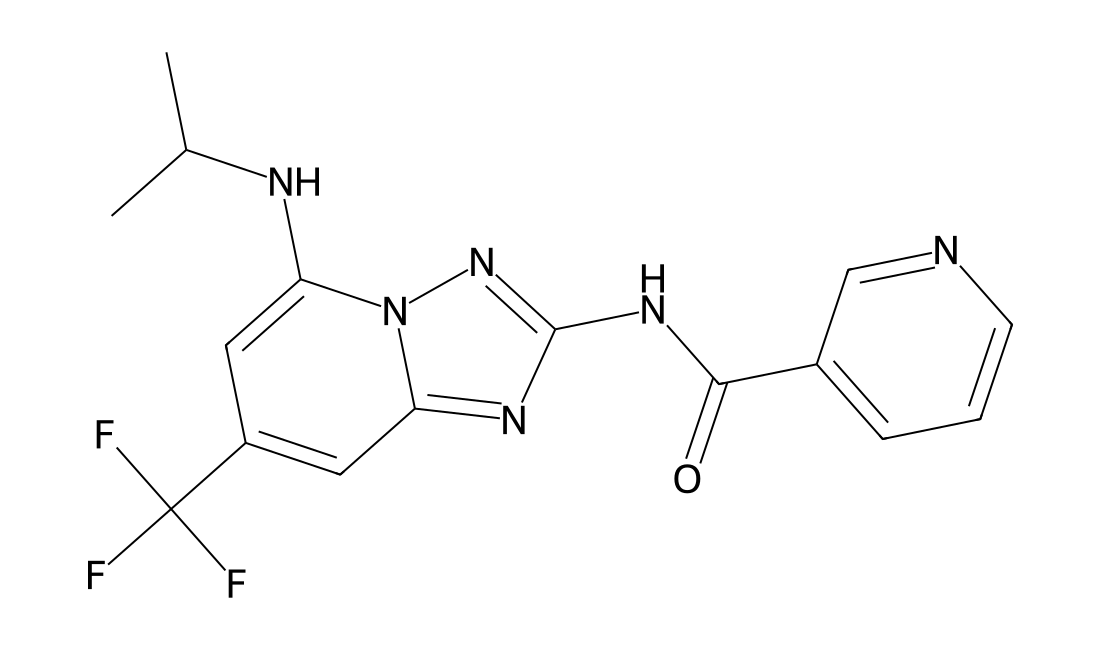
CAS 1258296-60-4
RO495 is a very potent TYK2 inhibitor with a IC50 of 1.5nM on TYK2 as tested in cell-based pharmacological assays
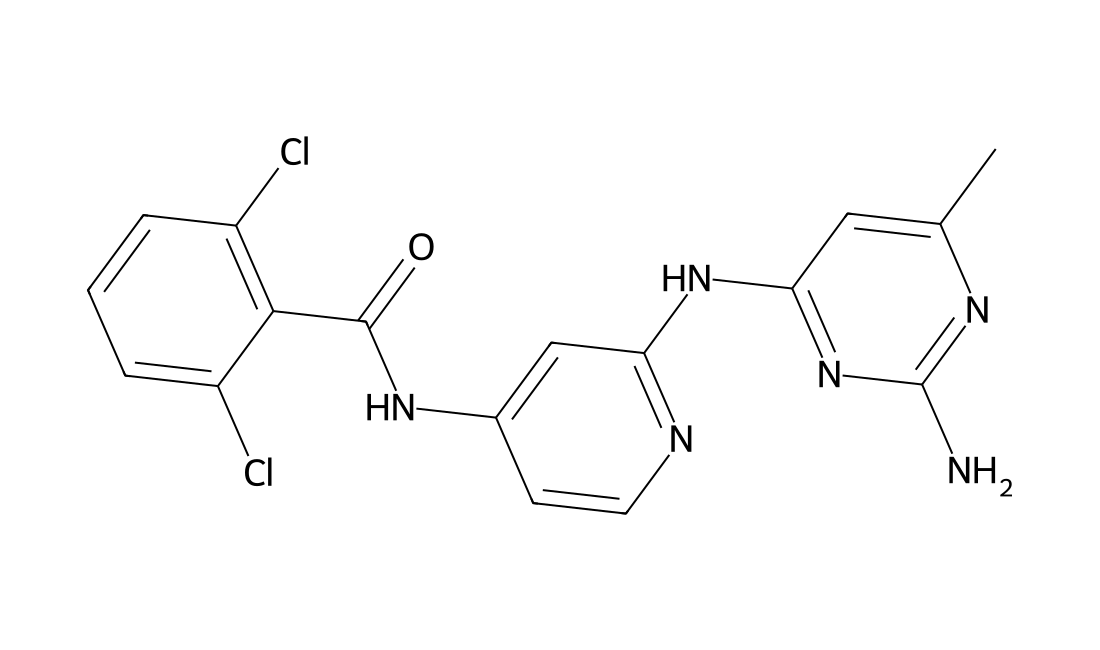
CAS 944396-88-7
NIBR-17 is a pan class I PI3K inhibitor with IC50 values of 1, 9.2, 9 and 20 nM respectively for PI3Kapha - delta.
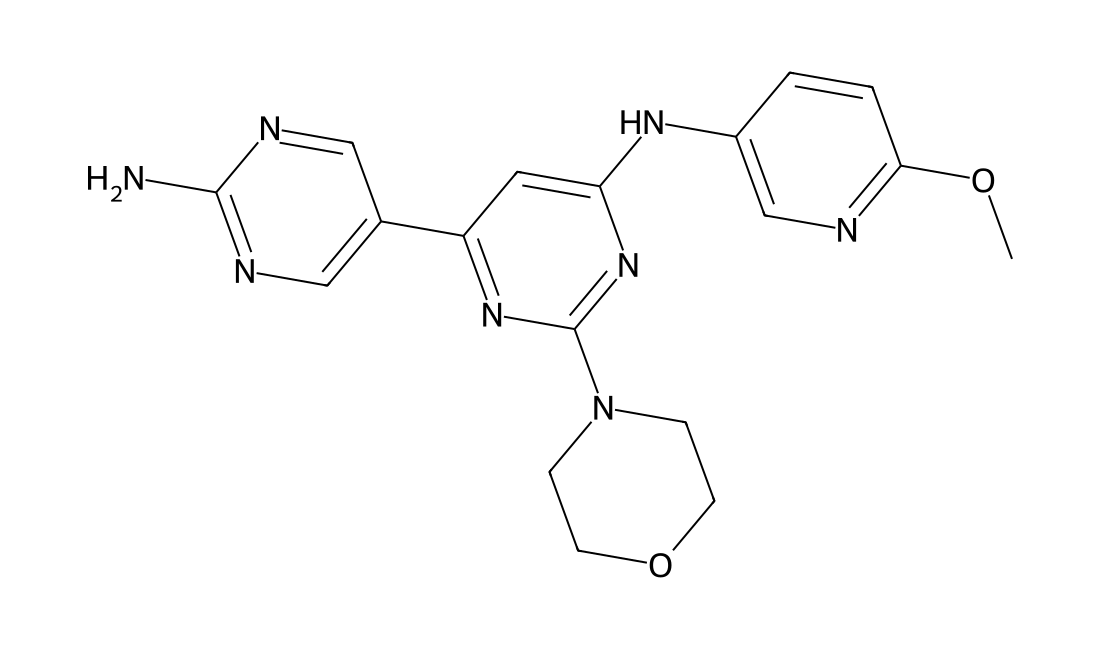
CAS 1033739-92-2
GNE-490 is a highly selective pan-PI3K inhibitor and demonstrates selectivity over mTOR.
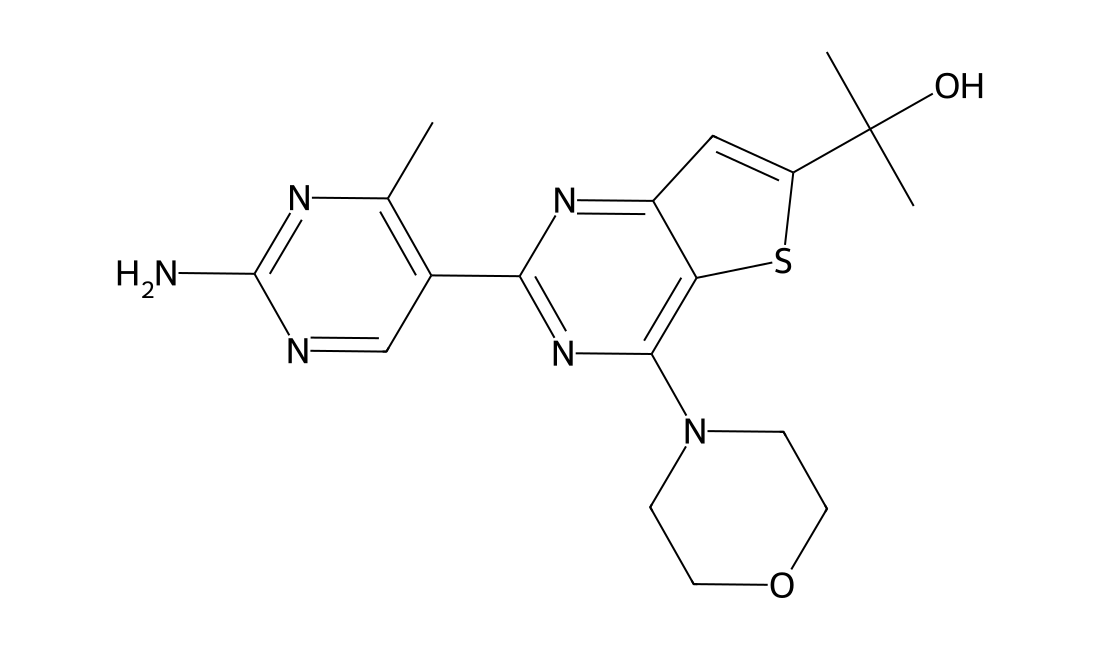
CAS 473382-39-7
The compound (Akt-I-1) inhibits only Akt1 (IC50 4.6 μM) and does not inhibit AKT2, or AKT3.
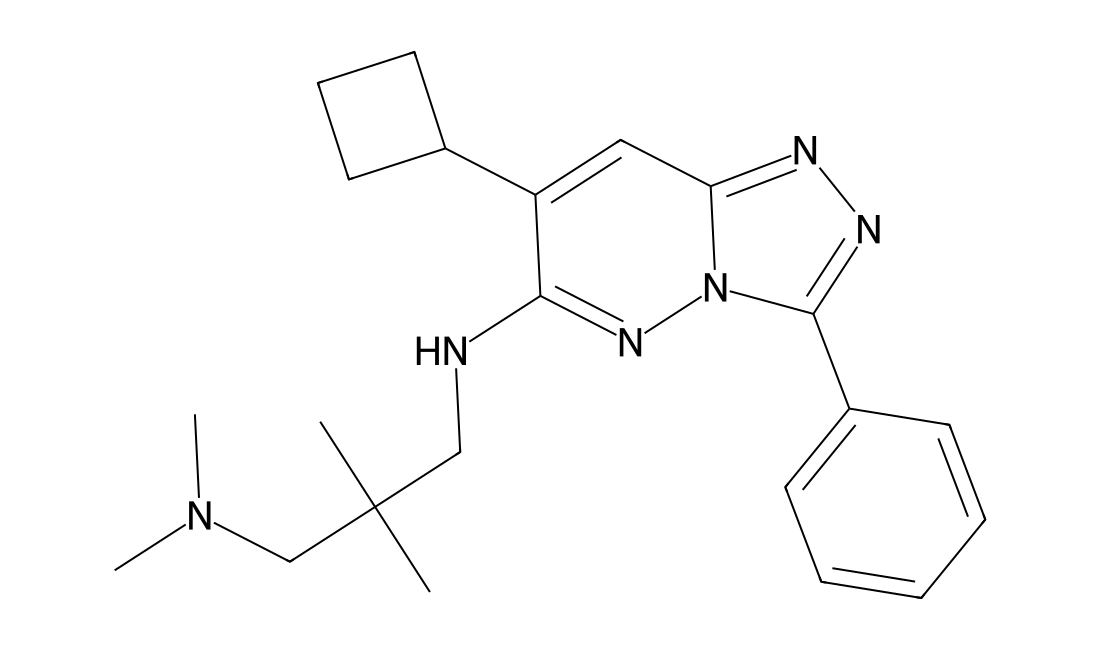
CAS 913376-84-8
AMG-1 is a potent inhibitor of human c-Met and RON with IC50 values of 4 and 9 nmol/L respectively.
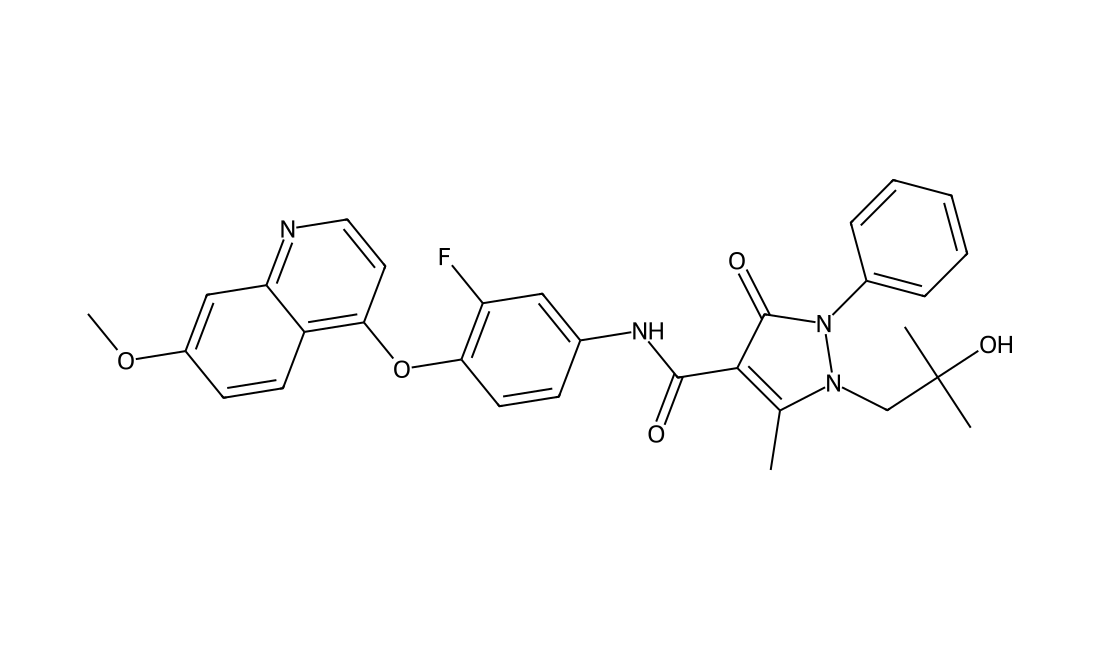
CAS 1443530-05-9
Rogaratinib is a potent and selective fibroblast growth factor receptor (FGFR) inhibitor.
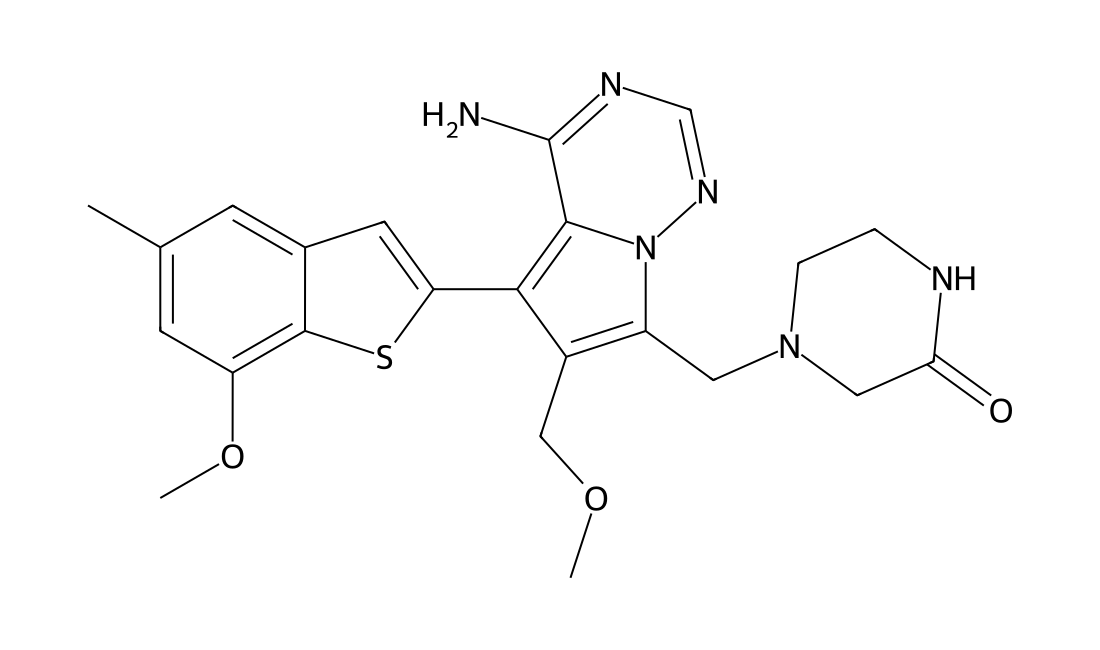
CAS 3562-84-3
Benzbromarone is a highly effective and well tolerated non-competitive inhibitor of xanthine oxidase, used as an uricosuric agent, used in the treatment of gout.
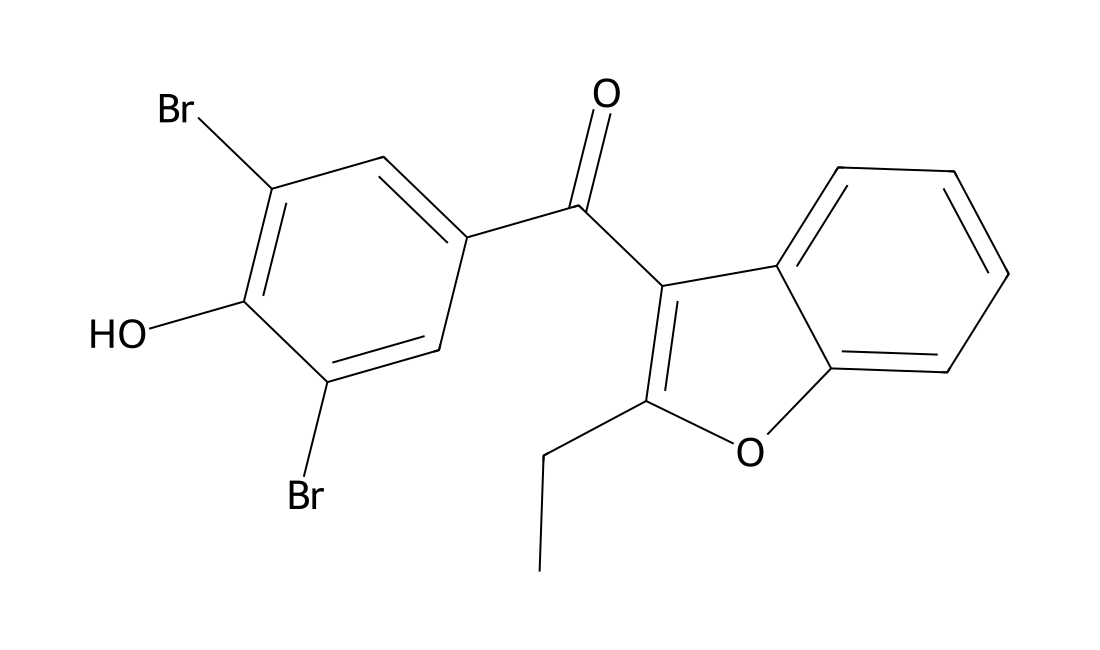
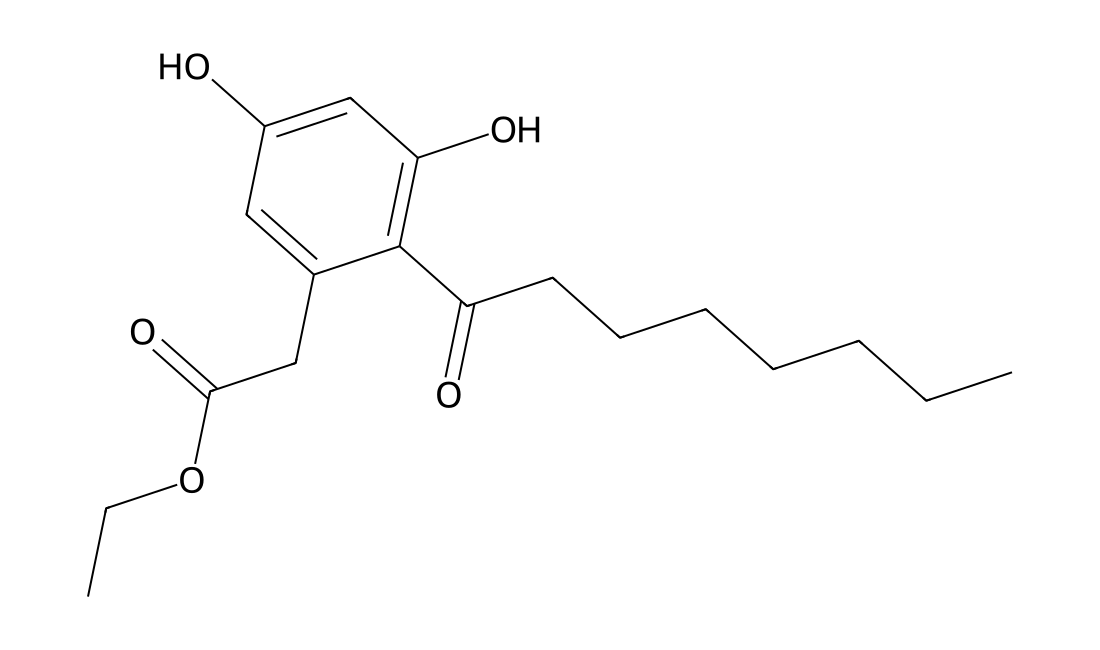
CAS 321661-62-5
Cytosporone B (Csn-B;Dothiorelone G) is a naturally occurring nuclear orphan receptor Nur77 agonist with an EC50 of 0.278 nM.
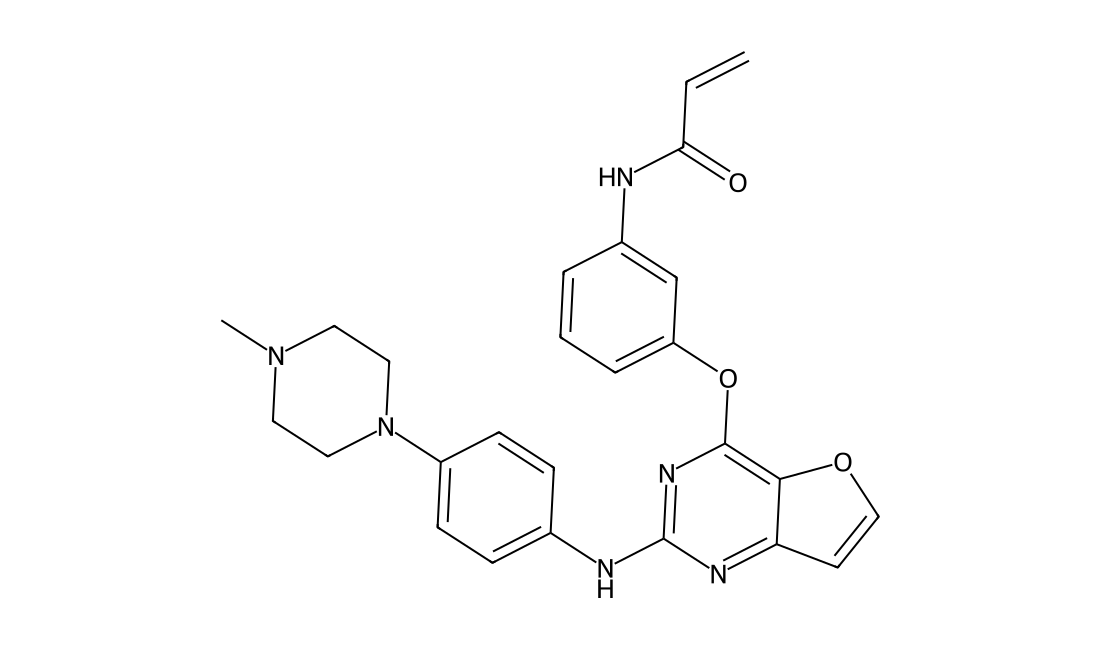
CAS 1353552-97-2
Poseltinib, an orally active, selective and irreversible Bruton’s tyrosine kinase (BTK) inhibitor (IC50 =1.95 nM), with 0.3, 2.3 and 2.4-fold selectivity for BTK over BMX, TEC and TXK, respectively. Poseltinib can covalently bind to the active site (cysteine 481 residue) of BTK, and reveales potent inhibition of B cell receptor (BCR), Fc receptor (FcR), Toll-like receptor (TLR) mediated signaling[1].
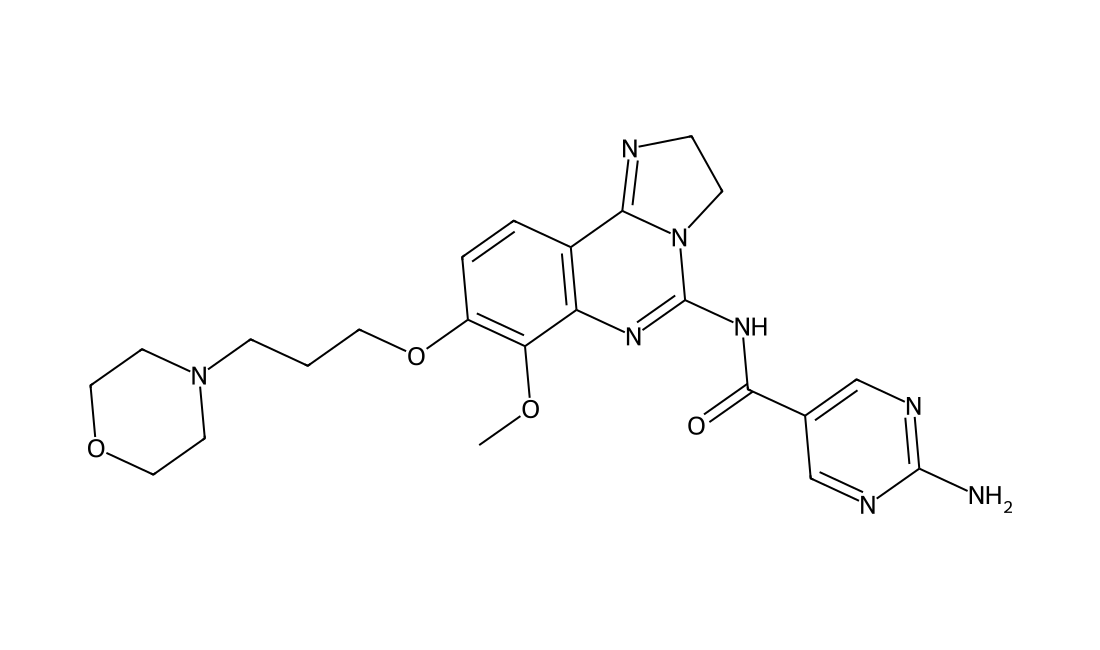
CAS 1032568-63-0
Copanlisib (BAY 80-6946) is a selective and ATP-competitive class-I PI3 kinases inhibitor, with IC50s of 0.5, 0.7, 3.7 and 6.4 nM for PI3Kα, PI3Kδ, PI3Kβ and PI3Kγ, respectively.
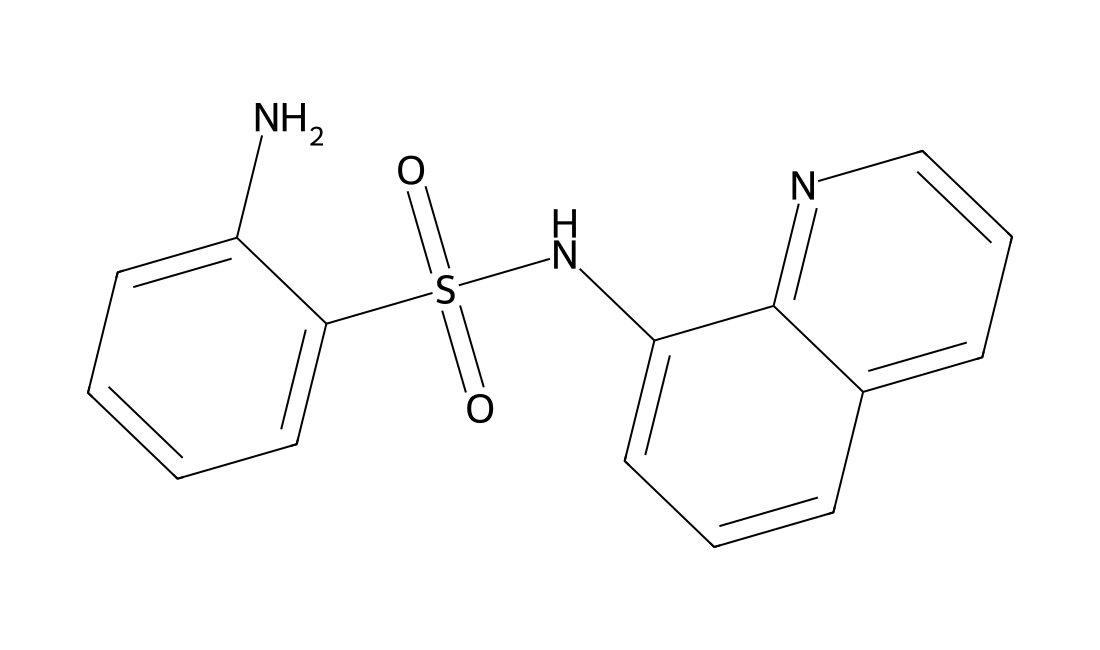
CAS 16082-64-7
NUN82647, also known as QBS or 2-Amino-N-quinolin-8-yl-benzenesulfonamide, is an Inhibitor of cell cycle at G2 phase; apoptosis inducer. NUN82647 has CAS#16082-64-7, and inchi key: NIOOKXAMJQVDGB-UHFFFAOYSA-N. According to Hodoodo Chemical Nomenclature, It is named: NUN-82647.
CAS 792173-99-0
SB-334867 free base is a selective non-peptide orexin OX1 receptor antagonist with a pKb value of 7.2.IC50 value: 7.2 (pKb) [1]