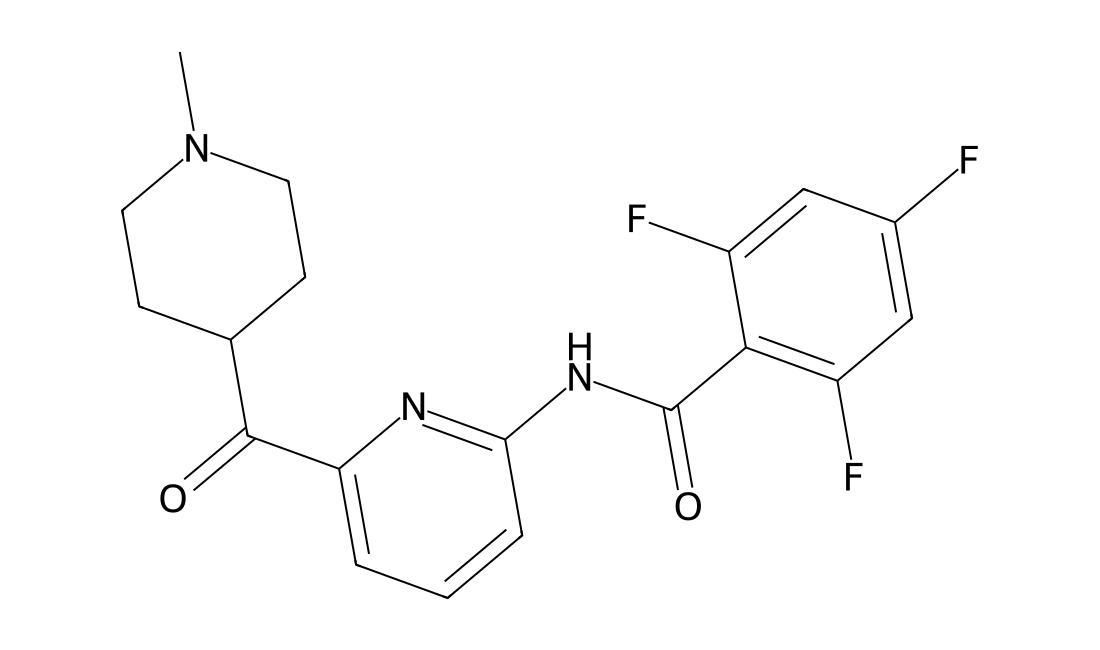
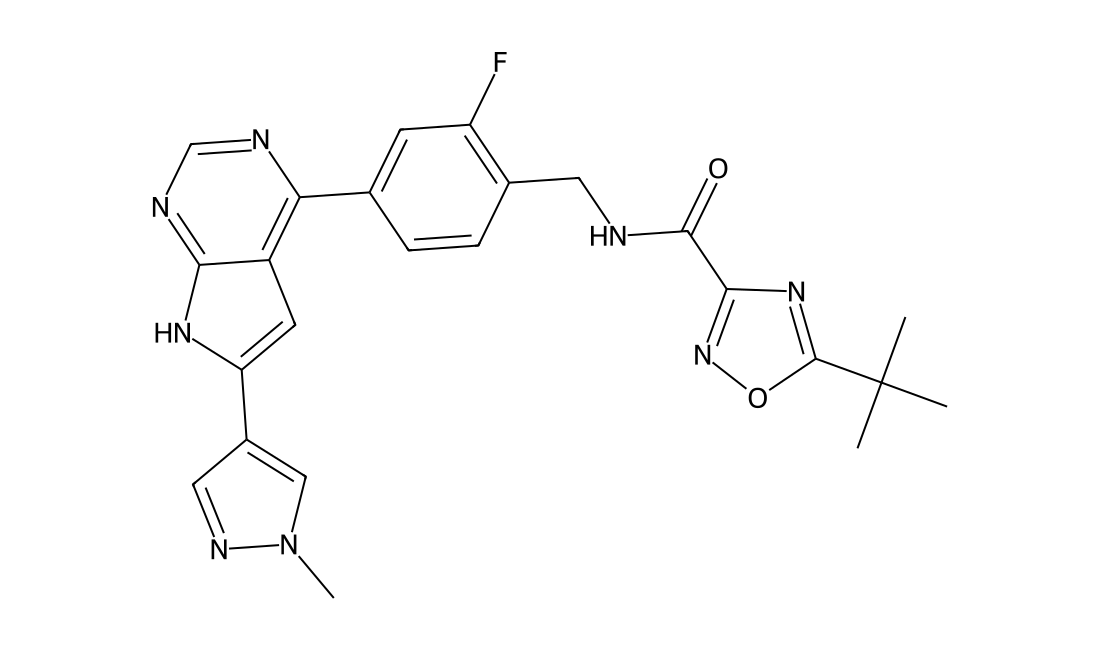
CEE321
CAS 2098545-89-0
CEE321 is a potent pan JAK inhibitor in enzyme and cellular assays (IC50 = 54 nM). CEE321 potently inhibited biomarkers relevant to atopic dermatitis.

Explore bioactive compounds by research category, then narrow your search by target, product name, catalog number or CAS.
Newly added: LC-MG and OXF molecular glue research compounds →
Products may appear in more than one category. Counts refer to distinct catalog numbers within each category.
Other Research Tools (75) · Additional reagents, building blocks and specialized research tools.
LC-MG-1 (DCA0006) · LC-MG-4 (DCA0007) · LC-MG-9 (DCA0008)
View structure and evidence summaries →Combine a keyword, research category and target to narrow the product list.
Loading catalog filters…
CAS 2098545-89-0
CEE321 is a potent pan JAK inhibitor in enzyme and cellular assays (IC50 = 54 nM). CEE321 potently inhibited biomarkers relevant to atopic dermatitis.
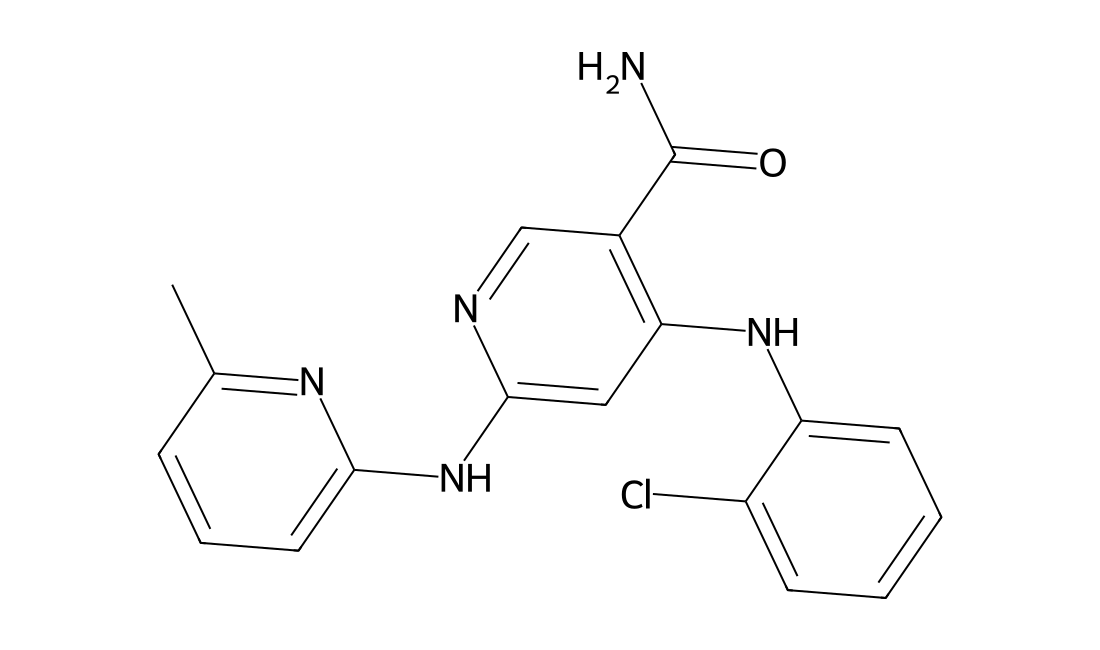
CAS 1252003-13-6
HDAC-IN-4 is a selective HDAC6 and HDAC10 inhibitor with pIC50s of 7.2 and 6.8 in BRET assay, respectively. Antitumoral activity.
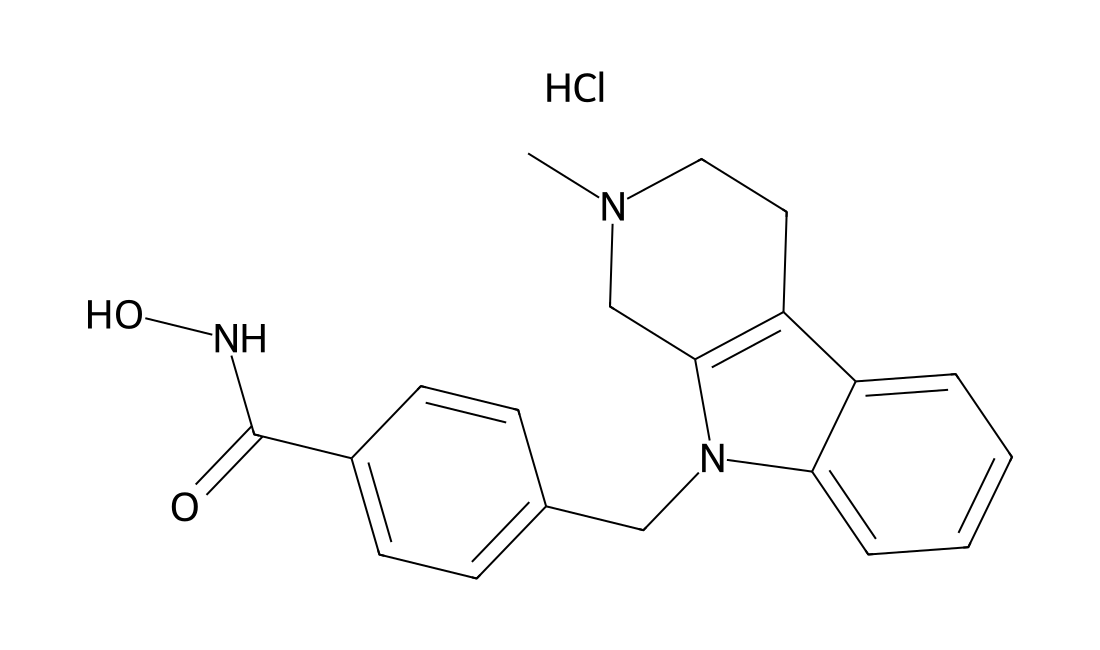
CAS 1962178-27-3
A potent, highly selective GSK-3 inhibitor with IC50 of 2.1 nM for human GSK-3β in enzyme assays; shows equal effectivity against GSK-3α and GSK-3β with IC50 of 10.0 and 9.0 nM respectively in mobility shift assays, inhibits phosphorylation of tau with an IC50 of 466 nM in a stable inducible CHO cell line over-expressing GSK-3β and substrate tau; modulates tau phosphorylation in vitro and in vivo.
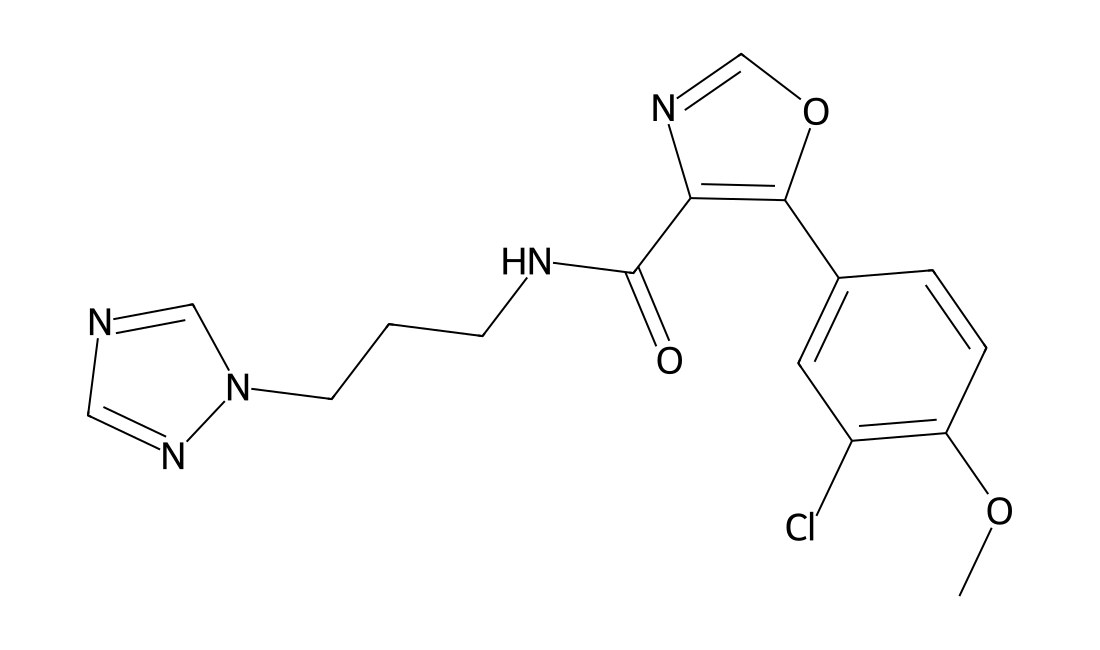
CAS 2408590-37-2
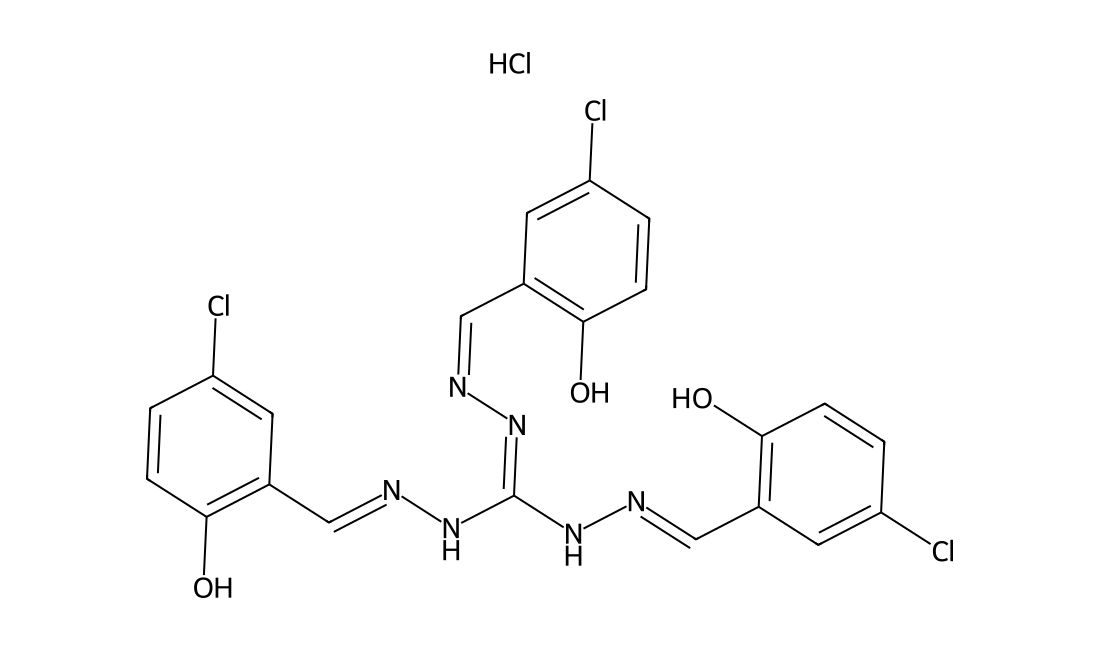
CWI1-2 hydrochloride is an inhibitor of IGF2BP2 that binds IGF2BP2 and inhibits its interaction with m6A-modified target transcripts, induces apoptosis and differentiation, and shows promising anti-leukemic effects.
CAS 2408590-36-1
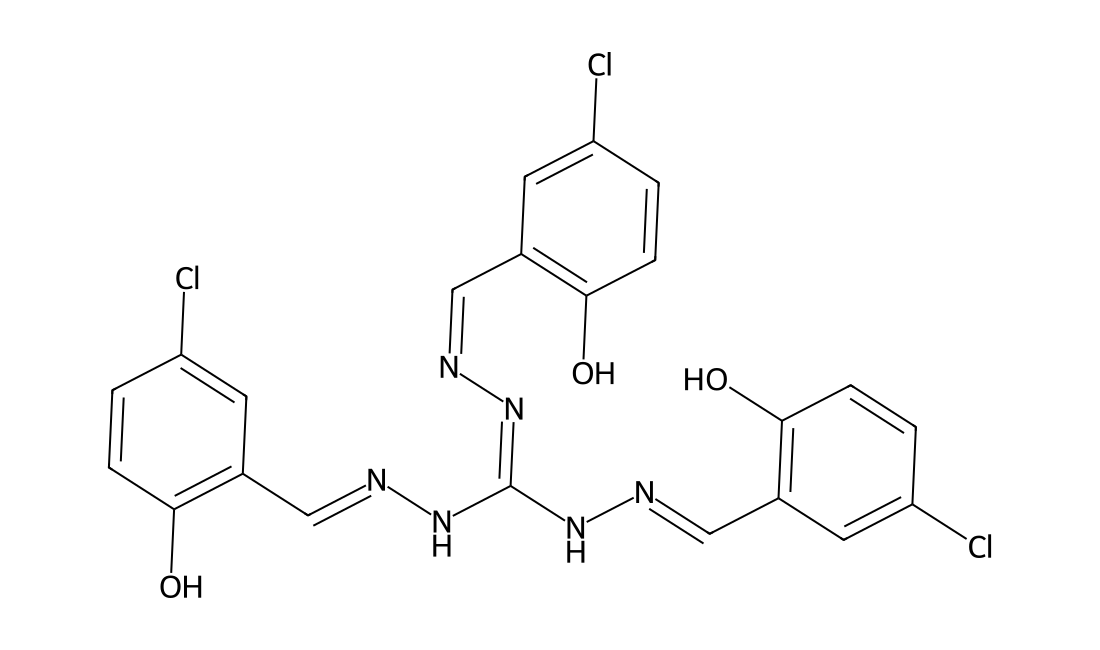
CWI1-2 is an IGF2BP2 inhibitor that binds IGF2BP2 and inhibits its interaction with m6A-modified target transcripts, induces apoptosis and differentiation, and shows promising anti-leukemic effects[1].
CAS 1313019-65-6
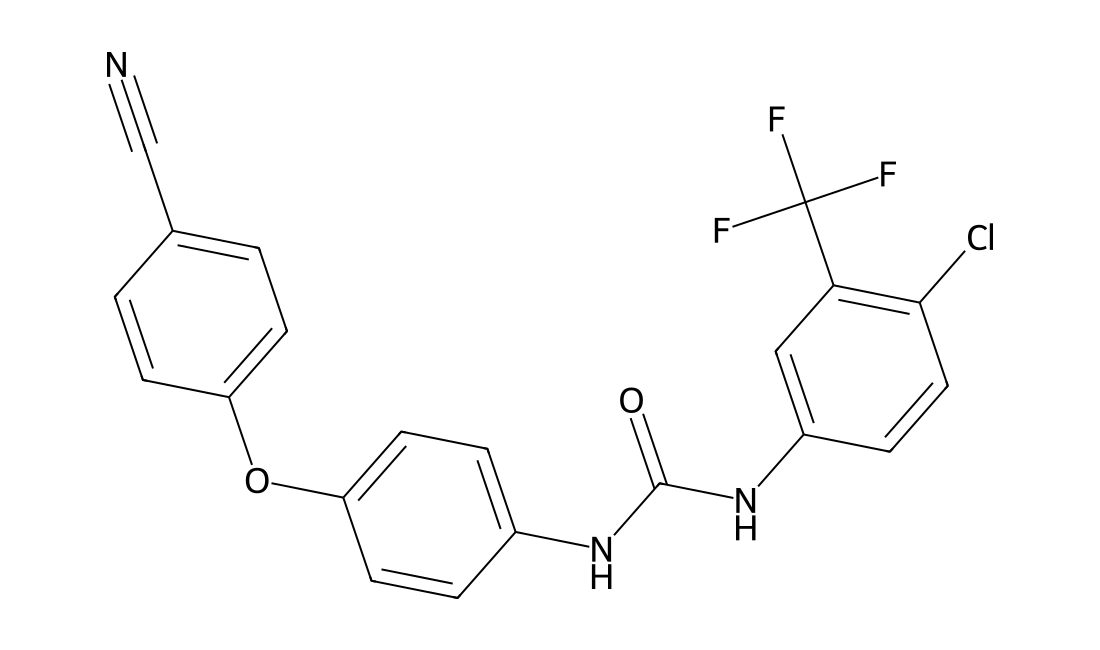
SC-1 (1-(4-Chloro-3-(trifluoromethyl)phenyl)-3-(4-(4-cyanophenoxy)phenyl)urea, STAT3-IN-7), a Sorafenib analogue and potently inhibits the phosphorylation of STAT3, induces cell apoptosis through SHP-1 dependent STAT3 inactivation.
CAS 1538593-71-3
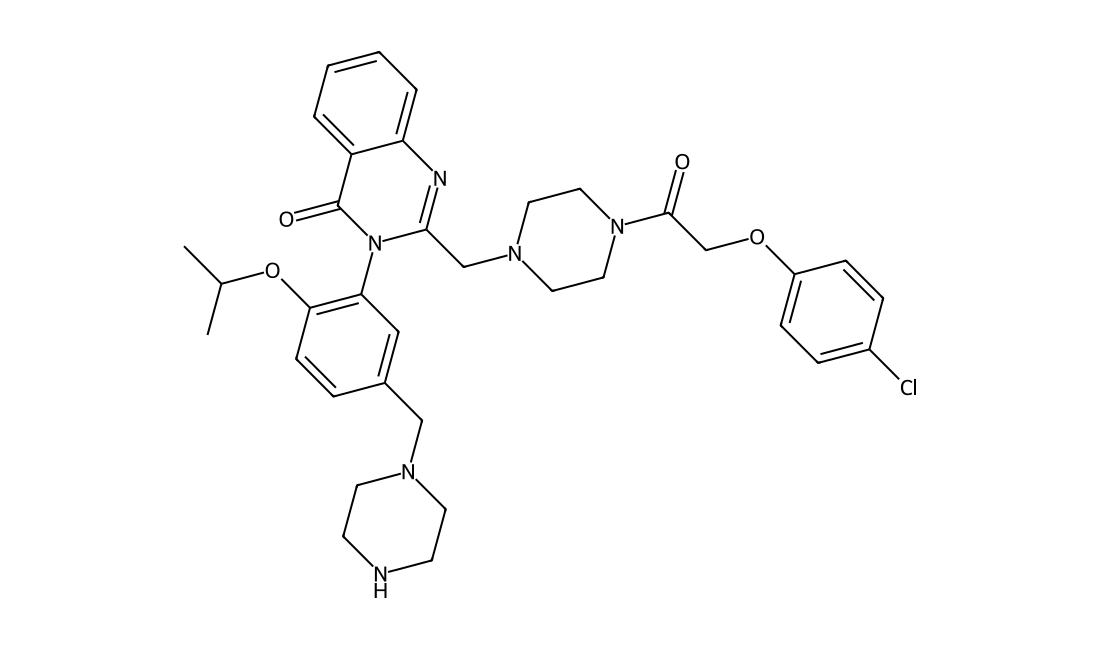
Piperazine Erastin is an analog of Erastin, which can induces ferroptosis in cancer cells, an iron-dependent form of nonapoptotic cell death.
CAS 1650550-25-6
Enasidenib (Idhifa, AG-221) mesylate is an orally available, selective and potent inhibitor of mutant isocitrate dehydrogenase 2 (IDH2).
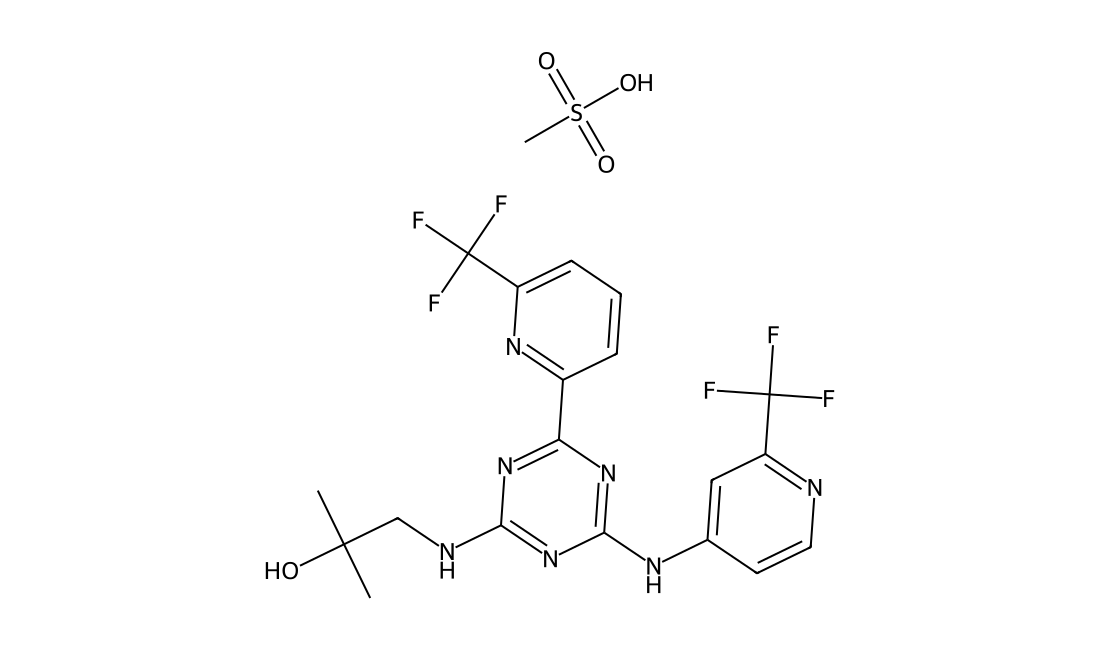
CAS 2095432-59-8
MS 049 is a potent, selective, and cell-active dual inhibitor of PRMT4 and PRMT6 with IC 50 of 34 nM and 43 nM respectively.
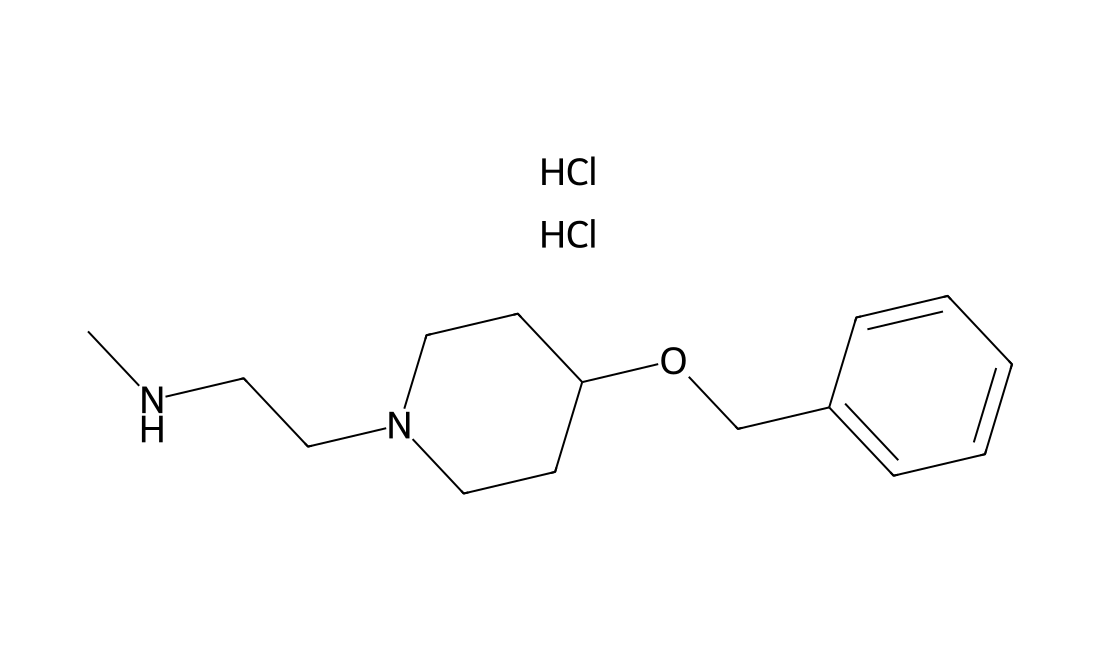
CAS 7599-79-3
Enclomiphene citrate is a potent and orally active oestrogen receptor antagonist, with antioestrogenic property[1].
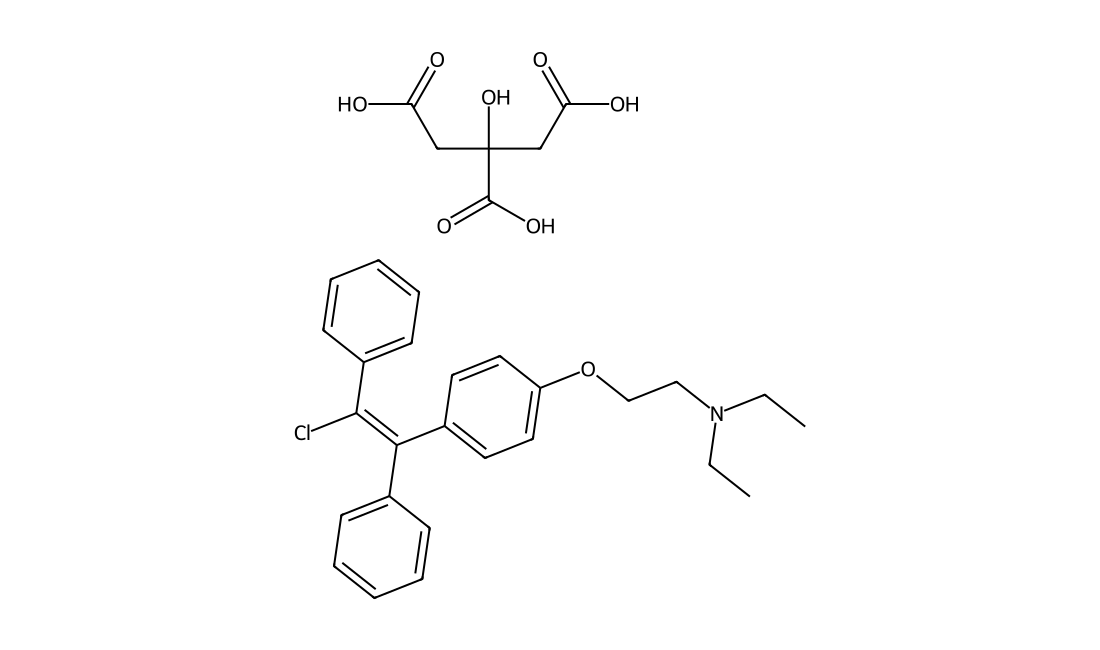
CAS 748778-73-6
YC-001 is a novel pharmacological chaperone of rod photoreceptor opsin, rescues the transport of multiple rod opsin mutants in mammalian cells; demonstrates micromolar potency and efficacy greater than 9-cis-retinal with lower cytotoxicity; binds to bovine rod opsin with an EC50 (8.7 uM) similar to 9-cis-retinal, improves the glycosylation of the P23H-opsin mutant; YC-001 is an inverse agonist and antagonist of rod opsin that non-competitively antagonizes rod opsin signaling, delays isorhodopsin pigment regeneration; protects Abca4 -/- Rdh8 -/- mice from bright light-induced retinal degeneration.
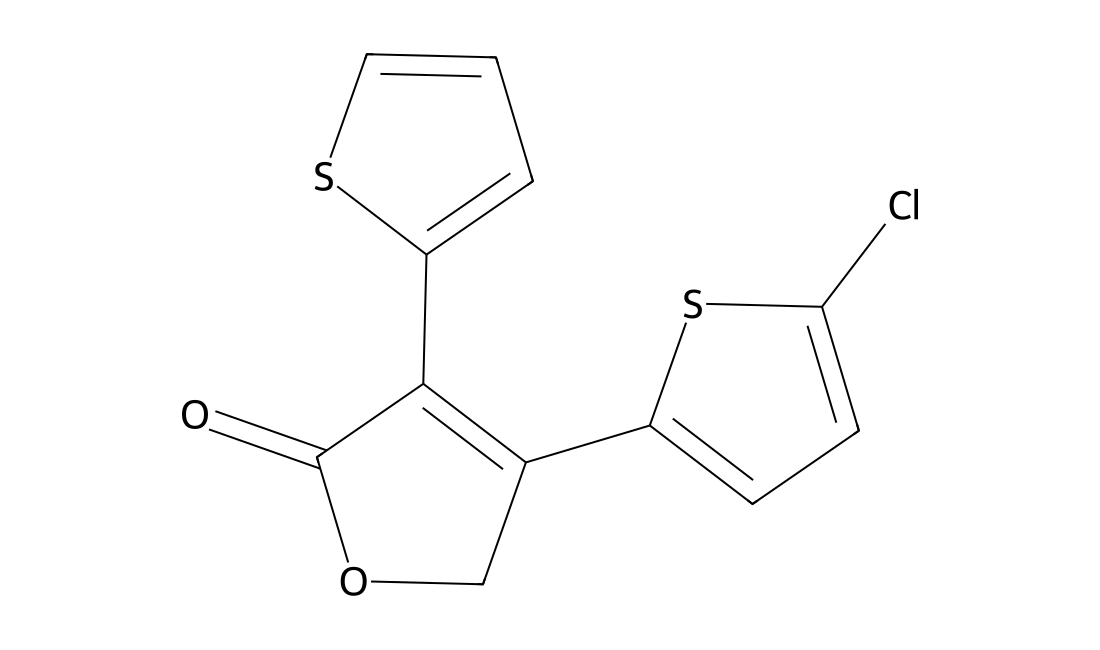
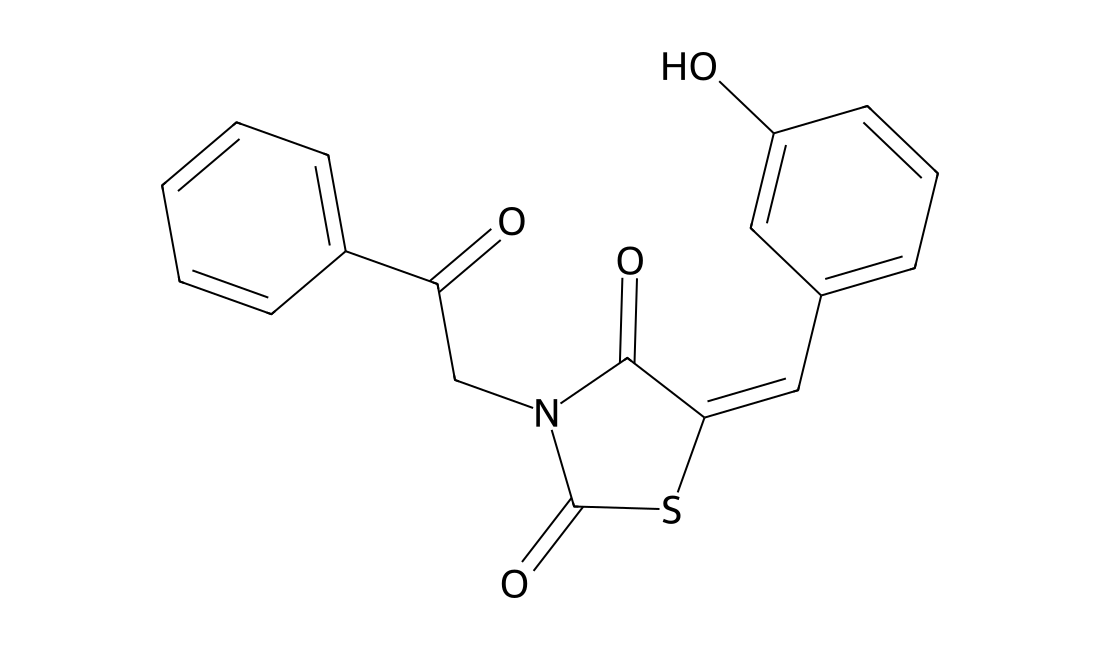
CAS 252003-65-9
Description of CP-547632: CP-547632 is as a potent inhibitor of the VEGFR-2 and basic fibroblast growth factor (FGF) kinases (IC50 11 and 9 nM, respectively). It is selective relative to epidermal growth factor receptor, platelet-derived growth factor, and other related TKs. It also inhibits VEGF-stimulated autophosphorylation of VEGFR-2 in a whole cell assay with an IC50 value of 6 nM. After oral administration of CP-547,632 to mice bearing NIH3T3/H-ras tumors, VEGFR-2 phosphorylation in tumors was inhibited in a dose-dependent fashion (EC50 590 ng/ml). CP-547,632 is a well-tolerated, orally-bioavailable inhibitor presently under clinical investigation For the treatment of human malignancies. For the detailed information about the solubility of CP-547632 in water, the solubility of CP-547632 in DMSO, the solubility of CP-547632 in PBS buffer, the animal experiment(test) of CP-547632,the in vivo,in vitro and clinical trial test of CP-547632,the cell experiment(test) of CP-547632,the IC50, EC50 and Affinity of CP-547632, please contact DC Chemicals.
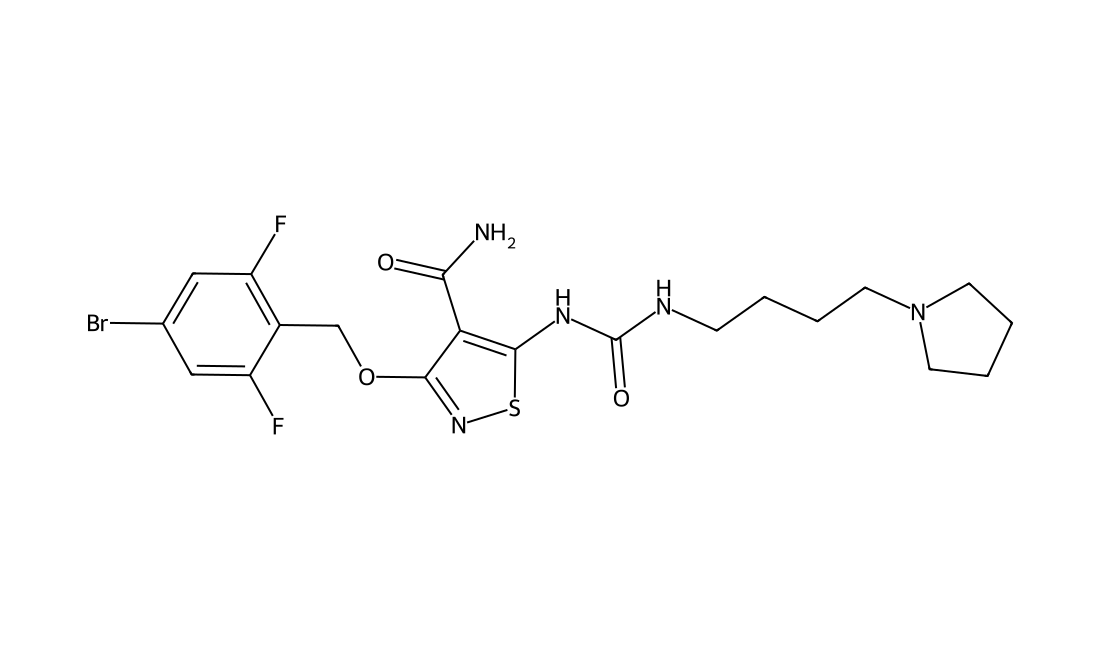
CAS 467459-31-0
Idalopirdine (Lu AE58054) is a potent and selective 5-HT6 receptor antagonist with a Ki of 0.83 nM.
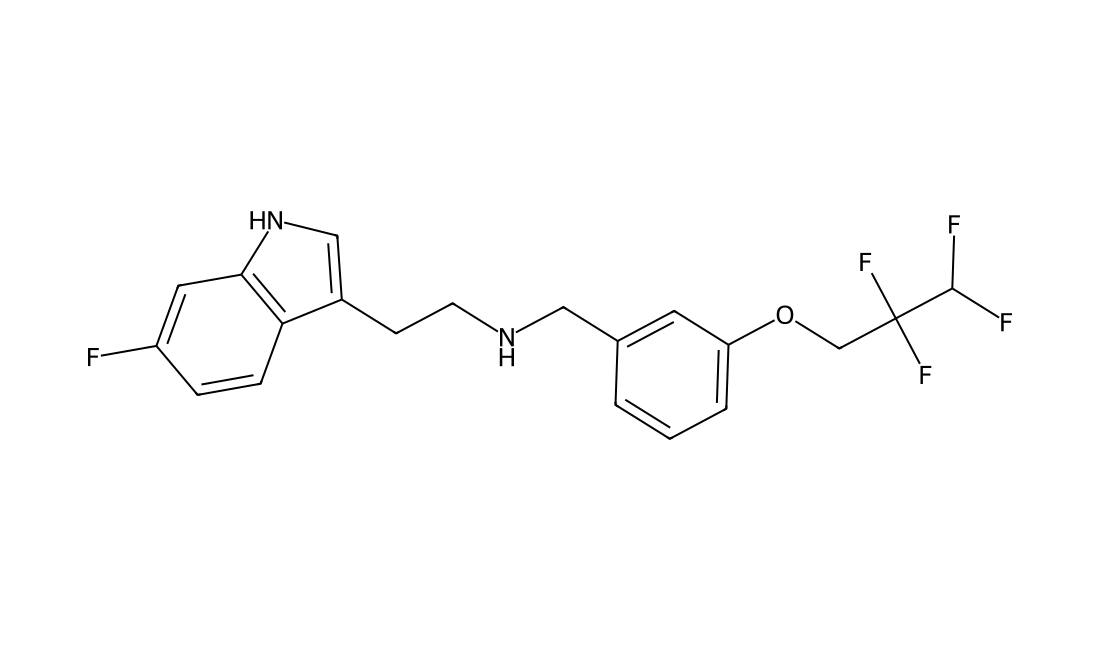
CAS 2044953-70-8
Seclidemstat (SP-2577) mesylate is a potent noncompetitive and reversible KDM1A (LSD1) inhibitor (Ki=31 nM, IC50=13 nM). Seclidemstat mesylate promotes antitumor immunity in switch/sucrose nonfermentable (SWI/SNF) complex mutated ovarian cancer, as well as inhibit virus production, viral DNA replication, and late gene expression. Seclidemstat mesylate can be used for the research of Ewing Sarcoma.
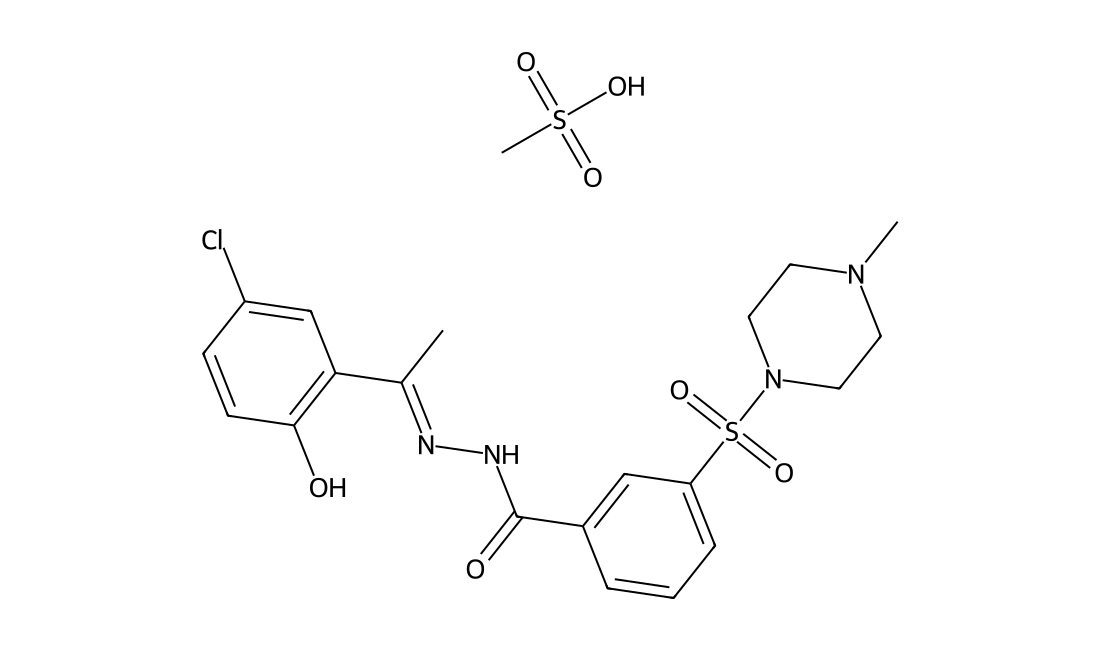
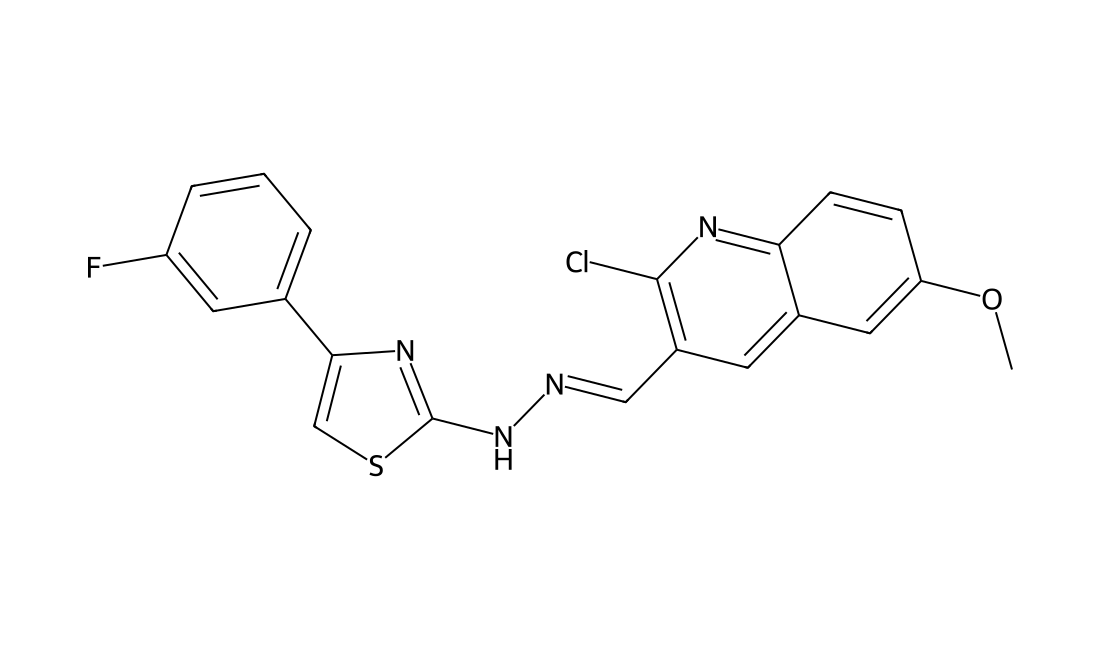
CAS 1275582-97-2
Ibezapolstat (ACX-362E) is a first-in-class, orally active DNA polymerase IIIC (pol IIIC) inhibitor, with a Ki of 0.325 μM for the DNA pol IIIC from C. difficile. Ibezapolstat is developed for the research of C. difficile infection(CDI).
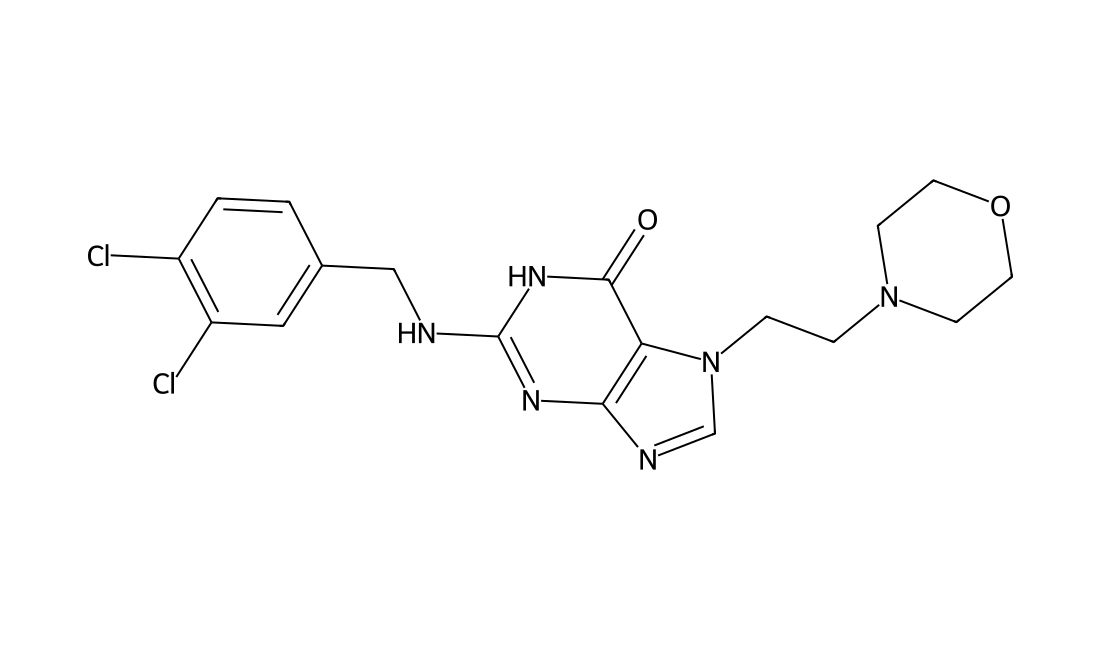
CAS 1395048-49-3
M-110 is a novel and highly selective inhibitor of PIM kinases; inhibits the proliferation of prostate cancer cell lines with IC50s of 0.6 to 0.9 uM, with no activity on normal human peripheral blood mononuclear cells up to 40 uM.
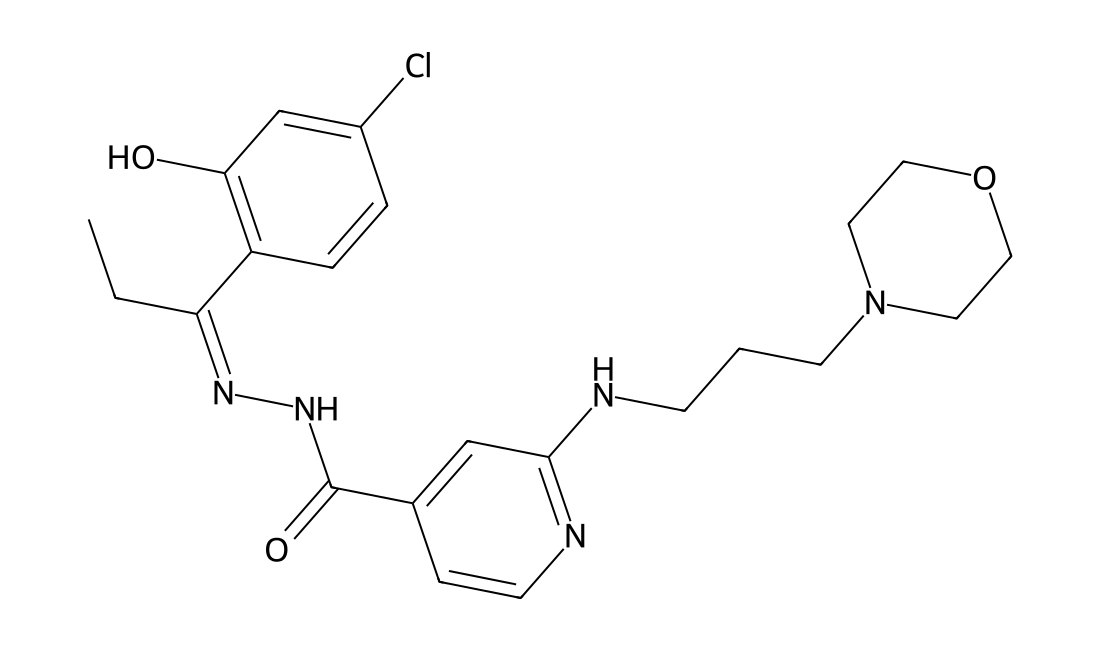
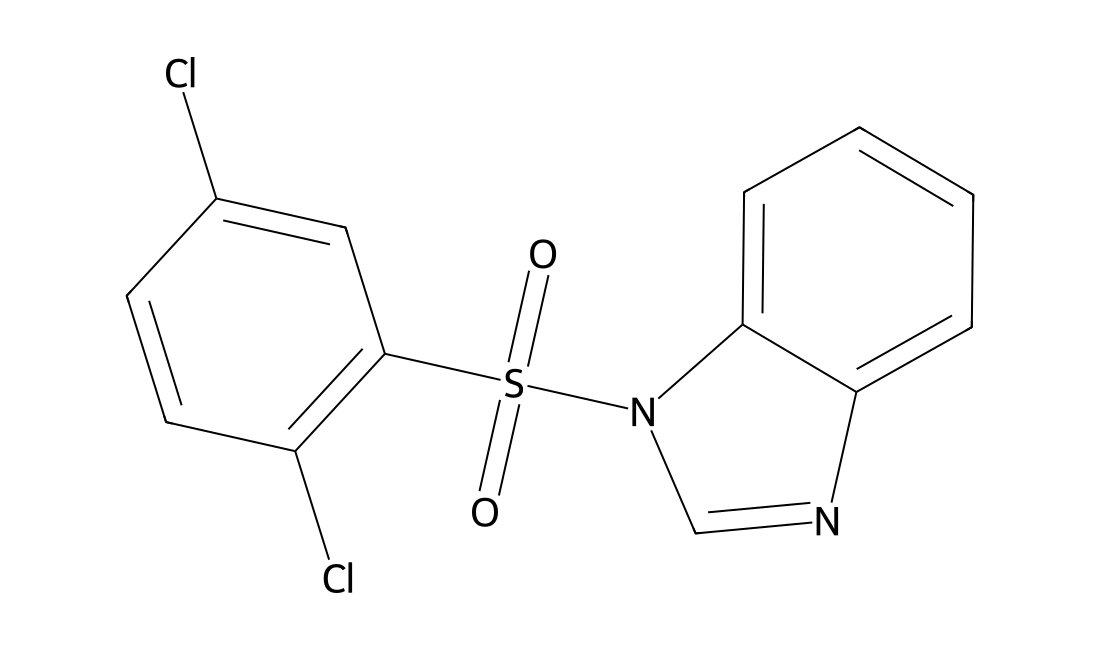
CAS 2760612-63-1
Skp2 inhibitor 1 (compound 14i) is a potent and selective Skp2 inhibitor
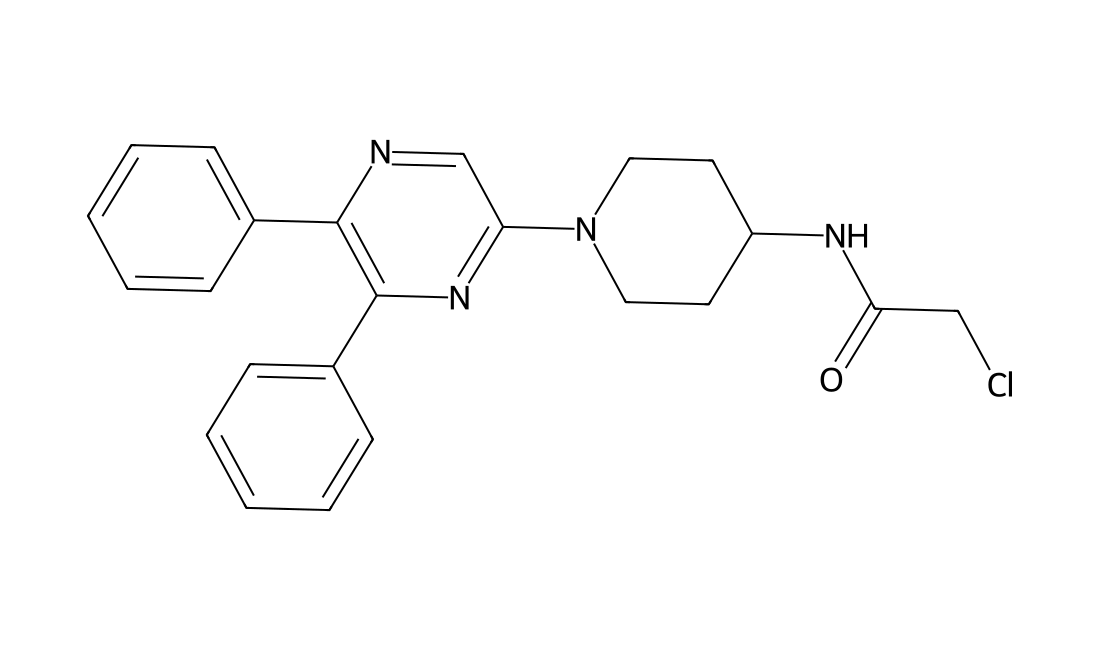
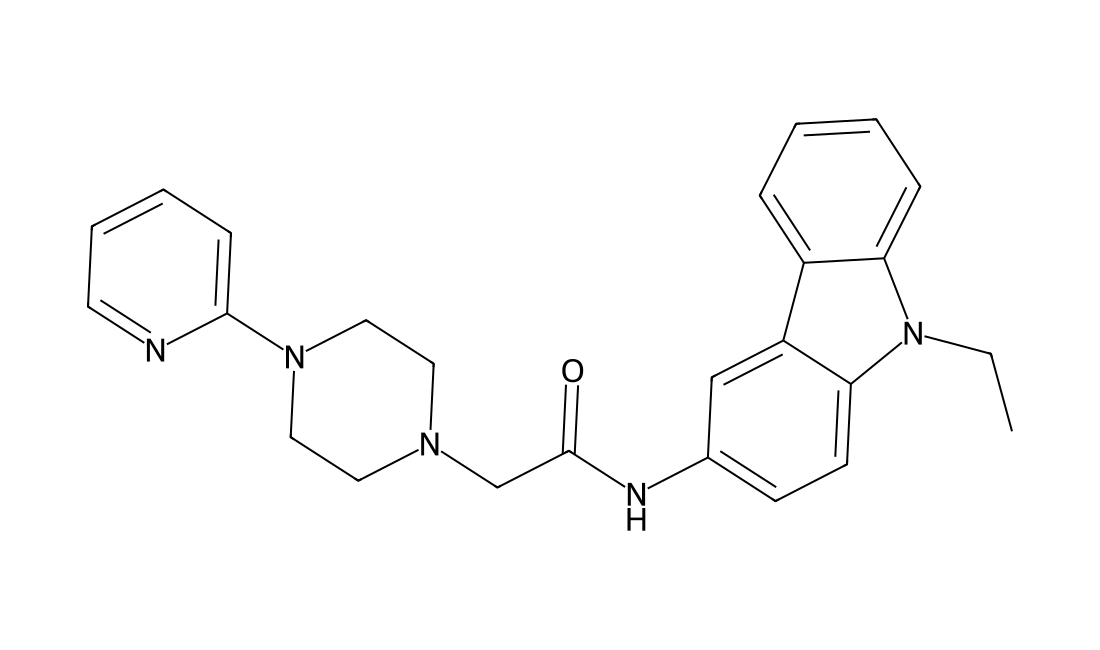
CAS 1992052-49-9
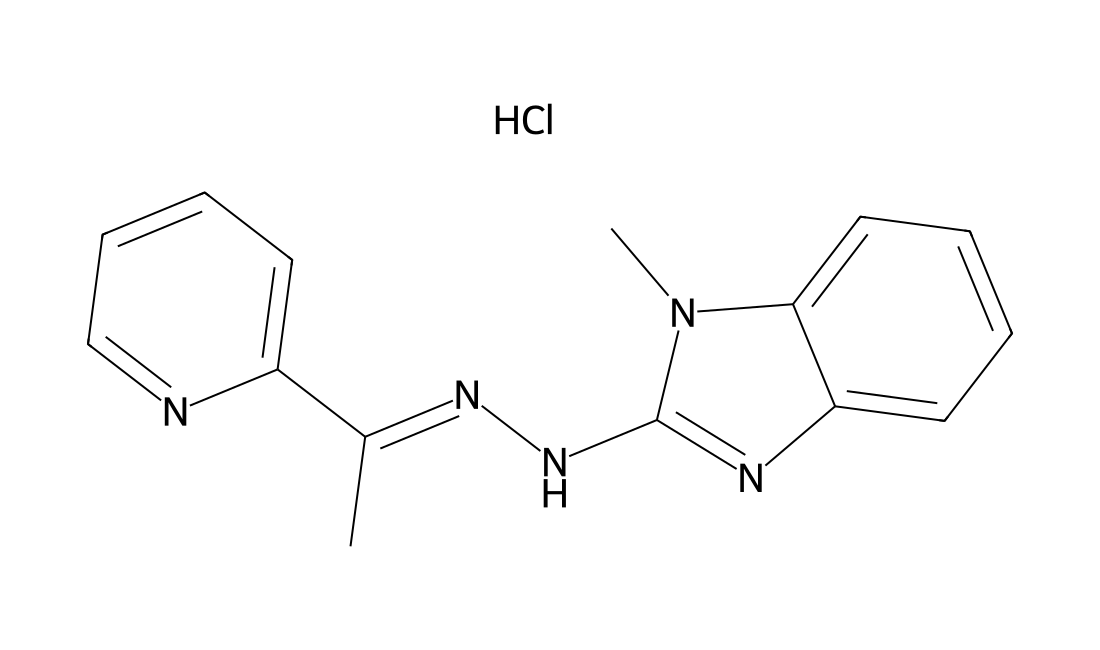
SI-2 hydrochloride (EPH 116 hydrochloride) is a highly promising SRC-3 SMI: SRC-3 inhibitor (PPI), with IC50 values of 3-20 nM for breast cancer cell death. SI-2 hydrochloride (EPH 116 hydrochloride) has a much improved toxicity and pharmacokinetic profile, with acceptable oral availability[1].
CAS 1383450-81-4
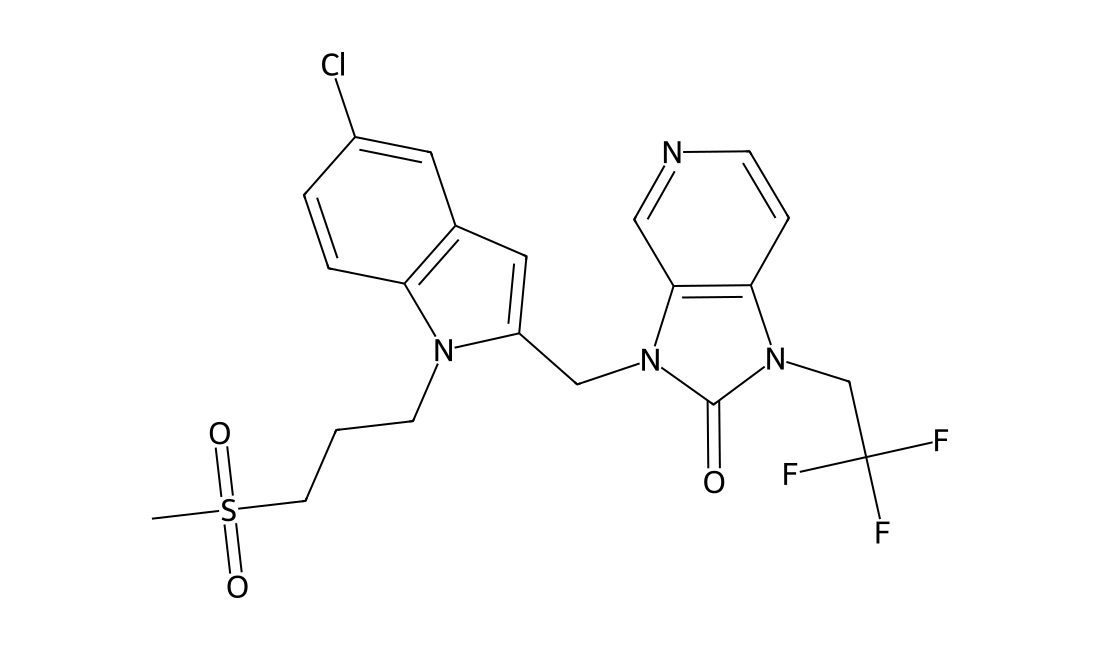
JNJ-53718678 (JNJ53718678, JNJ-678) is a potent (Kd=7.4 nM), small-molecule inhibitor of the F-glycoprotein-mediated complex membrane fusion process of the RSV; displays very potent antiviral activity and low cytotoxicity; inhibits ESV replication in HBECs with IC50 of 1.2 nM, efficiently inhibits RSV infection in vivo. RSV Infection Phase 2 Clinical
CAS 913064-47-8
ELN-441958 is a potent, neutral antagonist of B1 receptor, inhibits the binding of the B1 agonist ligand [3H]DAKD to IMR-90 cells with Ki of 0.26 nM. ELN-441958 is highly selective for B1 over B2 receptors, and >500/ 2000-fold selective for the B1 over μ/δ-opioid receptor.IC50 value: 0.26 nM (Ki)Target: B1 Receptorin vitro: ELN-441958 is a novel small molecule bradykinin B1 receptor antagonist, based on the inhibition of agonist-induced increases in intracellular calcium in native and recombinant cells. ELN-441958 does not inhibit the activation of the human bradykinin B2 receptor at concentrations up to 10 μM, showing that it is highly selective for B1 over B2 receptors. ELN-441958 also displays good selectivity for B1 over other receptors examined in a broad screening panel. It is >500-fold and >2000-fold selective for the B1 receptor over the human μ- and δ-opioid receptor, the most potent off-target activity identified. In IMR-90 cells expressing the native human B1 receptor, ELN-441958 produced a concentration-dependent antagonism of the DAKD-induced calcium mobilization with a KB of 0.12 nM. [1]in vivo: ELN-441958 is essentially completely absorbed and produces high plasma levels after oral administration in rhesus monkeys.ELN-441958 has a moderate clearance and volume of distribution in both species following i.v. administration, consistent with the high metabolic stability in rat, rhesus, and human microsomes. ELN-441958 has high oral exposure and moderate plasma half-lives in rats and rhesus monkeys. The oral availability of ELN441958 in rats was 57%. ELN-441958 dose-dependently reduced carrageenan-induced thermal hyperalgesia in a rhesus monkey tail-withdrawal model, with an ED50 3 mg/kg s.c. [1]
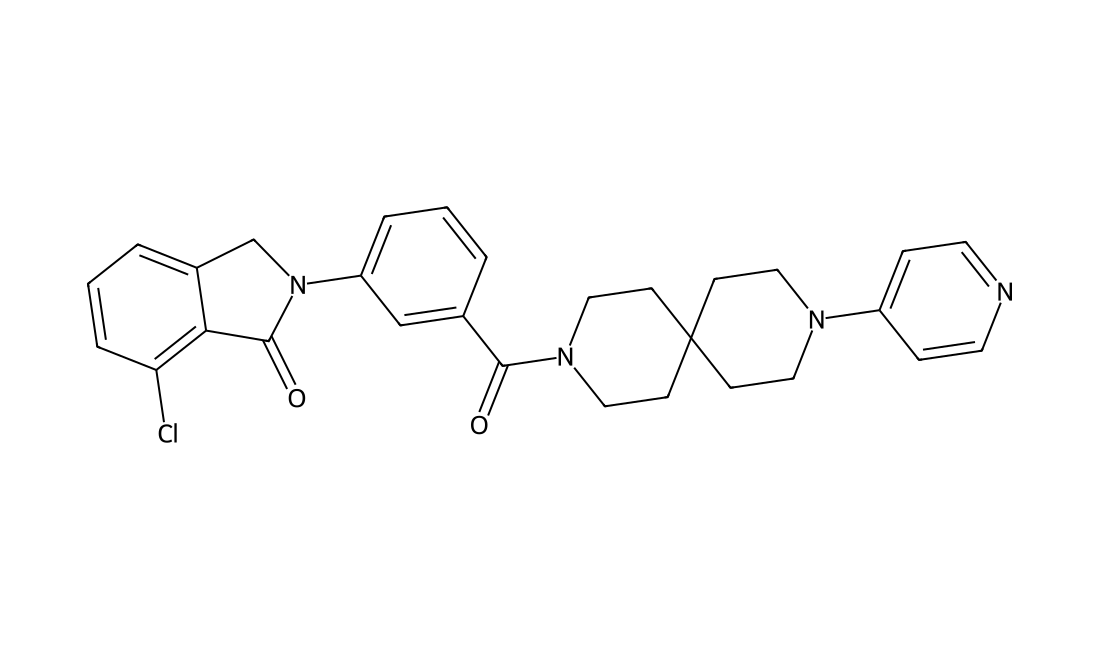
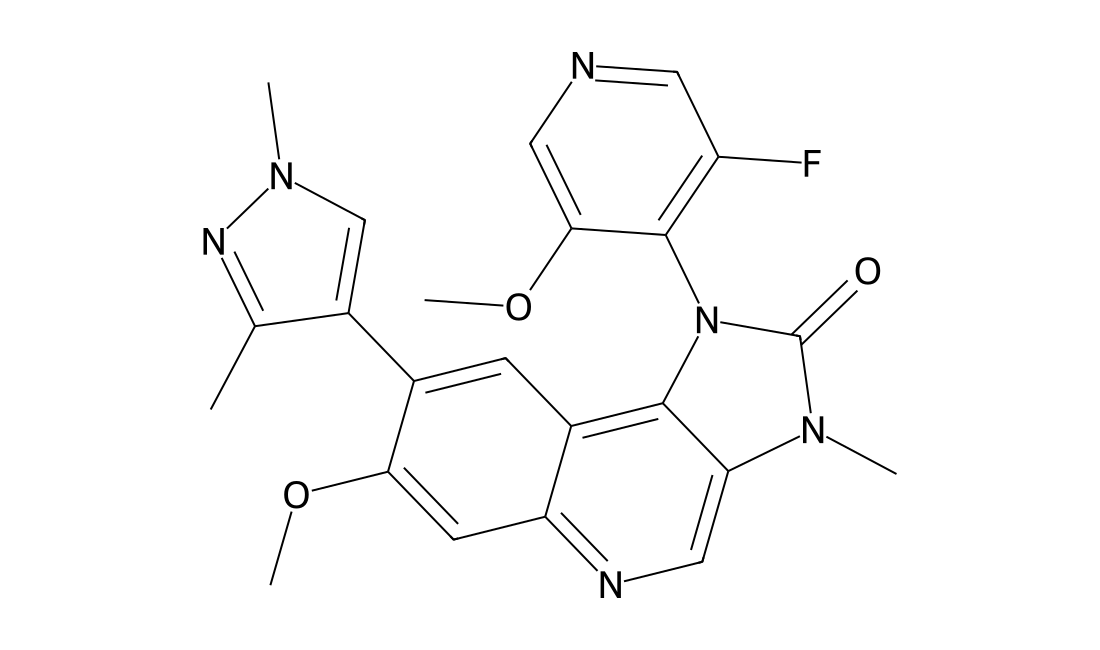
CAS 2495096-26-7
ATM Inhibitor-5 [formula (1)] is a potent inhibitor of serine/threonine protein kinase ATM (extracted from patent WO2022058351A1)[1].
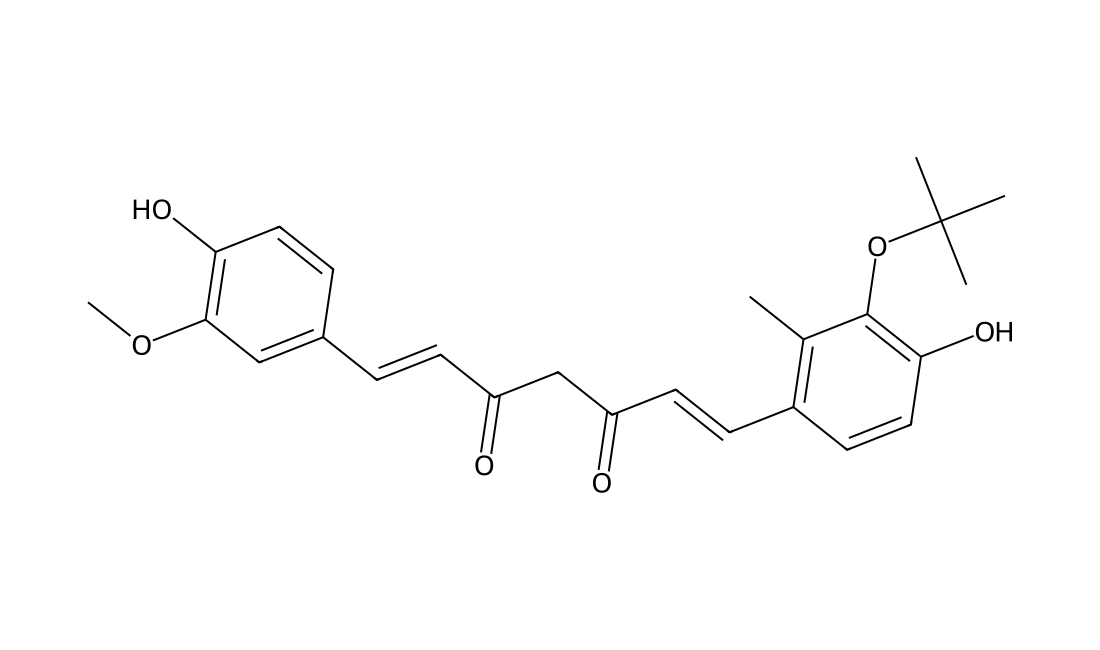
CAS 52328-97-9
FLLL31 selectively binds to Janus kinase 2 and the STAT3 Src homology-2 (SH2) domain, effective inhibitors of STAT3 phosphorylation. STAT3 plays a critical role in early embryogenesis, but is largely dispensable in normal adult cells and tissues. On the other hand the JAK2/STAT3 signaling pathway is persistently activated in great number of human solid and blood cancers. Such activation is commonly associated with a worse prognosis. FLLL31 is a curcumin derivative locked in diketone-tautomeric form, which supposedly improves binding to SH2 domain. The compound inhibits JAK2 kinase activity and prevents STAT3 phosphorylation. FLLK31 is a potent and selective inhibitor of the STAT3 signaling pathway.
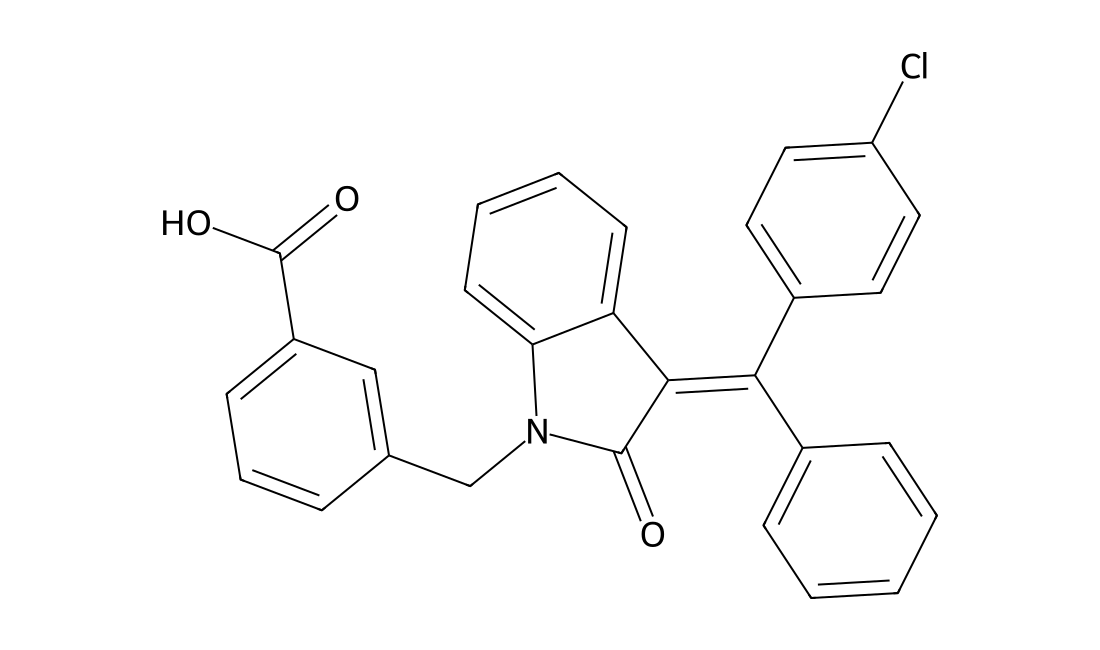
CAS 1273323-67-3
YLF-466D is an AMPK activator that inhibits platelet aggregation with IC50 of 84 μM.
CAS 334969-03-8
Recilisib (ON01210, EX-RAD) is a radioprotectant that activates the activity of AKT and PI3K in cells. It has been studied as prophylactic (use prior to radiation exposure) and therapeutic (after exposure to radiation) drug.
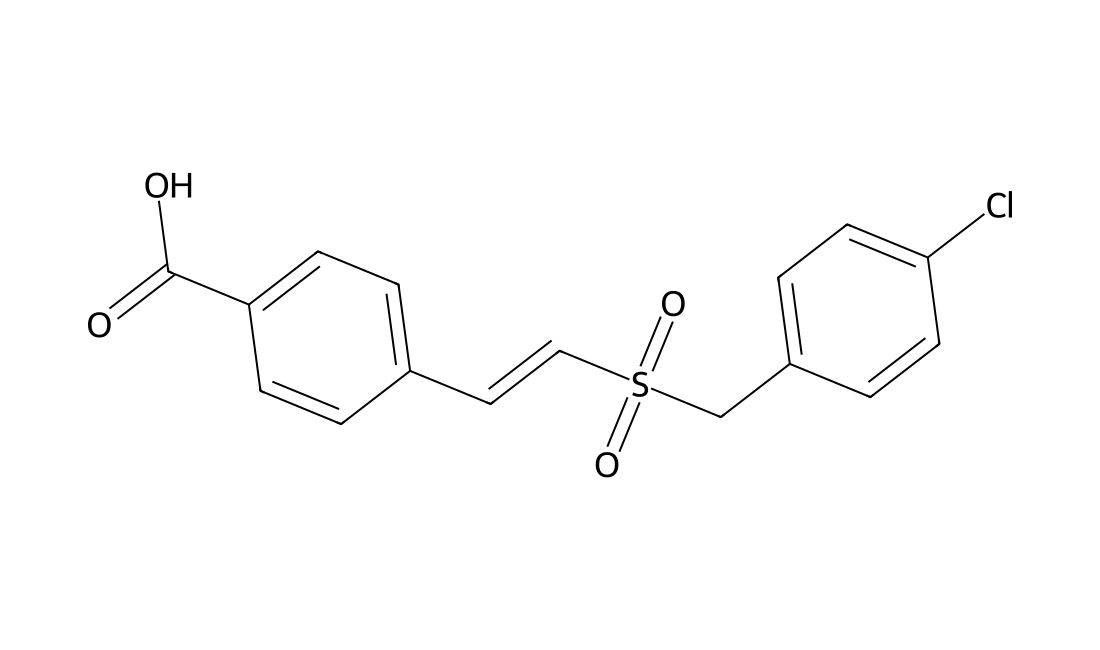
CAS 186611-58-5
SU-5616 is a biochemical reagent. SU 5616 potentially modulates tyrosine kinase signal transduction, and regulates abnormal cell proliferation.
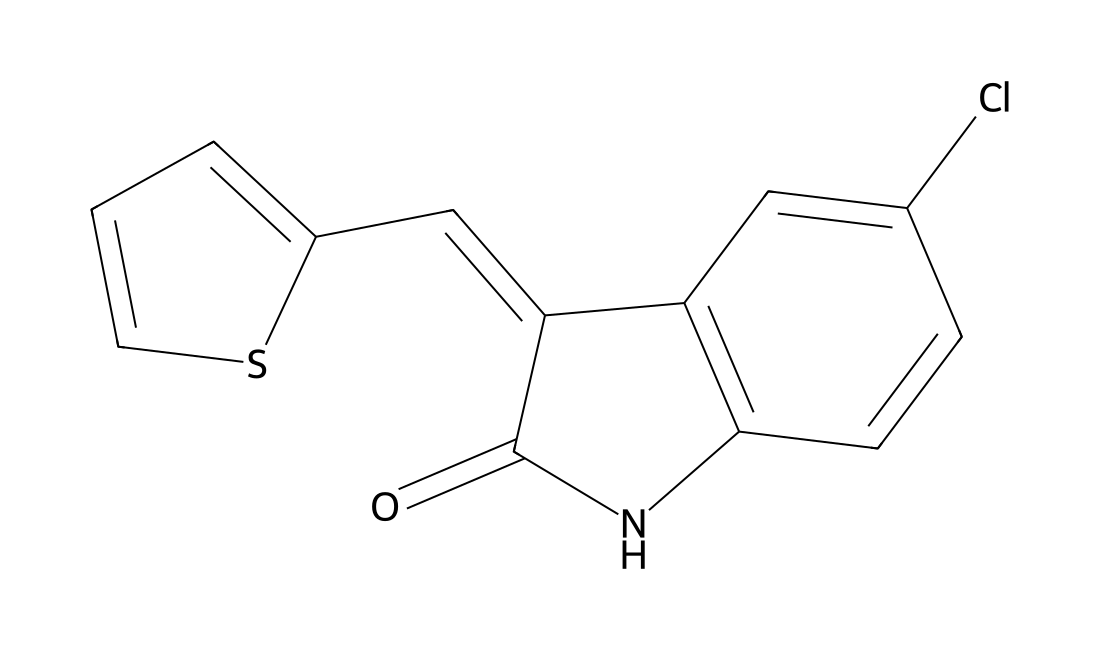
CAS 1606975-12-5
BPN14770 (BPN-14770) is an allosteric inhibitor of phosphodiesterase 4D (PDE4D) with IC50 of 7.8 and 7.4 nM for human PDE4D7 and PDE4D3 respectively, displays 16-fold less potent against monomeric form of PDE4D lacking the UCR1 dimerization domain (PDE4D2 IC50 = 127 nM); BPN14770 is 17-fold less potent against mouse PDE4D7 (IC50 = 133 nM), binds to a primate-specific, N-terminal region of PDE4D; elevates brain cAMP and facilitates hippocampal long-term potentiation (LTP) in wild-type and humanized PDE4D mice, improves cognitive performance, antagonized the amnesic effects of scopolamine and increased cAMP signaling in brain, and increased BDNF and markers of neuronal plasticity associated with memory.
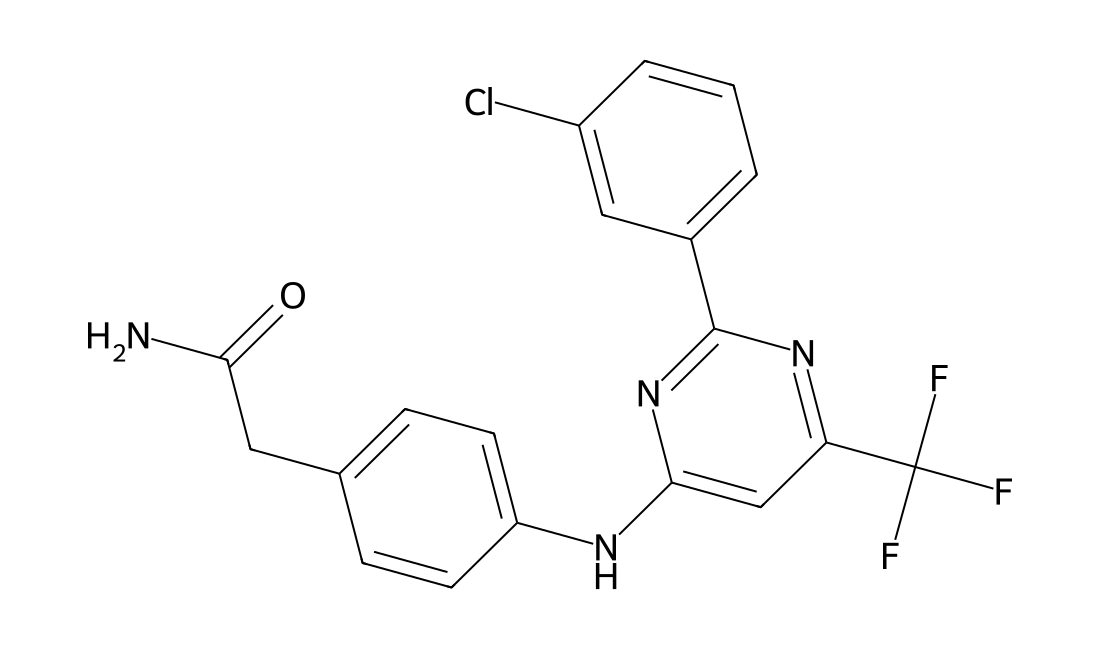
CAS 13098-73-2
Sephin1 is a selective inhibitor of stress-induced PPP1R15A and targets disease associated with accumulation of misfolded protein. PPP1R15A is a regulator subunit of protein phosphatase 1 and regulates stress-induced eIF2α (α subunit of eukaryotic translation initiation factor 2). It brings PP1 (serine/threonine-protein phosphatase) to dephosphorylate eIF2α. Phosphorylation of eIF2α reduces protein synthesis and prevents the accumulation of misfolded protein in ER (endoplasmic reticulum). Thus inhibiting PPP1R15A prolongs the phosphorylation of eIF2α, and benefits the treatment for protein misfolding disease. In cells treated with 5μm Sephin1 for 6 hours, Sephin1 specifically disrupted the PPP1R15A-PP1c complex without affecting PPP115B-PP1c complex. As a consequence, Sephin1 prolonged eIF2a phosphorylation in HeLa cells after stress (*2.5 μg/ml tunicamycin treatment) and delayed translational recovery. Sephin1 recused cell from cytotoxic ER stress* in wild-type cell but not the PPP1R15A mutant cell. In mice administrated orally with 1-5mg/kg Sephin1 for given time, Sephin1 exhibited no adverse effects on rotarod performances, total body weight gain or memory. Treating MPZ (Deletion of serine 63 of myelin protein zero) mutant mice with 1mg/kg orally twice a day, prevented the molecular, morphological and motor defects. Oral treatment of 5 mg/kg of Sephin1 once a day, prevented motor deficits, motor neuron loss and the molecular defects in SOD1 (Mutant and misfolding-prone superoxide dismutase 1) mutant mice.
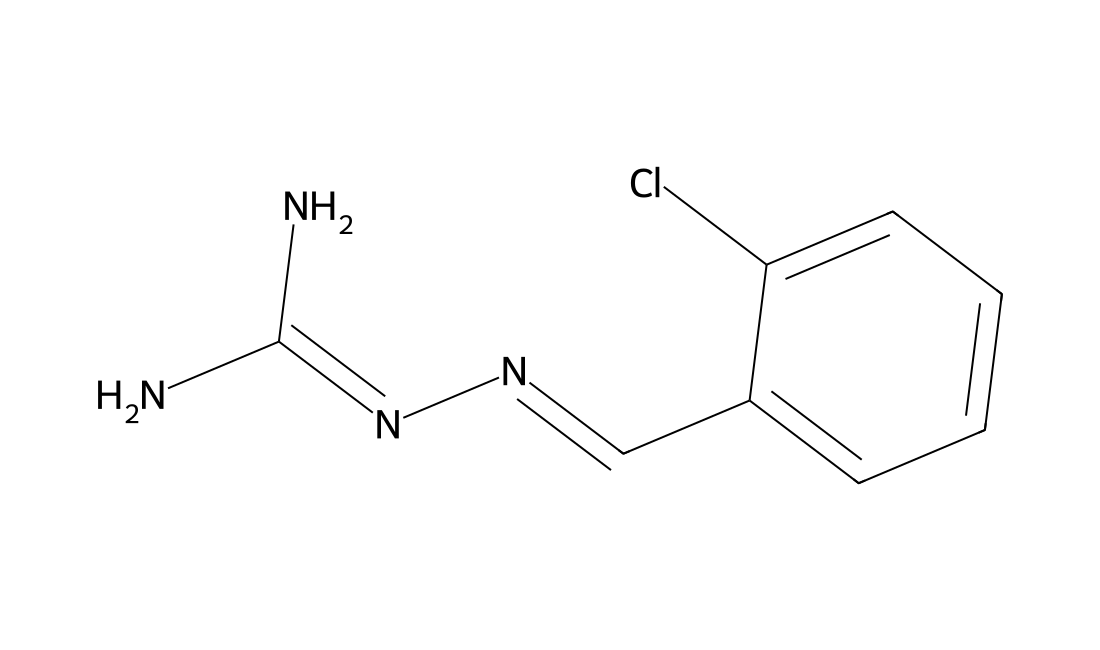
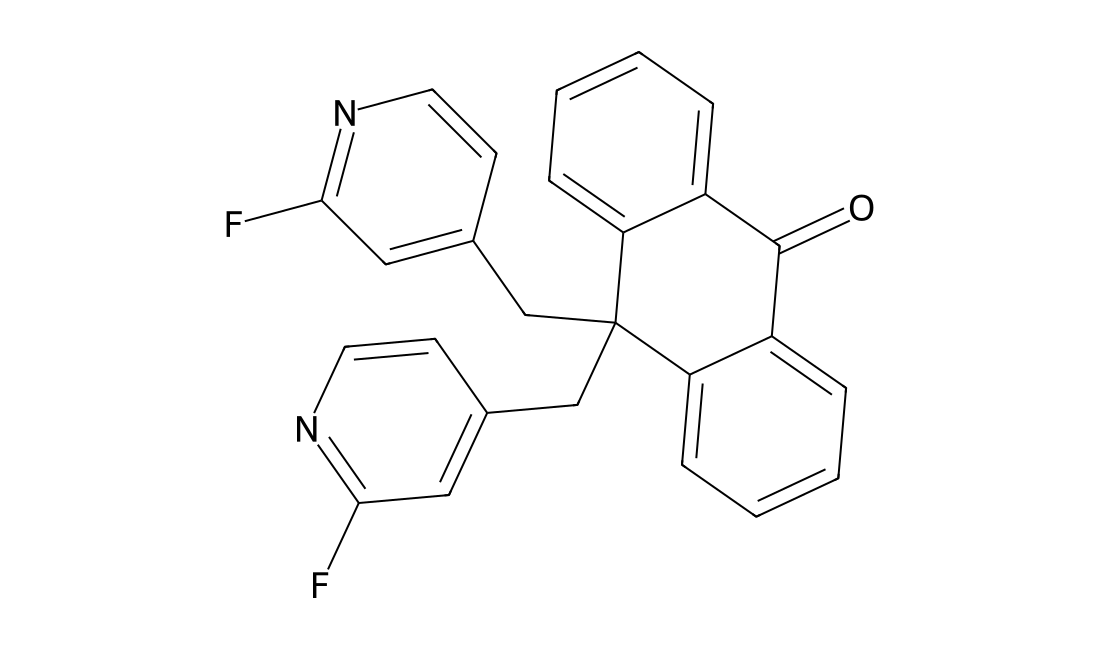
CAS 160588-45-4
A potent blocker of voltage-gated potassium channels Kv7 (KCNQ) that enhances ACh release from rat hippocampal slices in vitro with EC50 of 0.7 uM; maintains the 5- to 10-fold potency differential over linopirdine in increasing extracellular hippocampal ACh levels in the rat with a minimum effective dose of 1 mg/kg.Alzheimer DiseasePhase 2 Discontinued
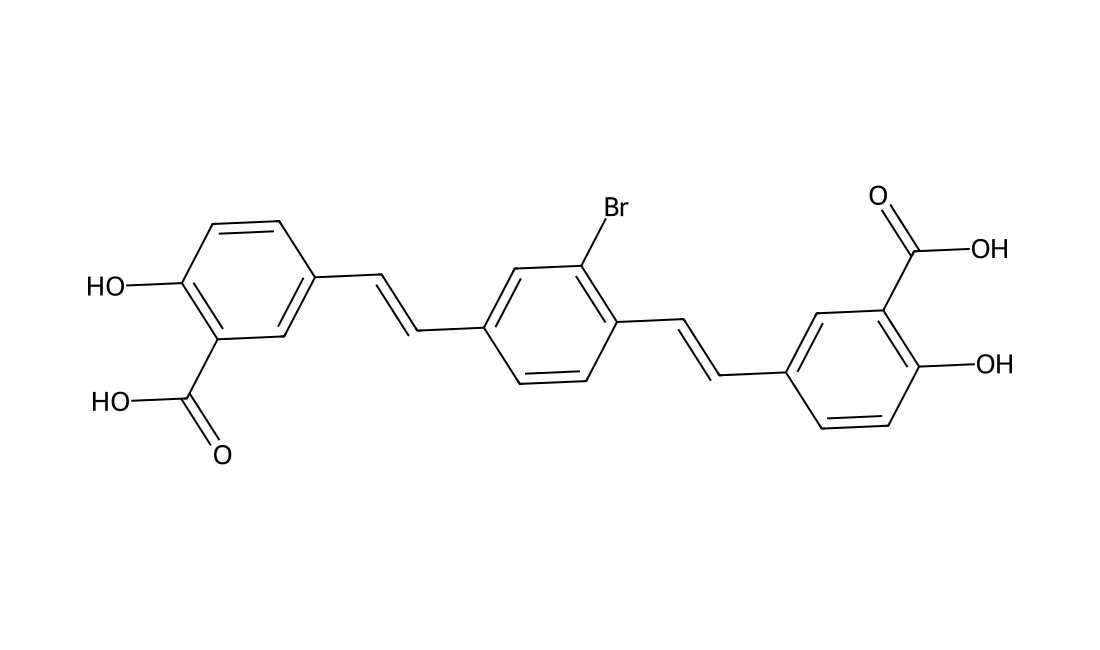
CAS 291766-06-8
SBS is a useful probe and tool molecule for detecting amyloid deposits in systemic amyloidosis in vitro and in vivo. SBS can be used for detecting amyloid fibrils in autopsy and biopsy samples from patients with localized amyloidosis, such as familial prion disease, and systemic amyloidosis, such as familial amyloidotic polyneuropathy, amyloid A (AA) amyloidosis, light chain (AL) amyloidosis, and dialysis-related amyloidosis.
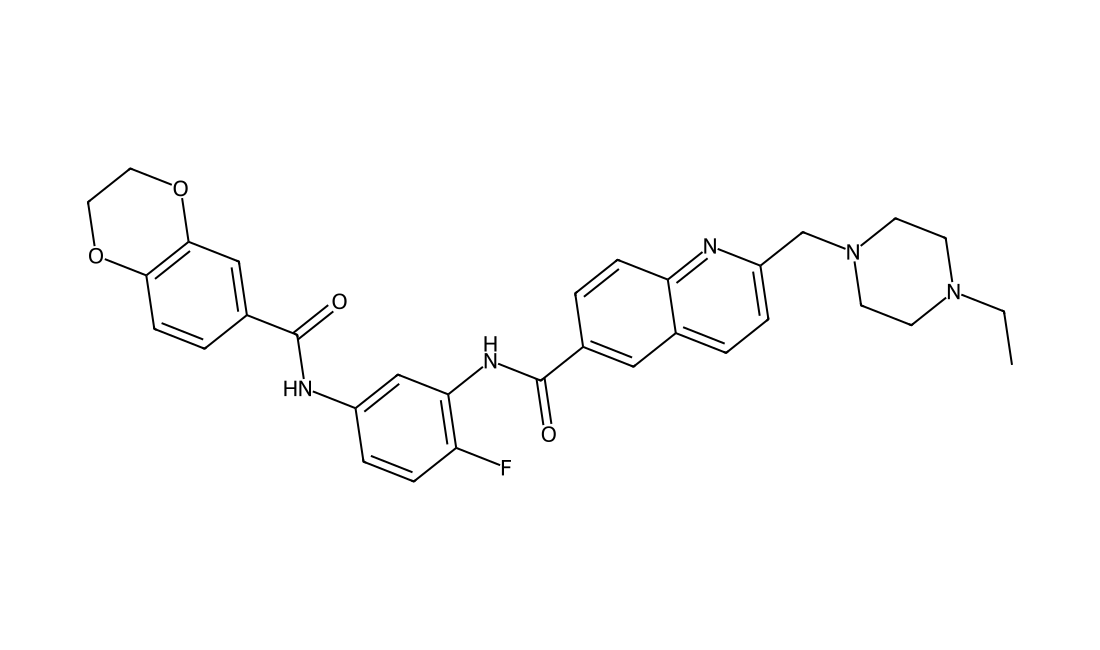
CAS 1693734-80-3
NPX-800 is a potent, selective, oral heat shock factor 1 (HSF1) pathway inhibitor.
CAS 693288-97-0
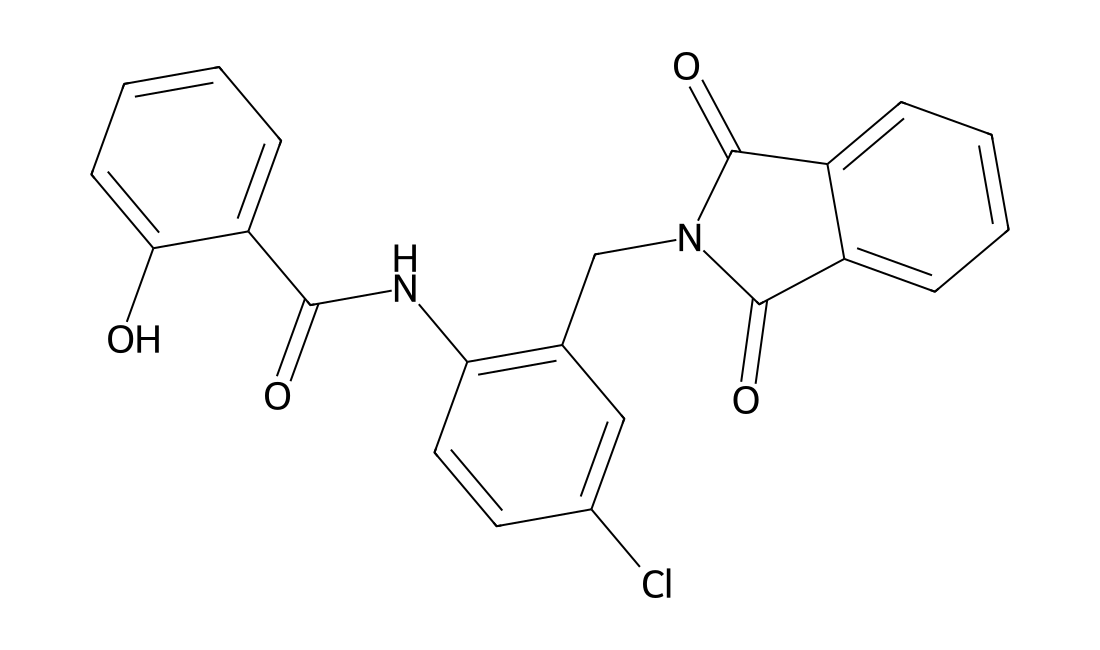
CPPHA is a selective positive allosteric modulator of mGluR5 receptor. in vitro: The selective mGlu5 receptor positive allosteric modulator, N-{4-chloro-2-[(1,3-dioxo-1,3-dihydro-2H-isoindol-2yl)-methyl]phenyl}-2-hydrobenzamide (CPPHA) potentiated the response to a subthreshold concentration of 3,5-dihydroxy-phenylglycine (DHPG) on extracellular signal-regulated protein kinase (ERK) and cyclic-AMP responsive element-binding protein (CREB) activity, as well as N-methyl d-aspartate (NMDA) receptor subunit NR1 phosphorylation in cortical and hippocampal slices. CPPHA potentiated threshold responses to glutamate in fluorometric Ca(2+) assays 7- to 8-fold with EC(50) values in the 400 to 800 nM range, and at 10 microM shifted mGluR5 agonist concentration-response curves to glutamate, quisqualate, and (R,S)-3,5-dihydroxyphenylglycine (DHPG) 4- to 7-fold to the left. CPPHA (10 microM) potentiated NMDA receptor currents in hippocampal slices induced by threshold levels of DHPG, whereas having no effect on these currents by itself. Similarly, 10 microM CPPHA also potentiated mGluR5-mediated DHPG-induced depolarization of rat subthalamic nucleus neurons. CPPHA induced an increase in basal mGluR5-mediated ERK1/2 phosphorylation and potentiated the effect of low concentrations of agonists. In contrast, CPPHA significantly decreased ERK1/2 phosphorylation induced by high concentrations of agonists.
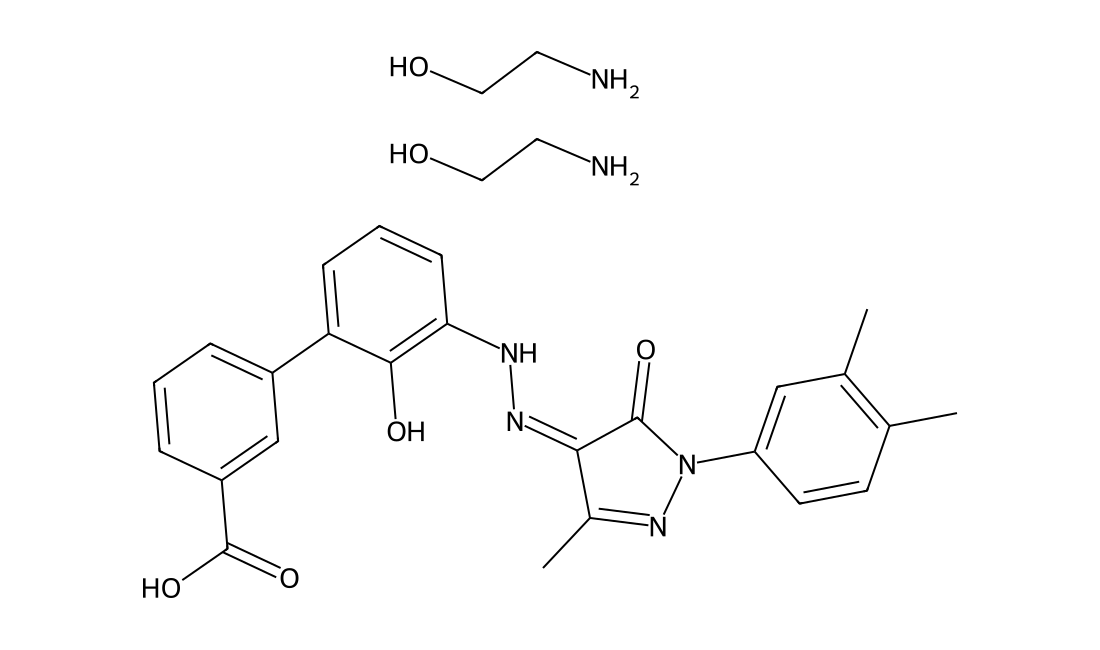
CAS 496775-62-3
Eltrombopag olamine is a new, orally active thrombopoietin-receptor (c-mpl) agonist that stimulates thrombopoiesis. IC50 Value: 0.27 uM (EC50 in murine BAF3 cells) Potential advantages of eltrombopag may include a sustained platelet response and a good tolerability profile. in vitro: Eltrombopag demonstrated a half maximal effective concentration (EC50) of 0.27 uM in murine BAF3 cells transfected with the luciferase reporter gene under direction of the STAT-activated IRF-1 promoter and human TpoR (BAF3/IRF-1/hTpoR) . Eltrombopag stimulates the growth of TPO-dependent cell lines via JAK2 and STAT signaling pathways and stimulates isolated human CD34+ cells to become megakaryocytes and produce platelets. in vivo: Twelve weeks of antiviral therapy, with concurrent receipt of eltrombopag or placebo, were completed by 36%, 53%, and 65% of patients receiving 30 mg, 50 mg, and 75 mg of eltrombopag, respectively, and by 6% of patients in the placebo group . Eltrombopag was administered as once-daily oral capsules for 10 days at doses of 5, 10, 25, 30, 50, and 75 mg. The pharmacokinetics of eltrombopag was dose dependent and linear, and eltrombopag increased platelet counts in a dose-dependent manner. Toxicity: There were no apparent differences in the incidence or severity of adverse events in subjects receiving active or placebo study medication . Long-term treatment with eltrombopag was generally safe, well tolerated, and effective in maintaining platelet counts in the desired range. Clinical trial: Eltrombopag In Cord Blood Or Haploidentical Bone Marrow Transplantation. For the detailed information of Eltrombopag olamine, the solubility of Eltrombopag olamine in water, the solubility of Eltrombopag olamine in DMSO, the solubility of Eltrombopag olamine in PBS buffer, the animal experiment (test) of Eltrombopag olamine, the cell expriment (test) of Eltrombopag olamine, the in vivo, in vitro and clinical trial test of Eltrombopag olamine, the EC50, IC50,and affinity,of Eltrombopag olamine, For the detailed information of Eltrombopag olamine, the solubility of Eltrombopag olamine in water, the solubility of Eltrombopag olamine in DMSO, the solubility of Eltrombopag olamine in PBS buffer, the animal experiment (test) of Eltrombopag olamine, the cell expriment (test) of Eltrombopag olamine, the in vivo, in vitro and clinical trial test of Eltrombopag olamine, the EC50, IC50,and affinity,of Eltrombopag olamine, Please contact DC Chemicals.
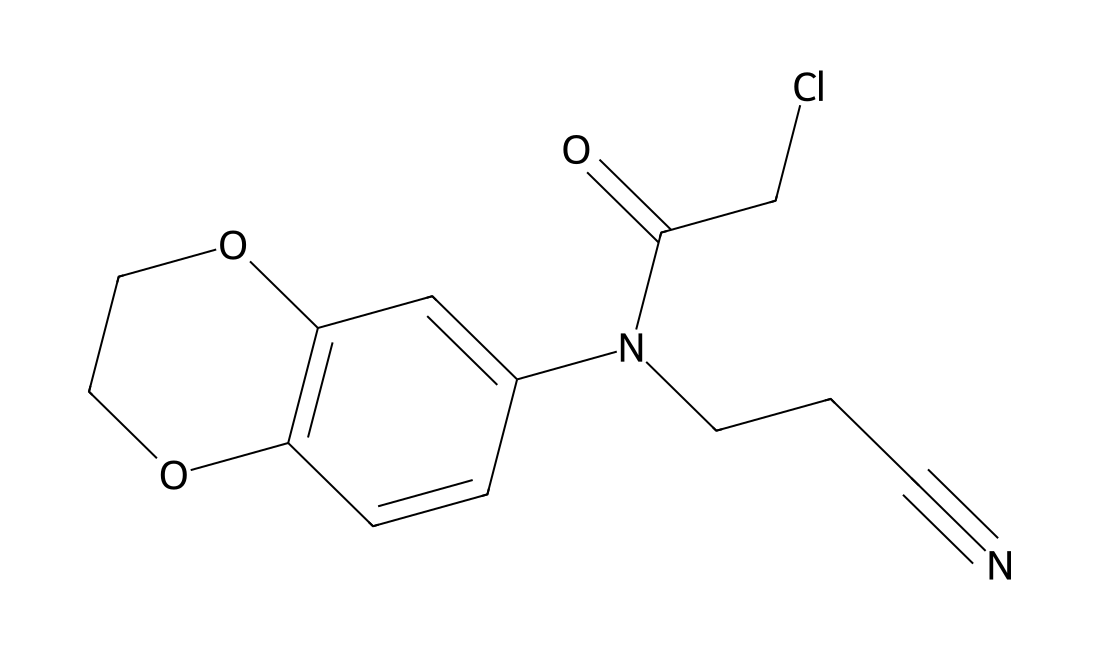
CAS 757192-67-9
EN106 is a potent inhibitor of FEMIB. EN106 targets FEM1B, an E3 ligase recently discovered as the critical component of the cellular response to reductive stress. By targeting C186 in FEM1B, EN106 disrupts recognition of the key reductive stress substrate of FEM1B, FNIP1.
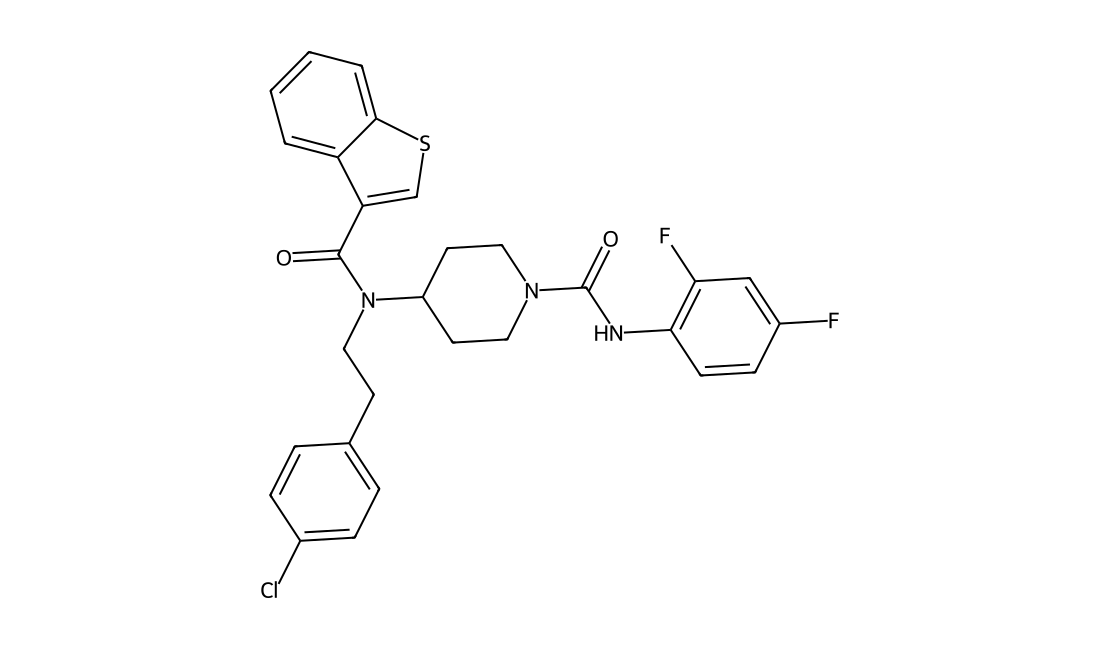
CAS 1092847-21-6
CP-447697 is a lipophilic C5a receptor antagonist with an IC50 value of 31 nM. CP-447697 can be used for the research of inflammation.
CAS 1123231-07-1
WAY-262611 is a wingless β-Catenin agonist that increases bone formation rate with an EC50 of 0.63 μM in TCF-Luciferase assay.
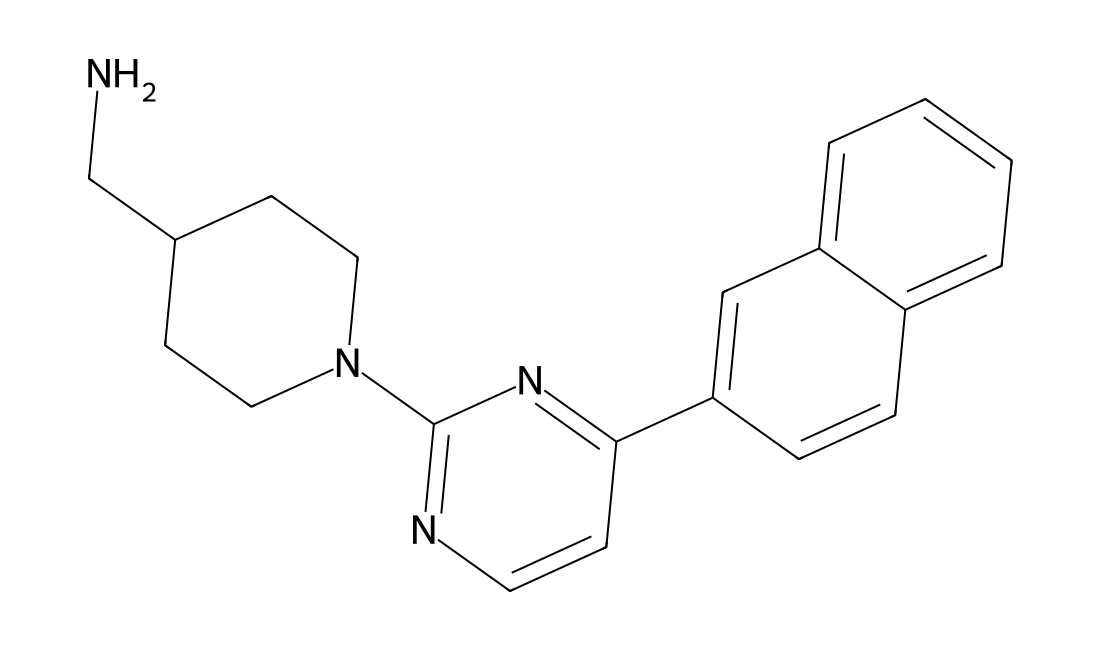
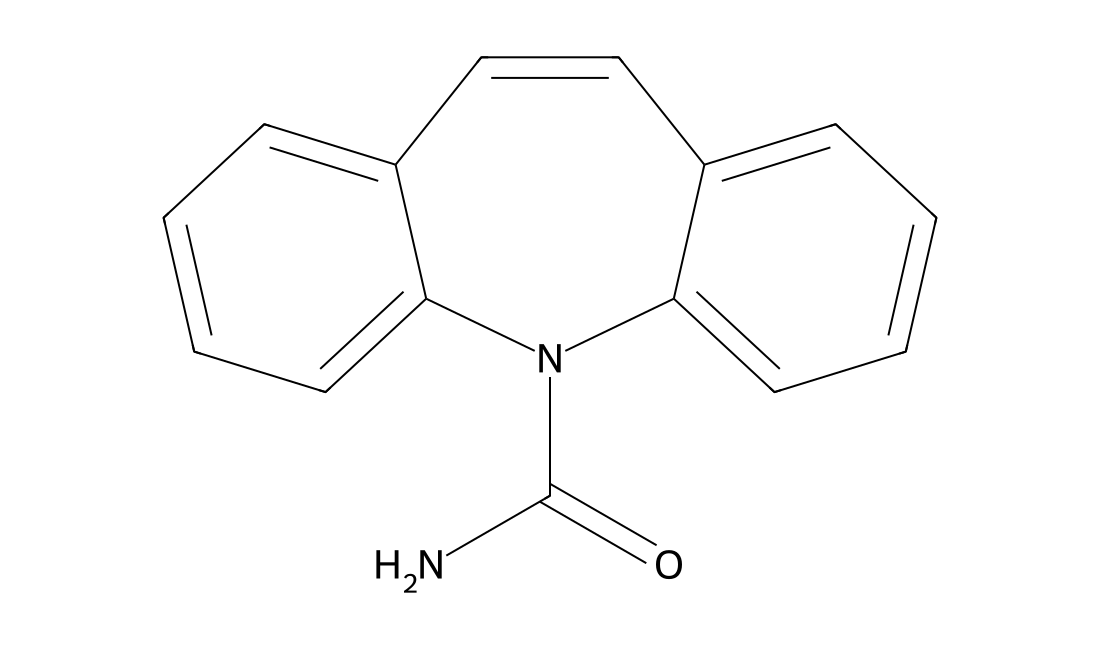
CAS 934493-76-2
Voxtalisib (XL-765) is a potent PI3K inhibitor, which has a similar activity toward class I PI3K (IC50s=39, 113, 9 and 43 nM for p110α, p110β, p110γ and p110δ, respectively), also inhibits DNA-PK (IC50=150 nM) and mTOR (IC50=157 nM). Voxtalisib (XL-765) inhibits mTORC1 and mTORC2 with IC50s of 160 and 910 nM, respectively.
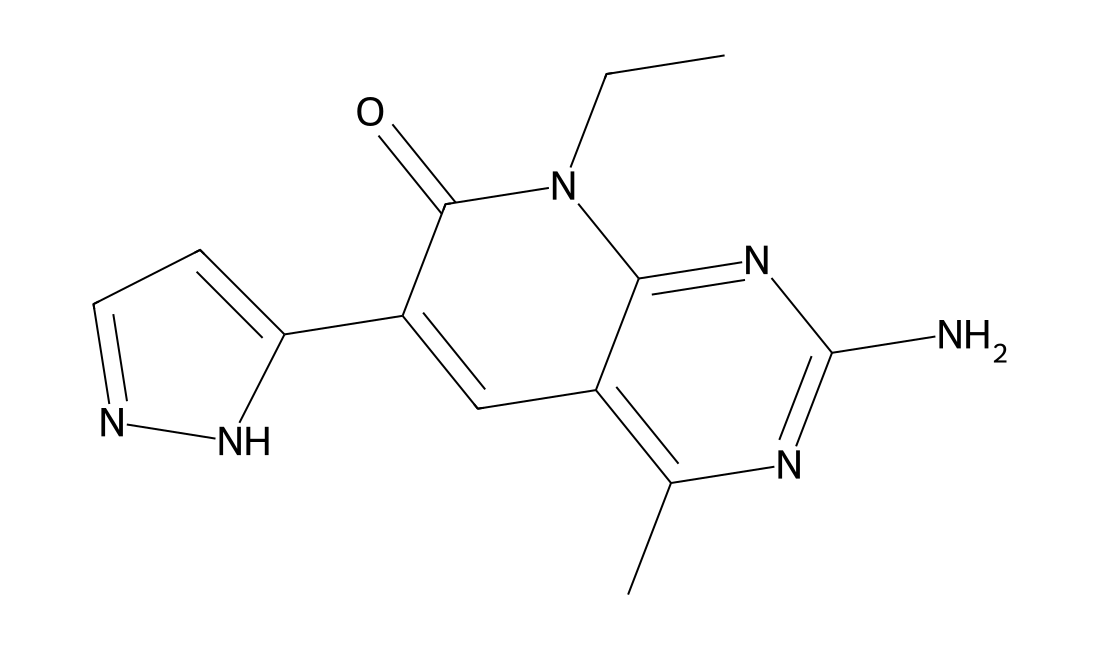
CAS 1225451-84-2
SKLB1002 is a novel and potent VEGFR-2 inhibitor with an IC50 value of 32 nM.
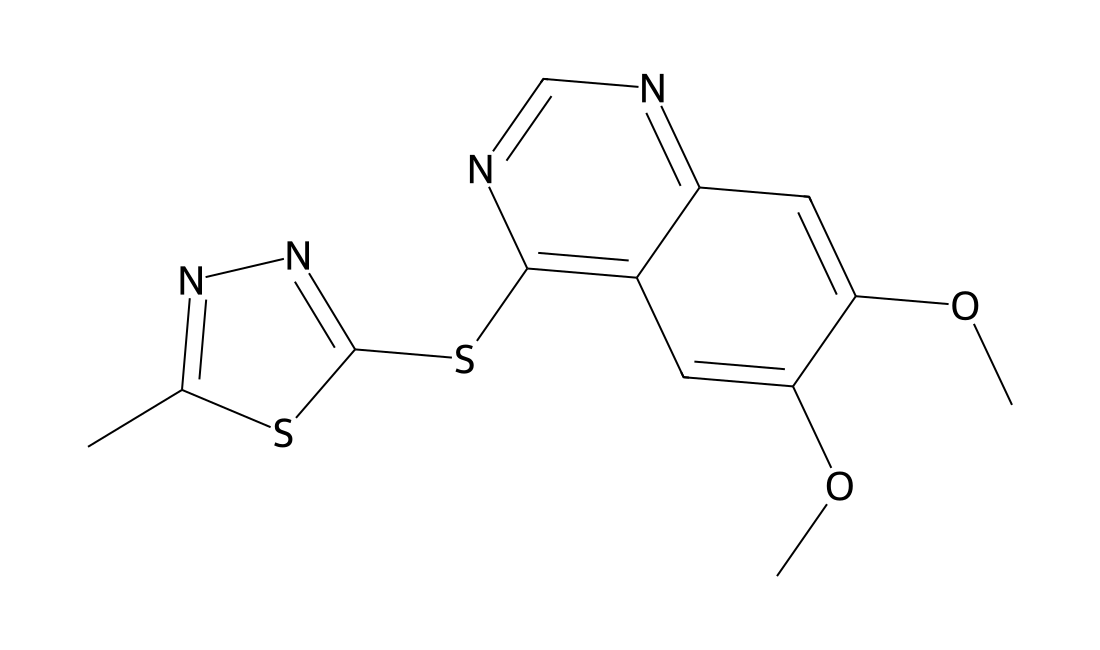
CAS 845714-00-3
PHA-767491 is a dual Cdc7/Cdk9 inhibitor, with IC50s of 10 nM and 34 nM, respectively.
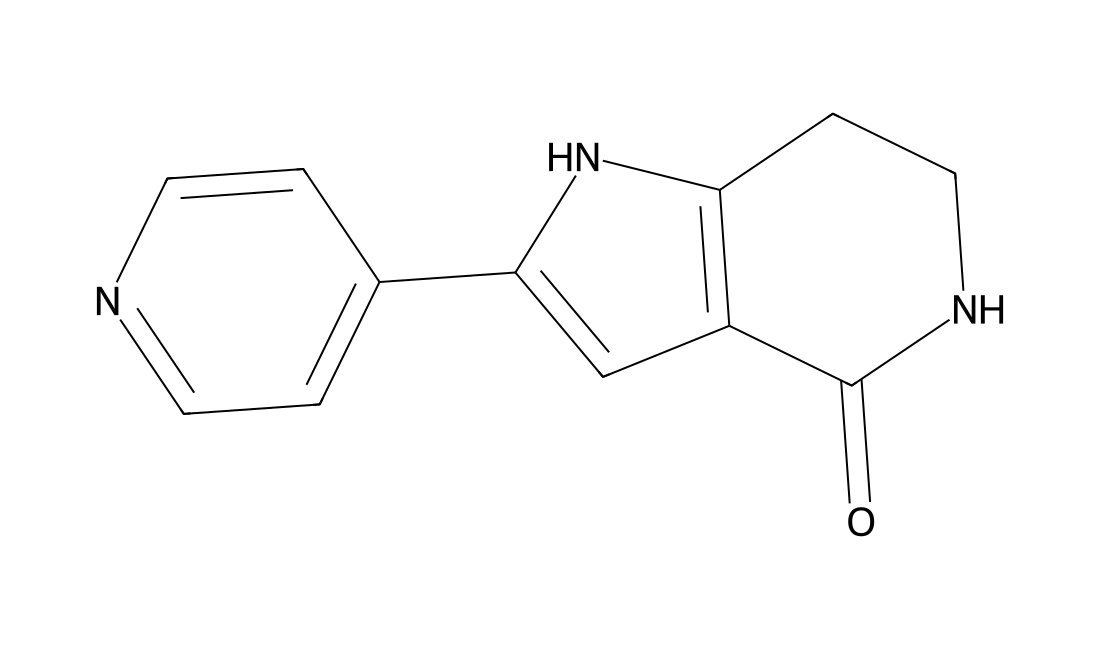
CAS 175135-47-4
O4I1 is as a potent Oct3/4 inducer.Target: Oct3/4O4I1 enhances Oct3/4 gene expression, increases Oct3/4 protein levels, and promotes Oct3/4 mediated transcriptional activation. O4I1 activates Oct3/4 at the transcriptional and translational levels in diverse human cell lines. O4I1 promotes Oct3/4 expression in untransfected HEK293 cells quantified by qRT-PCR after 72 h of treatment. O4I1 is sufficient to enhance Oct3/4 overexpression 2-fold and 3-fold after 48 and 72 h of treatment, respectively.
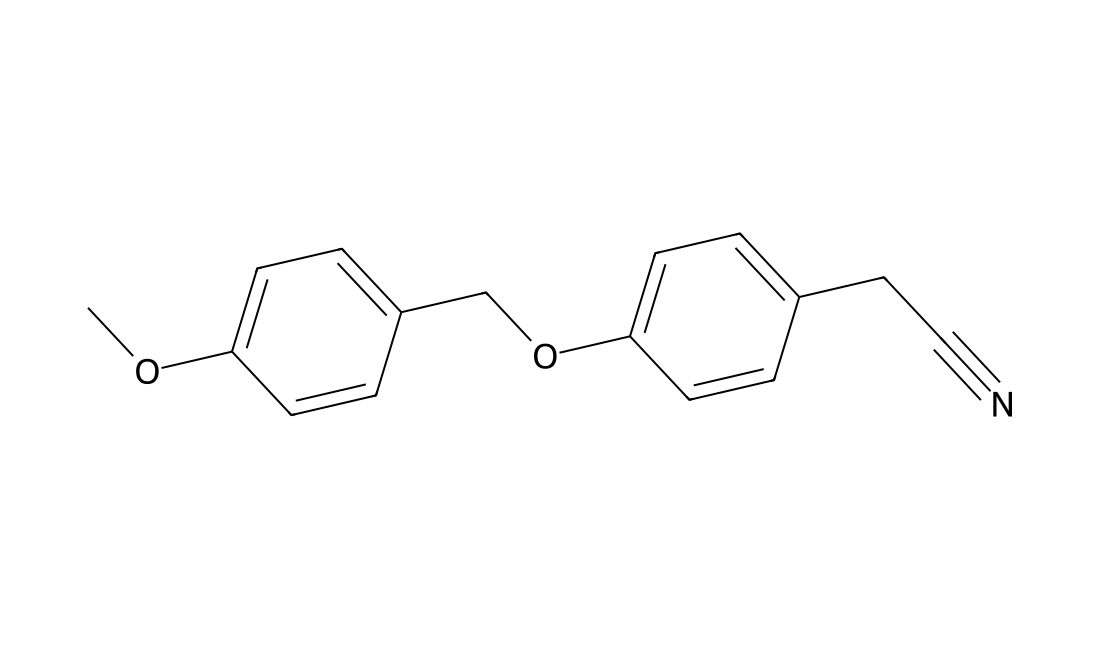
CAS 503468-95-9
KU-57788 is a potent and selective inhibitor of DNA-PK with an IC50 of 13 nM, with selectivity over a range of kinases including mTOR, PI 3-K, ATM and ATR.
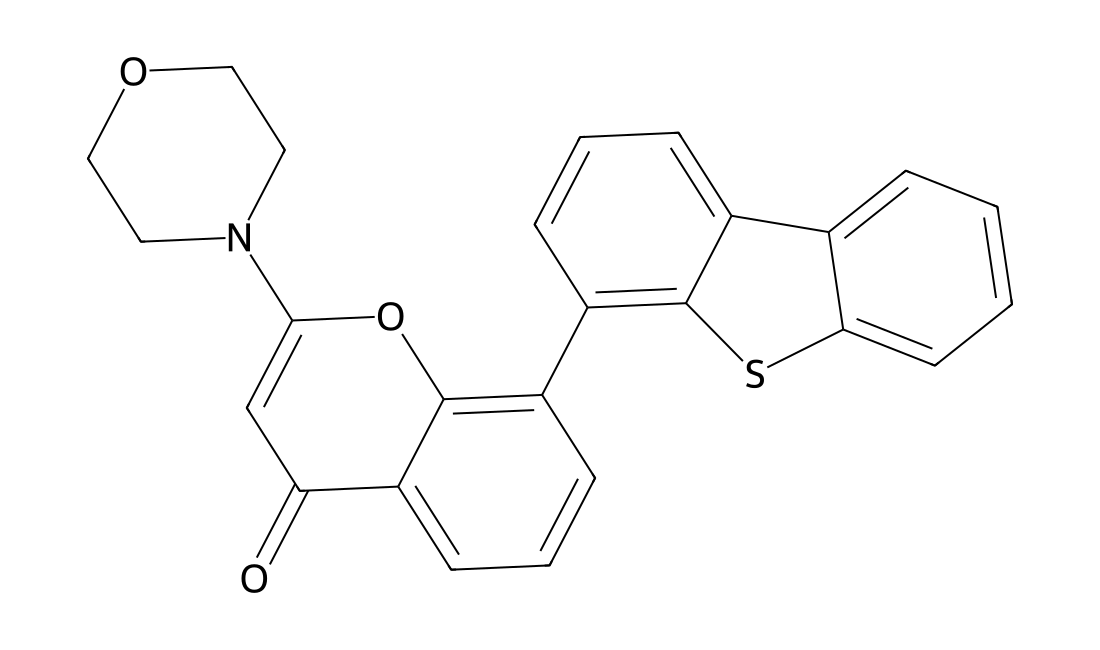
CAS 1883510-31-3
ML327 is a blocker of MYC which can also de-repress E-cadherin transcription and reverse Epithelial-to-Mesenchymal Transition (EMT).
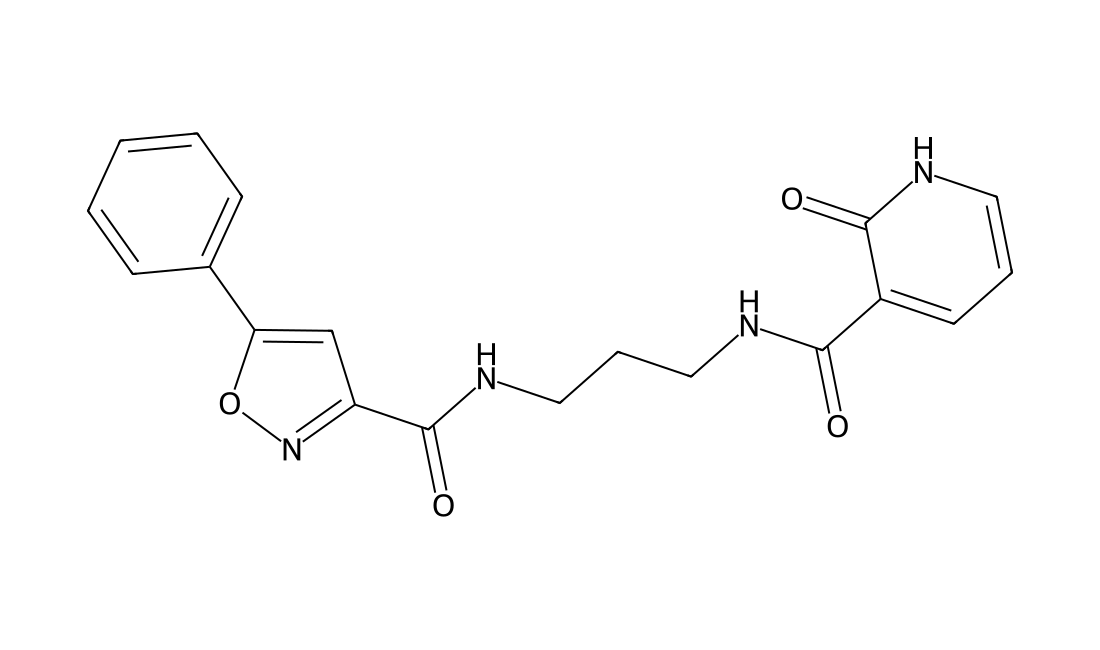
CAS 439239-90-4
Lasmiditan (COL-144; LY573144) is a high-affinity, highly selective 5-HT1F receptor agonist(Ki=2.1 nM), compared with Ki of 1043 nM and 1357 nM at the 5-HT(1B) and 5-HT(1D) receptors, respectively.