Small Molecule Research Tools

Explore bioactive compounds by research category, then narrow your search by target, product name, catalog number or CAS.

Newly added: LC-MG and OXF molecular glue research compounds →

6,823 products17 research categoriesBrowse all products ↓

Browse by research category

Products may appear in more than one category. Counts refer to distinct catalog numbers within each category.

Other Research Tools (75) · Additional reagents, building blocks and specialized research tools.

New literature-derived products

LC-MG-1 (DCA0006) · LC-MG-4 (DCA0007) · LC-MG-9 (DCA0008)

View structure and evidence summaries →

All small molecule products

Combine a keyword, research category and target to narrow the product list.

Loading catalog filters…

6,823 products · Showing 5,041–5,088

DC60093

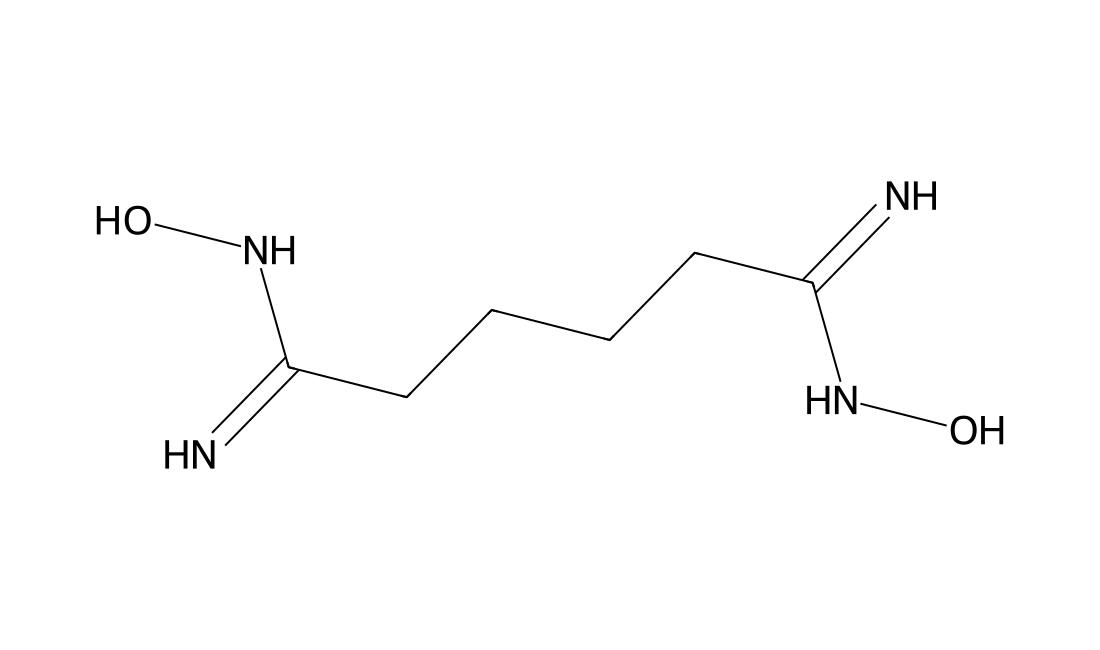
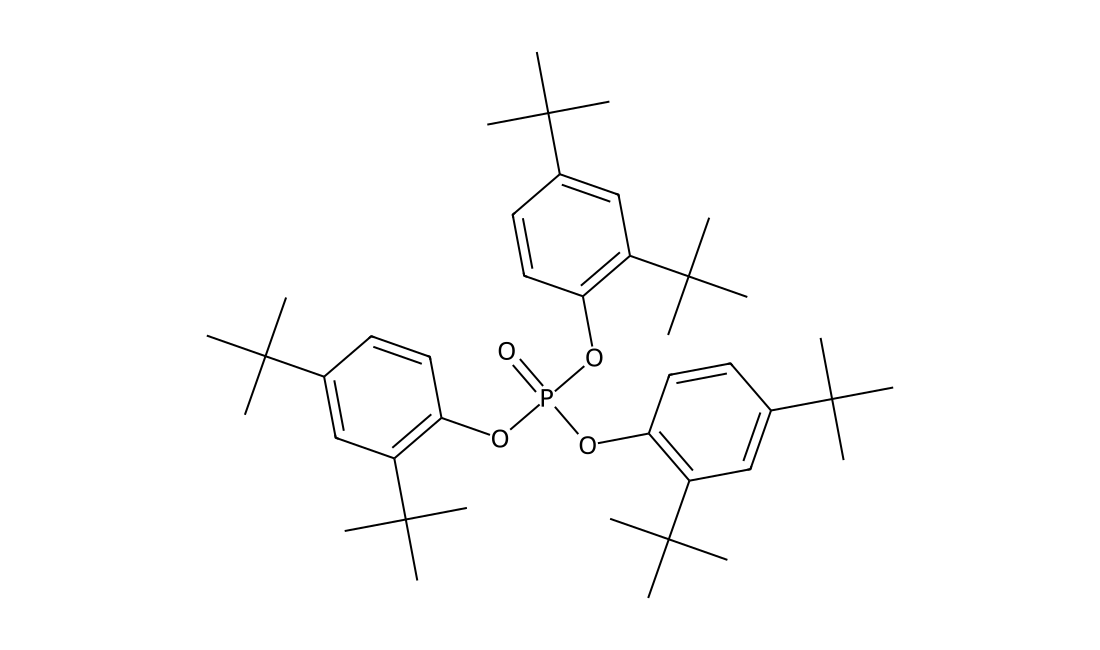
AAN06119

CAS 95906-11-9

Tris(2,4-di-tert-butylphenyl)phosphate is an active compound from the leaves of Vitex negundo L. shows anti-inflammatory activity with evidence of inhibition for secretory Phospholipase A2 (sPLA2) through molecular docking[1].

AAN06119 chemical structure
DC66089

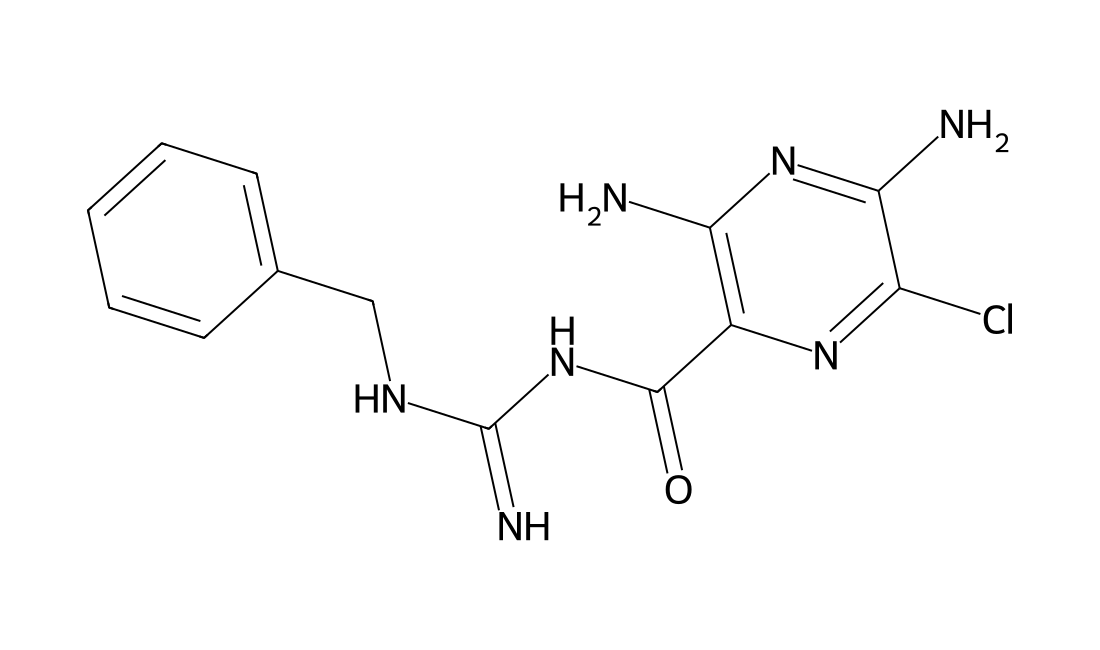
Benzamil

CAS 2898-76-2

Benzamil (Benzylamiloride), an Amiloride analogue, is a Na+/Ca2+ exchanger (NCX) inhibitor (IC50~100 nM). Benzamil also is a non-selective Deg/epithelial sodium channels (ENaC) blocker, and can potentiate myogenic vasoconstriction. Benzamil inhibits TRPP3-mediated Ca2+-activated currents, with an IC50 of 1.1 μM.

Benzamil chemical structure
DC21624

SBI-425

CAS 1451272-71-1

SBI-425 (SBI425) is a potent, selective, orally bioavailable tissue-nonspecific alkaline phosphatase (TNAP) inhibitor with IC50 of 16 nM, shows high selectivity over other alkaline phosphatases including IAP and PLAP; demonstrates activity in blocking calcification in patient derived fibroblasts as well as in rodent models of GACI and PXE, reduces coronary calcium and lipids, improves body weight and ejection fraction in WHC-eTNAP mice.

SBI-425 chemical structure
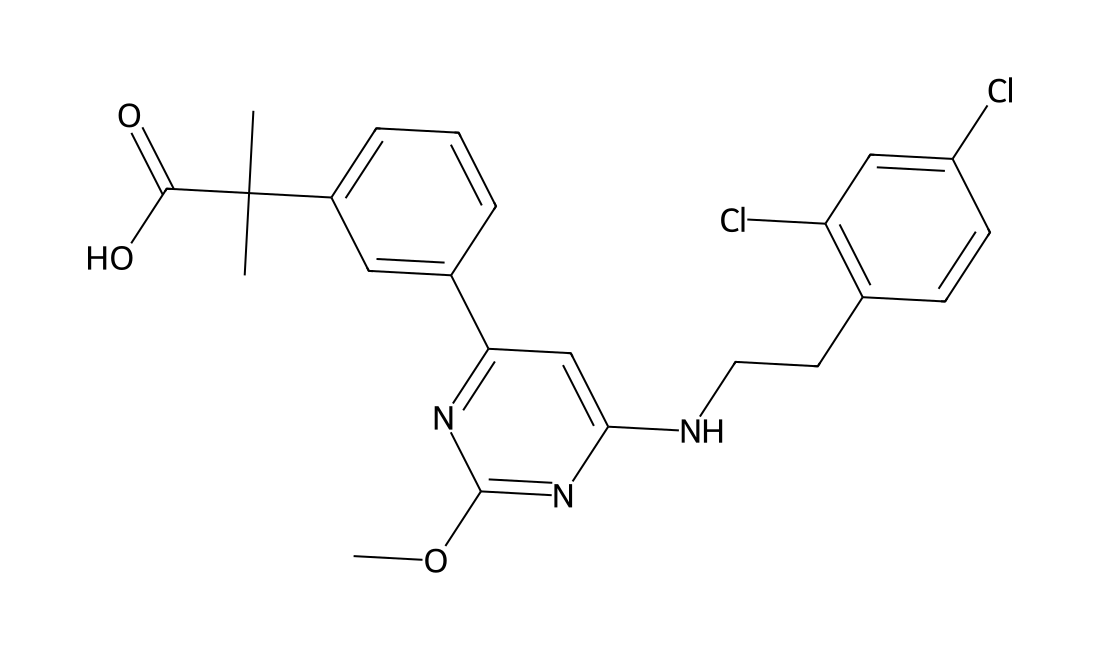
DC66079

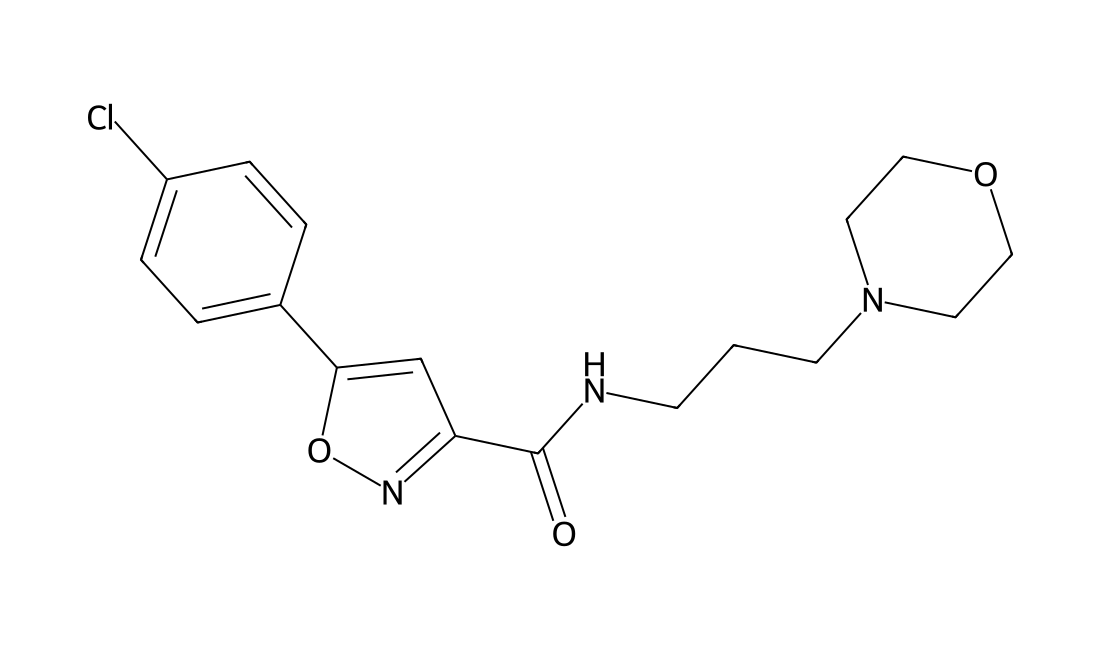
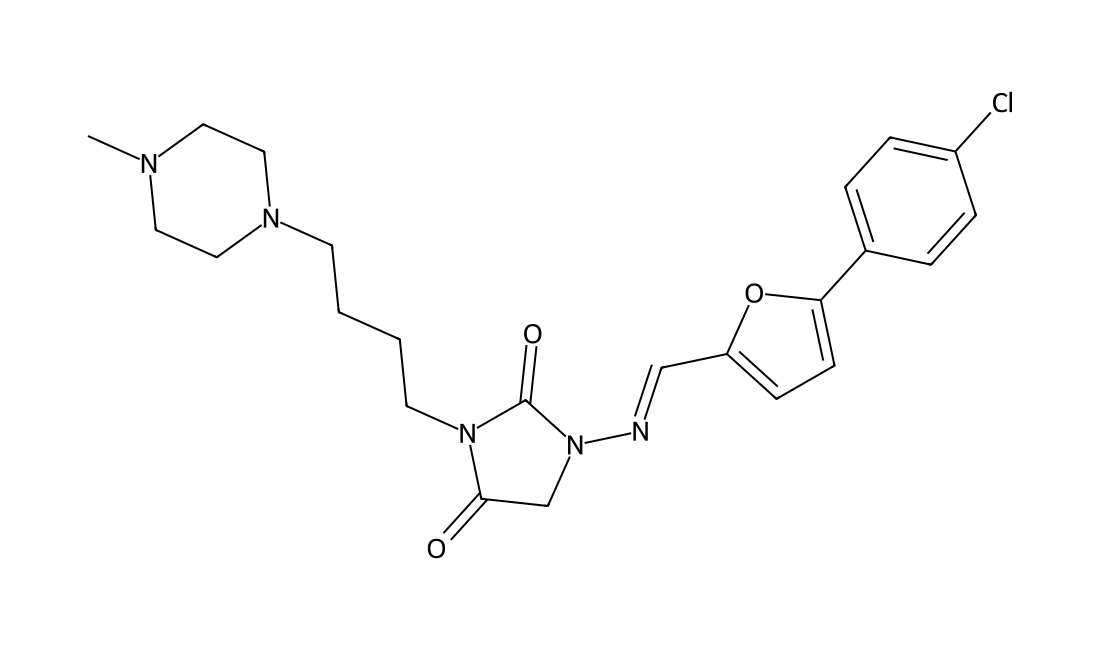
NMDAR/TRPM4-IN-2

CAS 2243506-33-2

NMDAR/TRPM4-IN-2 (compound 8) is a potent NMDAR/TRPM4 interaction interface inhibitor. NMDAR/TRPM4-IN-2 shows neuroprotective activity. NMDAR/TRPM4-IN-2 prevents NMDA-induced cell death and mitochondrial dysfunction in hippocampal neurons, with an IC50 of 2.1 μM. NMDAR/TRPM4-IN-2 protects mice from MCAO-induced brain damage and NMDA-induced retinal ganglion cell loss.

NMDAR/TRPM4-IN-2 chemical structure
DC66066

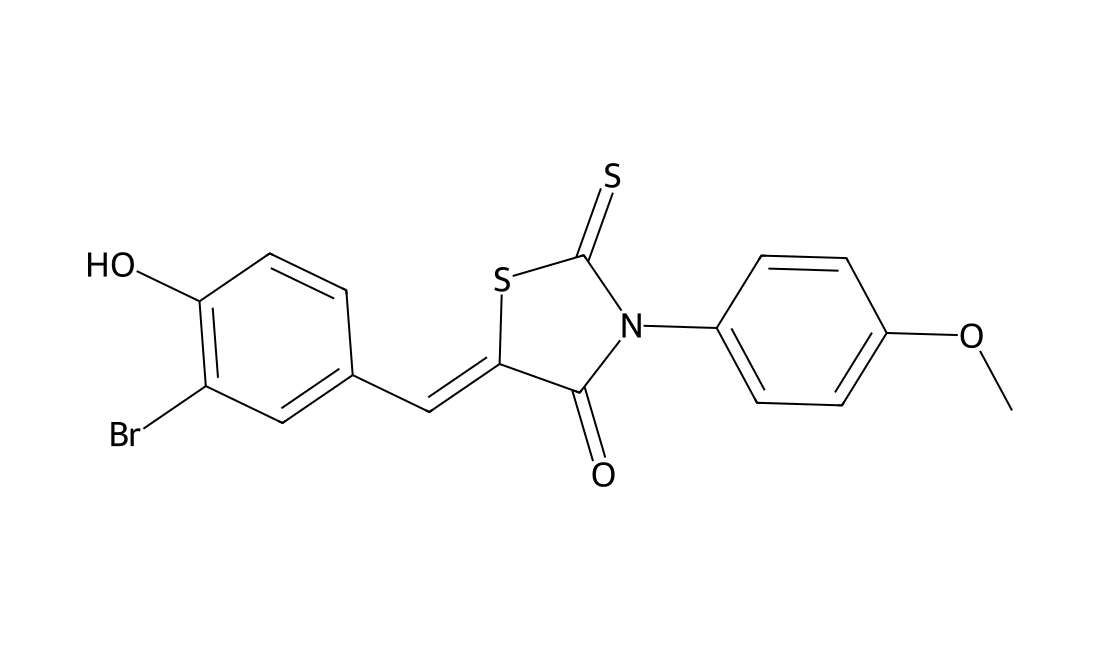
Transketolase-IN-4

CAS 419547-73-2

Transketolase-IN-4 is a potent transketolase inhibitor (IC50=3.9 μM). Transketolase-IN-4 inhibits tumor cell proliferation of SW620, LS174T, and MIA PaCa-2. Transketolase-IN-4 is a possible Mycobacterium tuberculosis DXS inhibitor, with an IC50 value of 114.1 μM.

Transketolase-IN-4 chemical structure
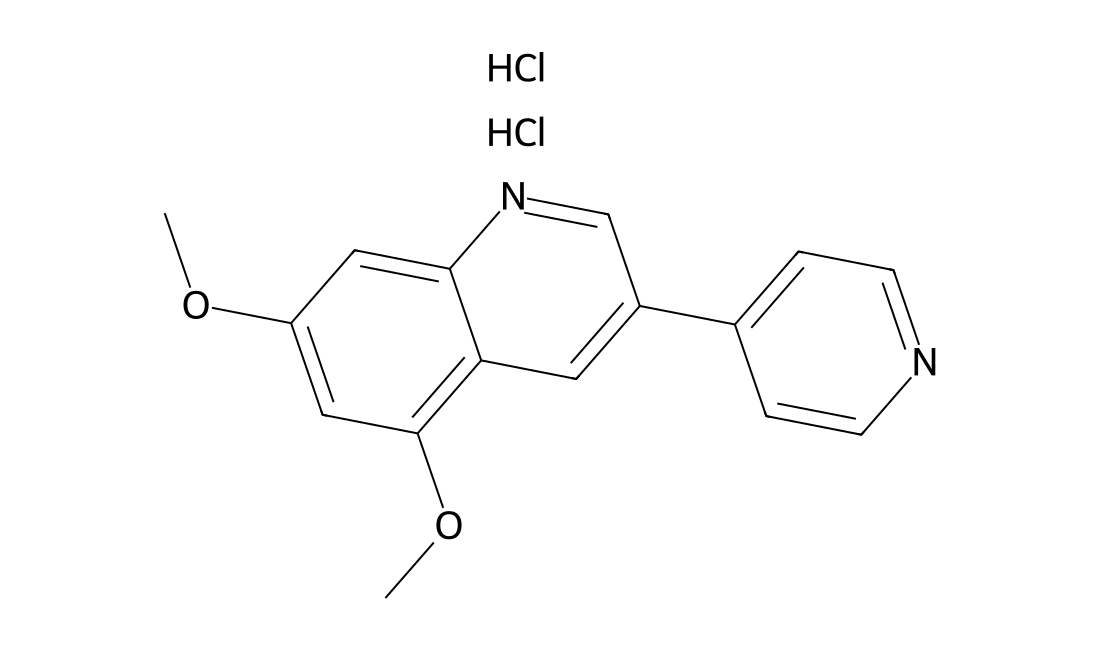
DC21391

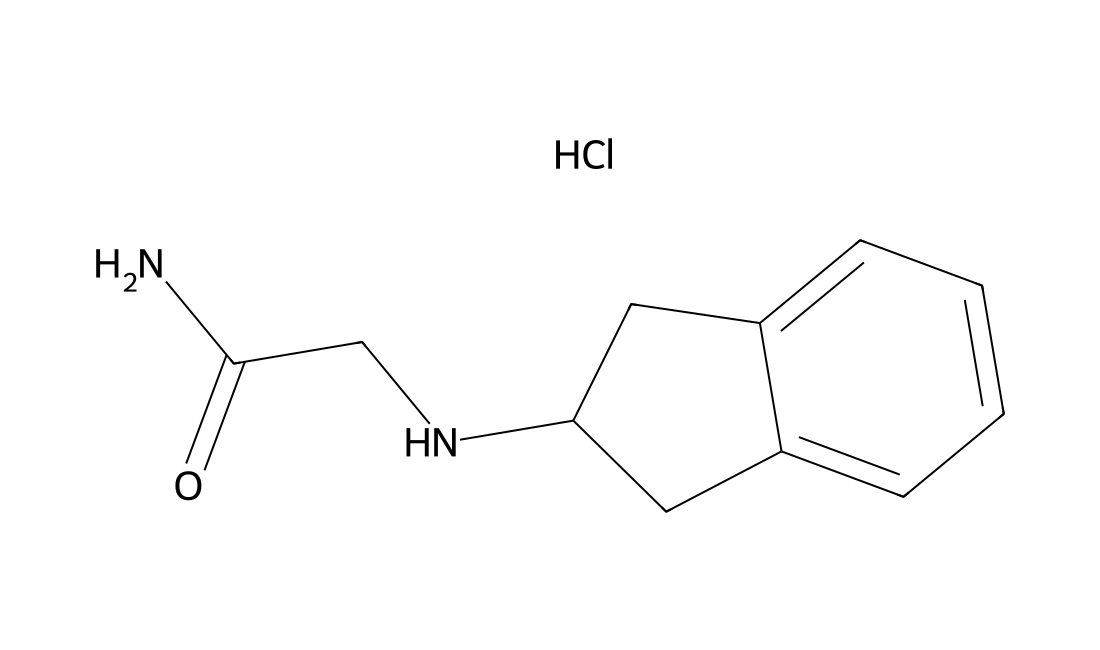
NNC 05-2090 hydrochloride

CAS 184845-18-9

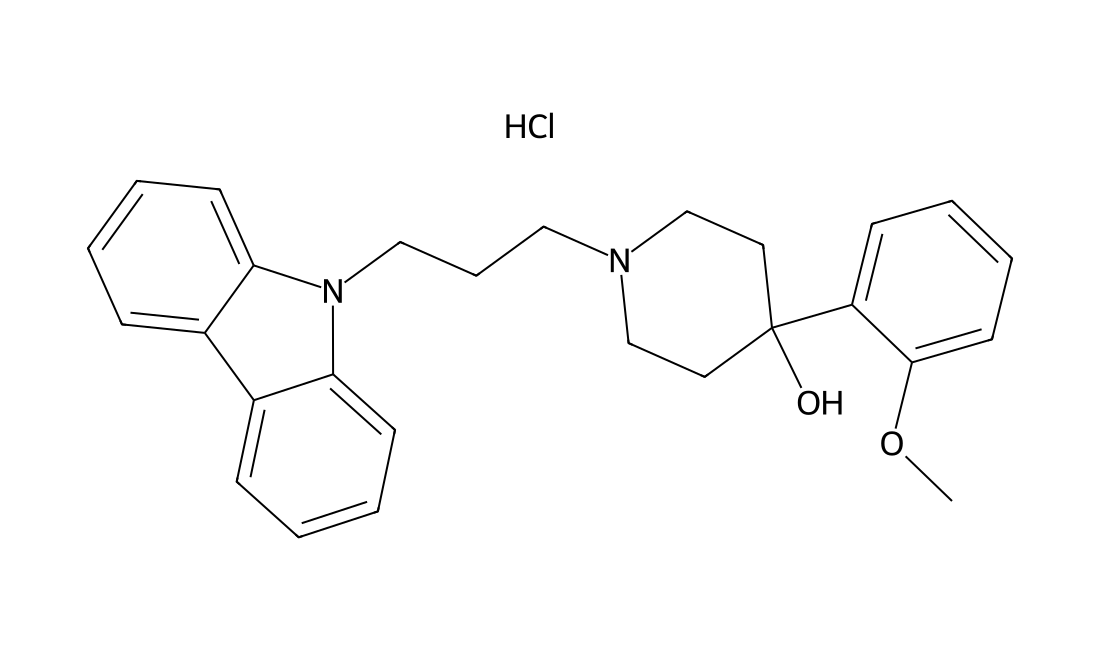
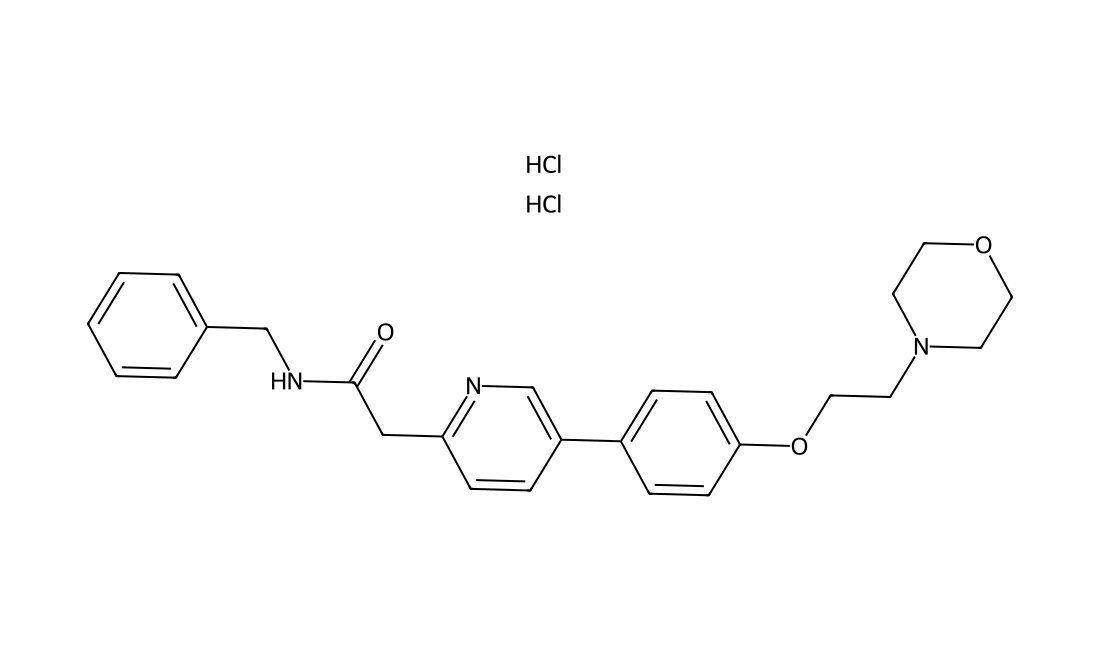
NNC 05-2090 is a potent selective GABA transporter inhibitor of mGAT2 with Ki of 1.4 uM; displays >10 fold selectivity over mGAT1, mGAT3 and mGAT4, also has alpha 1- and D2-receptor affinity of 266 and 1632 nM, respectively; inhibits 3HGABA uptake into synaptosomes from cerebral cortex with IC50 of 4.4 uM; significantly reduces generalized seizure severity and afterdischarge duration in rats.

NNC 05-2090 hydrochloride chemical structure
DC66060

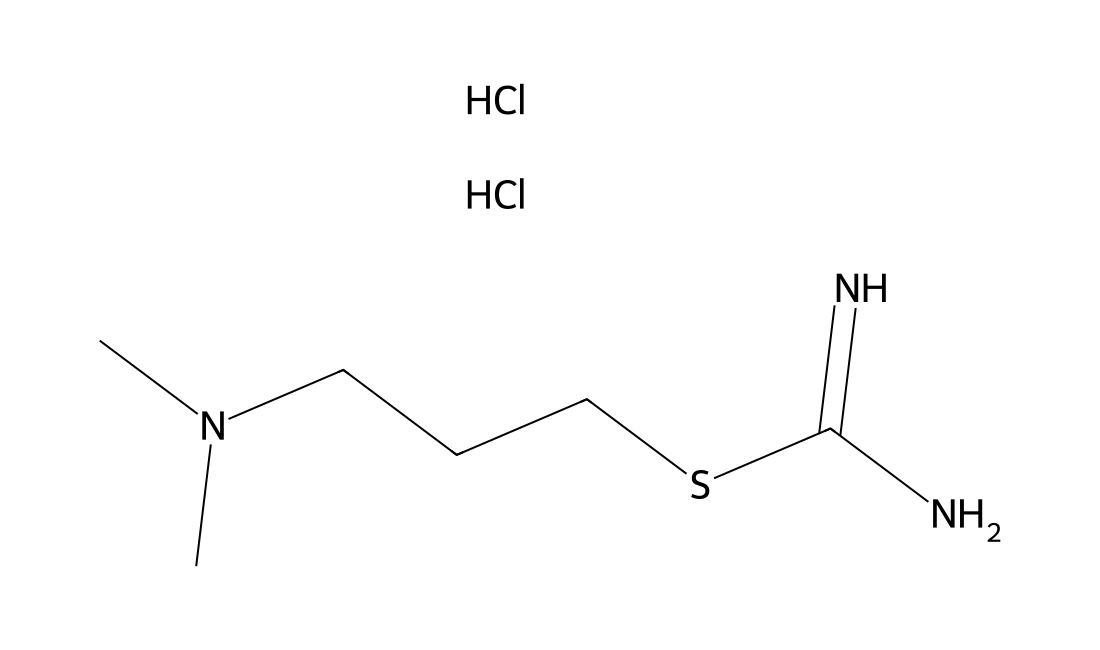
TC HSD 21

CAS 330203-01-5

TC HSD 21 is a potent 17β-hydroxysteroid dehydrogenase type 3 (17β-HSD3) inhibitor with an IC50 of 14 nM. TC HSD 21 shows excellent selectivity over 17β-HSD isoenzymes and nuclear receptors.

TC HSD 21 chemical structure
DC66052

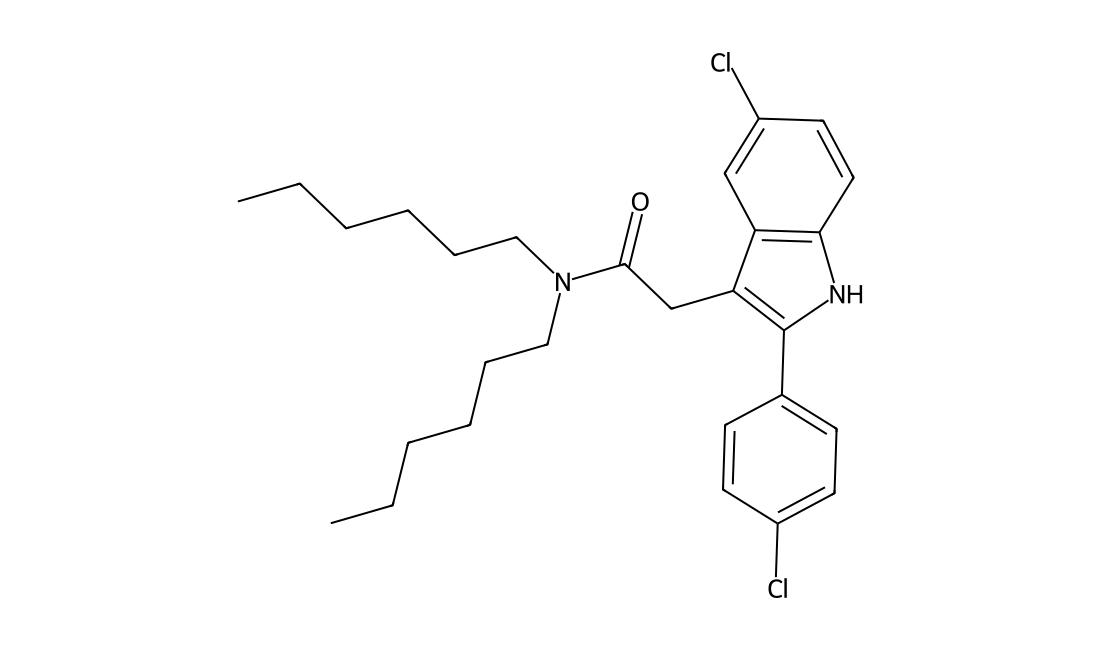
FGIN 1-43

CAS 145040-29-5

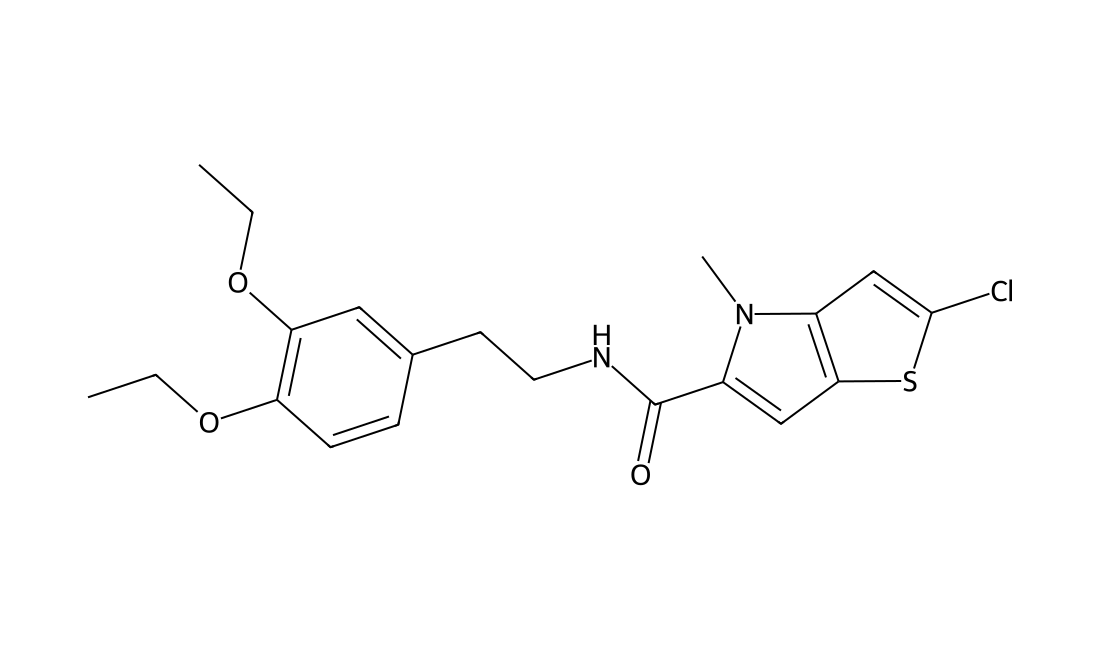
FGIN 1-43 is an effective and specific ligand for the mitochondrial diazepam binding inhibitor (DBI) receptor (related to the production of neurosteroids). FGIN 1-43 enhances the transmission of GABA by inducing the production of neurosteroids, which can be used for research on anti-anxiety.

FGIN 1-43 chemical structure
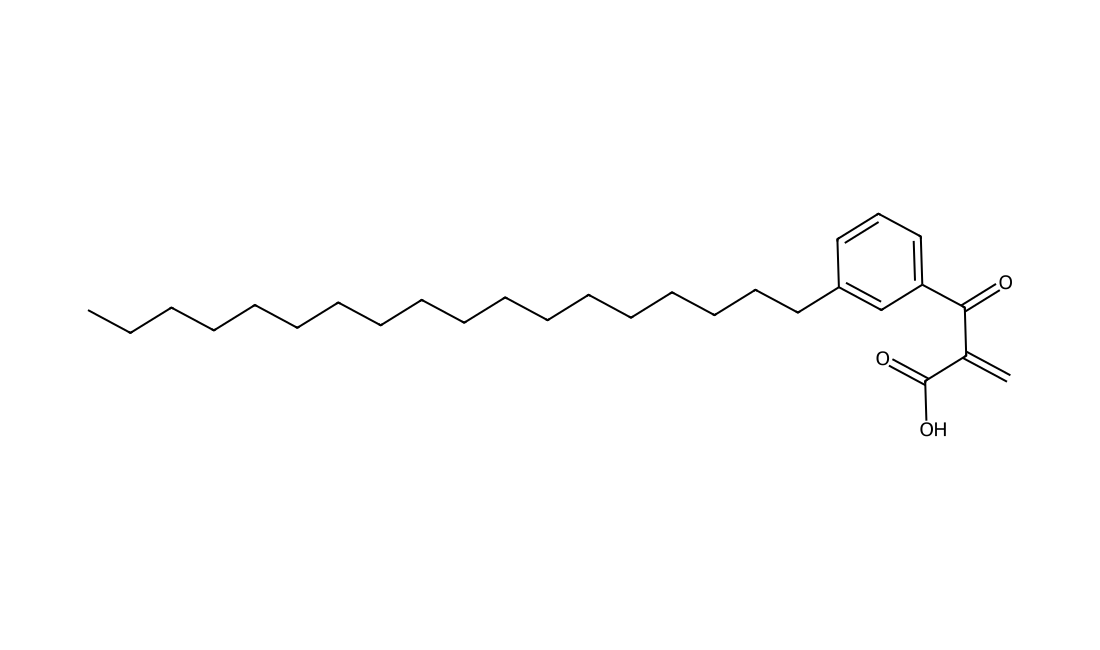
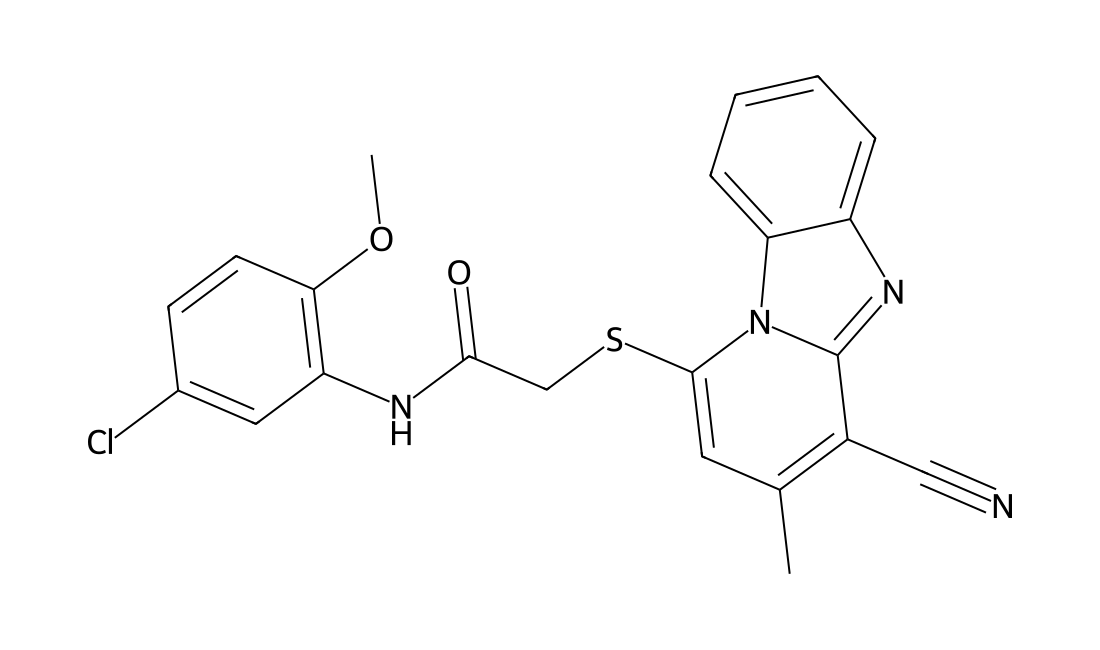
DC66048

WAY-328162

CAS 909090-72-8

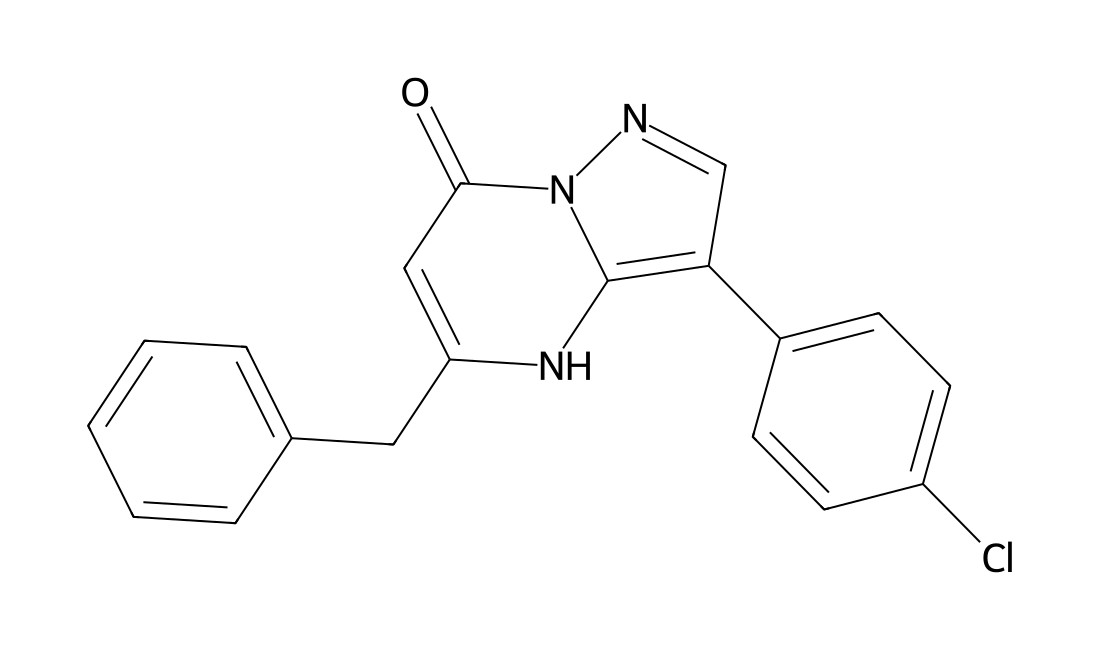
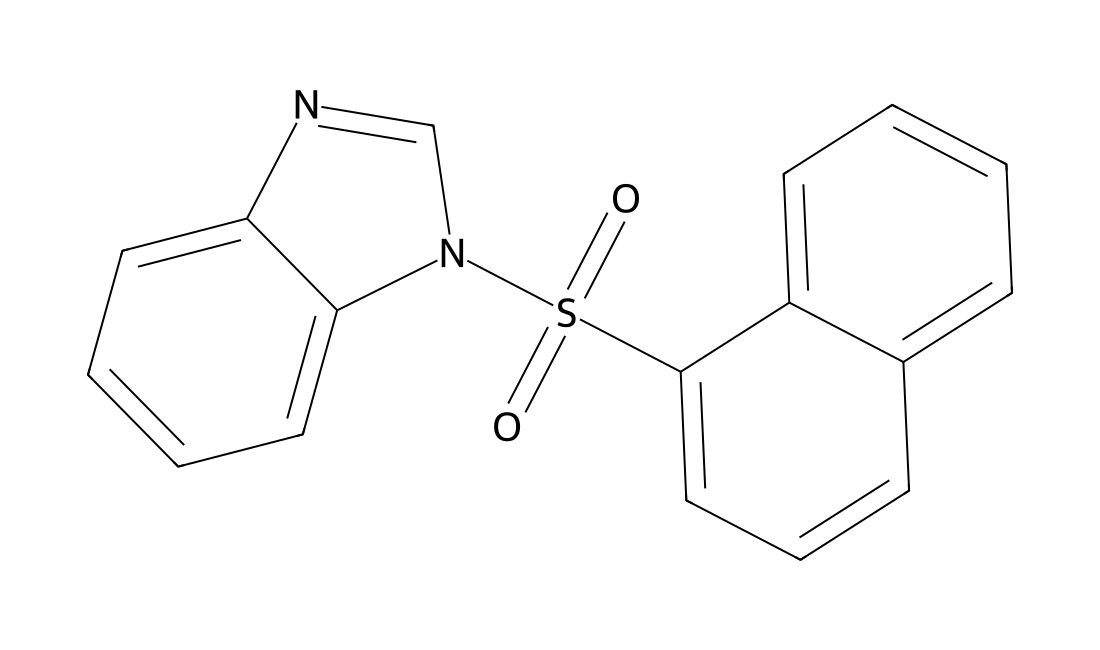
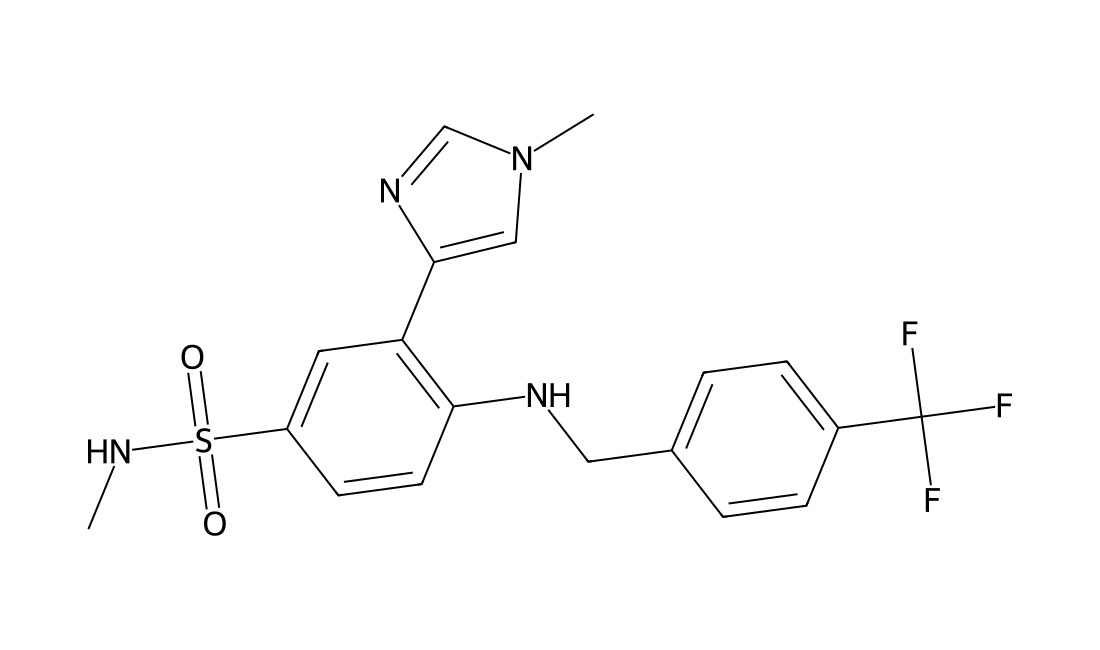
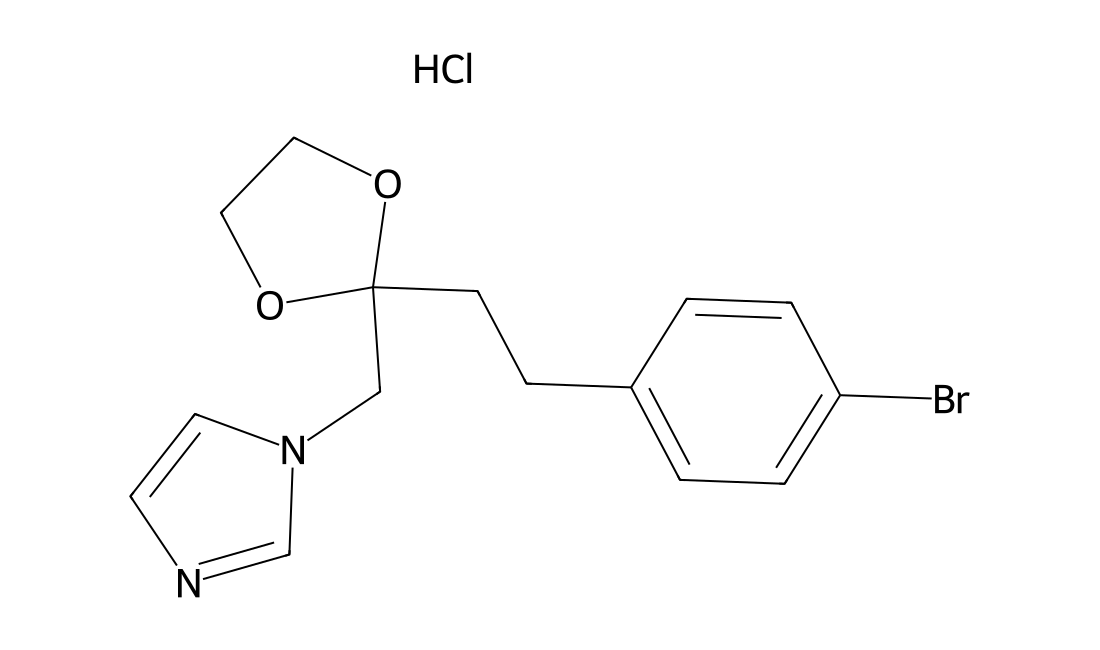
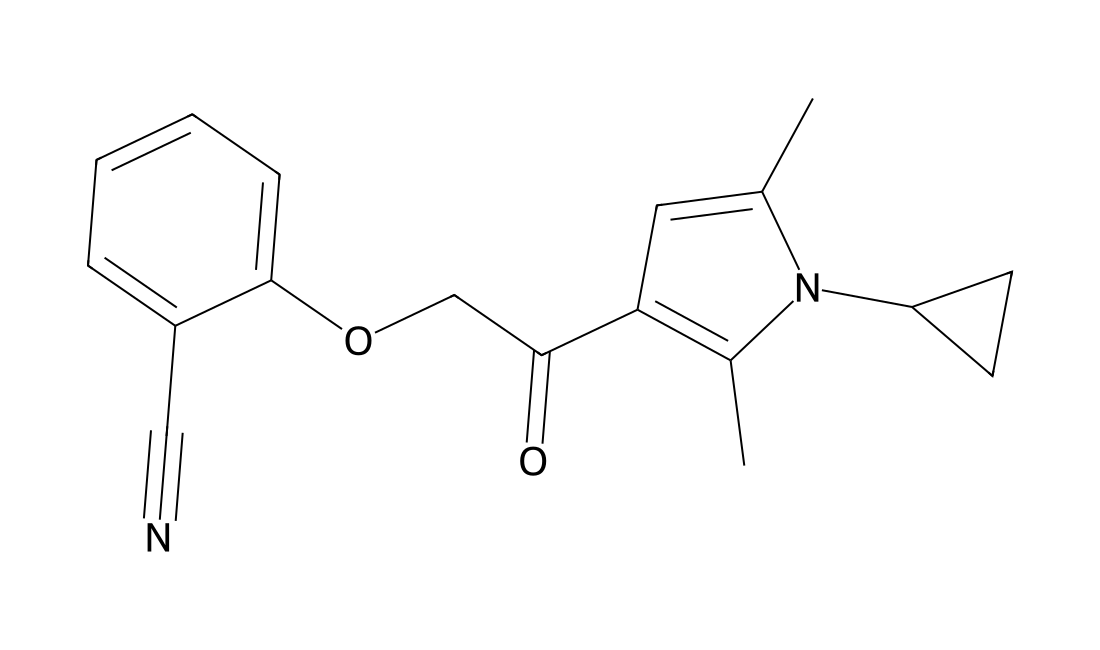
modulating CFTR activity; restore E-cadherin expression in the SW620 colon adenocarcinoma cell line; altering the lifespan of a eukaryotic organism;

WAY-328162 chemical structure
DC66011

PARP1-IN-8

CAS 836640-15-4

PARP1-IN-8 (compound 11c) is a potent and BBB-penetrated PARP1 inhibitor, with an IC50 of 97 nM. PARP1-IN-8 shows significantly potent anti-proliferative activity against Human lung adenocarcinoma epithelial cell line A549.

PARP1-IN-8 chemical structure
DC65980

NSC 102533

CAS 1150-59-0

NSC 102533 (Compound N3) is a potent inhibitor of mitochondrial electron transport. Antimalarial agent 14 can serve as an anti-malarial agent.

NSC 102533 chemical structure
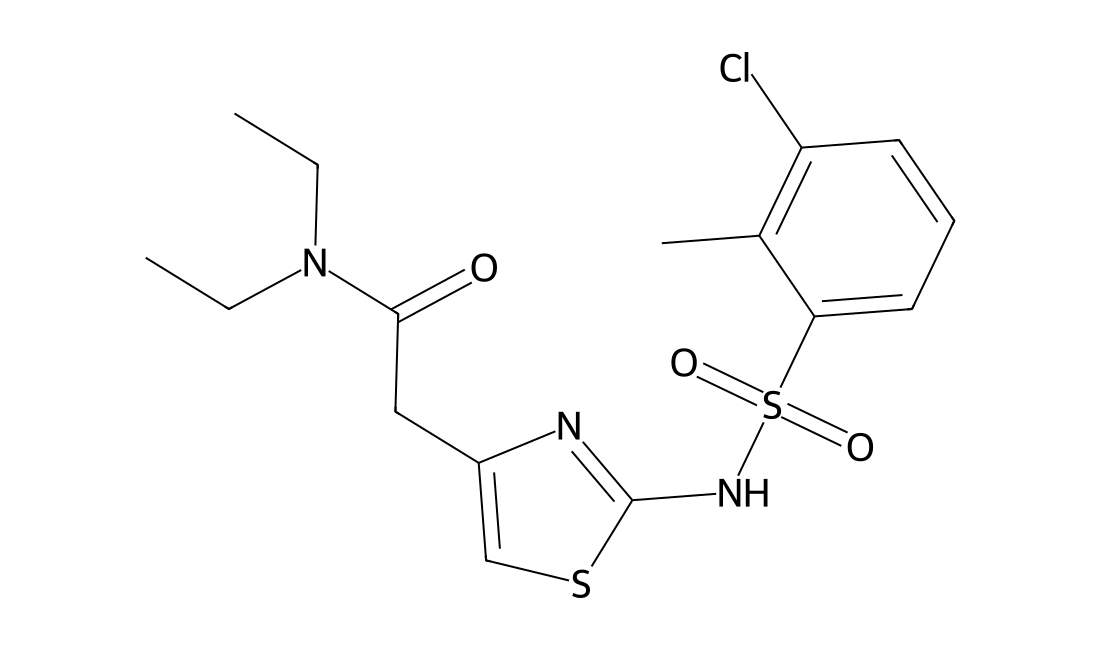
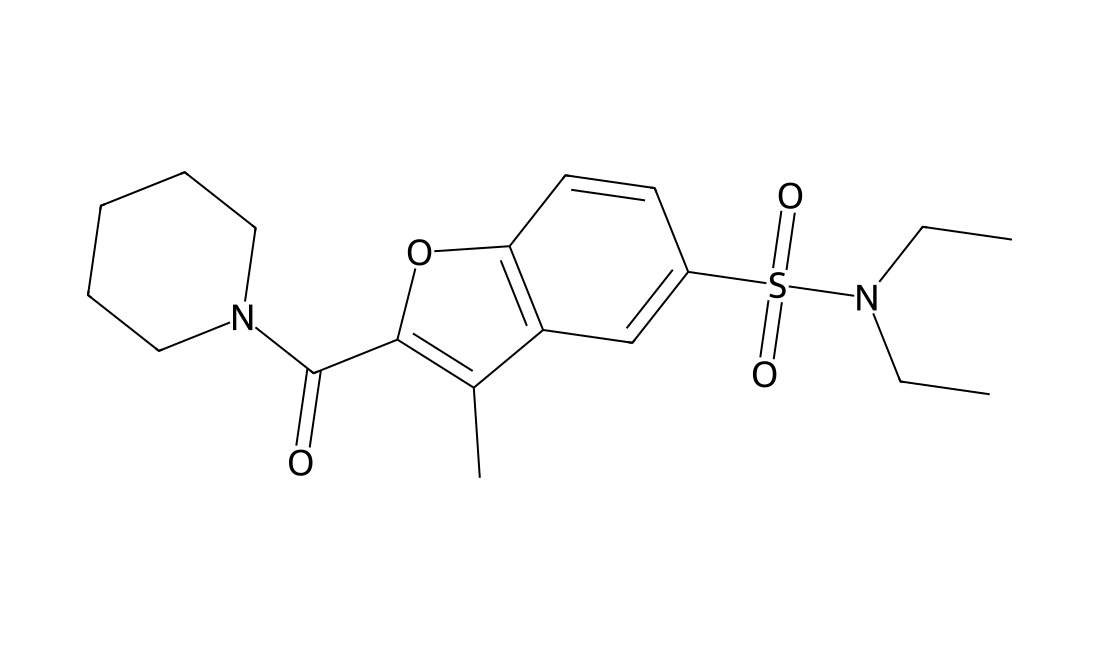
DC8278

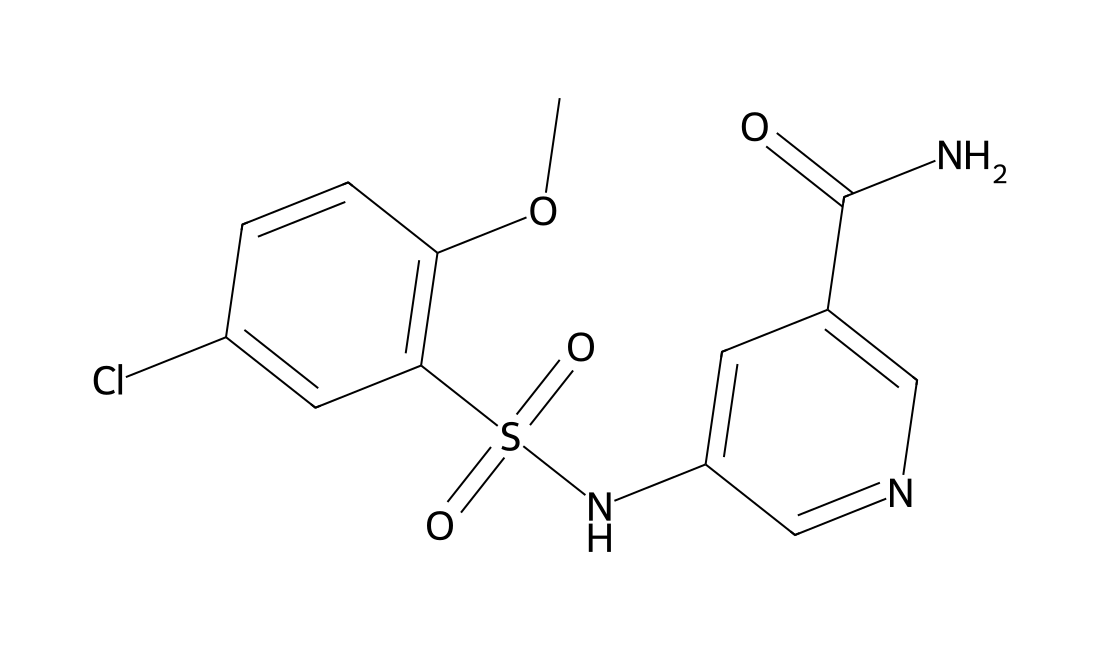
BVT-14225

CAS 376638-65-2

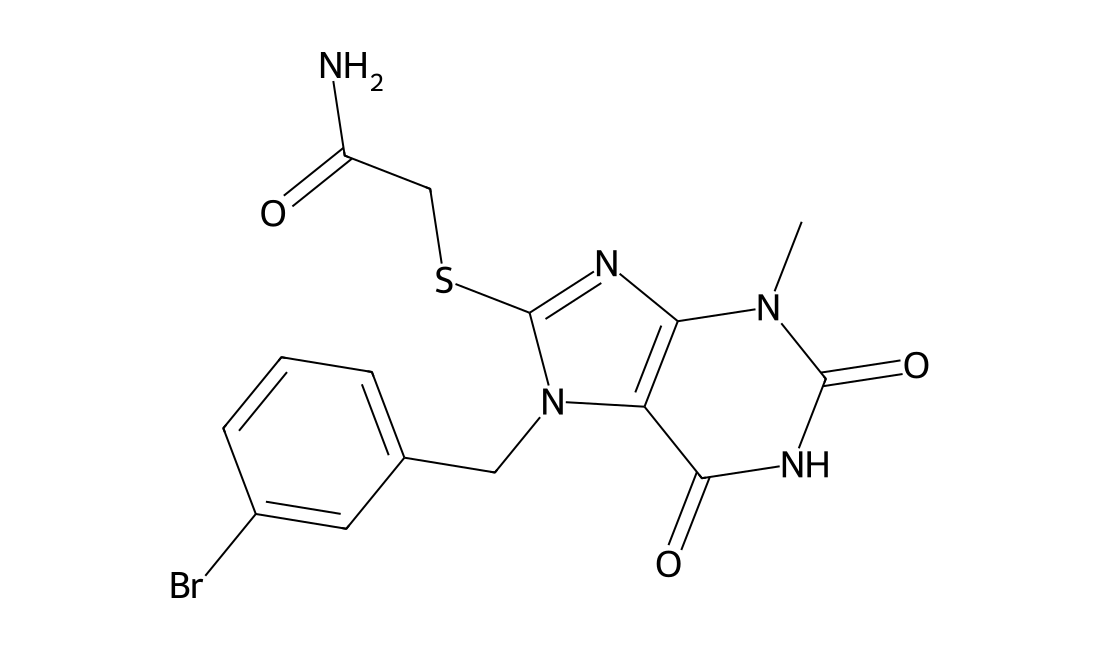
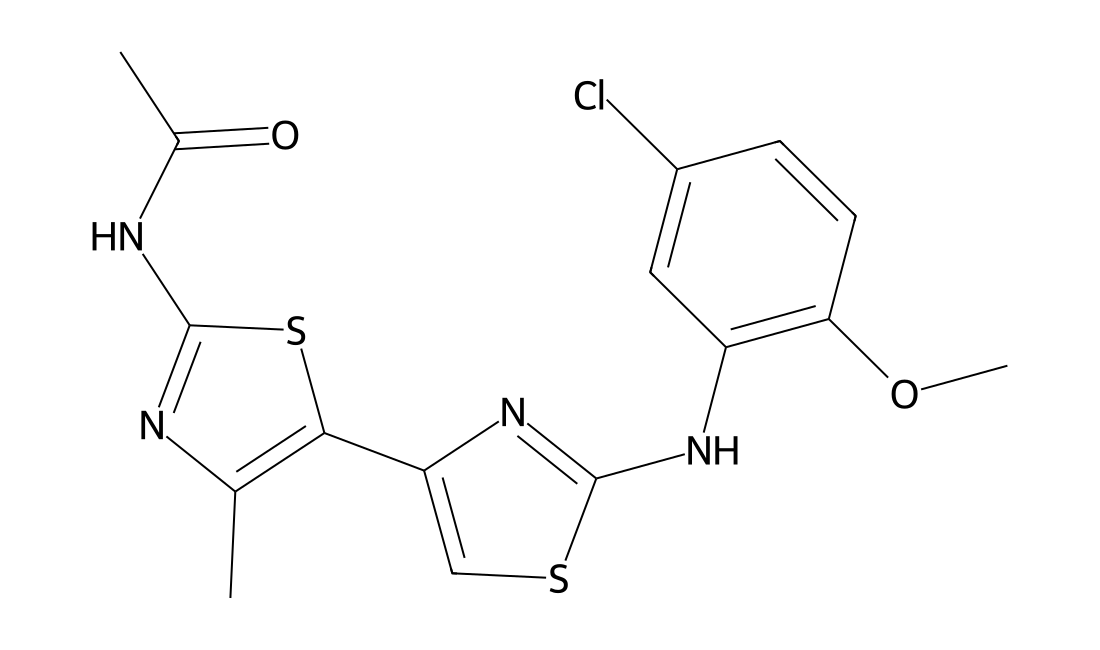
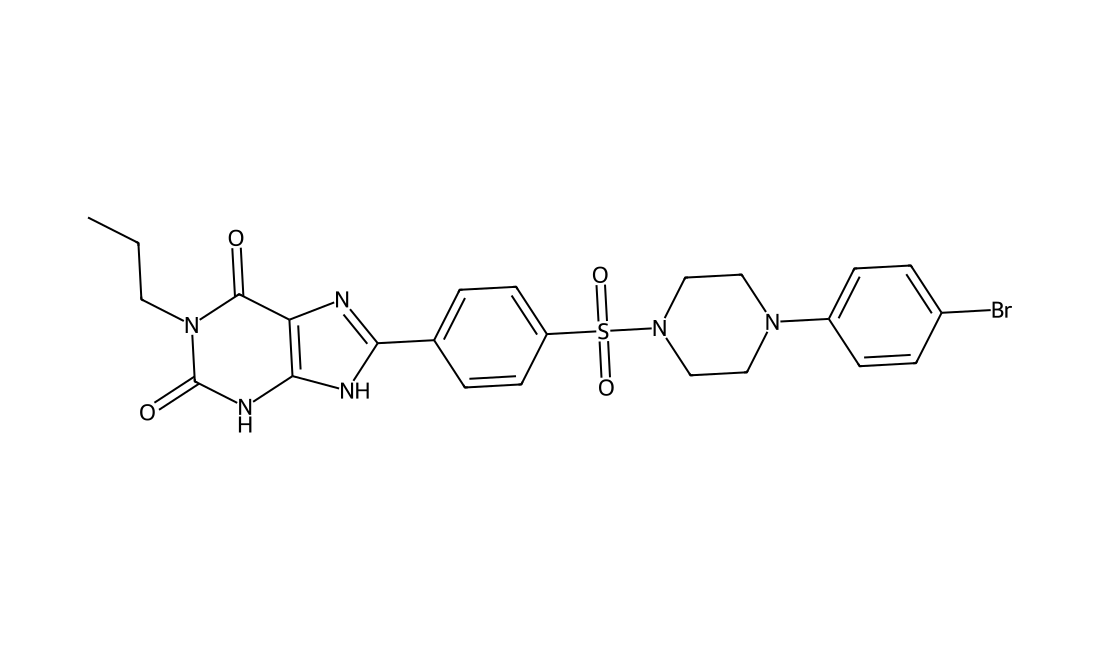
BVT 14225 is a new selective 11b-HSD1 inhibitor, it belongs to a class of arylsulfonamidothiazoles with in vitro and in vivo antidiabetic effects For the detailed information of BVT-14225, the solubility of BVT-14225 in water, the solubility of BVT-14225 in DMSO, the solubility of BVT-14225 in PBS buffer, the animal experiment (test) of BVT-14225, the cell expriment (test) of BVT-14225, the in vivo, in vitro and clinical trial test of BVT-14225, the EC50, IC50,and affinity,of BVT-14225, For the detailed information of BVT-14225, the solubility of BVT-14225 in water, the solubility of BVT-14225 in DMSO, the solubility of BVT-14225 in PBS buffer, the animal experiment (test) of BVT-14225, the cell expriment (test) of BVT-14225, the in vivo, in vitro and clinical trial test of BVT-14225, the EC50, IC50,and affinity,of BVT-14225, Please contact DC Chemicals.

BVT-14225 chemical structure
DC43088

GSK'843

CAS 1601496-05-2

GSK-843 is a receptor-interacting protein kinase 3 (RIP3 or RIPK3) inhibitor, which binds RIP3 kinase domain with an IC50 of 8.6 nM, and inhibits kinase activity with an IC50 of 6.5 nM[1].

GSK'843 chemical structure
DC20144

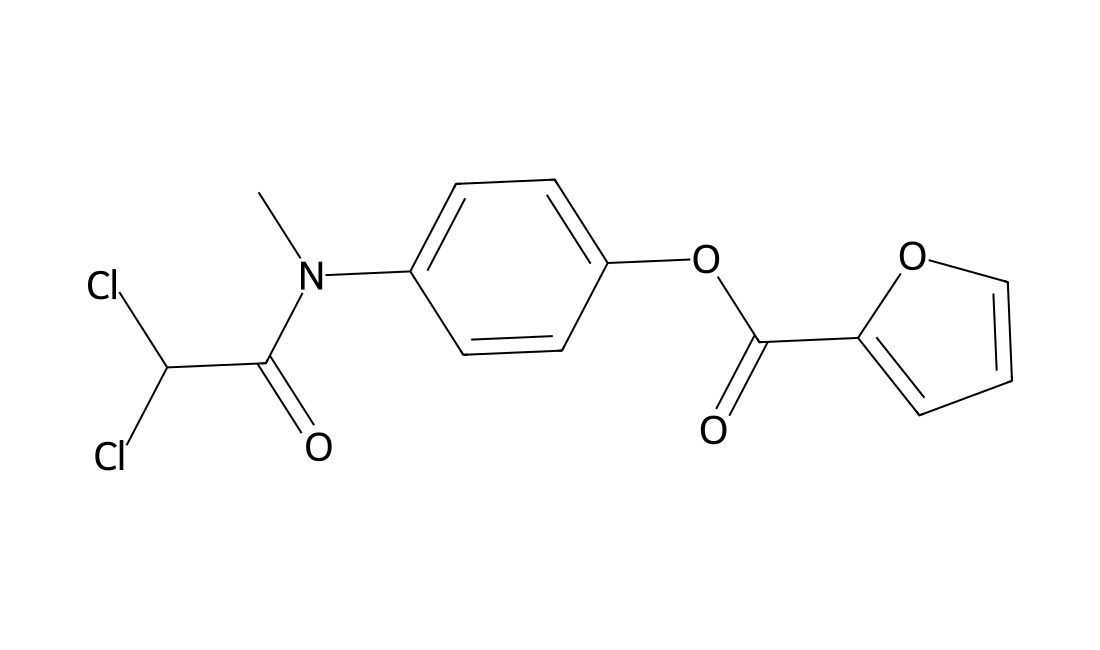
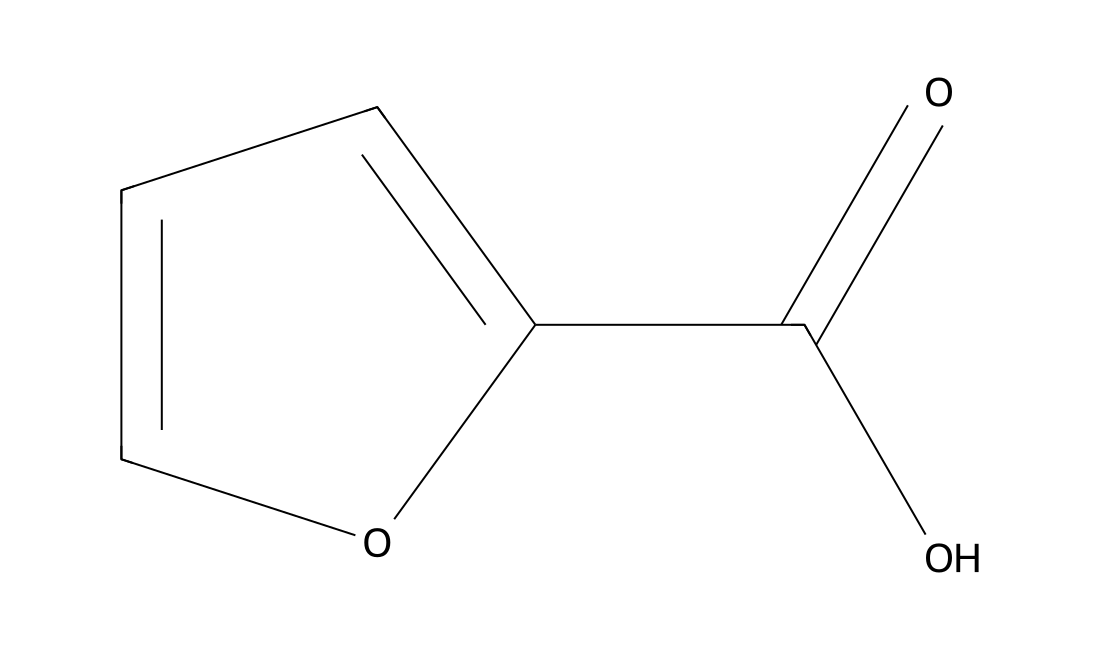
2-Furoic acid

CAS 88-14-2

In Vivo 2-Furoic acid significantly reduces serum cholesterol and serum triglyceride levels. 2-Furoic acid also lowers the liver and small intestine ATP dependent citrate lyase, acetyl CoA synthetase, acyl CoA cholesterol acyl transferase, sn-glycerol 3-phosphate acyl transferase, phosphatidylate phosphohydrolase and heparin induced lipoprotein lipase activities. 2-Furoic acid shows the LD50 of 250 mg/kg i.p. in the acute toxicity studies in mice.
2-Furoic acid chemical structure
DC24086

Azimilide

CAS 149908-53-2

A class ΙΙΙ antiarrhythmic agent that blocks hERG channel; blocks HERG channel at 0.1 and 1 Hz with IC50s of 1.4 uM and 5.2 uM respectively; blocks the rapidly activating component of the delayed rectifier, IKr (IC50=0.4 uM), and inhibits IKs (IC50=3 uM); shows anti-arrhythmic effects.Heart ArrhythmiaPhase 3 Clinical

Azimilide chemical structure
DC22490

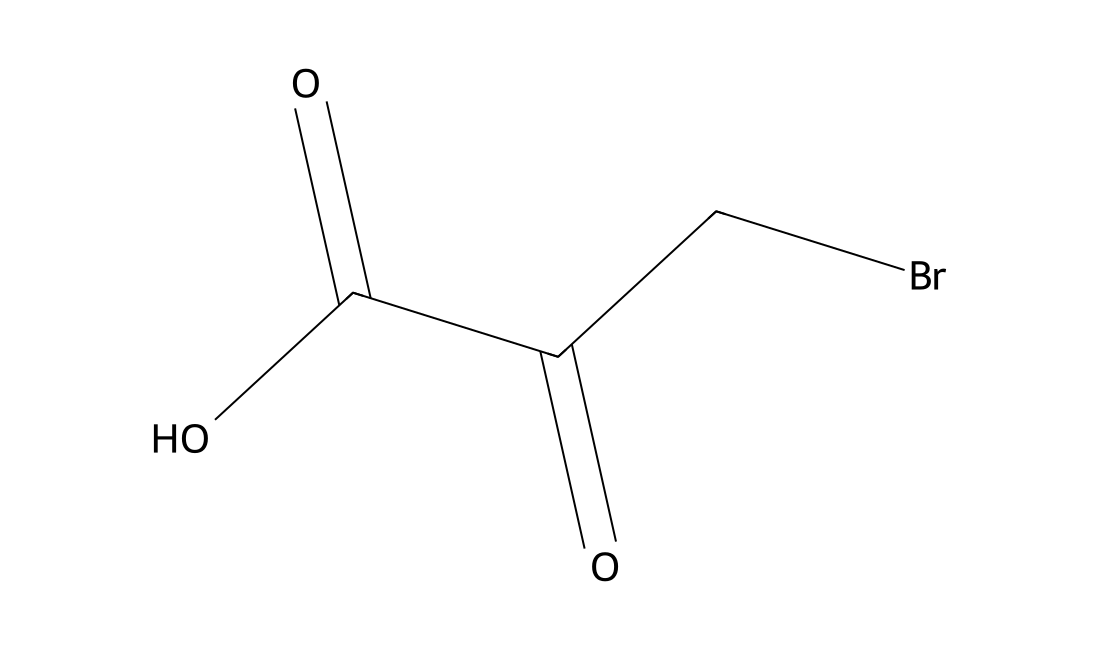
3-Bromopyruvic acid

CAS 1113-59-3

A glycolytic inhibitor that inhibits hexokinase II activity, suppresses ATP production, and induces endoplasmic reticulum (ER) stress; potentiates acetate-induced apoptosis and anti-proliferative effect in CRC cells; abrogates MUC1-mediated radiation resistance both in vitro and in vivo pancreatic cancer models, by reducing glucose flux into nucleotide biosynthetic pathways and enhancing DNA damage.

3-Bromopyruvic acid chemical structure
DC24056

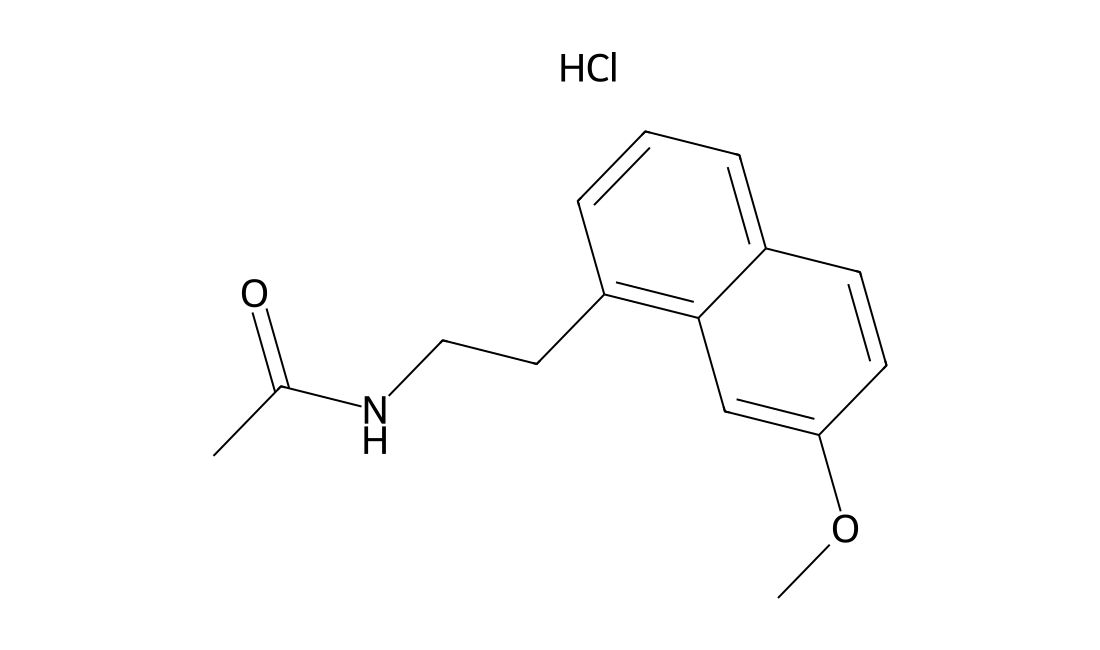
Agomelatine hydrochloride

CAS 1176316-99-6

A melatonin receptor agonist of MT1 (Ki=0.1nM) and MT2 (Ki=0.12nM), and a 5-HT2C (Ki=631nM) receptor antagonist; has no effect on monoamine uptake and no affinity for adrenergic, histaminergic, cholinergic, dopaminergic and benzodiazepine receptors, nor other serotonergic receptors; a melatonergic antidepressant treatment of major depressive disorder with relatively favorable side effect profile.DepressionApproved

Agomelatine hydrochloride chemical structure
DC24067

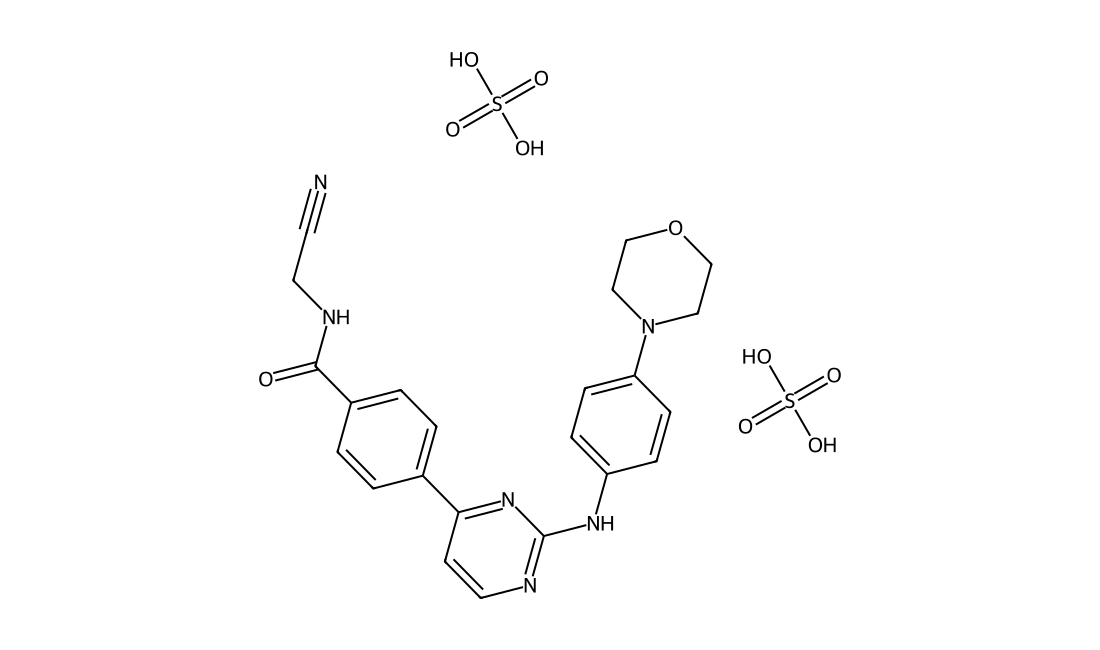
CYT387 sulfate salt

CAS 1056636-06-6

A potent and selective JAK1/JAK2 inhibitor with IC50 of 11/18 nM; shows significantly less activity against other kinases, including JAK3 (IC50=155 nM); inhibits JAK2V617F (JH1-JH2) withIC50 of 11 nM; inhibits growth of Ba/F3-JAK2V617F and HEL cells (IC50=1500 nM) or Ba/F3-MPLW515L cells (IC50=200 nM). Bone CancerPhase 3 Clinical

CYT387 sulfate salt chemical structure
DC20153

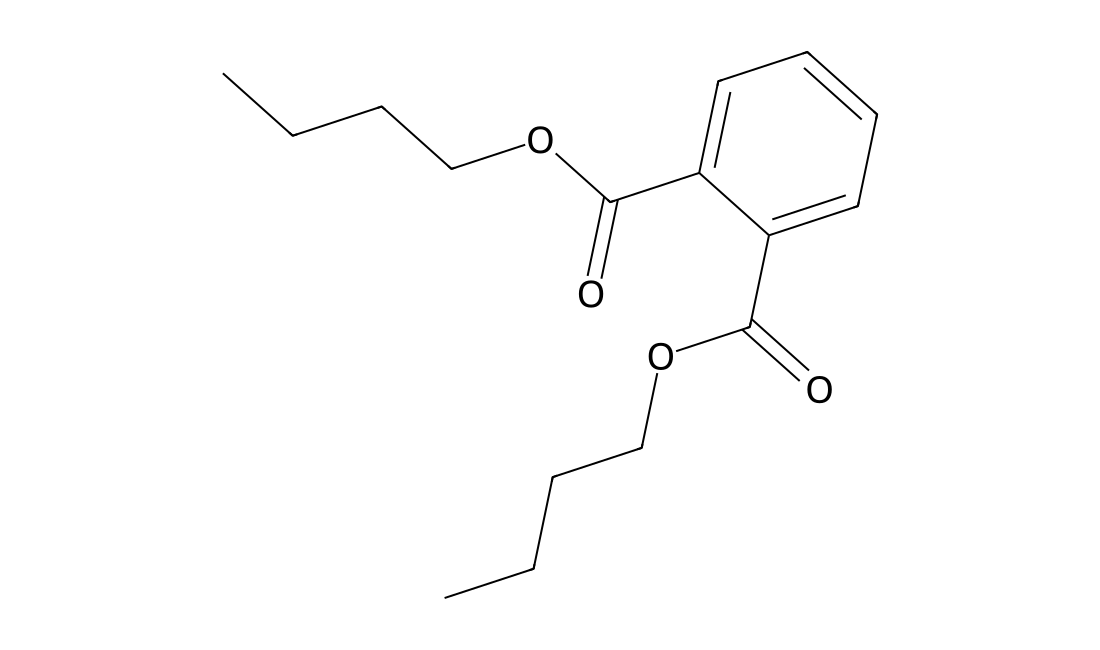
Dibutyl phthalate

CAS 84-74-2

In Vitro Dibutyl phthalate (0.001 µg/mL-1000 µg/mL) is detrimental to follicle growth and viability and results in significant dysregulation of cell cycle and apoptosis gene expression in a dose-specific manner. But MBP does not play a role in Dibutyl phthalate toxicity in follicles exposed in vitro. In Vivo Dibutyl phthalate (200, 400, or 600 mg/kg/day) induces decrease mice weight, impairment of spermatogenesis, reduces serum follicle stimulating hormone and testosterone level, alters testicular LDH, increases LPO, and decreases the levels of enzymatic antioxidants with histopathological anomalies. Dibutyl phthalate (6.25, 12.5, 25, 50, 100 and 200 mg/kg) could cause some neurobehavioral adverse effects in mice.

Dibutyl phthalate chemical structure
DC22486

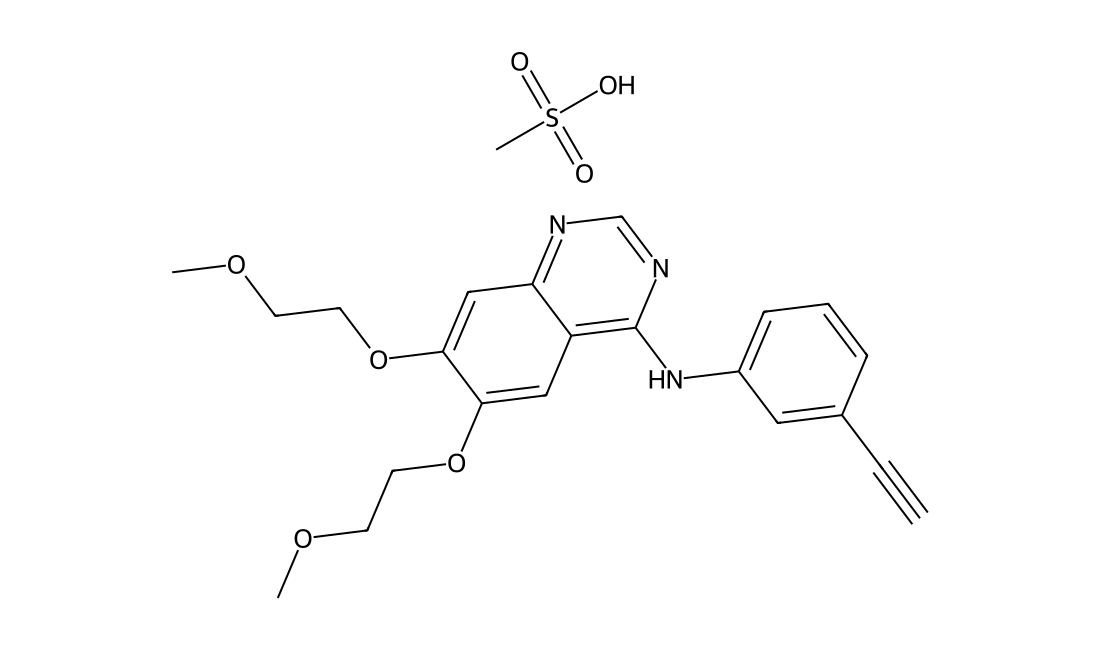
Erlotinib mesylate

CAS 248594-19-6

Erlotinib (CP-358774;OSI-774;NSC 718781) is a potent, selective inhibitor of EGFR with IC50 of 2 nM; reduces EGFR autophosphorylation in intact tumor cells with an IC50 of 20 nM; inhibits the proliferation of DiFi human colon tumor cells at submicromolar concentrations in cell culture and blocks cell cycle progression at the G1 phase; 100mg/kg completely prevents EGF-induced autophosphorylation of EGFR in human HN5 tumors growing as xenografts in athymic mice and of the hepatic EGFR of the treated mice; orally active.Lung CancerApproved

Erlotinib mesylate chemical structure
DC24047

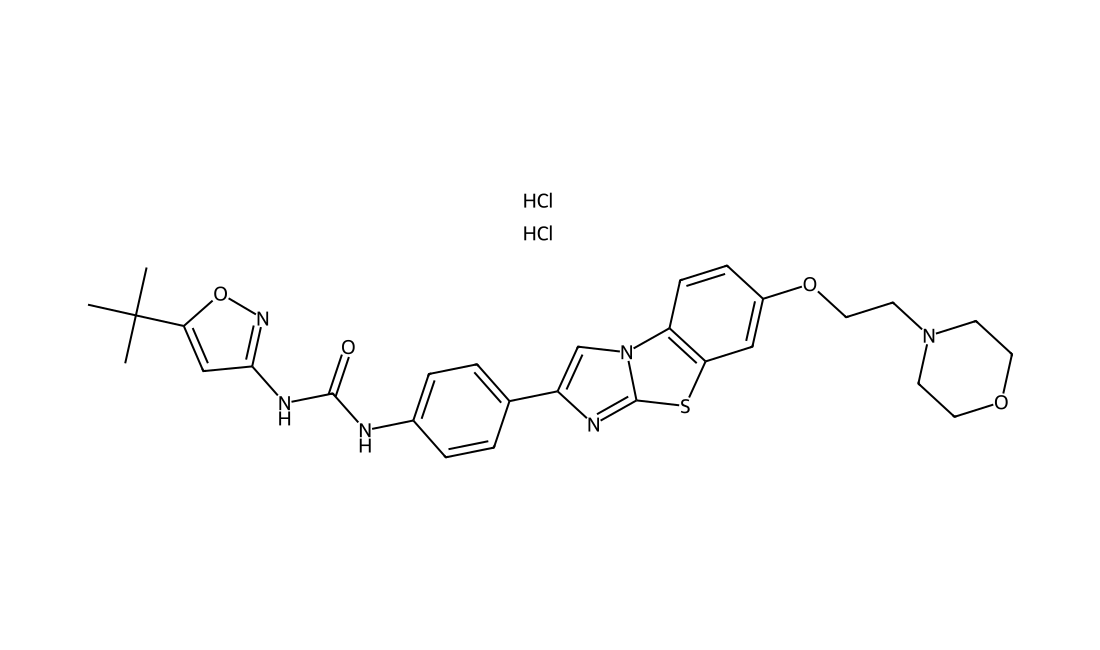
Quizartinib hydrochloride

CAS 1132827-21-4

Quizartinib (AC220) is a potent, selective, second-generation FLT3 inhibitor with Kd of 1.6 nM, inhibits Wt FLT3 and FLT3-ITD autophosphorylation in MV4-11cell with IC50 of 4.2 and 1.1 nM, respectively; displays excellent kinase selectivity in a KinomeScan panel of 402 kinase binding assays, also potently inhibits PDGFRA, PDGFRB and RET; inhibits MV4-11 cell proliferarion with IC50 of 0.56 nM, demonstrates antitumor efficacy in the MV4-11 tumor xenograft model.Blood CancerPhase 3 Clinical

Quizartinib hydrochloride chemical structure
DC24090

KX2-391 dihydrochloride

CAS 1038395-65-1

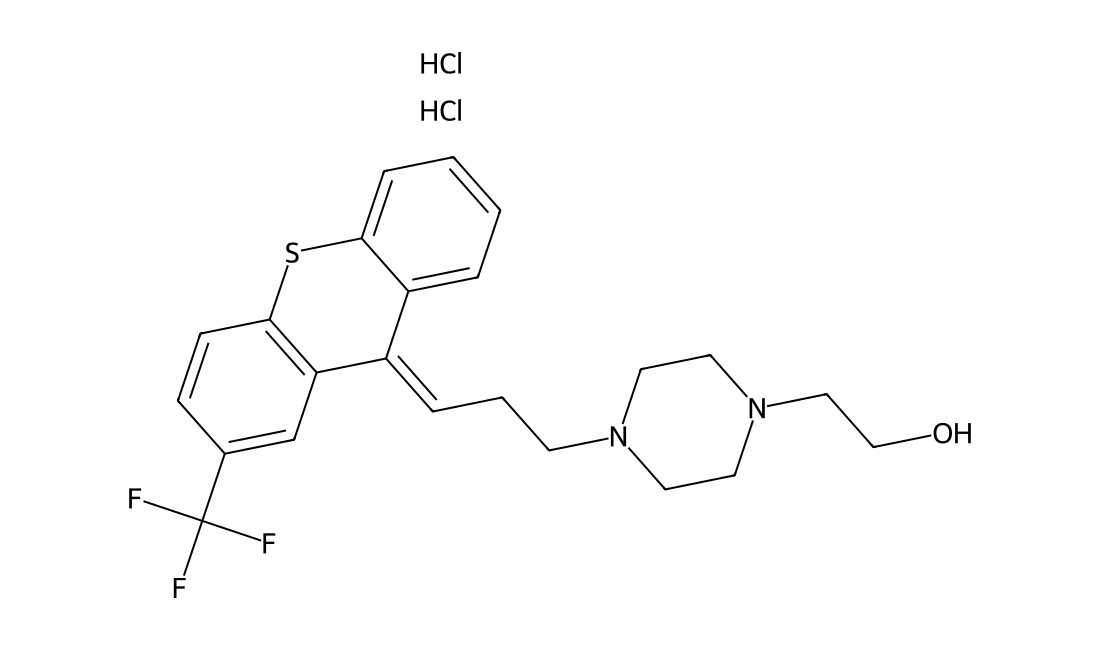
A highly selective, non-ATP competitive substrate-pocket-directed Src/pretubulin inhibitor; inhibits c-Src kinase with GI50s of 1.34 uM and 2.30 μM in NIH3T3/c-Src527F and SYF/c-Src527F cells, respectively; causes microtubule disruption in tumor cells; orally active.Solid TumorsPhase 2 Clinical

KX2-391 dihydrochloride chemical structure
DC71096

OB-24

CAS 939825-12-4

OB-24 is a potent inhibitor of heme oxygenase-1 (HO-1). Heme oxygenase-1, a member of the heat shock protein family, plays a key role as a sensor and regulator of oxidative stress. OB-24 significantly inhibited cell proliferation in vitro and tumor growth and lymph node/lung metastases in vivo. OB-24 has potential for the research of advanced prostate cancer (PCA).

OB-24 chemical structure
DC65917

B-Raf IN 14

CAS 326918-98-3

B-Raf IN 14 (Comp 25) is a BRAF inhibitor with IC50 value of 11.08 μM, which can be used in cancer-related research.

B-Raf IN 14 chemical structure
DC65916

MMP-9-IN-7

CAS 333746-76-2

MMP-9-IN-7 is a potent MMP9 inhibitor with an IC50 of 0.52 μM in proMMP9/MMP3 P126 activation assay. MMP-9-IN-7 is extracted from patent WO2012162468 (example 59), and can be used for MMP9/MMP13 mediated syndrome research.

MMP-9-IN-7 chemical structure
DC70441

GR-127935

CAS 148672-13-3

GR-127935 is a potent and selective 5-HT1B/1D receptor antagonist with pKi of 8.5 for both guinea pig 5-HT1D and rat 5-HT1B receptor; displays >100-fold selectivity over 5HT1A, 5-HT2A, 5-HT2C receptors and other receptor types; blocks porcine carotid vascular response to sumatriptan in vivo; orally bioavailable and centrally active.

GR-127935 chemical structure
DC23292

Necrox-5 methanesulfonate

CAS 1383718-29-3

NecroX-5 is a novel necroptosis inhibitor that reduces mitochondrial oxidative stress, prevents hypoxia/reoxygenation injury by inhibiting the mitochondrial calcium uniporter; improves mitochondrial oxygen consumption, and suppresses mitochondrial Ca(2+) overload during reoxygenation in an in vitro rat heart HR model, reduces the ouabain- or histamine-induced increase in mitochondrial Ca(2+).

Necrox-5 methanesulfonate chemical structure
Browse target & topic index A–Z (366)
11β-HSD (1)15-PGDH (2)5-HT Receptor (16)Acetyl-CoA Carboxylase (ACC) (3)Acetylcholinesterase (AChE) (2)Ack1 (TNK2) (1)Acyltransferase (1)ADC Cytotoxin (6)ADCs Linker/Click Chemistry (5)Adenosine Receptor (9)Adenylate Cyclase (2)Adrenergic Receptor (11)Akt (12)Alcoholism (2)Aldehyde Dehydrogenase (ALDH) (6)Allergy (5)Alzheimer Disease (13)Aminopeptidase (1)AMPK (8)Amyloids (4)Anaplastic Lymphoma Kinase (ALK) (9)Androgen Receptor (AR) (11)Anemia (4)Angiotensin Receptor (4)Antibody/Protein labeling dyes (1)Antifolate (2)Anxiety (1)Apoptosis Inducer (3)Arginase (1)Arp2/3 complex (1)Aryl hydrocarbon Receptor (AhR) (1)Asthma (5)Atherosclerosis (2)ATM/ATR (8)Aurora Kinase (10)Autophagy (6)Autophagy-related Protein (Atg) (2)Autotaxin (2)Bacterial (26)Bacterial Infection (17)Bcl-2 (14)Bcr-Abl (5)BCRP (1)Beta-catenin (4)Beta-secretase (BACE) (4)Blood Cancer (91)BMI-1 (1)Bone Cancer (6)Brain Cancer (6)Breast Cancer (30)Bromodomain (22)BTK (10)c-Fms (CSF1R) (5)c-Fos/AP-1 (1)c-Kit (6)c-Met (HGFR) (11)c-Myc (2)Calcium Channel (4)Calcium-sensing Receptor (CaSR) (1)CaMK (4)Cannabinoid Receptor (6)Carbonic Anhydrase (1)Carboxypeptidase (1)Casein Kinase (6)Caspase (4)Cathepsin (6)Cdc2-like Kinase (CLK) (1)CETP (2)CFTR (7)Checkpoint Kinase (Chk) (8)Chemokine Receptor (CCR and CXCR) (14)Chemotherapeutic Agents (19)Chloride Channel (1)CMV (2)CMV Infection (2)Colon Cancer (9)Complement System (1)COPD (3)CREB/CBP (2)CRF Receptor (2)CRISPR/Cas9 (1)Cushing Disease (1)Cyclin-dependent Kinase (CDK) (39)Cyclooxygenase (COX) (4)Cytochrome P450 (CYPs) (5)Depression (2)Dermatitis (2)Deubiquitinase (DUB) (7)Diabetes (20)Dipeptidyl Peptidase (DPP) (3)Discoidin Domain Receptor (DDR) (1)DNA Alkylator/Crosslinker (10)DNA Methyltransferase (DNMT) (1)DNA Repair Protein (1)DNA-PK (2)DNA/RNA Synthesis (5)Dopamine beta-hydroxylase (1)Dopamine Receptor (7)Drug Metabolite (1)Drug-Linker Conjugates (11)Dyes (4)DYRK (1)Dyslipidemia (9)E3 Ligase Ligand (6)E3 Ligase Ligand-Linker Conjugate (1)E3 Ubiquitin Ligase (4)Ebola Virus Infection (1)EGFR (32)Elastase (2)Endothelin Receptor (5)Enzymes substrates (13)Epigenetic Reader Domain (3)Epilepsy (4)ERK (4)Estrogen Receptor/ERR (13)Eukaryotic Initiation Factor (eIF) (2)Exportin-1 (CRM1,XPO1) (2)FABP (1)Factor Xa (5)Farnesoid X Receptor (FXR) (5)Farnesyl transferase (FTase) (1)Ferroptosis (6)FGFR (20)Fibrosis (5)FLT3 (6)Focal Adhesion Kinase (FAK) (11)Foxo1 (1)Free Fatty Acid Receptor (FFAR) (5)Fungal (2)Fungal Infection (1)GABA Receptor (13)Galectin (1)Gastric Cancer (8)Ghrelin Receptor (GHSR) (3)Glucagon Receptor (4)Glucokinase (2)Glucose Transporter (GLUT) (2)Glutamate Transporter (2)GPCR (1)GPER (GPR30) (1)GPR139 (1)GPR183 (EBI2) (2)GPR39 (1)GPR55 (1)GPR84 (1)GRK (GPCRK) (2)Growth Hormone Deficiency (2)GSK-3 (8)Guanylate Cyclase (3)HBV (1)HBV Infection (1)HCN Channel (2)HCV (8)HCV Infection (9)HDAC (38)Heart Arrhythmia (2)Heart Failure (5)Heat Shock Protein (HSP) (15)Hedgehog (Hh) (1)HIF/HIF Prolyl-hydroxylase (8)Histamine Receptor (6)Histone Acetyltransferase (HAT) (5)Histone Demethylase (11)Histone Methyltransferase (HMTase) (31)HIV (12)HIV Infection (11)HMG-CoA Reductase (HMGCR) (3)HSV (1)HSV Infection (1)Hypercholesterolemia (1)Hyperparathyroidism (1)Hypertension (8)IAP (1)IGF-1R (3)iGluR (15)Indoleamine 2,3-Dioxygenase (IDO) (4)Infection (1)Influenza (6)Influenza Virus (6)Insulin Receptor (2)Integrin (6)Interleukin Receptor (1)IRAK (2)IRE1 (4)Irritable Bowel Syndrome (2)Ischemia (1)Isocitrate Dehydrogenase (IDH) (5)ITK (1)IκB kinase (IKK) (7)JAK (32)JNK (3)Keap1-Nrf2 (6)Kidney Cancer (10)Kinesin (5)Kruppel-like Factor (KLF) (1)Kynurenine 3-Monooxygenase (KMO) (1)Leukotriene Receptor (1)LIM Kinase (LIMK) (3)Lipids fragment (1)Liver Cancer (6)Liver X Receptor (LXR) (3)LRRK2 (9)Lung Cancer (39)Lysophospholipid Receptor (12)LYTACs (3)mAChR (9)MALT1 (2)MAP4K (1)Matrix Metalloproteinase (MMP) (10)MDM2-p53 (9)MEK (MAP2K) (14)MEKK (MAP3K) (1)Melanocortin Receptor (2)MELK (1)mGluR (7)MicroRNA (1)Microtubule/Tubulin (5)Mineralocorticoid Receptor (MLR) (1)MITF (1)Mixed Lineage Kinase (MLK) (3)MNK (2)Molecular Glues (21)Monoamine Transporter (5)Monocarboxylate Transporter (MCT) (1)Monopolar Spindle 1 (Mps1/TTK) (3)mTOR (13)Multiple Sclerosis (6)Myosin (1)Na-K-Cl Cotransporter (NKCC) (2)nAChR (2)NADPH Oxidase (NOX) (2)NAMPT (3)Natural products (37)Neprilysin (1)Neurokinin Receptor (3)Neuropeptide Y Receptor (3)NF-κB (5)Nitric Oxide Synthase (NOS) (1)NOD-like Receptor (NLR) (3)Notch (2)Nucleoside Antimetabolite/Analog (10)Nur77 (NR4A1) (1)Obesity (1)Oct3/4 (1)Opioid Receptor (5)Orexin Receptor (7)Osteoporosis (2)Ovarian Cancer (14)Oxytocin Receptor (OXTR) (2)P-glycoprotein (P-gp) (3)p21-activated Kinase (PAK) (1)P2X Receptor (2)P2Y Receptor (1)p38 MAPK (10)p97/VCP (1)Pain (12)Pancreatic Cancer (10)Parasite (5)Parasite Infection (2)Parkinson Disease (2)PARP (19)PCSK9 (1)PD-1/PD-L1 (4)PDGFR (4)PDK1 (2)PEGn (1)PERK (2)PGE synthase (2)Phosphodiesterase (PDE) (9)Phospholipase (4)PI3K (32)PI4K (2)Piezo Channel (1)PIKfyve (3)Pim (9)PKC (12)PKD (1)Plasminogen Activator Inhibitor-1 (PAI-1) (3)Polo-like Kinase (PLK) (4)Porcupine (3)Potassium Channel (13)PPAR (13)Pregnane X Receptor (PXR) (1)Progesterone Receptor (2)Prostaglandin Receptor (11)Prostate Cancer (7)PROTACs (35)Protease-activated Receptor (PAR) (3)Proteasome (12)Protein Disulfide Isomerase (PDI) (1)Protein Phosphatase/PTP (6)Proton Pump (1)Psoriasis (5)RAD51 (1)Radioligand precursors (15)Raf (18)RAR/RXR (3)Ras (17)Renin (2)RET Tyrosine Kinase (c-RET) (3)Rheumatoid Arthritis (16)Ribosomal S6 Kinase (RSK) (5)RIG-I-like Receptor (RLR) (2)RIP kinase (7)ROCK (12)ROR (2)RSV (4)RSV Infection (3)RUNX1-CBFβ (1)S-nitrosoglutathione reductase (GSNOR) (1)Saccharides and Glycosides (1)Salt Inducible Kinase (SIK) (2)SARS-CoV (16)SARS-CoV Infection (34)Schizophrenia (4)Sexual Dysfunction (1)SGLT (4)Sigma Receptor (4)Sirtuin (9)Skin Cancer (13)Sleep Disorder (7)SMN2 Modulator (1)Smoothened (Smo) (9)Sodium Channel (12)Solid Tumors (35)Somatostatin Receptor (2)Sphingosine kinase (SphK) (2)Src (7)STAT (5)Stearoyl-CoA Desaturase (SCD) (1)Steatohepatitis (7)Sterol lipids (1)STING (14)Syk (6)T Cell Receptor (TCR) (1)TAK1 (2)TAM Receptor (Tyro3-Axl-Mer) (4)Taste Receptor (1)Telomerase (2)TGF beta Receptor (TGFBR) (12)Thrombin (3)Thrombosis (13)Thyroid Cancer (1)Thyroid Hormone Receptor (THR) (1)Thyrotropin Receptor (2)TNIK (1)Toll-like Receptor (TLR) (2)TOPK (1)Topoisomerase (11)TRAIL (1)Translocator Protein (TSPO) (1)Trk Receptor (4)TRP Channel (13)Tryptophan Hydroxylase (TPH) (1)Ubiquitin-activating Enzyme (E1) (2)Ubiquitin-conjugating Enzyme (E2) (2)Ulcer (1)ULK (3)Vasopressin Receptor (2)VEGFR (25)Vitamin D Receptor (VDR) (3)Wee1 (1)WNK Kinase (1)Wnt (5)Yes-associated Protein (YAP) (4)γ-secretase (5)

Cart

Request quotation