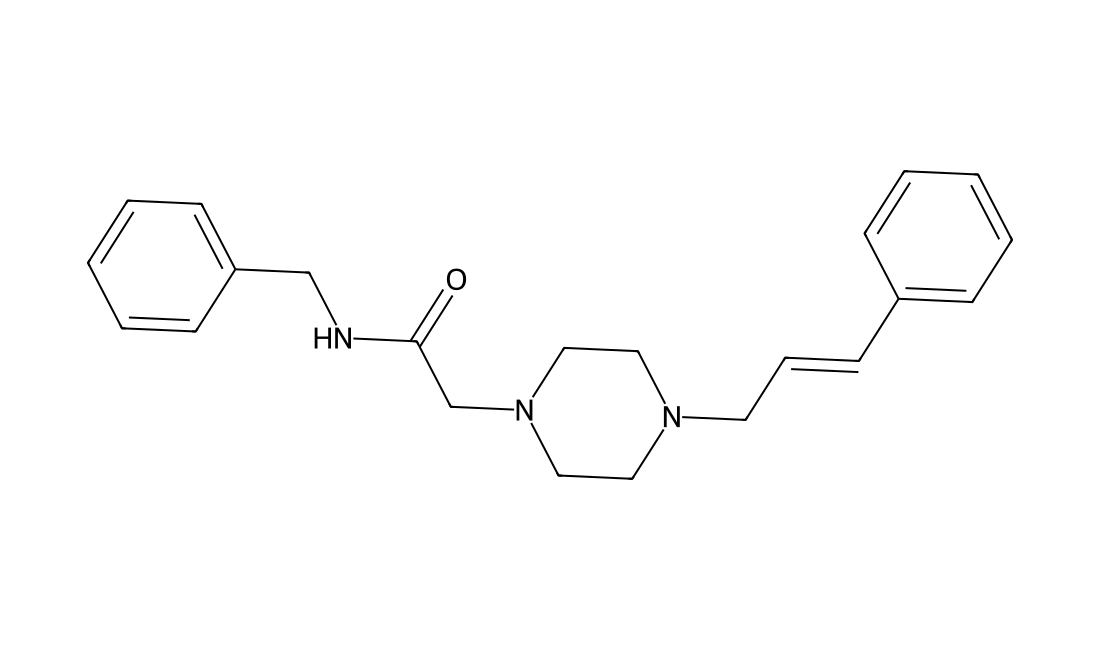
Small Molecule Research Tools

Explore bioactive compounds by research category, then narrow your search by target, product name, catalog number or CAS.

Newly added: LC-MG and OXF molecular glue research compounds →

6,823 products17 research categoriesBrowse all products ↓

Browse by research category

Products may appear in more than one category. Counts refer to distinct catalog numbers within each category.

Other Research Tools (75) · Additional reagents, building blocks and specialized research tools.

New literature-derived products

LC-MG-1 (DCA0006) · LC-MG-4 (DCA0007) · LC-MG-9 (DCA0008)

View structure and evidence summaries →

All small molecule products

Combine a keyword, research category and target to narrow the product list.

Loading catalog filters…

6,823 products · Showing 4,945–4,992

DC71625

Tivozanib hydrochloride hydrate

CAS 682745-41-1

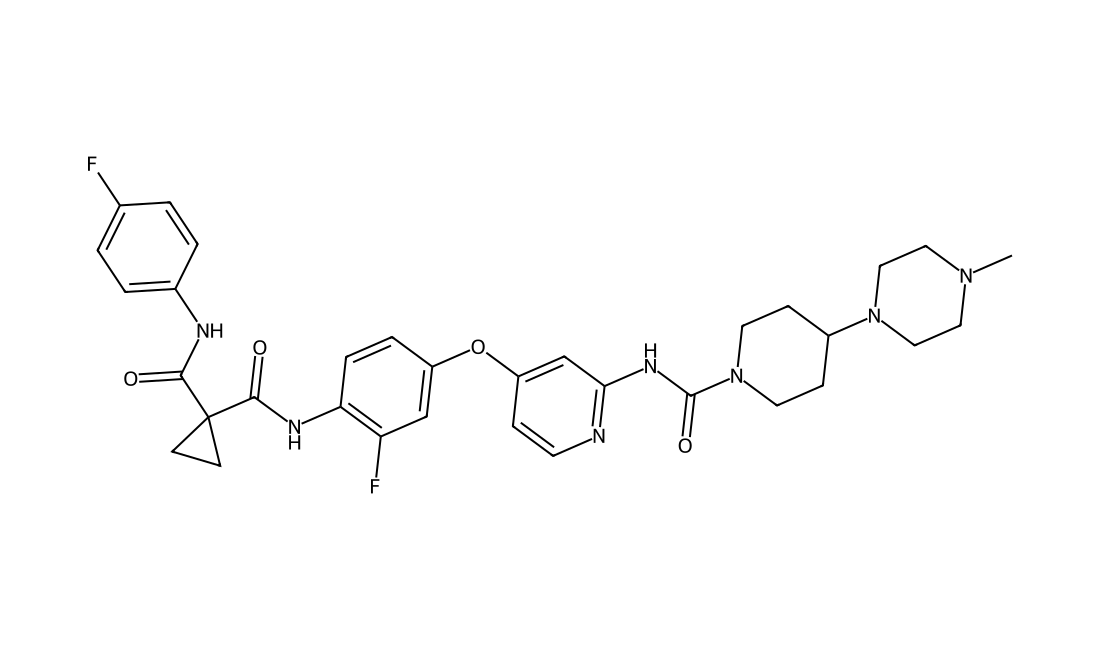
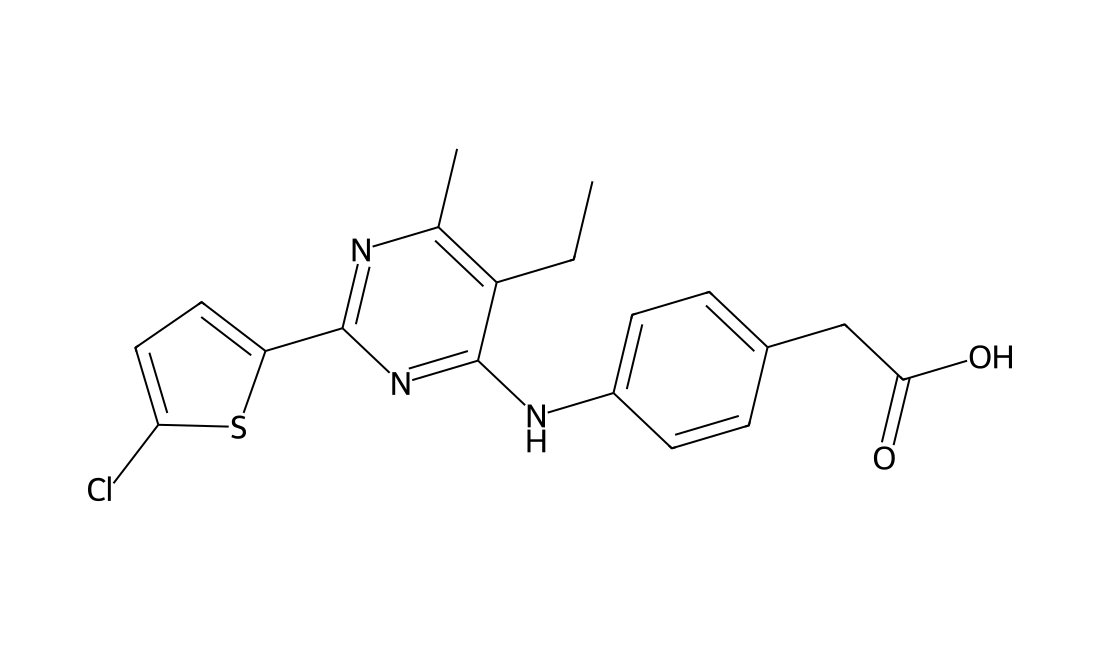
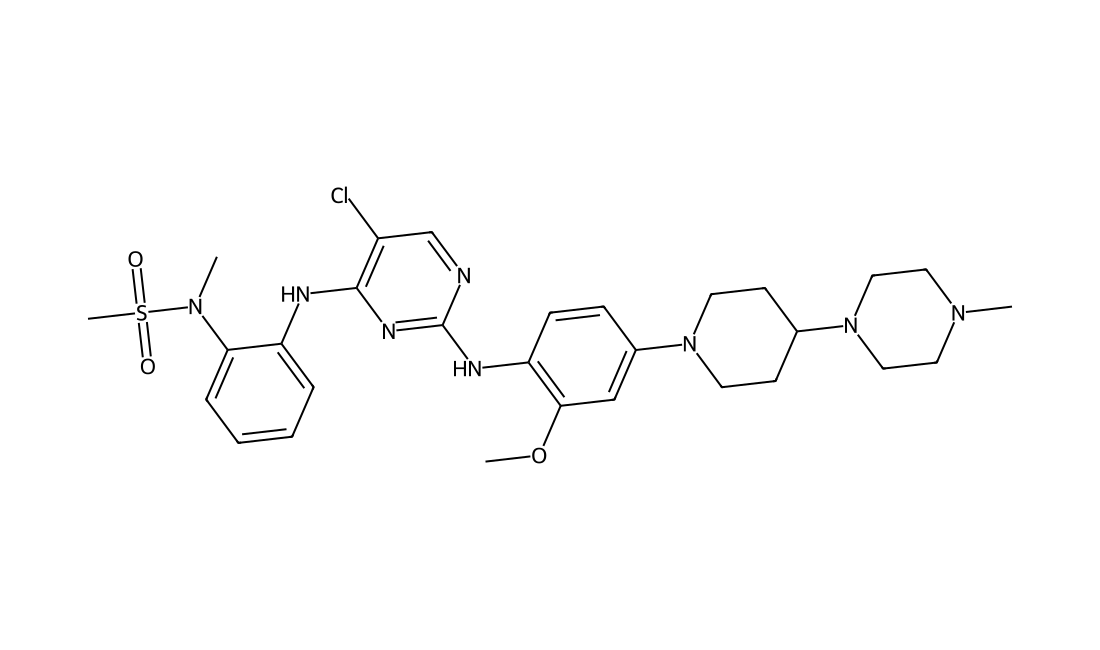
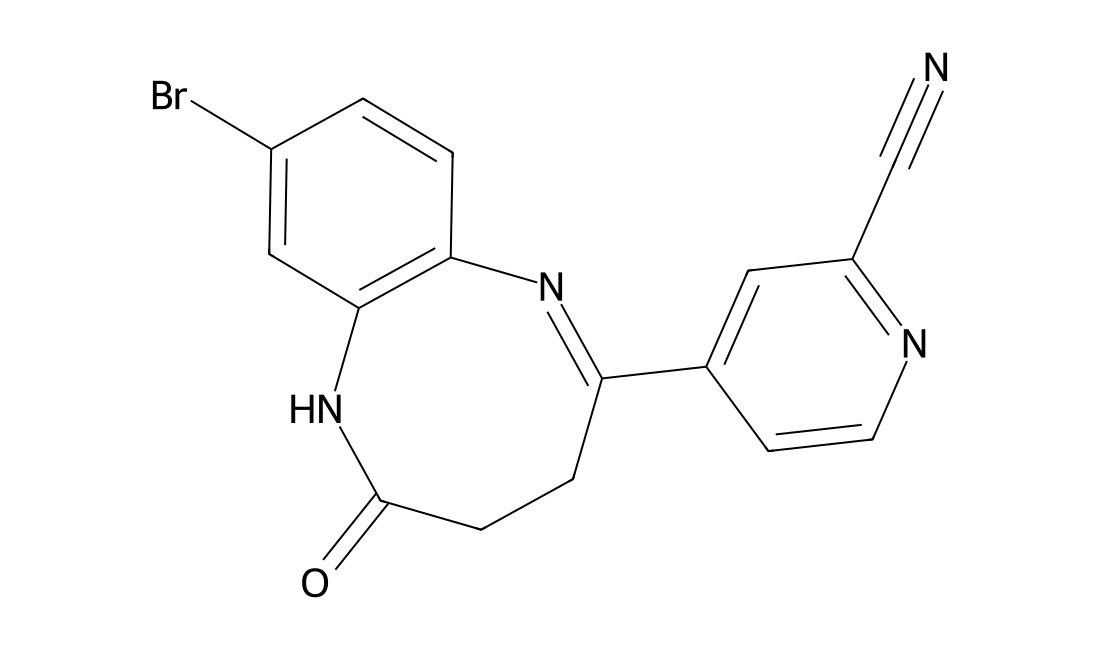
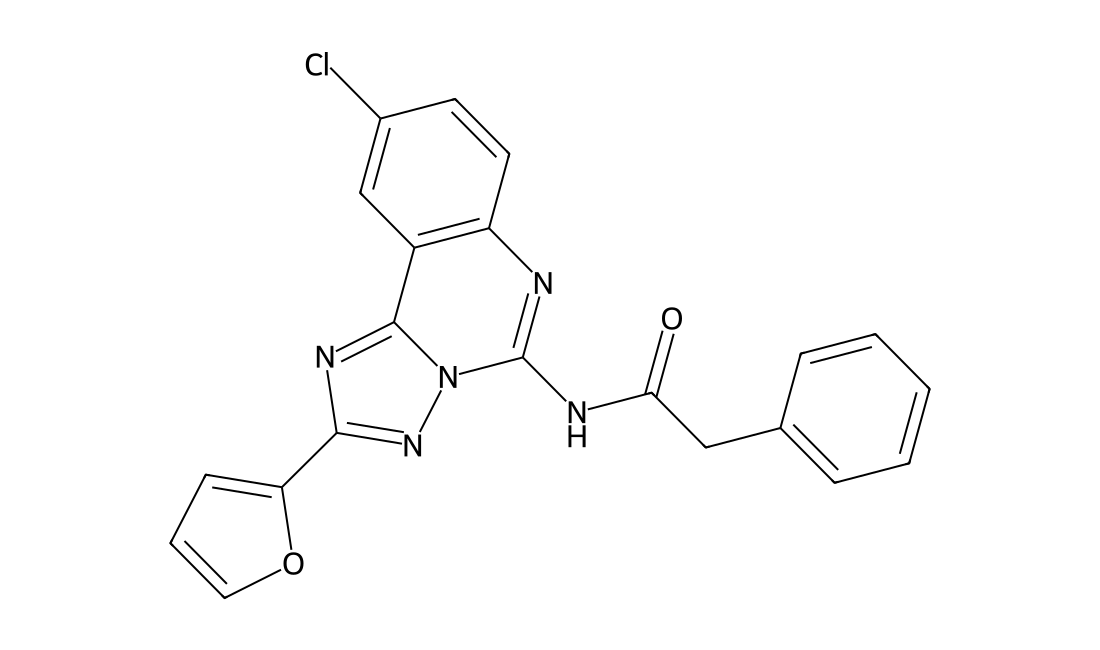
Tivozanib hydrochloride hydrate is a potent and selective and orally active VEGFR tyrosine kinase inhibitor with IC50是of 0.21, 0.16, 0.24 nM for VEGFR-1, VEGFR-2, VEGFR-3, respectively. Tivozanib hydrochloride hydrate inhibits angiogenesis and vascular permeability in tumor tissues and shows antitumor activity. Tivozanib hydrochloride hydrate has the potential for the research of metastatic renal cell carcinoma (RCC) .

Tivozanib hydrochloride hydrate chemical structure
DC11173

DRAinh-A250

CAS 858747-13-4

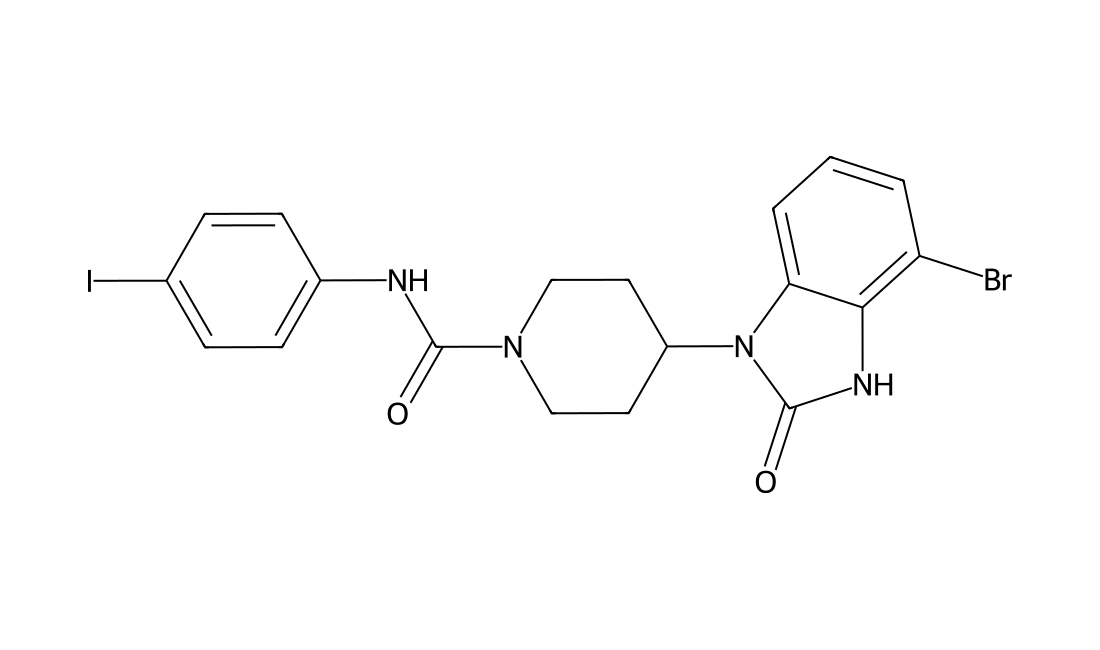
DRAinh-A250 is a specific inhibitor of Cl-/anion exchanger SLC26A3 (DRA), fully and reversibly inhibits SLC26A3-mediated Cl- exchange with HCO3-, I-, and thiocyanate (SCN-) with IC50 of ~0.2 uM; does not inhibit the homologous anion exchangers SLC26A4 (pendrin) or SLC26A6 (PAT-1), as well as other related proteins or intestinal ion channels; blocked fluid absorption in closed colonic loops but not in jejunal loops in mice, while the NHE3 (SLC9A3) inhibitor tenapanor blocked absorption only in the jejunum; reduces signs of constipation in loperamide-treated mice after oral treatment.

DRAinh-A250 chemical structure
DC73605

TMinh-23

CAS 2098490-06-1

TMinh-23 is (Compound 10bm) is a potent, selective inhibitor of transmembrane protein 16A (TMEM16A or ANO1, DOG1, ORAOV2, TAOS-2) with IC50 of 30 nM in short-circuit current assays, weakly inhibits TMEM16B (IC50=400 nM, 13 -fold selectivity).

TMinh-23 chemical structure
DC23145

TH5487

CAS 2304947-71-3

TH5487 is a potent 8-oxoguanine DNA glycosylase 1 (OGG1) inhibitor with an IC50 of 342 nM. TH5487 stops OGG1 from recognizing its DNA substrate, inhibits DNA repair and modifies OGG1 chromatin dynamics, which results in the inhibition of proinflammatory pathway genes[1].

TH5487 chemical structure
DC23981

BCX-1470 methanesulfonate

CAS 217099-44-0

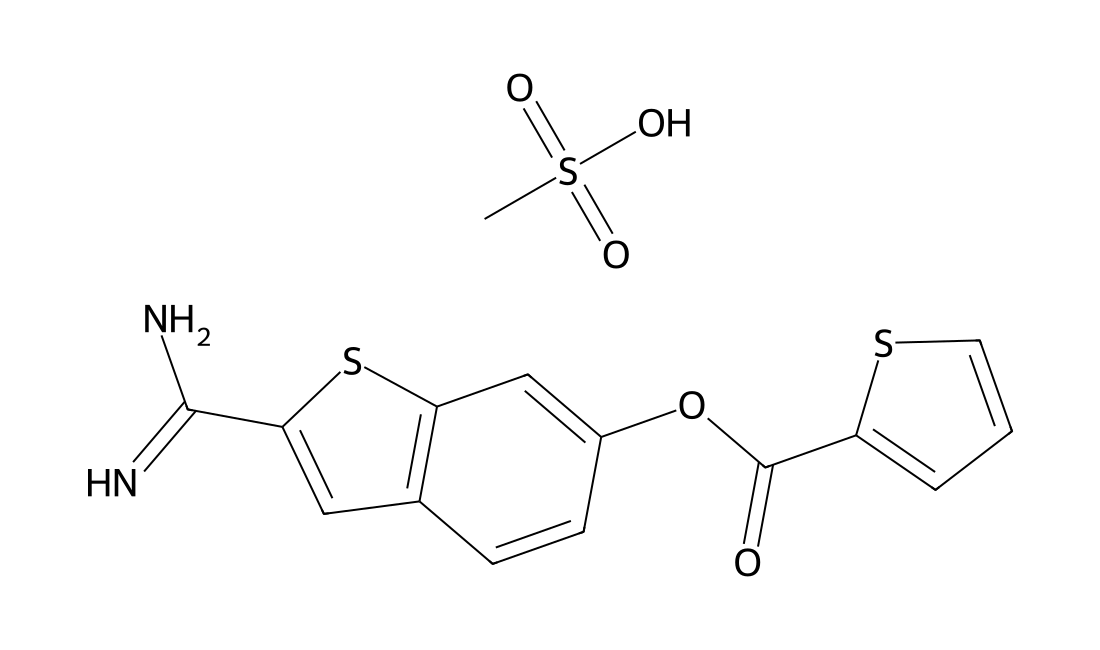
A serine protease inhibitor that inhibits the esterolytic activity of factor D (IC50=96 nM) and C1s (IC50=1.6 nM); displays 3.4-fold and 200-fold bette than that of trypsin, respectively; inhibits esterolytic activity translates into potent inhibition of the proteolytic activity of C1s, factor D, and consequently of the classical and alternative pathway-mediated hemolysis of target RBC (IC50=46 nM and 330 nM, respectively); blocks the reverse passive Arthus (RPA) reaction in rats.ThrombosisPhase 1 Discontinued

BCX-1470 methanesulfonate chemical structure
DC12091

AdipoRon hydrochloride

CAS 1781835-20-8

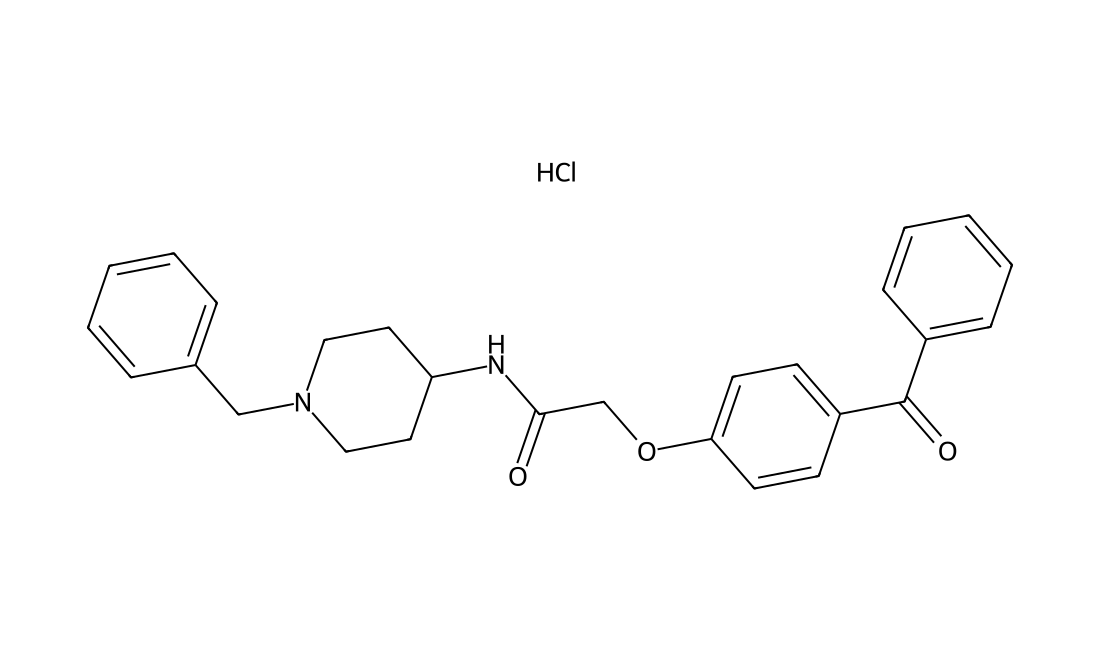
In Vitro AdipoRon hydrochloride is an orally active and specific AdipoR agonist, binds to AdipoR1 and AdipoR2, with Kds of 1.8 and 3.1 μM. AdipoRon (50 nM-50 μM) increases AMPK phosphorylation via AdipoR1. AdipoRon (50 μM) dose-dependently attenuates the expression of TNF-α and TGF-β1 in the L02 cells. AdipoRon exhibits significant and dosage-dependent growth suppression on macrophages. AdipoRon treatment significantly improves cardiac functional recovery after reperfusion, and inhibits post-MI apoptosis. AdipoRon exerts vasodilation by mechanisms distinct to adiponectin and induces vasorelaxation without a marked decrease in VSMC [Ca2+]i. In Vivo AdipoRon (50 mg/kg, i.v.) cuases significant phosphorylation of AMPK in skeletal muscle and liver of wild-type mice but not Adipor1−/− Adipor2−/− double-knockout mice. AdipoRon (0.02, 0.1, and 0.5 mg/kg, i.g.) alleviates D-GalN induced hepatotoxicity in mice, and prevents hepatic architecture distortion against D-GalN challenge. The hepatoprotective potential of AdipoRon is particularly evident in higher dosages (0.1 and 0.5 mg/kg). Enhanced cardiomyocyte apoptosis in APN-deficient mice is rescued by AdipoRon (50 mg/kg, p.o.) administration. Antiapoptotic effect of AdipoRon is attenuated but not lost in AMPK-DN mice.

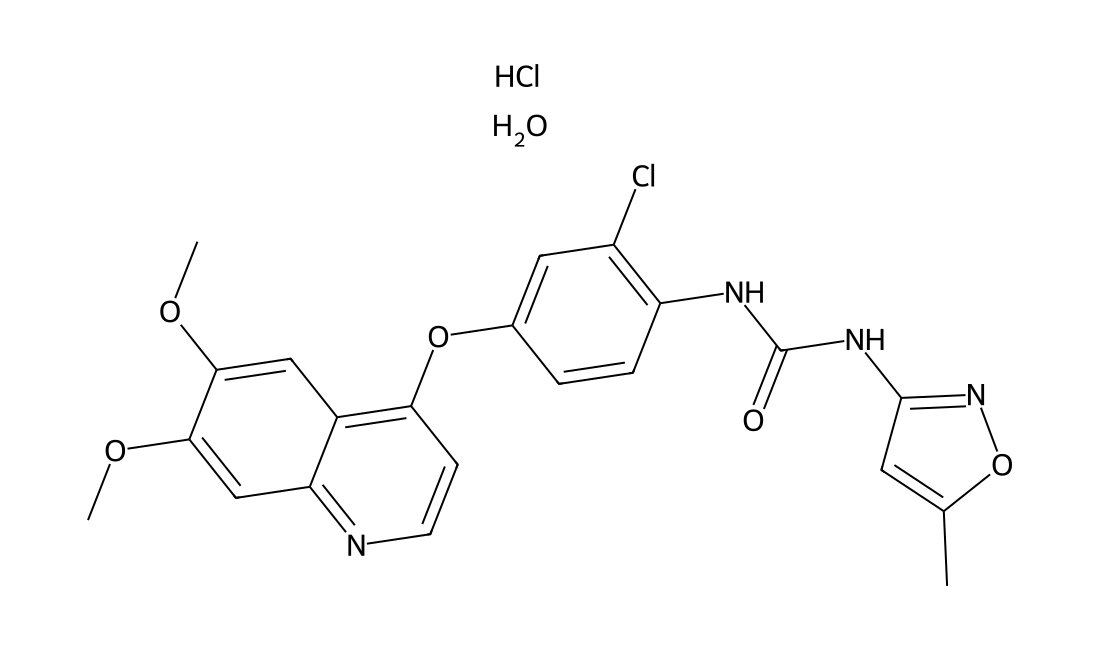
AdipoRon hydrochloride chemical structure
DC66538

PDE4B-IN-2

CAS 915082-52-9

PDE4B-IN-2 is an orally active and selective PDE4B inhibitor with an IC50 of 15 nM. PDE4B-IN-2 inhibits PDE4D (IC50=1.7 µM). PDE4B-IN-2 exhibits potent anti-inflammatory effects.

PDE4B-IN-2 chemical structure
DC74400

OBX02-011

CAS 2349336-18-9

OBX02-011 is a potent, reversible, fourth-generation EGFR tyrosine kinase inhibitor (TKI) that overcomes the EGFR C797S mutation, inhibits triple mutants Del19/T790M/C797S and L858R/T790M/C797S with IC50 of 0.134 and 2.09 nM, respectively.

OBX02-011 chemical structure
DC49647

MNI137

CAS 946619-21-2

MNI137 is a potent and selective negative allosteric modulator for group II mGluRs. MNI137 has IC50s values of 8.3 and 12.6 nM for human and rat mGlu2 inhibition of glutamate-induced calcium mobilization.

MNI137 chemical structure
DC33313

MRS1220

CAS 183721-15-5

MRS1220 is a potent and highly selective antagonist at the human A3 adenosine receptor (Ki values are 0.65, 305, and 52 nM at hA3, rA1 and rA2A respectively. MRS1220 displays an IC50 value > 1 μM for inhibition of binding to rat A3 receptors.

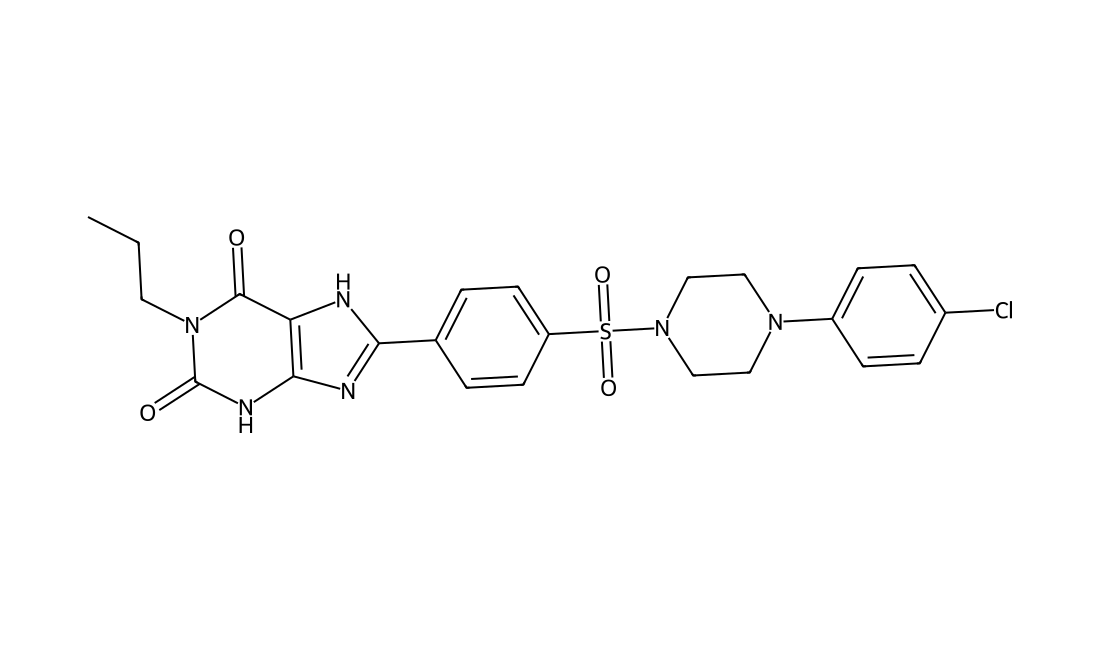
MRS1220 chemical structure
DC48724

AXC-715 trihydrochloride

CAS 2479276-17-8

AXC-715 trihydrochloride is a TLR7/TLR8 dual agonist, extracted from patent WO2020168017 A1. AXC-715 trihydrochloride, compound D from WO2020190734A1, can be used for synthesis of antibody-adjuvant immunoconjugates, comprising an antibody construct that binds programmed death-ligand 1 (PD-L1) linked to one or more adjuvants.

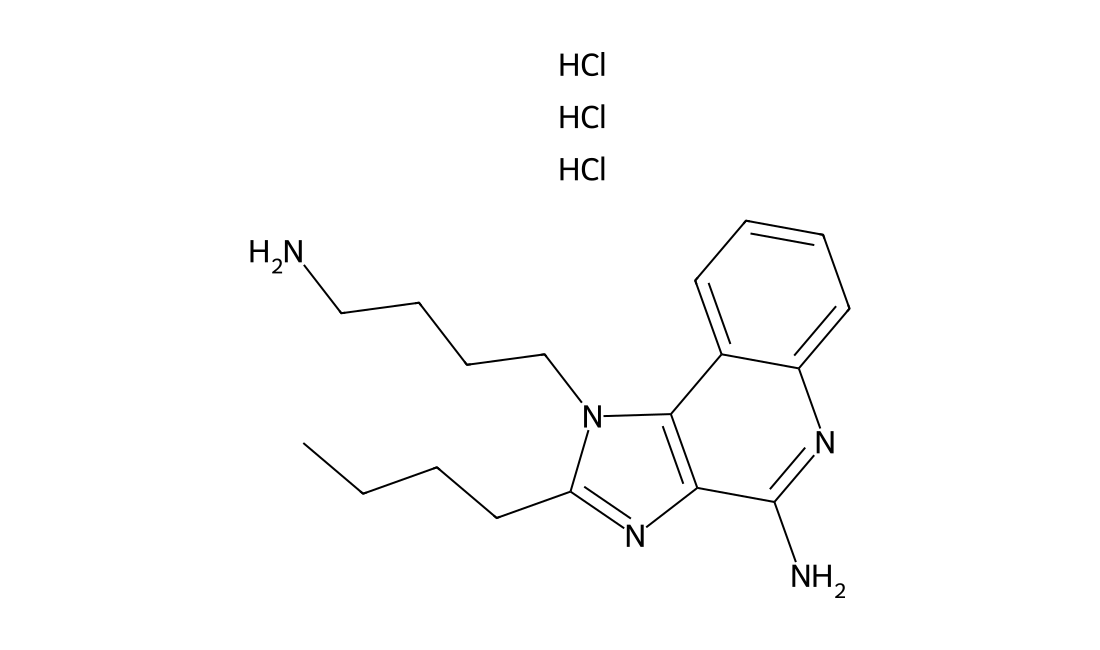
AXC-715 trihydrochloride chemical structure
DC66445

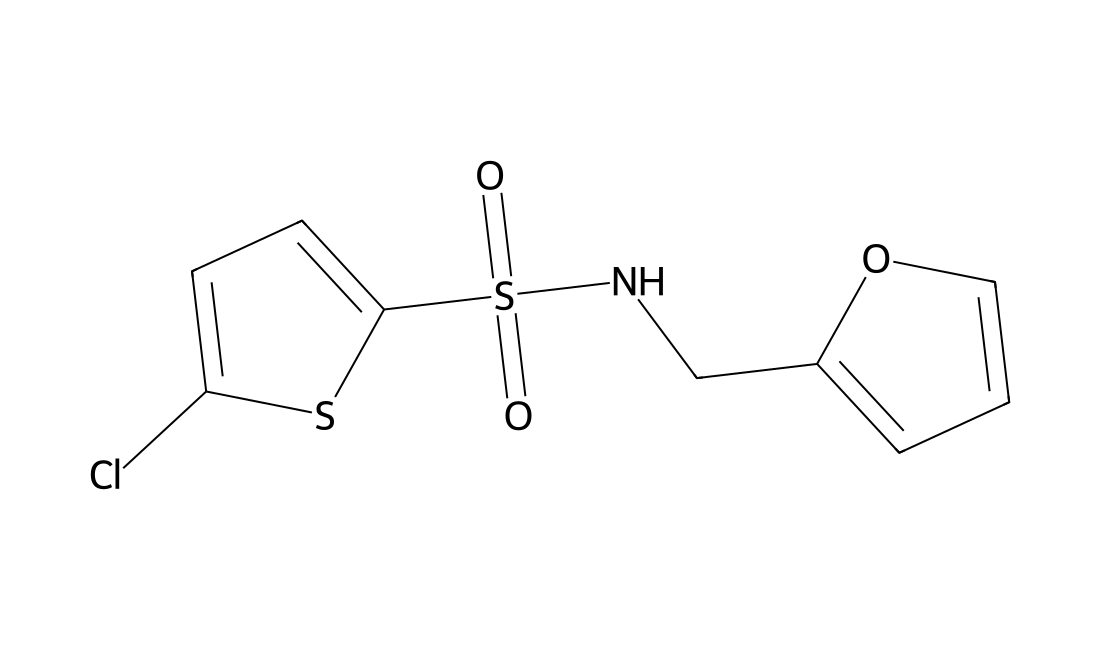
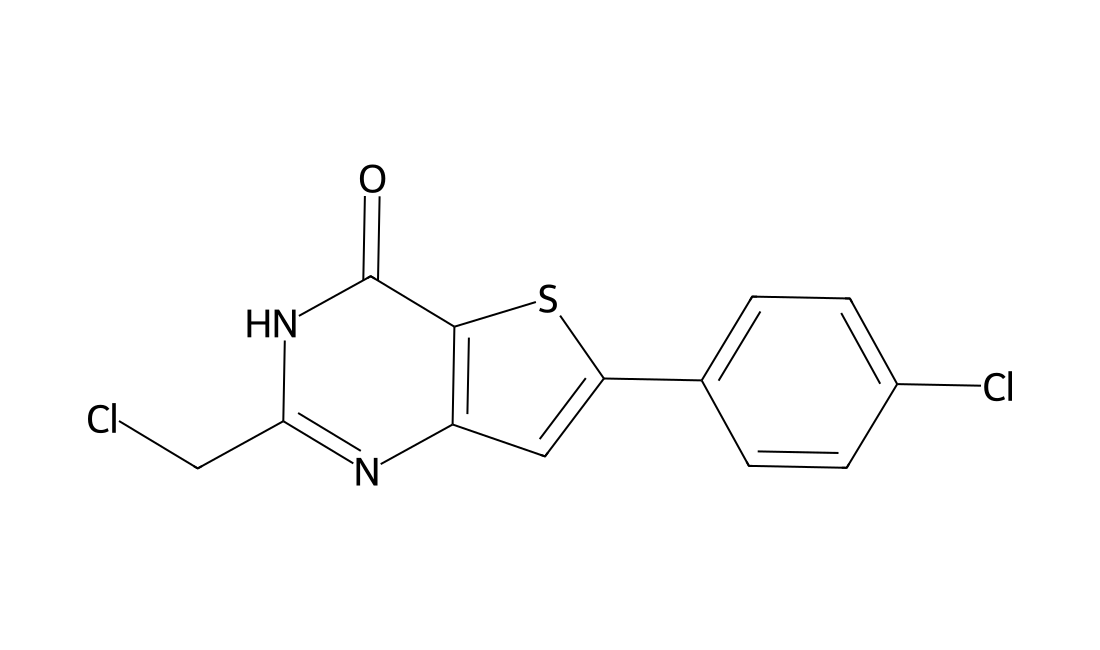
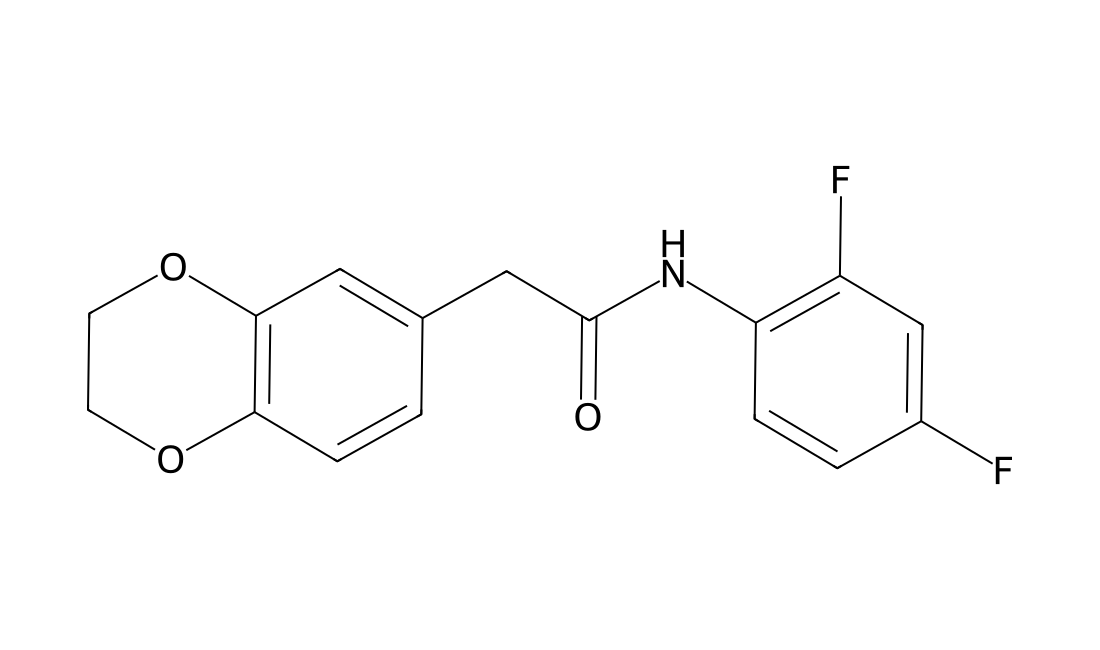
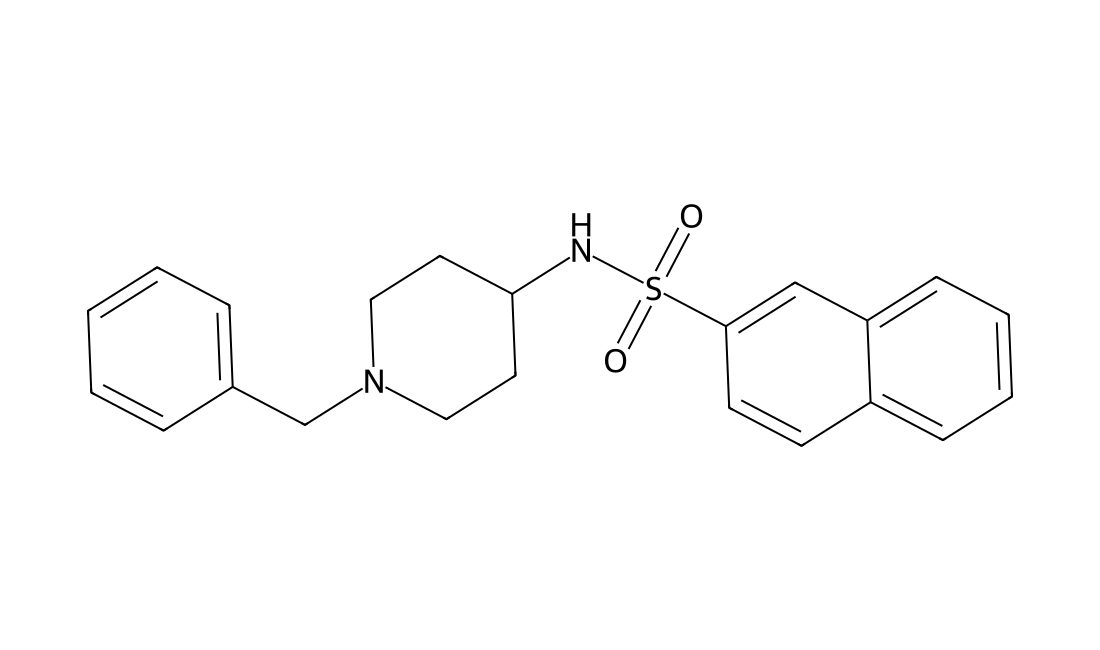
Antimicrobial agent-14

CAS 380576-68-1

Antimicrobial agent-14, a benzyl thiophene sulfonamide derivative is an antimicrobial agent, with a MIC of 200 μM against Campylobacter coli ATCC33559. Antimicrobial agent-14 can be used for the research of bacterial foodborne gastroenteritis.

Antimicrobial agent-14 chemical structure
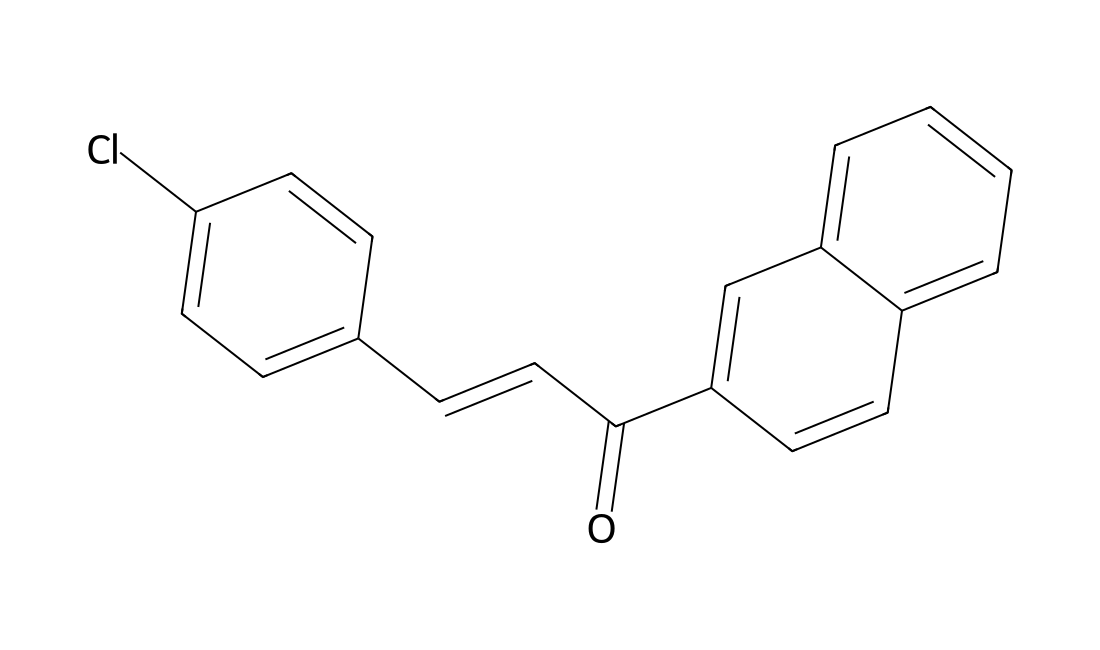
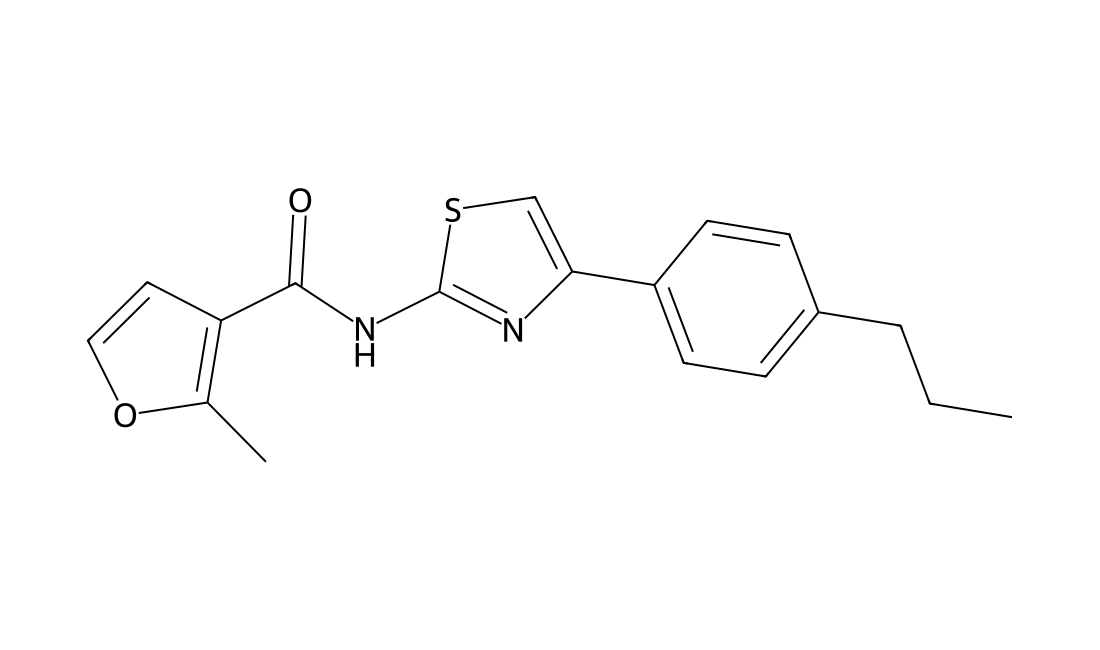
DC66444

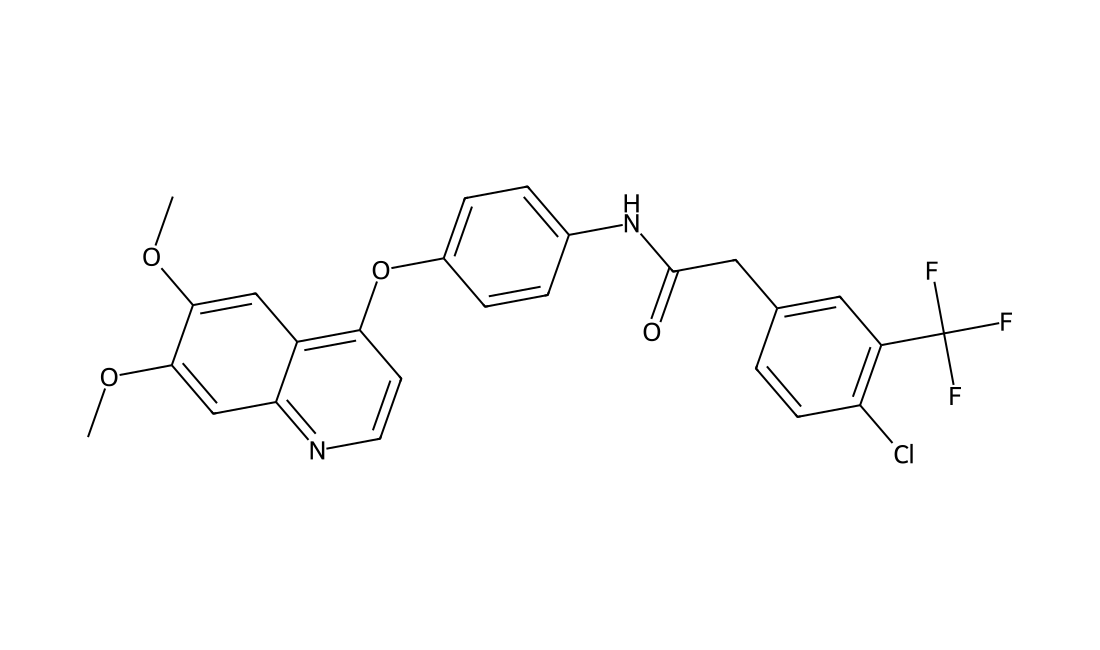
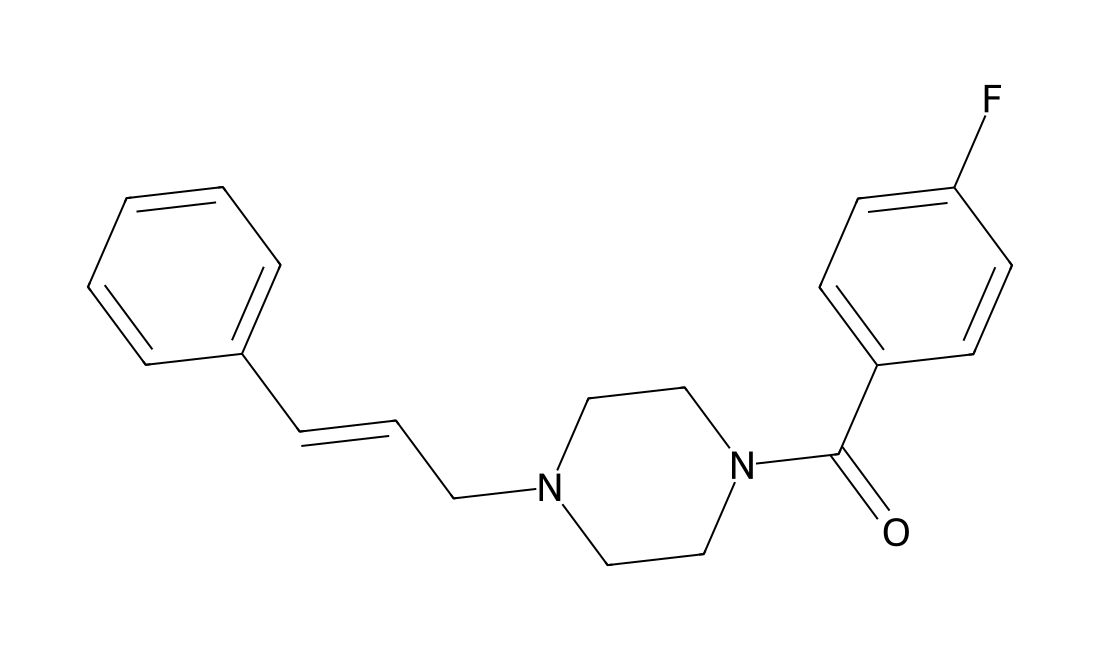
Antimalarial agent 17

CAS 508187-76-6

Antimalarial agent 17 is an antimalarial agent, also acts as a herbicide. Antimalarial agent 17 is photosystem II inhibitor, shows post-emergence herbicidal activity equal to commercial herbicides.
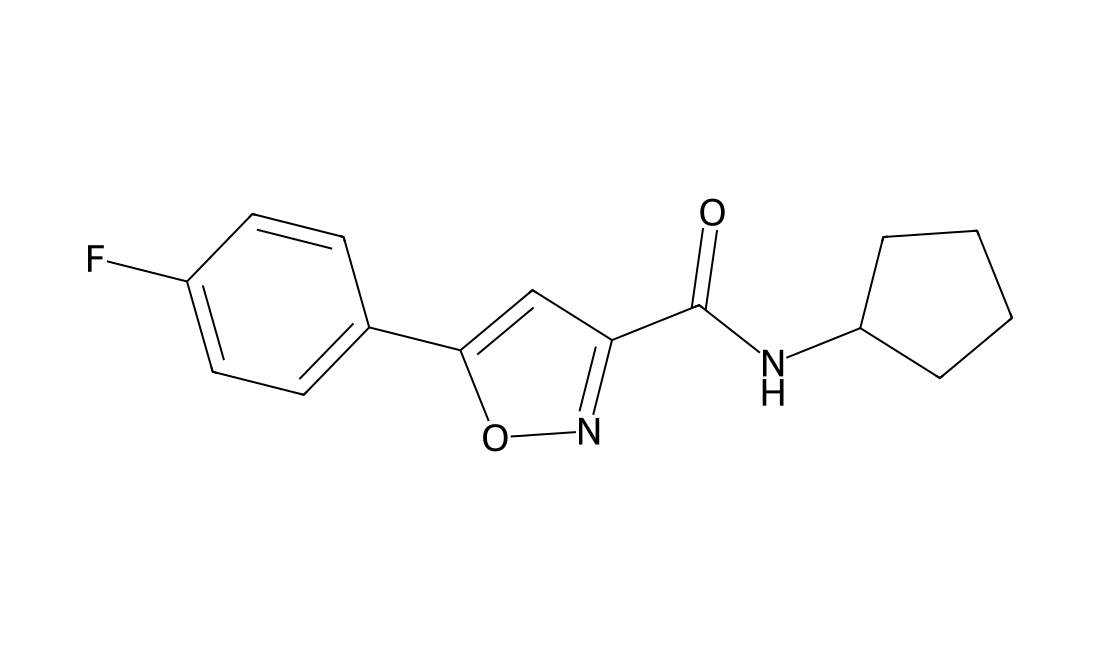
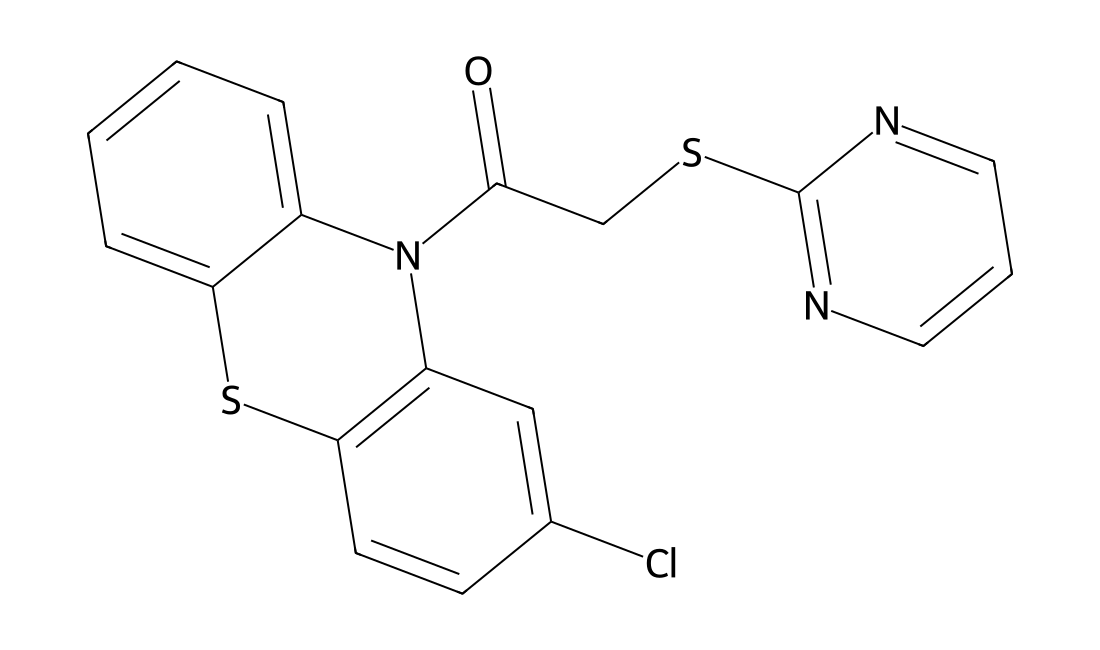
Antimalarial agent 17 chemical structure
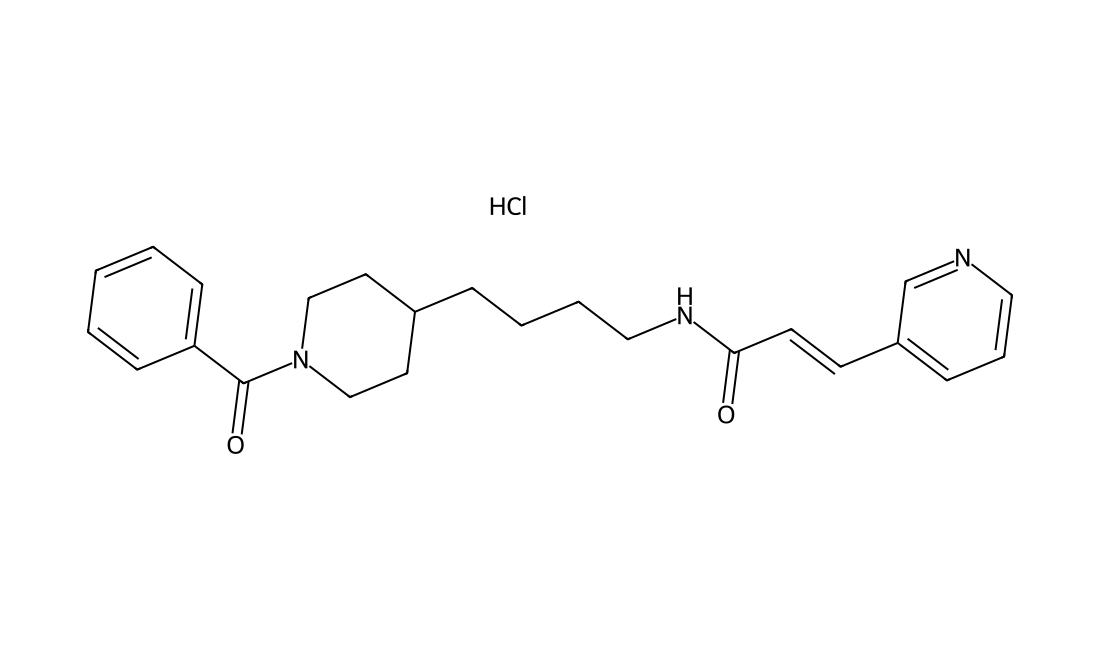
DC34407

FK-866 Hydrochloride

CAS 2727965-45-7

Daporinad, also known as APO-866 and FK866, is a small molecule with potential antineoplastic and antiangiogenic activities. NMPRTase inhibitor APO866 binds to and inhibits nicotinamide phosphoribosyltransferase (NMPRTase), inhibiting the biosynthesis of nicotinamide adenine dinucleotide (NAD+) from niacinamide (vitamin B3), which may deplete energy reserves in metabolically active tumor cells and induce tumor cell apoptosis. In addition, this agent may inhibit tumor cell prioduction of vascular endothelial growth factor (VEGF), resulting in the inhibition of tumor angiogenesis.

FK-866 Hydrochloride chemical structure
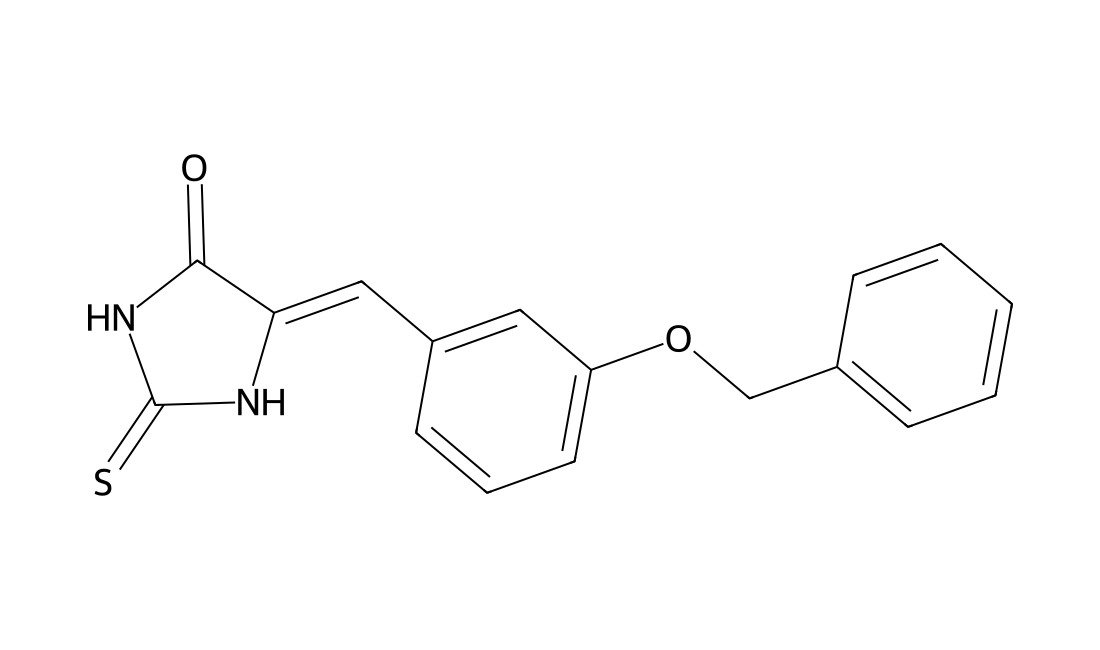
DC66436

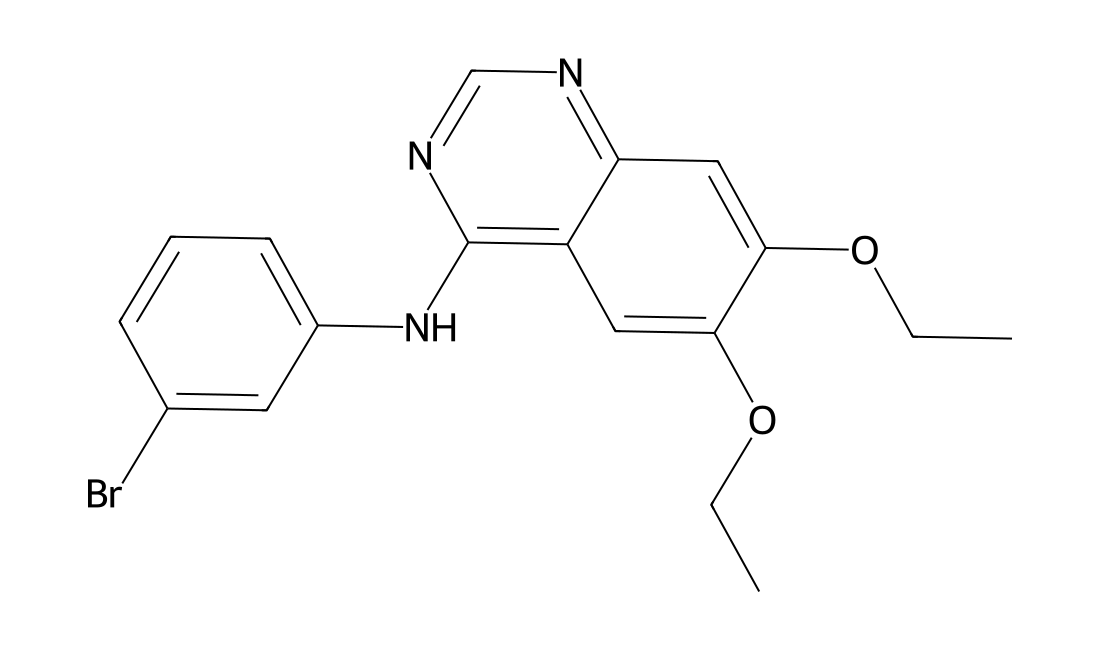
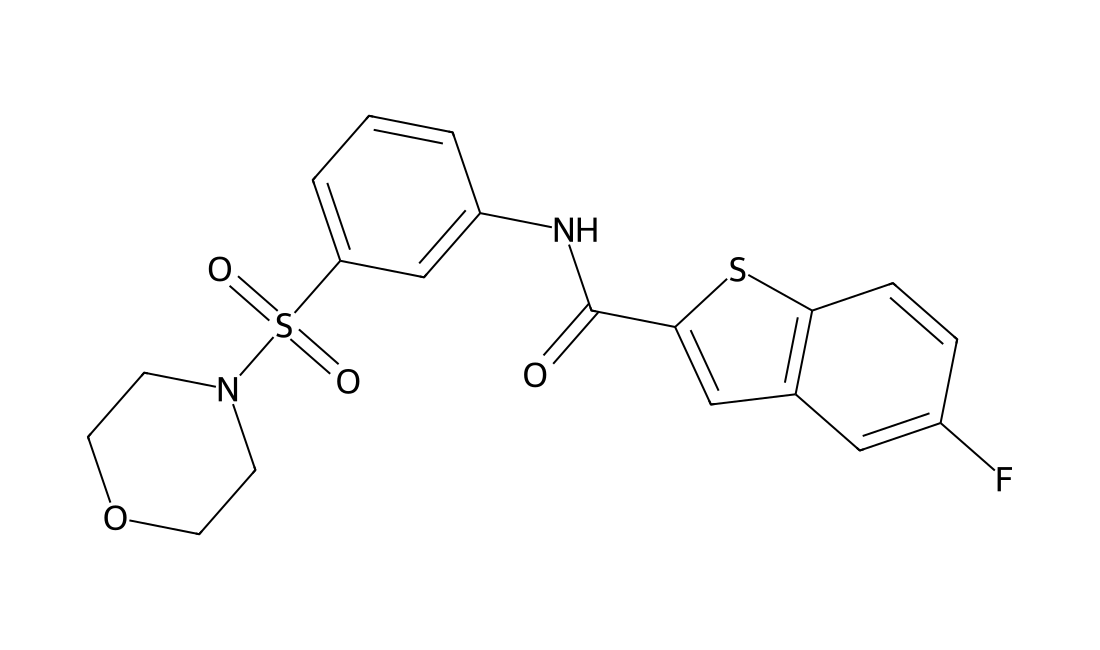
CYP1B1-IN-7

CAS 52601-58-8

CYP1B1-IN-7 (compound 2a) is a selective inhibitor of CYP1B1 (IC50: 75 nM). CYP1B1-IN-7 also reverses resistance (IC50: 29 μM) and exhibits cytotoxicity in the CYP1B1-overexpressing MCF-7 cell line that is resistant to Docetaxel (HY-B0011).

CYP1B1-IN-7 chemical structure
DC66434

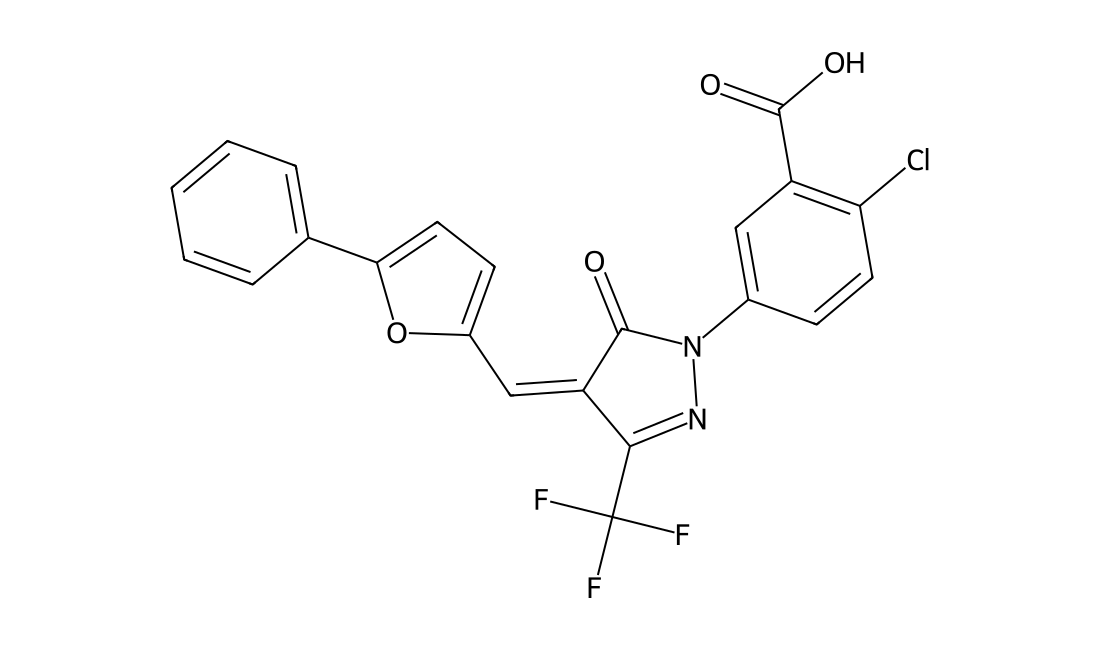
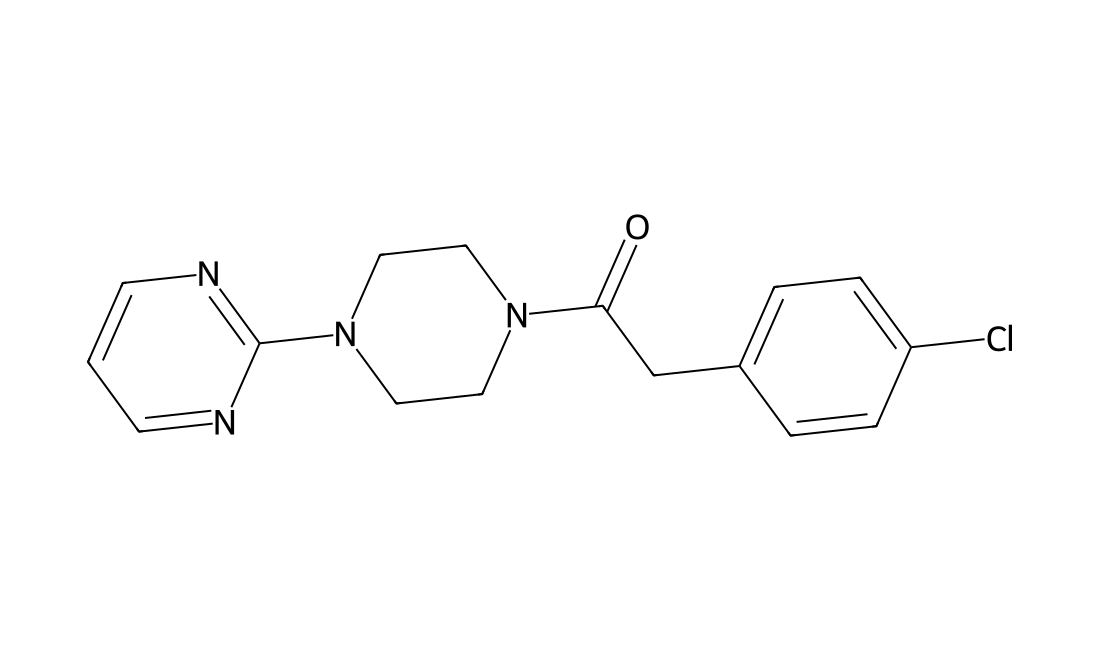
c-Kit-IN-3

CAS 2363169-01-9

c-Kit-IN-3 (Compound 18) is a potent and selective c-KIT kinase inhibitor with an IC50s of 4 nM, 8 nM for c-KIT wt and c-KIT T670I, respectively. c-Kit-IN-3 displays great potencies against most of the gain-offunction mutations in the juxtamembrane domain, drugresistant mutations in the ATP binding pocket, and activation loops.

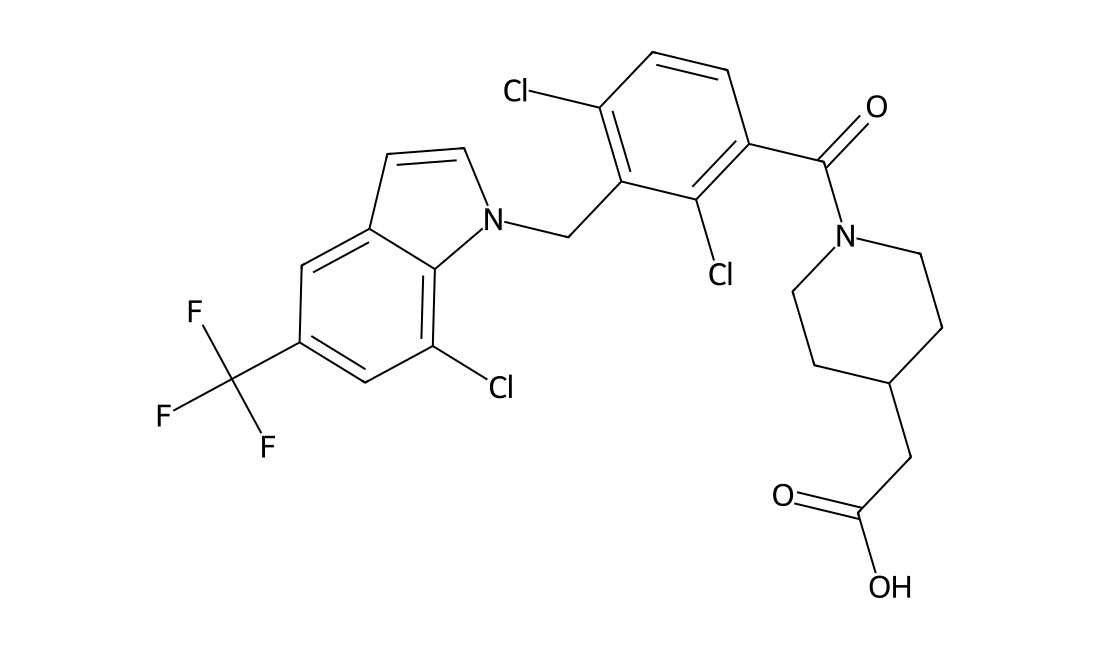
c-Kit-IN-3 chemical structure
DC23108

EN460

CAS 496807-64-8

EN460 is a specific mall molecule inhibitor of endoplasmic reticulum oxidation 1 (ERO1), interacts selectively with the reduced, active form of ERO1α and prevents its reoxidation (IC50=1.9 uM); promotes signaling in the unfolded protein response and precondition cells against severe ER stress, shows a dose response effect on the embryos with a dose of 10 uM being significantly lethal during early embryonic development.

EN460 chemical structure
DC23318

SCH 529074

CAS 922150-11-6

SCH 529074 is a small molecule mutant p53 reactivator that binds p53 DNA binding domain with Kd of 1-2 uM; restores growth-suppressive function to mutant p53 and inhibits ubiquitination of p53 by HDM2.

SCH 529074 chemical structure
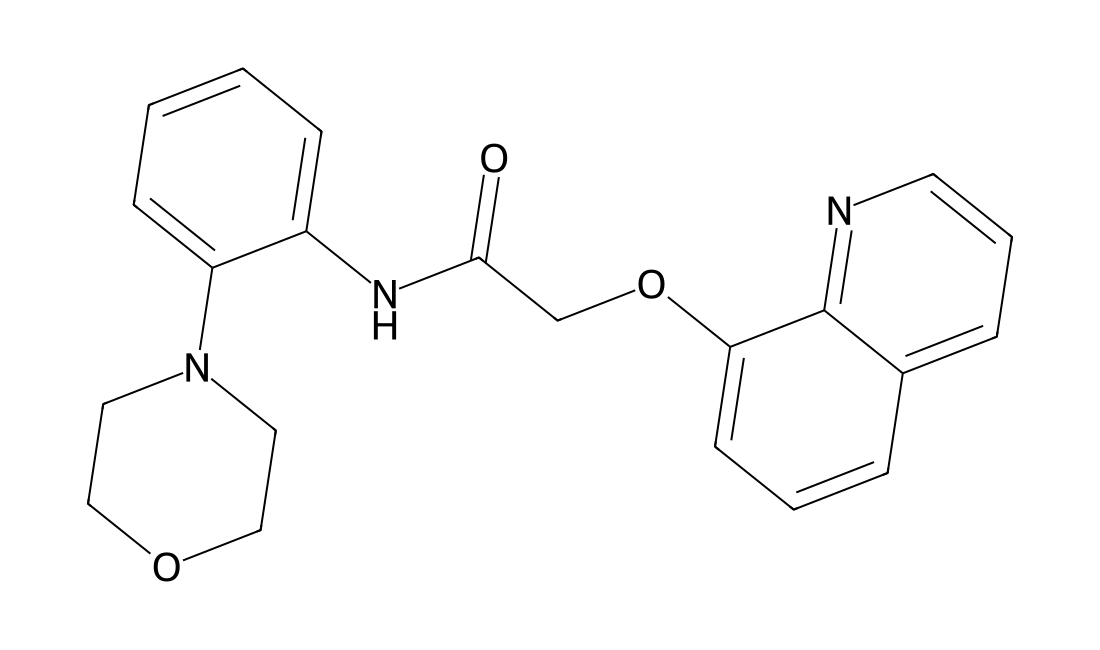
DC66413

TEAD-IN-8

CAS 1008768-41-9

TEAD-IN-8 is a novel TEAD inhibitor, which potently and specifically inhibits TEAD-YAP transcriptional activities. TM2, alone or in combination with MEK inhibitors, exhibits potent antiproliferative effects in YAP-dependent cancer cells.

TEAD-IN-8 chemical structure
DC66412

Senexin A hydrochloride

CAS 1780390-76-2

Senexin A hydrochloride is an inhibitor of CDK8/19 (IC50: 280 nM, CDK8) and an inhibitor downstream of p21 transcription. It only inhibits p21-induced transcription but does not inhibit other biological effects of p21. Senexin A hydrochloride inhibits CMV-GFP induction as well as the p21 stimulatory activity of the consensus NF-κB-dependent promoters.

Senexin A hydrochloride chemical structure
DC66406

hCAI/II-IN-7

CAS 14204-32-1

hCAI/II-IN-7 (compound 1F) is a potent carbonic anhydrase (CA) inhibitor with Ki values of 23 nM, 44 nM and 20.57 µM for hCA-I, hCA-II and bovine CA, respectively.

hCAI/II-IN-7 chemical structure
DC23647

LUF7346

CAS 1821638-40-7

LUF7346 is a novel hERG allosteric modulator that slows IKr deactivation and positively shifting IKr inactivation; rescues the genetic form of LQTS, reverses drug-induced LQTS and correct thes combination of genetic and drug-induced LQTS; normalises both action- and field potentials (AP and FP, respectively) in all hPSC-CMs by slowing IKr deactivation and positively shifting the IKr inactivation.

LUF7346 chemical structure
Browse target & topic index A–Z (366)
11β-HSD (1)15-PGDH (2)5-HT Receptor (16)Acetyl-CoA Carboxylase (ACC) (3)Acetylcholinesterase (AChE) (2)Ack1 (TNK2) (1)Acyltransferase (1)ADC Cytotoxin (6)ADCs Linker/Click Chemistry (5)Adenosine Receptor (9)Adenylate Cyclase (2)Adrenergic Receptor (11)Akt (12)Alcoholism (2)Aldehyde Dehydrogenase (ALDH) (6)Allergy (5)Alzheimer Disease (13)Aminopeptidase (1)AMPK (8)Amyloids (4)Anaplastic Lymphoma Kinase (ALK) (9)Androgen Receptor (AR) (11)Anemia (4)Angiotensin Receptor (4)Antibody/Protein labeling dyes (1)Antifolate (2)Anxiety (1)Apoptosis Inducer (3)Arginase (1)Arp2/3 complex (1)Aryl hydrocarbon Receptor (AhR) (1)Asthma (5)Atherosclerosis (2)ATM/ATR (8)Aurora Kinase (10)Autophagy (6)Autophagy-related Protein (Atg) (2)Autotaxin (2)Bacterial (26)Bacterial Infection (17)Bcl-2 (14)Bcr-Abl (5)BCRP (1)Beta-catenin (4)Beta-secretase (BACE) (4)Blood Cancer (91)BMI-1 (1)Bone Cancer (6)Brain Cancer (6)Breast Cancer (30)Bromodomain (22)BTK (10)c-Fms (CSF1R) (5)c-Fos/AP-1 (1)c-Kit (6)c-Met (HGFR) (11)c-Myc (2)Calcium Channel (4)Calcium-sensing Receptor (CaSR) (1)CaMK (4)Cannabinoid Receptor (6)Carbonic Anhydrase (1)Carboxypeptidase (1)Casein Kinase (6)Caspase (4)Cathepsin (6)Cdc2-like Kinase (CLK) (1)CETP (2)CFTR (7)Checkpoint Kinase (Chk) (8)Chemokine Receptor (CCR and CXCR) (14)Chemotherapeutic Agents (19)Chloride Channel (1)CMV (2)CMV Infection (2)Colon Cancer (9)Complement System (1)COPD (3)CREB/CBP (2)CRF Receptor (2)CRISPR/Cas9 (1)Cushing Disease (1)Cyclin-dependent Kinase (CDK) (39)Cyclooxygenase (COX) (4)Cytochrome P450 (CYPs) (5)Depression (2)Dermatitis (2)Deubiquitinase (DUB) (7)Diabetes (20)Dipeptidyl Peptidase (DPP) (3)Discoidin Domain Receptor (DDR) (1)DNA Alkylator/Crosslinker (10)DNA Methyltransferase (DNMT) (1)DNA Repair Protein (1)DNA-PK (2)DNA/RNA Synthesis (5)Dopamine beta-hydroxylase (1)Dopamine Receptor (7)Drug Metabolite (1)Drug-Linker Conjugates (11)Dyes (4)DYRK (1)Dyslipidemia (9)E3 Ligase Ligand (6)E3 Ligase Ligand-Linker Conjugate (1)E3 Ubiquitin Ligase (4)Ebola Virus Infection (1)EGFR (32)Elastase (2)Endothelin Receptor (5)Enzymes substrates (13)Epigenetic Reader Domain (3)Epilepsy (4)ERK (4)Estrogen Receptor/ERR (13)Eukaryotic Initiation Factor (eIF) (2)Exportin-1 (CRM1,XPO1) (2)FABP (1)Factor Xa (5)Farnesoid X Receptor (FXR) (5)Farnesyl transferase (FTase) (1)Ferroptosis (6)FGFR (20)Fibrosis (5)FLT3 (6)Focal Adhesion Kinase (FAK) (11)Foxo1 (1)Free Fatty Acid Receptor (FFAR) (5)Fungal (2)Fungal Infection (1)GABA Receptor (13)Galectin (1)Gastric Cancer (8)Ghrelin Receptor (GHSR) (3)Glucagon Receptor (4)Glucokinase (2)Glucose Transporter (GLUT) (2)Glutamate Transporter (2)GPCR (1)GPER (GPR30) (1)GPR139 (1)GPR183 (EBI2) (2)GPR39 (1)GPR55 (1)GPR84 (1)GRK (GPCRK) (2)Growth Hormone Deficiency (2)GSK-3 (8)Guanylate Cyclase (3)HBV (1)HBV Infection (1)HCN Channel (2)HCV (8)HCV Infection (9)HDAC (38)Heart Arrhythmia (2)Heart Failure (5)Heat Shock Protein (HSP) (15)Hedgehog (Hh) (1)HIF/HIF Prolyl-hydroxylase (8)Histamine Receptor (6)Histone Acetyltransferase (HAT) (5)Histone Demethylase (11)Histone Methyltransferase (HMTase) (31)HIV (12)HIV Infection (11)HMG-CoA Reductase (HMGCR) (3)HSV (1)HSV Infection (1)Hypercholesterolemia (1)Hyperparathyroidism (1)Hypertension (8)IAP (1)IGF-1R (3)iGluR (15)Indoleamine 2,3-Dioxygenase (IDO) (4)Infection (1)Influenza (6)Influenza Virus (6)Insulin Receptor (2)Integrin (6)Interleukin Receptor (1)IRAK (2)IRE1 (4)Irritable Bowel Syndrome (2)Ischemia (1)Isocitrate Dehydrogenase (IDH) (5)ITK (1)IκB kinase (IKK) (7)JAK (32)JNK (3)Keap1-Nrf2 (6)Kidney Cancer (10)Kinesin (5)Kruppel-like Factor (KLF) (1)Kynurenine 3-Monooxygenase (KMO) (1)Leukotriene Receptor (1)LIM Kinase (LIMK) (3)Lipids fragment (1)Liver Cancer (6)Liver X Receptor (LXR) (3)LRRK2 (9)Lung Cancer (39)Lysophospholipid Receptor (12)LYTACs (3)mAChR (9)MALT1 (2)MAP4K (1)Matrix Metalloproteinase (MMP) (10)MDM2-p53 (9)MEK (MAP2K) (14)MEKK (MAP3K) (1)Melanocortin Receptor (2)MELK (1)mGluR (7)MicroRNA (1)Microtubule/Tubulin (5)Mineralocorticoid Receptor (MLR) (1)MITF (1)Mixed Lineage Kinase (MLK) (3)MNK (2)Molecular Glues (21)Monoamine Transporter (5)Monocarboxylate Transporter (MCT) (1)Monopolar Spindle 1 (Mps1/TTK) (3)mTOR (13)Multiple Sclerosis (6)Myosin (1)Na-K-Cl Cotransporter (NKCC) (2)nAChR (2)NADPH Oxidase (NOX) (2)NAMPT (3)Natural products (37)Neprilysin (1)Neurokinin Receptor (3)Neuropeptide Y Receptor (3)NF-κB (5)Nitric Oxide Synthase (NOS) (1)NOD-like Receptor (NLR) (3)Notch (2)Nucleoside Antimetabolite/Analog (10)Nur77 (NR4A1) (1)Obesity (1)Oct3/4 (1)Opioid Receptor (5)Orexin Receptor (7)Osteoporosis (2)Ovarian Cancer (14)Oxytocin Receptor (OXTR) (2)P-glycoprotein (P-gp) (3)p21-activated Kinase (PAK) (1)P2X Receptor (2)P2Y Receptor (1)p38 MAPK (10)p97/VCP (1)Pain (12)Pancreatic Cancer (10)Parasite (5)Parasite Infection (2)Parkinson Disease (2)PARP (19)PCSK9 (1)PD-1/PD-L1 (4)PDGFR (4)PDK1 (2)PEGn (1)PERK (2)PGE synthase (2)Phosphodiesterase (PDE) (9)Phospholipase (4)PI3K (32)PI4K (2)Piezo Channel (1)PIKfyve (3)Pim (9)PKC (12)PKD (1)Plasminogen Activator Inhibitor-1 (PAI-1) (3)Polo-like Kinase (PLK) (4)Porcupine (3)Potassium Channel (13)PPAR (13)Pregnane X Receptor (PXR) (1)Progesterone Receptor (2)Prostaglandin Receptor (11)Prostate Cancer (7)PROTACs (35)Protease-activated Receptor (PAR) (3)Proteasome (12)Protein Disulfide Isomerase (PDI) (1)Protein Phosphatase/PTP (6)Proton Pump (1)Psoriasis (5)RAD51 (1)Radioligand precursors (15)Raf (18)RAR/RXR (3)Ras (17)Renin (2)RET Tyrosine Kinase (c-RET) (3)Rheumatoid Arthritis (16)Ribosomal S6 Kinase (RSK) (5)RIG-I-like Receptor (RLR) (2)RIP kinase (7)ROCK (12)ROR (2)RSV (4)RSV Infection (3)RUNX1-CBFβ (1)S-nitrosoglutathione reductase (GSNOR) (1)Saccharides and Glycosides (1)Salt Inducible Kinase (SIK) (2)SARS-CoV (16)SARS-CoV Infection (34)Schizophrenia (4)Sexual Dysfunction (1)SGLT (4)Sigma Receptor (4)Sirtuin (9)Skin Cancer (13)Sleep Disorder (7)SMN2 Modulator (1)Smoothened (Smo) (9)Sodium Channel (12)Solid Tumors (35)Somatostatin Receptor (2)Sphingosine kinase (SphK) (2)Src (7)STAT (5)Stearoyl-CoA Desaturase (SCD) (1)Steatohepatitis (7)Sterol lipids (1)STING (14)Syk (6)T Cell Receptor (TCR) (1)TAK1 (2)TAM Receptor (Tyro3-Axl-Mer) (4)Taste Receptor (1)Telomerase (2)TGF beta Receptor (TGFBR) (12)Thrombin (3)Thrombosis (13)Thyroid Cancer (1)Thyroid Hormone Receptor (THR) (1)Thyrotropin Receptor (2)TNIK (1)Toll-like Receptor (TLR) (2)TOPK (1)Topoisomerase (11)TRAIL (1)Translocator Protein (TSPO) (1)Trk Receptor (4)TRP Channel (13)Tryptophan Hydroxylase (TPH) (1)Ubiquitin-activating Enzyme (E1) (2)Ubiquitin-conjugating Enzyme (E2) (2)Ulcer (1)ULK (3)Vasopressin Receptor (2)VEGFR (25)Vitamin D Receptor (VDR) (3)Wee1 (1)WNK Kinase (1)Wnt (5)Yes-associated Protein (YAP) (4)γ-secretase (5)

Cart

Request quotation