Small Molecule Research Tools

Explore bioactive compounds by research category, then narrow your search by target, product name, catalog number or CAS.

Newly added: LC-MG and OXF molecular glue research compounds →

6,823 products17 research categoriesBrowse all products ↓

Browse by research category

Products may appear in more than one category. Counts refer to distinct catalog numbers within each category.

Other Research Tools (75) · Additional reagents, building blocks and specialized research tools.

New literature-derived products

LC-MG-1 (DCA0006) · LC-MG-4 (DCA0007) · LC-MG-9 (DCA0008)

View structure and evidence summaries →

All small molecule products

Combine a keyword, research category and target to narrow the product list.

Loading catalog filters…

6,823 products · Showing 4,849–4,896

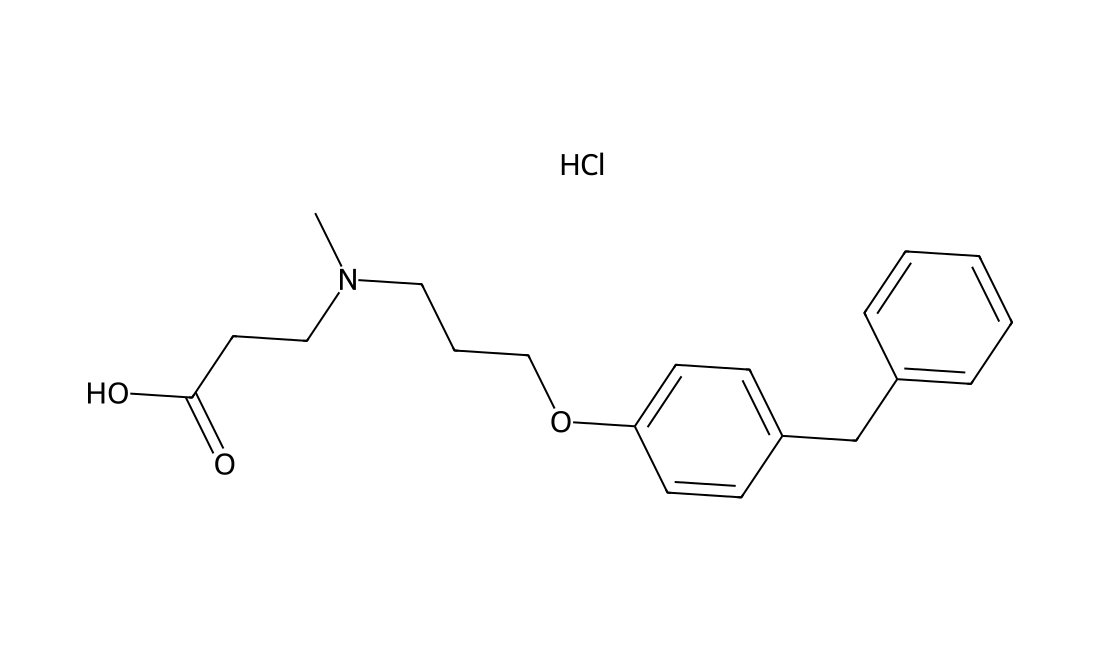
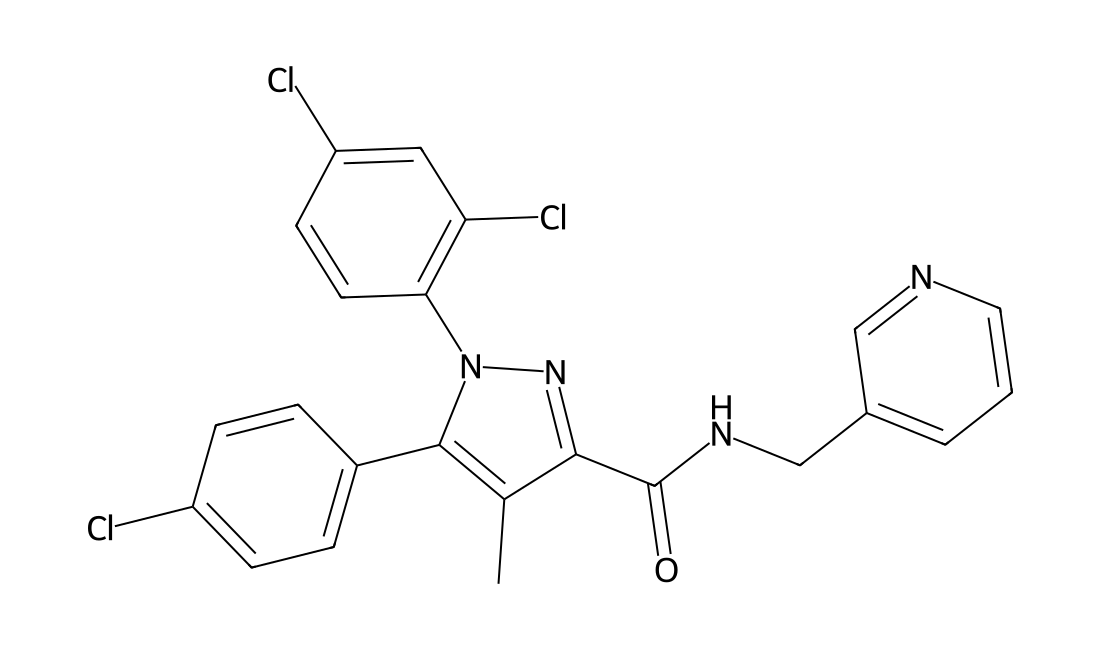
DC23005

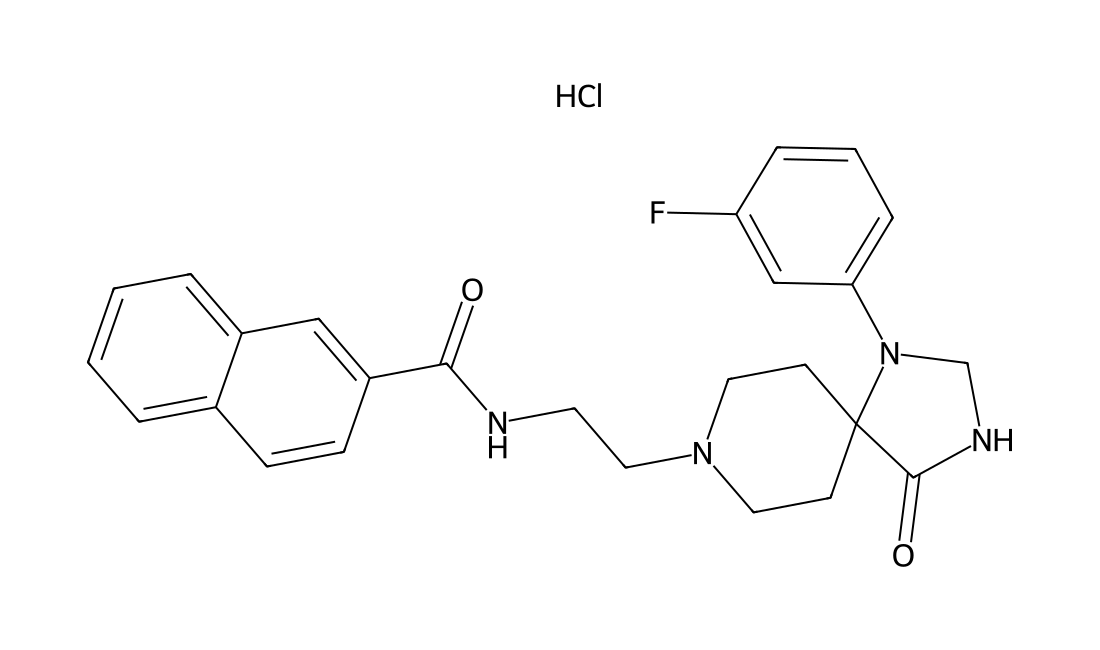
SC 57461

CAS 423169-68-0

A potent and selective inhibitor of LTA4 hydrolase (LTA4H) with IC50/Ki of 5 nM/23 nM; inhibits calcium ionophore-induced LTB(4) production in human whole blood (IC50=49 nM), no effect on production of the cyclooxygenase metabolite thromboxane B(2); orally active in vivo.Irritable Bowel SyndromeDiscontinued

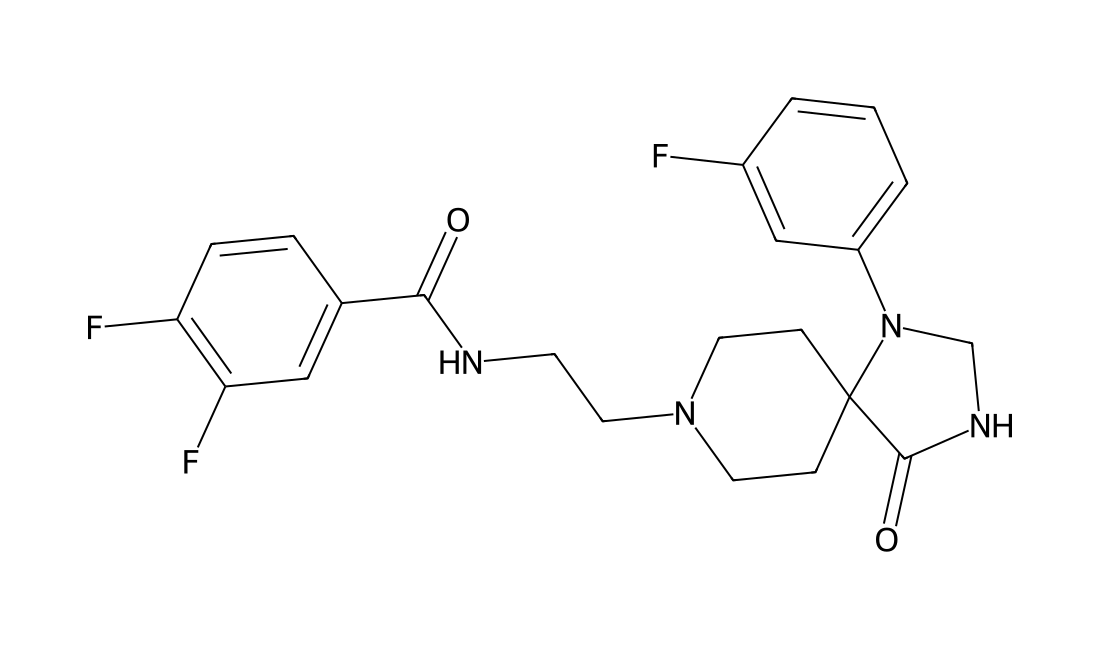
SC 57461 chemical structure
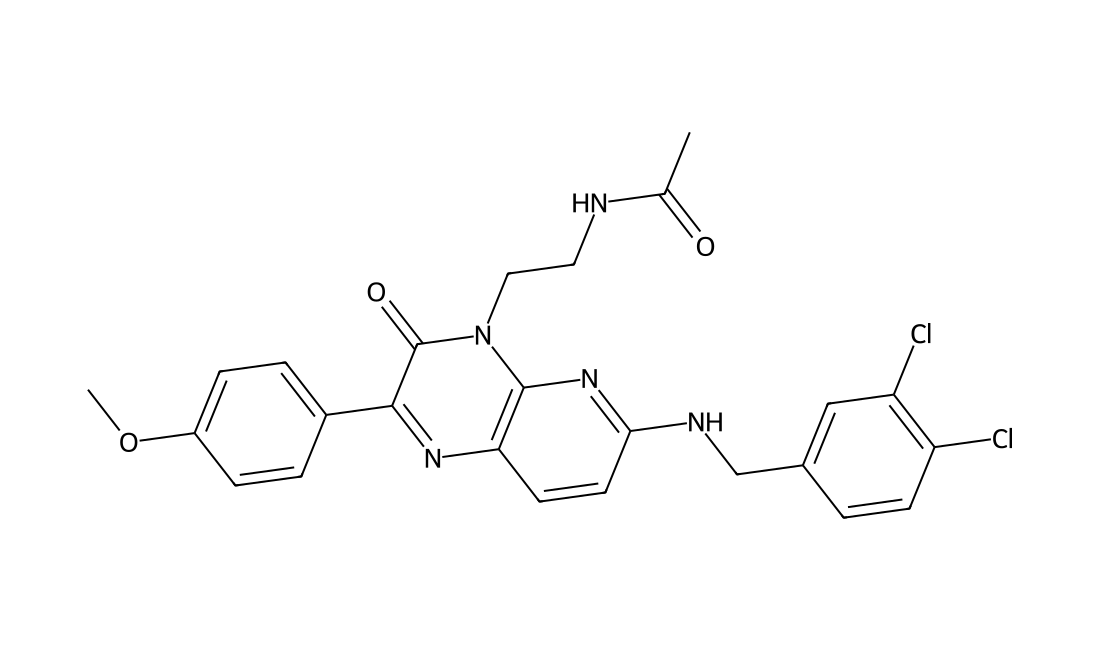
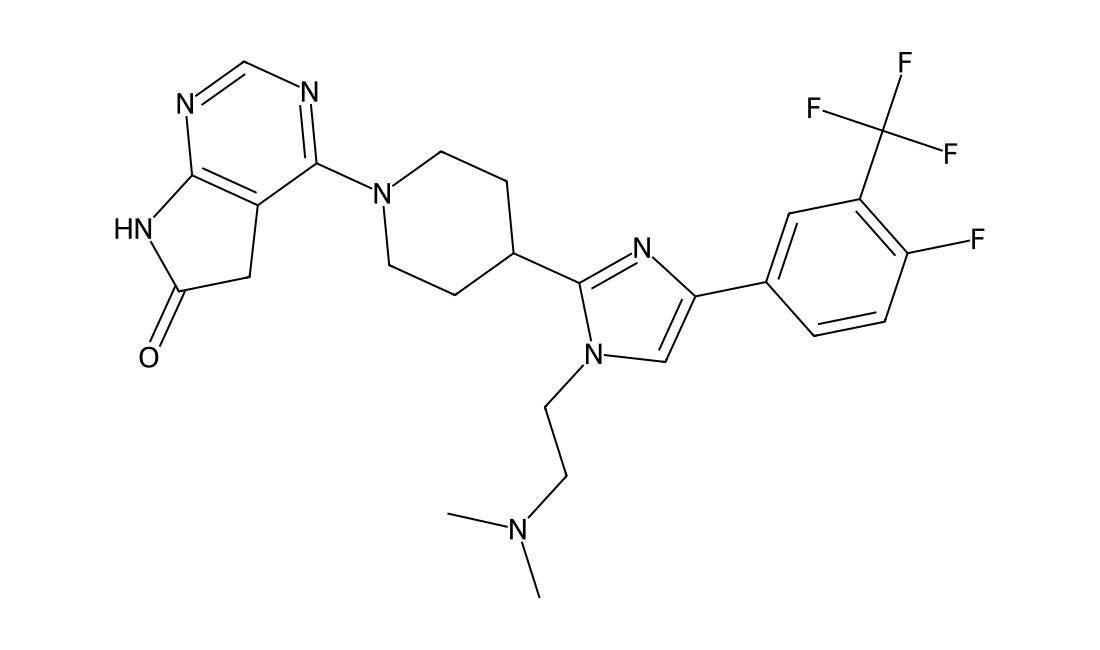
DC42783

CVT-11127

CAS 1018674-83-3

CVT-11127 functions as a potent inhibitor of stearoyl-CoA desaturase (SCD), demonstrating significant biological activity. This compound triggers apoptotic pathways and effectively halts cell cycle progression at the G1/S transition phase. Due to these mechanisms of action, CVT-11127 shows promise as a candidate for lung cancer research.

CVT-11127 chemical structure
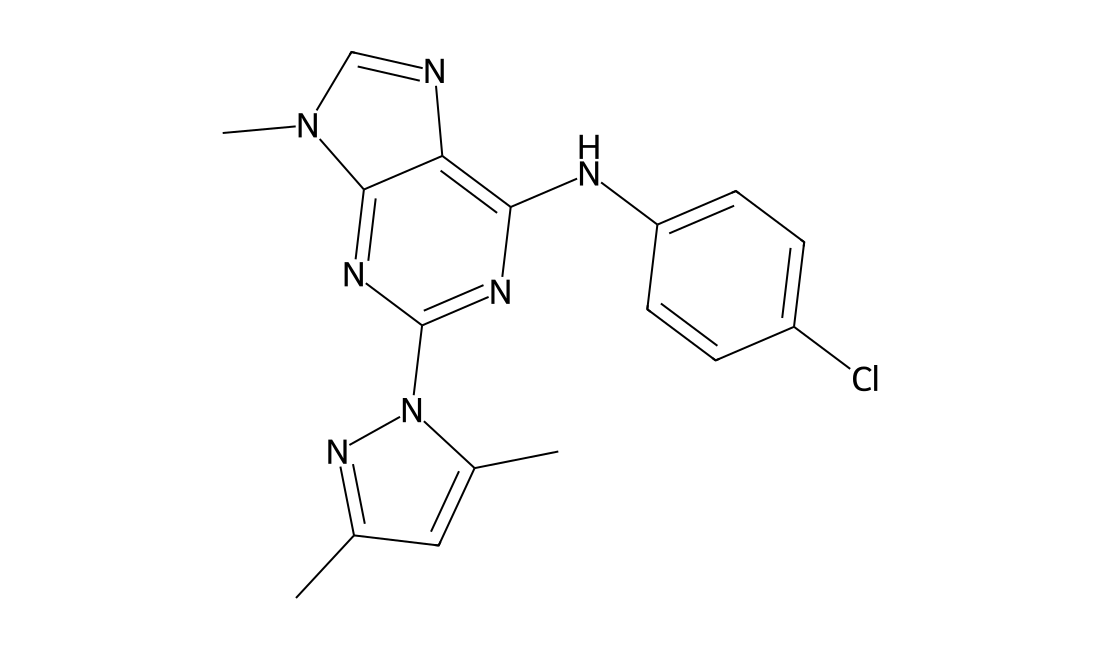
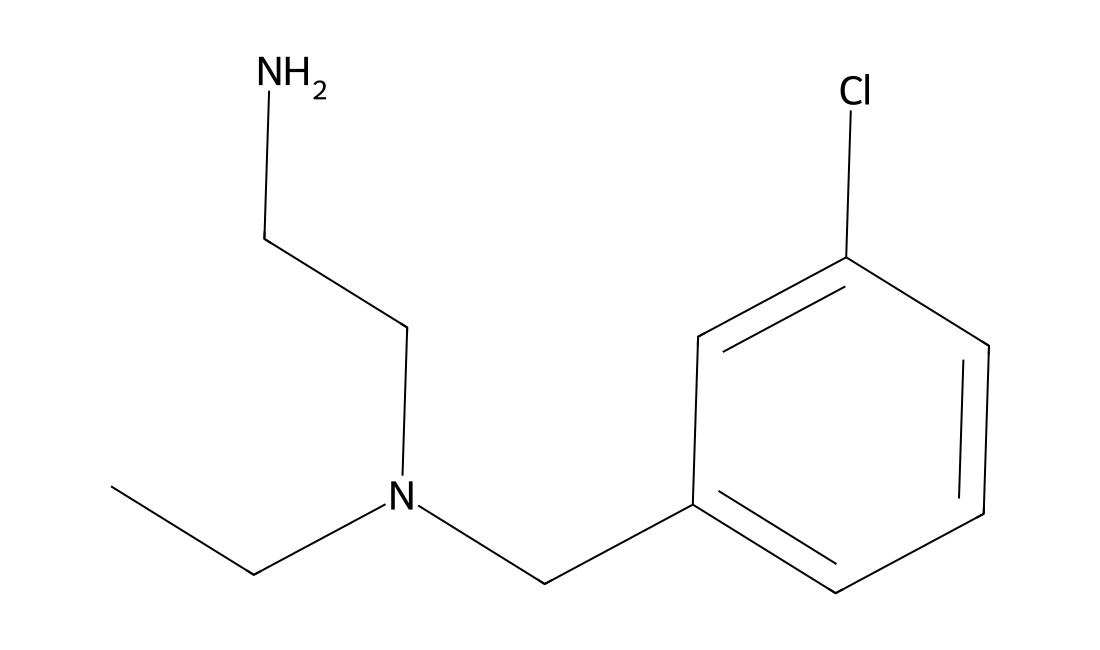
DC22753

NS13001

CAS 1063331-94-1

NS13001 is a potent, selective, orally active allosteric positive modulator of SK channels (small conductance calcium-activated potassium channels). The EC50s are 1.8 and 0.14 μM for SK2 and SK3, respectively. NS13001 holds promise as a potential therapeutic agent for treatment of spinocerebellar ataxia type 2 (SCA2) and possibly other cerebellar ataxias[1].

NS13001 chemical structure
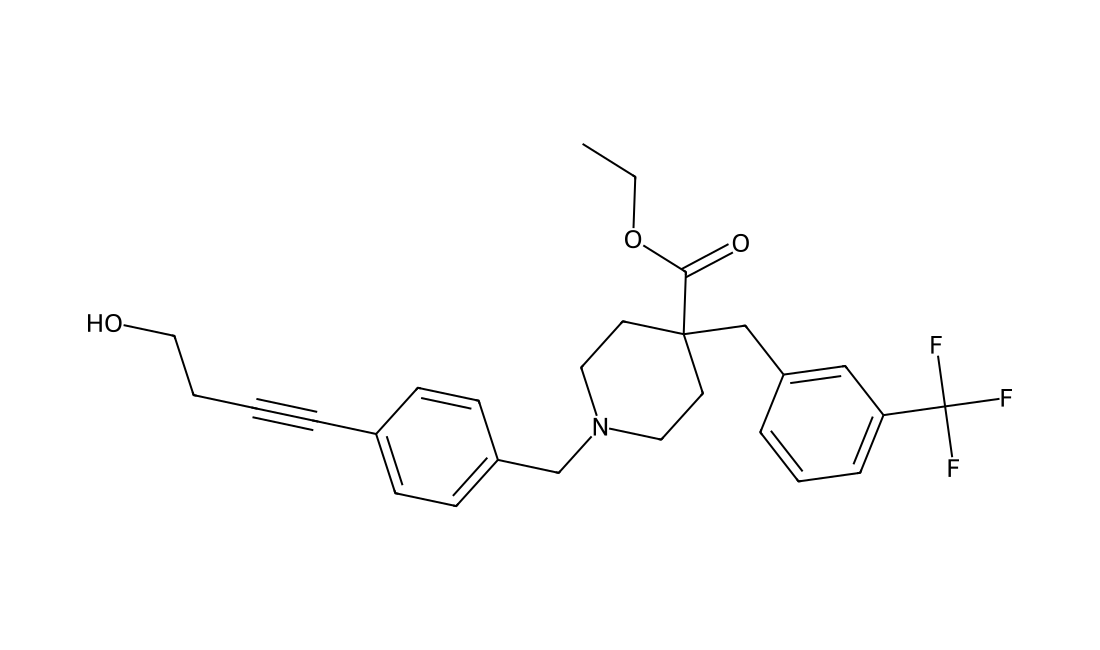
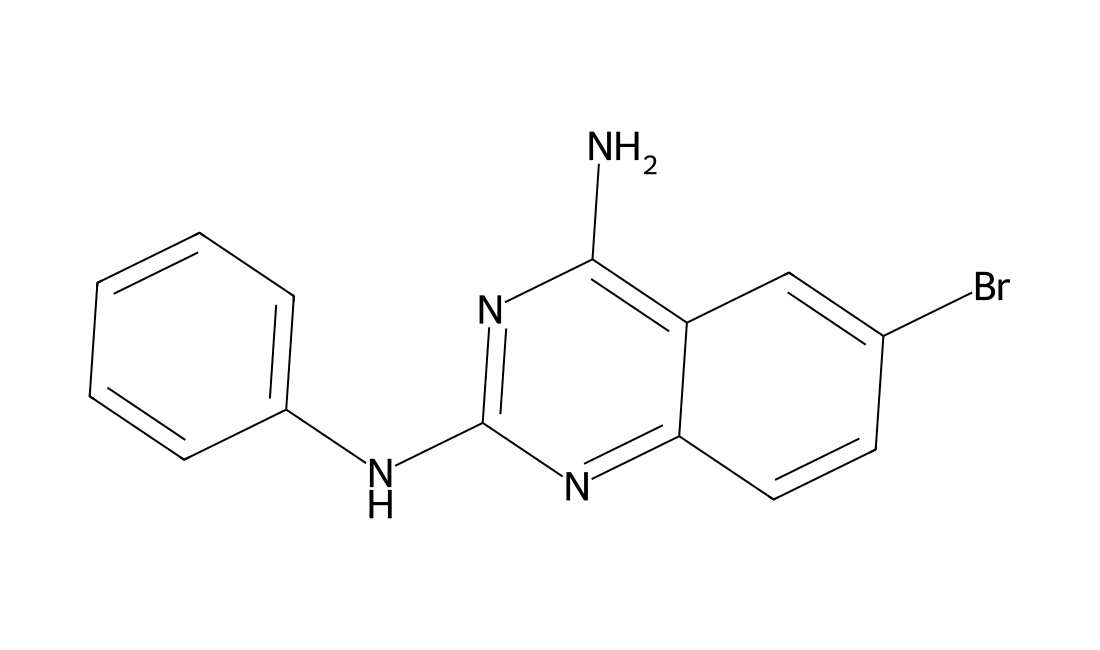
DC60134

Soporidine

CAS 1060376-43-3

Soporidine is an antagonist of germination of the parasitic plant Striga hermonthica. Soporidine specifically inhibits a S. hermonthica strigolactone receptor and inhibits the parasite's germination[1].

Soporidine chemical structure
DC20616

AA 41612

CAS 433690-62-1

AA 41612 is a potent, synthetic melanopsin antagonist with IC50 of 15.8 nM, attenuates melanopsin photocurrent in a dose-dependent manner; specifically and reversibly modifies melanopsin-dependent light responses including the pupillary light reflex and light aversion in vivo.

AA 41612 chemical structure
DC24003

TC-S 7001(Azaindole 1)

CAS 867017-68-3

TC-S 7001(Azaindole 1) is a highly potent inhibitor of human ROCK-1 and ROCK-2, with IC50s of 0.6 and 1.1 nM, respectively, and also inhibits murine ROCK-2 or rat ROCK-2 with IC50s of 2.4 and 0.8 nM, respectively.

TC-S 7001(Azaindole 1) chemical structure
DC33034

MSBN

CAS 135980-66-4

MSBN is a highly selective fluorogenic probe for thiols, selectively imaging thiols in live cells and specifically label protein thiols with a turn-on signal to determine diverse reversible protein thiol modifications.

MSBN chemical structure
DC43692

SGA360

CAS 680611-86-3

SGA360 modulates inflammatory SAA1 signaling via an aryl hydrocarbon receptor (AHR)-dependent pathway, functioning as a partial antagonist through a non-canonical mechanism independent of AHR-DNA binding.

SGA360 chemical structure
DC21399

AEM1

CAS 1030123-90-0

NRF2 inhibitor AEM1 is a specific small molecule inhibitor of Nrf2 transcriptional activity in cancer cells, shows no activity against a panel of >100 kinases (including isoforms of PI3K, AKT, and PKC); broadly decreases the expression of Nrf2 controlled genes (HMOX1, GPX2), sensitizes A549 cells to various chemotherapeutic agents, and inhibits the growth of A549 cells in vitro and in vivo.

AEM1 chemical structure
DC20898

ML298

CAS 1426916-02-0

ML298 is a potent, selective phospholipase PLD2 inhibitor with IC50 of 355 nM, displays >53-fold selectivity over PLD1 (IC50>20 uM); decreases invasive migration in U87-MG glioblastoma cells; has an attractive DMPK profile, making it an attractive tool compound to further dissect PLD2 function in multiple cellular and in vivo environments.

ML298 chemical structure
DC20602

5F 203

CAS 260443-89-8

A potent, selective antitumour agent through activation the aryl hydrocarbon receptor (AhR) pathway; causes MCF-7 sensitive cells to arrest in G(1) and S phase, and induces DNA adduct formation, in contrast to AhR-deficient AH(R100) variant MCF-7 cells, induces CYP1A1 and CYP1B1 transcription; L-lysylamide prodrug Phortress (NSC 710305) demonstrats antitumor activity in vivo.

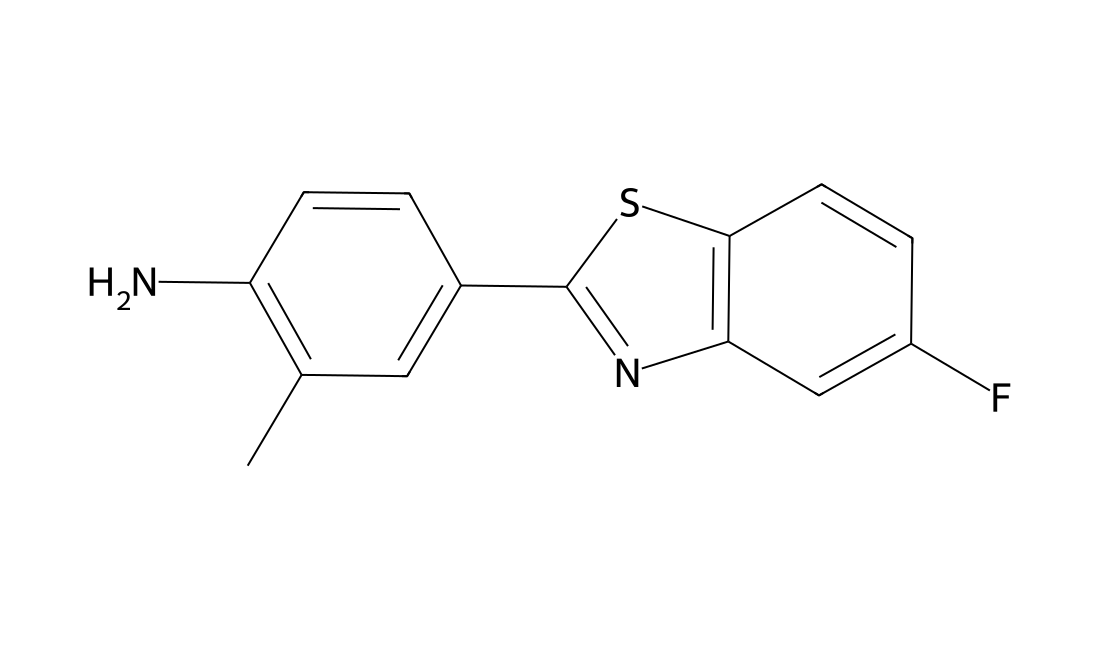
5F 203 chemical structure
DC20353

Dafadine A

CAS 1065506-69-5

Dafadine-A, an analog of dafadine, is a novel inhibitor of DAF-9 cytochrome P450 in the nematode Caenorhabditis elegans; also inhibits the mammalian ortholog of DAF-9(CYP27A1).The DAF-9 cytochrome P450 is a key regulator of dauer formation, developmental timing and longevity in the nematodeCaenorhabditis elegans. Here we describe the first identified chemical inhibitor of DAF-9 and the first reported small-molecule tool that robustly induces dauer formation in typical culture conditions. This molecule (called dafadine) also inhibits the mammalian ortholog of DAF-9(CYP27A1), suggesting that dafadine can be used to interrogate developmental control and longevity in other animals.

Dafadine A chemical structure
DC32427

B355252

CAS 1261576-81-1

B355252 is a neuroprotective agent that potentiates nerve growth factor (NGF)-induced neurite outgrowth and protects against cell death caused by glutamate-evoked oxidative stress.

B355252 chemical structure
DC43907

NIAD-4

CAS 868592-56-7

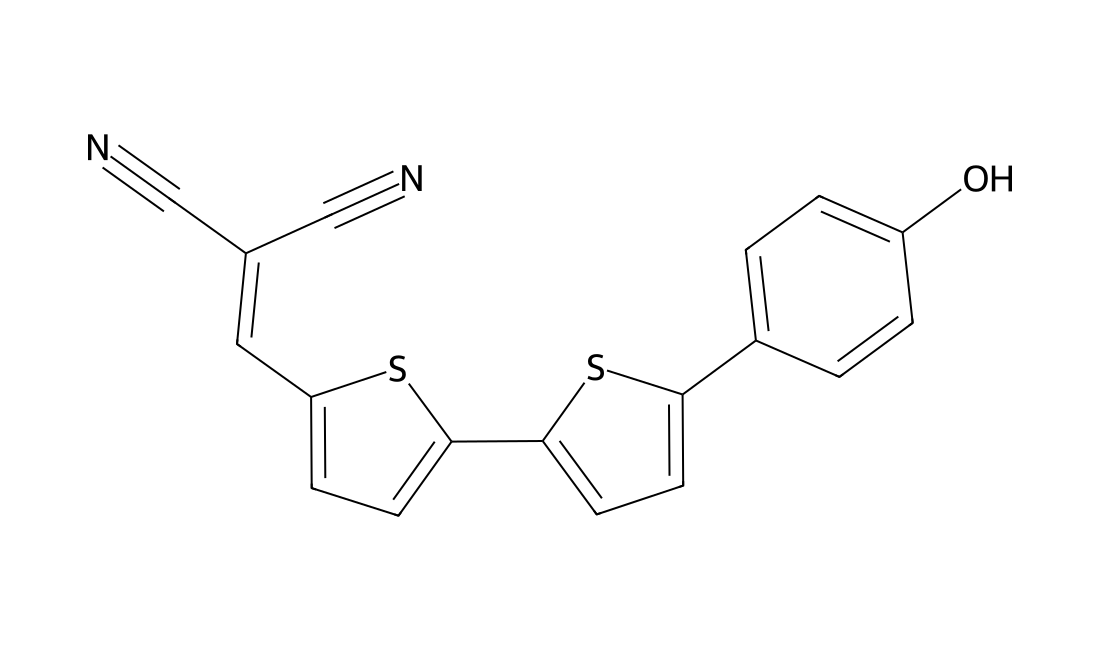
​​NIAD-4​​ is an advanced fluorescent probe specifically engineered for high-contrast imaging of amyloid-β (Aβ) aggregates in Alzheimer's disease research.

NIAD-4 chemical structure
DC49996

Coelenteramine 400a

CAS 70217-82-2

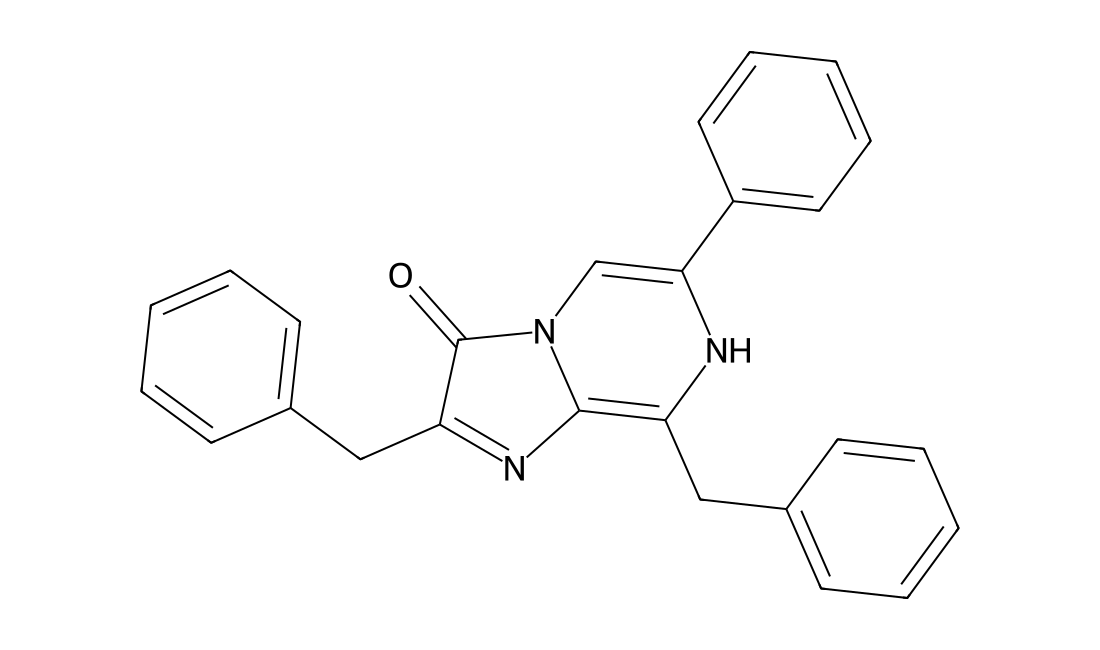
Coelenteramine 400a (Bisdeoxycoelenterazine), a structural analog of Coelenterazine, serves as a substrate for Renilla luciferase (RLuc). When interacting with Coelenteramine 400a, RLuc catalyzes the emission of blue light with a peak wavelength of 395 nm.

Coelenteramine 400a chemical structure
DC24063

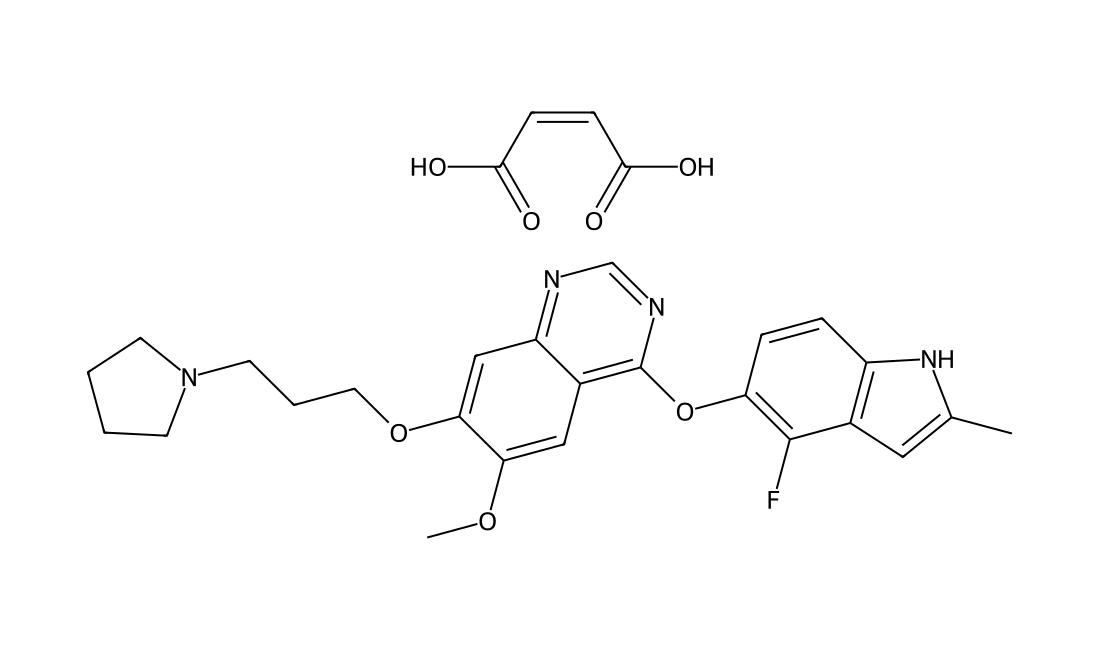
Cediranib maleate

CAS 857036-77-2

A highly potent, orally bioavailable, pan-VEGFR inibitor with IC50 of 1, 5, 3 nM for VEGFR1, 2, 3, respectively; also inhibits c-Kit and PDGFRβ with IC50 of 2 and 5 nM, >36-fold selectivity over PDGFR-α, >1000-fold over Flt-3 and EGFR; inhibits VEGF-stimulated proliferation and KDR phosphorylation with IC50 of 0.4 and 0.5 nM in human umbilical vein endothelial cells; inhibits angiogenesis, neovascular survival and tumor growth in vivo. Ovarian CancerPhase 3 Clinical

Cediranib maleate chemical structure
DC70747

RTI-7470-44

CAS 825658-63-7

RTI-7470-44 is a highly potent and selective antagonist of the human trace amine-associated receptor 1 (hTAAR1), demonstrating an IC50 of 8.4 nM in an in vitro cAMP functional assay. In radioligand binding studies, it exhibits a Ki value of 0.3 nM, highlighting its strong affinity for hTAAR1. Notably, RTI-7470-44 shows significant species selectivity, with over 90-fold preference for hTAAR1 compared to its rat and mouse counterparts. This compound also possesses favorable pharmacokinetic properties, including good blood-brain barrier penetration, moderate metabolic stability, and a promising off-target safety profile. In electrophysiological studies, RTI-7470-44 enhanced the spontaneous firing rate of dopaminergic neurons in the mouse ventral tegmental area (VTA) and effectively counteracted the effects of the TAAR1 agonist RO5166017.

RTI-7470-44 chemical structure
DC20164

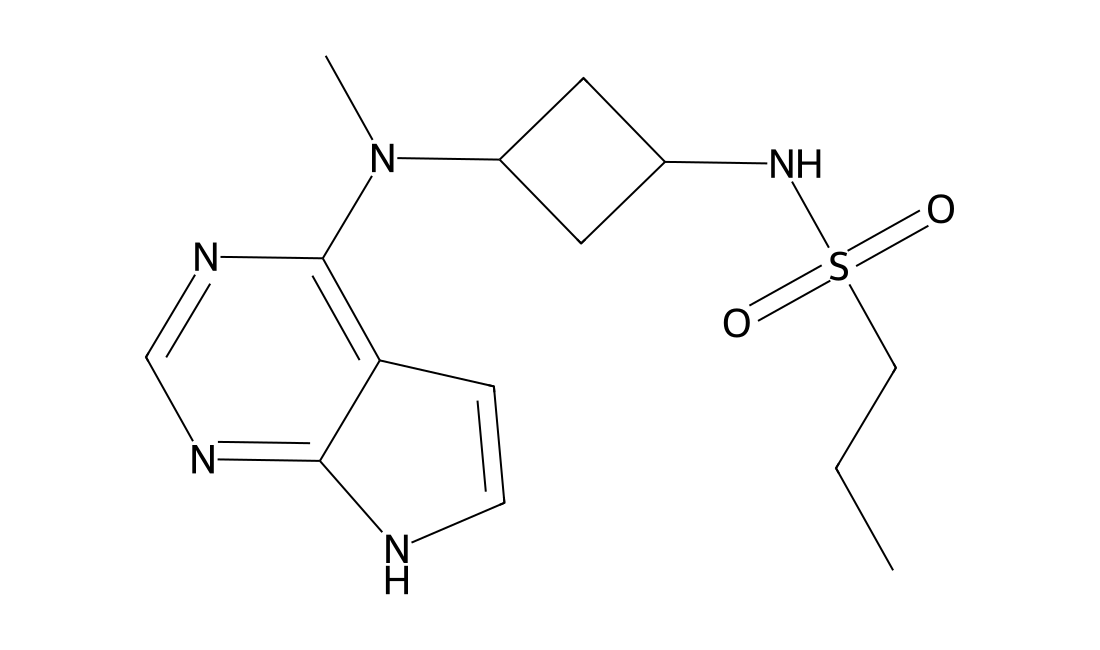
PF-04965842 (Abrocitinib)

CAS 1622902-68-4

Abrocitinib (PF-04965842) is a potent, oral active and selective JAK1 inhibitor, with IC50s of 29 and 803 nM for JAK1 and JAK2, respectively. Abrocitinib (PF-04965842) exhibits less active effect on TYK2 (IC50, 1.253 μM), and inhibits phosphorylation of STAT1,STAT3 and STAT5 after stimulation. Effective in autoimmune disease[1].

PF-04965842 (Abrocitinib) chemical structure
DC28765

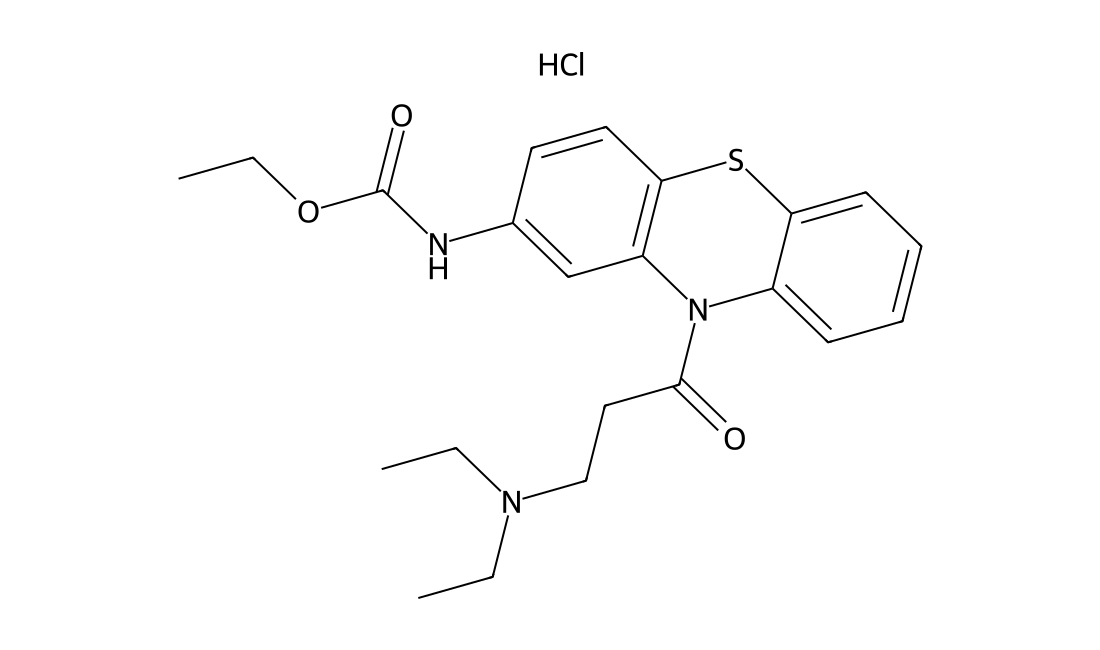
Ethacizine hydrochloride

CAS 57530-40-2

Ethacizine hydrochloride (Ethacizin; NIK-244) is a Class Ic antiarrhythmic agent, which means it is part of a group of drugs that primarily act by blocking sodium channels in the heart. This class of antiarrhythmic agents is known for their potent effects on slowing conduction in the heart, particularly in the atria, ventricles, and the His-Purkinje system.

Ethacizine hydrochloride chemical structure
DC21257

LY2780301

CAS 1226801-23-5

A potent, highly selective, ATP-competitive dual inhibitor of p70S6K and Akt under development for the treatment of solid tumours and non-Hodgkin's lymphoma; drastically decreases proliferation of hMECs with ErbB2-induced p70S6K activation via Cyclin B1 inhibition and cell cycle blockade at G0-G1 phase; exhibited antiproliferative activity in a broad range of cell lines using monolayer and colony formation assays, reduces proliferation of hMECs in vitro and ADH/MIN lesions in vivo.Breast CancerPhase 2 Clinical

LY2780301 chemical structure
DC73624

FP802

CAS 61694-81-3

FP802 is a novel small molecule with significant neuroprotective properties, specifically designed to target and disrupt the TwinF interface within the NMDAR/TRPM4 death signaling complex. This unique mechanism allows FP802 to selectively eliminate extrasynaptic NMDAR (eNMDAR)-mediated toxicity, which is implicated in various neurodegenerative diseases, while preserving the essential physiological functions of synaptic NMDARs. This selectivity makes FP802 a promising therapeutic candidate for conditions involving excitotoxicity and neuronal cell death.

FP802 chemical structure
DC73377

AS408

CAS 2378521-26-5

AS408 is a negative allosteric modulator of the β2-adrenergic receptor (β2AR) for both G-protein activation and arrestin recruitment (pKB=6.8, [35S]GTPγS binding assays), binds to a pocket formed by the membrane-facing surface of TM3 and TM5.

AS408 chemical structure
DC10921

ATH686

CAS 853299-52-2

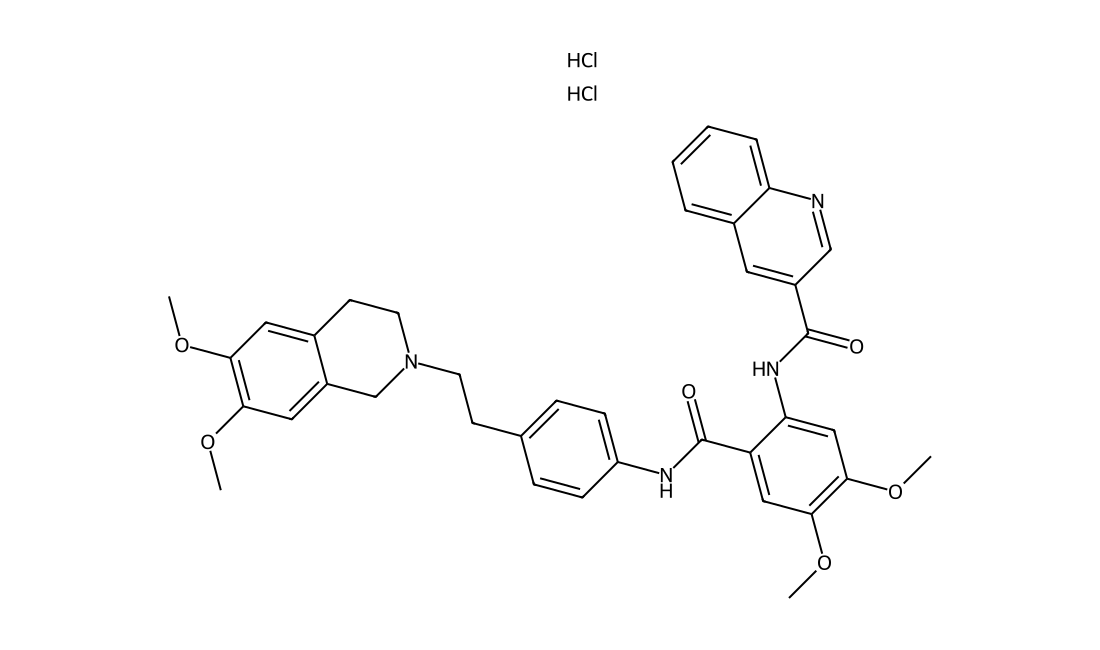
ATH686 (ATH-686) is a potent and selective, second-generation inhibitor of mutant FLT3 protein kinase; selectively kills leukemic cells harboring mutant FLT3 with no apparent effect on cells harboring wild-type FLT3, via inhibition of FLT3 kinase activity; potently inhibits cell proliferation of FLT3-ITD-Ba/F3 cells and D835Y-Ba/F3 cells (IC50<1 nM), via induction of apoptosis.

ATH686 chemical structure
DC60758

ZX-29

CAS 2254805-62-2

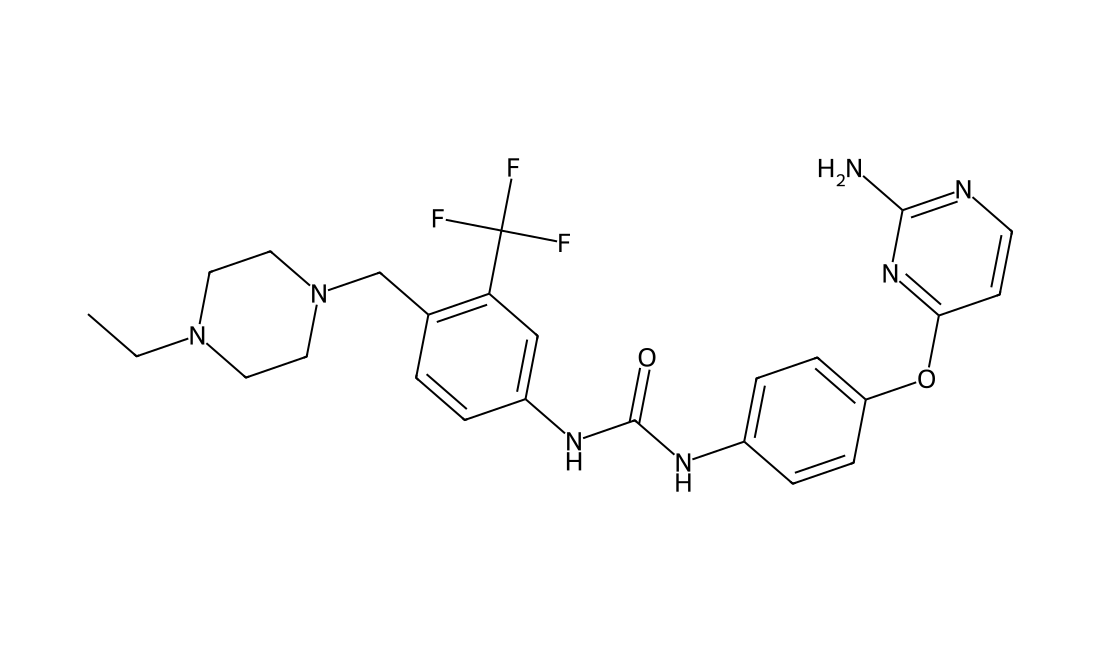
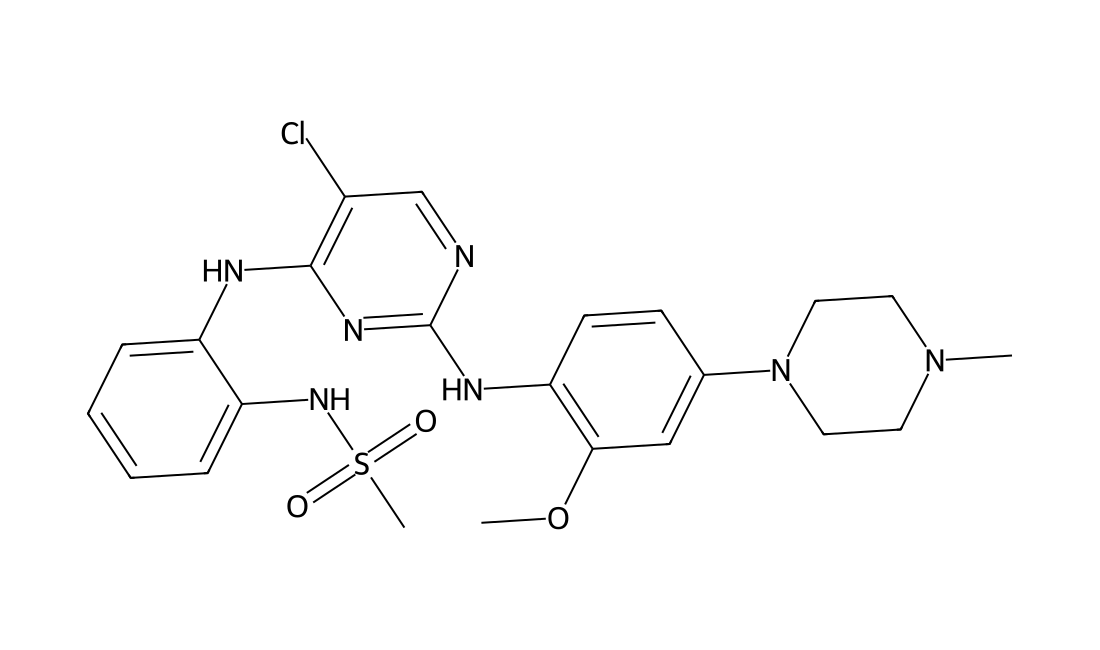
ZX-29 is a potent and selective ALK inhibitor with an IC50 of 2.1 nM, 1.3 nM and 3.9 nM for ALK, ALK L1196M and ALK G1202R mutations, respectively. ZX-29 is inactive against EGFR. ZX-29 induces apoptosis by inducing endoplasmic reticulum (ER) stress and overcomes cell resistance caused by an ALK mutation. ZX-29 also induces protective autophagy and has antitumor effect.

ZX-29 chemical structure
DC60742

TAU-IN-1

CAS 1383373-65-6

TAU-IN-1 (compound 051) is a TAU protein inhibitor with an EC50 value of 325 nM. TAU-IN-1 can be used in the study of neurodegenerative diseases.

TAU-IN-1 chemical structure
DC60733

F-1

CAS 2244775-31-1

F-1 is a potent ALK and ROS1 dual inhibitor, suppresses phospho-ALK and its relative downstream signaling pathways, with IC50s of 2.1 nM, 2.3 nM, 1.3 nM and 3.9 nM for ALKWT, ROS1WT, ALKL1196M and ALKG1202R, respectively.

F-1 chemical structure
DC60732

VUF10166

CAS 155584-74-0

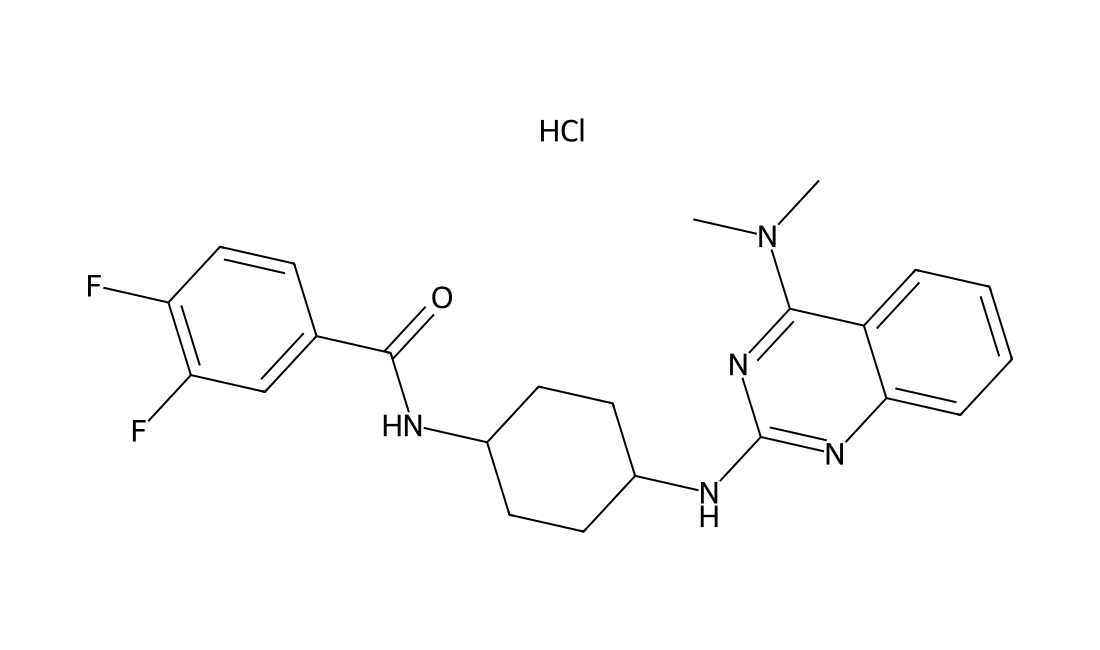
VUF10166 is a potent and high-affinity 5-HT3 receptor antagonist, with Ki values of 0.04 nM (5-HT3A) and 22 nM (5-HT3AB). VUF10166 inhibits 5-HT-induced responses at 5-HT3A and 5-HT3AB receptors at nanomolar concentrations. At 5-HT3 receptor, VUF10166 at higher concentrations also acts as a partial agonist, with an EC50 of 5.2 μM.

VUF10166 chemical structure
DC23163

CCT129202

CAS 942947-93-5

CCT129202 is a potent, selective, ATP-competitive pan-Aurora kinase inhibitor with IC50 of 42, 198 and 227 nM for Aurora A, Aurora B and Aurora C, respectively; displays high selectivity for the Aurora kinases over a broad range of 13 other kinases; inhibits proliferation in multiple cultured human tumor cell lines (GI50=0.08-1.7 uM), induces aberrant mitosis that leads to apoptosis; reduces phosphorylation of histone H3, stabilizes p53, and inhibits growth of HCT116 human colon cancer xenografts in athymic mice.

CCT129202 chemical structure
DC12124

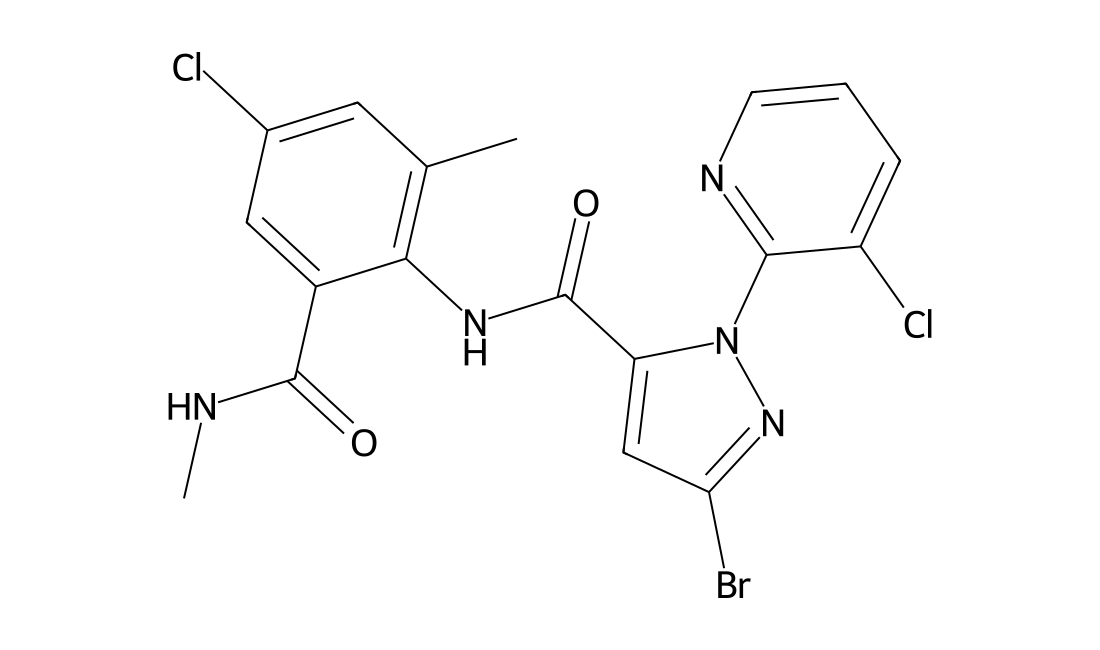
Chlorantraniliprole

CAS 500008-45-7

In Vitro Chlorantraniliprole is an insecticide that potently and selectively activates insect ryanodine receptor. Chlorantraniliprole actions by release of intracellular Ca2+ stores mediated by the ryanodine receptor. Chlorantraniliprole is ∼300-fold less potent against ryanodine receptor (RyRs) in the mouse myoblast cell line, C2C12 (EC50, 14 μM), than in insect RyRs from Drosophila melanogaster and H. virescens (EC50, 40 nM, 50 nM), and shows little selectivity at the rat cell line RyR2 (EC50, >100 μM). In Vivo Chlorantraniliprole has low acute mammalian toxicity with an acute oral LD50 of >5000 mg/kg in rats, and little to no toxicity in 90-day studies, at dosing as high as 1500 mg/kg/day.

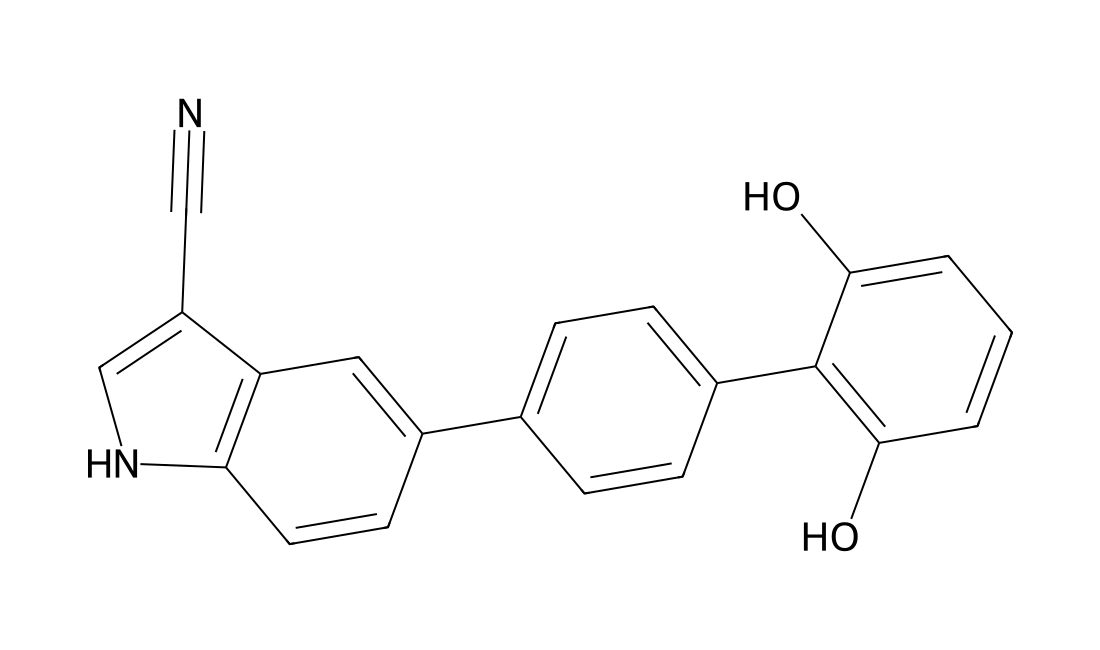
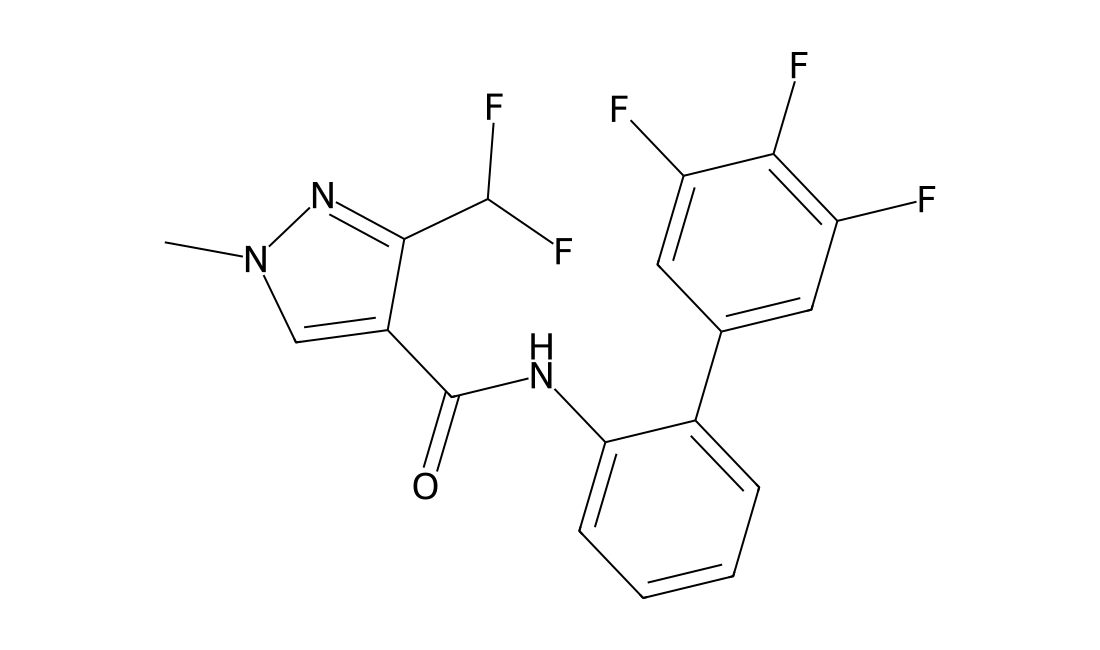
Chlorantraniliprole chemical structure
DC22564

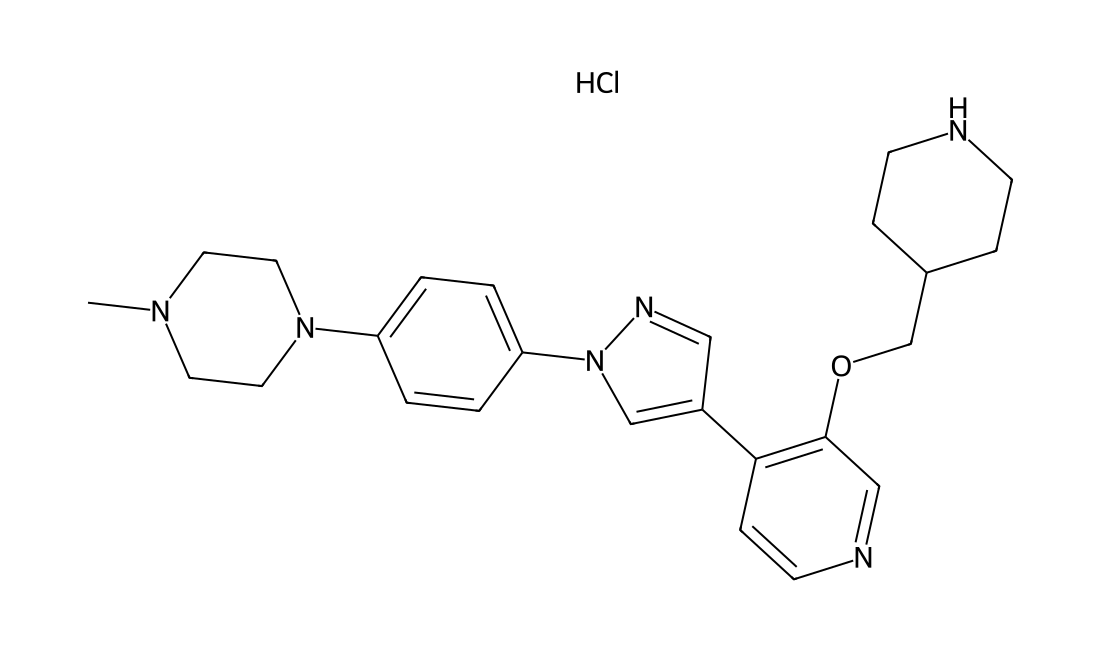
NVP-MELK8a hydrochloride

CAS 2096992-20-8

NVP-MELK8a hydrochloride (MELK8a hydrochloride) is a novel potent, and selective MELK inhibitor with IC50 of 2 nM; exhibits high selectivity with only 7 off-target kinases inhibited >85% against 456 kinases at 1 uM, Flt3 (IC50=0.18 uM), Haspin (IC50=0.19 uM), PDGFRα (IC50=0.42 uM); exhibits growth inhibition of MDA-MD-468 cells with IC50 of 0.11 uM, and increases cells harboring 4N DNA content.
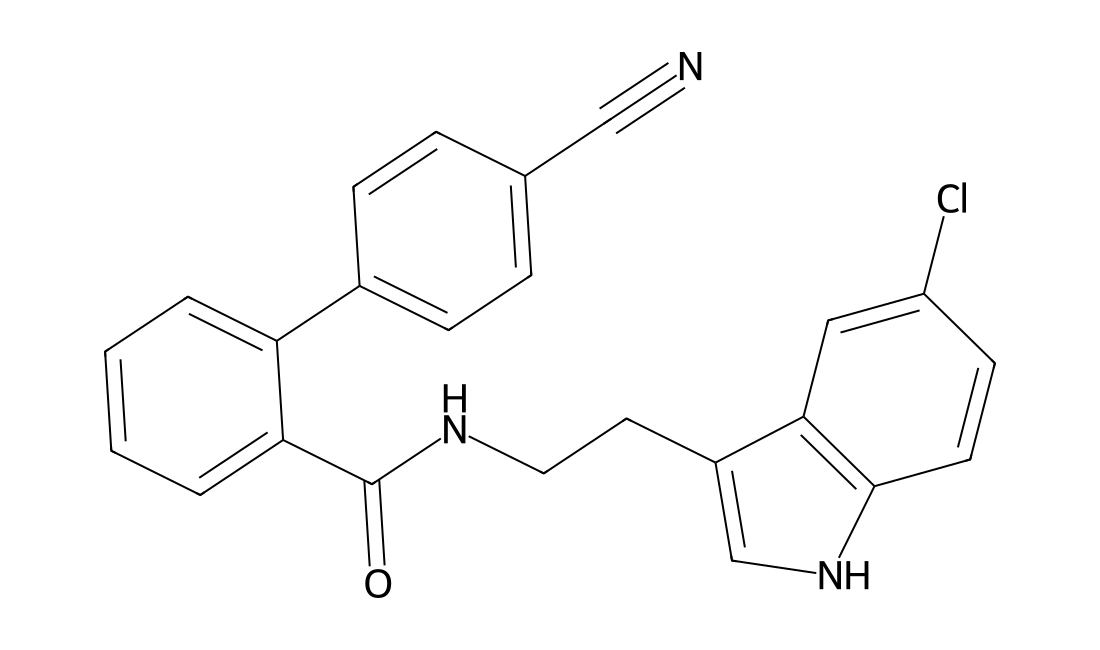
NVP-MELK8a hydrochloride chemical structure
DC28447

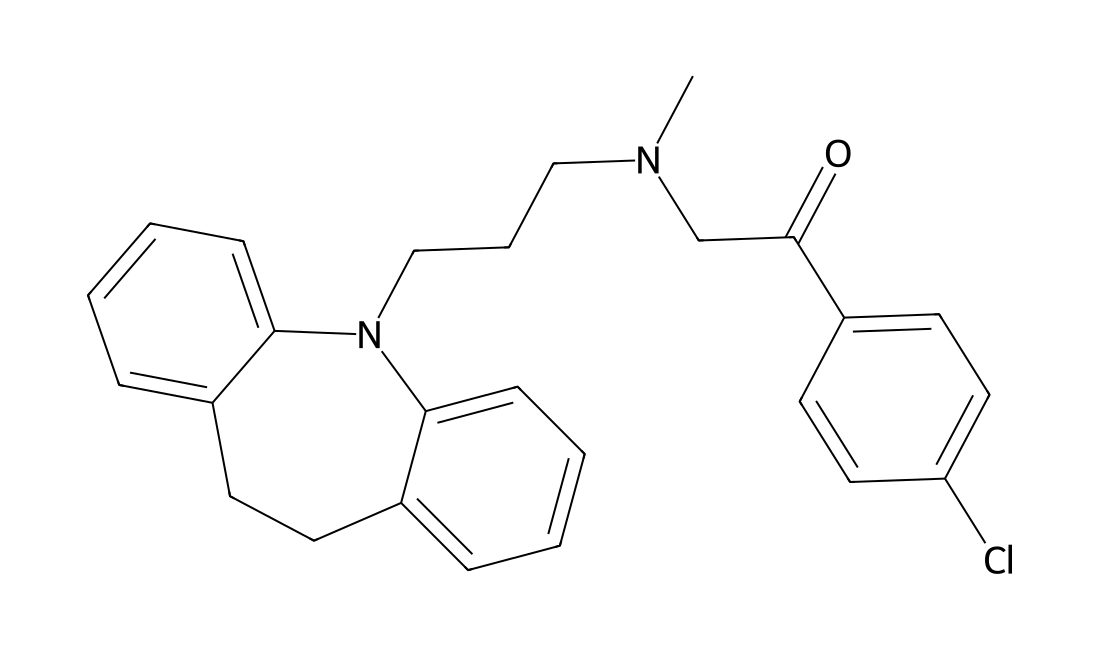
Lofepramine

CAS 23047-25-8

Lofepramine (Lopramine) is a potent tricyclic antidepressant and is extensively metabolised to Desipramine. The antidepressant activity of Lofepramine stems from the facilitation of noradrenergic neurotransmission by uptake inhibition. Lofepramine may also potentiate serotoninergic neurotransmission by inhibition of the neuronal uptake of serotonin and the enzyme tryptophan pyrrolase. Lofepramine has significant anxiolytic efficacy in addition to its antidepressant properties.

Lofepramine chemical structure
Browse target & topic index A–Z (366)
11β-HSD (1)15-PGDH (2)5-HT Receptor (16)Acetyl-CoA Carboxylase (ACC) (3)Acetylcholinesterase (AChE) (2)Ack1 (TNK2) (1)Acyltransferase (1)ADC Cytotoxin (6)ADCs Linker/Click Chemistry (5)Adenosine Receptor (9)Adenylate Cyclase (2)Adrenergic Receptor (11)Akt (12)Alcoholism (2)Aldehyde Dehydrogenase (ALDH) (6)Allergy (5)Alzheimer Disease (13)Aminopeptidase (1)AMPK (8)Amyloids (4)Anaplastic Lymphoma Kinase (ALK) (9)Androgen Receptor (AR) (11)Anemia (4)Angiotensin Receptor (4)Antibody/Protein labeling dyes (1)Antifolate (2)Anxiety (1)Apoptosis Inducer (3)Arginase (1)Arp2/3 complex (1)Aryl hydrocarbon Receptor (AhR) (1)Asthma (5)Atherosclerosis (2)ATM/ATR (8)Aurora Kinase (10)Autophagy (6)Autophagy-related Protein (Atg) (2)Autotaxin (2)Bacterial (26)Bacterial Infection (17)Bcl-2 (14)Bcr-Abl (5)BCRP (1)Beta-catenin (4)Beta-secretase (BACE) (4)Blood Cancer (91)BMI-1 (1)Bone Cancer (6)Brain Cancer (6)Breast Cancer (30)Bromodomain (22)BTK (10)c-Fms (CSF1R) (5)c-Fos/AP-1 (1)c-Kit (6)c-Met (HGFR) (11)c-Myc (2)Calcium Channel (4)Calcium-sensing Receptor (CaSR) (1)CaMK (4)Cannabinoid Receptor (6)Carbonic Anhydrase (1)Carboxypeptidase (1)Casein Kinase (6)Caspase (4)Cathepsin (6)Cdc2-like Kinase (CLK) (1)CETP (2)CFTR (7)Checkpoint Kinase (Chk) (8)Chemokine Receptor (CCR and CXCR) (14)Chemotherapeutic Agents (19)Chloride Channel (1)CMV (2)CMV Infection (2)Colon Cancer (9)Complement System (1)COPD (3)CREB/CBP (2)CRF Receptor (2)CRISPR/Cas9 (1)Cushing Disease (1)Cyclin-dependent Kinase (CDK) (39)Cyclooxygenase (COX) (4)Cytochrome P450 (CYPs) (5)Depression (2)Dermatitis (2)Deubiquitinase (DUB) (7)Diabetes (20)Dipeptidyl Peptidase (DPP) (3)Discoidin Domain Receptor (DDR) (1)DNA Alkylator/Crosslinker (10)DNA Methyltransferase (DNMT) (1)DNA Repair Protein (1)DNA-PK (2)DNA/RNA Synthesis (5)Dopamine beta-hydroxylase (1)Dopamine Receptor (7)Drug Metabolite (1)Drug-Linker Conjugates (11)Dyes (4)DYRK (1)Dyslipidemia (9)E3 Ligase Ligand (6)E3 Ligase Ligand-Linker Conjugate (1)E3 Ubiquitin Ligase (4)Ebola Virus Infection (1)EGFR (32)Elastase (2)Endothelin Receptor (5)Enzymes substrates (13)Epigenetic Reader Domain (3)Epilepsy (4)ERK (4)Estrogen Receptor/ERR (13)Eukaryotic Initiation Factor (eIF) (2)Exportin-1 (CRM1,XPO1) (2)FABP (1)Factor Xa (5)Farnesoid X Receptor (FXR) (5)Farnesyl transferase (FTase) (1)Ferroptosis (6)FGFR (20)Fibrosis (5)FLT3 (6)Focal Adhesion Kinase (FAK) (11)Foxo1 (1)Free Fatty Acid Receptor (FFAR) (5)Fungal (2)Fungal Infection (1)GABA Receptor (13)Galectin (1)Gastric Cancer (8)Ghrelin Receptor (GHSR) (3)Glucagon Receptor (4)Glucokinase (2)Glucose Transporter (GLUT) (2)Glutamate Transporter (2)GPCR (1)GPER (GPR30) (1)GPR139 (1)GPR183 (EBI2) (2)GPR39 (1)GPR55 (1)GPR84 (1)GRK (GPCRK) (2)Growth Hormone Deficiency (2)GSK-3 (8)Guanylate Cyclase (3)HBV (1)HBV Infection (1)HCN Channel (2)HCV (8)HCV Infection (9)HDAC (38)Heart Arrhythmia (2)Heart Failure (5)Heat Shock Protein (HSP) (15)Hedgehog (Hh) (1)HIF/HIF Prolyl-hydroxylase (8)Histamine Receptor (6)Histone Acetyltransferase (HAT) (5)Histone Demethylase (11)Histone Methyltransferase (HMTase) (31)HIV (12)HIV Infection (11)HMG-CoA Reductase (HMGCR) (3)HSV (1)HSV Infection (1)Hypercholesterolemia (1)Hyperparathyroidism (1)Hypertension (8)IAP (1)IGF-1R (3)iGluR (15)Indoleamine 2,3-Dioxygenase (IDO) (4)Infection (1)Influenza (6)Influenza Virus (6)Insulin Receptor (2)Integrin (6)Interleukin Receptor (1)IRAK (2)IRE1 (4)Irritable Bowel Syndrome (2)Ischemia (1)Isocitrate Dehydrogenase (IDH) (5)ITK (1)IκB kinase (IKK) (7)JAK (32)JNK (3)Keap1-Nrf2 (6)Kidney Cancer (10)Kinesin (5)Kruppel-like Factor (KLF) (1)Kynurenine 3-Monooxygenase (KMO) (1)Leukotriene Receptor (1)LIM Kinase (LIMK) (3)Lipids fragment (1)Liver Cancer (6)Liver X Receptor (LXR) (3)LRRK2 (9)Lung Cancer (39)Lysophospholipid Receptor (12)LYTACs (3)mAChR (9)MALT1 (2)MAP4K (1)Matrix Metalloproteinase (MMP) (10)MDM2-p53 (9)MEK (MAP2K) (14)MEKK (MAP3K) (1)Melanocortin Receptor (2)MELK (1)mGluR (7)MicroRNA (1)Microtubule/Tubulin (5)Mineralocorticoid Receptor (MLR) (1)MITF (1)Mixed Lineage Kinase (MLK) (3)MNK (2)Molecular Glues (21)Monoamine Transporter (5)Monocarboxylate Transporter (MCT) (1)Monopolar Spindle 1 (Mps1/TTK) (3)mTOR (13)Multiple Sclerosis (6)Myosin (1)Na-K-Cl Cotransporter (NKCC) (2)nAChR (2)NADPH Oxidase (NOX) (2)NAMPT (3)Natural products (37)Neprilysin (1)Neurokinin Receptor (3)Neuropeptide Y Receptor (3)NF-κB (5)Nitric Oxide Synthase (NOS) (1)NOD-like Receptor (NLR) (3)Notch (2)Nucleoside Antimetabolite/Analog (10)Nur77 (NR4A1) (1)Obesity (1)Oct3/4 (1)Opioid Receptor (5)Orexin Receptor (7)Osteoporosis (2)Ovarian Cancer (14)Oxytocin Receptor (OXTR) (2)P-glycoprotein (P-gp) (3)p21-activated Kinase (PAK) (1)P2X Receptor (2)P2Y Receptor (1)p38 MAPK (10)p97/VCP (1)Pain (12)Pancreatic Cancer (10)Parasite (5)Parasite Infection (2)Parkinson Disease (2)PARP (19)PCSK9 (1)PD-1/PD-L1 (4)PDGFR (4)PDK1 (2)PEGn (1)PERK (2)PGE synthase (2)Phosphodiesterase (PDE) (9)Phospholipase (4)PI3K (32)PI4K (2)Piezo Channel (1)PIKfyve (3)Pim (9)PKC (12)PKD (1)Plasminogen Activator Inhibitor-1 (PAI-1) (3)Polo-like Kinase (PLK) (4)Porcupine (3)Potassium Channel (13)PPAR (13)Pregnane X Receptor (PXR) (1)Progesterone Receptor (2)Prostaglandin Receptor (11)Prostate Cancer (7)PROTACs (35)Protease-activated Receptor (PAR) (3)Proteasome (12)Protein Disulfide Isomerase (PDI) (1)Protein Phosphatase/PTP (6)Proton Pump (1)Psoriasis (5)RAD51 (1)Radioligand precursors (15)Raf (18)RAR/RXR (3)Ras (17)Renin (2)RET Tyrosine Kinase (c-RET) (3)Rheumatoid Arthritis (16)Ribosomal S6 Kinase (RSK) (5)RIG-I-like Receptor (RLR) (2)RIP kinase (7)ROCK (12)ROR (2)RSV (4)RSV Infection (3)RUNX1-CBFβ (1)S-nitrosoglutathione reductase (GSNOR) (1)Saccharides and Glycosides (1)Salt Inducible Kinase (SIK) (2)SARS-CoV (16)SARS-CoV Infection (34)Schizophrenia (4)Sexual Dysfunction (1)SGLT (4)Sigma Receptor (4)Sirtuin (9)Skin Cancer (13)Sleep Disorder (7)SMN2 Modulator (1)Smoothened (Smo) (9)Sodium Channel (12)Solid Tumors (35)Somatostatin Receptor (2)Sphingosine kinase (SphK) (2)Src (7)STAT (5)Stearoyl-CoA Desaturase (SCD) (1)Steatohepatitis (7)Sterol lipids (1)STING (14)Syk (6)T Cell Receptor (TCR) (1)TAK1 (2)TAM Receptor (Tyro3-Axl-Mer) (4)Taste Receptor (1)Telomerase (2)TGF beta Receptor (TGFBR) (12)Thrombin (3)Thrombosis (13)Thyroid Cancer (1)Thyroid Hormone Receptor (THR) (1)Thyrotropin Receptor (2)TNIK (1)Toll-like Receptor (TLR) (2)TOPK (1)Topoisomerase (11)TRAIL (1)Translocator Protein (TSPO) (1)Trk Receptor (4)TRP Channel (13)Tryptophan Hydroxylase (TPH) (1)Ubiquitin-activating Enzyme (E1) (2)Ubiquitin-conjugating Enzyme (E2) (2)Ulcer (1)ULK (3)Vasopressin Receptor (2)VEGFR (25)Vitamin D Receptor (VDR) (3)Wee1 (1)WNK Kinase (1)Wnt (5)Yes-associated Protein (YAP) (4)γ-secretase (5)

Cart

Request quotation