
Small Molecule Research Tools
Explore bioactive compounds by research category, then narrow your search by target, product name, catalog number or CAS.
Newly added: LC-MG and OXF molecular glue research compounds →
Browse by research category
Products may appear in more than one category. Counts refer to distinct catalog numbers within each category.
Kinases & Cell Signaling1,548 products →941 products →Epigenetics & Gene Regulation410 products →277 products →DNA Damage, Repair & Cell Cycle342 products →228 products →Cell Death & Autophagy233 products →117 products →Protein Degradation & Proteostasis252 products →181 products →Immunology & Inflammation515 products →297 products →Neuroscience793 products →363 products →GPCRs & Receptor Biology1,219 products →428 products →Ion Channels & Transporters373 products →196 products →Metabolism & Endocrinology697 products →404 products →Cardiovascular & Hematology264 products →141 products →Anti-infectives453 products →205 products →Cancer Research1,049 products →535 products →ADCs & Bioconjugation61 products →38 products →Probes & Assay Reagents150 products →82 products →Natural Products424 products →73 products →Cell Biology & Intracellular Transport181 products →61 products →
Other Research Tools (75) · Additional reagents, building blocks and specialized research tools.
New literature-derived products
LC-MG-1 (DCA0006) · LC-MG-4 (DCA0007) · LC-MG-9 (DCA0008)
View structure and evidence summaries →All small molecule products
Combine a keyword, research category and target to narrow the product list.
Loading catalog filters…
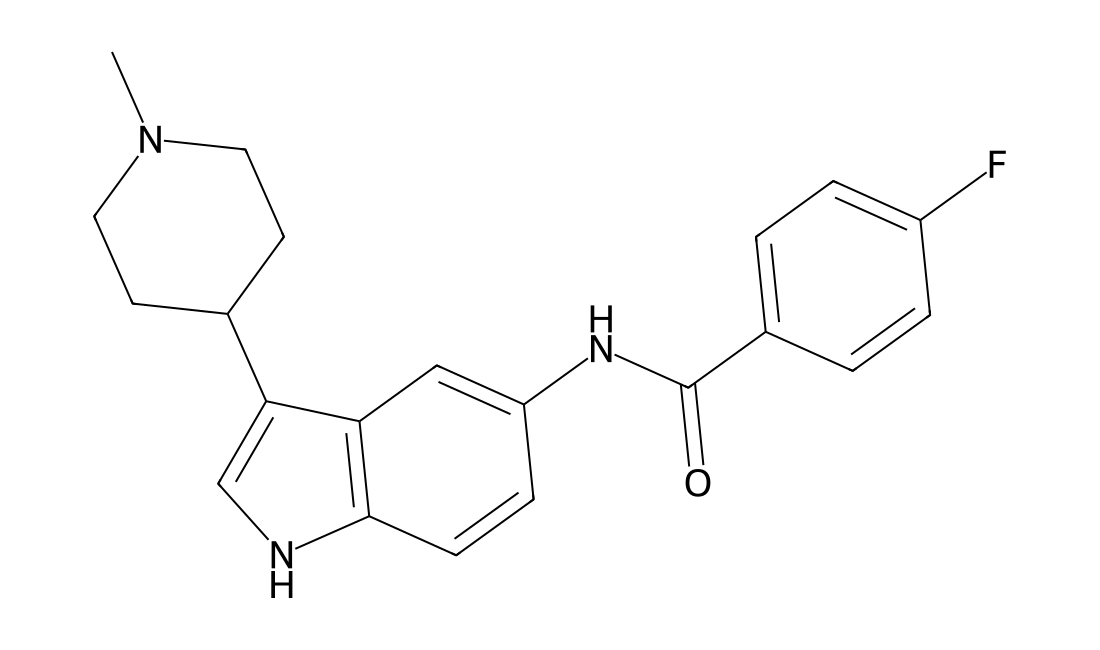
Mavatrep(JNJ-39439335)
CAS 956274-94-5
Mavatrep is an orally bioavailable TRPV1 antagonist (Ki=6.5 nM), exhibits minimal effect on the enzymatic activity (IC50 > 25 μM) of CYP isoforms 3A4, 1A2, and 2D6.IC50 value: 6.5 nM (Ki, for TRPV1)Target: TRPV1in vitro: Mavatrep exhibits superior pharmacodynamic properties. In a TRPV1 functional assay, using cells expressing recombinant human TRPV1 channels, Mavatrep antagonizes capsaicin-induced Ca2+ influx, with an IC50 value of 4.6 nM. Mavatrep blocks the activation of hTRPV1 channels by Capsaicin (1 μM) and by pH (5.0) in a concentration-dependent fashion, with IC50 values of 23 and 6.8 nM, respectively. in vivo: Mavatrep exhibits superior pharmacodynamic properties in the CFA model of inflammatory pain.
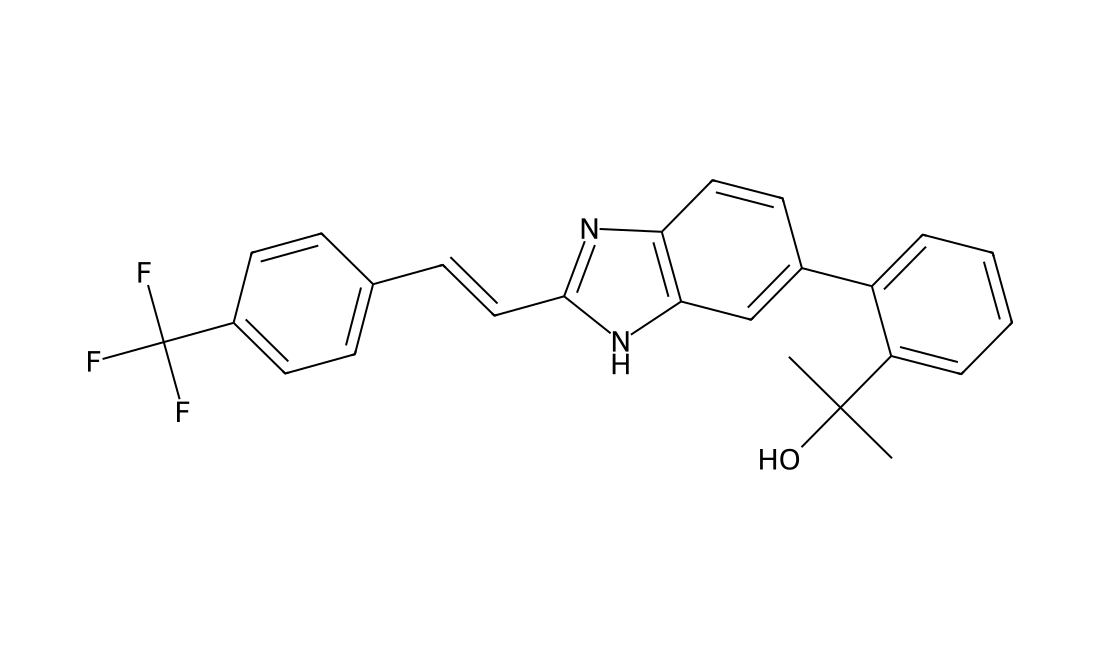
Fenoxaprop-P-ethyl
CAS 71283-80-2
Fenoxaprop-P-ethyl is a post-emergent phenoxy herbicide of the aryloxyphenoxy propionate group.
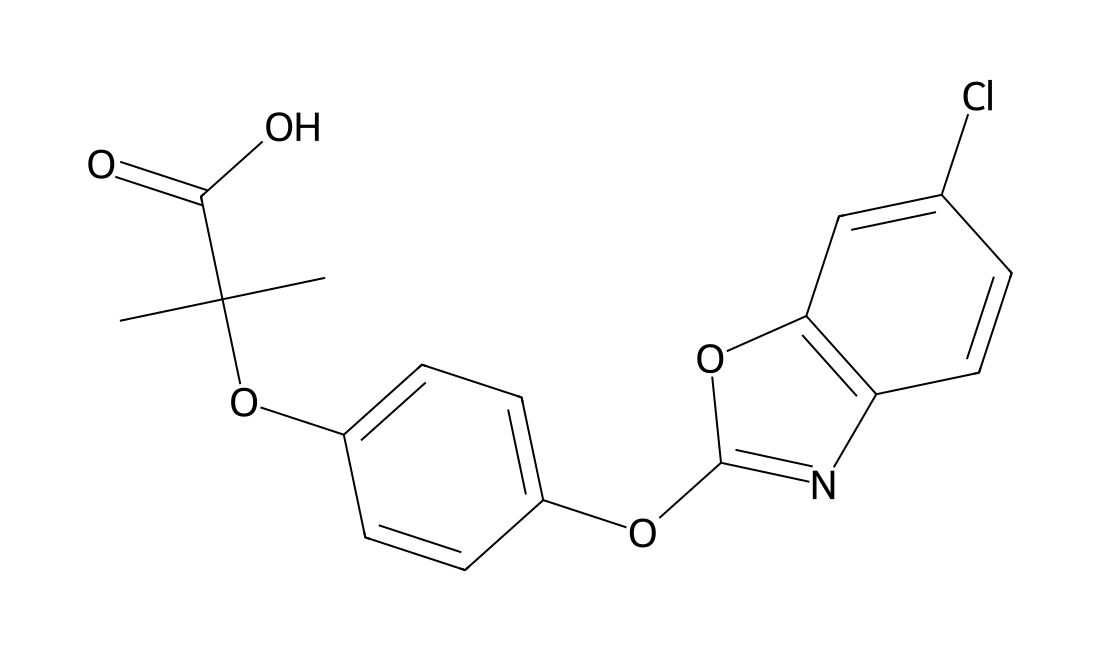
MDK7229(MD2-IN-1)
CAS 111797-22-9
MD2-IN-1 is an inhibitor of Myeloid differentiation protein 2 (MD2) with a KD of 189 μM for the recombinant human MD2 (rhMD2).
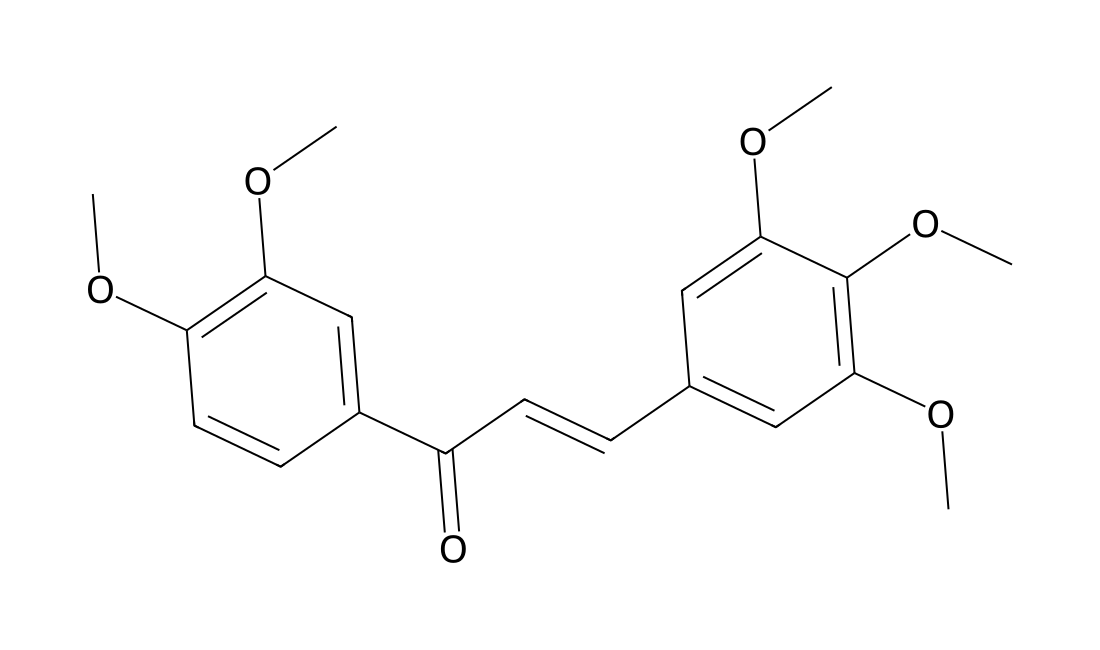
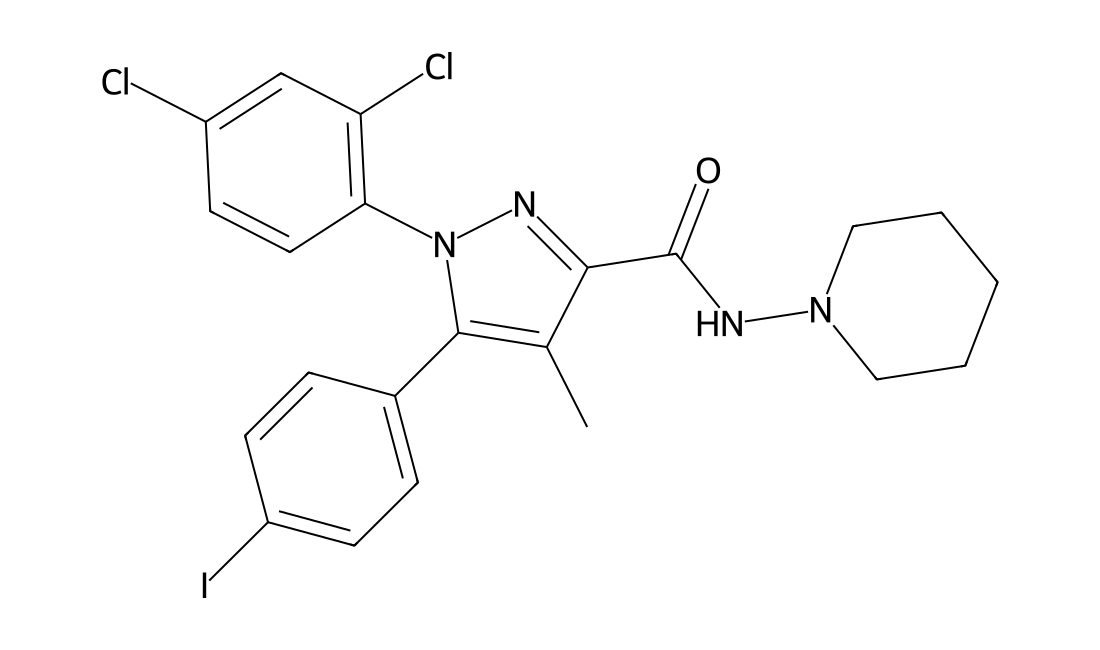
AM251
CAS 183232-66-8
AM251 is a selective cannabinoid 1 (CB1) receptor antagonist with an IC50 of 8 nM, also acts as a potent GPR55 agonist with an EC50 of 39 nM.
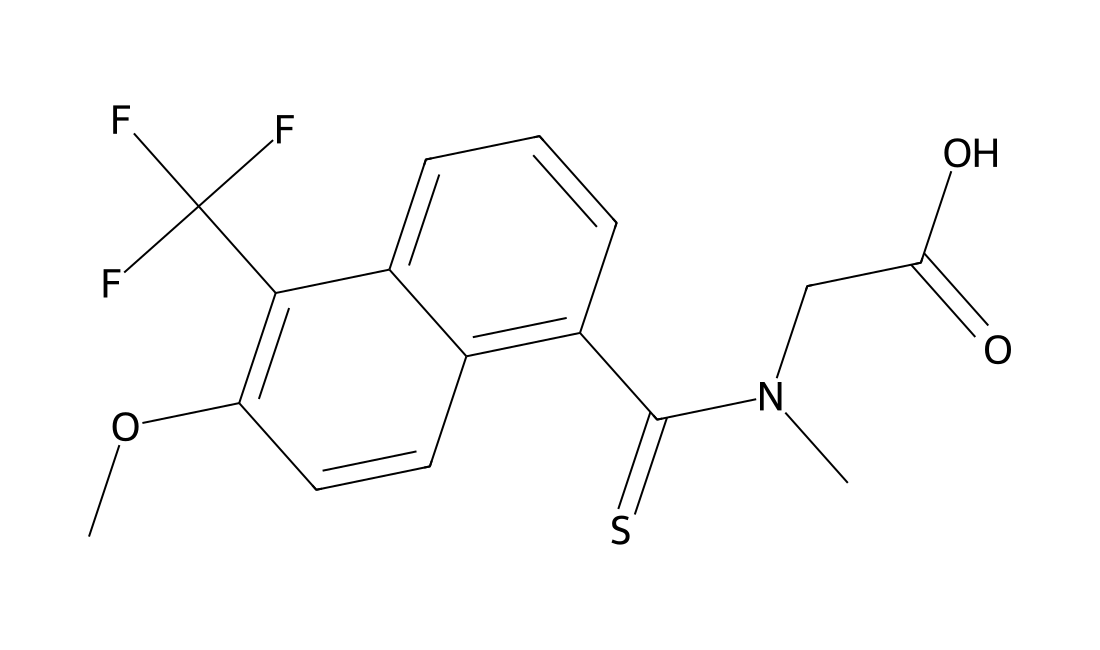
Tolrestat
CAS 82964-04-3
Tolrestat is a potent, orally active aldose reductase inhibitor with IC50 of 35 nM.
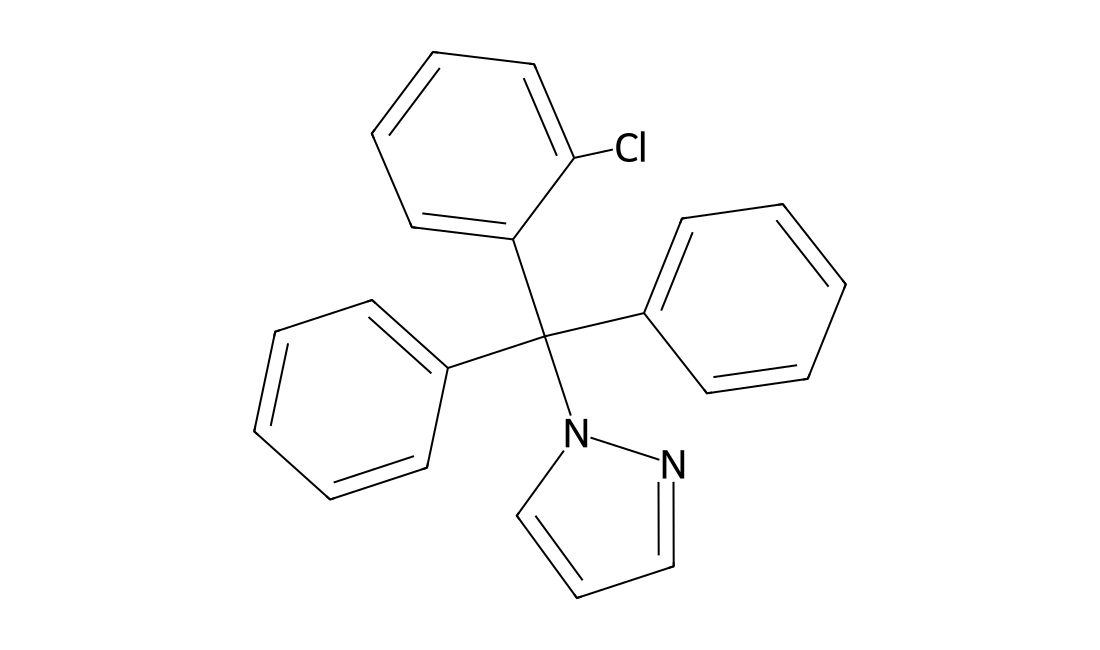
TRAM-34
CAS 289905-88-0
TRAM-34 is a highly selective blocker of intermediate-conductance calcium-activated K+ channel (IKCa1) (Kd=20 nM).
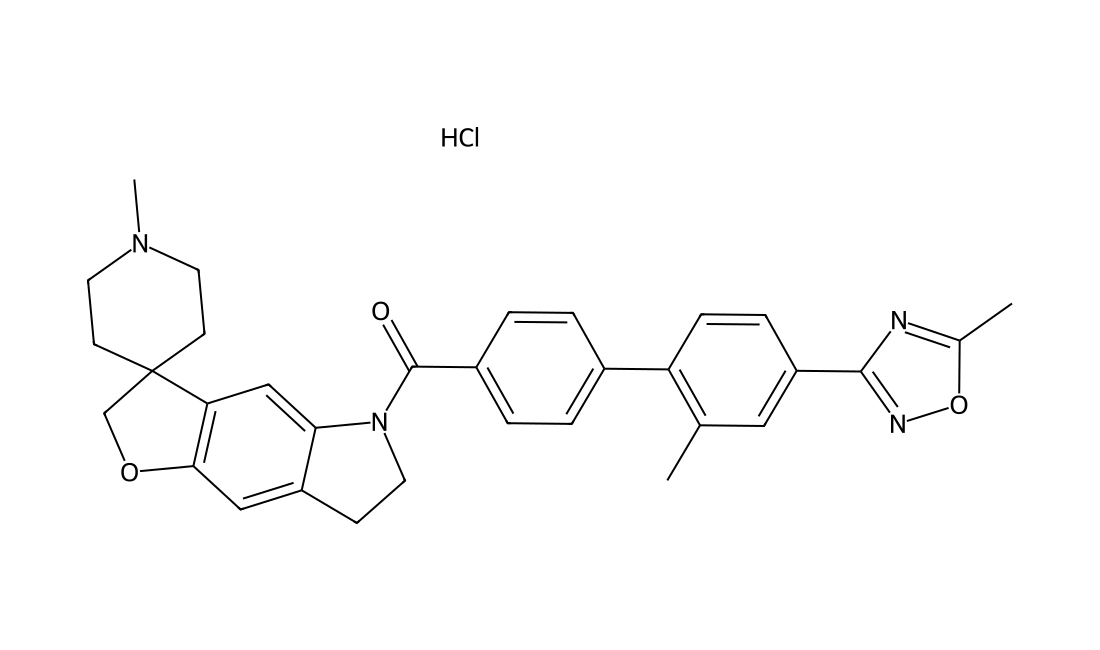
SB-224289 Hydrochloride
CAS 180084-26-8
SB-224289 hydrochloride is a selective 5-HT1B receptor antagonist, with anxiolytic effect.
Etoricoxib
CAS 202409-33-4
Etoricoxib is a non steroidal anti-inflammatory agent, acting as a selective and orally active COX-2 inhibitor, with IC50s of 1.1 μM and 116 μM for COX-2 and COX-1 in human whole blood.
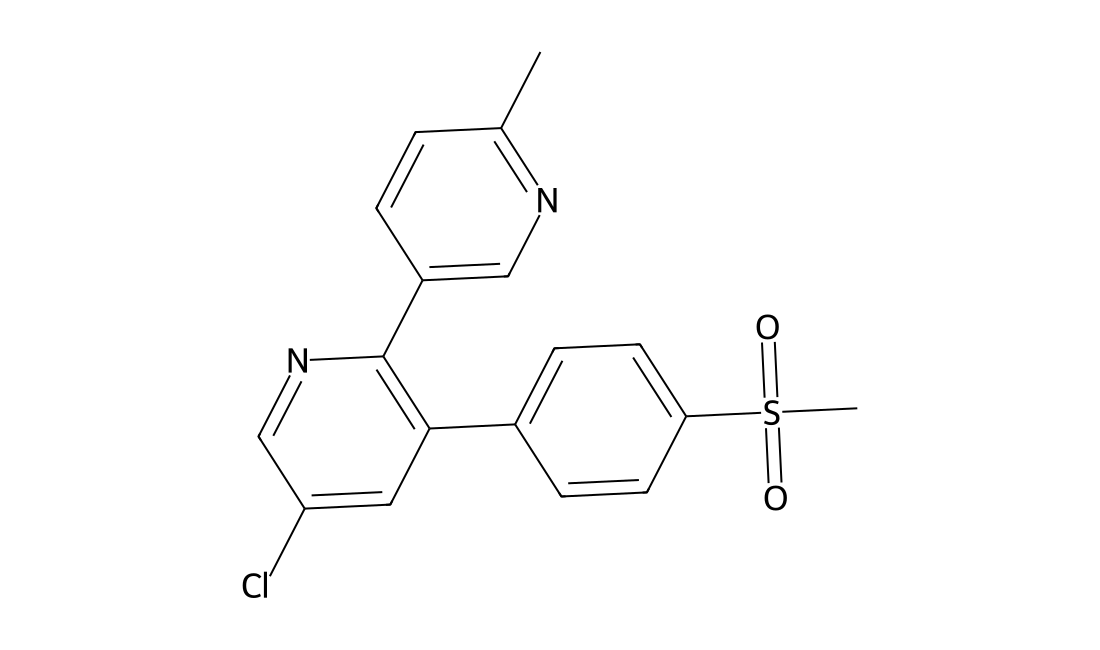
M2N12
CAS 2376577-06-7
M2N12 is a potent and highly selective cell division cycle 25C protein phosphatase (Cdc25C) inhibitor with an IC50 value of 0.09 μM. M2N12 also has promising activity against Cdc25A and Cdc25B with IC50 values of 0.53 μM and 1.39 μM. Anti-tumor activity[1].
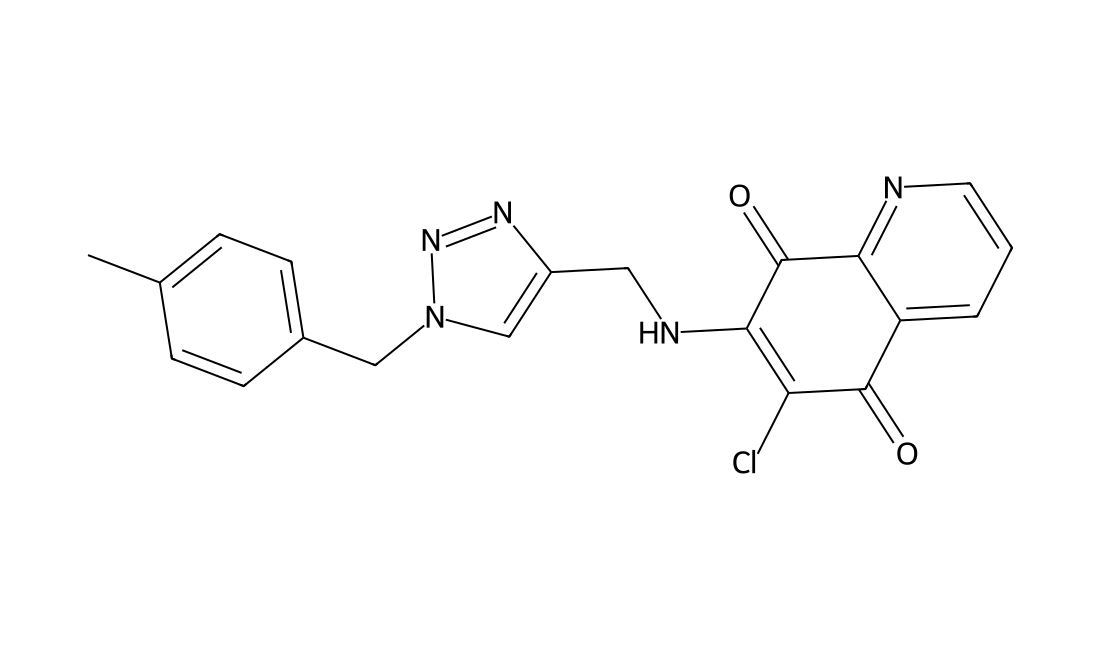
CP-339818 hydrochloride
CAS 478341-55-8
CP-339818 is a potent, selective, non-peptide KV1.3 channel antagonist with IC50 of 200 nM; displays selectivity over Kv1.1, Kv1.2, Kv1.5, Kv1.6, Kv3.1-4, and Kv4.2, with only exception Kv1.4 (IC50=300 nM), also has no effect on T cell channels (I(CRAC) and intermediate-conductance K(Ca)); inhibits Kv1.3 in a use-dependent manner by preferentially blocking the C-type inactivated state of the channel; suppresses human T cell activation.
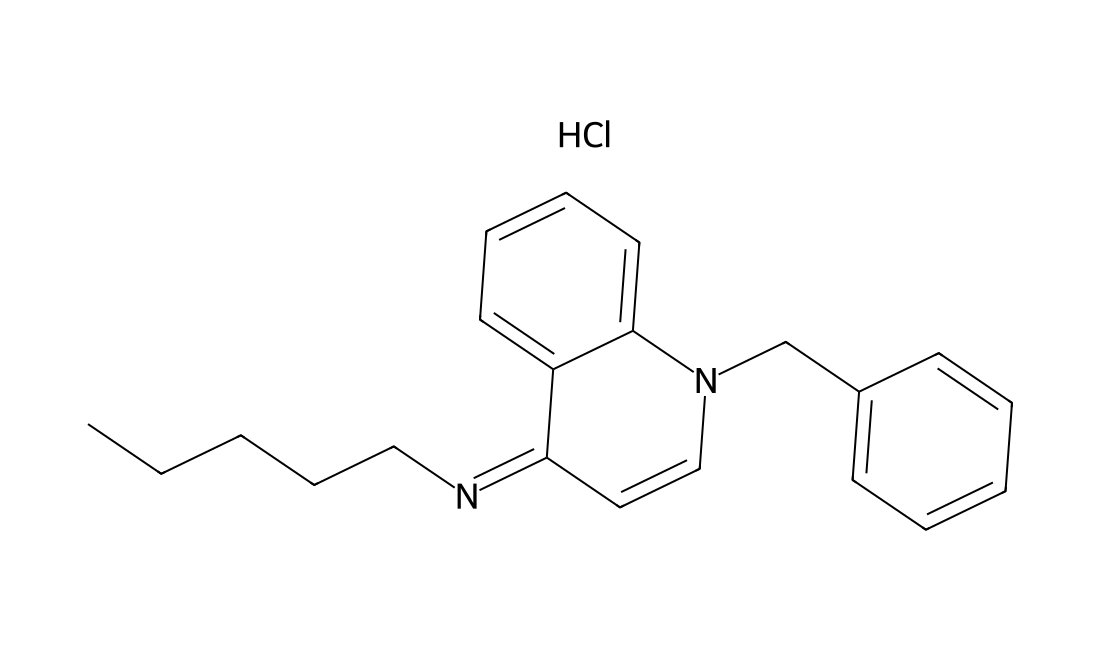
LY2033298
CAS 886047-13-8
A potent, selective, positive allosteric modulator of muscarinic M4 receptors; directly potentiates agonist binding while having minimal effects on antagonist binding; enhances inhibition by oxotremorine of light-induced phase shifts in hamster circadian activity rhythms, shows antipsychotic activity in vivo.
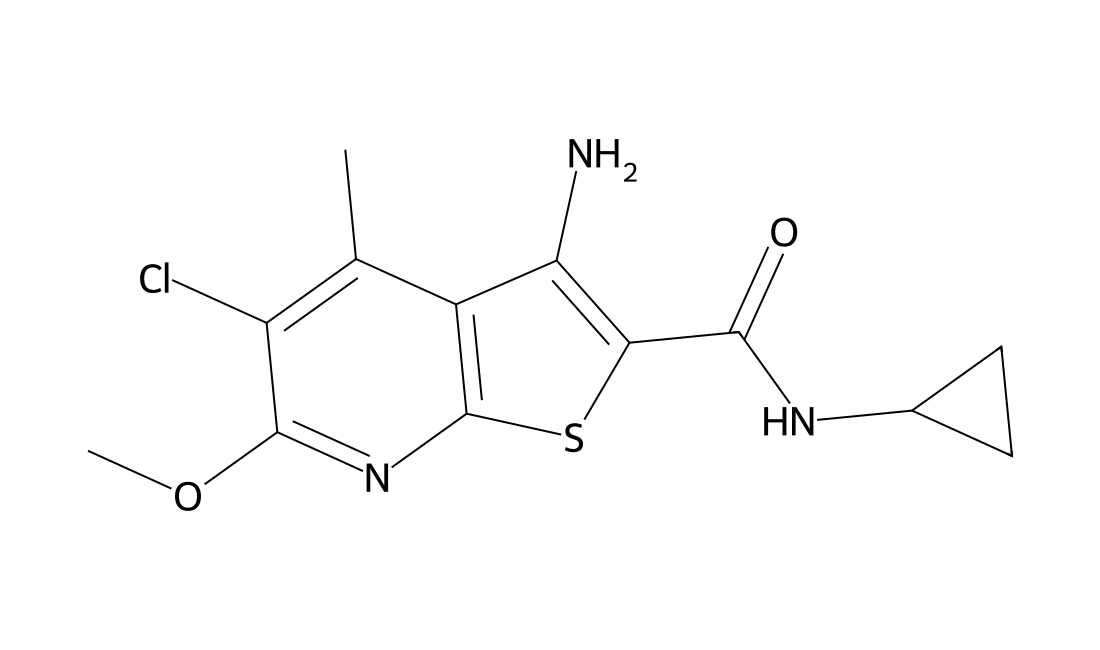
SMIFH2
CAS 340316-62-3
SMIFH2 is a small molecule formin homology 2 domains inhibitor of formin-mediated actin assembly, targets formins from evolutionarily diverse organisms including yeast, nematode worm, and mice with IC50s of 5-15 uM; prevents both formin nucleation and processive barbed end elongation and decreases formin's affinity for the barbed end; disrupts formin-dependent, but not Arp2/3 complex-dependent, actin cytoskeletal structures in fission yeast and mammalian NIH 3T3 fibroblasts at low micromolar concentrations.
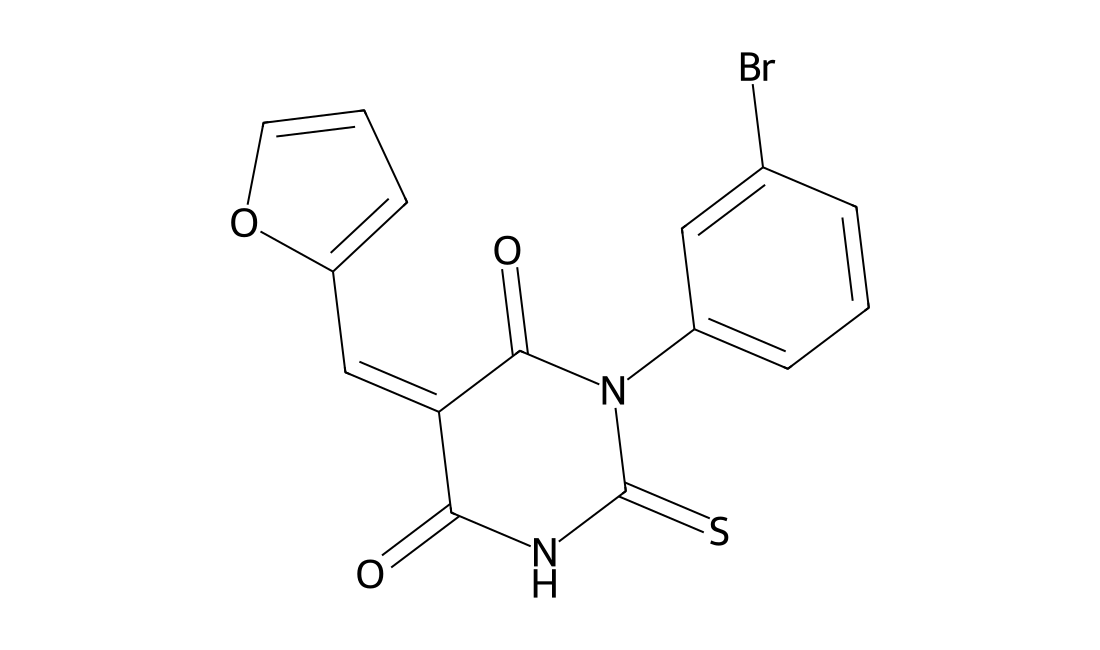
NNC-711
CAS 145645-62-1
NNC-711 is a potent and selective inhibitor of GABA uptake by GAT-1 with IC50 of 0.04 uM; displays excellent selectivty over rGAT-2, hGAT-3 and hBGT-1, and other other neurotransmitter receptors; inhibits synaptosomal (IC50=47 nM), neuronal (IC50=1238 nM) and glial (IC50=636 nM) GABA uptake in vitro; demonstrates potent anticonvulsant activity against rodent seizures induced by DMCM.
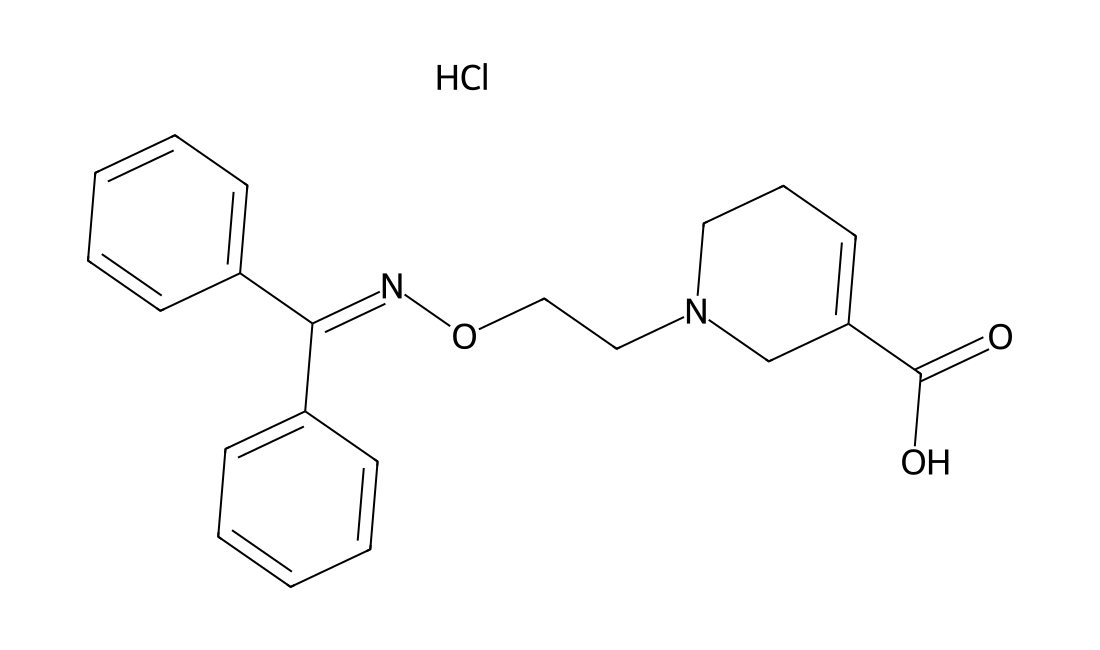
CCT251545
CAS 1661839-45-7
CCT251545 is an orally bioavailable and potent inhibitor of WNT signaling with IC50 value of 5 nM. in vitro: CCT251545 is a potent and selective chemical probe for the human Mediator complex-associated protein kinases CDK8 and CDK19 with >100-fold selectivity over 291 other kinases. CCT251545 also reduces phospho-STAT1SER727 levels in SW620 cells with IC50 of 9 nM. CCT251545 is a small-molecule inhibitor of the WNT pathway discovered through cell-based screening. CCT251545 displays potent cell-based activity. CCT251545 alters WNT pathway-regulated gene expression and other on-target effects of modulating CDK8 and CDK19, including expression of genes regulated by STAT1. CCT251545 demonstrates weak inhibition of tankyrase enzymes (TNKS1 IC50 > 10 μM, TNKS2 IC50 = 15.0 ± 0 μM). CCT251545 potently inhibits reporter-based readouts of basal WNT pathway activity in LS174T and SW480 cells in the absence of WNT ligand or other stimulants (IC50 = 0.023 ± 0.011 μM and 0.190 ± 0.030 μM, respectively) and demonstrated potent inhibition of WNT3a ligand-dependent reporter readout in PA-1 cells (IC50 = 0.007 μM) in vivo: CCT251545 as a potent and selective chemical probe suitable for cell-based exploration of the reported context-dependent roles of CDK8 and CDK19 and associated kinase module subunits in human disease and other biological settings.
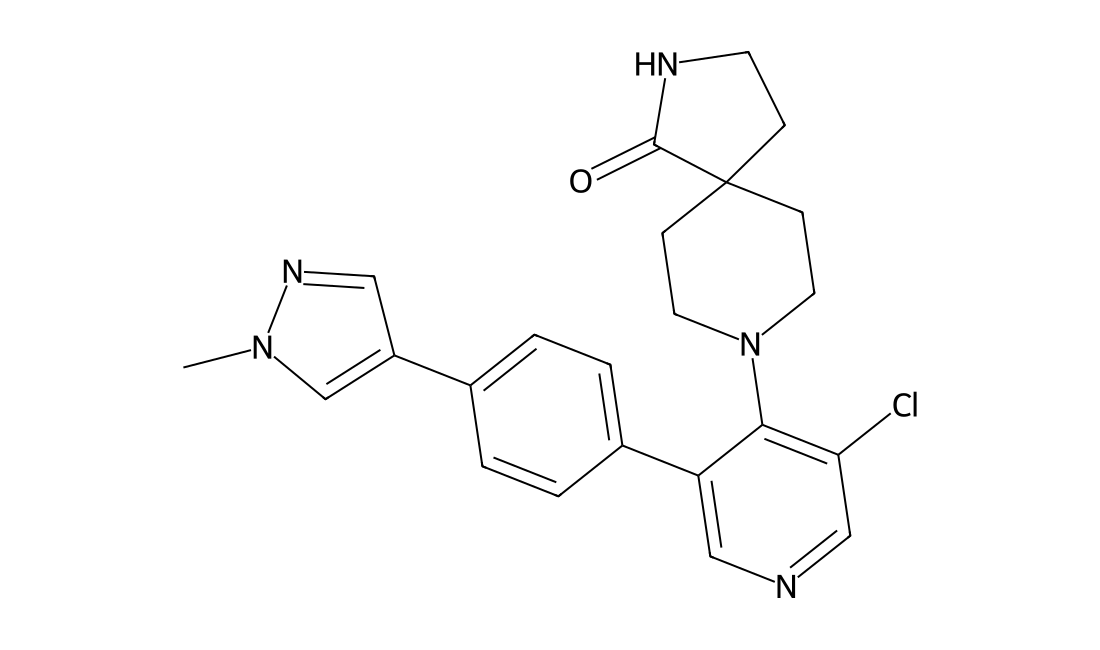
ICCB-19 hydrochloride
CAS 1803605-68-6
ICCB-19 hydrochloride is an inhibitor of TNFRSF1A Associated Via Death Domain (TRADD) with IC50 of 1.12 μM and 2.01 μM for protecting Velcade-induced apoptosis in Jurkat cells and protecting RDA in MEFs, respectively. ICCB-19 indirectly inhibits Receptor-interacting serine/threonine-protein kinase 1 (RIPK1). ICCB-19 effectively induces autophagy.
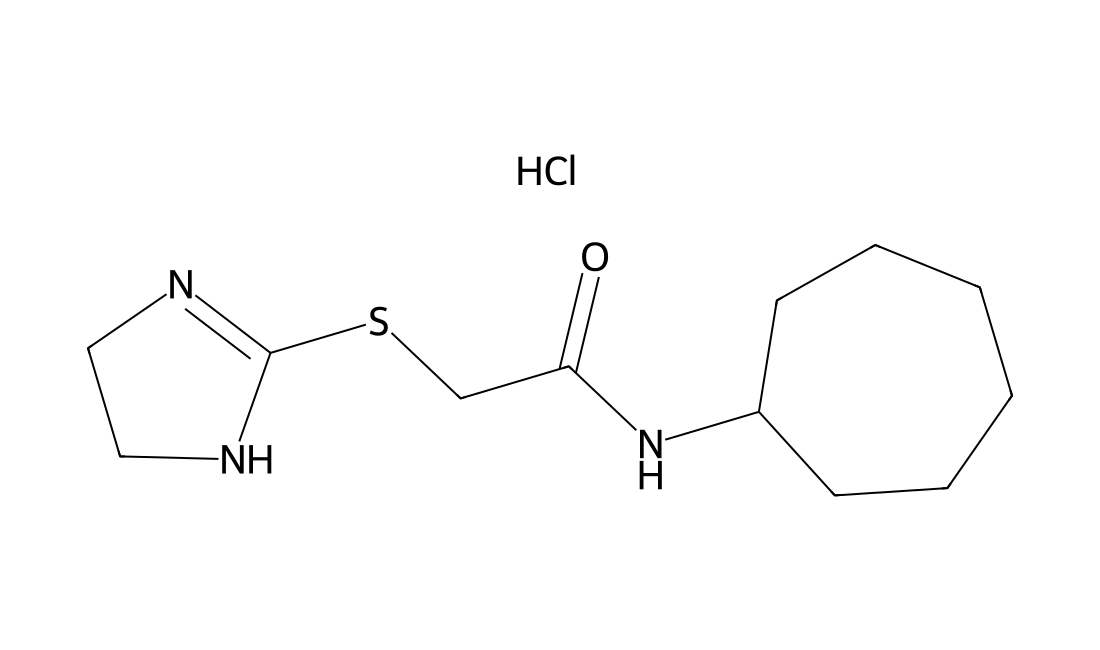
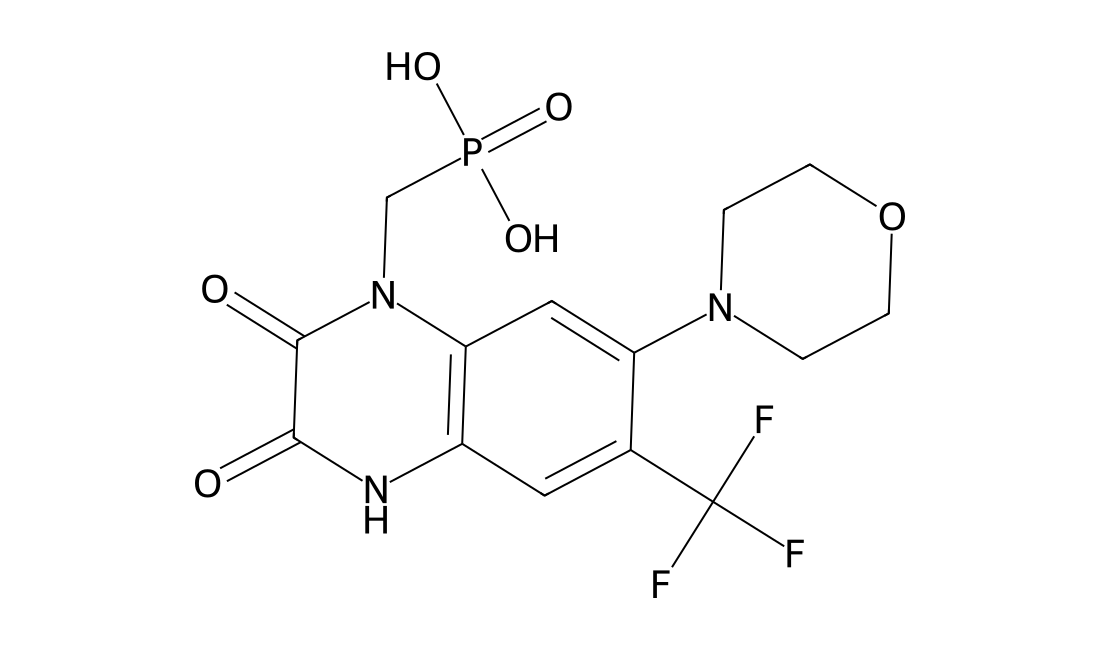
ZK-200775
CAS 161605-73-8
ZK 200775 is a competitive GluR (AMPA)/kainate antagonist. In rat cortical membranes, it displays high affinity for [3H]-AMPA (Ki = 120 nM) and [3H]-CNQX (Ki = 32 nM) binding sites but low affinity for kainate and NMDA channel-associated binding sites (IC50 values range from 2.5 to 11 μM). It inhibits currents induced by AMPA, kainate and NMDA with IC50 values of 21 nM, 27 nM, and > 1 μM respectively. AMPA is a transmembrane glutamate receptor composed of the subunits GluR-1,2,3,4.. For the detailed information of ZK-200775, the solubility of ZK-200775 in water, the solubility of ZK-200775 in DMSO, the solubility of ZK-200775 in PBS buffer, the animal experiment (test) of ZK-200775, the cell expriment (test) of ZK-200775, the in vivo, in vitro and clinical trial test of ZK-200775, the EC50, IC50,and affinity,of ZK-200775, Please contact DC Chemicals.
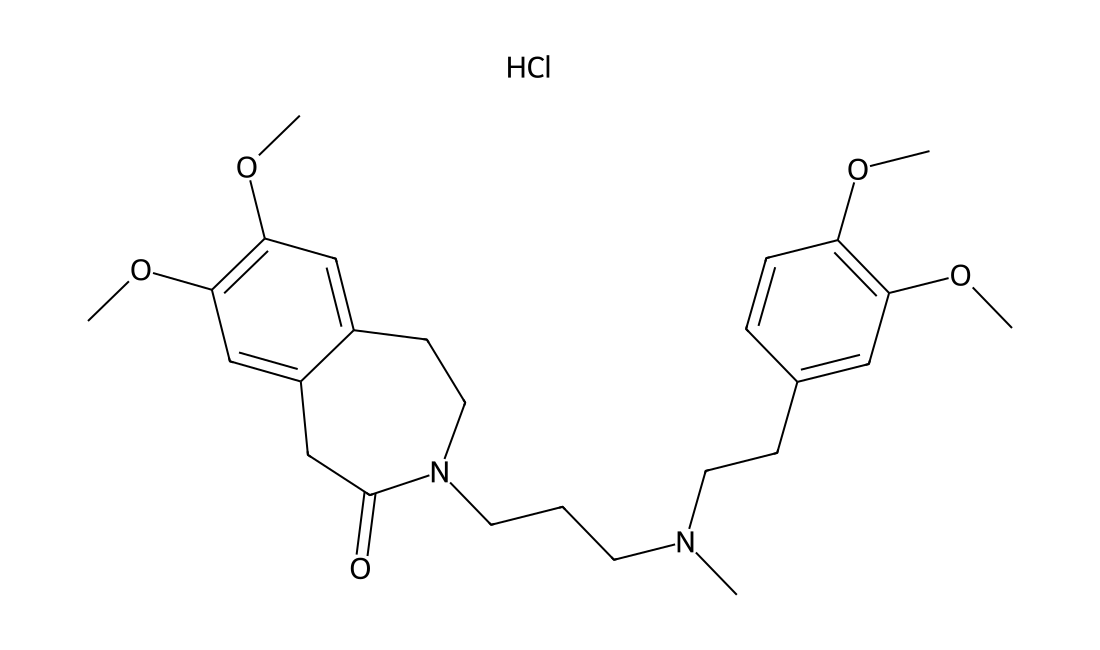
Zatebradine hydrochloride
CAS 91940-87-3
Zatebradine hydrochloride is a bradycardic agent that creates use-dependent inhibition of hyperpolarization-activated current (If) in sinoatrial node cells (EC50 = 480 nM) and Purkinje fibres. Displays negative chronotropic activity in isolated guinea pig atria (EC50 of 13.4μM).. For the detailed information of Zatebradine hydrochloride, the solubility of Zatebradine hydrochloride in water, the solubility of Zatebradine hydrochloride in DMSO, the solubility of Zatebradine hydrochloride in PBS buffer, the animal experiment (test) of Zatebradine hydrochloride, the cell expriment (test) of Zatebradine hydrochloride, the in vivo, in vitro and clinical trial test of Zatebradine hydrochloride, the EC50, IC50,and affinity,of Zatebradine hydrochloride, Please contact DC Chemicals.
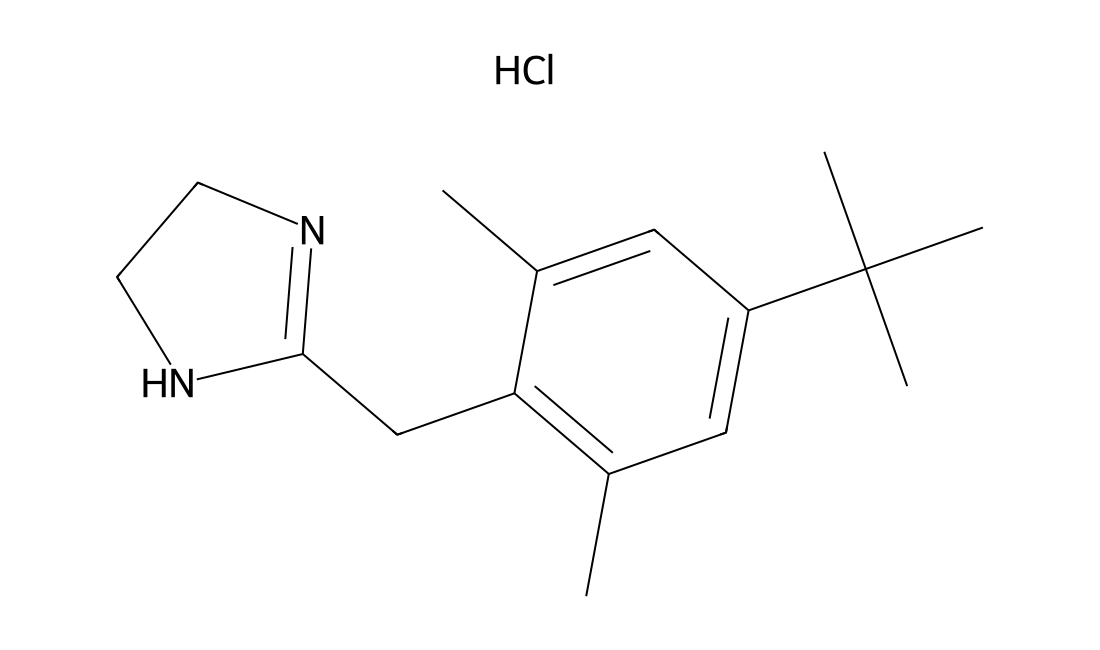
Xylometazoline HCl
CAS 1218-35-5
For the detailed information of Xylometazoline HCl, the solubility of Xylometazoline HCl in water, the solubility of Xylometazoline HCl in DMSO, the solubility of Xylometazoline HCl in PBS buffer, the animal experiment(test) (test) of Xylometazoline HCl, the cell expriment (test) of Xylometazoline HCl, the in vivo, in vitro and clinical trial test of Xylometazoline HCl, the EC50, IC50,and Affinity of Xylometazoline HCl,, please contact DC Chemicals.
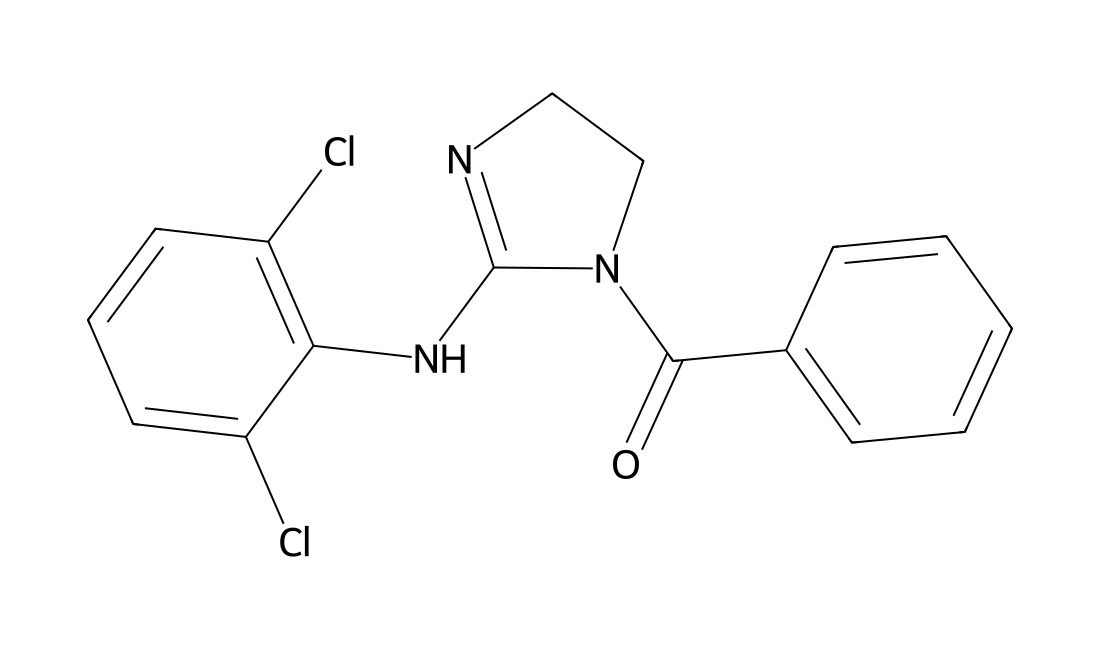
SB 242084
CAS 181632-25-7
SB 242084 is a potent and selective antagonist of 5-HT2C receptor. It increases the basal activity of dopaminergic neurons and affects the behavioral responses mediated by 5-HT2C such as mesolimbic neuron activity and food intake.
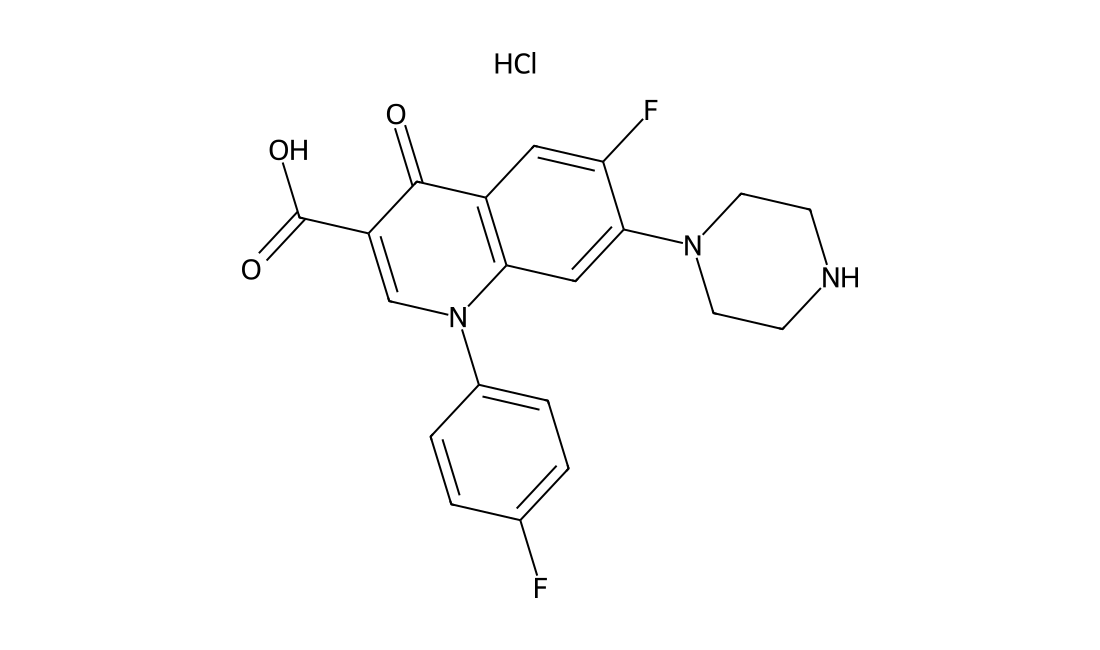
Sarafloxacin HCl
CAS 91296-87-6
For the detailed information of Sarafloxacin HCl, the solubility of Sarafloxacin HCl in water, the solubility of Sarafloxacin HCl in DMSO, the solubility of Sarafloxacin HCl in PBS buffer, the animal experiment(test) (test) of Sarafloxacin HCl, the cell expriment (test) of Sarafloxacin HCl, the in vivo, in vitro and clinical trial test of Sarafloxacin HCl, the EC50, IC50,and Affinity of Sarafloxacin HCl,, please contact DC Chemicals.
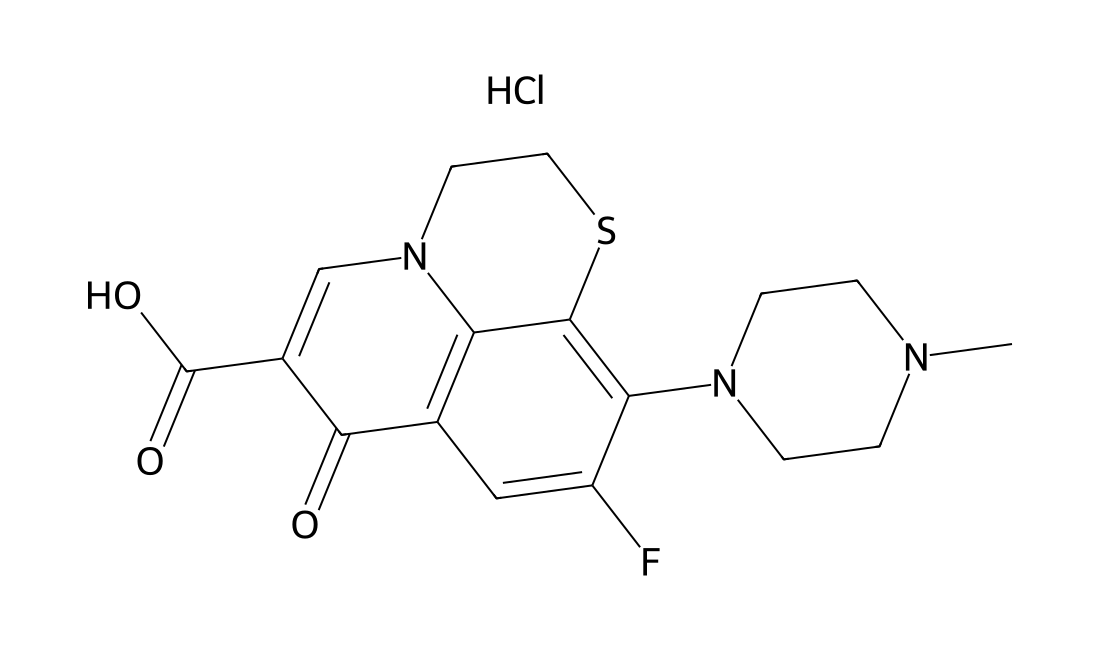
Rufloxacin(hydrochloride)
CAS 106017-08-7
Rufloxacin is a fluoroquinolone antibiotic.It is active against S. aureus, E. coli, P. aeruginosa, P. morganii, K. pneumoniae, and E. cloacae in vitro (MICs = 0.78, 0.78, 12.5, 1.56, <0.39, and <0.39 μg/ml, respectively).2 Rufloxacin inhibits M. luteus DNA gyrase with an IC50 value of 1.5 mM and inhibits DNA synthesis in S. aureus, E. coli, P. aeruginosa, K. pneumoniae, and E. cloacae (IC50s = 0.93, 1.03, 38.8, 0.55, and 0.66 μg/ml, respectively). Rufloxacin (50 mg/kg, p.o.) reduces bacterial burden in the spleen and liver in a mouse model of systemic S. typhimurium infection.
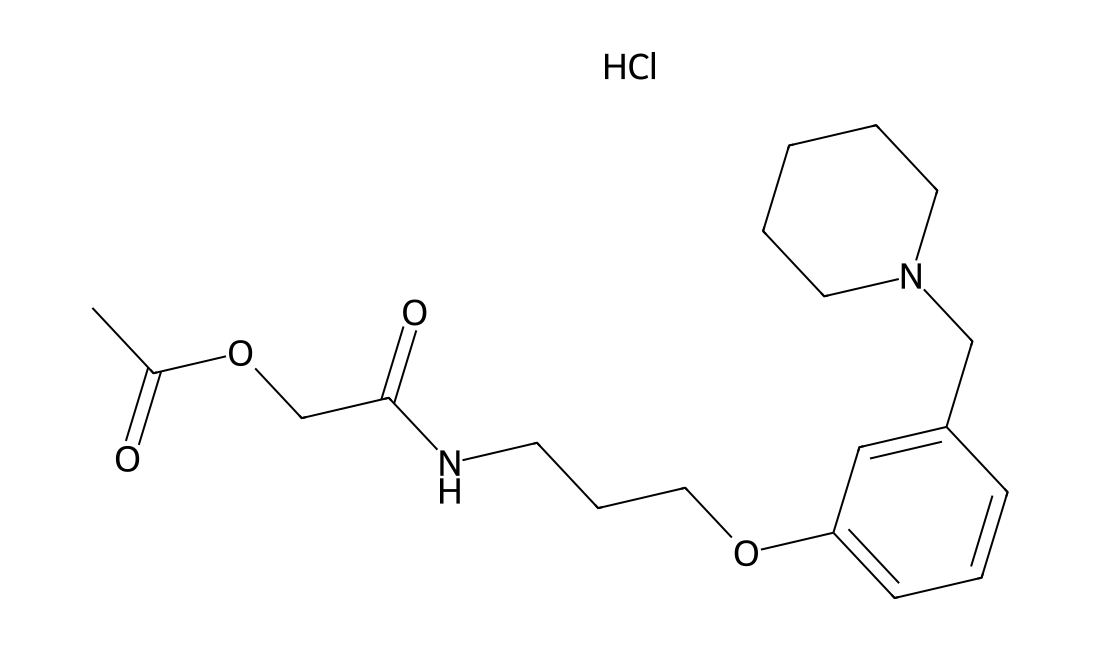
Roxatidine Acetate Hydrochloride
CAS 93793-83-0
For the detailed information of Roxatidine Acetate Hydrochloride, the solubility of Roxatidine Acetate Hydrochloride in water, the solubility of Roxatidine Acetate Hydrochloride in DMSO, the solubility of Roxatidine Acetate Hydrochloride in PBS buffer, the animal experiment(test) (test) of Roxatidine Acetate Hydrochloride, the cell expriment (test) of Roxatidine Acetate Hydrochloride, the in vivo, in vitro and clinical trial test of Roxatidine Acetate Hydrochloride, the EC50, IC50,and Affinity of Roxatidine Acetate Hydrochloride,, please contact DC Chemicals.
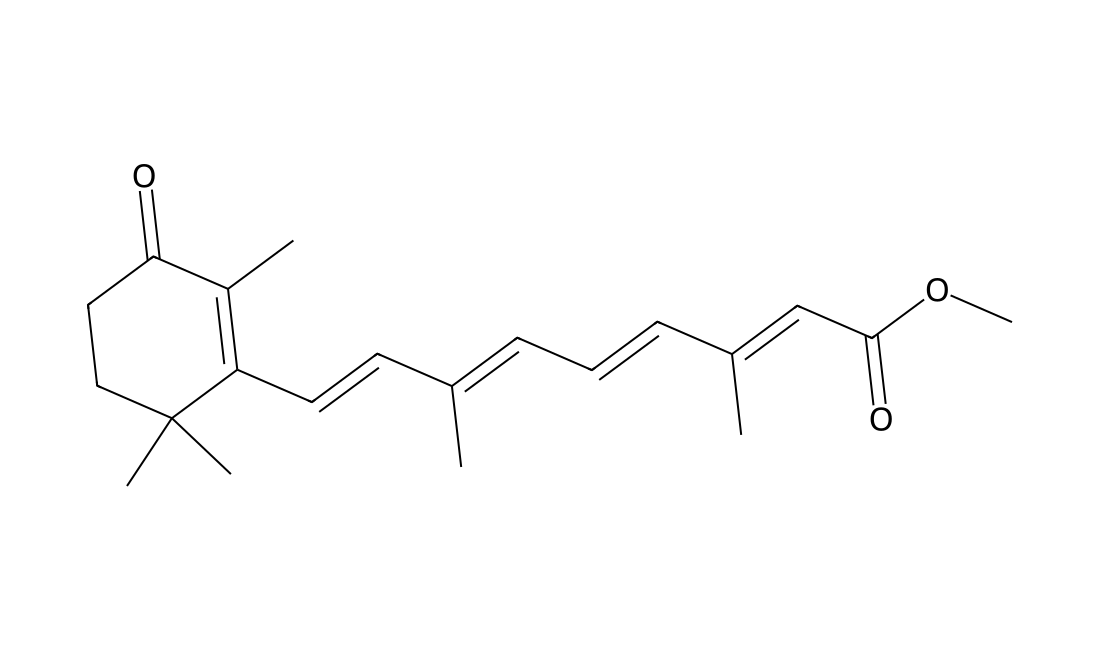
LDN-211904
CAS 1198408-78-4
A pyrazolo[1,5-a]pyridine derivative that acts as an potent and reversible EphB3 receptor tyrosine kinase inhibitor with an IC50 of 79 nM with good mouse liver microsomal stability and aqueous solubility. Shown to suppress EphB3-induced autophosphorylation of EphB3 receptor at 10 µM in cells. When profiled against a panel of 288 kinases at 5 µM, found to also inhibit most of the Eph (Erythropoietin-producing hepatocellular carcinoma) receptor kinases including EphA1, EphA2, EphA3, EphA4, EphA5, EphA8, EphB1, EphB2, EphB3, EphB4 and other tyrosine kinases, but not EphA6 and EphA7, and is non-inhibitory towards non-RTK kinases screened except For p38α, p38β, and Qik.For the detailed information of LDN-211904, the solubility of LDN-211904 in water, the solubility of LDN-211904 in DMSO, the solubility of LDN-211904 in PBS buffer, the animal experiment (test) of LDN-211904, the cell expriment (test) of LDN-211904, the in vivo, in vitro and clinical trial test of LDN-211904, the EC50, IC50,and Affinity of LDN-211904, Please contact DC Chemicals.
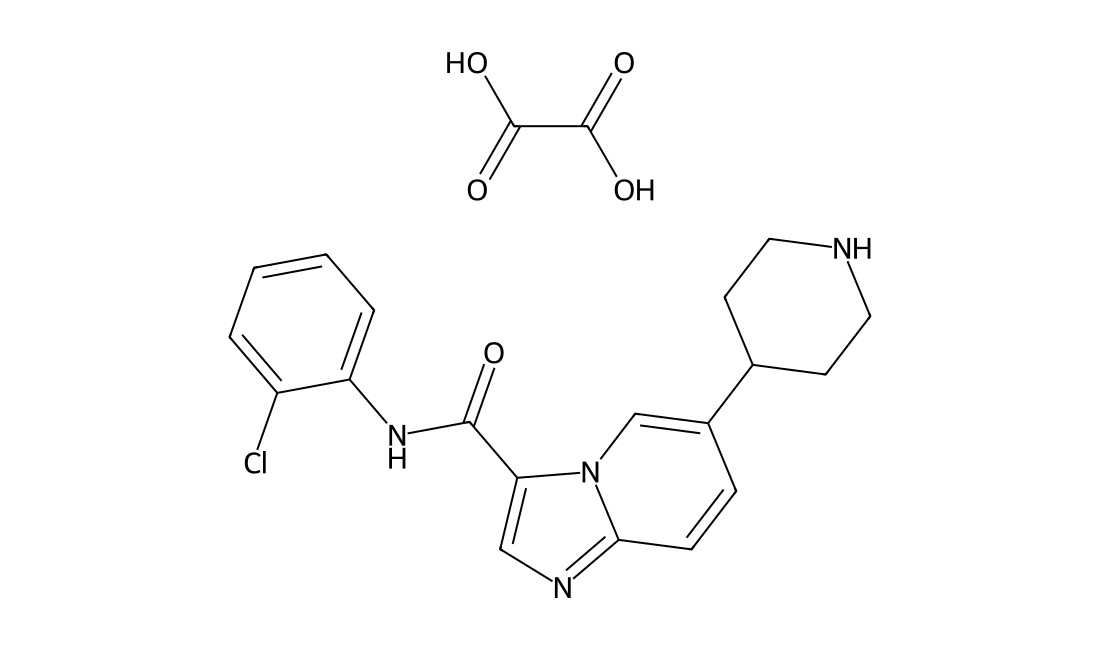
Flupirtine maleate
CAS 75507-68-5
For the detailed information about the solubility of Flupirtine maleate in water, the solubility of Flupirtine maleate in DMSO, the solubility of Flupirtine maleate in PBS buffer, the animal experiment(test) of Flupirtine maleate,the in vivo,in vitro and clinical trial test of Flupirtine maleate,the cell experiment(test) of Flupirtine maleate,the IC50, EC50 and Affinity of Flupirtine maleate, please contact DC Chemicals.
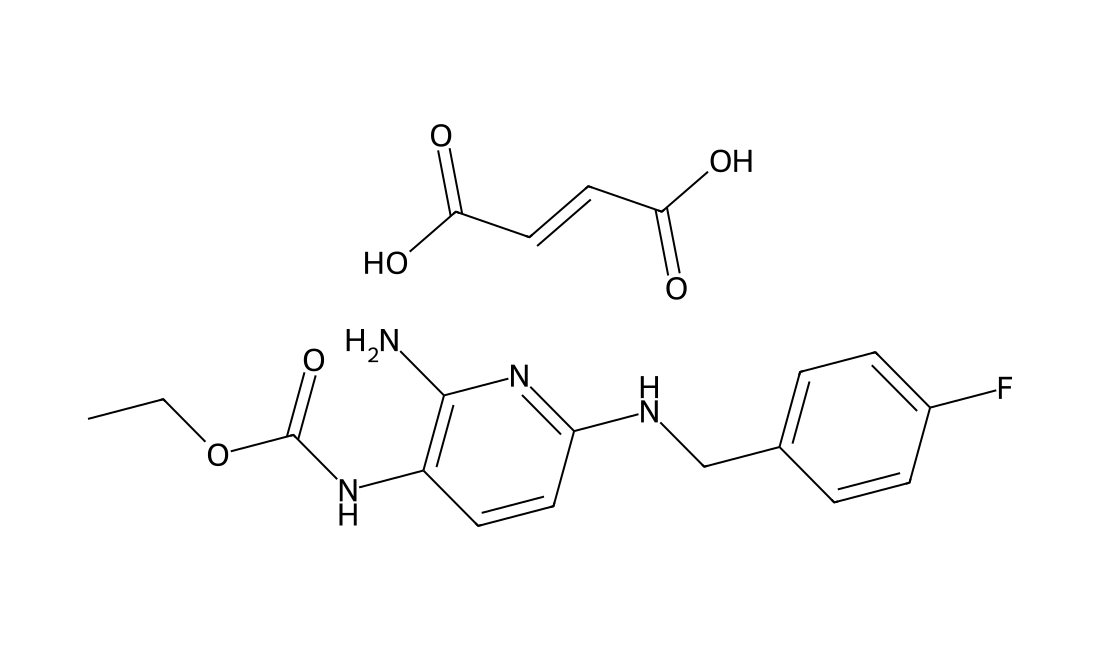
Diphenhydramine Citrate
CAS 88637-37-0
For the detailed information of Diphenhydramine Citrate, the solubility of Diphenhydramine Citrate in water, the solubility of Diphenhydramine Citrate in DMSO, the solubility of Diphenhydramine Citrate in PBS buffer, the animal experiment(test) (test) of Diphenhydramine Citrate, the cell expriment (test) of Diphenhydramine Citrate, the in vivo, in vitro and clinical trial test of Diphenhydramine Citrate, the EC50, IC50,and Affinity of Diphenhydramine Citrate,, please contact DC Chemicals.
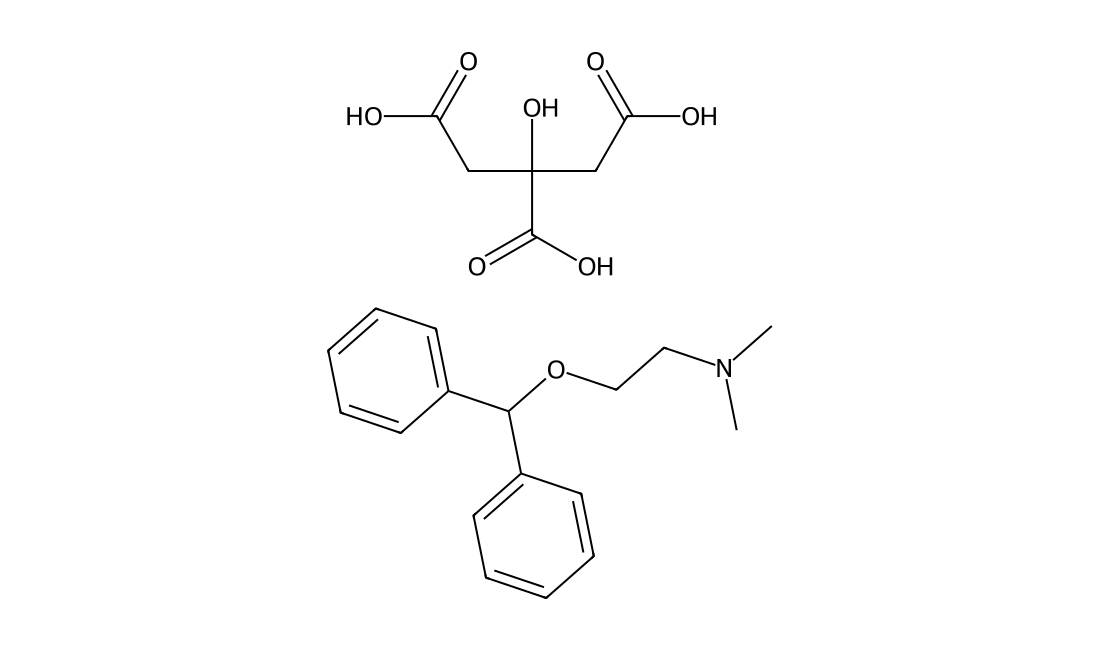
Delavirdine (mesylate)
CAS 147221-93-0
Delavirdine is a non-nucleoside reverse transcriptase inhibitor (NNRTI) that selectively inhibits HIV-1 reverse transcriptase over DNA polymerase α and δ in vitro (IC50s = 0.26, 440, and >550 μM, respectively).It inhibits growth of clinical isolates of HIV-1 (ED50s = <0.005-0.69 μM). Delavirdine blocks replication of 25 primary HIV-1 isolates, including strains resistant to 3'-azido-2',3'-deoxythymidine (AZT) or 2',3'-dideoxyinosine, with a mean ED50 value of 0.066 μM. Delavirdine also inhibits growth of L. infantum promastigotes (IC50 = 26.1 μM).Formulations containing delavirdine have been used in the treatment of HIV.
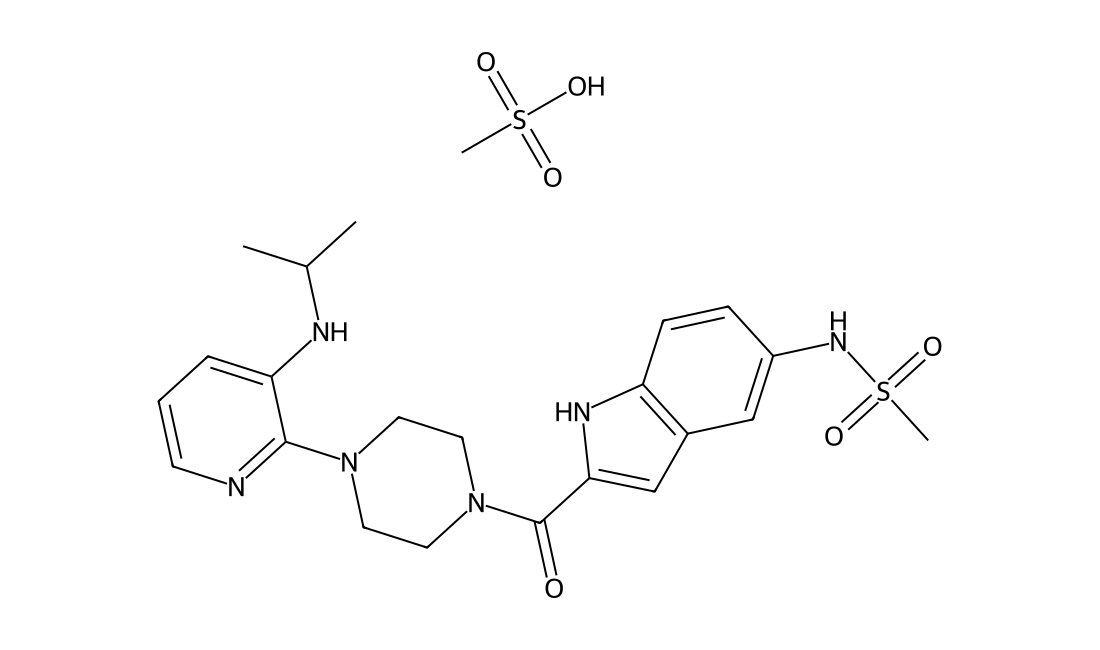
CP465022 HCl
CAS 199655-36-2
CP 465022 hydrochloride is a selective GluR (AMPA) antagonist which is non-competitive. GluR (AMPA) is a transmembrane glutamate receptor composed of the subunits GluR-1,2,3,4.
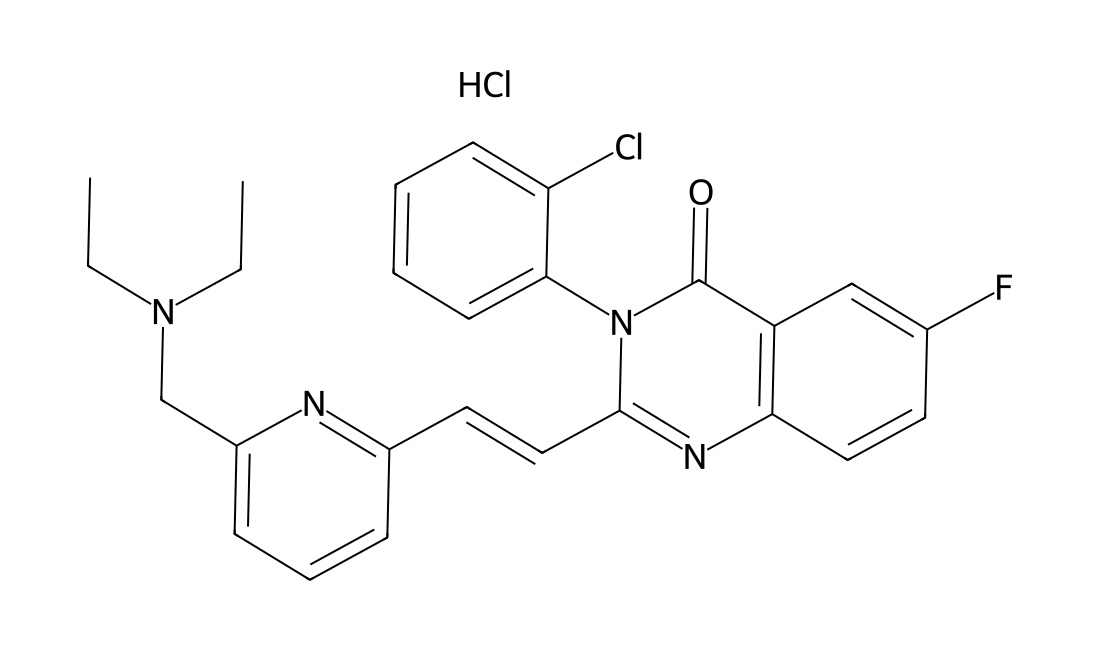
Chlorhexidine HCl
CAS 3697-42-5
For the detailed information of Chlorhexidine HCl, the solubility of Chlorhexidine HCl in water, the solubility of Chlorhexidine HCl in DMSO, the solubility of Chlorhexidine HCl in PBS buffer, the animal experiment(test) (test) of Chlorhexidine HCl, the cell expriment (test) of Chlorhexidine HCl, the in vivo, in vitro and clinical trial test of Chlorhexidine HCl, the EC50, IC50,and Affinity of Chlorhexidine HCl,, please contact DC Chemicals.
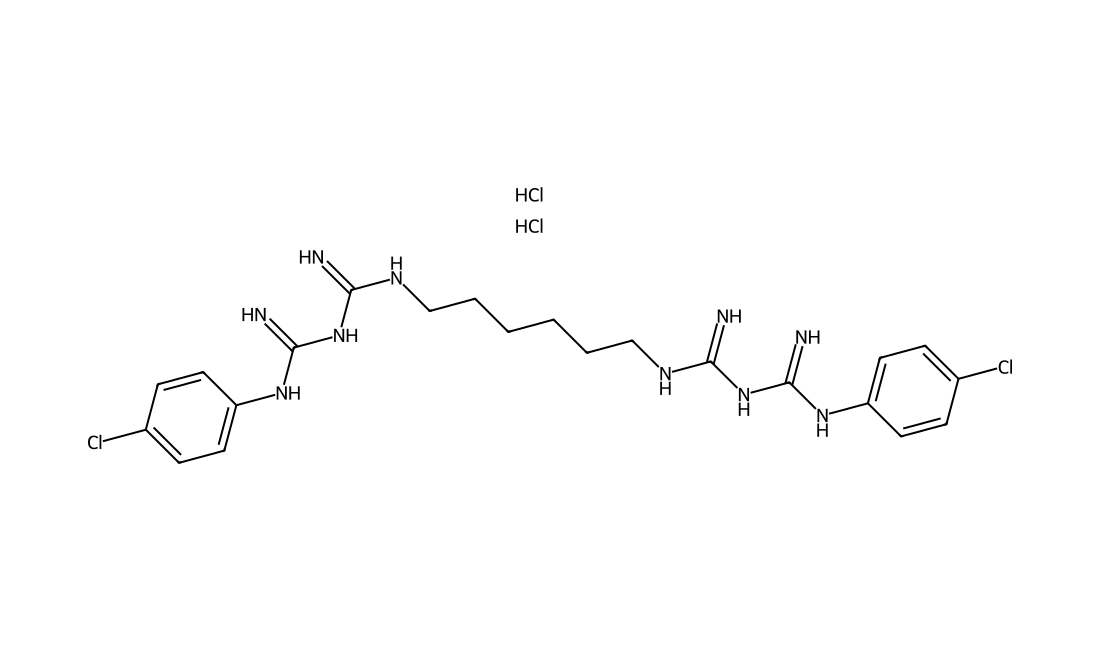
Buflomedil HCl
CAS 35543-24-9
For the detailed information of Buflomedil HCl, the solubility of Buflomedil HCl in water, the solubility of Buflomedil HCl in DMSO, the solubility of Buflomedil HCl in PBS buffer, the animal experiment(test) (test) of Buflomedil HCl, the cell expriment (test) of Buflomedil HCl, the in vivo, in vitro and clinical trial test of Buflomedil HCl, the EC50, IC50,and Affinity of Buflomedil HCl,, please contact DC Chemicals.
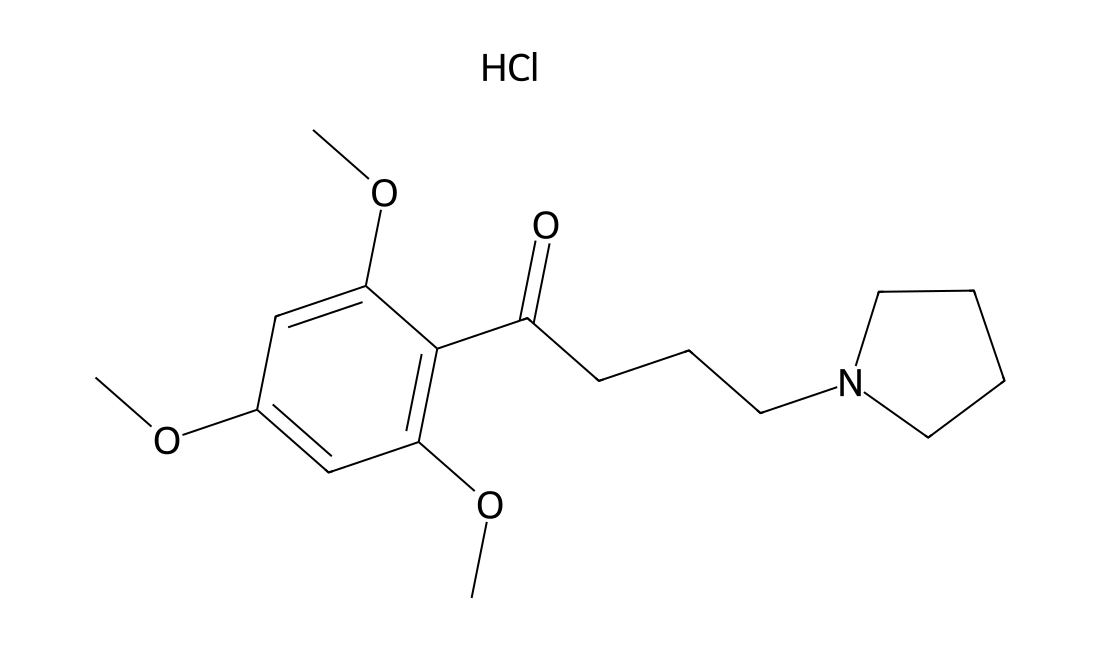
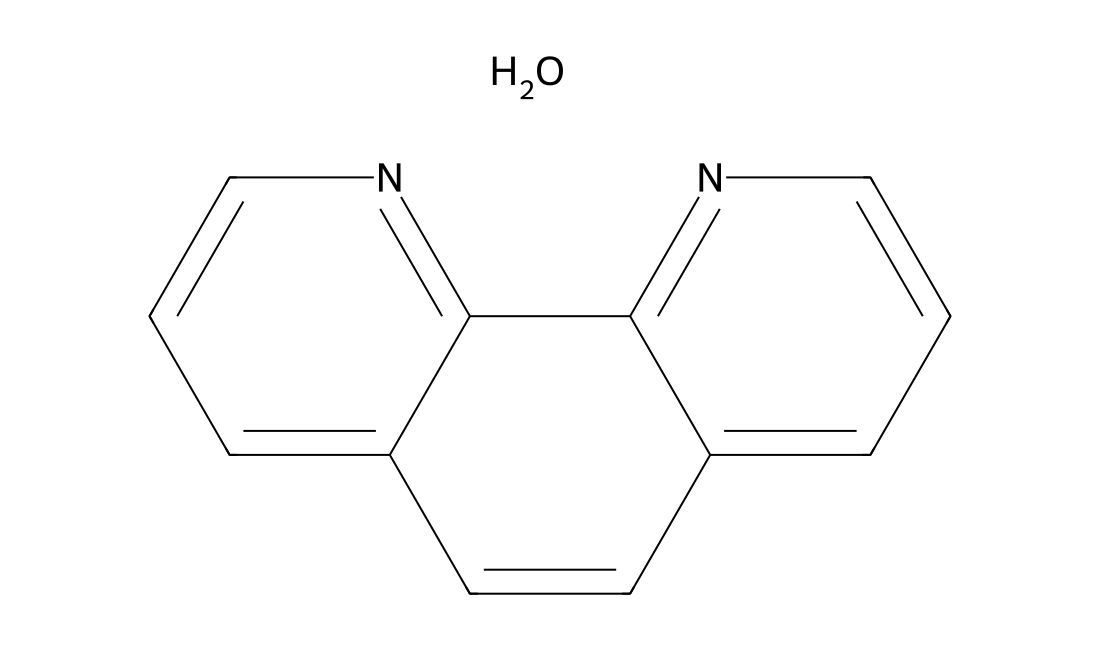
AMG 853(AMG853;Vidupiprant)
CAS 1169483-24-2
AMG 853 is novel a CRTH2 and DP Dual Antagonist.For the detailed information of AMG 853(AMG853;Vidupiprant), the solubility of AMG 853(AMG853;Vidupiprant) in water, the solubility of AMG 853(AMG853;Vidupiprant) in DMSO, the solubility of AMG 853(AMG853;Vidupiprant) in PBS buffer, the animal experiment (test) of AMG 853(AMG853;Vidupiprant), the cell expriment (test) of AMG 853(AMG853;Vidupiprant), the in vivo, in vitro and clinical trial test of AMG 853(AMG853;Vidupiprant), the EC50, IC50,and Affinity of AMG 853(AMG853;Vidupiprant), Please contact DC Chemicals.
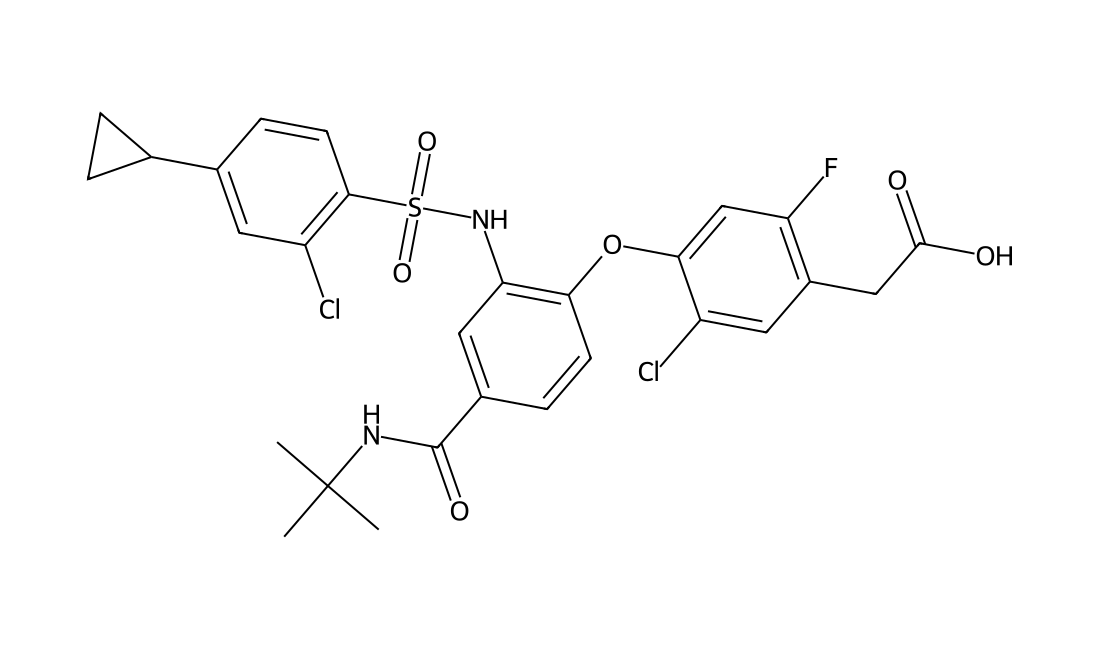
Alizarin
CAS 72-48-0
For the detailed information of Alizarin, the solubility of Alizarin in water, the solubility of Alizarin in DMSO, the solubility of Alizarin in PBS buffer, the animal experiment(test) (test) of Alizarin, the cell expriment (test) of Alizarin, the in vivo, in vitro and clinical trial test of Alizarin, the EC50, IC50,and Affinity of Alizarin,, please contact DC Chemicals.
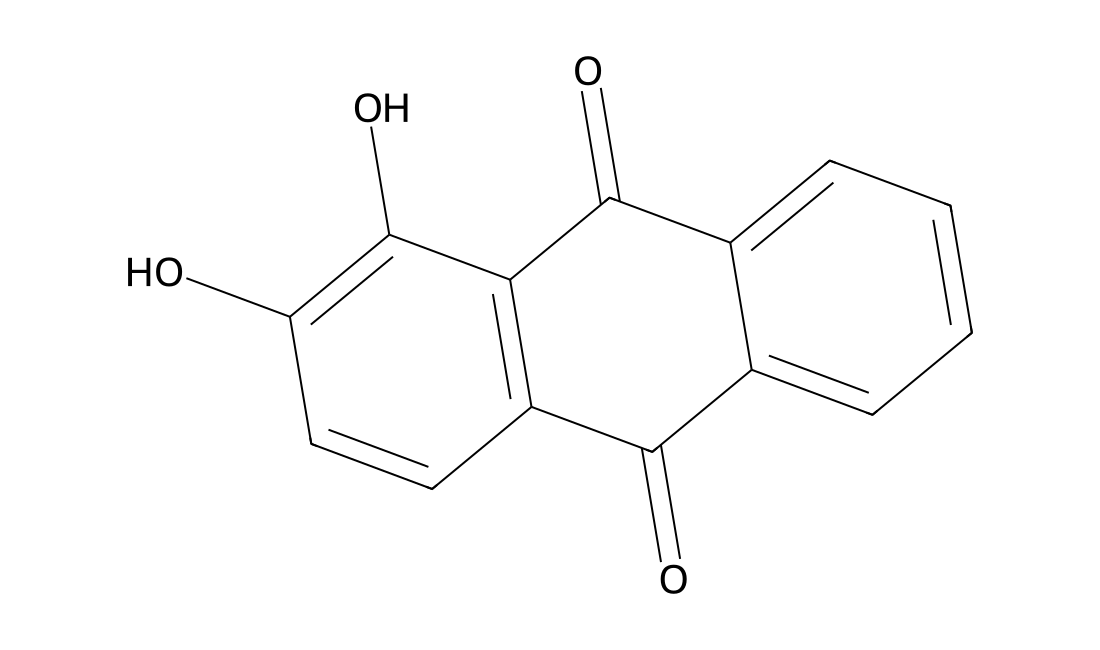
Adiphenine HCl
CAS 50-42-0
For the detailed information of Adiphenine HCl, the solubility of Adiphenine HCl in water, the solubility of Adiphenine HCl in DMSO, the solubility of Adiphenine HCl in PBS buffer, the animal experiment(test) (test) of Adiphenine HCl, the cell expriment (test) of Adiphenine HCl, the in vivo, in vitro and clinical trial test of Adiphenine HCl, the EC50, IC50,and Affinity of Adiphenine HCl,, please contact DC Chemicals.
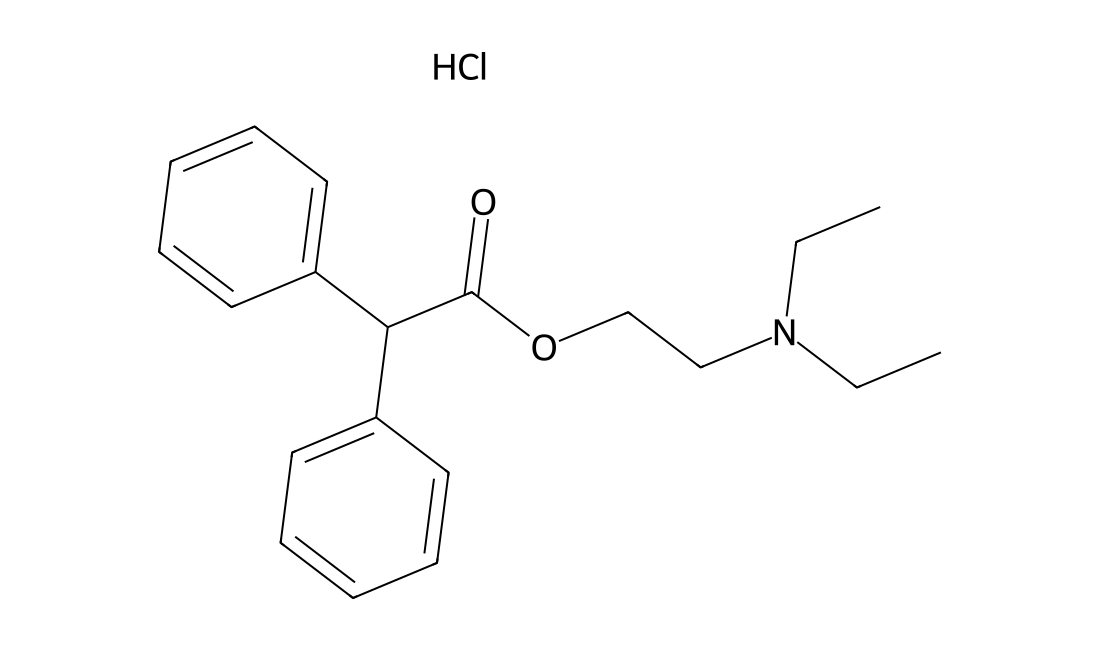
1, 10-Phenanthroline monohydrate;Phenanthroline monohydrate
CAS 5144-89-8
1,10-Phenanthroline is a classic chelating bidentate ligand for transition metal ions that has played an important role in the development of coordination chemistry. It is an inhibitor of metallopeptidases.
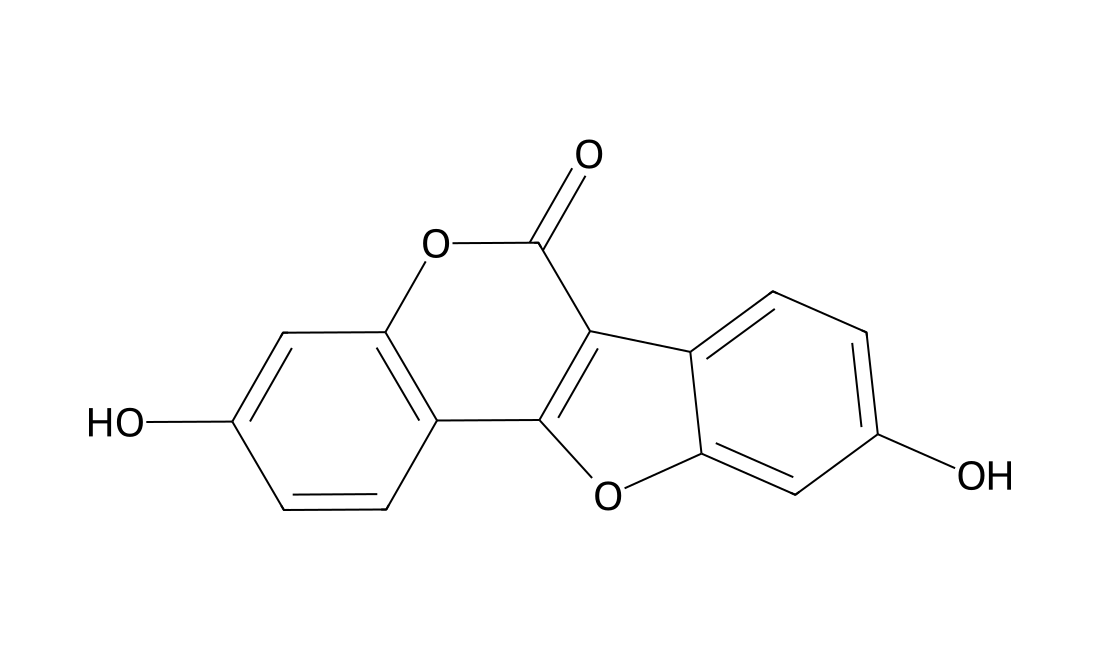
Coumestrol
CAS 479-13-0
Coumestrol, a phytoestrogen present in soybean products, exhibits activities against cancers, neurological disorders, and autoimmune diseases. It suppresses proliferation of ES2 cells with an IC50 of 50 μM.
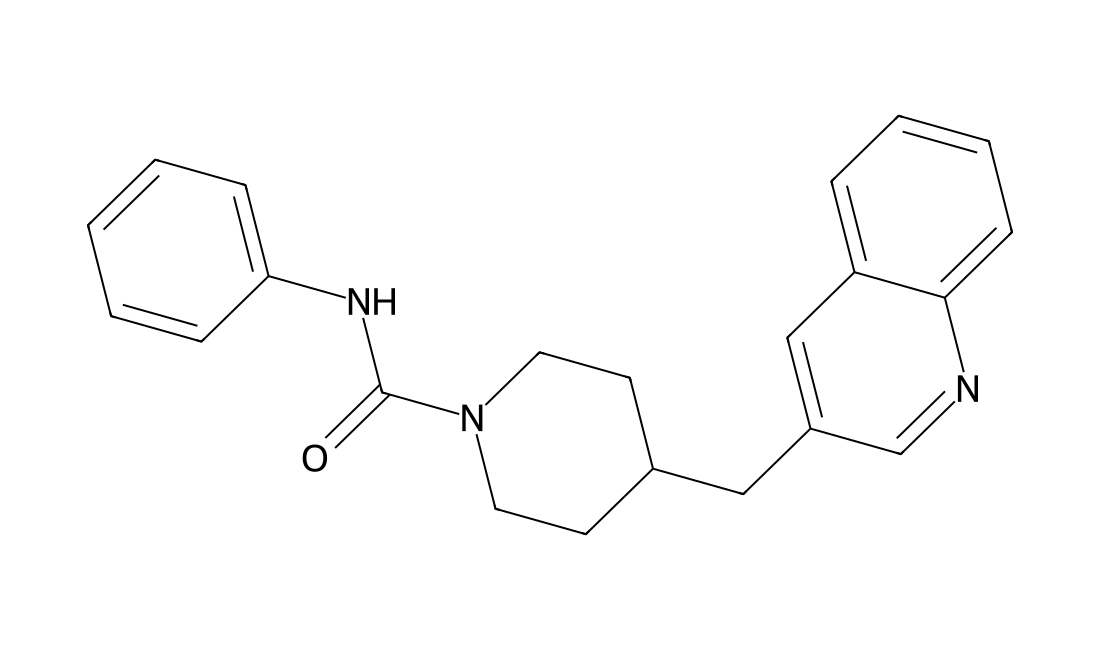
PF 750
CAS 959151-50-9
PF 750 is a selective and covalent fatty acid amide hydrolase (FAAH) inhibitor, with IC50s varied from 16.2-595 nM in different pre-incubation times. Covalently modifies the enzyme’s active site serine nucleophile[1].
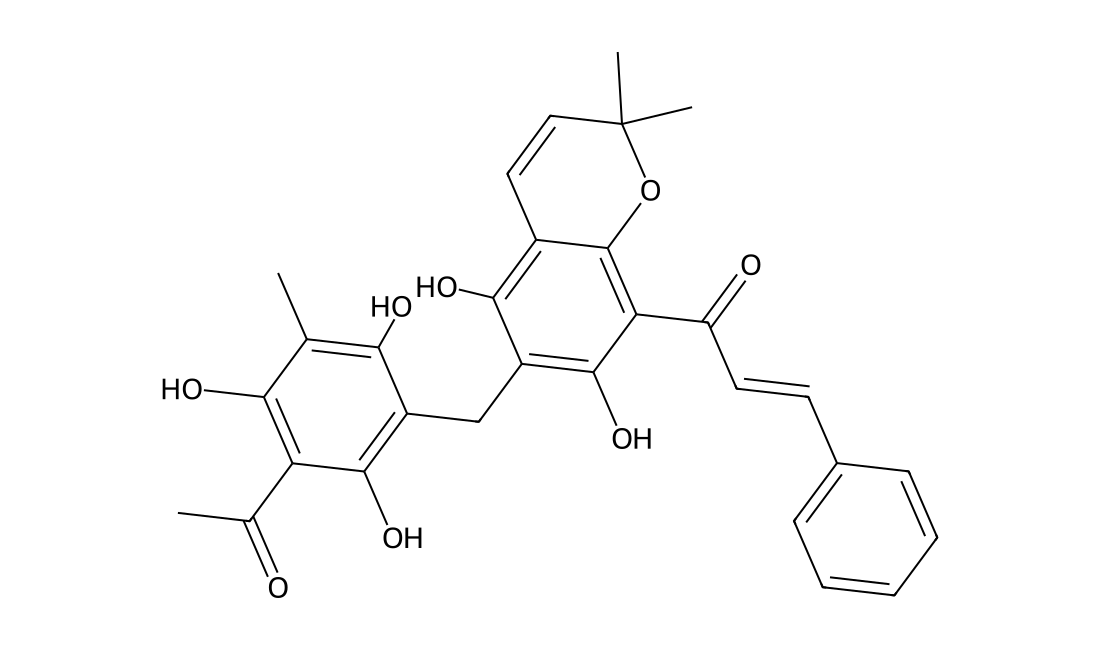
Rottlerin
CAS 82-08-6
Rottlerin is a specific PKC inhibitor, with IC50 values for PKCδ of 3-6 μM, PKCα,β,γ of 30-42 μM, PKCε,η,ζ of 80-100 μM.
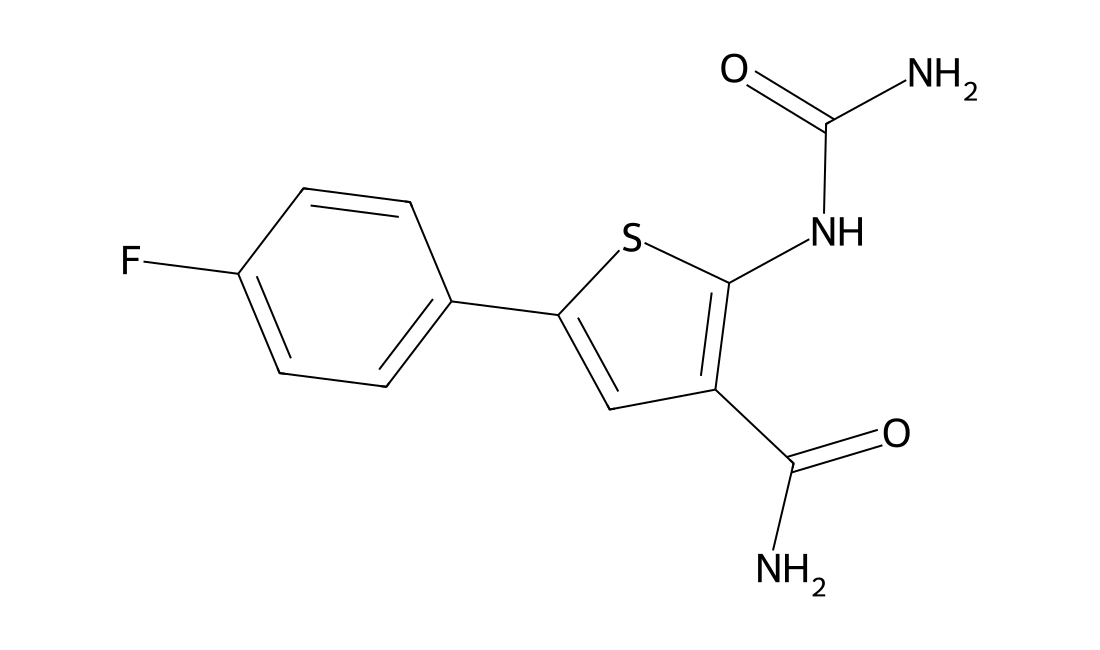
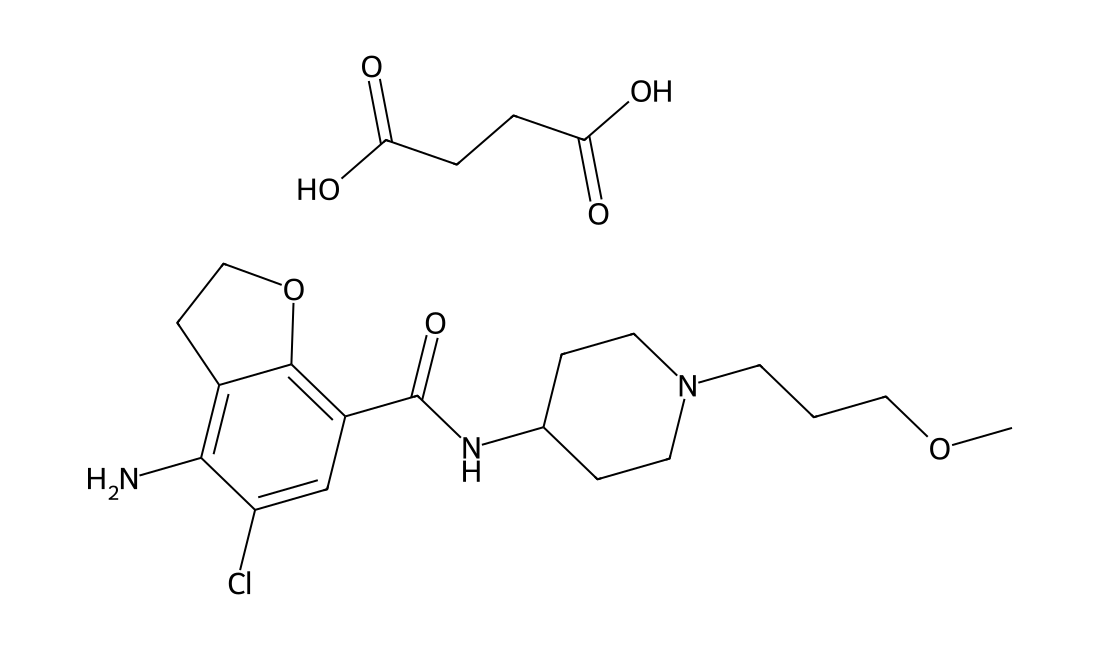
Prucalopride succinate
CAS 179474-85-2
Prucalopride succinate is a selective, high affinity 5-HT4 receptor agonist with pKi of 8.6/8.1 for 5-HT4a/4b.in vitro: Prucalopride was a 5-HT(4) receptor agonist in the guinea-pig colon, as it induced contractions (pEC(50)=7.48+/-0.06; insensitive to a 5-HT(2A) or 5-HT(3) receptor antagonist, but inhibited by a 5-HT(4) receptor antagonist) as well as the facilitation of electrical stimulation-induced noncholinergic contractions (blocked by a 5-HT(4) receptor antagonist). Prucalopride did not cause relevant inhibition of 5-HT(2A), 5-HT(2B), or 5-HT(3), motilin or cholecystokinin (CCK(1)) receptor-mediated contractions, nor nicotinic or muscarinic acetylcholine receptor-mediated contractions, up to 10 microM. in vivo: Rat microdialysis studies revealed that prucalopride maximally increased ACh and histamine levels in the prefrontal cortex at 5 and 10 mg/kg, whereas PRX-03140 significantly increased cortical histamine levels at 50 mg/kg, failing to affect ACh release at doses lower than 150 mg/kg. For the detailed information of Prucalopride succinate, the solubility of Prucalopride succinate in water, the solubility of Prucalopride succinate in DMSO, the solubility of Prucalopride succinate in PBS buffer, the animal experiment (test) of Prucalopride succinate, the cell expriment (test) of Prucalopride succinate, the in vivo, in vitro and clinical trial test of Prucalopride succinate, the EC50, IC50,and affinity,of Prucalopride succinate, For the detailed information of Prucalopride succinate, the solubility of Prucalopride succinate in water, the solubility of Prucalopride succinate in DMSO, the solubility of Prucalopride succinate in PBS buffer, the animal experiment (test) of Prucalopride succinate, the cell expriment (test) of Prucalopride succinate, the in vivo, in vitro and clinical trial test of Prucalopride succinate, the EC50, IC50,and affinity,of Prucalopride succinate, Please contact DC Chemicals.
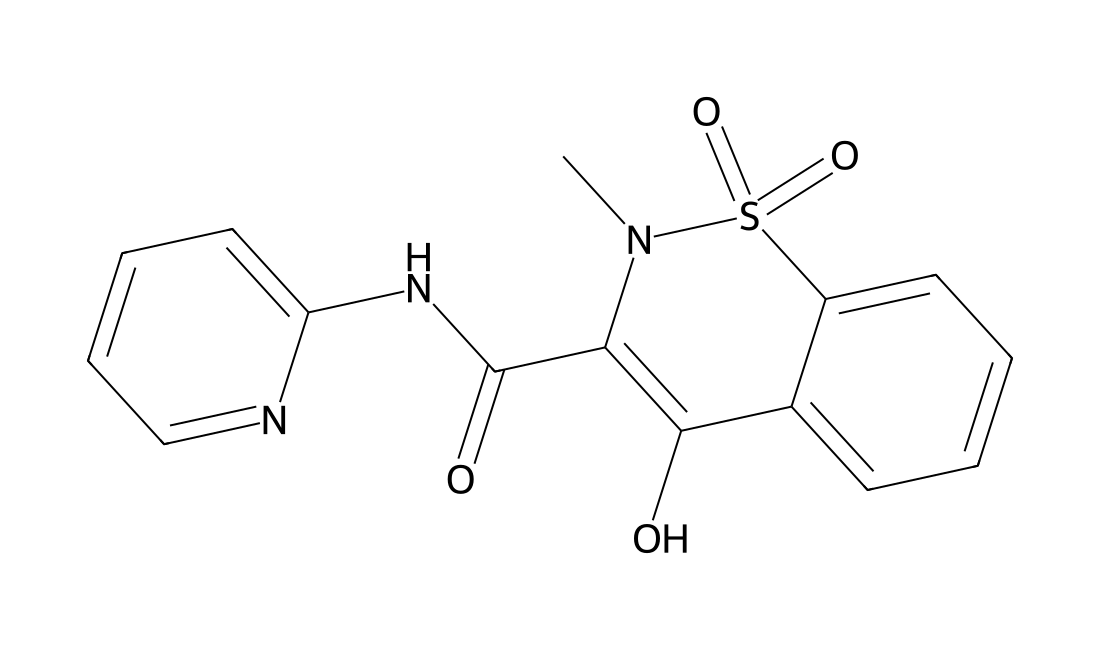
Piroxicam
CAS 36322-90-4
Piroxicam (Feldene) is a non-selective COX inhibitor with an IC50 of 6 mM.Piroxicam, is non-steroidal anti-inflammatory and analgesic agent, which is widely used in the treatment of patients with rheumatologic disorders. Piroxicam, a non-steroidal anti-inflammatory drug (NSAID) can protect neurons and improves neuronal firing after ischemia/reperfusion injury in animal model of focal cerebral ischemia. Piroxicam has no effect on surface tension values of all pH phosphate buffers and palm oil esters. Similarly, various concentrations of piroxicam did not affect the interfacial tensions between the oil phase and the buffer phases. Piroxicam has no surface activity. Additionally, there is no surface pressure activity of piroxicam at the interface of plam oil esters and phosphate buffers in the presence of Tweens and Spans.
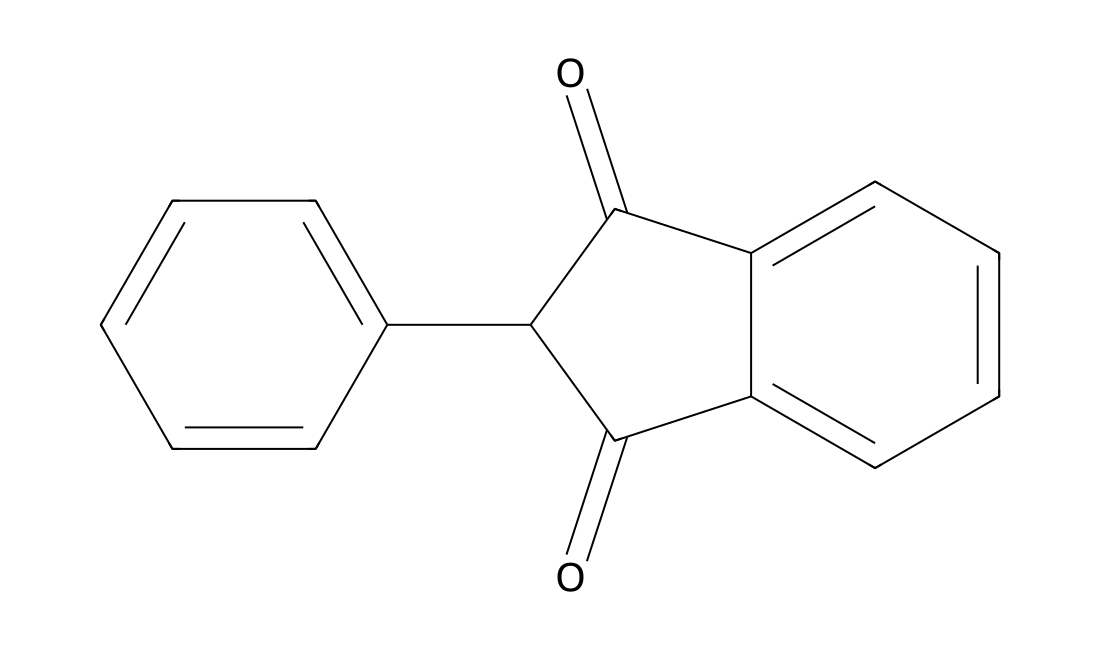
Phenindione(Rectadione)
CAS 83-12-5
For the detailed information of Phenindione(Rectadione), the solubility of Phenindione(Rectadione) in water, the solubility of Phenindione(Rectadione) in DMSO, the solubility of Phenindione(Rectadione) in PBS buffer, the animal experiment(test) (test) of Phenindione(Rectadione), the cell expriment (test) of Phenindione(Rectadione), the in vivo, in vitro and clinical trial test of Phenindione(Rectadione), the EC50, IC50,and Affinity of Phenindione(Rectadione),, please contact DC Chemicals.
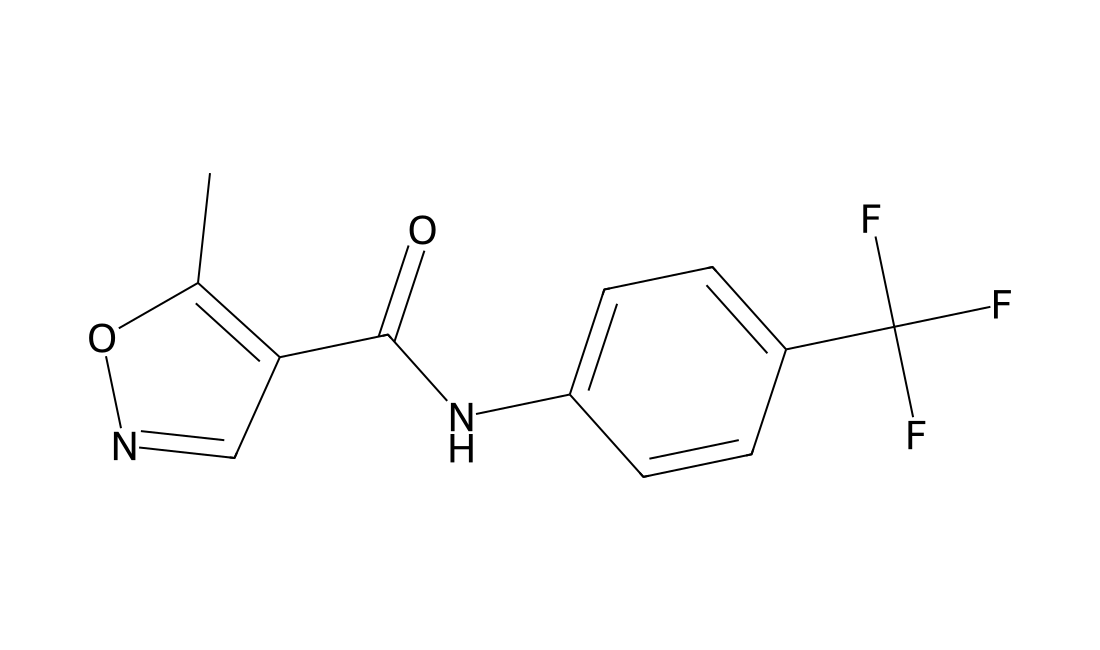
Leflunomide
CAS 75706-12-6
For the detailed information of Leflunomide, the solubility of Leflunomide in water, the solubility of Leflunomide in DMSO, the solubility of Leflunomide in PBS buffer, the animal experiment(test) (test) of Leflunomide, the cell expriment (test) of Leflunomide, the in vivo, in vitro and clinical trial test of Leflunomide, the EC50, IC50,and Affinity of Leflunomide,, please contact DC Chemicals.
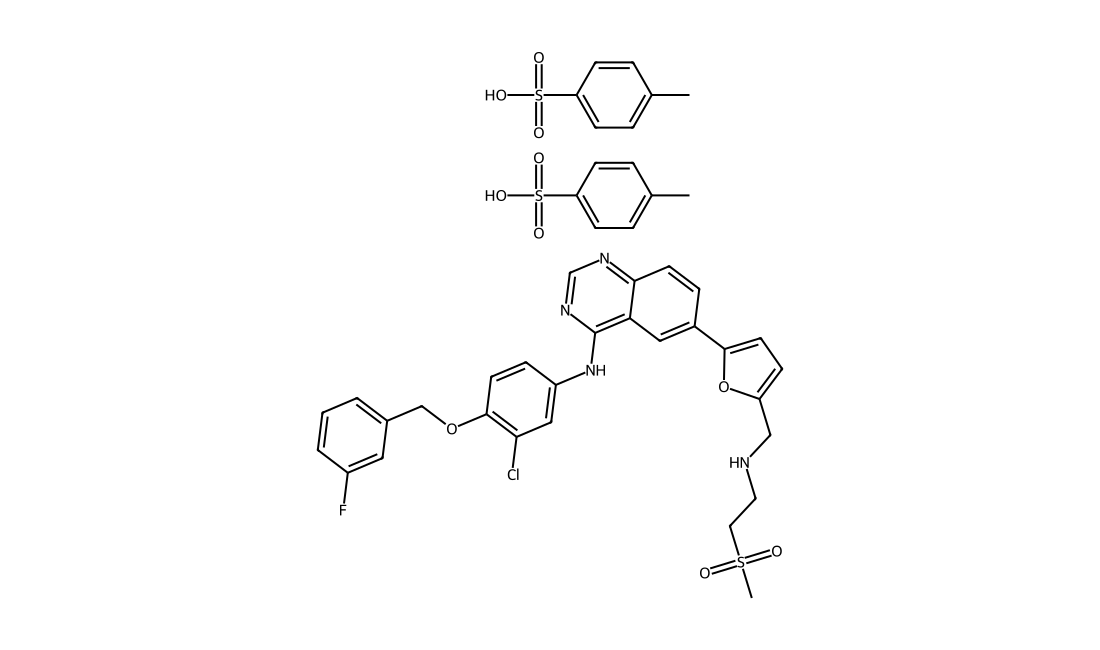
Lapatinib (ditosylate)
CAS 388082-77-7
Lapatinib ditosylate(GW-572016 ditosylate) is a potent EGFR and ErbB2 inhibitor with IC50 of 10.8 and 9.2 nM, respectively. Lapatinib ditosylate is a selective and effective inhibitor of ErbB-2 and EGFR dual tyrosine kinases. ErbB-2 and EGFR dual tyrosine kinases are growth promoting factors that are over expressed in some breast cancer cell lines. Research studies have reported that Lapatinib Ditosylate can inhibit breast cancer cell proliferation.
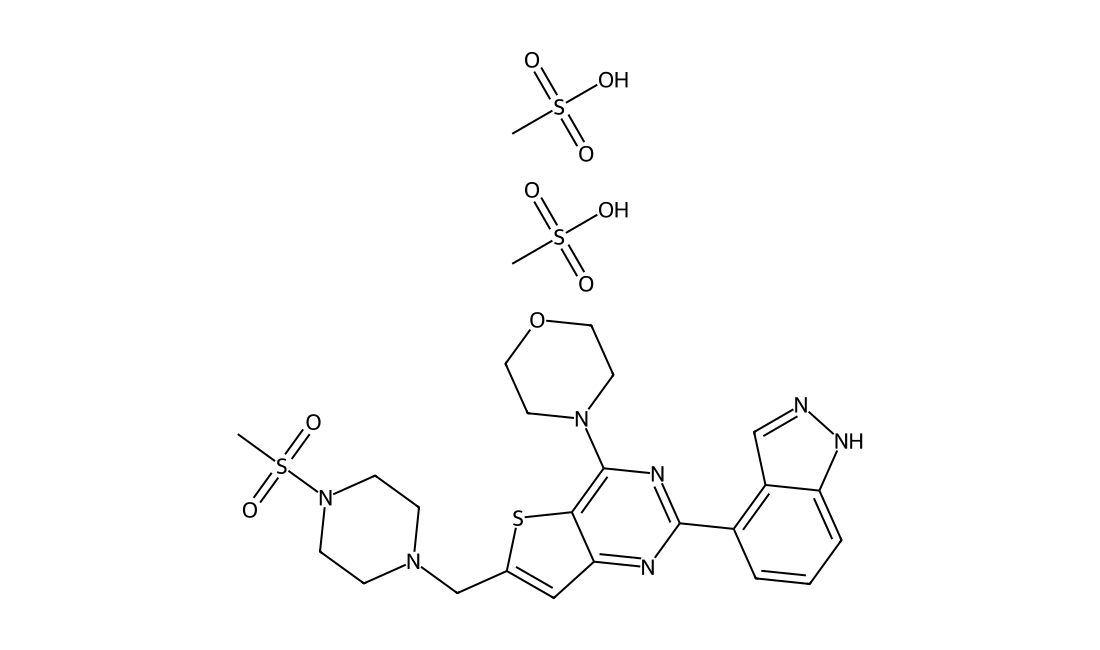
GDC-0941 (dimethanesulfonate)
CAS 957054-33-0
GDC-0941 2 MeSO3H salt is a potent inhibitor of PI3Kα/δ with IC50 of 3 nM, with modest selectivity against p110β (11-fold) and p110γ (25-fold). GDC-0941 is a potent, selective, orally bioavailable inhibitor of class I PI3 kinase for the treatment of cancer. GDC-0941 against p110a IC50=0.003μM,U87MG IC50=0.95μM, A2780 IC50=0.14 μM, and in vitro metabolic stability in mouse and human is 91.96%. The inhibitions of U87MG , PC3, MDA-MB-361 cancer cell proliferation are (IC50) 0.95, 0.28, 0.72 μM, respectively.
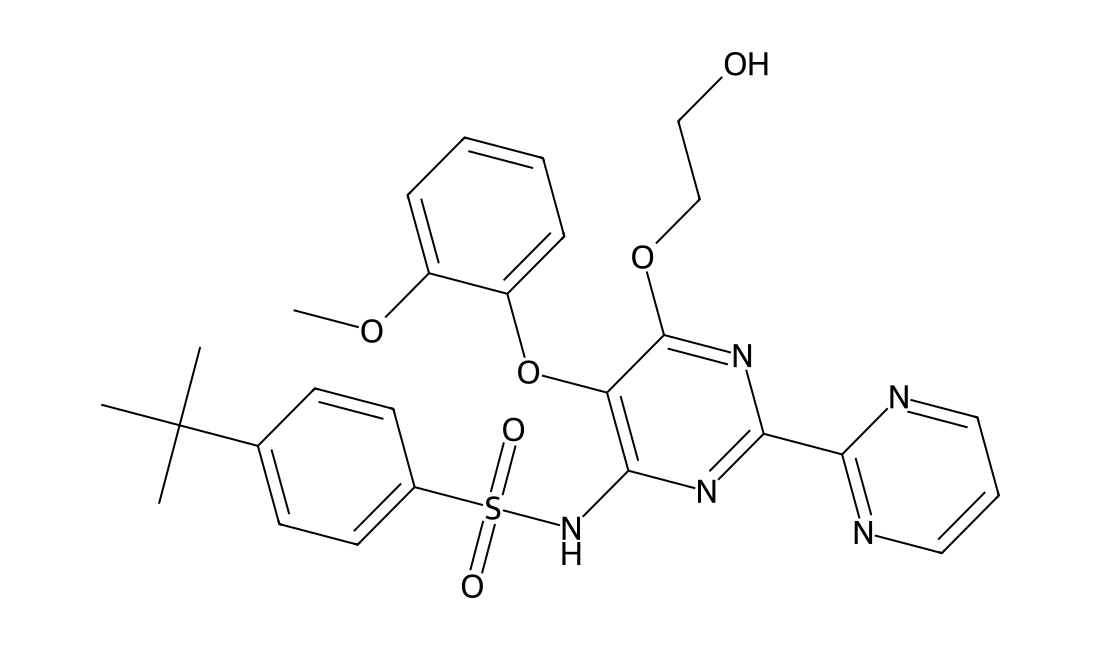
Bosentan
CAS 147536-97-8
Bosentan is a competitive and dual antagonist of endothelin-1 at the endothelin-A (ET-A) and endothelin-B (ET-B) receptors. Under normal conditions, endothelin-1 binding of ET-A or ET-B receptors causes constriction of the pulmonary blood vessels. By blocking this interaction, bosentan decreases pulmonary vascular resistance. Bosentan has a slightly higher affinity for ET-A than ET-B. Bosentan is indicated mainly for the treatment of pulmonary hypertension. In 2007, Bosentan was also approved in the European Union for reducing the number of new digital ulcers in patients with systemic sclerosis and ongoing digital ulcer disease.
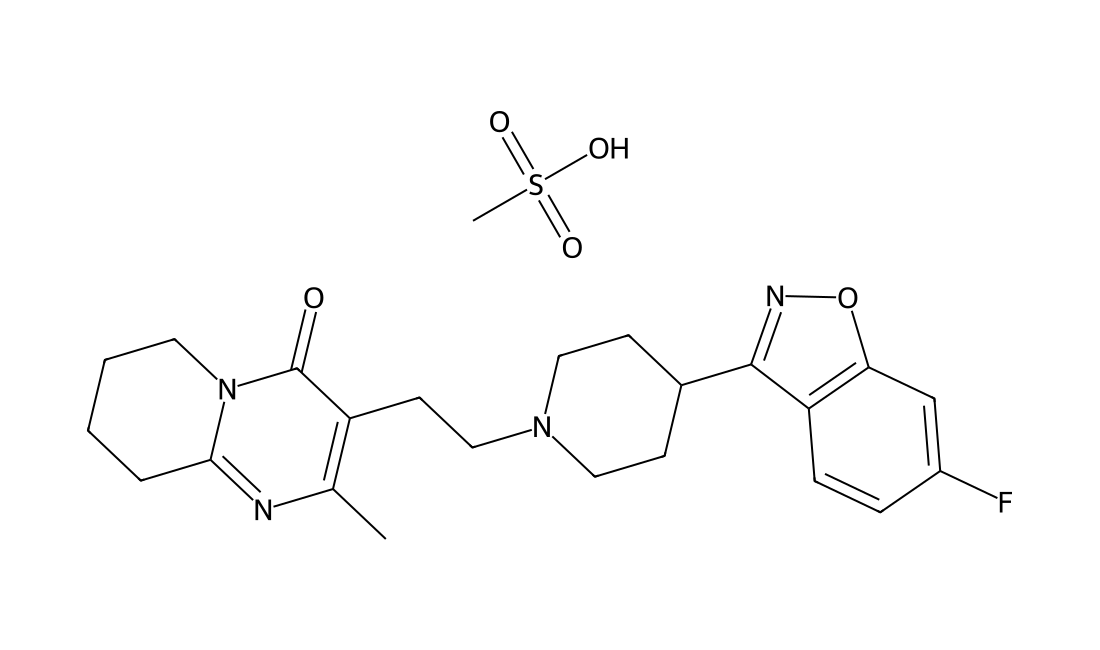
Risperidone mesylate
CAS 666179-96-0
An antipsychotic agent with serotonin-S2 and dopamine-D2 antagonistic properties; also has actions at several 5-HT receptor subtypes, adrenergic receptors and histamine H1 receptors.SchizophreniaApproved
Browse target & topic index A–Z (366)
11β-HSD (1)15-PGDH (2)5-HT Receptor (16)Acetyl-CoA Carboxylase (ACC) (3)Acetylcholinesterase (AChE) (2)Ack1 (TNK2) (1)Acyltransferase (1)ADC Cytotoxin (6)ADCs Linker/Click Chemistry (5)Adenosine Receptor (9)Adenylate Cyclase (2)Adrenergic Receptor (11)Akt (12)Alcoholism (2)Aldehyde Dehydrogenase (ALDH) (6)Allergy (5)Alzheimer Disease (13)Aminopeptidase (1)AMPK (8)Amyloids (4)Anaplastic Lymphoma Kinase (ALK) (9)Androgen Receptor (AR) (11)Anemia (4)Angiotensin Receptor (4)Antibody/Protein labeling dyes (1)Antifolate (2)Anxiety (1)Apoptosis Inducer (3)Arginase (1)Arp2/3 complex (1)Aryl hydrocarbon Receptor (AhR) (1)Asthma (5)Atherosclerosis (2)ATM/ATR (8)Aurora Kinase (10)Autophagy (6)Autophagy-related Protein (Atg) (2)Autotaxin (2)Bacterial (26)Bacterial Infection (17)Bcl-2 (14)Bcr-Abl (5)BCRP (1)Beta-catenin (4)Beta-secretase (BACE) (4)Blood Cancer (91)BMI-1 (1)Bone Cancer (6)Brain Cancer (6)Breast Cancer (30)Bromodomain (22)BTK (10)c-Fms (CSF1R) (5)c-Fos/AP-1 (1)c-Kit (6)c-Met (HGFR) (11)c-Myc (2)Calcium Channel (4)Calcium-sensing Receptor (CaSR) (1)CaMK (4)Cannabinoid Receptor (6)Carbonic Anhydrase (1)Carboxypeptidase (1)Casein Kinase (6)Caspase (4)Cathepsin (6)Cdc2-like Kinase (CLK) (1)CETP (2)CFTR (7)Checkpoint Kinase (Chk) (8)Chemokine Receptor (CCR and CXCR) (14)Chemotherapeutic Agents (19)Chloride Channel (1)CMV (2)CMV Infection (2)Colon Cancer (9)Complement System (1)COPD (3)CREB/CBP (2)CRF Receptor (2)CRISPR/Cas9 (1)Cushing Disease (1)Cyclin-dependent Kinase (CDK) (39)Cyclooxygenase (COX) (4)Cytochrome P450 (CYPs) (5)Depression (2)Dermatitis (2)Deubiquitinase (DUB) (7)Diabetes (20)Dipeptidyl Peptidase (DPP) (3)Discoidin Domain Receptor (DDR) (1)DNA Alkylator/Crosslinker (10)DNA Methyltransferase (DNMT) (1)DNA Repair Protein (1)DNA-PK (2)DNA/RNA Synthesis (5)Dopamine beta-hydroxylase (1)Dopamine Receptor (7)Drug Metabolite (1)Drug-Linker Conjugates (11)Dyes (4)DYRK (1)Dyslipidemia (9)E3 Ligase Ligand (6)E3 Ligase Ligand-Linker Conjugate (1)E3 Ubiquitin Ligase (4)Ebola Virus Infection (1)EGFR (32)Elastase (2)Endothelin Receptor (5)Enzymes substrates (13)Epigenetic Reader Domain (3)Epilepsy (4)ERK (4)Estrogen Receptor/ERR (13)Eukaryotic Initiation Factor (eIF) (2)Exportin-1 (CRM1,XPO1) (2)FABP (1)Factor Xa (5)Farnesoid X Receptor (FXR) (5)Farnesyl transferase (FTase) (1)Ferroptosis (6)FGFR (20)Fibrosis (5)FLT3 (6)Focal Adhesion Kinase (FAK) (11)Foxo1 (1)Free Fatty Acid Receptor (FFAR) (5)Fungal (2)Fungal Infection (1)GABA Receptor (13)Galectin (1)Gastric Cancer (8)Ghrelin Receptor (GHSR) (3)Glucagon Receptor (4)Glucokinase (2)Glucose Transporter (GLUT) (2)Glutamate Transporter (2)GPCR (1)GPER (GPR30) (1)GPR139 (1)GPR183 (EBI2) (2)GPR39 (1)GPR55 (1)GPR84 (1)GRK (GPCRK) (2)Growth Hormone Deficiency (2)GSK-3 (8)Guanylate Cyclase (3)HBV (1)HBV Infection (1)HCN Channel (2)HCV (8)HCV Infection (9)HDAC (38)Heart Arrhythmia (2)Heart Failure (5)Heat Shock Protein (HSP) (15)Hedgehog (Hh) (1)HIF/HIF Prolyl-hydroxylase (8)Histamine Receptor (6)Histone Acetyltransferase (HAT) (5)Histone Demethylase (11)Histone Methyltransferase (HMTase) (31)HIV (12)HIV Infection (11)HMG-CoA Reductase (HMGCR) (3)HSV (1)HSV Infection (1)Hypercholesterolemia (1)Hyperparathyroidism (1)Hypertension (8)IAP (1)IGF-1R (3)iGluR (15)Indoleamine 2,3-Dioxygenase (IDO) (4)Infection (1)Influenza (6)Influenza Virus (6)Insulin Receptor (2)Integrin (6)Interleukin Receptor (1)IRAK (2)IRE1 (4)Irritable Bowel Syndrome (2)Ischemia (1)Isocitrate Dehydrogenase (IDH) (5)ITK (1)IκB kinase (IKK) (7)JAK (32)JNK (3)Keap1-Nrf2 (6)Kidney Cancer (10)Kinesin (5)Kruppel-like Factor (KLF) (1)Kynurenine 3-Monooxygenase (KMO) (1)Leukotriene Receptor (1)LIM Kinase (LIMK) (3)Lipids fragment (1)Liver Cancer (6)Liver X Receptor (LXR) (3)LRRK2 (9)Lung Cancer (39)Lysophospholipid Receptor (12)LYTACs (3)mAChR (9)MALT1 (2)MAP4K (1)Matrix Metalloproteinase (MMP) (10)MDM2-p53 (9)MEK (MAP2K) (14)MEKK (MAP3K) (1)Melanocortin Receptor (2)MELK (1)mGluR (7)MicroRNA (1)Microtubule/Tubulin (5)Mineralocorticoid Receptor (MLR) (1)MITF (1)Mixed Lineage Kinase (MLK) (3)MNK (2)Molecular Glues (21)Monoamine Transporter (5)Monocarboxylate Transporter (MCT) (1)Monopolar Spindle 1 (Mps1/TTK) (3)mTOR (13)Multiple Sclerosis (6)Myosin (1)Na-K-Cl Cotransporter (NKCC) (2)nAChR (2)NADPH Oxidase (NOX) (2)NAMPT (3)Natural products (37)Neprilysin (1)Neurokinin Receptor (3)Neuropeptide Y Receptor (3)NF-κB (5)Nitric Oxide Synthase (NOS) (1)NOD-like Receptor (NLR) (3)Notch (2)Nucleoside Antimetabolite/Analog (10)Nur77 (NR4A1) (1)Obesity (1)Oct3/4 (1)Opioid Receptor (5)Orexin Receptor (7)Osteoporosis (2)Ovarian Cancer (14)Oxytocin Receptor (OXTR) (2)P-glycoprotein (P-gp) (3)p21-activated Kinase (PAK) (1)P2X Receptor (2)P2Y Receptor (1)p38 MAPK (10)p97/VCP (1)Pain (12)Pancreatic Cancer (10)Parasite (5)Parasite Infection (2)Parkinson Disease (2)PARP (19)PCSK9 (1)PD-1/PD-L1 (4)PDGFR (4)PDK1 (2)PEGn (1)PERK (2)PGE synthase (2)Phosphodiesterase (PDE) (9)Phospholipase (4)PI3K (32)PI4K (2)Piezo Channel (1)PIKfyve (3)Pim (9)PKC (12)PKD (1)Plasminogen Activator Inhibitor-1 (PAI-1) (3)Polo-like Kinase (PLK) (4)Porcupine (3)Potassium Channel (13)PPAR (13)Pregnane X Receptor (PXR) (1)Progesterone Receptor (2)Prostaglandin Receptor (11)Prostate Cancer (7)PROTACs (35)Protease-activated Receptor (PAR) (3)Proteasome (12)Protein Disulfide Isomerase (PDI) (1)Protein Phosphatase/PTP (6)Proton Pump (1)Psoriasis (5)RAD51 (1)Radioligand precursors (15)Raf (18)RAR/RXR (3)Ras (17)Renin (2)RET Tyrosine Kinase (c-RET) (3)Rheumatoid Arthritis (16)Ribosomal S6 Kinase (RSK) (5)RIG-I-like Receptor (RLR) (2)RIP kinase (7)ROCK (12)ROR (2)RSV (4)RSV Infection (3)RUNX1-CBFβ (1)S-nitrosoglutathione reductase (GSNOR) (1)Saccharides and Glycosides (1)Salt Inducible Kinase (SIK) (2)SARS-CoV (16)SARS-CoV Infection (34)Schizophrenia (4)Sexual Dysfunction (1)SGLT (4)Sigma Receptor (4)Sirtuin (9)Skin Cancer (13)Sleep Disorder (7)SMN2 Modulator (1)Smoothened (Smo) (9)Sodium Channel (12)Solid Tumors (35)Somatostatin Receptor (2)Sphingosine kinase (SphK) (2)Src (7)STAT (5)Stearoyl-CoA Desaturase (SCD) (1)Steatohepatitis (7)Sterol lipids (1)STING (14)Syk (6)T Cell Receptor (TCR) (1)TAK1 (2)TAM Receptor (Tyro3-Axl-Mer) (4)Taste Receptor (1)Telomerase (2)TGF beta Receptor (TGFBR) (12)Thrombin (3)Thrombosis (13)Thyroid Cancer (1)Thyroid Hormone Receptor (THR) (1)Thyrotropin Receptor (2)TNIK (1)Toll-like Receptor (TLR) (2)TOPK (1)Topoisomerase (11)TRAIL (1)Translocator Protein (TSPO) (1)Trk Receptor (4)TRP Channel (13)Tryptophan Hydroxylase (TPH) (1)Ubiquitin-activating Enzyme (E1) (2)Ubiquitin-conjugating Enzyme (E2) (2)Ulcer (1)ULK (3)Vasopressin Receptor (2)VEGFR (25)Vitamin D Receptor (VDR) (3)Wee1 (1)WNK Kinase (1)Wnt (5)Yes-associated Protein (YAP) (4)γ-secretase (5)