
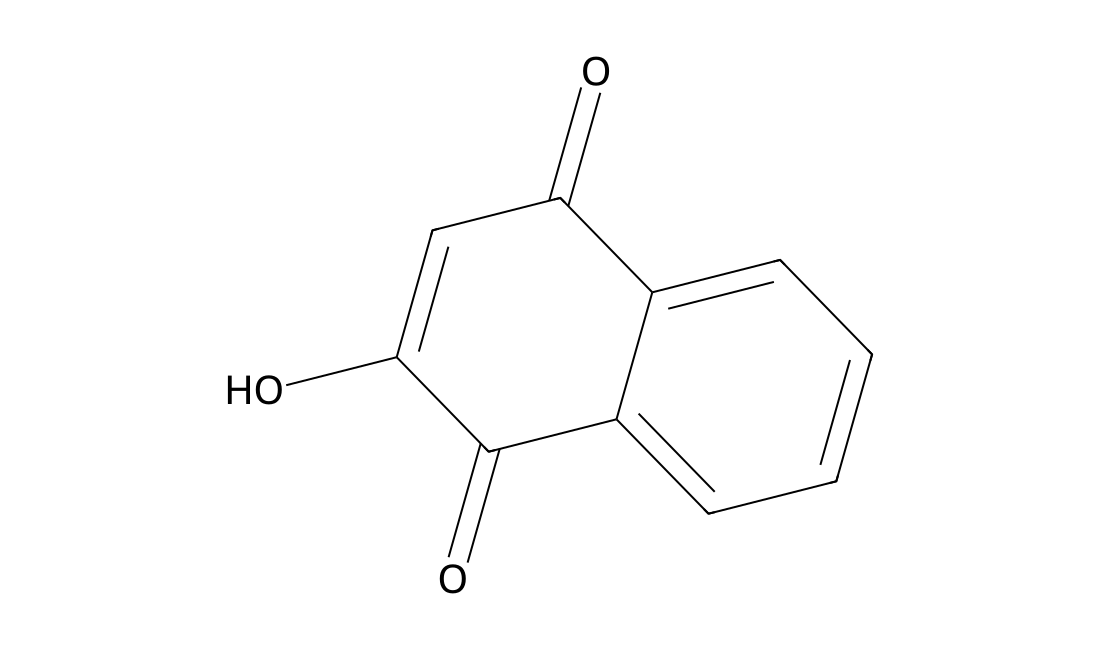
Small Molecule Research Tools
Explore bioactive compounds by research category, then narrow your search by target, product name, catalog number or CAS.
Newly added: LC-MG and OXF molecular glue research compounds →
Browse by research category
Products may appear in more than one category. Counts refer to distinct catalog numbers within each category.
Kinases & Cell Signaling1,548 products →941 products →Epigenetics & Gene Regulation410 products →277 products →DNA Damage, Repair & Cell Cycle342 products →228 products →Cell Death & Autophagy233 products →117 products →Protein Degradation & Proteostasis252 products →181 products →Immunology & Inflammation515 products →297 products →Neuroscience793 products →363 products →GPCRs & Receptor Biology1,219 products →428 products →Ion Channels & Transporters373 products →196 products →Metabolism & Endocrinology697 products →404 products →Cardiovascular & Hematology264 products →141 products →Anti-infectives453 products →205 products →Cancer Research1,049 products →535 products →ADCs & Bioconjugation61 products →38 products →Probes & Assay Reagents150 products →82 products →Natural Products424 products →73 products →Cell Biology & Intracellular Transport181 products →61 products →
Other Research Tools (75) · Additional reagents, building blocks and specialized research tools.
New literature-derived products
LC-MG-1 (DCA0006) · LC-MG-4 (DCA0007) · LC-MG-9 (DCA0008)
View structure and evidence summaries →All small molecule products
Combine a keyword, research category and target to narrow the product list.
Loading catalog filters…
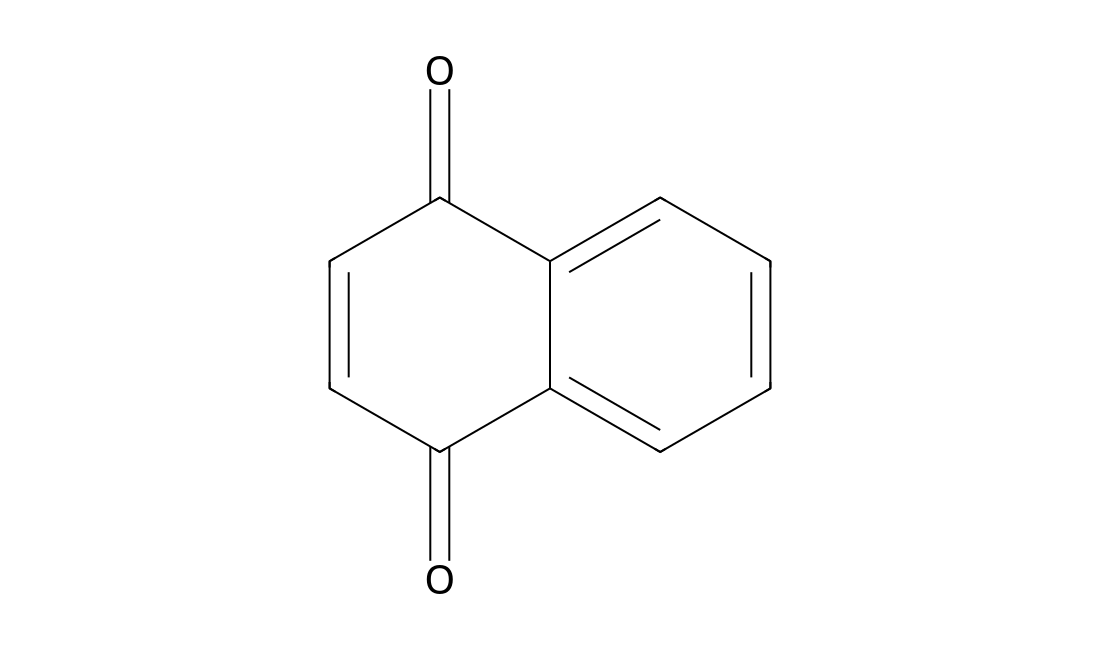
10-Hydroxy-2-decenoic acid
CAS 14113-05-4
For the detailed information of 10-Hydroxy-2-decenoic acid, the solubility of 10-Hydroxy-2-decenoic acid in water, the solubility of 10-Hydroxy-2-decenoic acid in DMSO, the solubility of 10-Hydroxy-2-decenoic acid in PBS buffer, the animal experiment(test) (test) of 10-Hydroxy-2-decenoic acid, the cell expriment (test) of 10-Hydroxy-2-decenoic acid, the in vivo, in vitro and clinical trial test of 10-Hydroxy-2-decenoic acid, the EC50, IC50,and Affinity of 10-Hydroxy-2-decenoic acid,, please contact DC Chemicals.
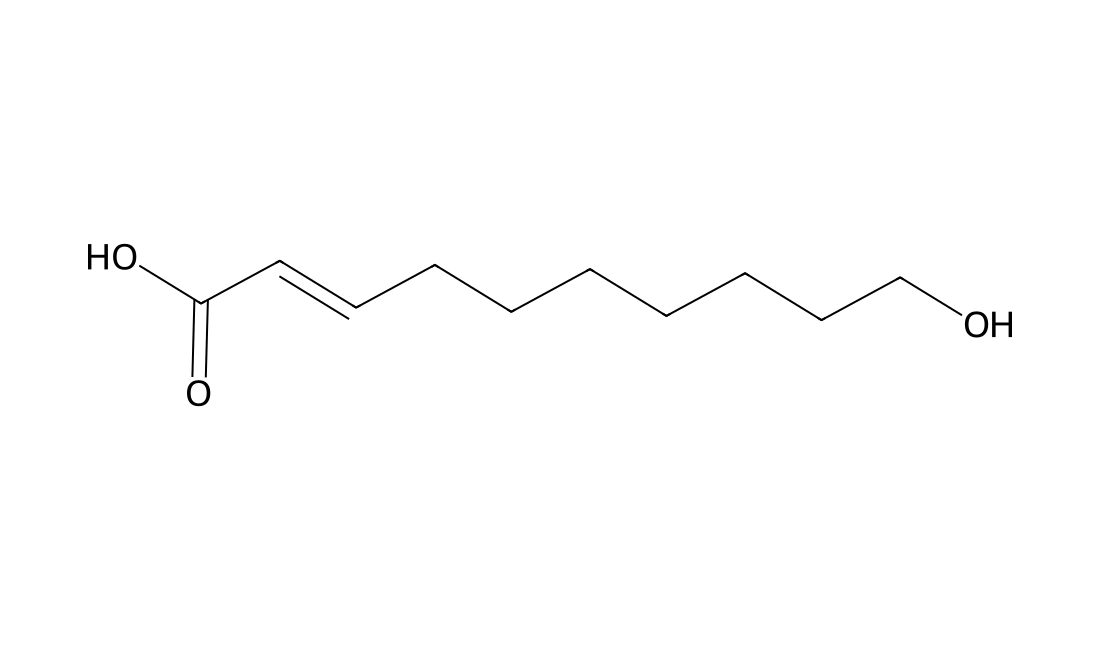
Geraniol
CAS 106-24-1
For the detailed information of Geraniol, the solubility of Geraniol in water, the solubility of Geraniol in DMSO, the solubility of Geraniol in PBS buffer, the animal experiment(test) (test) of Geraniol, the cell expriment (test) of Geraniol, the in vivo, in vitro and clinical trial test of Geraniol, the EC50, IC50,and Affinity of Geraniol,, please contact DC Chemicals.
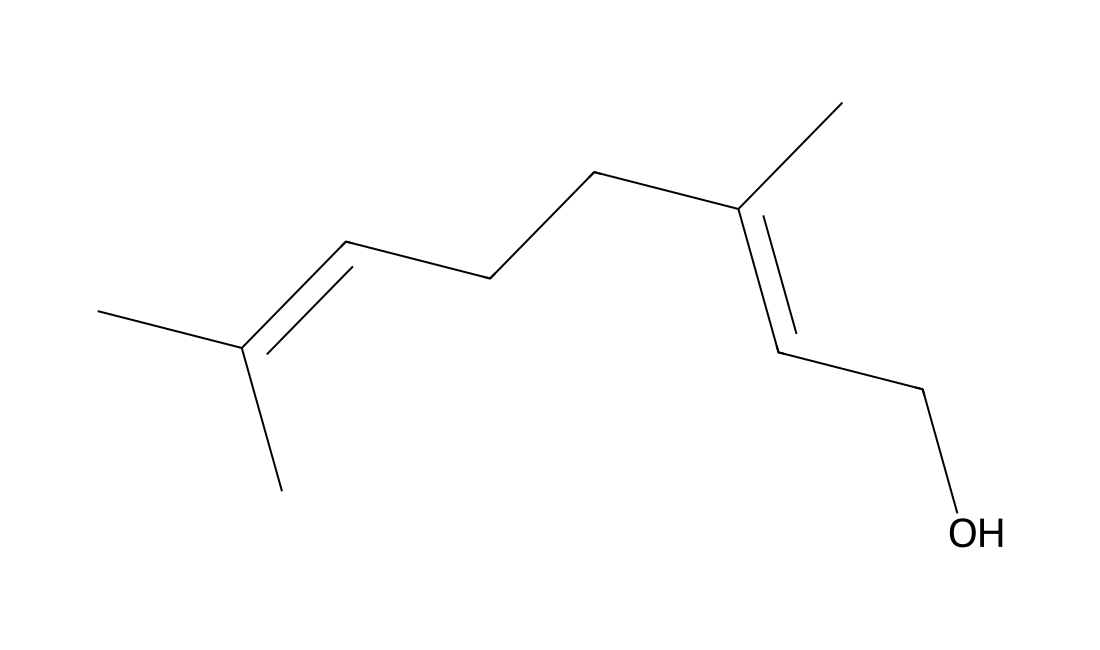
Nerol
CAS 106-25-2
For the detailed information of Nerol, the solubility of Nerol in water, the solubility of Nerol in DMSO, the solubility of Nerol in PBS buffer, the animal experiment(test) (test) of Nerol, the cell expriment (test) of Nerol, the in vivo, in vitro and clinical trial test of Nerol, the EC50, IC50,and Affinity of Nerol,, please contact DC Chemicals.
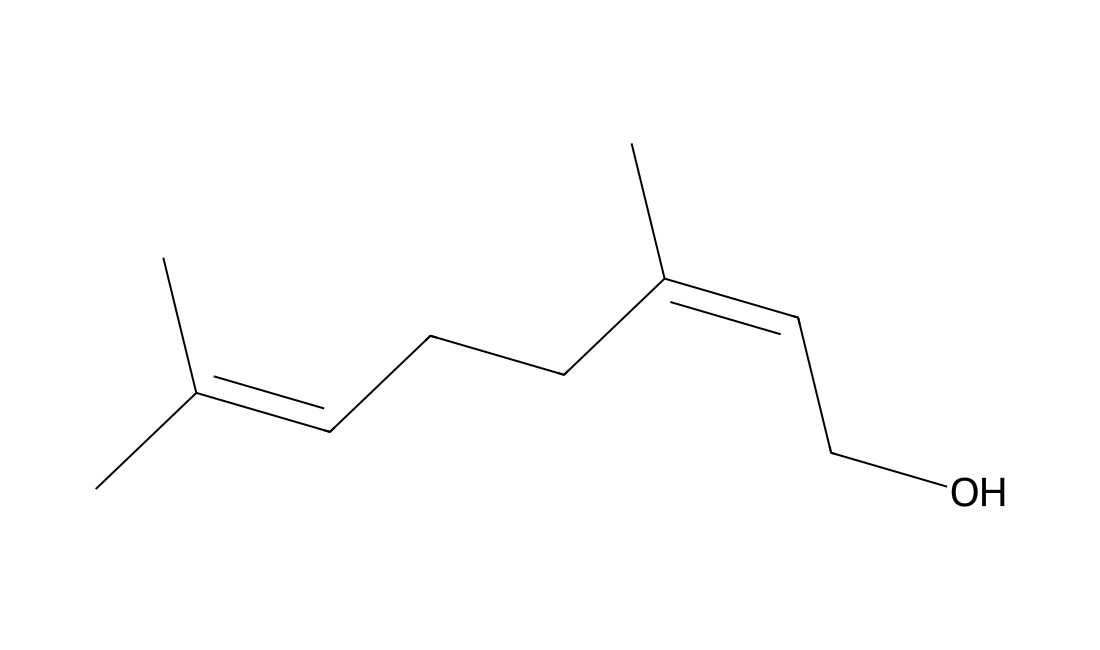
Hordenine
CAS 539-15-1
For the detailed information of Hordenine, the solubility of Hordenine in water, the solubility of Hordenine in DMSO, the solubility of Hordenine in PBS buffer, the animal experiment(test) (test) of Hordenine, the cell expriment (test) of Hordenine, the in vivo, in vitro and clinical trial test of Hordenine, the EC50, IC50,and Affinity of Hordenine,, please contact DC Chemicals.
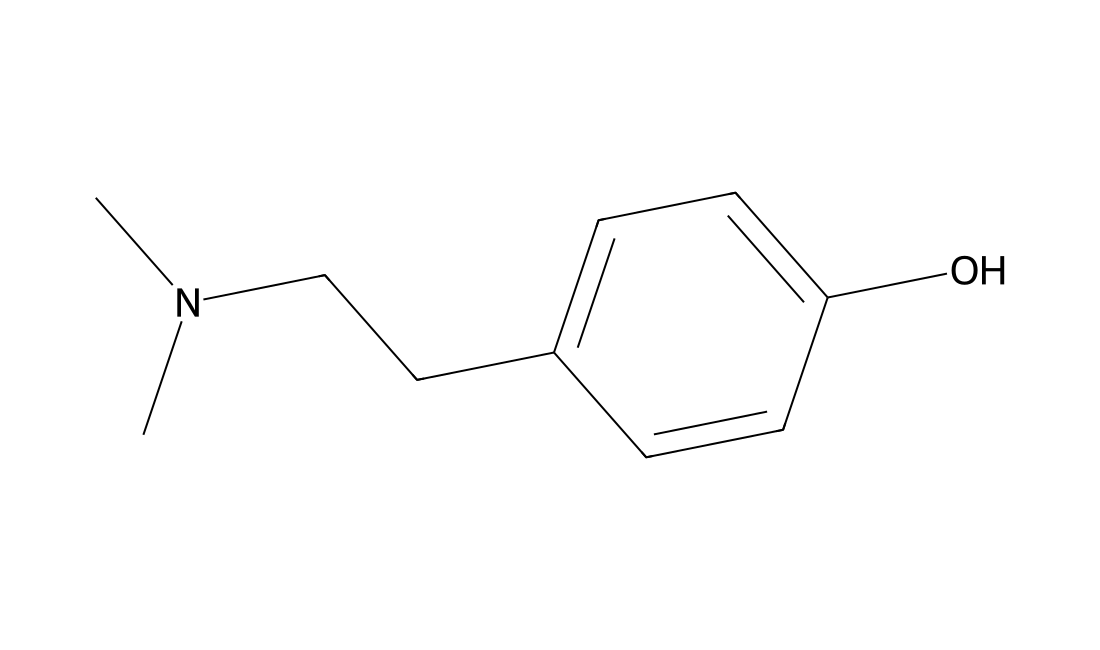
Thymol
CAS 89-83-8
For the detailed information of Thymol, the solubility of Thymol in water, the solubility of Thymol in DMSO, the solubility of Thymol in PBS buffer, the animal experiment(test) (test) of Thymol, the cell expriment (test) of Thymol, the in vivo, in vitro and clinical trial test of Thymol, the EC50, IC50,and Affinity of Thymol,, please contact DC Chemicals.
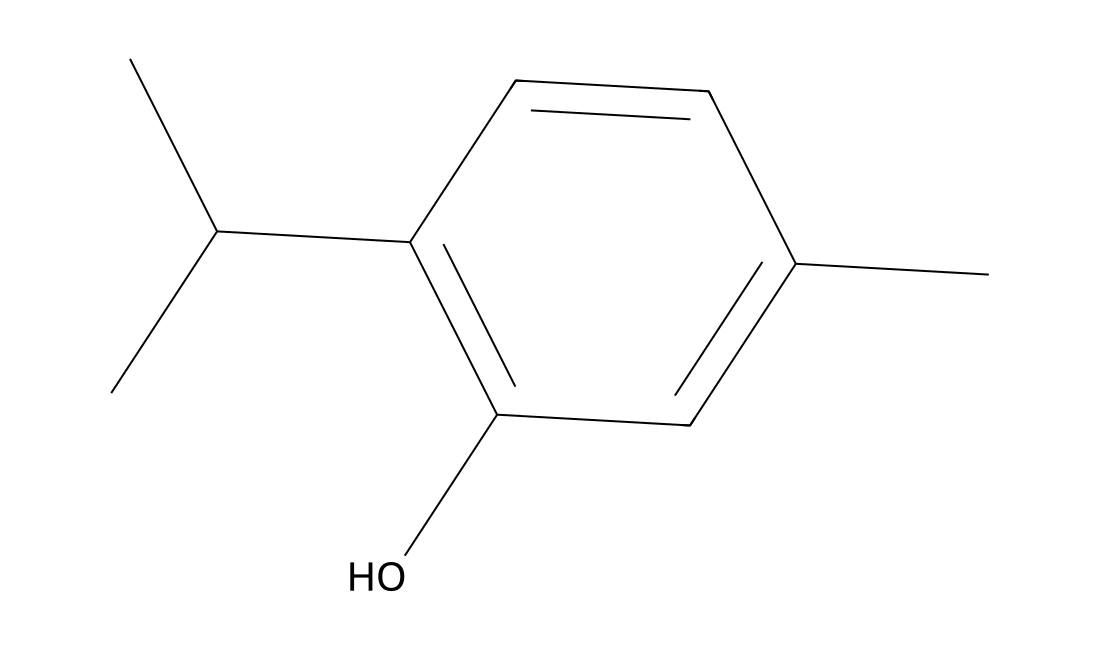
5-Isopropyl-2-methylphenol
CAS 499-75-2
For the detailed information about the solubility of 5-Isopropyl-2-methylphenol in water, the solubility of 5-Isopropyl-2-methylphenol in DMSO, the solubility of 5-Isopropyl-2-methylphenol in PBS buffer, the animal experiment(test) of 5-Isopropyl-2-methylphenol,the in vivo,in vitro and clinical trial test of 5-Isopropyl-2-methylphenol,the cell experiment(test) of 5-Isopropyl-2-methylphenol,the IC50, EC50 and Affinity of 5-Isopropyl-2-methylphenol, please contact DC Chemicals.
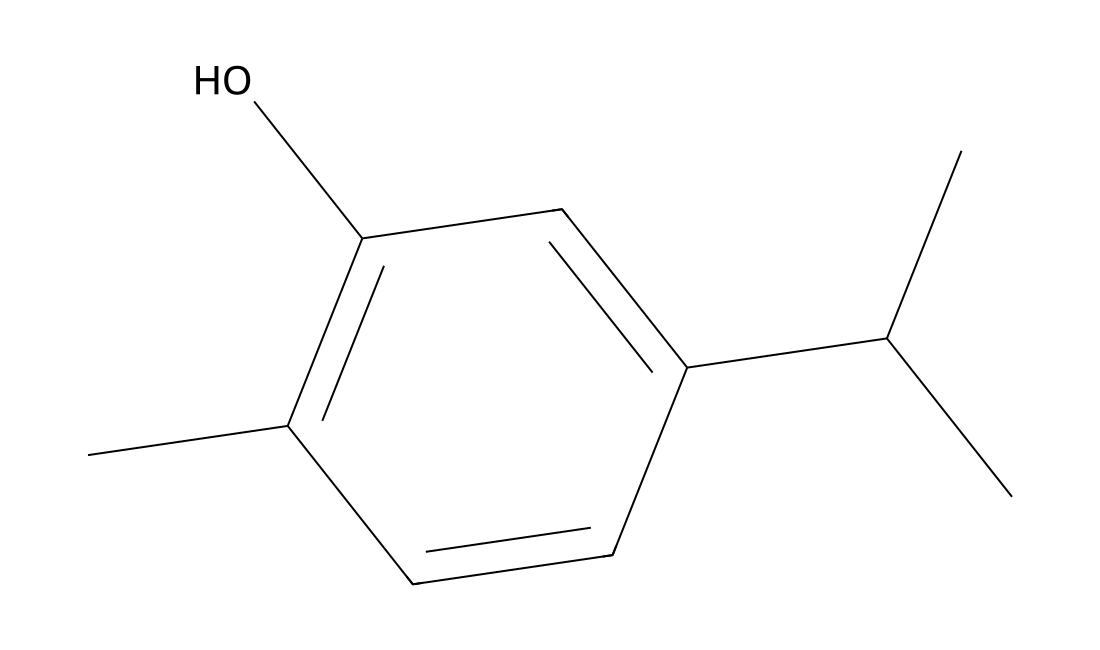
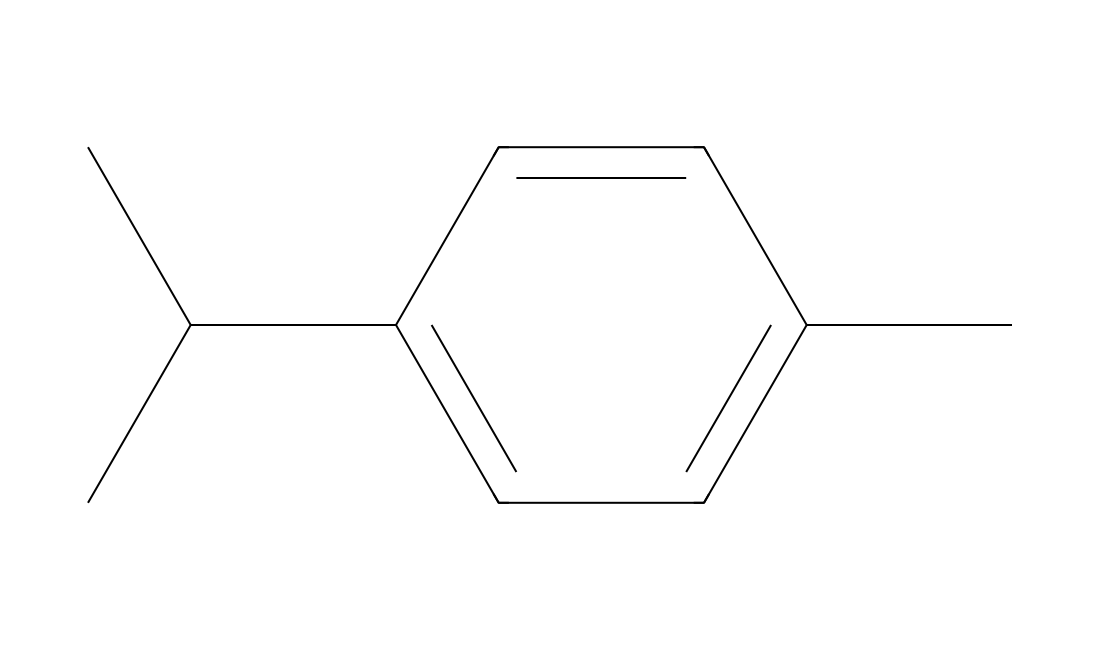
4-Isopropyltoluene
CAS 99-87-6
For the detailed information of 4-Isopropyltoluene, the solubility of 4-Isopropyltoluene in water, the solubility of 4-Isopropyltoluene in DMSO, the solubility of 4-Isopropyltoluene in PBS buffer, the animal experiment(test) (test) of 4-Isopropyltoluene, the cell expriment (test) of 4-Isopropyltoluene, the in vivo, in vitro and clinical trial test of 4-Isopropyltoluene, the EC50, IC50,and Affinity of 4-Isopropyltoluene,, please contact DC Chemicals.
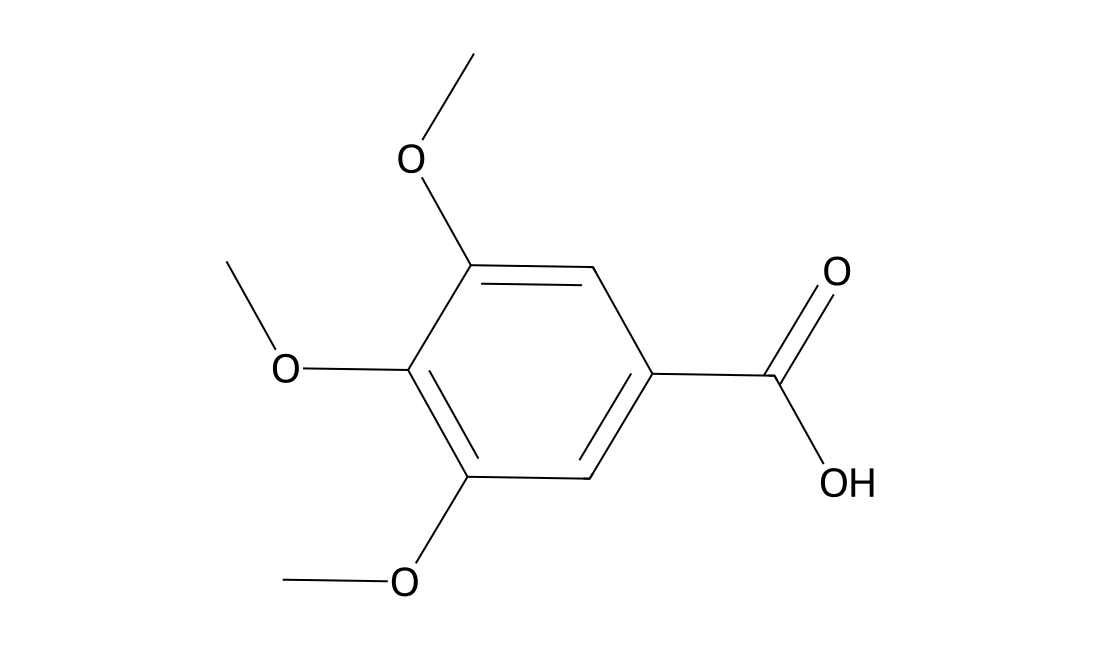
Gallic acid trimethyl ether
CAS 118-41-2
For the detailed information of Gallic acid trimethyl ether, the solubility of Gallic acid trimethyl ether in water, the solubility of Gallic acid trimethyl ether in DMSO, the solubility of Gallic acid trimethyl ether in PBS buffer, the animal experiment(test) (test) of Gallic acid trimethyl ether, the cell expriment (test) of Gallic acid trimethyl ether, the in vivo, in vitro and clinical trial test of Gallic acid trimethyl ether, the EC50, IC50,and Affinity of Gallic acid trimethyl ether,, please contact DC Chemicals.
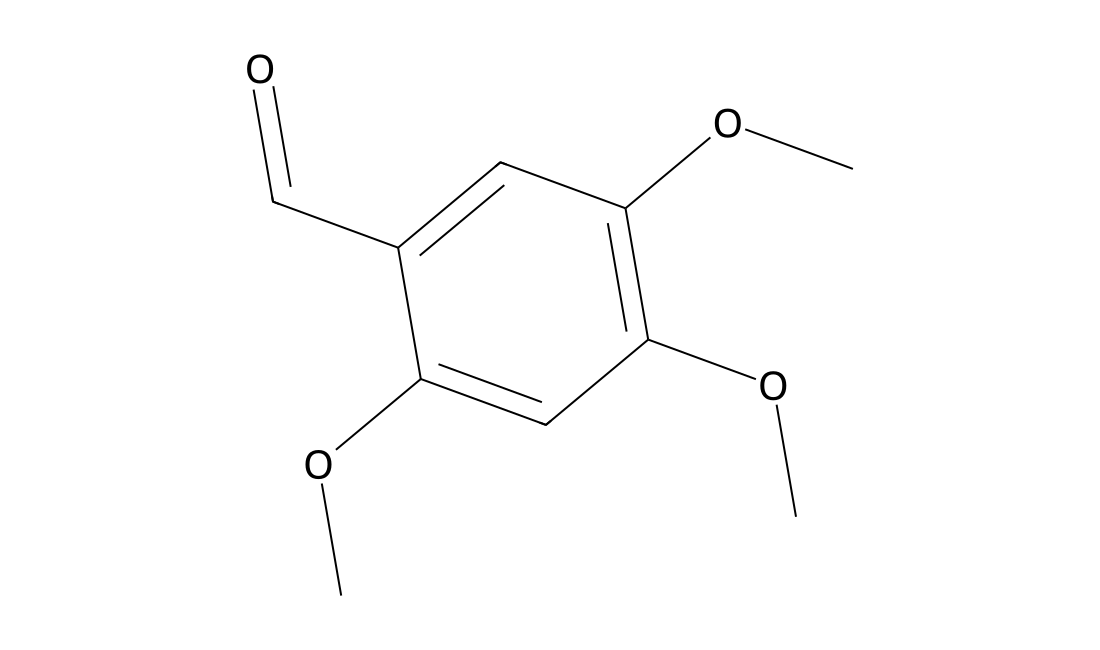
2,4,5-Trimethoxybenzaldehyde
CAS 4460-86-0
For the detailed information about the solubility of 2,4,5-Trimethoxybenzaldehyde in water, the solubility of 2,4,5-Trimethoxybenzaldehyde in DMSO, the solubility of 2,4,5-Trimethoxybenzaldehyde in PBS buffer, the animal experiment(test) of 2,4,5-Trimethoxybenzaldehyde,the in vivo,in vitro and clinical trial test of 2,4,5-Trimethoxybenzaldehyde,the cell experiment(test) of 2,4,5-Trimethoxybenzaldehyde,the IC50, EC50 and Affinity of 2,4,5-Trimethoxybenzaldehyde, please contact DC Chemicals.
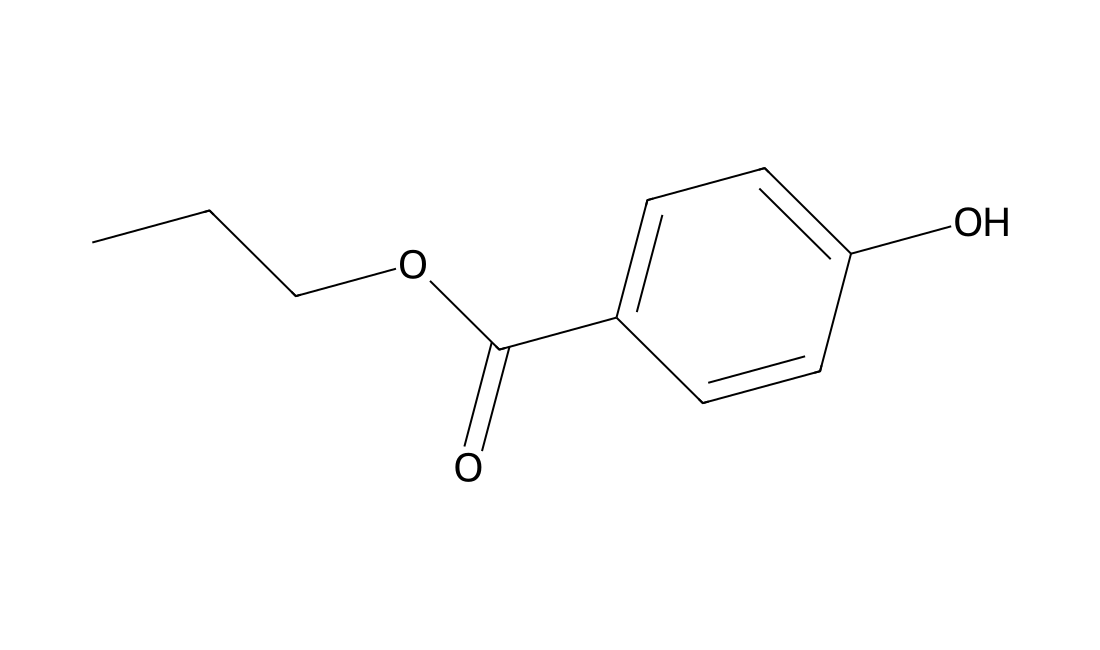
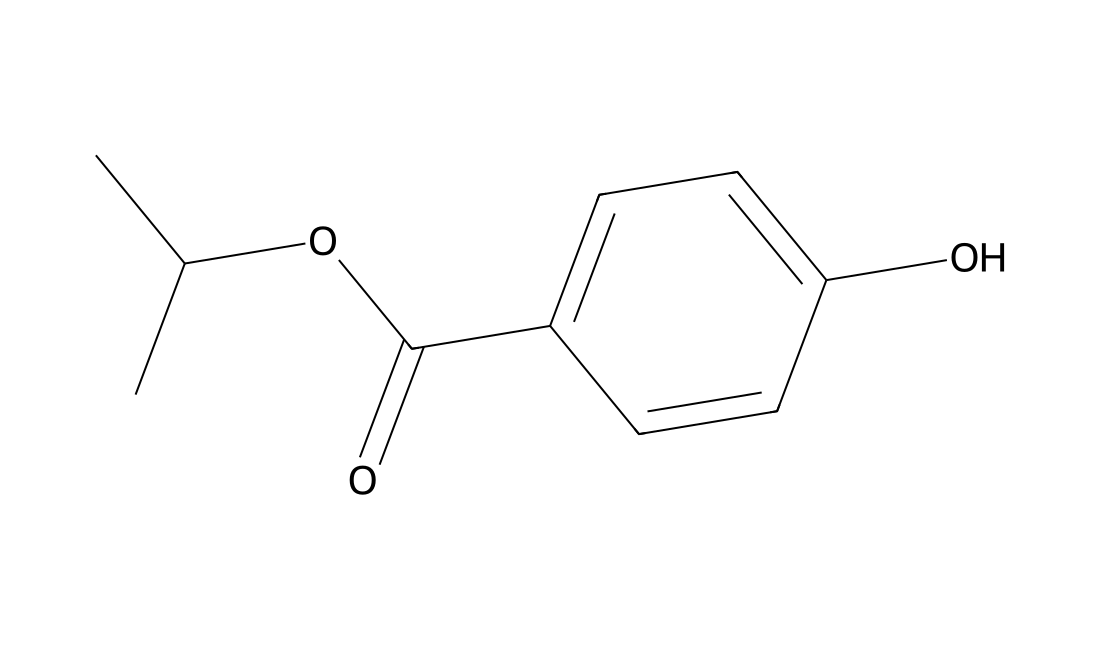
Propylparaben
CAS 94-13-3
For the detailed information of Propylparaben, the solubility of Propylparaben in water, the solubility of Propylparaben in DMSO, the solubility of Propylparaben in PBS buffer, the animal experiment(test) (test) of Propylparaben, the cell expriment (test) of Propylparaben, the in vivo, in vitro and clinical trial test of Propylparaben, the EC50, IC50,and Affinity of Propylparaben,, please contact DC Chemicals.
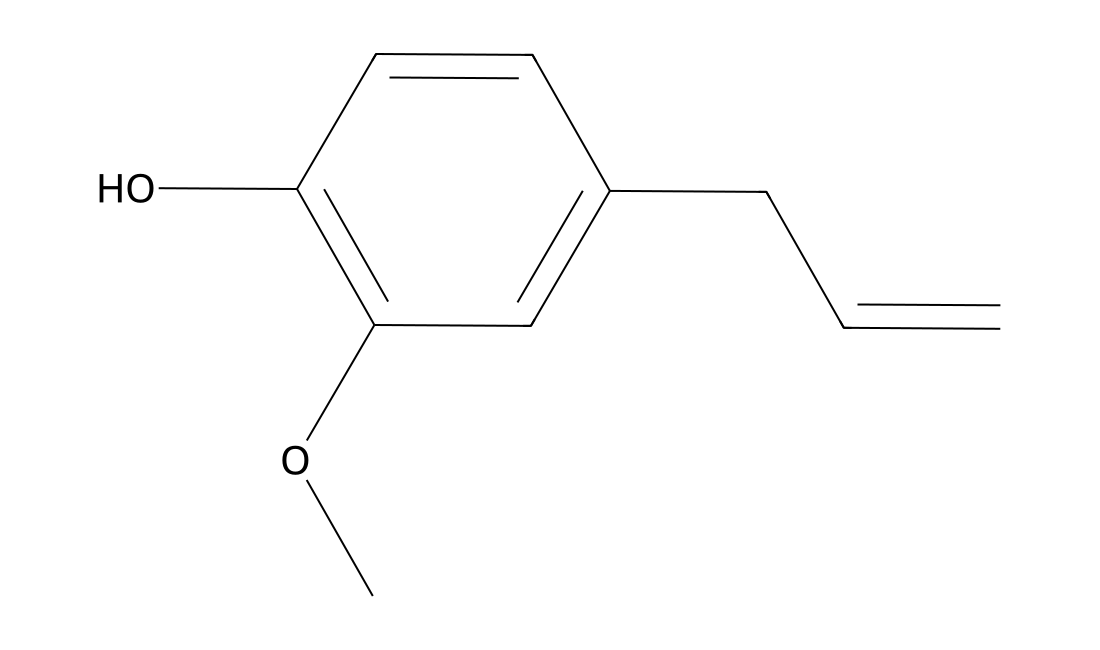
Eugenol
CAS 97-53-0
For the detailed information of Eugenol, the solubility of Eugenol in water, the solubility of Eugenol in DMSO, the solubility of Eugenol in PBS buffer, the animal experiment(test) (test) of Eugenol, the cell expriment (test) of Eugenol, the in vivo, in vitro and clinical trial test of Eugenol, the EC50, IC50,and Affinity of Eugenol,, please contact DC Chemicals.
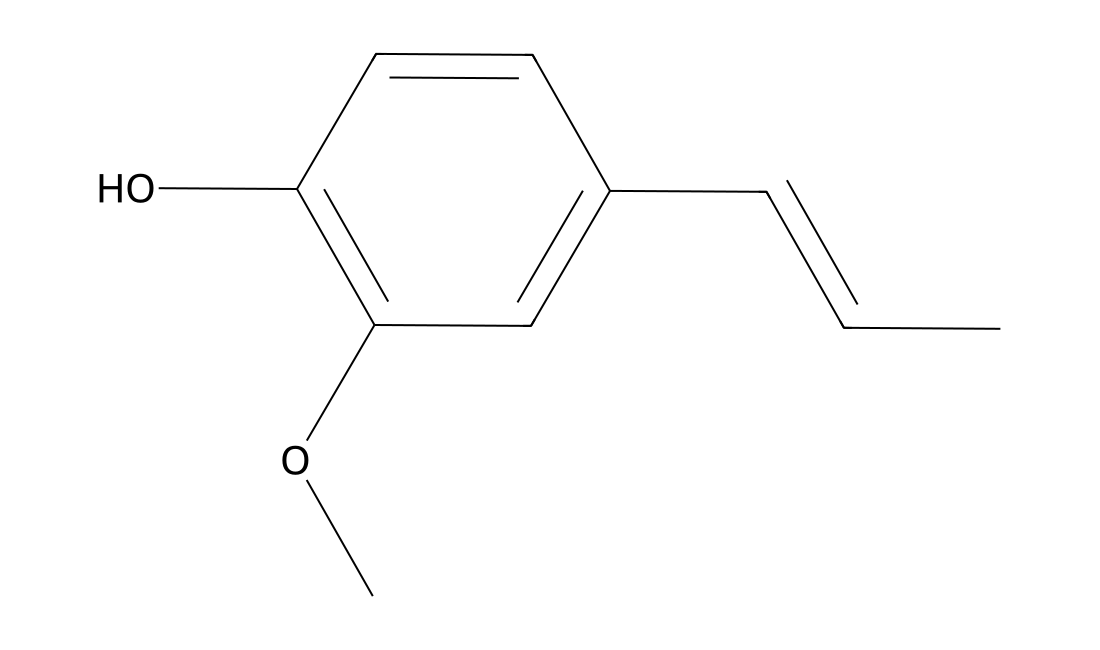
Isoeugenol
CAS 97-54-1
For the detailed information about the solubility of Isoeugenol in water, the solubility of Isoeugenol in DMSO, the solubility of Isoeugenol in PBS buffer, the animal experiment(test) of Isoeugenol, the in vivo,in vitro and clinical trial test of Isoeugenol, the cell experiment(test) of Isoeugenol, the IC50, EC50 and Affinity of Isoeugenol , please contact DC Chemicals.
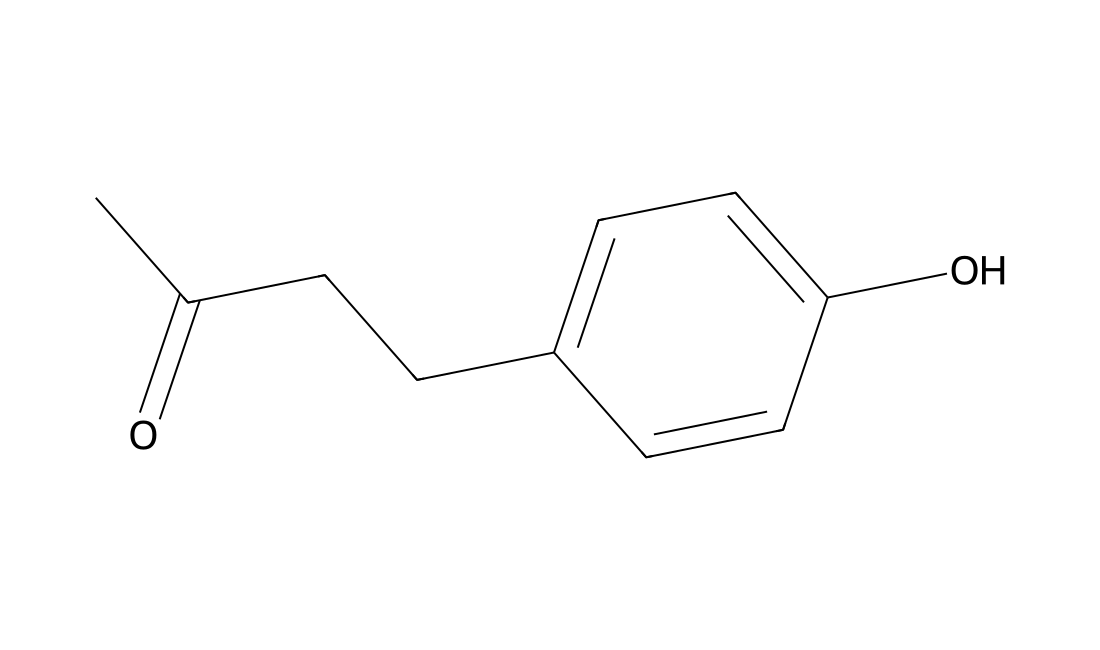
4-(4-Hydroxyphenyl)-2-butanone
CAS 5471-51-2
For the detailed information of 4-(4-Hydroxyphenyl)-2-butanone, the solubility of 4-(4-Hydroxyphenyl)-2-butanone in water, the solubility of 4-(4-Hydroxyphenyl)-2-butanone in DMSO, the solubility of 4-(4-Hydroxyphenyl)-2-butanone in PBS buffer, the animal experiment(test) (test) of 4-(4-Hydroxyphenyl)-2-butanone, the cell expriment (test) of 4-(4-Hydroxyphenyl)-2-butanone, the in vivo, in vitro and clinical trial test of 4-(4-Hydroxyphenyl)-2-butanone, the EC50, IC50,and Affinity of 4-(4-Hydroxyphenyl)-2-butanone,, please contact DC Chemicals.
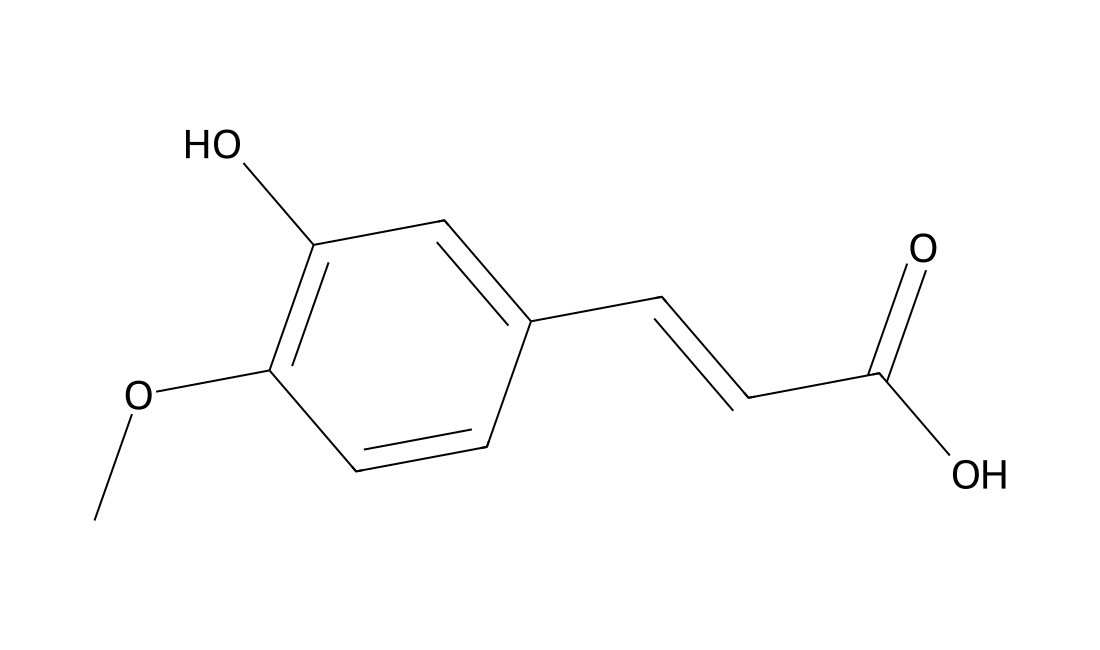
3-Hydroxy-4-methoxycinnamic acid
CAS 537-73-5
For the detailed information of 3-Hydroxy-4-methoxycinnamic acid, the solubility of 3-Hydroxy-4-methoxycinnamic acid in water, the solubility of 3-Hydroxy-4-methoxycinnamic acid in DMSO, the solubility of 3-Hydroxy-4-methoxycinnamic acid in PBS buffer, the animal experiment(test) (test) of 3-Hydroxy-4-methoxycinnamic acid, the cell expriment (test) of 3-Hydroxy-4-methoxycinnamic acid, the in vivo, in vitro and clinical trial test of 3-Hydroxy-4-methoxycinnamic acid, the EC50, IC50,and Affinity of 3-Hydroxy-4-methoxycinnamic acid,, please contact DC Chemicals.
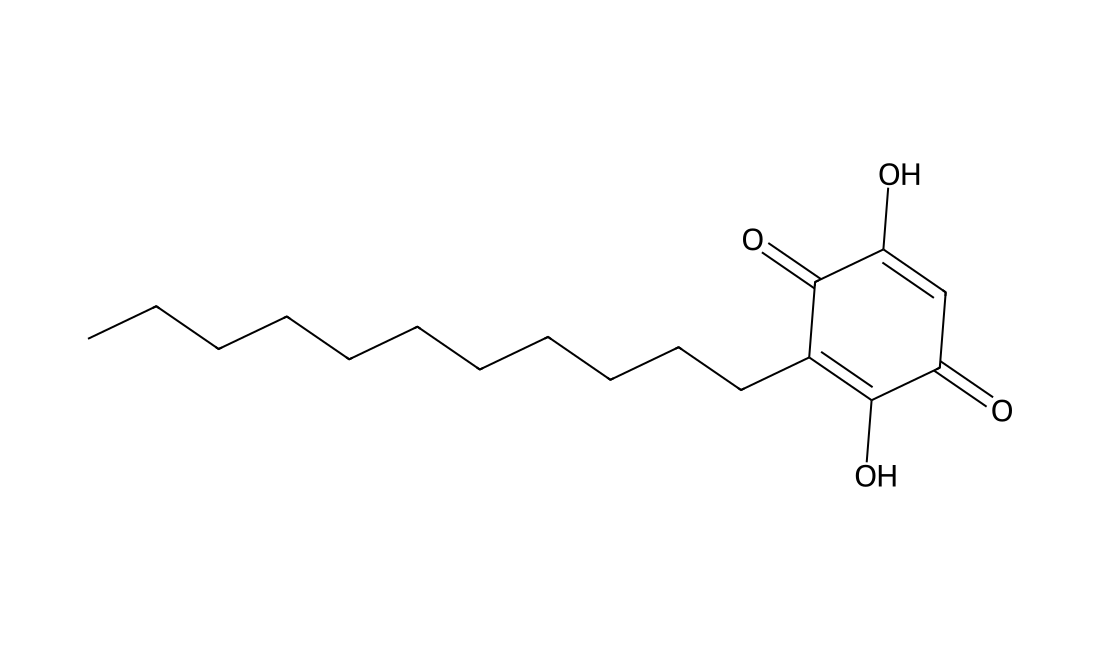
Embelin
CAS 550-24-3
For the detailed information of Embelin, the solubility of Embelin in water, the solubility of Embelin in DMSO, the solubility of Embelin in PBS buffer, the animal experiment(test) (test) of Embelin, the cell expriment (test) of Embelin, the in vivo, in vitro and clinical trial test of Embelin, the EC50, IC50,and Affinity of Embelin,, please contact DC Chemicals.
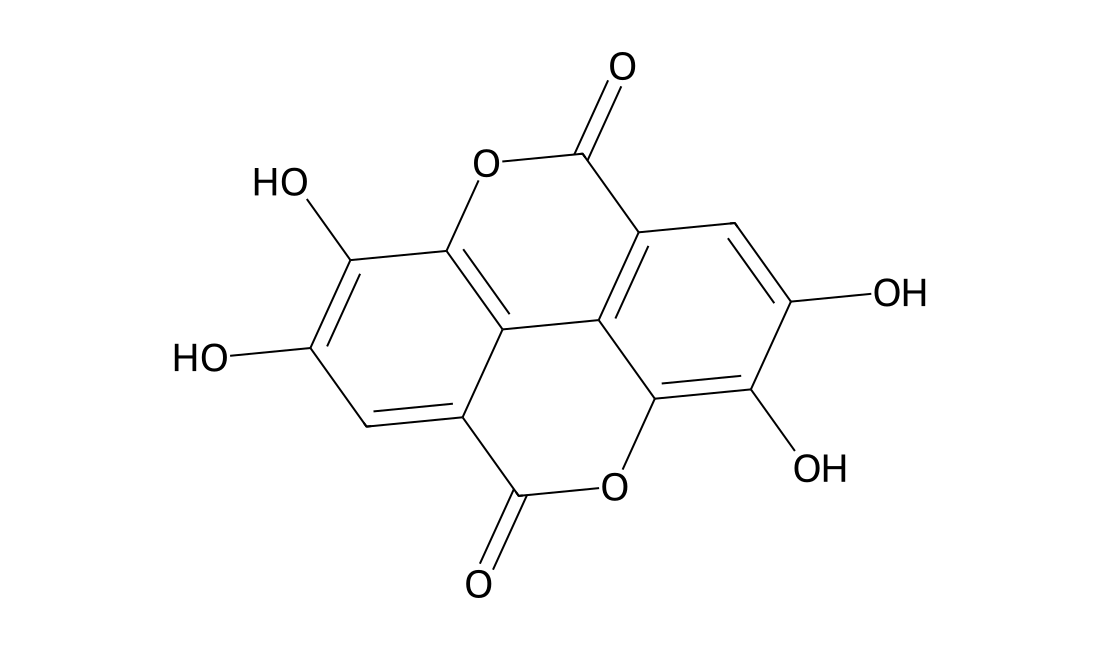
Ellagic acid
CAS 476-66-4
For the detailed information of Ellagic acid, the solubility of Ellagic acid in water, the solubility of Ellagic acid in DMSO, the solubility of Ellagic acid in PBS buffer, the animal experiment(test) (test) of Ellagic acid, the cell expriment (test) of Ellagic acid, the in vivo, in vitro and clinical trial test of Ellagic acid, the EC50, IC50,and Affinity of Ellagic acid,, please contact DC Chemicals.
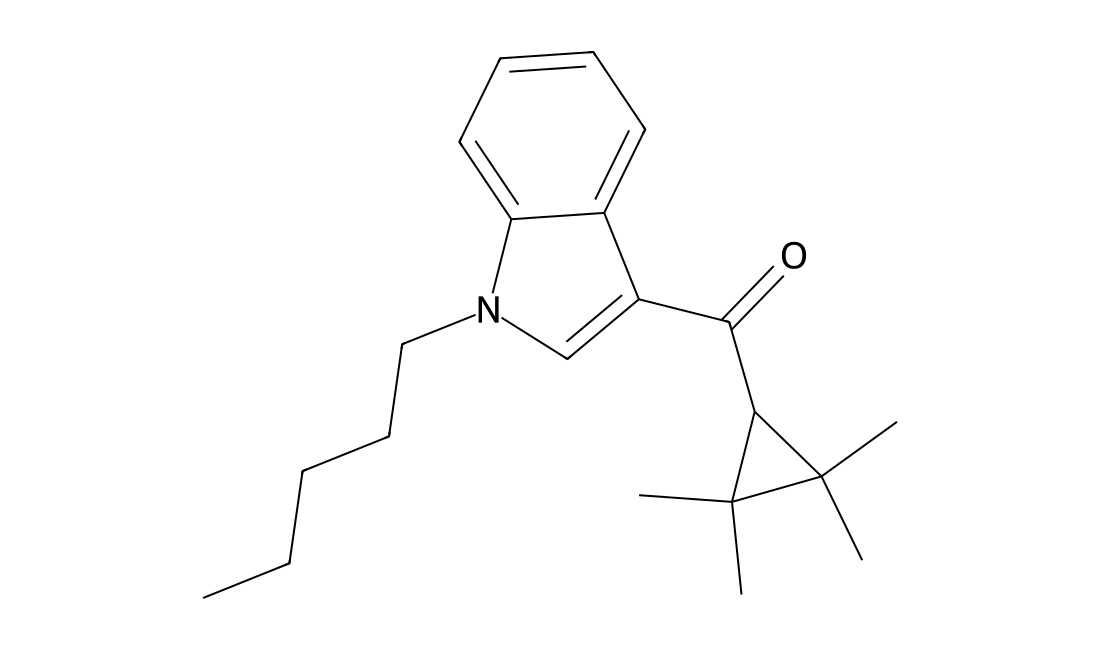
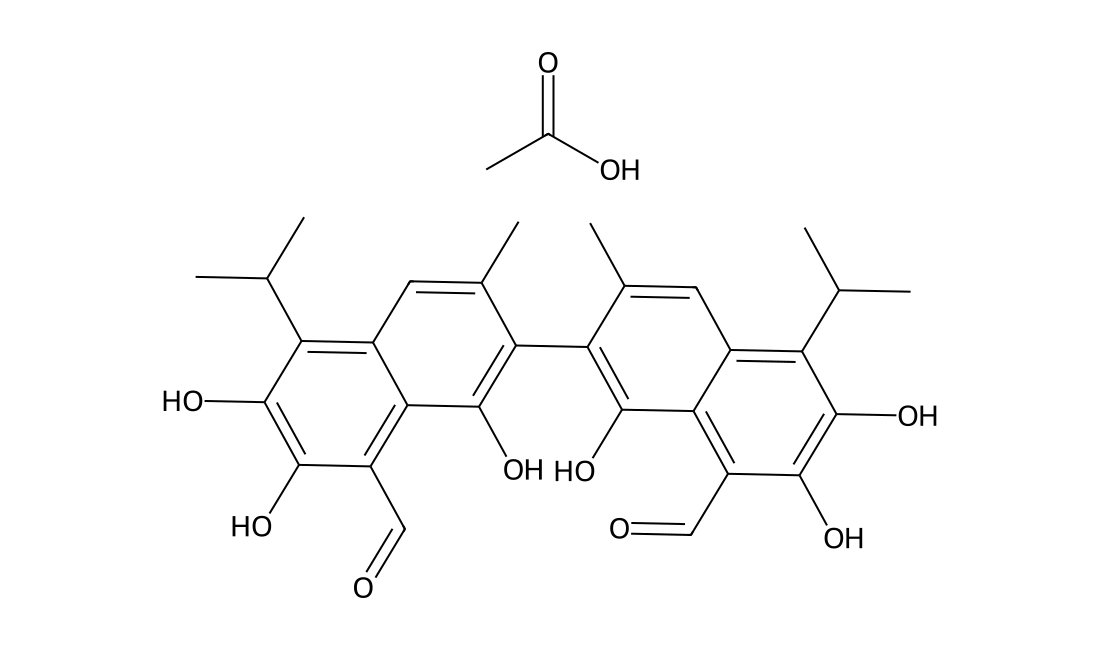
Gossypol-acetic acid
CAS 12542-36-8
For the detailed information of Gossypol-acetic acid, the solubility of Gossypol-acetic acid in water, the solubility of Gossypol-acetic acid in DMSO, the solubility of Gossypol-acetic acid in PBS buffer, the animal experiment(test) (test) of Gossypol-acetic acid, the cell expriment (test) of Gossypol-acetic acid, the in vivo, in vitro and clinical trial test of Gossypol-acetic acid, the EC50, IC50,and Affinity of Gossypol-acetic acid,, please contact DC Chemicals.
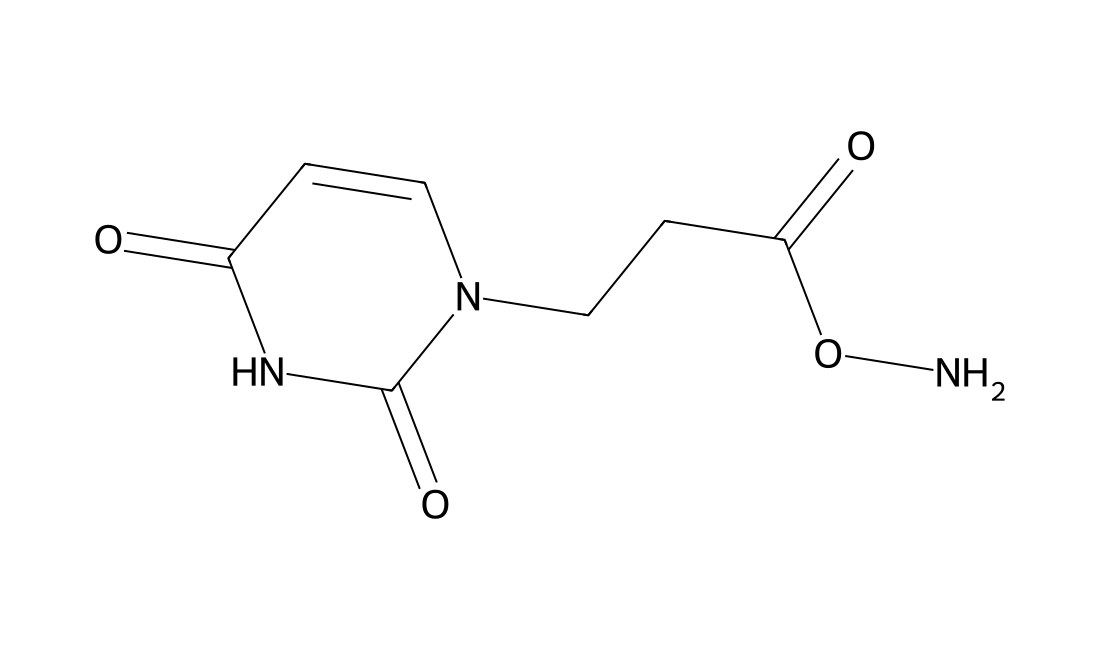
(S)-Willardiine
CAS 21416-43-3
(S)-Willardiine is a potent agonist of AMPA/kainate receptors with EC50 of 44.8 uM.
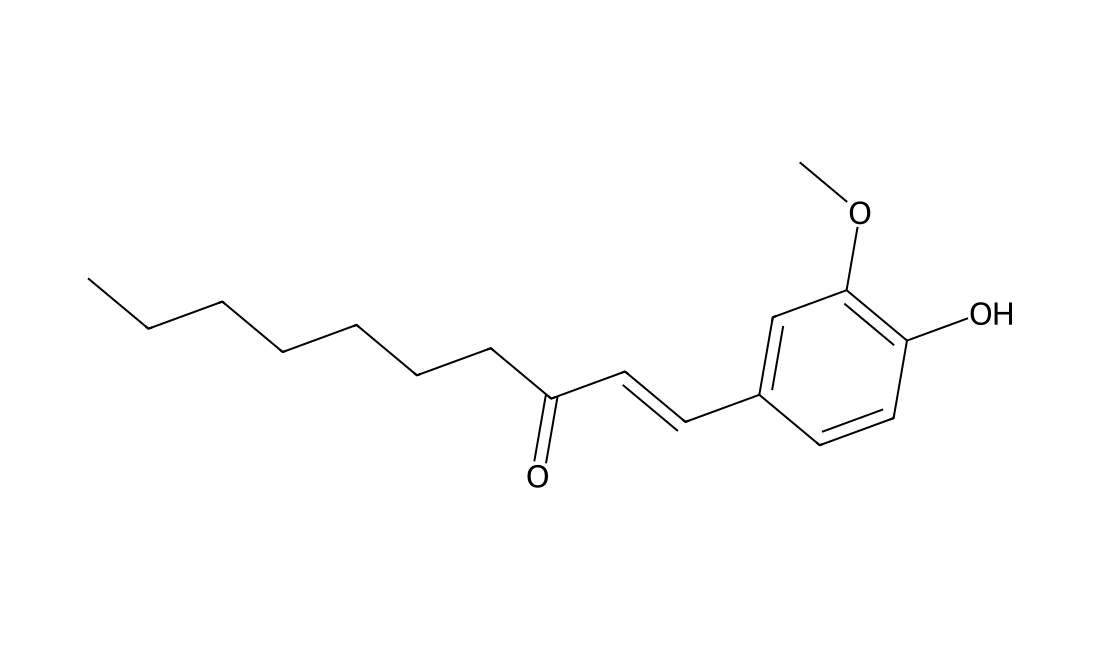
(E)-6-Dehydroparadol
CAS 878006-06-5
(E)-[6]-Dehydroparadol, extracted from patent US 9272994, compound M15, shows growth inhibition and induction of apoptosis against human cancer cells with IC50 values of 43.02 μM in HCT-116 cell and 41.59 μM in H-1299 cell, respectively.
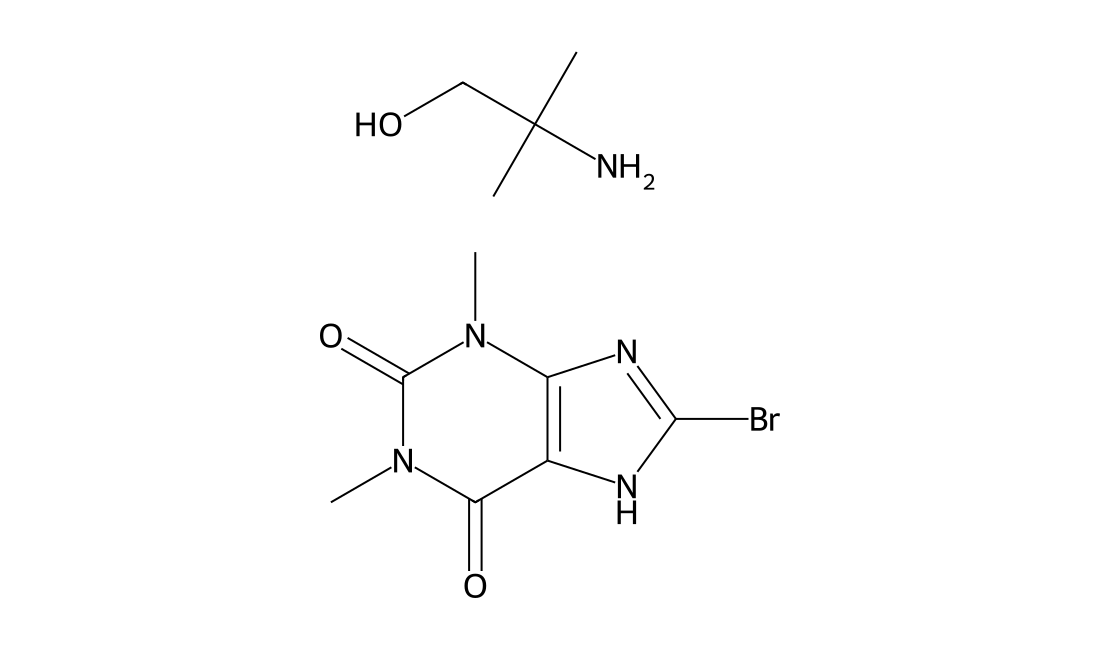
Pamabrom
CAS 606-04-2
Pamabron is a common over-the-counter diuretic used for relief of menstrual-associated symptoms. The active diuretic ingredient in pamabrom is 8-bromotheophylline. Pamabrom is available in combination with acetaminophen (paracetamol) for various conditions such as back pain and menstrual relief. The acetaminophen helps reduce menstrual pains and the pamabrom reduces associated bloating.
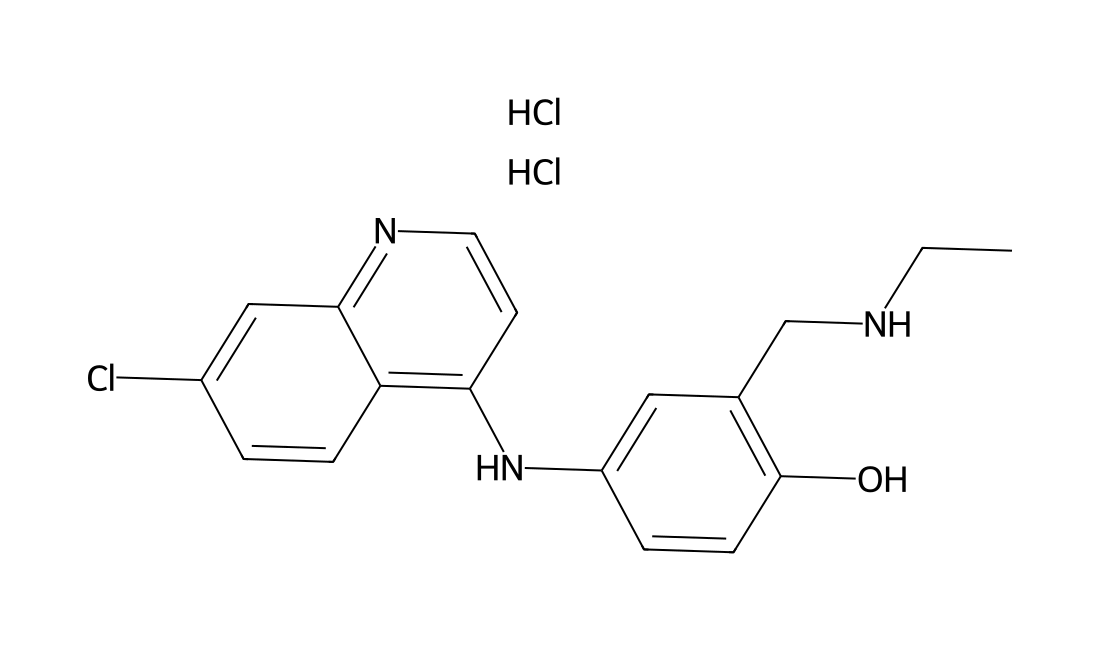
N-desethyl Amodiaquine HCl
CAS 79049-30-2
N-Desethyl amodiaquine dihydrochloride is the major biologically active metabolite of Amodiaquine. N-Desethyl amodiaquine dihydrochloride is an antiparasitic agent. IC50 values for strains V1/S and 3D7 are 97 nM and 25 nM, respectively[1].
SCH 79797 dihydrochloride
CAS 1216720-69-2
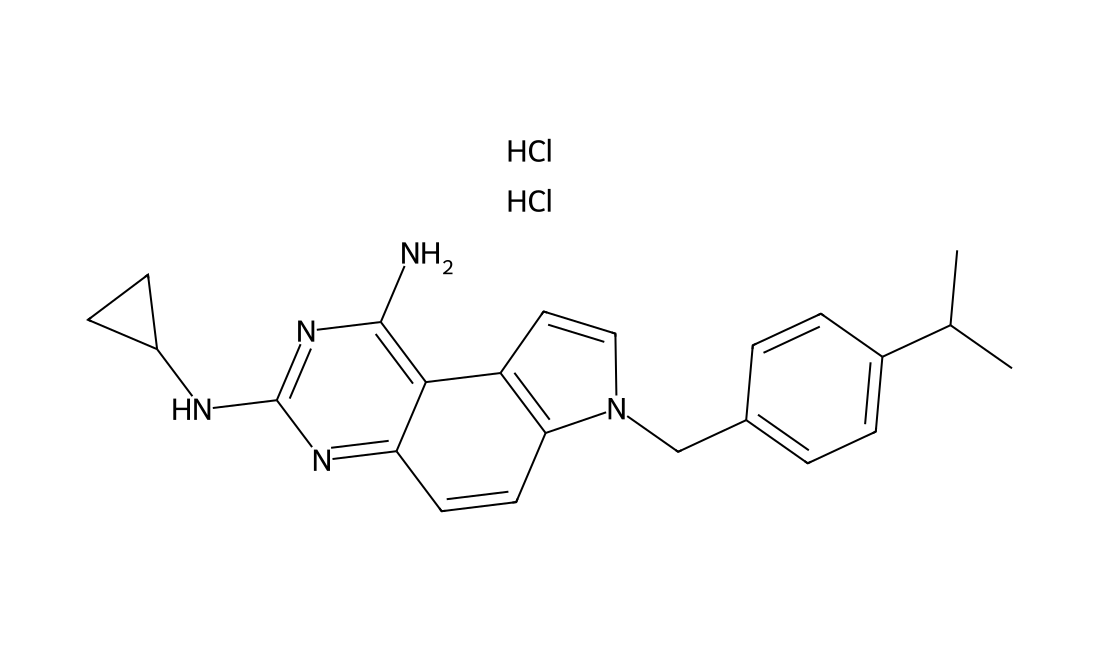
SCH79797 dihydrochloride is a highly potent, selective nonpeptide protease activated receptor 1 (PAR1) antagonist. SCH79797 dihydrochloride inhibits binding of a high-affinity thrombin receptor-activating peptide to PAR1 with an IC50 of 70 nM and a Ki of 35 nM. SCH79797 dihydrochloride inhibits thrombin-induced platelet aggregation with an IC50 of 3 μM. SCH79797 dihydrochloride has antiproliferative and pro-apoptotic effects, and limits myocardial ischemia/reperfusion injury in rat hearts. SCH79797 dihydrochloride also potently prevents PAR1 activation in vascular smooth muscle cells, endothelial cells, and astrocytes[1][2][3][4].
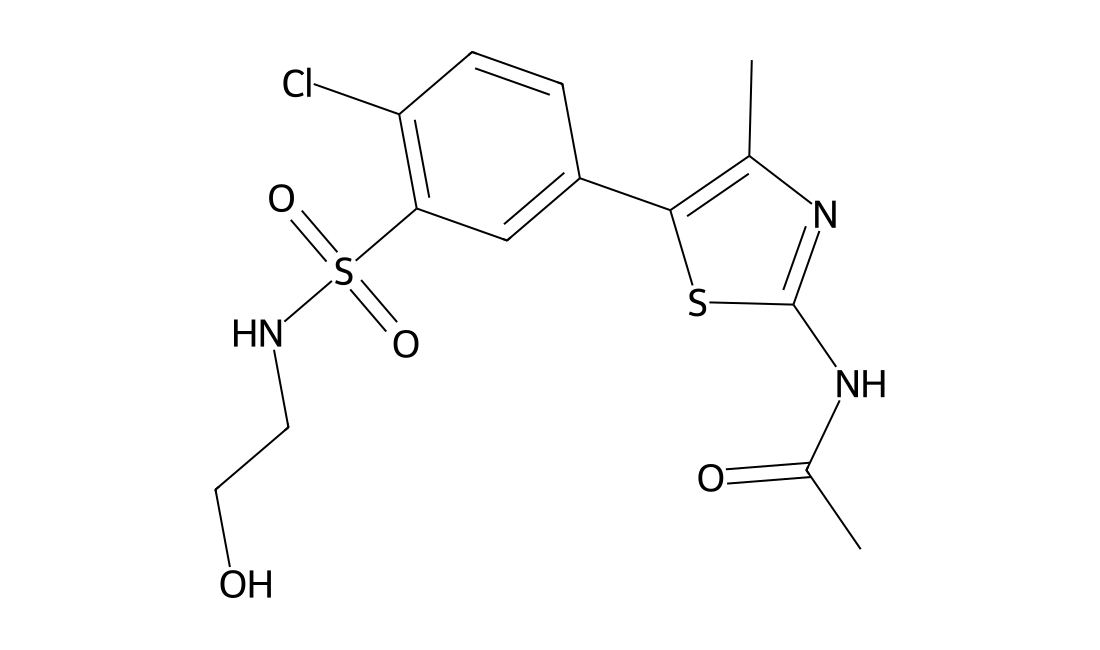
PIK-93
CAS 593960-11-3
PIK-93 is the first potent, synthetic PI4K (PI4KIIIβ) inhibitor with IC50 of 19 nM, and also inhibits PI3Kγ and PI3Kα with IC50 of 16 nM and 39 nM, respectively.
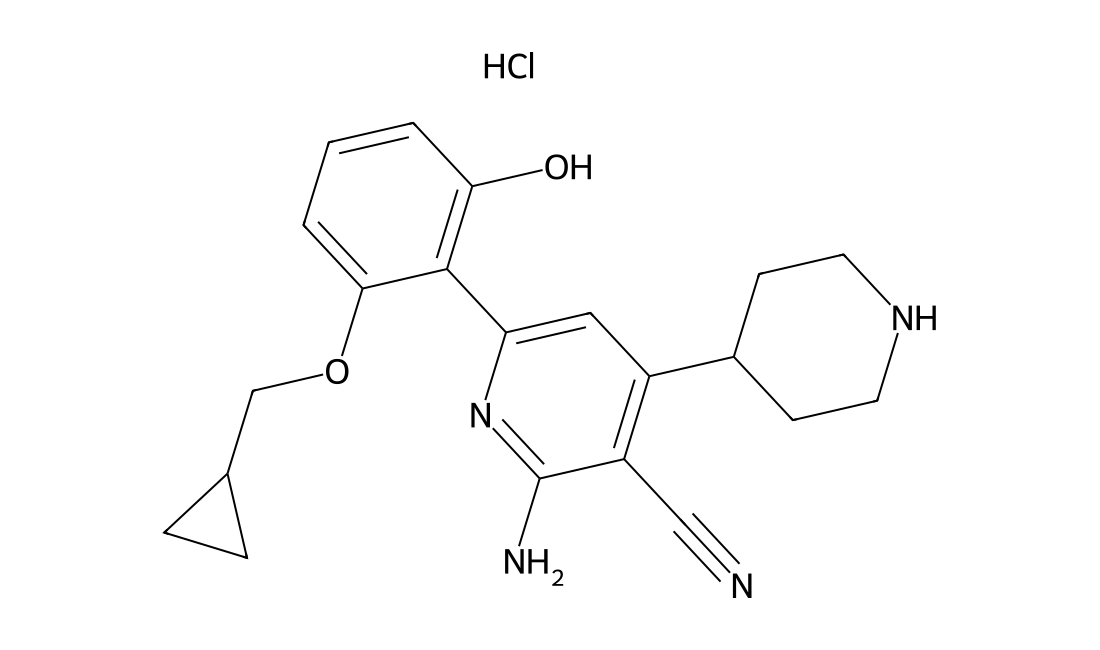
IKK-2 inhibitor VIII
CAS 406209-26-5
IKK-2 inhibitor VIII( ACHP Hydrochloride) is a highly potent and selective IKK-β inhibitor with an IC50 of 8.5 nM.
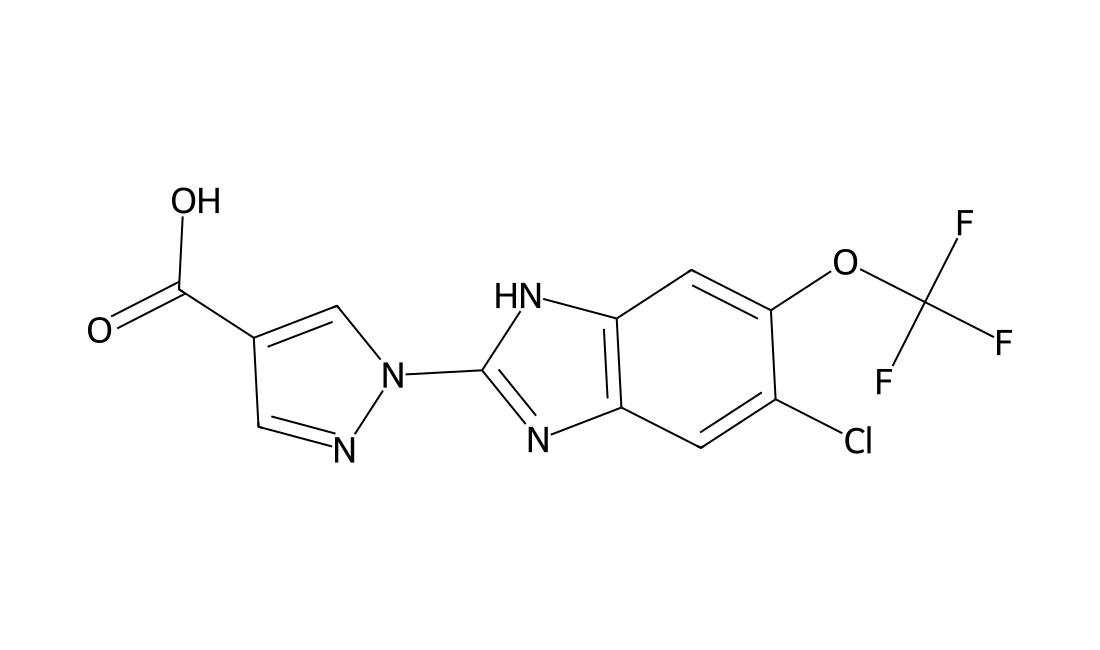
JNJ-42041935
CAS 1193383-09-3
JNJ-42041935 is a potent, competitive and selective inhibitor of prolyl hydroxylase PHD; inhibits PHD1, PHD2, and PHD3 with pKi values of 7.91±0.04, 7.29 ±0.05, and 7.65±0.09, respectively.
AMTB hydrochloride
CAS 926023-82-7
AMTB hydrochloride is a selective TRPM8 channel blocker. AMTB hydrochloride inhibits icilin-induced TRPM8 channel activation with a pIC50 of 6.23. AMTB hydrochloride can be used for the research of the overactive bladder and painful bladder syndrome. AMTB hydrochloride is a non-selective inhibitor of voltage-gated sodium channels (NaV)[1][2].
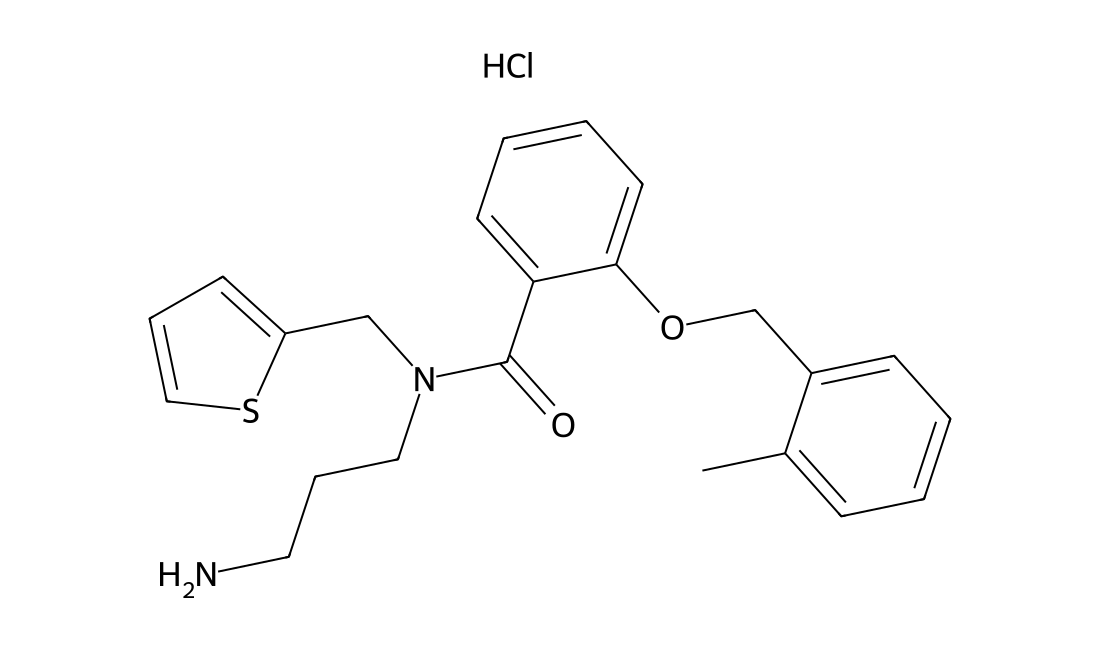
KKL-10
CAS 952849-76-2
KKL-10 is a small-molecule ribosome rescue inhibitor with broad-spectrum antimicrobial activity against bacteria.
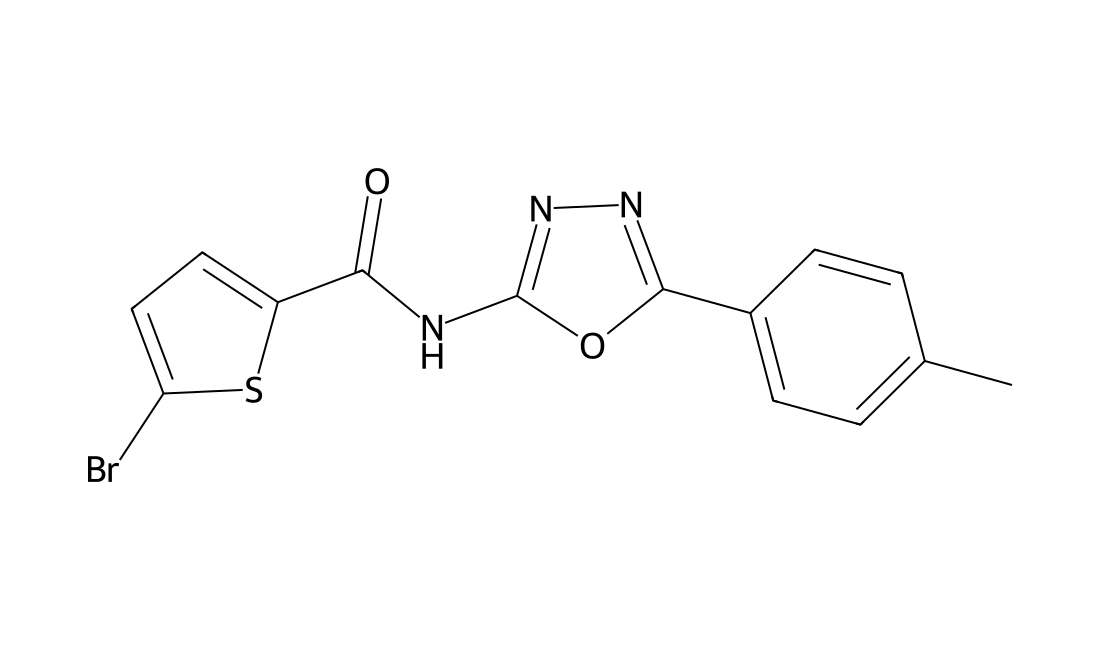
L-701,324
CAS 142326-59-8
L-701324 is an orally active and long acting anticonvulsant with high affinity and selectivity for the glycine site on the NMDA receptor.Target: NMDA ReceptorL-701324 is a potent, active anticonvulsant with a reduced propensity to activate mesolimbic dopaminergic systems in rodents. L-701324 exhibits a beneficial action in the animal model of parkinsonian rigidity, but not that of parkinsonian akinesia. L-701324 (2.5-40 mg/kg, i.p.) dose-dependently decreased the muscle tone enhanced by haloperidol (1-5 mg/kg, i.p.).
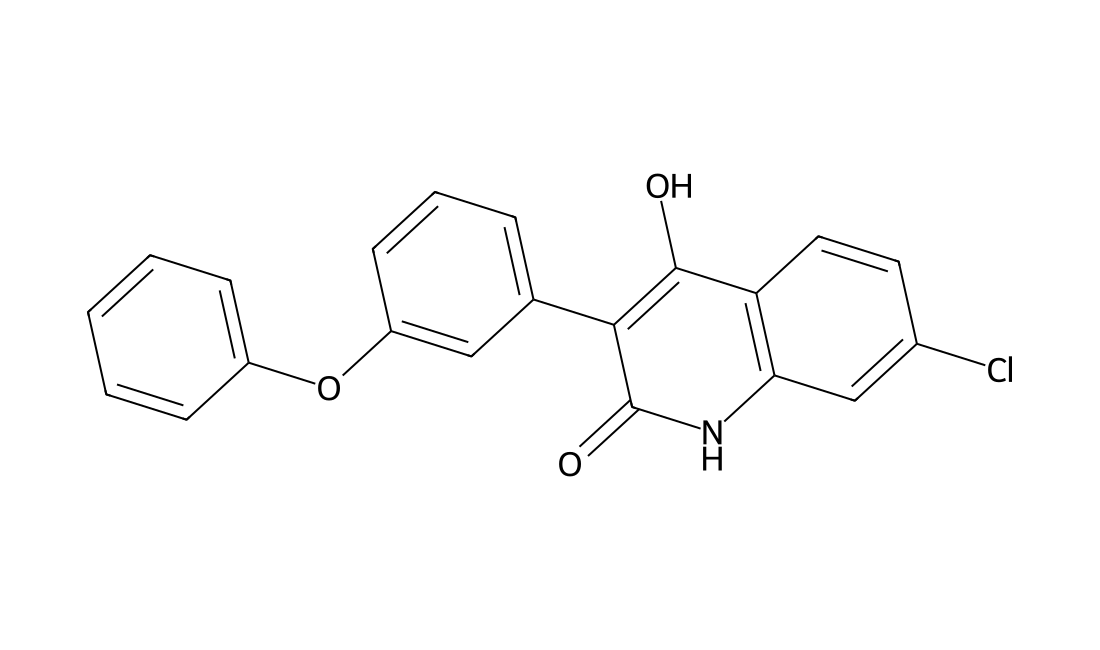
MJN110
CAS 1438416-21-7
MJN110 is a potent and selective monoacylglycerol lipase (MAGL) inhibitor[1]. MJN110 reduces hepatic macrophage number, inflammatory gene expression and slowes down fibrosis progression[2].
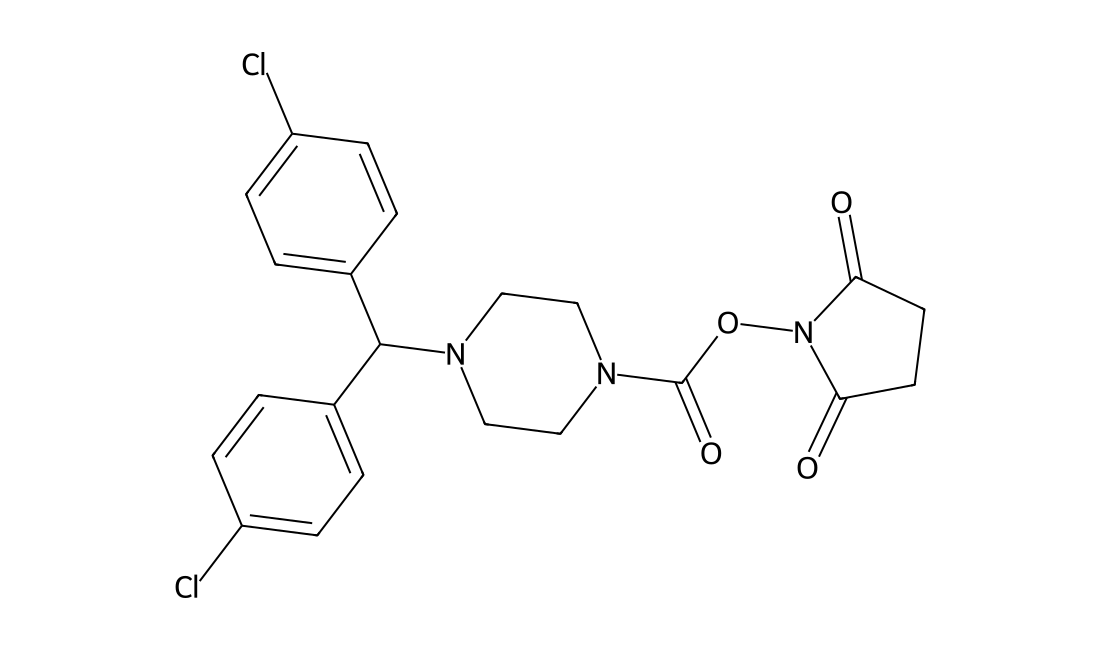
SR 142948A
CAS 184162-21-8
A potent, selective and orally active neurotensin receptor antagonist with IC50 of 1.19 nM; antagonizes neurotensin-induced inositol monophosphate formation in HT 29 cells with IC50 of 3.9 nM, inhibits the turning behavior induced by neurotensin in mice, completely antagonizes neurotensin-evoked acetylcholine release in the rat striatum at 0.1 mg/kg; also blocks both hypothermia and analgesia induced by i.c.v. injection of neurotensin injection into the ventral tegmental area.
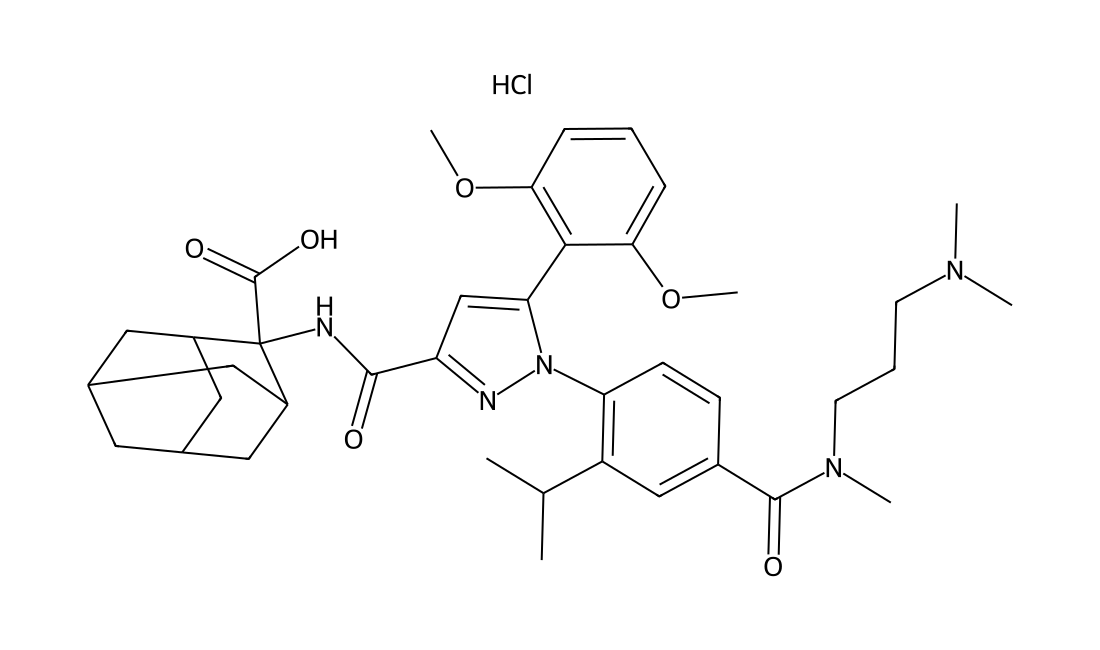
L-779,450
CAS 303727-31-3
L-779450 is a potent and selective B-Raf kinase inhibitor with a Kd of 2.4 nM.
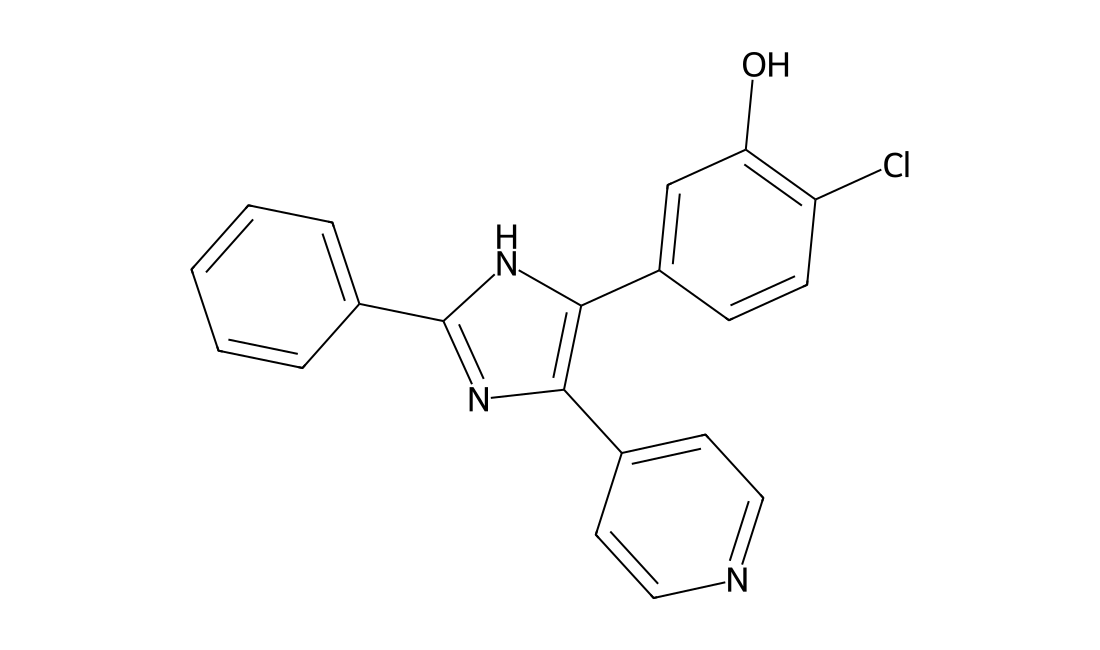
LAU159
CAS 2055050-87-6
LAU159 is a functionally selective positive modulator of α1β3 GABA(A) receptor with an EC50 of 2.2 μM[1].
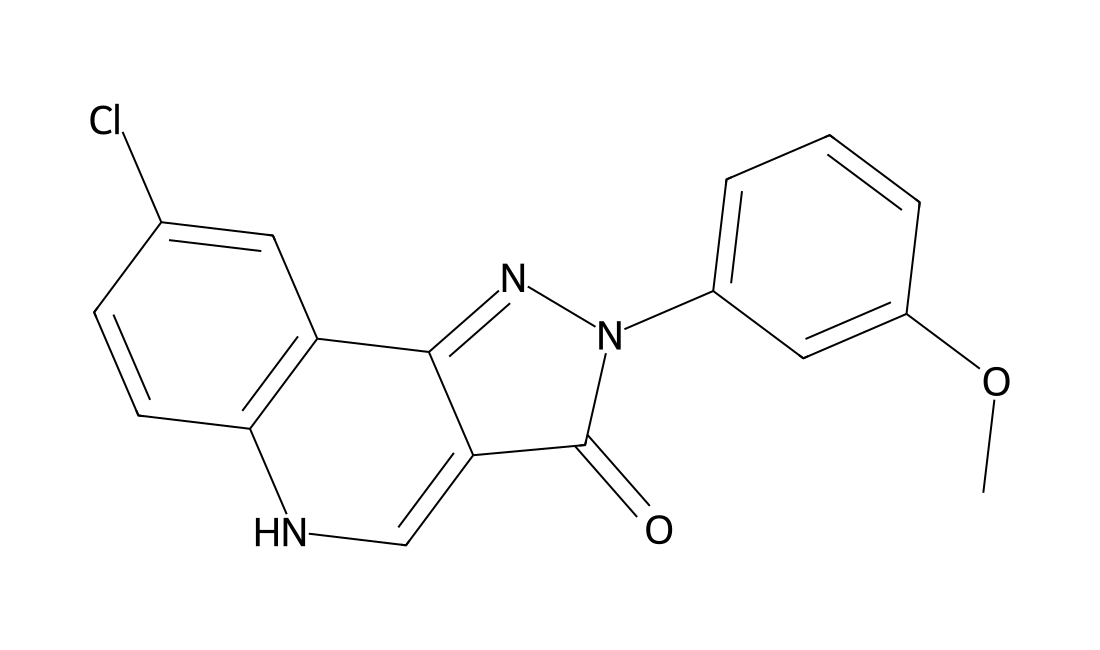
Loflucarban
CAS 790-69-2
Loflucarban (Fluonilid) is a potent antimycotic agent. Loflucarban can be used for the research of the ear infections[1].
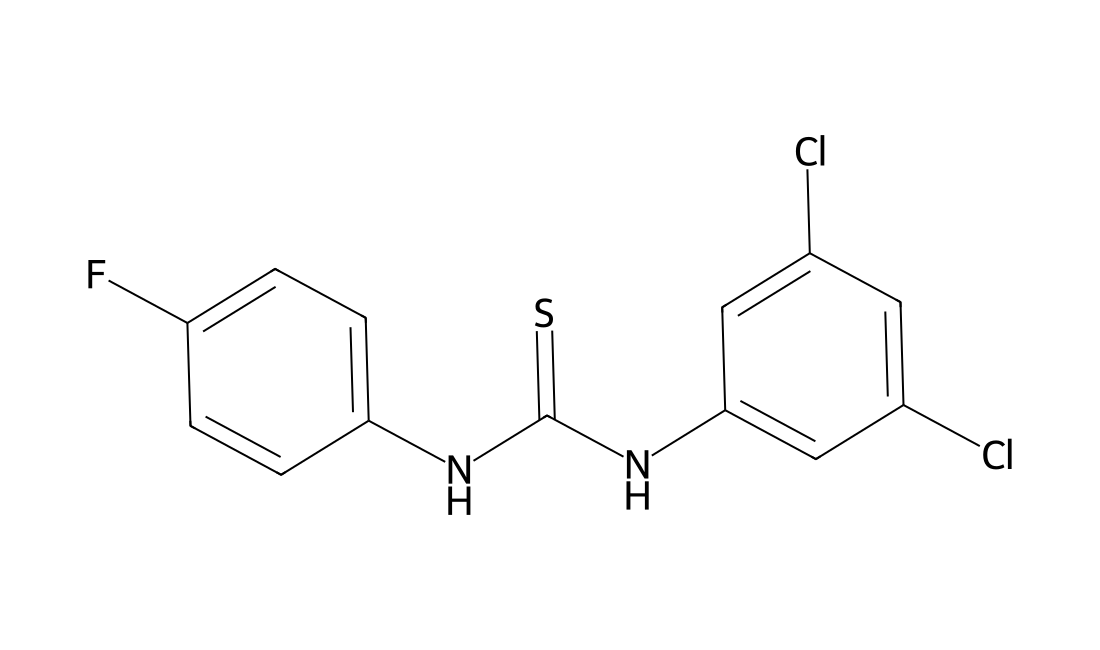
WEB-2086
CAS 105219-56-5
Apafant (WEB 2086), a potent platelet-activating factor (PAF) antagonist, inhibits PAF binding to human PAF receptors with a Ki of 9.9 nM[1].
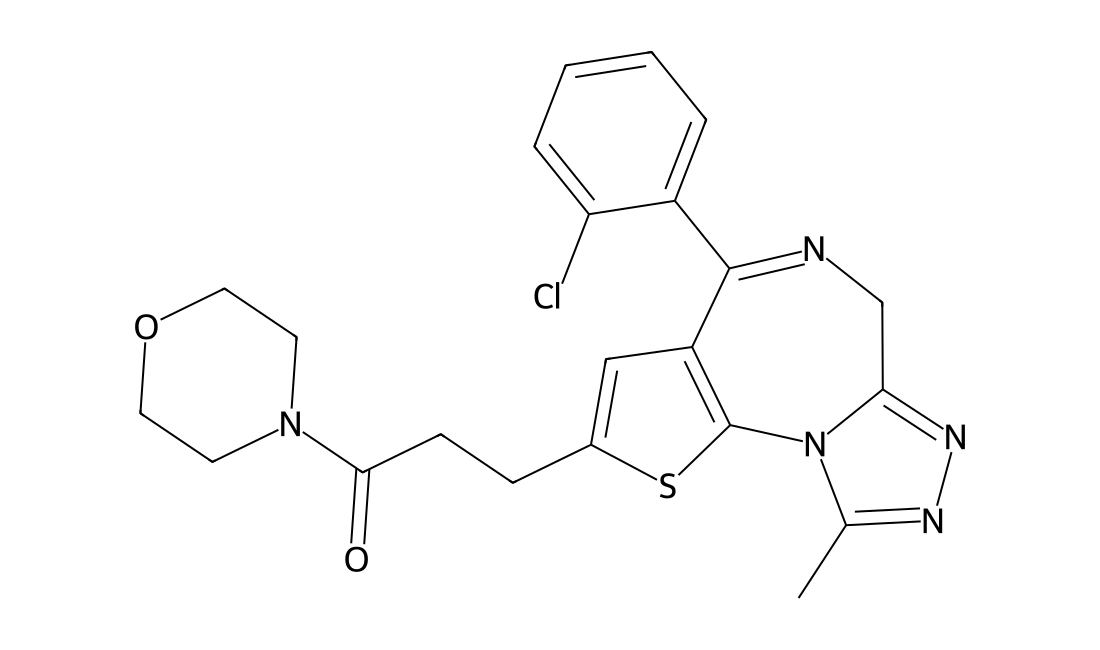
ZL-006
CAS 1181226-02-7
ZL006 is a potent inhibitor of nNOS/PSD-95 interaction, and inhibits NMDA receptor-mediated NO synthesis.
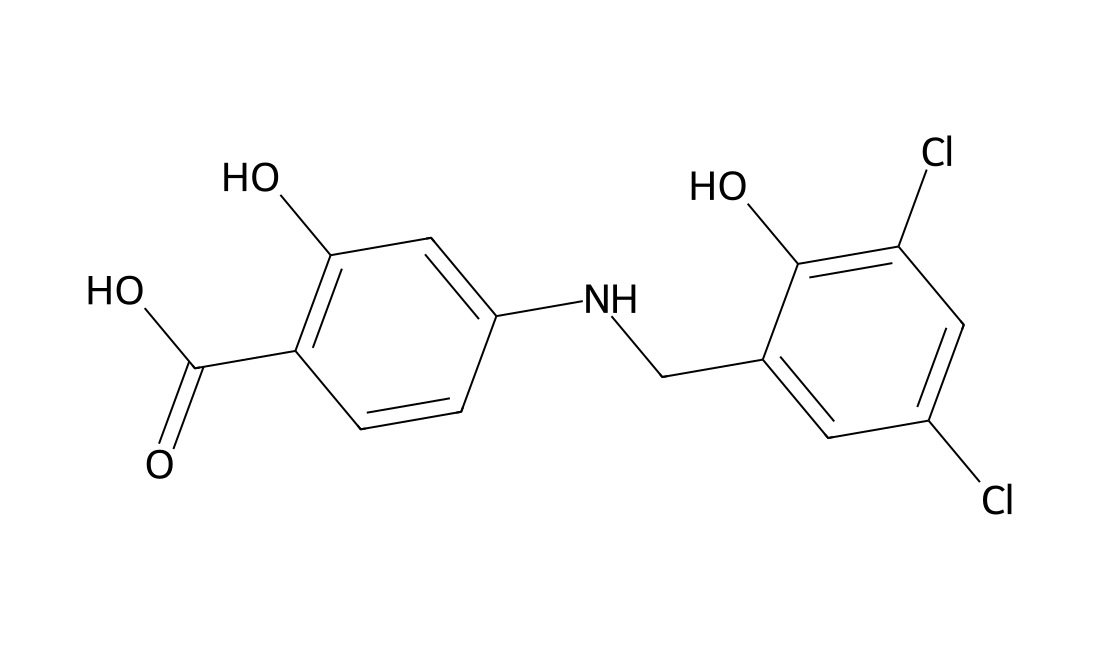
Dilazep dihydrochloride
CAS 20153-98-4
Dilazep dihydrochloride is an inhibitor of adenosine uptake. Dilazep dihydrochloride has cerebral and coronary vasodilating action through enhancement of effect of adenosine. Dilazep dihydrochloride also inhibits the ischemic damage, platelet aggregation, and membrane transport of nucleosides[1][2].
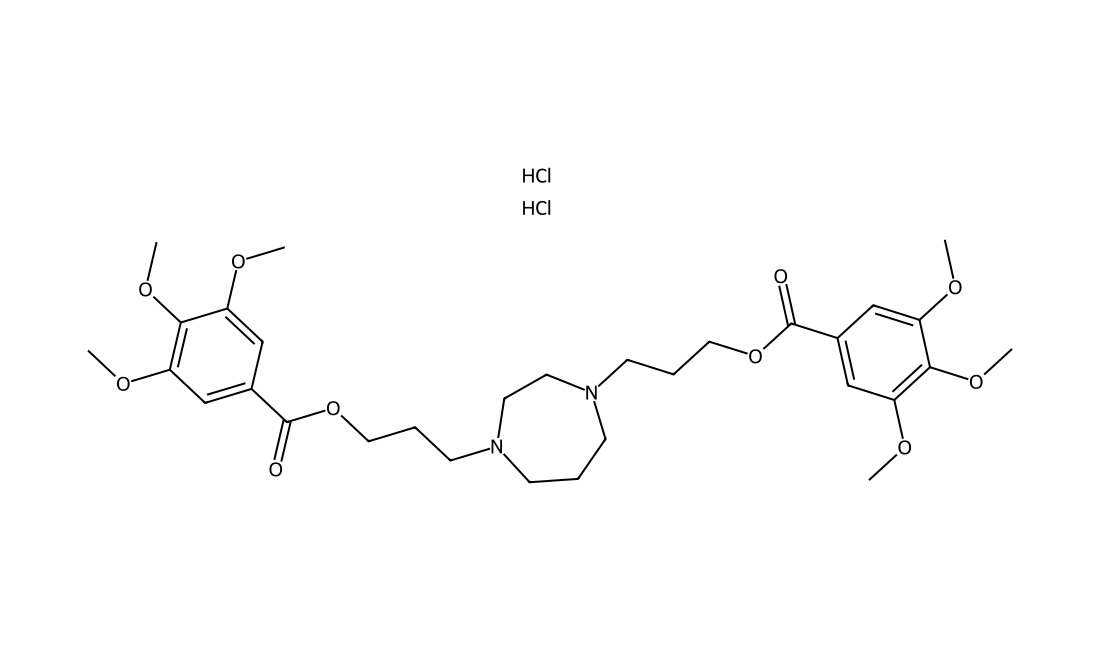
Imetit dihydrobromide
CAS 32385-58-3
Imetit dihydrobromide (VUF 8325 dihydrobromide) is a high affinity and potent agonist of histamine H3 and H4 receptors, with Ki values of 0.3 and 2.7 nM, respectively. Imetit mimics histamine effect in triggering a shape change in eosinophils (EC50=25 nM)[1][2][3].
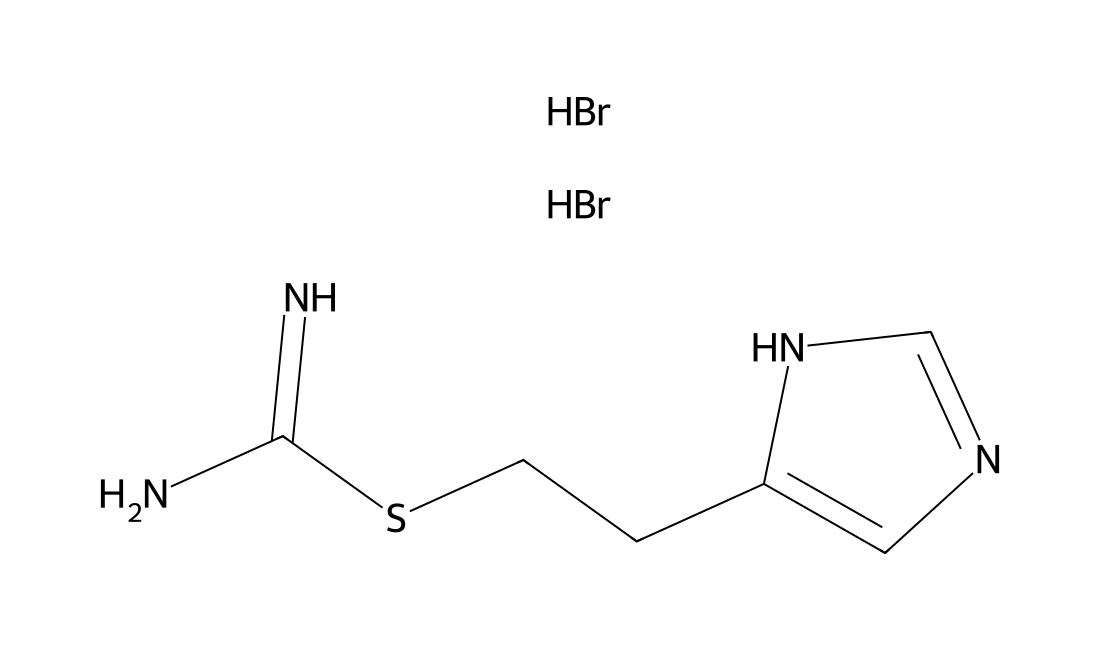
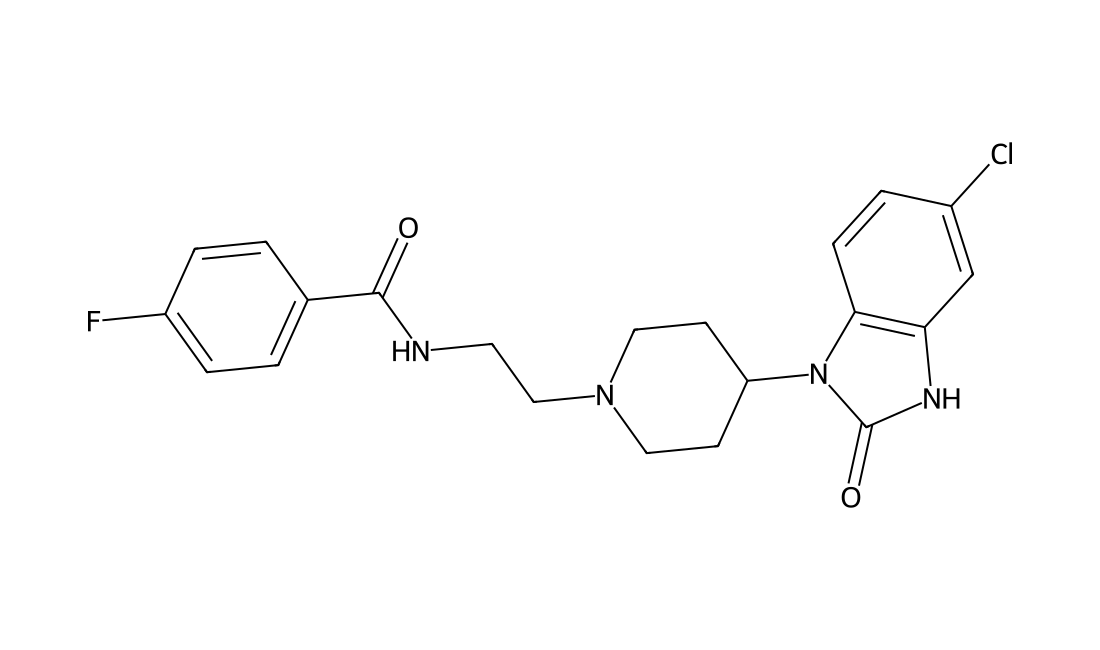
Halopemide
CAS 59831-65-1
Halopemide is a potent phospholipase D (PLD) inhibitor, with IC50s of 220 and 310 nM for human PLD1 and PLD2, respectively. Halopemid is a dopamine receptors antagonist, and acts a psychotropic agent[1][2].
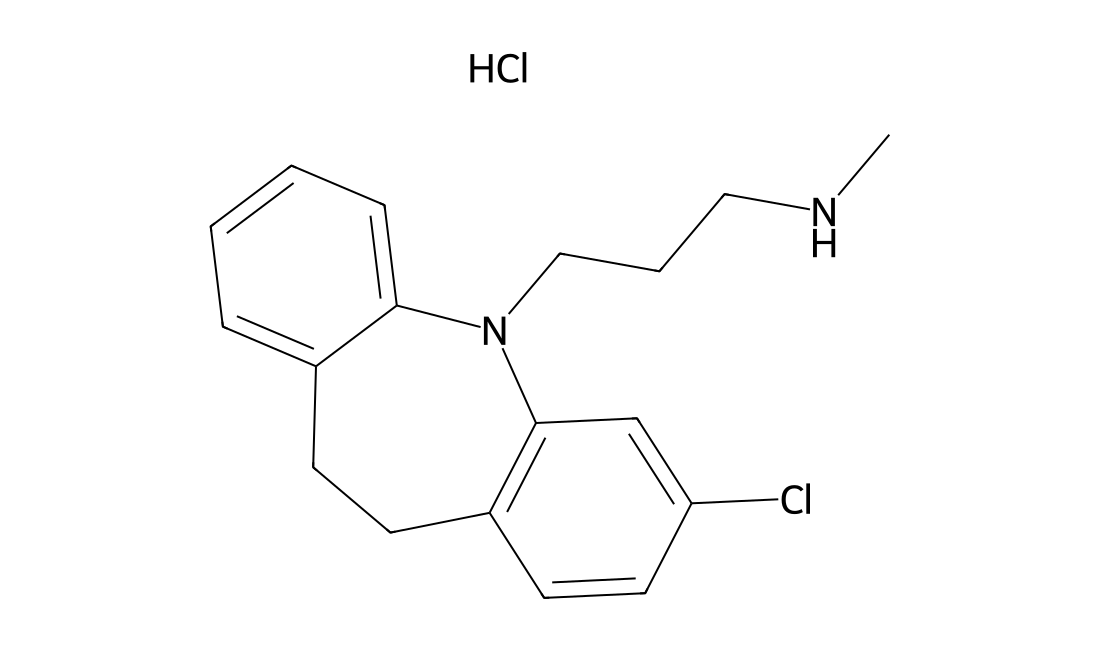
N-Desmethyl Clomipramine hydrochloride
CAS 29854-14-6
N-Desmethyl Clomipramine hydrochloride (Desmethylclomipramine hydrochloride) is a primary plasma N-desmethyl metabolite of Clomipramine. Clomipramine is a tricyclic antidepressant[1][2].
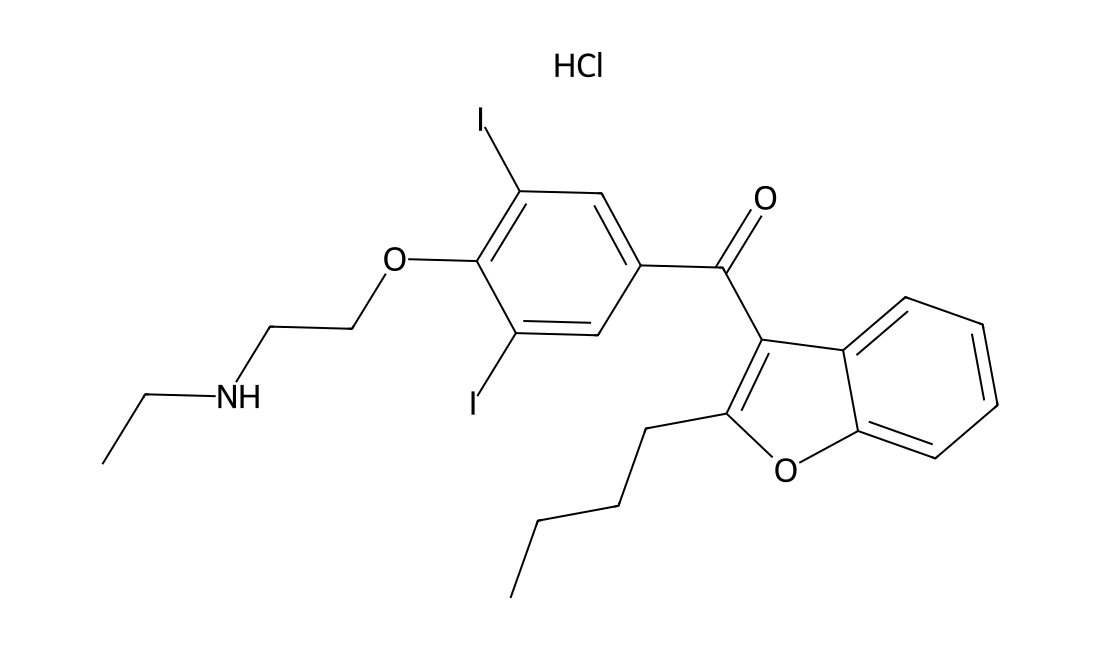
Desethylamiodarone hydrochloride
CAS 96027-74-6
Desethylamiodarone hydrochloride (N-desethylamiodarone hydrochloride) is a major active metabolite of Amiodarone. Desethylamiodarone hydrochloride is formed by CYP3A isoenzymes. Amiodarone is an antiarrhythmic agent for inhibition of ATP-sensitive potassium channel with an IC50 of 19.1 μM[1][2][3].
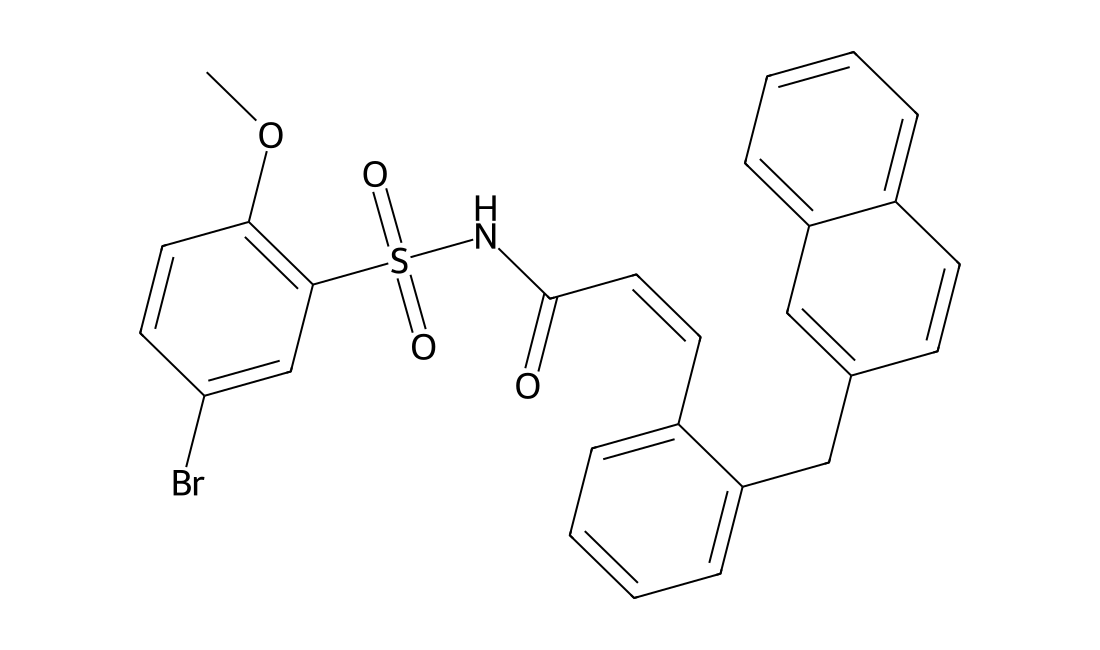
L-798106
CAS 244101-02-8
L-798106 is potent and highly selective prostanoid EP3 receptor antagonist (Ki=0.3 nM), it also has micromolar activities at the EP4, EP1 and EP2 receptors with Ki values of 916 nM, >5000 nM and >5000 nM at EP4, EP1 and EP2, respectively[1].
Browse target & topic index A–Z (366)
11β-HSD (1)15-PGDH (2)5-HT Receptor (16)Acetyl-CoA Carboxylase (ACC) (3)Acetylcholinesterase (AChE) (2)Ack1 (TNK2) (1)Acyltransferase (1)ADC Cytotoxin (6)ADCs Linker/Click Chemistry (5)Adenosine Receptor (9)Adenylate Cyclase (2)Adrenergic Receptor (11)Akt (12)Alcoholism (2)Aldehyde Dehydrogenase (ALDH) (6)Allergy (5)Alzheimer Disease (13)Aminopeptidase (1)AMPK (8)Amyloids (4)Anaplastic Lymphoma Kinase (ALK) (9)Androgen Receptor (AR) (11)Anemia (4)Angiotensin Receptor (4)Antibody/Protein labeling dyes (1)Antifolate (2)Anxiety (1)Apoptosis Inducer (3)Arginase (1)Arp2/3 complex (1)Aryl hydrocarbon Receptor (AhR) (1)Asthma (5)Atherosclerosis (2)ATM/ATR (8)Aurora Kinase (10)Autophagy (6)Autophagy-related Protein (Atg) (2)Autotaxin (2)Bacterial (26)Bacterial Infection (17)Bcl-2 (14)Bcr-Abl (5)BCRP (1)Beta-catenin (4)Beta-secretase (BACE) (4)Blood Cancer (91)BMI-1 (1)Bone Cancer (6)Brain Cancer (6)Breast Cancer (30)Bromodomain (22)BTK (10)c-Fms (CSF1R) (5)c-Fos/AP-1 (1)c-Kit (6)c-Met (HGFR) (11)c-Myc (2)Calcium Channel (4)Calcium-sensing Receptor (CaSR) (1)CaMK (4)Cannabinoid Receptor (6)Carbonic Anhydrase (1)Carboxypeptidase (1)Casein Kinase (6)Caspase (4)Cathepsin (6)Cdc2-like Kinase (CLK) (1)CETP (2)CFTR (7)Checkpoint Kinase (Chk) (8)Chemokine Receptor (CCR and CXCR) (14)Chemotherapeutic Agents (19)Chloride Channel (1)CMV (2)CMV Infection (2)Colon Cancer (9)Complement System (1)COPD (3)CREB/CBP (2)CRF Receptor (2)CRISPR/Cas9 (1)Cushing Disease (1)Cyclin-dependent Kinase (CDK) (39)Cyclooxygenase (COX) (4)Cytochrome P450 (CYPs) (5)Depression (2)Dermatitis (2)Deubiquitinase (DUB) (7)Diabetes (20)Dipeptidyl Peptidase (DPP) (3)Discoidin Domain Receptor (DDR) (1)DNA Alkylator/Crosslinker (10)DNA Methyltransferase (DNMT) (1)DNA Repair Protein (1)DNA-PK (2)DNA/RNA Synthesis (5)Dopamine beta-hydroxylase (1)Dopamine Receptor (7)Drug Metabolite (1)Drug-Linker Conjugates (11)Dyes (4)DYRK (1)Dyslipidemia (9)E3 Ligase Ligand (6)E3 Ligase Ligand-Linker Conjugate (1)E3 Ubiquitin Ligase (4)Ebola Virus Infection (1)EGFR (32)Elastase (2)Endothelin Receptor (5)Enzymes substrates (13)Epigenetic Reader Domain (3)Epilepsy (4)ERK (4)Estrogen Receptor/ERR (13)Eukaryotic Initiation Factor (eIF) (2)Exportin-1 (CRM1,XPO1) (2)FABP (1)Factor Xa (5)Farnesoid X Receptor (FXR) (5)Farnesyl transferase (FTase) (1)Ferroptosis (6)FGFR (20)Fibrosis (5)FLT3 (6)Focal Adhesion Kinase (FAK) (11)Foxo1 (1)Free Fatty Acid Receptor (FFAR) (5)Fungal (2)Fungal Infection (1)GABA Receptor (13)Galectin (1)Gastric Cancer (8)Ghrelin Receptor (GHSR) (3)Glucagon Receptor (4)Glucokinase (2)Glucose Transporter (GLUT) (2)Glutamate Transporter (2)GPCR (1)GPER (GPR30) (1)GPR139 (1)GPR183 (EBI2) (2)GPR39 (1)GPR55 (1)GPR84 (1)GRK (GPCRK) (2)Growth Hormone Deficiency (2)GSK-3 (8)Guanylate Cyclase (3)HBV (1)HBV Infection (1)HCN Channel (2)HCV (8)HCV Infection (9)HDAC (38)Heart Arrhythmia (2)Heart Failure (5)Heat Shock Protein (HSP) (15)Hedgehog (Hh) (1)HIF/HIF Prolyl-hydroxylase (8)Histamine Receptor (6)Histone Acetyltransferase (HAT) (5)Histone Demethylase (11)Histone Methyltransferase (HMTase) (31)HIV (12)HIV Infection (11)HMG-CoA Reductase (HMGCR) (3)HSV (1)HSV Infection (1)Hypercholesterolemia (1)Hyperparathyroidism (1)Hypertension (8)IAP (1)IGF-1R (3)iGluR (15)Indoleamine 2,3-Dioxygenase (IDO) (4)Infection (1)Influenza (6)Influenza Virus (6)Insulin Receptor (2)Integrin (6)Interleukin Receptor (1)IRAK (2)IRE1 (4)Irritable Bowel Syndrome (2)Ischemia (1)Isocitrate Dehydrogenase (IDH) (5)ITK (1)IκB kinase (IKK) (7)JAK (32)JNK (3)Keap1-Nrf2 (6)Kidney Cancer (10)Kinesin (5)Kruppel-like Factor (KLF) (1)Kynurenine 3-Monooxygenase (KMO) (1)Leukotriene Receptor (1)LIM Kinase (LIMK) (3)Lipids fragment (1)Liver Cancer (6)Liver X Receptor (LXR) (3)LRRK2 (9)Lung Cancer (39)Lysophospholipid Receptor (12)LYTACs (3)mAChR (9)MALT1 (2)MAP4K (1)Matrix Metalloproteinase (MMP) (10)MDM2-p53 (9)MEK (MAP2K) (14)MEKK (MAP3K) (1)Melanocortin Receptor (2)MELK (1)mGluR (7)MicroRNA (1)Microtubule/Tubulin (5)Mineralocorticoid Receptor (MLR) (1)MITF (1)Mixed Lineage Kinase (MLK) (3)MNK (2)Molecular Glues (21)Monoamine Transporter (5)Monocarboxylate Transporter (MCT) (1)Monopolar Spindle 1 (Mps1/TTK) (3)mTOR (13)Multiple Sclerosis (6)Myosin (1)Na-K-Cl Cotransporter (NKCC) (2)nAChR (2)NADPH Oxidase (NOX) (2)NAMPT (3)Natural products (37)Neprilysin (1)Neurokinin Receptor (3)Neuropeptide Y Receptor (3)NF-κB (5)Nitric Oxide Synthase (NOS) (1)NOD-like Receptor (NLR) (3)Notch (2)Nucleoside Antimetabolite/Analog (10)Nur77 (NR4A1) (1)Obesity (1)Oct3/4 (1)Opioid Receptor (5)Orexin Receptor (7)Osteoporosis (2)Ovarian Cancer (14)Oxytocin Receptor (OXTR) (2)P-glycoprotein (P-gp) (3)p21-activated Kinase (PAK) (1)P2X Receptor (2)P2Y Receptor (1)p38 MAPK (10)p97/VCP (1)Pain (12)Pancreatic Cancer (10)Parasite (5)Parasite Infection (2)Parkinson Disease (2)PARP (19)PCSK9 (1)PD-1/PD-L1 (4)PDGFR (4)PDK1 (2)PEGn (1)PERK (2)PGE synthase (2)Phosphodiesterase (PDE) (9)Phospholipase (4)PI3K (32)PI4K (2)Piezo Channel (1)PIKfyve (3)Pim (9)PKC (12)PKD (1)Plasminogen Activator Inhibitor-1 (PAI-1) (3)Polo-like Kinase (PLK) (4)Porcupine (3)Potassium Channel (13)PPAR (13)Pregnane X Receptor (PXR) (1)Progesterone Receptor (2)Prostaglandin Receptor (11)Prostate Cancer (7)PROTACs (35)Protease-activated Receptor (PAR) (3)Proteasome (12)Protein Disulfide Isomerase (PDI) (1)Protein Phosphatase/PTP (6)Proton Pump (1)Psoriasis (5)RAD51 (1)Radioligand precursors (15)Raf (18)RAR/RXR (3)Ras (17)Renin (2)RET Tyrosine Kinase (c-RET) (3)Rheumatoid Arthritis (16)Ribosomal S6 Kinase (RSK) (5)RIG-I-like Receptor (RLR) (2)RIP kinase (7)ROCK (12)ROR (2)RSV (4)RSV Infection (3)RUNX1-CBFβ (1)S-nitrosoglutathione reductase (GSNOR) (1)Saccharides and Glycosides (1)Salt Inducible Kinase (SIK) (2)SARS-CoV (16)SARS-CoV Infection (34)Schizophrenia (4)Sexual Dysfunction (1)SGLT (4)Sigma Receptor (4)Sirtuin (9)Skin Cancer (13)Sleep Disorder (7)SMN2 Modulator (1)Smoothened (Smo) (9)Sodium Channel (12)Solid Tumors (35)Somatostatin Receptor (2)Sphingosine kinase (SphK) (2)Src (7)STAT (5)Stearoyl-CoA Desaturase (SCD) (1)Steatohepatitis (7)Sterol lipids (1)STING (14)Syk (6)T Cell Receptor (TCR) (1)TAK1 (2)TAM Receptor (Tyro3-Axl-Mer) (4)Taste Receptor (1)Telomerase (2)TGF beta Receptor (TGFBR) (12)Thrombin (3)Thrombosis (13)Thyroid Cancer (1)Thyroid Hormone Receptor (THR) (1)Thyrotropin Receptor (2)TNIK (1)Toll-like Receptor (TLR) (2)TOPK (1)Topoisomerase (11)TRAIL (1)Translocator Protein (TSPO) (1)Trk Receptor (4)TRP Channel (13)Tryptophan Hydroxylase (TPH) (1)Ubiquitin-activating Enzyme (E1) (2)Ubiquitin-conjugating Enzyme (E2) (2)Ulcer (1)ULK (3)Vasopressin Receptor (2)VEGFR (25)Vitamin D Receptor (VDR) (3)Wee1 (1)WNK Kinase (1)Wnt (5)Yes-associated Protein (YAP) (4)γ-secretase (5)