
Small Molecule Research Tools
Explore bioactive compounds by research category, then narrow your search by target, product name, catalog number or CAS.
Newly added: LC-MG and OXF molecular glue research compounds →
Browse by research category
Products may appear in more than one category. Counts refer to distinct catalog numbers within each category.
Kinases & Cell Signaling1,548 products →941 products →Epigenetics & Gene Regulation410 products →277 products →DNA Damage, Repair & Cell Cycle342 products →228 products →Cell Death & Autophagy233 products →117 products →Protein Degradation & Proteostasis252 products →181 products →Immunology & Inflammation515 products →297 products →Neuroscience793 products →363 products →GPCRs & Receptor Biology1,219 products →428 products →Ion Channels & Transporters373 products →196 products →Metabolism & Endocrinology697 products →404 products →Cardiovascular & Hematology264 products →141 products →Anti-infectives453 products →205 products →Cancer Research1,049 products →535 products →ADCs & Bioconjugation61 products →38 products →Probes & Assay Reagents150 products →82 products →Natural Products424 products →73 products →Cell Biology & Intracellular Transport181 products →61 products →
Other Research Tools (75) · Additional reagents, building blocks and specialized research tools.
New literature-derived products
LC-MG-1 (DCA0006) · LC-MG-4 (DCA0007) · LC-MG-9 (DCA0008)
View structure and evidence summaries →All small molecule products
Combine a keyword, research category and target to narrow the product list.
Loading catalog filters…
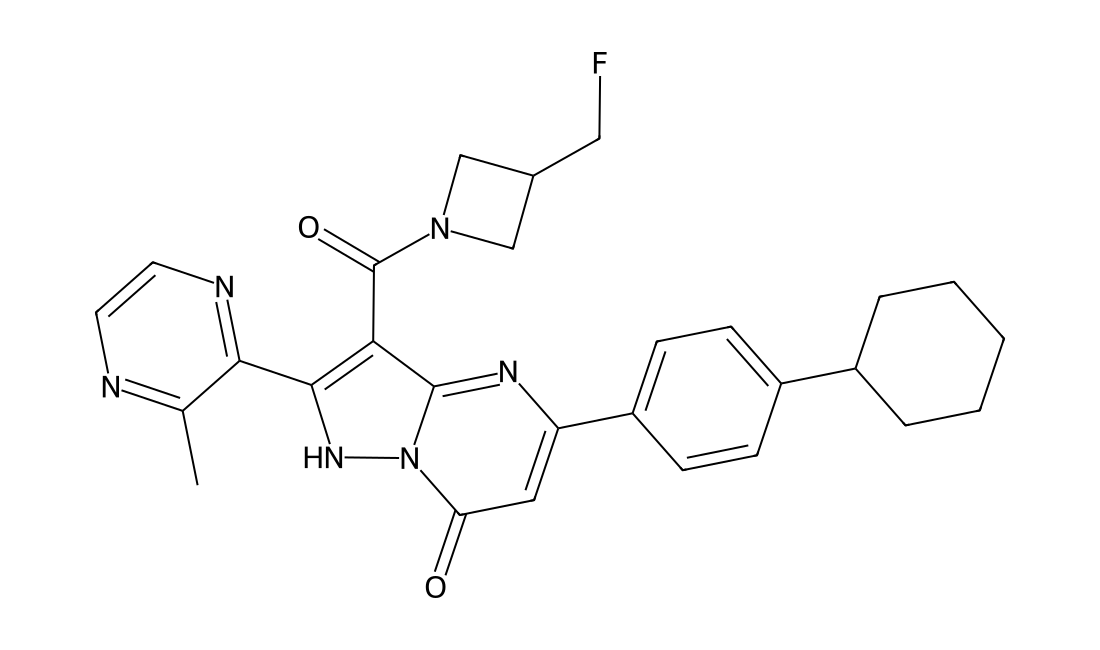
SNS-314
CAS 1057249-41-8
SNS-314 is a synthetic small molecule Aurora kinase (AK) inhibitor with potential antineoplastic activity. Aurora kinase inhibitor SNS-314 selectively binds to and inhibits AKs A and B, which may result in the inhibition of cellular division and proliferation in tumor cells that overexpress AKs. AKs are serine-threonine kinases that play essential roles in mitotic checkpoint control during mitosis.
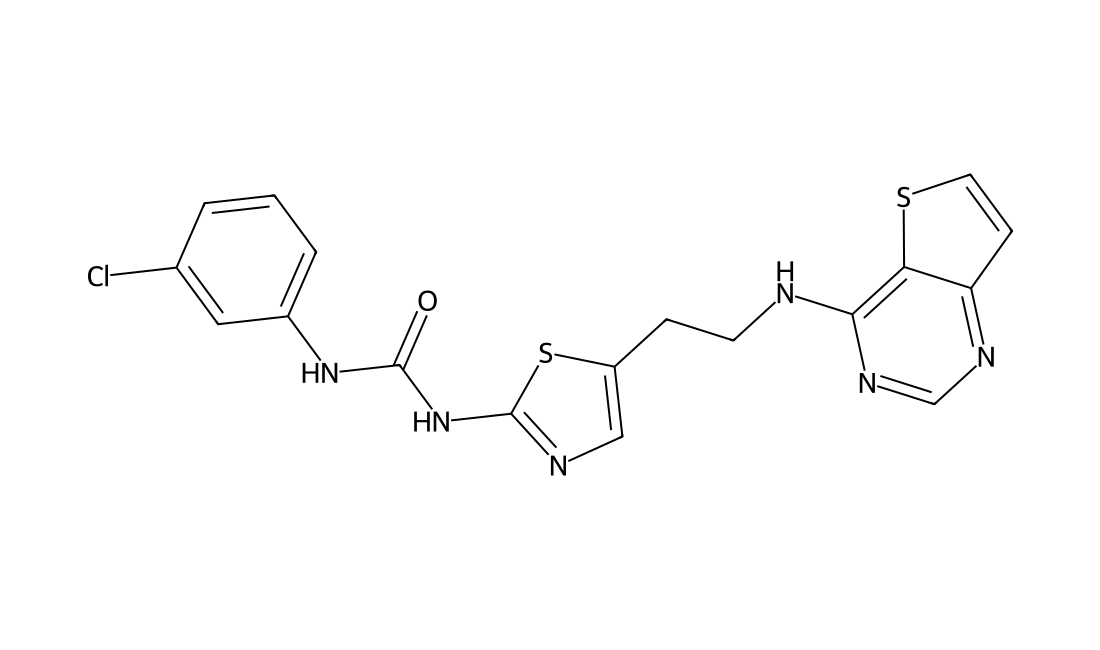
PCNA-I1
CAS 444930-42-1
PCNA-I1 is an inhibitor of proliferating cell nuclear antigen (PCNA) that binds to PCNA trimers (Kd = 0.41 µM) and dose-dependently reduces the level of PCNA associated with chromatin in PC3 cells.
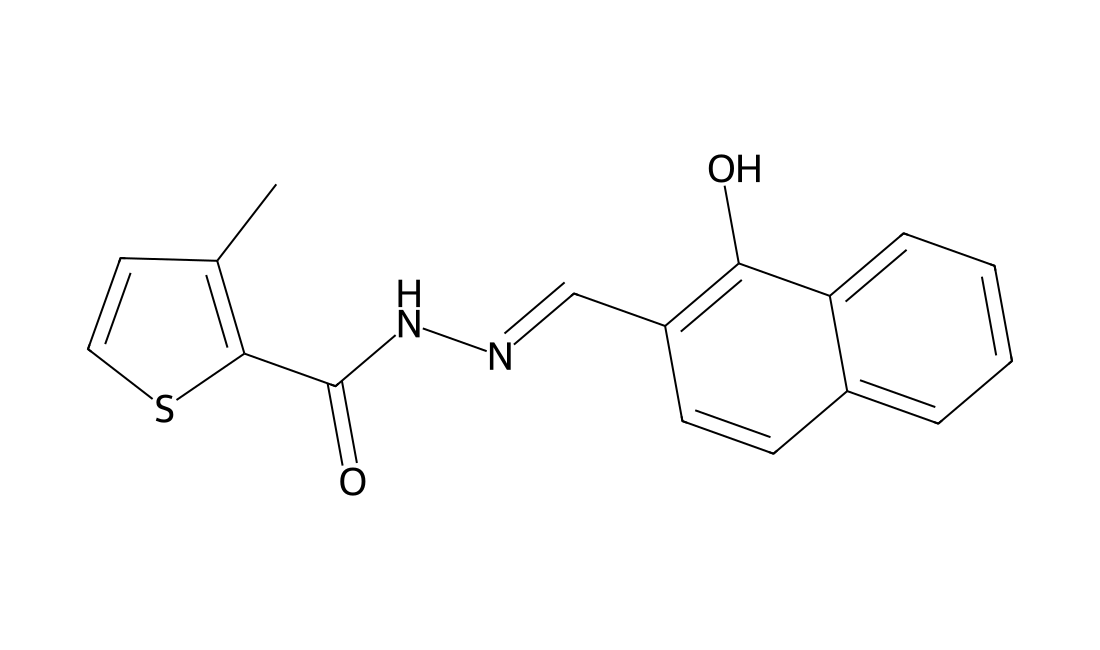
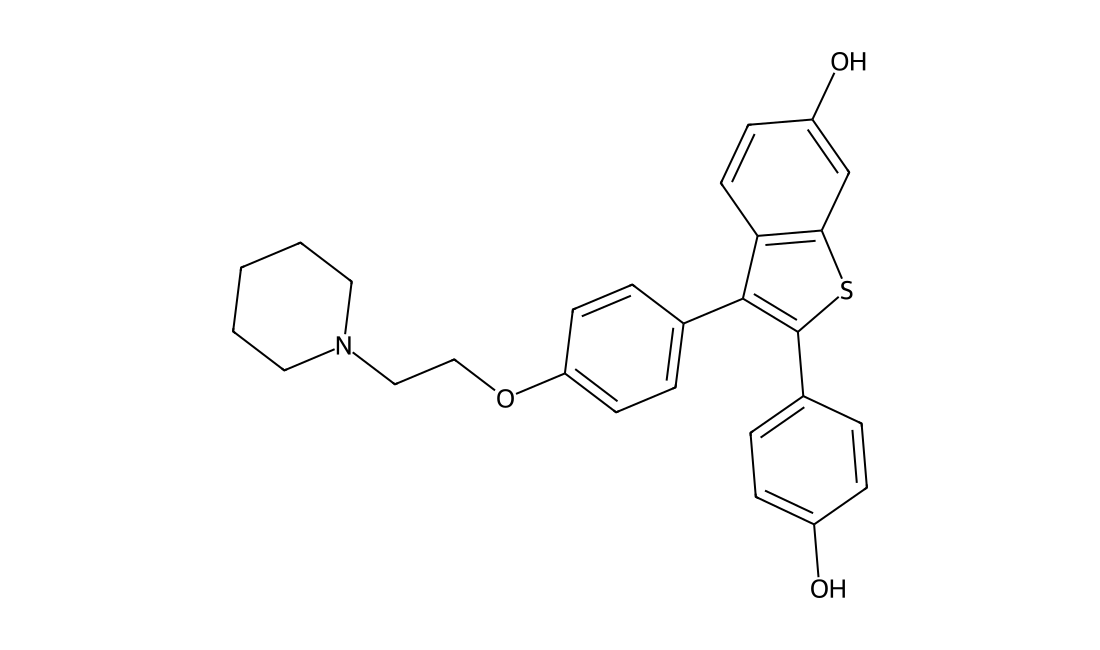
Desketoraloxifene
CAS 216570-81-9
Selective estrogen receptor modulator (SERM), inhibiting mammalian PLD (PLD1 and PLD2)
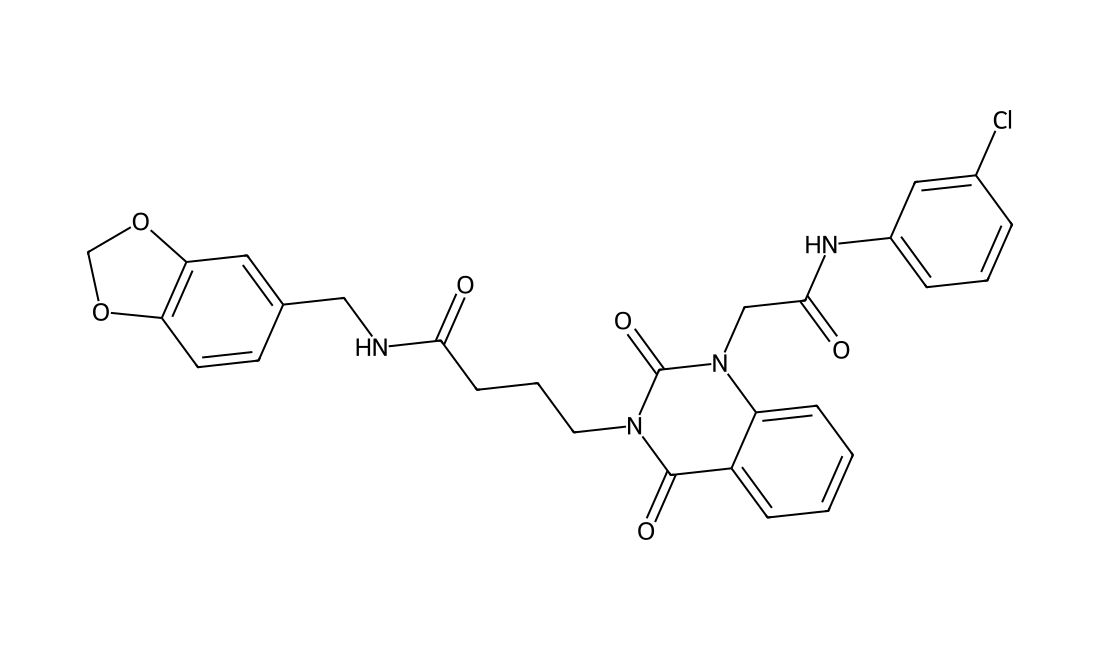
WRX606
CAS 899937-47-4
WRX606 is a nonrapalog inhibitor. WRX606 formed a ternary complex with FK506-binding protein-12 (FKBP12) and FKBP−rapamycin-binding (FRB) domain of mTOR, resulting in the allosteric inhibition of mTORC1. WRX606 inhibited the phosphorylation of not only the ribosomal protein S6 kinase 1 (S6K1) but also eIF4E-binding protein-1 (4E-BP1). Hence, WRX606 efficiently suppressed tumor growth in mice without promotion of metastasis. These results suggest that WRX606 is a potent lead compound for developing anticancer drugs discovered by in silico and in cell methods.
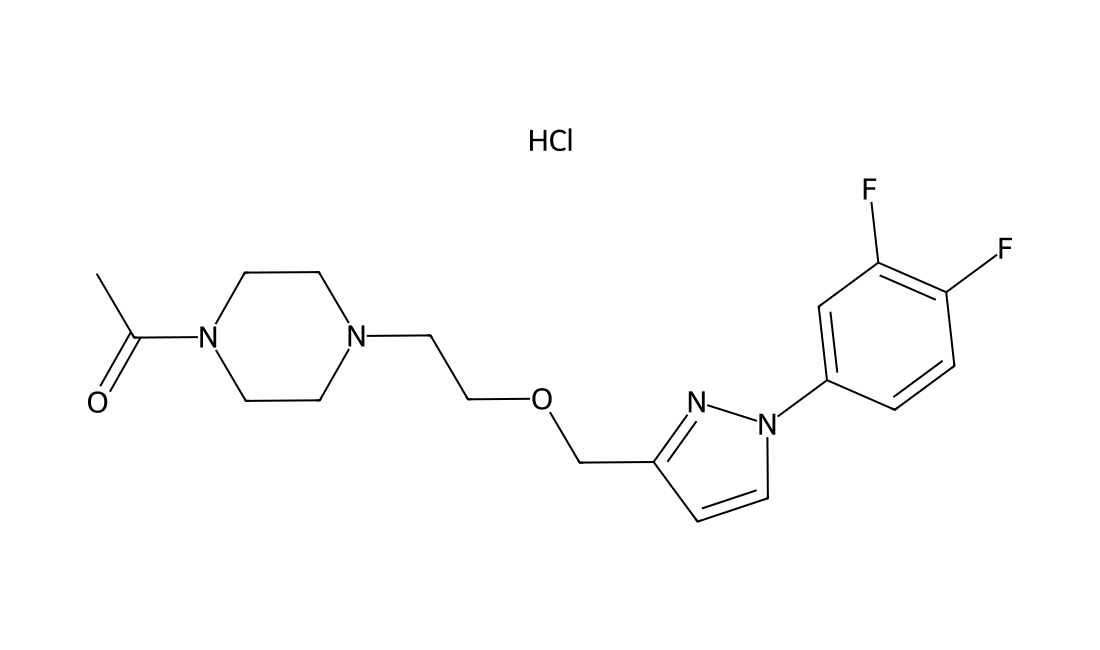
EST64454 hydrochloride
CAS 1950569-11-5
EST64454 hydrochloride is a selective and orally active sigma-1 receptor antagonist with a Ki of 22 nM. EST64454 hydrochloride has the potential for the research of the pain.
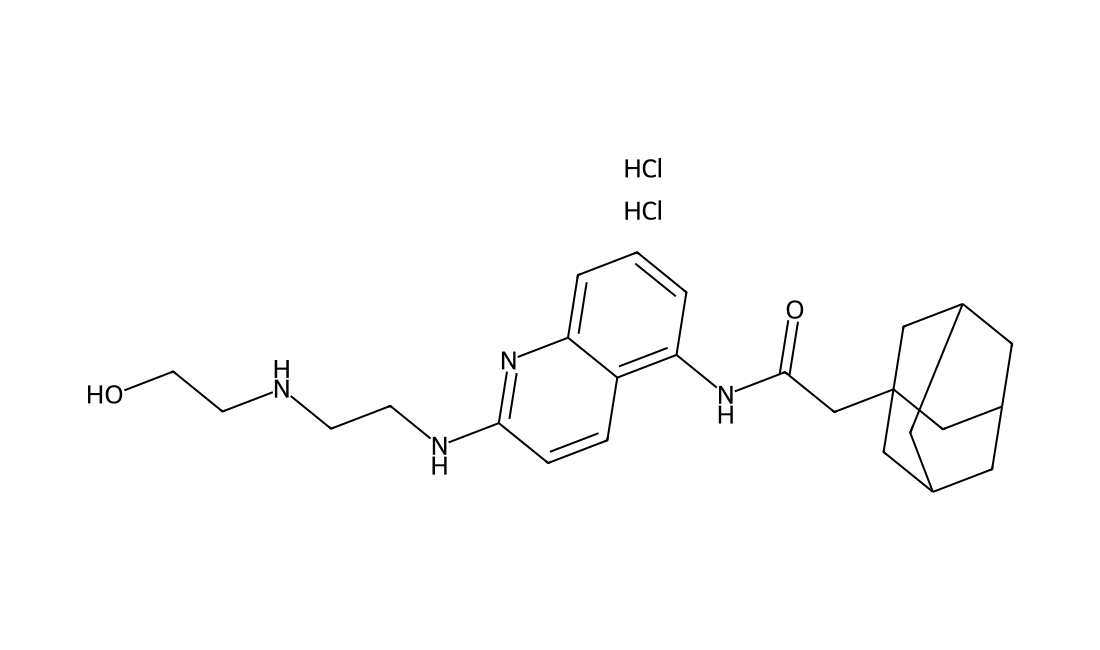
AZ10606120 dihydrochloride
CAS 607378-18-7
AZ10606120 is a potent, specific P2X7 receptor antagonist with Kd of 1.4 and 19 nM at human and rat P2X7 receptors respectively; strongly inhibits tumor growth in B16-inoculated C57Bl/6 mice.
YQ128
CAS 2454246-18-3
YQ128 is a potent and selective second-generation NLRP3 (NOD-like receptor P3) inflammasome inhibitor with an IC50 of 0.30 ± 0.01 μM. Further studies from in vitro and in vivo models confirmed its selective inhibition on the NLRP3 inflammasome and its brain penetration. Furthermore, pharmacokinetic studies in rats at 20 mg/kg indicated extensive systemic clearance and tissue distribution, leading to a half-life of 6.6 h.
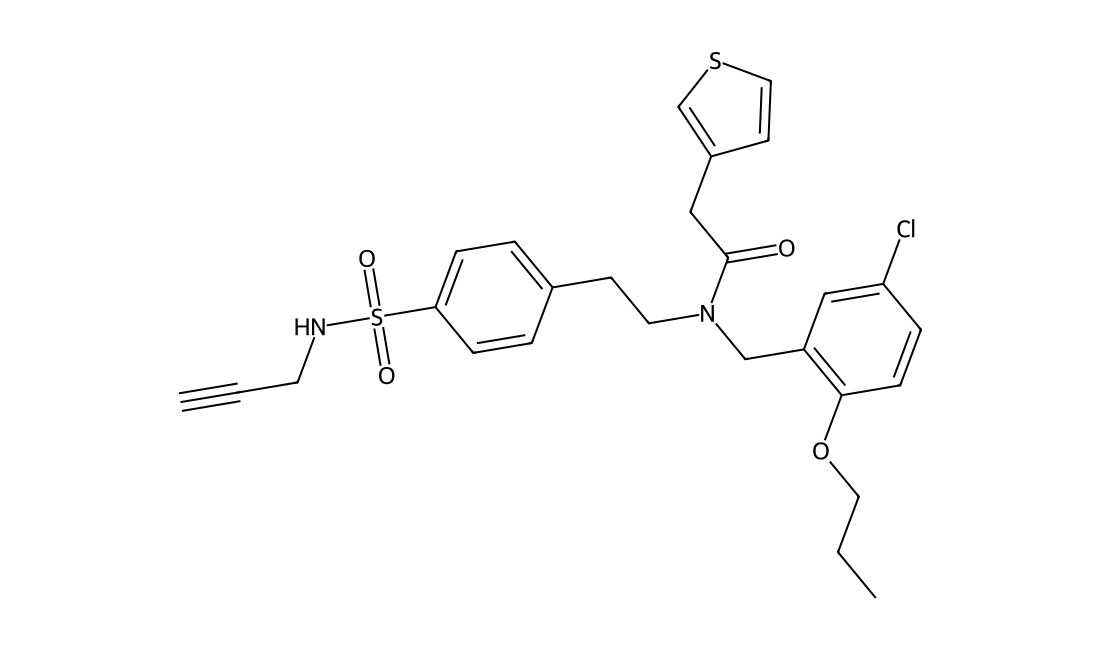
BPU-11
CAS 909664-41-1
Novel HCN4 CLP ligand, modulating channel function and completely abolishing the cAMP-induced shift in V1/2
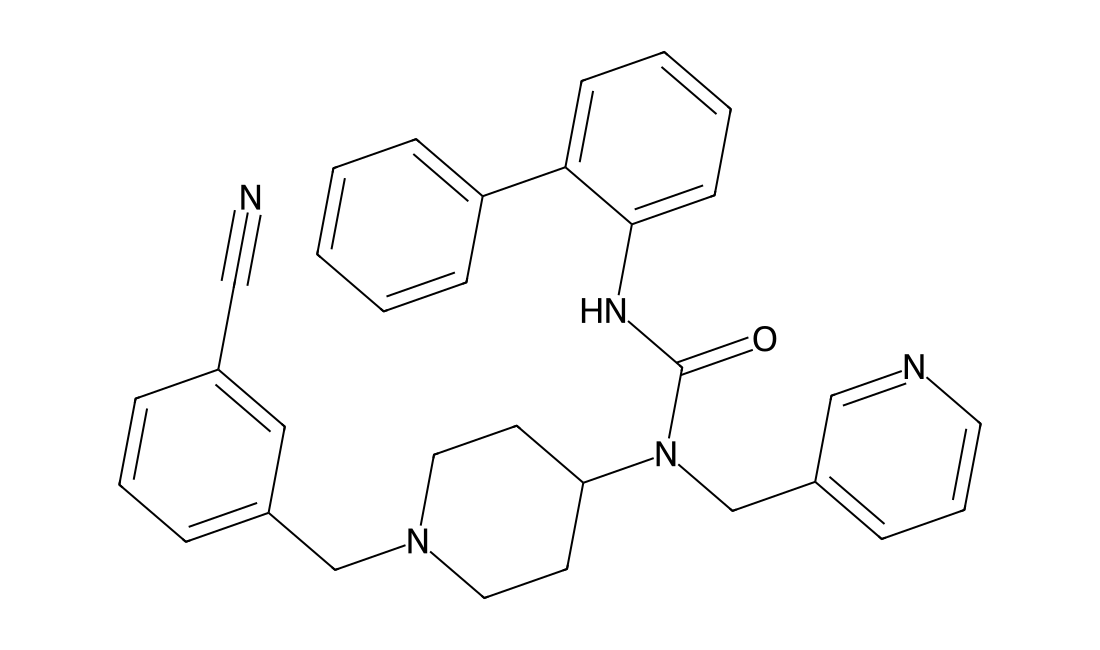
pythiDC
CAS 1821370-71-1
Novel selective inhibitor of collagen prolyl 4-hydroxylase, neither causing general toxicity nor disrupting iron homeostasis
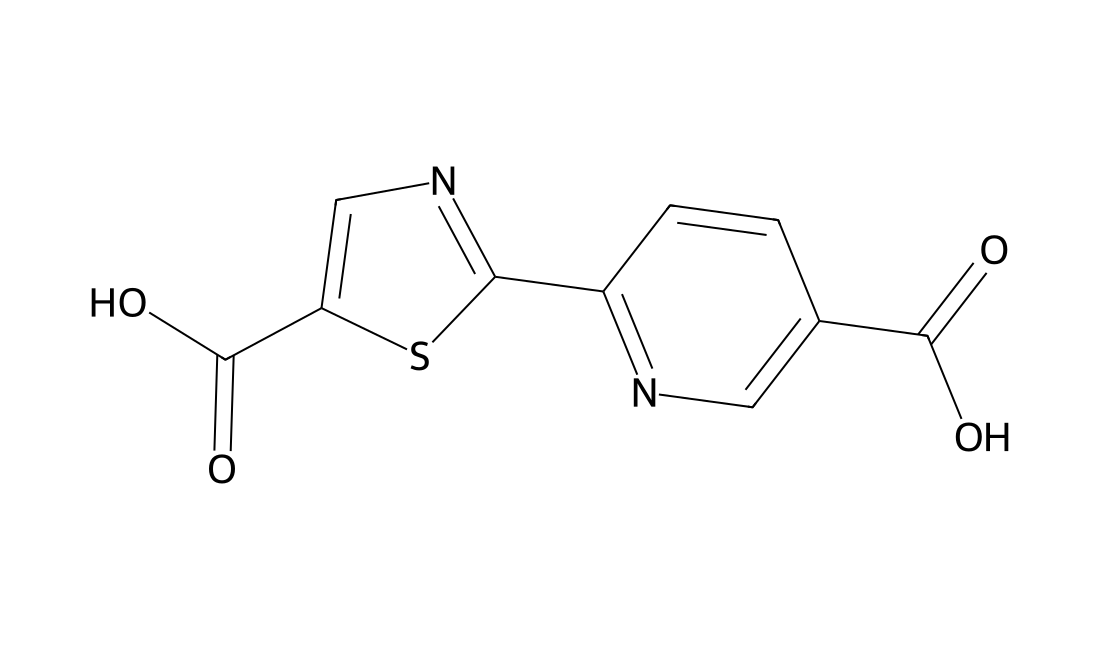
ML266
CAS 1462267-08-8
Novel glucocerebrosidase activator; Non-inhibitory chaperones of glucocerebrosidase
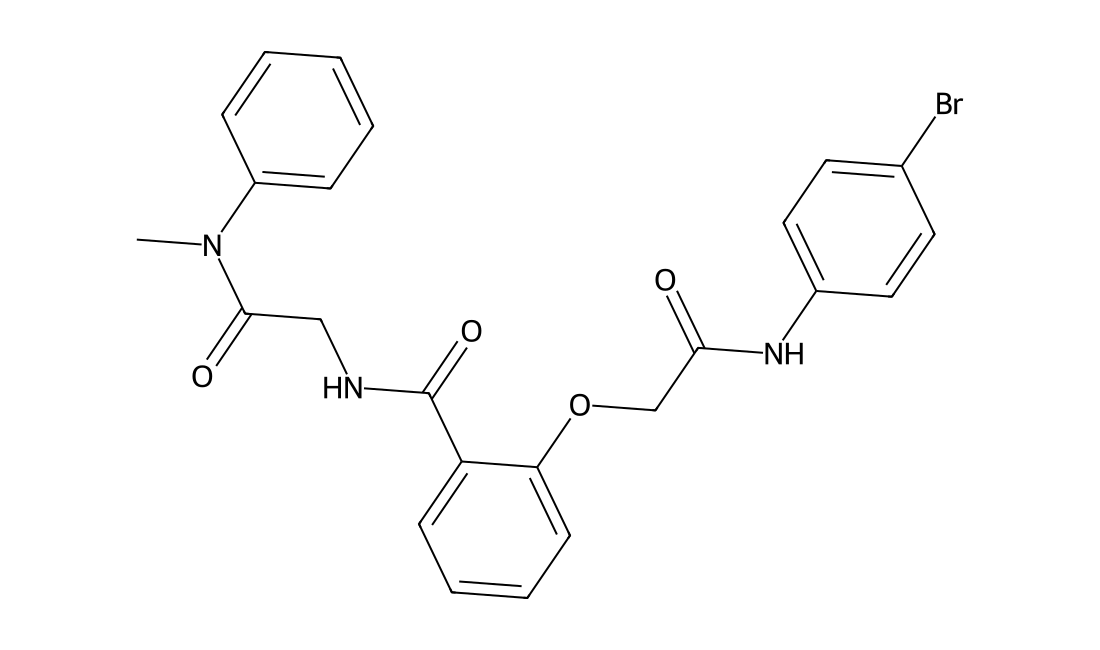
BMS986187
CAS 684238-37-7
BMS-986187 is a novel potent, positive allosteric modulator of δ-opioid receptor with EC50 of 30 nM, 100-fold selectivity over μ-opioid receptor.
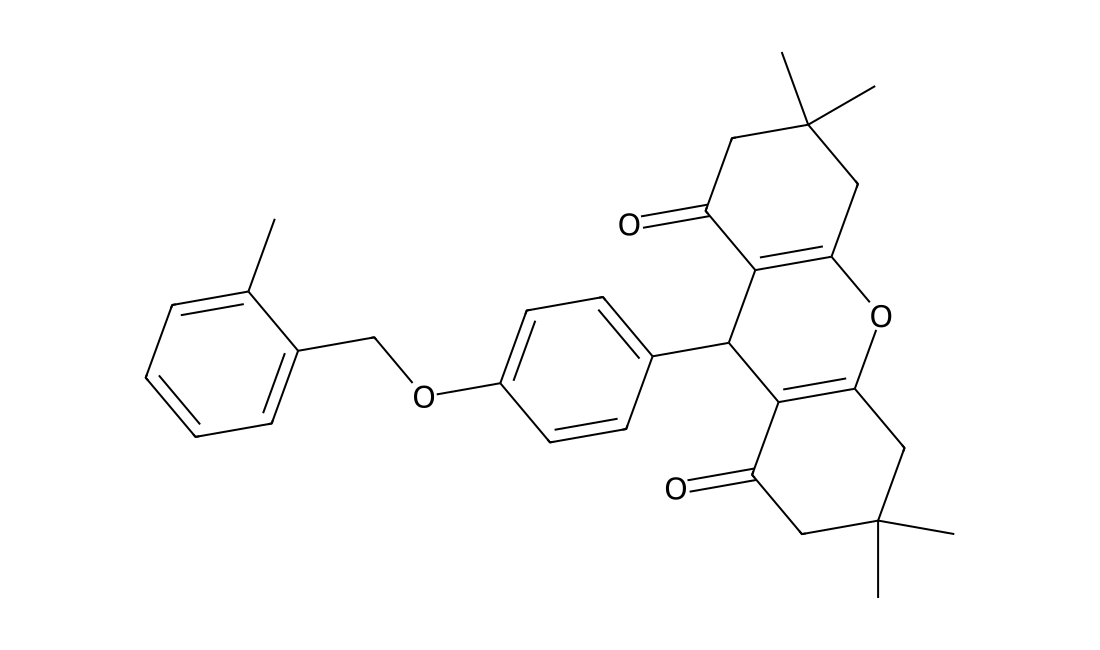
Squarunkin A
CAS 2101958-02-3
Novel modulator of the UNC119-Cargo Interaction, potently and selectively inhibiting the binding of a myristoylated peptide representing the N-terminus of Src kinase to UNC119A
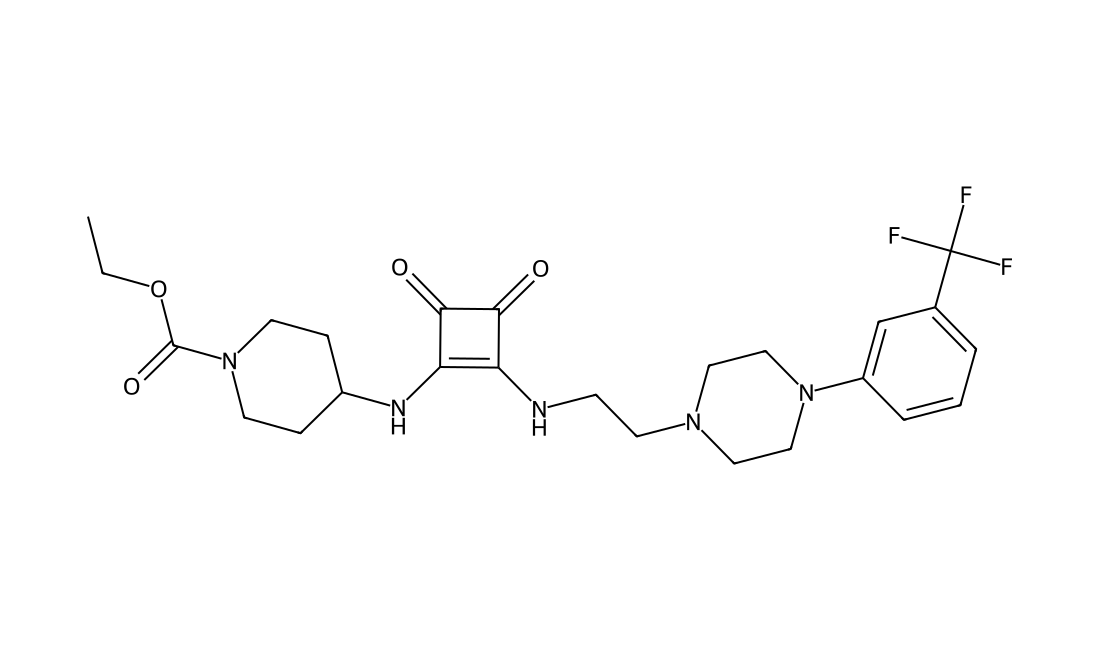
TM5007
CAS 342595-05-5
TM5007 is a poent inhibitor plasminogen activator inhibitor-1 (PAI-1) with IC50 of 29 uM, exhibits no inhibitory activity against any of the closely related serpins or serine proteases at 250 uM.
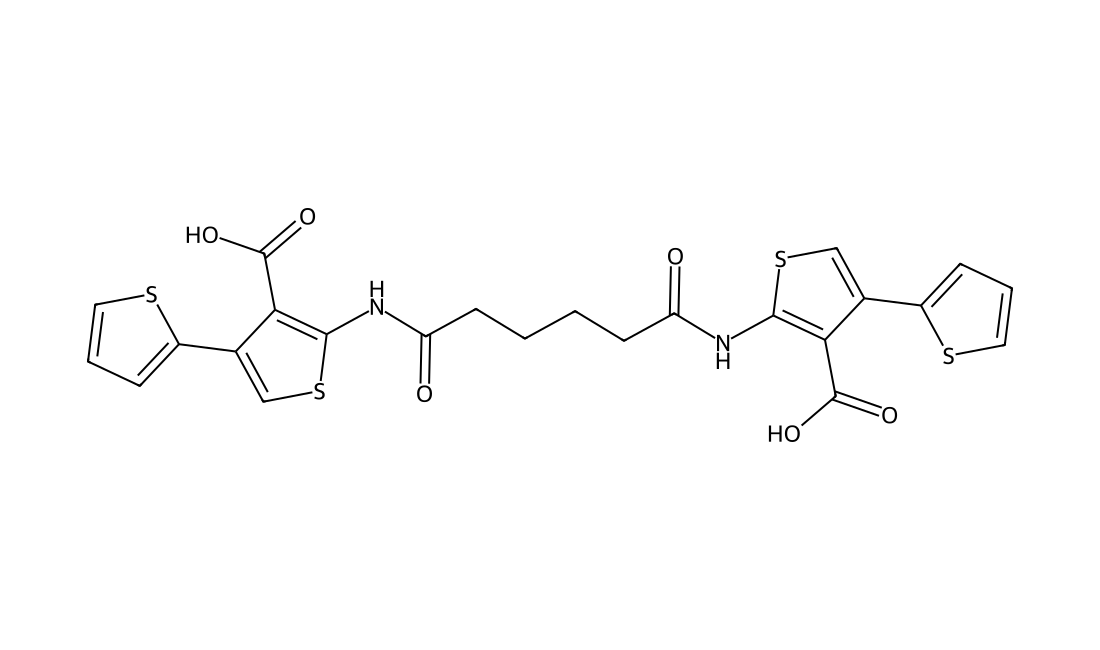
AH-3960
CAS 862907-48-0
A non-peptide small molecule agonist of the PTH1 receptor, activates both the cAMP and calcium signaling pathways.
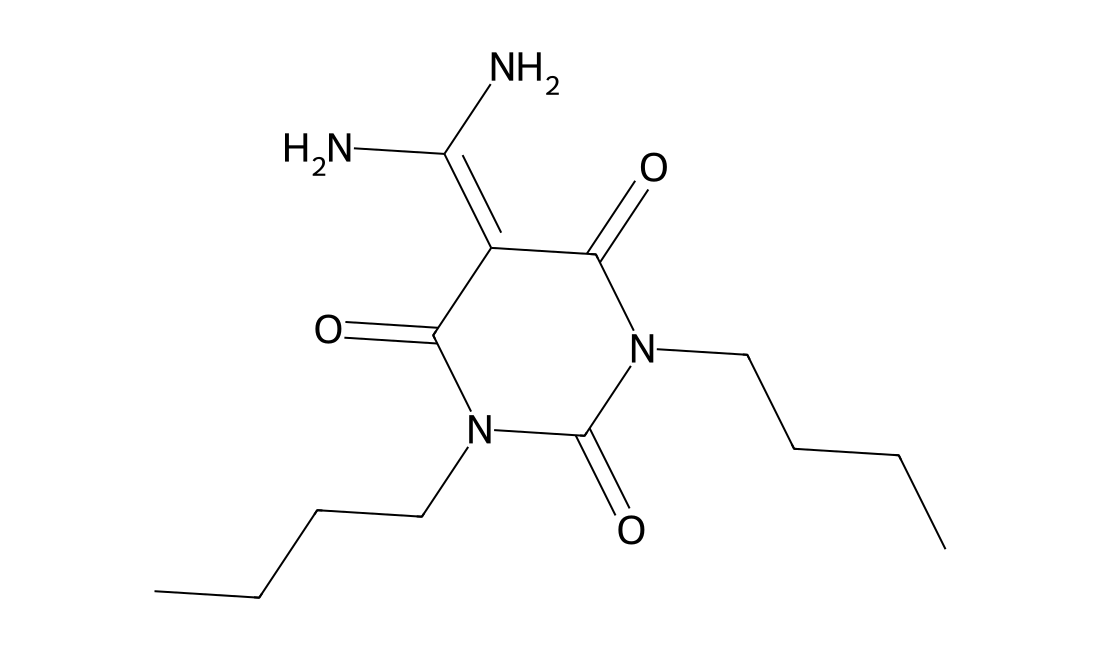
Suprastat TFA Salt
CAS 90093-40-6
Novel Selective Histone Deacetylase 6 (HDAC6) Inhibitor with the Ability to Potentiate Immunotherapy in Melanoma Models
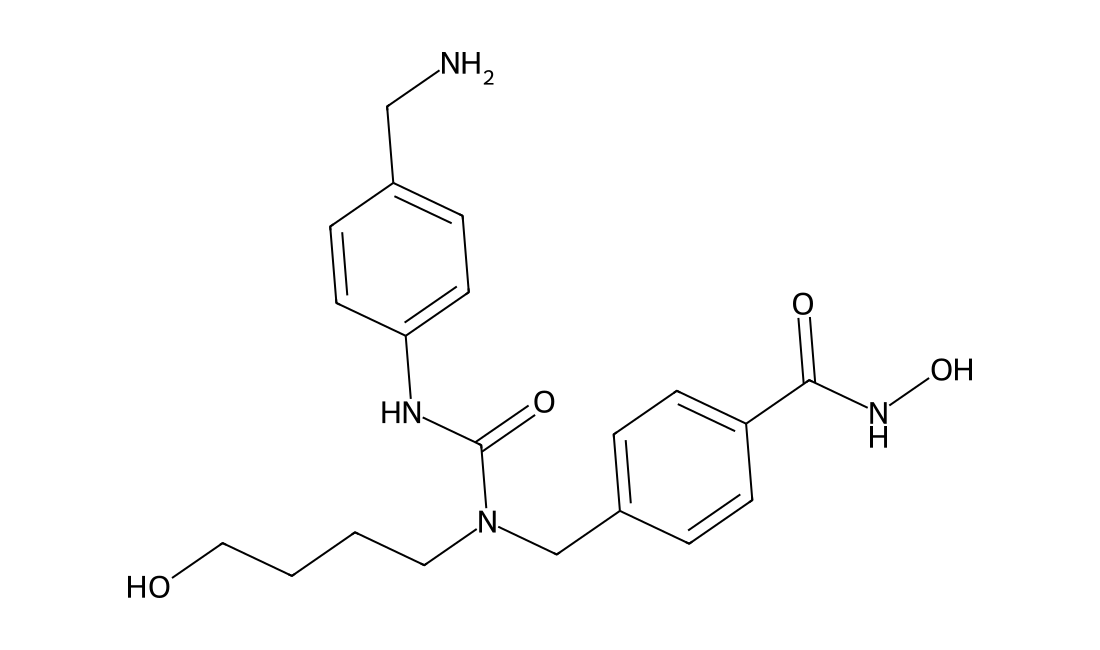
G244-LM
CAS 1563007-08-8
G244-LM is a potent and specific inhibitor of tankyrase 1/2 that inhibits Wnt signaling.
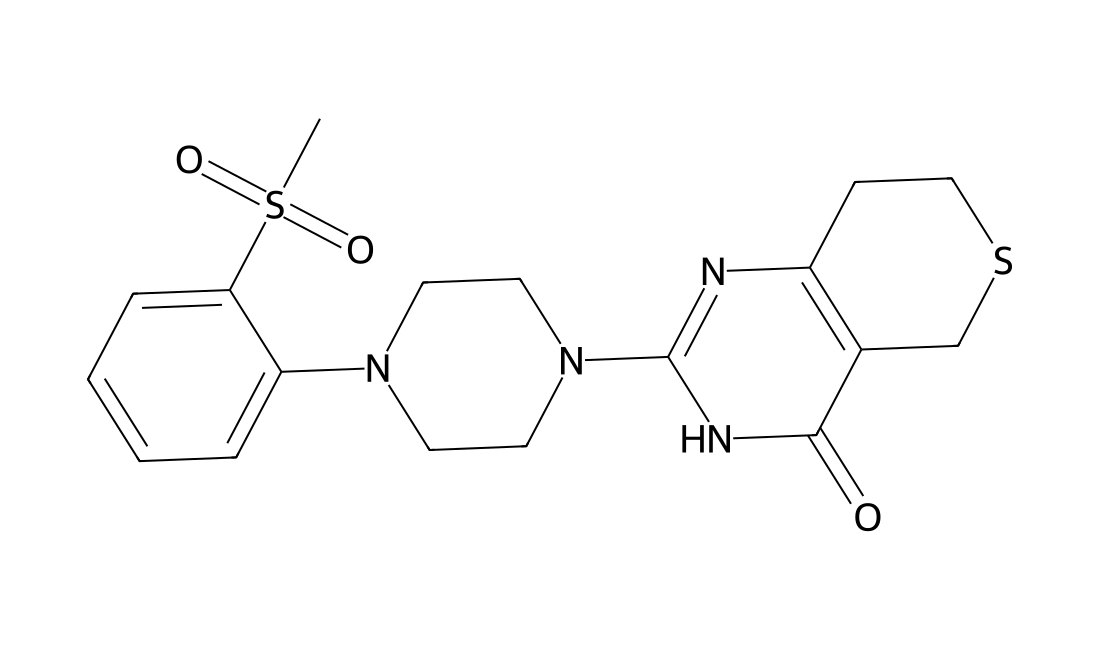
Pyrimorph
CAS 868390-90-3
Pyrimorph is a fungicide with high activity against the plant pathogen Phytophthora capsici. Pyrimorph inhibited different stages in the life cycle of P. capsici including mycelial growth, sporangium production, zoospore release, and cystospore germination with EC(50) values of 1.84, 0.17, 4.92, and 0.09 microg mL(-1), respectively.
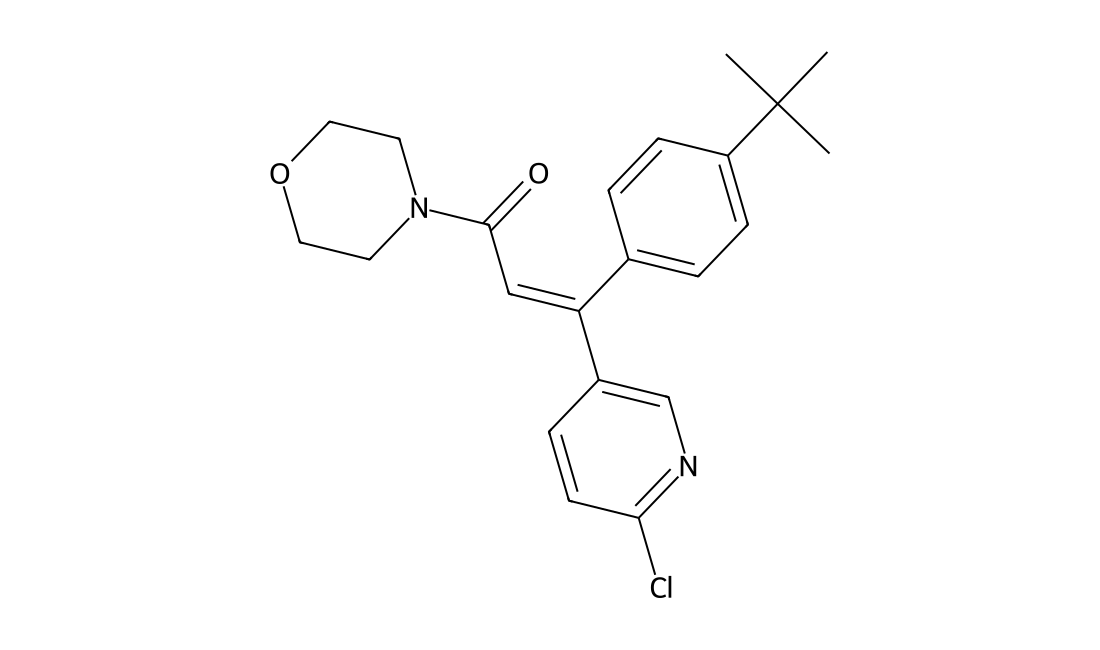
GN44028
CAS 1421448-26-1
GN44028 is a hypoxia inducible factor (HIF)-1 inhibitor, with an IC50 of 14 nM. GN44028 inhibits hypoxia-induced HIF-1α transcriptional activity without suppressing HIF-1α mRNA expression, HIF-1α protein accumulation, or HIF-1α/HIF-1β heterodimerization[1].
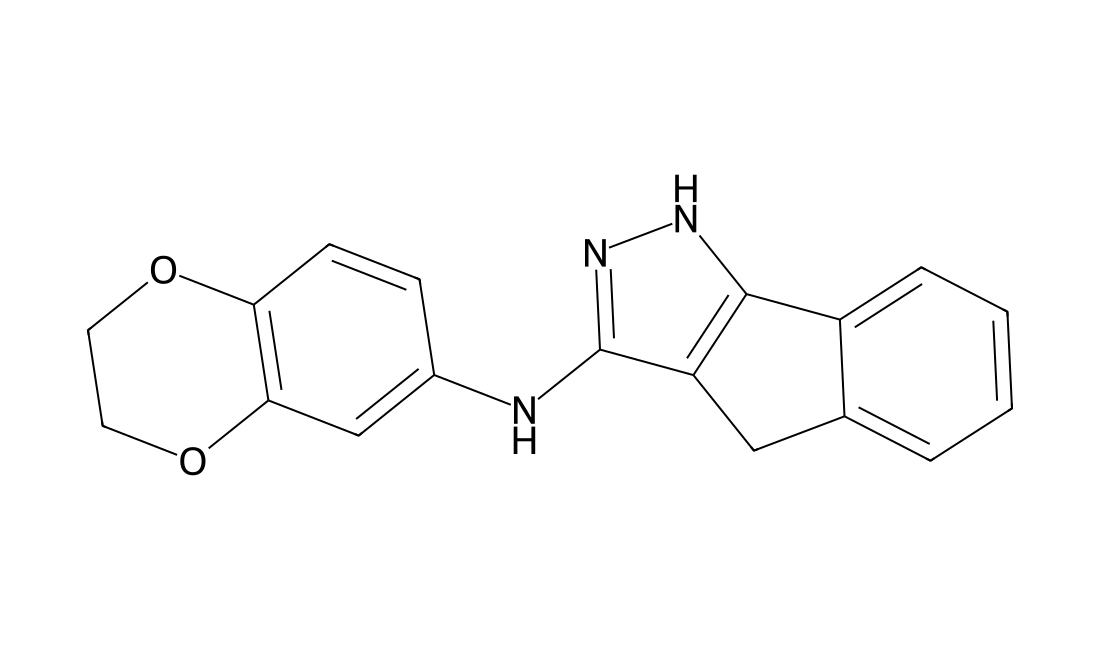
AZD7507
CAS 1041852-85-0
AZD7507 is a potent and orally active CSF-1R inhibitor, with antitumor activity.
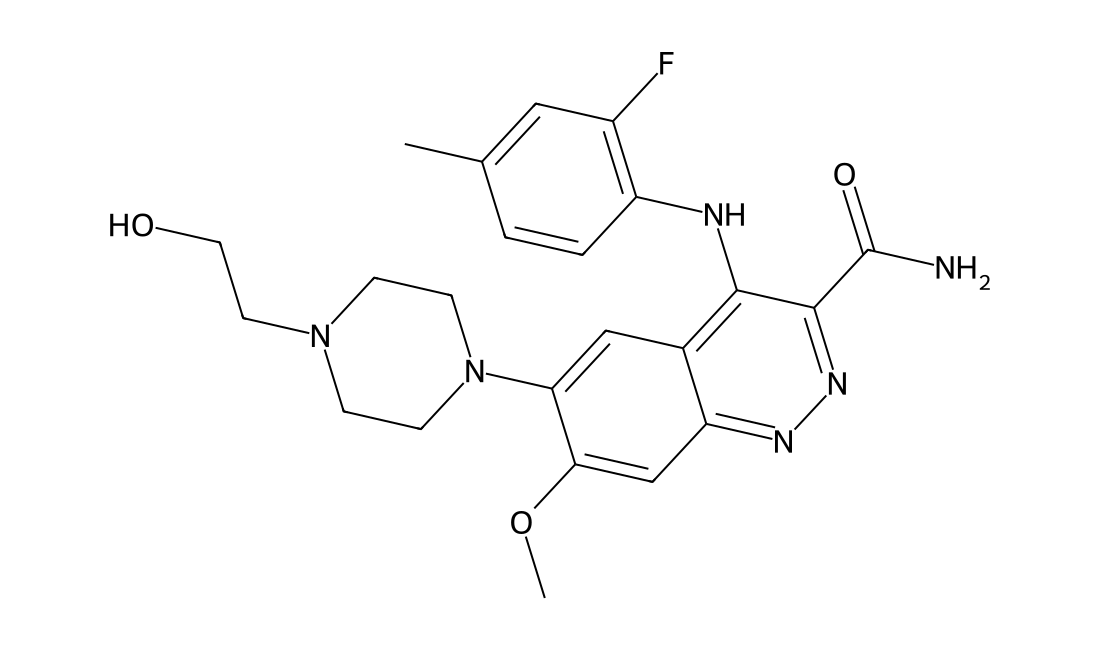
TX1-85-1
CAS 1603845-32-4
TX1-85-1 is a Her3 (ErbB3) inhibitor with an IC50 of 23 nM. TX1-85-1 induces partial degradation of Her3 protein and attenuates Her3-dependent signaling[1].
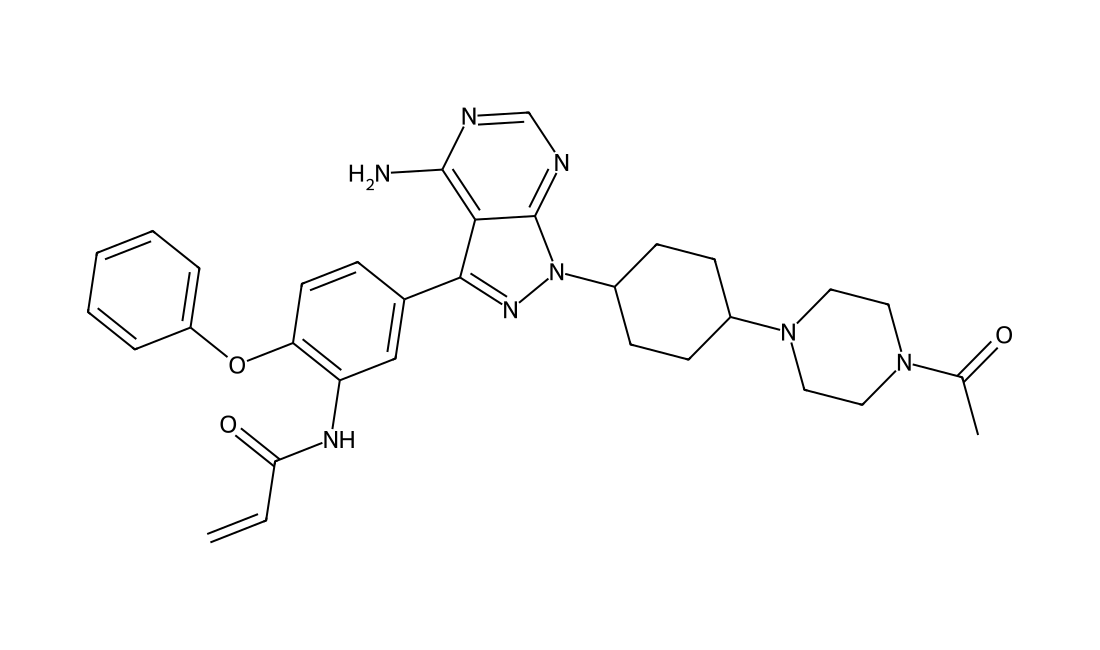
R243
CAS 688352-84-3
R243 is a potent, small molecule CCR8 antagonist that inhibits CCR8 signaling and chemotaxis, inhibits CCL1-induced Ca2+ flux and CCL1-driven peritoneal macrophages aggregation at 0.2 uM; attenuated secretion of TNF-α, IL-6, and most strikingly IL-10 from WT PMφ (peritoneal macrophages), but not BMMφ (bone marrow-derived macrophages); shows suppressed c-JNK activity and NF-κB signaling after LPS treatment, suppresses LPS-induced cytokine secretion; attenuates peritoneal adhesions in vivo in CCR8-/- mice, also prevents hapten-induced colitis.
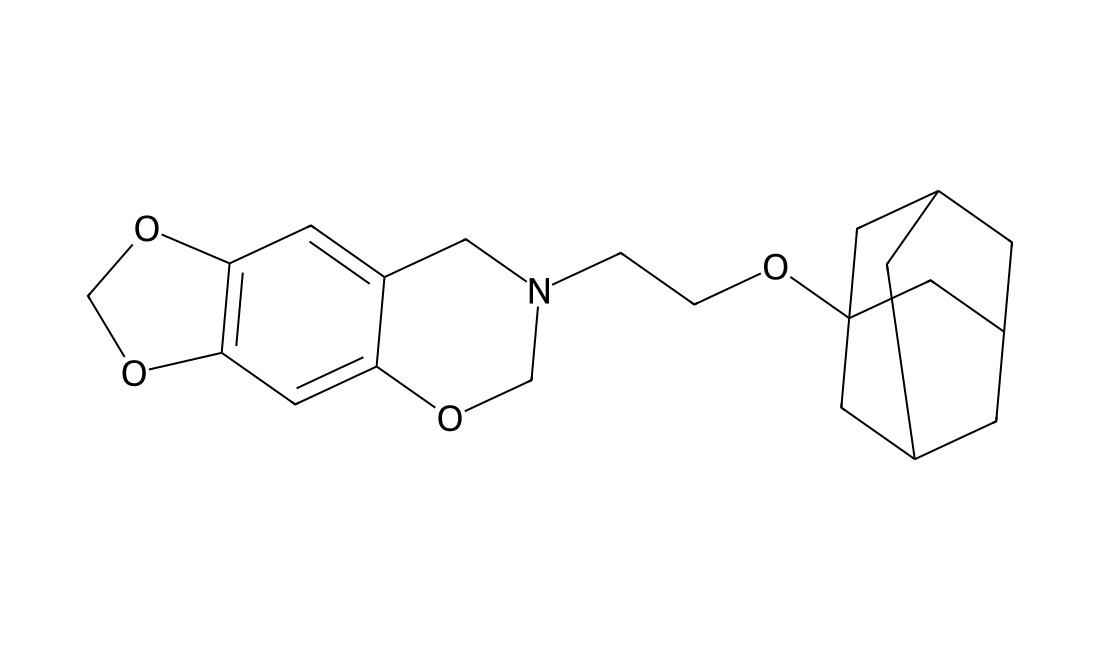
GW779439X
CAS 551919-98-3
GW779439X is a pyrazolopyridazine identified in an inhibitor of the S. aureus PASTA kinase Stk1. GW779439X potentiates the activity of β-lactam antibiotics against various MRSA and MSSA isolates, some even crossing the breakpoint from resistant to sensitive. GW779439X is an AURKA inhibitor and induces apoptosis by the caspases 3/7 pathway[1][2]. MRSA:methicillin-resistant S. aureus; MSSA: methicillin-sensitive S. aureus
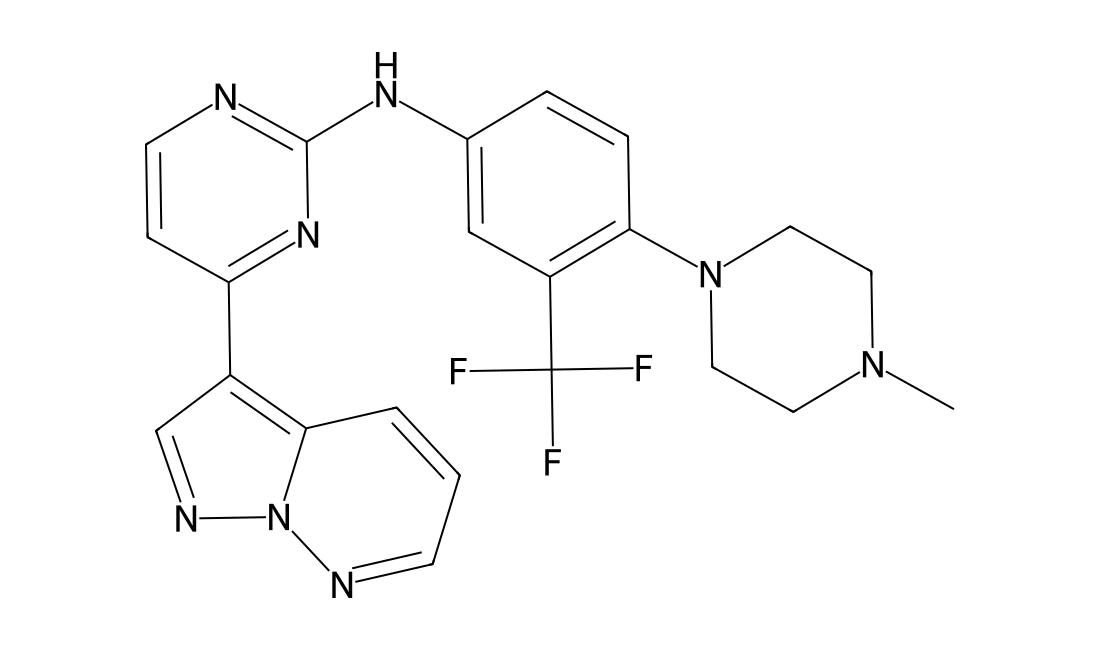
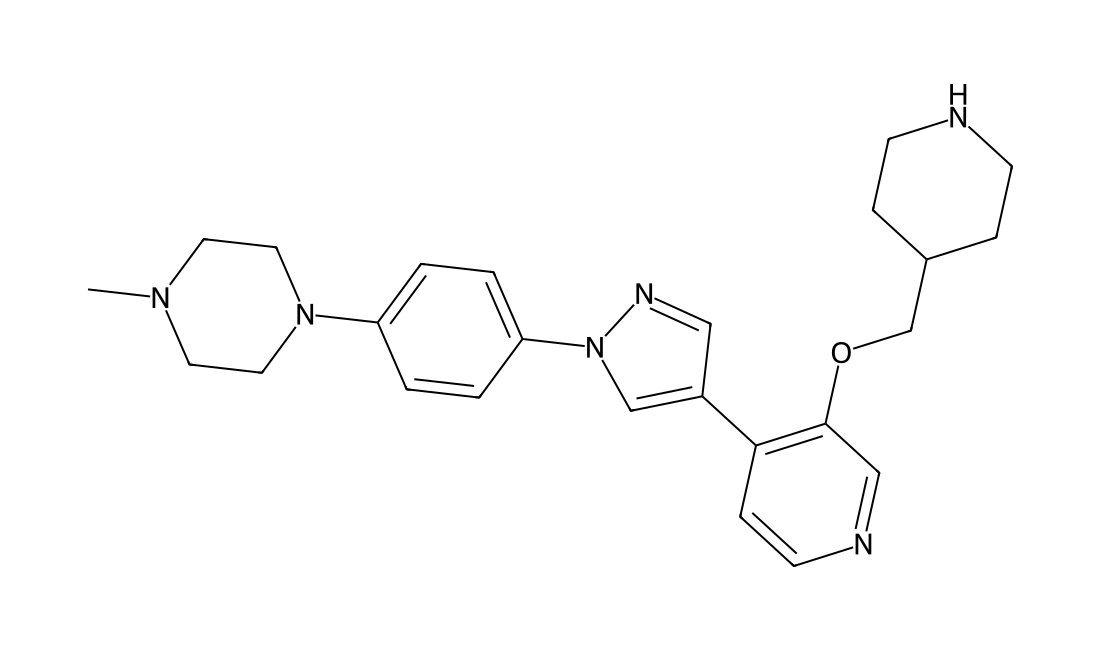
ML-60218
CAS 577784-91-9
ML-60218 is a broad-spectrum RNA pol III inhibitor, with IC50s of 32 and 27 μM for Saccharomyces cerevisiae and human. ML-60218 disrupts already assembled viroplasms and to hamper the formation of new ones without the need for de novo transcription of cellular RNAs[1][2].
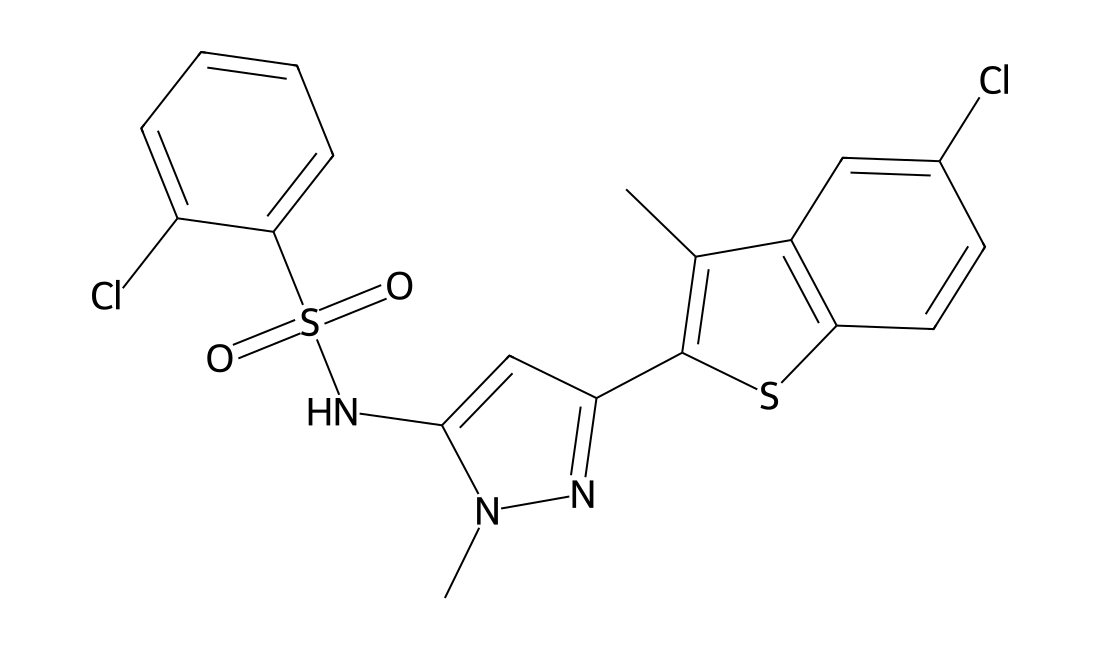
JK-P3
CAS 942655-44-9
JK-P3 is a VEGFR-2 inhibitor. JK-P3 is a pyrazole-based inhibitor of VEGFR-2 (IC50 = 7.8 μM). JK-P3 inhibits FGFR 1/3 kinase activity in vitro, but has no effect on FGFR signaling in cell-based assays. The compound blocks wound healing and tube formation in HUVEC without effecting endothelial cell proliferation.
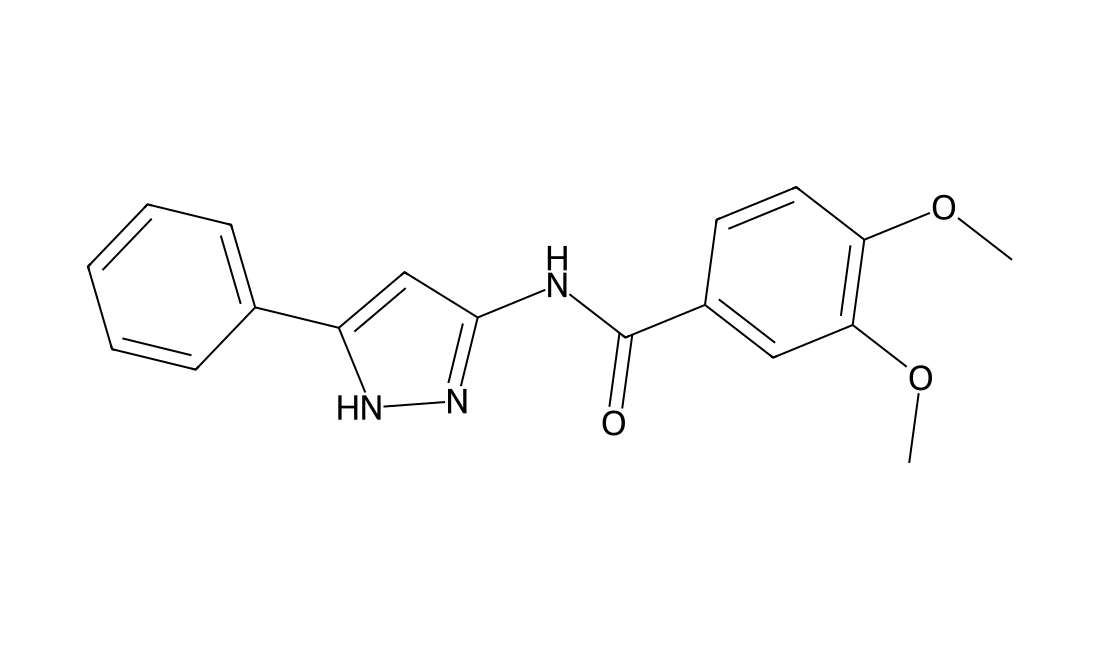
ARP-100
CAS 704888-90-4
ARP-100 is a potent and selective matrix metalloproteinase MMP-2 inhibitor (IC50=12 nM). ARP-100 interacts with S1' pocket of MMP-2 and shows anti-invasive properties in an in vitro model of invasion on matrigel. ARP-100 shows the less inhibitory activity towards MMP-1 (>50 μM), MMP-3 (4.5 μM), MMP-7 (>50 μM), and MMP-9 (0.2 μM)[1][2].
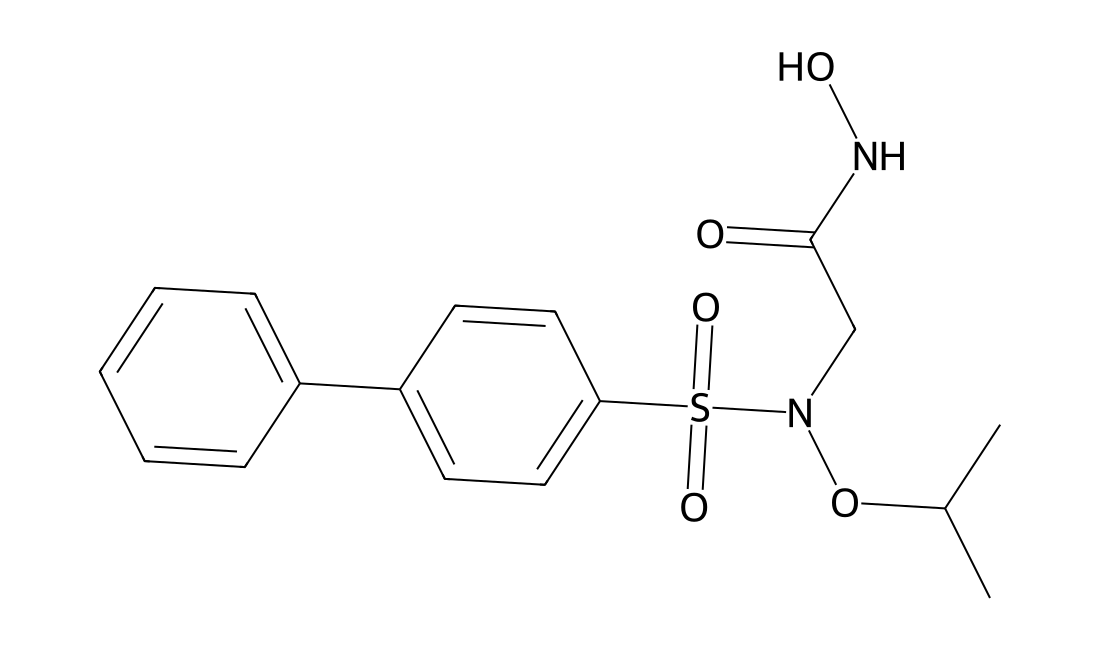
IITZ-01
CAS 1807988-47-1
IITZ-01 is a potent lysosomotropic autophagy inhibitor with single-agent antitumor activity, with an IC50 of 2.62 μM for PI3Kγ.
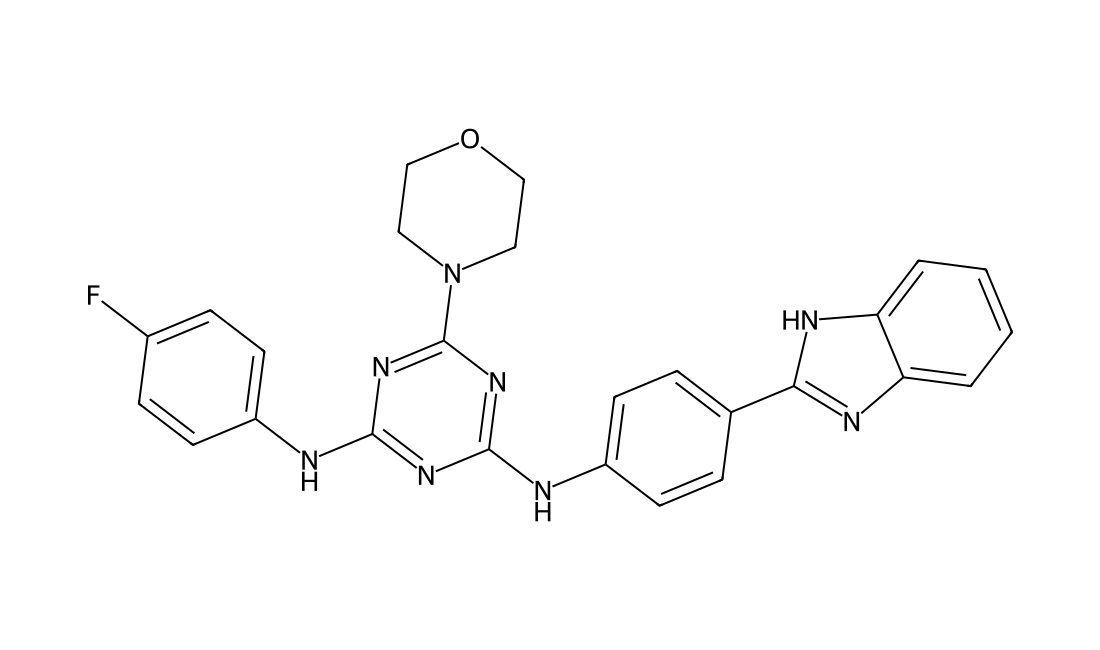
NEDD8 inhibitor M22
CAS 864420-54-2
NEDD8 inhibitor M22 is a novel, potent, selective reversible NEDD8 activating enzyme (NAE) inhibitor; inhibit A549 cell proliferation completely at 30 uM (GI50=5.5 uM and GI90=19.3 uM); produces tumor inhibition in AGS xenografts in nude mice and low acute toxicity in zebrafish model; exhibts different binding mode compared with MLN4924.
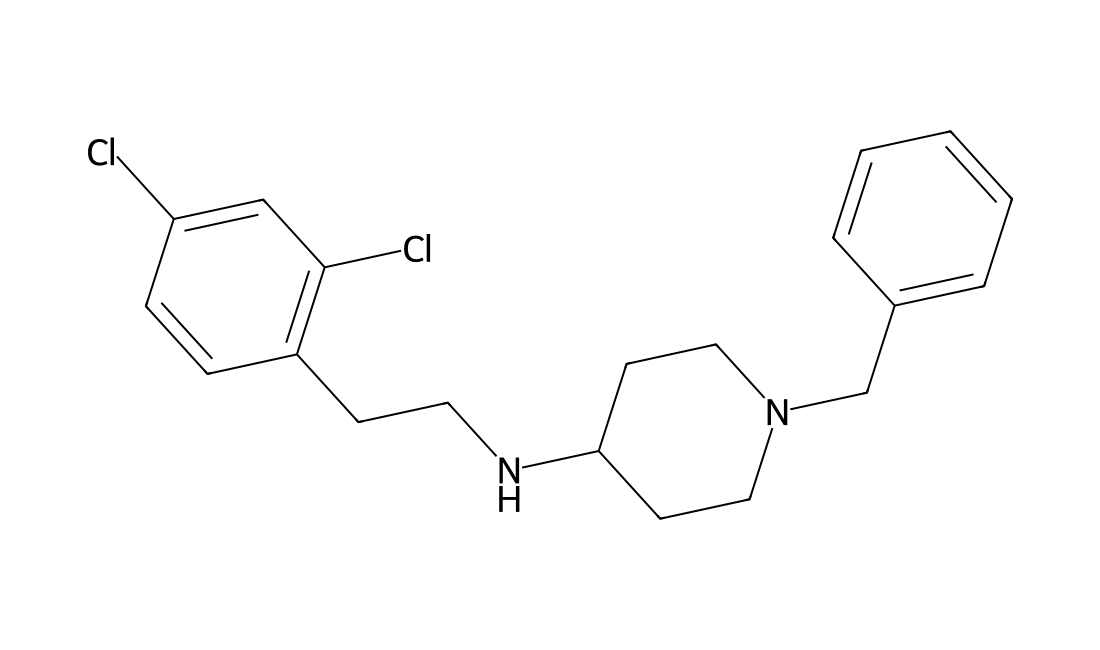
Azumolene
CAS 64748-79-4
Azumolene (EU4093 free base), a Dantrolene analog, is a muscle relaxant. Azumolene is a ryanodine receptor (RyR) modulator and inhibits the calcium-release through ryanodine receptor. Azumolene can be used for malignant hyperthermia research[1][2].
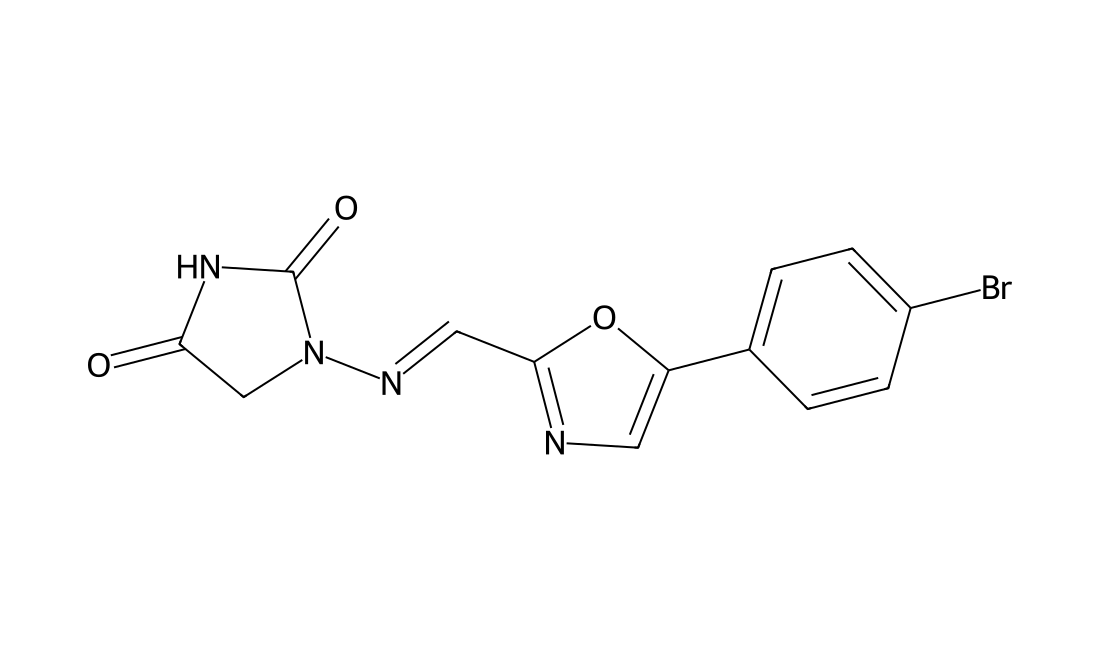
CPYPP
CAS 310460-39-0
CPYPP is a small-molecule inhibitor of the Rac activator DOCK2 with IC50 of 22.8 uM (DOCK2DHR-2-mediated Rac GEF activity), inhibits DOCK2-Rac1 interaction; binds to DOCK2 DHR-2 domain in a reversible manner and inhibited its catalytic activity in vitro; blocks both chemokine receptor- and antigen receptor-mediated Rac activation in lymphocytes, resulting in marked reduction of chemotactic response and T cell activation.
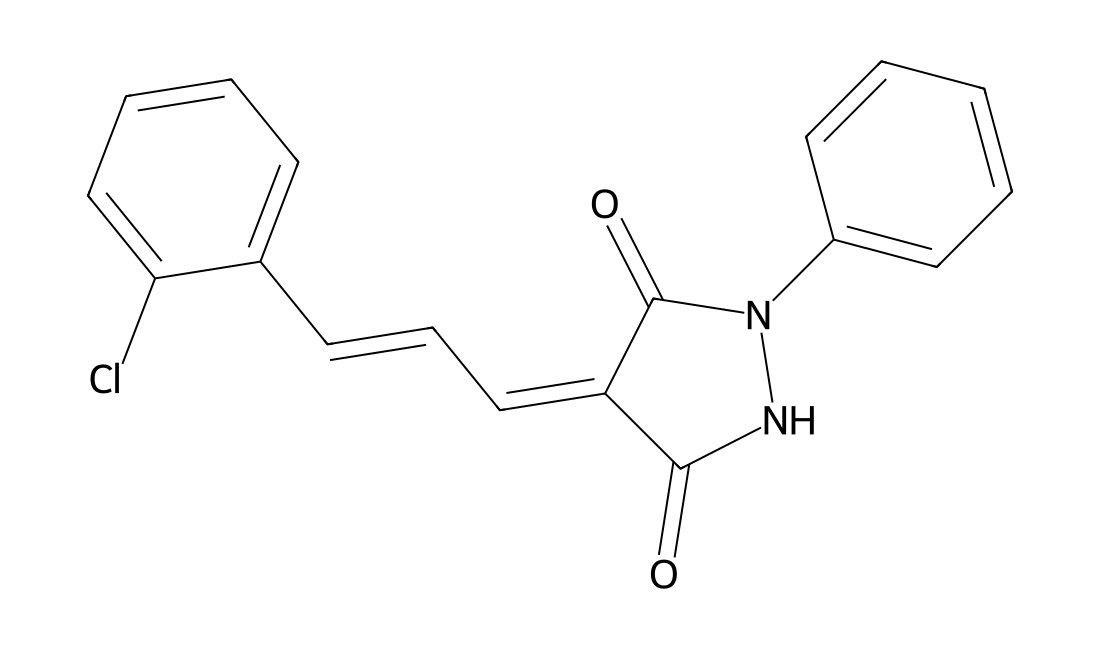
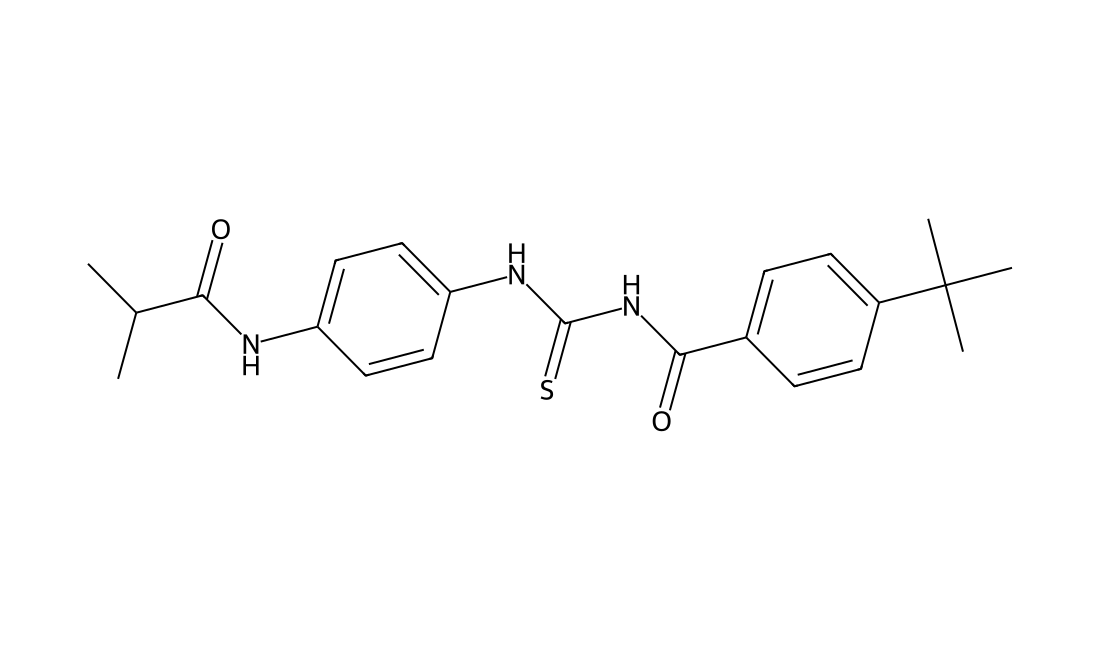
Tenovin-2
CAS 666211-30-9
For the detailed information of Tenovin-2, the solubility of Tenovin-2 in water, the solubility of Tenovin-2 in DMSO, the solubility of Tenovin-2 in PBS buffer, the animal experiment (test) of Tenovin-2, the cell expriment (test) of Tenovin-2, the in vivo, in vitro and clinical trial test of Tenovin-2, the EC50, IC50,and affinity,of Tenovin-2, Please contact DC Chemicals.
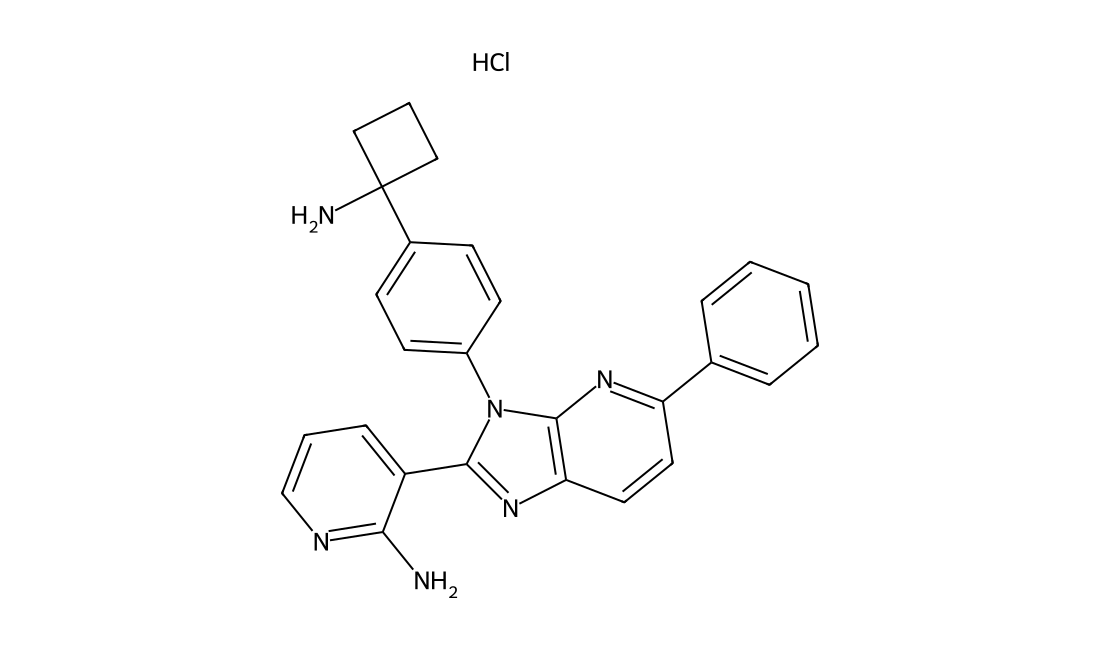
Miransertib HCl
CAS 1313883-00-9
Miransertib, also known as ARQ 092, is an oral activie, potent and selective AKT inhibitor with IC50 values: 5.0 nM (AKT1); 4.5 nM (AKT2); 16 nM (AKT3). ARQ 092 binds to and inhibits the activity of AKT in a non-ATP competitive manner, which may result in the inhibition of the PI3K/AKT signaling pathway. This may lead to the reduction in tumor cell proliferation and the induction of tumor cell apoptosis. ARQ-092 demonstrated high enzymatic potency against AKT1, AKT2, and AKT3, as well as potent cellular inhibition of AKT activation and the phosphorylation of the downstream target PRAS40. ARQ-092 also served as a potent inhibitor of the AKT1-E17K mutant protein and inhibited tumor growth in a human xenograft mouse model of endometrial adenocarcinoma.
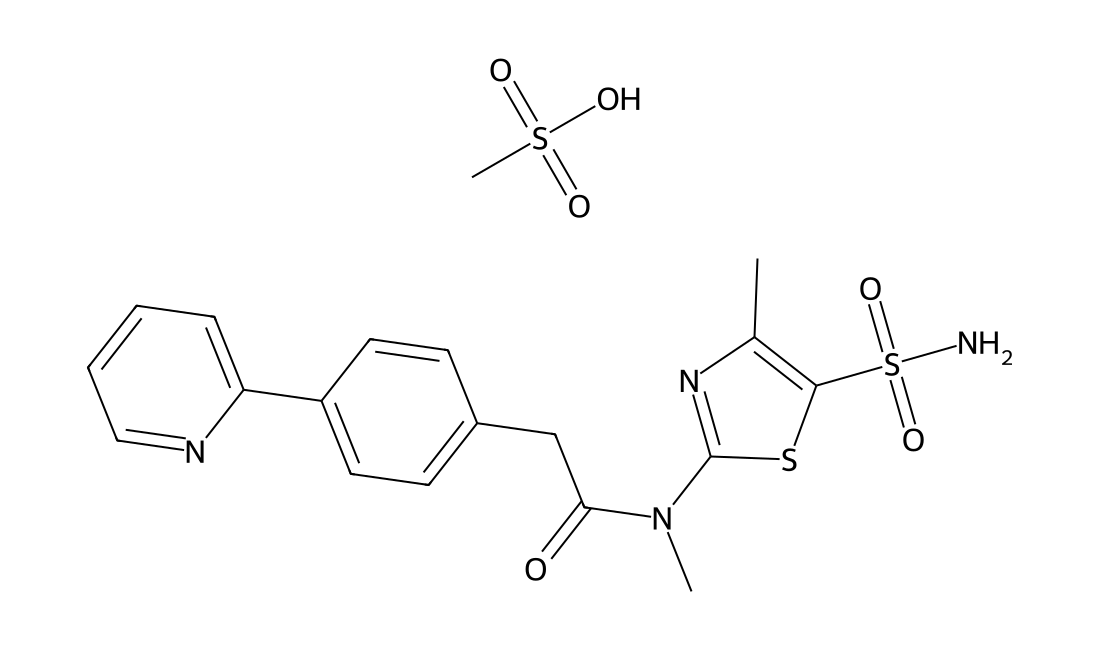
Pritelivir mesylate
CAS 1428333-96-3
Pritelivir mesylate (BAY 57-1293 mesylate), an inhibitor of the viral helicase-primase complex, exhibits antiviral activity in vitro and in animal models of herpes simplex virus (HSV) infection. Pritelivir mesylate is active against herpes simplex virus types 1 and 2 (HSV-1 and HSV-2) with the IC50 of 0.02 μM against HSV1-2[1].
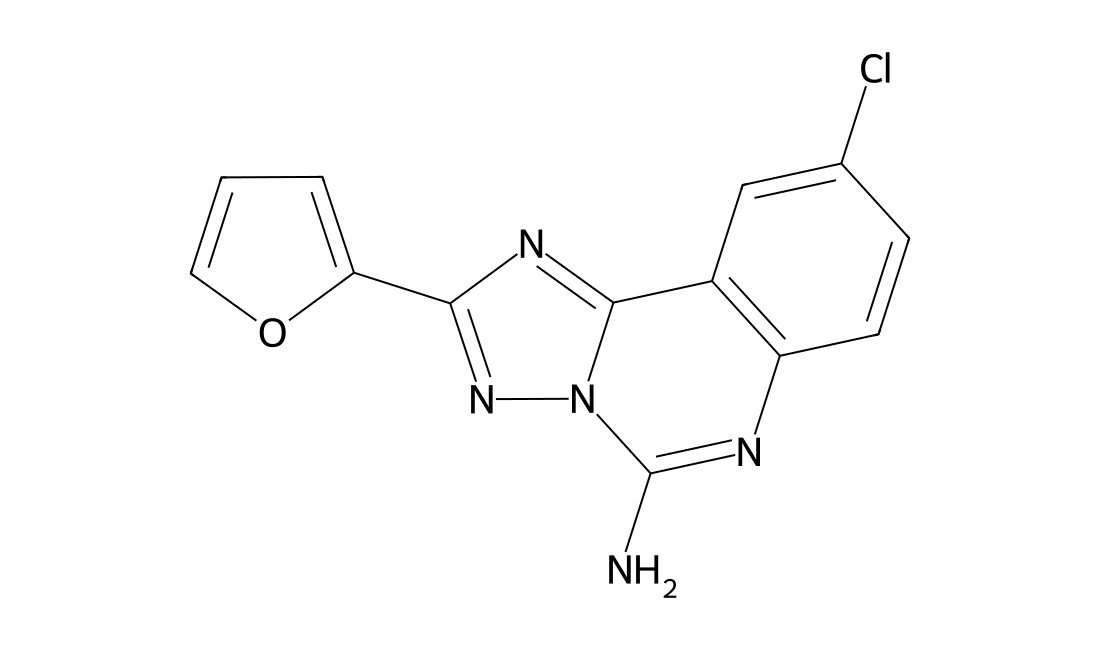
CGS-15943
CAS 104615-18-1
CGS 15943 is an adenosine A2 receptor antagonist and reduces stroke injury in the Mongolian gerbil[1]. CGS 15943 is a selectively p110γ inhibitor with an IC50 of 1.1 μM, shows inhibitory effect on p110δ (IC50=8.47 μM), has an anti-carcinogenic effect on HCC and PDAC cells[2].
CCT241736
CAS 1402709-93-6
CCT241736 is a novel, orally bioavailable Dual FLT3-Aurora Kinase Inhibitor. CCT241736 has IC50 values against FLT3, Aurora A and Aurora B of 0.035, 0.015 and 0.1 uM respectively. Furthermore, CCT241736 inhibits a wide range of FLT3 mutants, including FLT3-ITD, -D835Y, -D835H, -K663Q and –N841I. In cellular assays, CCT241736 inhibits viability of the human FLT3-ITD positive AML cell lines MOLM-13 and MV-4-11 with EC50 values of 0.1 and 0.27 uM respectively. Unlike the selective FLT3 inhibitors MLN518 and AC220, the in vitro cellular efficacy of CCT241736 is not affected by high levels of FL. In vivo, mouse tumor xenograft models of MOLM-13, MV-4-11, and the doubly-mutated cell line MOLM-13-RES are also sensitive to CCT241736 at well tolerated oral doses, with biomarker modulation consistent with dual inhibition of FLT3 and Aurora kinases. Based on allometric scaling from mouse and rat data, CCT241736 has favorable predicted human pharmacokinetics and phase I clinical trials are planned. In summary, dual inhibition of FLT3 and the critical mitotic kinase Aurora by CCT241736 may represent a novel treatment strategy for FLT3-mutated AML by overcoming the effects of high FL levels and limiting resistance caused by secondary mutations of the FLT3 gene.
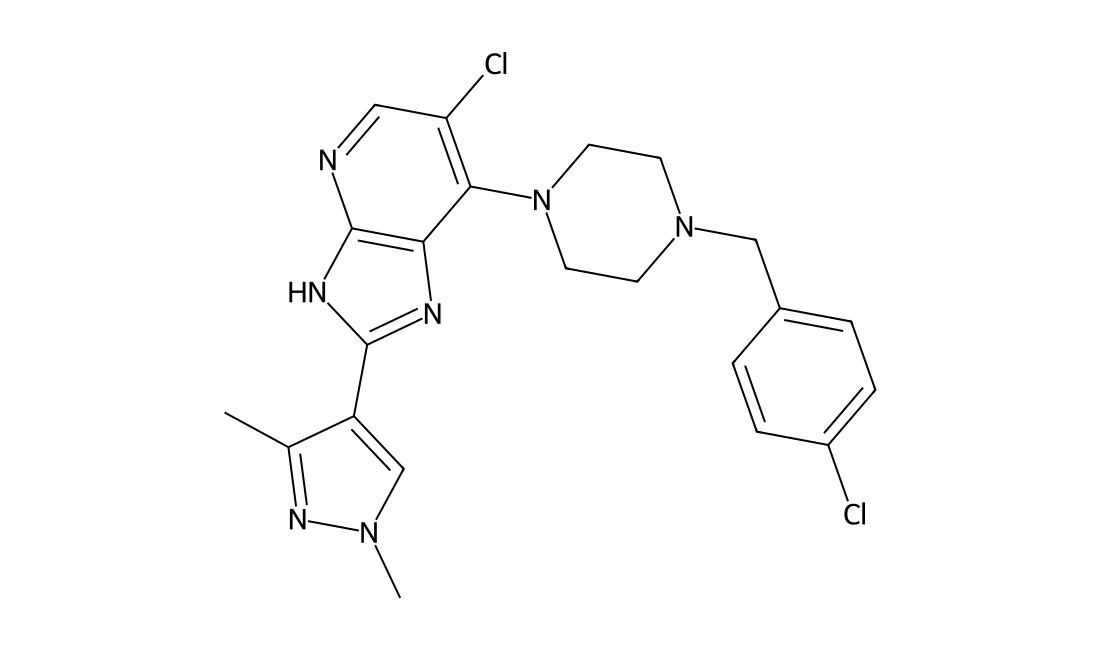
CYM-5520
CAS 1449747-00-5
CYM-5520 is a selective and allosteric sphingosine 1-phosphate receptor 2 (S1PR2) agonist with an EC50 of 480 nM. CYM-5520 does not activate S1PR1, S1PR3, S1PR4 and S1PR5 receptors. CYM-5520 can co-bind in the S1PR2 receptor with S1P. CYM-5520 can be used for osteoporosis research[1][2].
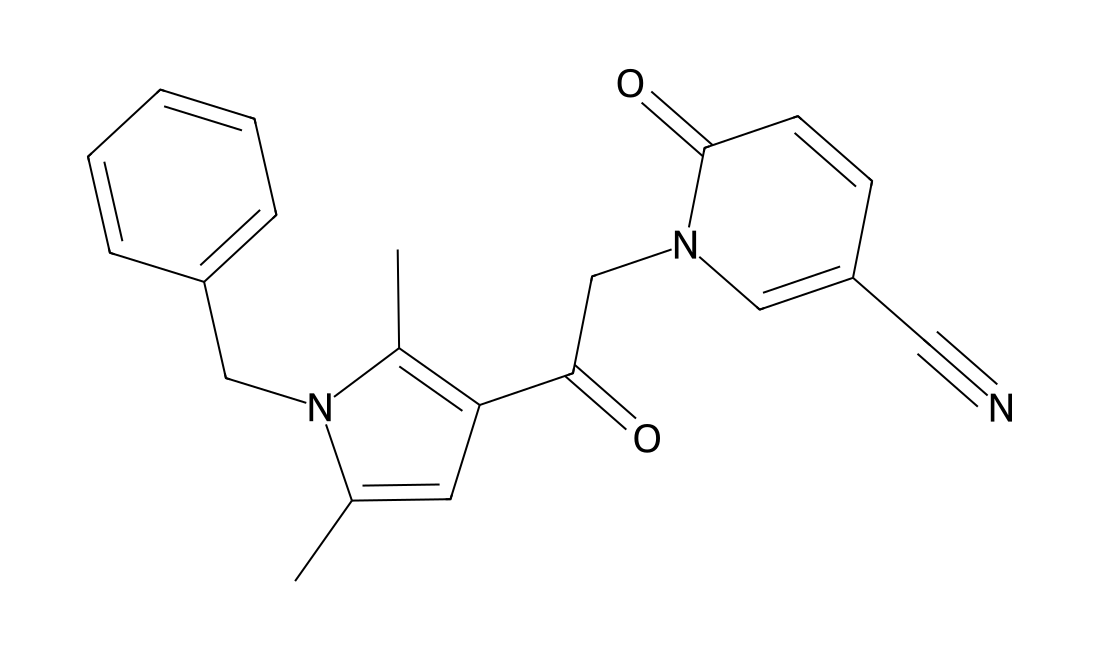
ARS-1323
CAS 1698024-73-5
ARS-1323 is a novel inhibitor of mutant K-ras G12C extracted from patent WO 2015054572 A1.
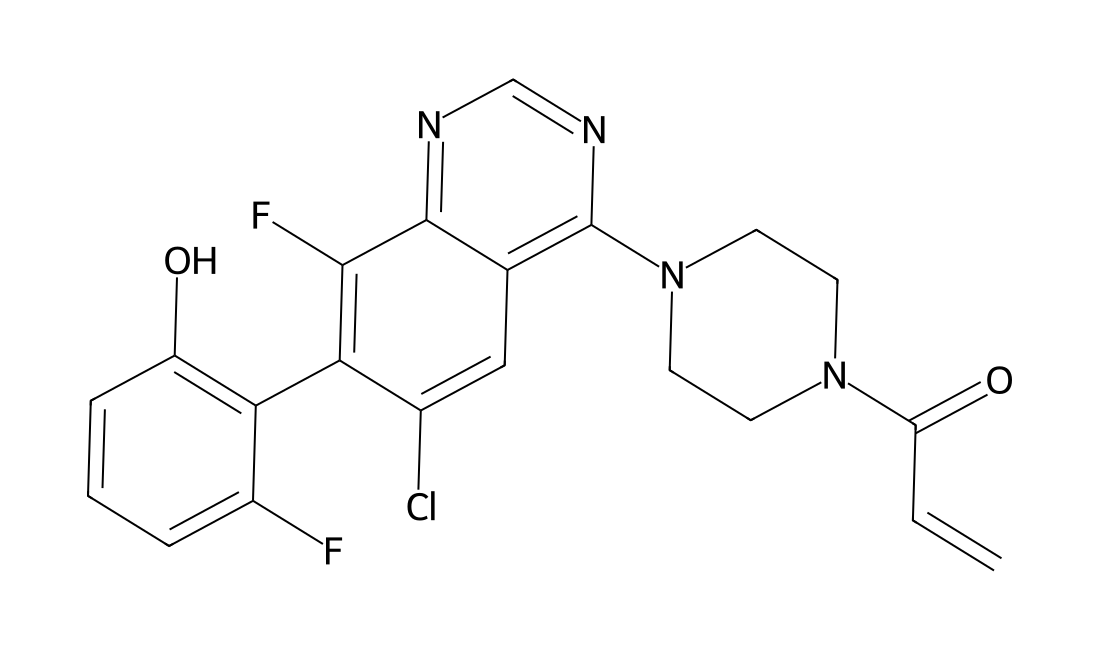
ABX-1431
CAS 1446817-84-0
ABX-1431 is a highly potent, selective, and orally available, CNS-penetrant monoacylglycerol lipase (MAGL) inhibitor with an IC50 of 14 nM.
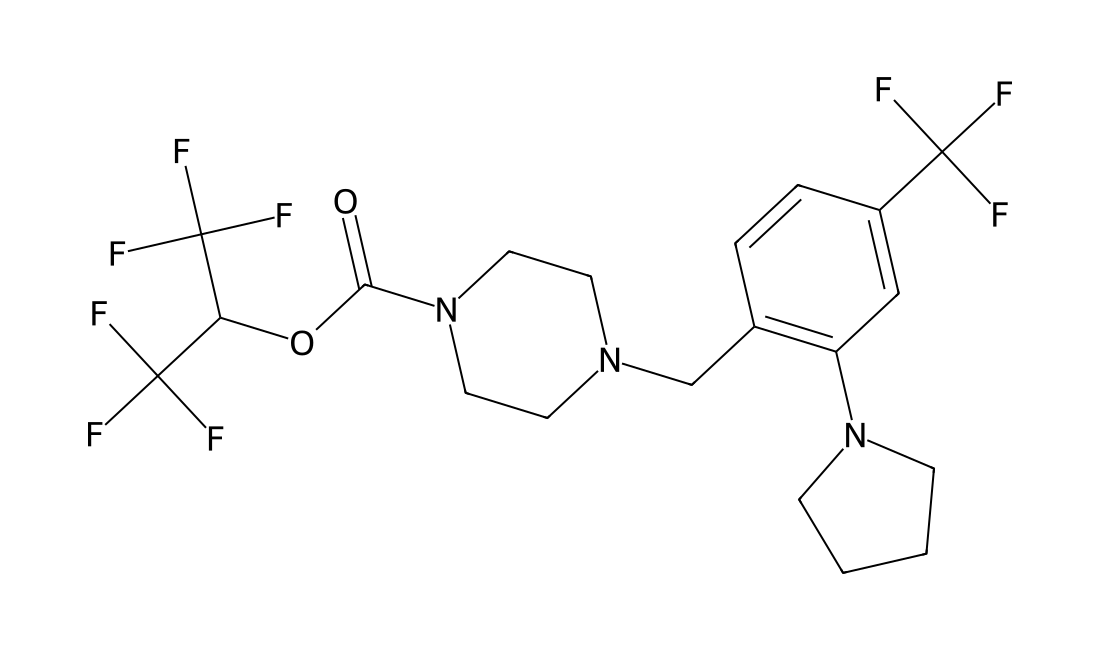
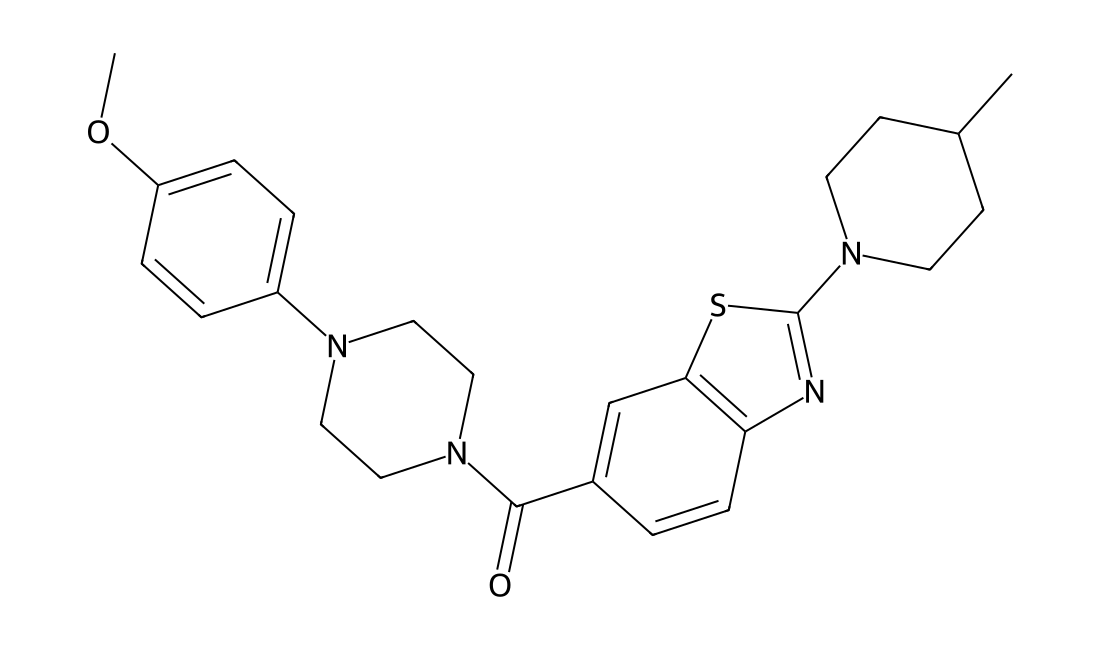
Anisole-piperazine-methanone-benzothiazole-p-methylpiperidine
CAS 906258-69-3
Anisole-piperazine-methanone-benzothiazole-p-methylpiperidine is an active compound.
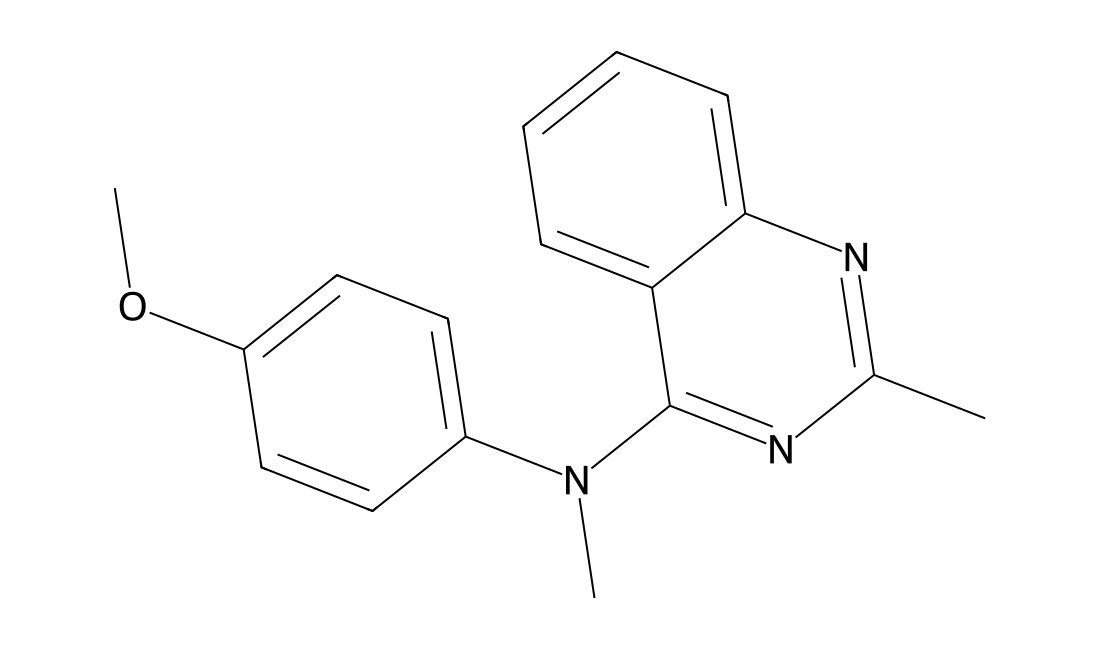
Verubulin hydrochloride
CAS 827031-83-4
Verubulin hydrochloride(MPC 6827 hydrochloride) is a microtubule destabilizer and vascular disrupting agent that achieve high brain concentration relative to plasma in animals.
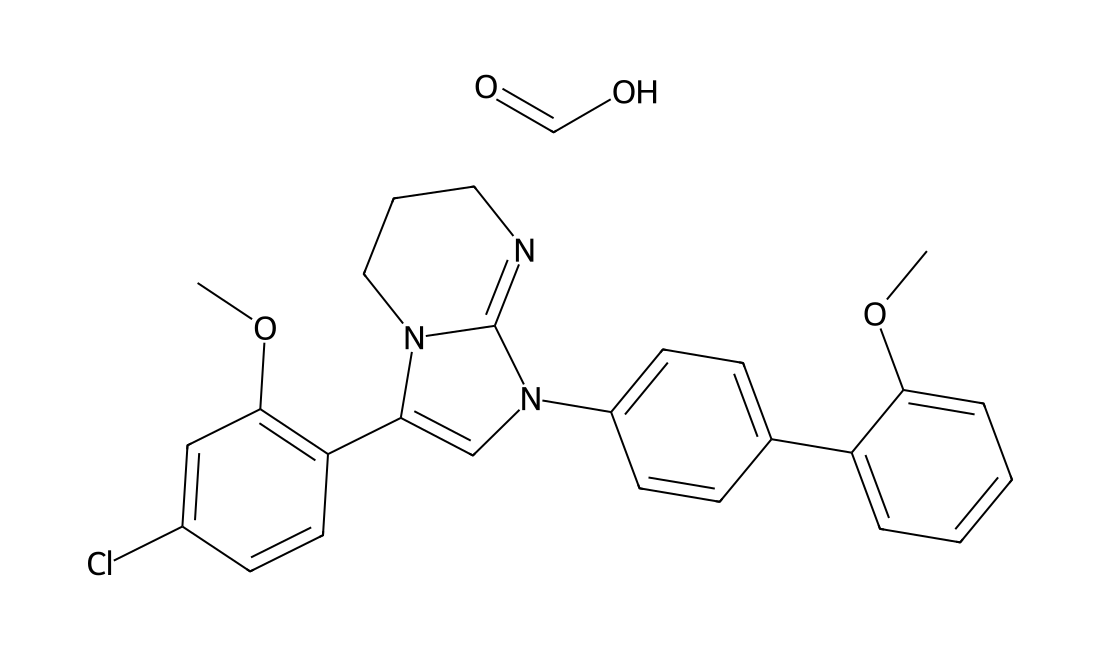
IGUANA-1
CAS 2756014-25-0
IGUANA-1 is an isoform-selective guanidinyl antagonists of ALDHs, which exhibits proteome-wide target specificity and selectively blocks the growth of colon cancer spheroids and organoids.
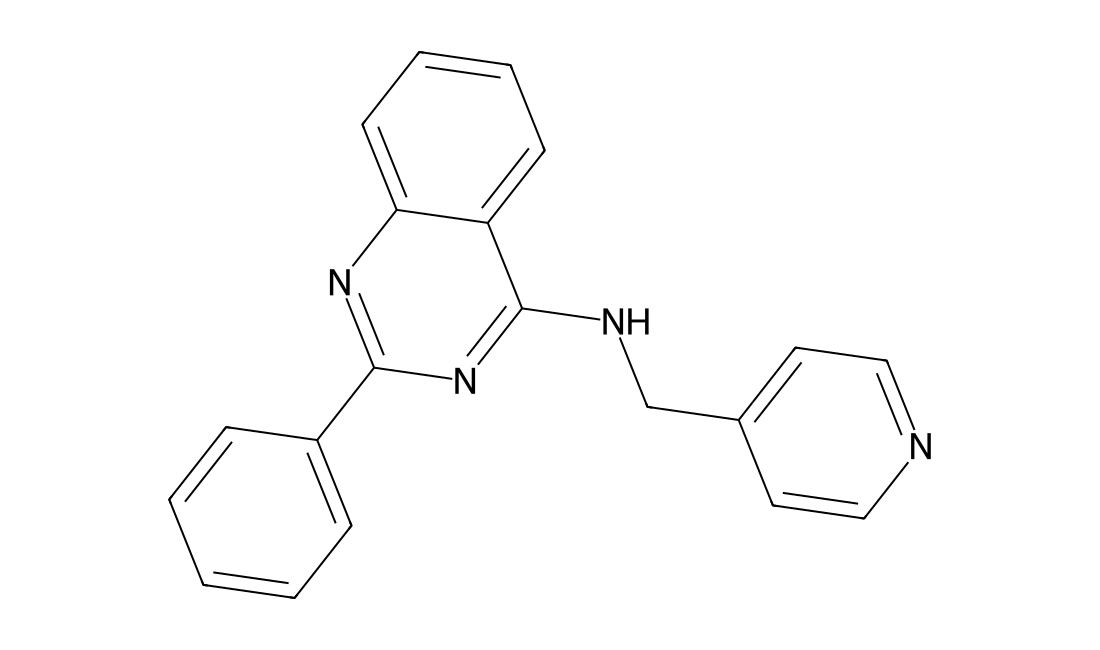
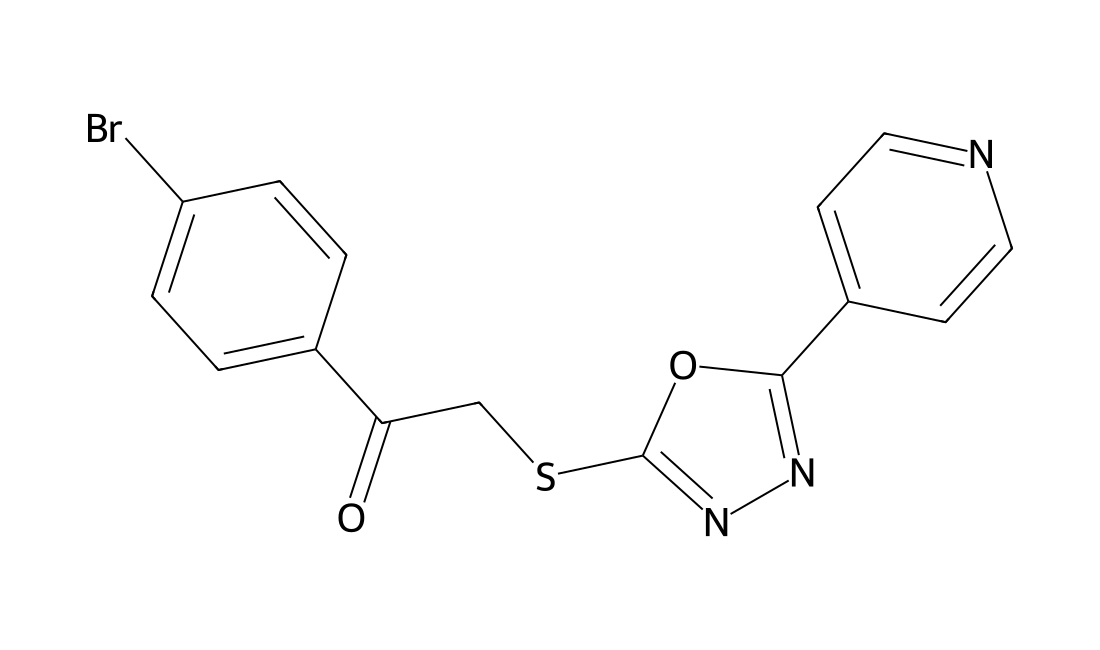
MMV030084
CAS 342434-07-5
MMV030084 (MMV-030084) is a potent, specific P. falciparum cGMP-dependent protein kinase (PKG) inhibitor (Kdapp=9-16 nM), inhibits invasion of P. berghei ANKA parasites into HepG2 liver cells with IC50 of 199 nM.MMV030084 potently inhibits hepatocyte invasion by Plasmodium sporozoites, merozoite egress from asexual blood stage schizonts, and male gamete exflagellation, shows potent activity against liver, asexual, and sexual blood stage development.MMV030084 showed an IC50 of 109 nM against the drug-sensitive 3D7-A10 line, and an IC50 of 120 nM against multidrug-resistant Dd2-B2 parasites in a 72-h growth inhibition assay against Pf ABS parasites.MMV030084 inhibited male gamete exflagellation at an IC50 of 141 nM when gametocytes were stimulated to develop into male gametes.MMV030084 is a promising Plasmodium PKG-targeting chemotype.
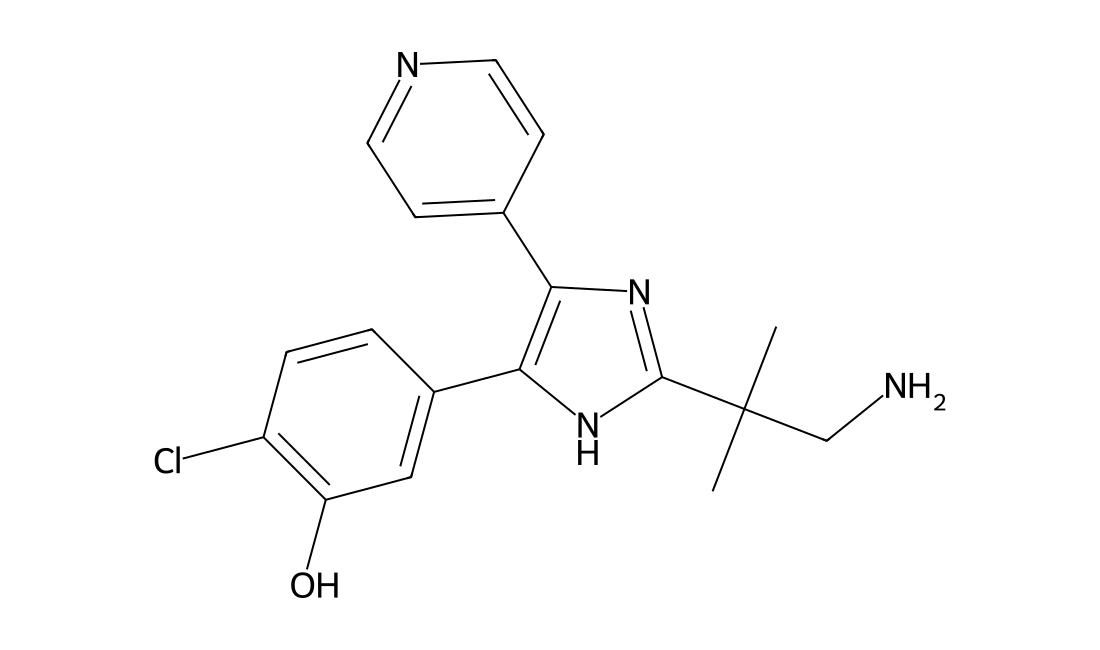
JDQ-443
CAS 2653994-08-0
JDQ-443 (example 1a) is a covalent KRAS G12C inhibitor (extracted from patent WO2021120890A1)[1].
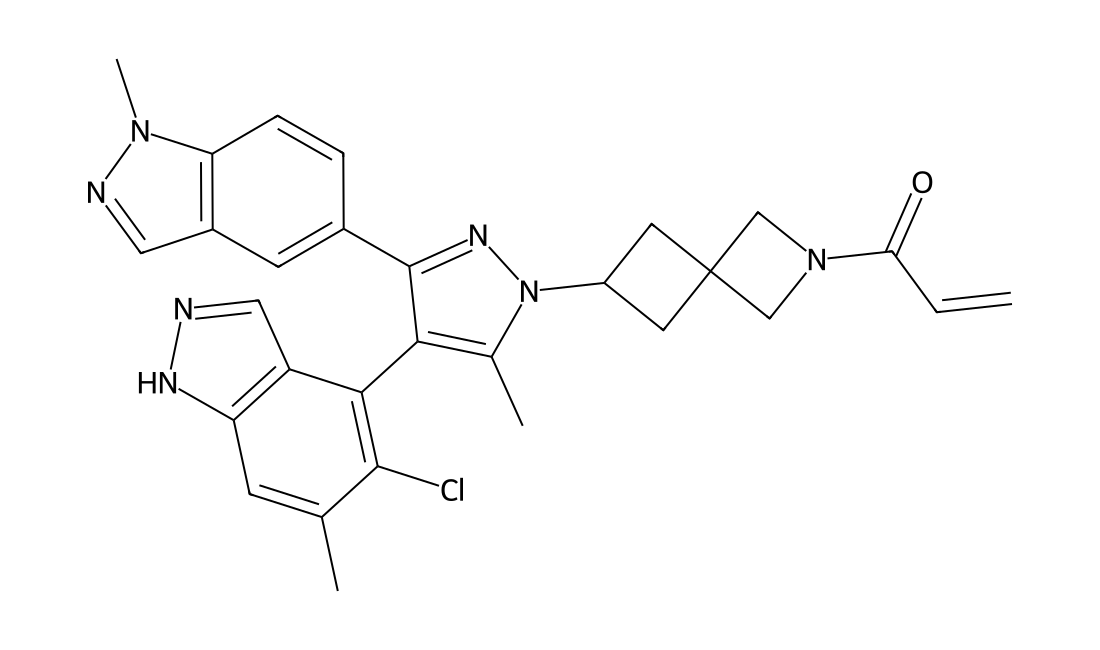
ALB-127158(a)
CAS 1173154-32-9
ALB-127158(a) is a potent and selective melanin concentrating hormone 1 (MCH1) receptor antagonist.
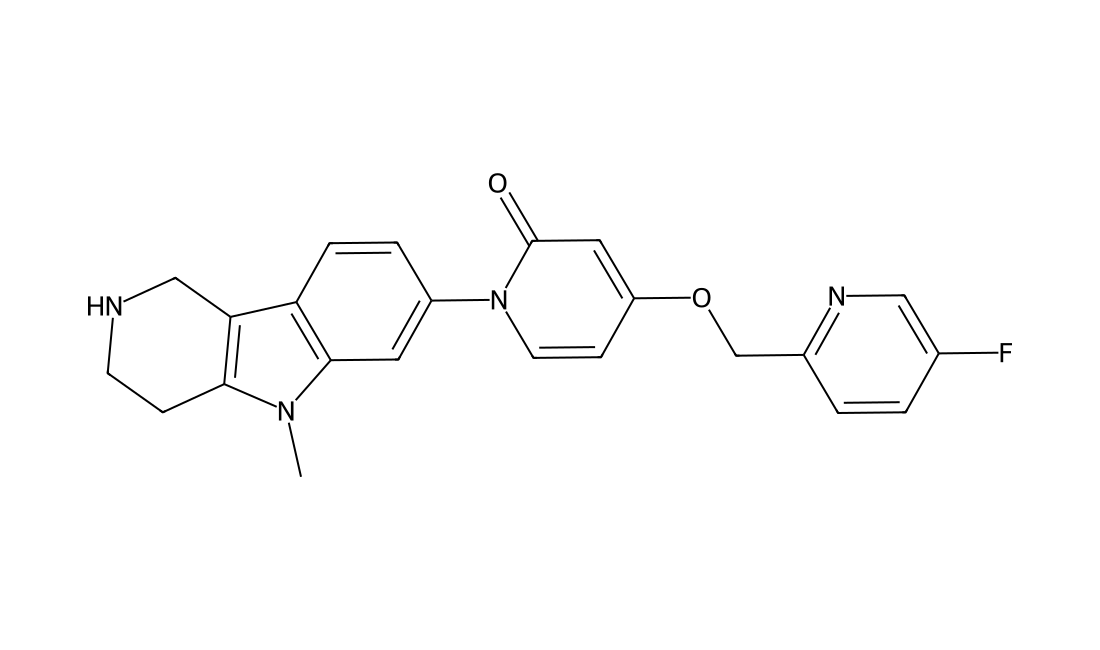
Browse target & topic index A–Z (366)
11β-HSD (1)15-PGDH (2)5-HT Receptor (16)Acetyl-CoA Carboxylase (ACC) (3)Acetylcholinesterase (AChE) (2)Ack1 (TNK2) (1)Acyltransferase (1)ADC Cytotoxin (6)ADCs Linker/Click Chemistry (5)Adenosine Receptor (9)Adenylate Cyclase (2)Adrenergic Receptor (11)Akt (12)Alcoholism (2)Aldehyde Dehydrogenase (ALDH) (6)Allergy (5)Alzheimer Disease (13)Aminopeptidase (1)AMPK (8)Amyloids (4)Anaplastic Lymphoma Kinase (ALK) (9)Androgen Receptor (AR) (11)Anemia (4)Angiotensin Receptor (4)Antibody/Protein labeling dyes (1)Antifolate (2)Anxiety (1)Apoptosis Inducer (3)Arginase (1)Arp2/3 complex (1)Aryl hydrocarbon Receptor (AhR) (1)Asthma (5)Atherosclerosis (2)ATM/ATR (8)Aurora Kinase (10)Autophagy (6)Autophagy-related Protein (Atg) (2)Autotaxin (2)Bacterial (26)Bacterial Infection (17)Bcl-2 (14)Bcr-Abl (5)BCRP (1)Beta-catenin (4)Beta-secretase (BACE) (4)Blood Cancer (91)BMI-1 (1)Bone Cancer (6)Brain Cancer (6)Breast Cancer (30)Bromodomain (22)BTK (10)c-Fms (CSF1R) (5)c-Fos/AP-1 (1)c-Kit (6)c-Met (HGFR) (11)c-Myc (2)Calcium Channel (4)Calcium-sensing Receptor (CaSR) (1)CaMK (4)Cannabinoid Receptor (6)Carbonic Anhydrase (1)Carboxypeptidase (1)Casein Kinase (6)Caspase (4)Cathepsin (6)Cdc2-like Kinase (CLK) (1)CETP (2)CFTR (7)Checkpoint Kinase (Chk) (8)Chemokine Receptor (CCR and CXCR) (14)Chemotherapeutic Agents (19)Chloride Channel (1)CMV (2)CMV Infection (2)Colon Cancer (9)Complement System (1)COPD (3)CREB/CBP (2)CRF Receptor (2)CRISPR/Cas9 (1)Cushing Disease (1)Cyclin-dependent Kinase (CDK) (39)Cyclooxygenase (COX) (4)Cytochrome P450 (CYPs) (5)Depression (2)Dermatitis (2)Deubiquitinase (DUB) (7)Diabetes (20)Dipeptidyl Peptidase (DPP) (3)Discoidin Domain Receptor (DDR) (1)DNA Alkylator/Crosslinker (10)DNA Methyltransferase (DNMT) (1)DNA Repair Protein (1)DNA-PK (2)DNA/RNA Synthesis (5)Dopamine beta-hydroxylase (1)Dopamine Receptor (7)Drug Metabolite (1)Drug-Linker Conjugates (11)Dyes (4)DYRK (1)Dyslipidemia (9)E3 Ligase Ligand (6)E3 Ligase Ligand-Linker Conjugate (1)E3 Ubiquitin Ligase (4)Ebola Virus Infection (1)EGFR (32)Elastase (2)Endothelin Receptor (5)Enzymes substrates (13)Epigenetic Reader Domain (3)Epilepsy (4)ERK (4)Estrogen Receptor/ERR (13)Eukaryotic Initiation Factor (eIF) (2)Exportin-1 (CRM1,XPO1) (2)FABP (1)Factor Xa (5)Farnesoid X Receptor (FXR) (5)Farnesyl transferase (FTase) (1)Ferroptosis (6)FGFR (20)Fibrosis (5)FLT3 (6)Focal Adhesion Kinase (FAK) (11)Foxo1 (1)Free Fatty Acid Receptor (FFAR) (5)Fungal (2)Fungal Infection (1)GABA Receptor (13)Galectin (1)Gastric Cancer (8)Ghrelin Receptor (GHSR) (3)Glucagon Receptor (4)Glucokinase (2)Glucose Transporter (GLUT) (2)Glutamate Transporter (2)GPCR (1)GPER (GPR30) (1)GPR139 (1)GPR183 (EBI2) (2)GPR39 (1)GPR55 (1)GPR84 (1)GRK (GPCRK) (2)Growth Hormone Deficiency (2)GSK-3 (8)Guanylate Cyclase (3)HBV (1)HBV Infection (1)HCN Channel (2)HCV (8)HCV Infection (9)HDAC (38)Heart Arrhythmia (2)Heart Failure (5)Heat Shock Protein (HSP) (15)Hedgehog (Hh) (1)HIF/HIF Prolyl-hydroxylase (8)Histamine Receptor (6)Histone Acetyltransferase (HAT) (5)Histone Demethylase (11)Histone Methyltransferase (HMTase) (31)HIV (12)HIV Infection (11)HMG-CoA Reductase (HMGCR) (3)HSV (1)HSV Infection (1)Hypercholesterolemia (1)Hyperparathyroidism (1)Hypertension (8)IAP (1)IGF-1R (3)iGluR (15)Indoleamine 2,3-Dioxygenase (IDO) (4)Infection (1)Influenza (6)Influenza Virus (6)Insulin Receptor (2)Integrin (6)Interleukin Receptor (1)IRAK (2)IRE1 (4)Irritable Bowel Syndrome (2)Ischemia (1)Isocitrate Dehydrogenase (IDH) (5)ITK (1)IκB kinase (IKK) (7)JAK (32)JNK (3)Keap1-Nrf2 (6)Kidney Cancer (10)Kinesin (5)Kruppel-like Factor (KLF) (1)Kynurenine 3-Monooxygenase (KMO) (1)Leukotriene Receptor (1)LIM Kinase (LIMK) (3)Lipids fragment (1)Liver Cancer (6)Liver X Receptor (LXR) (3)LRRK2 (9)Lung Cancer (39)Lysophospholipid Receptor (12)LYTACs (3)mAChR (9)MALT1 (2)MAP4K (1)Matrix Metalloproteinase (MMP) (10)MDM2-p53 (9)MEK (MAP2K) (14)MEKK (MAP3K) (1)Melanocortin Receptor (2)MELK (1)mGluR (7)MicroRNA (1)Microtubule/Tubulin (5)Mineralocorticoid Receptor (MLR) (1)MITF (1)Mixed Lineage Kinase (MLK) (3)MNK (2)Molecular Glues (21)Monoamine Transporter (5)Monocarboxylate Transporter (MCT) (1)Monopolar Spindle 1 (Mps1/TTK) (3)mTOR (13)Multiple Sclerosis (6)Myosin (1)Na-K-Cl Cotransporter (NKCC) (2)nAChR (2)NADPH Oxidase (NOX) (2)NAMPT (3)Natural products (37)Neprilysin (1)Neurokinin Receptor (3)Neuropeptide Y Receptor (3)NF-κB (5)Nitric Oxide Synthase (NOS) (1)NOD-like Receptor (NLR) (3)Notch (2)Nucleoside Antimetabolite/Analog (10)Nur77 (NR4A1) (1)Obesity (1)Oct3/4 (1)Opioid Receptor (5)Orexin Receptor (7)Osteoporosis (2)Ovarian Cancer (14)Oxytocin Receptor (OXTR) (2)P-glycoprotein (P-gp) (3)p21-activated Kinase (PAK) (1)P2X Receptor (2)P2Y Receptor (1)p38 MAPK (10)p97/VCP (1)Pain (12)Pancreatic Cancer (10)Parasite (5)Parasite Infection (2)Parkinson Disease (2)PARP (19)PCSK9 (1)PD-1/PD-L1 (4)PDGFR (4)PDK1 (2)PEGn (1)PERK (2)PGE synthase (2)Phosphodiesterase (PDE) (9)Phospholipase (4)PI3K (32)PI4K (2)Piezo Channel (1)PIKfyve (3)Pim (9)PKC (12)PKD (1)Plasminogen Activator Inhibitor-1 (PAI-1) (3)Polo-like Kinase (PLK) (4)Porcupine (3)Potassium Channel (13)PPAR (13)Pregnane X Receptor (PXR) (1)Progesterone Receptor (2)Prostaglandin Receptor (11)Prostate Cancer (7)PROTACs (35)Protease-activated Receptor (PAR) (3)Proteasome (12)Protein Disulfide Isomerase (PDI) (1)Protein Phosphatase/PTP (6)Proton Pump (1)Psoriasis (5)RAD51 (1)Radioligand precursors (15)Raf (18)RAR/RXR (3)Ras (17)Renin (2)RET Tyrosine Kinase (c-RET) (3)Rheumatoid Arthritis (16)Ribosomal S6 Kinase (RSK) (5)RIG-I-like Receptor (RLR) (2)RIP kinase (7)ROCK (12)ROR (2)RSV (4)RSV Infection (3)RUNX1-CBFβ (1)S-nitrosoglutathione reductase (GSNOR) (1)Saccharides and Glycosides (1)Salt Inducible Kinase (SIK) (2)SARS-CoV (16)SARS-CoV Infection (34)Schizophrenia (4)Sexual Dysfunction (1)SGLT (4)Sigma Receptor (4)Sirtuin (9)Skin Cancer (13)Sleep Disorder (7)SMN2 Modulator (1)Smoothened (Smo) (9)Sodium Channel (12)Solid Tumors (35)Somatostatin Receptor (2)Sphingosine kinase (SphK) (2)Src (7)STAT (5)Stearoyl-CoA Desaturase (SCD) (1)Steatohepatitis (7)Sterol lipids (1)STING (14)Syk (6)T Cell Receptor (TCR) (1)TAK1 (2)TAM Receptor (Tyro3-Axl-Mer) (4)Taste Receptor (1)Telomerase (2)TGF beta Receptor (TGFBR) (12)Thrombin (3)Thrombosis (13)Thyroid Cancer (1)Thyroid Hormone Receptor (THR) (1)Thyrotropin Receptor (2)TNIK (1)Toll-like Receptor (TLR) (2)TOPK (1)Topoisomerase (11)TRAIL (1)Translocator Protein (TSPO) (1)Trk Receptor (4)TRP Channel (13)Tryptophan Hydroxylase (TPH) (1)Ubiquitin-activating Enzyme (E1) (2)Ubiquitin-conjugating Enzyme (E2) (2)Ulcer (1)ULK (3)Vasopressin Receptor (2)VEGFR (25)Vitamin D Receptor (VDR) (3)Wee1 (1)WNK Kinase (1)Wnt (5)Yes-associated Protein (YAP) (4)γ-secretase (5)