
Small Molecule Research Tools
Explore bioactive compounds by research category, then narrow your search by target, product name, catalog number or CAS.
Newly added: LC-MG and OXF molecular glue research compounds →
Browse by research category
Products may appear in more than one category. Counts refer to distinct catalog numbers within each category.
Kinases & Cell Signaling1,548 products →941 products →Epigenetics & Gene Regulation410 products →277 products →DNA Damage, Repair & Cell Cycle342 products →228 products →Cell Death & Autophagy233 products →117 products →Protein Degradation & Proteostasis252 products →181 products →Immunology & Inflammation515 products →297 products →Neuroscience793 products →363 products →GPCRs & Receptor Biology1,219 products →428 products →Ion Channels & Transporters373 products →196 products →Metabolism & Endocrinology697 products →404 products →Cardiovascular & Hematology264 products →141 products →Anti-infectives453 products →205 products →Cancer Research1,049 products →535 products →ADCs & Bioconjugation61 products →38 products →Probes & Assay Reagents150 products →82 products →Natural Products424 products →73 products →Cell Biology & Intracellular Transport181 products →61 products →
Other Research Tools (75) · Additional reagents, building blocks and specialized research tools.
New literature-derived products
LC-MG-1 (DCA0006) · LC-MG-4 (DCA0007) · LC-MG-9 (DCA0008)
View structure and evidence summaries →All small molecule products
Combine a keyword, research category and target to narrow the product list.
Loading catalog filters…
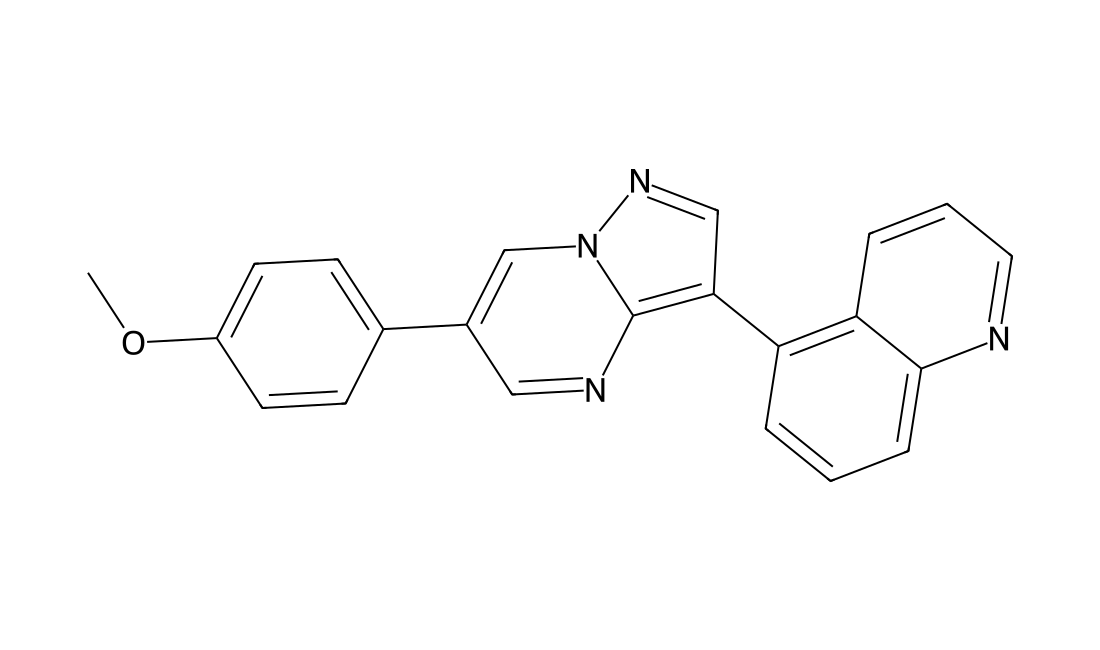
WAY-352753 (GSK3-IN-1)
CAS 478482-74-5
GSK3-IN-1 (compound 11) is a GSK-3 inhibitor with an IC50 value of 12 μM. GSK3-IN-1 can be used in the research of diabetes[1].
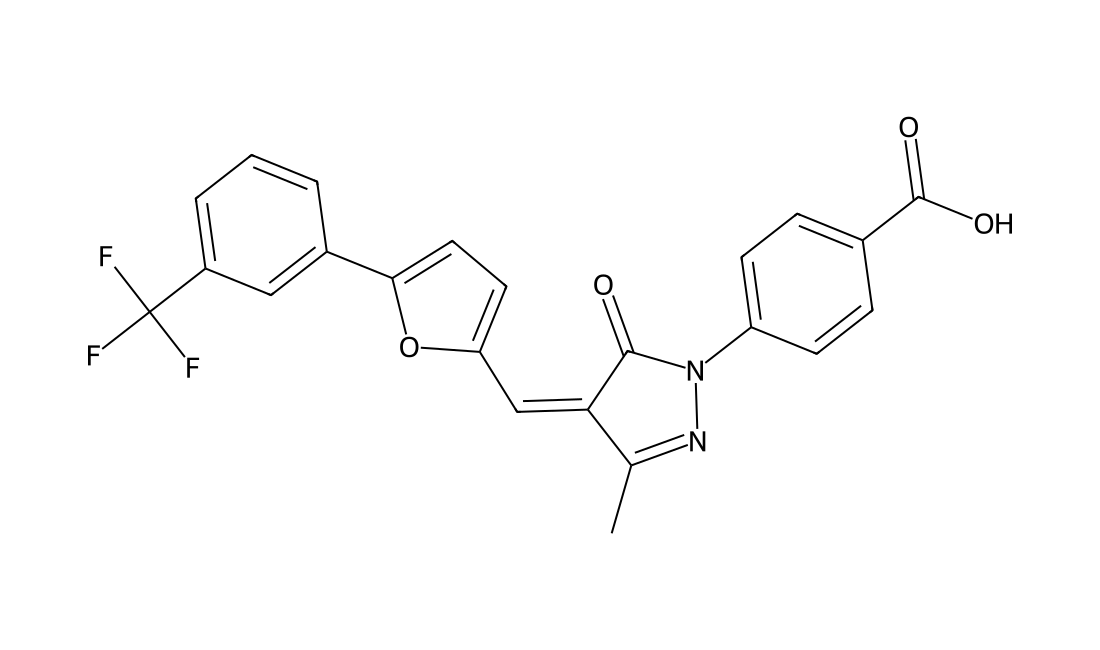
Z-944
CAS 1199236-64-0
Z-944 is a potent, highly selective and oral T-type calcium channel blocker with IC50 of 50-160 nM for human Cav3.1, Cav3.2, and Cav3.3 channels; displays 70 times more potent for T-type blockade than for blockade of the N-type channel (IC50=11 uM); potently suppress seizure activity and attenuates burst firing of thalamic reticular nucleus neurons in the GAERS model of absence epilepsy; restores cortical synchrony and thalamocortical connectivity in a rat model of neuropathic pain. PainPhase 1 Clinical
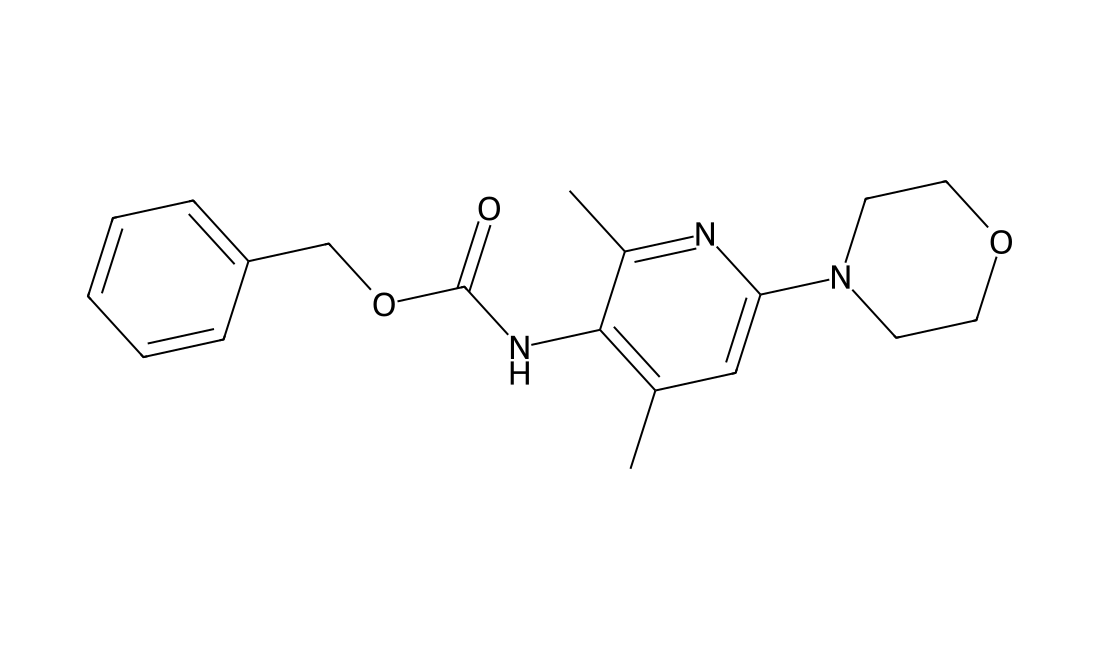
Potassium Channel Activator 1
CAS 908608-06-0
Carbamic acid, N-[2,4-dimethyl-6-(4-morpholinyl)-3-pyridinyl]-, phenylmethyl ester is a new invention for treating, one or more disorders or conditions wherein the dopaminergic system is disrupted, such as one or more disorders or conditions independently selected from the group consisting of: schizophrenia and other psychotic states; mood disorders ADHD; aggression; movement disorders.
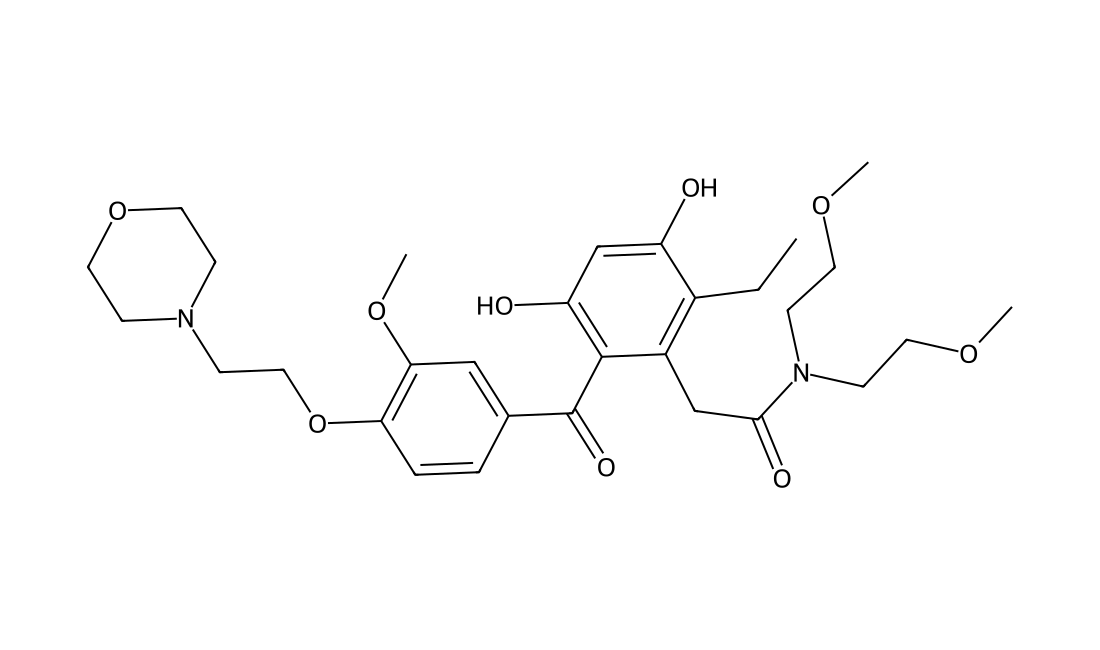
KW-2478
CAS 819812-04-9
KW-2478 inhibits the binding of bRD to Hsp90α with IC50 of 3.8 nM. KW-2478 degradates the Hsp90 client proteins, including FGFR3 and IGF-1Rβand c-Raf-1. KW-2478 reduces the level of phosphorylated Erk1/2. KW-2478 induces apoptosis by cleavage of PARP, a substrate of caspase-3 In U266 cells,. KW-2478 has Time dependency of antiproliferative activity, consecutive drug exposure For at least 12 hours is necessary to to exert potent antitumor activity. KW-2478 downregulates the translocation products of IgH locus. KW-2478 inhibits the transcription of c-Maf and cyclin D1 genes by mainly suppressing the function of Cdk9. KW-2478 has potent and broad growth inhibitory activities against various cell lines, KW-2478 inhibites cancer cell growth in all cell lines, with EC50 of 101-252 nM, 81.4-91.4 nM and 120-622 nM For B-cell lymphoma, mantle cell lymphoma and multiple myeloma, respectively. KW-2478 also shows potent growth inhibitory activity in primary CLL and NHL cells with EC50 of 40-170 nM and 200-400 nM, respectively. . KW-2478 suppresses tumor growth and induces the degradation of client proteins in tumors in NCI-H929 s.c. inoculated model at doses of 100 mg/kg or more. KW-2478 reduces both serum M protein and MM tumor burden in the bone marrow in OPM-2/GFP i.v. inoculated mouse model at doses of 100 mg/kg. For the detailed information of KW-2478, the solubility of KW-2478 in water, the solubility of KW-2478 in DMSO, the solubility of KW-2478 in PBS buffer, the animal experiment (test) of KW-2478, the cell expriment (test) of KW-2478, the in vivo, in vitro and clinical trial test of KW-2478, the EC50, IC50,and Affinity of KW-2478, Please contact DC Chemicals.
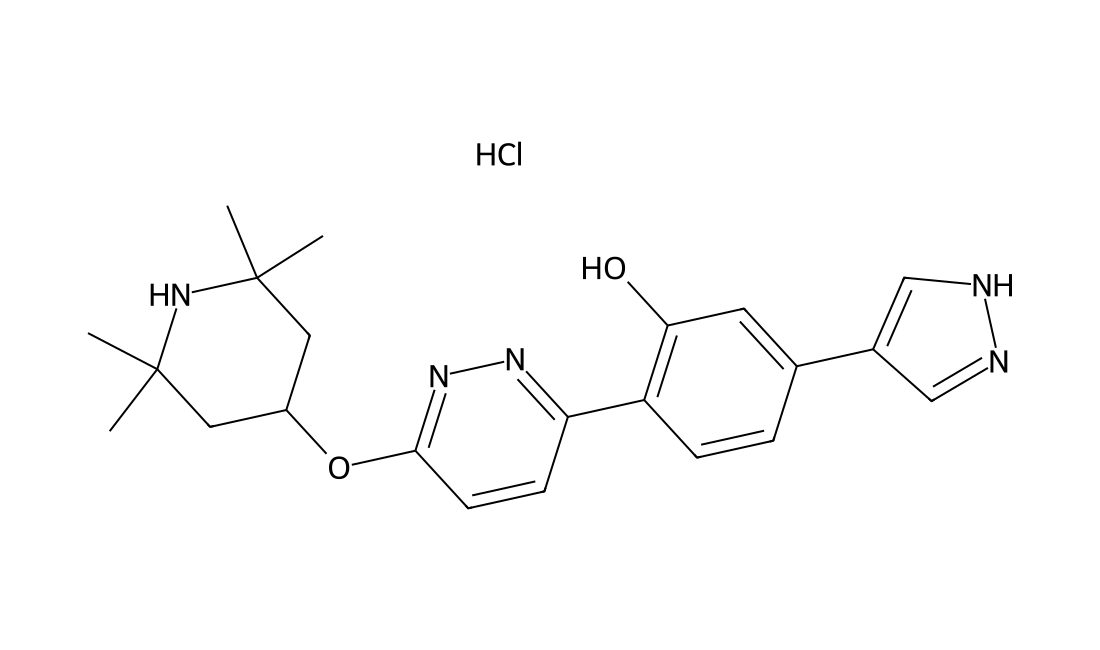
Branaplam hydrochloride
CAS 1562338-39-9
Branaplam (LMI070; NVS-SM1) hydrochloride is a highly potent, selective and orally active survival motor neuron-2 (SMN2) splicing modulator with an EC50 of 20 nM for SMN. Branaplam hydrochloride inhibits human-ether-a-go-go-related gene (hERG) with an IC50 of 6.3 μM. Branaplam hydrochloride elevates full-length SMN protein and extends survival in a severe spinal muscular atrophy (SMA) mouse model.
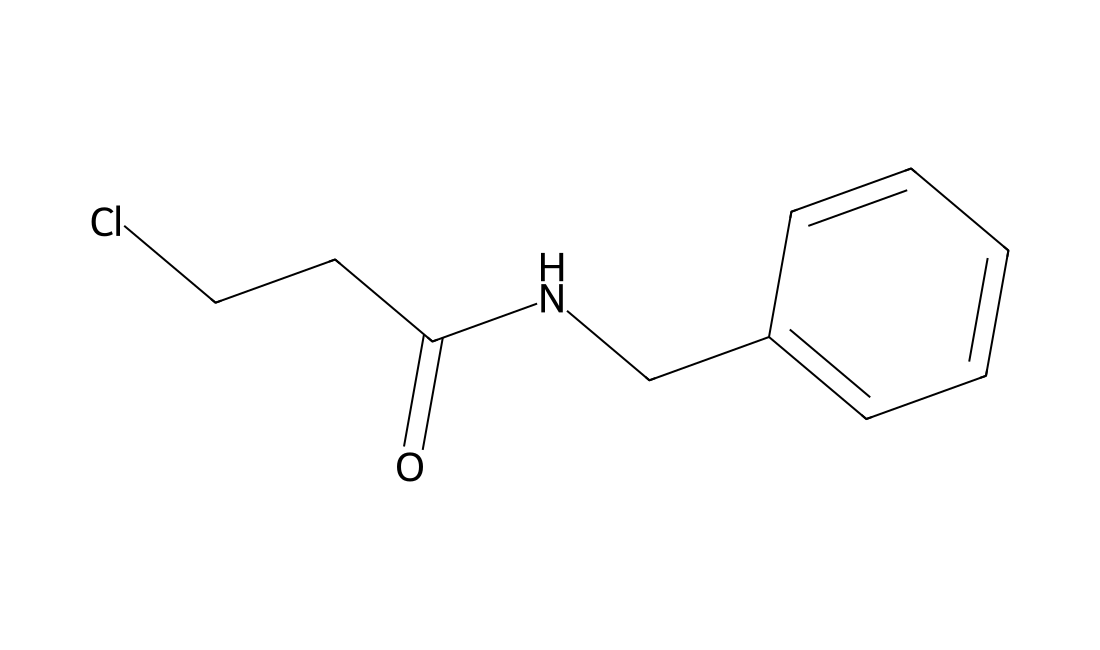
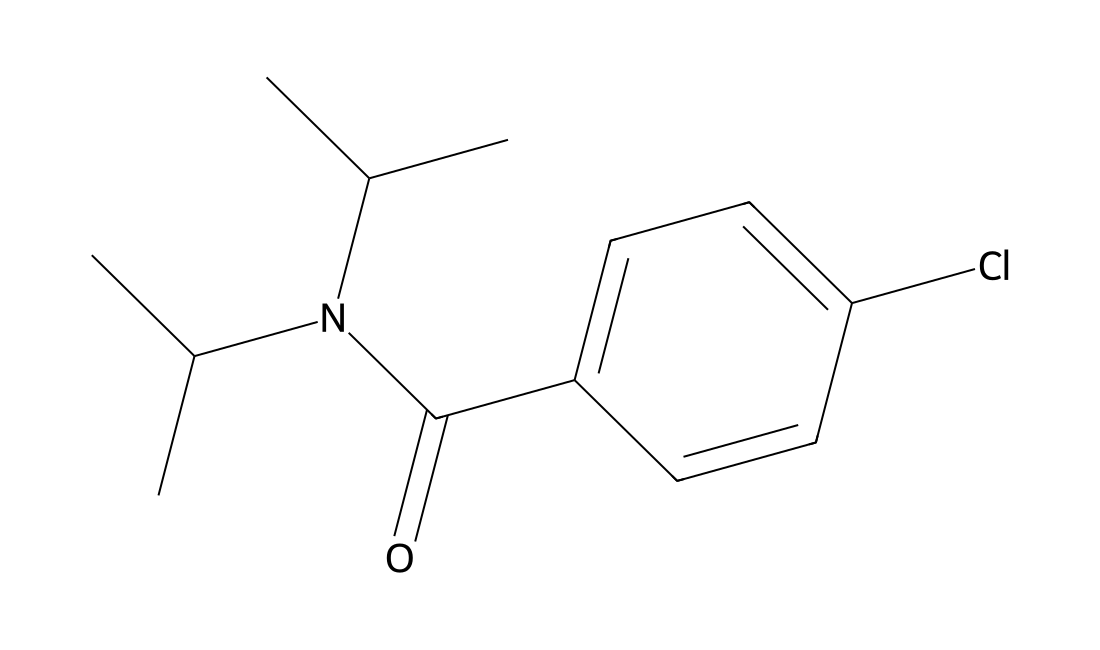
Beclamide
CAS 501-68-8
Beclamide is a drug that possesses anticonvulsant activity. It is no longer used. Beclamide is possibly metabolized to 3-chloropropanoic acid in vivo, which binds to the GHB receptor. It has been used as a sedative and as an anticonvulsant. It was studied in the 1950s for its anticonvulsant properties, as a treatment for generalised tonic-clonic seizures. It was not effective for absence seizures. Interest in the drug resumed in the 1990s for its psychiatric properties as an adjunct in the treatment of schizophrenia. While not classified as a DEA controlled substance in the United States, this product can only be sold STRICTLY to universities and research institutions. This product will not be sold to individuals or shipped to residential addresses.
CJ033466
CAS 519148-48-2
CJ033466 is a novel and selective 5-HT4 receptor partial agonist with an EC50 of 9 nM and has gastroprokinetic effect.
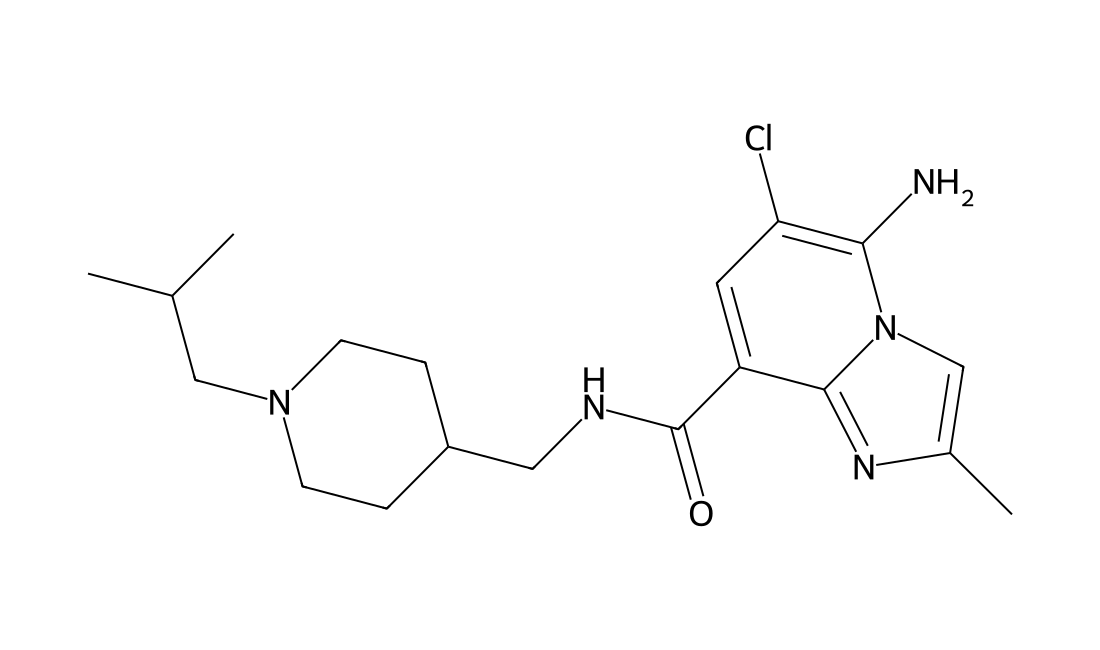
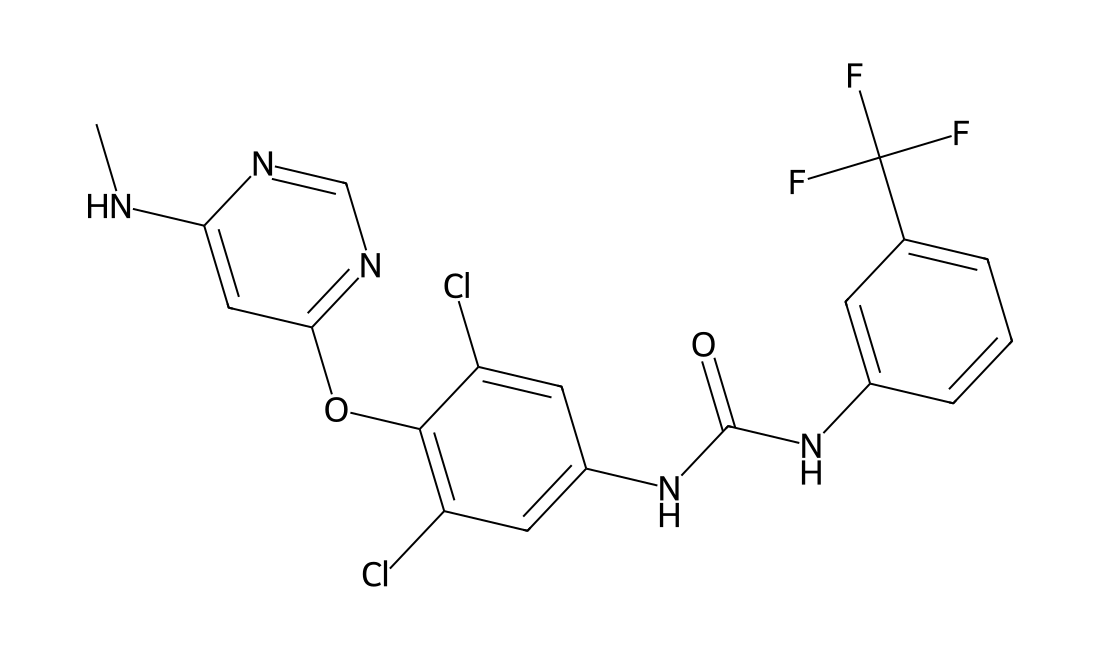
GSK329
CAS 1268490-12-5
GSK329 is a potent and selective diarylurea inhibitor of the cardiac-specific kinase TNNI3K. GSK329 exhibits positive cardioprotective outcomes in the model of ischemia/reperfusion cardiac injury.
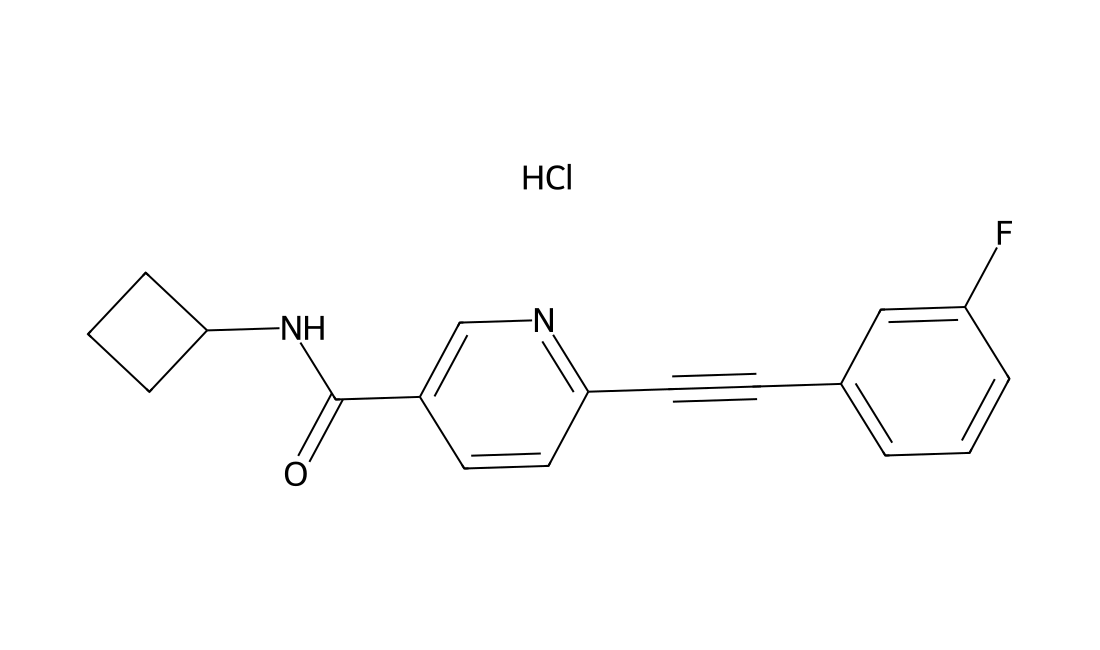
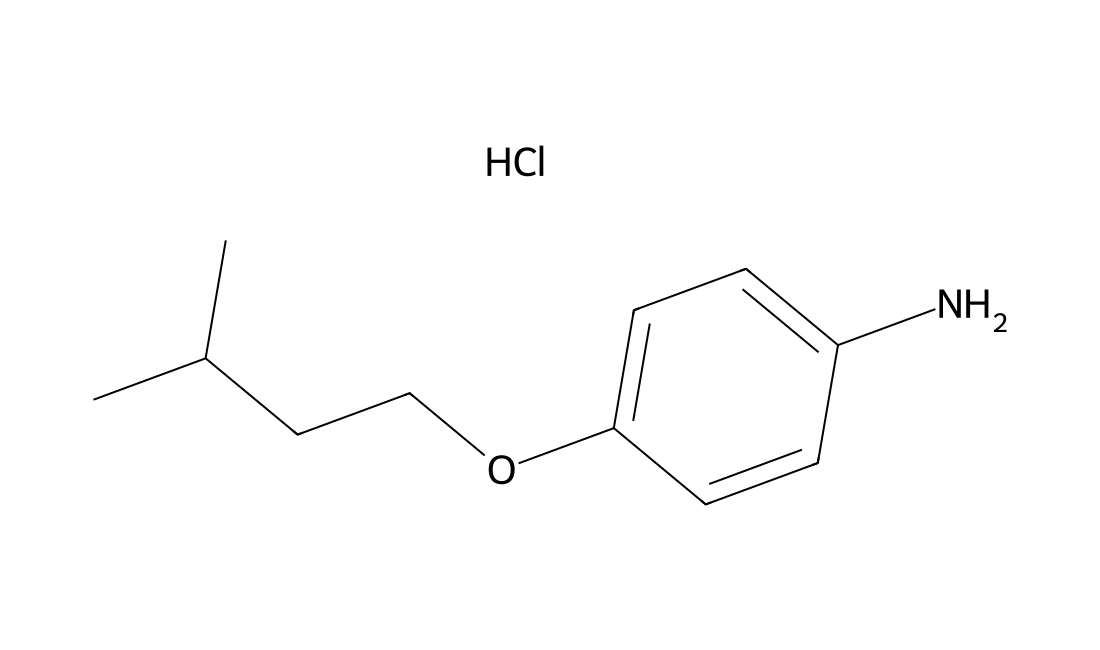
CP-24879 hydrochloride
CAS 10141-51-2
CP-24879 hydrochloride is a D5D/D6D dual-inhibitor, showing beneficial effects against increased intracellular lipid accumulation and inflammatory injury in hepatocytes.
FGIN-1-27
CAS 142720-24-9
FGIN-1-27 is an anxiolytic compound that acts as a selective agonist at the peripheral benzodiazepine receptor (TSPO).FGIN-1-27 inhibited Th17 cell differentiation, significantly downregulated the expression of RORγt target genes, notably Il17a, Il17f, Il23r, Ltb4r1,Ccr6.FGIN-1-27 protected mice against EAE, induced amino acid starvation response (AAR), FGIN-1-27 produced anti-anxiety and anti-panic effects in non-mammalian models.
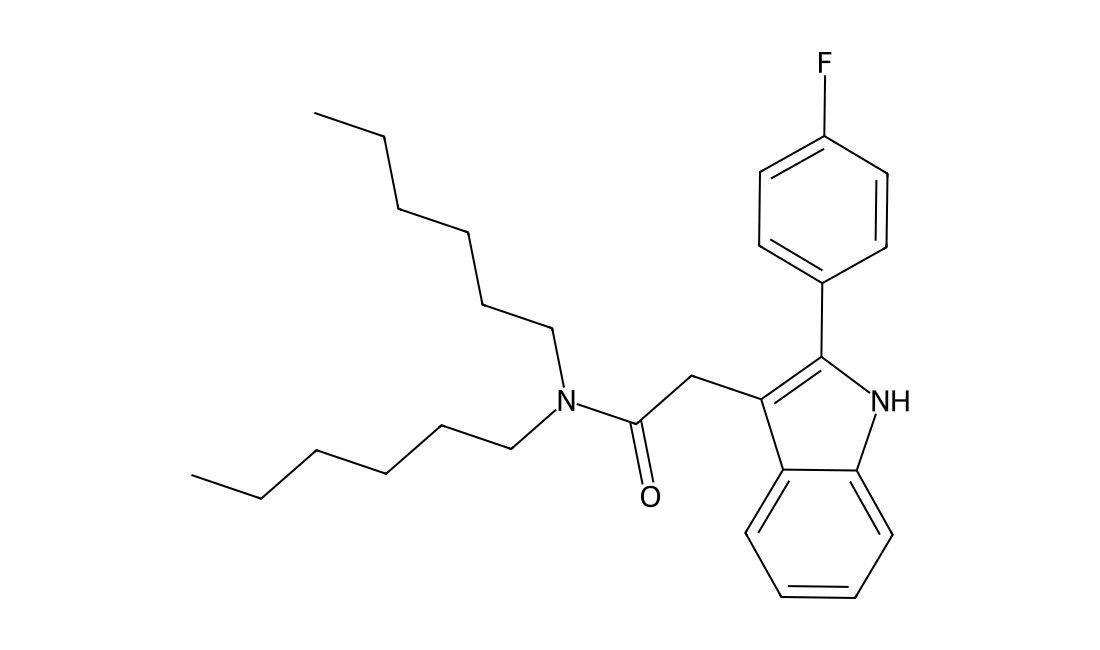
SR2640 hydrochloride
CAS 146662-42-2
SR2640 (hydrochloride) is a potent and selective competitive leukotriene D4/leukotriene E4 antagonist. SR2640 can be used for researching the role of leukotrienes in human asthma.
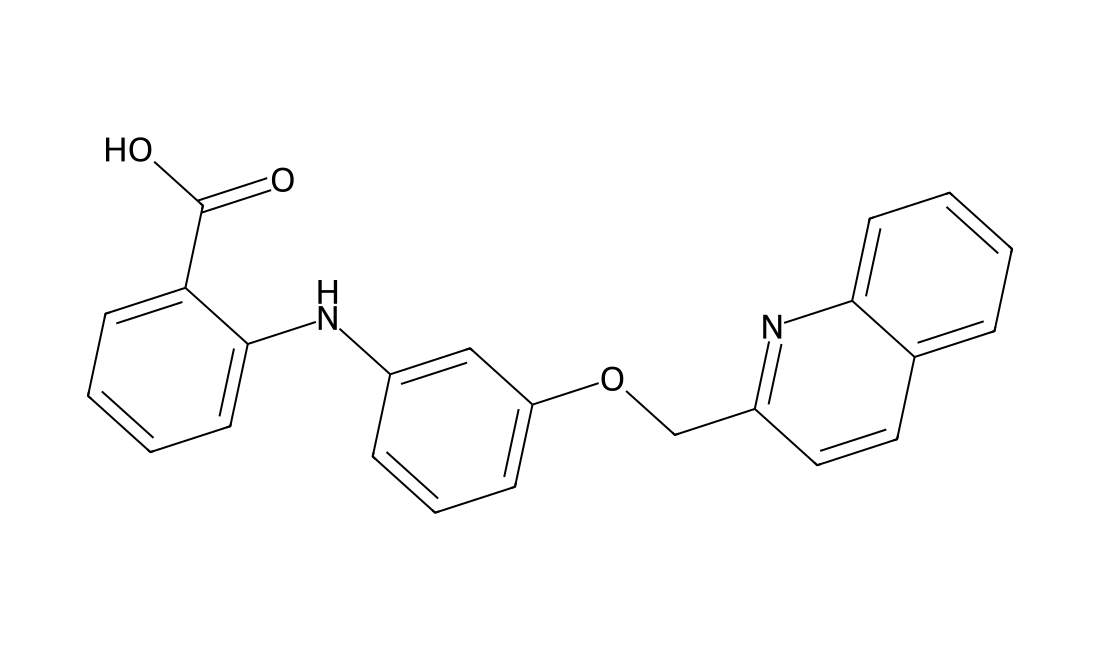
Guanabenz
CAS 5051-62-7
Guanabenz (WY 8678) is an α2 adrenergic receptor agonist that is used as an antihypertensive agent, also has been proposed to exert protective effects against misfolding by interfering with eIF2α-P dephosphorylation through selective disruption of a PP1-PPP1R15A holophosphatase complex; also has antiparasitic activity against replicative stages of Toxoplasma.Multiple SclerosisPhase 1 Clinical
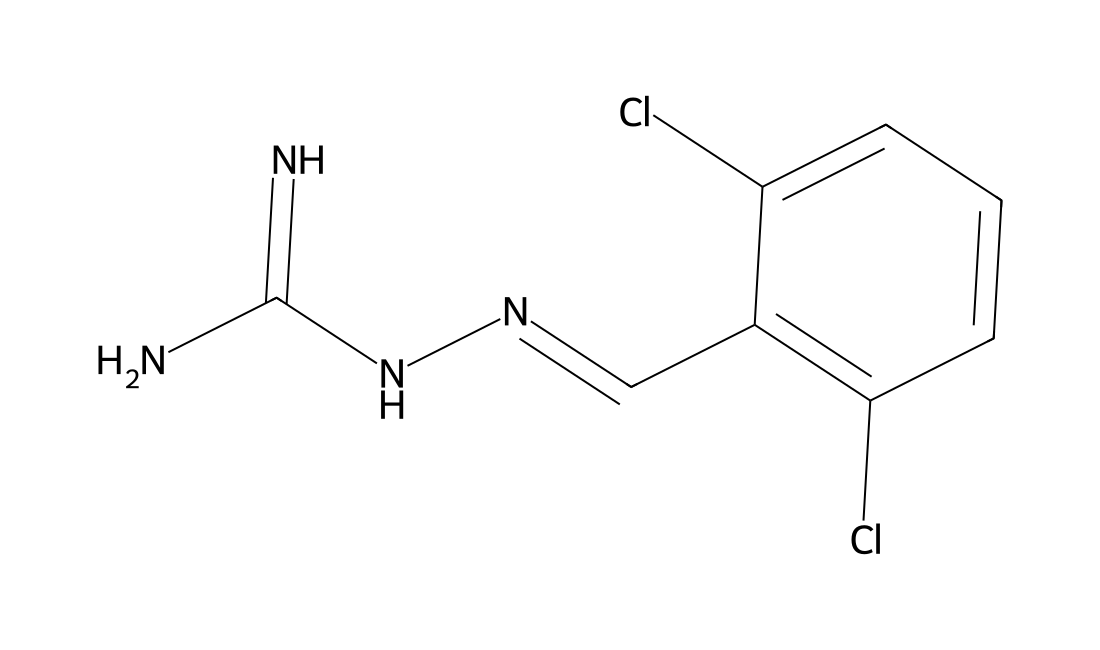
ML216
CAS 1430213-30-1
ML216(CID-49852229) is a potent inhibitor of the DNA unwinding activity of BLM helicase; showing similar IC50s of 3.0 and 0.97 μM for full length BLM and BLM636–1298 respectively.ML216 shows cell-based activity, and can induce sister chromatid exchanges, enhance to the toxicity of aphidicolin and exert anti-proliferative activity in cells expressing BLM, but not in those lacking BLM.
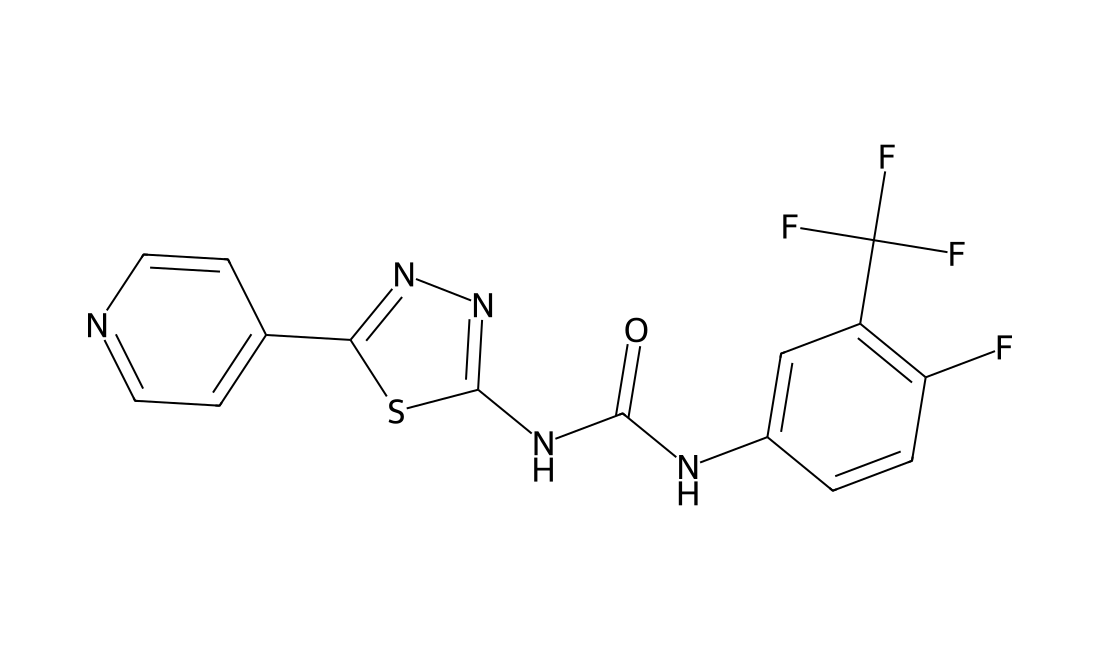
ML347
CAS 1062368-49-3
ML347(DN193719) is a highly selective ALK1/ALK2 inhibitor with IC50s of 46/32 nM; shows >300-fold selectivity for ALK2 vs. ALK3.ML347 has IC50’s of 46 and 32 nM, respectively, against ALK1 and ALK2; however, the IC50 against ALK3 is 10,800 nM, >300-fold selective over ALK3. ML347 is completely inactive against allthe other kinases tested (with weak activity against ALK6, 9830 nM and KDR (VEGFR2)19,700 nM). ML347 is potent in the BMP4 cell assay (152 nM).
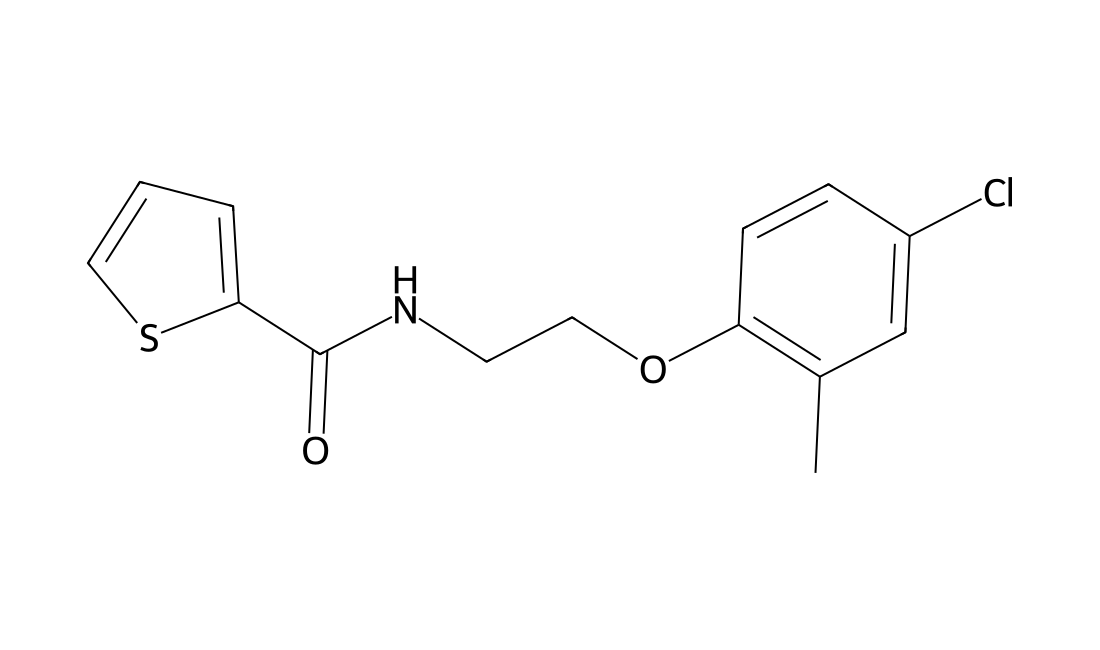
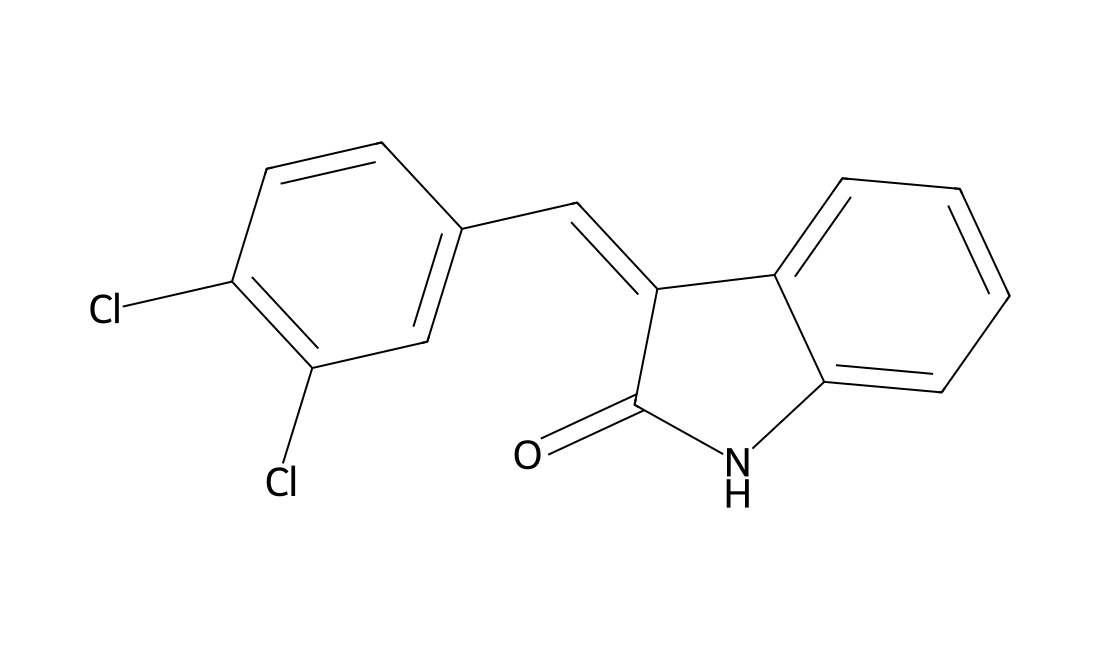
NSC 247030(SU5201)
CAS 114727-43-4
NSC 247030(SU5201) is an inhibitor of interleukin-2 (IL-2) production[1].
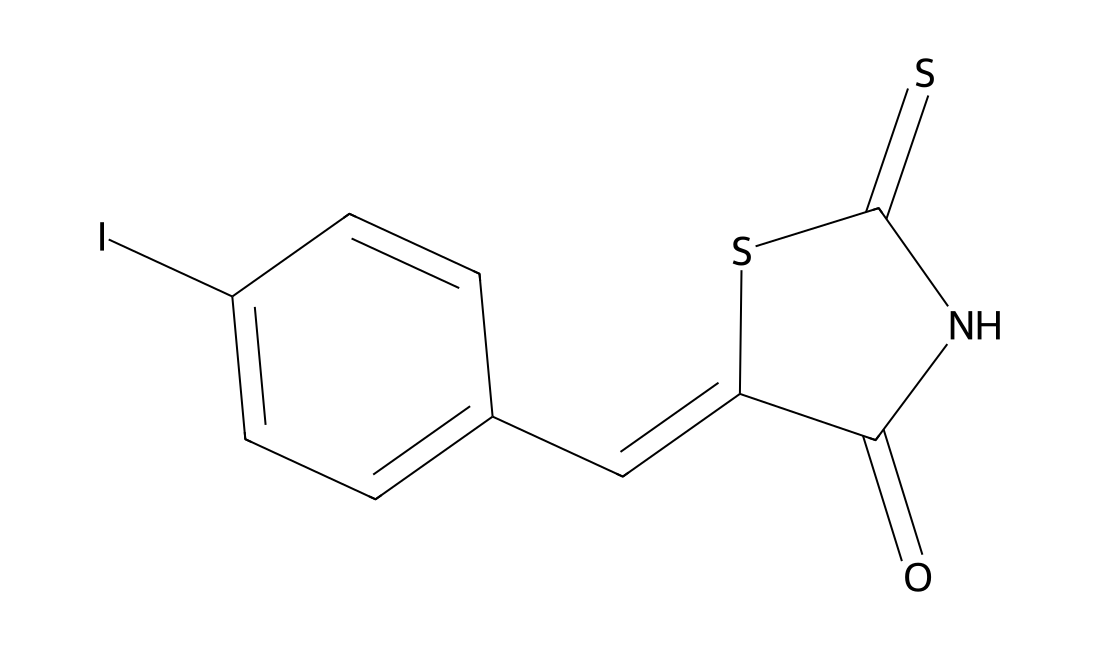
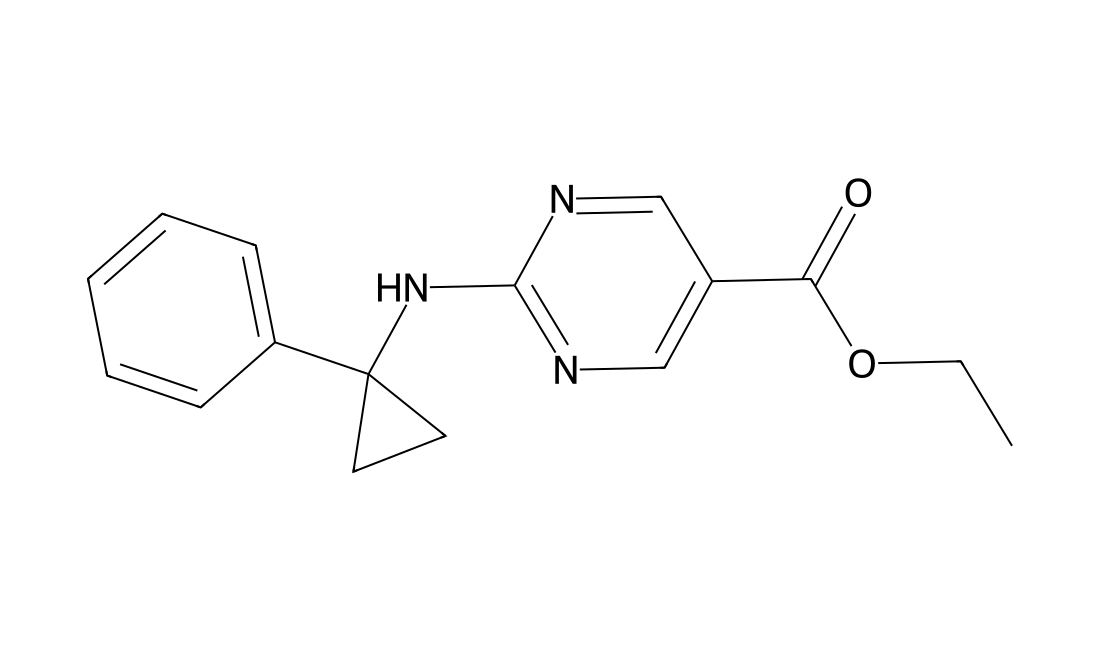
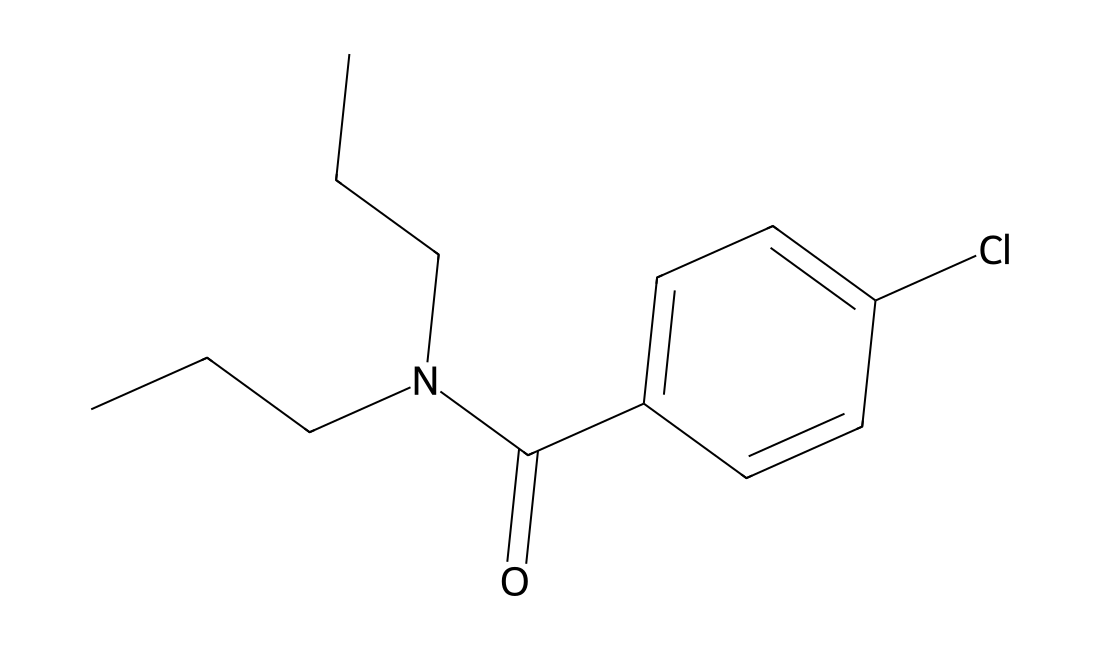
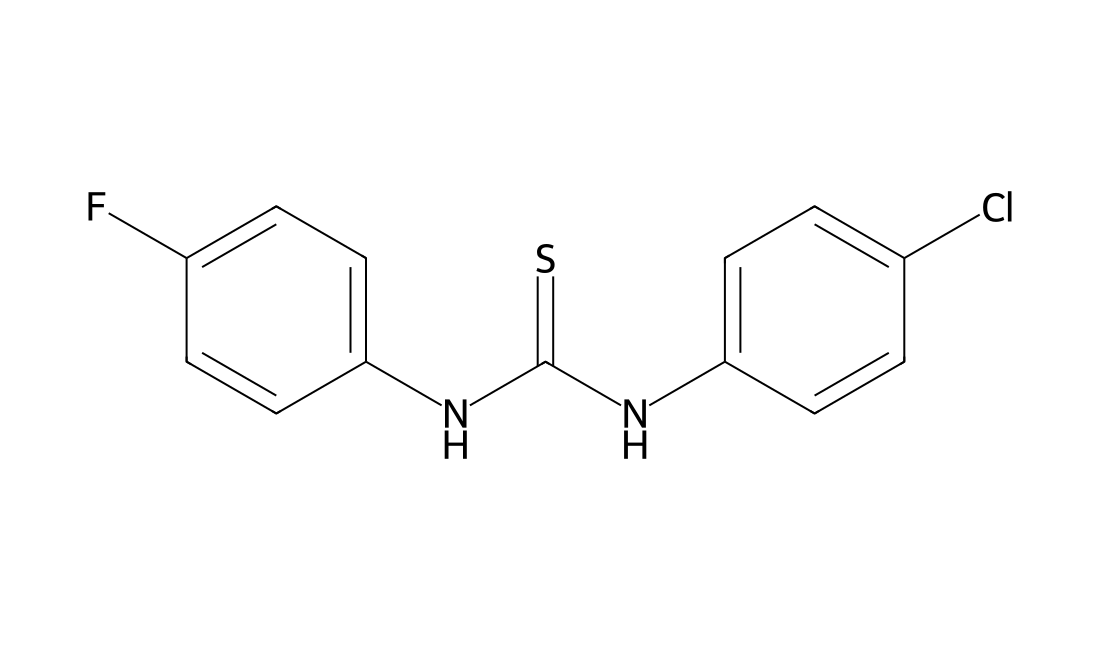
NVP-BEP800
CAS 847559-80-2
VER-82576 (NVP-BEP800) is a potent, orally available and selective Hsp90 inhibitor, with an IC50 of 58 nM for Hsp90β; VER-82576 also slightly blocks Grp94 and Trap-1, with IC50s of 4.1 and 5.5 μM, respectively.
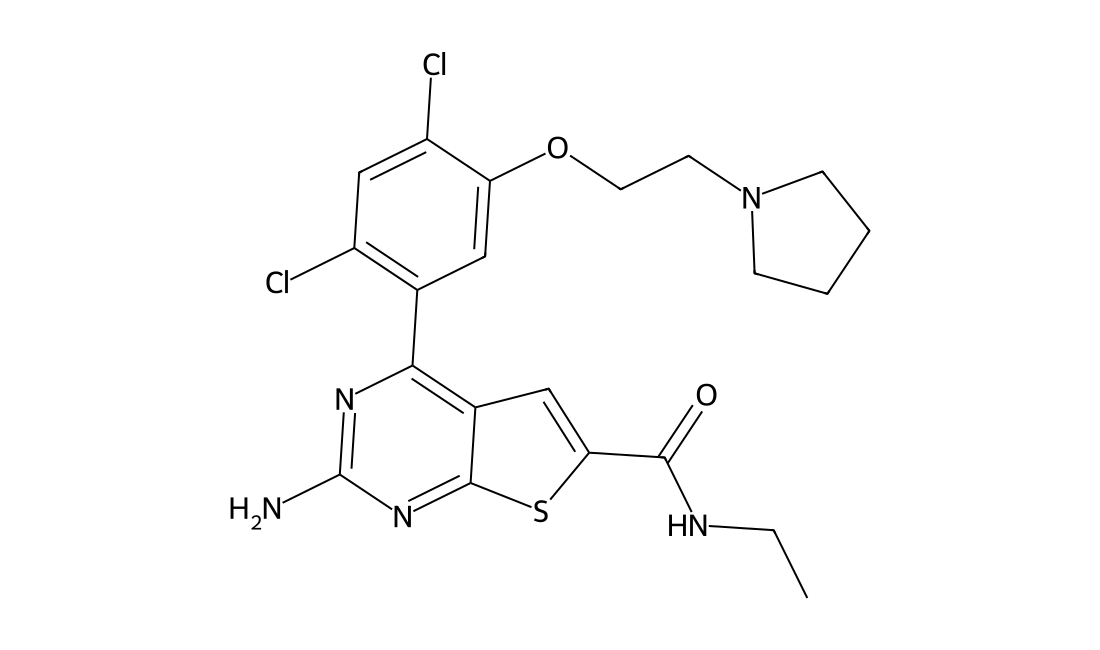
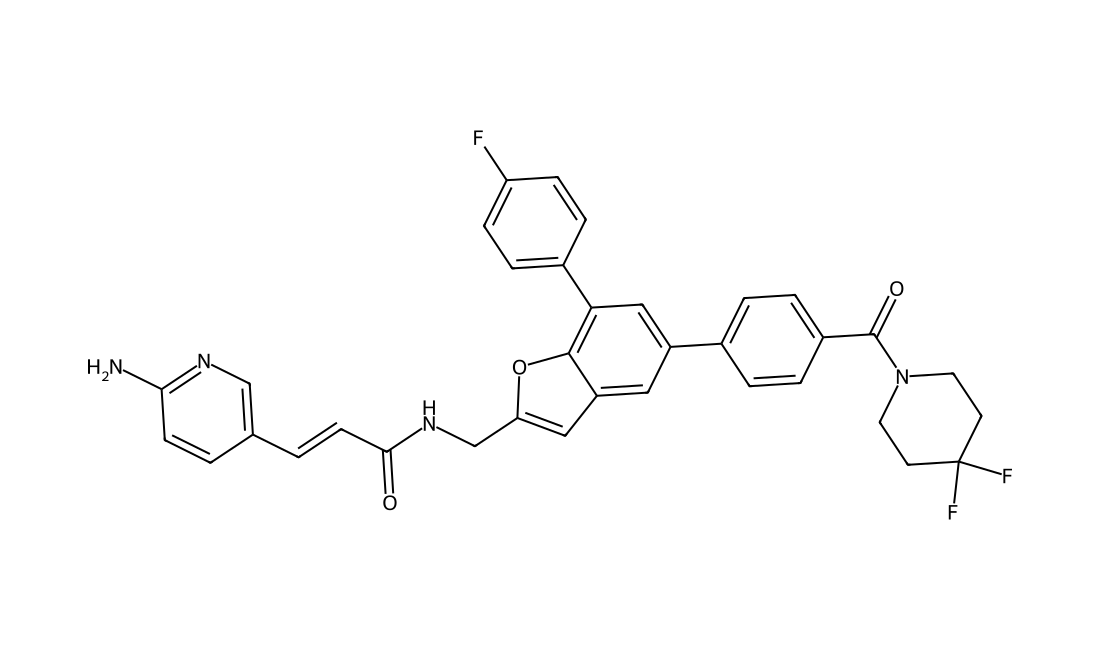
PAK4-IN-1(KPT9274)
CAS 1643913-93-2
KPT-9274 is an orally bioavailable, dual PAK4/Nicotinamide phosphoribosyltransferase (Nampt) inhibitor, with IC50s less than 100 and 120 nM, respectively.
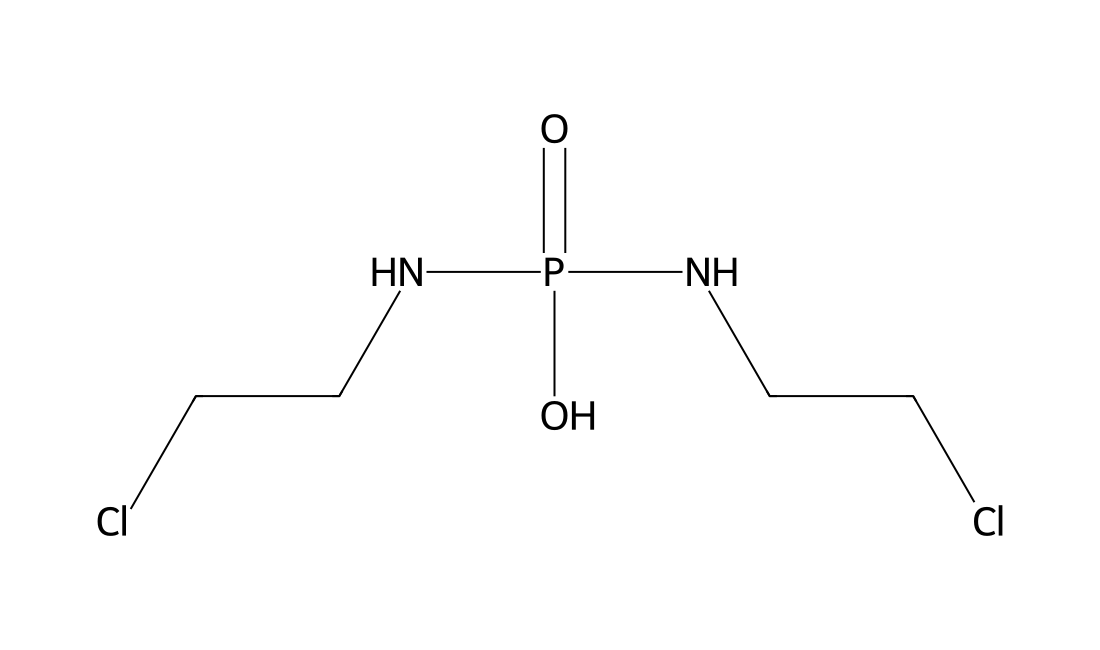
Palifosfamide
CAS 31645-39-3
Palifosfamide is a novel DNA alkylator and the active metabolite of ifosfamide, with antitumor activity.
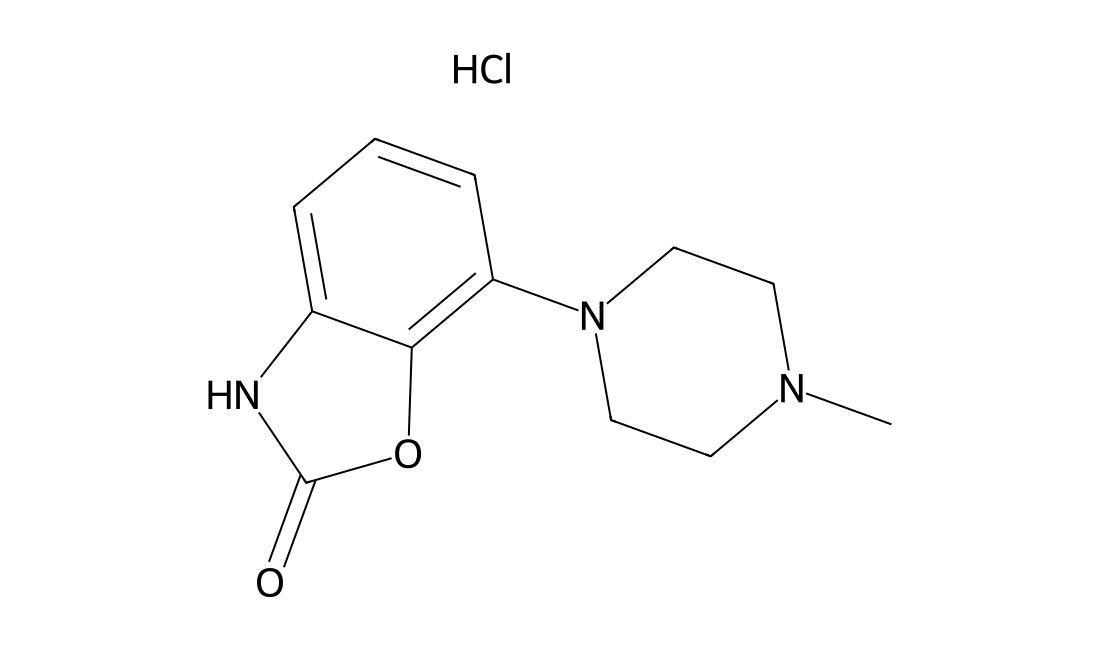
Pardoprunox.HCl(SLV-308)
CAS 269718-83-4
Pardoprunox hydrochloride is a novel partial dopamine D2 and D3 receptor agonist and serotonin 5-HT1A receptor agonist, D2 (pKi = 8.1) and D3 receptor (pKi = 8.6) partial agonist and 5-HT1A receptor (pKi = 8.5) full agonist.
PF-8380
CAS 1144035-53-9
PF-8380 is a potent autotaxin inhibitor with an IC50 of 2.8 nM in isolated enzyme assay and 101 nM in human whole blood.
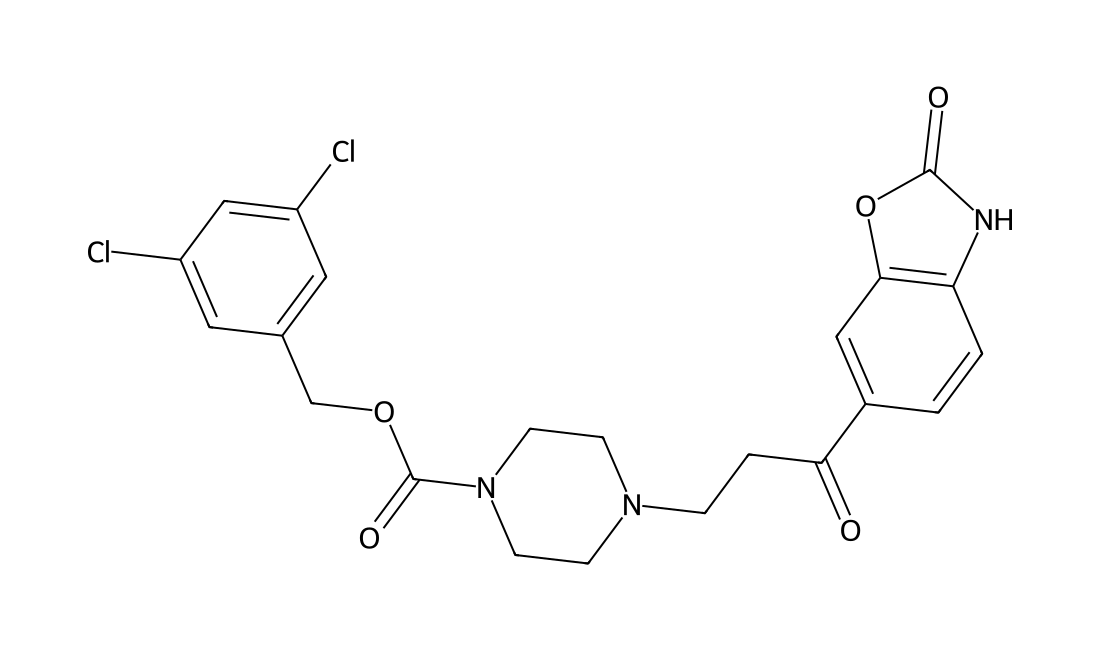
PFI-4
CAS 900305-37-5
PFI-4 is a potent and selective and cell permeable BRPF1 bromodomain inhibitor (IC50 = 80 nM). Exhibits >100-fold selectivity for BRPF1 over a panel of other bromodomains including BRPF2 (BRD1), BRPF3 and BRD4.
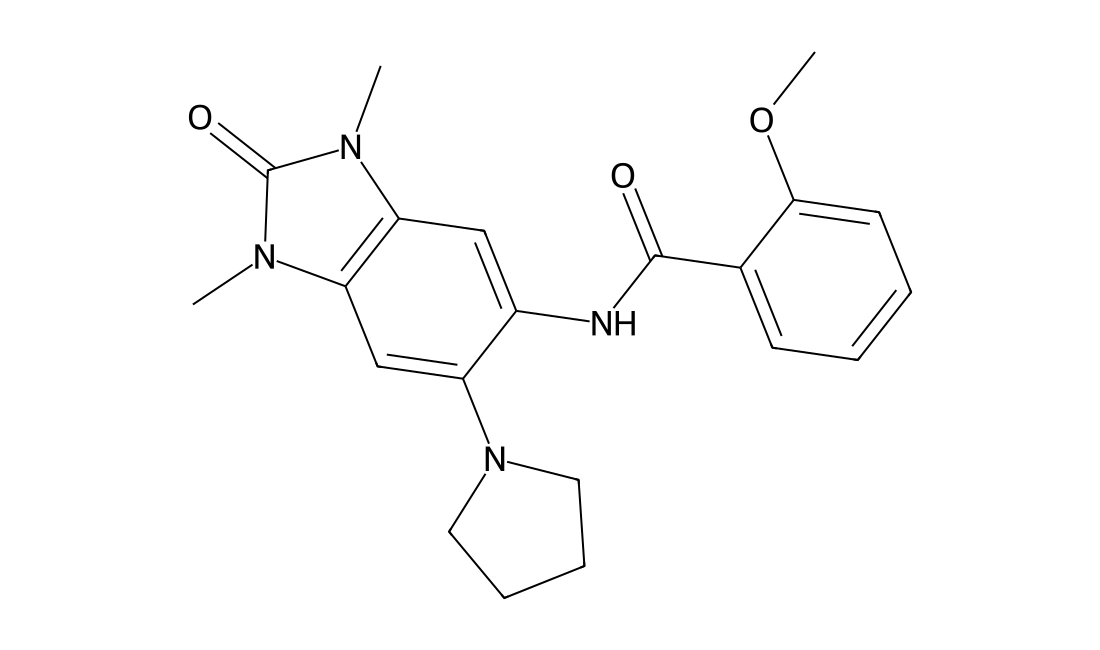
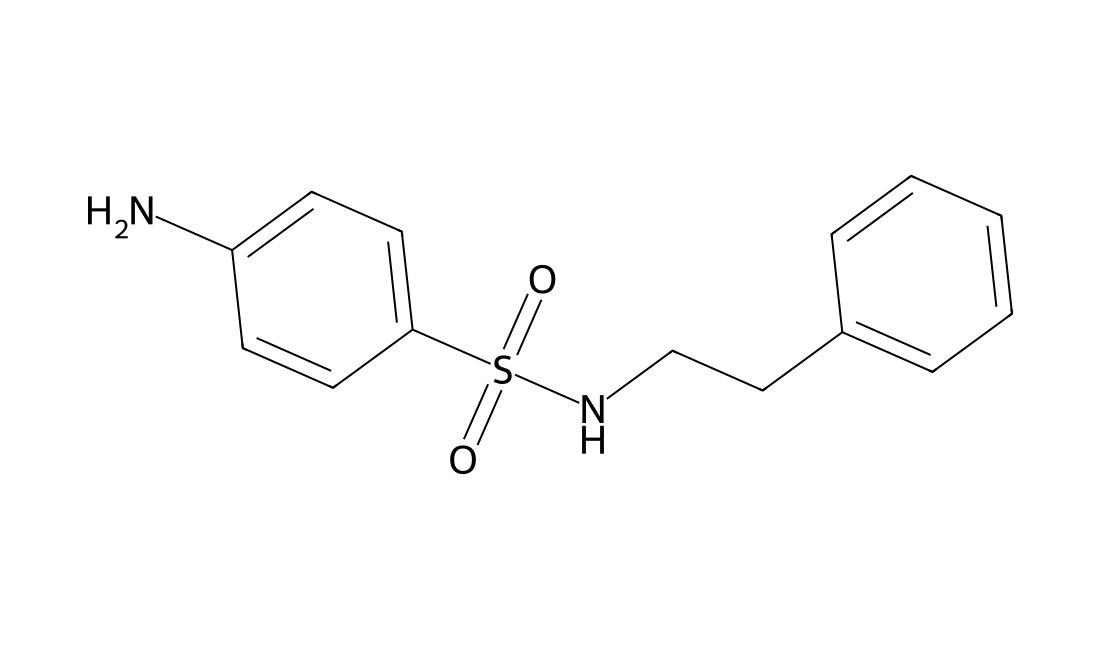
PZ-2891
CAS 2170608-82-7
PZ-2891 is an oral, allosteric, and brain penetrant pantothenate kinase (PANK) modulator, acting as both an orthosteric inhibitor (IC50=1.3 nM) and an allosteric activator of PANK3 activity in the presence of acetyl-CoA.
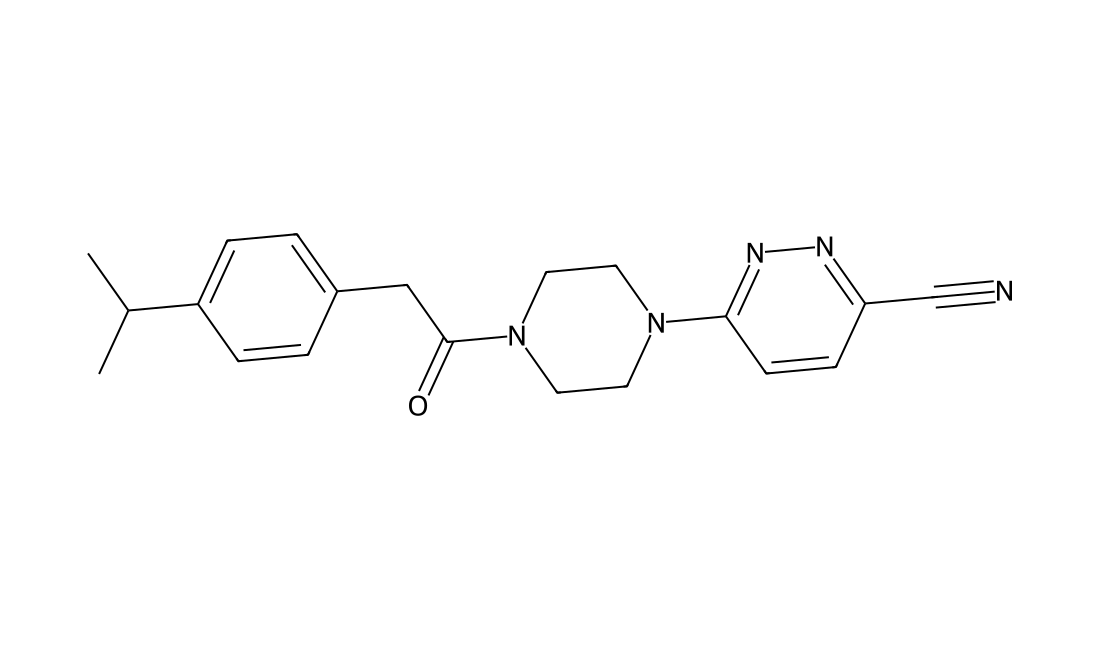
R1487
CAS 449811-92-1
R1487 is a p38 MAP kinase inhibitor with an IC50 of 10nM. It may have potential as a treatment for inflammatory diseases such as rheumatoid arthritis.
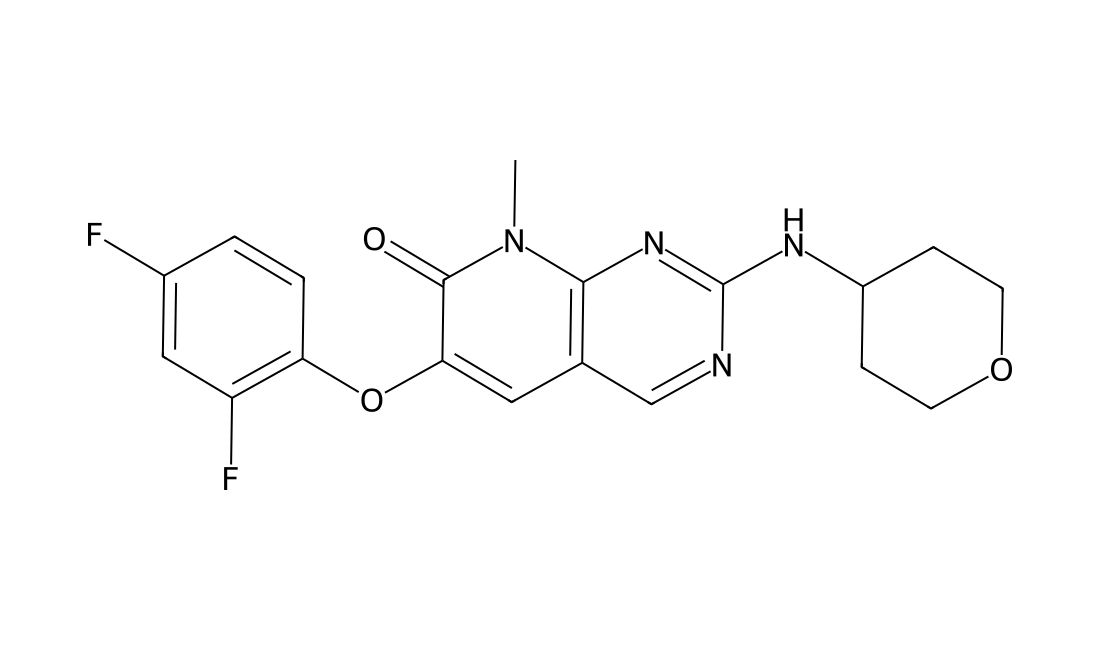
Ro 41-1049 hydrochloride
CAS 127500-84-9
Ro 41-1049 hydrochloride is a selective, reversible inhibitor of MAO-A.
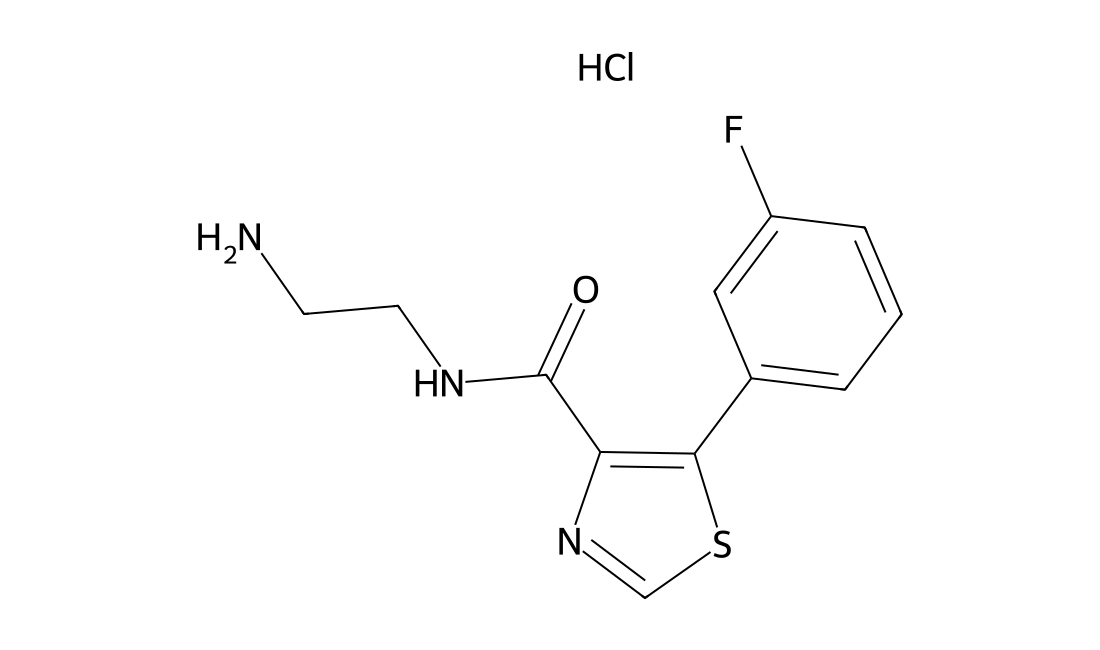
S1RA
CAS 878141-96-9
S1RA(E-52862) is a potent and selective sigma-1 receptor(σ1R, Ki=17 nM) antagonist, showed good selectivity against σ2R (Ki > 1000 nM).
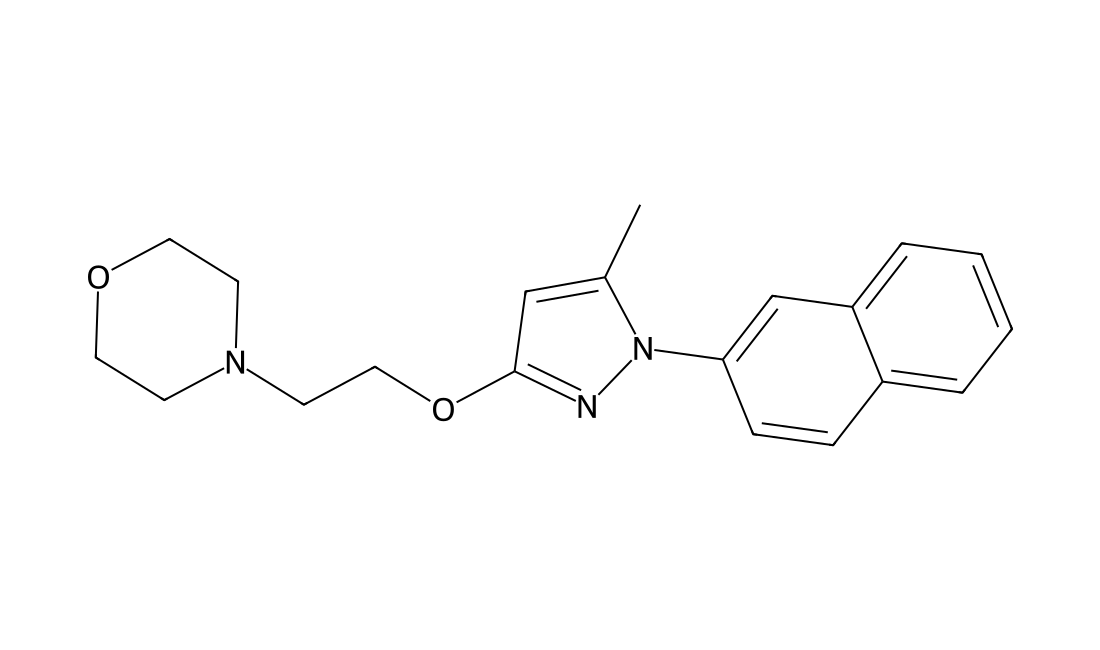
AZD-8931(Sapitinib)
CAS 848942-61-0
Sapitinib (AZD-8931) is a reversible, ATP competitive EGFR inhibitor of with IC50s of 4, 3 and 4 nM for EGFR, ErbB2 and ErbB3 in cells, respectively.
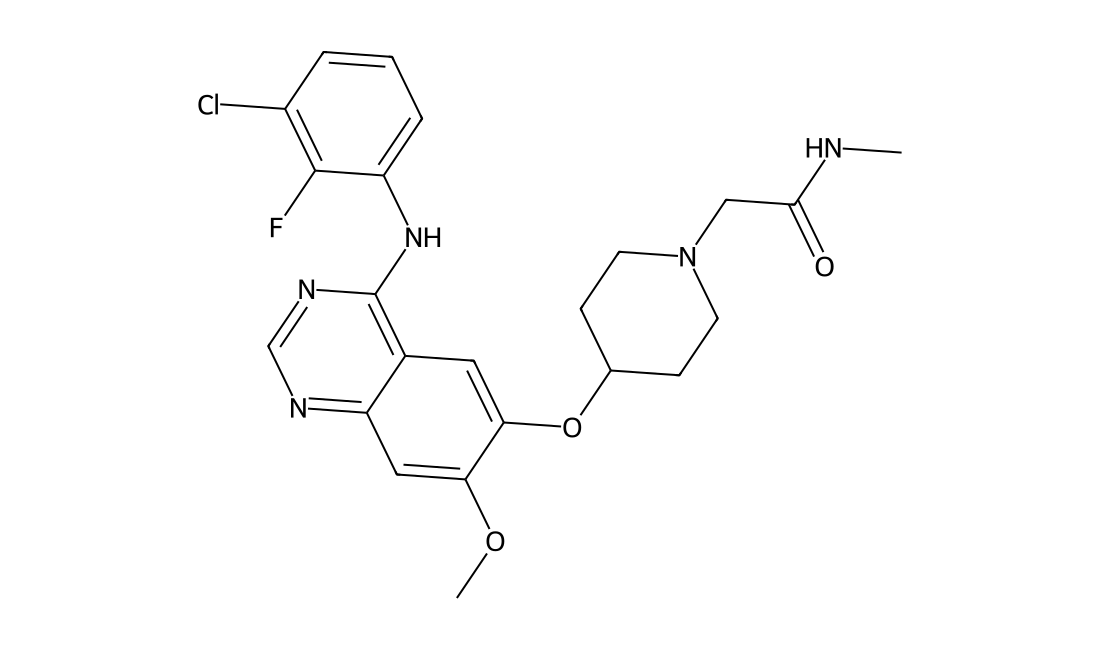
SGI-7079
CAS 1239875-86-5
SGI-7079 is an Axl inhibitor, significantly inhibits the proliferation of SUM149 or KPL-4 cells with an IC50 of 0.43 or 0.16 μM, respectively.
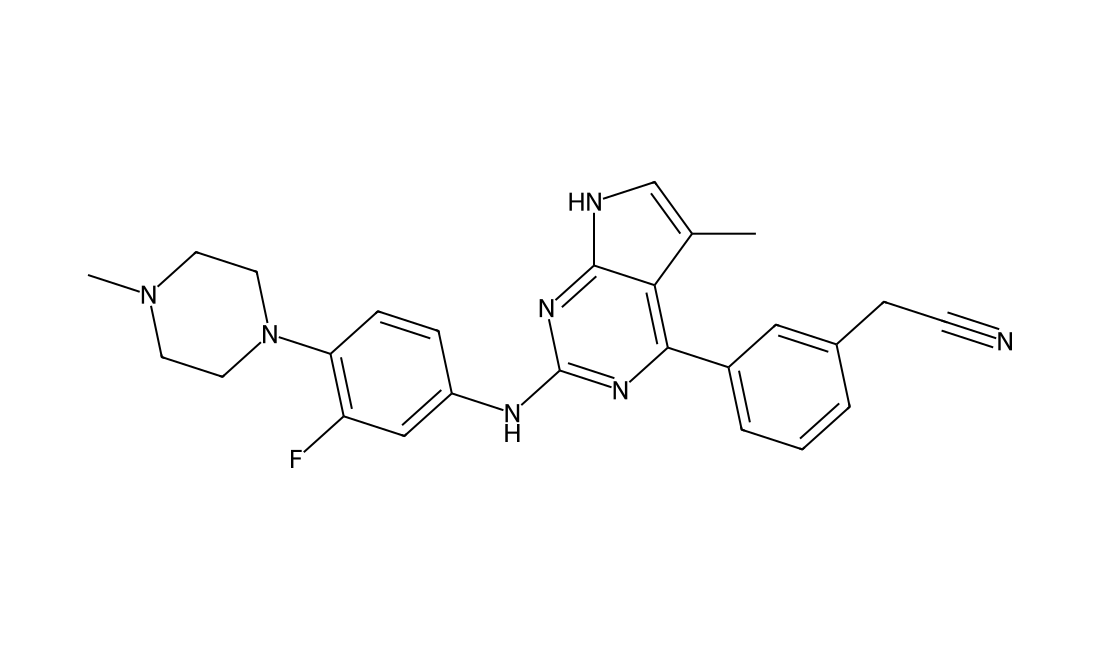
SH-4-54
CAS 1456632-40-8
SH-4-54 is a most potent, small molecule, nonphosphorylated STAT inhibitor, with KDs of 300, 464 nM for STAT3 and STAT5, respectively.
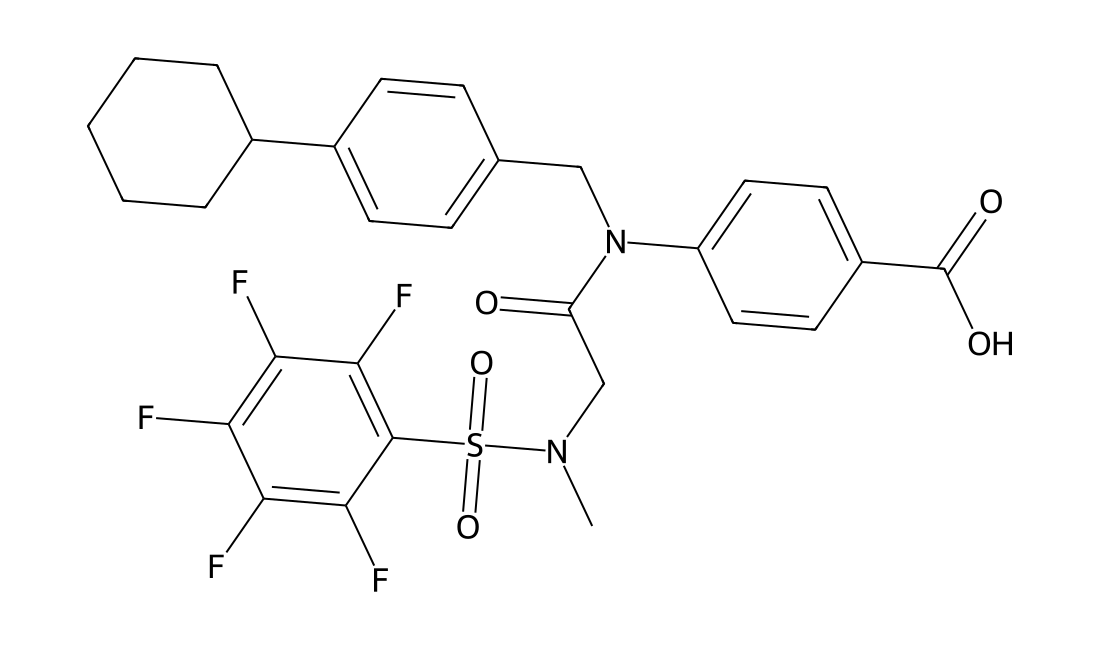
SH5-07
CAS 1456632-41-9
SH5-07 is a hydroxamic acid based Stat3 inhibitor with an IC50 of 3.9 μM in in vitro assay.
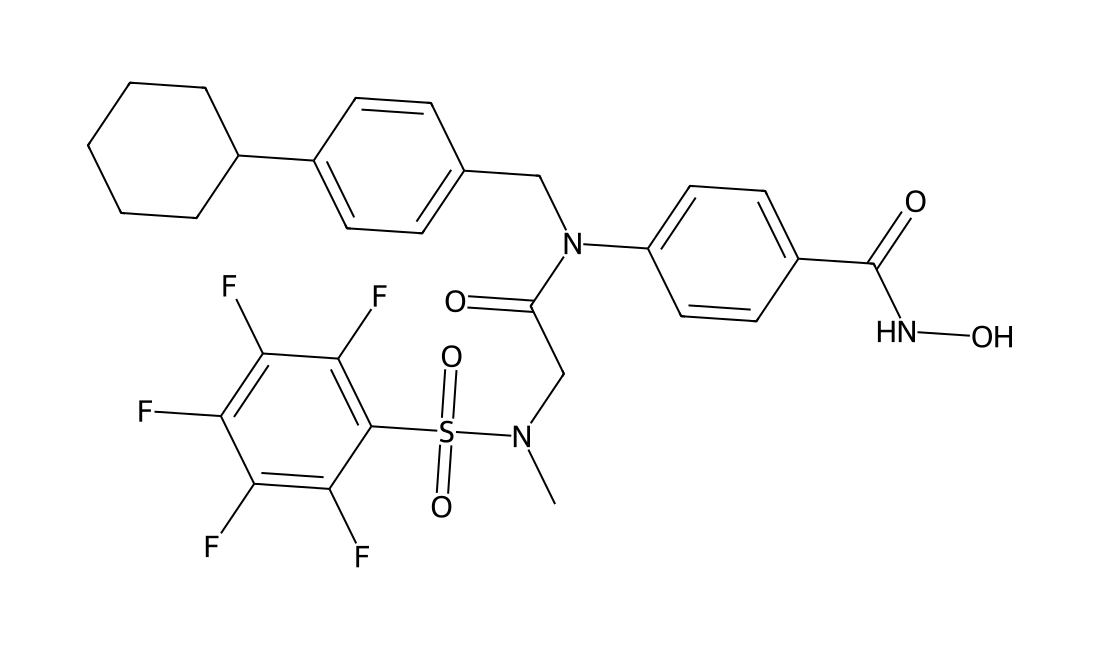
SHP099 free base
CAS 1801747-42-1
SHP099 is a potent, selective, orally available SHP2 inhibitor with an IC50 of 70 nM.
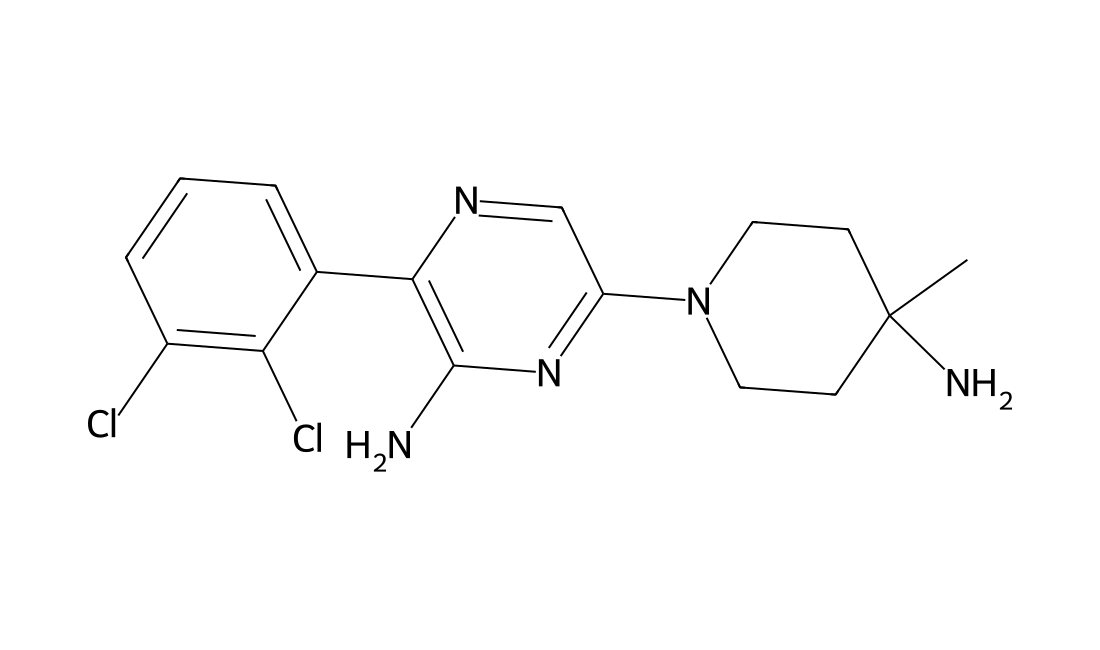
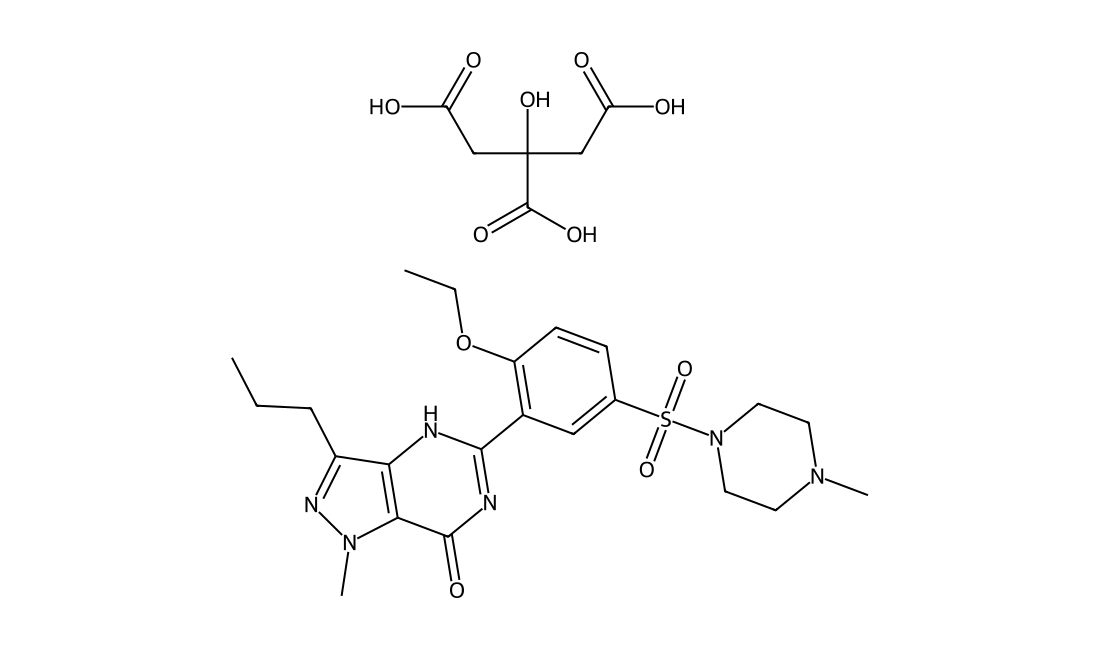
Sildenafil citrate
CAS 171599-83-0
Sildenafil citrate is a potent phosphodiesterase type 5 (PDE5) inhibitor with IC50 of 5.22 nM.
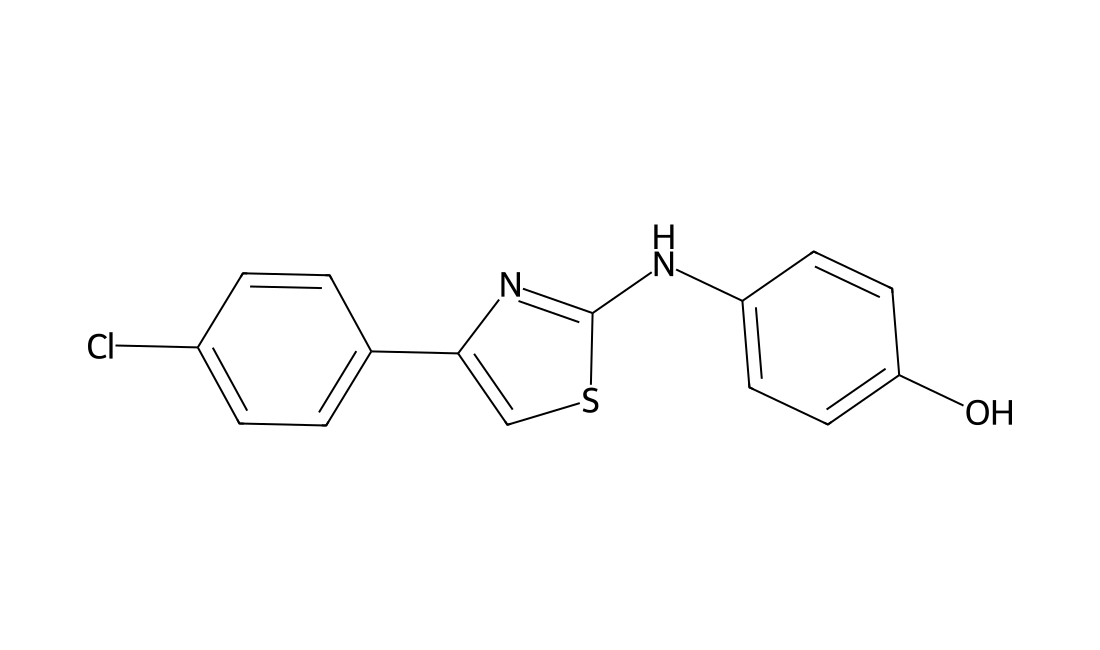
SphK-I2
CAS 312636-16-1
SKI-II is a synthetic inhibitor of sphingosine kinase (SK) activity with IC50 of 78 μM for SK1 and 45 μM for SK2.
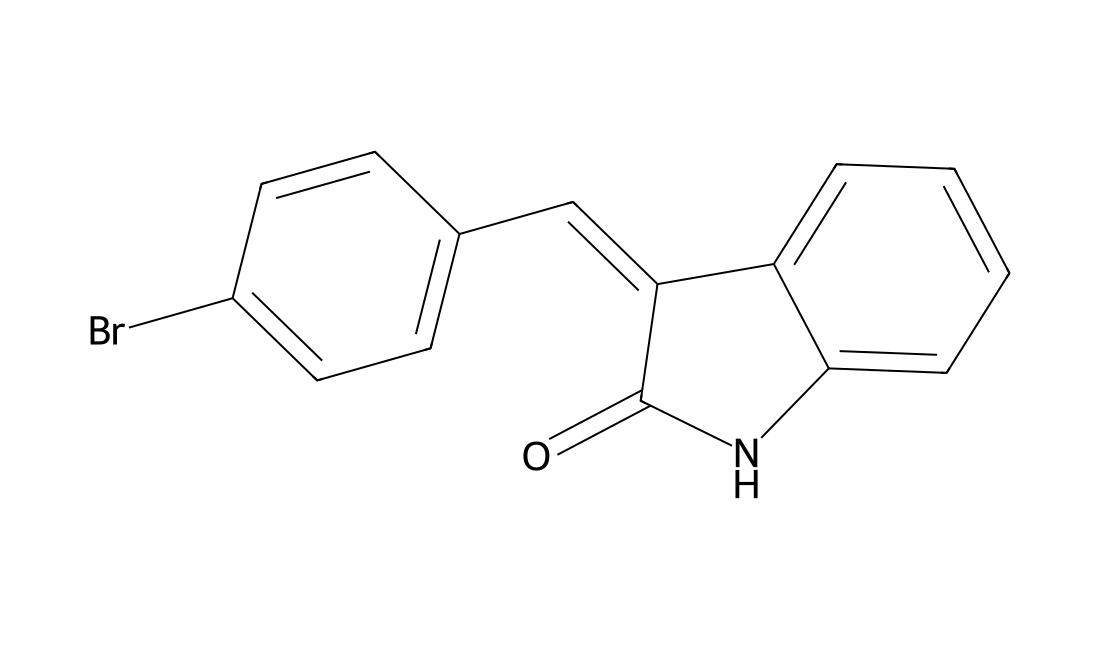
SU 4942
CAS 76086-99-2
SU-4942 is a tyrosine kinase signal signal modulator. SU-4942 inhibits VEGF- and endothelial cell growth factor (ECGF)-induced mitogenesis in endothelial cells (US5792783A)[1].
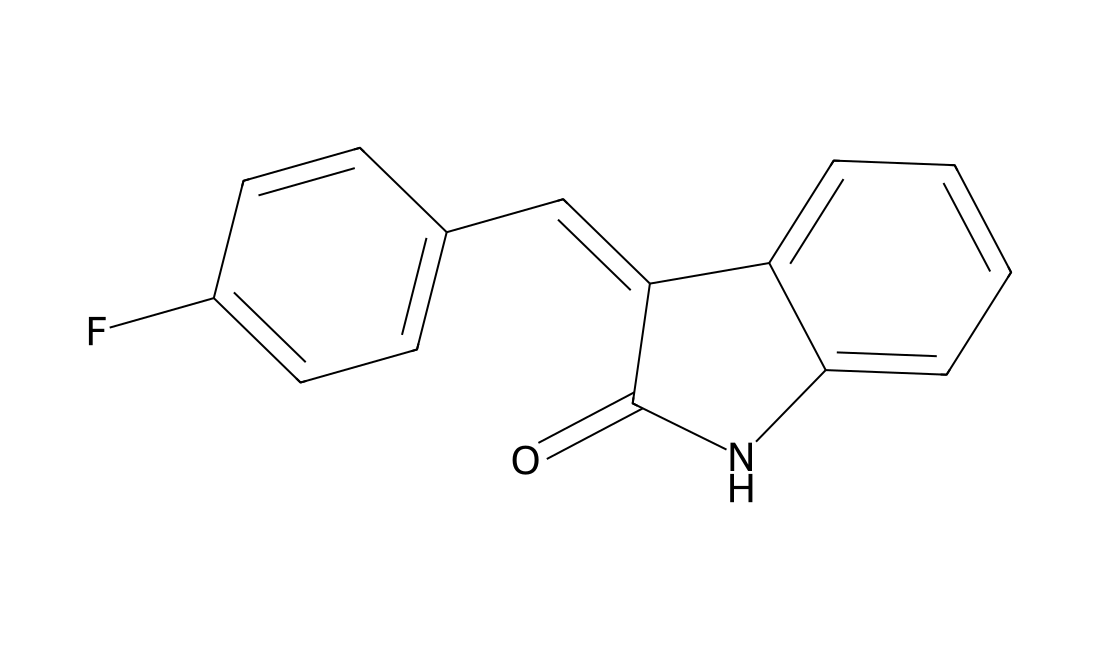
SUN11602
CAS 704869-38-5
SUN11602 is a novel aniline compound with basic fibroblast growth factor-like activity.
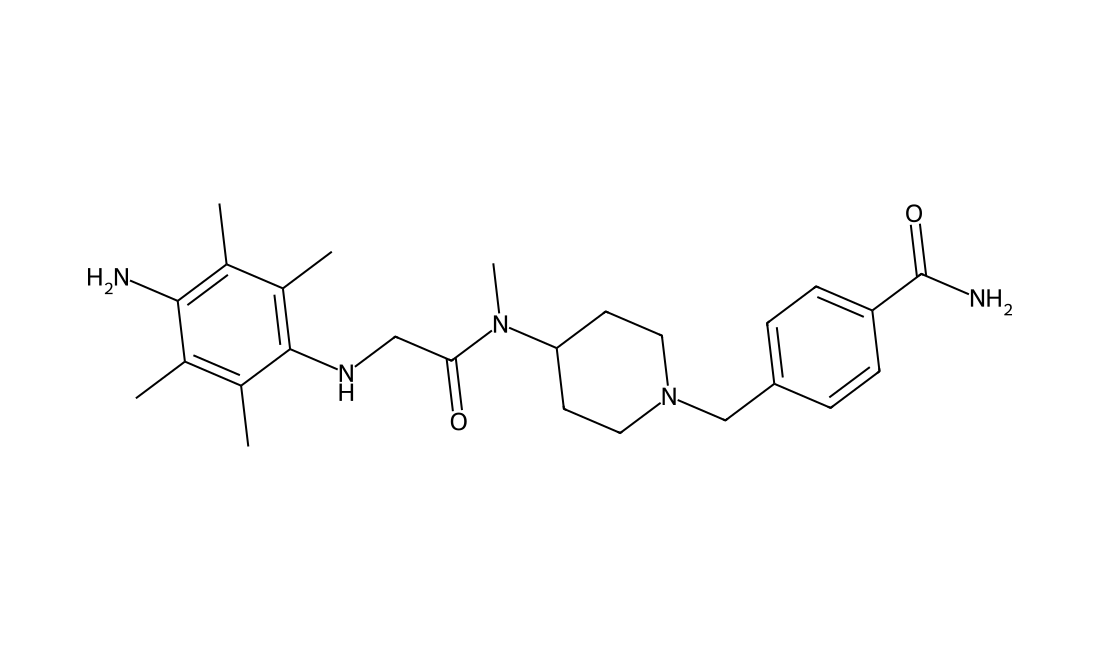
Sunitinib base
CAS 557795-19-4
Sunitinib (SU 11248) is a multi-targeted receptor tyrosine kinase inhibitor with IC50s of 80 nM and 2 nM for VEGFR2 and PDGFRβ, respectively.
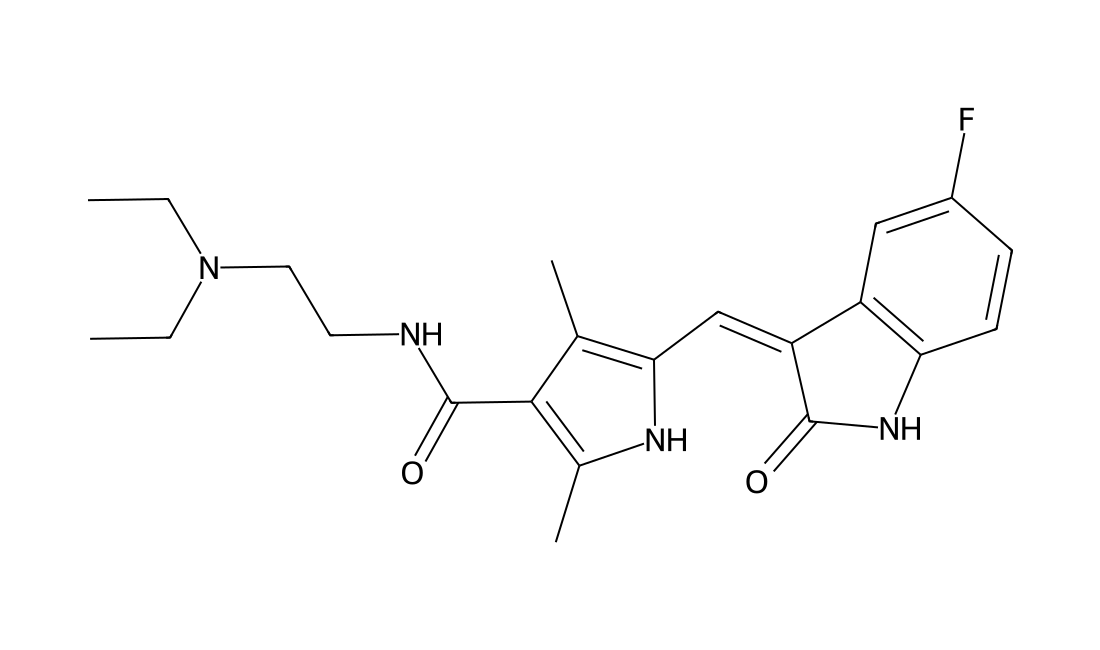
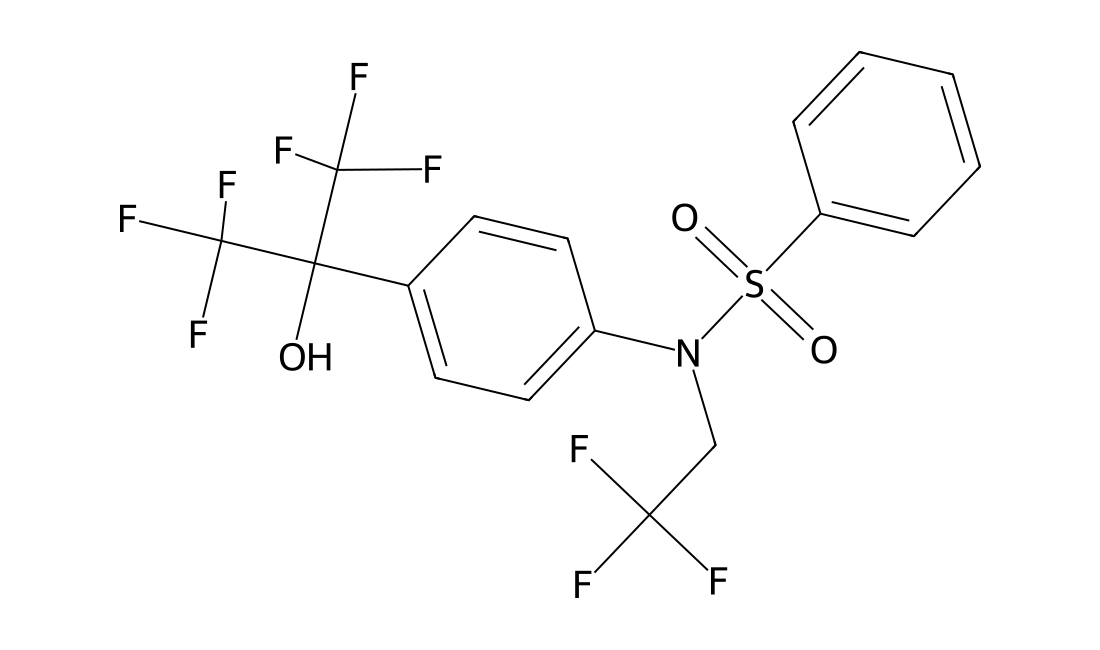
T0901317
CAS 293754-55-9
T0901317 is a potent and selective agonist for LXR and FXR, with EC50s of 50 nM and 5 μM, respectively.
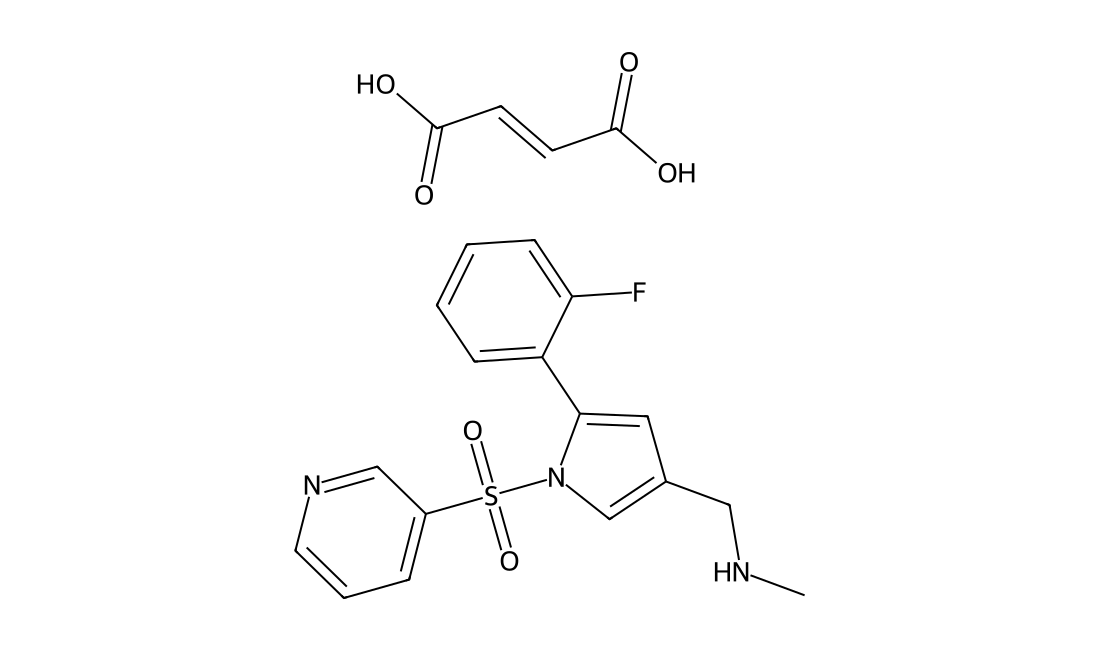
TAK-438
CAS 1260141-27-2
TAK-438 is an orally active potassium-competitive acid blocker which inhibits H+, K+-ATPase activity with an IC50 of 19 nM.
Browse target & topic index A–Z (366)
11β-HSD (1)15-PGDH (2)5-HT Receptor (16)Acetyl-CoA Carboxylase (ACC) (3)Acetylcholinesterase (AChE) (2)Ack1 (TNK2) (1)Acyltransferase (1)ADC Cytotoxin (6)ADCs Linker/Click Chemistry (5)Adenosine Receptor (9)Adenylate Cyclase (2)Adrenergic Receptor (11)Akt (12)Alcoholism (2)Aldehyde Dehydrogenase (ALDH) (6)Allergy (5)Alzheimer Disease (13)Aminopeptidase (1)AMPK (8)Amyloids (4)Anaplastic Lymphoma Kinase (ALK) (9)Androgen Receptor (AR) (11)Anemia (4)Angiotensin Receptor (4)Antibody/Protein labeling dyes (1)Antifolate (2)Anxiety (1)Apoptosis Inducer (3)Arginase (1)Arp2/3 complex (1)Aryl hydrocarbon Receptor (AhR) (1)Asthma (5)Atherosclerosis (2)ATM/ATR (8)Aurora Kinase (10)Autophagy (6)Autophagy-related Protein (Atg) (2)Autotaxin (2)Bacterial (26)Bacterial Infection (17)Bcl-2 (14)Bcr-Abl (5)BCRP (1)Beta-catenin (4)Beta-secretase (BACE) (4)Blood Cancer (91)BMI-1 (1)Bone Cancer (6)Brain Cancer (6)Breast Cancer (30)Bromodomain (22)BTK (10)c-Fms (CSF1R) (5)c-Fos/AP-1 (1)c-Kit (6)c-Met (HGFR) (11)c-Myc (2)Calcium Channel (4)Calcium-sensing Receptor (CaSR) (1)CaMK (4)Cannabinoid Receptor (6)Carbonic Anhydrase (1)Carboxypeptidase (1)Casein Kinase (6)Caspase (4)Cathepsin (6)Cdc2-like Kinase (CLK) (1)CETP (2)CFTR (7)Checkpoint Kinase (Chk) (8)Chemokine Receptor (CCR and CXCR) (14)Chemotherapeutic Agents (19)Chloride Channel (1)CMV (2)CMV Infection (2)Colon Cancer (9)Complement System (1)COPD (3)CREB/CBP (2)CRF Receptor (2)CRISPR/Cas9 (1)Cushing Disease (1)Cyclin-dependent Kinase (CDK) (39)Cyclooxygenase (COX) (4)Cytochrome P450 (CYPs) (5)Depression (2)Dermatitis (2)Deubiquitinase (DUB) (7)Diabetes (20)Dipeptidyl Peptidase (DPP) (3)Discoidin Domain Receptor (DDR) (1)DNA Alkylator/Crosslinker (10)DNA Methyltransferase (DNMT) (1)DNA Repair Protein (1)DNA-PK (2)DNA/RNA Synthesis (5)Dopamine beta-hydroxylase (1)Dopamine Receptor (7)Drug Metabolite (1)Drug-Linker Conjugates (11)Dyes (4)DYRK (1)Dyslipidemia (9)E3 Ligase Ligand (6)E3 Ligase Ligand-Linker Conjugate (1)E3 Ubiquitin Ligase (4)Ebola Virus Infection (1)EGFR (32)Elastase (2)Endothelin Receptor (5)Enzymes substrates (13)Epigenetic Reader Domain (3)Epilepsy (4)ERK (4)Estrogen Receptor/ERR (13)Eukaryotic Initiation Factor (eIF) (2)Exportin-1 (CRM1,XPO1) (2)FABP (1)Factor Xa (5)Farnesoid X Receptor (FXR) (5)Farnesyl transferase (FTase) (1)Ferroptosis (6)FGFR (20)Fibrosis (5)FLT3 (6)Focal Adhesion Kinase (FAK) (11)Foxo1 (1)Free Fatty Acid Receptor (FFAR) (5)Fungal (2)Fungal Infection (1)GABA Receptor (13)Galectin (1)Gastric Cancer (8)Ghrelin Receptor (GHSR) (3)Glucagon Receptor (4)Glucokinase (2)Glucose Transporter (GLUT) (2)Glutamate Transporter (2)GPCR (1)GPER (GPR30) (1)GPR139 (1)GPR183 (EBI2) (2)GPR39 (1)GPR55 (1)GPR84 (1)GRK (GPCRK) (2)Growth Hormone Deficiency (2)GSK-3 (8)Guanylate Cyclase (3)HBV (1)HBV Infection (1)HCN Channel (2)HCV (8)HCV Infection (9)HDAC (38)Heart Arrhythmia (2)Heart Failure (5)Heat Shock Protein (HSP) (15)Hedgehog (Hh) (1)HIF/HIF Prolyl-hydroxylase (8)Histamine Receptor (6)Histone Acetyltransferase (HAT) (5)Histone Demethylase (11)Histone Methyltransferase (HMTase) (31)HIV (12)HIV Infection (11)HMG-CoA Reductase (HMGCR) (3)HSV (1)HSV Infection (1)Hypercholesterolemia (1)Hyperparathyroidism (1)Hypertension (8)IAP (1)IGF-1R (3)iGluR (15)Indoleamine 2,3-Dioxygenase (IDO) (4)Infection (1)Influenza (6)Influenza Virus (6)Insulin Receptor (2)Integrin (6)Interleukin Receptor (1)IRAK (2)IRE1 (4)Irritable Bowel Syndrome (2)Ischemia (1)Isocitrate Dehydrogenase (IDH) (5)ITK (1)IκB kinase (IKK) (7)JAK (32)JNK (3)Keap1-Nrf2 (6)Kidney Cancer (10)Kinesin (5)Kruppel-like Factor (KLF) (1)Kynurenine 3-Monooxygenase (KMO) (1)Leukotriene Receptor (1)LIM Kinase (LIMK) (3)Lipids fragment (1)Liver Cancer (6)Liver X Receptor (LXR) (3)LRRK2 (9)Lung Cancer (39)Lysophospholipid Receptor (12)LYTACs (3)mAChR (9)MALT1 (2)MAP4K (1)Matrix Metalloproteinase (MMP) (10)MDM2-p53 (9)MEK (MAP2K) (14)MEKK (MAP3K) (1)Melanocortin Receptor (2)MELK (1)mGluR (7)MicroRNA (1)Microtubule/Tubulin (5)Mineralocorticoid Receptor (MLR) (1)MITF (1)Mixed Lineage Kinase (MLK) (3)MNK (2)Molecular Glues (21)Monoamine Transporter (5)Monocarboxylate Transporter (MCT) (1)Monopolar Spindle 1 (Mps1/TTK) (3)mTOR (13)Multiple Sclerosis (6)Myosin (1)Na-K-Cl Cotransporter (NKCC) (2)nAChR (2)NADPH Oxidase (NOX) (2)NAMPT (3)Natural products (37)Neprilysin (1)Neurokinin Receptor (3)Neuropeptide Y Receptor (3)NF-κB (5)Nitric Oxide Synthase (NOS) (1)NOD-like Receptor (NLR) (3)Notch (2)Nucleoside Antimetabolite/Analog (10)Nur77 (NR4A1) (1)Obesity (1)Oct3/4 (1)Opioid Receptor (5)Orexin Receptor (7)Osteoporosis (2)Ovarian Cancer (14)Oxytocin Receptor (OXTR) (2)P-glycoprotein (P-gp) (3)p21-activated Kinase (PAK) (1)P2X Receptor (2)P2Y Receptor (1)p38 MAPK (10)p97/VCP (1)Pain (12)Pancreatic Cancer (10)Parasite (5)Parasite Infection (2)Parkinson Disease (2)PARP (19)PCSK9 (1)PD-1/PD-L1 (4)PDGFR (4)PDK1 (2)PEGn (1)PERK (2)PGE synthase (2)Phosphodiesterase (PDE) (9)Phospholipase (4)PI3K (32)PI4K (2)Piezo Channel (1)PIKfyve (3)Pim (9)PKC (12)PKD (1)Plasminogen Activator Inhibitor-1 (PAI-1) (3)Polo-like Kinase (PLK) (4)Porcupine (3)Potassium Channel (13)PPAR (13)Pregnane X Receptor (PXR) (1)Progesterone Receptor (2)Prostaglandin Receptor (11)Prostate Cancer (7)PROTACs (35)Protease-activated Receptor (PAR) (3)Proteasome (12)Protein Disulfide Isomerase (PDI) (1)Protein Phosphatase/PTP (6)Proton Pump (1)Psoriasis (5)RAD51 (1)Radioligand precursors (15)Raf (18)RAR/RXR (3)Ras (17)Renin (2)RET Tyrosine Kinase (c-RET) (3)Rheumatoid Arthritis (16)Ribosomal S6 Kinase (RSK) (5)RIG-I-like Receptor (RLR) (2)RIP kinase (7)ROCK (12)ROR (2)RSV (4)RSV Infection (3)RUNX1-CBFβ (1)S-nitrosoglutathione reductase (GSNOR) (1)Saccharides and Glycosides (1)Salt Inducible Kinase (SIK) (2)SARS-CoV (16)SARS-CoV Infection (34)Schizophrenia (4)Sexual Dysfunction (1)SGLT (4)Sigma Receptor (4)Sirtuin (9)Skin Cancer (13)Sleep Disorder (7)SMN2 Modulator (1)Smoothened (Smo) (9)Sodium Channel (12)Solid Tumors (35)Somatostatin Receptor (2)Sphingosine kinase (SphK) (2)Src (7)STAT (5)Stearoyl-CoA Desaturase (SCD) (1)Steatohepatitis (7)Sterol lipids (1)STING (14)Syk (6)T Cell Receptor (TCR) (1)TAK1 (2)TAM Receptor (Tyro3-Axl-Mer) (4)Taste Receptor (1)Telomerase (2)TGF beta Receptor (TGFBR) (12)Thrombin (3)Thrombosis (13)Thyroid Cancer (1)Thyroid Hormone Receptor (THR) (1)Thyrotropin Receptor (2)TNIK (1)Toll-like Receptor (TLR) (2)TOPK (1)Topoisomerase (11)TRAIL (1)Translocator Protein (TSPO) (1)Trk Receptor (4)TRP Channel (13)Tryptophan Hydroxylase (TPH) (1)Ubiquitin-activating Enzyme (E1) (2)Ubiquitin-conjugating Enzyme (E2) (2)Ulcer (1)ULK (3)Vasopressin Receptor (2)VEGFR (25)Vitamin D Receptor (VDR) (3)Wee1 (1)WNK Kinase (1)Wnt (5)Yes-associated Protein (YAP) (4)γ-secretase (5)