
Small Molecule Research Tools
Explore bioactive compounds by research category, then narrow your search by target, product name, catalog number or CAS.
Newly added: LC-MG and OXF molecular glue research compounds →
Browse by research category
Products may appear in more than one category. Counts refer to distinct catalog numbers within each category.
Kinases & Cell Signaling1,548 products →941 products →Epigenetics & Gene Regulation410 products →277 products →DNA Damage, Repair & Cell Cycle342 products →228 products →Cell Death & Autophagy233 products →117 products →Protein Degradation & Proteostasis252 products →181 products →Immunology & Inflammation515 products →297 products →Neuroscience793 products →363 products →GPCRs & Receptor Biology1,219 products →428 products →Ion Channels & Transporters373 products →196 products →Metabolism & Endocrinology697 products →404 products →Cardiovascular & Hematology264 products →141 products →Anti-infectives453 products →205 products →Cancer Research1,049 products →535 products →ADCs & Bioconjugation61 products →38 products →Probes & Assay Reagents150 products →82 products →Natural Products424 products →73 products →Cell Biology & Intracellular Transport181 products →61 products →
Other Research Tools (75) · Additional reagents, building blocks and specialized research tools.
New literature-derived products
LC-MG-1 (DCA0006) · LC-MG-4 (DCA0007) · LC-MG-9 (DCA0008)
View structure and evidence summaries →All small molecule products
Combine a keyword, research category and target to narrow the product list.
Loading catalog filters…
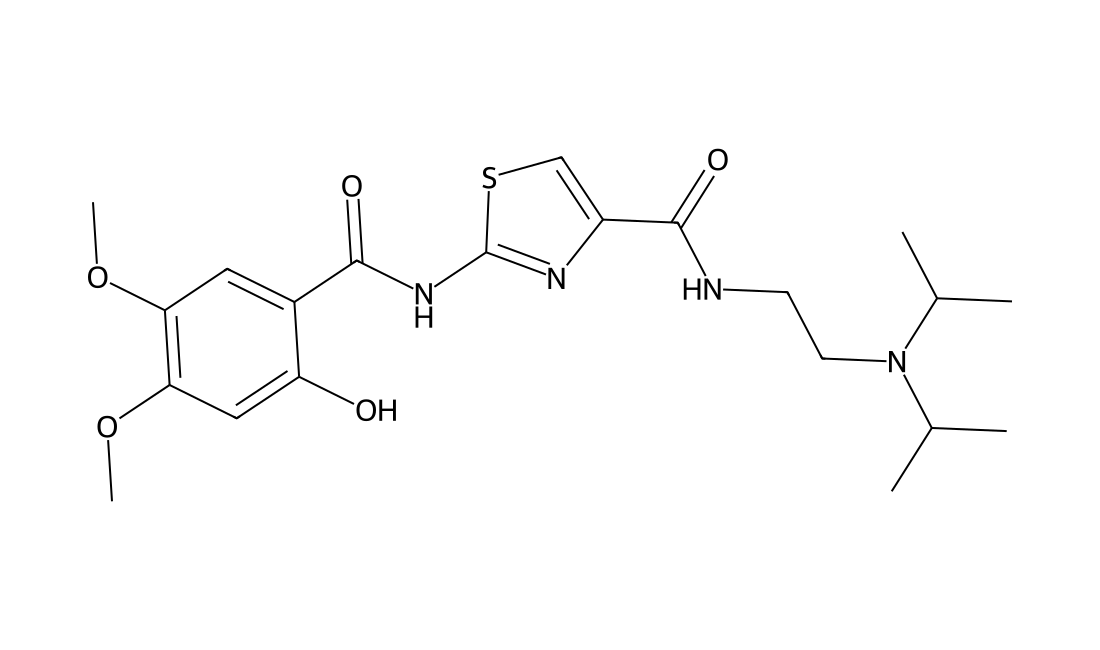
Adjudin (AF-2364)
CAS 252025-52-8
Adjudin is an extensively studied male contraceptive with a superior mitochondria-inhibitory effect. Adjudin is also a potent Cl- channel blocker.
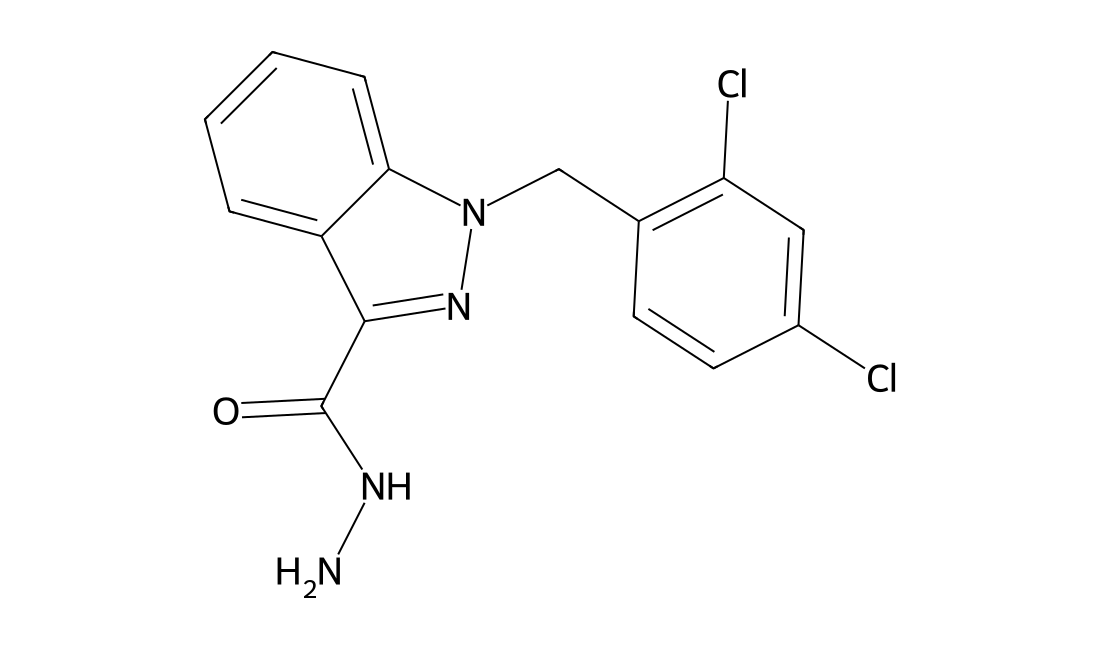
PKM2 inhibitor(compound 3k)
CAS 94164-88-2
PKM2 inhibitor(PKM2-IN-1) is a pyruvate kinase M2 (PKM2) inhibitor with an IC50 of 2.95 μM.
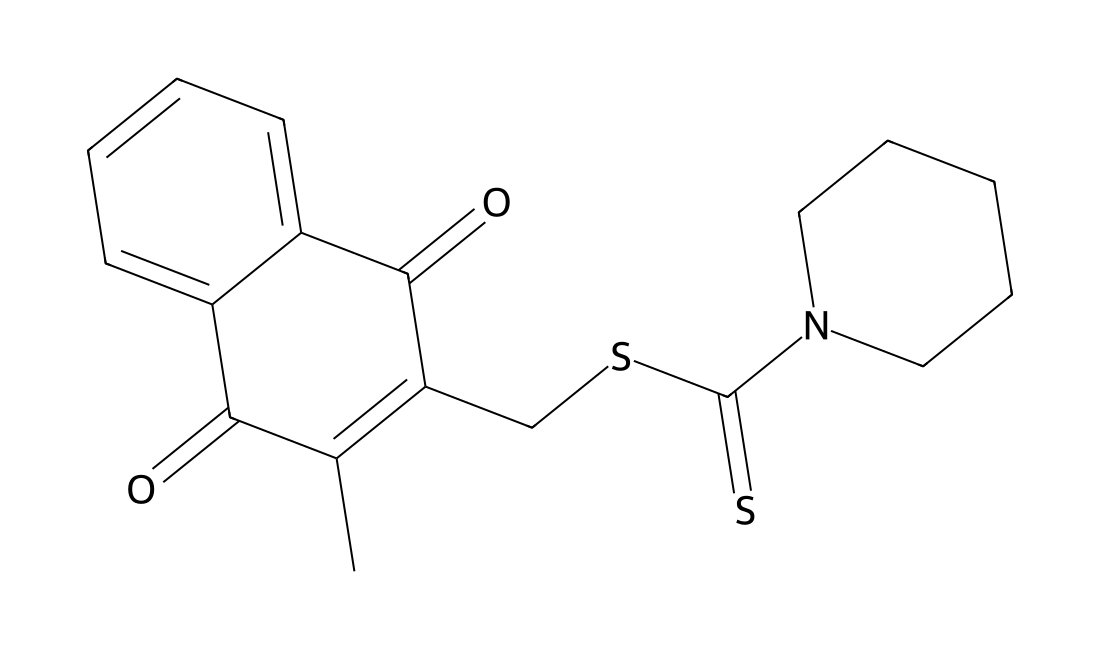
BC-1258
CAS 1507370-40-2
BC-1258, an F-box/LRR-repeat protein 2 (FBXL2) activator, can stabilize and upregulate FBXL2 levels. BC-1258 induces apoptosis of tumorigenic cells, and profoundly inhibits tumor formation in mice[1].
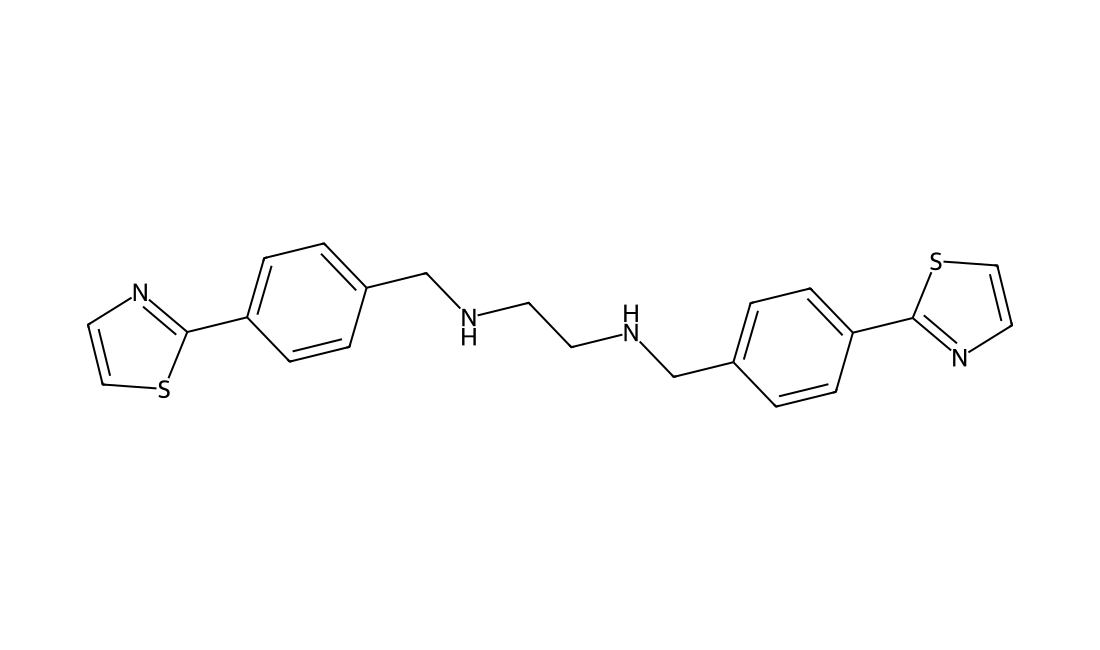
AZD-3463
CAS 1356962-20-3
AZD-3463 is an ALK/IGF1R inhibitor which overcomes multiple mechanisms of acquired resistance to crizotinib.
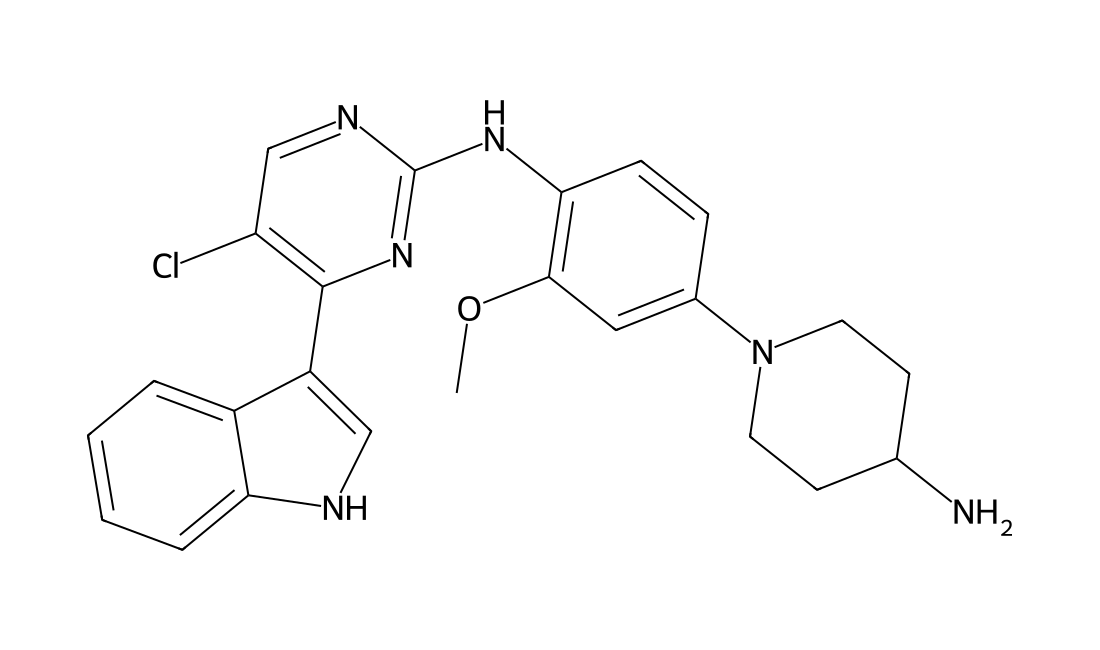
AZD-9291 mesylate (Osimertinib,Mereletinib)
CAS 1421373-66-1
Osimertinib mesylate (AZD-9291 mesylate) is an irreversible and mutant selective EGFR inhibitor with IC50s of 12 and 1 nM against EGFRL858R and EGFRL858R/T790M, respectively.
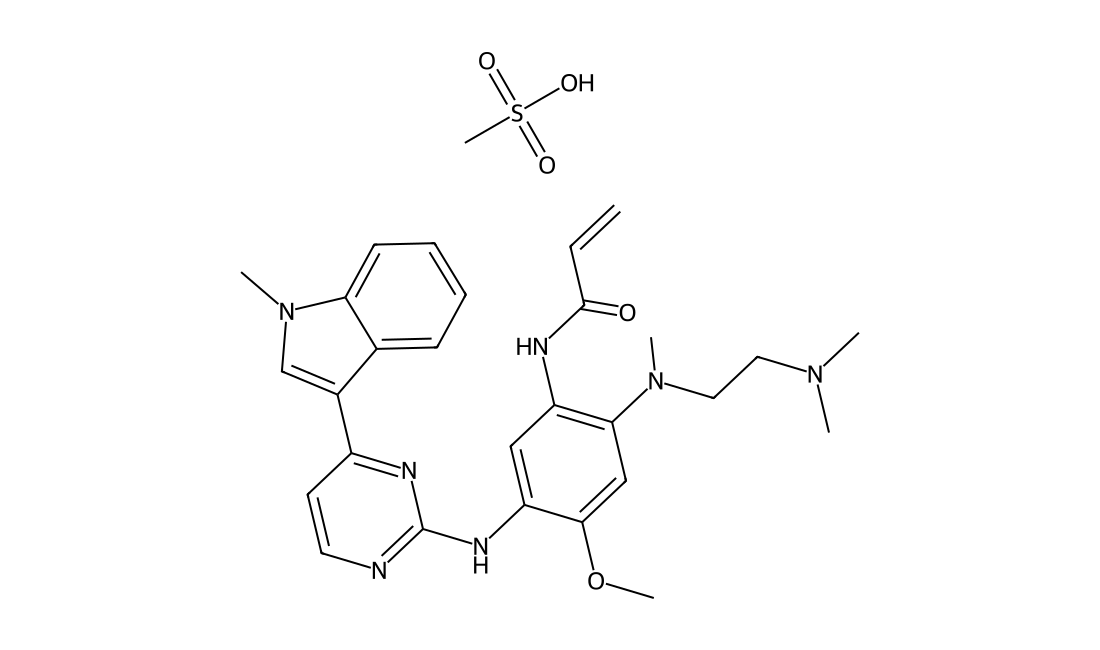
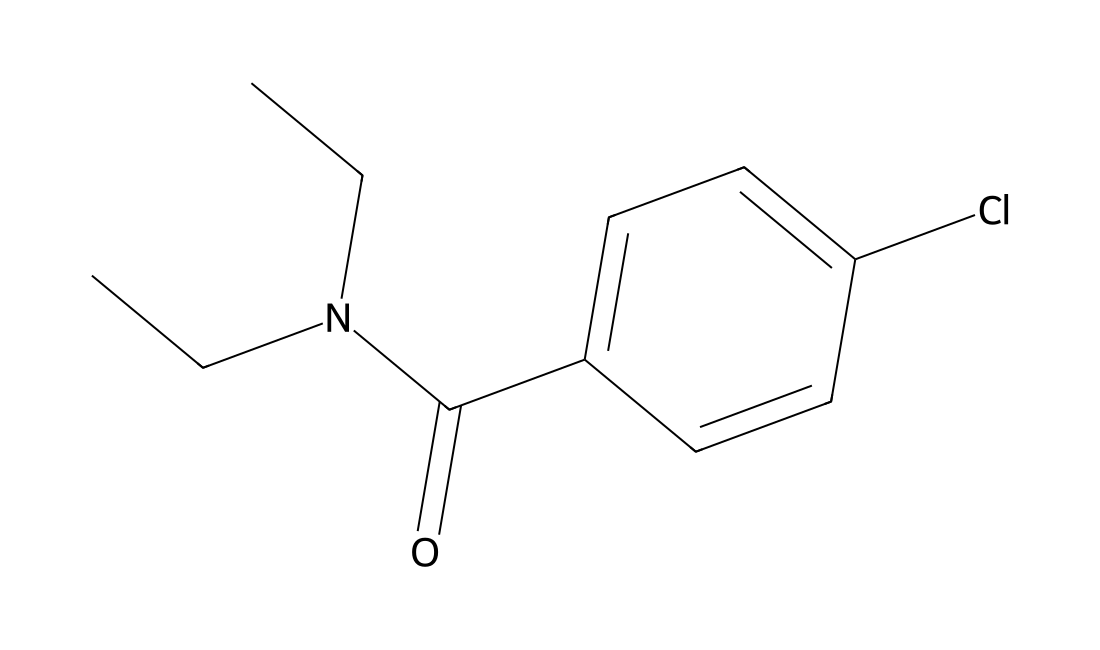
NVP-BEZ235 Tosylate
CAS 1028385-32-1
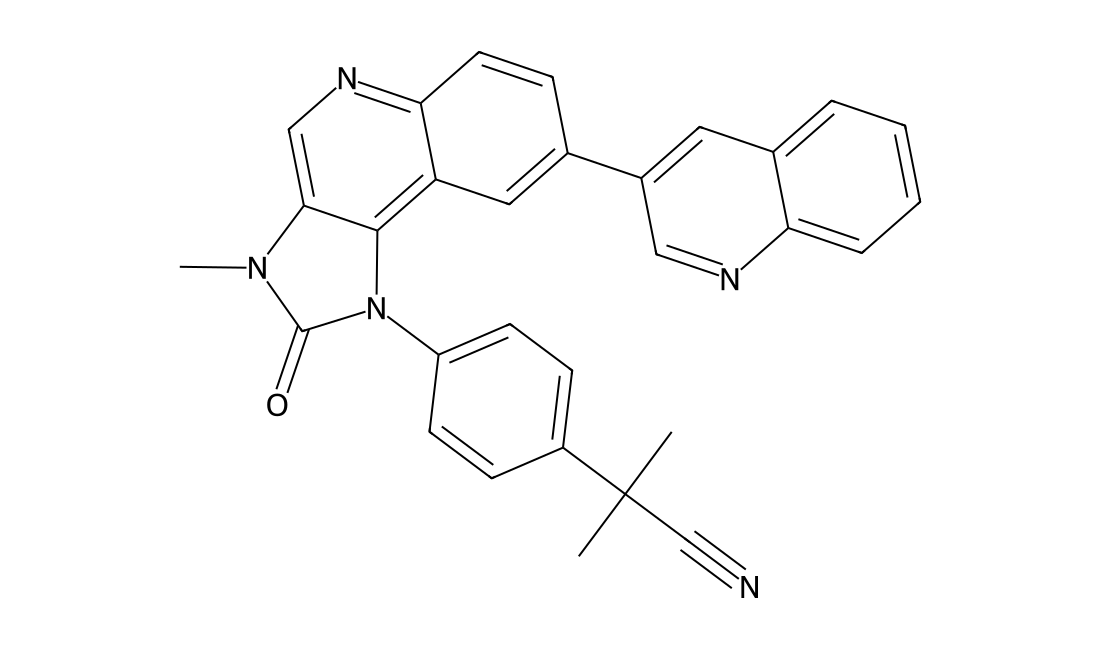
BEZ235 Tosylate is a dual PI3K and mTOR kinase inhibitor with IC50 values of 4, 75, 7, 5 nM for PI3Kα, β, γ, δ, respectively. BEZ235 inhibits mTORC1 and mTORC2.
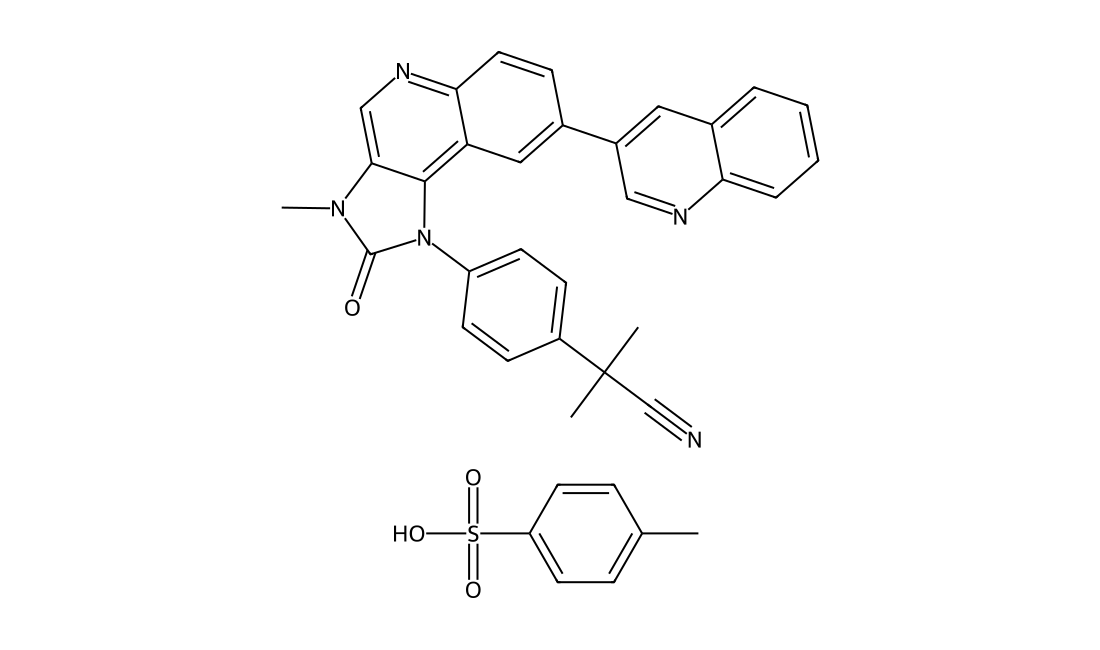
NVP-BEZ235
CAS 915019-65-7
BEZ235 is a dual pan-class I PI3K and mTOR kinase inhibitor with IC50s of 4 nM/5 nM/7 nM/75 nM, and 20.7 nM for p110α/p110γ/p110δ/p110β and mTOR, respectively. BEZ235 inhibits both mTORC1 and mTORC2.
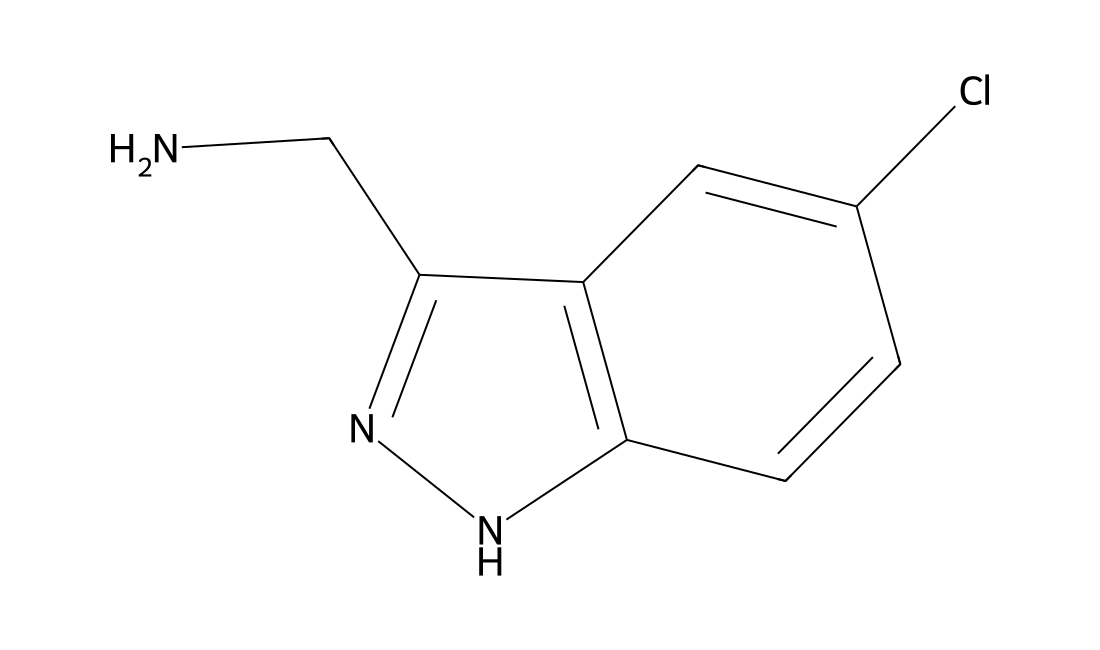
BM212
CAS 146204-42-4
BM212 exerts bactericidal activity against intracellular bacilli residing, completely inhibits the intracellular mycobacteria.
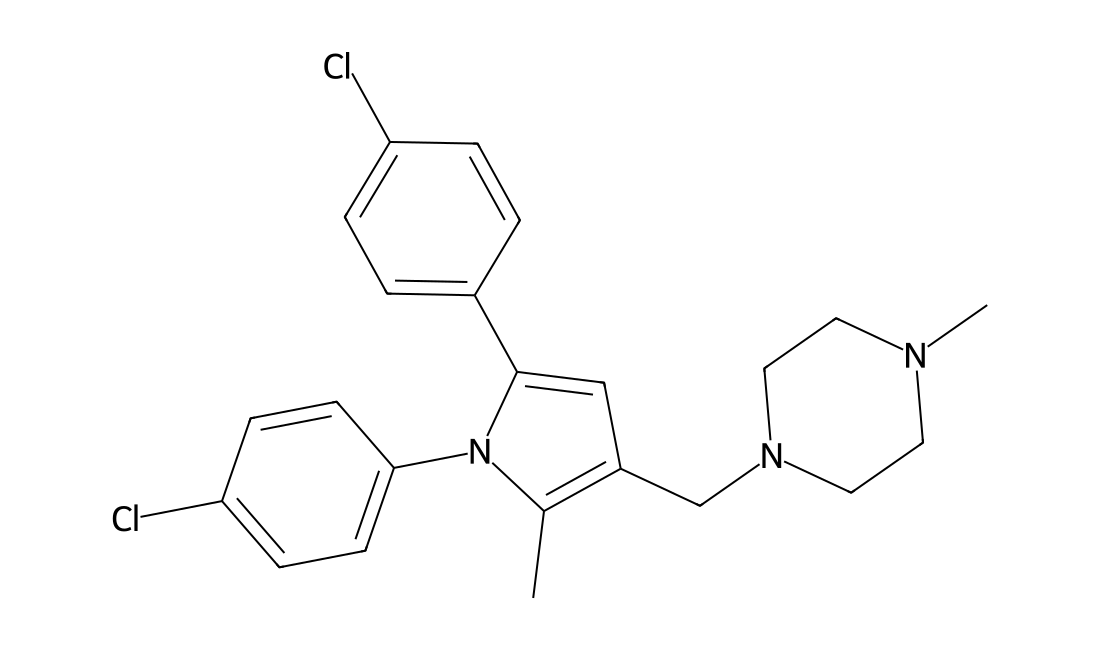
BML-190
CAS 2854-32-2
BML-190(IMMA) is a potent and selective CB2 receptor ligand (Ki values are 435 nM and > 2 μM for CB2 and CB1 respectively).
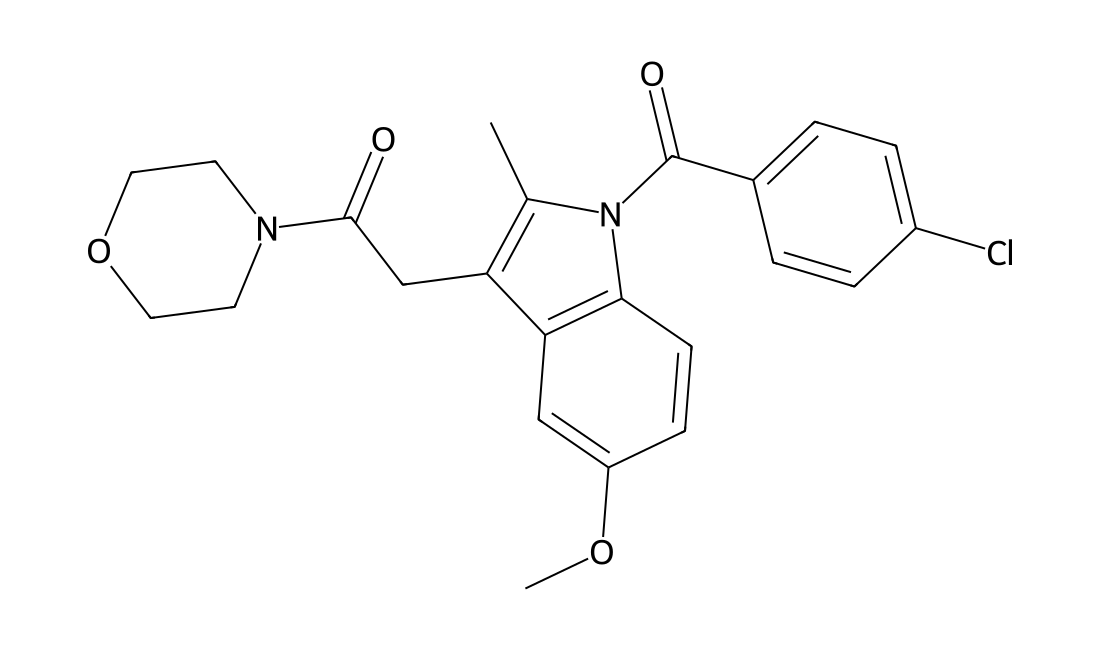
BML-277
CAS 516480-79-8
BML-277 is a selective checkpoint kinase 2 (Chk2) inhibitor with an IC50 of 15 nM.
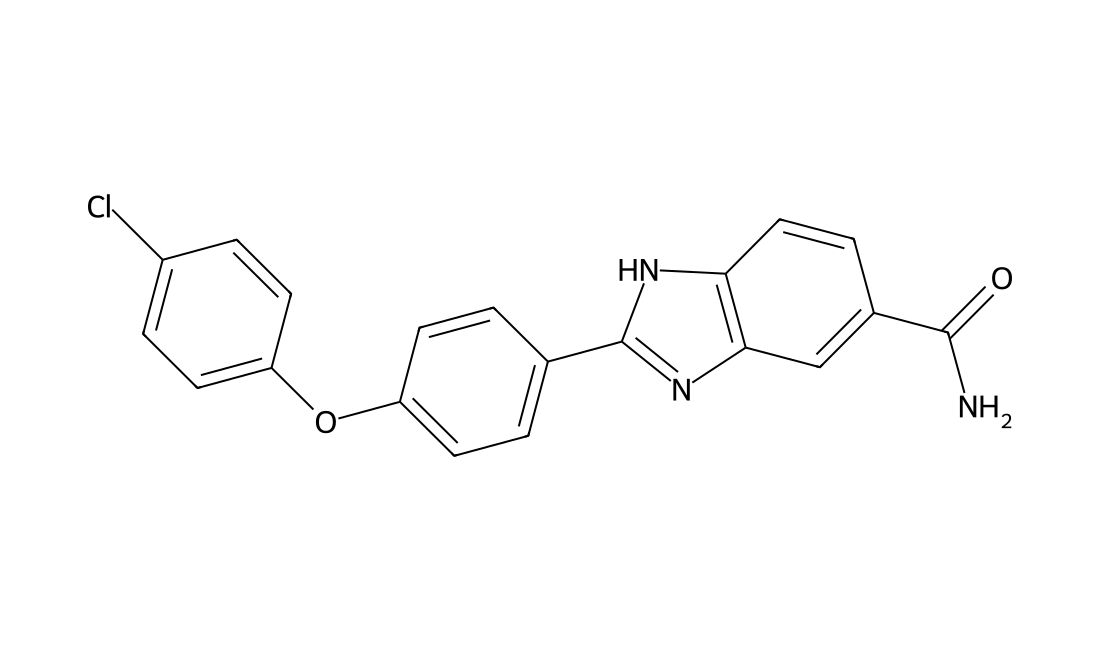
BMS-817378 free base
CAS 1174161-69-3
BMS-817378 is a prodrug of the dual Met/VEGFR-2 inhibitor BMS-794833.
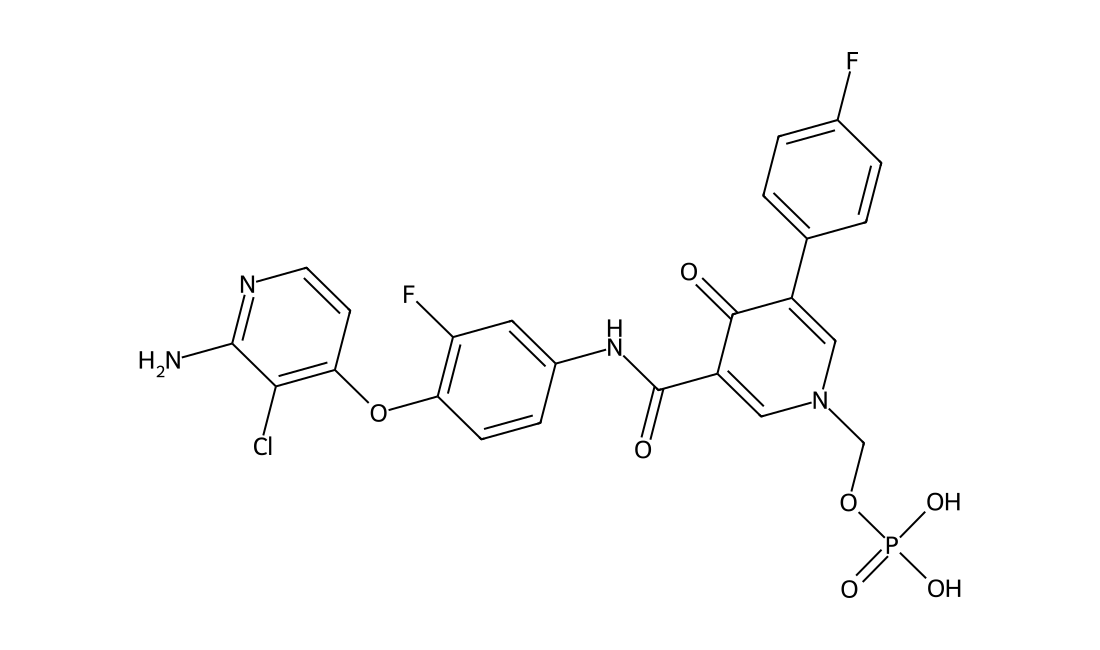
CAY10465
CAS 688348-33-6
CAY 10465 is a selective and high-affinity AhR agonist, with a Ki of 0.2 nM, and shows no effect on estrogen receptor (Ki >100000 nM).
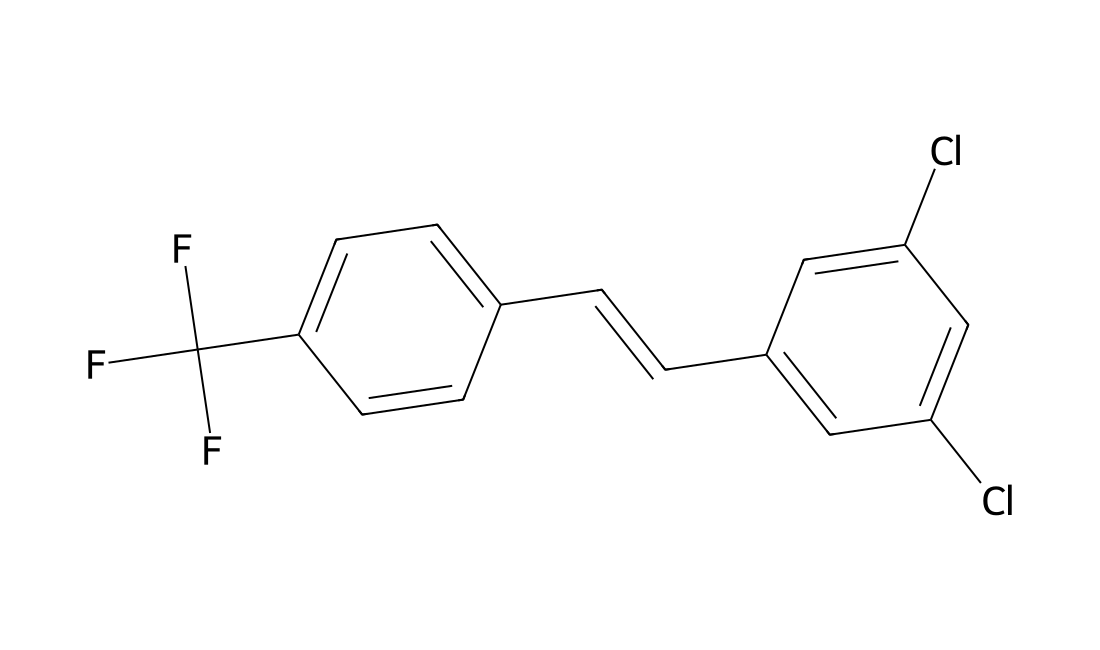
C-DIM12
CAS 178946-89-9
C-DIM12 is a synthetic Nurr1 activaor induces Nurr1 and DA gene expression in cell lines and primary neurons.Target: Nurr1in vitro: C-DIM12 as a modulator of Nurr1 activity that results in inhibition of NF-κB-dependent gene expression in glial cells by stabilizing nuclear corepressor proteins, which reduces binding of p65 to inflammatory gene promoters. C-DIM12 Decreases Inflammatory Gene Expression in BV-2 Microglia. C-DIM12 Decreases Expression of NF-κB-Enhanced GFP Expression in Human Embryonic Kidney 293 Reporter Cells.[1] C-DIM12 increases protein levels of exogenously expressed human Nurr1 in transfected neurons.C-DIM12 protects neurons from 6-hydroxydopamine toxicity. [2]
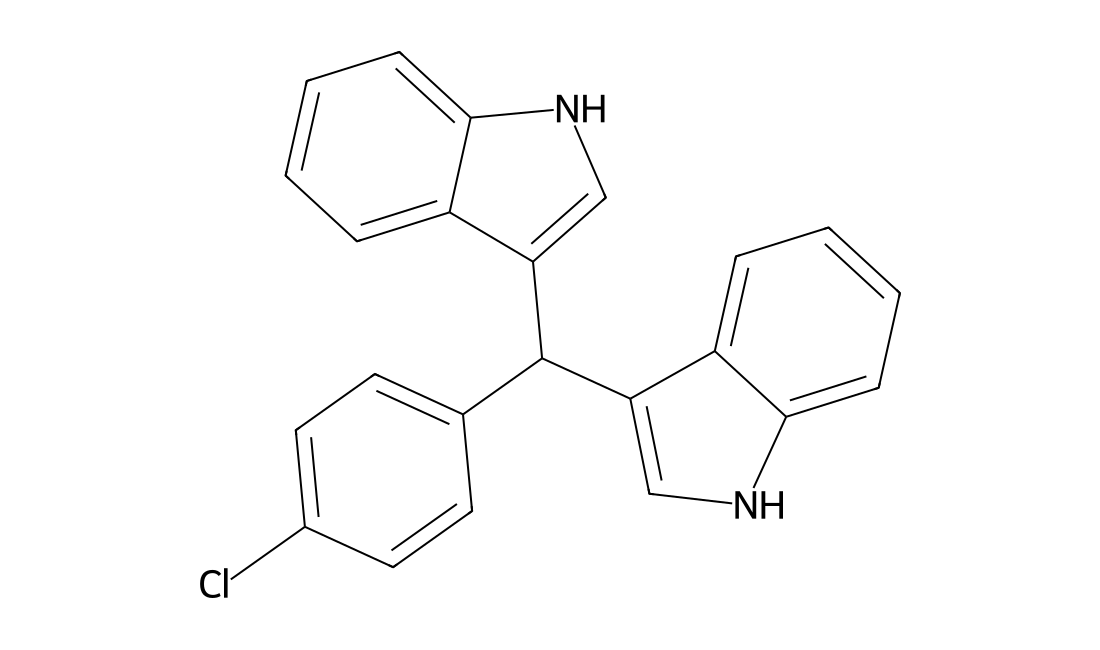
Ciliobrevin A(HPI4)
CAS 302803-72-1
Ciliobrevin A is a hedgehog (Hh) signaling pathway inhibitor with median inhibitory concentration (IC50) less than 10 μM.
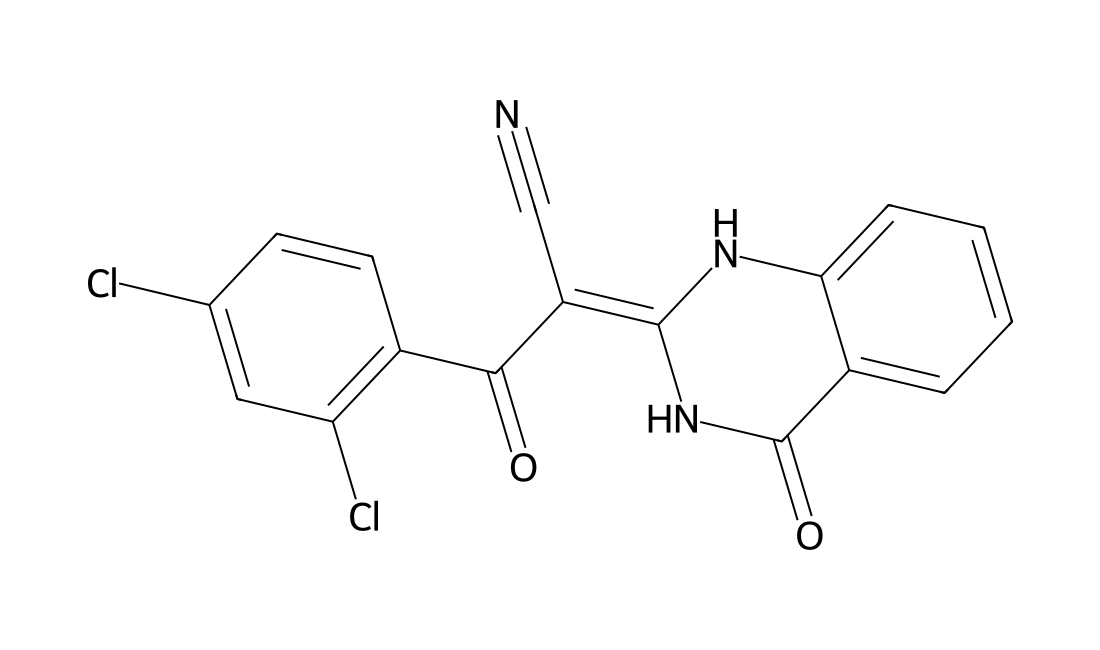
Clemizole (free base)
CAS 442-52-4
Clemizole is an H1 histamine receptor antagonist, is found to substantially inhibit HCV replication. The IC50 of Clemizole for RNA binding by NS4B is 24±1 nM, whereas its EC50 for viral replication is 8 µM.
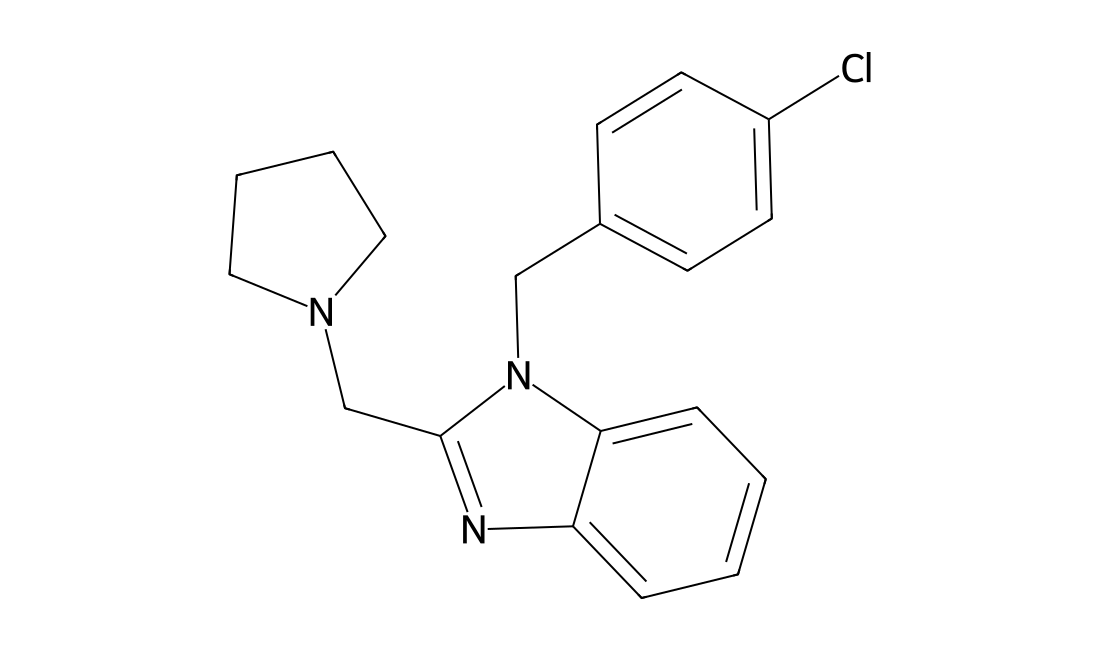
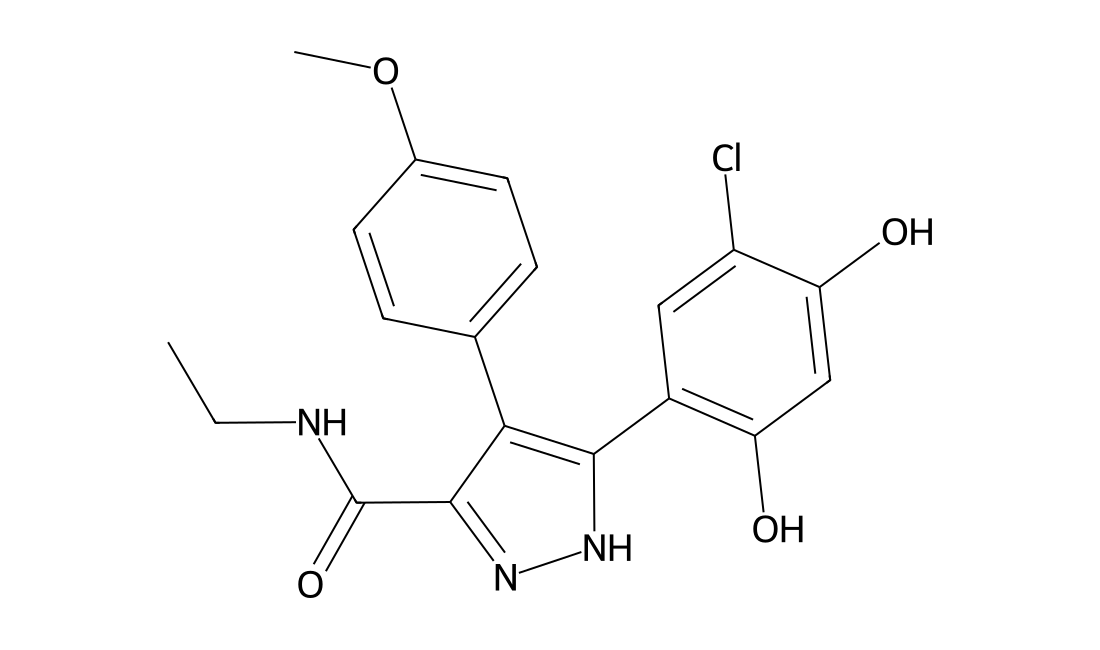
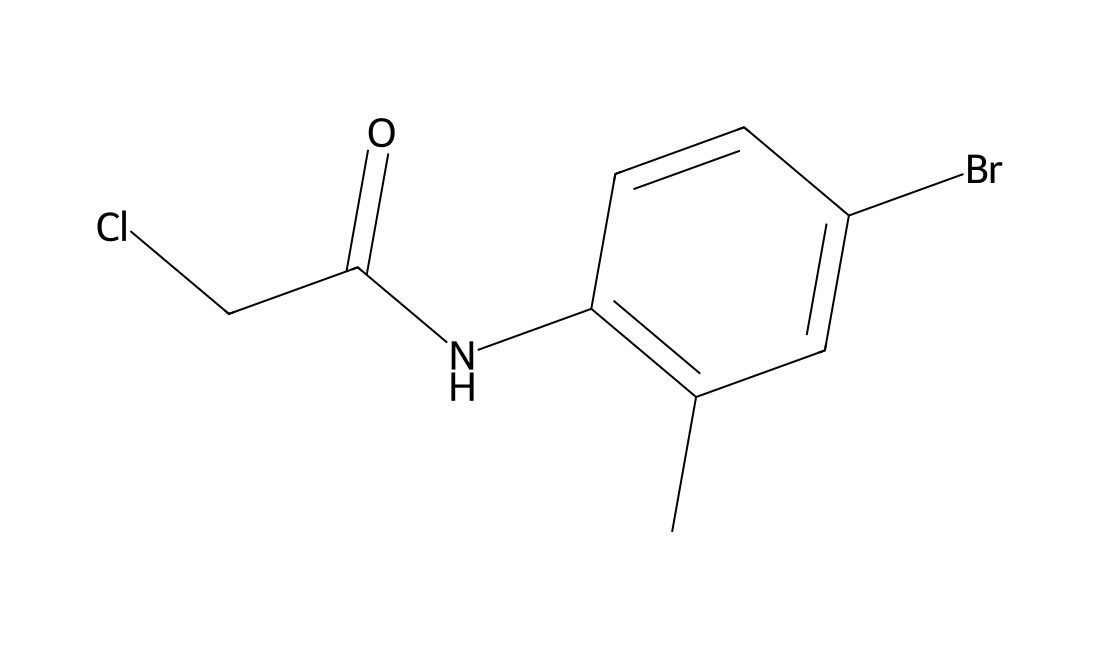
SB242235
CAS 193746-75-7
SB-242235 is a potent and selective p38 MAP kinase inhibitor with IC50 of 1.0 uM.
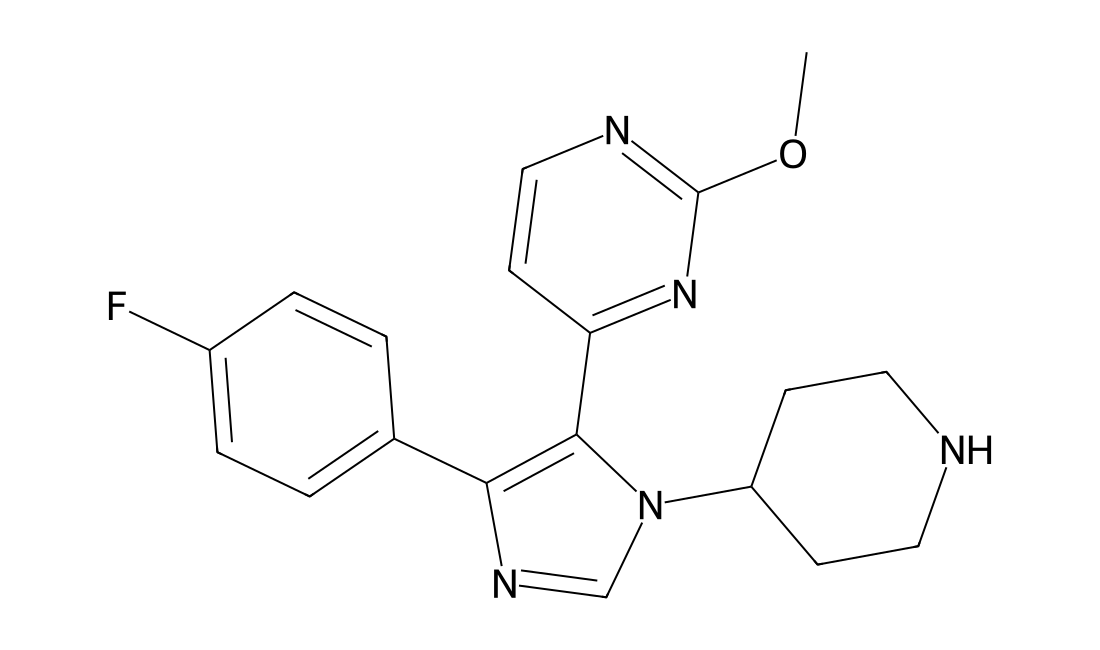
3-Phenyltoxoflavin
CAS 32502-63-9
3-Phenyltoxoflavin, a derivative of Toxoflavin, is an Hsp90 inhibitor, with a Kd of 585 nM for the interaction of Hsp90-TPR2A. 3-Phenyltoxoflavin has anti-cancer activity[1][2].
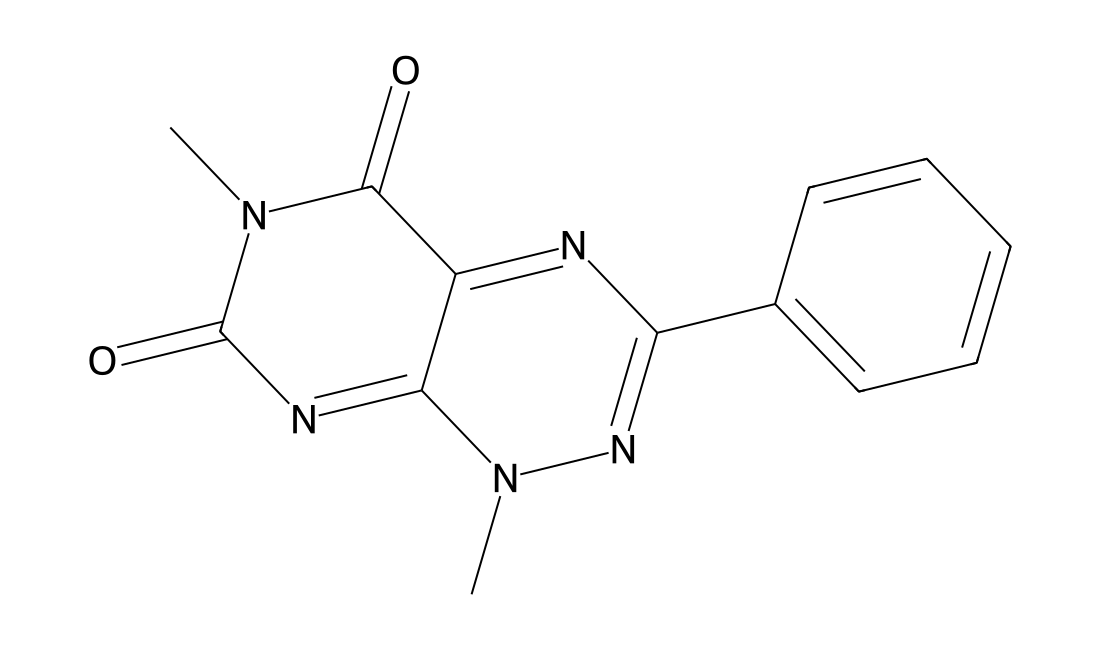
Cyazofamid
CAS 120116-88-3
Cyazofamid is a foliar fungicide approved for use in the EU. It has a low aqueous solubility, is unlikely to leach to groundwater and is volatile. It is not persistent in soils or aquatic systems. Whilst it has a low mammalian toxicity there is some concern regarding its potential for bioaccumulation. It is a skin and eye irritant. It is moderately toxic to birds, most aquatic organisms, honeybees and earthworms.
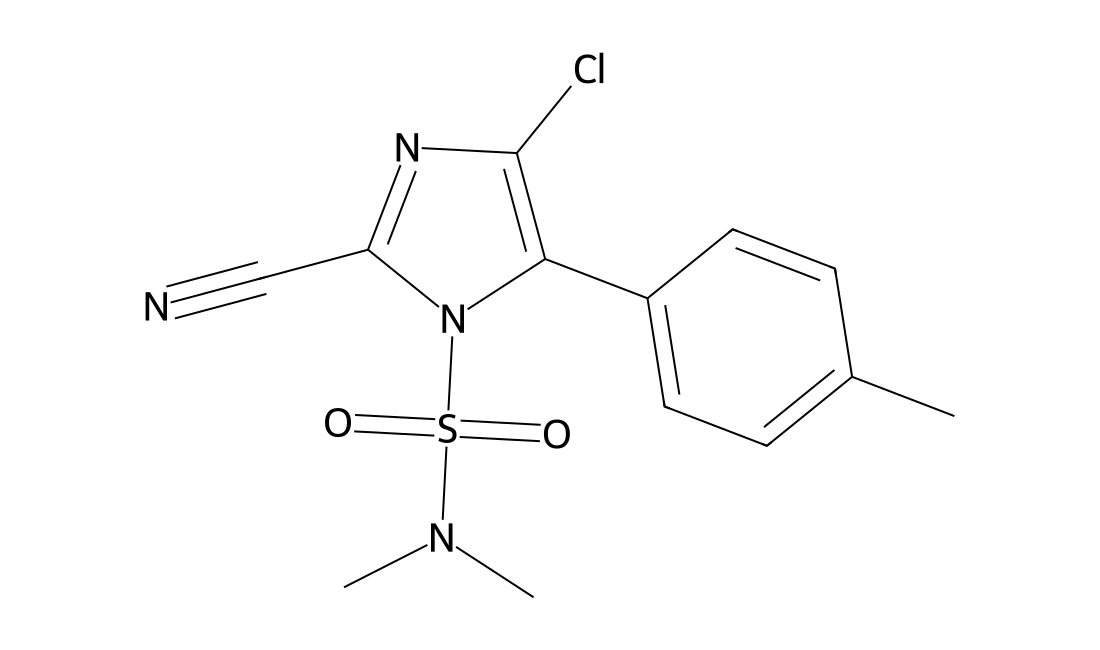
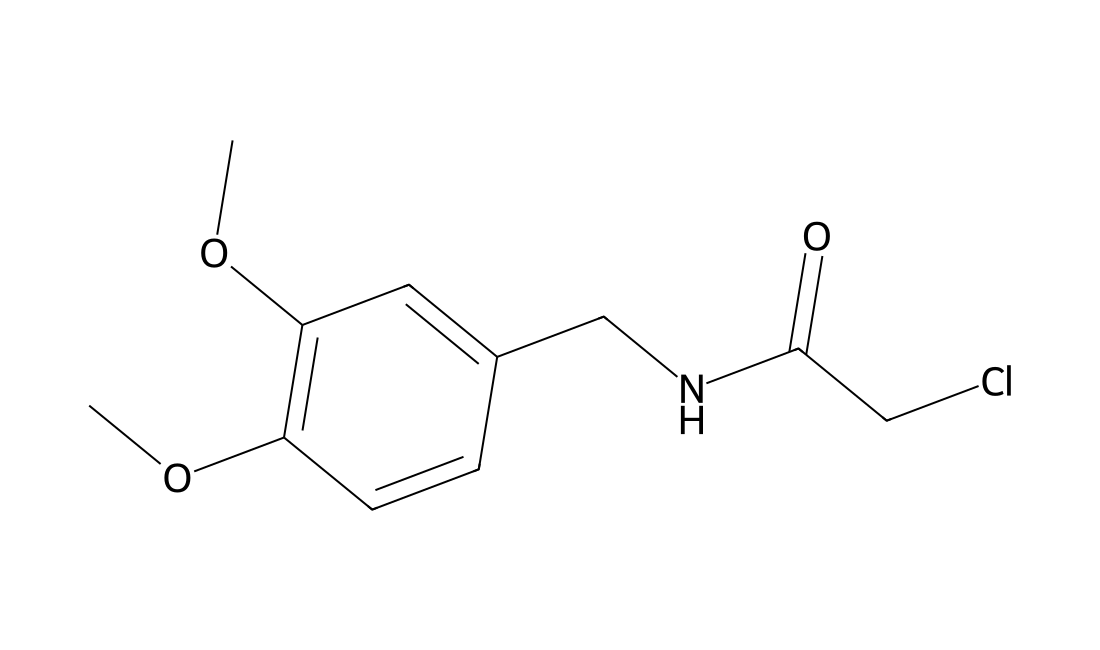
HBX 19818
CAS 1426944-49-1
HBX 19818 is a specific inhibitor of ubiquitin-specific protease 7 (USP7), with an IC50 of 28.1 μM.
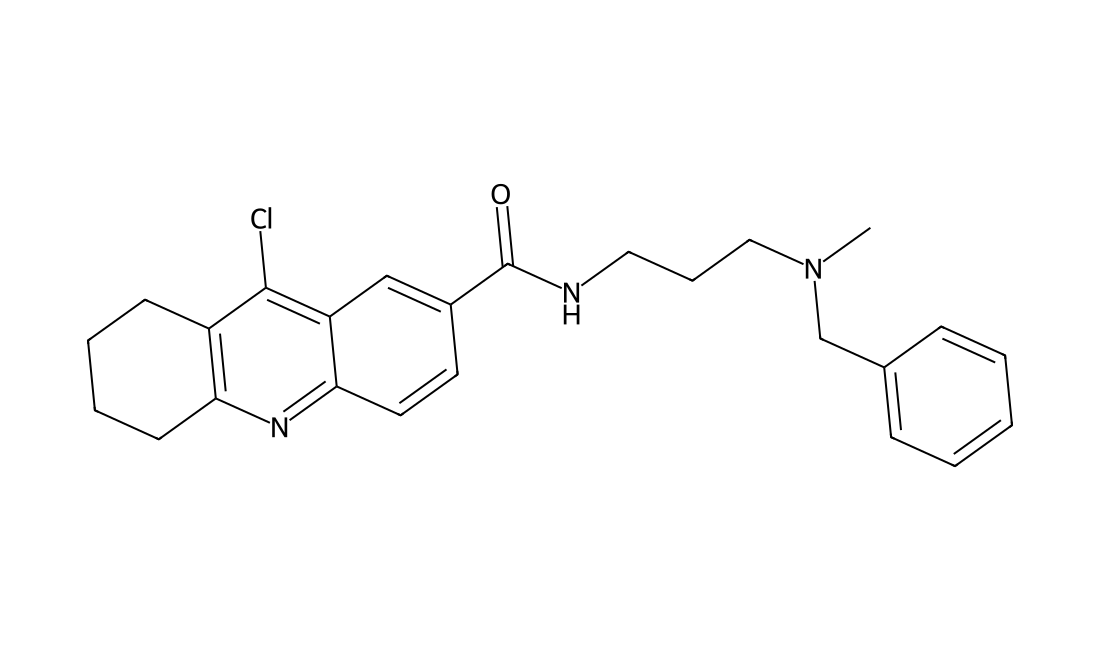
DWK-1339
CAS 1018946-38-7
DWK-1339 is an orally active and blood-brain-barrier-permeable Aβ-aggregation inhibitor, used in the research of Alzheimer's disease.
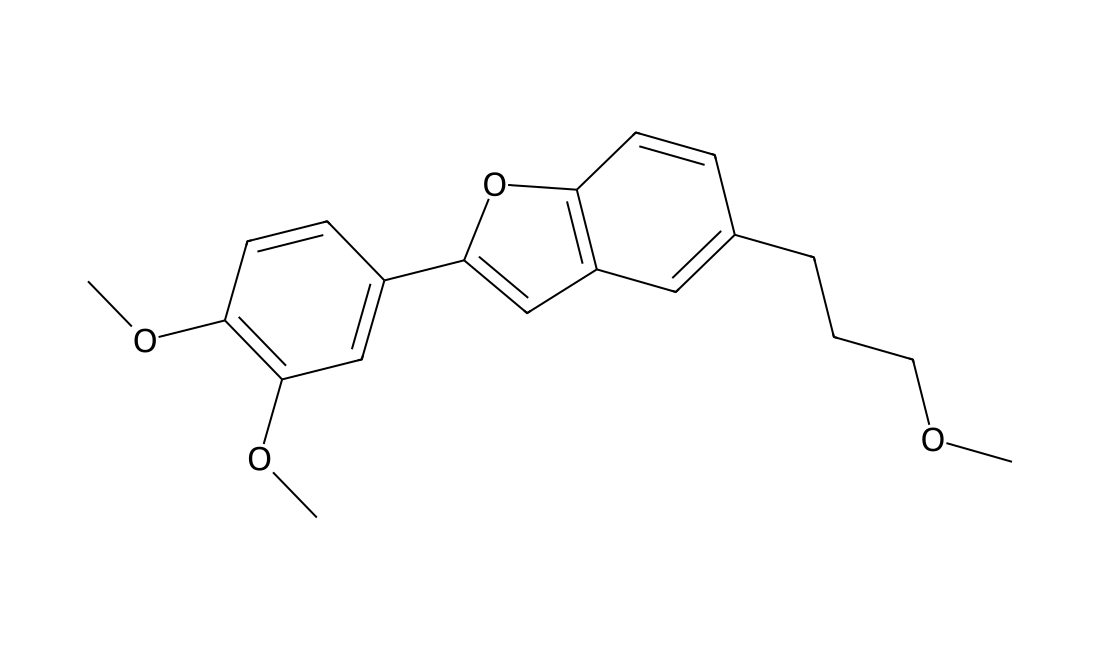
EBE-A22
CAS 229476-53-3
EBE-A22 is a derivative of PD 153035 which can inhibit ErbB-1-phosphorylation, whereas EBE-A22 is inactive. The brominated anilinoquinazoline derivative PD153035 exhibits a very high affinity and selectivity for the epidermal growth factor receptor tyrosine kinase (EGF-R TK) and shows a remarkable cytotoxicity against several types of tumor cell lines. In contrast, its N-methyl derivative, designated EBE-A22, has no effect on EGF-R TK but maintains a high cytotoxic profile. The present study was performed to explore the possibility that PD153035 and its N-methyl analogue might interact with double-stranded DNA, which is a primary target for many conventional antitumor agents. We studied the strength and mode of binding to DNA of PD153035 and EBE-A22 by means of absorption, fluorescence, and circular and linear dichroism as well as by a relaxation assay using human DNA topoisomerases. The results of various optical and gel electrophoresis techniques converge to show that both drugs bind to DNA and behave as typical intercalating agents. In particular, EBE-A22 unwinds supercoiled plasmid, stabilizes duplex DNA against heat denaturation, and produces negative CD and ELD signals, as expected for an intercalating agent. Extensive DNase I footprinting experiments performed with a large range of DNA substrates show that EBE-A22, but not PD153035, interacts preferentially with GC-rich sequences and discriminates against homooligomeric runs of A and T which are often cut more readily by the enzyme in the presence of the drug compared to the control.
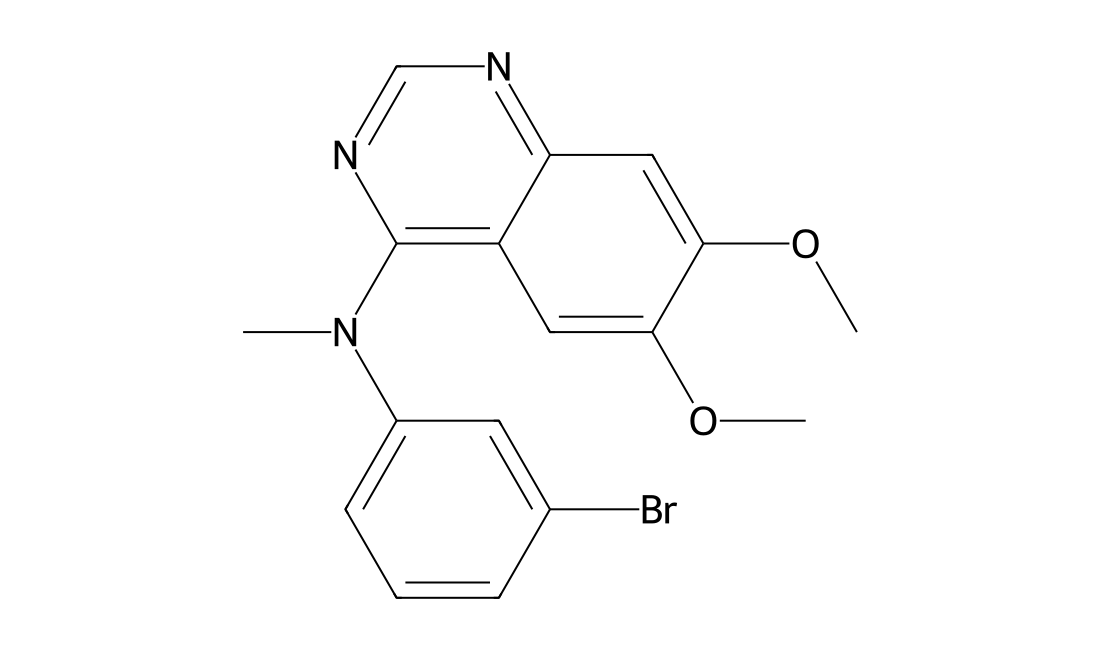
ETH 157(Sodium ionophore II)
CAS 61595-77-5
ETH 157 is a Na+ uniporter. For the detailed information of ETH 157, the solubility of ETH 157 in water, the solubility of ETH 157 in DMSO, the solubility of ETH 157 in PBS buffer, the animal experiment (test) of ETH 157, the cell expriment (test) of ETH 157, the in vivo, in vitro and clinical trial test of ETH 157, the EC50, IC50,and affinity,of ETH 157, For the detailed information of ETH 157, the solubility of ETH 157 in water, the solubility of ETH 157 in DMSO, the solubility of ETH 157 in PBS buffer, the animal experiment (test) of ETH 157, the cell expriment (test) of ETH 157, the in vivo, in vitro and clinical trial test of ETH 157, the EC50, IC50,and affinity,of ETH 157, Please contact DC Chemicals.
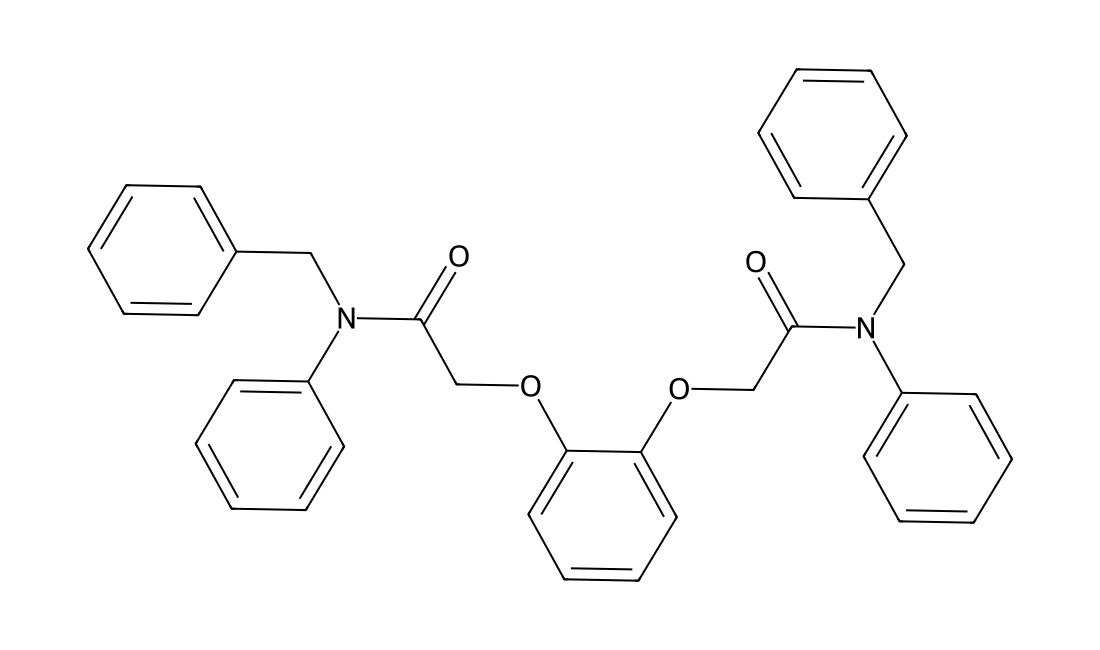
FPH1 (BRD-6125)
CAS 708219-39-0
FPH1 (BRD-6125) is a small molecule, which promotes expansion of iPS-derived hepatocytes.
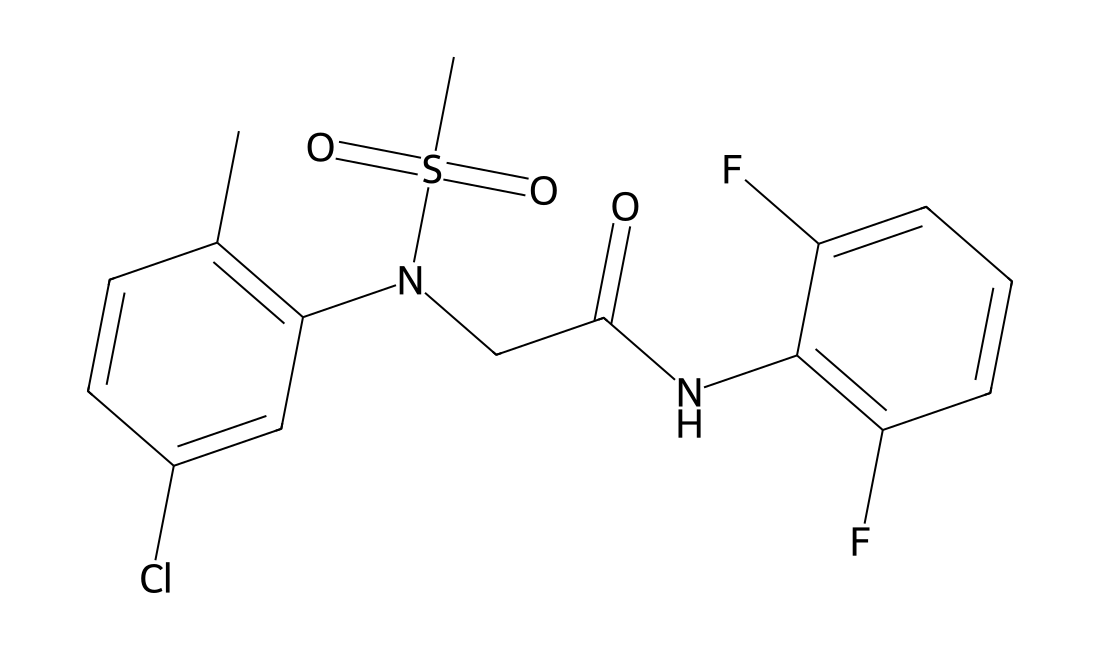
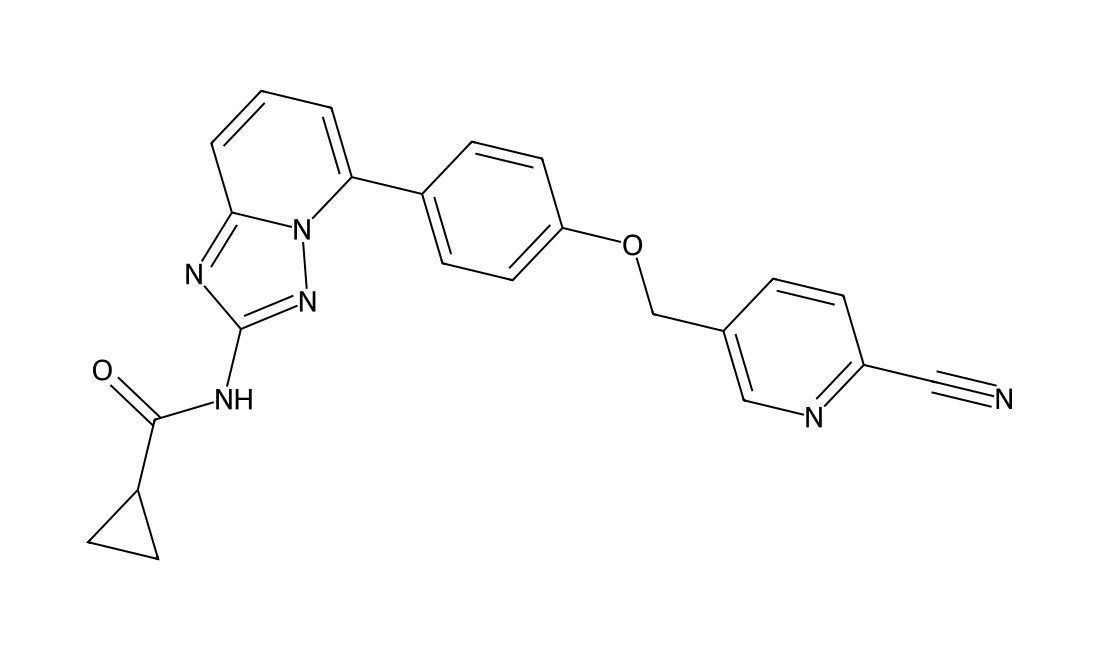
GLPG0634 analogue
CAS 1206101-20-3
GLPG0634 (analog) (compound176)is a pan JAK inhibitor with IC50s of 50-200 nM for JAK1/JAK2/JAK3; more information can be found in the reference patents.
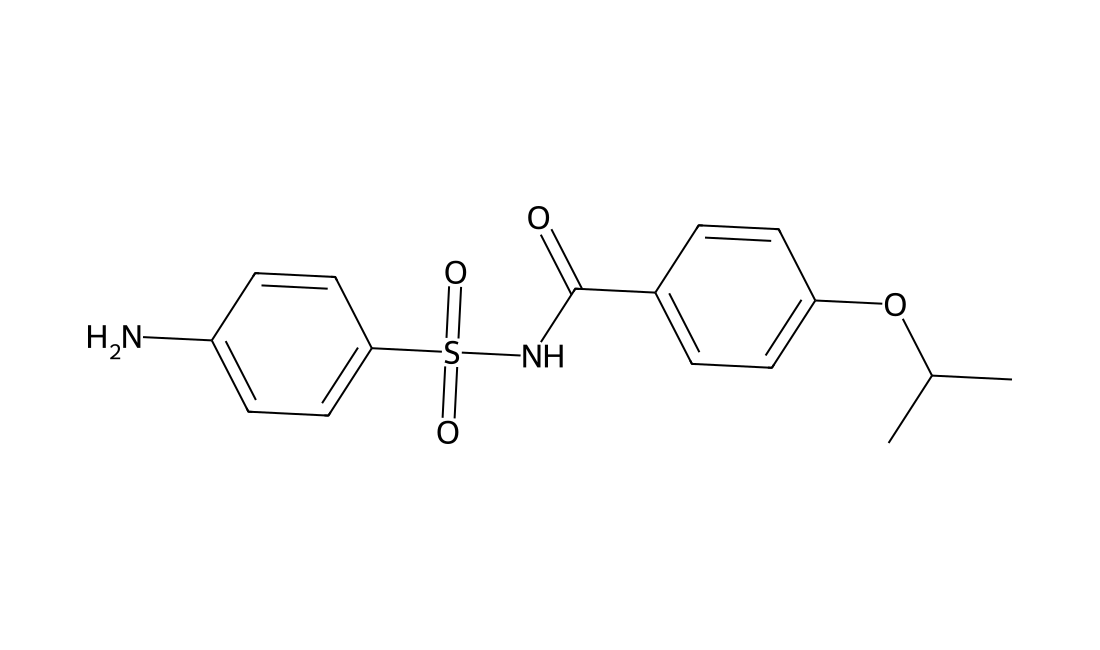
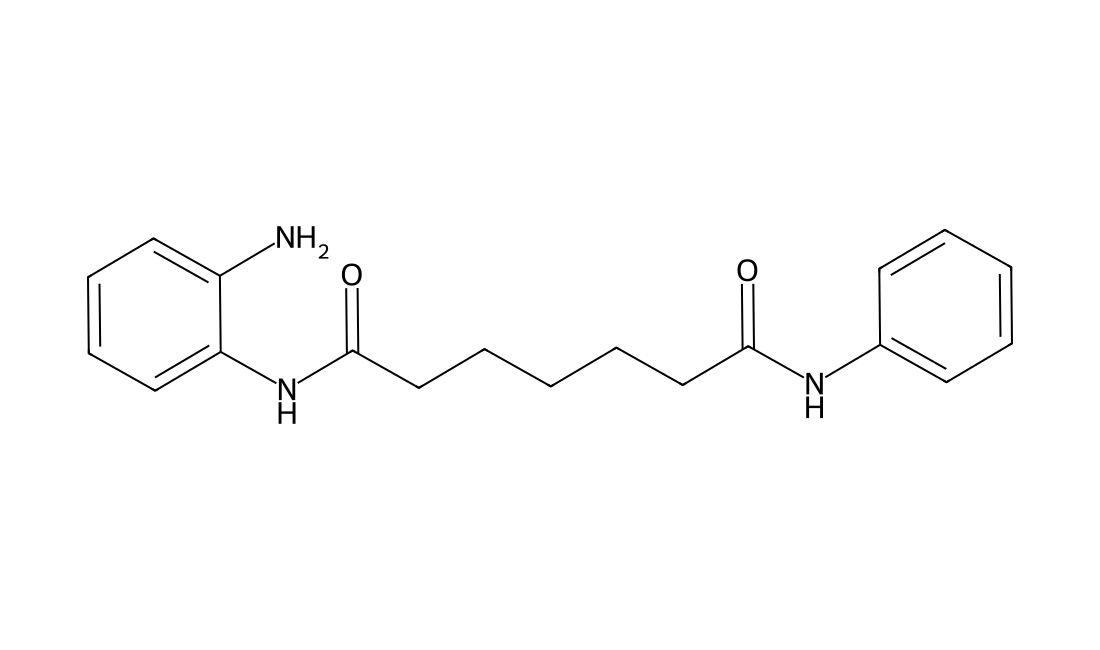
HDAC inhibitor IV
CAS 537034-15-4
HDAC inhibitor IV is a cell-permeable pimeloylanilide compound that acts as a FXN- (frataxin gene) specific HDAC (histone deacetylase) inhibitor. Reverses the silencing of FXN transcription in FRDA (Friedreich's ataxia) cells (~3-fold increase of FXN mRNA at 5 µM in primary FRDA lymphocytes and ~3-fold frataxin expression in FRDA cell line at 2.5 µM) due to hypoacetylation of histones H3 and H4 by increasing acetylation at H3K14, H4K5 and H4K12, without significant changes in acetylation at H3K9, H4K8 and H4K16. In comparison, Trichostatin-A and SAHA, two other commonly used HDAC inhibitors, exhibit no effect on FXN transcription.
KUN56321
CAS 1771756-32-1
KUN56321 is a luminescent agent. The application of KUN56321 comprises: coating the film of KUN56321 onto hole transport layer or electron transport layer of ITO glass by vacuum evapn., coating the hole transport layer or electron transport layer onto the film by evapn., prepg. metal electrode by evapn. KUN56321 showed the capability to improve light emitting efficiency and reducing drive voltage in org. light-emitting device and display device.
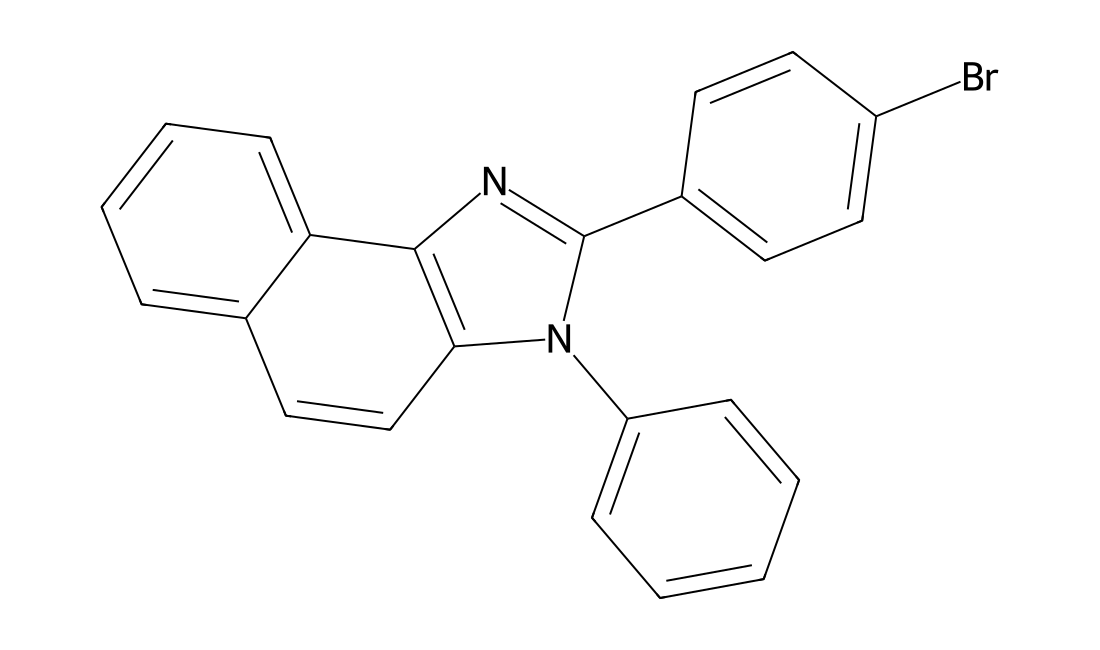
HUHS015
CAS 1453097-13-6
HUHS015 is a potent PCA-1/ALKBH3 inhibitor both in vitro and in vivo. The bioavailability (BA) of HUHS015 was 7.2% in rats after oral administration. Continuously administering HUHS015 significantly suppressed the growth of DU145 cells, which are human hormone-independent prostate cancer cells, in a mouse xenograft model without untoward effects. [1]
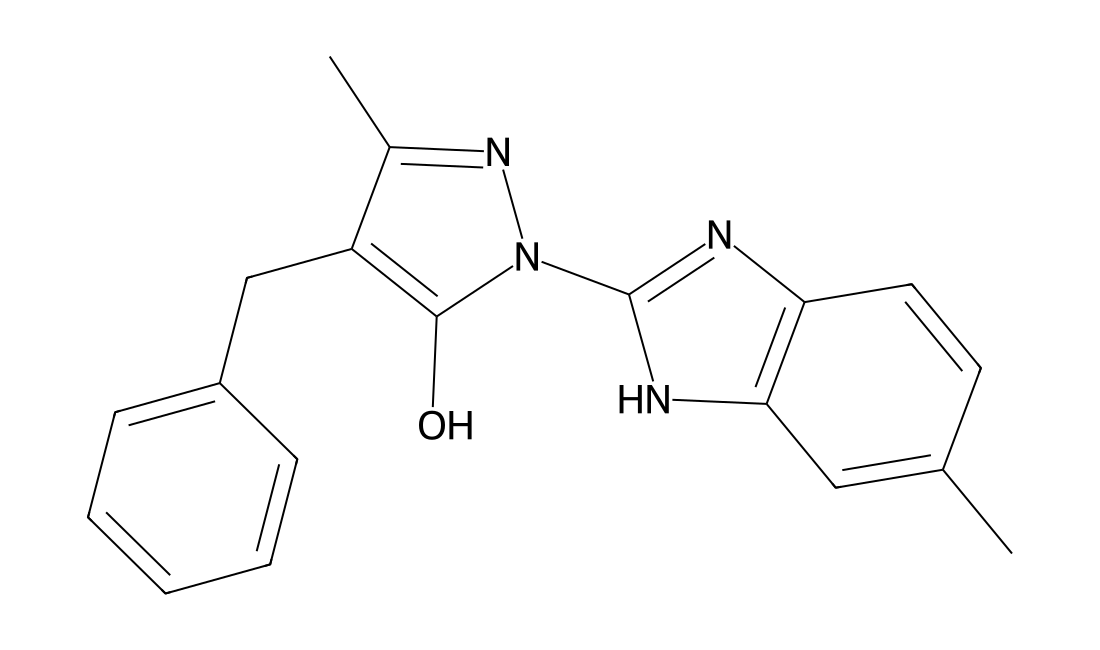
Hydroxyfasudil free base
CAS 105628-72-6
Hydroxyfasudil is a ROCK inhibitor, with IC50s of 0.73 and 0.72 μM for ROCK1 and ROCK2, respectively.
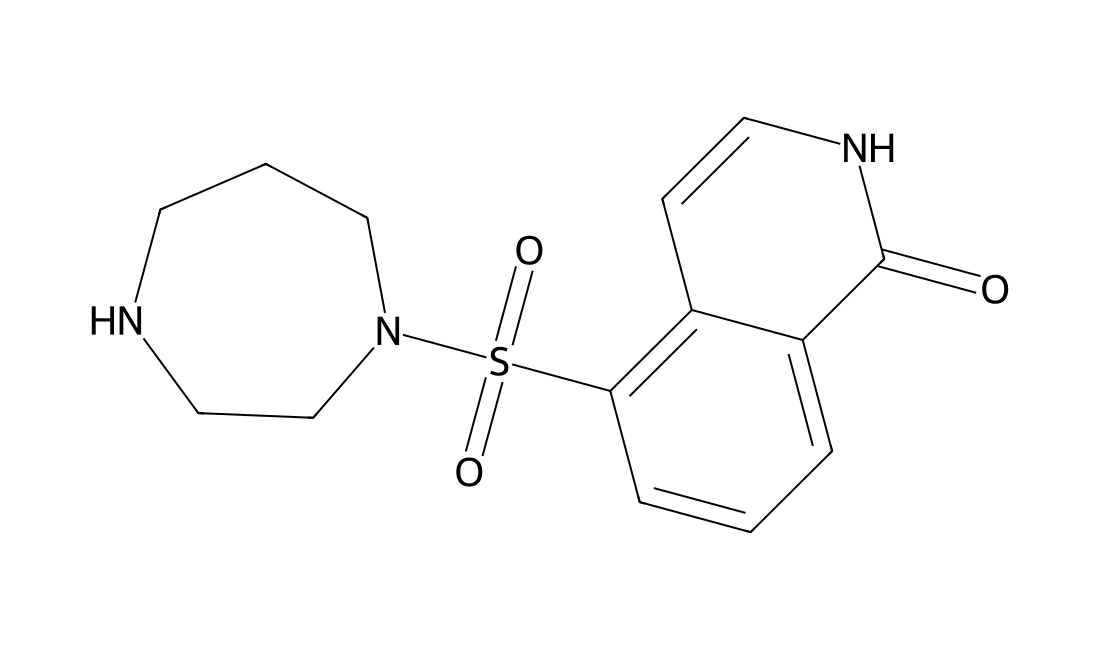
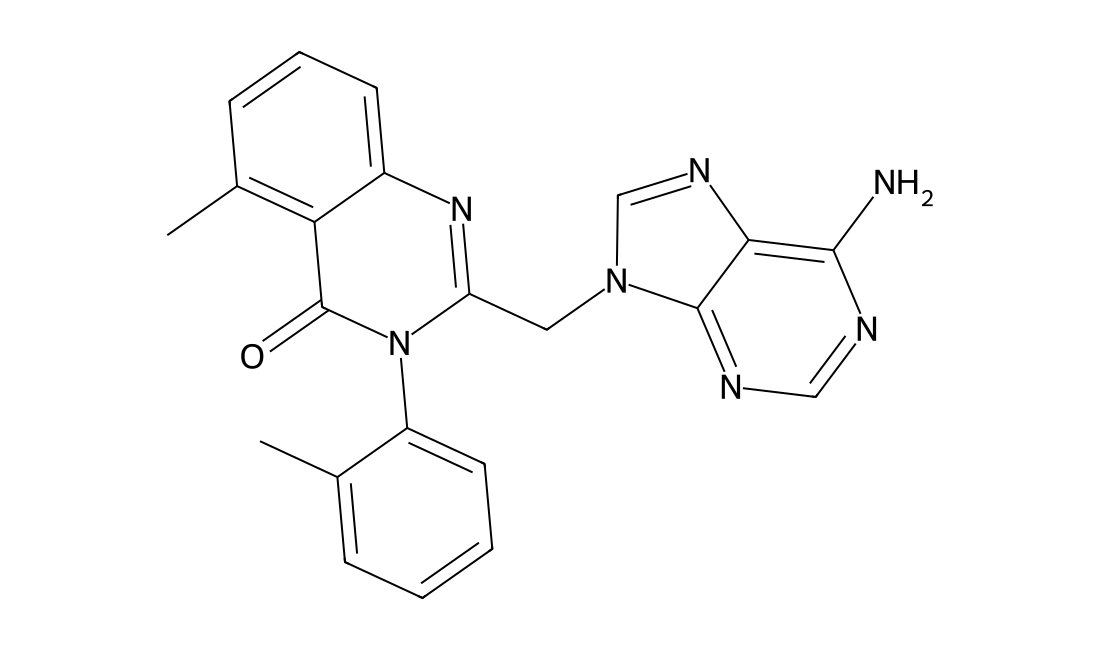
IDO-IN-1
CAS 914638-30-5
IDO-IN-1 is a potent indoleamine 2,3-dioxygenase (IDO) inhibitor with an IC50 of 59 nM.
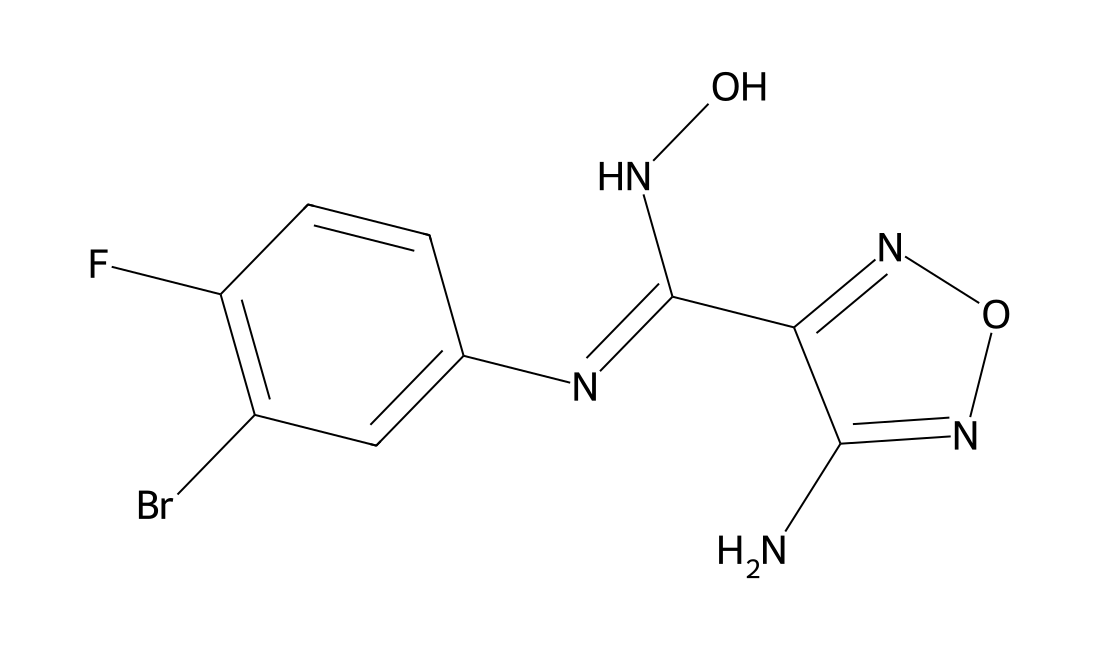
MUN36378
CAS 2243736-37-8
MUN36378 is a FTO inhibitor for treatment of leukemia. This compound was first reported in patent WO 2018157842. This product has no formal name at the moment.
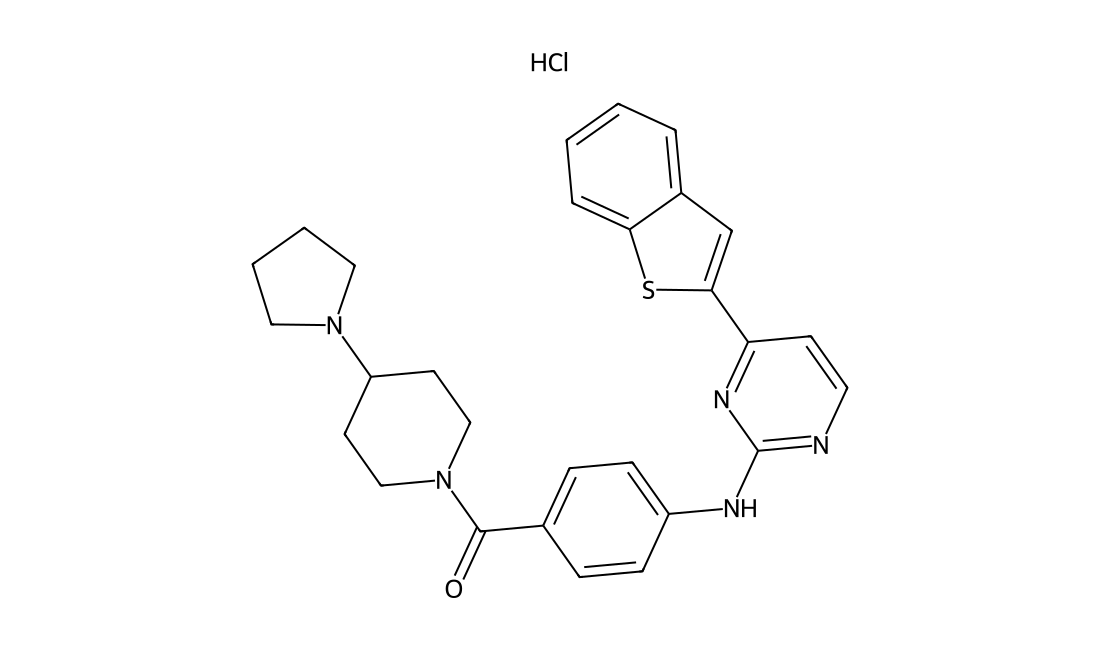
IKK-16 HCl
CAS 1186195-62-9
IKK 16 hydrochloride is a selective IκB kinase (IKK) inhibitor for IKK2, IKK complex and IKK1 with IC50s of 40 nM, 70 nM and 200 nM, respectively[1]. IKK16 also inhibits leucine-rich repeat kinase-2 (LRRK2) with an IC50 of 50 nM[2].
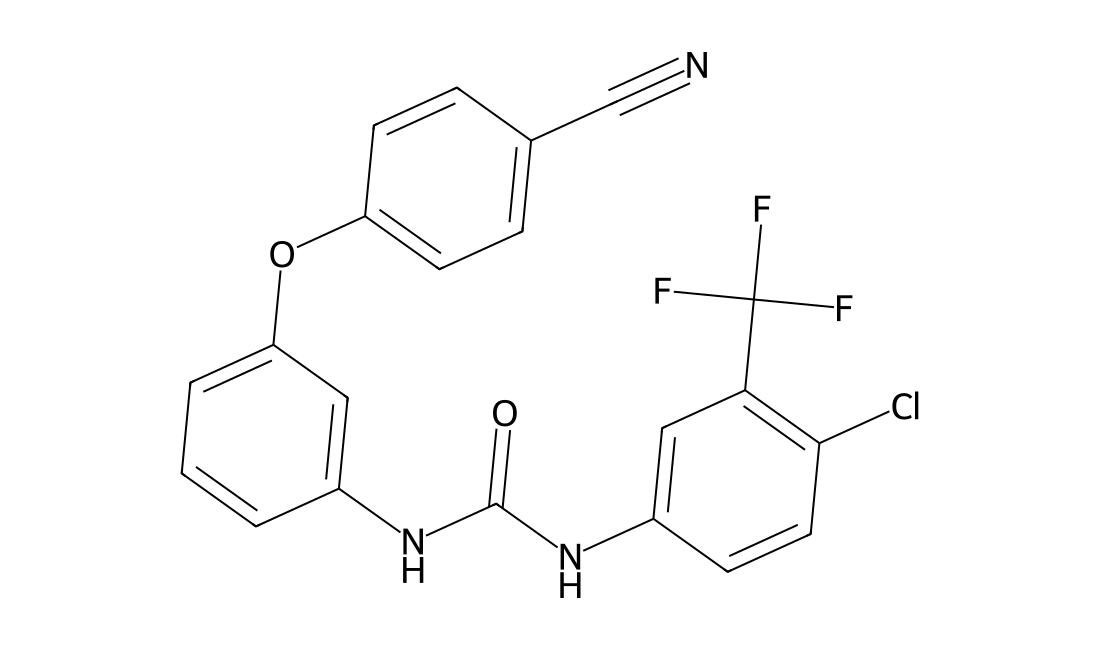
SC-43
CAS 1400989-25-4
SC-43, a Sorafenib derivative, is a potent and orally active SHP-1 (PTPN6) agonist. SC-43 inhibits the phosphorylation of STAT3 and induces cell apoptosis. SC-43 has anti-fibrotic and anticancer effects[1][2].
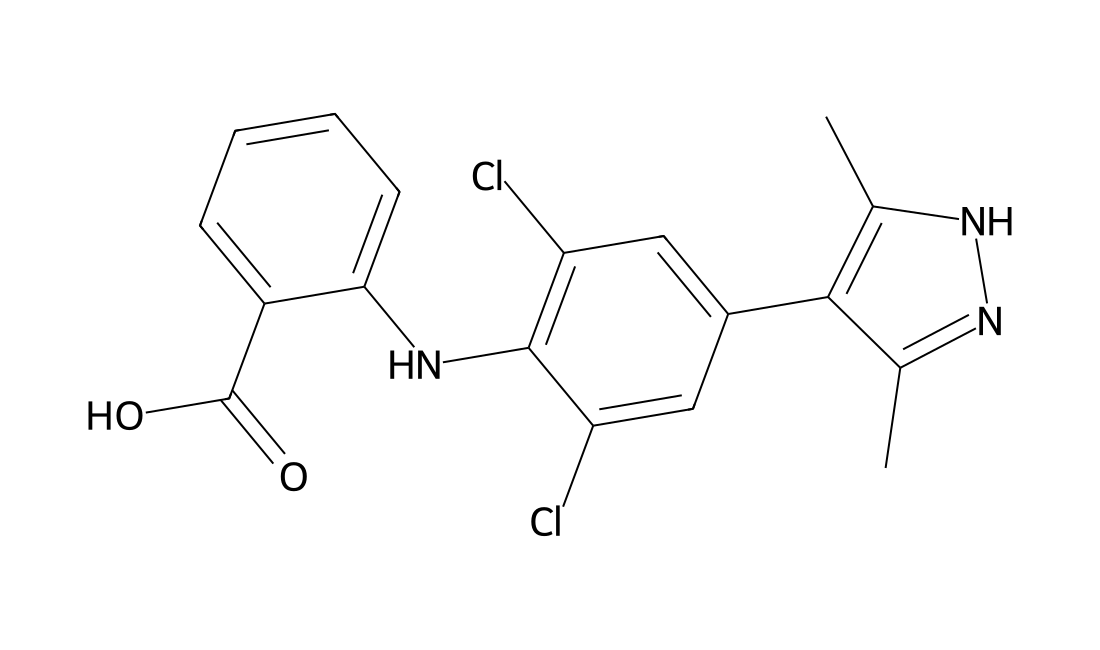
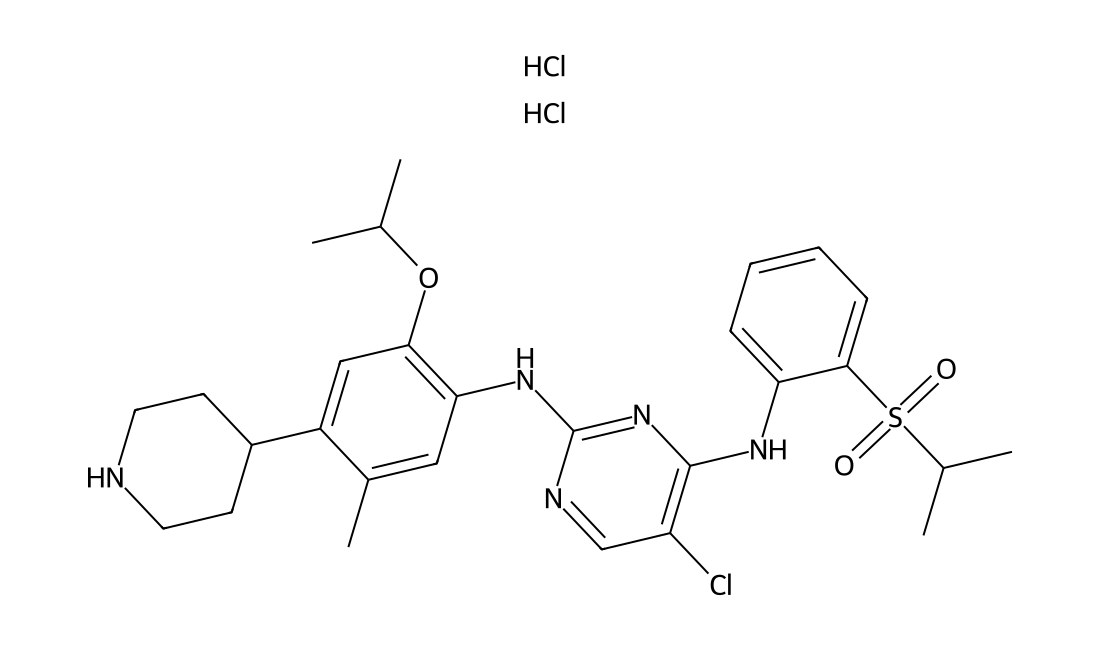
LDK-378 dihydrochloride(Ceritinib dihydrochloride)
CAS 1380575-43-8
Ceritinib dihydrochloride (LDK378 dihydrochloride) is potent inhibitor against ALK with IC50 of 0.2 nM, shows 40- and 35-fold selectivity against IGF-1R and InsR, respectively.
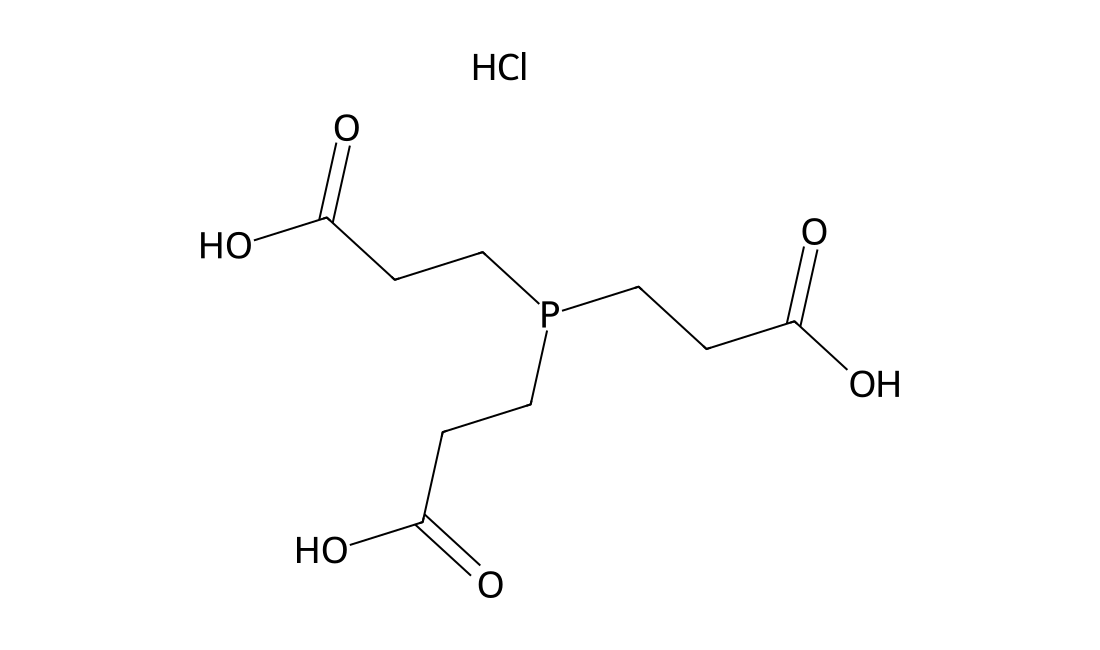
TCEP Hydrochloride
CAS 51805-45-9
TCEP hydrochloride (Tris(2-carboxyethyl)phosphine hydrochloride) is a non-thiol reducing agent that is more stable and produces a faster S-S reductive reaction than other chemical reductants. TCEP hydrochloride is a trialkylphosphine, selectively reduces protein disuldes without altering the properties or interacting with thiol-directed agents in the reaction mixture. TCEP hydrochloride is also a commonly used reducing agent in the DNA/AuNP chemistry[1][2][3][4].
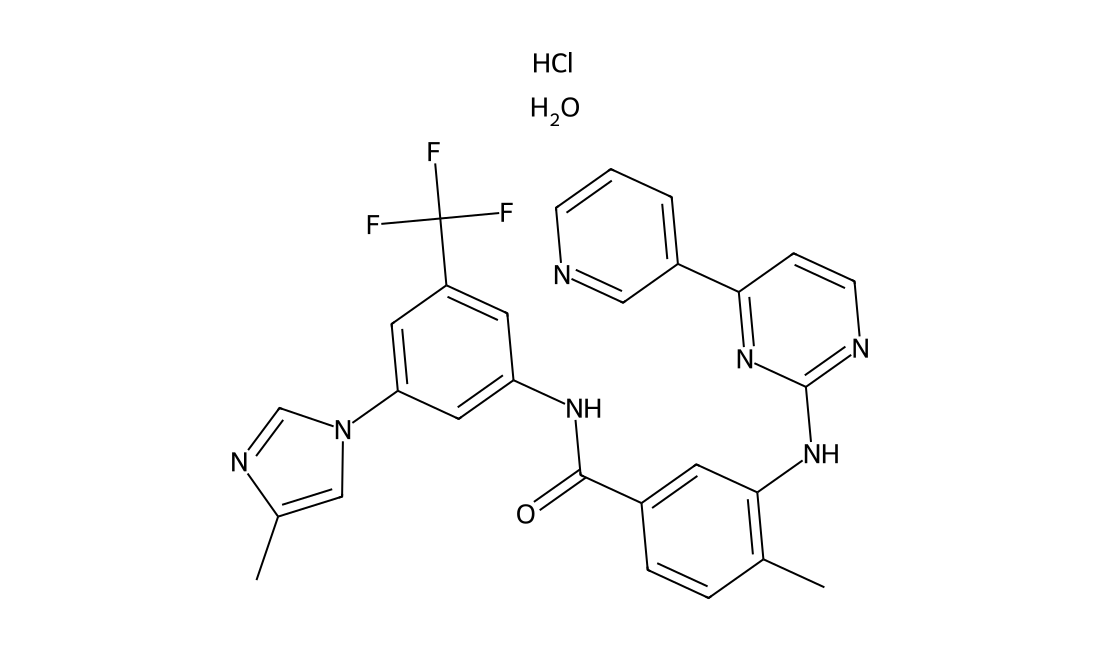
Nilotinib monohydrochloride monohydrate
CAS 923288-90-8
Nilotinib monohydrochloride monohydrate is a second generation tyrosine kinase inhibitor (TKI), is significantly more potent against BCR-ABL than Imatinib, and is active against many Imatinib-resistant BCR-ABL mutants.
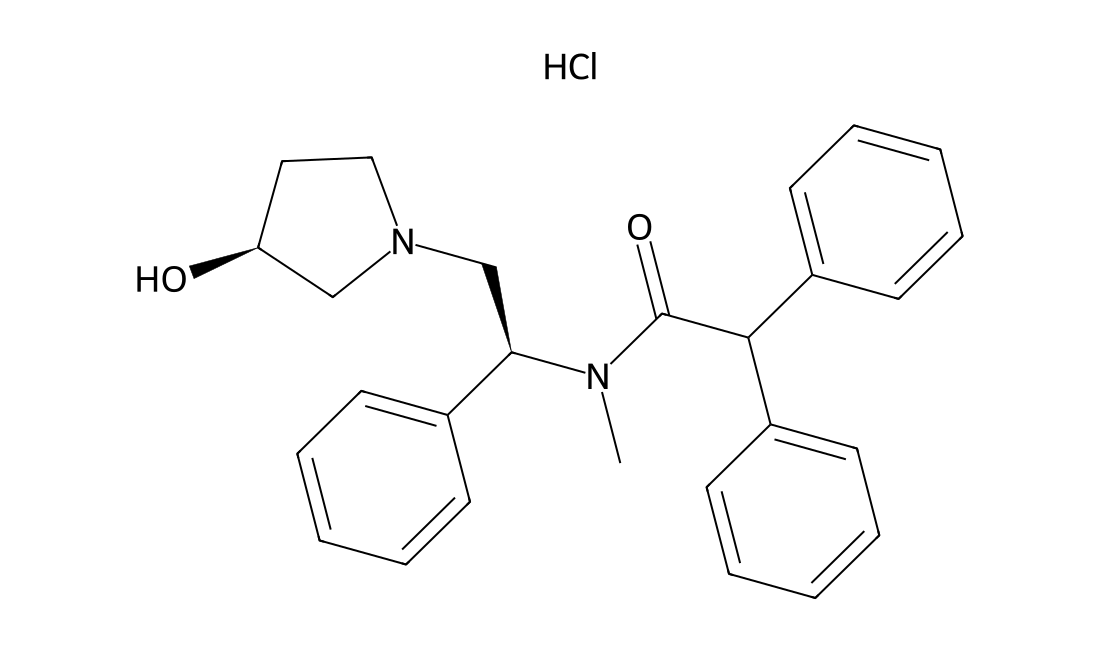
N-[(1S)-2-[(3S)-3-hydroxy-1-pyrrolidinyl]-1-phenylethyl]-N-methyl-a-phenyl-benzeneacetamide hydrochloride
CAS 185951-07-9
Asimadoline HCl is a κ-opioid receptor agonist potentially for the treatment of pruritus. Asimadoline has also been shown to be used in the treatment of irritable bowel syndrome.
UNII 9JDX055TW1
CAS 120279-96-1
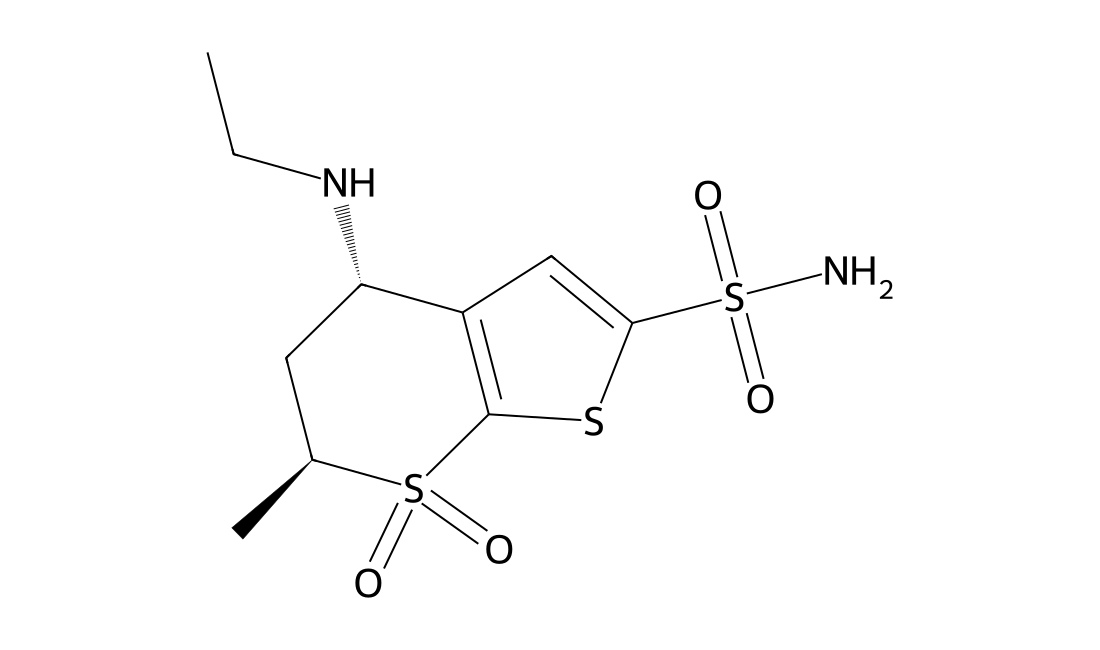
Dorzolamide is a carbonic anhydrase inhibitor. It is an anti-glaucoma agent, and acts by decreasing the production of aqueous humour. It is administered as a topical ophthalmic in the form of a 2% solution.
Tex Red-X NHS
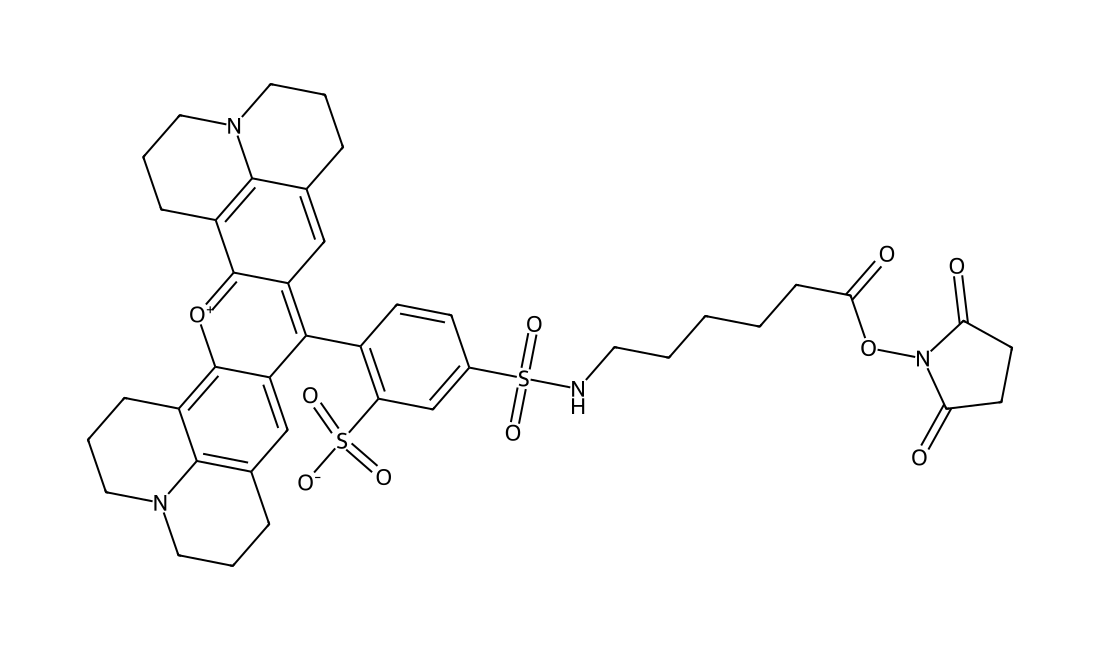
CAS 178623-11-5
Tex Red-X NHS is a derivative of Texas Red (HY-101878), an amphoteric rhodamine red fluorescent dye. Texas Red is widely used to study neuronal morphology and as a cell type-selective fluorescent marker for astrocytes, both in vivo and in slice preparations.
CY5-SE
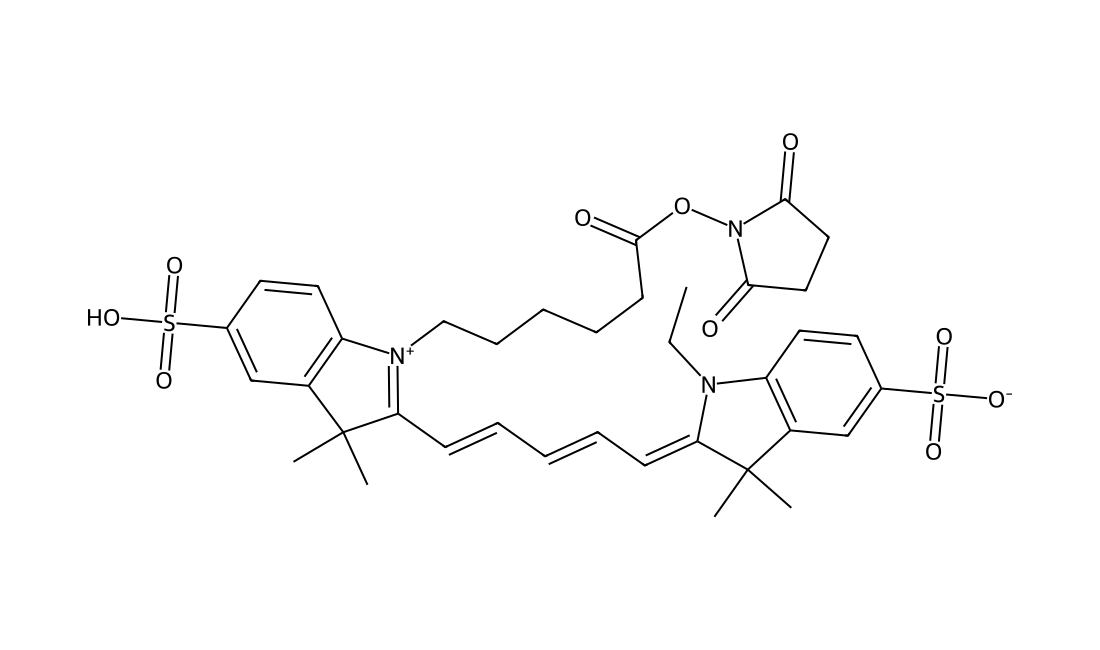
CAS 146368-14-1
Cy5-SE (Cy5 NHS Ester) is a reactive dye for the labeling of amino-groups in peptides, proteins, and oligonucleotides. This dye requires small amount of organic co-solvent (such as DMF or DMSO) to be used in labeling reaction. This reagent is ideal for very cost-efficient labeling of soluble proteins, as well as all kinds of peptides and oligonucleotides. This reagent also works well in organic solvents for small molecule labeling. Excitation (nm):649, Emission (nm): 670.
Browse target & topic index A–Z (366)
11β-HSD (1)15-PGDH (2)5-HT Receptor (16)Acetyl-CoA Carboxylase (ACC) (3)Acetylcholinesterase (AChE) (2)Ack1 (TNK2) (1)Acyltransferase (1)ADC Cytotoxin (6)ADCs Linker/Click Chemistry (5)Adenosine Receptor (9)Adenylate Cyclase (2)Adrenergic Receptor (11)Akt (12)Alcoholism (2)Aldehyde Dehydrogenase (ALDH) (6)Allergy (5)Alzheimer Disease (13)Aminopeptidase (1)AMPK (8)Amyloids (4)Anaplastic Lymphoma Kinase (ALK) (9)Androgen Receptor (AR) (11)Anemia (4)Angiotensin Receptor (4)Antibody/Protein labeling dyes (1)Antifolate (2)Anxiety (1)Apoptosis Inducer (3)Arginase (1)Arp2/3 complex (1)Aryl hydrocarbon Receptor (AhR) (1)Asthma (5)Atherosclerosis (2)ATM/ATR (8)Aurora Kinase (10)Autophagy (6)Autophagy-related Protein (Atg) (2)Autotaxin (2)Bacterial (26)Bacterial Infection (17)Bcl-2 (14)Bcr-Abl (5)BCRP (1)Beta-catenin (4)Beta-secretase (BACE) (4)Blood Cancer (91)BMI-1 (1)Bone Cancer (6)Brain Cancer (6)Breast Cancer (30)Bromodomain (22)BTK (10)c-Fms (CSF1R) (5)c-Fos/AP-1 (1)c-Kit (6)c-Met (HGFR) (11)c-Myc (2)Calcium Channel (4)Calcium-sensing Receptor (CaSR) (1)CaMK (4)Cannabinoid Receptor (6)Carbonic Anhydrase (1)Carboxypeptidase (1)Casein Kinase (6)Caspase (4)Cathepsin (6)Cdc2-like Kinase (CLK) (1)CETP (2)CFTR (7)Checkpoint Kinase (Chk) (8)Chemokine Receptor (CCR and CXCR) (14)Chemotherapeutic Agents (19)Chloride Channel (1)CMV (2)CMV Infection (2)Colon Cancer (9)Complement System (1)COPD (3)CREB/CBP (2)CRF Receptor (2)CRISPR/Cas9 (1)Cushing Disease (1)Cyclin-dependent Kinase (CDK) (39)Cyclooxygenase (COX) (4)Cytochrome P450 (CYPs) (5)Depression (2)Dermatitis (2)Deubiquitinase (DUB) (7)Diabetes (20)Dipeptidyl Peptidase (DPP) (3)Discoidin Domain Receptor (DDR) (1)DNA Alkylator/Crosslinker (10)DNA Methyltransferase (DNMT) (1)DNA Repair Protein (1)DNA-PK (2)DNA/RNA Synthesis (5)Dopamine beta-hydroxylase (1)Dopamine Receptor (7)Drug Metabolite (1)Drug-Linker Conjugates (11)Dyes (4)DYRK (1)Dyslipidemia (9)E3 Ligase Ligand (6)E3 Ligase Ligand-Linker Conjugate (1)E3 Ubiquitin Ligase (4)Ebola Virus Infection (1)EGFR (32)Elastase (2)Endothelin Receptor (5)Enzymes substrates (13)Epigenetic Reader Domain (3)Epilepsy (4)ERK (4)Estrogen Receptor/ERR (13)Eukaryotic Initiation Factor (eIF) (2)Exportin-1 (CRM1,XPO1) (2)FABP (1)Factor Xa (5)Farnesoid X Receptor (FXR) (5)Farnesyl transferase (FTase) (1)Ferroptosis (6)FGFR (20)Fibrosis (5)FLT3 (6)Focal Adhesion Kinase (FAK) (11)Foxo1 (1)Free Fatty Acid Receptor (FFAR) (5)Fungal (2)Fungal Infection (1)GABA Receptor (13)Galectin (1)Gastric Cancer (8)Ghrelin Receptor (GHSR) (3)Glucagon Receptor (4)Glucokinase (2)Glucose Transporter (GLUT) (2)Glutamate Transporter (2)GPCR (1)GPER (GPR30) (1)GPR139 (1)GPR183 (EBI2) (2)GPR39 (1)GPR55 (1)GPR84 (1)GRK (GPCRK) (2)Growth Hormone Deficiency (2)GSK-3 (8)Guanylate Cyclase (3)HBV (1)HBV Infection (1)HCN Channel (2)HCV (8)HCV Infection (9)HDAC (38)Heart Arrhythmia (2)Heart Failure (5)Heat Shock Protein (HSP) (15)Hedgehog (Hh) (1)HIF/HIF Prolyl-hydroxylase (8)Histamine Receptor (6)Histone Acetyltransferase (HAT) (5)Histone Demethylase (11)Histone Methyltransferase (HMTase) (31)HIV (12)HIV Infection (11)HMG-CoA Reductase (HMGCR) (3)HSV (1)HSV Infection (1)Hypercholesterolemia (1)Hyperparathyroidism (1)Hypertension (8)IAP (1)IGF-1R (3)iGluR (15)Indoleamine 2,3-Dioxygenase (IDO) (4)Infection (1)Influenza (6)Influenza Virus (6)Insulin Receptor (2)Integrin (6)Interleukin Receptor (1)IRAK (2)IRE1 (4)Irritable Bowel Syndrome (2)Ischemia (1)Isocitrate Dehydrogenase (IDH) (5)ITK (1)IκB kinase (IKK) (7)JAK (32)JNK (3)Keap1-Nrf2 (6)Kidney Cancer (10)Kinesin (5)Kruppel-like Factor (KLF) (1)Kynurenine 3-Monooxygenase (KMO) (1)Leukotriene Receptor (1)LIM Kinase (LIMK) (3)Lipids fragment (1)Liver Cancer (6)Liver X Receptor (LXR) (3)LRRK2 (9)Lung Cancer (39)Lysophospholipid Receptor (12)LYTACs (3)mAChR (9)MALT1 (2)MAP4K (1)Matrix Metalloproteinase (MMP) (10)MDM2-p53 (9)MEK (MAP2K) (14)MEKK (MAP3K) (1)Melanocortin Receptor (2)MELK (1)mGluR (7)MicroRNA (1)Microtubule/Tubulin (5)Mineralocorticoid Receptor (MLR) (1)MITF (1)Mixed Lineage Kinase (MLK) (3)MNK (2)Molecular Glues (21)Monoamine Transporter (5)Monocarboxylate Transporter (MCT) (1)Monopolar Spindle 1 (Mps1/TTK) (3)mTOR (13)Multiple Sclerosis (6)Myosin (1)Na-K-Cl Cotransporter (NKCC) (2)nAChR (2)NADPH Oxidase (NOX) (2)NAMPT (3)Natural products (37)Neprilysin (1)Neurokinin Receptor (3)Neuropeptide Y Receptor (3)NF-κB (5)Nitric Oxide Synthase (NOS) (1)NOD-like Receptor (NLR) (3)Notch (2)Nucleoside Antimetabolite/Analog (10)Nur77 (NR4A1) (1)Obesity (1)Oct3/4 (1)Opioid Receptor (5)Orexin Receptor (7)Osteoporosis (2)Ovarian Cancer (14)Oxytocin Receptor (OXTR) (2)P-glycoprotein (P-gp) (3)p21-activated Kinase (PAK) (1)P2X Receptor (2)P2Y Receptor (1)p38 MAPK (10)p97/VCP (1)Pain (12)Pancreatic Cancer (10)Parasite (5)Parasite Infection (2)Parkinson Disease (2)PARP (19)PCSK9 (1)PD-1/PD-L1 (4)PDGFR (4)PDK1 (2)PEGn (1)PERK (2)PGE synthase (2)Phosphodiesterase (PDE) (9)Phospholipase (4)PI3K (32)PI4K (2)Piezo Channel (1)PIKfyve (3)Pim (9)PKC (12)PKD (1)Plasminogen Activator Inhibitor-1 (PAI-1) (3)Polo-like Kinase (PLK) (4)Porcupine (3)Potassium Channel (13)PPAR (13)Pregnane X Receptor (PXR) (1)Progesterone Receptor (2)Prostaglandin Receptor (11)Prostate Cancer (7)PROTACs (35)Protease-activated Receptor (PAR) (3)Proteasome (12)Protein Disulfide Isomerase (PDI) (1)Protein Phosphatase/PTP (6)Proton Pump (1)Psoriasis (5)RAD51 (1)Radioligand precursors (15)Raf (18)RAR/RXR (3)Ras (17)Renin (2)RET Tyrosine Kinase (c-RET) (3)Rheumatoid Arthritis (16)Ribosomal S6 Kinase (RSK) (5)RIG-I-like Receptor (RLR) (2)RIP kinase (7)ROCK (12)ROR (2)RSV (4)RSV Infection (3)RUNX1-CBFβ (1)S-nitrosoglutathione reductase (GSNOR) (1)Saccharides and Glycosides (1)Salt Inducible Kinase (SIK) (2)SARS-CoV (16)SARS-CoV Infection (34)Schizophrenia (4)Sexual Dysfunction (1)SGLT (4)Sigma Receptor (4)Sirtuin (9)Skin Cancer (13)Sleep Disorder (7)SMN2 Modulator (1)Smoothened (Smo) (9)Sodium Channel (12)Solid Tumors (35)Somatostatin Receptor (2)Sphingosine kinase (SphK) (2)Src (7)STAT (5)Stearoyl-CoA Desaturase (SCD) (1)Steatohepatitis (7)Sterol lipids (1)STING (14)Syk (6)T Cell Receptor (TCR) (1)TAK1 (2)TAM Receptor (Tyro3-Axl-Mer) (4)Taste Receptor (1)Telomerase (2)TGF beta Receptor (TGFBR) (12)Thrombin (3)Thrombosis (13)Thyroid Cancer (1)Thyroid Hormone Receptor (THR) (1)Thyrotropin Receptor (2)TNIK (1)Toll-like Receptor (TLR) (2)TOPK (1)Topoisomerase (11)TRAIL (1)Translocator Protein (TSPO) (1)Trk Receptor (4)TRP Channel (13)Tryptophan Hydroxylase (TPH) (1)Ubiquitin-activating Enzyme (E1) (2)Ubiquitin-conjugating Enzyme (E2) (2)Ulcer (1)ULK (3)Vasopressin Receptor (2)VEGFR (25)Vitamin D Receptor (VDR) (3)Wee1 (1)WNK Kinase (1)Wnt (5)Yes-associated Protein (YAP) (4)γ-secretase (5)