Small Molecule Research Tools

Explore bioactive compounds by research category, then narrow your search by target, product name, catalog number or CAS.

Newly added: LC-MG and OXF molecular glue research compounds →

6,823 products17 research categoriesBrowse all products ↓

Browse by research category

Products may appear in more than one category. Counts refer to distinct catalog numbers within each category.

Other Research Tools (75) · Additional reagents, building blocks and specialized research tools.

New literature-derived products

LC-MG-1 (DCA0006) · LC-MG-4 (DCA0007) · LC-MG-9 (DCA0008)

View structure and evidence summaries →

All small molecule products

Combine a keyword, research category and target to narrow the product list.

Loading catalog filters…

6,823 products · Showing 5,425–5,472

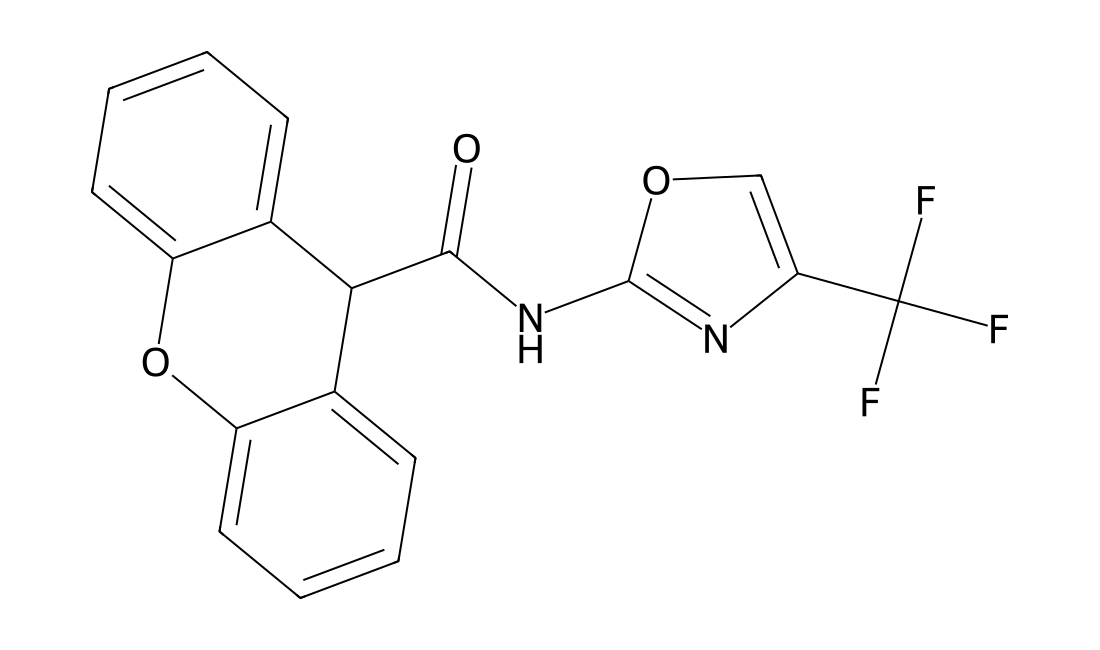
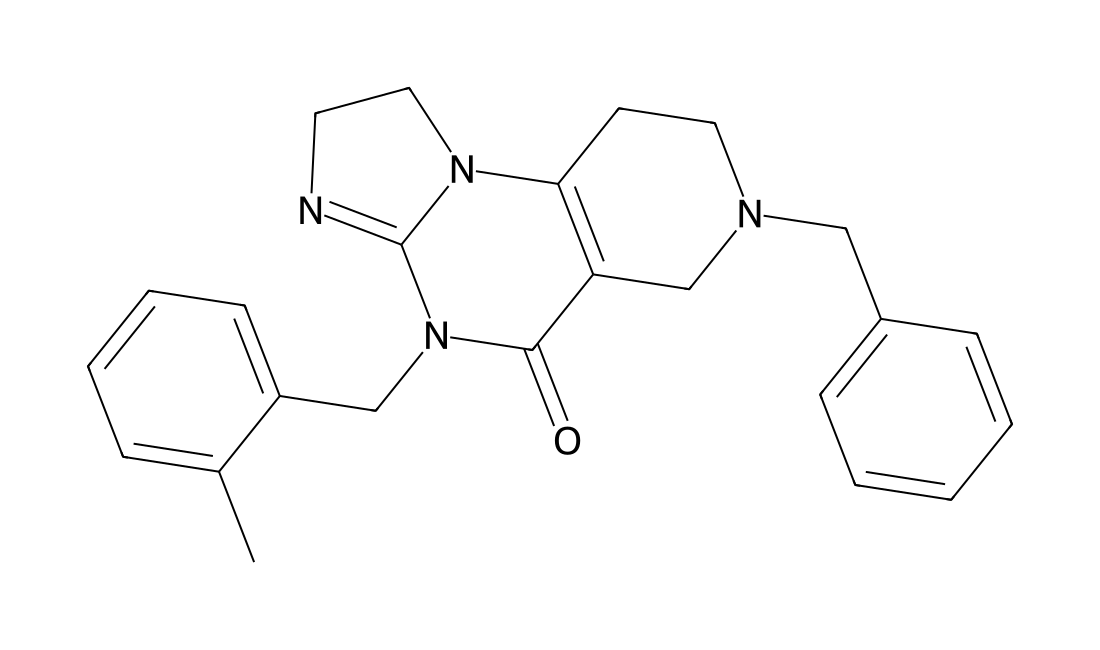
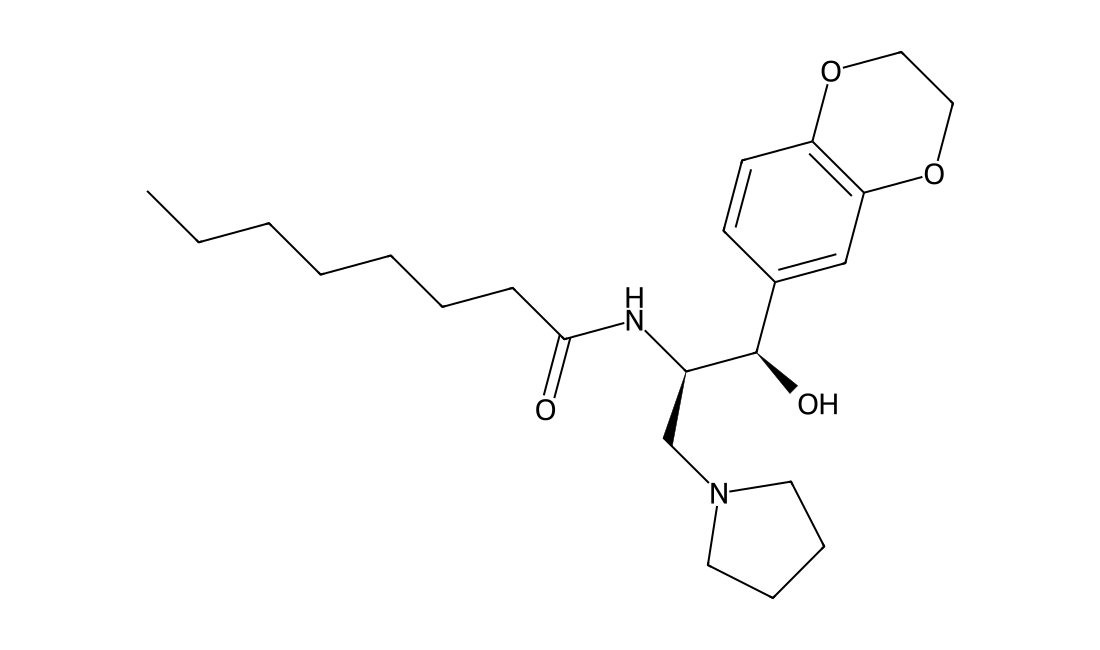
DC32512

ML390

CAS 2029049-79-2

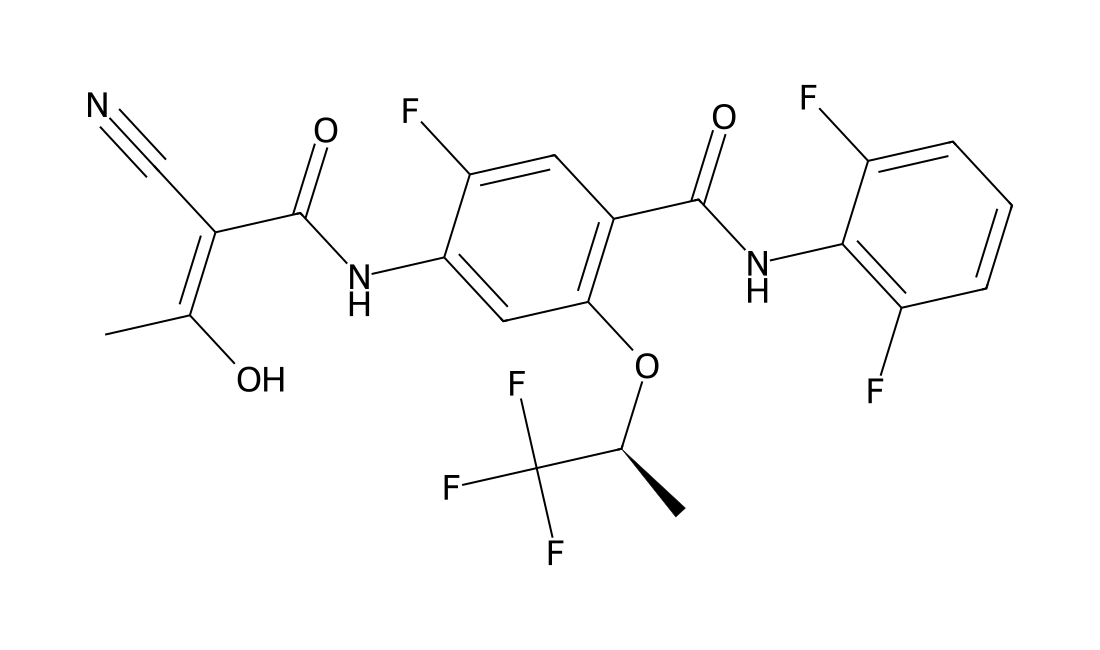
ML390 is a human DHODH Inhibitor That Induces Differentiation in Acute Myeloid Leukemia. ML390 bioactivity: ER-HOX-GFP (EC50 μM) = 1.8 ± 0.6; U937 (EC50 μM) = 8.8 ± 0.8; THP-1 (EC50 μM) = 6.5 ± 0.9; DHODH (IC50, μM) = 0.56 ± 0.1. ML390 may offer insight into the mechanism of overcoming differentiation arrest, and will translate into a starting point for a much-needed new and potent treatment for patients with acute myeloid leukemia. Inhibitors of dihydroorotate dehydrogenase (DHODH) showed activity to induce differentiation in multiple animal models of AML in vitro and in vivo. DHODH inhibitors demonstrated effective at prolonging survival in animal models of leukemia.
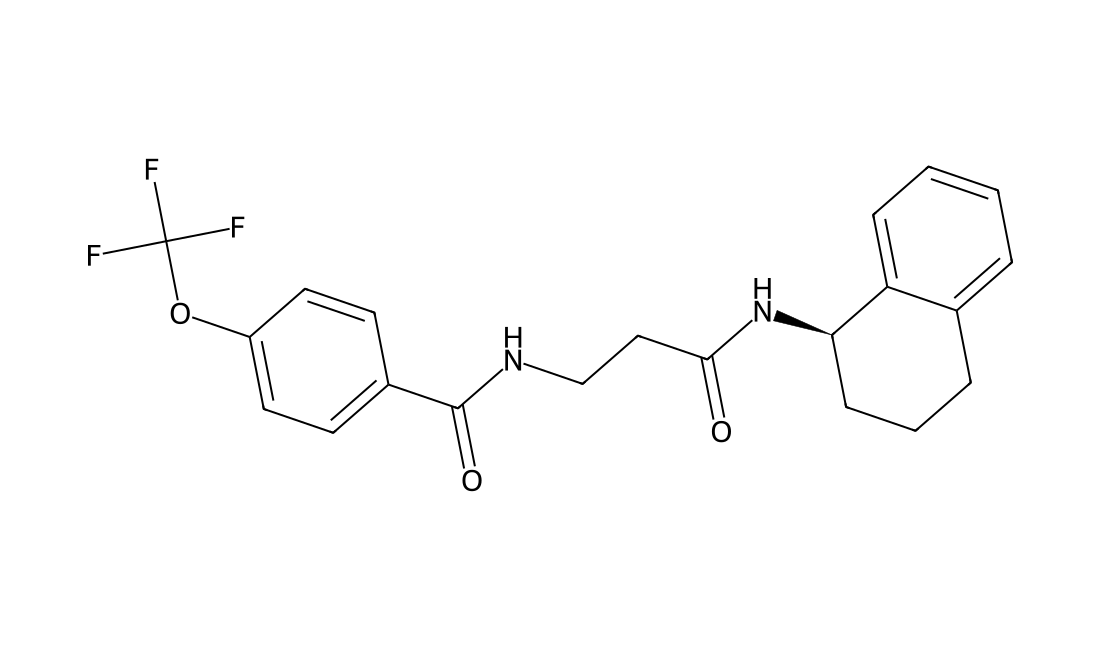
ML390 chemical structure
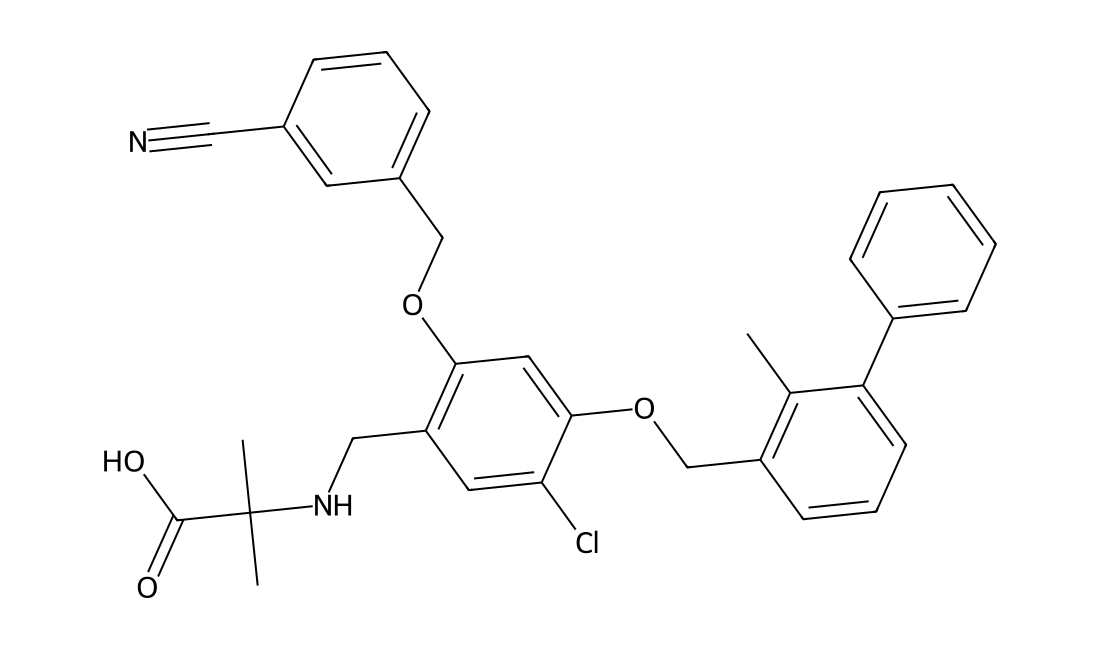
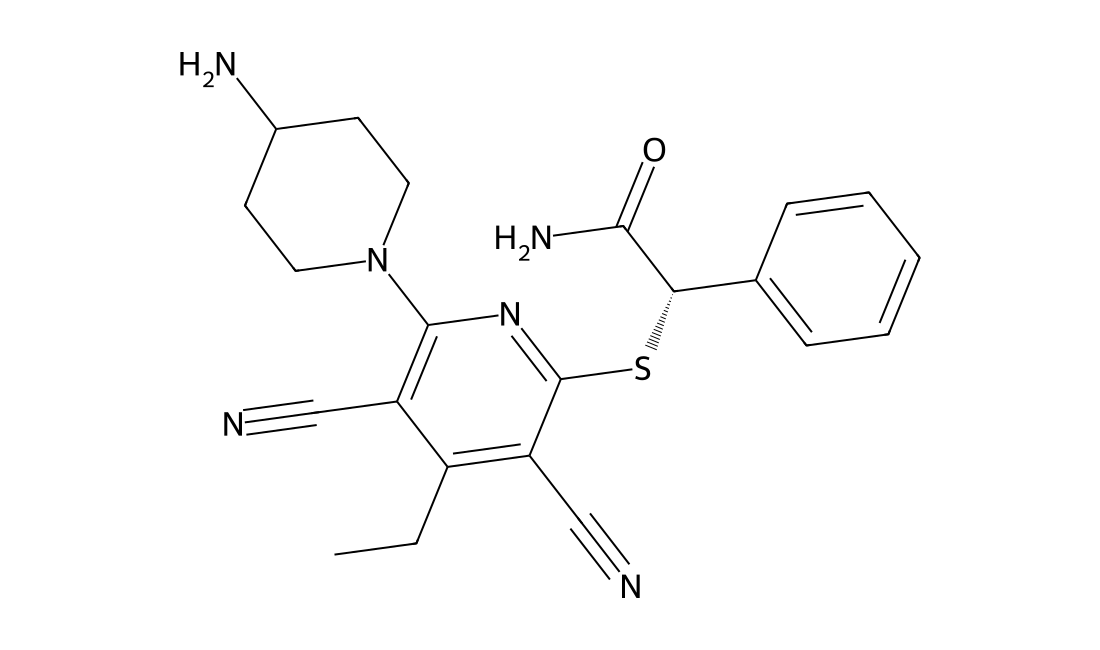
DC22616

CJ-42794

CAS 847728-01-2

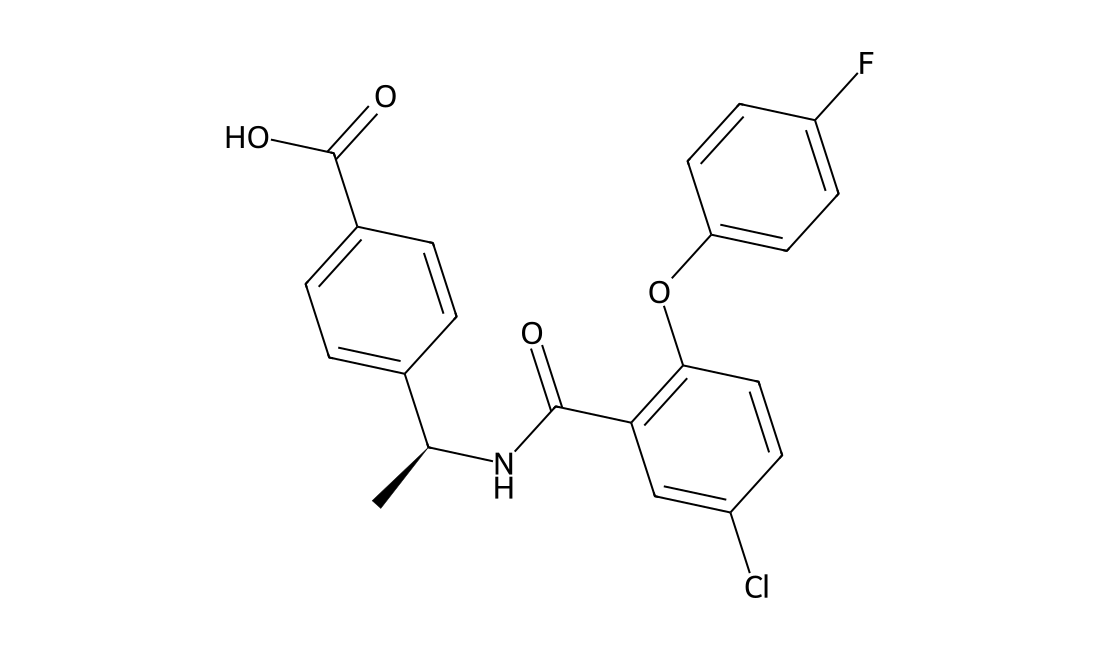
A selective prostaglandin E receptor subtype 4 (EP4) antagonist with pKi of 8.5; displays >200-fold more selective for human EP4 receptor than EP1, EP2, and EP3; competitively inhibits PGE2-evoked elevations of intracellular cAMP levels in HEK293 cells overexpressing EP4 receptor with a mean pA(2) value of 8.6; reverses the inhibitory effects of PGE2 on LPS-induced TNFα production.

CJ-42794 chemical structure
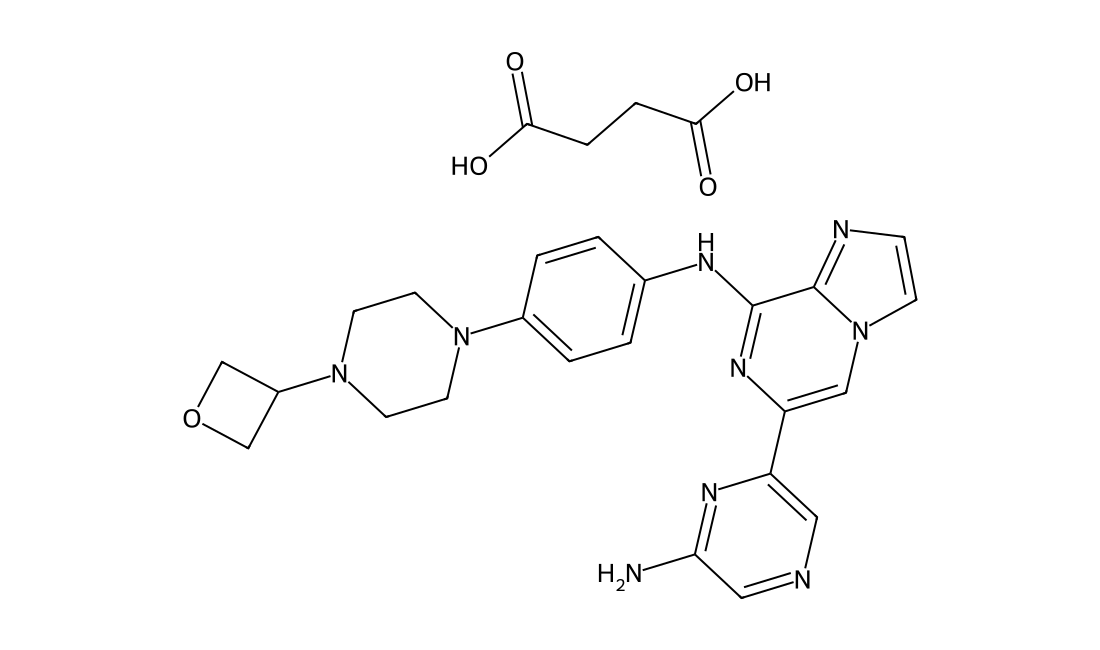
DC28254

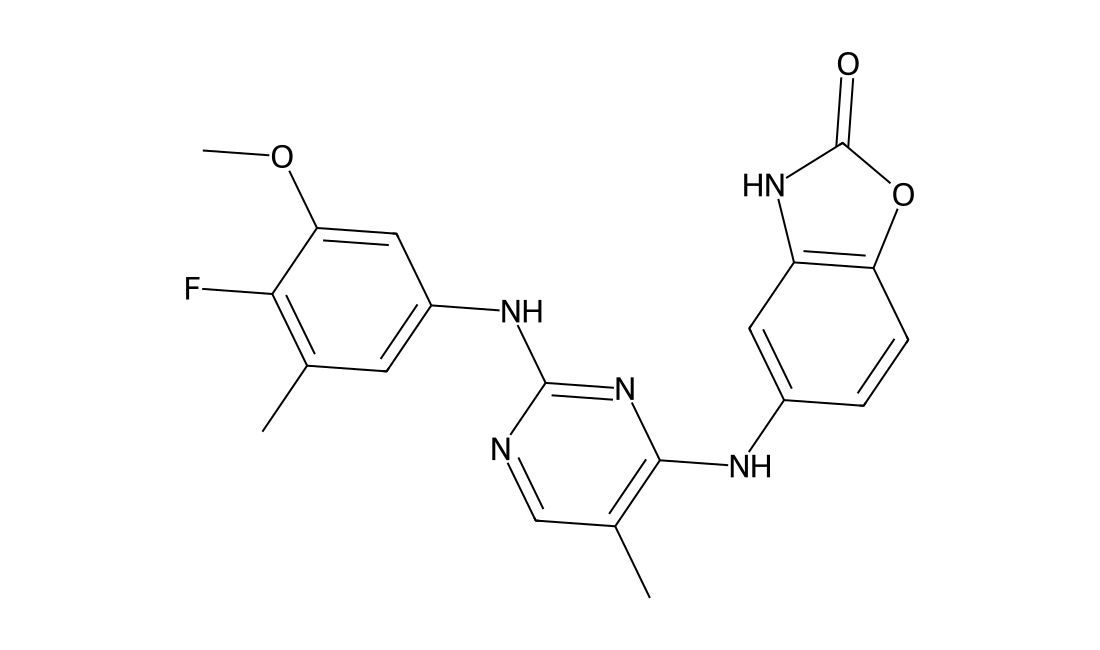
Lanraplenib monosuccinate

CAS 1800046-97-2

Lanraplenib monosuccinate (GS-9876 monosuccinate) is a highly selective and orally active SYK inhibitor (IC50=9.5 nM) in development for the treatment of inflammatory diseases. Lanraplenib monosuccinate (GS-9876 monosuccinate) inhibits SYK activity in platelets via the glycoprotein VI (GPVI) receptor without prolonging bleeding time (BT) in monkeys or humans.

Lanraplenib monosuccinate chemical structure
DC43969

NITD-2

CAS 1197896-79-9

NITD-2, a dengue virus (DENV) polymerase inhibitor, inhibits the DENV RdRp-mediated RNA elongation. NITD-2 penetrates cell membrane poorly.

NITD-2 chemical structure
DC8868

TIC10

CAS 1616632-77-9

TIC10 inactivates Akt and ERK to induce TRAIL through Foxo3a, possesses superior drug properties: delivery across the blood-brain barrier, superior stability and improved pharmacokinetics

TIC10 chemical structure
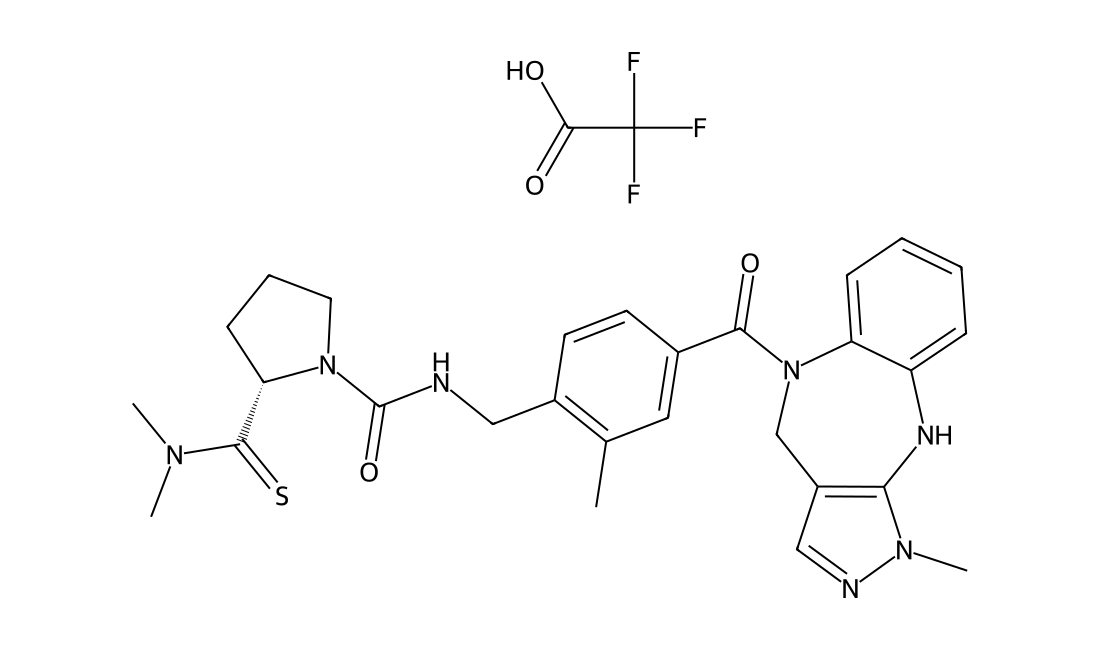
DC12434

LIT-001 trifluoroacetate

CAS 2245072-21-1

LIT-001 trifluoroacetate (LIT001) is the first nonpeptide Oxytocin receptor (OT-R) agonist with EC50 of 55 nM, Emax=96%; efficiently relieved social interaction deficits in Oprm1−/− mice, a mouse model of autism.

LIT-001 trifluoroacetate chemical structure
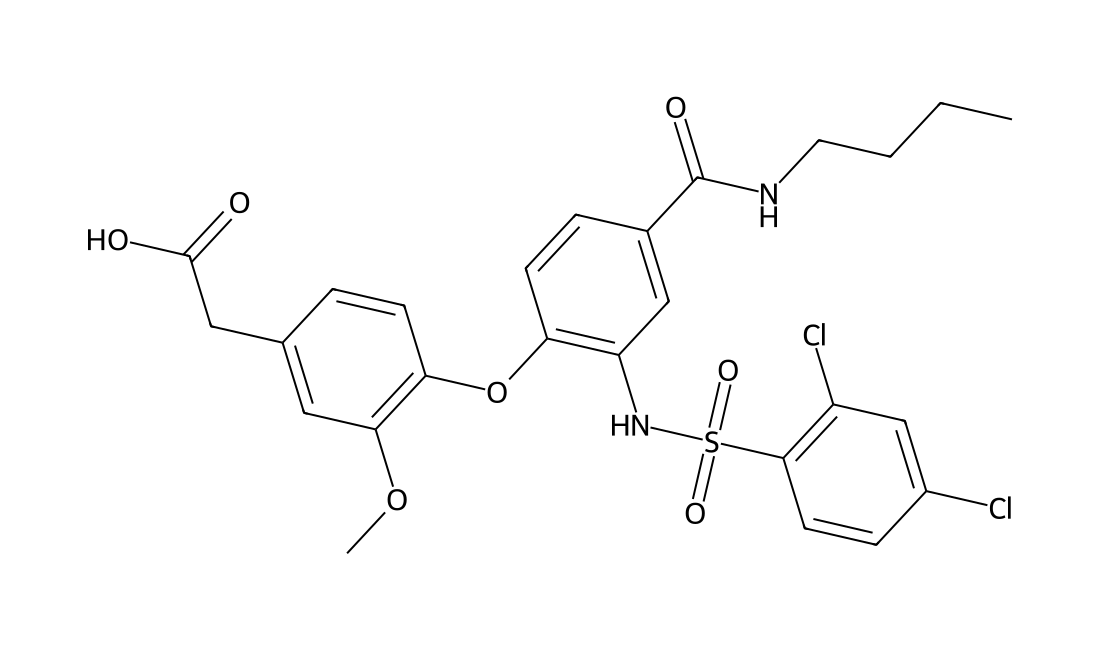
DC32828

AMG-009

CAS 1027847-67-1

AMG 009 is an orally active, small molecule CRTH2 (chemoattractant receptor-homologous molecule expressed on Th2 cells) and DP (D prostanoid) dual antagonist, which was in preclinical development in the US for the treatment of asthma and allergic rhinitis.

AMG-009 chemical structure
DC44512

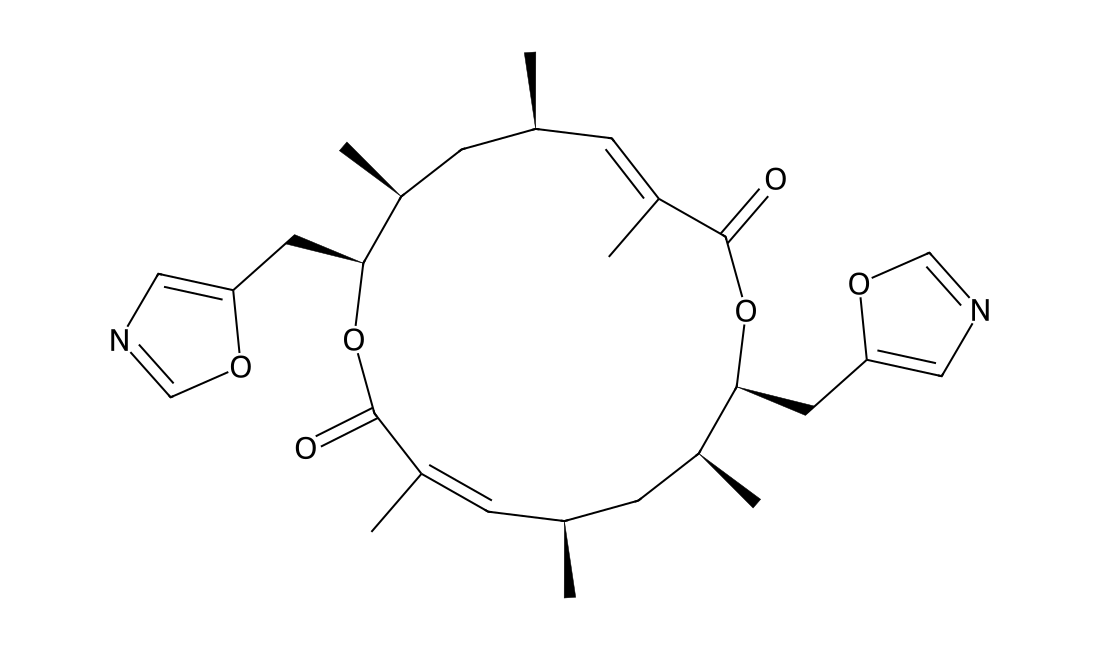
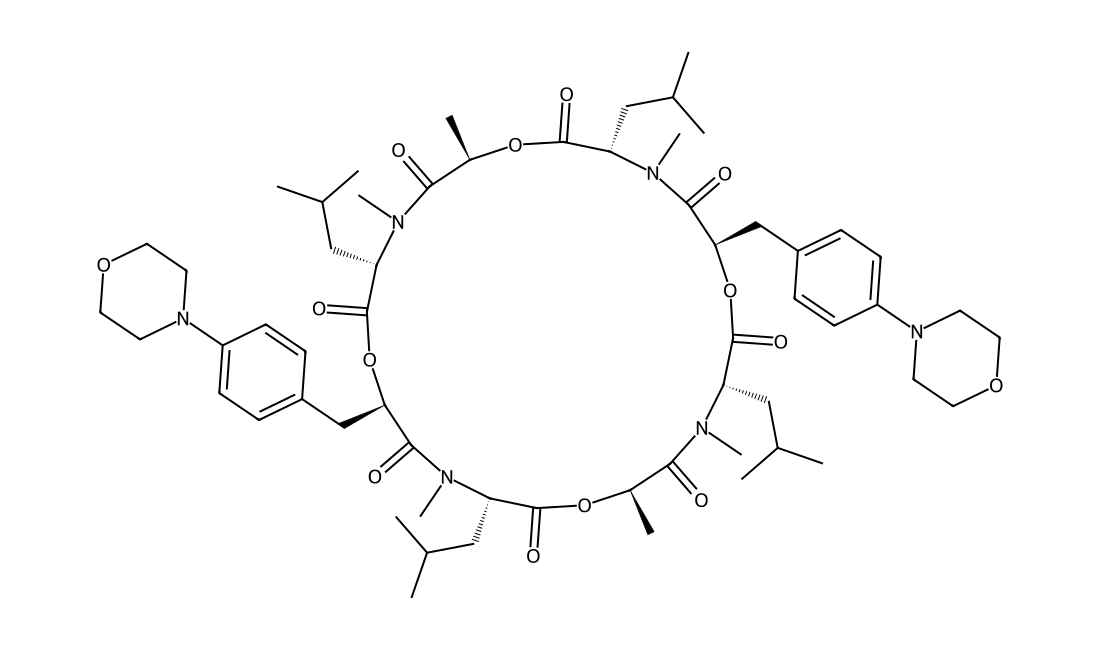
Conglobatin

CAS 72263-05-9

Conglobatin (FW-04-806), a macrolide dilactone, is isolated from the culture of Streptomyces conglobatus. Conglobatin is an orally active Hsp90 inhibitor. Conglobatin can bind to the N-terminal domain of Hsp90 and disrupt Hsp90-Cdc37 complex formation. Conglobatin induces apoptosis in human breast cancer cells and esophageal squamous cell carcinoma cells, and exhibits antitumor activity in vivo.

Conglobatin chemical structure
DC67204

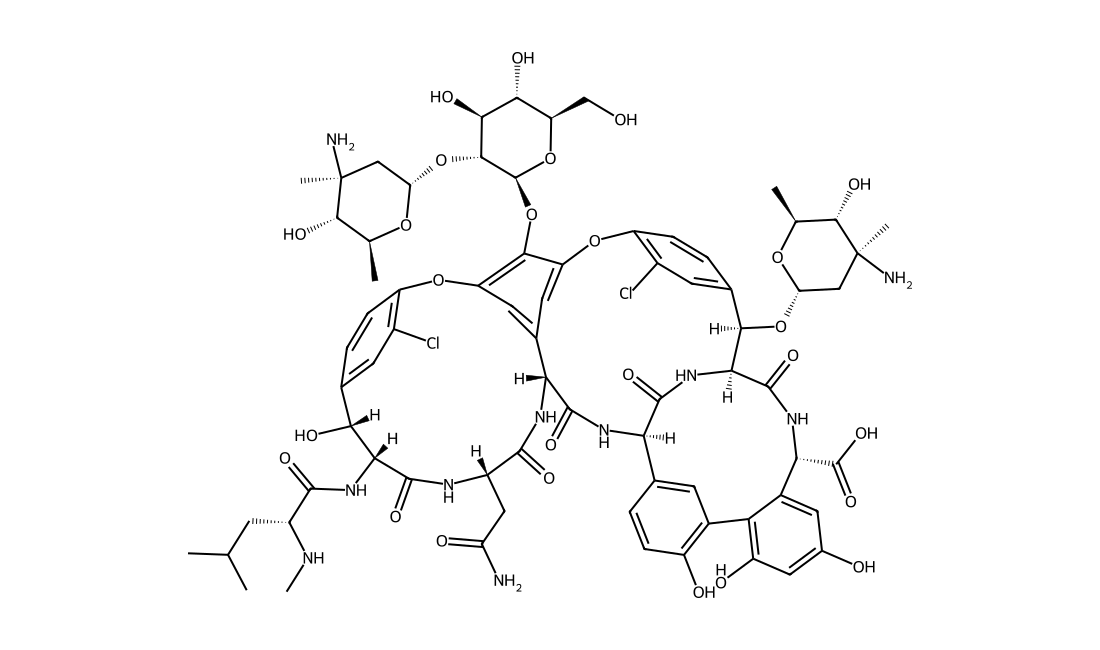
Chloroorienticin A

CAS 118395-73-6

Chloroorienticin A (A82846B) is a glycopeptide antibiotic. Chloroorienticin A exhibits excellent activity against staphylococci and streptococci.

Chloroorienticin A chemical structure
DC67200

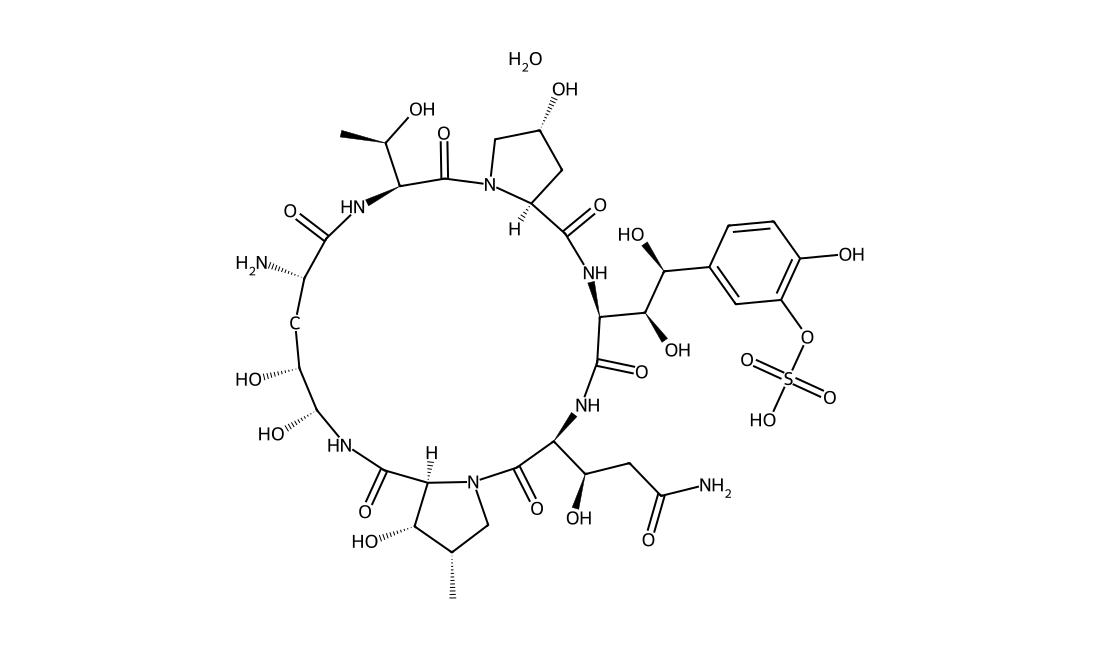
FR179642 hydrate

CAS 1392483-15-6

FR179642 hydrate is the cyclic peptide nucleus of the lipopeptide antifungal FR901379 and an intermediate in the synthesis of the echinocandin antifungal FK463.

FR179642 hydrate chemical structure
DC23219

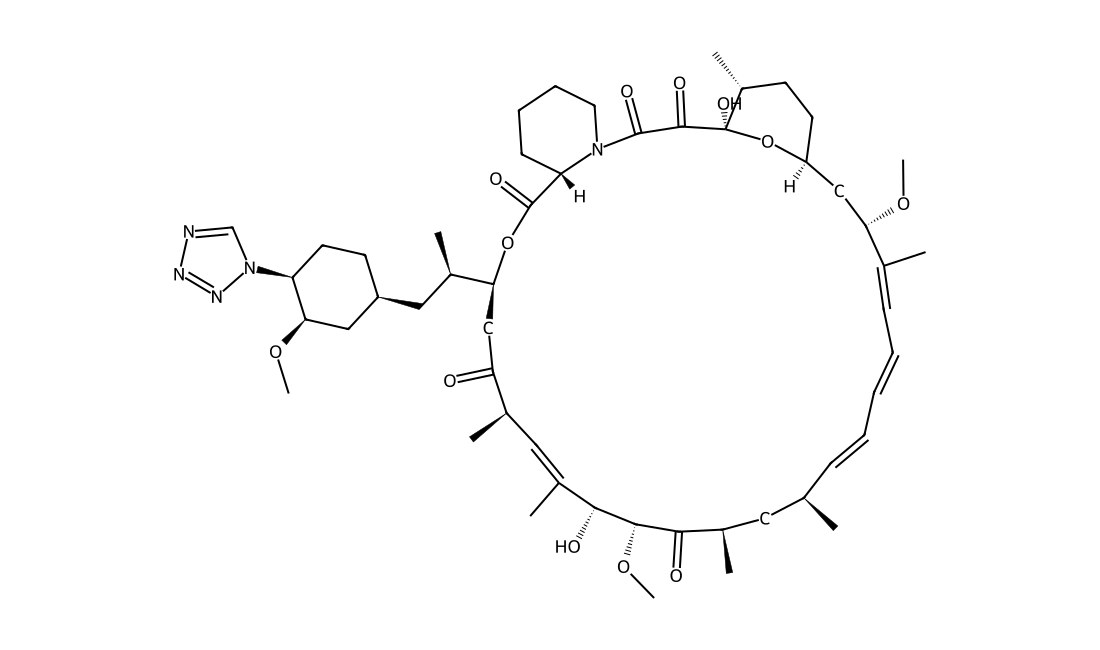
Zotarolimus

CAS 221877-54-9

Zotarolimus (ABT-578, A 179578) is a semi-synthetic analogue of rapamycin, inhibits FKBP-12 binding with IC50 of 2.8 nM and shows less potent systemic immunosuppression than rapamycin; effectively inhibits both smooth muscle cell and endothelial cell proliferation, with IC50 values of 2.9 nM and 2.6 nM, respectively; exhibits high-affinity binding to the immunophilin FKBP12, inhibiting in vitro proliferation of both human and rat T cells; inhibits Con A-induced human T cells with IC50 of 7.0 nM; reduce early complications and improve late clinical outcomes in patients needing interventional cardiology.

Zotarolimus chemical structure
DC67199

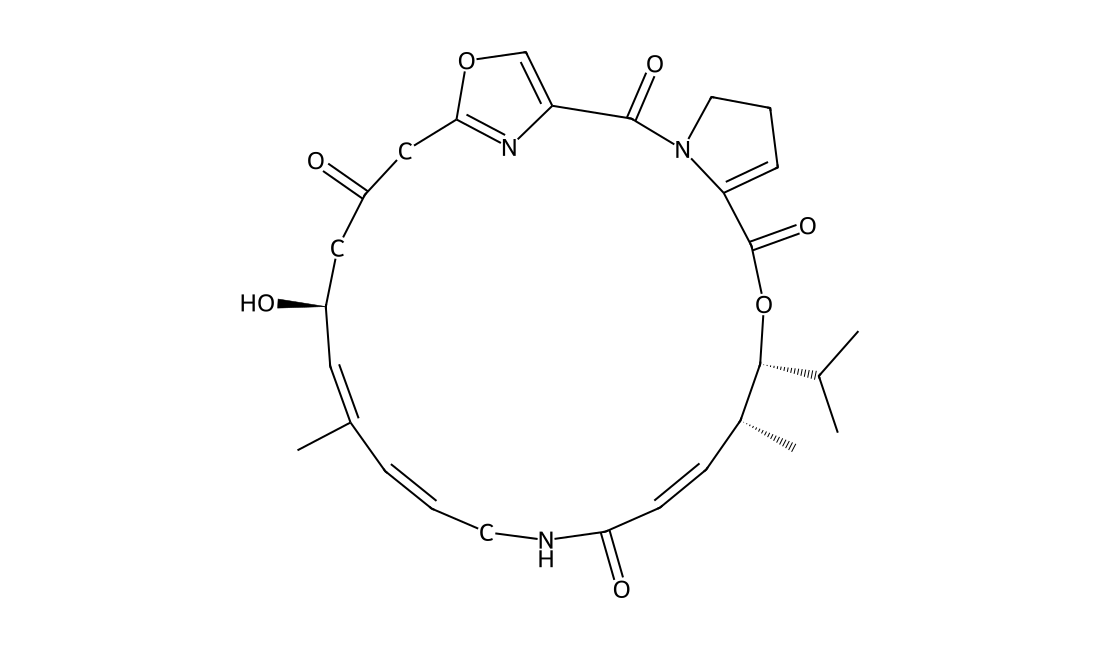
Virginiamycin M1

CAS 21411-53-0

Virginiamycin M1 (Pristinamycin IIA; Ostreogrycin A), produced by Streptomyces virginiae, is an polyunsaturated macrocyclic lactone antibiotic and acts as a component of Virginiamycin (HY-112665). Virginiamycin M1 alone is against Staphylococcus aureus with a MIC of 0.25 μg/mL.

Virginiamycin M1 chemical structure
DC8113

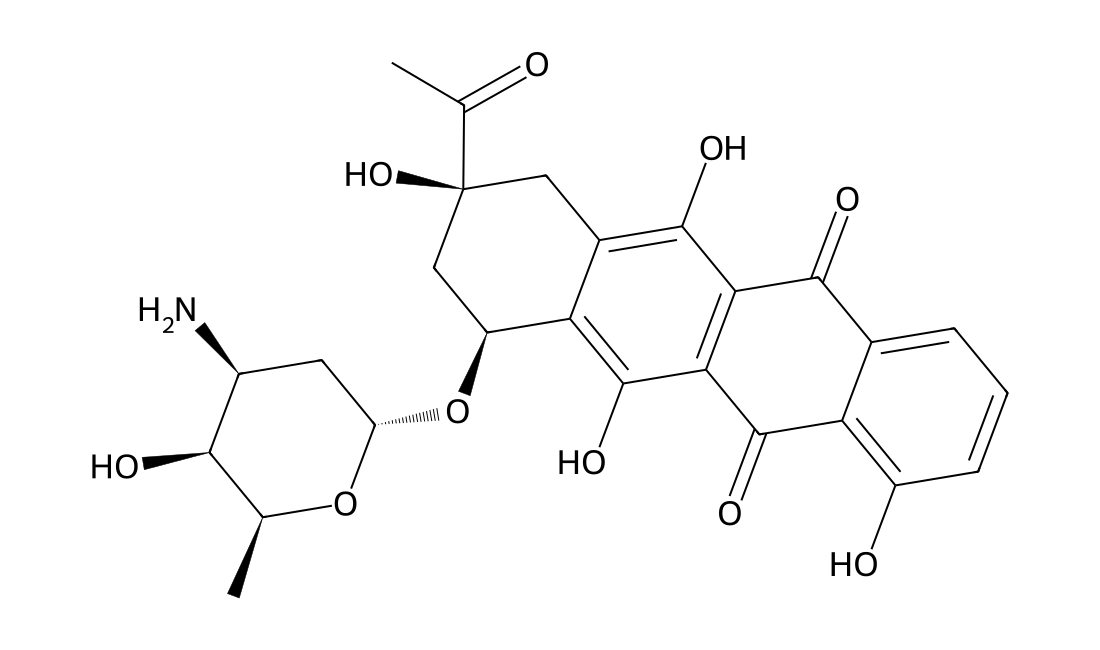
Carubicin

CAS 50935-04-1

Carubicin is an anthracycline antineoplastic antibiotic isolated from the bacterium Actinomadura carminata. Carubicin intercalates into DNA and interacts with topoisomerase II, thereby inhibiting DNA replication and repair and RNA and protein synthesis. For the detailed information of Carubicin, the solubility of Carubicin in water, the solubility of Carubicin in DMSO, the solubility of Carubicin in PBS buffer, the animal experiment (test) of Carubicin, the cell expriment (test) of Carubicin, the in vivo, in vitro and clinical trial test of Carubicin, the EC50, IC50,and affinity,of Carubicin, For the detailed information of Carubicin, the solubility of Carubicin in water, the solubility of Carubicin in DMSO, the solubility of Carubicin in PBS buffer, the animal experiment (test) of Carubicin, the cell expriment (test) of Carubicin, the in vivo, in vitro and clinical trial test of Carubicin, the EC50, IC50,and affinity,of Carubicin, Please contact DC Chemicals.

Carubicin chemical structure
DC21475

PF-05105679

CAS 1398583-31-7

PF-05105679 is a potent, selective TRPM8 channel inhibitor with IC50 of 103 nM (human TRPM8 currents inhibition); displays >100-fold selectivity against a broad panel of 90 receptors, ion channels, and enzymes; demonstrates moderately potency against agonist (WS-12) and cold modalities of activation of TRPM8 in plate-based assay formats with IC50 of 181 and 480 nM, respectively, shows increased potency on voltage activation in HEK-293 cells at 12°C with IC50 of 13.8 nM; demonstrates activity in vivo in the guinea pig bladder ice water and menthol challenge tests with an IC50 of 200 nM and reduces core body temperature in the rats, and reduces pain in the cold pressor test in humans. Pain Phase 1 Clinical

PF-05105679 chemical structure
DC42847

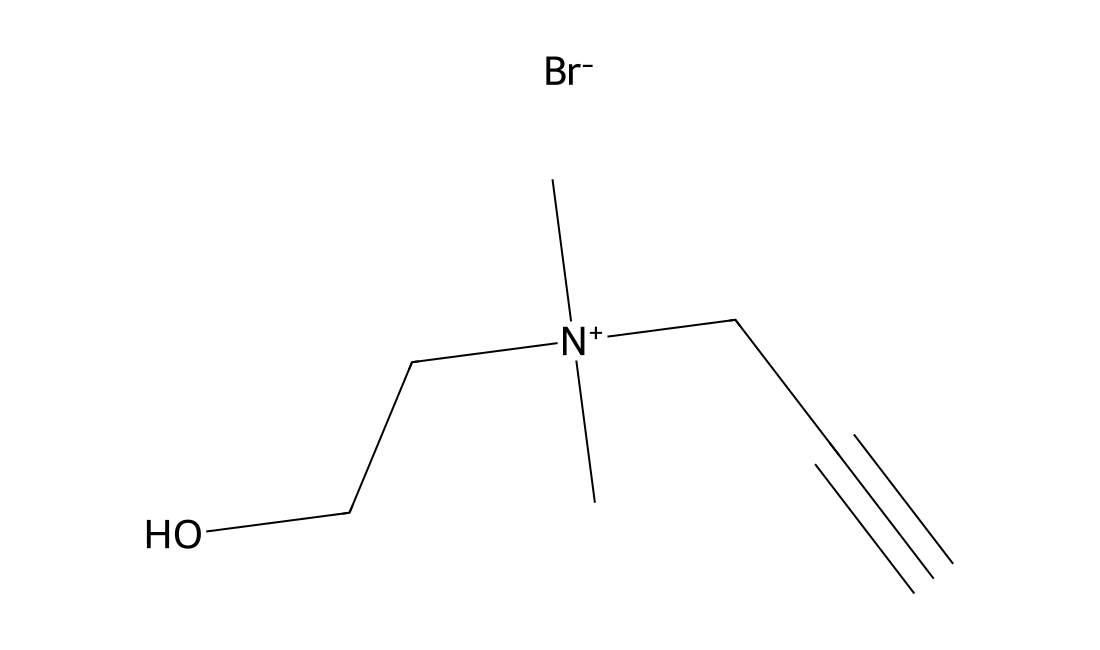
Propargylcholine bromide

CAS 111755-76-1

Propargylcholine bromide is a choline analogue containing terminal propargyl that can be incorporated into all classes of Choline-containing phospholipids such as phosphatidylcholine and sphingomyelin, labeling Choline-containing phospholipids. Propargylcholine bromide-labeled phospholipid molecules can be visualized in cells with high sensitivity and spatial resolution.

Propargylcholine bromide chemical structure
DC32566

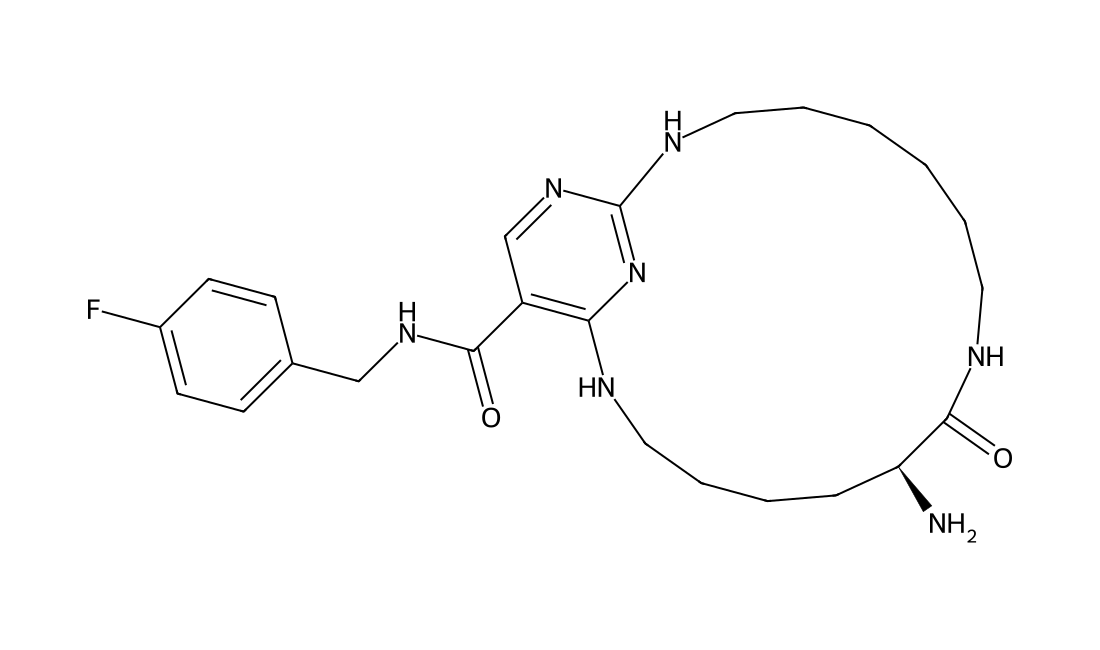
UNC2541

CAS 1612782-86-1

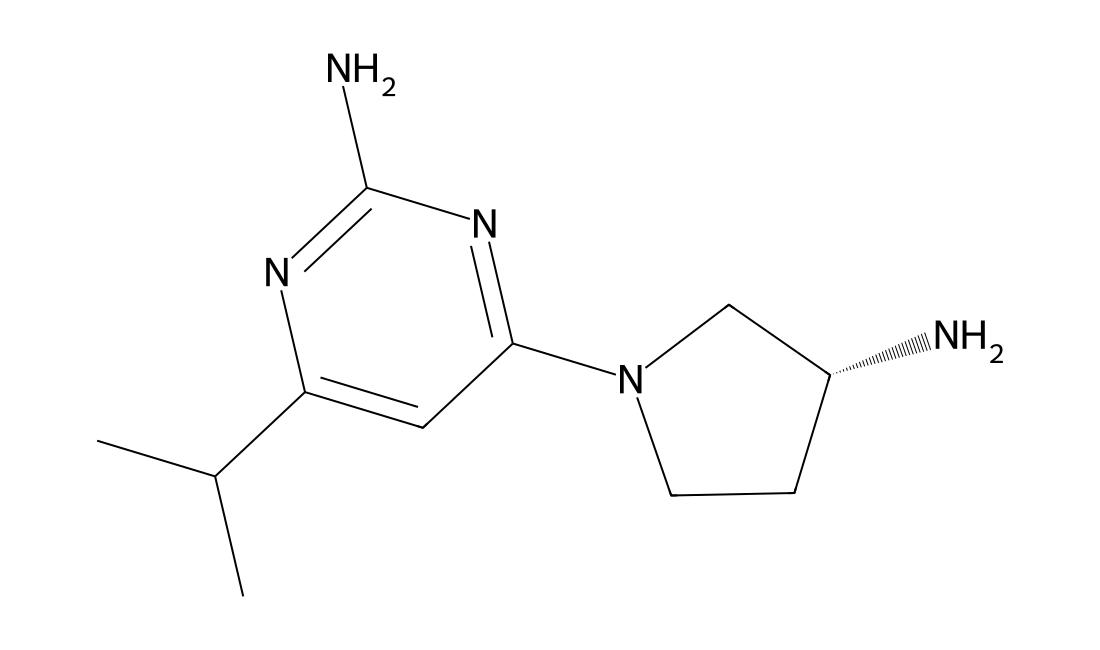
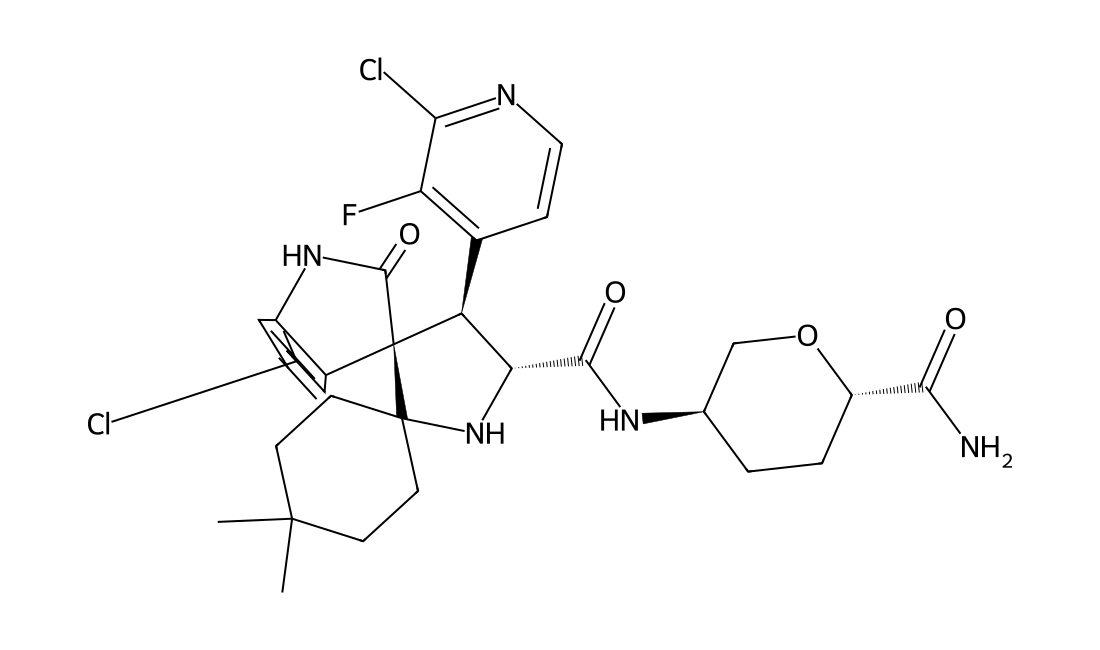
UNC2541 is a potent and MerTK-specific inhibitor that exhibits sub-micromolar inhibitory activity in the cell-based ELISA. In addition, an X-ray structure of MerTK protein in complex with 11 was resolved to show that these macrocycles bind in the MerTK ATP pocket. UNC2541 showed IC50 MerTH=4.4 nM; IC50 AXL = 120 nM; IC50 TYRO3 = 220 nM; IC50 FLT3 = 320 nM.

UNC2541 chemical structure
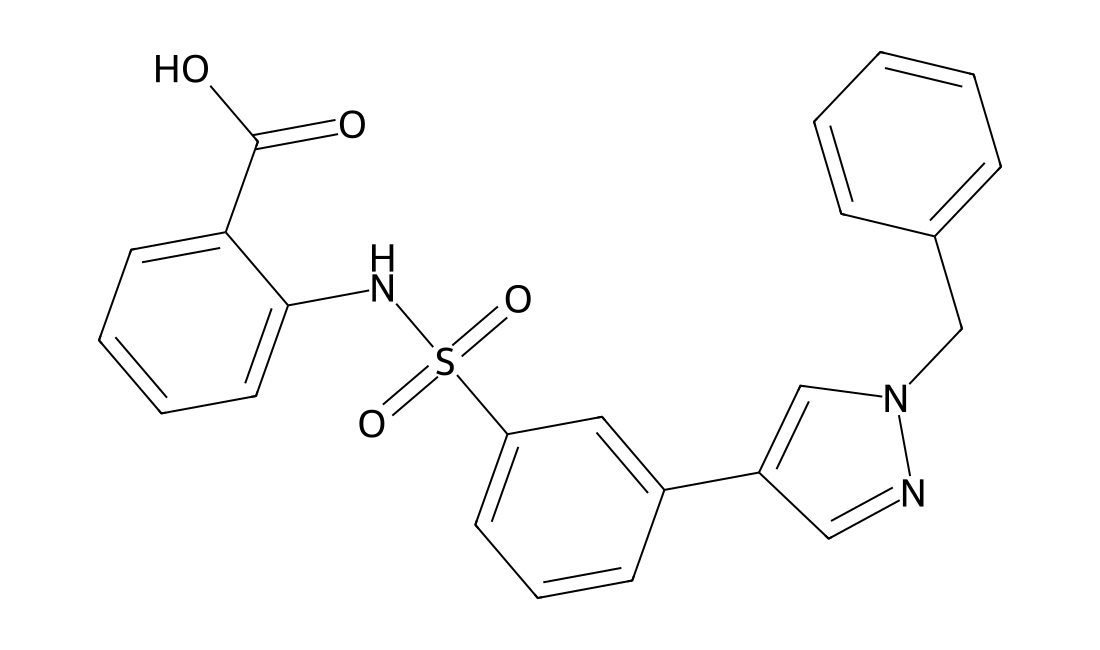
DC33632

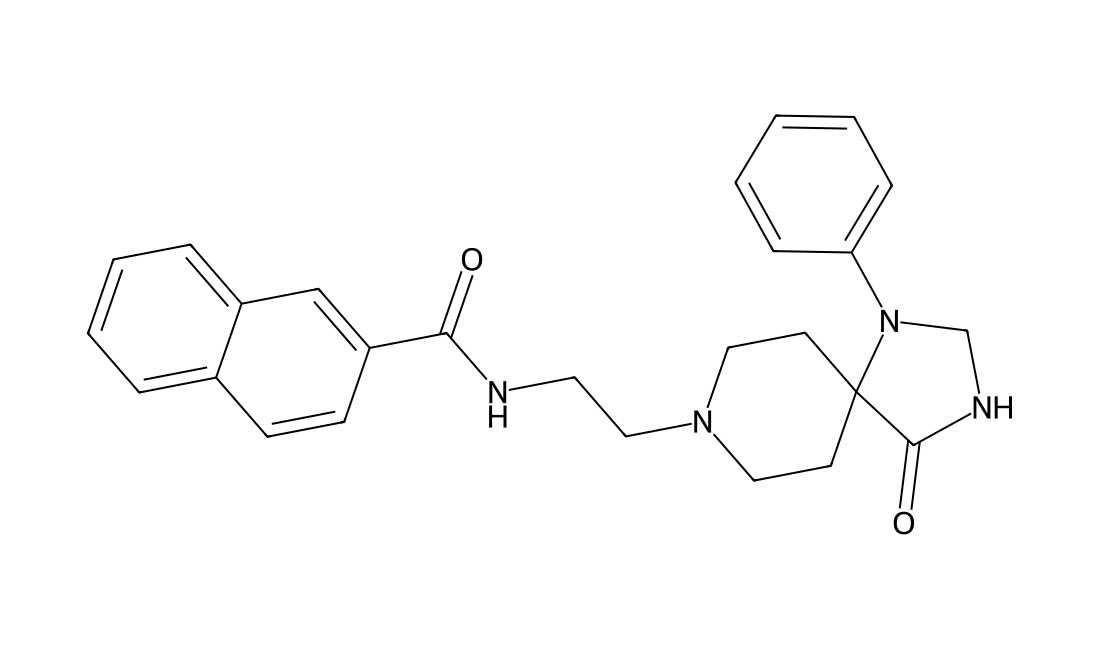
CAY10594

CAS 1130067-34-3

CAY10594 is a potent phospholipase D2 inhibitor. CAY10594 ameliorates acetaminophen-induced acute liver injury by regulating the phosphorylated-GSK-3β/JNK axis.

CAY10594 chemical structure
DC67174

TK-129

CAS 3031476-73-7

TK-129 is an orally active, low-toxicity, potent KDM5B inhibitor (with high affinity; IC50=44 nM). TK-129 exerts cardioprotective effects by inhibiting KDM5B and blocking the KDM5B-associated Wnt pathway. TK-129 reduces ang II-induced activation of cardiac fibroblasts in vitro and reduces isoprenaline-induced myocardial remodelling and fibrosis in vivo. TK-129 can be used in studies of cardiovascular disease.

TK-129 chemical structure
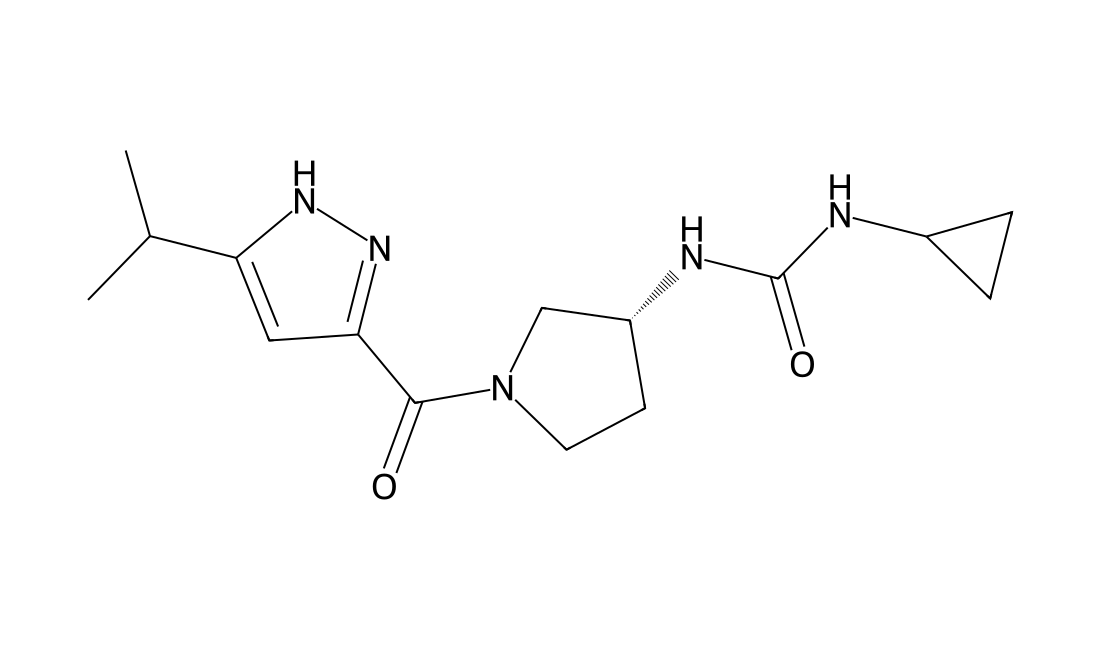
DC66337

GLUT4 activator 2

CAS 2761446-81-3

GLUT4 activator 2 (C59) is an insulin sensitizer, which can be used for research of diabetic diseases. GLUT4 activator 2 improves glucose uptake and insulin sensitivity in rodents. GLUT4 activator 2 interacts with Unc119 and Unc119B resulting in increased insulin sensitivity and GLUT4 translocation.

GLUT4 activator 2 chemical structure
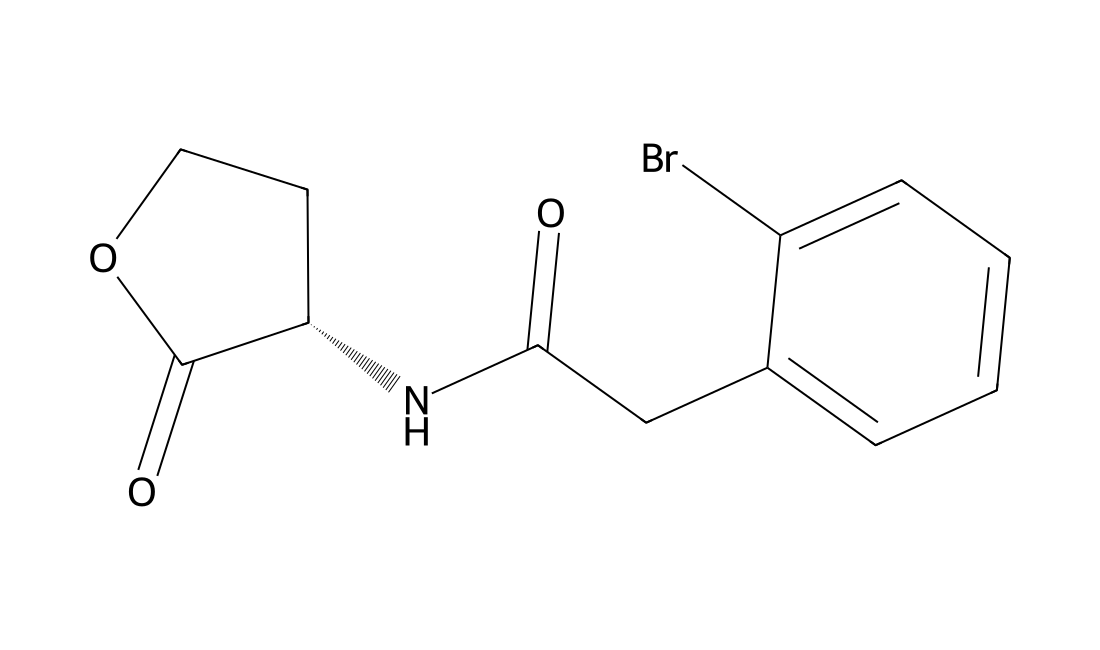
DC67182

AHL modulator-1

CAS 942296-18-6

AHL modulator-1 (compound 12) is a modulator of N-acylated L-homoserine lactone (AHL), with the agonism and antagonism of 21% and 42% in cellulase activity and 5% and 32% in potato macerationa, respectively.

AHL modulator-1 chemical structure
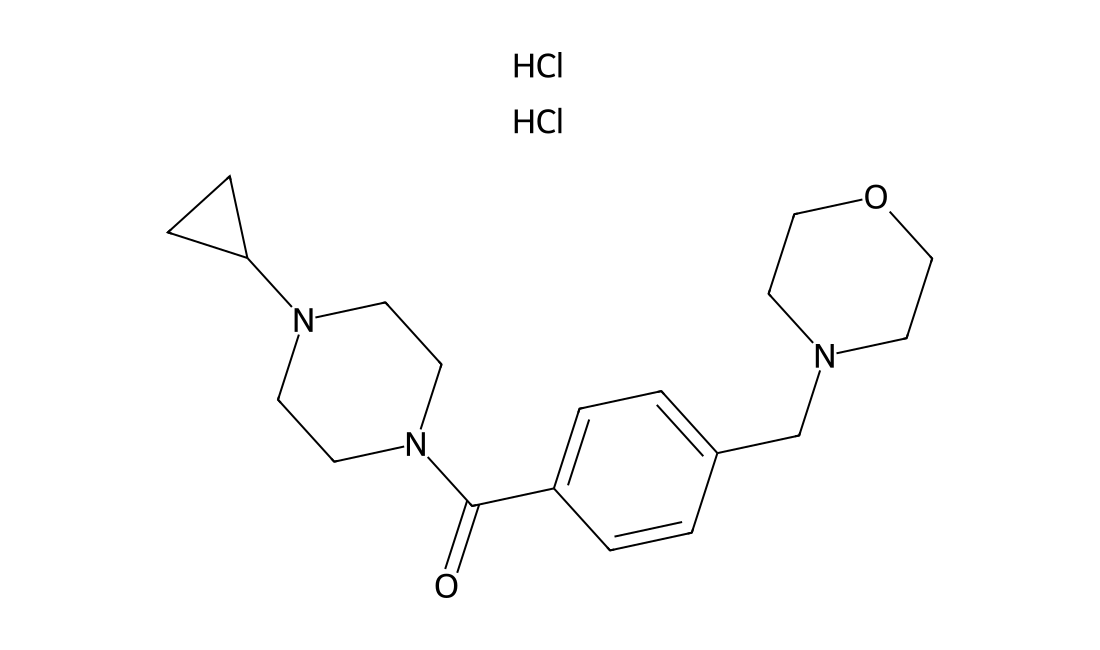
DC67179

Bavisant dihydrochloride

CAS 929622-09-3

Bavisant (JNJ-31001074) dihydrochloride is an orally active, potent, brain-penetrating and highly selective antagonist of the histamine H3 receptor. Bavisant dihydrochloride can be used for attention-deficit hyperactivity disorder (ADHD) research.

Bavisant dihydrochloride chemical structure
DC9691

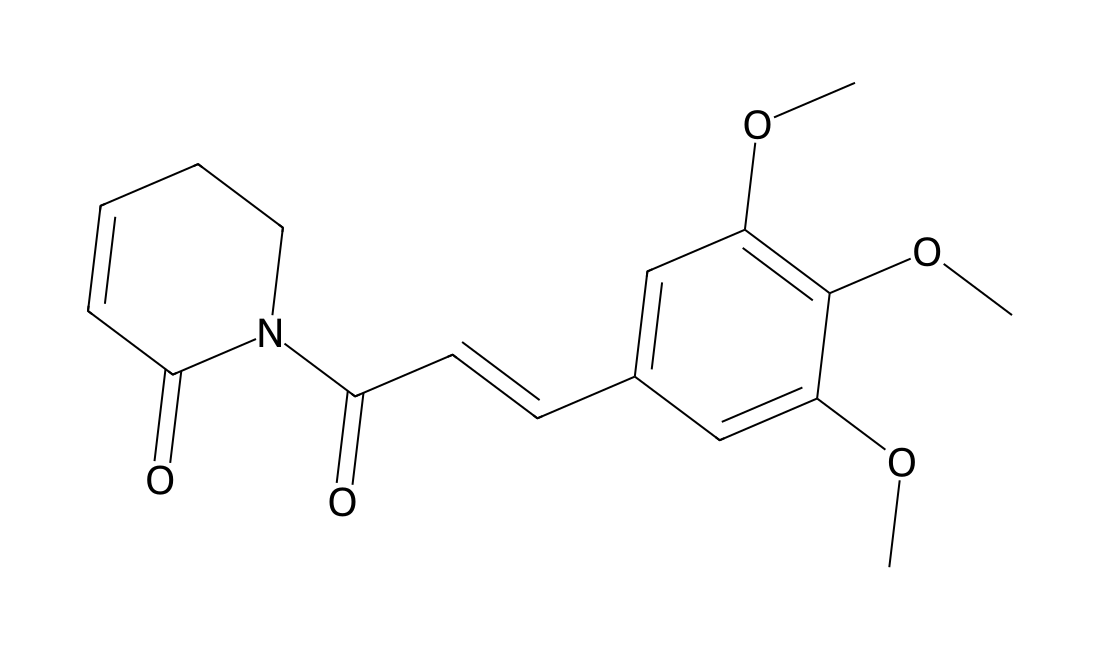
Piperlongumine

CAS 20069-09-4

Piperlongumine is a natural alkaloid isolated from Piper longum Linn[1], possesses ant-inflammatory, antibacterial, antiangiogenic, antioxidant, antitumor, and antidiabetic activities[2]. Piperlongumine induces ROS, and induces apoptosis in cancer cell lines[1]. Piperlongumine shows anti-cardiac fibrosis activity, suppresses myofibroblast transformation via suppression of the ERK1/2 signaling pathway[2].

Piperlongumine chemical structure
DC40155

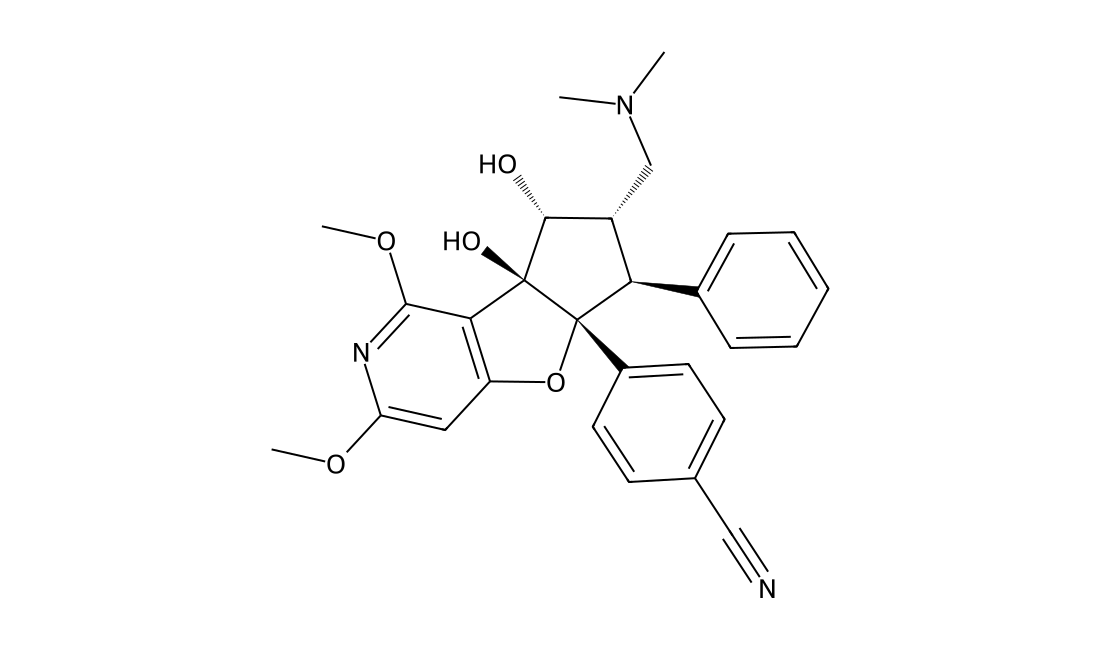
Zotatifin

CAS 2098191-53-6

Zotatifin (eFT226) is a potent, selective, and well-tolerated eIF4A inhibitor. Zotatifin promotes eIF4A binding to specific mRNA sequences with recognition motifs in the 5’-UTRs (IC50=2 nM) and interferes with the assembly of the eIF4F initiation complex. Zotatifin shows robust antiviral effects, it effectively reduces viral infectivity by inhibiting SARS-CoV-2 NP protein biogenesis (IC90=37 nM). Zotatifin induces cell apoptosis.

Zotatifin chemical structure
DC67171

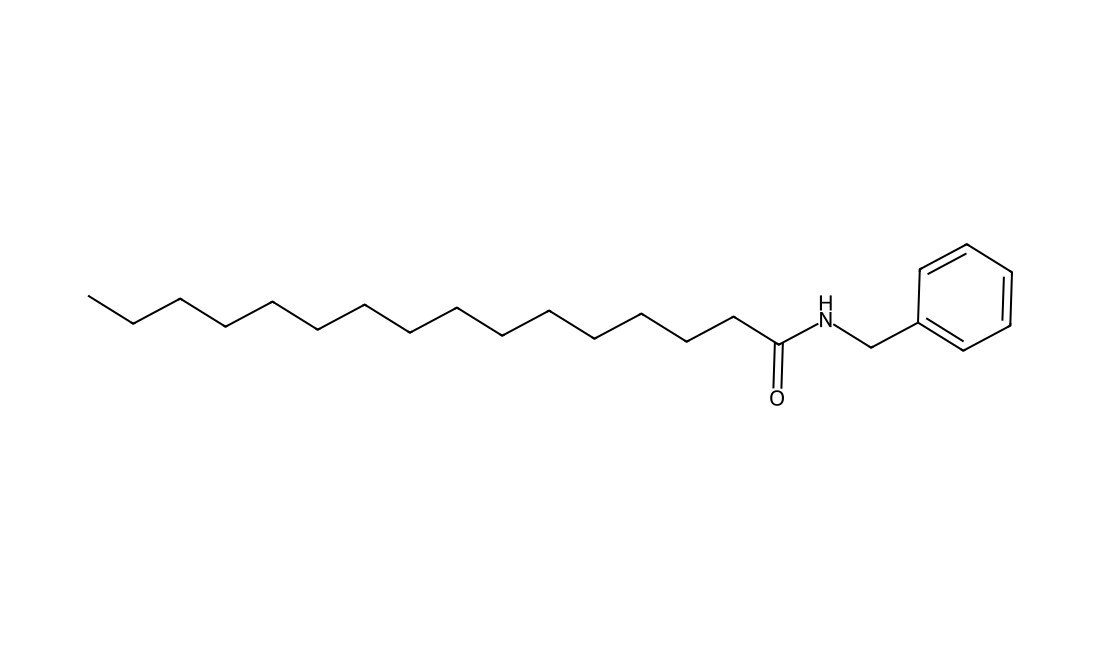
Macamide B

CAS 74058-71-2

Macamide B (N-Benzylhexadecanamide; Macamide 1) is a macamide isolated from Lepidium meyenii, acts as an inhibitor of fatty acid amide hydrolase (FAAH).

Macamide B chemical structure
DC48820

hDHODH-IN-8

CAS 2757405-31-3

hDHODH-IN-8 is a potent inhibitor of human dihydroorotate dehydrogenase (hDHODH) with an IC50 of 16 nM. hDHODH-IN-8 has potent antiproliferative activity and excellent aqueous solubility. hDHODH-IN-8 has the potential for the research of tumor disease, especially lymphoma.

hDHODH-IN-8 chemical structure
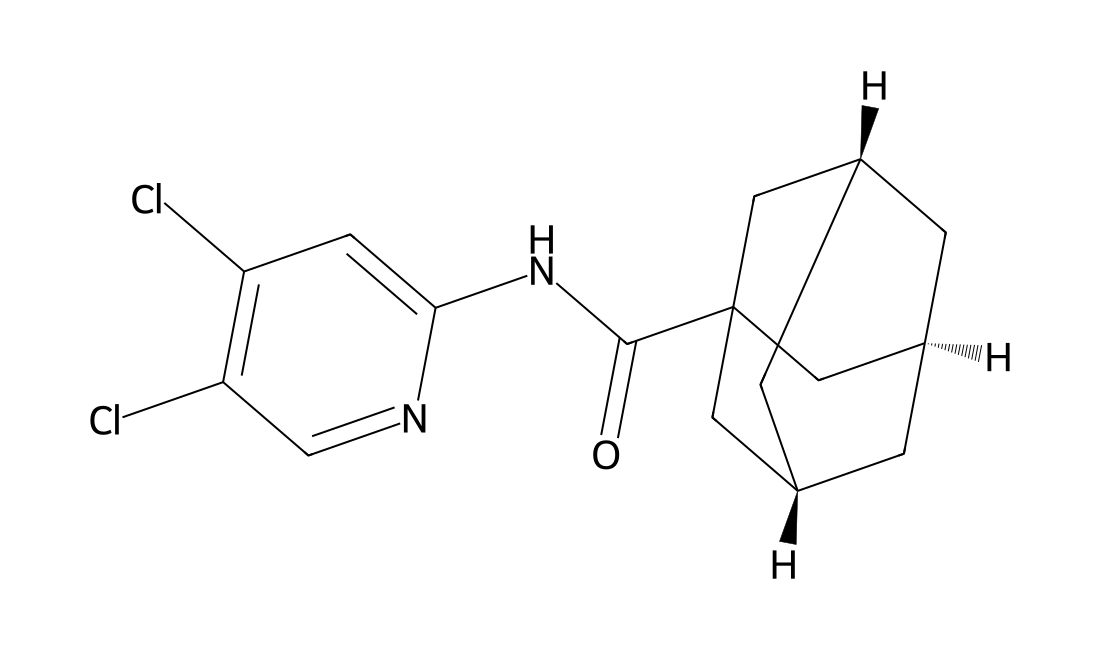
DC48326

ELOVL1-IN-3

CAS 2761063-99-2

ELOVL1-IN-3 (Compound 22) is a potent and orally active inhibitor of elongation of very long chain fatty acid 1 (ELOVL1) enzyme. ELOVL1-IN-3 serves as a useful tool for researching adrenoleukodystrophy (ALD)[1].

ELOVL1-IN-3 chemical structure
DC67162

(S)-GSK-3685032

CAS 2170142-58-0

(S)-GSK-3685032 is the isomer of GSK-3685032 (HY-139664), and can be used as an experimental control. GSK-3685032 is a non-time-dependent, noncovalently, first-in-class reversible DNMT1-selective inhibitor, with an IC50 of 0.036 μM. GSK-3685032 induces robust loss of DNA methylation, transcriptional activation, and cancer cell growth inhibition.

(S)-GSK-3685032 chemical structure
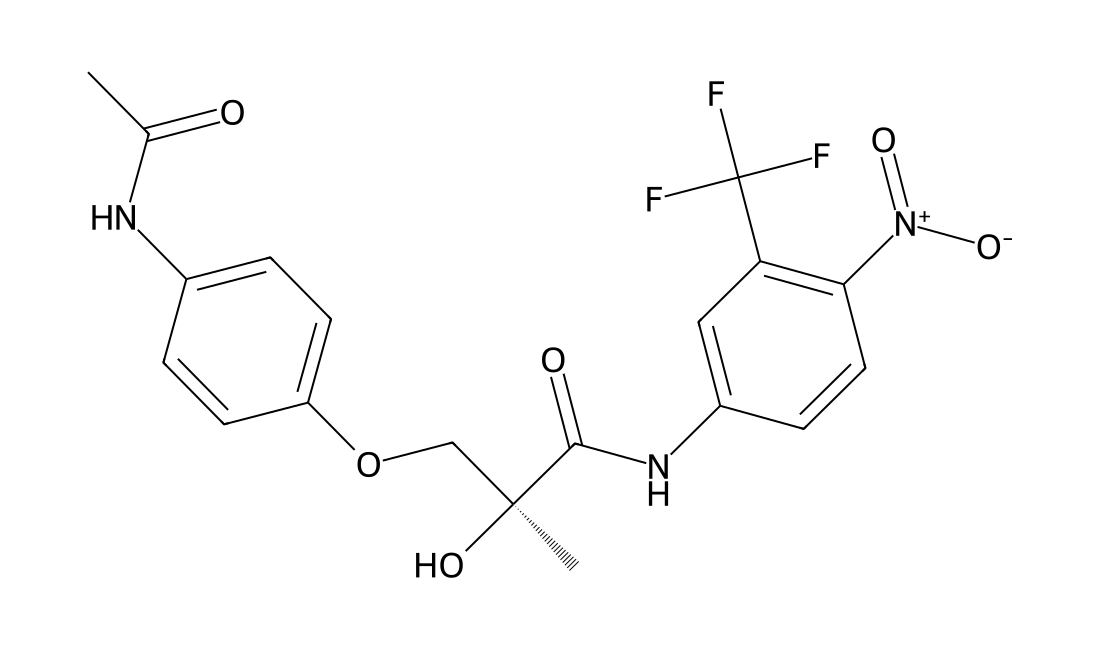
DC50036

RAD-150

CAS 1208070-53-4

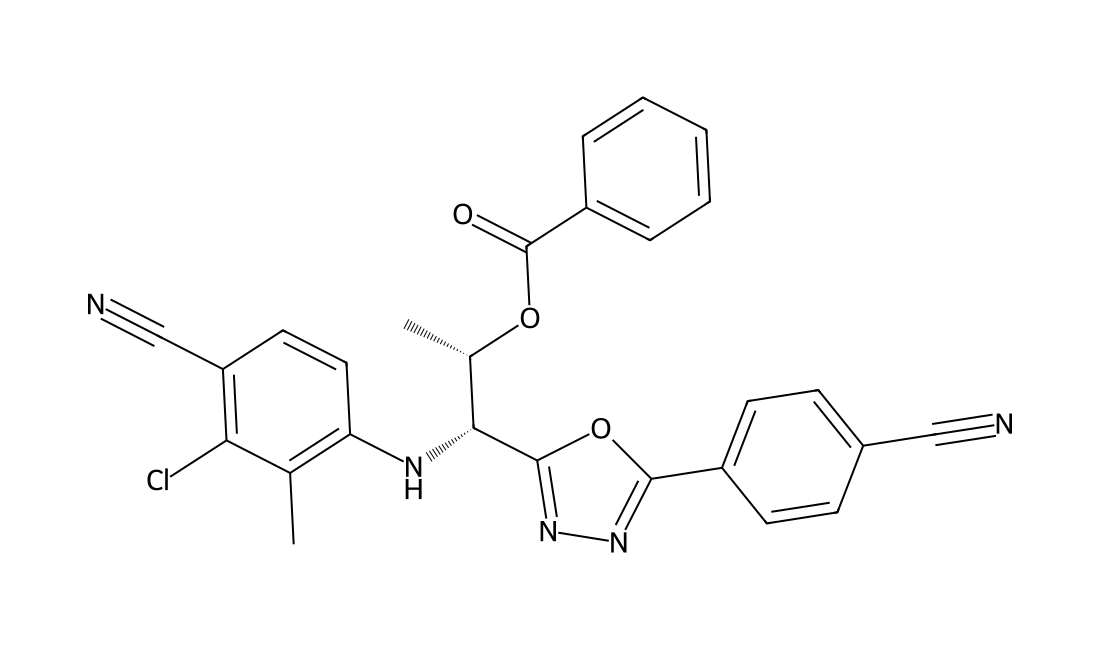
RAD150 is a nonsteroidal androgen receptor modulator (IC50 = 130 nM) and benzoate ester derivative of the selective androgen receptor modulator (SARM) RAD140.

RAD-150 chemical structure
DC10812

ACP-105

CAS 899821-23-9

ACP-105 is an orally available, selective amd potent androgen receptor modulator (SARM), with pEC50s of 9.0 and 9.3 for AR wild type and T877A mutant, respectively.

ACP-105 chemical structure
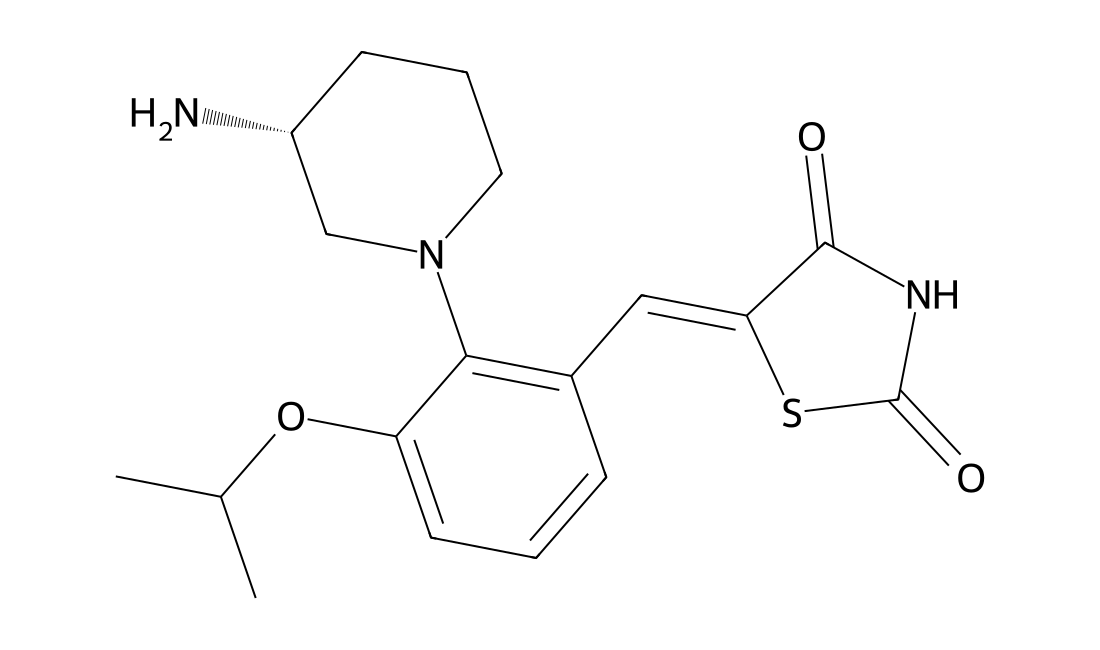
DCC0844

Azd1897

CAS 1204181-93-0

AZD1897 is a PIM1, PIM2, and PIM3 inhibitor with IC50 values of less than 3 nM for these three PIM kinases. AZD1897 exhibits anticancer activity and synergistically inhibits the activity of acute myeloid leukemia (AML) cells in combination with Capivasertib (HY-15431). This synergistic inhibitory effect is achieved through the inhibition of the mTOR and MCL1 pathways.

Azd1897 chemical structure
DC33156

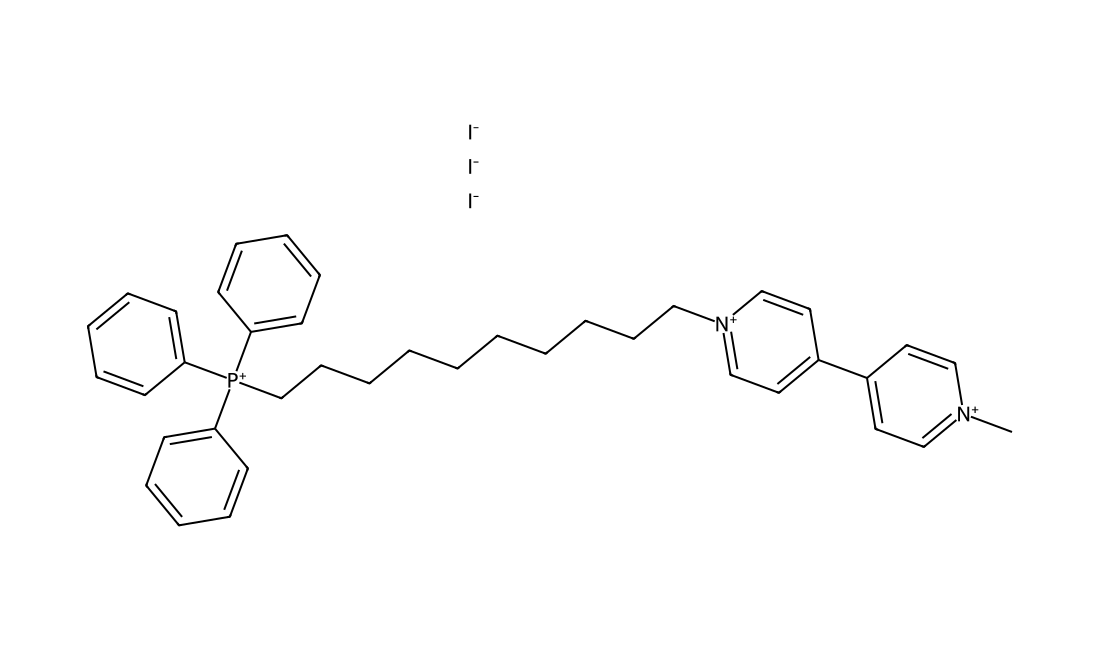
MitoPQ

CAS 1821370-28-8

MitoPQ, also known as MitoParaquat, is a redox cycler. MitoParaquat (MitoPQ) that comprises a triphenylphosphonium lipophilic cation conjugated to the redox cycler paraquat. MitoPQ accumulates selectively in the mitochondrial matrix driven by the membrane potential. Within the matrix, MitoPQ produces superoxide by redox cycling at the flavin site of complex I, selectively increasing superoxide production within mitochondria. MitoPQ increased mitochondrial superoxide in isolated mitochondria and cells in culture ~a thousand-fold more effectively than untargeted paraquat. MitoPQ was also more toxic than paraquat in the isolated perfused heart and in Drosophila in vivo. MitoPQ enables the selective generation of superoxide within mitochondria and is a useful tool to investigate the many roles of mitochondrial superoxide in pathology and redox signaling in cells and in vivo.
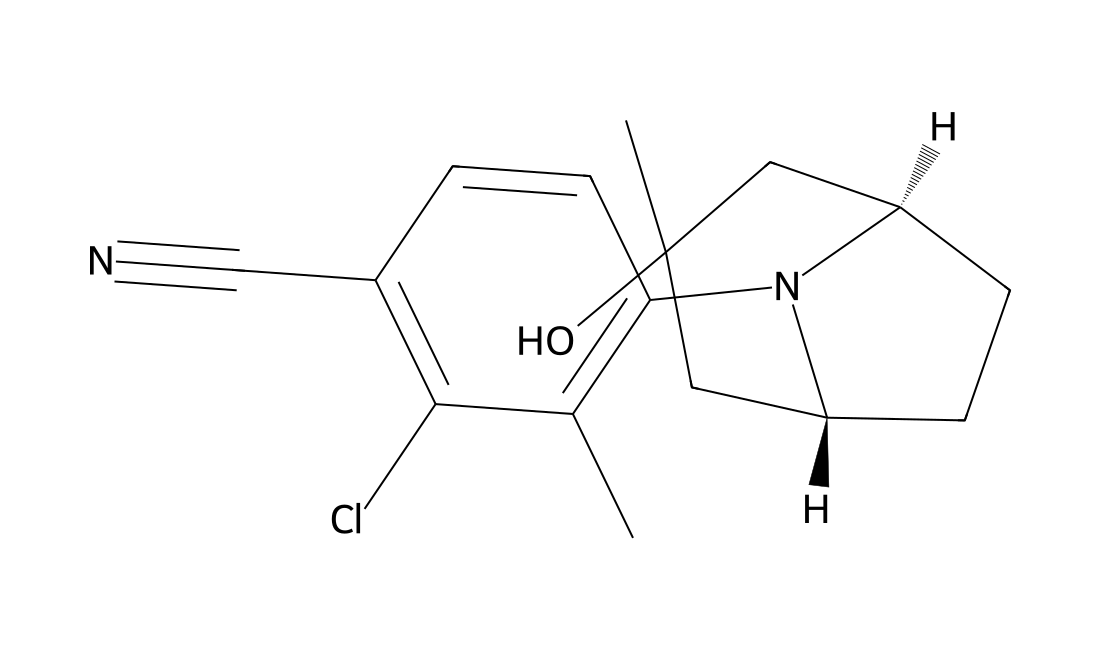
MitoPQ chemical structure
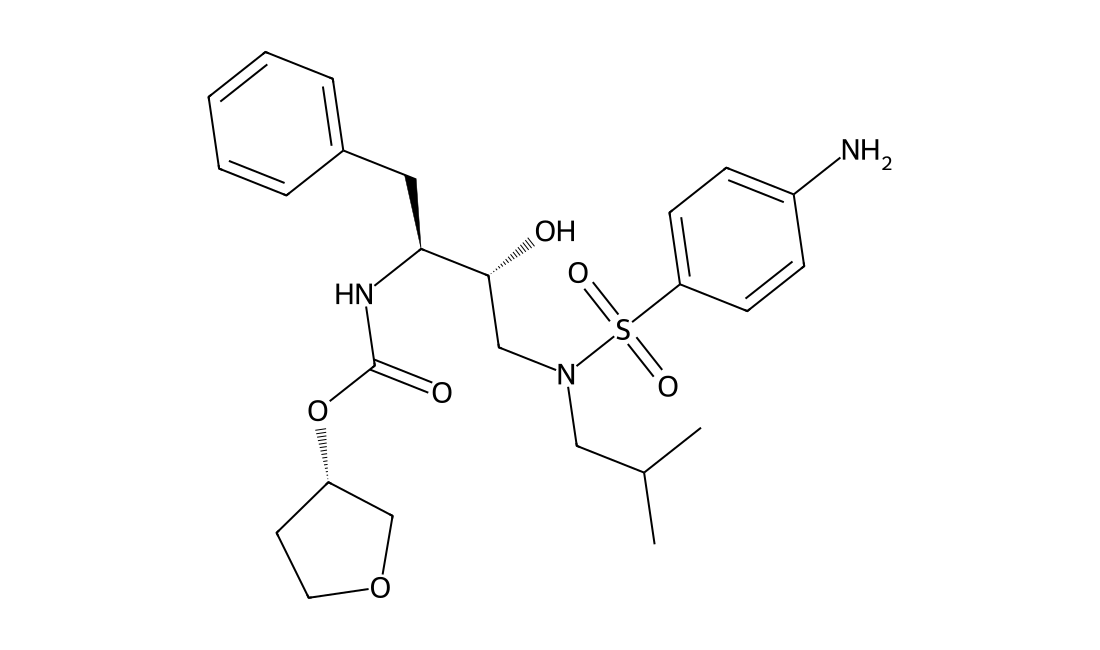
DC7058

Amprenavir

CAS 161814-49-9

Amprenavir is an human immunodeficiency virus (HIV) protease inhibitor with IC50 of 14.6 ± 12.5 ng/ml For wild-type HIV isolates. Like all HIV protease inhibitors, amprenavir interrupts the maturation phase of the HIV replicative cycle by Forming an inhibitor-enzyme complex, which prevents HIV protease from binding with its normal substrates. It has an enzyme inhibition constant (Ki = 0.6 nM) that falls within the Ki range of the other protease inhibitors. For the detailed information of Amprenavir, the solubility of Amprenavir in water, the solubility of Amprenavir in DMSO, the solubility of Amprenavir in PBS buffer, the animal experiment (test) of Amprenavir, the cell expriment (test) of Amprenavir, the in vivo, in vitro and clinical trial test of Amprenavir, the EC50, IC50,and Affinity of Amprenavir, Please contact DC Chemicals.

Amprenavir chemical structure
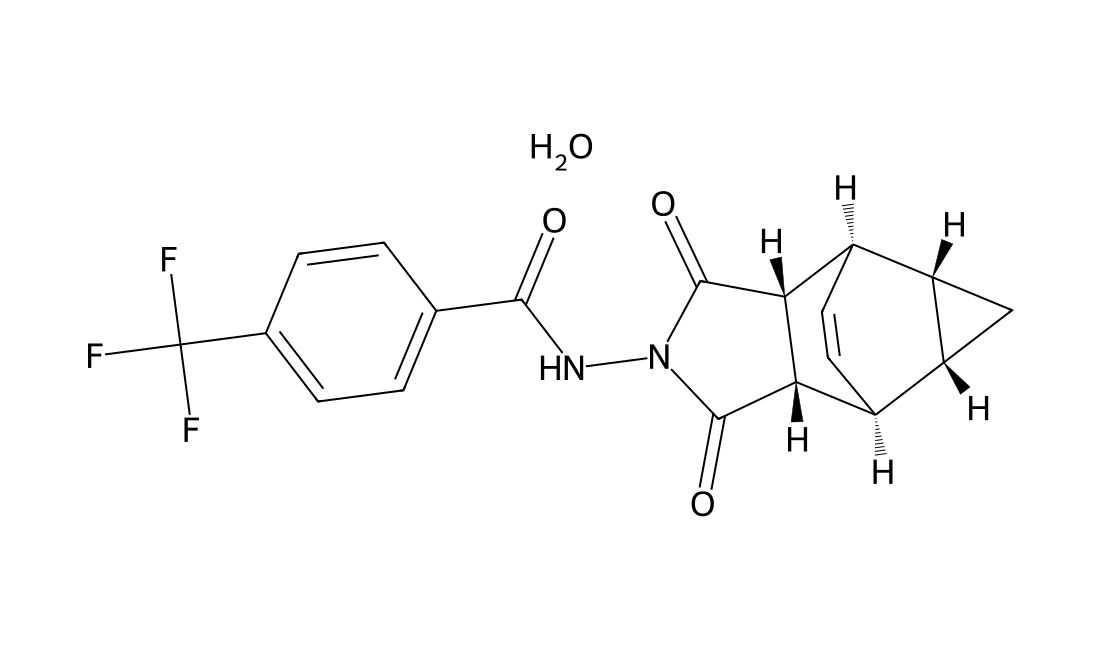
DCC5080

Tecovirimat Hydrate

CAS 1162664-19-8

Novel inhibitor of viral p37, blocking the ability of virus particles to be released from infected cells, being used for the treatment of smallpox, monkeypox, orthopoxvirus, and orthopoxviral Disease.

Tecovirimat Hydrate chemical structure
DC21177

JNJ 39758979

CAS 1046447-90-8

A potent, selective, orally bioavailable histamine H4 receptor antagonist with Ki of 12.5 nM, >80-fold selectivity over other histamine receptors; shows dose-dependent activity in models of asthma and dermatitis, has good pharmacokinetics.AsthmaPhase 2 Clinical

JNJ 39758979 chemical structure
DC49096

(22S,23S)-Homobrassinolide

CAS 80483-89-2

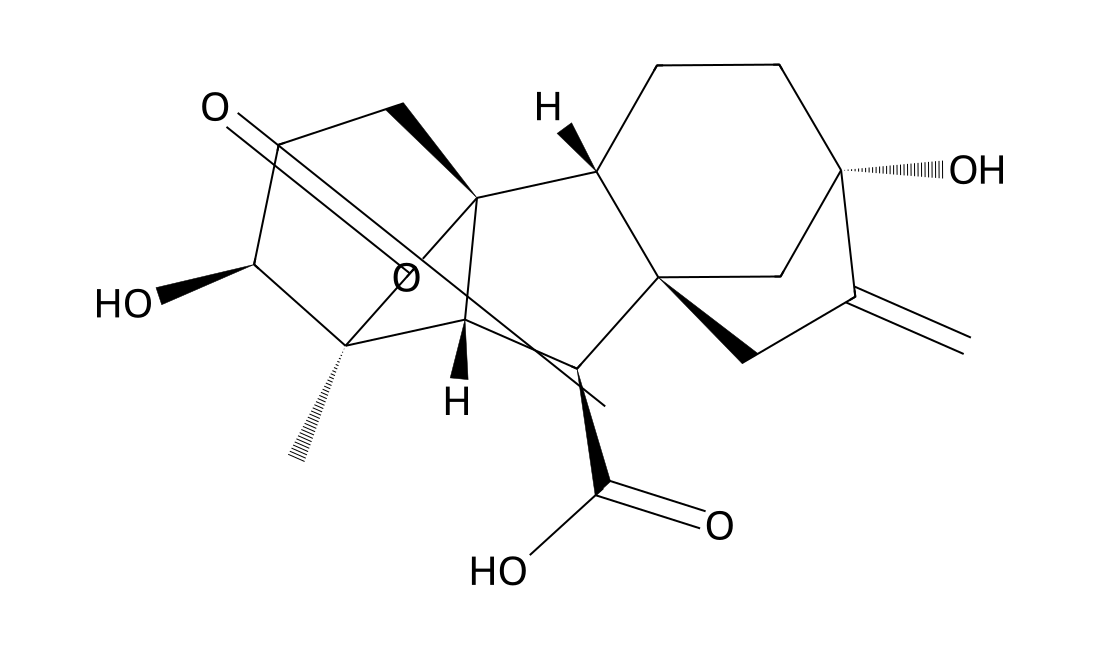
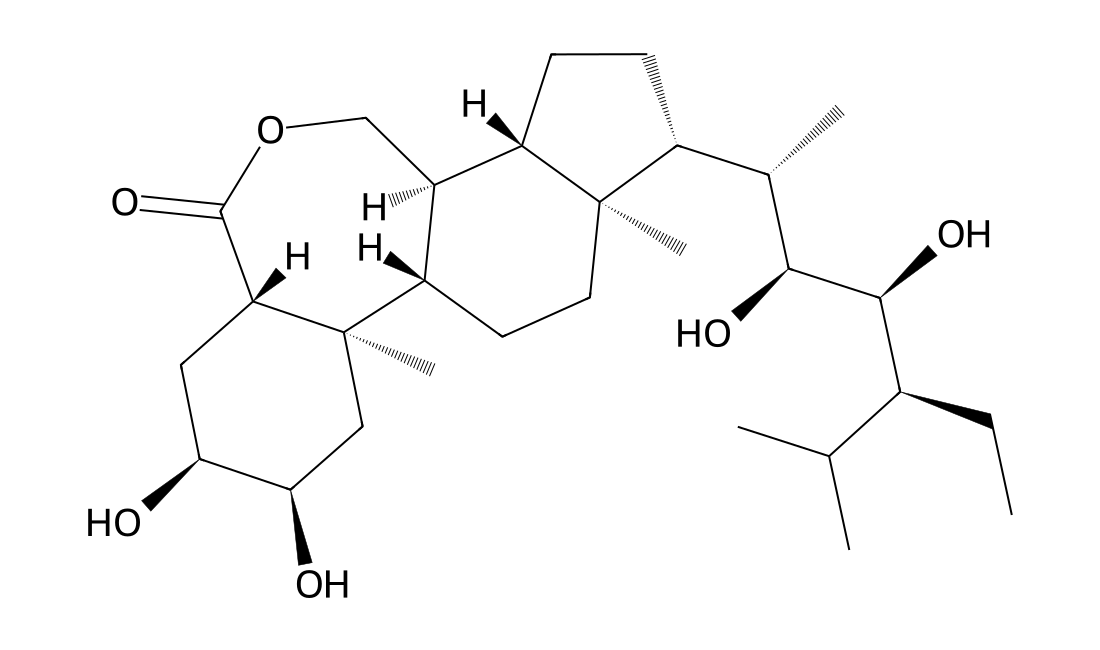
(22S,23S)-Homobrassinolide is one of the most active brassinosteroids in inducing plant growth in various plant bioassay systems. (22S,23S)-Homobrassinolide shows Akt-dependent anabolic activity in rat skeletal muscle cells. Orally active.

(22S,23S)-Homobrassinolide chemical structure
Browse target & topic index A–Z (366)
11β-HSD (1)15-PGDH (2)5-HT Receptor (16)Acetyl-CoA Carboxylase (ACC) (3)Acetylcholinesterase (AChE) (2)Ack1 (TNK2) (1)Acyltransferase (1)ADC Cytotoxin (6)ADCs Linker/Click Chemistry (5)Adenosine Receptor (9)Adenylate Cyclase (2)Adrenergic Receptor (11)Akt (12)Alcoholism (2)Aldehyde Dehydrogenase (ALDH) (6)Allergy (5)Alzheimer Disease (13)Aminopeptidase (1)AMPK (8)Amyloids (4)Anaplastic Lymphoma Kinase (ALK) (9)Androgen Receptor (AR) (11)Anemia (4)Angiotensin Receptor (4)Antibody/Protein labeling dyes (1)Antifolate (2)Anxiety (1)Apoptosis Inducer (3)Arginase (1)Arp2/3 complex (1)Aryl hydrocarbon Receptor (AhR) (1)Asthma (5)Atherosclerosis (2)ATM/ATR (8)Aurora Kinase (10)Autophagy (6)Autophagy-related Protein (Atg) (2)Autotaxin (2)Bacterial (26)Bacterial Infection (17)Bcl-2 (14)Bcr-Abl (5)BCRP (1)Beta-catenin (4)Beta-secretase (BACE) (4)Blood Cancer (91)BMI-1 (1)Bone Cancer (6)Brain Cancer (6)Breast Cancer (30)Bromodomain (22)BTK (10)c-Fms (CSF1R) (5)c-Fos/AP-1 (1)c-Kit (6)c-Met (HGFR) (11)c-Myc (2)Calcium Channel (4)Calcium-sensing Receptor (CaSR) (1)CaMK (4)Cannabinoid Receptor (6)Carbonic Anhydrase (1)Carboxypeptidase (1)Casein Kinase (6)Caspase (4)Cathepsin (6)Cdc2-like Kinase (CLK) (1)CETP (2)CFTR (7)Checkpoint Kinase (Chk) (8)Chemokine Receptor (CCR and CXCR) (14)Chemotherapeutic Agents (19)Chloride Channel (1)CMV (2)CMV Infection (2)Colon Cancer (9)Complement System (1)COPD (3)CREB/CBP (2)CRF Receptor (2)CRISPR/Cas9 (1)Cushing Disease (1)Cyclin-dependent Kinase (CDK) (39)Cyclooxygenase (COX) (4)Cytochrome P450 (CYPs) (5)Depression (2)Dermatitis (2)Deubiquitinase (DUB) (7)Diabetes (20)Dipeptidyl Peptidase (DPP) (3)Discoidin Domain Receptor (DDR) (1)DNA Alkylator/Crosslinker (10)DNA Methyltransferase (DNMT) (1)DNA Repair Protein (1)DNA-PK (2)DNA/RNA Synthesis (5)Dopamine beta-hydroxylase (1)Dopamine Receptor (7)Drug Metabolite (1)Drug-Linker Conjugates (11)Dyes (4)DYRK (1)Dyslipidemia (9)E3 Ligase Ligand (6)E3 Ligase Ligand-Linker Conjugate (1)E3 Ubiquitin Ligase (4)Ebola Virus Infection (1)EGFR (32)Elastase (2)Endothelin Receptor (5)Enzymes substrates (13)Epigenetic Reader Domain (3)Epilepsy (4)ERK (4)Estrogen Receptor/ERR (13)Eukaryotic Initiation Factor (eIF) (2)Exportin-1 (CRM1,XPO1) (2)FABP (1)Factor Xa (5)Farnesoid X Receptor (FXR) (5)Farnesyl transferase (FTase) (1)Ferroptosis (6)FGFR (20)Fibrosis (5)FLT3 (6)Focal Adhesion Kinase (FAK) (11)Foxo1 (1)Free Fatty Acid Receptor (FFAR) (5)Fungal (2)Fungal Infection (1)GABA Receptor (13)Galectin (1)Gastric Cancer (8)Ghrelin Receptor (GHSR) (3)Glucagon Receptor (4)Glucokinase (2)Glucose Transporter (GLUT) (2)Glutamate Transporter (2)GPCR (1)GPER (GPR30) (1)GPR139 (1)GPR183 (EBI2) (2)GPR39 (1)GPR55 (1)GPR84 (1)GRK (GPCRK) (2)Growth Hormone Deficiency (2)GSK-3 (8)Guanylate Cyclase (3)HBV (1)HBV Infection (1)HCN Channel (2)HCV (8)HCV Infection (9)HDAC (38)Heart Arrhythmia (2)Heart Failure (5)Heat Shock Protein (HSP) (15)Hedgehog (Hh) (1)HIF/HIF Prolyl-hydroxylase (8)Histamine Receptor (6)Histone Acetyltransferase (HAT) (5)Histone Demethylase (11)Histone Methyltransferase (HMTase) (31)HIV (12)HIV Infection (11)HMG-CoA Reductase (HMGCR) (3)HSV (1)HSV Infection (1)Hypercholesterolemia (1)Hyperparathyroidism (1)Hypertension (8)IAP (1)IGF-1R (3)iGluR (15)Indoleamine 2,3-Dioxygenase (IDO) (4)Infection (1)Influenza (6)Influenza Virus (6)Insulin Receptor (2)Integrin (6)Interleukin Receptor (1)IRAK (2)IRE1 (4)Irritable Bowel Syndrome (2)Ischemia (1)Isocitrate Dehydrogenase (IDH) (5)ITK (1)IκB kinase (IKK) (7)JAK (32)JNK (3)Keap1-Nrf2 (6)Kidney Cancer (10)Kinesin (5)Kruppel-like Factor (KLF) (1)Kynurenine 3-Monooxygenase (KMO) (1)Leukotriene Receptor (1)LIM Kinase (LIMK) (3)Lipids fragment (1)Liver Cancer (6)Liver X Receptor (LXR) (3)LRRK2 (9)Lung Cancer (39)Lysophospholipid Receptor (12)LYTACs (3)mAChR (9)MALT1 (2)MAP4K (1)Matrix Metalloproteinase (MMP) (10)MDM2-p53 (9)MEK (MAP2K) (14)MEKK (MAP3K) (1)Melanocortin Receptor (2)MELK (1)mGluR (7)MicroRNA (1)Microtubule/Tubulin (5)Mineralocorticoid Receptor (MLR) (1)MITF (1)Mixed Lineage Kinase (MLK) (3)MNK (2)Molecular Glues (21)Monoamine Transporter (5)Monocarboxylate Transporter (MCT) (1)Monopolar Spindle 1 (Mps1/TTK) (3)mTOR (13)Multiple Sclerosis (6)Myosin (1)Na-K-Cl Cotransporter (NKCC) (2)nAChR (2)NADPH Oxidase (NOX) (2)NAMPT (3)Natural products (37)Neprilysin (1)Neurokinin Receptor (3)Neuropeptide Y Receptor (3)NF-κB (5)Nitric Oxide Synthase (NOS) (1)NOD-like Receptor (NLR) (3)Notch (2)Nucleoside Antimetabolite/Analog (10)Nur77 (NR4A1) (1)Obesity (1)Oct3/4 (1)Opioid Receptor (5)Orexin Receptor (7)Osteoporosis (2)Ovarian Cancer (14)Oxytocin Receptor (OXTR) (2)P-glycoprotein (P-gp) (3)p21-activated Kinase (PAK) (1)P2X Receptor (2)P2Y Receptor (1)p38 MAPK (10)p97/VCP (1)Pain (12)Pancreatic Cancer (10)Parasite (5)Parasite Infection (2)Parkinson Disease (2)PARP (19)PCSK9 (1)PD-1/PD-L1 (4)PDGFR (4)PDK1 (2)PEGn (1)PERK (2)PGE synthase (2)Phosphodiesterase (PDE) (9)Phospholipase (4)PI3K (32)PI4K (2)Piezo Channel (1)PIKfyve (3)Pim (9)PKC (12)PKD (1)Plasminogen Activator Inhibitor-1 (PAI-1) (3)Polo-like Kinase (PLK) (4)Porcupine (3)Potassium Channel (13)PPAR (13)Pregnane X Receptor (PXR) (1)Progesterone Receptor (2)Prostaglandin Receptor (11)Prostate Cancer (7)PROTACs (35)Protease-activated Receptor (PAR) (3)Proteasome (12)Protein Disulfide Isomerase (PDI) (1)Protein Phosphatase/PTP (6)Proton Pump (1)Psoriasis (5)RAD51 (1)Radioligand precursors (15)Raf (18)RAR/RXR (3)Ras (17)Renin (2)RET Tyrosine Kinase (c-RET) (3)Rheumatoid Arthritis (16)Ribosomal S6 Kinase (RSK) (5)RIG-I-like Receptor (RLR) (2)RIP kinase (7)ROCK (12)ROR (2)RSV (4)RSV Infection (3)RUNX1-CBFβ (1)S-nitrosoglutathione reductase (GSNOR) (1)Saccharides and Glycosides (1)Salt Inducible Kinase (SIK) (2)SARS-CoV (16)SARS-CoV Infection (34)Schizophrenia (4)Sexual Dysfunction (1)SGLT (4)Sigma Receptor (4)Sirtuin (9)Skin Cancer (13)Sleep Disorder (7)SMN2 Modulator (1)Smoothened (Smo) (9)Sodium Channel (12)Solid Tumors (35)Somatostatin Receptor (2)Sphingosine kinase (SphK) (2)Src (7)STAT (5)Stearoyl-CoA Desaturase (SCD) (1)Steatohepatitis (7)Sterol lipids (1)STING (14)Syk (6)T Cell Receptor (TCR) (1)TAK1 (2)TAM Receptor (Tyro3-Axl-Mer) (4)Taste Receptor (1)Telomerase (2)TGF beta Receptor (TGFBR) (12)Thrombin (3)Thrombosis (13)Thyroid Cancer (1)Thyroid Hormone Receptor (THR) (1)Thyrotropin Receptor (2)TNIK (1)Toll-like Receptor (TLR) (2)TOPK (1)Topoisomerase (11)TRAIL (1)Translocator Protein (TSPO) (1)Trk Receptor (4)TRP Channel (13)Tryptophan Hydroxylase (TPH) (1)Ubiquitin-activating Enzyme (E1) (2)Ubiquitin-conjugating Enzyme (E2) (2)Ulcer (1)ULK (3)Vasopressin Receptor (2)VEGFR (25)Vitamin D Receptor (VDR) (3)Wee1 (1)WNK Kinase (1)Wnt (5)Yes-associated Protein (YAP) (4)γ-secretase (5)

Cart

Request quotation