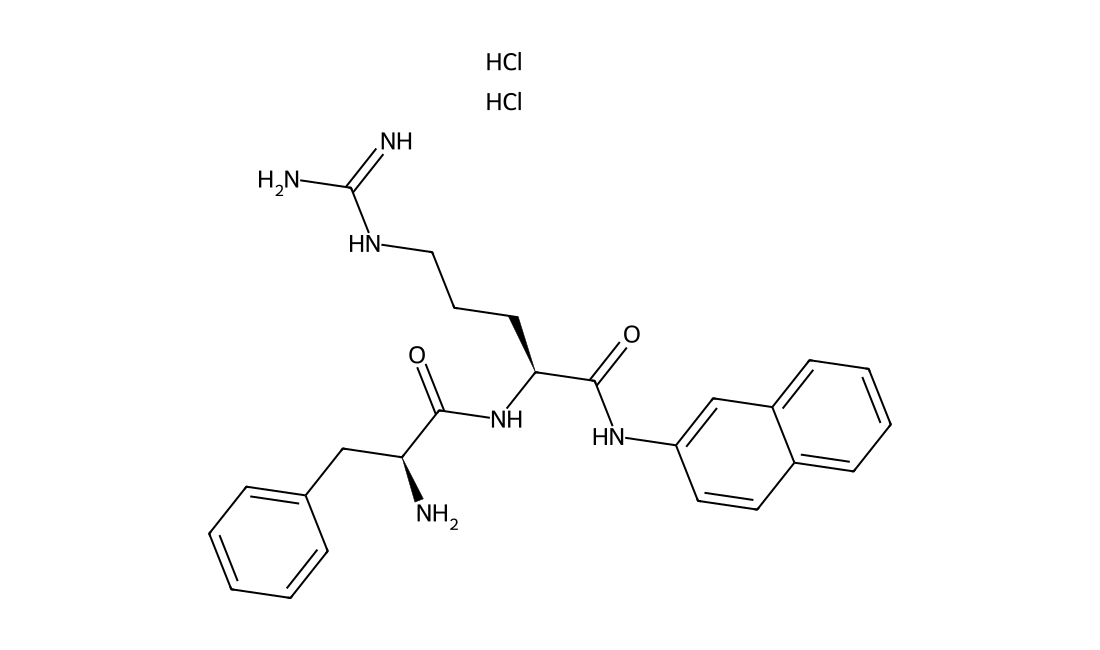
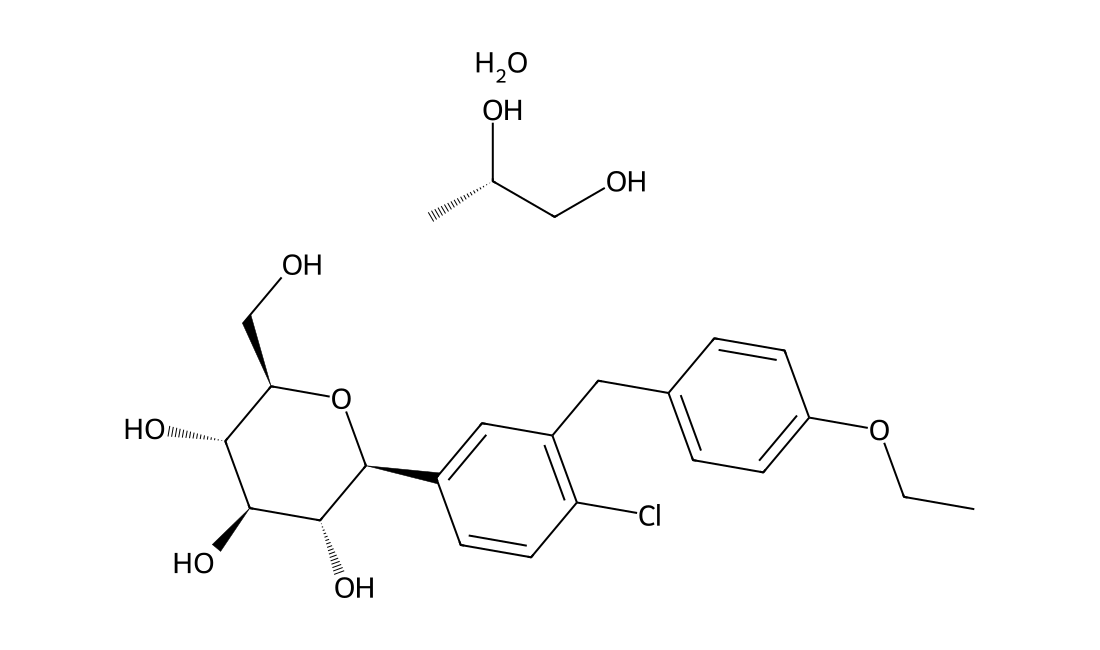
Small Molecule Research Tools

Explore bioactive compounds by research category, then narrow your search by target, product name, catalog number or CAS.

Newly added: LC-MG and OXF molecular glue research compounds →

6,823 products17 research categoriesBrowse all products ↓

Browse by research category

Products may appear in more than one category. Counts refer to distinct catalog numbers within each category.

Other Research Tools (75) · Additional reagents, building blocks and specialized research tools.

New literature-derived products

LC-MG-1 (DCA0006) · LC-MG-4 (DCA0007) · LC-MG-9 (DCA0008)

View structure and evidence summaries →

All small molecule products

Combine a keyword, research category and target to narrow the product list.

Loading catalog filters…

6,823 products · Showing 5,521–5,568

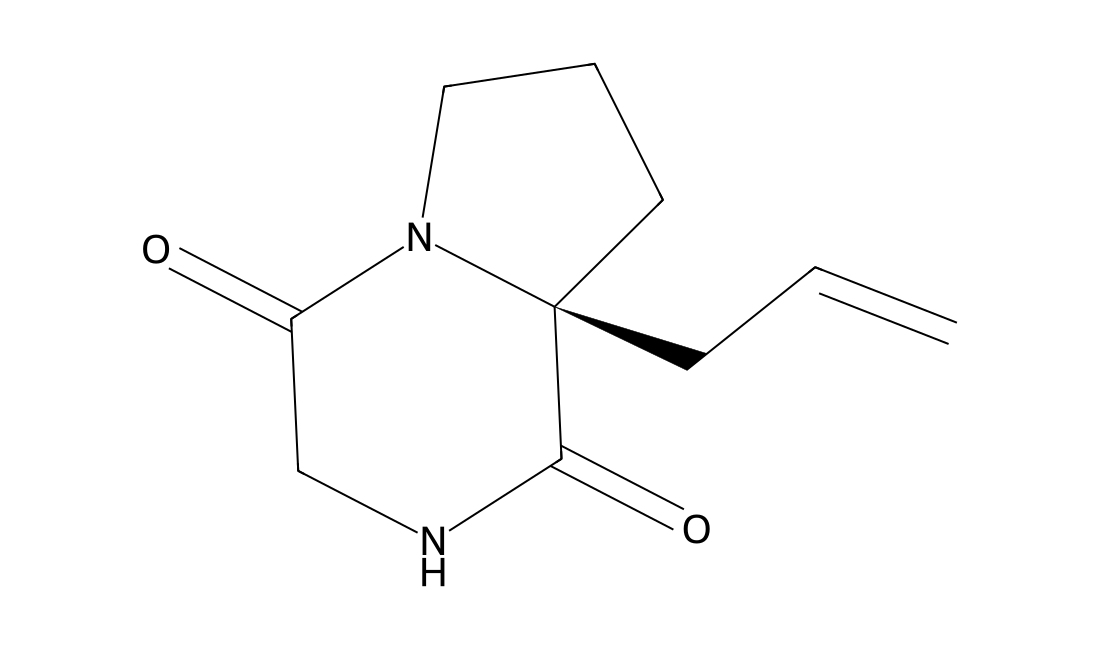
DC66695

Cofrogliptin

CAS 1844874-26-5

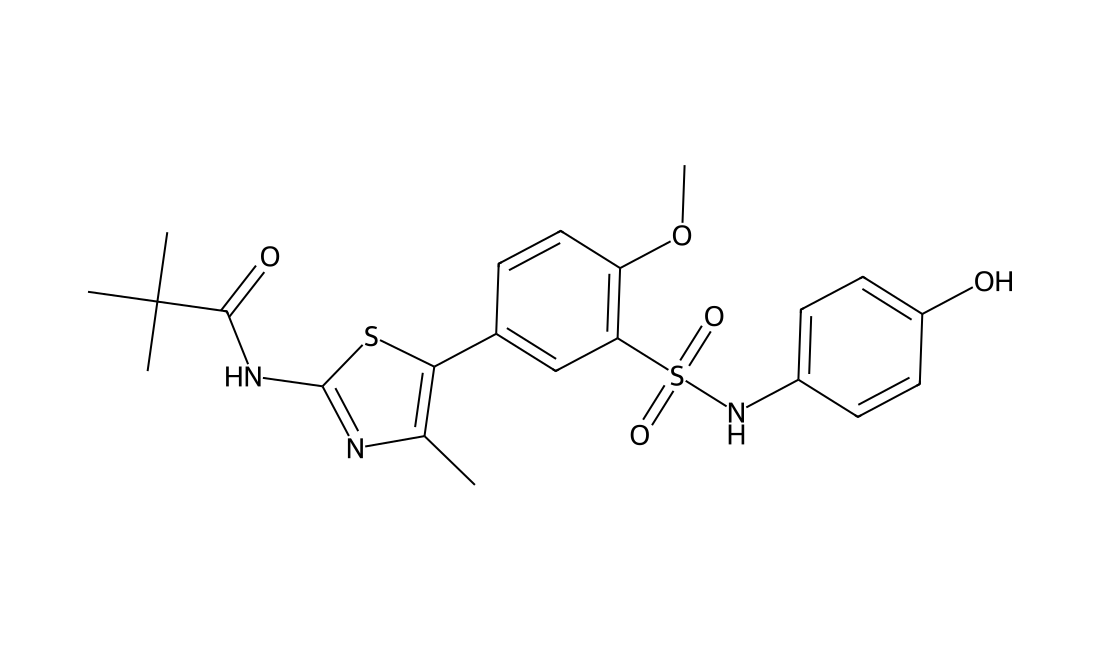
Cofrogliptin (HSK7653) (compound 2), a tetrahydropyran derivative, is a potent oral dipeptidyl aminopeptidase 4 (DPP-4) inhibitor with Long-acting antidiabetic efficacy. Cofrogliptin (compound 2) has a great potential for type 2 diabetes mellitus (T2DM) .

Cofrogliptin chemical structure
DC60028

ML251

CAS 1486482-16-9

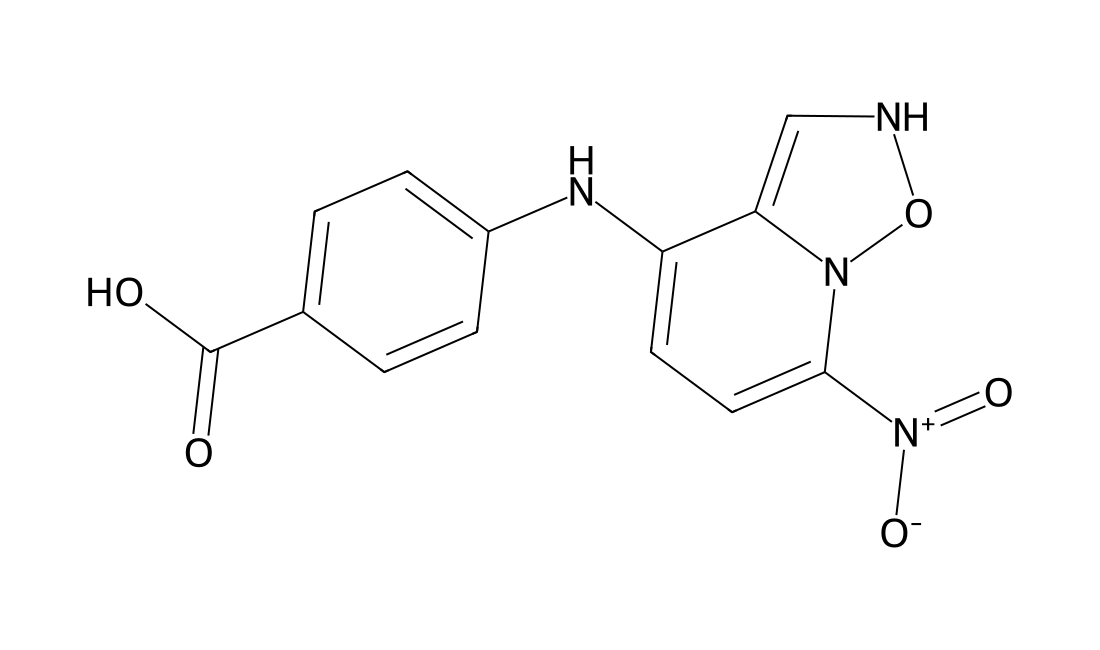
ML251, a potent nanomolar T. brucei and T. cruzi phosphofructokinase (PFK) inhibitor, inhibits T. brucei PFK (IC50=0.37 μM) and T. cruzi PFK (IC50=0.13 μM). ML251 can be used for the research of parasite[1].

ML251 chemical structure
DC23475

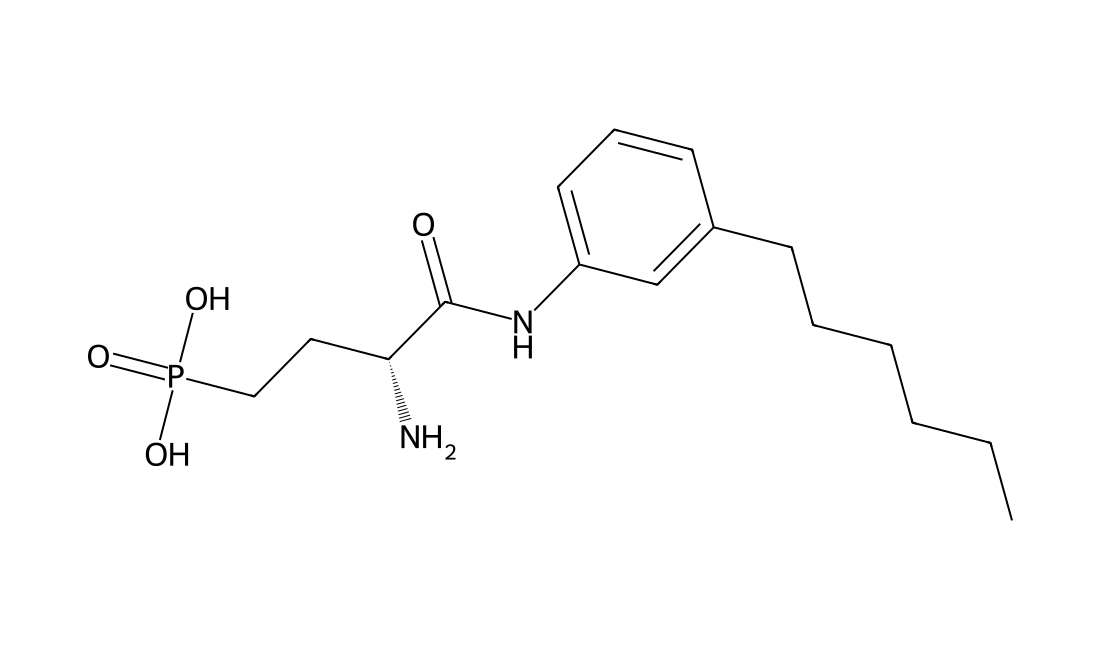
W146

CAS 909725-61-7

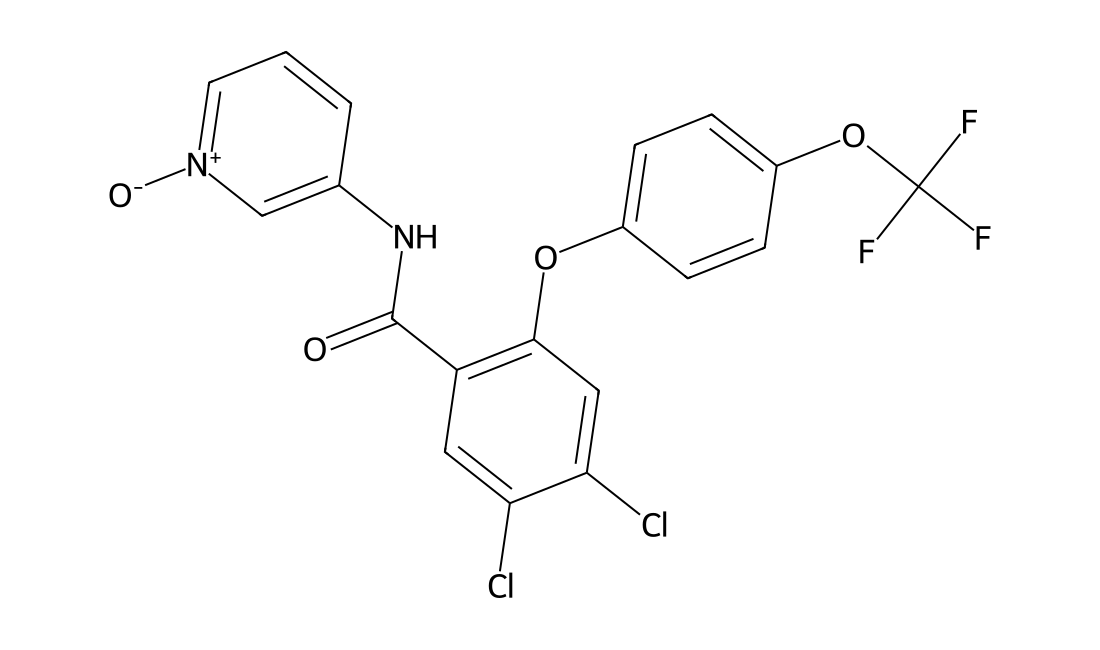
W146 is a potent, selective S1P1 antagonist with Ki of 18 nM, displays no effect at S1P2, S1P3 or S1P5, enhances capillary leakage and restores lymphocyte egress in vivo.

W146 chemical structure
DC70931

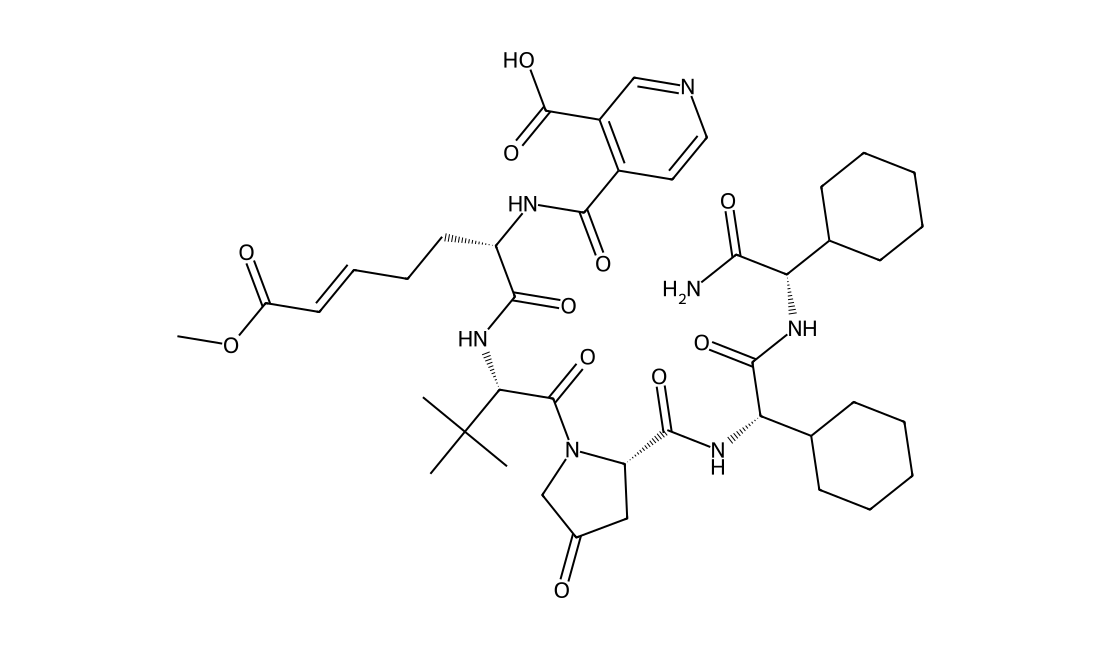
ZED3197

CAS 2379345-24-9

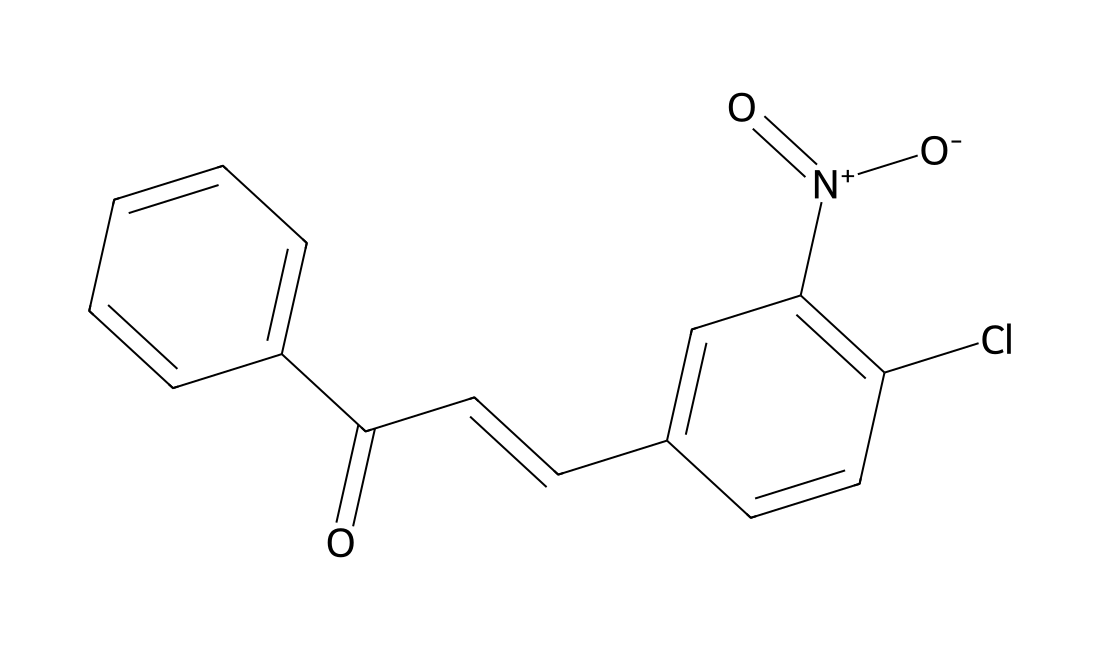
ZED3197 (ZED-3197) is a novel peptidomimetic direct-acting, potent and selective inhibitor of human FXIIIa, inhibits human plasma derived FXIII‐A2B2 and the recombinant cellular form (FXIII‐A2) with IC50 of 10 and 14 nM, respectively.ZED3197 strongly blocks FXIII‐A2 from mouse, rat, rabbit, dog, and cynomolgus monkey (IC50 8-30 nM), is a significantly weaker inhibitor of FXIII‐A2 from pig (IC50=220 nM).ZED3197 displays 20‐fold to 3000‐fold selectivity against human transglutaminases TG1, TG2, TG3, and TG7.ZED3197 prolonged clot formation, reduced clot firmness, and facilitated clot lysis in whole human blood without affecting the clotting time, indicating minimal impact on hemostasis.ZED3197 effectively decreased the weight of clots and facilitated flow restoration without prolongation of the bleeding time in vivo.

ZED3197 chemical structure
DC71747

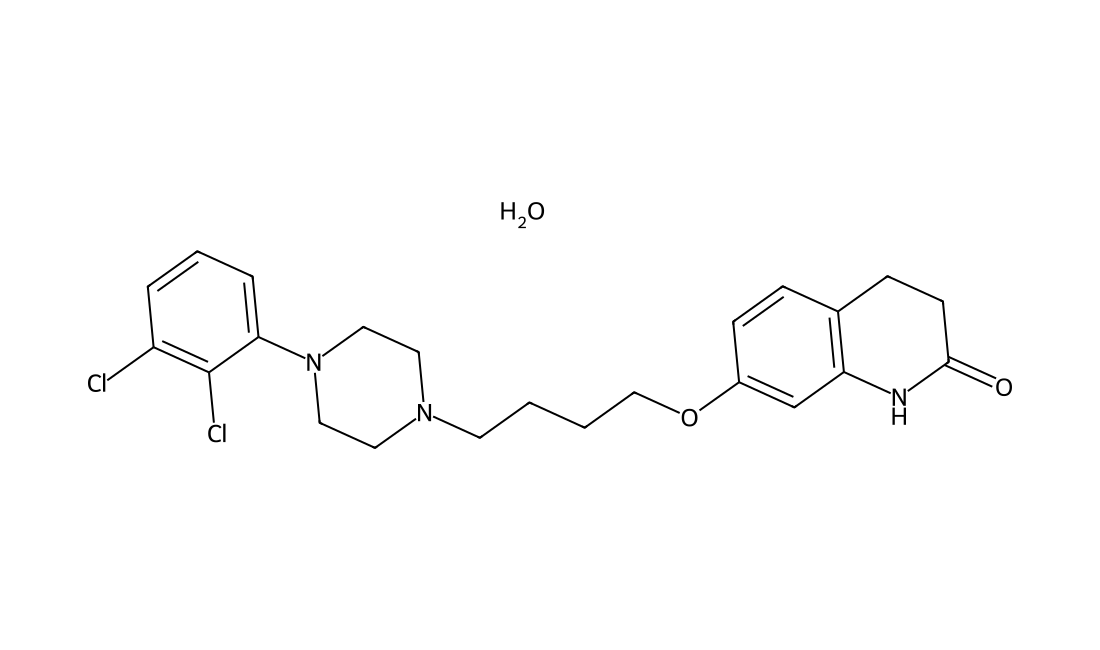
Aripiprazole monohydrate

CAS 851220-85-4

Aripiprazole (OPC-14597) monohydrate, an atypical antipsychotic, is a potent and high-affinity dopamine D2 receptor partial agonist. Aripiprazole monohydrate is an inverse agonist at 5-HT2B and 5-HT2A receptors and displays partial agonist actions at 5-HT1A, 5-HT2C, D3, and D4 receptors. Aripiprazole monohydrate can be used for the research of schizophrenia and COVID19.

Aripiprazole monohydrate chemical structure
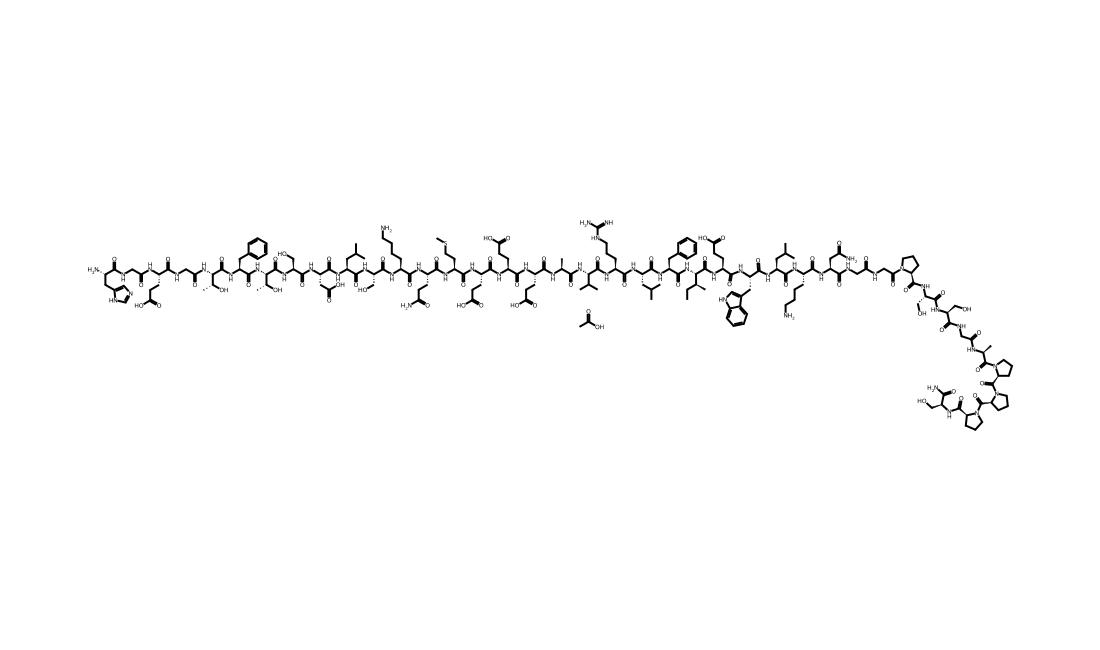
DC46189

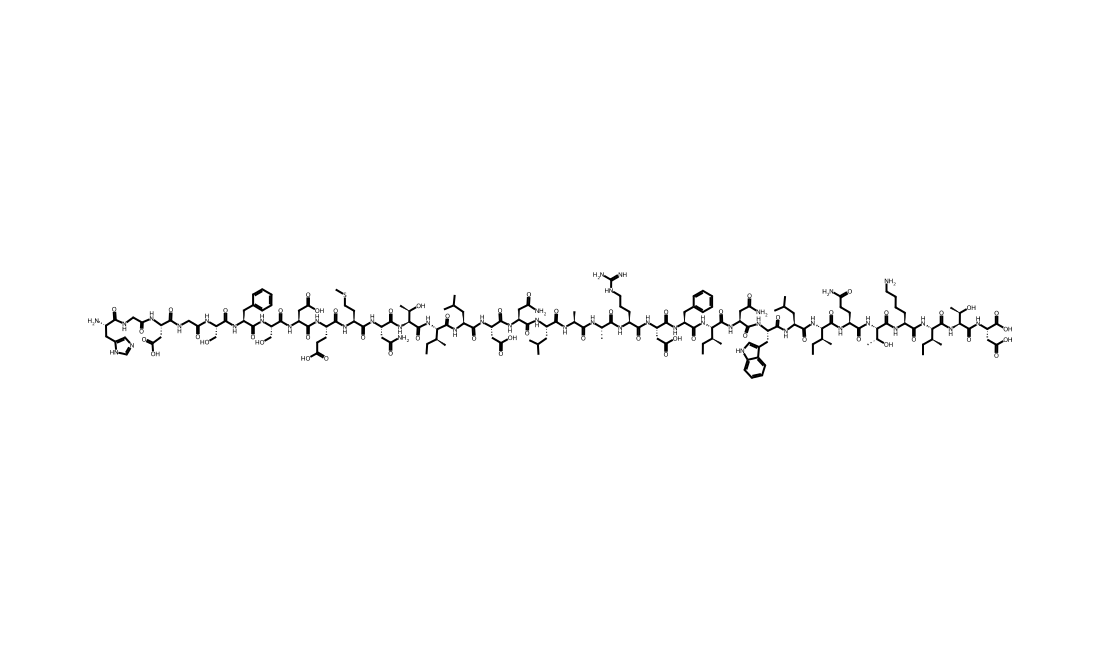
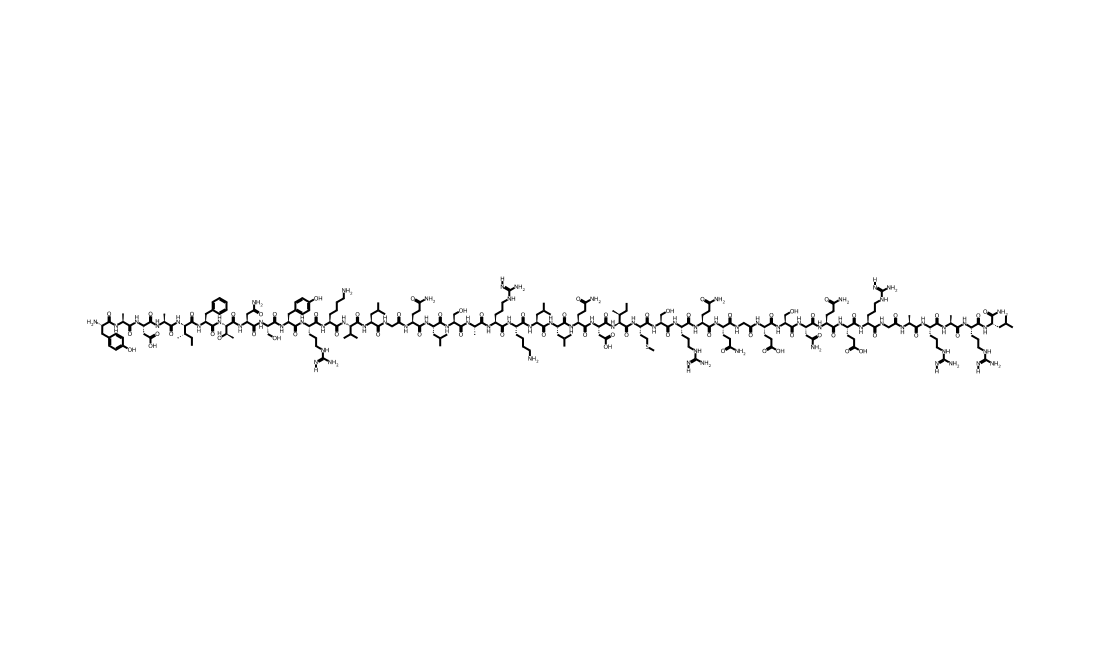
Teduglutide

CAS 197922-42-2

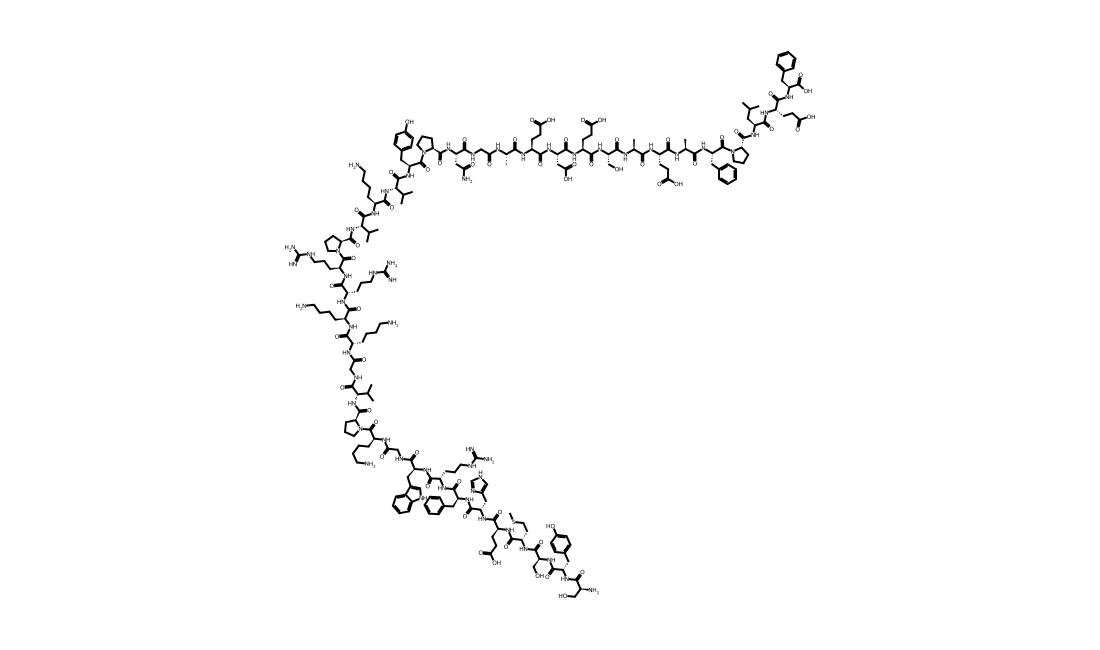
Teduglutide (ALX-0600, Gattex, Revestive, TAK 633) is an analogue of human glucagon-like peptide-2 (GLP-2) and binds to the GLP-2 receptors. Teduglutide prolongs the intestinotrophic properties of GLP-2 in animal models.

Teduglutide chemical structure
DC74571

VT107

CAS 2417718-63-7

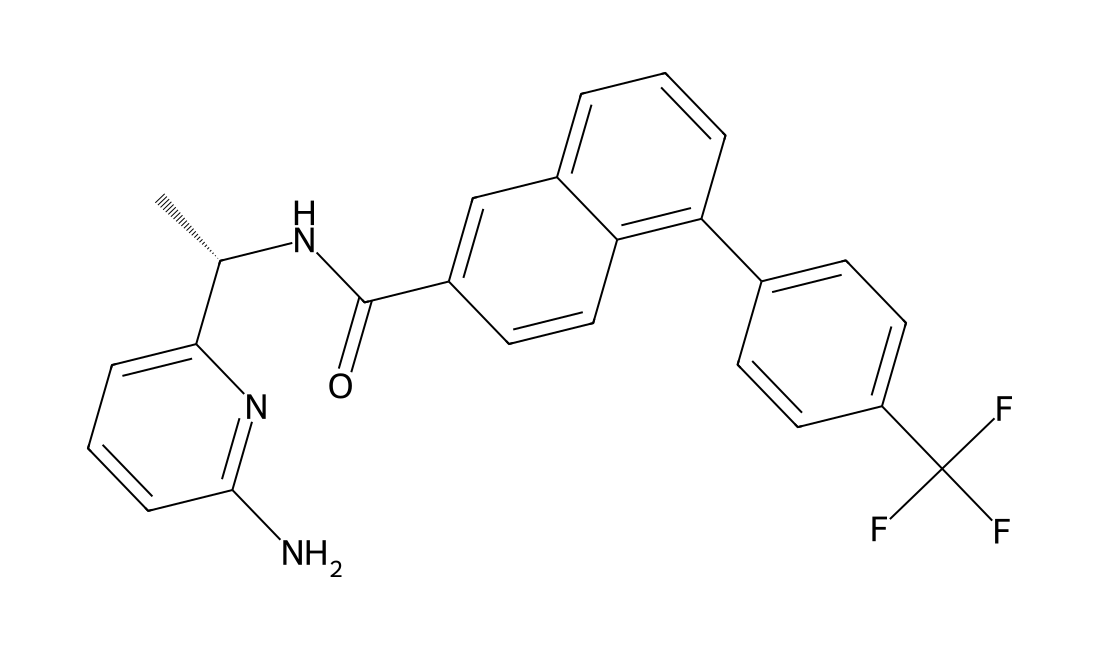
VT-107, as an analogous to VT104, is an orally active and potent pan-TEAD auto-palmitoylation inhibitor. VT-107 can be used for the research of cancer.

VT107 chemical structure
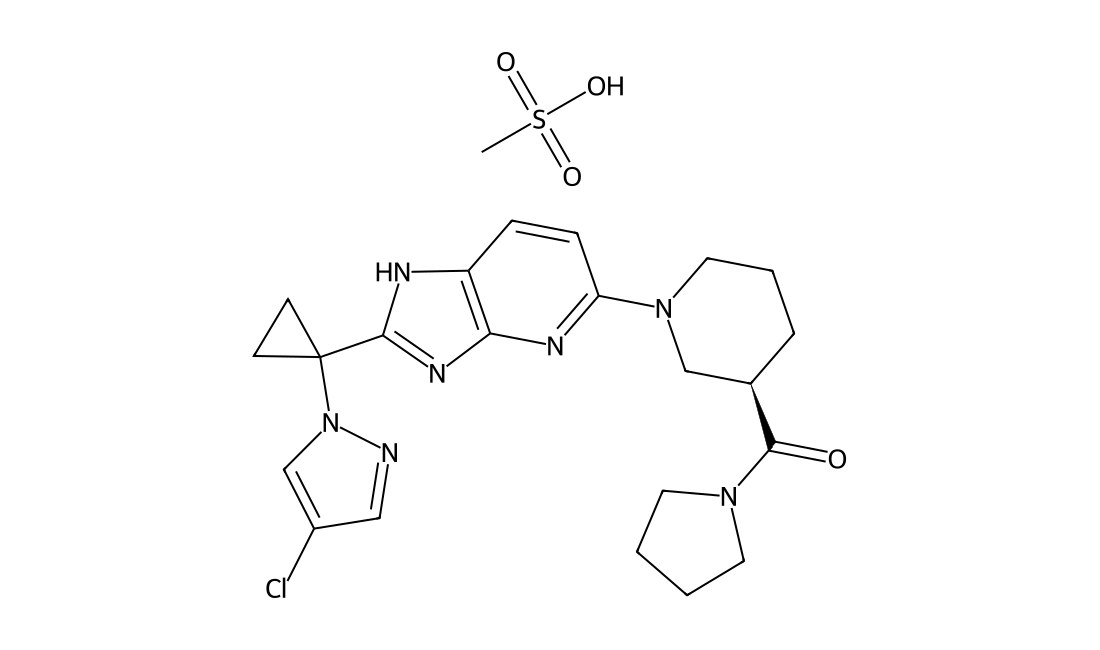
DC66602

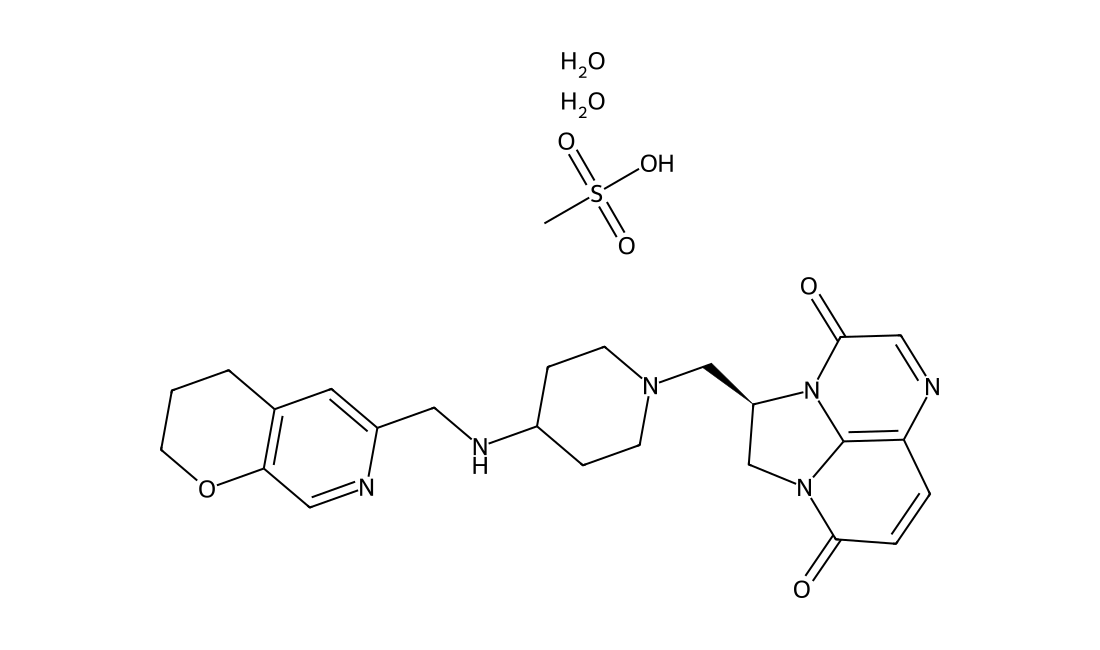
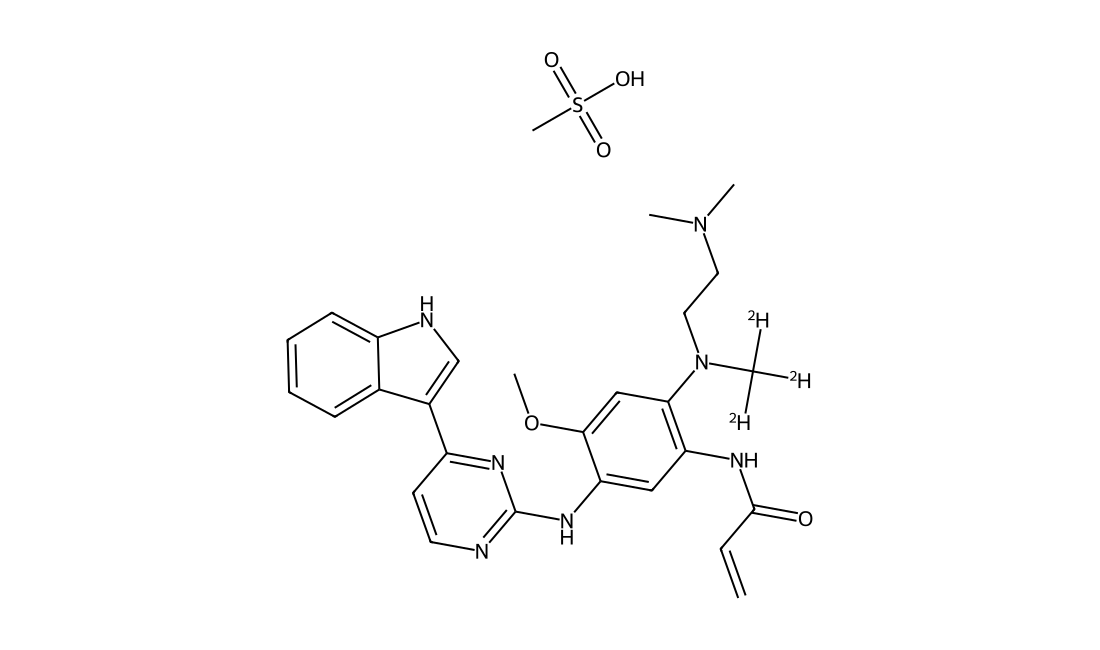
Gepotidacin mesylate

CAS 1624306-20-2

Gepotidacin, also known as GSK-2140944, is a potent Type II DNA topoisomerase inhibitor. Gepotidacin is a novel antibacterial drug candidate. Gepotidacin Demonstrates Absence of Fluoroquinolone-Like Arthropathy in Juvenile Rats. Gepotidacin is efficacious in a nonhuman primate model of pneumonic plague. When tested against Gram-negative (n = 333) and Gram-positive (n = 225) anaerobes by agar dilution, gepotidacin inhibited 90% of isolates at concentrations of 4 and 2 μg/mL, respectively.

Gepotidacin mesylate chemical structure
DC10202

AZD8797

CAS 911715-90-7

In a flow adhesion assay, AZD8797 antagonizes the natural ligand, fractalkine (CX3CL1), in both human whole blood (hWB) and in a B-lymphocyte cell line with IC50 values of 300 and 6 nM respectively. AZD8797 also prevents G-protein activation in a [35S]GTPγS accumulation assay. AZD8797 positively modulates the CX3CL1 response at sub-micromolar concentrations in a β-arrestin recruitment assay. In equilibrium saturation binding experiments, AZD8797 reduces the maximal binding of 125I-CX3CL1 without affecting Kd. AZD8797 binds selectively with high affinity to human and rat CX3CR1 (Ki of hCX3CR1, 4 nM; Ki of rCX3CR1, 7 nM, respectively). The equilibrium dissociation constant, KB, demonstrates that AZD8797 is a very potent inhibitor for human CX3CR1 (10 nM). The potency is threefold lower for rat CX3CR1 (29 nM) and decreases even further at mouse CX3CR1 (54 nM).AZD8797 treatment in Dark Agouti rats with myelin oligodendrocyte glycoprotein-induced EAE results in reduced paralysis, CNS pathology, and incidence of relapses. The compound is effective when starting treatment before onset, as well as after the acute phase.

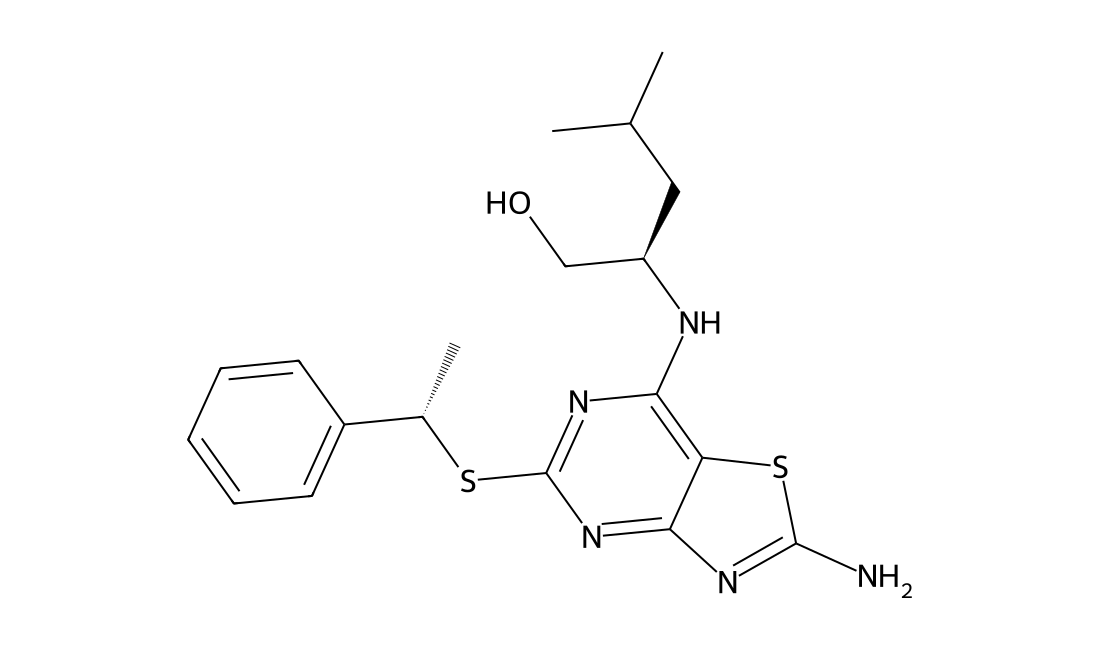
AZD8797 chemical structure
DC66588

GlyRS-IN-1

CAS 112921-11-6

GlyRS-IN-1 is a glycyl-tRNA synthase (GlyRS) inhibitor extracted from patent WO 2017066459 A1. GlyRS-IN-1 can also inhibit the growth of bacteria.

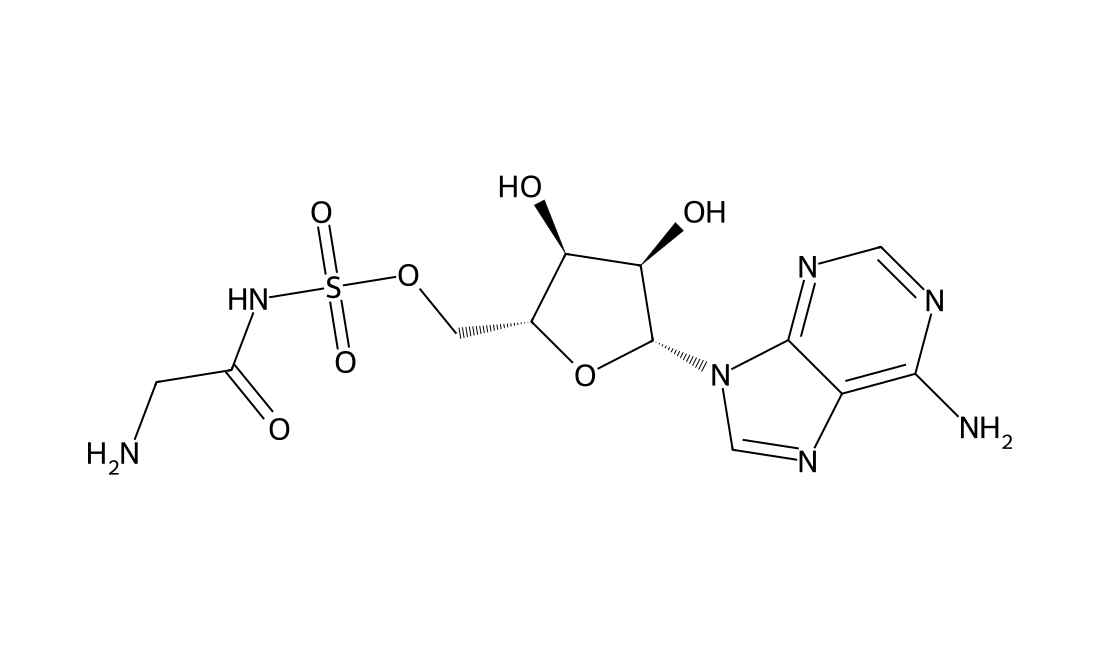
GlyRS-IN-1 chemical structure
DC26004

delta-Valerobetaine (hydrobromide)

CAS 66258-96-6

The levels of delta-valerobetaine were by far higher in ruminant than in non-ruminant meat and, among ruminants, cattle present higher levels of the substance than sheep and goat. The levels of delta-valerobetaine in milk of ruminants are much lower than in their meat. However, delta-valerobetaine content in milk of ruminants is noticeably higher than that observed in non-ruminant milk. It is showed that incubation of ruminal fluid with labeled Nε-trimethyllysine leads to a rapid formation of labeled delta-valerobetaine.

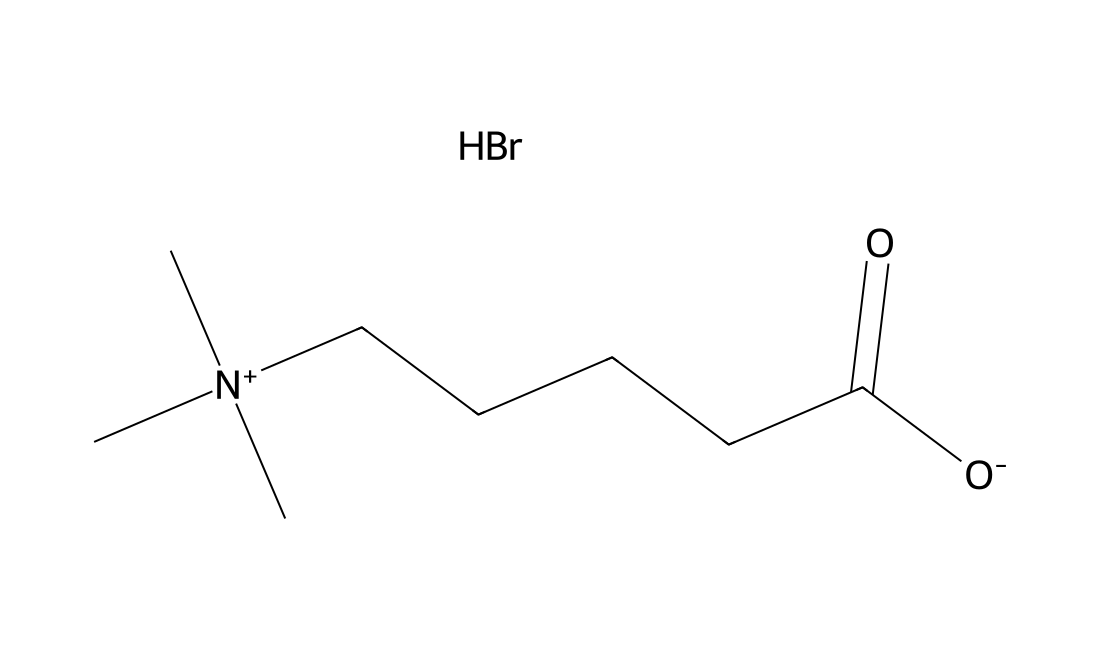
delta-Valerobetaine (hydrobromide) chemical structure
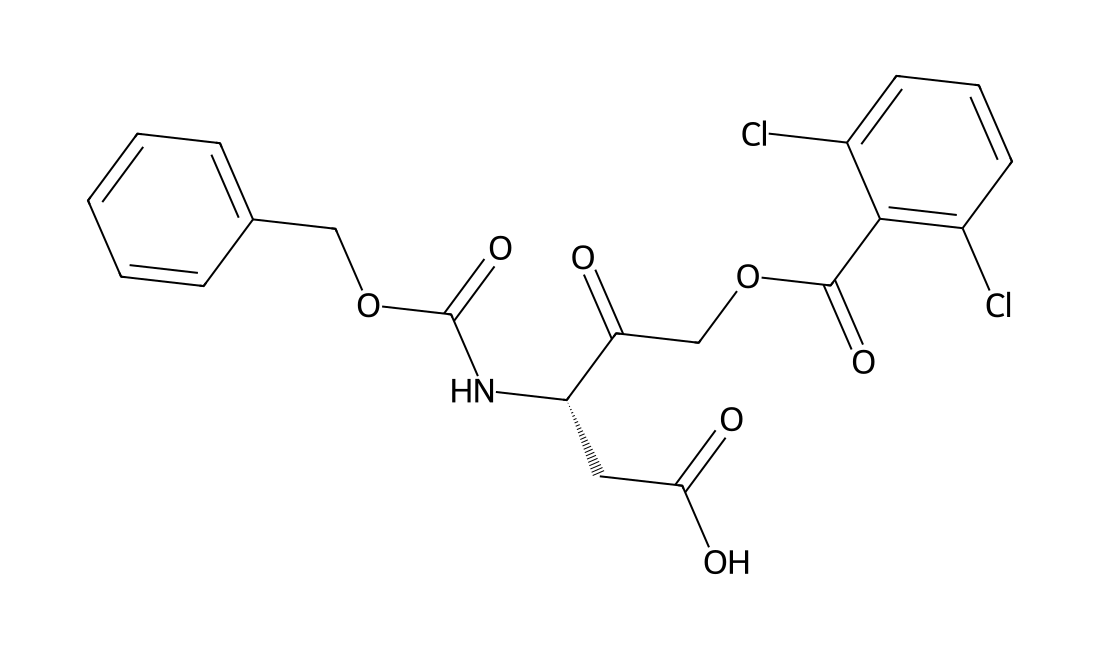
DC28318

Z-Asp-CH2-DCB

CAS 153088-73-4

Z-Asp-CH2-DCB is an irreversible broad spectrum caspase inhibitor. Z-Asp-CH2-DCB also inhibits proteases with caspase-like activity. Z-D-CH2-DCB blocks the production of IL-1β, TNF-α, IL-6, and IFN-γ in staphylococcal enterotoxin B (SEB)-stimulated peripheral blood mononuclear cells (PBMC), and reduces SEB-1-stimulated T-cell proliferation in a dose-dependent manner. Z-Asp-CH2-DCB prevents SU5416-induced septal cell apoptosis and emphysema development.

Z-Asp-CH2-DCB chemical structure
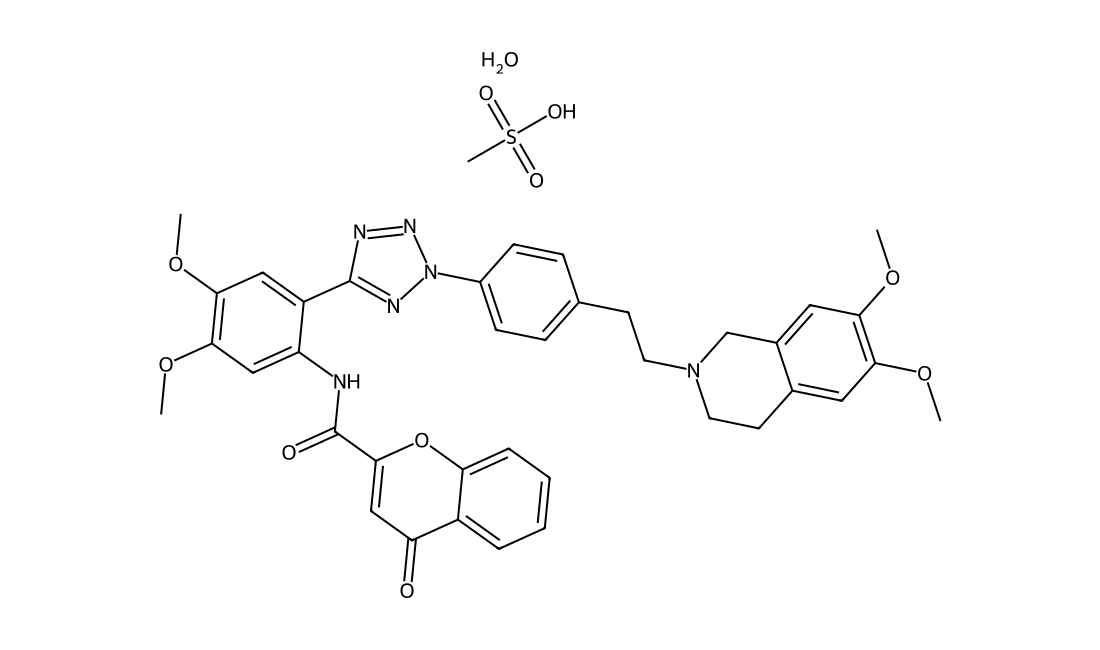
DC70386

Encequidar mesylate monohydrate

CAS 2097125-58-9

Encequidar (HM30181) is a potent selective inhibitor of MDR1 (ABCB1, P-gp) with IC50 of 0.63 nM.Encequidar (HM30181) effectively blocked transepithelial transport of paclitaxel in MDCK monolayers.Encequidar (HM30181) does not inhibit MRP1 (ABCC1), MRP2 (ABCC2), and MRP3 (ABCC3), and partially inhibited BCRP (ABCG2) only at very high concentrations.Oral co-administration of paclitaxel and HM30181 showed a tumor-inhibitory strength equal or superior to that of intravenous paclitaxel in the xenograft model in nude mice.

Encequidar mesylate monohydrate chemical structure
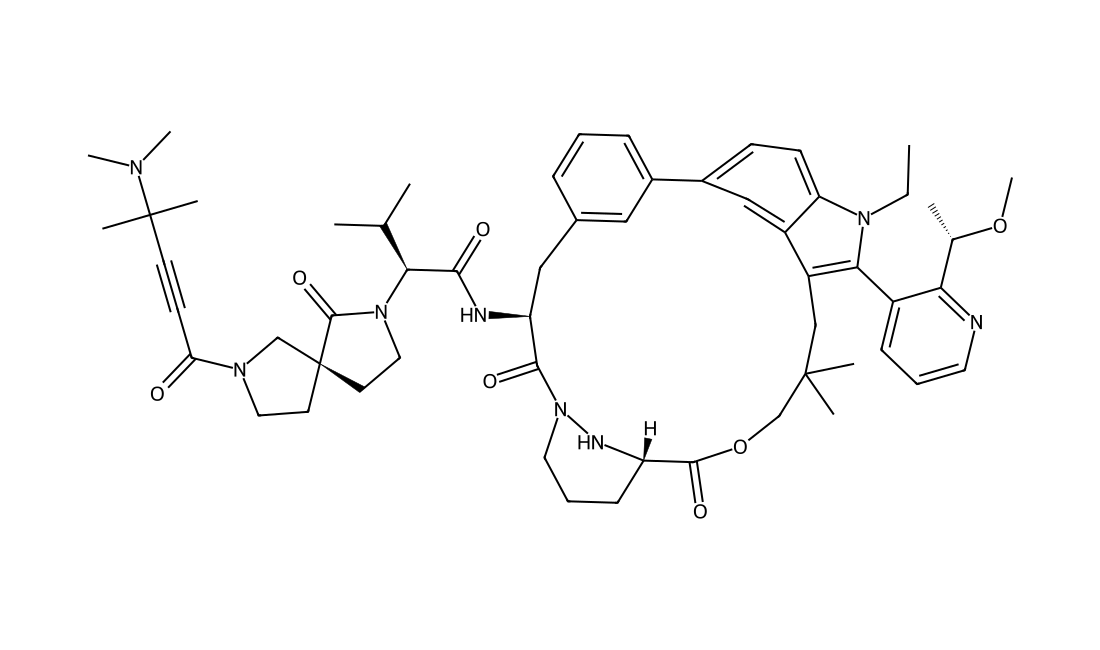
DC74365

RMC-4998

CAS 2642037-07-6

RMC-4998 (RMC4998) is a tricomplex inhibitor that targets the active state or GTP-bound state of KRAS G12C, selectively inhibits the proliferation of KRASG12C mutant cells with mean IC50 of 0.28 nM.

RMC-4998 chemical structure
DC7820

ARQ 621

CAS 1095253-39-6

ARQ 621 demonstrates anti-tumor activity against a wide range of human cancer cell lines in vitro, including colon, lung, endometrial, bladder, and hematologic cancer cell lines, with significantly less cytotoxicity against hematopoietic cells. ARQ 621, as a novel clinical stage drug candidate, inhibits a number of xenografts grown in athymic mice, such as pancreatic, breast, prostate, and ovarian carcinomas with no hematological changes. Furthermore, for ARQ 621, there is no envidence of bone marrow toxicity in pre-clinical mouse efficacy models or safety studies in rats and dogs. For the detailed information of ARQ 621, the solubility of ARQ 621 in water, the solubility of ARQ 621 in DMSO, the solubility of ARQ 621 in PBS buffer, the animal experiment (test) of ARQ 621, the cell expriment (test) of ARQ 621, the in vivo, in vitro and clinical trial test of ARQ 621, the EC50, IC50,and affinity,of ARQ 621, Please contact DC Chemicals.

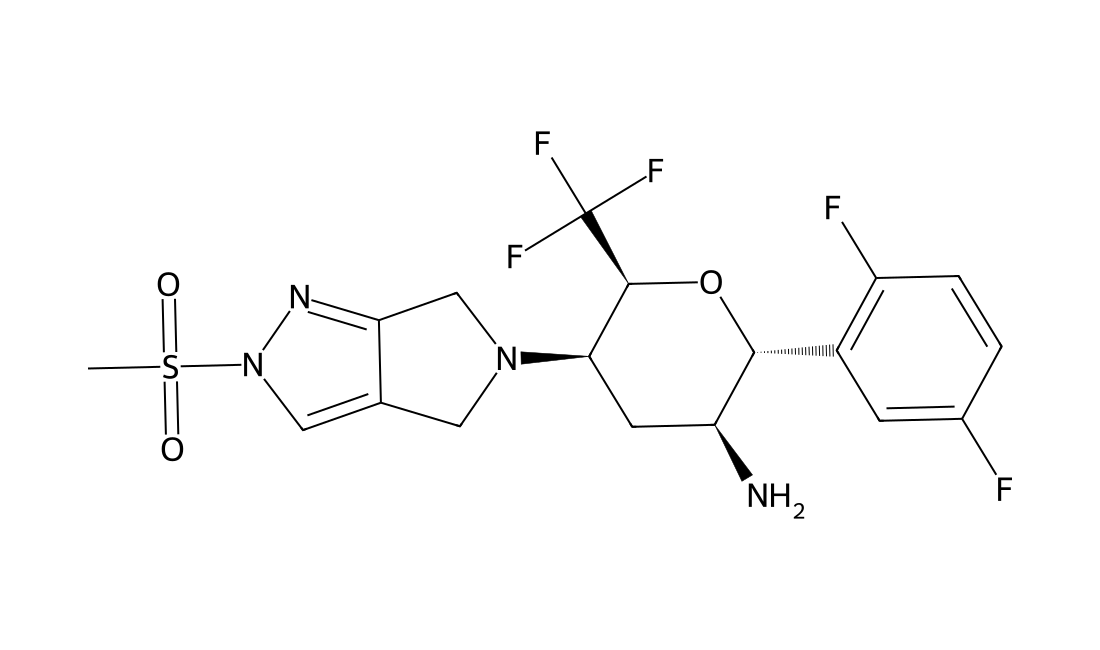
ARQ 621 chemical structure
DC20594

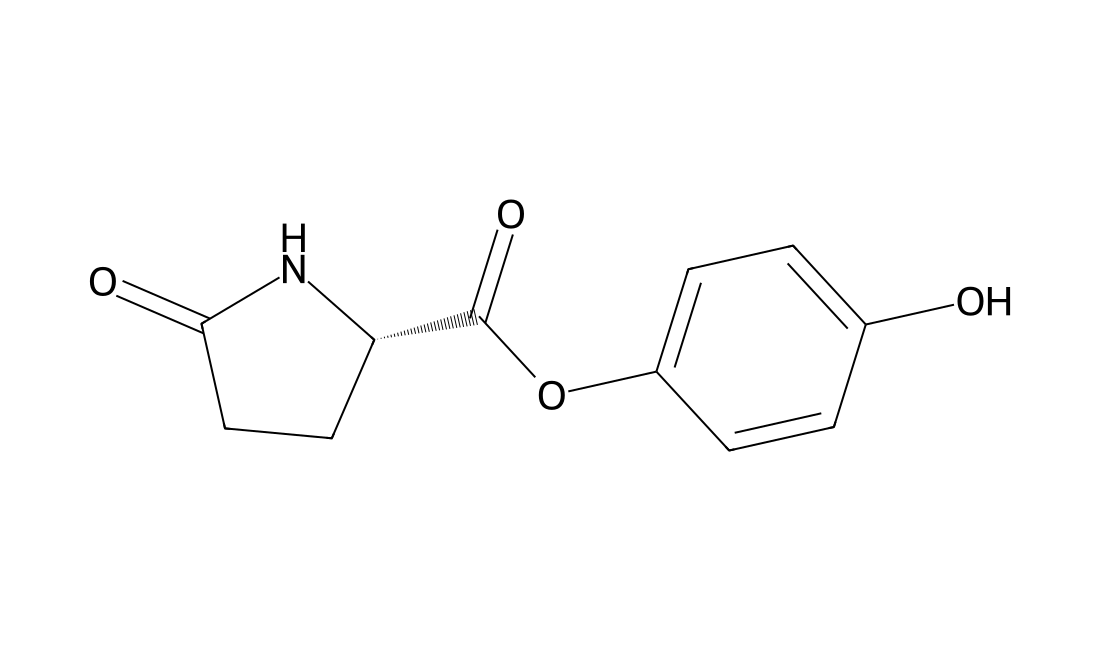
(R)-ZINC-3573

CAS 2089389-15-9

(R)-ZINC-3573 is a potent, selective agonist of the atypical opioid receptor MRGPRX2 (EC50=0.76 uM), showing little activity against 315 other GPCRs and 97 representative kinases; activates endogenous MRGPRX2 in a human mast cell line, inducing degranulation and calcium release.

(R)-ZINC-3573 chemical structure
DC33548

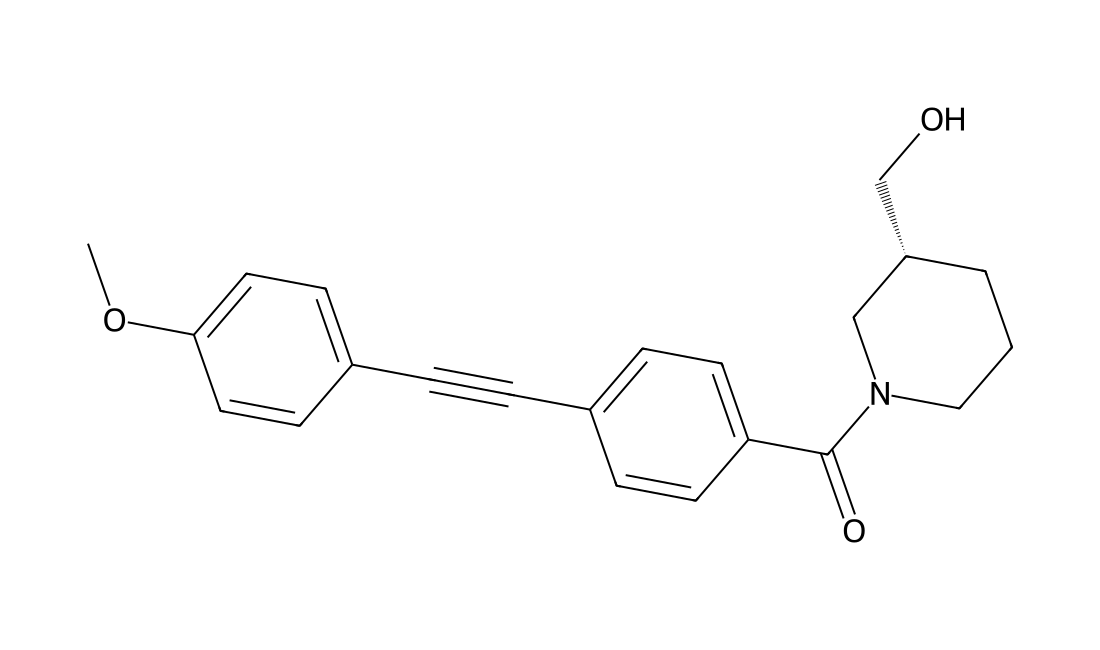
SCH-336

CAS 447459-51-0

SCH 336 is a potent, selective, inverse and orally active CB2 agonist. SCH 336 inhibits BaF3/CB2 migration. SCH 336 significantly inhibits the migration of leukocytes in vivo. SCH 336 blocks ovalbumin-induced lung eosinophilia in mice.

SCH-336 chemical structure
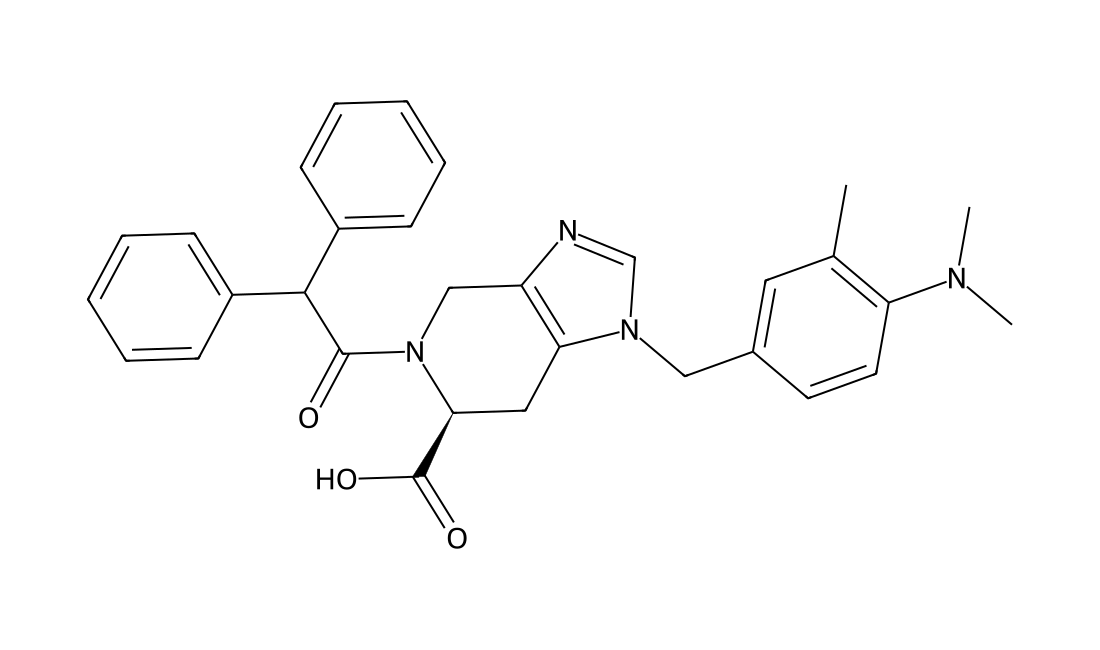
DC7224

PD 123319

CAS 136676-91-0

PD 123319 is shown to discriminate between two subclasses of AII receptors in many different tissues. 125I-AII specifically labeled two classes of binding sites For AII in a membrane preparation of bovine adrenal glomerulosa cells. The first class (DuP-753 sensitive) represents approximately 85% of the total binding sites For AII and possesses a high affinity (IC50 of 92.9 nM) For DuP-753. PD-123319 does not have any effect on 125I-AII binding to this site. The second class of binding sites is more sensitive to PD-123319, with an IC50 of 6.9 nM, and has a much lower affinity For DuP-753 (IC50 around 10 microM). PD 123319 has no effect on cerebral blood flow autoregulation. Acute AT2-receptor blockade does not influence CBF autoregulation. Intravenous administration of PD 123319 to conscious hypertensive rats elicites an immediate dose-dependent increase in MAP that is sustained For approximately 7.4 min with 3 mg/kg PD 123319.For the detailed information of PD 123319, the solubility of PD 123319 in water, the solubility of PD 123319 in DMSO, the solubility of PD 123319 in PBS buffer, the animal experiment (test) of PD 123319, the cell expriment (test) of PD 123319, the in vivo, in vitro and clinical trial test of PD 123319, the EC50, IC50,and Affinity of PD 123319, Please contact DC Chemicals.
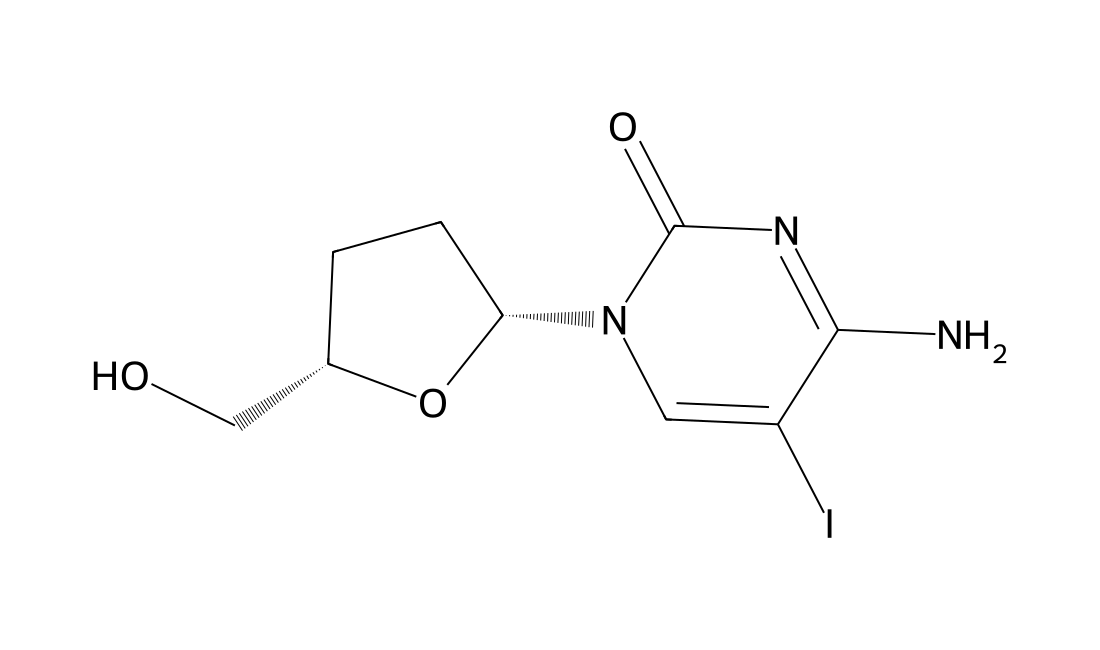
PD 123319 chemical structure
DC70708

Prinomastat

CAS 192329-42-3

Prinomastat (AG3340) is a potent, selective MMP inhibitor with pM affinities for inhibiting gelatinases (MMP-2 and -9, Ki=50-150 pM), MMP-14 and MMP-13; demonstrates broad antitumor activity in a number of tumor models, inhibits glioma invasion or growth of the human malignant glioma cell line U87; also suppresses tumor growth in a malignant glioma tumor model.

Prinomastat chemical structure
DC44113

Ibrexafungerp citrate

CAS 1965291-08-0

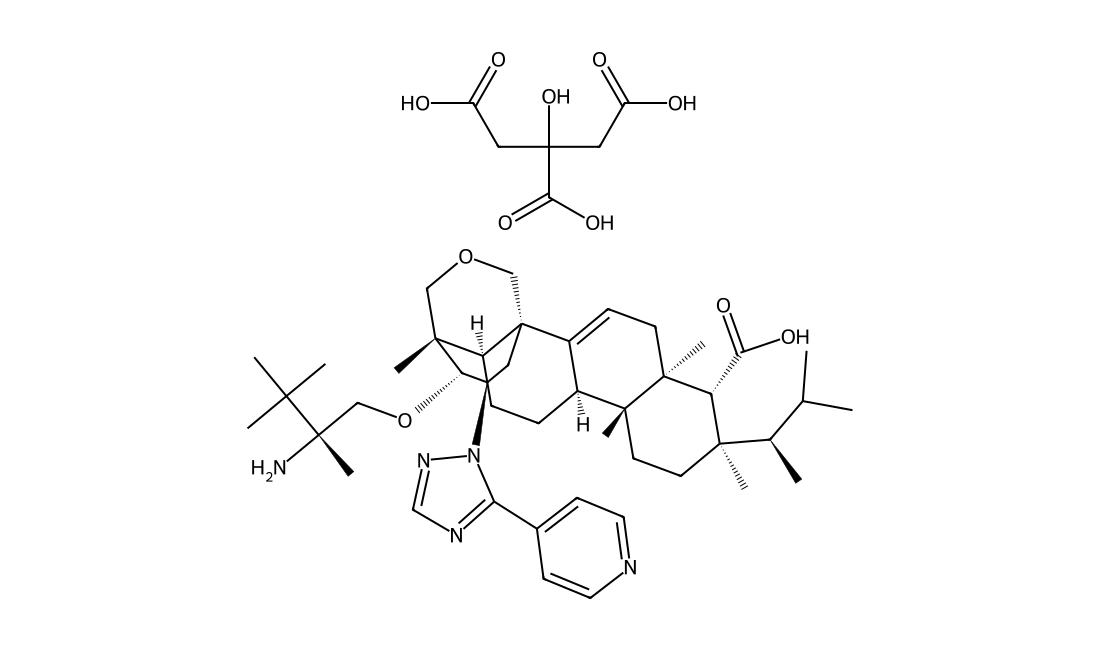
Ibrexafungerp citrate is a triterpenoid antifungal. Similarly to echinocandins, it inhibits the synthesis of 1,3-β-d-glucan. However, it binds to a different site on the enzyme than echinocandins, resulting in limited cross-resistance. Ibrexafungerp exerts concentration-dependent fungicidal activity against Candida species and retains in vitro activity against most fluconazole-resistant strains.
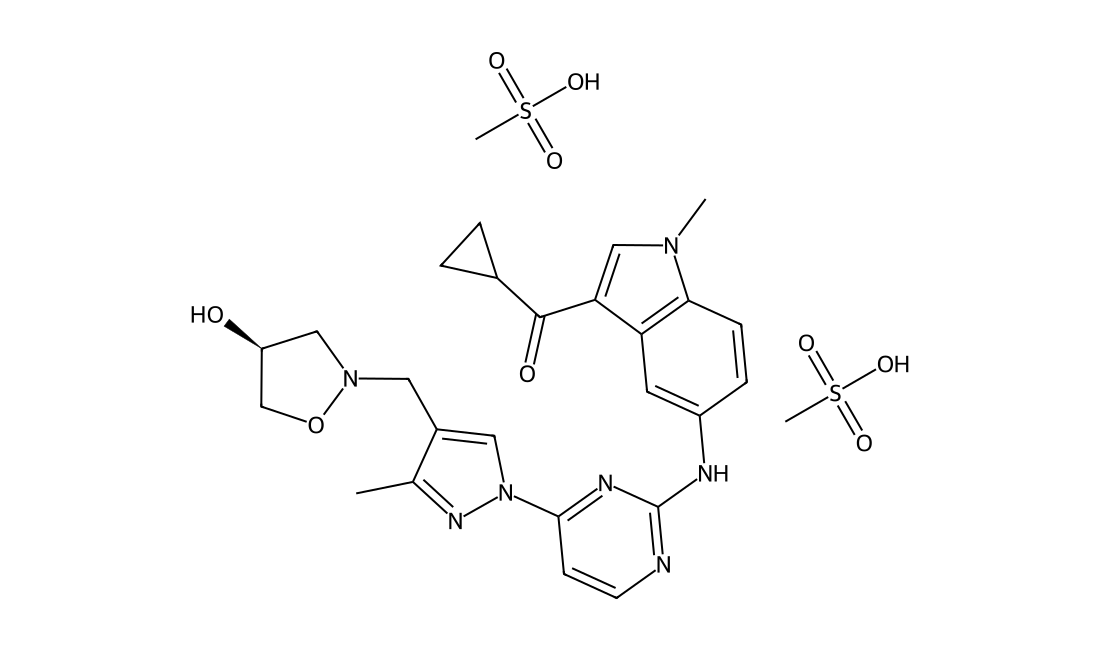
Ibrexafungerp citrate chemical structure
DC66454

Melanotan I acetate

CAS 1566590-77-9

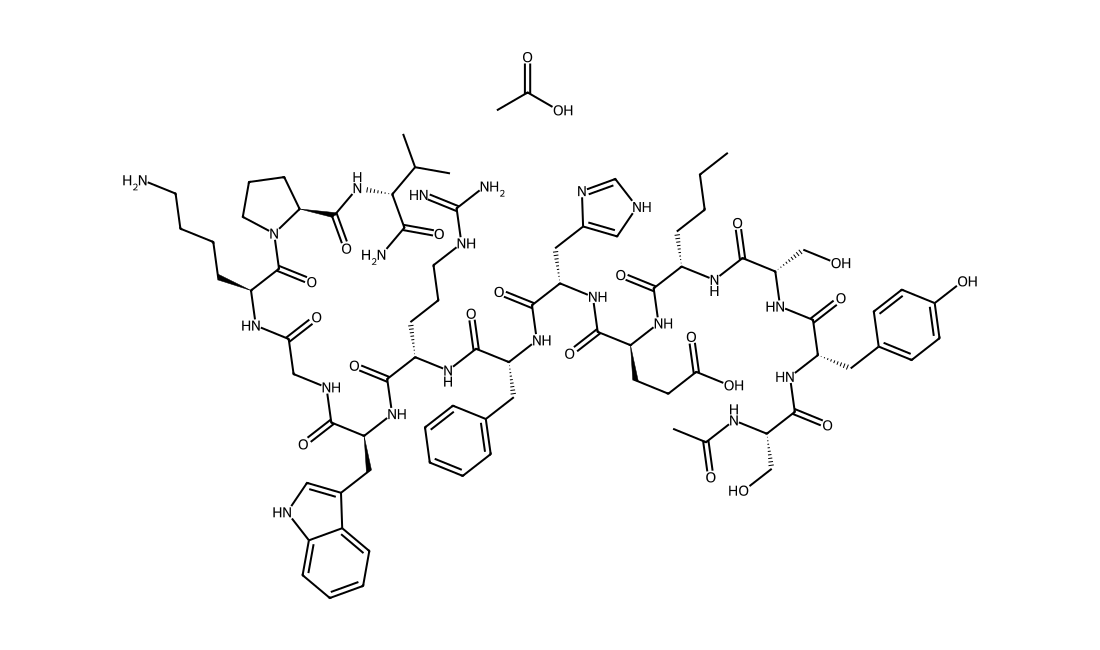
Melanotan I acetate is a potent non-selective melanocortin receptor (MCR) agonist. Melanotan I acetate is a synthetic analogue of α-melanocyte stimulating hormone (α-MSH) that stimulates melanogenesis. Melanotan I acetate can induce skin tanning by mimicking the actions of a-MSH on the melanocortin type 1 receptors (MC1R) of melanocytes. Melanotan I acetate can be used for sunlight-induced skin cancers research.
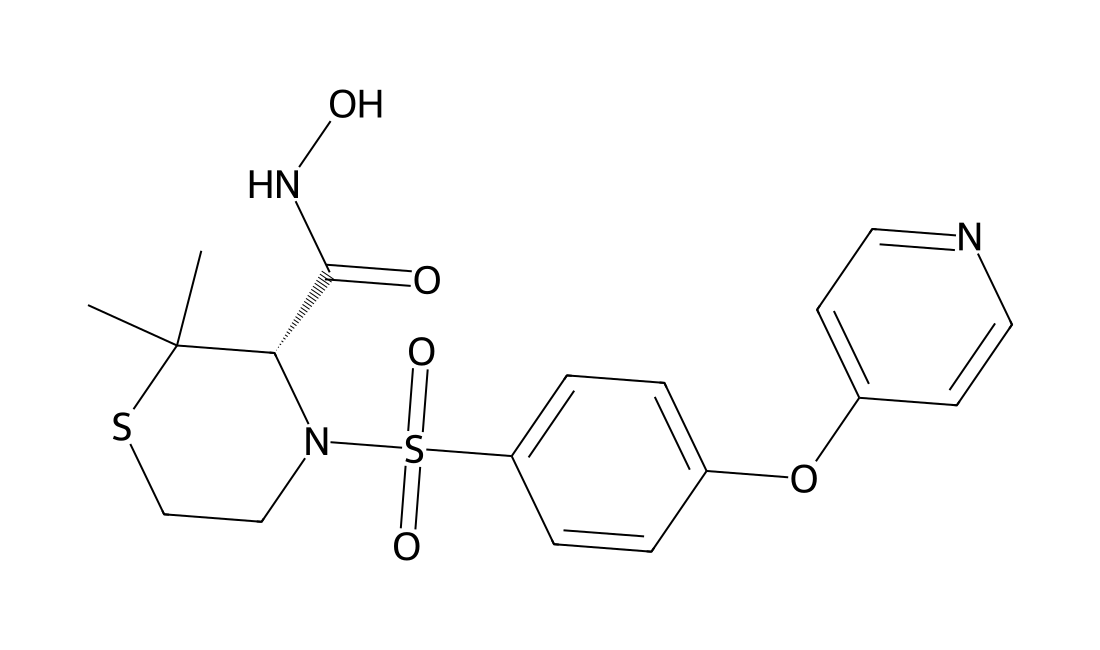
Melanotan I acetate chemical structure
DC43475

JY-3-094

CAS 389076-27-1

Novel selective c-Myc inhibitorReference:1) Disruption of Myc-Max heterodimerization with improved cell-penetrating analogs of the small molecule 10074-G5; Oncotarget. 2013 Jun;4(6):936-47. GoTo Paper

JY-3-094 chemical structure
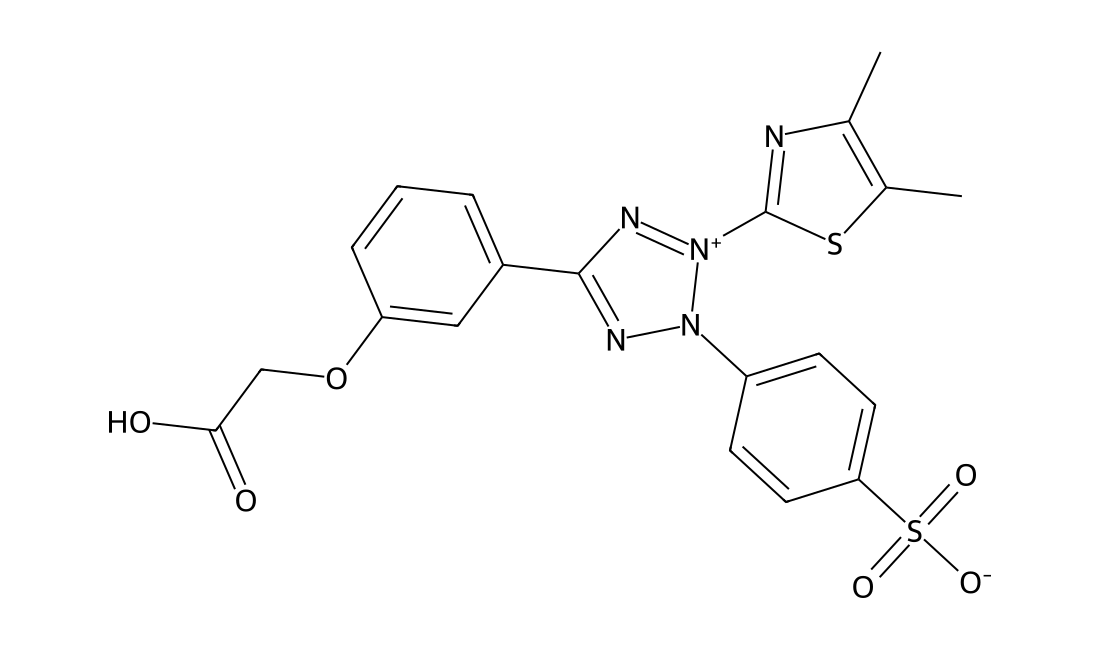
DC22534

PI4KIIIbeta-IN-10

CAS 1881233-39-1

A potent and selective type III phosphatidylinositol 4-kinase (PI4KIIIβ) inhibitor with IC50 of 3.6 nM; displays >200-fold selectivity over class I and class III PI3Ks; shows antiviral activity against hepatitis C virus with IC50 of 1.3 uM, with low cytotoxicity (CC50>32 uM).

PI4KIIIbeta-IN-10 chemical structure
Browse target & topic index A–Z (366)
11β-HSD (1)15-PGDH (2)5-HT Receptor (16)Acetyl-CoA Carboxylase (ACC) (3)Acetylcholinesterase (AChE) (2)Ack1 (TNK2) (1)Acyltransferase (1)ADC Cytotoxin (6)ADCs Linker/Click Chemistry (5)Adenosine Receptor (9)Adenylate Cyclase (2)Adrenergic Receptor (11)Akt (12)Alcoholism (2)Aldehyde Dehydrogenase (ALDH) (6)Allergy (5)Alzheimer Disease (13)Aminopeptidase (1)AMPK (8)Amyloids (4)Anaplastic Lymphoma Kinase (ALK) (9)Androgen Receptor (AR) (11)Anemia (4)Angiotensin Receptor (4)Antibody/Protein labeling dyes (1)Antifolate (2)Anxiety (1)Apoptosis Inducer (3)Arginase (1)Arp2/3 complex (1)Aryl hydrocarbon Receptor (AhR) (1)Asthma (5)Atherosclerosis (2)ATM/ATR (8)Aurora Kinase (10)Autophagy (6)Autophagy-related Protein (Atg) (2)Autotaxin (2)Bacterial (26)Bacterial Infection (17)Bcl-2 (14)Bcr-Abl (5)BCRP (1)Beta-catenin (4)Beta-secretase (BACE) (4)Blood Cancer (91)BMI-1 (1)Bone Cancer (6)Brain Cancer (6)Breast Cancer (30)Bromodomain (22)BTK (10)c-Fms (CSF1R) (5)c-Fos/AP-1 (1)c-Kit (6)c-Met (HGFR) (11)c-Myc (2)Calcium Channel (4)Calcium-sensing Receptor (CaSR) (1)CaMK (4)Cannabinoid Receptor (6)Carbonic Anhydrase (1)Carboxypeptidase (1)Casein Kinase (6)Caspase (4)Cathepsin (6)Cdc2-like Kinase (CLK) (1)CETP (2)CFTR (7)Checkpoint Kinase (Chk) (8)Chemokine Receptor (CCR and CXCR) (14)Chemotherapeutic Agents (19)Chloride Channel (1)CMV (2)CMV Infection (2)Colon Cancer (9)Complement System (1)COPD (3)CREB/CBP (2)CRF Receptor (2)CRISPR/Cas9 (1)Cushing Disease (1)Cyclin-dependent Kinase (CDK) (39)Cyclooxygenase (COX) (4)Cytochrome P450 (CYPs) (5)Depression (2)Dermatitis (2)Deubiquitinase (DUB) (7)Diabetes (20)Dipeptidyl Peptidase (DPP) (3)Discoidin Domain Receptor (DDR) (1)DNA Alkylator/Crosslinker (10)DNA Methyltransferase (DNMT) (1)DNA Repair Protein (1)DNA-PK (2)DNA/RNA Synthesis (5)Dopamine beta-hydroxylase (1)Dopamine Receptor (7)Drug Metabolite (1)Drug-Linker Conjugates (11)Dyes (4)DYRK (1)Dyslipidemia (9)E3 Ligase Ligand (6)E3 Ligase Ligand-Linker Conjugate (1)E3 Ubiquitin Ligase (4)Ebola Virus Infection (1)EGFR (32)Elastase (2)Endothelin Receptor (5)Enzymes substrates (13)Epigenetic Reader Domain (3)Epilepsy (4)ERK (4)Estrogen Receptor/ERR (13)Eukaryotic Initiation Factor (eIF) (2)Exportin-1 (CRM1,XPO1) (2)FABP (1)Factor Xa (5)Farnesoid X Receptor (FXR) (5)Farnesyl transferase (FTase) (1)Ferroptosis (6)FGFR (20)Fibrosis (5)FLT3 (6)Focal Adhesion Kinase (FAK) (11)Foxo1 (1)Free Fatty Acid Receptor (FFAR) (5)Fungal (2)Fungal Infection (1)GABA Receptor (13)Galectin (1)Gastric Cancer (8)Ghrelin Receptor (GHSR) (3)Glucagon Receptor (4)Glucokinase (2)Glucose Transporter (GLUT) (2)Glutamate Transporter (2)GPCR (1)GPER (GPR30) (1)GPR139 (1)GPR183 (EBI2) (2)GPR39 (1)GPR55 (1)GPR84 (1)GRK (GPCRK) (2)Growth Hormone Deficiency (2)GSK-3 (8)Guanylate Cyclase (3)HBV (1)HBV Infection (1)HCN Channel (2)HCV (8)HCV Infection (9)HDAC (38)Heart Arrhythmia (2)Heart Failure (5)Heat Shock Protein (HSP) (15)Hedgehog (Hh) (1)HIF/HIF Prolyl-hydroxylase (8)Histamine Receptor (6)Histone Acetyltransferase (HAT) (5)Histone Demethylase (11)Histone Methyltransferase (HMTase) (31)HIV (12)HIV Infection (11)HMG-CoA Reductase (HMGCR) (3)HSV (1)HSV Infection (1)Hypercholesterolemia (1)Hyperparathyroidism (1)Hypertension (8)IAP (1)IGF-1R (3)iGluR (15)Indoleamine 2,3-Dioxygenase (IDO) (4)Infection (1)Influenza (6)Influenza Virus (6)Insulin Receptor (2)Integrin (6)Interleukin Receptor (1)IRAK (2)IRE1 (4)Irritable Bowel Syndrome (2)Ischemia (1)Isocitrate Dehydrogenase (IDH) (5)ITK (1)IκB kinase (IKK) (7)JAK (32)JNK (3)Keap1-Nrf2 (6)Kidney Cancer (10)Kinesin (5)Kruppel-like Factor (KLF) (1)Kynurenine 3-Monooxygenase (KMO) (1)Leukotriene Receptor (1)LIM Kinase (LIMK) (3)Lipids fragment (1)Liver Cancer (6)Liver X Receptor (LXR) (3)LRRK2 (9)Lung Cancer (39)Lysophospholipid Receptor (12)LYTACs (3)mAChR (9)MALT1 (2)MAP4K (1)Matrix Metalloproteinase (MMP) (10)MDM2-p53 (9)MEK (MAP2K) (14)MEKK (MAP3K) (1)Melanocortin Receptor (2)MELK (1)mGluR (7)MicroRNA (1)Microtubule/Tubulin (5)Mineralocorticoid Receptor (MLR) (1)MITF (1)Mixed Lineage Kinase (MLK) (3)MNK (2)Molecular Glues (21)Monoamine Transporter (5)Monocarboxylate Transporter (MCT) (1)Monopolar Spindle 1 (Mps1/TTK) (3)mTOR (13)Multiple Sclerosis (6)Myosin (1)Na-K-Cl Cotransporter (NKCC) (2)nAChR (2)NADPH Oxidase (NOX) (2)NAMPT (3)Natural products (37)Neprilysin (1)Neurokinin Receptor (3)Neuropeptide Y Receptor (3)NF-κB (5)Nitric Oxide Synthase (NOS) (1)NOD-like Receptor (NLR) (3)Notch (2)Nucleoside Antimetabolite/Analog (10)Nur77 (NR4A1) (1)Obesity (1)Oct3/4 (1)Opioid Receptor (5)Orexin Receptor (7)Osteoporosis (2)Ovarian Cancer (14)Oxytocin Receptor (OXTR) (2)P-glycoprotein (P-gp) (3)p21-activated Kinase (PAK) (1)P2X Receptor (2)P2Y Receptor (1)p38 MAPK (10)p97/VCP (1)Pain (12)Pancreatic Cancer (10)Parasite (5)Parasite Infection (2)Parkinson Disease (2)PARP (19)PCSK9 (1)PD-1/PD-L1 (4)PDGFR (4)PDK1 (2)PEGn (1)PERK (2)PGE synthase (2)Phosphodiesterase (PDE) (9)Phospholipase (4)PI3K (32)PI4K (2)Piezo Channel (1)PIKfyve (3)Pim (9)PKC (12)PKD (1)Plasminogen Activator Inhibitor-1 (PAI-1) (3)Polo-like Kinase (PLK) (4)Porcupine (3)Potassium Channel (13)PPAR (13)Pregnane X Receptor (PXR) (1)Progesterone Receptor (2)Prostaglandin Receptor (11)Prostate Cancer (7)PROTACs (35)Protease-activated Receptor (PAR) (3)Proteasome (12)Protein Disulfide Isomerase (PDI) (1)Protein Phosphatase/PTP (6)Proton Pump (1)Psoriasis (5)RAD51 (1)Radioligand precursors (15)Raf (18)RAR/RXR (3)Ras (17)Renin (2)RET Tyrosine Kinase (c-RET) (3)Rheumatoid Arthritis (16)Ribosomal S6 Kinase (RSK) (5)RIG-I-like Receptor (RLR) (2)RIP kinase (7)ROCK (12)ROR (2)RSV (4)RSV Infection (3)RUNX1-CBFβ (1)S-nitrosoglutathione reductase (GSNOR) (1)Saccharides and Glycosides (1)Salt Inducible Kinase (SIK) (2)SARS-CoV (16)SARS-CoV Infection (34)Schizophrenia (4)Sexual Dysfunction (1)SGLT (4)Sigma Receptor (4)Sirtuin (9)Skin Cancer (13)Sleep Disorder (7)SMN2 Modulator (1)Smoothened (Smo) (9)Sodium Channel (12)Solid Tumors (35)Somatostatin Receptor (2)Sphingosine kinase (SphK) (2)Src (7)STAT (5)Stearoyl-CoA Desaturase (SCD) (1)Steatohepatitis (7)Sterol lipids (1)STING (14)Syk (6)T Cell Receptor (TCR) (1)TAK1 (2)TAM Receptor (Tyro3-Axl-Mer) (4)Taste Receptor (1)Telomerase (2)TGF beta Receptor (TGFBR) (12)Thrombin (3)Thrombosis (13)Thyroid Cancer (1)Thyroid Hormone Receptor (THR) (1)Thyrotropin Receptor (2)TNIK (1)Toll-like Receptor (TLR) (2)TOPK (1)Topoisomerase (11)TRAIL (1)Translocator Protein (TSPO) (1)Trk Receptor (4)TRP Channel (13)Tryptophan Hydroxylase (TPH) (1)Ubiquitin-activating Enzyme (E1) (2)Ubiquitin-conjugating Enzyme (E2) (2)Ulcer (1)ULK (3)Vasopressin Receptor (2)VEGFR (25)Vitamin D Receptor (VDR) (3)Wee1 (1)WNK Kinase (1)Wnt (5)Yes-associated Protein (YAP) (4)γ-secretase (5)

Cart

Request quotation