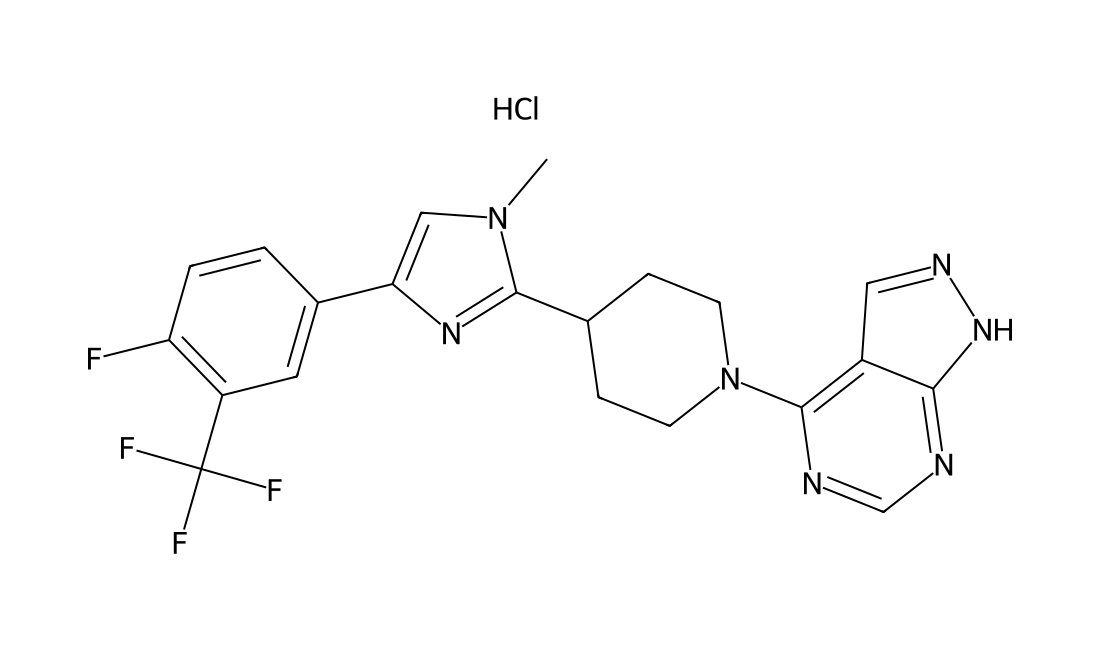
TC-E 5003
CAS 17328-16-4
TC-E 5003 is a selective protein arginine methyltransferase 1 (PRMT1) inhibitor.

Explore bioactive compounds by research category, then narrow your search by target, product name, catalog number or CAS.
Newly added: LC-MG and OXF molecular glue research compounds →
Products may appear in more than one category. Counts refer to distinct catalog numbers within each category.
Other Research Tools (75) · Additional reagents, building blocks and specialized research tools.
LC-MG-1 (DCA0006) · LC-MG-4 (DCA0007) · LC-MG-9 (DCA0008)
View structure and evidence summaries →Combine a keyword, research category and target to narrow the product list.
Loading catalog filters…
CAS 17328-16-4
TC-E 5003 is a selective protein arginine methyltransferase 1 (PRMT1) inhibitor.
CAS 1640282-31-0
I-CBP112 is a specific and potent acetyl-lysine competitive protein-protein interaction inhibitor, that targets the CBP/p300 bromodomains.
CAS 918348-67-1
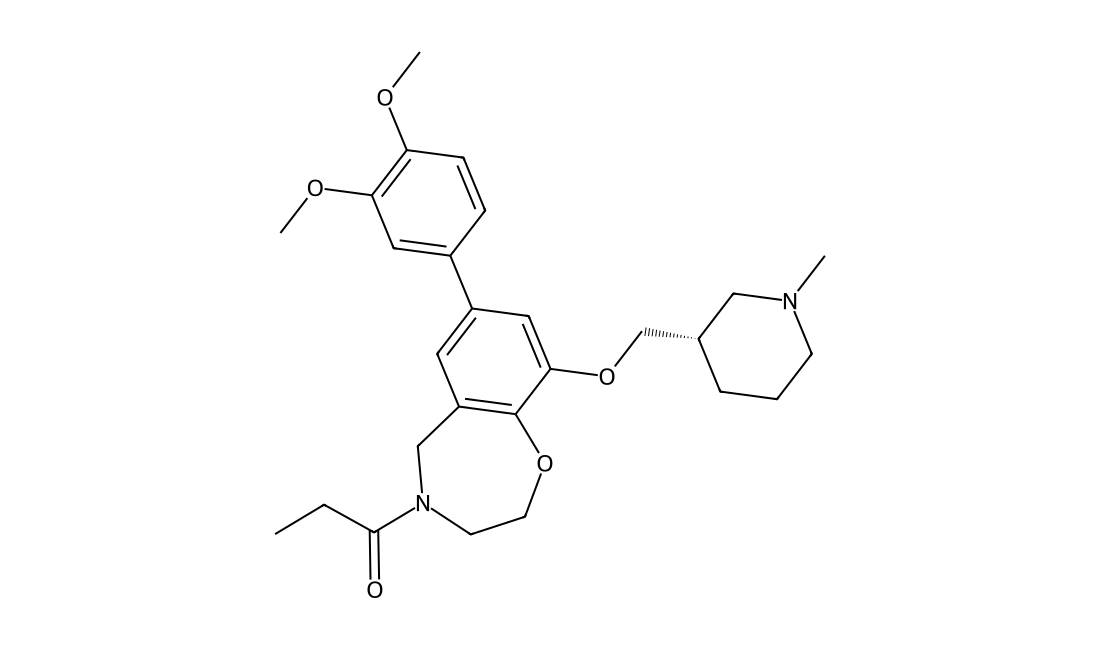
BMS-779788, also known as XL-652, EXEL 04286652 and BMS-788, is potent partial LXR agonist with LXRβ selectivity, which has an improved therapeutic window in the cynomolgus monkey compared with a full pan agonist. BMS-779788 induced LXR target genes in blood in vivo with an EC50 = 610 nM, a value similar to its in vitro blood gene induction potency. BMS-779788 was 29- and 12-fold less potent than the full agonist T0901317 in elevating plasma triglyceride and LDL cholesterol, respectively, with similar results for plasma cholesteryl ester transfer protein and apolipoprotein B.
CAS 331862-41-0
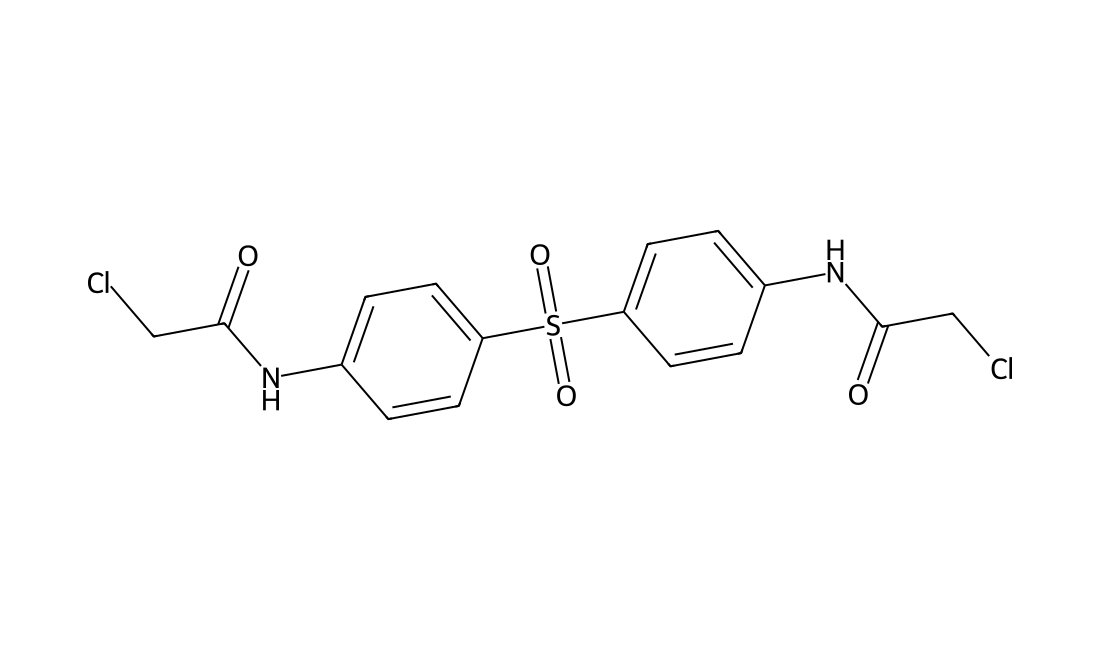
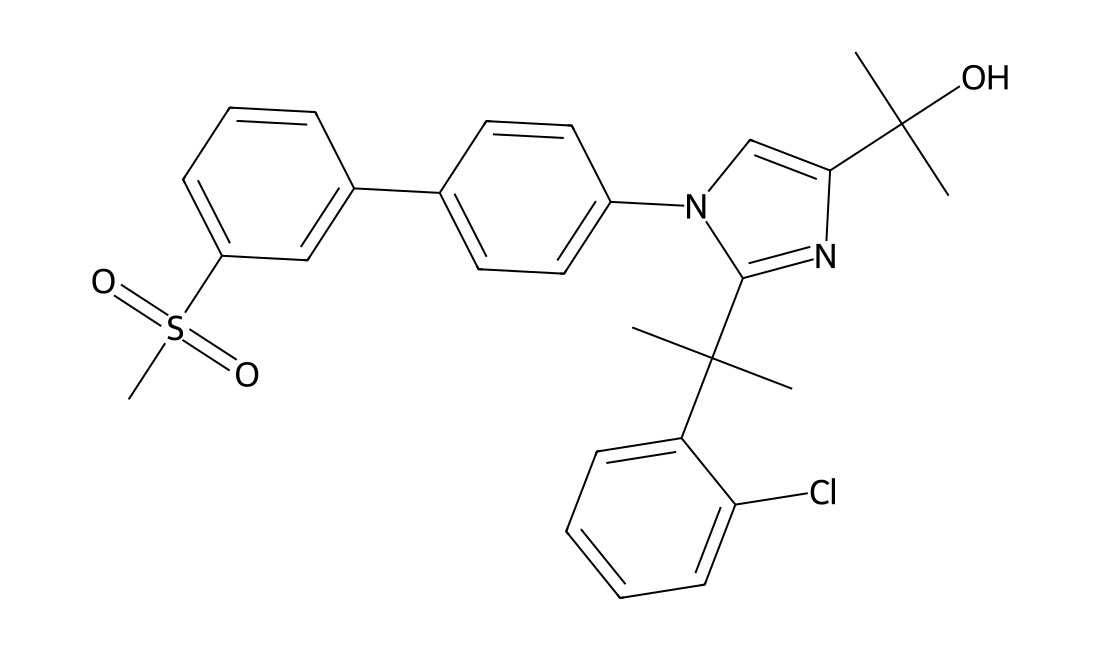
IMR-1A is the metabolite of IMR-1. IMR-1 is a novel class of Notch inhibitors targeting the transcriptional activation with IC50 of 6 μmol/L.target: NotchIC 50: 6 μmol/LIn vitro: IMR-1 prevents the recruitment of Maml1 to the NTC on chromatin, inhibits Notch target gene transcription, and dramatically inhibits tumor growth .A decrease in colony formation of Notch-dependent cell lines is observed upon treatment with IMR-1 when compared with the control (DMSO).In vivo : The reference for intraperitoneal injection is 15 mg/kg. IMR-1 inhibits Notch-dependent somite development in zebrafish.
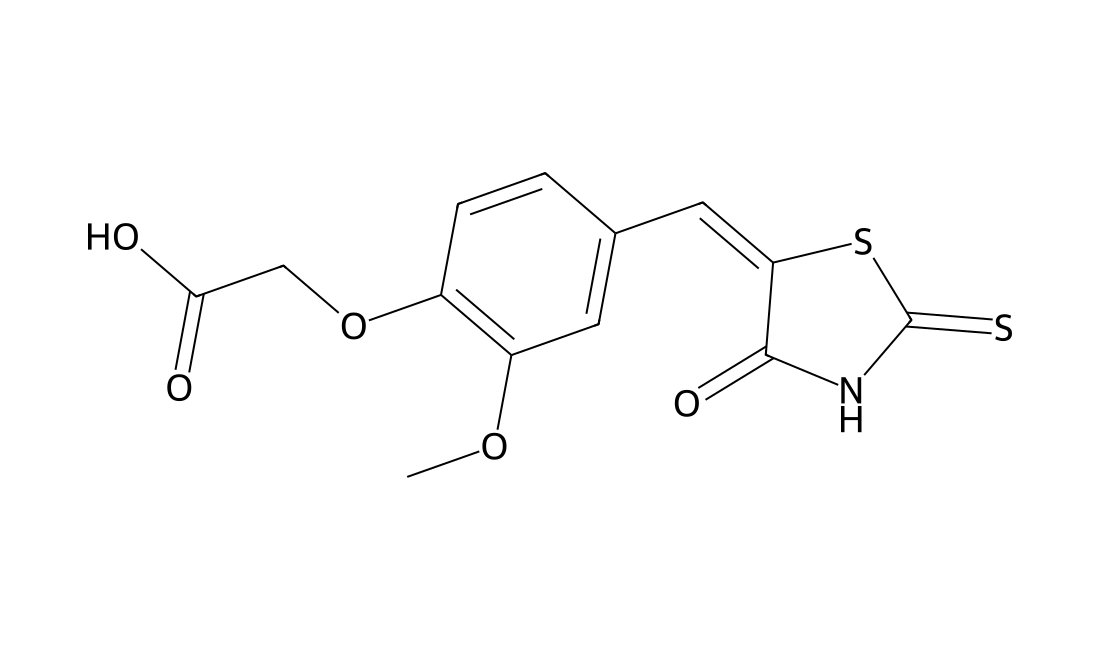
CAS 310456-65-6
IMR-1 is a novel class of Notch inhibitors targeting the transcriptional activation with IC50 of 6 μmol/L.target: NotchIC 50: 6 μmol/LIn vitro: IMR-1 prevents the recruitment of Maml1 to the NTC on chromatin, inhibits Notch target gene transcription, and dramatically inhibits tumor growth .A decrease in colony formation of Notch-dependent cell lines is observed upon treatment with IMR-1 when compared with the control (DMSO). In vivo : The reference for intraperitoneal injection is 15 mg/kg. IMR-1 inhibits Notch-dependent somite development in zebrafish.
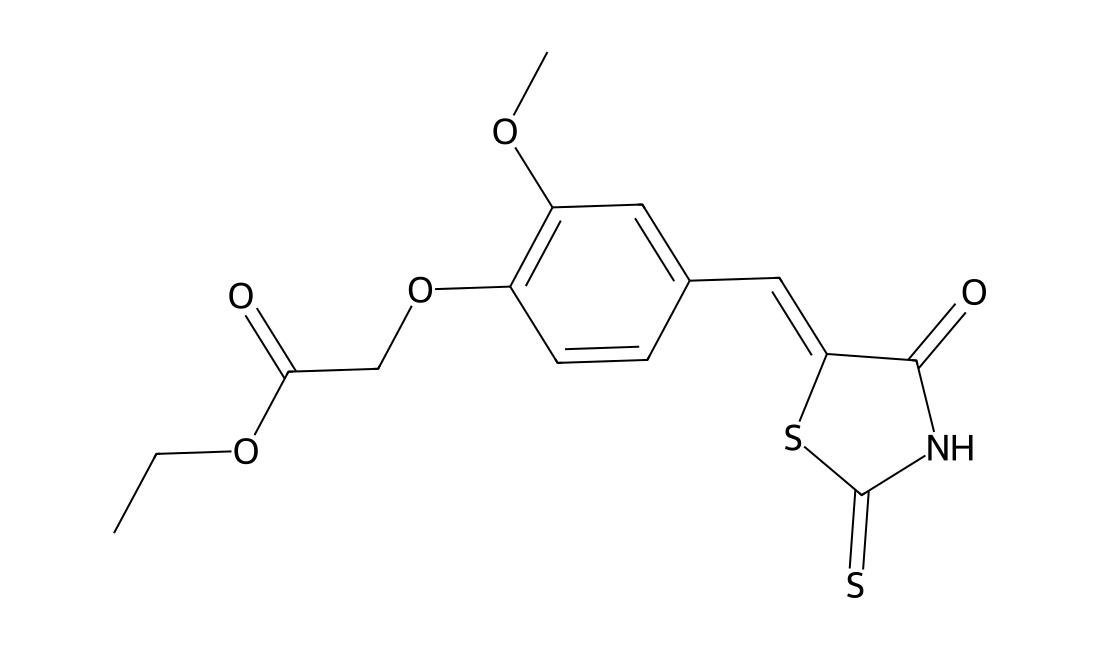
CAS 186611-52-9
IC261 is a selective, ATP-competitive CK1 inhibitor, with IC50s of 1 μM, 1 μM, 16 μM for Ckiδ, Ckiε and Ckiα1, respectively.
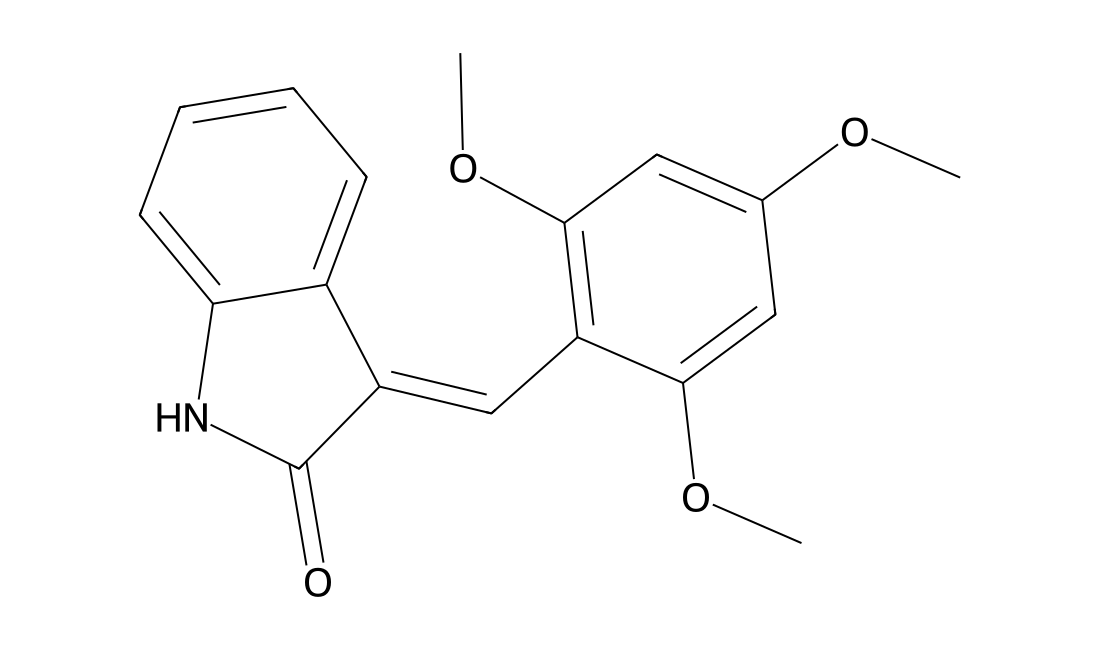
CAS 2765082-12-8
RMC-7977 is a reversible, tri-complex RAS inhibitor with broad spectrum activity for both mutant and wild-type (WT) KRAS, NRAS, and HRAS variants.RMC-7977 can lead to tumor regressions and was well tolerated in diverse RAS-addicted preclinical cancer models. RMC-7977 also can inhibit the growth of KRASG12C cancer models.
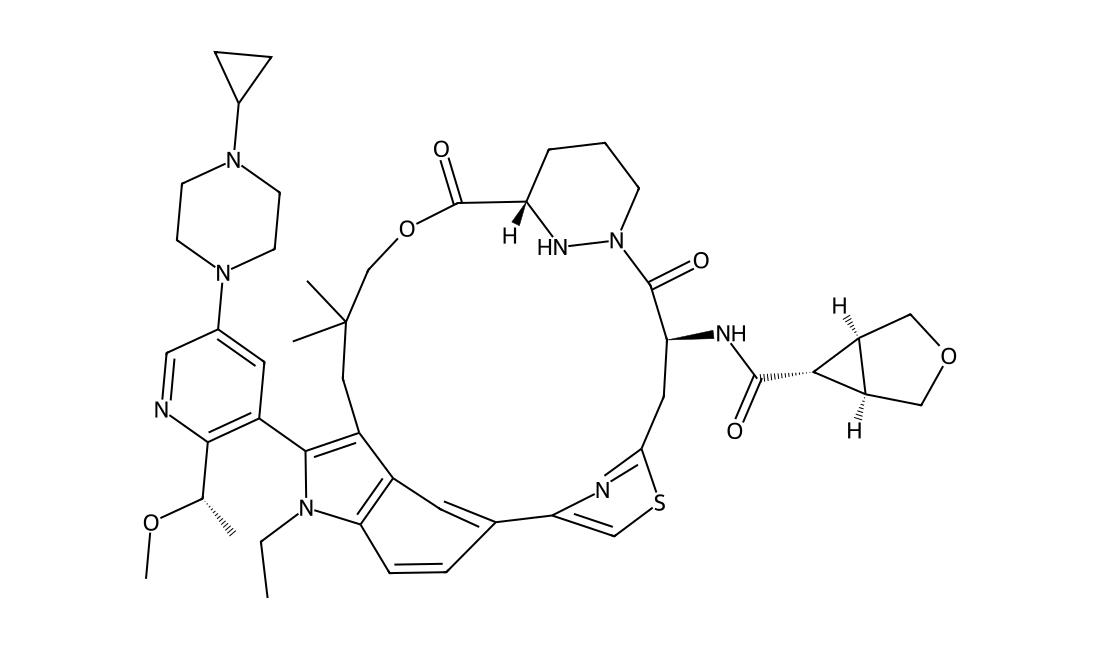
CAS 154947-66-7
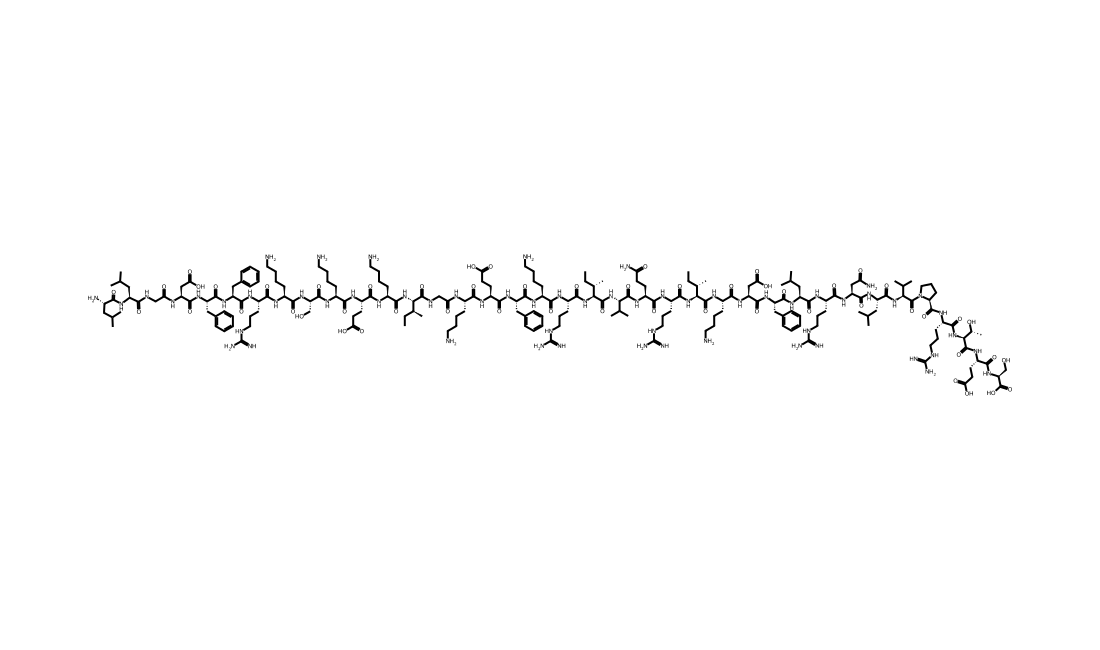
LL-37, Human is a 37-residue, amphipathic, cathelicidin-derived antimicrobial peptide, which exhibits a broad spectrum of antimicrobial activity[1]. LL-37, Human could help protect the cornea from infection and modulates wound healing.
CAS 83207-58-3
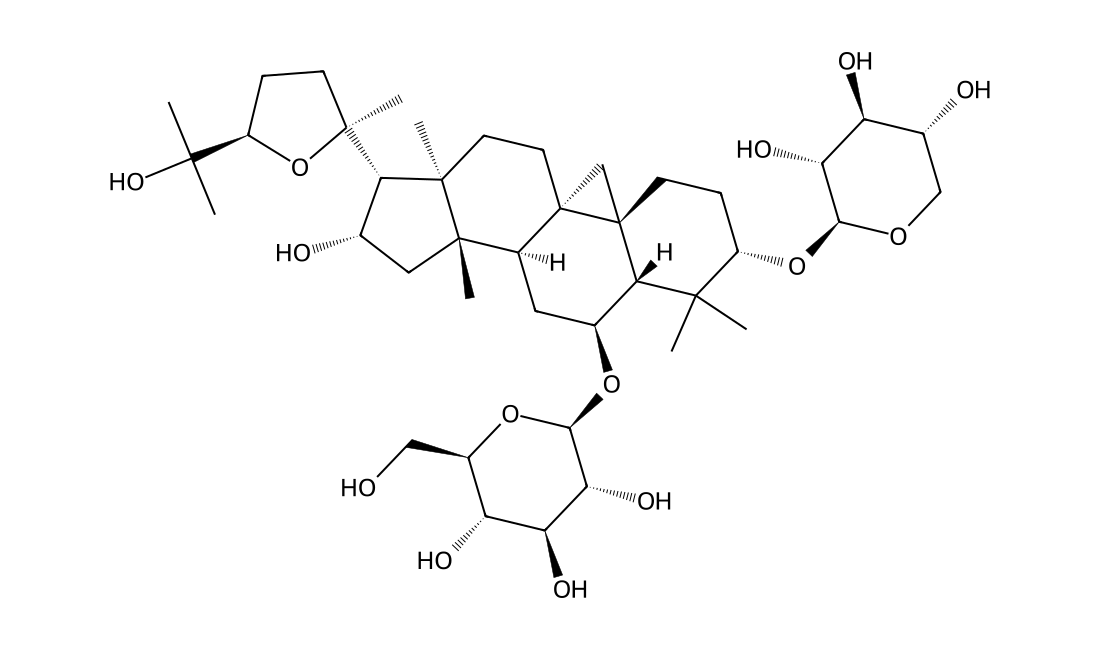
Astragaloside A is one of the major active constituents of Astragalus membranaceus in Traditional Chinese Medicine; has been widely used to treat ischemic diseases.
CAS 1362850-20-1
Seletalisib is a potent, ATP-competitive and highly selective PI3Kδ inhibitor able to block AKT phosphorylation following activation of the BCR in a B-cell line. Seletalisib inhibits N-formyl peptides (fMLP)-stimulated but not phorbol myristate acetate (PMA)-stimulated superoxide release from human neutrophils consistent with a PI3Kδ-specific activity. No indications of cytotoxicity are observed in PBMCs or other cell types treated with seletalisib. seletalisib blocks human T-cell production of several cytokines from activated T-cells. Seletalisib inhibits T-cell differentiation to Th1, Th2, and Th17 subtypes. Additionally, seletalisib inhibits B-cell proliferation and cytokine release. In human whole blood assays, seletalisib inhibits CD69 expression upon B-cell activation and anti-IgE-mediated basophil degranulation.Seletalisib significantly inhibits IL-2 release following TCR stimulation in the rat. The inhibition is observed at all tested doses of seletalisib with almost complete inhibition reached at dose levels ≥1 mg/kg. Seletalisib has potent in vivo effects with an estimated IC50 value of <10 nM.
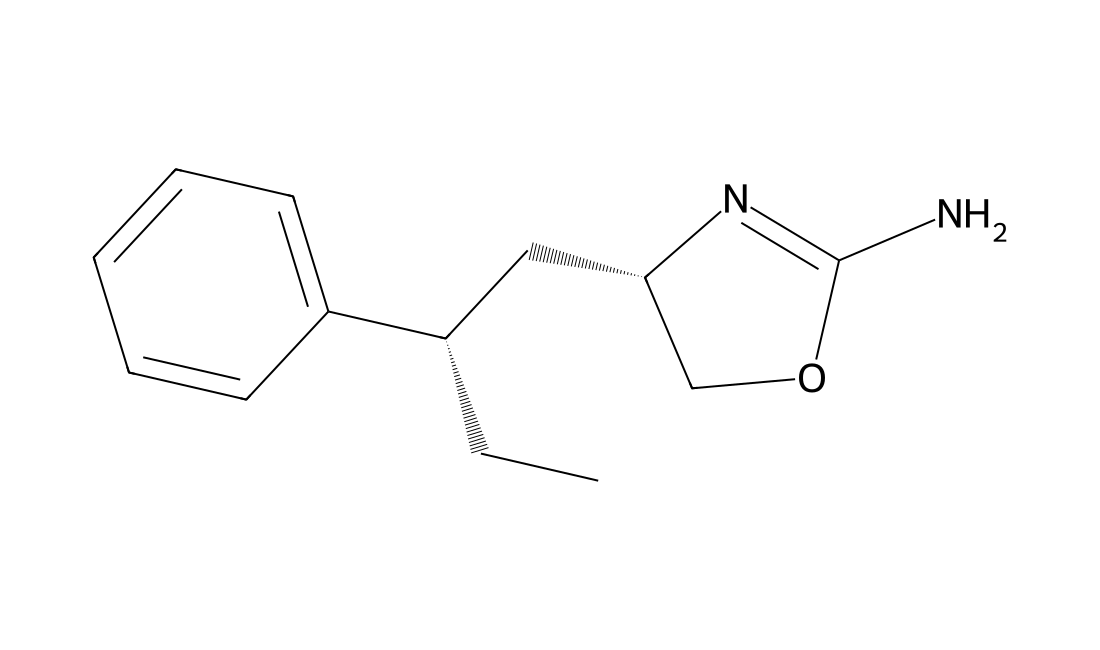
CAS 1043495-96-0
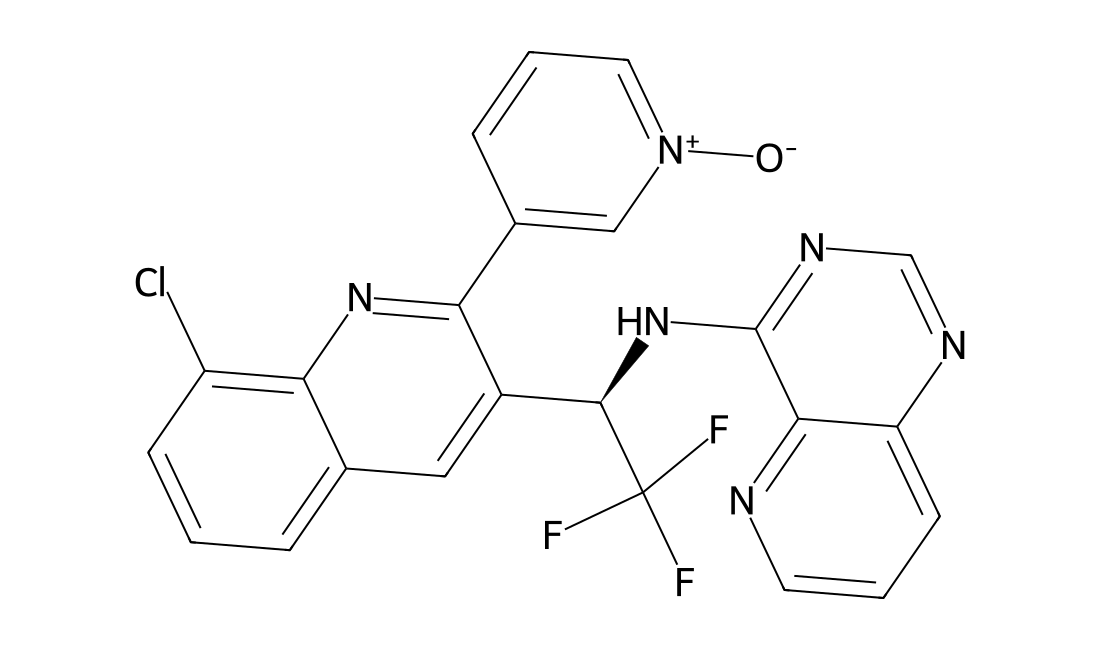
A highly potent, selective and orally bioavailable trace amine-associated receptor 1 (TRRA1) full agonist with EC50 of 18 nM, >500-fold selectivity over human adrenergic α2A receptor; blocks psychostimulant-induced hyperactivity and produces a brain activation pattern reminiscent of the antipsychotic drug olanzapine in vivo, does not induce catalepsy or weight gain.
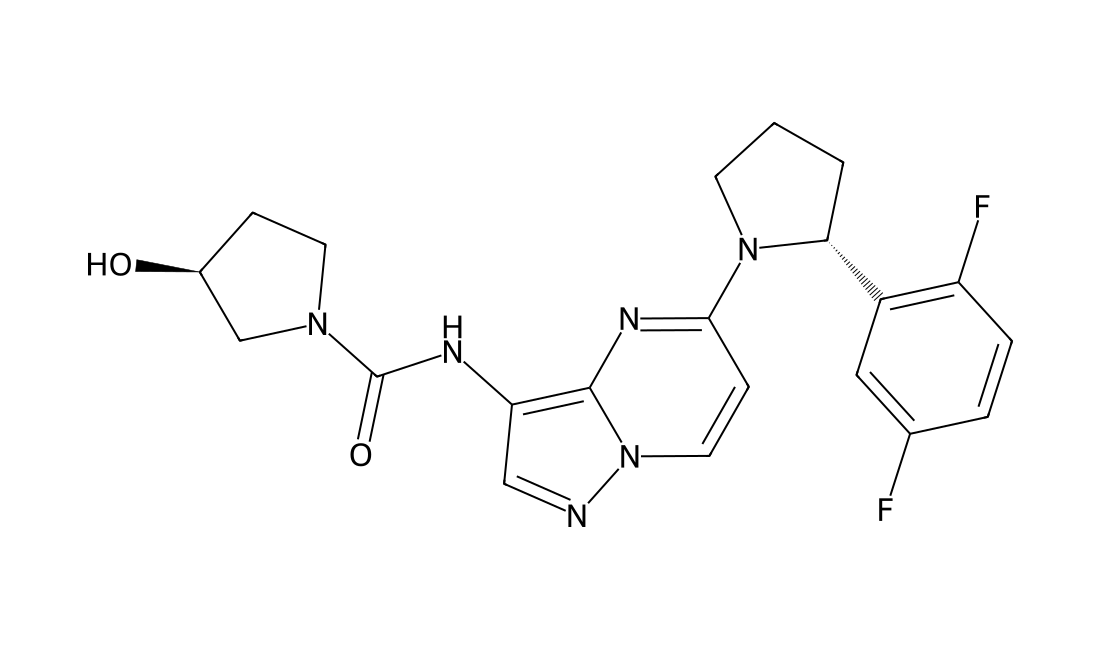
CAS 1223403-58-4
Larotrectinib (LOXO-101) is an ATP-competitive oral, selective inhibitor of the tropomyosin-related kinase (TRK) family receptors, with low nanomolar 50% inhibitory concentrations against all three isoforms (TRKA, B, and C).
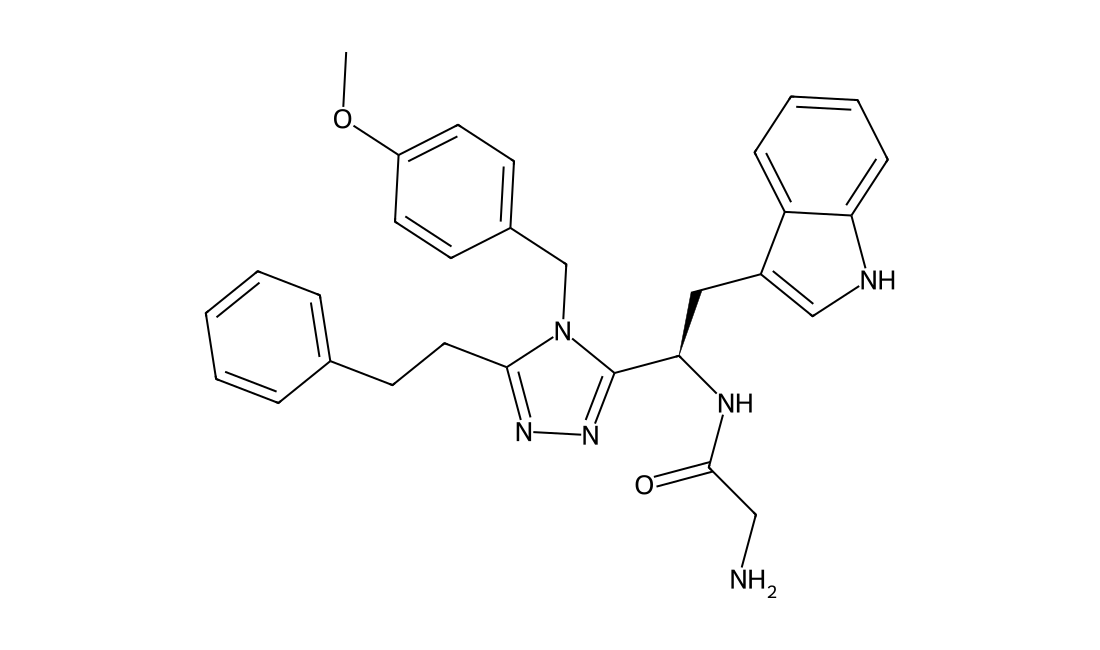
CAS 925238-89-7
JMV 2959 (AEZS-123) is a potent ghrelin receptor (GHS-R1A) antaognist with binding IC50 of 32 nM; suppresses ghrelin-induced and fasting-induced food intake at the level of the central nervous system, attenuates the NMDAR antagonist, phencyclidine-induced impairments in prepulse inhibition in rats.
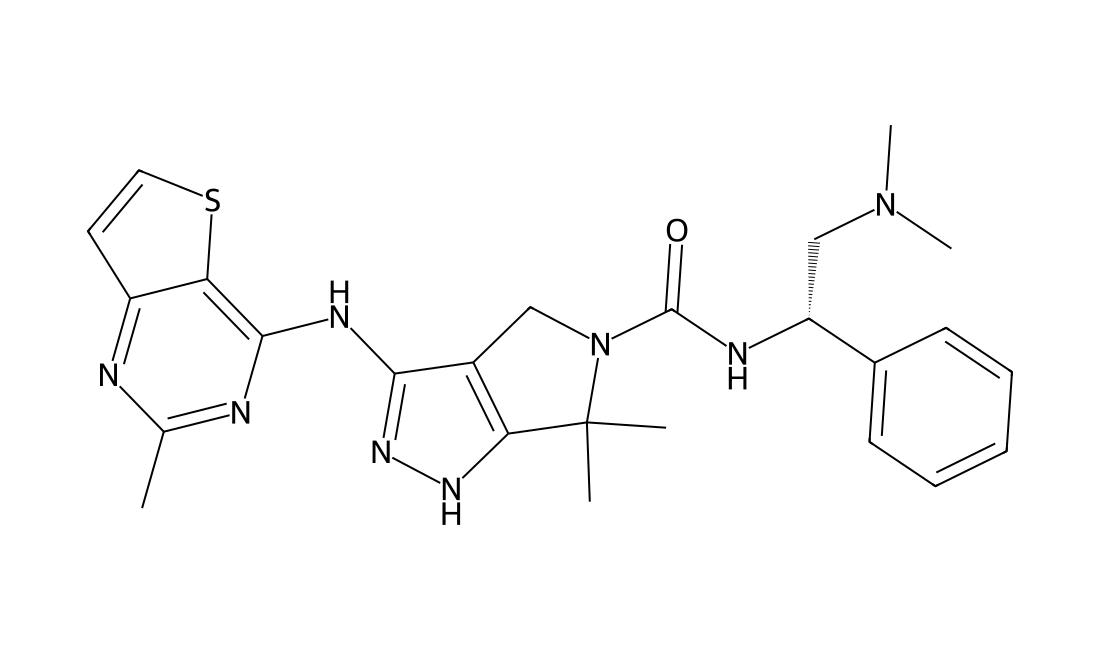
CAS 898044-15-0
An orally bioavailable small-molecule inhibitor of p21-activated kinase 4 (PAK4) with potential antineoplastic activity. PAK4 inhibitor PF-03758309 binds to PAK4, inhibiting PAK4 activity and cancer cell growth. PAK4, a serine/threonine kinase belonging to the p21-activated kinase (PAK) family, is often upregulated in a variety of cancer cell types and plays an important role in cancer cell motility, proliferation, and survival. For the detailed information of PF-03758309, the solubility of PF-03758309 in water, the solubility of PF-03758309 in DMSO, the solubility of PF-03758309 in PBS buffer, the animal experiment (test) of PF-03758309, the cell expriment (test) of PF-03758309, the in vivo, in vitro and clinical trial test of PF-03758309, the EC50, IC50,and Affinity of PF-03758309, Please contact DC Chemicals.
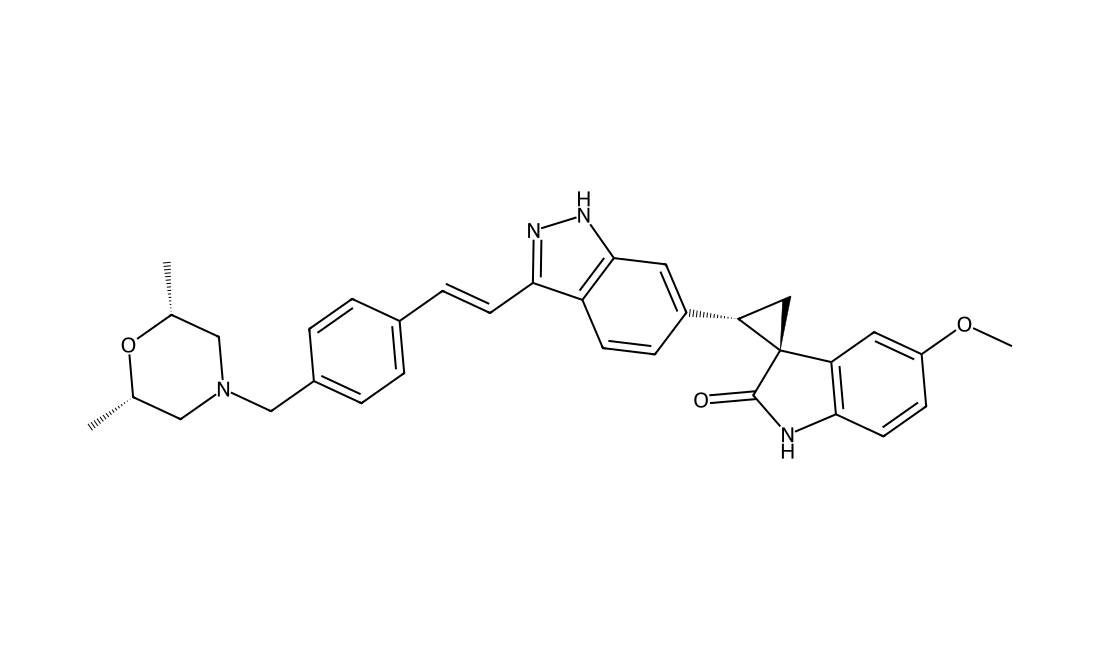
CAS 1338806-73-7
CFI-400945 is a potent, highly selective PLK4 inhibitor with Ki of 0.26 nM and IC50 of 2.8 nM, does not significantly inhibits PLK1/2/3 at 50 uM; causes dysregulated centriole duplication, mitotic defects, and cell death in multiple cancer cell lines (A549 GI50=5 nM, OVCAR-3 GI50=18 nM); significantly inhibits human cancer xenografts; causes polyploidy, growth inhibition, and apoptotic death of murine and human lung cancer cells, despite expression of mutated KRAS or p53, produces supernumerary centrosomes and mitotic defects in lung cancer cells.
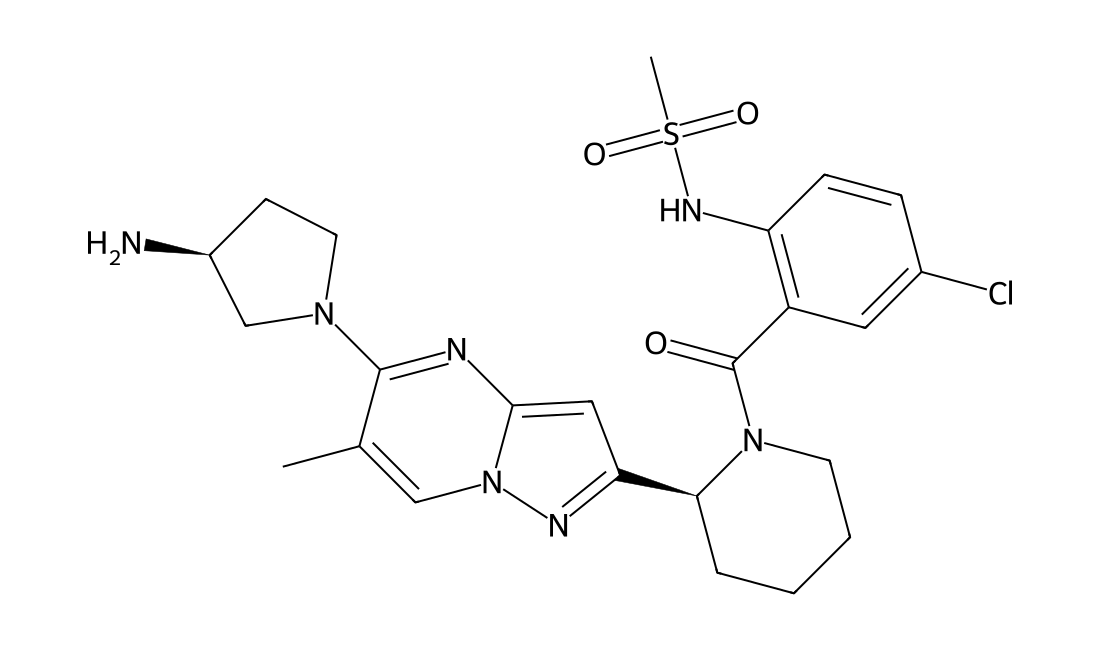
CAS 1353625-73-6
Presatovir (GS-5806) is a novel, orally bioavailable RSV fusion inhibitor with mean EC50 of 0.43 nM against a panel of 75 RSV A and B clinical isolates; exhibits low cytotoxicity in human cell lines and primary cell cultures (selectivity > 23,000-fold); shows excellent antiviral efficacy in the cotton rat model of RSV infection. RSV Infection Phase 2 Clinical
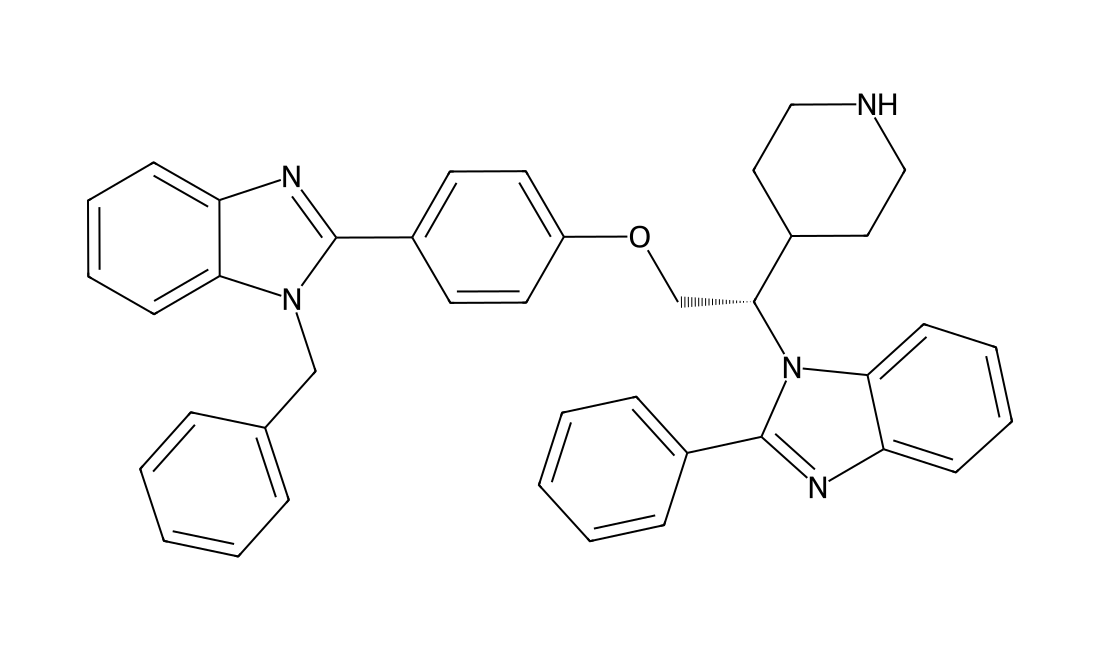
CAS 1440898-61-2
Deltarasin is a novel and small molecule inhibitor which can inhibit the KRAS-PDEδ interaction(Kd= 41 nM. binding to PDEδ) and impairs oncogenic KRAS signalling.Interfering with binding of mammalian PDEδ to KRAS by means of small molecules provides a novel opportunity to suppress oncogenic RAS signalling by altering its localization to endomembranes. Biochemical screening and subsequent structure-based hit optimization yielded inhibitors of the KRAS-PDEδ interaction that selectively bind to the prenyl-binding pocket of PDEδ with nanomolar affinity, inhibit oncogenic RAS signalling and suppress in vitro and in vivo proliferation of human pancreatic ductal adenocarcinoma cells that are dependent on oncogenic KRAS. For the detailed information of Deltarasin, the solubility of Deltarasin in water, the solubility of Deltarasin in DMSO, the solubility of Deltarasin in PBS buffer, the animal experiment (test) of Deltarasin, the cell expriment (test) of Deltarasin, the in vivo, in vitro and clinical trial test of Deltarasin, the EC50, IC50,and affinity,of Deltarasin, For the detailed information of Deltarasin, the solubility of Deltarasin in water, the solubility of Deltarasin in DMSO, the solubility of Deltarasin in PBS buffer, the animal experiment (test) of Deltarasin, the cell expriment (test) of Deltarasin, the in vivo, in vitro and clinical trial test of Deltarasin, the EC50, IC50,and affinity,of Deltarasin, Please contact DC Chemicals.
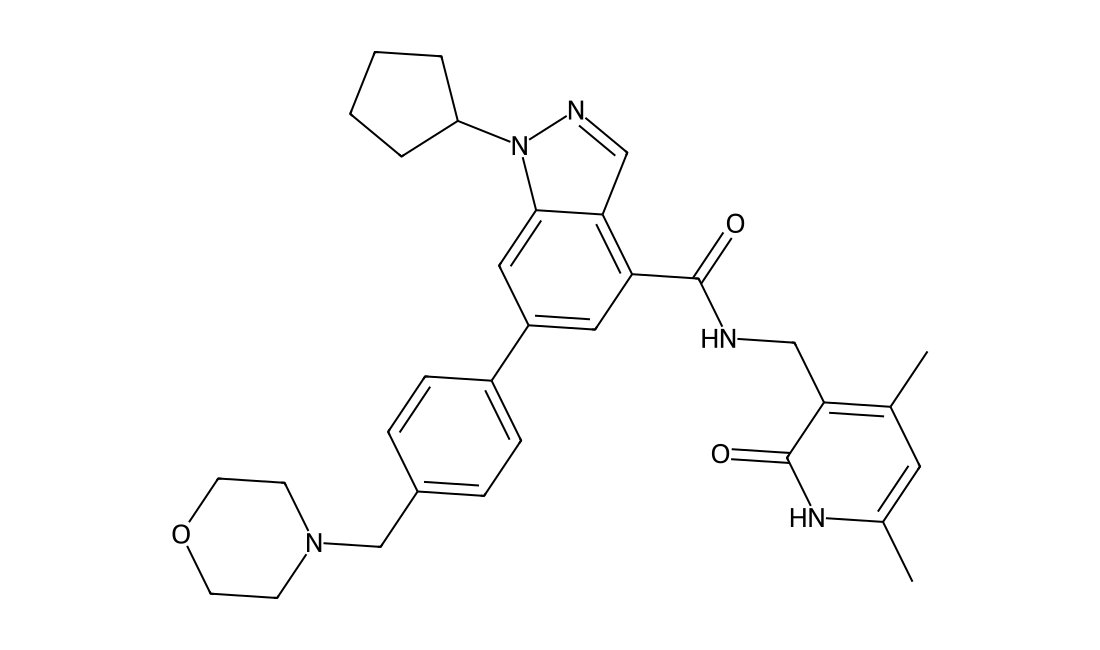
CAS 1396772-26-1
EPZ005687 is a potent and selective inhibitor of EZH2 with Ki of 24 nM, and has 50-fold selectivity against EZH1 and 500-fold selectivity against 15 other protein methyltransferases.
CAS 20449-79-0
Melittin (MLT, Forapin, Forapine) is an activator of phospholipase A2 (PLA2) that stimulates the activity of the low molecular weight PLA2, while it does not the increase the activity of the high molecular weight enzyme.
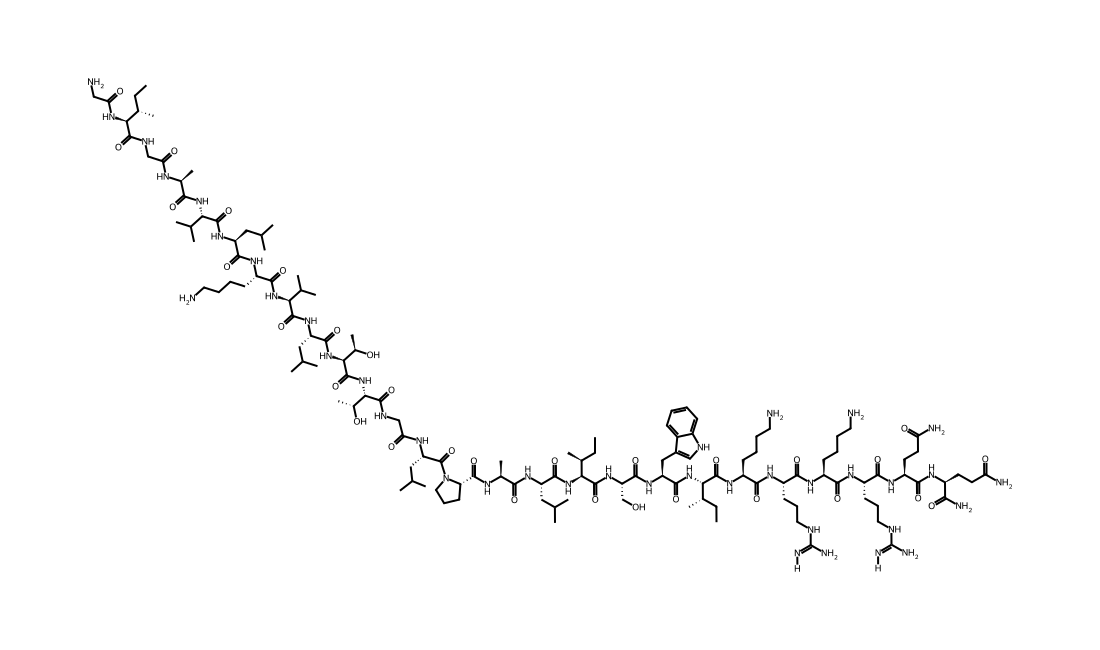
CAS 448944-47-6
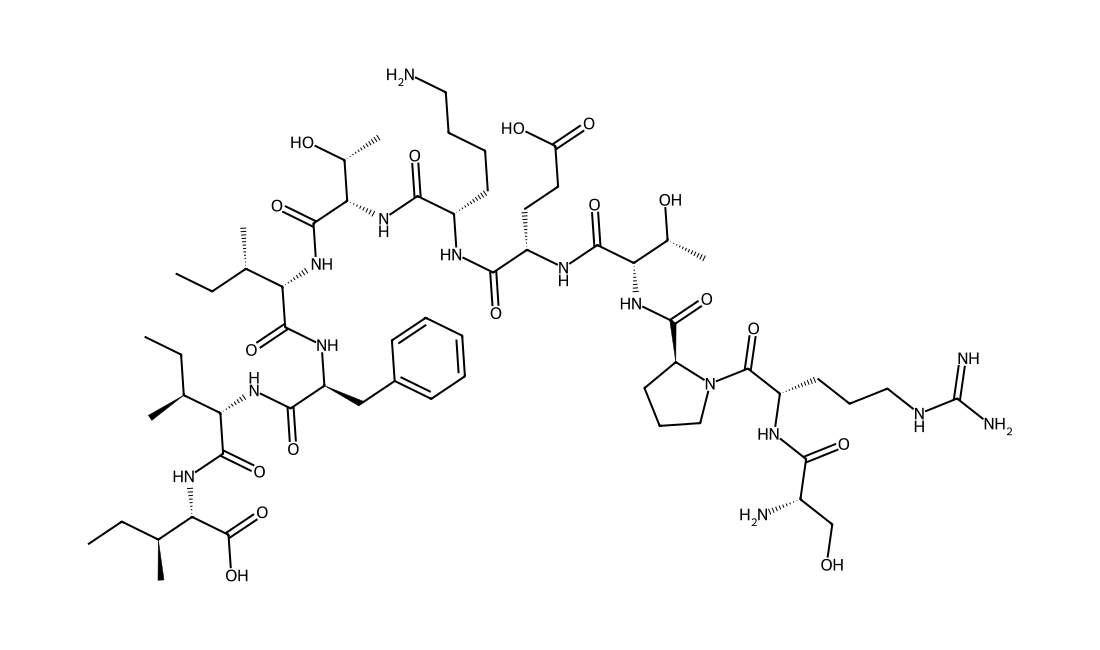
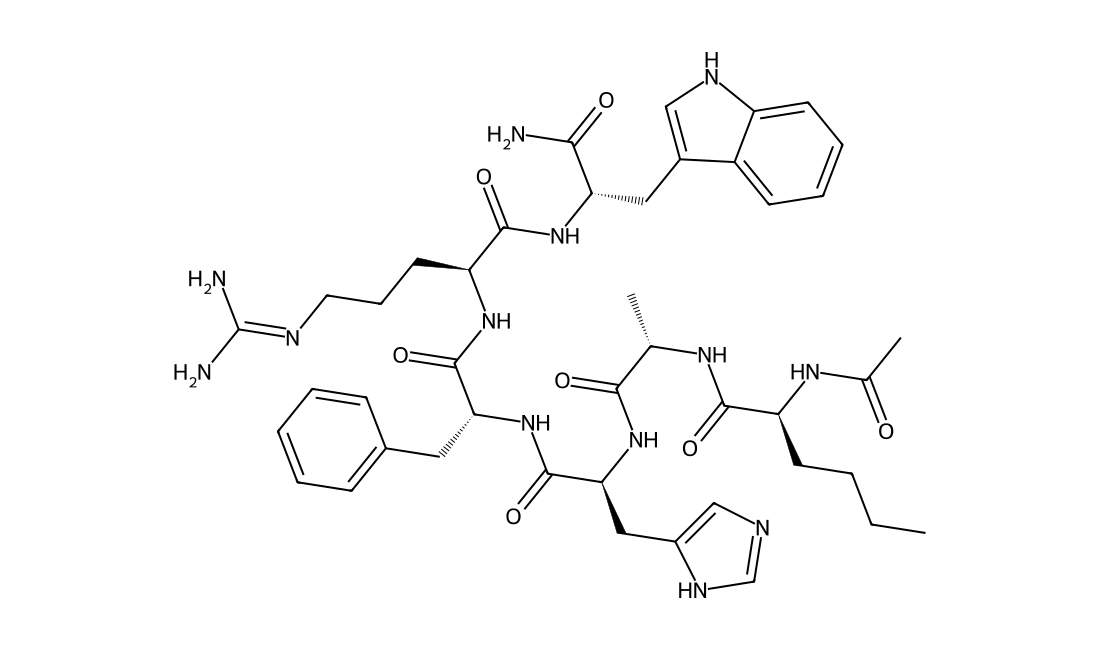
Acetyl hexapeptide-1 (Melitane) is a bioactive peptide with anti-wrinkle effect and has been reported used as a cosmetic ingredient.
CAS 1876450-21-3
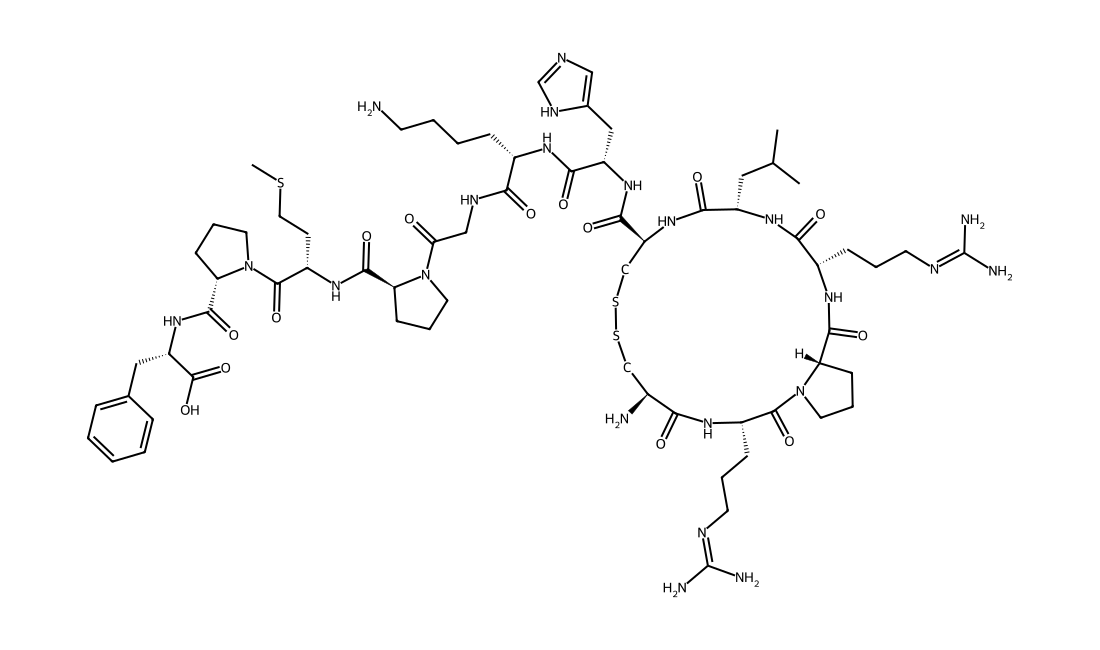
MM 07 is a biased apelin receptor agonist, with a KD of 300 nM in CHO-K1 cells and a KD of 172 nM in human heart.
CAS 1421936-85-7
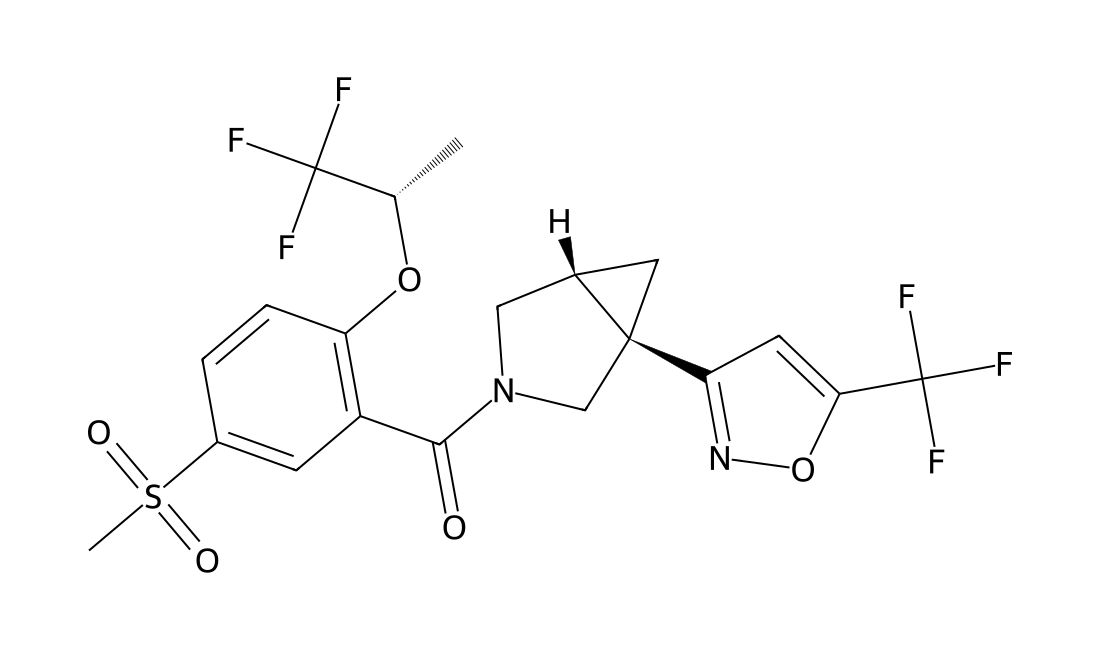
Iclepertin (BI-425809) is a potent, selective and orally active glycine transporter 1 (GlyT1) inhibitor. Iclepertin is inactive against GlyT2. Iclepertin can be used for Alzheimer disease and schizophrenia research.
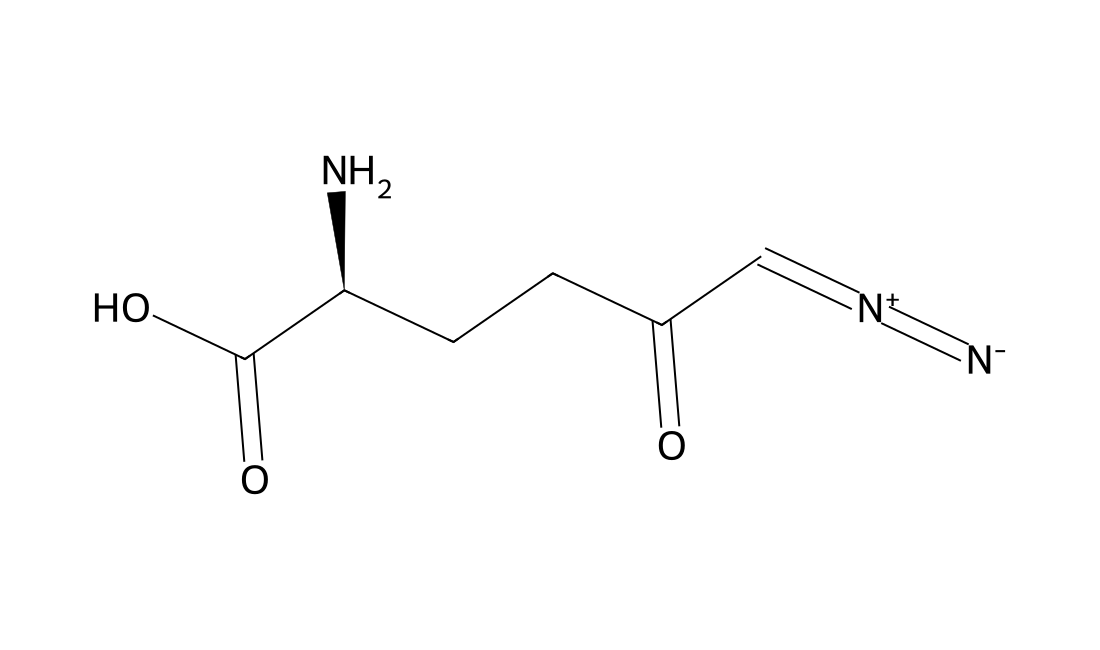
CAS 157-03-9
6-Diazo-5-oxo-L-nor-Leucine (DON) is a glutamine analog that inhibits glutaminases (Ki = 6 µM) and other glutamine-utilizing enzymes, including cytidine triphosphate synthase (CTPS), which uses glutamine in the synthesis of CTP.1,2,3 DON is commonly used in cells or tissues but its use in whole animals is limited by its teratogenicity.
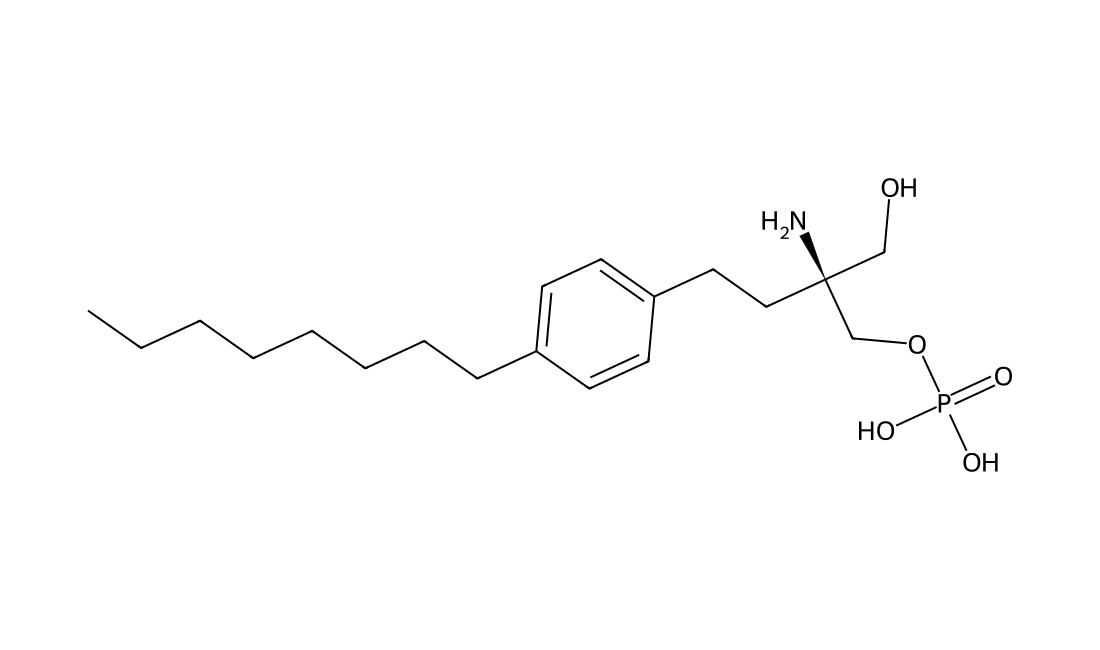
CAS 2260969-36-4
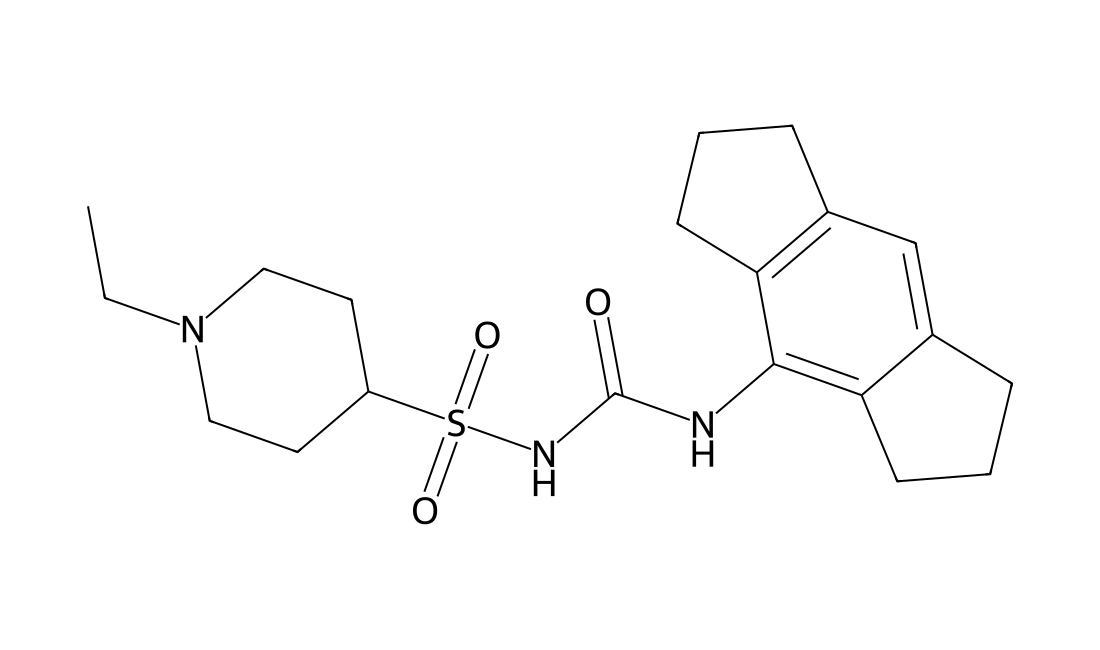
Selnoflast (example 6) is a NLRP3 inhibitor (extracted from patent WO2019008025).
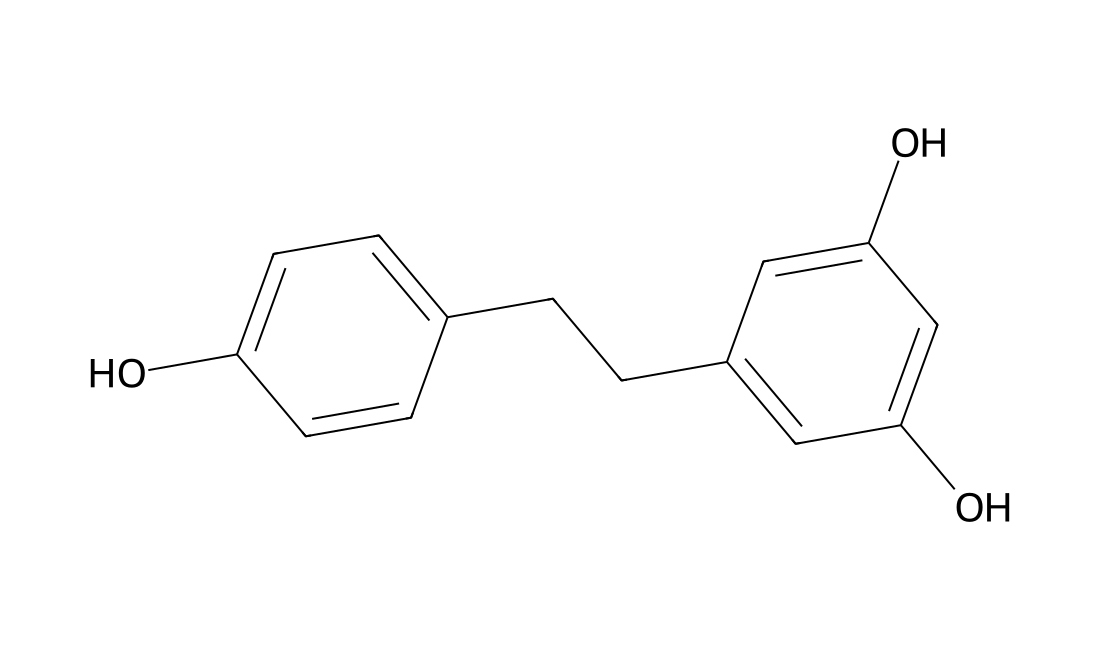
CAS 58436-28-5
Dihydroresveratrol is an SIRT1 activator. It is a primary metabolite of resveratrol.
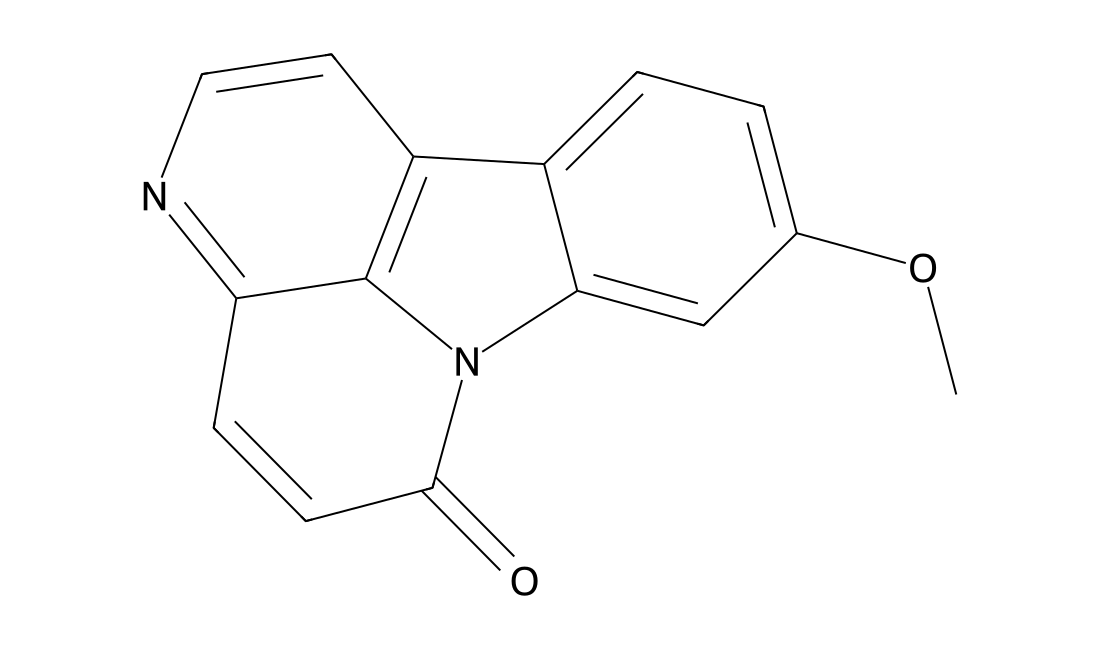
CAS 74991-91-6
9-Methoxycanthin-6-one, a canthin-6-one alkaloid, is present in intact plant parts and in callus tissues of different explants. 9-Methoxycanthin-6-one shows anti-tumor activity.
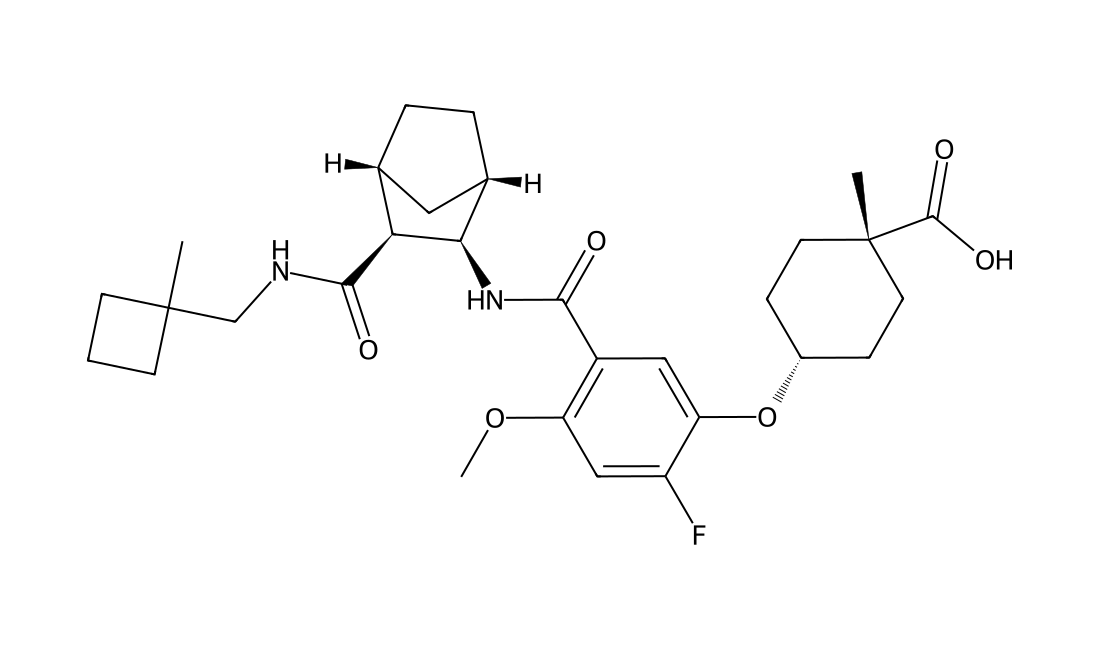
CAS 2787501-83-9
AZD5462 is a selective oral allosteric relaxin family peptide receptor 1 (RXFP1) agonist with pEC50 of 7.8. AZD5462 has better kinetic solubility and shows much improved metabolic stability compared to AZ7976 in vitro.
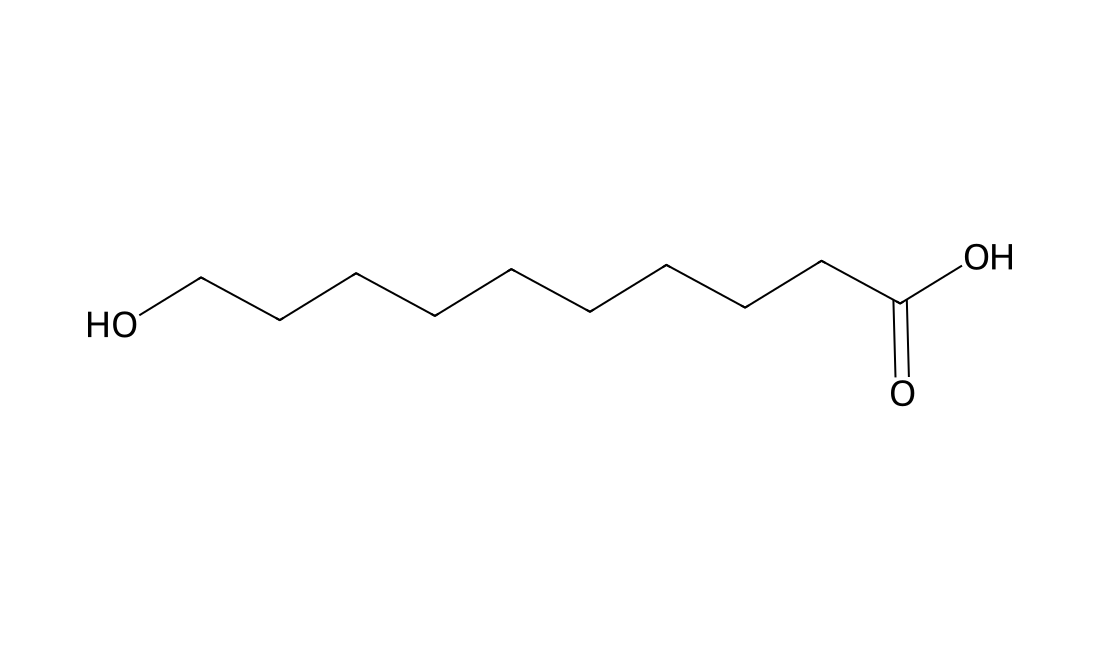
CAS 1679-53-4
10-Hydroxydecanoic acid (NSC 15139) is a saturated fatty acid of 10-hydroxy-trans-2-decenoic acid from royal jelly, with anti-inflammatory activity.
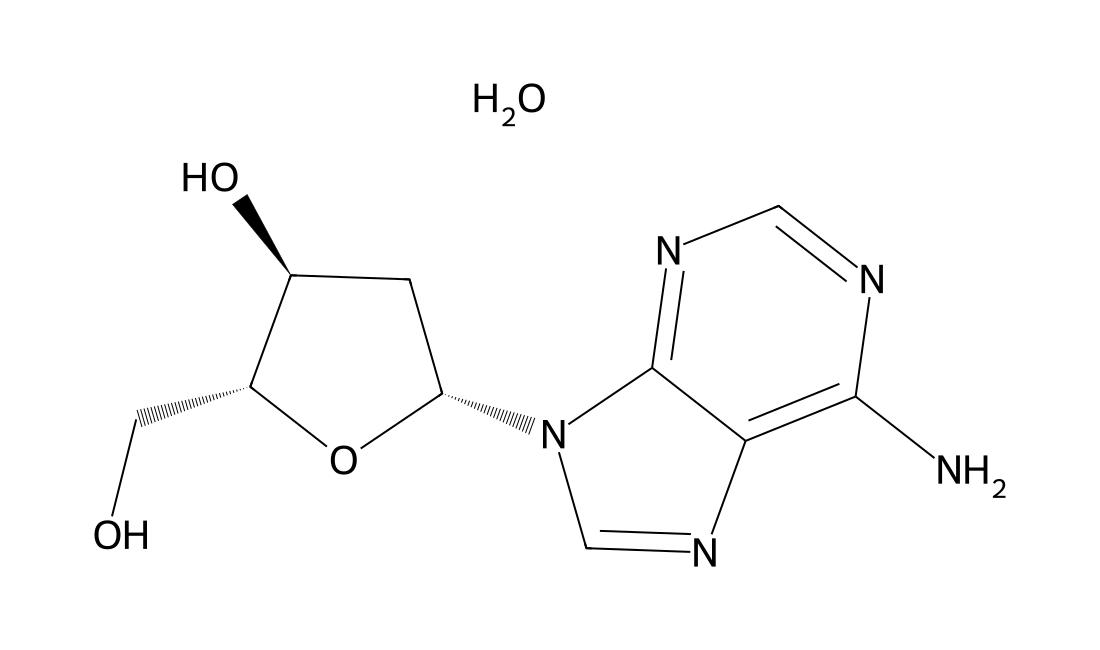
CAS 16373-93-6
2'-Deoxyadenosine monohydrate is a deoxyribonucleoside. A building block in the chemical synthesis.
CAS 67684-64-4
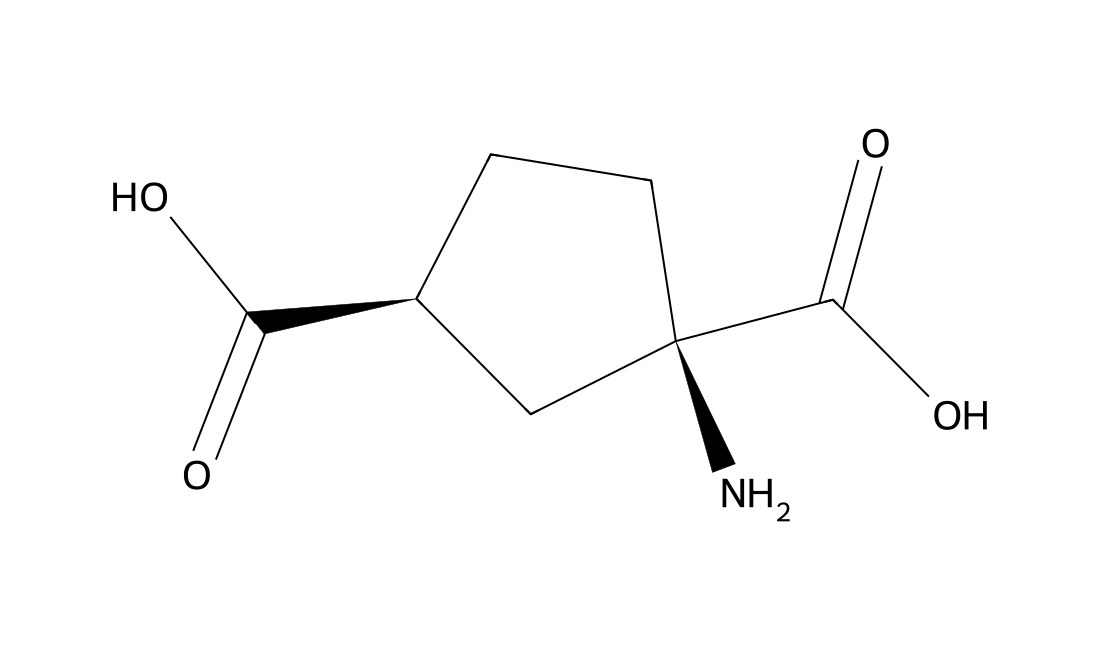
A equimolecular mixture of (1S,3R)- and (1R,3S)-ACPD; selective agonist for metabotropic glutamate receptors; active at both group I and group II mGlu receptors (EC50 values are 2, 15, 23 and ~800 uM at mGluR2, mGluR1, mGluR5 and mGluR4 respectively).
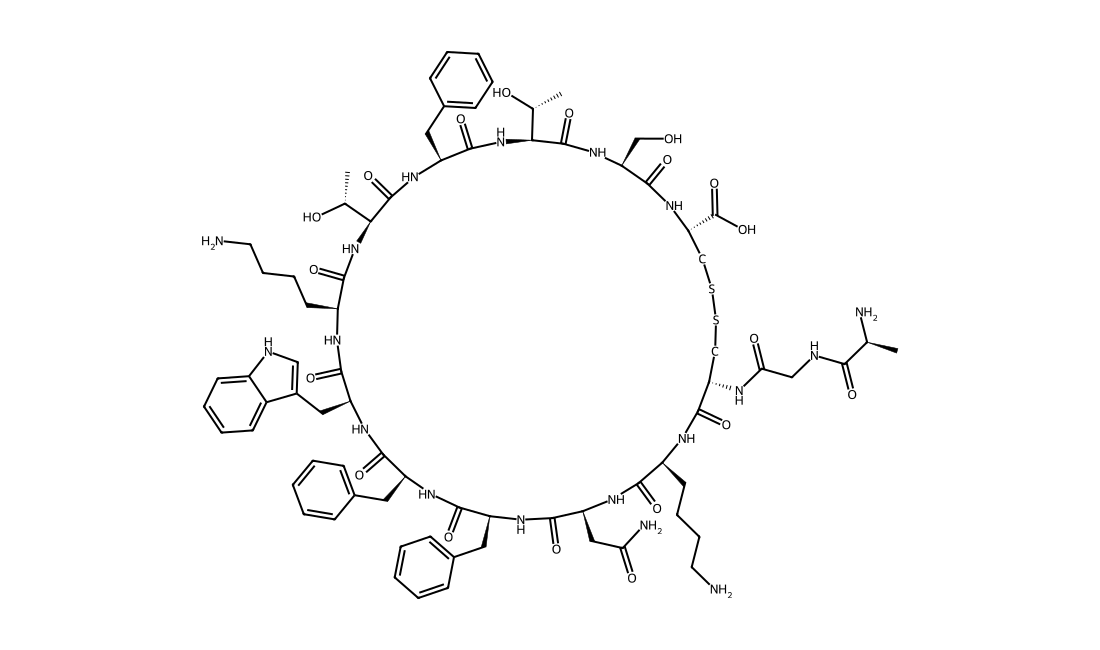
CAS 38916-34-6
A growth hormone-release inhibiting factor used in the treatment of severe, acute hemorrhages of gastroduodenal ulcers; regulates the endocrine system and affects neurotransmission and cell proliferation.
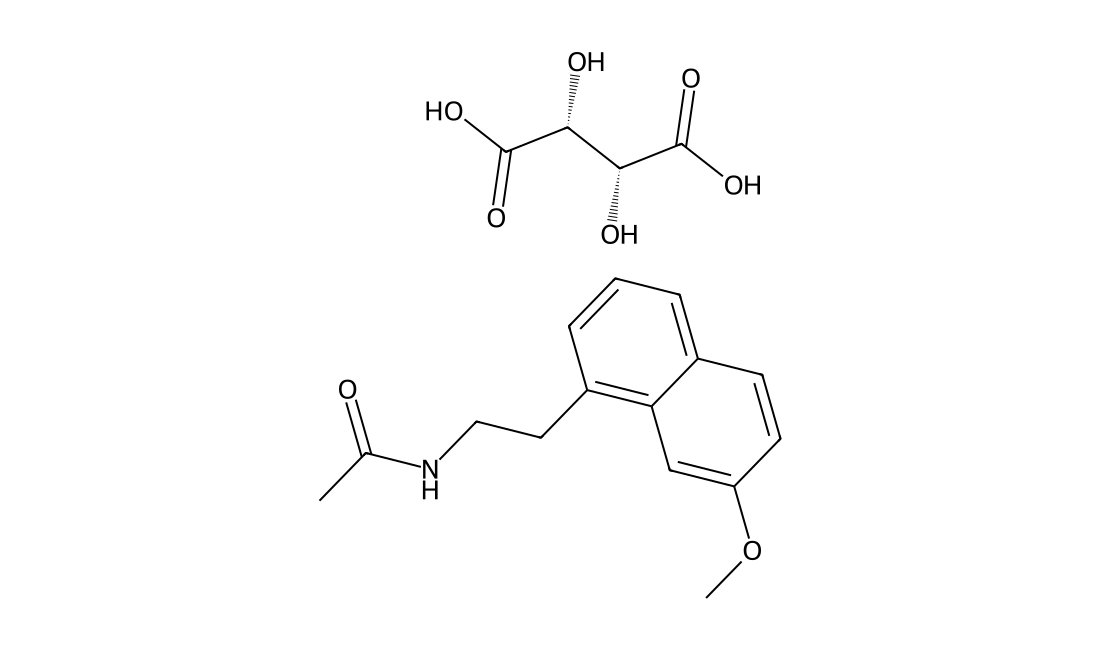
CAS 824393-18-2
A melatonin receptor agonist of MT1 (Ki=0.1nM) and MT2 (Ki=0.12nM), and a 5-HT2C (Ki=631nM) receptor antagonist; has no effect on monoamine uptake and no affinity for adrenergic, histaminergic, cholinergic, dopaminergic and benzodiazepine receptors, nor other serotonergic receptors; a melatonergic antidepressant treatment of major depressive disorder with relatively favorable side effect profile. Depression Approved
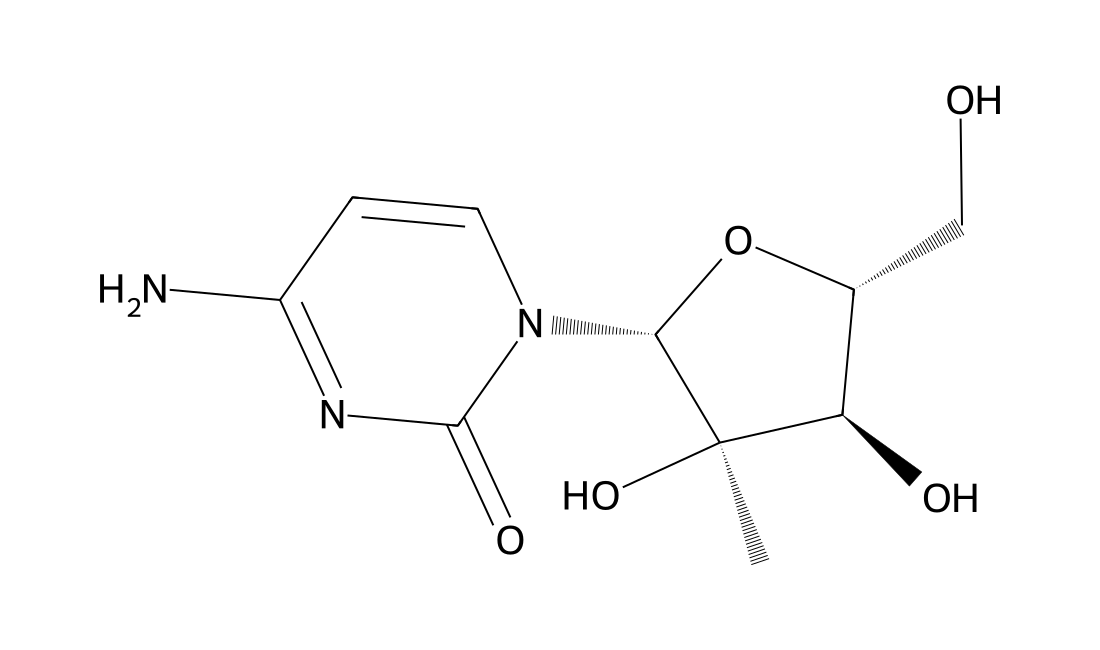
CAS 20724-73-6
A nucleoside inhibitor of HCV NS5B polymerase with EC50 of 1.23 uM against HCV 1b replicon cells; The active component of NM283.HCV InfectionPhase 2 Discontinued
CAS 124555-18-6
A potent and selective Adenosine A1 receptor agonist with Ki of 3.1 nM; exerts profound antilipolytic effects with minimal effects on blood pressure and heart rate; orally active.
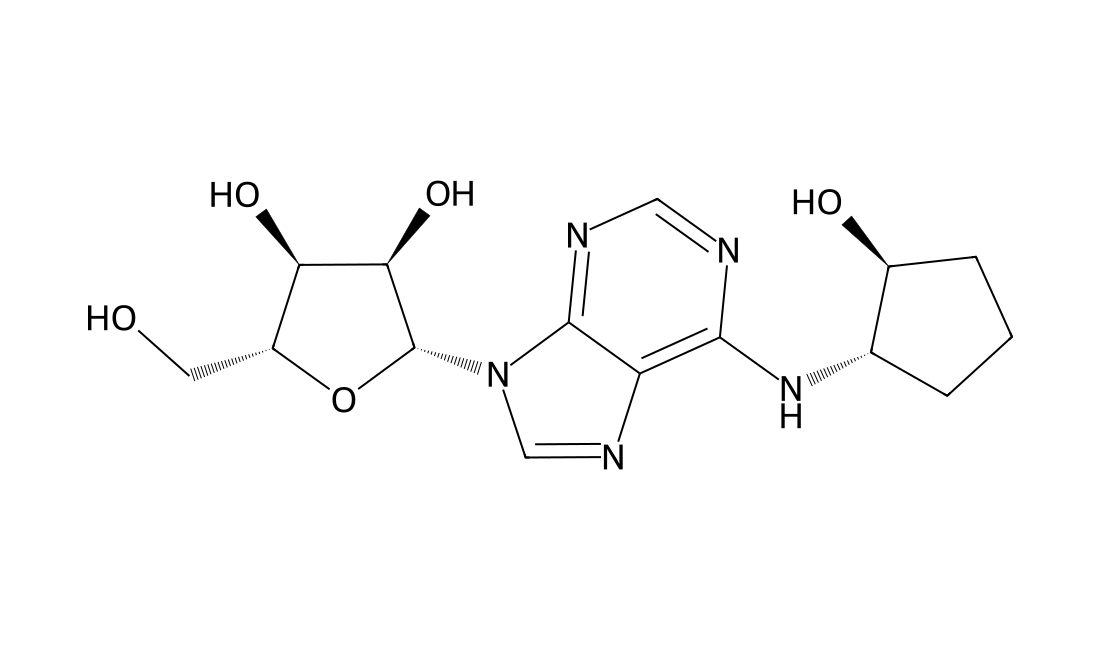
CAS 1638211-05-8
A potent and selective inhibitor of MTH1 protein with IC50 of 0.8 nM; shows no relevant inhibition for MTH2,NUDT5, NUDT12,NUDT14,NUDT16 and other proteinswith known nucleoside triphosphate pyrophosphatase activity; causees incorporation of oxidized dNTPs in cancer cells, leading to DNA damage, cytotoxicity and therapeutic responses in patient-derived mouse xenografts.
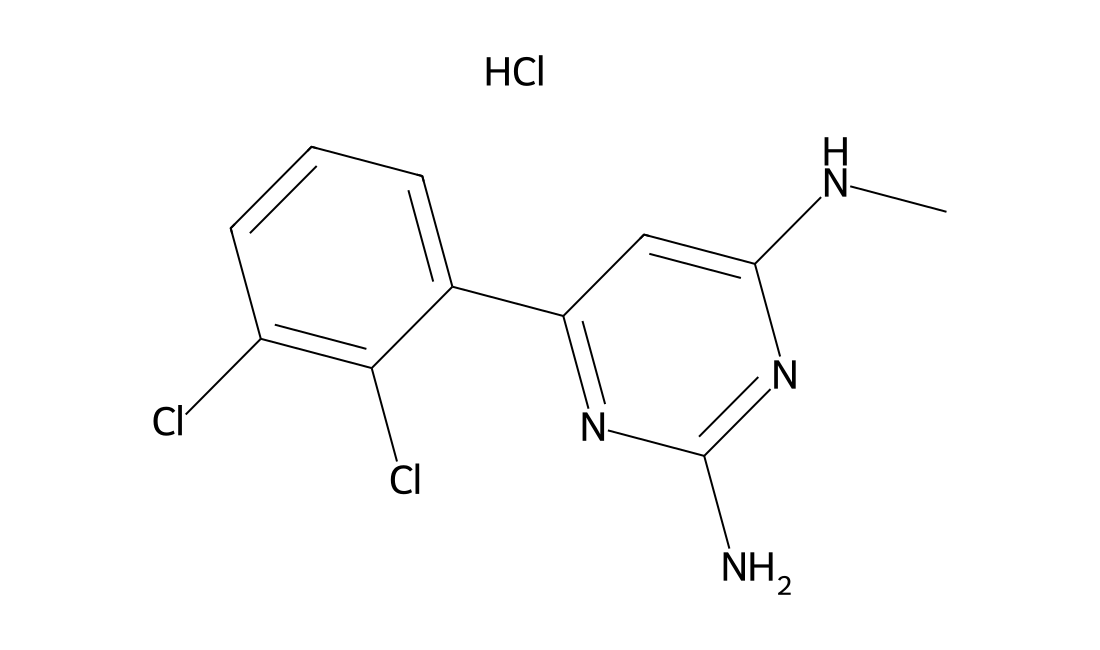
CAS 1009119-64-5
A potent HCV NS5A inhibitor with EC50 of <50 pM against genotype 1 replicons; exhibits picomolar EC(50) towards replicons expressing a broad range of HCV genotypes and the JFH-1 genotype 2a infectious virus in cell culture.HCV InfectionApproved
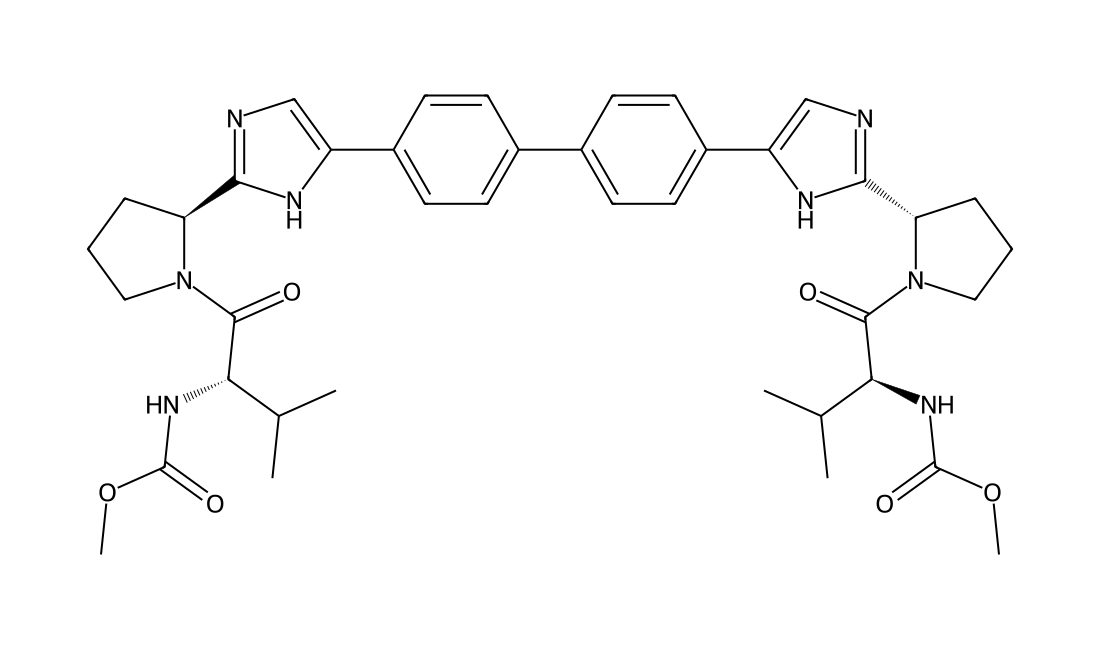
CAS 107220-28-0
A potent M1-selective muscarinic agonist; decreases the K+-evoked [3H]ACh release from hippocampal synaptosomes and increases the K+-evoked [3H]DA release from striatal synaptosomes; attenuates cognitive dysfunctions in AF64A-treated rats with low toxicity.Other IndicationApproved
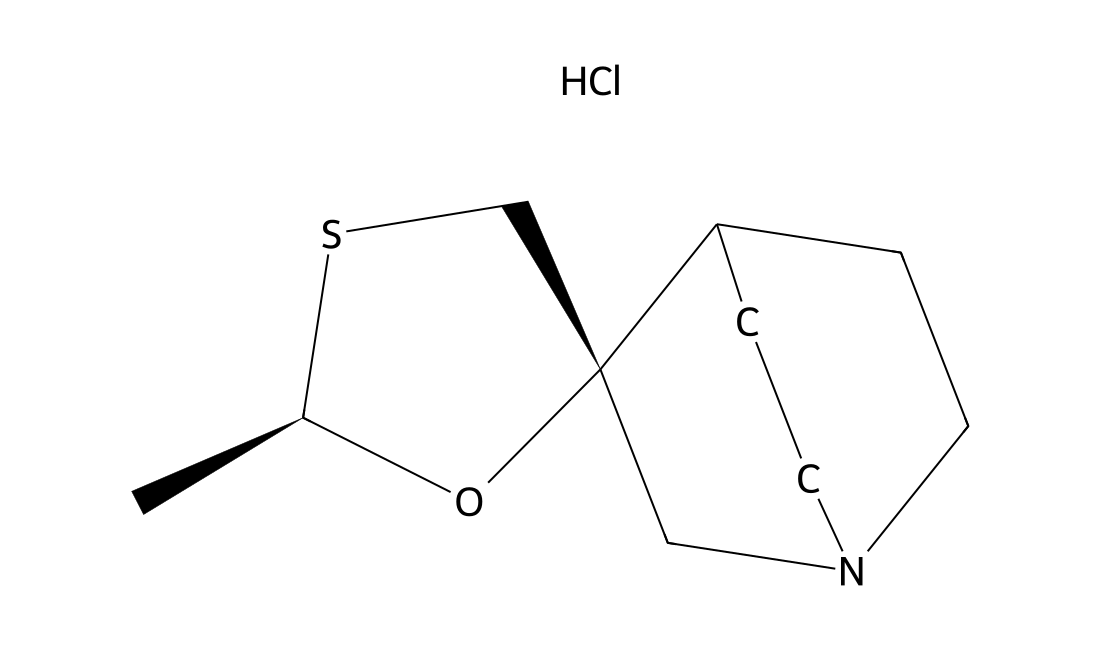
CAS 107233-08-9
A potent M1-selective muscarinic agonist; decreases the K+-evoked [3H]ACh release from hippocampal synaptosomes and increases the K+-evoked [3H]DA release from striatal synaptosomes; attenuates cognitive dysfunctions in AF64A-treated rats with low toxicity.Other IndicationApproved
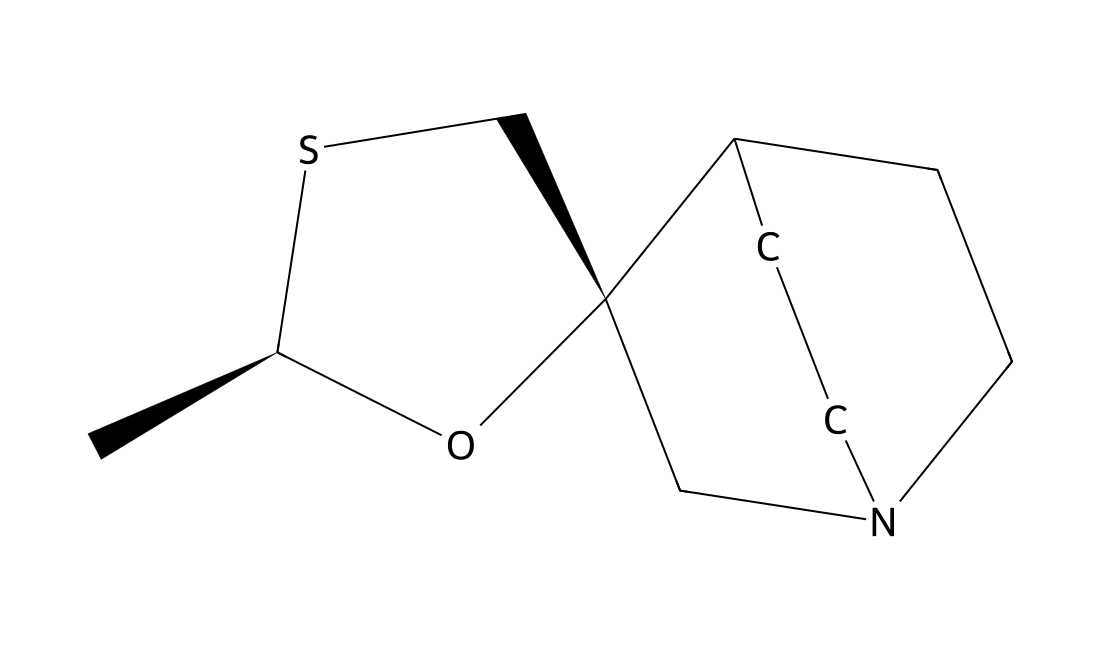
CAS 1431697-90-3
A potent, selective OX1 receptor antagonist with Ki of 57 nM (whole cell assay), and 27 nM (cell membrane-based SPA assay); displays 50-fold selectivity over OX2 receptor; prevents the stimulatory effect of Olanzapine on endogenous glucose production.
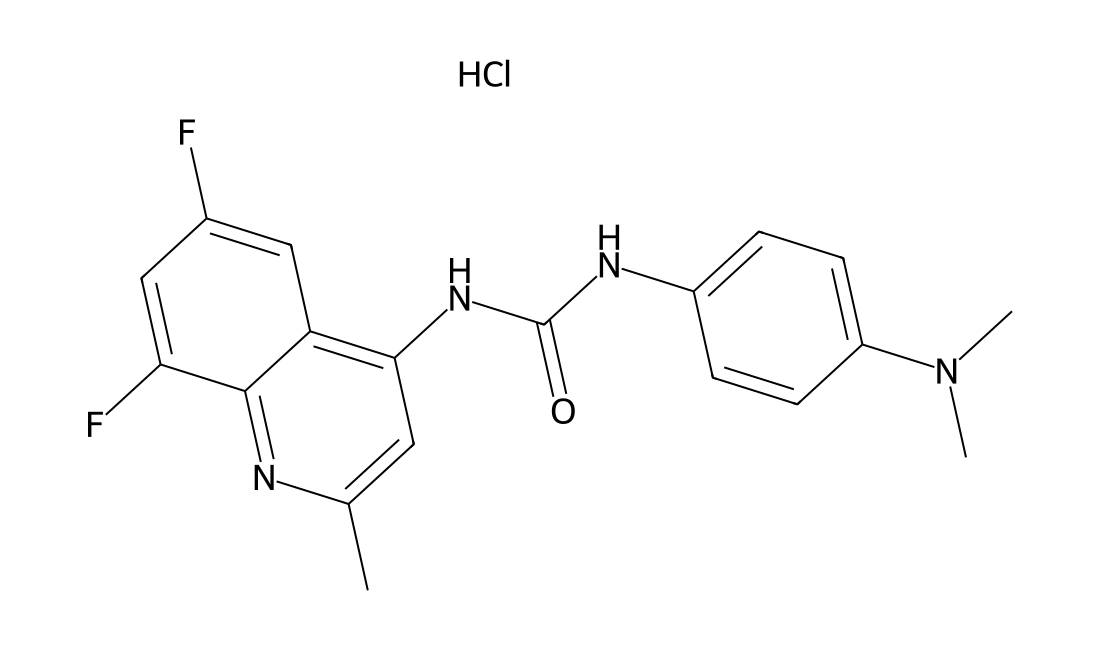
CAS 1198769-38-8
A triazole antifungal agent that blocks the synthesis of ergosterol by inhibiting of the enzyme lanosterol 14α-demethylase and accumulation of methylated sterol precursors, more potent at inhibiting 14α-demethylase than itraconazole.Fungal InfectionApproved
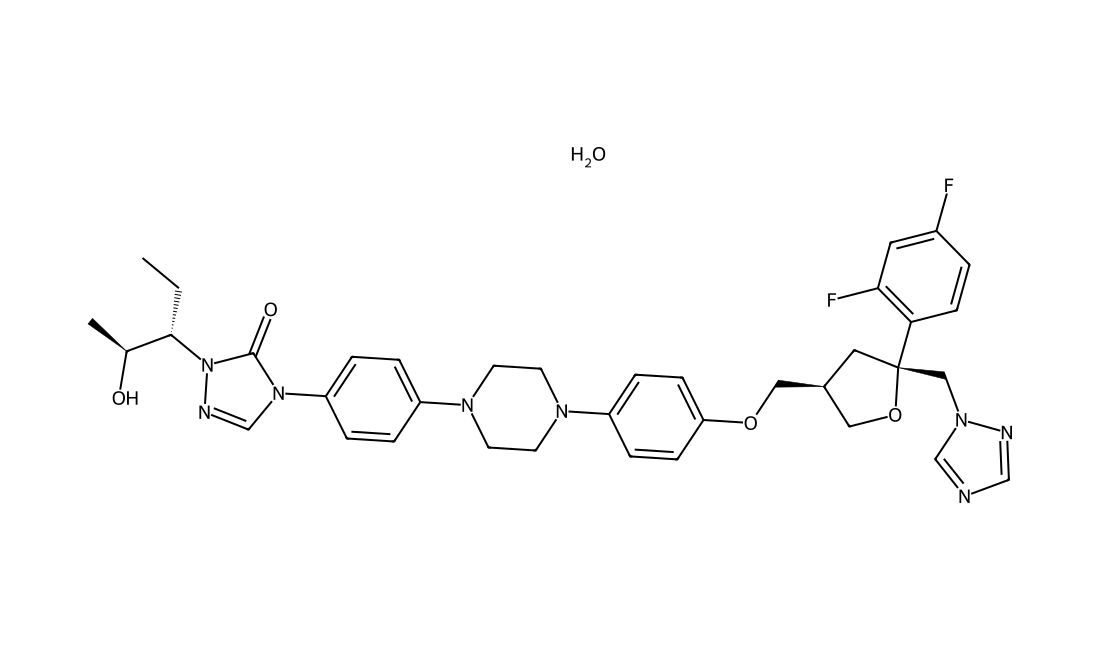
CAS 123441-03-2
An acetylcholinesterase (AChE) inhibitor that inhibits both butyrylcholinesterase and acetylcholinesterase; a parasympathomimetic or cholinergic agent for the treatment of mild to moderate dementia of the Alzheimer's type and dementia due to Parkinson's disease.Alzheimer's DiseaseApproved
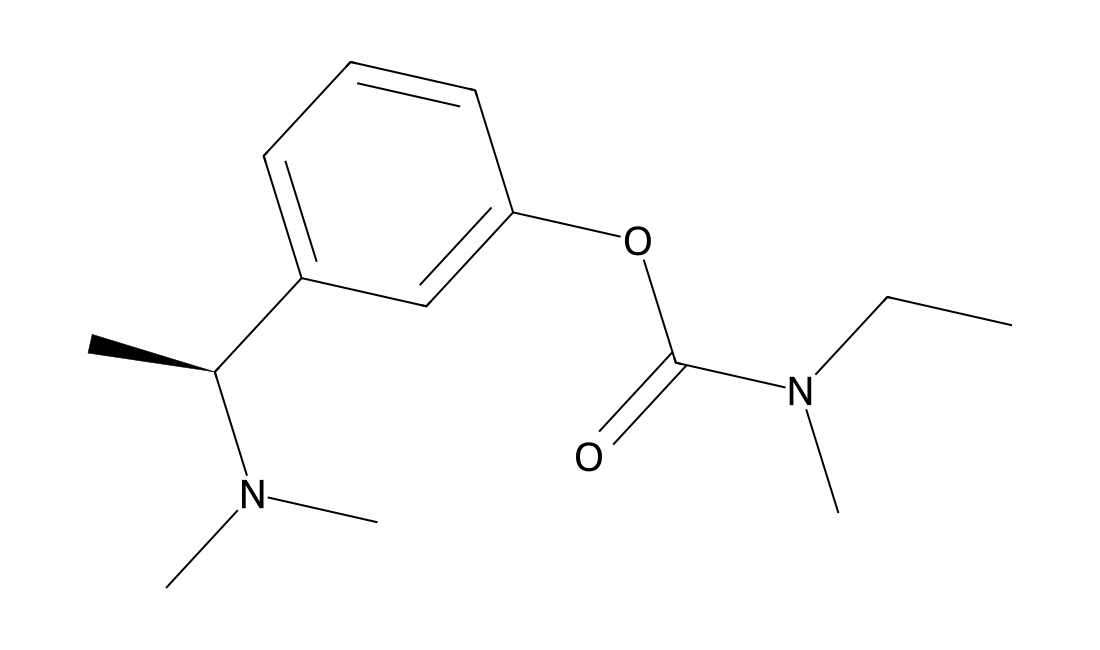
CAS 96392-15-3
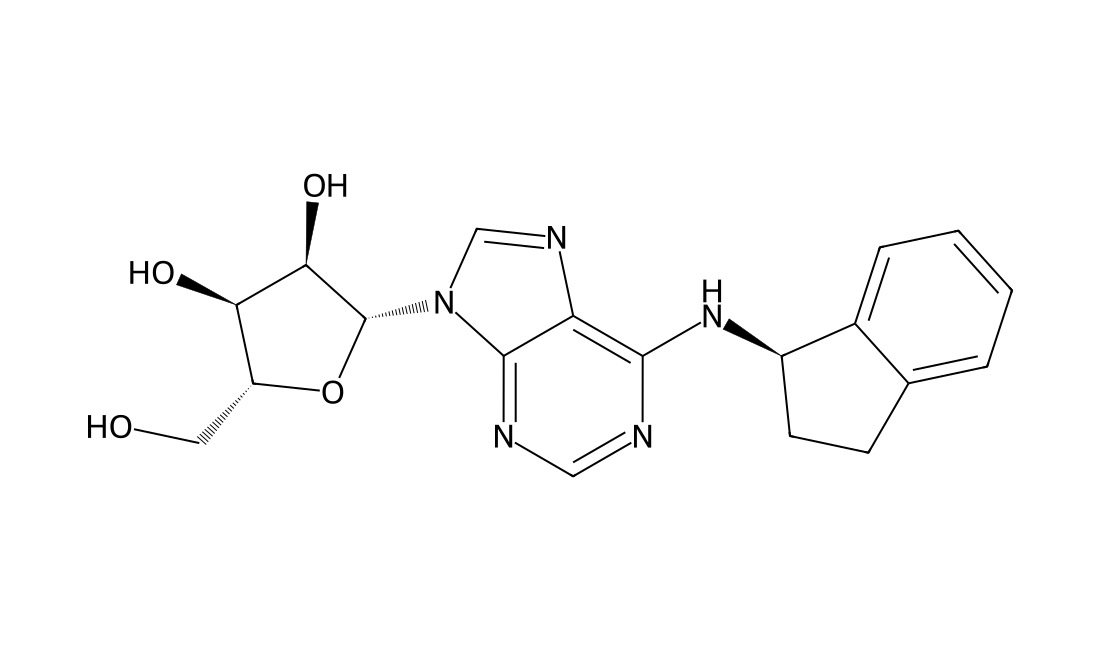
An orally active adenosine receptor agonist that can induce acute cardiovascular toxicity and coronary vascular injury in vivo.
CAS 3543-75-7
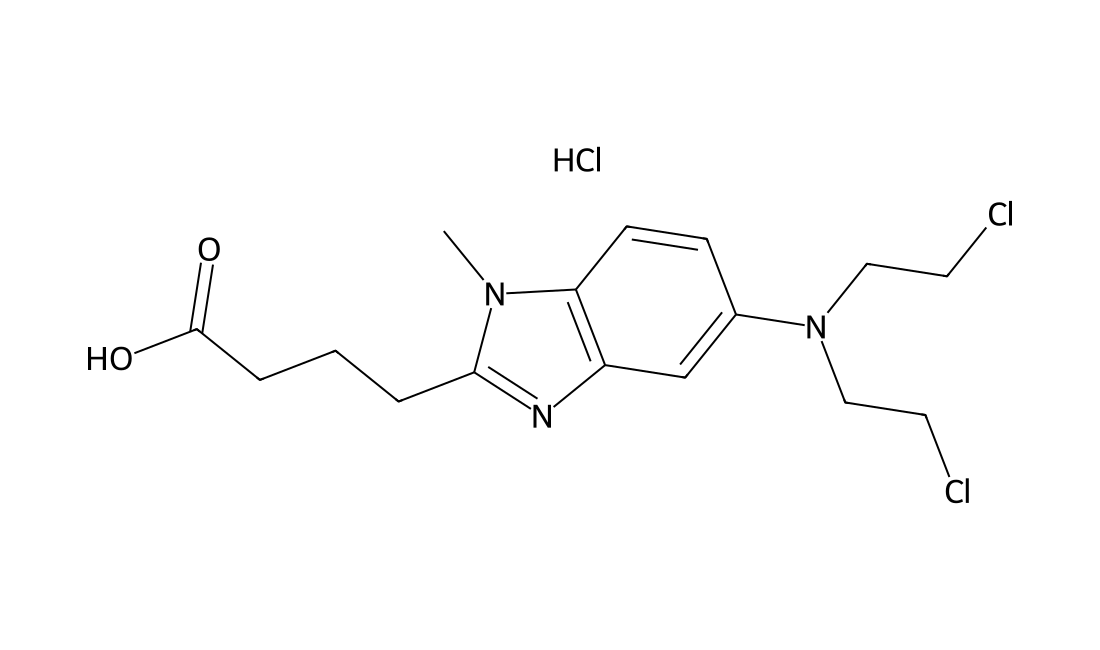
Bendamustine hydrochloride is the hydrochloride salt of bendamustine, a bifunctional mechlorethamine derivative with alkylator and antimetabolite activities. Bendamustine possesses three active moieties: an alkylating group; a benzimidazole ring, which may act as a purine analogue; and a butyric acid side chain. Although its exact mechanism of action is unknown, this agent appears to act primarily as an alkylator. Bendamustine metabolites alkylate and crosslink macromolecules, resulting in DNA, RNA and protein synthesis inhibition, and, subsequently, apoptosis. Bendamustine may differ from other alkylators in that it may be more potent in activating p53-dependent stress pathways and inducing apoptosis; it may induce mitotic catastrophe; and it may activate a base excision DNA repair pathway rather than an alkyltransferase DNA repair mechanism. Accordingly, this agent may be more efficacious and less susceptible to drug resistance than other alkylators. Bendamstine was approved in USA in March 2008.For the detailed information of Bendamustine HCL (SDX-105, Cytostasane), the solubility of Bendamustine HCL (SDX-105, Cytostasane) in water, the solubility of Bendamustine HCL (SDX-105, Cytostasane) in DMSO, the solubility of Bendamustine HCL (SDX-105, Cytostasane) in PBS buffer, the animal experiment (test) of Bendamustine HCL (SDX-105, Cytostasane), the cell expriment (test) of Bendamustine HCL (SDX-105, Cytostasane), the in vivo, in vitro and clinical trial test of Bendamustine HCL (SDX-105, Cytostasane), the EC50, IC50,and Affinity of Bendamustine HCL (SDX-105, Cytostasane), Please contact DC Chemicals.
CAS 22260-51-1
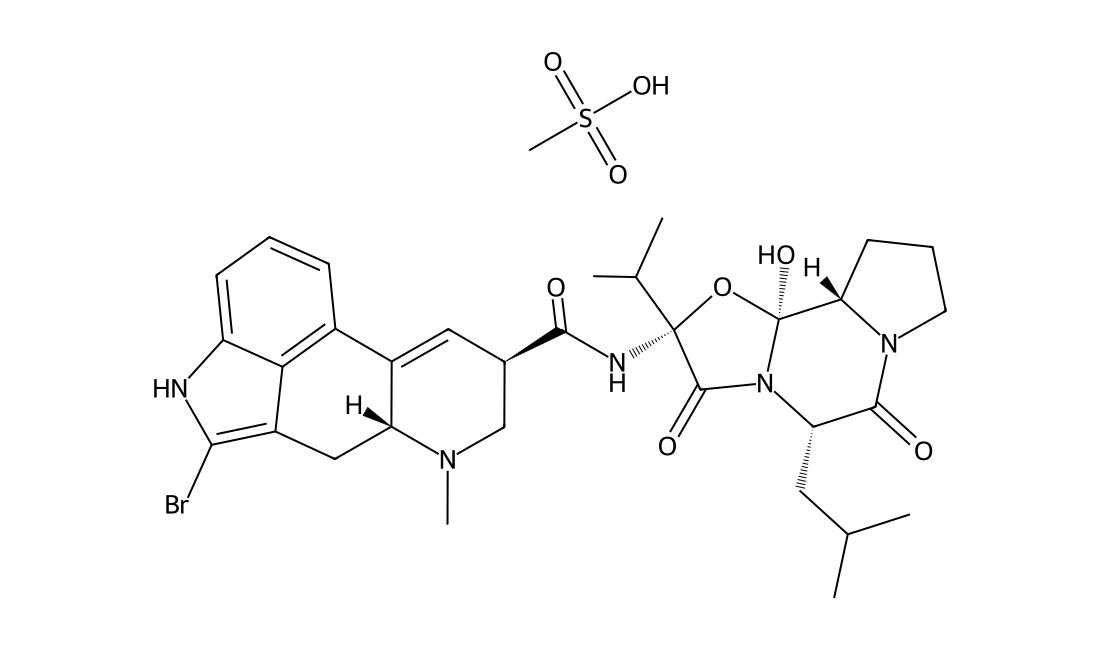
Bromocriptine (CB-154) is a dopamine D2 receptor agonist (Ki=3 nM) and and various serotonin receptors, also inhibits the release of glutamate by reversing the glutamate GLT1 transporter; decreases body fat in animal and human models and increases lean muscle mass, improves glucose intolerance and insulin resistance, and reduces triglycerides and free fatty acids; also induces apoptosis and decreases colony formation in AML cells, shows synergy with standard agents and selectivity for the leukemic cell; reduces hyperphagia and adiposity in rats with diet-induced obesity.DiabetesApproved
CAS 20830-81-3
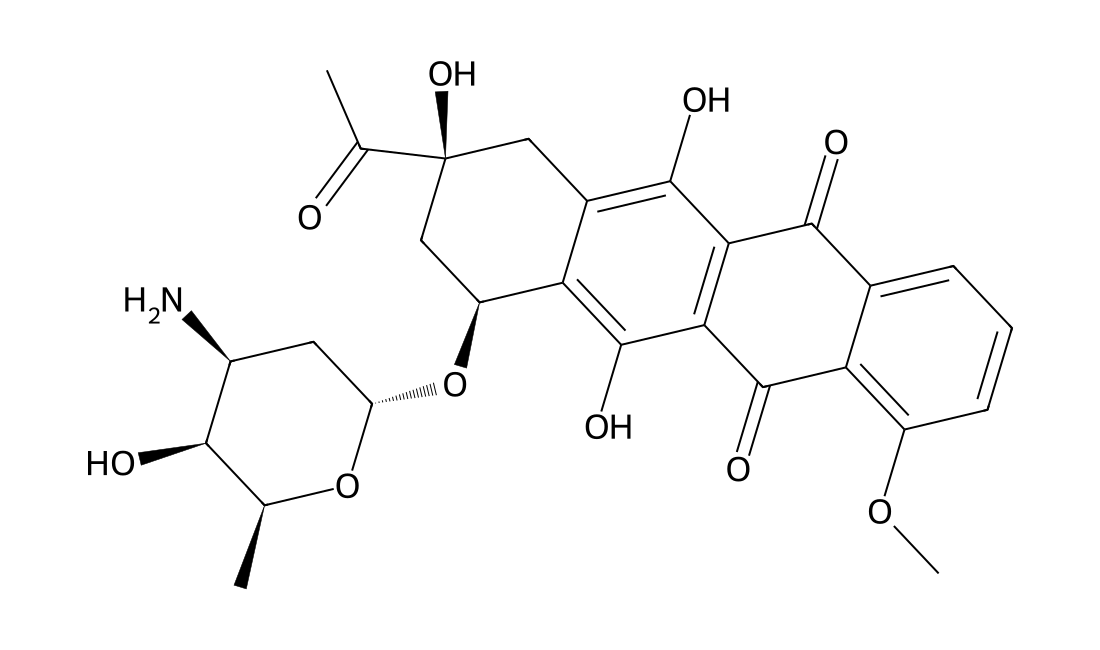
Daunorubicin is potent topoisomerase II (Topo II) inhibitor, interacts with DNA by intercalation and inhibition of macromolecular biosynthesis in cancer cells; Daunorubicin is a chemotherapy agent used to treat multiple cancer, secifically used for acute myeloid leukemia (AML), acute lymphocytic leukemia (ALL), chronic myelogenous leukemia (CML), and Kaposi's sarcoma; Daunorubicin and it's derivatives are widely used as payloads in antibody-drug conjugates (ADCs).Chemotherapeutic AgentsApproved
CAS 1082948-81-9
LY2584702 is a potent, selective, ATP-competitive inhibitor of P70S6 kinase-1 (p70S6K1) with IC50 of 4 nM; blocks phosphorylation of p70S6K in primary rat hepatocytes without affecting the phosphorylation of other signaling kinases, including GSK-3β and ERK1/2; inhibits phosphorylation of p70S6K in HCT116 colon cancer cells with IC50 of 0.1-0.24 uM, demonstrates significant antitumor efficacy in both U87MG glioblastoma and HCT116 colon carcinoma xenograft models.Solid TumorsPhase 1 Discontinued