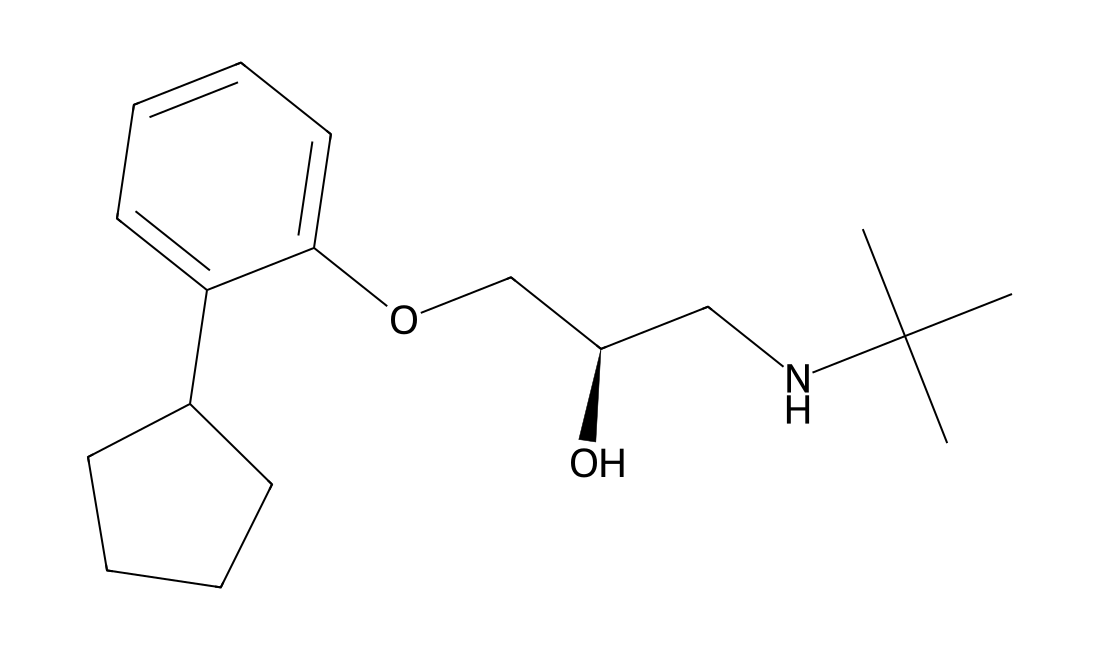
Small Molecule Research Tools

Explore bioactive compounds by research category, then narrow your search by target, product name, catalog number or CAS.

Newly added: LC-MG and OXF molecular glue research compounds →

6,823 products17 research categoriesBrowse all products ↓

Browse by research category

Products may appear in more than one category. Counts refer to distinct catalog numbers within each category.

Other Research Tools (75) · Additional reagents, building blocks and specialized research tools.

New literature-derived products

LC-MG-1 (DCA0006) · LC-MG-4 (DCA0007) · LC-MG-9 (DCA0008)

View structure and evidence summaries →

All small molecule products

Combine a keyword, research category and target to narrow the product list.

Loading catalog filters…

6,823 products · Showing 5,713–5,760

DC10169

Puromycin

CAS 53-79-2

Puromycin blocks protein synthesis after aminoacyl-sRNA formation, and at the same time it leads to the accumulation of small peptides. Both of these effects appear to be due to the splitting of ribosome-bound peptidyl-sRNA,4 which results in release of incomplete peptide chains.. Puromycin, an analog of the 3' end of aminoacyl-tRNA, causes premature termination of translation by being linked non-specifically to growing polypeptide chains. Puromycin has two modes of inhibitory action. The first is by acting as an acceptor substrate which attacks peptidyl-tRNA in the P site to form a nascent peptide. The second is by competing with aminoacyl-tRNA for binding to the A' site. When used in minimal amounts, puromycin incorporation in neosynthesized proteins reflects directly the rate of mRNA translation in vitro. Puromycin immunodetection is an advantageous alternative to radioactive amino acid labeling. It allows the direct evaluation of translation activity in single cells by immunofluorescence microscopy and in heterogenous populations of cells by fluorescenceactivated cell sorting.
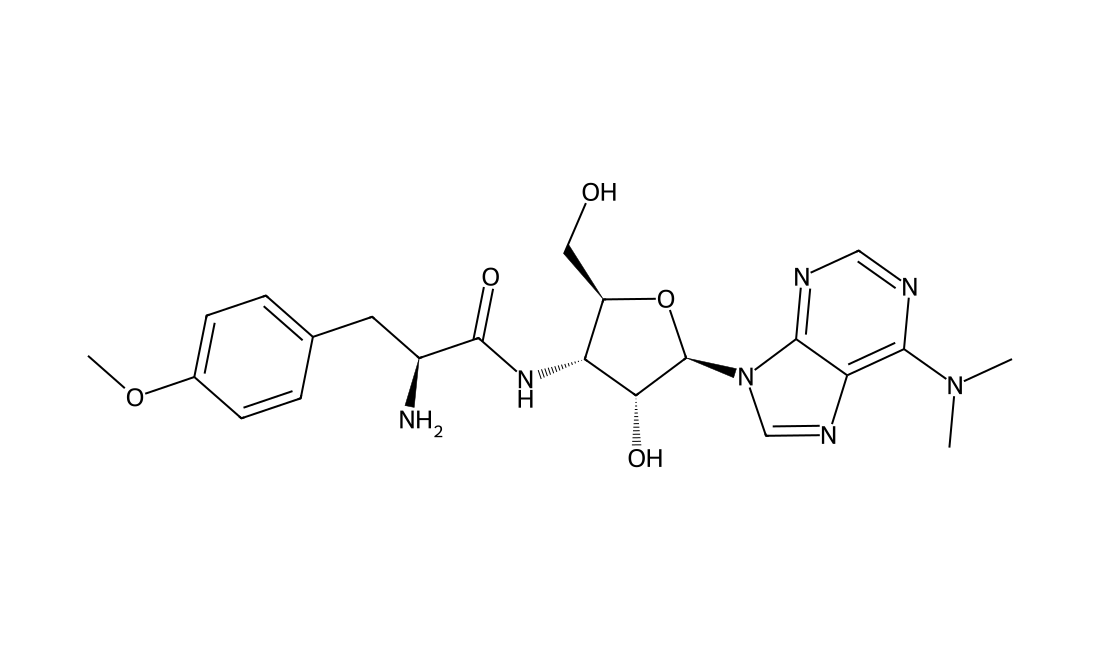
Puromycin chemical structure
DC71466

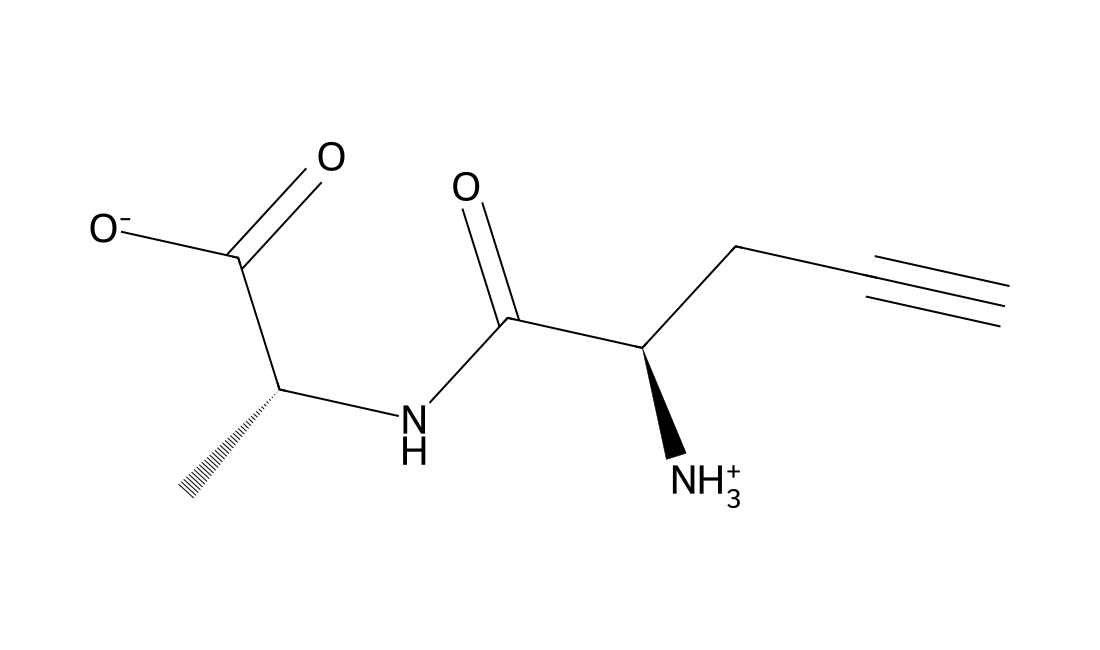
EDA-DA

CAS 87156-01-2

EDA-DA is an unnatural dipeptide building block (an ethynyl-D-alanine and a D-alanine). It incorporates a biorthogonal alkyne group into peptidoglycan (PG) through MurF in the cytoplasmic pathway, which enables selective labeling via a click-chemistry reaction. EDA-DA allows labeling of PG in Gram-positive (B. subtilis), Gram-negative (E. coli and C. trachomatis), Mycobacterium (M. smegmatis) and moss plastids (P. patens) with azide modified fluorescent dyes such as Alexa Fluor 488.

EDA-DA chemical structure
DC9852

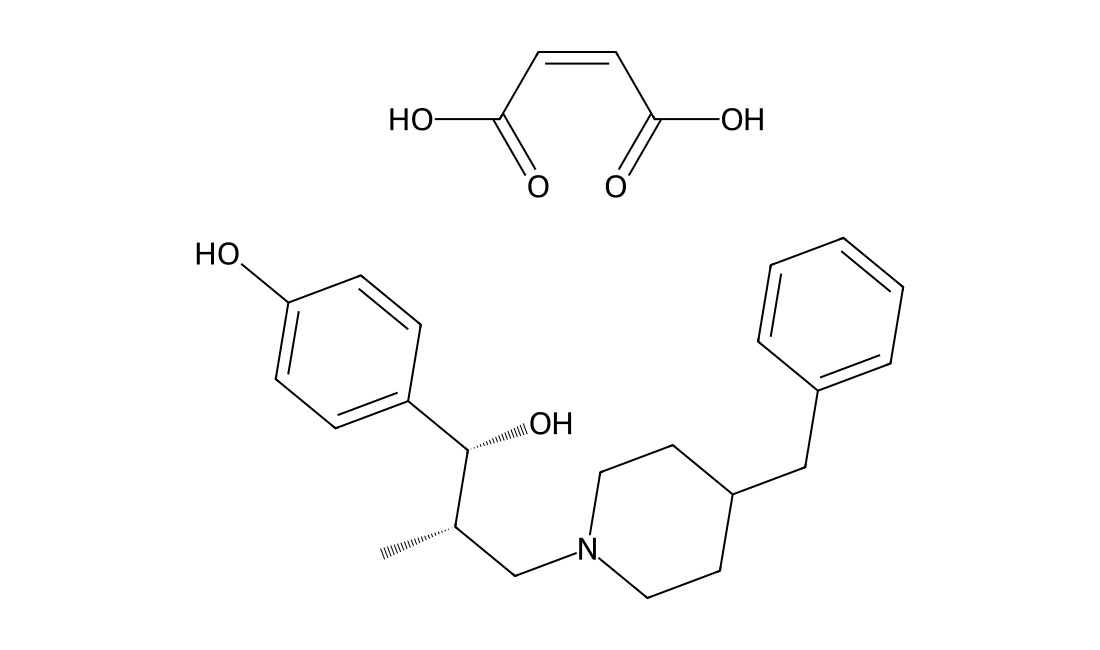
Ro 25-6981 maleate

CAS 1312991-76-6

Ro 25-6981 Maleate is a potent and selective activity-dependent blocker of NMDA receptors containing the NR2B subunit. IC50 values are 0.009 and 52 μM for cloned receptor subunit combinations NR1C/NR2B and NR1C/NR2A respectively.

Ro 25-6981 maleate chemical structure
DC31690

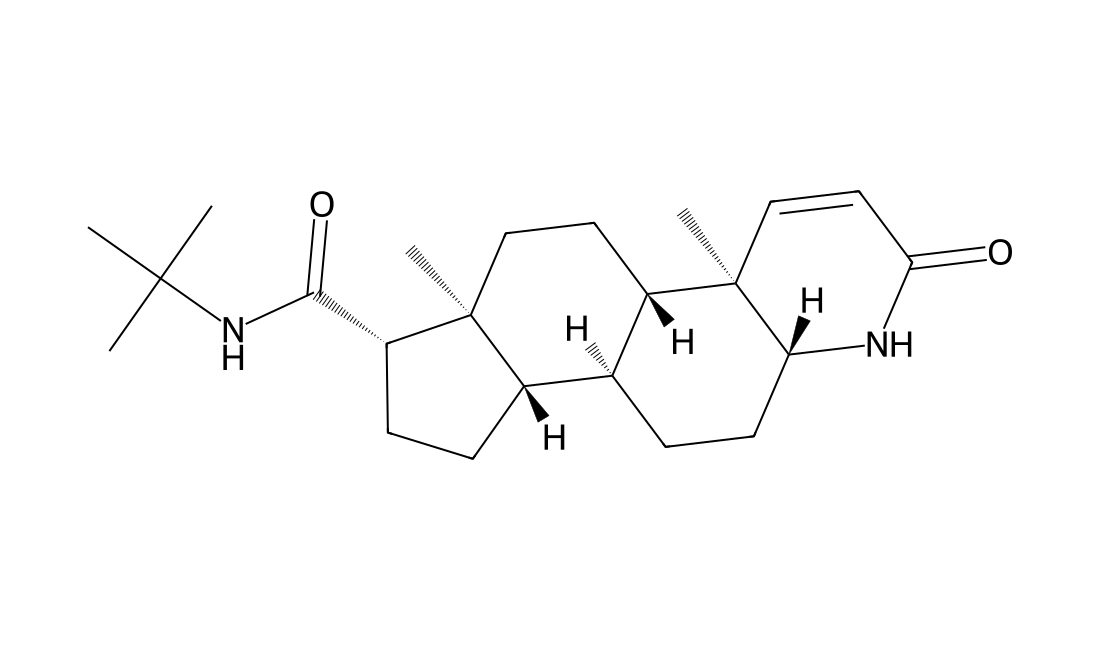
Finasteride

CAS 98319-26-7

Finasteride is a medication used for the treatment of benign prostatic hyperplasia (BPH) and male pattern baldness (MPB). It is a type II and type III 5α-reductase inhibitor; 5α-reductase, an enzyme, converts testosterone to dihydrotestosterone (DHT).

Finasteride chemical structure
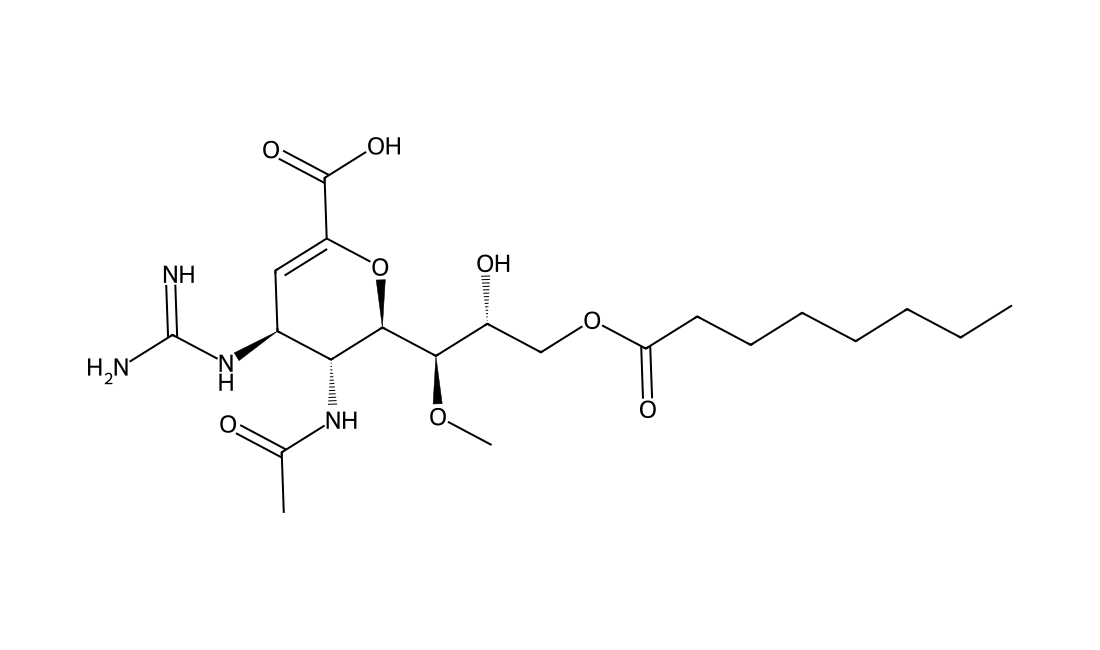
DC46502

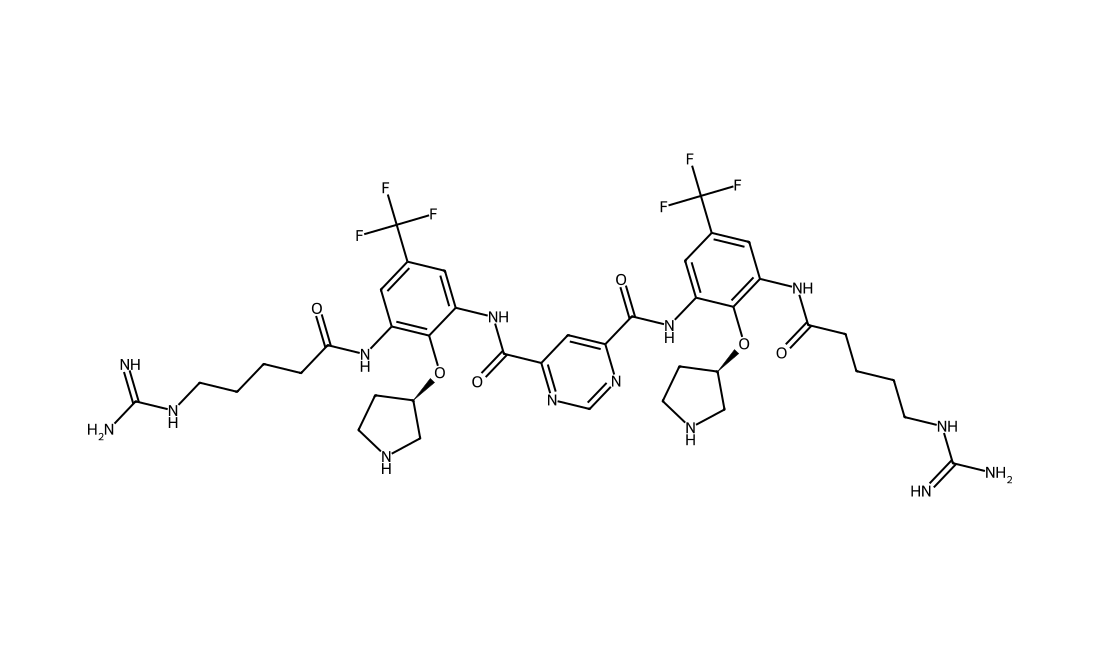
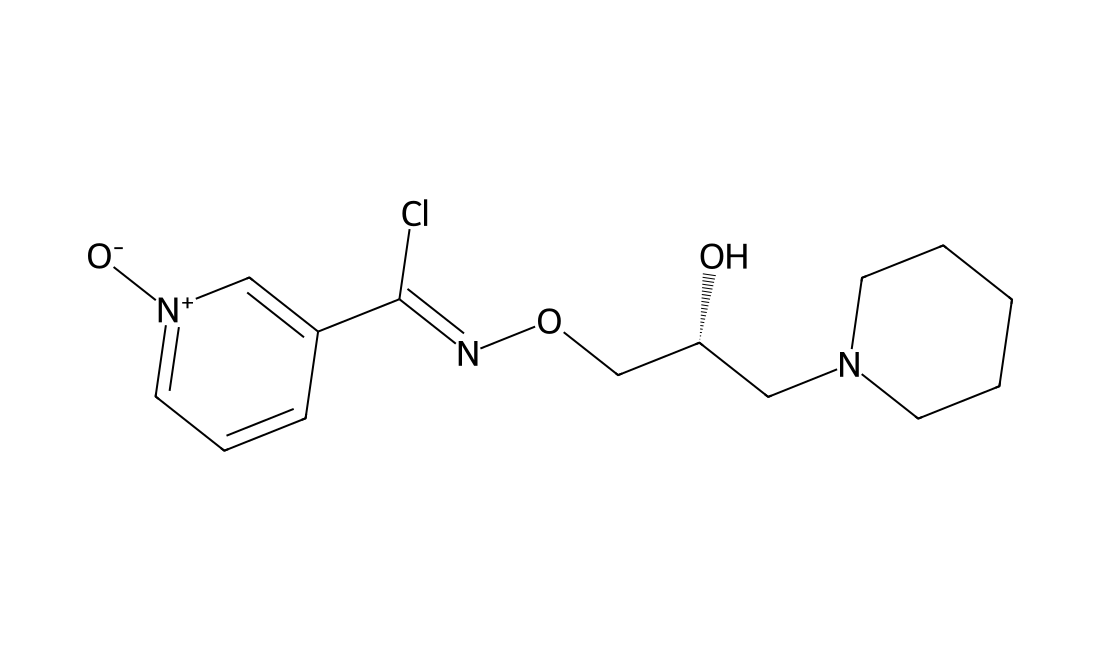
Brilacidin

CAS 1224095-98-0

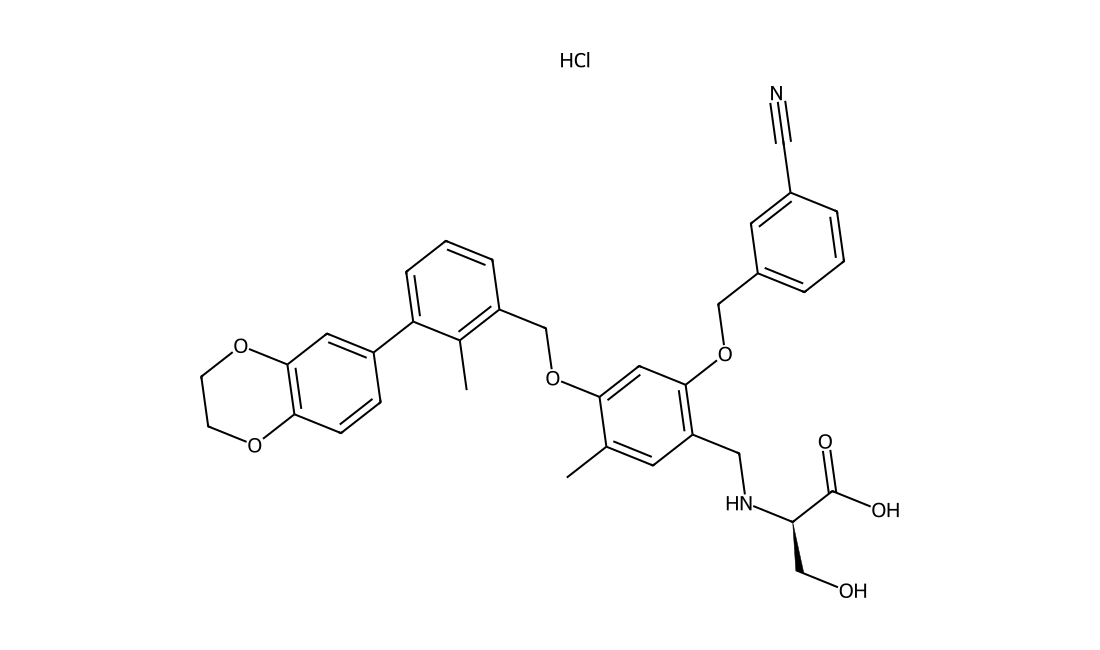
Brilacidin (PMX 30063) is an anti-infective antimicrobial with MIC90s of 1 and 8 μg/mL for Gram-positive bacteria Streptococcus pneumonia and Streptococcus viridans, and MIC90 of 8 and 4 μg/mL for Gram-negative bacteria Haemophilus influenza and Pseudomonas aeruginosa. Brilacidin is a defensin mimetic antibiotic compound.

Brilacidin chemical structure
DC7148

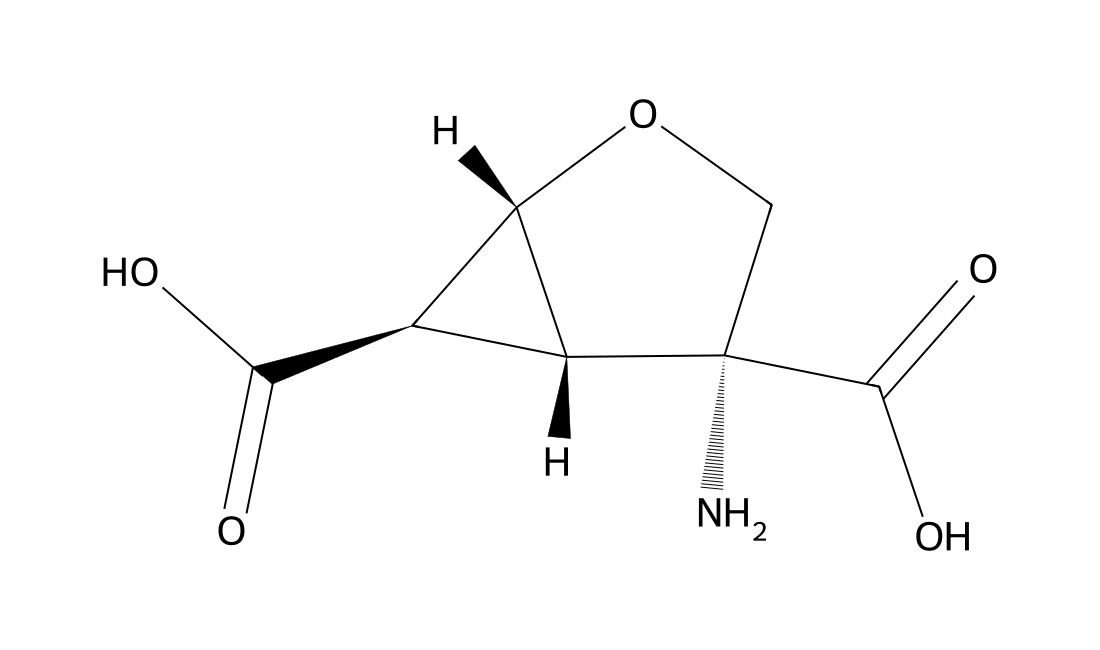
LY 379268

CAS 191471-52-0

Highly selective group II mGlu receptor agonist (EC50 values are 2.69 and 4.48 nM For hmGlu2 and hmGlu3 respectively) that displays > 80-fold selectivity over group I and group III receptors. Provides protection against NMDA-mediated cell death in vitro and offers almost complete protection against CA1 hippocampal damage following global ischemia in gerbils. Orally and systemically active. For the detailed information of LY379268, the solubility of LY379268 in water, the solubility of LY379268 in DMSO, the solubility of LY379268 in PBS buffer, the animal experiment (test) of LY379268, the cell expriment (test) of LY379268, the in vivo, in vitro and clinical trial test of LY379268, the EC50, IC50,and Affinity of LY379268, Please contact DC Chemicals.

LY 379268 chemical structure
DC28200

LY367385

CAS 198419-91-9

LY367385 is a highly potent and selective mGluR1a antagonist. LY367385 has an IC50 of 8.8 μM for inhibits of quisqualate-induced phosphoinositide (PI) hydrolysis, compared with > 100 μM for mGlu5a. LY367385 has neuroprotective, anticonvulsant and antiepileptic effects[1][2].

LY367385 chemical structure
DC11083

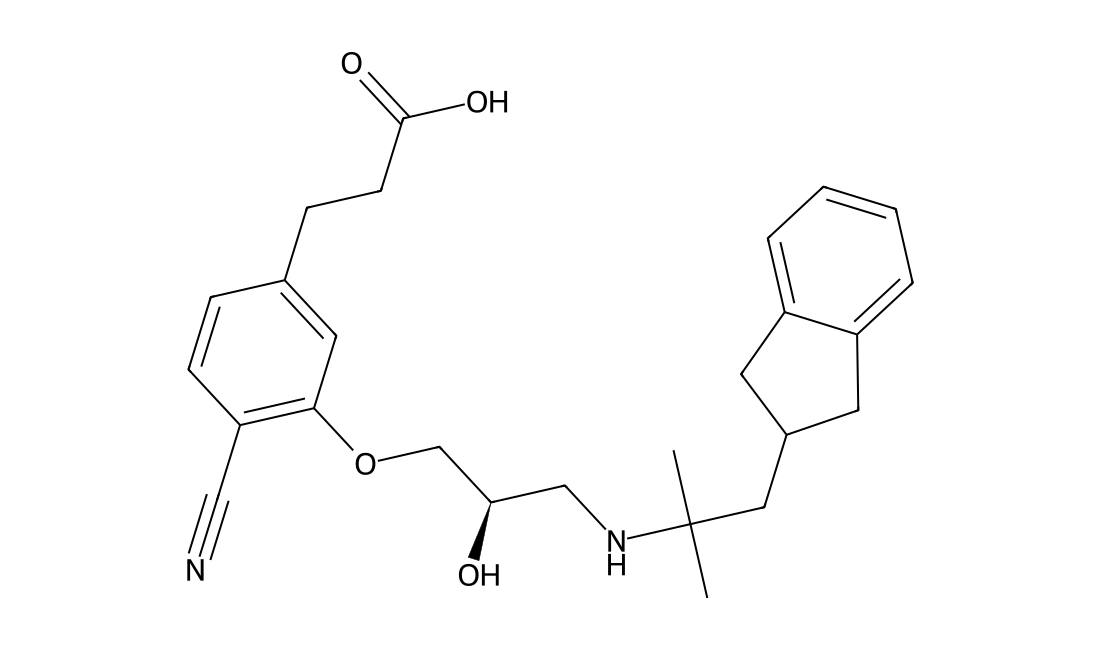
Dersimelagon

CAS 1835256-48-8

Dersimelagon, also known as MT-7117 and WHO 10832, is a novel, orally-administered, small molecule, selective melanocortin-1 receptor (MC1R) agonist that increases skin melanin without sun exposure and is being developed to increase light tolerance in EPP/XLP patients. Dersimelagon significantly boosted sunlight tolerance in patients with erythropoietic protoporphyria in a multicenter, phase 2, randomized trial.

Dersimelagon chemical structure
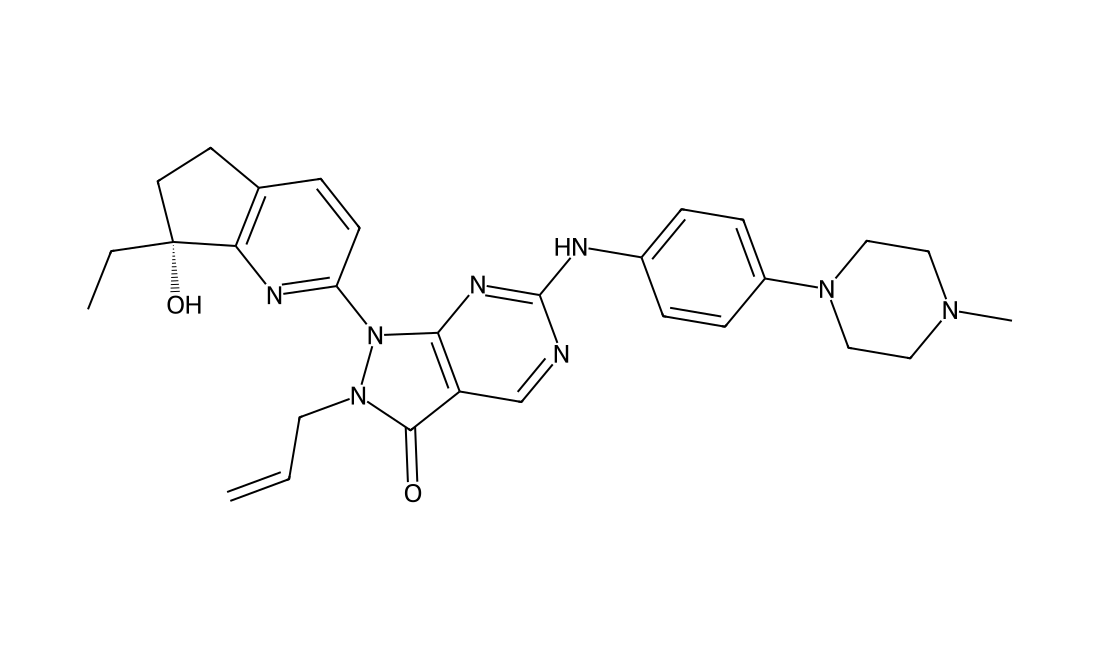
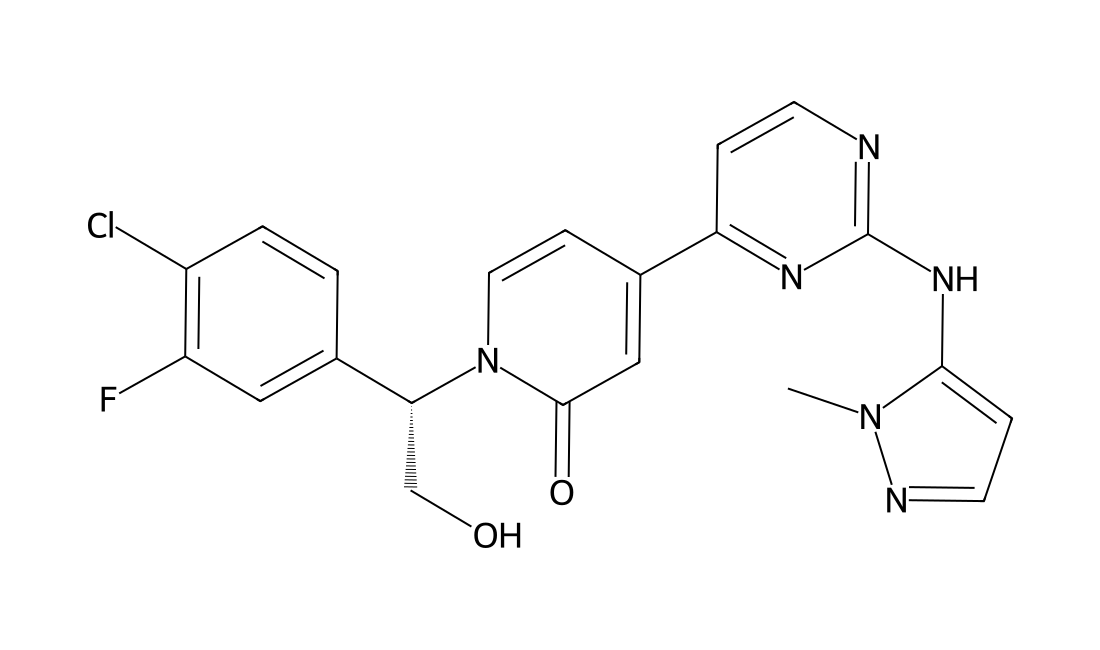
DC46399

ZN-c3

CAS 2376146-48-2

ZN-c3 is an orally active, highly potent and selective Wee1 inhibitor (IC50=3.9 nM). ZN-c3 can be used for the research of cancer.

ZN-c3 chemical structure
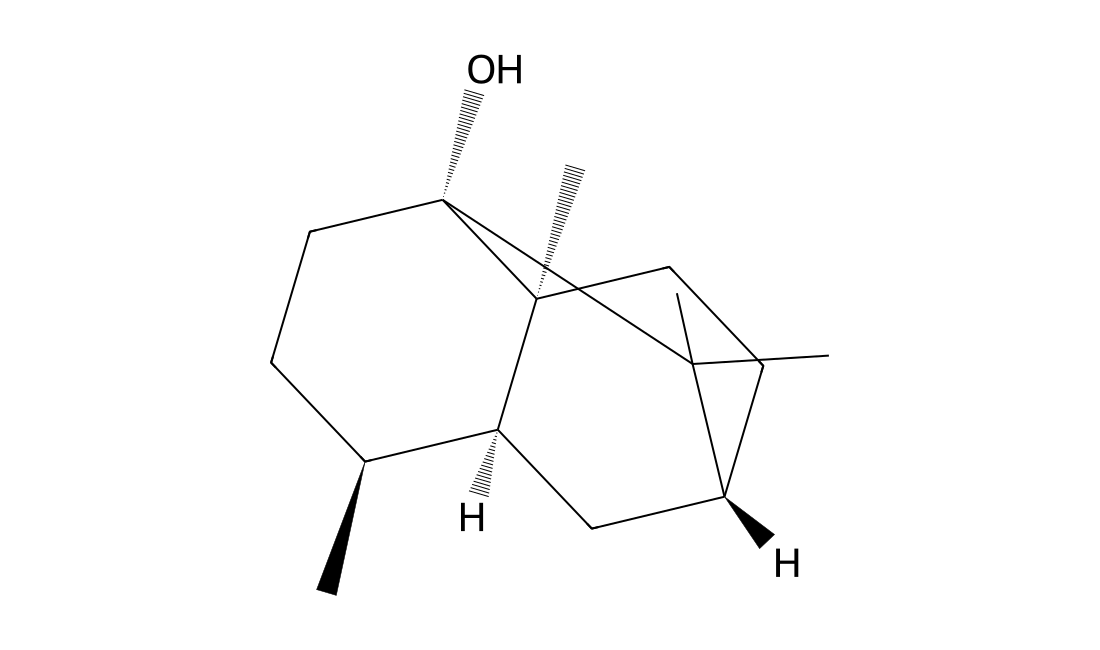
DC6504

Patchouli Alcohol

CAS 5986-55-0

Patchouli alcohol is a natural tricyclic sesquiterpene extracted from Pogostemon cablin (Blanco) Benth, and exhibits anti-Helicobacter pylori and anti-inflammatory properties[1].

Patchouli Alcohol chemical structure
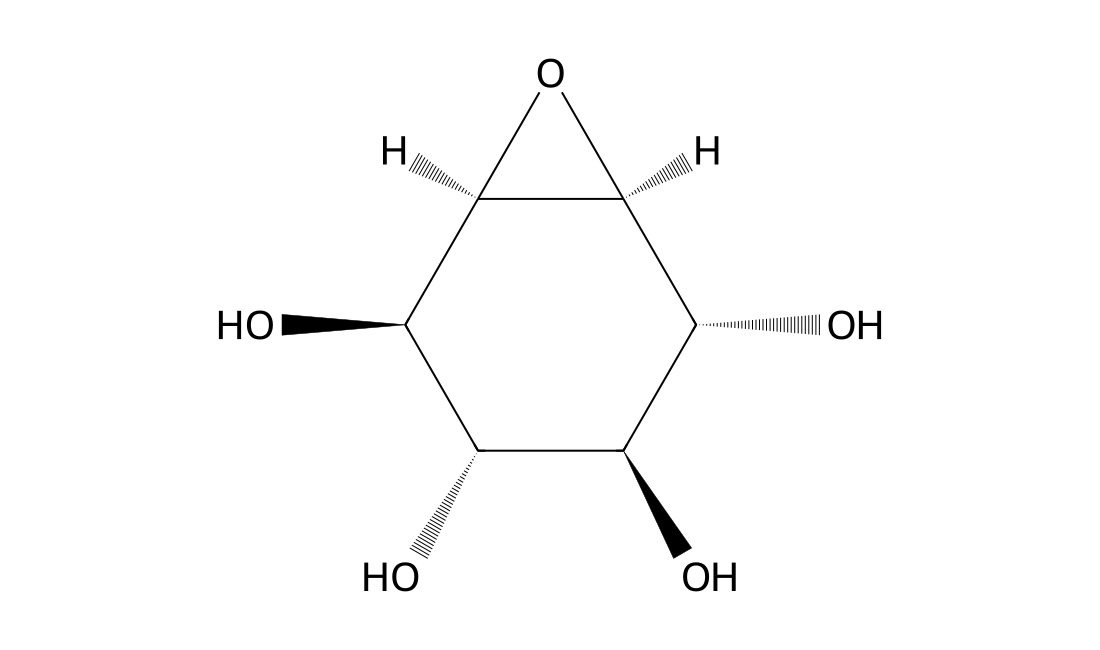
DC31339

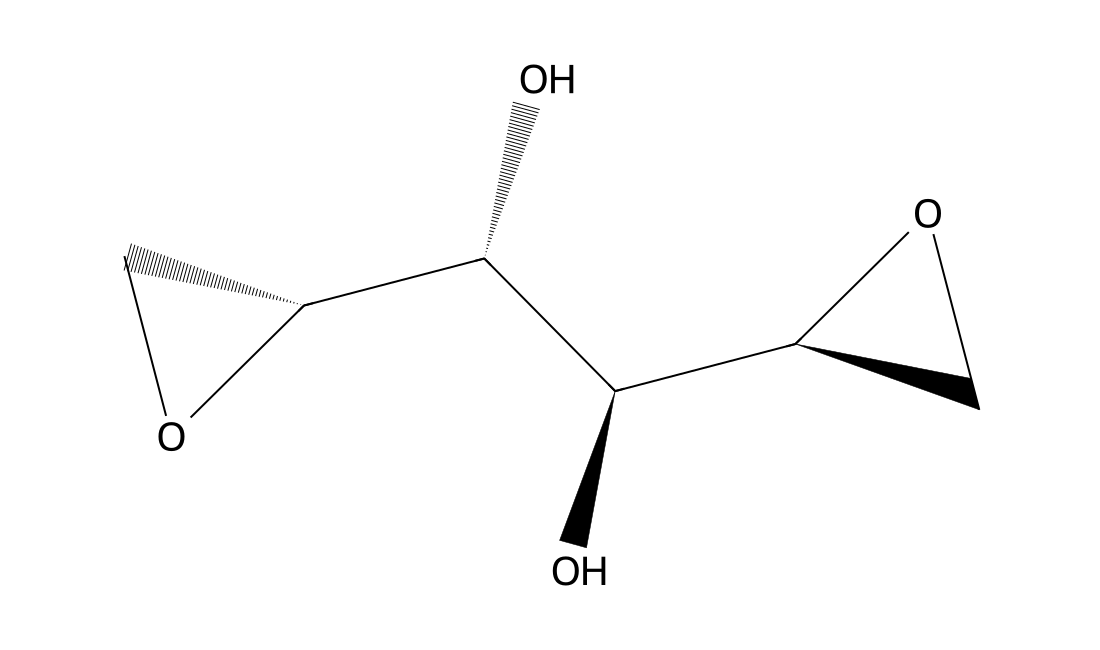
VAL083

CAS 23261-20-3

VAL-083 is a bi-functional alkylating agent, with potential antineoplastic activity. Upon administration, VAL-083 crosses the blood brain barrier (BBB) and appears to be selective for tumor cells. This agent alkylates and crosslinks DNA which ultimately leads to a reduction in cancer cell proliferation. In addition, VAL-083 does not show cross-resistance to other conventional chemotherapeutic agents and has a long half-life in the brain.

VAL083 chemical structure
DC60218

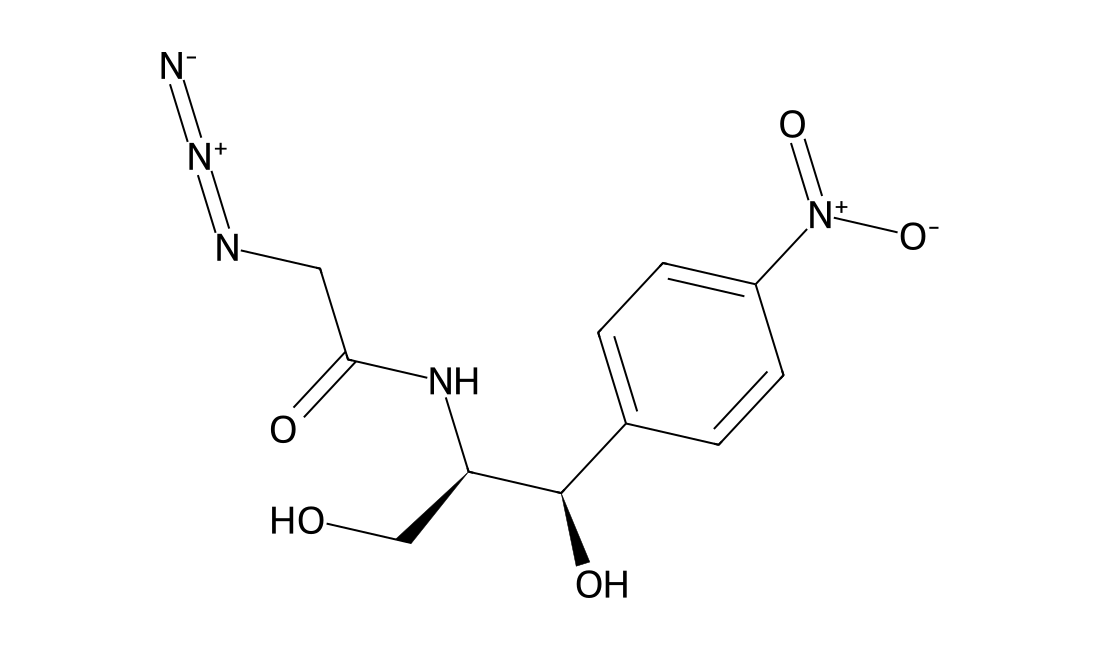
Azidamfenicol

CAS 13838-08-9

Azidamfenicol is a broad-spectrum chloramphenicol-like antibiotic that is active against Gram-negative and Gram-positive bacteria.1 It inhibits ribosomal peptidyltransferase (Ki = 22 µM).2

Azidamfenicol chemical structure
DC7275

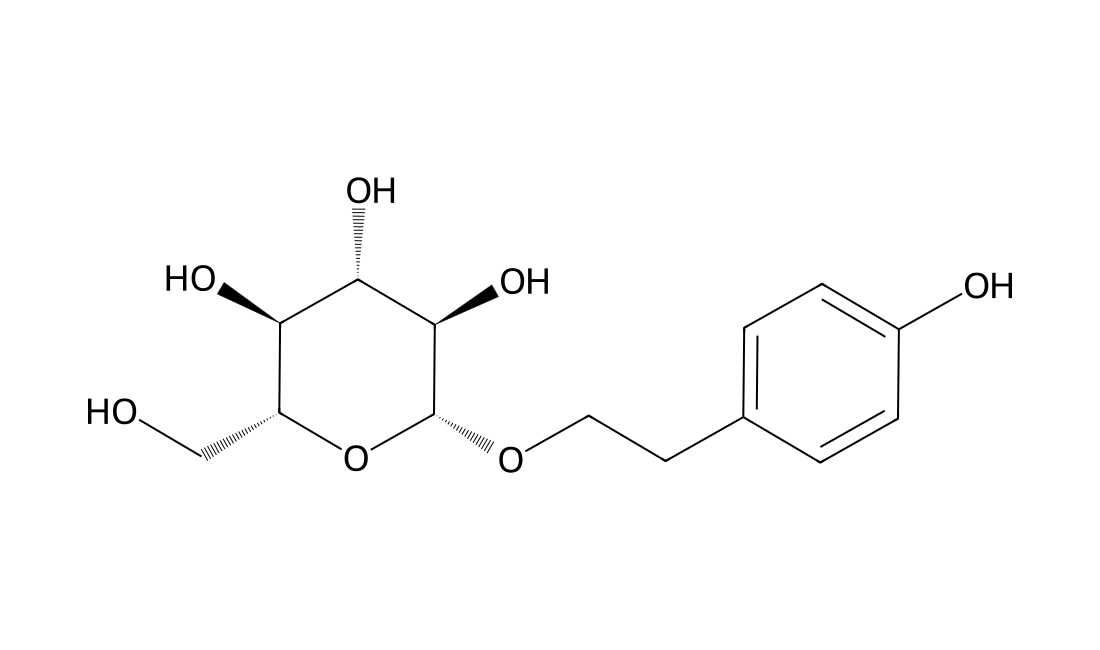
Salidroside

CAS 10338-51-9

Salidroside is a prolyl endopeptidase Inhibitor. Salidroside alleviates cachexia symptoms in mouse models of cancer cachexia via activating mTOR signalling.
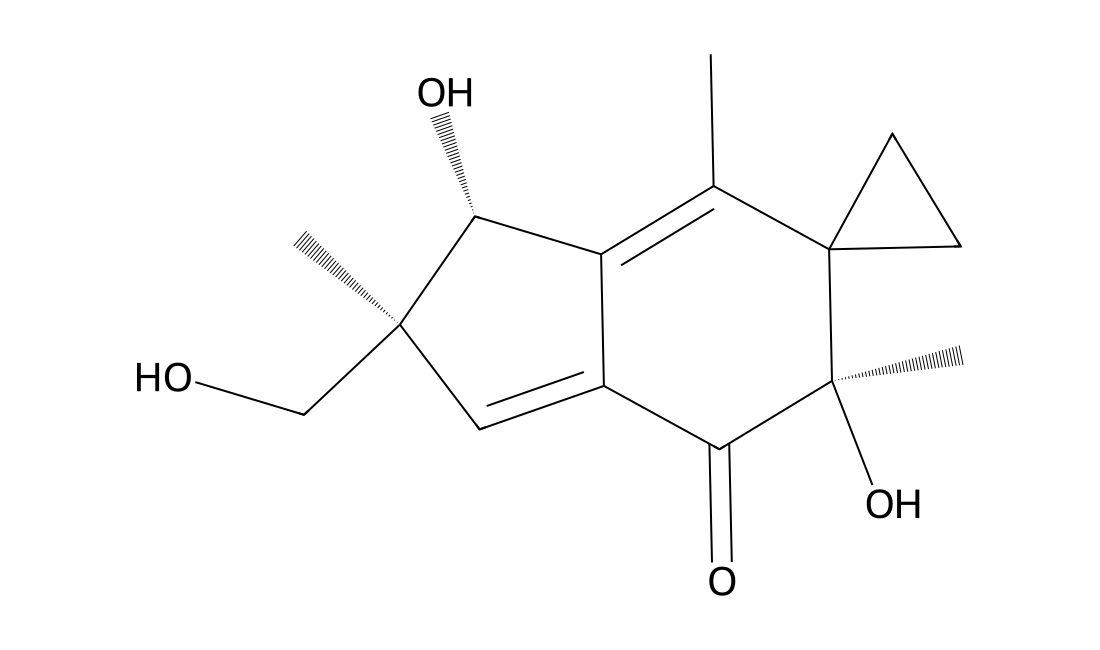
Salidroside chemical structure
DC10908

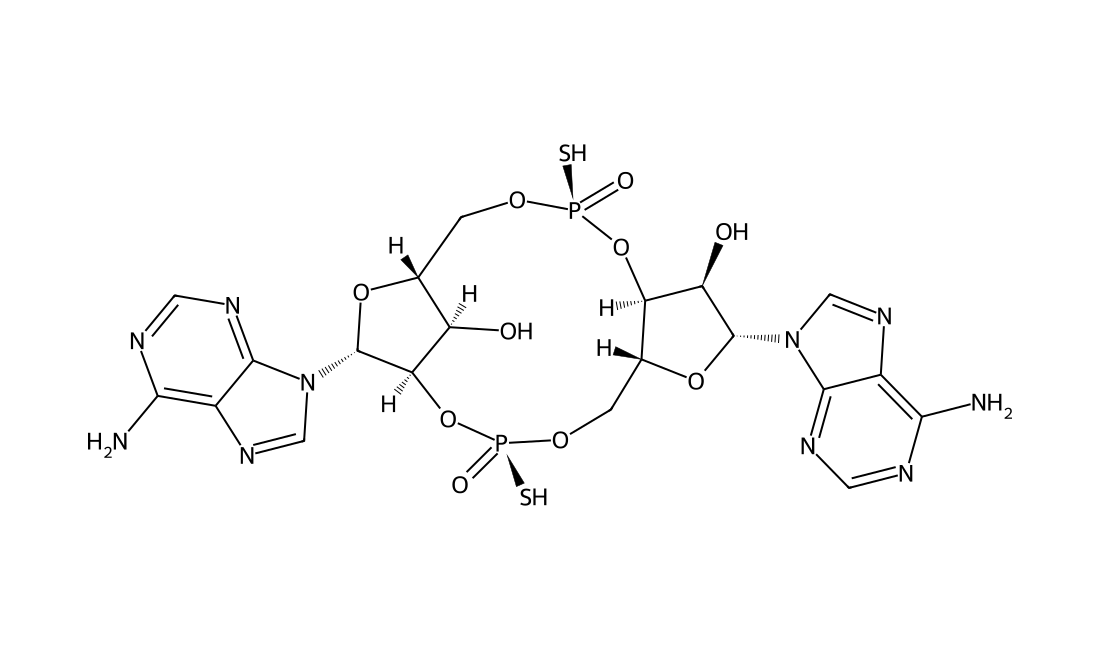
ML RR-S2 CDA

CAS 1638241-89-0

ML-RR-S2 CDA is a potent STING-activating cyclic di-adenosine (CDA or c-diAMP) nucleotide ligand with the 2′-5′, 3′-5′ mixed phosphodiester linkage (ML) in the [Rp,Rp] configuration and doubly substituted thiophosphate (S2) for optimal phosphodiesterase-resistance and thereby enhanced cellular potency. ML-RR-S2 CDA effectively induces IRF3, NF-kB, and STAT6 transcription activities in a STING-dependent manner in both murine (DC2.4 & BMMs) and human (THP1 & PBMCs) cultures (5-100 μM) as well as displays profound anti-tumor efficacy in vivo (100% growth inhibition of established B16.F10, 4T-1 or CT26 tumor with 3X 50 μg/mouse/96 hr intratumoral injections) with lasting immune-mediated tumor rejection.It contains mixed linkages (ML) with both 2'5' and 3'5' linkages, which leads to increased thermal stability of human STING in a differential scanning fluorimetry (DSF) assay. ML RR-S2 CDA increases type I interferon production by THP-1 human monocytes relative to unmodified cyclic di-AMP, indicating the ML enhances its action at human STING. It induces expression of IFN-β and the pro-inflammatory cytokines TNF-α, IL-6, and Mcp-1 in murine bone marrow macrophages (BMM) isolated from wild-type, but not STING-/-, mice. ML RR-S2 CDA also induces IFN-β expression in peripheral blood mononuclear cells (PBMCs) isolated from donors carrying STINGWT/WT, STINGWT/REF, and STINGWT/HAQ alleles. In vivo, ML RR-S2 CDA initiates tumor regression and prevents tumor growth upon tumor cell reimplantation in 4T1 breast and CT26 colon cancer mouse xenograft models.
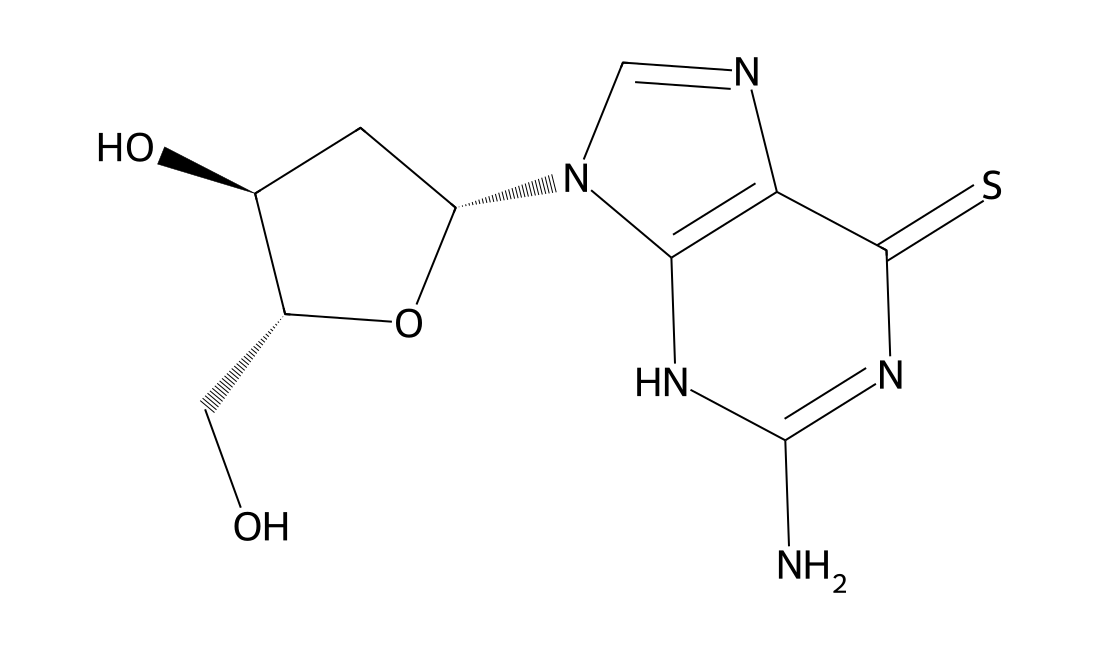
ML RR-S2 CDA chemical structure
DC7244

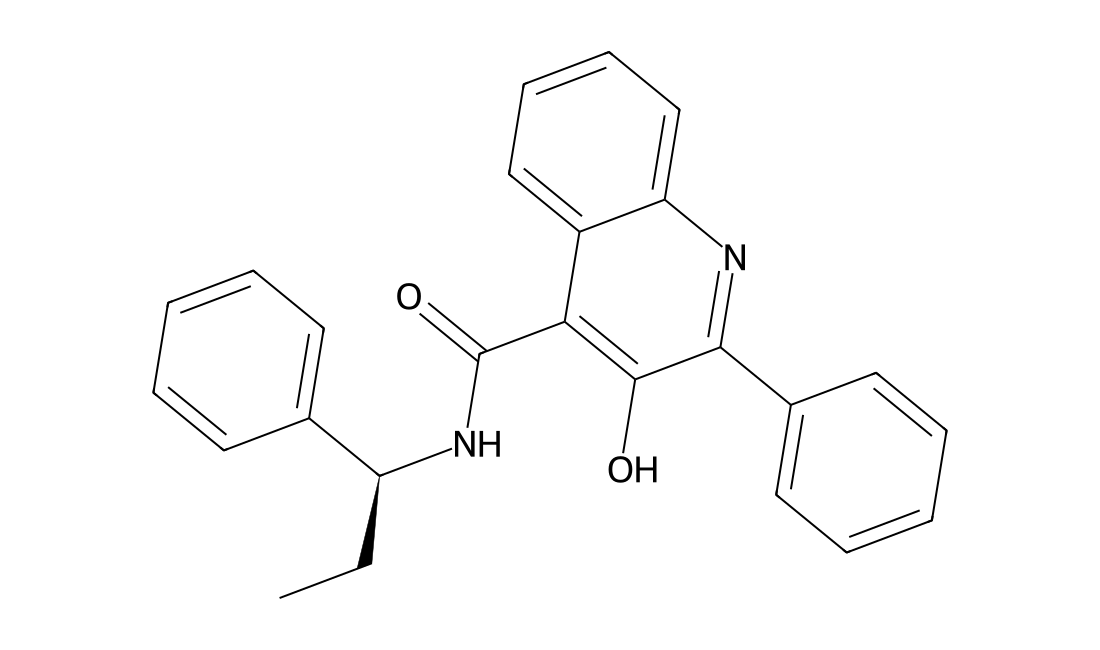
Talnetant (SB 223412)

CAS 174636-32-9

Talnetant (SB 223412) is a potent and selective NK3 receptor antagonist (ki=1.4 nM, hNK-3-CHO); 100-fold selective for the hNK-3 versus hNK-2 receptor, with no affinity for the hNK-1 at concentrations up to 100 uM.

Talnetant (SB 223412) chemical structure
DC11485

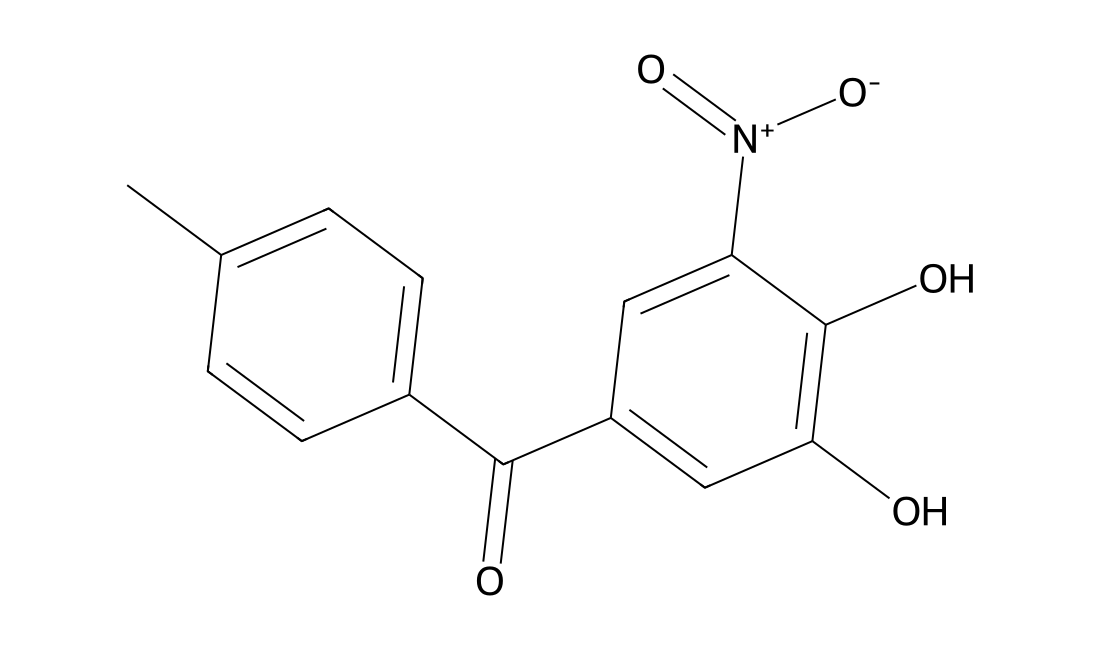
Tolcapone

CAS 134308-13-7

Tolcapone(Ro 40-7592) is an orally active selective, potent catechol-O-methyltransferase (COMT) inhibitor.Tolcapone inhibits both central and peripheral COMT. Tolcapone caused a rapid and reversible inhibition of COMT activity in erythrocytes in parallel with a dose-dependent decrease in the formation of 3-OMD. Tolcapone increased the area under the concentration-time curve and elimination half-life of levodopa. Tolcapone crosses the blood-brain barrier, and has been used for L-DOPA adjunct therapy in the treatment of Parkinson's disease.

Tolcapone chemical structure
DC11236

MB-07811 (VK-2809)

CAS 852948-13-1

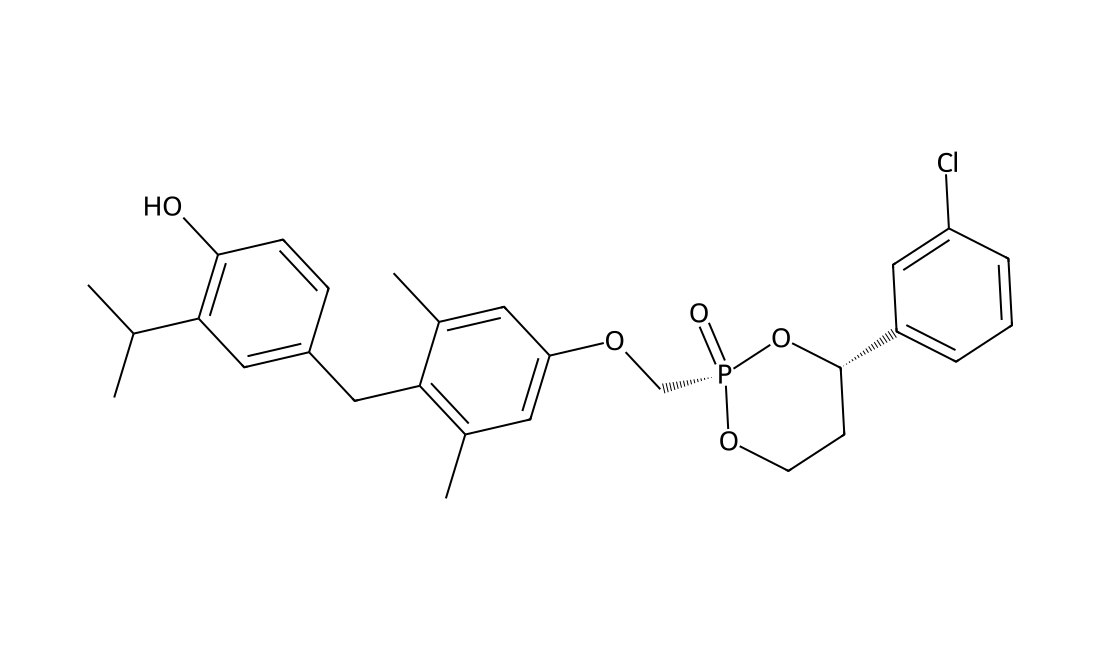
MB-07811 (VK-2809) is an orally active HepDirect prodrug of MB07344, a liver-targeted thyroid hormone receptor-β agonist[1]. MB-07811 has cholesterol and triglycerides lowering activity[2].

MB-07811 (VK-2809) chemical structure
DC34520

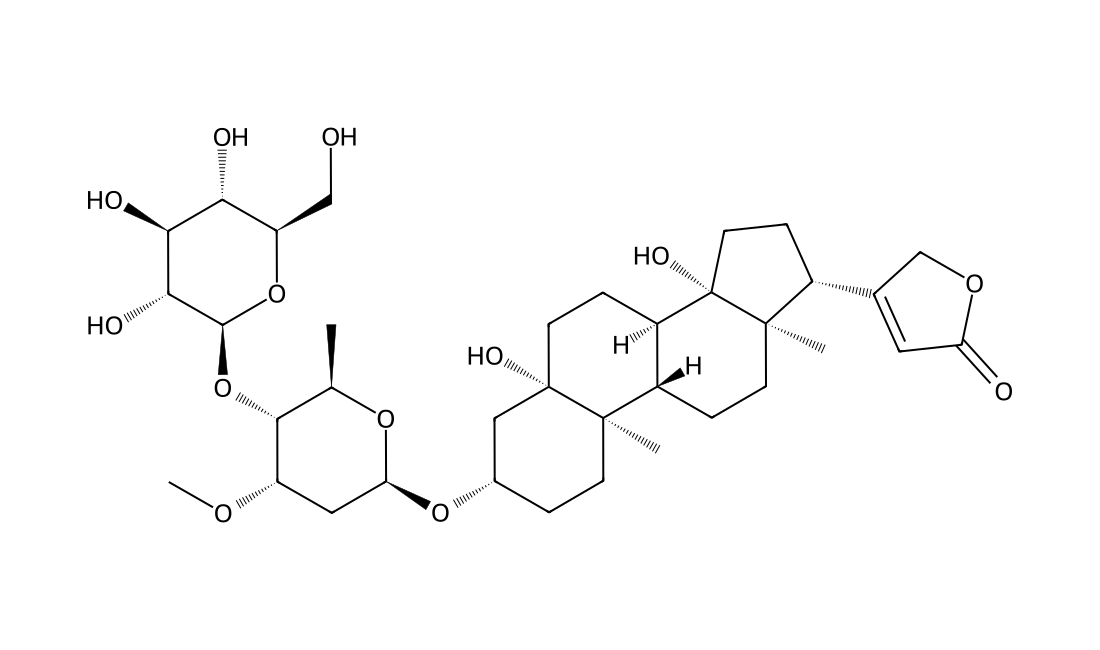
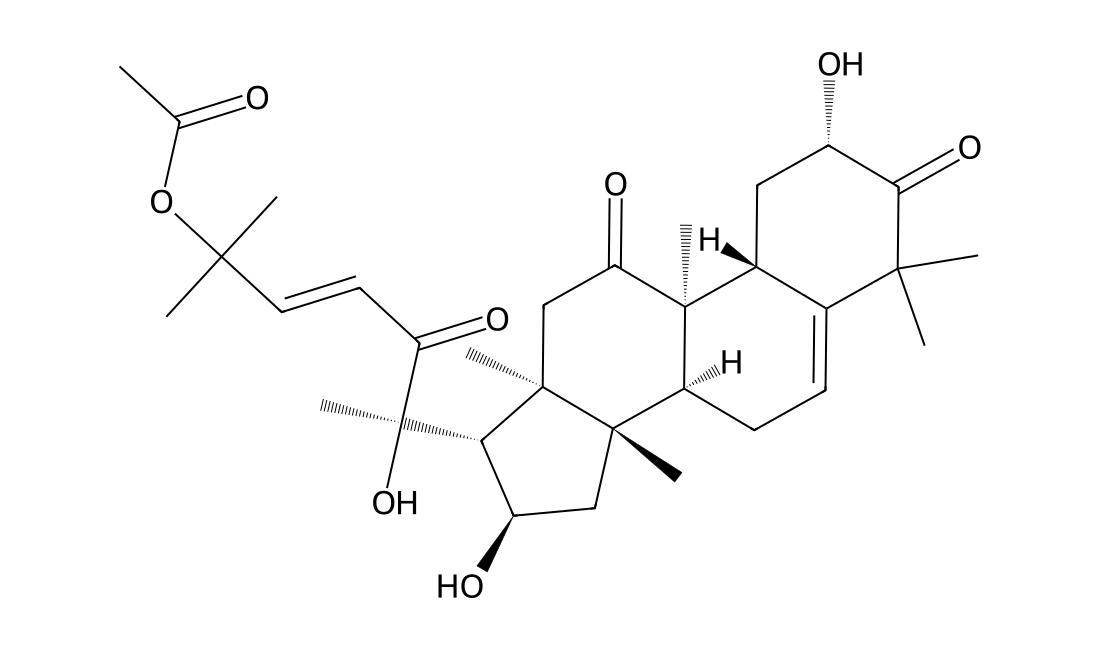
Cafestol

CAS 469-83-0

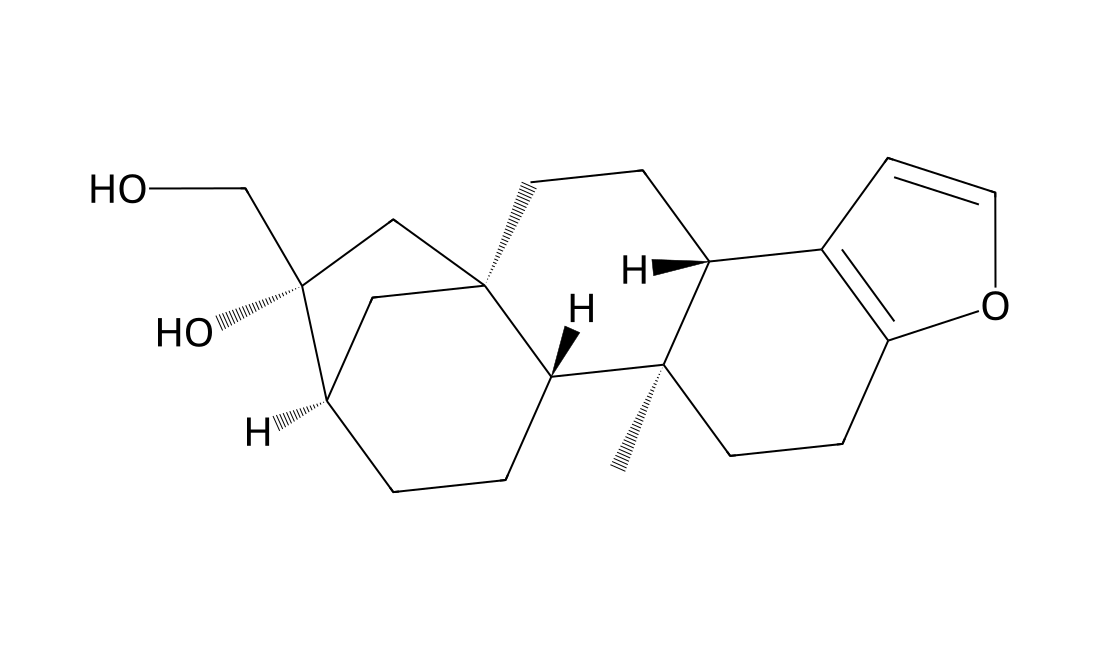
Cafestol, one of the major components of coffee, is a coffee-specific diterpene from. Cafestol is a ERK inhibitor for AP-1-targeted activity against PGE2 production and the mRNA expression of cyclooxygenase (COX)-2 in LPS-activated RAW264.7 cells. Cafestol has strong inhibitory activity on PGE2 production by suppressing the NF-kB activation pathway. Cafestol contributes to its beneficial effects through various biological activities such as chemopreventive, antitumorigenic, hepatoprotective, antioxidative and antiinflammatory effects[1].

Cafestol chemical structure
DC12377

Tafamidis meglumine

CAS 951395-08-7

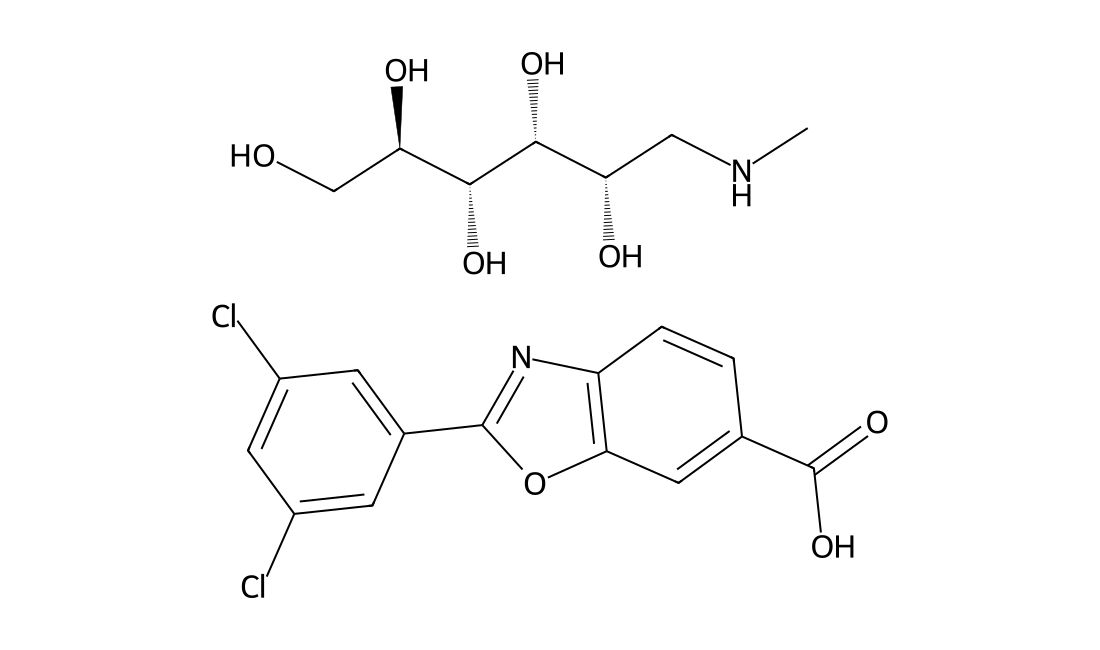
Tafamidis meglumine (Fx-1006A) is a potent and selective transthyretin (TTR) stabilizer, shows comparable potency and efficacy to the mutumant homotetramers V30M-TTR, V122I-TTR and wild type WT-TTR, with EC50s of 2.7-3.2 μM. Tafamidis meglumine inhibits amyloidogenesis[1].

Tafamidis meglumine chemical structure
DC22807

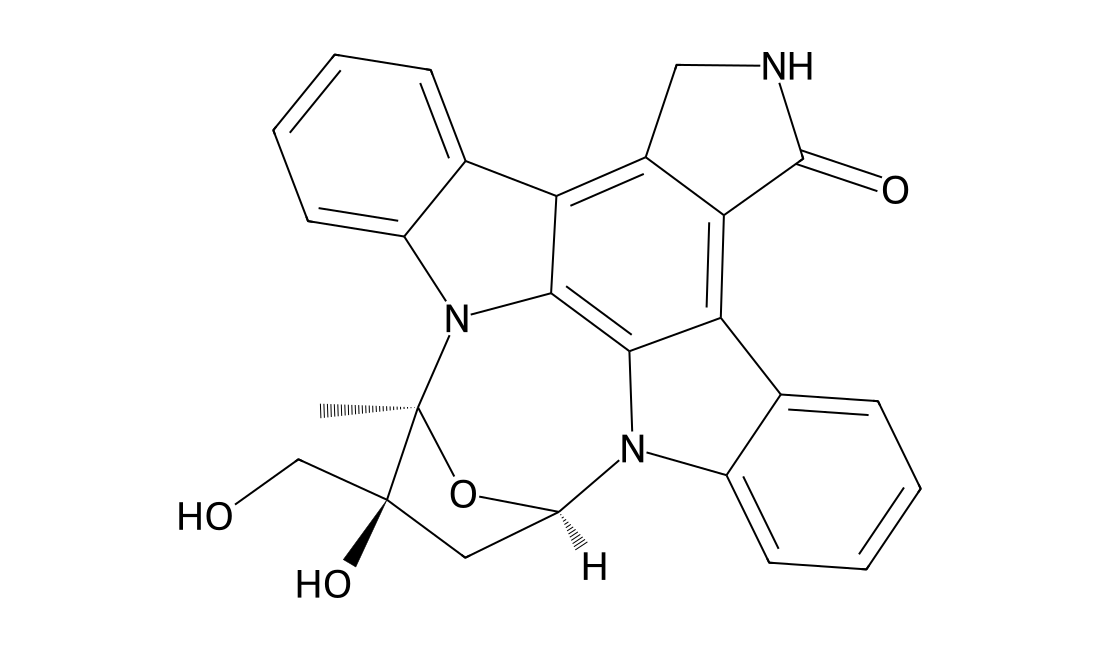
Lestaurtinib

CAS 111358-88-4

Lestaurtinib (CEP-701;KT-5555) is a multi-kinase inhibitor with potent activity against the Trk family of receptor tyrosine kinases. Lestaurtinib inhibits JAK2, FLT3 and TrkA with IC50s of 0.9, 3 and less than 25 nM, respectively.

Lestaurtinib chemical structure
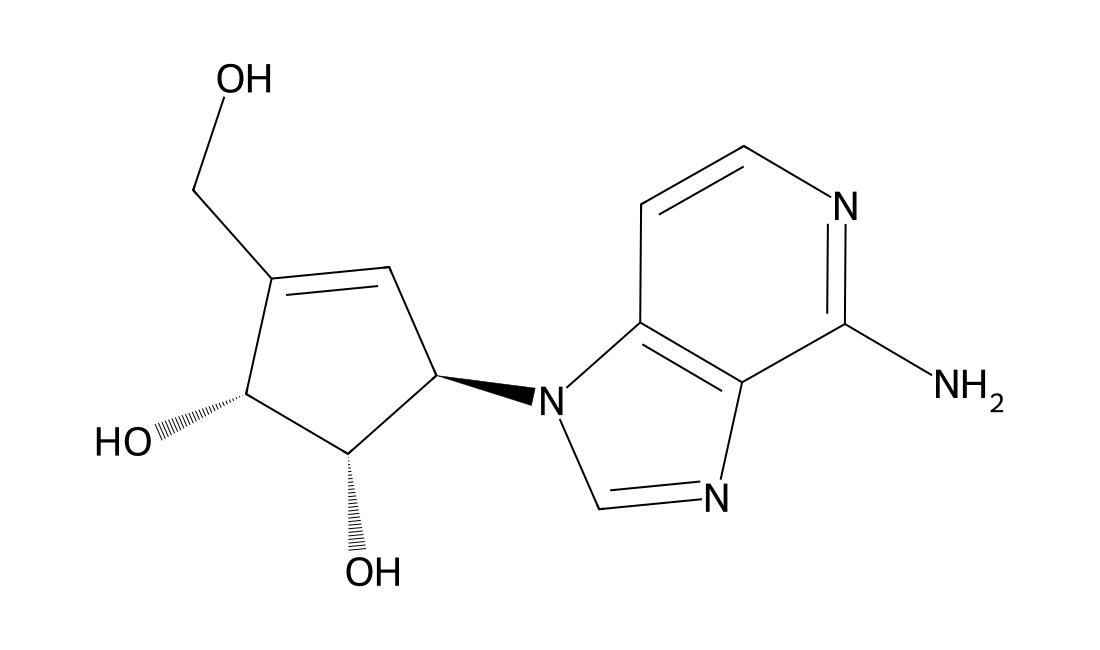
DC5190

3-Deazaneplanocin A (DZNep)

CAS 102052-95-9

3-Deazaneplanocin A (DZNep) is a histone methyltransferase inhibitor; decreases global DNA methylation. Blocks EZH2 activity and trimethylation of lysine 27 on histone H3 in vitro. Induces apoptotic cell death in cancer cells and inhibits s-adenosylhomocysteine (SAH) hydrolase. Enhances Oct 4 expression in chemically induced pluripotent stem cells (CiPSCs).For the detailed information of 3-Deazaneplanocin A (DZNep), the solubility of 3-Deazaneplanocin A (DZNep) in water, the solubility of 3-Deazaneplanocin A (DZNep) in DMSO, the solubility of 3-Deazaneplanocin A (DZNep) in PBS buffer, the animal experiment (test) of 3-Deazaneplanocin A (DZNep), the cell expriment (test) of 3-Deazaneplanocin A (DZNep), the in vivo, in vitro and clinical trial test of 3-Deazaneplanocin A (DZNep), the EC50, IC50,and Affinity of 3-Deazaneplanocin A (DZNep), Please contact DC Chemicals.

3-Deazaneplanocin A (DZNep) chemical structure
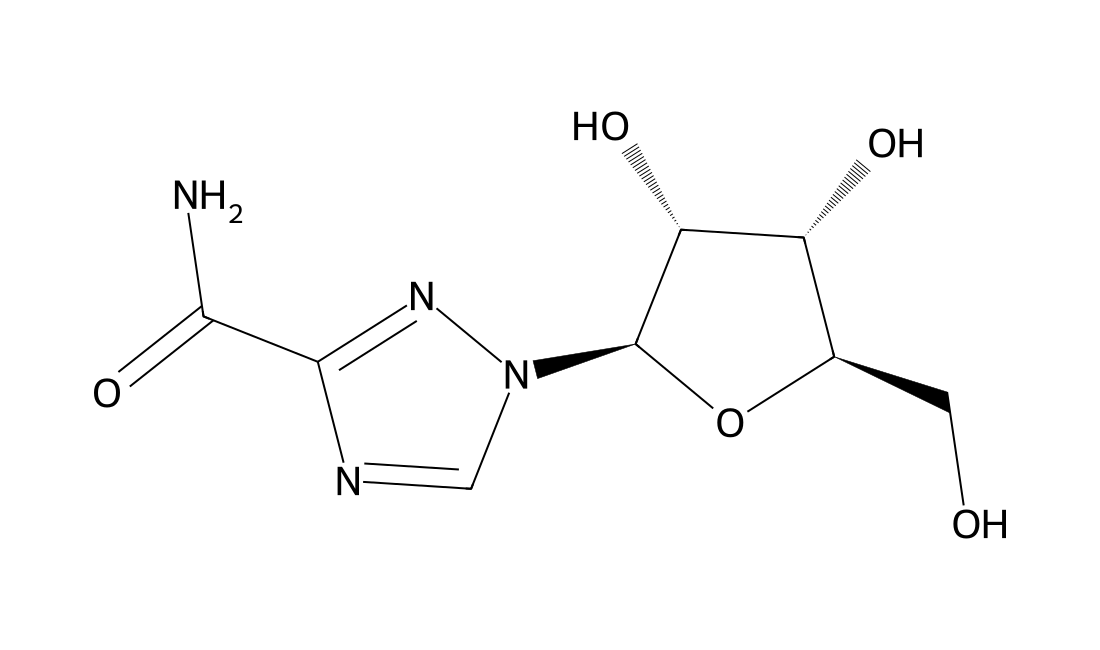
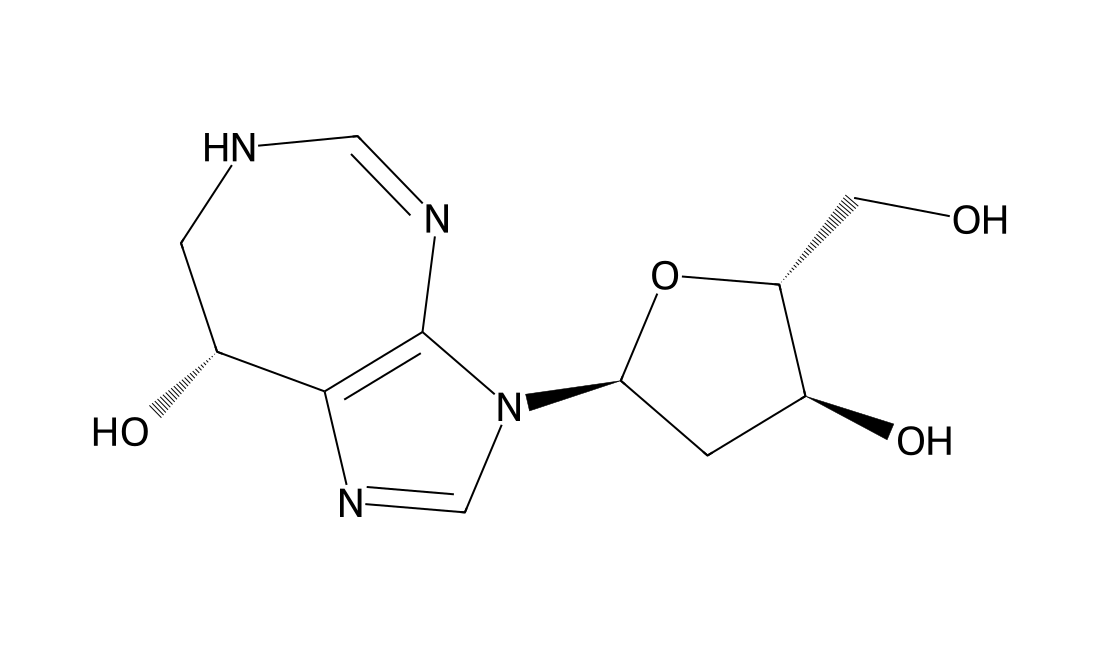
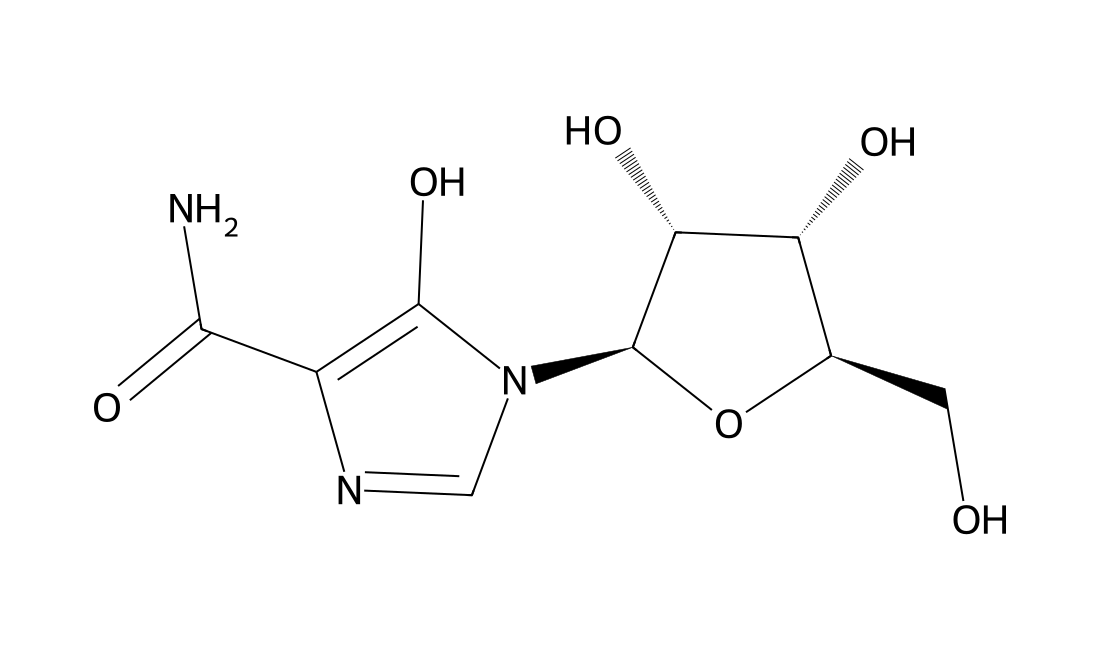
DC9011

Mizoribine

CAS 50924-49-7

Mizoribine(NSC 289637; HE 69; β-Bredinin) is an immunosuppressive agents (IC50=100 uM) that inhibit the proliferation of lymphocytes selectively, via inhibition of IMPDH.IC50 Value:Target: IMPDHin vitro: Unlike azathioprine, Mizoribine is not taken up by nucleic acids in the cell. Instead, after phosphorylation MZR-5 -monophosphate inhibits GMP synthesis by the antagonistic blocking of IMPDH (Ki = 10(-8)M) and GMP- synthetase (Ki =10(-5) M) [1]. Pretreatment of cells with MZR partially, but significantly, attenuates the expression of monocyte chemoattractant protein (MCP)-1 mRNA and protein, whereas the poly IC-induced expressions for the other functional molecules, such as CCL5, fractalkine and IL-8 were not influenced by MZR treatment [2].in vivo:MZR 150 mg was administered once a day. After 6 months, the remission rate was 72.7% (2 subjects achieved complete remission, and 9 partial remission). After 3 and 6 months, significant reductions (p < 0.01) were obtained in 24-h proteinuria (g/day) [3].

Mizoribine chemical structure
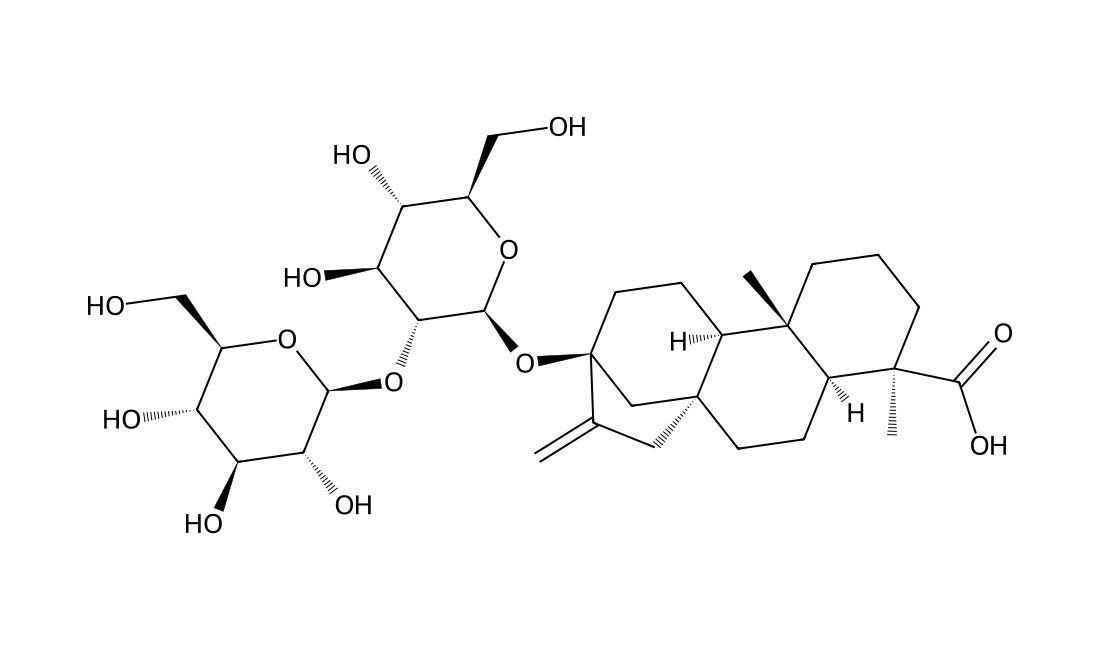
DC23093

双甜

CAS 41093-60-1

Steviolbioside is a rare sweetener that exists in stevia rebaudiana leaves. Steviolbioside presents inhibition on several human cancer cells and acts as potential remedy for human breast cancer[1].

双甜 chemical structure
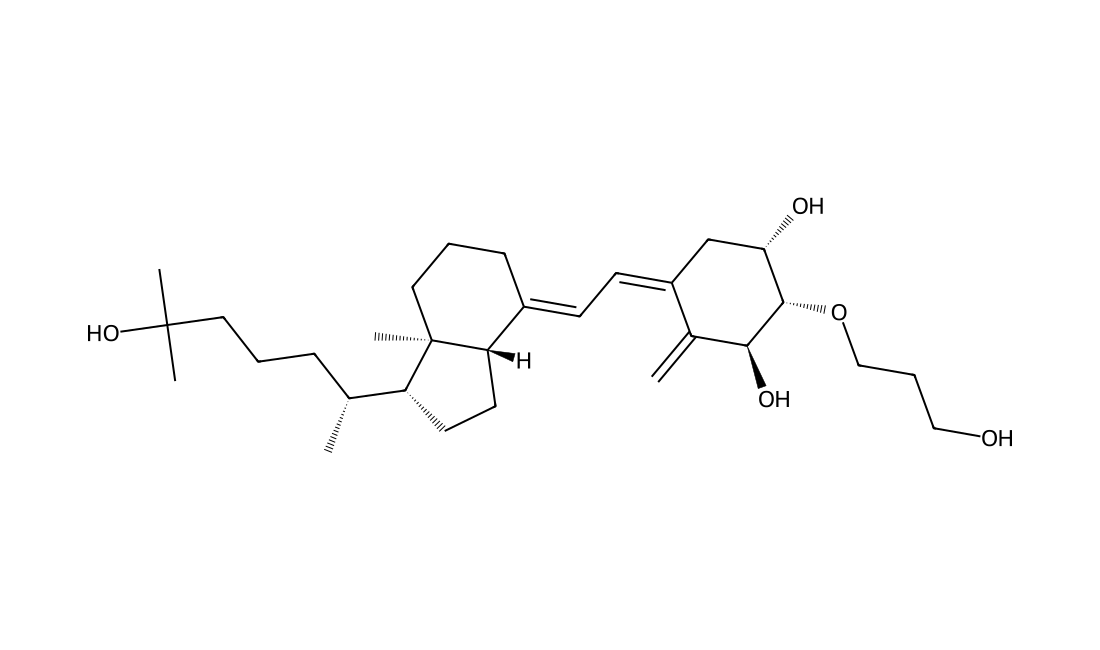
DCAPI1410

Eldecalcitol

CAS 104121-92-8

Eldecalcitol (ED-71; 2.beta.-(3-Hydroxypropoxy)-1.alpha.,25-dihydroxyvitamin D3) is an analog of 1,25-dihydroxyvitamin D3 that improves bone mineral density.Eldecalcitol (ED-71; 2.beta.-(3-Hydroxypropoxy)-1.alpha.,25-dihydroxyvitamin D3) is more efficacious than alfacalcidol in preventing vertebral and wrist fractures in osteoporotic patients with vitamin D sufficiency, with a safety profile similar to alfacalcidol.

Eldecalcitol chemical structure
Browse target & topic index A–Z (366)
11β-HSD (1)15-PGDH (2)5-HT Receptor (16)Acetyl-CoA Carboxylase (ACC) (3)Acetylcholinesterase (AChE) (2)Ack1 (TNK2) (1)Acyltransferase (1)ADC Cytotoxin (6)ADCs Linker/Click Chemistry (5)Adenosine Receptor (9)Adenylate Cyclase (2)Adrenergic Receptor (11)Akt (12)Alcoholism (2)Aldehyde Dehydrogenase (ALDH) (6)Allergy (5)Alzheimer Disease (13)Aminopeptidase (1)AMPK (8)Amyloids (4)Anaplastic Lymphoma Kinase (ALK) (9)Androgen Receptor (AR) (11)Anemia (4)Angiotensin Receptor (4)Antibody/Protein labeling dyes (1)Antifolate (2)Anxiety (1)Apoptosis Inducer (3)Arginase (1)Arp2/3 complex (1)Aryl hydrocarbon Receptor (AhR) (1)Asthma (5)Atherosclerosis (2)ATM/ATR (8)Aurora Kinase (10)Autophagy (6)Autophagy-related Protein (Atg) (2)Autotaxin (2)Bacterial (26)Bacterial Infection (17)Bcl-2 (14)Bcr-Abl (5)BCRP (1)Beta-catenin (4)Beta-secretase (BACE) (4)Blood Cancer (91)BMI-1 (1)Bone Cancer (6)Brain Cancer (6)Breast Cancer (30)Bromodomain (22)BTK (10)c-Fms (CSF1R) (5)c-Fos/AP-1 (1)c-Kit (6)c-Met (HGFR) (11)c-Myc (2)Calcium Channel (4)Calcium-sensing Receptor (CaSR) (1)CaMK (4)Cannabinoid Receptor (6)Carbonic Anhydrase (1)Carboxypeptidase (1)Casein Kinase (6)Caspase (4)Cathepsin (6)Cdc2-like Kinase (CLK) (1)CETP (2)CFTR (7)Checkpoint Kinase (Chk) (8)Chemokine Receptor (CCR and CXCR) (14)Chemotherapeutic Agents (19)Chloride Channel (1)CMV (2)CMV Infection (2)Colon Cancer (9)Complement System (1)COPD (3)CREB/CBP (2)CRF Receptor (2)CRISPR/Cas9 (1)Cushing Disease (1)Cyclin-dependent Kinase (CDK) (39)Cyclooxygenase (COX) (4)Cytochrome P450 (CYPs) (5)Depression (2)Dermatitis (2)Deubiquitinase (DUB) (7)Diabetes (20)Dipeptidyl Peptidase (DPP) (3)Discoidin Domain Receptor (DDR) (1)DNA Alkylator/Crosslinker (10)DNA Methyltransferase (DNMT) (1)DNA Repair Protein (1)DNA-PK (2)DNA/RNA Synthesis (5)Dopamine beta-hydroxylase (1)Dopamine Receptor (7)Drug Metabolite (1)Drug-Linker Conjugates (11)Dyes (4)DYRK (1)Dyslipidemia (9)E3 Ligase Ligand (6)E3 Ligase Ligand-Linker Conjugate (1)E3 Ubiquitin Ligase (4)Ebola Virus Infection (1)EGFR (32)Elastase (2)Endothelin Receptor (5)Enzymes substrates (13)Epigenetic Reader Domain (3)Epilepsy (4)ERK (4)Estrogen Receptor/ERR (13)Eukaryotic Initiation Factor (eIF) (2)Exportin-1 (CRM1,XPO1) (2)FABP (1)Factor Xa (5)Farnesoid X Receptor (FXR) (5)Farnesyl transferase (FTase) (1)Ferroptosis (6)FGFR (20)Fibrosis (5)FLT3 (6)Focal Adhesion Kinase (FAK) (11)Foxo1 (1)Free Fatty Acid Receptor (FFAR) (5)Fungal (2)Fungal Infection (1)GABA Receptor (13)Galectin (1)Gastric Cancer (8)Ghrelin Receptor (GHSR) (3)Glucagon Receptor (4)Glucokinase (2)Glucose Transporter (GLUT) (2)Glutamate Transporter (2)GPCR (1)GPER (GPR30) (1)GPR139 (1)GPR183 (EBI2) (2)GPR39 (1)GPR55 (1)GPR84 (1)GRK (GPCRK) (2)Growth Hormone Deficiency (2)GSK-3 (8)Guanylate Cyclase (3)HBV (1)HBV Infection (1)HCN Channel (2)HCV (8)HCV Infection (9)HDAC (38)Heart Arrhythmia (2)Heart Failure (5)Heat Shock Protein (HSP) (15)Hedgehog (Hh) (1)HIF/HIF Prolyl-hydroxylase (8)Histamine Receptor (6)Histone Acetyltransferase (HAT) (5)Histone Demethylase (11)Histone Methyltransferase (HMTase) (31)HIV (12)HIV Infection (11)HMG-CoA Reductase (HMGCR) (3)HSV (1)HSV Infection (1)Hypercholesterolemia (1)Hyperparathyroidism (1)Hypertension (8)IAP (1)IGF-1R (3)iGluR (15)Indoleamine 2,3-Dioxygenase (IDO) (4)Infection (1)Influenza (6)Influenza Virus (6)Insulin Receptor (2)Integrin (6)Interleukin Receptor (1)IRAK (2)IRE1 (4)Irritable Bowel Syndrome (2)Ischemia (1)Isocitrate Dehydrogenase (IDH) (5)ITK (1)IκB kinase (IKK) (7)JAK (32)JNK (3)Keap1-Nrf2 (6)Kidney Cancer (10)Kinesin (5)Kruppel-like Factor (KLF) (1)Kynurenine 3-Monooxygenase (KMO) (1)Leukotriene Receptor (1)LIM Kinase (LIMK) (3)Lipids fragment (1)Liver Cancer (6)Liver X Receptor (LXR) (3)LRRK2 (9)Lung Cancer (39)Lysophospholipid Receptor (12)LYTACs (3)mAChR (9)MALT1 (2)MAP4K (1)Matrix Metalloproteinase (MMP) (10)MDM2-p53 (9)MEK (MAP2K) (14)MEKK (MAP3K) (1)Melanocortin Receptor (2)MELK (1)mGluR (7)MicroRNA (1)Microtubule/Tubulin (5)Mineralocorticoid Receptor (MLR) (1)MITF (1)Mixed Lineage Kinase (MLK) (3)MNK (2)Molecular Glues (21)Monoamine Transporter (5)Monocarboxylate Transporter (MCT) (1)Monopolar Spindle 1 (Mps1/TTK) (3)mTOR (13)Multiple Sclerosis (6)Myosin (1)Na-K-Cl Cotransporter (NKCC) (2)nAChR (2)NADPH Oxidase (NOX) (2)NAMPT (3)Natural products (37)Neprilysin (1)Neurokinin Receptor (3)Neuropeptide Y Receptor (3)NF-κB (5)Nitric Oxide Synthase (NOS) (1)NOD-like Receptor (NLR) (3)Notch (2)Nucleoside Antimetabolite/Analog (10)Nur77 (NR4A1) (1)Obesity (1)Oct3/4 (1)Opioid Receptor (5)Orexin Receptor (7)Osteoporosis (2)Ovarian Cancer (14)Oxytocin Receptor (OXTR) (2)P-glycoprotein (P-gp) (3)p21-activated Kinase (PAK) (1)P2X Receptor (2)P2Y Receptor (1)p38 MAPK (10)p97/VCP (1)Pain (12)Pancreatic Cancer (10)Parasite (5)Parasite Infection (2)Parkinson Disease (2)PARP (19)PCSK9 (1)PD-1/PD-L1 (4)PDGFR (4)PDK1 (2)PEGn (1)PERK (2)PGE synthase (2)Phosphodiesterase (PDE) (9)Phospholipase (4)PI3K (32)PI4K (2)Piezo Channel (1)PIKfyve (3)Pim (9)PKC (12)PKD (1)Plasminogen Activator Inhibitor-1 (PAI-1) (3)Polo-like Kinase (PLK) (4)Porcupine (3)Potassium Channel (13)PPAR (13)Pregnane X Receptor (PXR) (1)Progesterone Receptor (2)Prostaglandin Receptor (11)Prostate Cancer (7)PROTACs (35)Protease-activated Receptor (PAR) (3)Proteasome (12)Protein Disulfide Isomerase (PDI) (1)Protein Phosphatase/PTP (6)Proton Pump (1)Psoriasis (5)RAD51 (1)Radioligand precursors (15)Raf (18)RAR/RXR (3)Ras (17)Renin (2)RET Tyrosine Kinase (c-RET) (3)Rheumatoid Arthritis (16)Ribosomal S6 Kinase (RSK) (5)RIG-I-like Receptor (RLR) (2)RIP kinase (7)ROCK (12)ROR (2)RSV (4)RSV Infection (3)RUNX1-CBFβ (1)S-nitrosoglutathione reductase (GSNOR) (1)Saccharides and Glycosides (1)Salt Inducible Kinase (SIK) (2)SARS-CoV (16)SARS-CoV Infection (34)Schizophrenia (4)Sexual Dysfunction (1)SGLT (4)Sigma Receptor (4)Sirtuin (9)Skin Cancer (13)Sleep Disorder (7)SMN2 Modulator (1)Smoothened (Smo) (9)Sodium Channel (12)Solid Tumors (35)Somatostatin Receptor (2)Sphingosine kinase (SphK) (2)Src (7)STAT (5)Stearoyl-CoA Desaturase (SCD) (1)Steatohepatitis (7)Sterol lipids (1)STING (14)Syk (6)T Cell Receptor (TCR) (1)TAK1 (2)TAM Receptor (Tyro3-Axl-Mer) (4)Taste Receptor (1)Telomerase (2)TGF beta Receptor (TGFBR) (12)Thrombin (3)Thrombosis (13)Thyroid Cancer (1)Thyroid Hormone Receptor (THR) (1)Thyrotropin Receptor (2)TNIK (1)Toll-like Receptor (TLR) (2)TOPK (1)Topoisomerase (11)TRAIL (1)Translocator Protein (TSPO) (1)Trk Receptor (4)TRP Channel (13)Tryptophan Hydroxylase (TPH) (1)Ubiquitin-activating Enzyme (E1) (2)Ubiquitin-conjugating Enzyme (E2) (2)Ulcer (1)ULK (3)Vasopressin Receptor (2)VEGFR (25)Vitamin D Receptor (VDR) (3)Wee1 (1)WNK Kinase (1)Wnt (5)Yes-associated Protein (YAP) (4)γ-secretase (5)

Cart

Request quotation