Small Molecule Research Tools

Explore bioactive compounds by research category, then narrow your search by target, product name, catalog number or CAS.

Newly added: LC-MG and OXF molecular glue research compounds →

6,823 products17 research categoriesBrowse all products ↓

Browse by research category

Products may appear in more than one category. Counts refer to distinct catalog numbers within each category.

Other Research Tools (75) · Additional reagents, building blocks and specialized research tools.

New literature-derived products

LC-MG-1 (DCA0006) · LC-MG-4 (DCA0007) · LC-MG-9 (DCA0008)

View structure and evidence summaries →

All small molecule products

Combine a keyword, research category and target to narrow the product list.

Loading catalog filters…

6,823 products · Showing 5,809–5,856

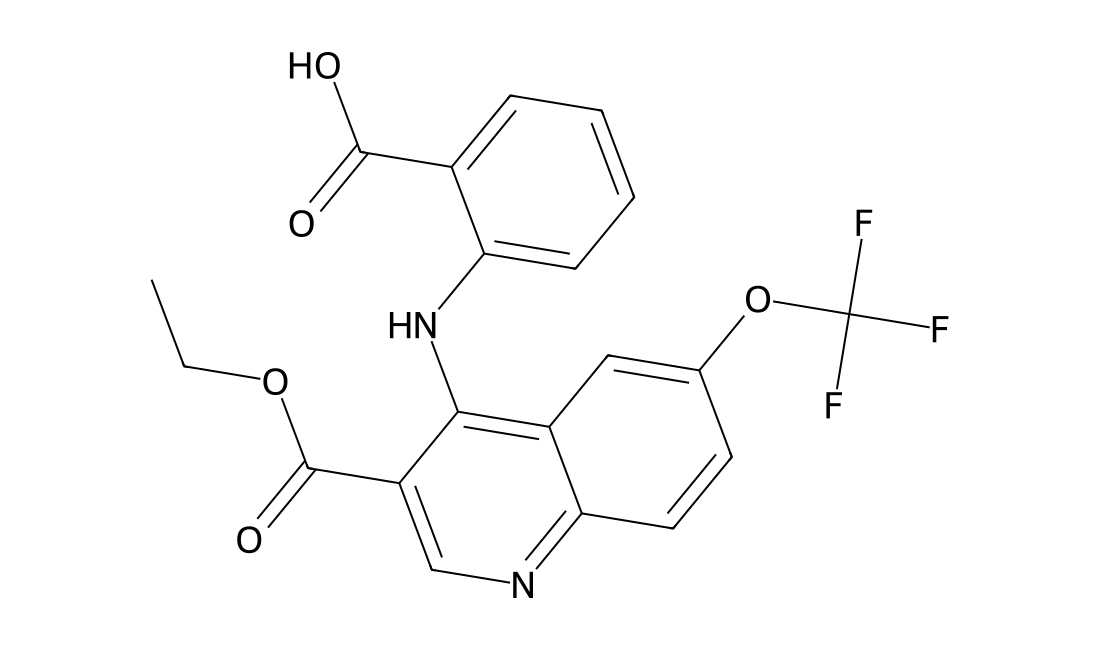
DC21358

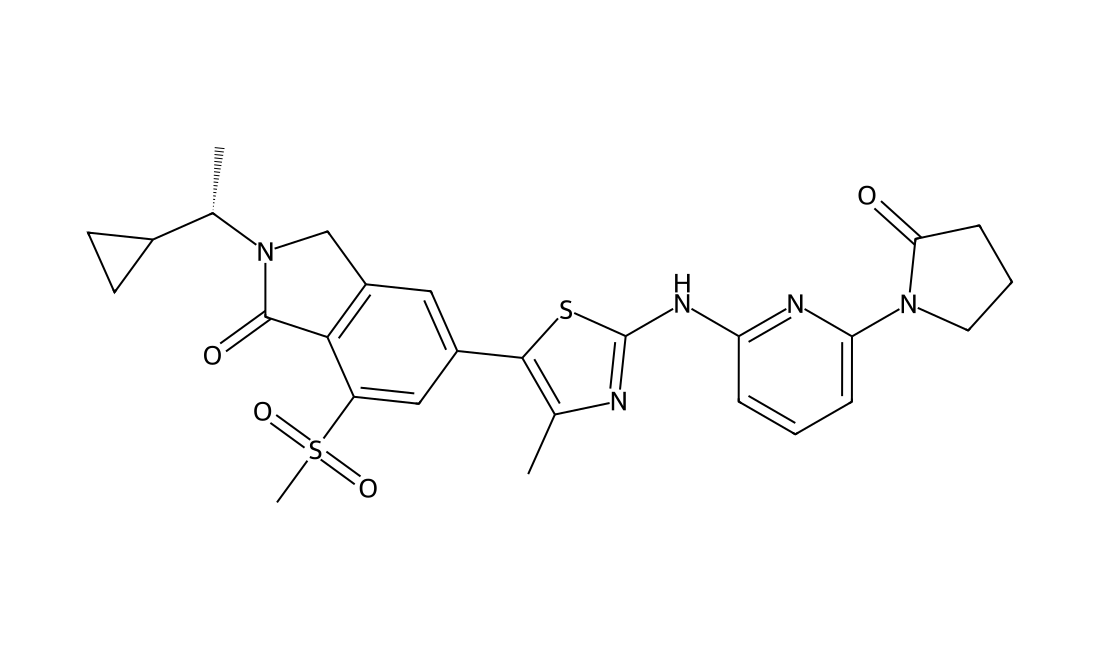
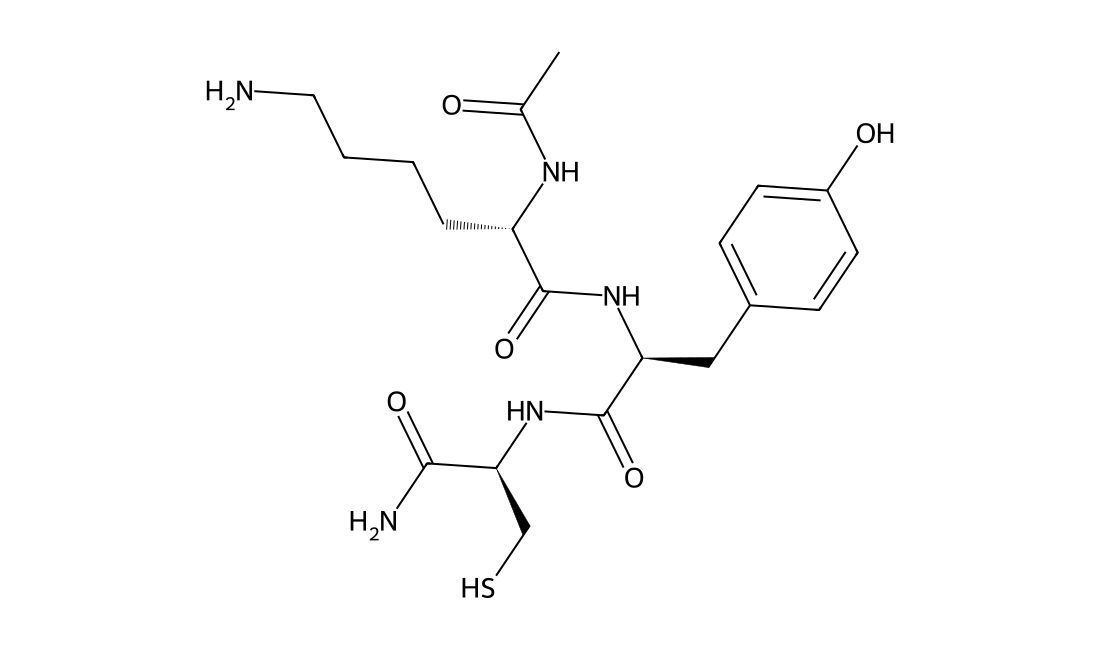
N-acetyl lysyltyrosylcysteine amide

CAS 1287585-40-3

N-acetyl lysyltyrosylcysteine amide (KYC) is a potent, tripeptide inhibitor of myeloperoxidase (MPO), inhibits MPO-mediated hypochlorous acid (HOCl) formation (IC50=7 uM) and nitration/oxidation of LDL; completely inhibits HOCl production at 25 uM, decreases vascular oxidative stress and increases vasodilatation in sickle cell disease mice; reduces oxidative stress-mediated inflammation, neuronal damage, and neural stem cell injury in murine model of stroke.

N-acetyl lysyltyrosylcysteine amide chemical structure
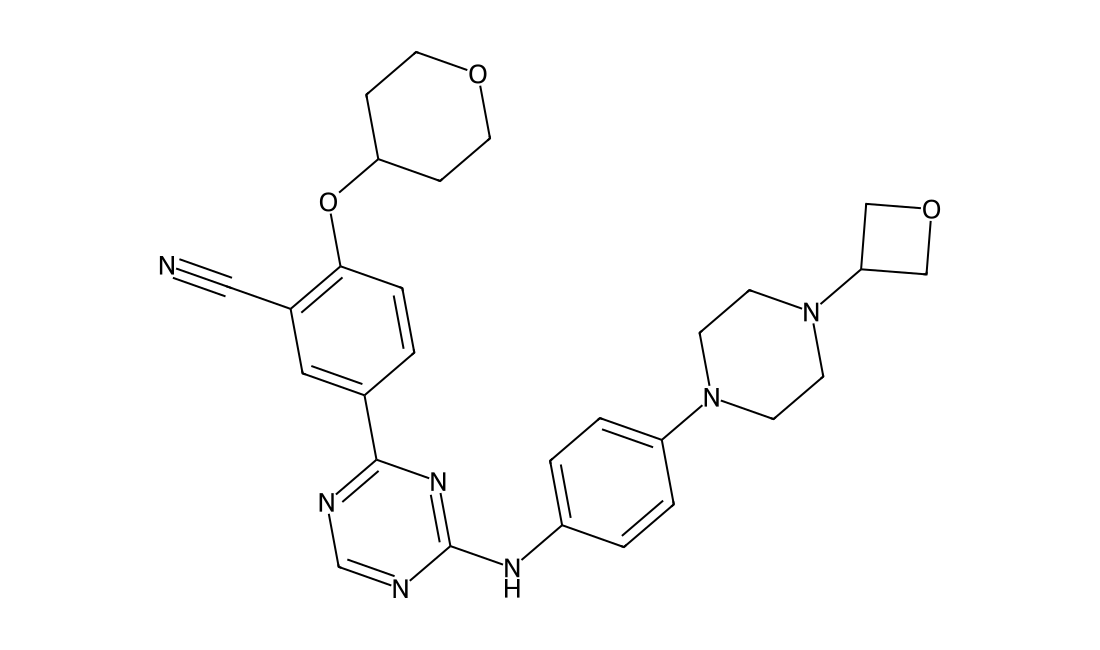
DC55135

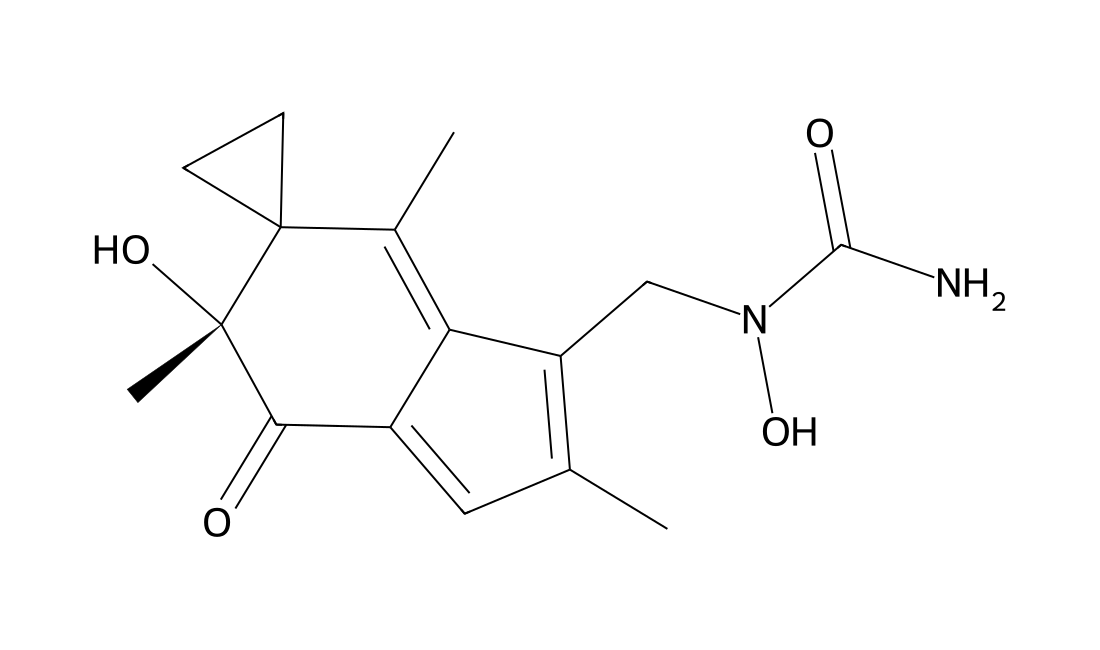
LP-184

CAS 924835-67-6

LP-184 is a highly potent novel alkylating, next-generation analog of irofulven. LP-184 is an DNA damage repair (DDR) inhibitor and and shows broad anti-tumor cytotoxicity across a panel of NSCLC derived cell lines.

LP-184 chemical structure
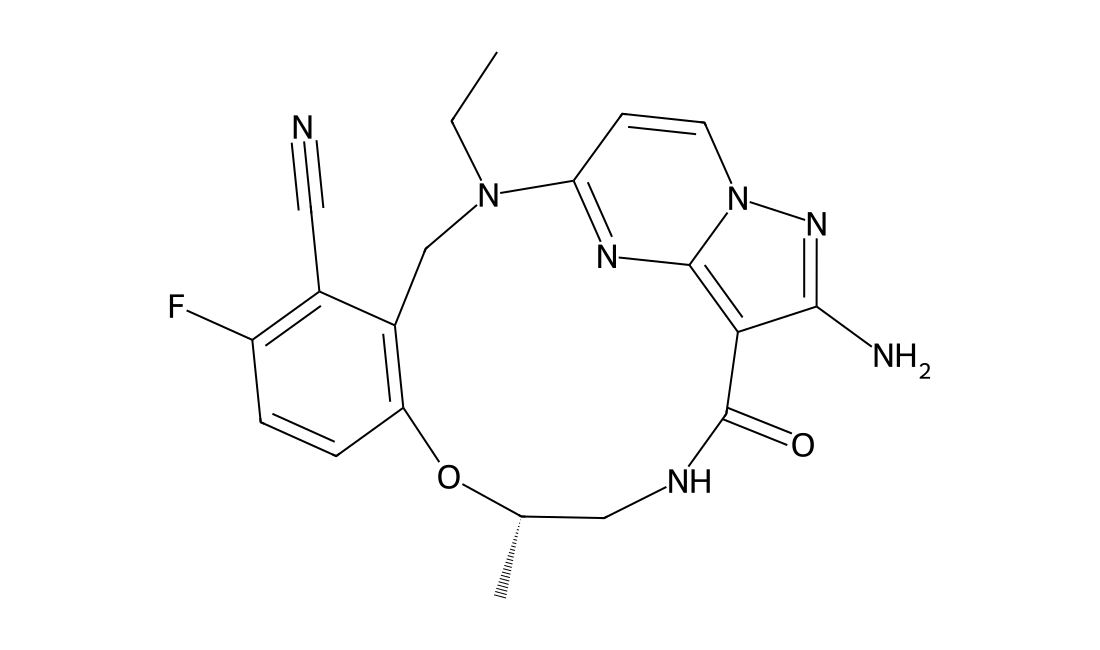
DC60046

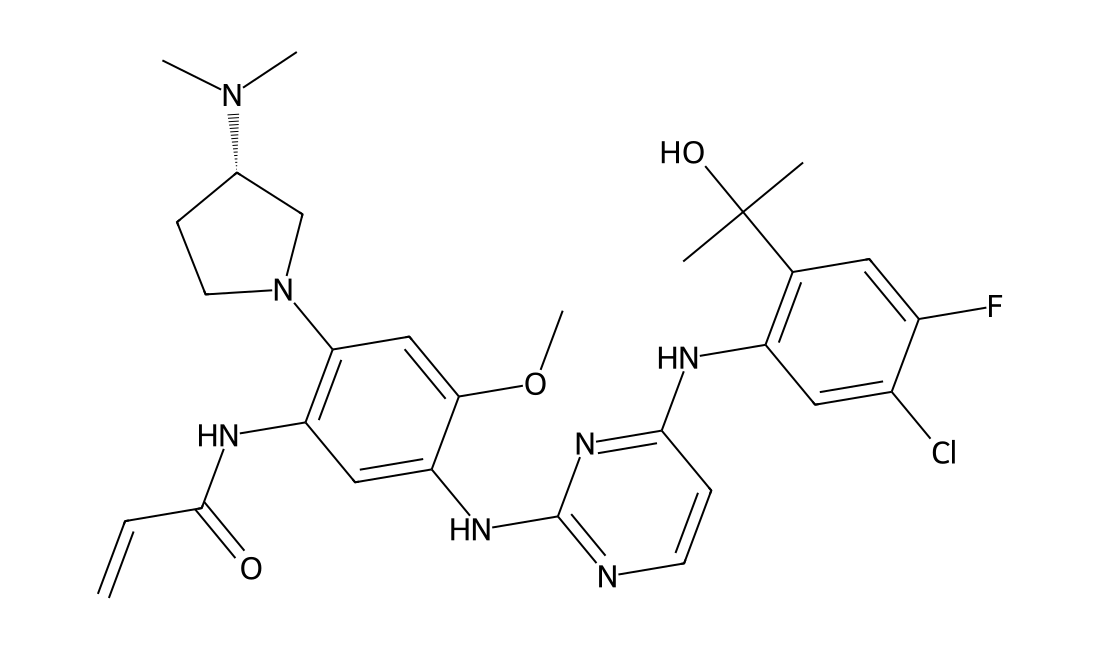
(S)-Sunvozertinib

CAS 2370013-49-1

(S)-Sunvozertinib ((S)-DZD9008), the S-enantiomer of Sunvozertinib, shows inhibitory activity against EGFR exon 20 NPH and ASV insertions, EGFR L858R/T790M mutation and Her2 exon20 YVMA insertion (IC50=51.2 nM, 51.9 nM, 1 nM, and 21.2 nM, respectively).

(S)-Sunvozertinib chemical structure
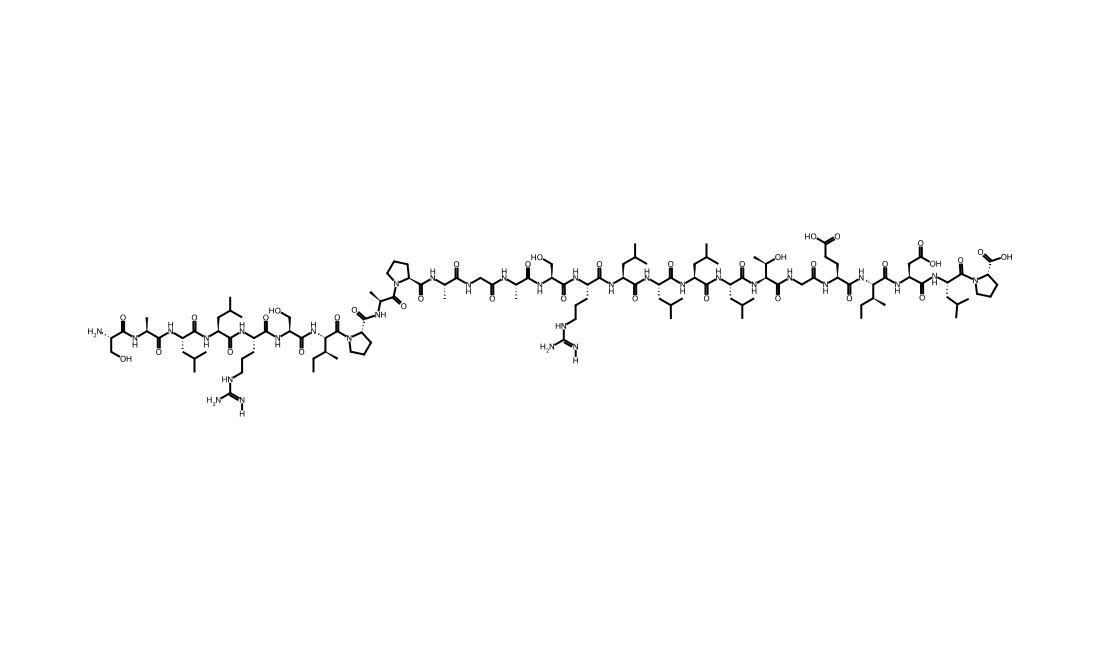
DC21625

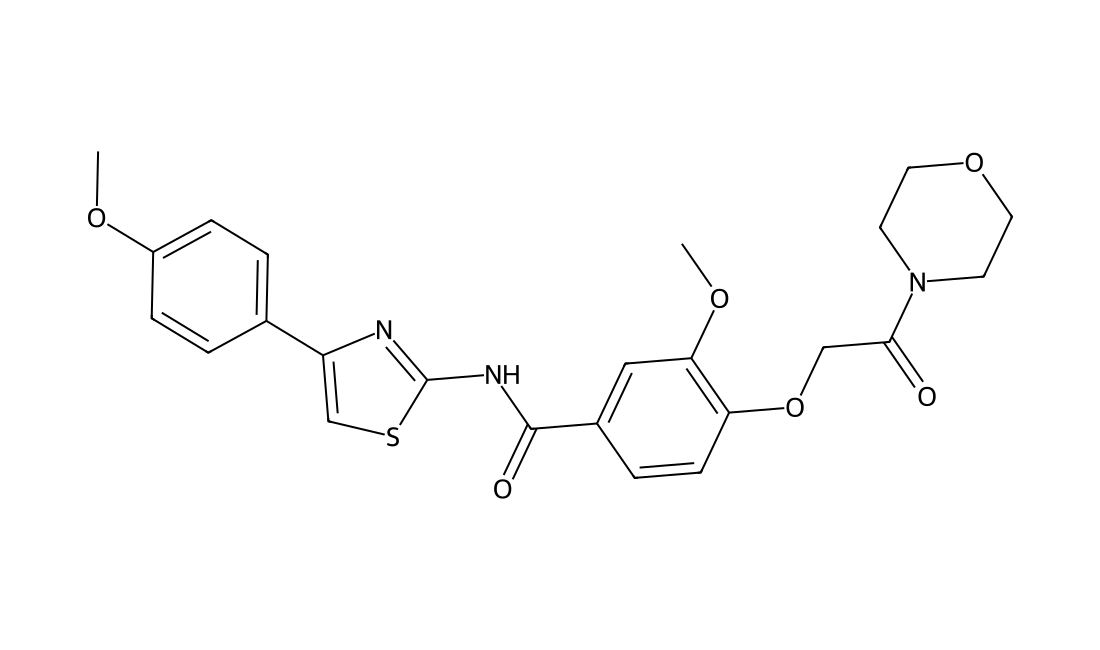
SBI-477

CAS 781628-99-7

SBI-477 is a chemical probe that coordinately inhibits triacylglyceride (TAG) synthesis and enhances basal glucose uptake in human skeletal myocytes with EC50 of 100 nM and 1 uM, respectively; reduces expression of TXNIP and ARRDC4, negative regulators of insulin signaling, via deactivation of the transcription factor MondoA.

SBI-477 chemical structure
DC40141

BDP-13176

CAS 2290660-61-4

BDP-13176 is a potent fascin 1 inhibitor, with a Kd of 90 nM and an IC50 of 240 nM. BDP-13176 has potential as an anti-metastatic agent.

BDP-13176 chemical structure
DC20600

DM-PIT-1

CAS 701947-53-7

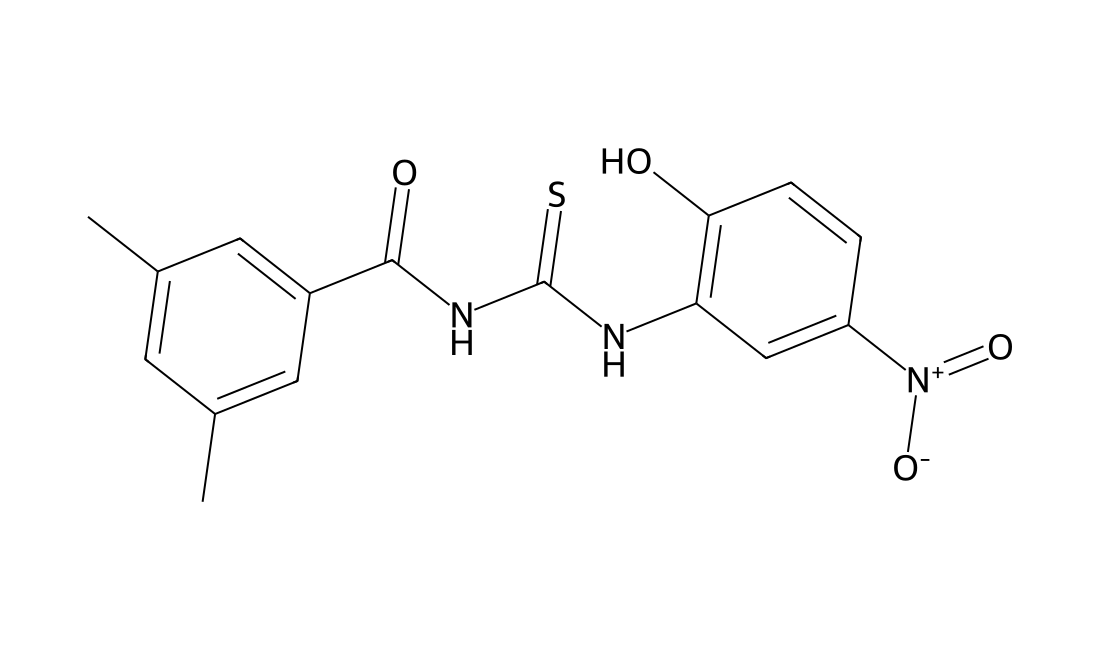
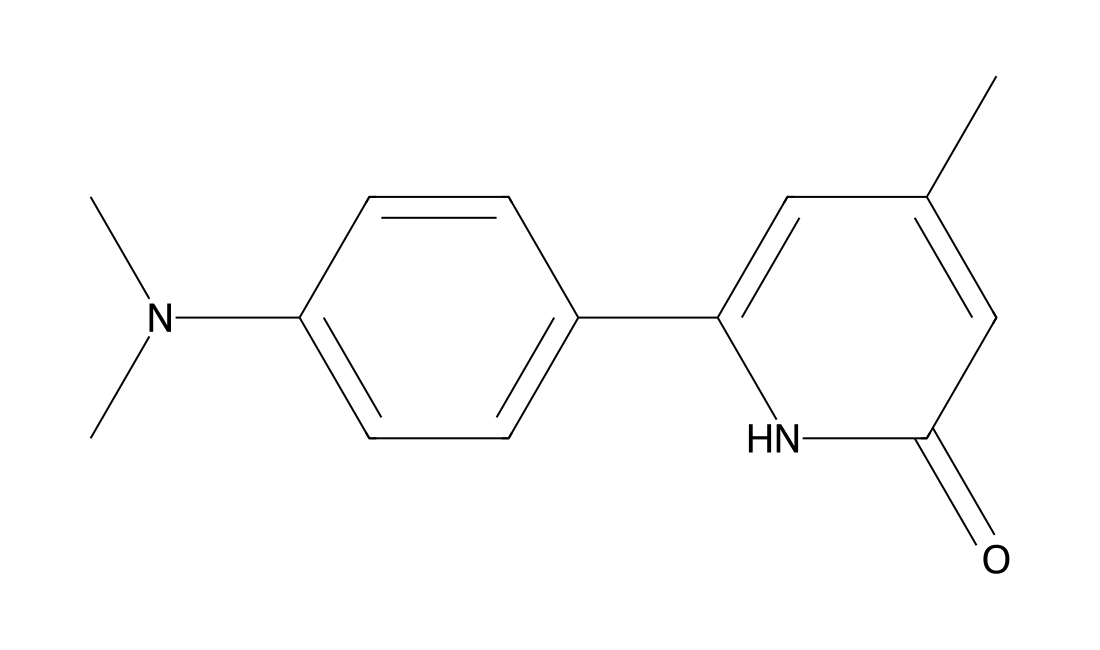
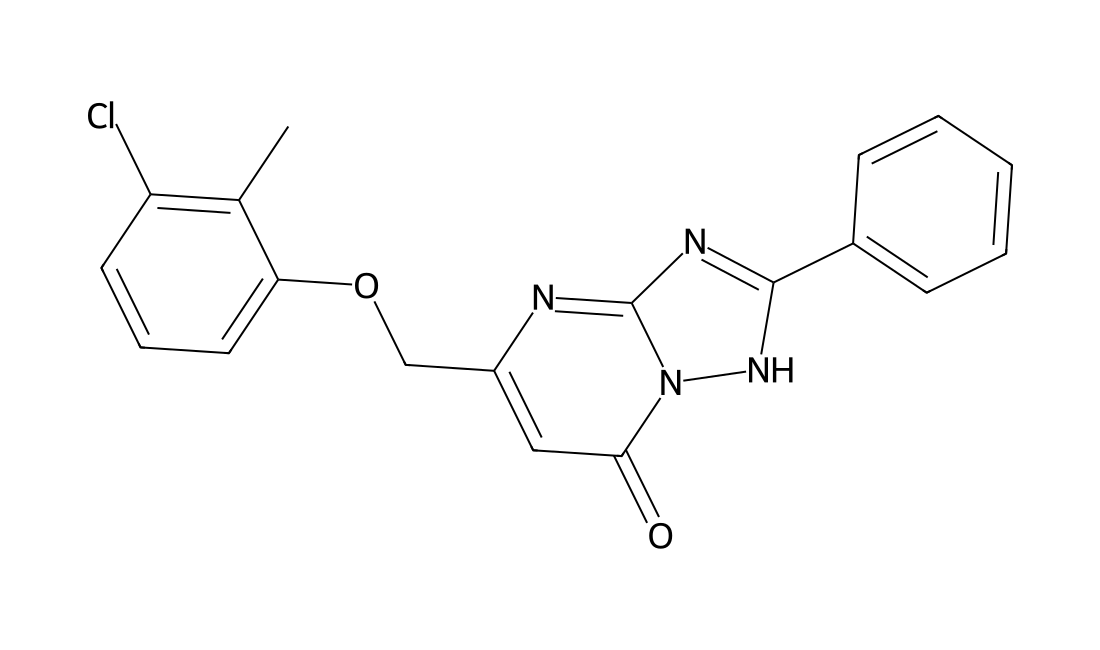
DM-PIT-1 is a specific PIP3 antagonist that disrupts PIP3/Akt PH domain, PIP3/PDK1 PH domain, and PIP3/GRP1 PH domain with IC50 of 27.1 uM, 80.5 uM, and 35.5 uM, respectively; suppresses the PI3K-PDK1-Akt pathway and triggers metabolic stress and apoptosis; inhibits in vivo tumor growth in BALB/c mice; a dimethyl analog of PIT-1 with improved aqueous solubility.

DM-PIT-1 chemical structure
DC22960

ICA-105574

CAS 316146-57-3

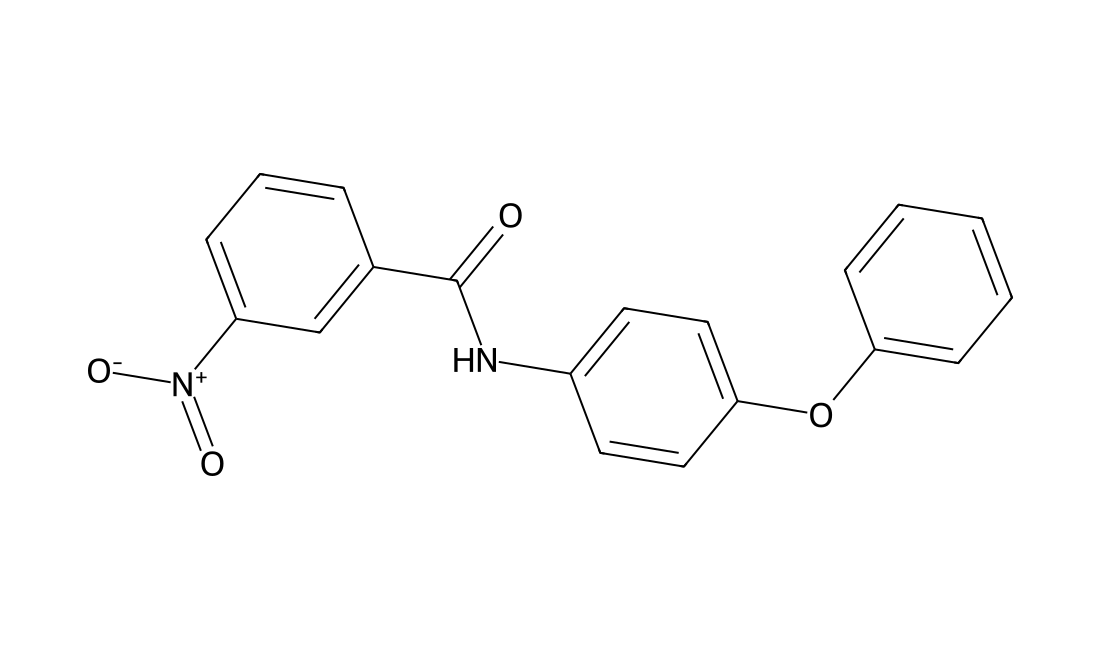
A potent and efficacious hERG channel activator steeply potentiates current amplitudes more than 10-fold with EC50 of 0.5 uM; produces comparatively small hyperpolarizing shifts (up to 11 mV) in the voltage-dependence of channel activation and a 2-fold slowing of channel deactivation; enhances IKr current with very high potency by removing the channel inactivation, prevents ventricular arrhythmias in intact guinea-pig hearts caused by IKr and IKs inhibitors, has more efficient antiarrhythmic activity than NS1643.

ICA-105574 chemical structure
DC43161

SGC2085 Hydrochloride

CAS 1821908-49-9

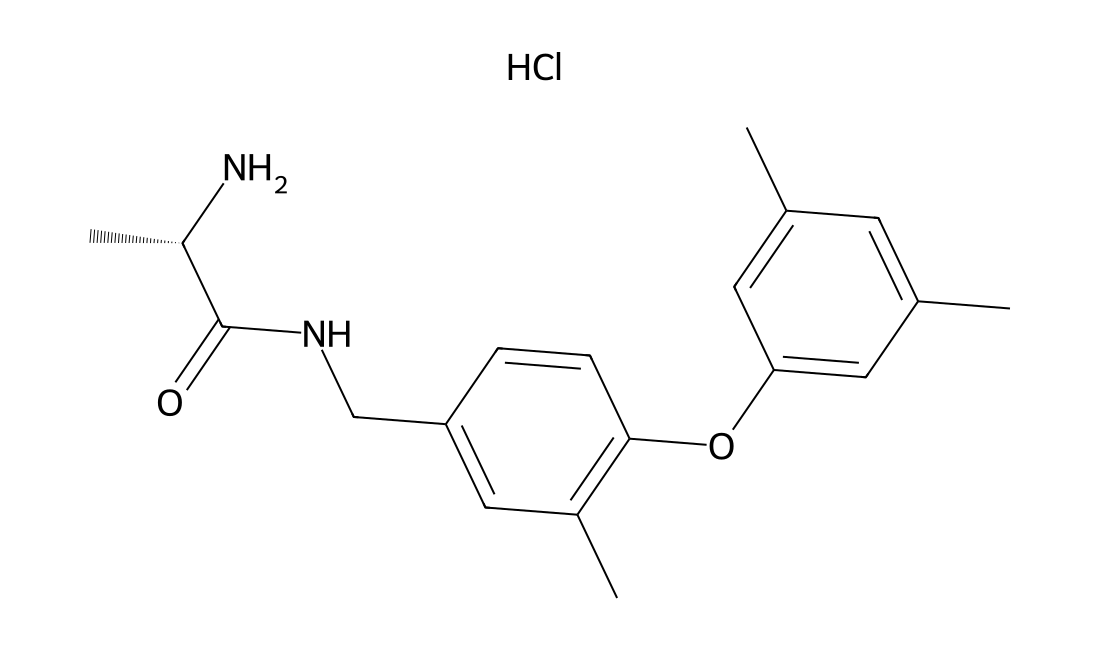
SGC2085 is a Potent and Selective Coactivator Associated Arginine Methyltransferase 1 (CARM1) Inhibitor with an IC50 of 50 nM and more than undred-fold selectivity over other PRMTs. CARM1 is an important positive modulator of Wnt/β-catenin transcription and neoplastic transformation in colorectal cancer as well as a critical factor in estrogen-stimulated breast cancer growth, and its depletion results in decreased proliferation of myeloid leukemia cells in vivo.

SGC2085 Hydrochloride chemical structure
DC21565

RH01687

CAS 302901-13-9

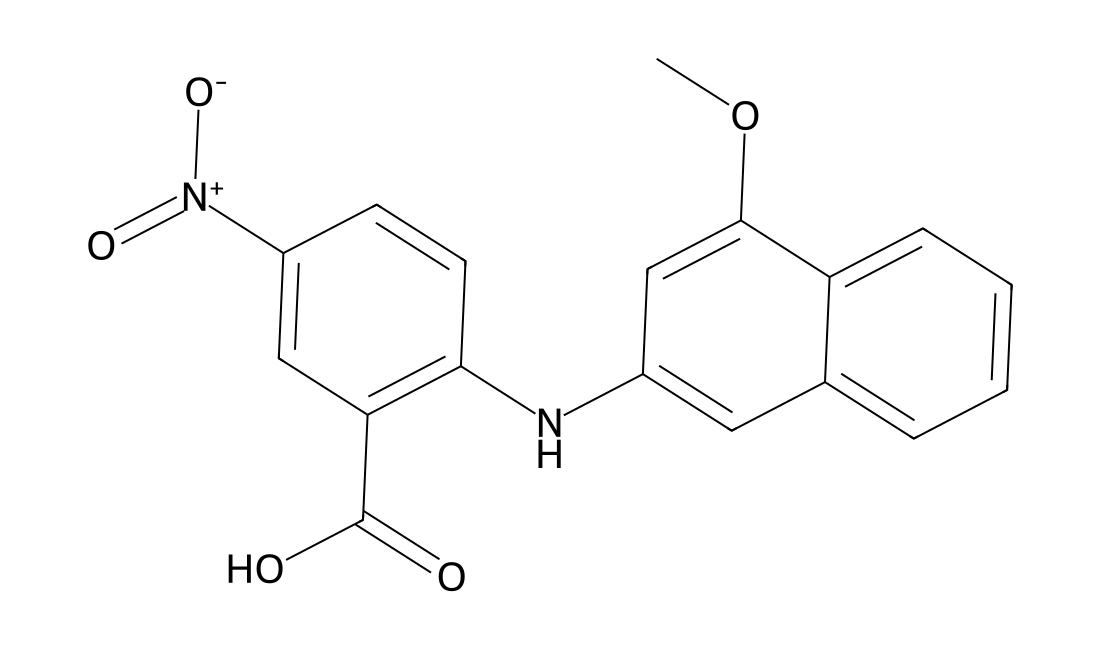
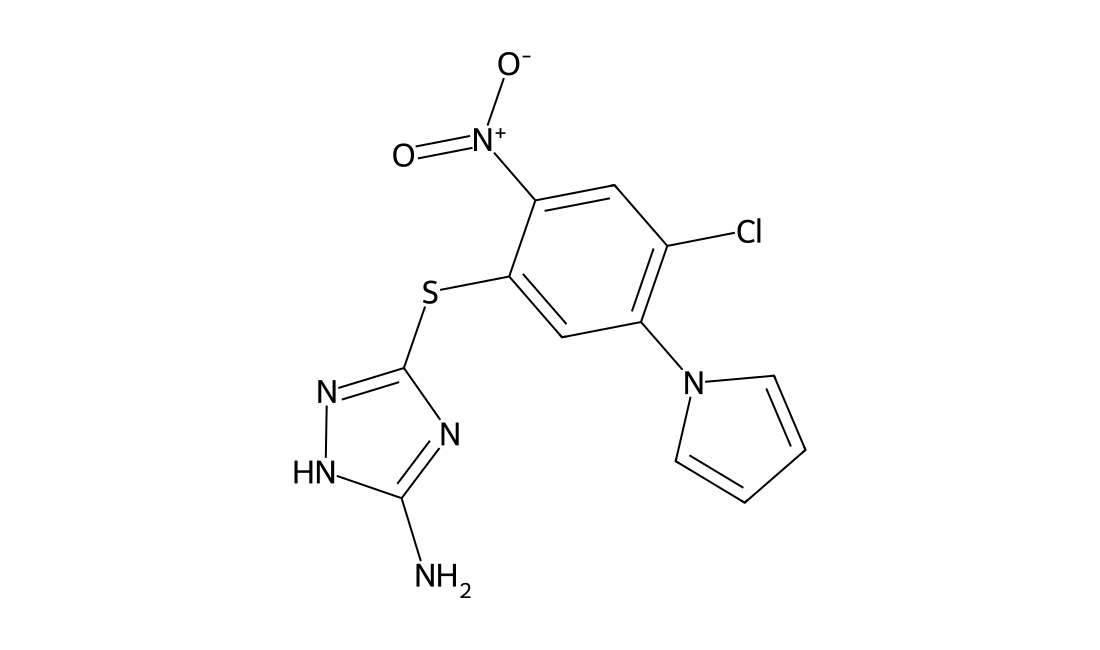
RH01687 is a small molecule that protect pancreatic β cells against endoplasmic reticulum stress-induced cell death; increases the survival of human primary β cells and rodent β cell lines subjected to ER stressors including palmitate; also restores ER stress-impaired glucose-stimulated insulin secretion responses.

RH01687 chemical structure
DC60182

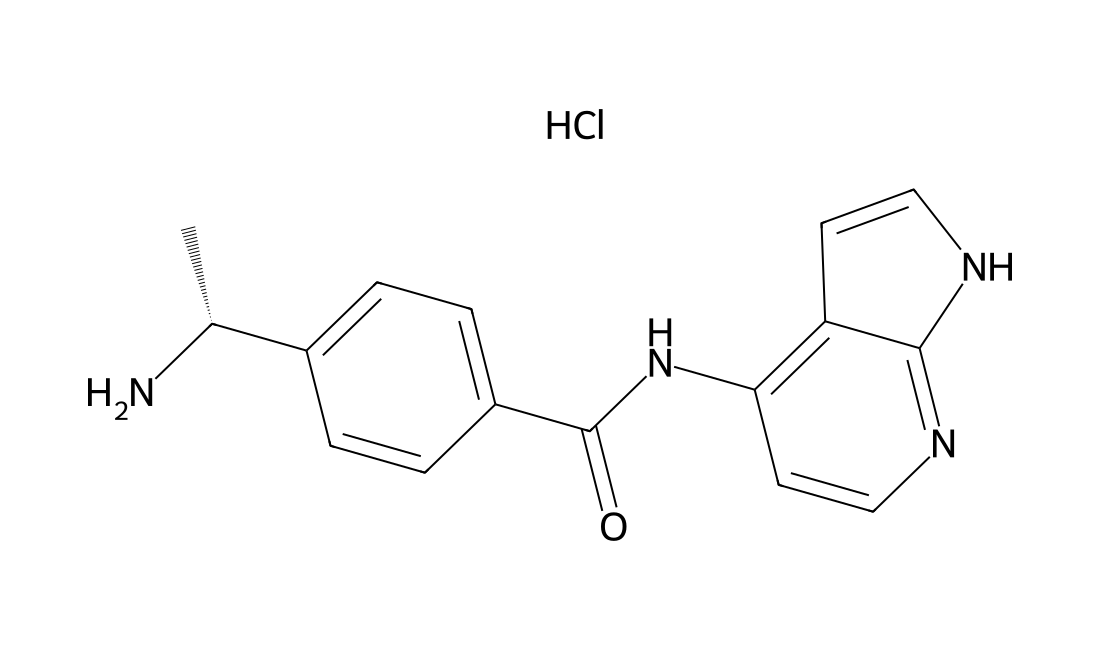
Y 39983HCl

CAS 471843-75-1

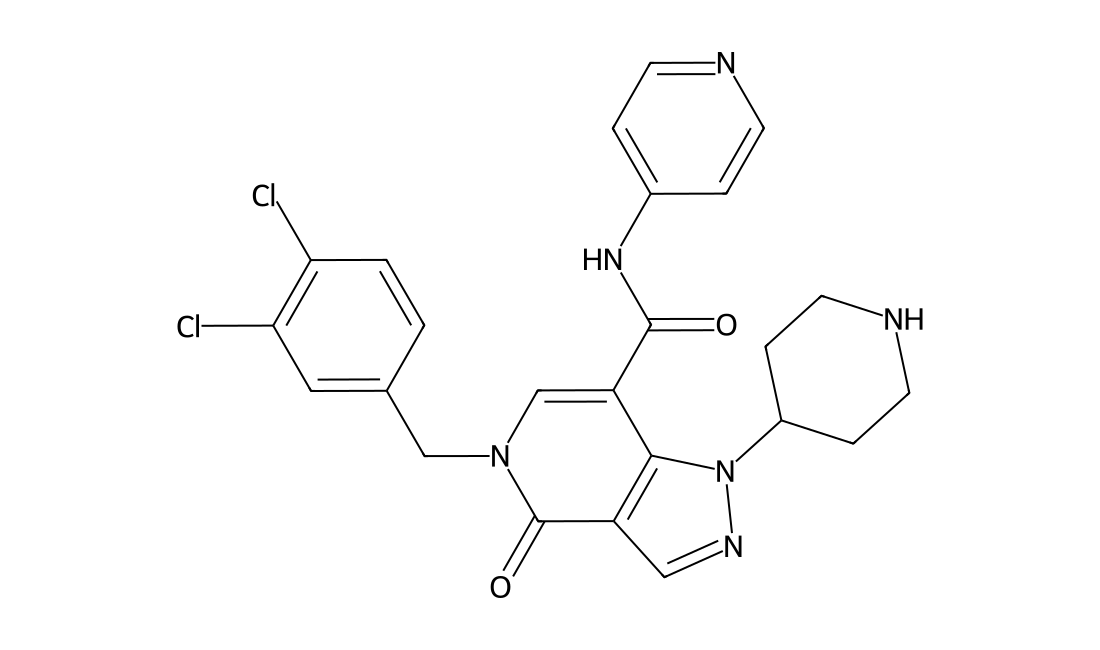
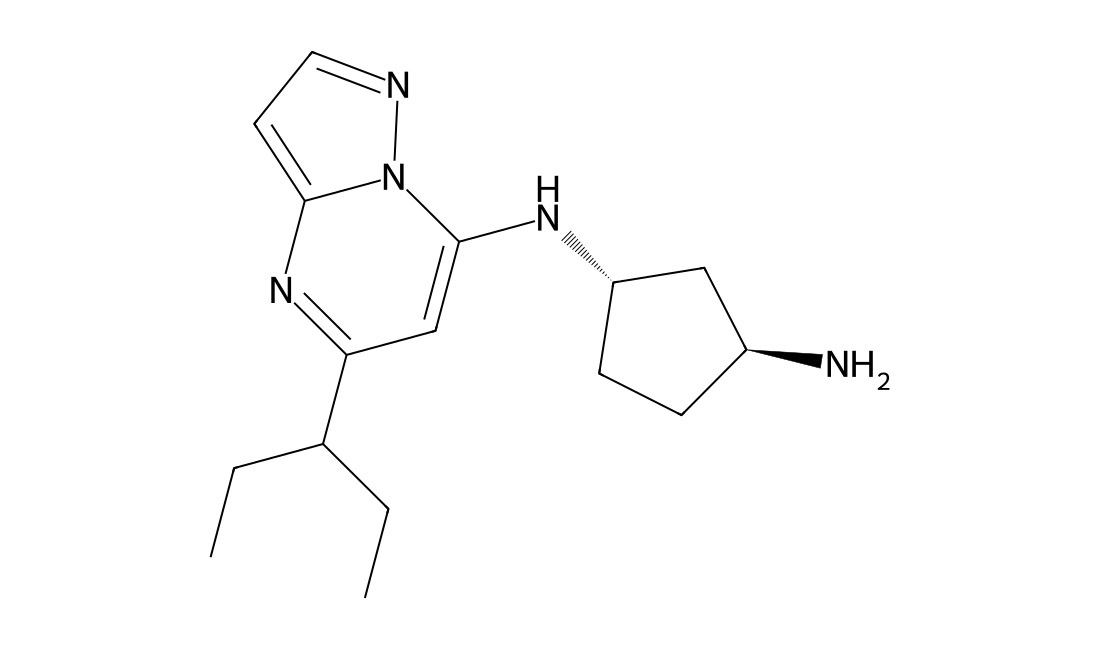
Y-39983, also known as Y-33075, is a potent and selective inhibitor of ROCK family with IC50 value of 3.6nM for ROCK. Y-39983 attenuates experimental autoimmune encephalomyelitis via inhibition of demyelination. Y-39983 downregulates RhoA/Rho-associated kinase expression during its promotion of axonal regeneration. Y-39983, promotes regeneration of crushed axons of retinal ganglion cells into the optic nerve of adult cats.

Y 39983HCl chemical structure
DC23403

LP99

CAS 1808951-93-0

LP99 is the first potent and selective BRD7/9 bromodomain inhibitor with Kd of 99 nM for BRD9; inhibits IL‐6 secretion from THP‐1 cells in a dose‐dependent manner; decreases BRET for both BRD7 and BRD9 in both the H3.3 and H4 systems in a dose‐dependent manner, with cellular IC50 values in the low micromolar range for both histones.

LP99 chemical structure
DC60194

Derazantinib dihydrochloride

CAS 1821329-75-2

Derazantinib is a multi-kinase inhibitor with pan-FGFR activity which has shown preliminary therapeutic activity against FGFR2 fusion-positive intrahepatic cholangiocarcinoma (iCCA). Derazantinib dihydrochloride is a salt of Derazantinib.

Derazantinib dihydrochloride chemical structure
DC46532

MAGL-IN-4

CAS 2135785-20-3

MAGL-IN-4 is an orally active, selective and reversible monoacylglycerol lipase (MAGL) inhibitor with an IC50 of 6.2 nM. MAGL-IN-4 can penetrate the blood-brain barrier (BBB). MAGL-IN-4 enhances endocannabinoid signaling mostly by the increase in the level of 2-AG via selective MAGL inhibition in the brain[1].

MAGL-IN-4 chemical structure
DC21152

MK-8591 (Islatravir)

CAS 865363-93-5

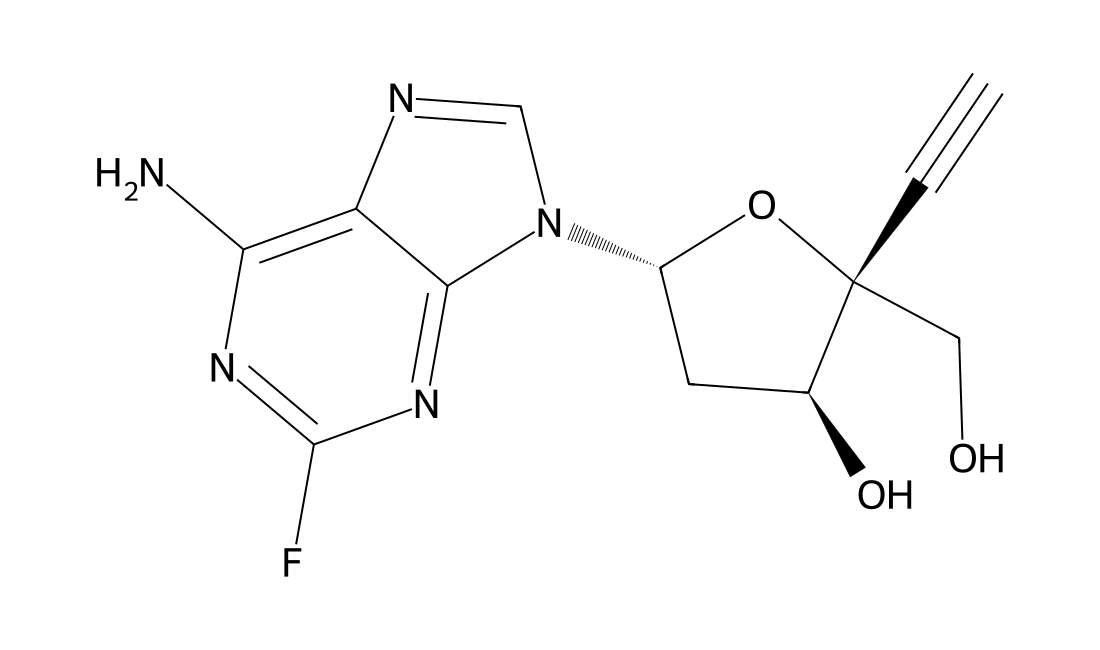
MK-8591 is a potent anti-HIV-1 agent, acting as a nucleoside reverse transcriptase inhibitor, with EC50s of 0.068 nM, 3.1 nM and 0.15 nM for HIV-1 (WT), HIV-1 (M184V), HIV-1 (MDR), respectively. HIV Infection

MK-8591 (Islatravir) chemical structure
DC20769

Pamiparib

CAS 1446261-44-4

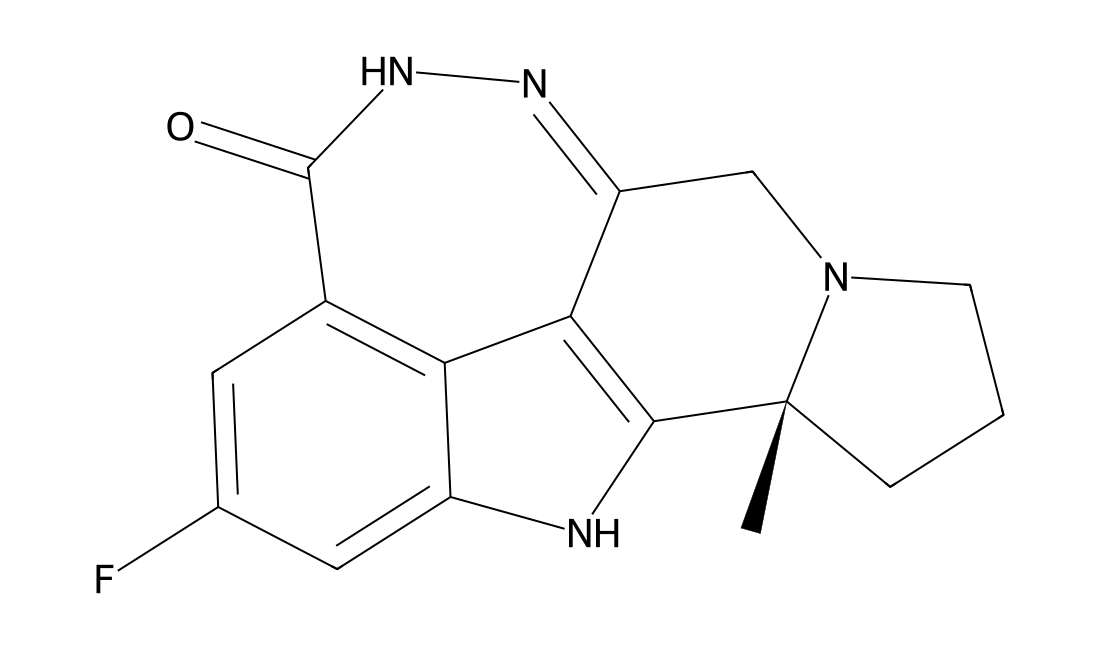
Pamiparib (BGB-290, BGB290) is a PARP inhibitor which can be used for the treatment of various cancers including the solid tumor, extracted from patent WO 2013097225 A1.

Pamiparib chemical structure
DC28337

BRD-K98645985

CAS 1357647-78-9

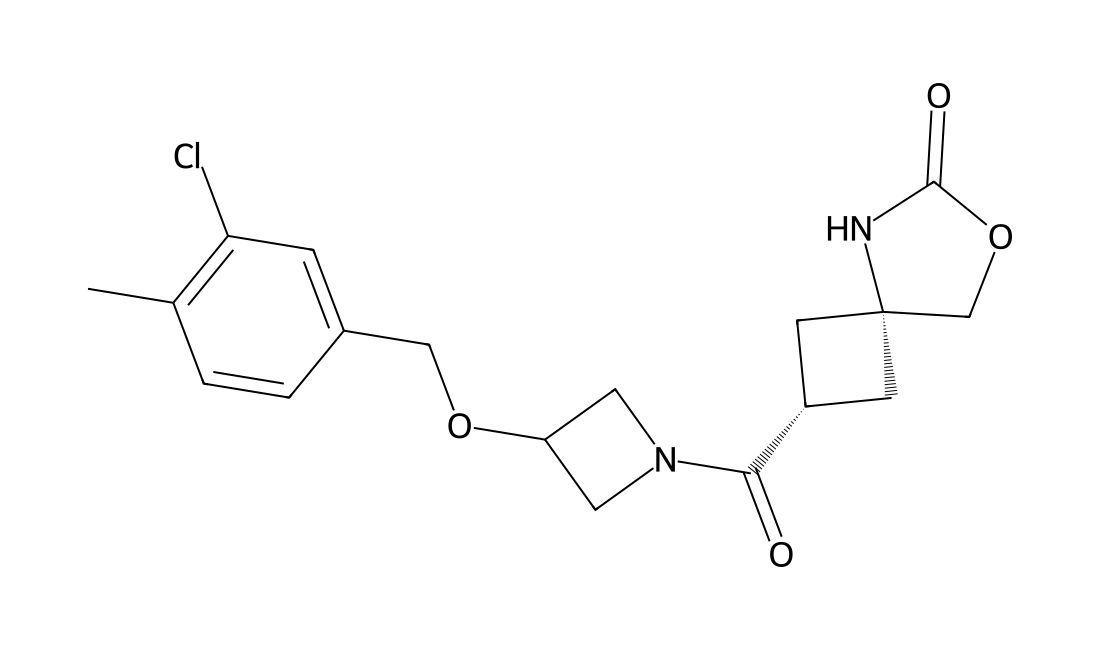
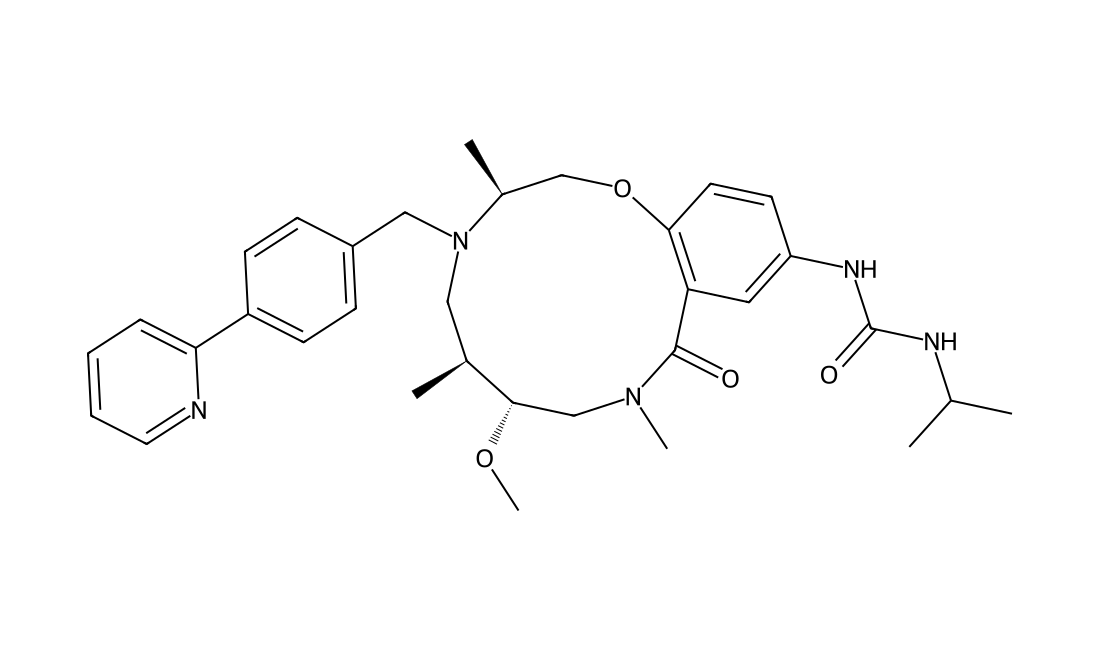
BRD-K98645985 is a class of 12-membered macrolactam and a BAF (Brg/Brahma-associated factors) transcriptional repression inhibitor with an EC50 of ~2.37 µM. BRD-K98645985 binds ARID1A-specific BAF complexes, prevents nucleosomal positioning, and potently reverses HIV-1 latency, and without T cell activation or toxicity[1].

BRD-K98645985 chemical structure
DC25065

NIBR 0213

CAS 1233332-14-3

NIBR-0213 is a potent and selective S1P1 antagonist with efficacy in experimental autoimmune encephalomyelitis. NIBR-0213 displays potent and comparable potency on human and rat S1P1 (IC50 of 2.0 nM and 2.3 nM, respectively) in GTPγ35S assays[1].

NIBR 0213 chemical structure
DC21806

ML-299

CAS 1426916-00-8

ML299 is a potent, CNS penetrant, dual phospholipase PLD1/PLD2 probe with IC50 of 6 nM/20 nM, respectively; robustly increases caspase 3/7 activation under serum-free conditions, provides a dose-dependent decrease (100 nM to 10 uM) in invasive migration in U87-MG cells, with statistical significance reached at both the 1 uM and 10 uM doses.

ML-299 chemical structure
DC29158

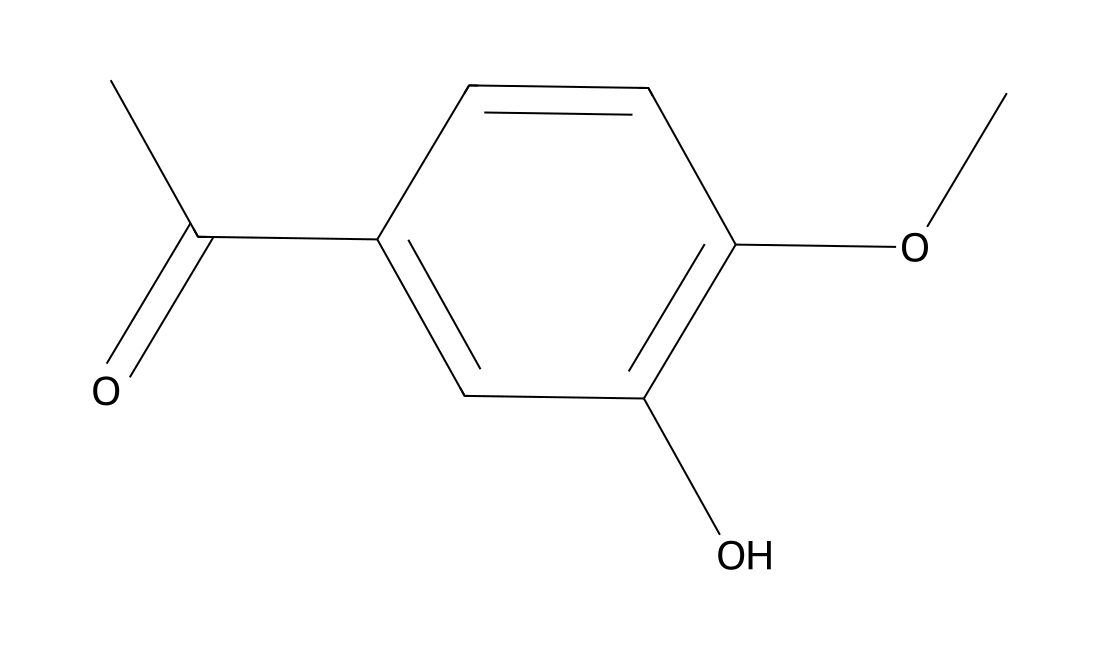
3-Hydroxy-4-methoxyacetophenone

CAS 6100-74-9

3-Hydroxy-4-methoxyacetophenone(Acetoisovanillone; Isoacetovanillone) is an active compound isolated from P. spinosa. Isoacetovanillone possesses anti-inflammatory activity and prevented injuries due to administration of acetic acid in the colon[1].

3-Hydroxy-4-methoxyacetophenone chemical structure
DC46921

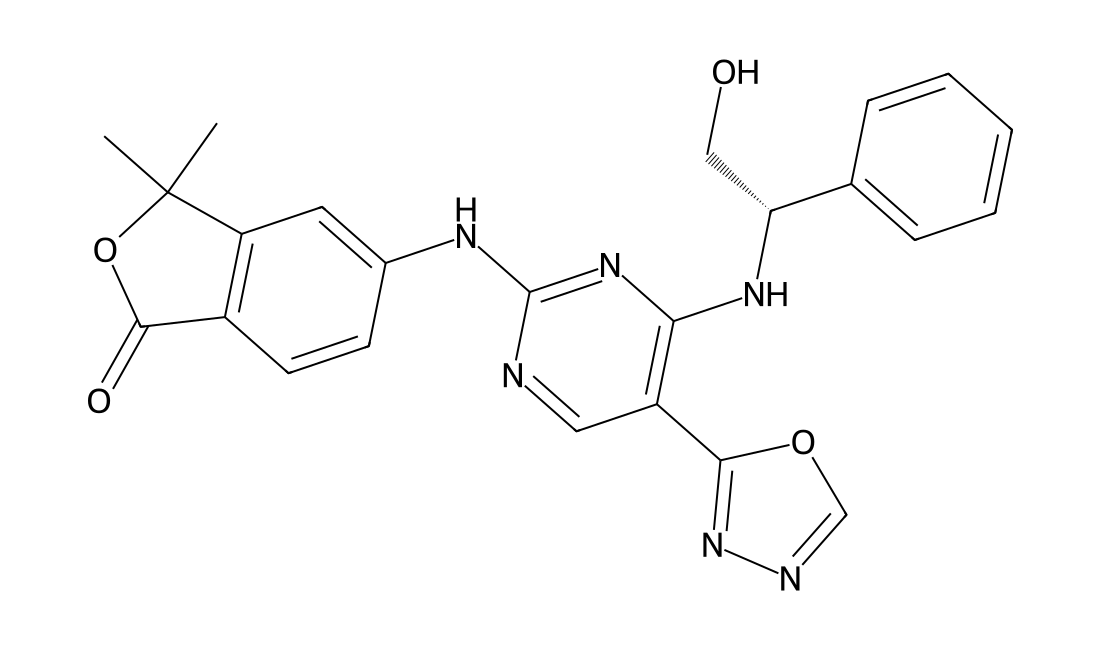
HPK1-IN-7

CAS 2320462-65-3

HPK1-IN-7 is a potent, orally active HPK1 (hematopoietic progenitor kinase 1, MAP4K1) inhibitor (IC50=2.6 nM) with excellent family and kinome selectivity. HPK1-IN-7 shows selectivity against IRAK4 (59 nM) and GLK (140 nM). HPK1-IN-7 shows robust efficacy against MC38 syngeneic tumor model in combination with anti-PD1[1].

HPK1-IN-7 chemical structure
DC31998

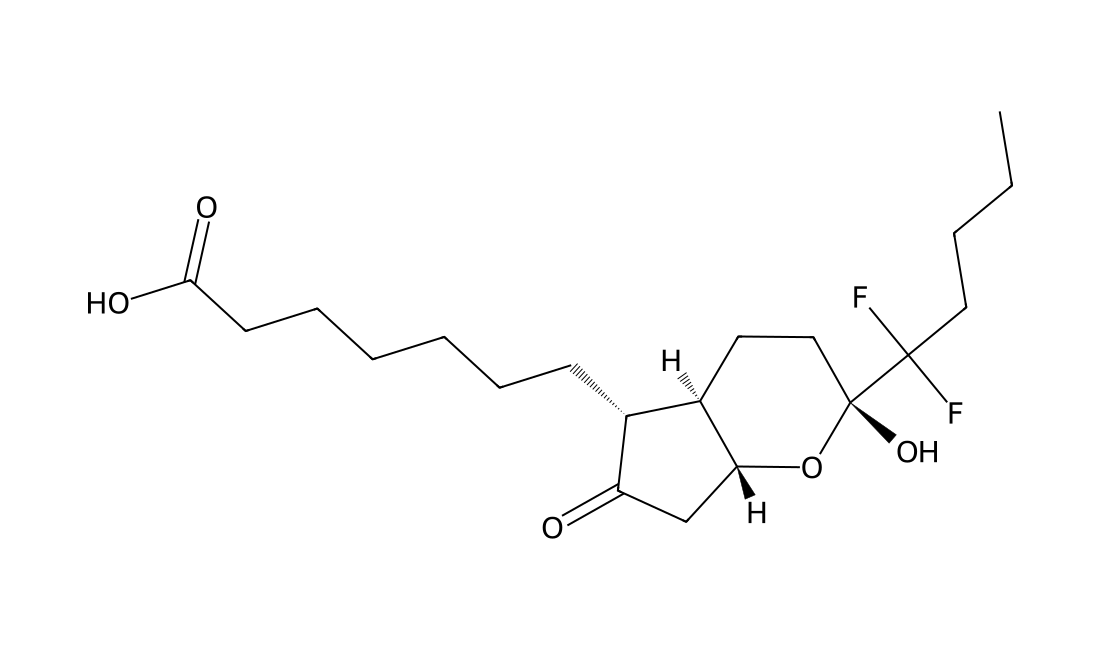
Lubiprostone (hemiketal)

CAS 333963-40-9

Lubiprostone, also known as RU-0211, is a medication used in the management of chronic idiopathic constipation, predominantly irritable bowel syndrome-associated constipation in women and opioid-induced constipation. It was initially approved by the U.S. Food and Drug Administration (FDA) in 2006. Lubiprostone is a bicyclic fatty acid derived from prostaglandin E1 that acts by specifically activating ClC-2 chloride channels on the apical aspect of gastrointestinal epithelial cells, producing a chloride-rich fluid secretion. These secretions soften the stool, increase motility, and promote spontaneous bowel movements (SBM).

Lubiprostone (hemiketal) chemical structure
DC11858

BAY-678

CAS 675103-36-3

BAY-678 is an orally bioavailable, highly potent, selective and cell-permeable inhibitor of human neutrophil elastase (HNE), with an IC50 of 20 nM. BAY-678 is also nominated as a chemical probe to the public via the Structural Genomics Consortium (SGC).

BAY-678 chemical structure
DC39082

BCH001

CAS 384859-58-9

BCH001 is a specific PAPD5 inhibitor that restores telomerase activity and telomere length in dyskeratosis congenita (DC) patient induced pluripotent stem cells. PAPD5 is a noncanonical poly(A) polymerase with an unusual RNA-binding motif.

BCH001 chemical structure
DC45577

Norbergenin

CAS 79595-97-4

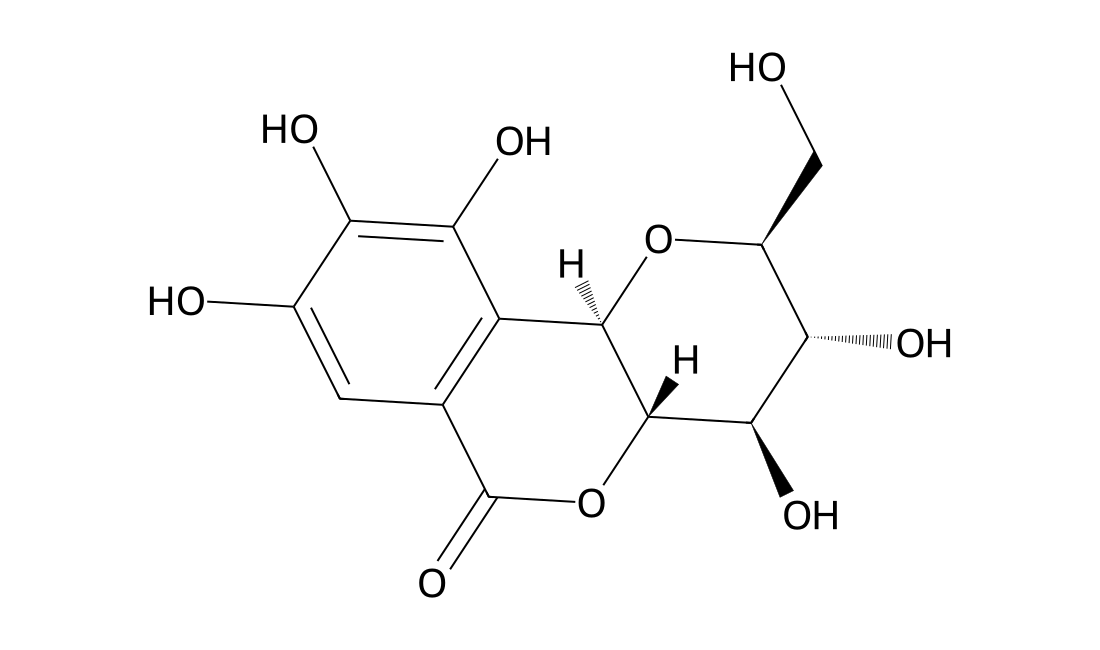
Norbergenin, the O-demethyl derivative of bergenin, shows moderate antioxidant activity (IC50 13 μM in DPPH radical scavenging; 32 μM in superoxide anion scavenging)[1].

Norbergenin chemical structure
DC60072

MM-102 TFA

CAS 1883545-52-5

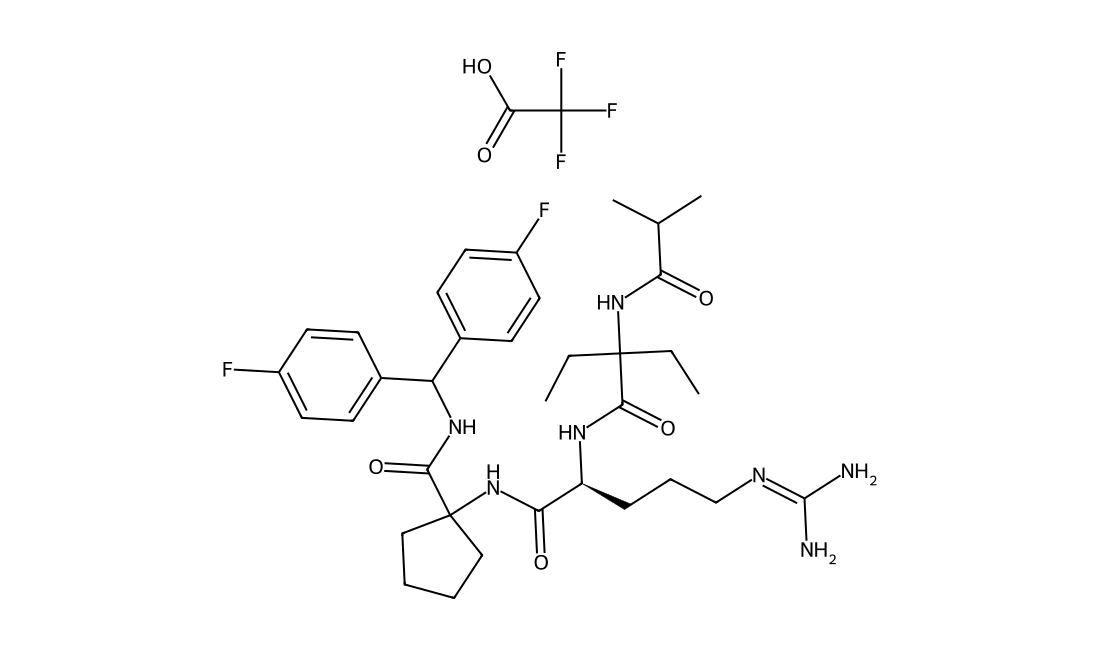
MM-102 (HMTase Inhibitor IX) TFA is a potent WDR5/MLL interaction inhibitor, achieves IC50 = 2.4 nM with an estimated Ki < 1 nM in WDR5 binding assay, which is >200 times more potent than the ARA peptide.

MM-102 TFA chemical structure
DC43797

GW280264X

CAS 866924-39-2

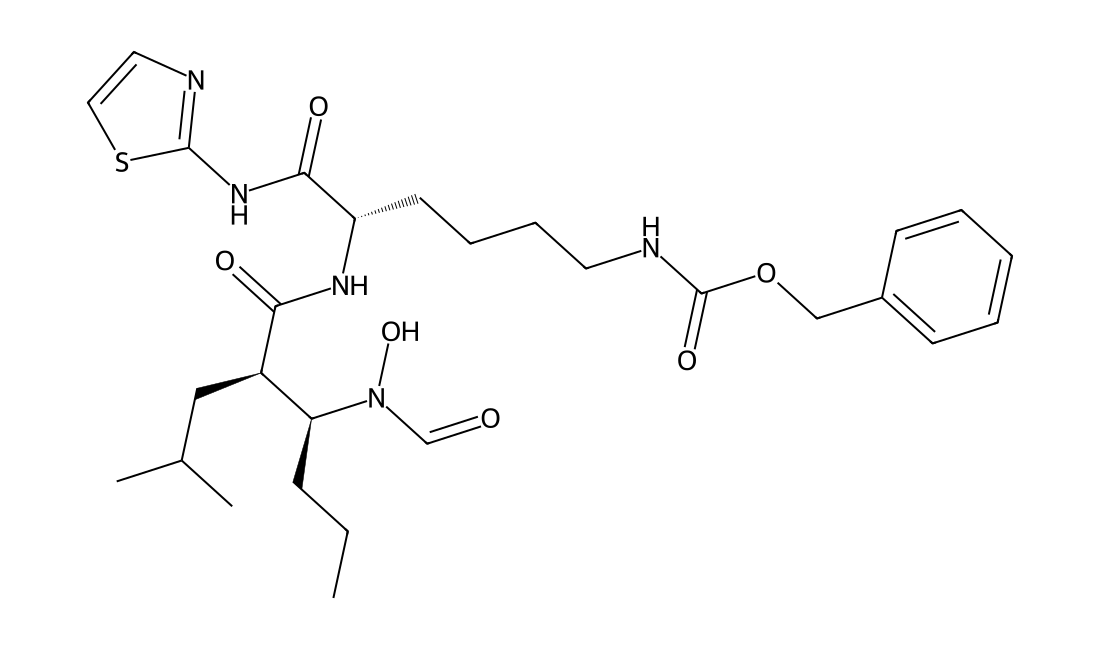
GW280264X is the mixed ADAM10/TACE (ADAM17) metalloproteinases inhibitor. GW280264X potently blocks TACE (ADAM17) and ADAM10 with IC50s of 8.0 nM and 11.5 nM, respectively[1]. ADAM10 and 17 modulate the immunogenicity of glioblastoma-initiating cells[2].

GW280264X chemical structure
DC10667

Gea3162

CAS 144576-10-3

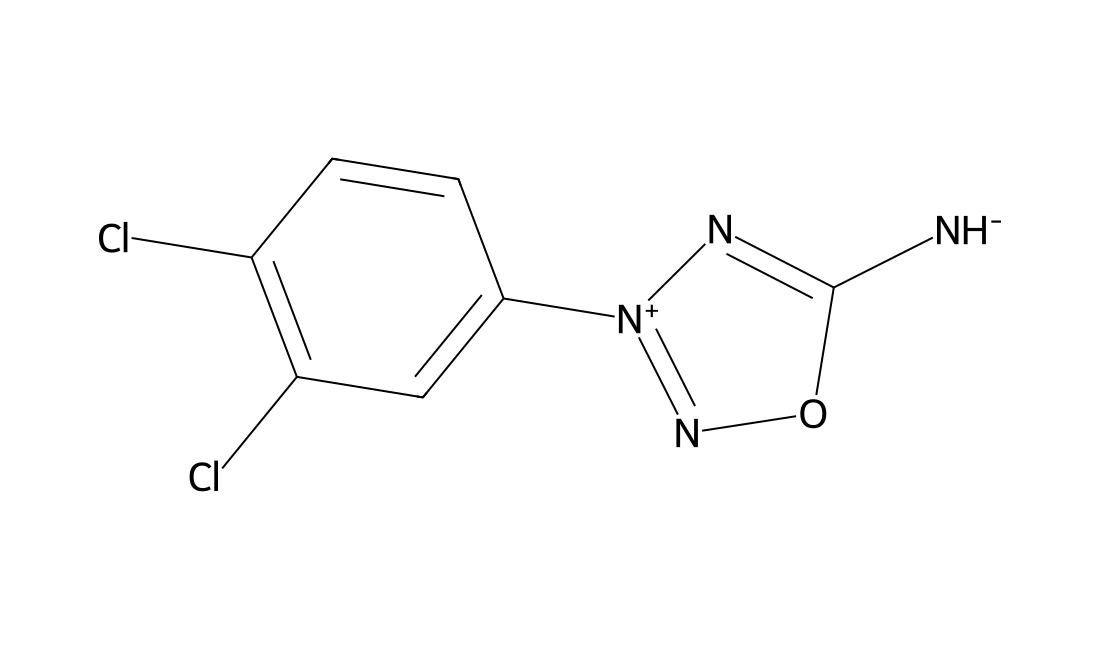
Gea 3162 is a potent inhibitor of ADP-induced platelet aggregation in platelet rich plasma (PRP). GEA 3162 stimulates cGMP production in platelets, granulocytes, and polymorphonuclear leukocytes.

Gea3162 chemical structure
DC60017

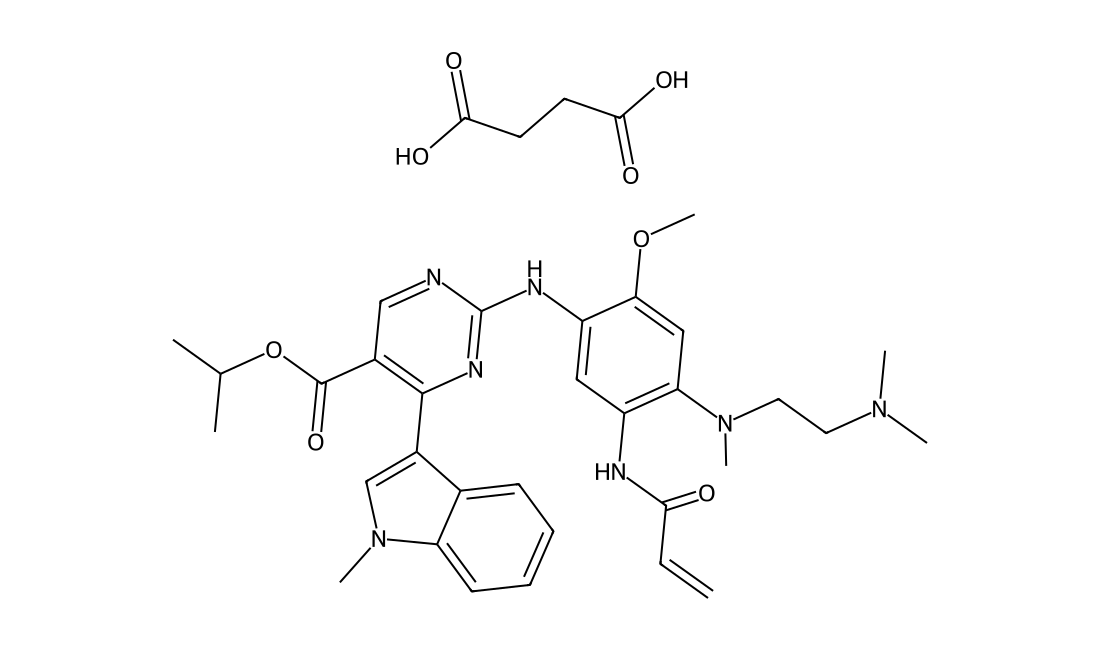
Mobocertinib (succinate)

CAS 2389149-74-8

Mobocertinib succinate (compound A) is a potent epidermal growth factor receptor (EGFR) inhibitor and an antineoplastic agent, extracted from patent WO2019222093A1, compound A[1][2].

Mobocertinib (succinate) chemical structure
DC8625

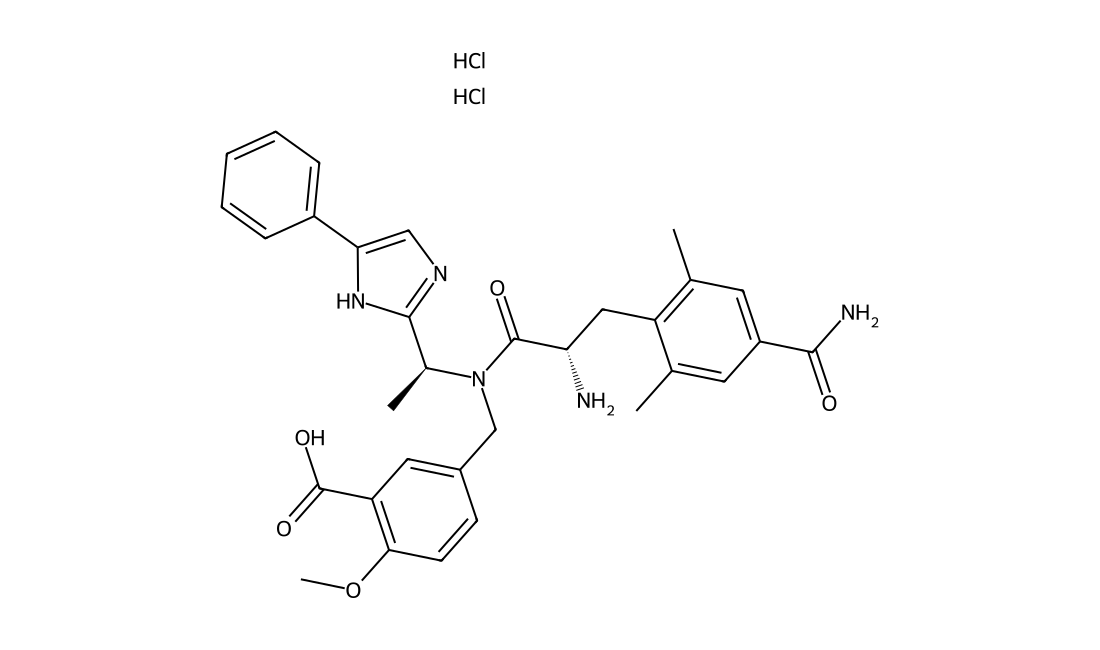
Eluxadoline Dihydrochloride

CAS 864825-13-8

Eluxadoline Dihydrochloride is an orally active mixed μ opioid receptor (μOR) agonist δ opioid receptor (δOR) antagonist. in vitro: Eluxadoline is a locally active, mixed ?-opioid receptor (?OR) agonist and δ-opioid receptor (δOR) antagonist being developed for the treatment of IBS-d (diarrhea-predominant irritable bowel syndrome).Eluxadoline, an orally active mixed μ opioid receptor (μOR) agonist δ opioid receptor (δOR) antagonist developed for the treatment of diarrhea-predominant irritable bowel syndrome, normalizes gastrointestinal (GI) transit and defecation under conditions of novel environment stress or post-inflammatory altered GI function. in vivo: Coadministration of a single 200 mg dose of eluxadoline with cyclosporine, and probenecid increased eluxadoline systemic exposure [AUC(0-inf) ] by 4.4- and 1.4-fold, respectively, whereas peak exposure (Cmax) increased 6.2-fold and 1.3-fold, respectively. Cyclosporine had little effect on renal clearance (CLren) of eluxadoline whereas probenecid reduced CLren by nearly 50%.

Eluxadoline Dihydrochloride chemical structure
DC11409

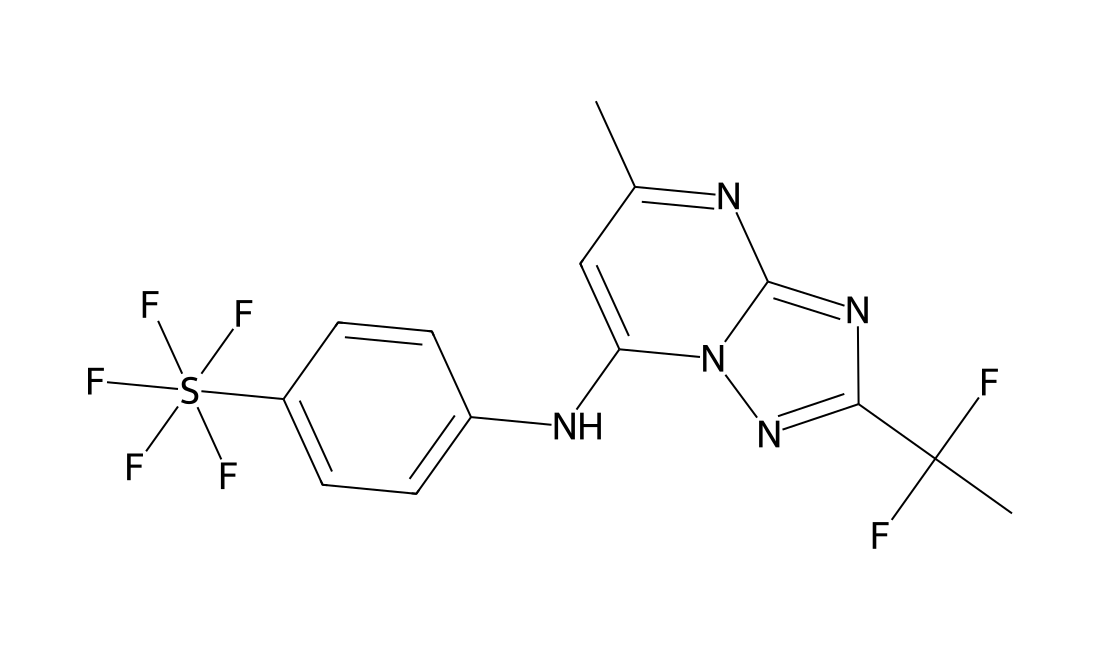
DSM265

CAS 1282041-94-4

DSM265 is a PfDHODH inhibitor with an IC50 of 8.9 nM. DSM265 can also inhibit the growth of P. falciparum 3D7 parasites with an EC50 of 4.3 nM.
DSM265 chemical structure
DC28117

Luzindole

CAS 117946-91-5

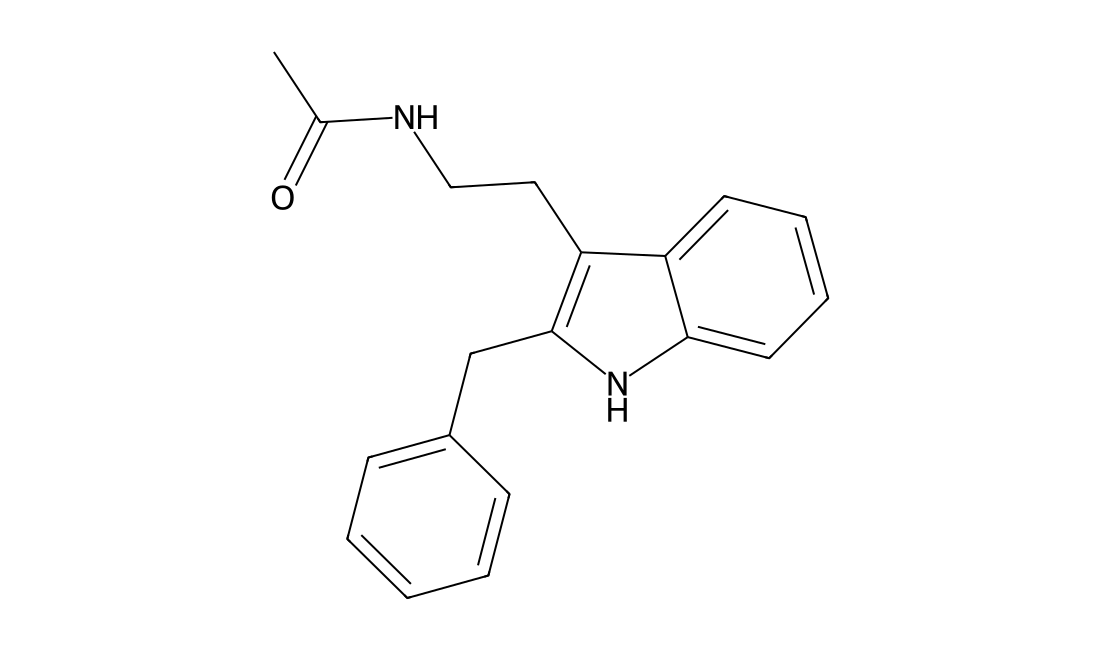
Luzindole (N-0774) is a selective melatonin receptor antagonist. Luzindole preferentially targets MT2 (Mel1b) over MT1 (Mel1a) with Ki values of 10.2 and 158 nM for human MT2 and MT1, respectively. Luzindole suppresses experimental autoimmune encephalomyelitis (EAE), and exerts antidepressant-like activity[1][2][3].

Luzindole chemical structure
DC33186

nor-NOHA acetate

CAS 1140844-63-8

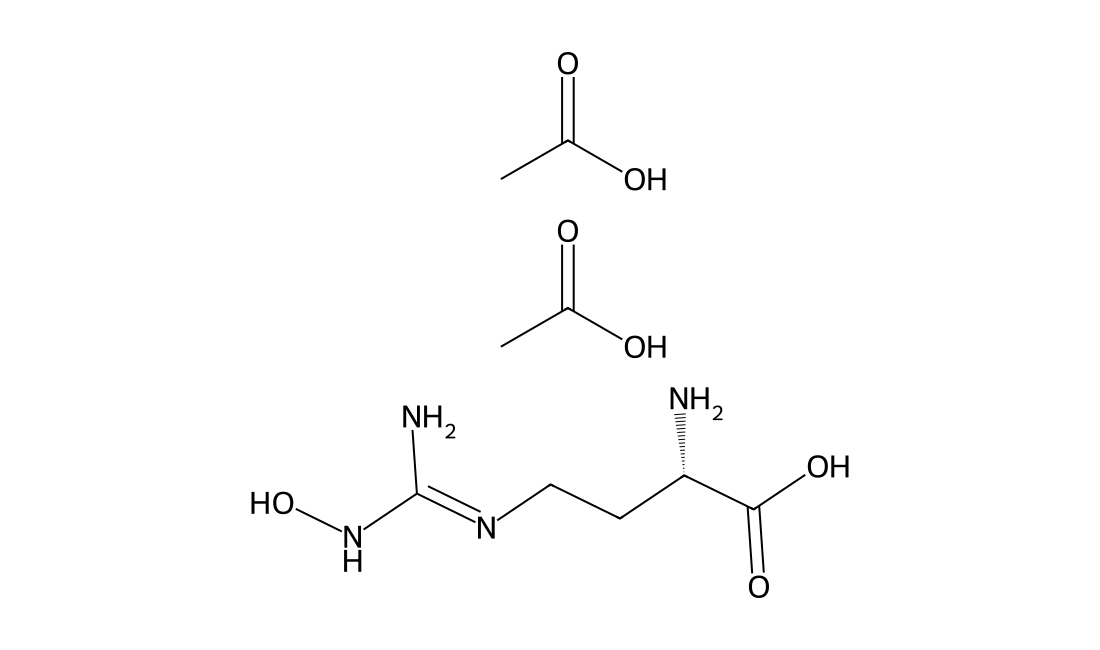
nor-NOHA acetate is a specific and reversible arginase inhibitor, induces apoptosis in ARG2-expressing cells under hypoxia but not normoxia. Anti-leukemic activity, effective in endothelial dysfunction, immunosuppression and metabolism[1].

nor-NOHA acetate chemical structure
Browse target & topic index A–Z (366)
11β-HSD (1)15-PGDH (2)5-HT Receptor (16)Acetyl-CoA Carboxylase (ACC) (3)Acetylcholinesterase (AChE) (2)Ack1 (TNK2) (1)Acyltransferase (1)ADC Cytotoxin (6)ADCs Linker/Click Chemistry (5)Adenosine Receptor (9)Adenylate Cyclase (2)Adrenergic Receptor (11)Akt (12)Alcoholism (2)Aldehyde Dehydrogenase (ALDH) (6)Allergy (5)Alzheimer Disease (13)Aminopeptidase (1)AMPK (8)Amyloids (4)Anaplastic Lymphoma Kinase (ALK) (9)Androgen Receptor (AR) (11)Anemia (4)Angiotensin Receptor (4)Antibody/Protein labeling dyes (1)Antifolate (2)Anxiety (1)Apoptosis Inducer (3)Arginase (1)Arp2/3 complex (1)Aryl hydrocarbon Receptor (AhR) (1)Asthma (5)Atherosclerosis (2)ATM/ATR (8)Aurora Kinase (10)Autophagy (6)Autophagy-related Protein (Atg) (2)Autotaxin (2)Bacterial (26)Bacterial Infection (17)Bcl-2 (14)Bcr-Abl (5)BCRP (1)Beta-catenin (4)Beta-secretase (BACE) (4)Blood Cancer (91)BMI-1 (1)Bone Cancer (6)Brain Cancer (6)Breast Cancer (30)Bromodomain (22)BTK (10)c-Fms (CSF1R) (5)c-Fos/AP-1 (1)c-Kit (6)c-Met (HGFR) (11)c-Myc (2)Calcium Channel (4)Calcium-sensing Receptor (CaSR) (1)CaMK (4)Cannabinoid Receptor (6)Carbonic Anhydrase (1)Carboxypeptidase (1)Casein Kinase (6)Caspase (4)Cathepsin (6)Cdc2-like Kinase (CLK) (1)CETP (2)CFTR (7)Checkpoint Kinase (Chk) (8)Chemokine Receptor (CCR and CXCR) (14)Chemotherapeutic Agents (19)Chloride Channel (1)CMV (2)CMV Infection (2)Colon Cancer (9)Complement System (1)COPD (3)CREB/CBP (2)CRF Receptor (2)CRISPR/Cas9 (1)Cushing Disease (1)Cyclin-dependent Kinase (CDK) (39)Cyclooxygenase (COX) (4)Cytochrome P450 (CYPs) (5)Depression (2)Dermatitis (2)Deubiquitinase (DUB) (7)Diabetes (20)Dipeptidyl Peptidase (DPP) (3)Discoidin Domain Receptor (DDR) (1)DNA Alkylator/Crosslinker (10)DNA Methyltransferase (DNMT) (1)DNA Repair Protein (1)DNA-PK (2)DNA/RNA Synthesis (5)Dopamine beta-hydroxylase (1)Dopamine Receptor (7)Drug Metabolite (1)Drug-Linker Conjugates (11)Dyes (4)DYRK (1)Dyslipidemia (9)E3 Ligase Ligand (6)E3 Ligase Ligand-Linker Conjugate (1)E3 Ubiquitin Ligase (4)Ebola Virus Infection (1)EGFR (32)Elastase (2)Endothelin Receptor (5)Enzymes substrates (13)Epigenetic Reader Domain (3)Epilepsy (4)ERK (4)Estrogen Receptor/ERR (13)Eukaryotic Initiation Factor (eIF) (2)Exportin-1 (CRM1,XPO1) (2)FABP (1)Factor Xa (5)Farnesoid X Receptor (FXR) (5)Farnesyl transferase (FTase) (1)Ferroptosis (6)FGFR (20)Fibrosis (5)FLT3 (6)Focal Adhesion Kinase (FAK) (11)Foxo1 (1)Free Fatty Acid Receptor (FFAR) (5)Fungal (2)Fungal Infection (1)GABA Receptor (13)Galectin (1)Gastric Cancer (8)Ghrelin Receptor (GHSR) (3)Glucagon Receptor (4)Glucokinase (2)Glucose Transporter (GLUT) (2)Glutamate Transporter (2)GPCR (1)GPER (GPR30) (1)GPR139 (1)GPR183 (EBI2) (2)GPR39 (1)GPR55 (1)GPR84 (1)GRK (GPCRK) (2)Growth Hormone Deficiency (2)GSK-3 (8)Guanylate Cyclase (3)HBV (1)HBV Infection (1)HCN Channel (2)HCV (8)HCV Infection (9)HDAC (38)Heart Arrhythmia (2)Heart Failure (5)Heat Shock Protein (HSP) (15)Hedgehog (Hh) (1)HIF/HIF Prolyl-hydroxylase (8)Histamine Receptor (6)Histone Acetyltransferase (HAT) (5)Histone Demethylase (11)Histone Methyltransferase (HMTase) (31)HIV (12)HIV Infection (11)HMG-CoA Reductase (HMGCR) (3)HSV (1)HSV Infection (1)Hypercholesterolemia (1)Hyperparathyroidism (1)Hypertension (8)IAP (1)IGF-1R (3)iGluR (15)Indoleamine 2,3-Dioxygenase (IDO) (4)Infection (1)Influenza (6)Influenza Virus (6)Insulin Receptor (2)Integrin (6)Interleukin Receptor (1)IRAK (2)IRE1 (4)Irritable Bowel Syndrome (2)Ischemia (1)Isocitrate Dehydrogenase (IDH) (5)ITK (1)IκB kinase (IKK) (7)JAK (32)JNK (3)Keap1-Nrf2 (6)Kidney Cancer (10)Kinesin (5)Kruppel-like Factor (KLF) (1)Kynurenine 3-Monooxygenase (KMO) (1)Leukotriene Receptor (1)LIM Kinase (LIMK) (3)Lipids fragment (1)Liver Cancer (6)Liver X Receptor (LXR) (3)LRRK2 (9)Lung Cancer (39)Lysophospholipid Receptor (12)LYTACs (3)mAChR (9)MALT1 (2)MAP4K (1)Matrix Metalloproteinase (MMP) (10)MDM2-p53 (9)MEK (MAP2K) (14)MEKK (MAP3K) (1)Melanocortin Receptor (2)MELK (1)mGluR (7)MicroRNA (1)Microtubule/Tubulin (5)Mineralocorticoid Receptor (MLR) (1)MITF (1)Mixed Lineage Kinase (MLK) (3)MNK (2)Molecular Glues (21)Monoamine Transporter (5)Monocarboxylate Transporter (MCT) (1)Monopolar Spindle 1 (Mps1/TTK) (3)mTOR (13)Multiple Sclerosis (6)Myosin (1)Na-K-Cl Cotransporter (NKCC) (2)nAChR (2)NADPH Oxidase (NOX) (2)NAMPT (3)Natural products (37)Neprilysin (1)Neurokinin Receptor (3)Neuropeptide Y Receptor (3)NF-κB (5)Nitric Oxide Synthase (NOS) (1)NOD-like Receptor (NLR) (3)Notch (2)Nucleoside Antimetabolite/Analog (10)Nur77 (NR4A1) (1)Obesity (1)Oct3/4 (1)Opioid Receptor (5)Orexin Receptor (7)Osteoporosis (2)Ovarian Cancer (14)Oxytocin Receptor (OXTR) (2)P-glycoprotein (P-gp) (3)p21-activated Kinase (PAK) (1)P2X Receptor (2)P2Y Receptor (1)p38 MAPK (10)p97/VCP (1)Pain (12)Pancreatic Cancer (10)Parasite (5)Parasite Infection (2)Parkinson Disease (2)PARP (19)PCSK9 (1)PD-1/PD-L1 (4)PDGFR (4)PDK1 (2)PEGn (1)PERK (2)PGE synthase (2)Phosphodiesterase (PDE) (9)Phospholipase (4)PI3K (32)PI4K (2)Piezo Channel (1)PIKfyve (3)Pim (9)PKC (12)PKD (1)Plasminogen Activator Inhibitor-1 (PAI-1) (3)Polo-like Kinase (PLK) (4)Porcupine (3)Potassium Channel (13)PPAR (13)Pregnane X Receptor (PXR) (1)Progesterone Receptor (2)Prostaglandin Receptor (11)Prostate Cancer (7)PROTACs (35)Protease-activated Receptor (PAR) (3)Proteasome (12)Protein Disulfide Isomerase (PDI) (1)Protein Phosphatase/PTP (6)Proton Pump (1)Psoriasis (5)RAD51 (1)Radioligand precursors (15)Raf (18)RAR/RXR (3)Ras (17)Renin (2)RET Tyrosine Kinase (c-RET) (3)Rheumatoid Arthritis (16)Ribosomal S6 Kinase (RSK) (5)RIG-I-like Receptor (RLR) (2)RIP kinase (7)ROCK (12)ROR (2)RSV (4)RSV Infection (3)RUNX1-CBFβ (1)S-nitrosoglutathione reductase (GSNOR) (1)Saccharides and Glycosides (1)Salt Inducible Kinase (SIK) (2)SARS-CoV (16)SARS-CoV Infection (34)Schizophrenia (4)Sexual Dysfunction (1)SGLT (4)Sigma Receptor (4)Sirtuin (9)Skin Cancer (13)Sleep Disorder (7)SMN2 Modulator (1)Smoothened (Smo) (9)Sodium Channel (12)Solid Tumors (35)Somatostatin Receptor (2)Sphingosine kinase (SphK) (2)Src (7)STAT (5)Stearoyl-CoA Desaturase (SCD) (1)Steatohepatitis (7)Sterol lipids (1)STING (14)Syk (6)T Cell Receptor (TCR) (1)TAK1 (2)TAM Receptor (Tyro3-Axl-Mer) (4)Taste Receptor (1)Telomerase (2)TGF beta Receptor (TGFBR) (12)Thrombin (3)Thrombosis (13)Thyroid Cancer (1)Thyroid Hormone Receptor (THR) (1)Thyrotropin Receptor (2)TNIK (1)Toll-like Receptor (TLR) (2)TOPK (1)Topoisomerase (11)TRAIL (1)Translocator Protein (TSPO) (1)Trk Receptor (4)TRP Channel (13)Tryptophan Hydroxylase (TPH) (1)Ubiquitin-activating Enzyme (E1) (2)Ubiquitin-conjugating Enzyme (E2) (2)Ulcer (1)ULK (3)Vasopressin Receptor (2)VEGFR (25)Vitamin D Receptor (VDR) (3)Wee1 (1)WNK Kinase (1)Wnt (5)Yes-associated Protein (YAP) (4)γ-secretase (5)

Cart

Request quotation