Small Molecule Research Tools

Explore bioactive compounds by research category, then narrow your search by target, product name, catalog number or CAS.

Newly added: LC-MG and OXF molecular glue research compounds →

6,823 products17 research categoriesBrowse all products ↓

Browse by research category

Products may appear in more than one category. Counts refer to distinct catalog numbers within each category.

Other Research Tools (75) · Additional reagents, building blocks and specialized research tools.

New literature-derived products

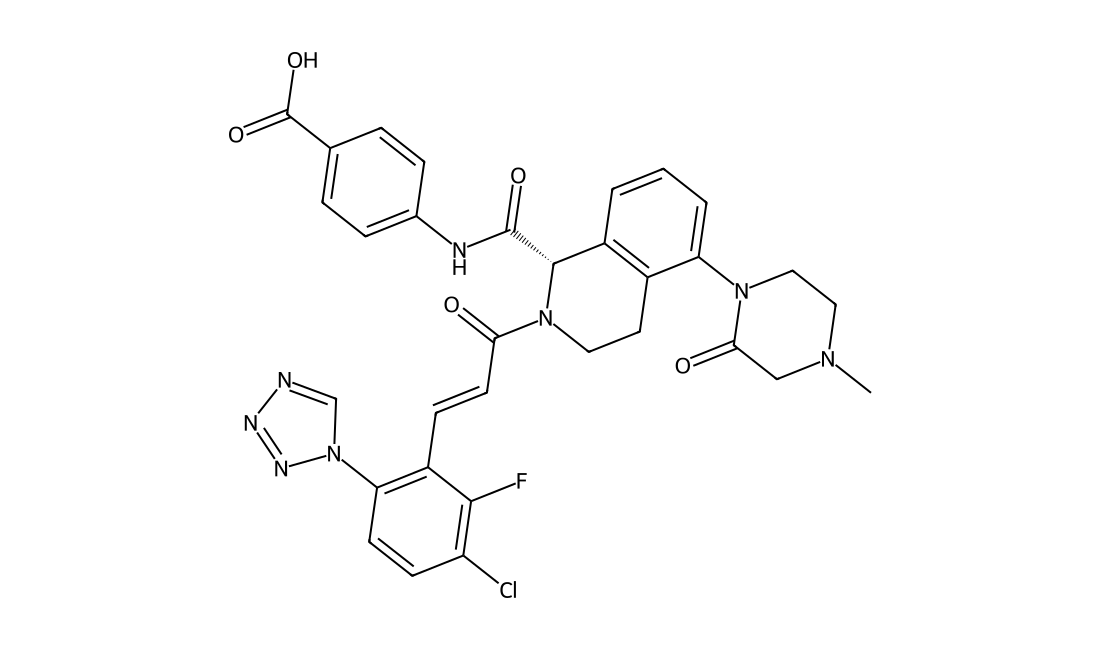
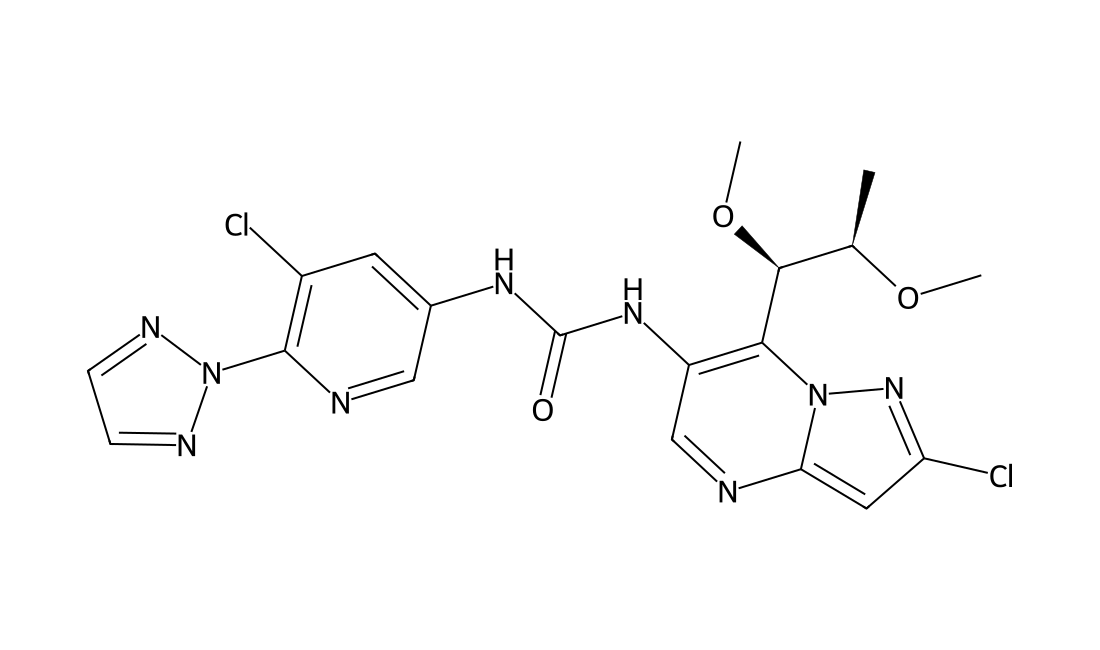
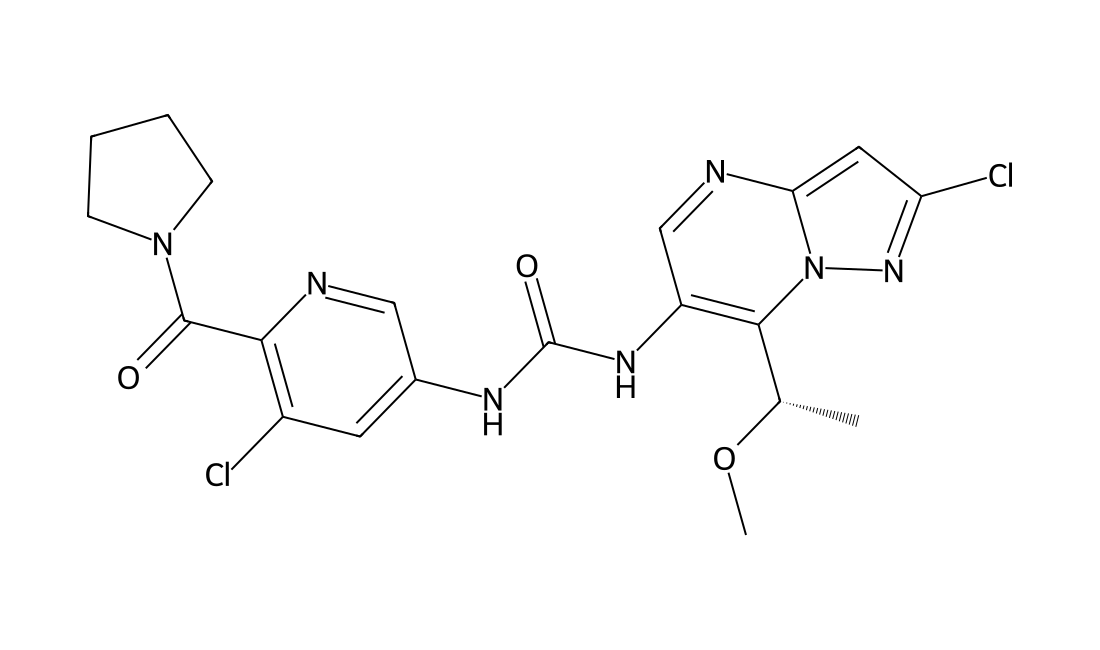
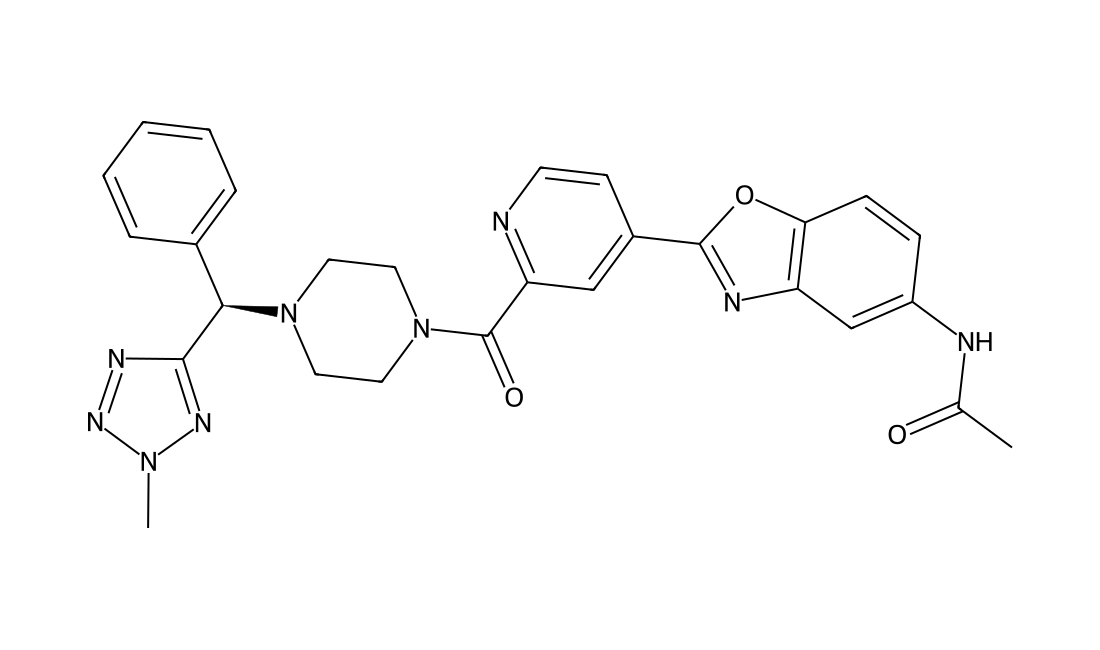
LC-MG-1 (DCA0006) · LC-MG-4 (DCA0007) · LC-MG-9 (DCA0008)

View structure and evidence summaries →

All small molecule products

Combine a keyword, research category and target to narrow the product list.

Loading catalog filters…

6,823 products · Showing 5,905–5,952

DC72765

Evocalcet

CAS 870964-67-3

Evocalcet (KHK7580) is an novel oral calcimimetic agent which acts via allosteric activation of the calcium sensing receptor (CaSR). Evocalcet (0, 20 and 60 nM) dose-dependently increases cytoplasmic [Ca2+] concentrations with an EC50 value of 92.7 nM in hCaR-HEK293 cells.

Evocalcet chemical structure
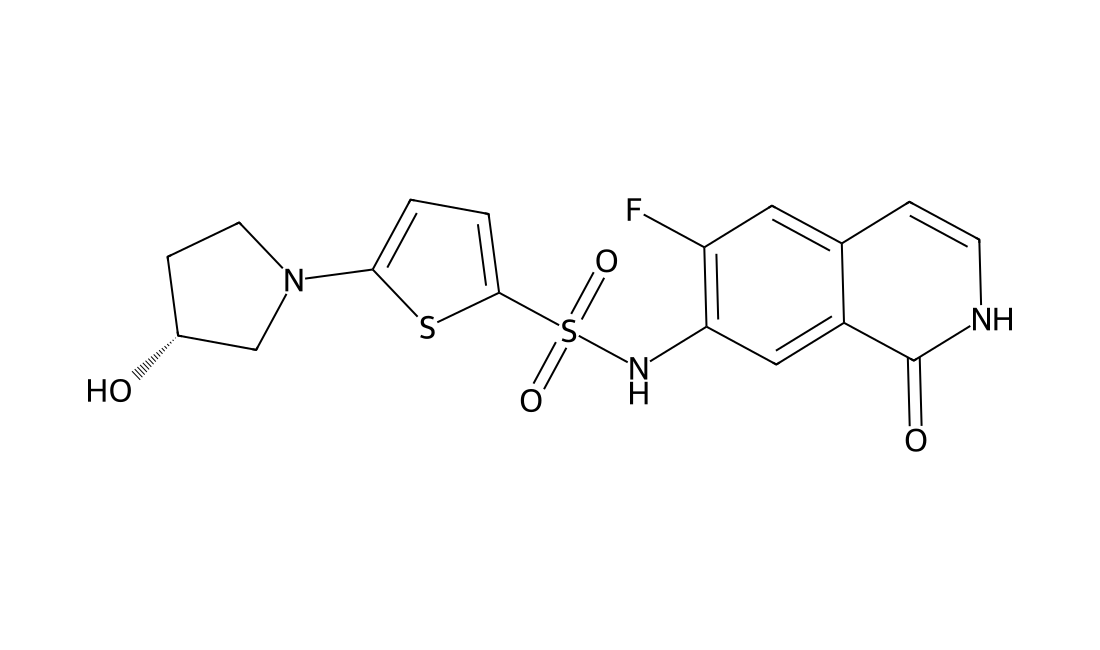
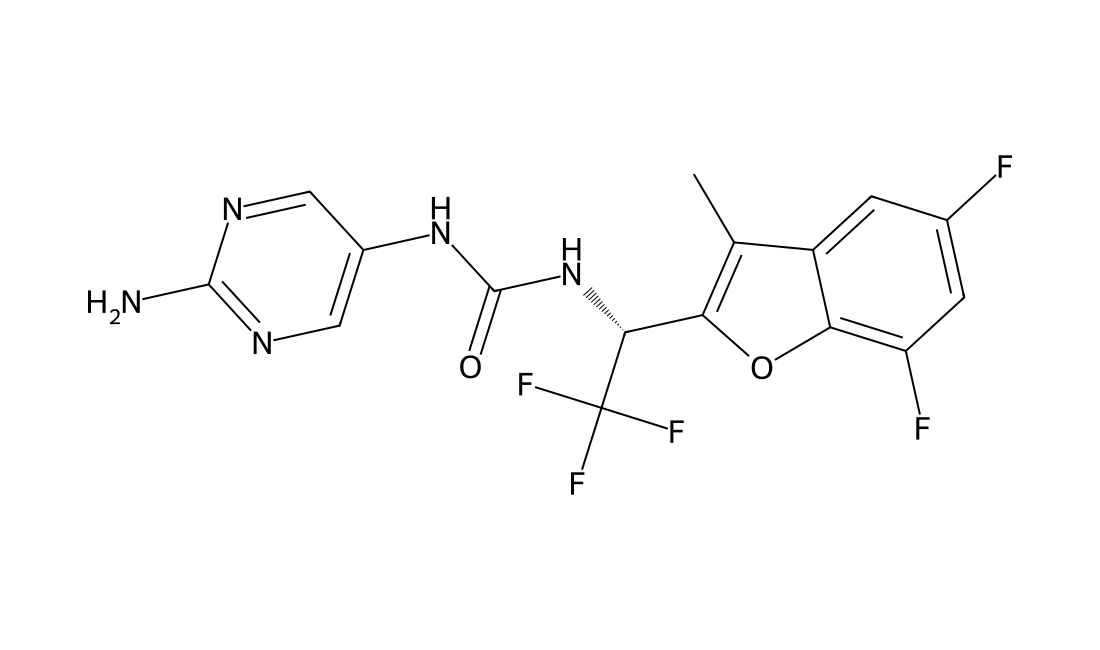
DC21249

LSN 3213128

CAS 1941211-99-9

LSN 3213128 is a novel potent, selective and orally-bioavailable antifolate with potent and specific inhibitory activity for AICARFT; results in dramatic elevation of 5-aminoimidazole 4-carboxamide ribonucleotide (ZMP) and growth inhibition in NCI-H460 and MDA-MB-231met2 cancer cell lines; demonstrates tumor growth inhibition in a murine based xenograft model of triple negative breast cancer (TNBC); Aminoimidazole-4-carboxamide ribonucleotide formyltransferase (AICARFT) is an enzyme in the purine biosynthetic pathway.

LSN 3213128 chemical structure
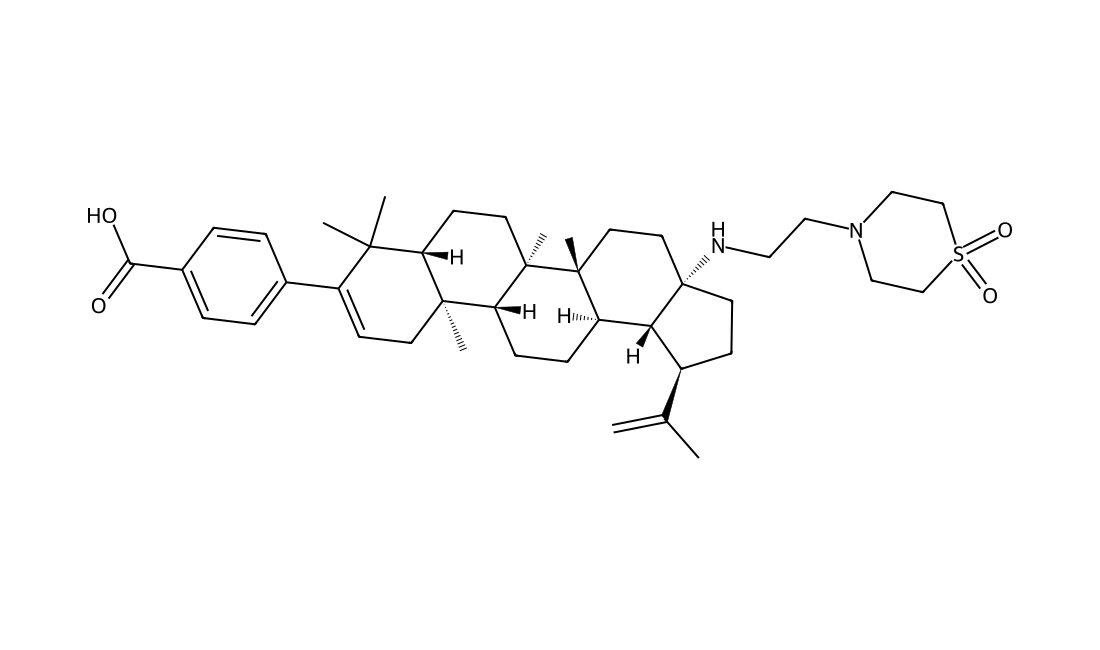
DC21092

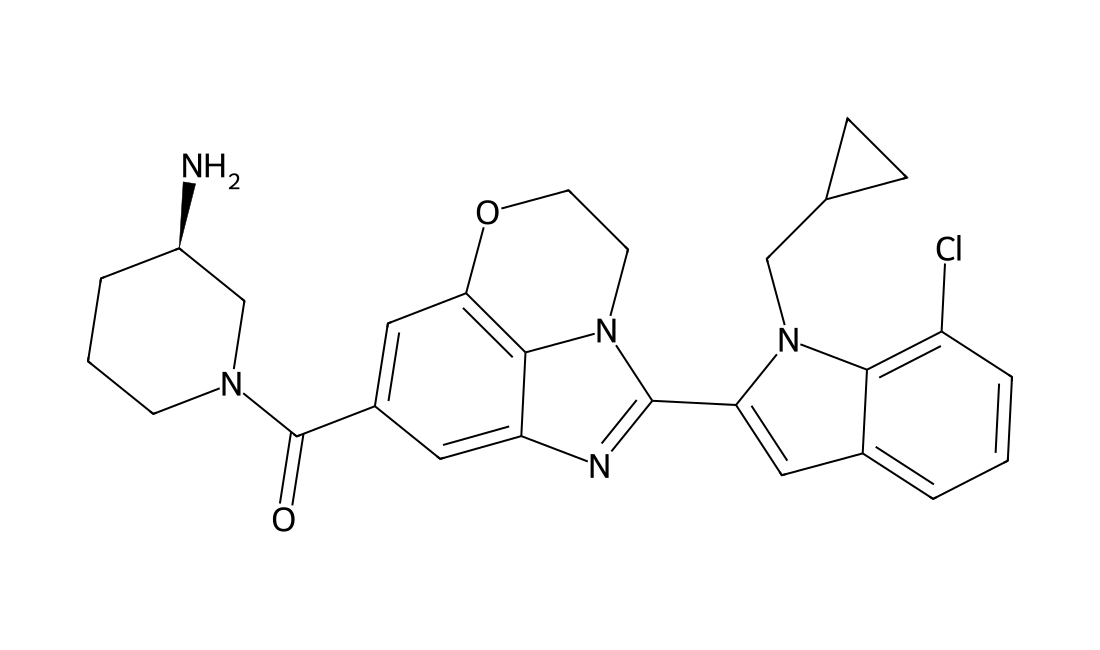
BMS-955176

CAS 1392312-45-6

BMS-955176 (GSK-3532795) is a second-generation HIV-1 maturation inhibitor that exhibits potent activity (EC50=3.9±3.4 nM) against a library (n=87) of gag/pr recombinant viruses; exhibits median EC50 of 21 nM toward a library of subtype B clinical isolates assayed in PBMCs; inhibits HIV-1 protease cleavage at the CA/SP1 junction within Gag in VLPs and in HIV-1-infected cells, and binds reversibly and with high affinity to assembled Gag in purified HIV-1 VLPs; has a greatly improved preclinical profile compared to that of Bevirimat. HIV Infection Phase 2 Clinical

BMS-955176 chemical structure
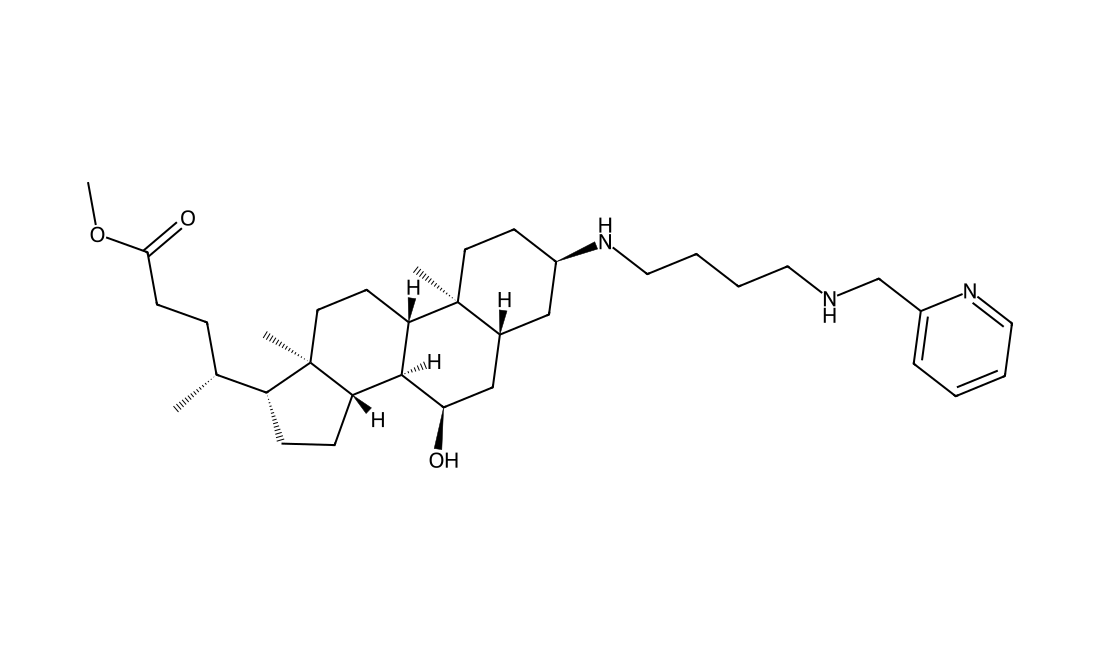
DC20966

DPM-1001

CAS 1471172-27-6

DPM-1001 is a potent, selective, orally bioavailable inhibitor of the protein-tyrosine phosphatase PTP1B with IC50 of 100 nM, also chelates copper, which enhanced its potency as a PTP1B inhibitor; displays anti-diabetic properties associated with enhanced signaling through insulin and leptin receptors in animal models of diet-induced obesity.

DPM-1001 chemical structure
DC20821

BMS-962212

CAS 1430114-34-3

BMS-962212 is a potent, highly selective and reversible small molecule coagulation Factor XIa (FXIa) inhibitor with Ki of 0.7 nM; displays an excellent protease selectivity profile, including thrombin, Factor Xa/VIIa/IXa/XIIa, plasma or tissue kallikrein; shows excellent preclinical efficacy in thrombosis models and aqueous solubility suitable for intravenous administration.ThrombosisPhase 1 Clinical

BMS-962212 chemical structure
DC22162

MLT-748

CAS 1832578-30-9

MLT-748 (MLT748) is a potent, selective, allosteric inhibitor of MALT1 paracaspase with IC50 of 5 nM, does not show inhibitory activity against 22 other tested human proteases (IC50>100 uM); binds MALT1 in the allosteric Trp580 pocket, reversibly binds and stabilizes human mutant MALT1-W580S with Kd of 13 nM, with affinity similar to that of the wild type MALT1 (Kd=42 nM); stabilizes MALT1-W580S in MALT1mut/mut B cells with EC50 of 69 nM, blocks cleavage of MALT1 substrates in human lymphocytes, including HOIL1, RelB, CYLD, and BCL10 (BCL10 cleavage IC50=31 nM), rescues MALT1 function in patient MALT1mut/mut lymphocytes.

MLT-748 chemical structure
DC22161

MLT-747

CAS 2097853-86-4

MLT-747 (MLT747) is a potent, selective, allosteric inhibitor of MALT1 paracaspase with IC50 of 14 nM; binds MALT1 in the allosteric Trp580 pocket, reversibly binds and stabilizes human mutant MALT1-W580S in vitro and in MALT1mut/mut B cells, inhibits MALT1 peptide cleavage.

MLT-747 chemical structure
DC22125

JNJ4796

CAS 2241664-16-2

JNJ4796 (JNJ 4796, JNJ-4796) is an orally active small-molecule fusion inhibitor of influenza virus hemagglutinin (HA) with EC50 of 33 nM (H1N1 neutralization); mimics the binding and functionality of the broadly neutralizing antibody CR6261; targets the conserved HA stem region, acts as a fusion inhibitor by inhibiting conformational changes that lead to the postfusion HA structure, and neutralizes a broad spectrum of human pandemic, seasonal, and emerging group 1 influenza A viruses; specificly neutralizes influenza A group 1 viruses by inhibiting HA-mediated fusion in vitro, protects mice against lethal and sublethal influenza challenge after oral administration.

JNJ4796 chemical structure
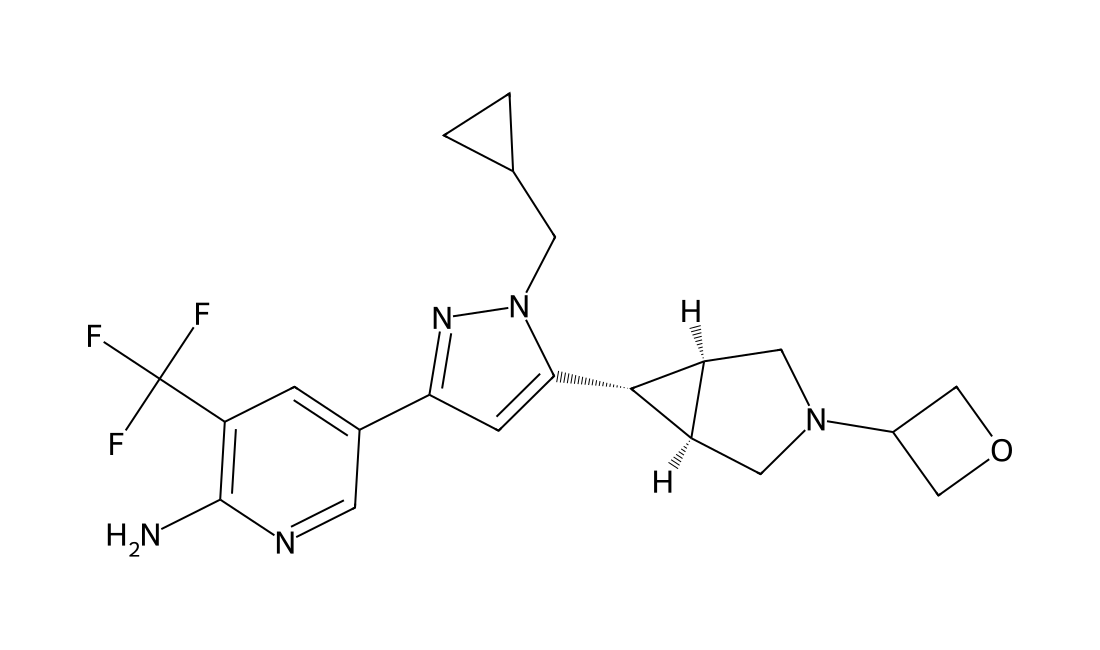
DC72724

PTC258

CAS 2476724-74-8

PTC258 is a specific and orally active splicing modulator of Elongator complex protein 1 gene (ELP1). PTC258 increases the expression of ELP1 in vitro and in vivo. PTC258 is well tolerated in mouse model.

PTC258 chemical structure
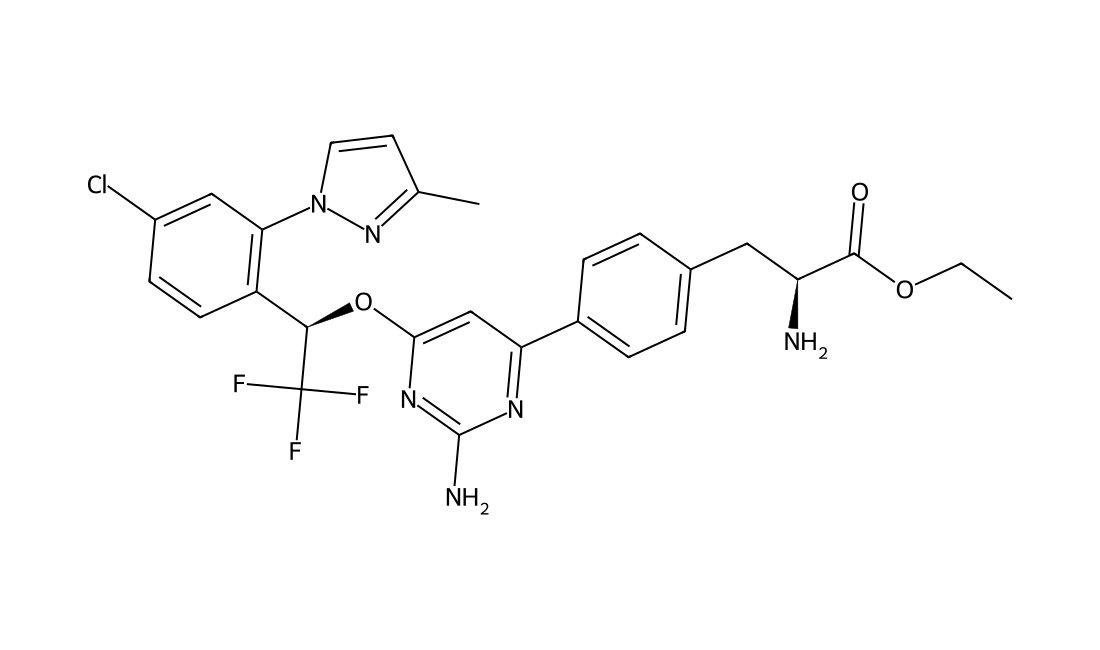
DC9244

LX-1606

CAS 1033805-22-9

Telotristat ethyl (LX1606) is a novel, orally-delivered inhibitor of tryptophan hydroxylase that reduces serotonin production.

LX-1606 chemical structure
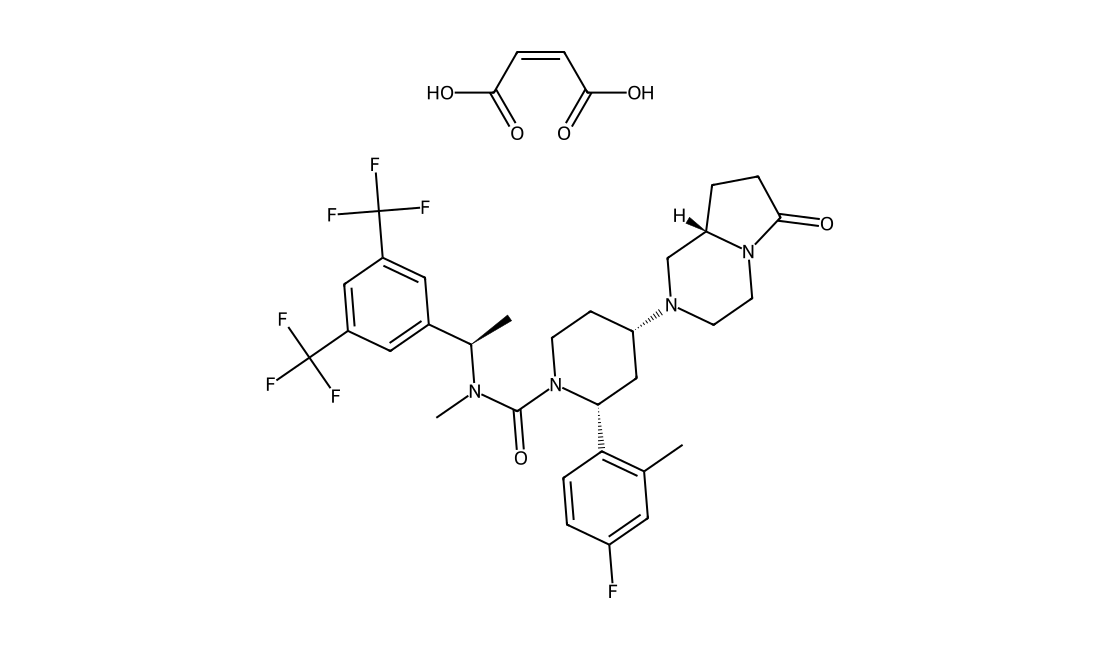
DC28435

Orvepitant maleate

CAS 579475-24-4

Orvepitant maleate (GW823296 maleate) is potent, selective, orally active and well-tolerated neurokinin-1 receptor (NK-1) antagonist with a pKi of 10.2 for human neurokinin-1 receptor. Orvepitant maleate can across the blood-brain barrier. Orvepitant maleate has the potential for depressive disorder and chronic refractory cough (CRC) treatment.

Orvepitant maleate chemical structure
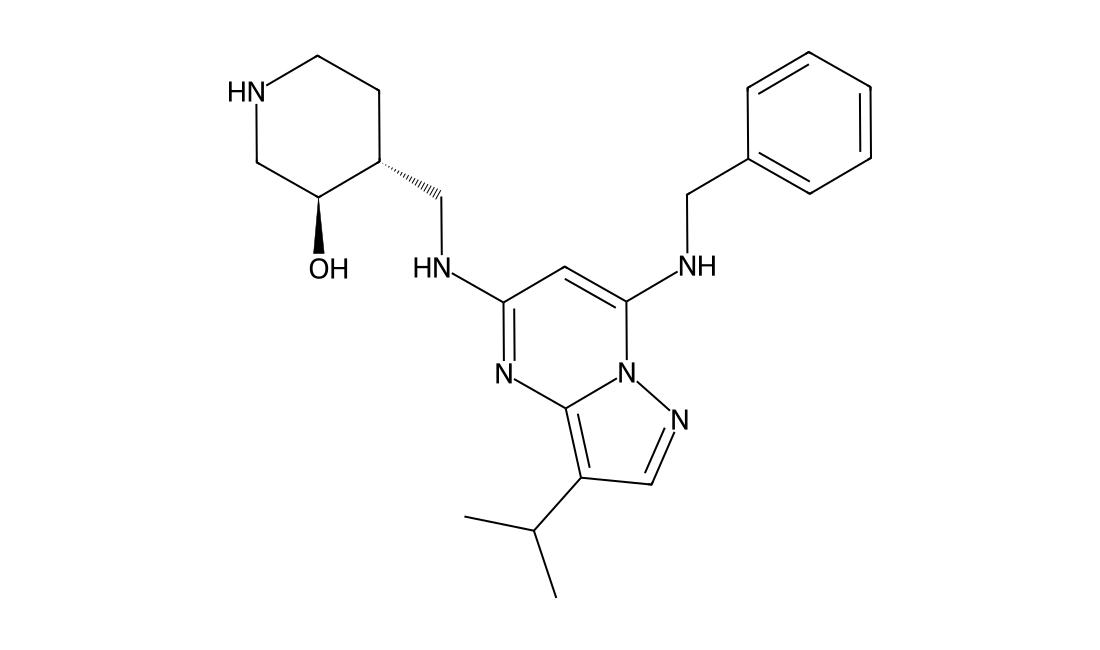
DC47269

Samuraciclib

CAS 1805833-75-3

Samuraciclib (CT7001) is a potent, selective, ATP-competitive and orally active CDK7 inhibitor, with an IC50 of 41 nM. Samuraciclib displays 45-, 15-, 230- and 30-fold selectivity over CDK1, CDK2 (IC50 of 578 nM), CDK5 and CDK9, respectively. Samuraciclib inhibits the growth of breast cancer cell lines with GI50 values between 0.2-0.3 µM. Samuraciclib has anti-tumor effects.

Samuraciclib chemical structure
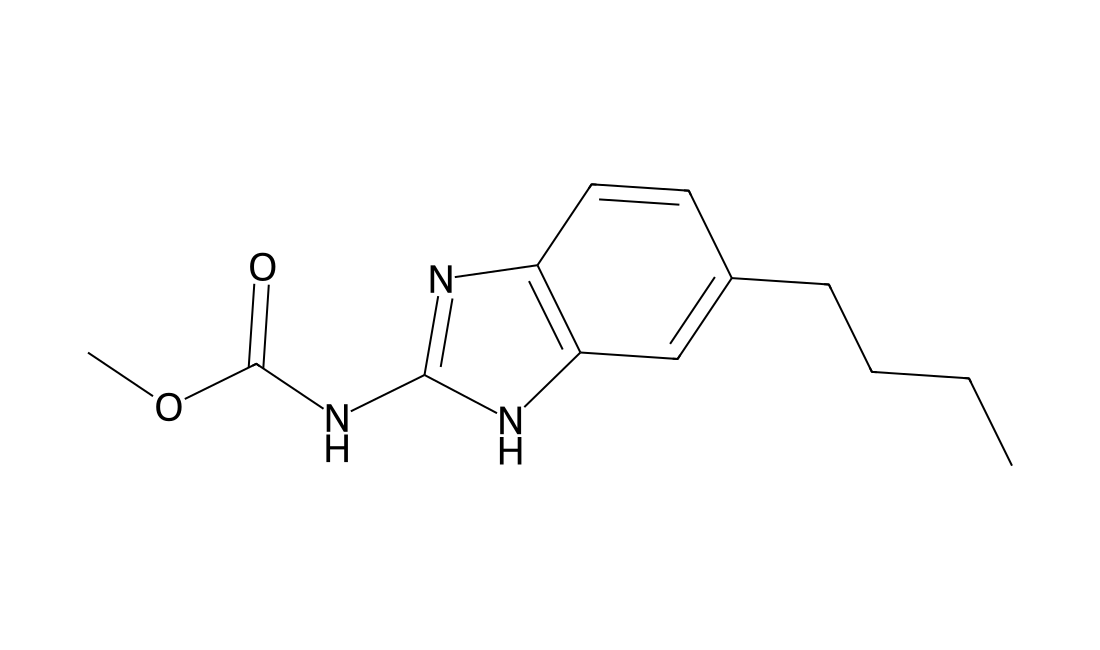
DC42609

Zelpolib

CAS 701932-26-5

Novel DNA polymerase inhibitor, inhibiting DNA replication in assays to assess global DNA synthesis or single-molecule bases by DNA fiber fluorography

Zelpolib chemical structure
DC41671

HS014

CAS 207678-81-7

HS014 is a potent and selective melanocortin-4 (MC4) receptor antagonist, with Kis of 3.16, 108, 54.4 and 694 nM for human MC4, MC1, MC3 and MC5 receptors, respectively. HS014 modulates the behavioral effects of morphine in mice. HS014 increases food intake in free-feeding rats.

HS014 chemical structure
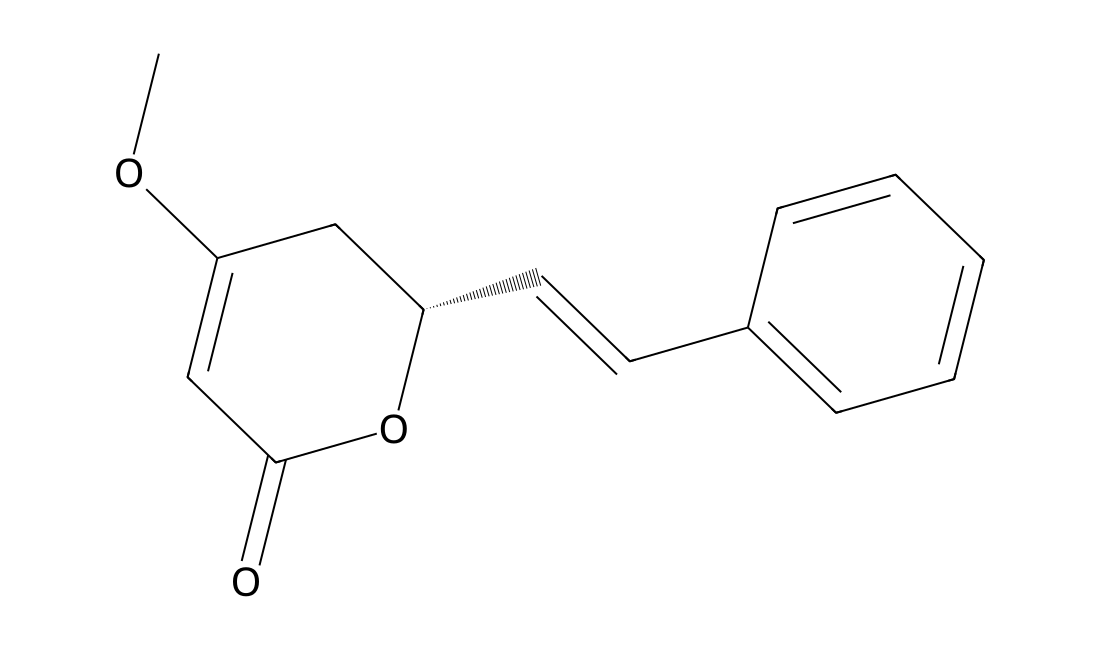
DC20149

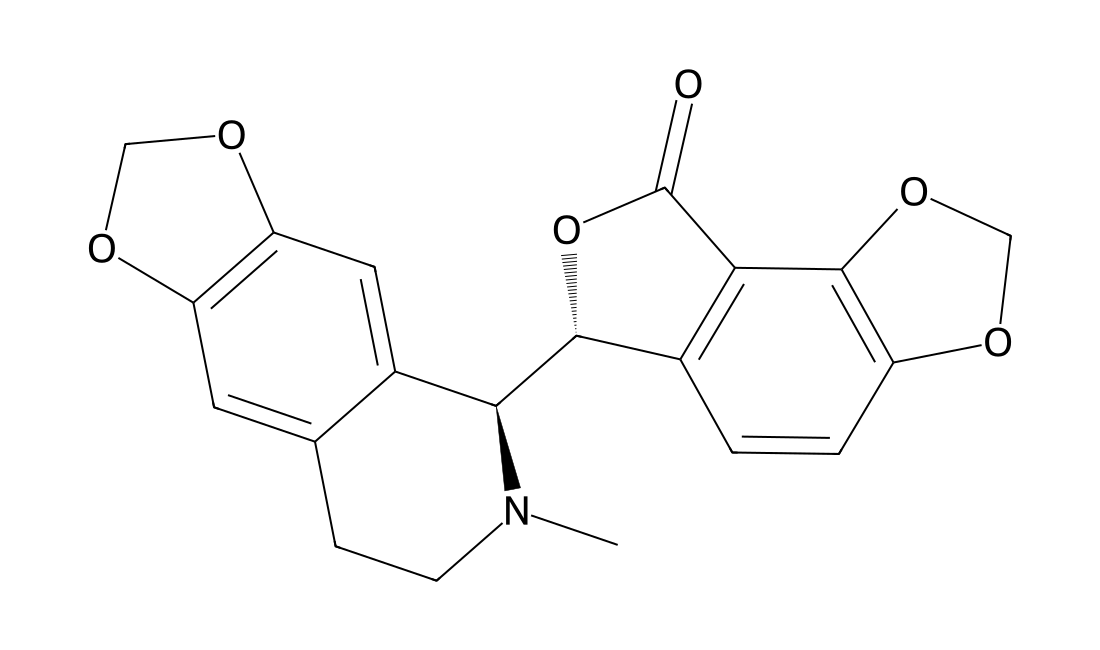
(+)-Kavain

CAS 500-64-1

In Vitro (+)-Kavain (10-300 μM) enhances GABA-elicited responses in a concentration-dependent manner. The modulatory effect of Kavain is moderate, with only 170±23% of enhancement measured at 300 μM[2]. (+)-Kavain inhibits TNF-α secretion in cells via suppression of LITAF.

(+)-Kavain chemical structure
DC50205

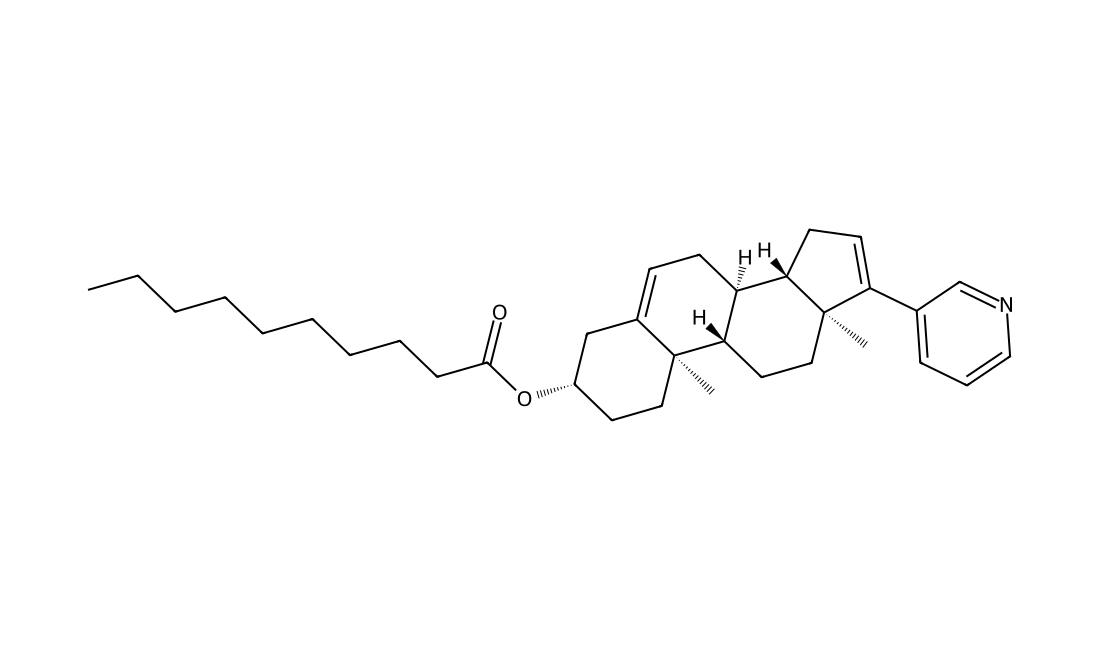
Abiraterone decanoate

CAS 2486052-18-8

Abiraterone decanoate is a potent Abiraterone prodrug. Abiraterone decanoate provide a controlled release of Abiraterone and long-acting CYP17 inhibition with intramuscular (IM) delivery.

Abiraterone decanoate chemical structure
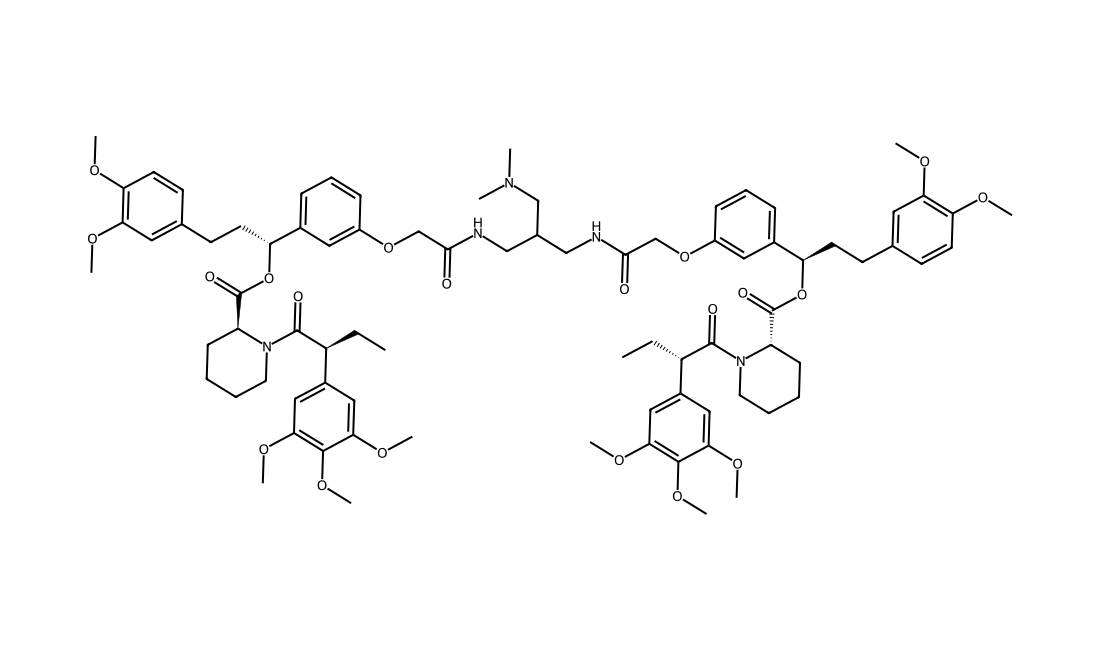
DC21997

AP20187

CAS 195514-80-8

AP20187 is a cell-permeable ligand used to dimerize FK506-binding protein (FKBP) fusion proteins and initiate biological signaling cascades and gene expression or disrupt protein-protein interactions.

AP20187 chemical structure
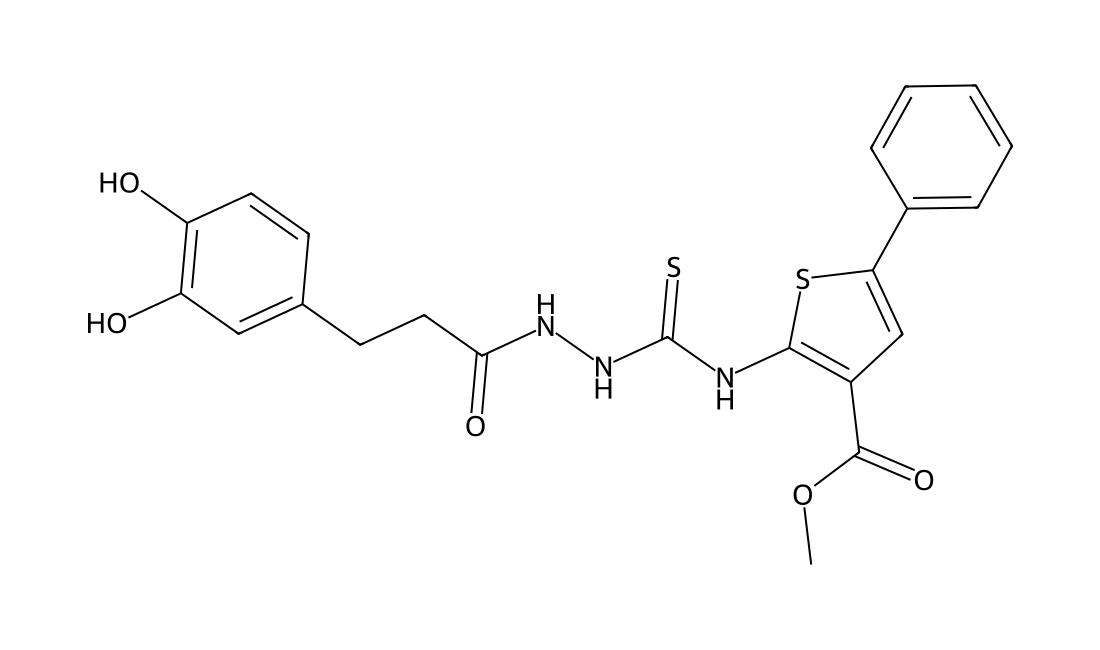
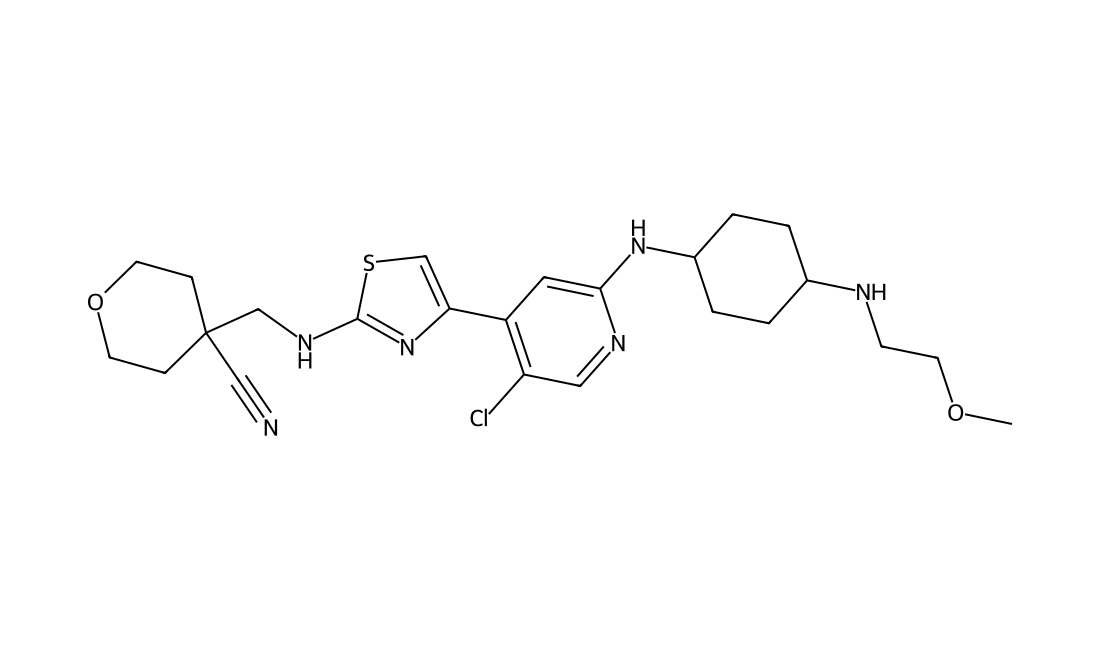
DC12422

JSH-150

CAS 2247481-21-4

JSH-150 (JSH150) is a potent, highly selective inhibitor of CDK9 kinase with IC50 of 1 nM in the biochemical assays, displays 300-10000-fold selectivity over other CDK kinase family members (CDK7 IC50=1.72 uM); also exhibits high selectivity over other 468 kinases/mutants (KINOMEscan S score(1) = 0.01); displays potent antiproliferative effects against melanoma, neuroblastoma, hepatoma, colon cancer, lung cancer as well as leukemia cell lines, dose-dependently inhibits the phosphorylation of RNA Pol II, suppresses the expression of MCL-1 and c-Myc, arreststhe cell cycle and induces the apoptosis in the leukemia cells; completely suppresses the tumor progression in MV4-11 cell-inoculated xenograft mouse model (10 mg/kg).

JSH-150 chemical structure
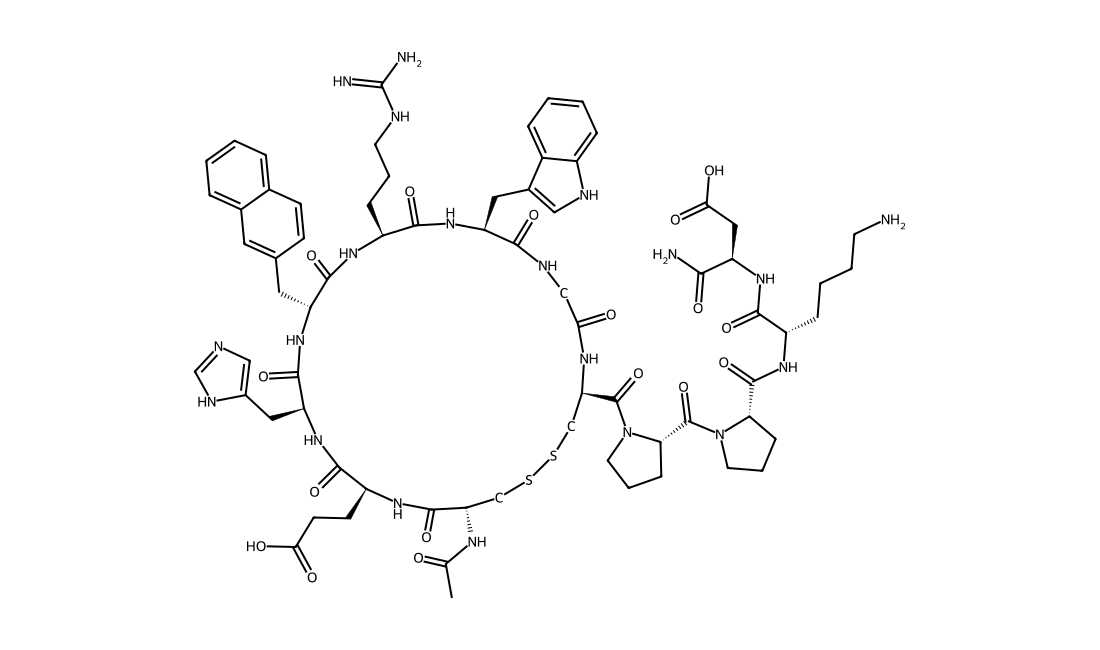
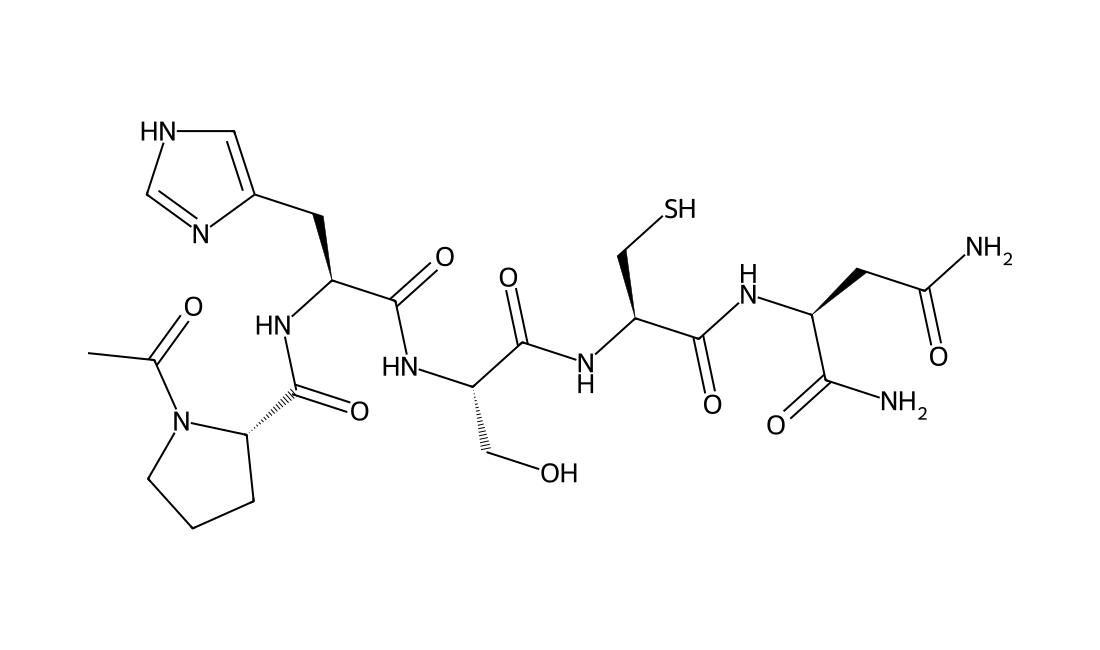
DC7709

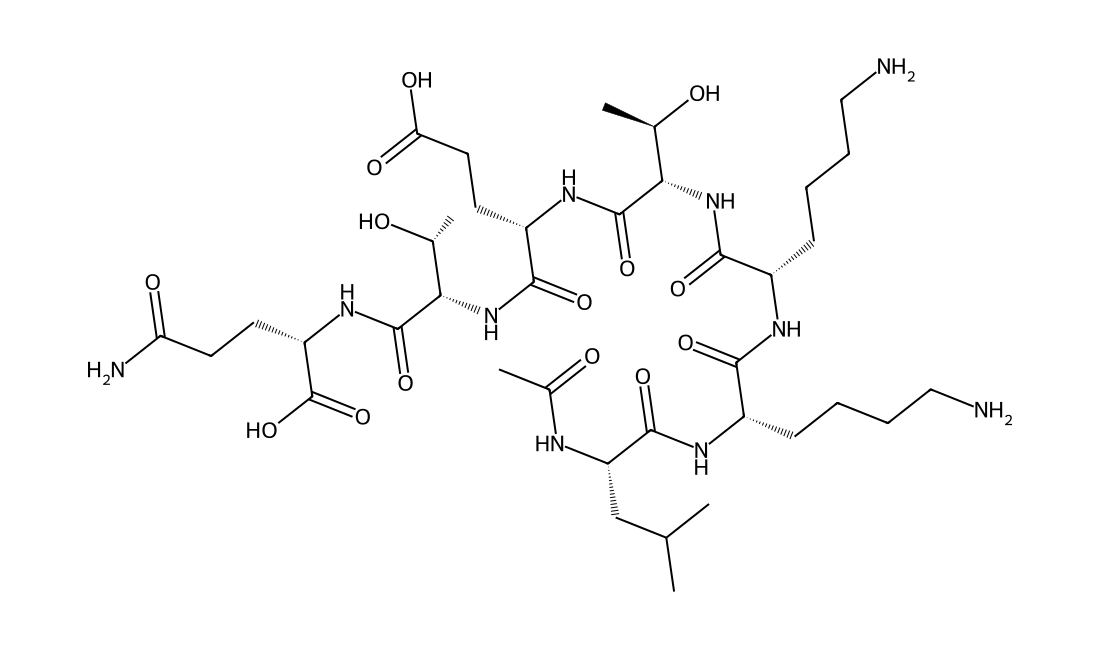
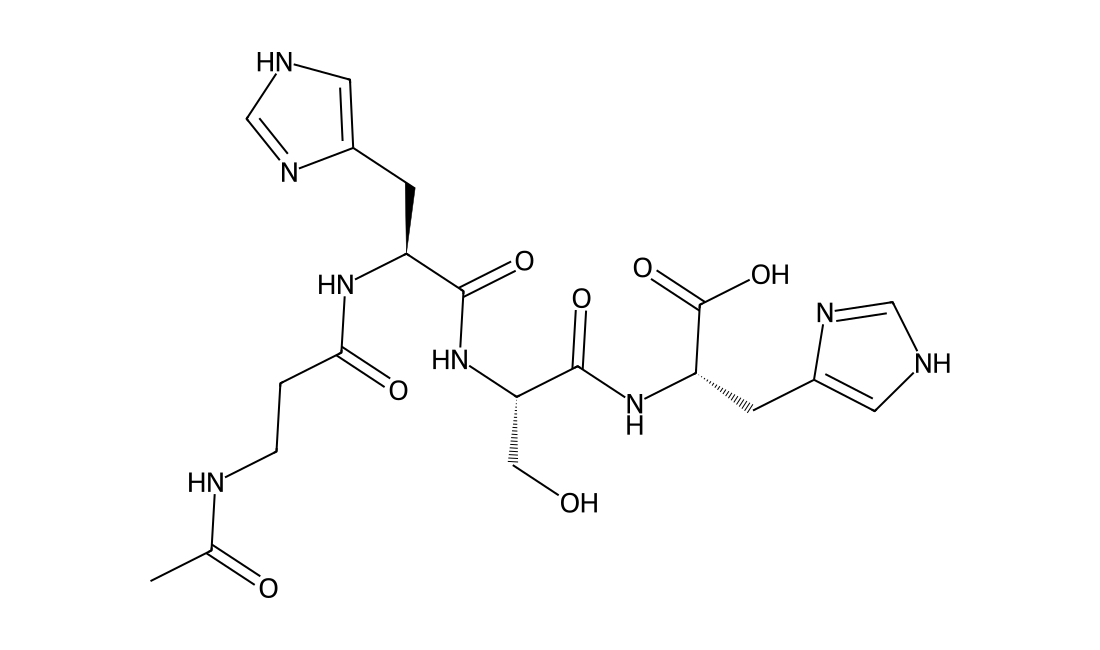
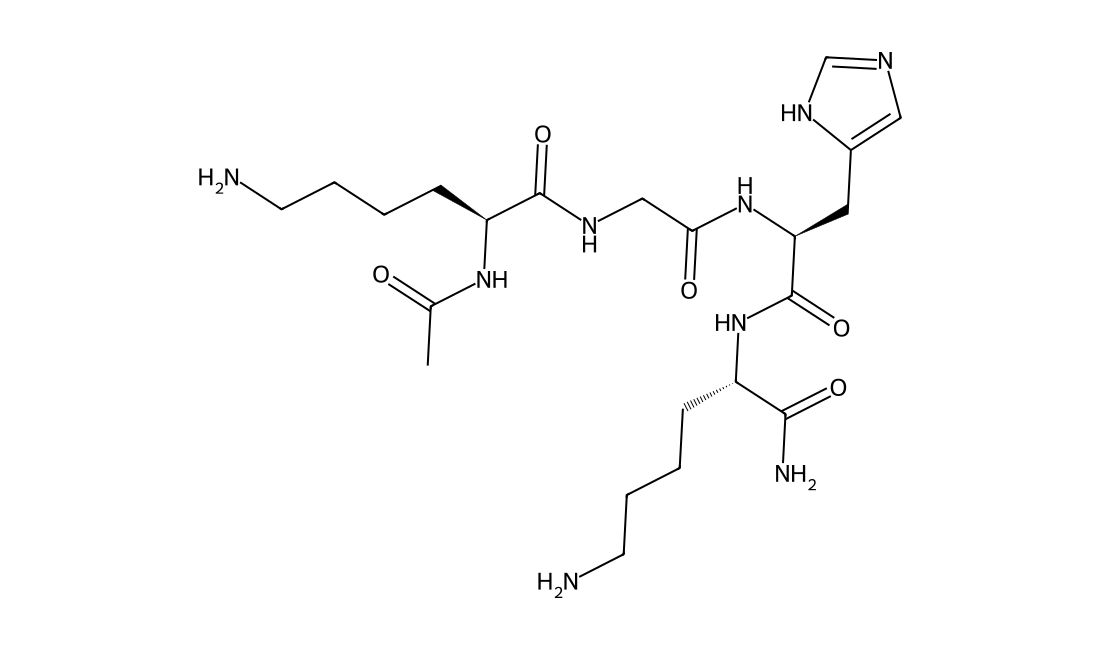
ATN-161

CAS 262438-43-7

ATN-161 (Ac-PHSCN-NH2) is a five -amino-acid peptide derived from the synergy region of fibronectin; a beta integrin antagonist with antitumor activity. IC50 value: Target: Integrin antagonist in vitro: ATN-161 inhibited VEGF-induced migration and capillary tube formation in hCECs, but did not inhibit proliferation . in vivo: Murine colon cancer cells (CT26) were injected into spleens of BALB/c mice to produce liver metastases. Four days thereafter, mice were given either ATN-161 (100 mg/kg, every 3rd day) or saline by intraperitoneal injection, with or without combination of continuous-infusion 5-FU (100 mg/kg/2 weeks), which was started on day 7. On day 20 after tumor cell inoculation, mice were killed and liver weights and number of liver metastases were determined . ATN-161 after laser photocoagulation inhibited CNV leakage and neovascularization to an extent similar to AF564. Furthermore, SD-OCT and histologic examinations indicated that ATN-161 significantly decreased the size of laser-induced lesions . Treatment with ATN-161 significantly blunts atherosclerotic plaque development in apolipoprotein E-deficient mice, characterized by reduced vascular cell adhesion molecule-1 expression and macrophage accumulation without affecting fibrous cap size. For the detailed information about the solubility of ATN-161 in water, the solubility of ATN-161 in DMSO, the solubility of ATN-161 in PBS buffer, the animal experiment of ATN-161 ,the in vivo and in vitro test of ATN-161 ,the cell experiment of ATN-161 ,the IC50 and EC50 of ATN-161 please contact DC Chemicals.

ATN-161 chemical structure
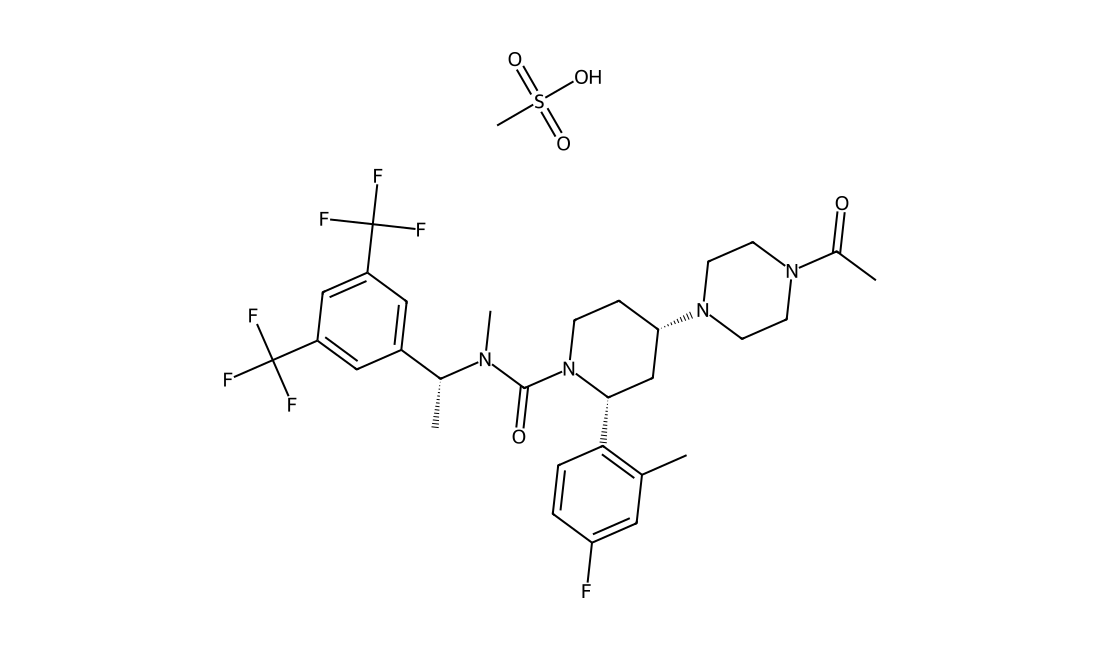
DC22403

Casopitant mesylate

CAS 414910-30-8

Casopitant (GW679769) is a potent, centrally-acting neurokinin 1 (NK1) receptor antagonist (pKi=9.48) with antidepressant and antiemetic activities; demonstrates potential for treatment of chemotherapy-induced nausea and vomiting (CINV).Chemotherapeutic AgentsPhase 2 Discontinued

Casopitant mesylate chemical structure
DC32961

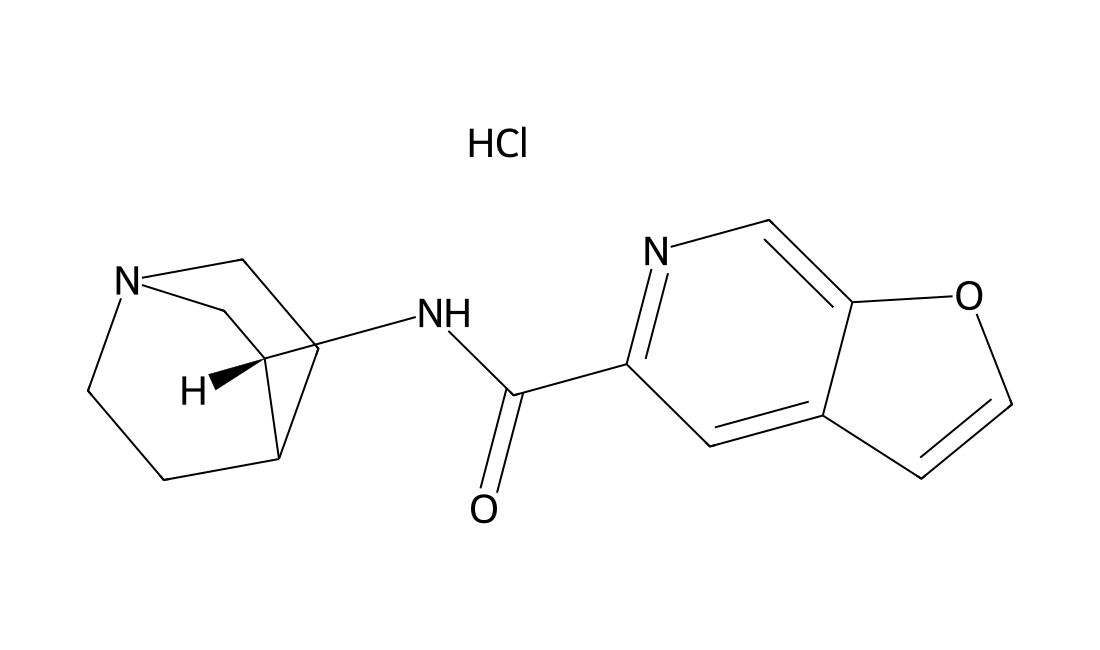
PHA-543613

CAS 478149-53-0

PHA-543613 acts as a potent and selective agonist for the α7 subtype of neural nicotinic acetylcholine receptors, with a high level of brain penetration and good oral bioavailability. It is under development as a possible treatment for cognitive deficits in schizophrenia.

PHA-543613 chemical structure
DC65673

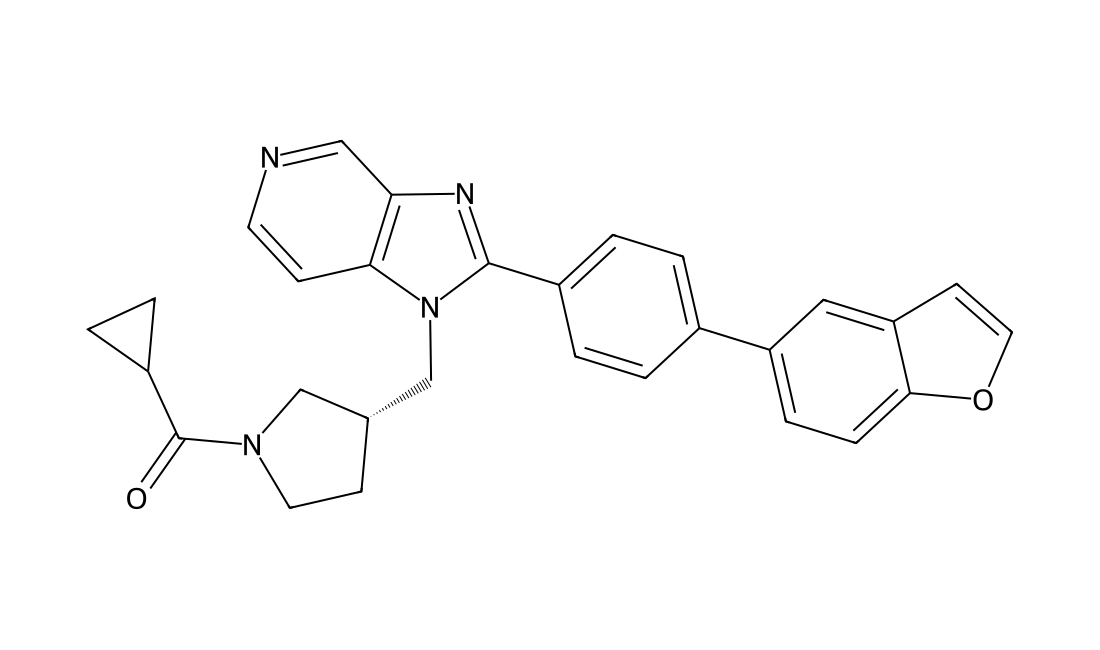
PAD-IN-2

CAS 2304852-21-7

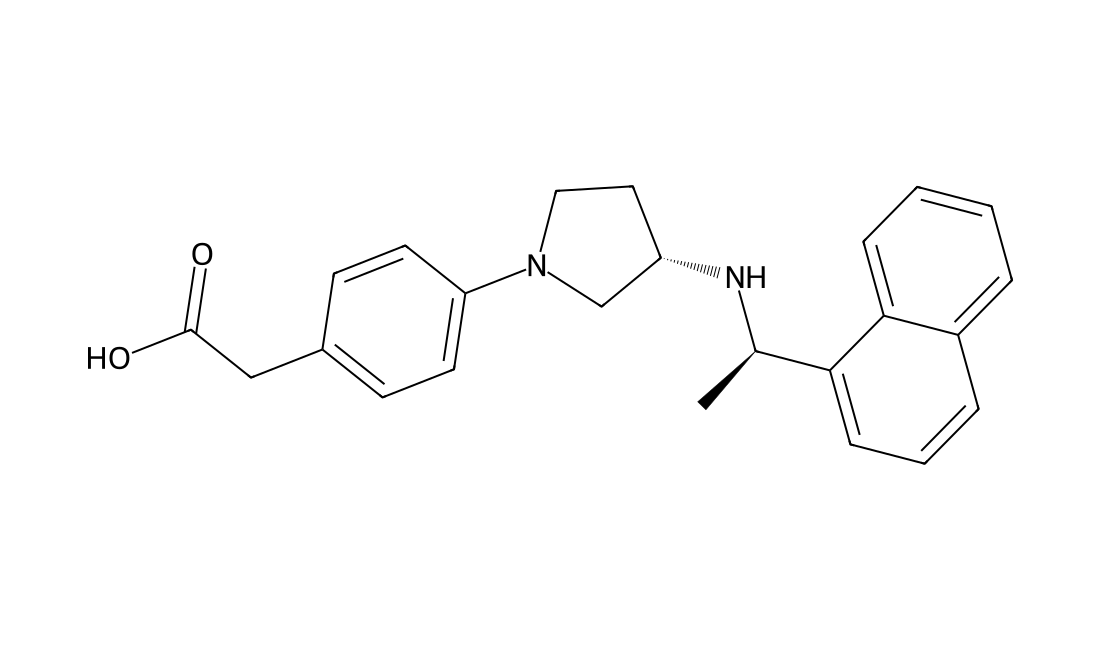
PAD-IN-2 is a potent pad4 inhibitor (IC50: <1 μM). PAD-IN-2 can be used in the research of auto-immune diseases and cancers, such as rheumatoid arthritis, vasculitis, systemic lupus erythematosis, cutaneous lupus erythematosis, ulcerative colitis, cystic fibrosis, asthma, multiple sclerosis and psoriasis.
PAD-IN-2 chemical structure
DC9325

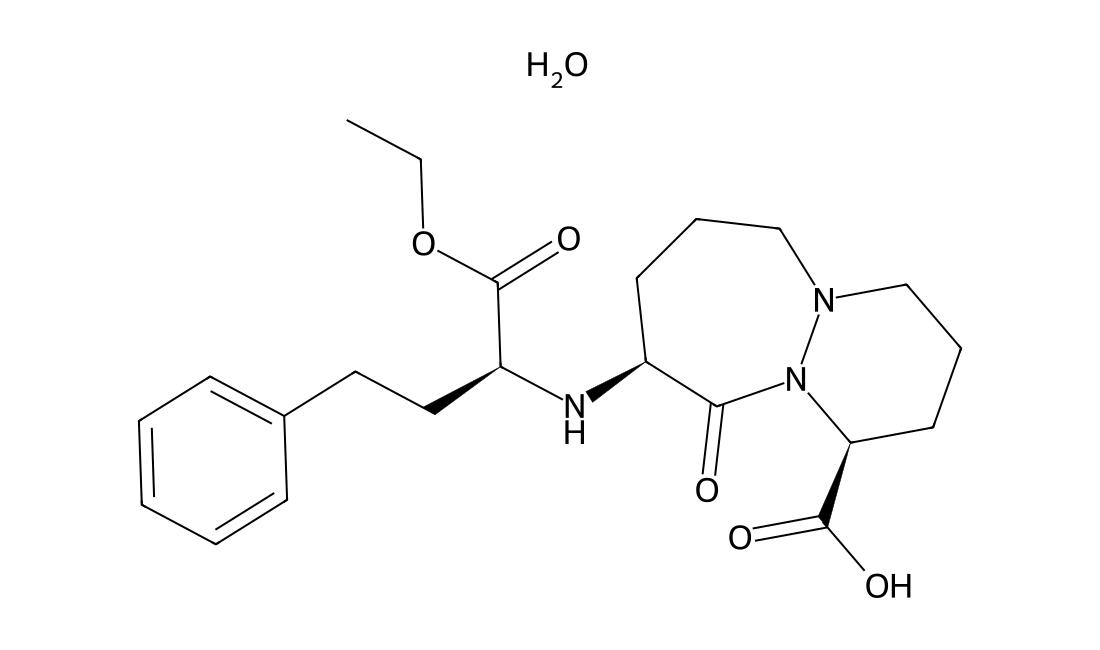
Cilazapril (monohydrate)

CAS 92077-78-6

Cilazapril Monohydrate is a angiotensin-converting enzyme (ACE) inhibitor used for the treatment of hypertension and congestive heart failure. Cilazapril is a new nonthiol group containing angiotensin converting enzyme (ACE) inhibitor. Cilazapril has been investigated in more than 4000 patients with all degrees of hypertension, as well as in the special patient groups such as the elderly, renally impaired, and patients with concomitant diseases, such as congestive cardiac failure or chronic obstructive pulmonary disease. Cilazapril is a very potent and highly effective converting enzyme inhibitor. Doses well below 5 mg/day will probably suffice for therapeutic efficacy.
Cilazapril (monohydrate) chemical structure
DC65669

TB500

CAS 885340-08-9

TB500 is a synthetic version of an active region of thymosin β4. TB500 is claimed to promote endothelial cell differentiation, angiogenesis in dermal tissues, keratinocyte migration, collagen deposition and decrease inflammation.

TB500 chemical structure
DC65662

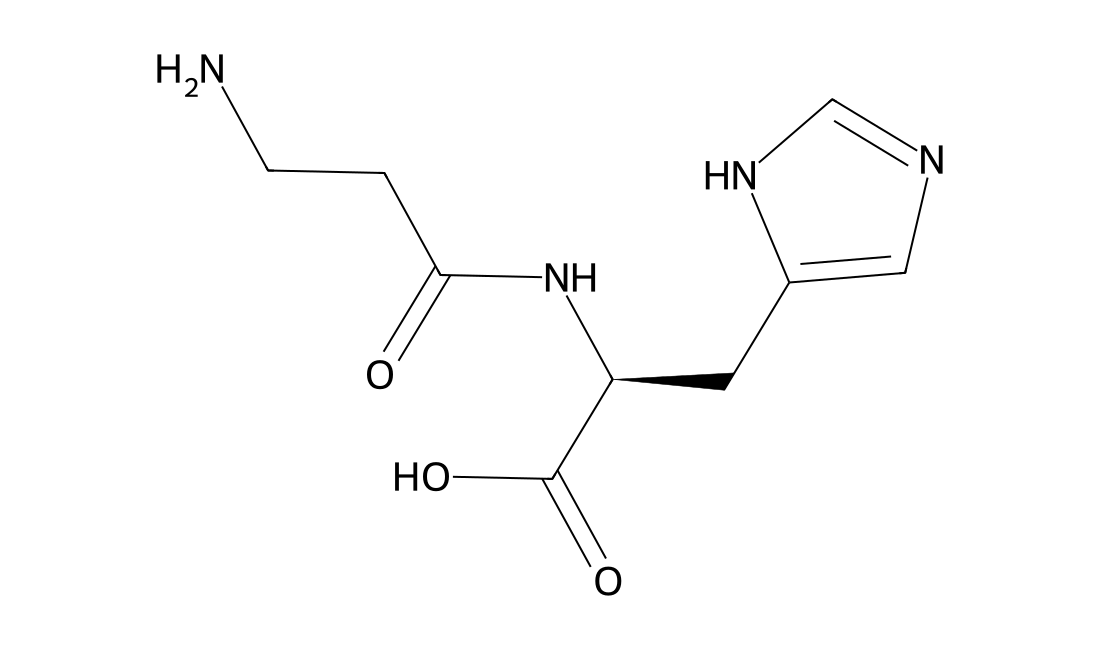
L-carnosine

CAS 305-84-0

L-Carnosine is a dipeptide of the amino acids beta-alanine and histidine and has the potential to suppress many of the biochemical changes that accompany aging.

L-carnosine chemical structure
DC33607

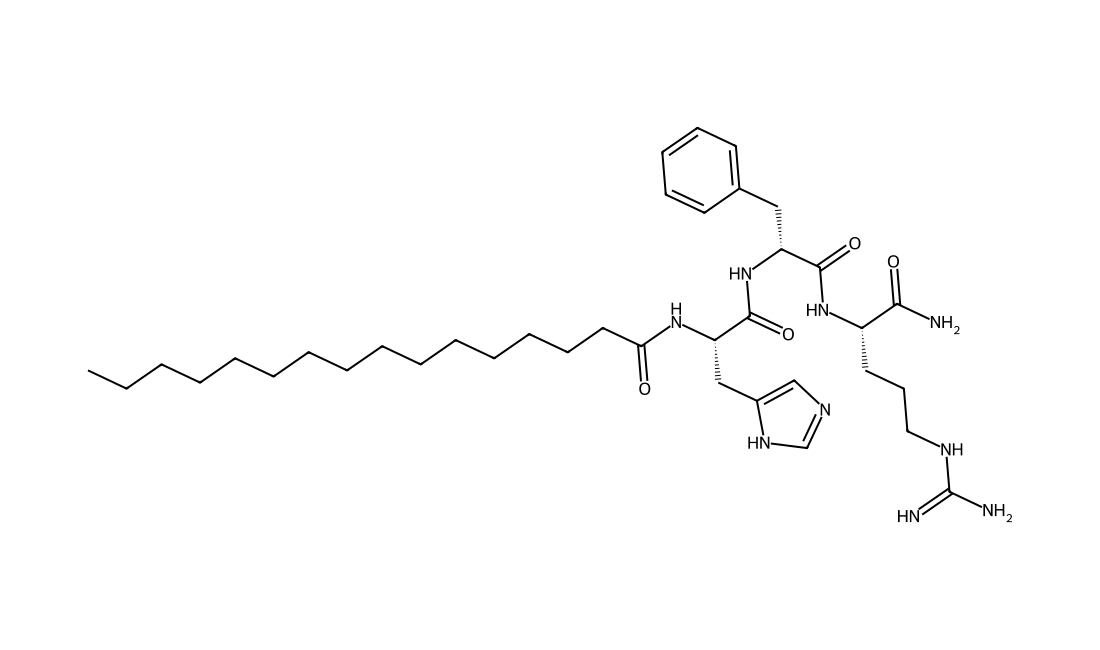
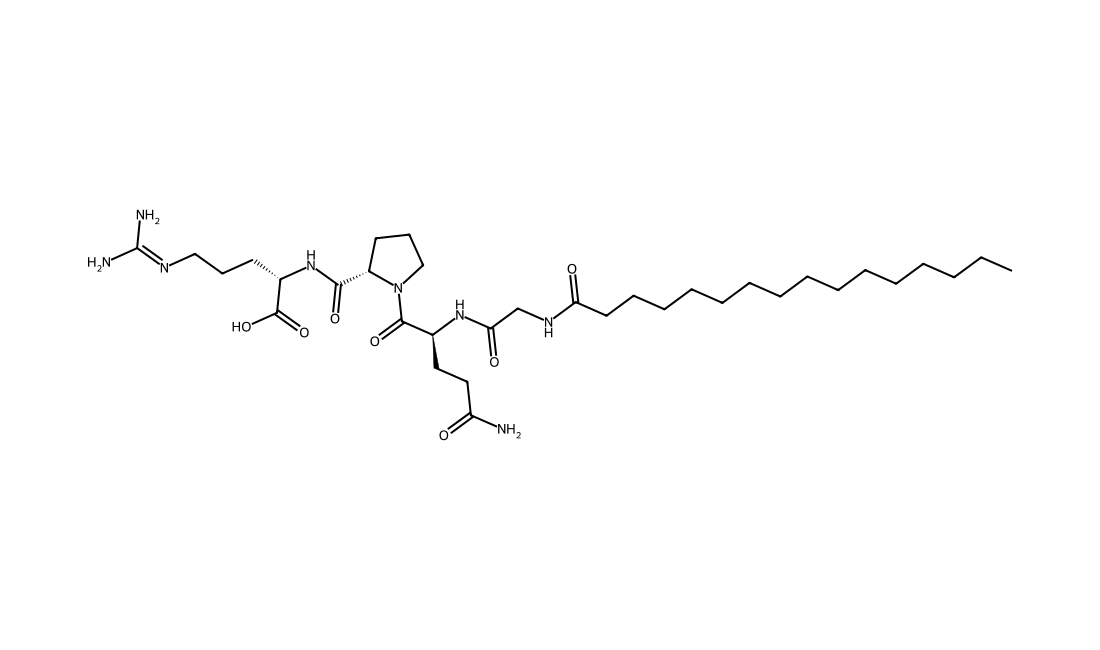
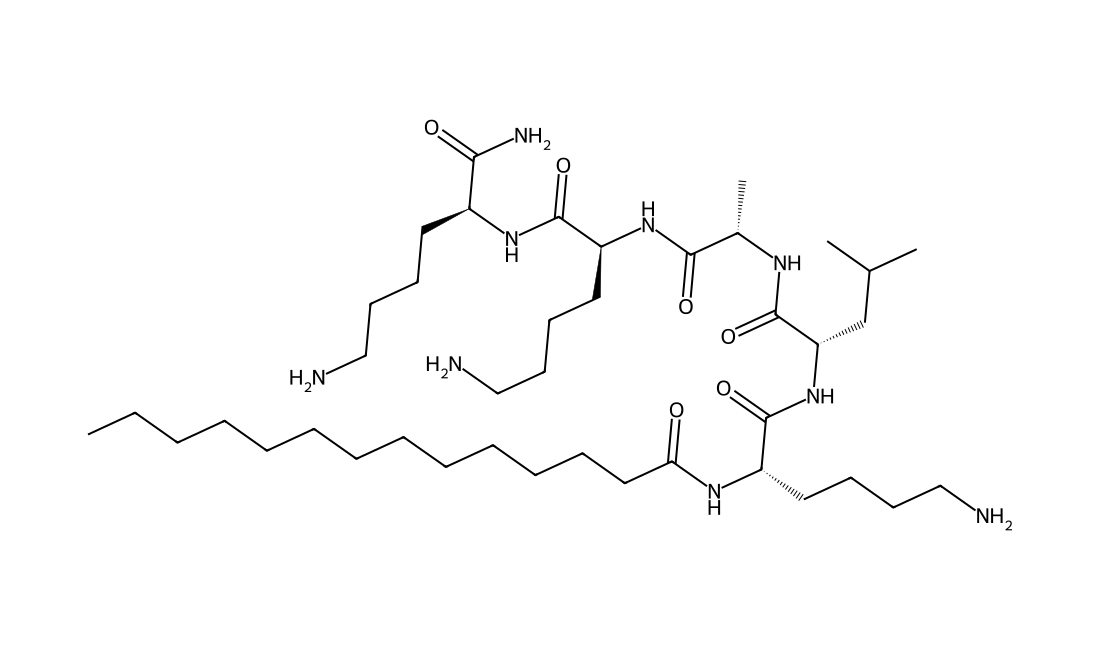
Myristoyl Pentapeptide-17

CAS 959610-30-1

Myristoyl Pentapeptide-17 is small peptide. Myristoyl Pentapeptide-17 promotes the delivery of key ingredients for quicker lash growth, thus stimulates the hair growth at the follicle. Myristoyl Pentapeptide-17 effectively promotes the growth of eyelashes. It lengthens and thickens the eyelashes, fortifies the hair and noticeably intensifies eye expression.

Myristoyl Pentapeptide-17 chemical structure
DC65651

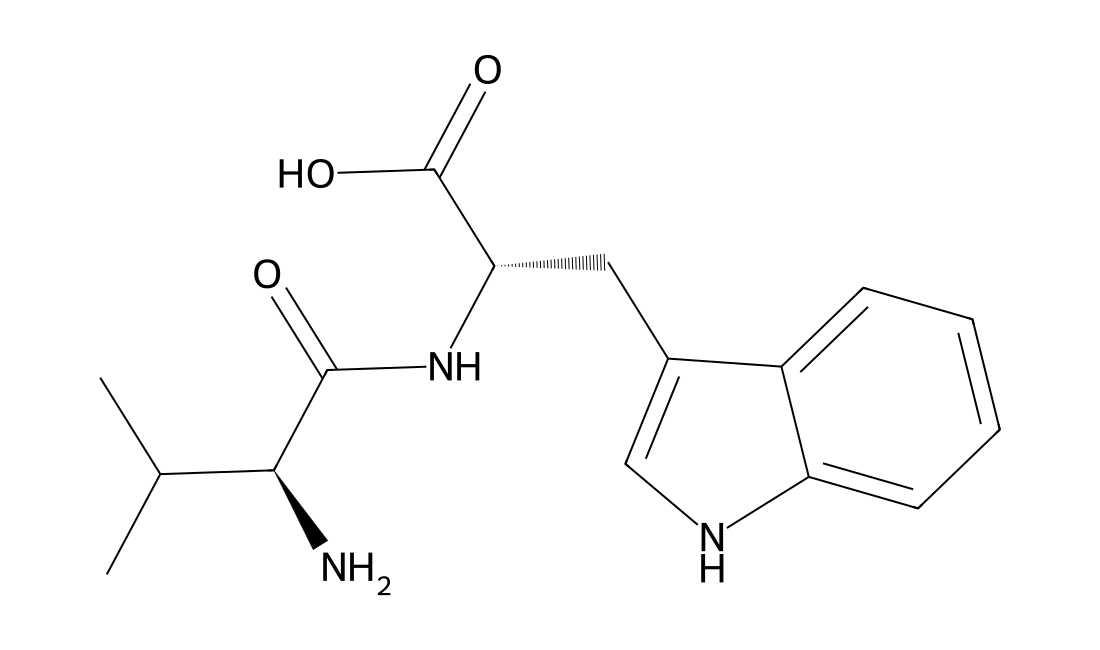
Dipeptide-2

CAS 24587-37-9

Dipeptide 2 (N-Valyltryptophan; Val-Trp) is a bioactive peptide with anti-aging effect and has been reported used as a cosmetic ingredient.

Dipeptide-2 chemical structure
DC65650

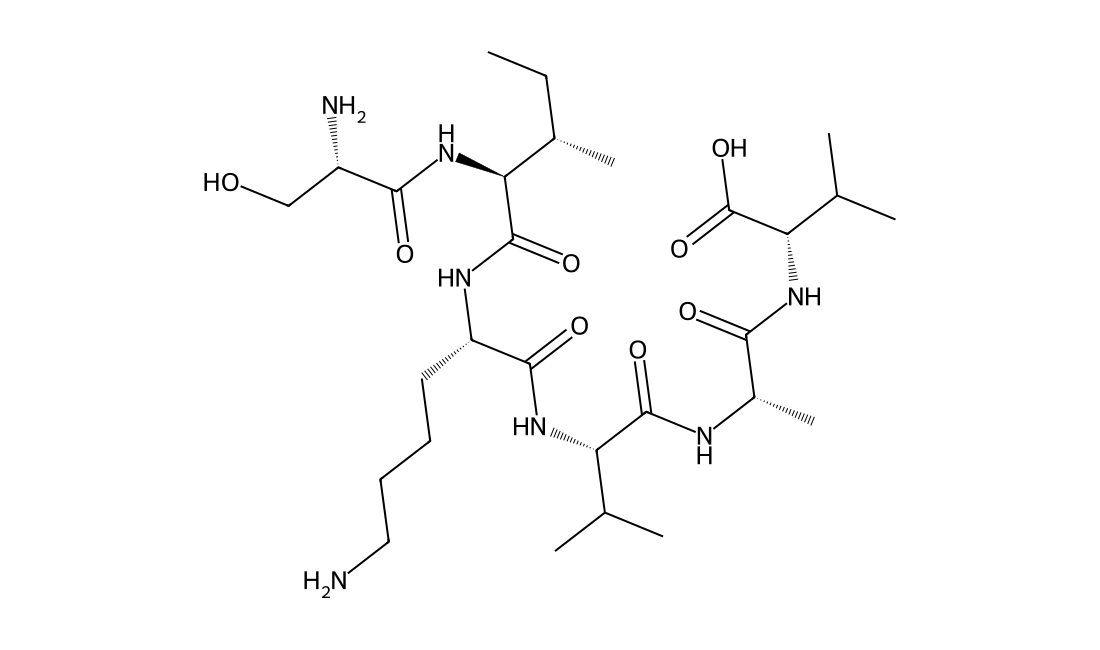
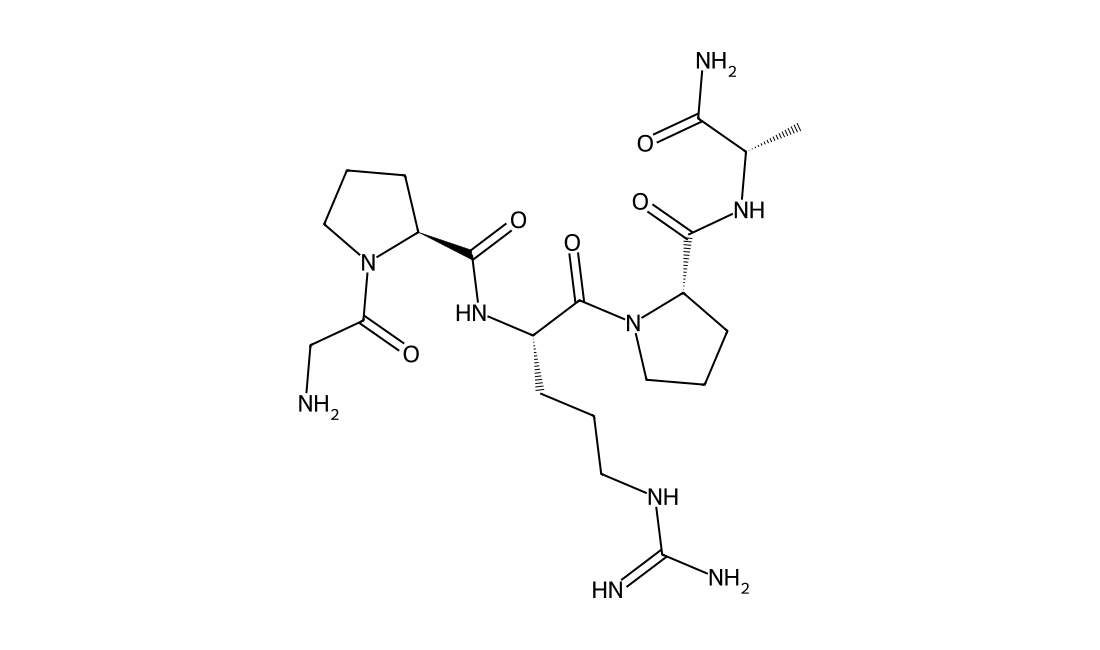
Vialox

CAS 135679-88-8

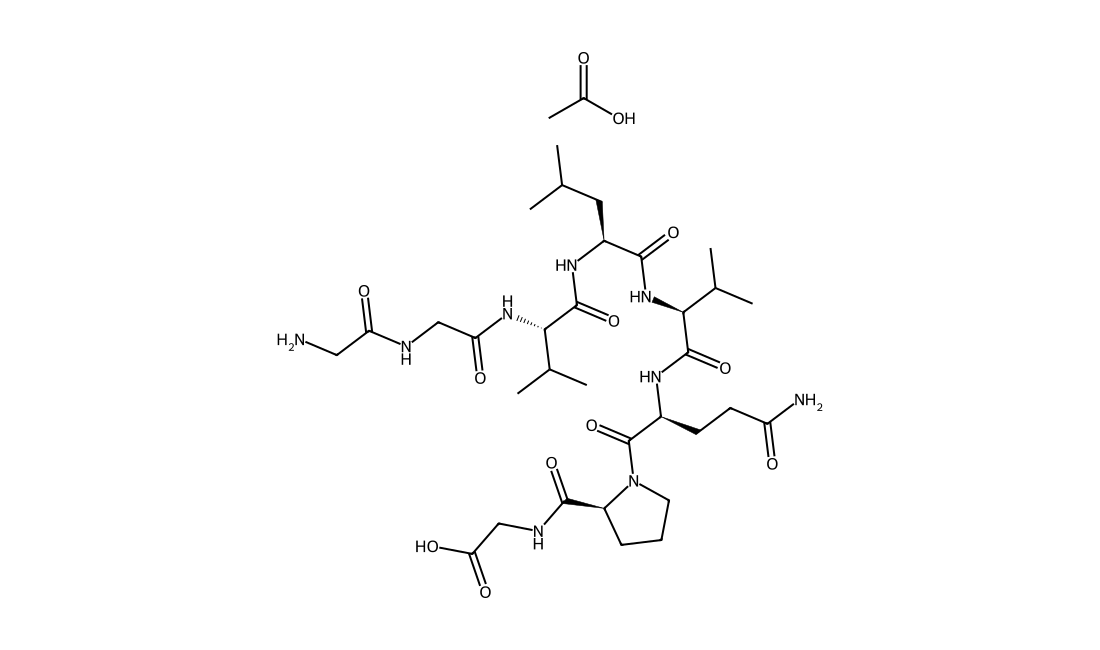
Pentapeptide-3 is a pentapeptide fragment of neurotoxin waglerin-1 from the venom of Temple Viper. Pentapeptide-3 is a competitive antagonist of nicotinic acetylcholine receptors (nAChRs), it can blocks nerves at the post-synaptic membrane. Pentapeptide-3 has anti-aging effects and it can be used together with other cosmetic peptides.

Vialox chemical structure
DC47396

Abaloparatide (BA058)

CAS 247062-33-5

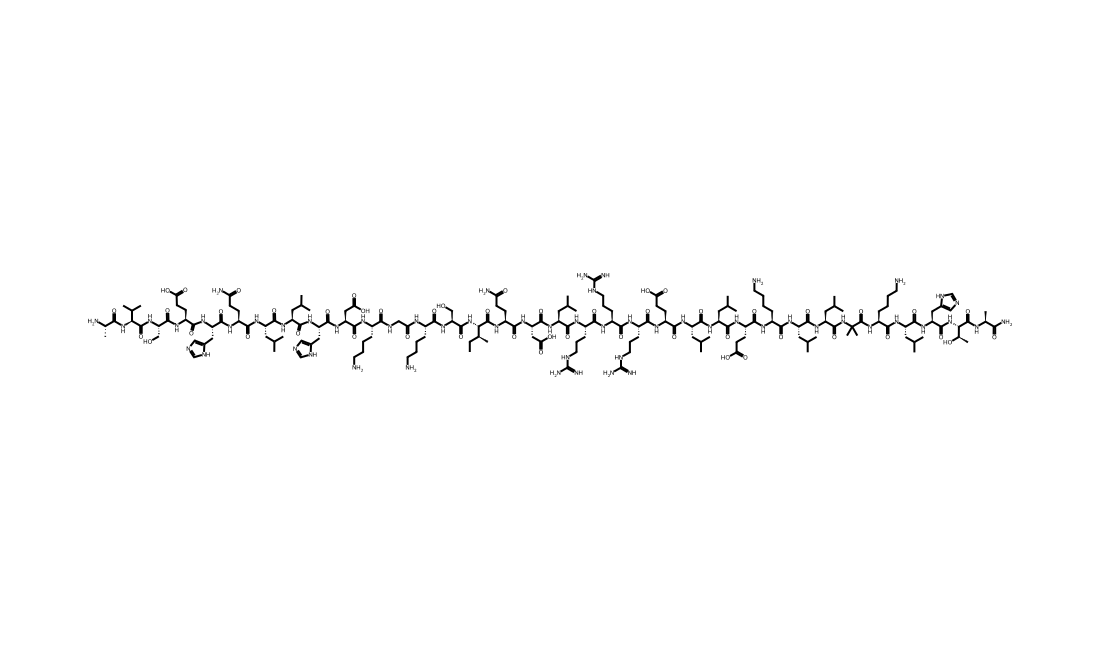
Abaloparatide (BA058, BIM-44058, ITM-058) is a novel 34-amino acid peptide selected to be a potent and selective activator of the parathyroid hormone receptor (PTH1R) signaling pathway with an IC50 of 0.117 nM in SOST analysis.

Abaloparatide (BA058) chemical structure
DC65639

Thymulin Acetate

CAS 63958-90-7

Serum thymic factor (Thymulin) is a zinc-dependent immunomodulatory peptide. Serum thymic factor induces hyperalgesia. Serum thymic factor protects rats from Cephaloridine (HY-B2072)-induced nephrotoxicity by inhibiting ERK activation. Serum thymic factor has anti-diabetic, analgesic and anti-inflammatory effects.

Thymulin Acetate chemical structure
DC32010

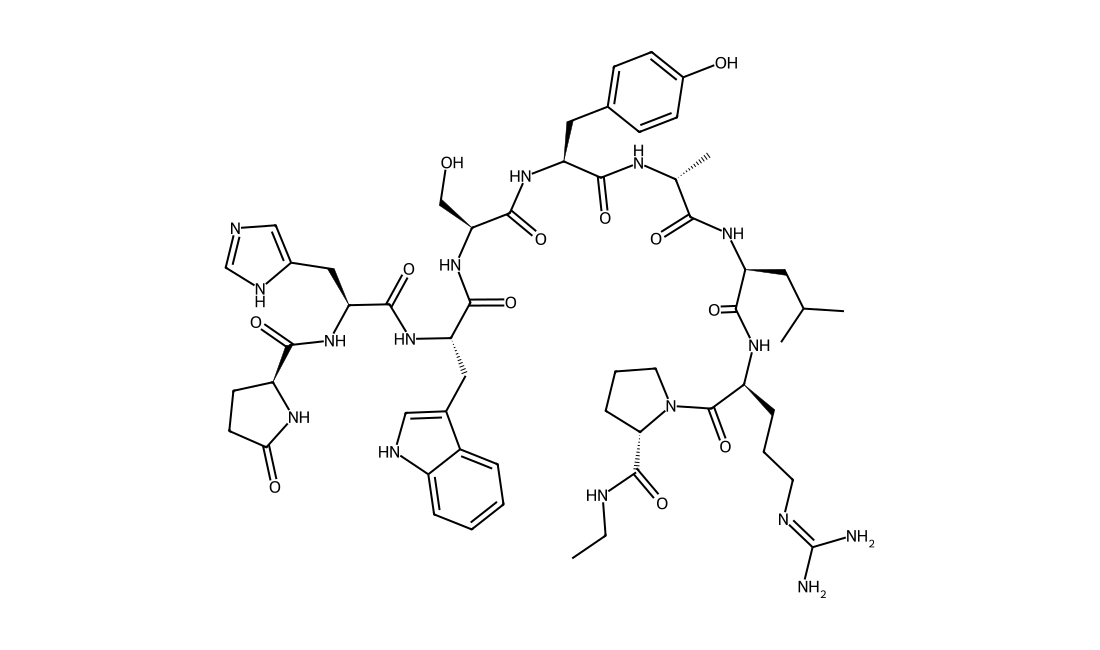
Alarelin Acetate

CAS 79561-22-1

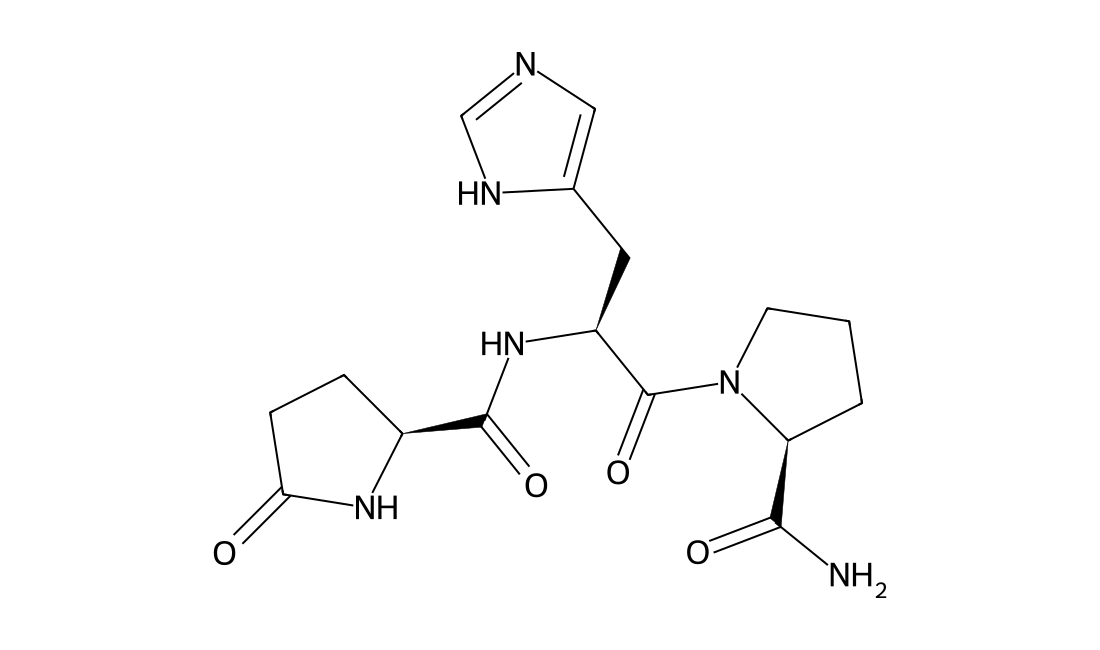
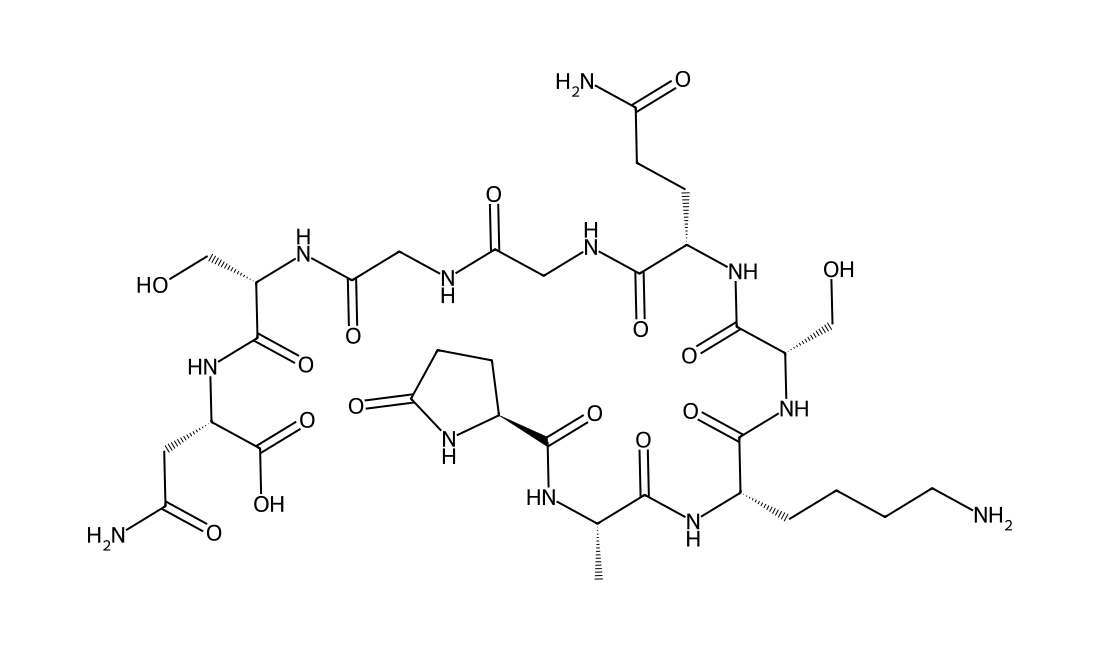
Alarelin is a potent LH-RH agonist in rats and mice. Alarelin reversibly delays sexual maturation in rats, stimulates spawning activity in fish. GnRH ( gonadotropin-releasing hormone, Glp-His-Trp-Ser-Tyr-Gly-Leu-Arg-Pro-Gly-NH2), which is also referred as LHRH (luteinizing hormone-releasing hormone) or gonadorelin, is crucial for mammalian reproduction and is released from hypothalamic neurons. It is responsible for the secretion of gonadotropins, luteinizing hormone (LH) and follicle-stimulating hormone (FSH), from the pituitary glands.

Alarelin Acetate chemical structure
Browse target & topic index A–Z (366)
11β-HSD (1)15-PGDH (2)5-HT Receptor (16)Acetyl-CoA Carboxylase (ACC) (3)Acetylcholinesterase (AChE) (2)Ack1 (TNK2) (1)Acyltransferase (1)ADC Cytotoxin (6)ADCs Linker/Click Chemistry (5)Adenosine Receptor (9)Adenylate Cyclase (2)Adrenergic Receptor (11)Akt (12)Alcoholism (2)Aldehyde Dehydrogenase (ALDH) (6)Allergy (5)Alzheimer Disease (13)Aminopeptidase (1)AMPK (8)Amyloids (4)Anaplastic Lymphoma Kinase (ALK) (9)Androgen Receptor (AR) (11)Anemia (4)Angiotensin Receptor (4)Antibody/Protein labeling dyes (1)Antifolate (2)Anxiety (1)Apoptosis Inducer (3)Arginase (1)Arp2/3 complex (1)Aryl hydrocarbon Receptor (AhR) (1)Asthma (5)Atherosclerosis (2)ATM/ATR (8)Aurora Kinase (10)Autophagy (6)Autophagy-related Protein (Atg) (2)Autotaxin (2)Bacterial (26)Bacterial Infection (17)Bcl-2 (14)Bcr-Abl (5)BCRP (1)Beta-catenin (4)Beta-secretase (BACE) (4)Blood Cancer (91)BMI-1 (1)Bone Cancer (6)Brain Cancer (6)Breast Cancer (30)Bromodomain (22)BTK (10)c-Fms (CSF1R) (5)c-Fos/AP-1 (1)c-Kit (6)c-Met (HGFR) (11)c-Myc (2)Calcium Channel (4)Calcium-sensing Receptor (CaSR) (1)CaMK (4)Cannabinoid Receptor (6)Carbonic Anhydrase (1)Carboxypeptidase (1)Casein Kinase (6)Caspase (4)Cathepsin (6)Cdc2-like Kinase (CLK) (1)CETP (2)CFTR (7)Checkpoint Kinase (Chk) (8)Chemokine Receptor (CCR and CXCR) (14)Chemotherapeutic Agents (19)Chloride Channel (1)CMV (2)CMV Infection (2)Colon Cancer (9)Complement System (1)COPD (3)CREB/CBP (2)CRF Receptor (2)CRISPR/Cas9 (1)Cushing Disease (1)Cyclin-dependent Kinase (CDK) (39)Cyclooxygenase (COX) (4)Cytochrome P450 (CYPs) (5)Depression (2)Dermatitis (2)Deubiquitinase (DUB) (7)Diabetes (20)Dipeptidyl Peptidase (DPP) (3)Discoidin Domain Receptor (DDR) (1)DNA Alkylator/Crosslinker (10)DNA Methyltransferase (DNMT) (1)DNA Repair Protein (1)DNA-PK (2)DNA/RNA Synthesis (5)Dopamine beta-hydroxylase (1)Dopamine Receptor (7)Drug Metabolite (1)Drug-Linker Conjugates (11)Dyes (4)DYRK (1)Dyslipidemia (9)E3 Ligase Ligand (6)E3 Ligase Ligand-Linker Conjugate (1)E3 Ubiquitin Ligase (4)Ebola Virus Infection (1)EGFR (32)Elastase (2)Endothelin Receptor (5)Enzymes substrates (13)Epigenetic Reader Domain (3)Epilepsy (4)ERK (4)Estrogen Receptor/ERR (13)Eukaryotic Initiation Factor (eIF) (2)Exportin-1 (CRM1,XPO1) (2)FABP (1)Factor Xa (5)Farnesoid X Receptor (FXR) (5)Farnesyl transferase (FTase) (1)Ferroptosis (6)FGFR (20)Fibrosis (5)FLT3 (6)Focal Adhesion Kinase (FAK) (11)Foxo1 (1)Free Fatty Acid Receptor (FFAR) (5)Fungal (2)Fungal Infection (1)GABA Receptor (13)Galectin (1)Gastric Cancer (8)Ghrelin Receptor (GHSR) (3)Glucagon Receptor (4)Glucokinase (2)Glucose Transporter (GLUT) (2)Glutamate Transporter (2)GPCR (1)GPER (GPR30) (1)GPR139 (1)GPR183 (EBI2) (2)GPR39 (1)GPR55 (1)GPR84 (1)GRK (GPCRK) (2)Growth Hormone Deficiency (2)GSK-3 (8)Guanylate Cyclase (3)HBV (1)HBV Infection (1)HCN Channel (2)HCV (8)HCV Infection (9)HDAC (38)Heart Arrhythmia (2)Heart Failure (5)Heat Shock Protein (HSP) (15)Hedgehog (Hh) (1)HIF/HIF Prolyl-hydroxylase (8)Histamine Receptor (6)Histone Acetyltransferase (HAT) (5)Histone Demethylase (11)Histone Methyltransferase (HMTase) (31)HIV (12)HIV Infection (11)HMG-CoA Reductase (HMGCR) (3)HSV (1)HSV Infection (1)Hypercholesterolemia (1)Hyperparathyroidism (1)Hypertension (8)IAP (1)IGF-1R (3)iGluR (15)Indoleamine 2,3-Dioxygenase (IDO) (4)Infection (1)Influenza (6)Influenza Virus (6)Insulin Receptor (2)Integrin (6)Interleukin Receptor (1)IRAK (2)IRE1 (4)Irritable Bowel Syndrome (2)Ischemia (1)Isocitrate Dehydrogenase (IDH) (5)ITK (1)IκB kinase (IKK) (7)JAK (32)JNK (3)Keap1-Nrf2 (6)Kidney Cancer (10)Kinesin (5)Kruppel-like Factor (KLF) (1)Kynurenine 3-Monooxygenase (KMO) (1)Leukotriene Receptor (1)LIM Kinase (LIMK) (3)Lipids fragment (1)Liver Cancer (6)Liver X Receptor (LXR) (3)LRRK2 (9)Lung Cancer (39)Lysophospholipid Receptor (12)LYTACs (3)mAChR (9)MALT1 (2)MAP4K (1)Matrix Metalloproteinase (MMP) (10)MDM2-p53 (9)MEK (MAP2K) (14)MEKK (MAP3K) (1)Melanocortin Receptor (2)MELK (1)mGluR (7)MicroRNA (1)Microtubule/Tubulin (5)Mineralocorticoid Receptor (MLR) (1)MITF (1)Mixed Lineage Kinase (MLK) (3)MNK (2)Molecular Glues (21)Monoamine Transporter (5)Monocarboxylate Transporter (MCT) (1)Monopolar Spindle 1 (Mps1/TTK) (3)mTOR (13)Multiple Sclerosis (6)Myosin (1)Na-K-Cl Cotransporter (NKCC) (2)nAChR (2)NADPH Oxidase (NOX) (2)NAMPT (3)Natural products (37)Neprilysin (1)Neurokinin Receptor (3)Neuropeptide Y Receptor (3)NF-κB (5)Nitric Oxide Synthase (NOS) (1)NOD-like Receptor (NLR) (3)Notch (2)Nucleoside Antimetabolite/Analog (10)Nur77 (NR4A1) (1)Obesity (1)Oct3/4 (1)Opioid Receptor (5)Orexin Receptor (7)Osteoporosis (2)Ovarian Cancer (14)Oxytocin Receptor (OXTR) (2)P-glycoprotein (P-gp) (3)p21-activated Kinase (PAK) (1)P2X Receptor (2)P2Y Receptor (1)p38 MAPK (10)p97/VCP (1)Pain (12)Pancreatic Cancer (10)Parasite (5)Parasite Infection (2)Parkinson Disease (2)PARP (19)PCSK9 (1)PD-1/PD-L1 (4)PDGFR (4)PDK1 (2)PEGn (1)PERK (2)PGE synthase (2)Phosphodiesterase (PDE) (9)Phospholipase (4)PI3K (32)PI4K (2)Piezo Channel (1)PIKfyve (3)Pim (9)PKC (12)PKD (1)Plasminogen Activator Inhibitor-1 (PAI-1) (3)Polo-like Kinase (PLK) (4)Porcupine (3)Potassium Channel (13)PPAR (13)Pregnane X Receptor (PXR) (1)Progesterone Receptor (2)Prostaglandin Receptor (11)Prostate Cancer (7)PROTACs (35)Protease-activated Receptor (PAR) (3)Proteasome (12)Protein Disulfide Isomerase (PDI) (1)Protein Phosphatase/PTP (6)Proton Pump (1)Psoriasis (5)RAD51 (1)Radioligand precursors (15)Raf (18)RAR/RXR (3)Ras (17)Renin (2)RET Tyrosine Kinase (c-RET) (3)Rheumatoid Arthritis (16)Ribosomal S6 Kinase (RSK) (5)RIG-I-like Receptor (RLR) (2)RIP kinase (7)ROCK (12)ROR (2)RSV (4)RSV Infection (3)RUNX1-CBFβ (1)S-nitrosoglutathione reductase (GSNOR) (1)Saccharides and Glycosides (1)Salt Inducible Kinase (SIK) (2)SARS-CoV (16)SARS-CoV Infection (34)Schizophrenia (4)Sexual Dysfunction (1)SGLT (4)Sigma Receptor (4)Sirtuin (9)Skin Cancer (13)Sleep Disorder (7)SMN2 Modulator (1)Smoothened (Smo) (9)Sodium Channel (12)Solid Tumors (35)Somatostatin Receptor (2)Sphingosine kinase (SphK) (2)Src (7)STAT (5)Stearoyl-CoA Desaturase (SCD) (1)Steatohepatitis (7)Sterol lipids (1)STING (14)Syk (6)T Cell Receptor (TCR) (1)TAK1 (2)TAM Receptor (Tyro3-Axl-Mer) (4)Taste Receptor (1)Telomerase (2)TGF beta Receptor (TGFBR) (12)Thrombin (3)Thrombosis (13)Thyroid Cancer (1)Thyroid Hormone Receptor (THR) (1)Thyrotropin Receptor (2)TNIK (1)Toll-like Receptor (TLR) (2)TOPK (1)Topoisomerase (11)TRAIL (1)Translocator Protein (TSPO) (1)Trk Receptor (4)TRP Channel (13)Tryptophan Hydroxylase (TPH) (1)Ubiquitin-activating Enzyme (E1) (2)Ubiquitin-conjugating Enzyme (E2) (2)Ulcer (1)ULK (3)Vasopressin Receptor (2)VEGFR (25)Vitamin D Receptor (VDR) (3)Wee1 (1)WNK Kinase (1)Wnt (5)Yes-associated Protein (YAP) (4)γ-secretase (5)

Cart

Request quotation