Small Molecule Research Tools

Explore bioactive compounds by research category, then narrow your search by target, product name, catalog number or CAS.

Newly added: LC-MG and OXF molecular glue research compounds →

6,823 products17 research categoriesBrowse all products ↓

Browse by research category

Products may appear in more than one category. Counts refer to distinct catalog numbers within each category.

Other Research Tools (75) · Additional reagents, building blocks and specialized research tools.

New literature-derived products

LC-MG-1 (DCA0006) · LC-MG-4 (DCA0007) · LC-MG-9 (DCA0008)

View structure and evidence summaries →

All small molecule products

Combine a keyword, research category and target to narrow the product list.

Loading catalog filters…

6,823 products · Showing 6,001–6,048

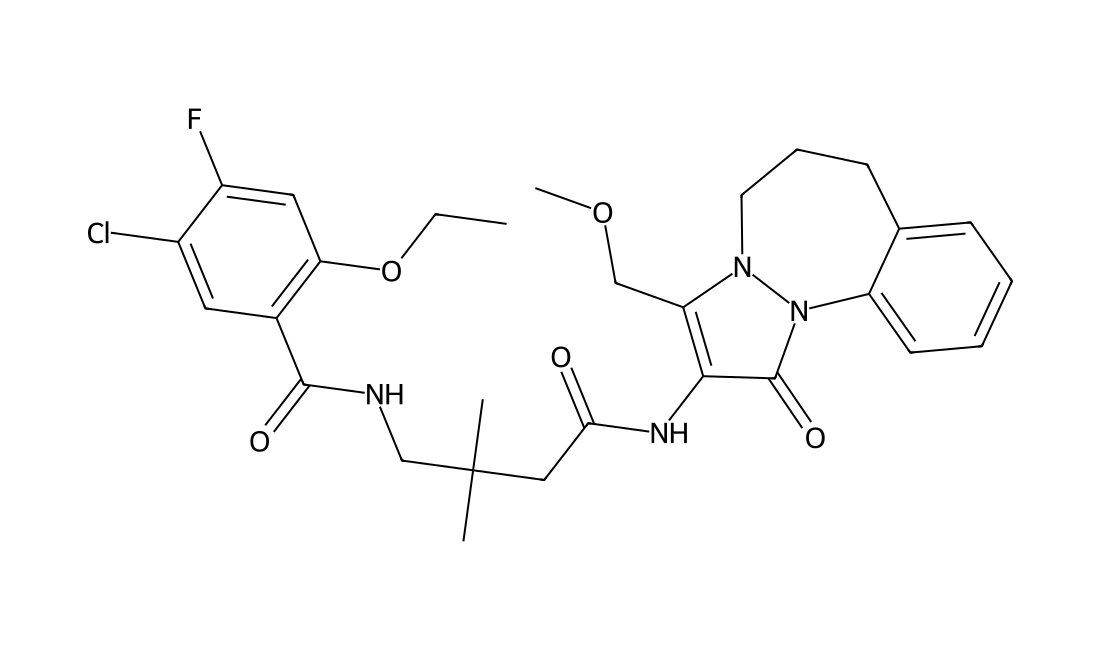
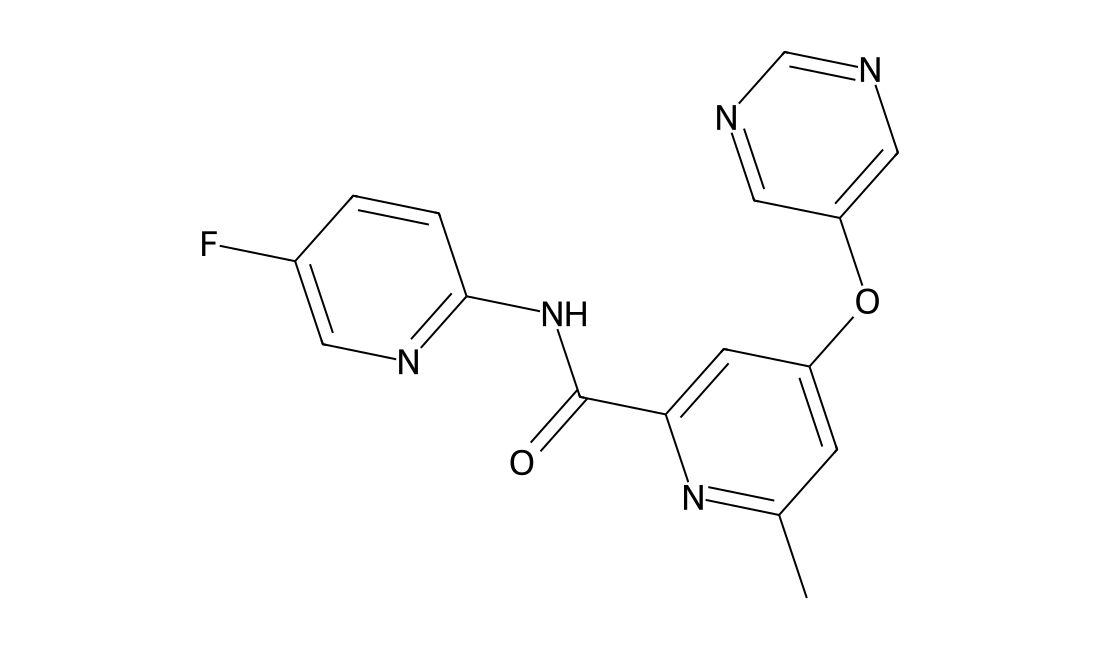
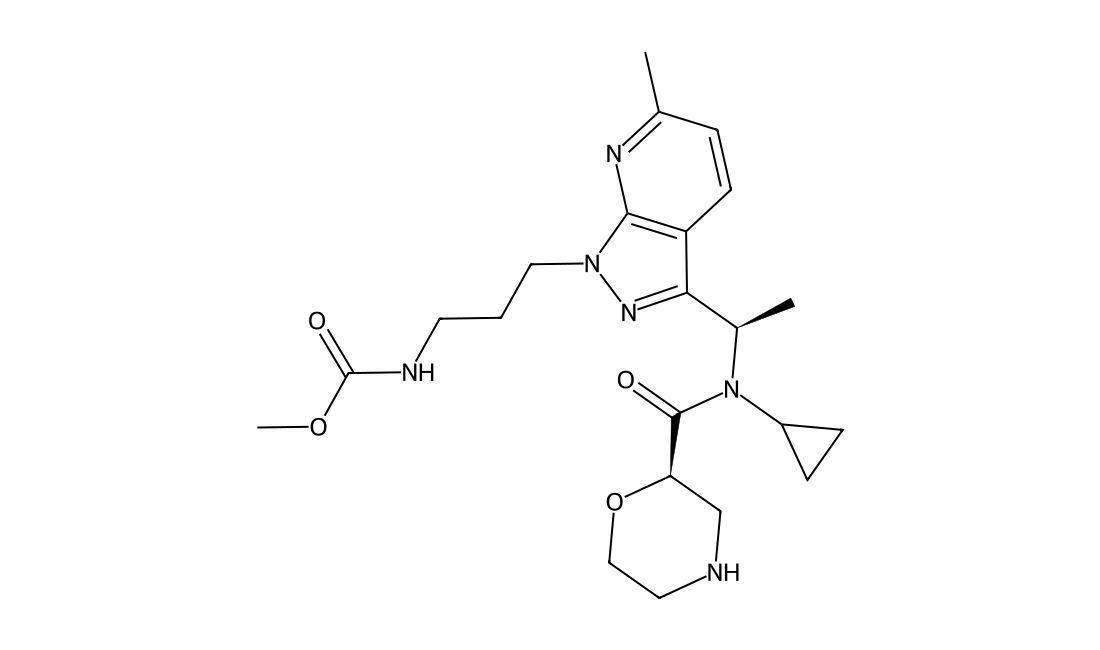
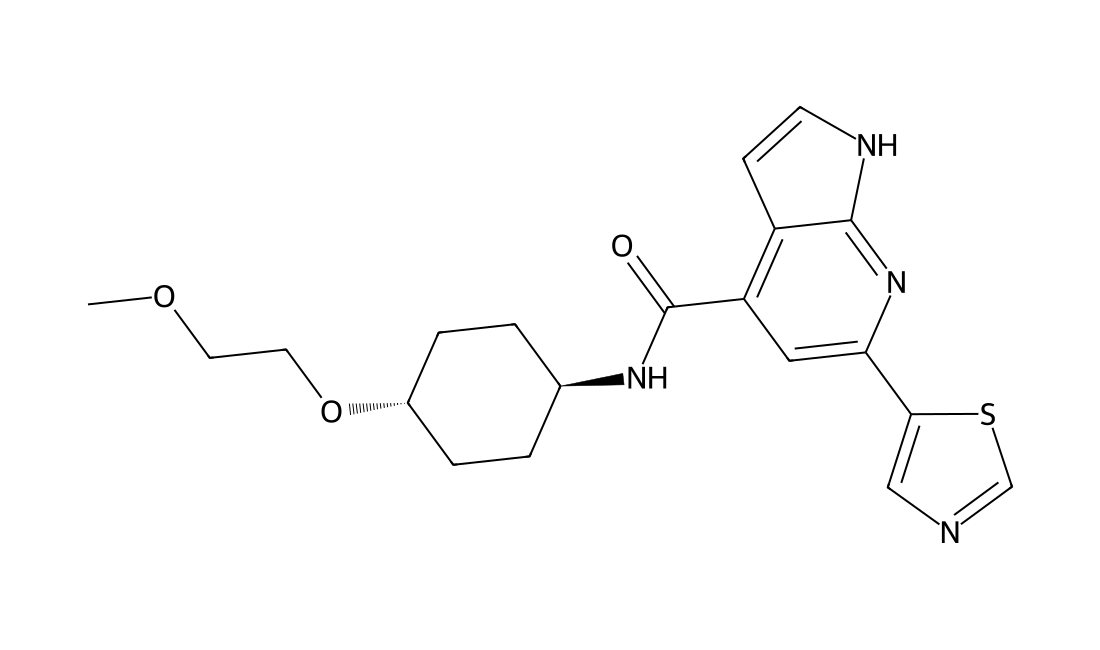
DC70579

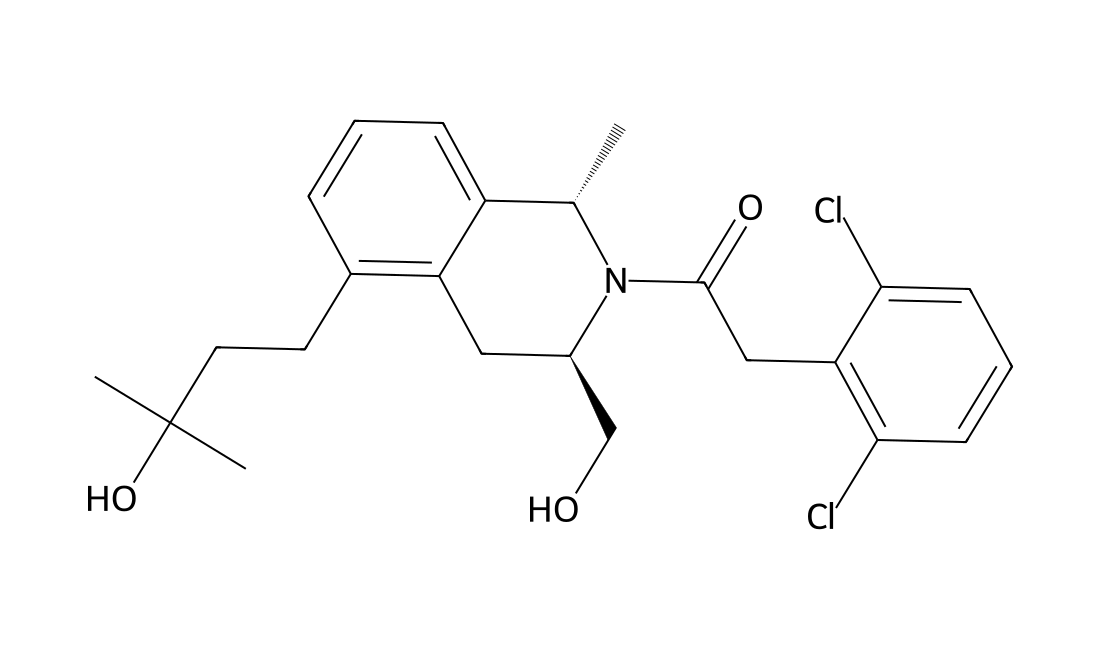
M3258

CAS 2285330-15-4

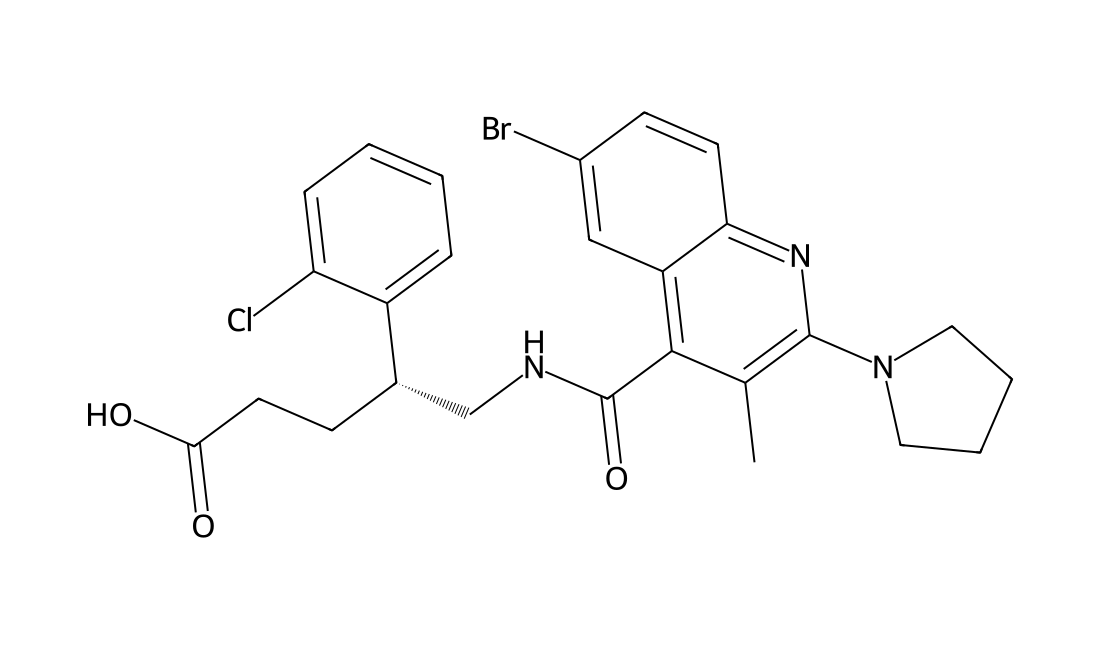
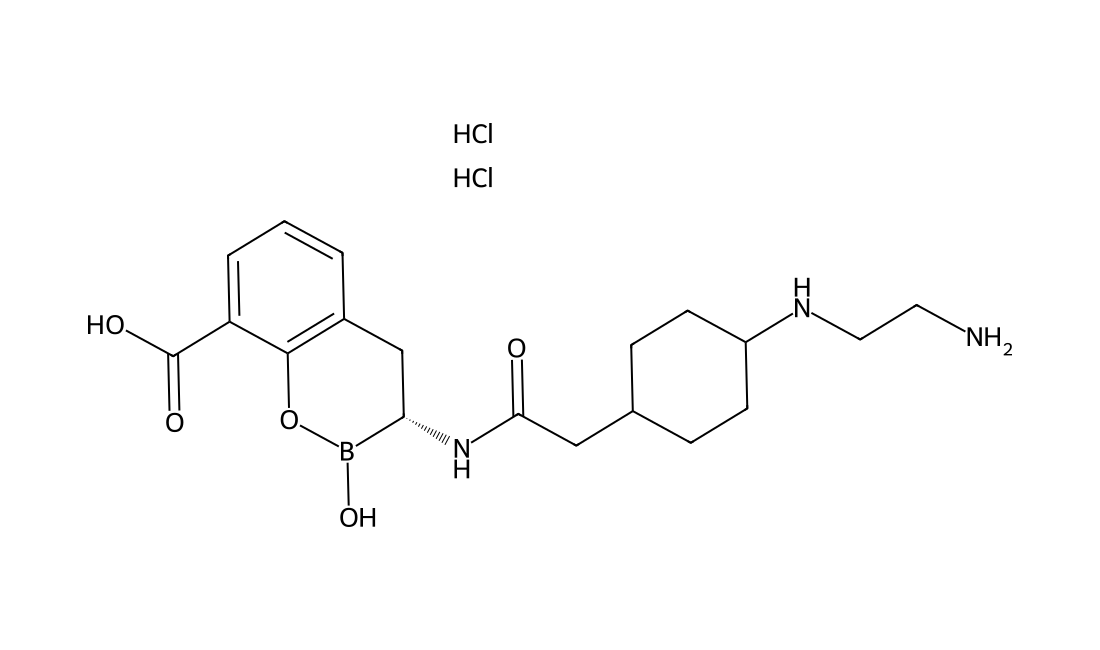
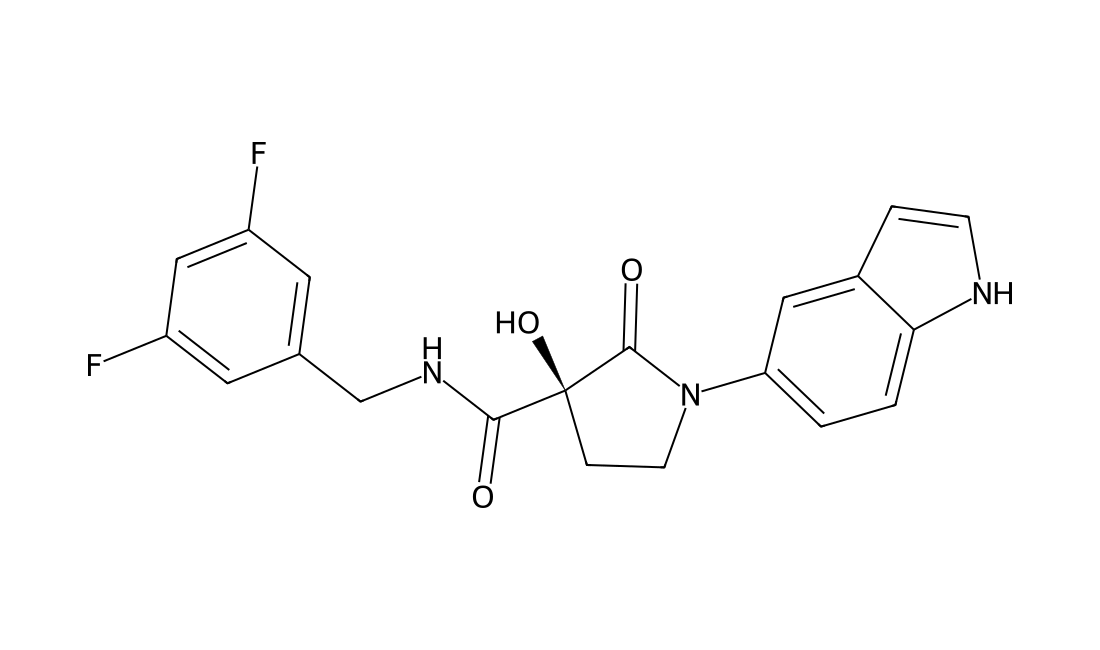
M3258 (M 3258) is a potent, reversible, highly selective and orally acitve LMP7 inhibitor with ceullar IC50 of 4.1 nM.M3258 does not inhibit other constitutive proteasome and immunoproteasome subunits (IC50>2.5 uM).M3258 demonstrated strong antitumor efficacy in multiple myeloma xenograft models.M3258 treatment led to a significant and prolonged suppression of tumor LMP7 activity and ubiquitinated protein turnover and the induction of apoptosis in multiple myeloma cells both in vitro and in vivo.M3258 showed superior antitumor efficacy in selected multiple myeloma and mantle cell lymphoma xenograft models compared with the approved nonselective proteasome inhibitors bortezomib and ixazomib.
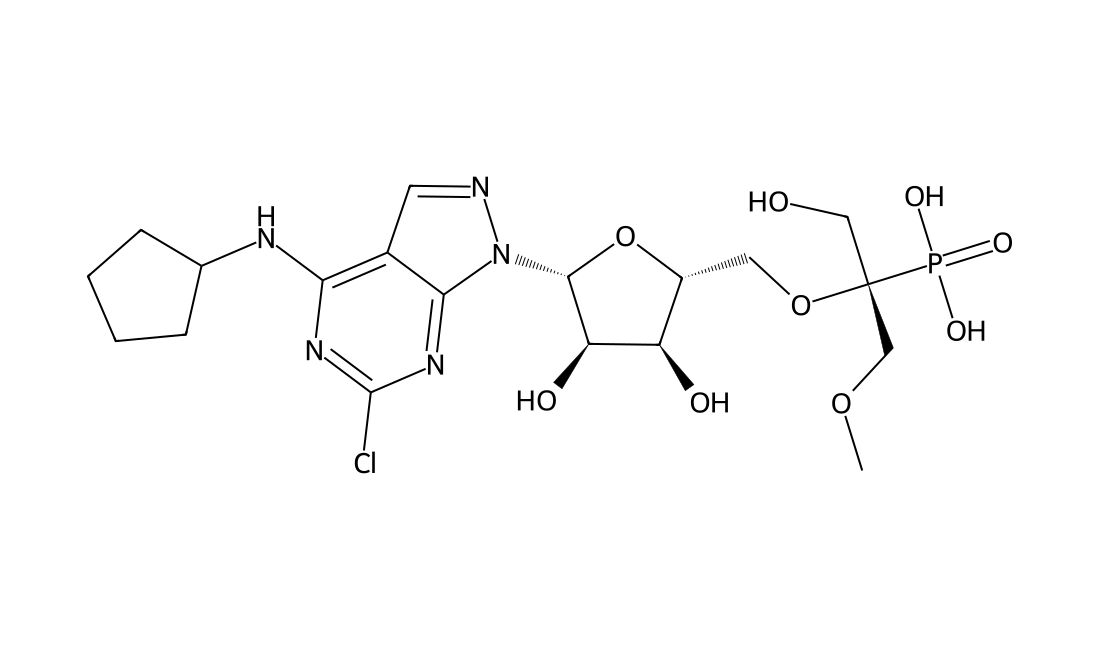
M3258 chemical structure
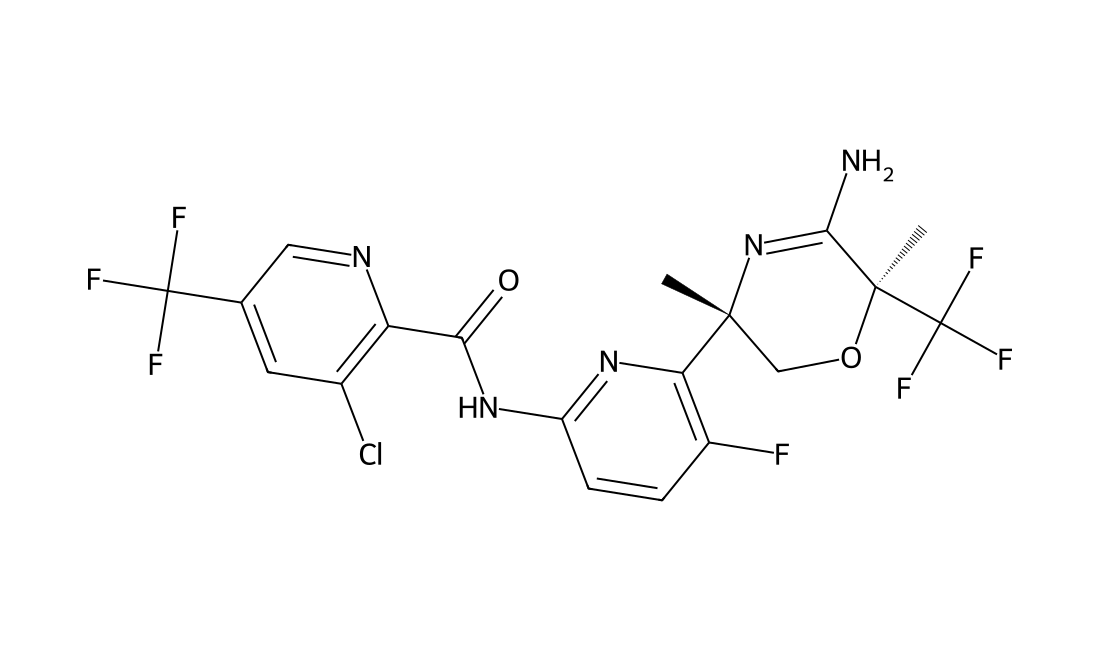
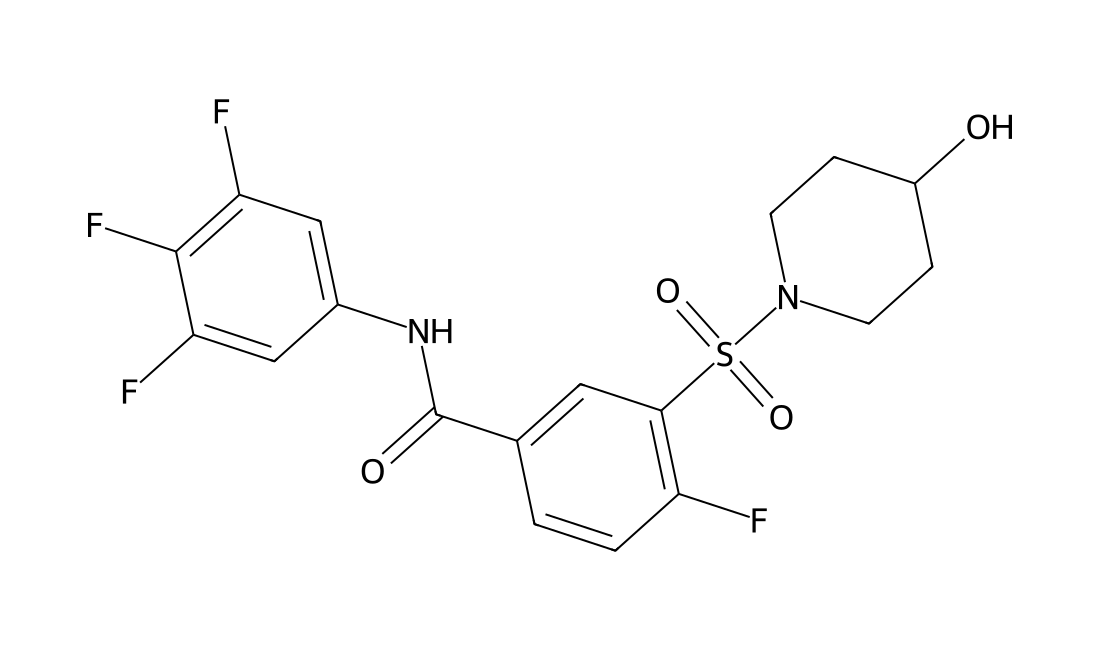
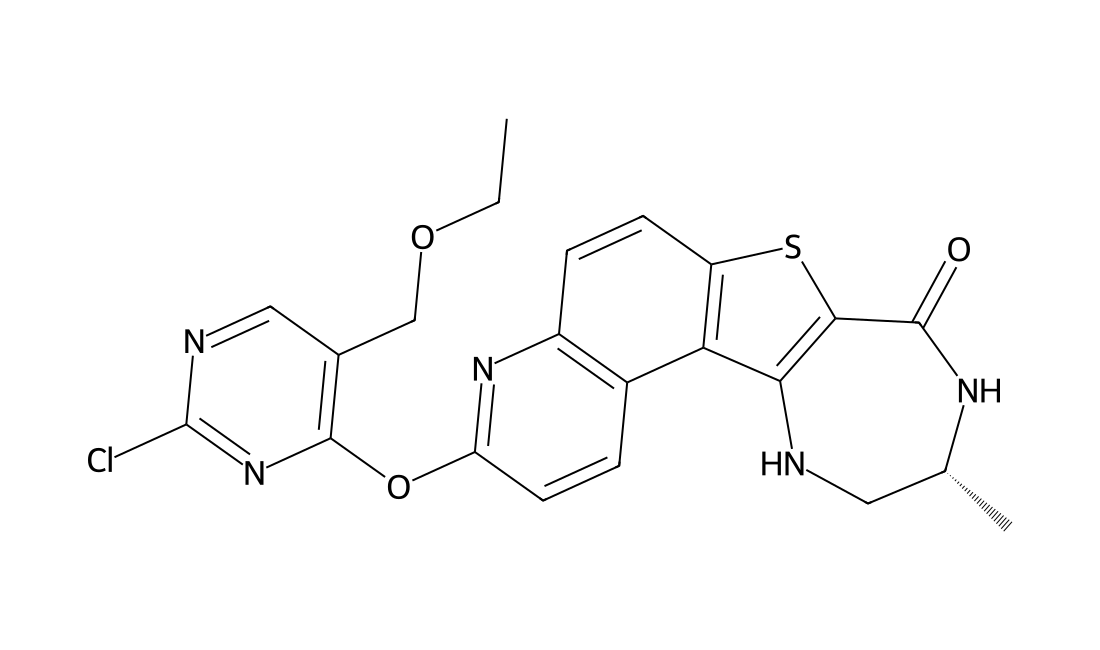
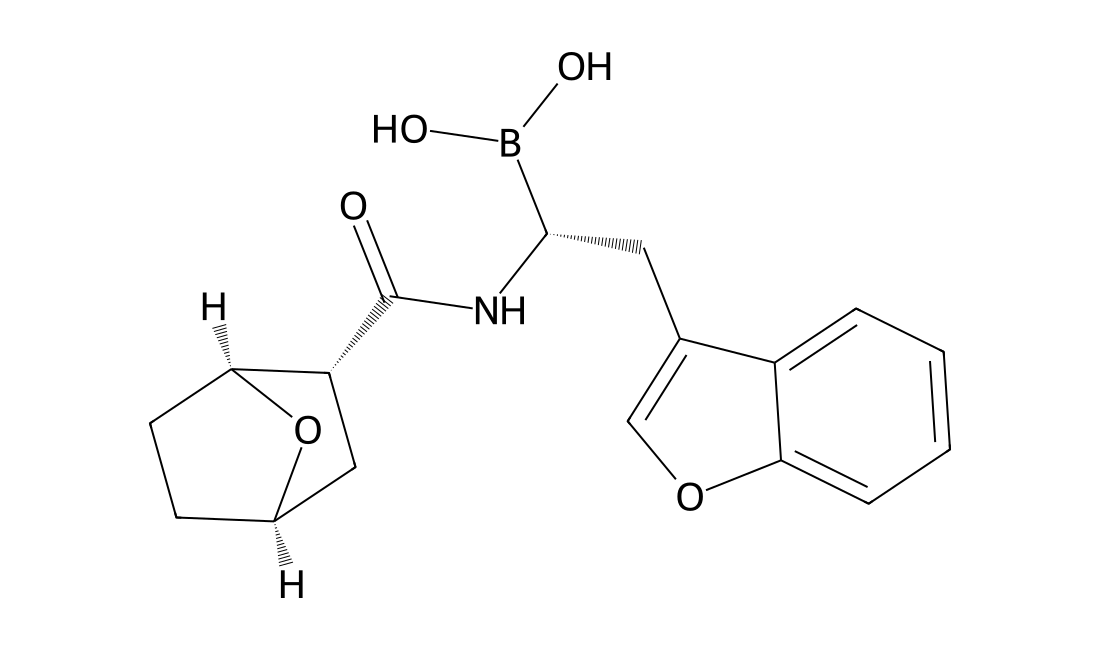
DC48830

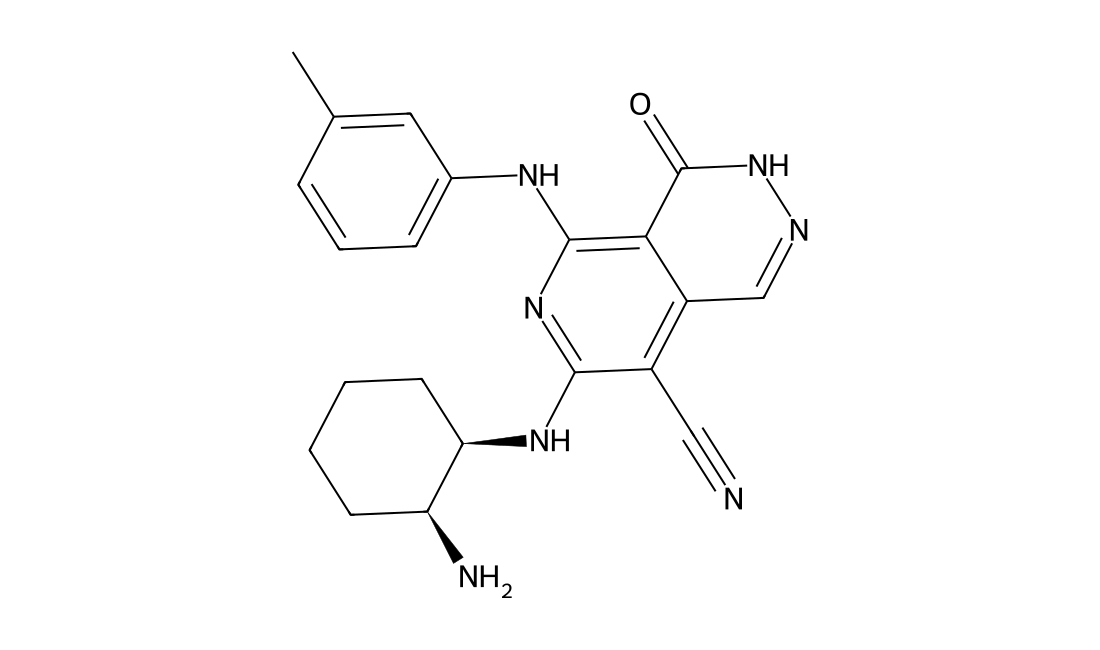
GSK3494245

CAS 2080410-41-7

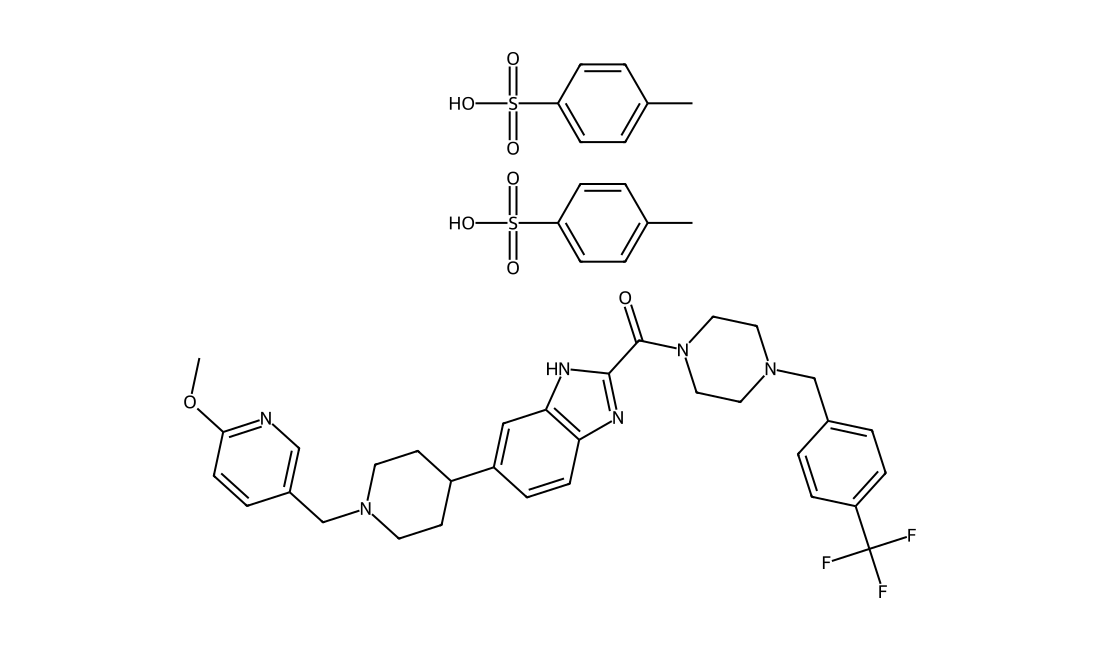
GSK3494245 (DDD01305143) is a potent, orally active, and selective inhibitor of the chymotrypsin-like activity of the parasite proteasome binding in a site sandwiched between the β4 and β5 subunits (IC50=0.16 μM for WT L. donovani proteasomes). GSK3494245 moderately inhibits chymotrypsin-like activity of human proteasome (IC50: purified 26S=13 µM; enriched THP-1 extracts IC50=40µM). GSK3494245 exhibits attractive biological and biosafety properties.
GSK3494245 chemical structure
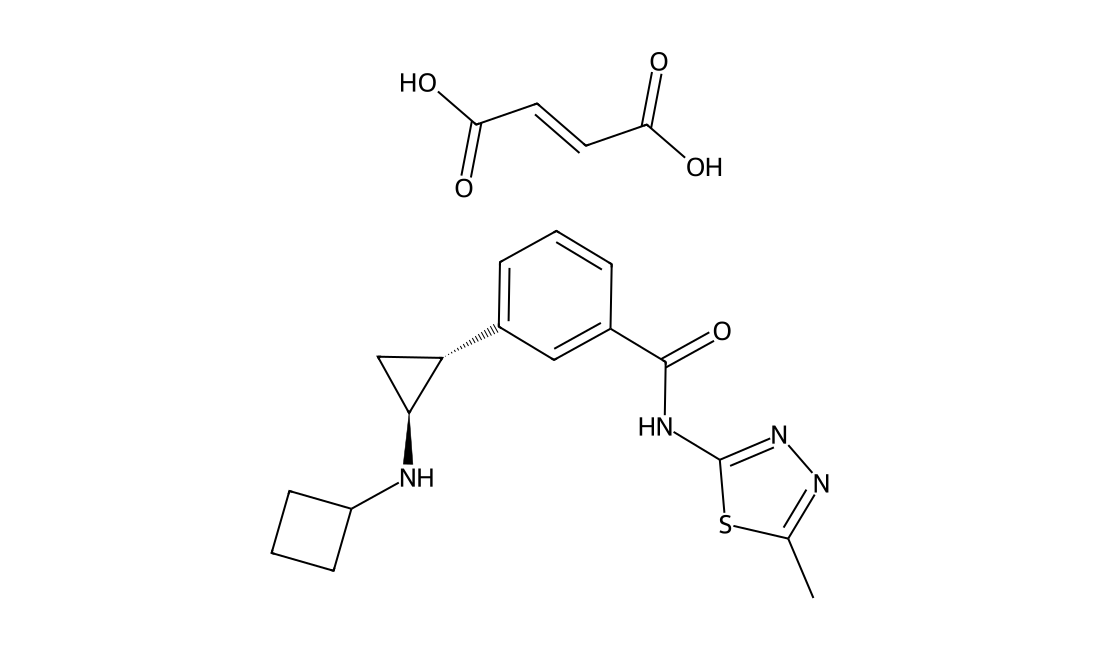
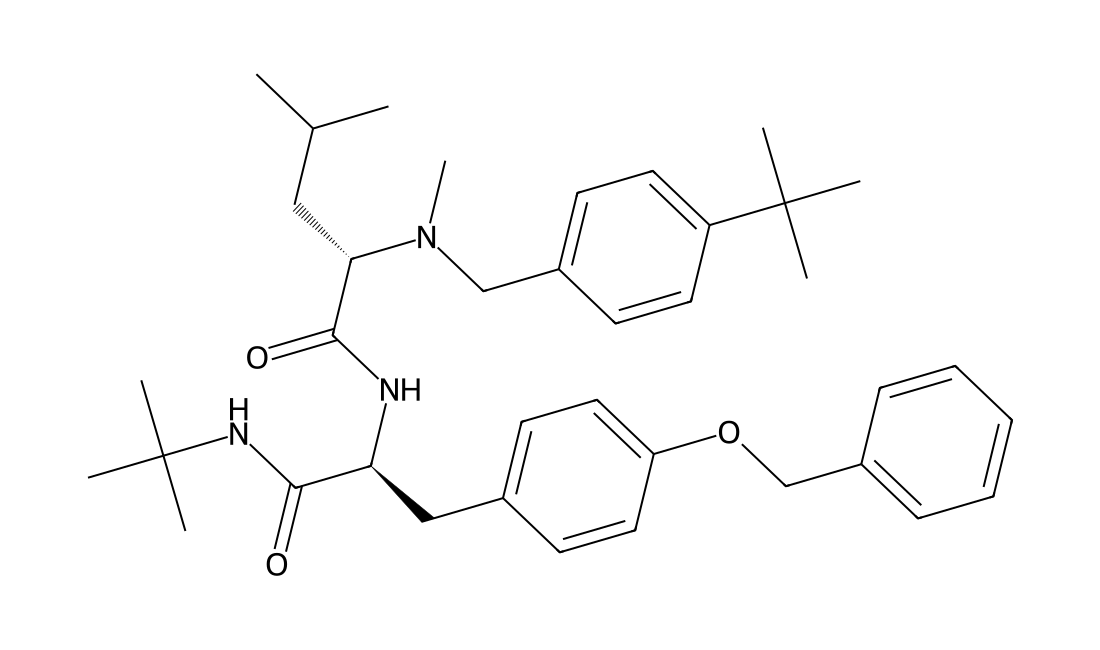
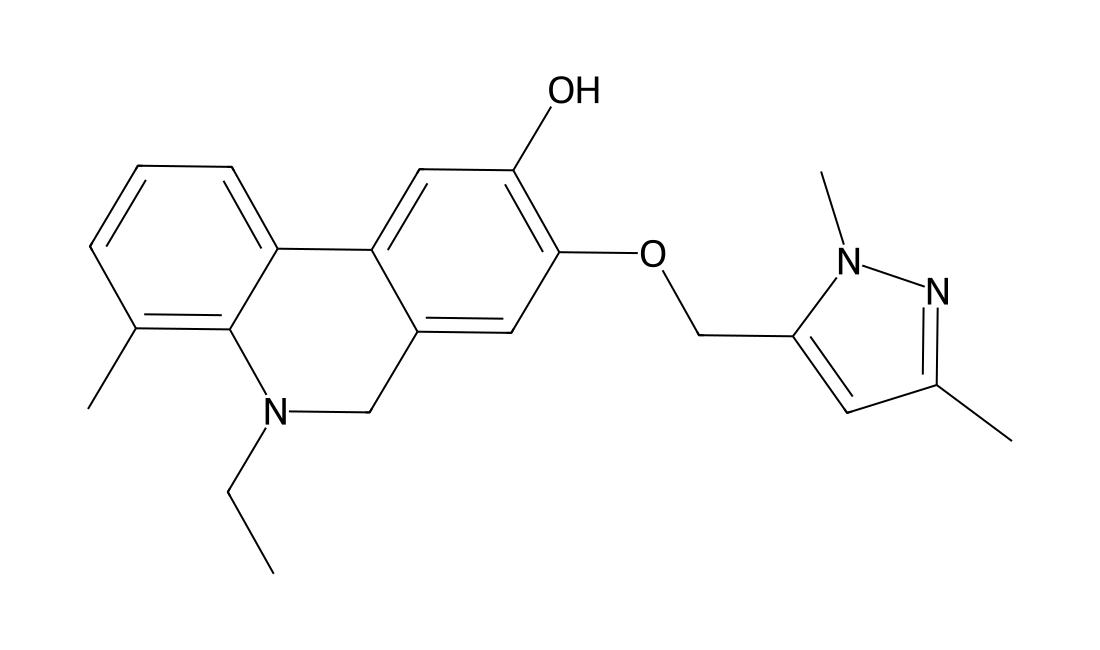
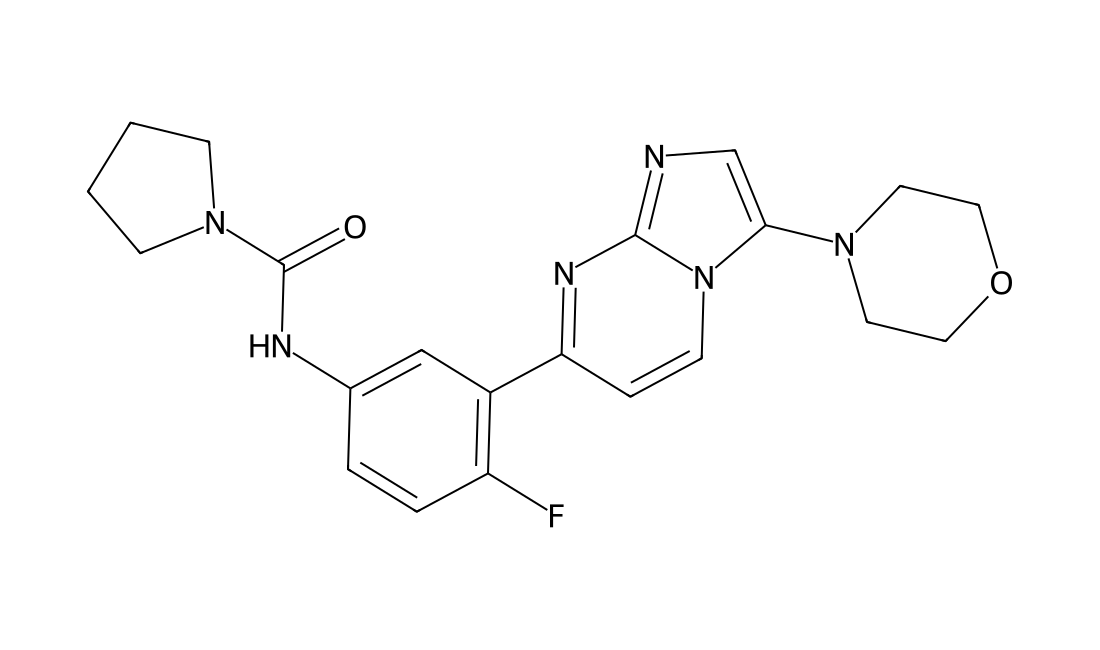
DC44213

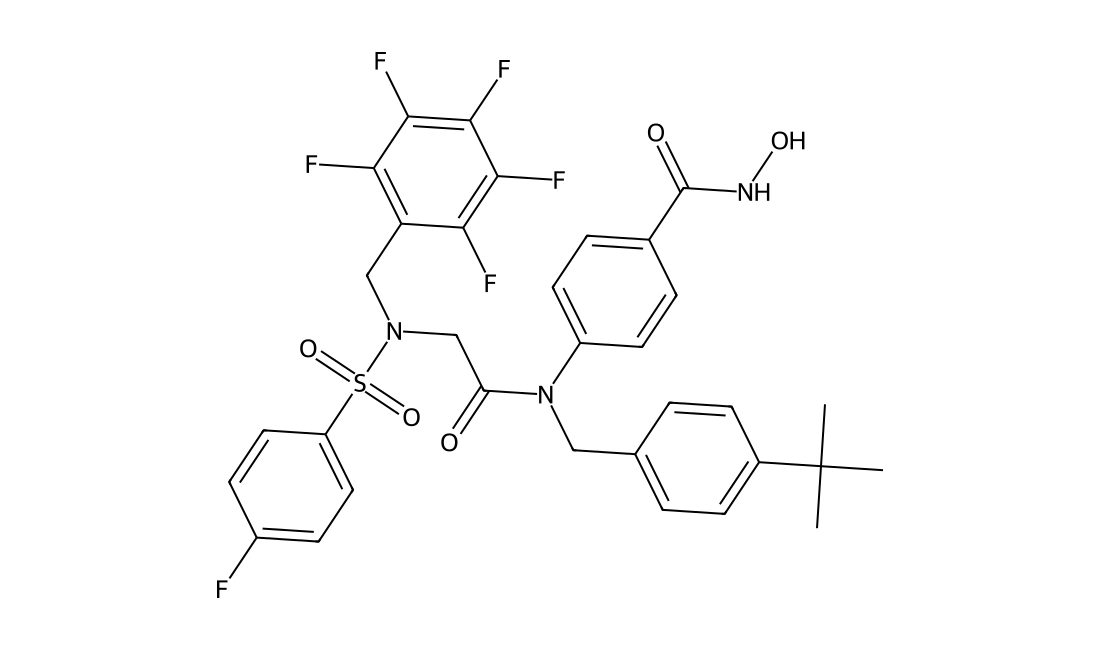
PF-06843195

CAS 2067281-51-8

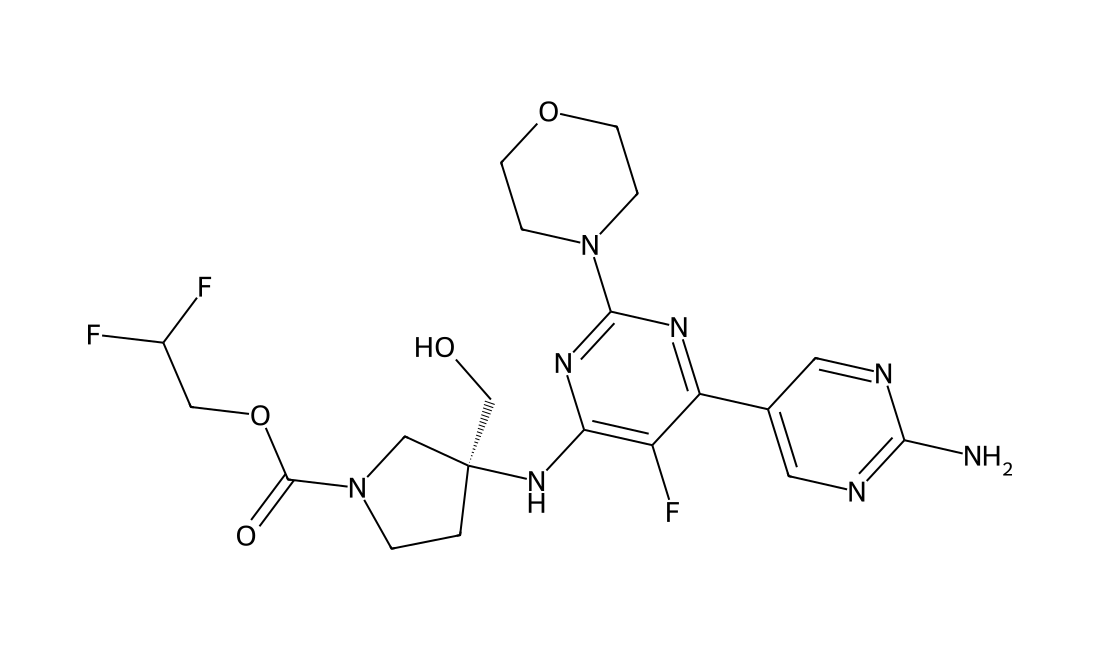
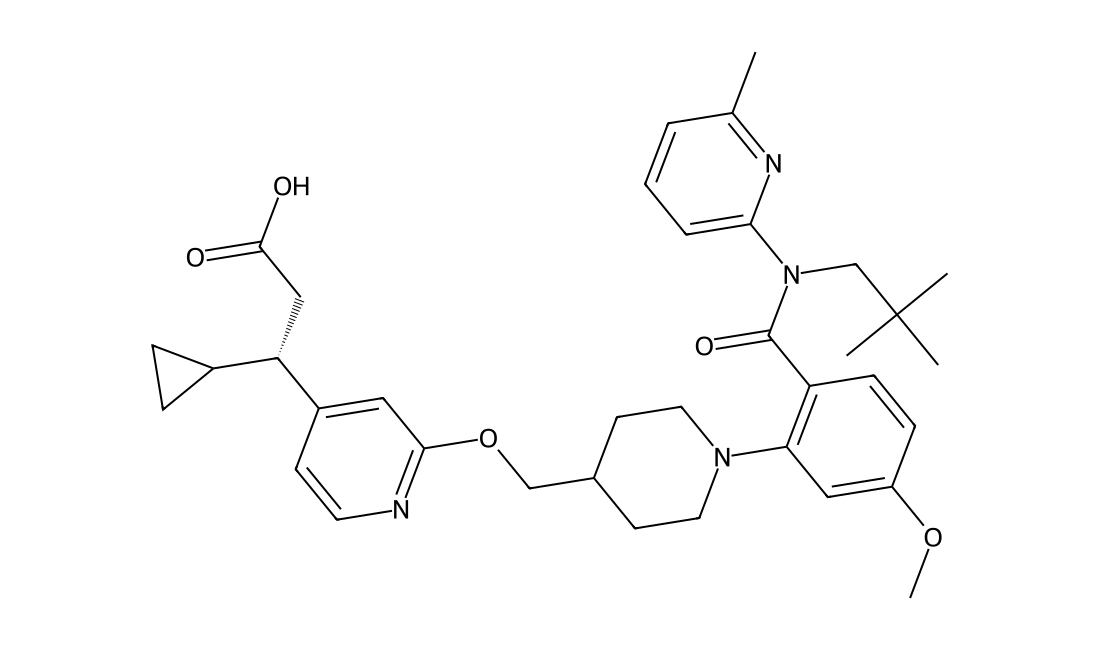
PF-06843195 is a highly selective PI3Kα inhibitor with an IC50 of 18 nM in Rat1 fibroblasts. The Kis of PF-06843195 for PI3Kα and PI3Kδ in biochemical kinase assay are less than 0.018 nM and 0.28 nM, respectively. PF-06843195 has great suppression of the PI3K/mTOR signaling pathway and durable antitumor efficacy.

PF-06843195 chemical structure
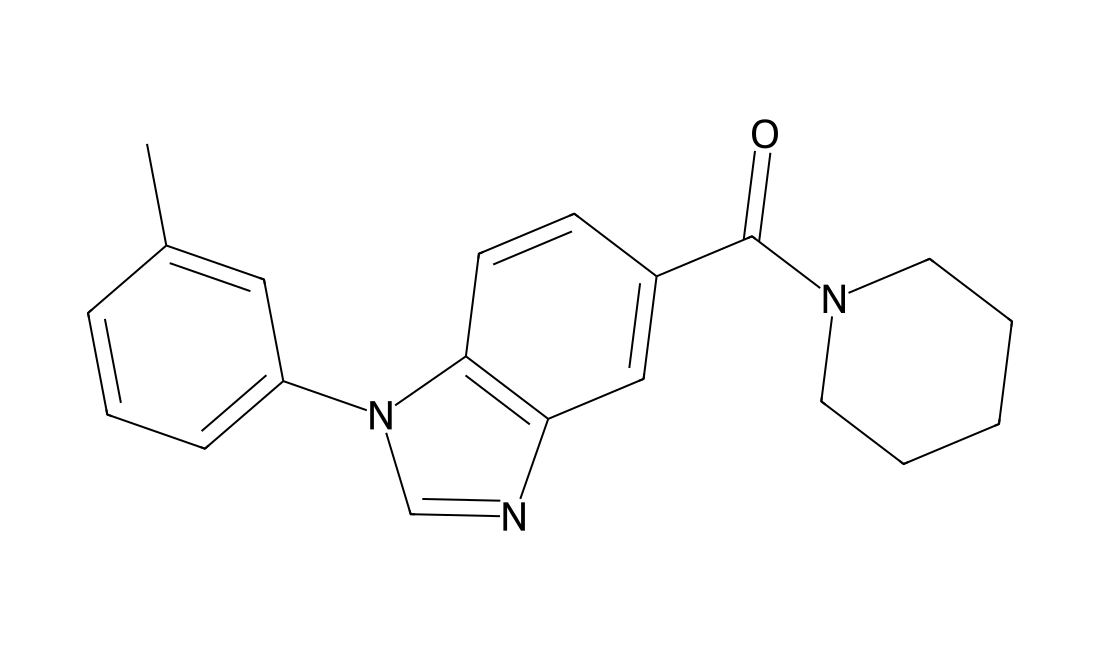
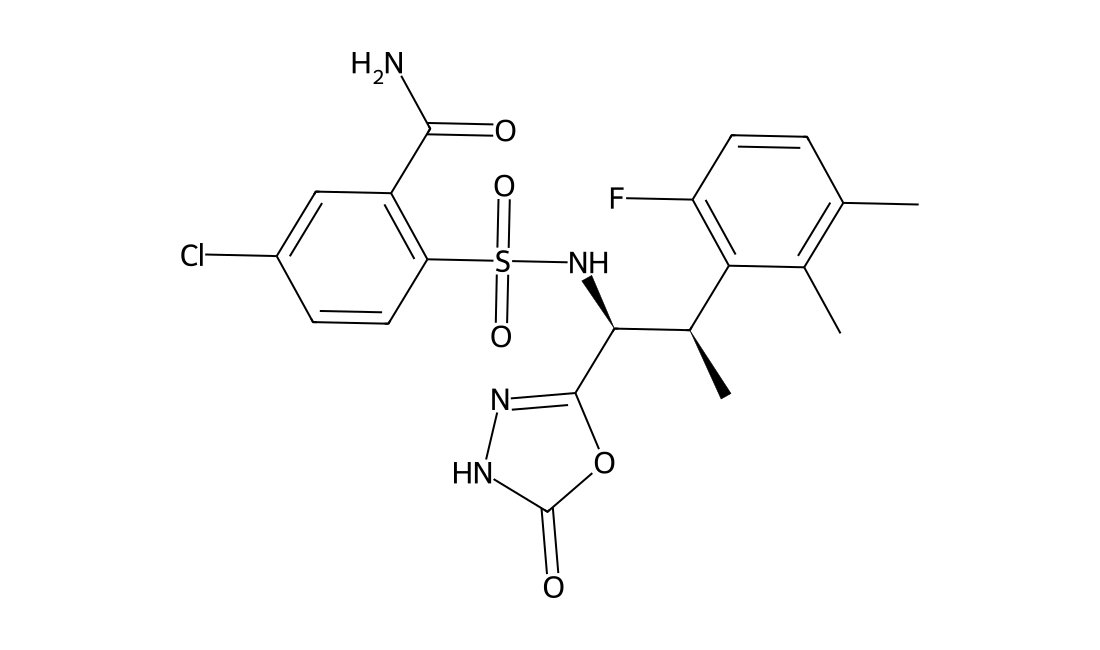
DC70265

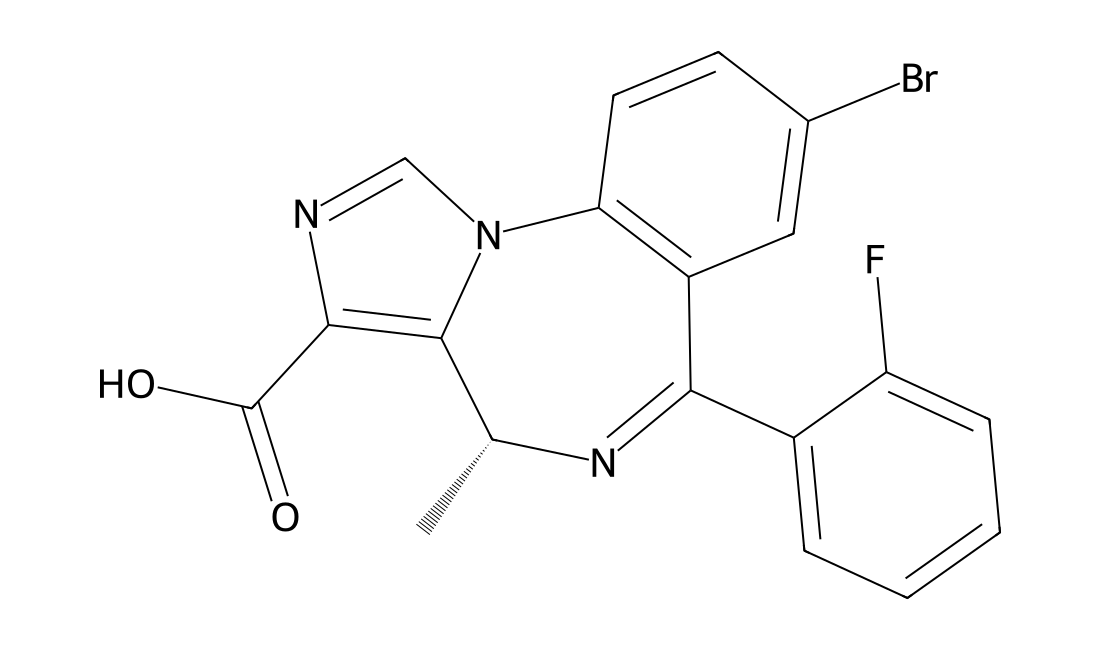
BMS-986202

CAS 1771691-34-9

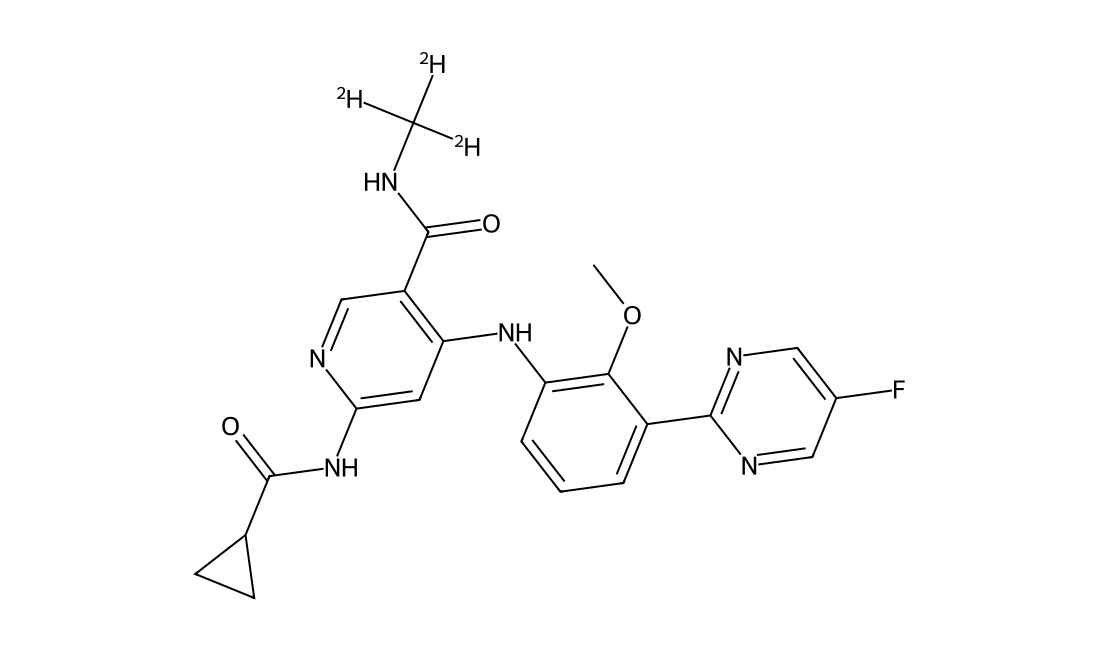
BMS-986202 (BMS 986202) is potent, selective Tyk2 inhibitor that binds to Tyk2 JH2 domain with IC50 of 0.19 nM, Ki of 0.02 nM, >10,000-fold over 273 kinases and pseudokinases; BMS-986202 demonstrated cellular activity (IL-23 IC50=12 nM) in IL-23 stimulated reporter assay (in Kit225 T cells). BMS-986202 also binds Jak1 JH2 with an IC50 of 7.8 nM, but this enzymatic binding did not lead to any functional activities, as BMS-986202 displayed an activity (IC50) of greater than 12.5 μM in the IL-2 stimulated Jak1/3-dependent cellular assay. BMS-986202 showed in vivo efficacy in mouse models of IL-23-driven acanthosis, anti-CD40-induced colitis, and spontaneous lupus.

BMS-986202 chemical structure
DC42356

MLT-231

CAS 2682102-10-7

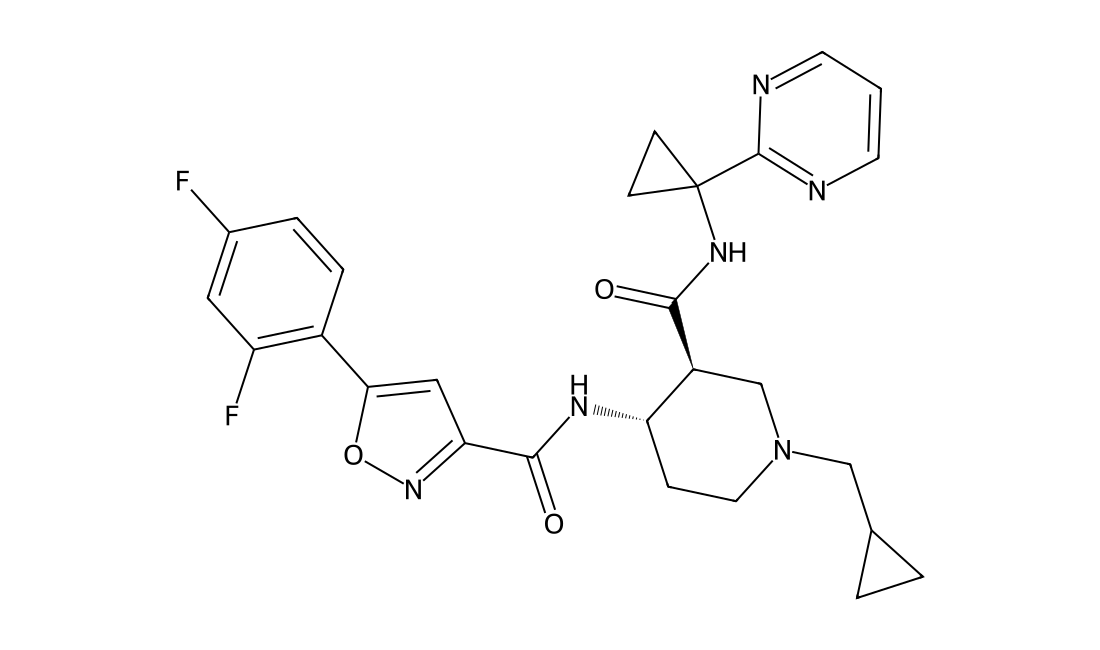
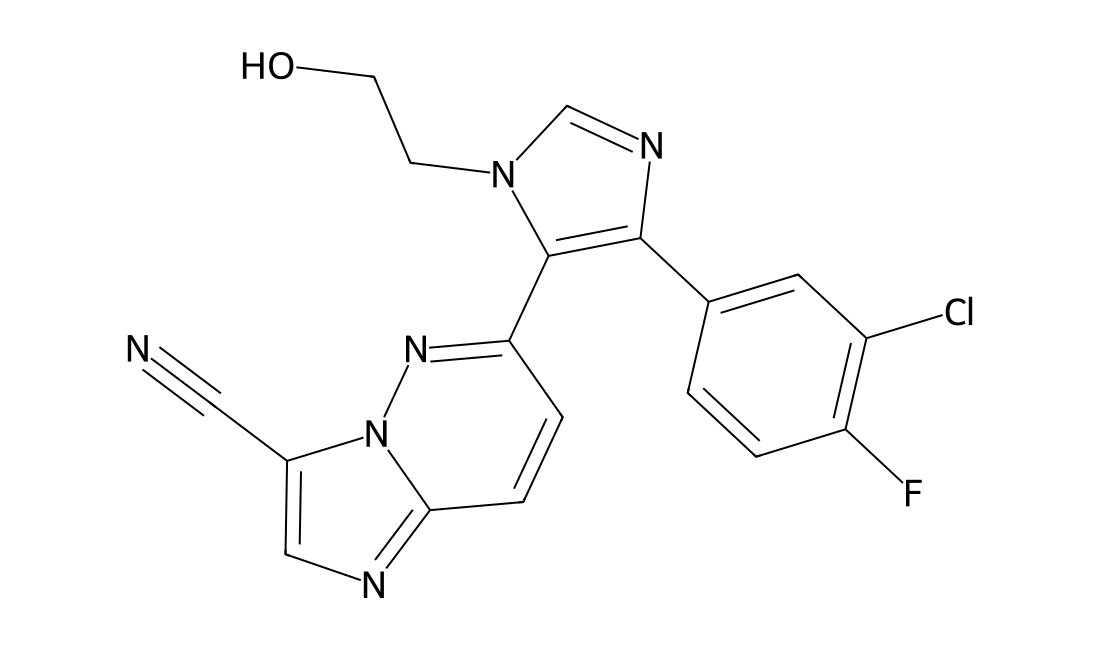
MLT-231 is a potent, highly selective allosteric MALT1 with an IC50 of 9 nM. MLT-231 specifically prevents endogenous BCL10 cleavage with IC50 of 160 nM. MLT-231 shows antitumor activity in an ABC-DLBCL type xenograft model in mouse.

MLT-231 chemical structure
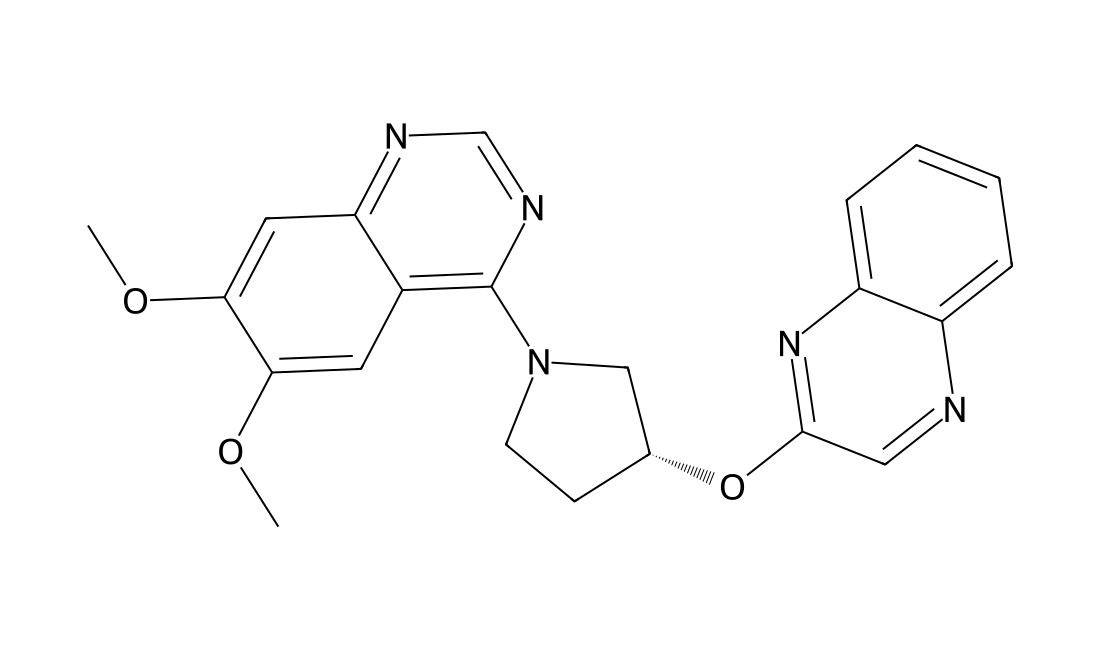
DC41010

PQR626

CAS 1927857-98-4

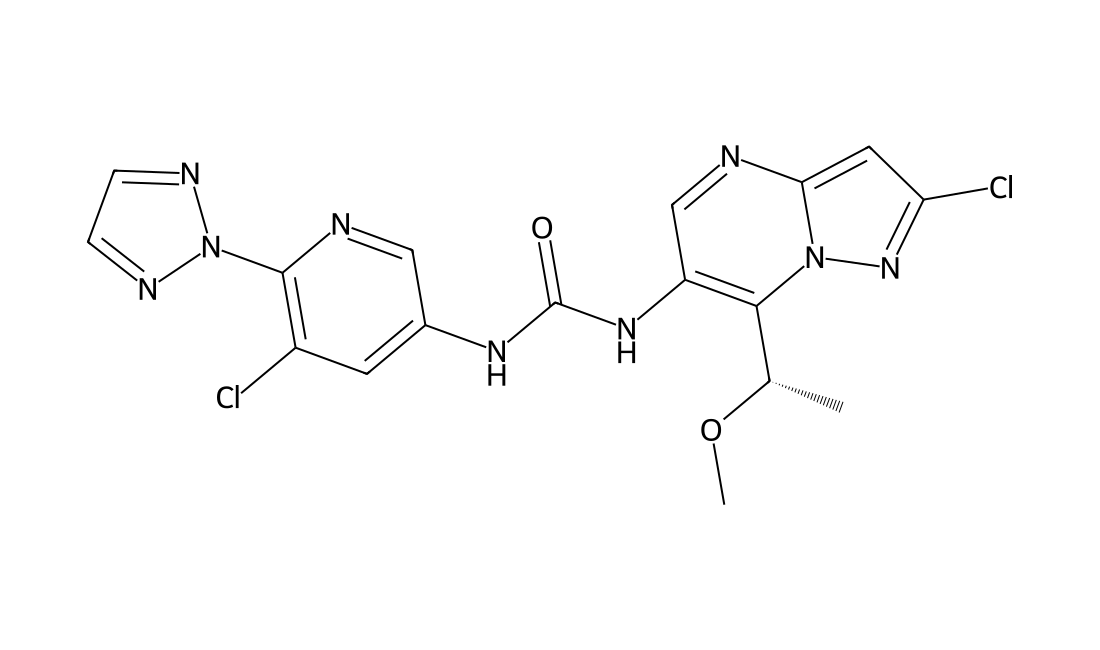
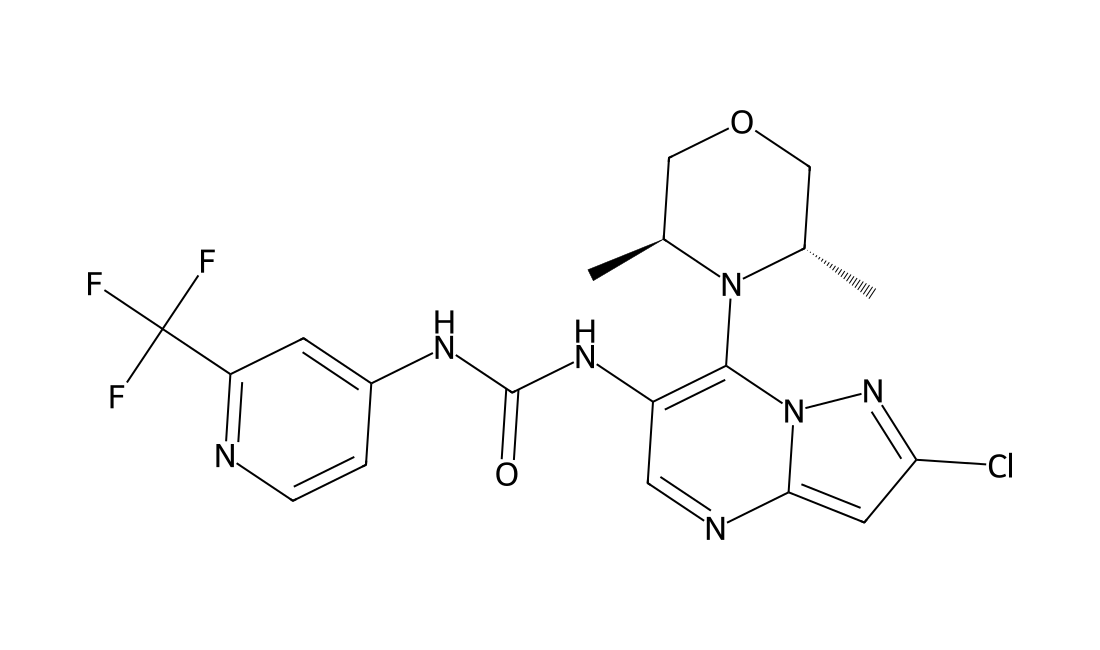
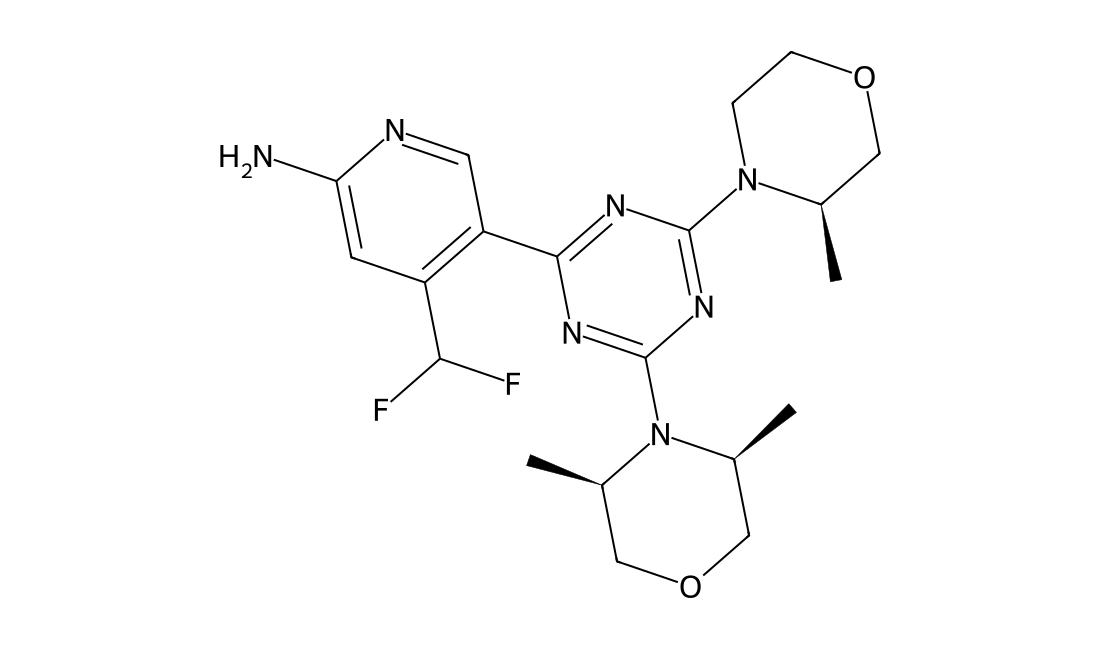
PQR626 is an orally available, and brain-penetrant mTOR inhibitor extracted from patent WO2017198346A1, compound example 44, has an IC50 of 5 nM for mTOR. PQR626 can be used for the research of neurological disorder.

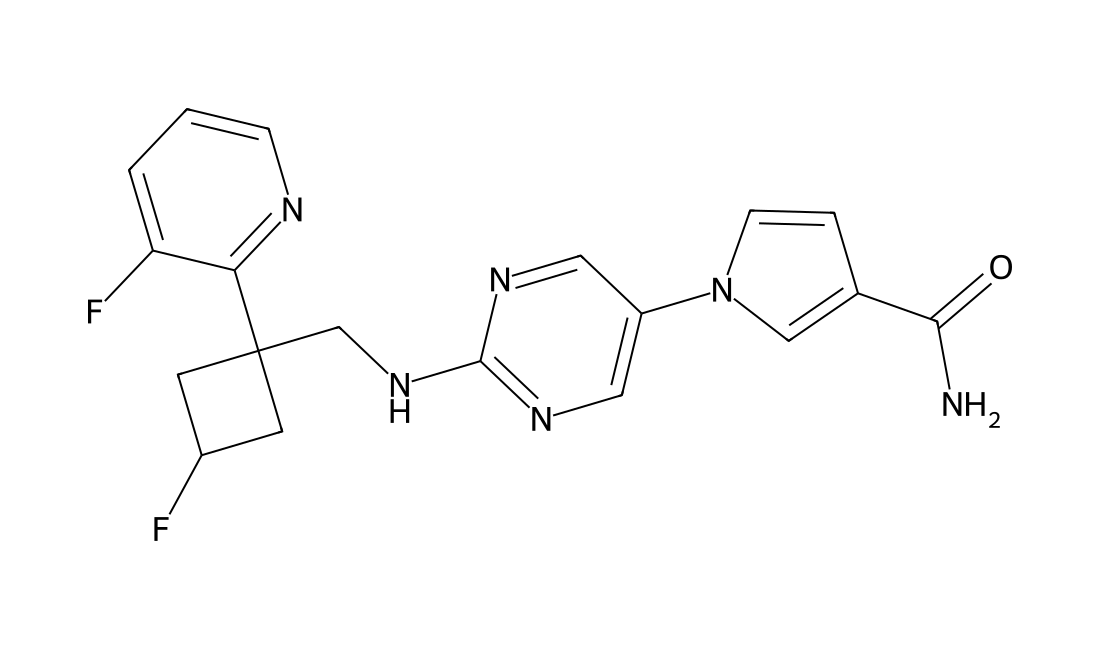
PQR626 chemical structure
DC65295

SSK1

CAS 2629250-69-5

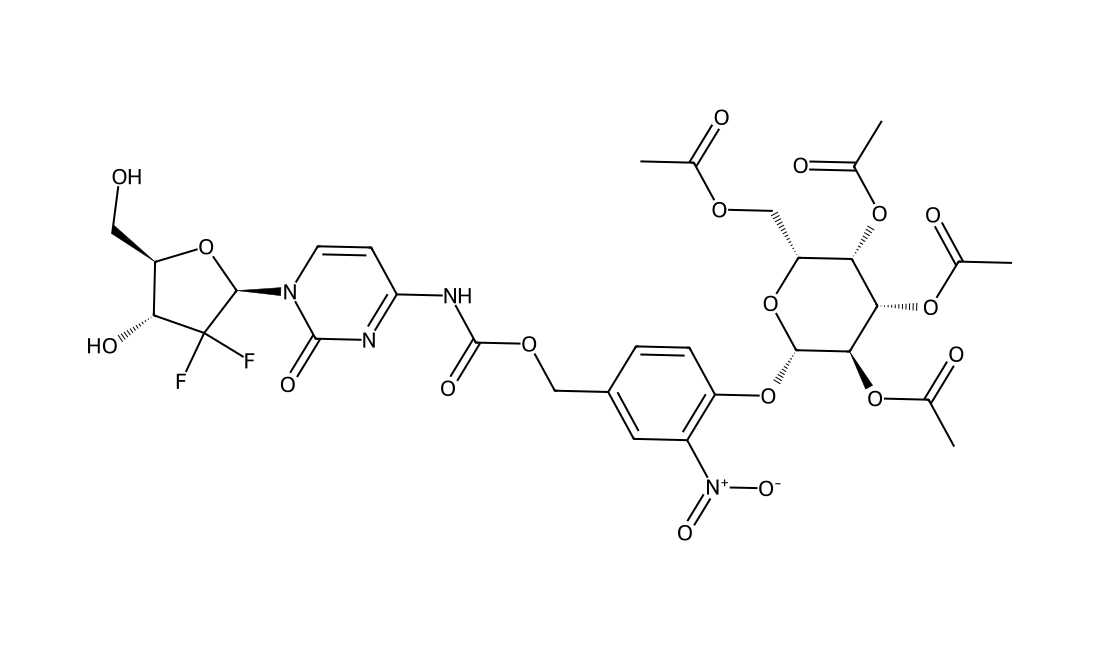
SSK1 is a senolytic prodrug, which was designed from gemcitabine, by chem. modifying gemcitabin to incorporate a site cleavable by SA-β-gal following delivery of the prodrug in vivo, to release the active parent drug gemcitabine. SSK1 can be used to reduce one or more symptoms associated with a Senescence-associated disease or disorder in a subject. SSK1 is specifically activated by β-gal and eliminates mouse and human senescent cells independently of senescence inducers and cell types. In aged mice, SSK1 effectively cleared senescent cells in different tissues, decreased the senescence- and age-associated gene signatures, attenuated low-grade local and systemic inflammation, and restored physical function.

SSK1 chemical structure
DC40932

JCN037

CAS 2305154-31-6

JCN037 (JGK037) is non-covalent and BBB-penetrant EGFR tyrosine kinase inhibitor, with IC50 values of 2.49 nM, 3.95 nM, 4.48 nM for EGFR, p-wtEGFR and pEGFRvⅢ, respectively.

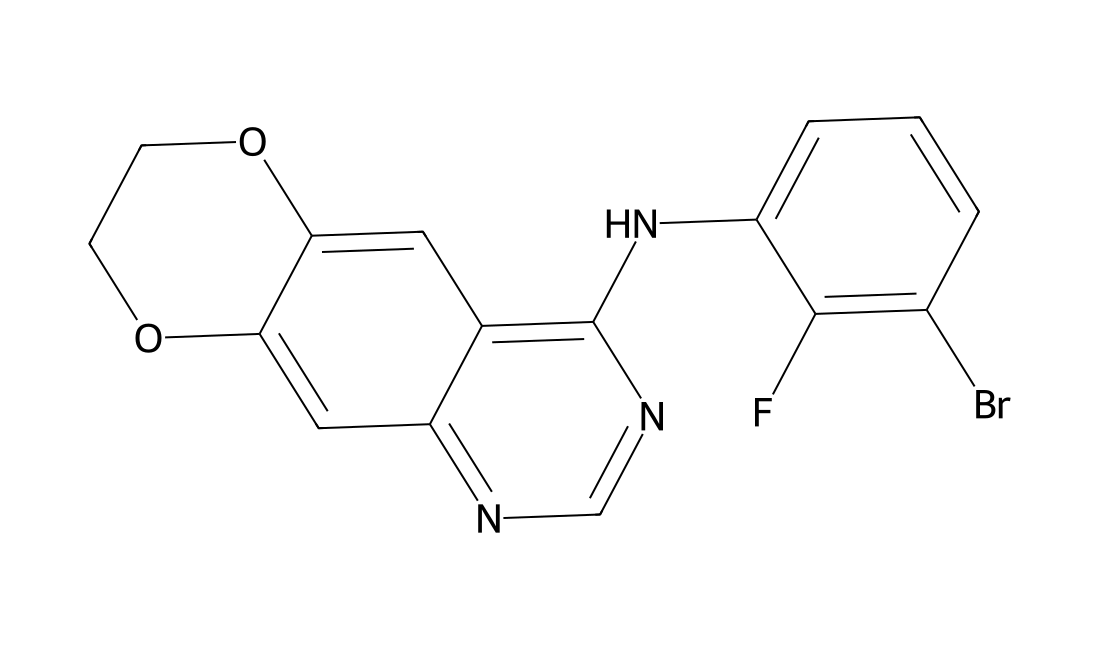
JCN037 chemical structure
DC11673

CK-2127107

CAS 1345410-31-2

CK-2127107(CK-107, Reldesemtiv) is a novel orally active fast skeletal troponin activator, selectively activates fast skeletal myofibrils with EC50 of 3.4 uM; has no effect on slow skeletal or cardiac myofibrils; significantly improves rotarod performance in exercise-intolerant LAD-HF rats.

CK-2127107 chemical structure
DC65287

BMS-986260

CAS 2001559-19-7

BMS-986260 is a potent, selective, and orally bioavailable TGFβR1 inhibitor (IC50=1.6 nM). BMS-986260 demonstrated functional activity in multiple TGFβ-dependent cellular assays, excellent kinome selectivity, favorable pharmacokinetic properties, and curative in vivo efficacy in combination with anti-PD-1 antibody in murine colorectal cancer (CRC) models.

BMS-986260 chemical structure
DC26184

DBPR112

CAS 1226549-49-0

DBPR112 is a potent EGFR mutation inhibitor against EGFRL858R/T790M double mutations with IC50 of 48 nM and also exhibits 10-fold potency better than Osimertinib, against EGFR and HER2 exon 20 insertion mutations.

DBPR112 chemical structure
DC26181

M8891

CAS 1464842-09-8

M8891 is a methionine aminopeptidase-2 (MetAP-2) selective inhibitor with Ki and IC50 of 4.33 nM and 54 nM, respectively.

M8891 chemical structure
DC47113

DS44960156

CAS 2361327-08-2

DS44960156 is a selective Methylenetetrahydrofolate dehydrogenase 2 (MTHFD2) inhibitor, with IC50 values of 1.6 μM and >30 μM for MTHFD2 and MTHFD1, respectively.

DS44960156 chemical structure
DC21989

AES-135

CAS 2361659-61-0

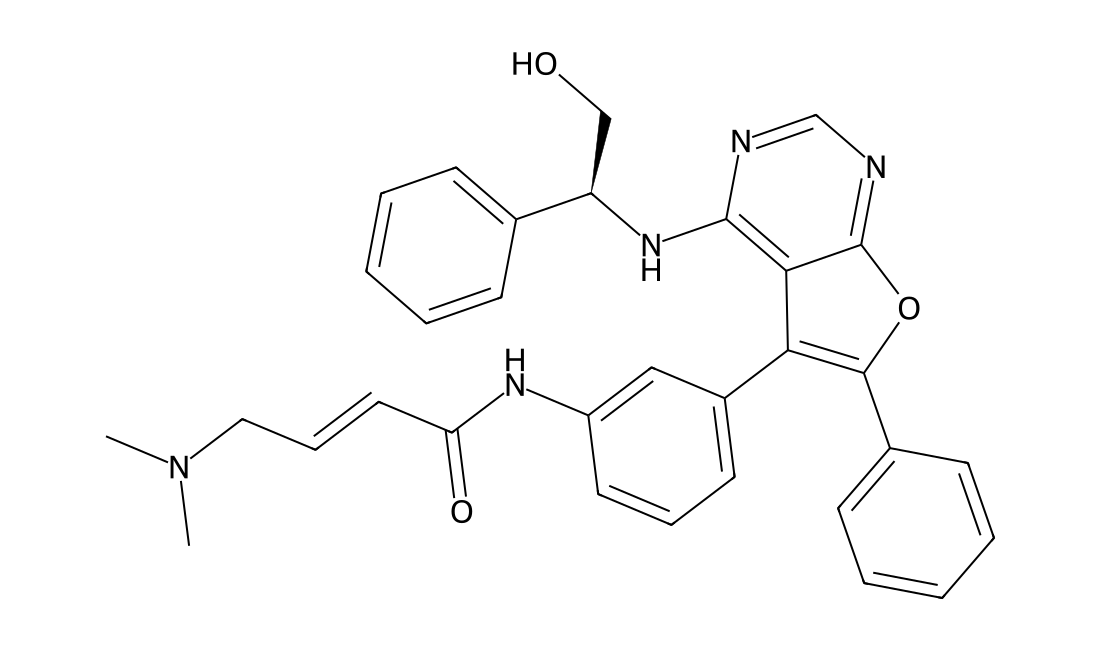
AES-135 (AES135) is a novel HDAC inhibitor that biochemically inhibits HDACs 3, 6, 8 and 11 with IC50 values of 190-1100 nM; exhibits selective in vitro cytotoxicity in low passage patient-derived pancreatic cancer cells even in the presence of cancer-associated fibroblast (CAF) cells; exhibits favourable in vivo properties such as metabolic stability in mouse hepatocytes and bioavailability in µM concentrations in NSG mice for >10 h (IP injection); shows cytotoxicity in multiple low-passage patient-derived pancreatic cancer cell lines with IC50 of 1-4 uM in monolayer proliferation-based assays, prolongs survival significantly in orthotopic murine model of pancreatic cancer.

AES-135 chemical structure
DC23570

MIDD0301

CAS 2187489-08-1

MIDD0301 is a potent, positive allosteric, α5β3γ2 selective, GABAA receptor (GABAAR) ligand with EC50 of 17 nM, shows no significant binding at the peripheral GABAAR at 10 uM; causes amplification of GABA induced current mediated by α1-3,5β3γ2 GABAARs in the presence of MIDD0301 in automated patch clamp test; relaxes airway smooth muscle at single micromolar concentrations as demonstrated with ex vivo guinea pig tracheal rings, also attenuates airway hyperresponsiveness (AHR) in an ovalbumin murine model of asthma by oral administration, with low brain distribution; reduces lung cytokine expression of IL-17A, IL-4, and TNF-α, as wells as the number of CD4+ T cells.

MIDD0301 chemical structure
DC20052

CB-6644

CAS 2316817-88-4

In Vitro CB-6644 (20 µM) interacts with the RUVBL1/2 complex in Ramos cells. CB-6644 (0.4 µM, 80 hours) dramatically inhibits HCT116 cells growth rate and robustly induces apoptosis. Z-VAD-FMK alone does not influence the growth or viability of the cells. However, blockade of caspase activity by Z-VAD-FMK results in a partial recovery of the growth of cells treated with CB-6644. In Vivo CB-6644 (150 mg/kg, oral administration, 10 days of treatment for SCID-beige mice bearing Ramos xenograft models, 30 days of treatment for SCID-beige mice bearing RPMI8226 xenograft models) has antitumor activity in xenograft tumor models with tumor growth inhibitions (TGIs) of 68 and 81%, respectively in Ramos xenograft models and RPMI8226 xenograft models.

CB-6644 chemical structure
DC12606

T-448

CAS 1597426-53-3

T-448 (T448) is a specific inhibitor of LSD1 enzyme activity, enhances H3K4 methylation in primary cultured rat neurons but has little impact on LSD1-GFI1B complex in human TF-1a erythroblasts; increases brain H3K4 methylation and partially restored learning function in mice with NMDA receptor hypofunction, shows unique therapeutic approaches for central nervous system disorders associated with epigenetic dysregulation.

T-448 chemical structure
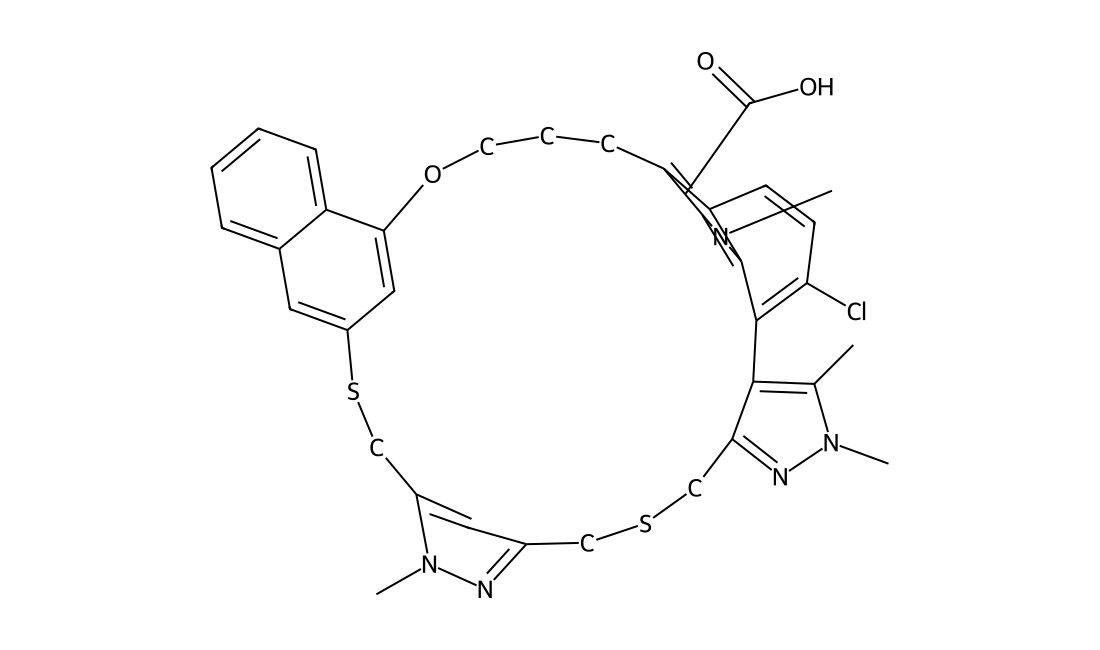
DC20729

AZD 5991

CAS 2143061-81-6

AZD 5991 (AZD5991) is a potent and selective macrocyclic inhibitor of Mcl-1 with sub-nanomolar affinity; promotes rapid apoptosis in Mcl-1-dependent cell lines (GI50=10 nM in multiple myeloma cell lines), disrupts Mcl-1/Bak complex; completely causes tumor regression in several mouse xenograft models after a single tolerated dose. Blood Cancer Phase 1 Clinical

AZD 5991 chemical structure
DC12587

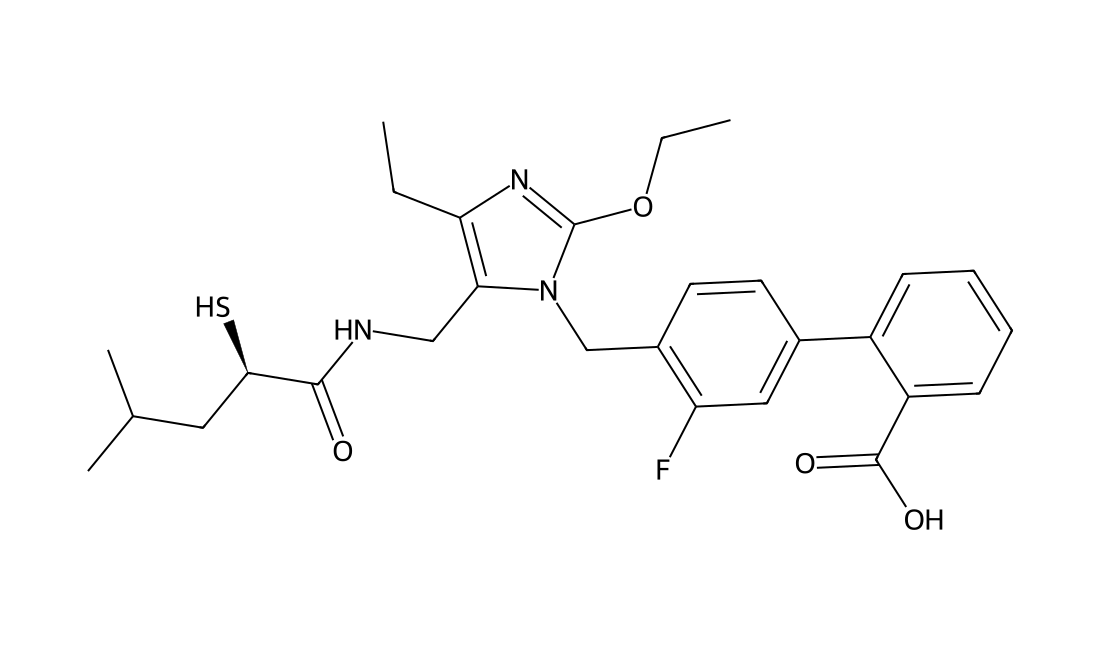
TD-0212

CAS 1073549-10-6

TD-0212 (TD0212) is a potent, orally efficacious, dual AT1 antagonist/Neprilysin (NEP) inhibitor with pKi of 8.9 (AT1) and pIC50 of 9.2 (NEP); produces blood pressure reductions similar to omapatrilat and combinations of AT1 receptor antagonists and NEP inhibitors in models of renin-dependent and -independent hypertension, does not increase TPE at antihypertensive doses in rat tracheal plasma extravasation (TPE) models.

TD-0212 chemical structure
DC12594

PF-06305591

CAS 1449473-97-5

PF-06305591 (PF06305591) is a potent, highly selective selective NaV1.8 blocker with IC50 of 15 nM, displays no significant activity against other sodium channel subtypes, K+ channels and Ca2+ channels; displays excellent preclinical in vitro ADME and safety profile.

PF-06305591 chemical structure
DC33618

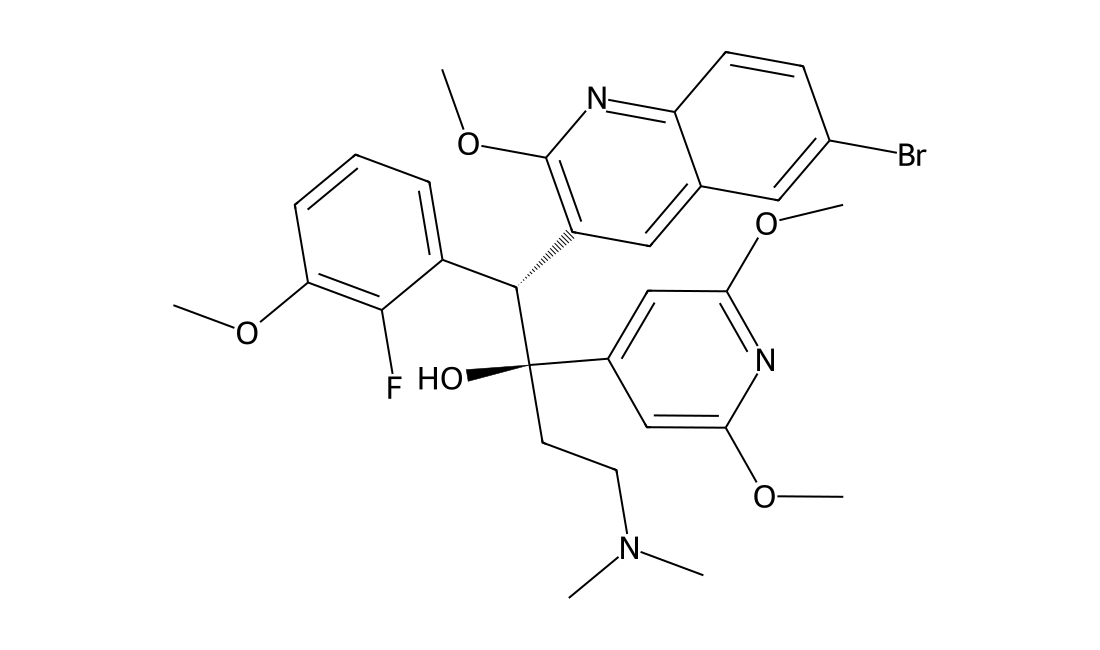
TBAJ-587

CAS 2252316-16-6

TBAJ-587 is a potent anti-tuberculosis agent. TBAJ-587 inhibits M.tb strain H37Rv growth with MIC90s of 0.006 and <0.02 μg/mL in MABA and LORA assay, respectively. BAJ-587 has more potent activity against M. tuberculosis and better efficacy in animal models of TB.

TBAJ-587 chemical structure
DC20071

VU0424238

CAS 1396337-04-4

In Vitro VU0424238 with an IC50 value of 14 nM in HEK293A cells. It also binding a known allosteric site with K i value of 4.4 nM in HEK293A cells. In Vivo VU0424238 had a clearance of 19.3 mL/min/kg in rats and demonstrates 50% mGlu5 PET ligand occupancy at an oral dose of 0.8 mg/kg in rats. Plus, it also had a clearance of 15.5 mL/min/kg in cynomolgus monkeys and demonstrates 50% mGlu5 PET ligand occupancy at an oral dose of 0.06 mg/kg in baboons.

VU0424238 chemical structure
DC12583

NVR 3-778

CAS 1445790-55-5

NVR 3-778 (NVR3-778, NVR 3778) is a small molecule inhibitor of HBV replication that targets the viral core protein, a first-in-class capsid assembly modulator; inhibits the generation of infectious HBV DNA containing virus particles with EC50 of 0.40 uM in HepG2.2.15 cells; NVR 3-778 inhibits pgRNA encapsidation, viral replication and the production of HBV DNA- and HBV RNA-containing particles, also inhibits de novo infection and viral replication in primary human hepatocytes with EC50 of 0.81 uM against HBV DNA and 3.7-4.8 uM against the production of HBV antigens and intracellular HBV RNA; demonstrates favorable pharmacokinetics and safety in animal species.

NVR 3-778 chemical structure
DC22964

PQ-10

CAS 927691-21-2

A potent, selective, brain penetrant PDE10A inhibitor with Ki of 4 nM; displays 53-fold and 68-fold selectivity over PDE3A and PDE3B, respectively; selectively inhibits colon tumor cell growth with IC50 of 0.1-28 uM; selectively activates cGMP/cGMP-dependent protein kinase signaling to suppress β-catenin levels and T-cell factor (TCF) transcriptional activity in colon tumor cells.

PQ-10 chemical structure
DC72237

BI-0474

CAS 2750570-55-7

BI-0474 is a potent KRASG12C inhibitor with an IC50 value of 7.0 nM for the GDP-KRAS::SOS1 protein-protein interaction. BI-0474 exhibits good anti-proliferative activity against NCI-H358 cells carrying the G12C mutation. BI-0474 also shows good anti-tumour activity in non-small cell lung cancer xenograft models.

BI-0474 chemical structure
DC72030

GNE-064

CAS 1997321-20-6

GNE-064 (compound 5) is a selective, oral and highly soluble inhibitor of the SMARCA4, SMARCA2 and PBRM1 bromodomains 5. GNE-064 inhibits SMARCA4 with an IC50 of 0.035 μM and inhibits SMARCA2 with an EC50 of 0.10 μM. GNE-064 possess Kds with 0.01, 0.016, 0.018 and 0.049 μM for SMARCA4, SMARCA2, PBRM1 bromodomains 5 and PBRM1 bromodomains 2, repectively. GNE-064 can be used as a chemical probe for the research of drug synthesis.

GNE-064 chemical structure
DC71814

SPH3127

CAS 1399849-02-5

SPH3127 (DRI 18) is a novel, highly potent, and orally active direct renin inhibitor (recombinant human-renin IC50=0.4 nM, human plasma renin activity IC50=0.45 nM). SPH3127 shows antihypertensive effect and can be used in essential hypertension research.

SPH3127 chemical structure
DC46922

CC-99677

CAS 1887069-10-4

CC-99677 is a potent, covalent, and irreversible inhibitor of the mitogen-activated protein (MAP) kinase-activated protein kinase-2 (MK2) pathway in both biochemical (IC50=156.3 nM) and cell based assays (EC50=89 nM).

CC-99677 chemical structure
DC71892

TAS1553

CAS 2166023-31-8

TAS1553 is a potent, orally active protein–protein interaction (PPI) inhibitor with an IC50 values of 0.0396 μM. TAS1553 inhibits DNA replication and reduces intracellular dATP pool. TAS1553 induces apoptosis. TAS1553 can be used for cancer research.

TAS1553 chemical structure
DC65242

MK-0159

CAS 2641484-61-7

MK-0159 is a CD38 enzymatic inhibitor. Mice treated with MK-0159 show strong protection from myocardial damage upon cardiac I/R injury compared to those treated with NAD+ precursors (nicotinamide riboside) or another CD38 inhibitor.

MK-0159 chemical structure
Browse target & topic index A–Z (366)
11β-HSD (1)15-PGDH (2)5-HT Receptor (16)Acetyl-CoA Carboxylase (ACC) (3)Acetylcholinesterase (AChE) (2)Ack1 (TNK2) (1)Acyltransferase (1)ADC Cytotoxin (6)ADCs Linker/Click Chemistry (5)Adenosine Receptor (9)Adenylate Cyclase (2)Adrenergic Receptor (11)Akt (12)Alcoholism (2)Aldehyde Dehydrogenase (ALDH) (6)Allergy (5)Alzheimer Disease (13)Aminopeptidase (1)AMPK (8)Amyloids (4)Anaplastic Lymphoma Kinase (ALK) (9)Androgen Receptor (AR) (11)Anemia (4)Angiotensin Receptor (4)Antibody/Protein labeling dyes (1)Antifolate (2)Anxiety (1)Apoptosis Inducer (3)Arginase (1)Arp2/3 complex (1)Aryl hydrocarbon Receptor (AhR) (1)Asthma (5)Atherosclerosis (2)ATM/ATR (8)Aurora Kinase (10)Autophagy (6)Autophagy-related Protein (Atg) (2)Autotaxin (2)Bacterial (26)Bacterial Infection (17)Bcl-2 (14)Bcr-Abl (5)BCRP (1)Beta-catenin (4)Beta-secretase (BACE) (4)Blood Cancer (91)BMI-1 (1)Bone Cancer (6)Brain Cancer (6)Breast Cancer (30)Bromodomain (22)BTK (10)c-Fms (CSF1R) (5)c-Fos/AP-1 (1)c-Kit (6)c-Met (HGFR) (11)c-Myc (2)Calcium Channel (4)Calcium-sensing Receptor (CaSR) (1)CaMK (4)Cannabinoid Receptor (6)Carbonic Anhydrase (1)Carboxypeptidase (1)Casein Kinase (6)Caspase (4)Cathepsin (6)Cdc2-like Kinase (CLK) (1)CETP (2)CFTR (7)Checkpoint Kinase (Chk) (8)Chemokine Receptor (CCR and CXCR) (14)Chemotherapeutic Agents (19)Chloride Channel (1)CMV (2)CMV Infection (2)Colon Cancer (9)Complement System (1)COPD (3)CREB/CBP (2)CRF Receptor (2)CRISPR/Cas9 (1)Cushing Disease (1)Cyclin-dependent Kinase (CDK) (39)Cyclooxygenase (COX) (4)Cytochrome P450 (CYPs) (5)Depression (2)Dermatitis (2)Deubiquitinase (DUB) (7)Diabetes (20)Dipeptidyl Peptidase (DPP) (3)Discoidin Domain Receptor (DDR) (1)DNA Alkylator/Crosslinker (10)DNA Methyltransferase (DNMT) (1)DNA Repair Protein (1)DNA-PK (2)DNA/RNA Synthesis (5)Dopamine beta-hydroxylase (1)Dopamine Receptor (7)Drug Metabolite (1)Drug-Linker Conjugates (11)Dyes (4)DYRK (1)Dyslipidemia (9)E3 Ligase Ligand (6)E3 Ligase Ligand-Linker Conjugate (1)E3 Ubiquitin Ligase (4)Ebola Virus Infection (1)EGFR (32)Elastase (2)Endothelin Receptor (5)Enzymes substrates (13)Epigenetic Reader Domain (3)Epilepsy (4)ERK (4)Estrogen Receptor/ERR (13)Eukaryotic Initiation Factor (eIF) (2)Exportin-1 (CRM1,XPO1) (2)FABP (1)Factor Xa (5)Farnesoid X Receptor (FXR) (5)Farnesyl transferase (FTase) (1)Ferroptosis (6)FGFR (20)Fibrosis (5)FLT3 (6)Focal Adhesion Kinase (FAK) (11)Foxo1 (1)Free Fatty Acid Receptor (FFAR) (5)Fungal (2)Fungal Infection (1)GABA Receptor (13)Galectin (1)Gastric Cancer (8)Ghrelin Receptor (GHSR) (3)Glucagon Receptor (4)Glucokinase (2)Glucose Transporter (GLUT) (2)Glutamate Transporter (2)GPCR (1)GPER (GPR30) (1)GPR139 (1)GPR183 (EBI2) (2)GPR39 (1)GPR55 (1)GPR84 (1)GRK (GPCRK) (2)Growth Hormone Deficiency (2)GSK-3 (8)Guanylate Cyclase (3)HBV (1)HBV Infection (1)HCN Channel (2)HCV (8)HCV Infection (9)HDAC (38)Heart Arrhythmia (2)Heart Failure (5)Heat Shock Protein (HSP) (15)Hedgehog (Hh) (1)HIF/HIF Prolyl-hydroxylase (8)Histamine Receptor (6)Histone Acetyltransferase (HAT) (5)Histone Demethylase (11)Histone Methyltransferase (HMTase) (31)HIV (12)HIV Infection (11)HMG-CoA Reductase (HMGCR) (3)HSV (1)HSV Infection (1)Hypercholesterolemia (1)Hyperparathyroidism (1)Hypertension (8)IAP (1)IGF-1R (3)iGluR (15)Indoleamine 2,3-Dioxygenase (IDO) (4)Infection (1)Influenza (6)Influenza Virus (6)Insulin Receptor (2)Integrin (6)Interleukin Receptor (1)IRAK (2)IRE1 (4)Irritable Bowel Syndrome (2)Ischemia (1)Isocitrate Dehydrogenase (IDH) (5)ITK (1)IκB kinase (IKK) (7)JAK (32)JNK (3)Keap1-Nrf2 (6)Kidney Cancer (10)Kinesin (5)Kruppel-like Factor (KLF) (1)Kynurenine 3-Monooxygenase (KMO) (1)Leukotriene Receptor (1)LIM Kinase (LIMK) (3)Lipids fragment (1)Liver Cancer (6)Liver X Receptor (LXR) (3)LRRK2 (9)Lung Cancer (39)Lysophospholipid Receptor (12)LYTACs (3)mAChR (9)MALT1 (2)MAP4K (1)Matrix Metalloproteinase (MMP) (10)MDM2-p53 (9)MEK (MAP2K) (14)MEKK (MAP3K) (1)Melanocortin Receptor (2)MELK (1)mGluR (7)MicroRNA (1)Microtubule/Tubulin (5)Mineralocorticoid Receptor (MLR) (1)MITF (1)Mixed Lineage Kinase (MLK) (3)MNK (2)Molecular Glues (21)Monoamine Transporter (5)Monocarboxylate Transporter (MCT) (1)Monopolar Spindle 1 (Mps1/TTK) (3)mTOR (13)Multiple Sclerosis (6)Myosin (1)Na-K-Cl Cotransporter (NKCC) (2)nAChR (2)NADPH Oxidase (NOX) (2)NAMPT (3)Natural products (37)Neprilysin (1)Neurokinin Receptor (3)Neuropeptide Y Receptor (3)NF-κB (5)Nitric Oxide Synthase (NOS) (1)NOD-like Receptor (NLR) (3)Notch (2)Nucleoside Antimetabolite/Analog (10)Nur77 (NR4A1) (1)Obesity (1)Oct3/4 (1)Opioid Receptor (5)Orexin Receptor (7)Osteoporosis (2)Ovarian Cancer (14)Oxytocin Receptor (OXTR) (2)P-glycoprotein (P-gp) (3)p21-activated Kinase (PAK) (1)P2X Receptor (2)P2Y Receptor (1)p38 MAPK (10)p97/VCP (1)Pain (12)Pancreatic Cancer (10)Parasite (5)Parasite Infection (2)Parkinson Disease (2)PARP (19)PCSK9 (1)PD-1/PD-L1 (4)PDGFR (4)PDK1 (2)PEGn (1)PERK (2)PGE synthase (2)Phosphodiesterase (PDE) (9)Phospholipase (4)PI3K (32)PI4K (2)Piezo Channel (1)PIKfyve (3)Pim (9)PKC (12)PKD (1)Plasminogen Activator Inhibitor-1 (PAI-1) (3)Polo-like Kinase (PLK) (4)Porcupine (3)Potassium Channel (13)PPAR (13)Pregnane X Receptor (PXR) (1)Progesterone Receptor (2)Prostaglandin Receptor (11)Prostate Cancer (7)PROTACs (35)Protease-activated Receptor (PAR) (3)Proteasome (12)Protein Disulfide Isomerase (PDI) (1)Protein Phosphatase/PTP (6)Proton Pump (1)Psoriasis (5)RAD51 (1)Radioligand precursors (15)Raf (18)RAR/RXR (3)Ras (17)Renin (2)RET Tyrosine Kinase (c-RET) (3)Rheumatoid Arthritis (16)Ribosomal S6 Kinase (RSK) (5)RIG-I-like Receptor (RLR) (2)RIP kinase (7)ROCK (12)ROR (2)RSV (4)RSV Infection (3)RUNX1-CBFβ (1)S-nitrosoglutathione reductase (GSNOR) (1)Saccharides and Glycosides (1)Salt Inducible Kinase (SIK) (2)SARS-CoV (16)SARS-CoV Infection (34)Schizophrenia (4)Sexual Dysfunction (1)SGLT (4)Sigma Receptor (4)Sirtuin (9)Skin Cancer (13)Sleep Disorder (7)SMN2 Modulator (1)Smoothened (Smo) (9)Sodium Channel (12)Solid Tumors (35)Somatostatin Receptor (2)Sphingosine kinase (SphK) (2)Src (7)STAT (5)Stearoyl-CoA Desaturase (SCD) (1)Steatohepatitis (7)Sterol lipids (1)STING (14)Syk (6)T Cell Receptor (TCR) (1)TAK1 (2)TAM Receptor (Tyro3-Axl-Mer) (4)Taste Receptor (1)Telomerase (2)TGF beta Receptor (TGFBR) (12)Thrombin (3)Thrombosis (13)Thyroid Cancer (1)Thyroid Hormone Receptor (THR) (1)Thyrotropin Receptor (2)TNIK (1)Toll-like Receptor (TLR) (2)TOPK (1)Topoisomerase (11)TRAIL (1)Translocator Protein (TSPO) (1)Trk Receptor (4)TRP Channel (13)Tryptophan Hydroxylase (TPH) (1)Ubiquitin-activating Enzyme (E1) (2)Ubiquitin-conjugating Enzyme (E2) (2)Ulcer (1)ULK (3)Vasopressin Receptor (2)VEGFR (25)Vitamin D Receptor (VDR) (3)Wee1 (1)WNK Kinase (1)Wnt (5)Yes-associated Protein (YAP) (4)γ-secretase (5)

Cart

Request quotation