Small Molecule Research Tools

Explore bioactive compounds by research category, then narrow your search by target, product name, catalog number or CAS.

Newly added: LC-MG and OXF molecular glue research compounds →

6,823 products17 research categoriesBrowse all products ↓

Browse by research category

Products may appear in more than one category. Counts refer to distinct catalog numbers within each category.

Other Research Tools (75) · Additional reagents, building blocks and specialized research tools.

New literature-derived products

LC-MG-1 (DCA0006) · LC-MG-4 (DCA0007) · LC-MG-9 (DCA0008)

View structure and evidence summaries →

All small molecule products

Combine a keyword, research category and target to narrow the product list.

Loading catalog filters…

6,823 products · Showing 6,145–6,192

DC23003

hypocrellin A

CAS 77029-83-5

Hypocrellin A, a naturally occurring PKC inhibitor, has many biological and pharmacological properties, such as antitumour, antiviral, antibacterial, and antileishmanial activities. Hypocrellin A is a promising photosensitizer for anticancer photodynamic therapy (PDT)[1][2][3][4].
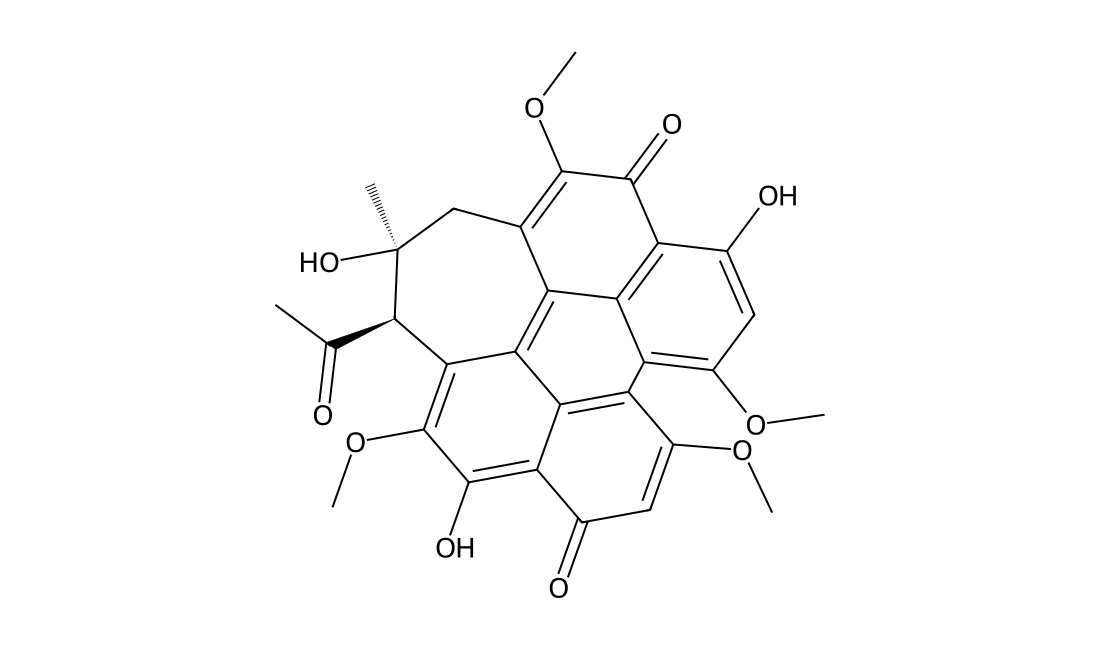
hypocrellin A chemical structure
DC6309

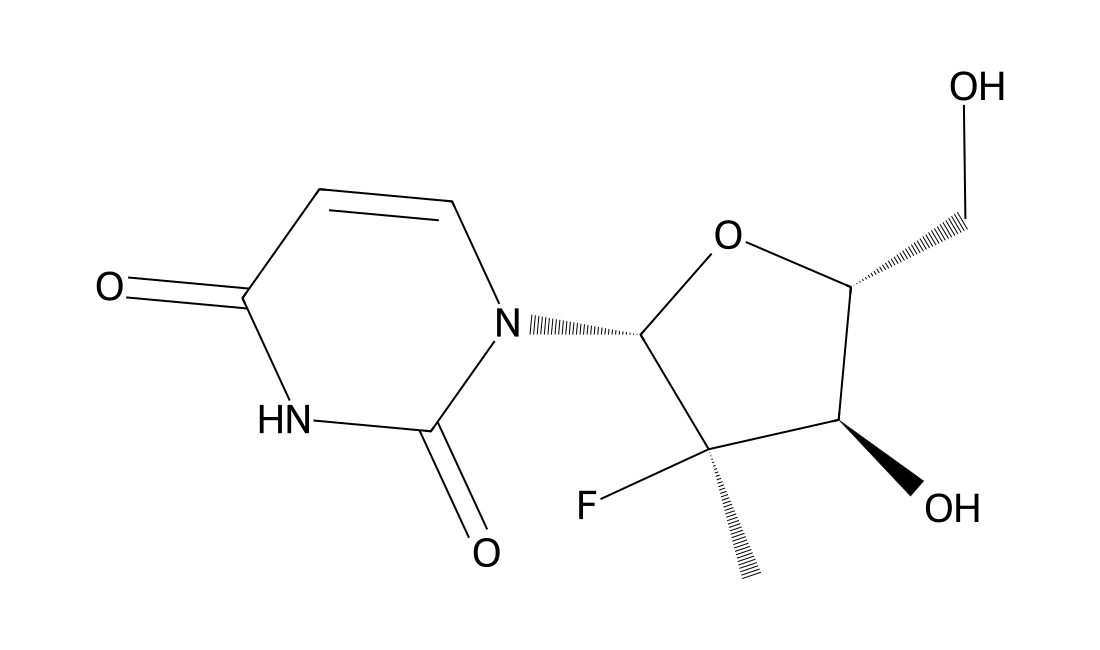
PSI6206

CAS 863329-66-2

PSI-6206 is the deaminated derivative of PSI-6130, which is a potent and selective inhibitor of HCV NS5B polymerase. PSI-6206 low potently inhibits HCV replicon with EC90 of >100 μM.

PSI6206 chemical structure
DC8129

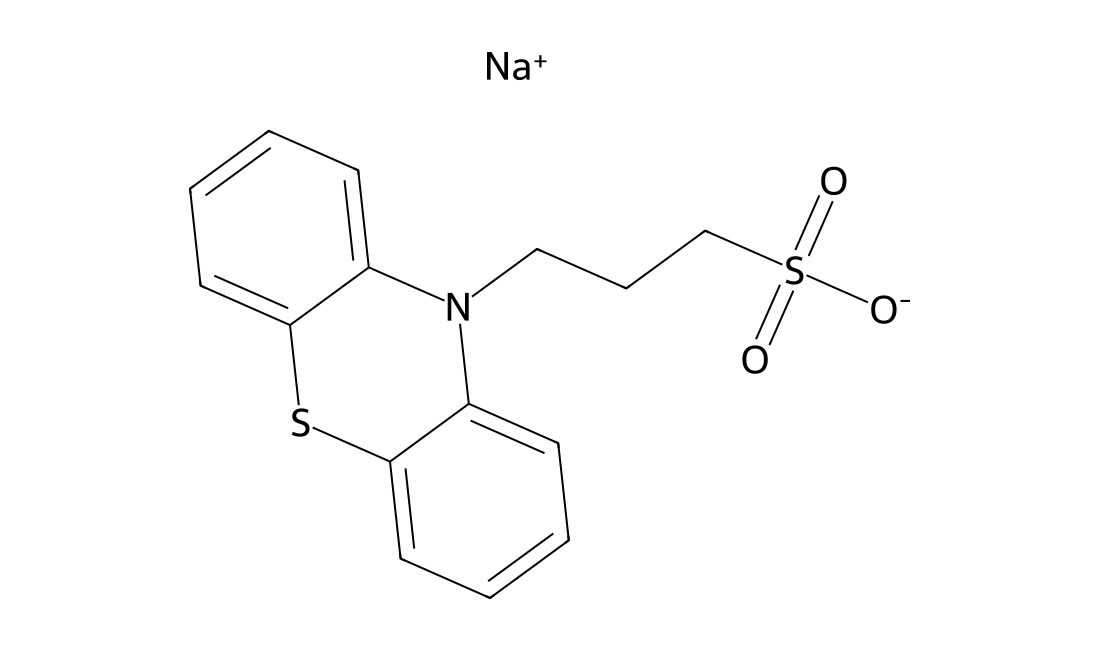
PTZ-343

CAS 101199-38-6

PTZ-343 is a potent enhancer of Luminol (HY-15922). PTZ-343 greatly increases the light output of the peroxidase-catalyzed luminol chemiluminescent oxidation reaction (>80%)[1][2].
PTZ-343 chemical structure
DC8307

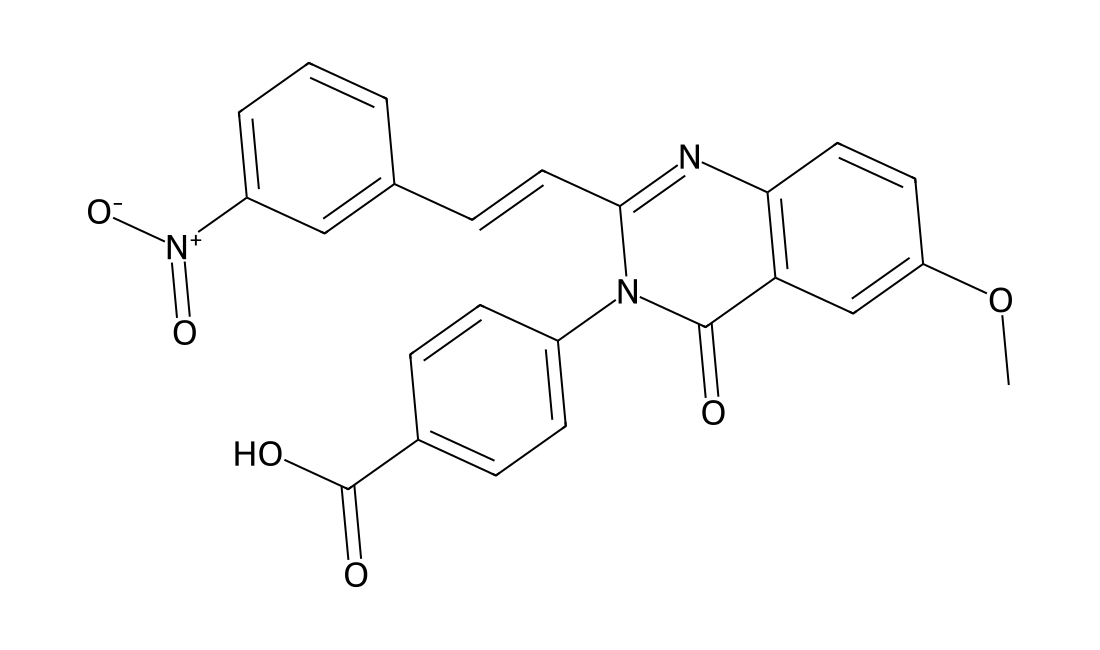
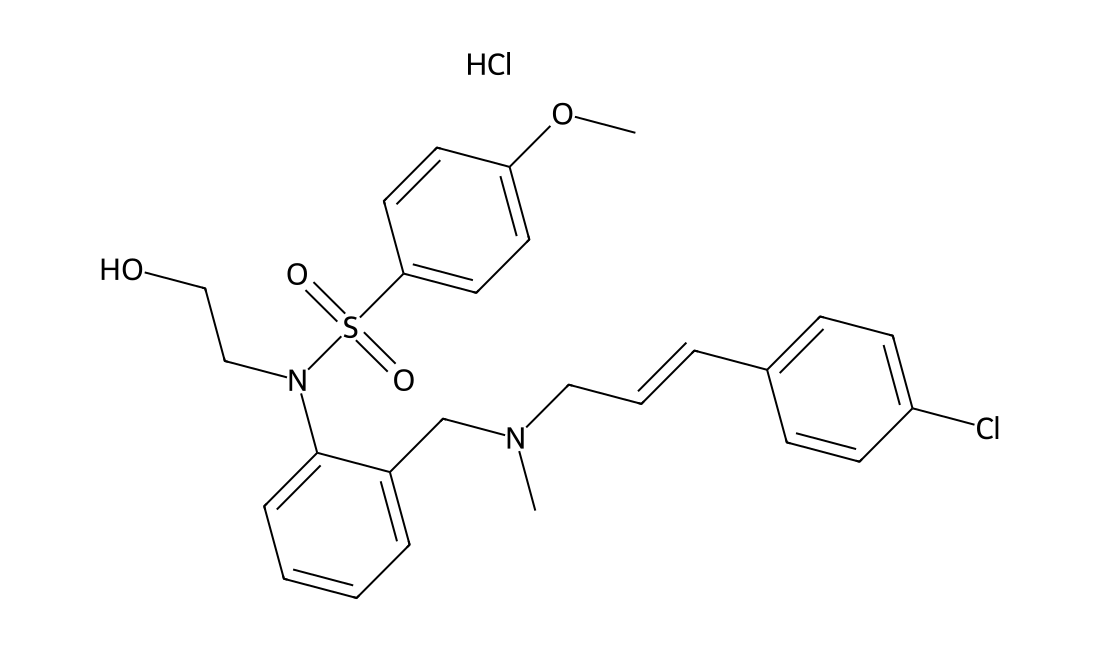
QNZ46

CAS 1237744-13-6

QNZ46 is a NR2C/NR2D-selective NMDA receptor non-competitive antagonist (IC50 values are 3, 6, 229, and >300, >300 μM for NR2D, NR2C, NR2A, NR2B, and GluR1, respectively).
QNZ46 chemical structure
DC9322

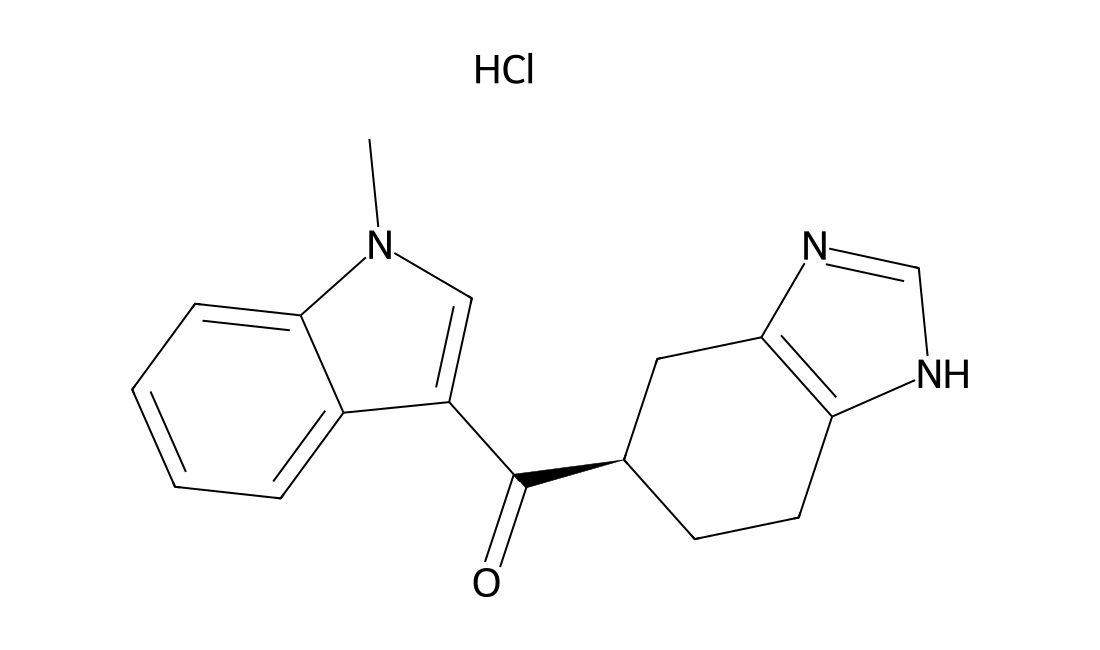
Ramosetron (Hydrochloride)

CAS 132907-72-3

Ramosetron Hydrochloride(YM060 Hydrochloride) is a serotonin 5-HT3 receptor antagonist for the treatment of nausea and vomiting.Ramosetron hydrochloride selectively blocks serotonin receptors (5-HT3). Serotonin plays a vital role in vomiting, serotonin-induced bradycardic reflex and peristalsis. The pharmacological action of Ramosetron hydrochloride is sustained and potent.

Ramosetron (Hydrochloride) chemical structure
DC8175

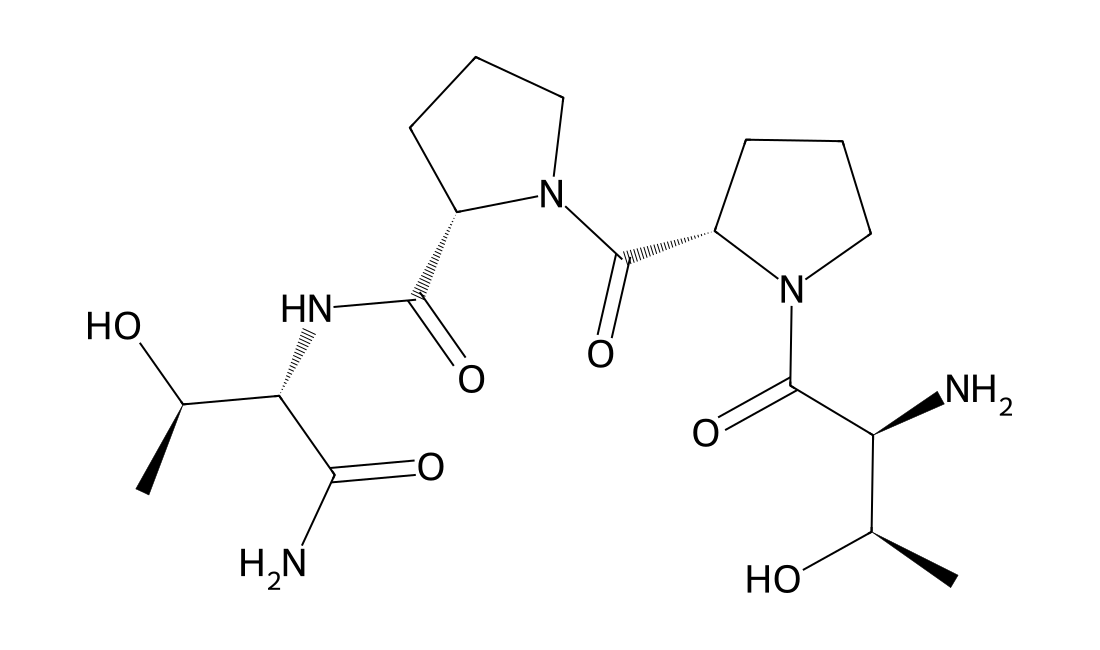
Rapastinel(GLYX-13)

CAS 117928-94-6

Rapastinel (GLYX-13) is an N-methyl-D-aspartate receptor (NMDAR) modulator that has characteristics of a glycine site partial agonist. Rapastinel is a robust cognitive enhancer and facilitates hippocampal long-term potentiation (LTP) of synaptic transmission in slices.

Rapastinel(GLYX-13) chemical structure
DC9411

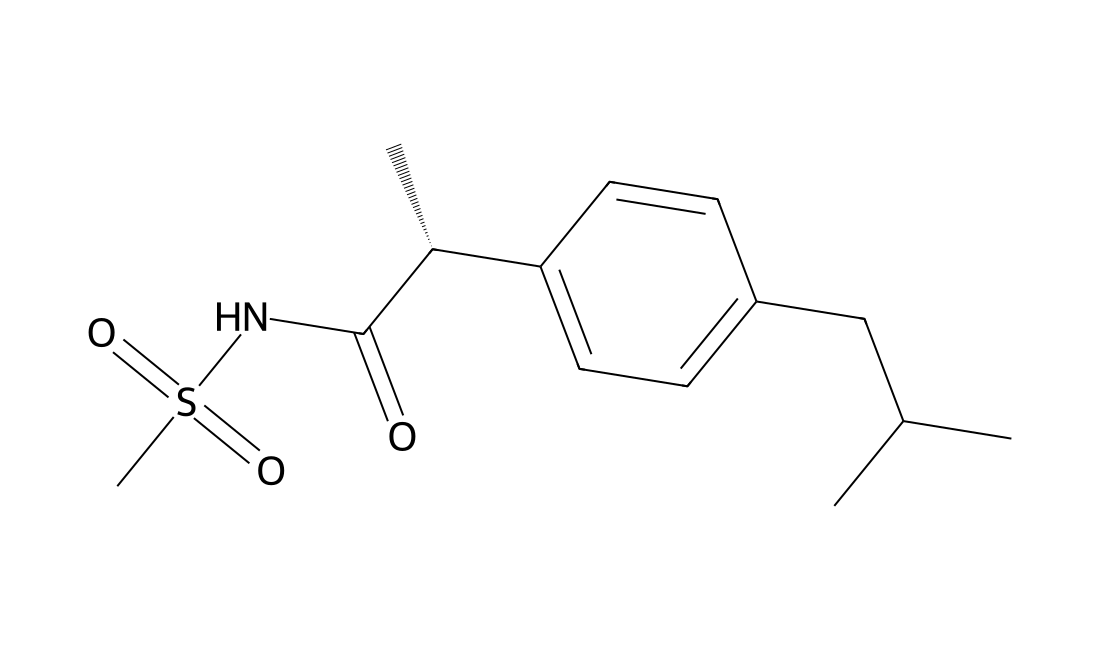
Reparixin

CAS 266359-83-5

Reparixin is a non-competitive allosteric inhibitor of the chemokine receptors CXCR1 and CXCR2 activation with IC50s of 1 and 100 nM, respectively.

Reparixin chemical structure
DC10450

RN-18

CAS 431980-38-0

RN-18 is a HIV-1 viral infectivity factor (HIV-1 Vif) inhibitor with an IC50 of 6 μM in nonpermissive H9 cells.

RN-18 chemical structure
DC8215

RO4929097

CAS 847925-91-1

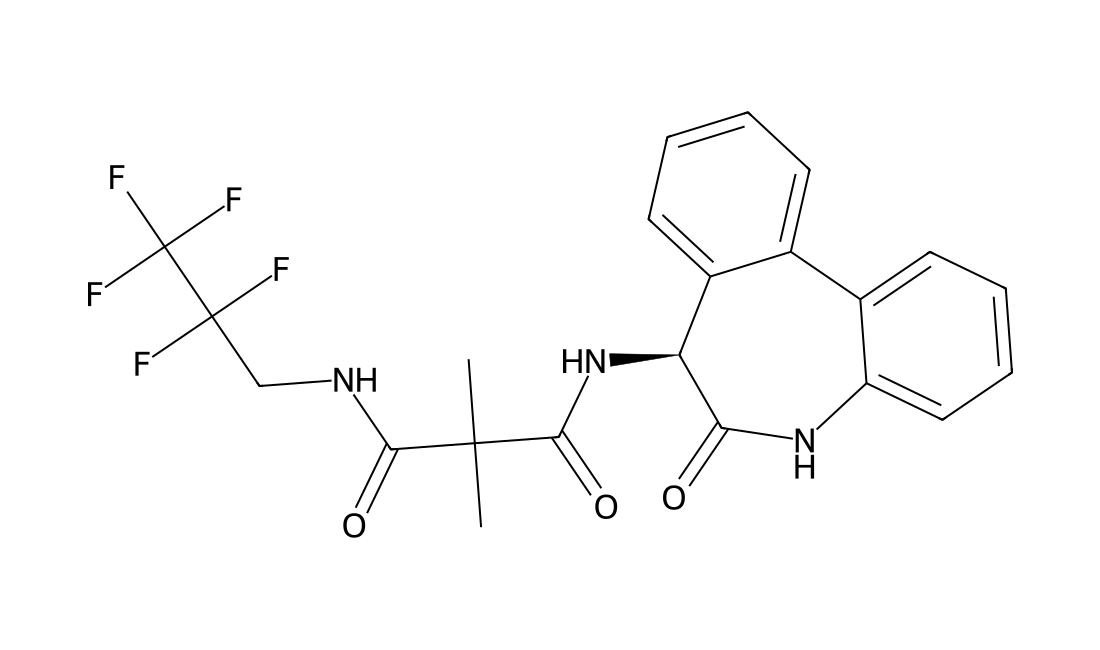
RO4929097 is a γ secretase inhibitor with IC50 of 4 nM, inhibiting cellular processing of Aβ40 and Notch with EC50 of 14 nM and 5 nM, respectively.

RO4929097 chemical structure
DC8467

RO8994

CAS 1309684-94-3

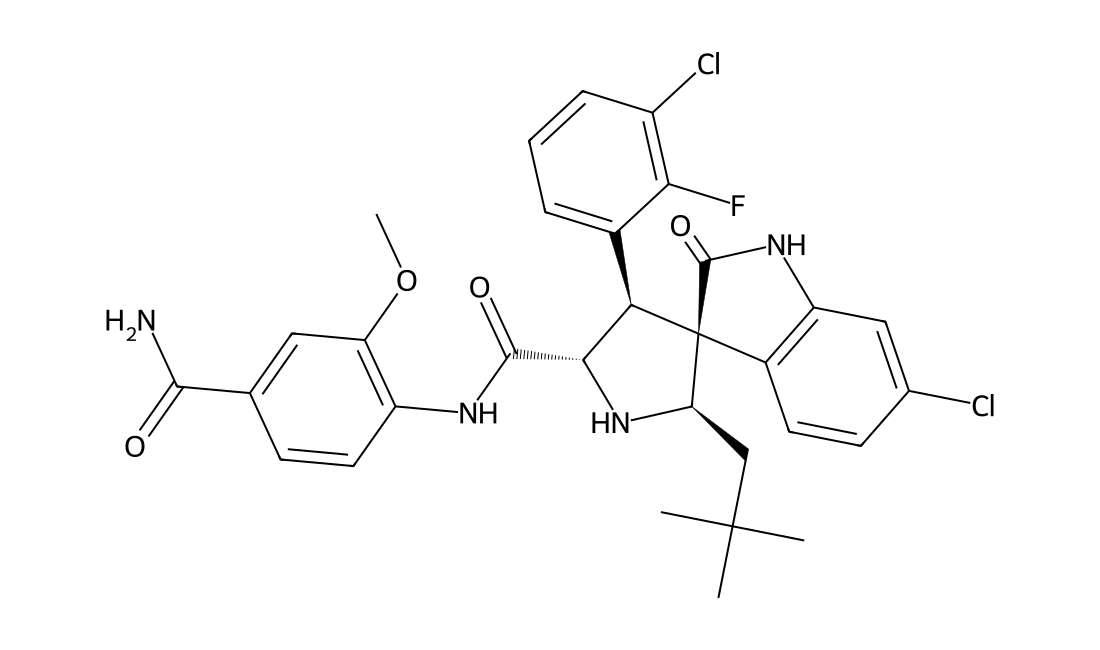
RO8994 is a highly potent and selective series of spiroindolinone small-molecule MDM2 inhibitor, with IC50 of 5 nM (HTRF binding assays) and 20 nM (MTT proliferation assays).

RO8994 chemical structure
DC11467

RR6

CAS 1351758-37-6

RR6 is a selective, reversible, and competitive vanin inhibitor.target: vaninIn vivo: Oral administration of RR6 in rats completely inhibited plasma vanin activity and caused alterations of plasma lipid concentrations upon fasting, thereby illustrating its potential use in chemical biology research. RR6 at 3 mg/mL inrats caused a nearly complete inhibition of plasma vanin.

RR6 chemical structure
DC23090

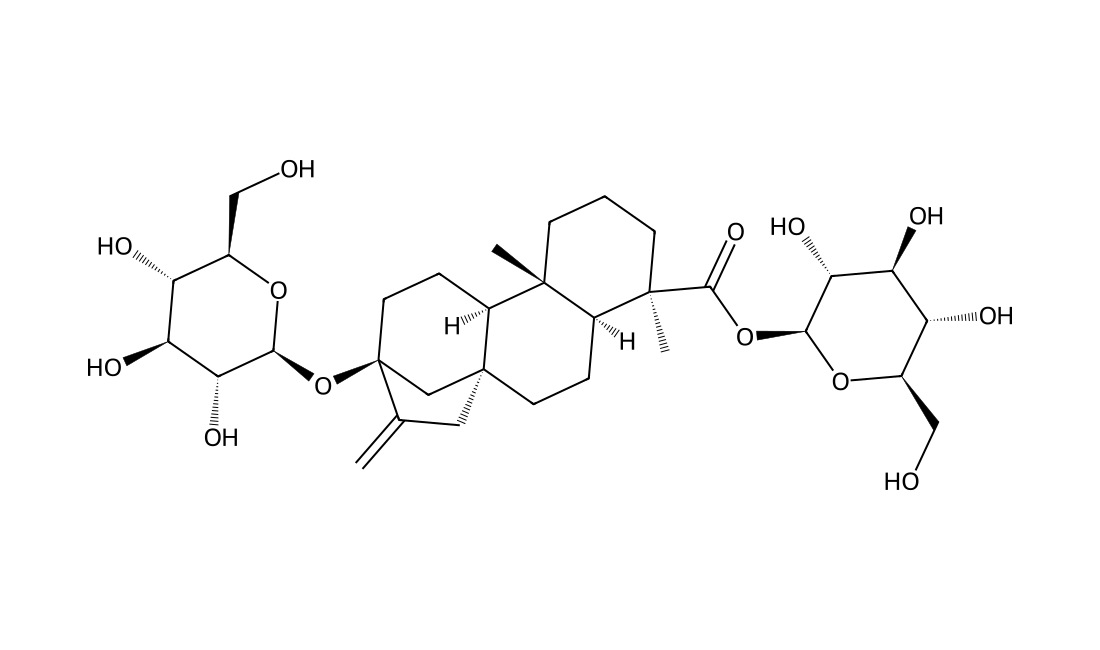
Rubusoside

CAS 64849-39-4

Rubusoside is a natural sweetener and a solubilizing agent with antiangiogenic and antiallergic properties. Rubusoside is an excellent solubilizing agent. It can enhance the solubility of a number of pharmaceutically important compounds, such as liquiritin, teniposide, curcumin, and etoposide.

Rubusoside chemical structure
DC5998

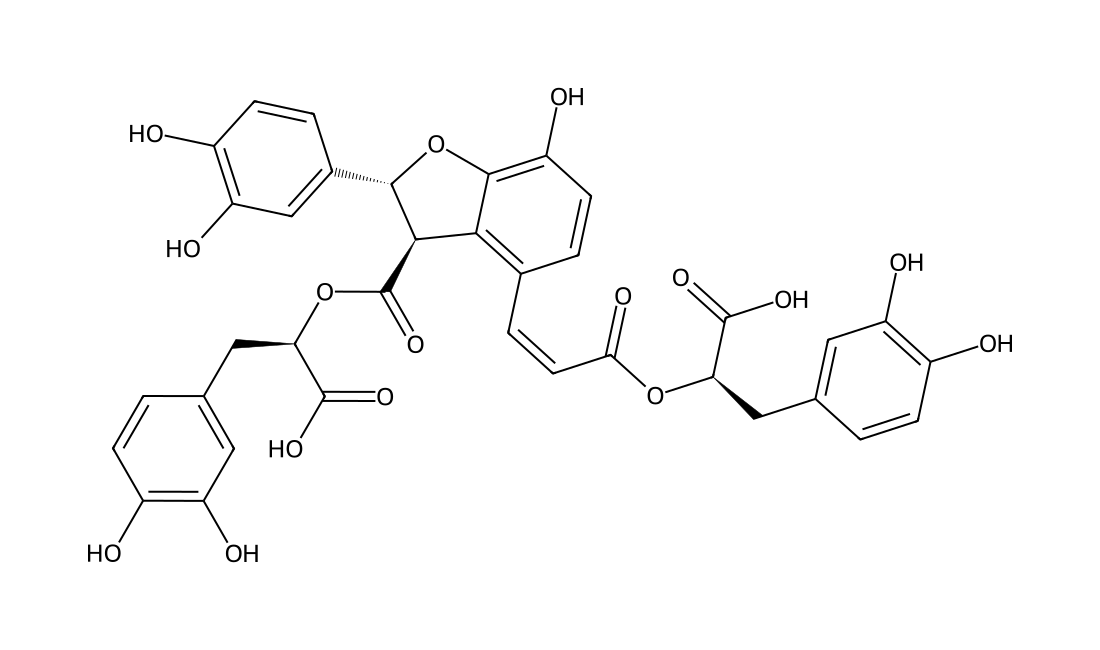
Salvianolic acid B

CAS 121521-90-2

Salvianolic acid B is an active ingredient of Salvia miltiorrhiza, which has been widely applied in China for the management of various microcirculation-related disorders, such as cardiovascular disease, cerebrovascular disease, and diabetic vascular complication.

Salvianolic acid B chemical structure
DC46132

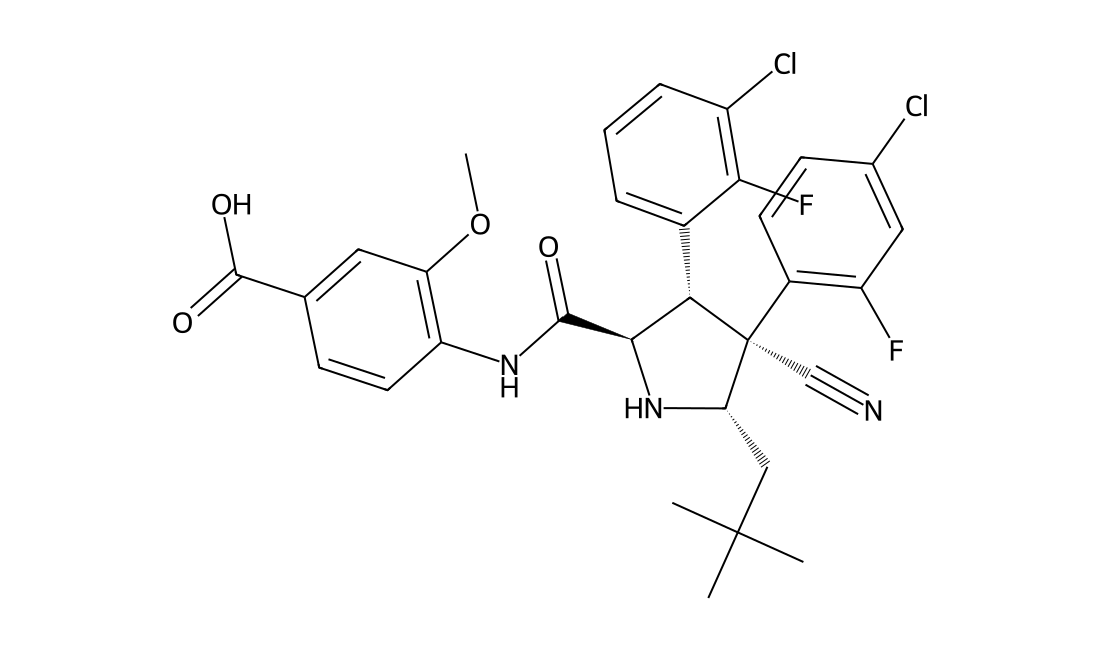
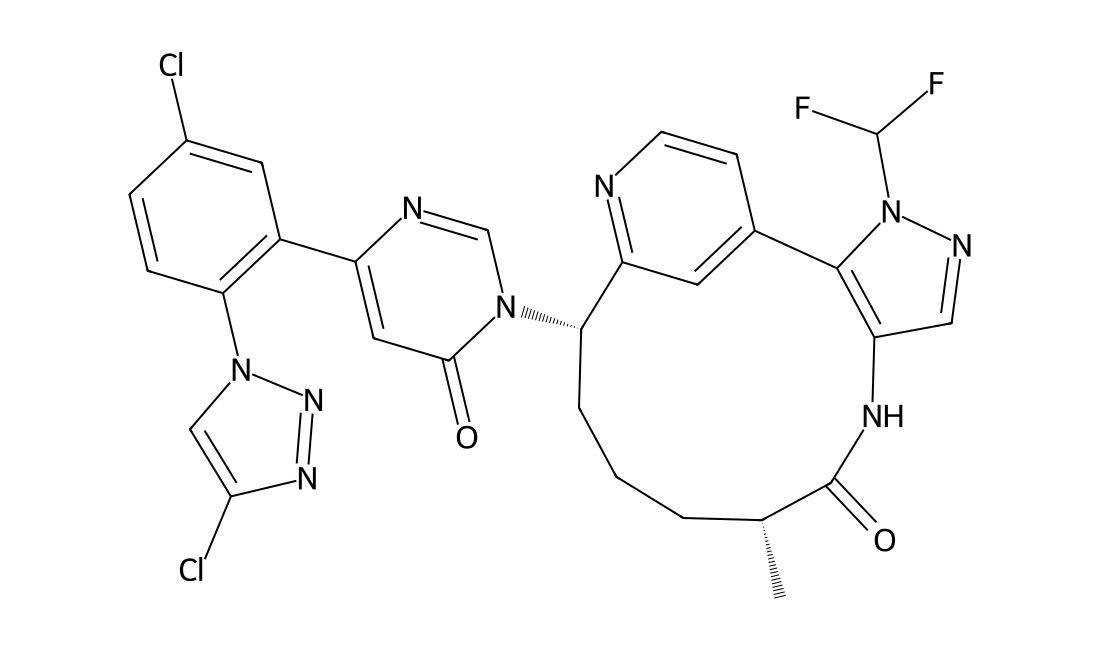
Milvexian

CAS 1802425-99-5

Milvexian (BMS-986177), an effective antithrombotic agent, is an orally-bioavailable, reversible and direct inhibitor of human and rabbit factor XIa (FXIa) with Ki of 0.11, and 0.38 nM, respectively[1].

Milvexian chemical structure
DC8483

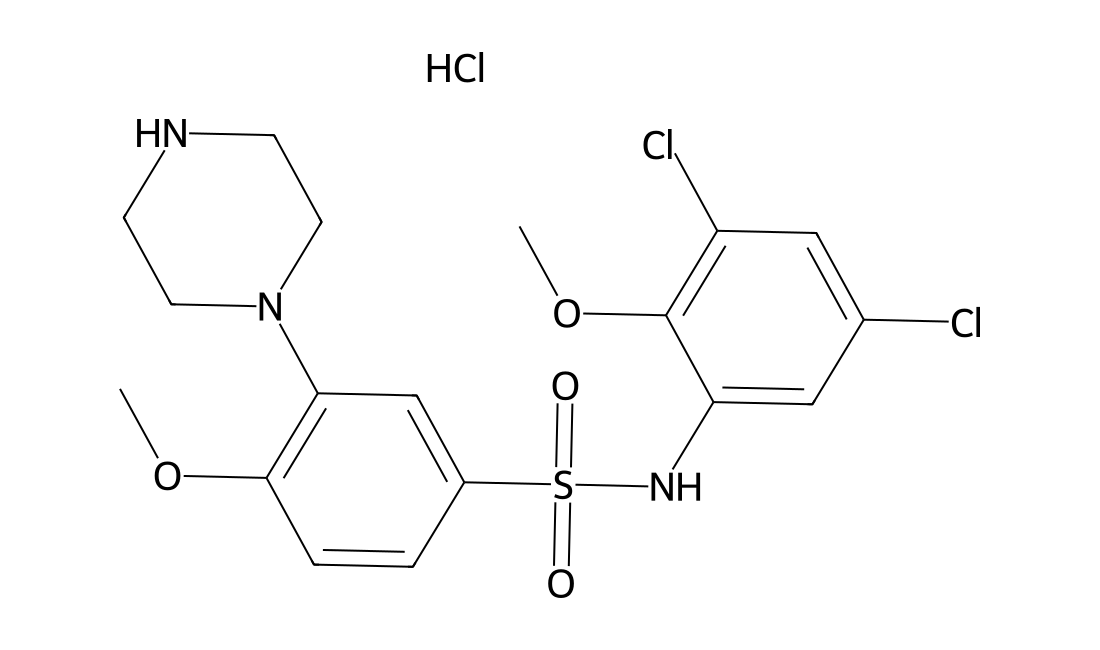
SB-399885 HCl

CAS 402713-80-8

Potent, brain penetrant, orally active 5-HT6 antagonist. Displays > 200-fold selectivity for 5-HT6 over other 5-HT receptors (pKi values are 9.11, 8.81 and 9.02 for human recombinant, native rat and native human 5-HT6 receptors respectively).

SB-399885 HCl chemical structure
DC23014

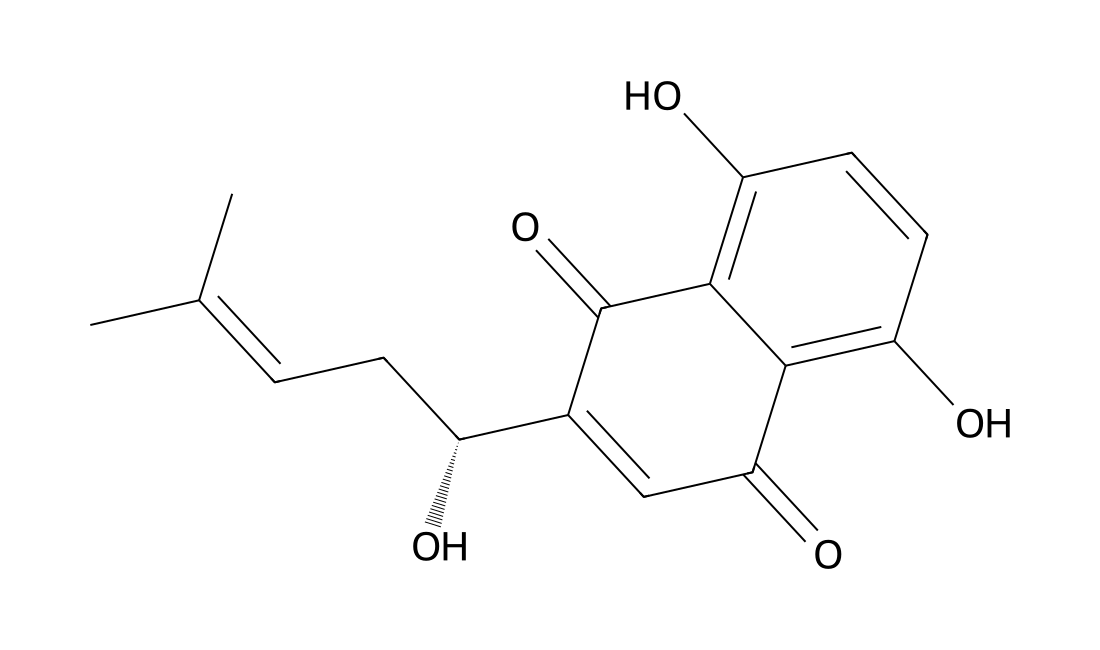
Shikonin

CAS 517-89-5

Shikonin is a major component of a Chinese herbal medicine named zicao. Shikonin has shown various biological activities, including inhibition of TNF-α, NF-κB, HIV-1.

Shikonin chemical structure
DC10901

SJ000291942

CAS 425613-09-8

SJ000291942 is an activator of the canonical bone morphogenetic proteins (BMP) signaling pathway. BMPs are members of the transforming growth factor beta (TGFβ) family of secreted signaling molecules.

SJ000291942 chemical structure
DC9502

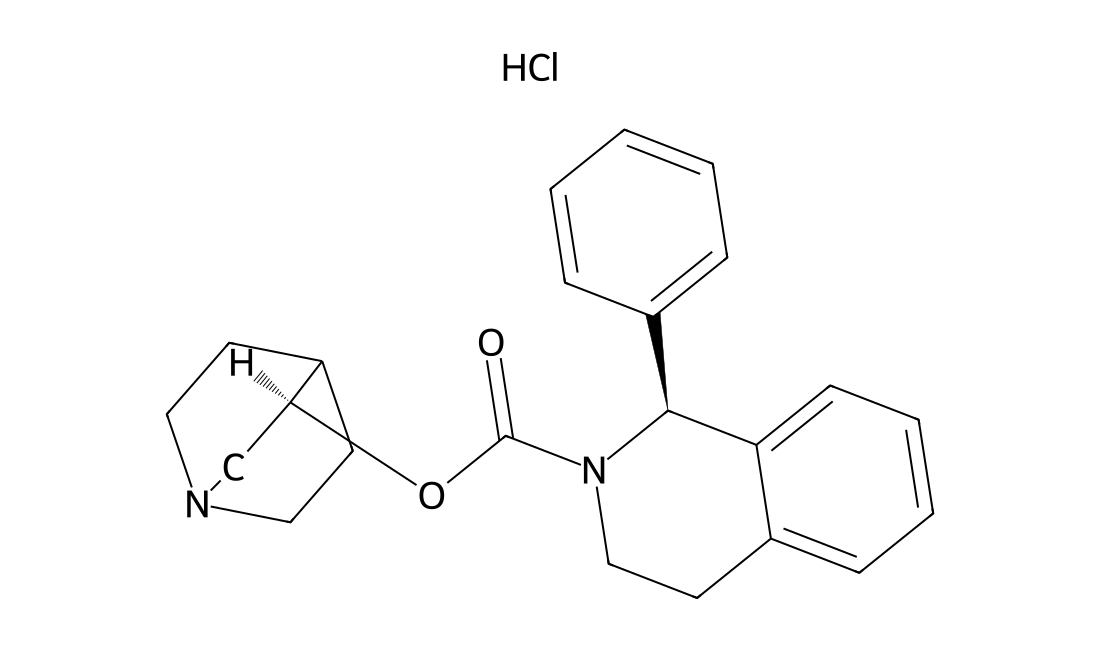
Solifenacin (hydrochloride)

CAS 180468-39-7

Solifenacin Hcl(YM905 Hcl; Vesicare Hcl) is a muscarinic receptor antagonist.IC50 value:Target: muscarinic receptorSolifenacin Hcl (YM905; Vesicare) is a prescription medication used to treat certain bladder problems.

Solifenacin (hydrochloride) chemical structure
DC22299

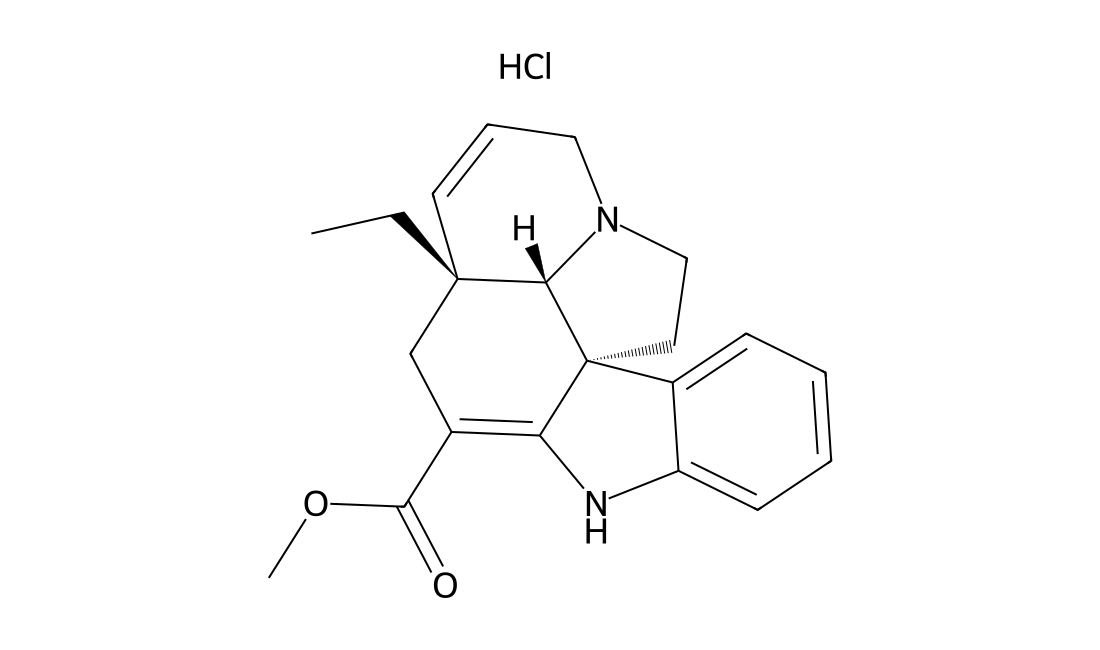
Tabersonine

CAS 29479-00-3

Tabersonine is an indole alkaloid mainly isolated from Catharanthus roseus. Tabersonine disrupts Aβ(1-42) aggregation and ameliorates Aβ aggregate-induced cytotoxicity. Tabersonine has anti-inflammatory activities and is a potential therapeutic candidate for the treatment of ALI/ARDS[1].

Tabersonine chemical structure
DC34925

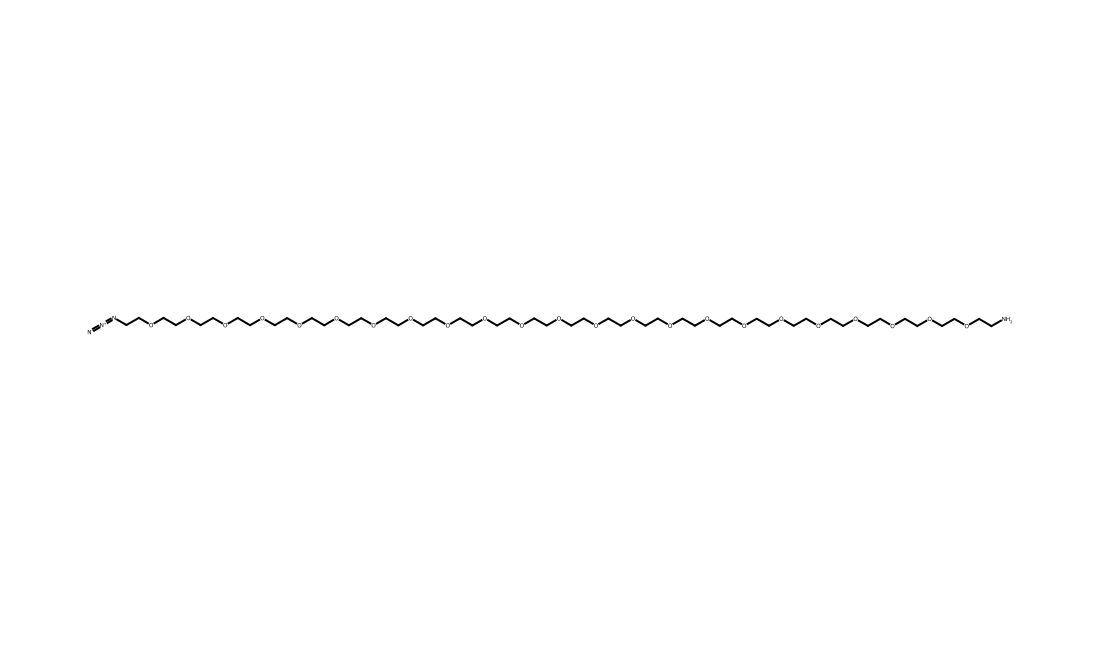
Azido-PEG23 amine

CAS 749244-38-0

Azido-PEG23 amine is a PEG derivative containing an amino group with an azide group. The amino group is reactive with carboxylic acids, activated NHS esters, carbonyls (ketone, aldehyde) etc. The azide group can react with alkyne, BCN, DBCO via Click Chemistry to yield a stable triazole linkage. PEG Linkers may be useful in the development of antibody drug conjugates.

Azido-PEG23 amine chemical structure
DC8370

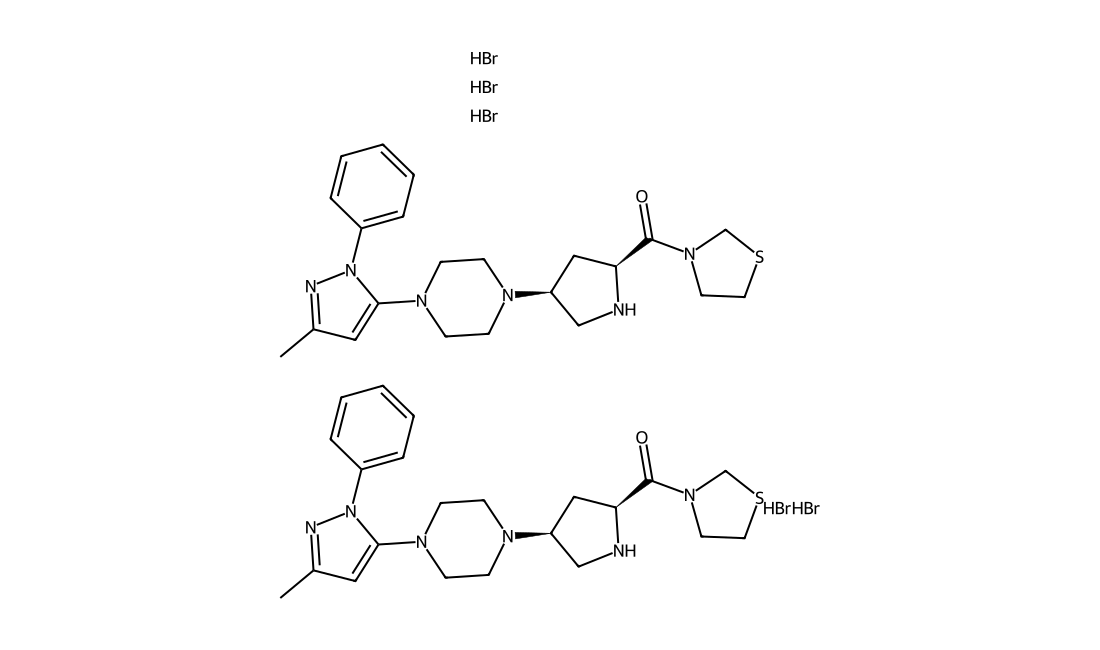
Teneligliptin hydrobromide

CAS 906093-29-6

Teneligliptin hydrobromide is a potent chemotype prolylthiazolidine-based DPP-4 inhibitor, which competitively inhibits human plasma, rat plasma, and human recombinant DPP-4 in vitro, with IC50s of approximately 1 nM.

Teneligliptin hydrobromide chemical structure
DC11384

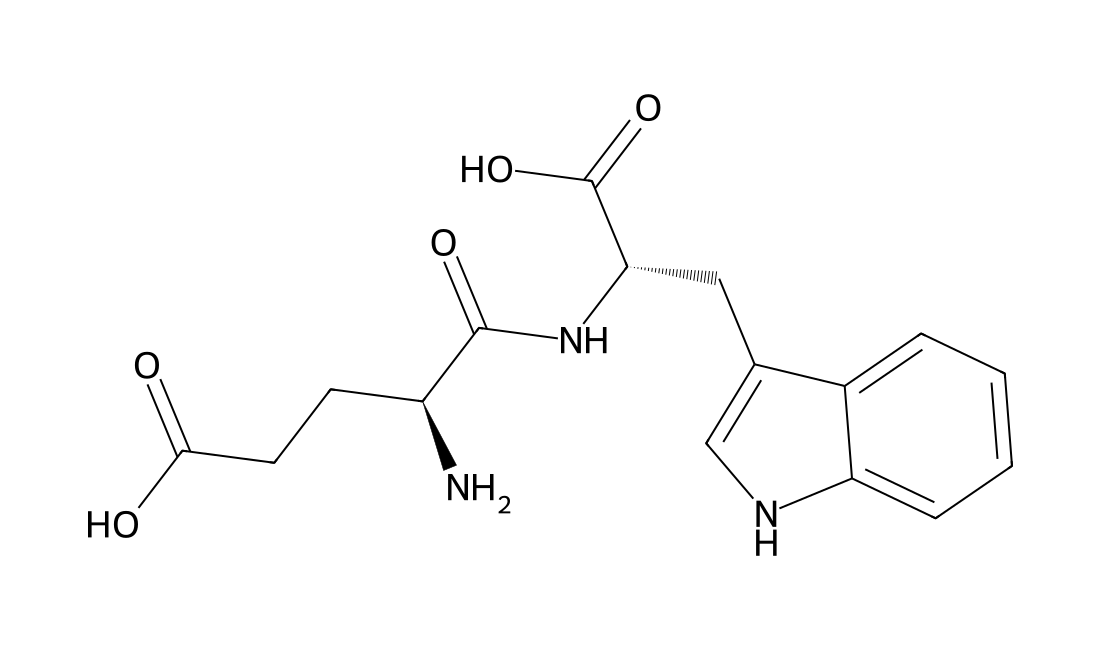
Thymogen(Oglufanide)

CAS 38101-59-6

Oglufanide inhibits vascular endothelial growth factor (VEGF), which may inhibit angiogenesis.This agent has also been reported to stimulate the immune response to hepatitic C virus and intracellular bacterial infections.

Thymogen(Oglufanide) chemical structure
DC7327

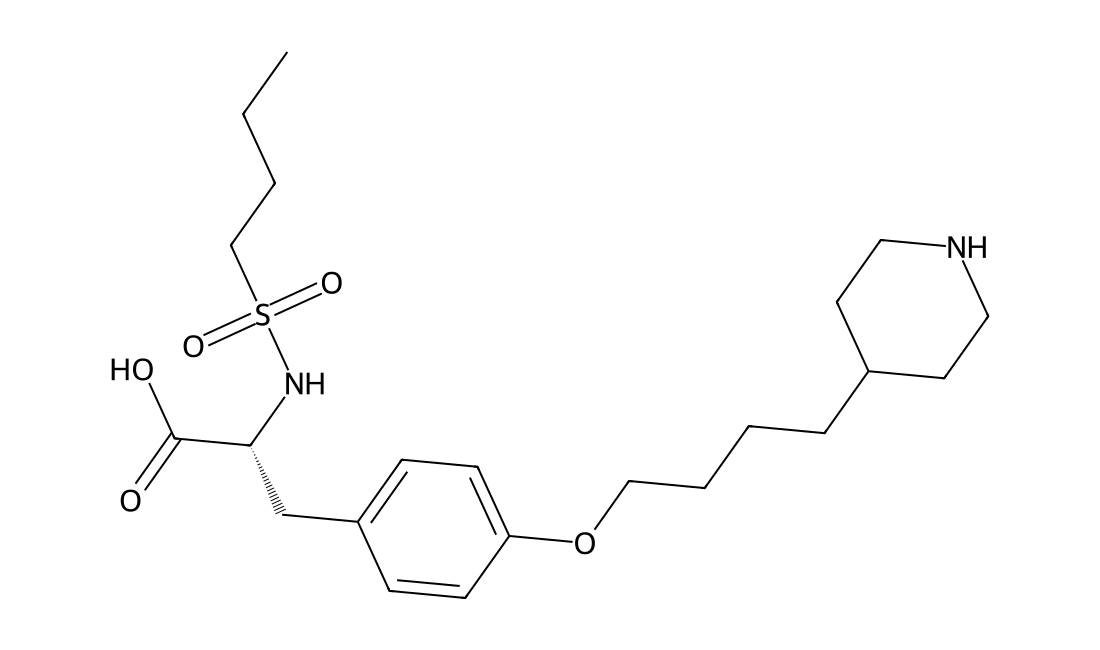
Tirofiban(L700462;MK383)

CAS 144494-65-5

Tirofiban(L700462;MK383) is a potent non-peptide, glycoprotein IIb/IIIa (integrins alphaIIbbetaIII) antagonistTarget: integrin IIb/IIIa Tirofiban hydrochloride monohydrate blocks platelet aggregation and thrombus formation. Tirofiban is an antithrombotic used in the treatment of unstable angina.Tirofiban, in a concentration-dependent manner reduced platelet aggregation evoked by ADP (IC50 approximately 70 ng/ml), collagen (IC50 approximately 200 ng/ml), and thrombin (IC50 approximately 5,000 ng/ml).

Tirofiban(L700462;MK383) chemical structure
Browse target & topic index A–Z (366)
11β-HSD (1)15-PGDH (2)5-HT Receptor (16)Acetyl-CoA Carboxylase (ACC) (3)Acetylcholinesterase (AChE) (2)Ack1 (TNK2) (1)Acyltransferase (1)ADC Cytotoxin (6)ADCs Linker/Click Chemistry (5)Adenosine Receptor (9)Adenylate Cyclase (2)Adrenergic Receptor (11)Akt (12)Alcoholism (2)Aldehyde Dehydrogenase (ALDH) (6)Allergy (5)Alzheimer Disease (13)Aminopeptidase (1)AMPK (8)Amyloids (4)Anaplastic Lymphoma Kinase (ALK) (9)Androgen Receptor (AR) (11)Anemia (4)Angiotensin Receptor (4)Antibody/Protein labeling dyes (1)Antifolate (2)Anxiety (1)Apoptosis Inducer (3)Arginase (1)Arp2/3 complex (1)Aryl hydrocarbon Receptor (AhR) (1)Asthma (5)Atherosclerosis (2)ATM/ATR (8)Aurora Kinase (10)Autophagy (6)Autophagy-related Protein (Atg) (2)Autotaxin (2)Bacterial (26)Bacterial Infection (17)Bcl-2 (14)Bcr-Abl (5)BCRP (1)Beta-catenin (4)Beta-secretase (BACE) (4)Blood Cancer (91)BMI-1 (1)Bone Cancer (6)Brain Cancer (6)Breast Cancer (30)Bromodomain (22)BTK (10)c-Fms (CSF1R) (5)c-Fos/AP-1 (1)c-Kit (6)c-Met (HGFR) (11)c-Myc (2)Calcium Channel (4)Calcium-sensing Receptor (CaSR) (1)CaMK (4)Cannabinoid Receptor (6)Carbonic Anhydrase (1)Carboxypeptidase (1)Casein Kinase (6)Caspase (4)Cathepsin (6)Cdc2-like Kinase (CLK) (1)CETP (2)CFTR (7)Checkpoint Kinase (Chk) (8)Chemokine Receptor (CCR and CXCR) (14)Chemotherapeutic Agents (19)Chloride Channel (1)CMV (2)CMV Infection (2)Colon Cancer (9)Complement System (1)COPD (3)CREB/CBP (2)CRF Receptor (2)CRISPR/Cas9 (1)Cushing Disease (1)Cyclin-dependent Kinase (CDK) (39)Cyclooxygenase (COX) (4)Cytochrome P450 (CYPs) (5)Depression (2)Dermatitis (2)Deubiquitinase (DUB) (7)Diabetes (20)Dipeptidyl Peptidase (DPP) (3)Discoidin Domain Receptor (DDR) (1)DNA Alkylator/Crosslinker (10)DNA Methyltransferase (DNMT) (1)DNA Repair Protein (1)DNA-PK (2)DNA/RNA Synthesis (5)Dopamine beta-hydroxylase (1)Dopamine Receptor (7)Drug Metabolite (1)Drug-Linker Conjugates (11)Dyes (4)DYRK (1)Dyslipidemia (9)E3 Ligase Ligand (6)E3 Ligase Ligand-Linker Conjugate (1)E3 Ubiquitin Ligase (4)Ebola Virus Infection (1)EGFR (32)Elastase (2)Endothelin Receptor (5)Enzymes substrates (13)Epigenetic Reader Domain (3)Epilepsy (4)ERK (4)Estrogen Receptor/ERR (13)Eukaryotic Initiation Factor (eIF) (2)Exportin-1 (CRM1,XPO1) (2)FABP (1)Factor Xa (5)Farnesoid X Receptor (FXR) (5)Farnesyl transferase (FTase) (1)Ferroptosis (6)FGFR (20)Fibrosis (5)FLT3 (6)Focal Adhesion Kinase (FAK) (11)Foxo1 (1)Free Fatty Acid Receptor (FFAR) (5)Fungal (2)Fungal Infection (1)GABA Receptor (13)Galectin (1)Gastric Cancer (8)Ghrelin Receptor (GHSR) (3)Glucagon Receptor (4)Glucokinase (2)Glucose Transporter (GLUT) (2)Glutamate Transporter (2)GPCR (1)GPER (GPR30) (1)GPR139 (1)GPR183 (EBI2) (2)GPR39 (1)GPR55 (1)GPR84 (1)GRK (GPCRK) (2)Growth Hormone Deficiency (2)GSK-3 (8)Guanylate Cyclase (3)HBV (1)HBV Infection (1)HCN Channel (2)HCV (8)HCV Infection (9)HDAC (38)Heart Arrhythmia (2)Heart Failure (5)Heat Shock Protein (HSP) (15)Hedgehog (Hh) (1)HIF/HIF Prolyl-hydroxylase (8)Histamine Receptor (6)Histone Acetyltransferase (HAT) (5)Histone Demethylase (11)Histone Methyltransferase (HMTase) (31)HIV (12)HIV Infection (11)HMG-CoA Reductase (HMGCR) (3)HSV (1)HSV Infection (1)Hypercholesterolemia (1)Hyperparathyroidism (1)Hypertension (8)IAP (1)IGF-1R (3)iGluR (15)Indoleamine 2,3-Dioxygenase (IDO) (4)Infection (1)Influenza (6)Influenza Virus (6)Insulin Receptor (2)Integrin (6)Interleukin Receptor (1)IRAK (2)IRE1 (4)Irritable Bowel Syndrome (2)Ischemia (1)Isocitrate Dehydrogenase (IDH) (5)ITK (1)IκB kinase (IKK) (7)JAK (32)JNK (3)Keap1-Nrf2 (6)Kidney Cancer (10)Kinesin (5)Kruppel-like Factor (KLF) (1)Kynurenine 3-Monooxygenase (KMO) (1)Leukotriene Receptor (1)LIM Kinase (LIMK) (3)Lipids fragment (1)Liver Cancer (6)Liver X Receptor (LXR) (3)LRRK2 (9)Lung Cancer (39)Lysophospholipid Receptor (12)LYTACs (3)mAChR (9)MALT1 (2)MAP4K (1)Matrix Metalloproteinase (MMP) (10)MDM2-p53 (9)MEK (MAP2K) (14)MEKK (MAP3K) (1)Melanocortin Receptor (2)MELK (1)mGluR (7)MicroRNA (1)Microtubule/Tubulin (5)Mineralocorticoid Receptor (MLR) (1)MITF (1)Mixed Lineage Kinase (MLK) (3)MNK (2)Molecular Glues (21)Monoamine Transporter (5)Monocarboxylate Transporter (MCT) (1)Monopolar Spindle 1 (Mps1/TTK) (3)mTOR (13)Multiple Sclerosis (6)Myosin (1)Na-K-Cl Cotransporter (NKCC) (2)nAChR (2)NADPH Oxidase (NOX) (2)NAMPT (3)Natural products (37)Neprilysin (1)Neurokinin Receptor (3)Neuropeptide Y Receptor (3)NF-κB (5)Nitric Oxide Synthase (NOS) (1)NOD-like Receptor (NLR) (3)Notch (2)Nucleoside Antimetabolite/Analog (10)Nur77 (NR4A1) (1)Obesity (1)Oct3/4 (1)Opioid Receptor (5)Orexin Receptor (7)Osteoporosis (2)Ovarian Cancer (14)Oxytocin Receptor (OXTR) (2)P-glycoprotein (P-gp) (3)p21-activated Kinase (PAK) (1)P2X Receptor (2)P2Y Receptor (1)p38 MAPK (10)p97/VCP (1)Pain (12)Pancreatic Cancer (10)Parasite (5)Parasite Infection (2)Parkinson Disease (2)PARP (19)PCSK9 (1)PD-1/PD-L1 (4)PDGFR (4)PDK1 (2)PEGn (1)PERK (2)PGE synthase (2)Phosphodiesterase (PDE) (9)Phospholipase (4)PI3K (32)PI4K (2)Piezo Channel (1)PIKfyve (3)Pim (9)PKC (12)PKD (1)Plasminogen Activator Inhibitor-1 (PAI-1) (3)Polo-like Kinase (PLK) (4)Porcupine (3)Potassium Channel (13)PPAR (13)Pregnane X Receptor (PXR) (1)Progesterone Receptor (2)Prostaglandin Receptor (11)Prostate Cancer (7)PROTACs (35)Protease-activated Receptor (PAR) (3)Proteasome (12)Protein Disulfide Isomerase (PDI) (1)Protein Phosphatase/PTP (6)Proton Pump (1)Psoriasis (5)RAD51 (1)Radioligand precursors (15)Raf (18)RAR/RXR (3)Ras (17)Renin (2)RET Tyrosine Kinase (c-RET) (3)Rheumatoid Arthritis (16)Ribosomal S6 Kinase (RSK) (5)RIG-I-like Receptor (RLR) (2)RIP kinase (7)ROCK (12)ROR (2)RSV (4)RSV Infection (3)RUNX1-CBFβ (1)S-nitrosoglutathione reductase (GSNOR) (1)Saccharides and Glycosides (1)Salt Inducible Kinase (SIK) (2)SARS-CoV (16)SARS-CoV Infection (34)Schizophrenia (4)Sexual Dysfunction (1)SGLT (4)Sigma Receptor (4)Sirtuin (9)Skin Cancer (13)Sleep Disorder (7)SMN2 Modulator (1)Smoothened (Smo) (9)Sodium Channel (12)Solid Tumors (35)Somatostatin Receptor (2)Sphingosine kinase (SphK) (2)Src (7)STAT (5)Stearoyl-CoA Desaturase (SCD) (1)Steatohepatitis (7)Sterol lipids (1)STING (14)Syk (6)T Cell Receptor (TCR) (1)TAK1 (2)TAM Receptor (Tyro3-Axl-Mer) (4)Taste Receptor (1)Telomerase (2)TGF beta Receptor (TGFBR) (12)Thrombin (3)Thrombosis (13)Thyroid Cancer (1)Thyroid Hormone Receptor (THR) (1)Thyrotropin Receptor (2)TNIK (1)Toll-like Receptor (TLR) (2)TOPK (1)Topoisomerase (11)TRAIL (1)Translocator Protein (TSPO) (1)Trk Receptor (4)TRP Channel (13)Tryptophan Hydroxylase (TPH) (1)Ubiquitin-activating Enzyme (E1) (2)Ubiquitin-conjugating Enzyme (E2) (2)Ulcer (1)ULK (3)Vasopressin Receptor (2)VEGFR (25)Vitamin D Receptor (VDR) (3)Wee1 (1)WNK Kinase (1)Wnt (5)Yes-associated Protein (YAP) (4)γ-secretase (5)

Cart

Request quotation