Small Molecule Research Tools

Explore bioactive compounds by research category, then narrow your search by target, product name, catalog number or CAS.

Newly added: LC-MG and OXF molecular glue research compounds →

6,823 products17 research categoriesBrowse all products ↓

Browse by research category

Products may appear in more than one category. Counts refer to distinct catalog numbers within each category.

Other Research Tools (75) · Additional reagents, building blocks and specialized research tools.

New literature-derived products

LC-MG-1 (DCA0006) · LC-MG-4 (DCA0007) · LC-MG-9 (DCA0008)

View structure and evidence summaries →

All small molecule products

Combine a keyword, research category and target to narrow the product list.

Loading catalog filters…

6,823 products · Showing 6,337–6,384

DC7441

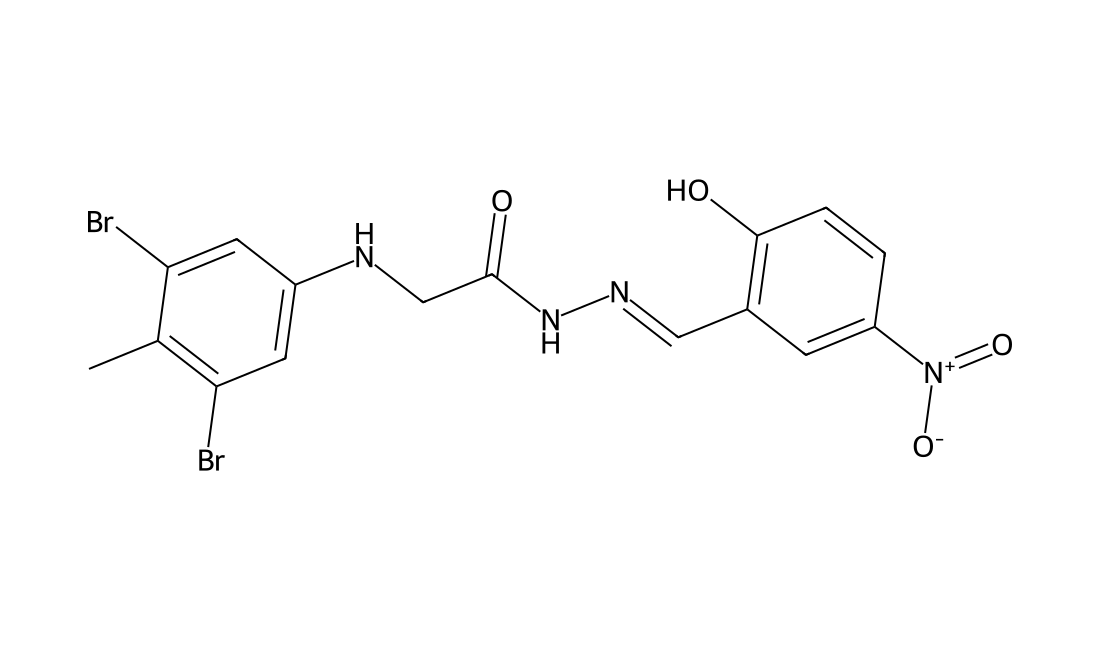
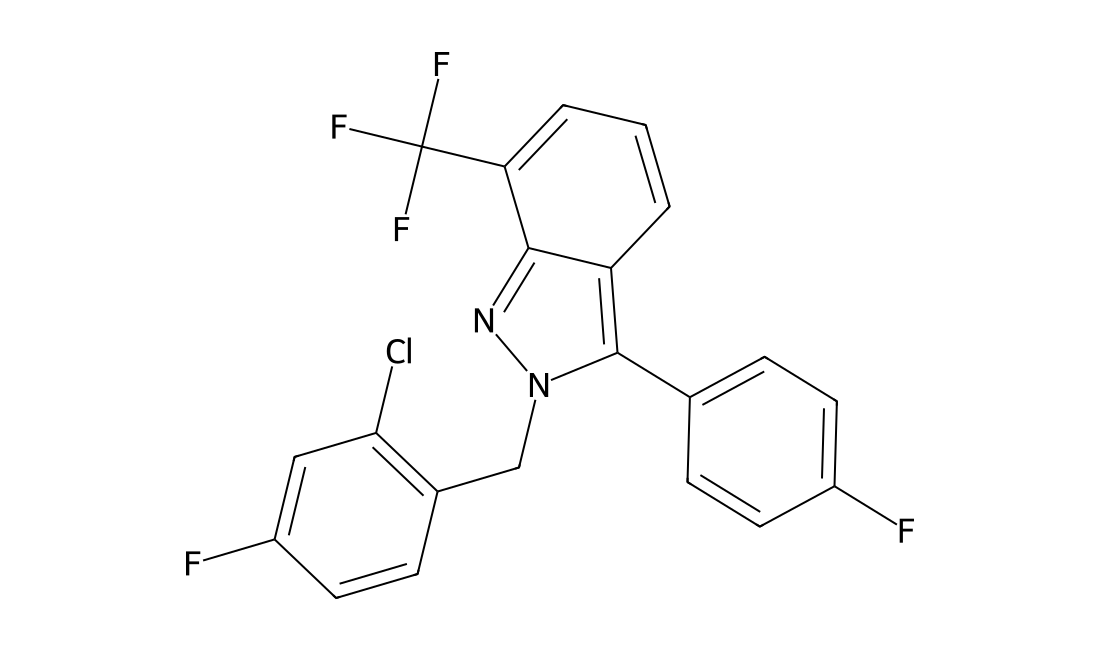
KN-92-hydrochloride

CAS 1431698-47-3

KN-92 is an inactive derivative of KN-93. KN-93 is a selective inhibitor of Ca2+/calmodulin-dependent kinase II (CaMKII), competitively blocking CaM binding to the kinase (Ki = 370 nM). IC50 value:Target: KN-92 is intended to be used as a control compound in studies designed to elucidate the antagonist activities of KN-93. KN-93 inhibits histamine-induced aminopyrine uptake in parietal cells (IC50 = 300 nM). KN-93 has been used to implicate roles for CaMKII in Ca2+-induced Ca2+ release in cardiac myocytes, constitutive phosphorylation of 5-lipoxygenase in 3T3 cells, and Ca2+-dependent activation of HIF-1α in colon cancer cell.
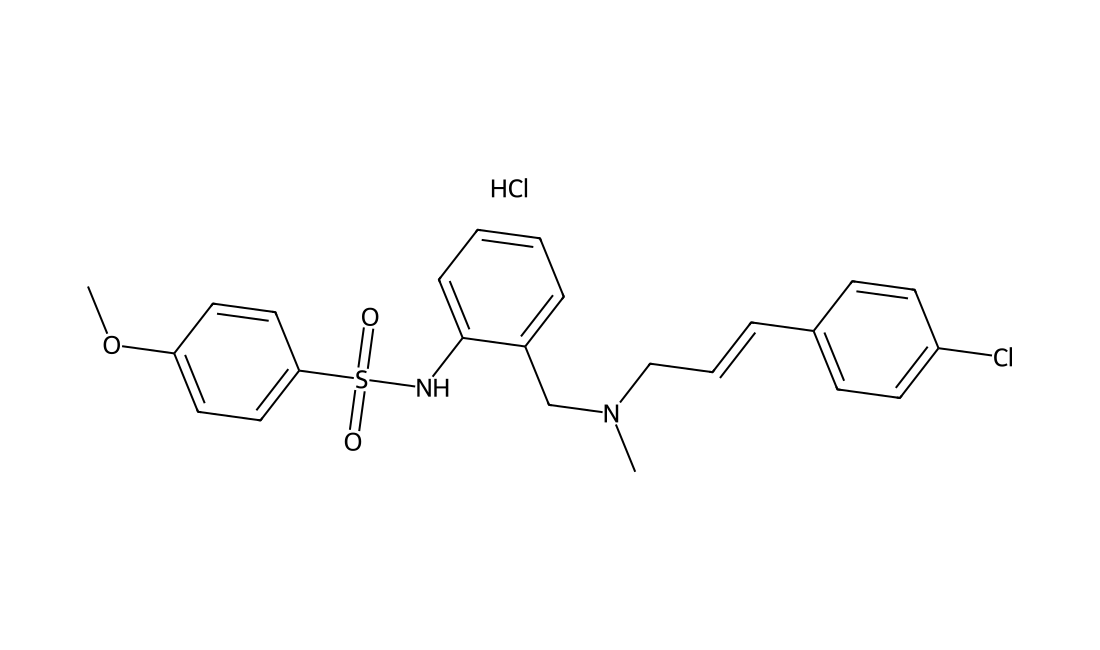
KN-92-hydrochloride chemical structure
DC8127

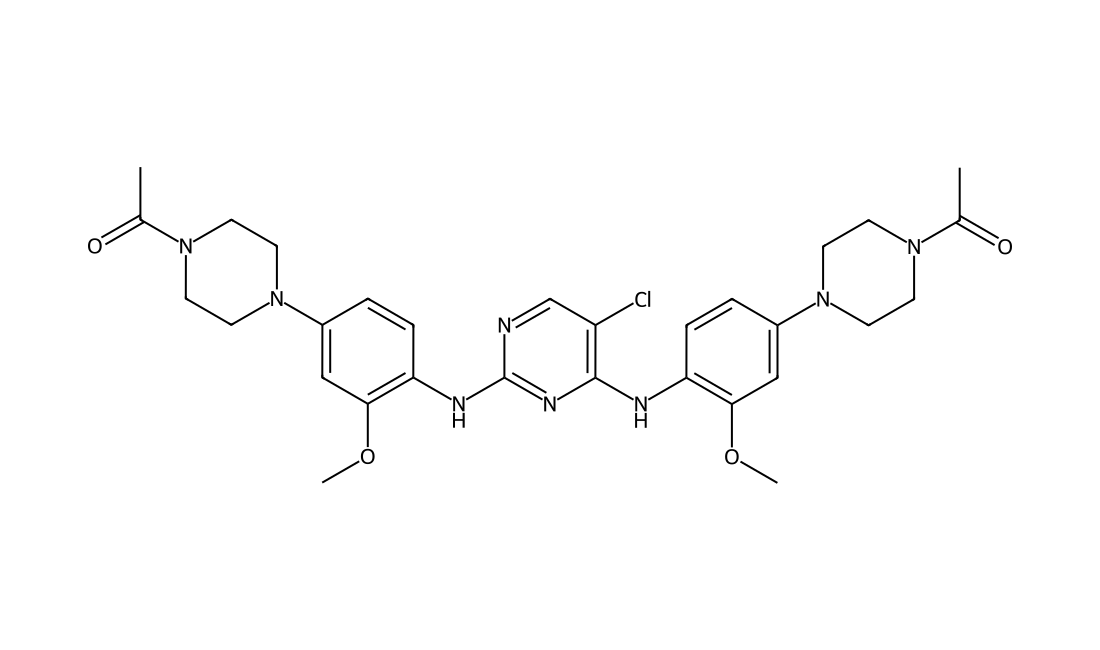
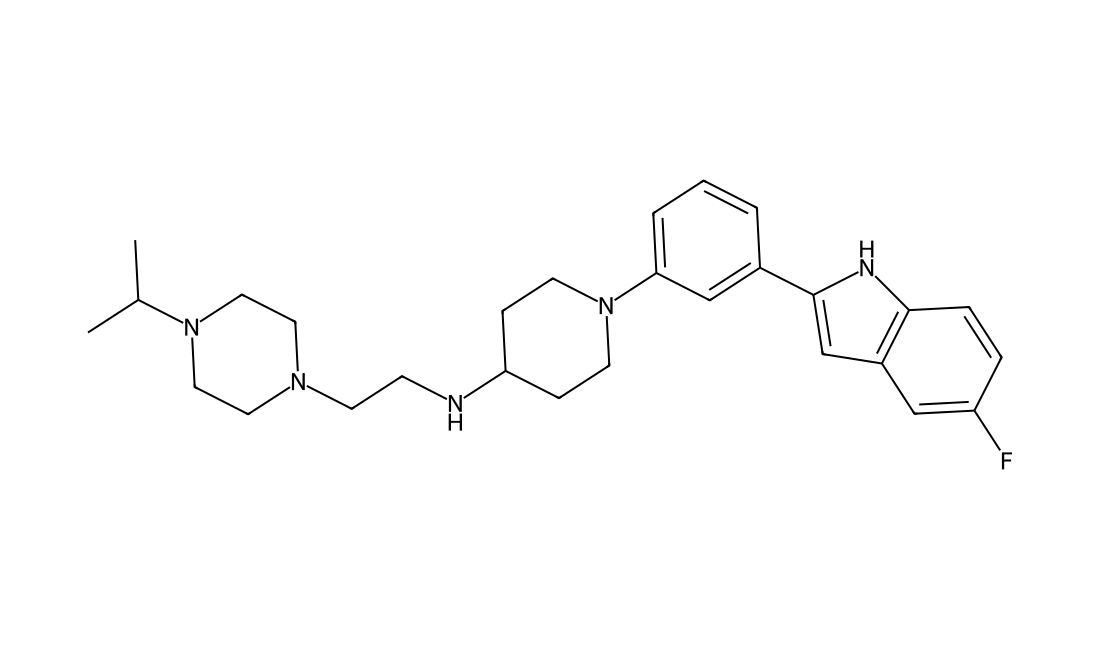
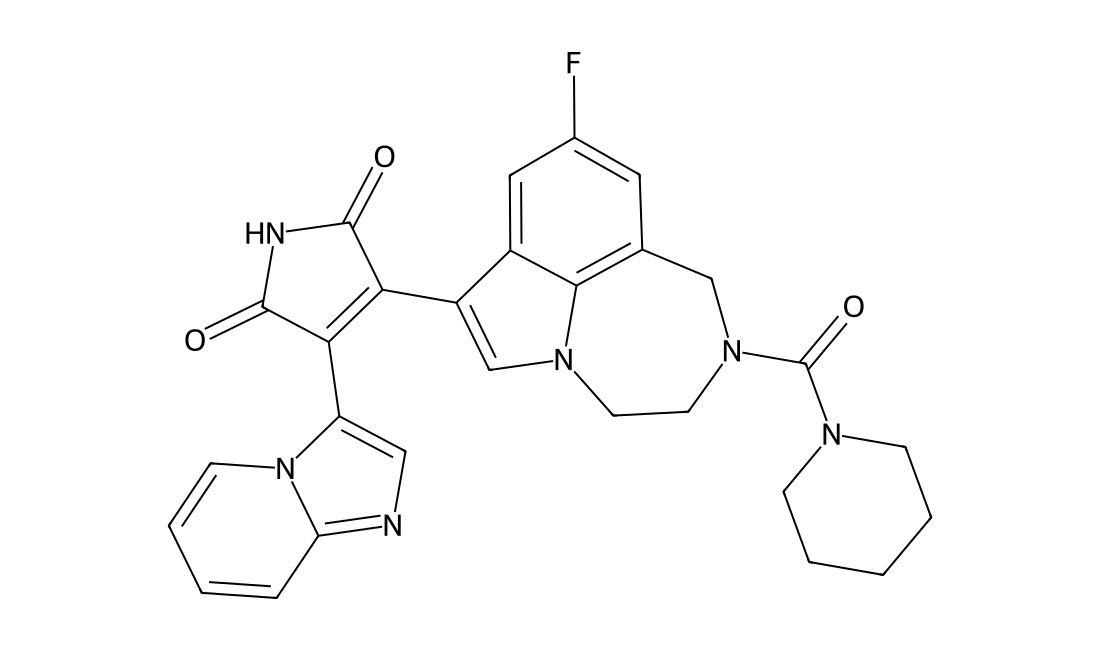
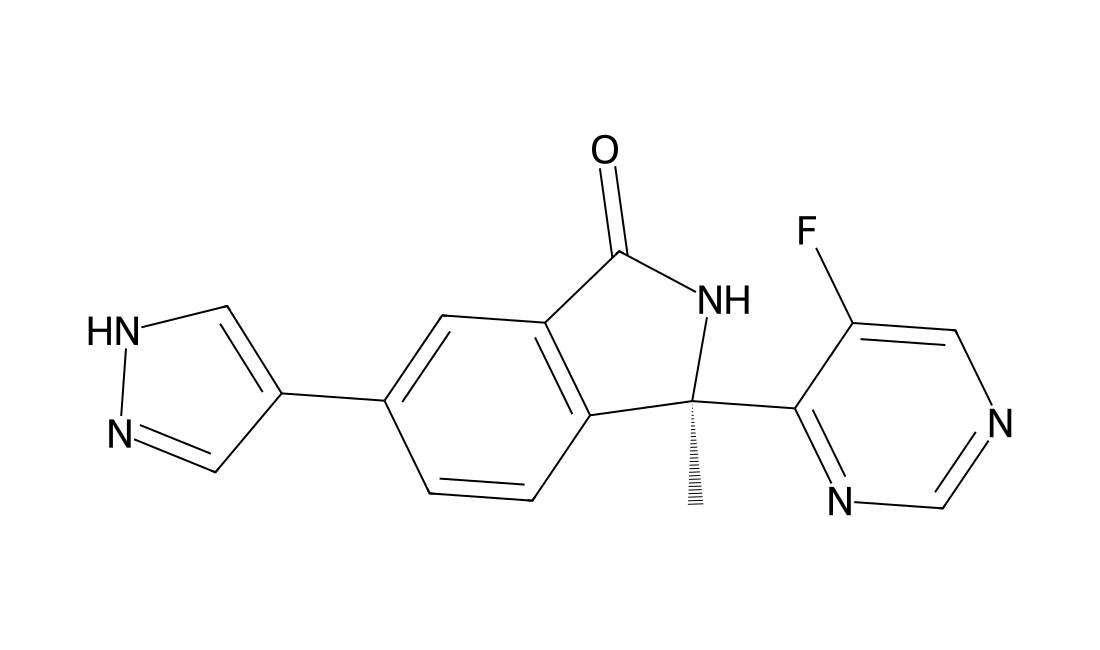
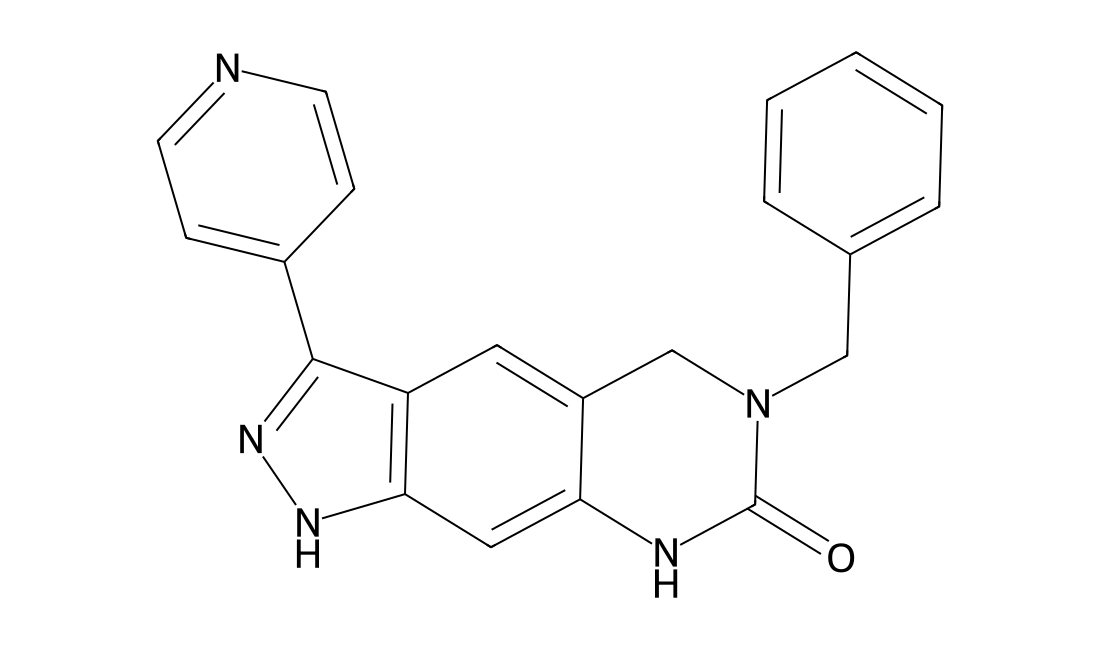
KRCA-0008

CAS 1472795-20-2

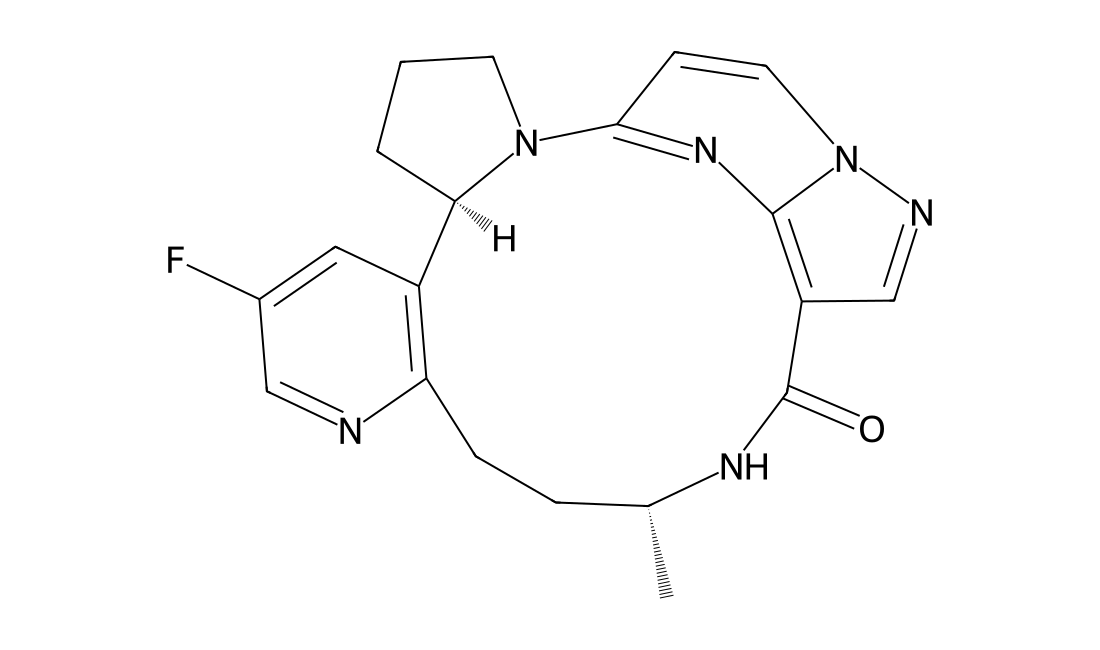
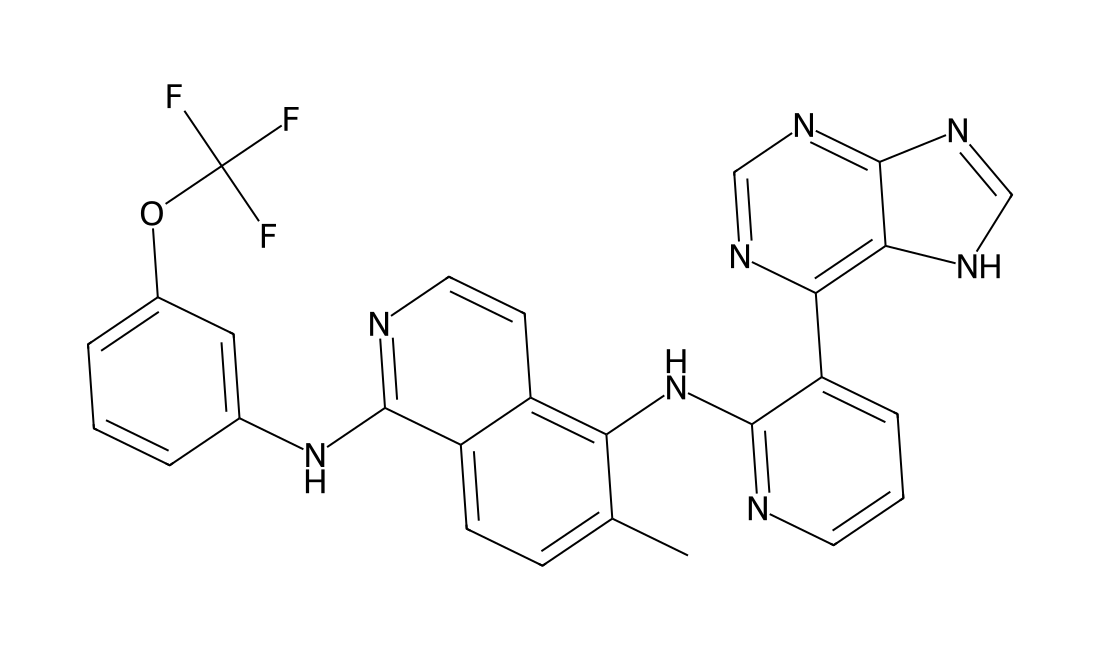
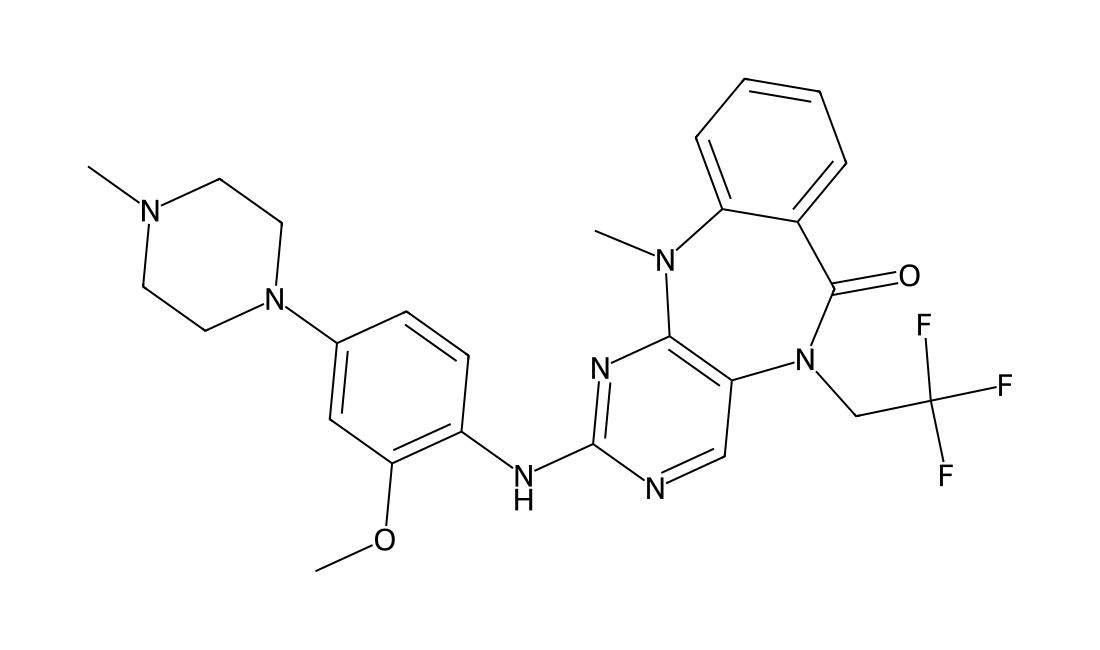
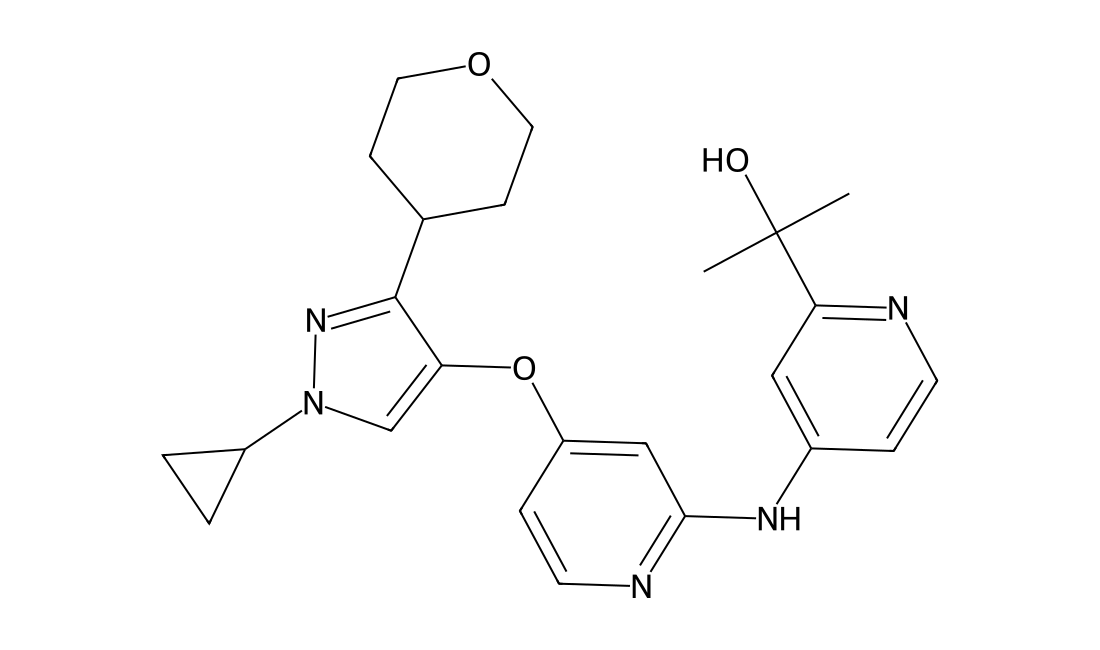
KRCA-0008 is a potent and selective ALK/Ack1 inhibitor with IC50 of 12 nM/4 nM for ALK and Ack1 respectively; displays drug-like properties without hERG liability.IC50 value: 12 nM/4 nM(ALK/Ack1) [1]Target: ALK/Ack1 inhibitorKRCA-0008 retains good drug-like properties: good water-solubility (54 μM in 5% DMSO–water, 150 μM in 5% DMSO–PBS buffer) with moderate plasma protein binding (93% in rat) and low brain exposure (Cbrain/Cplasma = ~0.02). It has good liver microsomal stability (% remaining after 30 min: 52% in mouse, 89% in rat, 72% in human) and little to no CYP inhibition (1A2, 2C9, 2D6, 3A4 @ 10 μM). It does not appear to cause hERG blockade (patch clamp IC50 = 30 μM) and is negative on Ames test (1000 μg/plate), chromosomal aberration assay and micronucleus assay.KRCA-0008 also shows promising pharmacokinetic parameters in both mice and rat (oral bioavailability = 66–94.5%). KRCA-0008 shows a modest tumor growth inhibition in vivo activity in H3122 human lung cancer bearing mice model comparable to Crizotinib without significant body weight change. It is important to mention the KRCA-0008 25 mpk and 50 mpk groups did not show dose-dependent tumor growth inhibition.

KRCA-0008 chemical structure
DC10669

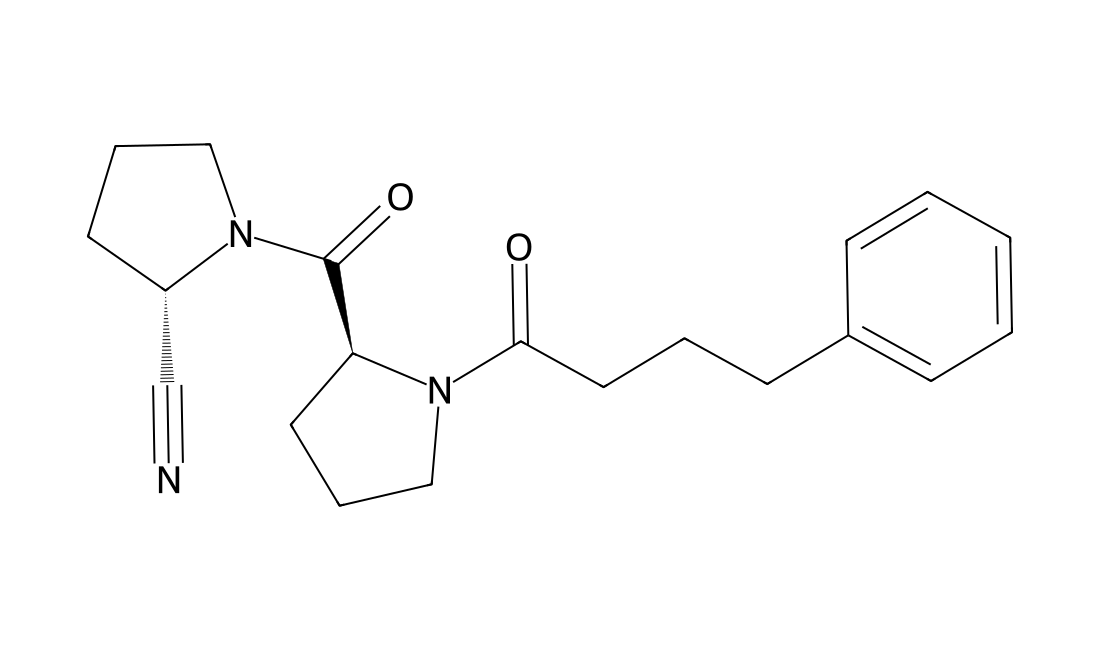
KYP-2047

CAS 796874-99-2

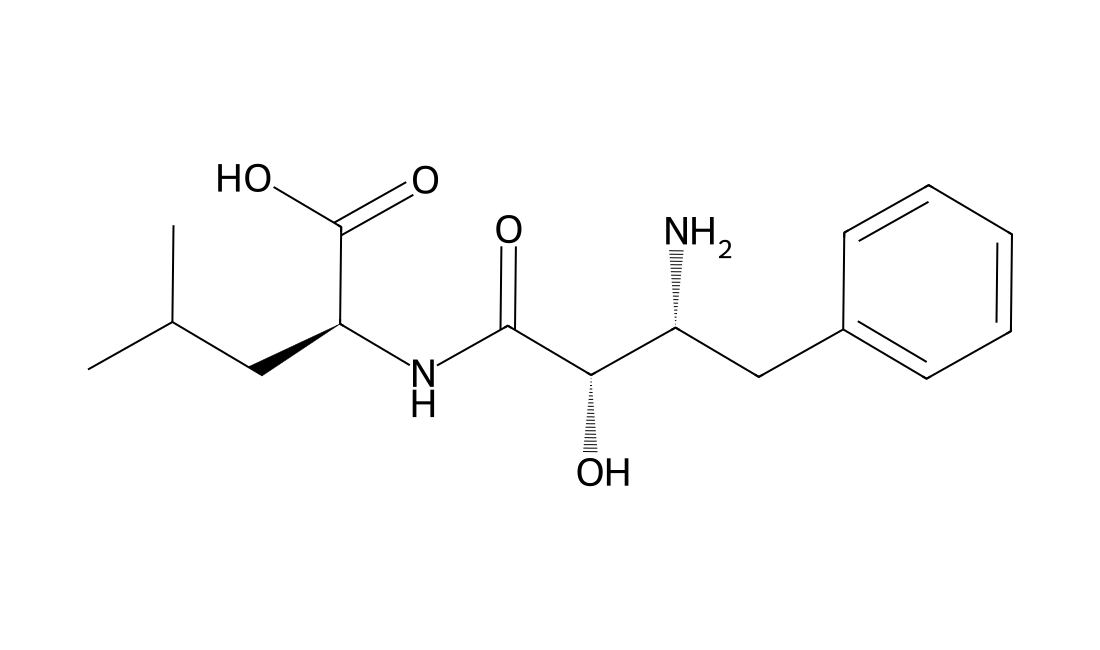
KYP-2047 is a very potent, selective inhibitor of Prolyl oligopeptidase (POP), also known as prolyl endopeptidase (PEP or PE). Ki = .023nM (porcine).

KYP-2047 chemical structure
DC8790

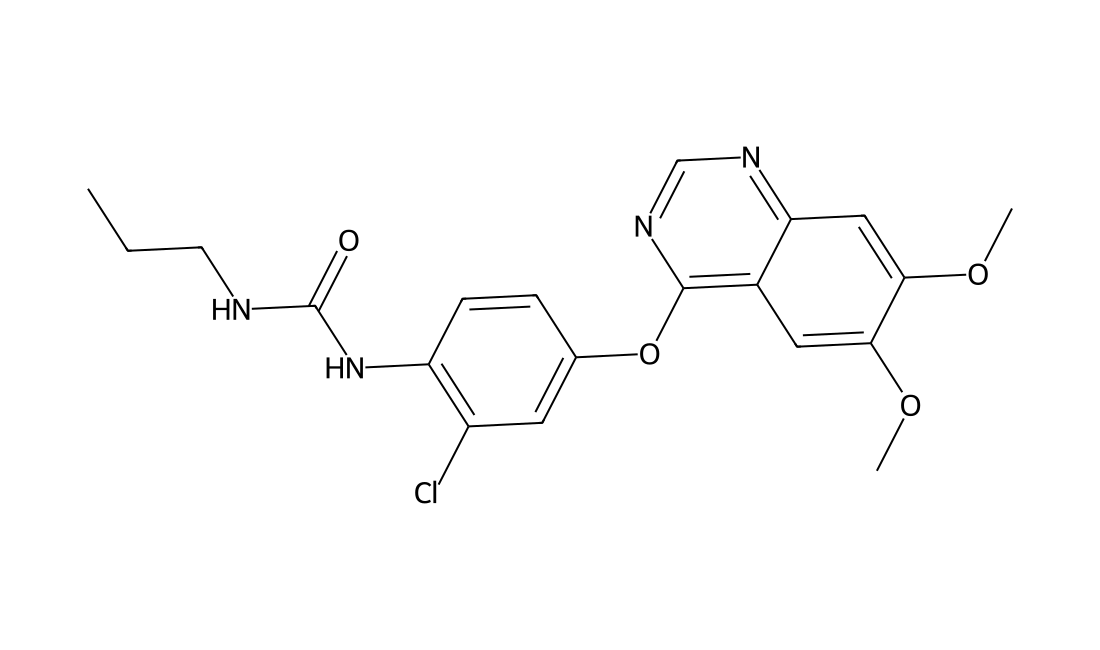
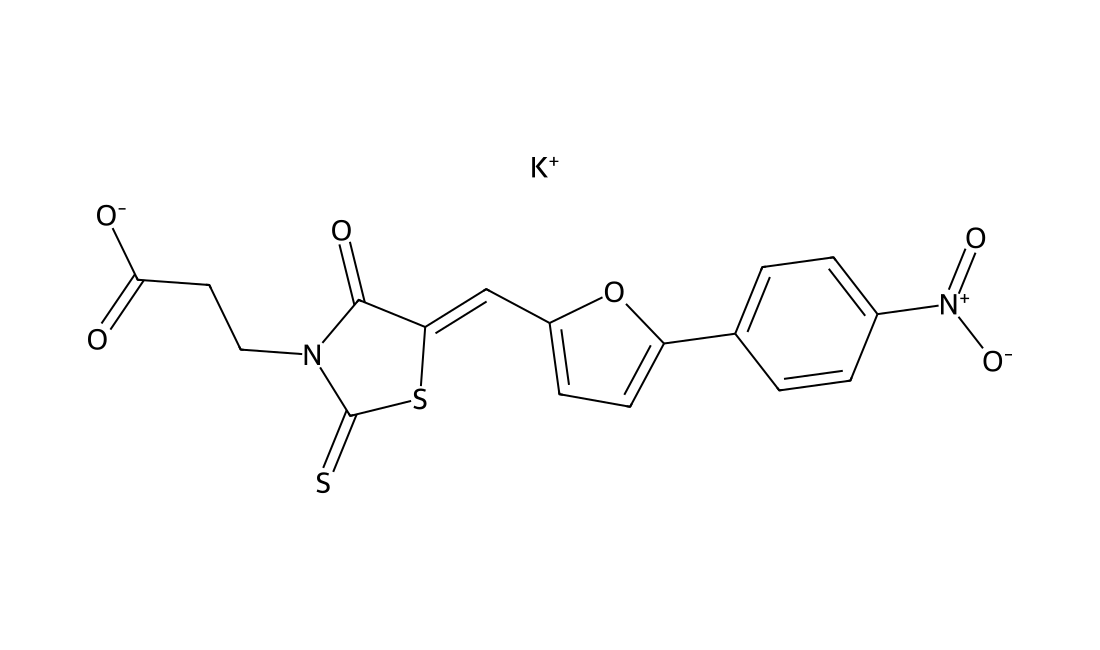
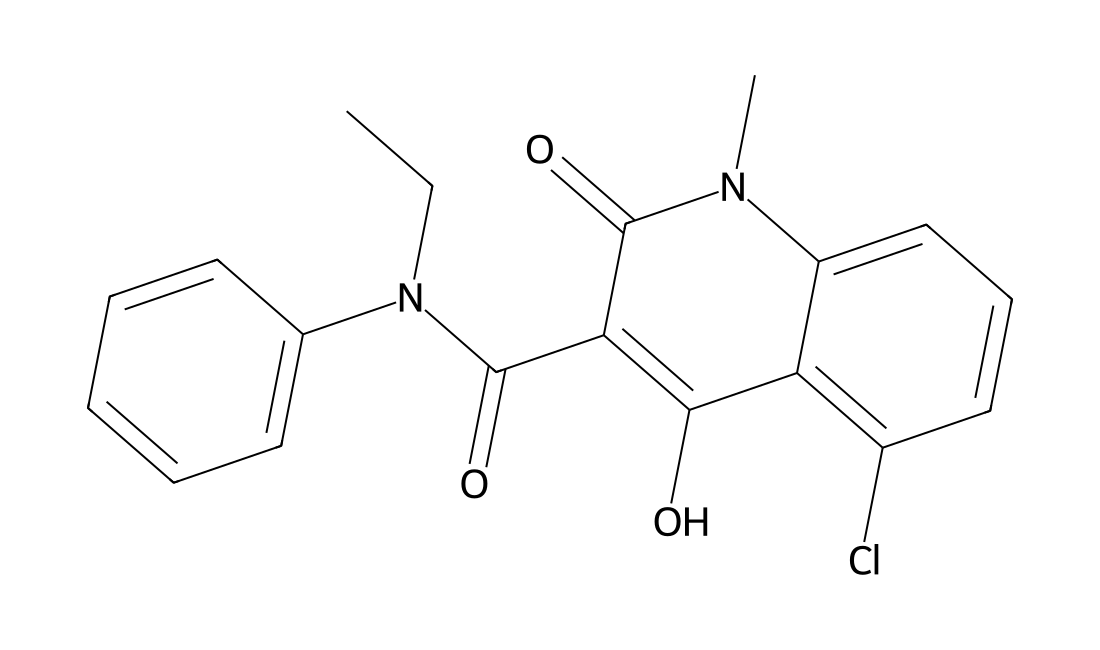
L67

CAS 325970-71-6

L67 is a novel, competitive human DNA ligase inhibitor, inhibits DNA ligases I and III with IC50 of 10 μM and 10 μM.IC50 value: 10 μM [1]Target: DNA ligasesin vitro: L67 significantly increases the cytotoxicity of DNA damaging agents.[1] L67 also inhibits cell proliferation. [2]

L67 chemical structure
DC8803

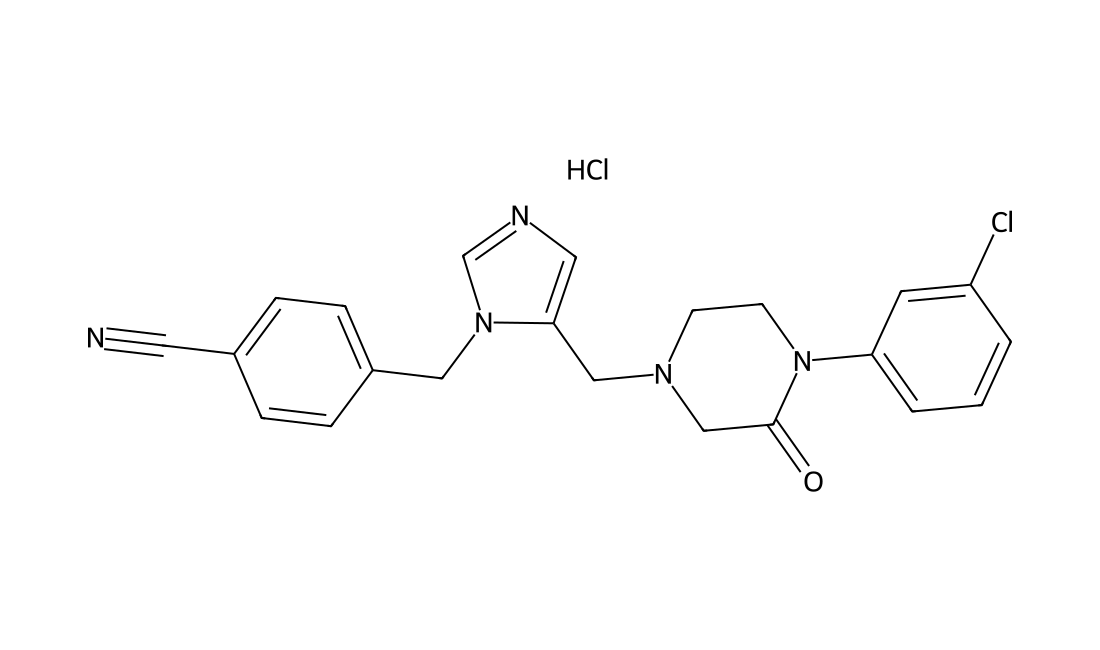
L-778123 HCl

CAS 253863-00-2

L-778123 hydrochloride is an inhibitor of FPTase and GGPTase-I with IC50 of 2 nM and 98 nM in enzyme inhibition determination.IC50 value: 2 nM [1]Target: FPTasein vitro: L-778123 can completely inhibit Ki-Ras prenylation. [1] L-778123 as a farnesyltransferase inhibitor can have a good cytotoxic activity as a classic anti-cancer agent. [2]in vivo: In the dog model, L-778123 inhibits HDJ2 prenylation and produces measurable, albeit slight (5%), levels of unprenylatedRap1A in PBMCs. [1]

L-778123 HCl chemical structure
DC23065

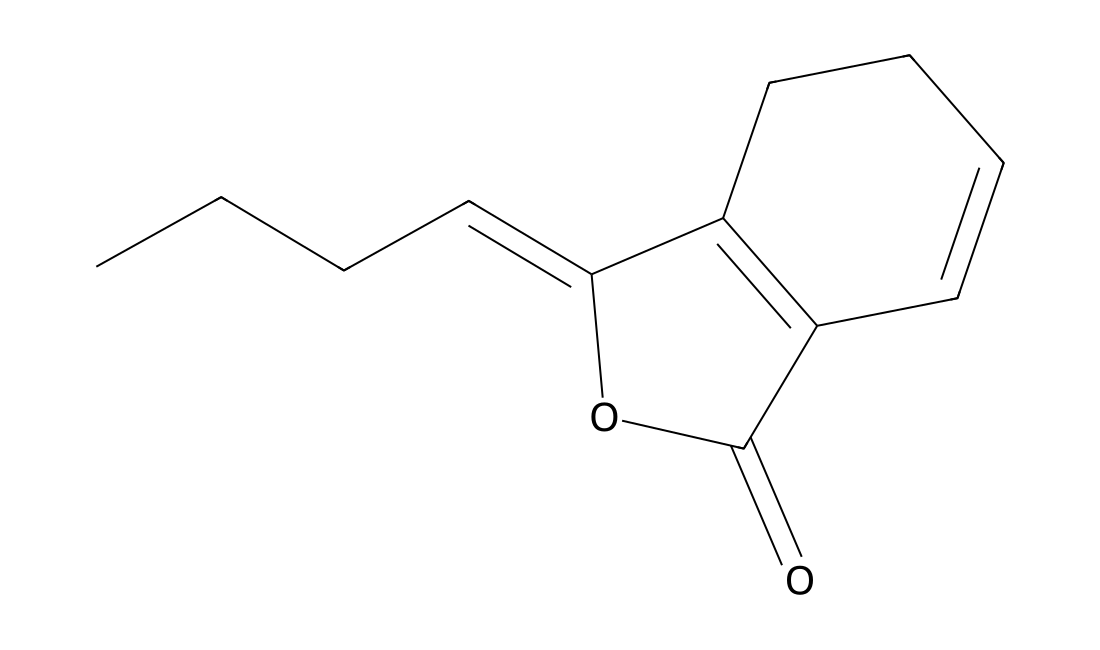
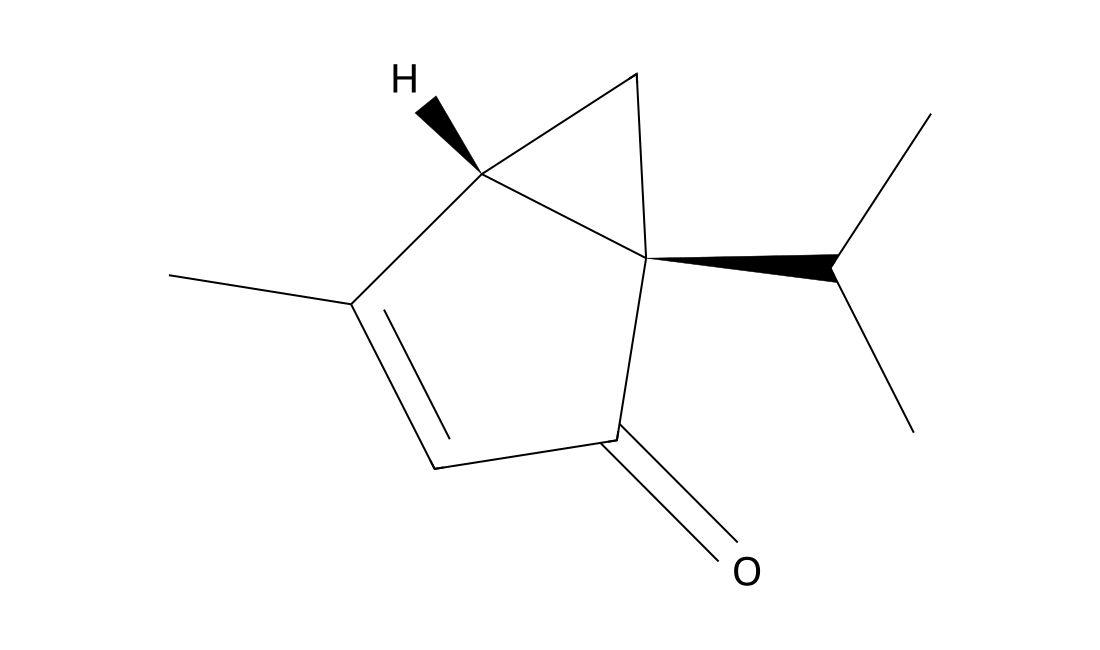
Ligustilide

CAS 4431-01-0

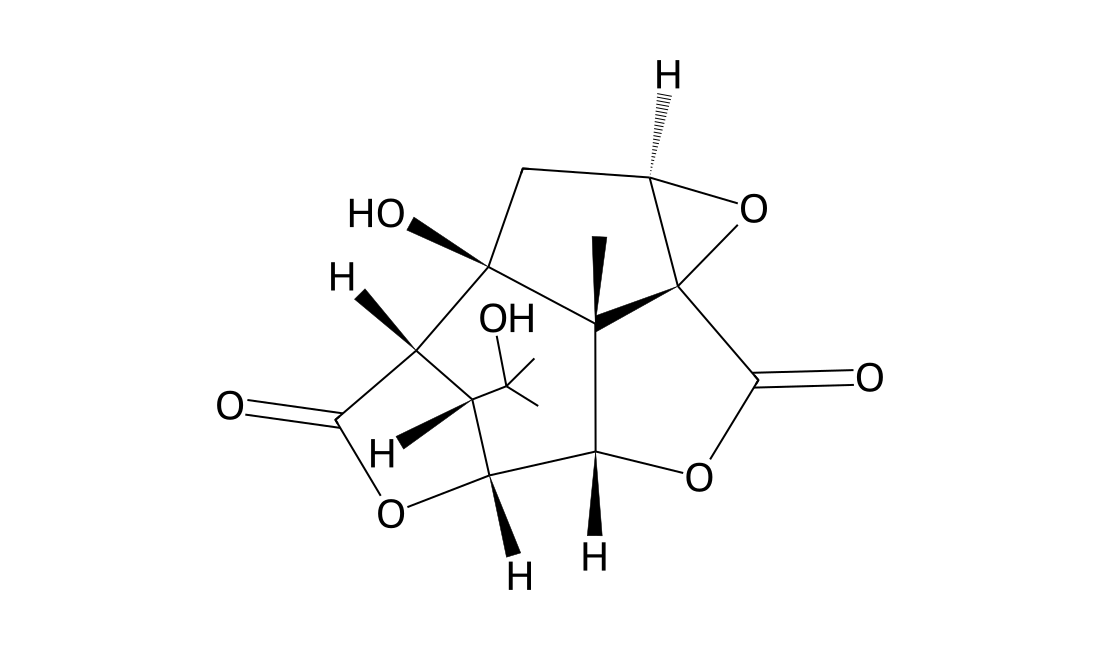
Ligustilide is an effective constituent extracted from Angelica sinensis.IC50 value:Target:In vitro: To investigate the neuroprotective of ligustilide (LIG) against glutamate-induced apoptosis of PC12 cells, cell viability were examined by MTT assay. Pretreatment with ligustilide (1, 5, 15 μmol · L(-1)) significantly improved cell viability. The apoptosis rate in glutamate-induced PC12 cells was 13.39%, and decreased in the presence of ligustilide (1, 5, 15 μmol · L(-1)) by 9.06%, 6.48%, 3.82%, separately. Extracellular accumulation of Ca2+ induced by glutamate were significantly reduced by ligustilide [1].

Ligustilide chemical structure
DC20009

KH7

CAS 330676-02-3

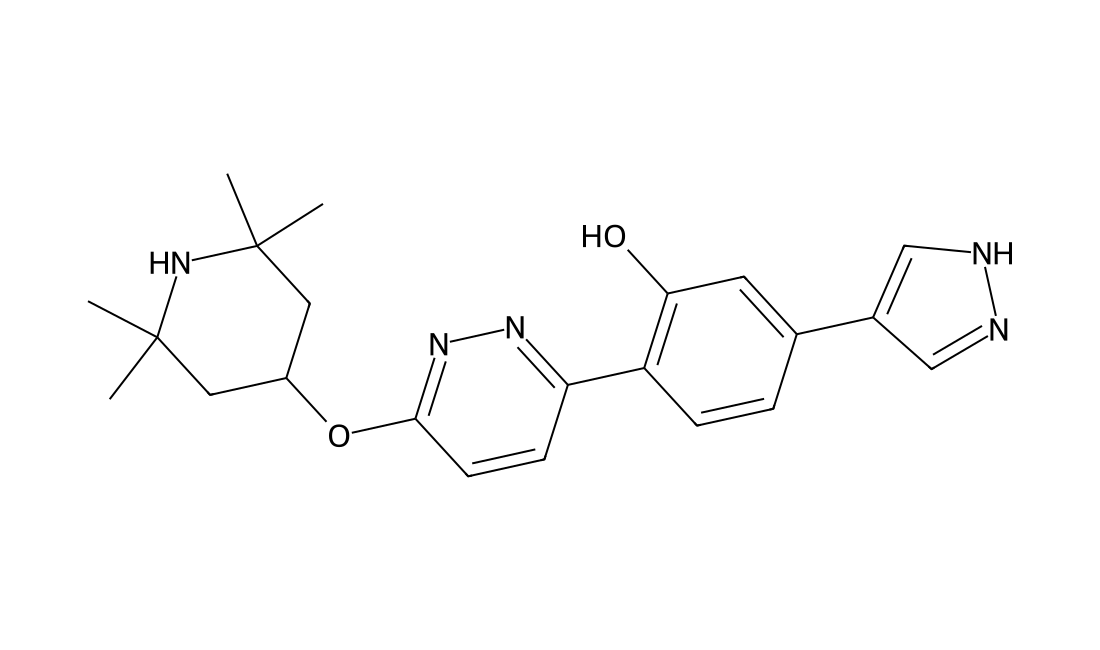
KH7 is a soluble adenylyl cyclase (sAC)-specific inhibitor, with IC50s of 3-10 μM toward both recombinant purified human sACt protein and heterologously expressed sACt in cellular assays[1].

KH7 chemical structure
DC22800

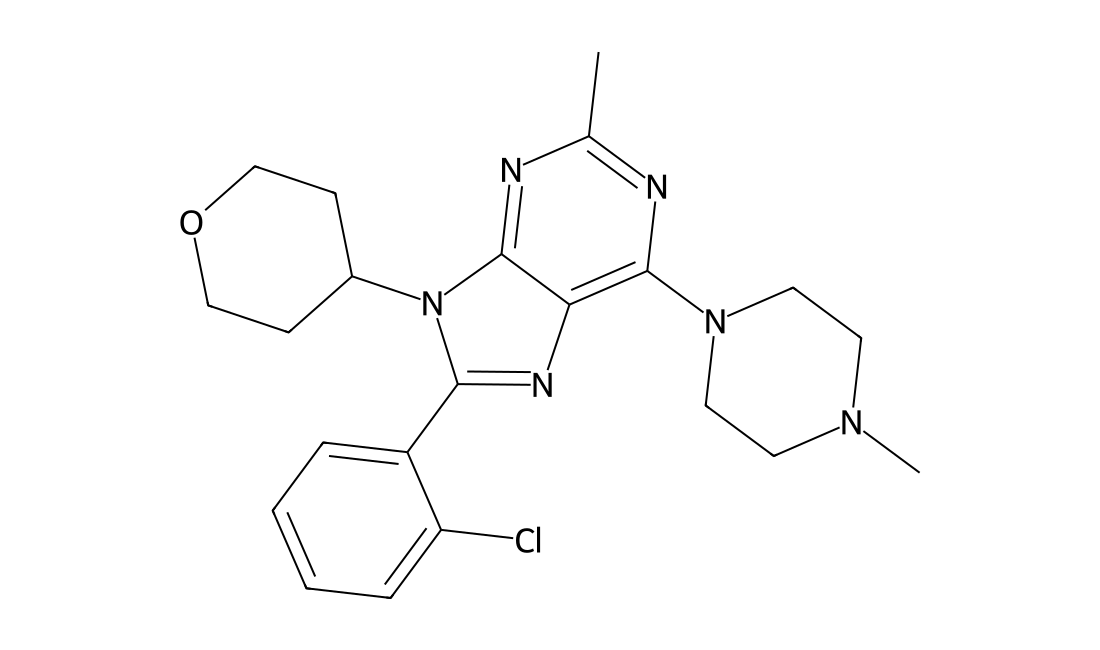
ML-210

CAS 1360705-96-9

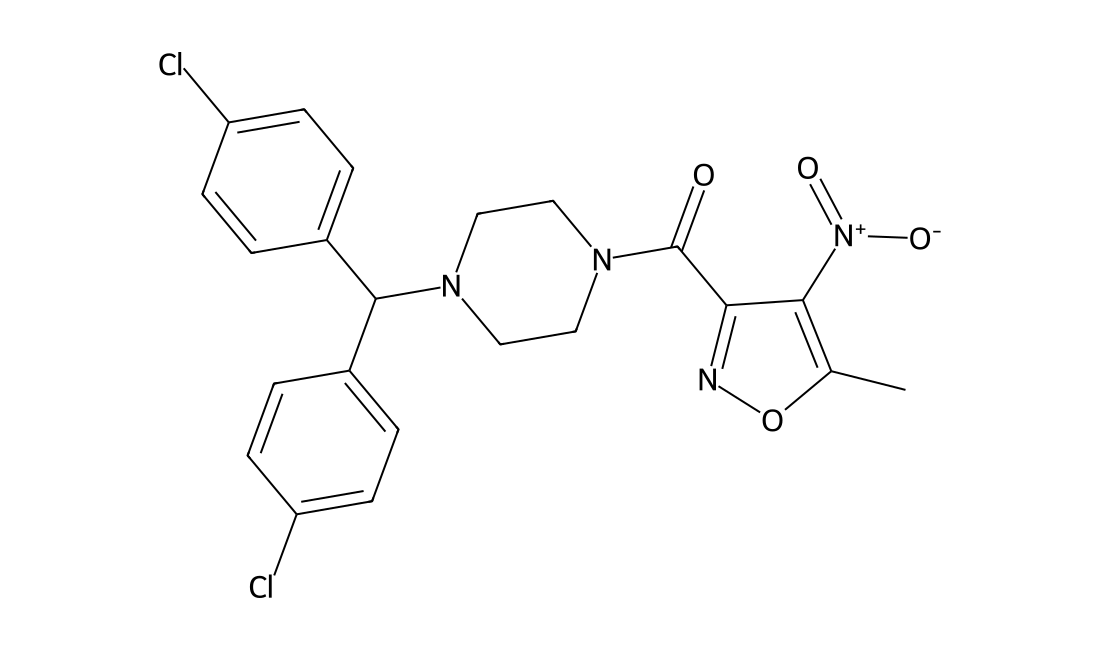
ML-210,the most potent compound in the nitroisoxazole series, is a selective covalent inhibitor of glutathione peroxidase 4 (GPX4) by binding the selenocysteine residue[1]. ML-210 has IC50s of 71 nM, 272 nM and 107nM for BJeLR (HRASV12), BJeH-LT (without HRASV12) and DRD cell lines, respectively[2].

ML-210 chemical structure
DC23372

Olinone

CAS 1770789-37-1

Olinone is a selective inhibitor for the BET BRD1 with Kd of 3.4/3.7/8.6 uM for BRD4-BrD1/BRD3-BrD1/BRD2-BrD1, respectively, shows high selectivity over BET BRD2 (Kd>300 uM).

Olinone chemical structure
DC8611

Luliconazole

CAS 187164-19-8

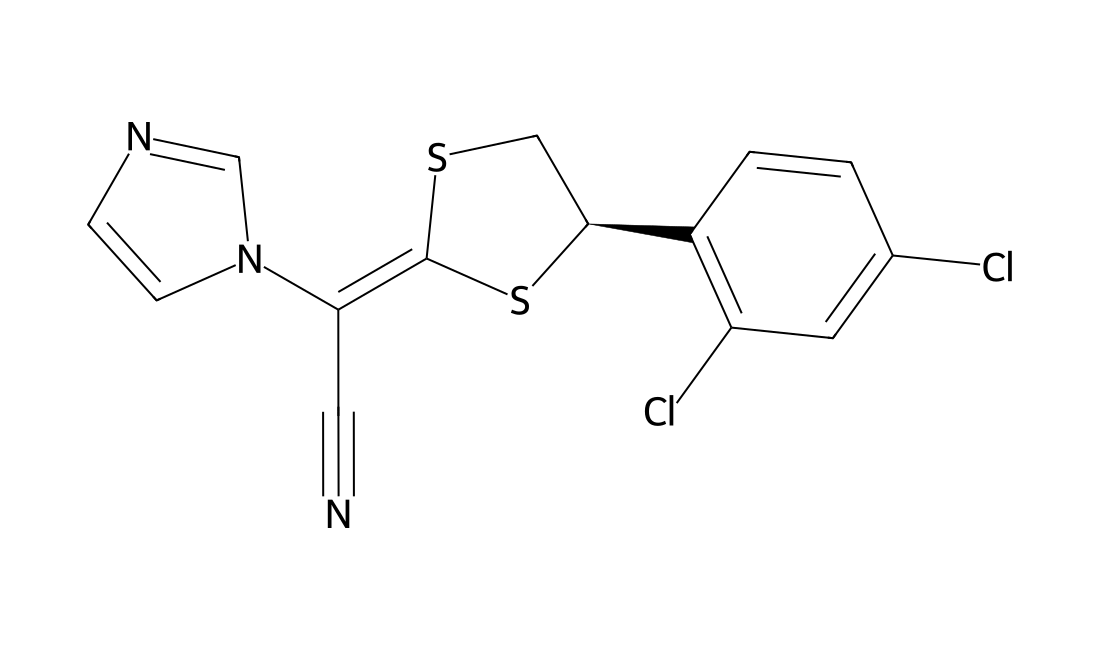
Luliconazole(NND 502) is an azole antifungal indicated for the topical treatment of interdigital tinea pedis.IC50 Value: Target: AntifungalLuliconazole is an antifungal that belongs to the azole class. Although the exact mechanism of action against dermatophytes is unknown, luliconazole appears to inhibit ergosterol synthesis by inhibiting the enzyme lanosterol demethylase. Inhibition of this enzyme’s activity by azoles results in decreased amounts of ergosterol, a constituent of fungal cell membranes, and a corresponding accumulation of lanosterol. In a fertility study in rats, subcutaneous doses of 1, 5 and 25 mg/kg/day luliconazole were administered prior to and during mating and through early pregnancy. Treatment related effects on reproductive function were noted in females (decreased live embryos and decreased corpus luteum) at 5 and 25 mg/kg/day and males (decreased sperm counts) at 25 mg/kg/day. No treatment related effects on fertility or reproductive function were noted at 1 mg/kg/day (0.1X MRHD based on BSA comparisons).
Luliconazole chemical structure
DC23724

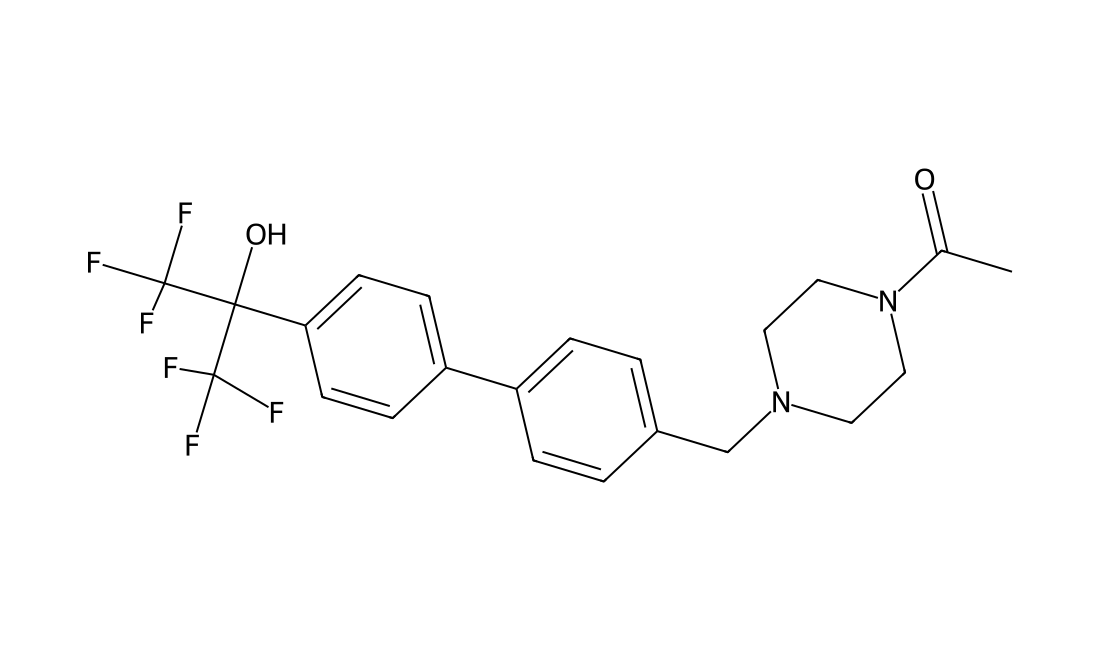
SR1555

CAS 1386439-51-5

SR1555 is a selective RORγ inverse agonist (IC50=1.5 uM) that suppresses T(H)17 cells and stimulates T regulatory cells; SR1555 is devoid of LXR, FXR, and RORα activity, displaces [3H]T0901317 from the ligand binding domain (LBD) of RORγ with IC50 of 1 uM; represses the expression of RORγ while leading to increased expression of FGF21 and adipoQ in pre-adipocyctes, inhibits activation of hormone-sensitive lipase and increased fatty acid oxidation in obese diabetic mice.

SR1555 chemical structure
DC23962

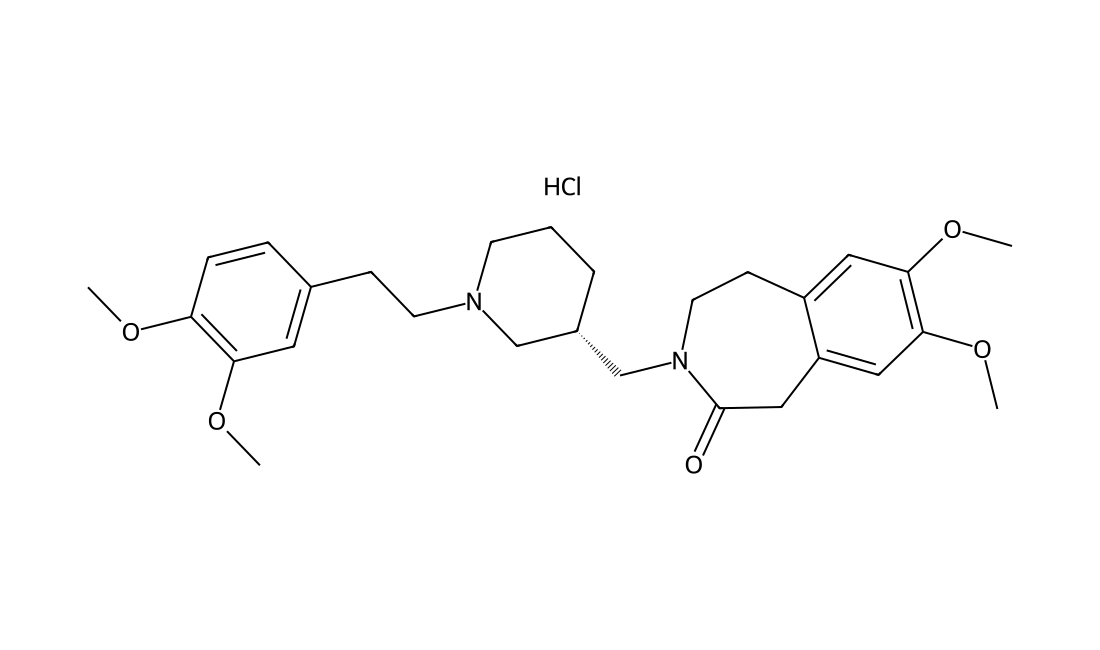
Cilobradine

CAS 186097-54-1

Cilobradine is an HCN Channel blocker; an open channel blocker of neuronal Ih and related cardiac If channels.Cilobradine is a HCN channel blocker that is about 3 times more potent than ZD7288. At a concentration of 10 μM, Cilobradine inhibits WT mHCN2 channel current by 86 ± 2% (n = 5). In contrast, I432A and A425G channel currents were only reduced by 14 ± 1% (n = 4) and 19 ± 2% (n = 8), respectively, by this concentration of Cilobradine. The double mutant (I432A/A425G) channel was even less sensitive to 10 μM Cilobradine (8 ± 2% inhibition; n = 4).

Cilobradine chemical structure
DC58110

Dclk1-IN-1

CAS 2222635-15-4

DCLK1-IN-1 is a selective, oral bioavailability in vivo-compatible chemical probe of the doublecortin like kinase 1 (DCLK1 kinase) domain. DCLK1-IN-1 inhibits DCLK1 and DCLK2 kinases (IC50: DCLK1=9.5/57.2 nM and DCLK2=31/103 nM in binding and kinase assay, respectively). DCLK1-IN-1 shows low toxicity, and can investigate DCLK1 biology and establish its role in cancer, like DCLK1+ pancreatic ductal adenocarcinoma (PDAC)[1].

Dclk1-IN-1 chemical structure
DC9351

Radezolid

CAS 869884-78-6

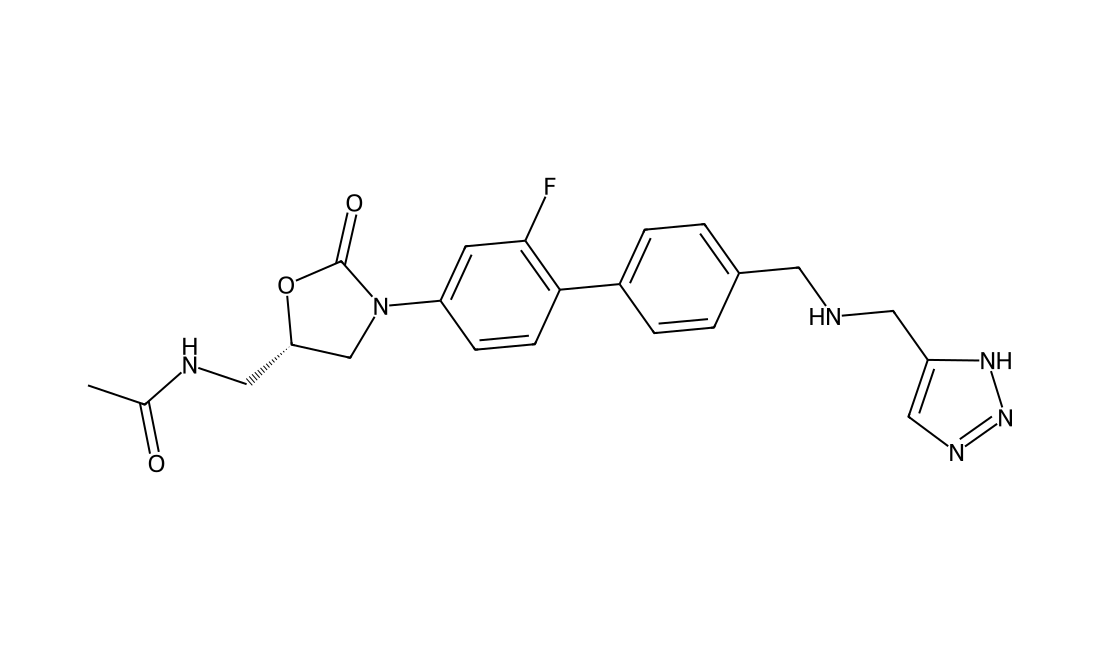
Radezolid (RX-1741) is a novel oxazolidinone antibiotic agent. Radezolid is a novel oxazolidinone antibiotic being developed by Rib-X Pharmaceuticals, Inc. for the treatment of serious multi-drug–resistant infections. Radezolid has completed two phase-II clinical trials. One of these clinical trials was for uncomplicated skin and skin-structure infections (uSSSI) and the other clinical trial was for community acquired pneumonia (CAP). From Wikipedia

Radezolid chemical structure
DC28353

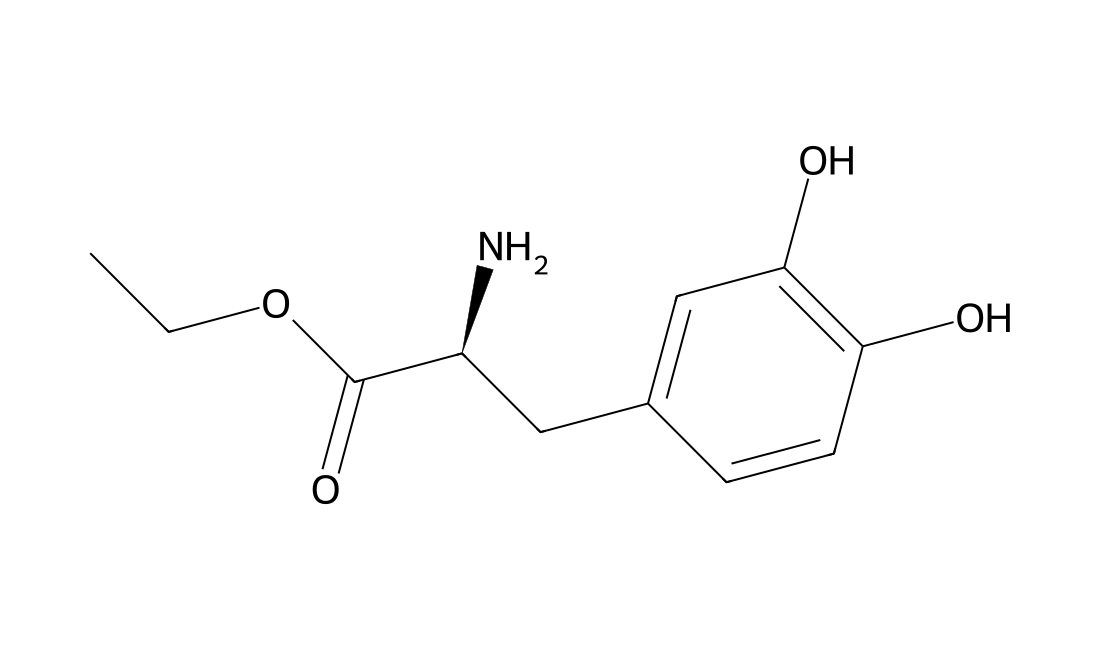
Etilevodopa

CAS 37178-37-3

Etilevodopa (L-Dopa ethyl ester), an ethyl-ester prodrug of Levodopa, is rapidly hydrolyzed to Levodopa and ethanol by nonspecific esterases in the gastrointestinal tract. Etilevodopa is used for the treatment of Parkinson disease (PD). Levodopa is the direct precursor of dopamine and is a suitable prodrug as it facilitates CNS penetration and delivers dopamine[1][2][3].

Etilevodopa chemical structure
DC29046

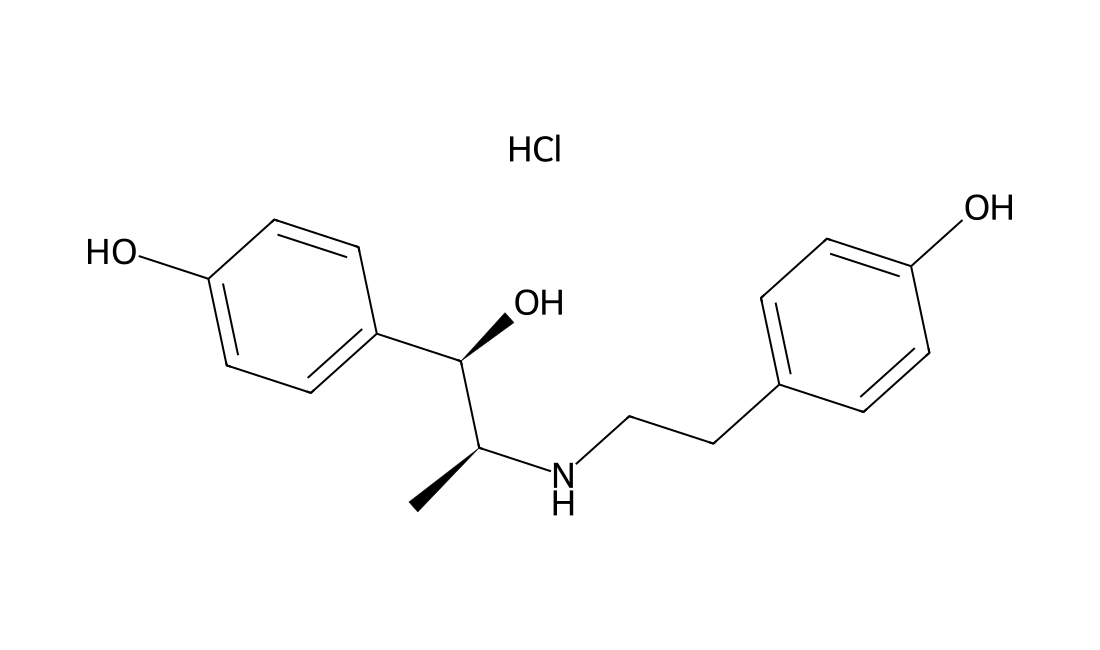
Ritodrine hydrochloride

CAS 23239-51-2

Ritodrine hydrochloride (DU21220 hydrochloride) is a β-2 adrenergic receptor agonist.Target: β-2 Adrenergic ReceptorRitodrine is a tocolytic drug, used to stop premature labor. Ritodrine can significantly prolong a short interval more quickly but with relatively more side effects than magnesium sulphate. Stratified RCTs for different gestational ages and different labour stages should be designed for further study [1]. Ritodrine is a beta-2 adrenergic receptor agonist - a class of medication used for smooth muscle relaxation. Since ritodrine has a bulky N-substituent, it has high β2-selectivity. Also, the 4'-hydroxy on the benzene ring is important for activity as it is needed to form hydrogen bonds. However, the 4'-hydroxy makes it susceptible to metabolism by COMT. Since it is β2-selective it is used for premature labor [2].

Ritodrine hydrochloride chemical structure
DC29172

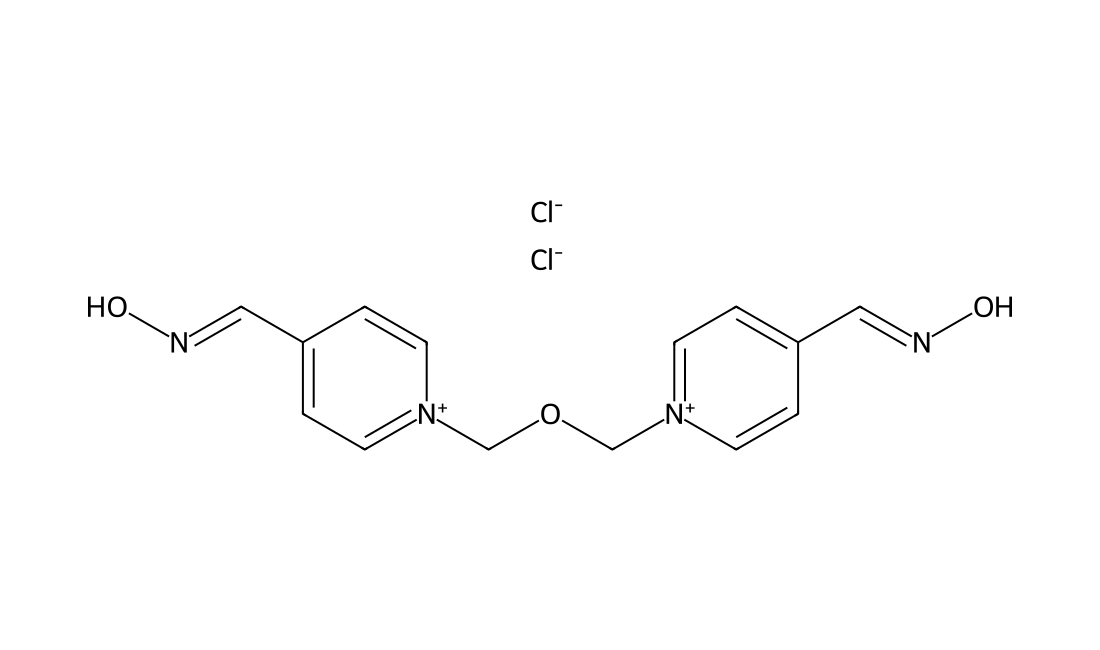
Obidoxime dichloride

CAS 114-90-9

Obidoxime dichloride is a non-full spectrum oxime agent and can be used as an antidote for organophosphate nerve agent poisoning. Obidoxime dichloride reactivates sarin-inhibited acetylcholinesterase (AChE) and reduces acute toxicity of sarin-evaluated[1].

Obidoxime dichloride chemical structure
DC10926

LY900009

CAS 209984-68-9

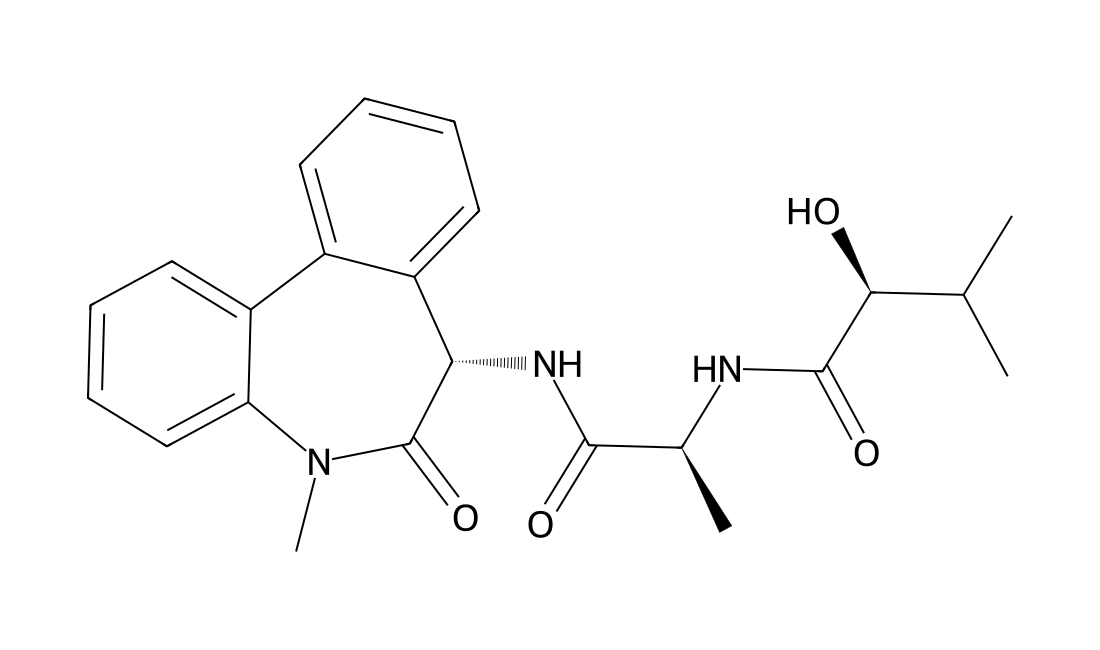
LY900009 (LY-900009) is an orally active small molecule inhibitor of Notch signalling via selective inhibition of the γ-secretase protein, inhibits Notch signalling in tumour cell lines and endothelial cells with IC50 of 0.005-20 nM; dose dependently inhibits Notch cleavage and induced apoptosis 24 h after a single 3 mg/kg oral dose in xenograft tumour models, also demonstrates inhibition of angiogenesis through formation of leaky vasculature.

LY900009 chemical structure
DC12034

MA-0204

CAS 2095128-17-7

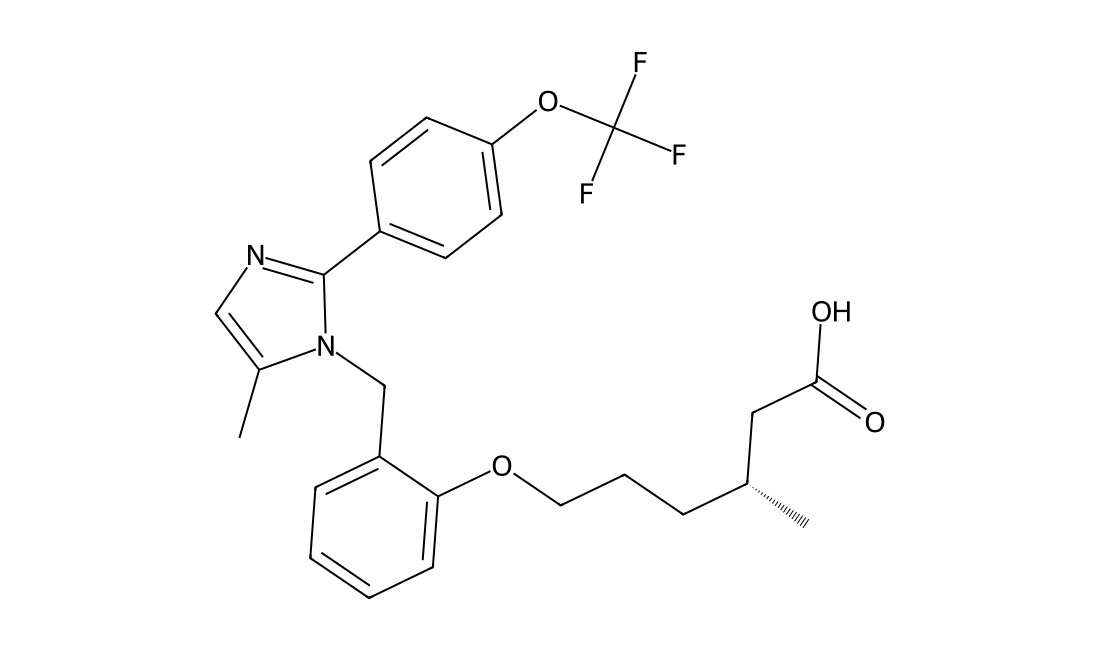
MA-0204 is a potent, highly selective and orally available peroxisome proliferator activated receptor δ (PPARδ) modulator with EC50s of 0.4 nM, 7.9 nM and 10 nM for human, mouse and rat PPARδ, respectively. Potential treatment for Duchene Muscular Dystrophy (DMD)[1].

MA-0204 chemical structure
DC8260

Exemestane(FCE 24304)

CAS 107868-30-4

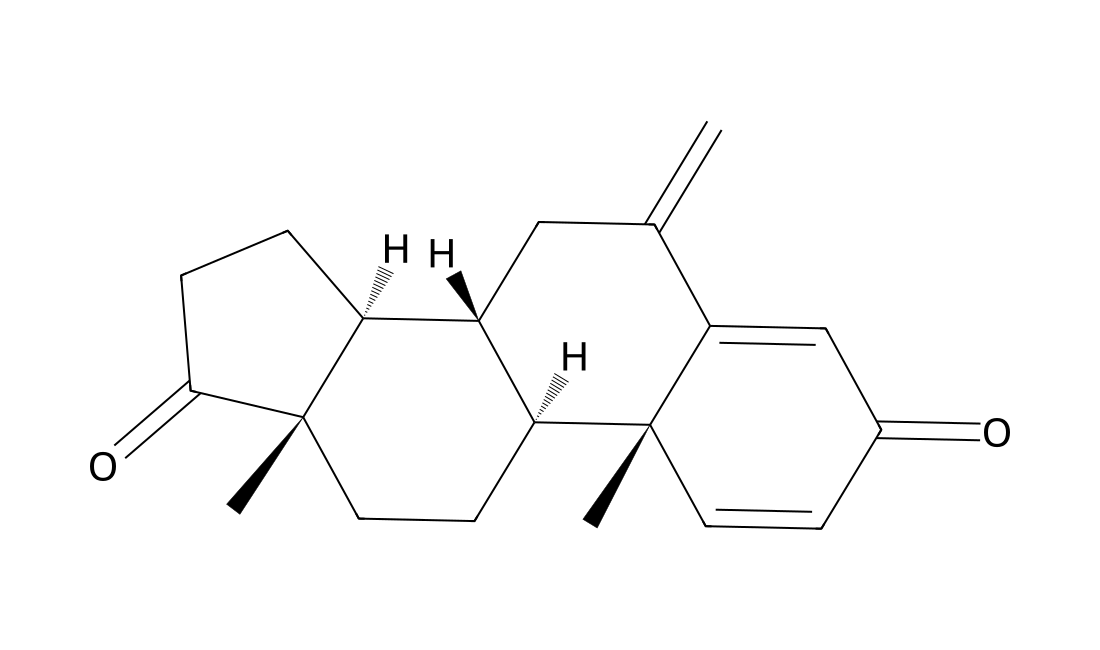
Exemestane(FCE 24304) is an aromatase inhibitor, inhibits human placental and rat ovarian aromatase with IC50 of 30 nM and 40 nM, respectively.October 2005Exemestane competitively inhibits and time-dependently inactivates of human placental aromatase with Ki of 4.3 nM. Exemestane displaces [3H]DHT from rat prostate androgen receptor with IC50 of 0.9 μM [1]. Exemestane (1 μM) increases alkaline phosphatase activity in hFOB and Saos-2 cells and induces the expression of MYBL2, OSTM1, HOXD11, ADCYAP1R1, and glypican 2 in hFOB cells [2]. Exemestane causes aromatase degradation in a dose-responsive manner in MCF-7aro cells [3].Exemestane increases lumbar spine BMD by 14.0% in OVX rats at dose of 100 mg/kg. Exemestane (100 mg/kg) and 17-hydroexemestane (20 mg/kg) significantly reduces an ovariectomy-induced increase in serum pyridinoline and serum osteocalcin in rats and causes significant reductions of serum cholesterol and low-density lipoprotein cholesterol inOVX rats [4].Exemestane (20 mg/kg/day s.c.) induces 26% complete (CR) and 18% partial (PR) tumor regressions in rats with 7,12-dimethylbenzanthracene (DMBA)-induced mammary tumors [5].

Exemestane(FCE 24304) chemical structure
Browse target & topic index A–Z (366)
11β-HSD (1)15-PGDH (2)5-HT Receptor (16)Acetyl-CoA Carboxylase (ACC) (3)Acetylcholinesterase (AChE) (2)Ack1 (TNK2) (1)Acyltransferase (1)ADC Cytotoxin (6)ADCs Linker/Click Chemistry (5)Adenosine Receptor (9)Adenylate Cyclase (2)Adrenergic Receptor (11)Akt (12)Alcoholism (2)Aldehyde Dehydrogenase (ALDH) (6)Allergy (5)Alzheimer Disease (13)Aminopeptidase (1)AMPK (8)Amyloids (4)Anaplastic Lymphoma Kinase (ALK) (9)Androgen Receptor (AR) (11)Anemia (4)Angiotensin Receptor (4)Antibody/Protein labeling dyes (1)Antifolate (2)Anxiety (1)Apoptosis Inducer (3)Arginase (1)Arp2/3 complex (1)Aryl hydrocarbon Receptor (AhR) (1)Asthma (5)Atherosclerosis (2)ATM/ATR (8)Aurora Kinase (10)Autophagy (6)Autophagy-related Protein (Atg) (2)Autotaxin (2)Bacterial (26)Bacterial Infection (17)Bcl-2 (14)Bcr-Abl (5)BCRP (1)Beta-catenin (4)Beta-secretase (BACE) (4)Blood Cancer (91)BMI-1 (1)Bone Cancer (6)Brain Cancer (6)Breast Cancer (30)Bromodomain (22)BTK (10)c-Fms (CSF1R) (5)c-Fos/AP-1 (1)c-Kit (6)c-Met (HGFR) (11)c-Myc (2)Calcium Channel (4)Calcium-sensing Receptor (CaSR) (1)CaMK (4)Cannabinoid Receptor (6)Carbonic Anhydrase (1)Carboxypeptidase (1)Casein Kinase (6)Caspase (4)Cathepsin (6)Cdc2-like Kinase (CLK) (1)CETP (2)CFTR (7)Checkpoint Kinase (Chk) (8)Chemokine Receptor (CCR and CXCR) (14)Chemotherapeutic Agents (19)Chloride Channel (1)CMV (2)CMV Infection (2)Colon Cancer (9)Complement System (1)COPD (3)CREB/CBP (2)CRF Receptor (2)CRISPR/Cas9 (1)Cushing Disease (1)Cyclin-dependent Kinase (CDK) (39)Cyclooxygenase (COX) (4)Cytochrome P450 (CYPs) (5)Depression (2)Dermatitis (2)Deubiquitinase (DUB) (7)Diabetes (20)Dipeptidyl Peptidase (DPP) (3)Discoidin Domain Receptor (DDR) (1)DNA Alkylator/Crosslinker (10)DNA Methyltransferase (DNMT) (1)DNA Repair Protein (1)DNA-PK (2)DNA/RNA Synthesis (5)Dopamine beta-hydroxylase (1)Dopamine Receptor (7)Drug Metabolite (1)Drug-Linker Conjugates (11)Dyes (4)DYRK (1)Dyslipidemia (9)E3 Ligase Ligand (6)E3 Ligase Ligand-Linker Conjugate (1)E3 Ubiquitin Ligase (4)Ebola Virus Infection (1)EGFR (32)Elastase (2)Endothelin Receptor (5)Enzymes substrates (13)Epigenetic Reader Domain (3)Epilepsy (4)ERK (4)Estrogen Receptor/ERR (13)Eukaryotic Initiation Factor (eIF) (2)Exportin-1 (CRM1,XPO1) (2)FABP (1)Factor Xa (5)Farnesoid X Receptor (FXR) (5)Farnesyl transferase (FTase) (1)Ferroptosis (6)FGFR (20)Fibrosis (5)FLT3 (6)Focal Adhesion Kinase (FAK) (11)Foxo1 (1)Free Fatty Acid Receptor (FFAR) (5)Fungal (2)Fungal Infection (1)GABA Receptor (13)Galectin (1)Gastric Cancer (8)Ghrelin Receptor (GHSR) (3)Glucagon Receptor (4)Glucokinase (2)Glucose Transporter (GLUT) (2)Glutamate Transporter (2)GPCR (1)GPER (GPR30) (1)GPR139 (1)GPR183 (EBI2) (2)GPR39 (1)GPR55 (1)GPR84 (1)GRK (GPCRK) (2)Growth Hormone Deficiency (2)GSK-3 (8)Guanylate Cyclase (3)HBV (1)HBV Infection (1)HCN Channel (2)HCV (8)HCV Infection (9)HDAC (38)Heart Arrhythmia (2)Heart Failure (5)Heat Shock Protein (HSP) (15)Hedgehog (Hh) (1)HIF/HIF Prolyl-hydroxylase (8)Histamine Receptor (6)Histone Acetyltransferase (HAT) (5)Histone Demethylase (11)Histone Methyltransferase (HMTase) (31)HIV (12)HIV Infection (11)HMG-CoA Reductase (HMGCR) (3)HSV (1)HSV Infection (1)Hypercholesterolemia (1)Hyperparathyroidism (1)Hypertension (8)IAP (1)IGF-1R (3)iGluR (15)Indoleamine 2,3-Dioxygenase (IDO) (4)Infection (1)Influenza (6)Influenza Virus (6)Insulin Receptor (2)Integrin (6)Interleukin Receptor (1)IRAK (2)IRE1 (4)Irritable Bowel Syndrome (2)Ischemia (1)Isocitrate Dehydrogenase (IDH) (5)ITK (1)IκB kinase (IKK) (7)JAK (32)JNK (3)Keap1-Nrf2 (6)Kidney Cancer (10)Kinesin (5)Kruppel-like Factor (KLF) (1)Kynurenine 3-Monooxygenase (KMO) (1)Leukotriene Receptor (1)LIM Kinase (LIMK) (3)Lipids fragment (1)Liver Cancer (6)Liver X Receptor (LXR) (3)LRRK2 (9)Lung Cancer (39)Lysophospholipid Receptor (12)LYTACs (3)mAChR (9)MALT1 (2)MAP4K (1)Matrix Metalloproteinase (MMP) (10)MDM2-p53 (9)MEK (MAP2K) (14)MEKK (MAP3K) (1)Melanocortin Receptor (2)MELK (1)mGluR (7)MicroRNA (1)Microtubule/Tubulin (5)Mineralocorticoid Receptor (MLR) (1)MITF (1)Mixed Lineage Kinase (MLK) (3)MNK (2)Molecular Glues (21)Monoamine Transporter (5)Monocarboxylate Transporter (MCT) (1)Monopolar Spindle 1 (Mps1/TTK) (3)mTOR (13)Multiple Sclerosis (6)Myosin (1)Na-K-Cl Cotransporter (NKCC) (2)nAChR (2)NADPH Oxidase (NOX) (2)NAMPT (3)Natural products (37)Neprilysin (1)Neurokinin Receptor (3)Neuropeptide Y Receptor (3)NF-κB (5)Nitric Oxide Synthase (NOS) (1)NOD-like Receptor (NLR) (3)Notch (2)Nucleoside Antimetabolite/Analog (10)Nur77 (NR4A1) (1)Obesity (1)Oct3/4 (1)Opioid Receptor (5)Orexin Receptor (7)Osteoporosis (2)Ovarian Cancer (14)Oxytocin Receptor (OXTR) (2)P-glycoprotein (P-gp) (3)p21-activated Kinase (PAK) (1)P2X Receptor (2)P2Y Receptor (1)p38 MAPK (10)p97/VCP (1)Pain (12)Pancreatic Cancer (10)Parasite (5)Parasite Infection (2)Parkinson Disease (2)PARP (19)PCSK9 (1)PD-1/PD-L1 (4)PDGFR (4)PDK1 (2)PEGn (1)PERK (2)PGE synthase (2)Phosphodiesterase (PDE) (9)Phospholipase (4)PI3K (32)PI4K (2)Piezo Channel (1)PIKfyve (3)Pim (9)PKC (12)PKD (1)Plasminogen Activator Inhibitor-1 (PAI-1) (3)Polo-like Kinase (PLK) (4)Porcupine (3)Potassium Channel (13)PPAR (13)Pregnane X Receptor (PXR) (1)Progesterone Receptor (2)Prostaglandin Receptor (11)Prostate Cancer (7)PROTACs (35)Protease-activated Receptor (PAR) (3)Proteasome (12)Protein Disulfide Isomerase (PDI) (1)Protein Phosphatase/PTP (6)Proton Pump (1)Psoriasis (5)RAD51 (1)Radioligand precursors (15)Raf (18)RAR/RXR (3)Ras (17)Renin (2)RET Tyrosine Kinase (c-RET) (3)Rheumatoid Arthritis (16)Ribosomal S6 Kinase (RSK) (5)RIG-I-like Receptor (RLR) (2)RIP kinase (7)ROCK (12)ROR (2)RSV (4)RSV Infection (3)RUNX1-CBFβ (1)S-nitrosoglutathione reductase (GSNOR) (1)Saccharides and Glycosides (1)Salt Inducible Kinase (SIK) (2)SARS-CoV (16)SARS-CoV Infection (34)Schizophrenia (4)Sexual Dysfunction (1)SGLT (4)Sigma Receptor (4)Sirtuin (9)Skin Cancer (13)Sleep Disorder (7)SMN2 Modulator (1)Smoothened (Smo) (9)Sodium Channel (12)Solid Tumors (35)Somatostatin Receptor (2)Sphingosine kinase (SphK) (2)Src (7)STAT (5)Stearoyl-CoA Desaturase (SCD) (1)Steatohepatitis (7)Sterol lipids (1)STING (14)Syk (6)T Cell Receptor (TCR) (1)TAK1 (2)TAM Receptor (Tyro3-Axl-Mer) (4)Taste Receptor (1)Telomerase (2)TGF beta Receptor (TGFBR) (12)Thrombin (3)Thrombosis (13)Thyroid Cancer (1)Thyroid Hormone Receptor (THR) (1)Thyrotropin Receptor (2)TNIK (1)Toll-like Receptor (TLR) (2)TOPK (1)Topoisomerase (11)TRAIL (1)Translocator Protein (TSPO) (1)Trk Receptor (4)TRP Channel (13)Tryptophan Hydroxylase (TPH) (1)Ubiquitin-activating Enzyme (E1) (2)Ubiquitin-conjugating Enzyme (E2) (2)Ulcer (1)ULK (3)Vasopressin Receptor (2)VEGFR (25)Vitamin D Receptor (VDR) (3)Wee1 (1)WNK Kinase (1)Wnt (5)Yes-associated Protein (YAP) (4)γ-secretase (5)

Cart

Request quotation