Small Molecule Research Tools

Explore bioactive compounds by research category, then narrow your search by target, product name, catalog number or CAS.

Newly added: LC-MG and OXF molecular glue research compounds →

6,823 products17 research categoriesBrowse all products ↓

Browse by research category

Products may appear in more than one category. Counts refer to distinct catalog numbers within each category.

Other Research Tools (75) · Additional reagents, building blocks and specialized research tools.

New literature-derived products

LC-MG-1 (DCA0006) · LC-MG-4 (DCA0007) · LC-MG-9 (DCA0008)

View structure and evidence summaries →

All small molecule products

Combine a keyword, research category and target to narrow the product list.

Loading catalog filters…

6,823 products · Showing 6,433–6,480

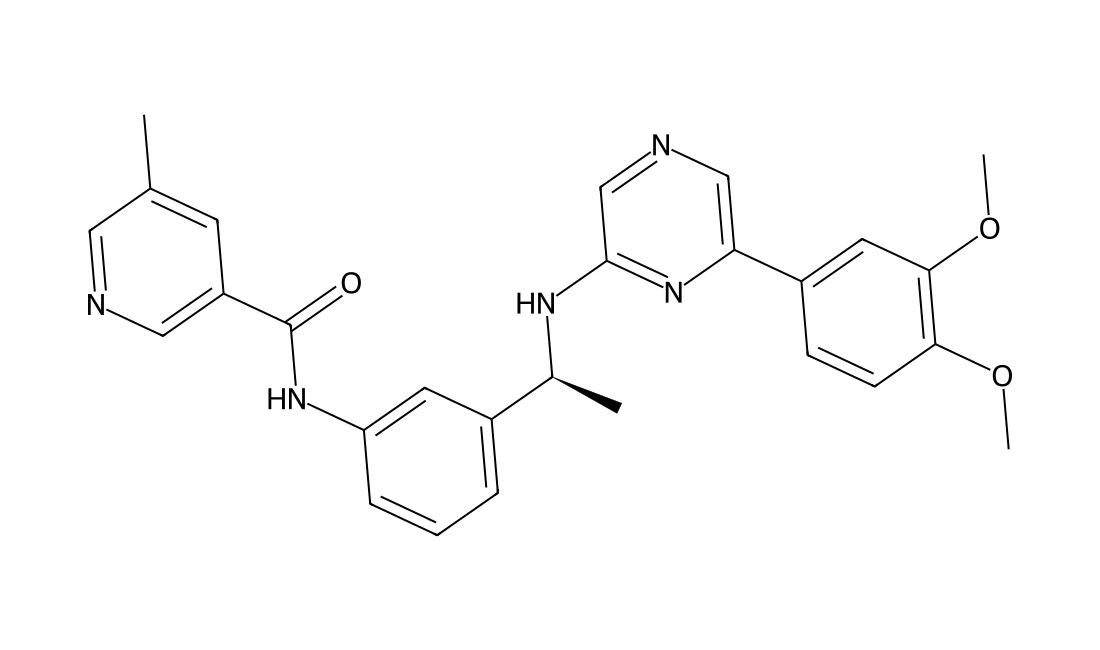
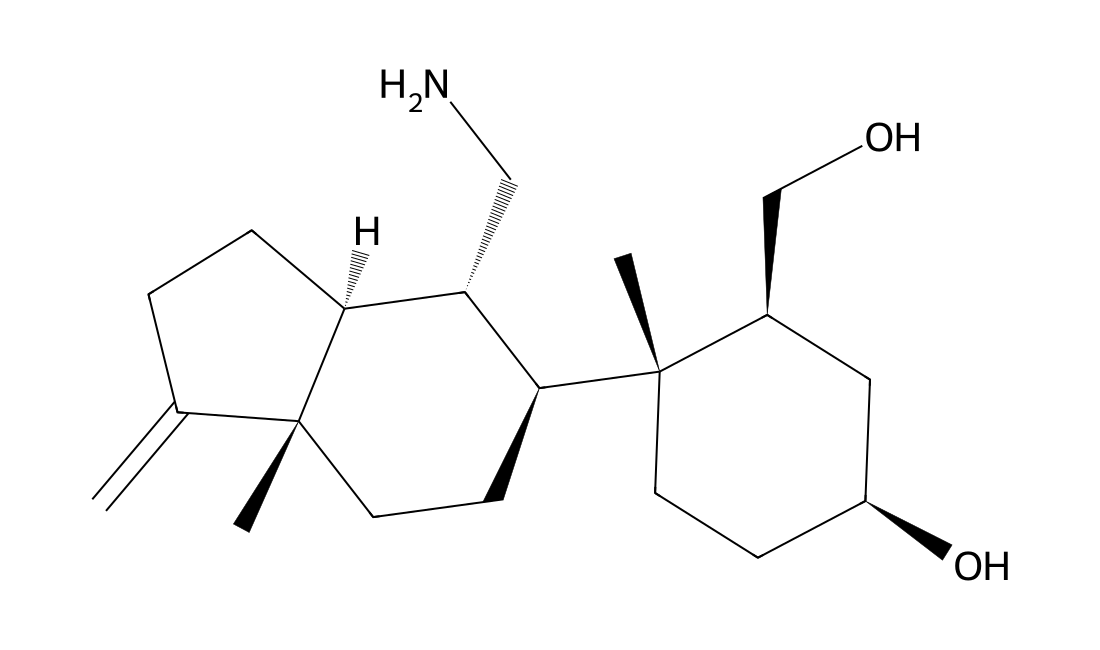
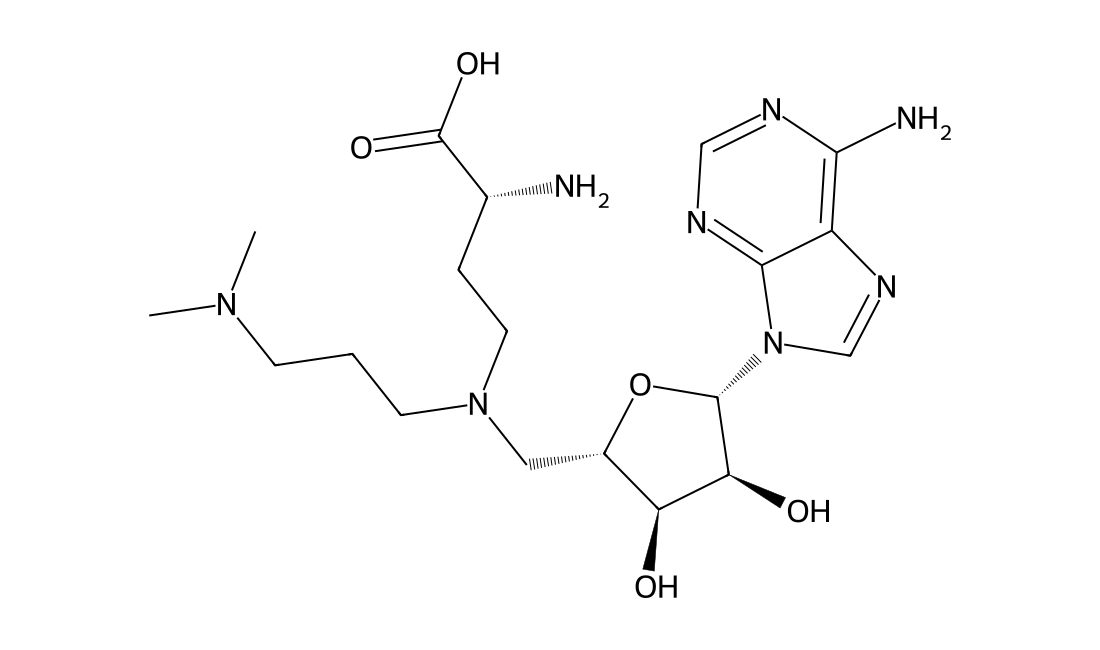
DC44513

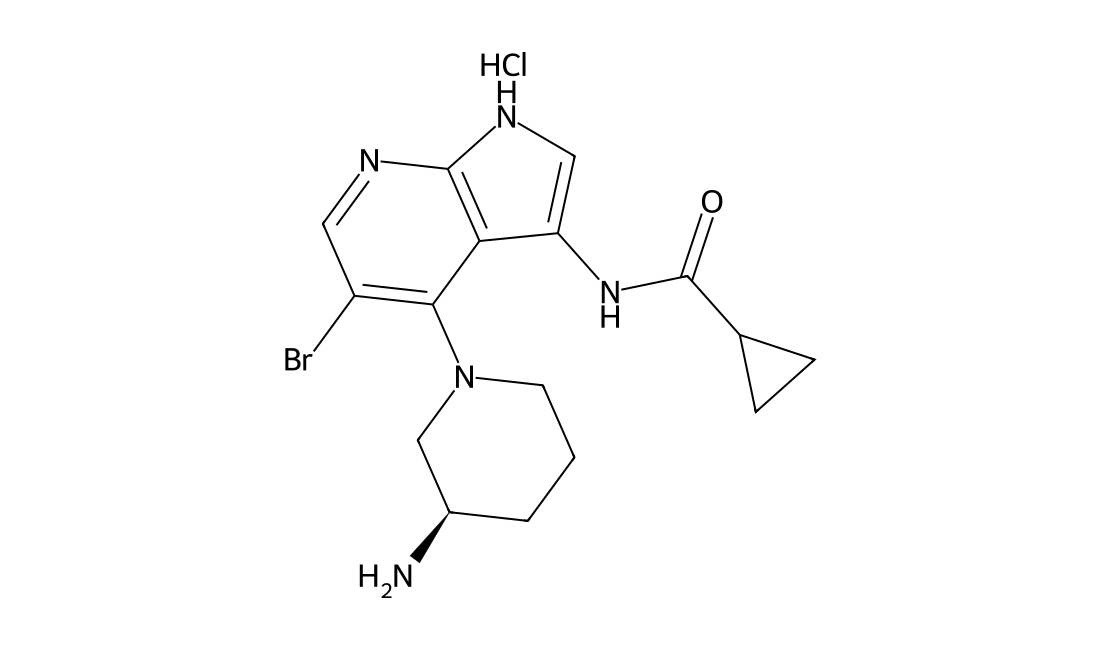
DTHIB

CAS 897326-30-6

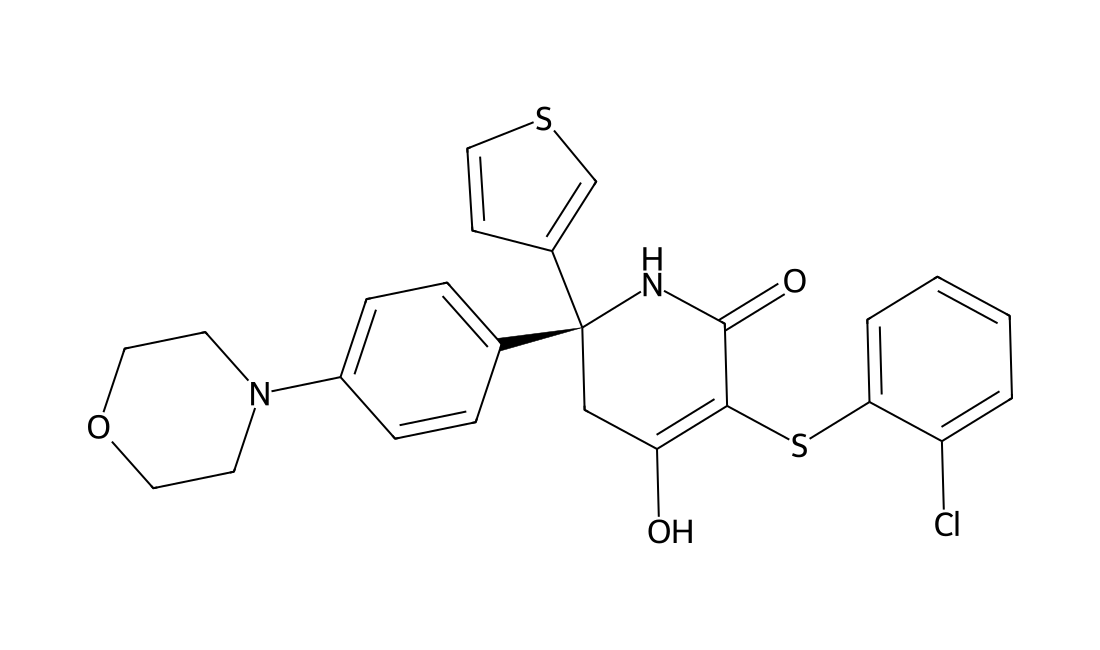
DTHIB is a direct and selective heat shock factor 1 (HSF1) inhibitor with a Kd of 160 nM for DTHIB binding to the HSF1 DNA binding domain (DBD). DTHIB inhibits HSF1 cancer gene signature (HSF1 CaSig) and selectively stimulates degradation of nuclear HSF1. DTHIB has potently anticancer activities and can be used for prostate cancer research.

DTHIB chemical structure
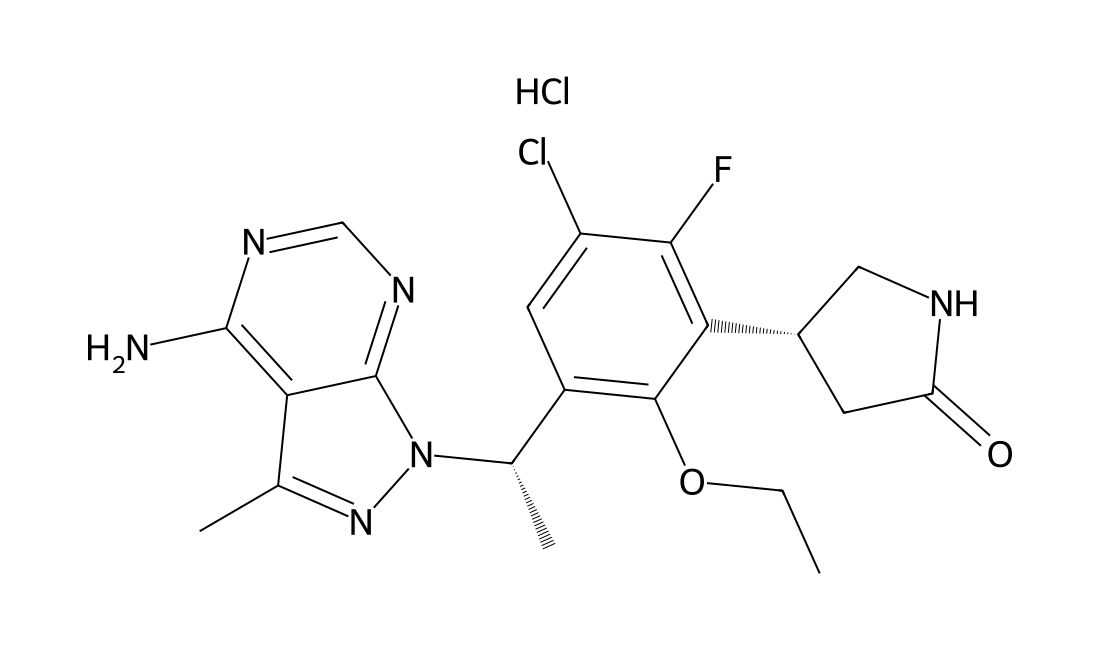
DC42549

Parsaclisib hydrochloride

CAS 1995889-48-9

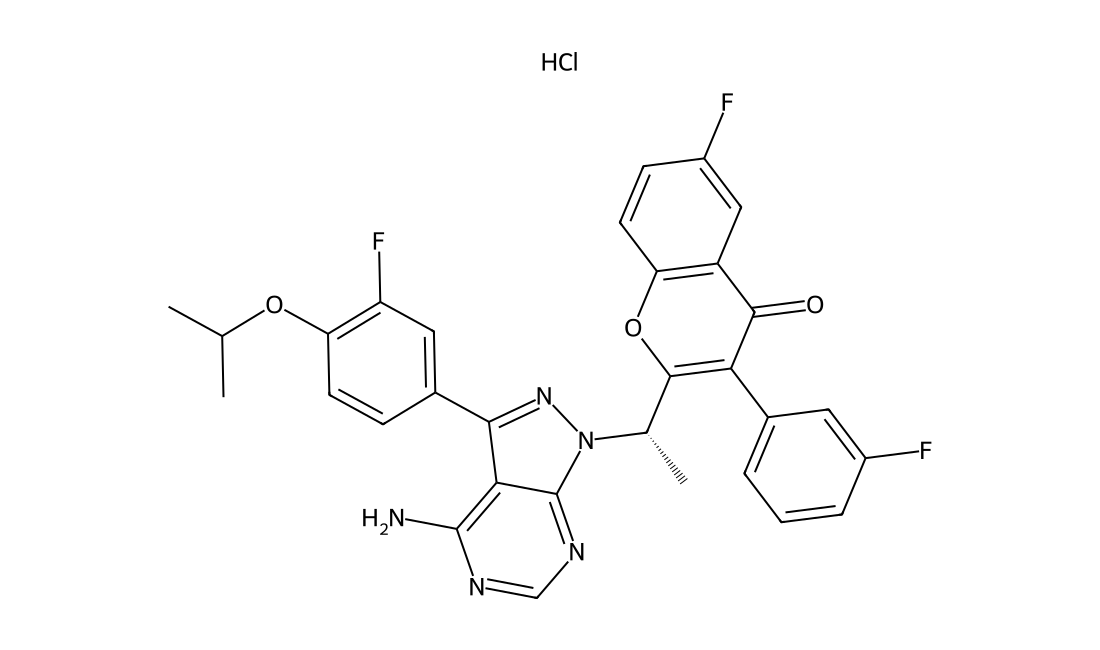
Parsaclisib hydrochloride (INCB050465 hydrochloride) is a potent, selective and orally active inhibitor of PI3Kδ, with an IC50 of 1 nM at 1 mM ATP. Parsaclisib hydrochloride shows approximately 20000-fold selectivity over other PI3K class I isoforms. Parsaclisib hydrochloride can be used for the research of relapsed or refractory B-cell malignancies.

Parsaclisib hydrochloride chemical structure
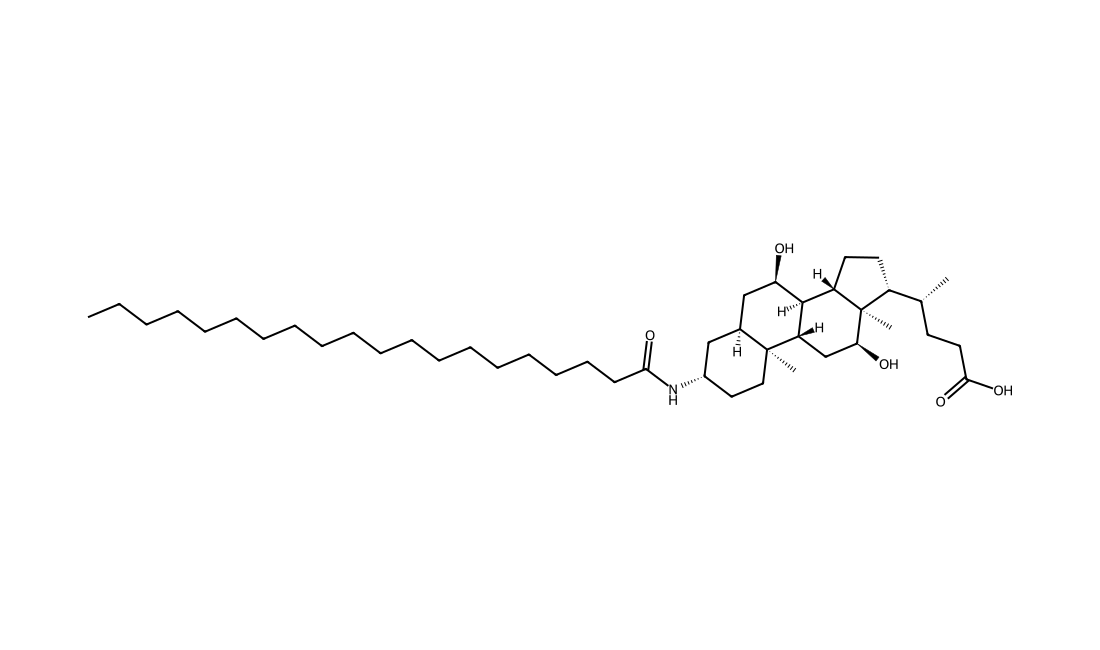
DC10862

Aramchol

CAS 246529-22-6

Aramchol reduces ex vivo cholesterol crystallization in native human bile and dissolves pre-formed cholesterol crystals in a dose-dependent manner. In vivo, aramchol completely prevents the formation of cholesterol crystals and gallstones in mice fed a lithogenic, high-fat diet. It also prevents lithogenic, high-fat diet-induced fatty liver in mice, rats, and hamsters.Formulations containing aramchol have been investigated clinically for the treatment of non-alcoholic fatty liver disease (NAFLD).

Aramchol chemical structure
DC8818

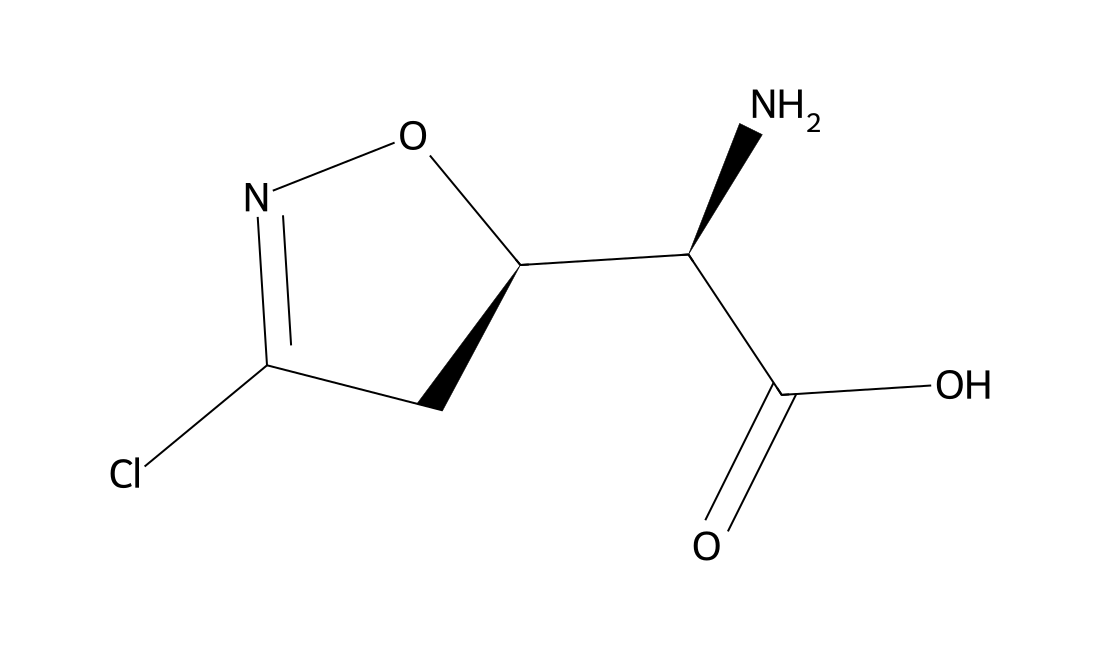
Acivicin

CAS 42228-92-2

Acivicin is a glutamine analog that irreversibly inhibits glutamine-dependent amidotransferases involved in nucleotide and amino acid biosynthesis (Kis = 10 and 560 μM for anthranilate synthase and glutamate synthase, respectively).

Acivicin chemical structure
DC12562

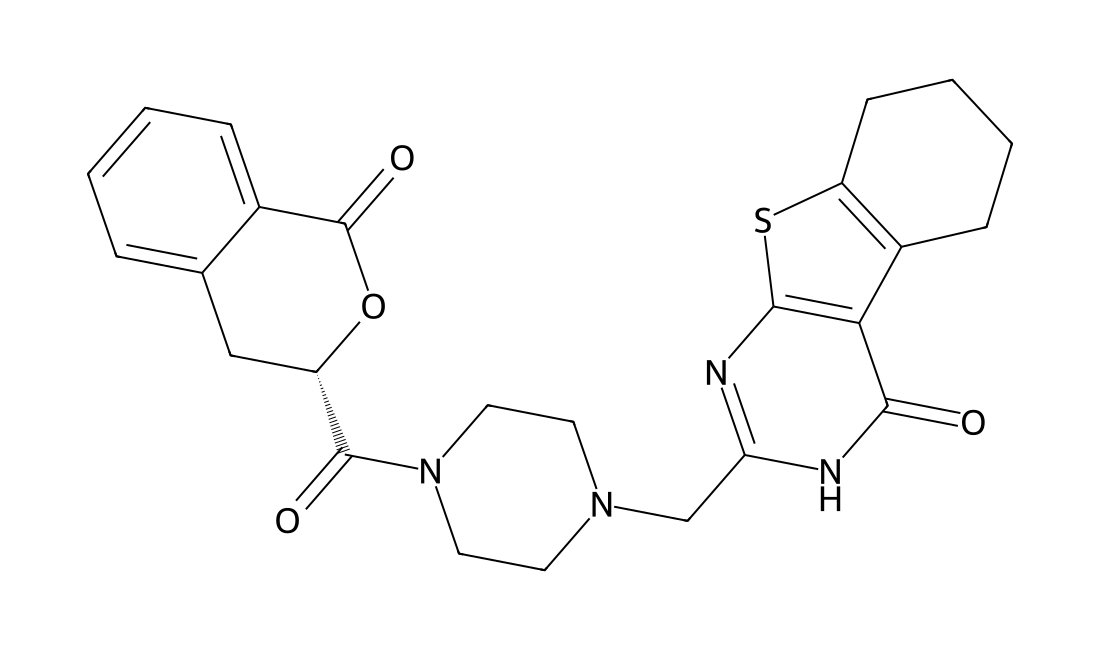
LEM-14

CAS 1814881-70-3

LEM-14 is a specific inhibitor of histone lysine methyltransferase NSD2 (MMSET/WHSC1) with in vitro IC50 of 132 uM, and that is inactive against the closely related NSD1 and NSD3..

LEM-14 chemical structure
DC22191

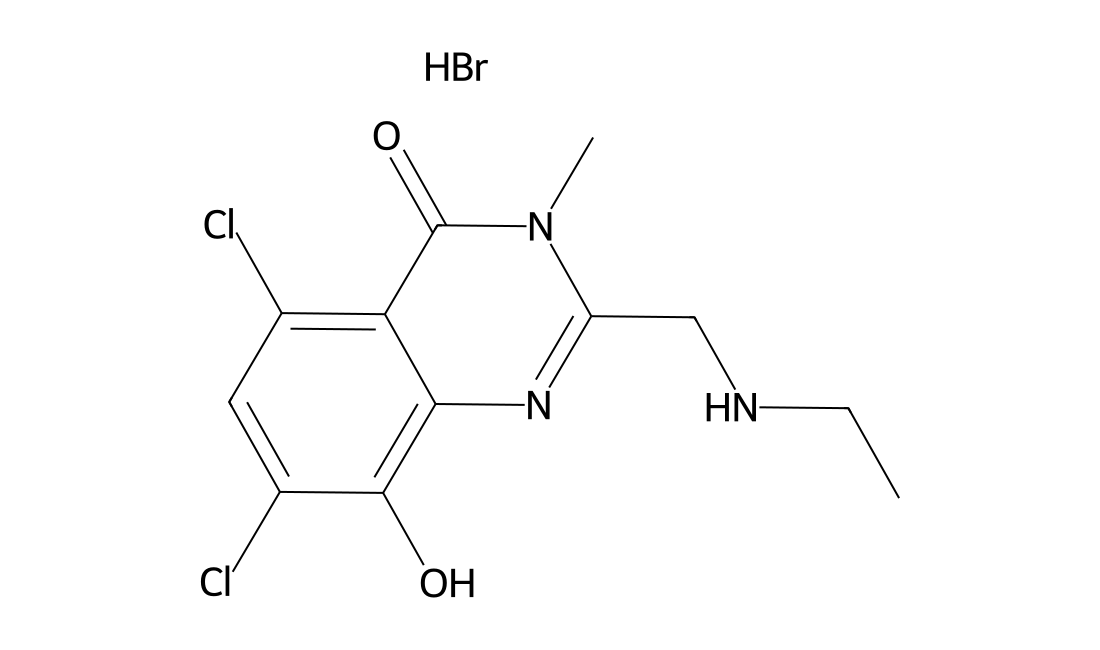
PBT434

CAS 1232841-78-9

PBT434 is a novel quinazolinone compound with effect of lowering cellular iron levels, prevents iron mediated neurodegeneration and α-synuclein toxicity in multiple models of Parkinson disease; inhibits iron-mediated redox activity and iron-mediated aggregation of α-synuclein, a protein that aggregates in the neuropathology; prevents loss of substantia nigra pars compacta neurons (SNpc), lowers nigral α-synuclein accumulation, and rescues motor performance in mice model of PD.

PBT434 chemical structure
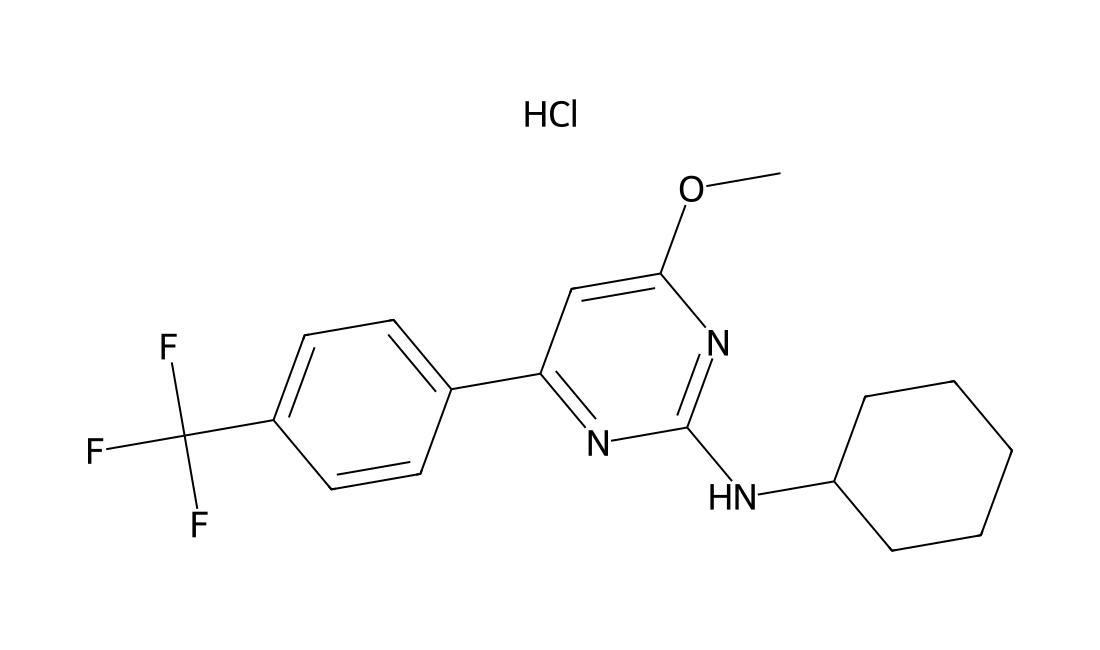
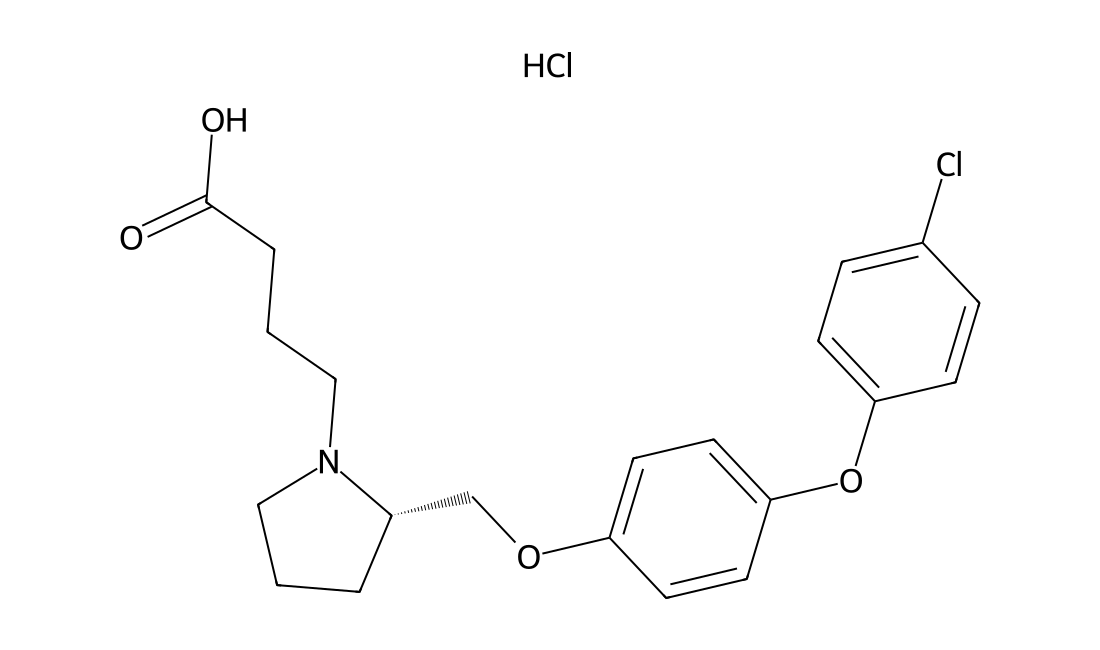
DC40721

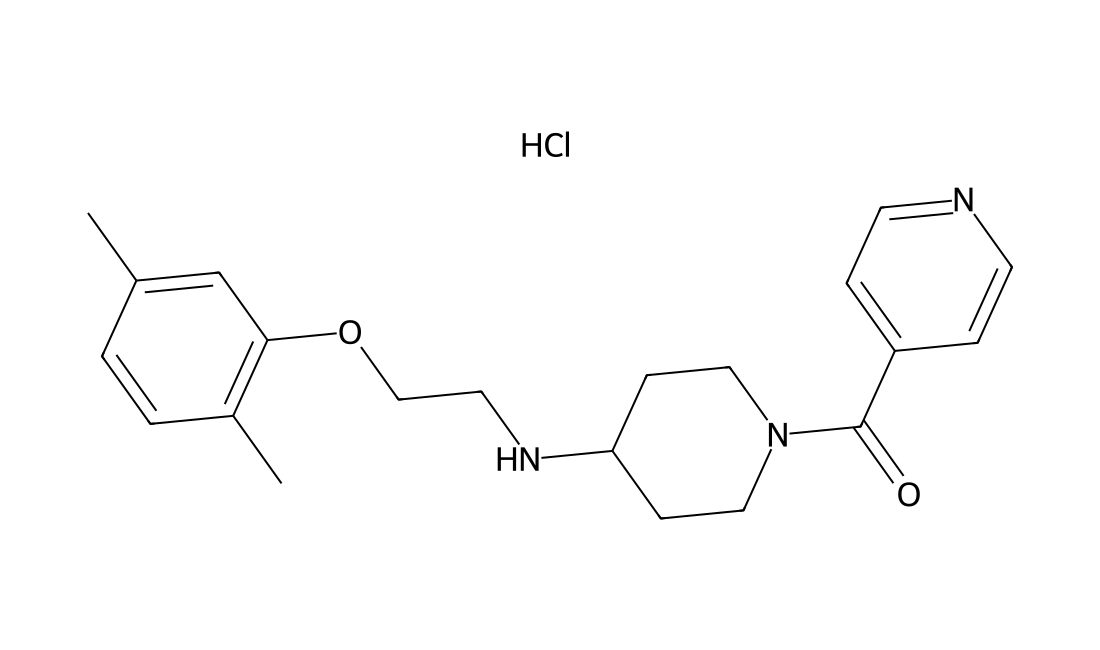
GRP-60367 hydrochloride

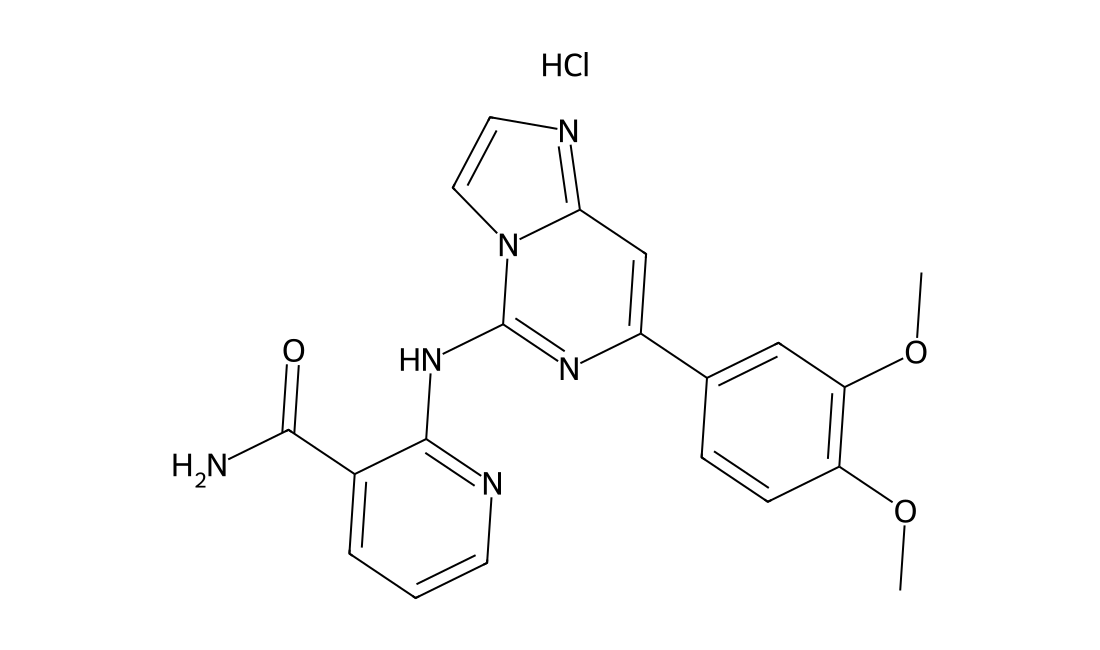
GRP-60367 hydrochloride is a first-in-class small-molecule rabies virus (RABV) entry inhibitor with nanomolar potency against some RABV strains. GRP-60367 hydrochloride specifically targets the RABV G protein.

GRP-60367 hydrochloride chemical structure
DC10651

SSD114 hydrochloride

CAS 2319790-02-6

SSD114 is a novel GABAB positive allosteric modulator. SSD114 potentiates the GABA inhibition of adenylyl-cyclase mediated by GABAB receptors. SSD114 is also effective in vivo potentiating baclofen-induced sedation/hypnosis in mice, with no effect when tested alone. These findings indicate that SSD114, a molecule with a different chemical structure compared to known GABAB PAMs, is a novel GABAB PAM with potential usefulness in the GABAB-receptor research field.

SSD114 hydrochloride chemical structure
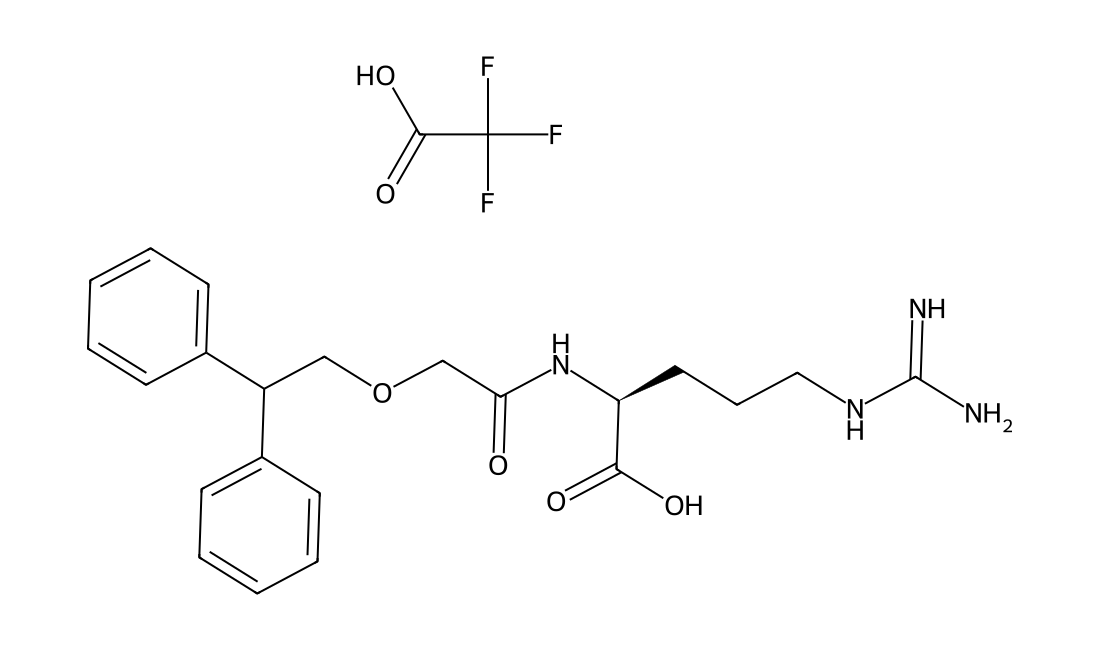
DC10151

SB290157 trifluoroacetate

CAS 1140525-25-2

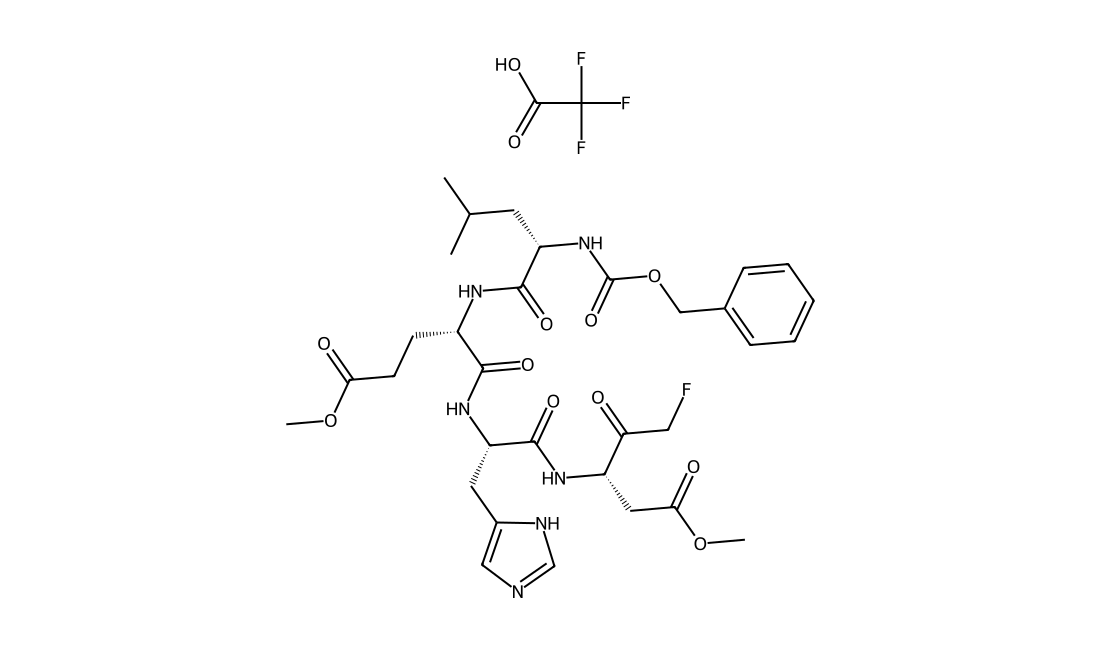
SB 290157, inhibits neutrophil recruitment in a guinea pig LPS-induced airway neutrophilia model and decreases paw edema in a rat adjuvant-induced arthritis model. The antagonist is able to reduce joint swelling only at 3 h, and about 50% inhibition of joint swelling is observed with the concentration of 30 mg/kg. The C3 level is significantly decreased at 3 h compared with naïve mice showing complement consumption. Furthermore, the C3 activation is observed and increased corresponding to the graded concentration of anti-OVA pAb.

SB290157 trifluoroacetate chemical structure
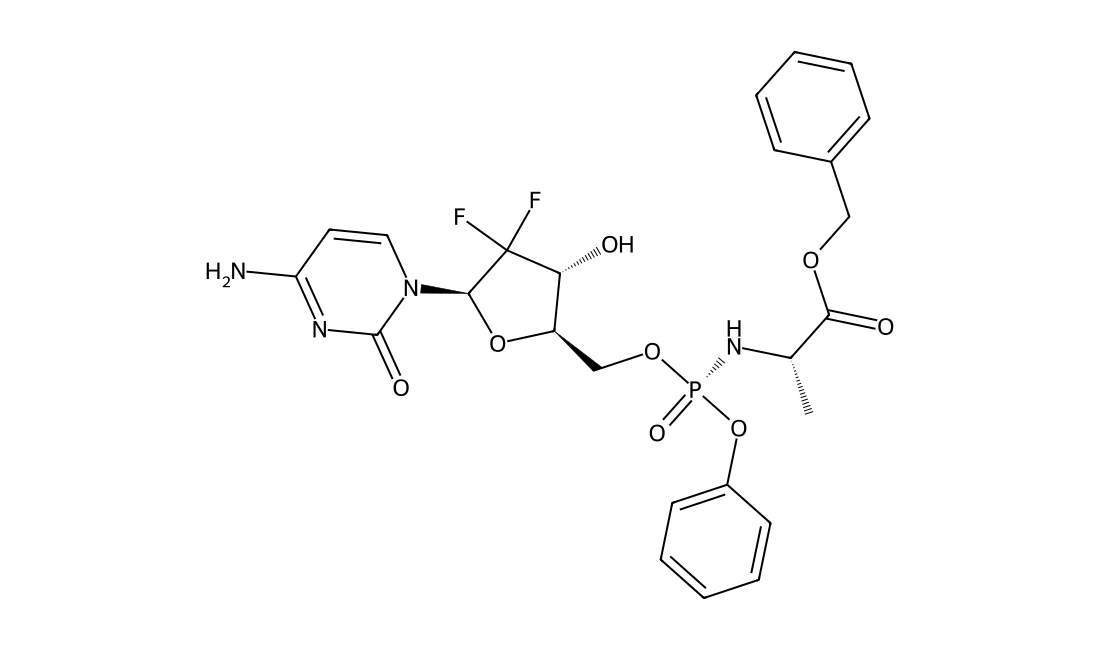
DC26038

NUC-1031(SP)

CAS 1562406-27-2

NUC-1031(SP) is S form of NUC-1031 at P site.Acelarin (NUC-1031) is a ProTide transformation and enhancement of the widely-used nucleoside analogue, gemcitabine.

NUC-1031(SP) chemical structure
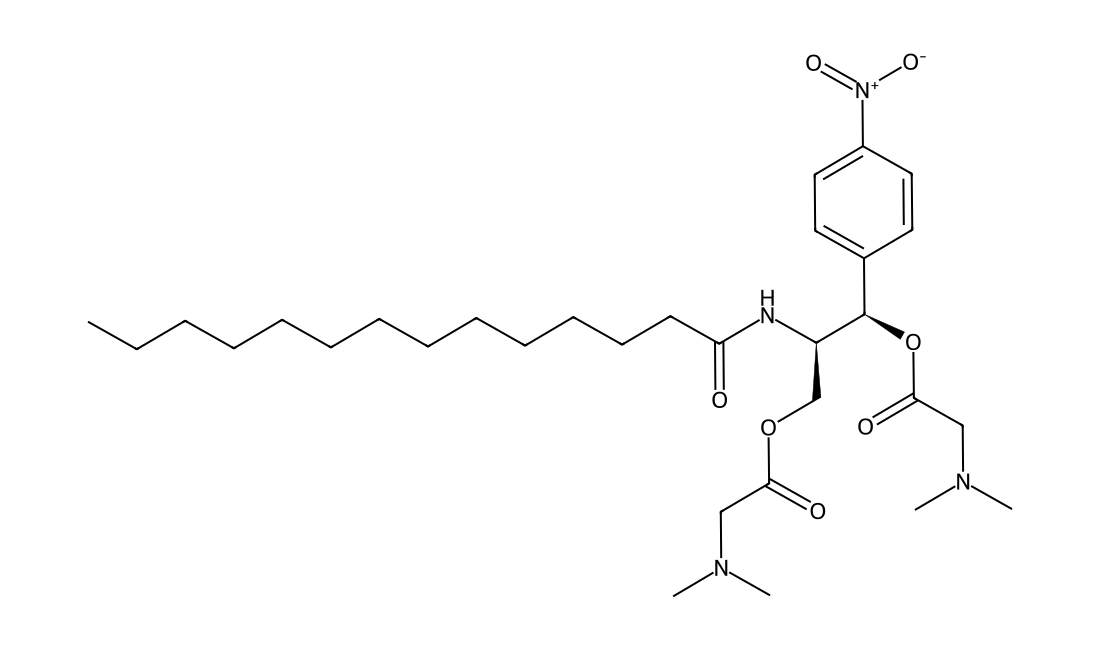
DC20006

LCL521

CAS 1226851-11-1

In Vitro LCL521 (1 µM) acts as a potent inhibitor of cellular ACDase activity, whereas 10 µM LCL521 has an additional, decreases affect on the α-form of this enzyme. LCL521 (10µM) causes a time-dependent (1 hours and 5 hours) decrease of the α-ACDase form in MCF7 cells.

LCL521 chemical structure
DC22513

INT-767

CAS 1000403-03-1

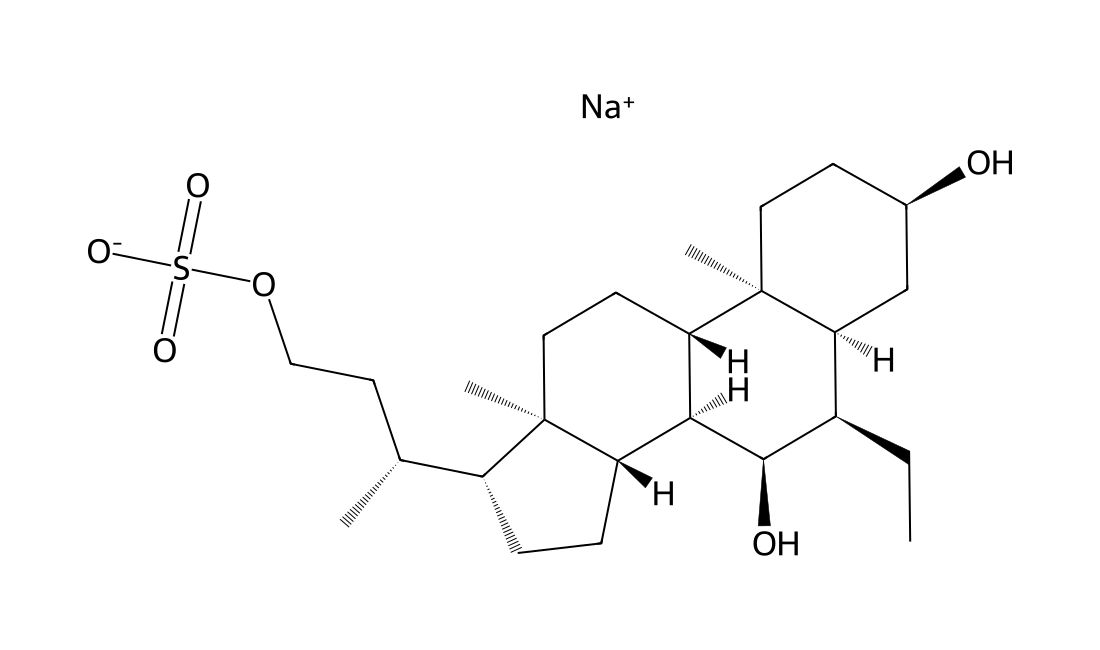
INT-767 is a potent, selective, dual farnesoid X receptor (FXR) and TGR5 agonist with EC50 of 30 and 630 nM, respectively; fails to activate 15 other nuclear receptors involved in metabolic pathways, and does not inhibit cytochrome P450 enzymes; induces FXR-dependent lipid uptake by adipocytes and promotes TGR5-dependent glucagon-like peptide-1 (GLP-1) secretion by enteroendocrine cells; markedly decreases cholesterol and triglyceride levels in diabetic db/db mice.FibrosisPhase 1 Clinical

INT-767 chemical structure
DC23124

GNE-0439

CAS 1241902-40-8

GNE-0439 is a novel potent, selective inhibitor of Nav1.7 channel with IC50 of 0.34 uM, shows high selectivity over Nav1.5 (IC50=38.3 uM); also inhibits mutant N1742K channels with IC50 of 0.37 uM in membrane potential assays, but not mutation of R1608A (IC50>50 uM), and is unique compared with known selective VSD4 binders such as the arylsulfonamides (GX-936 and PF-05089771).

GNE-0439 chemical structure
DC20101

Cyclosporin A-Derivative 1 Free base

CAS 286852-20-8

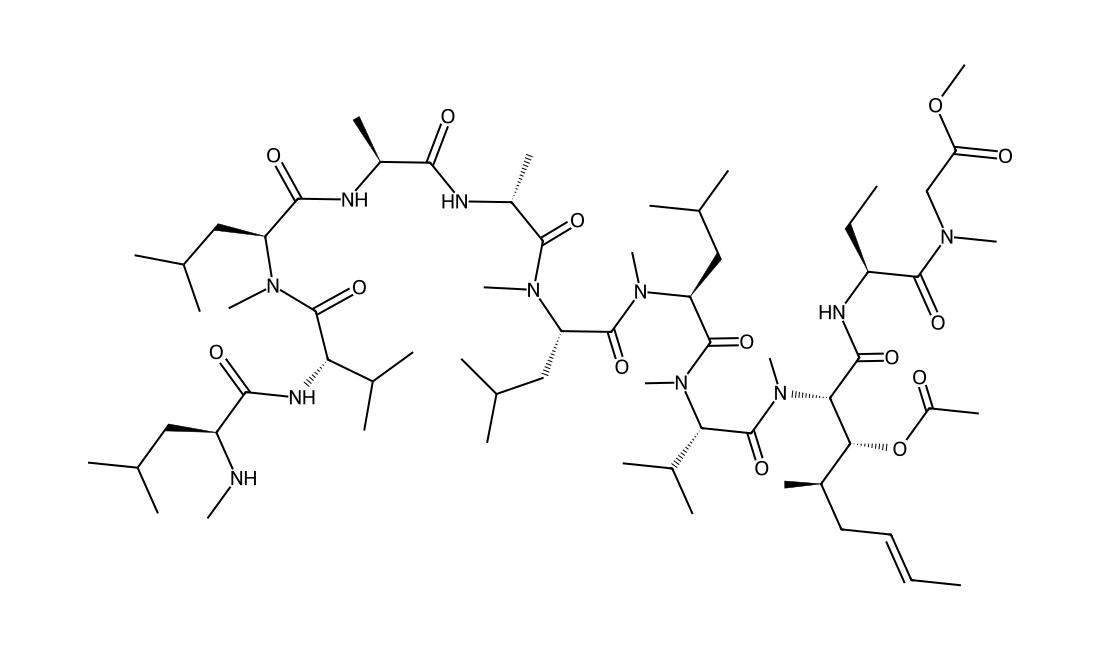
In Vitro Cyclosporin A-Derivative 1 is a non-immunosuppressive Cyclosporin A derivative. The cyclosporin is acylated on the butenyl-methyl-threonine side chain and then subjected to a ring-opening reaction (the ring opens between the sarcosine and the N-methyl-leucine residues). Cyclosporin A-Derivative 1 is a linear peptide intermediate.

Cyclosporin A-Derivative 1 Free base chemical structure
DC23139

AQX 1125

CAS 782487-28-9

AQX 1125 (Rosiptor) is a specific, orally bioavailable SHIP1 activator with no effect on functional androgen, oestrogen, oestrogen-related receptor α, glucocorticoid, mineralocorticoid and progesterone receptor at 30 uM; inhibits the pAkt (S473) in MOLT-4 cells, and inhibits cytokine release in mixed splenocytes; significantly decreases β-hexosaminidase release in mouse BMMCs; inhibits chemotaxis in human mononuclear cells (EC50=0.26 uM); suppresses leukocyte accumulation and inflammatory mediator release in rodent models of pulmonary inflammation and allergy. COPD Phase 2 Clinical

AQX 1125 chemical structure
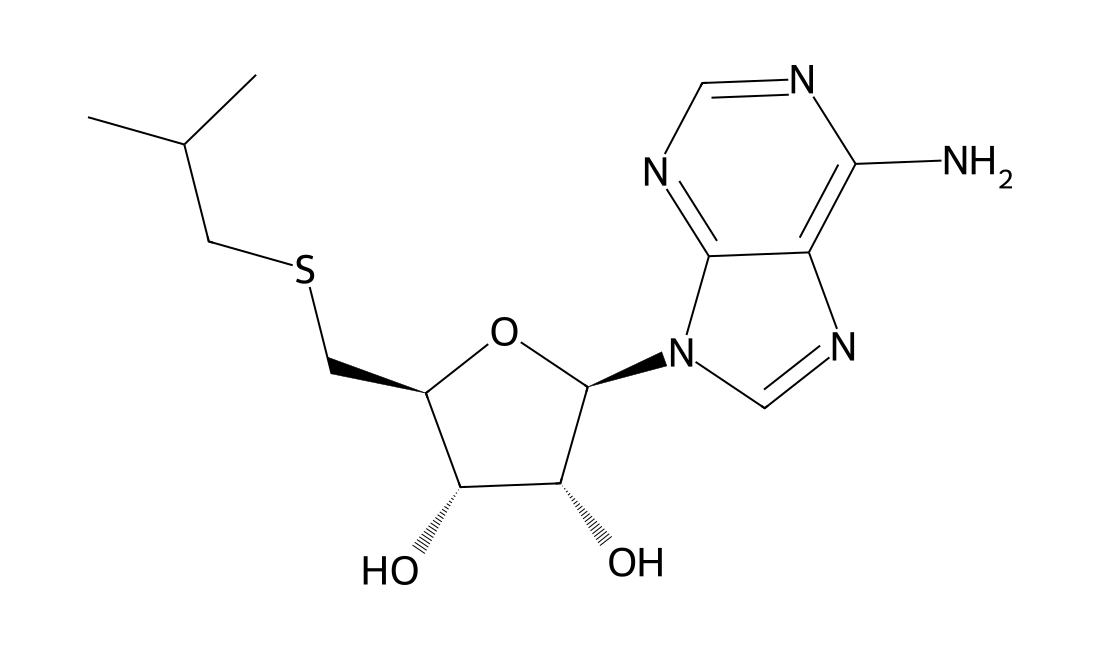
DC23937

SIBA

CAS 35899-54-8

An inhibitor of the IMP-selective cytosolic 5'-nucleotidase (IC50=2-6 mM); also inhibits the ecto-5'-nucleotidase of polymorphonuclear leucocytes.

SIBA chemical structure
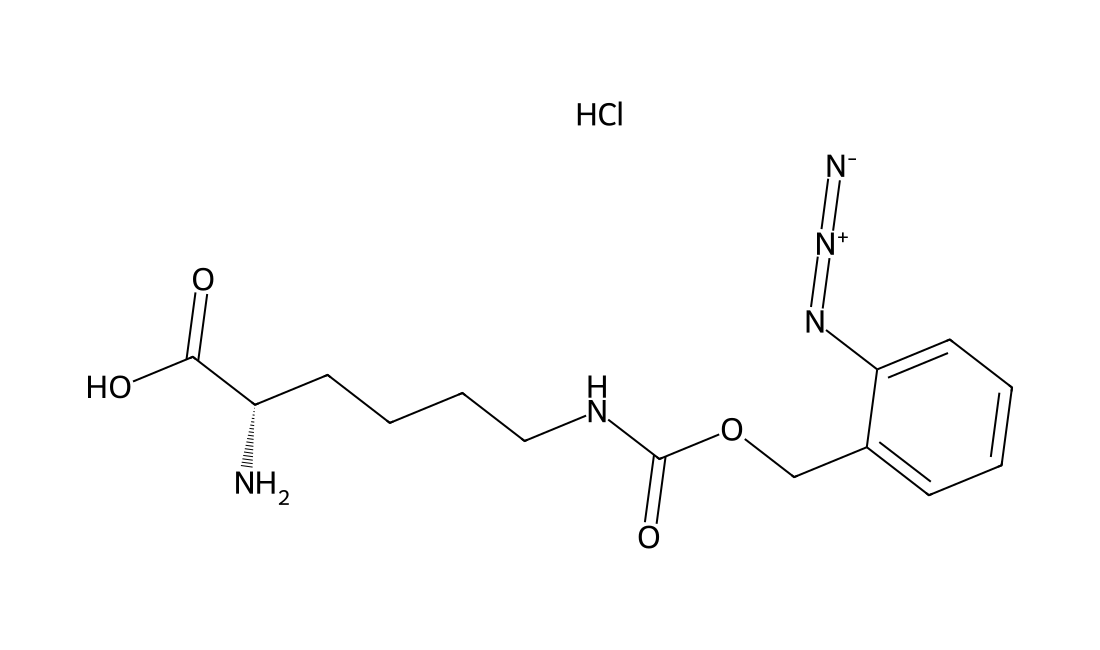
DC22562

OABK hydrochloride

CAS 1984862-48-7

A synthetic amino acid that fuctions as a small molecule switch for activation of protein function through the site-specific incorporation; a small-molecule-removable protecting group into the protein of interest using a pyrrolysyl transfer RNA synthetase/tRNACUA pair in mammalian cells; can be applied to the conditional control of several cellular processes, including bioluminescence (luciferase), fluorescence (enhanced green fluorescent protein), protein translocation (nuclear localization sequence), DNA recombination (Cre) and gene editing (Cas9).

OABK hydrochloride chemical structure
DC22364

DG051

CAS 929915-58-2

A potent, selective LTA4H (Leukotriene A4 hydrolase) inhibitor (IC50/Kd=47/25 nM) of leukotriene B4 biosynthesis; dispalys selectivity over a panel of more than 50 targets including aminopeptidases, hERG, GPCRs; has high aqueous solubility (>30 mg/mL) and high oral bioavailability.Heart FailurePhase 2 Discontinued

DG051 chemical structure
DC23935

CH-5450

CAS 252557-97-4

A potent, peptide-inhibitor of human chymase with Ki of 1 nM; causes an almost complete inhibition of the AI-induced contractions combined with Enalaprilat; depresses the (Pro11-,D-Ala12)-AI-induced contractions at 10 uM.

CH-5450 chemical structure
DC22560

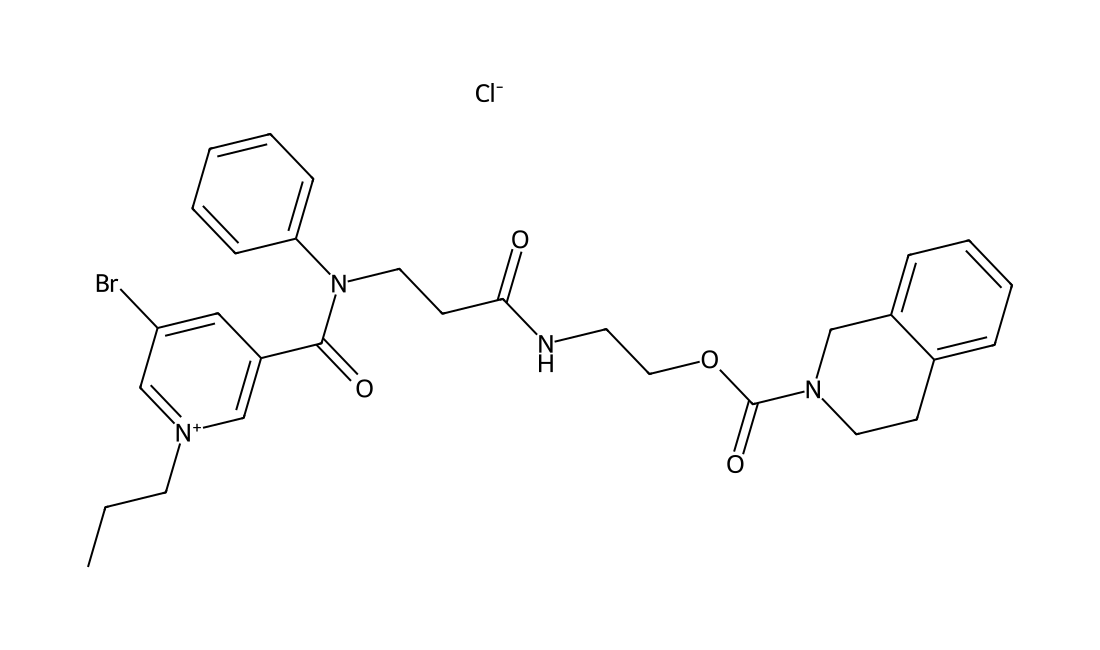
TCV-309 chloride

CAS 121494-09-5

A highly potent and selective platelet activating factor (PAF) antagonist; inhibits PAF-induced aggregation of rabbit and human platelets with IC50s of 33 nM and 55 nM respectively; potently protects mice from death induced by PAF and due to anaphylactic shock with ED50 of 2.1 and 2.6 ug/kg (i.v.), respectively; also reverses PAF-induced hypotension and endotoxin-induced hypotension in rats.Coagulation DisorderPhase 2 Discontinued

TCV-309 chloride chemical structure
DC20017

(S)-Mapracorat

CAS 887375-15-7

In Vitro (S)-Mapracorat concentration dependently inhibited TNFα secretion from activated canine PBMC with IC50 value of approximately 0.2 nM. In Vivo Intradermal injection of compound 48/80 (50 μg in 50 μL saline) resulted in a clear wheal and flare reaction over the 60 min observation period. Topical pre-treatment with (S)-Mapracorat (0.1%) and triamcinolone acetonide (0.015%) led to significant reduction in the wheal and flare responses compared to vehicle (acetone) treated areas. However, once daily topical administration of triamcinolone acetonide significantly reduced skin fold thickness from day 8 to 14, whereas no such reduction was observed for (S)-Mapracorat.

(S)-Mapracorat chemical structure
DC8652

TGR-1202 hydrochloride(Umbralisib)

CAS 1532533-78-0

TGR-1202 hydrochloride is an orally available, next generation PI3Kdelta inhibitor, inhibits PI3Kδ activity in enzyme and cell based assays with IC50 and EC50 values of 22.2 and 24.3 nM respectively.in vitro: TGR-1202 displays a high degree of selectivity over the alpha (>1000 fold), beta (>30-50 fold), and gamma (>15-50 fold) isoforms. Additionally, TGR-1202 causes a half-maximal inhibition of human whole blood CD19 cell proliferation between 100-300 nM. Treatment of PBMC with RP5264 resulted initially in a G2/M arrest followed by subsequent increase in the number of Sub G0 cells. Viability assays demonstrated that TGR-1202 caused a significant inhibition in growth as well as Akt phosphorylation of immortalized and primary leukemic cells. Further, the compound exhibited good oral absorption with favourable pharmacokinetic properties in rodents.

TGR-1202 hydrochloride(Umbralisib) chemical structure
DC8479

MK-2461

CAS 917879-39-1

MK-2461 is a potent, multi-targeted inhibitor for c-Met(WT/mutants) with IC50 of 0.4-2.5 nM, less potent to Ron, Flt1; 8- to 30-fold greater selectivity of c-Met targets versus FGFR1, FGFR2, FGFR3, PDGFRβ, KDR, Flt3, Flt4, TrkA, and TrkB. Phase 1/2.MK-2461 also potently inhibits FGFR1, FGFR2, FGFR3, KDR, TrkA, TrkB, and Flt4 with IC50 of 65 nM, 39 nM, 50 nM, 44 nM, 46 nM, 61 nM, and 78 nM, respectively. Compared with wild-type c-Met, MK-2461 more potently inhibits the activity of oncogenic c-Met kinase mutants such as N1100Y, Y1230C, Y1230H, Y1235D, and M1250T with IC50 of 1.5 nM, 1.5 nM, 1.0 nM, 0.5 nM, and 0.4 nM, respectively. MK-2461 binds more strongly to phosphorylated c-Met than to unphosphorylated c-Met. MK-2461 potently inhibits ATP-induced autophosphorylation of the COOH-terminal docking domain of c-Met, but not the activation loop. In contrast, MK-2461 inhibits phosphorylation of the activation loop of FGFR2 (Y653/Y654) in Kato III cells and PDGFRα (Y849) in H1703 cells with IC50 of <0.3 μM. MK-2461 inhibits HGF-induced mitogenesis of 4MBr-5 cells with IC50 of 204 nM, and HGF-induced migration of HPAF II cells with IC50 of 404 nM, as well as HGF-induced branching tubulogenesis of MDCK cells. In addition, MK-2461 potently inhibits IL-3-independent proliferation of 32D cells transformed with Tpr-Met or Tpr-Met (Y362C) mutant with IC50 of ~100 nM. MK-2461 significantly inhibits the proliferation of a large panel of tumor cell lines, especially potent against tumor cells harbored genomic amplification of MET or FGFR2.MK-2461 treatment significantly inhibits c-Met (Y1349) phosphorylation in GTL-16 tumors with IC50 of ~1 μM. Oral administration of MK-2461 at 10 mg/kg, 50 mg/kg, and 100 mg/kg twice daily as well as 200 mg/kg once daily effectively suppresses tumor growth of GTL-16 xenografts in mice by 62%, 77%, 75%, and 90%, respectively. Similarly, MK-2461 treatment at 134 mg/kg twice daily inhibits the growth of NIH3T3 tumors harboring c-Met single nucleotide mutants T3936C and T3997C, by 78% and 62%, respectively.

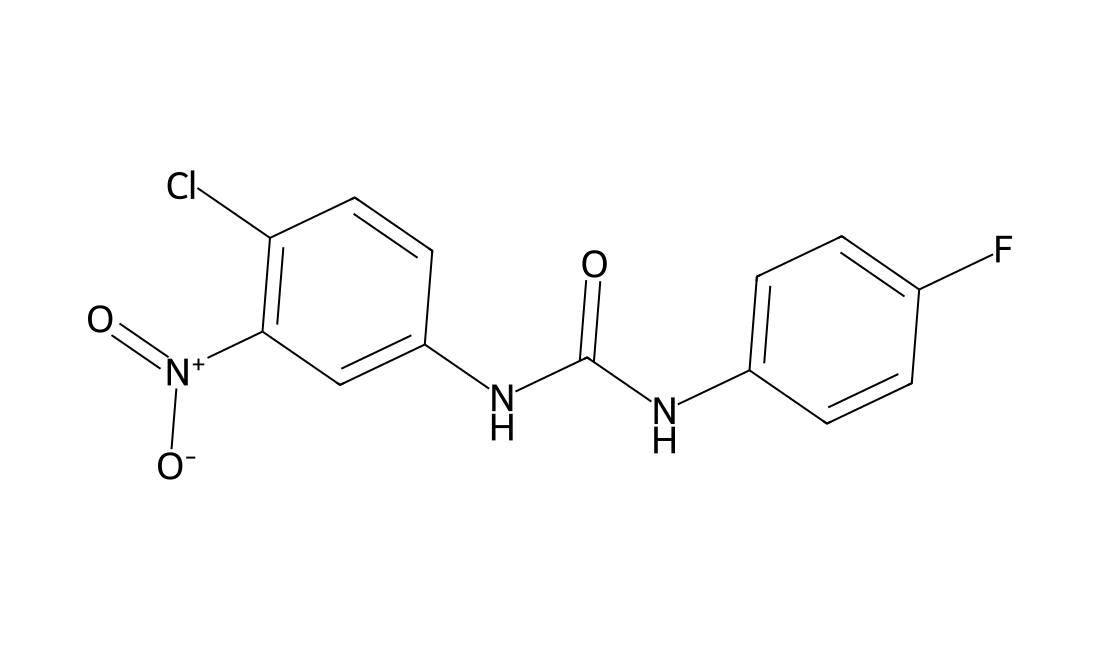
MK-2461 chemical structure
DC10609

BMS-986158

CAS 1800340-40-2

BMS-986158 is an inhibitor of the bromodomain and extra-terminal (BET) proteins. BMS-986158 is an inhibitor of the bromodomain (BRD) and extra-terminal domain (BET) family of proteins, with potential antineoplastic activity. Upon administration, the BET inhibitor BMS-986158 binds to the acetyl-lysine binding site in the BRD of BET proteins, thereby preventing the interaction between BET proteins and acetylated histones. This disrupts chromatin remodeling and prevents the expression of certain growth-promoting genes, resulting in an inhibition of tumor cell growth.
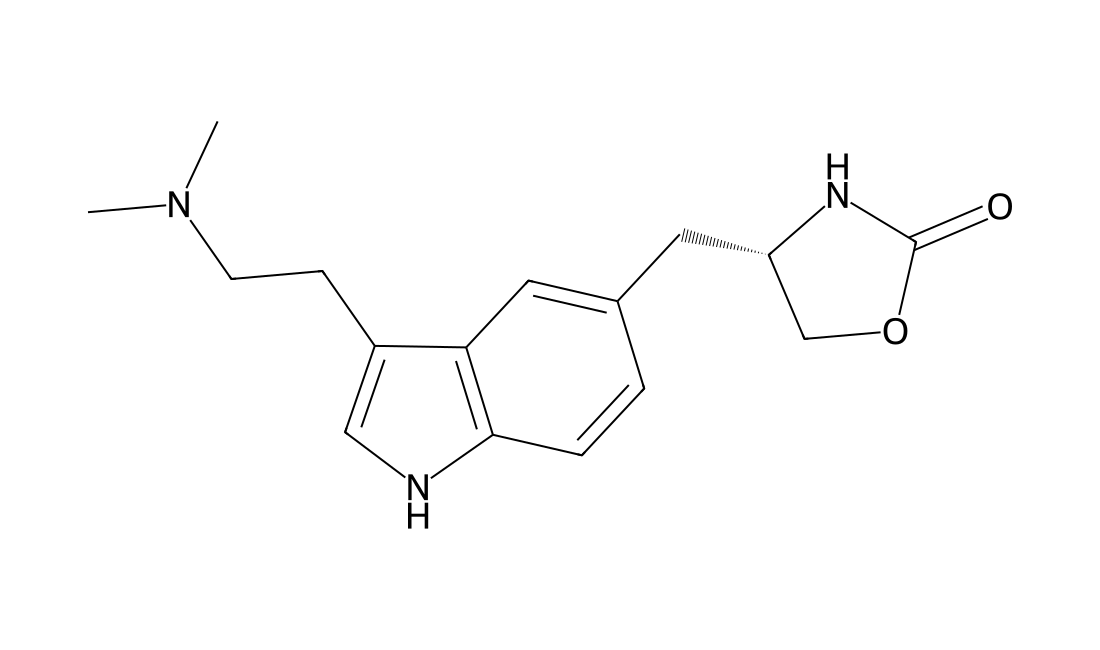
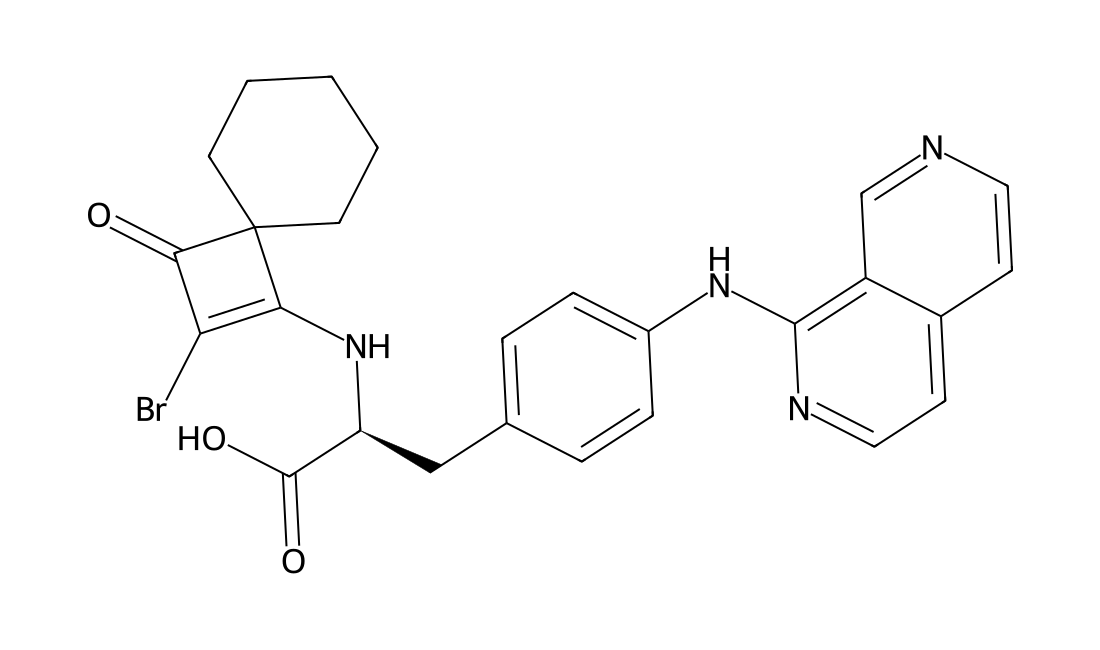
BMS-986158 chemical structure
DC11014

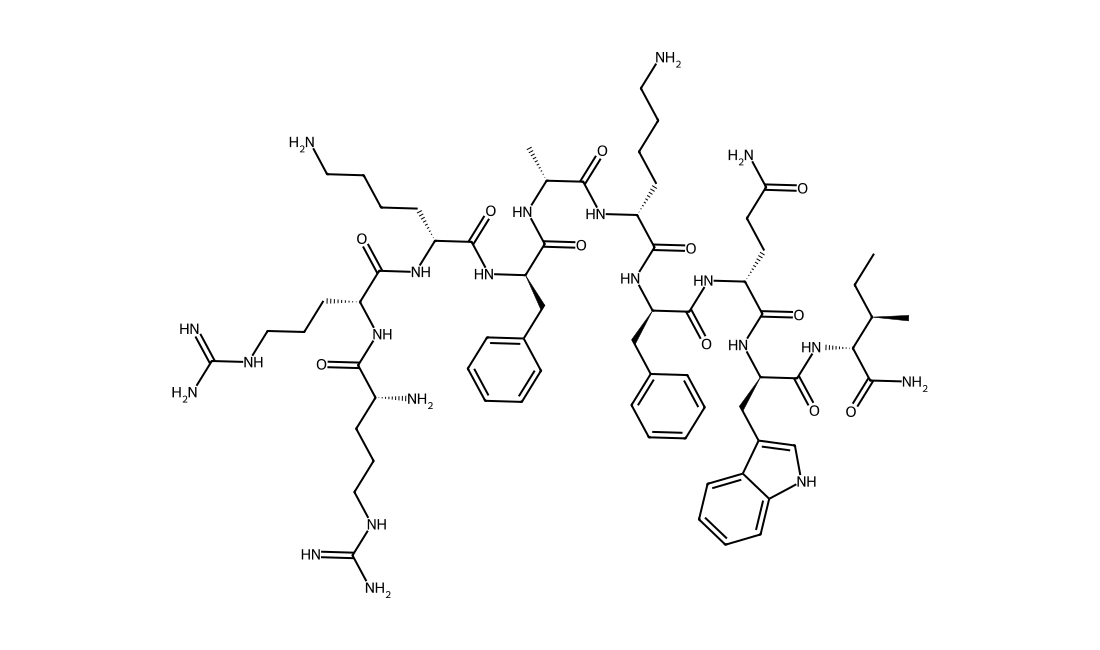
SALL4 peptide FFW

SALL4 peptide FFW (RRKFAKFQWI, FFW peptide) is a potent therapeutic SALL4 peptide antagonist of SALL4-NURD (nucleosome remodeling deacetylase) interaction with target affinity of 23 nM; reverses Transcription Repression by SALL4-RBBp4, disrupts the SALL4-NuRD complex resulted in unidirectional up-regulation of transcripts, turning SALL4 from a dual transcription repressor-activator mode to singular transcription activator mode; displays significant antitumor effects, inhibiting tumor growth by 85% in xenograft mouse models of HCC.

SALL4 peptide FFW chemical structure
DC26230

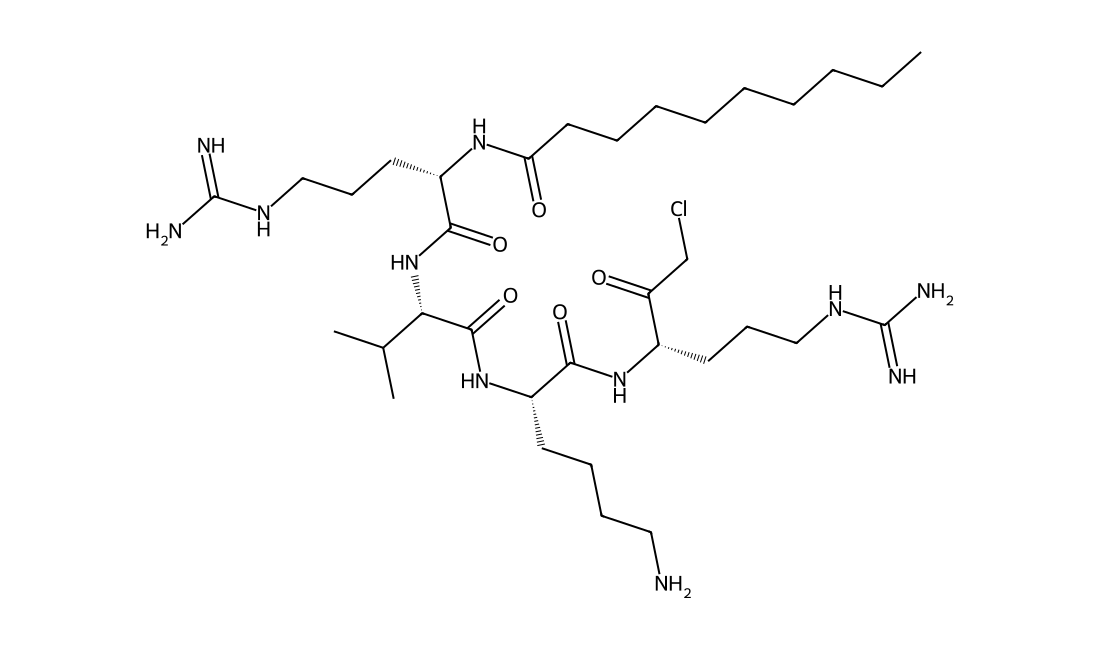
Furin Inhibitor I

CAS 150113-99-8

Furin inhibitor I is a selective, irreversible, and cell-permeable competitive inhibitor of proprotein convertases, including furin/SPC1 (Ki = ~1 nM), SPC2/PC2 (Ki = 0.36 nM), SPC3/PC1/PC3 (Ki = 2.0 nM), SPC4/PACE4 (Ki = 3.6 nM), SPC6/PC5/PC6, and SPC7/LPC/PC7/PC8 (Ki = 0.12 nM). Because furin activates viral glycoproteins, this inhibitor is a useful antiviral agent.In addition, it inhibits furin-dependent pro-MMP-2 activation in mononuclear inflammatory cells.

Furin Inhibitor I chemical structure
DC27002

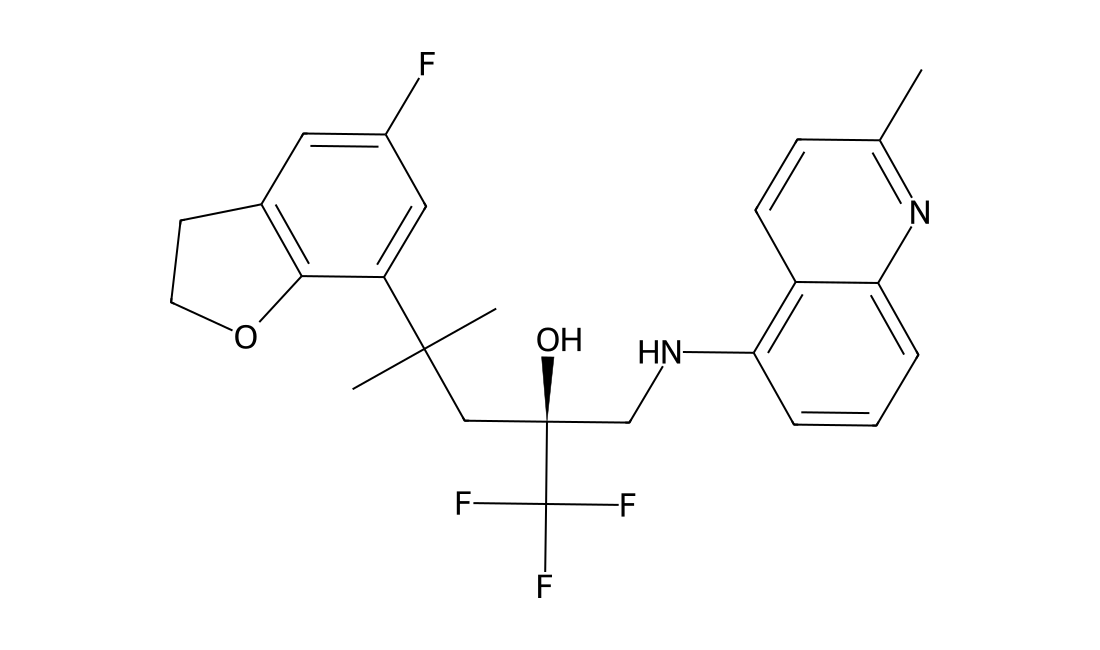
GDC-0575

CAS 1196504-54-7

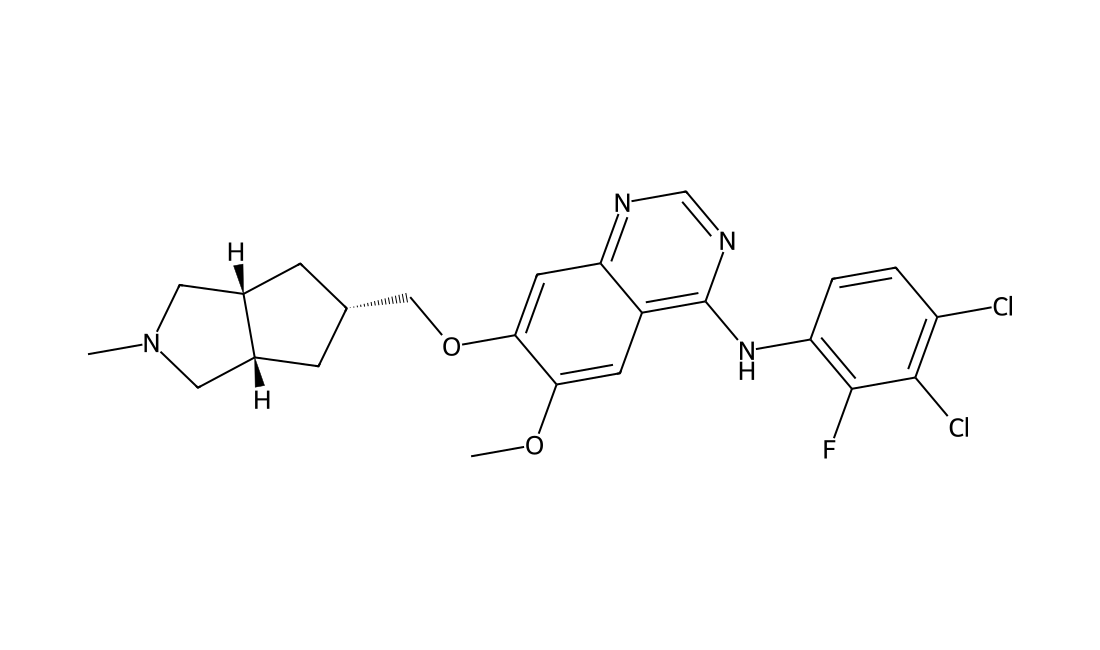
GDC-0575, also known as ARRY-575 and RG7741, is a potent and selective inhibitor of cell cycle checkpoint kinase 1 (Chk1) with an IC50 of 1.2 nM. Chk1 inhibitor GDC-0575 specifically binds to and inhibits Chk1; this may result in tumor cells bypassing Chk1-dependent cell cycle arrest in the S and G2/M phases, which permits the cells to undergo DNA repair prior to entry into mitosis.

GDC-0575 chemical structure
DC11230

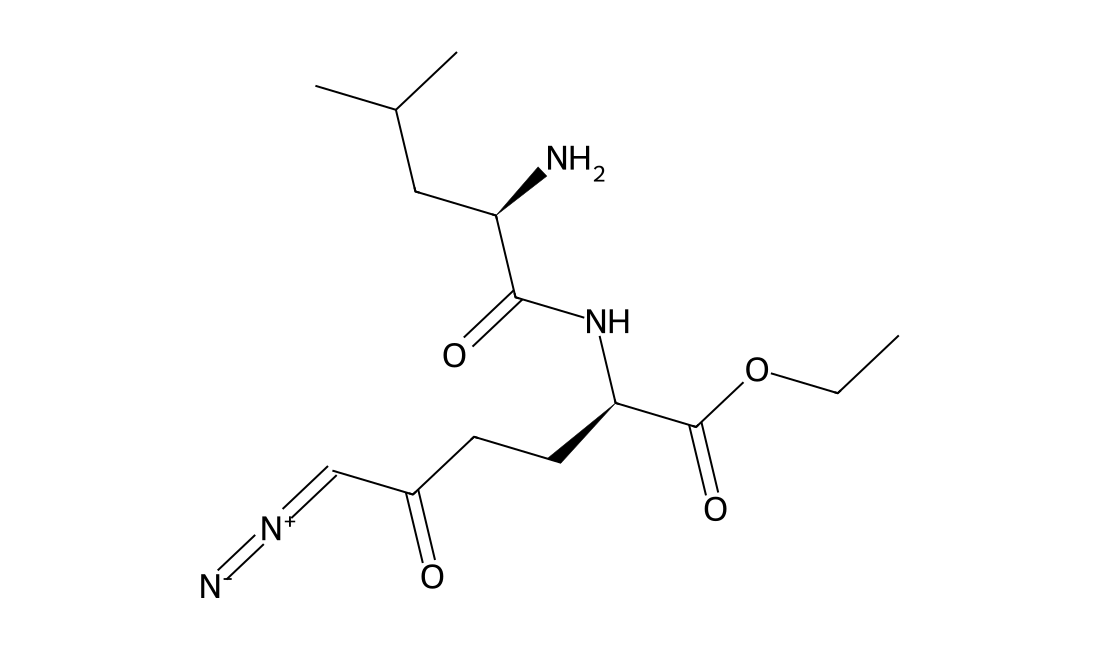
JHU-083

CAS 1998725-11-3

JHU-083 inhibits increased glutaminase activity in isolated CD11b+ cells, but not other cells in the prefrontal cortex and hippocampus of mice subjected to CSDS. JHU-083 suppresses CSDS-induced upregulation of proinflammatory cytokines in CD11b+ cells. [1

JHU-083 chemical structure
DC9490

Zaurategrast

CAS 455264-31-0

Zaurategrast(CDP-323) is an oral α4-integrin inhibitor. CDP323 significantly decreased the capacity of lymphocytes to bind vascular adhesion molecule-1 (VCAM-1) and the expression of α4-integrin on VCAM-1-binding cells.CDP323 at daily doses of 1000 or 2000 mg induced significant increases in total lymphocyte count and suppressed VCAM-1 binding by reducing unbound very late antigen-4 expression on lymphocytes.

Zaurategrast chemical structure
DC24185

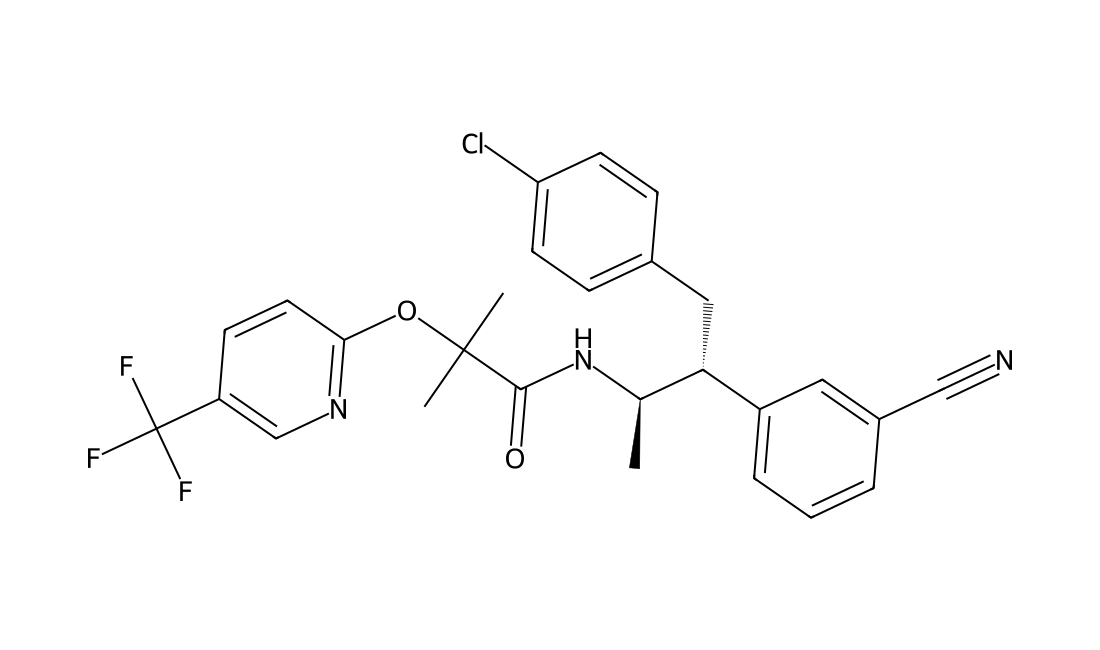
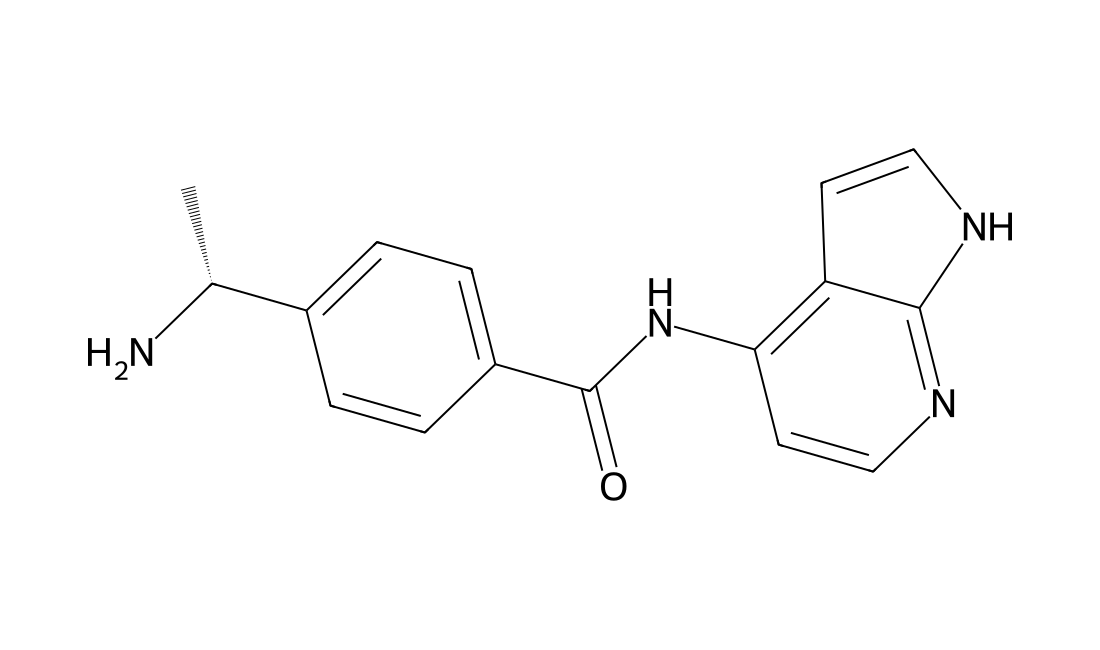
Y-39983

CAS 199433-58-4

Y-39983 (Y39983) is a potent and selective p160 ROCK inhibitor with Ki of 140 nM; displays > 200-fold selectivity for p160ROCK than PKC, cAMP-dependent protein kianse and Mypsin light-chain kinase; promotes regeneration of crushed axons of retinal ganglion cells into the optic nerve of adult cats, shows therapeutic potential for axonal regeneration of RGCs in the treatment of diseases with degenerating axons of RGCs including glaucoma.

Y-39983 chemical structure
DC10497

VXc-486

CAS 1384984-18-2

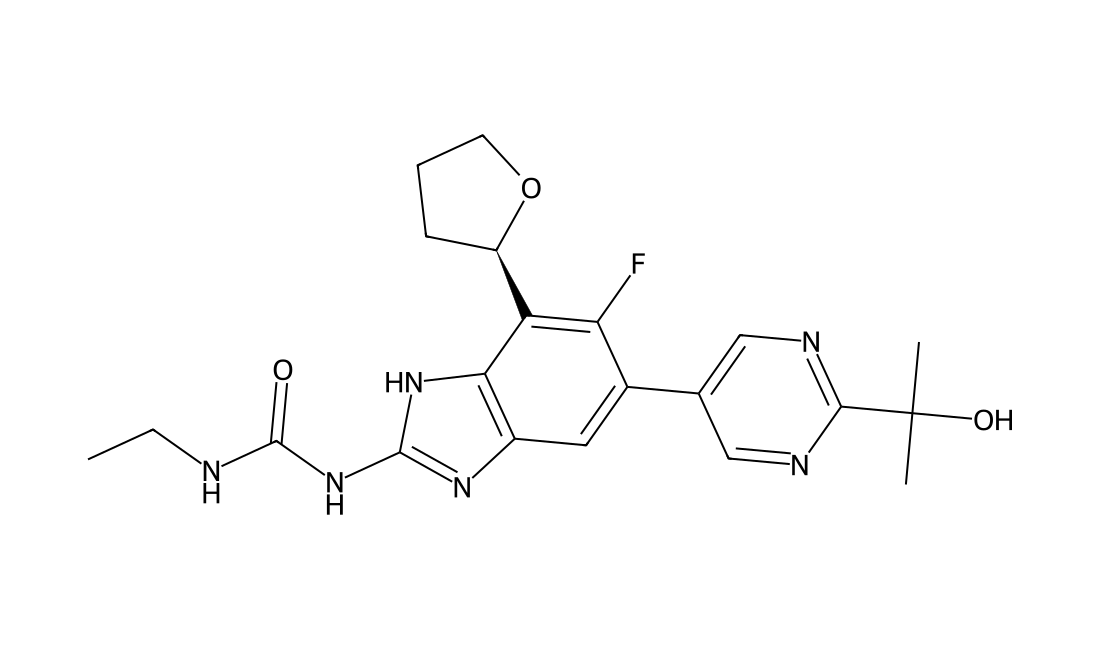
VXc-486, which targets gyrase B, potently inhibits multiple drug-sensitive isolates and drug-resistant isolates of Mycobacterium tuberculosis in vitro (MICs of 0.03 to 0.30 ug/ml and 0.08 to 5.48 u g/ml, respectively) and reduces mycobacterial burdens in lungs of infected mice in vivo.VXc-486 is active against drug-resistant isolates, has bactericidal activity, and kills intracellular and dormant M. tuberculosis bacteria in a low-oxygen environment. Furthermore, VXc-486 inhibits the growth of multiple strains of M.abscessus, M. avium complex, and M. kansasii (MICs of 0.1 to 2.0 u g/ml), as well as that of several strains of Nocardia spp. (MICs of 0.1 to 1.0 u g/ml).

VXc-486 chemical structure
DC10642

VLX1570

CAS 1431280-51-1

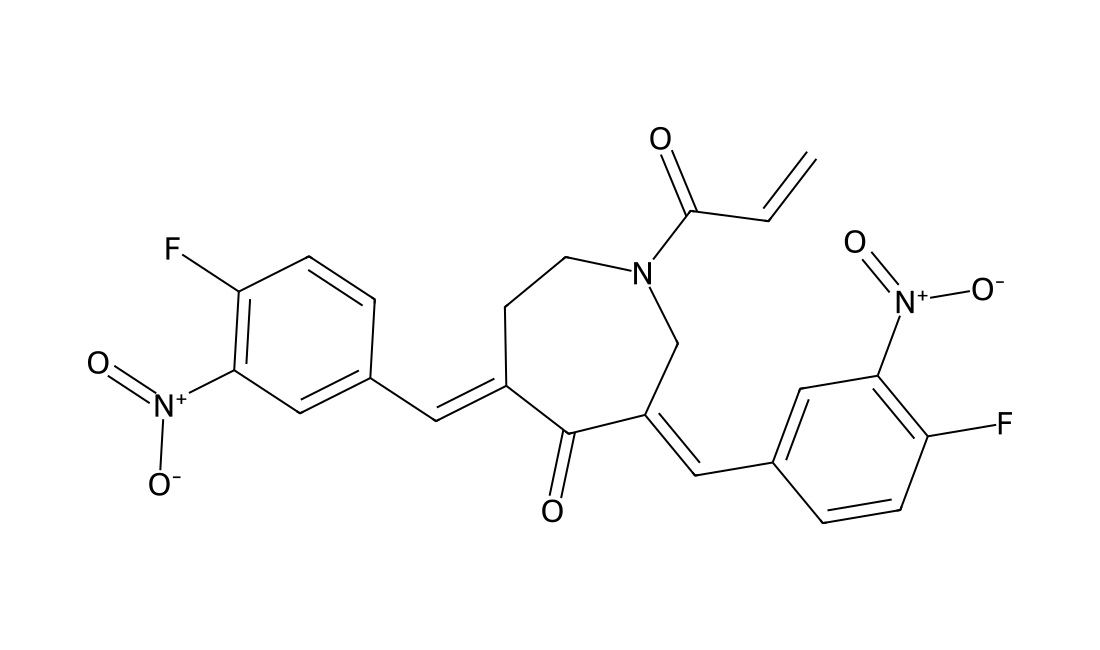
In vitro: VLX1570 is an analogue of b-AP15 that shows higher potency and improved solubility. VLX1570 preferentially inhibits proteasomal DUB activity while not inhibiting the activities of a panel of non-proteasomal DUBs. VLX1570 binds to and inhibits the activity of ubiquitin-specific protease-14 (USP14) in vitro, with comparatively weaker inhibitory activity towards UCHL5 (ubiquitin-C-terminal hydrolase-5). Treatment of multiple myeloma cells with VLX1570 induces the accumulation of proteasome-bound high molecular weight polyubiquitin conjugates and an apoptotic response. VLX1570 induces the expression of the chaperone HSP70B′, the oxidative stress marker Hmox-1, and the ER stress marker XBP-1s. VLX1570 is retained in cells after removal of drug and that USP14 was engaged by drug 17 hours after wash-out, as evidenced by thermal stabilization and persistent enzyme inhibition. In vivo: VLX1570 is an inhibitor of proteasome DUB activity currently in clinical trials for relapsed multiple myeloma. Treatment with VLX1570 is found to lead to extended survival in xenograft models of multiple myeloma. The in vivo IC50 for inhibition of proteasome DUB activity and induction of apoptosis is <1 μM, with multiple myeloma cells showing greater levels of sensitivity compared to other tumor types. The lower IC50 for activity in vivo is presumably due to rapid drug uptake and enrichment in cells.

VLX1570 chemical structure
DC23236

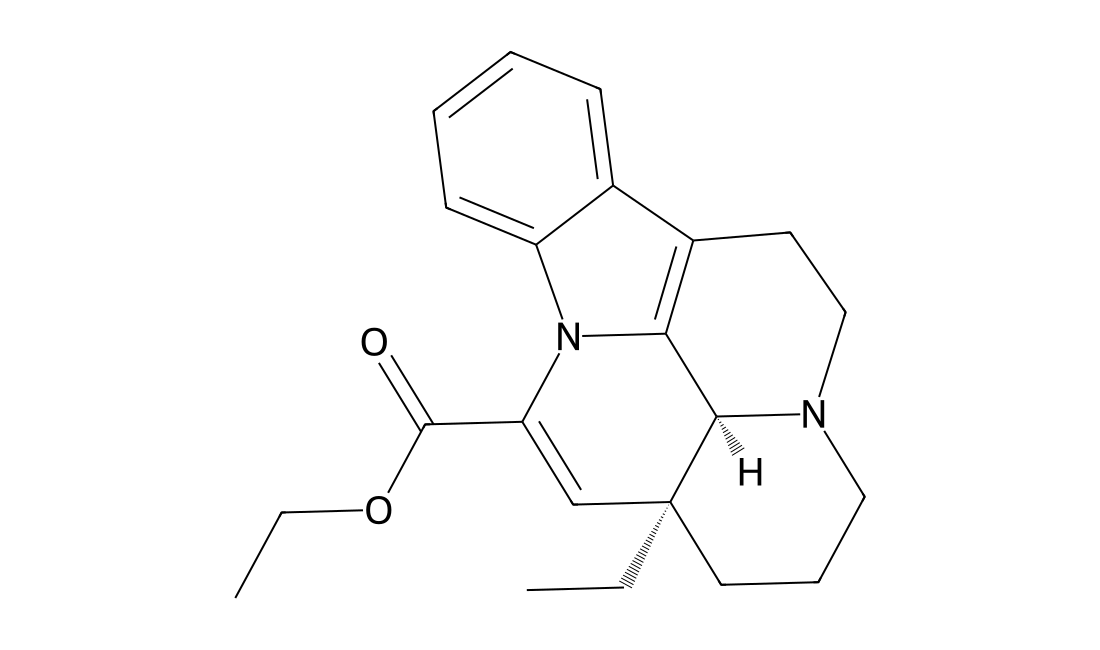
Vinpocetine

CAS 42971-09-5

Vinpocetine (Ethyl apovincaminate) is a synthetic derivative of the vinca alkaloid vincamine, selectively inhibits PDE1 in isolated rabbit aorta with IC50 of 21 uM; inhibits IKK preventing IκB degradation and the following translocation of NF-κB to the cell nucleus, potently inhibits TNF-alpha- or LPS-induced up-regulation of proinflammatory mediators, including TNF-alpha, IL-1beta, and macrophage inflammatory protein-2, and decreases interstitial infiltration of polymorphonuclear leukocytes in mouse model of lung inflammation; demonstrates cerebral blood-flow enhancing and neuroprotective effects in vivo.

Vinpocetine chemical structure
DC4236

VCH-916

CAS 1200133-34-1

VCH-916 is a novel allosteric inhibitor of HCV NS5B polymerase. The RNA-dependent RNA polymerase (NS5B) of HCV is one of the attractive validated targets for development of new drugs to block HCV infection.

VCH-916 chemical structure
DC10348

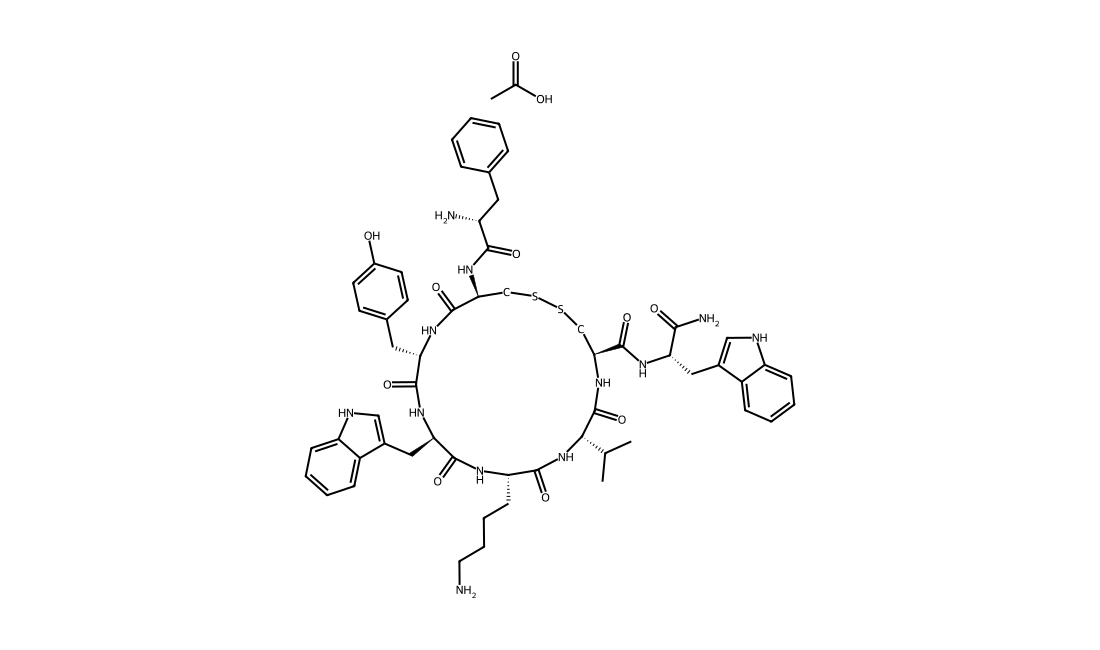
Vapreotide acetate

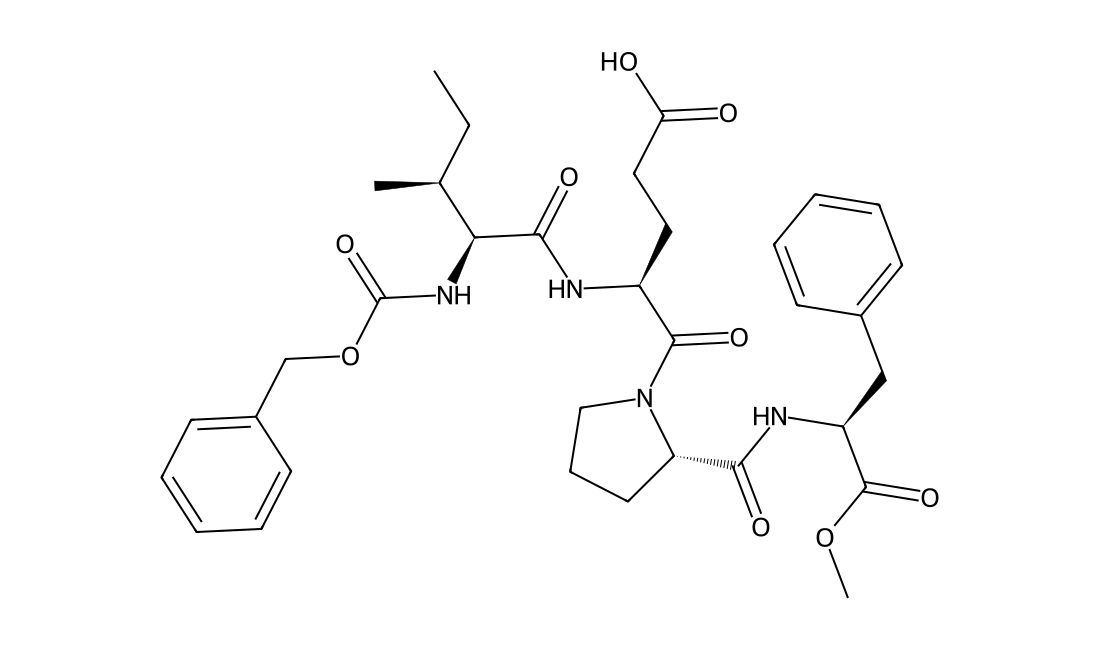
CAS 849479-74-9

Somatostatin is a peptide hormone which is distributed in many tissues including the immune system and the nervous system. Vapreotide attenuates the Substance P (SP)-triggered intracellular calcium increases and NF-κB activation in a dose-dependent manner. Vapreotide also inhibits SP-induced IL-8 and MCP-1 production in HEK293-NK1R and U373MG cell lines. Vapreotide inhibits HIV-1 infection of human MDM in vitro, an effect that is reversible by SP pretreatment. Vapreotide significantly inhibits GH-, PRL, and/or alpha-subunit release by human GH-secreting pituitary adenoma cells in concentrations as low as 10-12-10-14 M. Vapreotide inhibits GH release with an IC50 of 0.1 pM. Vapreotide exhibits moderate-to-high affinities for SSTR2, -3, and -5 (IC50=0.17, 0.1 and 21 nM, respectively) and low affinity for SSTR1 and -4 (IC50=200 and 620 nM, respectively). RC-160 inhibits serum-induced proliferation of CHO cells expressing SSTR2 and SSTR5 (EC50=53 and 150 pM, respectively).In cirrhosis, bleeding by rupture of oesophagogastric varices is a severe complication of portal hypertension. The acute administration of vapreotide to rats decreases collateral circulation blood flow while chronic administration attenuated its development. Tumor volumes and weights are reduced by about 40% by RC-160 by s.c. injections at doses of 100 μg/day/animal. Vapreotide can inhibit the growth of androgen-independent prostate cancer when the therapy is started at an early stage of tumor development[5].

Vapreotide acetate chemical structure
Browse target & topic index A–Z (366)
11β-HSD (1)15-PGDH (2)5-HT Receptor (16)Acetyl-CoA Carboxylase (ACC) (3)Acetylcholinesterase (AChE) (2)Ack1 (TNK2) (1)Acyltransferase (1)ADC Cytotoxin (6)ADCs Linker/Click Chemistry (5)Adenosine Receptor (9)Adenylate Cyclase (2)Adrenergic Receptor (11)Akt (12)Alcoholism (2)Aldehyde Dehydrogenase (ALDH) (6)Allergy (5)Alzheimer Disease (13)Aminopeptidase (1)AMPK (8)Amyloids (4)Anaplastic Lymphoma Kinase (ALK) (9)Androgen Receptor (AR) (11)Anemia (4)Angiotensin Receptor (4)Antibody/Protein labeling dyes (1)Antifolate (2)Anxiety (1)Apoptosis Inducer (3)Arginase (1)Arp2/3 complex (1)Aryl hydrocarbon Receptor (AhR) (1)Asthma (5)Atherosclerosis (2)ATM/ATR (8)Aurora Kinase (10)Autophagy (6)Autophagy-related Protein (Atg) (2)Autotaxin (2)Bacterial (26)Bacterial Infection (17)Bcl-2 (14)Bcr-Abl (5)BCRP (1)Beta-catenin (4)Beta-secretase (BACE) (4)Blood Cancer (91)BMI-1 (1)Bone Cancer (6)Brain Cancer (6)Breast Cancer (30)Bromodomain (22)BTK (10)c-Fms (CSF1R) (5)c-Fos/AP-1 (1)c-Kit (6)c-Met (HGFR) (11)c-Myc (2)Calcium Channel (4)Calcium-sensing Receptor (CaSR) (1)CaMK (4)Cannabinoid Receptor (6)Carbonic Anhydrase (1)Carboxypeptidase (1)Casein Kinase (6)Caspase (4)Cathepsin (6)Cdc2-like Kinase (CLK) (1)CETP (2)CFTR (7)Checkpoint Kinase (Chk) (8)Chemokine Receptor (CCR and CXCR) (14)Chemotherapeutic Agents (19)Chloride Channel (1)CMV (2)CMV Infection (2)Colon Cancer (9)Complement System (1)COPD (3)CREB/CBP (2)CRF Receptor (2)CRISPR/Cas9 (1)Cushing Disease (1)Cyclin-dependent Kinase (CDK) (39)Cyclooxygenase (COX) (4)Cytochrome P450 (CYPs) (5)Depression (2)Dermatitis (2)Deubiquitinase (DUB) (7)Diabetes (20)Dipeptidyl Peptidase (DPP) (3)Discoidin Domain Receptor (DDR) (1)DNA Alkylator/Crosslinker (10)DNA Methyltransferase (DNMT) (1)DNA Repair Protein (1)DNA-PK (2)DNA/RNA Synthesis (5)Dopamine beta-hydroxylase (1)Dopamine Receptor (7)Drug Metabolite (1)Drug-Linker Conjugates (11)Dyes (4)DYRK (1)Dyslipidemia (9)E3 Ligase Ligand (6)E3 Ligase Ligand-Linker Conjugate (1)E3 Ubiquitin Ligase (4)Ebola Virus Infection (1)EGFR (32)Elastase (2)Endothelin Receptor (5)Enzymes substrates (13)Epigenetic Reader Domain (3)Epilepsy (4)ERK (4)Estrogen Receptor/ERR (13)Eukaryotic Initiation Factor (eIF) (2)Exportin-1 (CRM1,XPO1) (2)FABP (1)Factor Xa (5)Farnesoid X Receptor (FXR) (5)Farnesyl transferase (FTase) (1)Ferroptosis (6)FGFR (20)Fibrosis (5)FLT3 (6)Focal Adhesion Kinase (FAK) (11)Foxo1 (1)Free Fatty Acid Receptor (FFAR) (5)Fungal (2)Fungal Infection (1)GABA Receptor (13)Galectin (1)Gastric Cancer (8)Ghrelin Receptor (GHSR) (3)Glucagon Receptor (4)Glucokinase (2)Glucose Transporter (GLUT) (2)Glutamate Transporter (2)GPCR (1)GPER (GPR30) (1)GPR139 (1)GPR183 (EBI2) (2)GPR39 (1)GPR55 (1)GPR84 (1)GRK (GPCRK) (2)Growth Hormone Deficiency (2)GSK-3 (8)Guanylate Cyclase (3)HBV (1)HBV Infection (1)HCN Channel (2)HCV (8)HCV Infection (9)HDAC (38)Heart Arrhythmia (2)Heart Failure (5)Heat Shock Protein (HSP) (15)Hedgehog (Hh) (1)HIF/HIF Prolyl-hydroxylase (8)Histamine Receptor (6)Histone Acetyltransferase (HAT) (5)Histone Demethylase (11)Histone Methyltransferase (HMTase) (31)HIV (12)HIV Infection (11)HMG-CoA Reductase (HMGCR) (3)HSV (1)HSV Infection (1)Hypercholesterolemia (1)Hyperparathyroidism (1)Hypertension (8)IAP (1)IGF-1R (3)iGluR (15)Indoleamine 2,3-Dioxygenase (IDO) (4)Infection (1)Influenza (6)Influenza Virus (6)Insulin Receptor (2)Integrin (6)Interleukin Receptor (1)IRAK (2)IRE1 (4)Irritable Bowel Syndrome (2)Ischemia (1)Isocitrate Dehydrogenase (IDH) (5)ITK (1)IκB kinase (IKK) (7)JAK (32)JNK (3)Keap1-Nrf2 (6)Kidney Cancer (10)Kinesin (5)Kruppel-like Factor (KLF) (1)Kynurenine 3-Monooxygenase (KMO) (1)Leukotriene Receptor (1)LIM Kinase (LIMK) (3)Lipids fragment (1)Liver Cancer (6)Liver X Receptor (LXR) (3)LRRK2 (9)Lung Cancer (39)Lysophospholipid Receptor (12)LYTACs (3)mAChR (9)MALT1 (2)MAP4K (1)Matrix Metalloproteinase (MMP) (10)MDM2-p53 (9)MEK (MAP2K) (14)MEKK (MAP3K) (1)Melanocortin Receptor (2)MELK (1)mGluR (7)MicroRNA (1)Microtubule/Tubulin (5)Mineralocorticoid Receptor (MLR) (1)MITF (1)Mixed Lineage Kinase (MLK) (3)MNK (2)Molecular Glues (21)Monoamine Transporter (5)Monocarboxylate Transporter (MCT) (1)Monopolar Spindle 1 (Mps1/TTK) (3)mTOR (13)Multiple Sclerosis (6)Myosin (1)Na-K-Cl Cotransporter (NKCC) (2)nAChR (2)NADPH Oxidase (NOX) (2)NAMPT (3)Natural products (37)Neprilysin (1)Neurokinin Receptor (3)Neuropeptide Y Receptor (3)NF-κB (5)Nitric Oxide Synthase (NOS) (1)NOD-like Receptor (NLR) (3)Notch (2)Nucleoside Antimetabolite/Analog (10)Nur77 (NR4A1) (1)Obesity (1)Oct3/4 (1)Opioid Receptor (5)Orexin Receptor (7)Osteoporosis (2)Ovarian Cancer (14)Oxytocin Receptor (OXTR) (2)P-glycoprotein (P-gp) (3)p21-activated Kinase (PAK) (1)P2X Receptor (2)P2Y Receptor (1)p38 MAPK (10)p97/VCP (1)Pain (12)Pancreatic Cancer (10)Parasite (5)Parasite Infection (2)Parkinson Disease (2)PARP (19)PCSK9 (1)PD-1/PD-L1 (4)PDGFR (4)PDK1 (2)PEGn (1)PERK (2)PGE synthase (2)Phosphodiesterase (PDE) (9)Phospholipase (4)PI3K (32)PI4K (2)Piezo Channel (1)PIKfyve (3)Pim (9)PKC (12)PKD (1)Plasminogen Activator Inhibitor-1 (PAI-1) (3)Polo-like Kinase (PLK) (4)Porcupine (3)Potassium Channel (13)PPAR (13)Pregnane X Receptor (PXR) (1)Progesterone Receptor (2)Prostaglandin Receptor (11)Prostate Cancer (7)PROTACs (35)Protease-activated Receptor (PAR) (3)Proteasome (12)Protein Disulfide Isomerase (PDI) (1)Protein Phosphatase/PTP (6)Proton Pump (1)Psoriasis (5)RAD51 (1)Radioligand precursors (15)Raf (18)RAR/RXR (3)Ras (17)Renin (2)RET Tyrosine Kinase (c-RET) (3)Rheumatoid Arthritis (16)Ribosomal S6 Kinase (RSK) (5)RIG-I-like Receptor (RLR) (2)RIP kinase (7)ROCK (12)ROR (2)RSV (4)RSV Infection (3)RUNX1-CBFβ (1)S-nitrosoglutathione reductase (GSNOR) (1)Saccharides and Glycosides (1)Salt Inducible Kinase (SIK) (2)SARS-CoV (16)SARS-CoV Infection (34)Schizophrenia (4)Sexual Dysfunction (1)SGLT (4)Sigma Receptor (4)Sirtuin (9)Skin Cancer (13)Sleep Disorder (7)SMN2 Modulator (1)Smoothened (Smo) (9)Sodium Channel (12)Solid Tumors (35)Somatostatin Receptor (2)Sphingosine kinase (SphK) (2)Src (7)STAT (5)Stearoyl-CoA Desaturase (SCD) (1)Steatohepatitis (7)Sterol lipids (1)STING (14)Syk (6)T Cell Receptor (TCR) (1)TAK1 (2)TAM Receptor (Tyro3-Axl-Mer) (4)Taste Receptor (1)Telomerase (2)TGF beta Receptor (TGFBR) (12)Thrombin (3)Thrombosis (13)Thyroid Cancer (1)Thyroid Hormone Receptor (THR) (1)Thyrotropin Receptor (2)TNIK (1)Toll-like Receptor (TLR) (2)TOPK (1)Topoisomerase (11)TRAIL (1)Translocator Protein (TSPO) (1)Trk Receptor (4)TRP Channel (13)Tryptophan Hydroxylase (TPH) (1)Ubiquitin-activating Enzyme (E1) (2)Ubiquitin-conjugating Enzyme (E2) (2)Ulcer (1)ULK (3)Vasopressin Receptor (2)VEGFR (25)Vitamin D Receptor (VDR) (3)Wee1 (1)WNK Kinase (1)Wnt (5)Yes-associated Protein (YAP) (4)γ-secretase (5)

Cart

Request quotation