
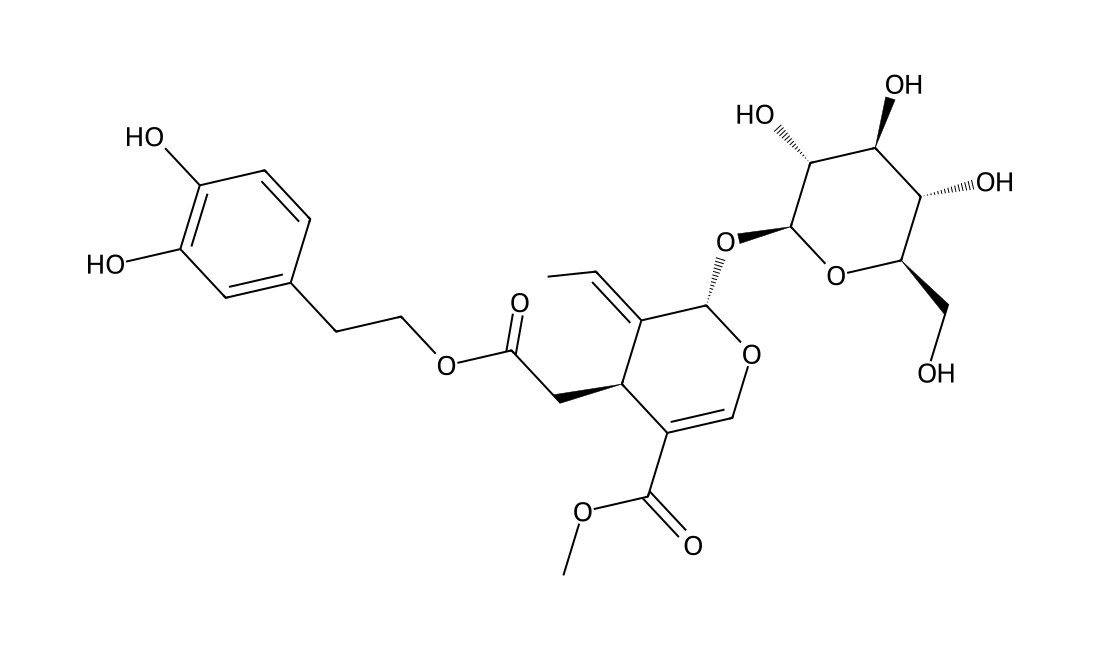
Small Molecule Research Tools
Explore bioactive compounds by research category, then narrow your search by target, product name, catalog number or CAS.
Newly added: LC-MG and OXF molecular glue research compounds →
Browse by research category
Products may appear in more than one category. Counts refer to distinct catalog numbers within each category.
Kinases & Cell Signaling1,548 products →941 products →Epigenetics & Gene Regulation410 products →277 products →DNA Damage, Repair & Cell Cycle342 products →228 products →Cell Death & Autophagy233 products →117 products →Protein Degradation & Proteostasis252 products →181 products →Immunology & Inflammation515 products →297 products →Neuroscience793 products →363 products →GPCRs & Receptor Biology1,219 products →428 products →Ion Channels & Transporters373 products →196 products →Metabolism & Endocrinology697 products →404 products →Cardiovascular & Hematology264 products →141 products →Anti-infectives453 products →205 products →Cancer Research1,049 products →535 products →ADCs & Bioconjugation61 products →38 products →Probes & Assay Reagents150 products →82 products →Natural Products424 products →73 products →Cell Biology & Intracellular Transport181 products →61 products →
Other Research Tools (75) · Additional reagents, building blocks and specialized research tools.
New literature-derived products
LC-MG-1 (DCA0006) · LC-MG-4 (DCA0007) · LC-MG-9 (DCA0008)
View structure and evidence summaries →All small molecule products
Combine a keyword, research category and target to narrow the product list.
Loading catalog filters…
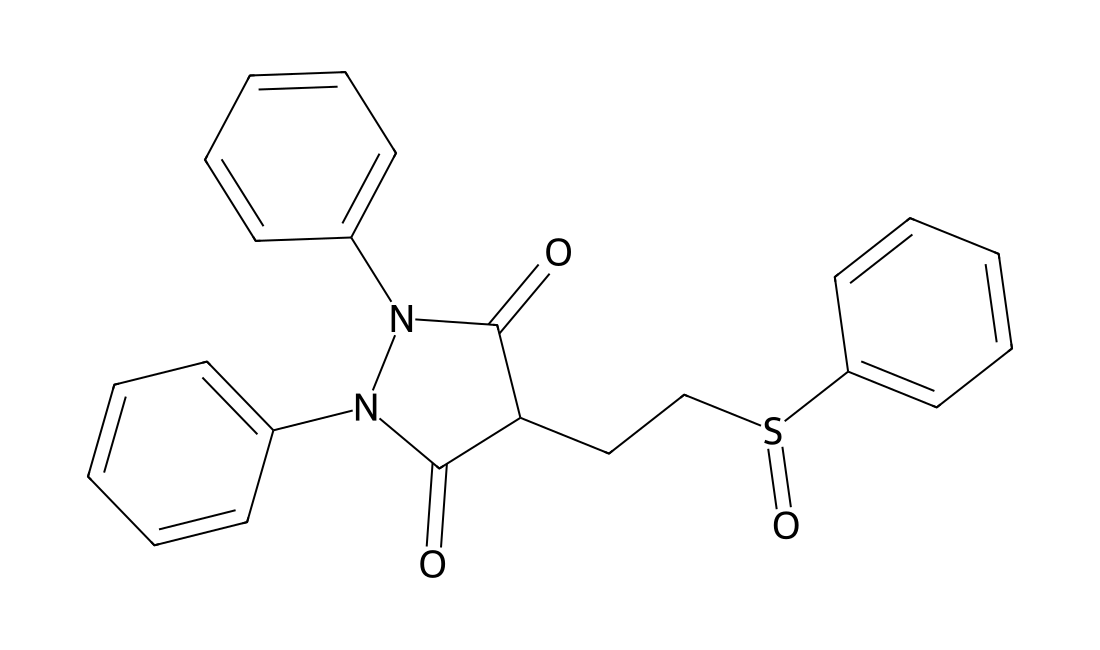
Olcegepant hydrochloride
CAS 586368-06-1
Olcegepant possesses higher affinity for the human CGRP receptor than the endogenous ligand CGRP and 150-fold higher affinity compared to the peptidic antagonist CGRP8-37. Olcegepant reverses CGRP-mediated vasodilation in human cerebral vessels and inhibits neurogenic vasodilation in a surrogate animal model of migraine pathophysiology. Olcegepant (BIBN4096BS) is extremely potent at primate CGRP receptors exhibiting an affinity (Ki) for human CGRP receptors of 14.4±6.3 (n=4) pM. Several lines of evidence suggest that a calcitonin-gene related peptide (CGRP) receptor antagonist may serve as a novel abortive migraine treatment. Olcegepant (BIBN4096BS) exhibits competitive antagonism at the CGRP receptor present in SK-N-MC cells. Isolated human cerebral, coronary, and omental arteries are studied with a sensitive myograph technique. CGRP induces a concentration-dependent relaxation that is antagonized by Olcegepant in a competitive manner.Olcegepant (BIBN4096BS) in doses between 1 and 30 μg/kg (i.v.) inhibits the effects of CGRP, released by stimulation of the trigeminal ganglion, on facial blood flow in marmoset monkeys. Pre-treatment with Olcegepant (900 μg/kg) inhibits the capsaicin-induced expression of Fos throughout the spinal trigeminal nucleus by 57%. In contrast, the expression of phosphorylated extracellular signal-regulated kinase in the trigeminal ganglion is not changed by Olcegepant pre-treatment. Olcegepant (0.3 to 0.9 mg/kg, i.v.) markedly reduces mechanical allodynia in CCI-ION rats. Olcegepant (0.6 mg/kg, i.v.) significantly reduces the number of c-Fos immunolabeled cells in spinal nucleus of the trigeminal nerve and upregulation of ATF3 transcript (a marker of neuron injury) but not that of interleukin-6 in trigeminal ganglion of CCI-ION rats[5].
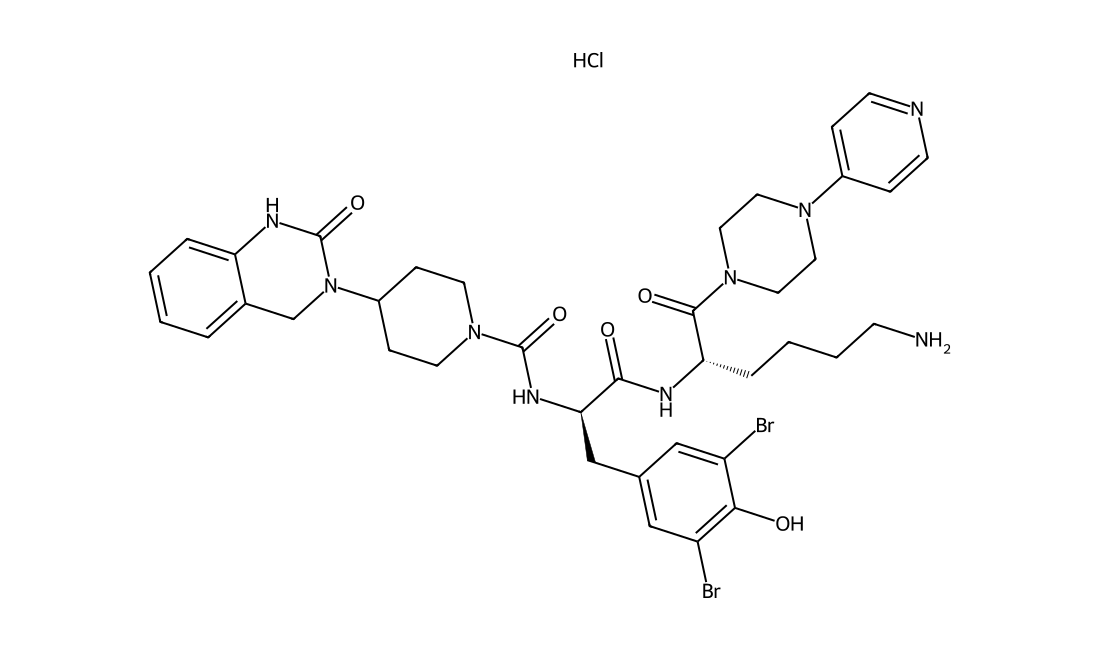
Ochratoxin B(OTB)
CAS 4825-86-9
Ochratoxin B(OTB) is a non-chlorinated analog of OTA that has cytotoxic effects on kidney and liver cells in vitro but only minor effects in vivo, due to its rapid metabolism and excretion.OTB inhibits cell proliferation of human liver HepG2 cells at doses as low as 1 µg/ml but lacks the genotoxic activity of OTA, even at higher concentrations.
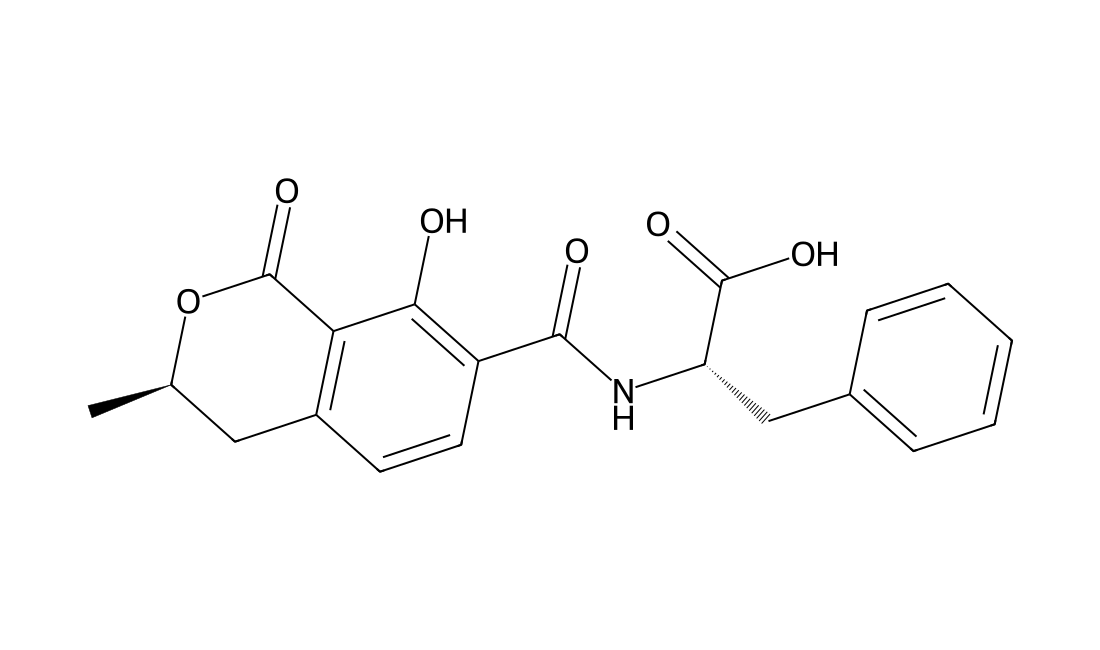
Ochratoxin A(OTA)
CAS 303-47-9
Ochratoxin A is a mycotoxin isolated from the Aspergillus ochraceus mold, a common fungal presence on moldy food. Ochratoxin A demonstrates nephrotoxicity and teratogenesis in animals, and shows inhibition of bacterial, yeast, and liver FARSL (phenylalanyl-tRNA synthetases) competitive with phenylalanine. As these activities are partially attenuated by phenylalanine, Ochratoxin A is suggested to produce its effects through interacting with proteins that recognize phenylalanine as a substrate, and has been demonstrated to inhibit PAH (phenylalanine hydroxylase). Derivatives of Ochratoxin A with other amino acid moieties substituted for the phenylalanine-mimic portion of the molecule demonstrate inhibition of the aminoacyl tRNA synthetases respective to those amino acids. Ochratoxin A is described to enhance lipid peroxidation and also present DNA single strand breaks, both suggesting oxidative damage as a partial mediator of Ochratoxin A cellular effects, and EPR spectroscopy with a spin trap agent identified the production of hydroxyl radicals by Ochratoxin A in the presence of NADPH. The nephrotoxic effects of Ochratoxin A are shown to be prevented by SOD (superoxide dismutase) and catalase, further indicating oxidative damage as the mediator of Ochratoxin A toxicity. Ochratoxin A is also demonstrated to increase ATP-dependent Ca2+ pump activity in renal cortex endoplasmic reticulum.
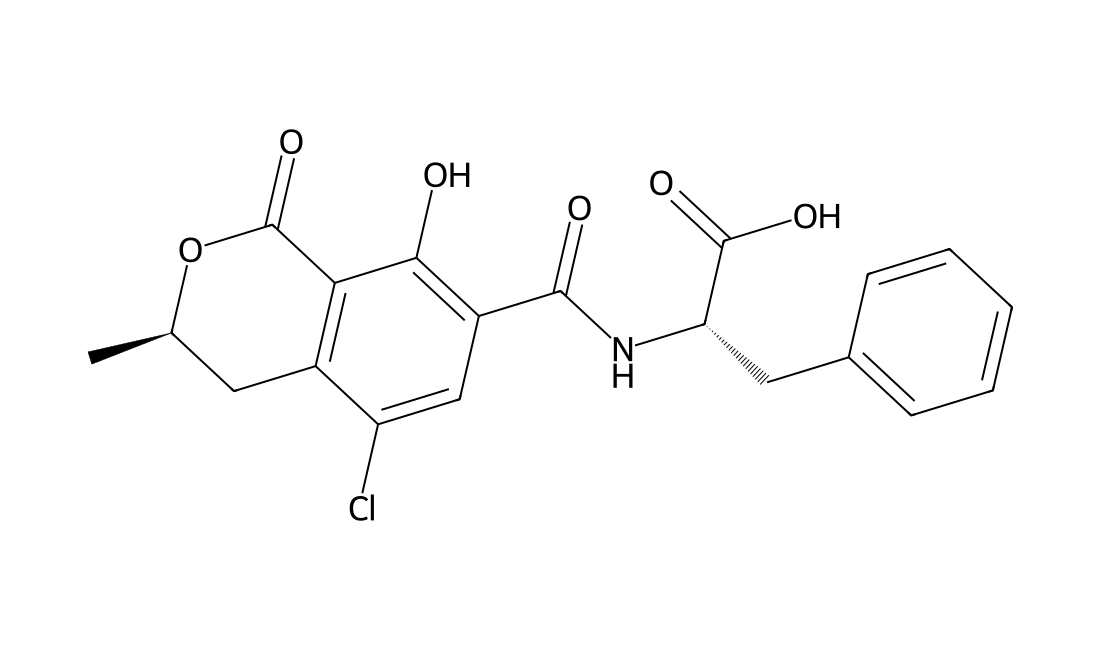
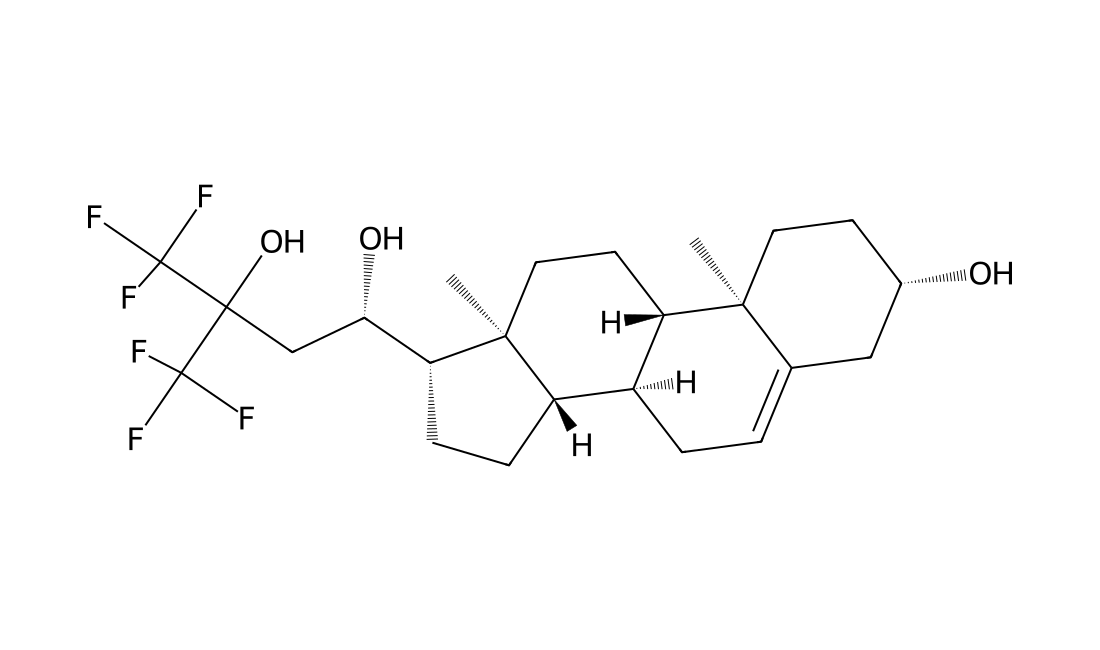
NSC-12
CAS 102586-30-1
NSC12 is a PTX3-derived anti-FGF small molecule, inhibits FGF-dependent tumor growth, angiogenesis, and metastases,acts as a small-molecule FGF trap in cancer therapy.
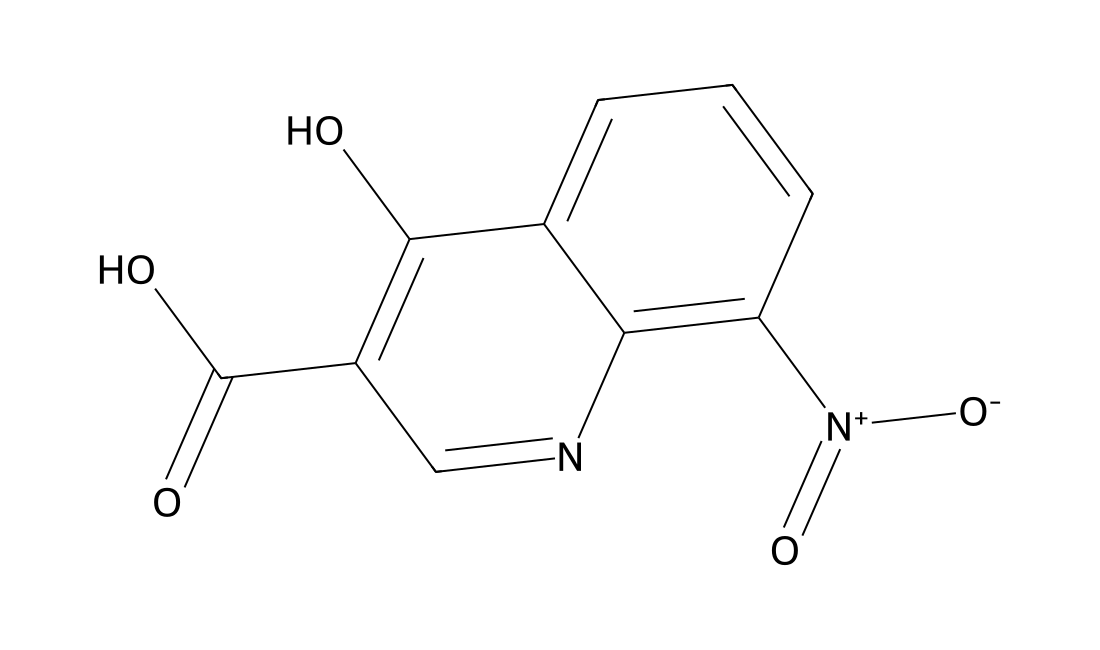
NSC 15765
CAS 35973-25-2
NSC 15765 (Compound C5, DNA2 inhibitor C5) is an effective, selective and competitive inhibitor of DNA2 nuclease with IC50 of 20 uM; poorly inhibits the activities of the other two nucleases, FEN1 and EXO1; suppresses resection-related homology directed repair (HDR) and single-stand annealing (SSA) and causes accumulation of phosphorylated RPA foci, and inhibits restart of stalled DNA replication forks and over-resection of nascent DNA in cells defective in fork protection; exhibits cytotoxicity against a panel of 18 cell lines with IC50 of 7-70 uM; sensitizes cells to PARP inhibitor MK-4827; also sensitizes cells to CPT and synergizes with PARP inhibitors; also can mimics DNA2 knockout and synergistically kills cancer cells when combined with an ATR inhibitor.
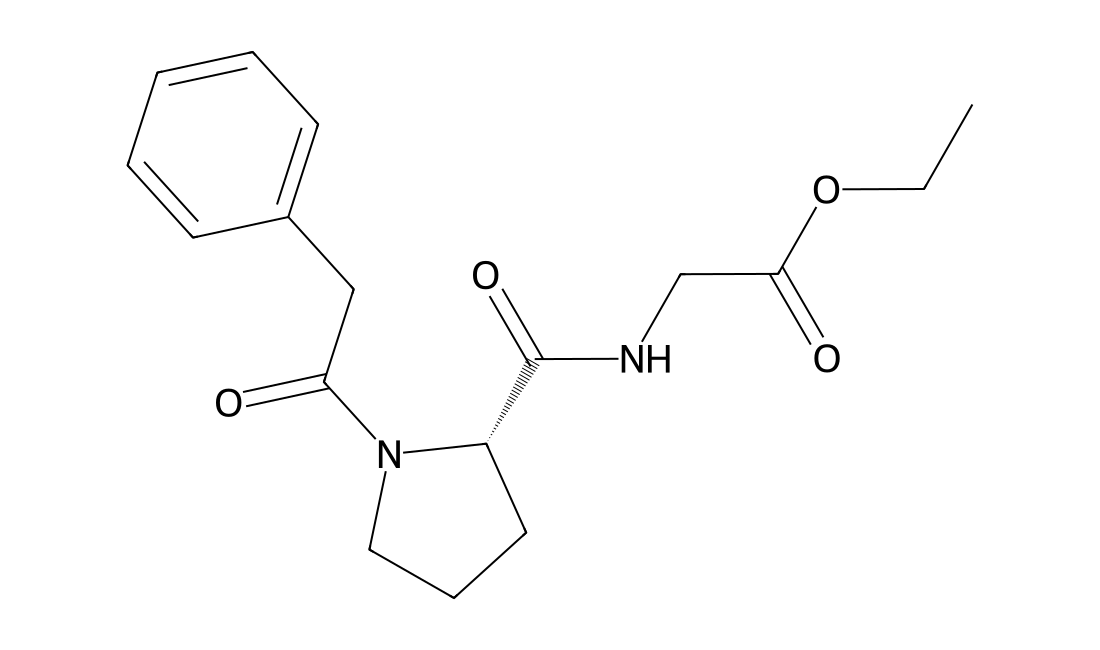
Noopept
CAS 157115-85-0
Noopept (GVS-111) is a medication promoted and prescribed in Russia and neighbouring countries as a nootropic. in vitro: Nooglutil exhibits pharmacologically significant competition with a selective agonist of AMPA receptors ([G-3H]Ro 48-8587) for the receptor binding sites (with IC50 = 6.4 +/- 0.2 microM), while the competition of noopept for these receptor binding sites was lower by an order of magnitude (IC50 = 80 +/- 5.6 microM). GVS-111 significantly increased neuronal survival after H(2)O(2)-treatment displaying a dose-dependent neuroprotective activity from 10 nM to 100 microM, and an IC(50) value of 1.21+/-0.07 microM. GVS-111 inhibited the accumulation of intracellular free radicals and lipid peroxidation damage in neurons treated with H(2)O(2) or FeSO(4), suggesting an antioxidant mechanism of action. in vivo: N-Phenylacetyl-L-prolylglycine ethyl ester (GVS-111) administered intravenously at a dose of 0.5 mg/kg/day, for the first time 1 h after ischaemic lesion and then for 9 post-operative days, with the last administration 15 min before testing, attenuated the deficit. GVS-111 itself was not found in rat brain 1 h after 5 mg/kg i.p. administration up to limit of detection (LOD) under high performance liquid chromatography (HPLC) conditions. The most pronounced antiinflammatory effect of dipeptide was observed on the model of adjuvant arthritis in rats, where the drug administered over 25 days in a daily dose of 0.5 mg/kg (i.m.) or 5 mg/kg (p.o.) significantly reduced the chronic immune inflammation (on the 12th day, by 94.0 and 74.1%, respectively). Toxicity: Noopept administered in this dose range induced no irreversible pathologic changes in the organs and systems studied and exhibited no allergenic, immunotoxic, and mutagen activity.
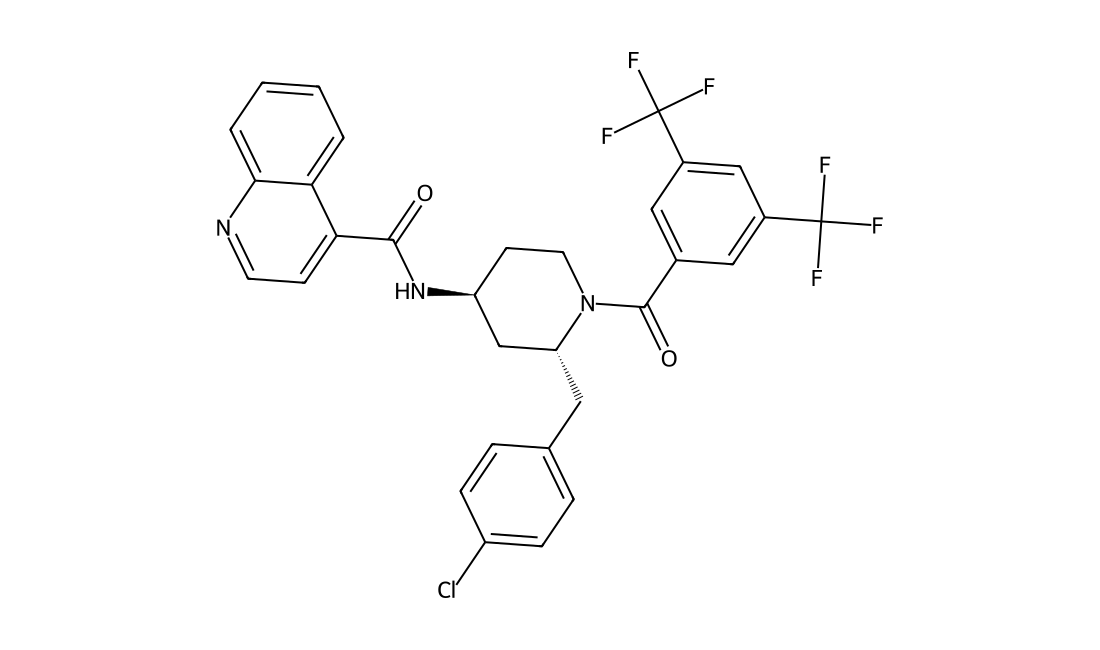
NKP608
CAS 177707-12-9
NKP608 is a non-peptidic derivative of 4-aminopiperidine which acts as a selective, specific and potent antagonist at the neurokinin-1 (NK-1) receptor both in vitro(IC50=2.6 nM) and in vivo. In vitro, the binding of NKP608 to bovine retina was characterized by an IC50 of 2.6+/-0.4 nM, whereas the compound's affinity to other receptor binding sites, including NK-2 and NK-3, was much lower. Species differences in IC(50) values with NKP608 were less pronounced than with previously described NK-1 receptor antagonists, being 13+/-2 and 27+/-2 nM in gerbil midbrain and rat striatum, respectively. In vivo, using the hind foot thumping model in gerbils, NKP608 exhibited a potent NK-1 antagonistic activity following oral administration (ID(50)=0.23 mg/kg; 2 h pretreatment), supporting a central activity of NKP608. NKP608 may prove a useful anxiolytic compound.
Nimesulide
CAS 51803-78-2
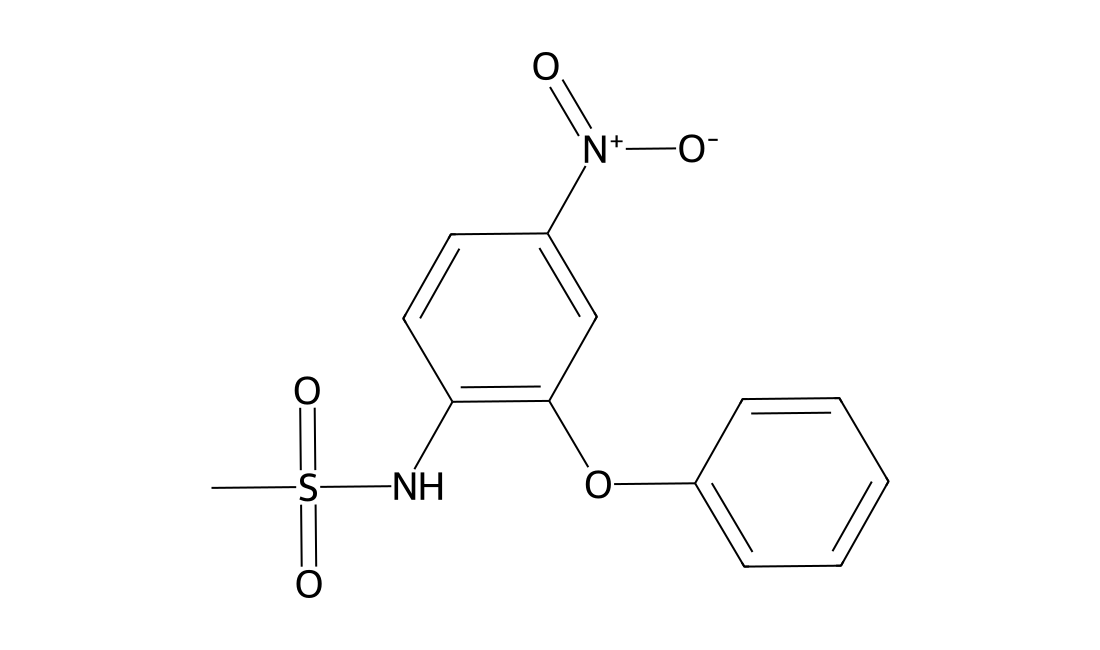
Nimesulide is a relatively COX-2 selective, non-steroidal anti-inflammatory drug (NSAID) with analgesic and antipyretic properties.Nimesulide is a selective COX-2 inhibitor used in a variety of inflammatory, pain and fever states. After healthy volunteers received oral nimesulide 100 mg in tablet, granule or suspension form the drug was rapidly and extensively absorbed. Mean peak concentrations (Cmax) of 2.86 to 6.50 mg/L were achieved within 1.22 to 2.75 hours of administration. Nimesulide is an NSAID which exerts its analgesic, anti-inflammatory and antipyretic activities thanks to unique chemical and pharmacokinetic characteristics, and to a multifactorial mechanism of action, which goes beyond its preferential inhibitory activity on the COX-2 enzyme. Nimesulide was found to be at least as effective, or superior, to placebo and other NSAIDs, with a particularly fast onset of analgesic action. nimesulide remains an effective and safe therapeutic choice for the treatment of various painful inflammatory conditions, with a rapid onset of analgesic activity and an overall positive benefit/risk profile.
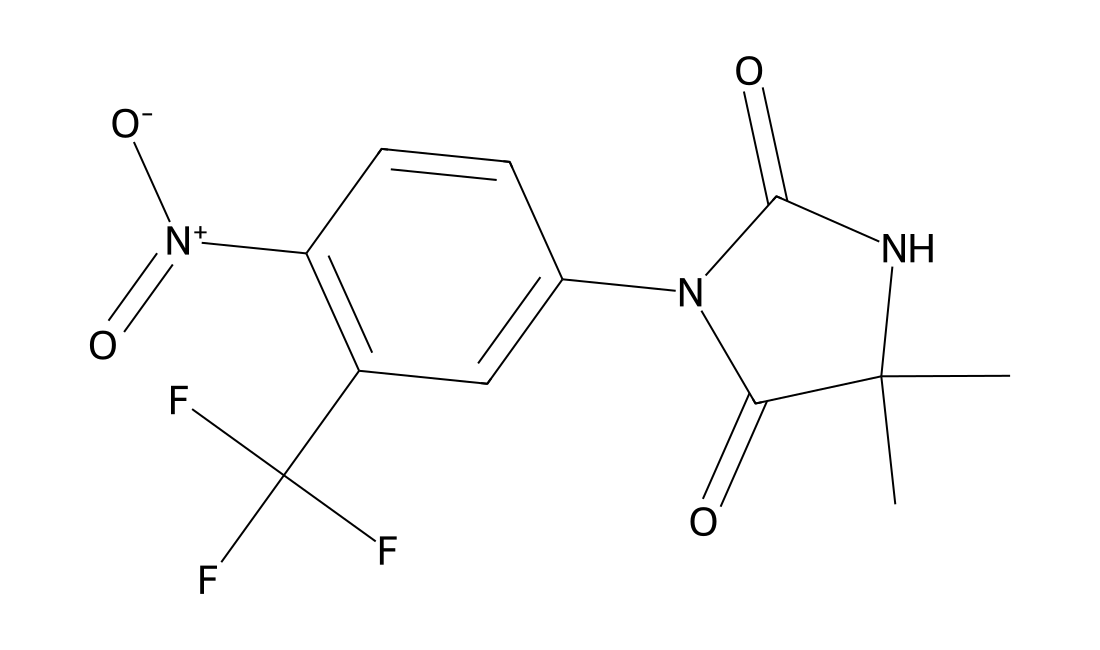
Nilutamide
CAS 63612-50-0
Nilutamide is an antiandrogen medication used in the treatment of advanced stage prostate cancer. Nilutamide blocks the androgen receptor, preventing its interaction with testosterone. Because most prostate cancer cells rely on the stimulation of the androgen receptor For growth and survival, nilutamide can prolong life in men with prostate cancer. Nilutamide is marketed under the name Nilandron in the United States and under the name Anandron in Canada. NILANDRON® tablets contain nilutamide, a nonsteroidal, orally active antiandrogen having the chemical name 5,5-dimethyl-3-[4-nitro-3-(trifluoromethyl)phenyl]-2,4-imidazolidinedione. Nilutamide is a microcrystalline, white to practically white powder with a molecular weight of 317.25. Its molecular Formula is C12H10F3N3O4. It is freely soluble in ethyl acetate, acetone, chloro Form, ethyl alcohol, dichloromethane, and methanol. It is slightly soluble in water [ < 0.1% W/V at 25°C (77°F)]. It melts between 153°C and 156°C (307.4°F and 312.8°F). Each NILANDRON tablet contains 150 mg of nilutamide. Other ingredients in NILANDRON tablets are corn starch, lactose, povidone, docusate sodium, magnesium stearate, and talc. For the detailed information about the solubility of Nilutamide in water, the solubility of Nilutamide in DMSO, the solubility of Nilutamide in PBS buffer, the animal experiment(test) of Nilutamide, the in vivo,in vitro and clinical trial test of Nilutamide, the cell experiment(test) of Nilutamide, the IC50, EC50 and Affinity of Nilutamide , please contact DC Chemicals.
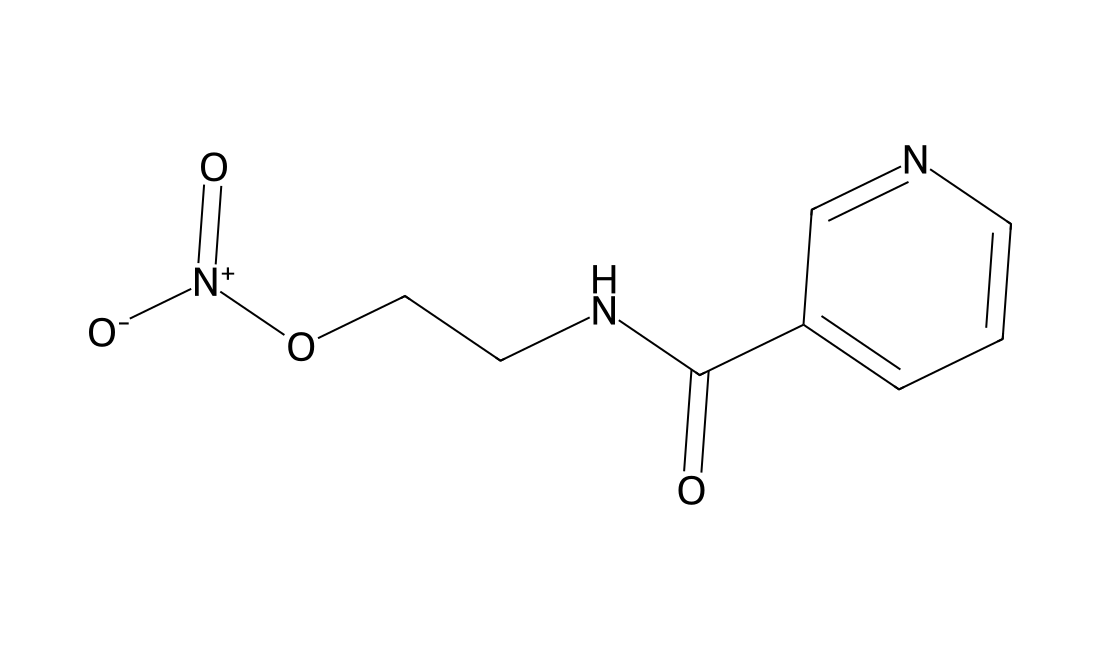
Nicorandil
CAS 65141-46-0
Nicorandil is potassium channel activator.Nicorandil is a vasodilatory drug used to treat angina. Nicorandil stimulates guanylate cyclase to increase formation of cyclic GMP (cGMP). cGMP activates protein kinase G (PKG) which phosphorylates and inhibits GTPase RhoA and decreases Rho-kinase activity. Reduced Rho-kinase activity permits an increase in myosin phosphatase activity, decreasing the calcium sensitivity of the smooth muscle. PKG also activates the sarcolemma calcium pump to remove activating calcium. PKG acts on K+ channels to promote K+ efflux and the ensuing hyperpolarization inhibits voltage-gated calcium channels. Overall, this leads to relaxation of the smooth muscle and coronary vasodilation.
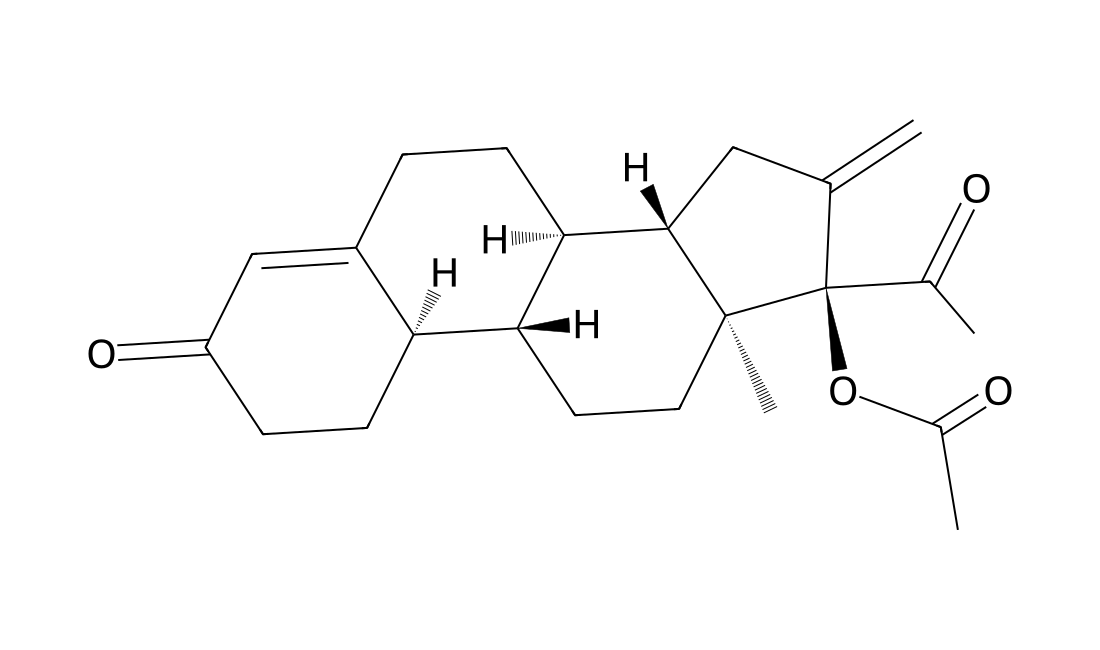
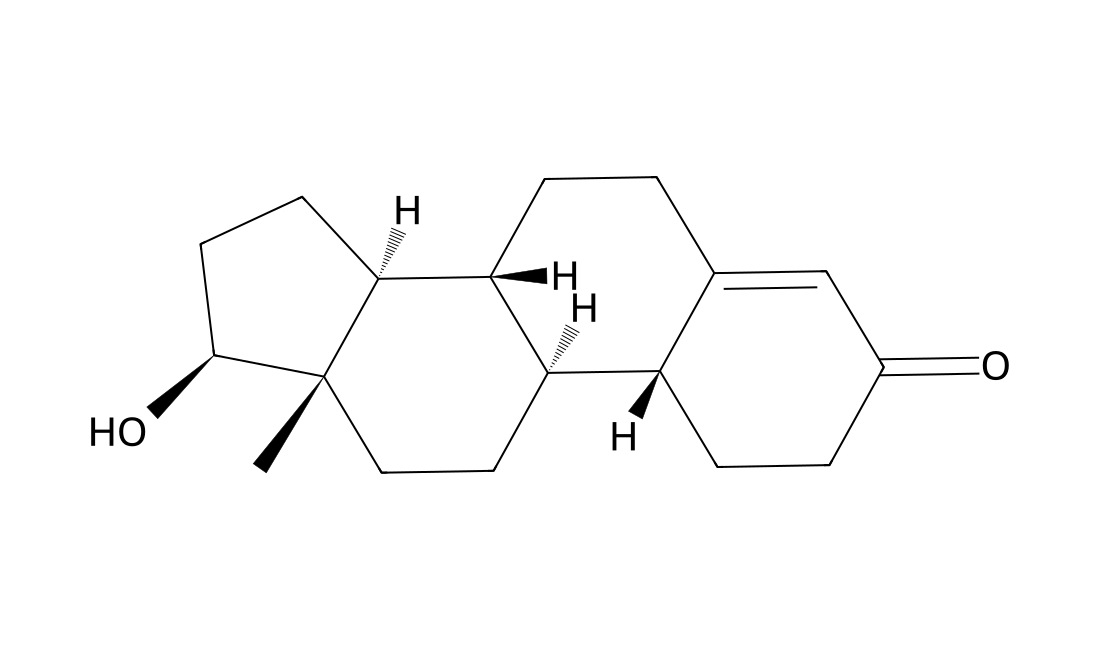
Nestorone
CAS 7759-35-5
Nestoron2 (ST1435, Elcometrine) is a 19-norprogesterone derivative and steroidal progestin which is used as a hormonal contraceptive, a high-affinity agonist of the progesterone receptor.Other IndicationDiscontinued
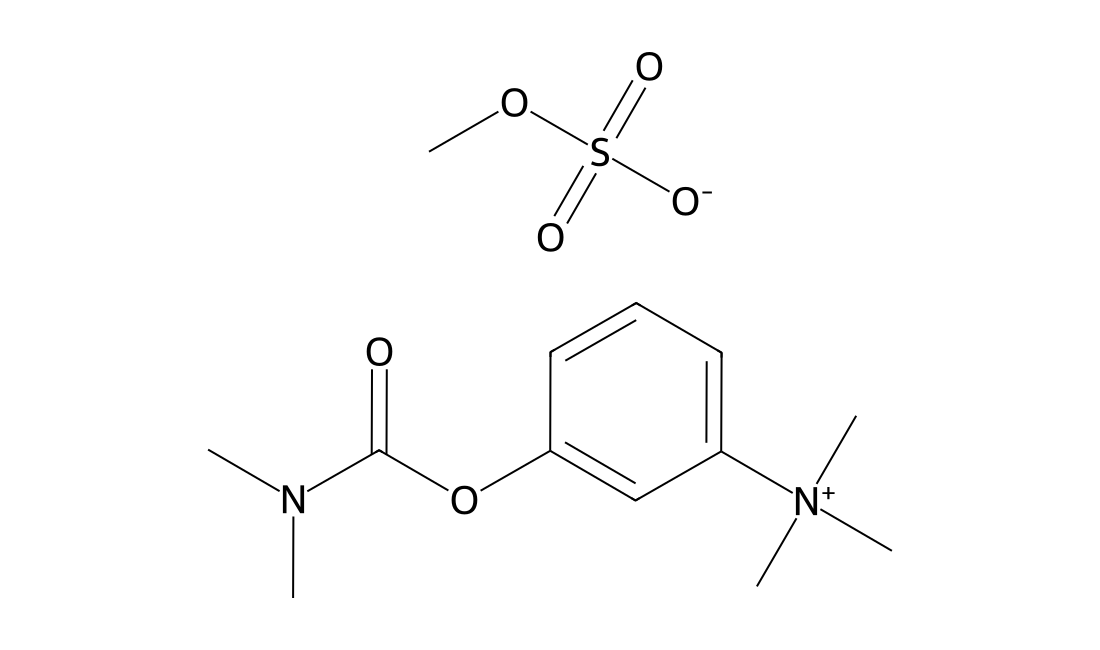
Neostigmine Methylsulfate
CAS 51-60-5
Neostigmine Methyl Sulfate is a reversible acetylcholinesterase inhibitor. This compound blocks the breakdown of acetylcholine in the synaptic space, leading to prolonged signaling and thus increased muscle contractions.
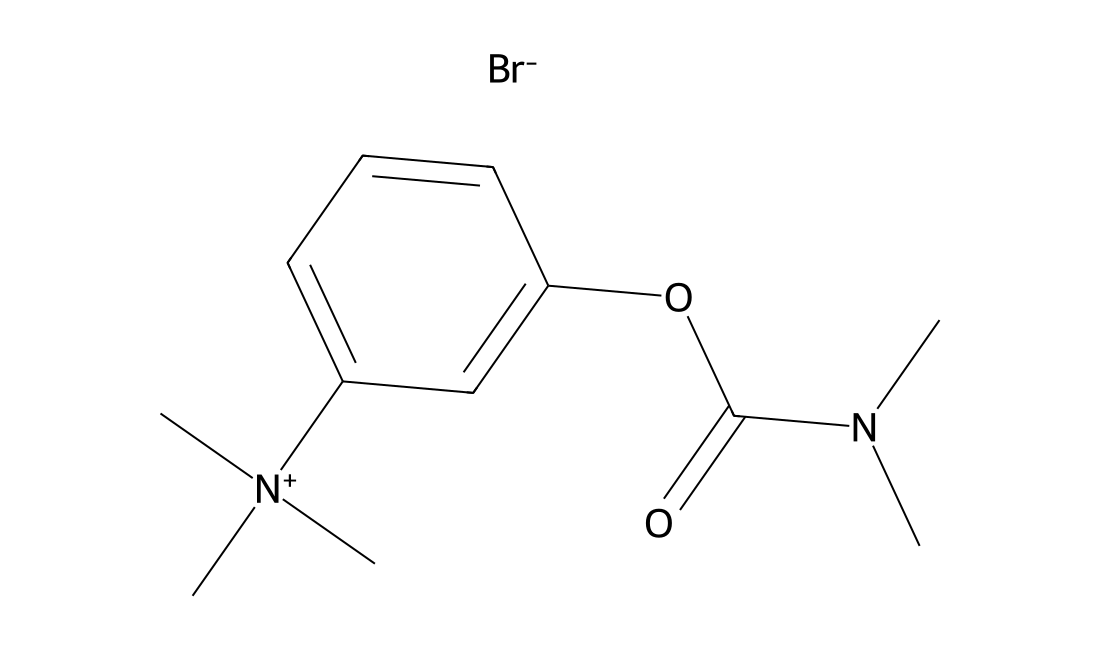
Neostigmine bromide
CAS 114-80-7
Neostigmine Bromide is a cholinesterase inhibitor used in the treatment of myasthenia gravis.Neostigmine is a parasympathomimetic that acts as a reversible acetylcholinesterase inhibitor. Neostigmine enhances excitatory parasympathetic activity by competing with acetylcholine for attachment to acetylcholinesterase at sites of cholinergic transmission and enhancing cholinergic action. Neostigmine is a safe and effective treatment for acute colonic pseudo-obstruction.
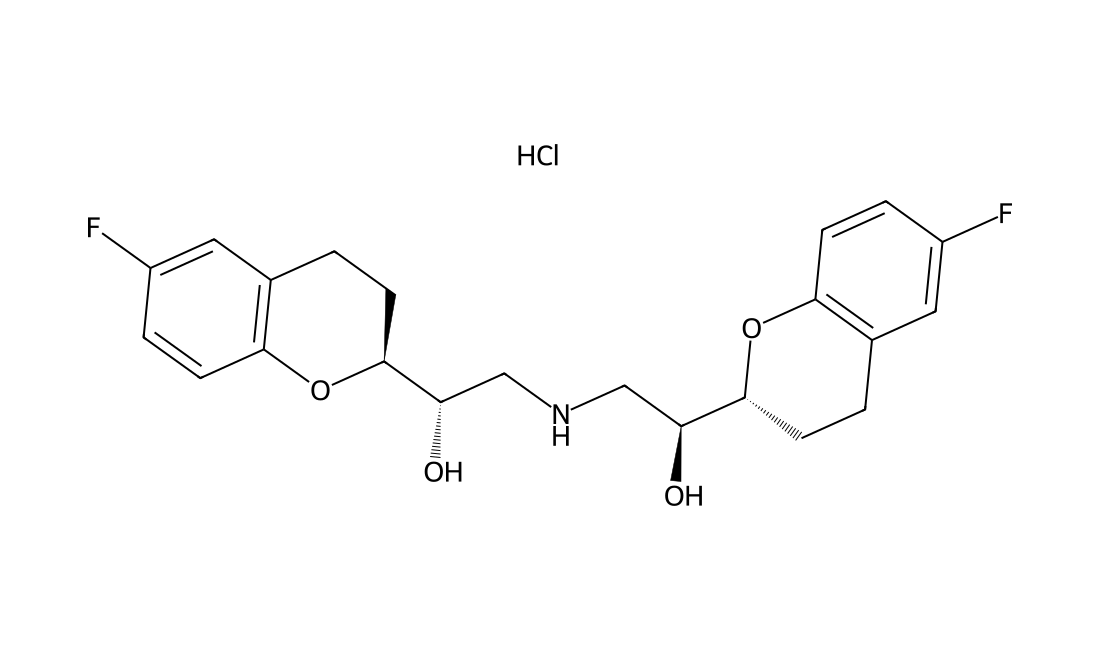
Nebivolol hydrochloride
CAS 152520-56-4
Nebivolol hydrochloride is the hydrochloride salt preparation of Nebivolol (sc-279910), a highly selective antagonist of the β1-adrenoceptor (Ki = 0.88 nM, β2-adrenoceptor Ki = 48 nM). Nebivolol is described to produce vasodilation through inducing vascular production of NO, mediated through Nebivolol agonism of the β3-adrenoceptor. Nebivolol demonstrates some affinity at the α1-adrenergic (Ki = 1160 nM), serotonin 5-HT1A (Ki = 20 nM) and 5-HT2 (Ki = 700 nM), dopamine D2 (Ki = 4000 nM), and histamine H1 (Ki = 2400 nM) receptors.For the detailed information of Nebivolol hydrochloride, the solubility of Nebivolol hydrochloride in water, the solubility of Nebivolol hydrochloride in DMSO, the solubility of Nebivolol hydrochloride in PBS buffer, the animal experiment (test) of Nebivolol hydrochloride, the cell expriment (test) of Nebivolol hydrochloride, the in vivo, in vitro and clinical trial test of Nebivolol hydrochloride, the EC50, IC50,and Affinity of Nebivolol hydrochloride, Please contact DC Chemicals.
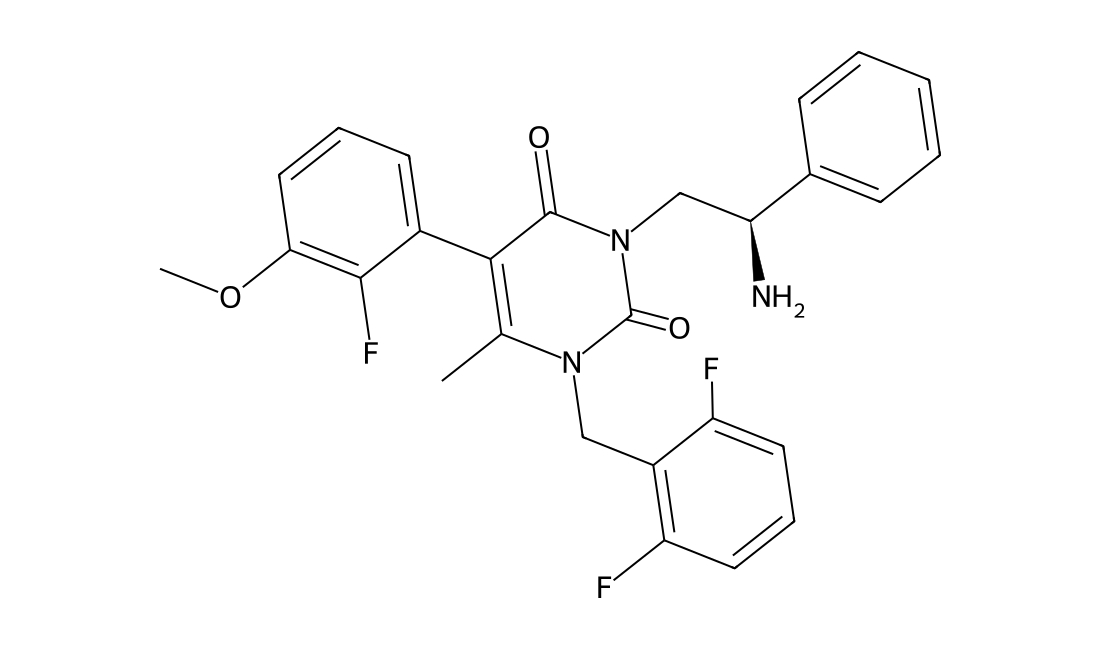
NBI42902
CAS 352290-60-9
NBI-42902 is a potent inhibitor of peptide radioligand binding to the human GnRH receptor (K(i) = 0.56 nm). Tritiated NBI-42902 binds with high affinity (K(d) = 0.19 nm) to a single class of binding sites and can be displaced by a range of peptide and nonpeptide GnRH receptor ligands. In vitro experiments demonstrate that NBI-42902 is a potent functional, competitive antagonist of GnRH stimulated IP accumulation, Ca(2+) flux, and ERK1/2 activation. It did not stimulate histamine release from rat peritoneal mast cells. Finally, it is effective in lowering serum LH in castrated male macaques after oral administration. Overall, these data provide a benchmark of pharmacological characteristics required For a nonpeptide GnRH antagonist to effectively suppress gonadotropins in humans and suggest that NBI-42902 may have clinical utility as an oral agent For suppression of the hypothalamic-pituitary-gonadal axis.For the detailed information of NBI42902, the solubility of NBI42902 in water, the solubility of NBI42902 in DMSO, the solubility of NBI42902 in PBS buffer, the animal experiment (test) of NBI42902, the cell expriment (test) of NBI42902, the in vivo, in vitro and clinical trial test of NBI42902, the EC50, IC50,and Affinity of NBI42902, Please contact DC Chemicals.
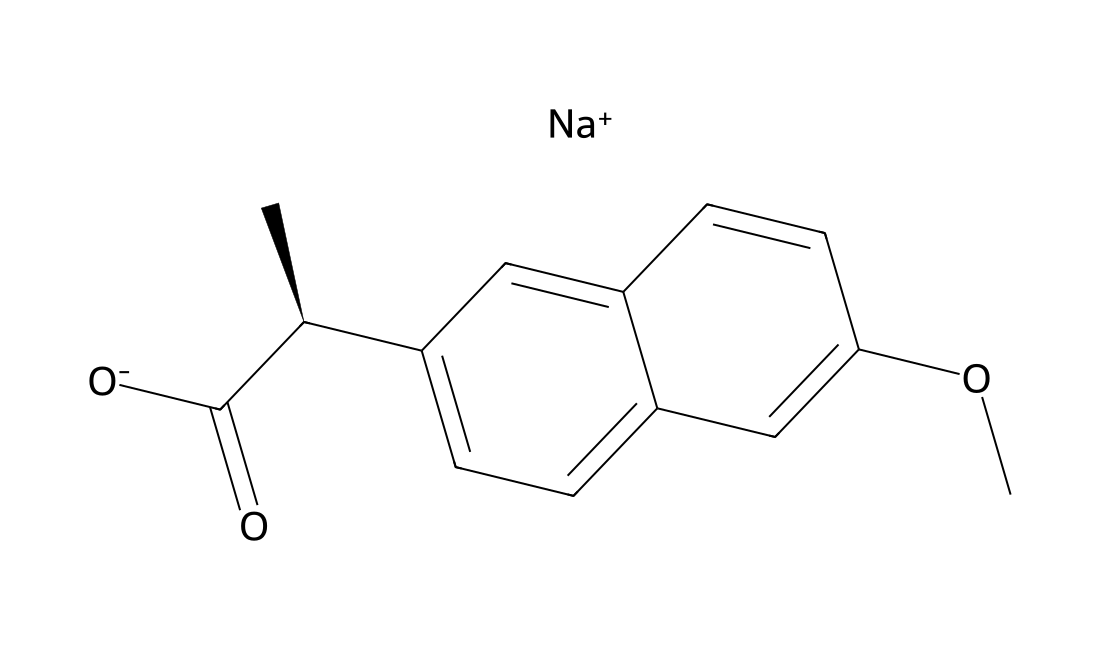
Naproxen sodium
CAS 26159-34-2
Naproxen is a COX inhibitor for COX-1 and COX-2 with IC50 of 8.7 μM and 5.2 μM, respectively.Naproxen is approximately equipotent inhibitor of COX-1 and COX-2 in intact cells with IC50 of 2.2 μg/mL and 1.3 μg/mL, respectively. Naproxen decreases the in vitro LPS-induced PGE2 and TXB2 production in rats and humans with IC50 of 30.7 μM and 79.5 μM for PGE2 inhibition, 72.4 μM and 48.3 μM for TXB2 inhibition, respectively. Naproxen produces concentration-related inhibition of TXB2 production from human platelets and LPS-induced TXB2 production from human mononuclear cells with plC50 values (-log concentration inhibiting TXB2 by 50%) of 5.7 and 6.4, respectively, and exhibits slightly inhibitory selectivity for constitutive and induced COX-2 with IC50 COX-1/IC50 COX-2 of 6.3. Naproxen displays IC50 of 27 μM for analgesia in a rat model with carrageenan-induced arthritis and IC50 of 40 μM for antipyretics in a yeast-induced fever rat model, while exhibits inhibition of PGE2 with IC50 of 13 μM and TXB2 with IC50 of 5 μM.
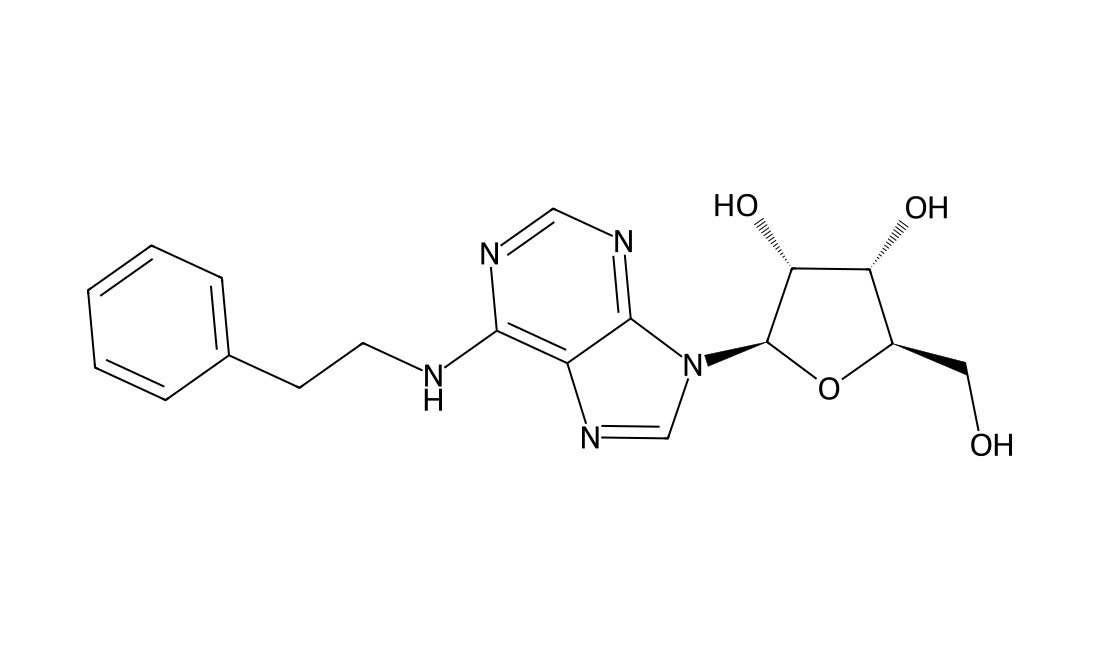
N6-(2-Phenylethyl)adenosine
CAS 20125-39-7
N6-(2-Phenylethyl)adenosine is a selective A1 adenosine receptor agonist.
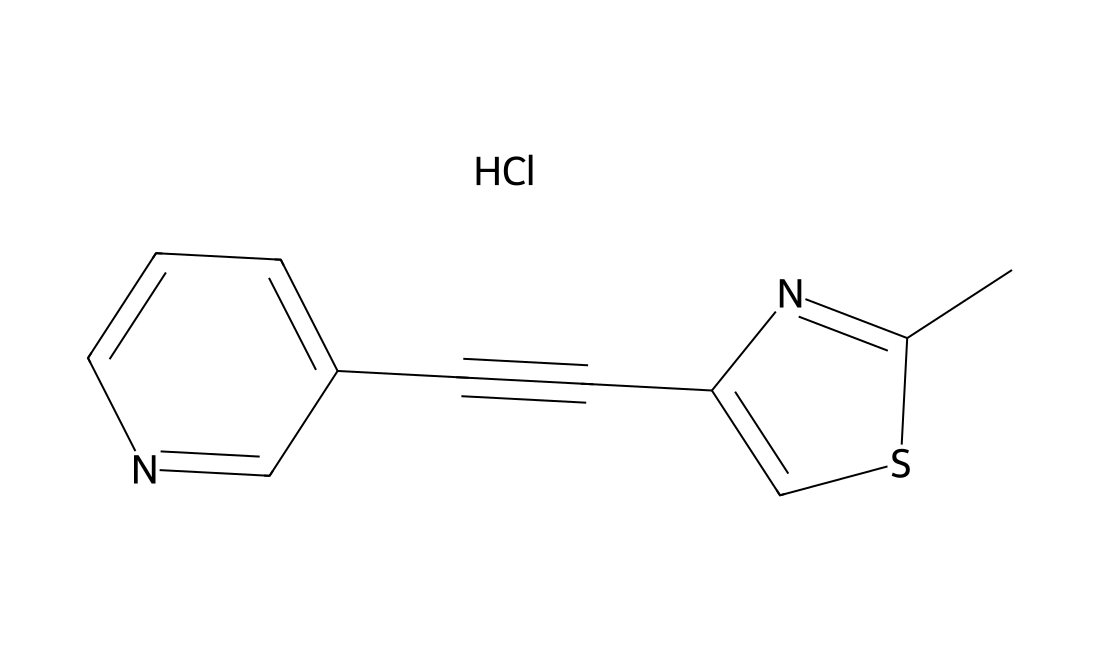
MTEP (hydrochloride)
CAS 1186195-60-7
MTEP Hcl is a potent, selective and non-competitive mGlu5 antagonist with IC50 and Ki of 5 nM and 16 nM, respectively. MTEP occupied mGlu5 receptors in a dose-dependent manner with essentially full receptor occupancy at the highest dose tested (10 mg/kg, i.p.). At doses appropriate for mGlu5 receptor-mediated effects, MTEP significantly reduced fear-potentiated startle and increased punished responding in a modified Geller-Seifter conflict model consistent with an anxiolytic-like profile. MTEP decreased unpunished responding to a lesser extent than diazepam and had no effect on rotarod performance when administered either alone or in combination with ethanol. Repeated dosing with MTEP in this model eliminated the increase in punished responding observed with acute dosing.
MPC-3100
CAS 958025-66-6
MPC-3100 is a fully synthetic potent small-molecule Hsp90 inhibitor (IC50 of 60 nM). MPC-3100 causes HCT-116, NCI-N87 and DU-145 cells to result in a time-dependent reduction in client protein levels with maximal reduction by 24 hours. The IC50 values For client protein reduction ranges from 0.1 mM to 0.5 mM, comparable to the cellular cytotoxicity values of MPC-3100 at 72 hours For the various cell lines.For the detailed information of MPC-3100, the solubility of MPC-3100 in water, the solubility of MPC-3100 in DMSO, the solubility of MPC-3100 in PBS buffer, the animal experiment (test) of MPC-3100, the cell expriment (test) of MPC-3100, the in vivo, in vitro and clinical trial test of MPC-3100, the EC50, IC50,and Affinity of MPC-3100, Please contact DC Chemicals.
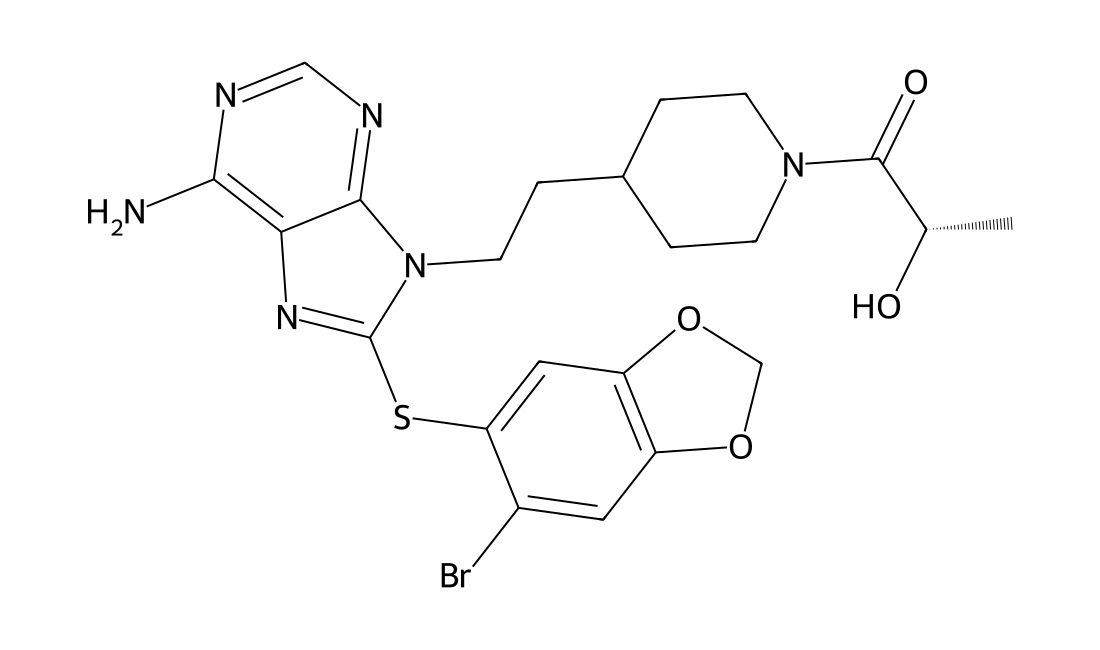
Molsidomine
CAS 25717-80-0
Molsidomine is an orally active, long acting vasodilating drug, metabolized in the liver to the active metabolite linsidomine, which is an unstable compound that releases nitric oxide (NO) upon decay as the actual vasodilating compound.
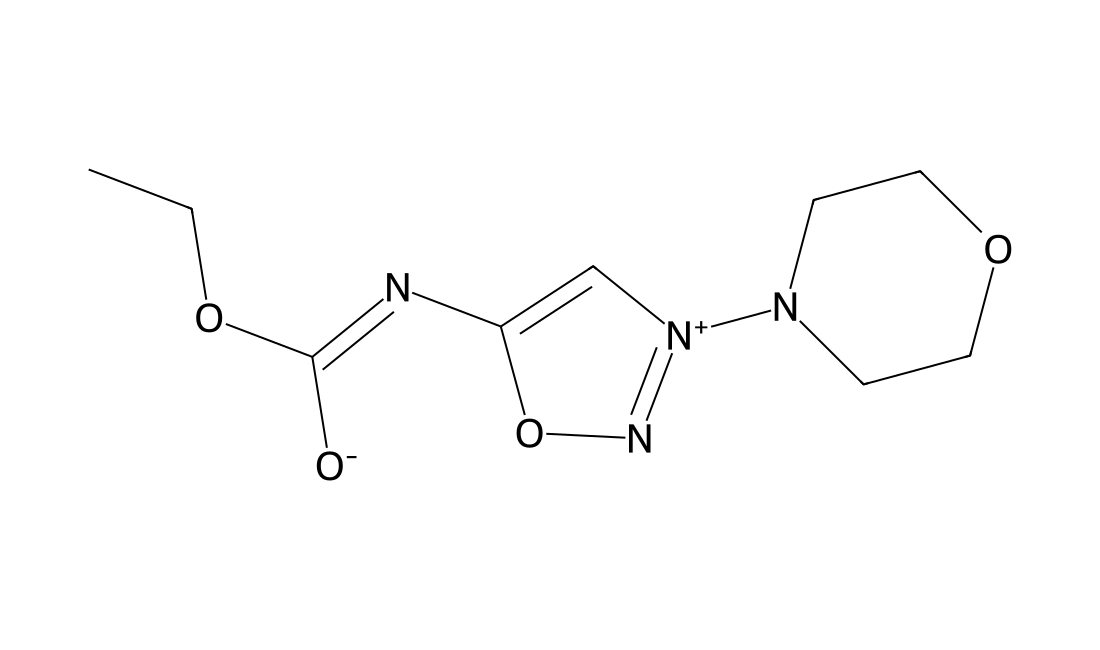
MMP-2/MMP-9 Inhibitor III
CAS 244082-19-7
MMP-2/MMP-9 inhibitor III is a cyclic peptide inhibitor of matrix metalloproteinase-2 (MMP-2) and MMP-9 (IC50s = 10-20 μM for both).It is selective for MMP-2 and MMP-9 over MT1-MMP, MMP-8, and MMP-13 as well as the serine proteases trypsin-2, neutrophil elastase, and cathepsin G when used at a concentration of 500 μM. MMP-2/MMP-9 inhibitor III reduces migration of HT1080 fibrosarcoma, C8161 melanoma, SK-OV-3 ovarian carcinoma, and KS1767 Kaposi's sarcoma cells in vitro. Pretreatment with MMP-2/MMP-9 inhibitor III delays tumor formation in an MDA-MB-435 mouse xenograft model. MMP-2/MMP-9 inhibitor III (100-200 μg per animal) also prevents growth of established tumors in MDA-MB-435 and KS1767 mouse xenograft models.
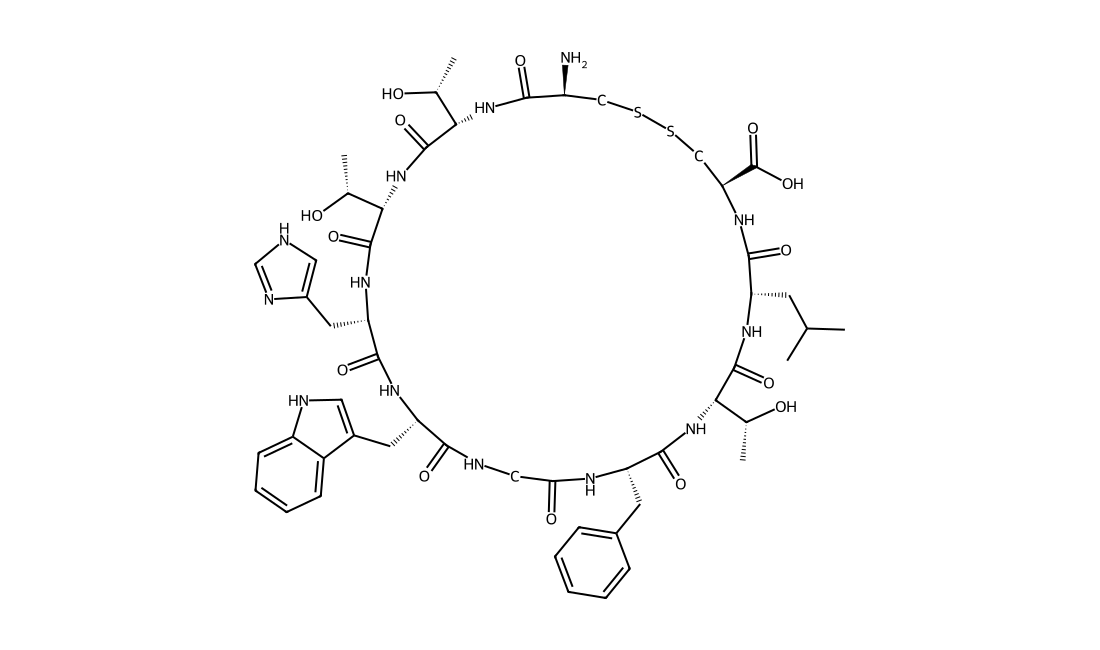
MMP-2/MMP-9 Inhibitor II
CAS 193807-60-2
MMP-2/MMP-9 inhibitor II is a dual inhibitor of matrix metalloproteinase-2 (MMP-2) and MMP-9 (IC50s = 17 and 30 nM, respectively).In mice, it suppresses lung colonization of Lewis lung carcinoma cells and inhibits tumor-induced angiogenesis, tumor growth, and liver metastasis.
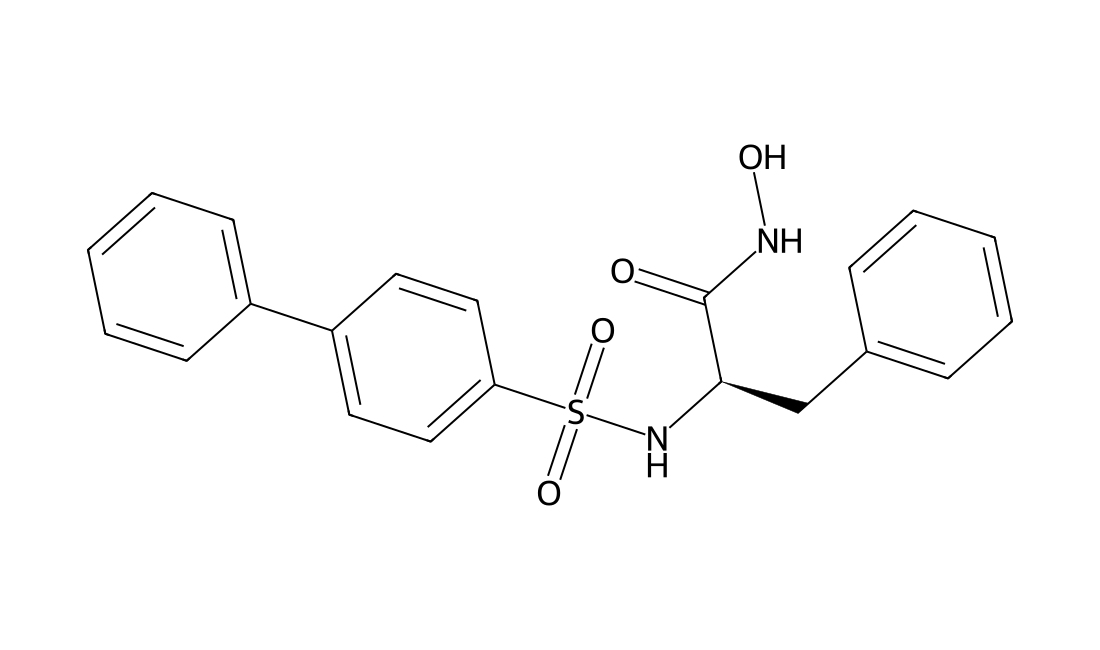
MK591
CAS 147030-01-1
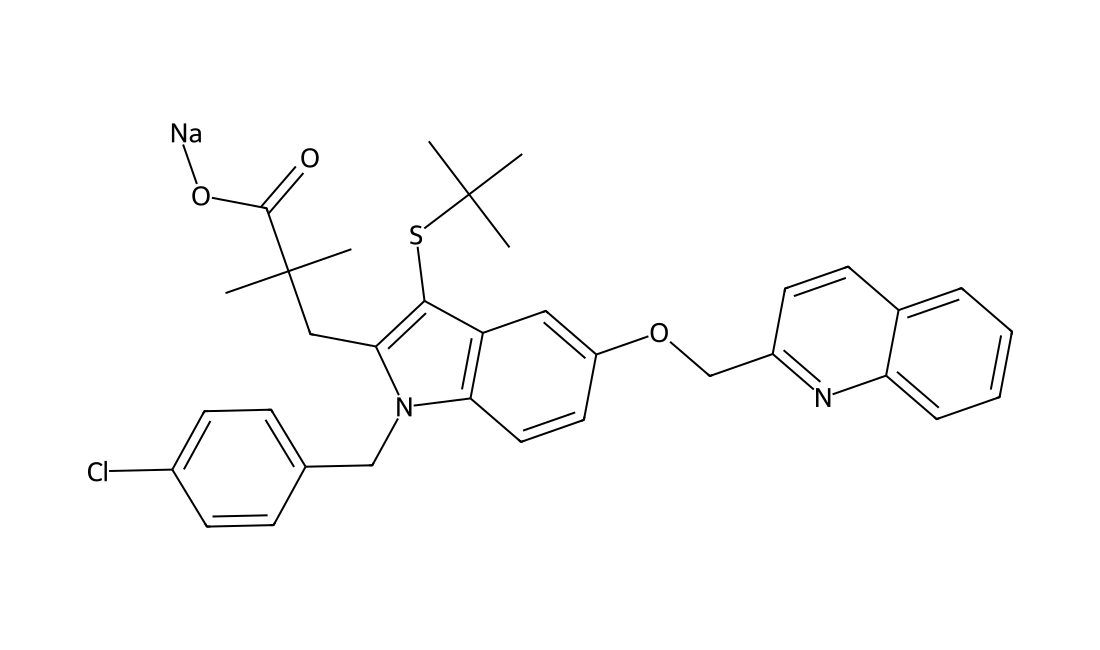
MK591(Quiflapon sodium) is a selective and specific 5-Lipoxygenase-activating protein (FLAP) inhibitor. MK591 is a synthetic compound which specifically inhibits the activity of 5-Lox and is currently under development for the treatment of asthma. Research of involvement of 5-lipoxygenase activating protein in the amyloidotic phenotype of an Alzheimer's disease mouse model showed that a novel functional role for 5-lipoxygenase activating protein in the pathogenesis of Alzheimer's disease-like amyloidosis, and suggest that its pharmacological inhibition could provide a novel therapeutic opportunity for Alzheimer's disease. Another research showed 5-Lipoxygenase-activating protein (FLAP) inhibitor MK-0591 prevents aberrant alveolarization in newborn mice exposed to 85% oxygen in a dose- and time-dependent manner.
MK-0974
CAS 781649-09-0
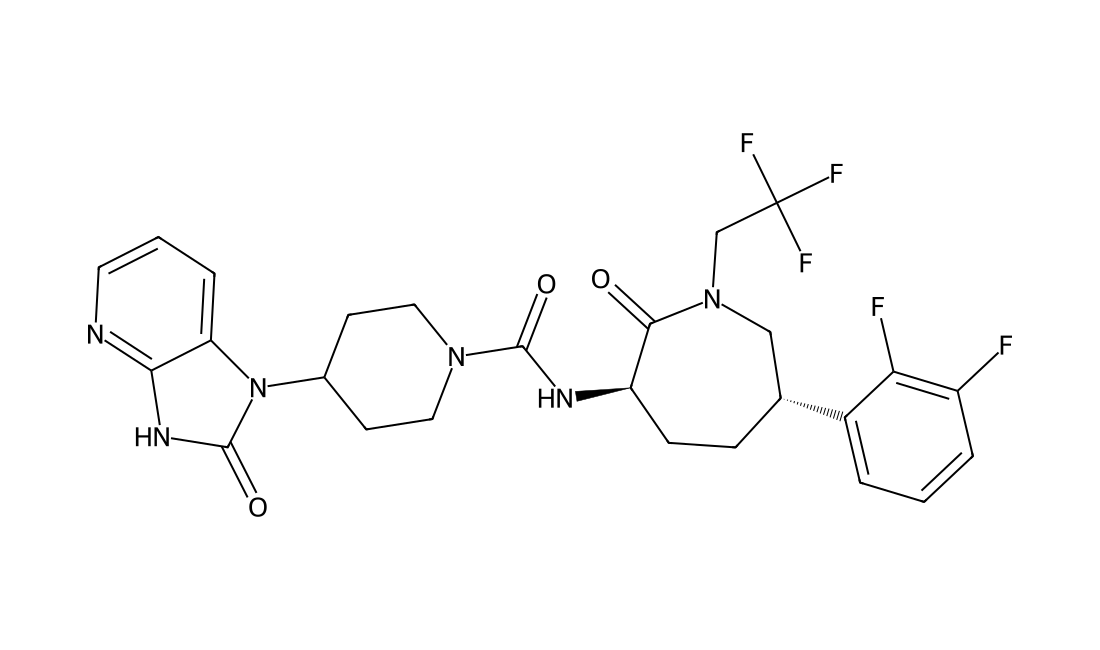
MK-0974(Telcagepant) is a highly potent, selective, and orally bioavailable CGRP receptor antagonist with Ki values of 0.77 nM and 1.2 nM for human and rhesus CGRP receptors respectively; displays >1500-fold lower affinity for the canine and rat receptors. in vitro: MK-0974 is a potent antagonist of the human (K(i) = 0.77 nM) and rhesus (K(i) = 1.2 nM) CGRP receptors but displays >1500-fold lower affinity for the canine and rat receptors as determined via (125)I-human CGRP competition binding assays. [(3)H]MK-0974 displayed reversible and saturable binding to both SK-N-MC membranes and rhesus cerebellum with a K(D) of 1.9 nM and 1.3 nM, respectively. in vivo: In monkeys, MK-0974 displayed moderate clearance (14-20 ml min(-1) kg(-1)), while oral bioavailability was 6%. The pharmacokinetics of MK-0974 remained linear across 0.5-10 mg kg(-1) intravenous dose in monkeys, but the oral area under the plasma concentration-time curve (AUC) increase (5-30 mg kg(-1)) was 15-fold over dose-proportional.
Minoxidil
CAS 38304-91-5
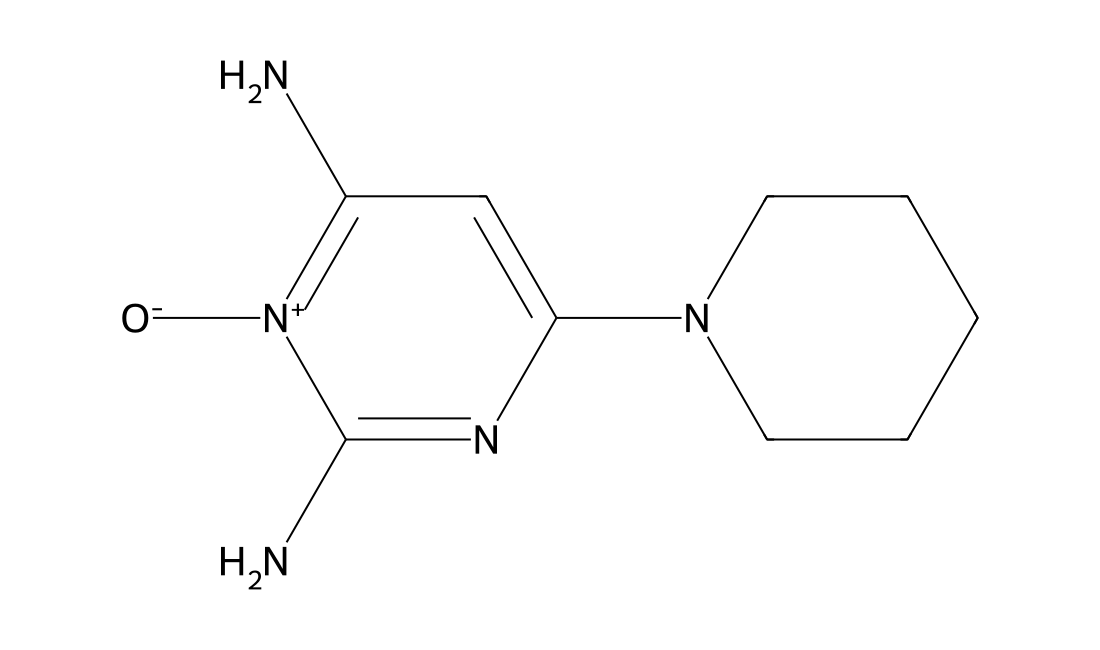
Minoxidil(U 10858) is an antihypertensive vasodilator medication.Minoxidil, a potent antihypertensive agent, induces generalized hypertrichosis when administered systemically, or localized hair regrowth when applied topically to sites of severe alopecia areata. The pharmacologic mechanisms by which minoxidil stimulates hair growth are unknown. This study was designed to examine whether minoxidil has direct effects on neonatal murine epidermal cells in culture. In the presence of minoxidil, cultures showed a marked dose-dependent second peak of DNA synthesis 8-10 days after culture initiation. In addition, two morphologically distinct cell types appeared. Indirect immunofluorescence staining with keratin-specific antibody revealed cytoplasmic keratin fibers, suggesting the epidermal origin of these cells. Our experiments demonstrate that minoxidil can affect epidermal cells in culture by altering their growth pattern and phenotypic appearance. Finite doses of minoxidil (2%, w/v) in formulations containing varying amounts of ethanol, propylene glycol (PG), and water (60:20:20, 80:20:0, and 0:80:20 by volume, respectively) were used. Minoxidil in SC (by tape stripping), appendages (by cyanoacrylate casting), and receptor fluid was determined by liquid scintillation counting. At early times (30 min, 2 h), ethanol-containing formulations (60:20:20 and 80:20:0) caused significantly greater minoxidil retention in SC and appendages, compared to the formulation lacking ethanol (0:80:20). A significant increase in minoxidil receptor penetration occurred with the PG-rich 0:80:20 formulation after 12 h.
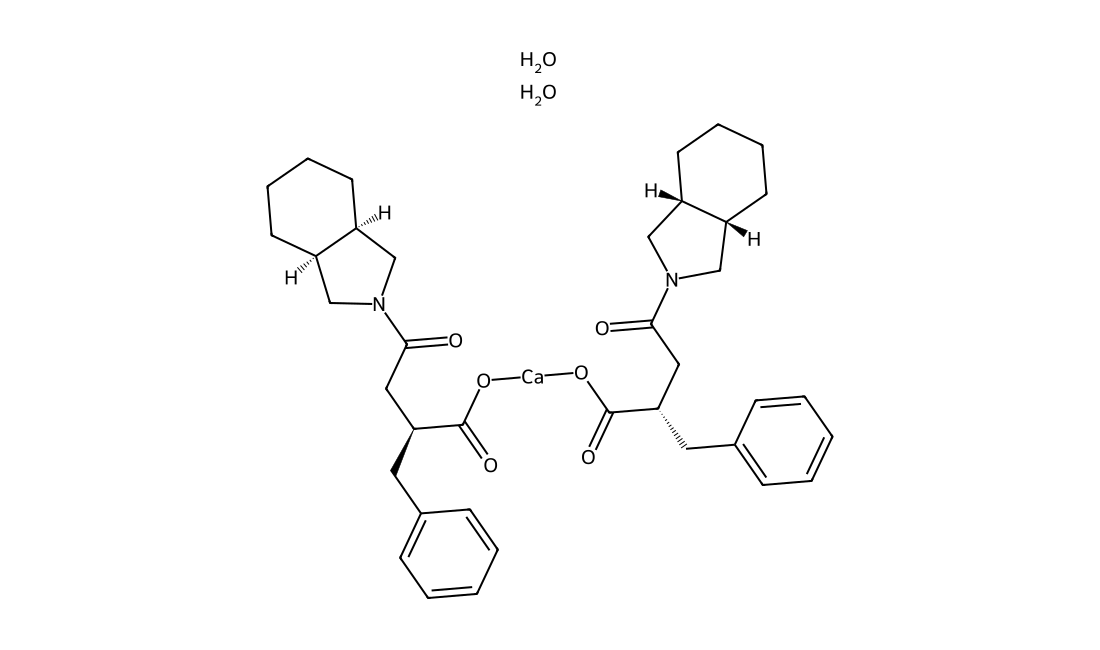
Mitiglinide calcium hydrate
CAS 207844-01-7
Mitiglinide calcium hydrate is a drug for the treatment of type 2 diabetes; it is a highly selective KATP channel antagonist. IC50 value:Target: KATP channel
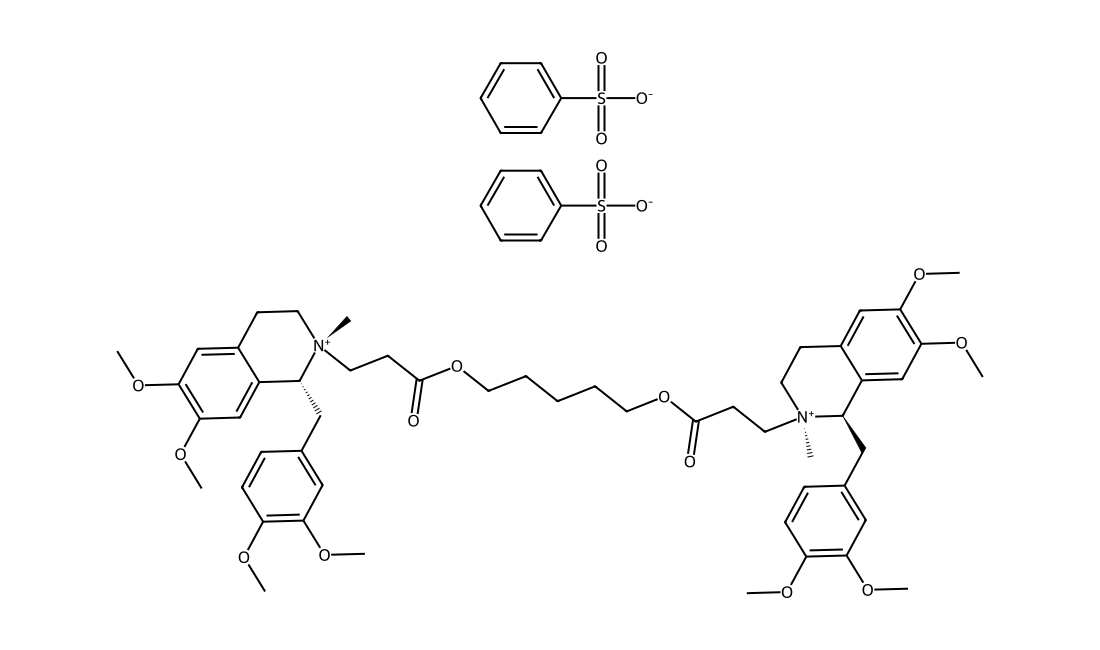
Cisatracurium (besylate)
CAS 96946-42-8
Cisatracurium Besylate is a nondepolarizing neuromuscular blocking agent, antagonizing the action of acetylcholine by inhibiting neuromuscular transmission. Cisatracurium is a neuromuscular-blocking drug or skeletal muscle relaxant in the category of non-depolarizing neuromuscular-blocking drugs, used adjunctively in anesthesia to facilitate endotracheal intubation and to provide skeletal muscle relaxation during surgery or mechanical ventilation. It is a bisbenzyltetrahydroisoquinolinium agent with an intermediate duration of action. Cisatracurium is one of the ten isomers of the parent molecule, atracurium. Moreover, cisatracurium represents approximately 15% of the atracurium mixture.
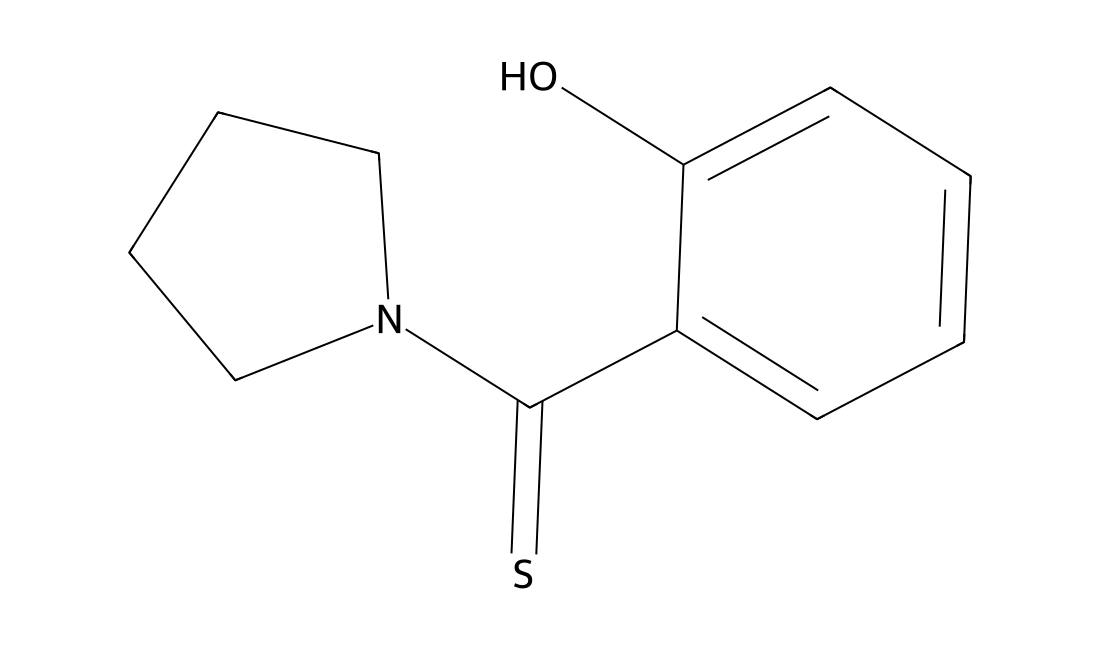
K-Ras-IN-1
CAS 84783-01-7
K-Ras-IN-1 is a K-Ras inhibitor, by binding to K-Ras in a hydrophobic pocket that is occupied by Tyr-71 in the apo-Ras crystal structure.(the detailed information refer to the reference)
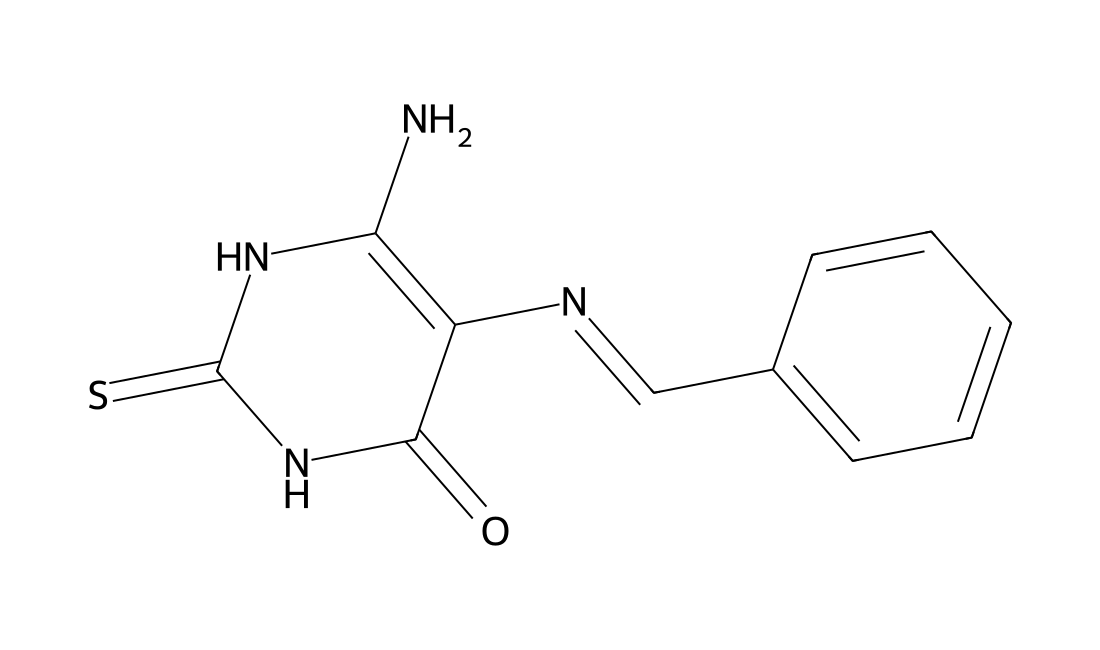
L-189
CAS 64232-83-3
L189 is a novel human DNA ligase inhibitor, inhibits hLigI/III/IV with IC50 of 5/9/5 μM.IC50 value: 5/9/5 μM (for hLigI/III/IV)Target: DNA ligasein vitro: L189 is a competitive inhibitor with respect to nicked DNA. L189 inhibits DNA ligases I, III and IV in DNA joining assays with purified proteins and in cell extract assays of DNA replication, base excision repair and non-homologous end joinging. L189 markedly increases killing of HCT116 colon cancer cells and the other cancer cell lines by ionizing radiation.
Lesinurad sodium
CAS 1151516-14-1
Lesinurad sodium is a URAT1 and OAT inhibitor, is determined to be a substrate for the kidney transporters OAT1 and OAT3 with Km values of 0.85 and 2 µM, respectively.
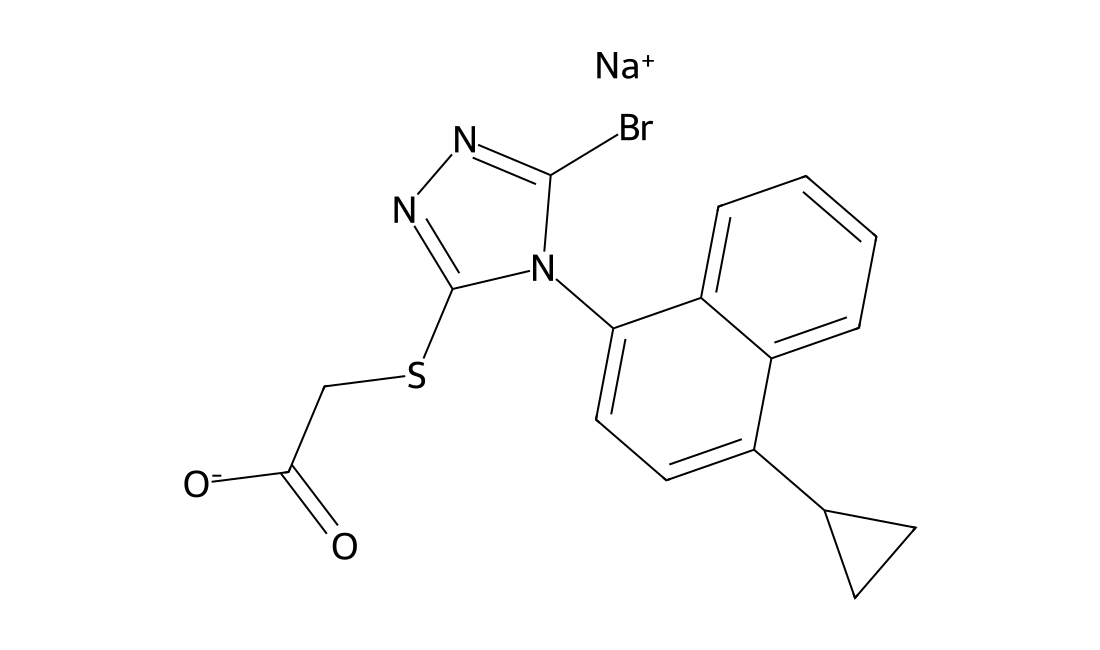
YM-1
CAS 409086-68-6
YM-1 is a close derivative of MTK-077 that allosterically promotes Hsp70 binding to unfolded substrates, specificly binds to Hsp70 with Kd of 4.9 uM; enhances client protein ubiquitination and polyQ AR degradation; alleviates toxicity in a Drosophila model of spinobulbar muscular atrophy (SBMA); also disrupts the Hsp70-Bag3 interaction with IC50 of 5 uM.
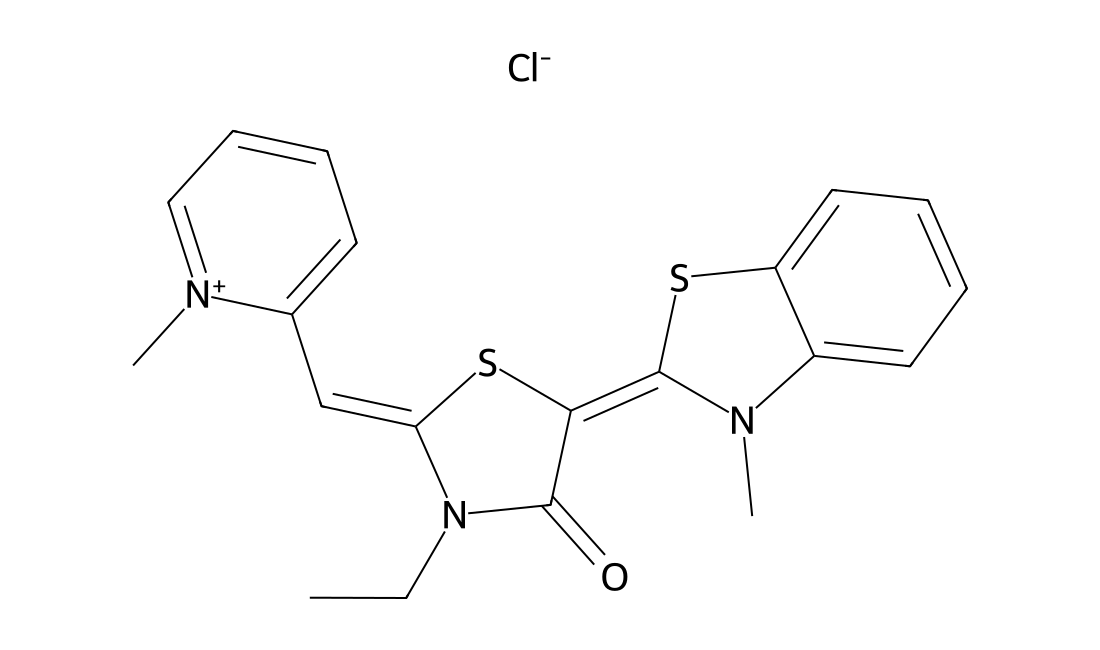
2-Di-1-ASP
CAS 2156-29-8
2-Di-1-ASP (Compound 18a) is a mono-stryryl dye, and widely used as mitochondrial stain and groove-binding fluorescent probes for double-stranded DNA. 2-Di-1-ASP is selective for G-quadruplex (G4) and double-stranded DNA[1].
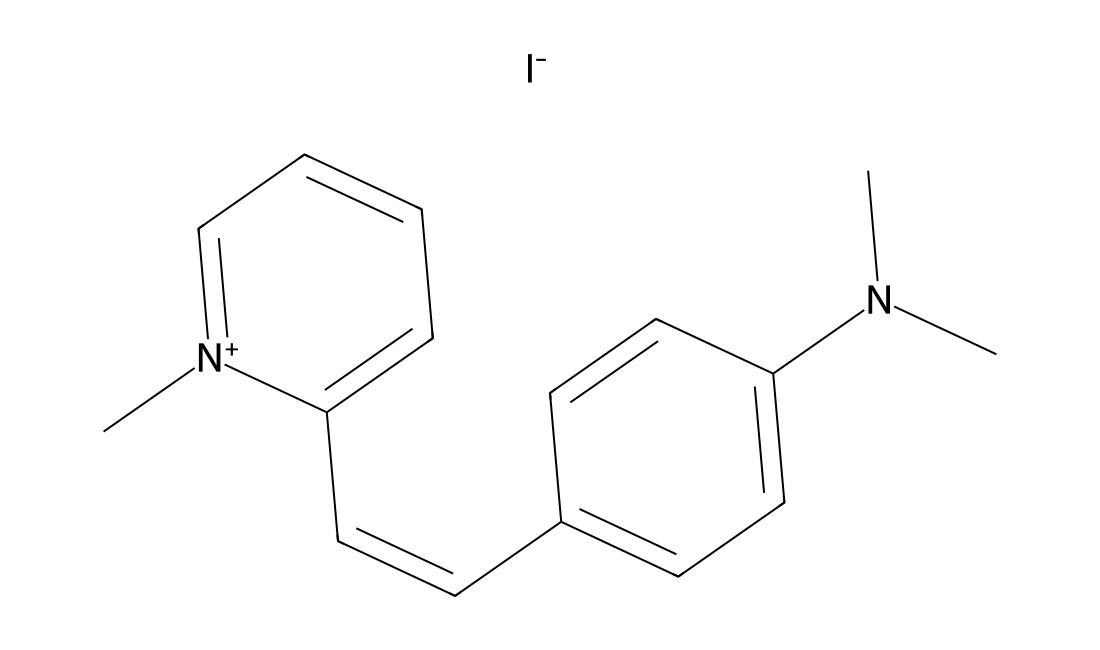
LY2940094
CAS 1307245-86-8
LY2940094 is a potent, selective and orally available nociceptin receptor (NOP) antagonist with an Ki of 0.105 nM.
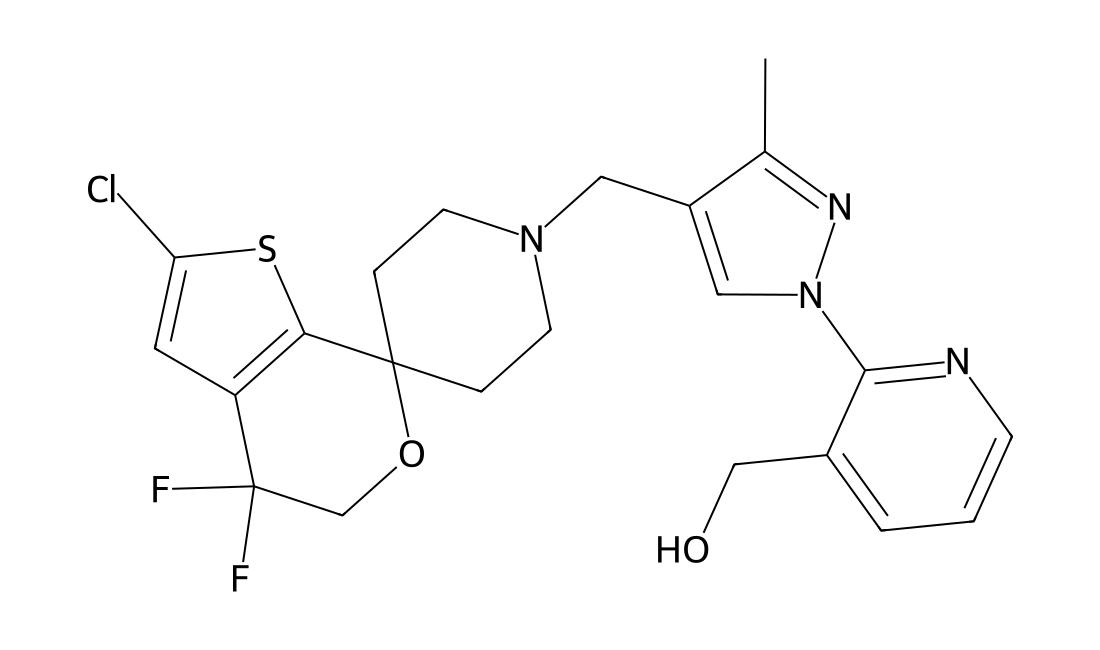
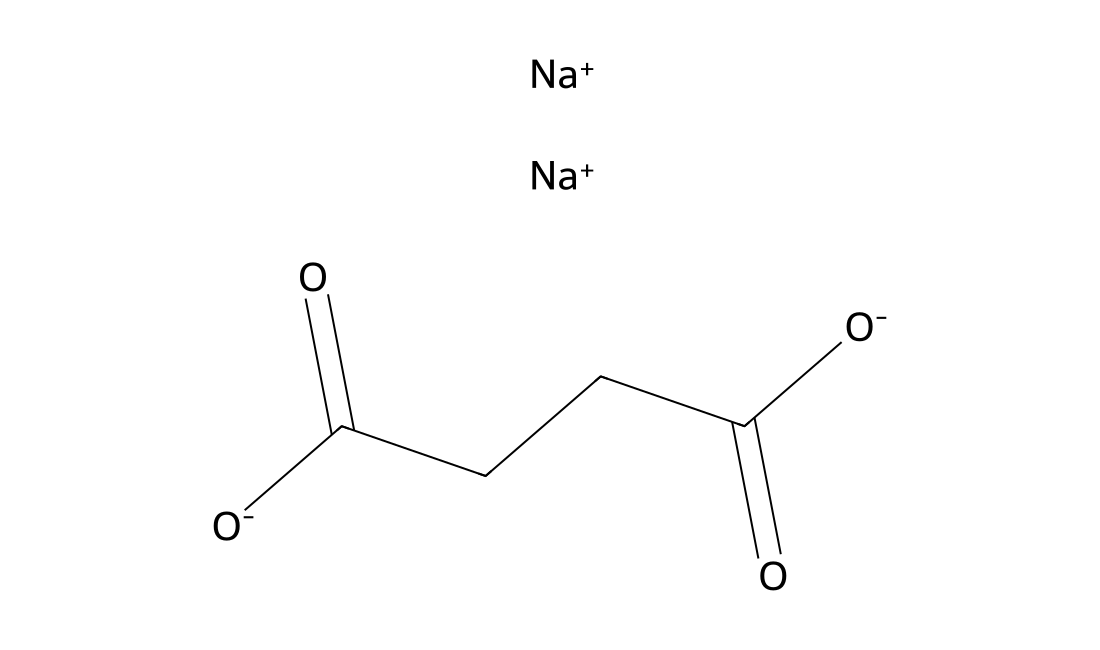
Disodium succinate
CAS 150-90-3
Disodium succinate is the disodium salt of Succinic acid. Succinic acid is an intermediate product of the tricarboxylic acid cycle, as well as one of fermentation products of anaerobic metabolism[1].
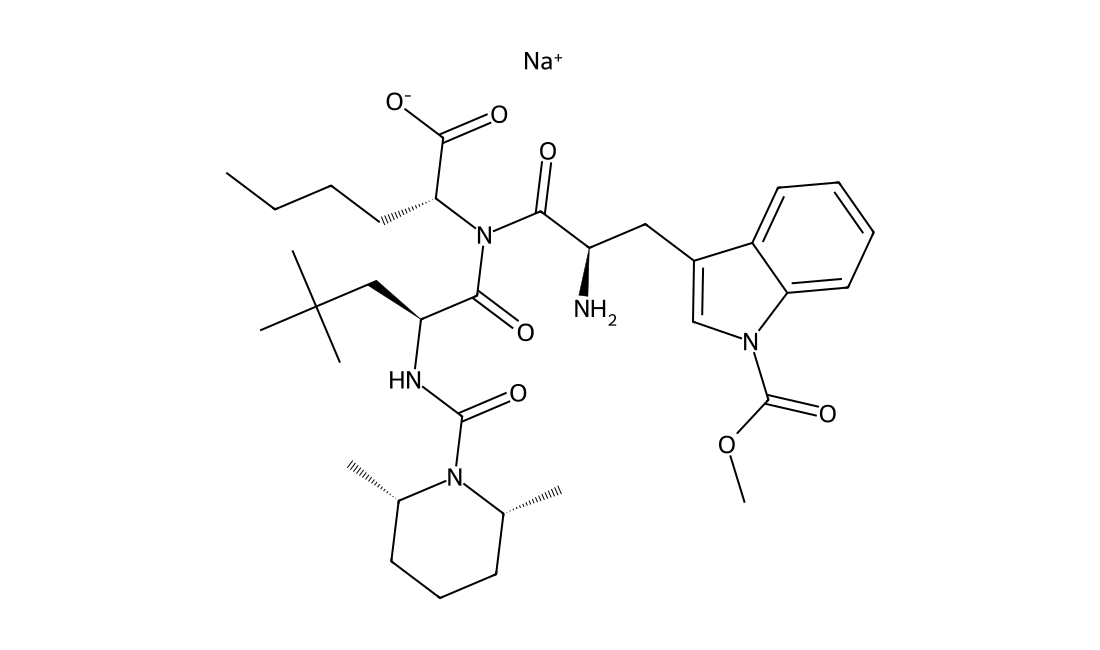
BQ-788
CAS 156161-89-6
BQ-788 (sodium salt) is a potent and selective ETB receptor antagonist, inhibiting ET-1 binding to ETB receptors with an IC50 of 1.2 nM in human Girrardi heart cells.
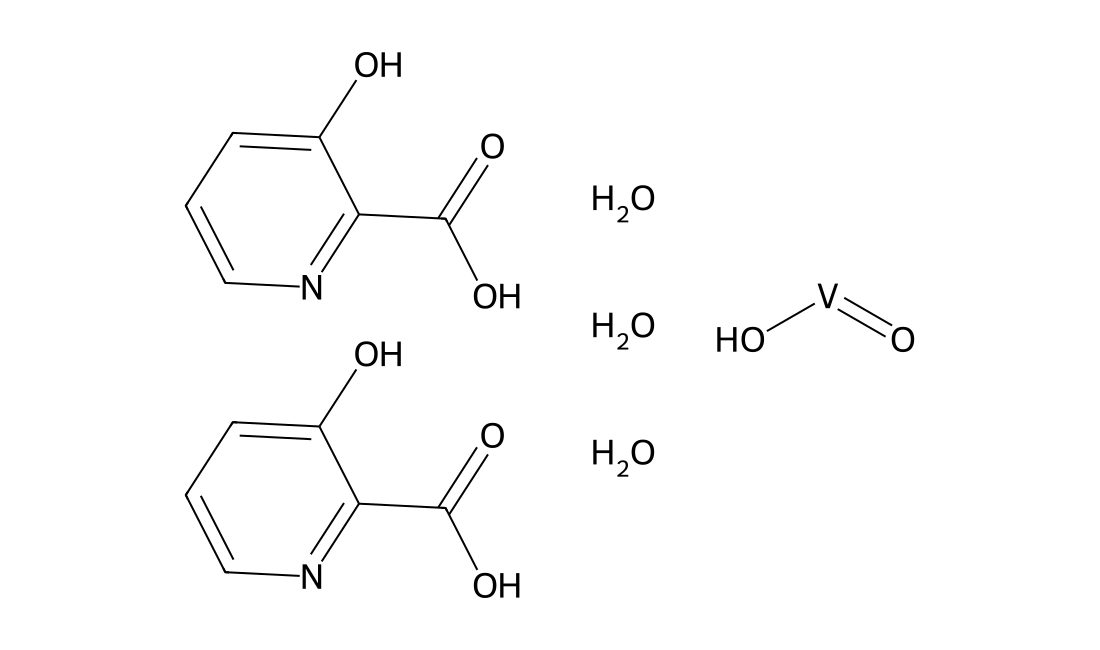
VO-Ohpic
CAS 476310-60-8
VO-Ohpic trihydrate is a highly potent inhibitor of PTEN with an IC50 of 46±10 nM.
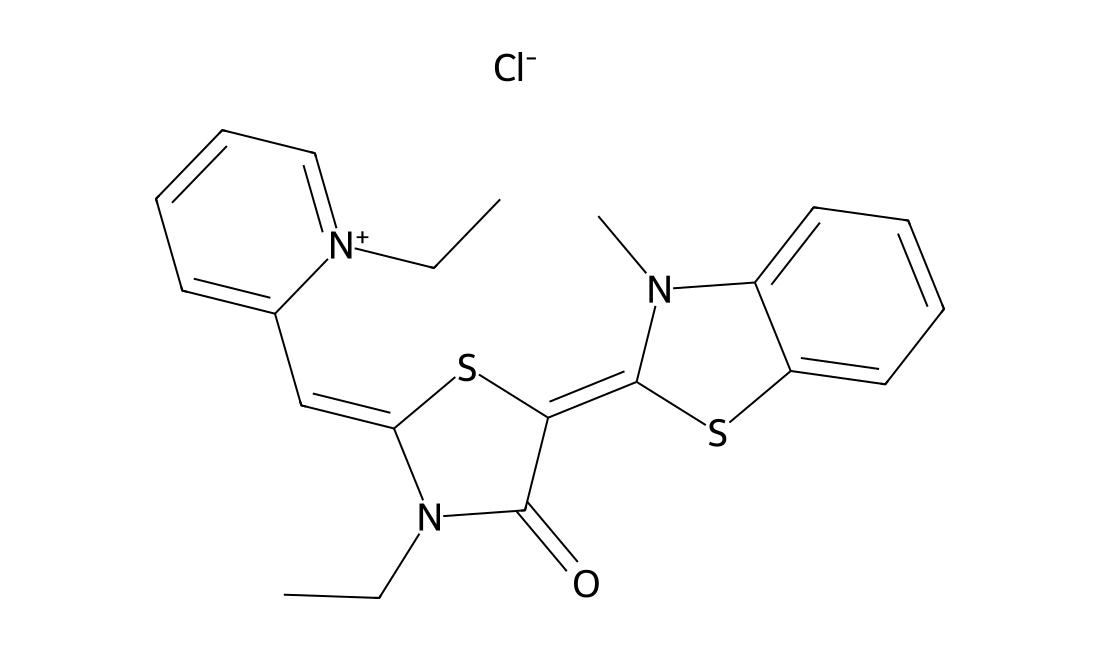
MKT-077
CAS 147366-41-4
MKT-077 (FJ-776) is a highly water-soluble (>200 mg/ml) rhodacyanine dye that exhibits significant antitumor activity, binds to Hsp70 family member, mortalin (mot-2), and abrogates its interactions with p53; induces release of wild-type p53 from cytoplasmically sequestered p53-mot-2 complexes and rescued its transcriptional activation function; also is a potent telomerase inhibitor with IC50 of 5 uM.
GPR52-IN-43(CAY10786)
CAS 1239987-91-7
GPR52-IN-43(CAY10786) is a novel GPR52 antagonist, reducing mHTT levels by targeting GPR52 and promoting survival of mouse primary striatal neurons, and also reducing HD-related phenotypes in HdhQ140.
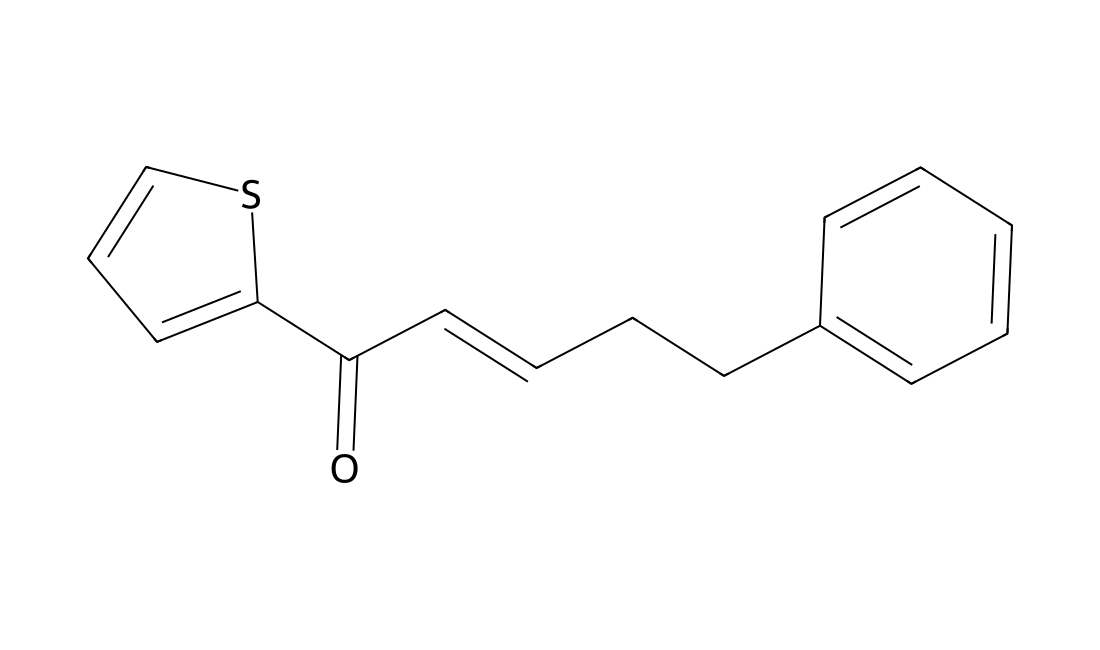
sugammadex
CAS 343306-71-8
Sugammadex is an agent for reversal of neuromuscular blockade by the agent rocuronium in general anaesthesia. It is the first selective relaxant binding agent (SRBA). Sugammadex is a modified γ-cyclodextrin, with a lipophilic core and a hydrophilic periphery. This gamma cyclodextrin has been modified from its natural state by placing eight carboxyl thio ether groups at the sixth carbon positions. These extensions extend the cavity size allowing greater encapsulation of the rocuronium molecule. These negatively charged extensions electrostatically bind to the quaternary nitrogen of the target as well as contribute to the aqueous nature of the cyclodextrin.
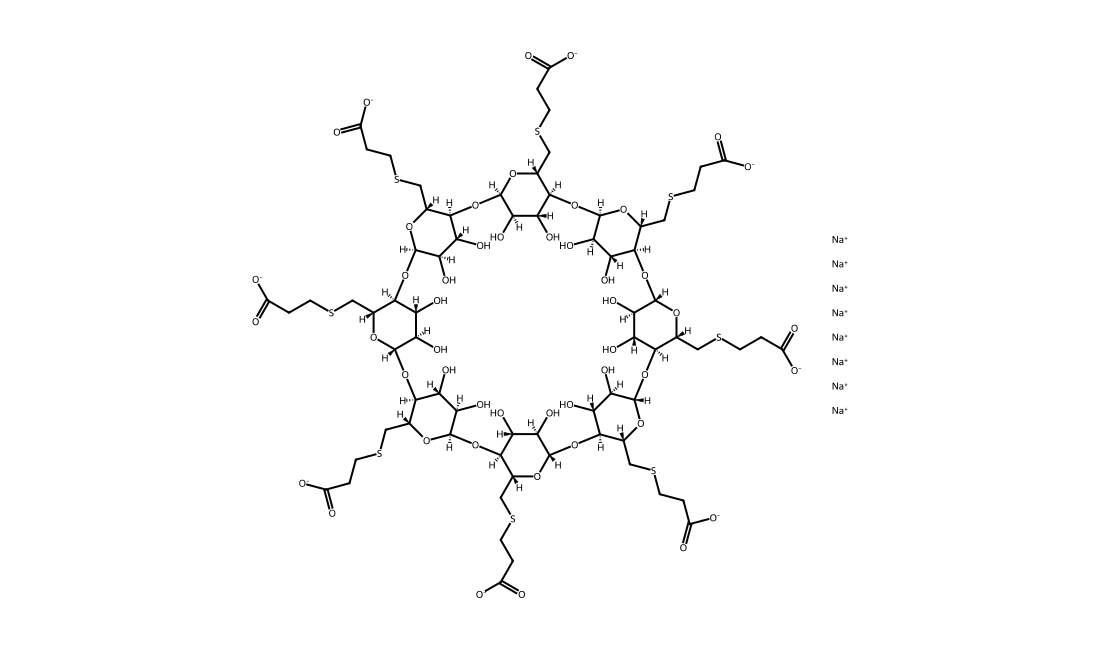
(Rac)-X77
CAS 2144491-78-9
(Rac)-X77 is a racemate of X77. X77 is a potent non-covalent inhibitor of the main protease of SARS-CoV-2 (SARS-CoV-2 Mpro). X77 binds to SARS-CoV-2 Mpro with a Kd value of 0.057 μM.
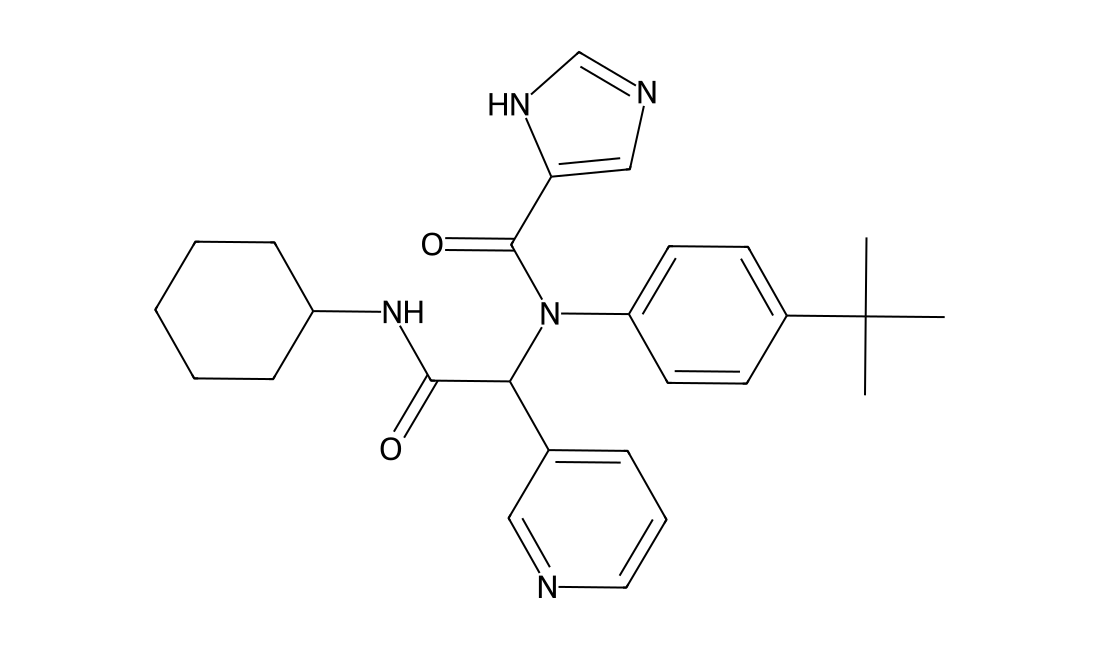
CTP354
CAS 1213669-91-0
CTP354, also known as C-21191, a novel deuterated subtype-selective GABA(A) modulator. CTP may be potentially useful for treatment of neuropathic pain, spasticity and anxiety disorders. GABAA receptors are found in the nervous system and, when activated, reduce the transmission of certain nerve signals. Several classes of widely used drugs target GABAA receptors, including benzodiazepines, but do not have the receptor subtype selectivity of CTP-354.
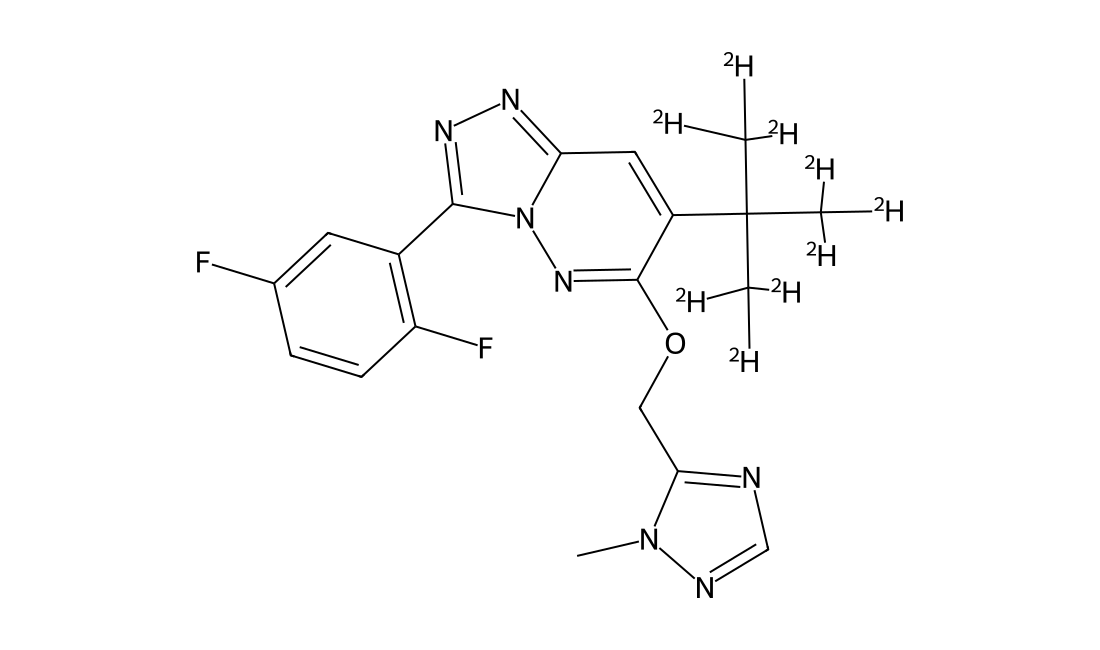
Pemafibrate racemate
CAS 848258-31-1
The racemate of Pemafibrate, which is a highly potent, specific PPARα agonist with EC50 of 1 nM.
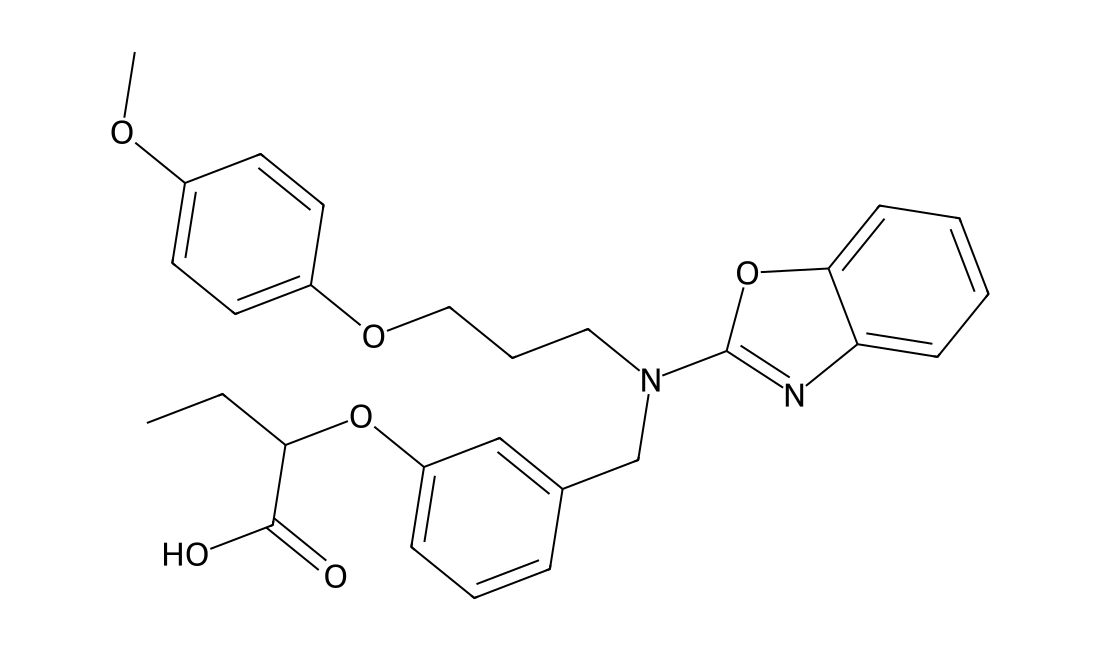
Tetramisole (hydrochloride)
CAS 5086-74-8
Tetramisole hydrochloride is an inhibitor of alkaline phosphatases, is a high purity antiparasitic.
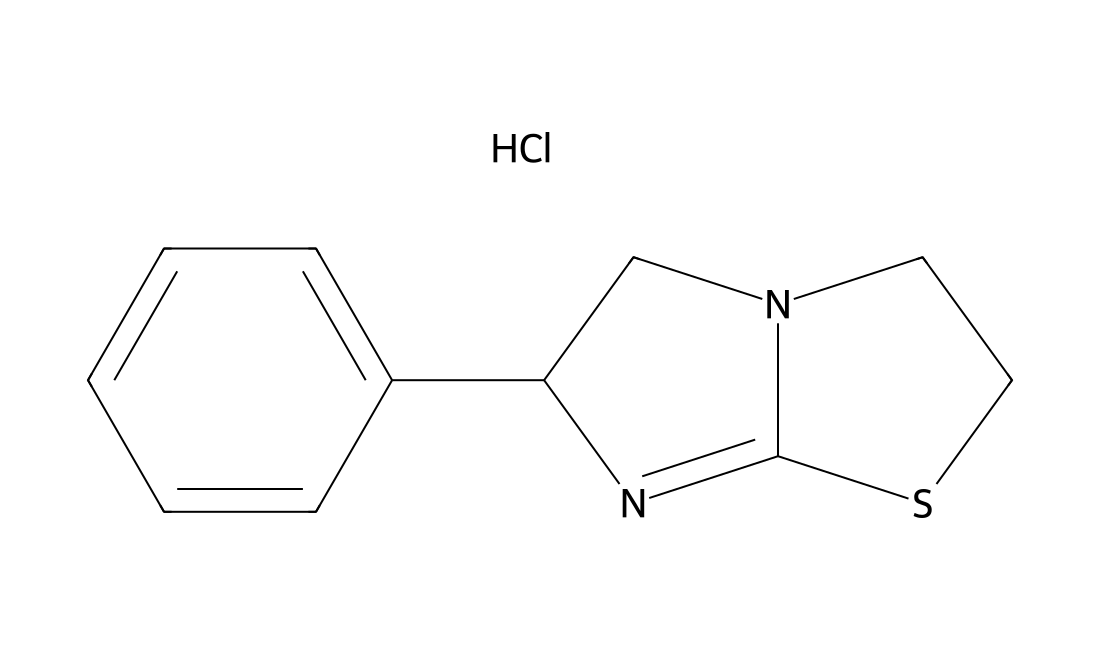
Teneligliptin
CAS 760937-92-6
Teneligliptin is a novel, potent, and long-lasting dipeptidyl peptidase-4 inhibitor; competitively inhibited human plasma, rat plasma, and human recombinant DPP-4 in vitro, with IC50 values of approximately 1 nM. in vitro: Teneligliptin is a novel chemotype prolylthiazolidine-based DPP-4 inhibitor. The present study aimed to characterize the pharmacological profiles of teneligliptin in vitro and in vivo. Teneligliptin competitively inhibited human plasma, rat plasma, and human recombinant DPP-4 in vitro, with IC(50) values of approximately 1 nmol/l. in vivo: Oral administration of teneligliptin in Wistar rats resulted in the inhibition of plasma DPP-4 with an ED(50) of 0.41 mg/kg. Plasma DPP-4 inhibition was sustained even at 24h after administration of teneligliptin. An oral carbohydrate-loading test in Zucker fatty rats showed that teneligliptin at ≥ 0.1mg/kg increased the maximum increase in plasma glucagon-like peptide-1 and insulin levels, and reduced glucose excursions. Six-weeks-old C57BL/6N mice were fed a high-fat diet (60%kcal fat) ad libitum and administered teneligliptin (30 or 60mg/kg) via drinking water for 10 weeks. Mice fed a high-fat diet showed accelerated body weight gain.
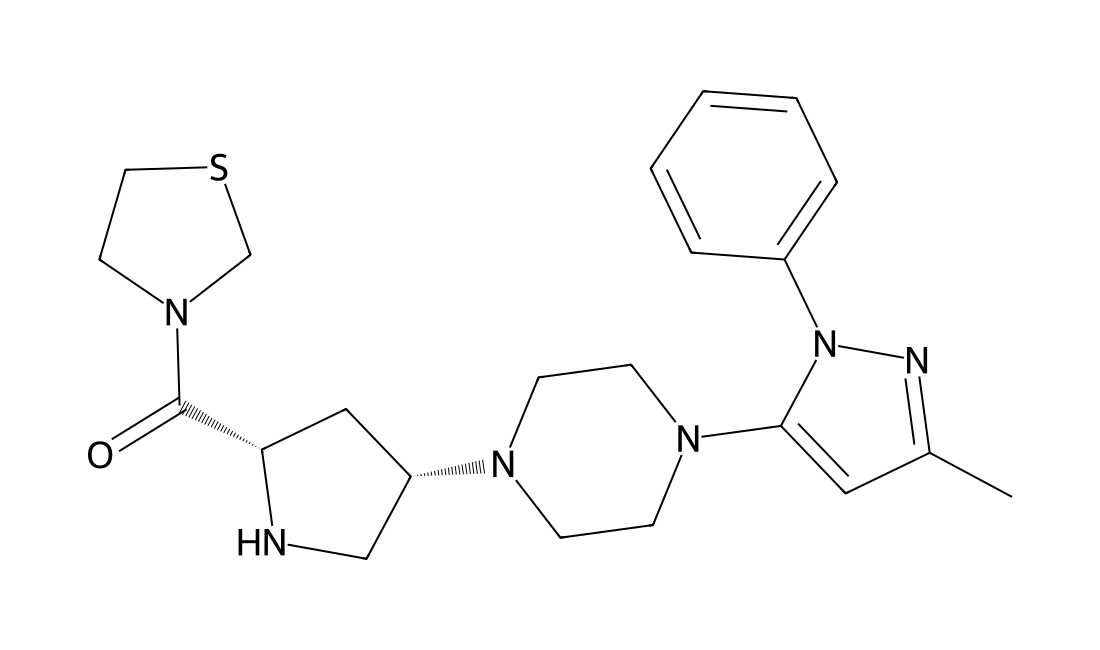
(+/-)-Sulfinpyrazone
CAS 57-96-5
Sulfinpyrazone is one of the most studied platelet COX inhibitors, also a uricosuric agent that competitively inhibits uric acid reabsorption in kidney proximal tubules.
Browse target & topic index A–Z (366)
11β-HSD (1)15-PGDH (2)5-HT Receptor (16)Acetyl-CoA Carboxylase (ACC) (3)Acetylcholinesterase (AChE) (2)Ack1 (TNK2) (1)Acyltransferase (1)ADC Cytotoxin (6)ADCs Linker/Click Chemistry (5)Adenosine Receptor (9)Adenylate Cyclase (2)Adrenergic Receptor (11)Akt (12)Alcoholism (2)Aldehyde Dehydrogenase (ALDH) (6)Allergy (5)Alzheimer Disease (13)Aminopeptidase (1)AMPK (8)Amyloids (4)Anaplastic Lymphoma Kinase (ALK) (9)Androgen Receptor (AR) (11)Anemia (4)Angiotensin Receptor (4)Antibody/Protein labeling dyes (1)Antifolate (2)Anxiety (1)Apoptosis Inducer (3)Arginase (1)Arp2/3 complex (1)Aryl hydrocarbon Receptor (AhR) (1)Asthma (5)Atherosclerosis (2)ATM/ATR (8)Aurora Kinase (10)Autophagy (6)Autophagy-related Protein (Atg) (2)Autotaxin (2)Bacterial (26)Bacterial Infection (17)Bcl-2 (14)Bcr-Abl (5)BCRP (1)Beta-catenin (4)Beta-secretase (BACE) (4)Blood Cancer (91)BMI-1 (1)Bone Cancer (6)Brain Cancer (6)Breast Cancer (30)Bromodomain (22)BTK (10)c-Fms (CSF1R) (5)c-Fos/AP-1 (1)c-Kit (6)c-Met (HGFR) (11)c-Myc (2)Calcium Channel (4)Calcium-sensing Receptor (CaSR) (1)CaMK (4)Cannabinoid Receptor (6)Carbonic Anhydrase (1)Carboxypeptidase (1)Casein Kinase (6)Caspase (4)Cathepsin (6)Cdc2-like Kinase (CLK) (1)CETP (2)CFTR (7)Checkpoint Kinase (Chk) (8)Chemokine Receptor (CCR and CXCR) (14)Chemotherapeutic Agents (19)Chloride Channel (1)CMV (2)CMV Infection (2)Colon Cancer (9)Complement System (1)COPD (3)CREB/CBP (2)CRF Receptor (2)CRISPR/Cas9 (1)Cushing Disease (1)Cyclin-dependent Kinase (CDK) (39)Cyclooxygenase (COX) (4)Cytochrome P450 (CYPs) (5)Depression (2)Dermatitis (2)Deubiquitinase (DUB) (7)Diabetes (20)Dipeptidyl Peptidase (DPP) (3)Discoidin Domain Receptor (DDR) (1)DNA Alkylator/Crosslinker (10)DNA Methyltransferase (DNMT) (1)DNA Repair Protein (1)DNA-PK (2)DNA/RNA Synthesis (5)Dopamine beta-hydroxylase (1)Dopamine Receptor (7)Drug Metabolite (1)Drug-Linker Conjugates (11)Dyes (4)DYRK (1)Dyslipidemia (9)E3 Ligase Ligand (6)E3 Ligase Ligand-Linker Conjugate (1)E3 Ubiquitin Ligase (4)Ebola Virus Infection (1)EGFR (32)Elastase (2)Endothelin Receptor (5)Enzymes substrates (13)Epigenetic Reader Domain (3)Epilepsy (4)ERK (4)Estrogen Receptor/ERR (13)Eukaryotic Initiation Factor (eIF) (2)Exportin-1 (CRM1,XPO1) (2)FABP (1)Factor Xa (5)Farnesoid X Receptor (FXR) (5)Farnesyl transferase (FTase) (1)Ferroptosis (6)FGFR (20)Fibrosis (5)FLT3 (6)Focal Adhesion Kinase (FAK) (11)Foxo1 (1)Free Fatty Acid Receptor (FFAR) (5)Fungal (2)Fungal Infection (1)GABA Receptor (13)Galectin (1)Gastric Cancer (8)Ghrelin Receptor (GHSR) (3)Glucagon Receptor (4)Glucokinase (2)Glucose Transporter (GLUT) (2)Glutamate Transporter (2)GPCR (1)GPER (GPR30) (1)GPR139 (1)GPR183 (EBI2) (2)GPR39 (1)GPR55 (1)GPR84 (1)GRK (GPCRK) (2)Growth Hormone Deficiency (2)GSK-3 (8)Guanylate Cyclase (3)HBV (1)HBV Infection (1)HCN Channel (2)HCV (8)HCV Infection (9)HDAC (38)Heart Arrhythmia (2)Heart Failure (5)Heat Shock Protein (HSP) (15)Hedgehog (Hh) (1)HIF/HIF Prolyl-hydroxylase (8)Histamine Receptor (6)Histone Acetyltransferase (HAT) (5)Histone Demethylase (11)Histone Methyltransferase (HMTase) (31)HIV (12)HIV Infection (11)HMG-CoA Reductase (HMGCR) (3)HSV (1)HSV Infection (1)Hypercholesterolemia (1)Hyperparathyroidism (1)Hypertension (8)IAP (1)IGF-1R (3)iGluR (15)Indoleamine 2,3-Dioxygenase (IDO) (4)Infection (1)Influenza (6)Influenza Virus (6)Insulin Receptor (2)Integrin (6)Interleukin Receptor (1)IRAK (2)IRE1 (4)Irritable Bowel Syndrome (2)Ischemia (1)Isocitrate Dehydrogenase (IDH) (5)ITK (1)IκB kinase (IKK) (7)JAK (32)JNK (3)Keap1-Nrf2 (6)Kidney Cancer (10)Kinesin (5)Kruppel-like Factor (KLF) (1)Kynurenine 3-Monooxygenase (KMO) (1)Leukotriene Receptor (1)LIM Kinase (LIMK) (3)Lipids fragment (1)Liver Cancer (6)Liver X Receptor (LXR) (3)LRRK2 (9)Lung Cancer (39)Lysophospholipid Receptor (12)LYTACs (3)mAChR (9)MALT1 (2)MAP4K (1)Matrix Metalloproteinase (MMP) (10)MDM2-p53 (9)MEK (MAP2K) (14)MEKK (MAP3K) (1)Melanocortin Receptor (2)MELK (1)mGluR (7)MicroRNA (1)Microtubule/Tubulin (5)Mineralocorticoid Receptor (MLR) (1)MITF (1)Mixed Lineage Kinase (MLK) (3)MNK (2)Molecular Glues (21)Monoamine Transporter (5)Monocarboxylate Transporter (MCT) (1)Monopolar Spindle 1 (Mps1/TTK) (3)mTOR (13)Multiple Sclerosis (6)Myosin (1)Na-K-Cl Cotransporter (NKCC) (2)nAChR (2)NADPH Oxidase (NOX) (2)NAMPT (3)Natural products (37)Neprilysin (1)Neurokinin Receptor (3)Neuropeptide Y Receptor (3)NF-κB (5)Nitric Oxide Synthase (NOS) (1)NOD-like Receptor (NLR) (3)Notch (2)Nucleoside Antimetabolite/Analog (10)Nur77 (NR4A1) (1)Obesity (1)Oct3/4 (1)Opioid Receptor (5)Orexin Receptor (7)Osteoporosis (2)Ovarian Cancer (14)Oxytocin Receptor (OXTR) (2)P-glycoprotein (P-gp) (3)p21-activated Kinase (PAK) (1)P2X Receptor (2)P2Y Receptor (1)p38 MAPK (10)p97/VCP (1)Pain (12)Pancreatic Cancer (10)Parasite (5)Parasite Infection (2)Parkinson Disease (2)PARP (19)PCSK9 (1)PD-1/PD-L1 (4)PDGFR (4)PDK1 (2)PEGn (1)PERK (2)PGE synthase (2)Phosphodiesterase (PDE) (9)Phospholipase (4)PI3K (32)PI4K (2)Piezo Channel (1)PIKfyve (3)Pim (9)PKC (12)PKD (1)Plasminogen Activator Inhibitor-1 (PAI-1) (3)Polo-like Kinase (PLK) (4)Porcupine (3)Potassium Channel (13)PPAR (13)Pregnane X Receptor (PXR) (1)Progesterone Receptor (2)Prostaglandin Receptor (11)Prostate Cancer (7)PROTACs (35)Protease-activated Receptor (PAR) (3)Proteasome (12)Protein Disulfide Isomerase (PDI) (1)Protein Phosphatase/PTP (6)Proton Pump (1)Psoriasis (5)RAD51 (1)Radioligand precursors (15)Raf (18)RAR/RXR (3)Ras (17)Renin (2)RET Tyrosine Kinase (c-RET) (3)Rheumatoid Arthritis (16)Ribosomal S6 Kinase (RSK) (5)RIG-I-like Receptor (RLR) (2)RIP kinase (7)ROCK (12)ROR (2)RSV (4)RSV Infection (3)RUNX1-CBFβ (1)S-nitrosoglutathione reductase (GSNOR) (1)Saccharides and Glycosides (1)Salt Inducible Kinase (SIK) (2)SARS-CoV (16)SARS-CoV Infection (34)Schizophrenia (4)Sexual Dysfunction (1)SGLT (4)Sigma Receptor (4)Sirtuin (9)Skin Cancer (13)Sleep Disorder (7)SMN2 Modulator (1)Smoothened (Smo) (9)Sodium Channel (12)Solid Tumors (35)Somatostatin Receptor (2)Sphingosine kinase (SphK) (2)Src (7)STAT (5)Stearoyl-CoA Desaturase (SCD) (1)Steatohepatitis (7)Sterol lipids (1)STING (14)Syk (6)T Cell Receptor (TCR) (1)TAK1 (2)TAM Receptor (Tyro3-Axl-Mer) (4)Taste Receptor (1)Telomerase (2)TGF beta Receptor (TGFBR) (12)Thrombin (3)Thrombosis (13)Thyroid Cancer (1)Thyroid Hormone Receptor (THR) (1)Thyrotropin Receptor (2)TNIK (1)Toll-like Receptor (TLR) (2)TOPK (1)Topoisomerase (11)TRAIL (1)Translocator Protein (TSPO) (1)Trk Receptor (4)TRP Channel (13)Tryptophan Hydroxylase (TPH) (1)Ubiquitin-activating Enzyme (E1) (2)Ubiquitin-conjugating Enzyme (E2) (2)Ulcer (1)ULK (3)Vasopressin Receptor (2)VEGFR (25)Vitamin D Receptor (VDR) (3)Wee1 (1)WNK Kinase (1)Wnt (5)Yes-associated Protein (YAP) (4)γ-secretase (5)