5,5-Dimethyloxazolidine-2,4-dione
CAS 3166-62-9
Dimethadione is an anticonvulsant that is the active metabolite of trimethadione.

Explore bioactive compounds by research category, then narrow your search by target, product name, catalog number or CAS.
Newly added: LC-MG and OXF molecular glue research compounds →
Products may appear in more than one category. Counts refer to distinct catalog numbers within each category.
Other Research Tools (75) · Additional reagents, building blocks and specialized research tools.
LC-MG-1 (DCA0006) · LC-MG-4 (DCA0007) · LC-MG-9 (DCA0008)
View structure and evidence summaries →Combine a keyword, research category and target to narrow the product list.
Loading catalog filters…
CAS 3166-62-9
Dimethadione is an anticonvulsant that is the active metabolite of trimethadione.
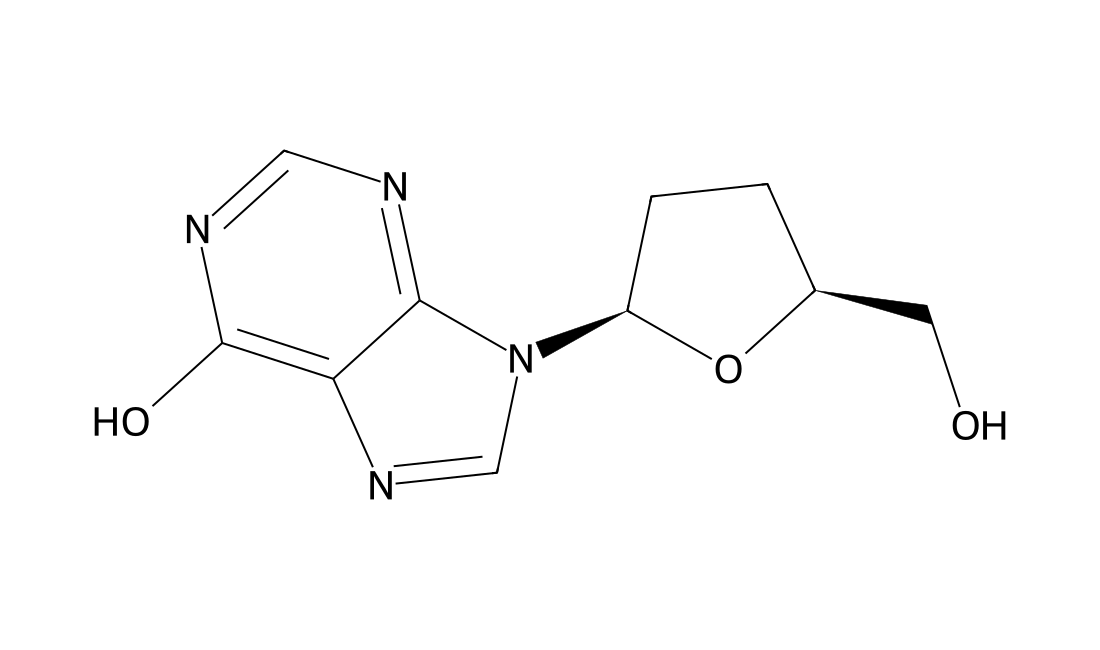
CAS 69655-05-6
Didanosine(Videx) is a reverse transcriptase inhibitor with an IC50 of 0.49 μM. Didanosine is a dideoxynucleoside compound in which the 3'-hydroxy group on the sugar moiety has been replaced by a hydrogen. This modification prevents the formation of phosphodiester linkages which are needed for the completion of nucleic acid chains. Didanosine is a potent inhibitor of HIV replication, acting as a chain-terminator of viral DNA by binding to reverse transcriptase. Didanosine demonstrated linear pharmacokinetic behavior over the dose ranges of 0.4 to 16.5 mg/kg intravenously and 0.8 to 10.2 mg/kg orally. Bioavailability of didanosine when administered as a solution with an antacid was approximately 43% for doses from 0.8 to 10.2 mg/kg in patients with AIDS and advanced AIDS-related complex. Bioavailability of didanosine from the citrate-phosphate-buffered solution, the formulation currently used in phase II and expanded access studies, was comparable to the formulation used in the phase I trials. ddI might be responsible for fulminant hepatitis in all three AIDS patients. This toxic effect may be added to the list of potential adverse events occurring during ddI therapy.
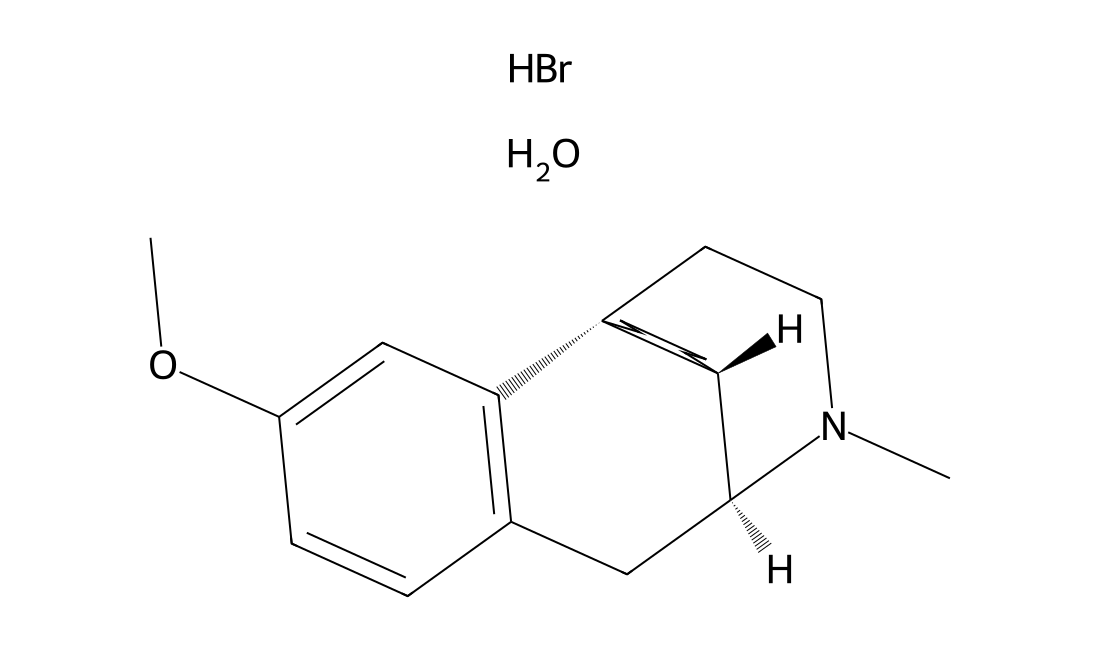
CAS 6700-34-1
Dextromethorphan hydrobromide hydrate is an antitussive drug.Dextromethorphan (DXM) is an antitussive (cough suppressant) drug. It is one of the active ingredients in many over-the-counter cold and cough medicines. Dextromethorphan has also found other uses in medicine, ranging from pain relief to psychological applications. DXM is also used recreationally. When exceeding label-specified maximum dosages, dextromethorphan acts as a dissociative hallucinogen. Its mechanism of action is via multiple effects, including actions as a nonselective serotonin reuptake inhibitor and a sigma-1 receptor agonist. The major metabolite of DXM, dextrorphan, also acts as an NMDA receptor antagonist.
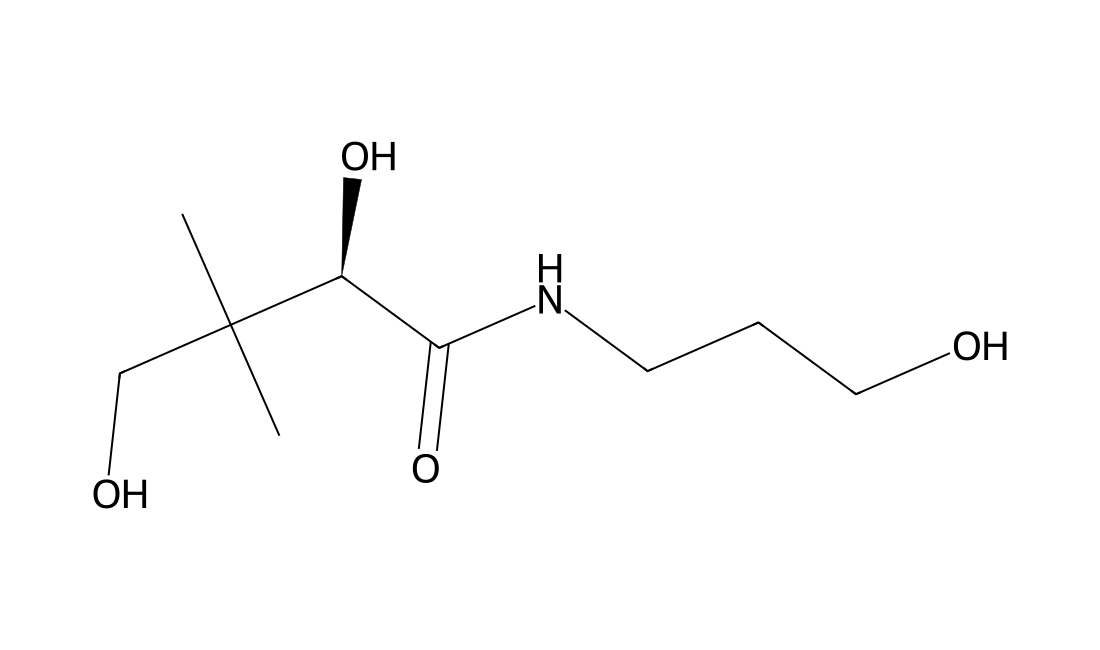
CAS 81-13-0
Dexpanthenol is an alcoholic analogue of D-pantothenic acid and cholinergic agent.
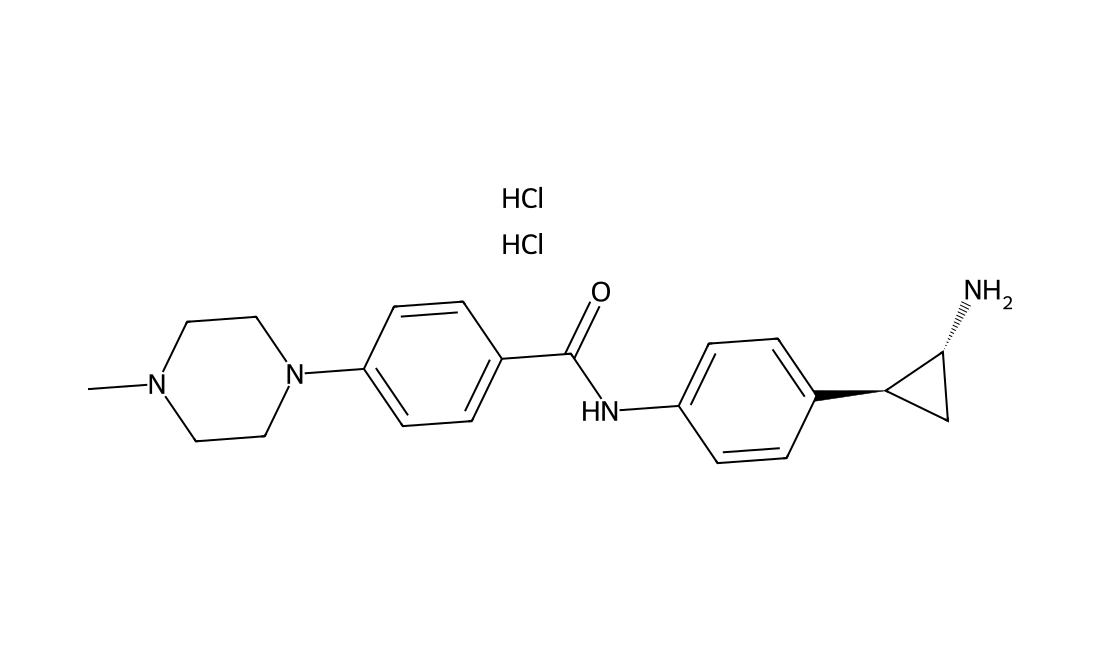
CAS 1831167-98-6
DDP-38003 inhibits KDM1A with an IC50 of 84 nM. DDP-38003 is more active in reducing the colony forming ability and in inducing thedifferentiation of THP-1 cells compared to the 1R, 2S analogue.DDP-38003 exhibits in vivo efficacy after oral administration, determining a 62% increased survival in mouse leukemia models with evidence of KDM1A inhibition. The half life of DDP-38003 is 8 h. A significant dose dependent increase of mice survival is obtained by DDP-38003 treatment. The survival rate increases 35% and 62% at the dose of 11.25 and 22.50 mg/kg, respectively. DDP-38003 is a potential oral anticancer agent.
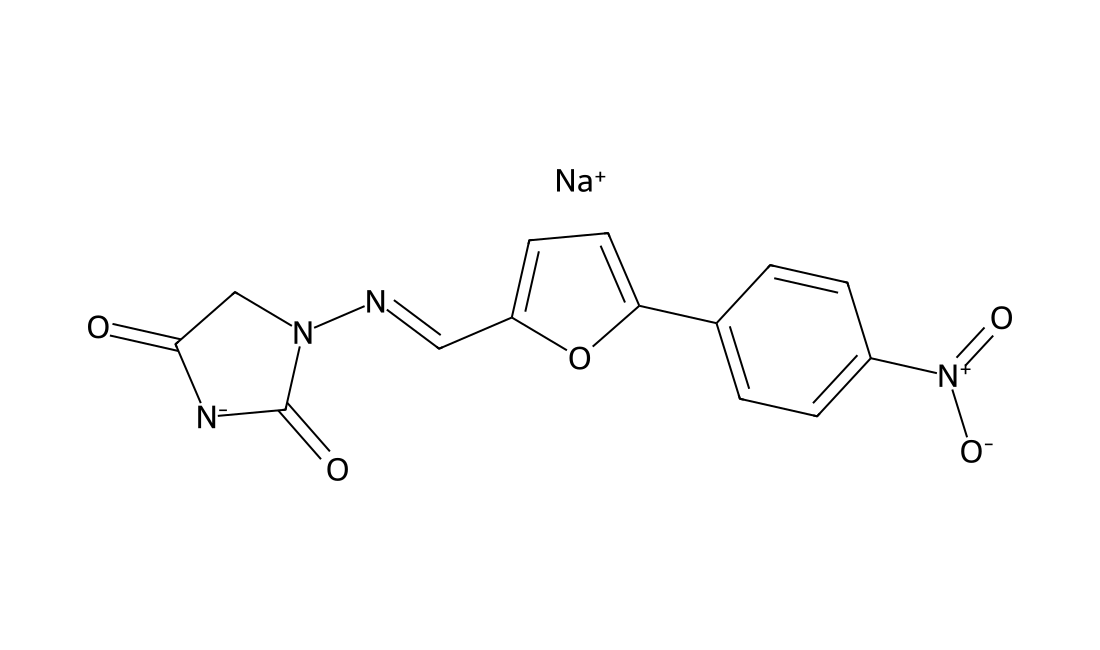
CAS 14663-23-1
Dantrolene sodium is a inhibitor of calcium channel proteins, inhibiting the release of Ca2+ from the sarcoplasm. Dantrolene sodium is a skeletal muscle relaxant which acts by blocking muscle contraction beyond the neuromuscular junction.
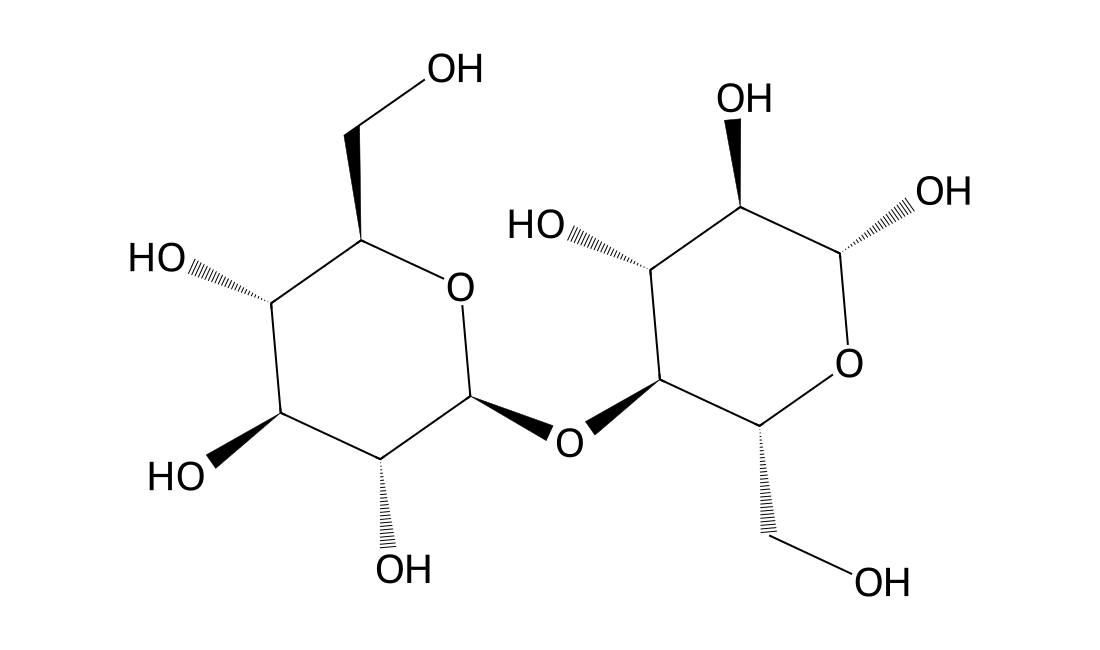
CAS 53109-32-3
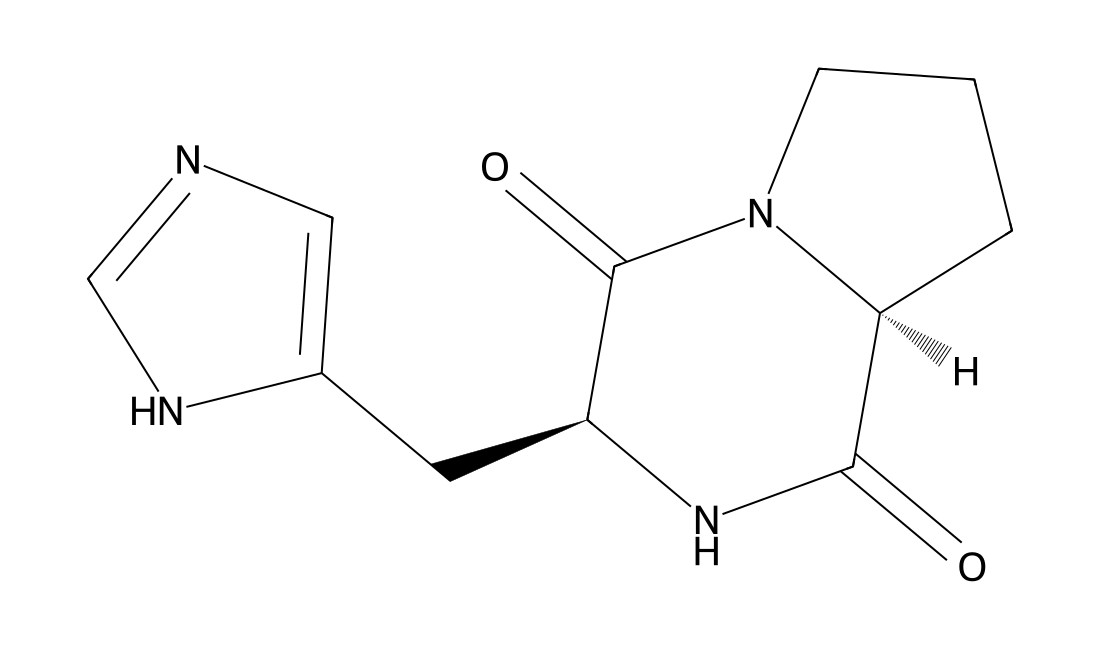
Cyclo(His-Pro) is a cyclic dipeptide derived from the hydrolytic removal of the amino-terminal pyroglutamic acid residue of the hypothalamic thyrotropin-releasing hormone. Cyclo(His-Pro) is ubiquitous in the central nervous system and is a key substrate of organic cation transporters, which are strongly linked to neuroprotection. The cyclic dipeptide can also cross the brain-blood-barrier and, once in the brain, can affect diverse inflammatory and stress responses by modifying the Nrf2-NF-κB signaling axis. Cyclo(His-Pro) inhibits NF-κB nuclear accumulation induced by paraquat in rat pheochromocytoma PC12 cells via the Nrf2/heme oxygenase-1 pathway.Mice that receives cyclo(His-Pro) pre-treatment shows a significant decrease in the oedematogenic response, confirming that the cyclic dipeptide can exert anti-inflammatory effect. Cyclo(His-Pro) exerts in vivo anti-inflammatory effects in the central nervous system by down-regulating hepatic and cerebral TNFα expression thereby counteracting LPS-induced gliosis. Moreover, by up-regulating Bip, cyclo(His-Pro) increases the ER stress sensitivity andtriggers the unfolded protein response to alleviate the ER stress.
CAS 15826-37-6
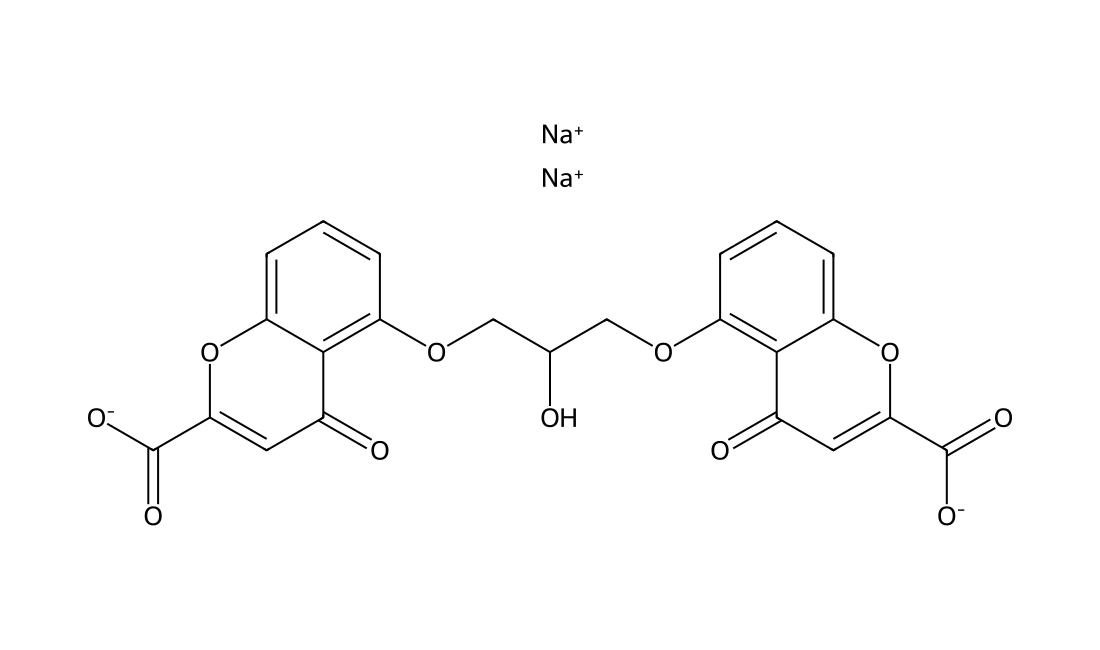
Cromolyn sodium is an antiallergic drug.Cromolyn sodium is a chromone complex that acts by inhibiting the release of chemical mediators from sensitized mast cells. It is used in the prophylactic treatment of both allergic and exercise-induced asthma, but does not affect an established asthmatic attack. Pretreatment of IIR mice with Cromolyn sodium prior to ischemia exhibited no changes of ET-1 levels, injury score and inflammation (P>0.05, PreCr vs. M groups). In conclusion, administration of Cromolyn sodium after reperfusion, but not prior to ischemia, attenuates IIRI by downregulating ET-1 and suppressing sustained MC activation . cromolyn sodium has a role in the prevention of Chronic lung disease(CLD). Cromolyn sodium cannot be recommended for the prevention of CLD in preterm infants.
CAS 1215721-40-6
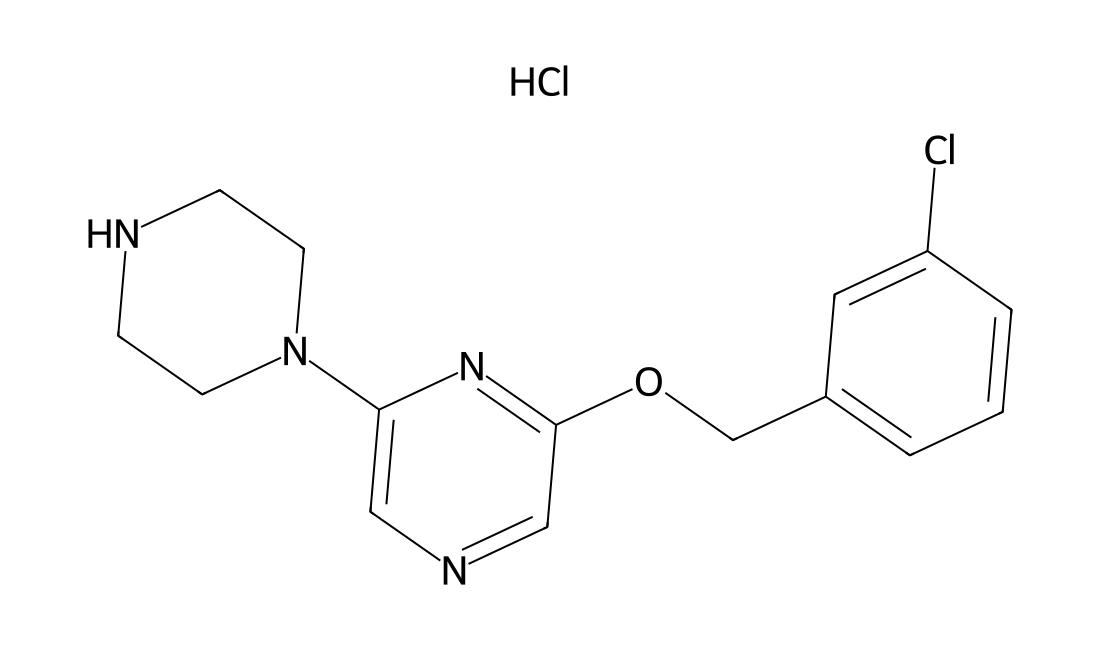
CP-809101 Hcl is a potent and selective 5-HT2C receptor agonist with pEC50 of 9.96/7.19/6.81 for human 5-HT2C/5-HT2B/5-HT2A receptors respectively. CP-809101 is a potent, functionally selective 5-HT2C agonist that displays approximately 100% efficacy in vitro. The aim of the present studies was to assess the efficacy of a selective 5-HT2C agonist in animal models predictive of antipsychotic-like efficacy and side-effect liability. Similar to currently available antipsychotic drugs, CP-809101 dose-dependently inhibited conditioned avoidance responding (CAR, ED50 = 4.8 mg/kg, sc). CP-809101 antagonized both PCP- and d-amphetamine-induced hyperactivity with ED50 values of 2.4 and 2.9 mg/kg (sc), respectively and also reversed an apomorphine induced-deficit in prepulse inhibition. At doses up to 56 mg/kg, CP-809101 did not produce catalepsy. Thus, the present results demonstrate that the 5-HT2C agonist, CP-809101, has a pharmacological profile similar to that of the atypical antipsychotics with low extrapyramidal symptom liability. CP-809101 was inactive in two animal models of antidepressant-like activity, the forced swim test and learned helplessness.
CAS 157843-41-9
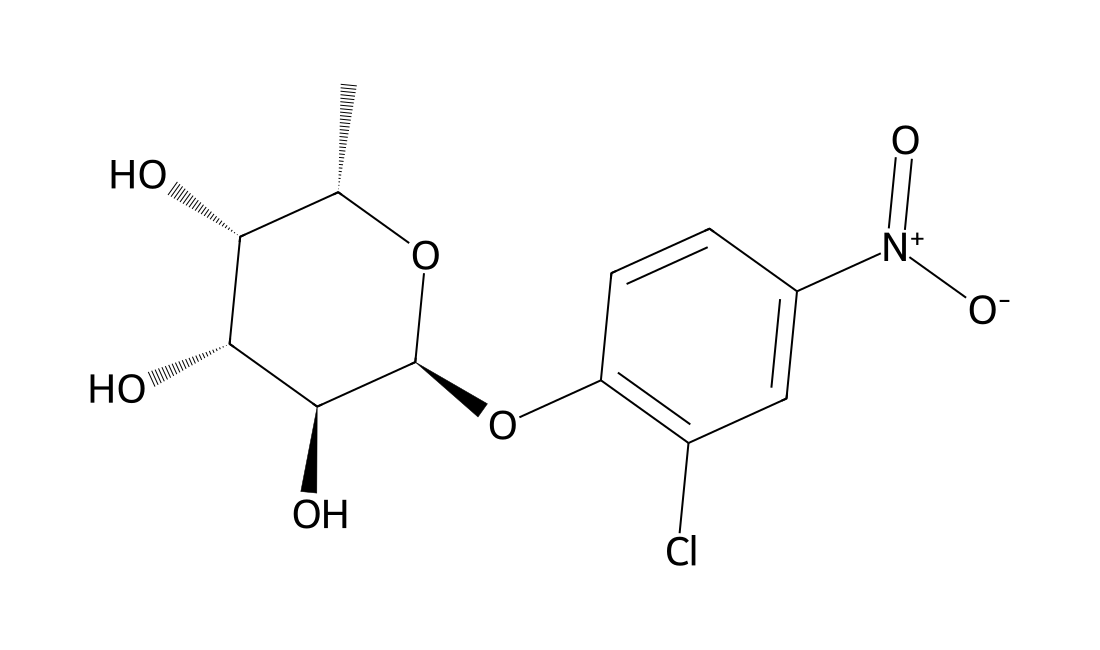
CNP-AFU (2-Chloro-4-nitrophenyl α-L-fucopyranoside) is a substrate for alpha-L-fucosidase(AFU).
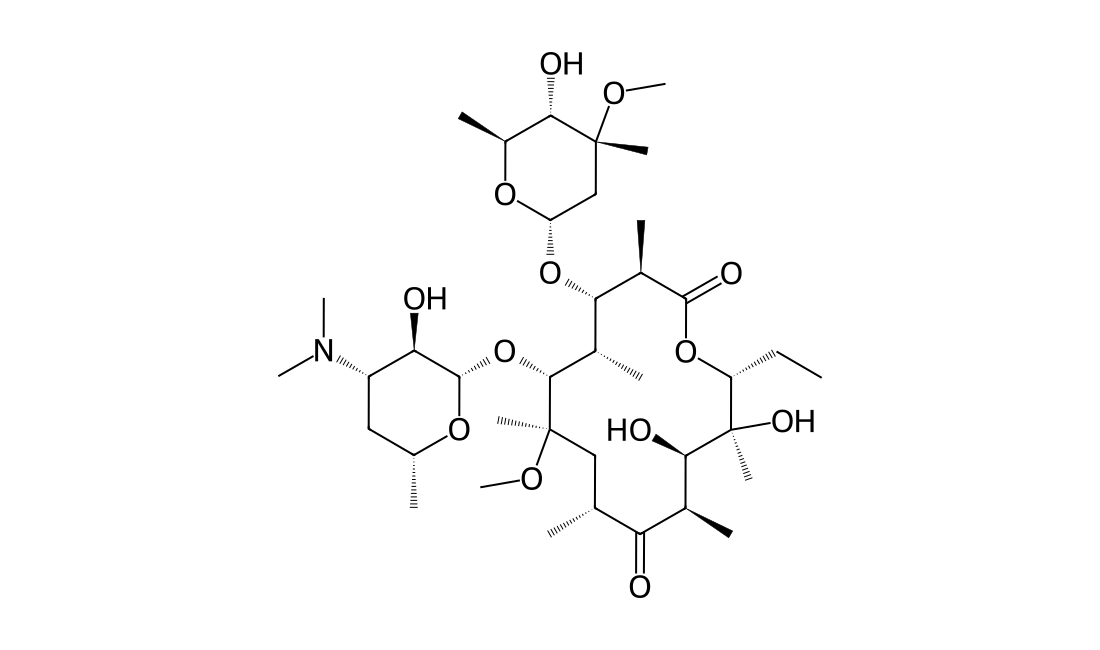
CAS 153259-65-5
Cilomilast(SB 207499; Ariflo) is a potent PDE4 inhibitor with IC50 of about 110 nM, has anti-inflammatory activity and low central nervous system activity. Cilomilast (SB-207499) inhibits HPDE4 and LPDE4 catalytic activity with equal potency (Ki ≈100 nM). SB-207499 and rolipram are equipotent against LPDE4, but Cilomilast (Ariflo, SB-207499) is 100-fold less potent against HPDE4. This profile suggests that Cilomilast (Ariflo, SB-207499) retain the anti-inflammatory activity of rolipram yet have a decreased tendency to produce side effects.
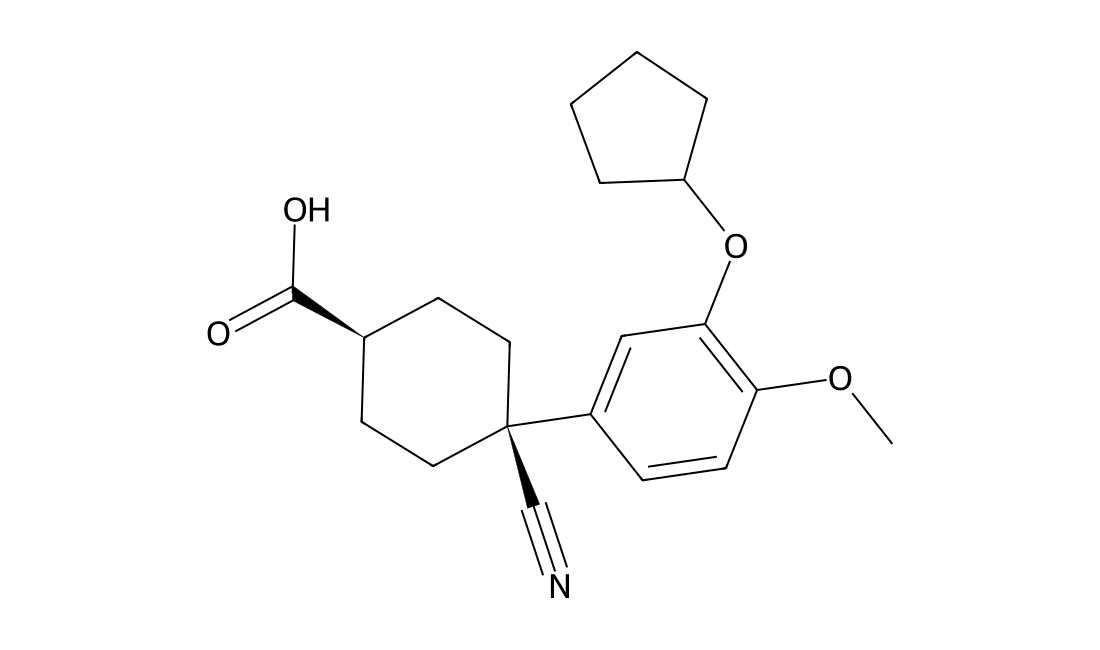
CAS 82009-34-5
Cilastatin is an inhibitor of dipeptidase (dehydropeptidase I), a renal dipeptidase.It inhibits human renal dipeptidase (Ki = 0.7 μM), porcine dipeptidase (IC50 = 0.11 μM), and bacterial metallo-β-lactamase CphA from A. hydrophila (IC50 = 178 μM).Cilastatin (200 μg/ml) protects primary porcine renal proximal tubular epithelial cells from nephrotoxicity and apoptosis induced by vancomycin.In a mouse model of systemic infection, cilastatin in combination with imipenem (Item No. 16039) protects mice from S. aureus, E. coli, and P. aeruginosa infection.Cilastatin was designed to inhibit renal metabolism of imipenem and prolong its half-life.Formulations containing cilastatin in combination with imipenem have been used to treat susceptible bacterial infections.
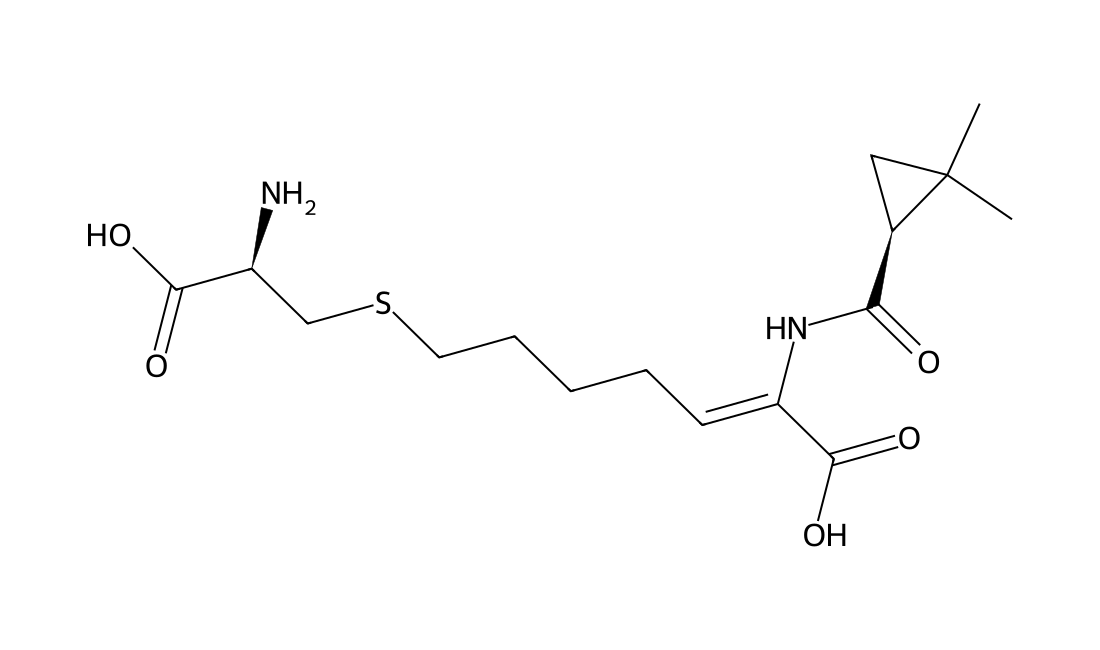
CAS 113-59-7
Chlorprothixene has strong binding affinities to dopamine and histamine receptors, such as D1, D2, D3, D5, H1, 5-HT2, 5-HT6 and 5-HT7, with Ki of 18 nM, 2.96 nM, 4.56 nM, 9 nM, 3.75 nM, 9.4 nM, 3 nM and 5.6 nM, respectively.Chlorprothixene exerts strong binding affinities to the dopamine and histamine receptors, such as D1, D2, D3, D5 and H1 with Ki values of 18nM, 2.96 nM, 4.56 nM, 9 nM and 3.75 nM, respectively, but has little affinity to H3 (Ki >1000 nM). Chlorprothixene also shows high affinities for both rat 5-HT6 from stably transfected HEK-293 cells, and rat 5-HT7 receptors from transiently expressed COS-7 cells, with Ki values of 3 nM and 5.6 nM, respectively. Administration of Chlorprothixene restores normal ceramide concentrations in murine bronchial epithelial cells, reduces inflammation in the lungs of mice with cystic fibrosis (CF) and prevents infection with Pseudomonas aeruginosa, by inhibiting acidsphingomyelinase (Asm) and not neutral sphingomyelinase (Nsm).
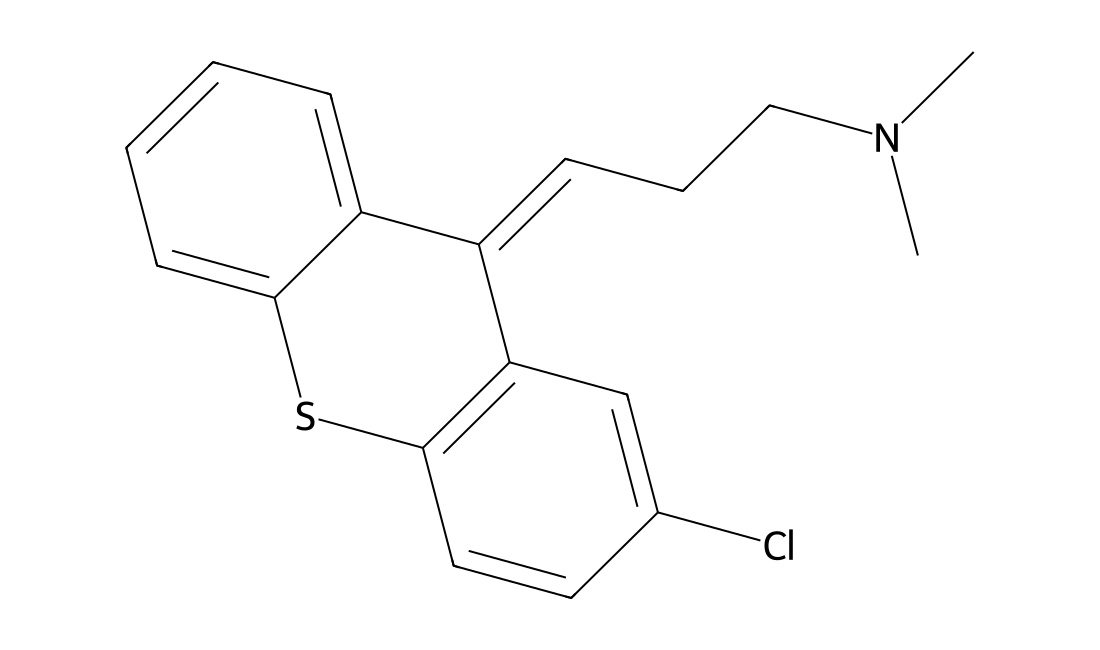
CAS 127910-31-0
CGP-37849 is a competitive antagonist at the NMDA receptor. It is a potent, orally active anticonvulsant in animal models, and was researched for the treatment of epilepsy. It also has neuroprotective activity and shows antidepressant and anxiolytic effects.
CAS 1227678-26-3
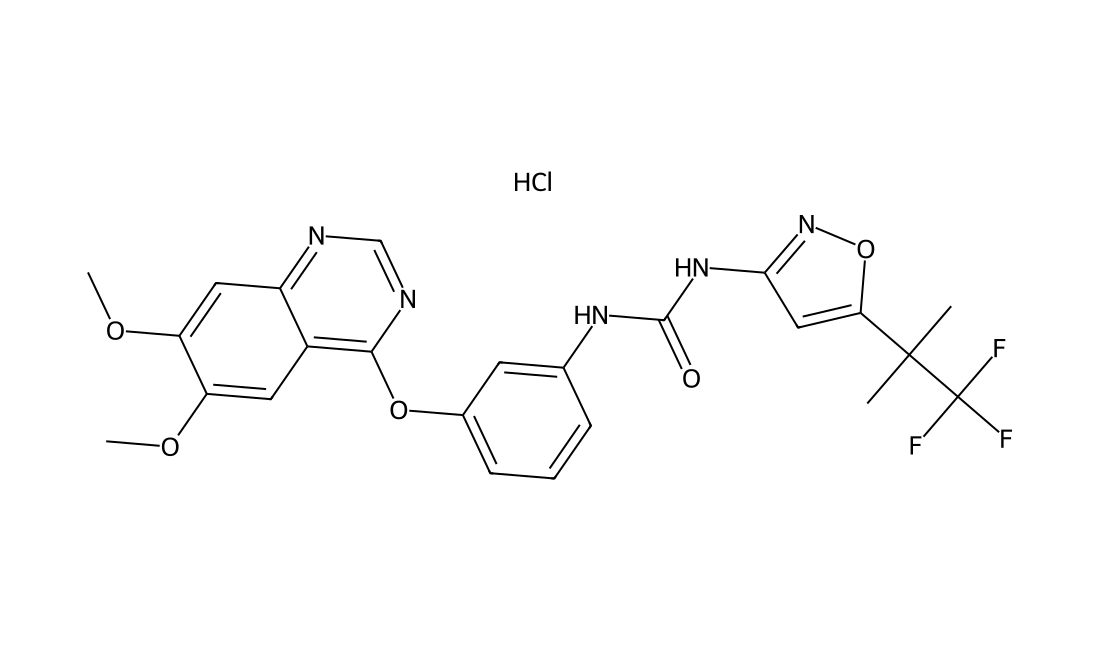
CEP-32496 Hcl is a highly potent inhibitor of BRAF(V600E/WT) and c-Raf with Kd of 14 nM/36 nM and 39 nM, also potent to Abl-1, c-Kit, Ret, PDGFRβ and VEGFR2, respectively; insignificant affinity for MEK-1, MEK-2, ERK-1 and ERK-2.CEP-32496 is a potent BRAF inhibitor in an in vitro binding assay for mutated BRAF(V600E) (K(d) BRAF(V600E) = 14 nM) and in a mitogen-activated protein (MAP)/extracellular signal-regulated (ER) kinase (MEK) phosphorylation (pMEK) inhibition assay in human melanoma (A375) and colorectal cancer (Colo-205) cell lines (IC(50) = 78 and 60 nmol/L). In vitro, CEP-32496 has multikinase binding activity at other cancer targets of interest; however, it exhibits selective cellular cytotoxicity for BRAF(V600E) versus wild-type cells.
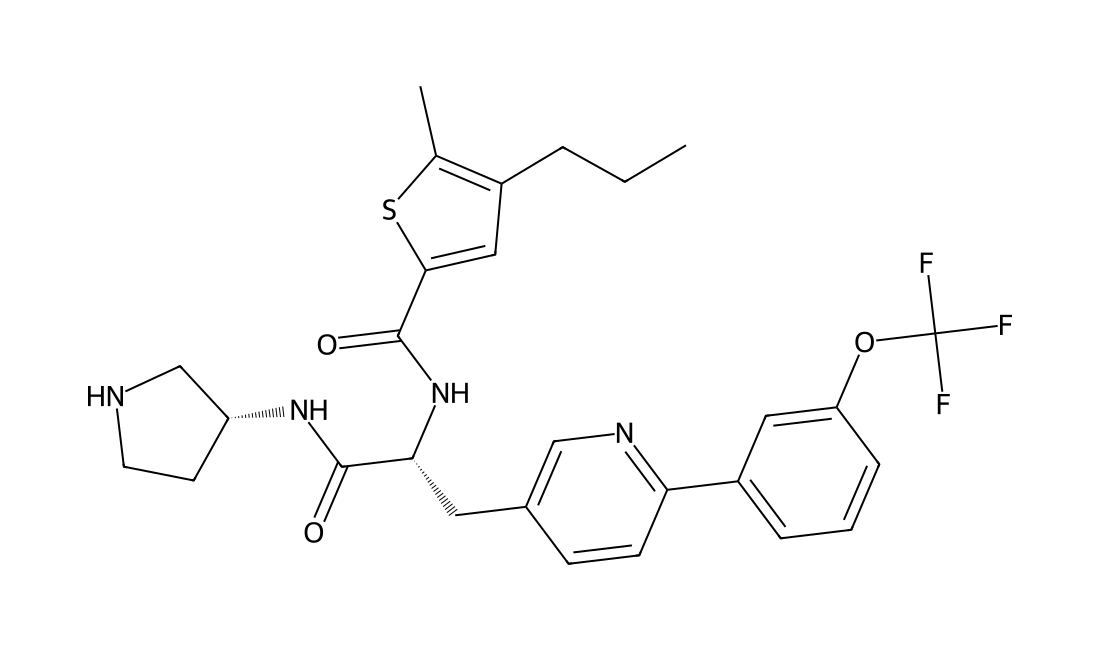
CAS 1262414-04-9
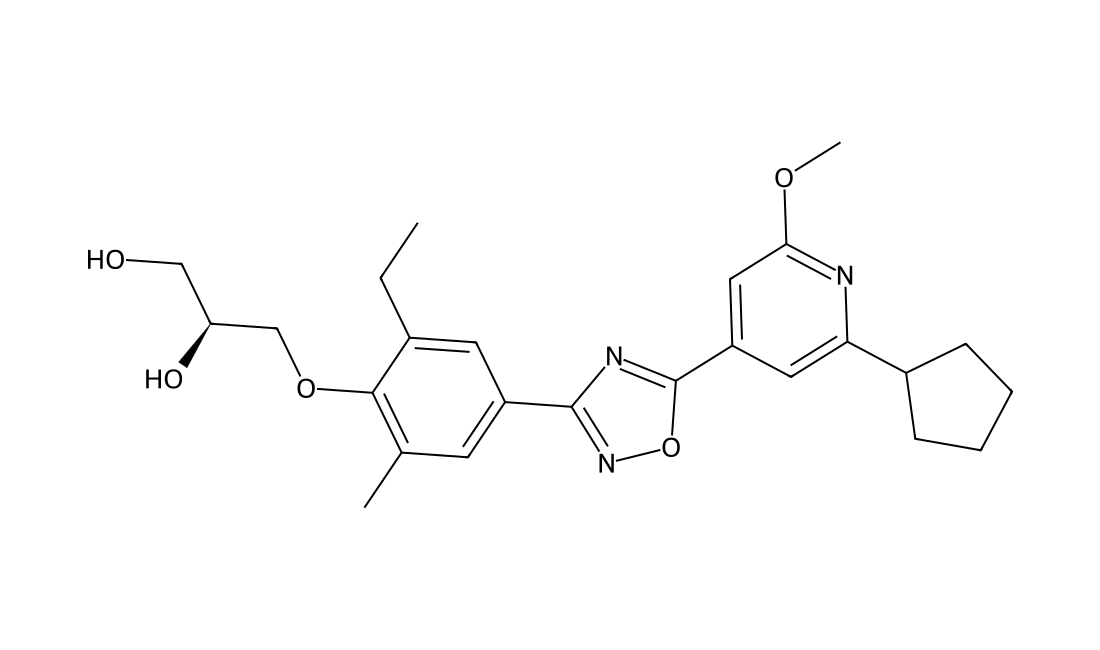
Cenerimod (ACT-334441) is a potent and orally available sphingosine 1-phosphate 1 receptor (S1P1) agonist extracted from patent WO 2016184939 A1 and WO 2011007324 A1, example 1, with an EC50 of 2.7 nM.
CAS 118081-34-8
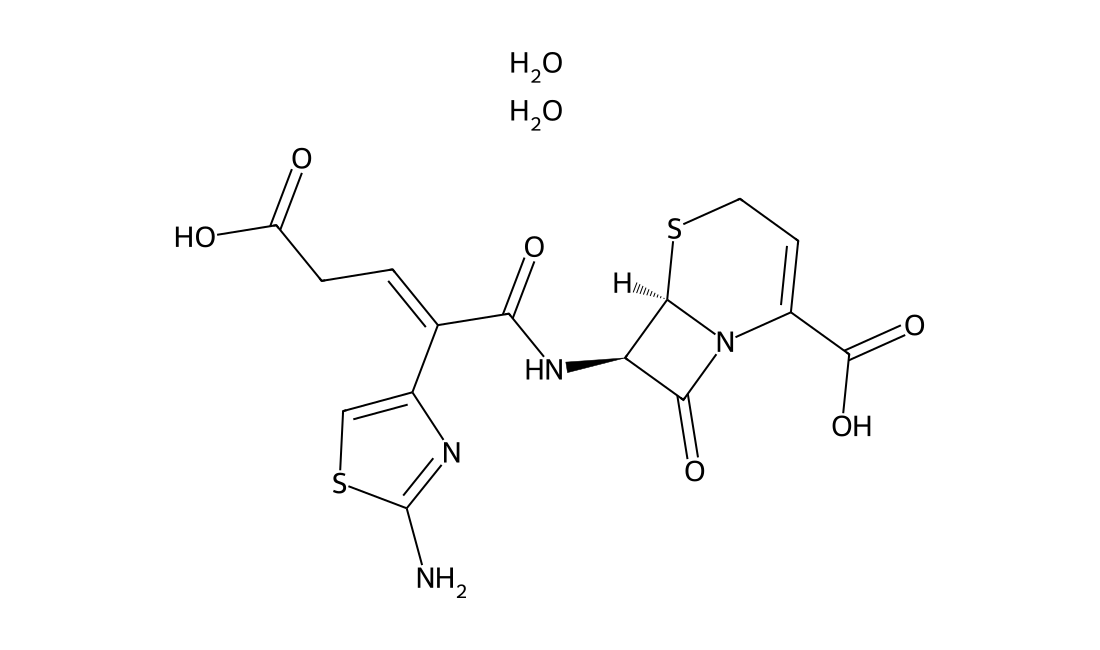
Ceftibuten dihydrate is a third-generation cephalosporin antibiotic.
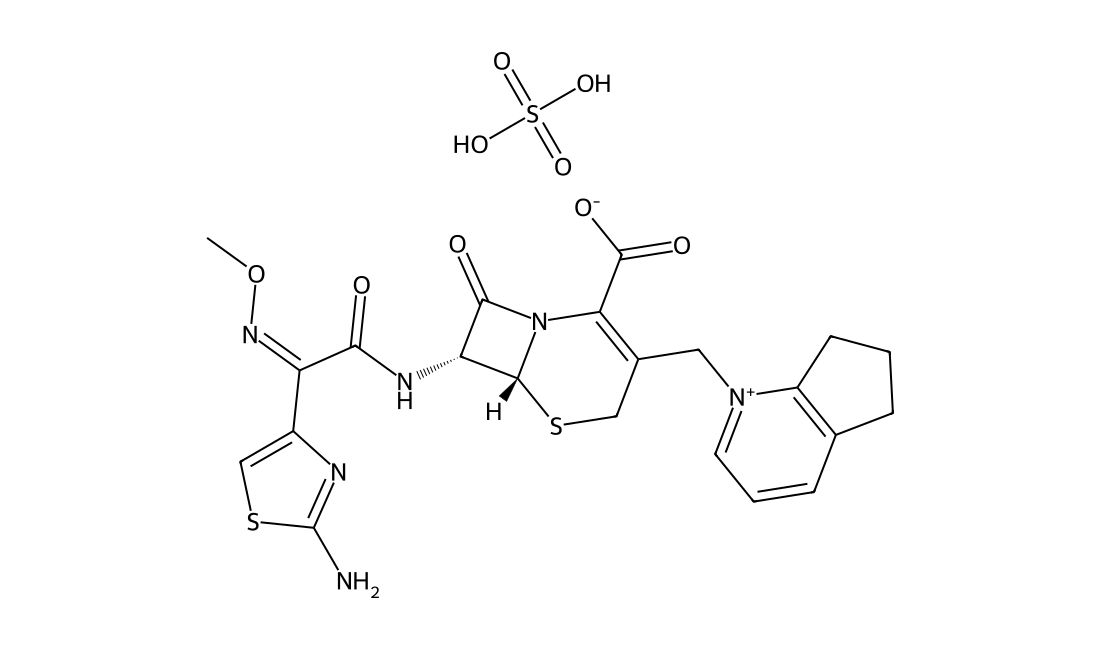
CAS 74849-93-7
Cefpiramide sodium (SM-1652; Wy-44635) is a new Pseudomonas-active cephalosporin with a broad spectrum of antibacterial activity. Cefpiramide was moderately susceptible to hydrolysis by a variety of beta-lactamases from Gram-negative bacilli. cefpiramide was more active against Acinetobacter spp. and Pseudomonas spp. Like most other cephalosporins, cefpiramide inhibited methicillin-susceptible staphylococci, non-enterococcal streptococci, Neisseria gonorrhoeae, N. meningitidis and beta-lactamase-negative Haemophilus influenzae. Pharmacokinetic studies in mice showed that cefpiramide attained a peak serum concentration of 12 micrograms/ml and a serum half-life of 40 min, which are higher than attained by cefoperazone with values of 4 micrograms/ml and 18 min. These factors may have caused the combined cefpiramide-gentamicin therapy to result in significantly improved survival rates in mice as well as in higher bactericidal titers than the cefoperazone-gentamicin combination.Cefpiramide inhibited many Pseudomonas aeruginosa resistant to carbenicillin, piperacillin, and cefotaxime, but it was less active than ceftazidime and cefsulodin. Cefpiramide inhibited staphylococci and streptococci and had appreciable activity against Streptococcus faecalis and Listeria moncytogenes.
CAS 111696-23-2
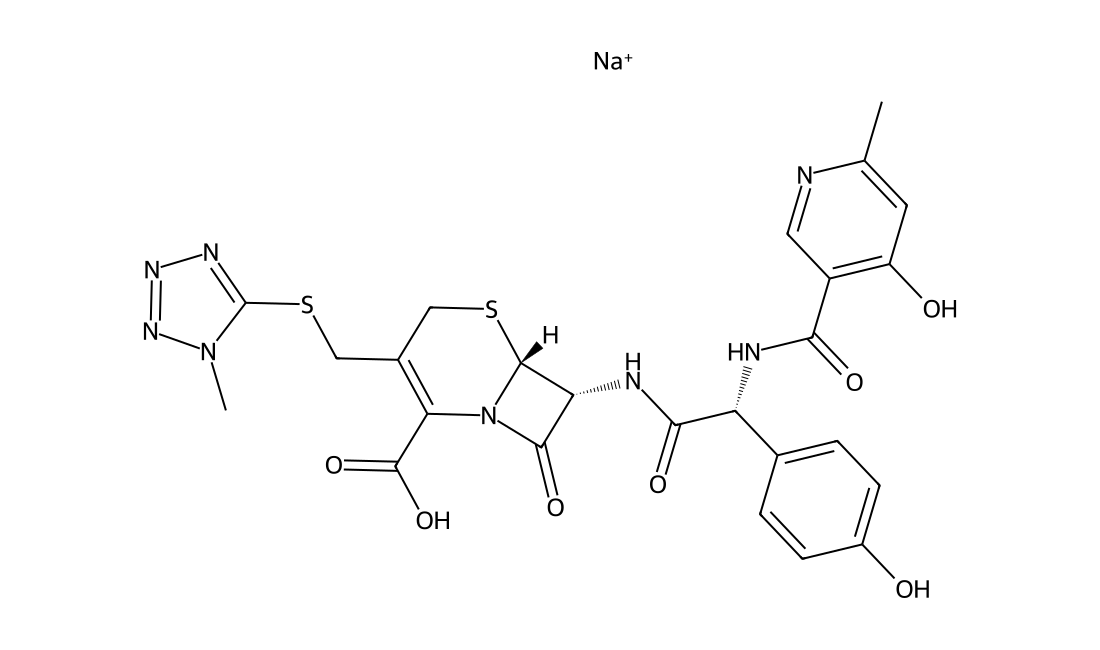
Cefetamet pivoxil hydrochloride is an oral third generation cephalosporin antibiotic.
CAS 173865-33-3
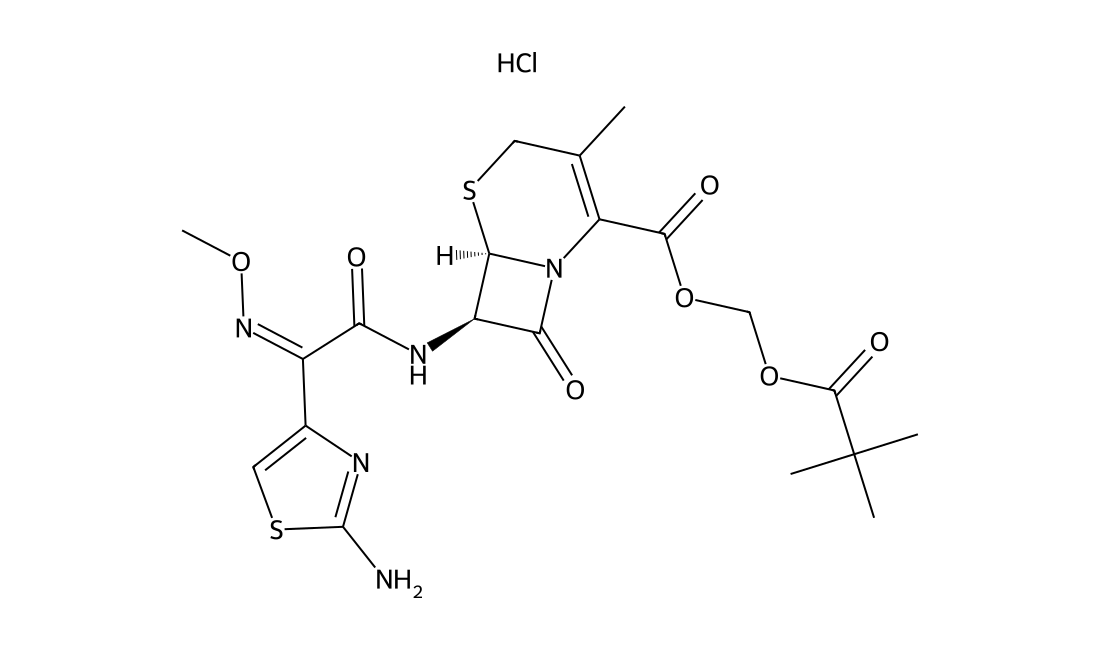
CDD3505 specifically induces hepatic cytochrome P450IIIA produces significant increases in HDL cholesterol.
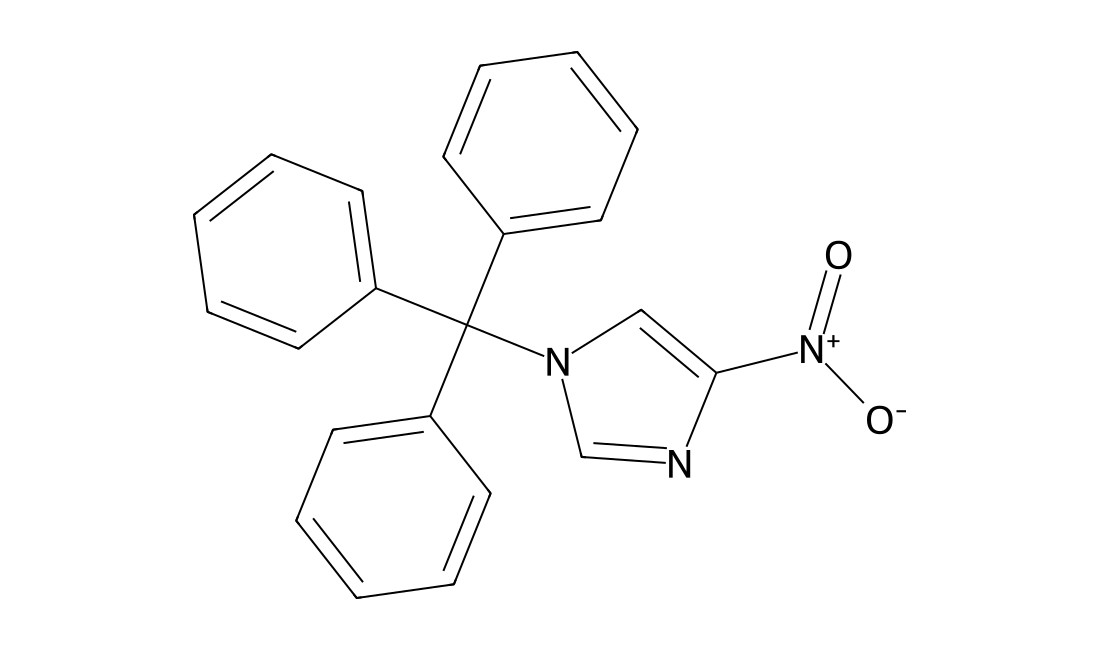
CAS 1431697-96-9
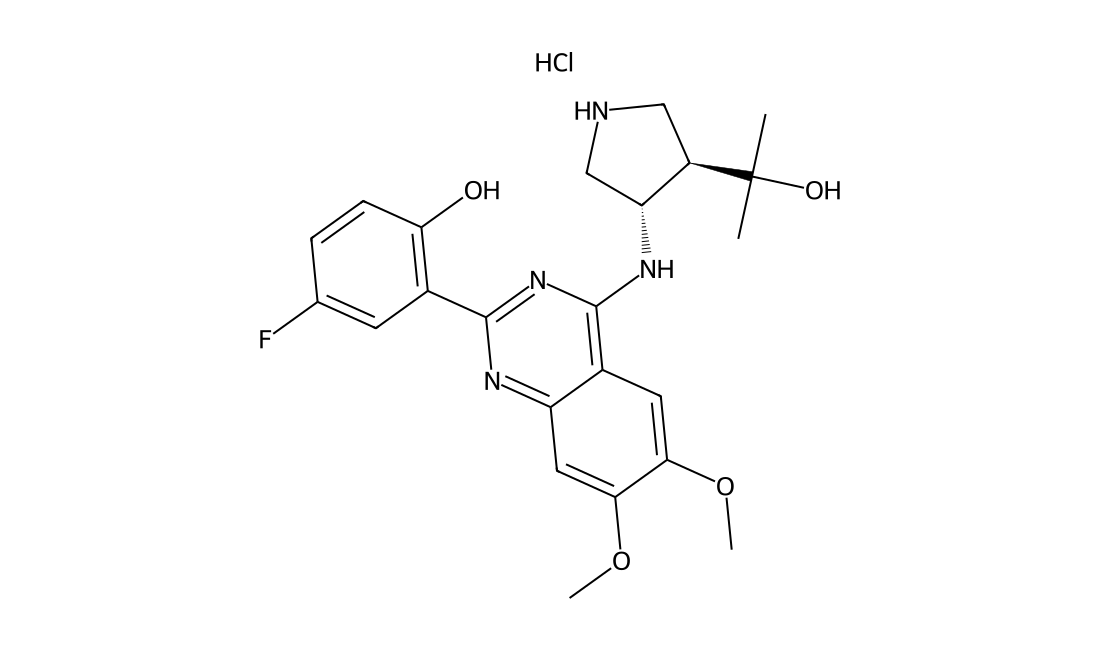
CCT241533 Hcl is a potent serine/threonine checkpoint kinase (Chk2) inhibitor with IC50 of 3 nM; shows minimal cross-reactivity against a panel of kinases at 1 uM. CCT241533 bound to CHK2 in the ATP pocket. This compound inhibits CHK2 with an IC(50) of 3 nmol/L and shows minimal cross-reactivity against a panel of kinases at 1 μmol/L. CCT241533 blocked CHK2 activity in human tumor cell lines in response to DNA damage, as shown by inhibition of CHK2 autophosphorylation at S516, band shift mobility changes, and HDMX degradation. CCT241533 did not potentiate the cytotoxicity of a selection of genotoxic agents in several cell lines. However, this compound significantly potentiates the cytotoxicity of two structurally distinct PARP inhibitors. Clear induction of the pS516 CHK2 signal was seen with a PARP inhibitor alone, and this activation was abolished by CCT241533, implying that the potentiation of PARP inhibitor cell killing by CCT241533 was due to inhibition of CHK2. Consequently, our findings imply that CHK2 inhibitors may exert therapeutic activity in combination with PARP inhibitors.
CAS 1049741-55-0
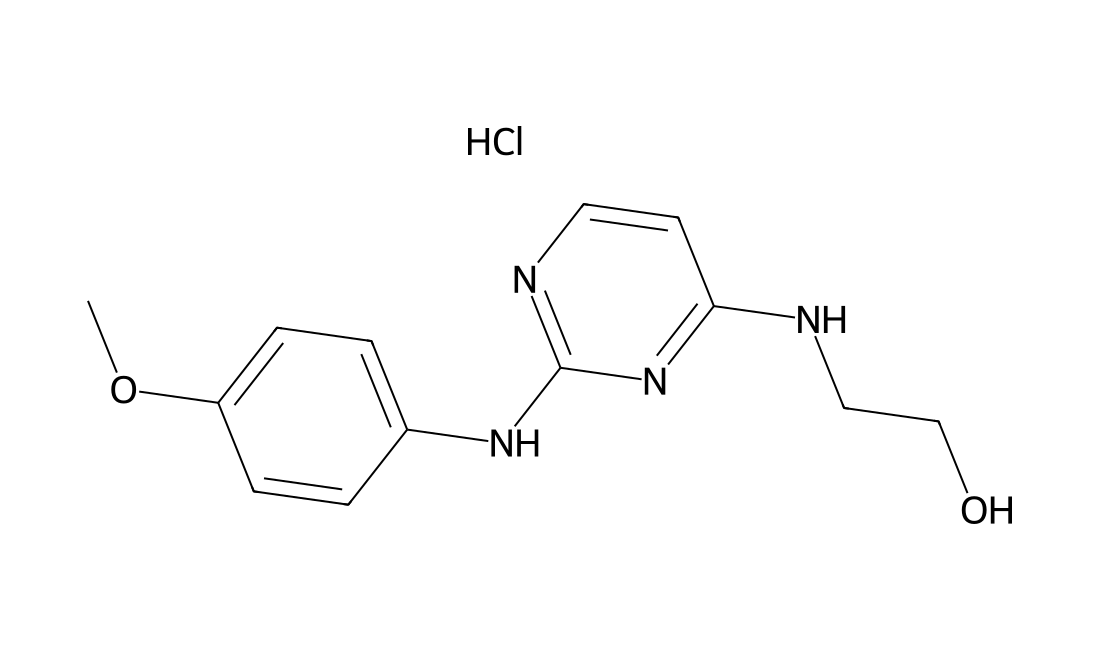
Cardiogenol C is a small cell-permeable molecule that selectively and efficiently induce mouse embryonic stem cells (ESCs) to differentiate into cardiomyocytes with EC50 of 0.1 uM; induces cardiac differentiation in P19 and in P19Cl6 cells, also induces hair bulge progenitor cells (HBPCs) to express transcription factors GATA4, Nkx2.5 and Tbx5, Cardiogenol C might exert its effect by activating the Wnt signaling pathway through the suppression of Kremen1.
CAS 62571-86-2
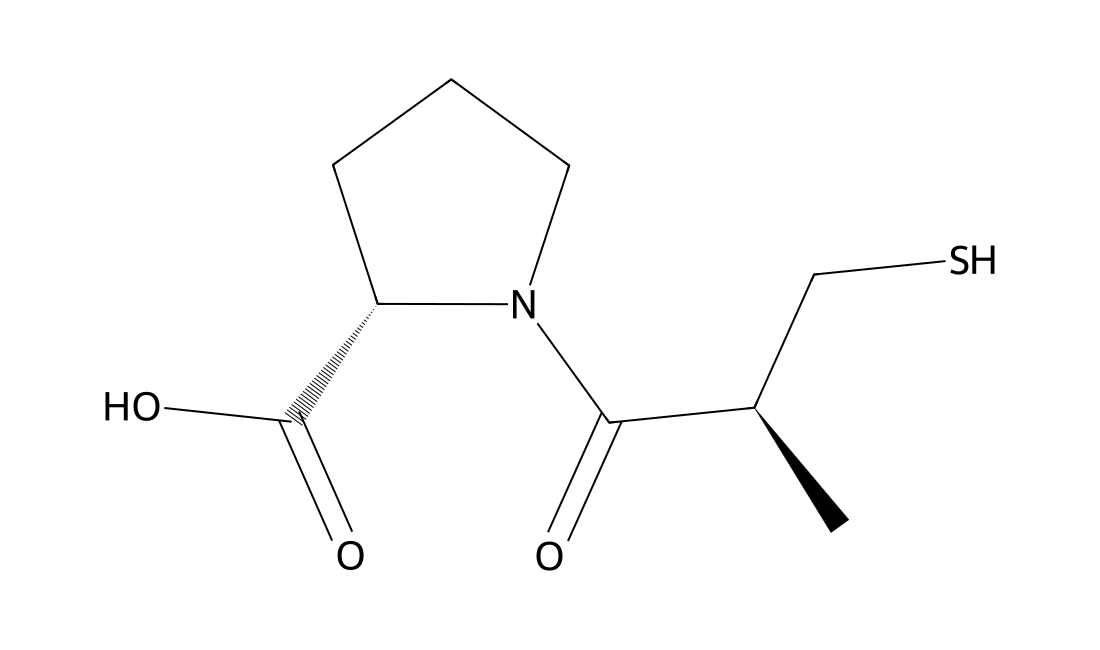
Captopril is a potent, competitive inhibitor of angiotensin-converting enzyme (ACE).Captopril has been shown to have similar morbidity and mortality benefits to those of diuretics and beta-blockers in hypertensive patients. Captopril has been shown to delay the progression of diabetic nephropathy, and enalapril and lisinopril prevent the development of nephropathy in normoalbuminuric patients with diabetes. an equimolar ratio of the cis and trans states of captopril exists in solution and that the enzyme selects only the trans state of the inhibitor that presents architectural and stereoelectronic complementarity with its substrate binding groove .
CAS 332420-90-3
C87 directly binds to TNFα, potently inhibits TNFα-induced cytotoxicity (IC50=8.73 μM) and effectively blocks TNFα-triggered signaling activities. C87 exhibits good solubility and consistent dose-dependent functions in vitro. C87 completely blocks TNFα-induced activation of caspase-3 and caspase-8. The activity of c-Jun N-terminal kinase (JNK) is significantly reduced by C87 in L929 cells. C87 also prevents the degradation of IκBα in cells treated with TNFα. C87 potently blocks multiple signaling transduction pathways and downstream target gene activation triggered by TNFα.C87 attenuates TNFα-induced inflammation, thereby markedly reducing injuries to the liver and improving animal survival. C87 injection delays the incidence of death and increases the survival rate by two folds compared with the vehicle control. The level of alanine transaminase and aspartate transaminase is consistently reduced in mice with C87 treatment.
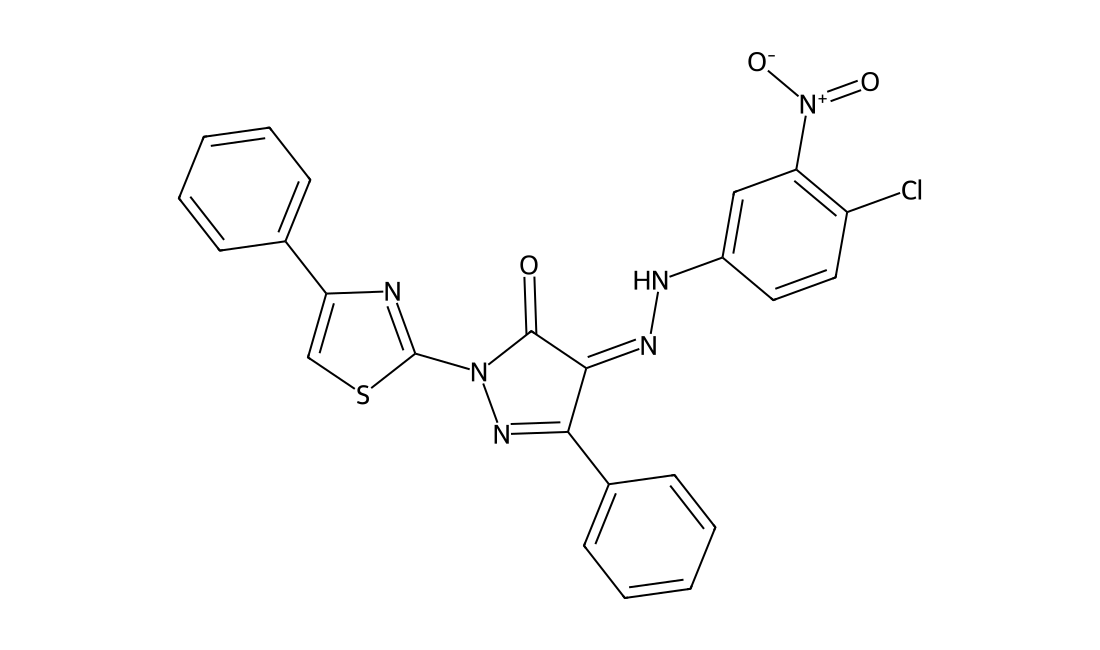
CAS 69304-47-8
Brivudine is an analog of thymidine, and is incorporated into the viral DNA. It blocks the action of DNA polymerases, thus inhibiting viral replication. It has a stronger antiviral effect against the varicella-zoster virus compared with reference compounds such as aciclovir or penciclovir. It has high, selective activity against varicella zoster virus (VZV), inhibiting VZV replication, possibly through competitive inhibition of viral DNA polymerase, or by acting as an alternative substrate to deoxythymidine triphosphate, causing viral DNA strand breakage.At a dose of 125 mg once daily, brivudine has proved to be superior to aciclovir with respect to reducing the period of new blister production, and has shortened the duration of post-herpetic neuralgia.
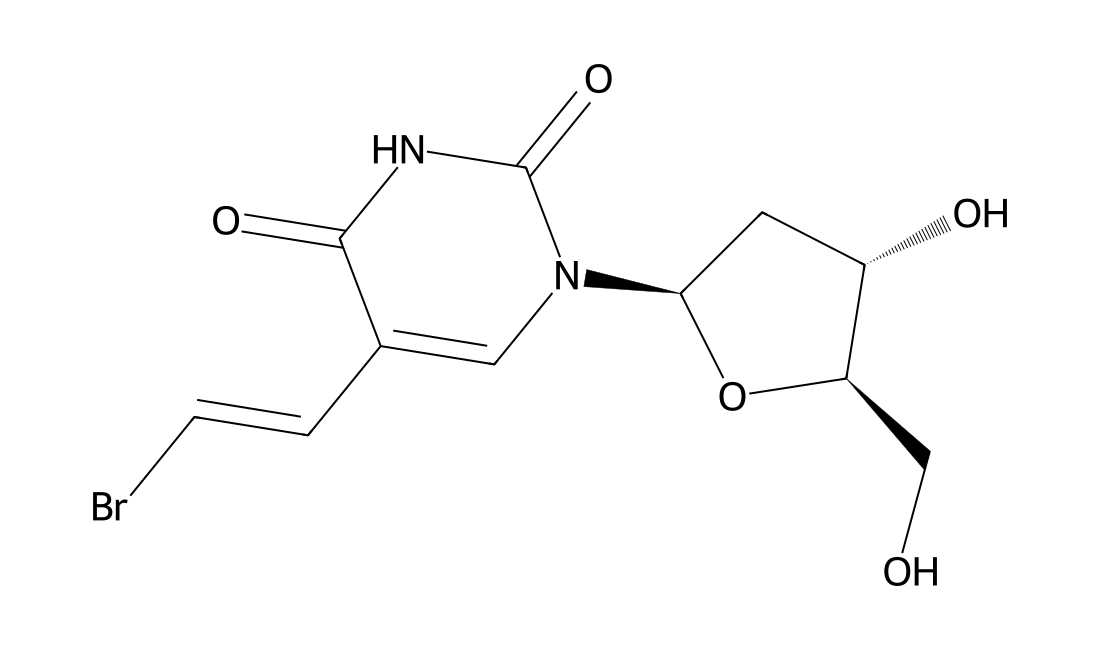
CAS 58-82-2
Bradykinin is a potent vasodilator peptide that exerts its vasodilatory action through stimulation of specific endothelial B2 receptors, thereby causing the release of prostacyclin, NO, and EDHF. Bradykinin has been reported to be involved in the progression of many types of cancer. Bradykinin treatment promotes the invasion and migration of colorectal cancer cells. Bradykinin treatment stimulates ERK1/2 activation and IL-6 production. Exogenous bradykinin markedly inhibits TF expression in mRNA and protein level induced by LPS in a dose-dependent manner. The NO synthase antagonist L-NAME and PI3K inhibitor LY294002 dramatically abolish the inhibitory effects of bradykinin on tissue factor expression.Application of 1 μM bradykinin to the ovary produces significant decreases in heart rate and mean arterial pressure. In vagotomized animals, application of 1 μM bradykinin to the ovary produces bradycardia and hypotension similar to the responses evoked when vagal innervation is intact. Vascular bradykinin can improve pancreatic microcirculation and hemorheology in rats with severe acute pancreatitis. The pancreatic microcirculatory blood flow volume and velocity in the vascular bradykinin treatment group increases gradually after 48 h[5]. PI3K/Akt signaling pathway activation induced by bradykinin administration reduces the activity of GSK-3β and MAPK, and reduces NF-x03BA;B level in the nucleus, thereby inhibiting TF expression. Consistent with this, intraperitoneal injection of C57/BL6 mice with bradykinin also inhibits the thrombus formation induced by ligation of inferior vena cava.
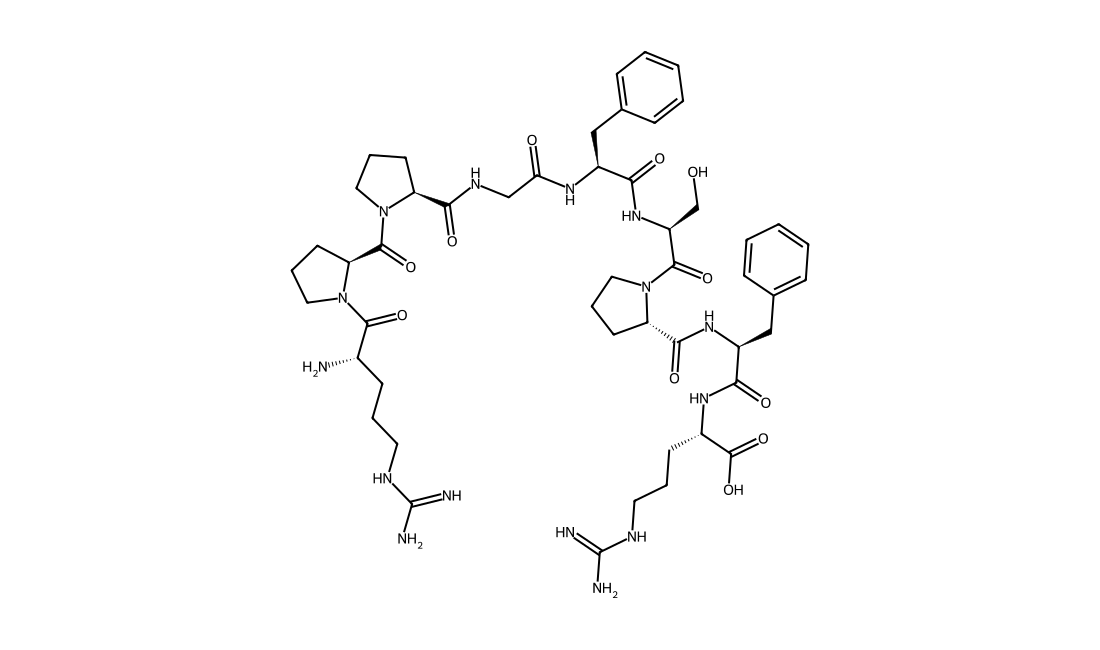
CAS 13103-34-9
Boldenone undecylenate(Equipoise) is a synthetic steroid which has a similar effect as the natural steroid testosterone; it is frequently used in veterinary medicine, though it is also used in humans. The effects of this steroid are more subtle than that of many other steroids. in vivo: Rabbits were injected intramuscularly twice weekly for two months. BOL had no significant effect on the bwt and bwt gain. Testes and epididymis weights were decreased significantly in the BOL-treated groups. BOL caused significant reduction in serum testosterone level, seminal volume, sperm motility, and sperm count .
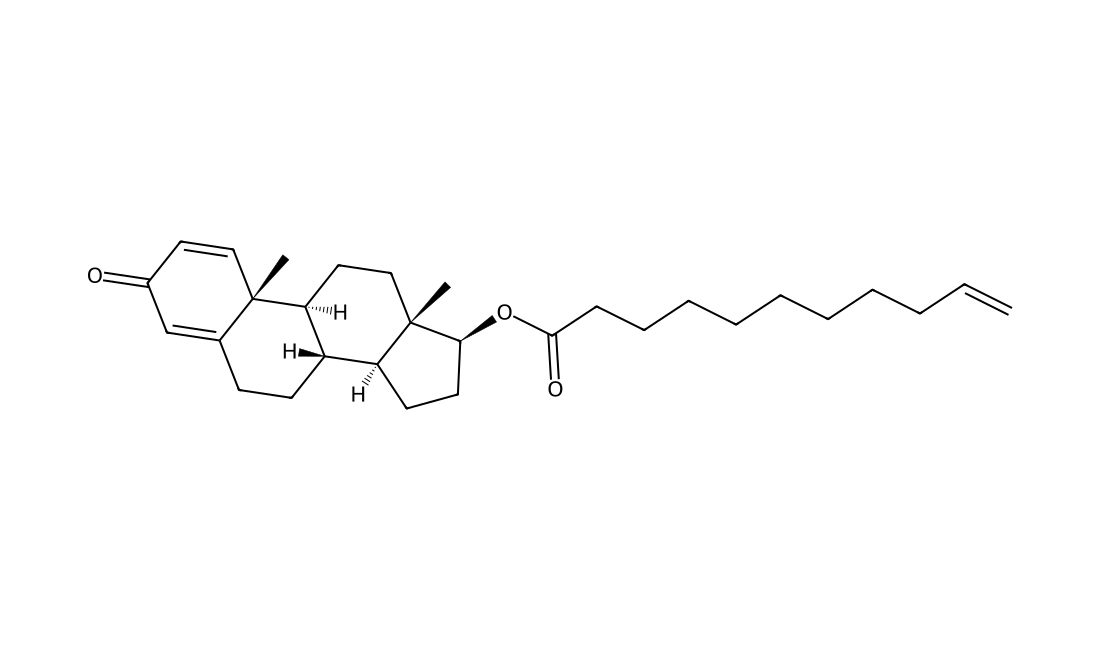
CAS 939390-99-5
BMS-795311 is a potent and orally available CETP inhibitor with IC50 of 3.8 nM, inhibits cholesteryl ester (CE) transfer with IC50 of 0.22 uM; inhibits CE transfer activity at an oral dose of 1 mg/kg in human CETP/apoB-100 dual transgenic mice and increased HDL cholesterol content and size comparable to Torcetrapib in moderately-fat fed hamsters.
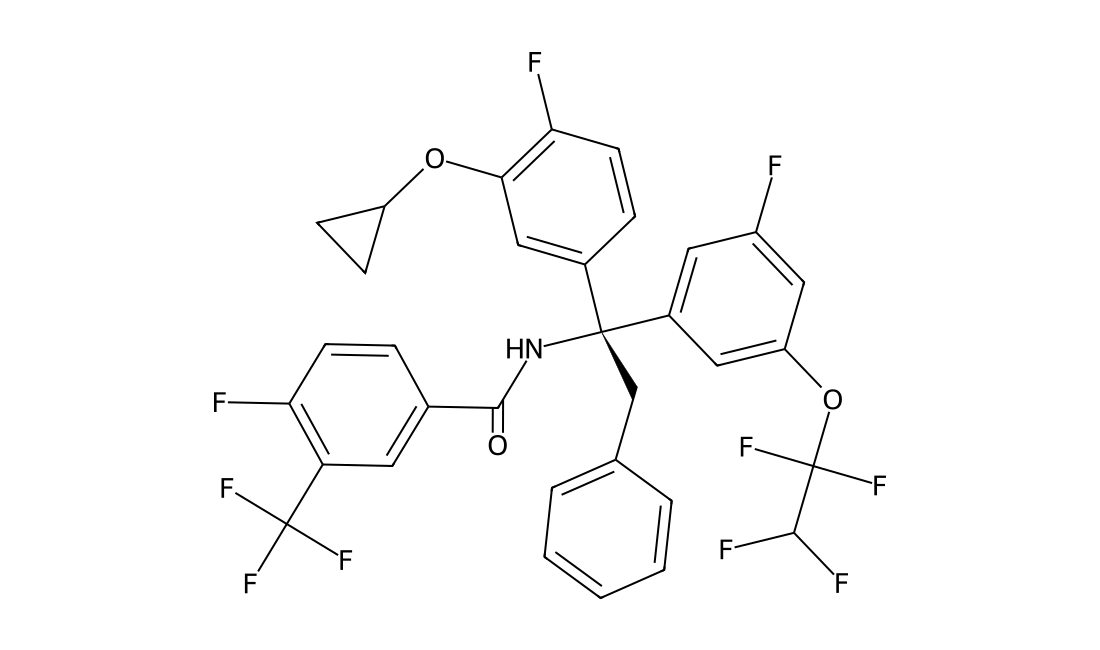
CAS 873837-23-1
BMS-599626 (AC-480) is a potent, selective inhibitor of EGFR and HER2 with IC50 of 20 nM and 30 nM; displays 8-fold less potency to HER4, >100-fold to VEGFR2, c-Kit, Lck, MET etc; inhibits the proliferation of tumor cells expressing high levels of HER1 and/or HER2; shows potent antitumor activity in a human breast tumor KPL-4 xenograft; orally efficacious.Breast CancerPhase 1 Discontinued
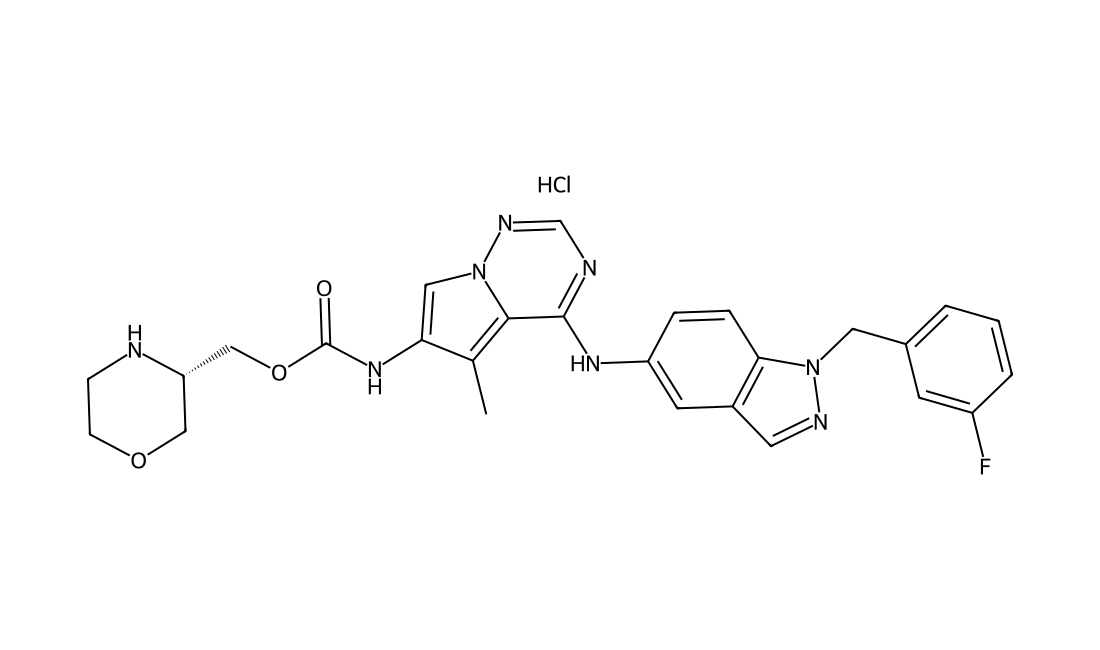
CAS 627530-84-1
BMS-564929 is a potent, selective androgen receptor modulator (SARM) that binds to AR with Ki of 2.11 nM; BMS-564929 is a subnanomolar AR agonist in vitro, displays high selectivity for the AR versus other steroid hormone receptors and exhibits no significant interactions with SHBG or aromatase.
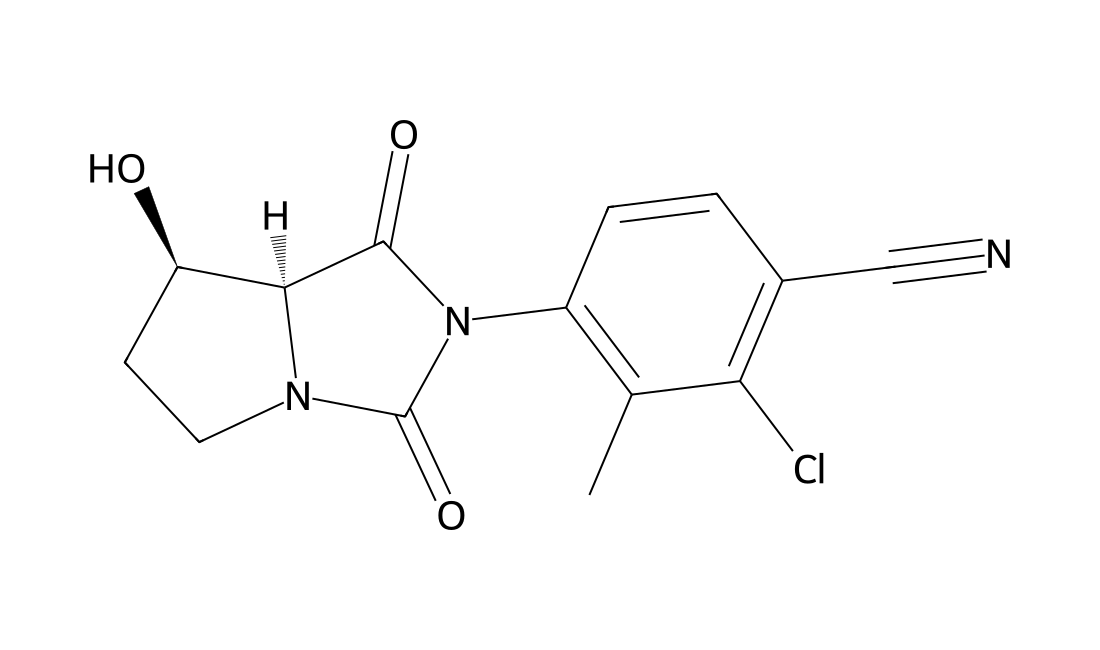
CAS 195987-41-8
BMS-214662 is over 1000-fold selective for farnesyl transferase, having IC50 values for inhibition of geranylgeranylation of Ras-CVLL and K-Ras of 1.3 and 2.3 μM, respectively. BMS-214662 shows good potency in inhibiting H-ras-transformed rodent cells, A2780 human ovarian carcinoma tumor cells, and HCT-116 human colon carcinoma tumor cells. BMS-214662 is the most potent apoptotic FTI known and demonstrates broad spectrum yet robust cell-selective cytotoxic activity against a panel of cell lines with diverse histology.Tumors from BMS-214662-treated mice have increased numbers of apoptotic cells as compared with the nontreated control mice. The AIs in HCT-116 tumors are increased 4-10-fold in BMS-214662-treated mice as compared with nontreated controls. BMS-214662 is significantly cytotoxic to both HCT-116 and EJ-1 tumor cells; the doses of BMS-214662 required to kill 90% of clonogenic tumor cells are approximately 75 and 100 mg/kg for HCT-116 and EJ-1 tumors.
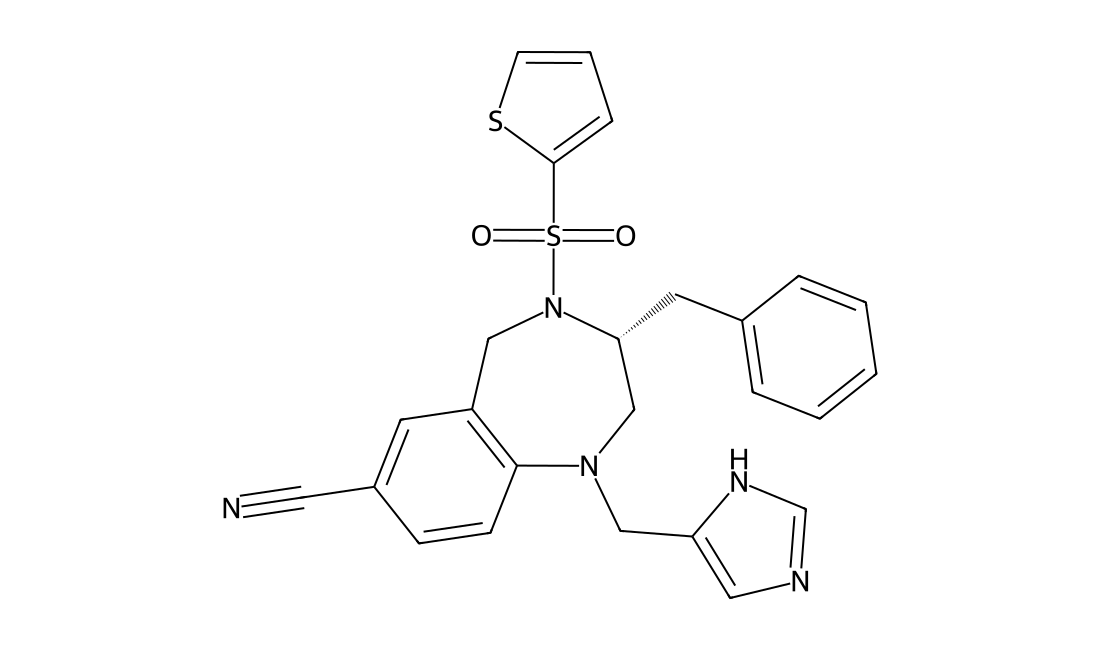
CAS 37134-40-0
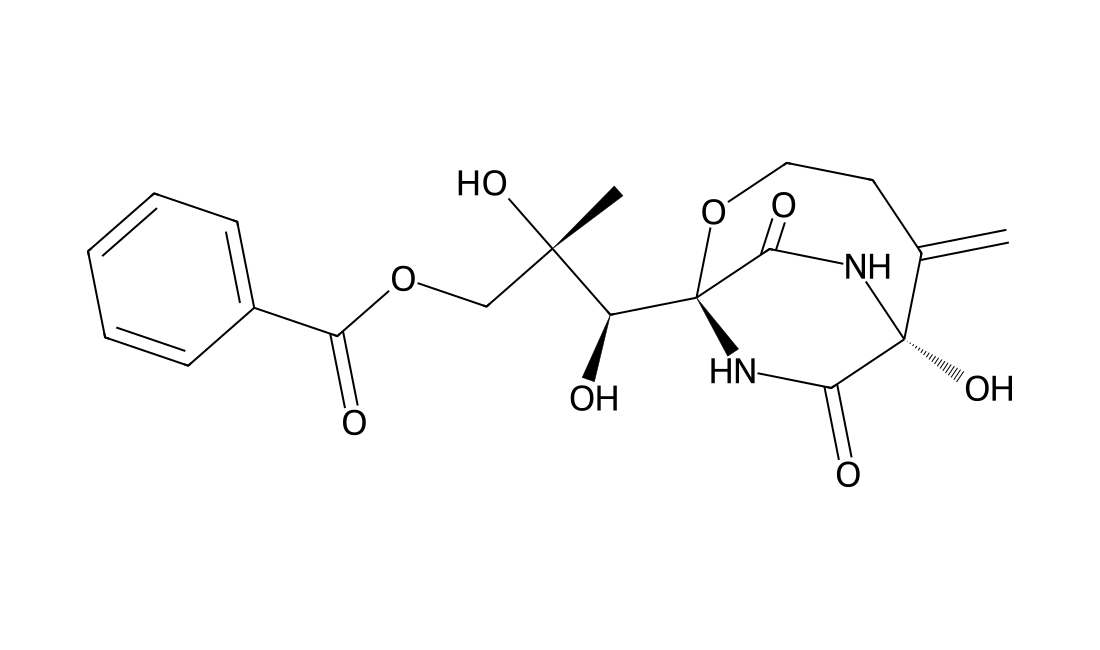
The primary action of bicyclomycin is due to interference with the biosynthesis of lipoprotein and its assembly to peptidoglycan in the cell envelope of E. coli. At the lethal level, bicyclomycin is shown to inhibit the synthesis of RNA and protein in the growing cells of E. coli 15 THU. Bicyclomycin targets the rho transcription termination factor in Escherichia coli. Bicyclomycin is a modest rho inhibitor, can disrupt the rho molecular machinery thereby leading to a catastrophic effect caused by the untimely overproduction of proteins not normally expressed constitutively, thus leading to a toxic effect on the cells. The inhibition of rho poly(C)-stimulated hydrolysis of ATP by bicyclomycin has been found to proceed by a non-competitive, reversible pathway with respect to ATP (Ki=20 μM).Bicyclomycin has low excretion rate after a single intramuscular dose of 50 mg/kg in rats. Bicyclomycin is well distributed in various tissues, and the highest concentration is observed in the kidney at 100 mg/kg.
CAS 3818-50-6
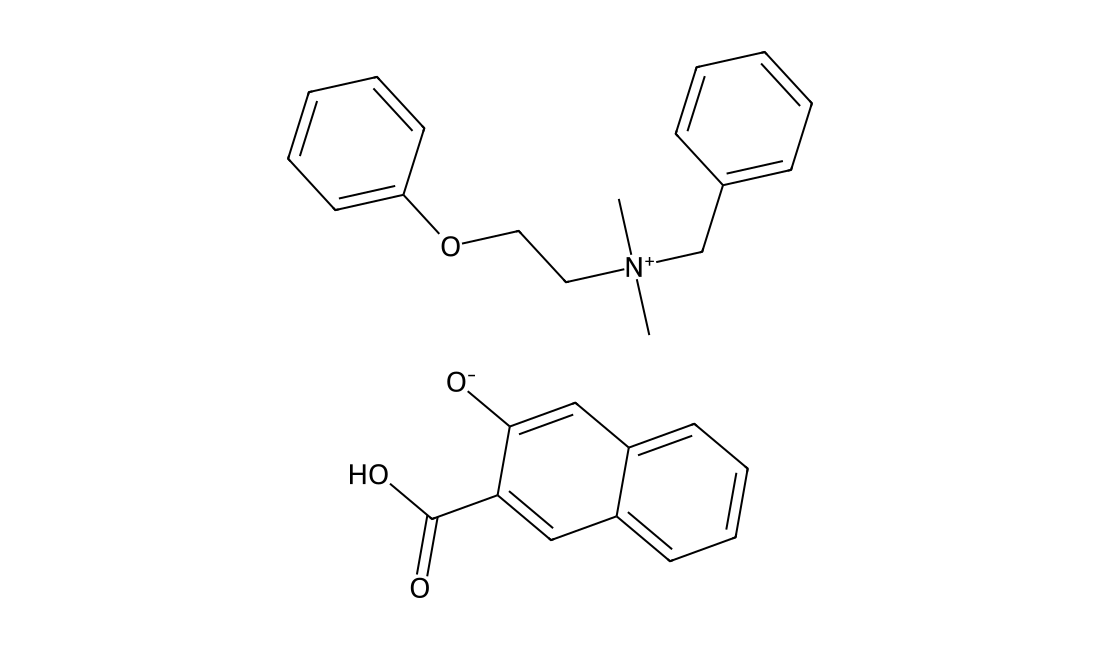
Bephenium hydroxynaphthoate is an anthelmintic compound that acts as an activiator of nematode B-type nAChR, is used in the treatment of hookworm infections and ascariasis.
CAS 1861-40-1
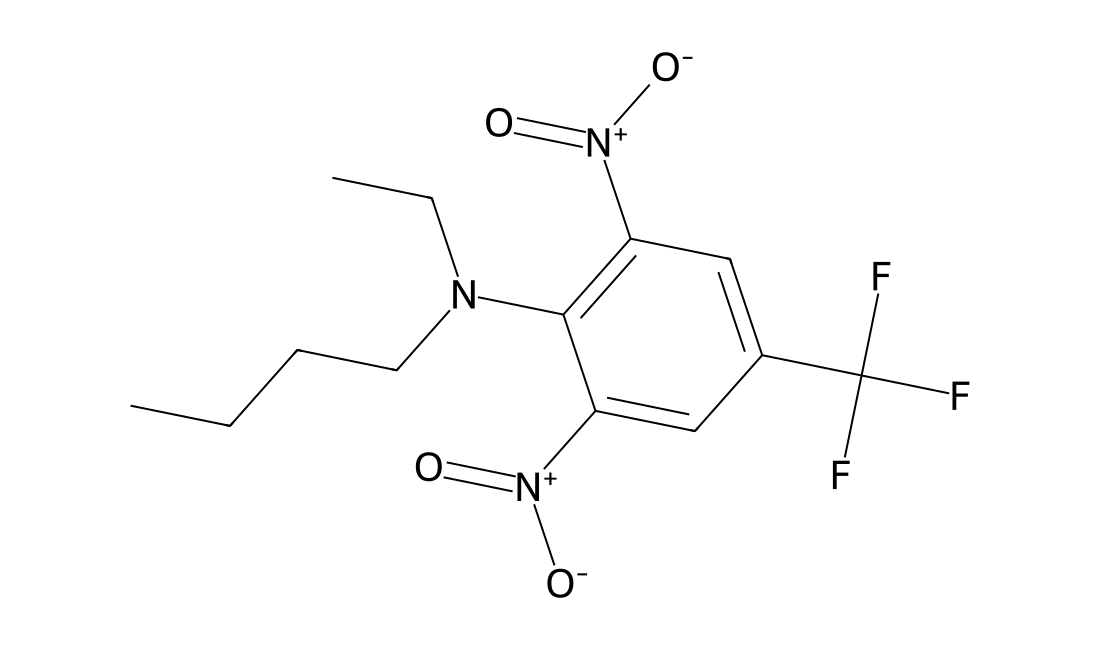
Benfluralin is a kind of herbicide and an agrochemical which can be used as a pre-emergence herbicide used for the control of grass and other weeds in a range of food and non-food crops.
CAS 86541-74-4
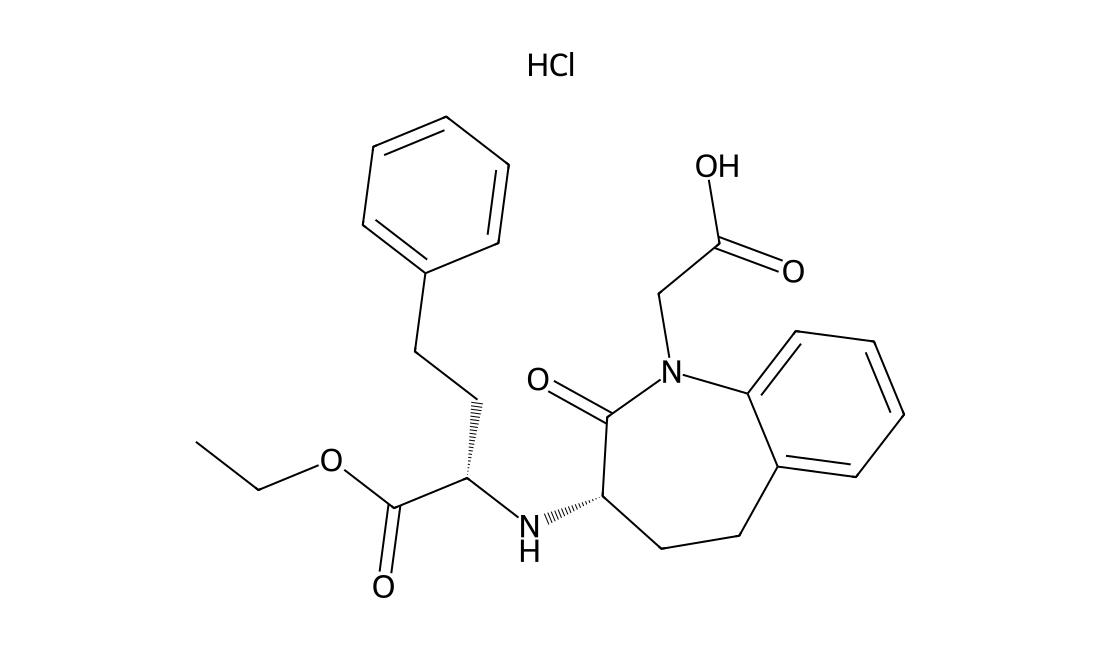
Benazepril hydrochloride, an angiotensin converting enzyme inhibitor, which is a medication used to treat high blood pressure.Benazepril hydrochloride is a medication used to treat high blood pressure (hypertension), congestive heart failure, and chronic renal failure. Upon cleavage of its ester group by the liver, benazepril hydrochloride is converted into its active form benazeprilat, a non-sulfhydryl angiotensin-converting enzyme (ACE) inhibitor. Animals were randomly divided into 4 groups: sham STNx group (control), STNx group, morning benazepril hydrochloride group (MB) and evening benazepril hydrochloride group (EB).Benazepril hydrochloride was intragastrically administered at a dose of 10 mg/kg/day at 07:00 and 19:00 in the MB group and EB group respectively for 12 weeks. All the animals were synchronized to the light:dark cycle of 12:12 for 12 weeks. Systolic blood pressure (SBP), 24-h urinary protein excretion and renal function were measured at 11 weeks. Blood samples and kidneys were collected every 4 h throughout a day to detect the expression pattern of renin activity (RA), angiotensin II (AngII) and aldosterone (Ald) by radioimmunoassay (RIA) and the mRNA expression profile of clock genes (bmal1, dbp and per2) by real-time PCR at 12 weeks. Our results showed that no significant differences were noted in the SBP, 24-h urine protein excretion and renal function between the MB and EB groups. There were no significant differences in average Ald and RA content of a day between the MB group and EB group. The expression peak of bmal1 mRNA was phase-delayed by 4 to 8 h, and the diurnal variation of per2 and dbp mRNA diminished in the MB and EB groups compared with the control and STNx groups. It was concluded when the similar SBP reduction, RAAS inhibition and clock gene profile were achieved with optimal dose of benazepril hydrochloride, morning versus evening dosing of benazepril hydrochloride has the same renoprotection effects.
CAS 1802637-39-3
In Vitro Cl-amidine and BB-Cl-amidine show similar in vitro potencies and selectivities; however, the cellular potency of BB-Cl-amidine is increased by more than 20-fold, evidenced by decreased EC50 values obtained from viability studies with U2OS osteosarcoma cells (8.8±0.6 μM vs >200 μM for Cl-amidine). Cl-amidine and BB-Cl-amidine significantly inhibit NET formation by MRL/lpr neutrophils. In Vivo Treatment with BB-Cl-amidine subtly reduces splenomegaly in MRL/lpr mice, while there is a trend towards increased circulating levels of anti-NET antibodies with PAD inhibitor treatment. However, neither PAD inhibitor affected body weight or total IgG levels. Indeed, treatment with both Cl-amidine and BB-Cl-amidine significantly improves endothelium-dependent vasorelaxation. The BB-Cl-amidine group also shows a strong trend towards downregulation of IRGs. Treatment with either Cl-amidine or BB-Cl-amidine significantly improves muzzle alopecia, in many cases preventing it entirely.
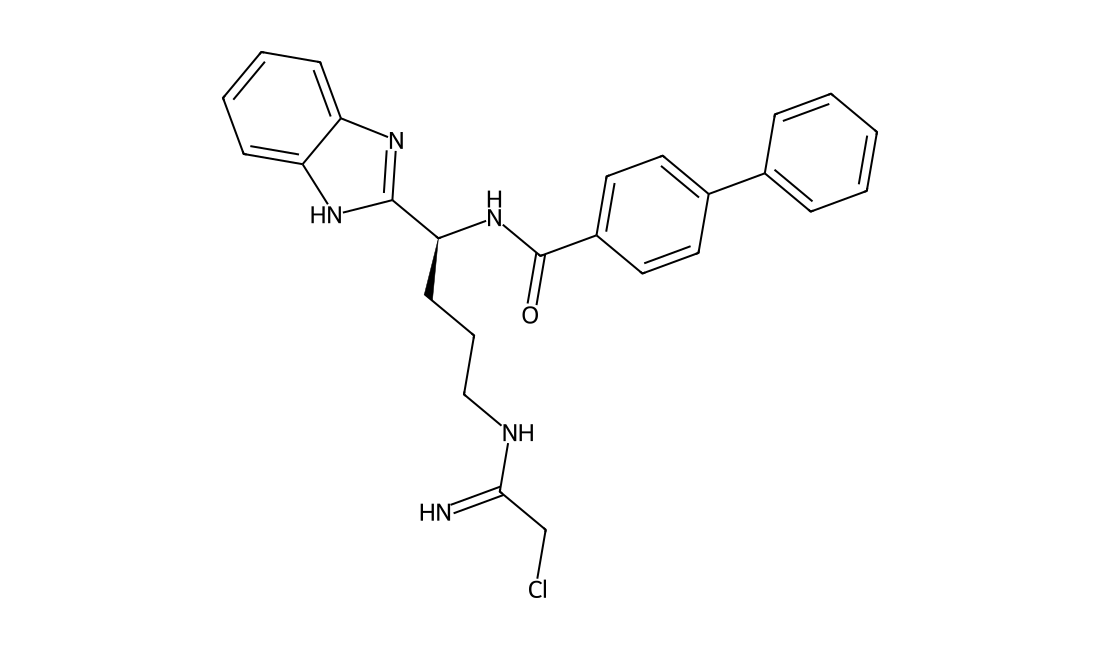
CAS 298708-81-3
BAY 41-4109 is able to both accelerate and misdirect capsid assembly in vitro. Preformed capsids are stabilized by BAY 41-4109, up to a ratio of one inhibitor molecule per two dimers. BAY 41-4109 is equally effective at inhibiting HBV DNA release and the cytoplasmic HBcAg level, with IC50s of 32.6 and 132 nM in HepG2.2.15 cells, respectively. HBV DNA and HBcAg are inhibited in a dose-dependent manner, indicating that the anti-HBV mechanisms are associated with and dependent on the rate of HBcAg inhibition.BAY 41-4109 reduces viral DNA in the liver and in the plasma dose-dependently with efficacy comparable to 3TC. BAY 41 -4109 reduces hepatitis B virus core antigen (HBcAg) in livers of HBV-transgenic mice. Pharmacokinetic studies in mice have shown rapid absorption, a bioavailability of 30% and dose-proportional plasma concentrations, about 60% in rats and dogs.BAY41-4109 inhibits virus production in vivo by a mechanism that targets the viral capsid.
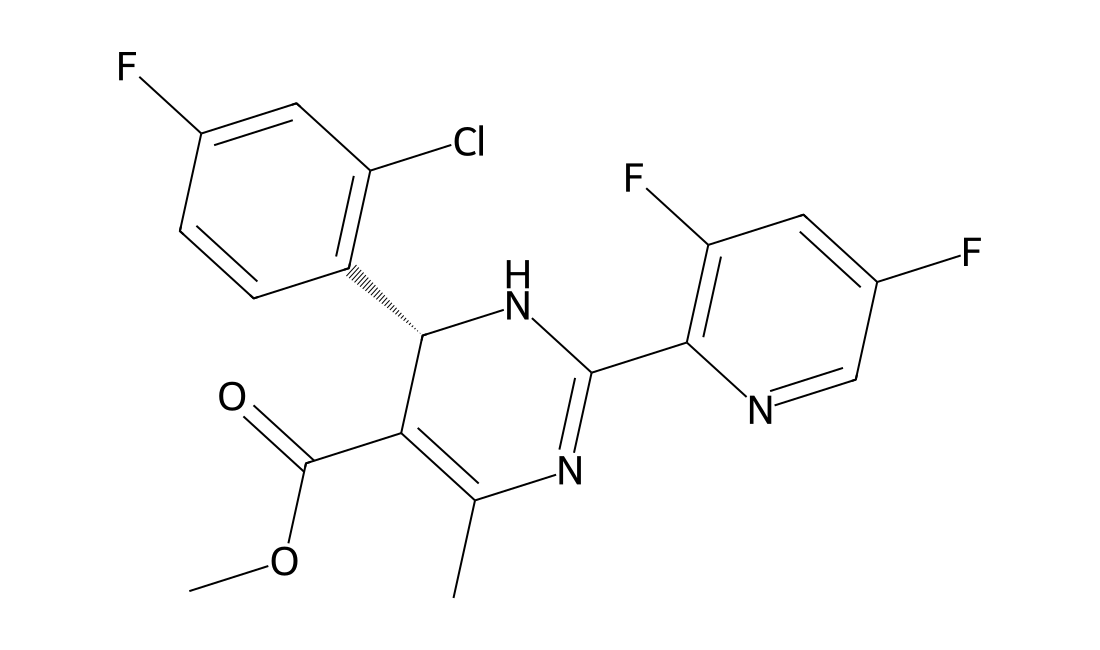
CAS 1134-47-0
Baclofen is a gamma-amino-butyric acid (GABA) derivative used as a skeletal muscle relaxant.Baclofen, a lipophilic analog of gamma-aminobutyric acid, is clinically used to control spasticity. Baclofen pretreatment (3 mg/kg) not only prolonged the time taken for animals to reach a core body temperature of 40 degrees C (P < 0.001), but also reduced the percentage of rats attaining a core body temperature of 40 degrees C. Baclofen overdose may result in coma, apnea, autonomic disturbances, cardiac conduction abnormalities, and seizures. Levels obtained shortly after overdose correlate with length of mechanical ventilation.
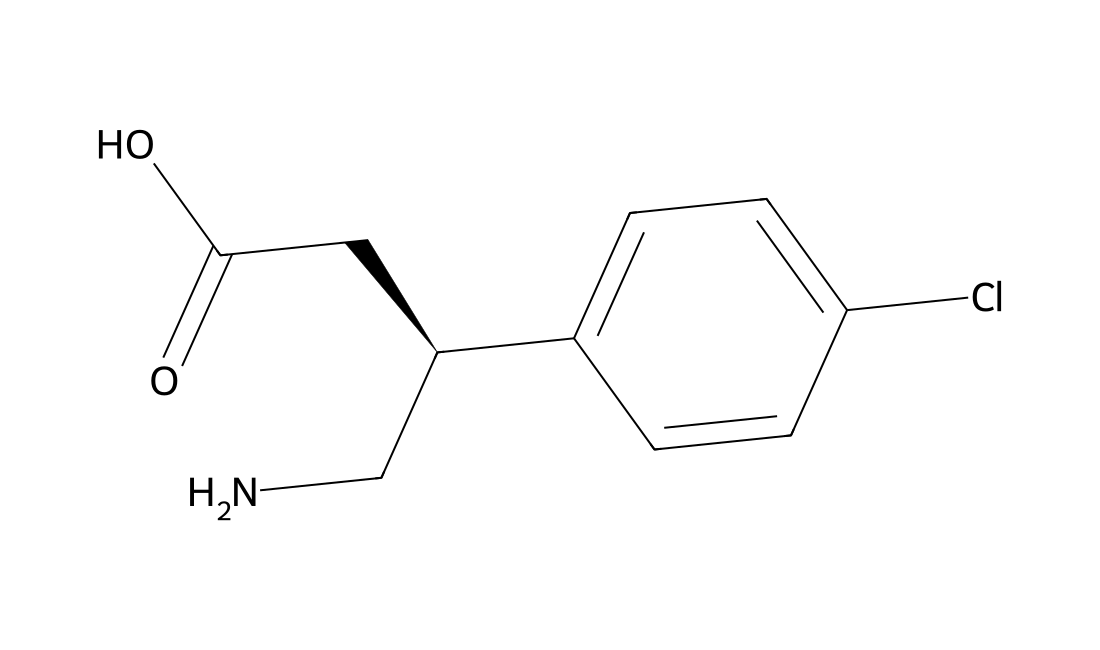
CAS 149888-94-8
Azimilide 2Hcl(NE-10064 2Hcl) is a class III antiarrhythmic compound, inhibits I(Ks) and I(Kr) in guinea-pig cardiac myocytes and I(Ks) (minK) channels expressed in Xenopus oocytes. in vitro: Azimilide blocked HERG channels at 0.1 and 1 Hz with IC50s of 1.4 microM and 5.2 microM respectively. Azimilide blockade of HERG channels expressed in Xenopus oocytes and I(Kr) in mouse AT-1 cells was decreased under conditions of high [K+]e, whereas block of slowly activating I(Ks) channels was not affected by changes in [K+]e. Azimilide suppressed the following currents (Kd in parenthesis): IKr (< 1 microM at -20 mV), IKs (1.8 microM at +30 mV), L-type Ca current (17.8 microM at +10 mV), and Na current (19 microM at -40 mV). Azimilide was a weak blocker of the transient outward and inward rectifier currents (Kd > or = 50 microM at +50 and -140 mV, respectively). Azimilide blocked IKr, IKs, and INa in a use-dependent manner. Furthermore, azimilide reduced a slowly inactivating component of Na current that might be important for maintaining the action potential plateau in canine ventricular myocytes. In guinea pig ventricular myocytes, NE-10064 (0.3-3 microM) significantly prolonged action potential duration (APD) at 1 Hz. At 3 Hz, NE-10064 (0.3-1 microM) increased APD only slightly, and at 10 microM decreased APD and the plateau potential. NE-10064 potently blocked the rapidly activating component of the delayed rectifier, IKr (IC50 0.4 microM), and inhibited IKs (IC50 3 microM) with nearly 10-fold less potency. in vivo: NE-10064 (10 mg/kg intravenously, i.v.) reduced (p < 0.05) the incidence (8 of 12) of PES-induced ventricular tachycardia (VT). The cycle length of induced VT was not prolonged by NE-10064 (0.245 +/- 0.046 s predrug vs. 0.301 +/- 0.060 s postdrug). NE-10064 increased ventricular effective refractory period (VERP 166 +/- 5 ms predrug vs. 194 +/- 13 ms postdrug, p = 0.013), prolonged QTc interval (310 +/- 12 ms predrug vs. 350 +/- 16 ms postdrug, p = 0.004) and prolonged the effective refractory period (ERP) of noninfarcted myocardium (p = 0.045).
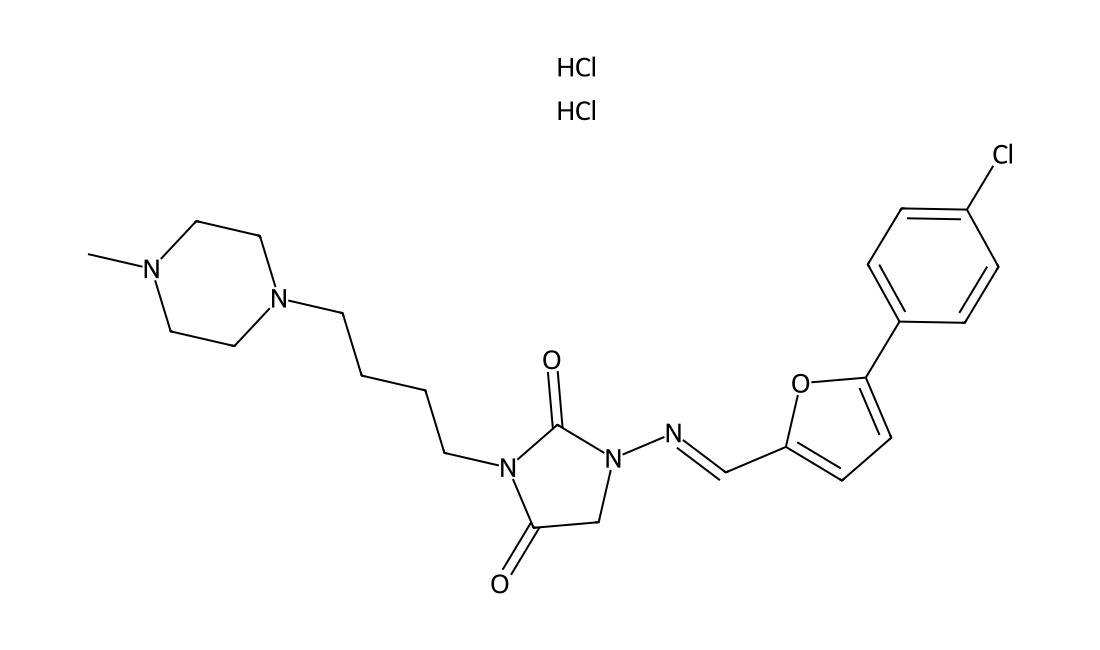
CAS 345303-91-5
The antagonist AZD9056 blocks P2X7 receptors with an IC50 of 11.2 nM in HEK-hP2X7 cell line, indicating a high selectivity of the antagonist for the P2X7 receptor. The P2X7-receptor antagonist AZD9056 has a clear inhibitory effect (IC50=1-3 μM) in mouse microglia BV2 cells. AZD9056 is an inhibitor of BCRP and weakly inhibits BCRP-mediated transport of methotrexate (IC50=92 μM).Treatment with AZD9056 exerts pain-relieving and anti-inflammatory effects. The upregulated expression of interleukin (IL)-1β, IL-6, tumor necrosis factor-α (TNF-α), matrix metalloproteinase-13 (MMP-13), substance P (SP) and prostaglandin E2 (PGE2) which is induced by MIA in cartilage tissues is reversed by AZD9056.
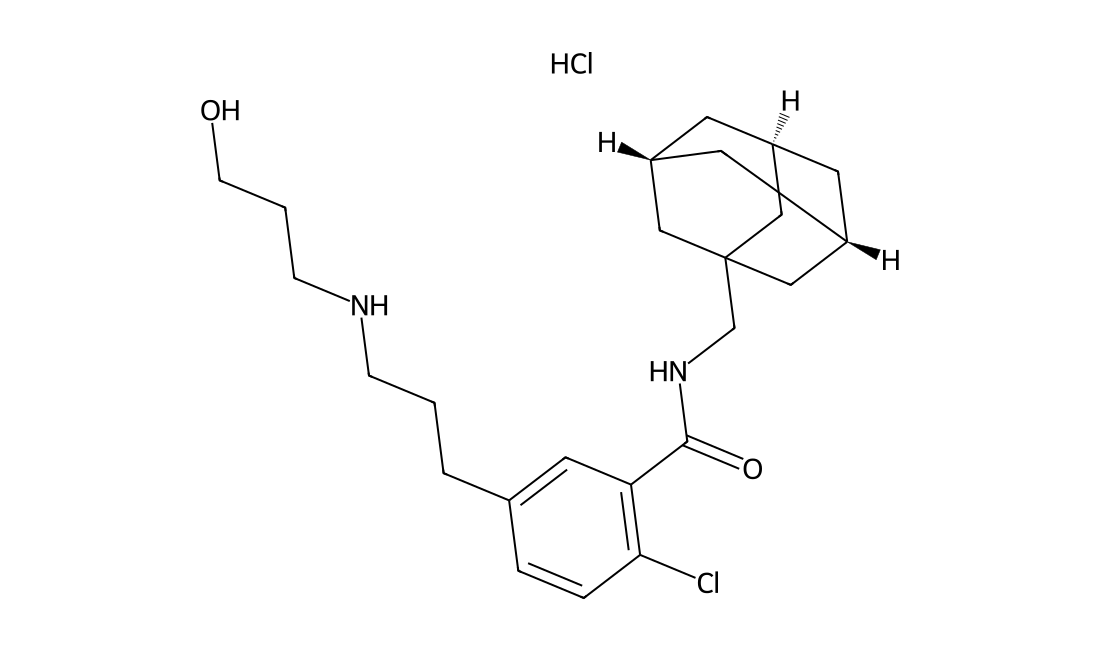
CAS 2057509-72-3
AZD4573 is a CDK9 inhibitor with an IC50 of <3 nM extracted from patent US 20160376287 A1, example 14.
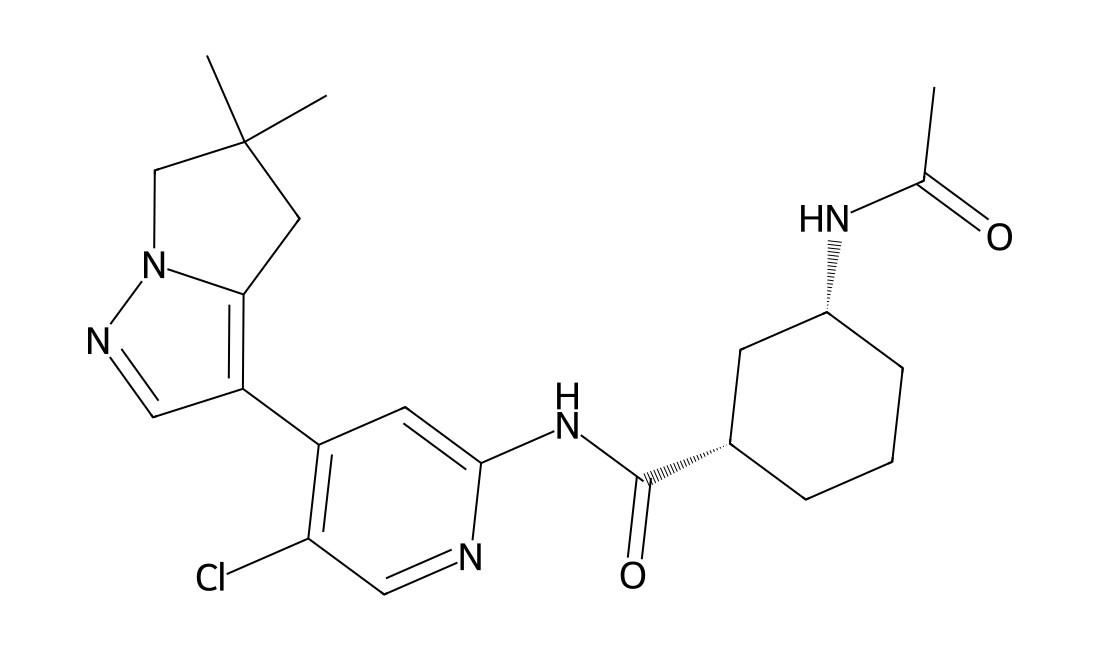
CAS 1383982-64-6
AZD3293 is an, orally administered, inhibitor of BACE1, the β-secretase sheddase that cleaves the APP protein to release APP's C99 fragment. This fragment then becomes a substrate for subsequent γ-secretase cleavage and Aβ peptide generation. The rationale is that inhibiting BACE1 will reduce amyloid-related toxicity in Alzheimer's disease. AZD3293 is one of several BACE1/2 inhibitors currently in development.
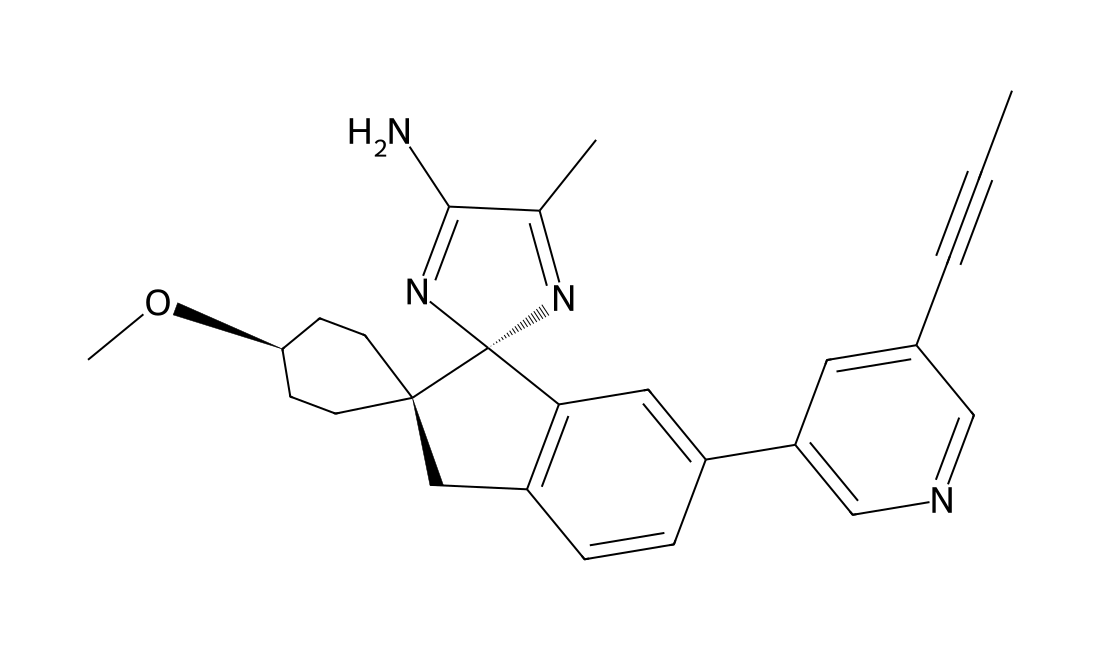
CAS 1609281-86-8
AZD 3264 is an IkB-kinase IKK2 Inhibitor, IKK2 has been identified as one of the novel pathways to treat inflammatory conditions such as asthma, chronic pulmonary obstructive disorder (COPD) and rheumatoid arthritis.
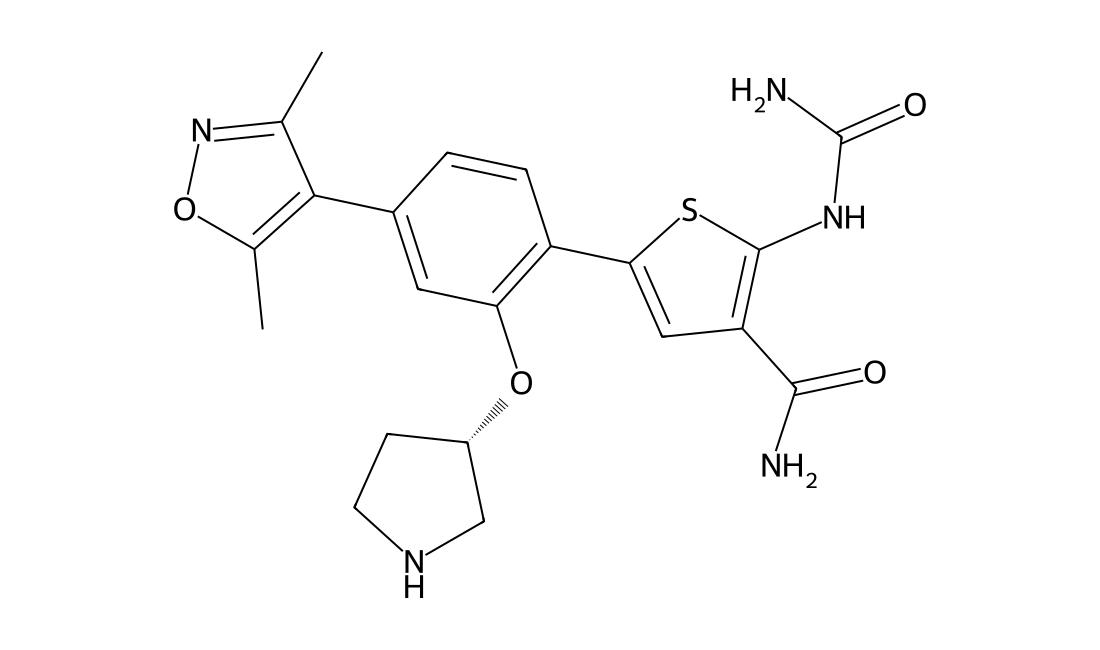
CAS 1449578-65-7
In Vitro AZ82 is shown to specifically induce multipolar spindles in BT-549 cells, but not in cancer cells with normal centrosome number, such as HeLa. AZ82 binds specifically to KIFC1/MT complex but not to KIFC1 or MT alone. Treatment with AZ82 caused centrosome declustering in BT-549 breast cancer cells with amplified centrosomes. AZ82 inhibits both processes with an IC50 of 0.90 ± 0.09 μM for mant-ATP binding and 1.26 ± 0.51 μM for mant-ADP releasing.