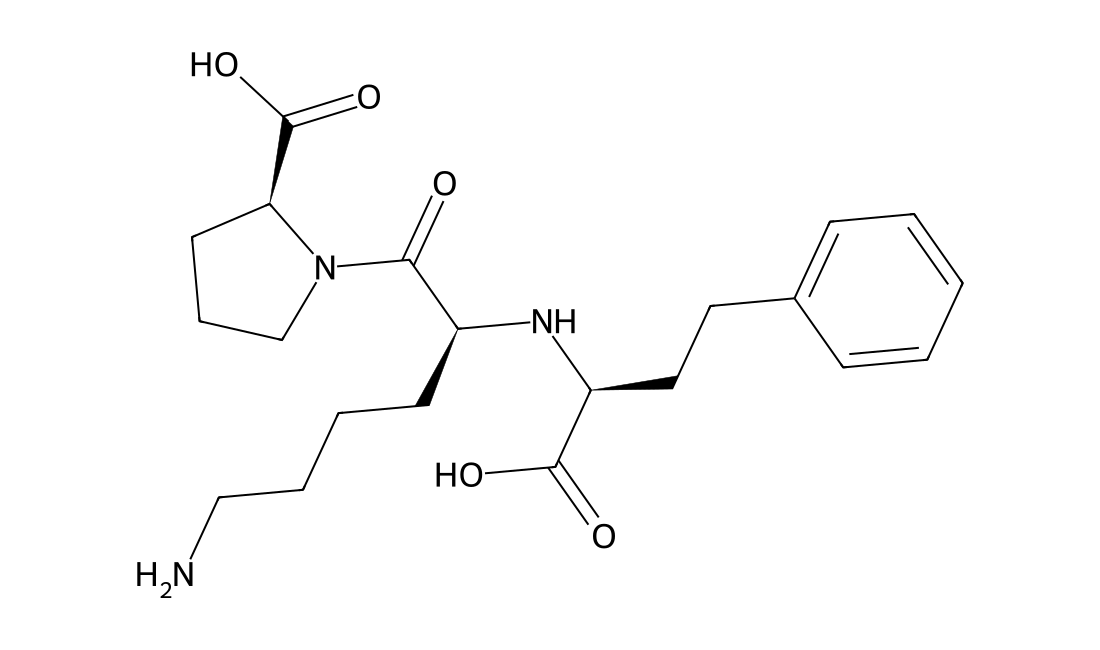
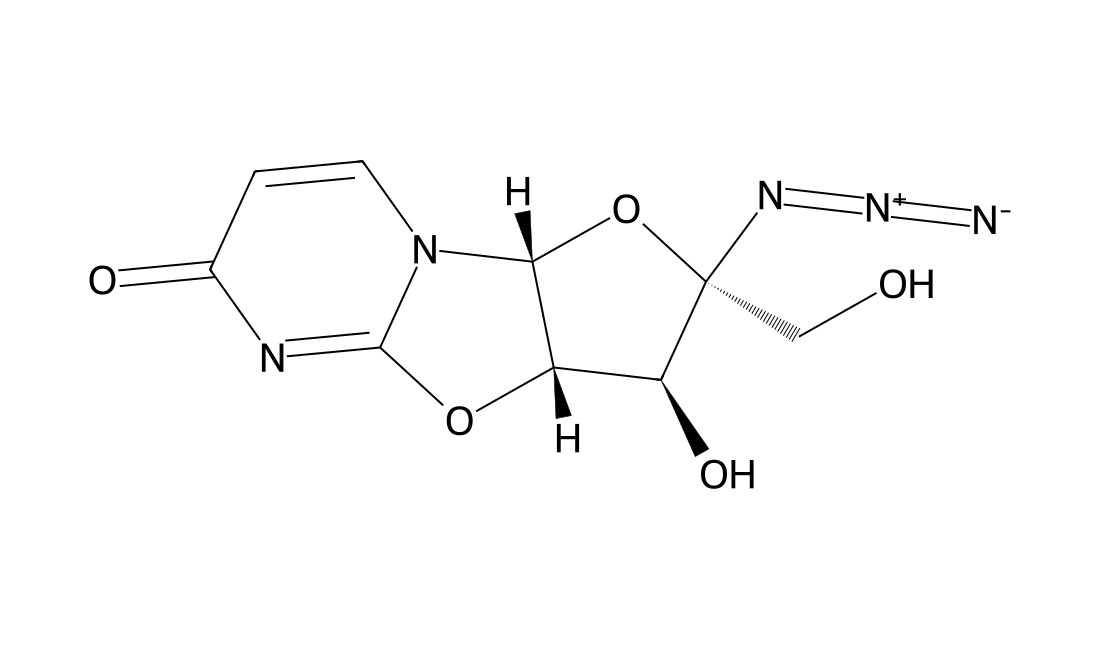
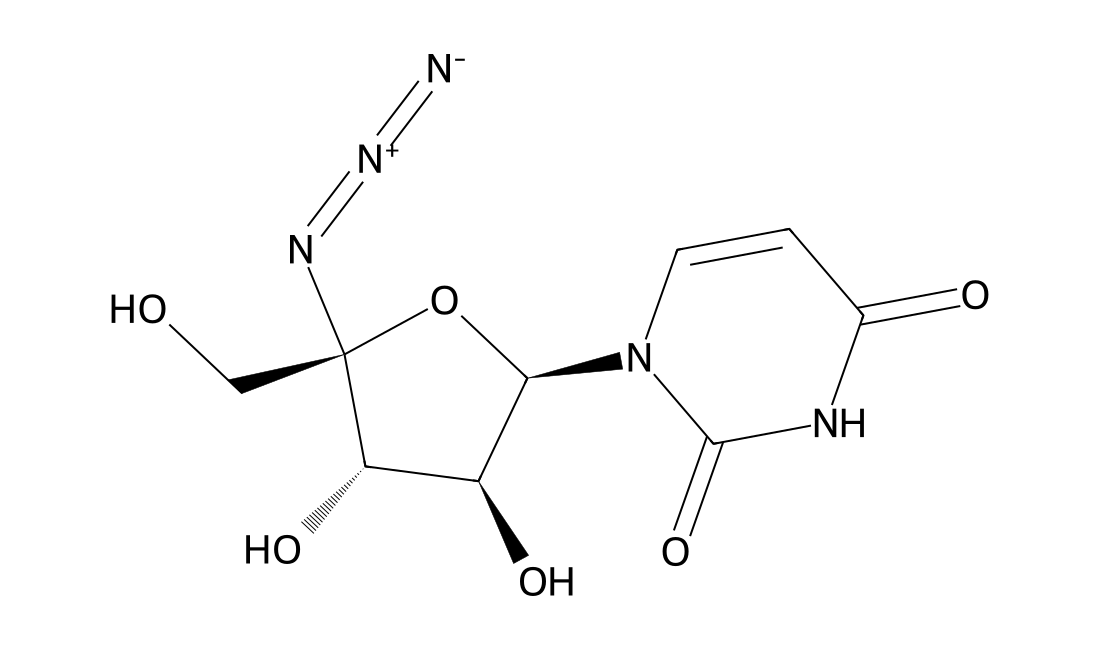
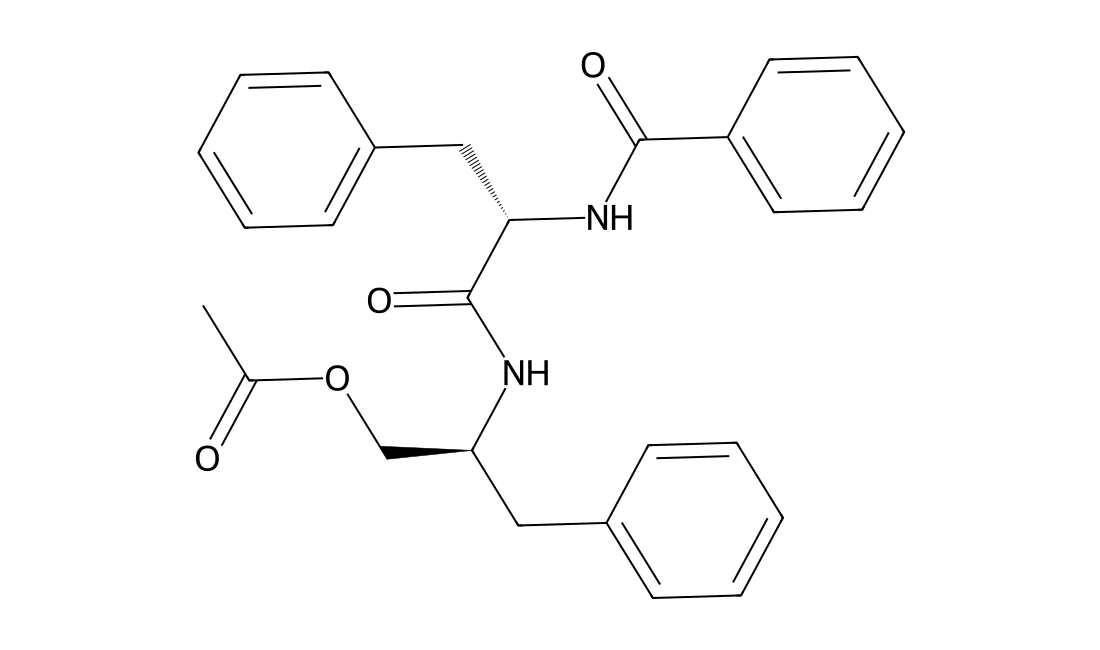
Aurantiamide acetate
CAS 56121-42-7
Aurantiamide acetate suppresses the growth of malignant gliomas in vitro and in vivo by inhibiting autophagic flux.

Explore bioactive compounds by research category, then narrow your search by target, product name, catalog number or CAS.
Newly added: LC-MG and OXF molecular glue research compounds →
Products may appear in more than one category. Counts refer to distinct catalog numbers within each category.
Other Research Tools (75) · Additional reagents, building blocks and specialized research tools.
LC-MG-1 (DCA0006) · LC-MG-4 (DCA0007) · LC-MG-9 (DCA0008)
View structure and evidence summaries →Combine a keyword, research category and target to narrow the product list.
Loading catalog filters…
CAS 56121-42-7
Aurantiamide acetate suppresses the growth of malignant gliomas in vitro and in vivo by inhibiting autophagic flux.
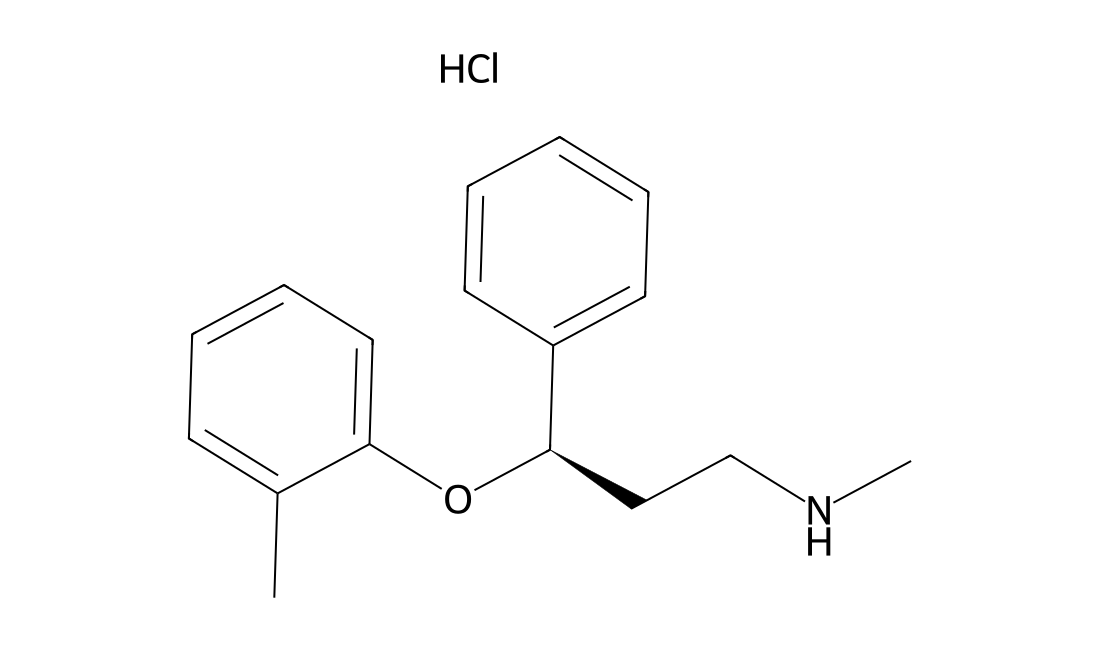
CAS 82248-59-7
Atomoxetine Hcl(LY 139603; Tomoxetine Hcl) is a potent and selective noradrenalin re-uptake inhibitor (Ki values are 5, 77 and 1451 nM for inhibition of radioligand binding to human NET, SERT and DAT respectively).Atomoxetine displays minimal affinity for a range of other neurotransmitter receptors and transporters (Ki > 1 μM). Atomoxetine is antidepressant and a commonly used non-stimulant treatment for Attention deficit hyperactivity disorder (ADHD).
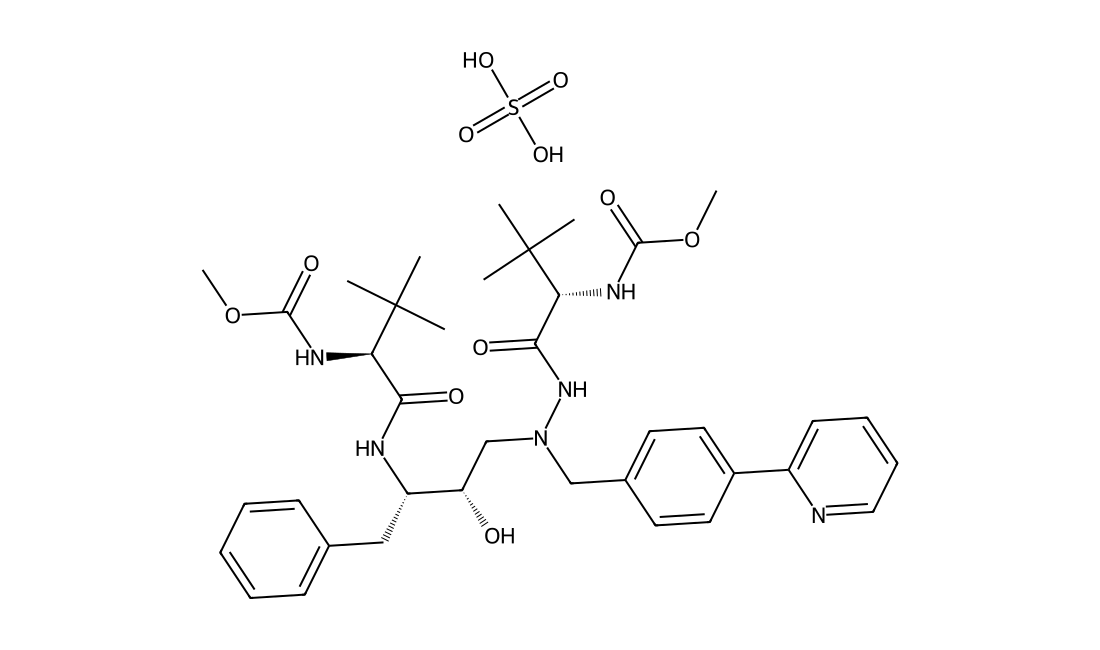
CAS 229975-97-7
Atazanavir sulfate is a sulfate salt form of atazanavir that is an highly potent HIV-1 protease inhibitor. Atazanavir sulfate is a sulfate salt form of atazanavir that is an highly potent HIV-1 protease inhibitor. It has a pharmacokinetic profile that supports once-daily dosing and has demonstrated a unique resistance profile and superior virologic potency compared with other antiretrovirals in vitro. In subjects with HIV, atazanavir (400 mg once daily) produced rapid and sustained improvements in viral load and CD4 counts in both antiretroviral-naive as well as previously treated patients when used in combination with dual nucleoside reverse transcriptase inhibitor (NRTI) treatment. After intravenous (iv), oral (po) and intraportal (ip) administration of ATV at a dosage of 7 mg/kg, AUCs in HL rats were 12.41, 5.24 and 8.89 microg/mLh, respectively, and were significantly higher than those in control rats (4.09, 1.70 and 3.38 microg/mLh). Despite the decrease of distribution volume (Vd(ss)), the terminal half-life (t(1/2)) in HL tended to be shorter than in control, and hepatic distribution of ATV in HL rats was 4.8-fold increases. These results suggested that the uptake of ATV into liver might counteract the decrease of Vd(ss). On the other hand, there was no significant difference in bioavailability, and the lymphatic transport to AUC showed no statistical change. In conclusion, although the protein binding rate and AUC were significantly increased, the pharmacokinetics of ATV might be tolerated in HL.
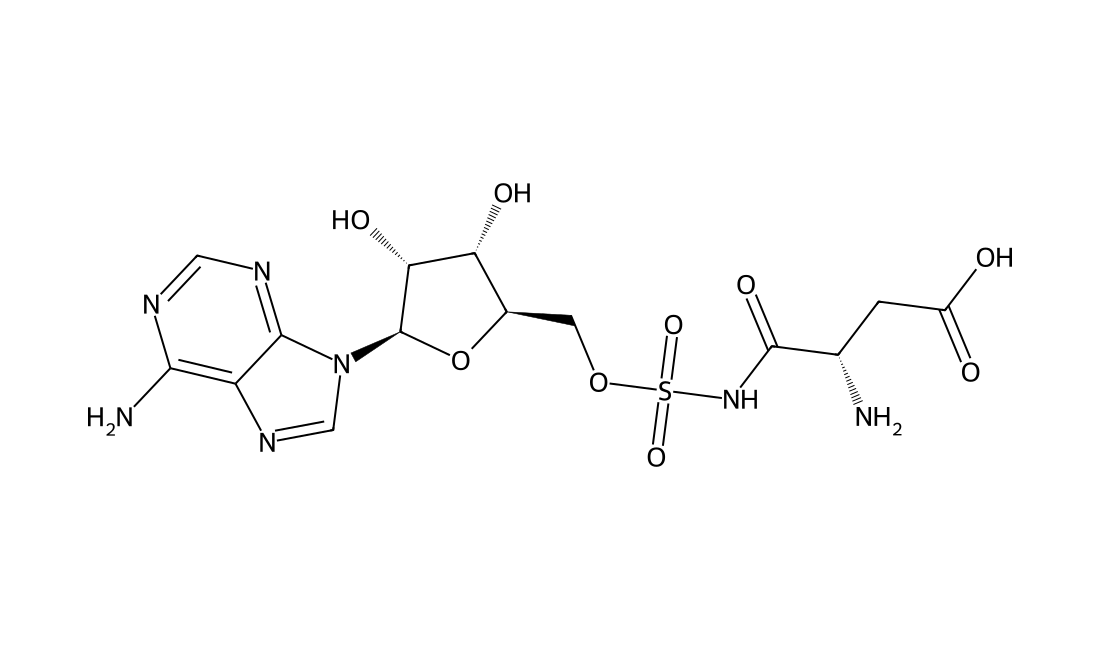
CAS 828288-98-8
In Vitro Asp-AMS is a 500-fold stronger competitive inhibitor of the mitochondrial enzyme than aspartol-AMP (10 nM) and a 35-fold lower competitor of human and bovine cyt-AspRSs (300 nM). Asp-AMS is a strong inhibitor with Ki in the nanomolar (nM) range. Asp-AMS has also the highest inhibitory effect for the mitochondrial enzyme. Asp-AMS is the most active inhibitor with Ki values in the nanomolar range, with a stronger effect on bacterial AspRSs (E. coli and P. aeruginosa) than on human cytosolic AspRS.
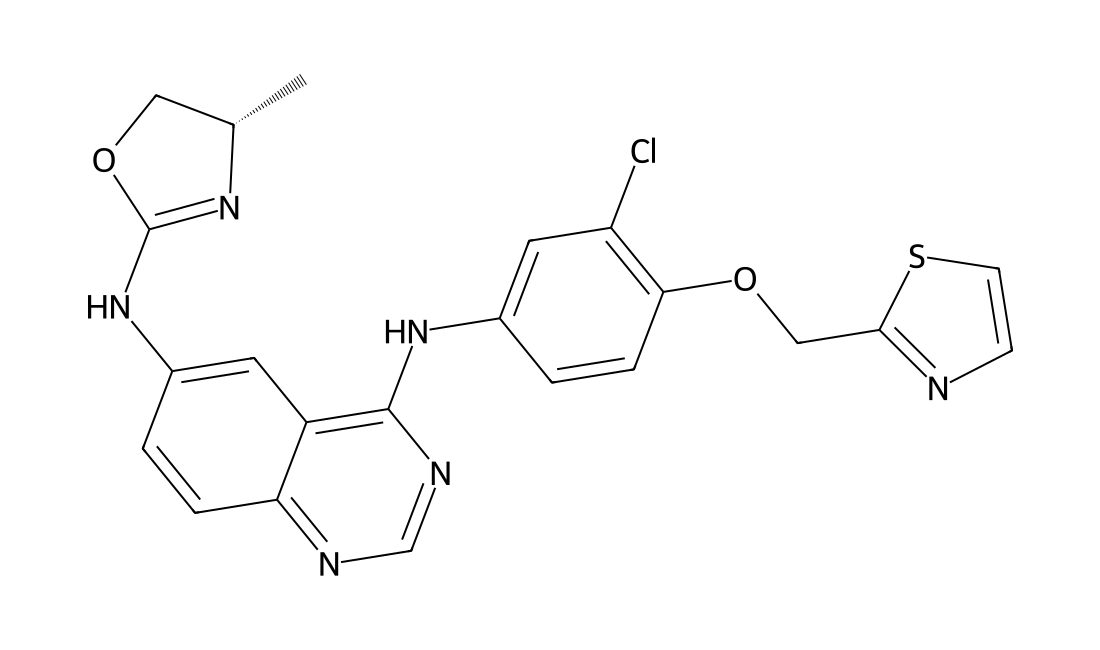
CAS 845272-21-1
ARRY334543 is a potent and selective ATP-competitive inhibitor that blocks the phosphorylation of EGFR and subsequently blocks signal transduction from the receptor site. ARRY334543 is effective against a variety of cancer cell lines including A431.
CAS 301351-95-1
Arg-AMS is a potent nanomolar inhibitor of arginyl tRNA synthetase, which displays tightly bound inhibitory characteristics for the A-domains in non-ribosomal peptide synthetases (NRPS) enzymes.
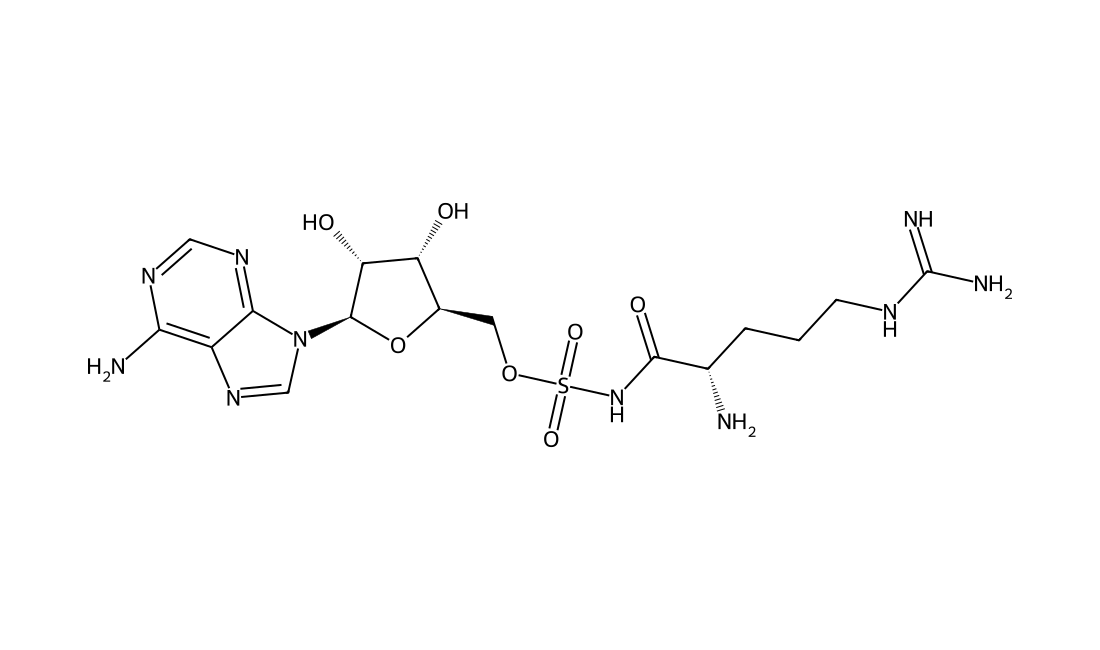
CAS 169815-40-1
In Vivo Slight decreases in the PCE/RBC ratio are observed in male and female rats treated with CQ and in females only treated with AQ-13; however, none of these changes is statistically significant.
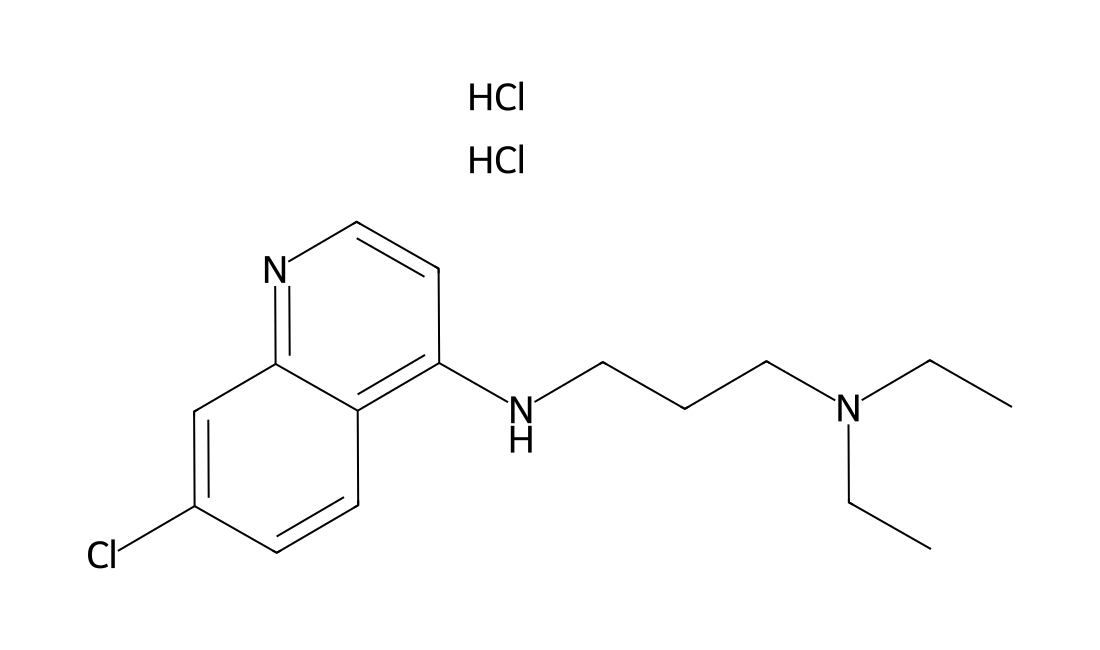
CAS 4474-91-3
Angiotensin II human is a peptide hormone that causes vasoconstriction and a subsequent increase in blood pressure. In nature, angiotensin II (Ang II) is formed by the action of angiotensin converting enzyme (ACE), which cleaves the C-terminal -His-Leu from the decapeptide, angiotensin I. Angiotensin II is a vasoconstrictor, while its precursor is inactive. It is important in regulating cardiovascular hemodynamics and cardiovascular structure. Most of the known effects of Ang II in adult tissues are attributable to the angiotensin II type I (AT1) receptor. The AT1 and AT2 receptors have differential pharmacological and biochemical properties, and appear to exert opposite effects in terms of cardiovascular hemodynamics and cell growth. In addition, the renin-angiotensin and nitric oxidegenerating systems appear to interact in the regulation of cardiovascular function. Ang II stimulates angiogenesis and increases microvessel density.
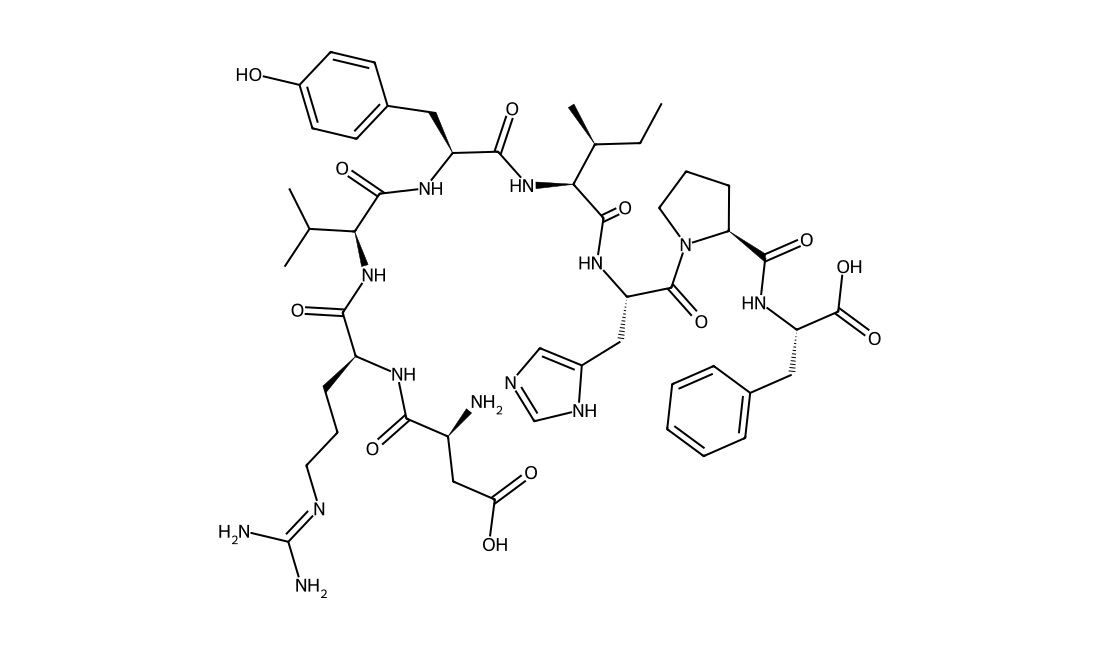
CAS 51833-78-4
Angiotensin (1-7) (Ang-(1-7)) is an active heptapeptide of the Renin-angiotensin system (RAS), inhibits purified canine angiotensin converting enzyme (ACE) activity with IC50 of 0.65 uM; augments bradykinin-induced vasodilation by competing with ACE and releasing nitric oxide, abolishes AGE-induced cellular hypertrophy and myofibroblast transformation via inhibition of ERK1/2; evokes anti-arrhythmogenic effects in animal models, upregulates cardiac nitric oxide synthase in spontaneously hypertensive rats.
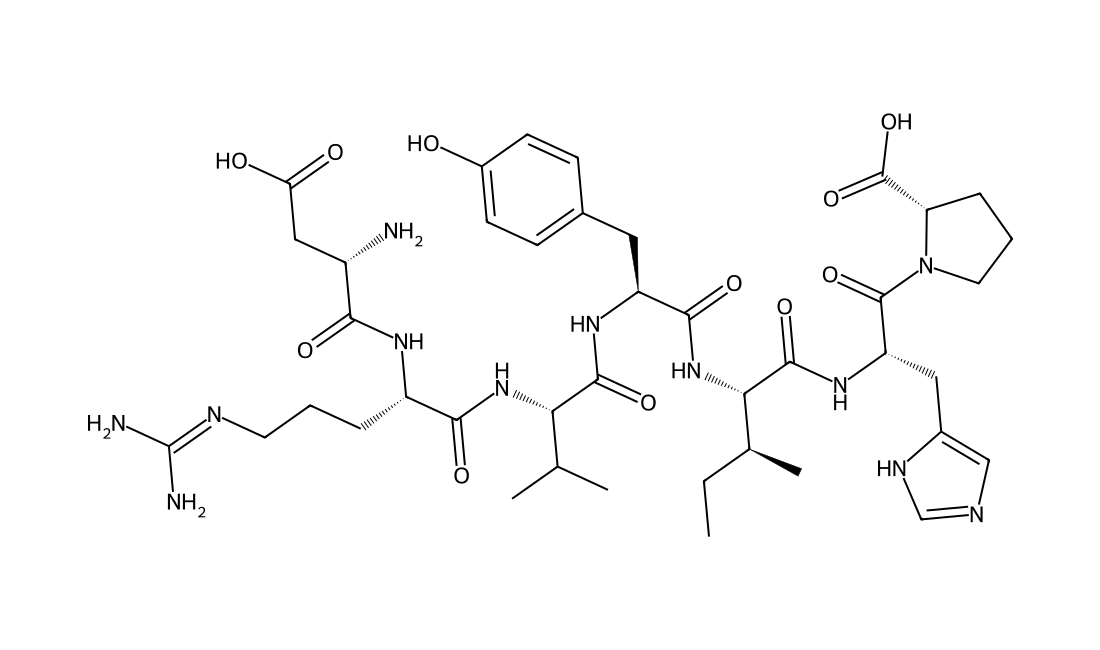
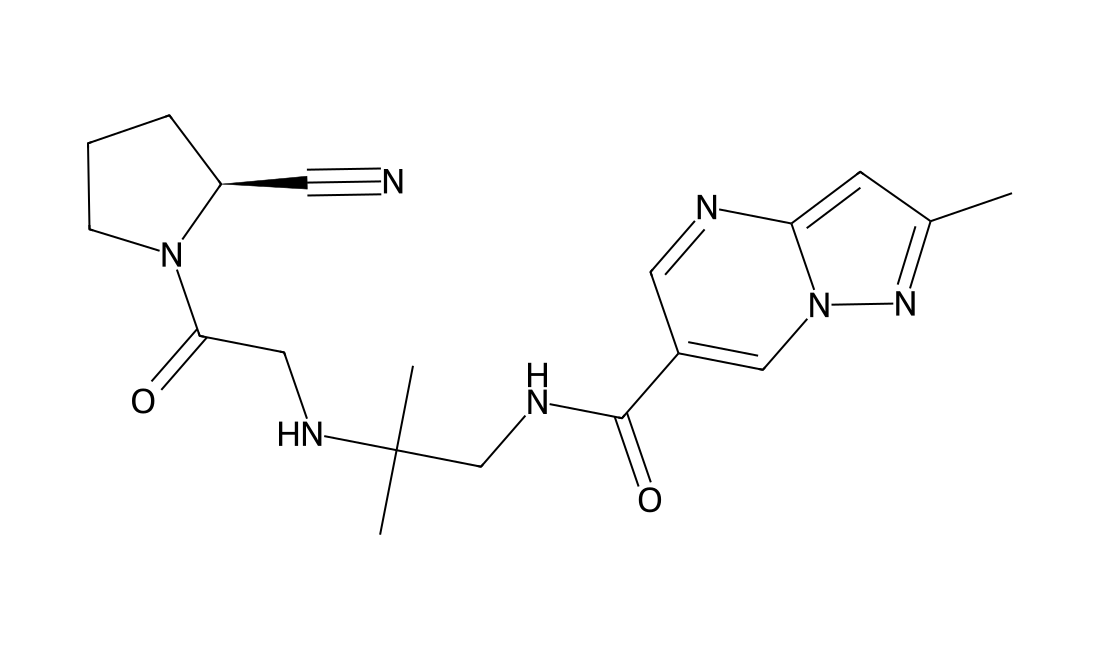
CAS 739366-20-2
Anagliptin is a potent and selective DPP-4 inhibitor(IC50= 3.8 nM); > 10 fold less potent for DPP-8 and DPP-9. in vitro: In THP-1 cells, anagliptin reduced lipopolysaccharide-induced TNF-α production with inhibiting ERK phosphorylation and nuclear translocation of nuclear factor-κB . lipopolysaccharide (LPS)- or palmitate-induced elevations of inflammatory cytokine mRNA expressions in RAW264.7 macrophages were shown to be significantly suppressed by co-incubation with a DPP-4 inhibitor, anagliptin (10μM), despite low DPP-4 expression in the RAW264.7 cells. Anagliptin also acted on 3T3-L1 adipocytes, weakly suppressing the inflammatory cytokine expressions induced by LPS and TNF-α. When 3T3-L1 and RAW cells were co-cultured and stimulated with LPS, the effects of anagliptin on the suppression of cytokine expressions in 3T3-L1 adipocytes were more marked, and became evident at the 10μM concentration. in vivo: Treatment with anagliptin for 16 wk significantly reduced accumulation of monocytes and macrophages in the vascular wall, SMC content in plaque areas, and oil red O-stained area around the aortic valve without affecting glucose tolerance or body weight. Quantitative analysis also showed that anagliptin reduced the area of atherosclerotic lesion in apoE-deficient mice. Anti-inflammatory effects of anagliptin were also observed in vivo on the elevated hepatic and adipose expressions and serum concentrations of inflammatory cytokines in association with the suppression of hepatic NF-κB transcriptional activity, in LPS-infused mice.
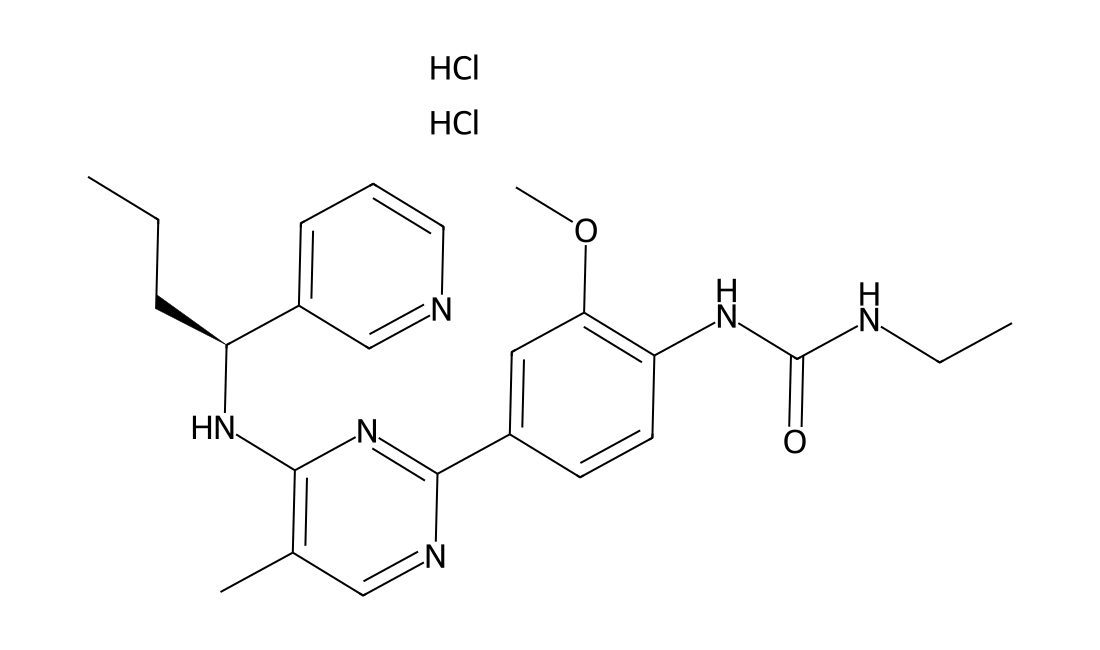
CAS 917111-49-0
An orally active tubulin polymerization inhibitor with potent cytotoxic and vascular disrupting activity in vitro and in vivo; inhibits a broad selection of cancer cell lines with IC50 of <100 nM; blocks the cell cycle at the G2-M boundary and increases phosphorylated Bcl-2, expression of cyclin B1; orally bioavailable, and efficacious in a range of in vivo cancer models. Blood Cancer Phase 2 Discontinued
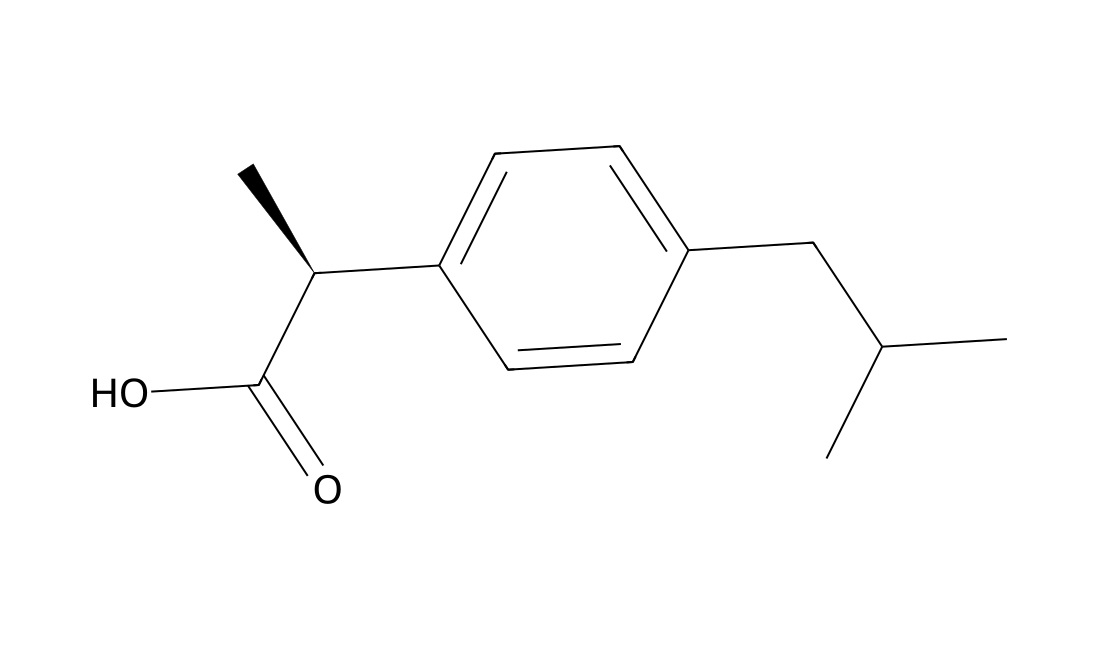
CAS 51146-56-6
An enantiomer of Ibuprofen that more potently inhibits COX activity, thromboxane formation, and platelet aggregation than the (R)-form; also inhibits activation of NF-κB more effectively than (R)-ibuprofen (IC50=62 and 122 uM, respectively).
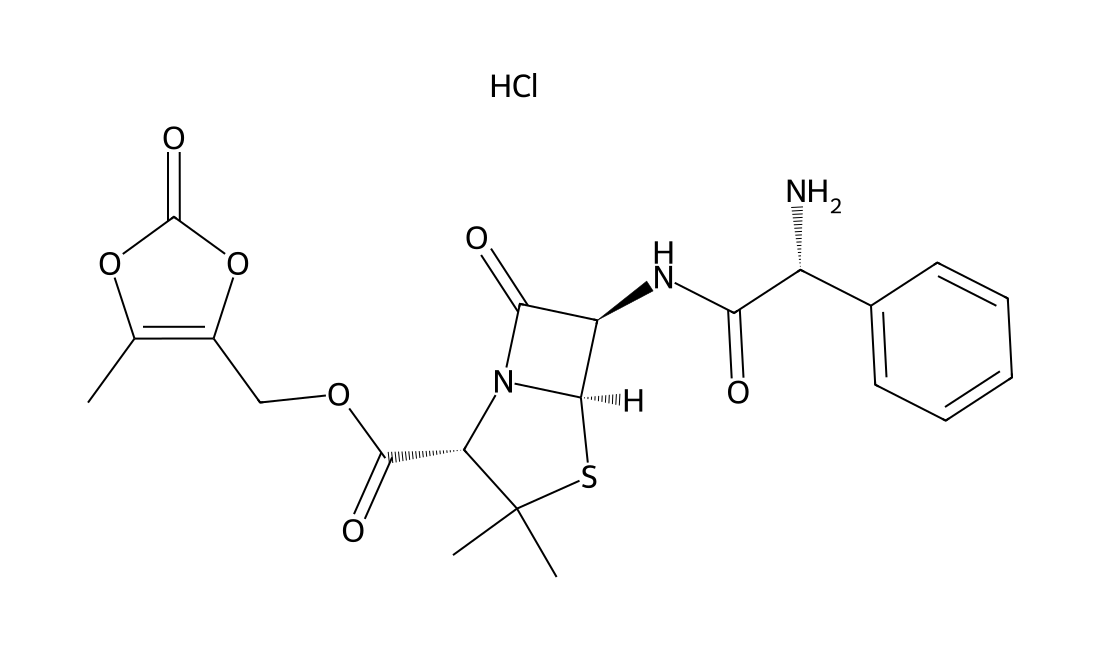
CAS 80734-02-7
An efficient prodrug of ampicillin with enhanced absorption and decreased side effects.
CAS 1160295-21-5
An analog of adenosine 5’-monophosphate that potently and selectively inhibits NEDD8-activating enzyme (NAE) with IC50 of 4.7 nM; also inhibits the related enzymes ubiquitin-activating enzyme (UAE) and SUMO-activating enzyme (SAE) with IC50 of 1.5 and 8.2 uM, respectively; disrupts CRL-mediated protein turnover leading to apoptosis in HCT116 cells, suppresses the growth of human tumor xenografts in mice (30-60 mg/kg).Blood CancerPhase 2 Clinical
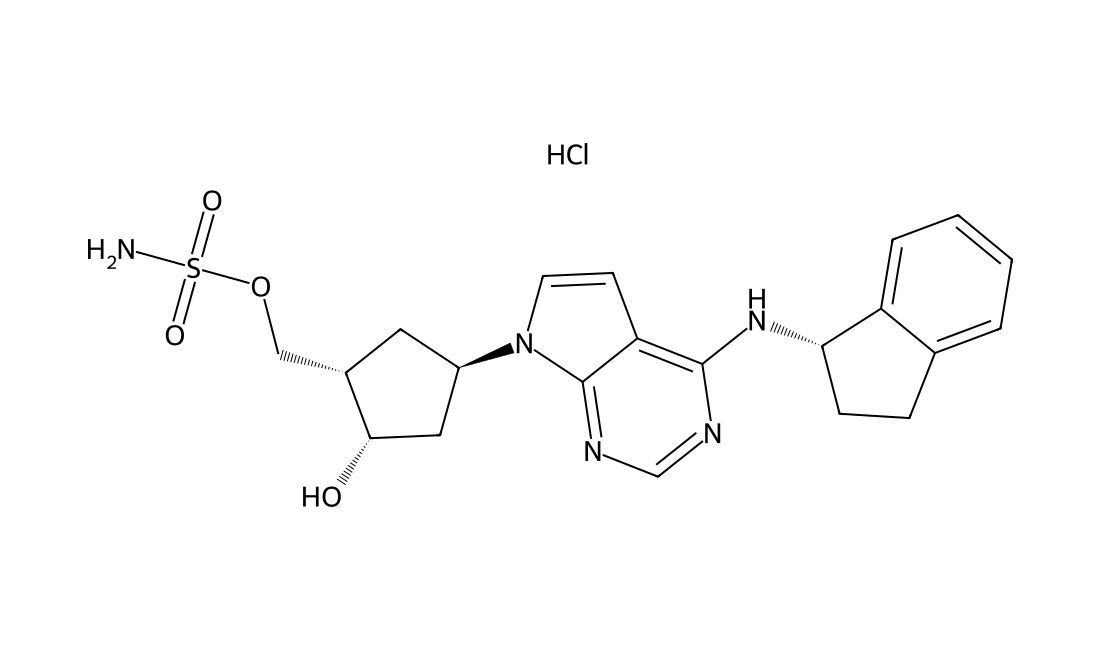
CAS 118-08-1
An alkaloid of Hydrastis canadensis used in many dietary supplements intended to enhance the immune system; inhibits PAK4 kinase activity, suppresses the proliferation and invasion of human lung adenocarcinoma cells, inhibits expression of cyclin D1/D3 and CDK2/4/6, leading to cell cycle arrest at the G1 phase; also promotes the early apoptosis of lung adenocarcinoma cells through the mitochondrial apoptosis pathway.
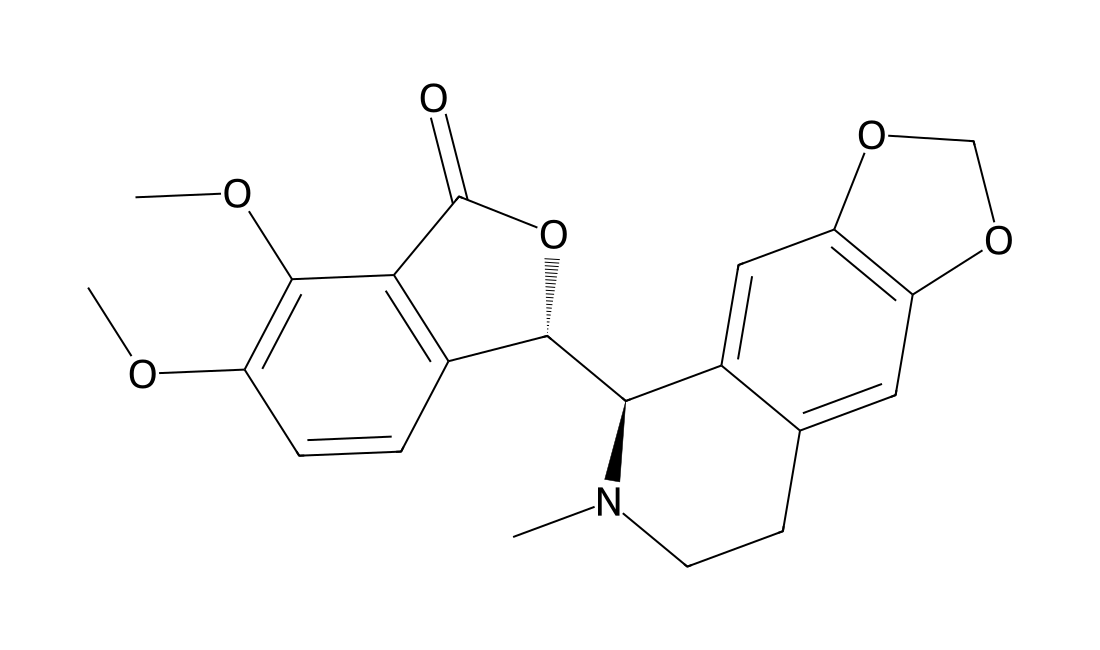
CAS 596108-59-7
Aminopeptidase N (AP-N) inhibitor is a reversible inhibitor of AP-N/CD13 (IC50 = 25 μM).It is selective for AP-N/CD13 over matrix metalloproteinase-9 (MMP-9), angiotensin converting enzyme (ACE), neutral endopeptidase (NEP), γ-glutamyl transpeptidase, and the serine proteases dipeptidyl peptidase 4 (DPP-4) and cathepsin G at a concentration of 1 mM. AP-N inhibitor is non-cytotoxic to U937 cells at a concentration of 100 μM.
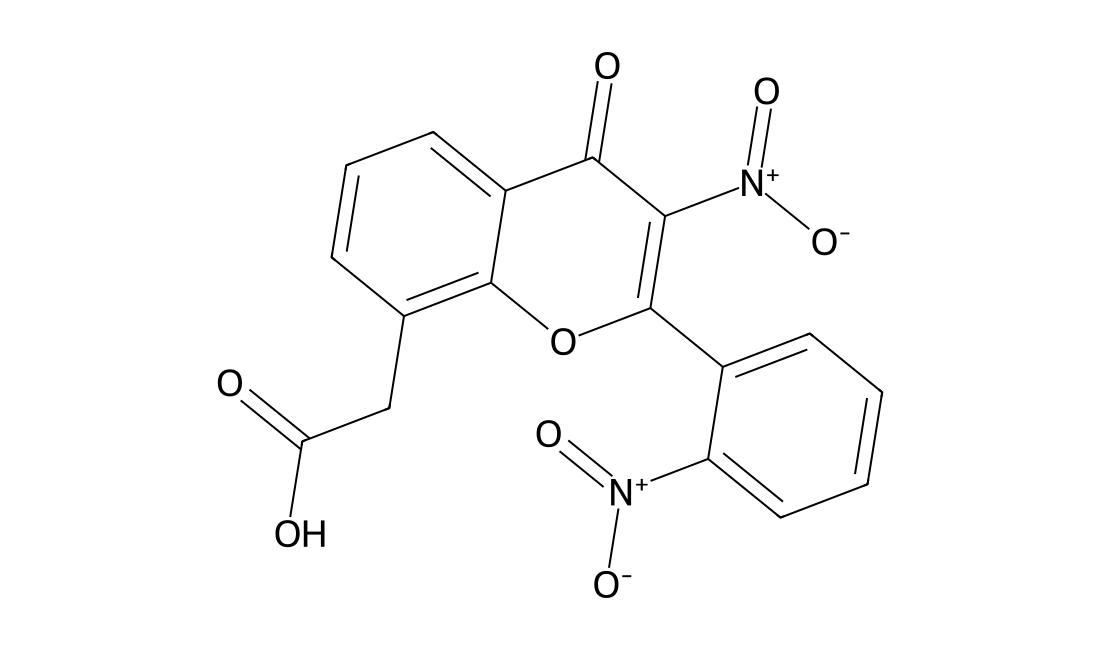
CAS 170098-38-1
Alvimopan(LY 246736; ADL 8-2698) is a peripherally acting mu-opioid receptor (PAM-OR, IC50= 1.7 nM) antagonist for accelerating gastrointestinal recovery after surgery. in vitro: The dissociation rate of alvimopan from the micro opioid receptor (t(1/2)=30--44 min) was comparable to that of the long acting partial agonist buprenorphine (t(1/2)=44 min), but was slower than those of the antagonists naloxone (t(1/2)=0.82 min) and N-methylnaltrexone (t(1/2)=0.46 min). in vivo: Alvimopan did not significantly accelerate GI-3 compared with placebo [6 mg: hazard ratio (HR) = 1.20, p = 0.080; 12 mg: HR = 1.24, p = 0.038). However, after adjustment for significant covariates (sex/surgical duration), benefits were significant for both doses (6 mg: HR = 1.24, p = 0.037; 12 mg: HR = 1.26, p = 0.028). Alvimopan also significantly accelerated time to GI-2 (6 mg: HR = 1.37, p = 0.008; 12 mg: HR = 1.33, p = 0.018) and DCO (6 mg: HR = 1.31, p = 0.008; 12 mg: HR = 1.28, p = 0.015) . Alvimopan (1 and 3 mg/kg) significantly reversed this delayed GI transit when administered 45 min prior to surgery. However, the effects of alvimopan were less pronounced when administered following surgery.
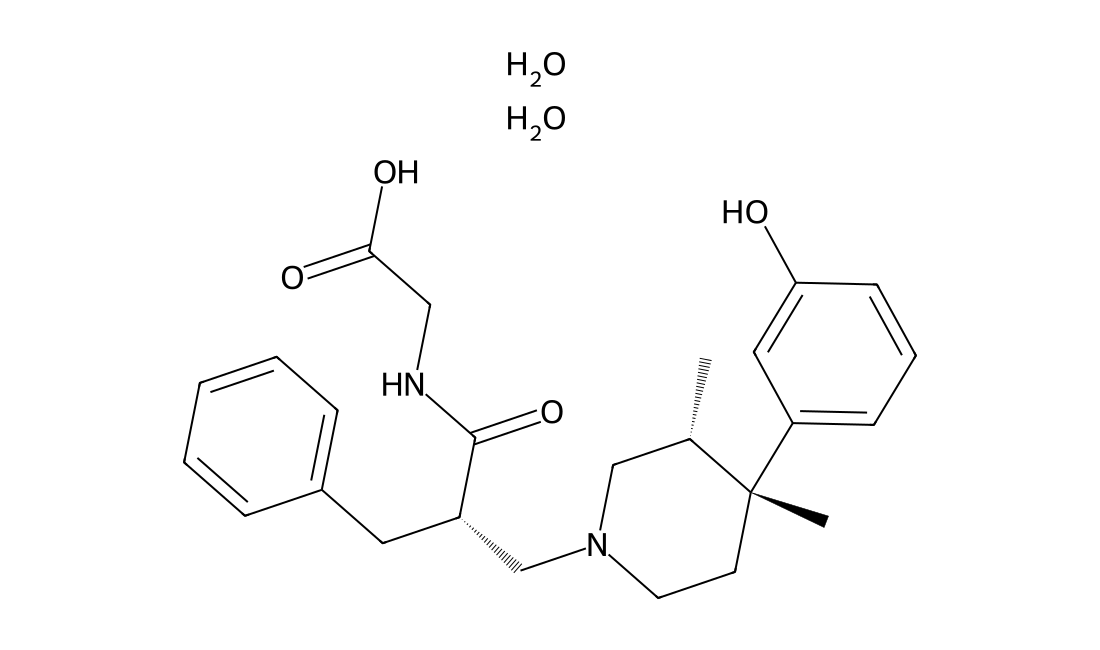
CAS 122852-69-1
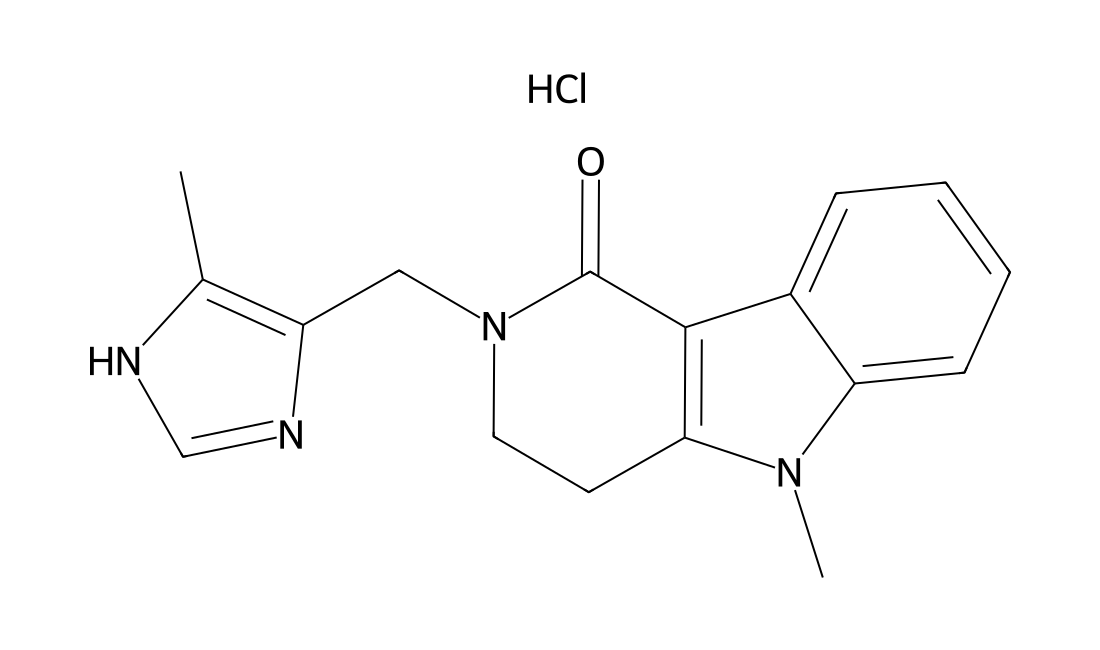
Alosetron Hydrochloride is the hydrochloride salt form of alosetron, a potent and selective 5-HT3 receptor antagonist.
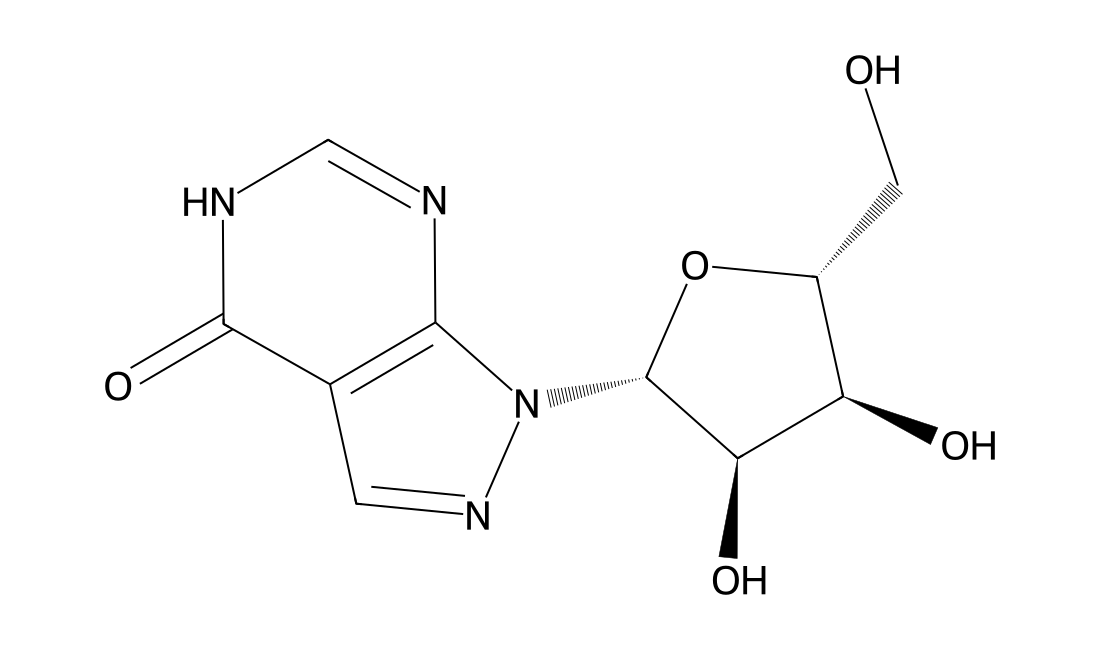
CAS 16220-07-8
Allopurinol-riboside competitively inhibits the action of purine nucleoside phosphorylase on inosine with a Ki of 277 μM. Lymphocyte blastogensis induced by PHA and Con A is significantly suppressed by allopurinol-riboside in a concentration-dependent manner. When LPS is used as a mitogen, the inhibition of allopurinol-ribosideon lymphocyte proliferation is less marked. Humoral immunity is not suppressed by allopurinol-riboside. Allopurinol riboside is an experimental agent for the treatment of leishmaniasis and American trypanosomiasis. Allopurinol riboside is effective against parasites, because a series of enzymes (analogous to those that mediate purine salvage in humans) convert it into 4-aminopyrazolopyrimidine ribonucleoside triphosphate, a cytotoxic product. Allopurinol riboside is selectively toxic, because it is not metabolized by the corresponding enzymes in humans.Allopurinol riboside peaks in plasma 1.6 hours after administration, has an elimination half-life of 3 hours, and steady-state concentrations in the therapeutic range. After oral administration, unexpectedly low levels of allopurinol riboside in plasma are attributable to incomplete absorption and rapid renal clearance. Probenecid reduces the renal clearance of allopurinol riboside, extends the half-life of allopurinol riboside in plasma, and triples the levels of allopurinol riboside in plasma.
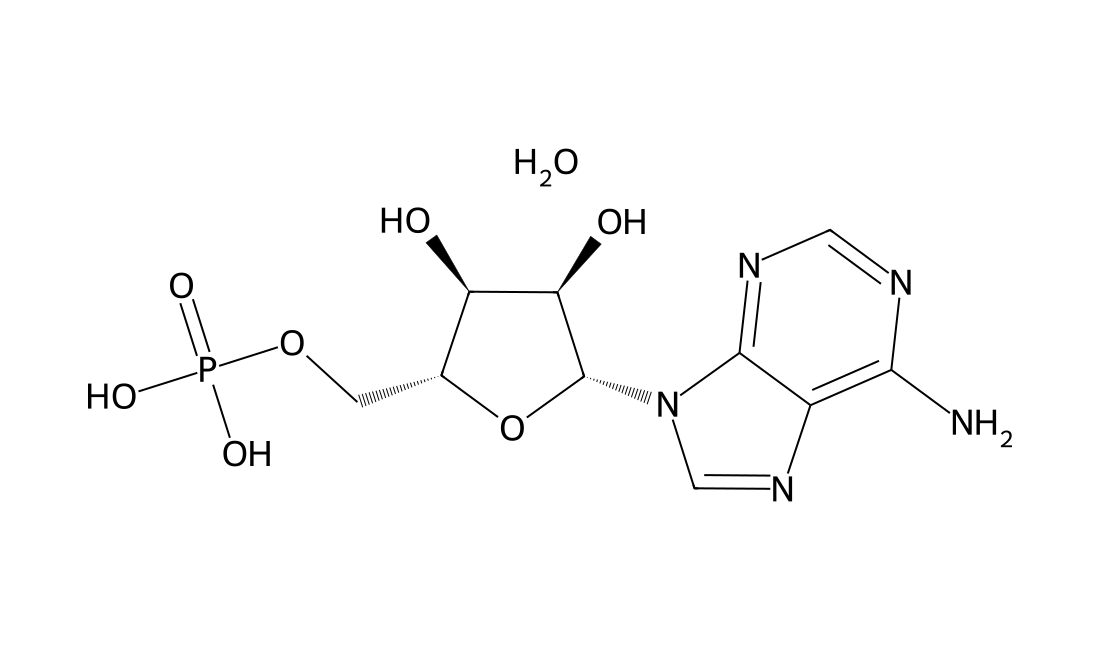
CAS 18422-05-4
In Vitro Adenosine 5'-monophosphate monohydrate is an adenosine A1 receptor agonist[1]. Adenosine 5'-monophosphate monohydrate (5′-AMP)-induced cell toxicity is negligible at concentrations of 25 to 400 μM in RAW264.7 cells. Adenosine 5'-monophosphate monohydrate significantly attenuates the mRNA expression of tumor necrosis factor-α (TNF-α) and interleukin (IL)-6 in RAW264.7 cells. The dose-dependence of TNF-α and IL-6 mRNA show that at concentration of 400 μM, Adenosine 5'-monophosphate monohydrate exhibits the maximum inhibition. Exposure of cells to Adenosine 5'-monophosphate monohydrate significantly reduces recruitment of NF-κB p65 to TNF-α, IL-6, and IL-1β gene promoters. In Vivo C57BL/6J mice treated with Adenosine 5'-monophosphate monohydrate (5′-AMP) markedly increases hepatic adenosine level. Survival rate in PBS-treated mice (n=15) is 60% (8 h) and 33.3% (24 h), whereas survival rate in Adenosine 5'-monophosphate monohydrate-treated mice (n=15) is 100% (8 h) and 93.3% (24 h). Serum aspartate transaminase (AST) and alanine transaminase (ALT) levels are significantly lowered in the Adenosine 5'-monophosphate monohydrate group than in the vehicle group. The area and extent of necrosis is attenuated and the infiltration of inflammatory cells is reduced in the Adenosine 5'-monophosphate monohydrate group.
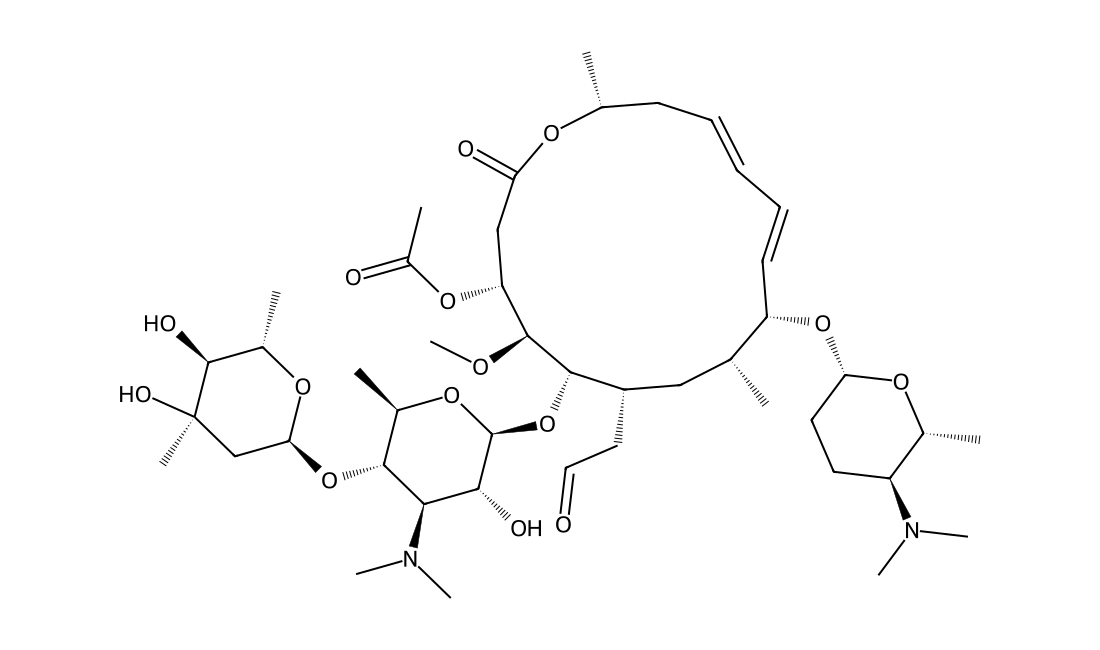
CAS 2260-50-6
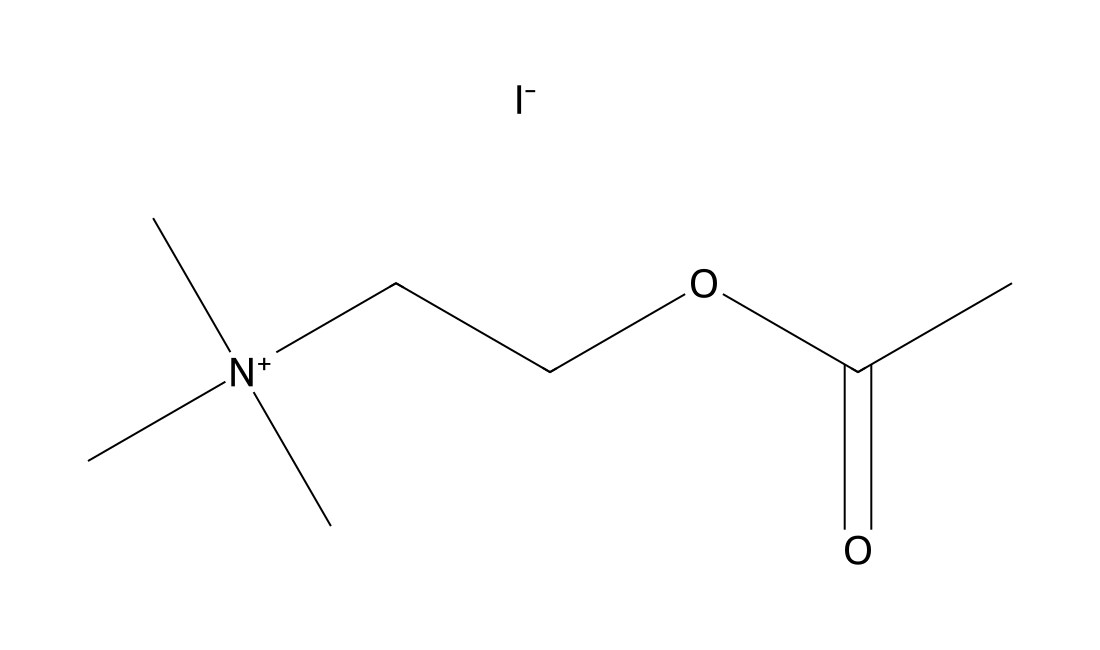
Acetylcholine iodide is a neurotransmitter found at neuromuscular junctions, autonomic ganglia, parasympathetic effector junctions, a subset of sympathetic effector junctions, and at many sites in the central nervous system.
CAS 110764-09-5
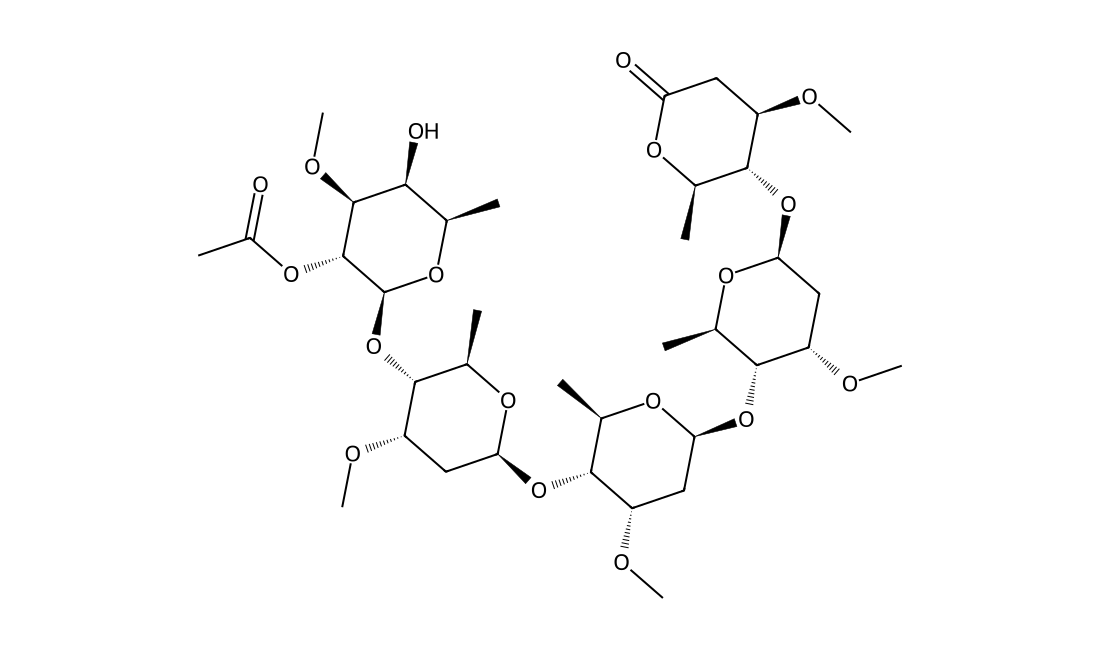
Acetyl Perisesaccharide C is an oligosaccharide, which is isolated from the root barks of Periploca sepium.
CAS 623-58-5
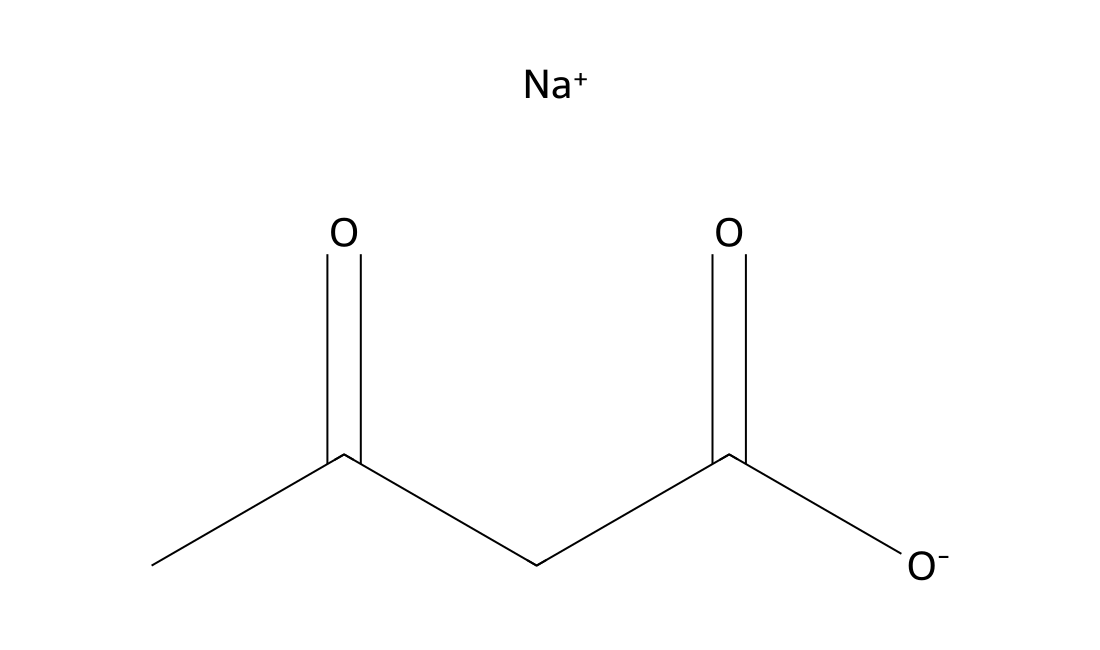
In Vitro Acetoacetic acid sodium salt induces oxidative stress to inhibit the assembly of very low density lipoprotein in bovine hepatocytes. Acetoacetic acid (0.6, 2.4, 4.8 mM) increases malondialdehyde (MDA) content in high-dose group (GH) group, decreases mRNA expression of Mn SOD, Cu/Zn SOD, and glutathione peroxidase (GSH-Px) in all groups, lowers catalase (CAT) mRNA expression in medial-dose group (GM), and GH groups. In addition, Acetoacetic acid down-regulates the mRNA expression of apolipoprotein B100 (ApoB100), apolipoprotein E (ApoE), and low density lipoprotein receptor (LDLR). Thus, VLDL assembly is decreased andtriglyceride (TG) accumulation is increased in these bovine hepatocytes.
CAS 958001-92-8
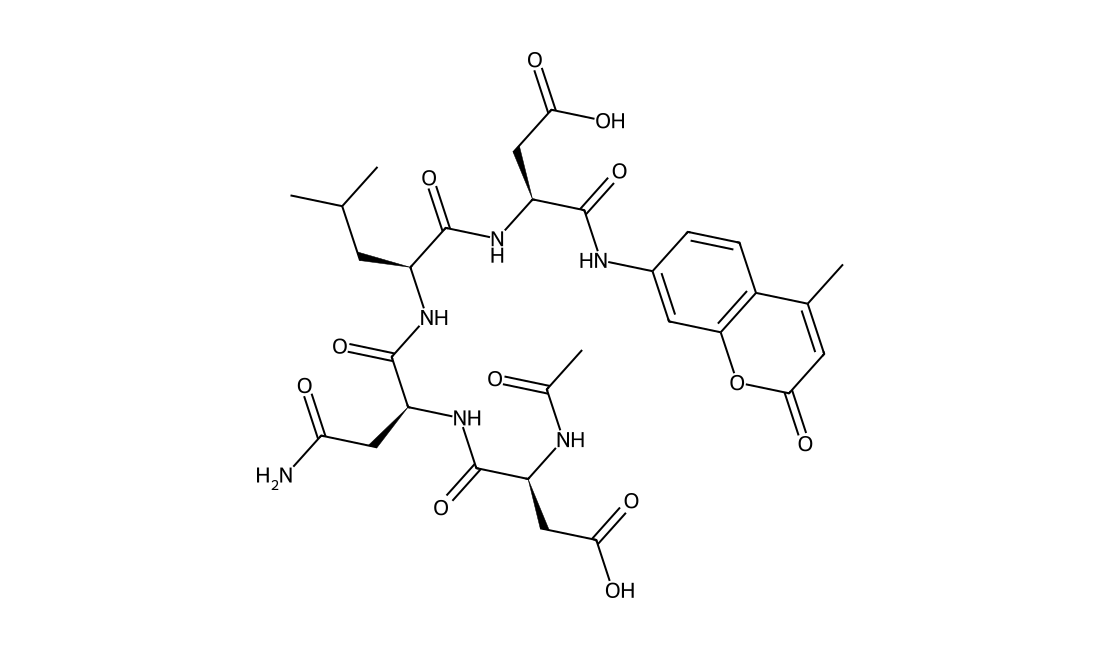
Ac-DNLD-AMC is a fluorogenic caspase-3 substrate.Upon enzymatic cleavage by caspase-3, 7-amino-4-methylcoumarin (AMC) is released and its fluorescence can be used to quantify caspase-3 activity. AMC displays excitation/emission maxima of 340-360 and 440-460 nm, respectively.
CAS 136470-78-5
Abacavir is a powerful nucleoside analog reverse transcriptase inhibitor (NRTI) used to treat HIV and AIDS.Abacavir is a nucleoside reverse transcriptase inhibitor marketed since 1999 for the treatment of infection with the human immunodeficiency virus type 1 (HIV). Despite its clinical efficacy, abacavir administration has been associated with serious and sometimes fatal toxic events. Abacavir has been reported to undergo bioactivation in vitro, yielding reactive species that bind covalently to human serum albumin, but the haptenation mechanism and its significance to the toxic events induced by this anti-HIV drug have yet to be elucidated. The mechanism underlying abacavir hypersensitivity syndrome is related to the change in the HLA-B*5701 protein product. Abacavir binds with high specificity to the HLA-B*5701 protein, changing the shape and chemistry of the antigen-binding cleft. This results in a change in immunological tolerance and the subsequent activation of abacavir-specific cytotoxic T cells, which produce a systemic reaction known as abacavir hypersensitivity syndrome.
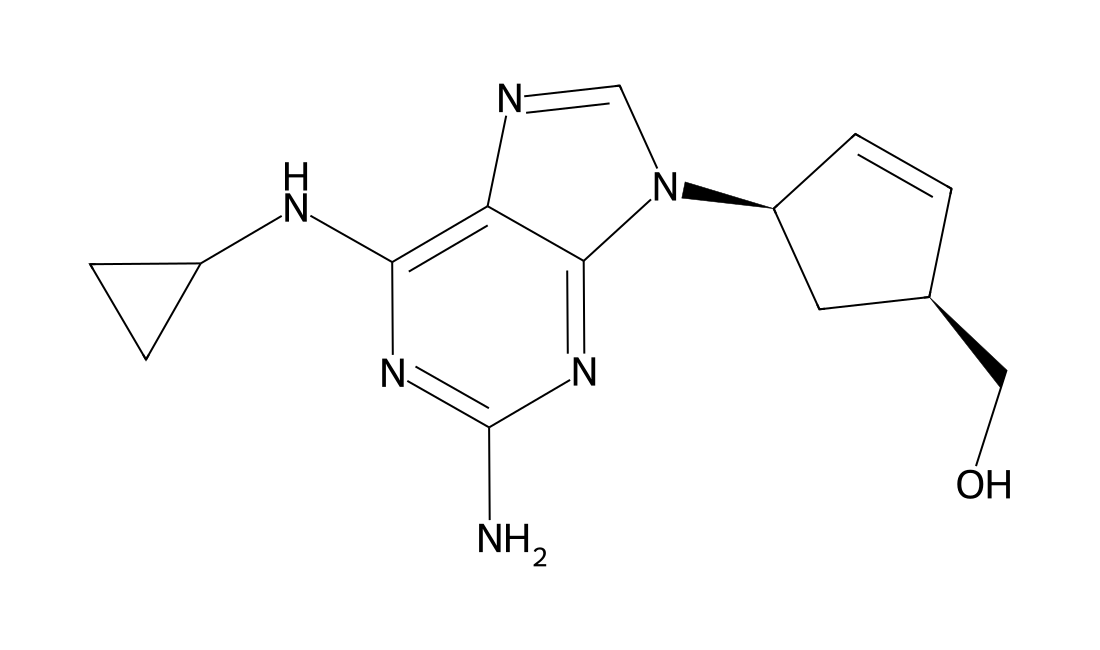
CAS 894787-30-5
A synthetic peptido-mimetic compound that inhibits MyD88 dimerization in a TIR-dependent manner; interferes with recruitment of IRAK1 and IRAK4 by MyD88, causing inhibition of IL-1beta-mediated activation of NF-kappaB transcriptional activity; inhibits IL-1beta-induced production of IL-6 in treated mice, suppresses B cell proliferation and differentiation into plasma cells in response to CpG-induced activation of TLR9; orally active.
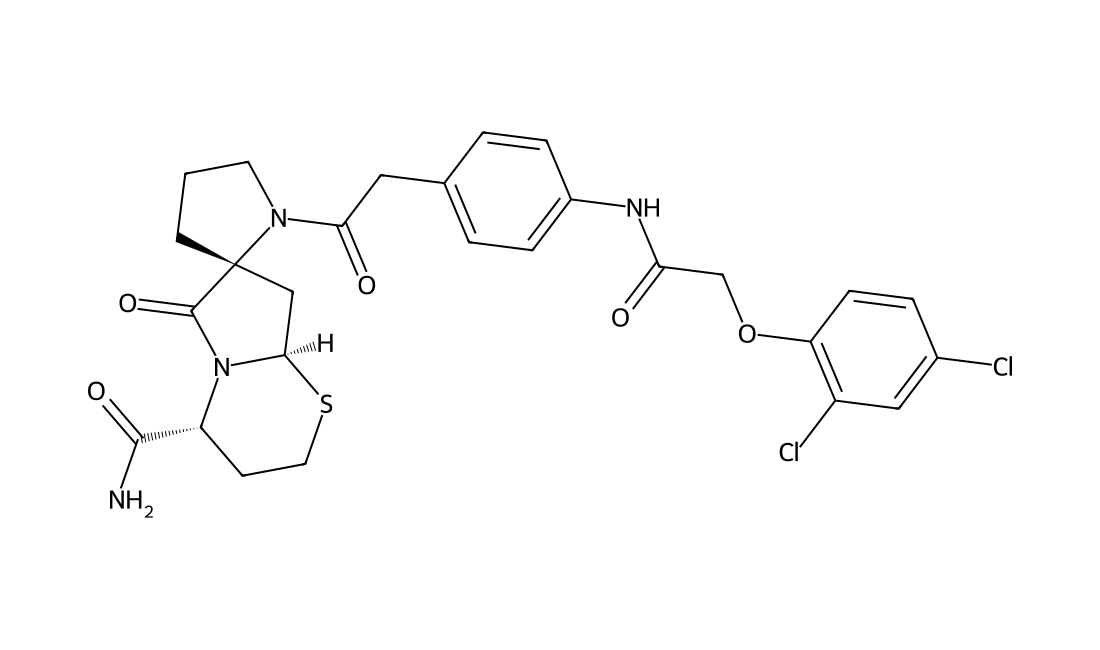
CAS 382-45-6
A steroid hormone with a weak androgenic effect, and an intermediate/prohormone of 11-ketotestosterone.
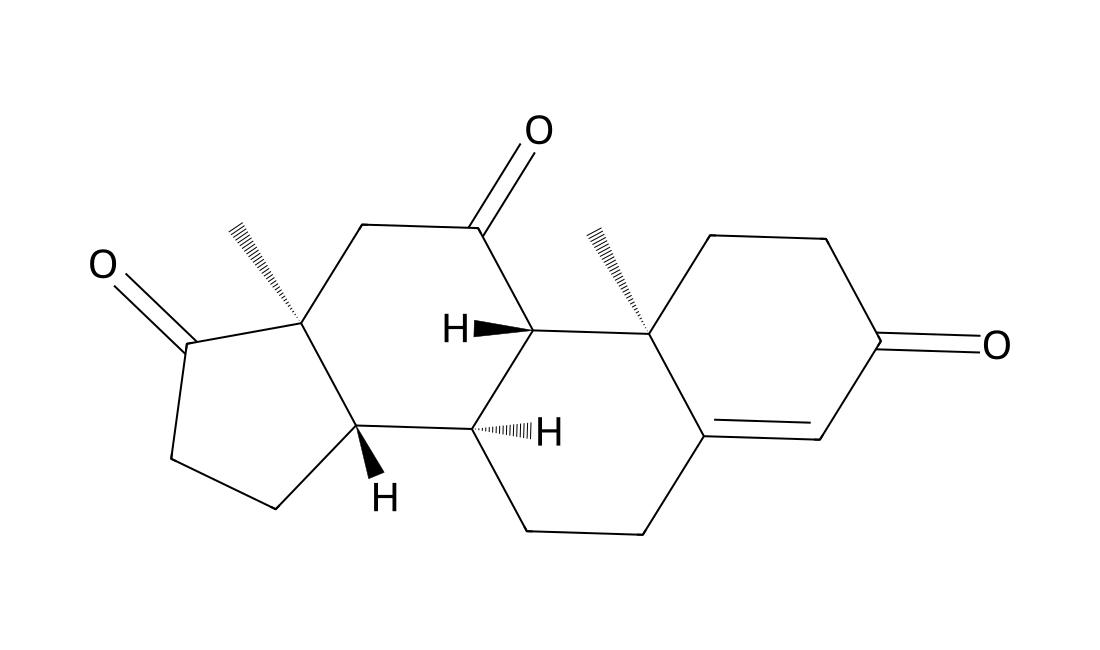
CAS 63333-35-7
A rodenticide that poisons the central nervous system by uncoupling mitochondrial oxidative phosphorylation, which causes a decrease in adenosine triphosphate (ATP) synthesis.
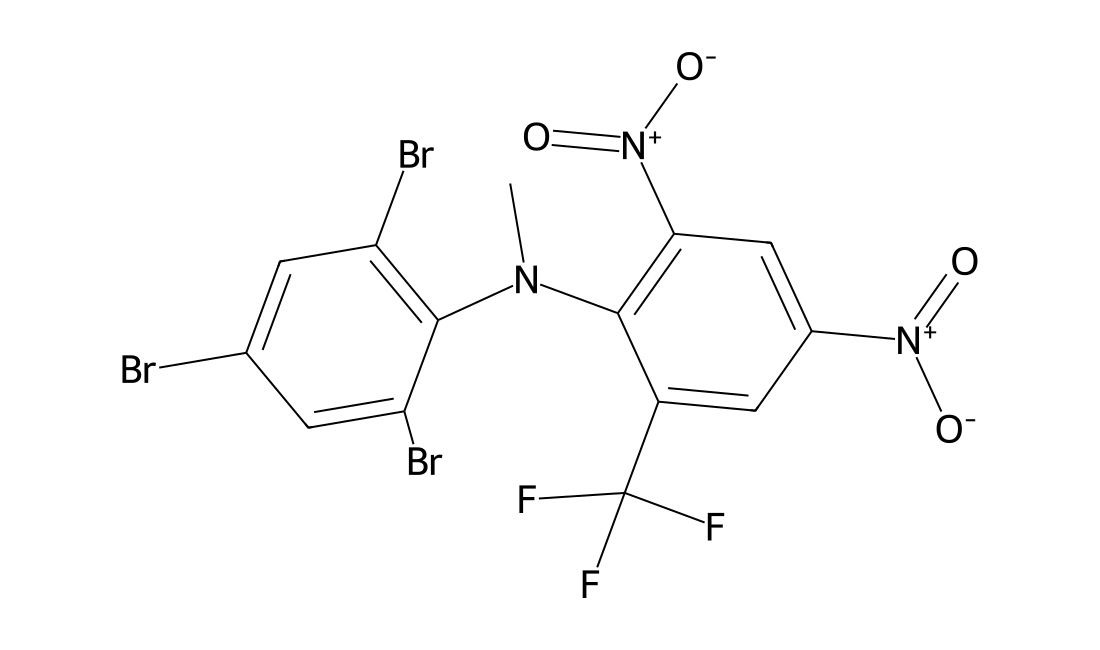
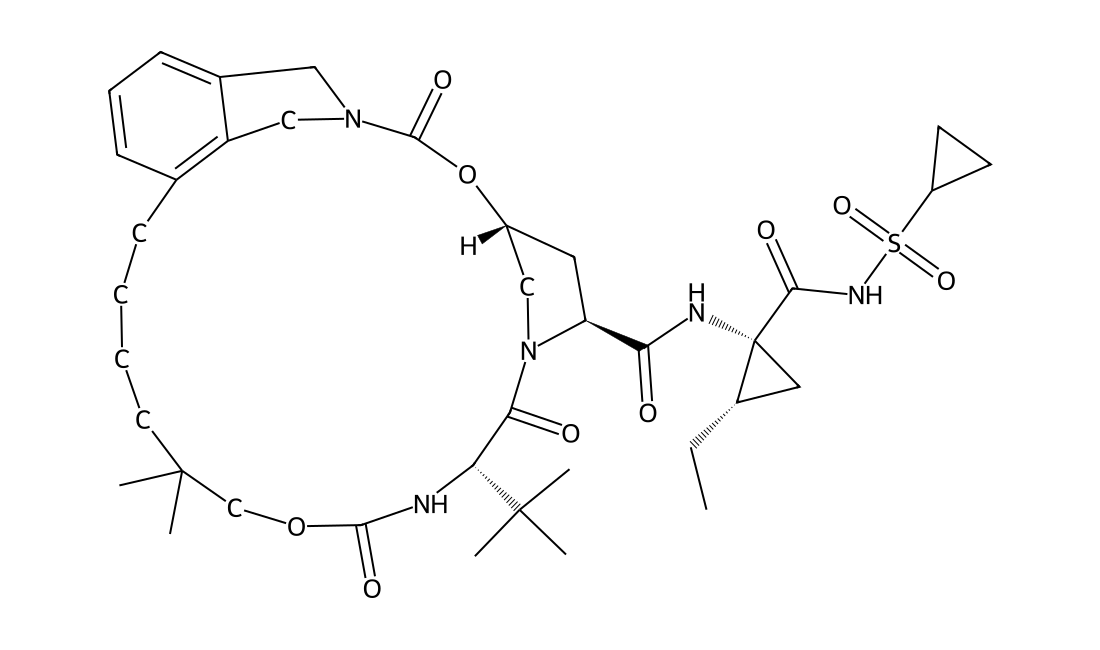
CAS 923590-37-8
A potent, selective, orally available inhibitor of HCV NS3/4A protease with Ki of 0.05 and 0.9 nM for GT1b and 2a protease, respectively; displays excellent selectivity against both a range of human proteases and a broad panel of pharmacologically relevant targets; has replicon EC50 of 3 and 9 nM for GT1b and 2a, respectively, has good plasma exposure and excellent liver exposure in multiple species.HCV InfectionApproved
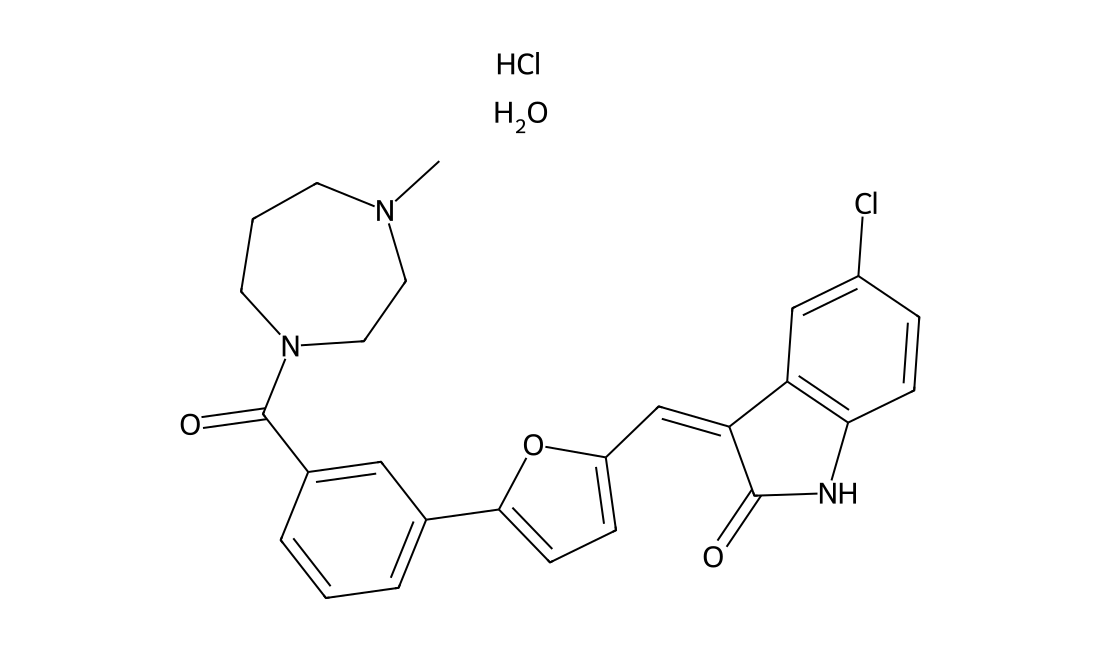
CAS 1353858-99-7
A potent, selective, and orally efficacious pan-Pim inhibitor with IC50 of 5/25/16 nM for Pim1/2/3, respectively; exhibits in vitro synergy with chemotherapeutics and robust in vivo efficacy in driven tumor models; also decreases steady state levels and half-life of NKX3.1 protein but not mRNA in prostate cancer cells.Blood CancerDiscontinued
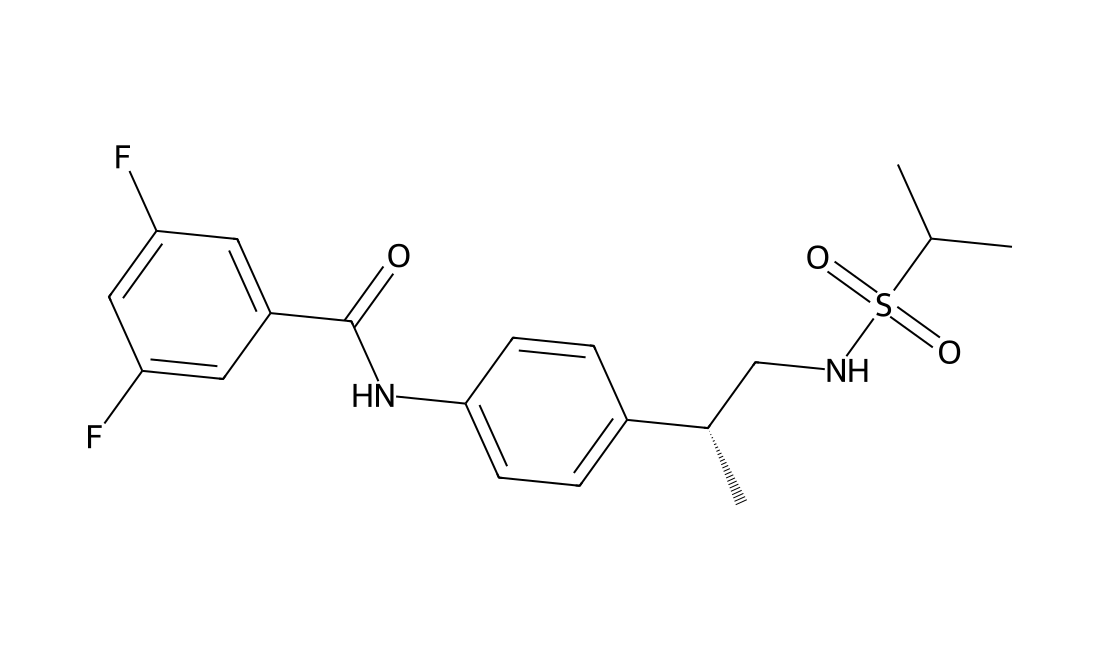
CAS 376594-67-1
A potent, selective, and centrally active positive allosteric modulator of AMPAR-mediated neurotransmission, which increase ion channel flux in the presence of agonist by suppressing desensitization and/or deactivation of the receptors.
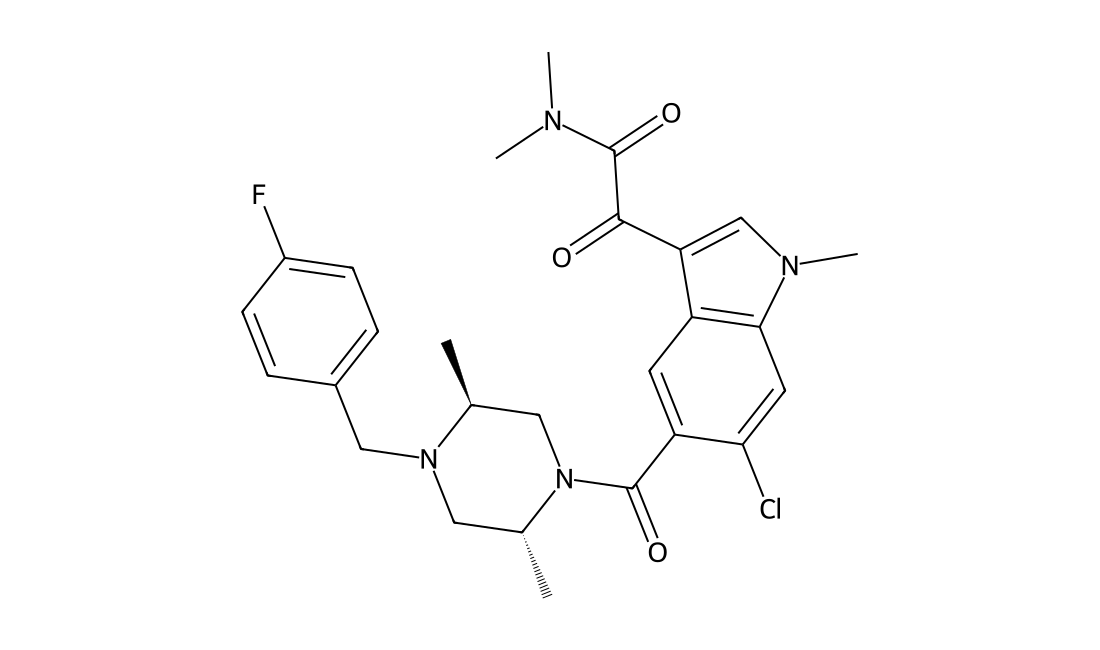
CAS 309913-83-5
A potent, selective p38α MAPK inhibitor with IC50 of 9 nM; displays 10-fold selectivity for p38α over p38β, >2,000-fold selectivity over a panel of 20 other kinases, including other MAP kinases; decreases apoptosis in MDS CD34+ progenitors and leads to dose-dependant increases in erythroid and myeloid colony formation; enhances the ability of MG132 and bortezomib to induce the apoptosis of MM cells, and inhibits tumor growth in vivo.Rheumatoid ArthritisPhase 2 Discontinued
CAS 101043-37-2
A potent, selective inhibitor of protein phosphatase 2A (PP2A) with IC50 of 0.04 nM; completely inhibits PP2A without affecting PP1 when used at a concentration of 0.5 nM, at least 10 times more potent as serine/threonine PP inhibitors than okadaic acid; PP1 IC50 is about 1.7 nM; shows cytotoxic activity against pancreatic cancer cells; also induces MMP-13 expression, promotes colorectal cancer invasion and migration.
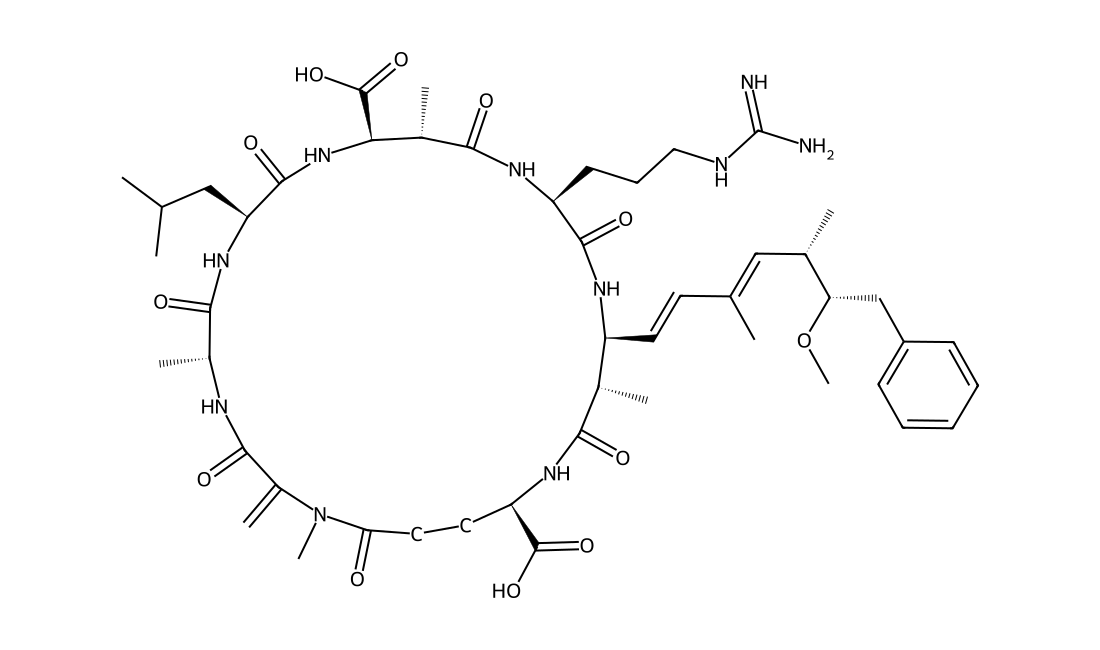
CAS 865466-24-6
A potent, second generation HCV NS3 serine protease inhibitor with Ki of 6 nM; displays no significant issues in the in vitro CYP or hERG assay; shows replicon EC90 of 40 nM; exhibits improved potency (∼10-fold over Boceprevir), pharmacokinetic profile and physicochemical characteristics.
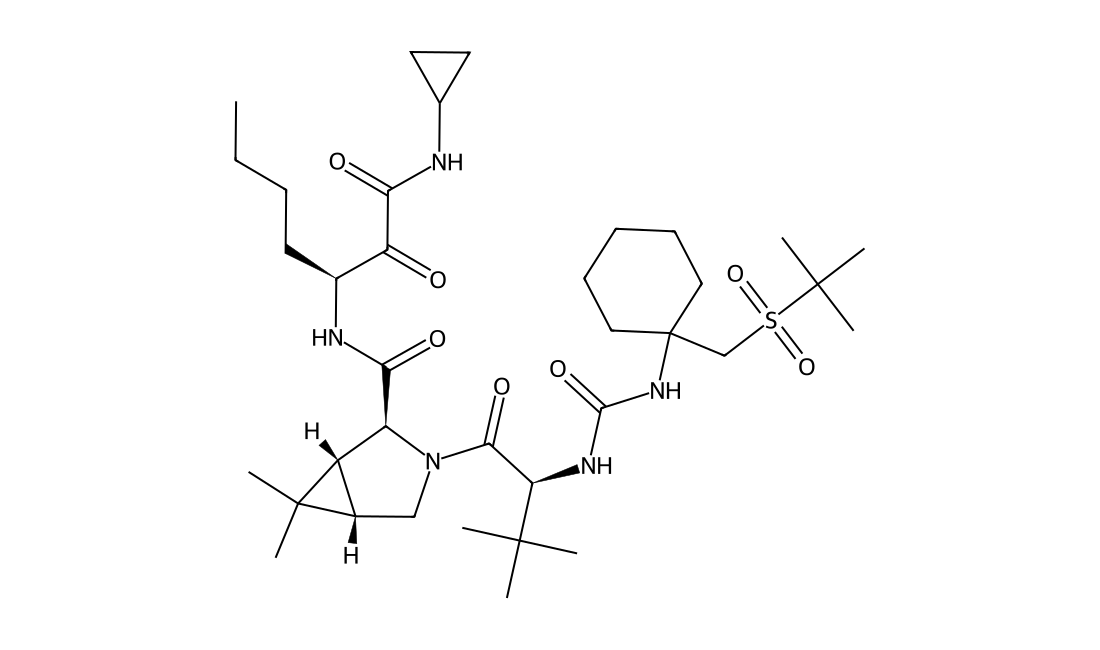
CAS 1215833-62-7
A potent benzodiazepine inverse agonist that displays anxiogenic and potent convulsant activity; induces hypoalgesia on a wide range of assays, inhibits pain and learning in rats.
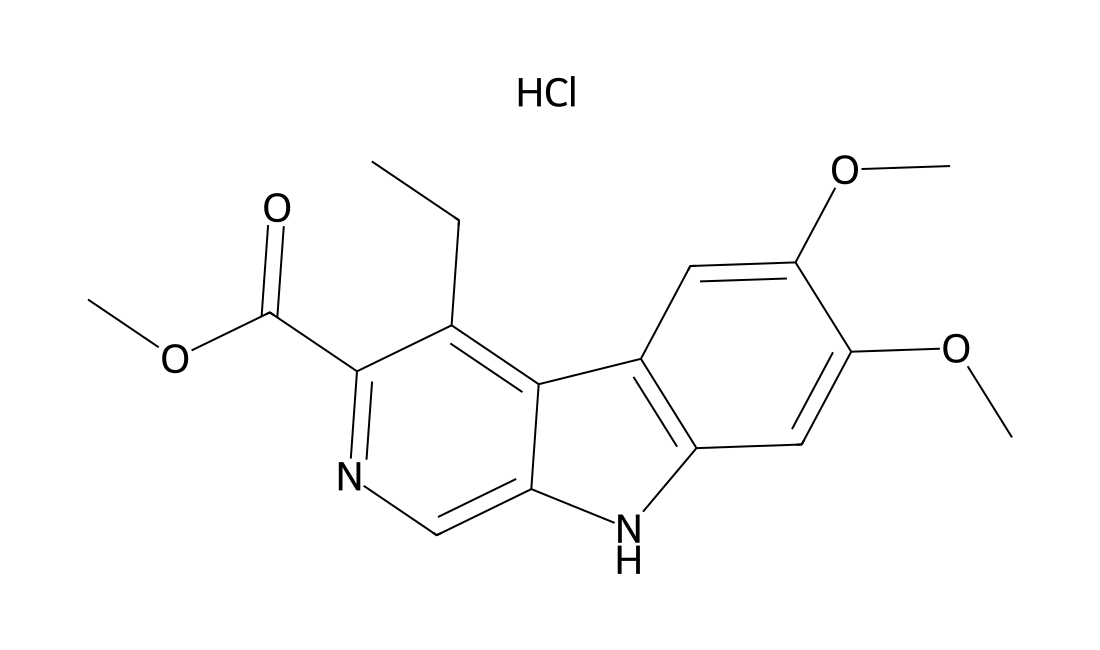
CAS 1640282-30-9
A potent and selective inhibitor of MTH1 protein with IC50 of 5 nM; shows no relevant inhibition for MTH2,NUDT5, NUDT12,NUDT14,NUDT16 and other proteinswith known nucleoside triphosphate pyrophosphatase activity; causees incorporation of oxidized dNTPs in cancer cells, leading to DNA damage, cytotoxicity and therapeutic responses in patient-derived mouse xenografts.
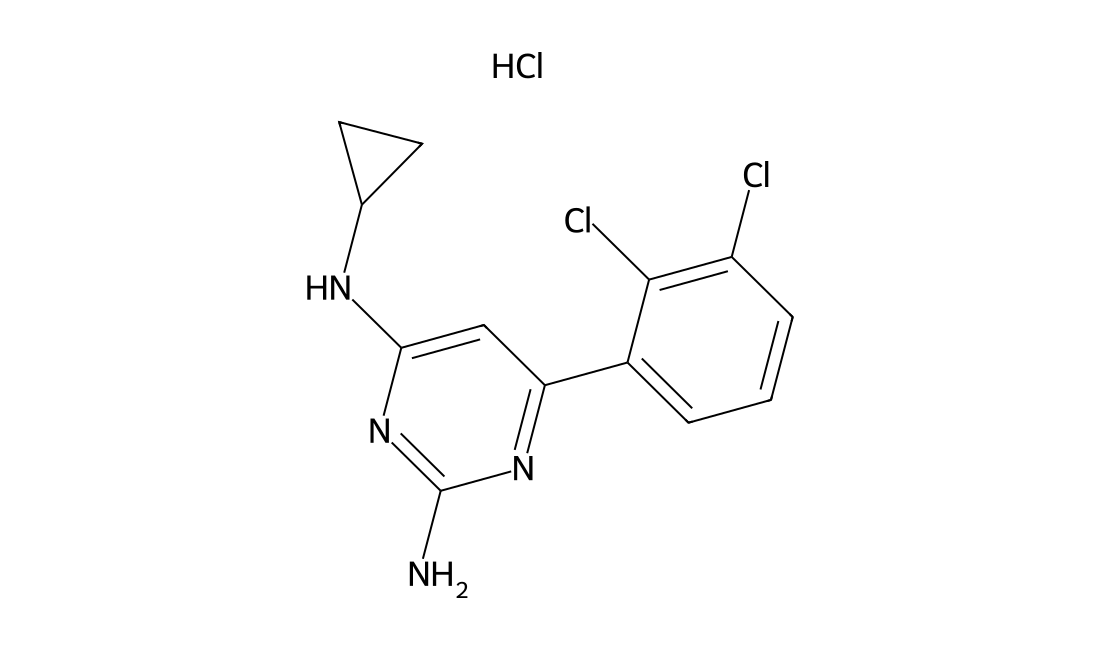
CAS 226700-81-8
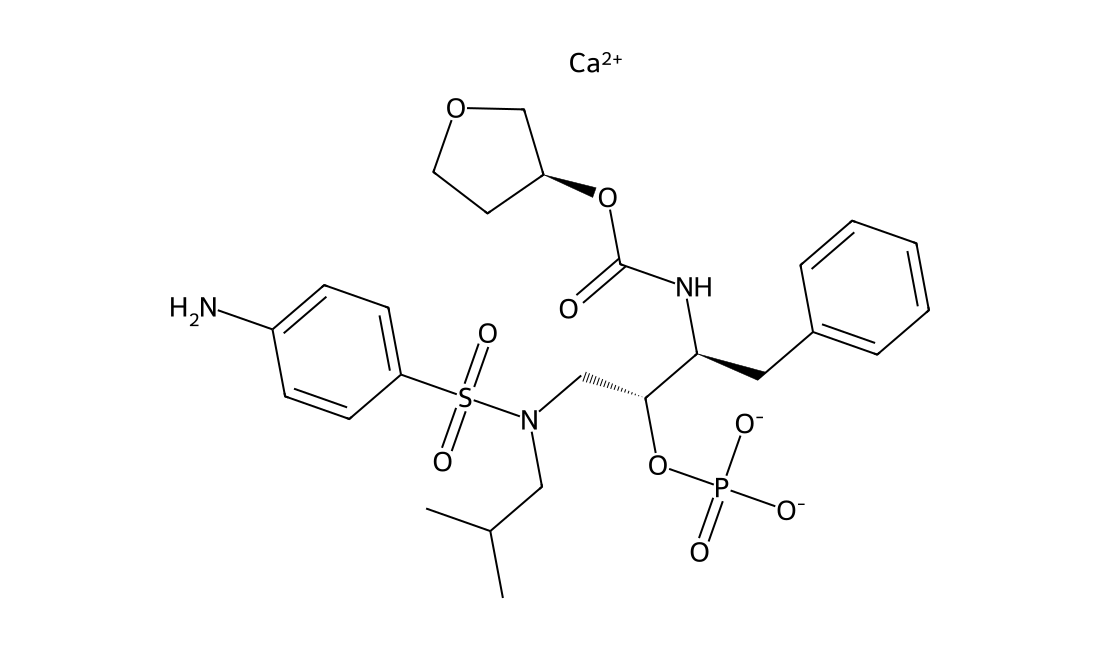
A phosphate ester prodrug of the HIV-1 protease inhibitor amprenavir with improved solubility.HIV InfectionApproved
CAS 1155419-89-8
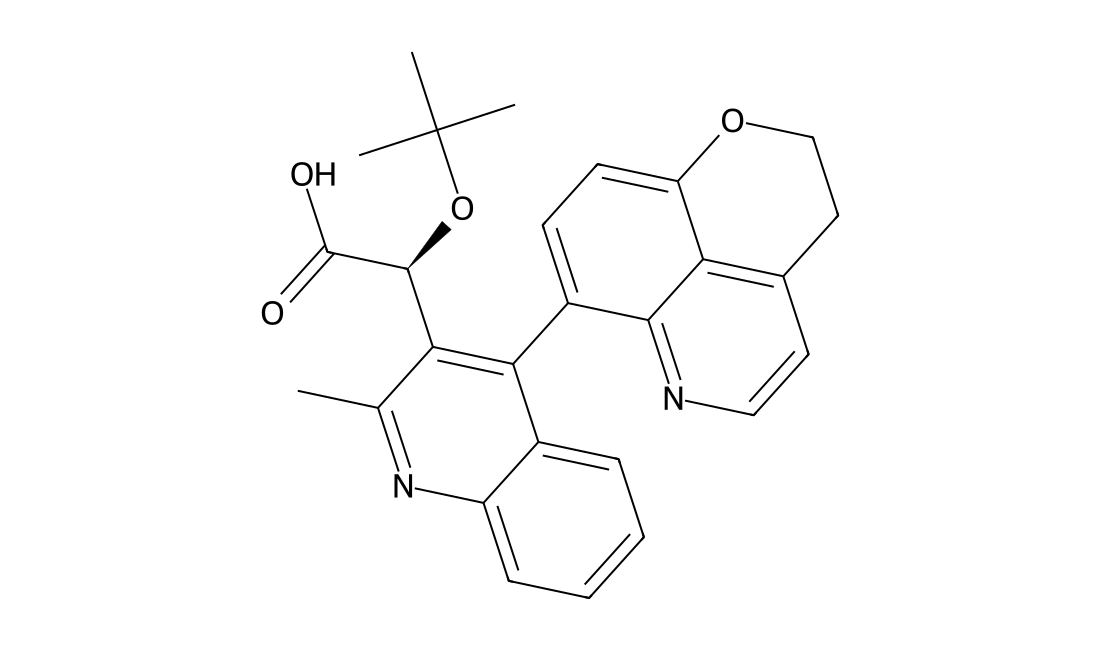
A novel HIV-1 non-catalytic-site integrase inhibitor (NCINI); shows antiviral EC50s of <15 nM against different HIV-1 laboratory strains and cellular cytotoxicity of >90 uM; has drug-like in vitro absorption, distribution, metabolism, and excretion (ADME) properties, including Caco-2 cell permeability, solubility, and low cytochrome P450 inhibition.HIV InfectionPhase 1 Clinical
CAS 1197194-41-4
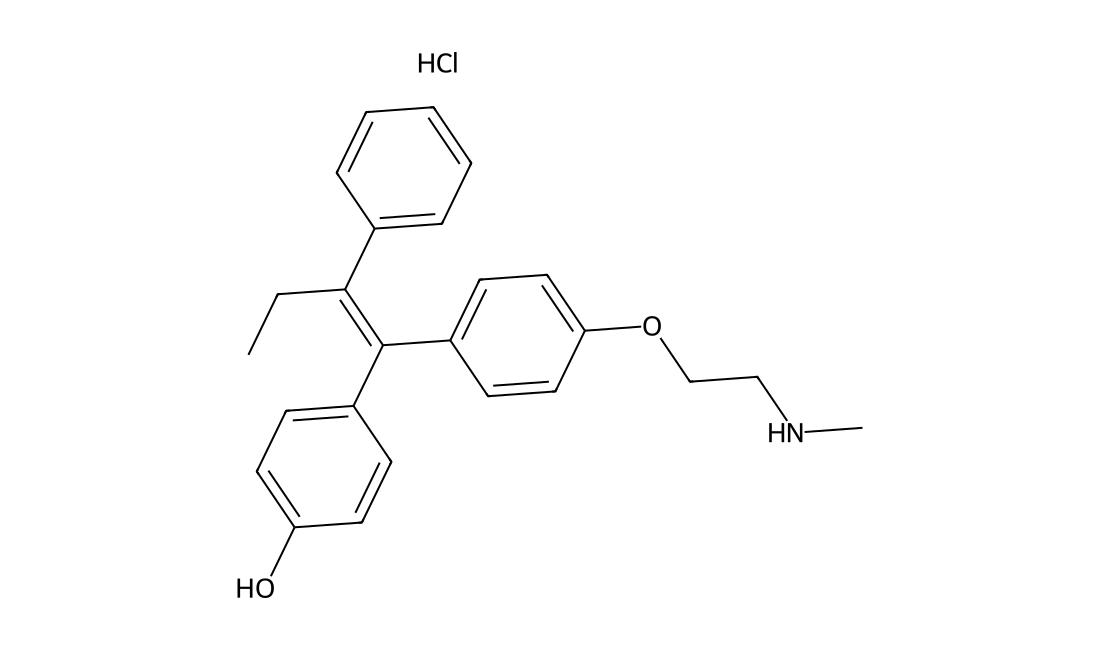
A metabolite of tamoxifen, orally active non-steroidal selective estrogen receptor modulator (SERM) for the treatment of estrogen receptor-positive breast cancer. Breast Cancer Phase 1 Clinical
CAS 566939-85-3
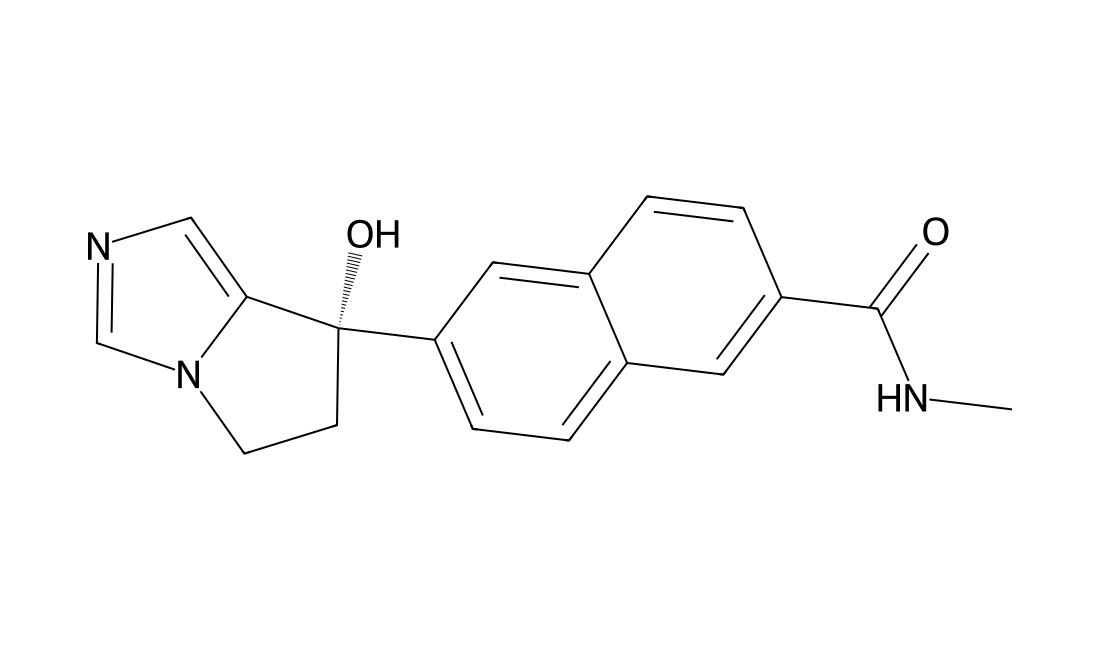
A highly selective CYP17A1 (17,20-lyase) inhibitor with IC50 of 17 nM for human 17,20-lyase; shows no activity on CYP3A4 (IC50>10 uM) and CYP11B1 (IC50>1 uM); reduces both serum testosterone and dehydroepiandrosterone concentrations in monkey model at a dose of 1mg/kg.Prostate cancerPhase 3 Discontinued
CAS 1006036-88-9
A highly potent, selective, second generation prostaglandin E2 subtype 4 receptor (EP4) antagonist with Ki of 0.56 nM; displays >10,000-fold selectivity over EP2 receptors; exhibits favorable pharmacokinetic profile and potent anti-inflammatory activity in animal models of pain/inflammation.
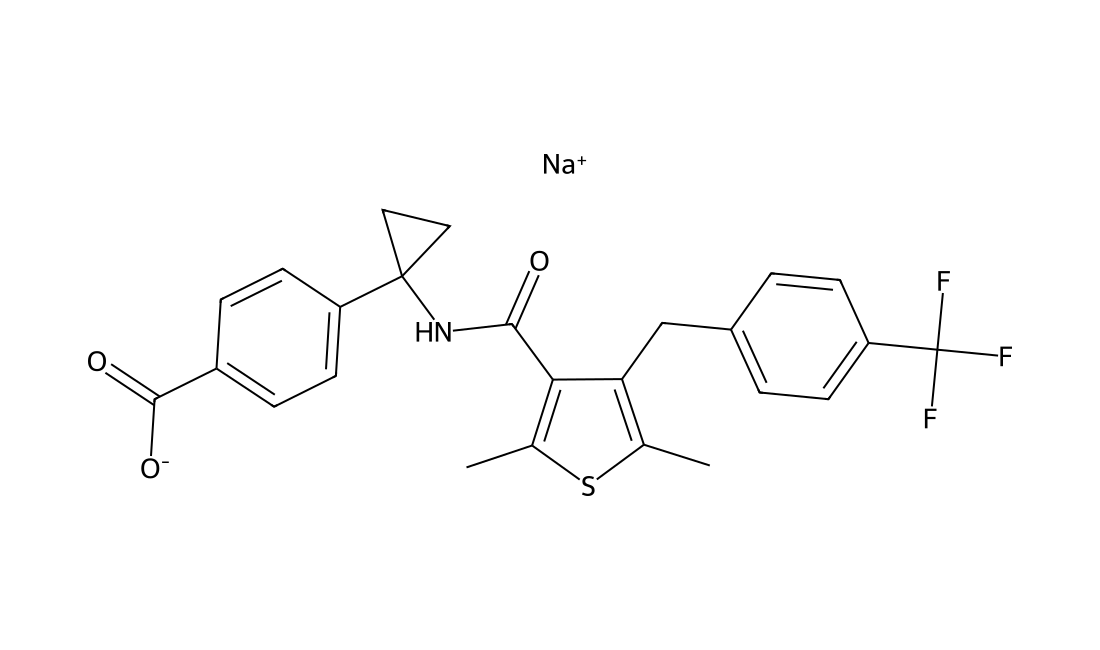
CAS 120964-45-6
A highly potent and competitive S-adenosylhomocysteine hydrolase inhibitor with Ki of 0.05 nM, also inhibits histone methyltransferase EZH2; more potent than 3-deazaaristeromycin; induces EZH2 protein depletion, leads to cell death in several cancers and tumors; anticancer or antiviral agent.
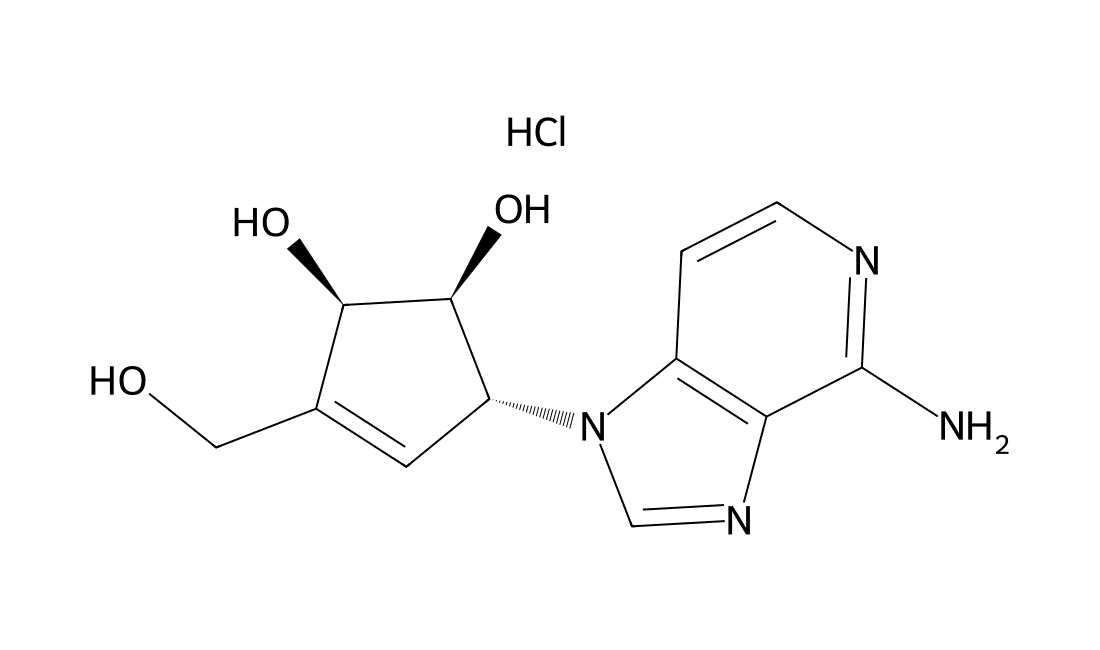
CAS 1069-66-5
A HDAC inhibitor that selectively inhibits the catalytic activity of class I HDACs, and induces proteasomal degradation of HDAC2; induces differentiation of carcinoma cells, transformed hematopoietic progenitor cells and leukemic blasts from AML patients; reduces tumor growth and metastasis formation in animal model.MigraineApproved
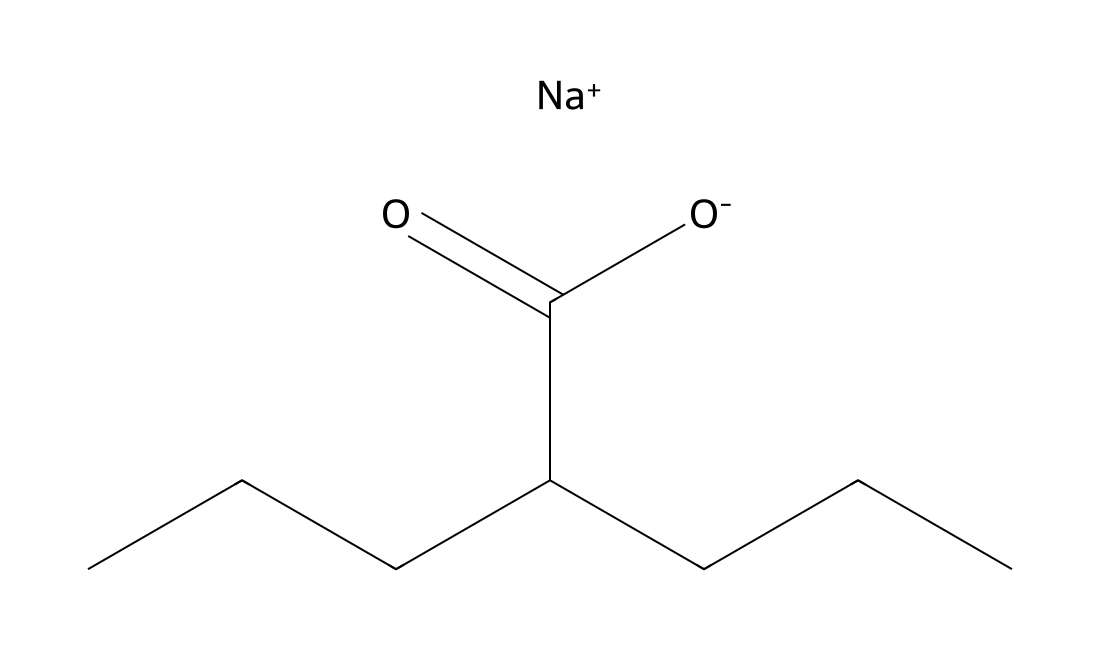
CAS 849643-15-8
A broad-spectrum RTKs inhibitor with IC50 ranging from 2 to 50 nM for VEGFR-1, VEGFR-2, PDGFRs, KIT, FLT3, and CSF1R/FMS; shows poor activity for EGFR and c-Met in biochemical assays; inhibits VEGFR-2, PDGFR-β, and KIT phosphorylation in porcine aorta endothelial cells with IC50 of 5.2, 9.9, and 11.2 nM respectively; active in xenograft tumor models.Breast CancerPhase 2 Discontinued
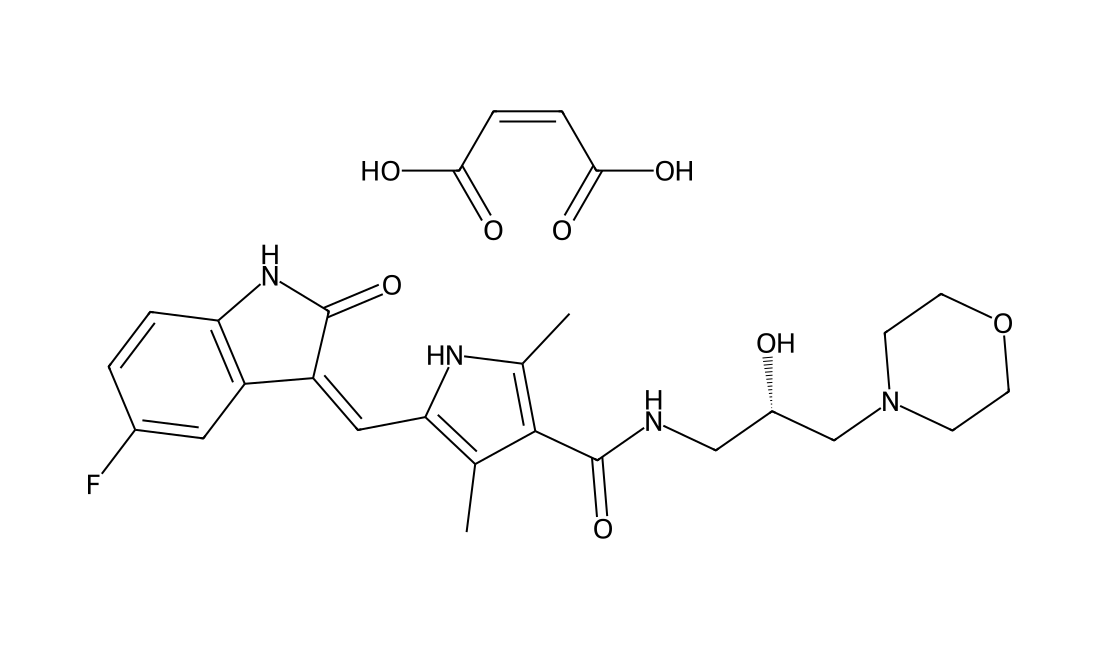
CAS 76547-98-3
A angiotensin-converting enzyme (ACE) inhibitor for treatment of hypertension, heart failure, and after heart attacks.HypertensionApproved