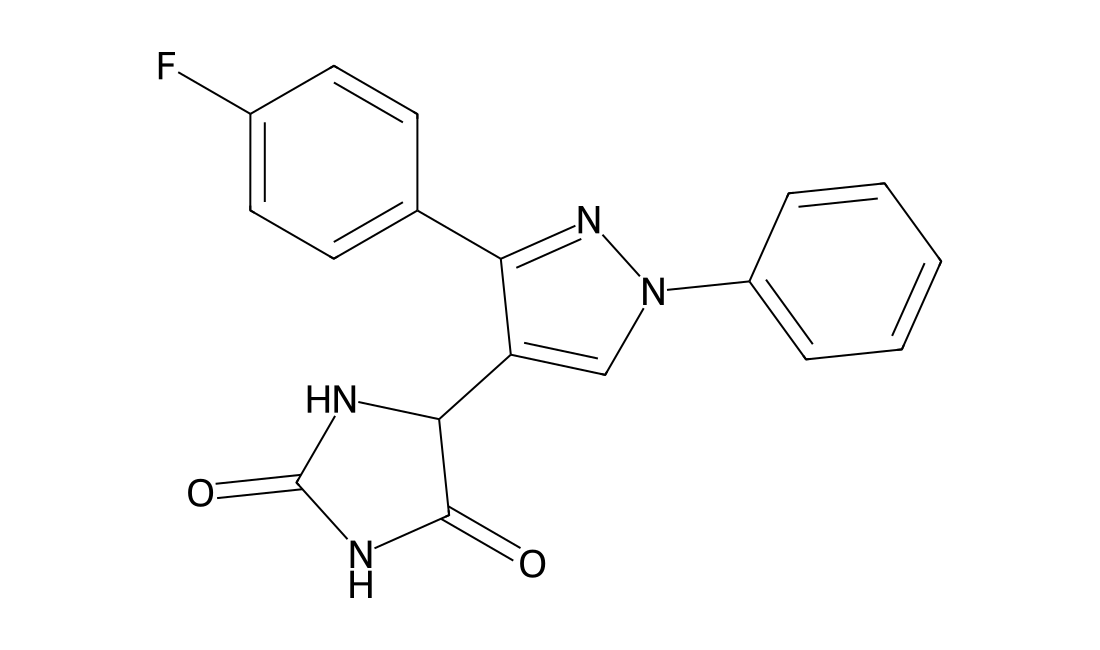
NPT 200-11
CAS 2227057-23-8
NPT200-11 is an orally bioavailable and brain penetrating alpha-synuclein (ASYN) misfolding and aggregation inhibitor.

Explore bioactive compounds by research category, then narrow your search by target, product name, catalog number or CAS.
Newly added: LC-MG and OXF molecular glue research compounds →
Products may appear in more than one category. Counts refer to distinct catalog numbers within each category.
Other Research Tools (75) · Additional reagents, building blocks and specialized research tools.
LC-MG-1 (DCA0006) · LC-MG-4 (DCA0007) · LC-MG-9 (DCA0008)
View structure and evidence summaries →Combine a keyword, research category and target to narrow the product list.
Loading catalog filters…
CAS 2227057-23-8
NPT200-11 is an orally bioavailable and brain penetrating alpha-synuclein (ASYN) misfolding and aggregation inhibitor.
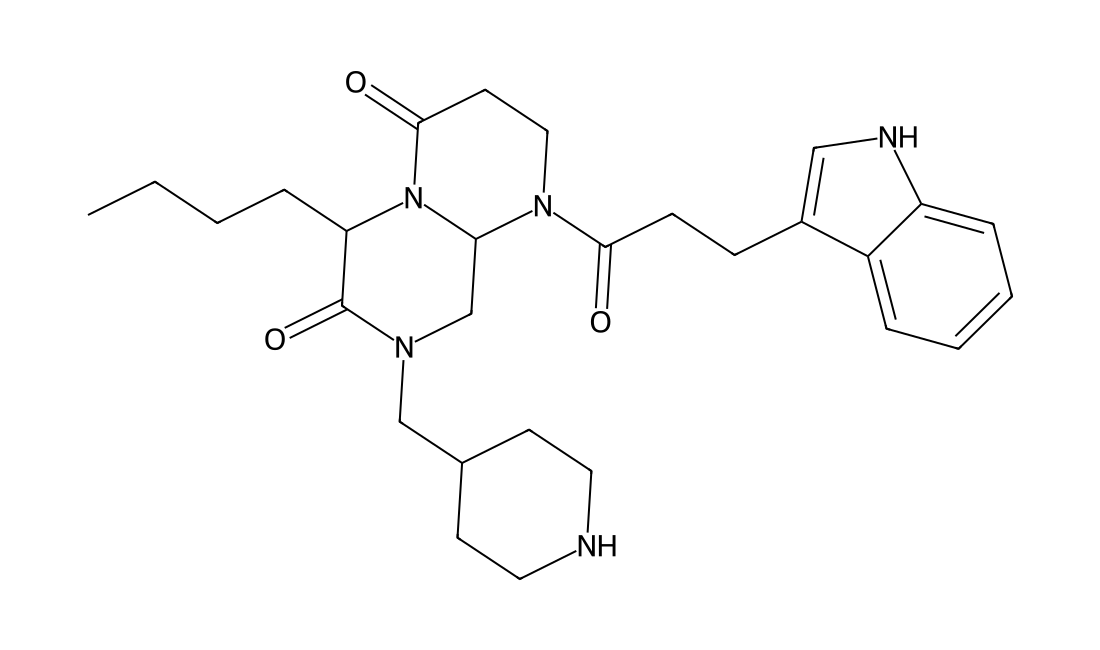
CAS 2639638-66-5
BAY-069 is a potent dual BCAT1/BCAT2 inhibitor with IC50 of 31 nM/153 nM. BAY-069 displays high cellular activity in U-87 MG and MDA-MB-231 cell lines.
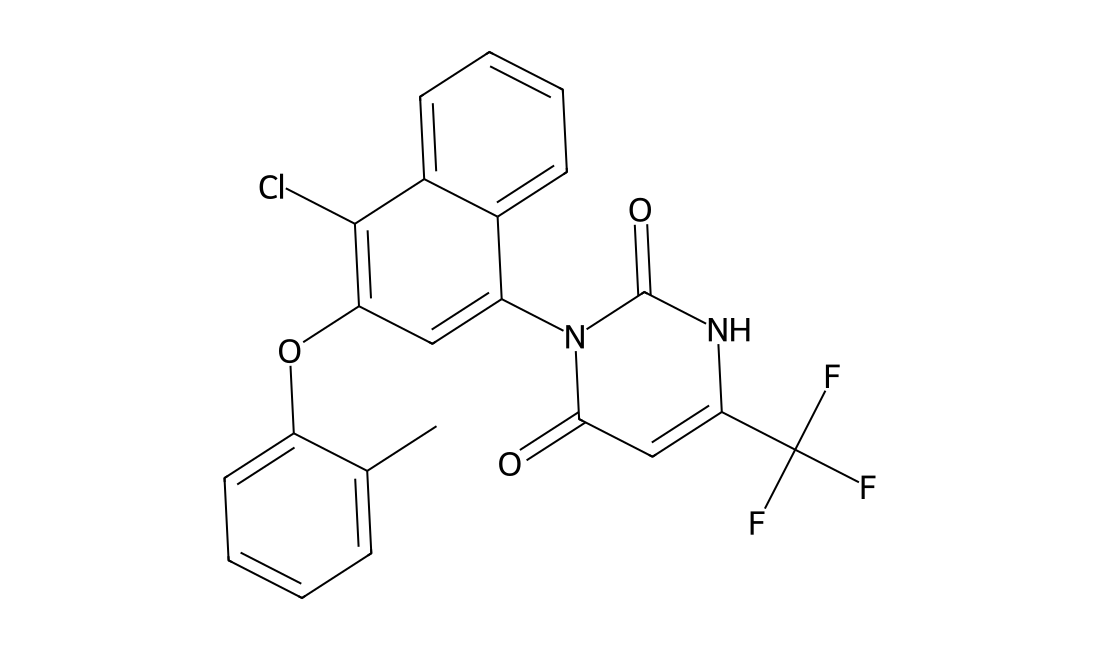
CAS 1610591-93-9
Dopamine D2 receptor agonist-2 (compound 36) is a potent dopamine D2 receptor biased agonism ligand with an Ki value of 11.2 nM. Dopamine D2 receptor agonist-2 can be used to research antipsychosis1.
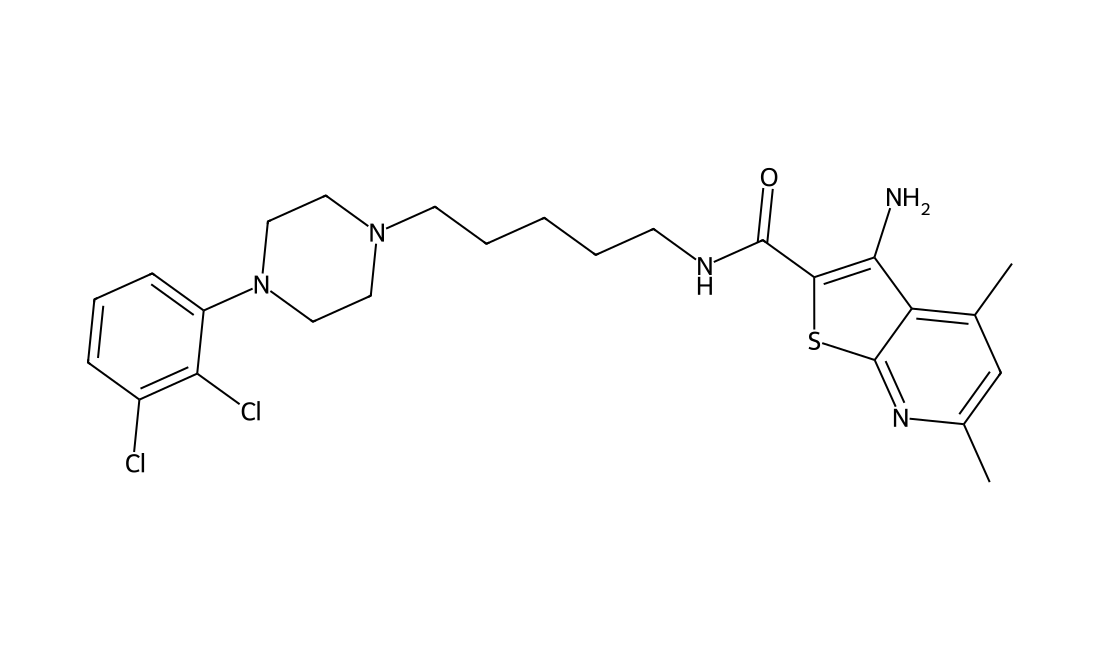
CAS 885704-58-5
c-Fms-IN-13 (compound 14) is a potent FMS kinase inhibitor with an IC50 value of 17 nM. c-Fms-IN-13 can be used as an anti-inflammatory agent1.
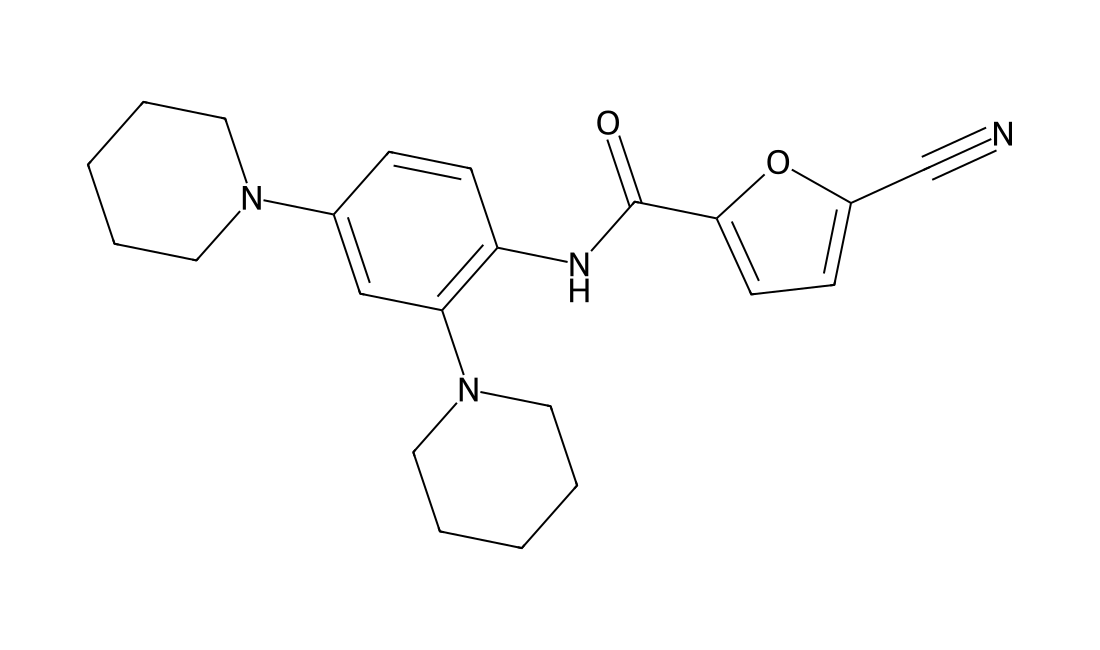
CAS 2784577-71-3
RLX-33 is a potent, selective and blood-brain barrier (BBB) penetrant relaxin family peptide 3 (RXFP3) antagonist, also blocks relaxin-3-induced ERK1/2 phosphorylation, with IC50 values of 2.36 μM for RXFP3, 7.82 and 13.86 μM for ERK1 and ERK2 phosphorylation, respectively. RLX-33 can block the stimulation of food intake induced by the RXFP3-selective agonist R3/I5 in rats. RLX-33 can be used for the research of metabolic syndrome1.
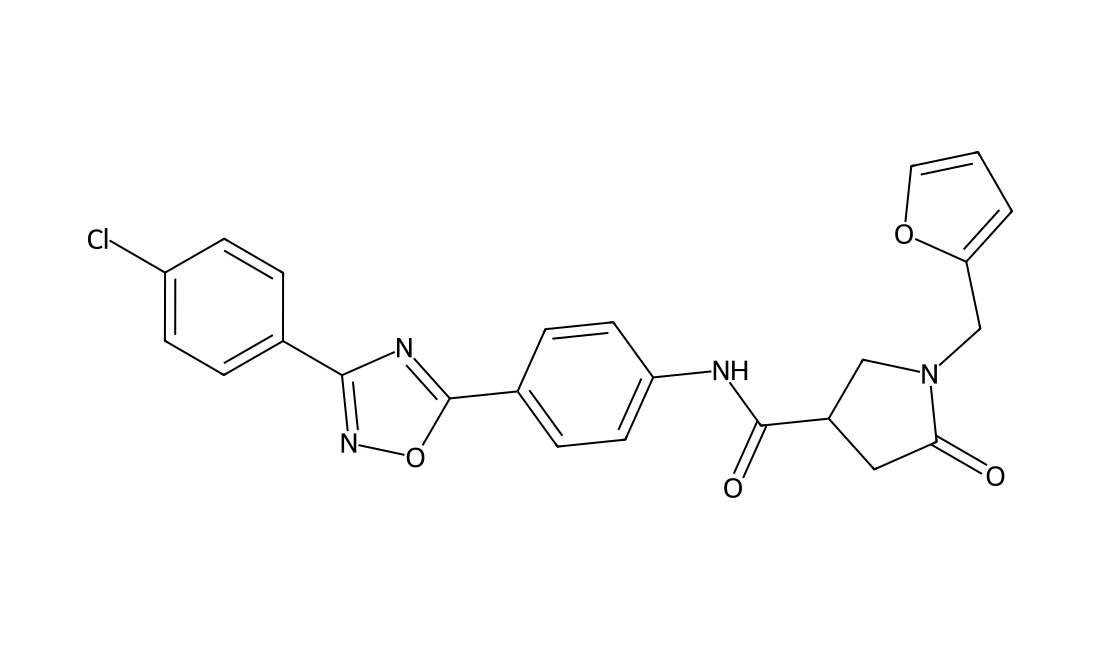
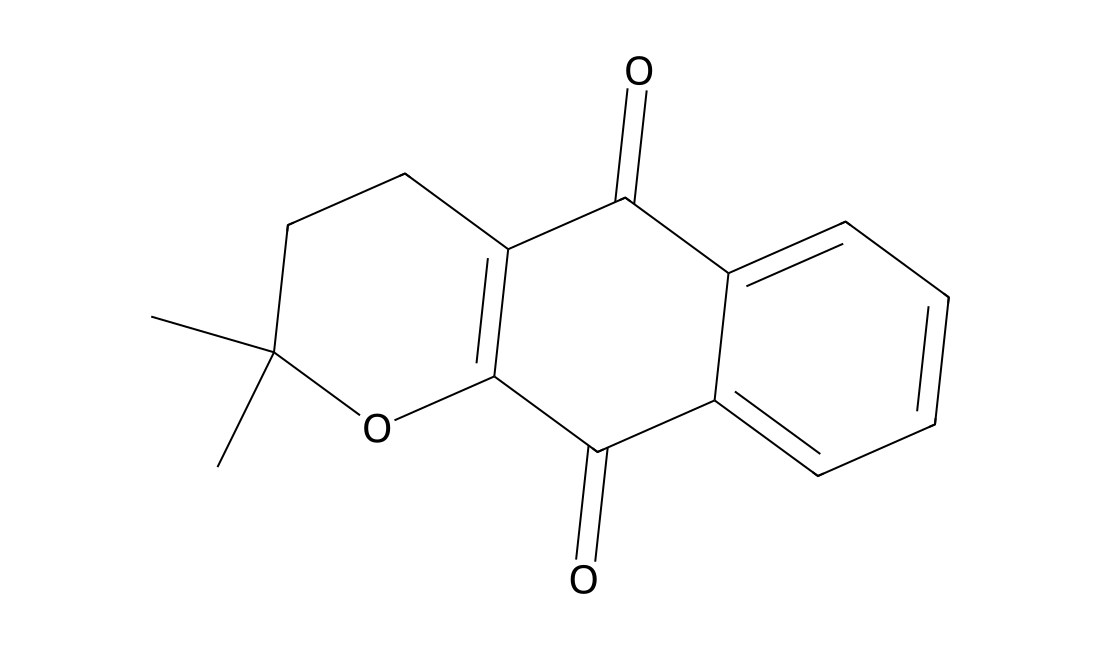
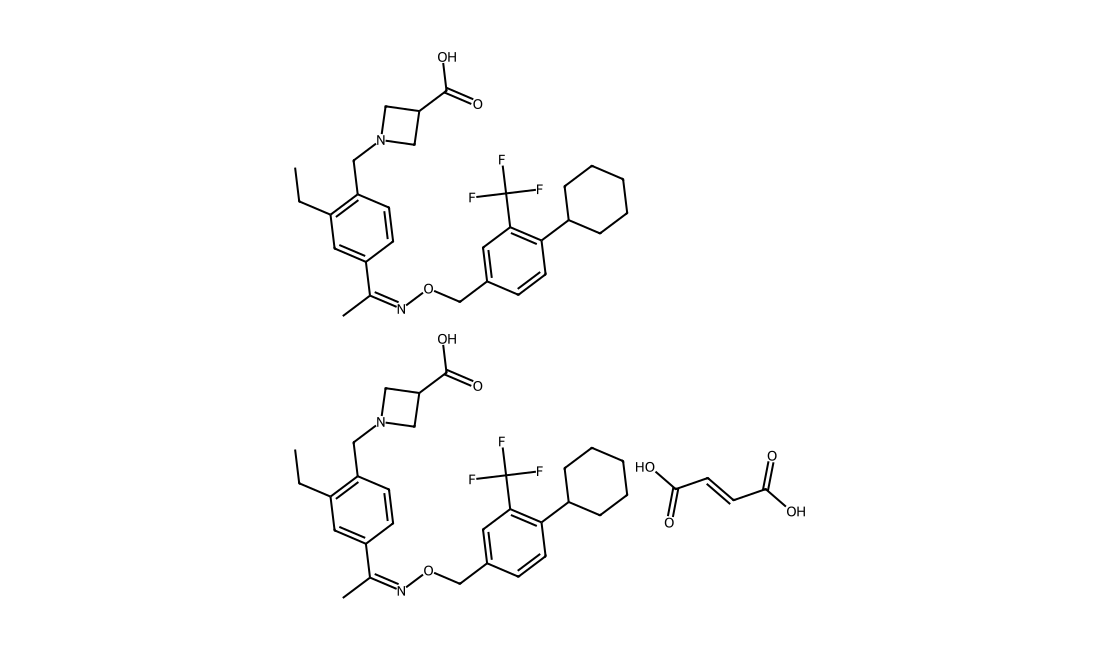
CAS 1234627-85-0
Siponimod, also known as BAF-312, is a a potent and orally selective S1P Receptor Modulator with EC50 value of 0.39nM for S1P1 receptors and 0.98nM for S1P5 receptors, respectively. Development of sphingosine-1-phosphate receptor 1 (S1P1) modulators to dampen inflammation and its sequelae is becoming increasingly promising for treating medical conditions characterized by significant immunopathology.
CAS 634924-89-3
ANR-94 is a potent and selective adenosine A2A receptor (AA2AR) antagonist with an Ki of 46 nM for hAA2AR. ANR 94 has the potential for the research of Parkinson's disease.
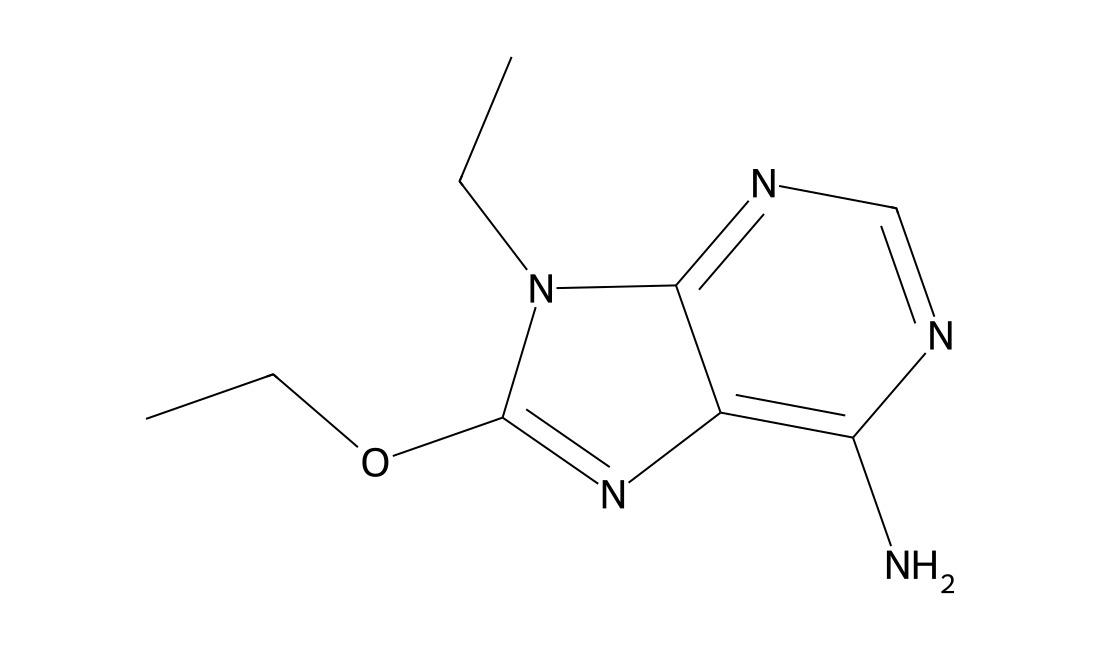
CAS 588674-64-0
VUN74640, also known as CCR6 antagonist 1, is a CCR6 antagonist. VUN74640 can be used in the research of autoimmune-mediated inflammatory diseases, such as inflammatory bowel diseases (IBDs). This product has no formal name at the moment.
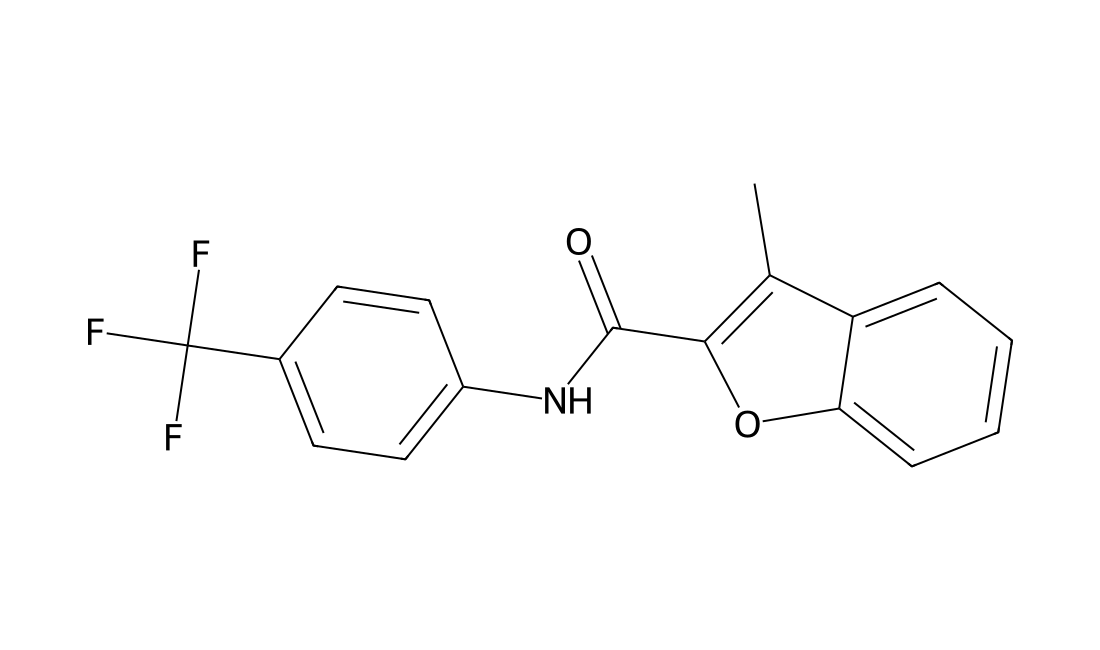
CAS 2935964-98-8
TNG260 is a CoREST-selective deacetylase inhibitor and shows 500-fold selectivity for the CoREST complex over the other HDAC1-containing complexes, NuRD and Sin3.
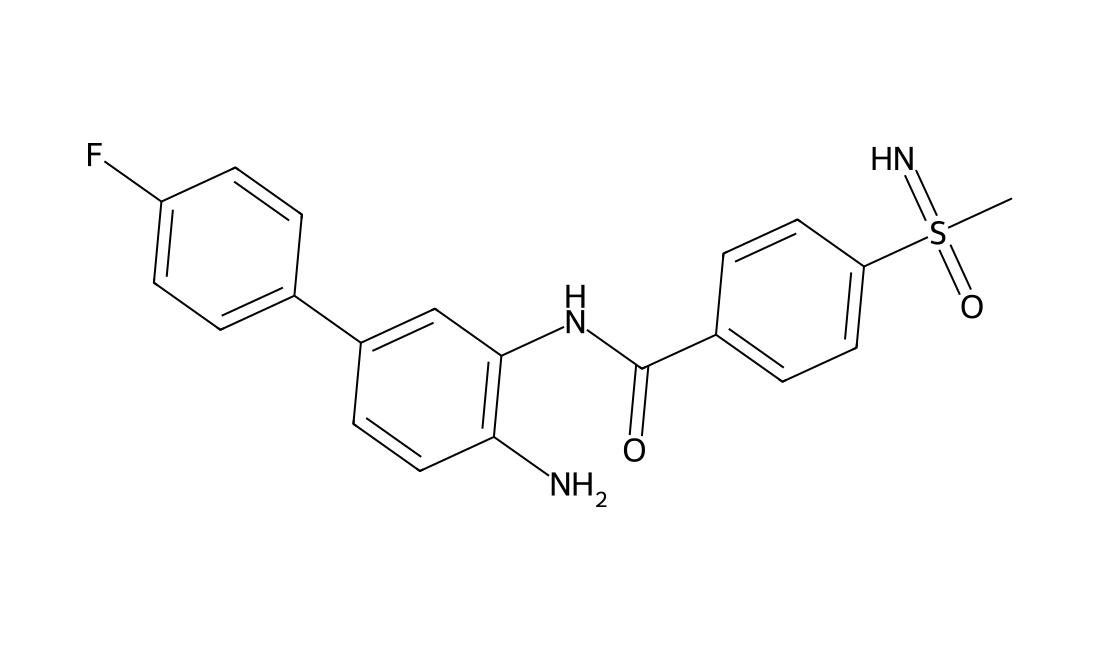
CAS 2747162-85-0
MCUF-651 (MCUF651) is a small molecule guanylyl cyclase A receptor (GC-A) positive allosteric modulator (PAM), potentiate ANP-mediated cGMP with EC50 of 0.45 uM (Emax=82%) in HEK293 GC-A cells.MCUF-651 enhanced ANP-mediated cGMP generation in human cardiac, renal, and fat cells and inhibited cardiomyocyte hypertrophy in vitro.MCUF-651 binds to GC-A (Kd=397 nM) and selectively enhances the binding of ANP to GC-A ( MCUF-651+ANP, Kd=0.06 nM).MCUF-651 is orally bioavailable in mice and enhances the ability of endogenous ANP and BNP to generate GC-A-mediated cGMP ex vivo.
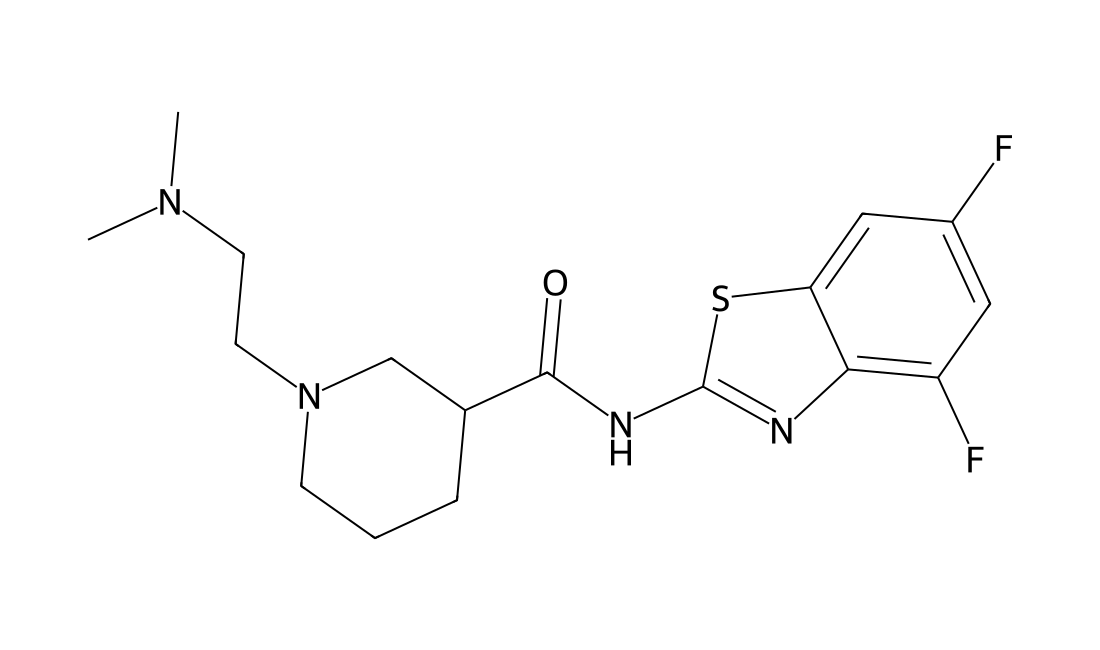
CAS 1001419-18-6
BMS-820132 (BMS 820132) is potent, selective, partial glucokinase (GK) activator with AC50 of 29 nM.
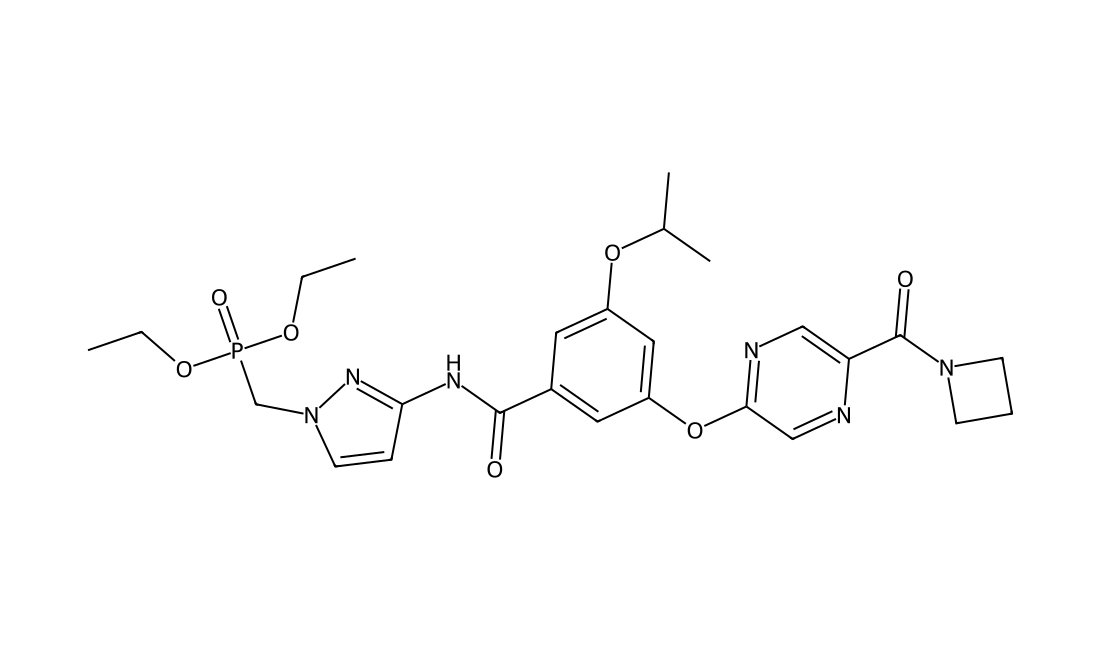
CAS 1314796-31-0
hGPR91 antagonist 3 (Compound 5g) is a potent, selective, and orally active antagonist of hGPR91 (%F: 26). hGPR91 antagonist 3 has the potential for the research of hypertension, autoimmune disease and retinal angiogenesis.
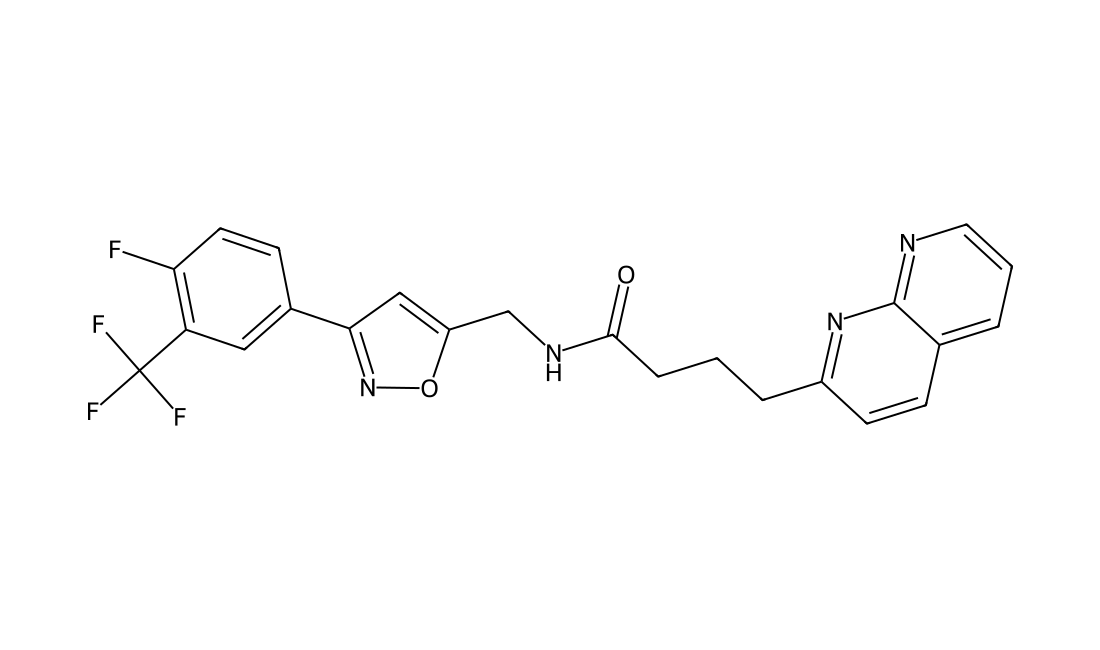
BI-3231 is a novel potent and selective HSD17B13 inhibitor with IC50 of 1 nM and Ki of 0.7 nM, respectively. BI-3231 is a valuable chemical probe to further elucidate the biological function of HSD17B13.
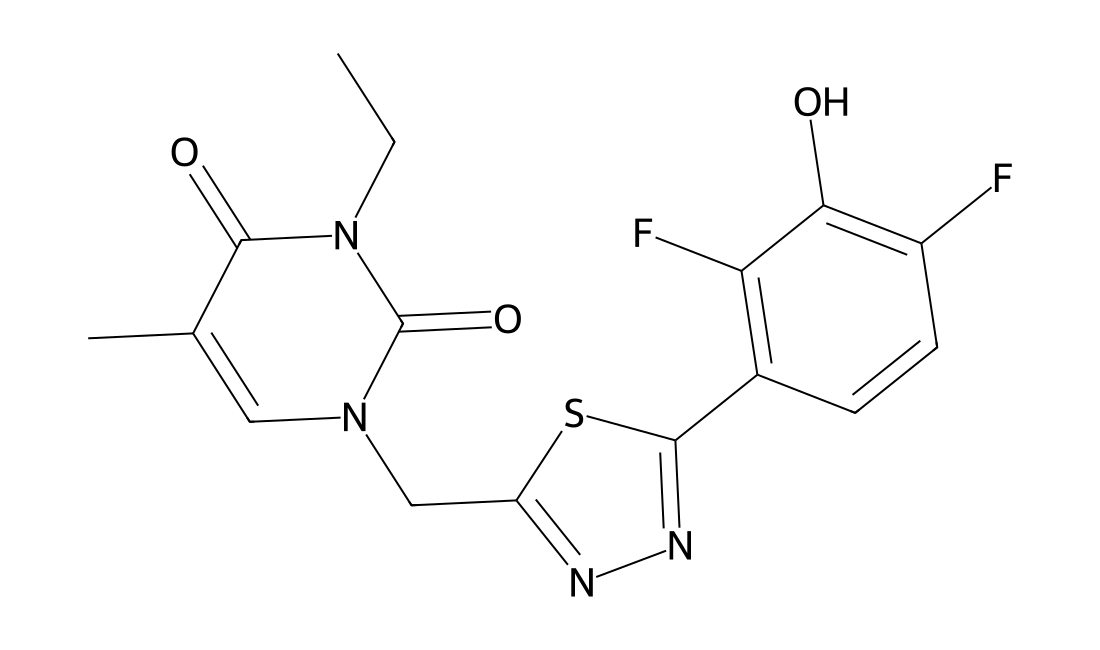
CAS 2919575-27-0
UCL-TRO-1938 is a small-molecule activator of the PI3Kα isoform with EC50 of 60 μM. UCL-TRO-1938 activats PI3Kα but not PI3Kβ or PI3Kδ and effectively boosts endogenous protective and regenerative signalling.
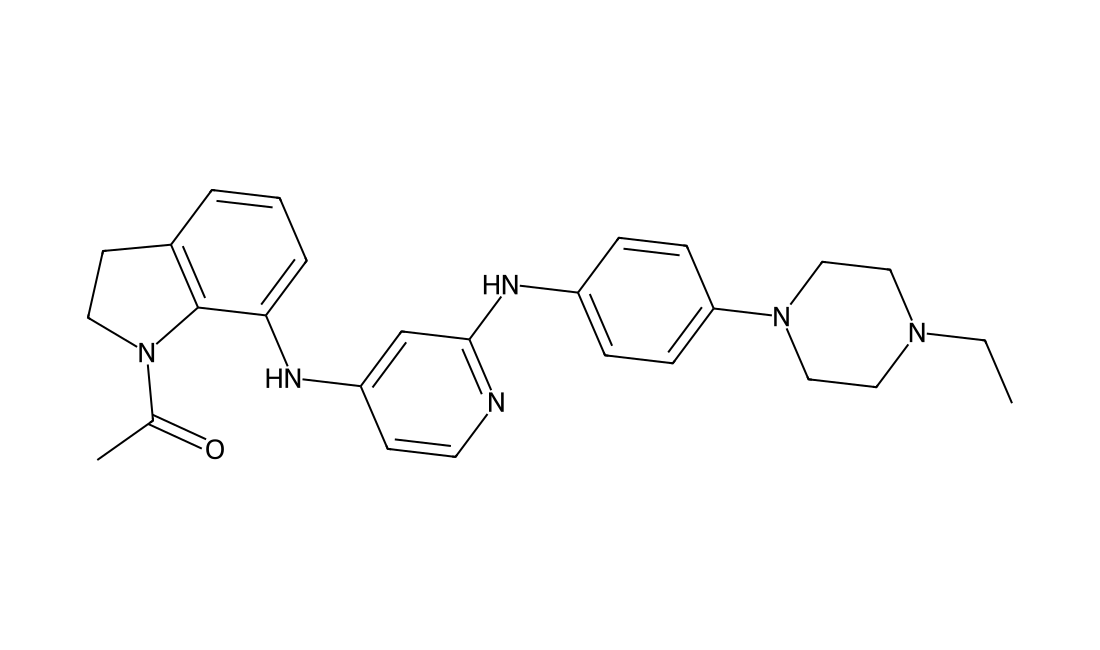
CAS 1460286-21-8
MSC2504877 (MSC-2504877) a novel small molecule selective tankyrase inhibitor with IC50 of 0.7/0.8 nM against TNKS1/2, shows 771-fold selectivity for TNKS1 over PARP1 (IC50=0.54 uM).
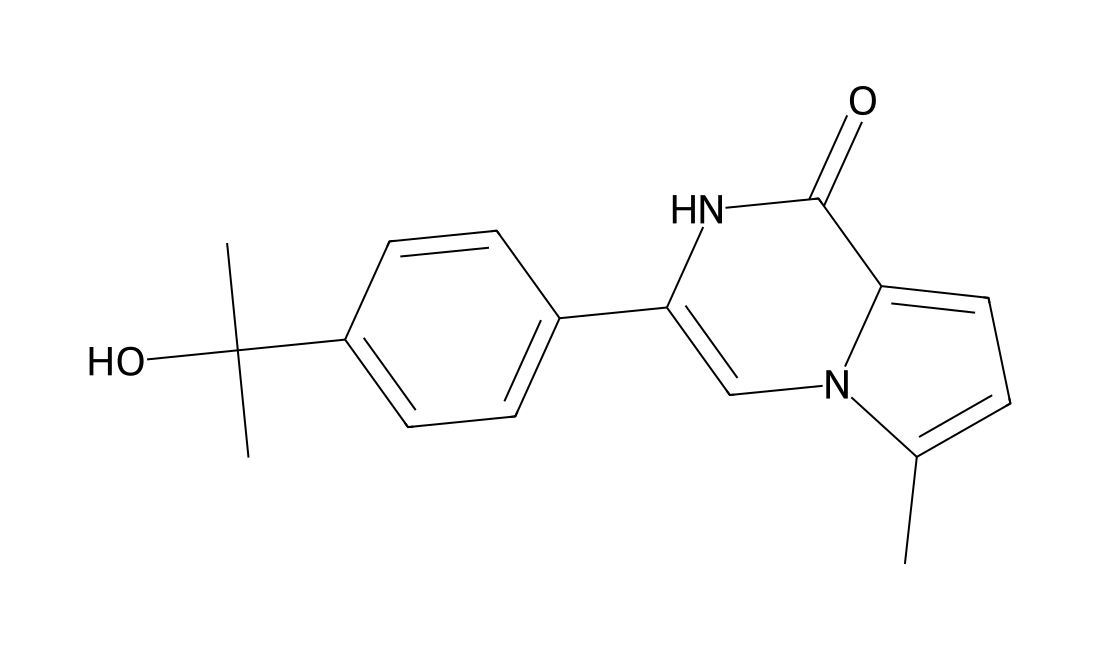
CAS 1394808-82-2
SUVN-G3031 (SUVN-G 3031) is a potent, selective, orally active histamine H3 receptor (H3R) inverse agonist with Ki of 8.73 nM (hH3R).
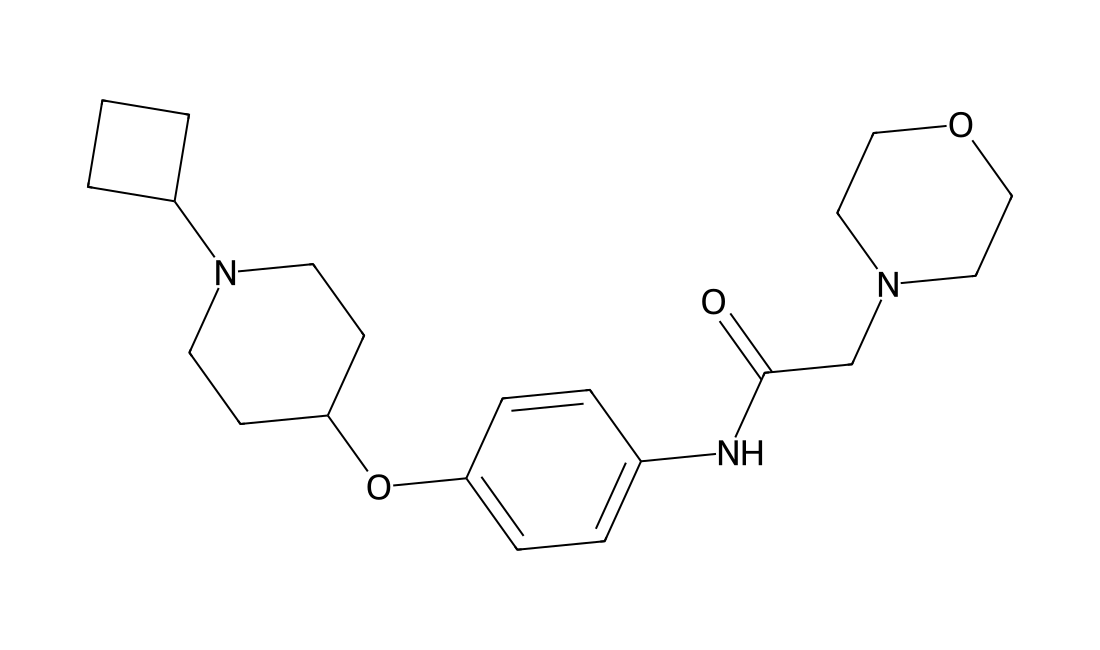
NRX-103095 is an enhancer of an E3 ligase-substrate interaction.
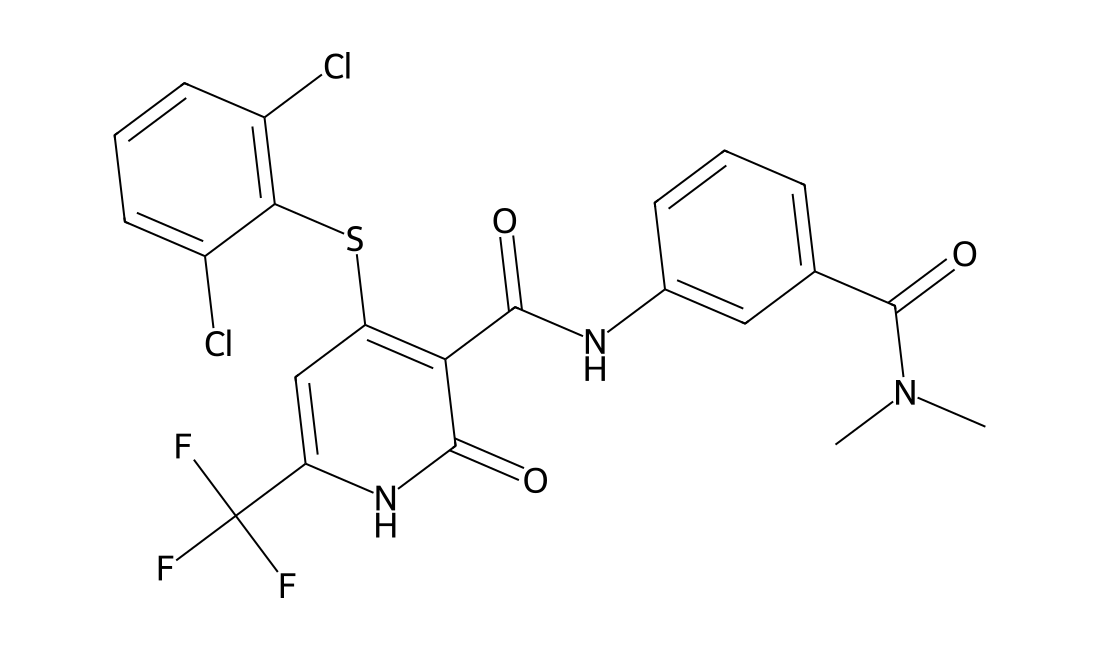
CAS 1614245-70-3
PF-06372865 is a novel potent, α2/3 functionally selective GABAA receptor positive allosteric modulator.
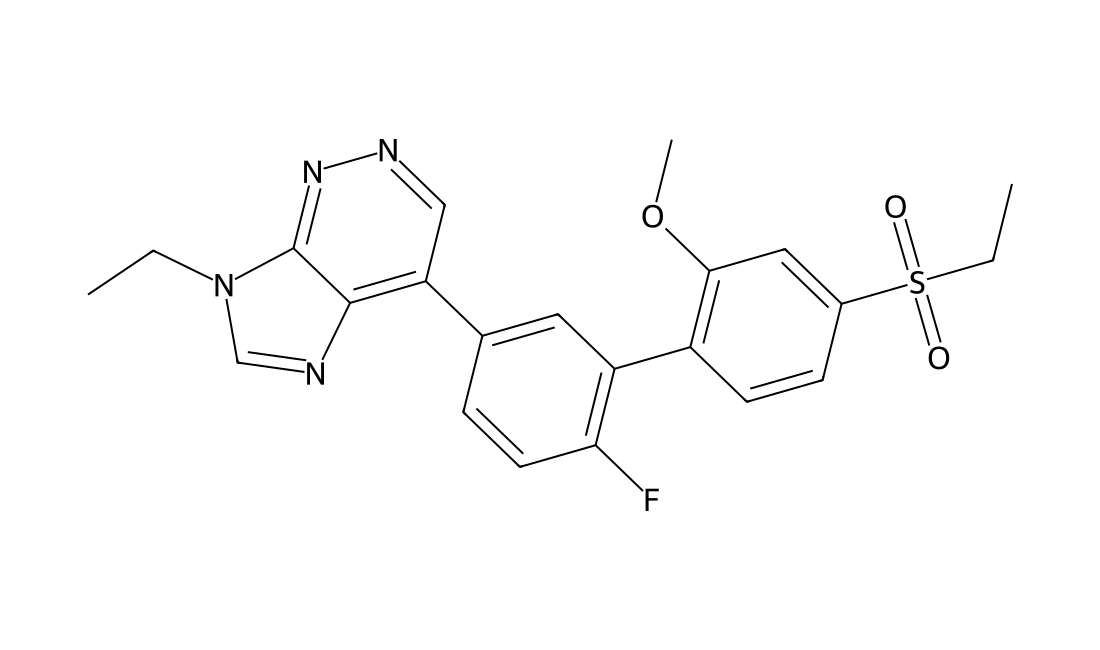
CAS 2245942-72-5
SS-208 (SS208) is a novel potent, selective inhibitor of histone deacetylase 6 (HDAC6) with IC50 of 12 nM, >100-fold selectivity over HDAC1/4/5/7/8/9/11.SS-208 has minimal effects on the viability of murine SM1 melanoma cells in vitro, significantly reduced in vivo tumor growth in a murine SM1 syngeneic melanoma mouse model.
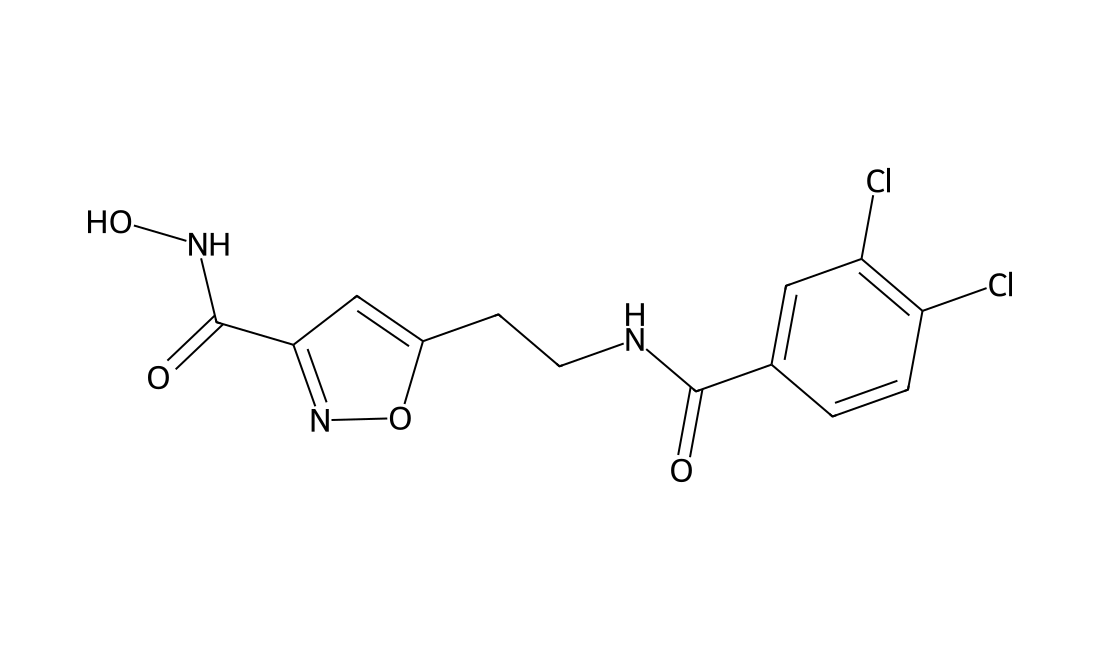
CAS 2230144-21-3
XPC-6444 is an CNS-penetrant, isoform-selective NaV1.6 inhibitors with IC50 of 41 nM, which also displayed potent block of NaV1.2 with IC50 of 125 nM.
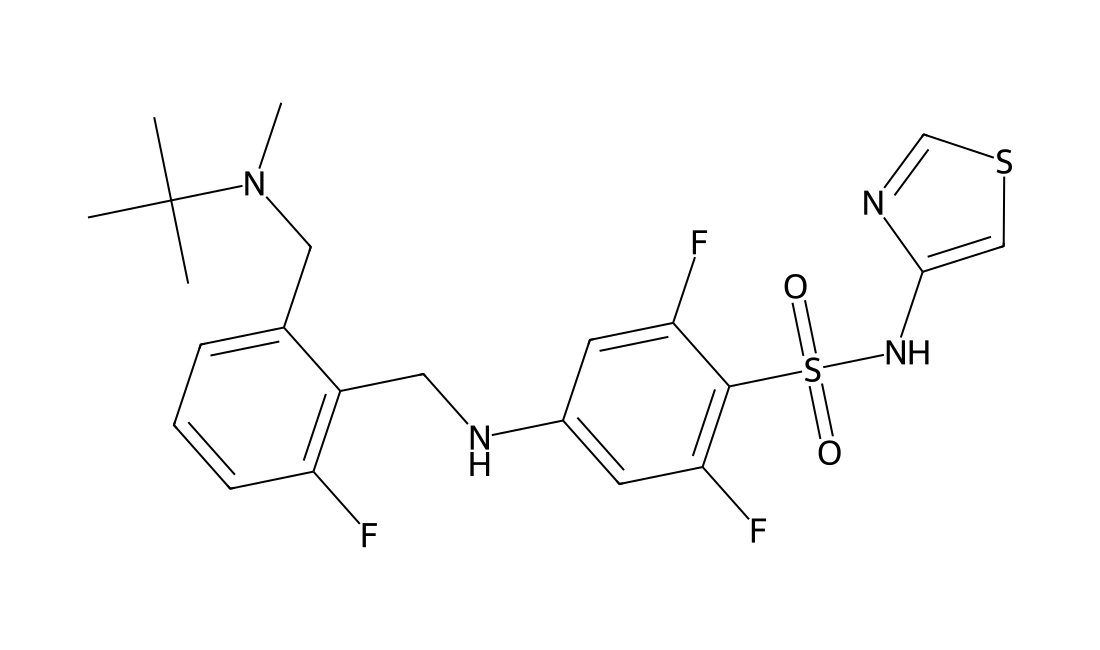
CAS 2904682-19-3
PDS-0330 is a specific and potent Claudin-1 inhibitor. PDS-0330 interferes with claudin-1/Src association and inhibits colorectal cancer (CRC) progression and metastasis.
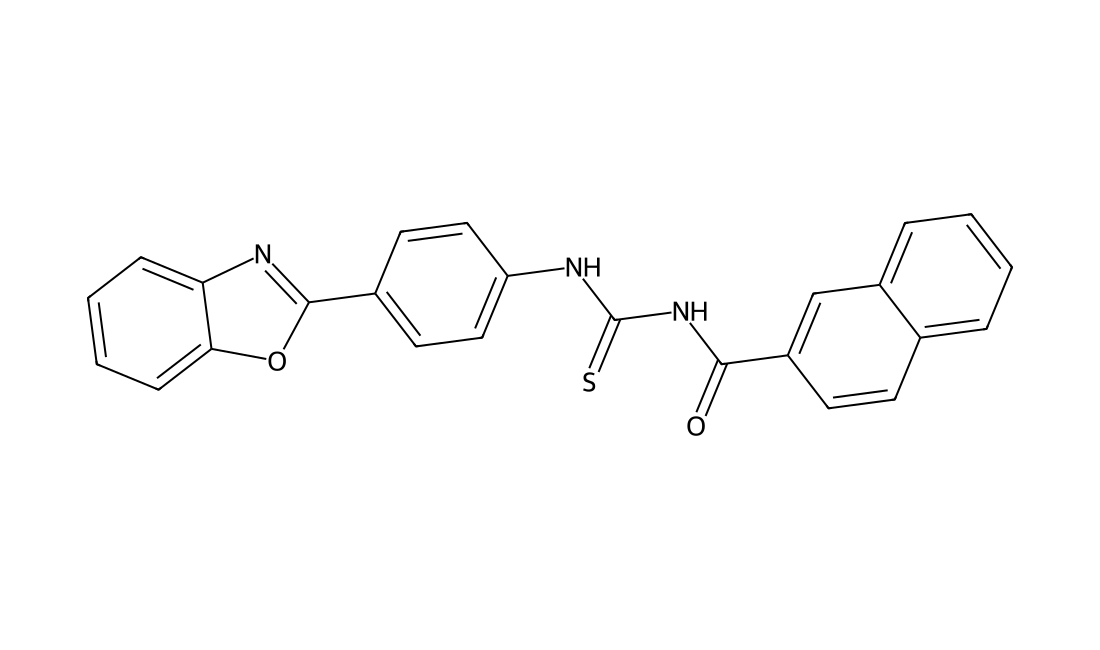
CAS 2922283-37-0
SG094 is a potent TPC2 inhibitor with antiproliferative effects. SG-094 can be used for the research of cancer.
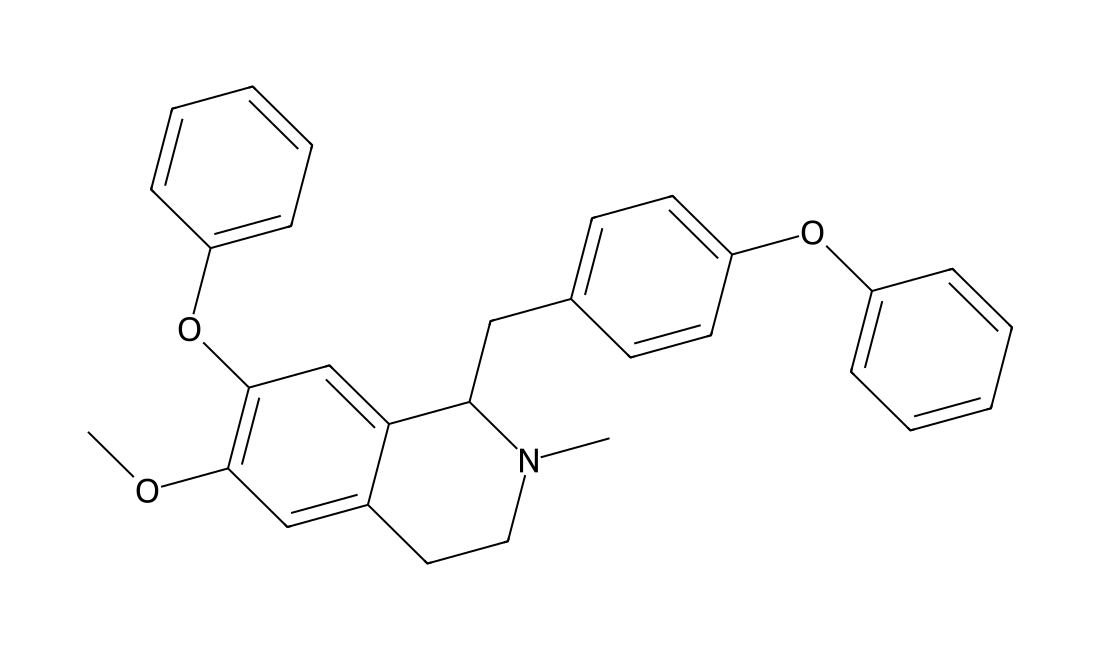
CAS 2597186-19-9
SR-0813 is a potent and selective ENL/AF9 YEATS domain inhibitor. SR-0813 has IC50 and EC50 values of 25 nM and 205 nM for ENL YEATS domain, respectively. SR-0813 has IC50 and EC50 values of 311 nM and 76 nM (CETSA) for AF9 YEATS domain, respectively. SR-0813 binds MAP3K19 with over 100-fold lower affinity (Kd=3.5 μM) than ENL YEATS (Kd=30 nM). SR-0813 can be used for the research of acute leukemia.
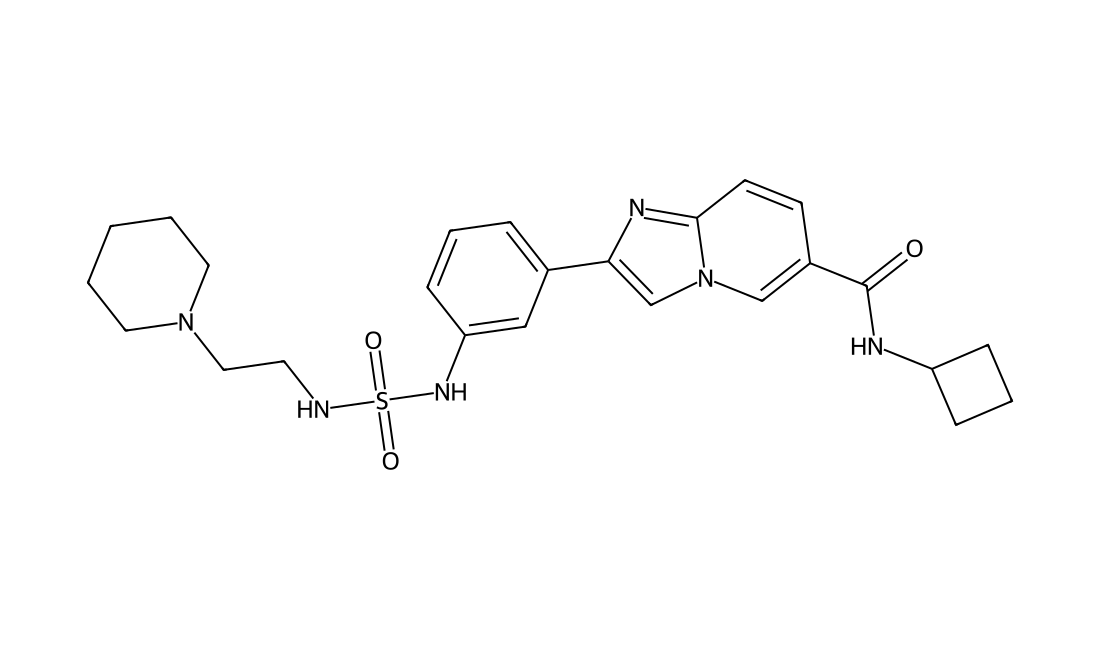
CAS 1420815-34-4
DFHO is a fluorogenic ligand of Corn fluorogenic aptamer. The RNA aptamer, Corn binds DFHO with a Kd value of 70 nM and converts it to a fluorescent form, enabling RNA imaging in cells.
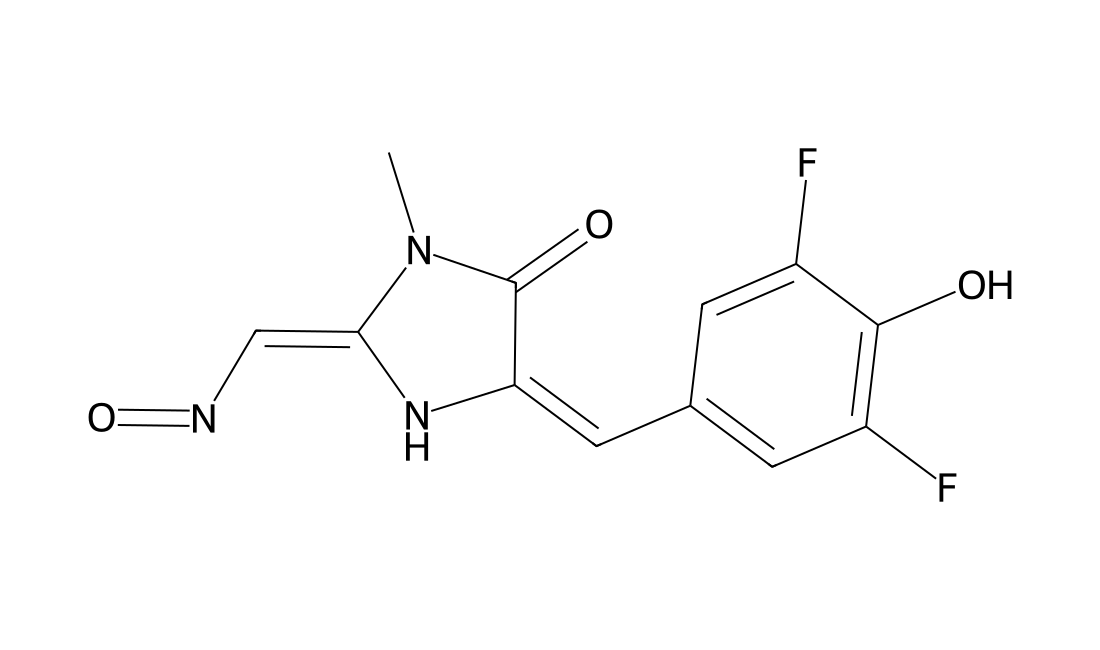
CAS 1150565-77-7
J8-C8 is a small-molecule inhibitor of bacterial N-acyl-homoserine lactone synthase (acyl-HSLs) TofI with IC50 of 35 uM for toxoflavin production.
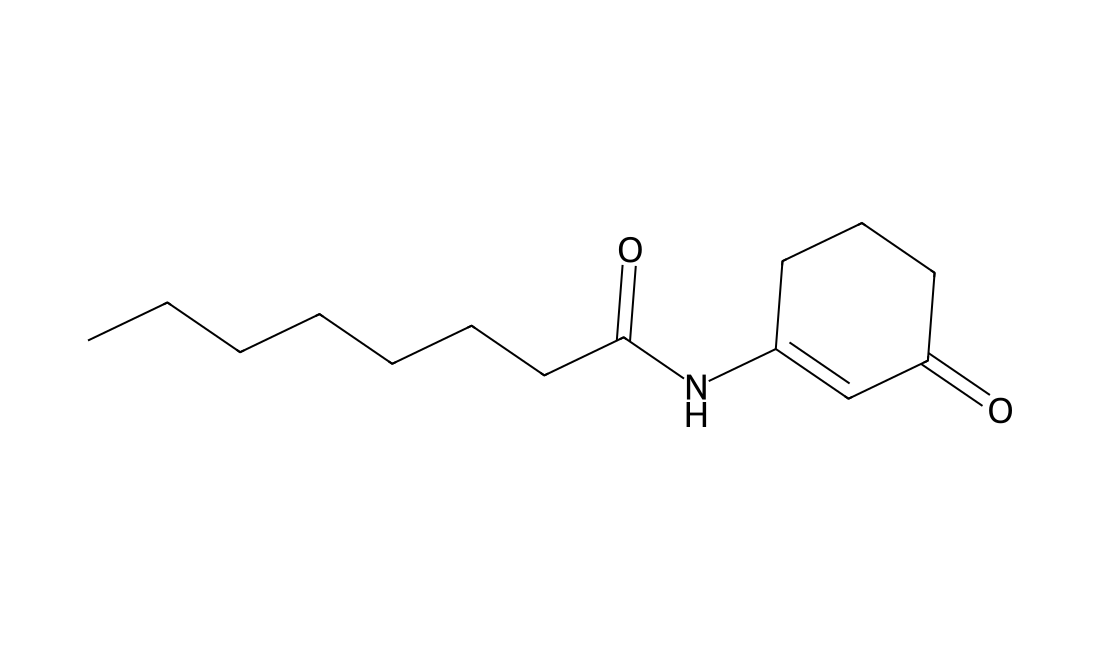
CAS 2728667-27-2
Zongertinib is a potent tyrosine kinase inhibitor. Zongertinib can be used as an antineoplastic agent. Zongertinib also has been tested as pHER2 and EGFR inhibitor inhibiting a wide variety of cancers.
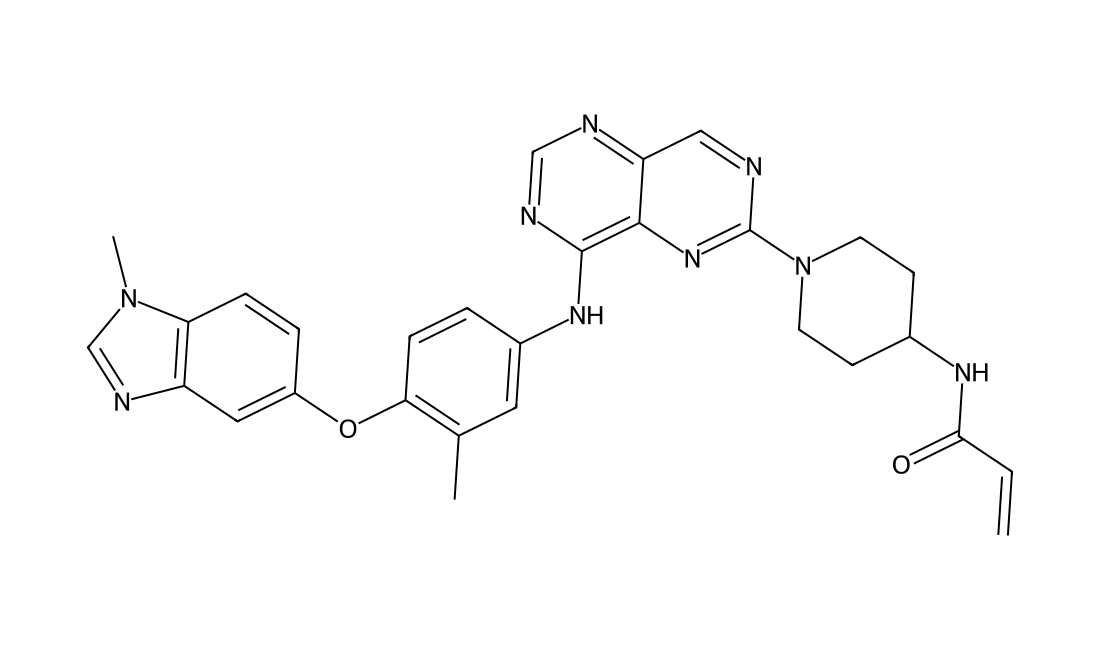
CAS 859668-98-7
A coumarin-based HIV-1 viral protein R (Vpr) inhibitor, inhibits Vpr-dependent viral infection of human macrophages..
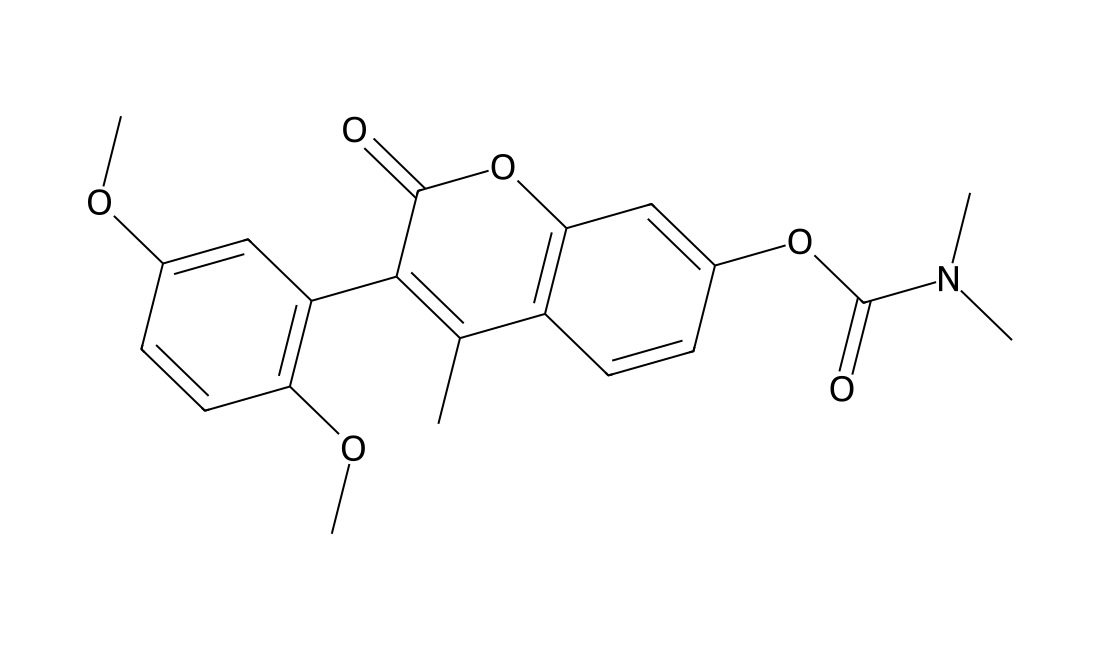
CAS 254737-29-6
2-MPPA (GPI-5693) is an orally active and selective glutamate carboxypeptidase II (GCP II; PSMA) inhibitor with an IC50 of 90 nM.
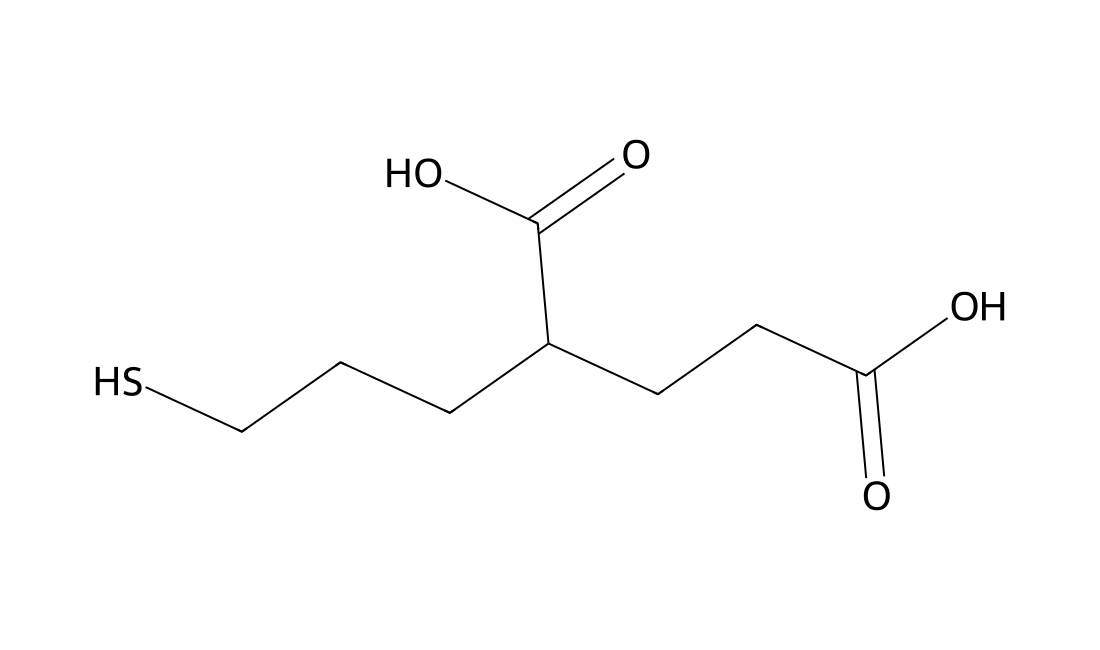
CAS 2312-73-4
BAP9THP is a synthetic cytokinin derivative and a growth regulator. BAP9THP promotes chlorophyll retention (and senescence delay) in plant tissues exceptionally strongly, and growth of tobacco callus almost as strongly as 6-Benzylaminopurine (BAP). BAP9THP induces adventitious shoot formation ignificantly more strongly than N6-isopentenyladenine or Kinetin.
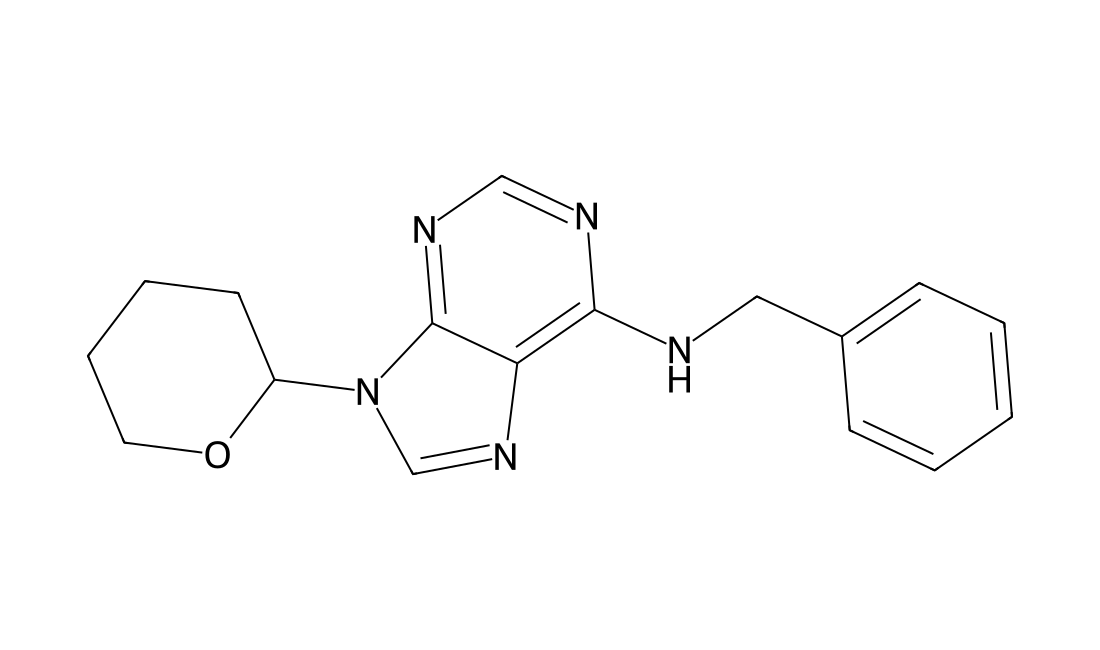
CAS 885704-21-2
c-FMS-IN-8 is a potent, selective c-FMS kinase inhibitor with IC50 of 0.8 nM, shows activity in collagen-induced model of arthritis in mice..
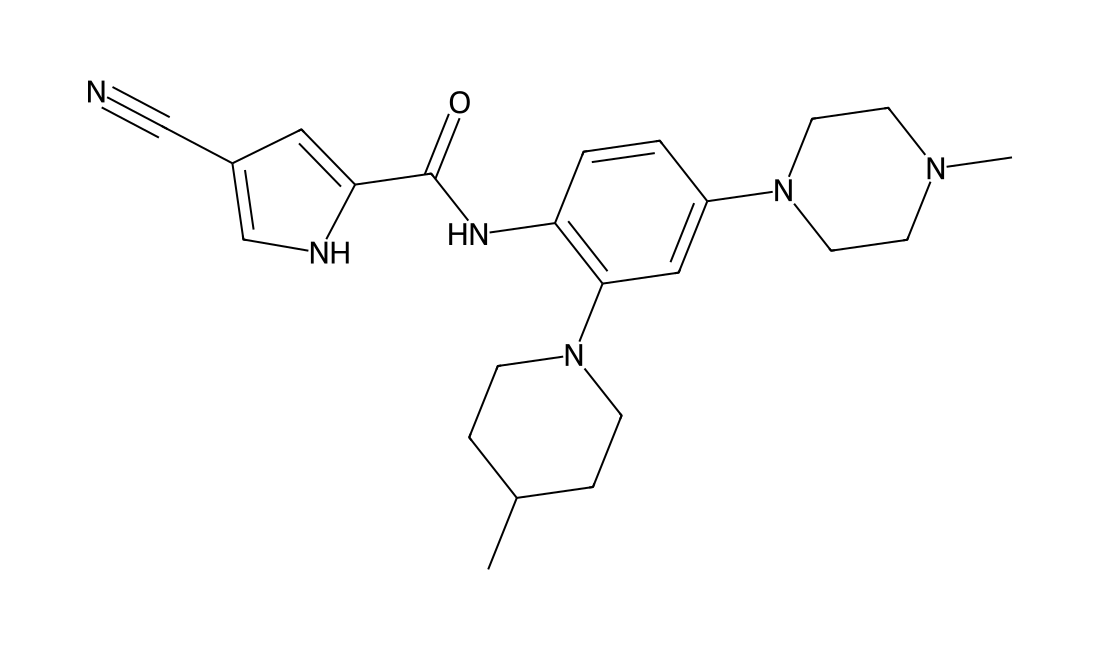
CAS 1787294-07-8
Remibrutinib (LOU064) is a potent, highly selective covalent inhibitor of bruton tyrosine kinase (BTK) with IC50 of 1.3 nM, 2.5 nM and 18 nM for BTK, FcγR-induced IL8 and anti-IgM/IL4-induced CD69, respectively. Remibrutinib (LOU064) exhibits an exquisite kinase selectivity due to binding to an inactive conformation of BTK and has the potential for the treatment of autoimmune diseases.
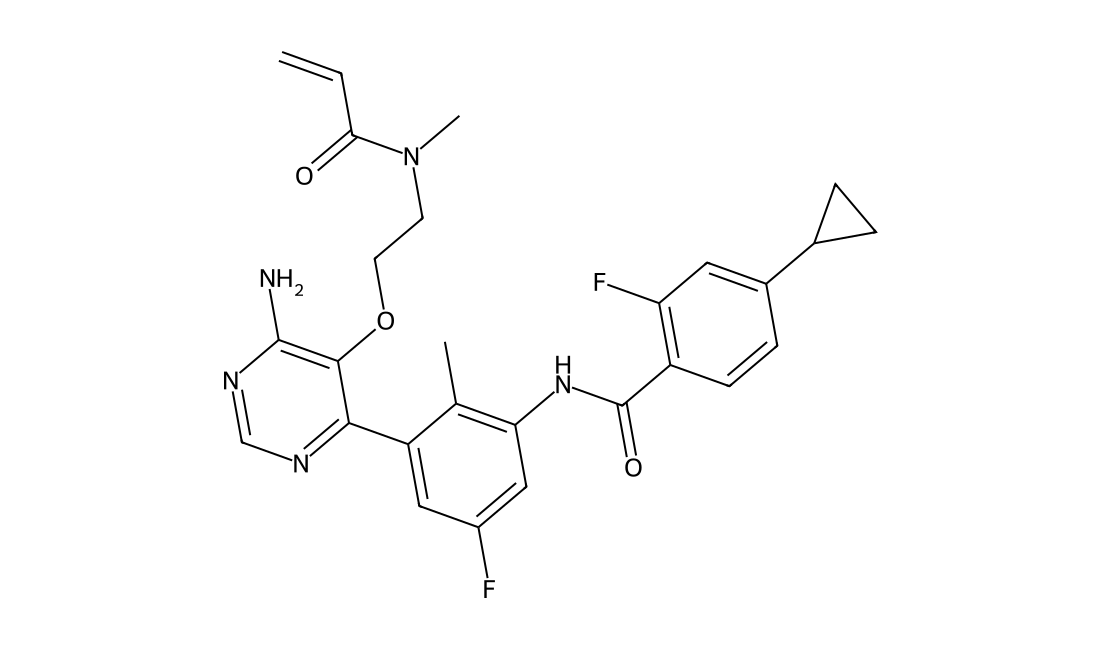
CAS 2258608-78-3
UCM1306 is a potent and orally active human dopamine D1 receptor allosteric modulator (PAM). UCM-1306 increases the endogenous dopamine (DA) maximal effect both in human and mouse D1 receptors. UCM-1306 is not only for improving motor symptoms but also for addressing the key comorbid cognitive impairment associated with long-term Parkinson’s disease (PD).
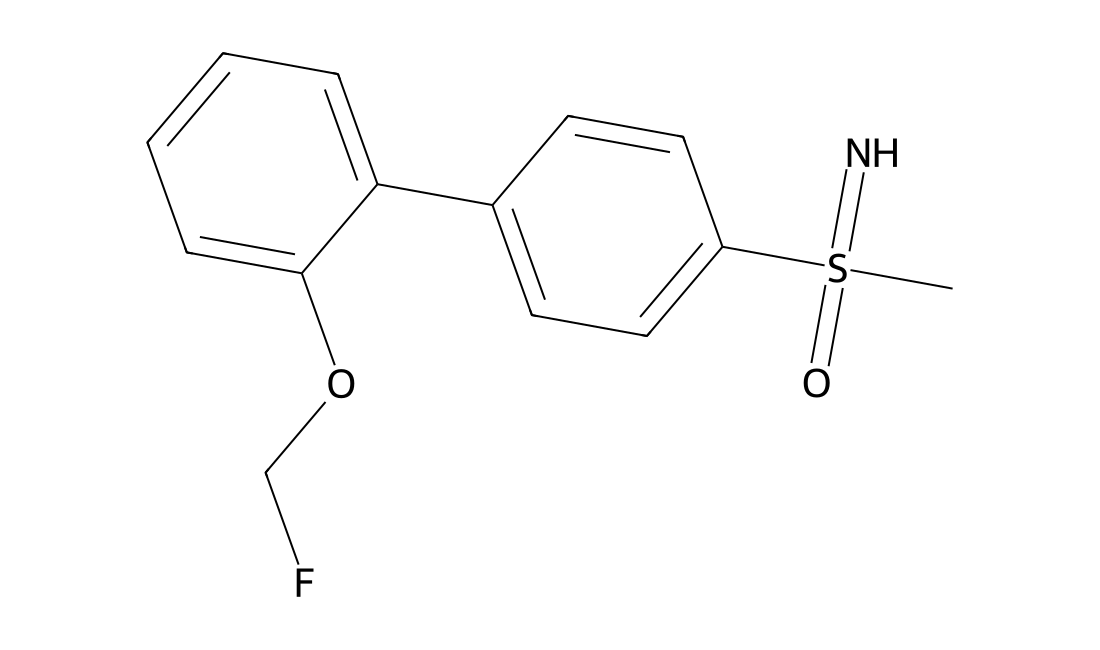
CAS 2089314-64-5
AOH1996 is a proliferating cell nuclear antigen (PCNA) inhibitor. AOH1996 enhances PCNA and RPB1 interaction and interferes with TRC resolution and induces DNA double-stranded breaks in a transcription dependent manner. AOH1996 almost completely inhibits the growth of xenograft tumors without causing any discernible toxicity to experimental animals.AOH1996 has superior metabolic stability as compared to the AOH1160 parent molecule.
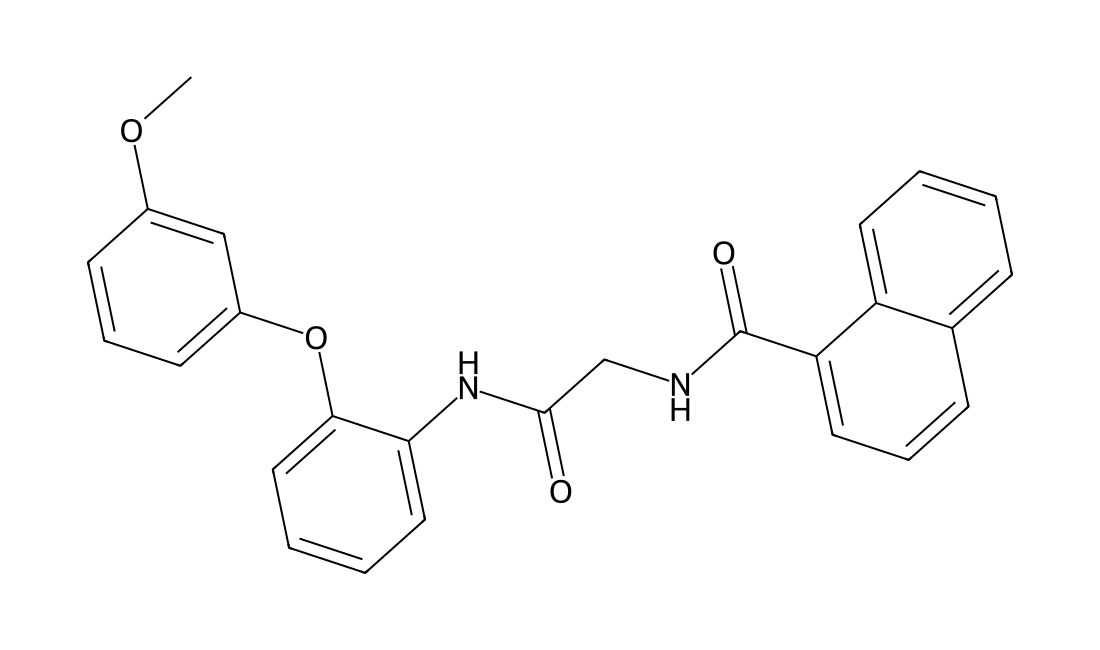
CAS 2893778-31-7
PHGDH-IN-3 is an orally active phosphoglycerate dehydrogenase (PHGDH) inhibitor. PHGDH-IN-3 inhibits PHGDH with an IC50 value of 2.8 μM. PHGDH-IN-3 can be used for the research of cancer1.
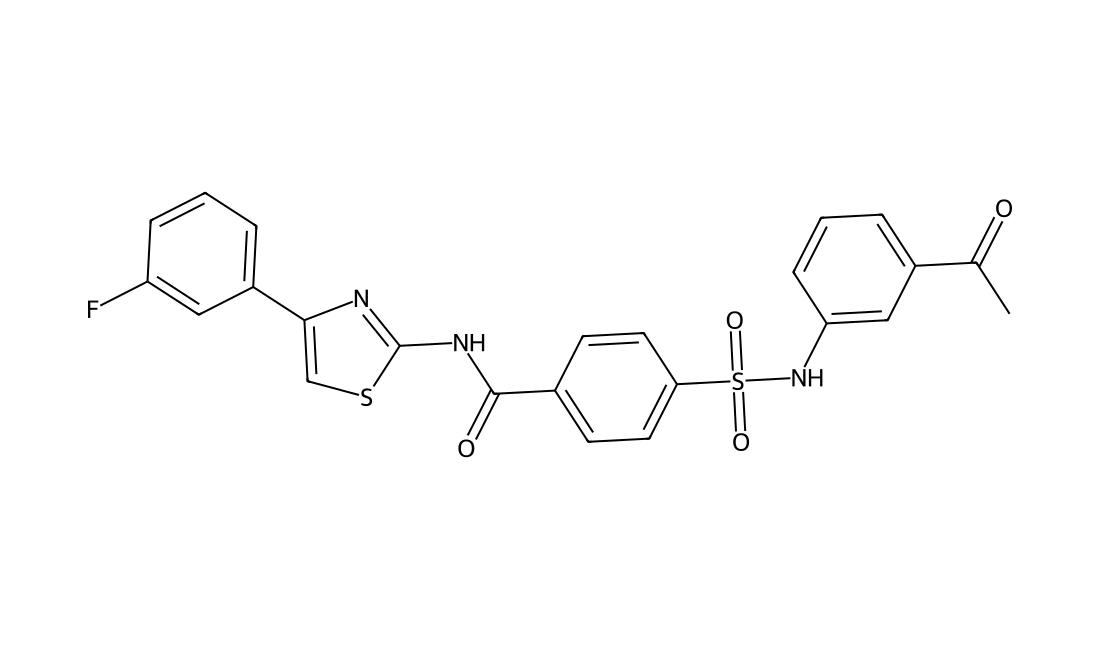
CAS 1042780-52-8
PARP10-IN-2 is a potent mono‐ADP‐ribosyltransferase PARP10 inhibitor with an IC50 of 3.64 μM for human PARP10. PARP10-IN-2 reveals potent inhibition on PARP2 and PARP15 with IC50s of 27 μM and 11 μM for human PARP2 and human PARP15, respectively1.
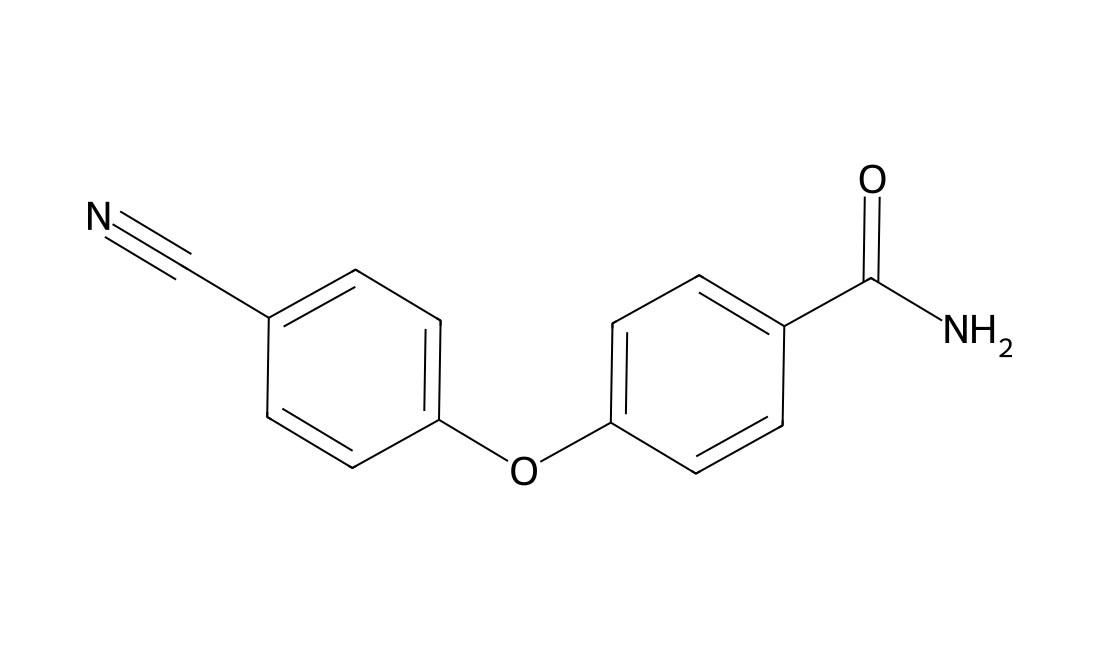
CAS 952306-80-8
hCAII-IN-8, an amide, is a highly selective carbonic anhydrase (CA) inhibitor with an IC50 value of 0.18 μM against hCA II1.
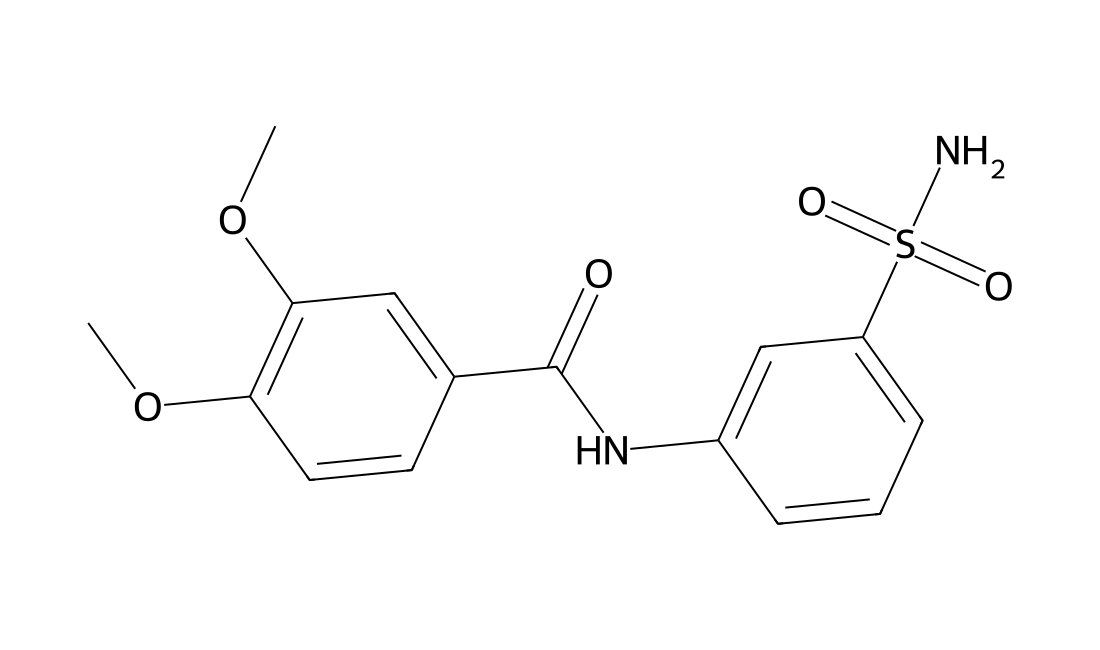
CAS 2759897-35-1
Gcase activator 2 (compound 14), a pyrrolo2,3-bpyrazine, is alos a β-Glucocerebrosidase (GCase) activator (EC50=3.8 μM). Gcase activator 2 induces GCase dimerizatio (both K-type and V-type). And Gcase activator 2 has low metabolic clearance in human and mouse1.
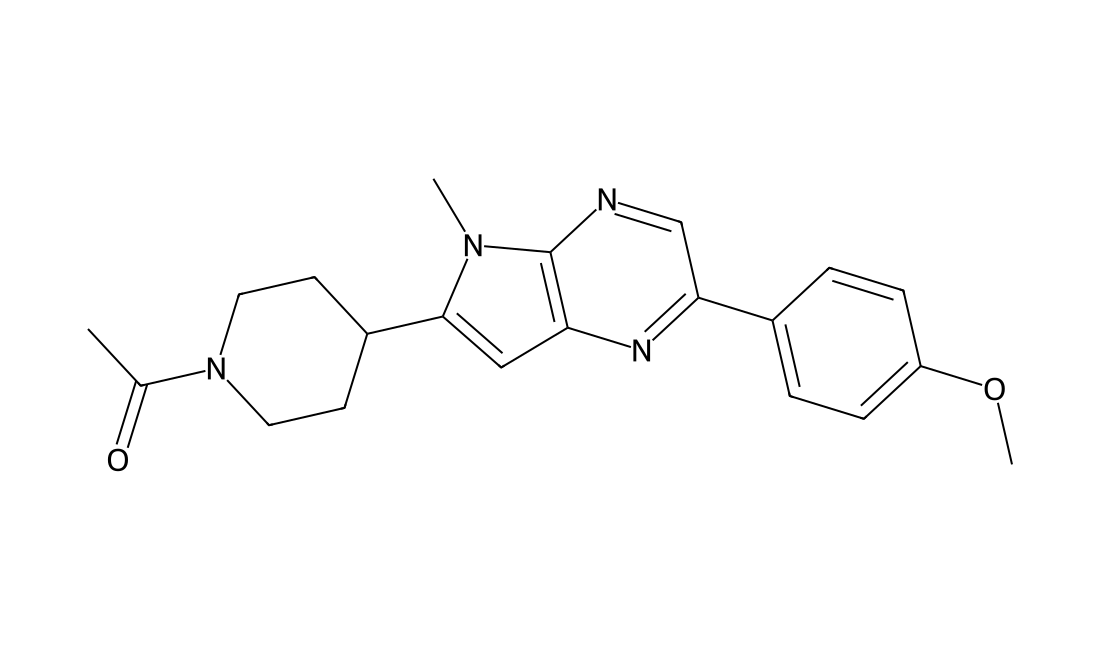
CAS 445222-91-3
Novel inhibitor of MuRF1, attenuating skeletal muscle atrophy and dysfunction in cardiac cachexia
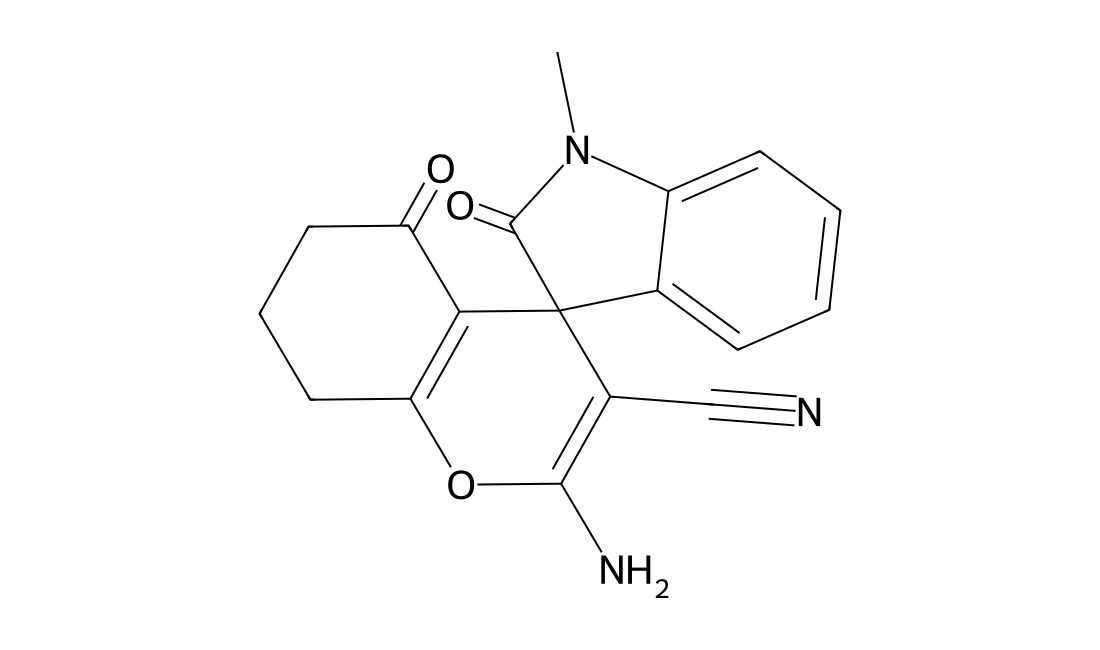
CAS 1863952-15-1
p97-IN-1 is a potent p97 inhibitor with an IC50 <30 nM (WO2015109285A1, compound FF07).
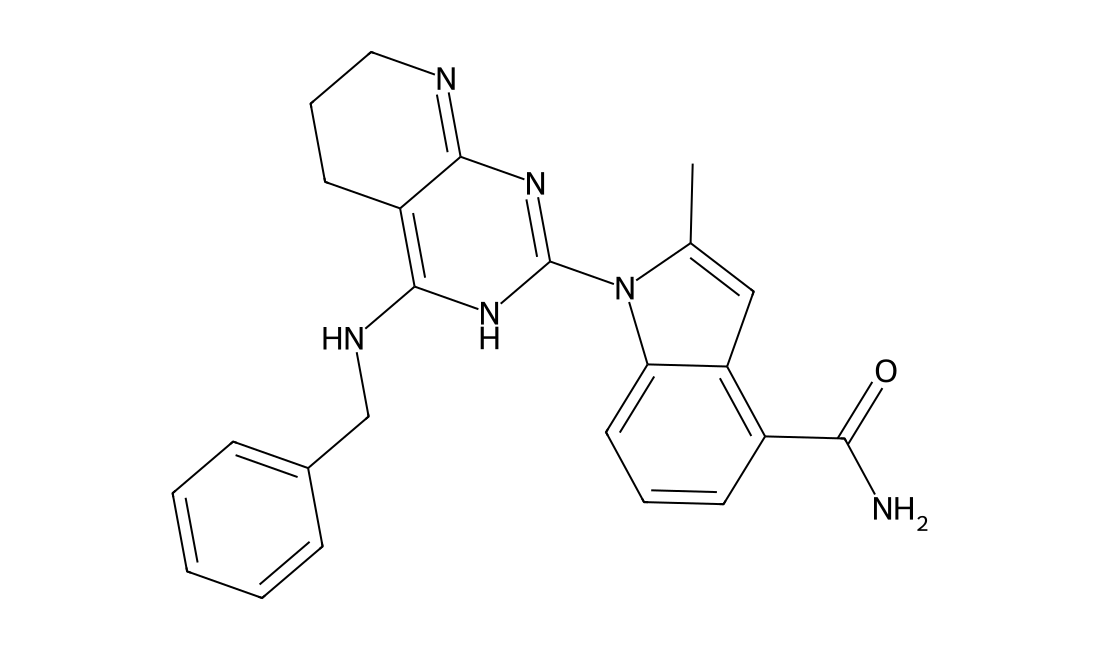
CAS 330829-30-6
MRT-10 is a seven-transmembrane receptor smoothened (Smo) antagonist with an IC50 of 0.65 μM in the micromolar range in various Hedgehog (Hh) assays. MRT-10 binds to the Smo receptor at the level of the Bodipycyclopamine binding site. MRT-10 can be used for the research of cancer12.
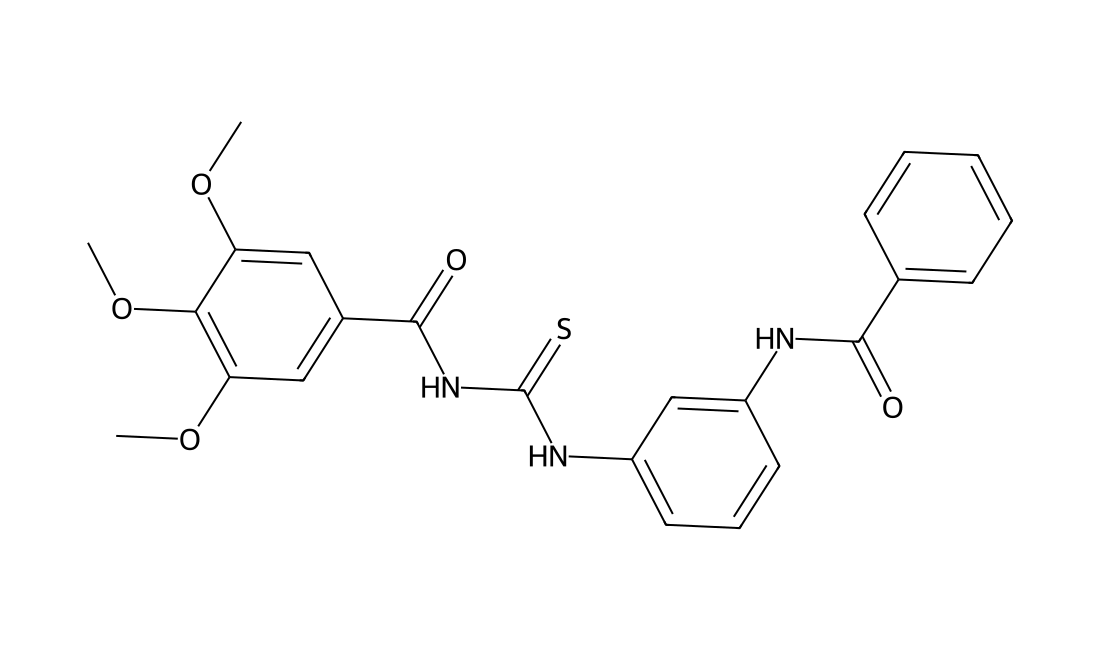
CAS 1263132-08-6
MRT-81 is a potent antagonist of human and rodent smoothened Smo receptors, with an IC50 value of 41 nM in the Shh-light2 cells. MRT-81 has potent hedgehog inhibiting activity. MRT-81 can be used for the research of cancer.
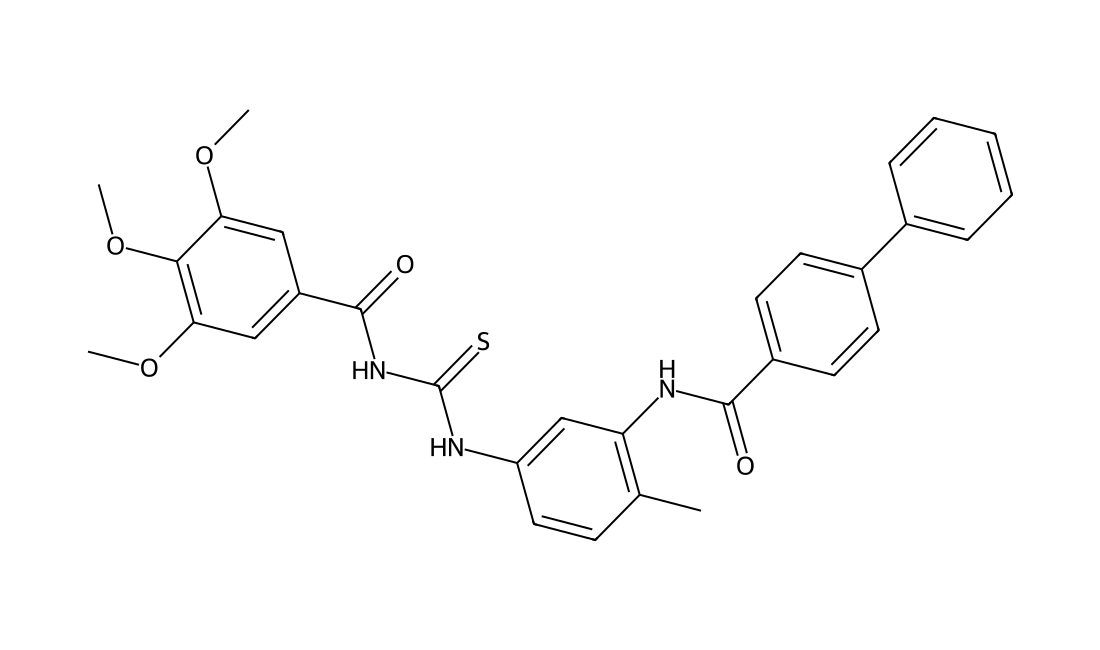
CAS 1357350-60-7
ALLO-2 is a potent small molecule Smoothened (Smo) antagonist that inhibits Smo agonist Hh-Ag1.5-induced luciferase expression in TM3-Gli-Luc cells with IC50 of 6 nM.
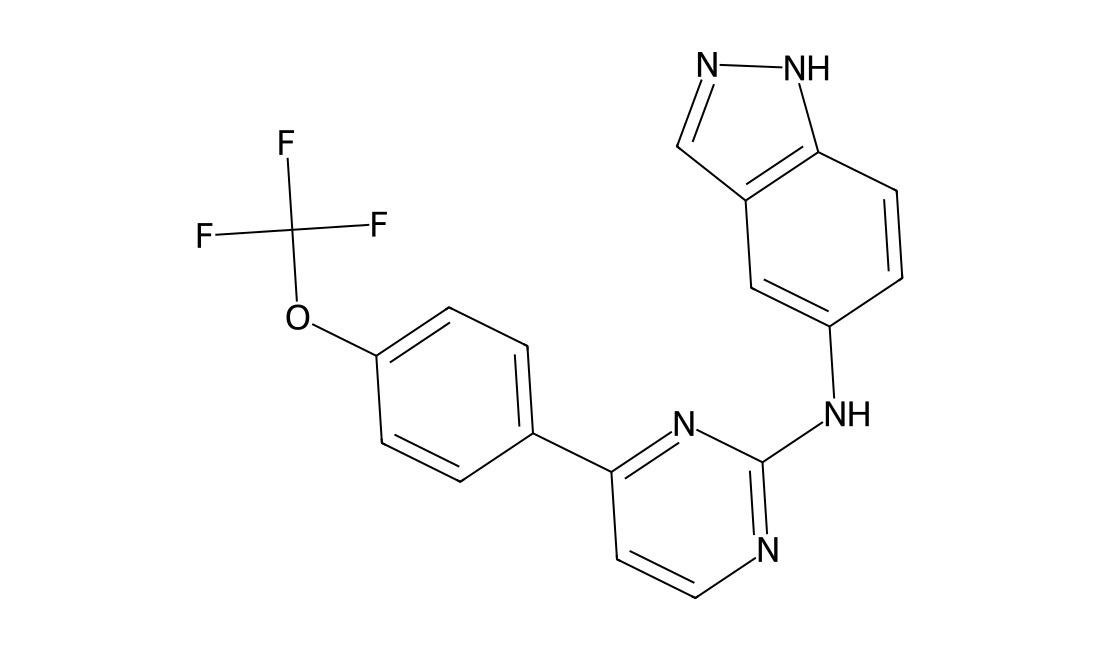
CAS 2549174-42-5
Lirafugratinib (RLY-4008) is an orally active and selective inhibitor of FGFR2.
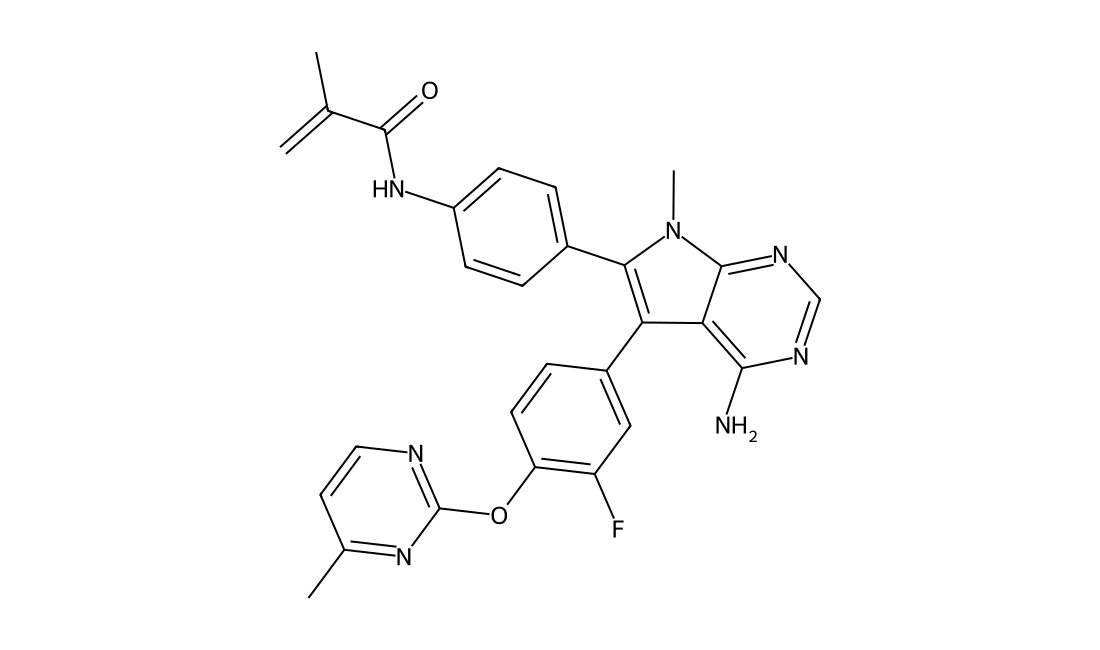
CAS 2241719-73-1
ASP2453 is a potent, selective and covalent KRAS G12C inhibitor. ASP2453 inhibits the Son of Sevenless (SOS)-mediated interaction between KRAS G12C and Raf with an IC50 value of 40 nM.
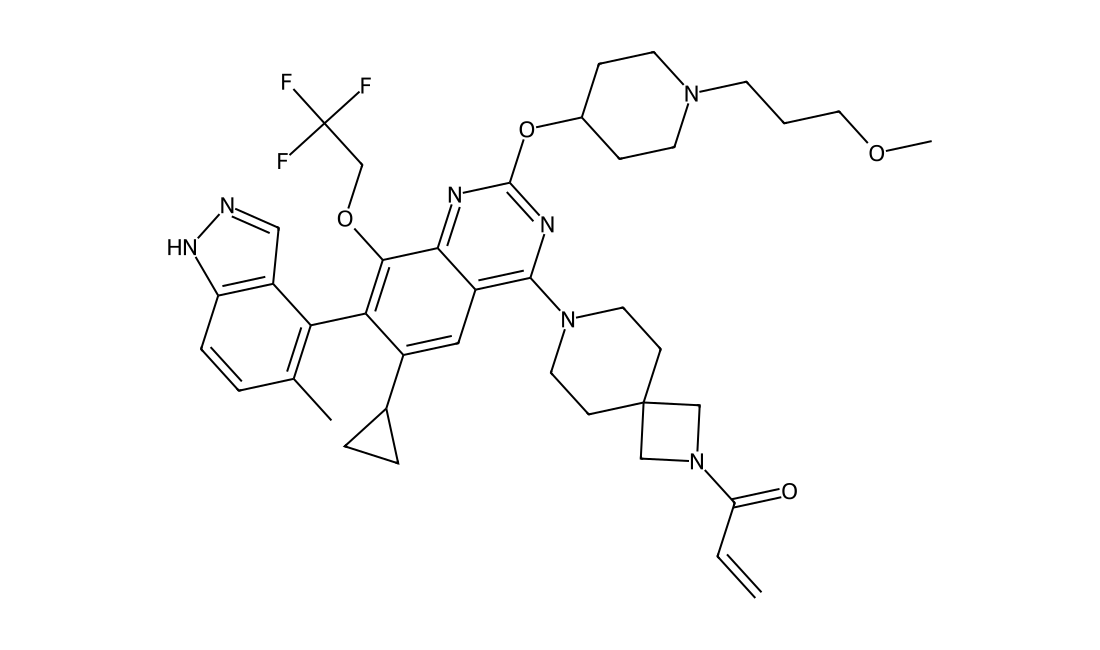
CAS 315702-75-1
KCC-07 is a potent, selective and brain-penetrant inhibitor of MBD2 (methyl-CpG-binding domain protein 2) with anticancer activity. It prevents binding of MBD2 to methylated DNA and activates brain specific angiogenesis inhibitor 1 (BAI1) inducing anti-proliferative BAI1/p53/p21 signaling.
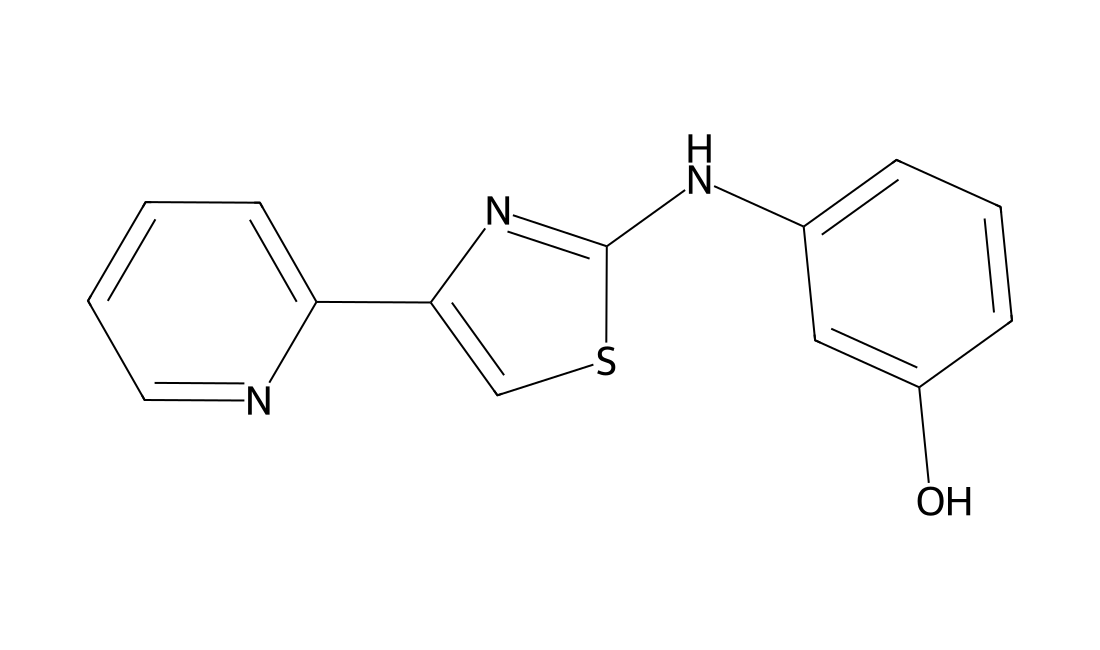
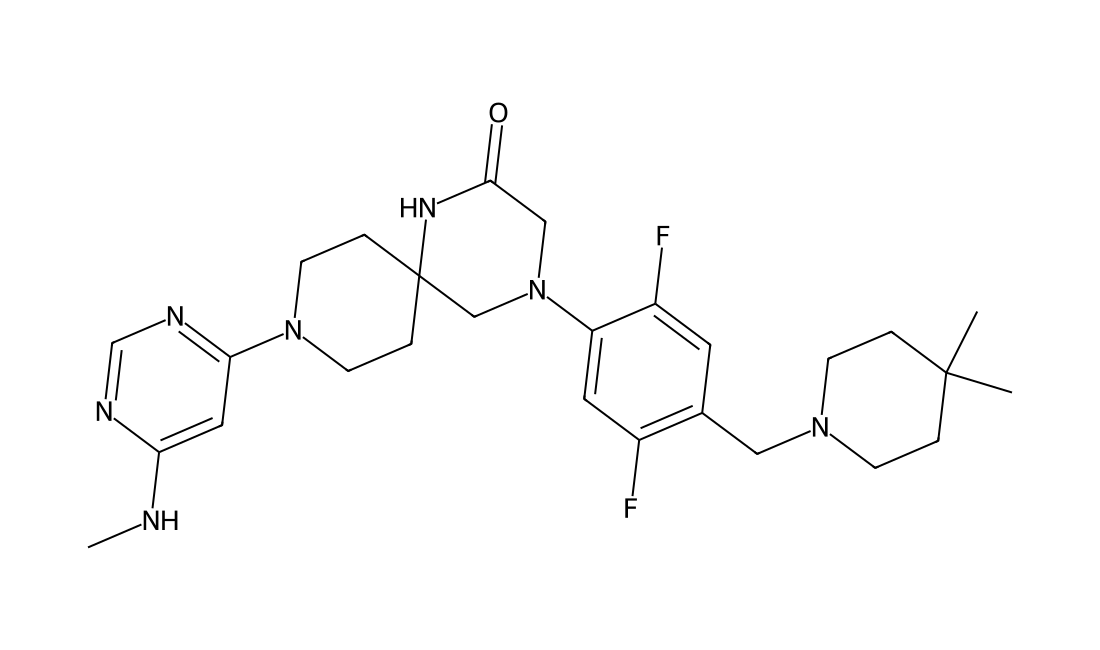
CAS 484049-04-9
A cell-permeable, small-molecule c-Abl kinase activator with pEC50 of 6.1(EC50=794 nM).