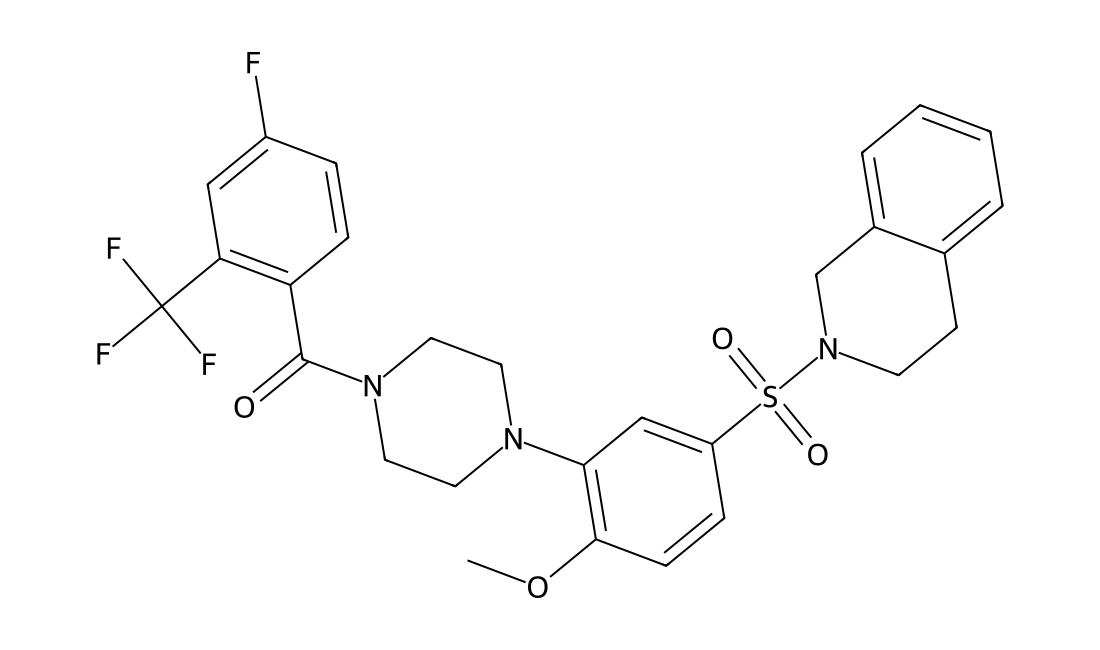
GNE-781
CAS 1936422-33-1
GNE-781 is a potent, selective, non-CNS penetrant, orally active CBP/p300 bromodomain inhibitor with IC50 of 0.94/1.2 nM in TR-FRET assays.

Explore bioactive compounds by research category, then narrow your search by target, product name, catalog number or CAS.
Newly added: LC-MG and OXF molecular glue research compounds →
Products may appear in more than one category. Counts refer to distinct catalog numbers within each category.
Other Research Tools (75) · Additional reagents, building blocks and specialized research tools.
LC-MG-1 (DCA0006) · LC-MG-4 (DCA0007) · LC-MG-9 (DCA0008)
View structure and evidence summaries →Combine a keyword, research category and target to narrow the product list.
Loading catalog filters…
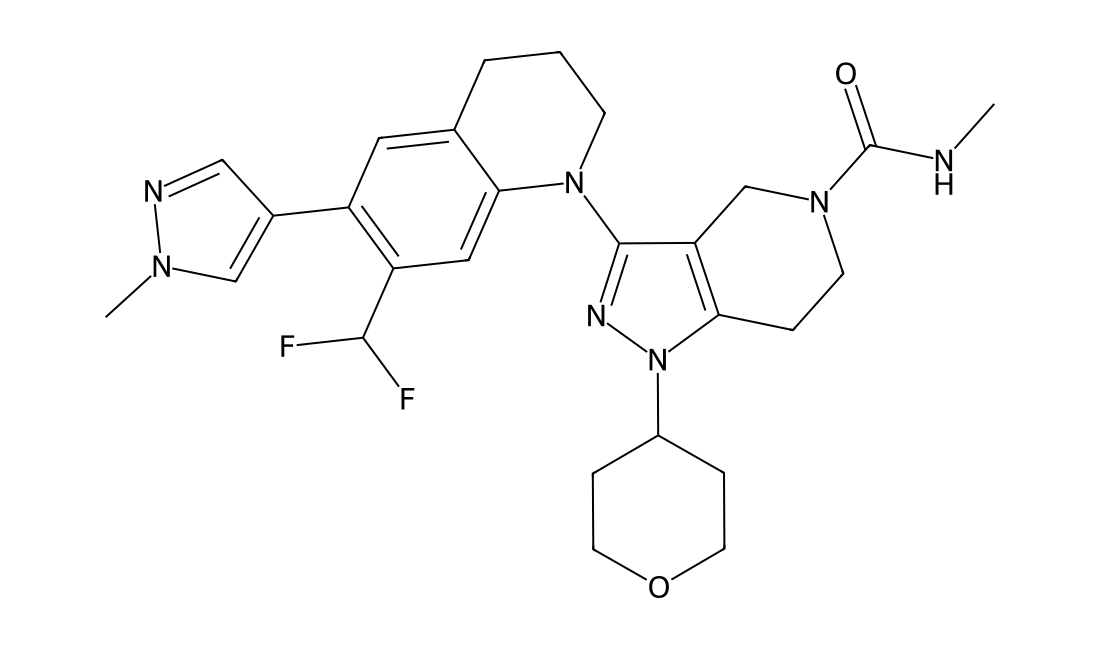
CAS 1936422-33-1
GNE-781 is a potent, selective, non-CNS penetrant, orally active CBP/p300 bromodomain inhibitor with IC50 of 0.94/1.2 nM in TR-FRET assays.
CAS 1558598-41-6
PFM01 (SML1735) is a small molecule that specifically inhibits endonuclease, but not exonuclease activity of MRE11, inhibits dsDNA end resection in A549 cells with IC50 of 50-75 uM, blocks the ssDNA-binding path toward the catalytic metal ions and disrupt
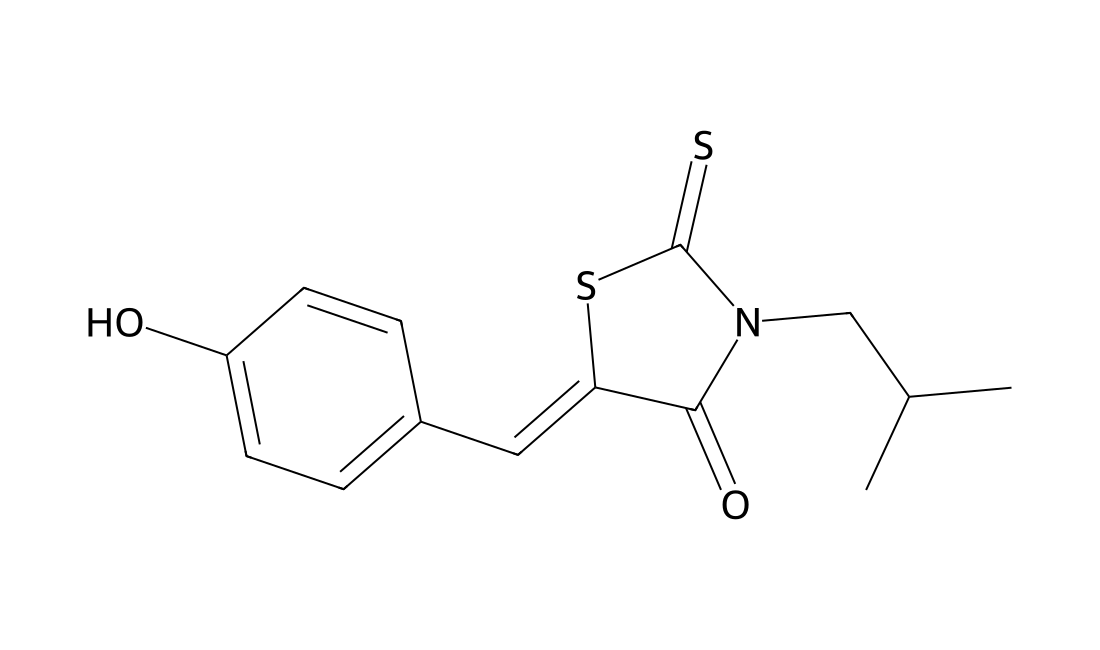
CAS 2326428-25-3
LY3405105 is an orally active CDK7 inhibitor with an IC50 of 92.8 nM. LY3405105 shows potential antineoplastic activity.
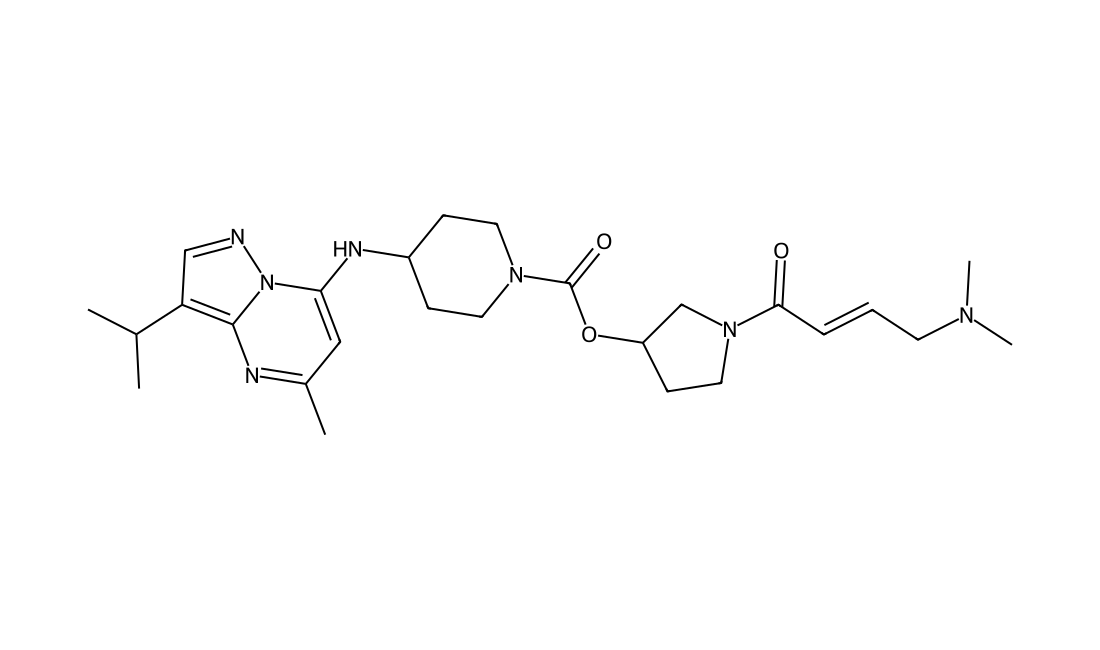
CAS 1110781-88-8
EPPTB is a selective antagonist of the trace amine-associated receptor 1 (TAAR1).
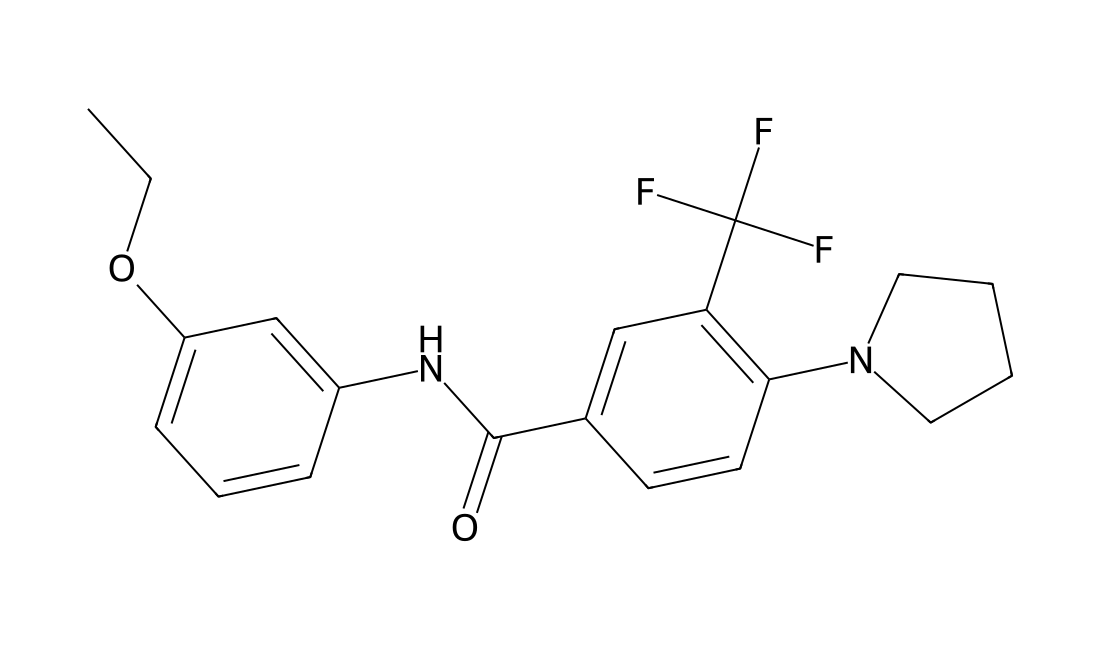
CAS 2308497-58-5
FGFR1/DDR2 inhibitor 1 is an orally active inhibitor of fibroblast growth factor receptor 1 (FGFR1) and discoindin domain receptor 2 (DDR2), with IC50 values of 31.1 nM and 3.2 nM, respectively. Antitumor activity.
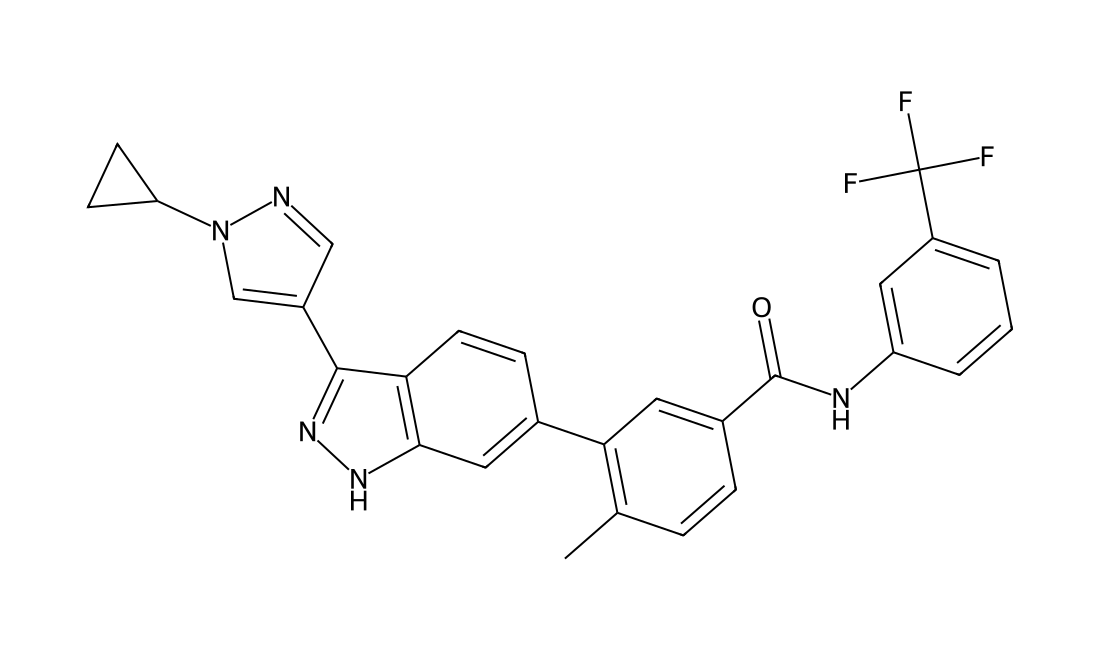
CAS 1629063-81-5
GNE-131 is a novel NaV1.7 inhibitor with IC50 0.003uM,improving metabolic stability,efficacy in mouse IEM model at C-plasma <2.8uM.
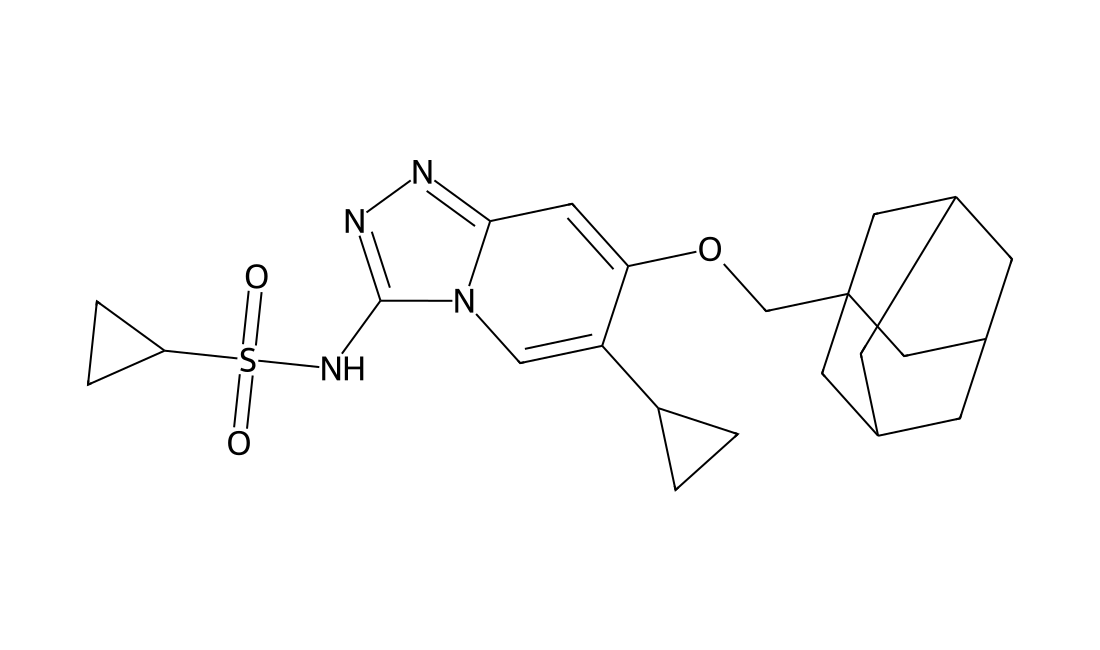
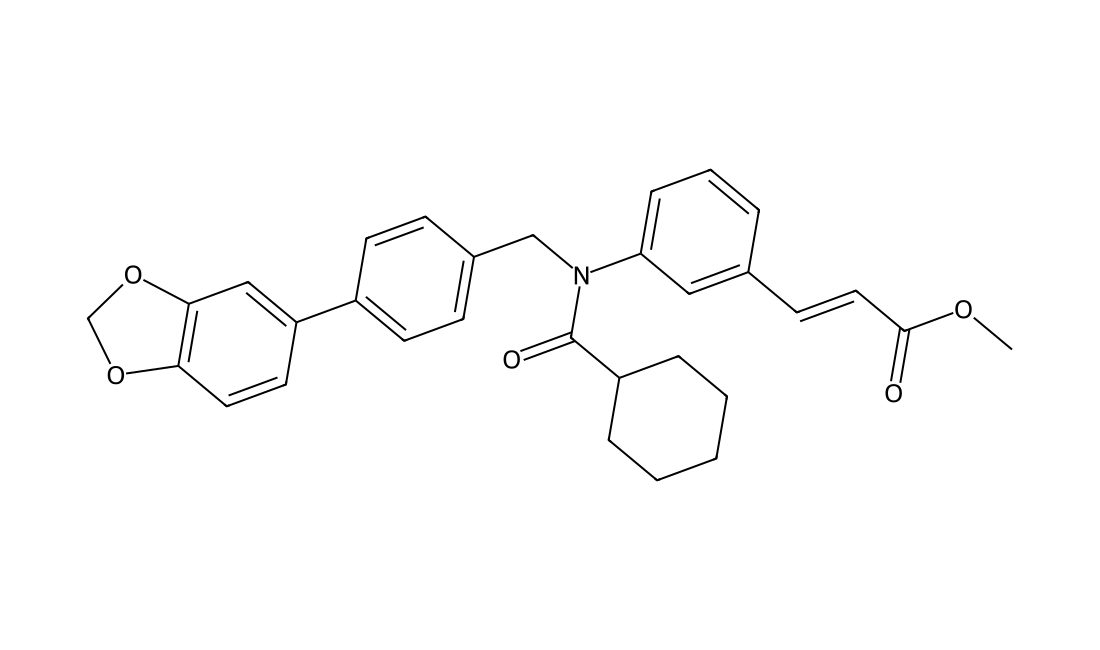
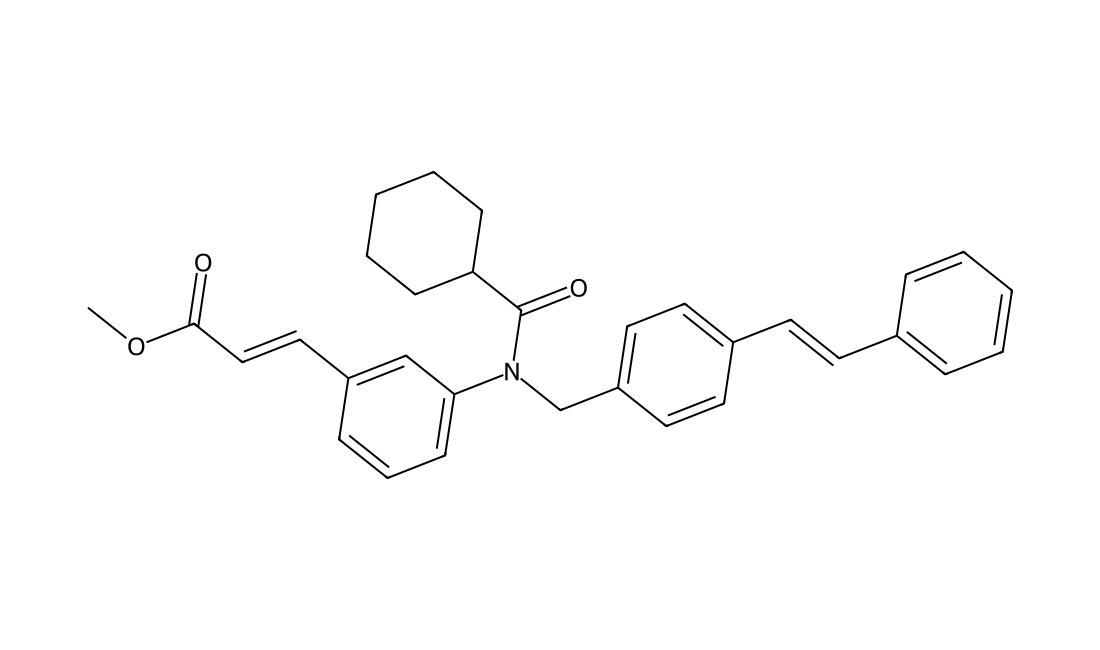
CAS 792184-90-8
A novel potent, selective, orally bioavailable inhibitor of voltage-gated potassium channel KCNH3 with IC50 of 9.0 nM.
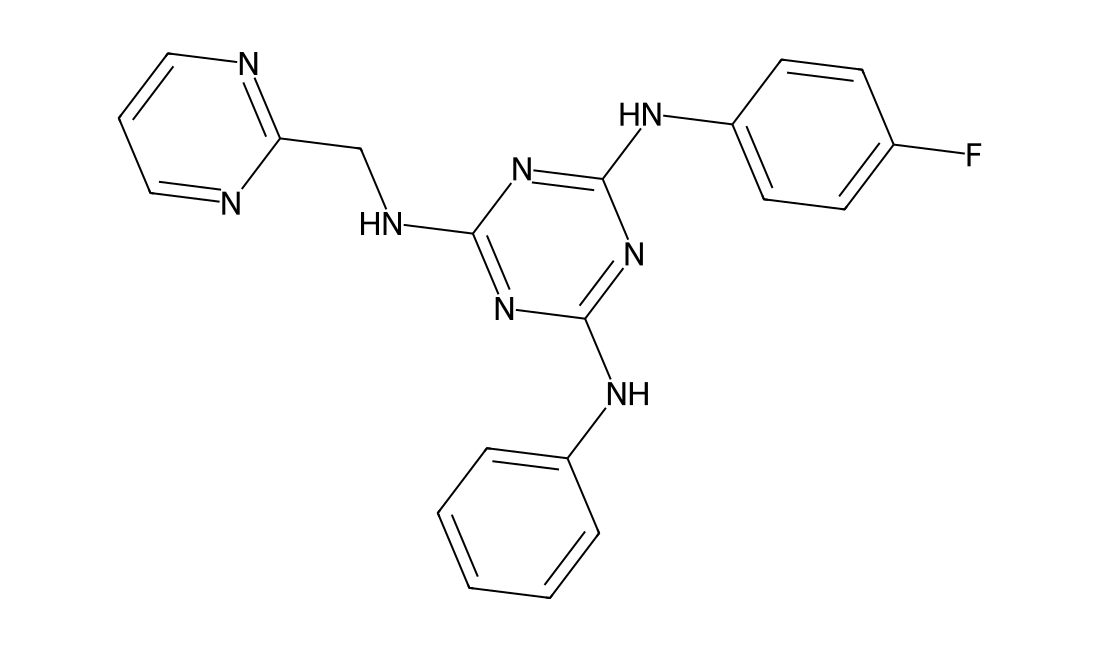
CAS 2098546-05-3
EBI-2511 is a highly potent and orally active EZH2 inhibitor for the treatment of Non-Hodgkin’s Lymphoma.
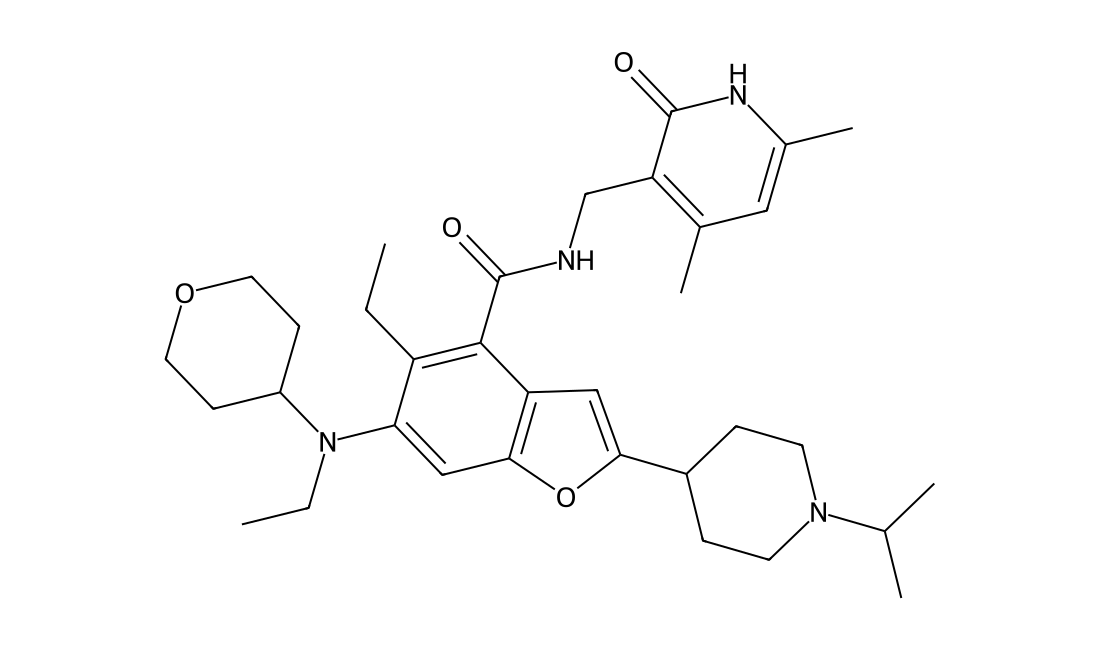
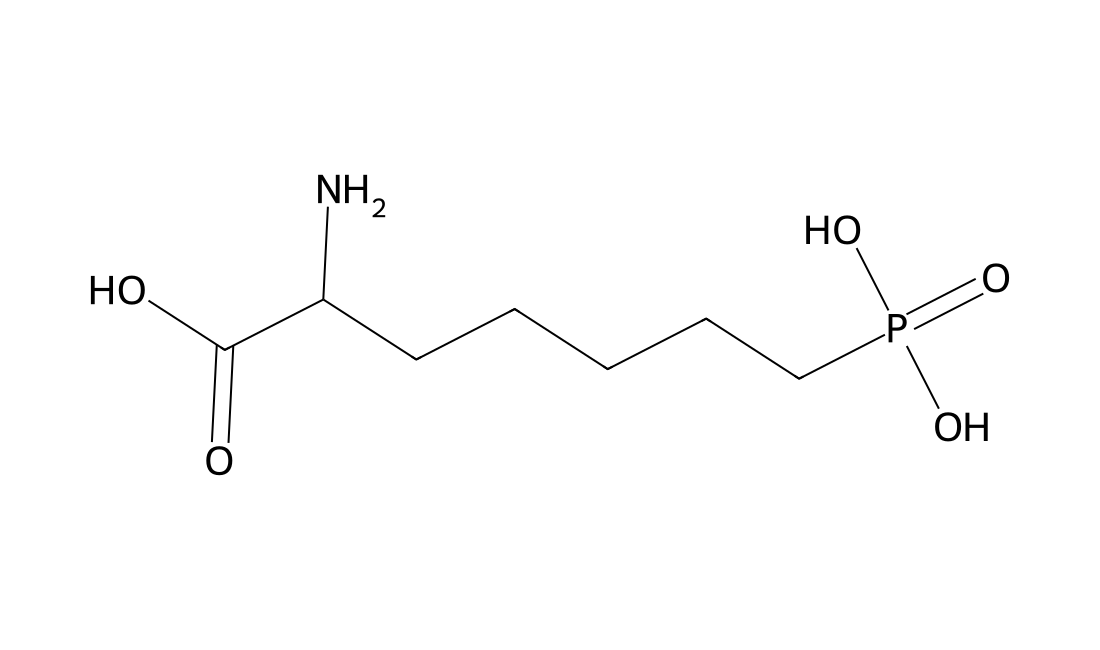
CAS 1613264-40-6
BAY-1316957 (BAY 1316957) is a highly potent, selective, orally available human prostaglandin E2 receptor subtype 4 (hEP4-R) antagonist with IC50 of 15.3 nM.
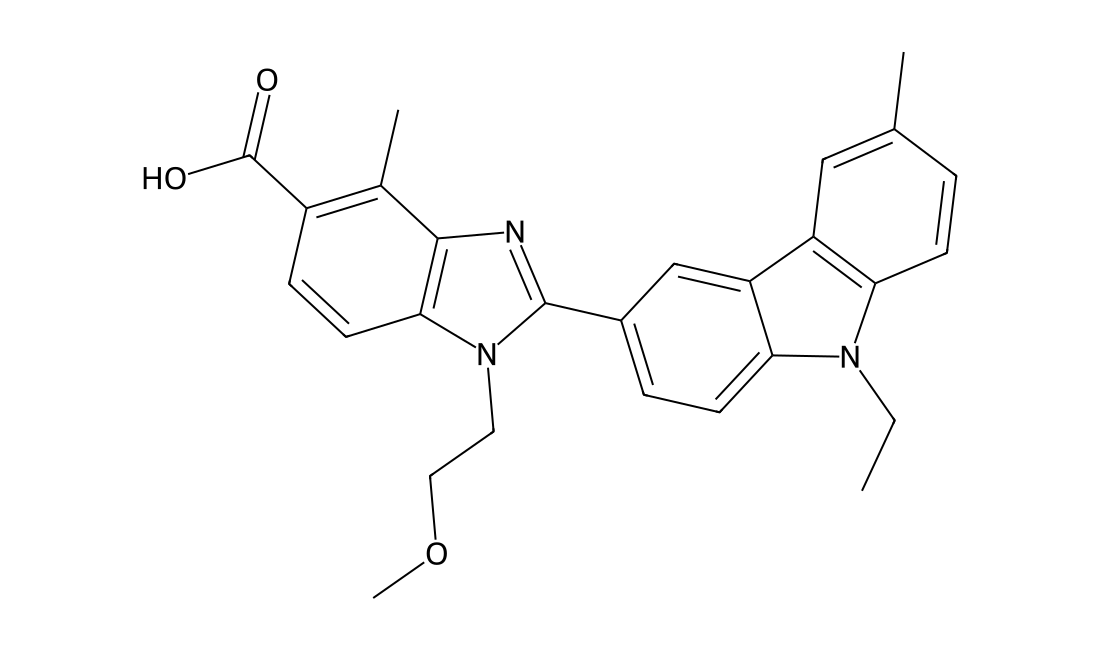
CAS 2253744-53-3
DJ-V-159 is an agonist for G protein-coupled receptor family C group 6 member A (GPRC6A).
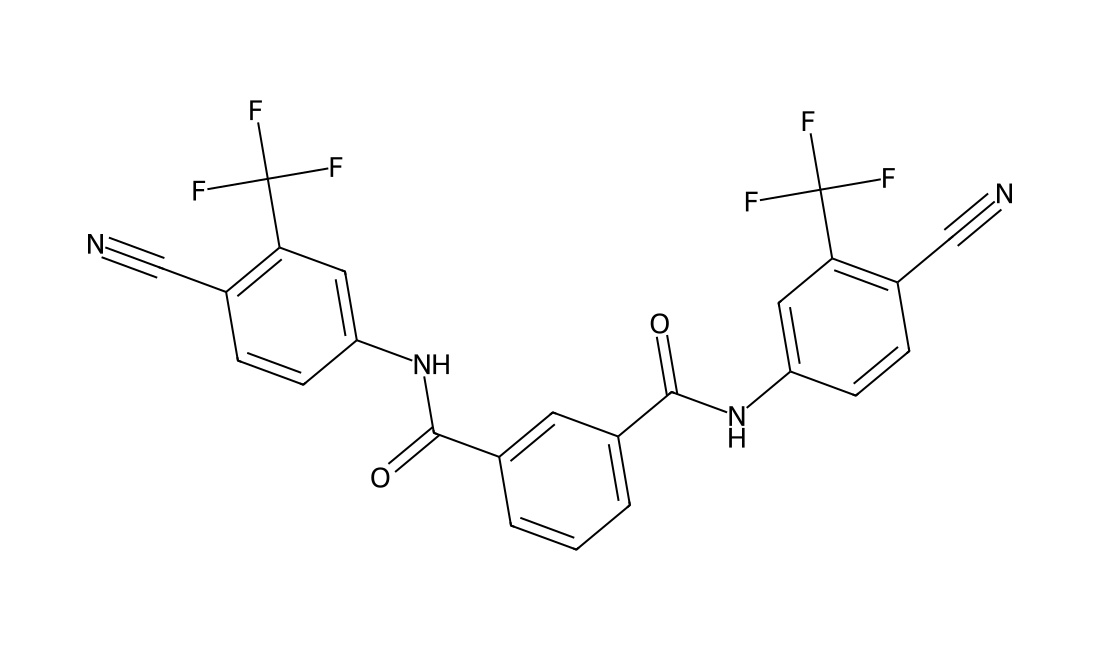
CAS 2105956-51-0
CDK9-IN-8 is a highly potent, selective CDK9 inhibitor with IC50 of 12 nM, shows good selectivity in CDKs kinase profiling assay against CDK kinases and cell proliferation inhibition.
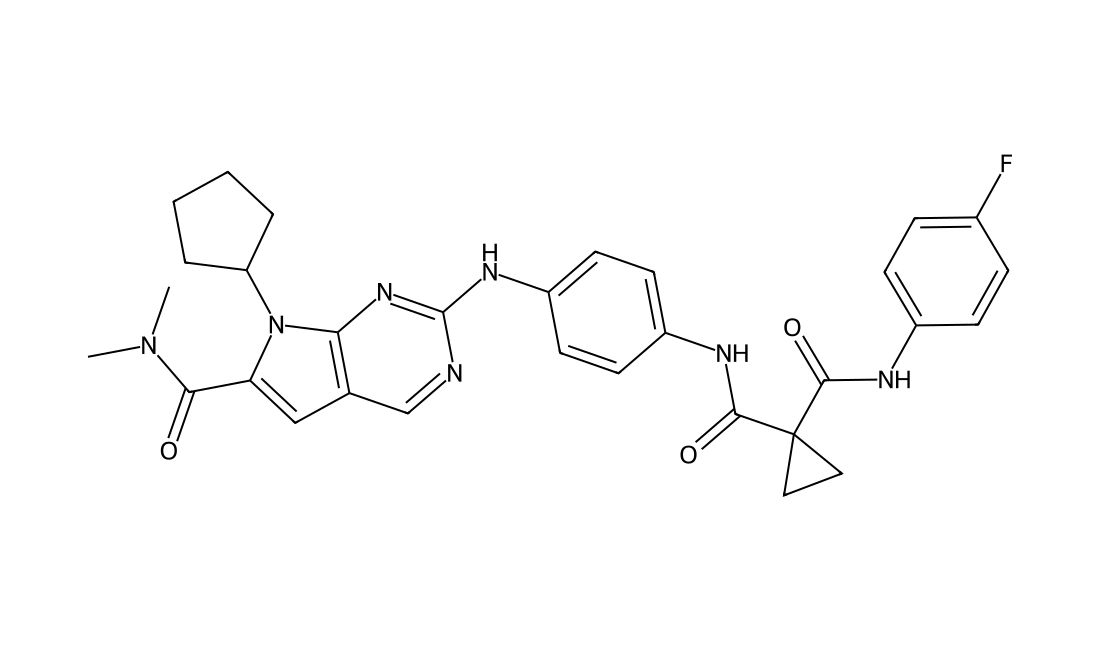
CAS 491-71-4
Chrysoeriol, a natural flavonoid extracted from the tropical plant Coronopus didymus, exhibits potent antioxidant activity. Chrysoeriol shows significant inhibition of lipid peroxidation.
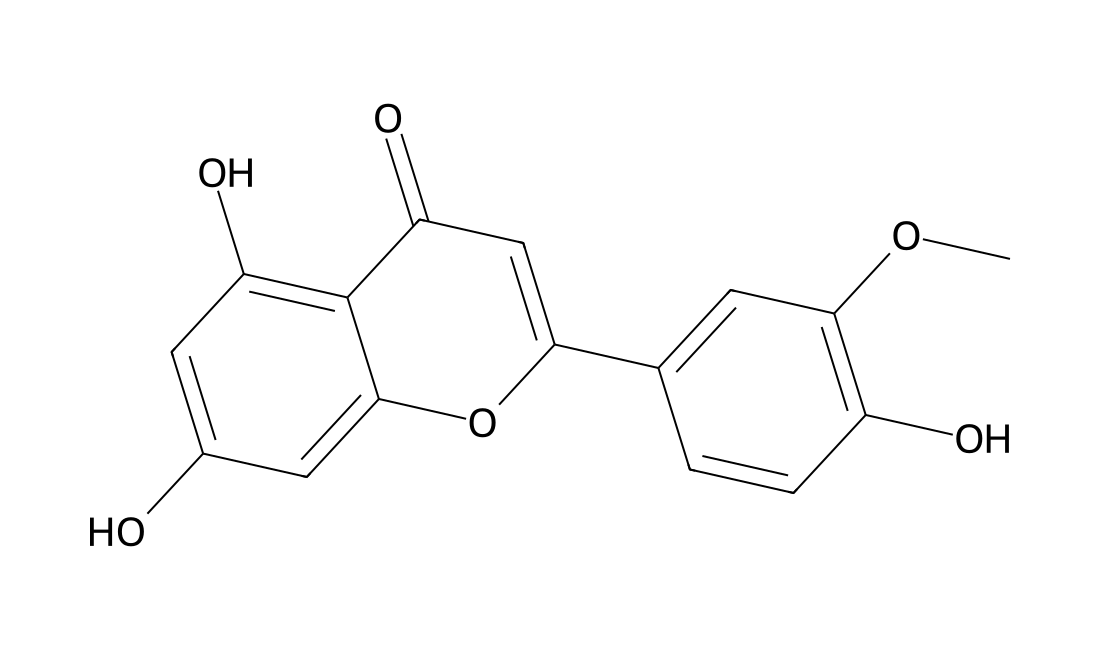
CAS 138470-70-9
Mozavaptan, also known as OPC 31260, is a vasopressin receptor antagonist marketed by Otsuka. In Japan, it was approved in October 2006 for hyponatremia (low blood sodium levels) caused by syndrome of inappropriate antidiuretic hormone (SIADH) due to ADH producing tumors.
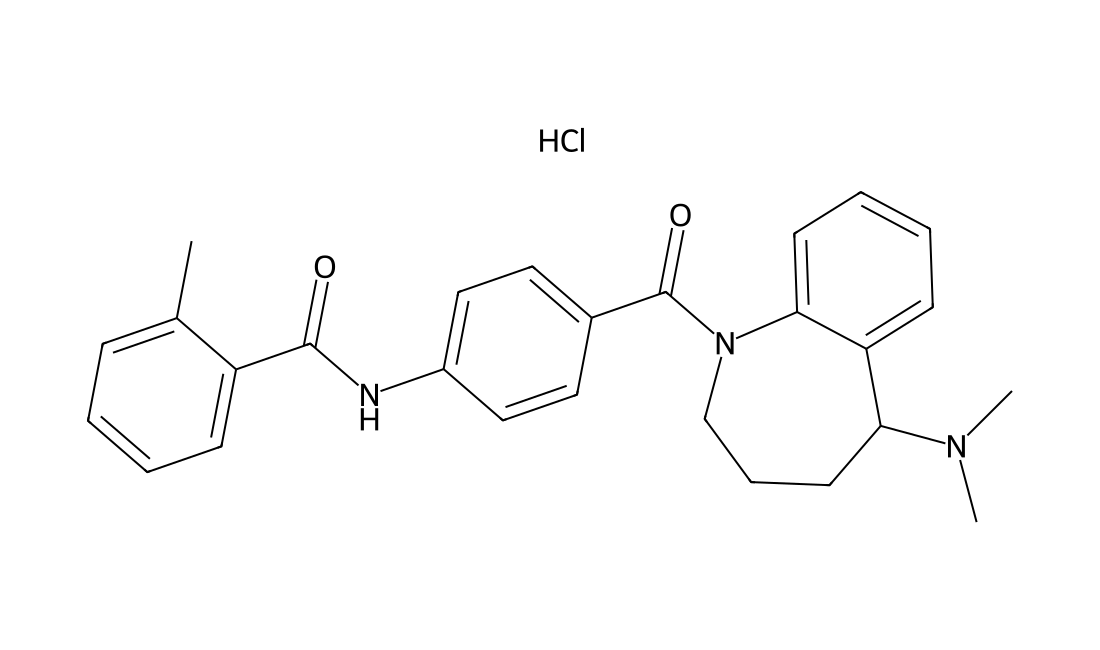
CAS 670270-31-2
IU1-47 is a potent, selective small-molecule inhibitor of USP14 with IC50 of 0.6 uM, shows 10-fold more potent over IU1 and retains specificity for USP14; accelerates the rate of degradation of wild-type tau, the pathological tau mutants P301L and P301S, and the A152T tau variant in primary neuronal cultures, a specific residue in tau, lysine 174, is critical for the IU1-47-mediated tau degradation by the proteasome; stimulates autophagic flux in primary neurons.
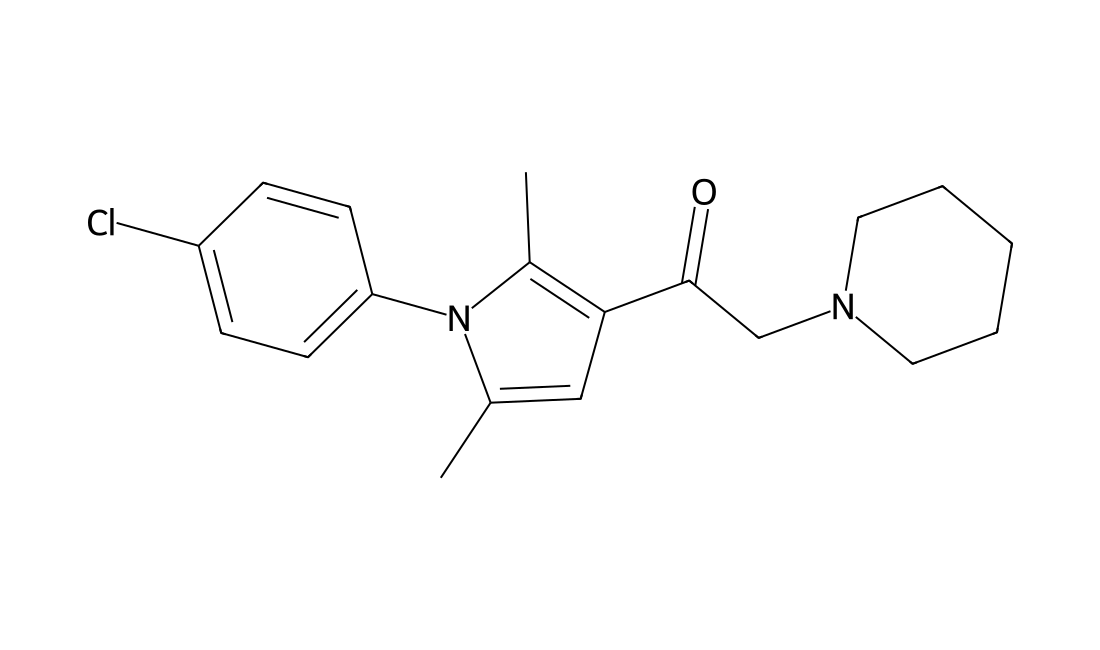
CAS 827327-28-6
MALAT1 inhibitor 5 (Malat1 inhibitor 5) is a selective small molecule targeting of Metastasis-associated lung adenocarcinoma transcript 1 (Malat1/MALAT1 mouse/human), a highly conserved long non-coding RNA; does not affect Neat1 lncRNA levels.
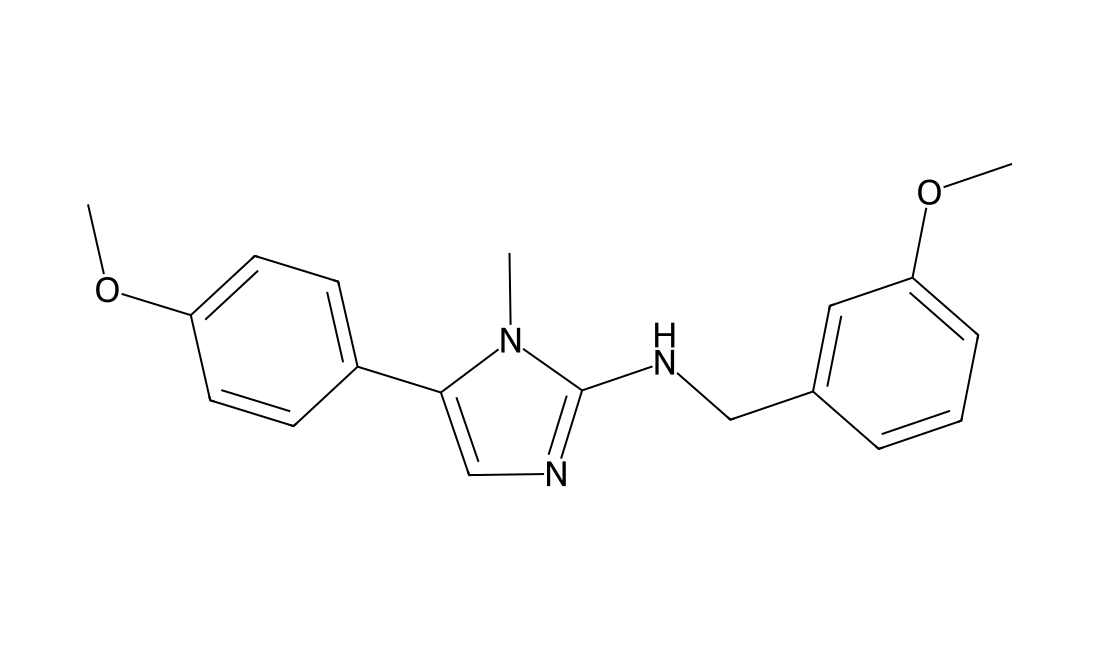
CAS 2080306-23-4
BAY-299 is a potent and selective inhibitor of the bromodomain and PHD finger-containing (BRPF) family protein BRD1 (IC50 = 6 nM).
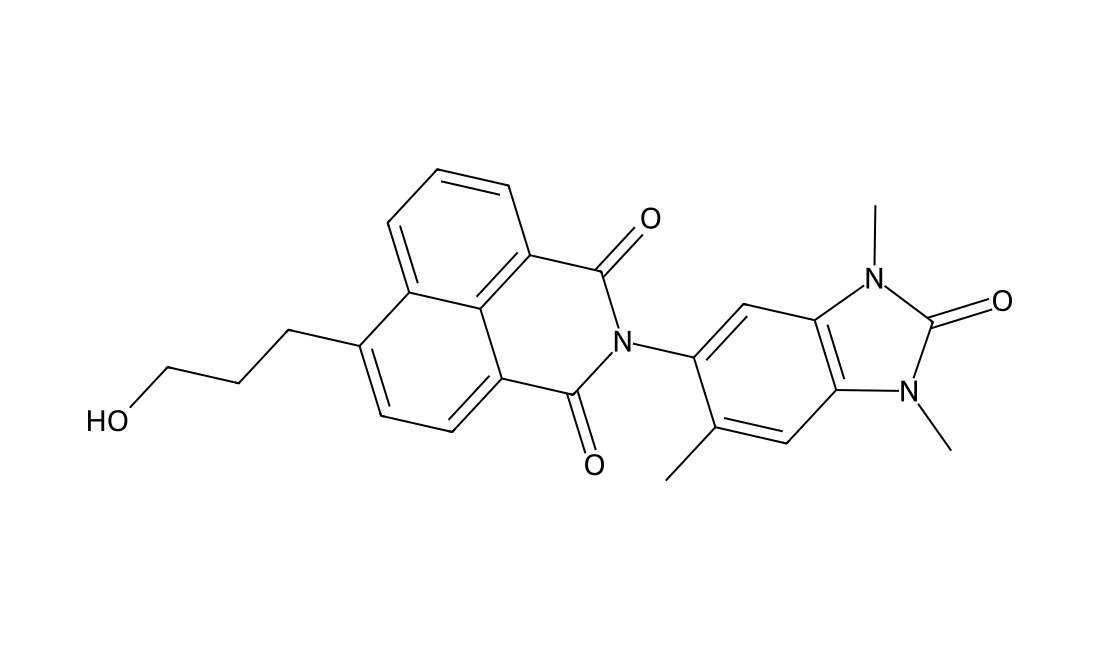
CAS 1417997-93-3
MDK-7933, also known as HDAC8-IN-1, is a HDAC8 inhibitor with an IC50 of 27.2 nM in cancer cell lines. MDK-7933 shows antiproliferative effects toward several human lung cancer cell lines (A549, H1299, and CL1-5). MDK-7933 was first reported in ChemMedChem. 2012 Oct;7(10):1815-24. MDK-7933 has CAS#1417997-93-3.
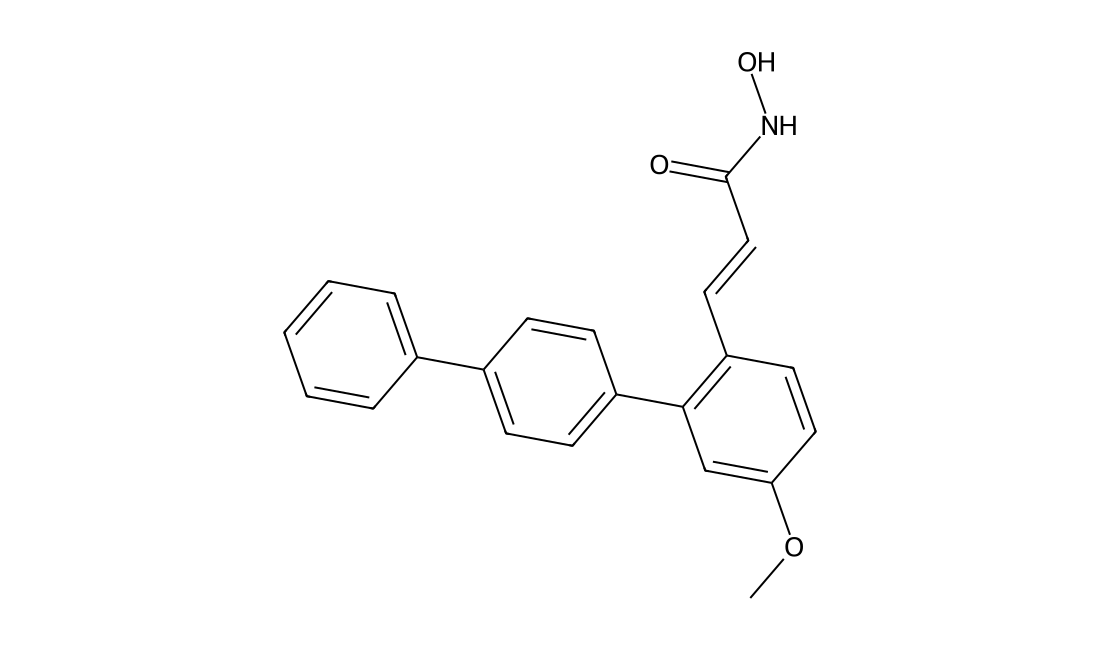
CAS 1425381-60-7
ASN-002 (Gusacitinib, ASN002) is a novel and potent dual inhibitor of SYK/JAK kinases with IC50 of 5-46 nM in biochemical assays.
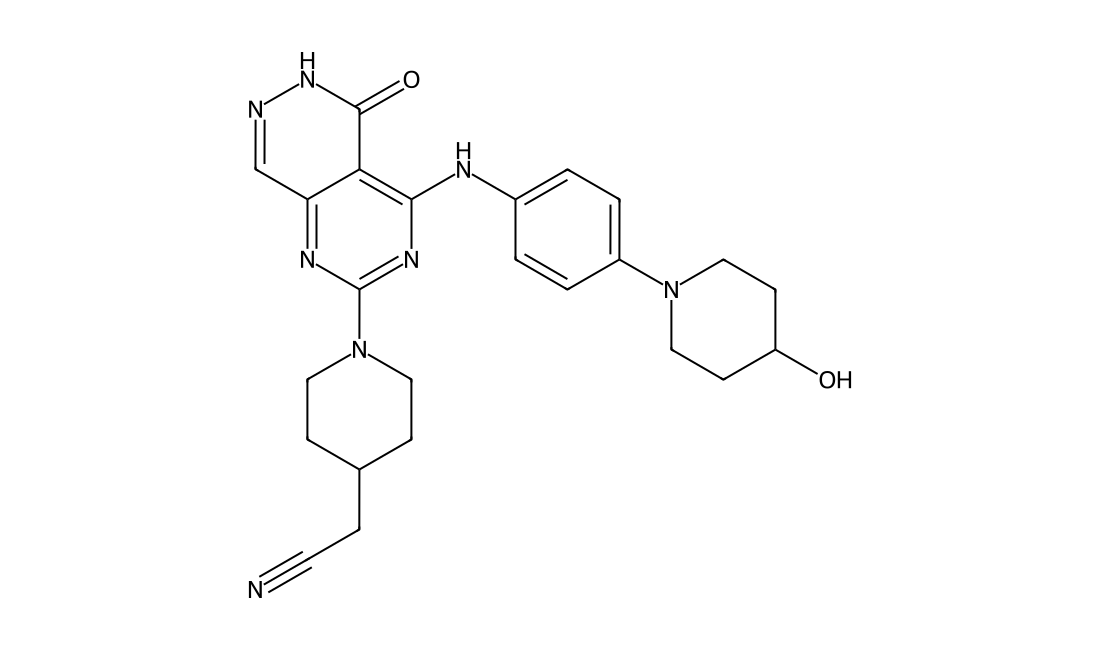
CAS 1069858-99-6
ML359 is a small molecule, specific inhibitor of Protein disulfide isomerase (PDI) with IC50 of 250 nM; displays >100-fold selectivity over other thiol isomerases (Erp5, Thioredoxin, Thioredoxin reductase); shows no cytotoxicity in three human cell lines, and some activity in inhibiting platelet aggregation in vitro.
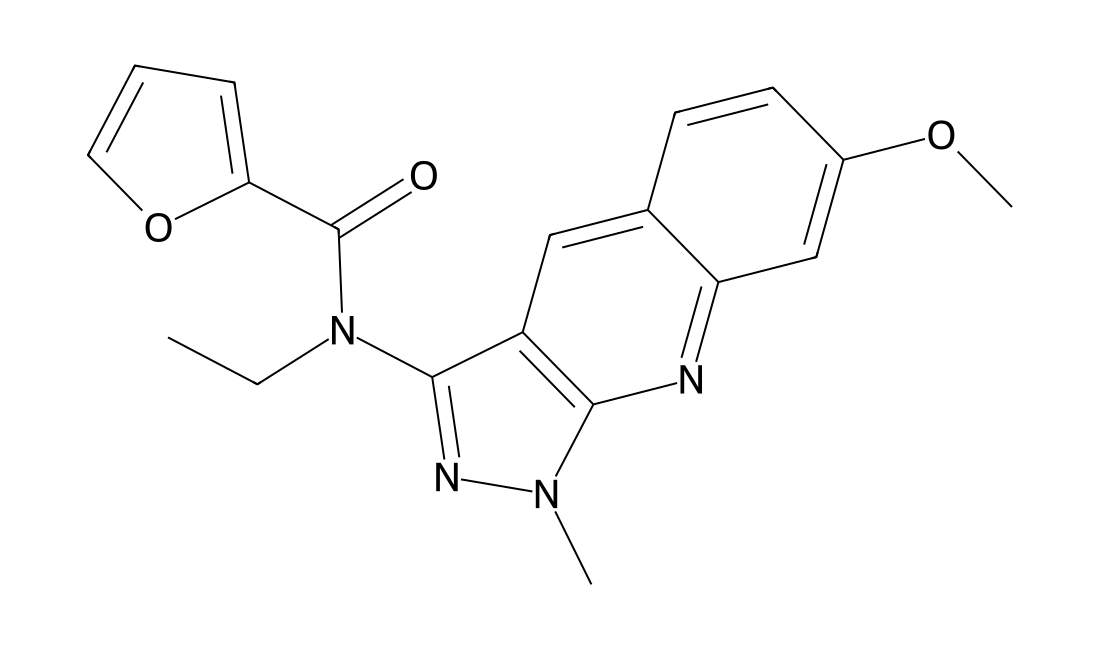
CAS 755002-90-5
VU0134992 (VU 0134992) is a potent, selective blocker of the inward rectifier potassium channel Kir4.1 (KCNJ10) with IC50 of 0.97 uM in whole-cell patch clamp electrophysiology assays; displays 9-fold selectivity for homomeric Kir4.1 over Kir4.1/5.1 concatemeric channels (IC50=9 uM) at -120 mV; VU0134992 is greater than 30-fold selective for Kir4.1 over Kir1.1, Kir2.1, and Kir2.2, is weakly active toward Kir2.3, Kir6.2/SUR1, and Kir7.1, and is equally active toward Kir3.1/3.2, Kir3.1/3.4, and Kir4.2 in Tl+ flux assays; causes dose-dependent diuresis, natriuresis, and kaliuresis in rats after oral treatment; VU0134992 represents the first in vivo-active tool compound for probing the therapeutic potential of Kir4.1 as a novel diuretic target for the treatment of hypertension.
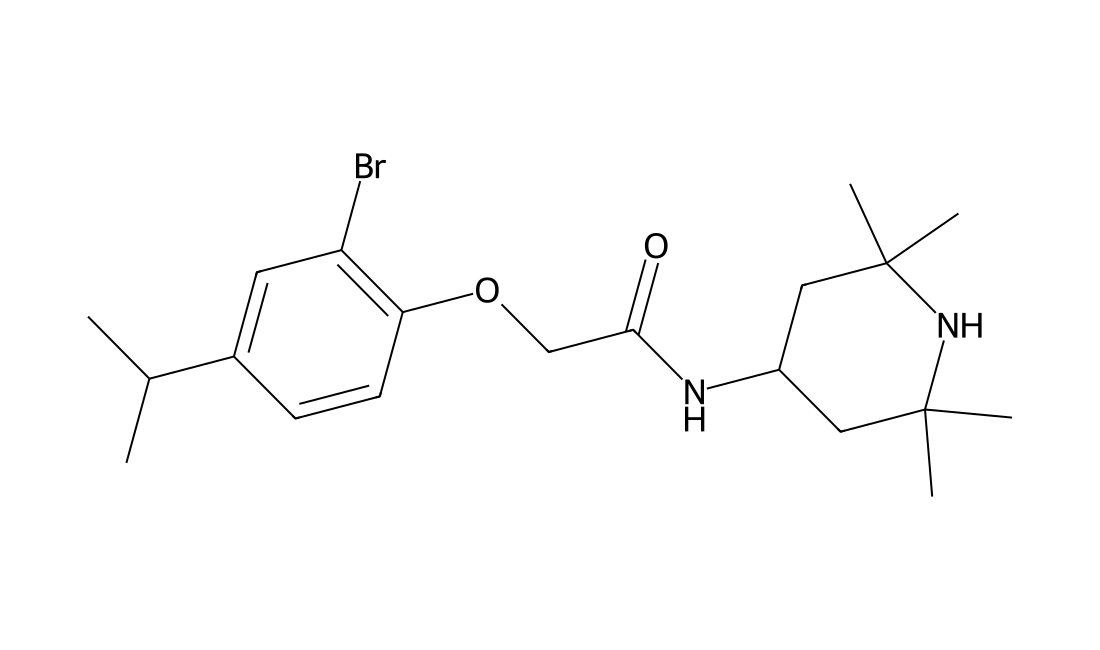
CAS 1773489-72-7
Nidufexor (LMB763, LMB-763) is a novel potent farnesoid X receptor (FXR) agonist for the treatment of non-alcoholic steatohepatitis (NASH) and hepatobiliary disorders.
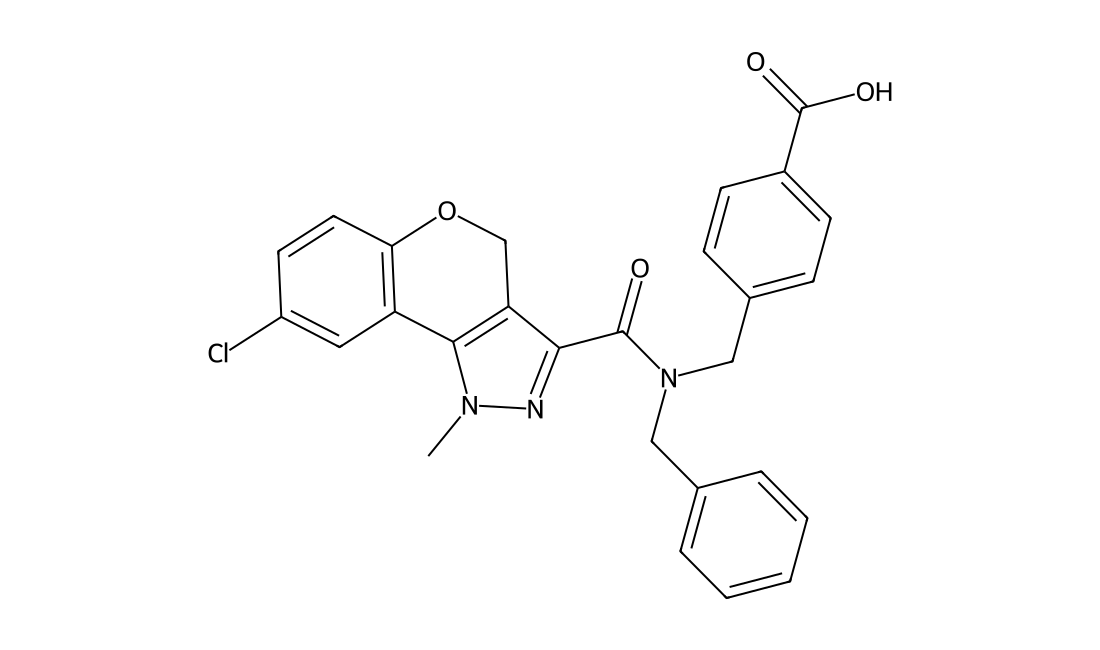
CAS 1393748-80-5
RY785 is a potent and selective voltage-gated potassium (KV2) channel inhibitor with an IC50 of 0.05 μM for KV2.2. RY785 has analgesic activity1.
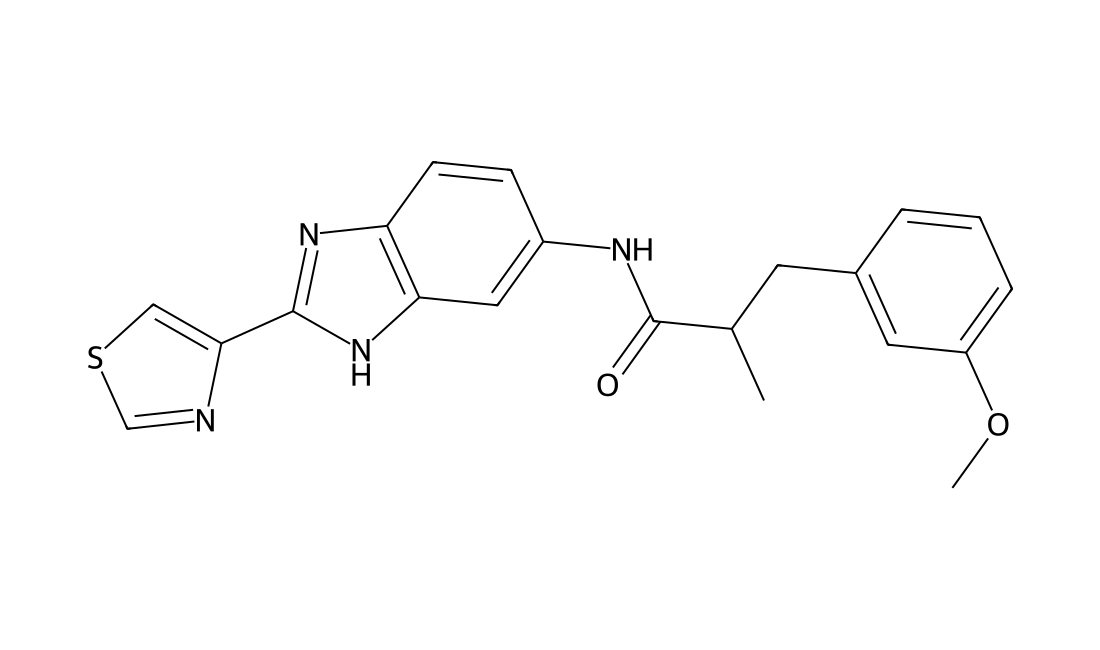
CAS 2138439-12-8
Thalidomide-NH-PEG1-NH2 is a synthesized E3 ligase ligand-linker conjugate that incorporates the Thalidomide based cereblon ligand and a linker used in PROTAC technology.
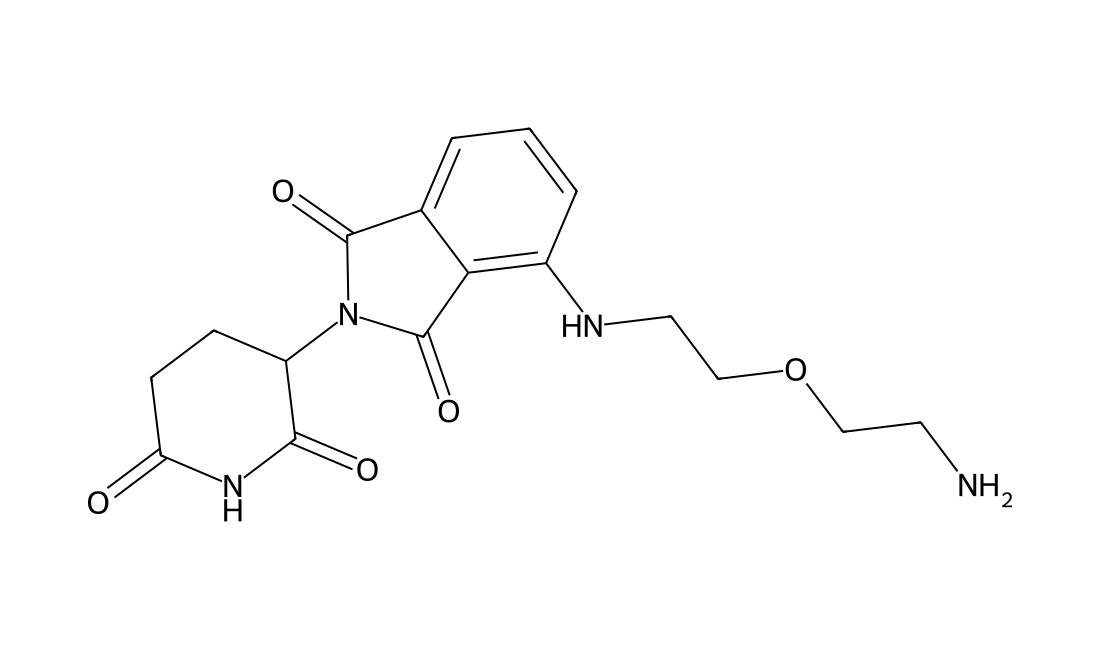
CAS 1380539-06-9
Fosciclopirox suppresses growth of urothelial cancer by targeting the γ-secretase complex. Fosciclopirox selectively delivers the active metabolite, Ciclopirox (CPX), to the entire urinary tract. Ciclopirox has anticancer activity in a number of solid and hematologic malignancies.
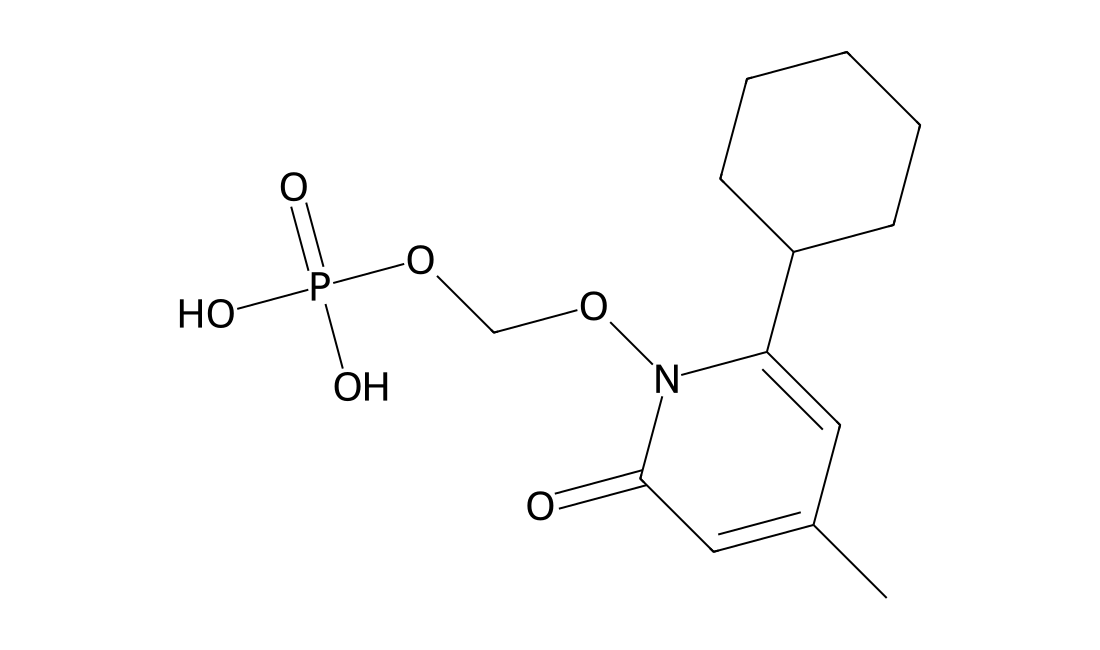
CAS 1997319-84-2
SGC-SMARCA-BRDVIII is a potent and selective SMARCA2/4 BRD inhibitor.
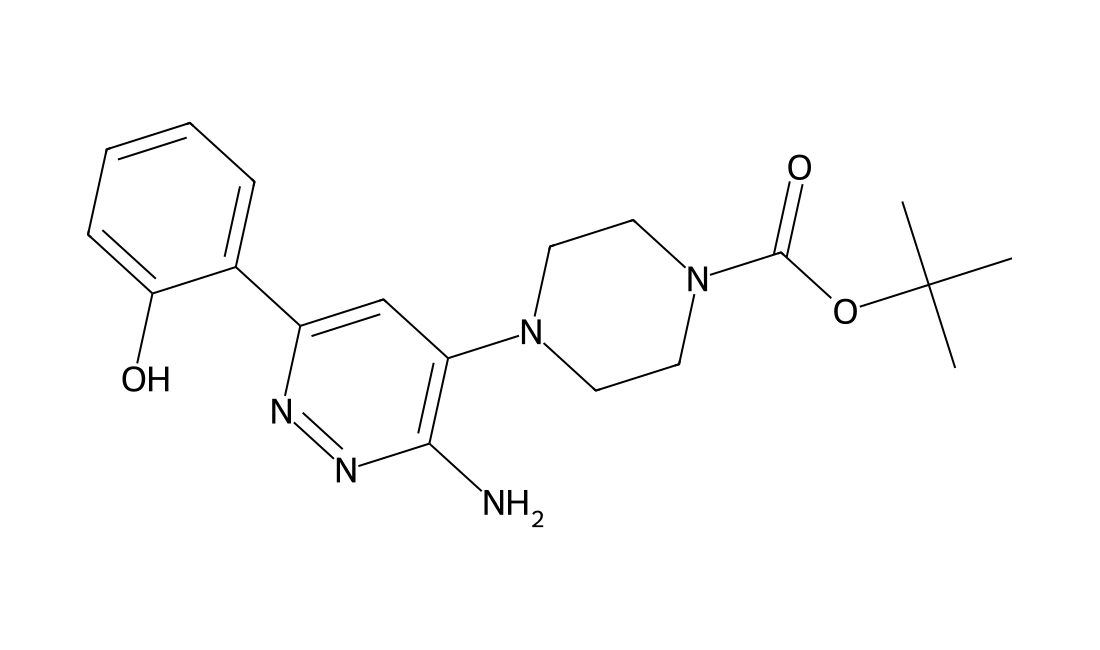
CAS 1637781-04-4
Dalpiciclib (SHR-6390) is a highly selective, orally bioavailable CDK4/6 inhibitor with comparable potencies against CDK4 (IC50=12.4 nM) and CDK6 (IC50=9.9 nM). Dalpiciclib exerts potent antitumor activity in esophageal squamous cell carcinoma by inhibiting phosphorylated tumor-suppressor retinoblastoma protein (Rb) and inducing G1 cell cycle arrest.
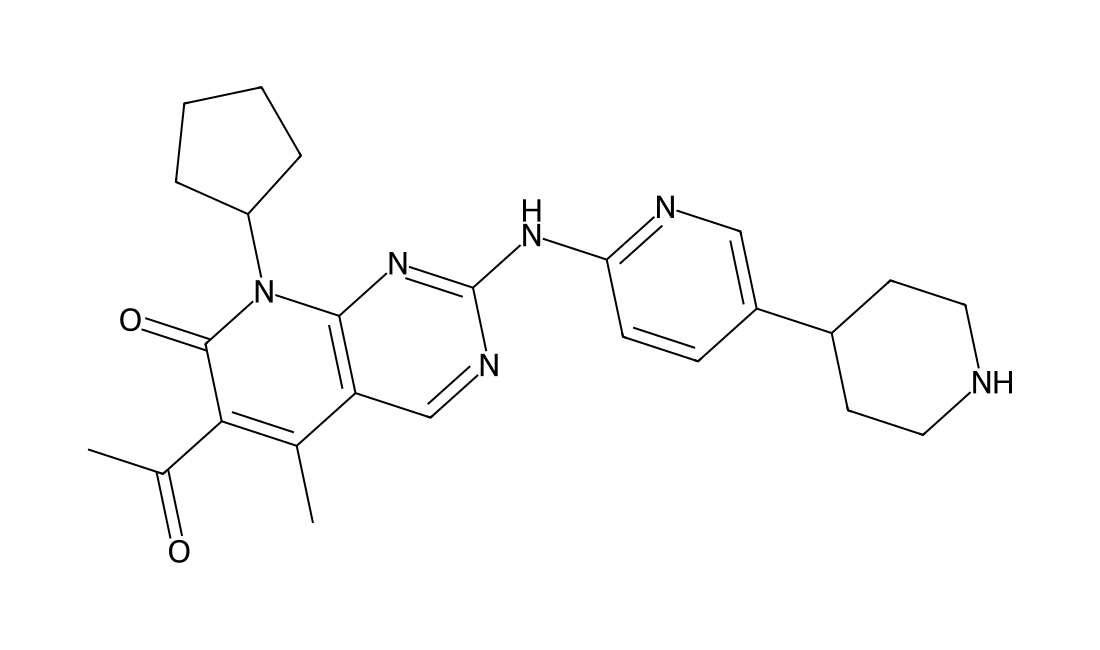
CAS 304481-60-5
KM91104, a cell-permeable V-ATPase inhibitor, specifically targets the a3-b2 subunits of V-ATPase.
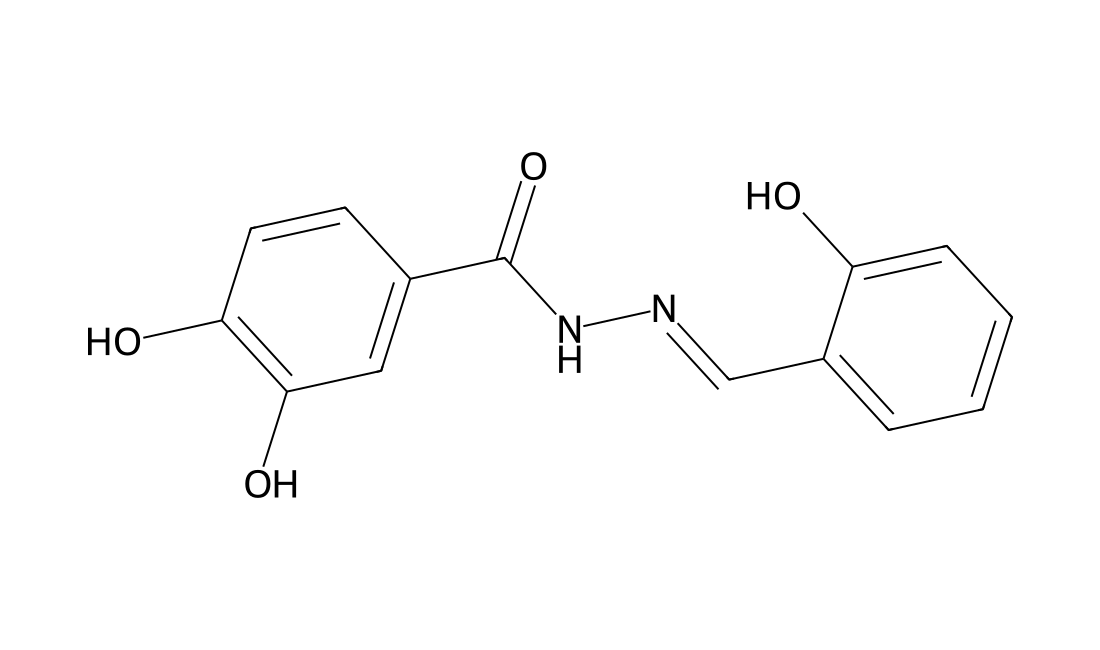
CAS 1454902-97-6
Elevenostat (JB3-22) is a selective HDAC11 inhibitor (IC50=0.235 µM). Anti-multiple myeloma (MM) activity.
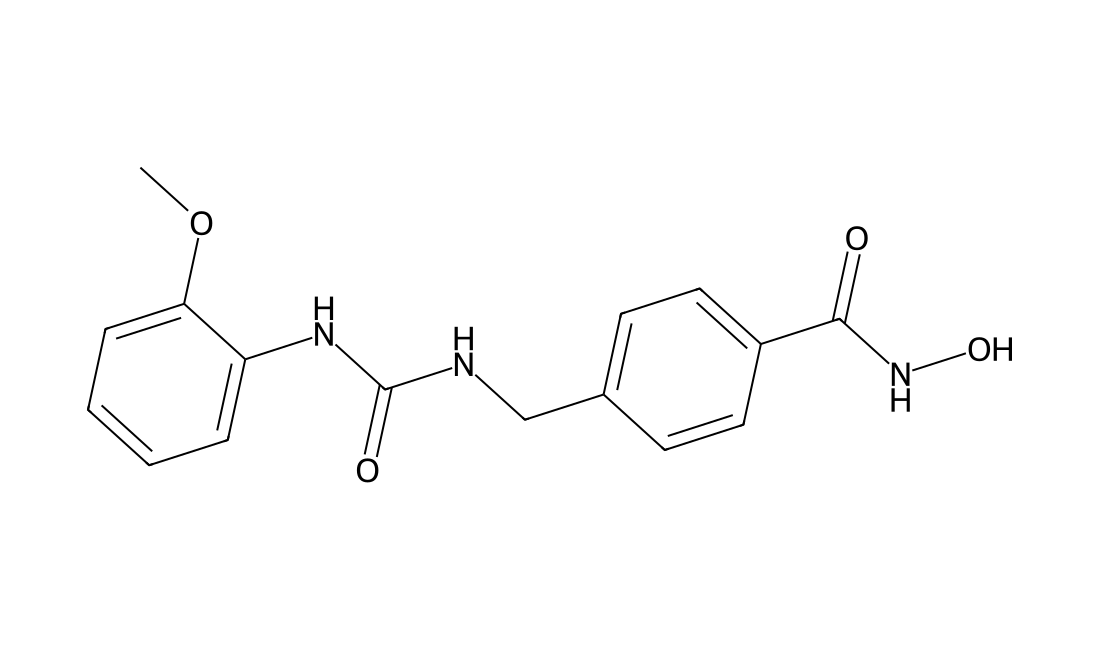
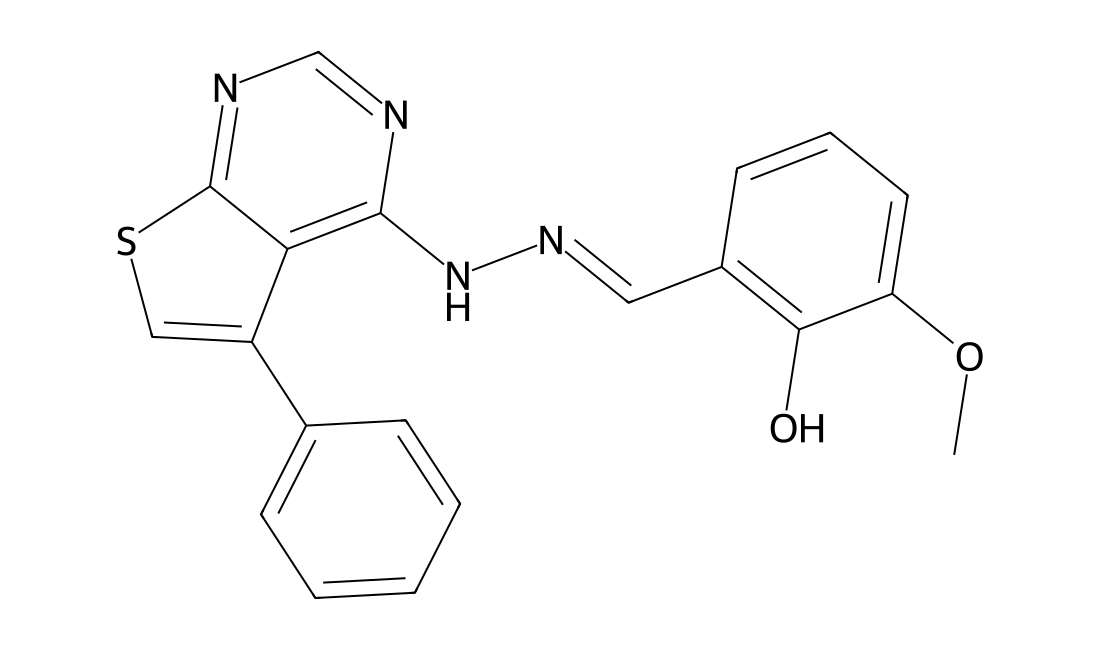
CAS 1239729-06-6
RP-5063 (Brilaroxazine) is a multimodal dopamine and serotonin modulator with partial agonist activity at DA D2, D3, D4, 5-HT1A, and 5-HT2ARs, and antagonist activity at 5-HT2B, 5-HT6 and 5-HT7Rs.
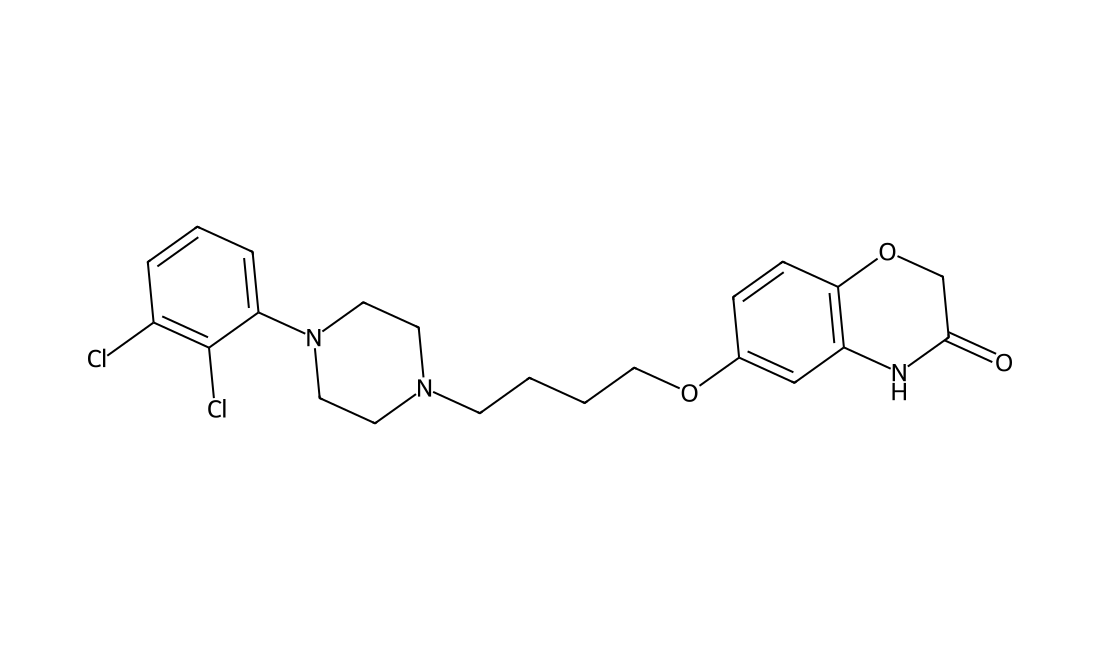
CAS 451491-47-7
CTB is a p300 activator and the lowest docked energy for CTB and p300 is 7.72 kcal/mol.
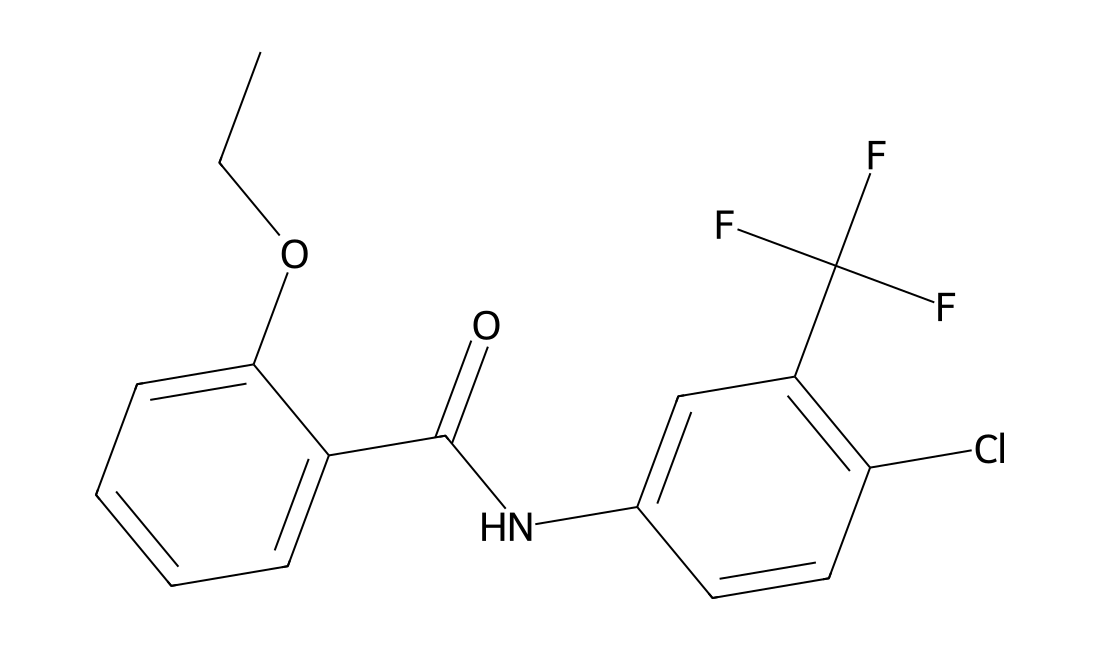
CAS 1984890-99-4
ACT-451840 is an orally active, potent and low-toxicity compound, showing activity against sensitive and resistant plasmodium falciparum strains. ACT-451840 targets all asexual blood stages of the parasite, has a rapid onset of action. ACT-451840 behaves in a way similar to artemisinin derivatives, with very rapid onset of action and elimination of parasite. ACT-451840 can be used for the research of malarial.
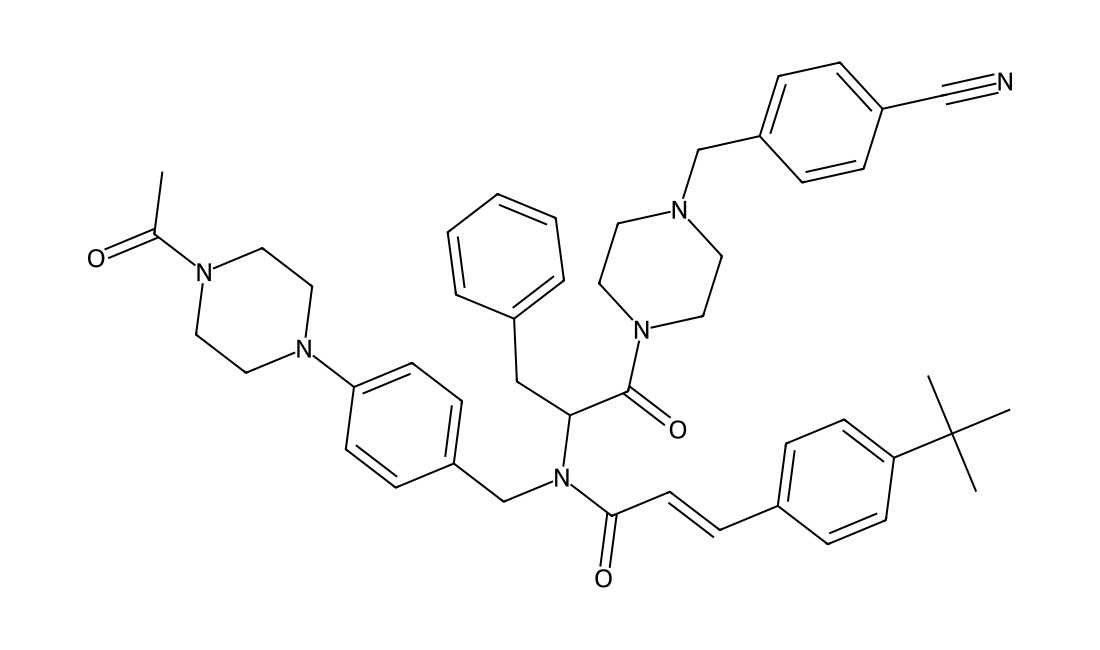
CAS 2762422-55-7
AC1-IN-38 is a potent, selective inhibitor of adenylyl cyclase type 1 (AC1) with IC50 of 0.54 uM.AC1-IN-38 shows selectivity over a closely related isoform AC8, and no activity against AC2/5 and other common neurological targets.AC1-IN-38 displayed modest antiallodynic effects in a mouse model of inflammatory pain.
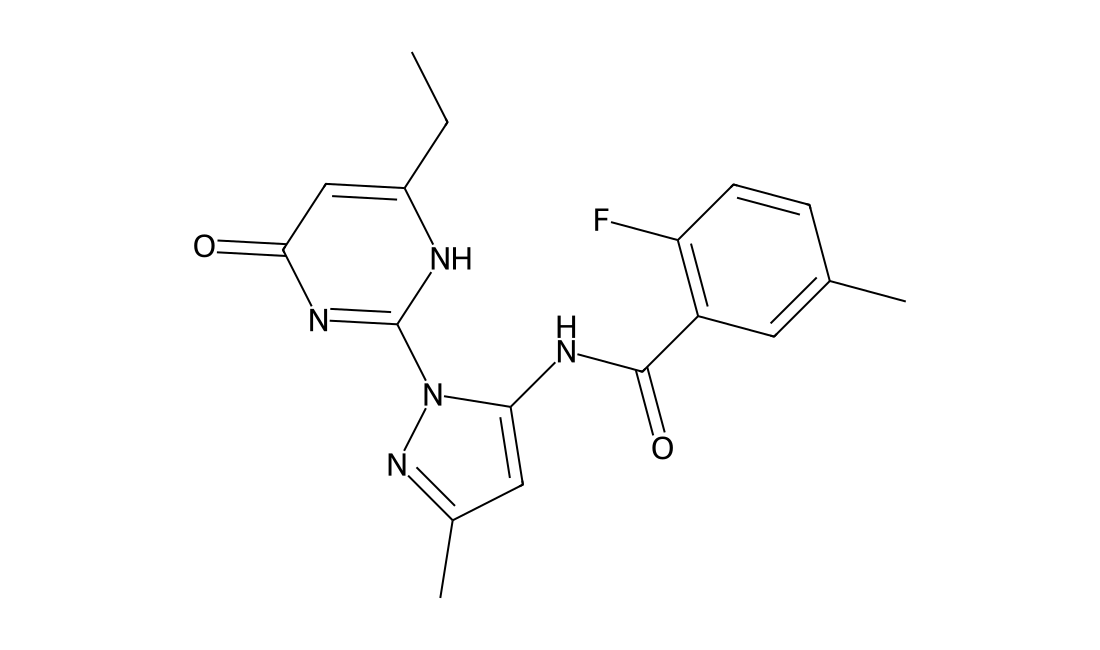
CAS 2632968-72-8
Glutathione synthesis-IN-1 (DC-1) is a glutathione synthesis inhibitor.
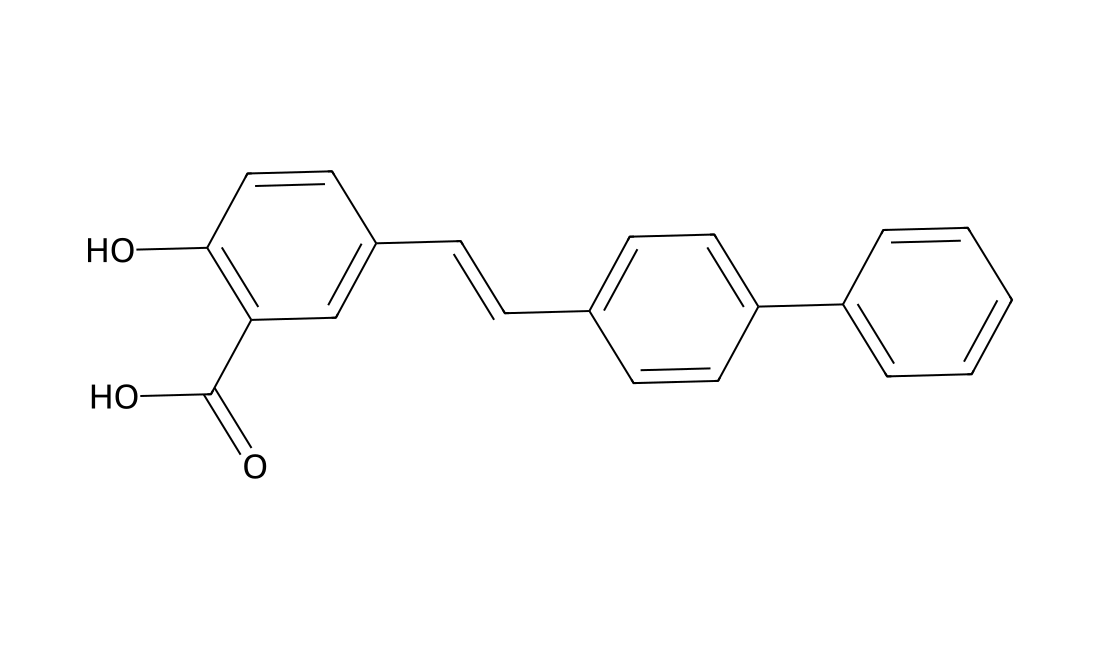
CAS 2640567-43-5
INE963 (INE-963) is a potent and fast-acting blood-stage antimalarial, demonstrates potent cellular activity against Pf 3D7 with EC50 of 6 nM in Pf growth inhibition assay.
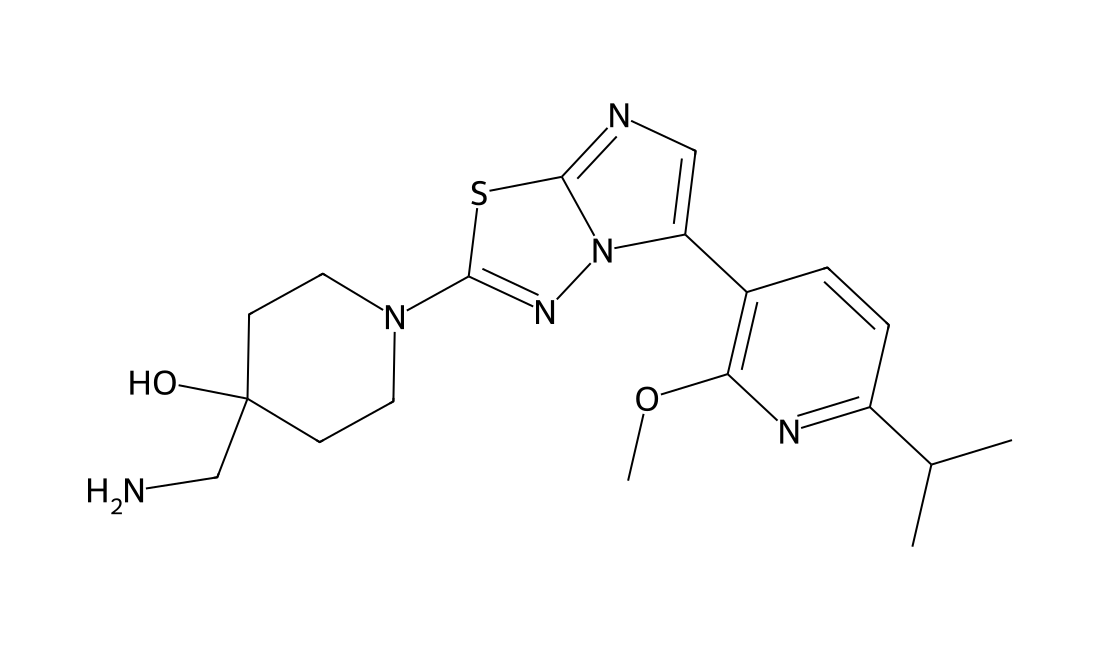
CAS 2125968-05-8
GSK251 is a highly potent, highly selective, orally bioavailable inhibitor of PI3Kδ with a novel binding mode.
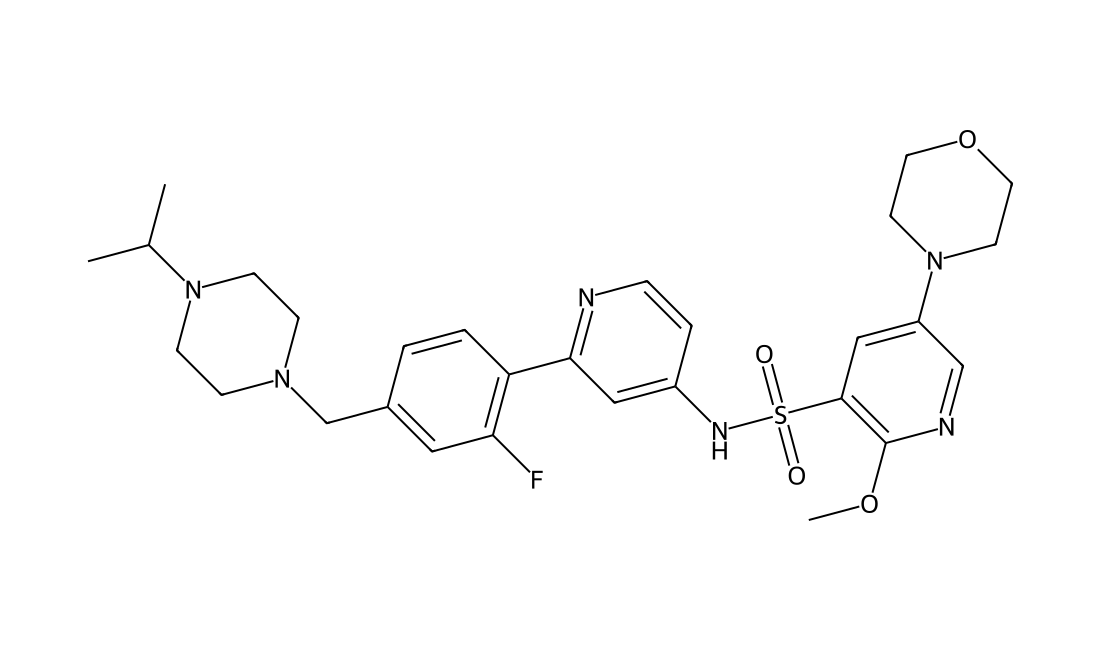
CAS 2708934-53-4
CCF0058981 (CCF981), 3-chlorophenyl analogue, is a noncovalent SARS-CoV-2 3CLpro (SC2) inhibitor with an IC50 of 68 nM. CCF0058981 inhibits SC1 (SARS-CoV-1 3CLpro) with an IC50 of 19 nM. CCF0058981 has antiviral efficacy and has the potential for COVID-19 research.
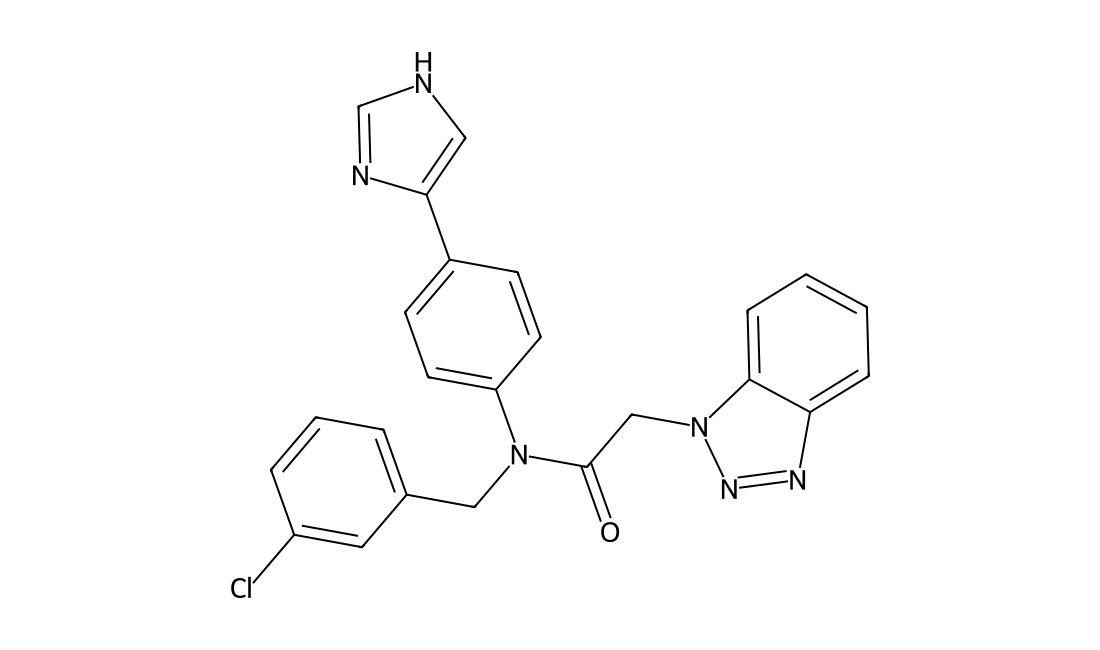
CAS 423128-55-6
RUVBL1/2 ATPase-IN-1 (compound 18) is a potent and selective inhibitor of RUVBL1/2 ATPase with IC50 values of 6.0 and 7.7 μM, respectively. RUVBL1 and RUVBL2 are highly conserved AAA ATPases (ATPases Associated with various cellular Activities) and highly relevant to the progression of cancer. RUVBL1/2 ATPase-IN-1 has the potential for the research of cancer diseases.
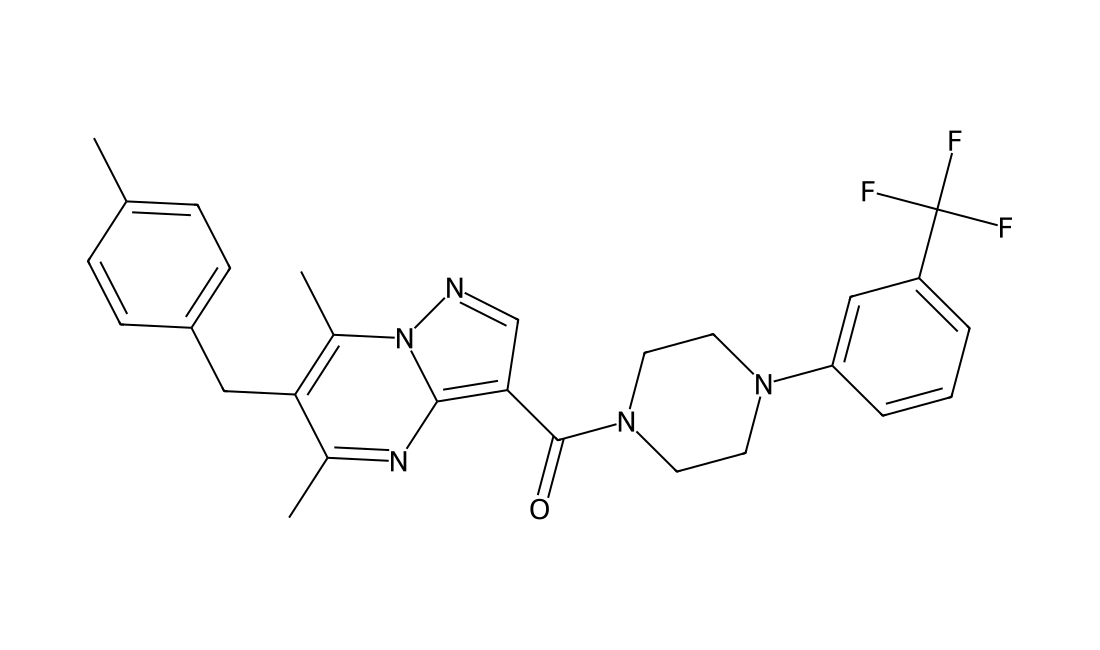
CAS 878581-60-3
QN523 exhibits potent cytotoxicity in pancreatic cancer cell lines (IC50 of 0.11 μM in MIA PaCa-2 cells) and significantly delays growth of MIA PaCa-2 xenograft in NOD/SCID mice without systemic toxicity.
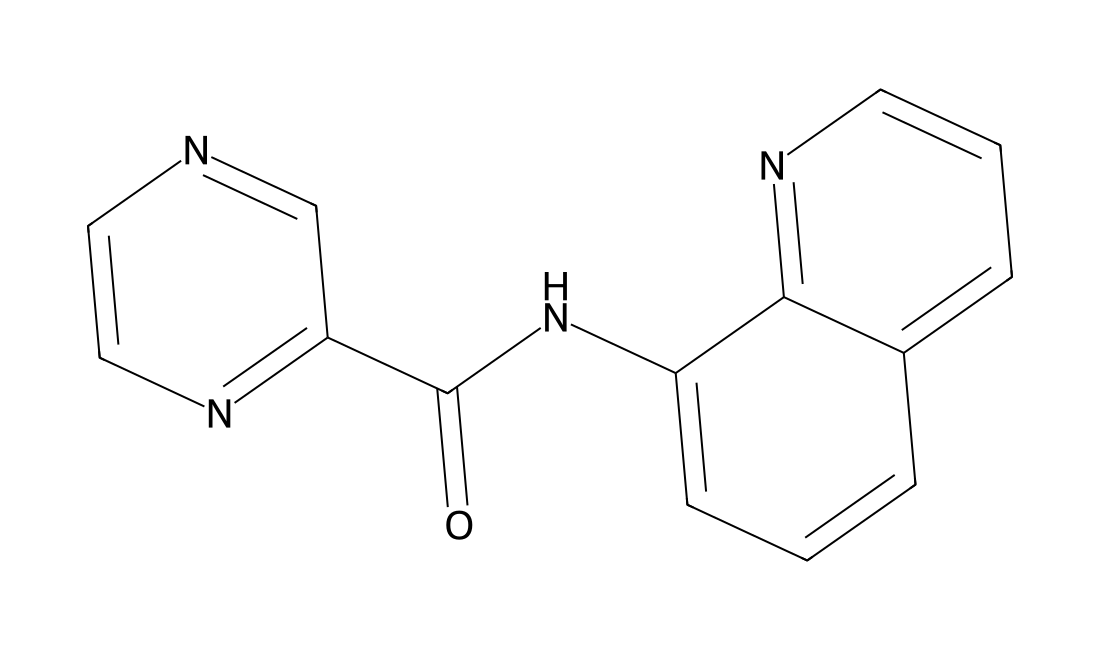
CAS 2410796-79-9
Sovilnesib(AMG650) is a kinesin-like protein KIF18A inhibitor (WO2020132648). Sovilnesib can be used for the research of cancer.
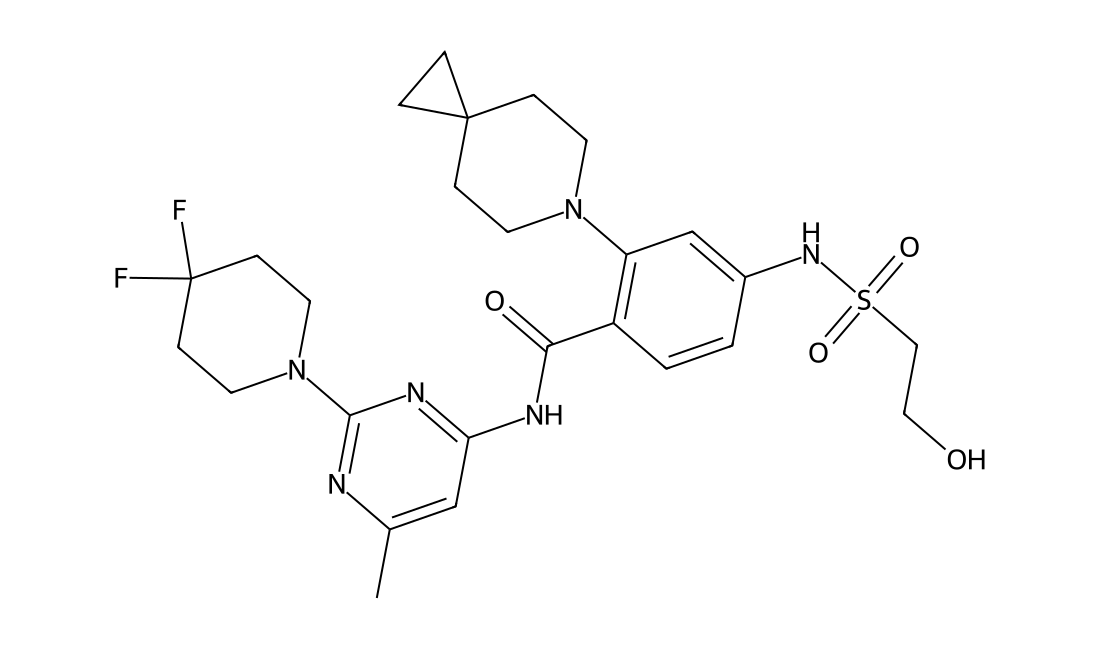
CAS 1415662-57-5
SphK1&2-IN-1 is a SphK inhibitor targeting to SphK1 and SphK2. SphK1&2-IN-1 has thermal stability.
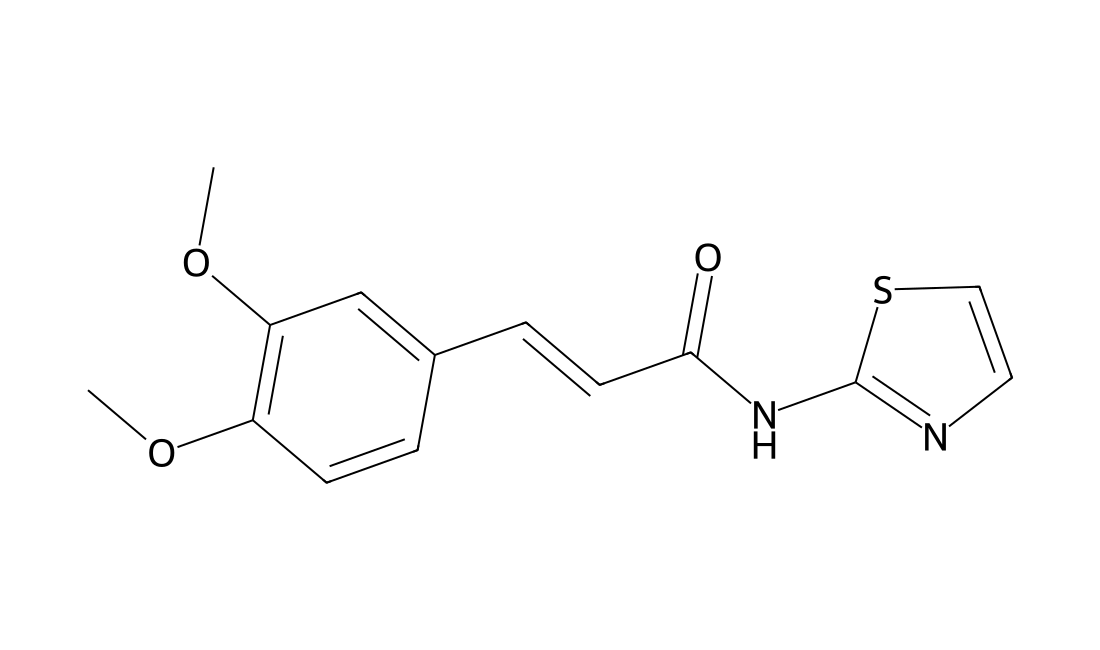
CAS 2761063-79-8
ELOVL1-IN-2 is an elongation of very long chain fatty acid 1 (ELOVL1) enzyme inhibitor, ELOVL1-IN-2 shows weak ELOVL1 inhibition (IC50=21 μM) and moderate potency in a primary cellular assay (HEK293 C26 IC50=6.7 μM) .
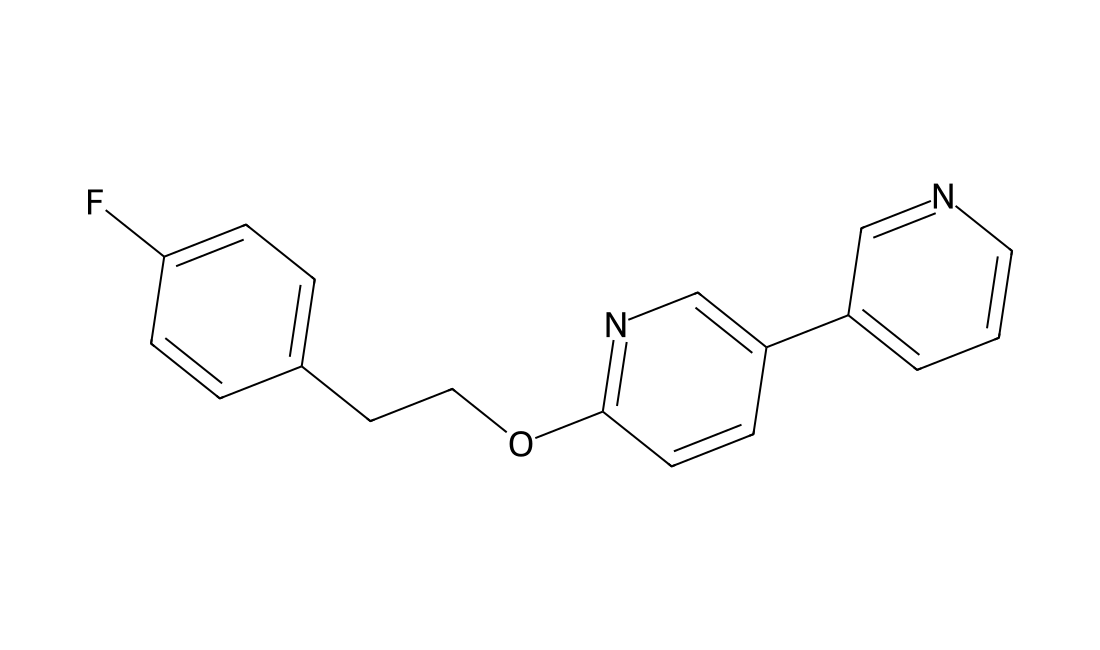
CAS 301177-43-5
ESI-08 is a potent and selective EPAC antagonist, which can completely inhibit both EPAC1 and EPAC2.
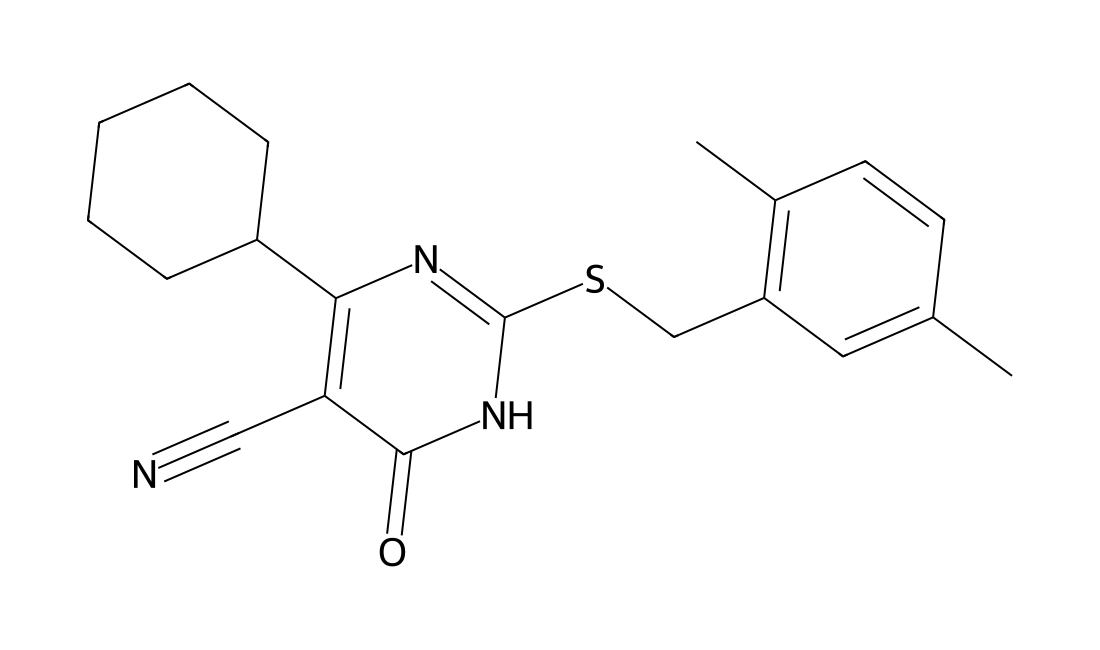
CAS 901599-43-7
5-HT3 antagonist 5 is a quinoxalin-2-carboxamide compound, a 5-HT3 receptor antagonist. 5-HT3 antagonist 5 exerts antagonism on 5-HT3 agonist and 2-methyl-5-HT, and shows anti-depressant effect in mice1.
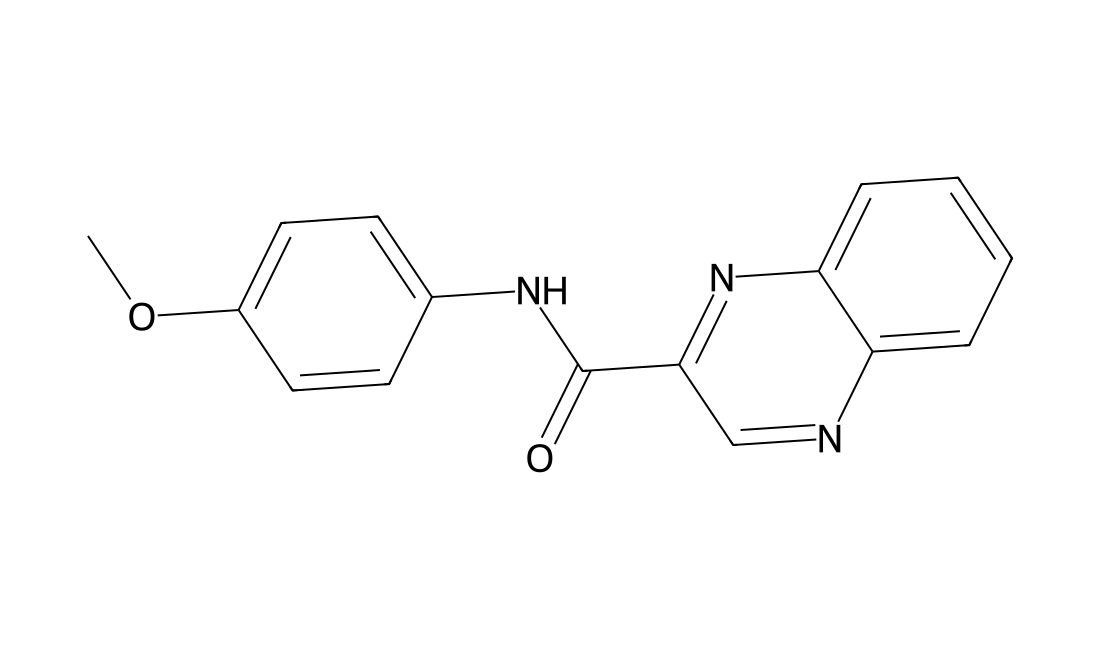
CAS 924759-42-2
RET agonist BT44 is a novel, specific RET agonist, promotes RET phosphorylation and selectively activates downstream cascades in the cells expressing GFL receptors.BT44 has no effect on TrkA and TrkB receptors; In GFRα1/RET expressing cells, 10–50 µM of BT44 increased the activity of luciferase reporter by approximately two fold (P<0.0001).BT44 dose-dependently stimulated neurite outgrowth from DRG sensory neurons and its efficacy was comparable to that of ARTN.BT44 alleviated mechanical hypersensitivity in surgery- and diabetes-induced rat models of neuropathic pain.