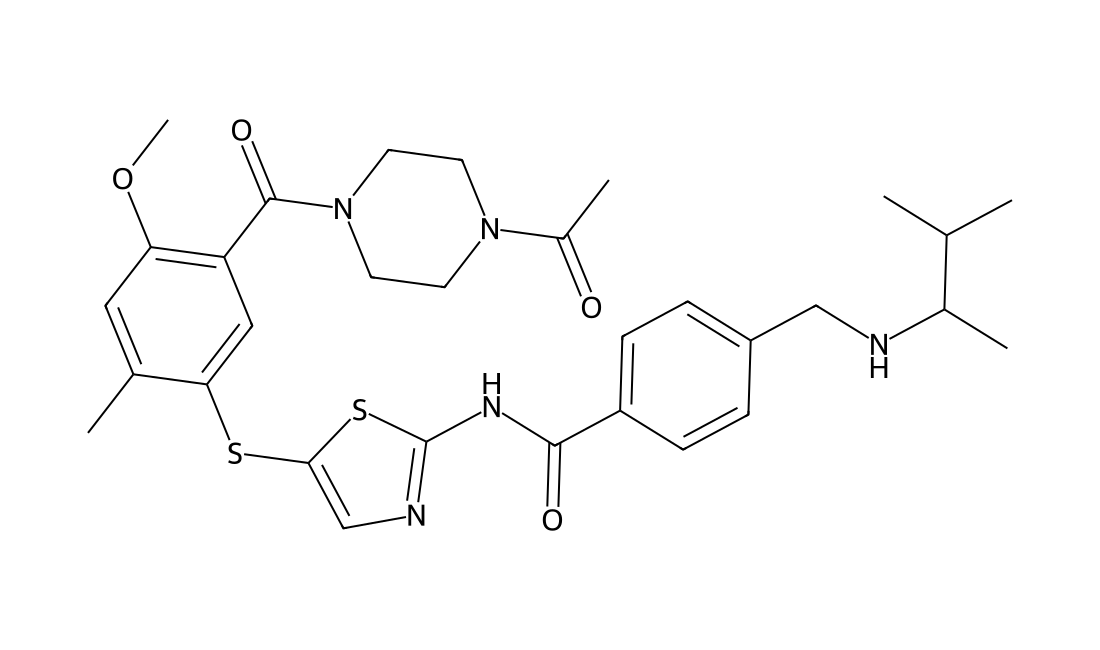
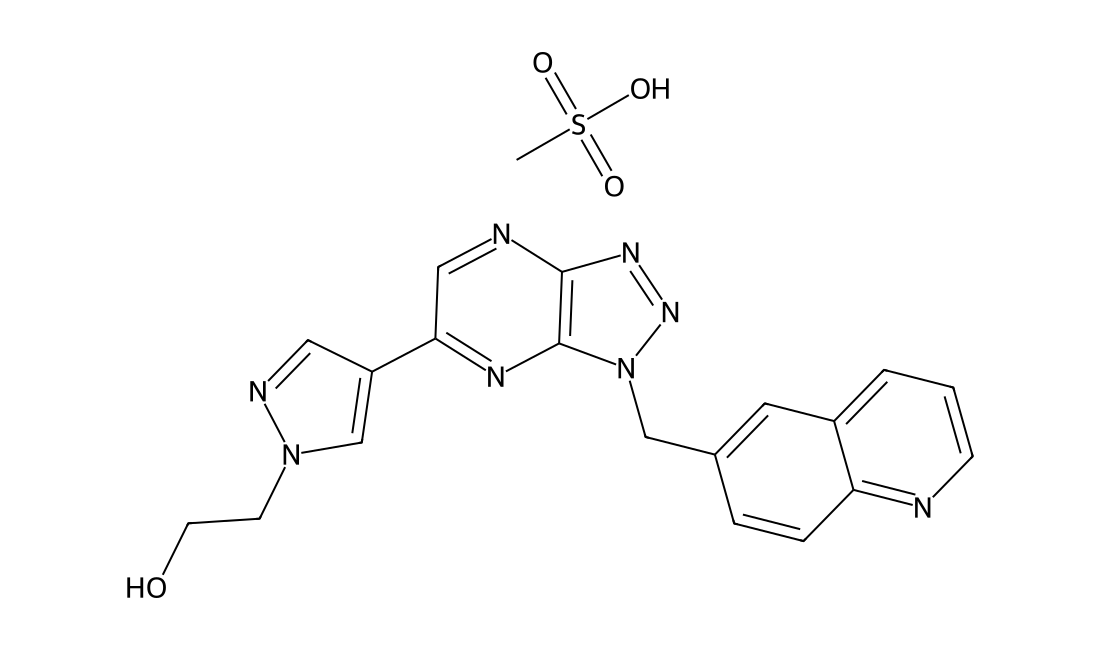
PF-04217903 methanesulfonate
CAS 956906-93-7
PF-04217903 is a potent, selective, ATP-competitive c-Met kinase inhibitor with Ki of 4.8 nM, inhibits HGF-stimulated tyrosine phosphorylation of wild type c-Met with IC50 of 7.3 nM in cell-based assays.

Explore bioactive compounds by research category, then narrow your search by target, product name, catalog number or CAS.
Newly added: LC-MG and OXF molecular glue research compounds →
Products may appear in more than one category. Counts refer to distinct catalog numbers within each category.
Other Research Tools (75) · Additional reagents, building blocks and specialized research tools.
LC-MG-1 (DCA0006) · LC-MG-4 (DCA0007) · LC-MG-9 (DCA0008)
View structure and evidence summaries →Combine a keyword, research category and target to narrow the product list.
Loading catalog filters…
CAS 956906-93-7
PF-04217903 is a potent, selective, ATP-competitive c-Met kinase inhibitor with Ki of 4.8 nM, inhibits HGF-stimulated tyrosine phosphorylation of wild type c-Met with IC50 of 7.3 nM in cell-based assays.
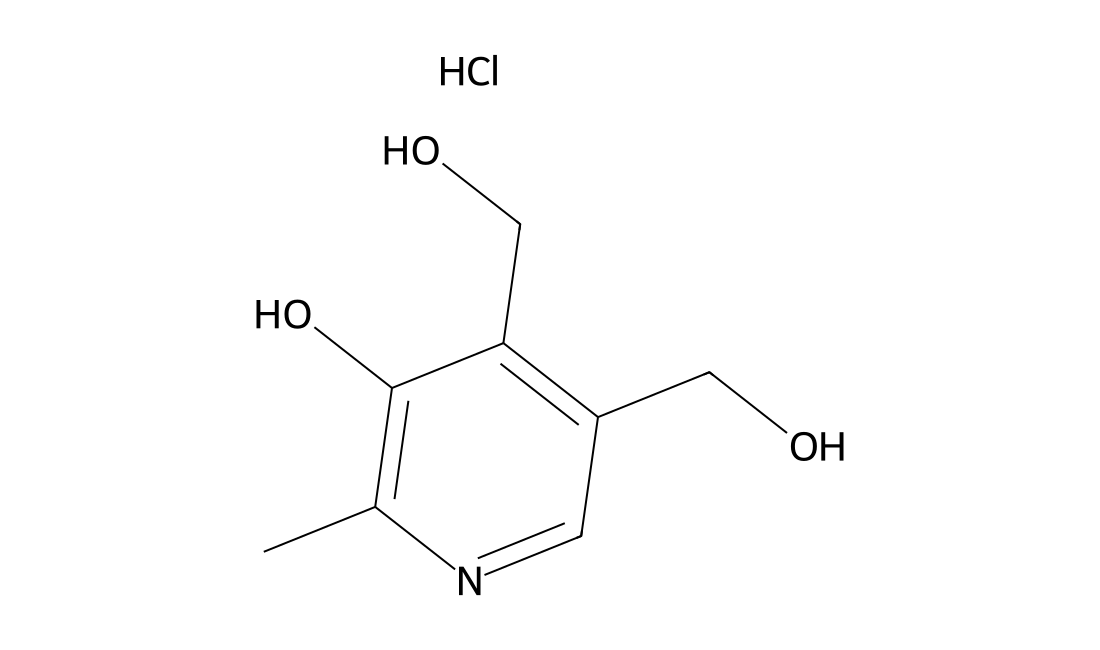
CAS 58-56-0
Pyridoxine hydrochloride (Pyridoxol; Vitamin B6) is a pyridine derivative. Pyridoxine (Pyridoxol; Vitamin B6) exerts antioxidant effects in cell model of Alzheimer's disease via the Nrf-2/HO-1 pathway.
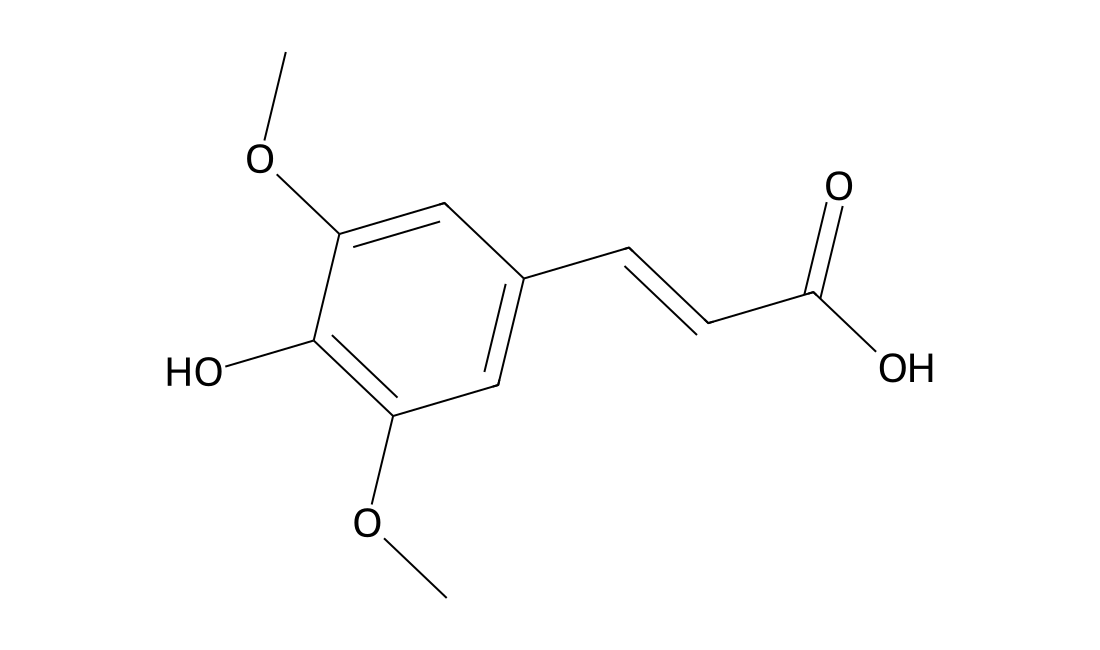
CAS 530-59-6
Sinapinic acid (Sinapic acid) is a phenolic compound isolated from Hydnophytum formicarum Jack. Rhizome, acts as an inhibitor of HDAC, with an IC50 of 2.27 mM, and also inhibits ACE-I activity. Sinapinic acid posssess potent anti-tumor activity, induces a
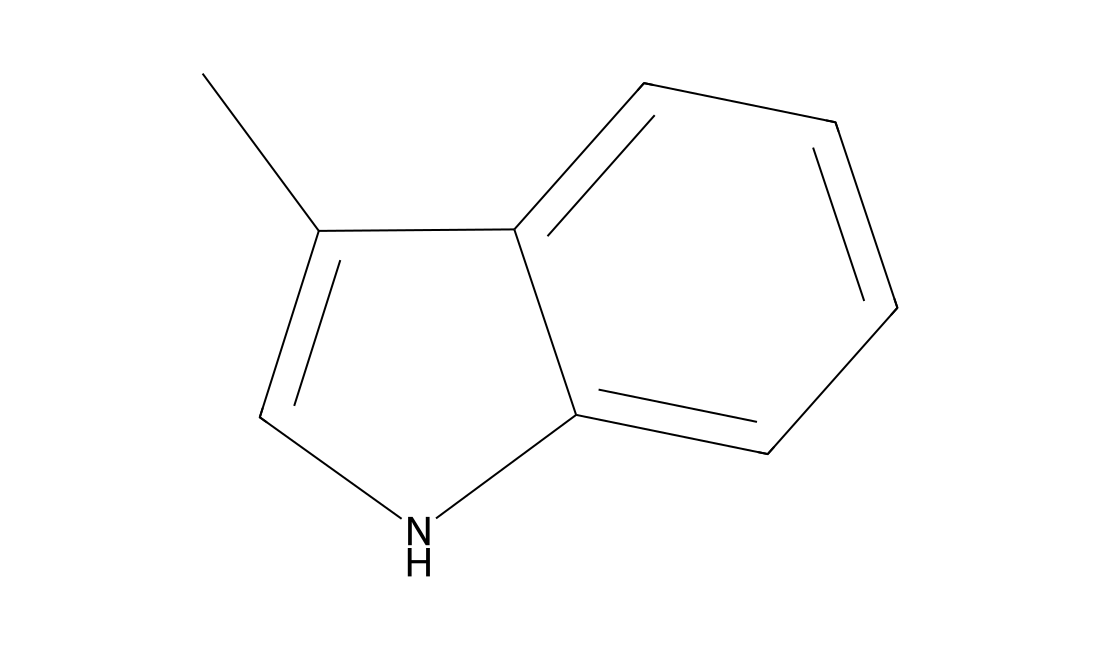
CAS 83-34-1
Skatole is produced by intestinal bacteria, regulates intestinal epithelial cellular functions through activating aryl hydrocarbon receptors and p38.
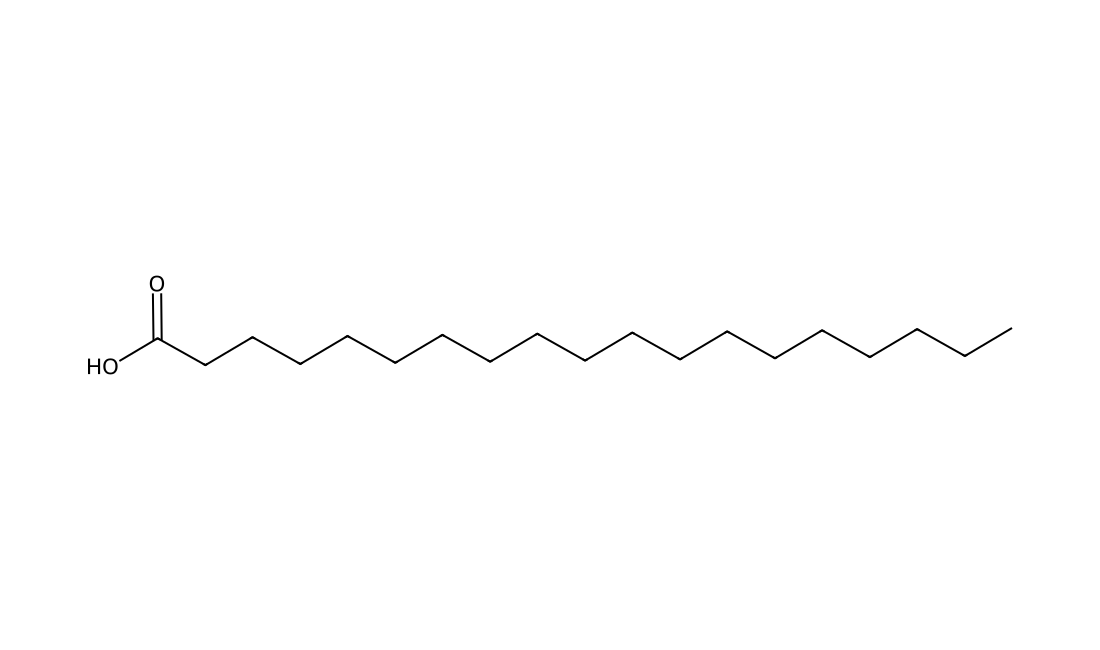
CAS 646-30-0
Nonadecanoic acid is a 19-carbon long saturated fatty acid. Nonadecanoic acid is the major constituent of the substance secreted by Rhinotermes marginalis to defence.
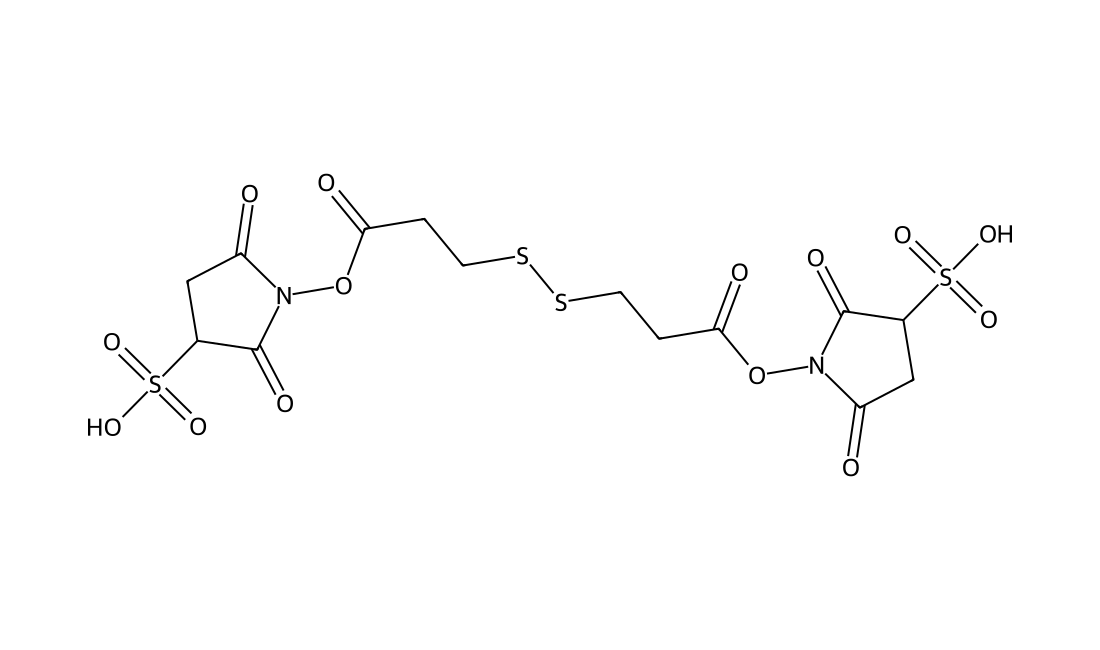
CAS 81069-02-5
DTSSP Crosslinker, or 3,3′-Dithiobissulfosuccinimidylpropionate, is a homobifunctional protein crosslinker that is cell membrane impermeable. DTSSP crosslinker can be used to crosslink extracellular and membrane proteins.
CAS 1360053-81-1
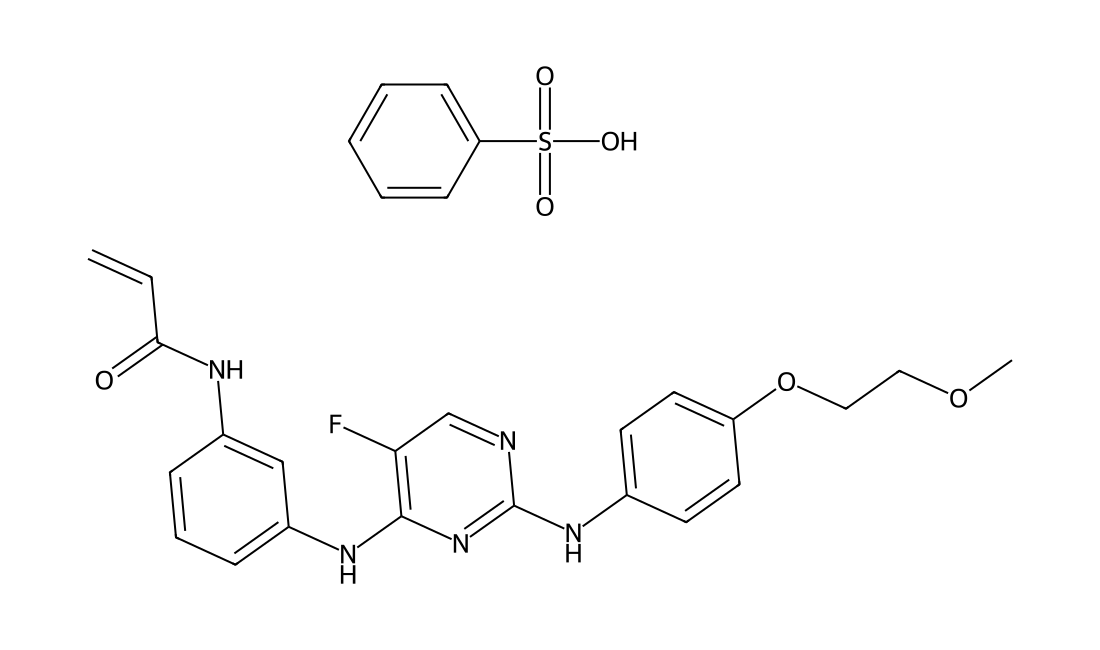
AVL-292 besylate (Spebrutinib, CC-292) is a highly selective, covalent Btk inhibitor with IC50 of <1 nM.
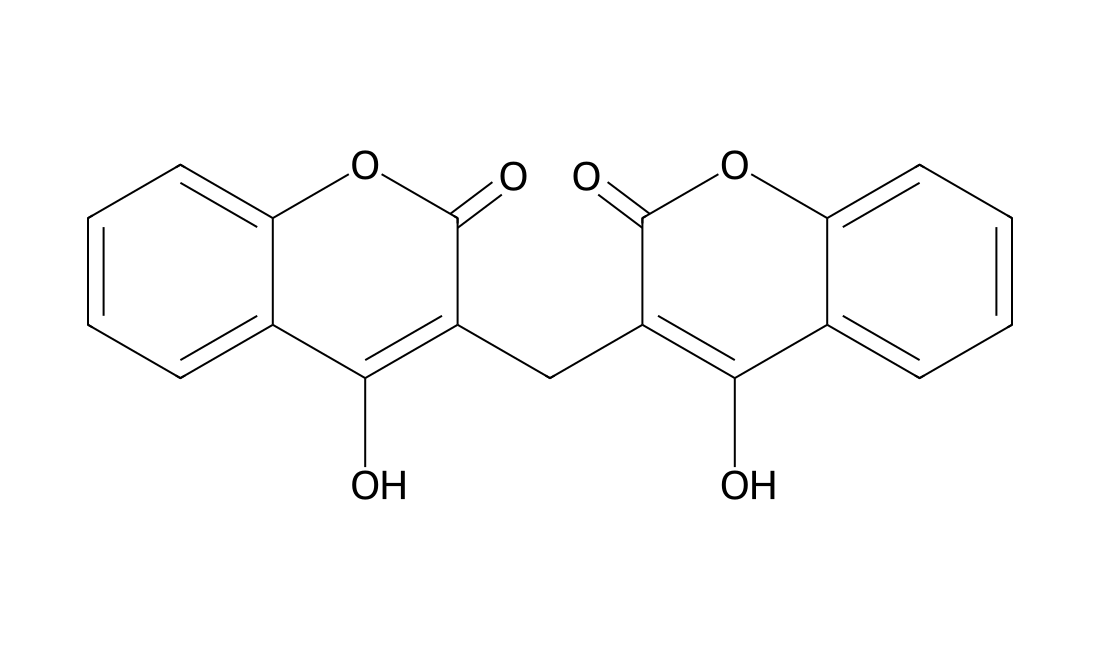
CAS 66-76-2
Dicoumarol (INN) or dicumarol (USAN) is a naturally occurring anticoagulant that functions as a functional vitamin K depleter (similar to warfarin, a drug that dicoumarol inspired). It is also used in biochemical experiments as an inhibitor of reductases. Like all 4-hydroxycoumarin drugs it is a competitive inhibitor of vitamin K epoxide reductase, an enzyme that recycles vitamin K, thus causing depletion of active vitamin K in blood. This prevents the formation of the active form of prothrombin and several other coagulant enzymes. These compounds are not antagonists of Vitamin K directly—as they are in pharmaceutical uses—but rather promote depletion of vitamin K in bodily tissues allowing vitamin K's mechanism of action as a potent medication for dicoumarol toxicity. The mechanism of action of Vitamin K along with the toxicity of dicoumarol are measured with the prothrombin time (PT) blood test. (Source: https://en.wikipedia.org/wiki/Dicoumarol).
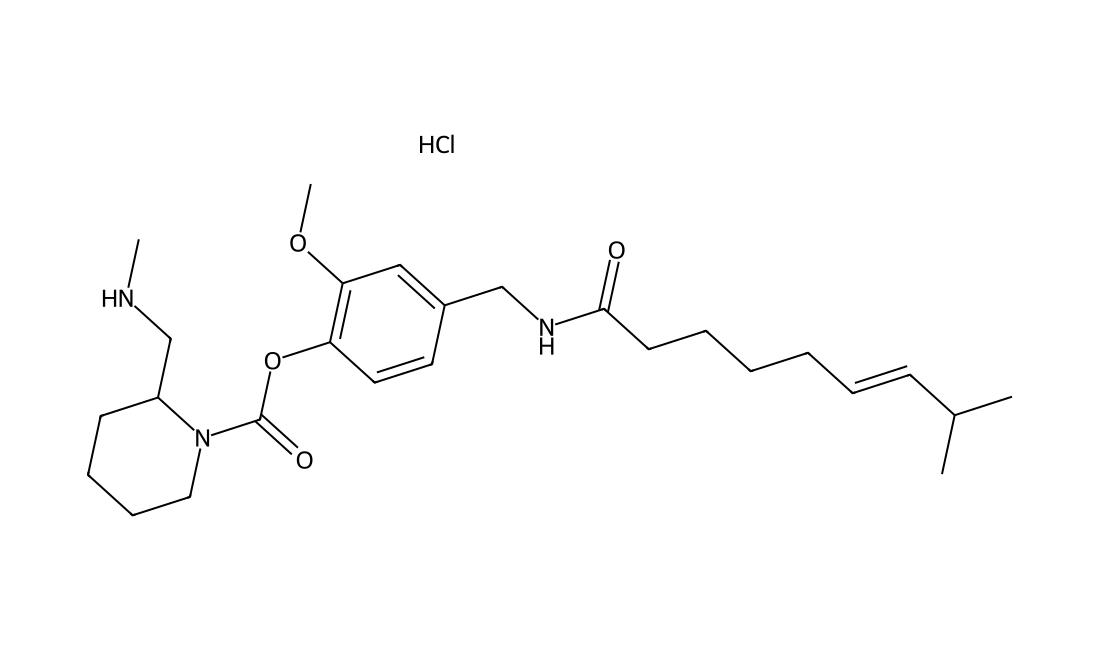
CAS 1931116-92-5
Use of Vocacapsaicin hydrochloride Vocacapsaicin (CA-008) hydrochloride, a prodrug of Capsaicin, is a first-in-class non-opioid TRPV1 agonist. Vocacapsaicin hydrochloride can provide meaningful and long-lasting pain relief.
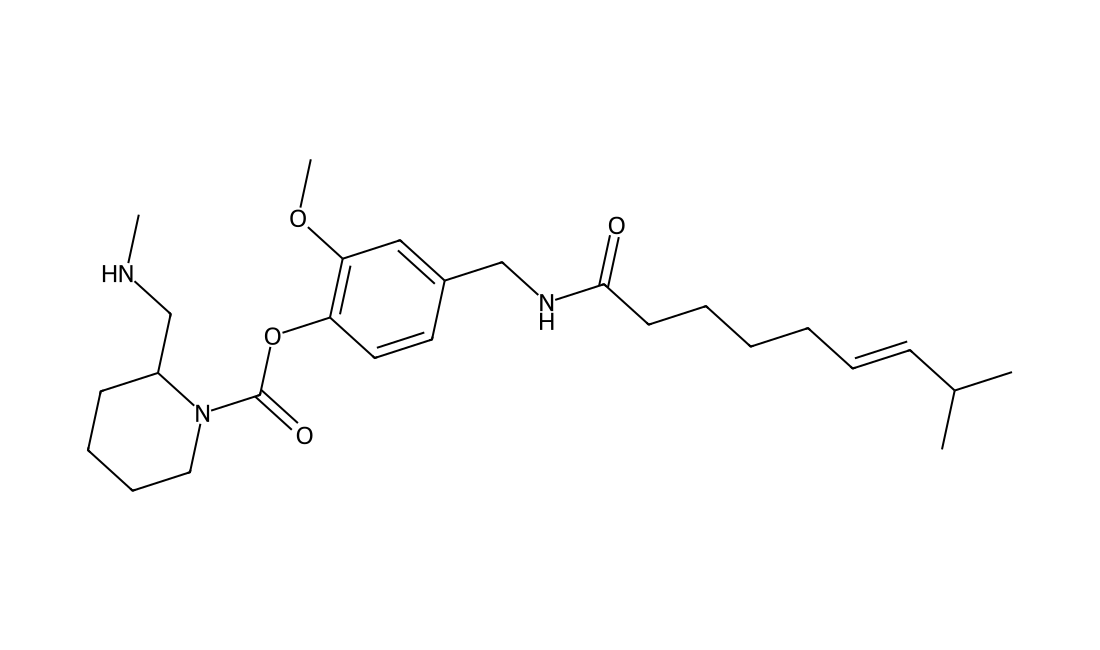
CAS 1931116-86-7
Vocacapsaicin (CA-008), a prodrug of Capsaicin, is a first-in-class non-opioid TRPV1 agonist. Vocacapsaicin can provide meaningful and long-lasting pain relief.
CAS 26944-48-9
Glibornuride is a blocker of adenosine 5'-triphosphate (ATP)-sensitive K+ channels (KATP channels).
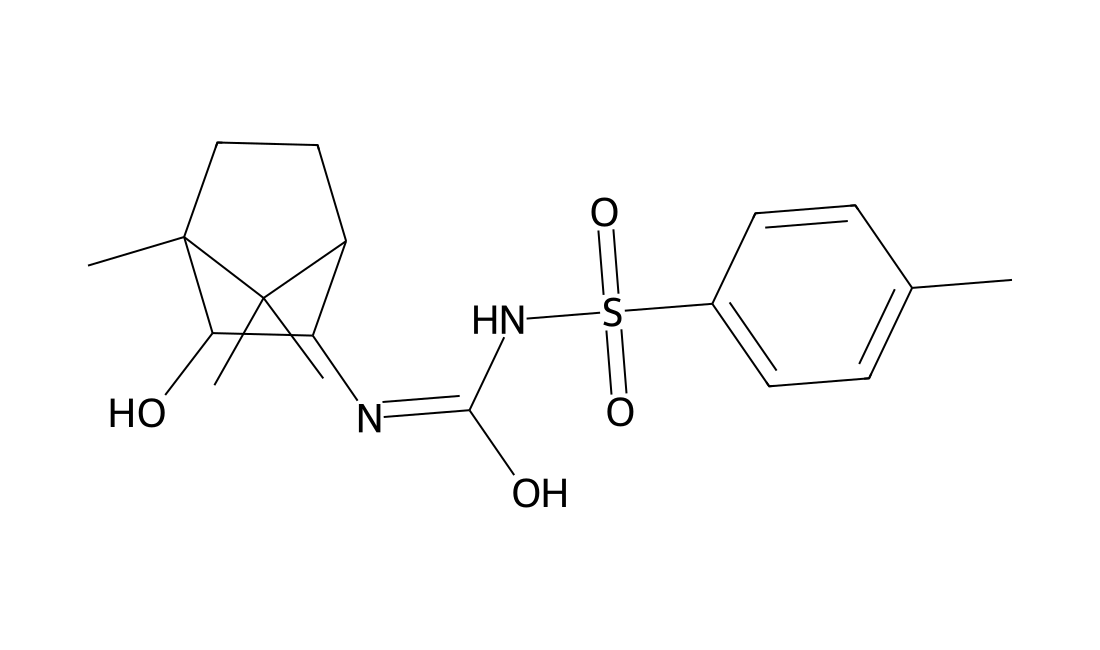
CAS 1198160-14-3
NAV 26 (compound 26) is a selective voltage-gated sodium channel Nav1.7 blocker with an IC50 of 0.37 μM. NAV 26 can be used for pain research.
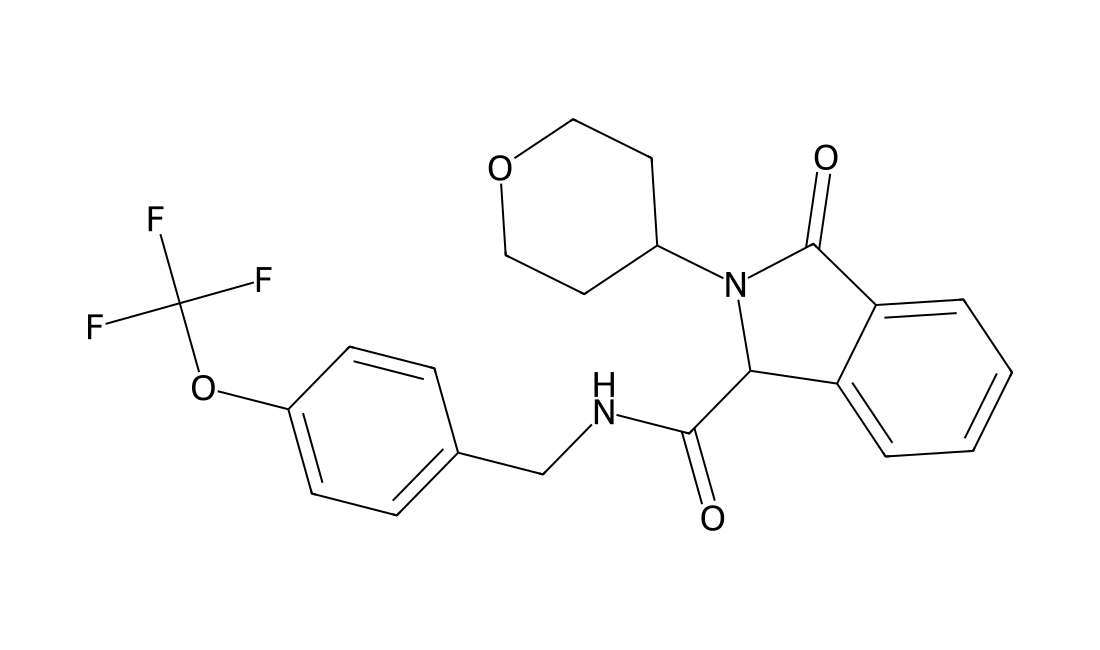
CAS 345893-91-6
SUN B8155, a non-peptide agonist of calcitonin (CT) receptor, selectively mimics the biological actions of calcitonin. Calcitonin, a 32-amino acid peptide hormone secreted mainly from the thyroid gland, plays an important role in maintaining bone homeostasis.
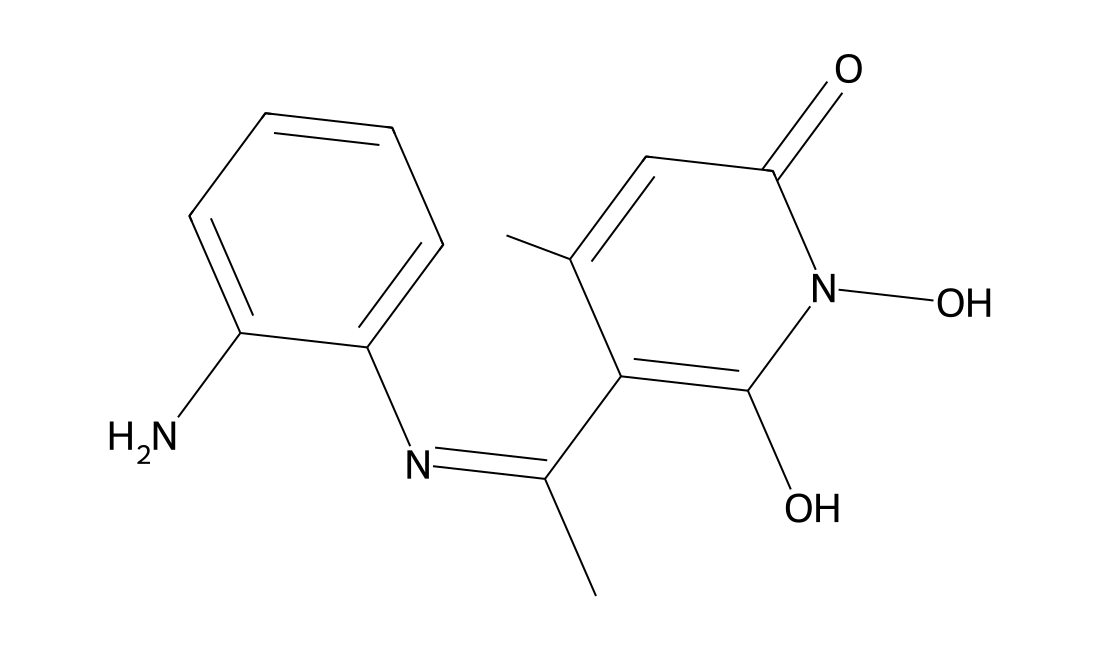
CAS 288150-92-5
SB408124 is a non-peptide antagonist for OX1 receptor with Ki of 57 nM and 27 nM in both whole cell and membrane, respectively; exhibits 50-fold selectivity over OX2 receptor.
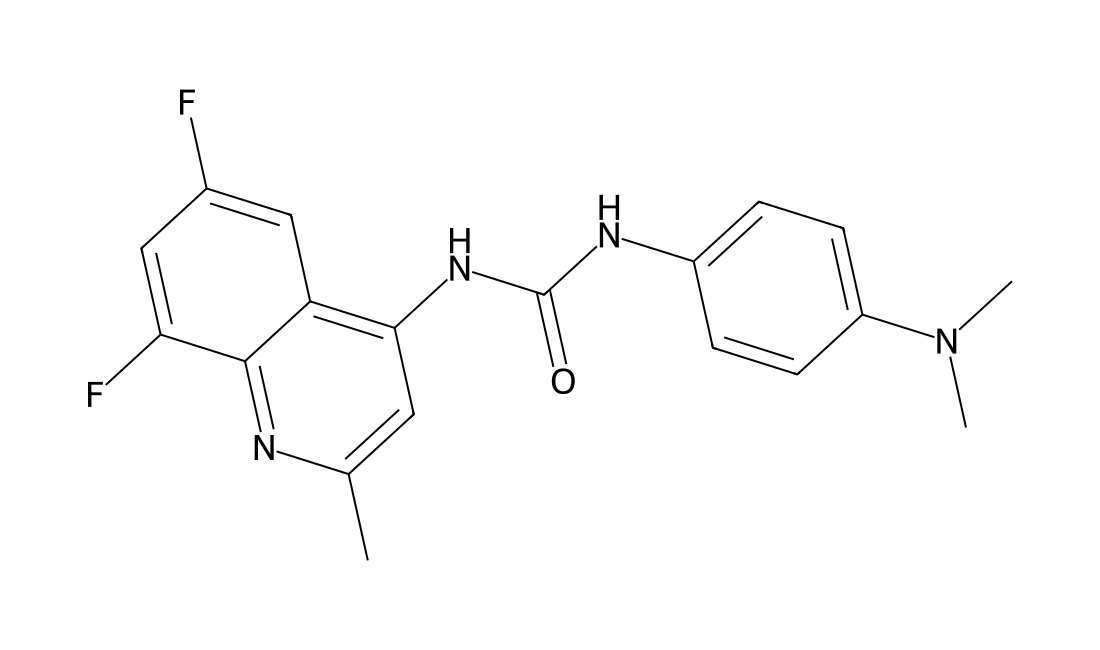
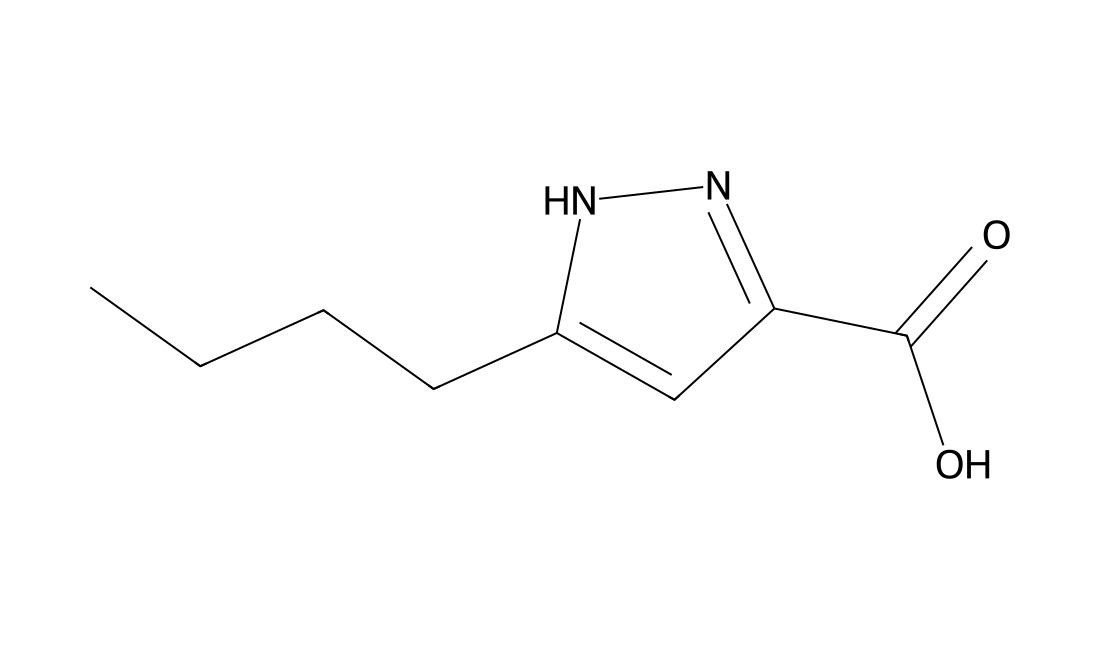
CAS 342595-74-8
Novel inhibitor of chromosomal instability, potentiating MCAK in vivo and transiently suppressing chromosome mis-segregation in CIN cancer cells
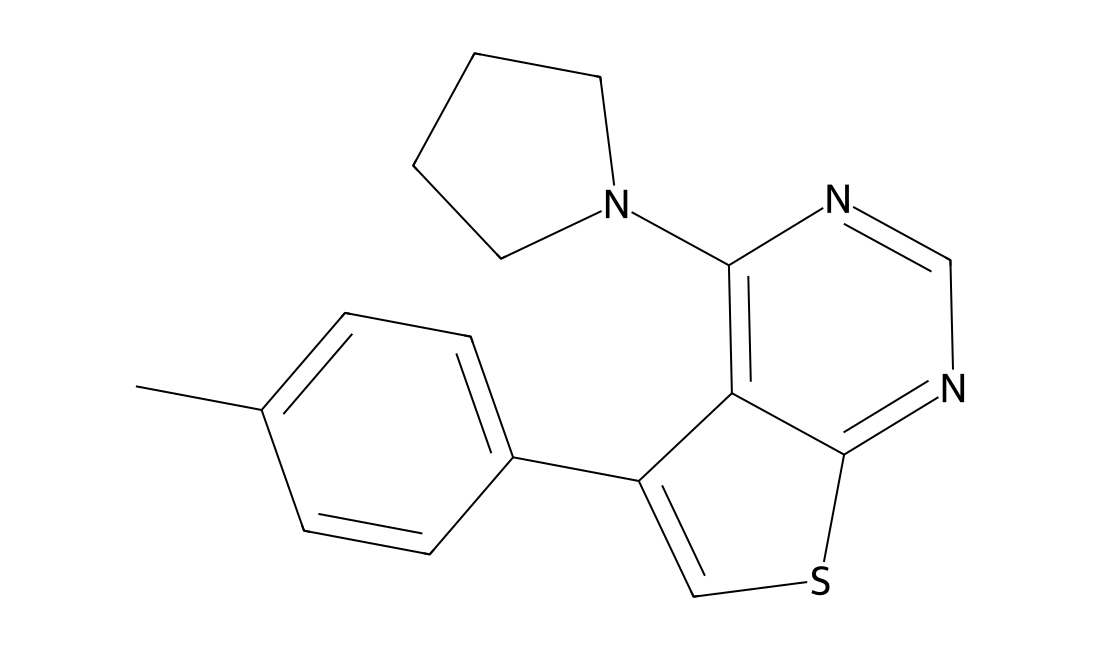
CAS 1211825-25-0
Novel FAK activator, promoting human intestinal epithelial monolayer wound closure and mouse ulcer healing
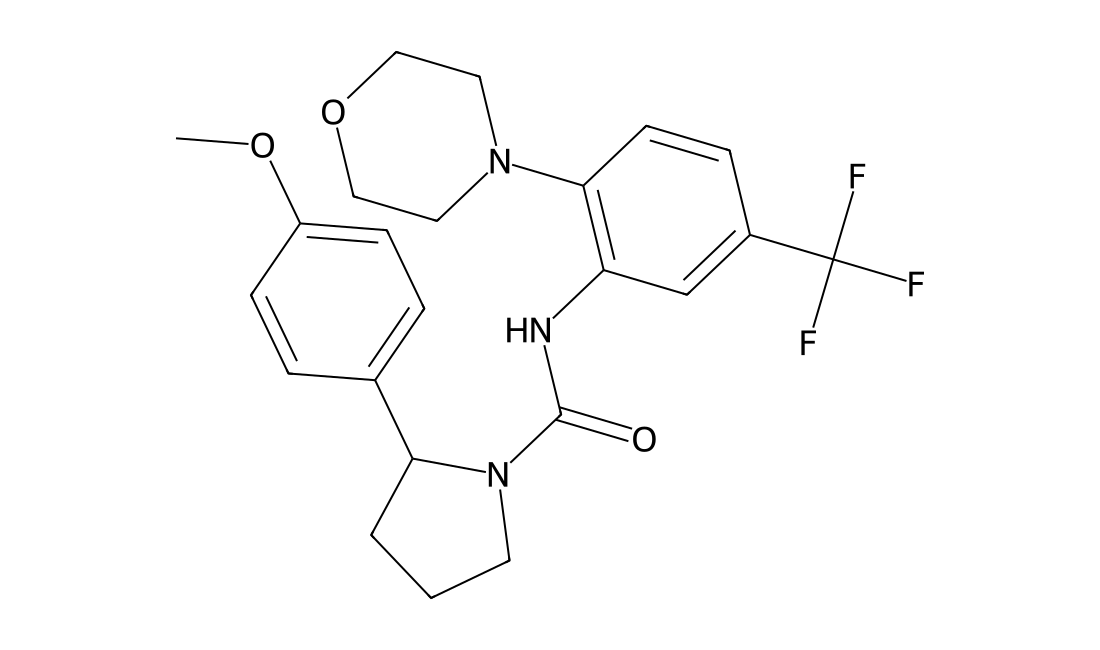
CAS 23062-91-1
PD 102807 is a M4 muscarinic receptor antagonist with an IC50 of 90.7 nM. PD 102807 inhibits M1, M2, M3, M5 muscarinic receptor with IC50s of 6558.7, 3440.7, 950.0, and 7411.7 nM, respectively. Antidyskinetic effect.
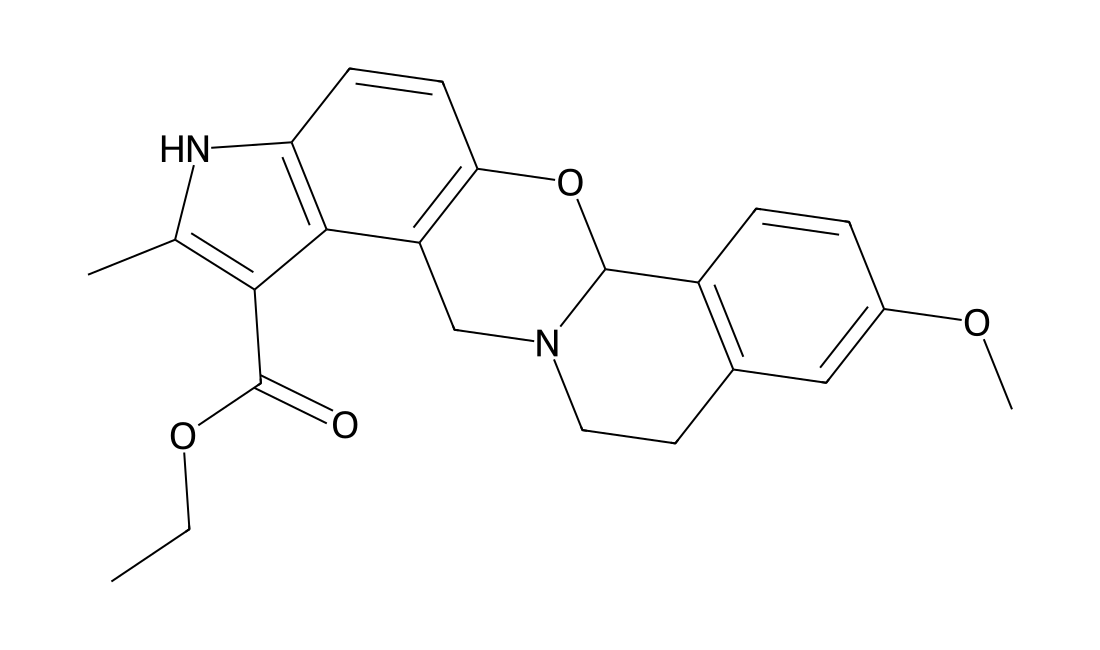
CAS 324579-65-9
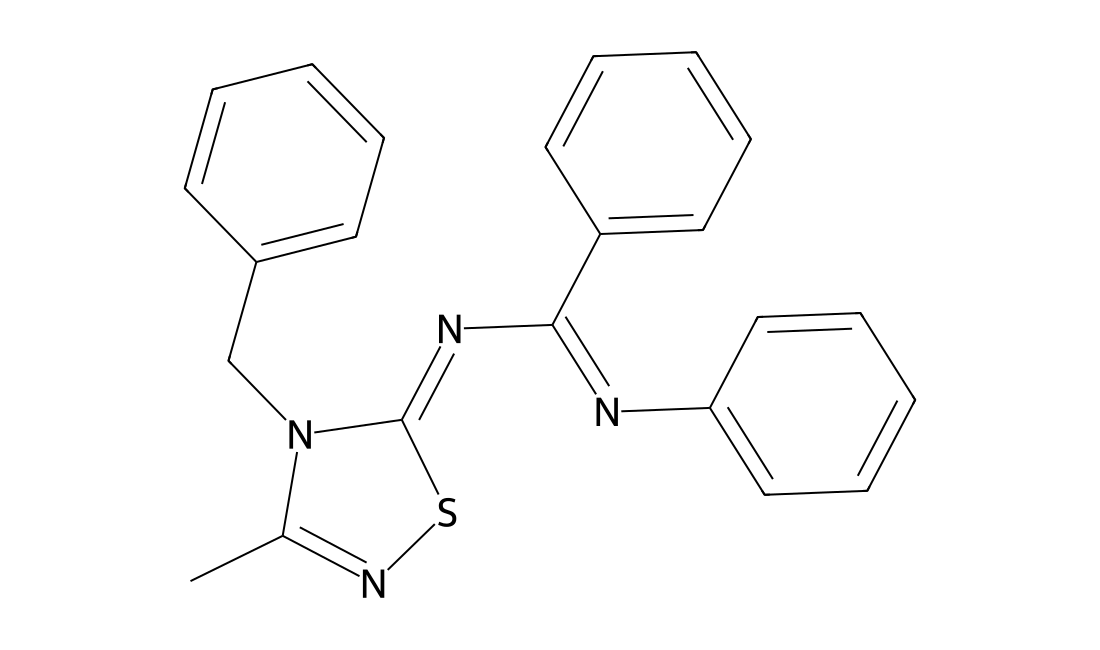
inh-02 (RNF5 inhibitor inh-02) is a novel small molecule inhibitor of E3 ubiquitin ligase RNF5/RMA1.
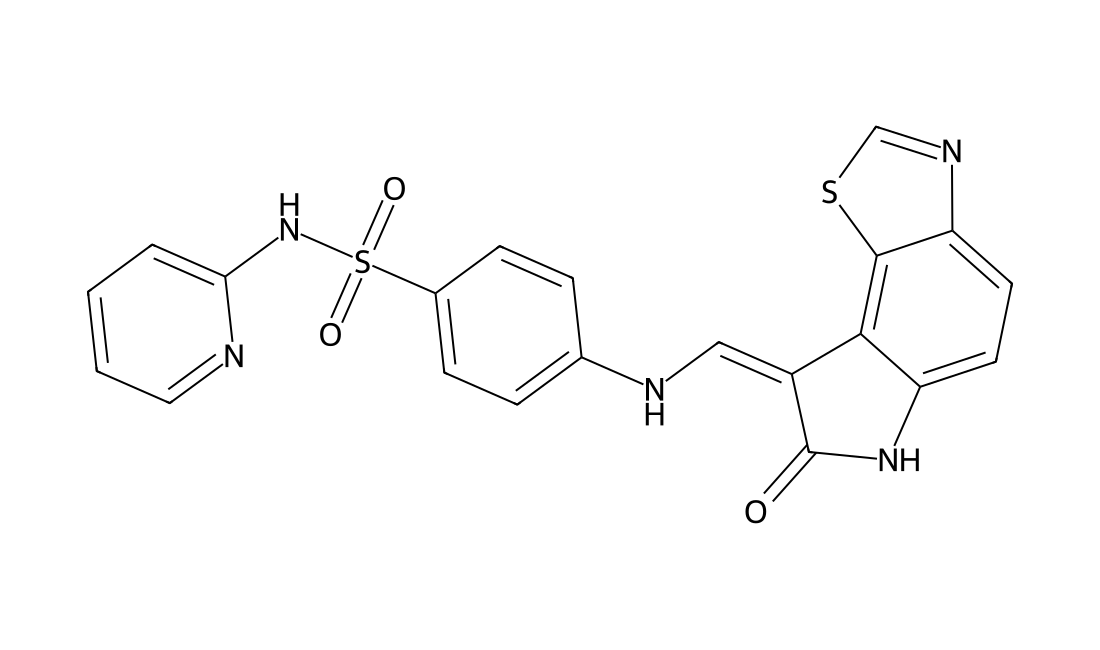
CAS 1354805-08-5
ONO-8430506 is an orally bioavailable and potent autotaxin (ATX)/ENPP2 inhibitor with the IC90 of 100 nM for ATX activity in mouse plasma.
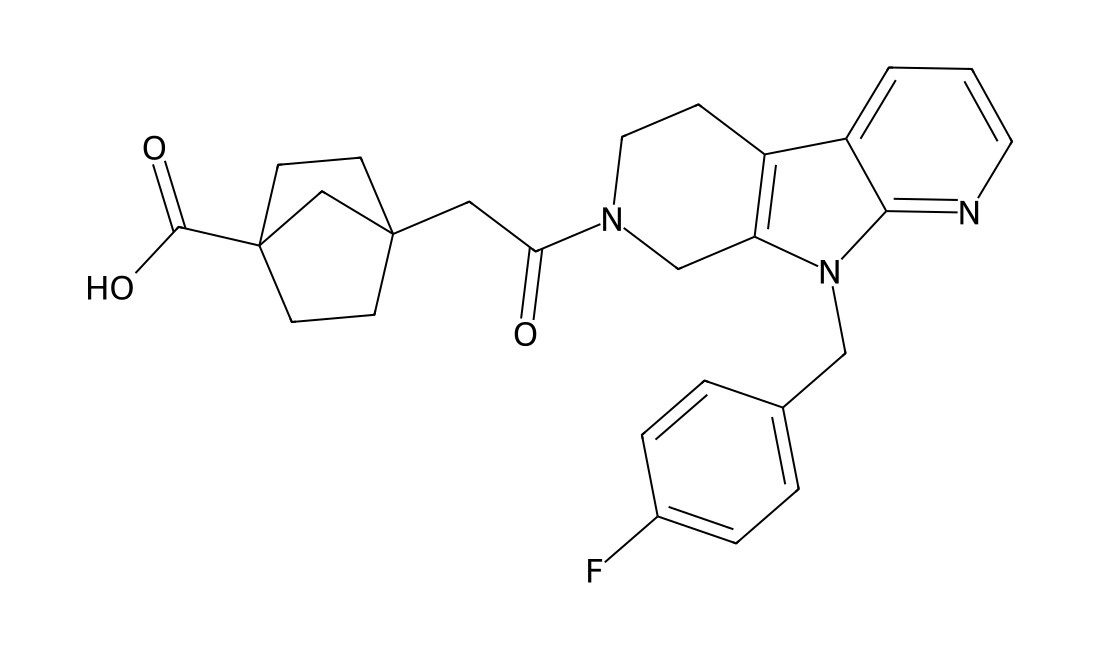
CAS 2032123-28-5
TCRS-417 (T417) is a small molecule compound capable of docking to the interface between PBX1 and its cognate DNA target sequence, effectively interfering with PBX1-DNA interaction. TCRS-417 can be used in the research of cancer, developmental disorders, inflammatory disorders, autoimmune diseases or neurodegenerative diseases.
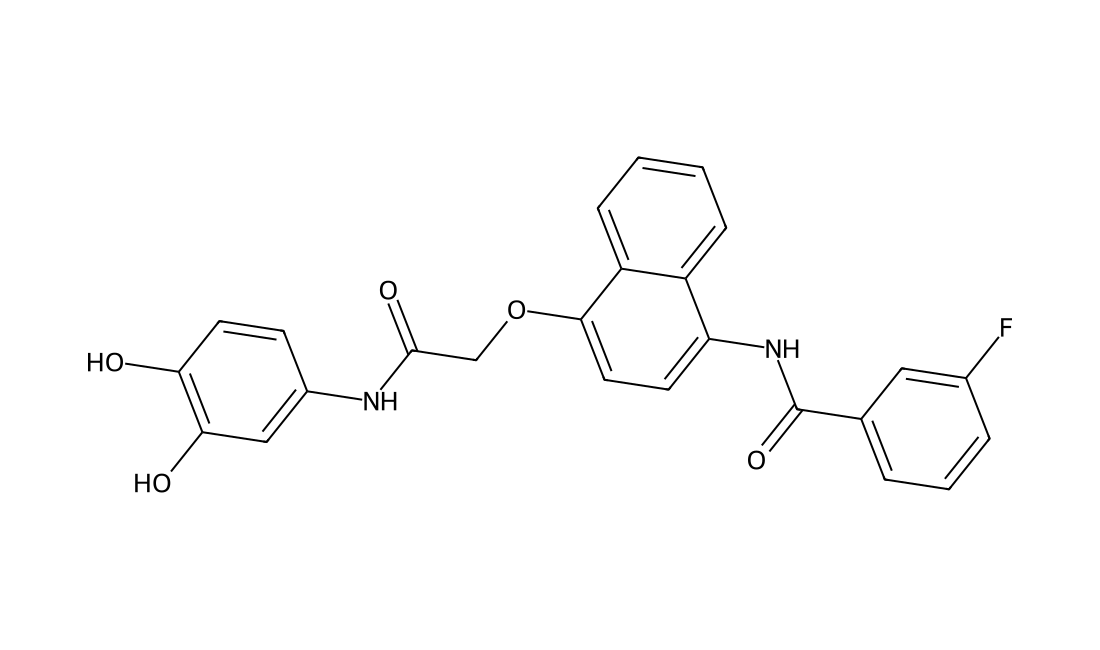
CAS 1688703-26-5
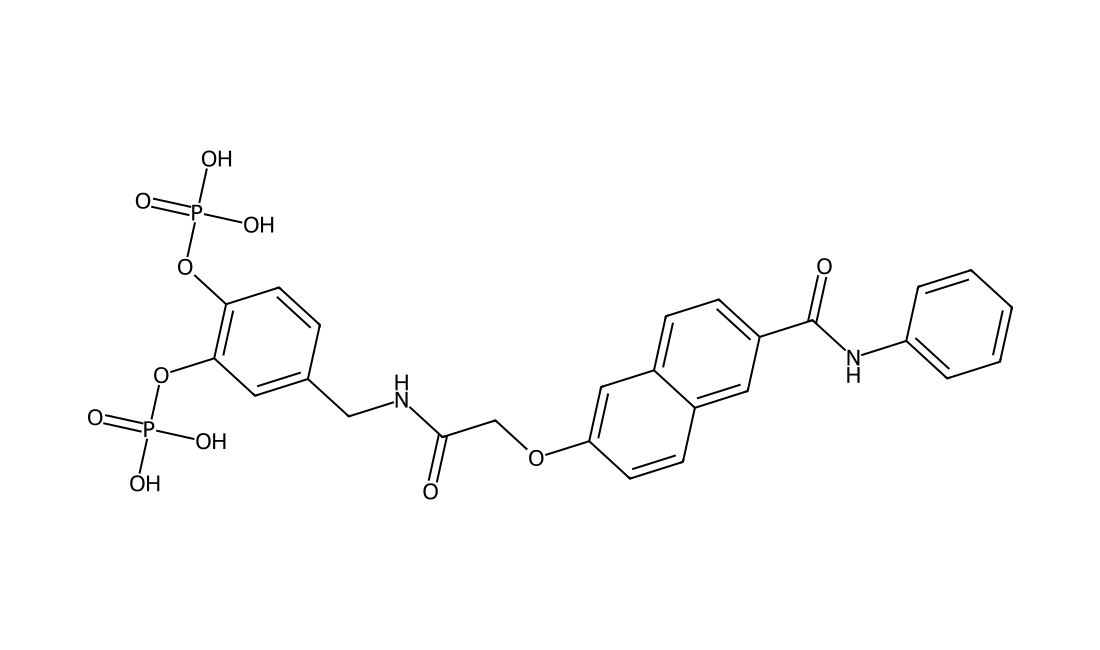
A potent, selective small molecule inhibitor of transcription factor STAT5b with Ki of 44 nM, >50-fold selectivity over STAT5a..
CAS 2304465-89-0
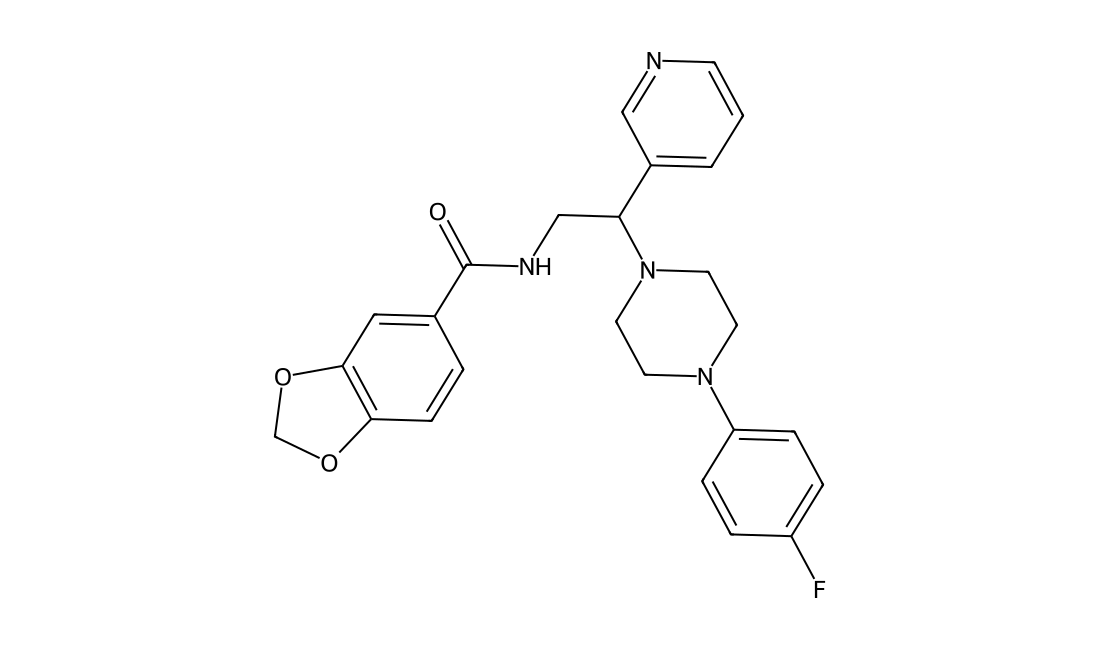
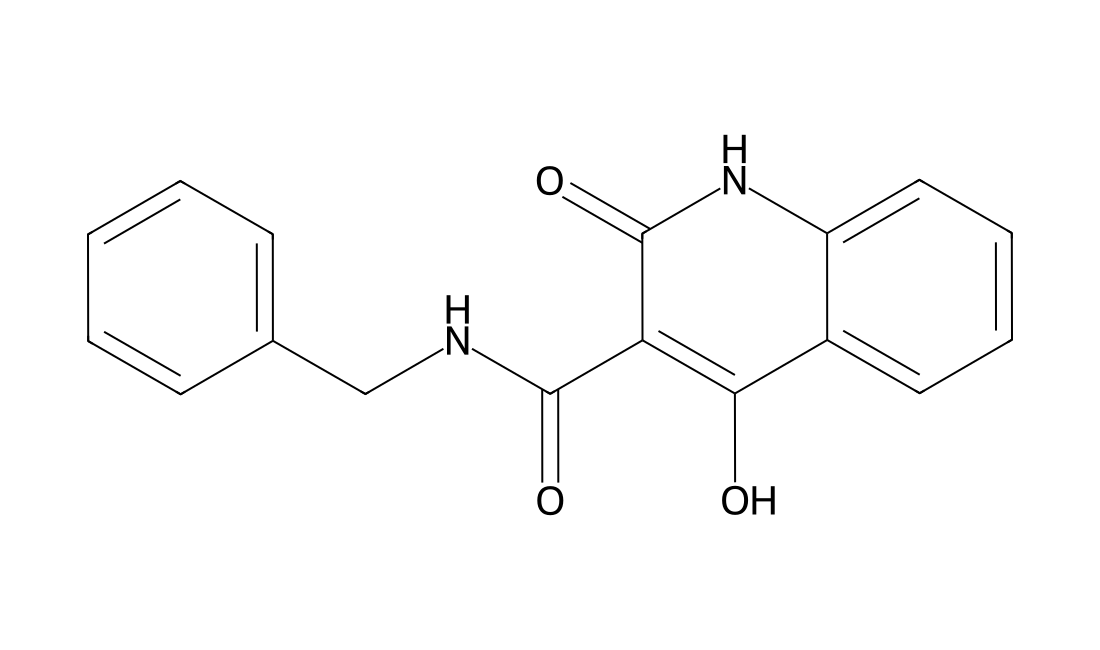
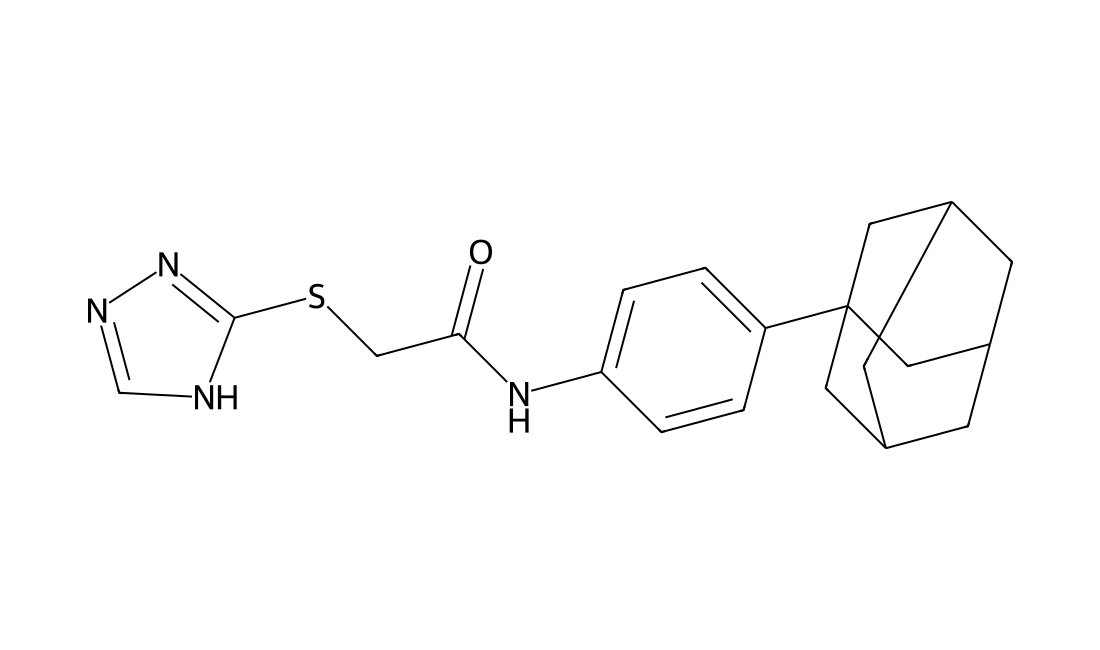
F5446 is a SUV39H1 inhibitor. F5446 has an EC50 of 0.496 μmol/L for SUV39H1 enzymatic activity. H3K9me3 was enriched in the promoters of GZMB, PRF1, FASLG, and IFNG in quiescent T cells. F5446 inhibited H3K9me3, thereby upregulating expression of these effectors in tumor-infiltrating CTLs and suppressing colon carcinoma growth in a CD8+ CTL-dependent manner in vivo. Our data indicate that SUV39H1 represses CTL effector gene expression and, in doing so, confers colon cancer immune escape.
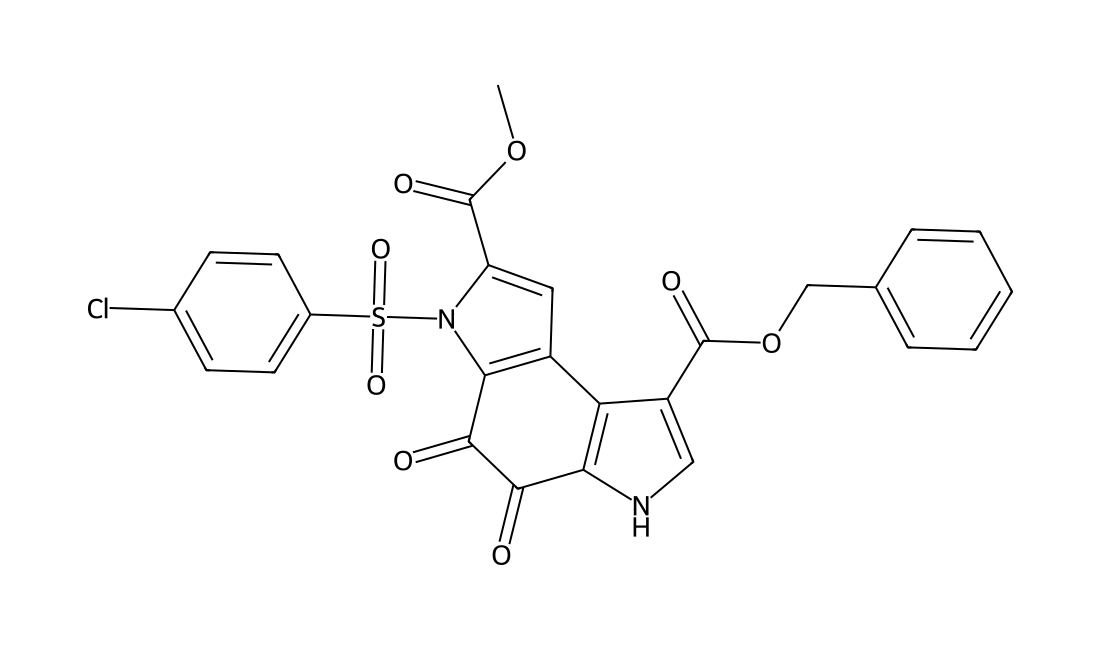
CAS 2413939-89-4
BTT-266 (BTT266) is a voltage-gated CaV2.2 calcium channel inhibitor that disrupts the CaVα·CaVβ3 protein-protein interaction, directly binds to CaVβ3 with Kd of 3.6 uM.
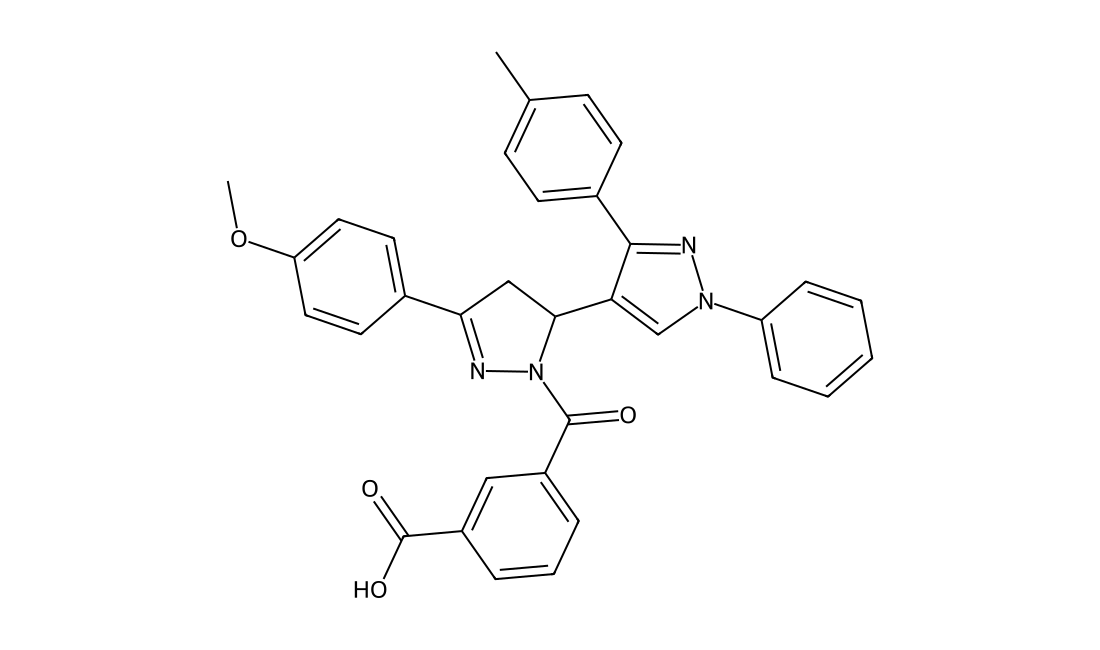
CAS 531-46-4
ML090 (ML-090, CCG-44699, Fluoflavin, NSC 179821) is a potent, selecitve inhibitor of NADPH oxidase 1 (NOX1) with IC50 of 90 nM, displays no significant activities against NOX2, 3 and 4 (IC50>10 uM)..
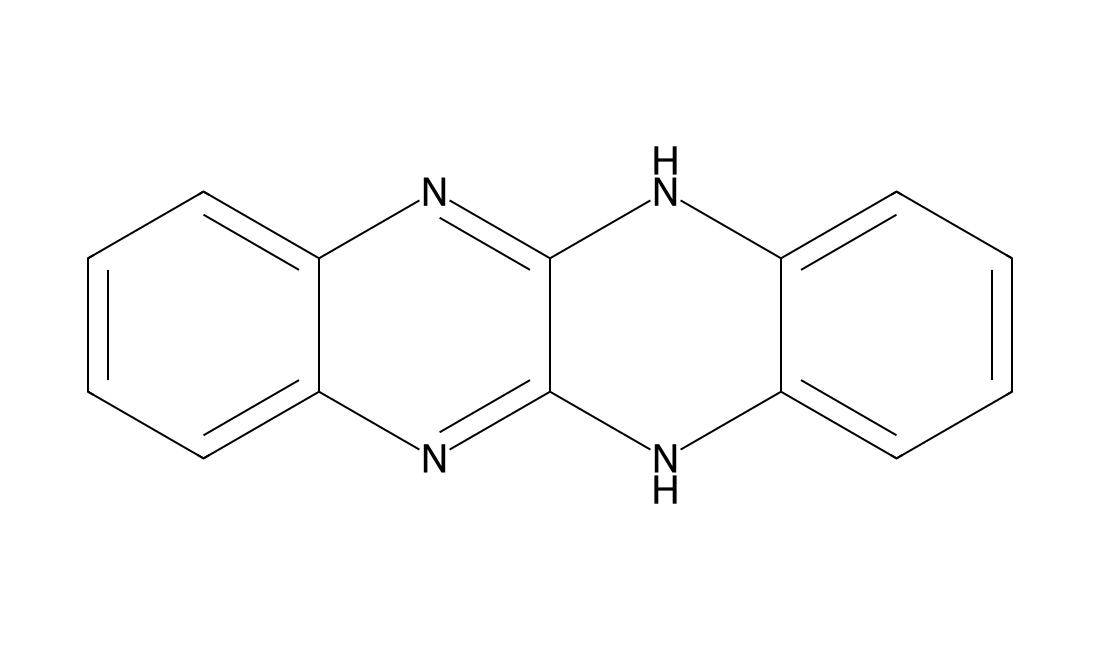
CAS 1332175-56-0
Novel TDP-43 ligand, binding to TDP-43's RRM1 and RRM2 domains, partially disrupting TDP-43's interaction with the hexanucleotide RNA repeat of the disease-linked c9orf72 gene, improving larval turning, an assay measuring neuromuscular coordination and st
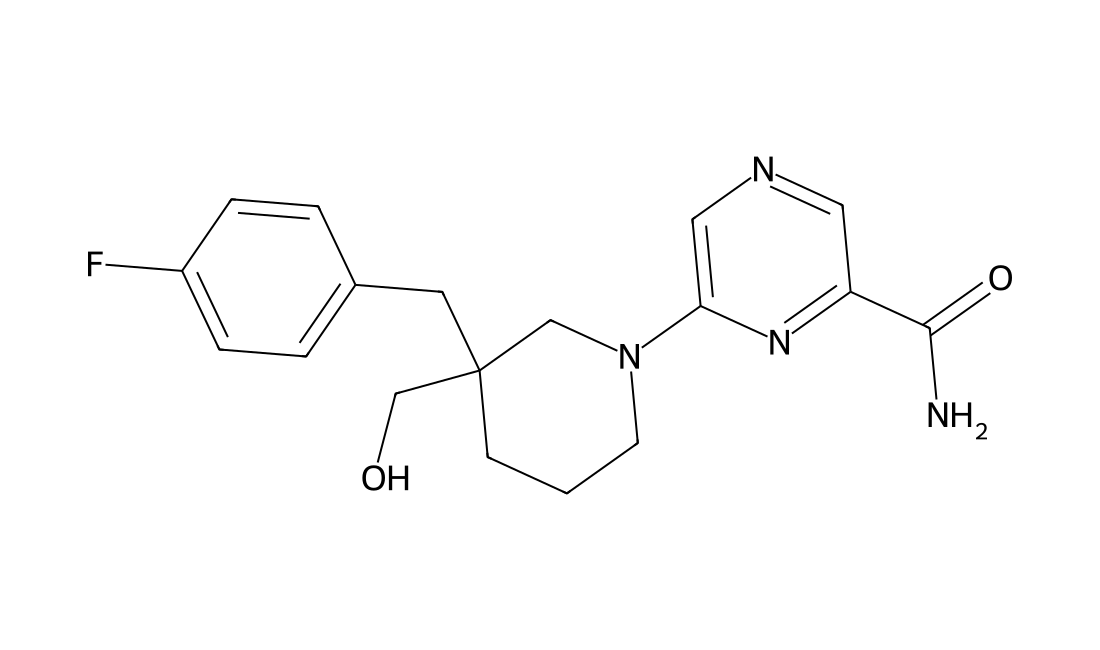
CAS 1415251-36-3
WJ460 is one of the lead compounds exerting anti-metastatic activity in the nanomolar range in breast cancer cells.
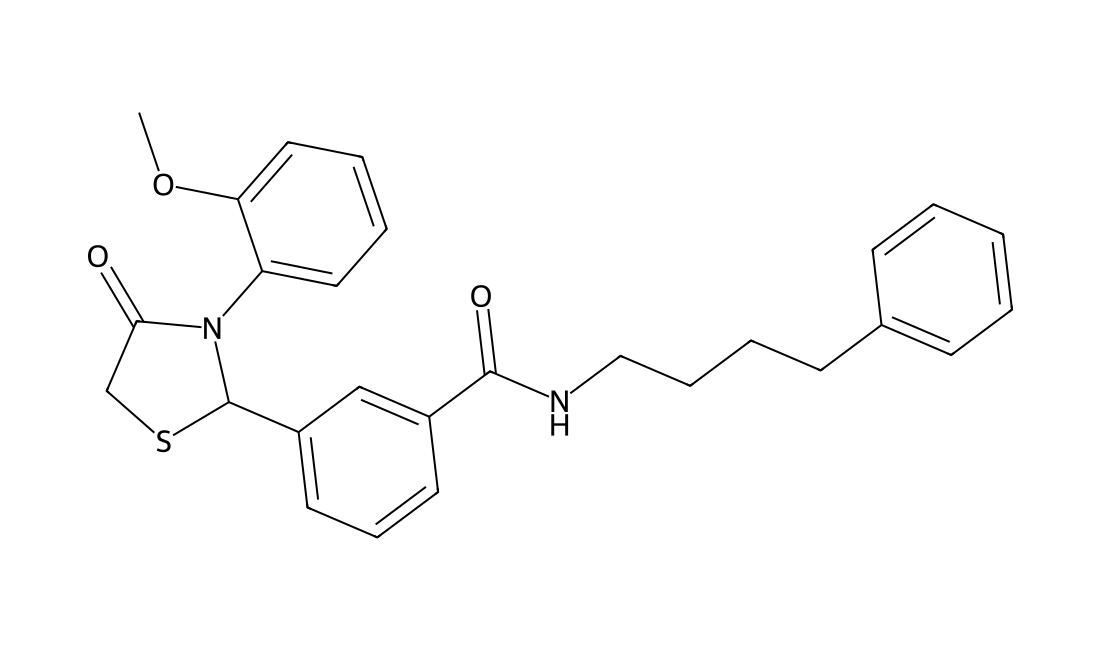
CAS 2764850-23-7
LMTK3-IN-1 (compound C28) is an ATP-competitive inhibitor of lemur tyrosine kinase 3 (LMTK3) (Kd=2.5 μM),that acts by degrading LMTK3 via the ubiquitin-proteasome pathway. LMTK3-IN-1 shows anticancer activity in a variety of cancer cell lines and in vivo BC mouse models. LMTK3-IN-1 induces apoptosis in BC cell lines at 10-20 μM.
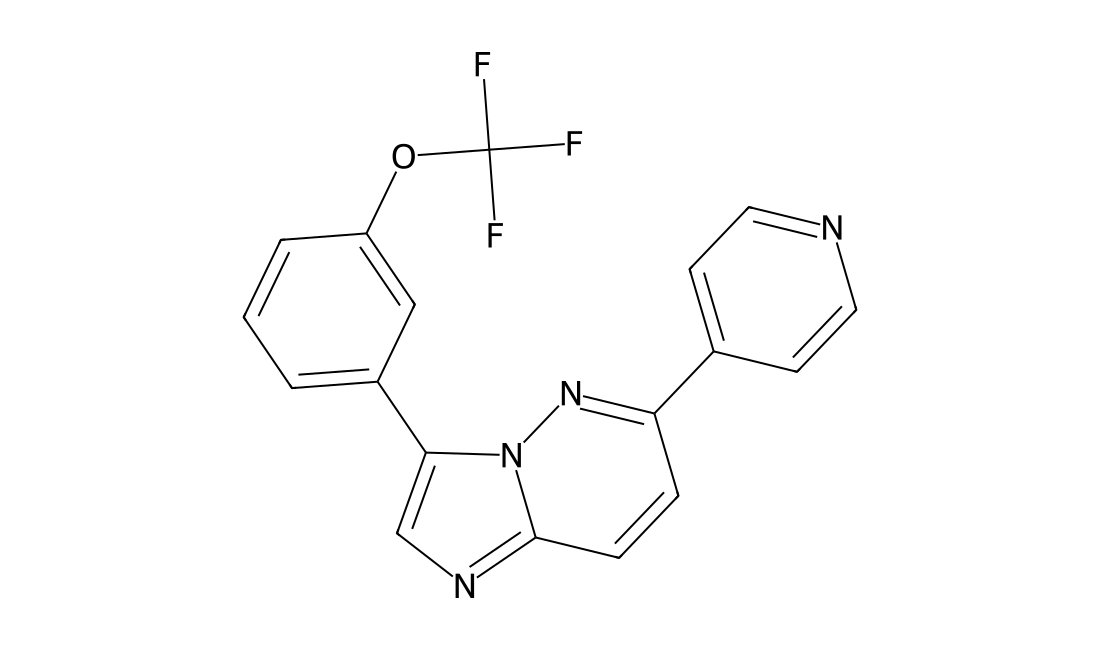
CAS 2285432-57-5
SLU-PP-1072 is a novel Selective ERRα/γ Inverse Agonist, Inhibiting the Warburg Effect and Inducing Apoptosis in Prostate Cancer Cells.
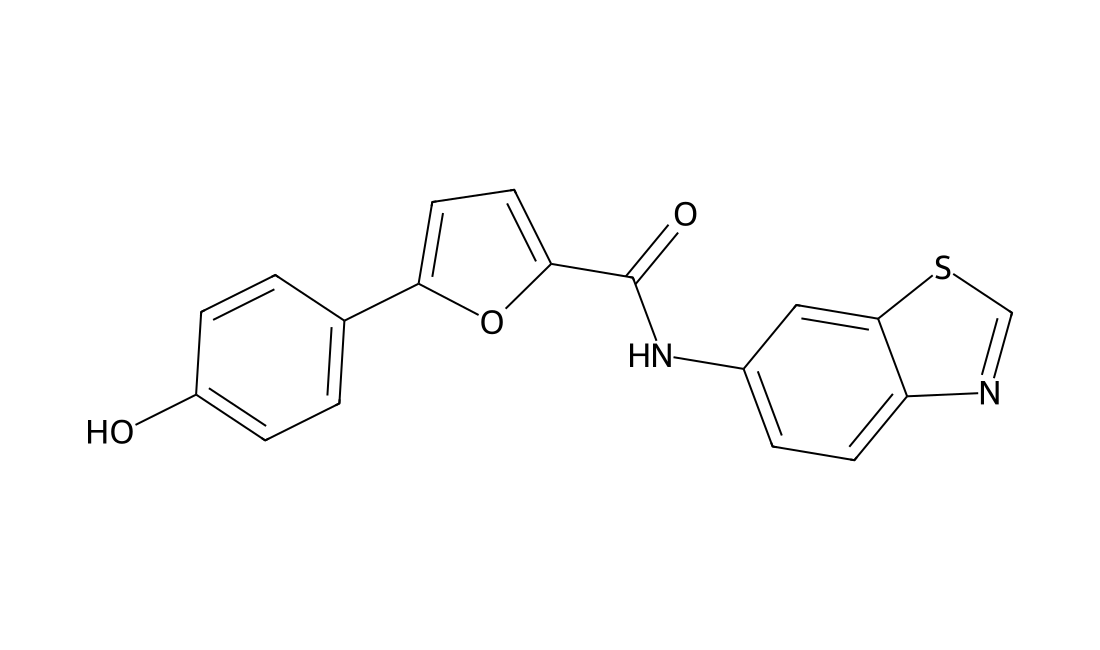
CAS 2241237-51-2
SRX3177 is a potent, triple BRD4/PI3K/CDK4/6 inhibitor with nanomolar potency against PI3Kα (IC50=79 nM), BRD4 bromodomains (BD1 and BD2) (IC50=33 nM and 89 nM, respectively), and CDK4/6 (IC50=2.5/3.3 nM).SRX3177 is capable of targeting BRD4, PI3K and CDK4/6 simultaneously, induces apoptosis and cell cycle arrest and has in vitro efficacy in mantle cell lymphoma, hepatocellular carcinoma and neuroblastoma models.SRX3177 has antitumor efficacy in in vivo xenograft models and is less toxic than the combination of agents that inhibit individual targets.
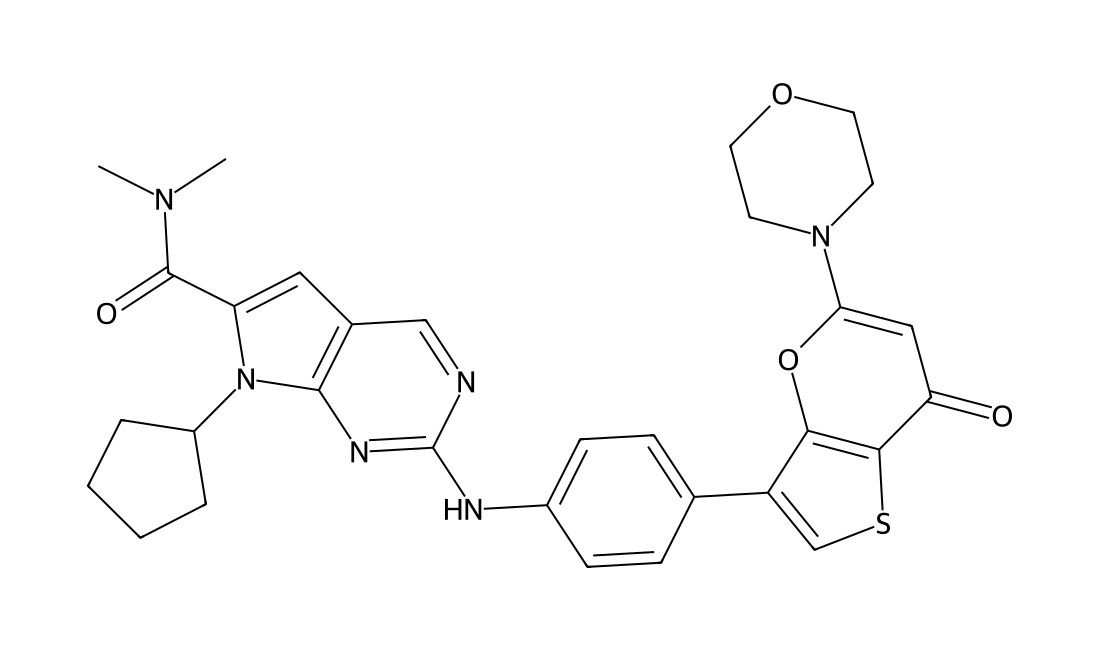
CAS 1208448-95-6
MIF098 is a macrophage migration inhibitory factor (MIF) antagonist. MIF098 inhibits proliferation, migration and fibrosis of pulmonary smooth muscle cells. MIF098 can be used for immunoinflammation-related disease research.
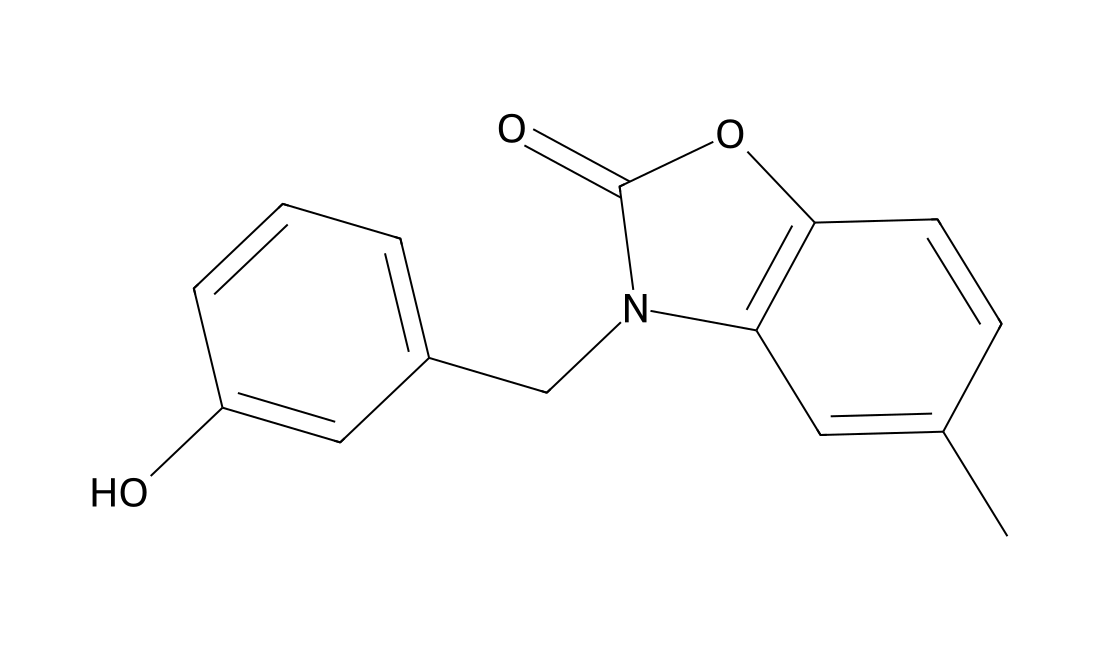
CAS 869853-70-3
Selective inhibitor of NADPH oxidase activity in low micromolar concentrations, interfering neither with ROS detection nor with XOD or eNOS activities
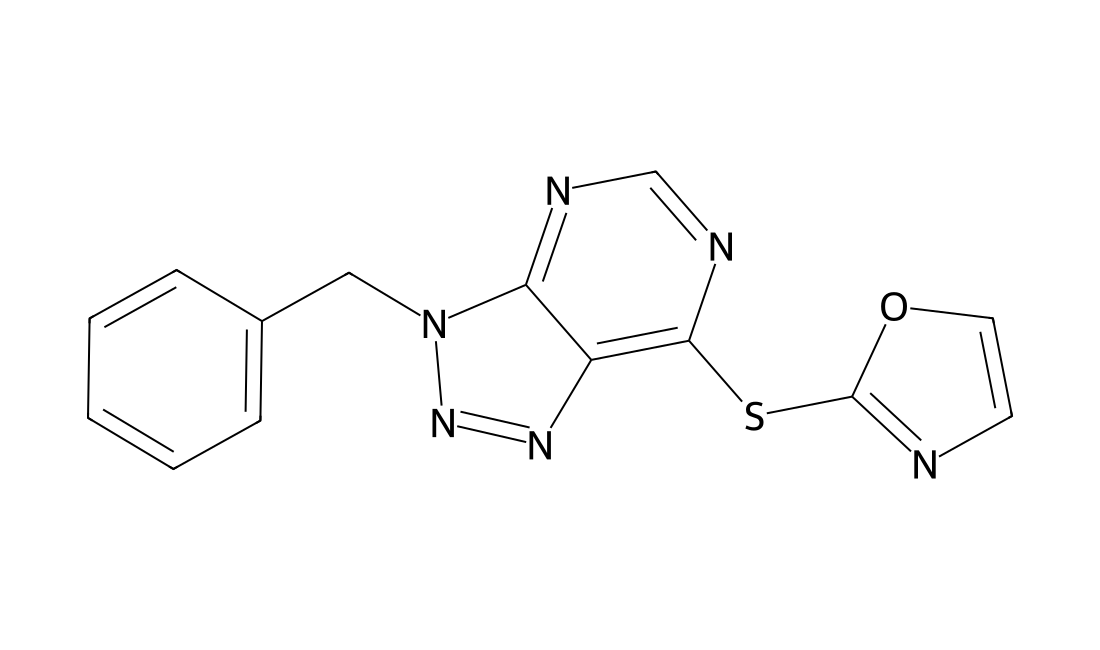
CAS 182316-44-5
Cyclotriazadisulfonamide (CADA) is a specific CD4-targeted HIV entry inhibitors. Cyclotriazadisulfonamide (CADA) inhibits the co-translational translocation of human CD4 (huCD4) into the ER lumen in a signal peptide (SP)-dependent way.
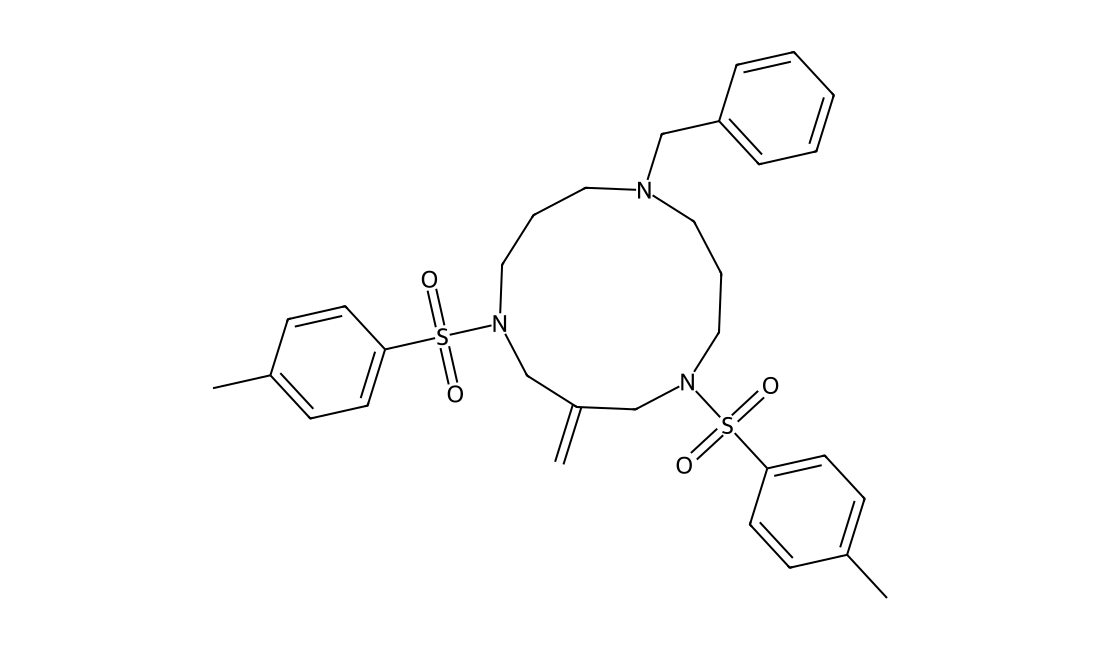
CAS 902903-59-7
MCU-i11 is a novel negative modulator of the MCU, binding MICU1 and impairing muscle cell growth.
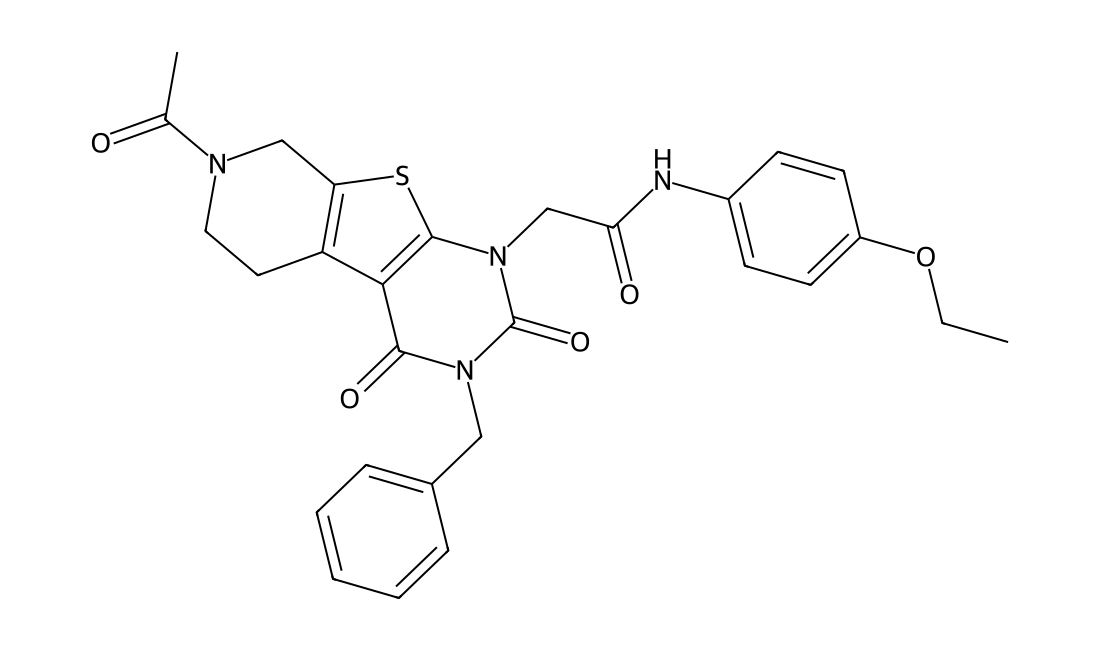
CAS 1518800-35-5
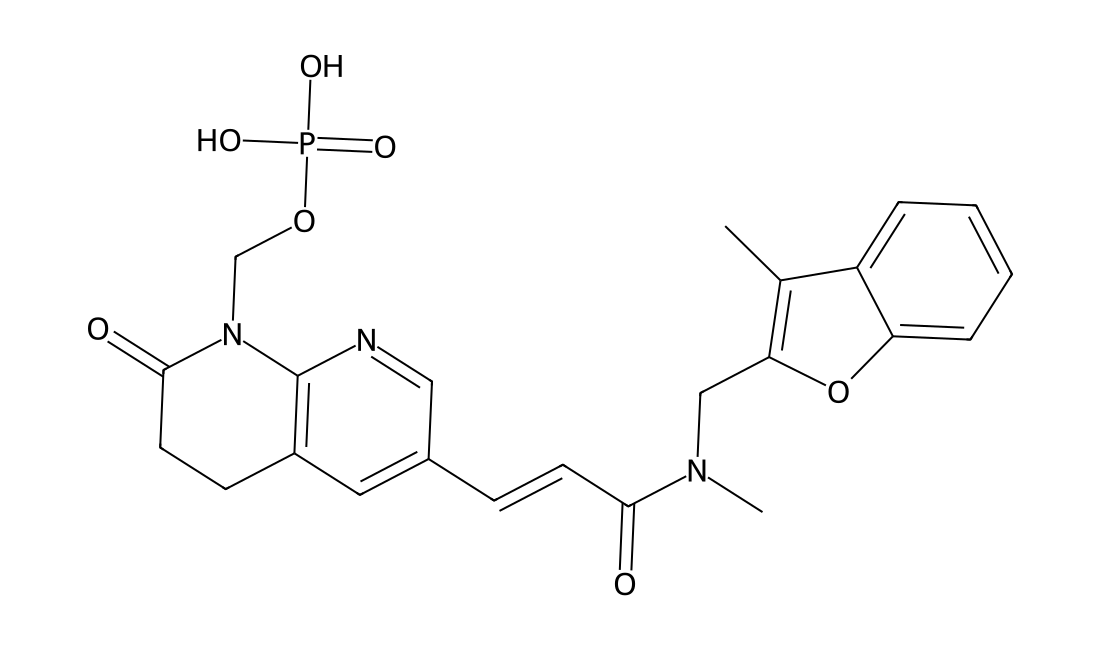
Afabicin (formerly Debio 1450, AFN-1720) is a prodrug of afabicin desphosphono, an enoyl-acyl carrier protein reductase (FabI) inhibitor, and is a first-in-class antibiotic with a novel mode of action to specifically target fatty acid synthesis in Staphylococcus spp.
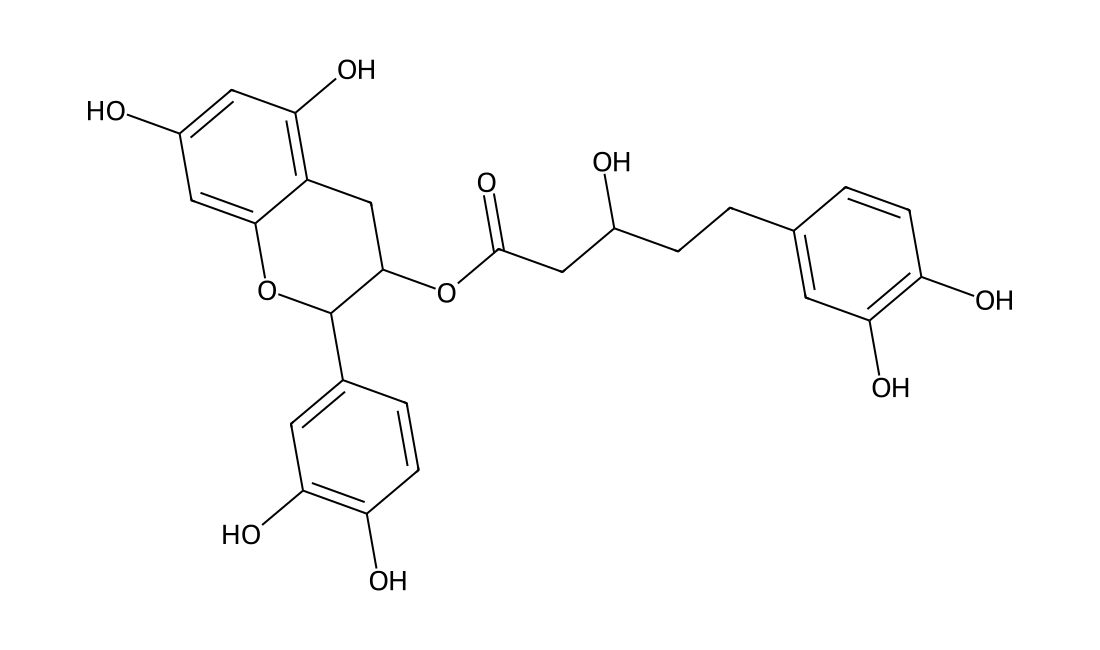
CAS 98570-83-3
Phylloflavan is an antileishmanial agent with an intracellular EC50 of 3.2 nM in RAW 264.7 cells. Phylloflavan also inhibits the cytopathic effect of encephalomyocarditis virus on L929 fibroblast cells (38 U/mL).
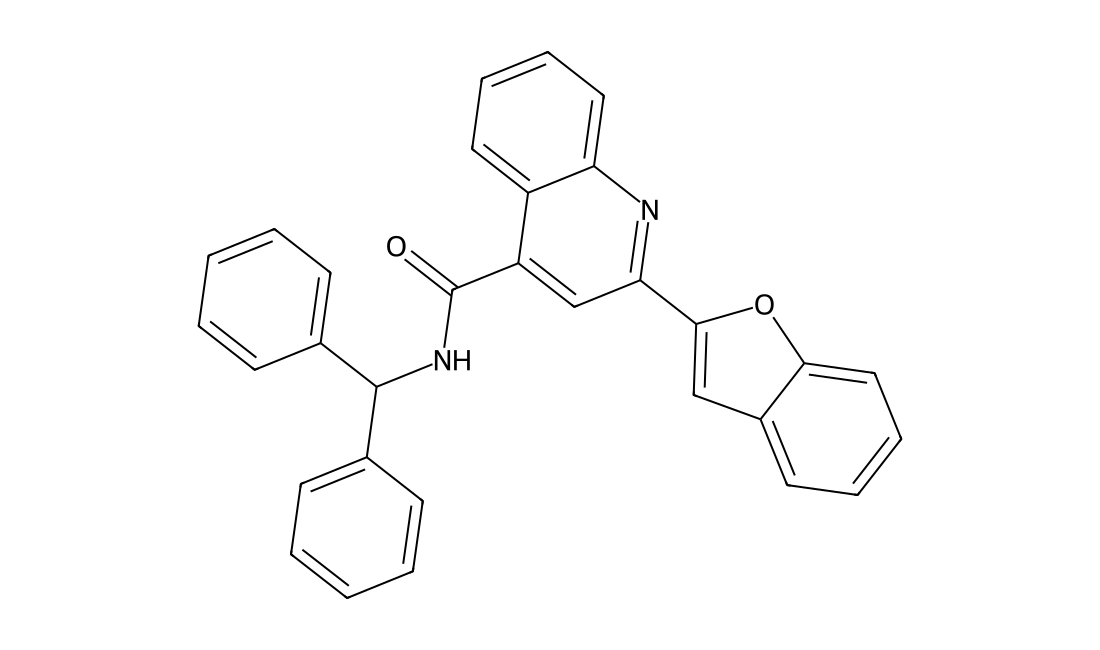
CAS 2601734-99-8
Novel SIRT6 activator, significantly inhibiting the proliferation and migration of pancreatic ductal adenocarcinoma (PDAC) cells in vitro and markedly suppressing the tumor growth in a PDAC tumor xenograft model
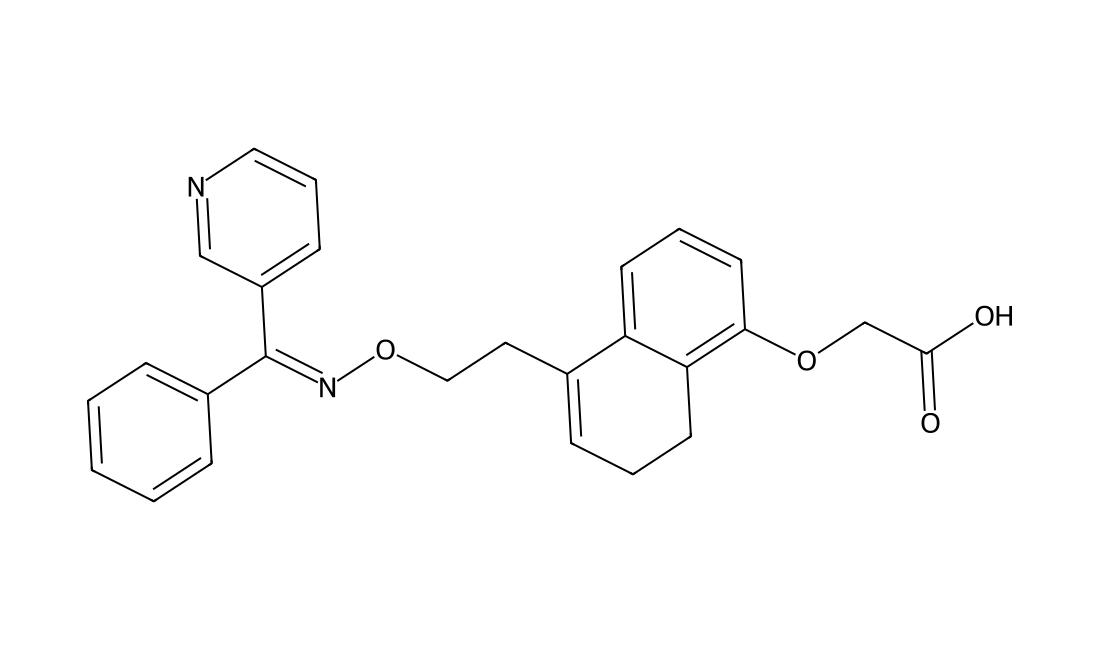
CAS 176391-41-6
A stable, orally active, non-prostanoid prostacyclin I2 (PGI2) mimetic and prostacyclin agonist with inhibitory activity against thromboxane A2 synthase.
CAS 404828-14-4
GSK-3 Inhibitor XIII is a potent and ATP-competitive GSK-3 inhibitor with a Ki of 24 nM.
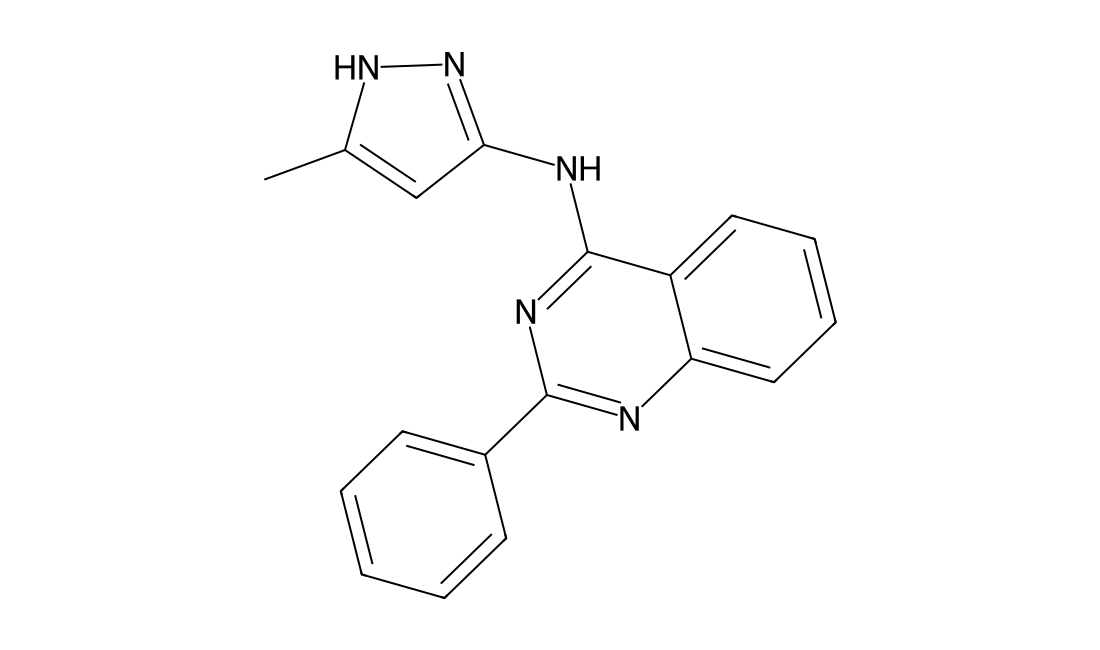
CAS 917773-99-0
GAPDS is a small molecule that targets the glycolytic enzyme glyceraldehyde 3-phosphate dehydrogenase (GAPDH).
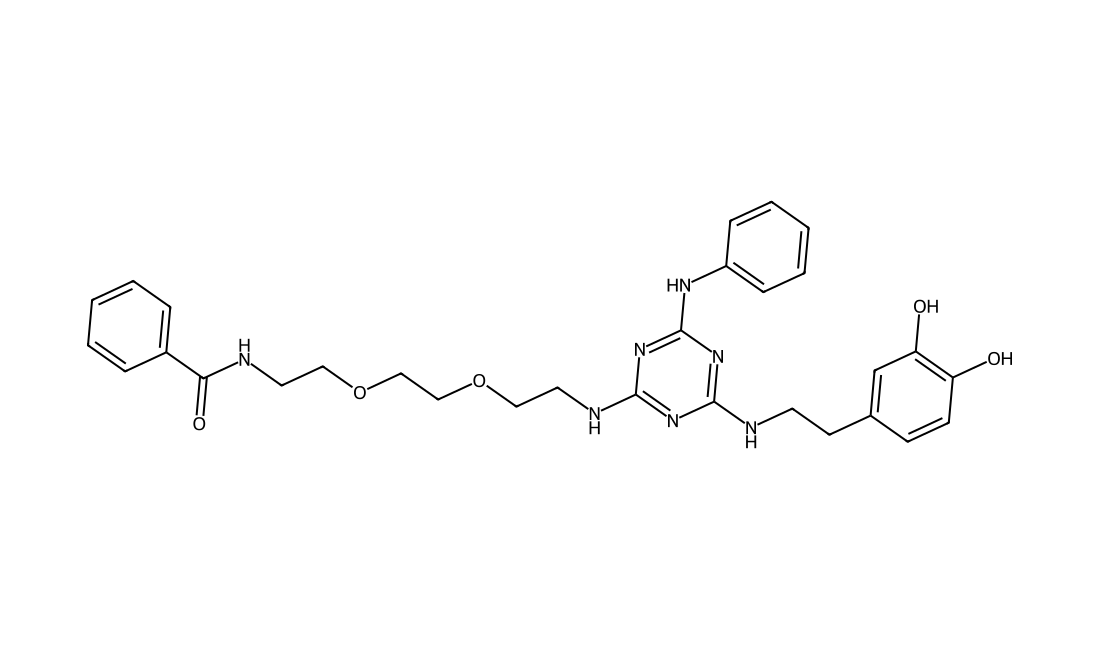
CAS 82159-09-9
Epalrestat is an orally active aldose reductase inhibitor that acts on diabetic neuropathy.
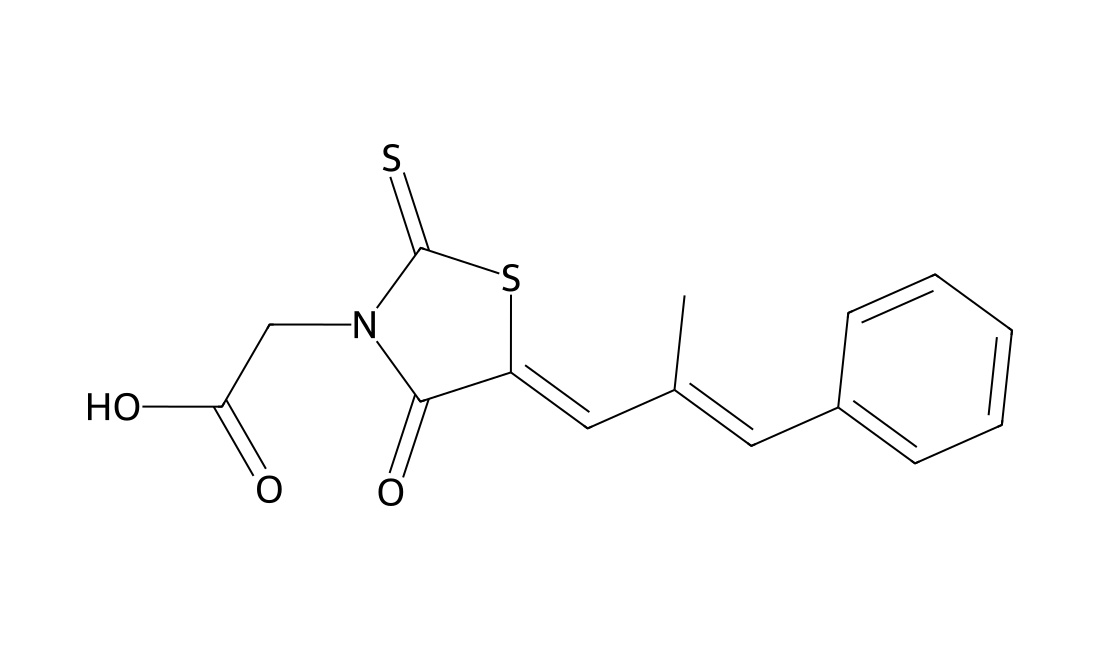
CAS 2579689-85-1
CXCR6 inhibitor 81 is a potent (EC50=40 nM) and selective orally bioavailable small molecule antagonist of human CXCR6 receptor; Compound 81 displays >10-fold improvement in potency in both the β-arrestin and cAMP assays (IC50 =40 and 540 nM, respectively) compared to ML339. CXCR6 inhibitor 81 inhibits migration of SK-HEP-1 hepatoma cells in a dose dependent manner. Compound 81 has promising oral DMPK data, significantly decreases tumor growth in a 30-day mouse xenograft model of HCC.
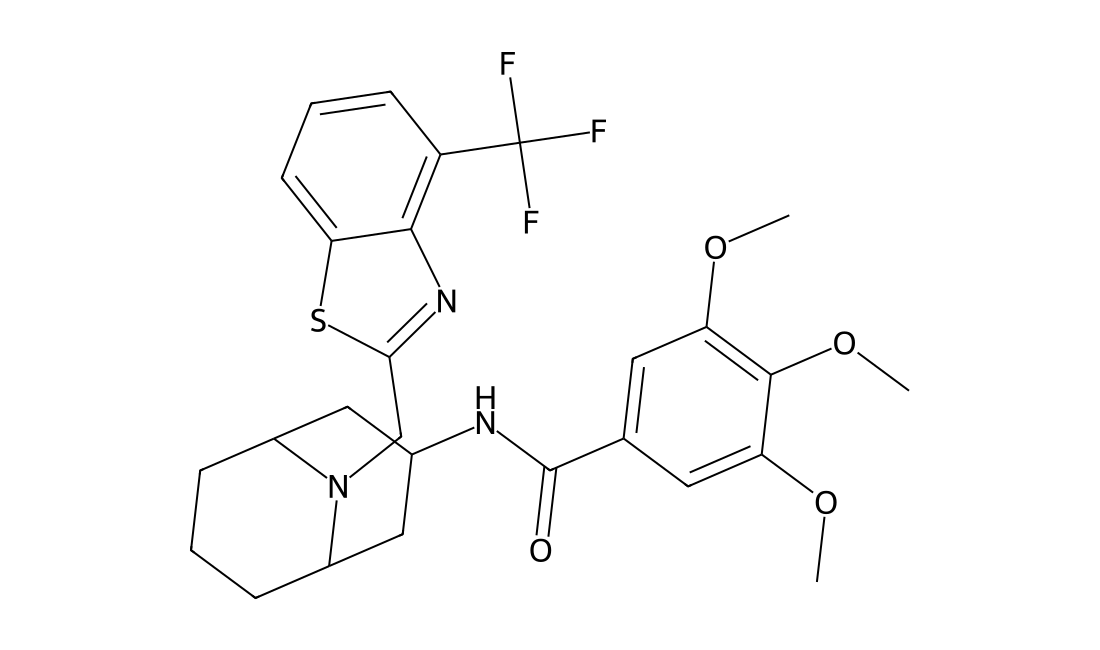
CAS 439574-61-5
ITK inhibitor (CAS 439574-61-5 ) is a Interleukin-2-inducible T-cell kinase (Itk) inhibitor..