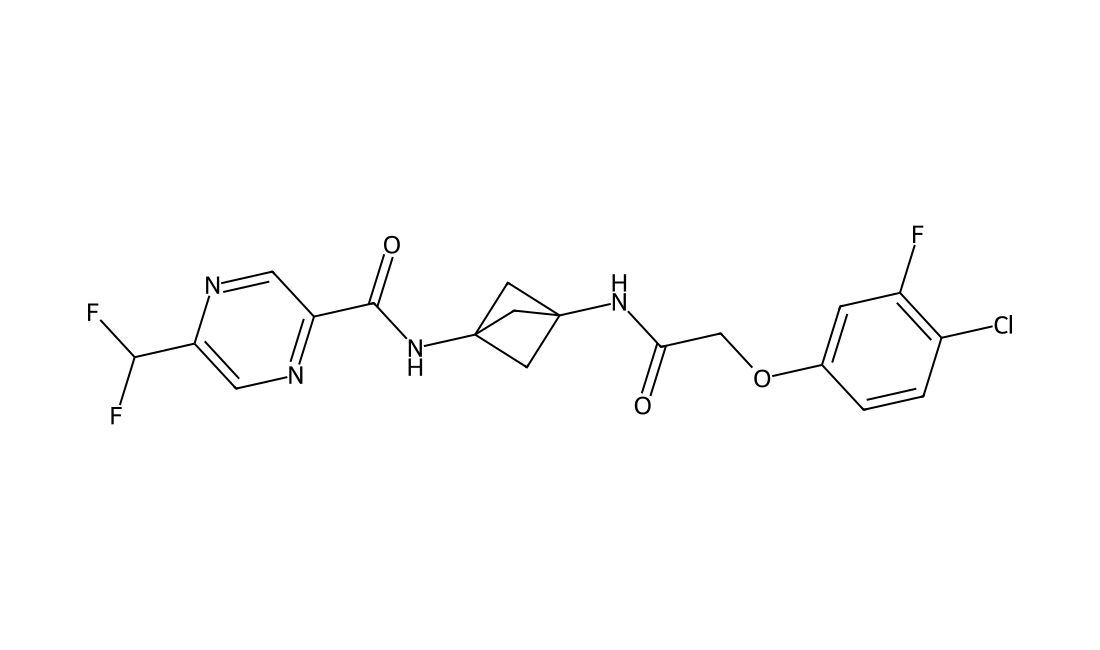
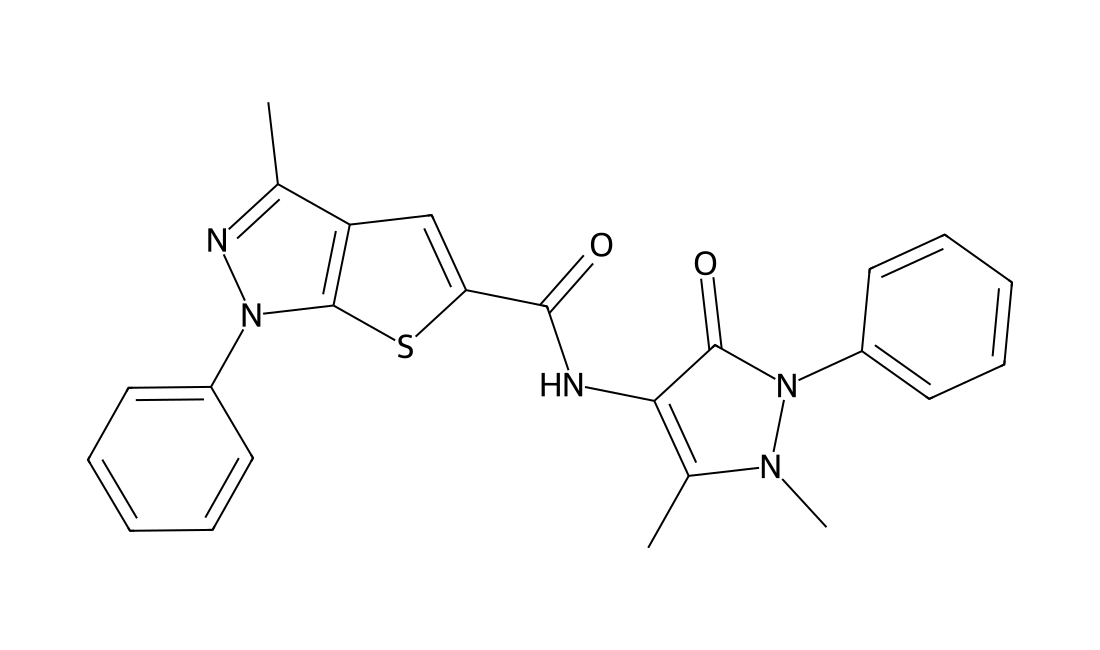
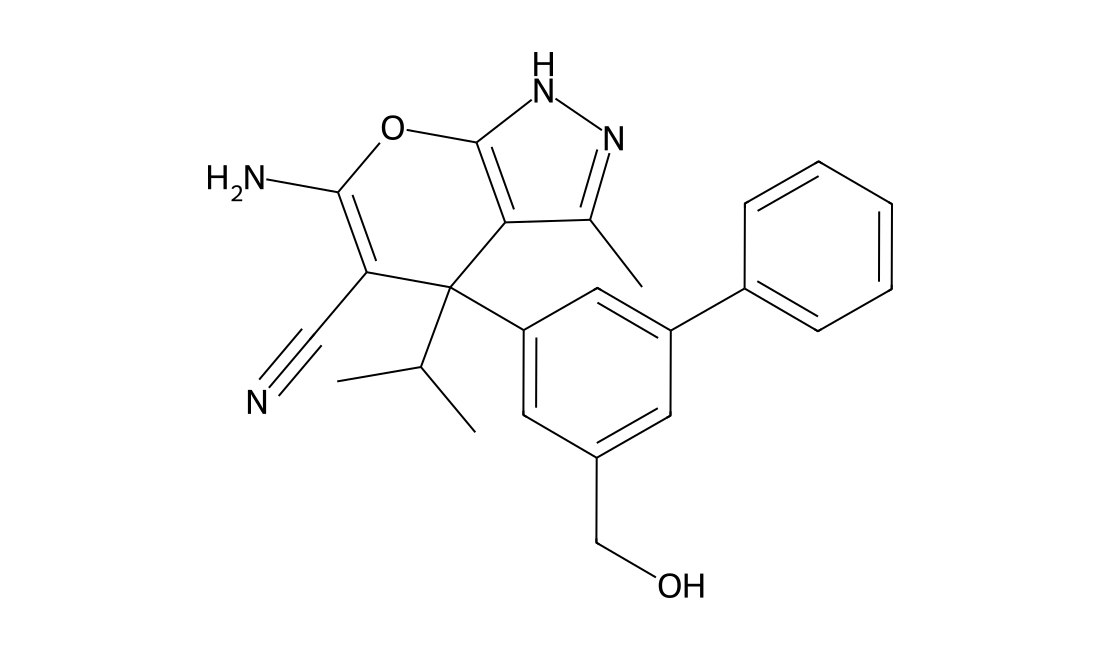
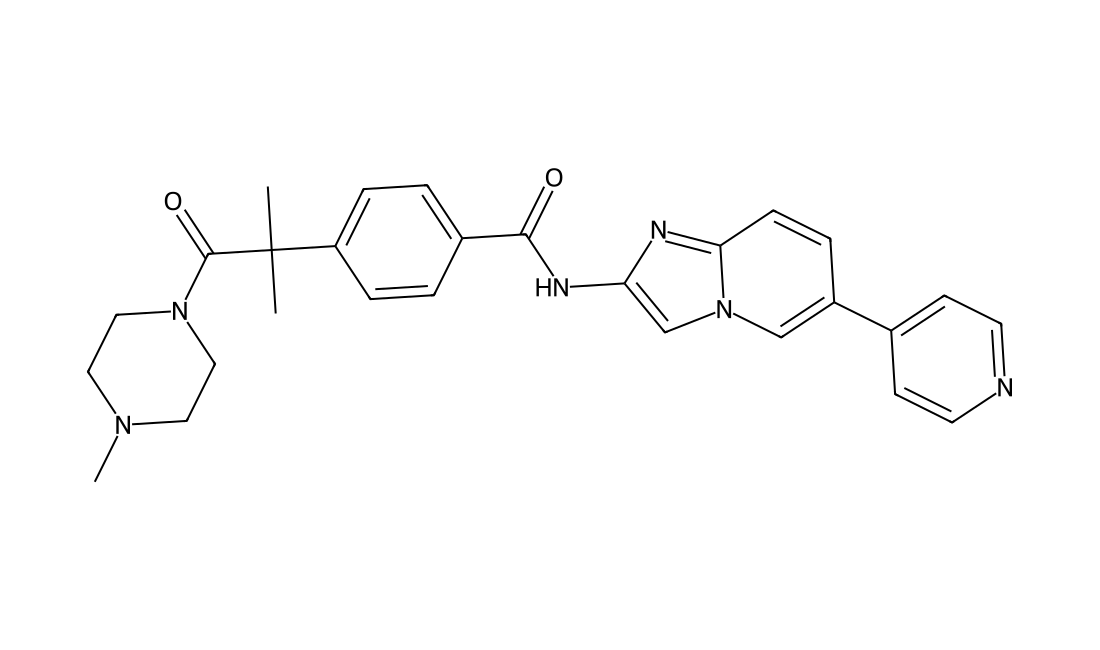
Small Molecule Research Tools

Explore bioactive compounds by research category, then narrow your search by target, product name, catalog number or CAS.

Newly added: LC-MG and OXF molecular glue research compounds →

6,823 products17 research categoriesBrowse all products ↓

Browse by research category

Products may appear in more than one category. Counts refer to distinct catalog numbers within each category.

Other Research Tools (75) · Additional reagents, building blocks and specialized research tools.

New literature-derived products

LC-MG-1 (DCA0006) · LC-MG-4 (DCA0007) · LC-MG-9 (DCA0008)

View structure and evidence summaries →

All small molecule products

Combine a keyword, research category and target to narrow the product list.

Loading catalog filters…

6,823 products · Showing 3,073–3,120

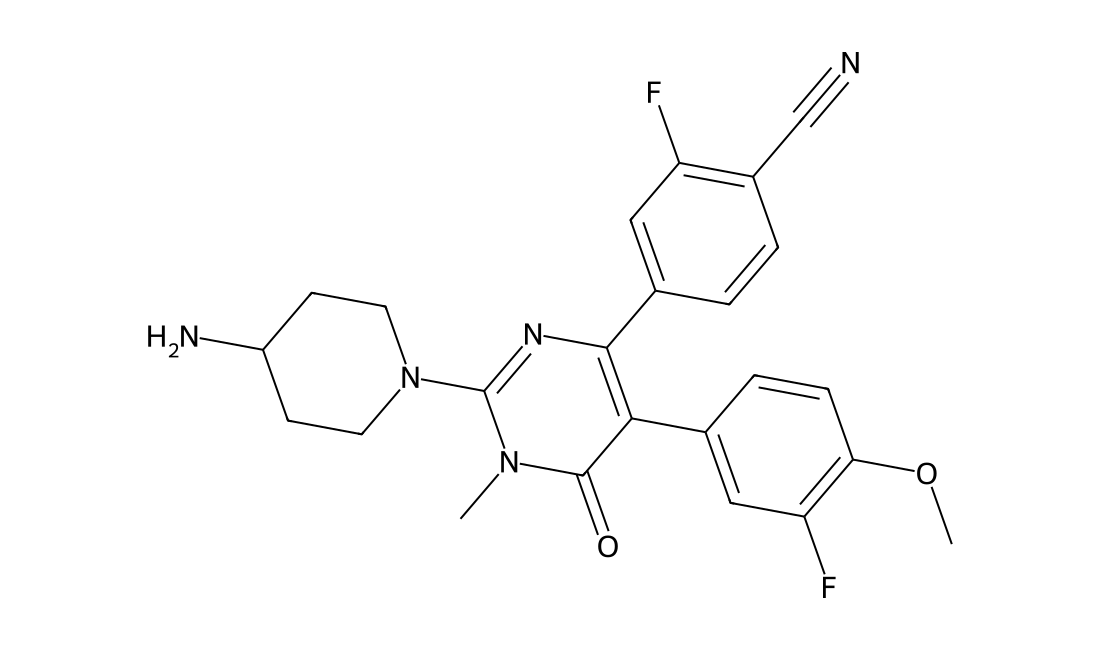
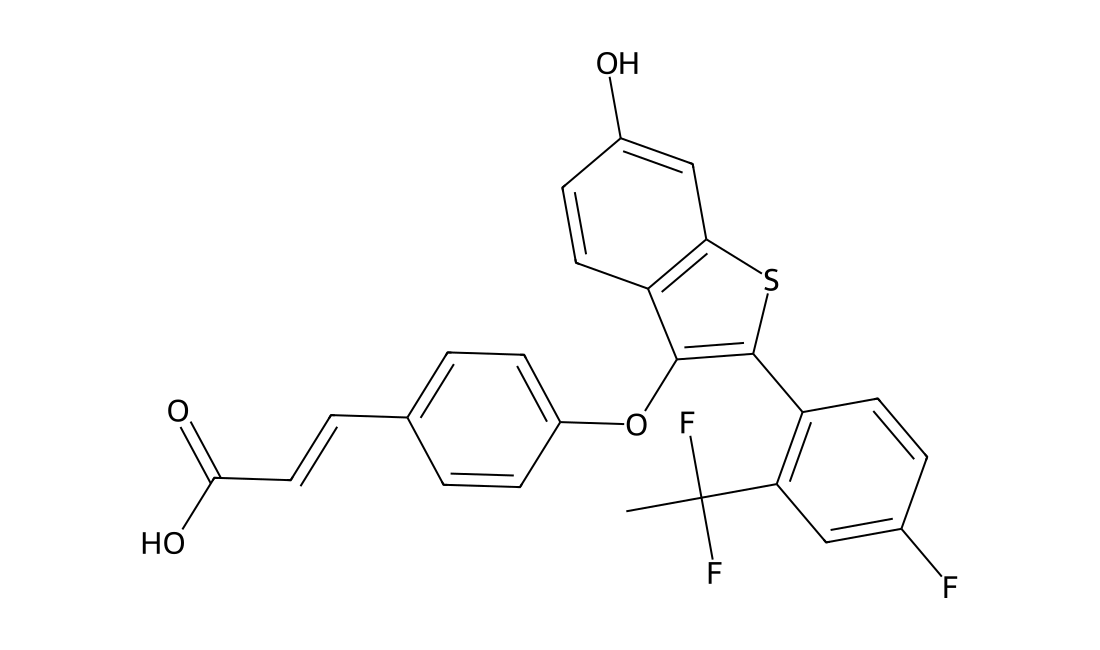
DC10949

RasGRP3 ligand 96

CAS 2229068-13-5

RasGRP3 ligand 96 is a potent, selective ligand of Ras guanine-releasing protein 3 (RasGRP3) with Ki of 1.75 nM, showed 73-fold and 45-fold selectivity relative to PKCα and PKCε for in vitro binding activity resepctively.
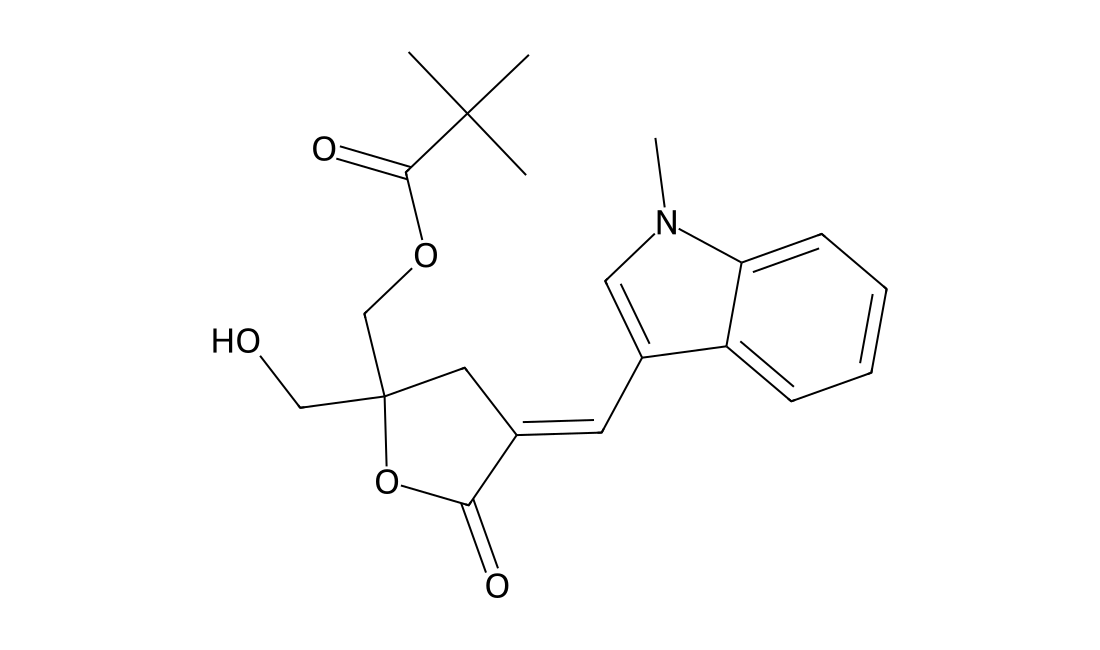
RasGRP3 ligand 96 chemical structure
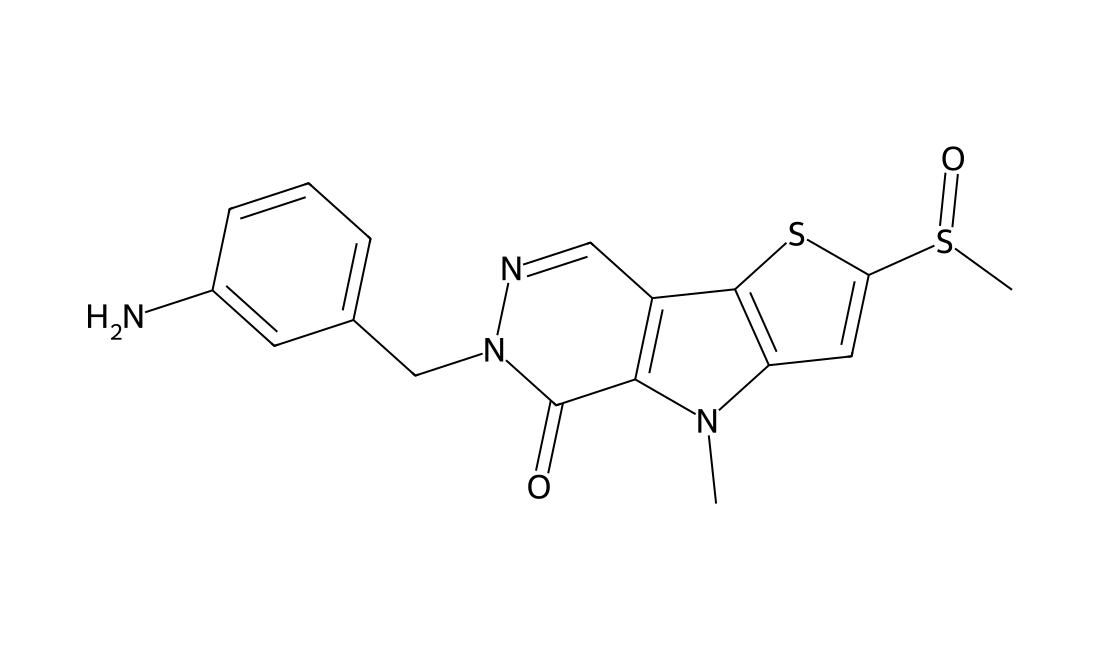
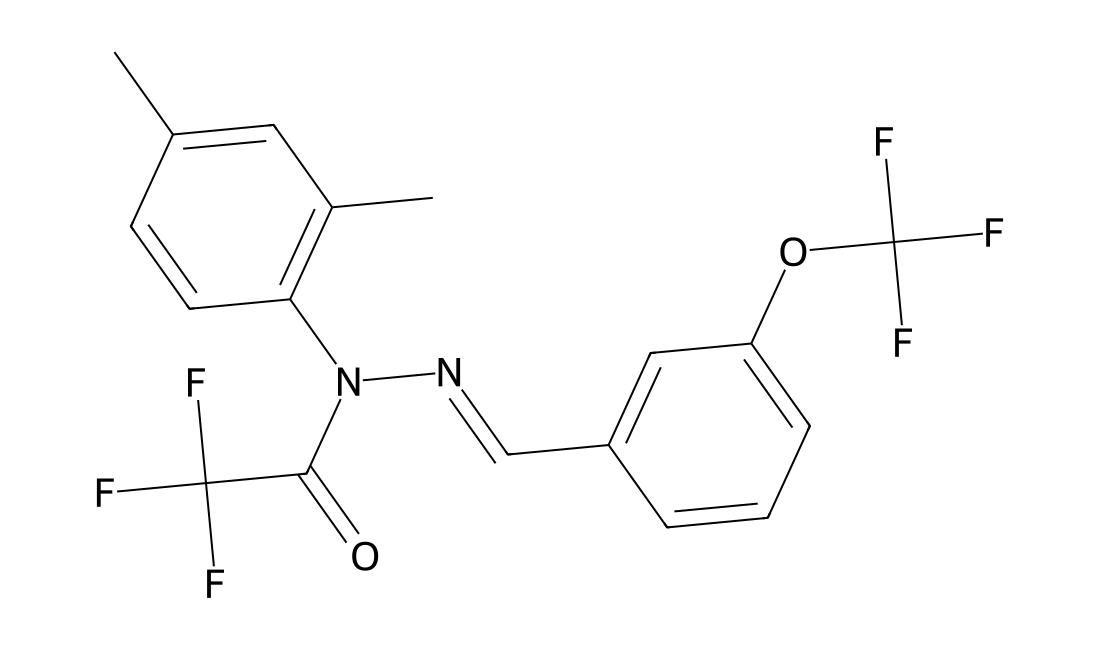
DC11296

GLP-26

CAS 2133017-36-2

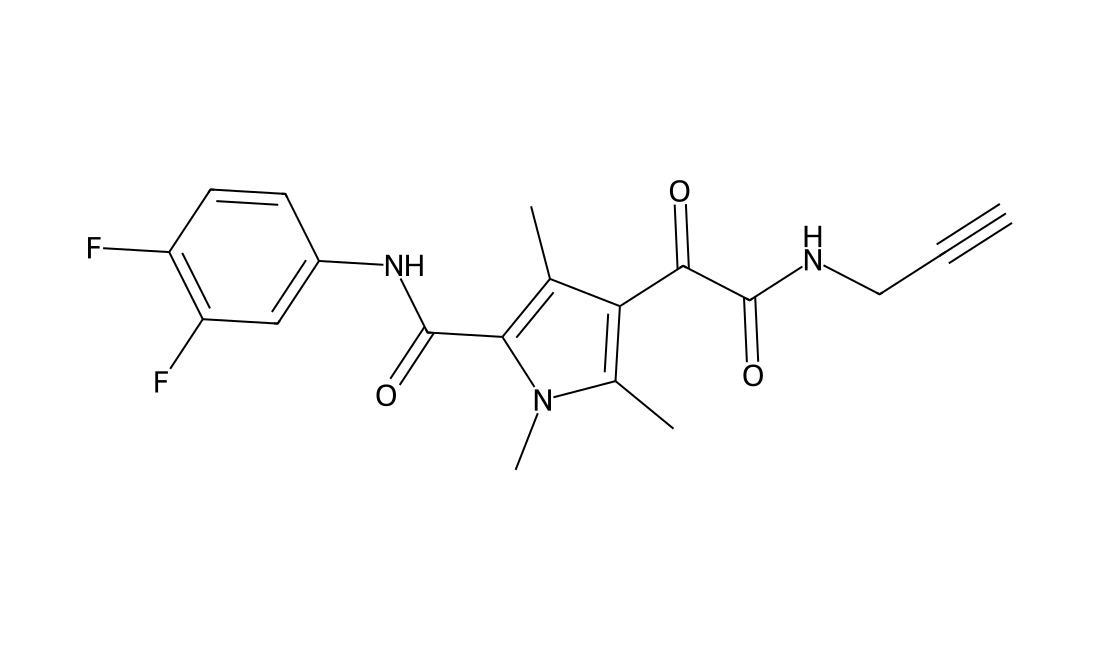
GLP-26 is a novel potent HBV capsid modulator that reduces secreted HBeAg in HepNTCPDL cells transfected with HBV wild type with EC50 of 0.7 uM.

GLP-26 chemical structure
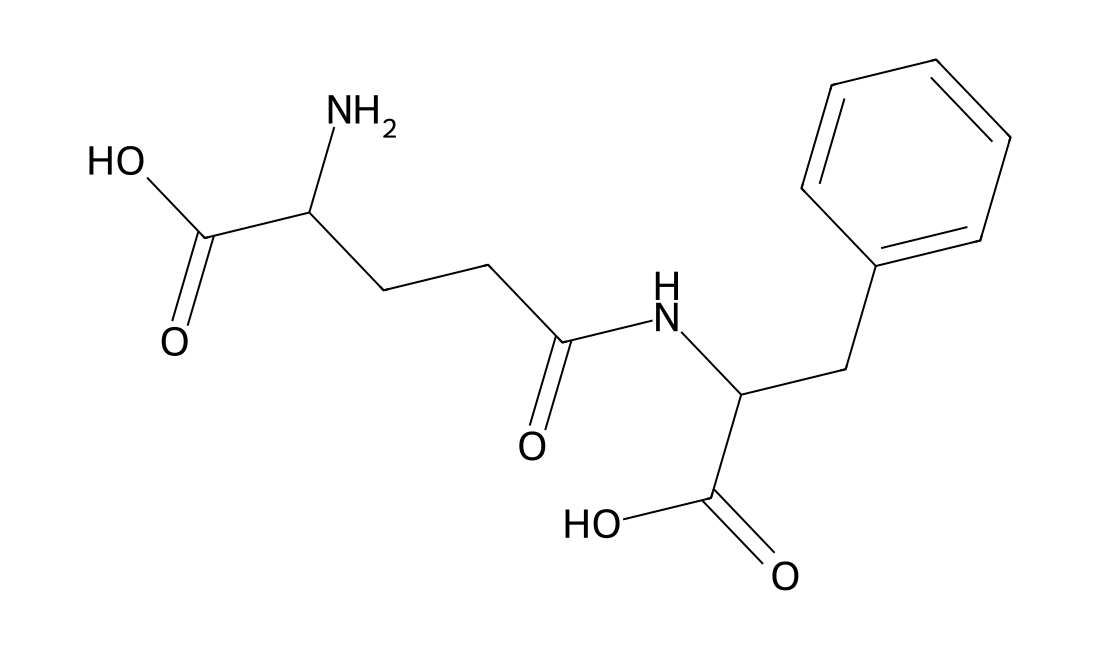
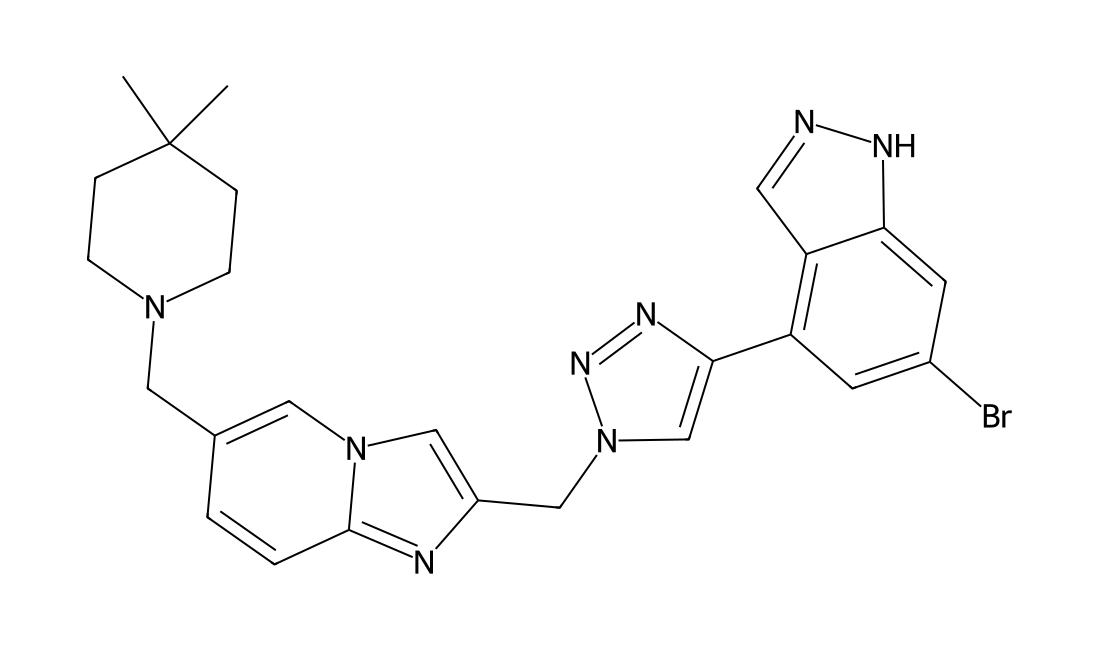
DC10296

Glutamylphenylalanine

CAS 7432-24-8

γ-Glu-Phe (γ-Glutamylphenylalanine) is synthesized by Bacillus amyloliquefaciens (GBA) and Aspergillus oryzae (GAO). γ-Glu-Phe or the post-enzymatic reaction mixture enhances the umami intensity of commercial soy sauce and model chicken broth.

Glutamylphenylalanine chemical structure
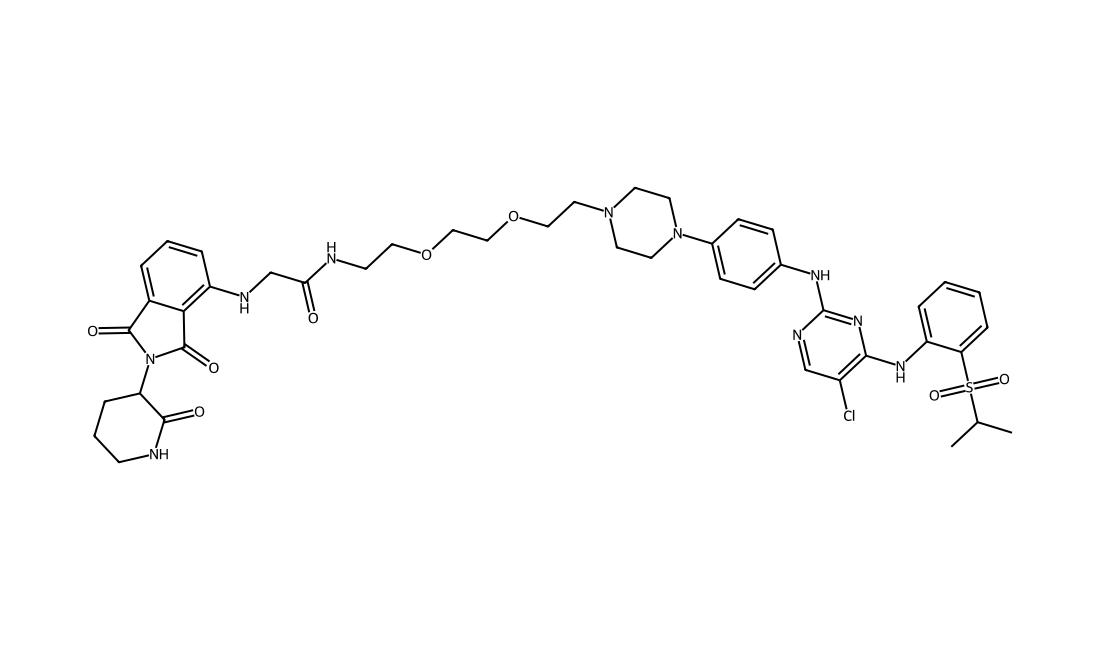
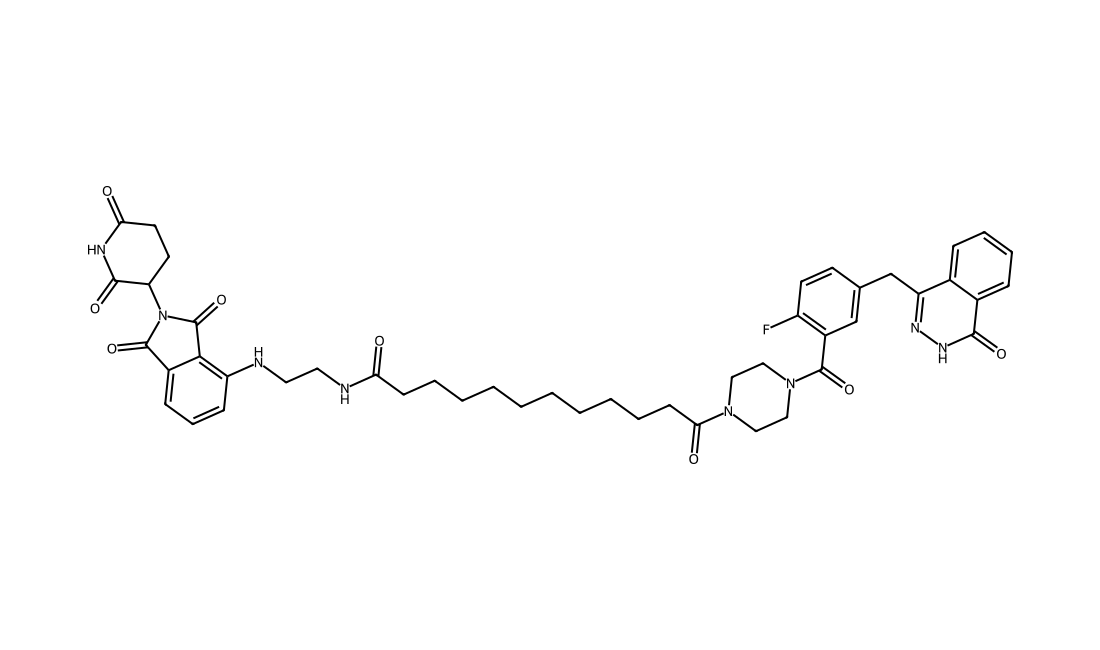
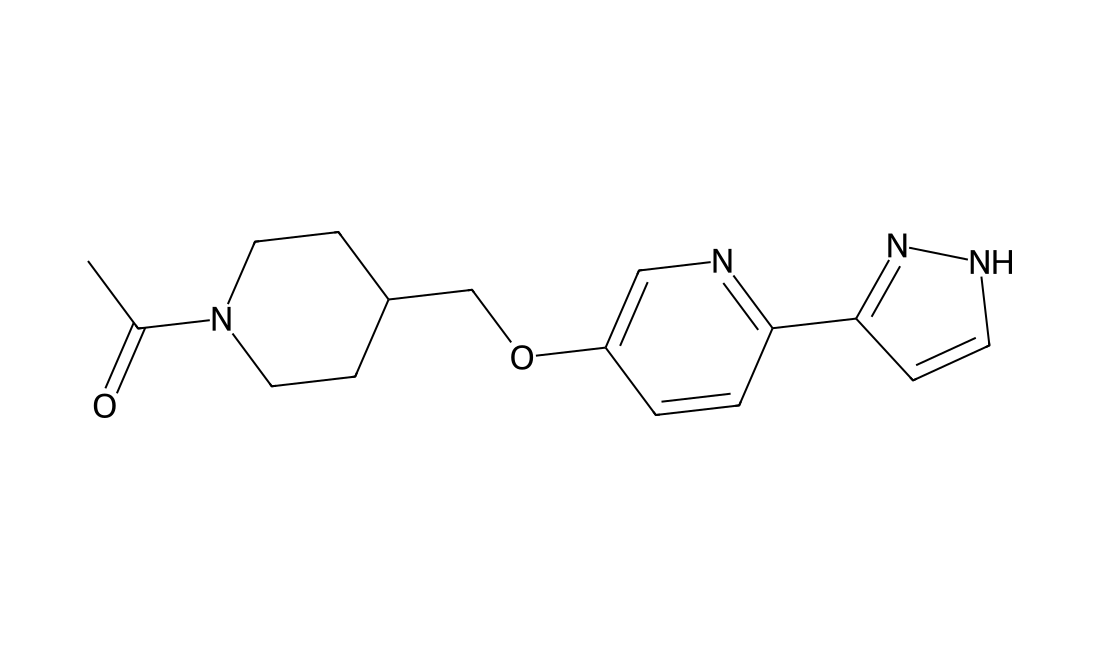
DC65711

SK-575

CAS 2523016-96-6

SK-575 is a Highly Potent and Efficacious Proteolysis-Targeting Chimera Degrader of PARP1 for Treating Cancers. SK-575 potently inhibits the growth of cancer cells bearing BRCA1/2 mutations and induces potent and specific degradation of PARP1 in various human cancer cells even at low picomolar concentrations. SK-575 achieves durable tumor growth inhibition in mice when used as a single agent or in combination with cytotoxic agents, such as temozolomide and cisplatin.

SK-575 chemical structure
DC46833

Pulrodemstat

CAS 1821307-10-1

Pulrodemstat (CC-90011) is a potent, selective, reversible and orally active inhibitor of lysine specific demethylase-1 (LSD1) with an IC50 of 0.25 nM. Pulrodemstat is less enzymatic inhibition against LSD2, MOA-A, and MAO-B. Pulrodemstat induces acute myeloid leukemia (AML) and small cell lung cancer (SCLC) cells differentiation and has potent anticancer activity.

Pulrodemstat chemical structure
DC20856

CAD-031

CAS 2071209-49-7

CAD-031 (CAD31) is a novel brain penetrant, J147-derivative that has enhanced neurogenic activity over J147 in human neural precursor cells (NPCs).

CAD-031 chemical structure
DC31965

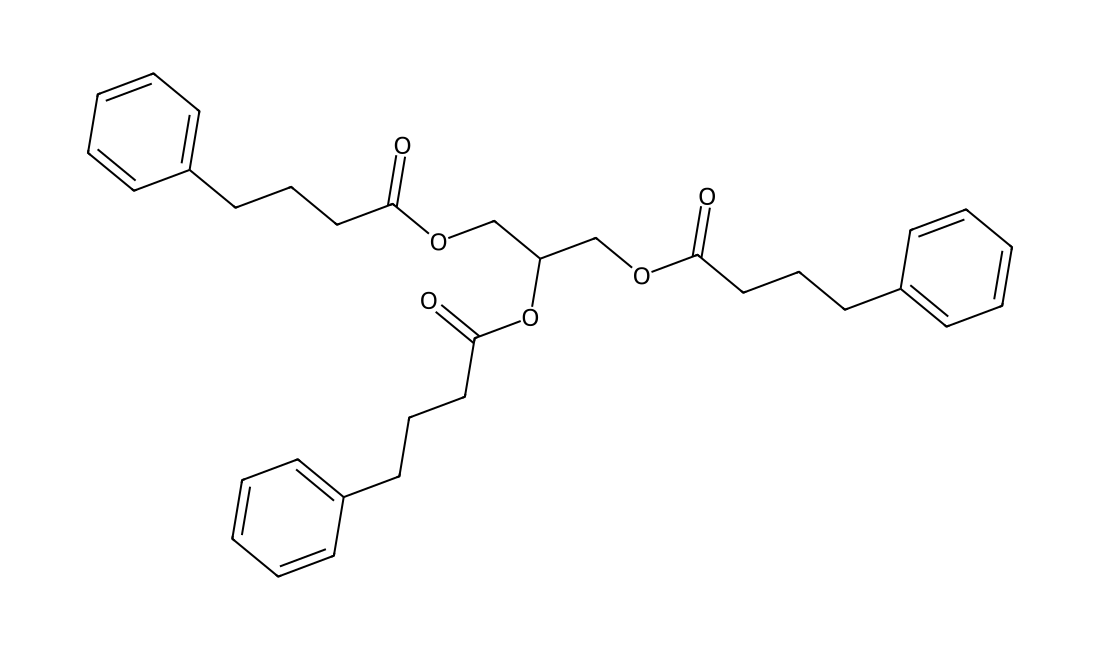
propane-1,2,3-triyl tris(4-phenylbutanoate)

CAS 611168-24-2

Glycerol phenylbutyrate, also known as HPN-100, is under trials in the treatment of certain inborn urea cycle disorders. The medication works by preventing the harmful buildup of ammonia in the body. Ammonia is a neurotoxic agent that is primarily generated in the intestine and detoxified in the liver. Toxic increases in systemic ammonia levels predominantly result from an inherited or acquired impairment in hepatic detoxification and lead to potentially life-threatening neuropsychiatric symptoms.

propane-1,2,3-triyl tris(4-phenylbutanoate) chemical structure
DC25021

Endosidin-2

CAS 1839524-44-5

A small molecule binds to the EXO70 (exocyst component of 70 kDa) subunit of the exocyst complex (Kd=253 uM), resulting in inhibition of exocytosis and endosomal recycling in both plant and human cells and enhancement of plant vacuolar trafficking..

Endosidin-2 chemical structure
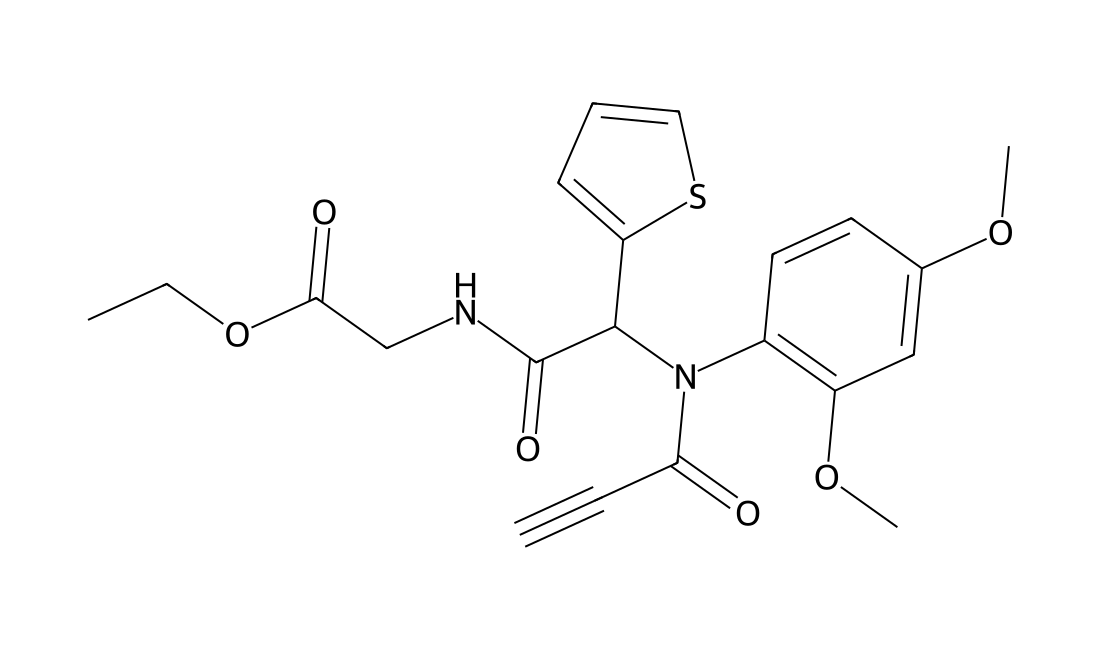
DC42697

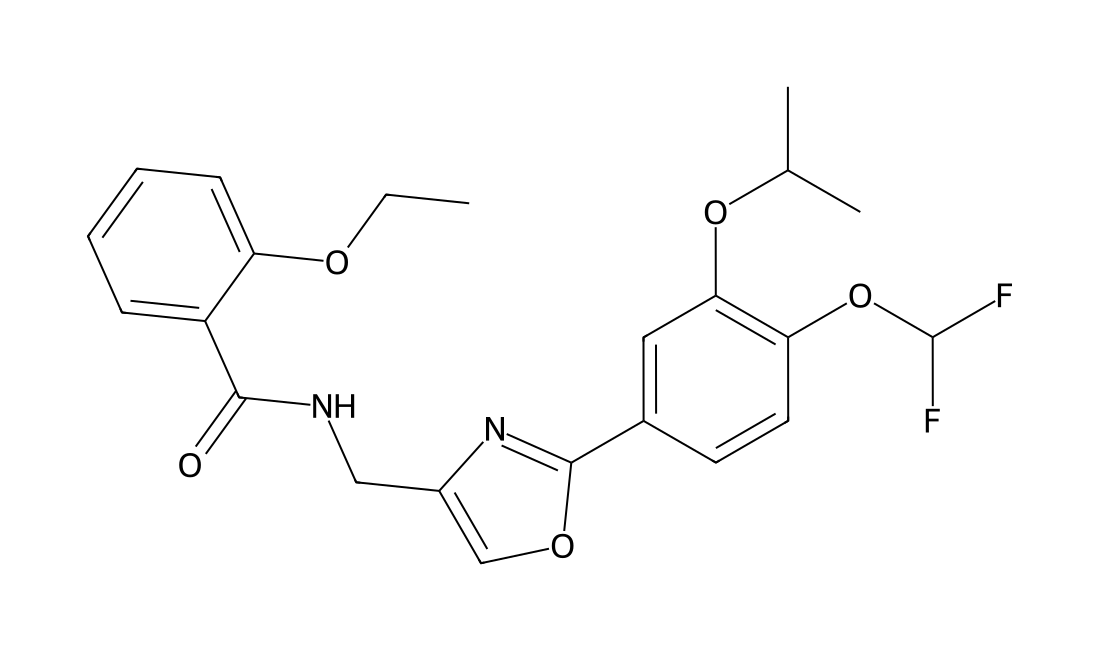
RBPJ Inhibitor-1 (RIN1)

CAS 2682114-39-0

RBPJ Inhibitor-1 (RIN1), the first RBPJ inhibitor, blocks the functional interaction of RBPJ with SHARP. RBPJ Inhibitor-1 (RIN1) inhibits NOTCH-dependent tumor cell proliferation.

RBPJ Inhibitor-1 (RIN1) chemical structure
DC20472

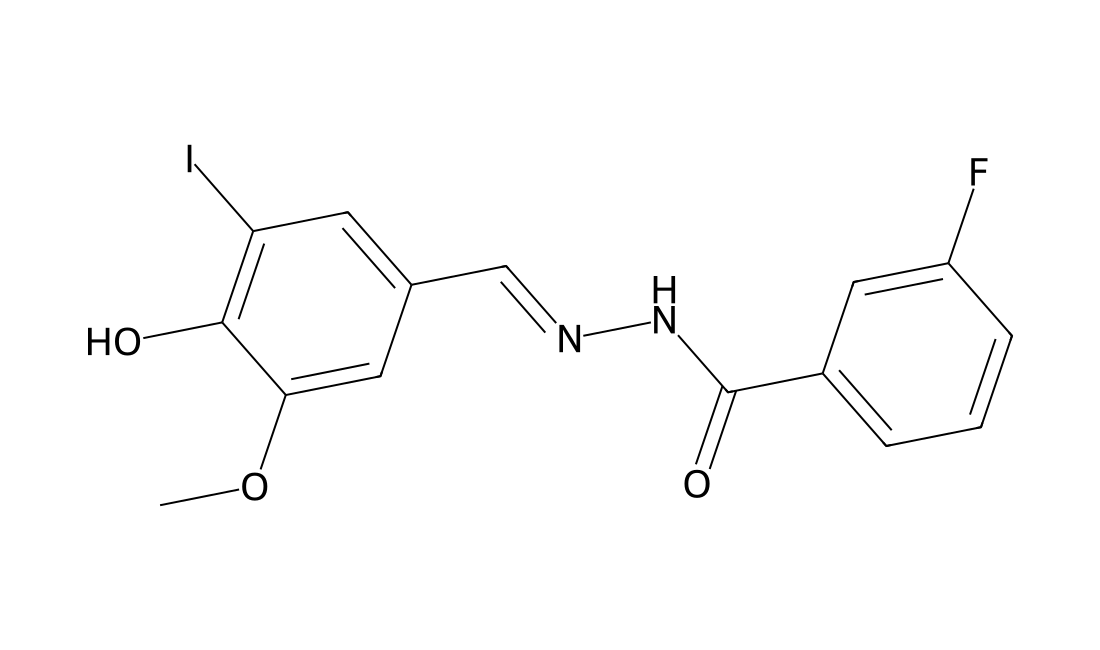
Naxillin

CAS 301176-96-5

Naxillin is the first non-auxin-like molecule that promotes root branching, activates a subset of auxin-induced transcripts, including AUX/IAA, SAUR and PIN families; induces auxin response in the basal meristem; represents a valuable tool to further decipher the molecular networks involved in lateral root branching.

Naxillin chemical structure
DC44757

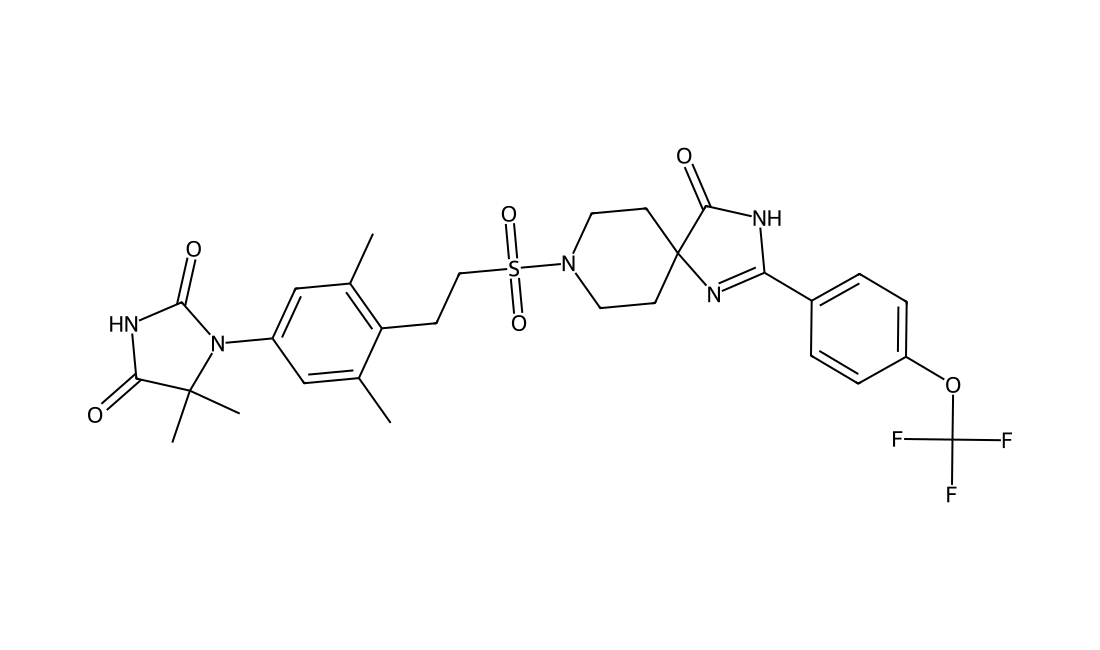
EN4

CAS 1197824-15-9

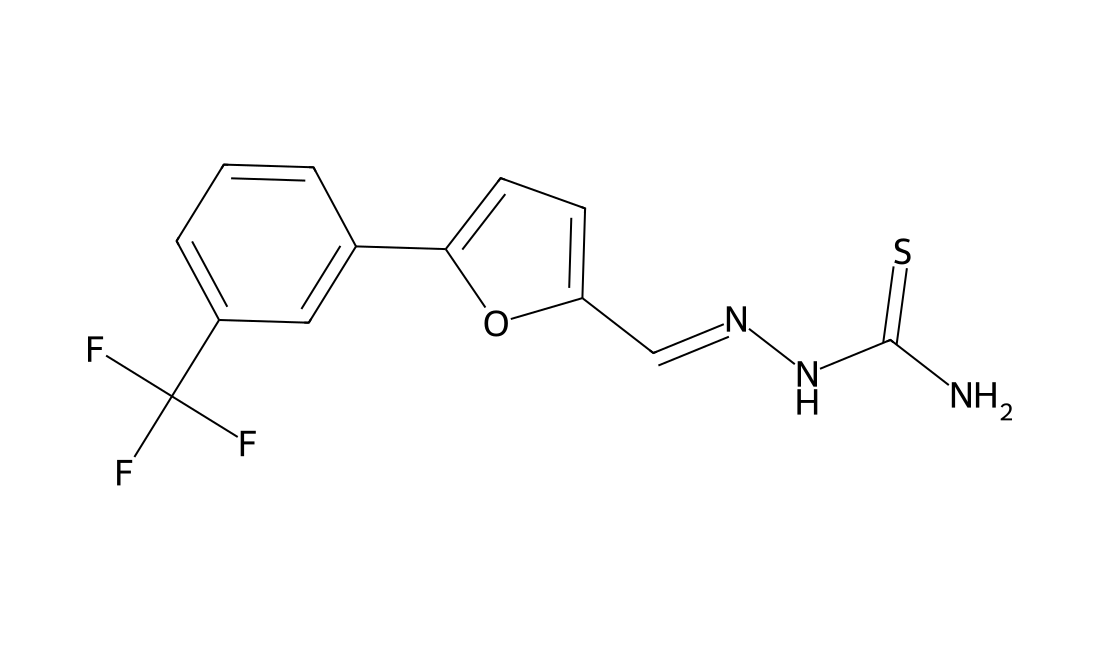
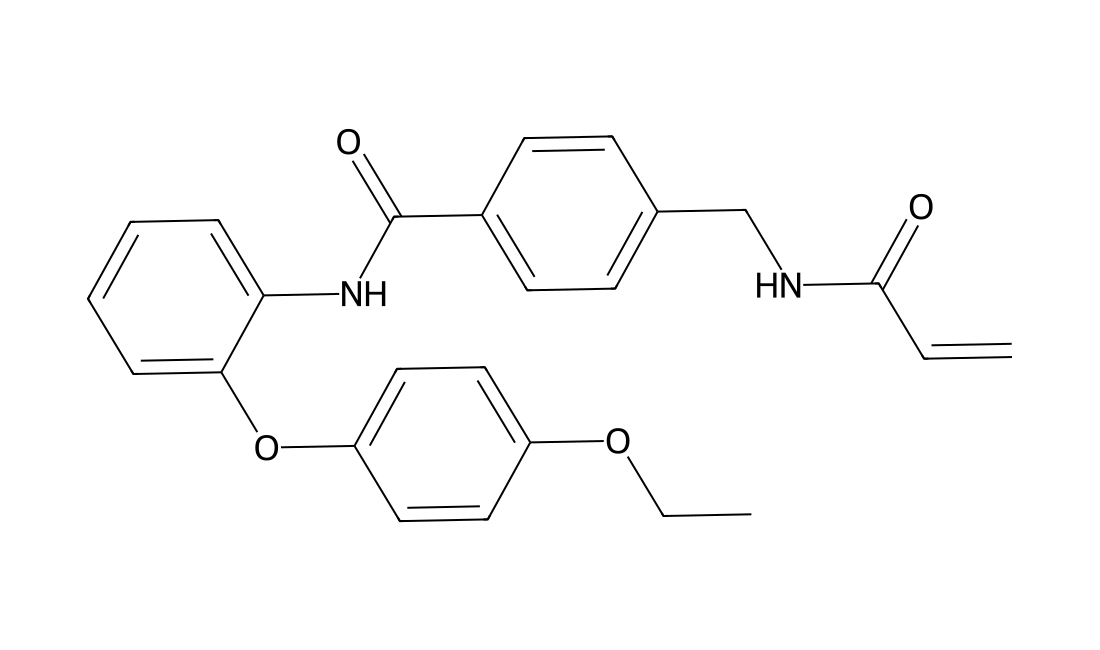
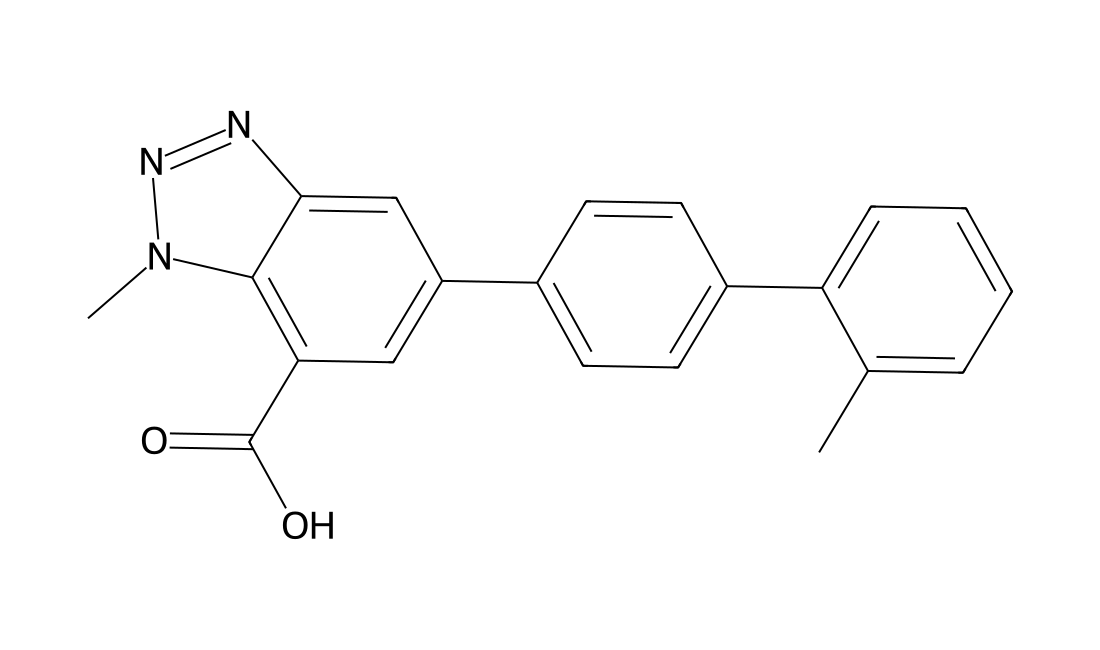
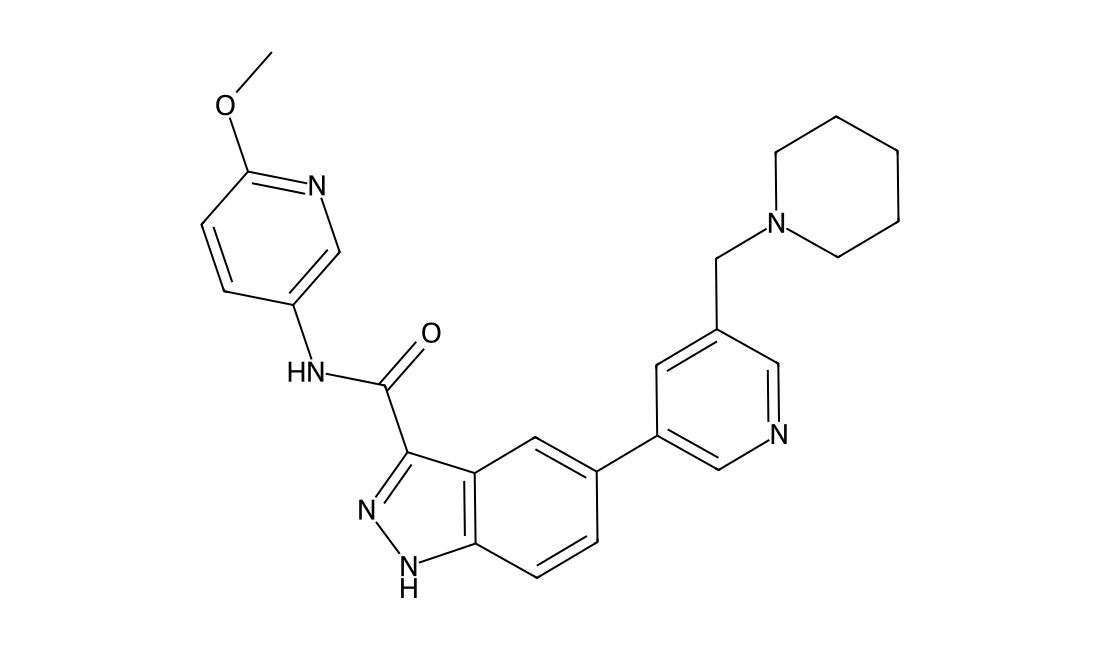
EN4, a covalent ligand that targets cysteine 171 (C171) of MYC, is selective for c-MYC over N-MYC and L-MYC. EN4 inhibits MYC transcriptional activity, downregulates MYC targets, and impairs tumorigenesis.

EN4 chemical structure
DC60065

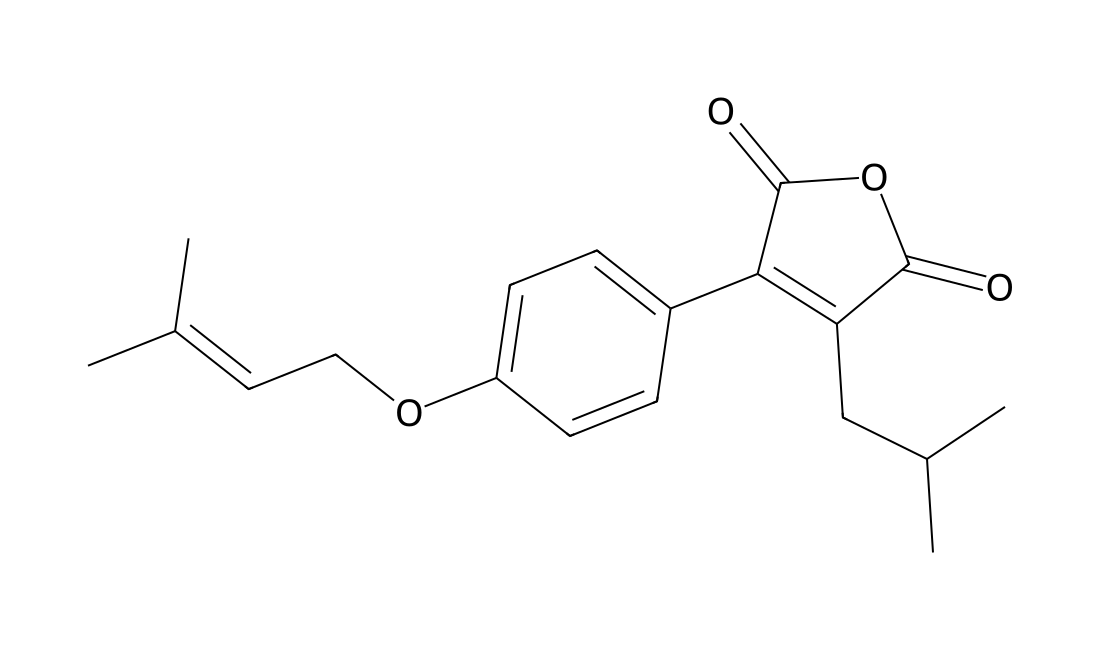
Antrodin A

CAS 656830-24-9

Antrodin A, also known as Camphorataanhydride A, is one of the main active ingredients in the solid-state fermented A. camphorata mycelium. It protects the liver from alcohol damage by improving the antioxidant and anti-inflammatory capacity of the liver and maintaining the stability of the intestinal flora.a natural product from mycelium of Antrodia camphorata. Antrodin A alleviates acute alcoholic liver injury and modulates intestinal flora dysbiosis in mice.

Antrodin A chemical structure
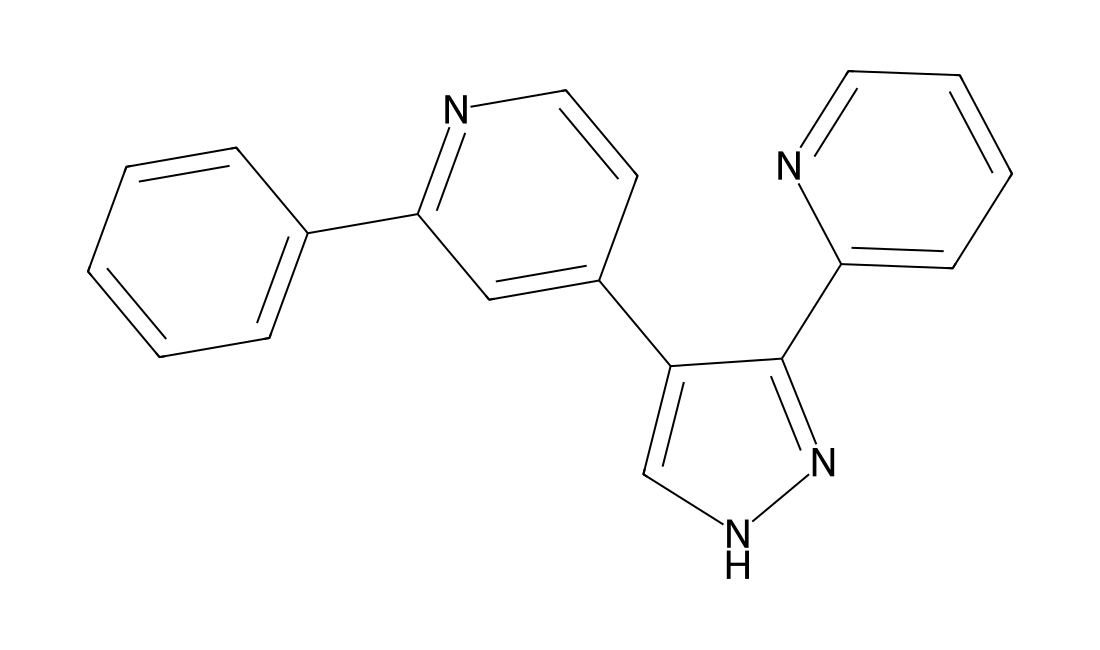
DC43842

HAT Inhibitor II

CAS 932749-62-7

HAT Inhibitor II is a novel p300/CBP-selective histone acetyltransferase inhibitor.Histone Acetyltransferase Inhibitor II is a potent and cell permeable p300 inhibitor, with an IC50 of 5µM; Histone Acetyltransferase Inhibitor II can be used in cancer research.

HAT Inhibitor II chemical structure
DC21722

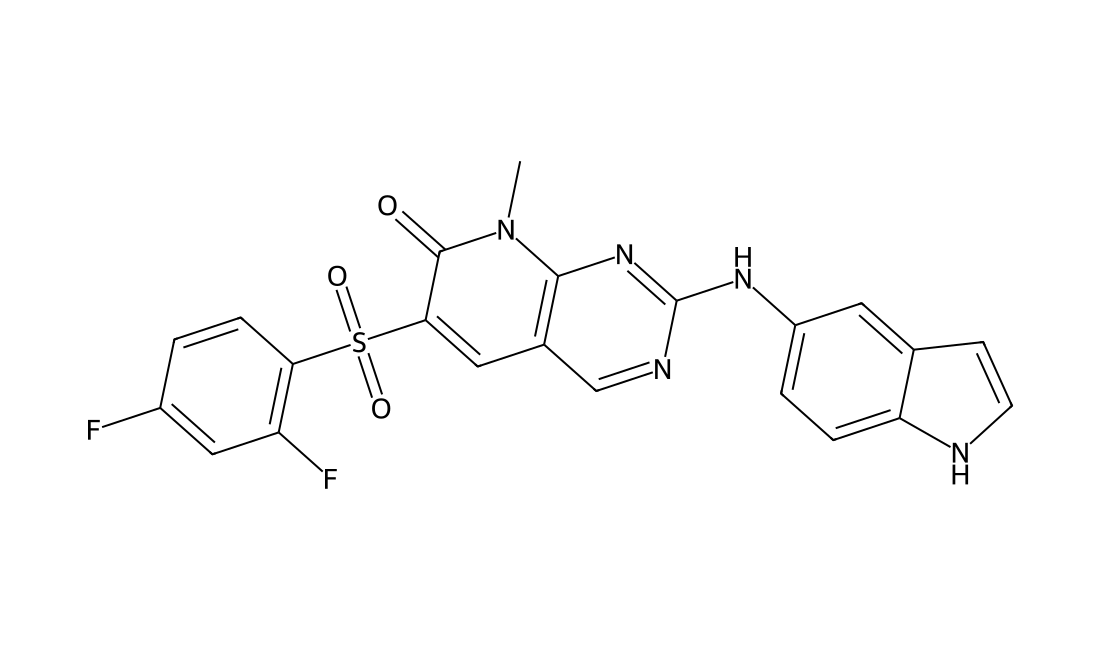
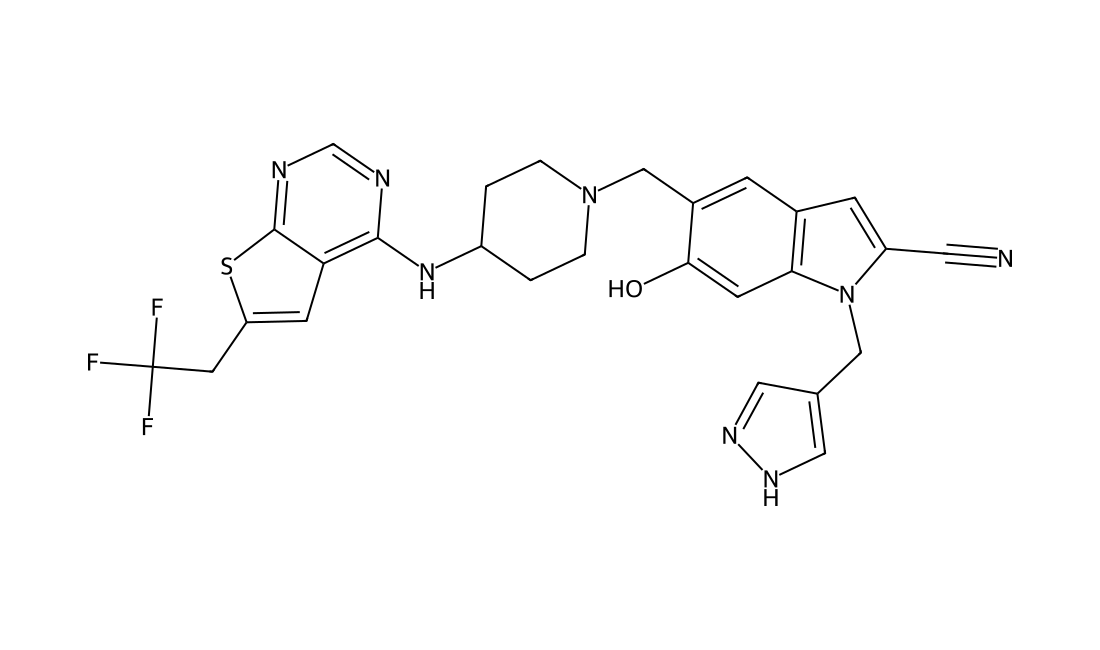
CLK-IN-T3

CAS 2109805-56-1

CLK inhibitor T3 (T3) is a highly potent, selective, and cell-based stable CDC-like kinase (CLK) inhibitor with 0.67, 15 and 110 nM for CLK1,2 and 3, respectively.
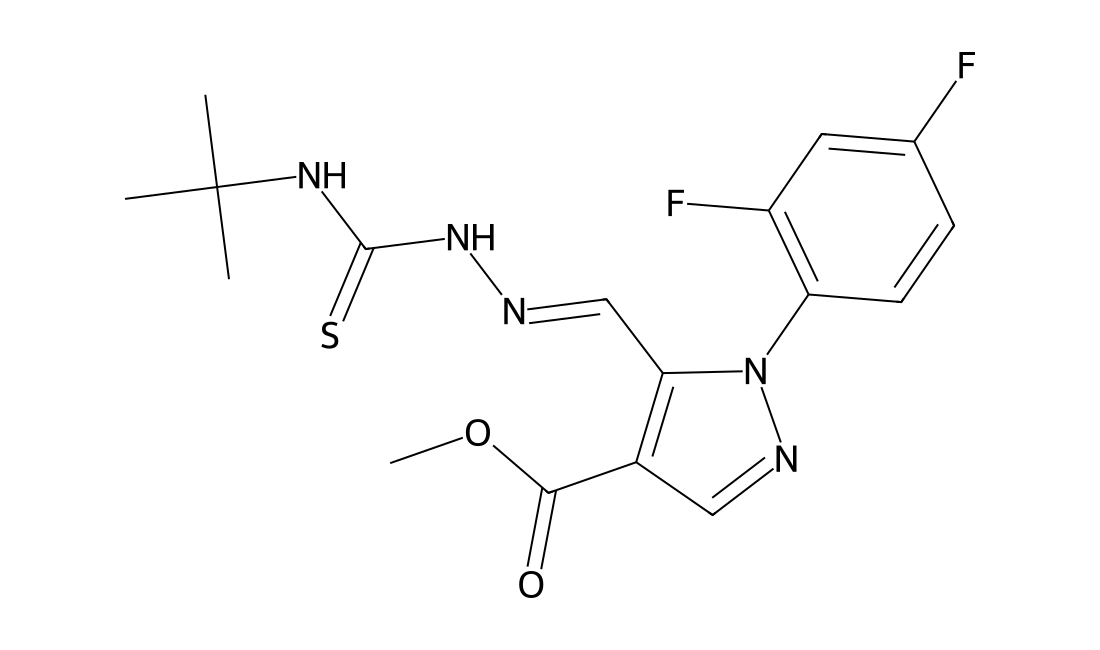
CLK-IN-T3 chemical structure
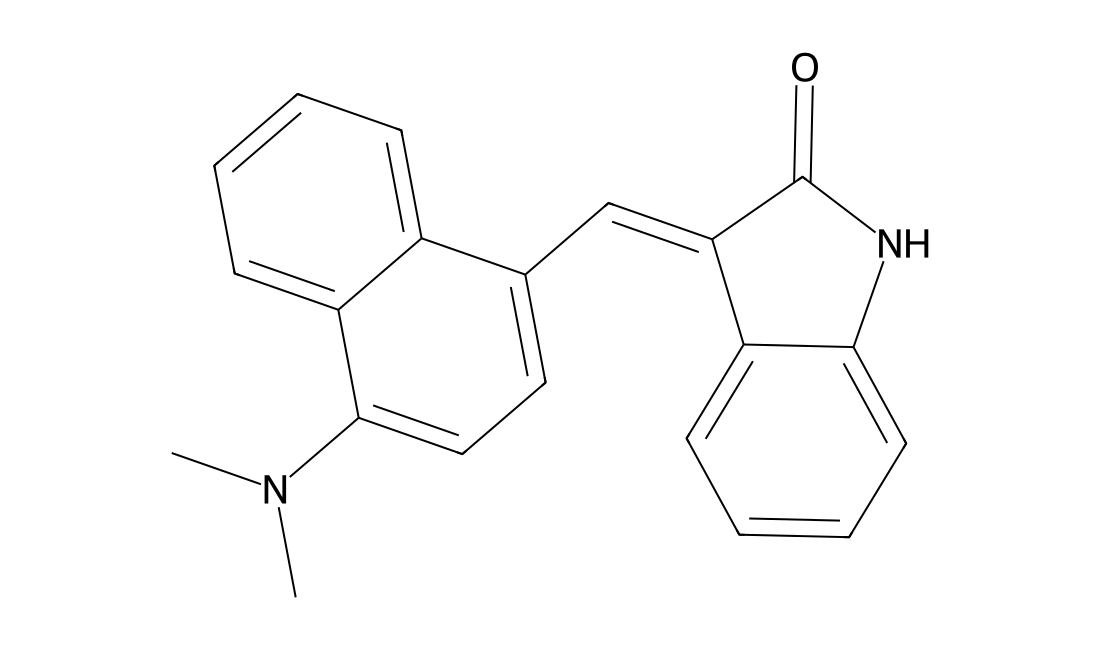
DC11285

MAZ51

CAS 163655-37-6

MAZ51 is an indolinone that selectively antagonizes the activation of VEGFR3 by VEGFC (IC50 = 1 µM) without blocking VEGFC-mediated stimulation of VEGFR2.
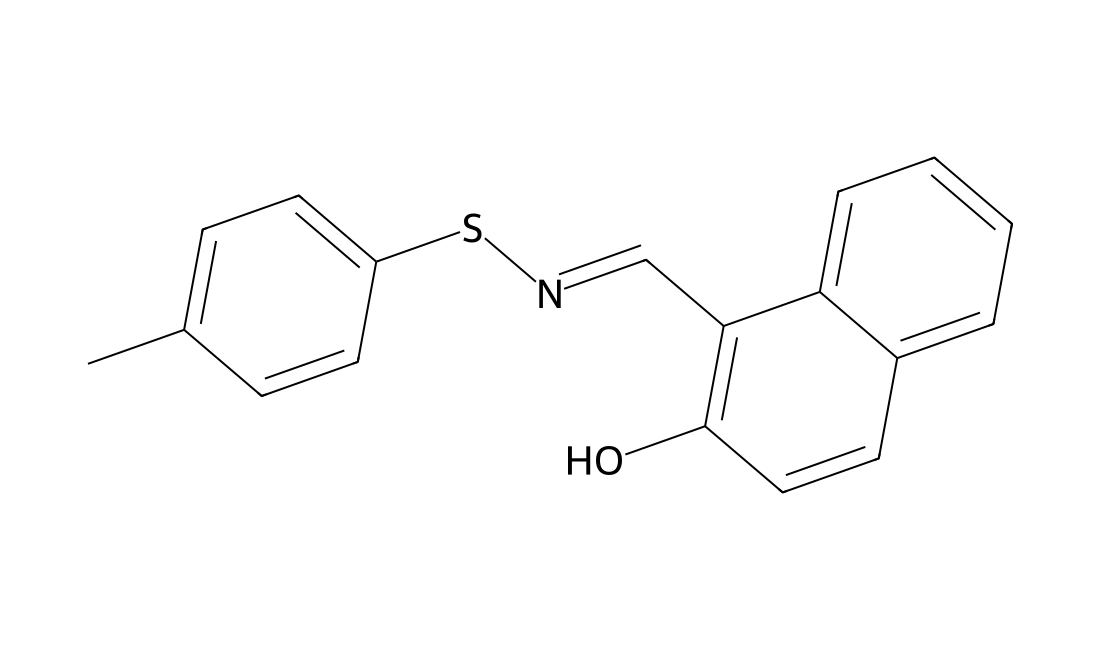
MAZ51 chemical structure
DC20347

Crebinostat

CAS 1092061-61-4

Crebinostat is a novel cognitive enhancer that inhibits class I HDAC/1/2/3 (IC50=0.7/1.0/2.0 nM), class IIb HDAC6 (IC50=9.3 nM) with weaker inhibition of the class I HDAC8 and no significant inhibition of the class IIa HDAC/4/5/7/9; potently induces acetylation of both histone H3 and histone H4 as well as enhanced the expression of the CREB target gene Egr1 in cultured mouse primary neurons; upregulates Bdnf and Grn, and downregulates Mapt (tau) gene expression-genes; brain penetrant.

Crebinostat chemical structure
DC28480

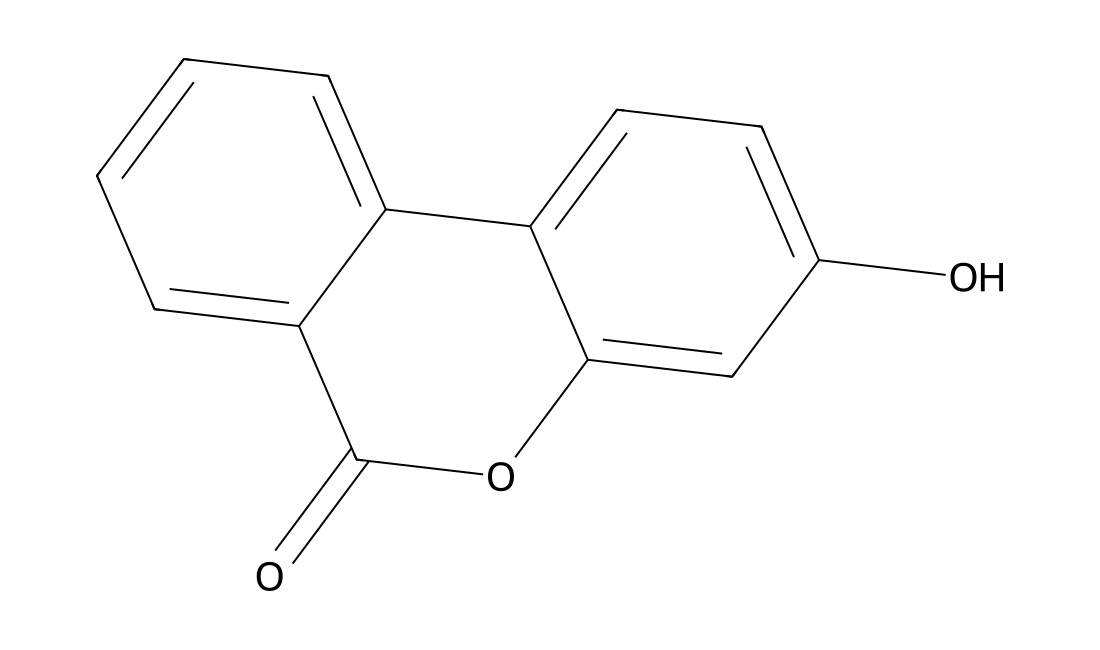
Urolithin B

CAS 1139-83-9

Urolithin B is one of the gut microbial metabolites of ellagitannins, and has anti-inflammatory and antioxidant effects. Urolithin B inhibits NF-κB activity by reducing the phosphorylation and degradation of IκBα, and suppresses the phosphorylation of JNK, ERK, and Akt, and enhances the phosphorylation of AMPK. Urolithin B is also a regulator of skeletal muscle mass.

Urolithin B chemical structure
Browse target & topic index A–Z (366)
11β-HSD (1)15-PGDH (2)5-HT Receptor (16)Acetyl-CoA Carboxylase (ACC) (3)Acetylcholinesterase (AChE) (2)Ack1 (TNK2) (1)Acyltransferase (1)ADC Cytotoxin (6)ADCs Linker/Click Chemistry (5)Adenosine Receptor (9)Adenylate Cyclase (2)Adrenergic Receptor (11)Akt (12)Alcoholism (2)Aldehyde Dehydrogenase (ALDH) (6)Allergy (5)Alzheimer Disease (13)Aminopeptidase (1)AMPK (8)Amyloids (4)Anaplastic Lymphoma Kinase (ALK) (9)Androgen Receptor (AR) (11)Anemia (4)Angiotensin Receptor (4)Antibody/Protein labeling dyes (1)Antifolate (2)Anxiety (1)Apoptosis Inducer (3)Arginase (1)Arp2/3 complex (1)Aryl hydrocarbon Receptor (AhR) (1)Asthma (5)Atherosclerosis (2)ATM/ATR (8)Aurora Kinase (10)Autophagy (6)Autophagy-related Protein (Atg) (2)Autotaxin (2)Bacterial (26)Bacterial Infection (17)Bcl-2 (14)Bcr-Abl (5)BCRP (1)Beta-catenin (4)Beta-secretase (BACE) (4)Blood Cancer (91)BMI-1 (1)Bone Cancer (6)Brain Cancer (6)Breast Cancer (30)Bromodomain (22)BTK (10)c-Fms (CSF1R) (5)c-Fos/AP-1 (1)c-Kit (6)c-Met (HGFR) (11)c-Myc (2)Calcium Channel (4)Calcium-sensing Receptor (CaSR) (1)CaMK (4)Cannabinoid Receptor (6)Carbonic Anhydrase (1)Carboxypeptidase (1)Casein Kinase (6)Caspase (4)Cathepsin (6)Cdc2-like Kinase (CLK) (1)CETP (2)CFTR (7)Checkpoint Kinase (Chk) (8)Chemokine Receptor (CCR and CXCR) (14)Chemotherapeutic Agents (19)Chloride Channel (1)CMV (2)CMV Infection (2)Colon Cancer (9)Complement System (1)COPD (3)CREB/CBP (2)CRF Receptor (2)CRISPR/Cas9 (1)Cushing Disease (1)Cyclin-dependent Kinase (CDK) (39)Cyclooxygenase (COX) (4)Cytochrome P450 (CYPs) (5)Depression (2)Dermatitis (2)Deubiquitinase (DUB) (7)Diabetes (20)Dipeptidyl Peptidase (DPP) (3)Discoidin Domain Receptor (DDR) (1)DNA Alkylator/Crosslinker (10)DNA Methyltransferase (DNMT) (1)DNA Repair Protein (1)DNA-PK (2)DNA/RNA Synthesis (5)Dopamine beta-hydroxylase (1)Dopamine Receptor (7)Drug Metabolite (1)Drug-Linker Conjugates (11)Dyes (4)DYRK (1)Dyslipidemia (9)E3 Ligase Ligand (6)E3 Ligase Ligand-Linker Conjugate (1)E3 Ubiquitin Ligase (4)Ebola Virus Infection (1)EGFR (32)Elastase (2)Endothelin Receptor (5)Enzymes substrates (13)Epigenetic Reader Domain (3)Epilepsy (4)ERK (4)Estrogen Receptor/ERR (13)Eukaryotic Initiation Factor (eIF) (2)Exportin-1 (CRM1,XPO1) (2)FABP (1)Factor Xa (5)Farnesoid X Receptor (FXR) (5)Farnesyl transferase (FTase) (1)Ferroptosis (6)FGFR (20)Fibrosis (5)FLT3 (6)Focal Adhesion Kinase (FAK) (11)Foxo1 (1)Free Fatty Acid Receptor (FFAR) (5)Fungal (2)Fungal Infection (1)GABA Receptor (13)Galectin (1)Gastric Cancer (8)Ghrelin Receptor (GHSR) (3)Glucagon Receptor (4)Glucokinase (2)Glucose Transporter (GLUT) (2)Glutamate Transporter (2)GPCR (1)GPER (GPR30) (1)GPR139 (1)GPR183 (EBI2) (2)GPR39 (1)GPR55 (1)GPR84 (1)GRK (GPCRK) (2)Growth Hormone Deficiency (2)GSK-3 (8)Guanylate Cyclase (3)HBV (1)HBV Infection (1)HCN Channel (2)HCV (8)HCV Infection (9)HDAC (38)Heart Arrhythmia (2)Heart Failure (5)Heat Shock Protein (HSP) (15)Hedgehog (Hh) (1)HIF/HIF Prolyl-hydroxylase (8)Histamine Receptor (6)Histone Acetyltransferase (HAT) (5)Histone Demethylase (11)Histone Methyltransferase (HMTase) (31)HIV (12)HIV Infection (11)HMG-CoA Reductase (HMGCR) (3)HSV (1)HSV Infection (1)Hypercholesterolemia (1)Hyperparathyroidism (1)Hypertension (8)IAP (1)IGF-1R (3)iGluR (15)Indoleamine 2,3-Dioxygenase (IDO) (4)Infection (1)Influenza (6)Influenza Virus (6)Insulin Receptor (2)Integrin (6)Interleukin Receptor (1)IRAK (2)IRE1 (4)Irritable Bowel Syndrome (2)Ischemia (1)Isocitrate Dehydrogenase (IDH) (5)ITK (1)IκB kinase (IKK) (7)JAK (32)JNK (3)Keap1-Nrf2 (6)Kidney Cancer (10)Kinesin (5)Kruppel-like Factor (KLF) (1)Kynurenine 3-Monooxygenase (KMO) (1)Leukotriene Receptor (1)LIM Kinase (LIMK) (3)Lipids fragment (1)Liver Cancer (6)Liver X Receptor (LXR) (3)LRRK2 (9)Lung Cancer (39)Lysophospholipid Receptor (12)LYTACs (3)mAChR (9)MALT1 (2)MAP4K (1)Matrix Metalloproteinase (MMP) (10)MDM2-p53 (9)MEK (MAP2K) (14)MEKK (MAP3K) (1)Melanocortin Receptor (2)MELK (1)mGluR (7)MicroRNA (1)Microtubule/Tubulin (5)Mineralocorticoid Receptor (MLR) (1)MITF (1)Mixed Lineage Kinase (MLK) (3)MNK (2)Molecular Glues (21)Monoamine Transporter (5)Monocarboxylate Transporter (MCT) (1)Monopolar Spindle 1 (Mps1/TTK) (3)mTOR (13)Multiple Sclerosis (6)Myosin (1)Na-K-Cl Cotransporter (NKCC) (2)nAChR (2)NADPH Oxidase (NOX) (2)NAMPT (3)Natural products (37)Neprilysin (1)Neurokinin Receptor (3)Neuropeptide Y Receptor (3)NF-κB (5)Nitric Oxide Synthase (NOS) (1)NOD-like Receptor (NLR) (3)Notch (2)Nucleoside Antimetabolite/Analog (10)Nur77 (NR4A1) (1)Obesity (1)Oct3/4 (1)Opioid Receptor (5)Orexin Receptor (7)Osteoporosis (2)Ovarian Cancer (14)Oxytocin Receptor (OXTR) (2)P-glycoprotein (P-gp) (3)p21-activated Kinase (PAK) (1)P2X Receptor (2)P2Y Receptor (1)p38 MAPK (10)p97/VCP (1)Pain (12)Pancreatic Cancer (10)Parasite (5)Parasite Infection (2)Parkinson Disease (2)PARP (19)PCSK9 (1)PD-1/PD-L1 (4)PDGFR (4)PDK1 (2)PEGn (1)PERK (2)PGE synthase (2)Phosphodiesterase (PDE) (9)Phospholipase (4)PI3K (32)PI4K (2)Piezo Channel (1)PIKfyve (3)Pim (9)PKC (12)PKD (1)Plasminogen Activator Inhibitor-1 (PAI-1) (3)Polo-like Kinase (PLK) (4)Porcupine (3)Potassium Channel (13)PPAR (13)Pregnane X Receptor (PXR) (1)Progesterone Receptor (2)Prostaglandin Receptor (11)Prostate Cancer (7)PROTACs (35)Protease-activated Receptor (PAR) (3)Proteasome (12)Protein Disulfide Isomerase (PDI) (1)Protein Phosphatase/PTP (6)Proton Pump (1)Psoriasis (5)RAD51 (1)Radioligand precursors (15)Raf (18)RAR/RXR (3)Ras (17)Renin (2)RET Tyrosine Kinase (c-RET) (3)Rheumatoid Arthritis (16)Ribosomal S6 Kinase (RSK) (5)RIG-I-like Receptor (RLR) (2)RIP kinase (7)ROCK (12)ROR (2)RSV (4)RSV Infection (3)RUNX1-CBFβ (1)S-nitrosoglutathione reductase (GSNOR) (1)Saccharides and Glycosides (1)Salt Inducible Kinase (SIK) (2)SARS-CoV (16)SARS-CoV Infection (34)Schizophrenia (4)Sexual Dysfunction (1)SGLT (4)Sigma Receptor (4)Sirtuin (9)Skin Cancer (13)Sleep Disorder (7)SMN2 Modulator (1)Smoothened (Smo) (9)Sodium Channel (12)Solid Tumors (35)Somatostatin Receptor (2)Sphingosine kinase (SphK) (2)Src (7)STAT (5)Stearoyl-CoA Desaturase (SCD) (1)Steatohepatitis (7)Sterol lipids (1)STING (14)Syk (6)T Cell Receptor (TCR) (1)TAK1 (2)TAM Receptor (Tyro3-Axl-Mer) (4)Taste Receptor (1)Telomerase (2)TGF beta Receptor (TGFBR) (12)Thrombin (3)Thrombosis (13)Thyroid Cancer (1)Thyroid Hormone Receptor (THR) (1)Thyrotropin Receptor (2)TNIK (1)Toll-like Receptor (TLR) (2)TOPK (1)Topoisomerase (11)TRAIL (1)Translocator Protein (TSPO) (1)Trk Receptor (4)TRP Channel (13)Tryptophan Hydroxylase (TPH) (1)Ubiquitin-activating Enzyme (E1) (2)Ubiquitin-conjugating Enzyme (E2) (2)Ulcer (1)ULK (3)Vasopressin Receptor (2)VEGFR (25)Vitamin D Receptor (VDR) (3)Wee1 (1)WNK Kinase (1)Wnt (5)Yes-associated Protein (YAP) (4)γ-secretase (5)

Cart

Request quotation