Small Molecule Research Tools

Explore bioactive compounds by research category, then narrow your search by target, product name, catalog number or CAS.

Newly added: LC-MG and OXF molecular glue research compounds →

6,823 products17 research categoriesBrowse all products ↓

Browse by research category

Products may appear in more than one category. Counts refer to distinct catalog numbers within each category.

Other Research Tools (75) · Additional reagents, building blocks and specialized research tools.

New literature-derived products

LC-MG-1 (DCA0006) · LC-MG-4 (DCA0007) · LC-MG-9 (DCA0008)

View structure and evidence summaries →

All small molecule products

Combine a keyword, research category and target to narrow the product list.

Loading catalog filters…

6,823 products · Showing 3,265–3,312

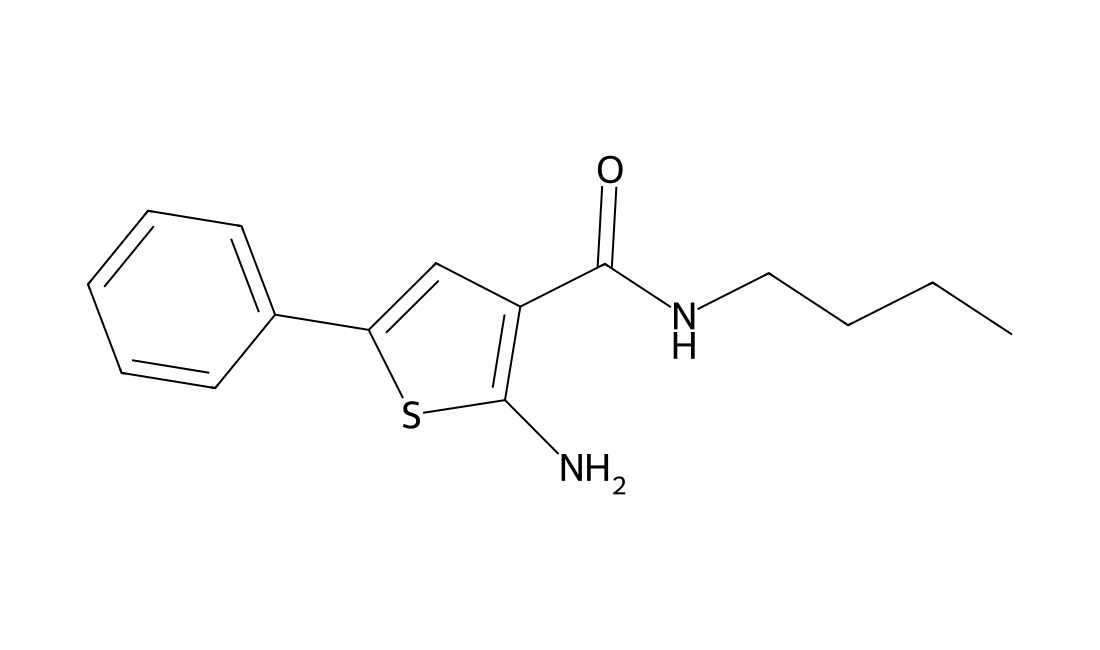
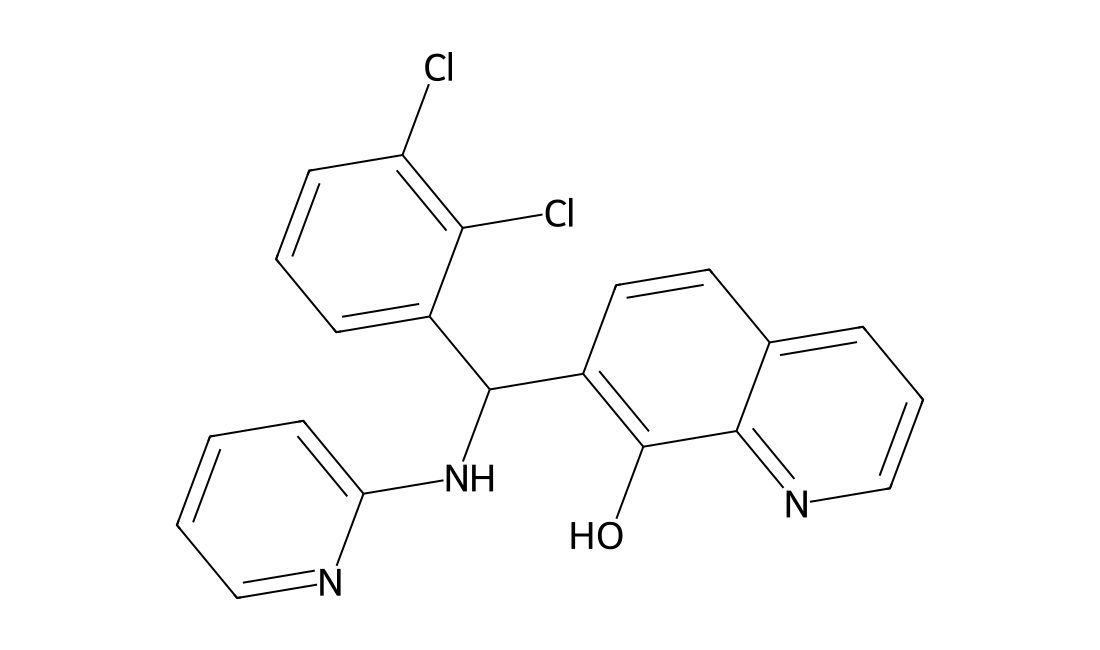
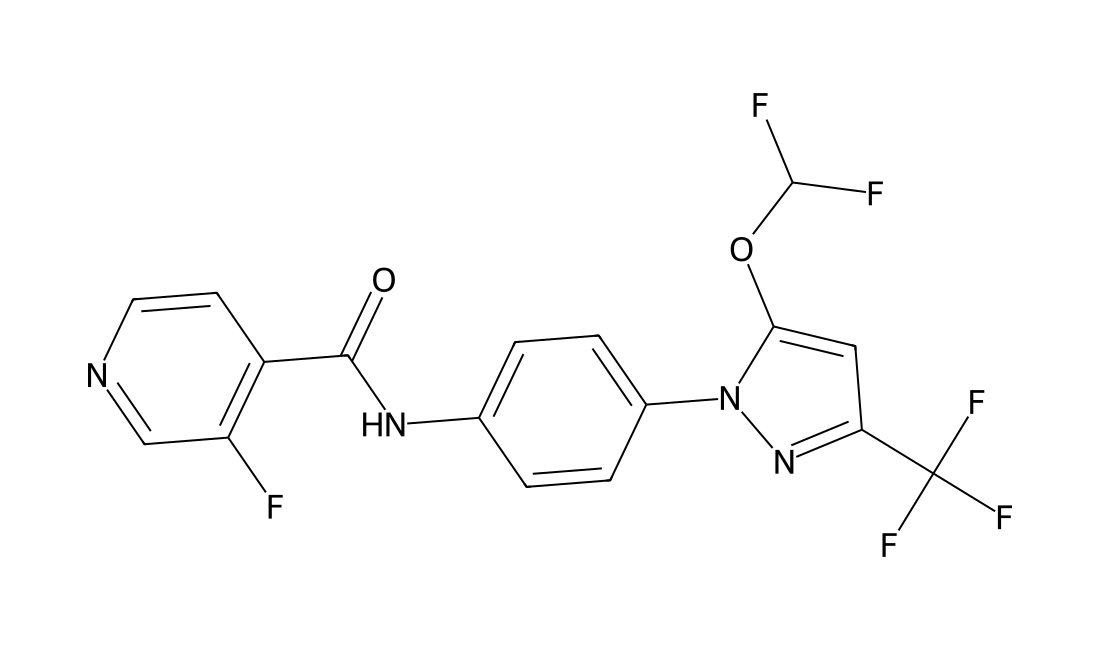
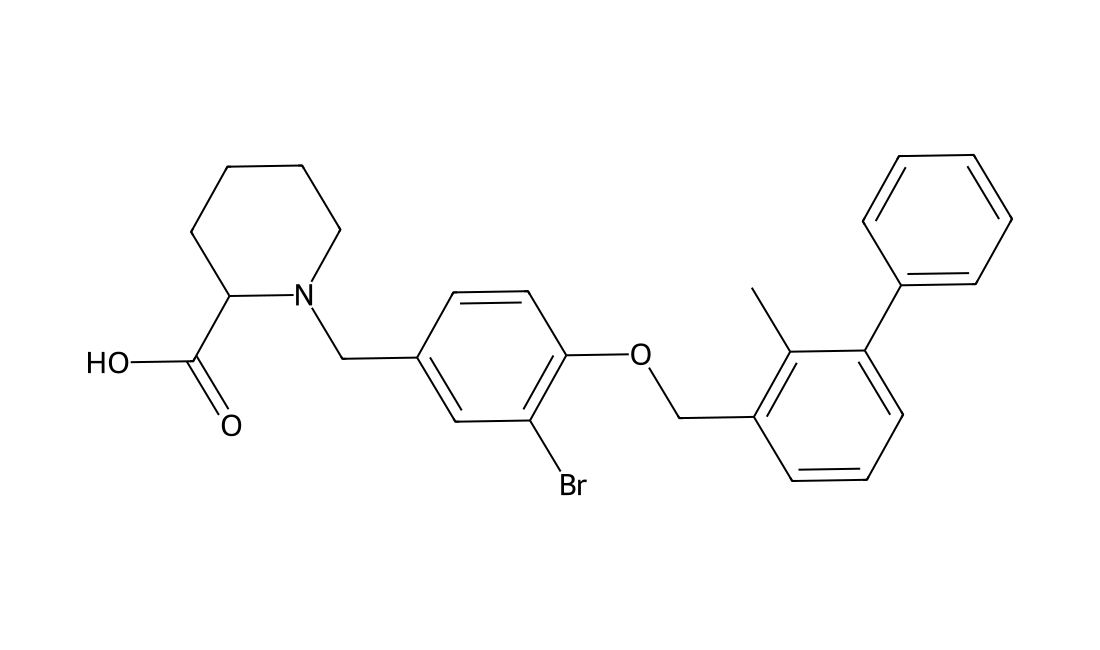
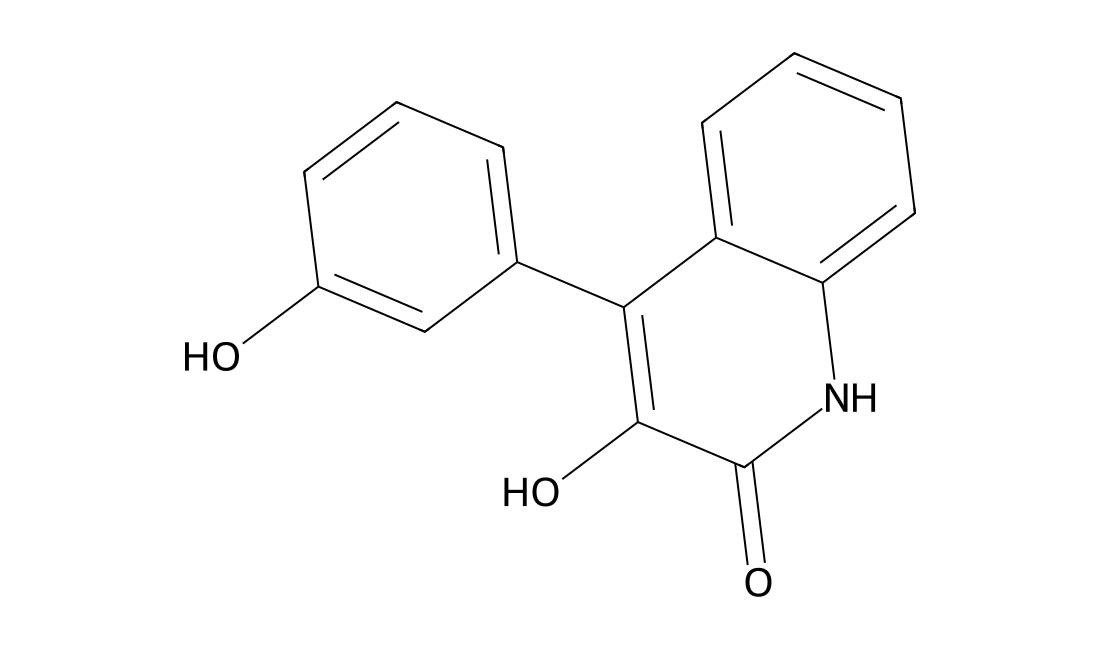
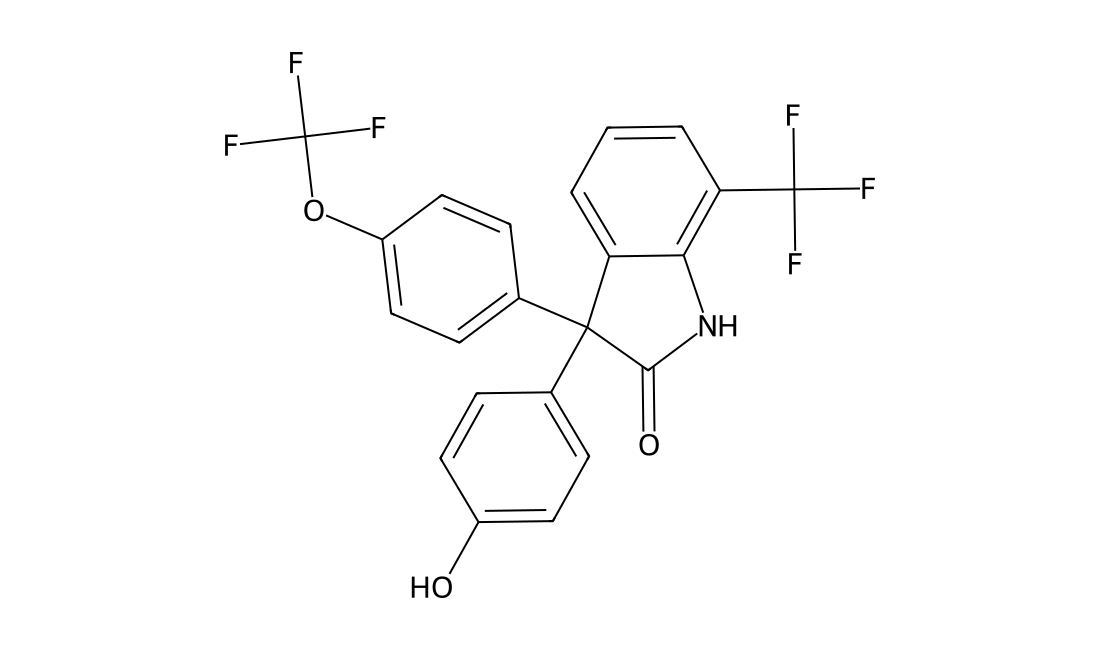
DC70491

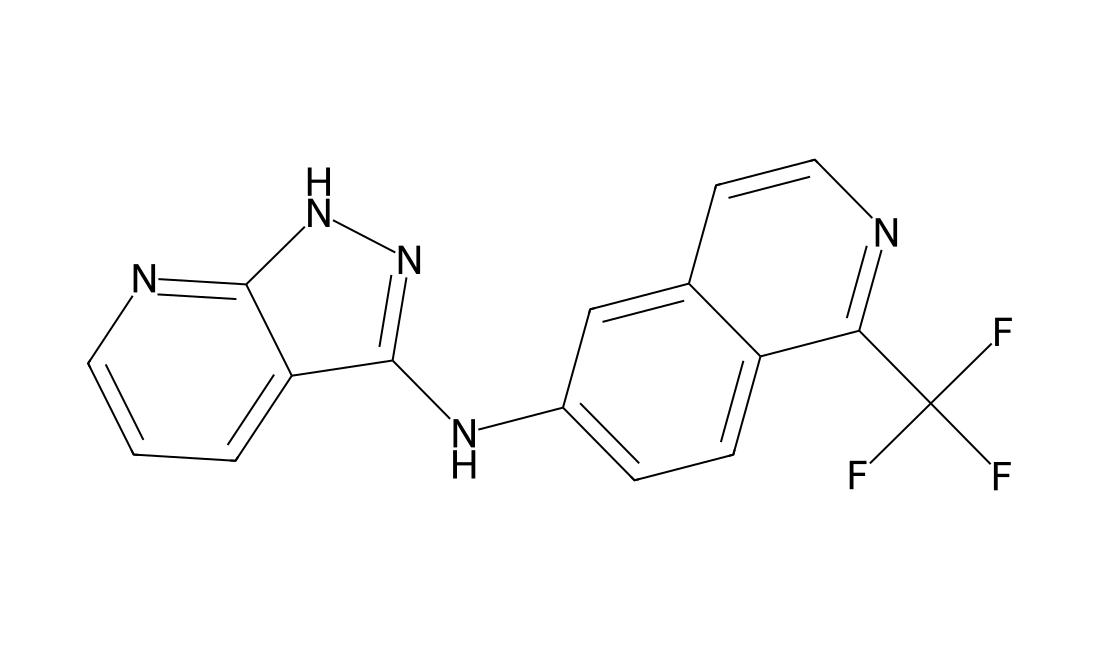
HPPE

CAS 1325721-55-8

HPPE is a specific nonelectrophilic and physiological Bach1 inhibitor via heme-binding sites of Bach1 protein, derepresses Bach1-mediated repression.HPPE induces up-regulation of Hmox1 mRNA is mediated by Bach1 inhibition in vivo.

HPPE chemical structure
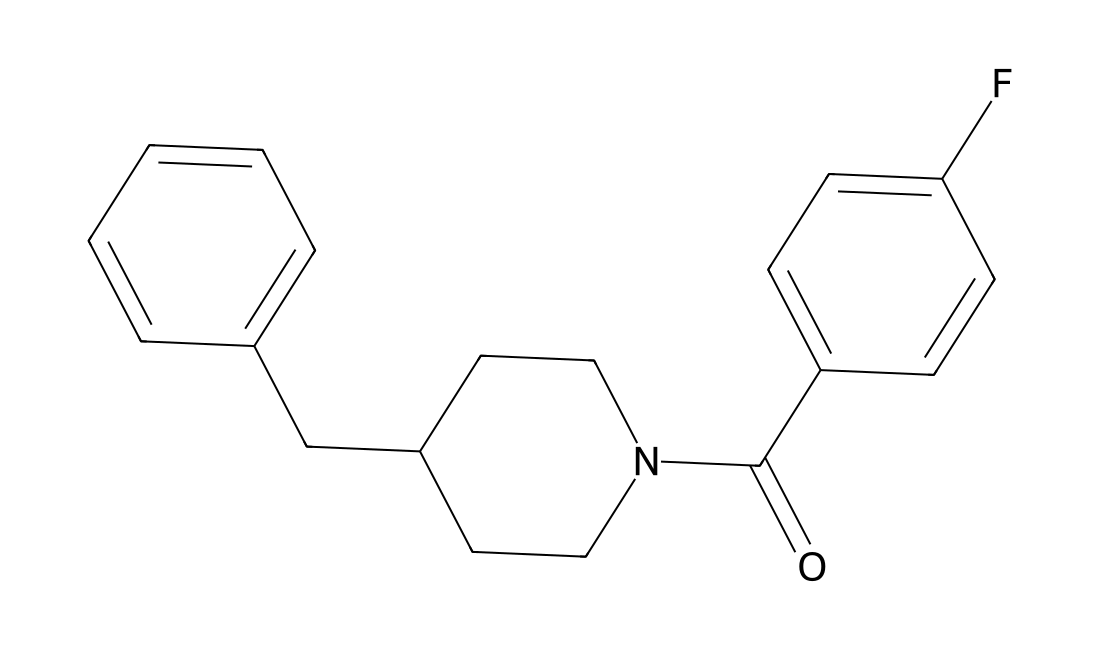
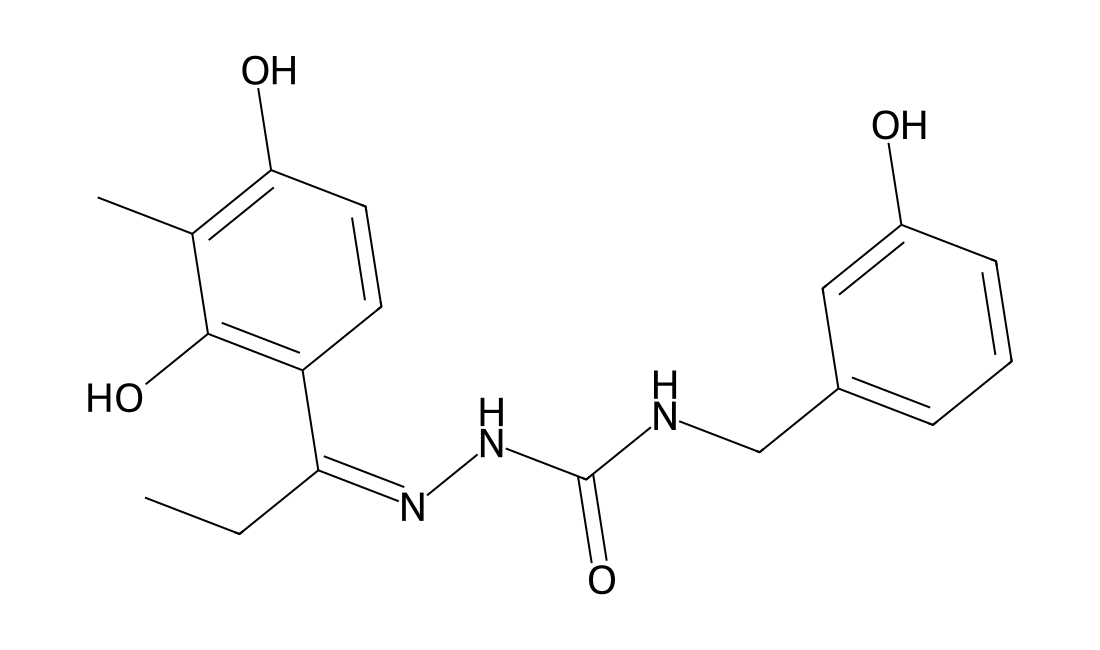
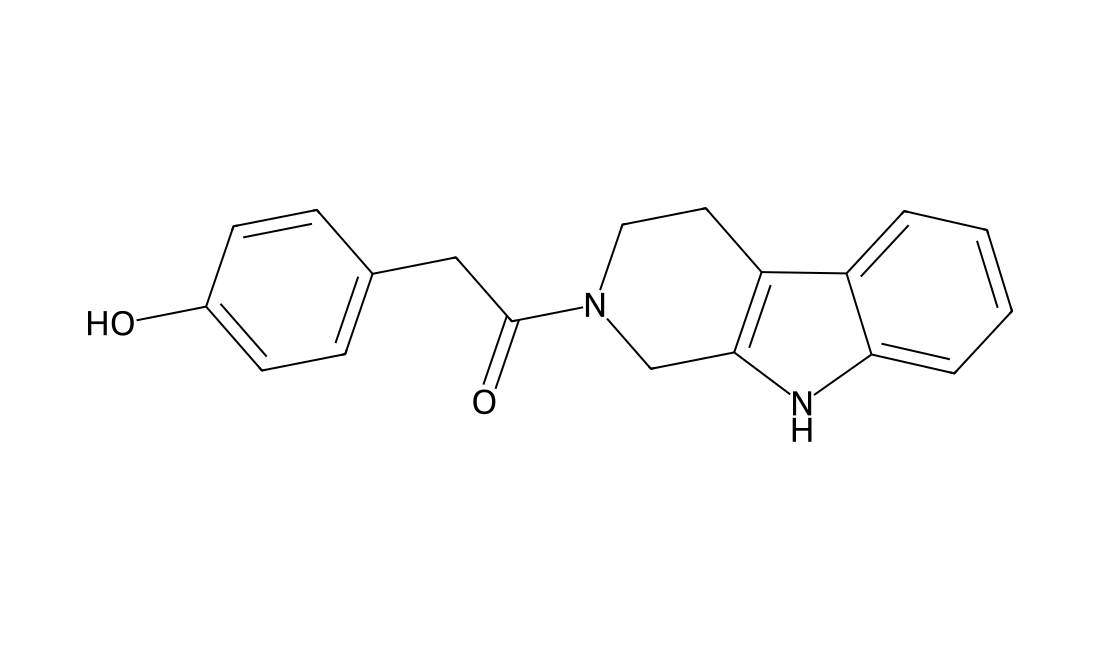
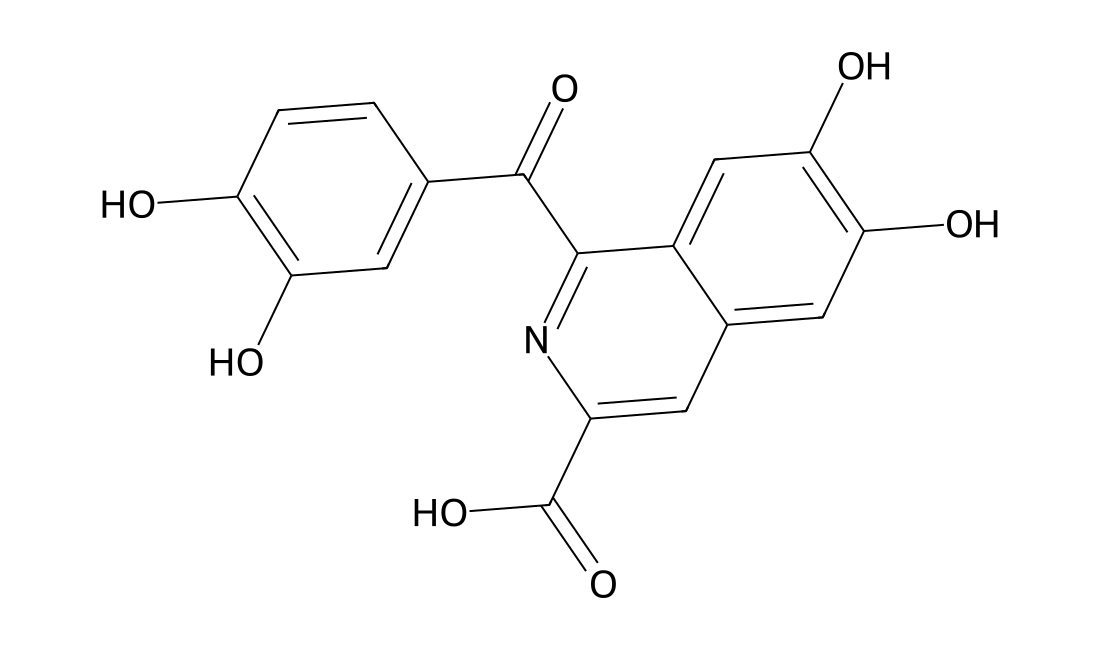
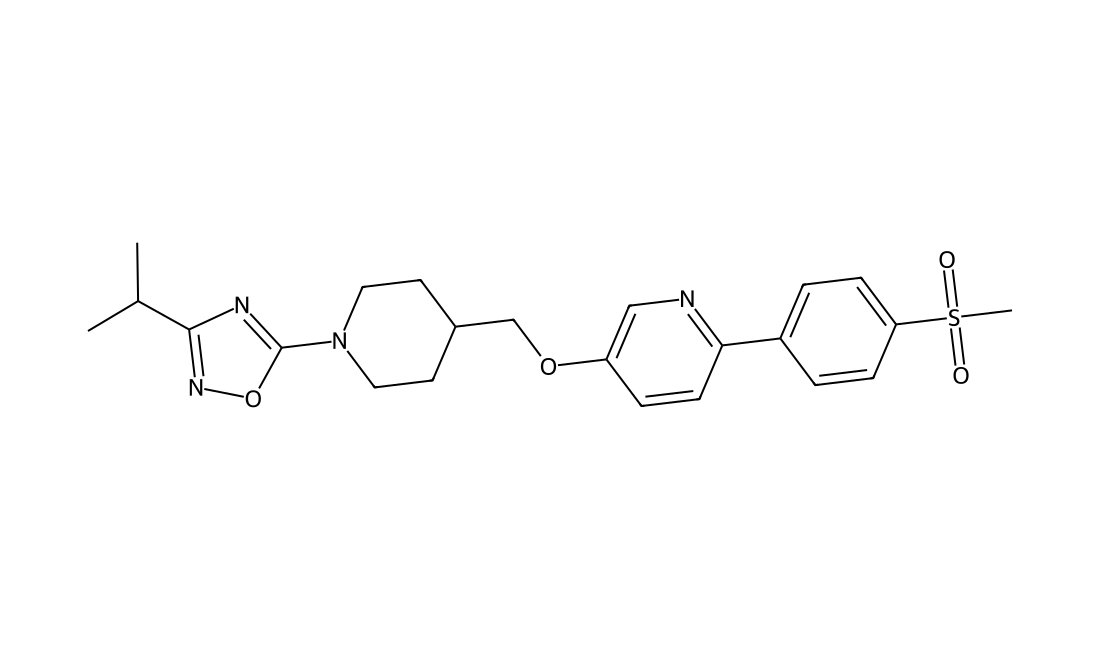
DC65190

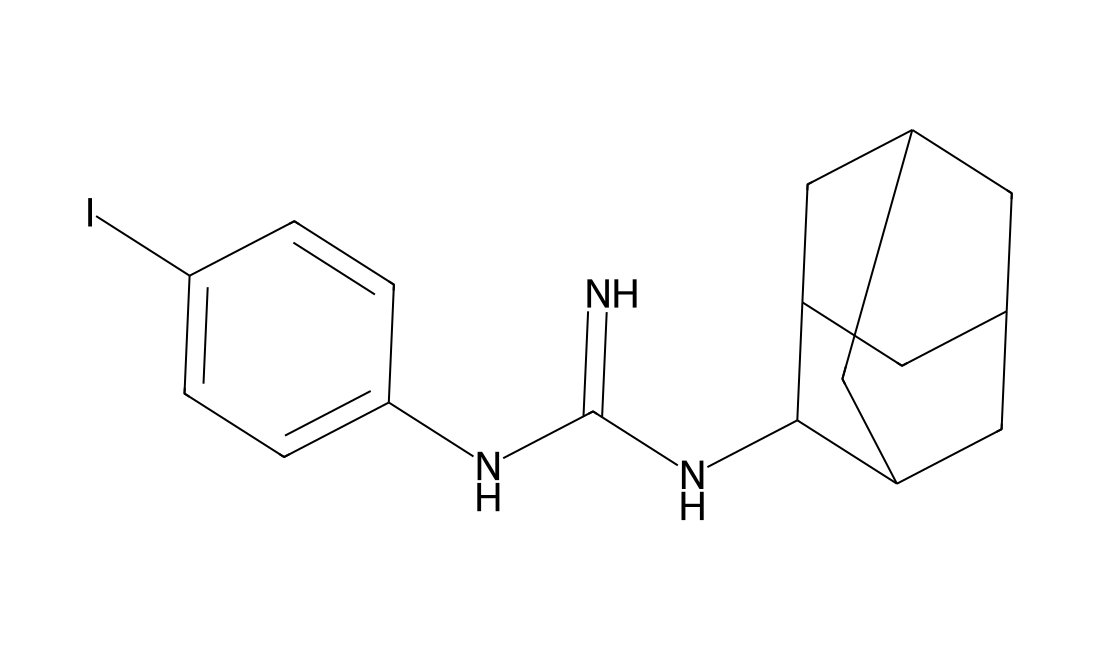
NSC321039

CAS 1666119-75-0

NSC321039, also known as hMAO-B-IN-4, is a selective, reversible and blood–brain barrier (BBB) penetrable human monoamine oxidase-B (hMAO-B) inhibitor with an IC50 value of 0.067 μM.

NSC321039 chemical structure
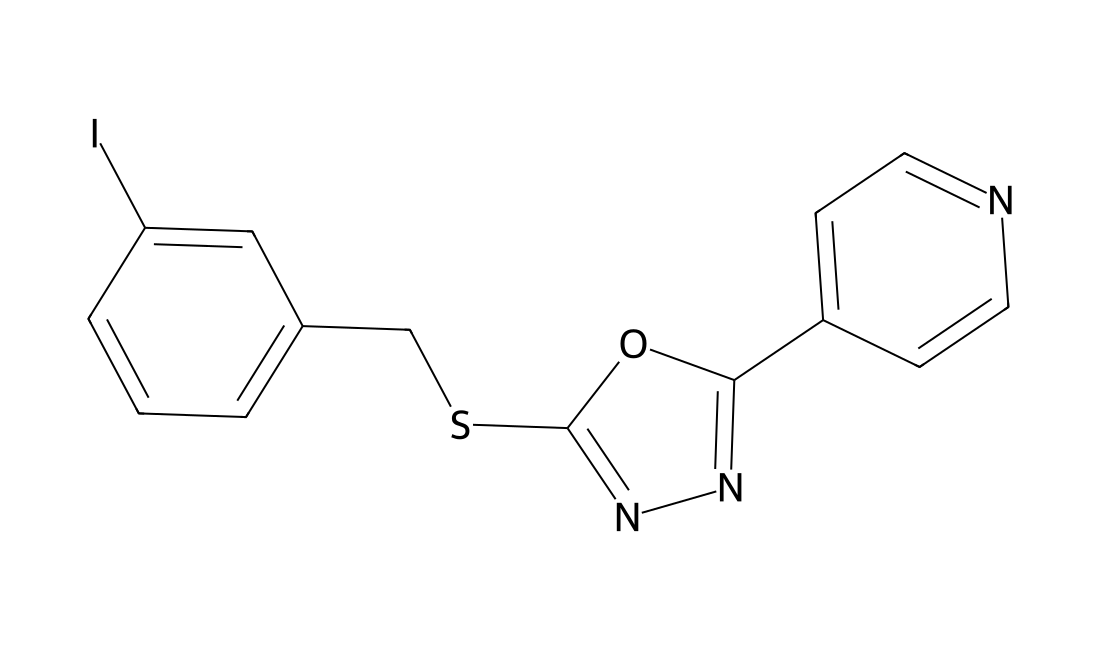
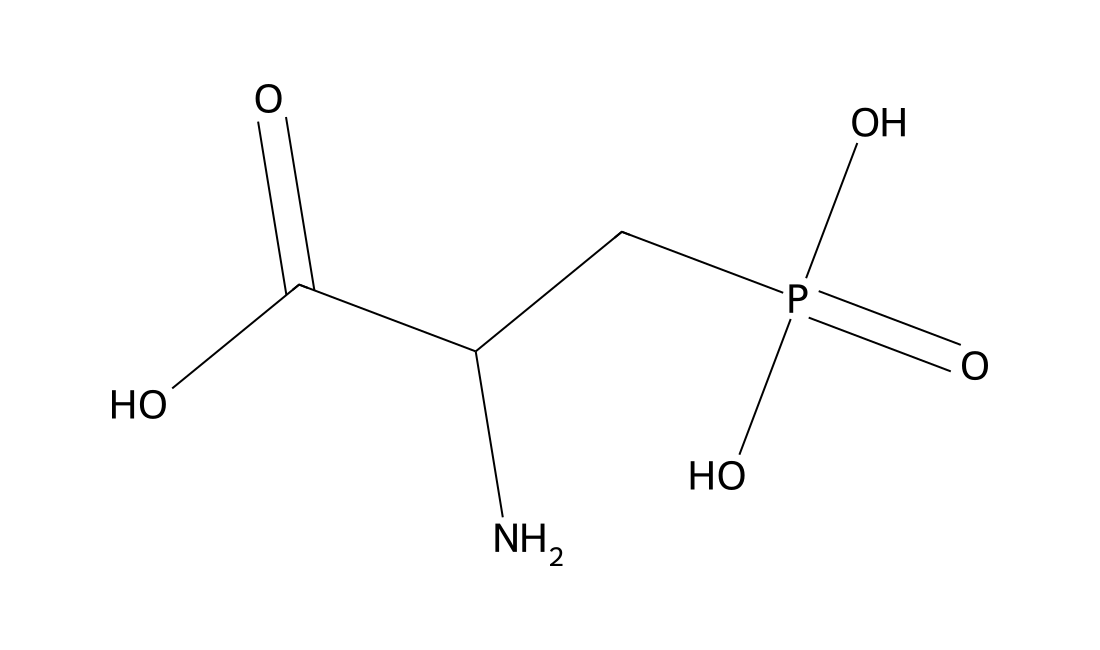
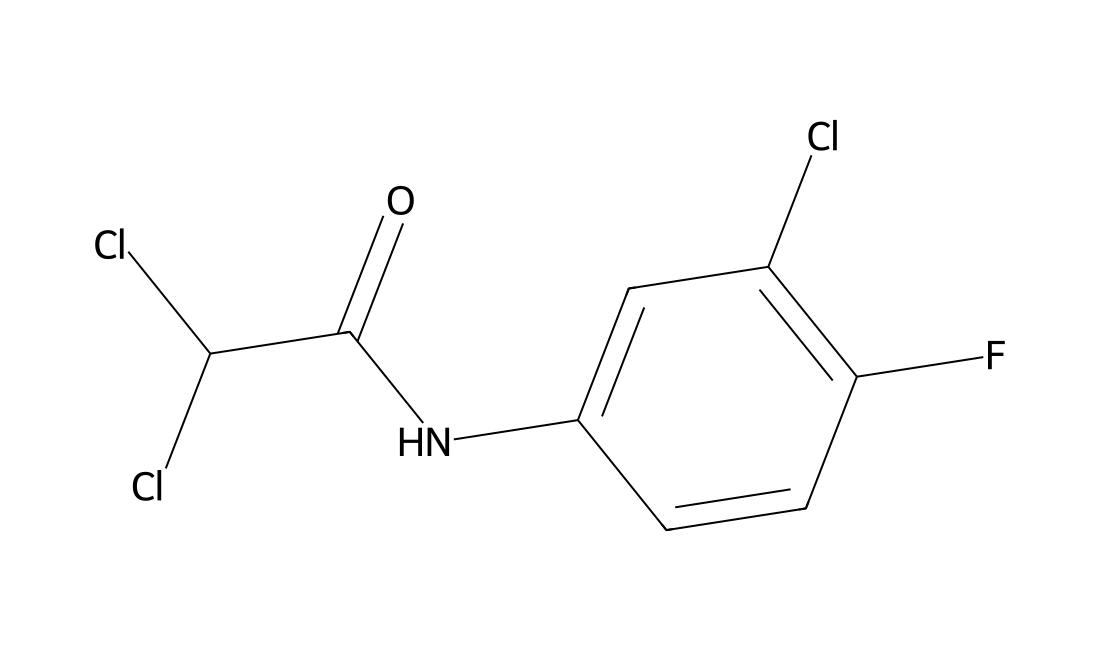
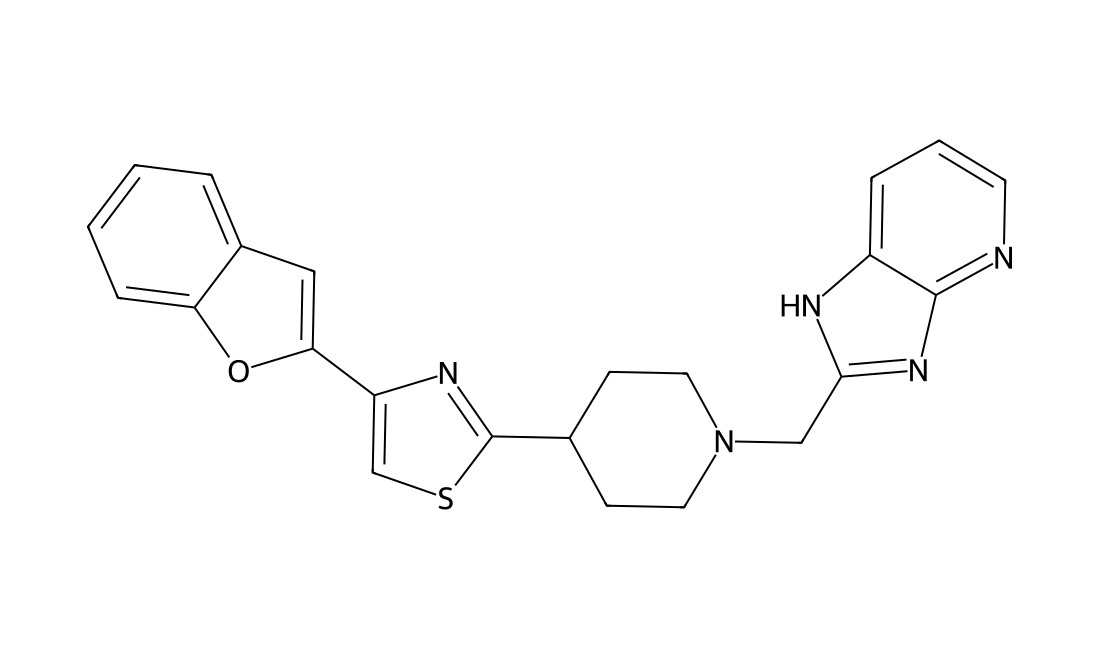
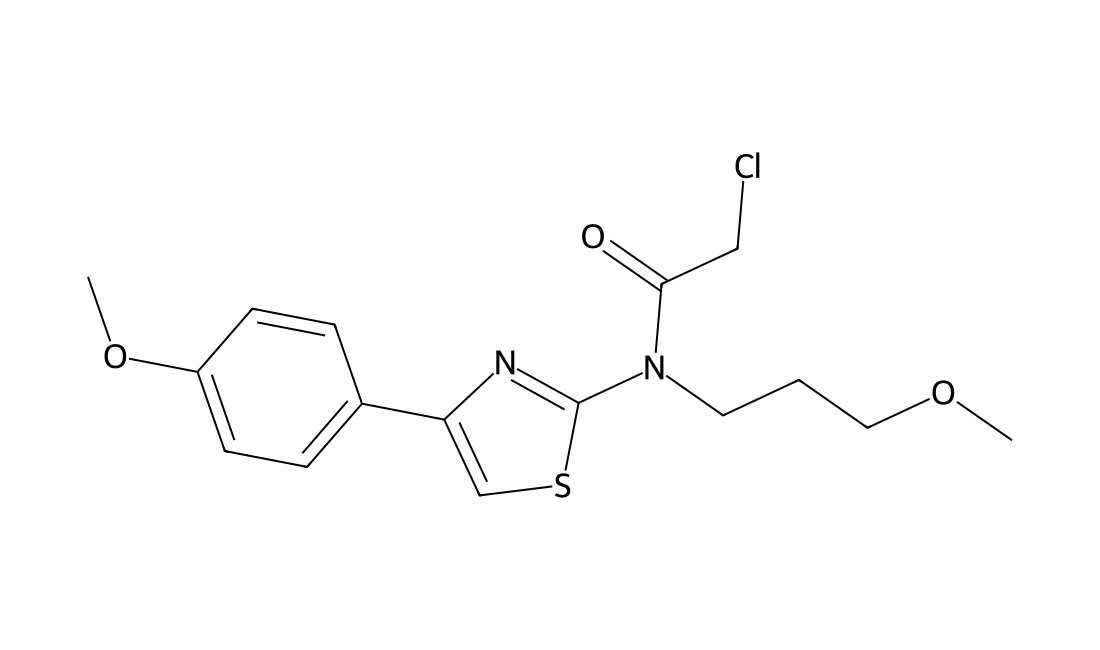
DC65187

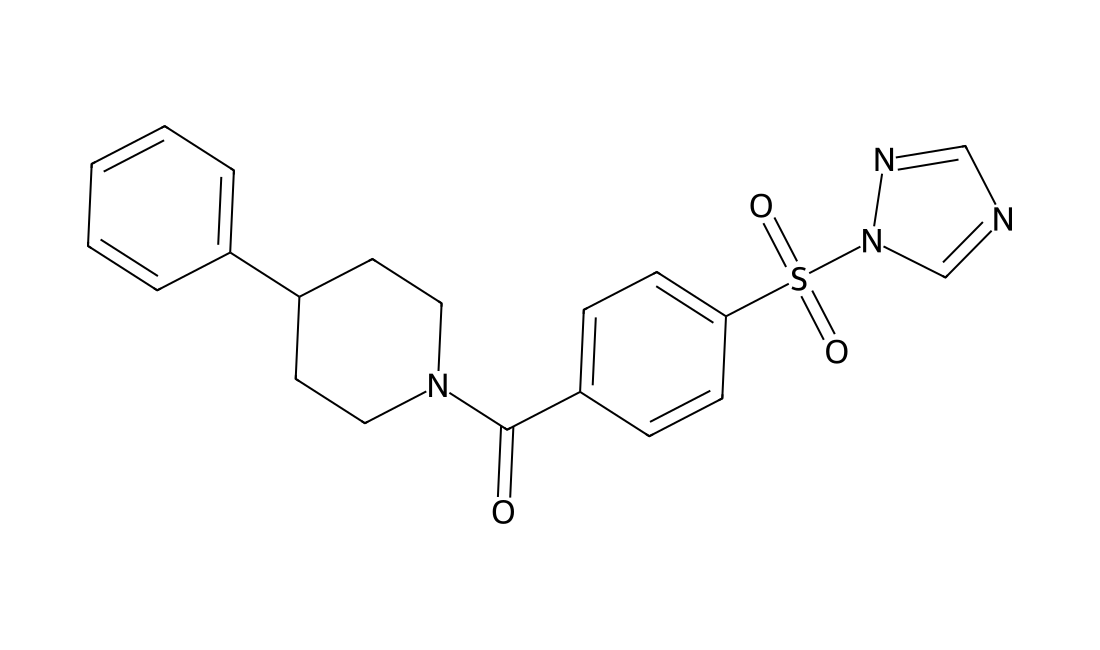
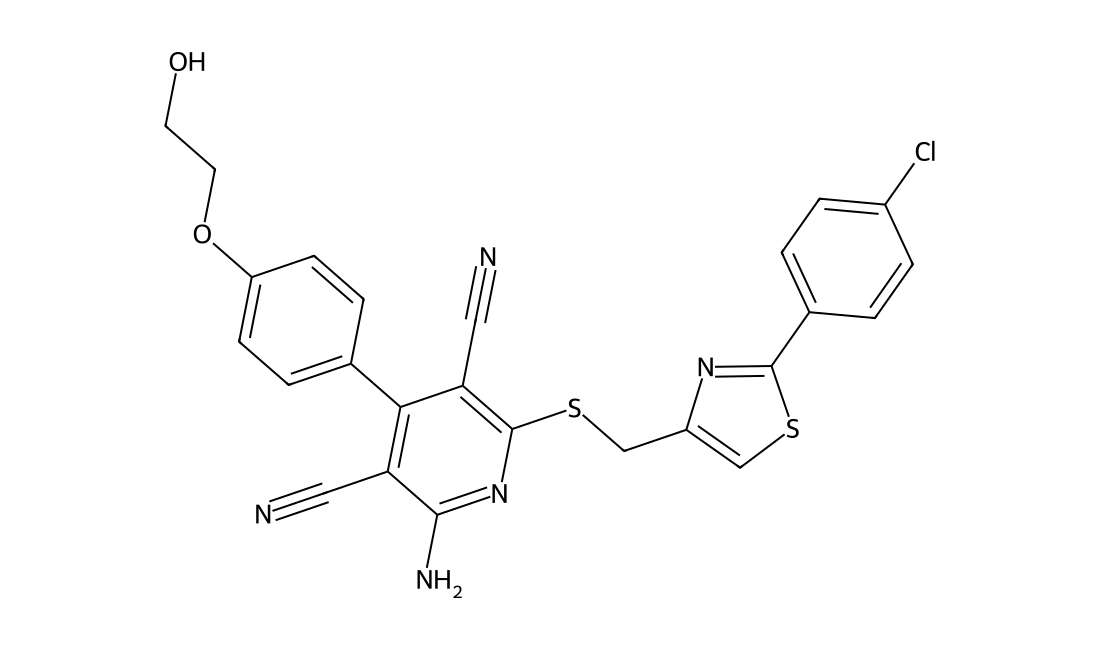
HHS-0701

CAS 2851993-91-2

HHS-0701, a sulfur-triazole exchange (SuTEx) ligand, is a potent tyrosine-reactive prostaglandin reductase 2 (PTGR2) inhibitor. HHS-0701 blocks PTGR2 metabolism of the lipid substrate 15-Keto-PGE2.

HHS-0701 chemical structure
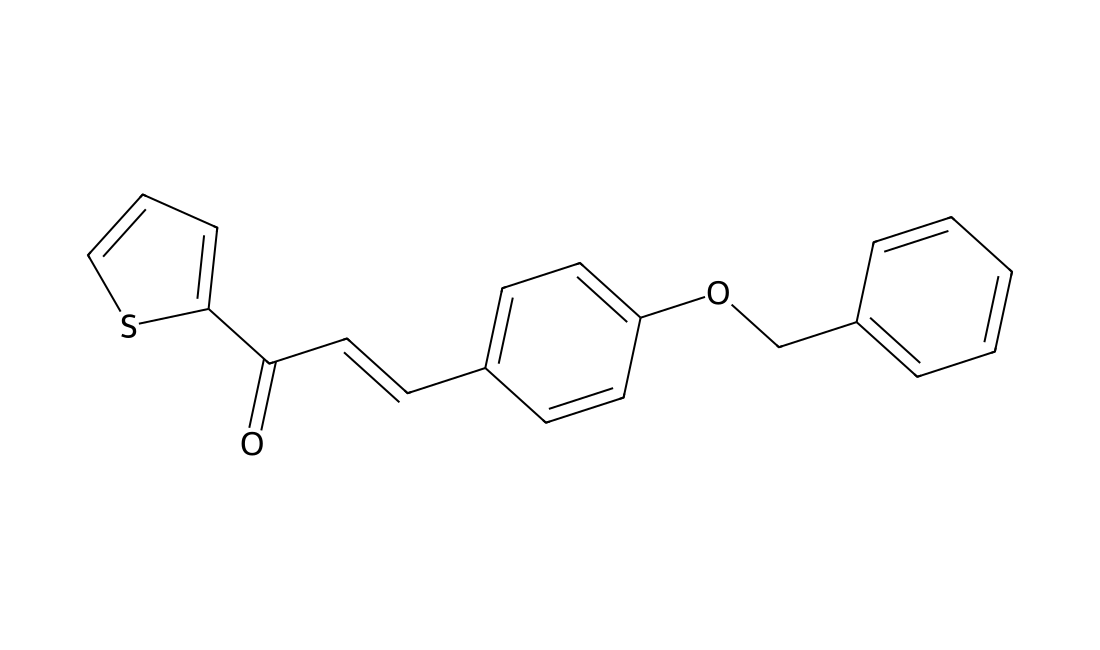
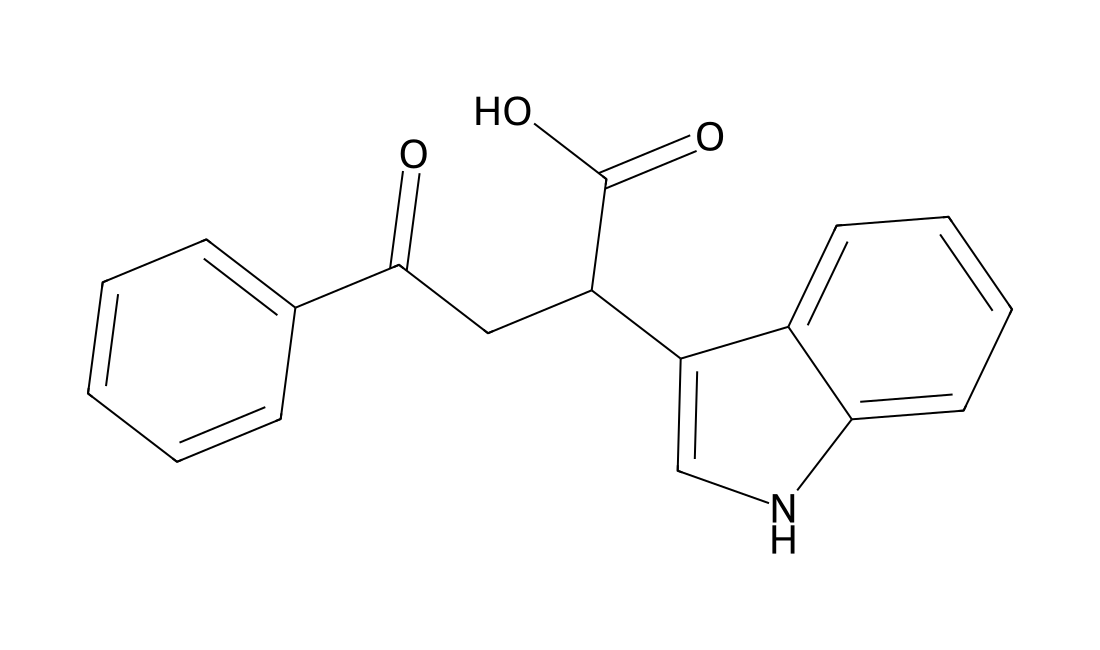
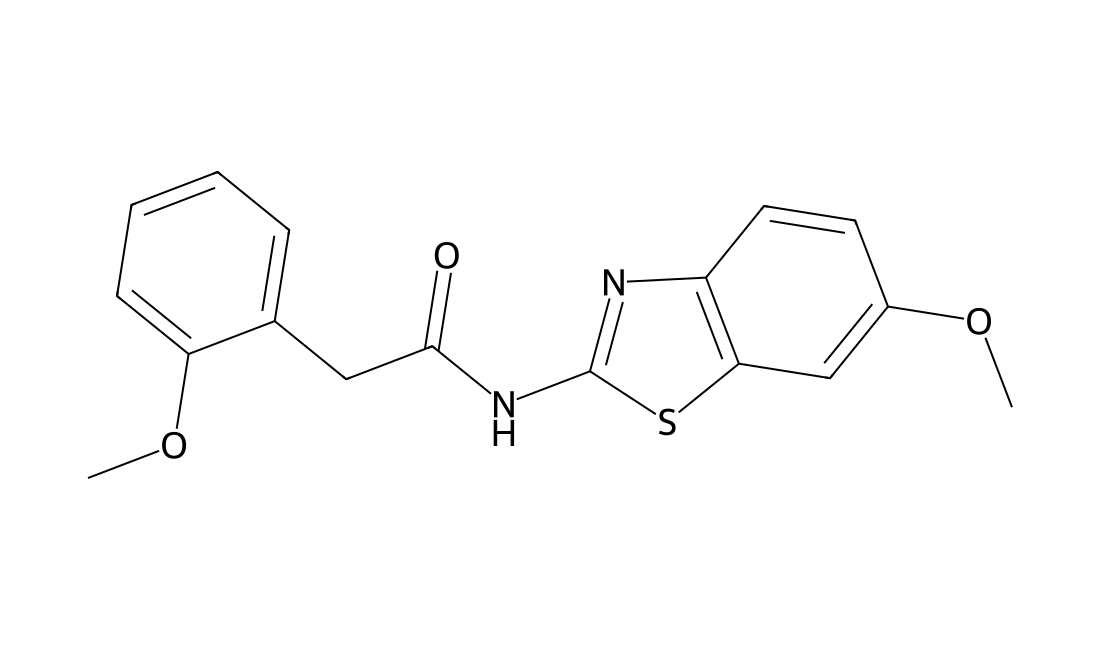
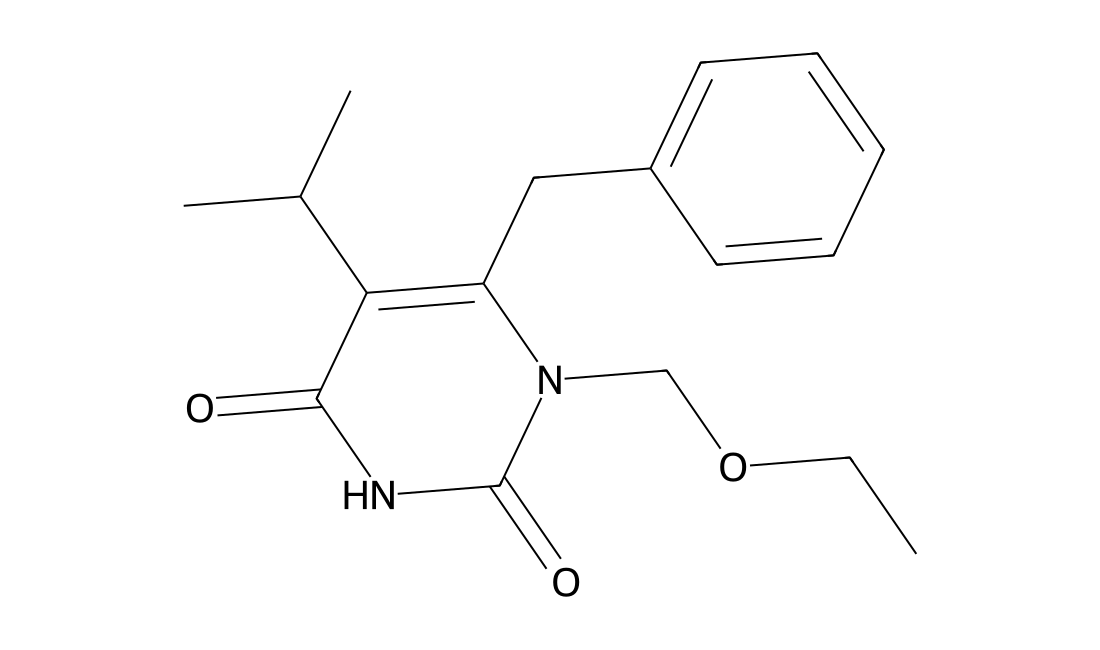
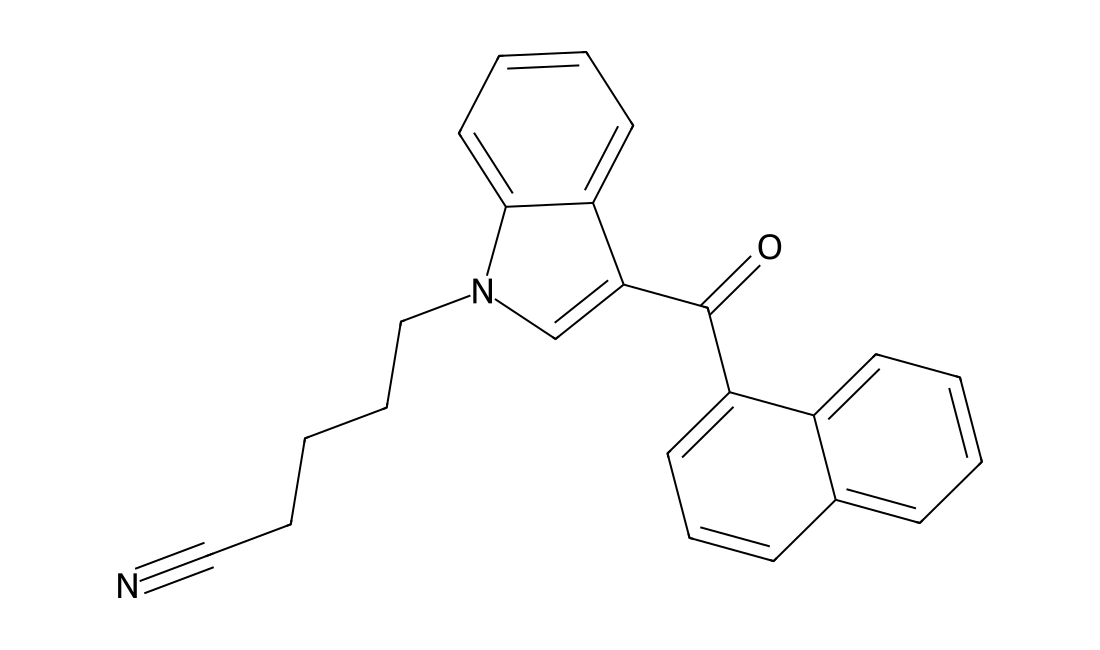
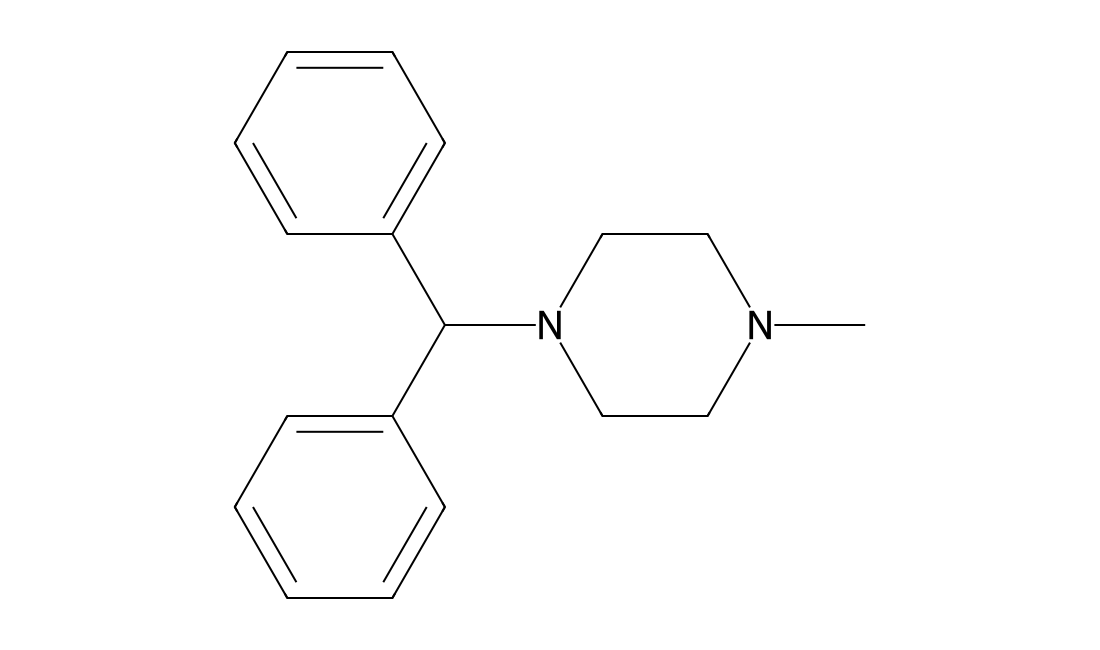
DC40968

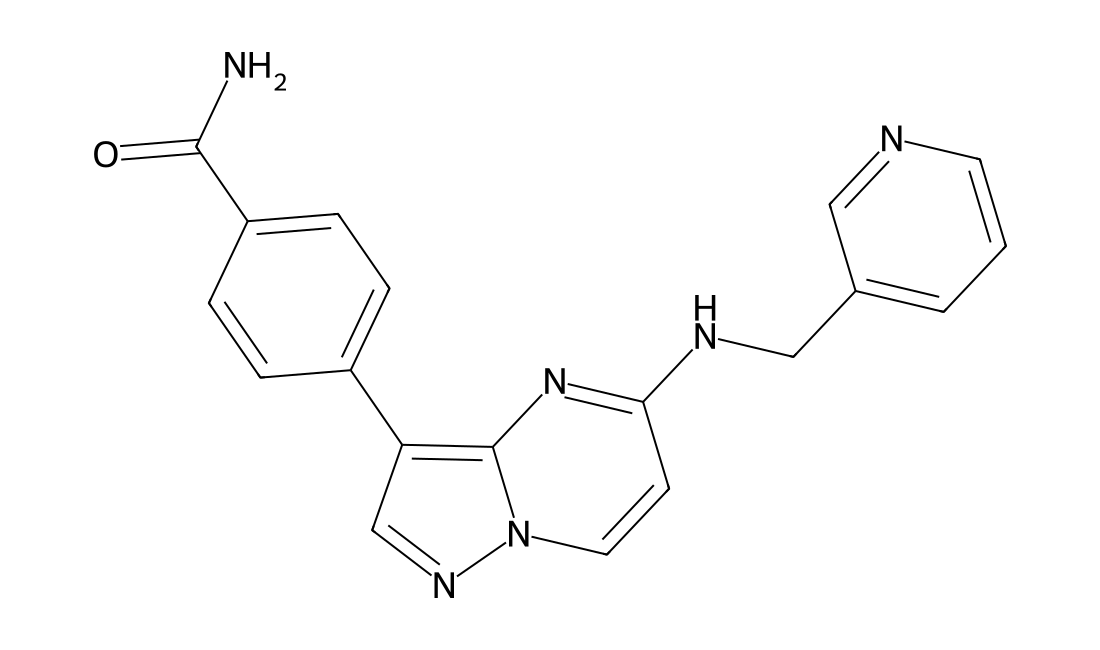
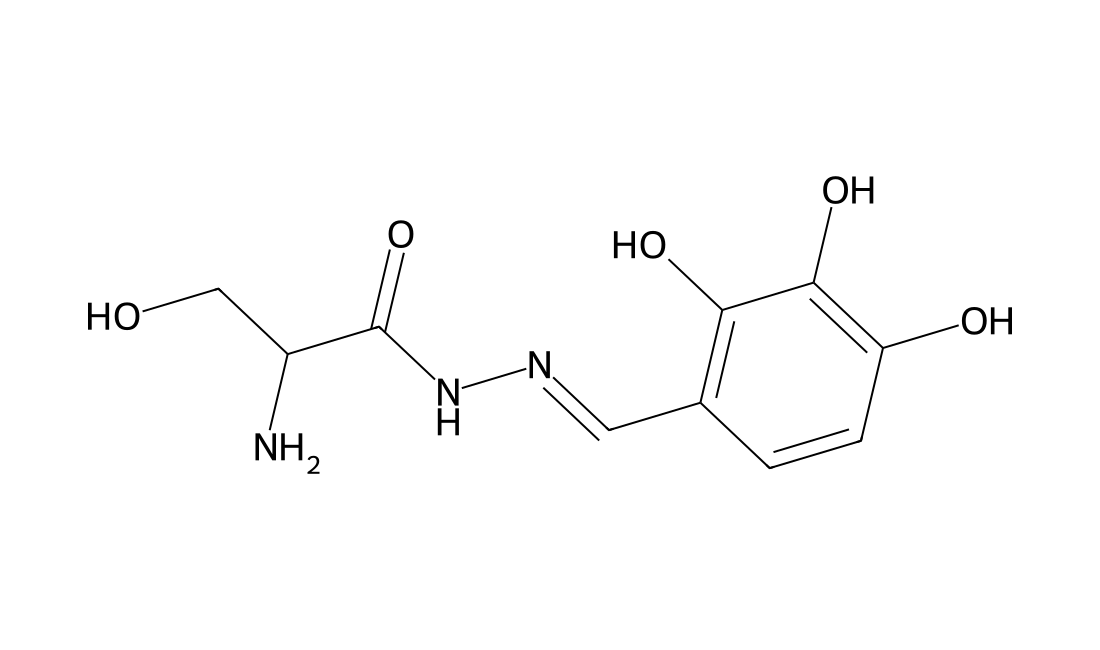
LUN09945

CAS 2414909-94-5

LUN09945 is a potent RETV804M kinase inhibitor. LUN09945 was first reported by Rebecca Newton et al (Compound 13, in ACS Med Chem Lett. 2020;11(4):497-505). This product has no formal name at the moment. For the convenience of communication, a temporary code name was therefore proposed according to MedKoo Chemical Nomenclature

LUN09945 chemical structure
DC43617

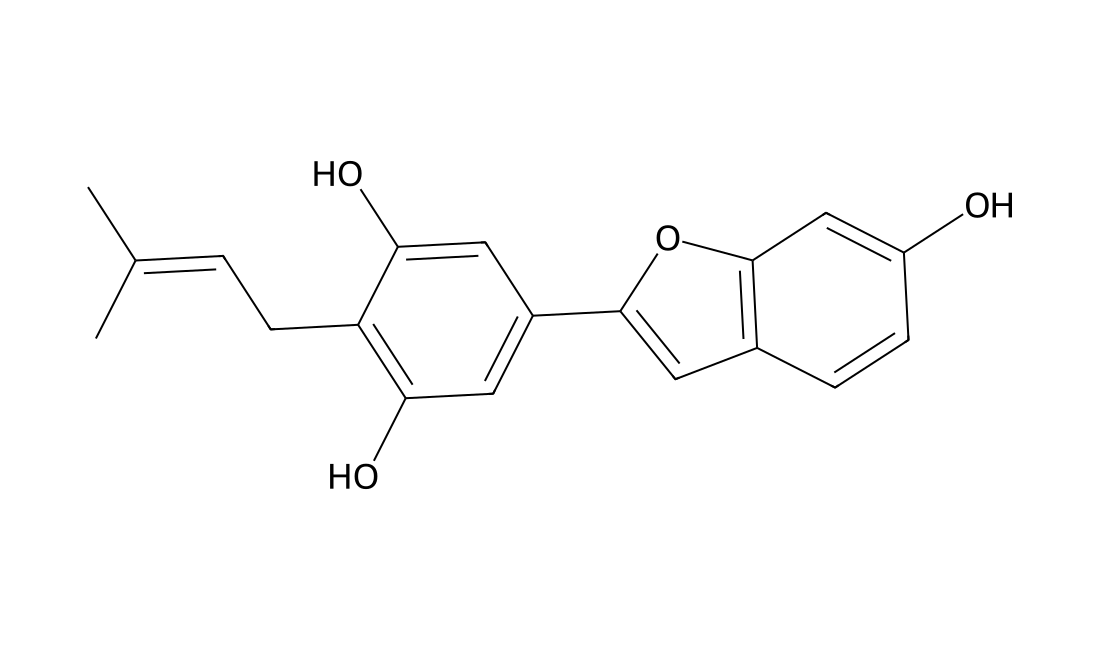
Moracin M

CAS 56317-21-6

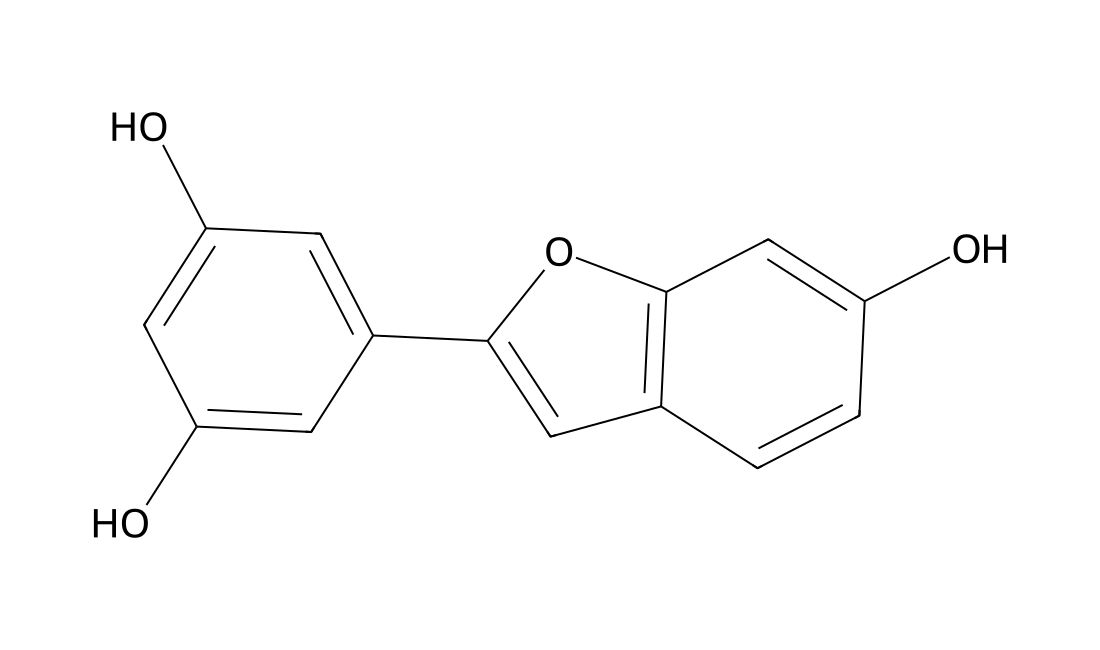
Moracin M is a phosphodiesterase-4 inhibitor isolated from Morus alba. Moracin M has anti-inflammatory activity. Moracin M inhibits lipopolysaccharide-induced inflammatory responses in nucleus pulposus cells via regulating PI3K/Akt/mTOR phosphorylation. Moracin M inhibits airway inflammation by interrupting the JNK/c-Jun and NF-κB pathways in vitro and in vivo.

Moracin M chemical structure
DC72751

CT52923

CAS 205256-55-9

CT52923 is a selective, orally active platelet-derived growth factor receptor (PDGFR) antagonist. CT52923 also is an ATP-competitive inhibitor. CT52923 can be used for the research variety of pathological diseases, including atherosclerosis, glomerulonephritis, liver cirrhosis, pulmonary fibrosis, and cancer.

CT52923 chemical structure
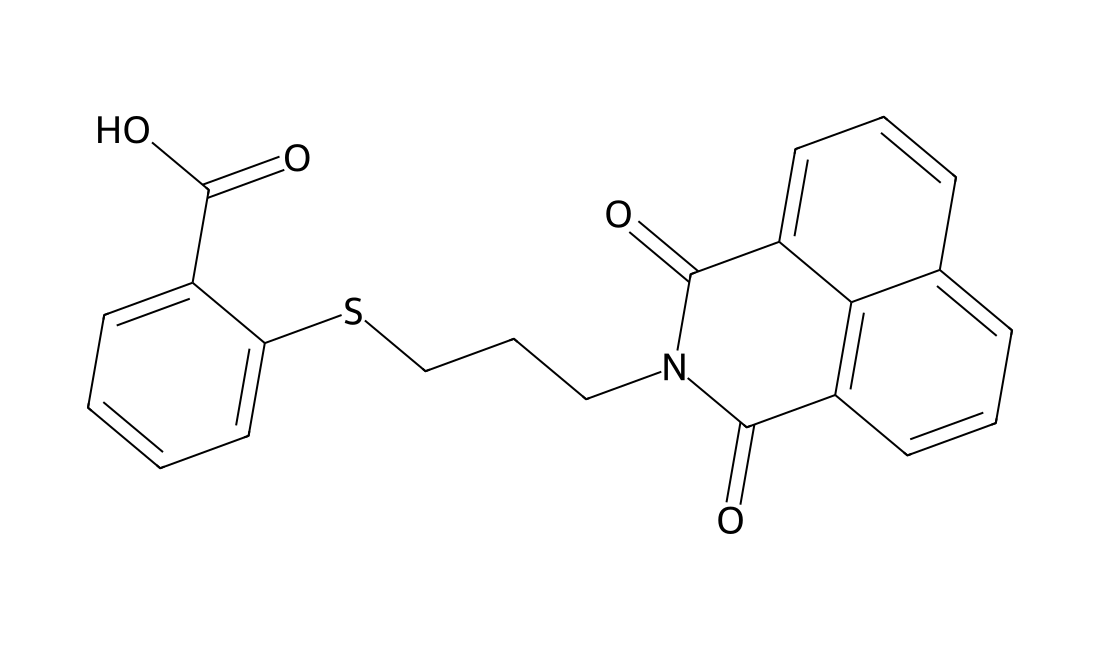
DC72304

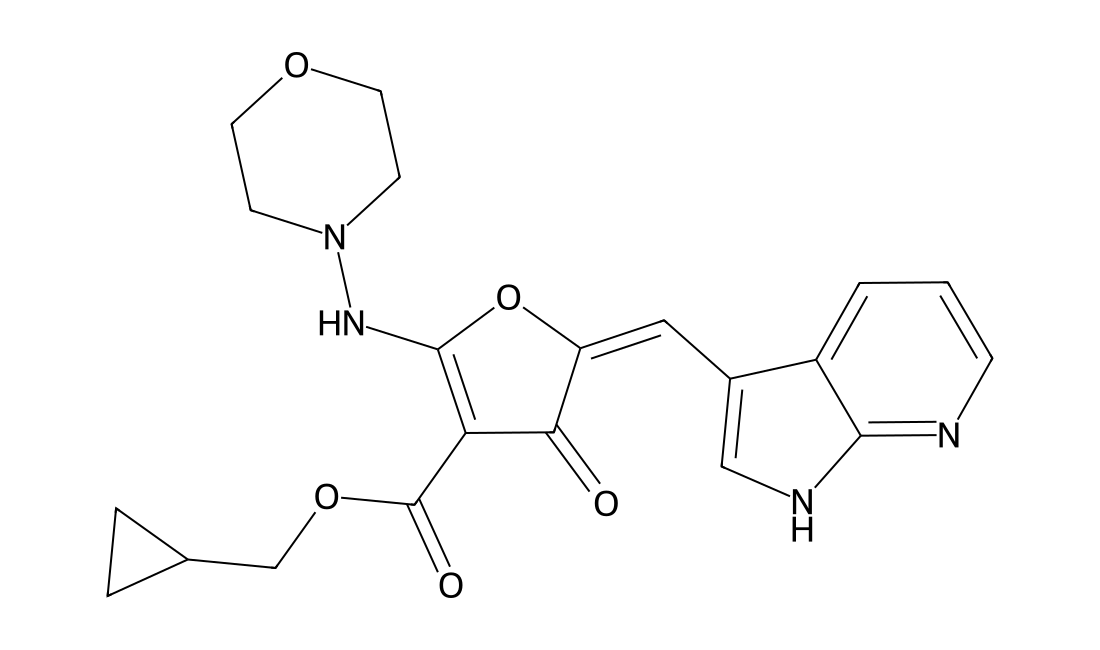
MMRi62

CAS 352693-80-2

MMRi62, a ferroptosis inducer targeting MDM2-MDM4 (negative regulators of tumor suppressor p53). MMRi62 shows a P53-independent pro-apoptotic activity against pancreatic ductal adenocarcinoma (PDAC) cells and induce autophagy. MMRi62 inducesferroptosis, resulting in a increase of reactive oxygen and lysosomal degradation of ferritin heavy chain (FTH1). MMRi62 also leads to proteasomal degradation of mutant p53, also inhibits orthotopic xenograft PDAC mouse model in vivo with high frequency mutation characteristics of KRAS and TP53.12.

MMRi62 chemical structure
DC70423

GA-017

CAS 2351906-74-4

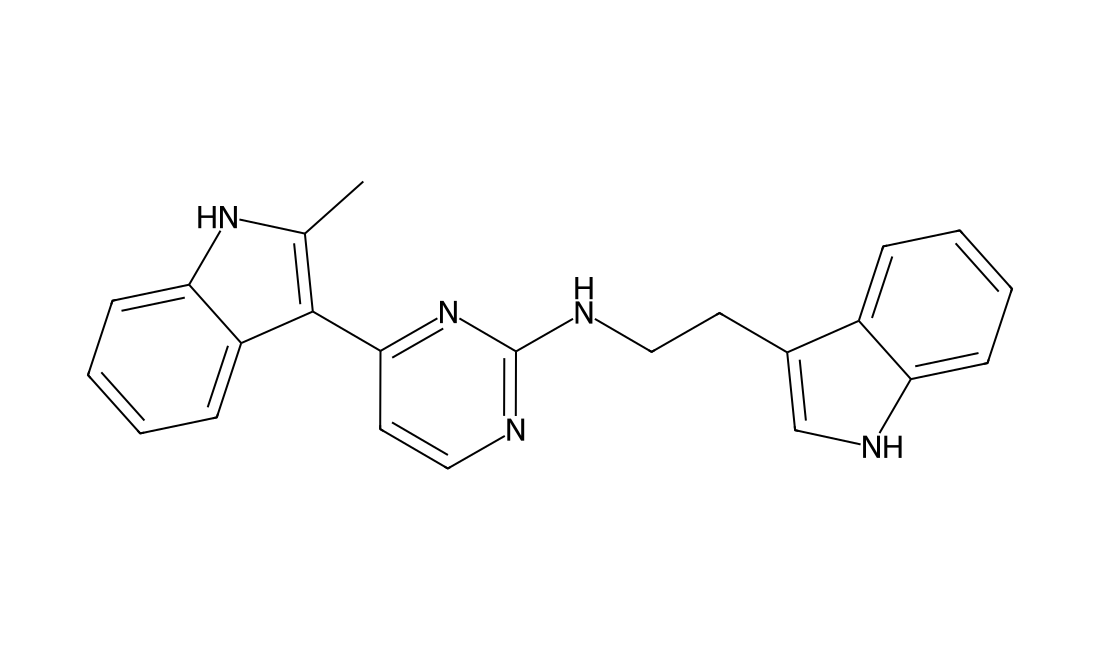
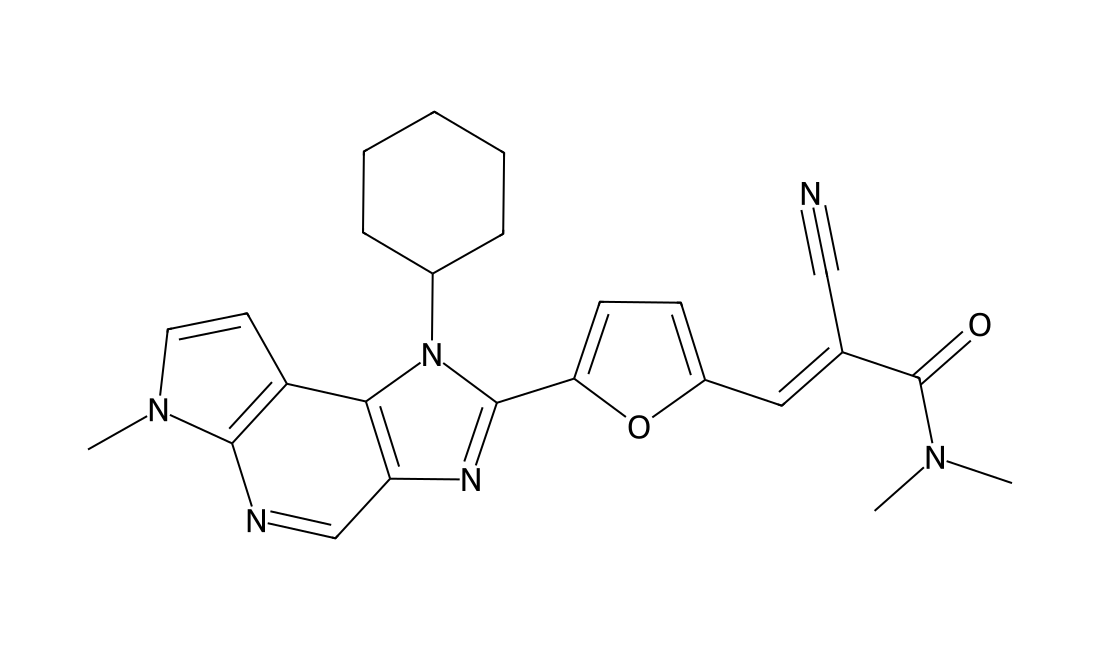
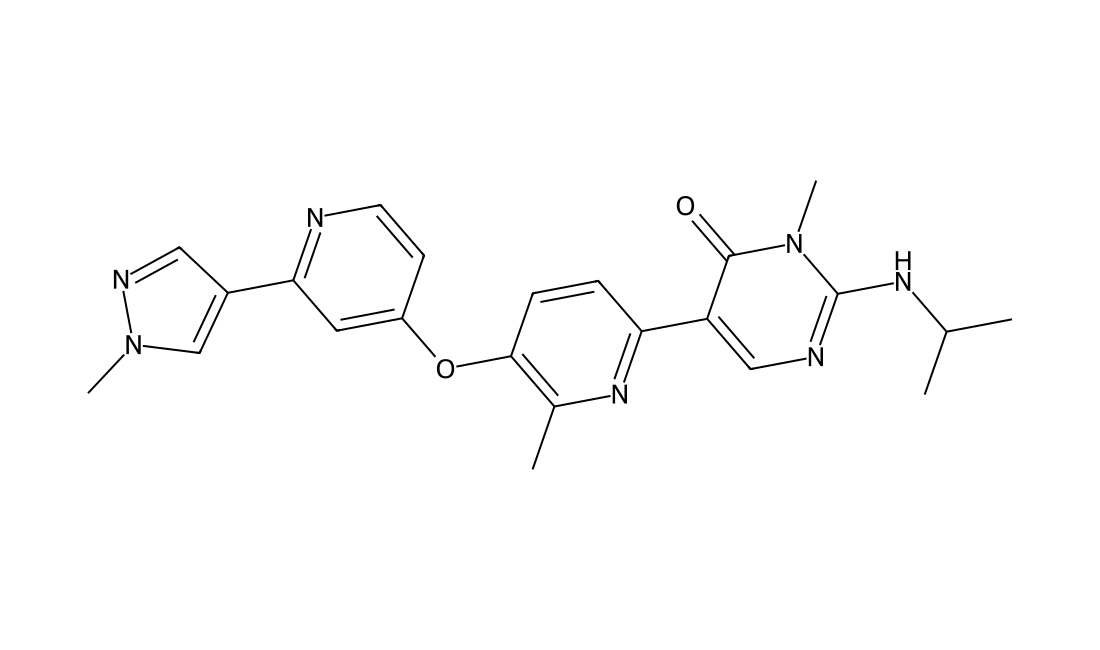
GA-017 (GA017) is a potent, selective, ATP-competitive LATS kinase (LATS1/2) inhibitor with IC50 of 4.10/3.92 nM, respectively, promotes cell growth.GA-017 increases the number and size of spheroids of various cell-types in both scaffold-based and scaffold-independent cultures.GA-017 also enhances the ex vivo formation of mouse intestinal organoids.GA-017 facilitates the growth of spheroids and organoids by stabilizing and translocating YAP/TAZ into the cell nucleus.GA-017 inhibits the Hippo pathway to promote YAP/TAZ stabilization and nuclear translocation.GA-017 induces expression of Hippo pathway-related genes such as ANKRD1, CYR61, and CTGF in SKOV3 cells in a time- and dose-dependent manner.GA-017 inhibited the activity of 16 kinases of the AGC family at 100 nM against a panel of 321 diverse kinases.The serine/threonine protein kinases LATS (LATS1/2) phosphorylate YAP/TAZ, key effectors of the growth- and proliferation-regulating Hippo signaling pathway.

GA-017 chemical structure
DC11437

VU0652957

CAS 1976050-09-5

VU0652957 (VU2957, Valiglurax) is a potent, selective mGlu4 positive allosteric modulator (PAM) with EC50 of 64.6 nM in calcium mobilization human mGlu4/Gqi5 assays; showes excellent pharmacokinetics across species (low CLps, %F > 35%), an acceptable CYP profile (>30 uM vs. 3A4, 2D6 and 2C9, 12.5 uM vs. 2C19 and 1.5 uM vs. 1A2), no CYP induction or timedependent inhibition and excellent metabolite coverage across species; also shows attractive predicted human PK parameters (CLps 5-9 mL/min/kg, Vds 1-2 L/kg and t1/2 2-4 hours).

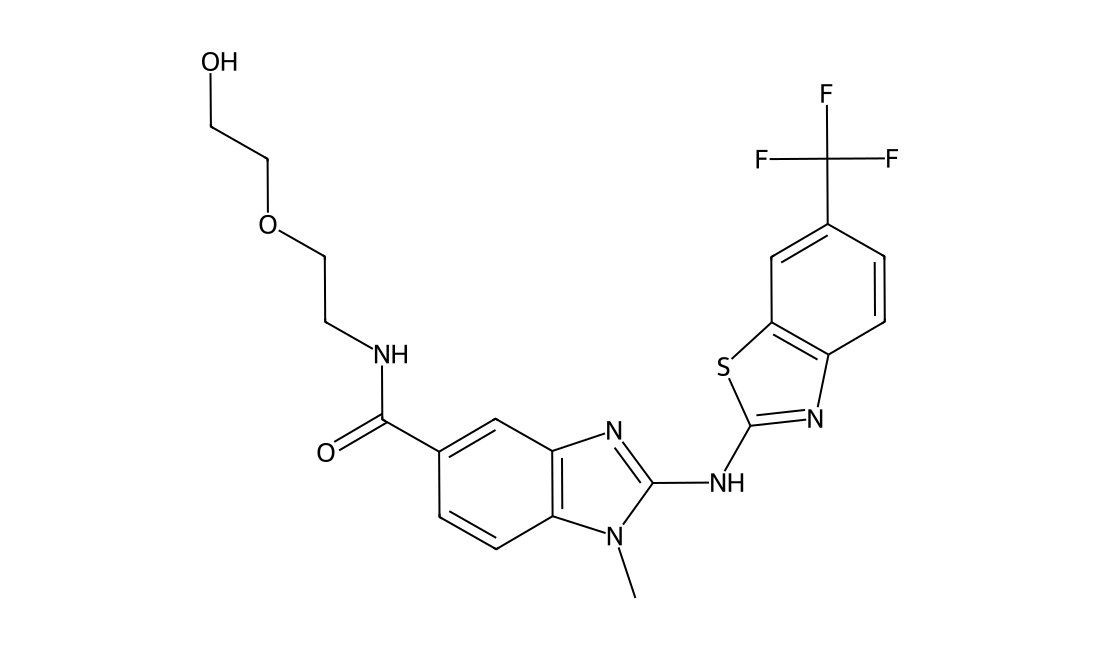
VU0652957 chemical structure
DC12576

CSRM617

CAS 787504-88-5

CSRM617 (CSRM-617) is a small-molecule inhibitor of the transcription factor ONECUT2 (OC2) with Kd of 7.43 uM in SPR assays, binds to OC2-HOX domain directly.

CSRM617 chemical structure
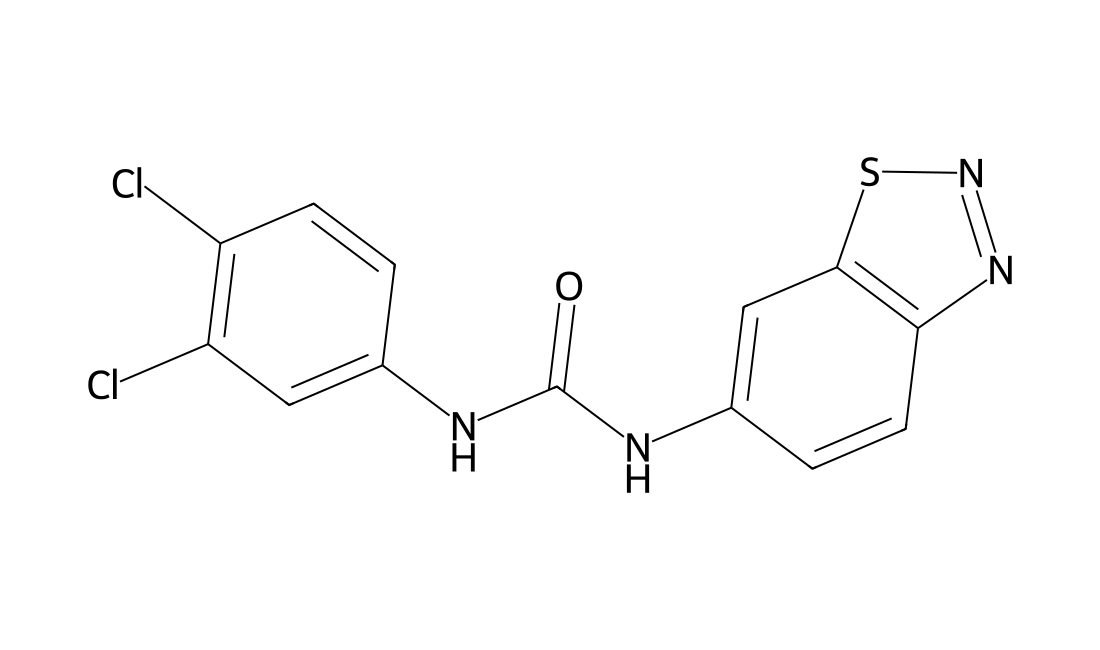
DC32550

BTdCPU

CAS 1257423-87-2

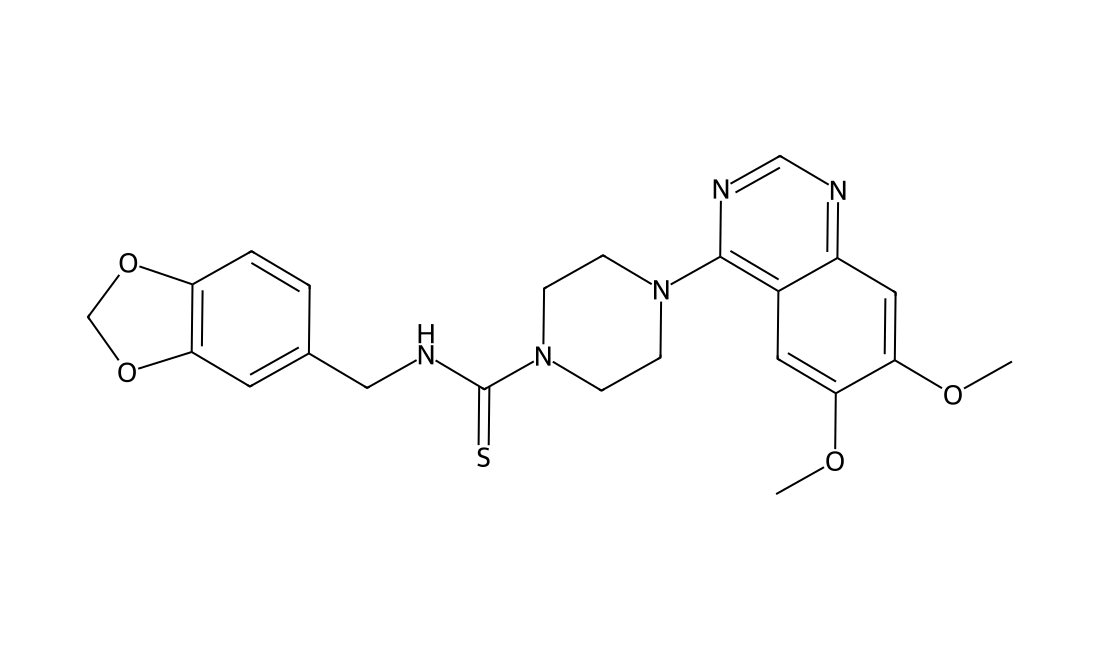
BTdCPU is an activator of HRI. The eIF2-alpha kinase HRI is a novel therapeutic target in multiple myeloma. Combination therapy with rapamycin, an mTOR inhibitor, and BTdCPU, an activator of HRI, demonstrated additive effects on apoptosis in dex-resistant cells. Thus, specific activation of the eIF2α kinase HRI is a novel therapeutic target in MM that can augment current treatment strategies.

BTdCPU chemical structure
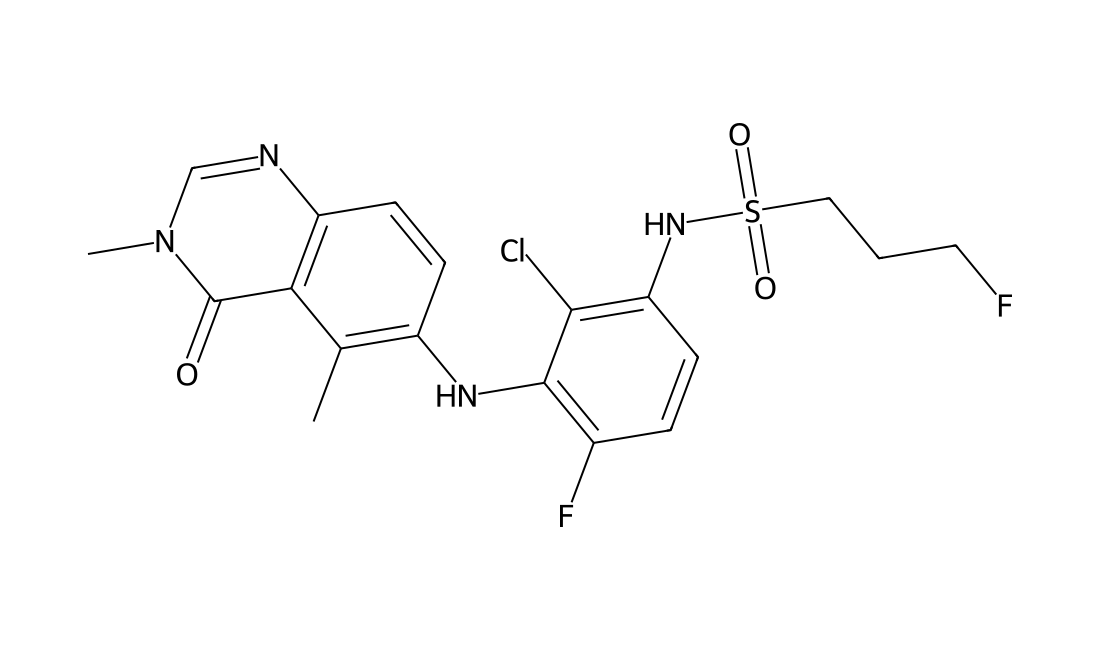
DC71910

Tinlorafenib

CAS 2573781-75-4

Tinlorafenib (PF-07284890) (compound 10) is an orally active BRAF kinase inhibitor, with IC50s of 4.25 and 2.7 nM for BRAFV600E/V600K respectively. Tinlorafenib demonstrates CNS penetration and can be used in the research of BRAF-associated malignant and benign tumors of the CNS as well as extracranial malignancies1.

Tinlorafenib chemical structure
DC60326

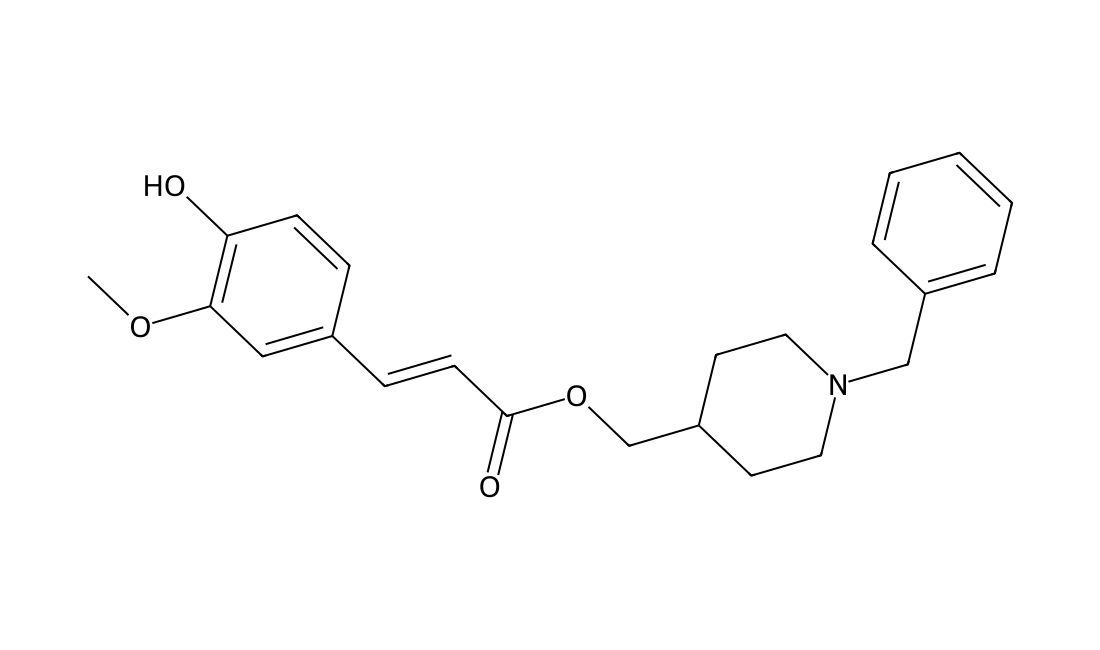
PQM130

CAS 2089415-51-8

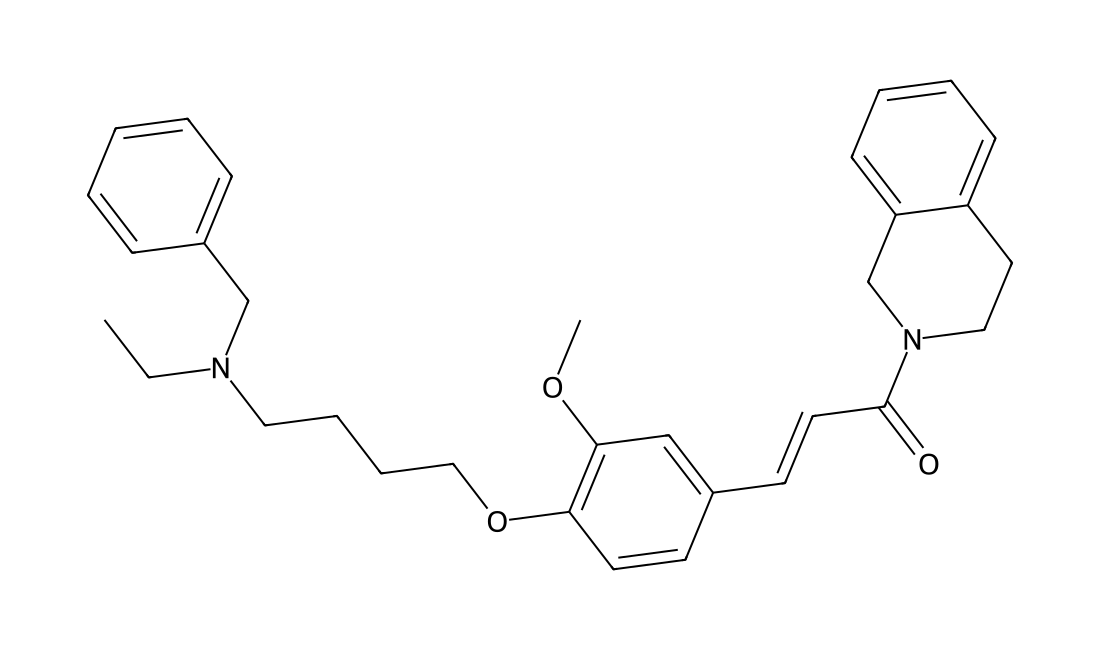
PQM130, a Feruloyl-Donepezil Hybrid compound with brain penatration, is a multitarget drug candidate against the neurotoxicity induced by Aβ1-42 oligomer (AβO) and shows anti-inflammatory activity. PQM130 acts as a neuroprotective compound for anti-AD drug development1.

PQM130 chemical structure
DC48742

YH-306

CAS 1373764-75-0

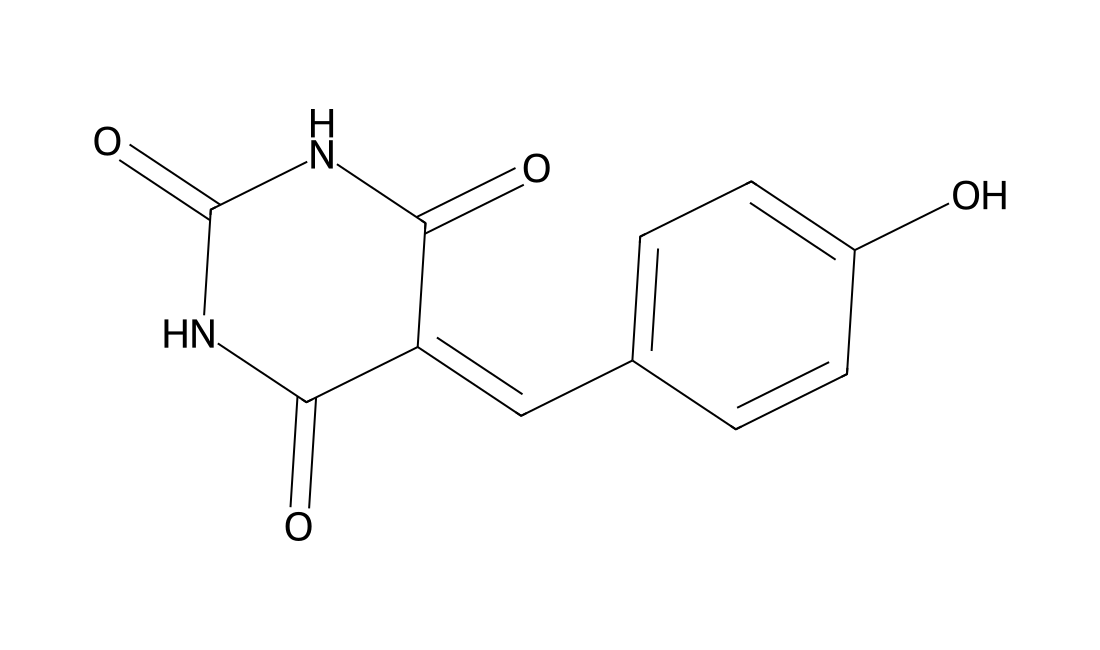
YH-306 is a candidate drug in preventing growth and metastasis of colorectal cancer by modulating FAK signalling pathway.

YH-306 chemical structure
DC48913

CM398

CAS 1121931-70-1

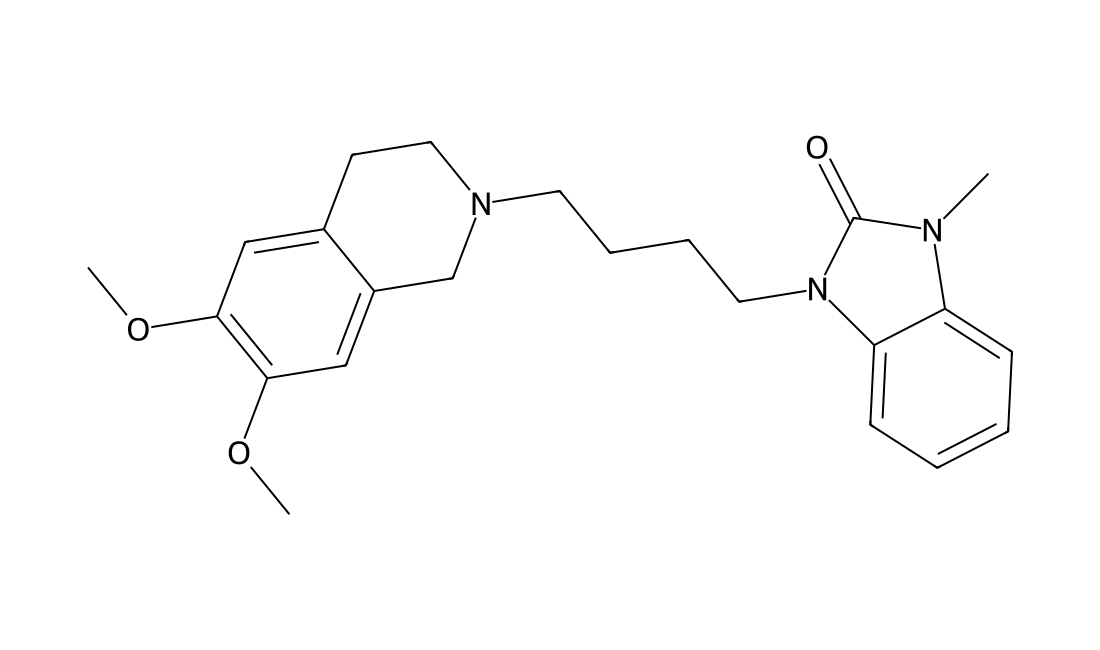
CM398 is a highly selective, orally active sigma-2 receptor ligand (Ki=0.43 nM), with high sigma-1/sigma-2 selectivity rato (1000-fold). CM398 shows notable affinity for dopamine (Ki=32.90 nM) and serotonin transporters (Ki=244.2 nM). CM398 shows promising anti-inflammatory analgesic effects in the formalin model of inflammatory pain in mice.
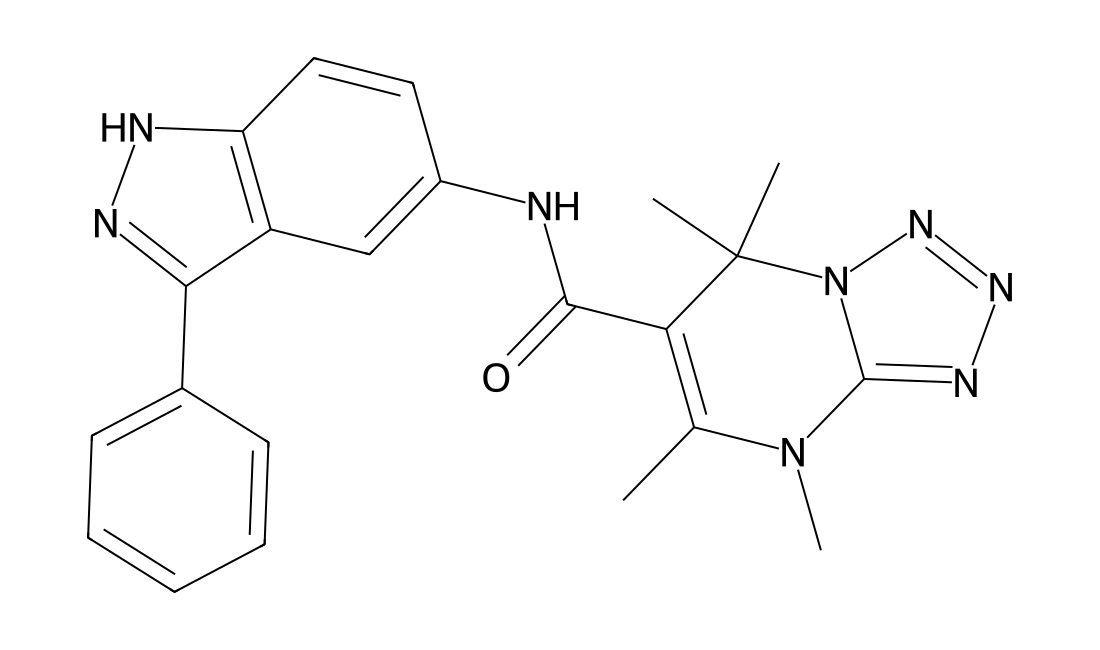
CM398 chemical structure
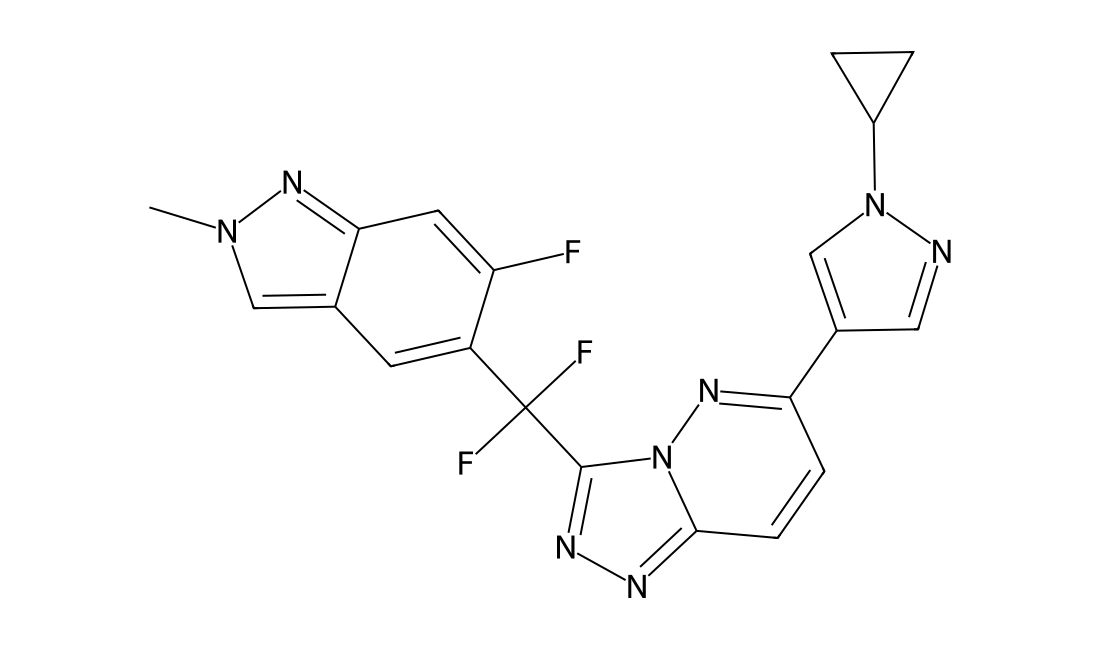
DC12462

PLB-1001

CAS 1440964-89-5

Bozitinib (PLB-1001) is a highly selective c-MET kinase inhibitor with blood-brain barrier permeability. Bozitinib (PLB-1001) is a ATP-competitive small-molecule inhibitor, binds to the conventional ATP-binding pocket of the tyrosine kinase superfamily1.

PLB-1001 chemical structure
DC60217

NBI-31772

CAS 374620-70-9

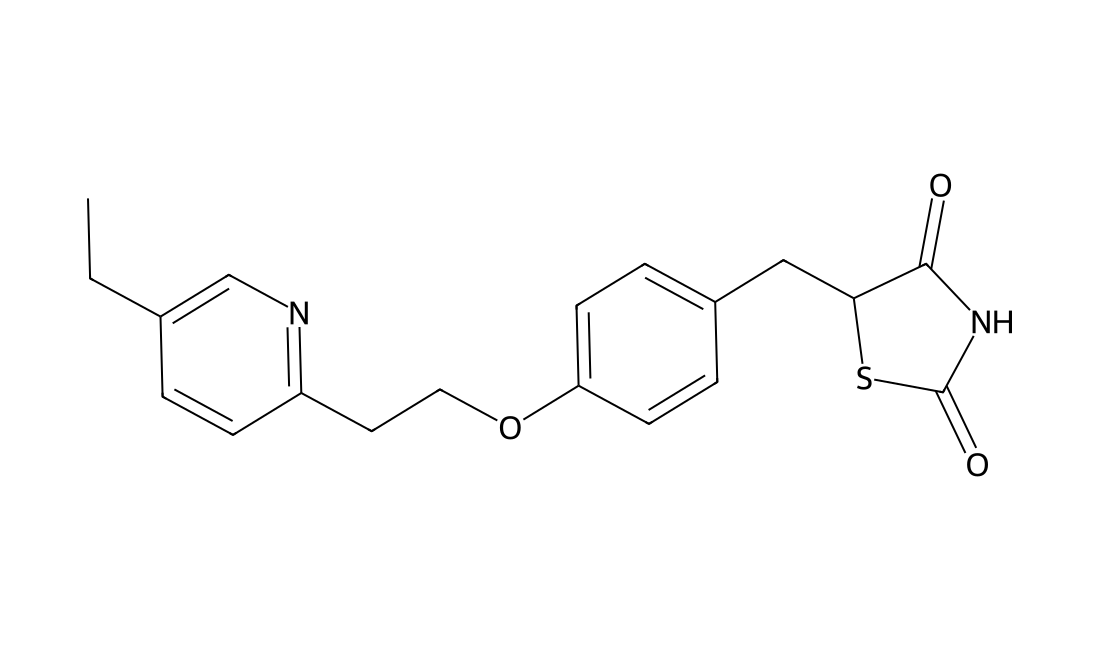
NBI 31772 is a nonpeptide ligand that releases insulin-like growth factor-1 (IGF-1) from its binding protein (IGFBP; Kis = 1-24 nM for the six human subtypes of IGFBP).1,2 As the released IGF-1 is biologically active, NBI 31772 is used to assess the role of IGF-1 in cells and animals, including in neuron survival, skeletal muscle regeneration, and glucose homeostasis.3,4,5

NBI-31772 chemical structure
DC47230

Emivirine

CAS 149950-60-7

Emivirine is a non-nucleoside reverse transcriptase inhibitors (NNRTIs) that displays potent and selective anti-human immunodeficiency virus type 1 (HIV-1) activity.

Emivirine chemical structure
Browse target & topic index A–Z (366)
11β-HSD (1)15-PGDH (2)5-HT Receptor (16)Acetyl-CoA Carboxylase (ACC) (3)Acetylcholinesterase (AChE) (2)Ack1 (TNK2) (1)Acyltransferase (1)ADC Cytotoxin (6)ADCs Linker/Click Chemistry (5)Adenosine Receptor (9)Adenylate Cyclase (2)Adrenergic Receptor (11)Akt (12)Alcoholism (2)Aldehyde Dehydrogenase (ALDH) (6)Allergy (5)Alzheimer Disease (13)Aminopeptidase (1)AMPK (8)Amyloids (4)Anaplastic Lymphoma Kinase (ALK) (9)Androgen Receptor (AR) (11)Anemia (4)Angiotensin Receptor (4)Antibody/Protein labeling dyes (1)Antifolate (2)Anxiety (1)Apoptosis Inducer (3)Arginase (1)Arp2/3 complex (1)Aryl hydrocarbon Receptor (AhR) (1)Asthma (5)Atherosclerosis (2)ATM/ATR (8)Aurora Kinase (10)Autophagy (6)Autophagy-related Protein (Atg) (2)Autotaxin (2)Bacterial (26)Bacterial Infection (17)Bcl-2 (14)Bcr-Abl (5)BCRP (1)Beta-catenin (4)Beta-secretase (BACE) (4)Blood Cancer (91)BMI-1 (1)Bone Cancer (6)Brain Cancer (6)Breast Cancer (30)Bromodomain (22)BTK (10)c-Fms (CSF1R) (5)c-Fos/AP-1 (1)c-Kit (6)c-Met (HGFR) (11)c-Myc (2)Calcium Channel (4)Calcium-sensing Receptor (CaSR) (1)CaMK (4)Cannabinoid Receptor (6)Carbonic Anhydrase (1)Carboxypeptidase (1)Casein Kinase (6)Caspase (4)Cathepsin (6)Cdc2-like Kinase (CLK) (1)CETP (2)CFTR (7)Checkpoint Kinase (Chk) (8)Chemokine Receptor (CCR and CXCR) (14)Chemotherapeutic Agents (19)Chloride Channel (1)CMV (2)CMV Infection (2)Colon Cancer (9)Complement System (1)COPD (3)CREB/CBP (2)CRF Receptor (2)CRISPR/Cas9 (1)Cushing Disease (1)Cyclin-dependent Kinase (CDK) (39)Cyclooxygenase (COX) (4)Cytochrome P450 (CYPs) (5)Depression (2)Dermatitis (2)Deubiquitinase (DUB) (7)Diabetes (20)Dipeptidyl Peptidase (DPP) (3)Discoidin Domain Receptor (DDR) (1)DNA Alkylator/Crosslinker (10)DNA Methyltransferase (DNMT) (1)DNA Repair Protein (1)DNA-PK (2)DNA/RNA Synthesis (5)Dopamine beta-hydroxylase (1)Dopamine Receptor (7)Drug Metabolite (1)Drug-Linker Conjugates (11)Dyes (4)DYRK (1)Dyslipidemia (9)E3 Ligase Ligand (6)E3 Ligase Ligand-Linker Conjugate (1)E3 Ubiquitin Ligase (4)Ebola Virus Infection (1)EGFR (32)Elastase (2)Endothelin Receptor (5)Enzymes substrates (13)Epigenetic Reader Domain (3)Epilepsy (4)ERK (4)Estrogen Receptor/ERR (13)Eukaryotic Initiation Factor (eIF) (2)Exportin-1 (CRM1,XPO1) (2)FABP (1)Factor Xa (5)Farnesoid X Receptor (FXR) (5)Farnesyl transferase (FTase) (1)Ferroptosis (6)FGFR (20)Fibrosis (5)FLT3 (6)Focal Adhesion Kinase (FAK) (11)Foxo1 (1)Free Fatty Acid Receptor (FFAR) (5)Fungal (2)Fungal Infection (1)GABA Receptor (13)Galectin (1)Gastric Cancer (8)Ghrelin Receptor (GHSR) (3)Glucagon Receptor (4)Glucokinase (2)Glucose Transporter (GLUT) (2)Glutamate Transporter (2)GPCR (1)GPER (GPR30) (1)GPR139 (1)GPR183 (EBI2) (2)GPR39 (1)GPR55 (1)GPR84 (1)GRK (GPCRK) (2)Growth Hormone Deficiency (2)GSK-3 (8)Guanylate Cyclase (3)HBV (1)HBV Infection (1)HCN Channel (2)HCV (8)HCV Infection (9)HDAC (38)Heart Arrhythmia (2)Heart Failure (5)Heat Shock Protein (HSP) (15)Hedgehog (Hh) (1)HIF/HIF Prolyl-hydroxylase (8)Histamine Receptor (6)Histone Acetyltransferase (HAT) (5)Histone Demethylase (11)Histone Methyltransferase (HMTase) (31)HIV (12)HIV Infection (11)HMG-CoA Reductase (HMGCR) (3)HSV (1)HSV Infection (1)Hypercholesterolemia (1)Hyperparathyroidism (1)Hypertension (8)IAP (1)IGF-1R (3)iGluR (15)Indoleamine 2,3-Dioxygenase (IDO) (4)Infection (1)Influenza (6)Influenza Virus (6)Insulin Receptor (2)Integrin (6)Interleukin Receptor (1)IRAK (2)IRE1 (4)Irritable Bowel Syndrome (2)Ischemia (1)Isocitrate Dehydrogenase (IDH) (5)ITK (1)IκB kinase (IKK) (7)JAK (32)JNK (3)Keap1-Nrf2 (6)Kidney Cancer (10)Kinesin (5)Kruppel-like Factor (KLF) (1)Kynurenine 3-Monooxygenase (KMO) (1)Leukotriene Receptor (1)LIM Kinase (LIMK) (3)Lipids fragment (1)Liver Cancer (6)Liver X Receptor (LXR) (3)LRRK2 (9)Lung Cancer (39)Lysophospholipid Receptor (12)LYTACs (3)mAChR (9)MALT1 (2)MAP4K (1)Matrix Metalloproteinase (MMP) (10)MDM2-p53 (9)MEK (MAP2K) (14)MEKK (MAP3K) (1)Melanocortin Receptor (2)MELK (1)mGluR (7)MicroRNA (1)Microtubule/Tubulin (5)Mineralocorticoid Receptor (MLR) (1)MITF (1)Mixed Lineage Kinase (MLK) (3)MNK (2)Molecular Glues (21)Monoamine Transporter (5)Monocarboxylate Transporter (MCT) (1)Monopolar Spindle 1 (Mps1/TTK) (3)mTOR (13)Multiple Sclerosis (6)Myosin (1)Na-K-Cl Cotransporter (NKCC) (2)nAChR (2)NADPH Oxidase (NOX) (2)NAMPT (3)Natural products (37)Neprilysin (1)Neurokinin Receptor (3)Neuropeptide Y Receptor (3)NF-κB (5)Nitric Oxide Synthase (NOS) (1)NOD-like Receptor (NLR) (3)Notch (2)Nucleoside Antimetabolite/Analog (10)Nur77 (NR4A1) (1)Obesity (1)Oct3/4 (1)Opioid Receptor (5)Orexin Receptor (7)Osteoporosis (2)Ovarian Cancer (14)Oxytocin Receptor (OXTR) (2)P-glycoprotein (P-gp) (3)p21-activated Kinase (PAK) (1)P2X Receptor (2)P2Y Receptor (1)p38 MAPK (10)p97/VCP (1)Pain (12)Pancreatic Cancer (10)Parasite (5)Parasite Infection (2)Parkinson Disease (2)PARP (19)PCSK9 (1)PD-1/PD-L1 (4)PDGFR (4)PDK1 (2)PEGn (1)PERK (2)PGE synthase (2)Phosphodiesterase (PDE) (9)Phospholipase (4)PI3K (32)PI4K (2)Piezo Channel (1)PIKfyve (3)Pim (9)PKC (12)PKD (1)Plasminogen Activator Inhibitor-1 (PAI-1) (3)Polo-like Kinase (PLK) (4)Porcupine (3)Potassium Channel (13)PPAR (13)Pregnane X Receptor (PXR) (1)Progesterone Receptor (2)Prostaglandin Receptor (11)Prostate Cancer (7)PROTACs (35)Protease-activated Receptor (PAR) (3)Proteasome (12)Protein Disulfide Isomerase (PDI) (1)Protein Phosphatase/PTP (6)Proton Pump (1)Psoriasis (5)RAD51 (1)Radioligand precursors (15)Raf (18)RAR/RXR (3)Ras (17)Renin (2)RET Tyrosine Kinase (c-RET) (3)Rheumatoid Arthritis (16)Ribosomal S6 Kinase (RSK) (5)RIG-I-like Receptor (RLR) (2)RIP kinase (7)ROCK (12)ROR (2)RSV (4)RSV Infection (3)RUNX1-CBFβ (1)S-nitrosoglutathione reductase (GSNOR) (1)Saccharides and Glycosides (1)Salt Inducible Kinase (SIK) (2)SARS-CoV (16)SARS-CoV Infection (34)Schizophrenia (4)Sexual Dysfunction (1)SGLT (4)Sigma Receptor (4)Sirtuin (9)Skin Cancer (13)Sleep Disorder (7)SMN2 Modulator (1)Smoothened (Smo) (9)Sodium Channel (12)Solid Tumors (35)Somatostatin Receptor (2)Sphingosine kinase (SphK) (2)Src (7)STAT (5)Stearoyl-CoA Desaturase (SCD) (1)Steatohepatitis (7)Sterol lipids (1)STING (14)Syk (6)T Cell Receptor (TCR) (1)TAK1 (2)TAM Receptor (Tyro3-Axl-Mer) (4)Taste Receptor (1)Telomerase (2)TGF beta Receptor (TGFBR) (12)Thrombin (3)Thrombosis (13)Thyroid Cancer (1)Thyroid Hormone Receptor (THR) (1)Thyrotropin Receptor (2)TNIK (1)Toll-like Receptor (TLR) (2)TOPK (1)Topoisomerase (11)TRAIL (1)Translocator Protein (TSPO) (1)Trk Receptor (4)TRP Channel (13)Tryptophan Hydroxylase (TPH) (1)Ubiquitin-activating Enzyme (E1) (2)Ubiquitin-conjugating Enzyme (E2) (2)Ulcer (1)ULK (3)Vasopressin Receptor (2)VEGFR (25)Vitamin D Receptor (VDR) (3)Wee1 (1)WNK Kinase (1)Wnt (5)Yes-associated Protein (YAP) (4)γ-secretase (5)

Cart

Request quotation