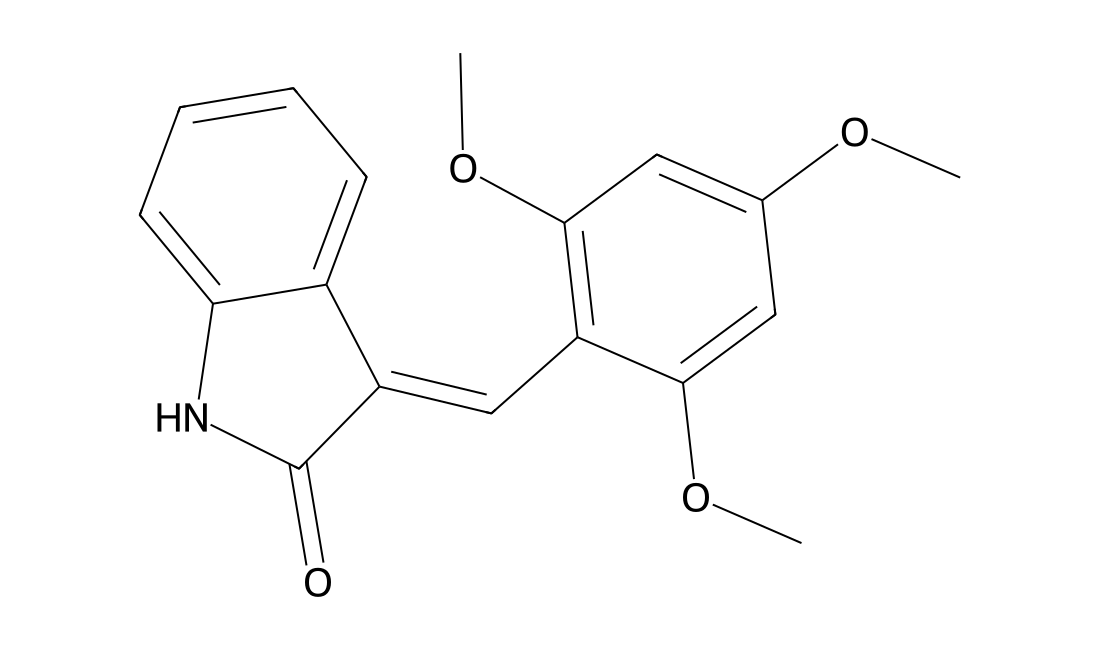
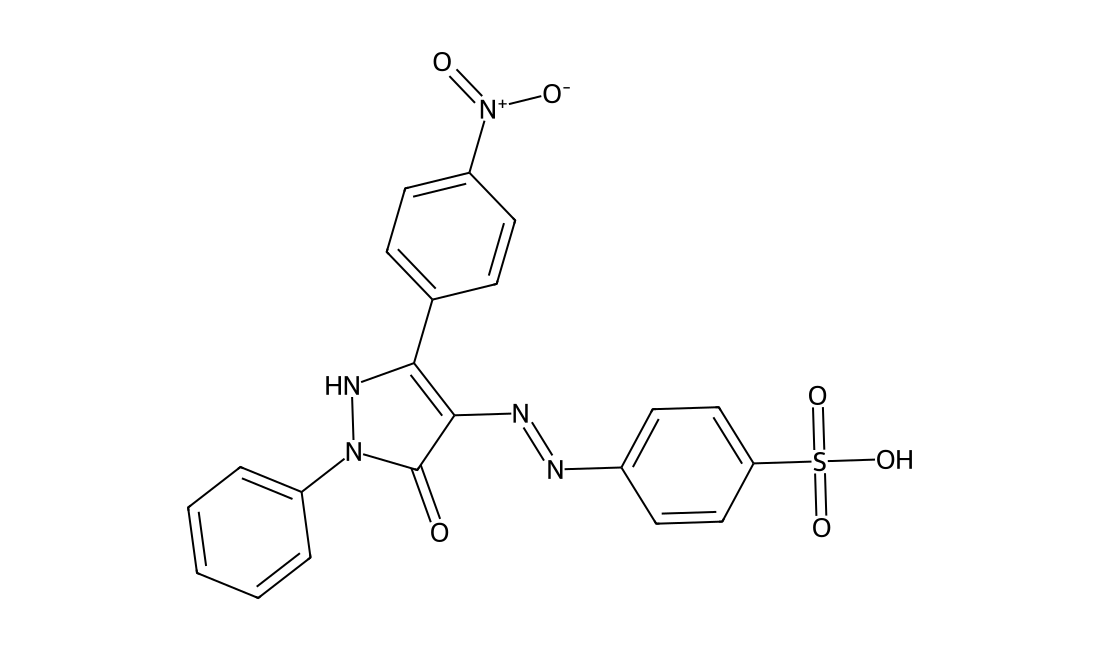
IC-261(SU-5607)
CAS 186611-52-9
IC261 is a selective, ATP-competitive CK1 inhibitor, with IC50s of 1 μM, 1 μM, 16 μM for Ckiδ, Ckiε and Ckiα1, respectively.

Kinase inhibitors and modulators of intracellular signaling pathways.
Products may appear in more than one category. Counts refer to distinct catalog numbers within each category.
Other Research Tools (75) · Additional reagents, building blocks and specialized research tools.
LC-MG-1 (DCA0006) · LC-MG-4 (DCA0007) · LC-MG-9 (DCA0008)
View structure and evidence summaries →Combine a keyword, research category and target to narrow the product list.
Loading catalog filters…
CAS 186611-52-9
IC261 is a selective, ATP-competitive CK1 inhibitor, with IC50s of 1 μM, 1 μM, 16 μM for Ckiδ, Ckiε and Ckiα1, respectively.
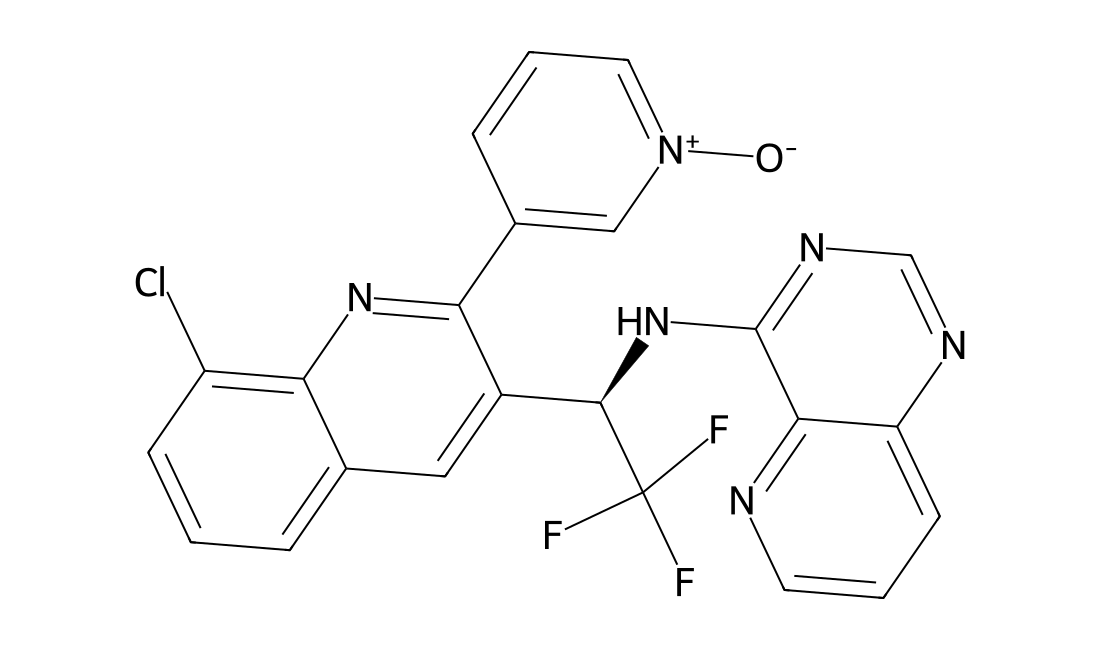
CAS 1362850-20-1
Seletalisib is a potent, ATP-competitive and highly selective PI3Kδ inhibitor able to block AKT phosphorylation following activation of the BCR in a B-cell line. Seletalisib inhibits N-formyl peptides (fMLP)-stimulated but not phorbol myristate acetate (PMA)-stimulated superoxide release from human neutrophils consistent with a PI3Kδ-specific activity. No indications of cytotoxicity are observed in PBMCs or other cell types treated with seletalisib. seletalisib blocks human T-cell production of several cytokines from activated T-cells. Seletalisib inhibits T-cell differentiation to Th1, Th2, and Th17 subtypes. Additionally, seletalisib inhibits B-cell proliferation and cytokine release. In human whole blood assays, seletalisib inhibits CD69 expression upon B-cell activation and anti-IgE-mediated basophil degranulation.Seletalisib significantly inhibits IL-2 release following TCR stimulation in the rat. The inhibition is observed at all tested doses of seletalisib with almost complete inhibition reached at dose levels ≥1 mg/kg. Seletalisib has potent in vivo effects with an estimated IC50 value of <10 nM.
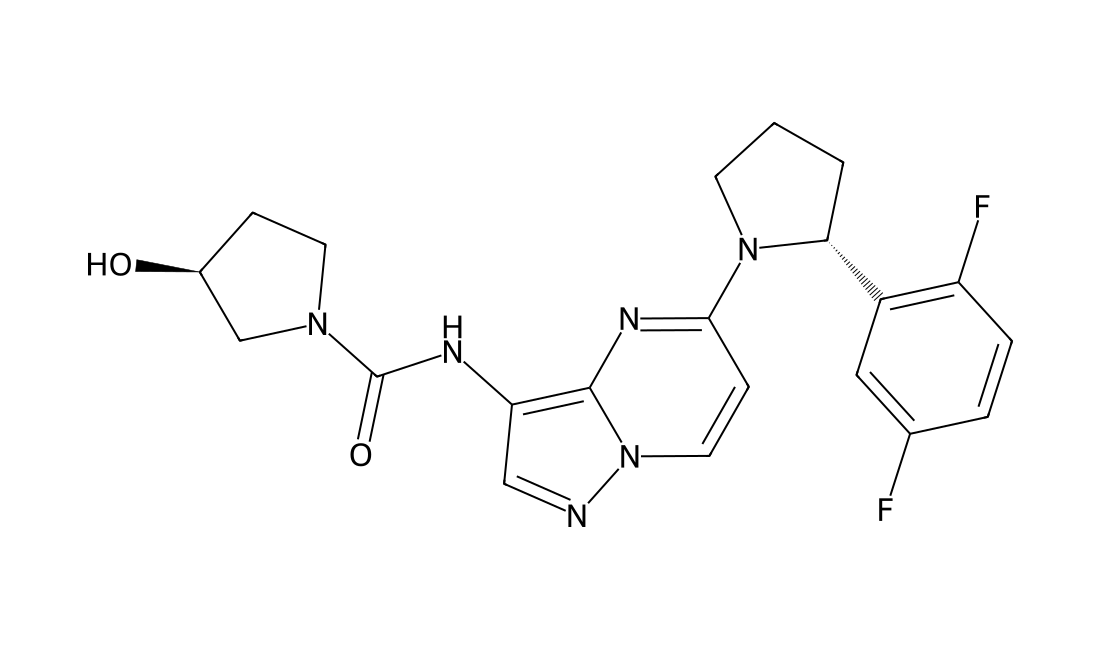
CAS 1223403-58-4
Larotrectinib (LOXO-101) is an ATP-competitive oral, selective inhibitor of the tropomyosin-related kinase (TRK) family receptors, with low nanomolar 50% inhibitory concentrations against all three isoforms (TRKA, B, and C).
CAS 898044-15-0
An orally bioavailable small-molecule inhibitor of p21-activated kinase 4 (PAK4) with potential antineoplastic activity. PAK4 inhibitor PF-03758309 binds to PAK4, inhibiting PAK4 activity and cancer cell growth. PAK4, a serine/threonine kinase belonging to the p21-activated kinase (PAK) family, is often upregulated in a variety of cancer cell types and plays an important role in cancer cell motility, proliferation, and survival. For the detailed information of PF-03758309, the solubility of PF-03758309 in water, the solubility of PF-03758309 in DMSO, the solubility of PF-03758309 in PBS buffer, the animal experiment (test) of PF-03758309, the cell expriment (test) of PF-03758309, the in vivo, in vitro and clinical trial test of PF-03758309, the EC50, IC50,and Affinity of PF-03758309, Please contact DC Chemicals.
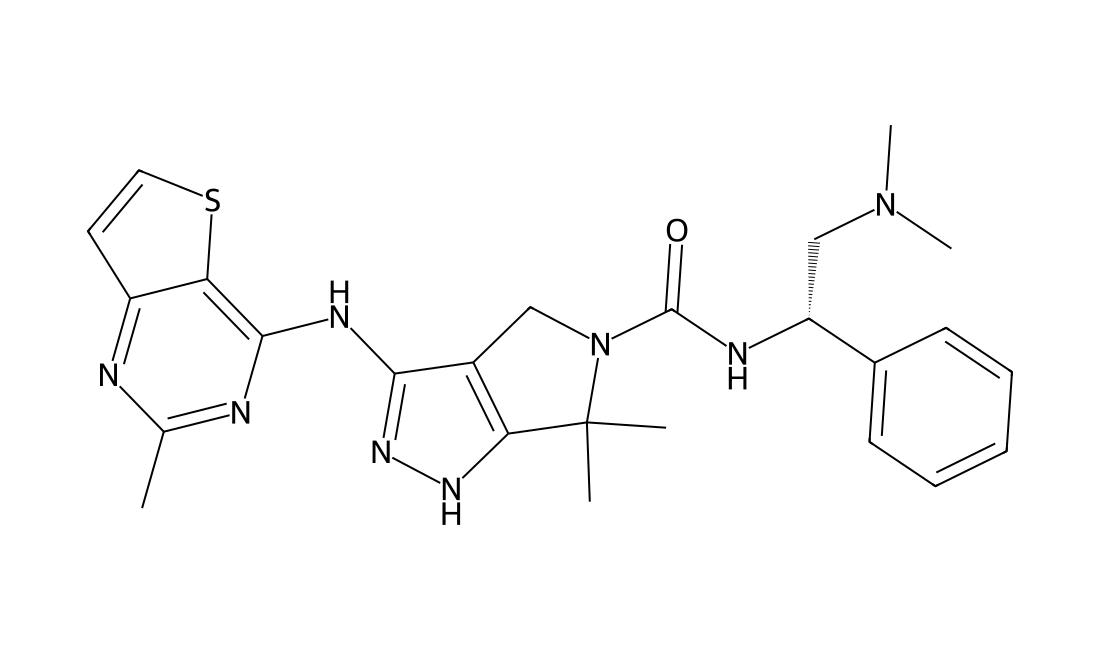
CAS 1338806-73-7
CFI-400945 is a potent, highly selective PLK4 inhibitor with Ki of 0.26 nM and IC50 of 2.8 nM, does not significantly inhibits PLK1/2/3 at 50 uM; causes dysregulated centriole duplication, mitotic defects, and cell death in multiple cancer cell lines (A549 GI50=5 nM, OVCAR-3 GI50=18 nM); significantly inhibits human cancer xenografts; causes polyploidy, growth inhibition, and apoptotic death of murine and human lung cancer cells, despite expression of mutated KRAS or p53, produces supernumerary centrosomes and mitotic defects in lung cancer cells.
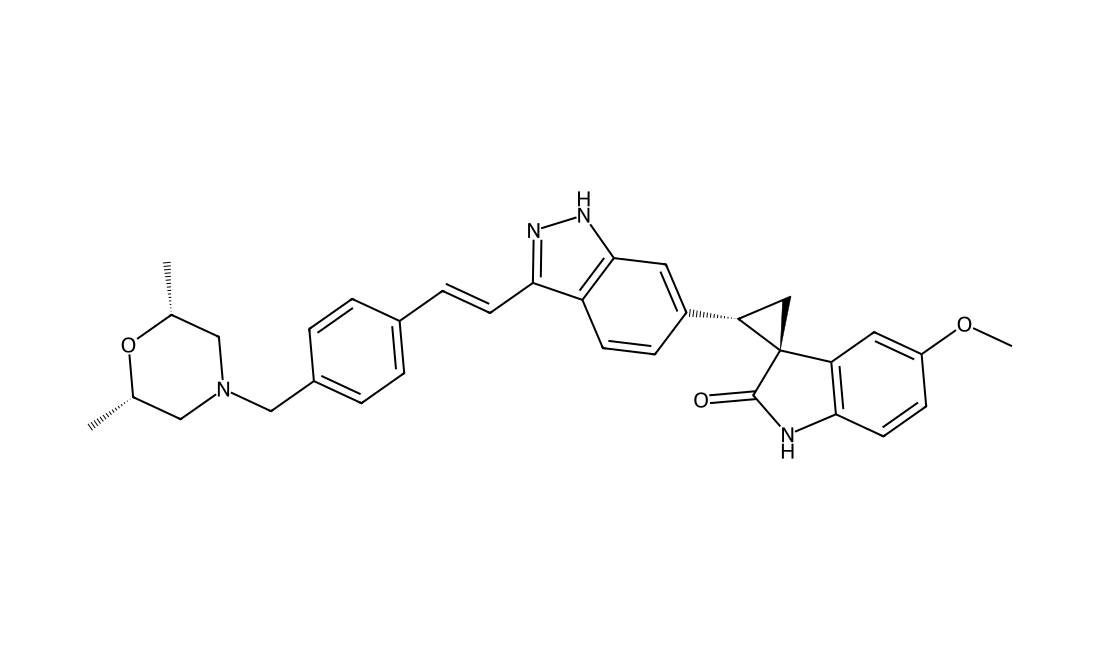
CAS 1082948-81-9
LY2584702 is a potent, selective, ATP-competitive inhibitor of P70S6 kinase-1 (p70S6K1) with IC50 of 4 nM; blocks phosphorylation of p70S6K in primary rat hepatocytes without affecting the phosphorylation of other signaling kinases, including GSK-3β and ERK1/2; inhibits phosphorylation of p70S6K in HCT116 colon cancer cells with IC50 of 0.1-0.24 uM, demonstrates significant antitumor efficacy in both U87MG glioblastoma and HCT116 colon carcinoma xenograft models.Solid TumorsPhase 1 Discontinued
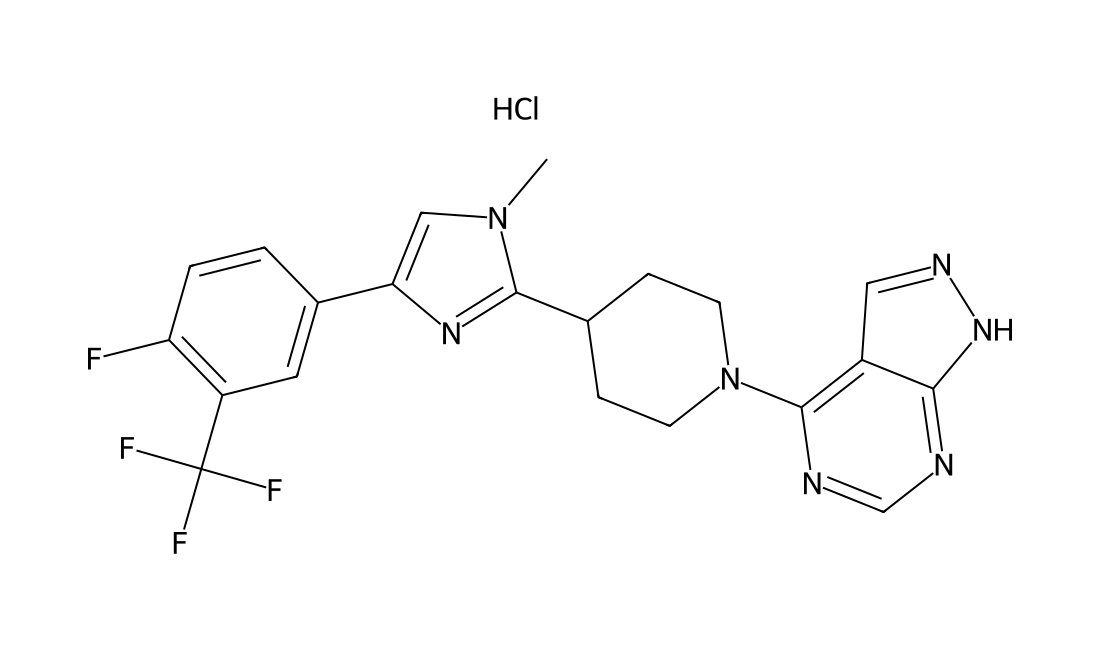
CAS 1312445-63-8
NVP-BKM120 Hydrochloride is a pan-class I PI3K inhibitor, with IC50 of 52 nM/166 nM/116 nM/262 nM for p110α/p110β/p110δ/p110γ, respectively.
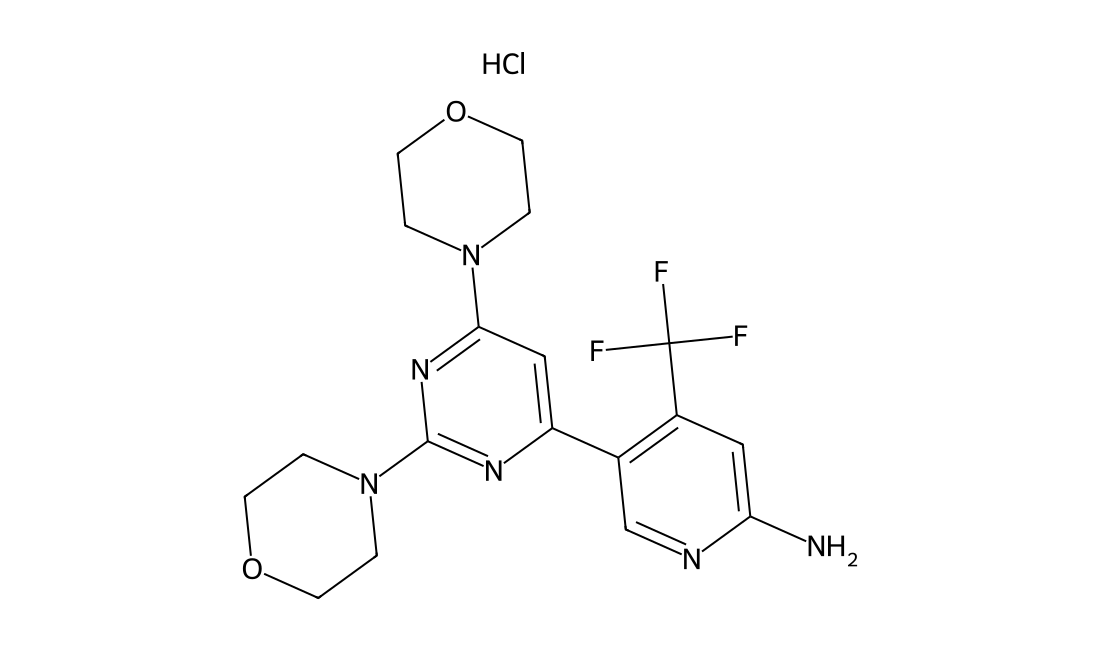
CAS 314291-83-3
PHPS1 is an inhibitor of the protein tyrosine phosphatase Shp2. PHPS1 also efficiently inhibits activation of Erk1/2 by the leukemia-associated Shp2 mutant, Shp2-E76K, and blocks the anchorage-independent growth of a variety of human tumor cell lines.
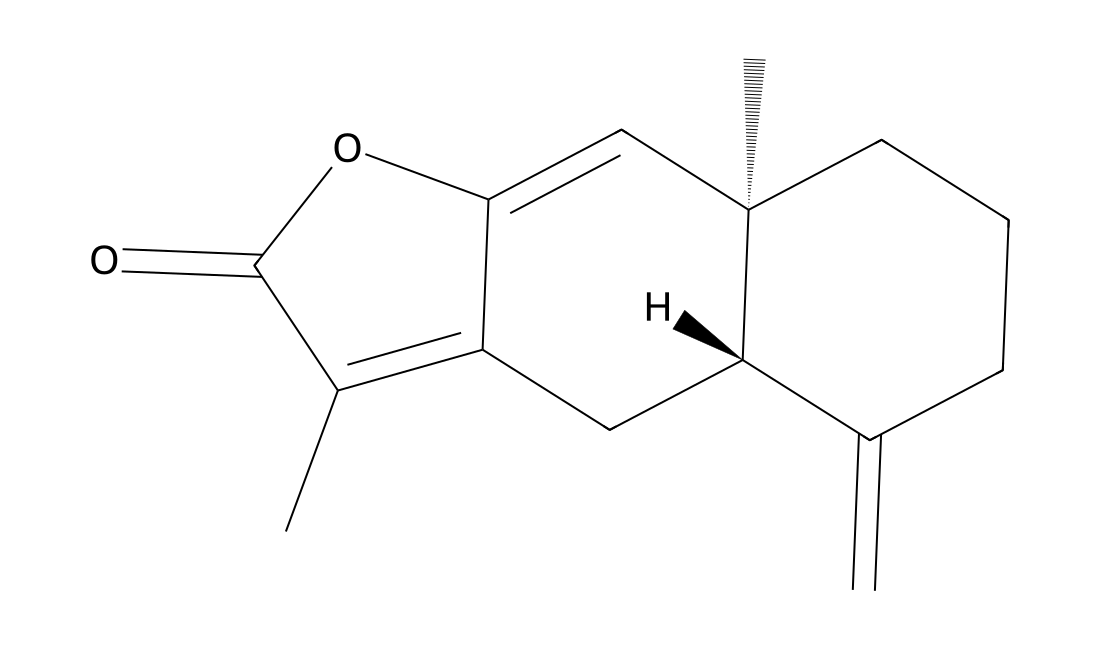
CAS 73069-13-3
Atractylenolide I is a sesquiterpene derived from the rhizome of Atractylodes macrocephala, possesses diverse bioactivities, such as neuroprotective, anti-allergic, anti-inflammatory and anticancer properties. Atractylenolide I reduces protein levels of phosphorylated JAK2 and STAT3 in A375 cells, and acts as a TLR4-antagonizing agent.
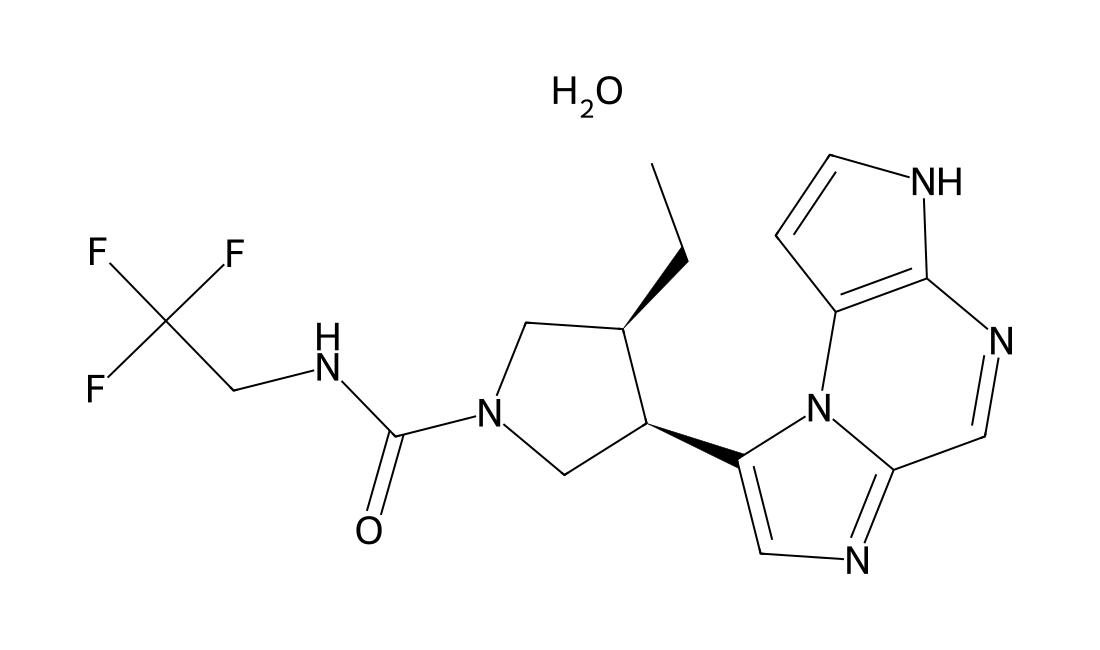
CAS 2050057-56-0
Upadacitinib (ABT-494) is a potent and selective Janus kinase (JAK) 1 inhibitor with an IC50 of 43 nM, being developed for the treatment of several autoimmune disorders.
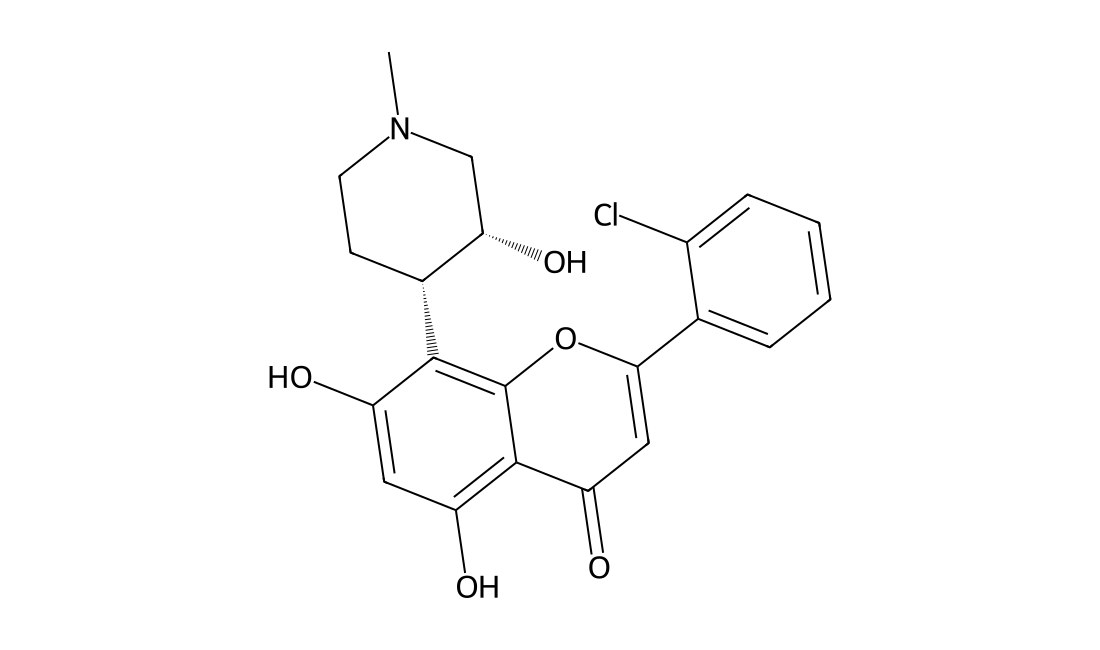
CAS 146426-40-6
Flavopiridol is a broad spectrum and competitive inhibitor of CDKs, inhibiting CDK1, CDK2, CDK4 with IC50s of 30, 170, 100 nM, respectively.
CAS 13137-64-9
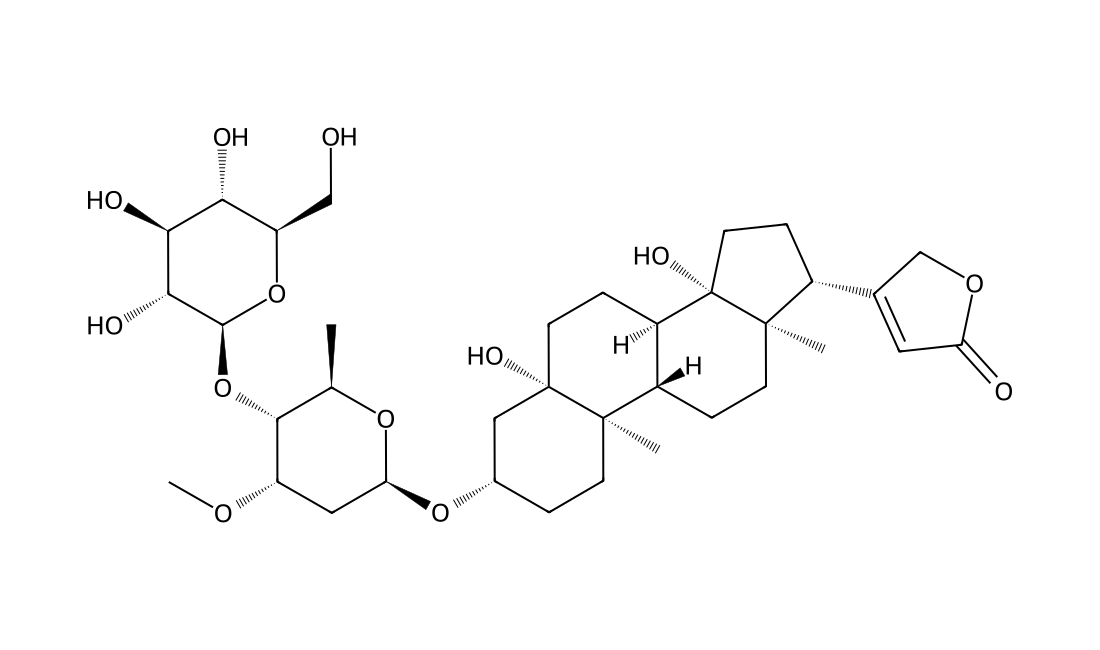
Periplocin is a cardiotonic steroid isolated from Periploca forrestii. Periplocin promotes tumor cell apoptosis and inhibits tumor growth. Periplocin has the potential to facilitate wound healing through the activation of Src/ERK and PI3K/Akt pathways mediated by Na/K-ATPase.
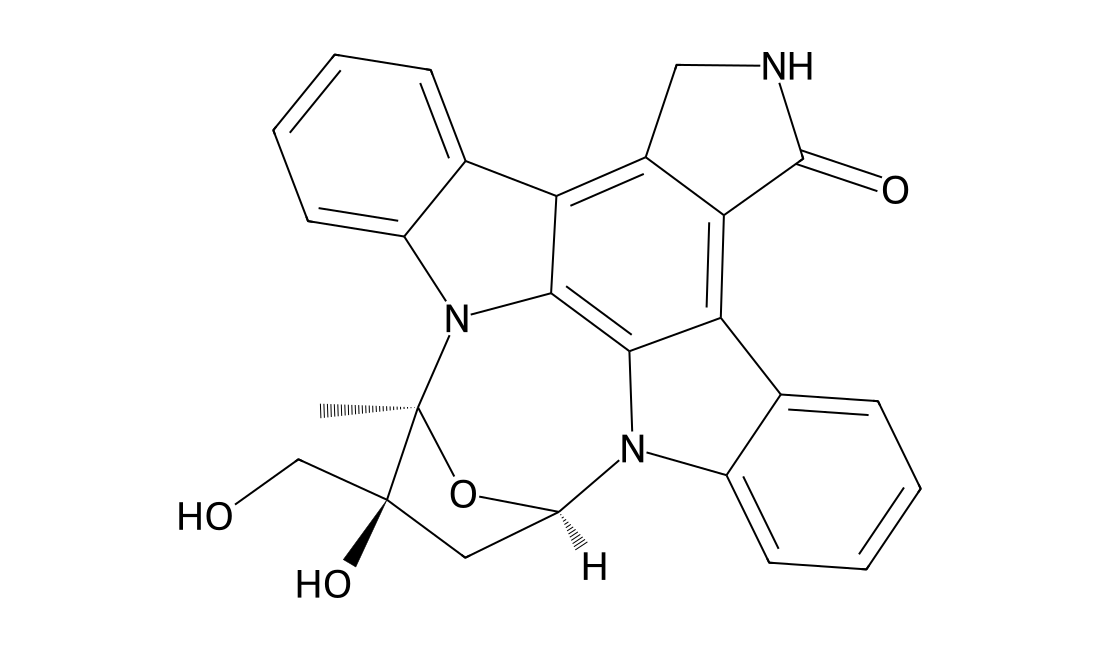
CAS 111358-88-4
Lestaurtinib (CEP-701;KT-5555) is a multi-kinase inhibitor with potent activity against the Trk family of receptor tyrosine kinases. Lestaurtinib inhibits JAK2, FLT3 and TrkA with IC50s of 0.9, 3 and less than 25 nM, respectively.
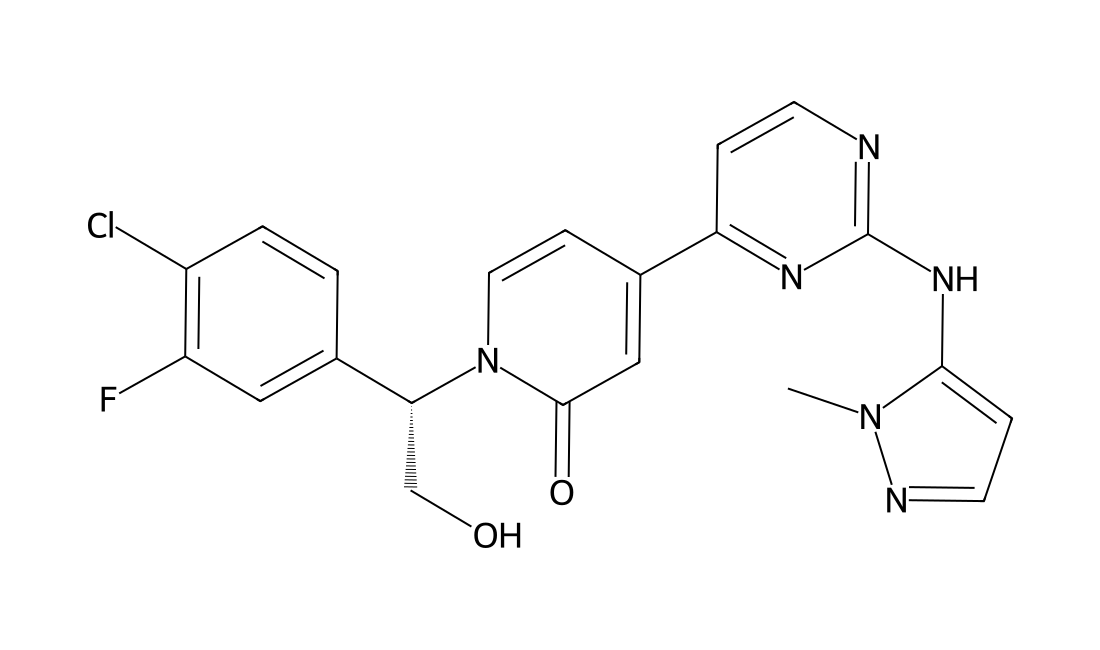
CAS 1453848-26-4
Ravoxertinib (GDC-0994) is an orally bioavailable ERK kinase inhibitor with an IC50 of 6.1 nM and 3.1 nM for ERK1 and ERK2, respectively.
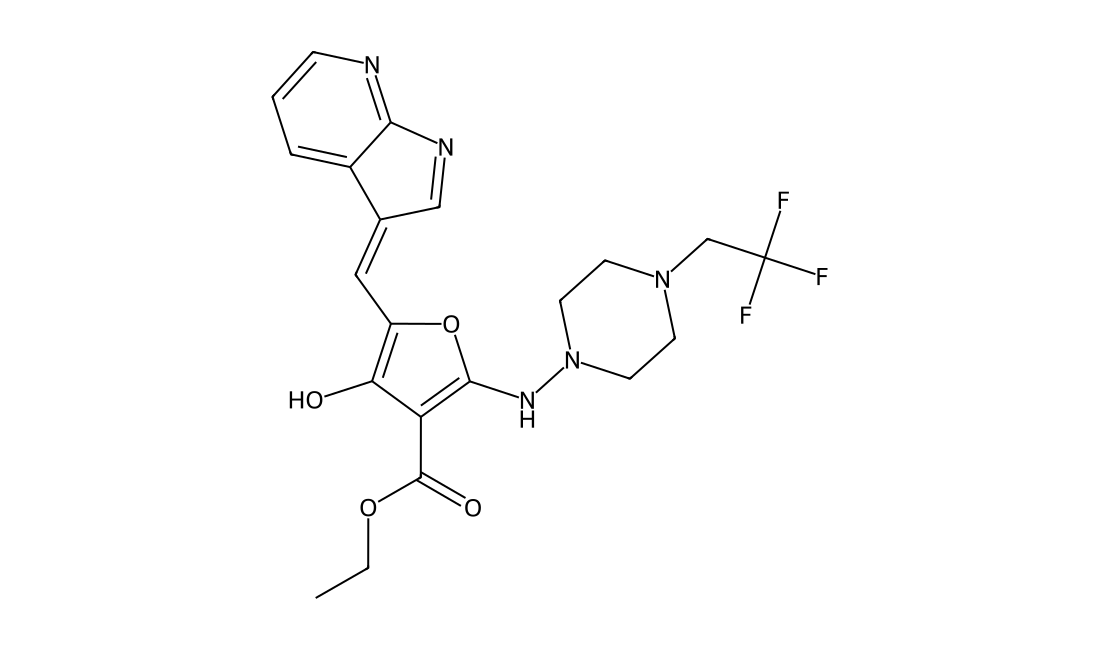
CAS 1402057-88-8
Cdc7-IN-6 (compound I-D) is a potent Cdc7 kinase inhibitor (IC50=4 nM), extracted from patent WO2019165473A1, compound I- D, has anti-tumor activity.
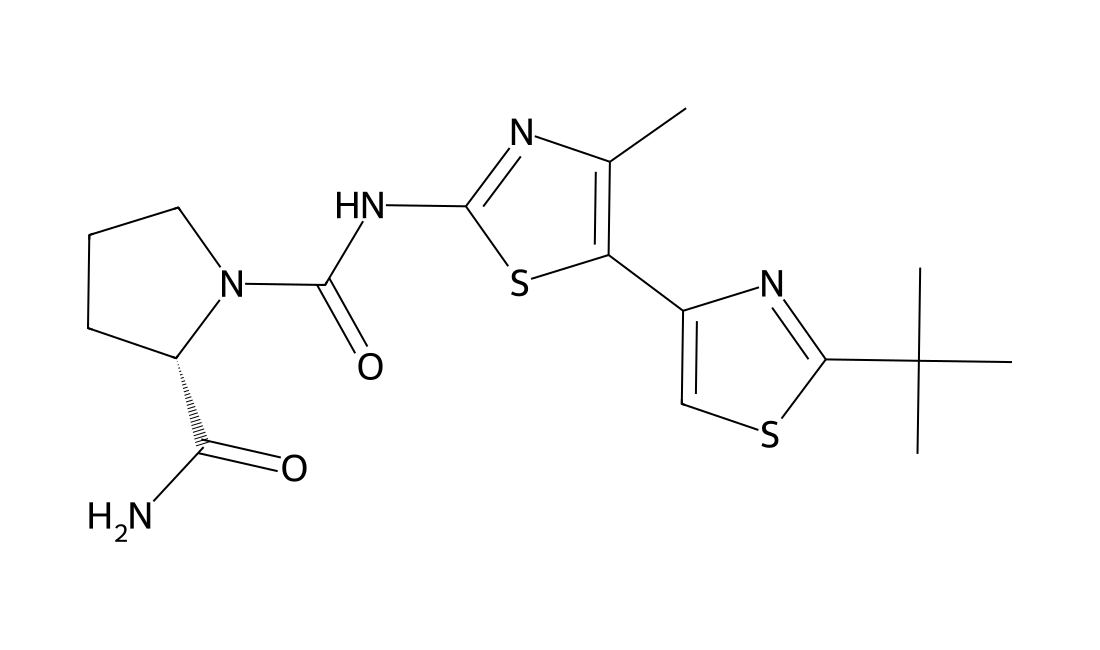
CAS 1032754-93-0
Apitolisib (GDC-0980) is a selective, potent, orally bioavailable Class I PI3 kinase and mTOR kinase (TORC1/2) inhibitor with IC50s of 5 nM/27 nM/7 nM/14 nM for PI3Kα/PI3Kβ/PI3Kδ/PI3Kγ, and with a Ki of 17 nM for mTOR.
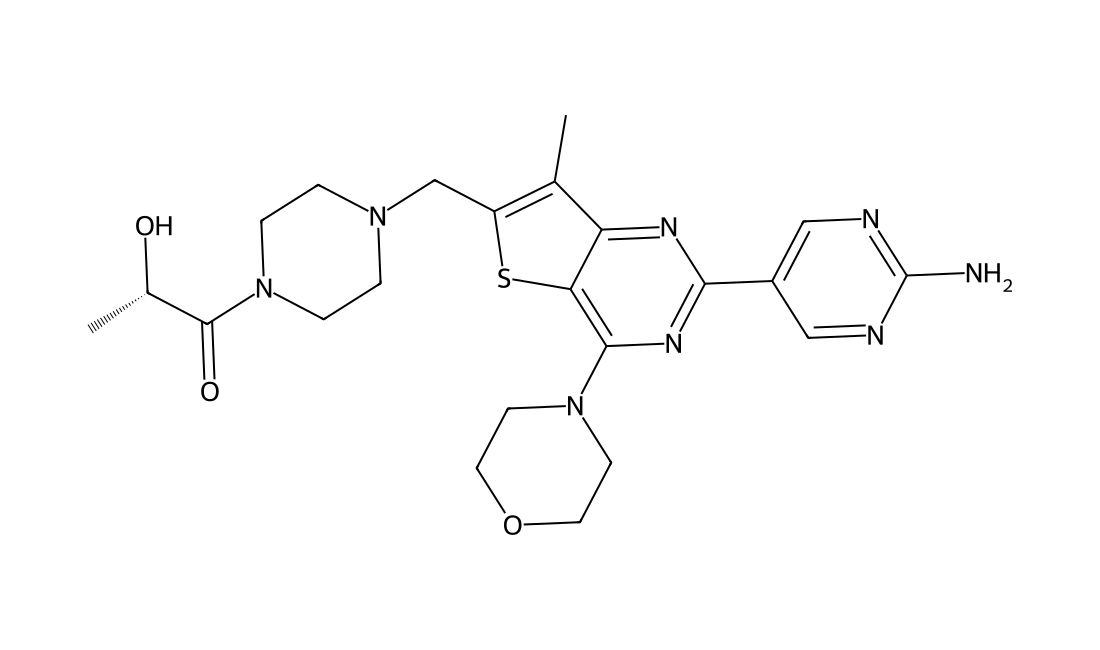
CAS 1434048-34-6
GDC-0853 is orally available inhibitor of Bruton's tyrosine kinase (BTK) with potential antineoplastic activity. Upon administration, GDC-0853 inhibits the activity of BTK and prevents the activation of the B-cell antigen receptor (BCR) signaling pathway. This prevents both B-cell activation and BTK-mediated activation of downstream survival pathways, which leads to the inhibition of the growth of malignant B-cells that overexpress BTK. BTK, a member of the Src-related BTK/Tec family of cytoplasmic tyrosine kinases, is overexpressed in B-cell malignancies; it plays an important role in B-lymphocyte development, activation, signaling, proliferation and survival.
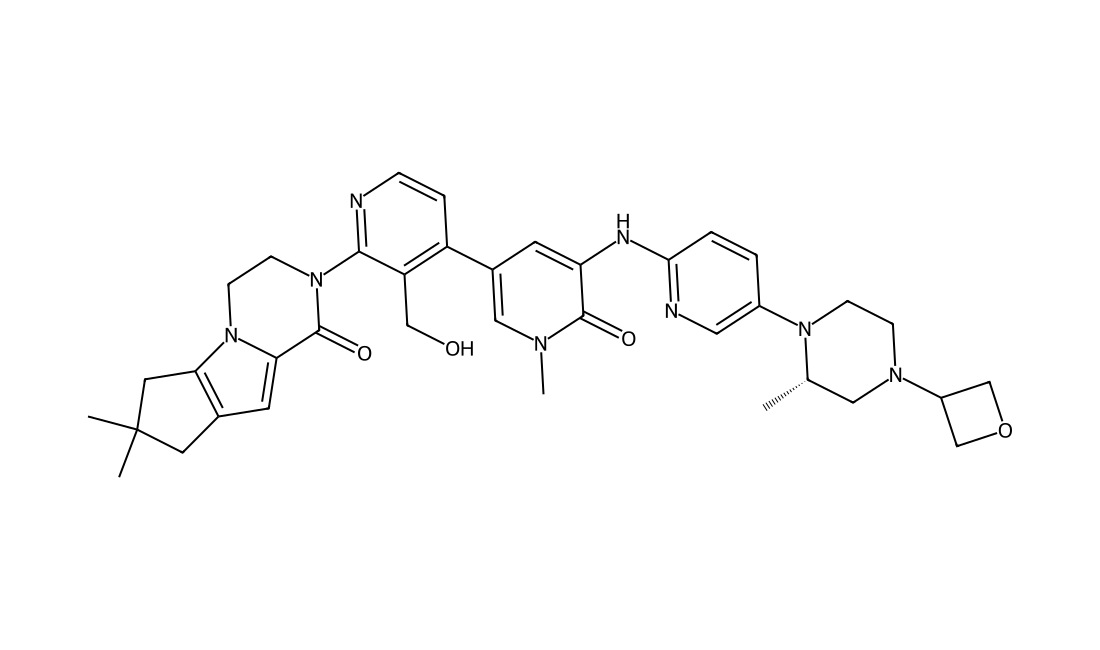
CAS 2215022-45-8
AZD8154 is a highly potent, inhaled dual PI3Kγ/PI3Kδ inhibitor with pIC50 of 9.1 and 8.4, respectively.
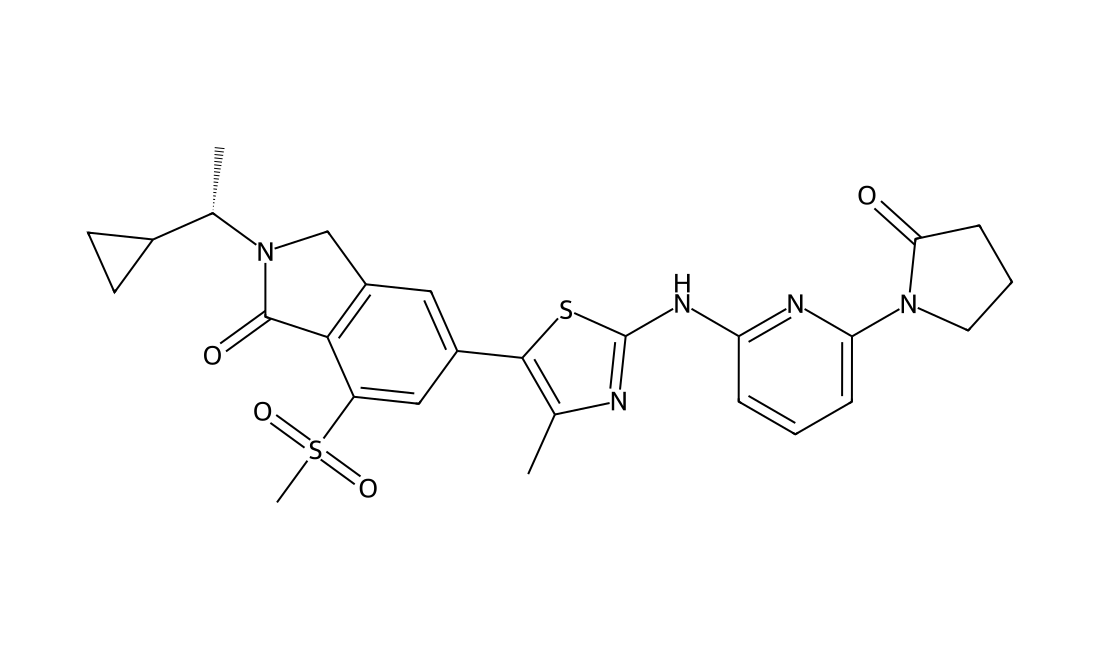
CAS 701947-53-7
DM-PIT-1 is a specific PIP3 antagonist that disrupts PIP3/Akt PH domain, PIP3/PDK1 PH domain, and PIP3/GRP1 PH domain with IC50 of 27.1 uM, 80.5 uM, and 35.5 uM, respectively; suppresses the PI3K-PDK1-Akt pathway and triggers metabolic stress and apoptosis; inhibits in vivo tumor growth in BALB/c mice; a dimethyl analog of PIT-1 with improved aqueous solubility.
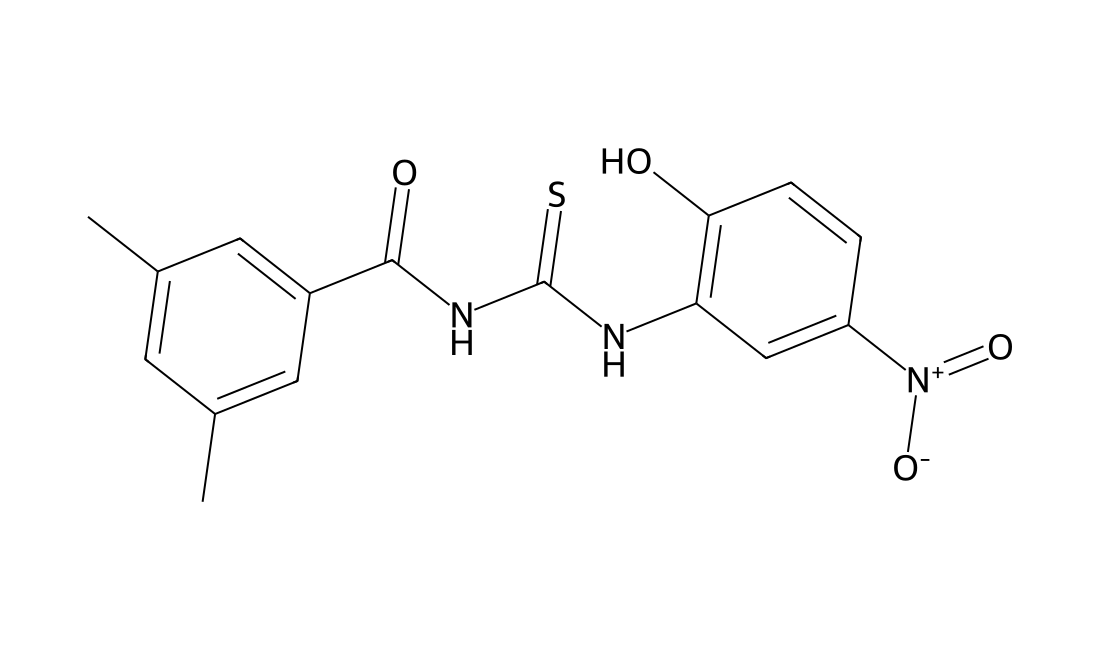
CAS 2416873-83-9
KB-0742 is an orally bioavailable, selective CDK9 inhibitor with potent anti-tumor activity in CRPC models.
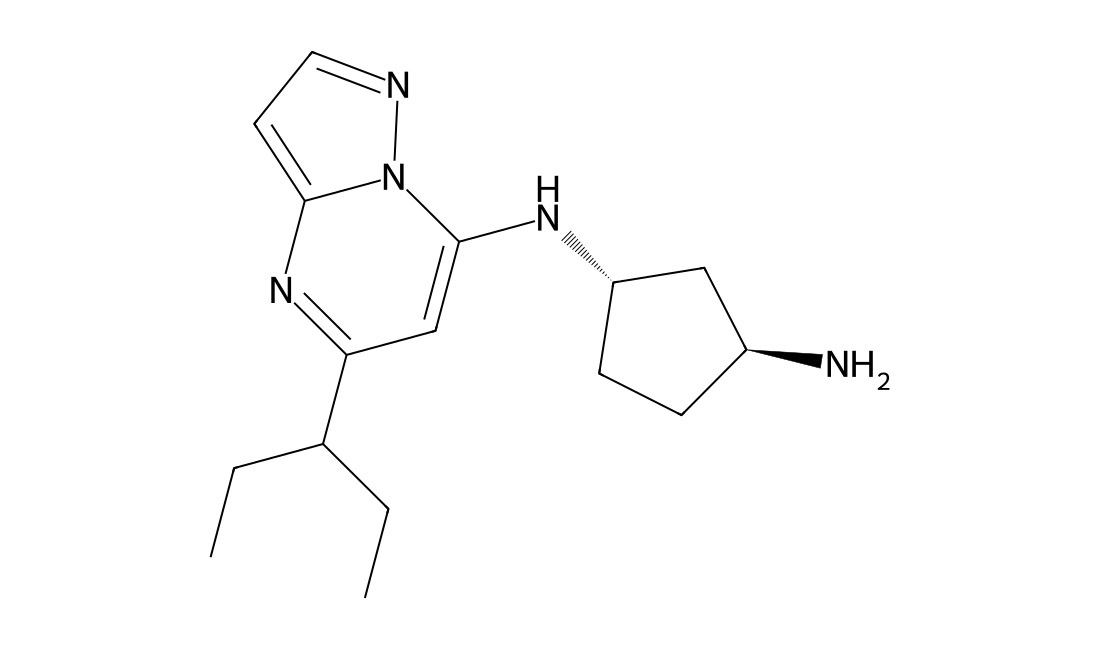
CAS 471843-75-1
Y-39983, also known as Y-33075, is a potent and selective inhibitor of ROCK family with IC50 value of 3.6nM for ROCK. Y-39983 attenuates experimental autoimmune encephalomyelitis via inhibition of demyelination. Y-39983 downregulates RhoA/Rho-associated kinase expression during its promotion of axonal regeneration. Y-39983, promotes regeneration of crushed axons of retinal ganglion cells into the optic nerve of adult cats.
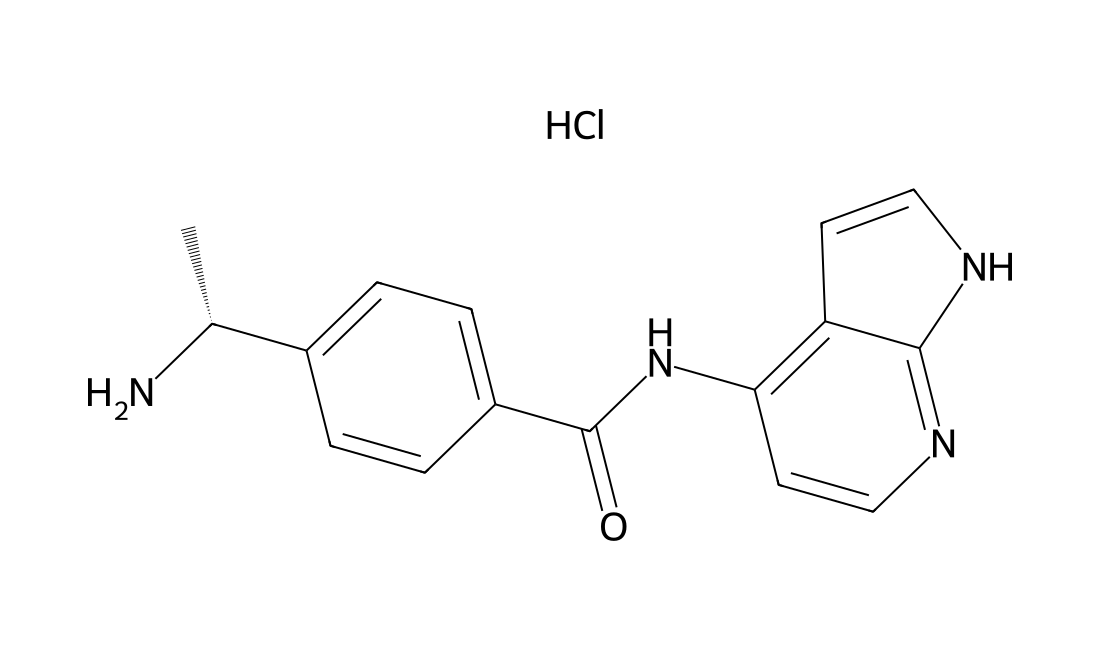
CAS 1821329-75-2
Derazantinib is a multi-kinase inhibitor with pan-FGFR activity which has shown preliminary therapeutic activity against FGFR2 fusion-positive intrahepatic cholangiocarcinoma (iCCA). Derazantinib dihydrochloride is a salt of Derazantinib.
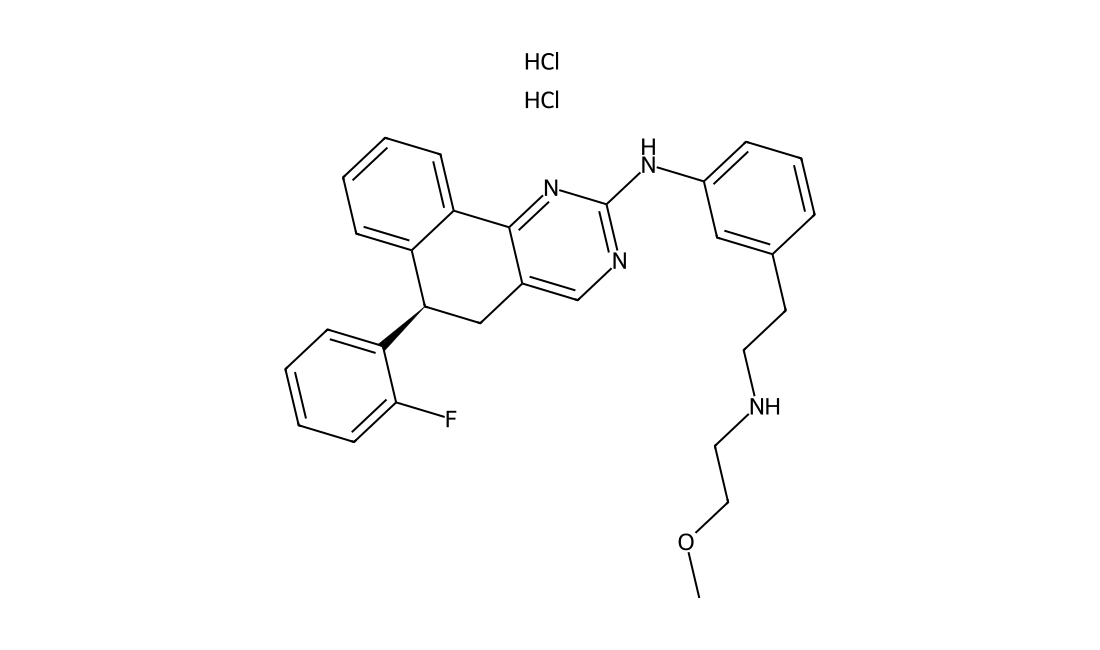
CAS 2320462-65-3
HPK1-IN-7 is a potent, orally active HPK1 (hematopoietic progenitor kinase 1, MAP4K1) inhibitor (IC50=2.6 nM) with excellent family and kinome selectivity. HPK1-IN-7 shows selectivity against IRAK4 (59 nM) and GLK (140 nM). HPK1-IN-7 shows robust efficacy against MC38 syngeneic tumor model in combination with anti-PD1[1].
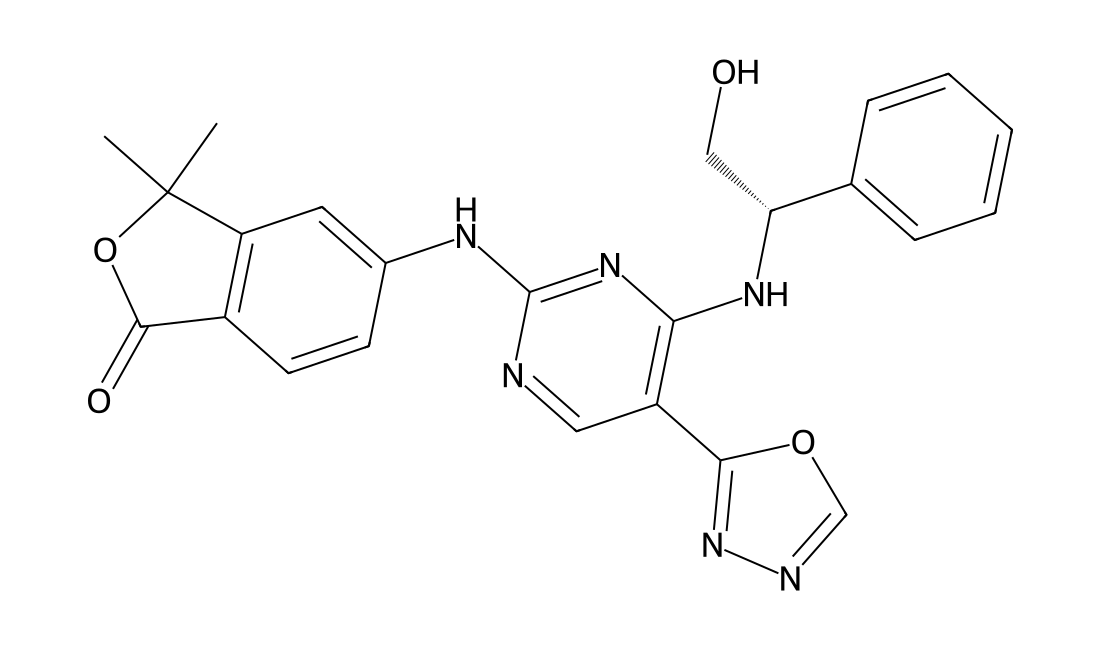
CAS 1184173-73-6
MK-8353 is a potent, selective and orally available ERK1/2 inhibitor, with IC50s of 23.0 nM and 8.8 nM, respectively; MK-8353 has antitumor activity.
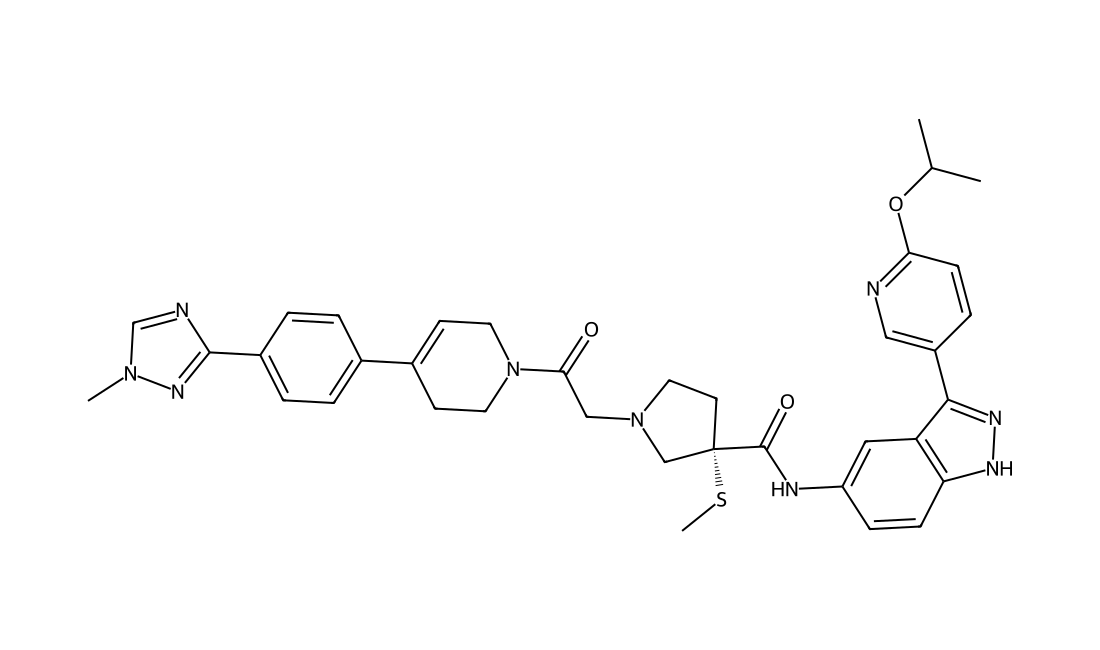
CAS 2271119-26-5
CSF1R-IN-2 (compound 5) is an oral-active inhibitor of SRC, MET and c-FMS, with IC50 values of 0.12 nM, 0.14 nM and 0.76 nM for SRC, MET and c-FMS respectively[1].
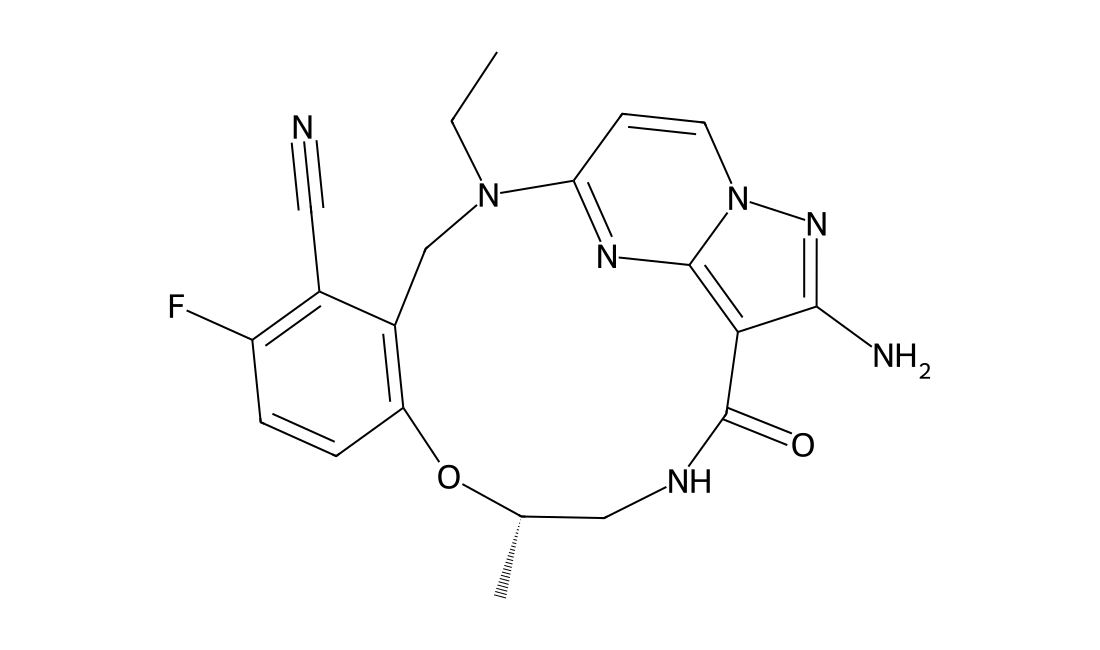
CAS 127243-85-0
H-89 is a potent inhibitor of cyclic AMP-dependent protein kinase (protein kinase A) with IC50 of 48 nM and has weak inhibition on PKG, PKC, Casein Kinase, and others kinases.
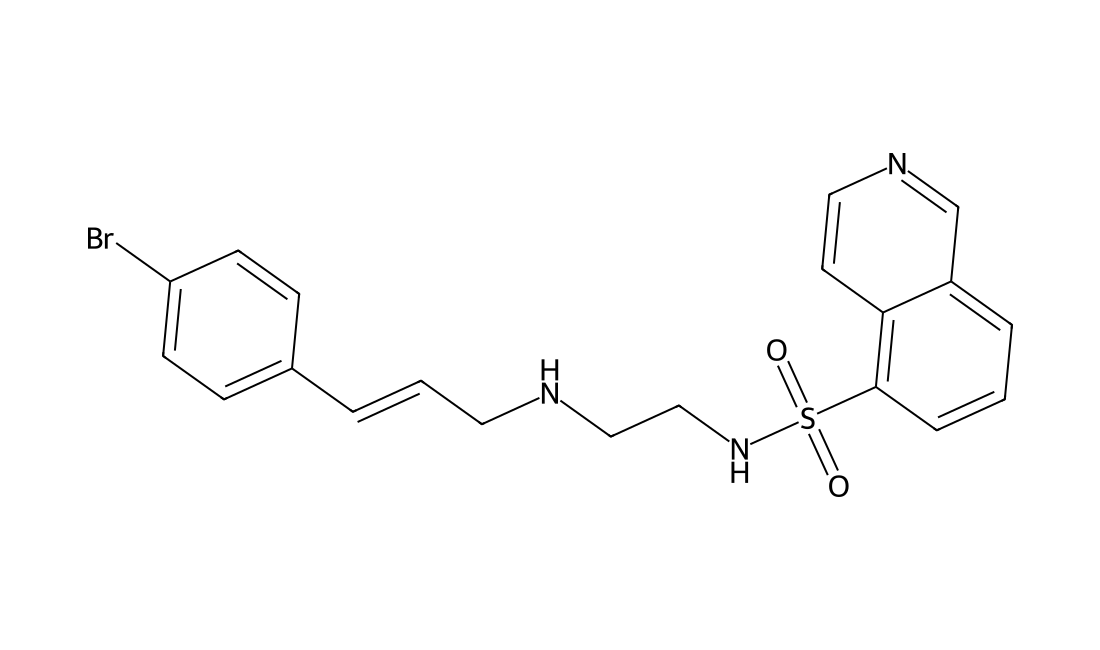
CAS 1222104-37-1
DS-7423 is a novel potent, small-molecule dual inhibitor of PI3K/mTOR with IC50 of 15.6, 1143, 249, 262 and 34.9 nM for PI3Kα, PI3Kβ, PI3Kγ, PI3Kδ, and mTOR respectively; exerts anti-tumor effect against a panel of nine OCCA cell lines with IC50 of <75 nM, regardless of the mutational status of PIK3CA; suppresses the tumor growth of OCCA in a dose-dependent manner in mouse xenograft models.Solid TumorsPhase 1 Discontinued
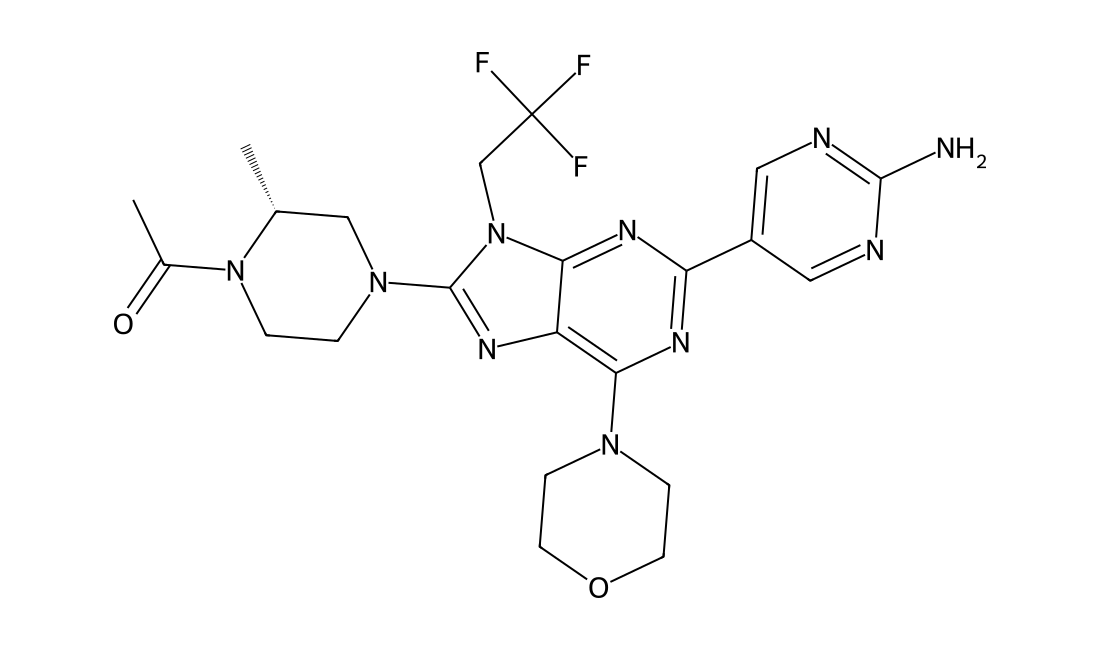
CAS 520-32-1
Tricin is a natural flavonoid present in large amounts in rice bran. Tricin can inhibit human cytomegalovirus (HCMV) replication by inhibiting CDK9. Tricin inhibits the proliferation and invasion of C6 glioma cells via the upregulation of focal-adhesion-finase (FAK)-targeting microRNA-7[1][2][3].
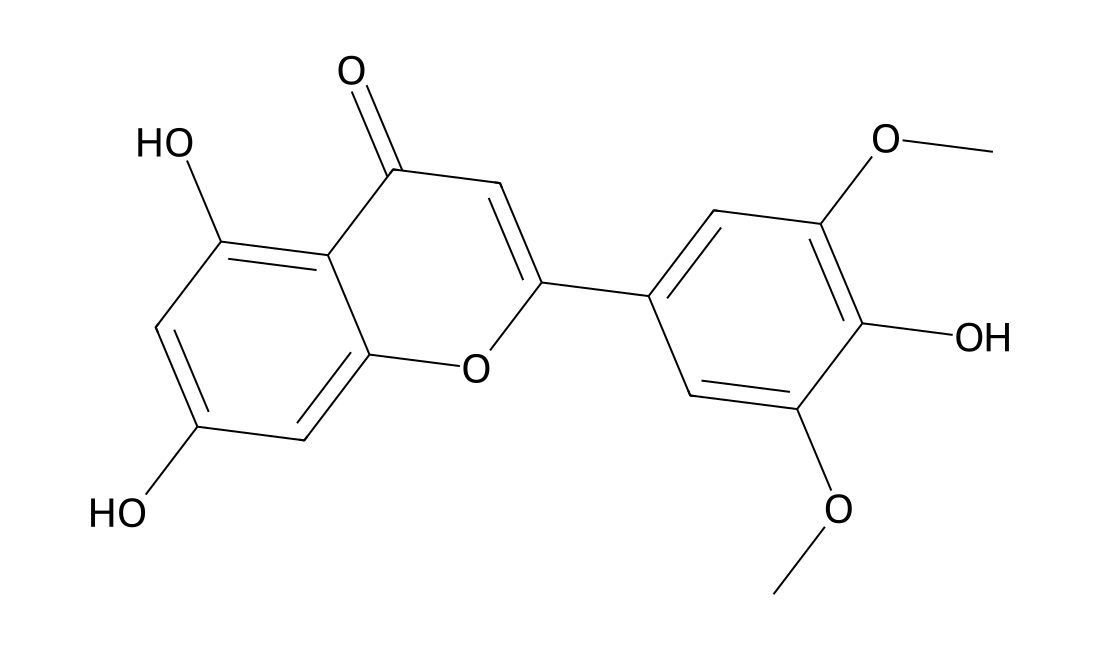
CAS 1972617-87-0
GSK 3186899 (GSK-3186899, DDD853651) is a novel specific inhibitor of parasite cdc-2-related kinase 12 (CRK12), shows activity against L. donovani in intra-macrophage assay with EC50 value of 1.4 uM, and shows good selectivity against mammalian THP-1 host cells (EC50> 50 uM).
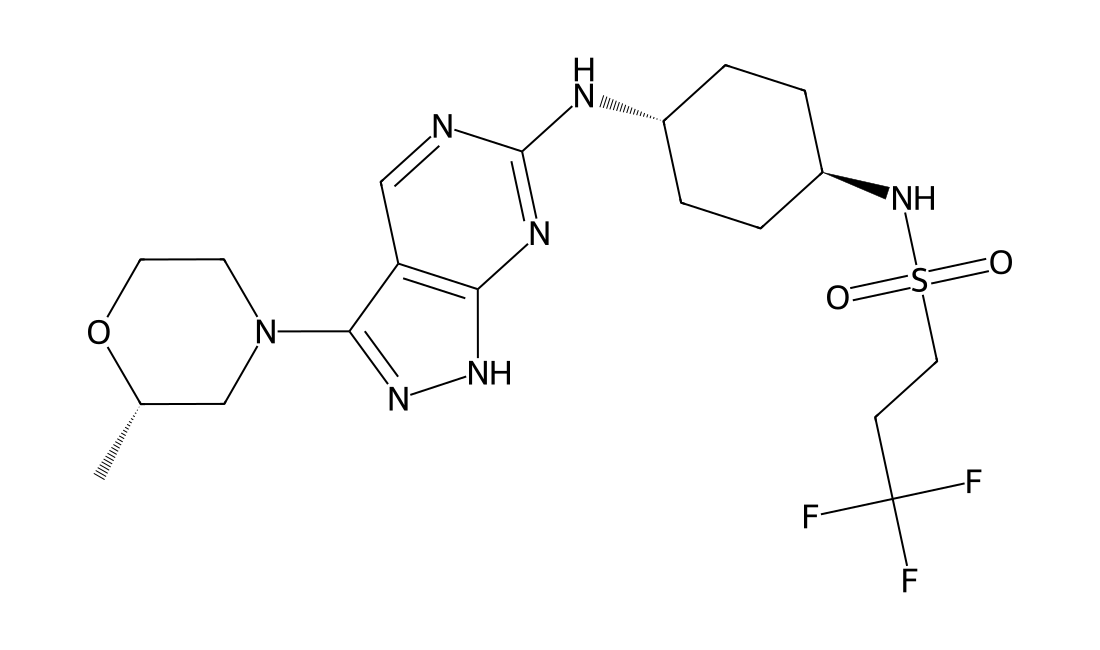
CAS 1931994-81-8
Zabedosertib (BAY 1834845) is a IRAK4 inhibitor with immunomodulatory potential. IRAK4 is a protein kinase involved in signaling innate immune responses from Toll-like receptors.
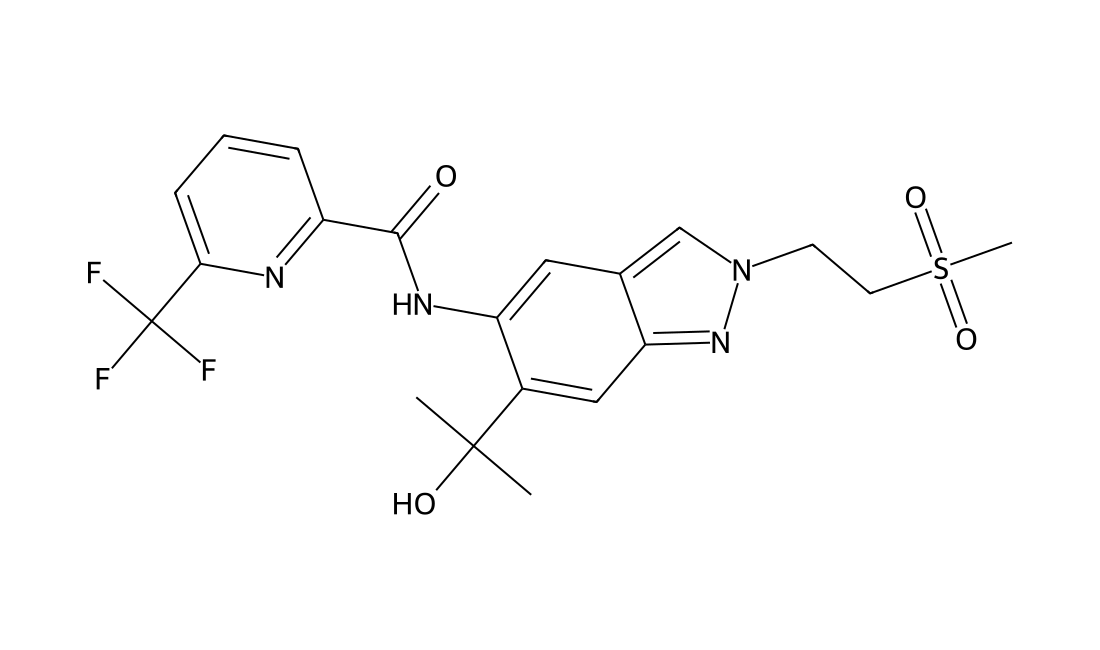
CAS 1660107-77-6
MAP855 is a novel highly potent and selective MEK1/2 kinase inhibitor with equipotent inhibition of WT and mutant MEK1/2, whose drug-like properties allow further investigation in the mutant MEK setting upon BRAF/MEK therapy.
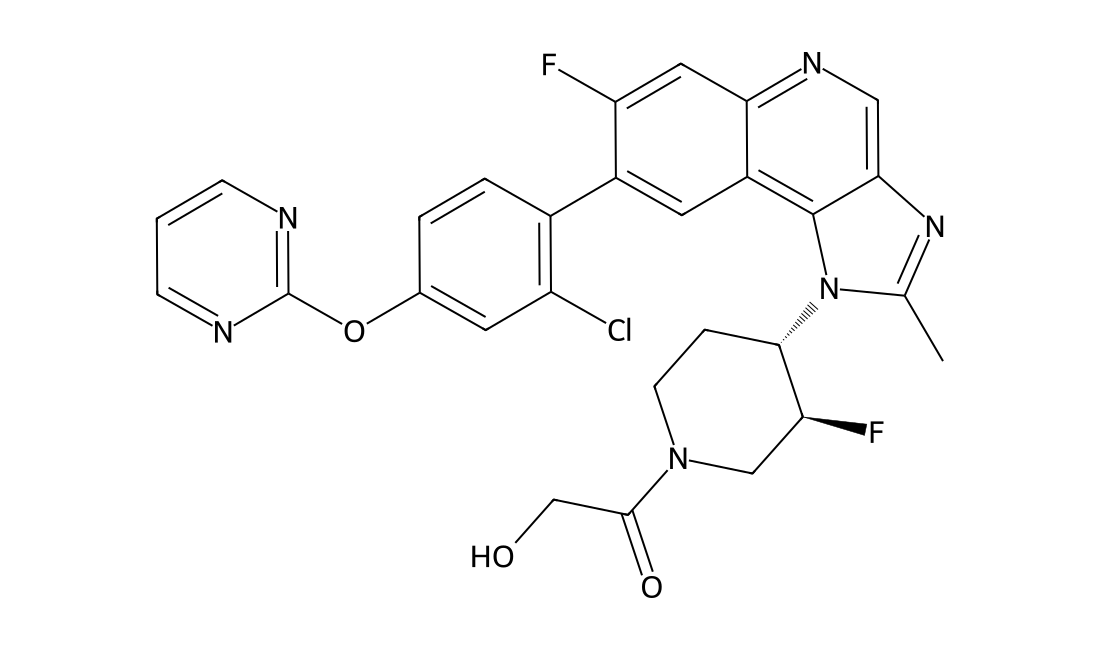
CAS 2922280-34-8
BAY-091 is a novel potent and highly selective inhibitor of the kinase PIP4K2A.
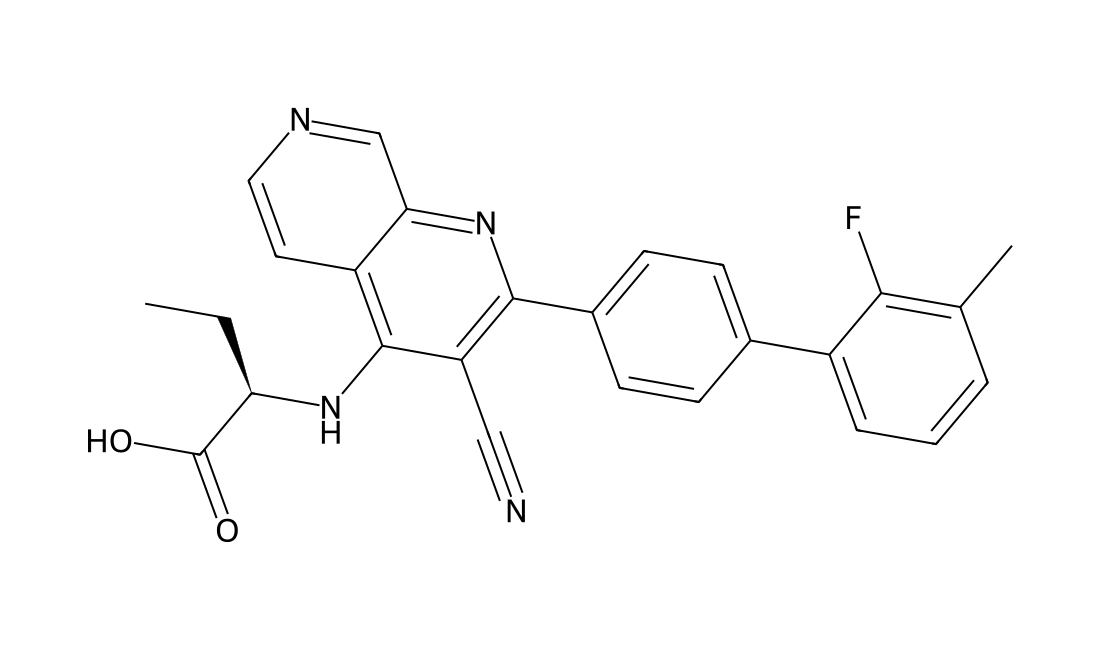
CAS 53-85-0
5,6-Dichlorobenzimidazole riboside is a nucleoside analog that inhibits several carboxyl-terminal domain (CTD) kinases including casein kinase II and CDKs. 5,6-Dichlorobenzimidazole riboside trigger p53-dependent apoptosis of human colon adenocarcinoma cells without inducing genotoxic stress to healthy cells.
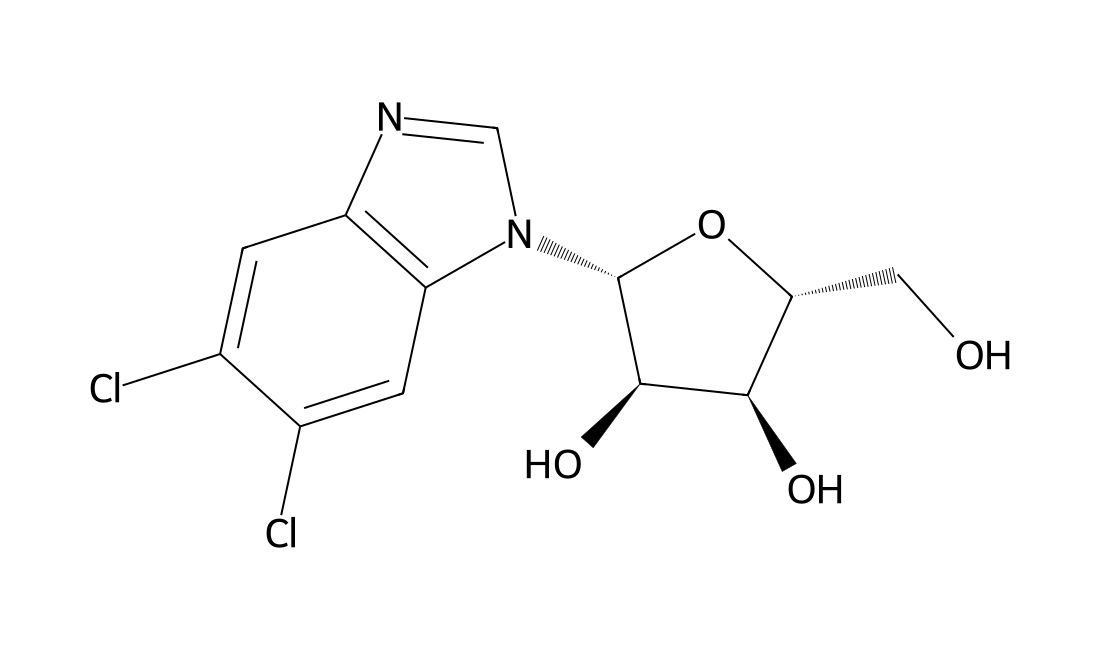
CAS 2883540-92-7
STX-478 is an allosteric PI3Kα inhibitor that selectively targets prevalent PI3Kα helical- and kinase-domain mutant tumors. STX-478 provides robust efficacy while avoiding the metabolic dysfunction associated with the nonselective inhibitor alpelisib.
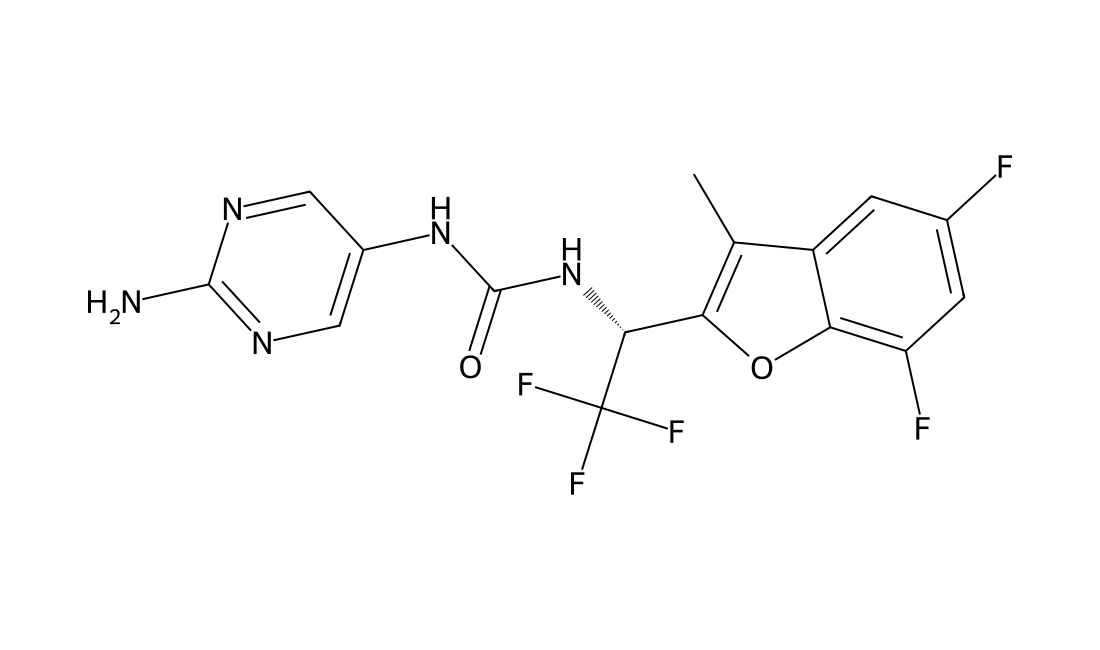
CAS 1805833-75-3
Samuraciclib (CT7001) is a potent, selective, ATP-competitive and orally active CDK7 inhibitor, with an IC50 of 41 nM. Samuraciclib displays 45-, 15-, 230- and 30-fold selectivity over CDK1, CDK2 (IC50 of 578 nM), CDK5 and CDK9, respectively. Samuraciclib inhibits the growth of breast cancer cell lines with GI50 values between 0.2-0.3 µM. Samuraciclib has anti-tumor effects.
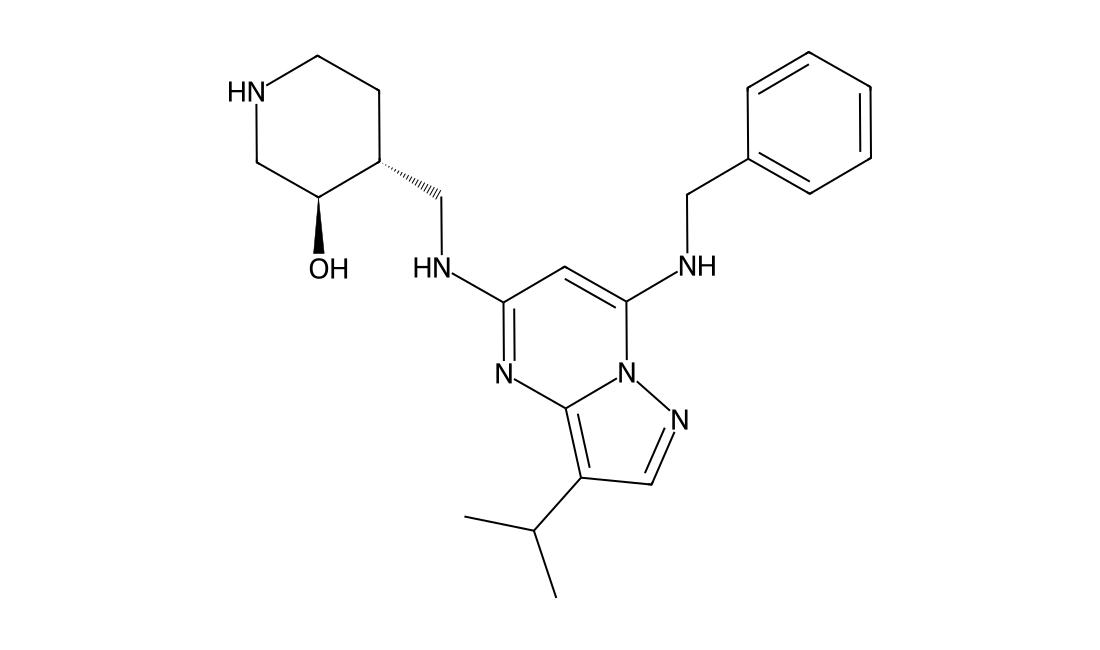
CAS 2247481-21-4
JSH-150 (JSH150) is a potent, highly selective inhibitor of CDK9 kinase with IC50 of 1 nM in the biochemical assays, displays 300-10000-fold selectivity over other CDK kinase family members (CDK7 IC50=1.72 uM); also exhibits high selectivity over other 468 kinases/mutants (KINOMEscan S score(1) = 0.01); displays potent antiproliferative effects against melanoma, neuroblastoma, hepatoma, colon cancer, lung cancer as well as leukemia cell lines, dose-dependently inhibits the phosphorylation of RNA Pol II, suppresses the expression of MCL-1 and c-Myc, arreststhe cell cycle and induces the apoptosis in the leukemia cells; completely suppresses the tumor progression in MV4-11 cell-inoculated xenograft mouse model (10 mg/kg).
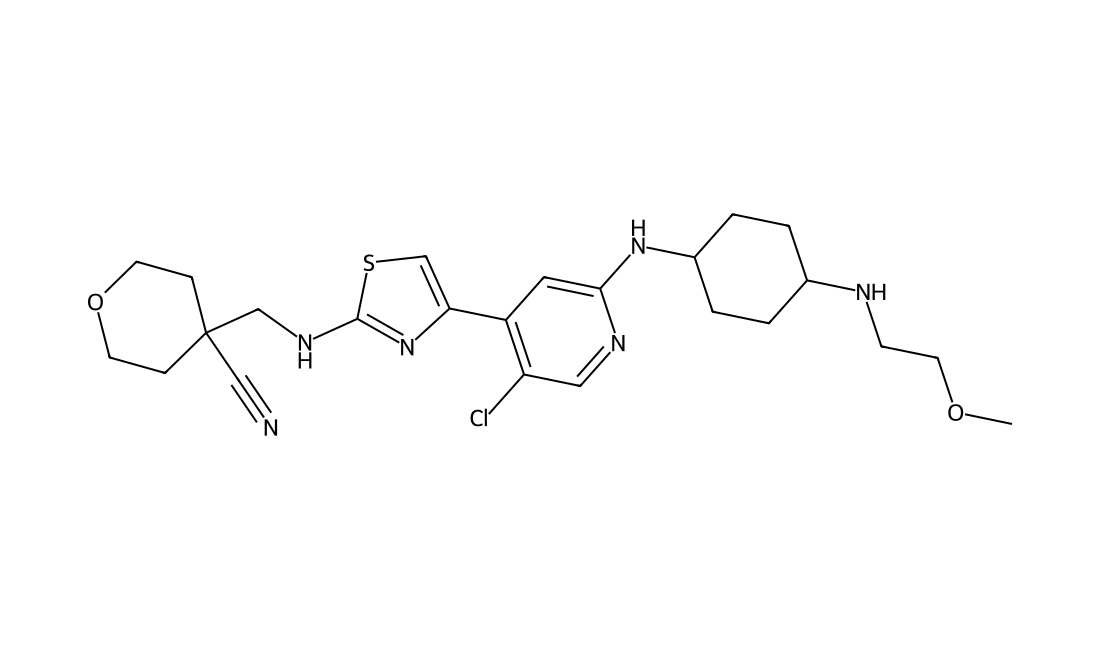
CAS 63958-90-7
Serum thymic factor (Thymulin) is a zinc-dependent immunomodulatory peptide. Serum thymic factor induces hyperalgesia. Serum thymic factor protects rats from Cephaloridine (HY-B2072)-induced nephrotoxicity by inhibiting ERK activation. Serum thymic factor has anti-diabetic, analgesic and anti-inflammatory effects.
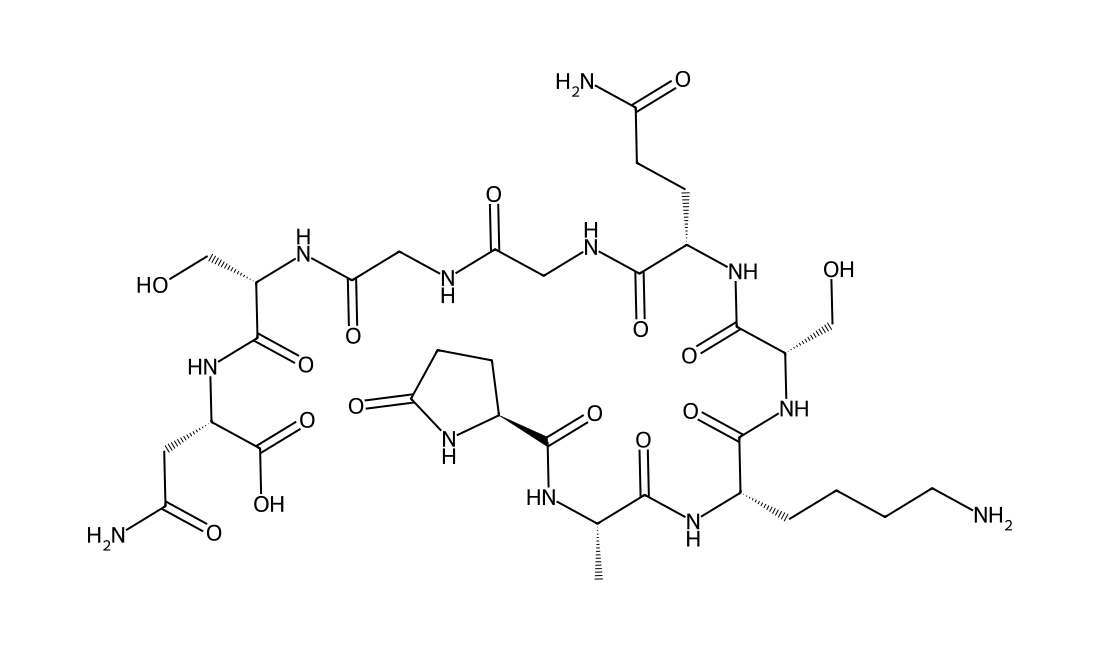
CAS 1396257-94-5
Ipatasertib dihydrochloride (GDC-0068 dihydrochloride) is a highly selective pan-Akt inhibitor targeting Akt1/2/3 with IC50 of 5/18/8 nM, 620-fold selectivity over PKA.
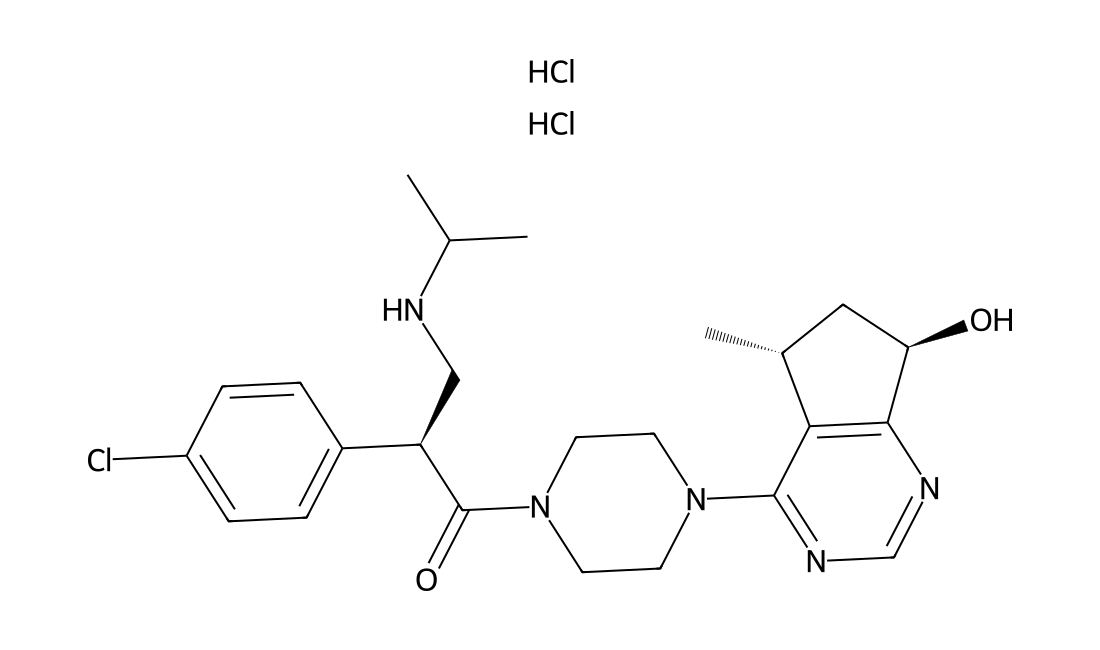
CAS 2875046-27-6
VVD-118313 (compound 5a) is a potent, selective JAK1 inhibitor. VVD-118313 targets an isoform-restricted allosteric cysteine to block JAK1-dependent trans-phosphorylation and cytokine signaling. VVD-118313 can be used for research of cancer.
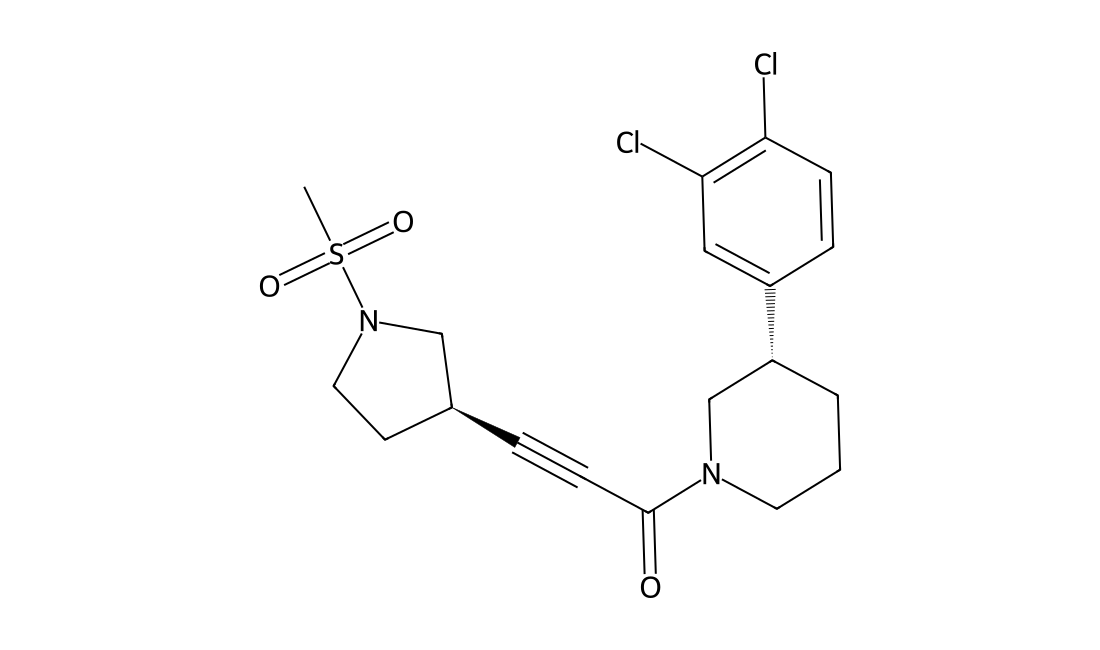
CAS 2055597-12-9
ERK-IN-3 is a potent and oral of ERK. ERK-IN-3 inhibits ERK1/2 with low single-digit nM IC50 values. ERK-IN-3 has the potential to be used to study cancers driven by RAS mutations.
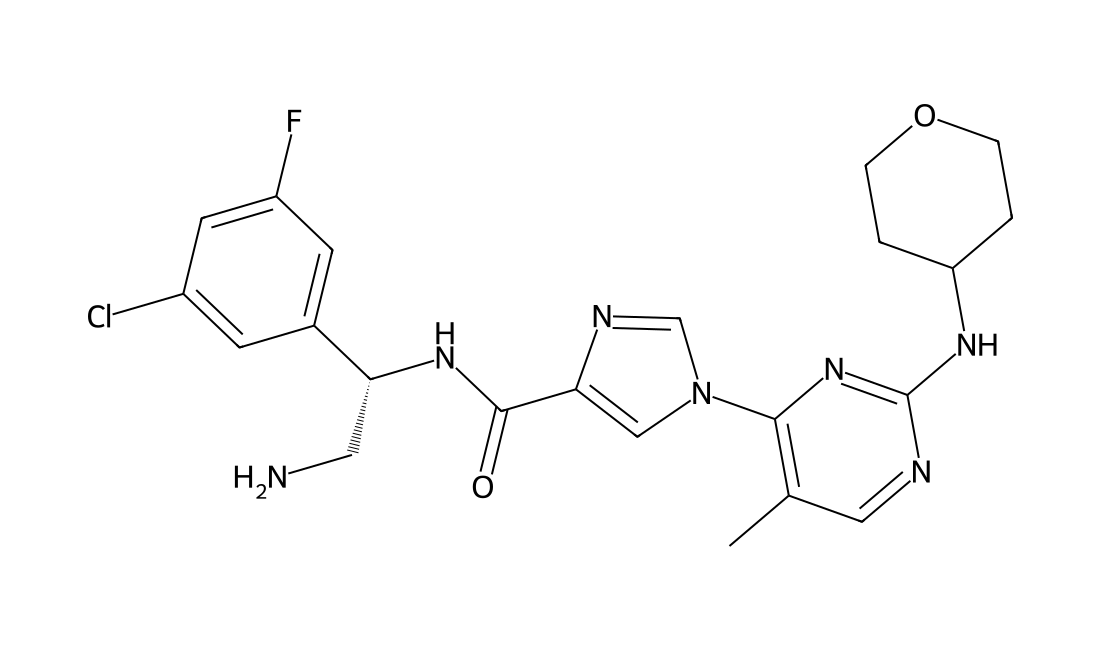
CAS 2416095-06-0
CBR-470-1 is an inhibitor of the glycolytic enzyme phosphoglycerate kinase 1 (PGK1). CBR-470-1 is also a non-covalent Nrf2 activator. CBR-470-1 protects SH-SY5Y neuronal cells against MPP+-induced cytotoxicity through activation of the Keap1-Nrf2 cascade.
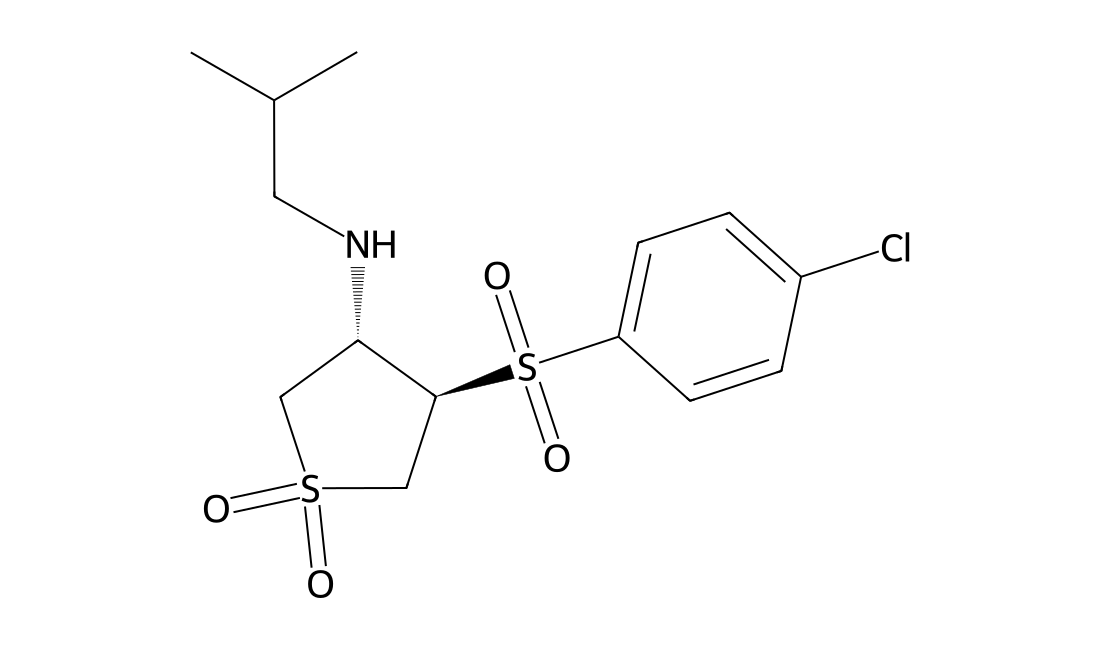
CAS 1227098-15-8
NF-κB-IN-1, a 4-arylidene crucumin analogue, is a potent NF-κB signaling pathway inhibitor. NF-κB-IN-1 directly inhibits IKK to block NF-κB activation. NF-κB-IN-1 effectively inhibits the viability of lung cancer cells and attenuates the clonogenic activity of A549 cells.
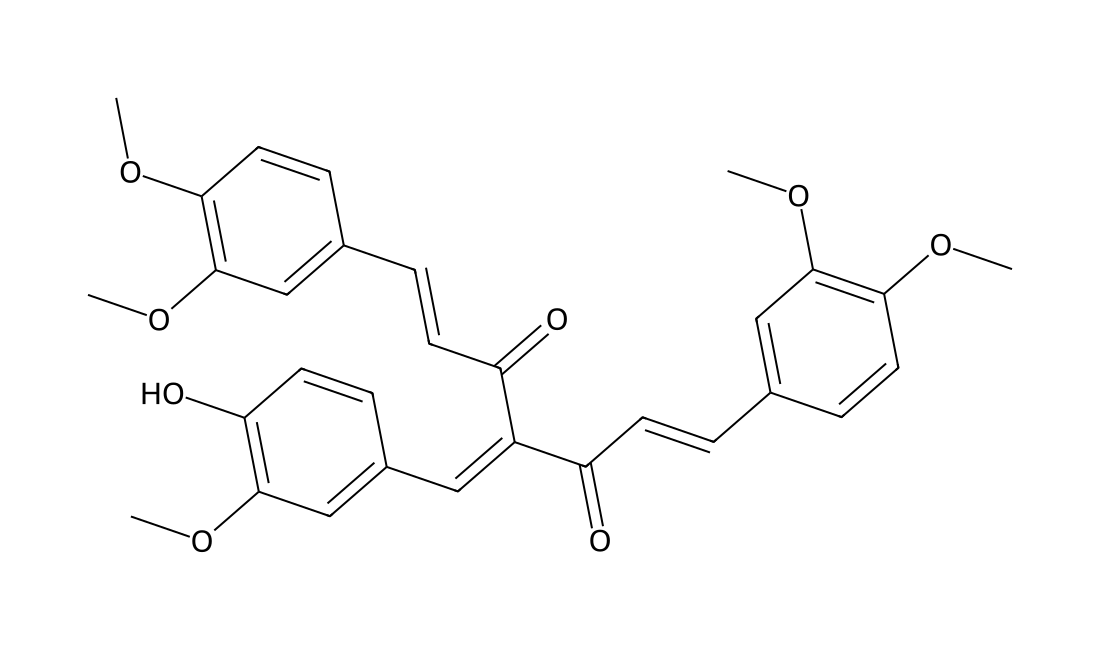
CAS 439144-66-8
IMD-0560 is an Inhibitor of nuclear factor kappa-B kinase (IKK) which can suppress the production of inflammatory cytokines and chemokines.
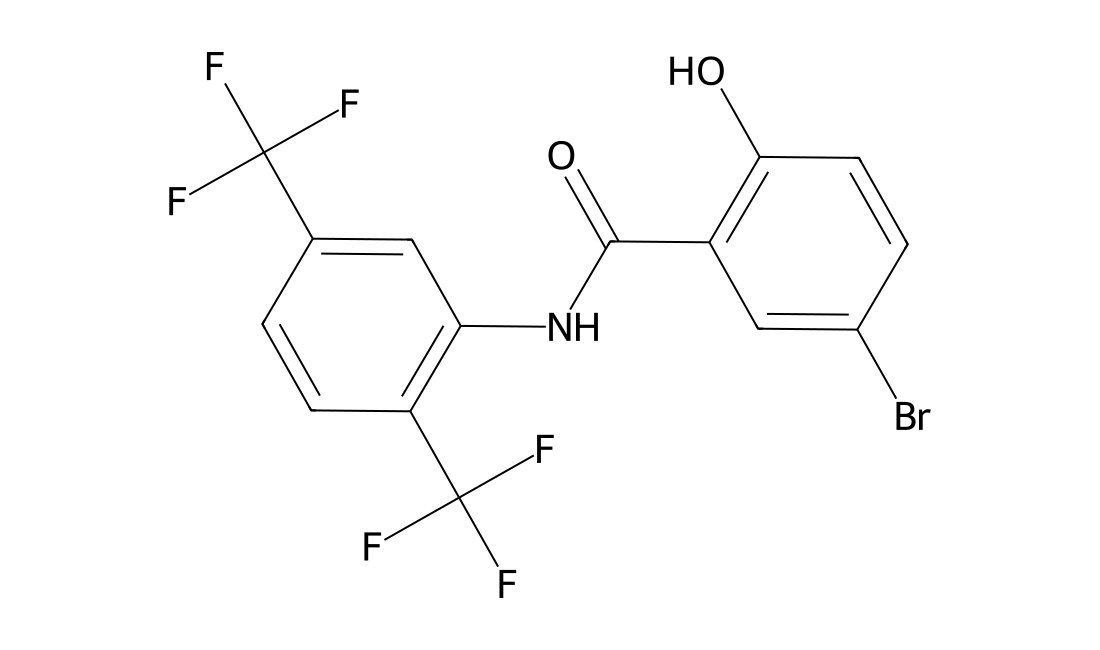
CAS 1321924-70-2
VTX-27 is a selective protein kinase C θ (PKC θ) inhibitor, with Kis of 0.08 nM and 16 nM for PKC θ and PKC δ.
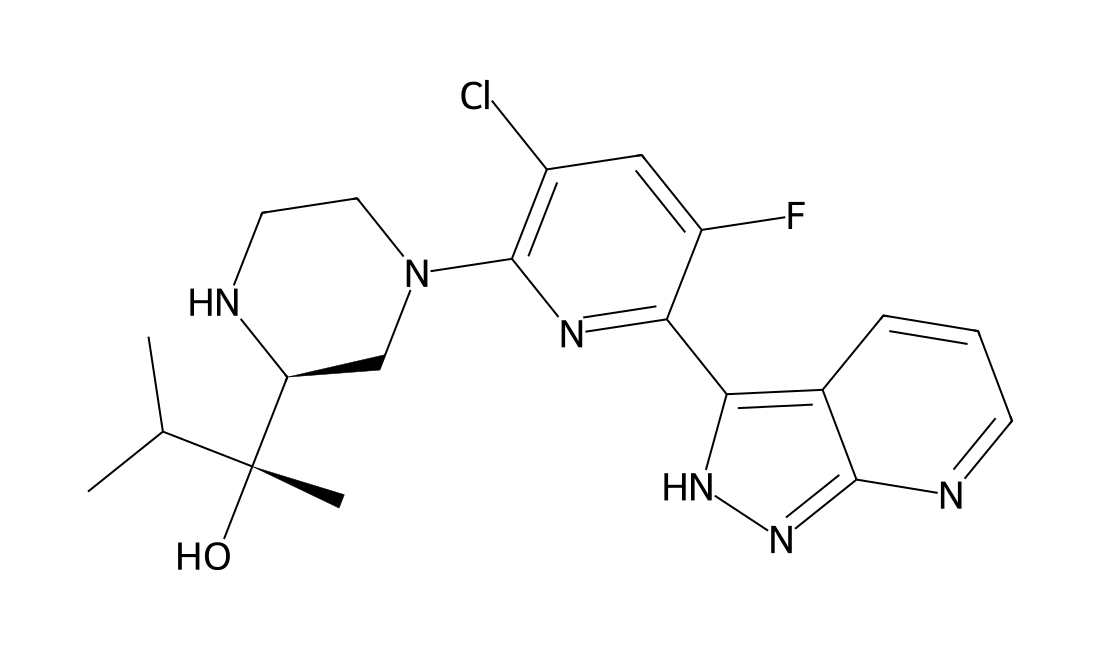
CAS 2243882-74-6
Debio 0123 (Debio0123) is a potent, orally available, and highly selective Wee1 kinase inhibitor with IC50 of 0.8 nM, Ki of 0.1 nM.Debio 0123 is highly selective to Wee1 on 465 selected kinases in a cellfree system, does not inhibit Plk1 and Plk2, as also reported in recent publications for AZD1775.Debio 0123 exhibits in vitro growth inhibition activity in a broad number of human cancer cell lines (IC50= 0.109 to 7.08 uM).Debio 0123 prevent CDC2 / Cdk1 phosphorylation, induces γH2AX and enhances phosphorylation of histone H3.Debio 0123 induces apoptosis through mitotic catastrophe following cell cycle progression despite accumulation of unrepaired DNA damage both in vitro and in vivo.
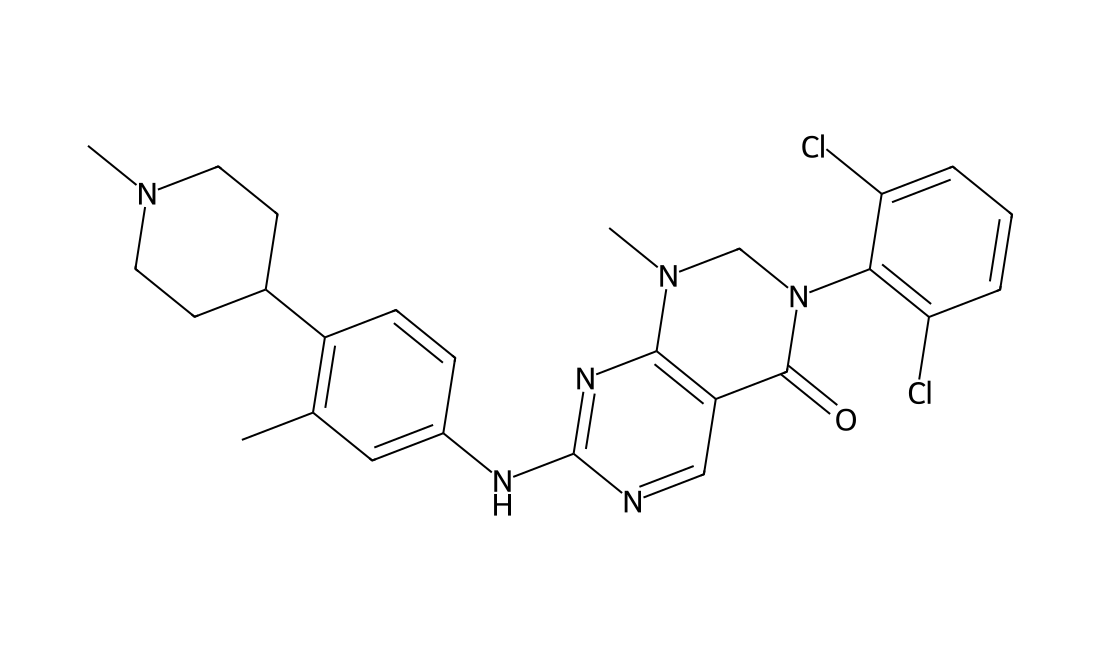
CAS 1263774-59-9
Delgocitinib (JTE-052, LEO 124249) is a potent, selective, orally active, pan-JAK inhibitor with IC50 of 2.8, 2.6, 13 and 58 nM for JAK1,2,3 and Tyk2, respectively; does not inhibit a broad panel of kinases with exception of ROCK-II (IC50=140 nM); inhibits cytokine signaling evoked by IL-2, IL-6, IL-23, granulocyte/macrophage CSF, and IFN-α in vitro; potently suppresses the IL-2-induced IFN-γ production in mice (ED50=1.1 mg/kg), suppresses inflammatory responses in collagen-induced arthritis model.
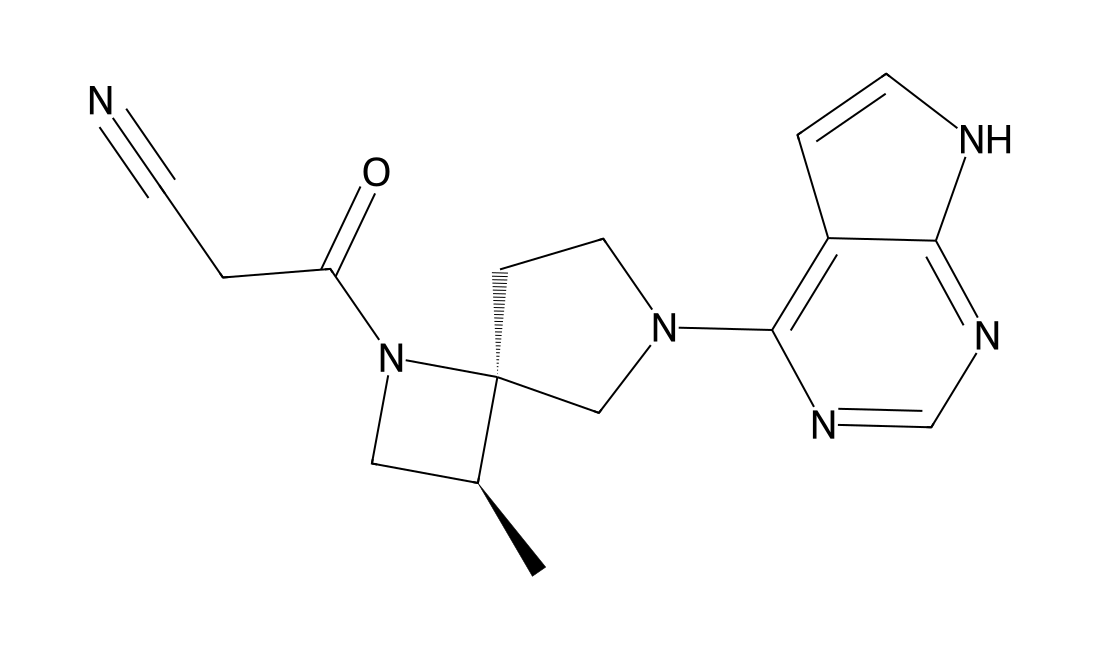
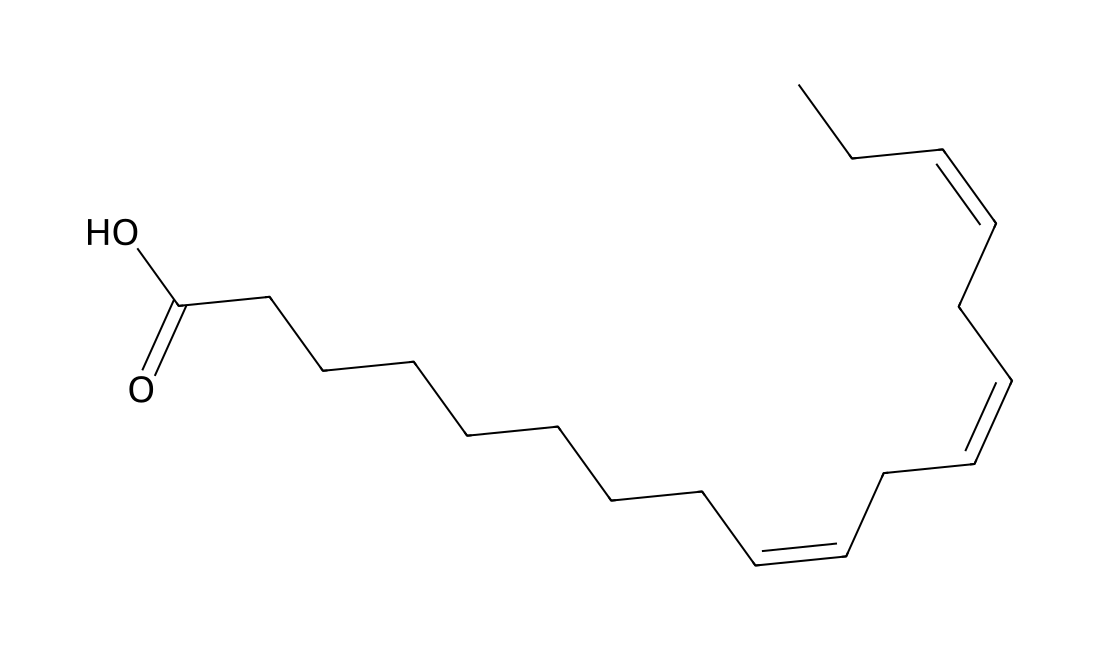
CAS 463-40-1
α-Linolenic acid, isolated from seed oils, is an essential fatty acid that cannot be synthesized by humans. α-Linolenic acid can affect the process of thrombotic through the modulation of PI3K/Akt signaling. α-Linolenic acid possess the anti-arrhythmic properties and is related to cardiovascular disease and cancer[1].