Home/Small Molecules/Kinases & Cell Signaling

Kinases & Cell Signaling

Kinase inhibitors and modulators of intracellular signaling pathways.

Browse all research categories

Browse by research category

Products may appear in more than one category. Counts refer to distinct catalog numbers within each category.

Other Research Tools (75) · Additional reagents, building blocks and specialized research tools.

New literature-derived products

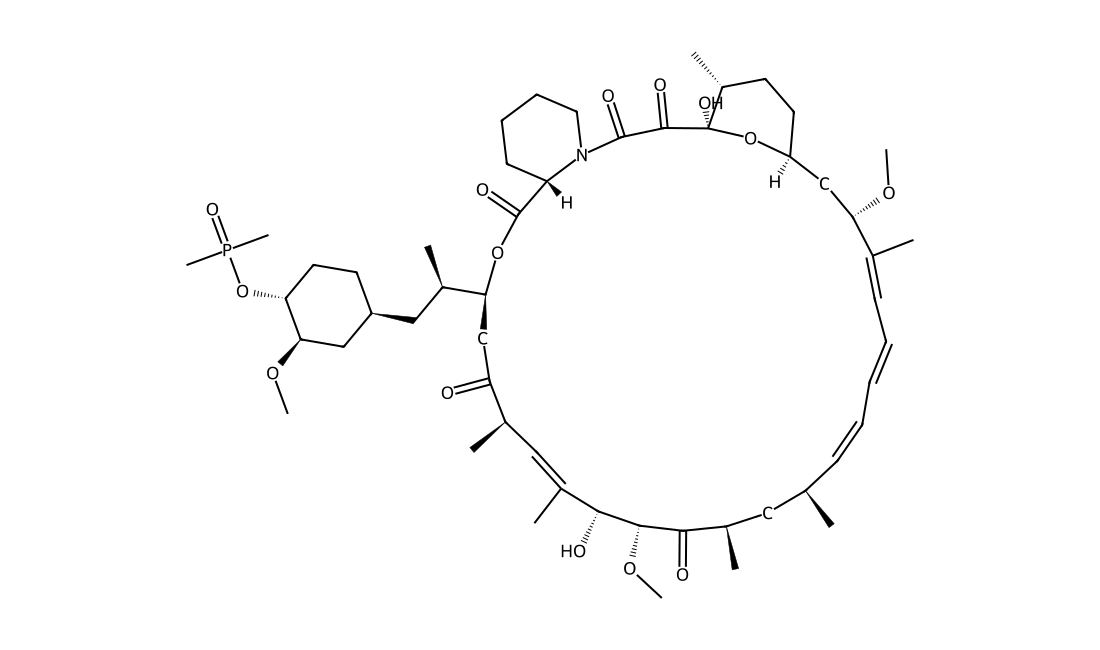
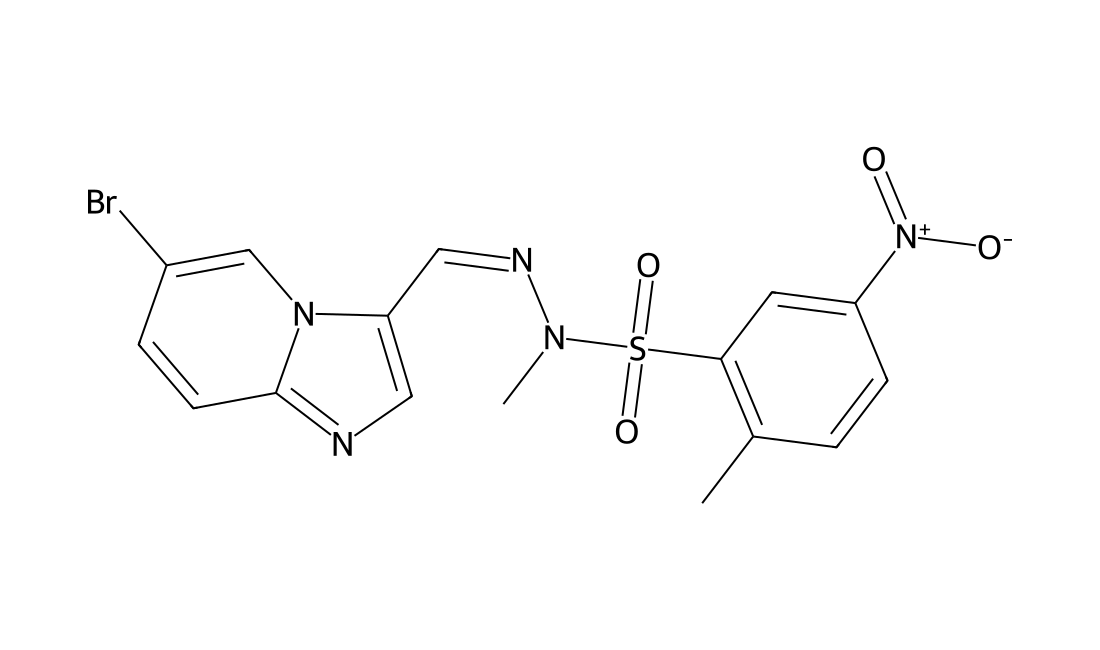
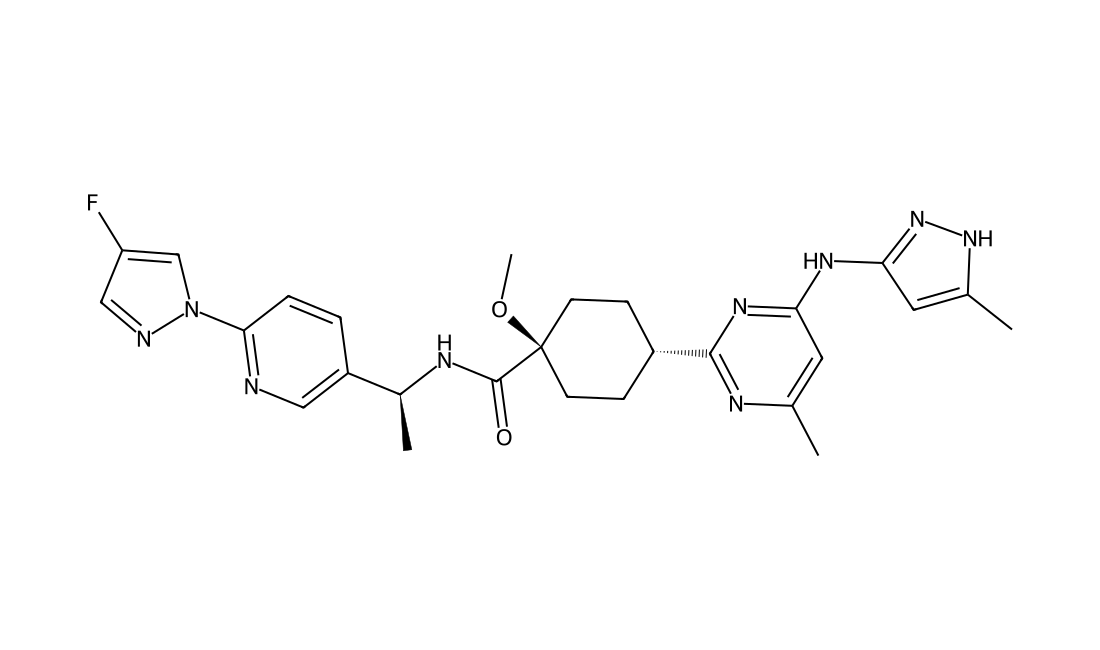
LC-MG-1 (DCA0006) · LC-MG-4 (DCA0007) · LC-MG-9 (DCA0008)

View structure and evidence summaries →

Kinases & Cell Signaling products

Combine a keyword, research category and target to narrow the product list.

Loading catalog filters…

1,548 products · Showing 1,441–1,488

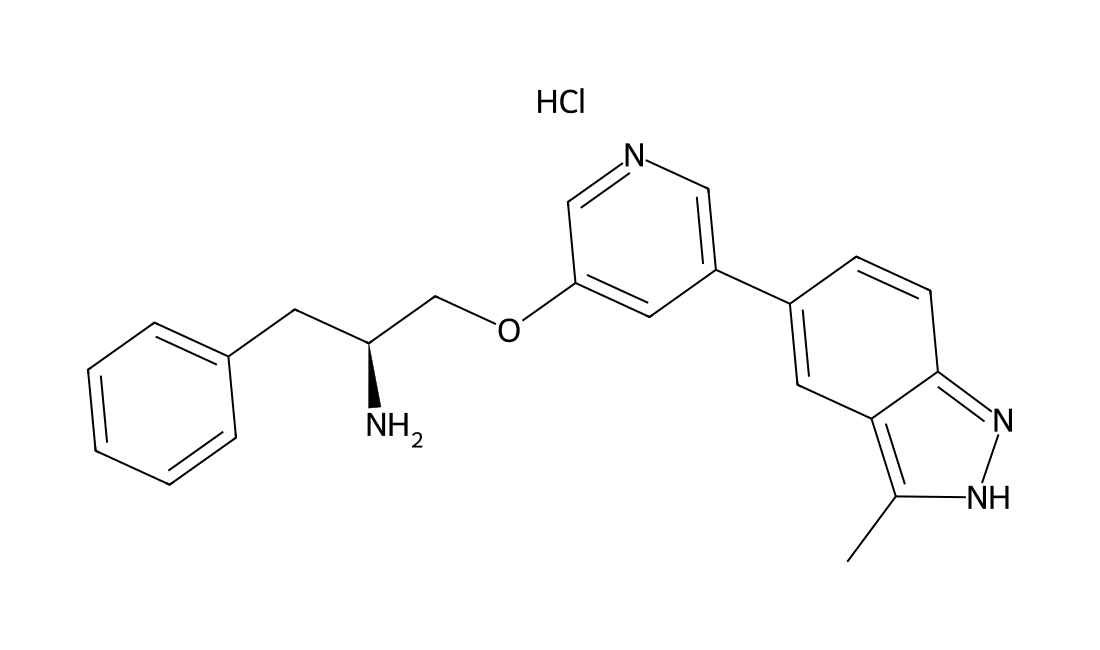
DC22498

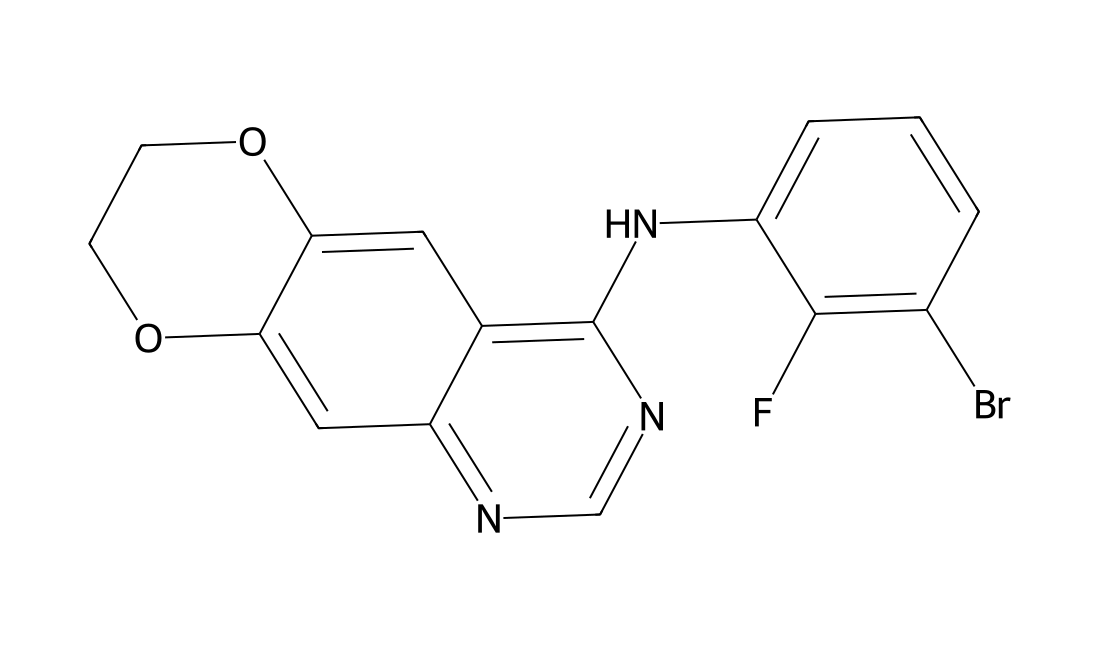
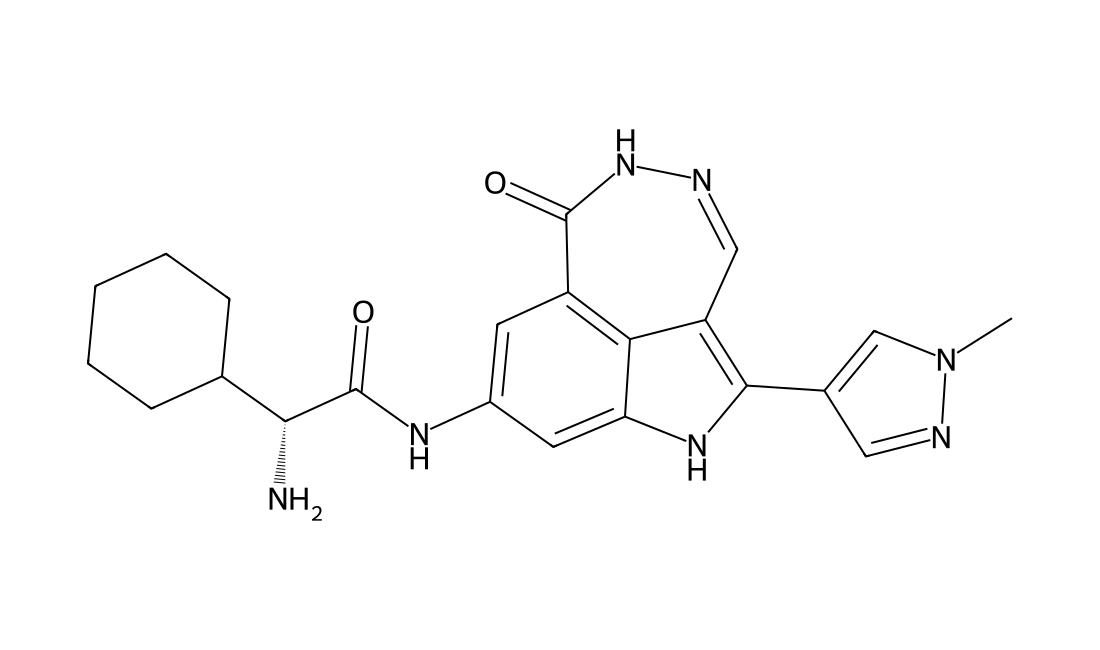
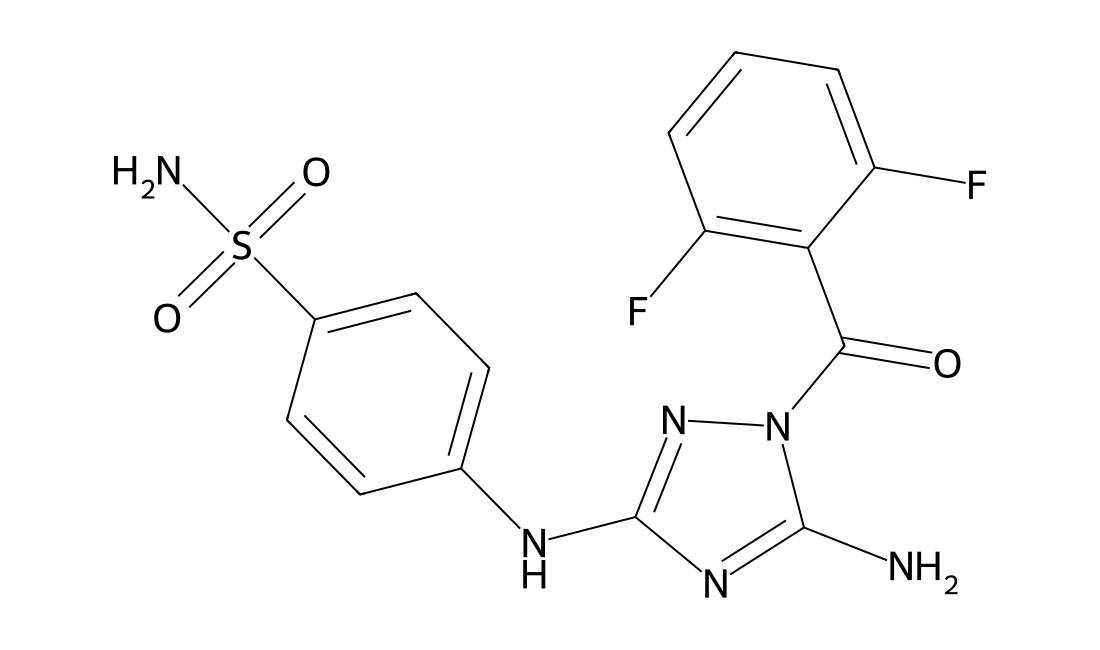
A-443654

CAS 552325-16-3

A potent and selective Akt inhibitor with Ki of 0.16 nM for Akt1; has equal potency against Akt1, Akt2, or Akt3 within cells, displays 40-fold selectivity over PKA, and CMGC family kinases; inhibits Akt-dependent signal transduction, inhibits proliferation of MiaPaCa-2 cells with EC50 of 0.1 uM; inhibits tumor growth in vivo, and is more potent and more selective than A-674563.
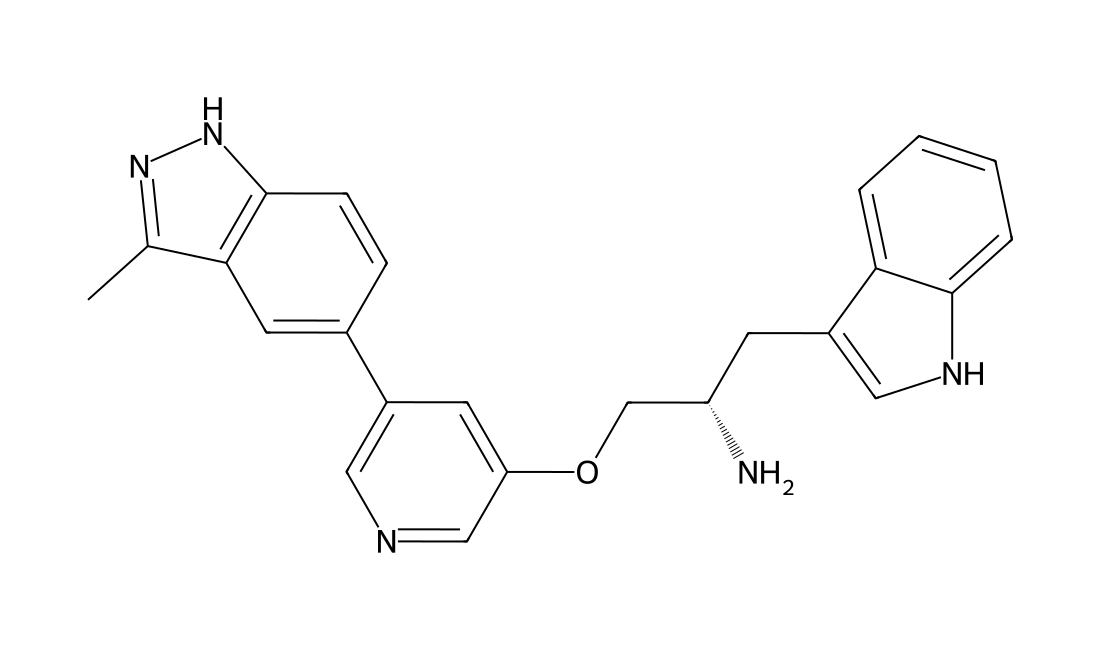
A-443654 chemical structure
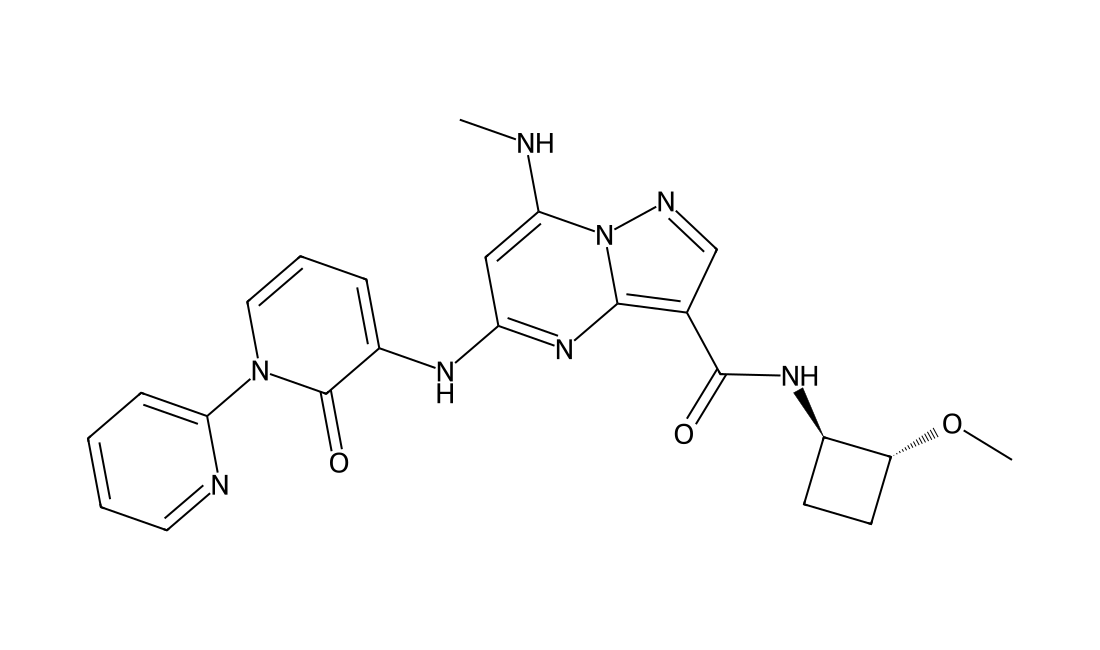
DC65347

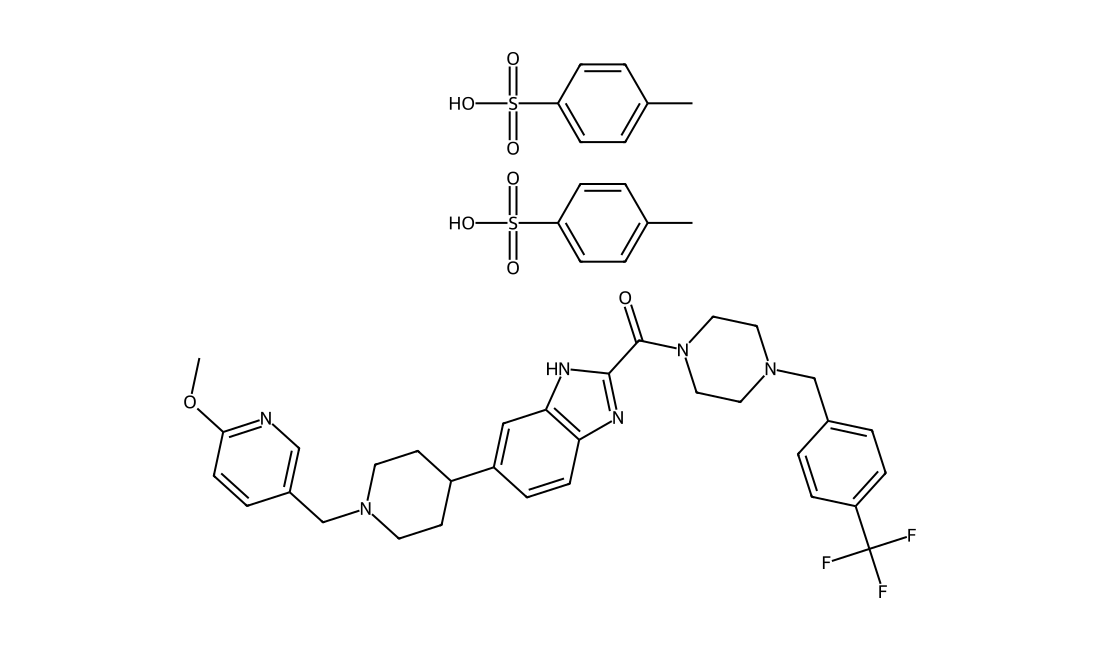
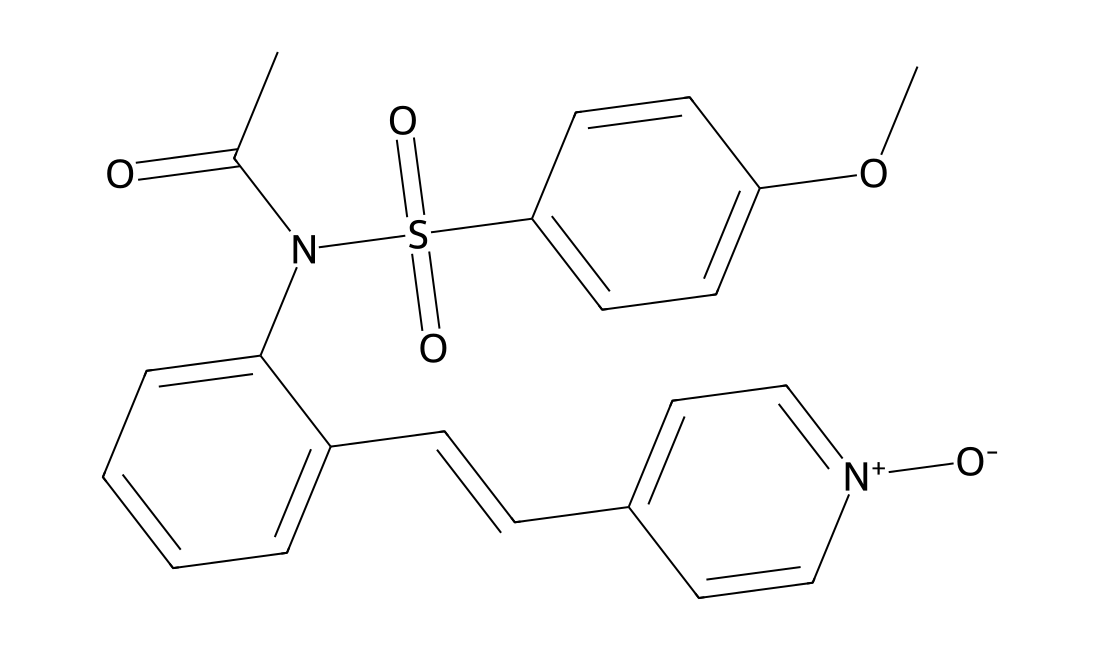
A-674563 HCl

CAS 2070009-66-2

A-674563 is a potent and selective Akt1 inhibitor with Ki of 11 nM. A-674563 suppressed the activation of the NLRP3 inflammasome in cardiomyocytes following β-adrenoceptor activation, suggesting that AKT1 is a critical regulator molecule upstream of the NLRP3 inflammasome. A-674563 suppresses CDK2 activity, inhibits human NSCLC cell growth more effectively than the pan-AKT inhibitor, MK-2206

A-674563 HCl chemical structure
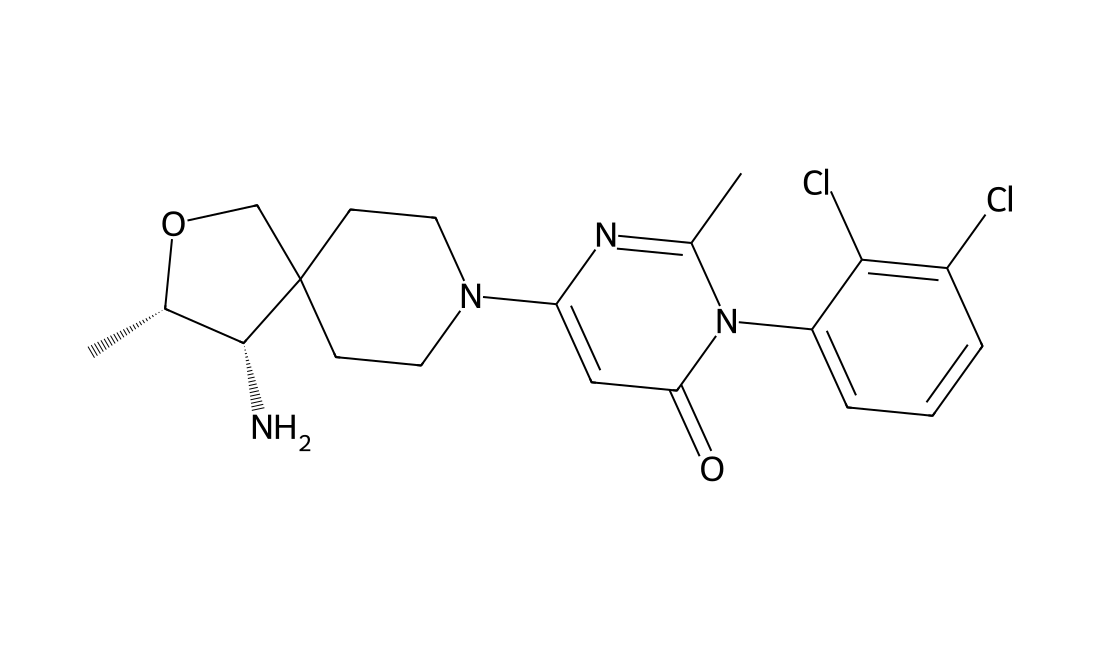
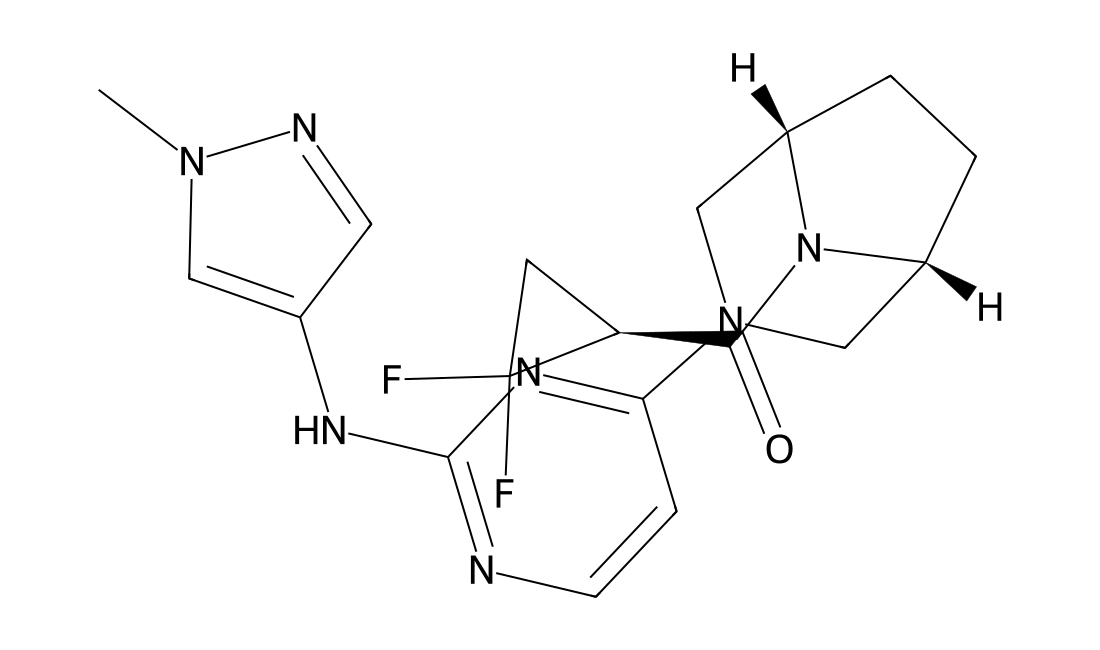
DC70502

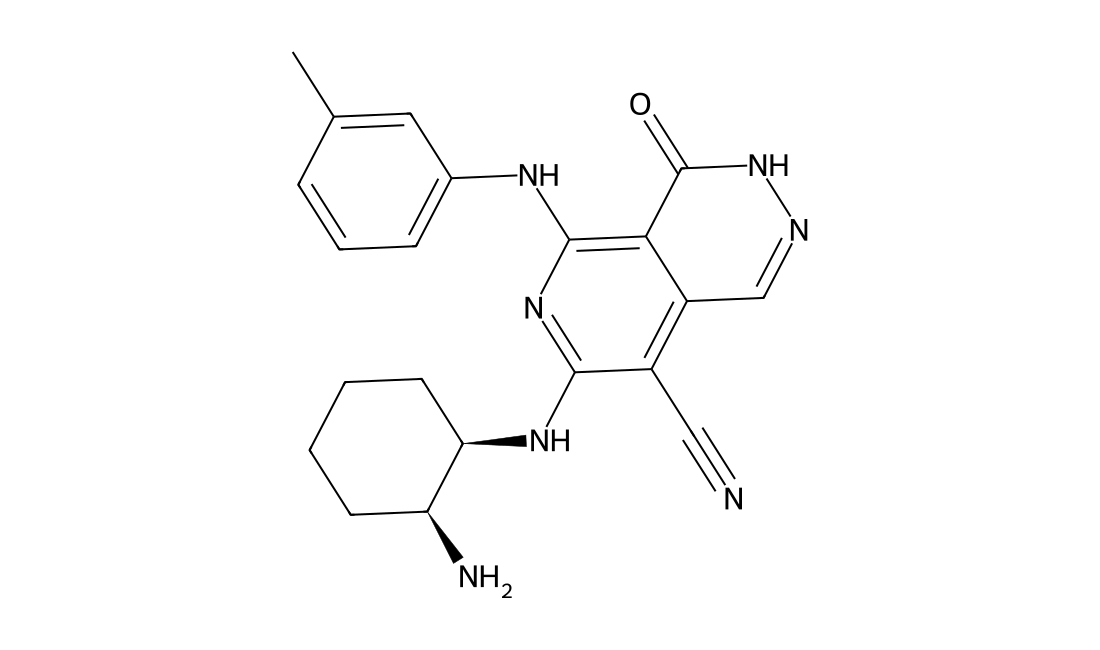
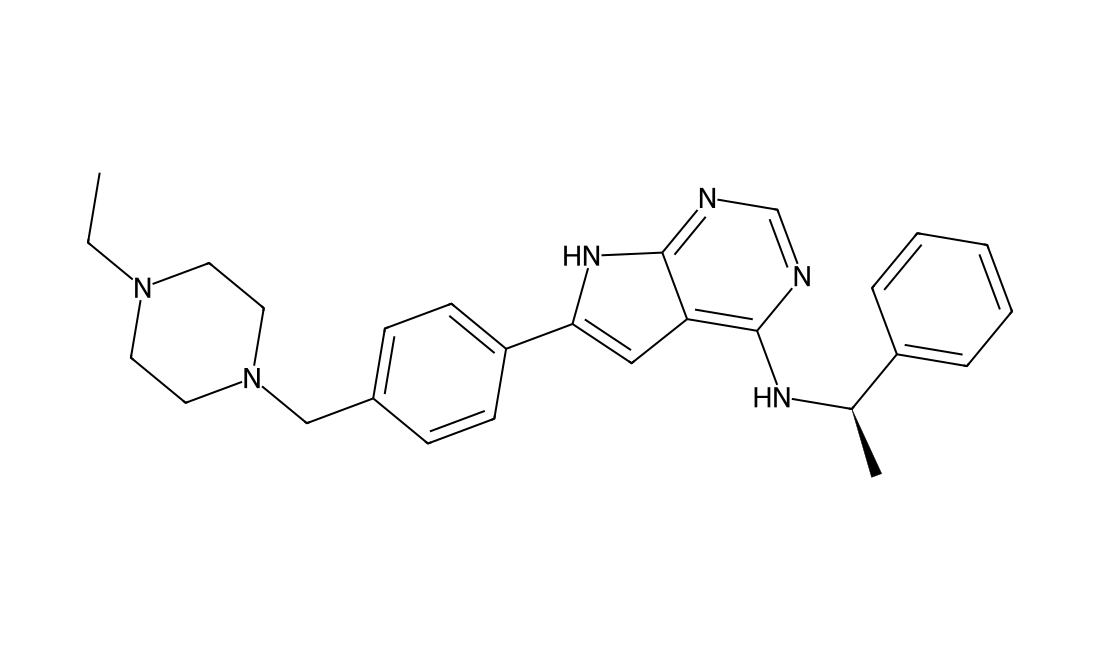
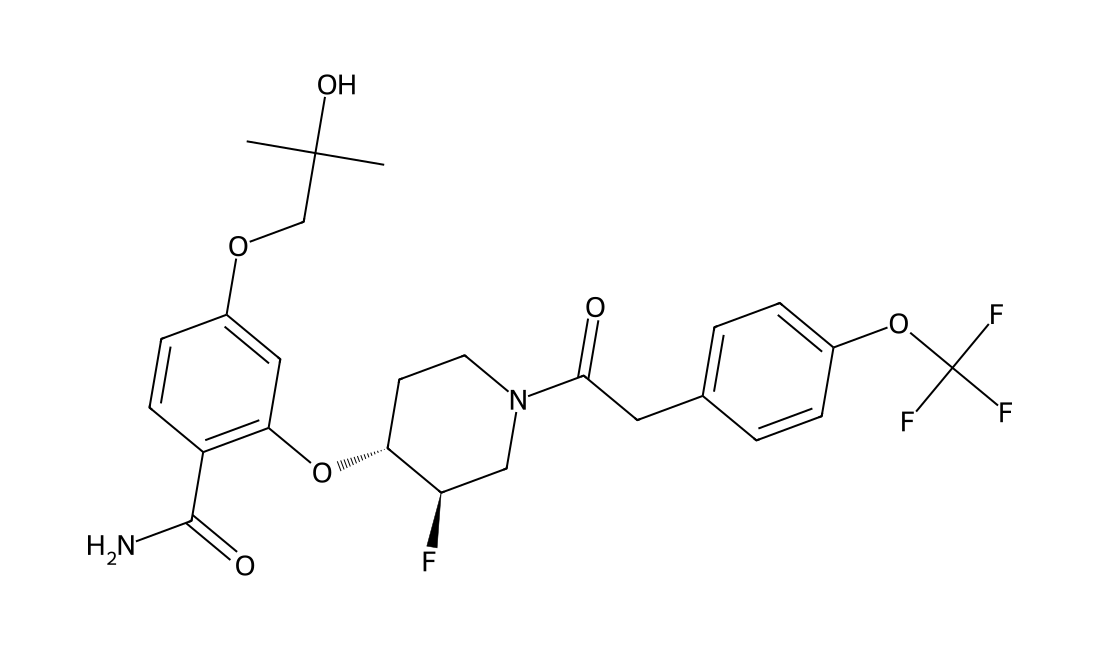
IACS-15414

CAS 2411321-29-2

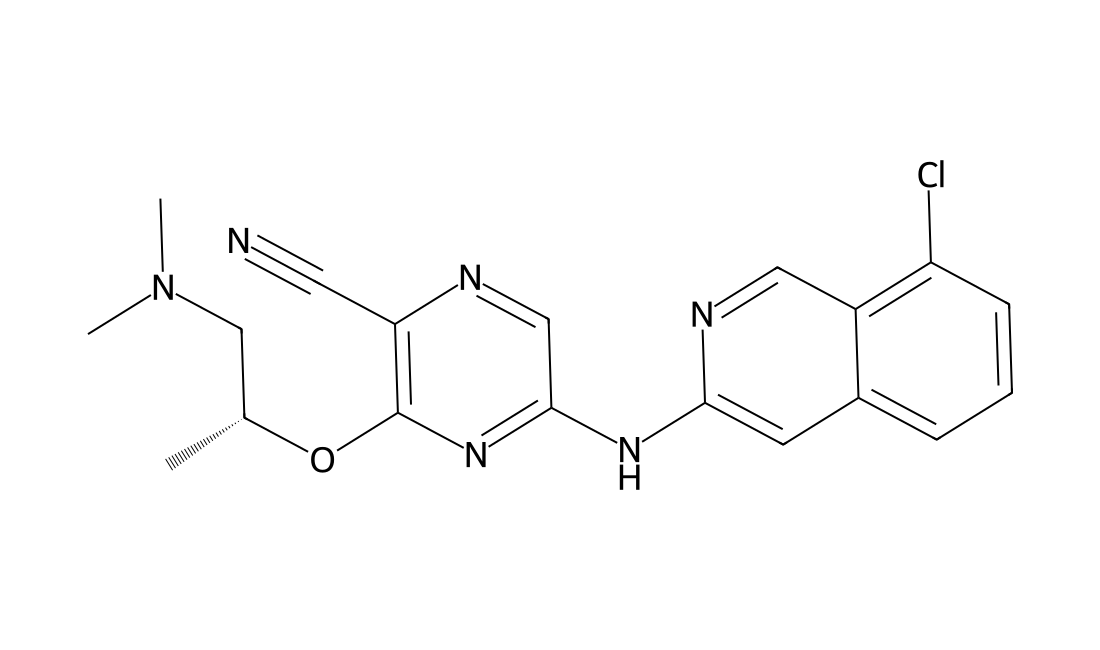
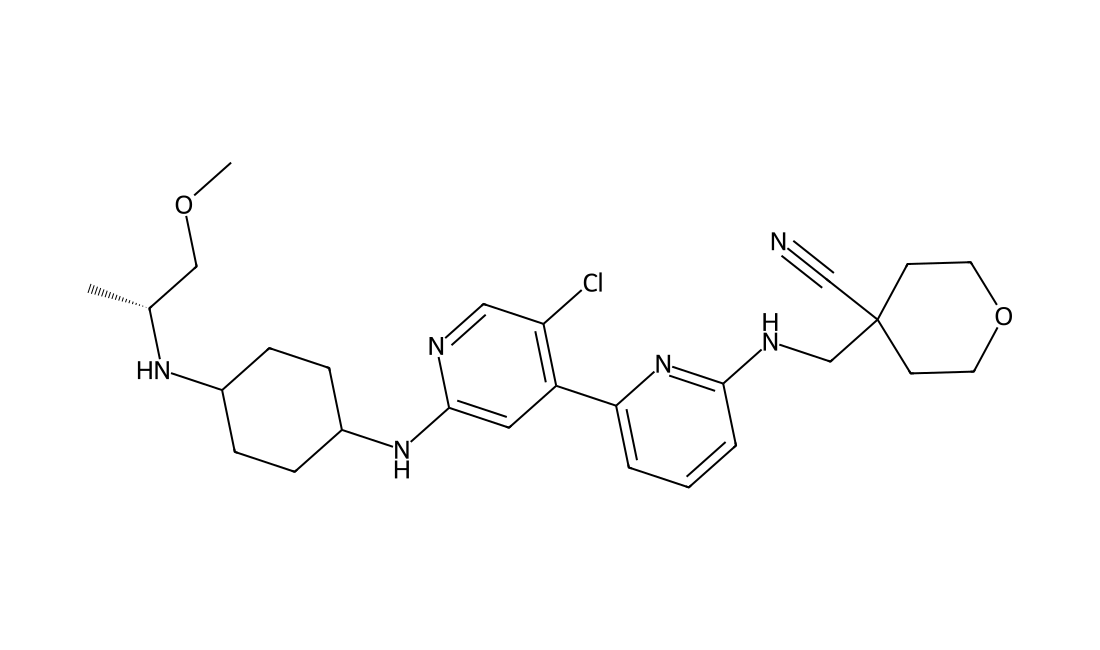
IACS-15414 (IACS 15414) is a potent, selective, orally bioavailable SHP2 inhibitor with IC50 of 122 nM; IACS-15414 potently suppressed the mitogen-activated protein kinase (MAPK) pathway signaling and tumor growth in RTK-activated and KRASmut xenograft models in vivo. IACS-15414 potently suppressed the mitogen-activated protein kinase (MAPK) pathway signaling and tumor growth. IACS-15414 had excellent PK properties across species but a narrow hERG window.

IACS-15414 chemical structure
DC44213

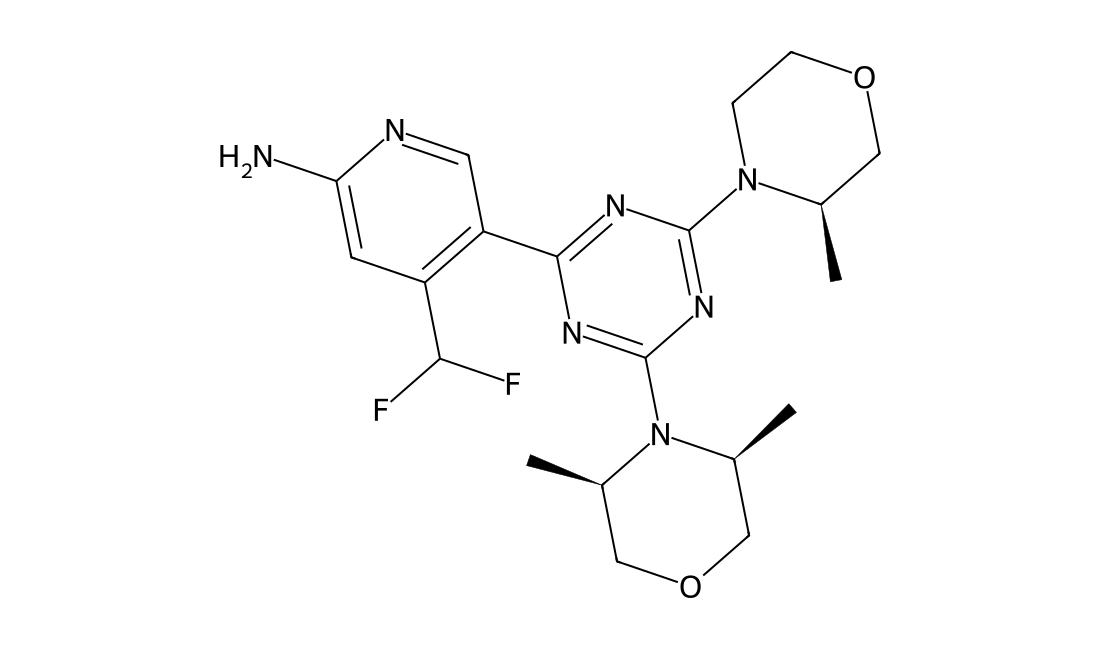
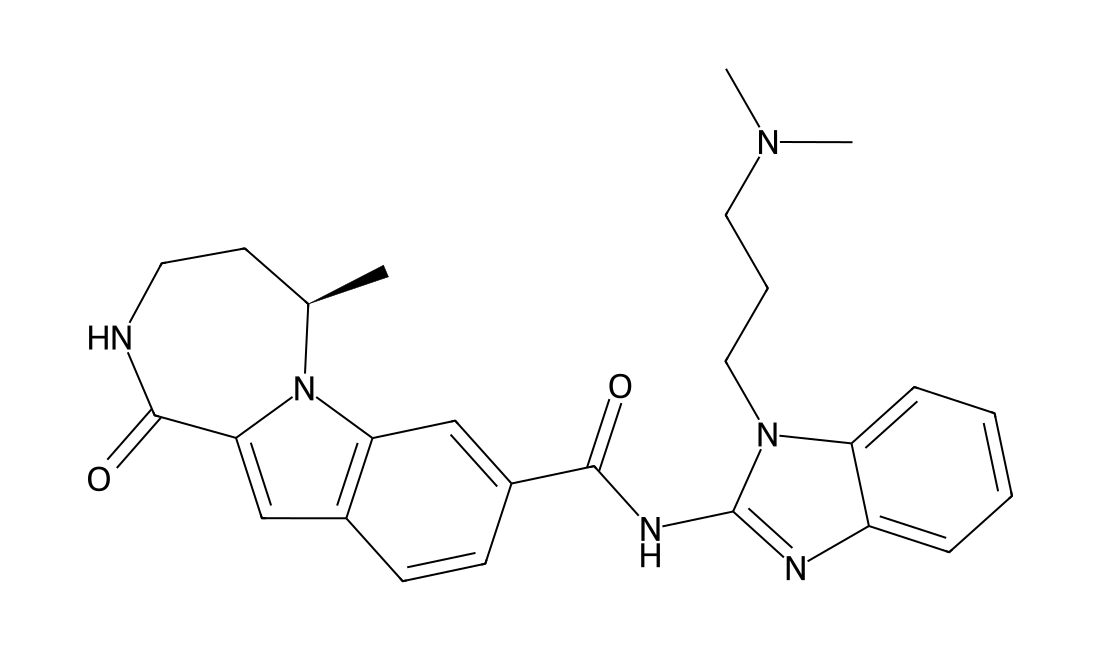
PF-06843195

CAS 2067281-51-8

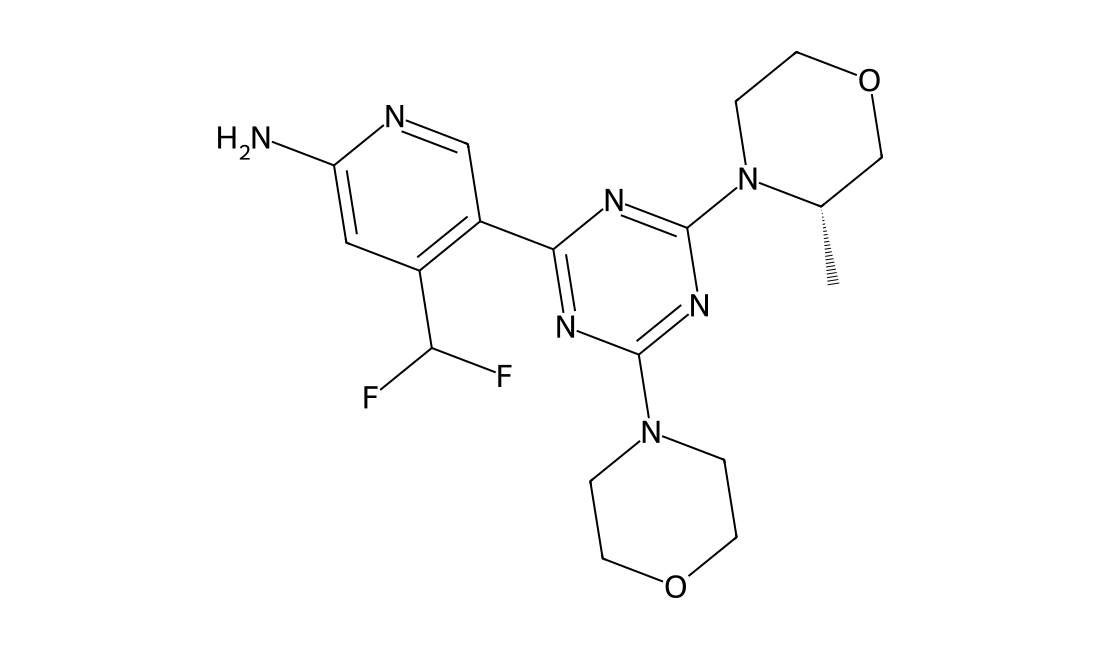
PF-06843195 is a highly selective PI3Kα inhibitor with an IC50 of 18 nM in Rat1 fibroblasts. The Kis of PF-06843195 for PI3Kα and PI3Kδ in biochemical kinase assay are less than 0.018 nM and 0.28 nM, respectively. PF-06843195 has great suppression of the PI3K/mTOR signaling pathway and durable antitumor efficacy.

PF-06843195 chemical structure
DC70265

BMS-986202

CAS 1771691-34-9

BMS-986202 (BMS 986202) is potent, selective Tyk2 inhibitor that binds to Tyk2 JH2 domain with IC50 of 0.19 nM, Ki of 0.02 nM, >10,000-fold over 273 kinases and pseudokinases; BMS-986202 demonstrated cellular activity (IL-23 IC50=12 nM) in IL-23 stimulated reporter assay (in Kit225 T cells). BMS-986202 also binds Jak1 JH2 with an IC50 of 7.8 nM, but this enzymatic binding did not lead to any functional activities, as BMS-986202 displayed an activity (IC50) of greater than 12.5 μM in the IL-2 stimulated Jak1/3-dependent cellular assay. BMS-986202 showed in vivo efficacy in mouse models of IL-23-driven acanthosis, anti-CD40-induced colitis, and spontaneous lupus.

BMS-986202 chemical structure
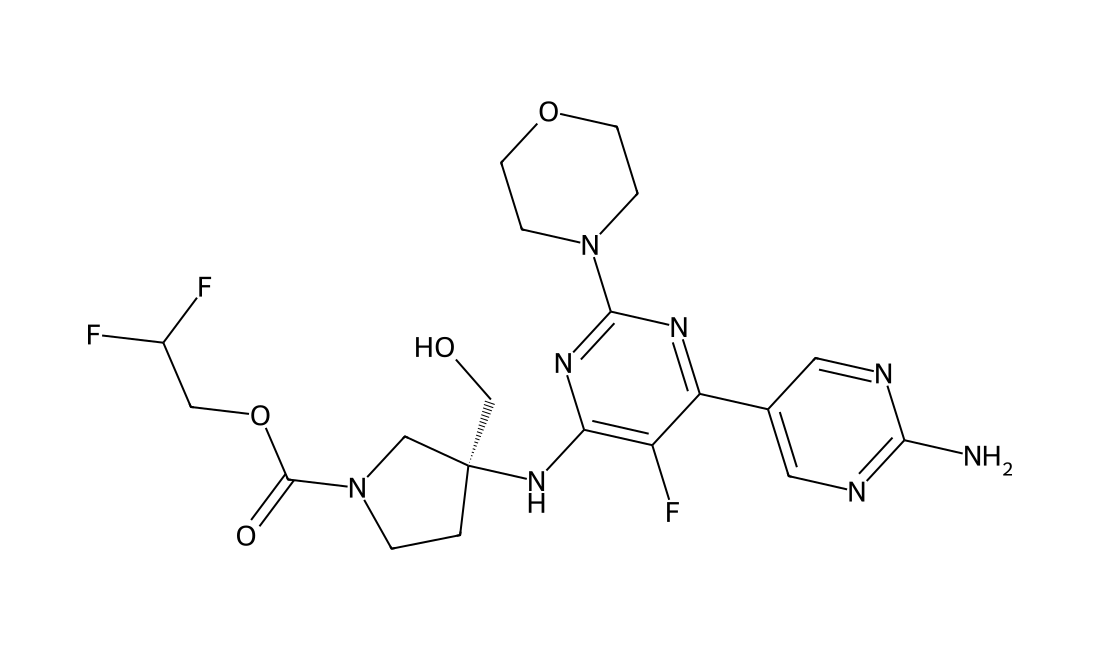
DC41010

PQR626

CAS 1927857-98-4

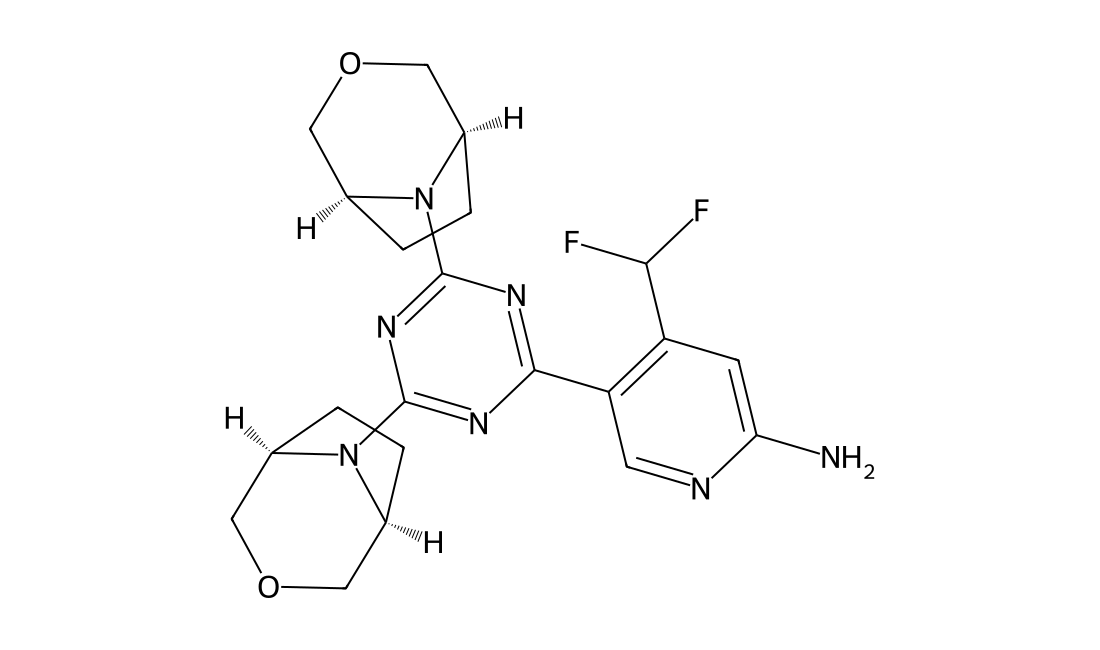
PQR626 is an orally available, and brain-penetrant mTOR inhibitor extracted from patent WO2017198346A1, compound example 44, has an IC50 of 5 nM for mTOR. PQR626 can be used for the research of neurological disorder.

PQR626 chemical structure
DC40932

JCN037

CAS 2305154-31-6

JCN037 (JGK037) is non-covalent and BBB-penetrant EGFR tyrosine kinase inhibitor, with IC50 values of 2.49 nM, 3.95 nM, 4.48 nM for EGFR, p-wtEGFR and pEGFRvⅢ, respectively.

JCN037 chemical structure
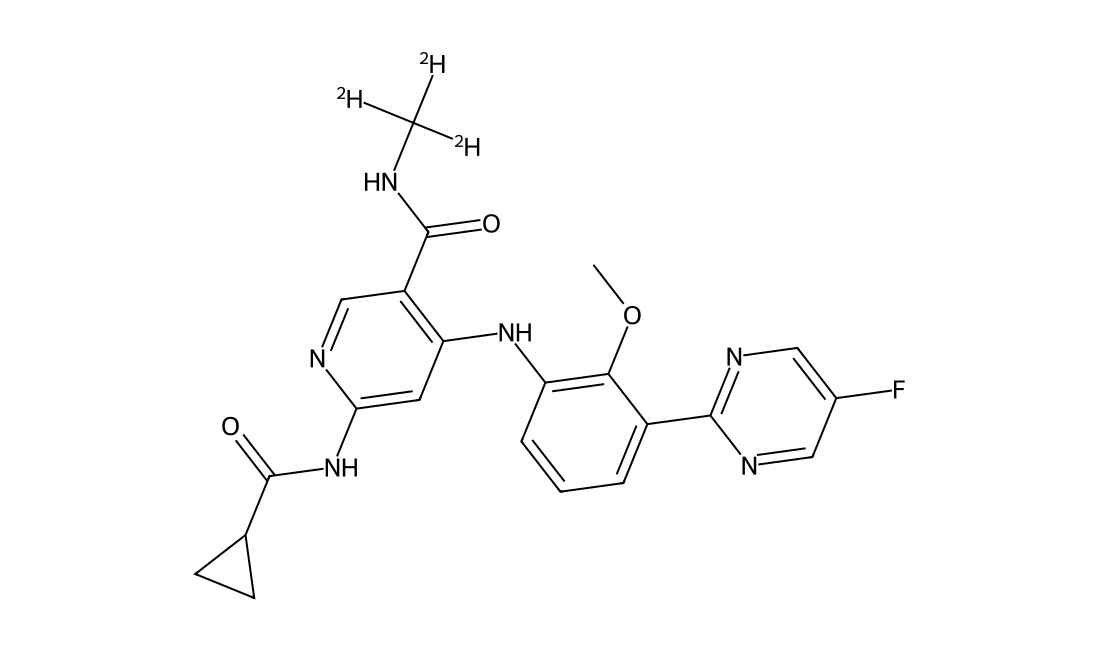
DC46922

CC-99677

CAS 1887069-10-4

CC-99677 is a potent, covalent, and irreversible inhibitor of the mitogen-activated protein (MAP) kinase-activated protein kinase-2 (MK2) pathway in both biochemical (IC50=156.3 nM) and cell based assays (EC50=89 nM).

CC-99677 chemical structure
DC65192

RXN00442

CAS 2463200-44-2

RXN00442, also known as EGFR-IN-11, is a fourth-generation EGFR-tyrosine kinase inhibitor (EGFR-TKI). This compound was first reported in Eur J Med Chem.

RXN00442 chemical structure
DC20764

BDP9066

CAS 2226507-04-4

BDP9066 (BDP-9066) is a highly potent and selective Myotonic dystrophy-related Cdc42-binding kinase MRCK inhibitor with IC50 of 43 nM, >100-fold selectivity over related ROCK1 or ROCK2; shows similar activity against MRCKα and MRCKβ; inhibits MLC2 phosphorylation (EC50=64 nM) and blocks SCC12 squamous cell carcinoma motility and invasion; reduces MRCKα S1003 autophosphorylation and skin papilloma outgrowth in chemical carcinogenesis model of murine squamous cell carcinoma.

BDP9066 chemical structure
DC70230

AZ5576

CAS 2751721-40-9

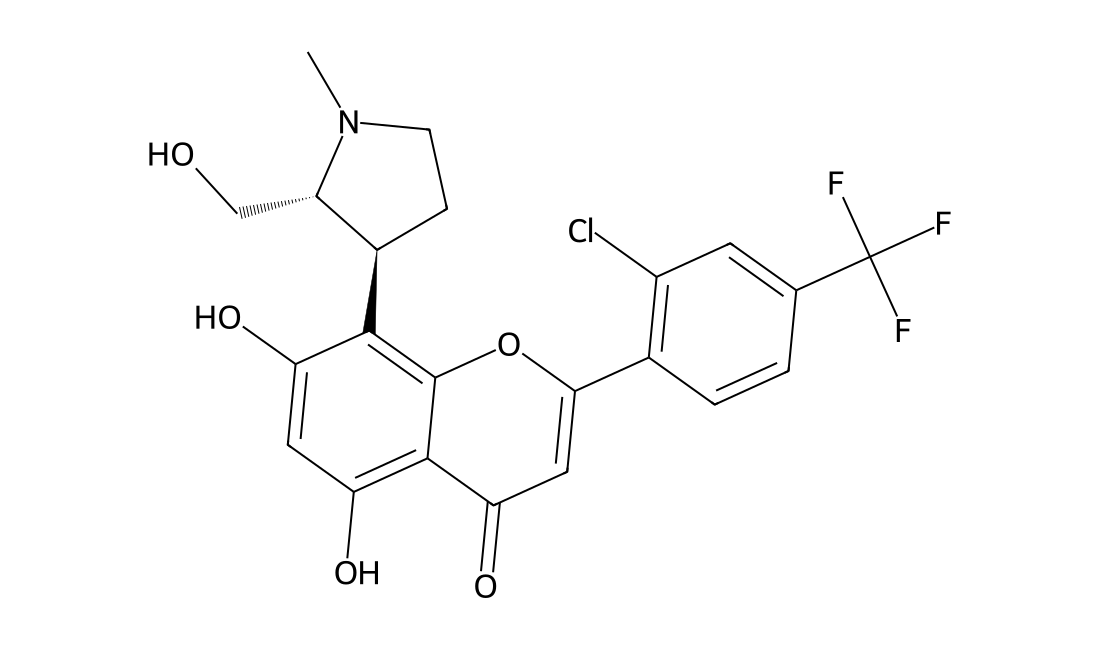
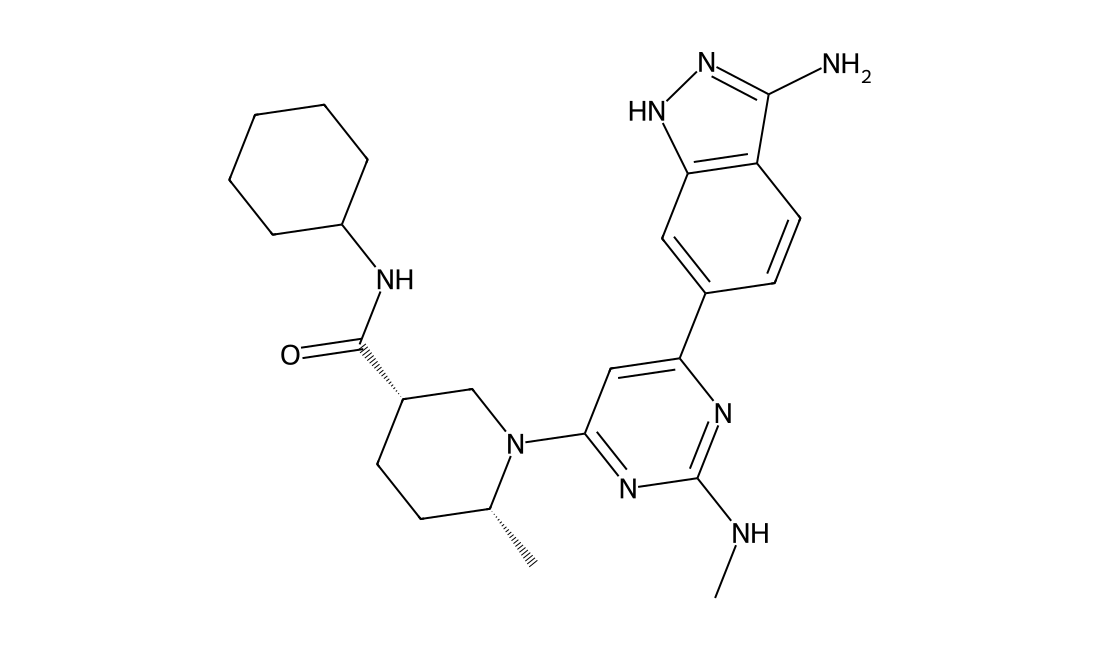
AZ5576 (AZ-5576) is a potent, selective CDK9 inhibitor with an IC 50 <5 nM, decreases phosphorlyation of Ser2-RNAPII in cells with an IC 50 of 96 nM.AZ5576 downregulated Mcl-1 and MYC protein abundance across multiple tested DLBCL cell lines and in primary DLBCL cells.MYC sensitizes DLBCL cells to AZ5576, genetic downregulation of MYC in U-2932 and OCI-LY19 cells resulted in diminished susceptibility to AZ5576.AZ5576 dose-dependently downregulated MYC transcription of a luciferase reporter containing multiple canonical MYC-MAX-binding sites, an effect more pronounced compared with multi-CDK inhibitor dinaciclib.AZ5576 restricts growth of xenografted DLBCL tumors in vivo.

AZ5576 chemical structure
DC10750

Voruciclib

CAS 1000023-04-0

Voruciclib is a clinical stage orally active and selective CDK inhibitor with Ki values of 0.626 nM-9.1 nM. Voruciclib potently blocks CDK9, the transcriptional regulator of MCL-1. Voruciclib represses expression of MCL-1 in multiple models of diffuse large B-cell lymphoma (DLBCL)[1].

Voruciclib chemical structure
DC26152

PIK-75 free base

CAS 372196-67-3

PIK-75 is a reversible DNA-PK and p110α-selective inhibitor, which inhibits DNA-PK, p110α and p110γ with IC50s of 2, 5.8 and 76 nM, respectively. PIK-75 inhibits p110α >200-fold more potently than p110β (IC50=1.3 μM)[1][2]. PIK-75 induces apoptosis[3].

PIK-75 free base chemical structure
DC23274

Purfalcamine

CAS 1038620-68-6

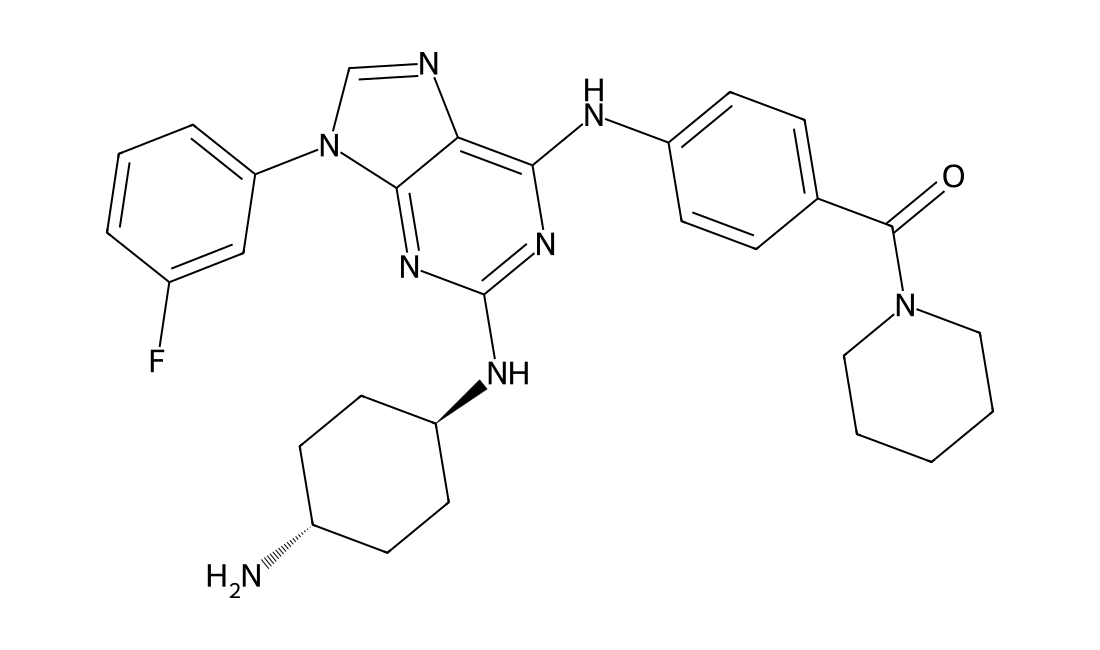
Purfalcamine is a potent, specific inhibitor of Plaasmodium falciparum calcium-dependent protein kinase 1 (PfCDPK1) with IC50 of 17 nM; inhibits proliferation of P falciparum strains (Dd2, FCB, HB3 and W2) with nanomolar EC50s of (171–259 nM); blocks microneme discharge and erythrocyte invasion by P. falciparum merozoites; an anti-malaria parasite agent.

Purfalcamine chemical structure
DC24120

MK2-IN-1 hydrochloride

CAS 1314118-94-9

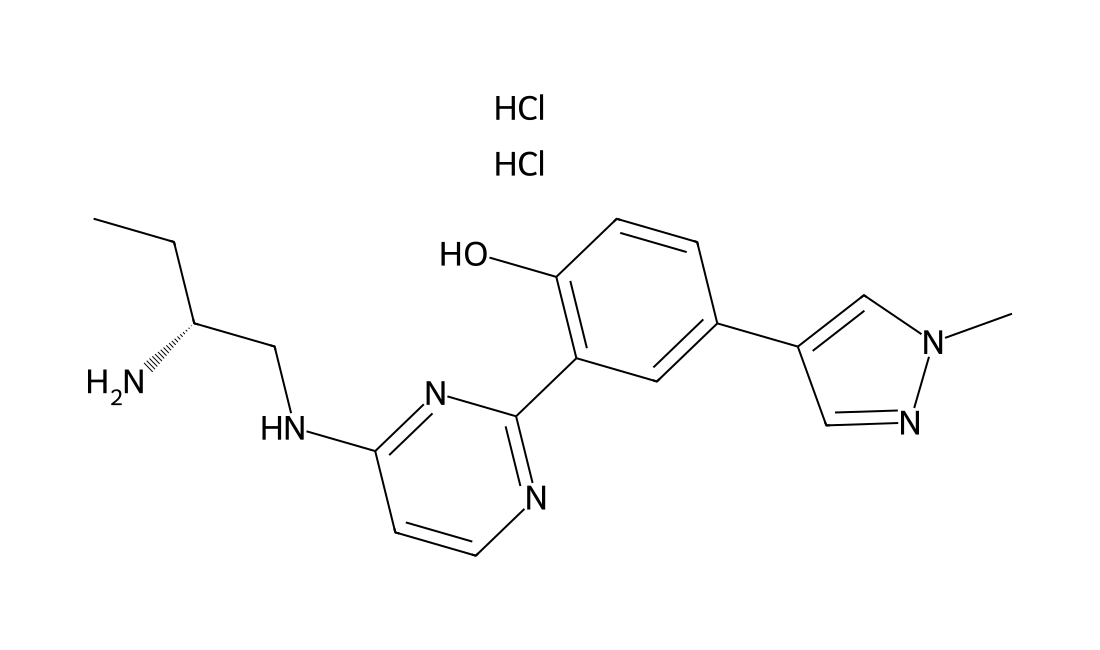
MK2-IN-1 hydrochloride is a potent and selecitve MAPKAPK2(MK2) inhibitor(IC50=0.11 uM) with a non-ATP competitive binding mode.MK2-IN-1 was profiled for kinase selectivity by screening against a broad panel of 150 protein kinases at a concentration of 10 μM, and only CK1γ3 was significantly inhibited at greater than 50%. MK2-IN-1 inhibited pro-inflammatory cytokine secretion from the human THP1 acute monocytic leukemia cell line, causing dose-dependent inhibition of LPS-stimulated TNFα and IL6 secretion. MK2-IN-1 also dose dependently inhibited IL1β-stimulated matrixmetalloprotease (MMP)13 secretion from the SW1353 chondrosarcoma cell line and human primary chondrocyte cultures. Of note, given its high degree of selectivity, our data suggest that MK2-IN-1 may be an excellent pharmacologic tool for specifically exploring and validating MK2 biology [3].

MK2-IN-1 hydrochloride chemical structure
DC8517

BS194

CAS 1092443-55-4

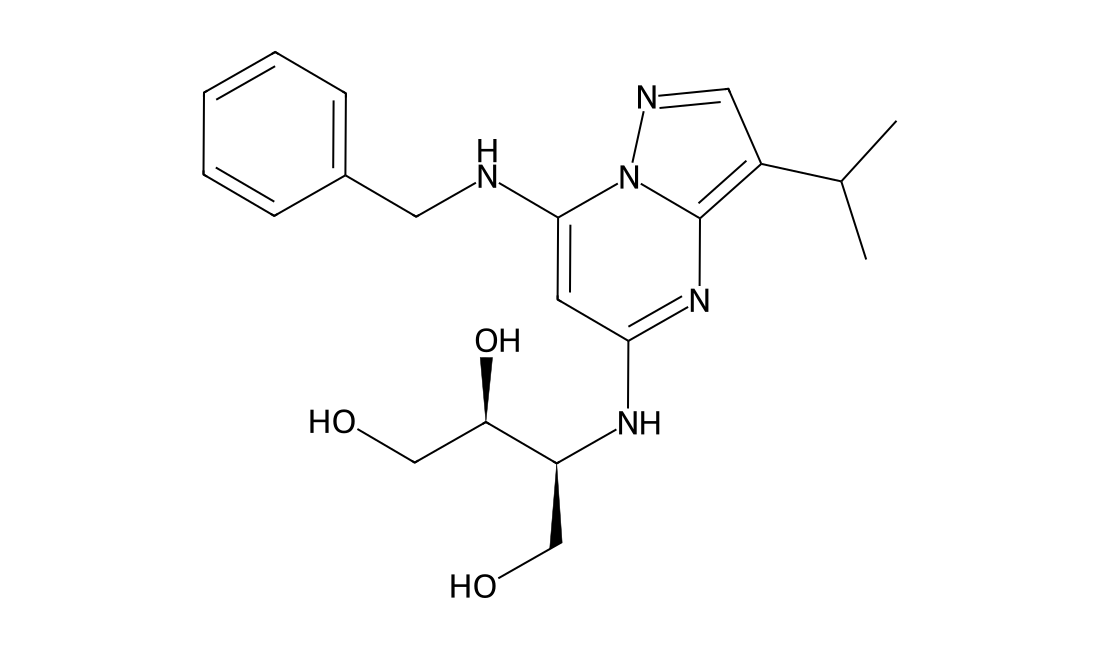
BS-194 is a selective and potent CDK inhibitor, which inhibits CDK2, CDK1, CDK5, CDK7, and CDK9 with IC(50) values of 3, 30, 30, 250, and 90nM, respectively.

BS194 chemical structure
DC8020

A77-01

CAS 607737-87-1

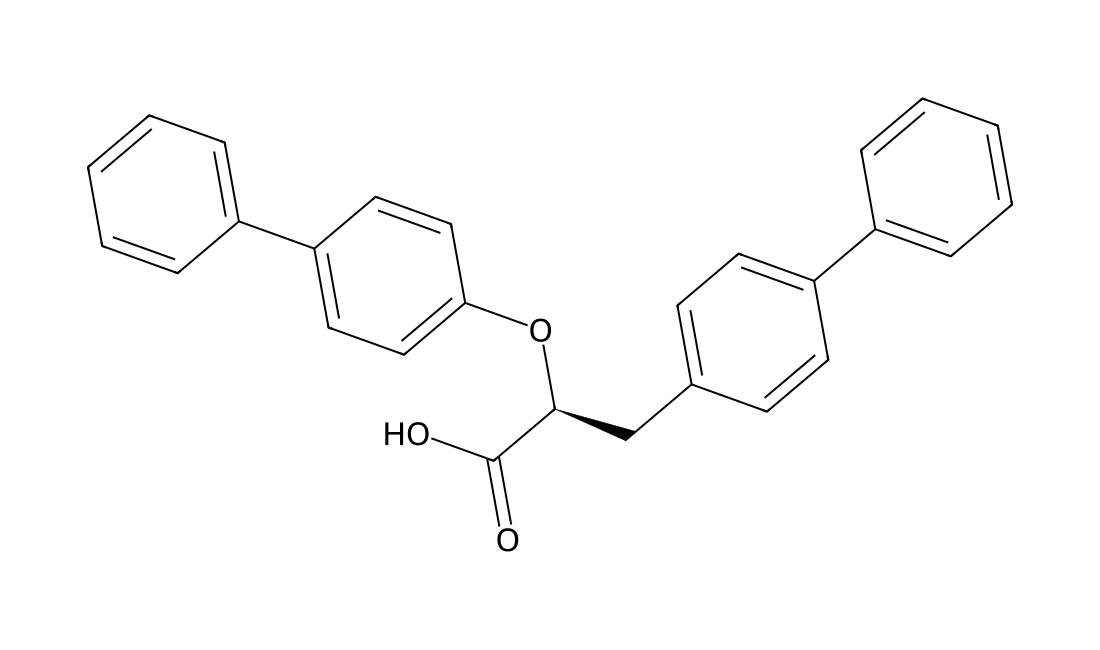
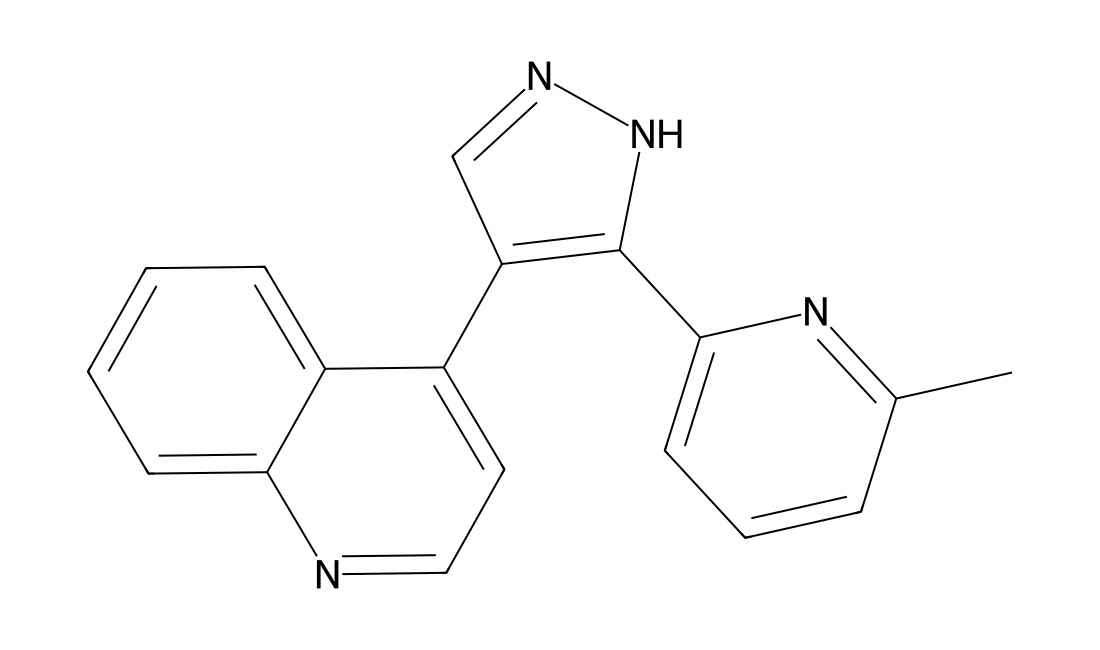
A 77-01 is a potent inhibitor of TGF-β type I receptor superfamily activin-like kinase ALK5 with IC50 of 25 nM. IC50 Value: 25 nM [1]Target: ALK5A-77-01 is a close analogue of A-83-01(Axon 1421) and has a very similar biological profile of A-83-01. A-83-01 is found to decompose to A-77-01 under certain circumstances and A-77-01 is likely an active component or metabolite of its prodrug A-83-01.

A77-01 chemical structure
DC7441

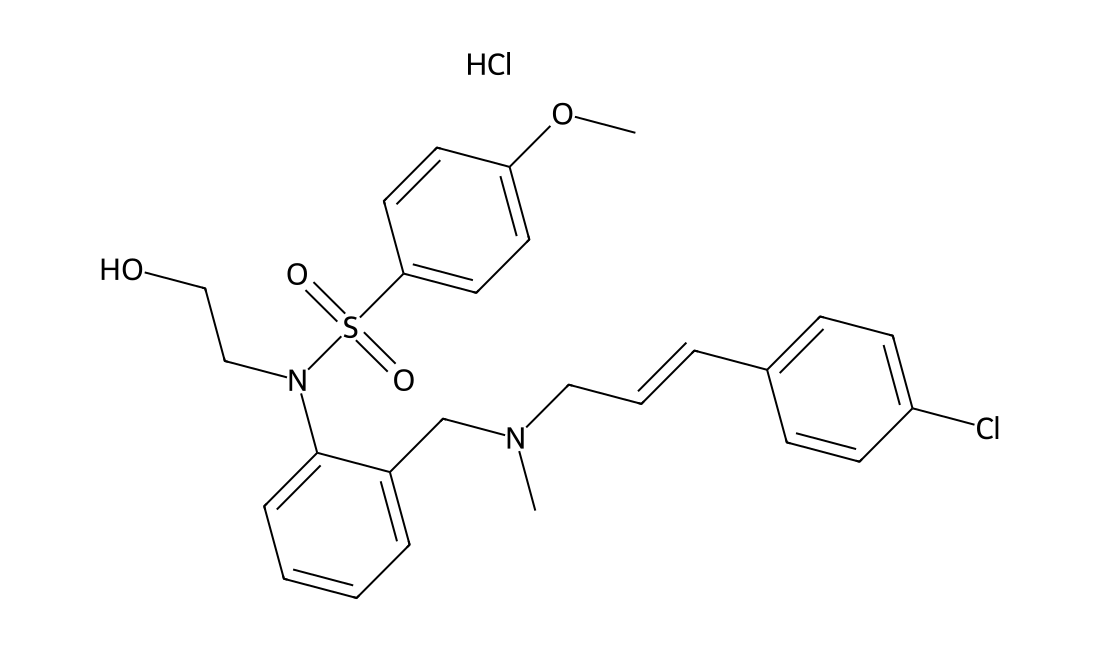
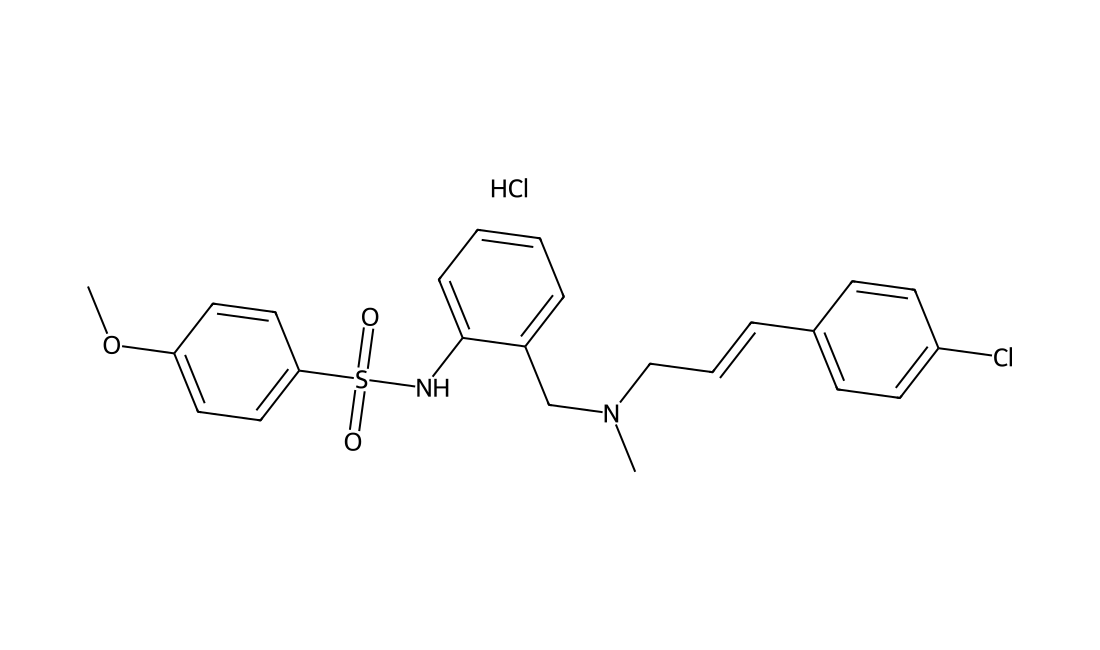
KN-92-hydrochloride

CAS 1431698-47-3

KN-92 is an inactive derivative of KN-93. KN-93 is a selective inhibitor of Ca2+/calmodulin-dependent kinase II (CaMKII), competitively blocking CaM binding to the kinase (Ki = 370 nM). IC50 value:Target: KN-92 is intended to be used as a control compound in studies designed to elucidate the antagonist activities of KN-93. KN-93 inhibits histamine-induced aminopyrine uptake in parietal cells (IC50 = 300 nM). KN-93 has been used to implicate roles for CaMKII in Ca2+-induced Ca2+ release in cardiac myocytes, constitutive phosphorylation of 5-lipoxygenase in 3T3 cells, and Ca2+-dependent activation of HIF-1α in colon cancer cell.
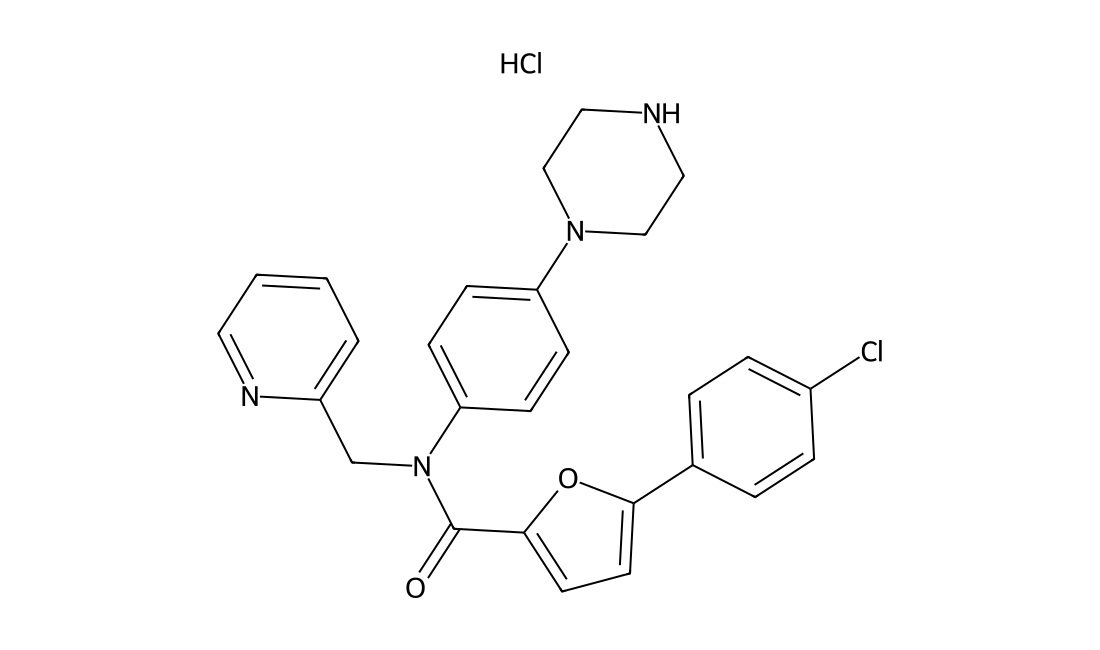
KN-92-hydrochloride chemical structure
Browse target & topic index A–Z (366)
11β-HSD (1)15-PGDH (2)5-HT Receptor (16)Acetyl-CoA Carboxylase (ACC) (3)Acetylcholinesterase (AChE) (2)Ack1 (TNK2) (1)Acyltransferase (1)ADC Cytotoxin (6)ADCs Linker/Click Chemistry (5)Adenosine Receptor (9)Adenylate Cyclase (2)Adrenergic Receptor (11)Akt (12)Alcoholism (2)Aldehyde Dehydrogenase (ALDH) (6)Allergy (5)Alzheimer Disease (13)Aminopeptidase (1)AMPK (8)Amyloids (4)Anaplastic Lymphoma Kinase (ALK) (9)Androgen Receptor (AR) (11)Anemia (4)Angiotensin Receptor (4)Antibody/Protein labeling dyes (1)Antifolate (2)Anxiety (1)Apoptosis Inducer (3)Arginase (1)Arp2/3 complex (1)Aryl hydrocarbon Receptor (AhR) (1)Asthma (5)Atherosclerosis (2)ATM/ATR (8)Aurora Kinase (10)Autophagy (6)Autophagy-related Protein (Atg) (2)Autotaxin (2)Bacterial (26)Bacterial Infection (17)Bcl-2 (14)Bcr-Abl (5)BCRP (1)Beta-catenin (4)Beta-secretase (BACE) (4)Blood Cancer (91)BMI-1 (1)Bone Cancer (6)Brain Cancer (6)Breast Cancer (30)Bromodomain (22)BTK (10)c-Fms (CSF1R) (5)c-Fos/AP-1 (1)c-Kit (6)c-Met (HGFR) (11)c-Myc (2)Calcium Channel (4)Calcium-sensing Receptor (CaSR) (1)CaMK (4)Cannabinoid Receptor (6)Carbonic Anhydrase (1)Carboxypeptidase (1)Casein Kinase (6)Caspase (4)Cathepsin (6)Cdc2-like Kinase (CLK) (1)CETP (2)CFTR (7)Checkpoint Kinase (Chk) (8)Chemokine Receptor (CCR and CXCR) (14)Chemotherapeutic Agents (19)Chloride Channel (1)CMV (2)CMV Infection (2)Colon Cancer (9)Complement System (1)COPD (3)CREB/CBP (2)CRF Receptor (2)CRISPR/Cas9 (1)Cushing Disease (1)Cyclin-dependent Kinase (CDK) (39)Cyclooxygenase (COX) (4)Cytochrome P450 (CYPs) (5)Depression (2)Dermatitis (2)Deubiquitinase (DUB) (7)Diabetes (20)Dipeptidyl Peptidase (DPP) (3)Discoidin Domain Receptor (DDR) (1)DNA Alkylator/Crosslinker (10)DNA Methyltransferase (DNMT) (1)DNA Repair Protein (1)DNA-PK (2)DNA/RNA Synthesis (5)Dopamine beta-hydroxylase (1)Dopamine Receptor (7)Drug Metabolite (1)Drug-Linker Conjugates (11)Dyes (4)DYRK (1)Dyslipidemia (9)E3 Ligase Ligand (6)E3 Ligase Ligand-Linker Conjugate (1)E3 Ubiquitin Ligase (4)Ebola Virus Infection (1)EGFR (32)Elastase (2)Endothelin Receptor (5)Enzymes substrates (13)Epigenetic Reader Domain (3)Epilepsy (4)ERK (4)Estrogen Receptor/ERR (13)Eukaryotic Initiation Factor (eIF) (2)Exportin-1 (CRM1,XPO1) (2)FABP (1)Factor Xa (5)Farnesoid X Receptor (FXR) (5)Farnesyl transferase (FTase) (1)Ferroptosis (6)FGFR (20)Fibrosis (5)FLT3 (6)Focal Adhesion Kinase (FAK) (11)Foxo1 (1)Free Fatty Acid Receptor (FFAR) (5)Fungal (2)Fungal Infection (1)GABA Receptor (13)Galectin (1)Gastric Cancer (8)Ghrelin Receptor (GHSR) (3)Glucagon Receptor (4)Glucokinase (2)Glucose Transporter (GLUT) (2)Glutamate Transporter (2)GPCR (1)GPER (GPR30) (1)GPR139 (1)GPR183 (EBI2) (2)GPR39 (1)GPR55 (1)GPR84 (1)GRK (GPCRK) (2)Growth Hormone Deficiency (2)GSK-3 (8)Guanylate Cyclase (3)HBV (1)HBV Infection (1)HCN Channel (2)HCV (8)HCV Infection (9)HDAC (38)Heart Arrhythmia (2)Heart Failure (5)Heat Shock Protein (HSP) (15)Hedgehog (Hh) (1)HIF/HIF Prolyl-hydroxylase (8)Histamine Receptor (6)Histone Acetyltransferase (HAT) (5)Histone Demethylase (11)Histone Methyltransferase (HMTase) (31)HIV (12)HIV Infection (11)HMG-CoA Reductase (HMGCR) (3)HSV (1)HSV Infection (1)Hypercholesterolemia (1)Hyperparathyroidism (1)Hypertension (8)IAP (1)IGF-1R (3)iGluR (15)Indoleamine 2,3-Dioxygenase (IDO) (4)Infection (1)Influenza (6)Influenza Virus (6)Insulin Receptor (2)Integrin (6)Interleukin Receptor (1)IRAK (2)IRE1 (4)Irritable Bowel Syndrome (2)Ischemia (1)Isocitrate Dehydrogenase (IDH) (5)ITK (1)IκB kinase (IKK) (7)JAK (32)JNK (3)Keap1-Nrf2 (6)Kidney Cancer (10)Kinesin (5)Kruppel-like Factor (KLF) (1)Kynurenine 3-Monooxygenase (KMO) (1)Leukotriene Receptor (1)LIM Kinase (LIMK) (3)Lipids fragment (1)Liver Cancer (6)Liver X Receptor (LXR) (3)LRRK2 (9)Lung Cancer (39)Lysophospholipid Receptor (12)LYTACs (3)mAChR (9)MALT1 (2)MAP4K (1)Matrix Metalloproteinase (MMP) (10)MDM2-p53 (9)MEK (MAP2K) (14)MEKK (MAP3K) (1)Melanocortin Receptor (2)MELK (1)mGluR (7)MicroRNA (1)Microtubule/Tubulin (5)Mineralocorticoid Receptor (MLR) (1)MITF (1)Mixed Lineage Kinase (MLK) (3)MNK (2)Molecular Glues (21)Monoamine Transporter (5)Monocarboxylate Transporter (MCT) (1)Monopolar Spindle 1 (Mps1/TTK) (3)mTOR (13)Multiple Sclerosis (6)Myosin (1)Na-K-Cl Cotransporter (NKCC) (2)nAChR (2)NADPH Oxidase (NOX) (2)NAMPT (3)Natural products (37)Neprilysin (1)Neurokinin Receptor (3)Neuropeptide Y Receptor (3)NF-κB (5)Nitric Oxide Synthase (NOS) (1)NOD-like Receptor (NLR) (3)Notch (2)Nucleoside Antimetabolite/Analog (10)Nur77 (NR4A1) (1)Obesity (1)Oct3/4 (1)Opioid Receptor (5)Orexin Receptor (7)Osteoporosis (2)Ovarian Cancer (14)Oxytocin Receptor (OXTR) (2)P-glycoprotein (P-gp) (3)p21-activated Kinase (PAK) (1)P2X Receptor (2)P2Y Receptor (1)p38 MAPK (10)p97/VCP (1)Pain (12)Pancreatic Cancer (10)Parasite (5)Parasite Infection (2)Parkinson Disease (2)PARP (19)PCSK9 (1)PD-1/PD-L1 (4)PDGFR (4)PDK1 (2)PEGn (1)PERK (2)PGE synthase (2)Phosphodiesterase (PDE) (9)Phospholipase (4)PI3K (32)PI4K (2)Piezo Channel (1)PIKfyve (3)Pim (9)PKC (12)PKD (1)Plasminogen Activator Inhibitor-1 (PAI-1) (3)Polo-like Kinase (PLK) (4)Porcupine (3)Potassium Channel (13)PPAR (13)Pregnane X Receptor (PXR) (1)Progesterone Receptor (2)Prostaglandin Receptor (11)Prostate Cancer (7)PROTACs (35)Protease-activated Receptor (PAR) (3)Proteasome (12)Protein Disulfide Isomerase (PDI) (1)Protein Phosphatase/PTP (6)Proton Pump (1)Psoriasis (5)RAD51 (1)Radioligand precursors (15)Raf (18)RAR/RXR (3)Ras (17)Renin (2)RET Tyrosine Kinase (c-RET) (3)Rheumatoid Arthritis (16)Ribosomal S6 Kinase (RSK) (5)RIG-I-like Receptor (RLR) (2)RIP kinase (7)ROCK (12)ROR (2)RSV (4)RSV Infection (3)RUNX1-CBFβ (1)S-nitrosoglutathione reductase (GSNOR) (1)Saccharides and Glycosides (1)Salt Inducible Kinase (SIK) (2)SARS-CoV (16)SARS-CoV Infection (34)Schizophrenia (4)Sexual Dysfunction (1)SGLT (4)Sigma Receptor (4)Sirtuin (9)Skin Cancer (13)Sleep Disorder (7)SMN2 Modulator (1)Smoothened (Smo) (9)Sodium Channel (12)Solid Tumors (35)Somatostatin Receptor (2)Sphingosine kinase (SphK) (2)Src (7)STAT (5)Stearoyl-CoA Desaturase (SCD) (1)Steatohepatitis (7)Sterol lipids (1)STING (14)Syk (6)T Cell Receptor (TCR) (1)TAK1 (2)TAM Receptor (Tyro3-Axl-Mer) (4)Taste Receptor (1)Telomerase (2)TGF beta Receptor (TGFBR) (12)Thrombin (3)Thrombosis (13)Thyroid Cancer (1)Thyroid Hormone Receptor (THR) (1)Thyrotropin Receptor (2)TNIK (1)Toll-like Receptor (TLR) (2)TOPK (1)Topoisomerase (11)TRAIL (1)Translocator Protein (TSPO) (1)Trk Receptor (4)TRP Channel (13)Tryptophan Hydroxylase (TPH) (1)Ubiquitin-activating Enzyme (E1) (2)Ubiquitin-conjugating Enzyme (E2) (2)Ulcer (1)ULK (3)Vasopressin Receptor (2)VEGFR (25)Vitamin D Receptor (VDR) (3)Wee1 (1)WNK Kinase (1)Wnt (5)Yes-associated Protein (YAP) (4)γ-secretase (5)

Cart

Request quotation