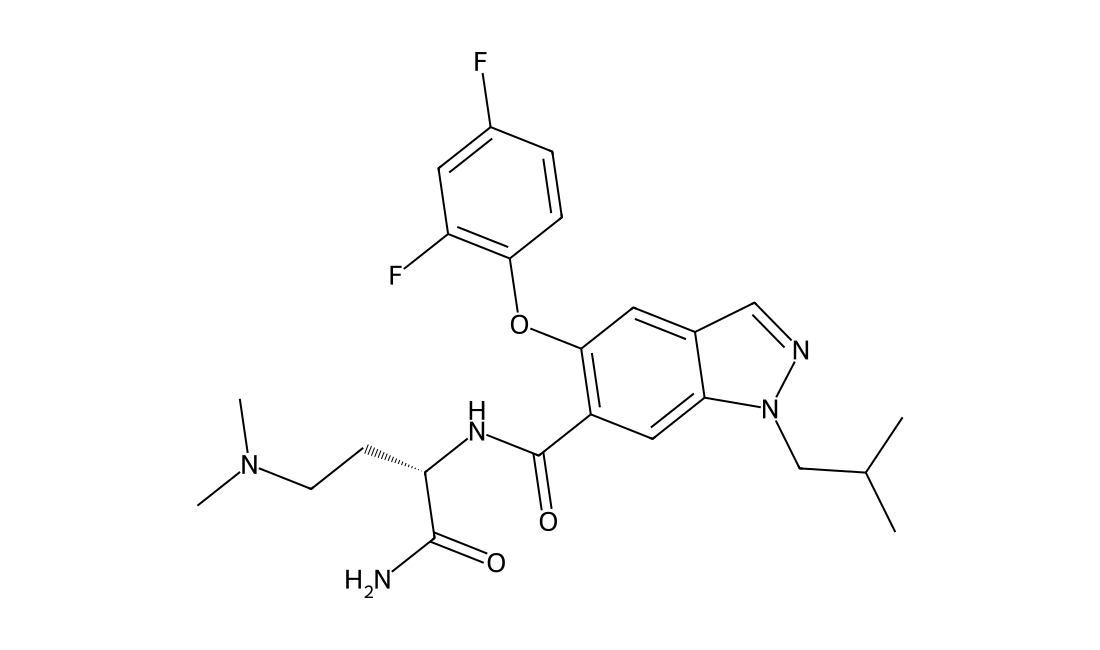
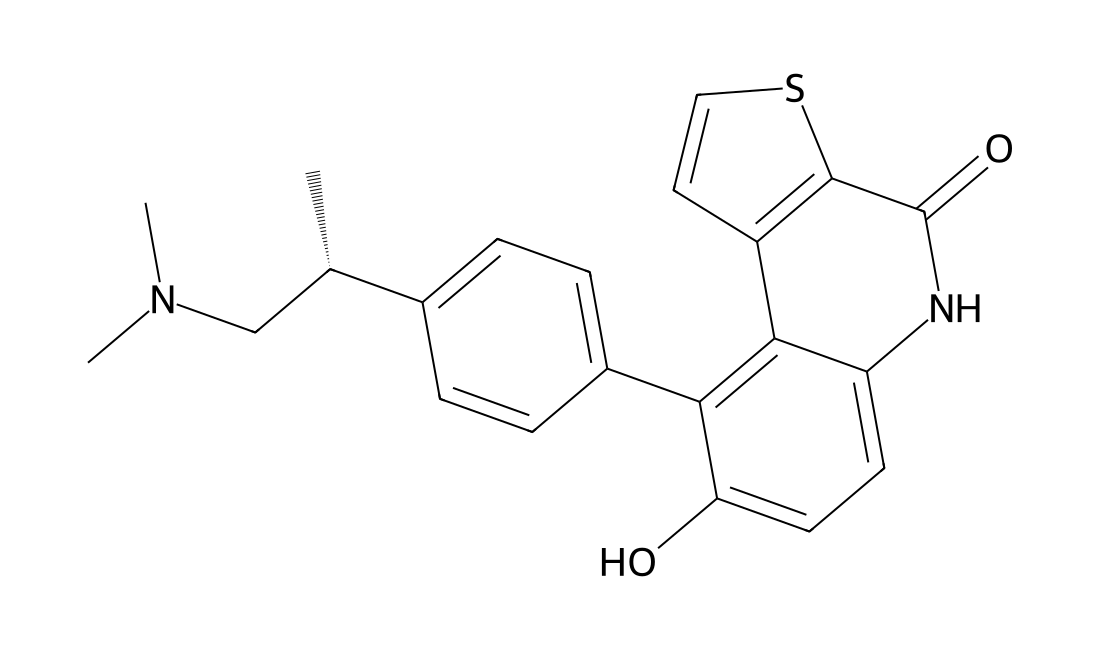
Mubritinib (TAK 165)
CAS 366017-09-6
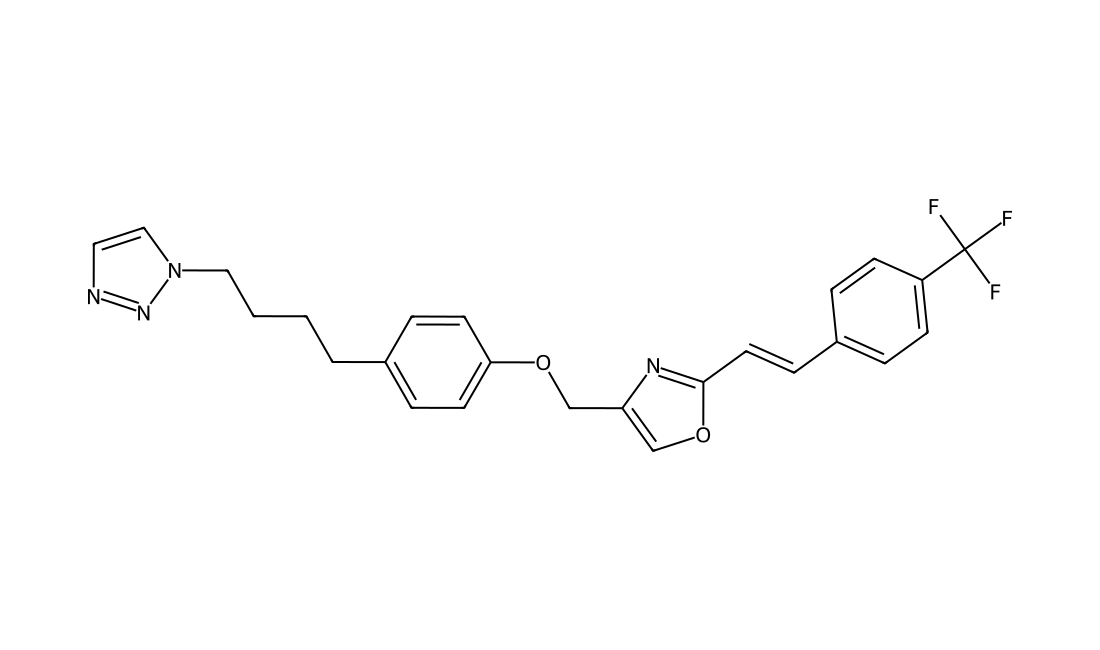
Mubritinib (TAK-165) is a potent and selective EGFR2/HER2 inhibitor with an IC50 of 6 nM.

Kinase inhibitors and modulators of intracellular signaling pathways.
Products may appear in more than one category. Counts refer to distinct catalog numbers within each category.
Other Research Tools (75) · Additional reagents, building blocks and specialized research tools.
LC-MG-1 (DCA0006) · LC-MG-4 (DCA0007) · LC-MG-9 (DCA0008)
View structure and evidence summaries →Combine a keyword, research category and target to narrow the product list.
Loading catalog filters…
CAS 366017-09-6
Mubritinib (TAK-165) is a potent and selective EGFR2/HER2 inhibitor with an IC50 of 6 nM.
CAS 260415-63-2
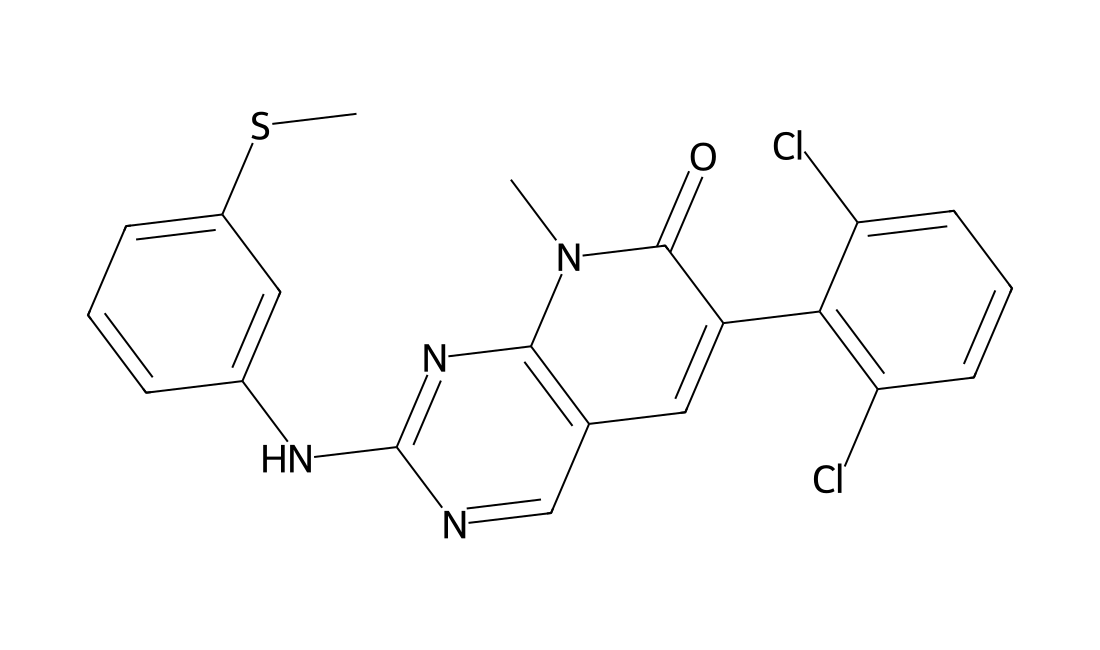
PD173955 is src family-selective tyrosine kinase inhibitor with IC50 of ~22 nM for Src, Yes and Abl kinase; less potent for FGFRα and no activity on InsR and PKC.
CAS 271576-80-8
SD 0006 (SD-06) is a p38 MAP kinase inhibitor; inhibits p38α with an IC50 value of 170 nM and inhibits LPS-stimulated TNF-release in rats (83% inhibition at 1mg/kg, po).
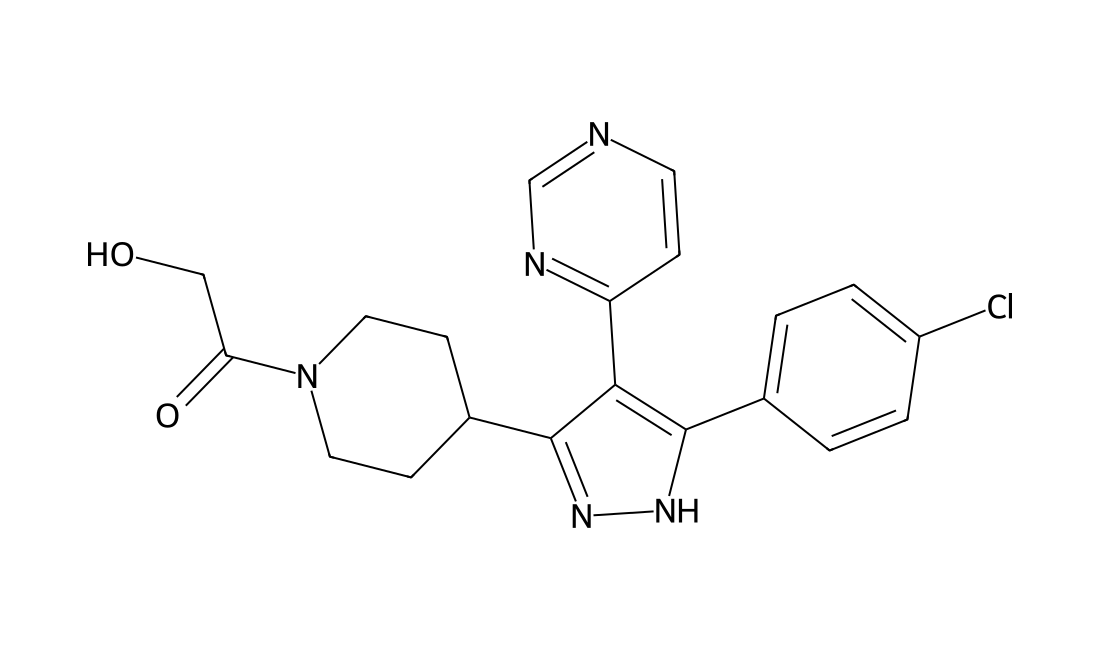
CAS 1670-87-7
SD-169 is an orally active ATP-competitive inhibitor of p38α MAPK, with an IC50 of 3.2 nM. SD-169 also weakly inhibits p38β MAPK with an IC50 of 122 nM. SD-169 prevents the development and progression of diabetes by inhibiting T cell infiltration and activation[1].
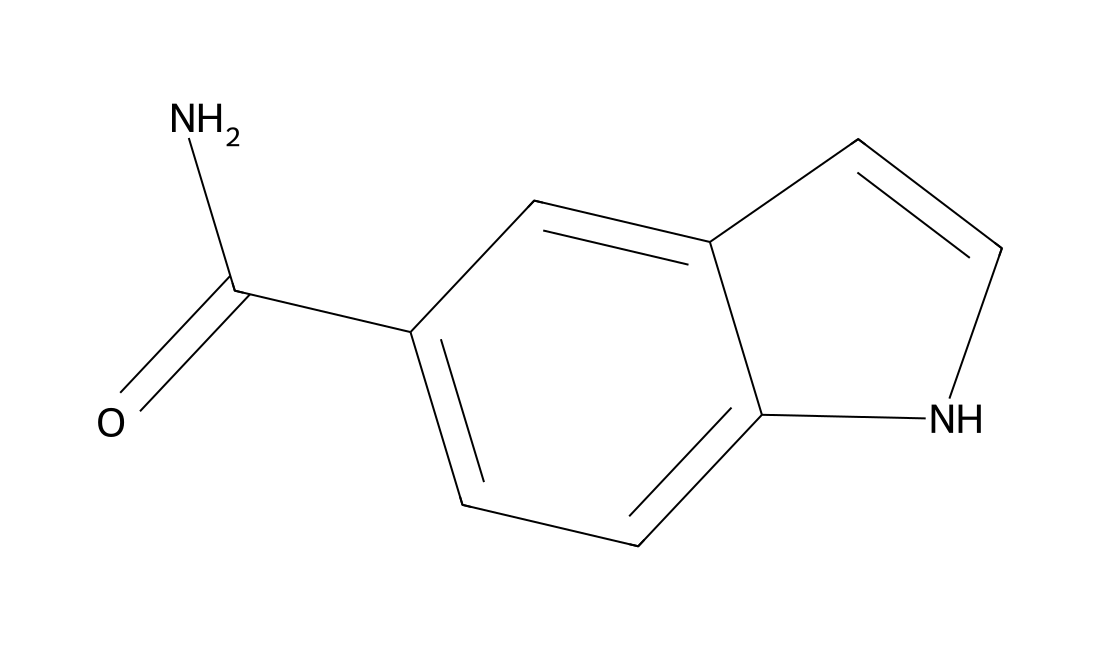
CAS 745833-23-2
VX-702 is a highly selective inhibitor of p38α MAPK(IC50=4 -20 nM), 14-fold higher potency against the p38α versus p38β
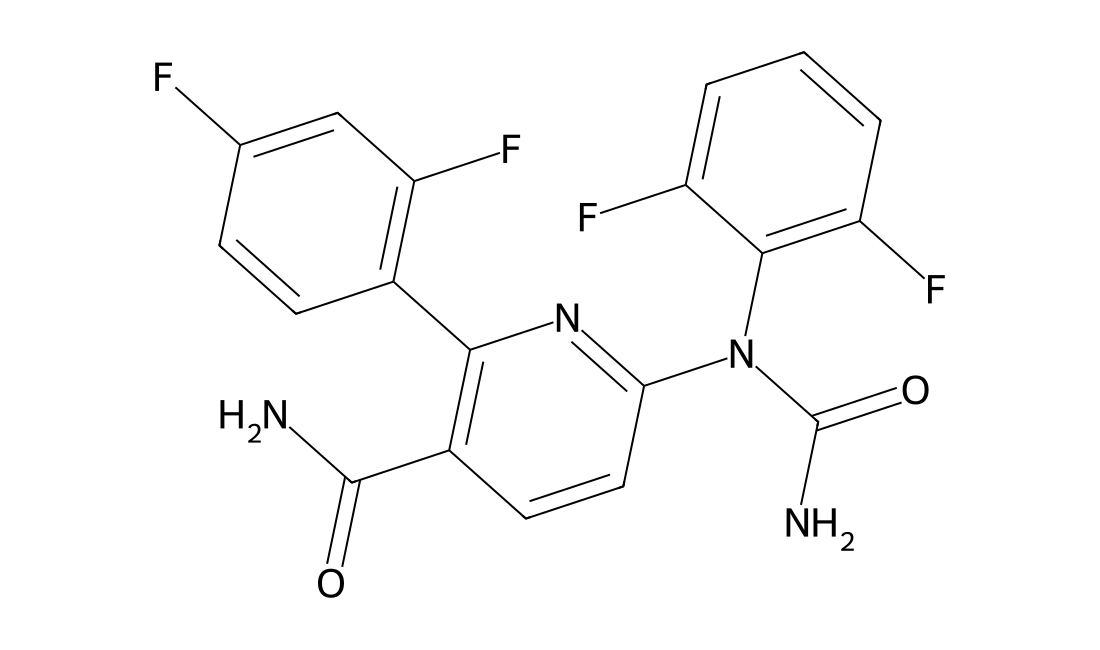
CAS 475110-96-4
ZSTK474 is an ATP-competitive pan-class I PI3K inhibitor with IC50s of16 nM, 44 nM, 4.6 nM and 49 nM for PΙ3Κα, PI3Kβ, PI3Kδ and PI3Kγ, respectively.
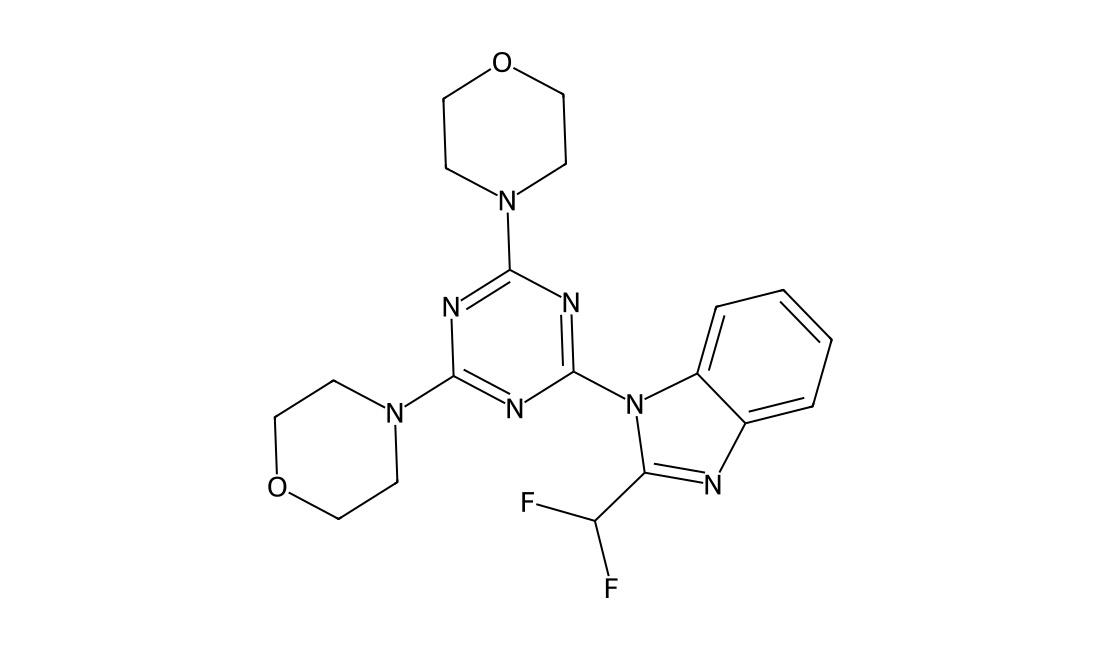
CAS 944396-88-7
NIBR-17 is a pan class I PI3K inhibitor with IC50 values of 1, 9.2, 9 and 20 nM respectively for PI3Kapha - delta.
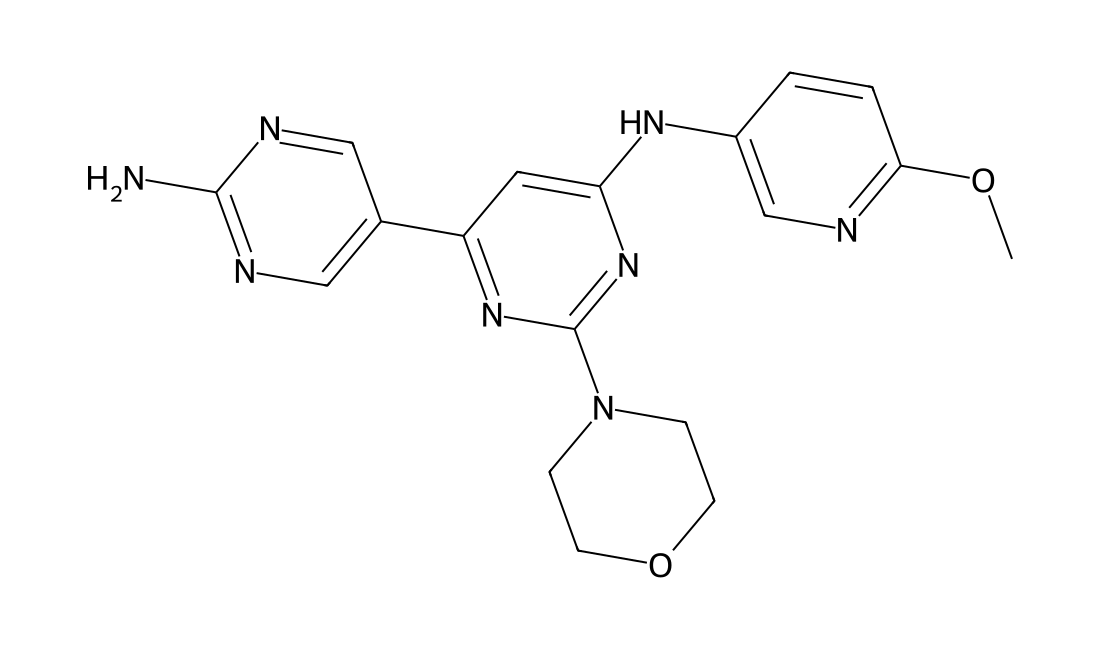
CAS 1033739-92-2
GNE-490 is a highly selective pan-PI3K inhibitor and demonstrates selectivity over mTOR.
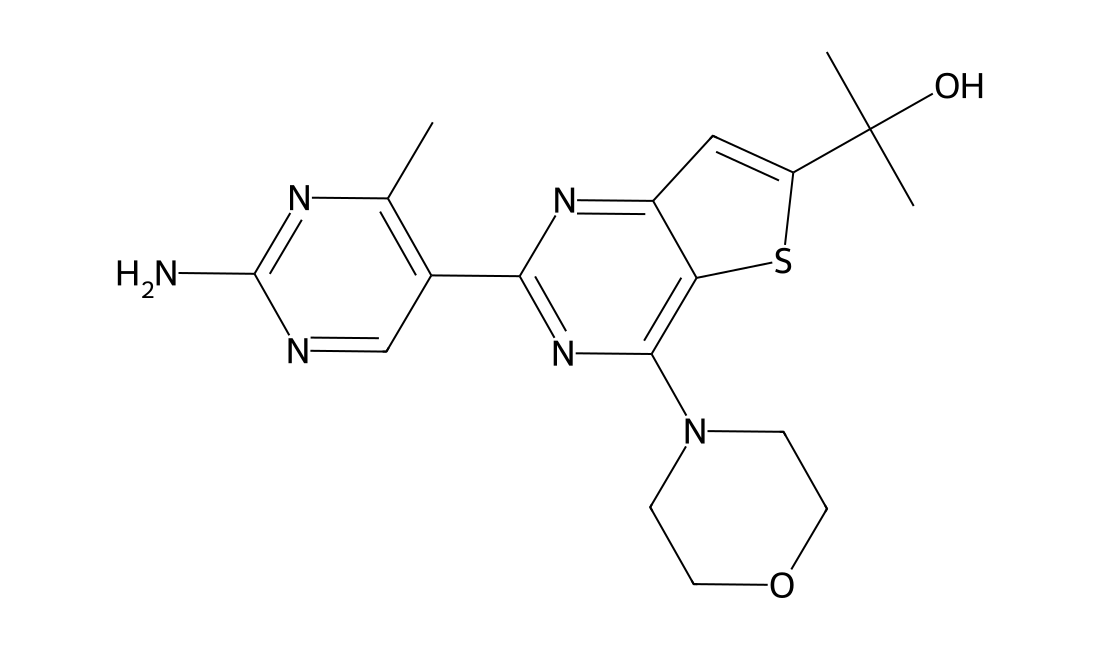
CAS 473382-39-7
The compound (Akt-I-1) inhibits only Akt1 (IC50 4.6 μM) and does not inhibit AKT2, or AKT3.
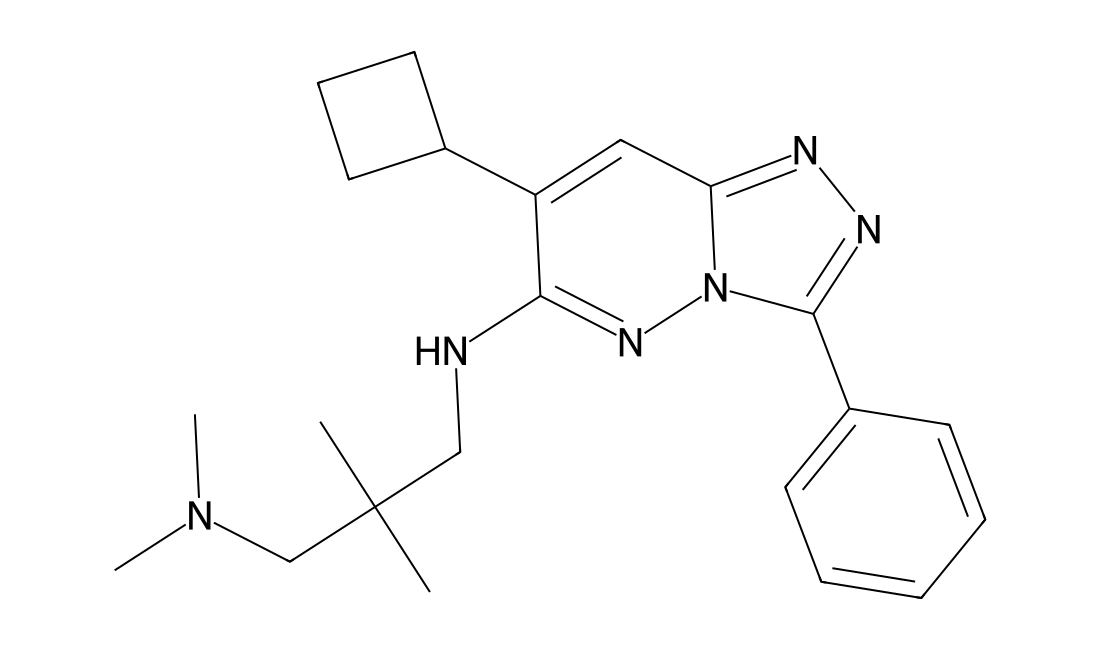
CAS 1032568-63-0
Copanlisib (BAY 80-6946) is a selective and ATP-competitive class-I PI3 kinases inhibitor, with IC50s of 0.5, 0.7, 3.7 and 6.4 nM for PI3Kα, PI3Kδ, PI3Kβ and PI3Kγ, respectively.
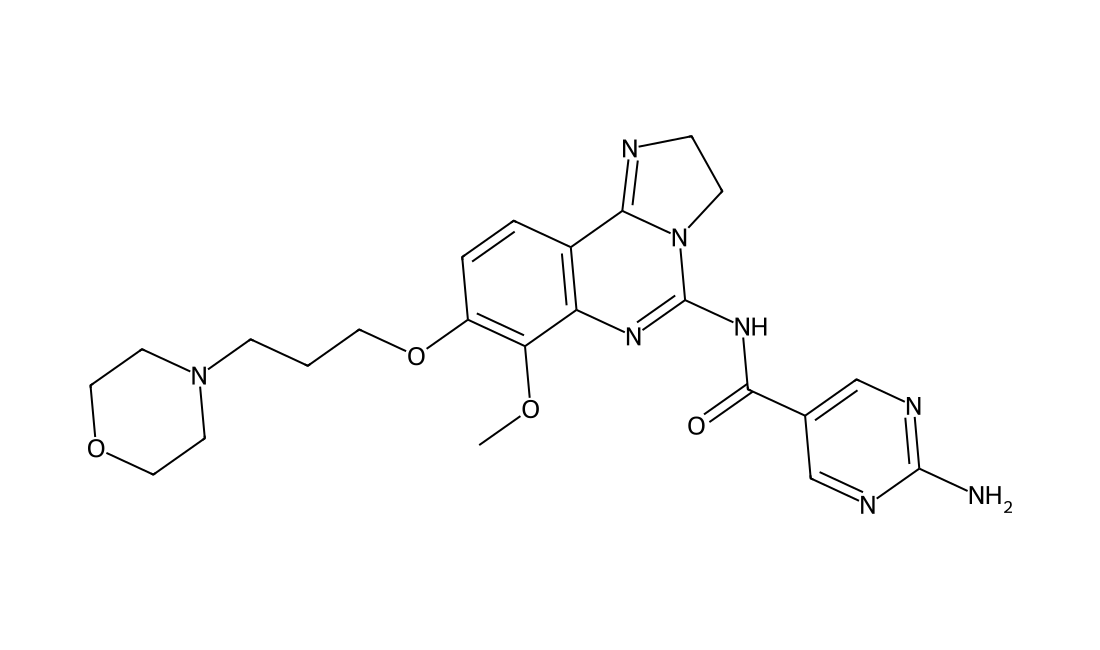
CAS 1028385-32-1
BEZ235 Tosylate is a dual PI3K and mTOR kinase inhibitor with IC50 values of 4, 75, 7, 5 nM for PI3Kα, β, γ, δ, respectively. BEZ235 inhibits mTORC1 and mTORC2.
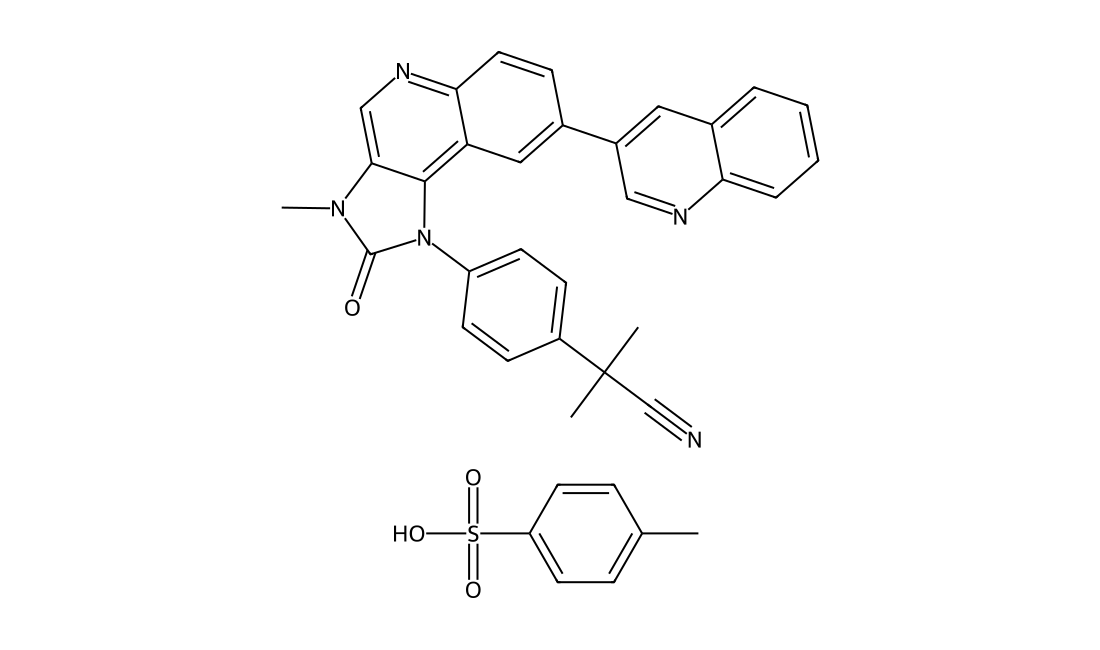
CAS 915019-65-7
BEZ235 is a dual pan-class I PI3K and mTOR kinase inhibitor with IC50s of 4 nM/5 nM/7 nM/75 nM, and 20.7 nM for p110α/p110γ/p110δ/p110β and mTOR, respectively. BEZ235 inhibits both mTORC1 and mTORC2.
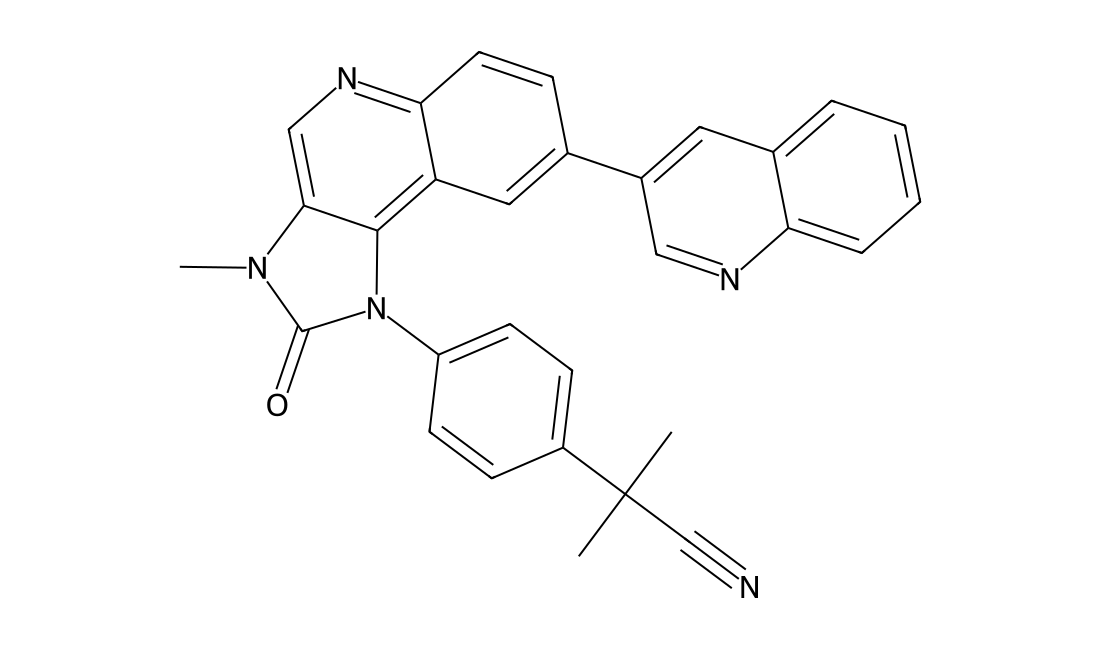
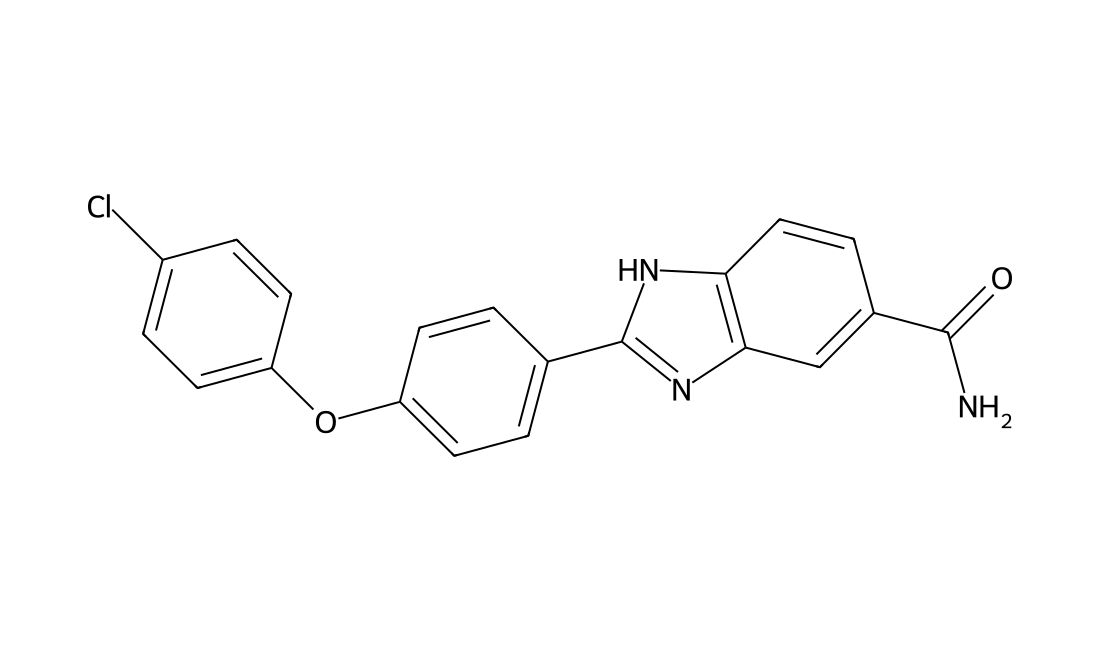
CAS 516480-79-8
BML-277 is a selective checkpoint kinase 2 (Chk2) inhibitor with an IC50 of 15 nM.
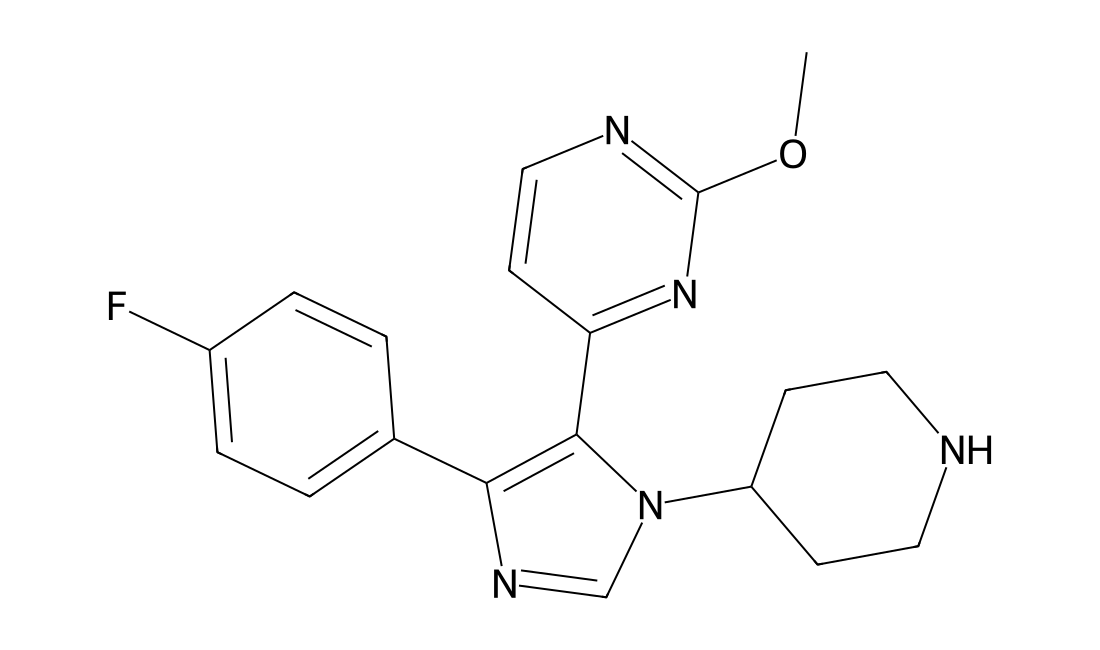
CAS 193746-75-7
SB-242235 is a potent and selective p38 MAP kinase inhibitor with IC50 of 1.0 uM.
CAS 1206101-20-3
GLPG0634 (analog) (compound176)is a pan JAK inhibitor with IC50s of 50-200 nM for JAK1/JAK2/JAK3; more information can be found in the reference patents.
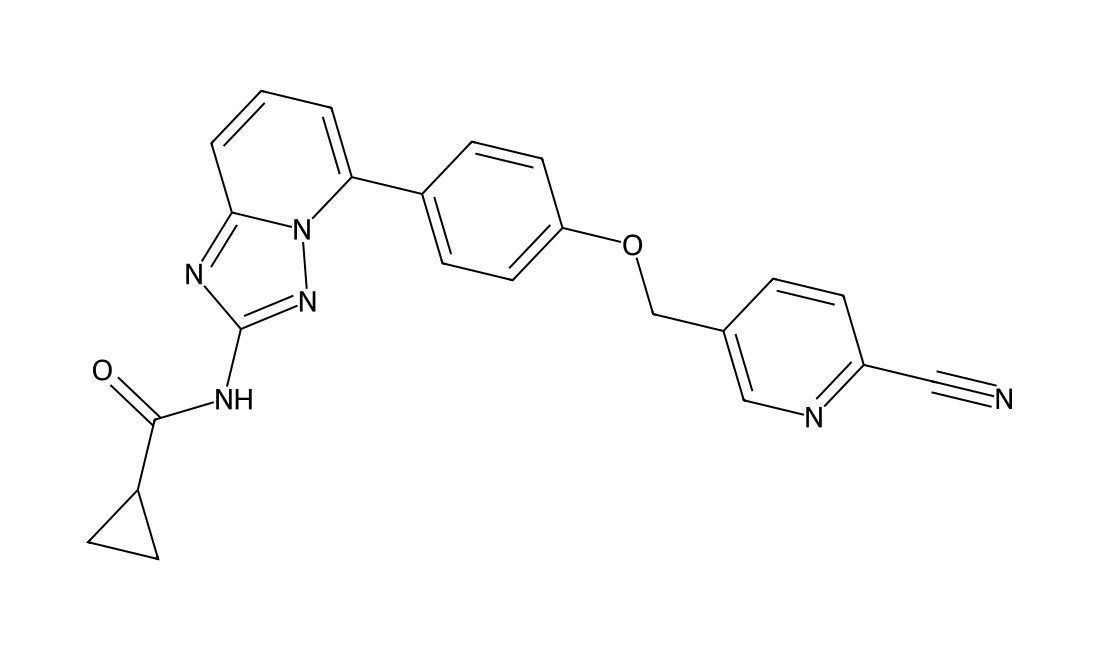
CAS 105628-72-6
Hydroxyfasudil is a ROCK inhibitor, with IC50s of 0.73 and 0.72 μM for ROCK1 and ROCK2, respectively.
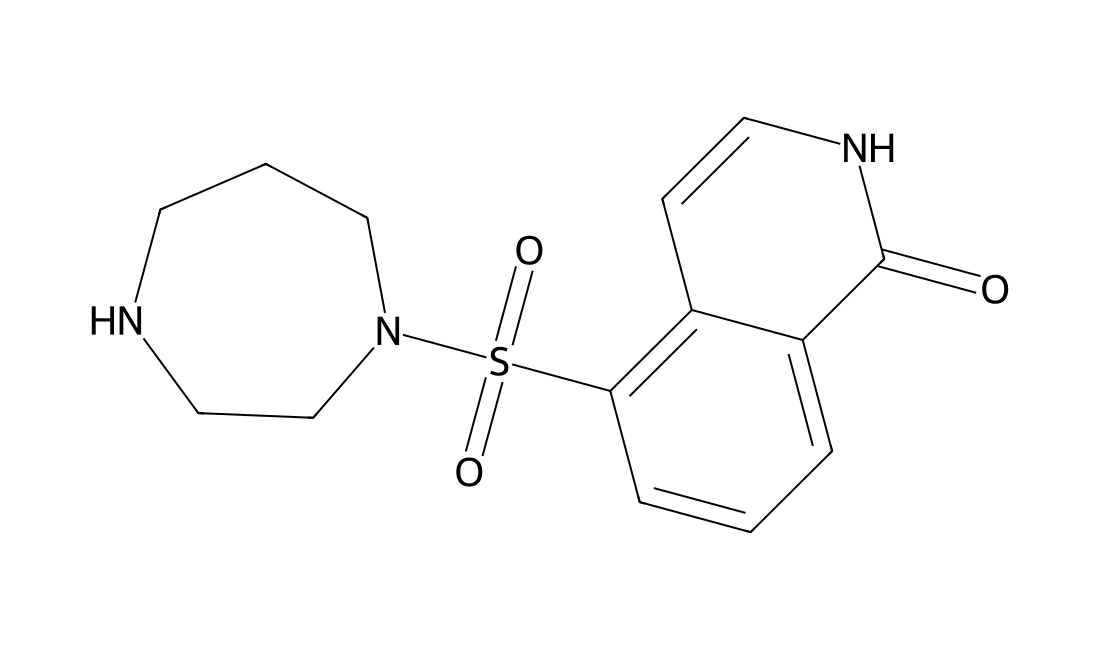
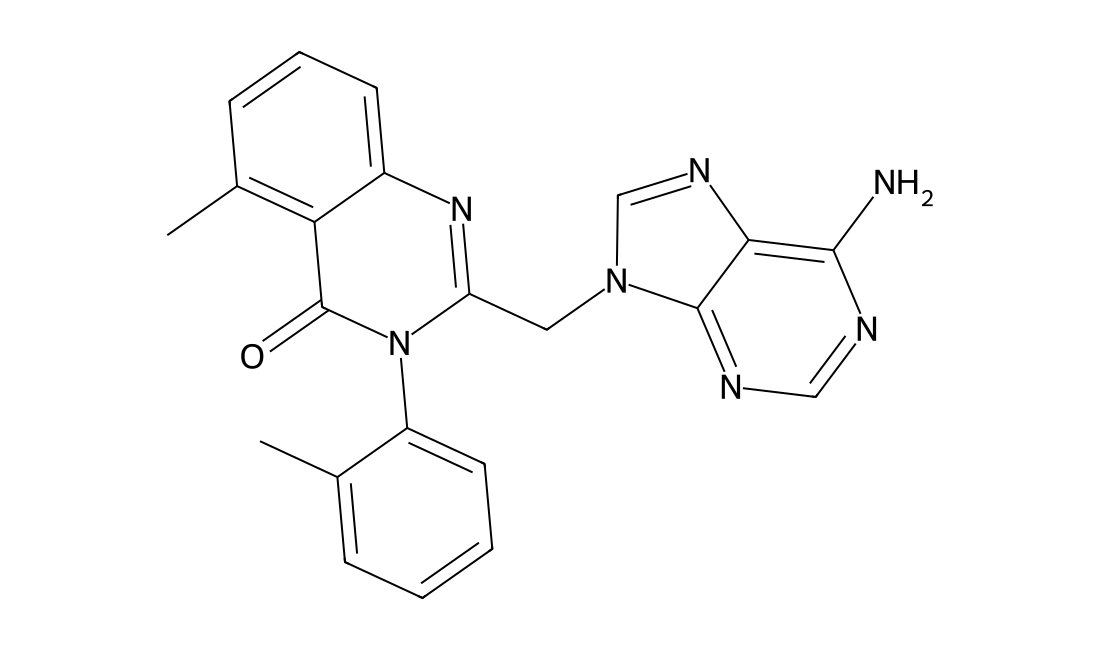
CAS 1186195-62-9
IKK 16 hydrochloride is a selective IκB kinase (IKK) inhibitor for IKK2, IKK complex and IKK1 with IC50s of 40 nM, 70 nM and 200 nM, respectively[1]. IKK16 also inhibits leucine-rich repeat kinase-2 (LRRK2) with an IC50 of 50 nM[2].
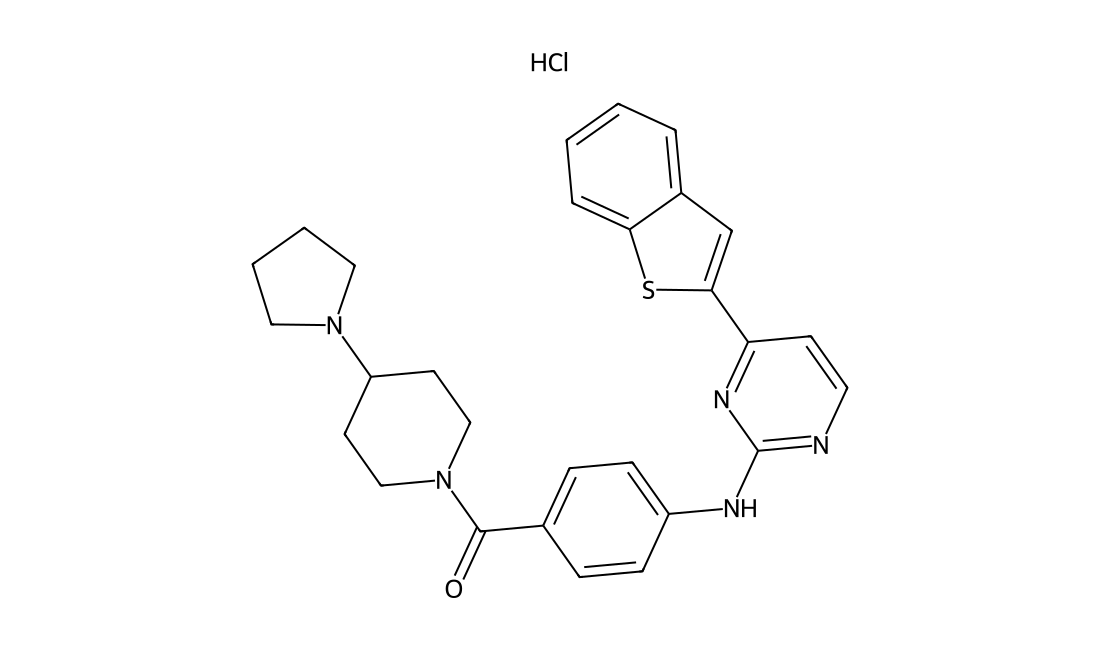
CAS 1380575-43-8
Ceritinib dihydrochloride (LDK378 dihydrochloride) is potent inhibitor against ALK with IC50 of 0.2 nM, shows 40- and 35-fold selectivity against IGF-1R and InsR, respectively.
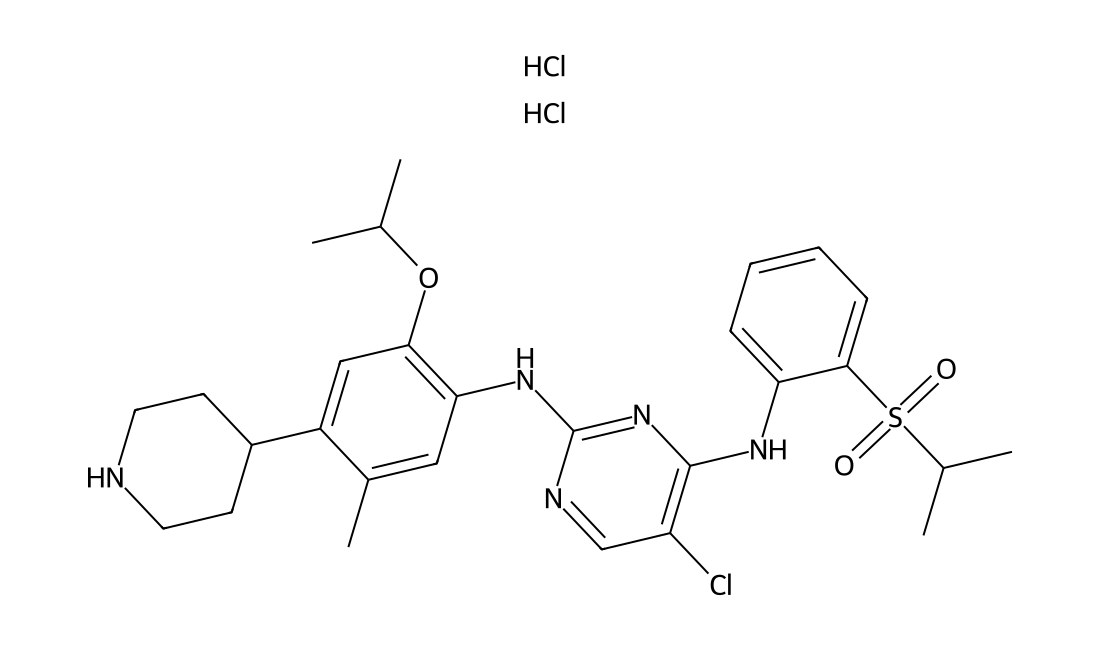
CAS 1226443-41-9
HQ461 is a molecular glue degrader that facilitates the interaction between CDK12 and the DDB1-CUL4-RBX1 E3 ubiquitin ligase, resulting in the polyubiquitination and subsequent degradation of the CDK12-interacting protein Cyclin K (CCNK). This degradation impairs CDK12 function, leading to reduced phosphorylation of its substrates, downregulation of DNA damage response genes, and ultimately, cell death.
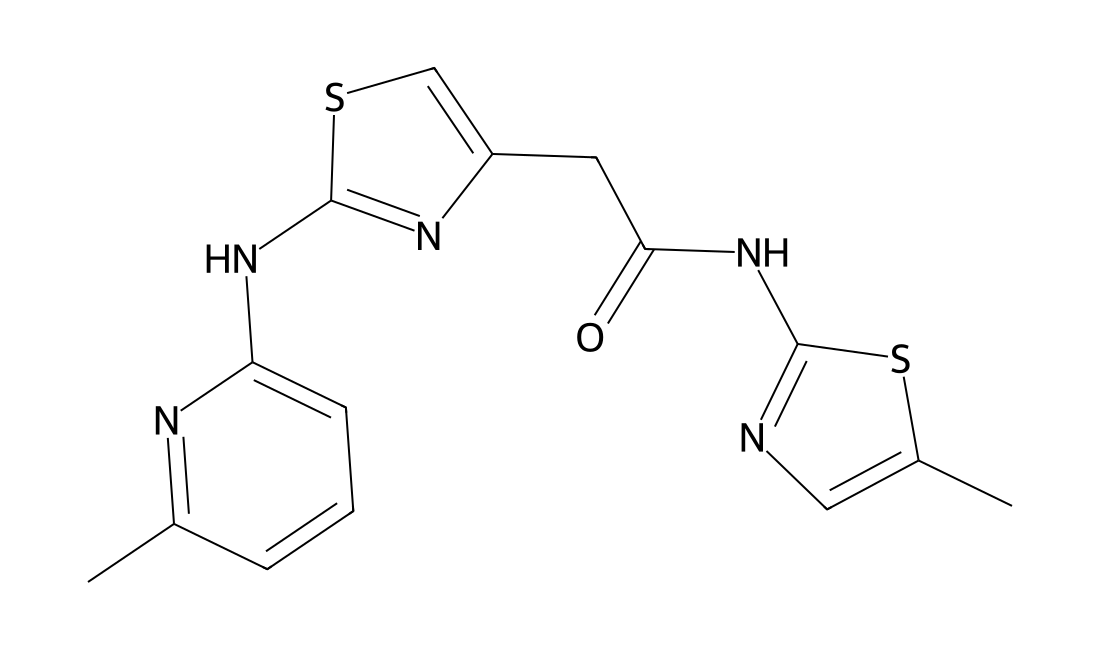
CAS 6300-44-3
A selective protein phosphatase PHLPP inhibitor with IC50 of 4 uM for PP2C domain of PHLPP2; also inhibits PHLPP2, has no activities against other phosphatases; activates AKT and ameliorates staurosporine-induced cell death in neurons.
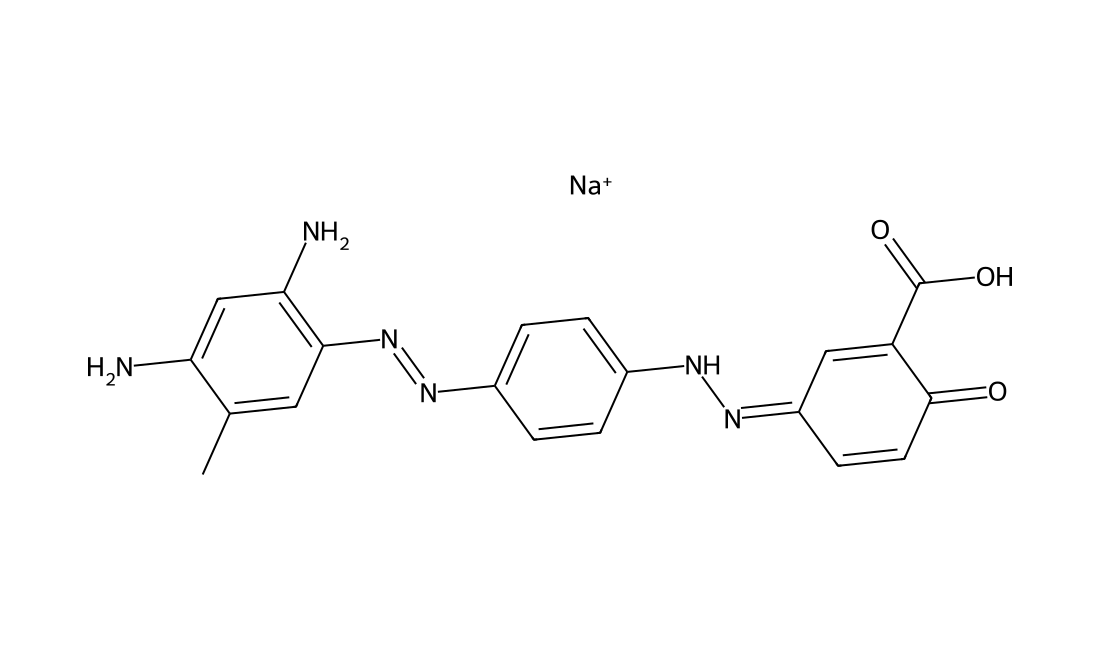
CAS 1609584-72-6
Mps1-IN-3 is a potent and selective MPS1 kinase inhibitor, with an IC50 of 50 nM.
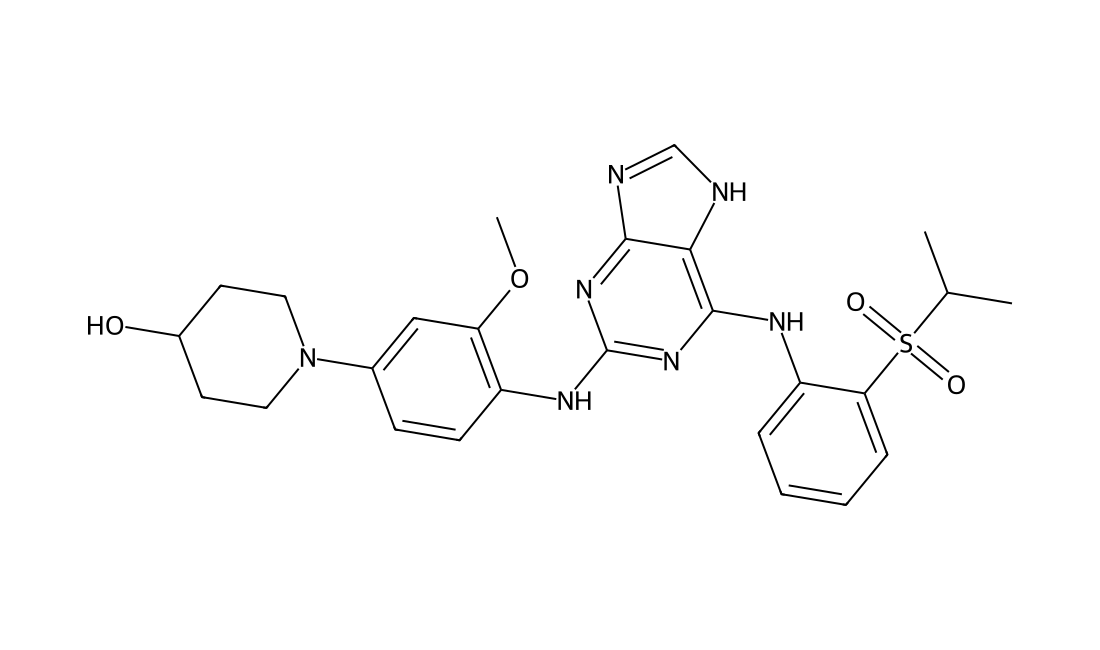
CAS 1782235-14-6
A potent, specific GSK-3 inhibitor with IC50 of 5 nM and 10 nM for GSK3β and GSK3α, respectively; mimics Wnt signaling in preadipocytes, stabilizes free cytosolic beta-catenin and inhibits adipogenesis by blocking induction of C/EBPα and PPARγ; potentiates insulin activation of glucose transport and utilization in vitro and in vivo; also widely used for stem cell differentiation and naive stem cell generation.
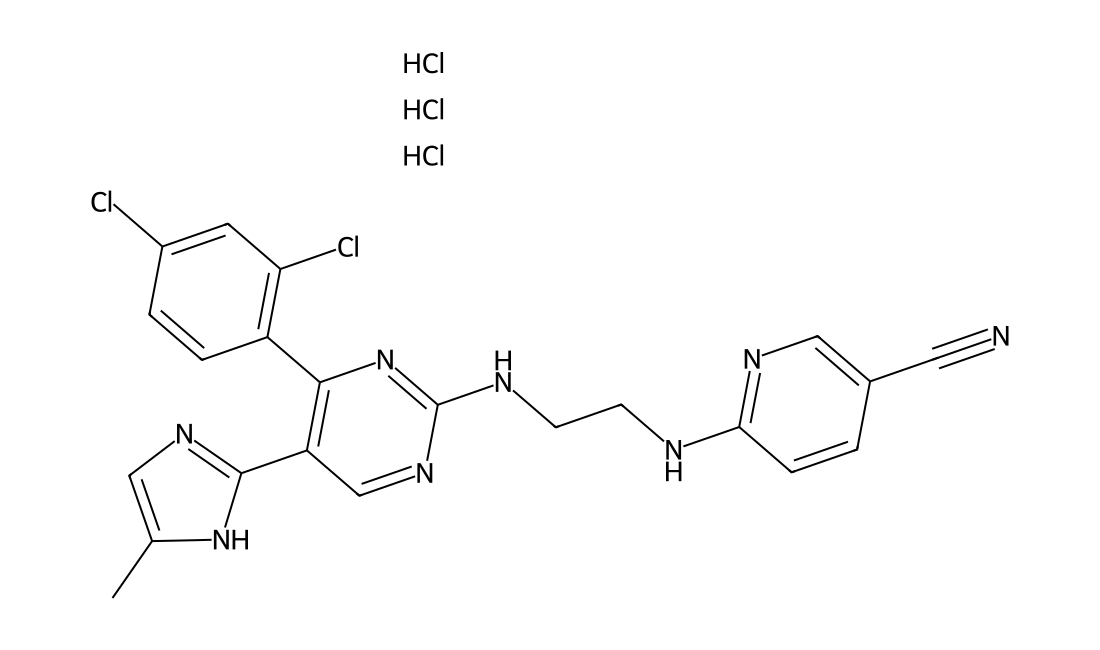
CAS 2097252-39-4
CHK1-IN-3 is a Checkpoint Kinase 1 (CHK1) inhibitor with an IC50 of 0.4 nM.
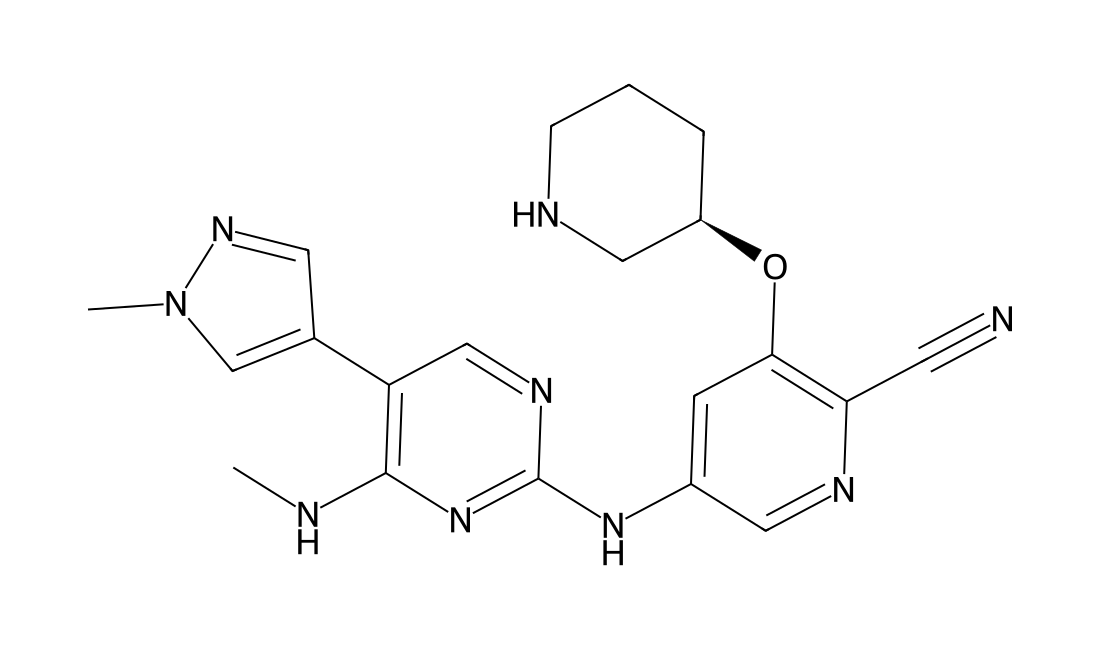
CAS 1353859-00-3
CX-6258 HCl is a potent, selective, and orally efficacious pan-Pim kinases inhibitor.
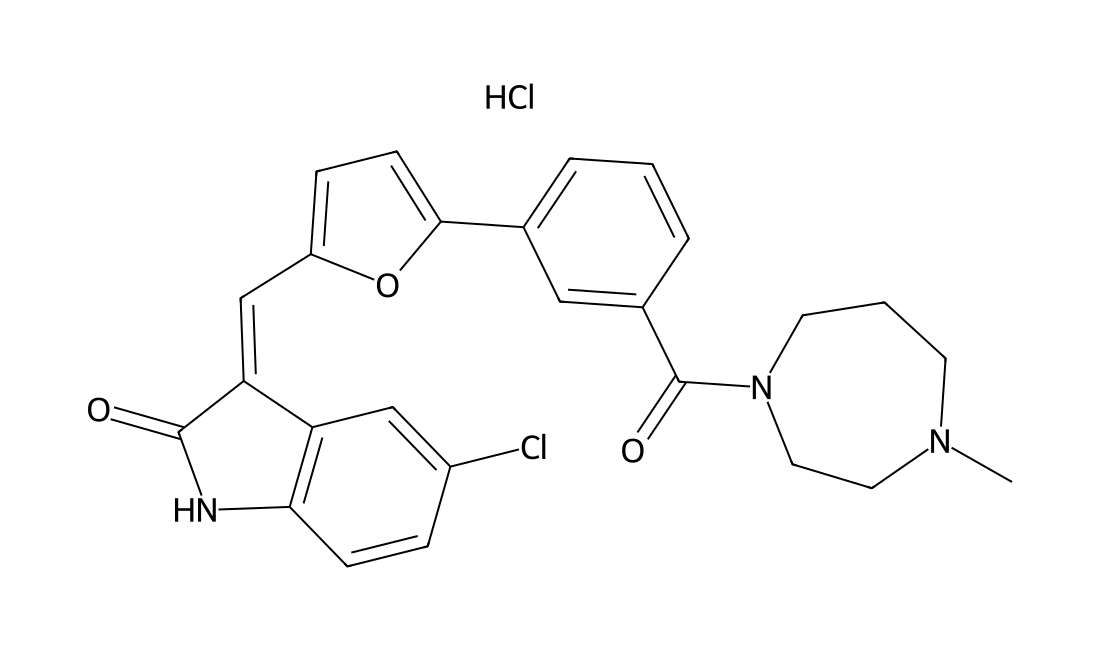
CAS 1956366-10-1
Ulixertinib, also known as BVD-523 and VRT752271, is an inhibitors of ERK protein kinase. Downmodulation of ERK protein kinase activity inhibits VEGF secretion by human myeloma cells and myeloma-induced angiogenesis. Upon oral administration, BVD-523 inhibits both ERK 1 and 2, thereby preventing the activation of ERK-mediated signal transduction pathways. This results in the inhibition of ERK-dependent tumor cell proliferation and survival. The mitogen-activated protein kinase (MAPK)/ERK pathway is often upregulated in a variety of tumor cell types and plays a key role in tumor cell proliferation, differentiation and survival.
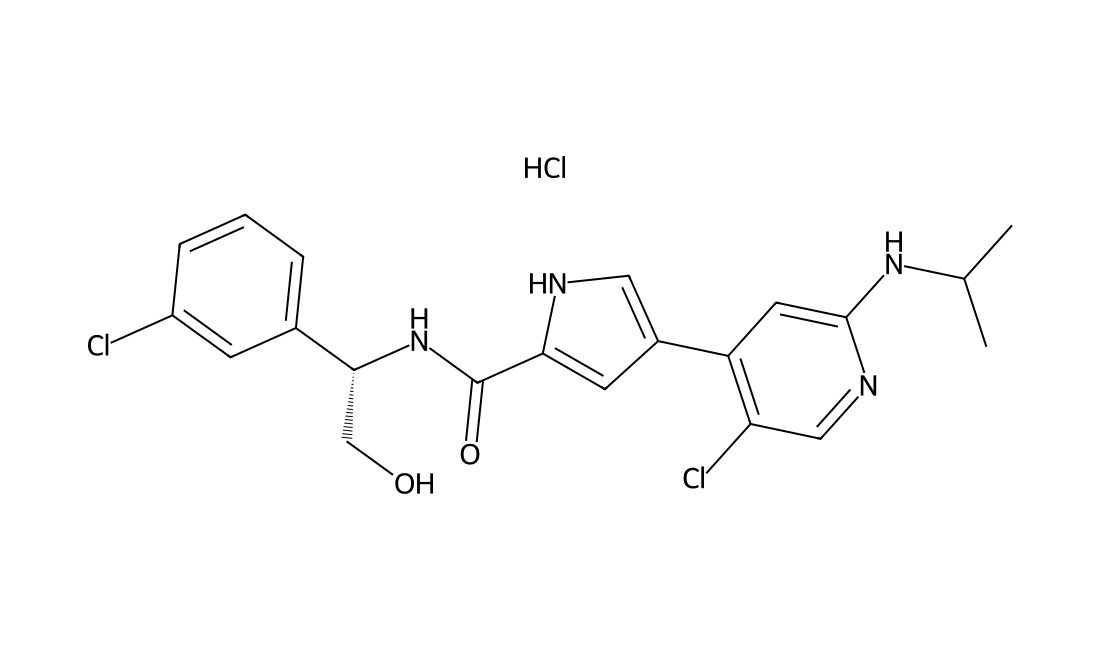
CAS 1256349-48-0
Chiauranib (CS2164) selectively inhibits multiple kinase targets aurora B kinase (AURKB), colony-stimulating factor 1 receptor (CSF1R), and vascular endothelial growth factor receptor (VEGFR)/platelet-derived growth factor receptor (PDGFR)/c-Kit , thereby inhibiting the rapid proliferation of tumor cells, enhancing the antitumor immunity, and inhibiting tumor angiogenesis, to achieve the anti-tumor efficacy.
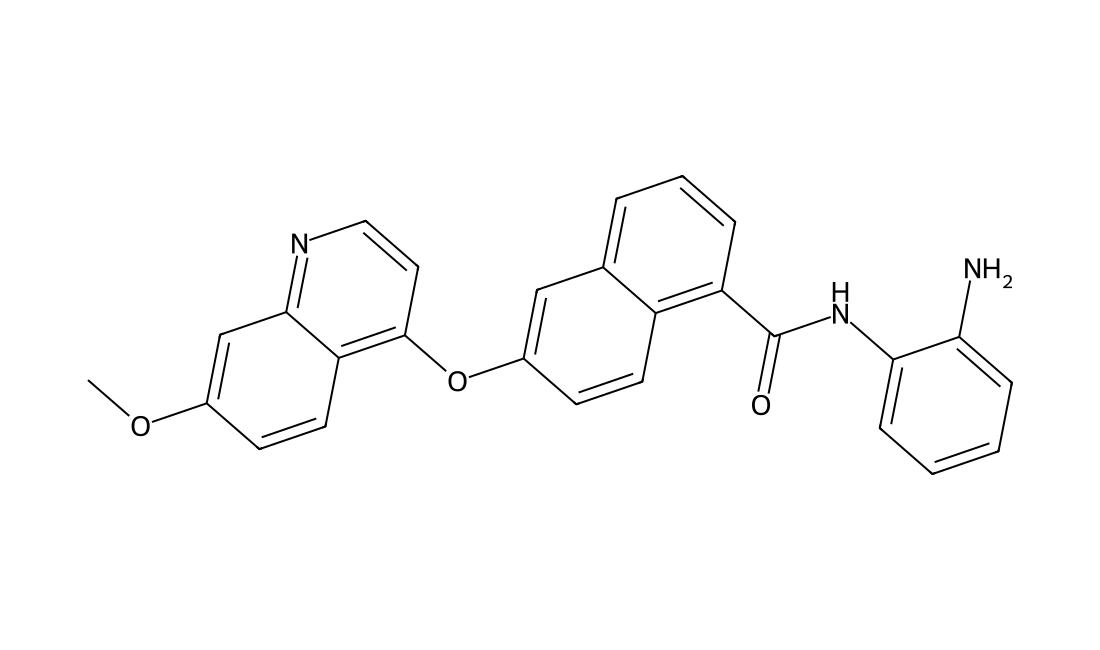
CAS 1616632-77-9
TIC10 inactivates Akt and ERK to induce TRAIL through Foxo3a, possesses superior drug properties: delivery across the blood-brain barrier, superior stability and improved pharmacokinetics
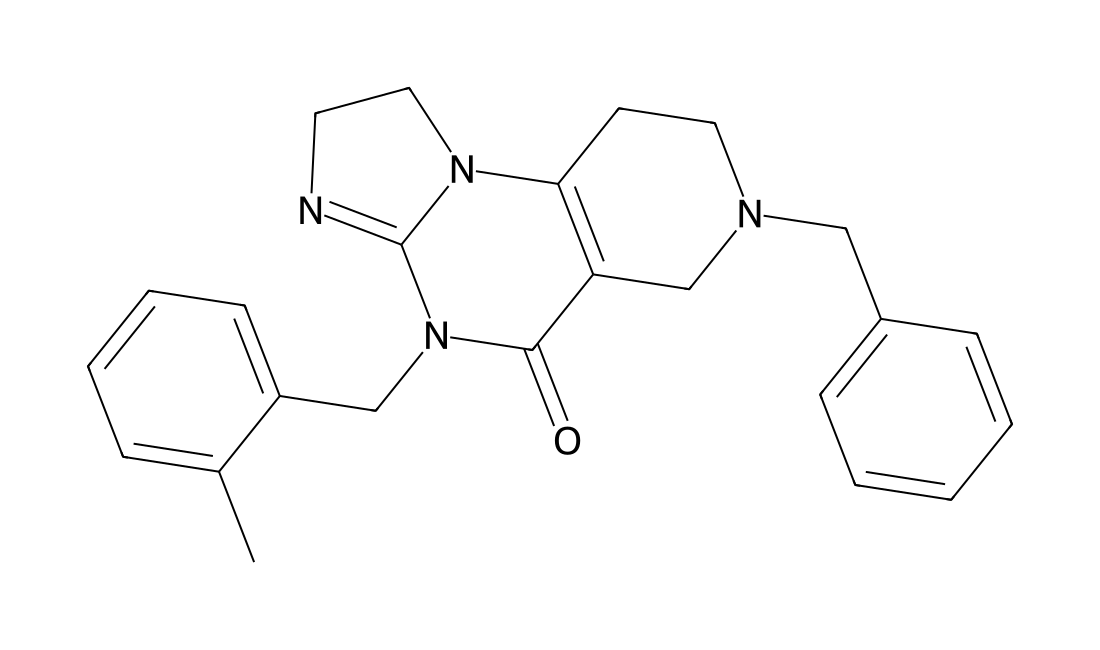
CAS 1236667-40-5
Ifidancitinib is a potent and selective inhibitor of JAK kinases 1/3. Ifidancitinib can be used in studies of allergies, asthma and autoimmune diseases.
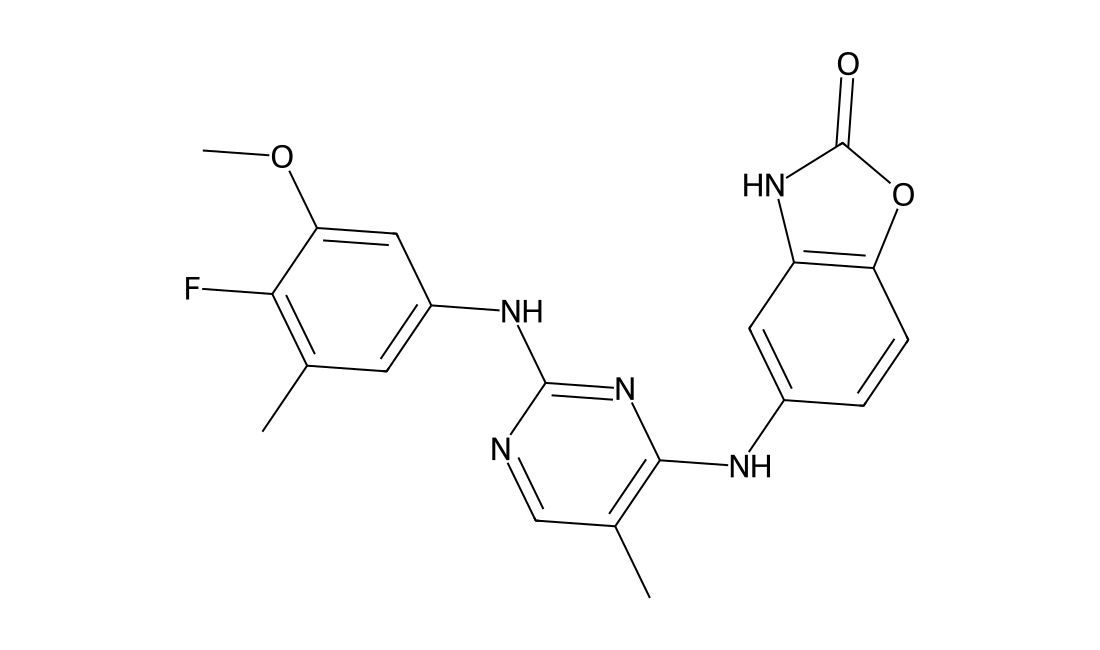
CAS 1204181-93-0
AZD1897 is a PIM1, PIM2, and PIM3 inhibitor with IC50 values of less than 3 nM for these three PIM kinases. AZD1897 exhibits anticancer activity and synergistically inhibits the activity of acute myeloid leukemia (AML) cells in combination with Capivasertib (HY-15431). This synergistic inhibitory effect is achieved through the inhibition of the mTOR and MCL1 pathways.
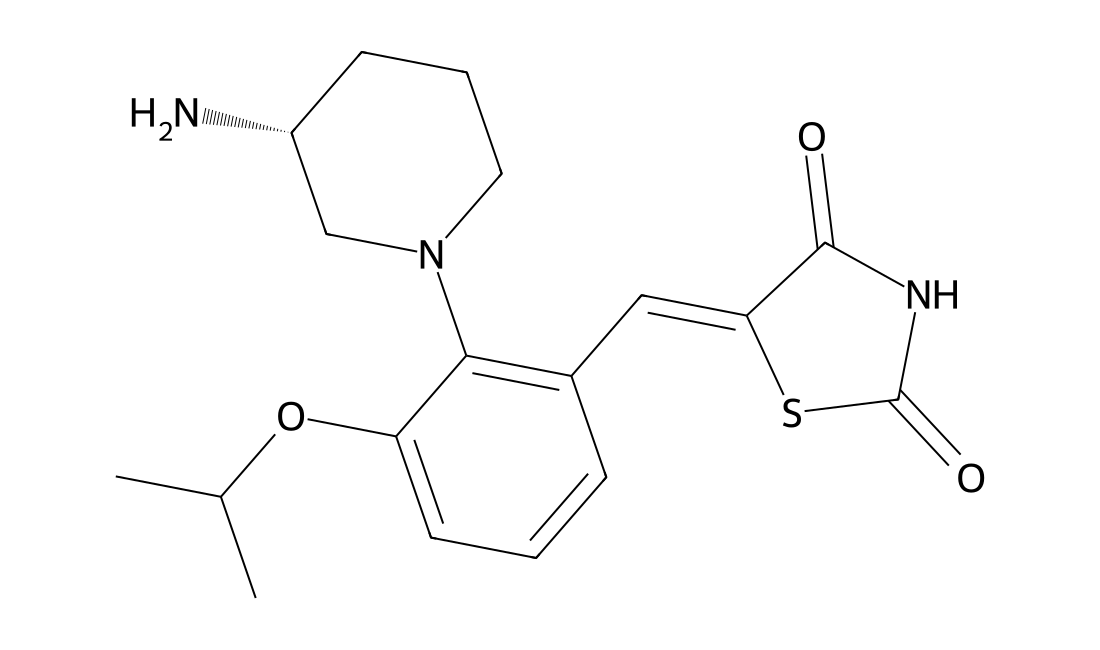
CAS 571189-11-2
Selective inhibitor of the cyclin-dependent kinases CDK4 and CDK6
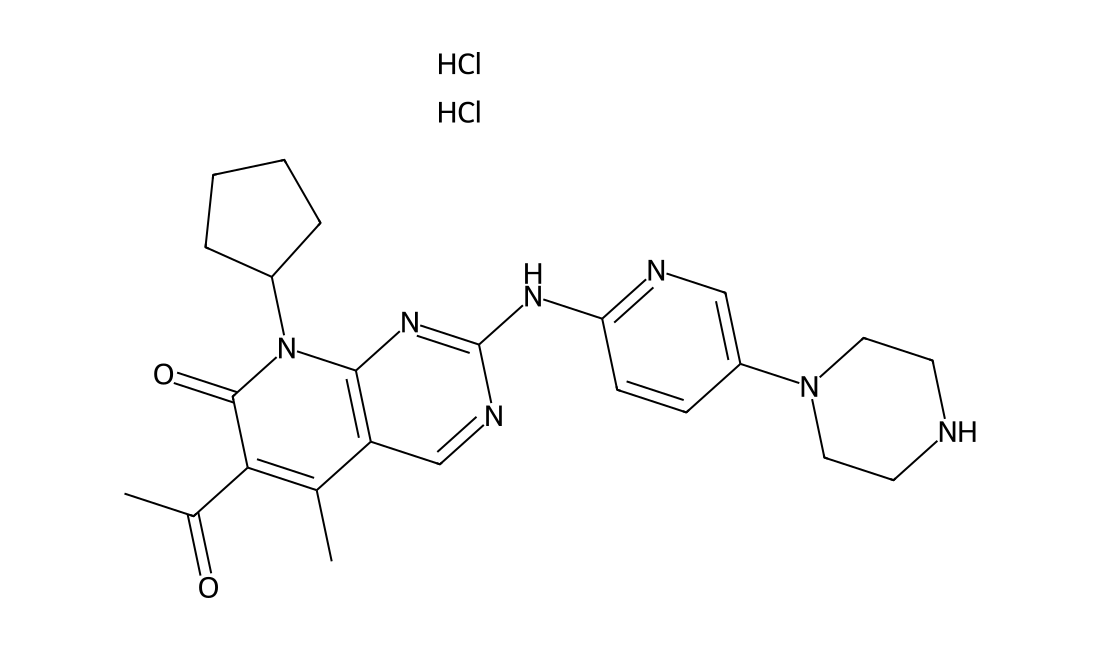
CAS 80483-89-2
(22S,23S)-Homobrassinolide is one of the most active brassinosteroids in inducing plant growth in various plant bioassay systems. (22S,23S)-Homobrassinolide shows Akt-dependent anabolic activity in rat skeletal muscle cells. Orally active.
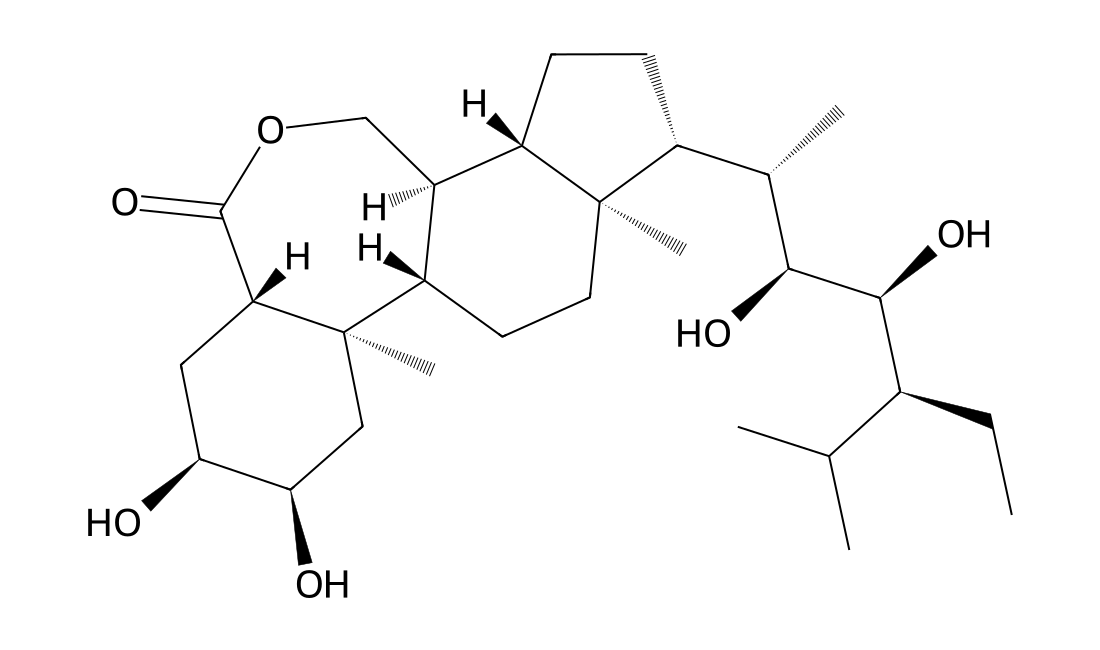
CAS 2775311-17-4
GFB-12811 is a high selective and orally active CDK5 inhibitor with an IC50 of 2.3 nM. GFB-12811 is highly selective over the other tested kinases (CDK1/2/6/7/9).
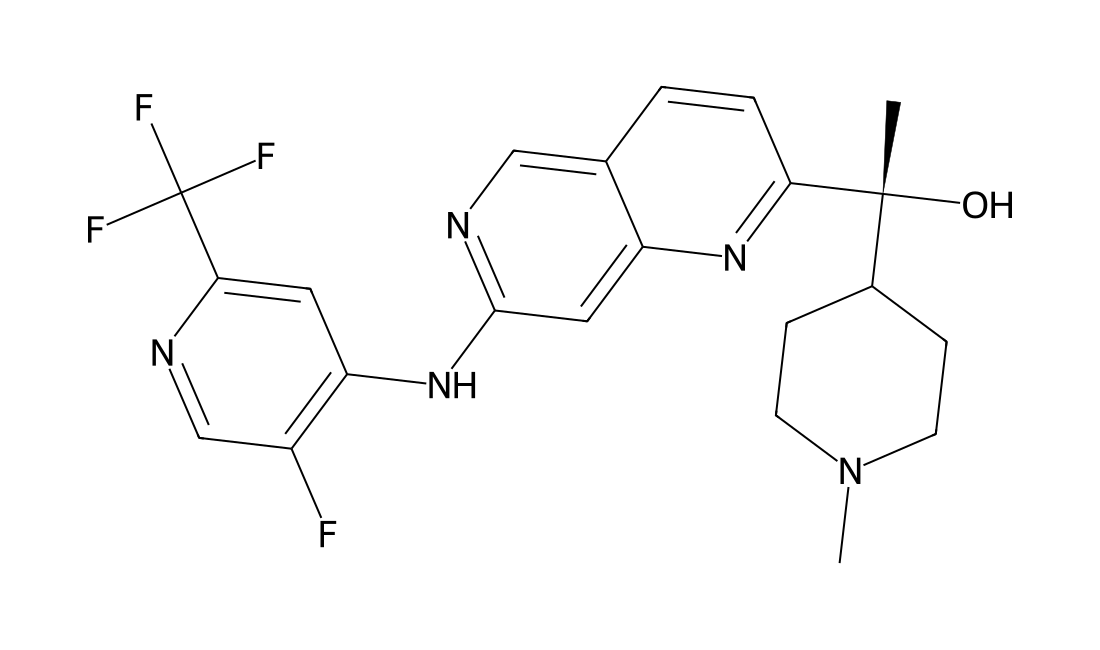
CAS 2051918-33-1
TD-1473 (Izencitinib, TD1473, JNJ 8398) is a potent, selective, oral gut-selective pan-JAK inhibitor with pKi of 10.0/10.0/8.8/9.5 for human recombinant JAK1, JAK2, JAK3 and TYK2.TD-1473 inhibited cytokine-induced phosphorylation of STAT1 in mouse primary colonic epithelial cells with pIC50 values for inhibition against IL-6, IFNα and IFNγ were 7.3, 6.8 and 7.0.TD-1473 demonstrated JAK inhibitory activity in ex vivo mouse colon and human IBD patient colonic tissue. TD-1473 (Izencitinib) is under development for the treatment of ulcerative colitis.
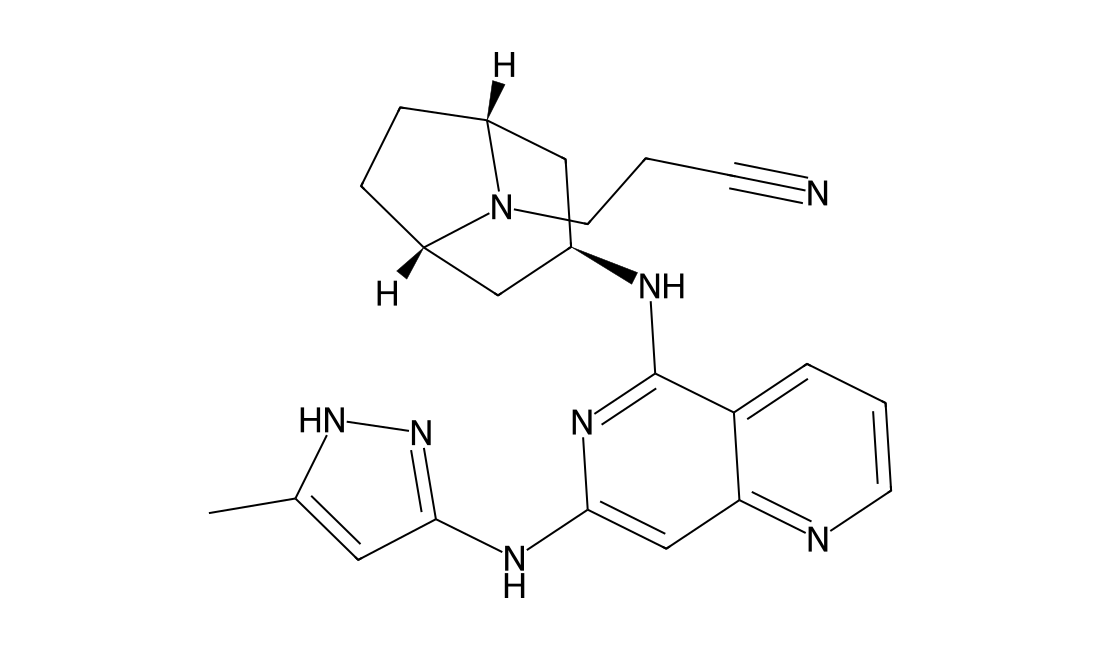
CAS 2294874-49-8
HM43239 is an orally active small molecule inhibitor of FLT3 that selectively inhibits not only FLT3 wild type, ITD mutants or TKD mutations, but also FLT3 ITD/TKD double mutations. HM43239 directly inhibits the kinase activity of FLT3 as a reversible Type I inhibitor and effectively modulates downstream p-STAT5 and p-ERK. HM43239 also demonstrated inhibition of SYK, JAK1/2 and TAK1, known to be involved in tumor cell proliferation and/or differentiation HM43239 monotherapy induced dose-dependent regression of tumor growth in FLT3 wild-type and FLT3 mutated leukemia cancer cell line.
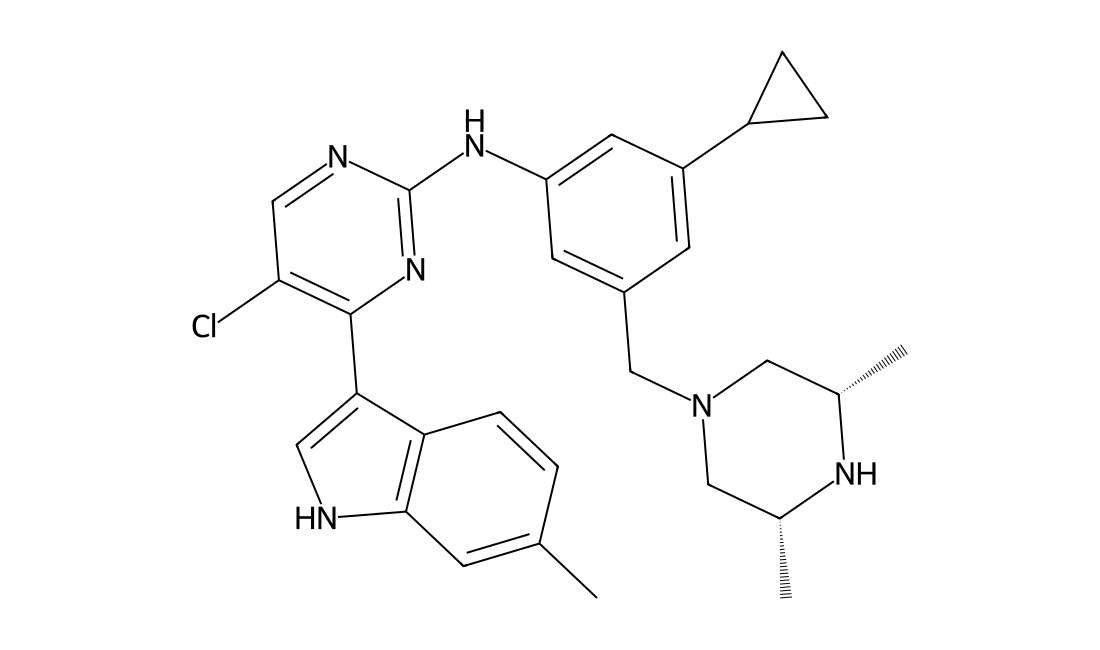
CAS 1129403-56-0
Amcasertib is an orally administered investigational agent designed to inhibit cancer stem cell pathways, including Nanog, by targeting stemness kinases.
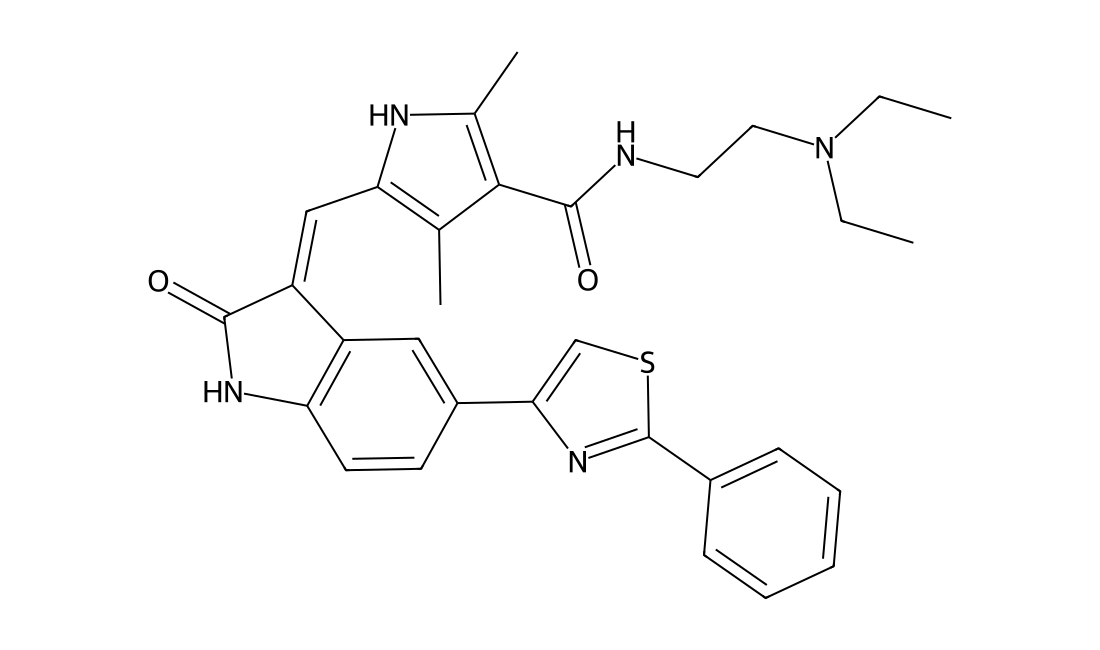
CAS 627908-92-3
SU14813 is a multi-targeted receptor tyrosine kinases inhibitor with IC50s of 50, 2, 4, 15 nM for VEGFR2, VEGFR1, PDGFRβ and KIT.
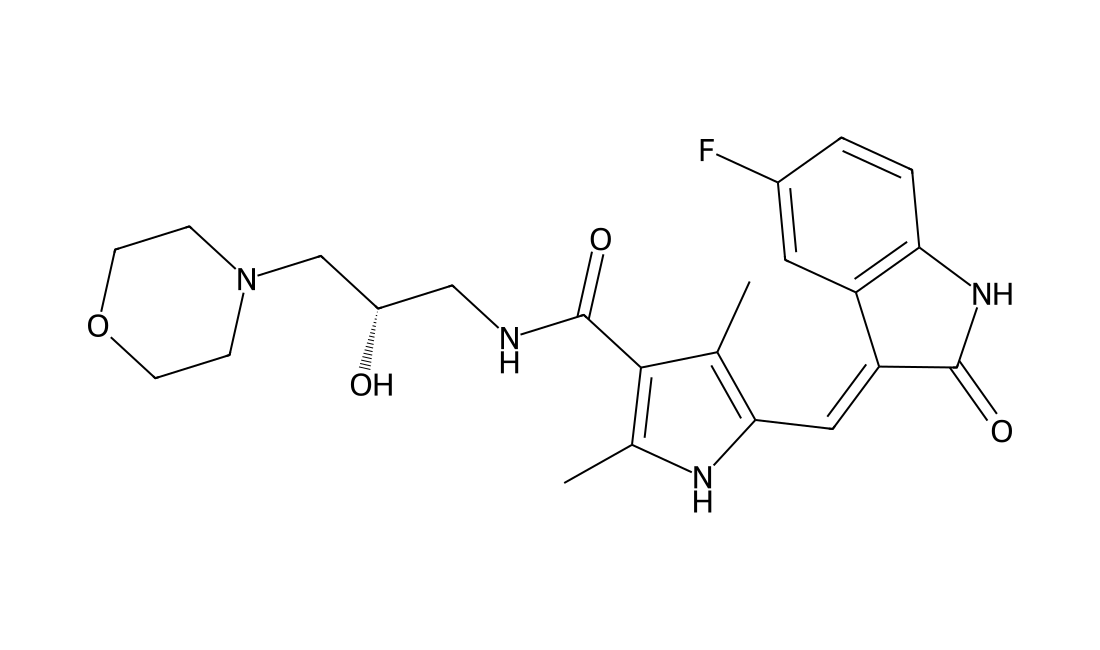
CAS 1912445-55-6
BMS-986195 is a potent, covalent, irreversible inhibitor of Bruton’s tyrosine kinase (BTK), with an IC50 of <1 nM.
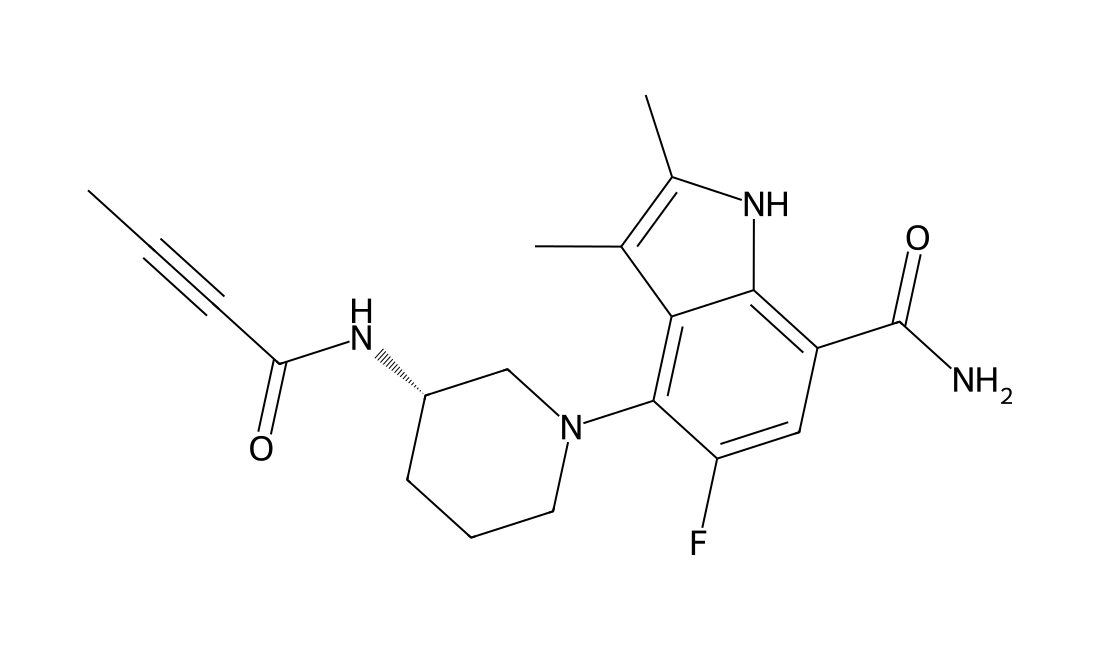
CAS 2089389-15-9
(R)-ZINC-3573 is a potent, selective agonist of the atypical opioid receptor MRGPRX2 (EC50=0.76 uM), showing little activity against 315 other GPCRs and 97 representative kinases; activates endogenous MRGPRX2 in a human mast cell line, inducing degranulation and calcium release.
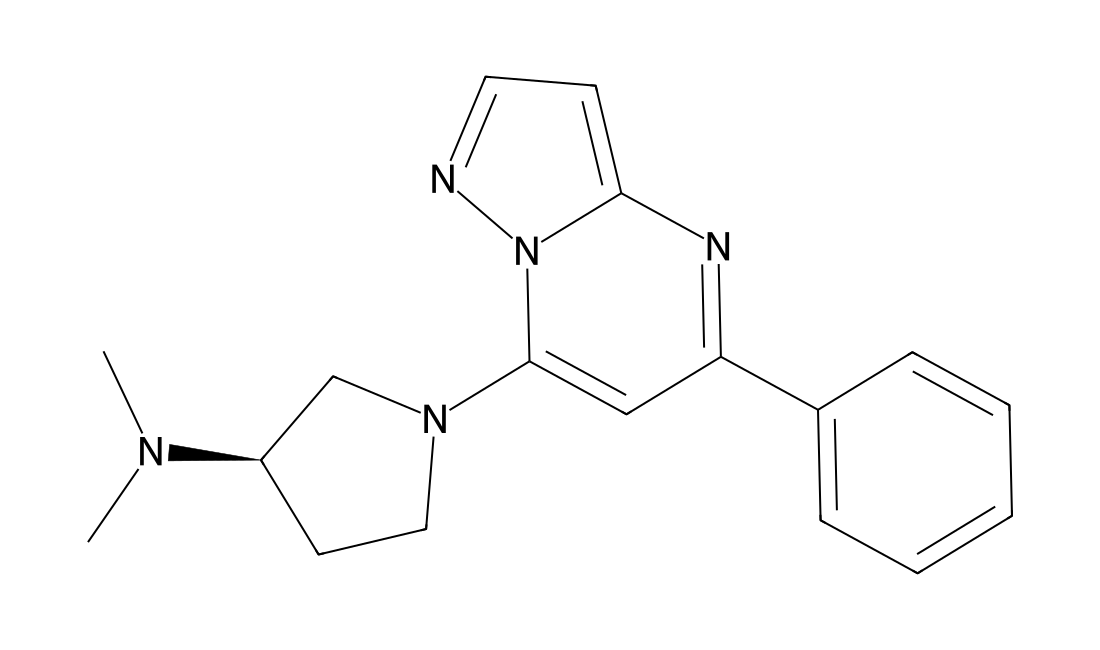
CAS 2043659-93-2
Cevidoplenib is an orally available inhibitor of spleen tyrosine kinase (Syk), with potential anti-inflammatory and immunomodulating activities.
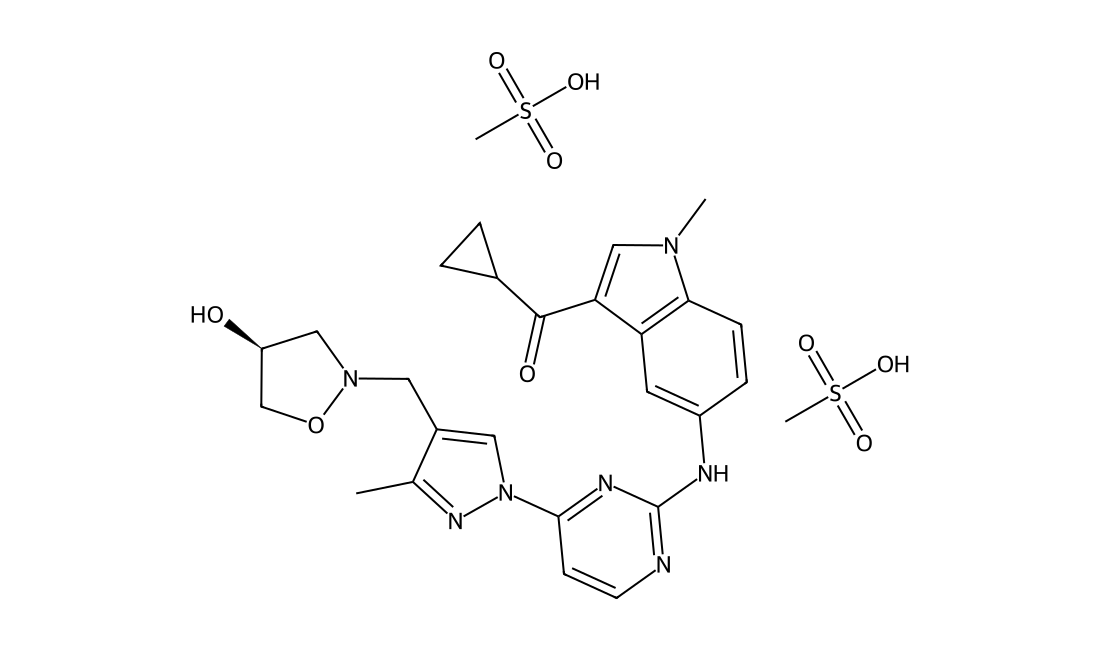
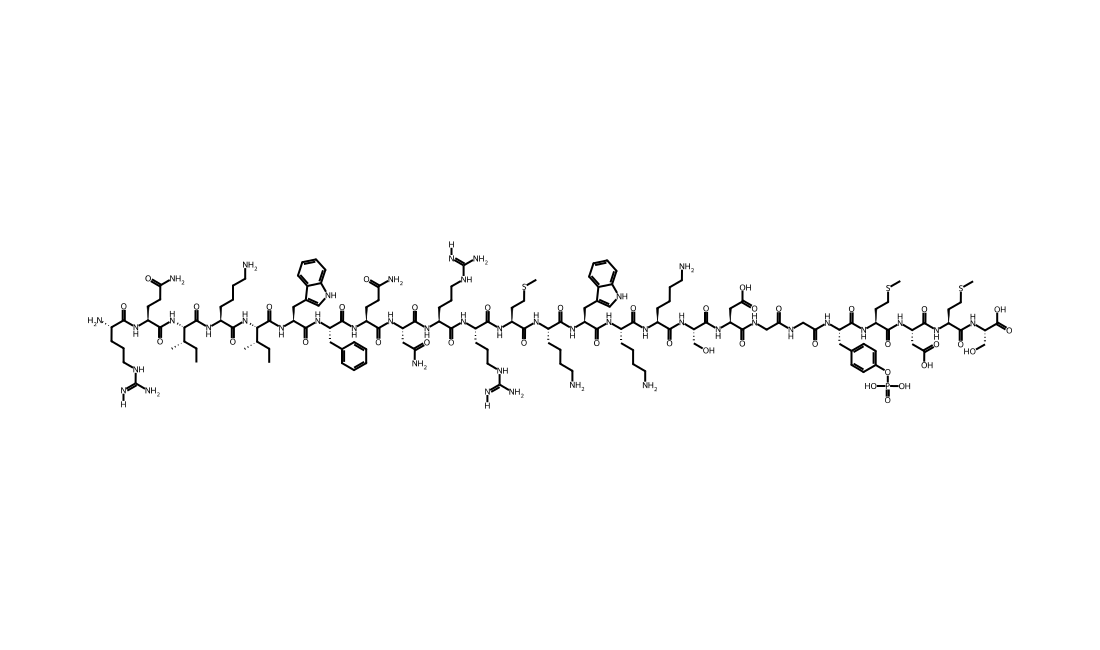
CAS 1881233-39-1
A potent and selective type III phosphatidylinositol 4-kinase (PI4KIIIβ) inhibitor with IC50 of 3.6 nM; displays >200-fold selectivity over class I and class III PI3Ks; shows antiviral activity against hepatitis C virus with IC50 of 1.3 uM, with low cytotoxicity (CC50>32 uM).
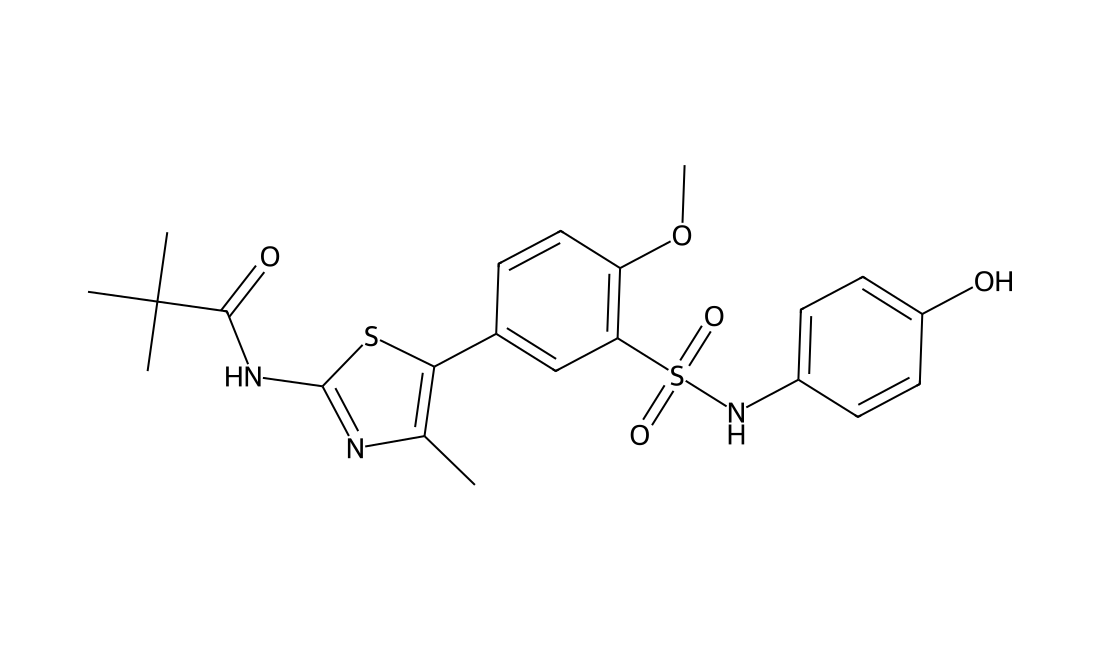
CAS 29368-40-9
p38-α MAPK-IN-6 (compound 3a) is a p38α mitogen-activated protein kinase inhibitor.
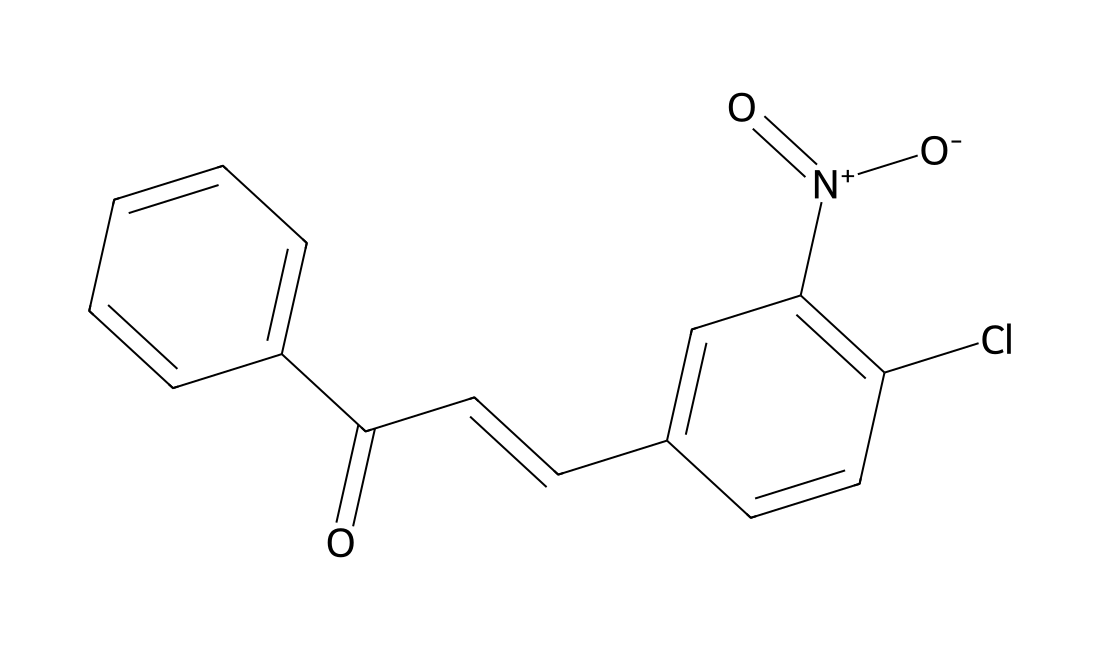
CAS 2319647-76-0
OTS514 hydrochloride is a highly potent TOPK inhibitor, which inhibits TOPK kinase activity with a median inhibitory concentration (IC50) value of 2.6 nM. OTS514 hydrochloride strongly suppresses the growth of TOPK-positive cancer cells. OTS514 hydrochloride induces cell cycle arrest and apoptosis.
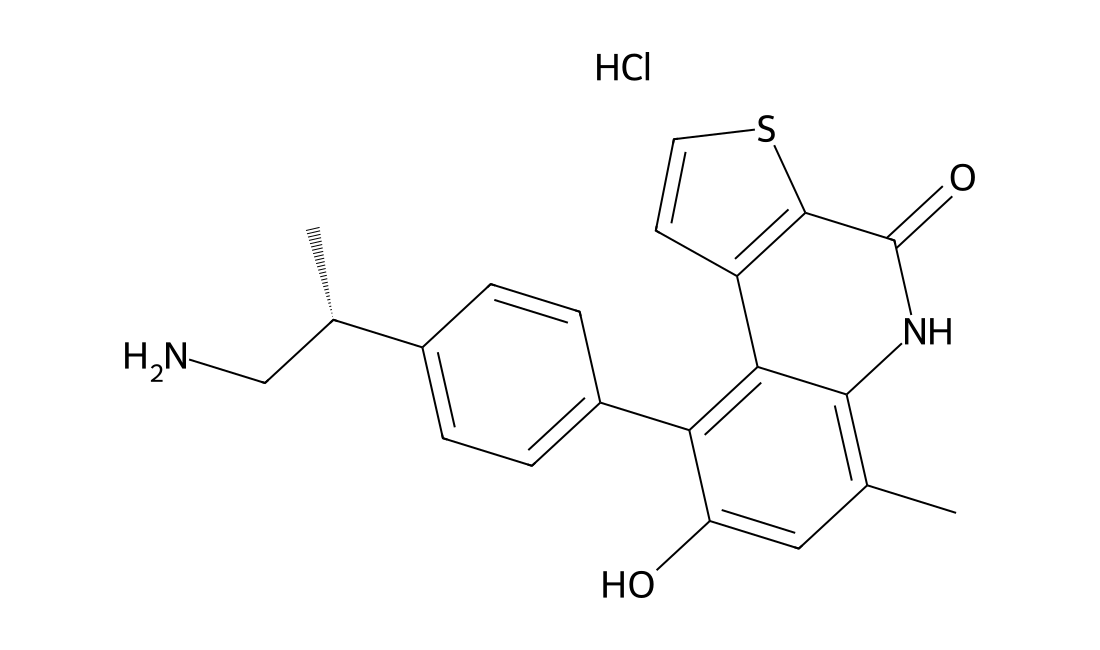
CAS 2732902-08-6
BAY-2965501 is a first-in-class a diacylglycerol kinase zeta (DGKζ, lipid kinase) inhibitor with IC50 of 27 nM/35 nM (human/mouse) and shows >20-fold selectivity for DGKζ over other DGK isotypes. BAY-2965501 blocks DGKζ in T-cells to activate them
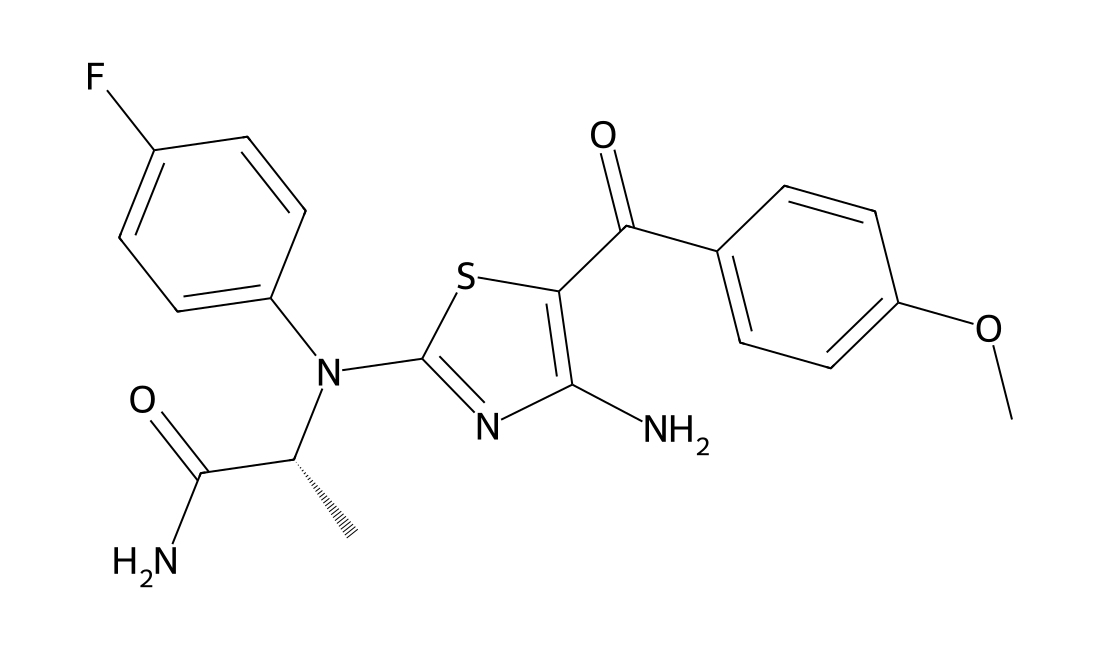
CAS 1354691-97-6
Leniolisib (CDZ173) phosphate is a potent and selective PI3Kδ inhibitor. Leniolisib phosphate has the potential for immunodeficiency disorders treatment.
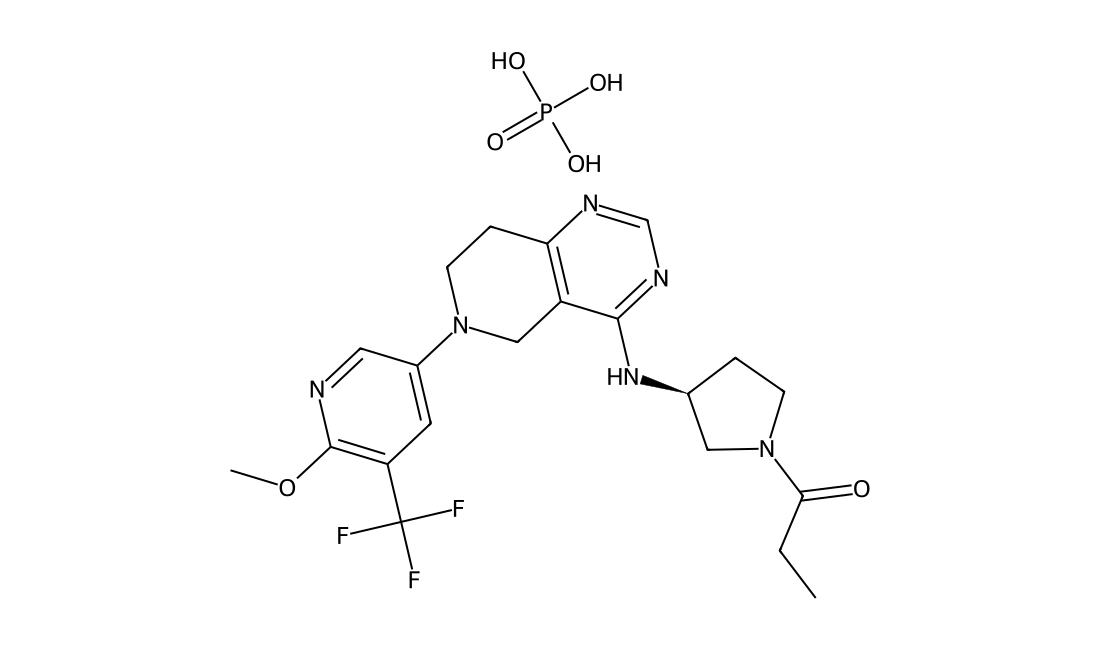
CAS 765914-60-1
Emprumapimod is a potent, orally bioavailable and selective inhibitor of p38α MAPK directly inhibits LPS-induced IL-6 production from RPMI-8226 cell (IC50=100 pM). Emprumapimod can be used for the research of dilated cardiomyopathy and acute inflammatory pain.