
Kinases & Cell Signaling
Kinase inhibitors and modulators of intracellular signaling pathways.
Browse all research categories
Browse by research category
Products may appear in more than one category. Counts refer to distinct catalog numbers within each category.
Kinases & Cell Signaling1,548 products →941 products →Epigenetics & Gene Regulation410 products →277 products →DNA Damage, Repair & Cell Cycle342 products →228 products →Cell Death & Autophagy233 products →117 products →Protein Degradation & Proteostasis252 products →181 products →Immunology & Inflammation515 products →297 products →Neuroscience793 products →363 products →GPCRs & Receptor Biology1,219 products →428 products →Ion Channels & Transporters373 products →196 products →Metabolism & Endocrinology697 products →404 products →Cardiovascular & Hematology264 products →141 products →Anti-infectives453 products →205 products →Cancer Research1,049 products →535 products →ADCs & Bioconjugation61 products →38 products →Probes & Assay Reagents150 products →82 products →Natural Products424 products →73 products →Cell Biology & Intracellular Transport181 products →61 products →
Other Research Tools (75) · Additional reagents, building blocks and specialized research tools.
New literature-derived products
LC-MG-1 (DCA0006) · LC-MG-4 (DCA0007) · LC-MG-9 (DCA0008)
View structure and evidence summaries →Kinases & Cell Signaling products
Combine a keyword, research category and target to narrow the product list.
Loading catalog filters…
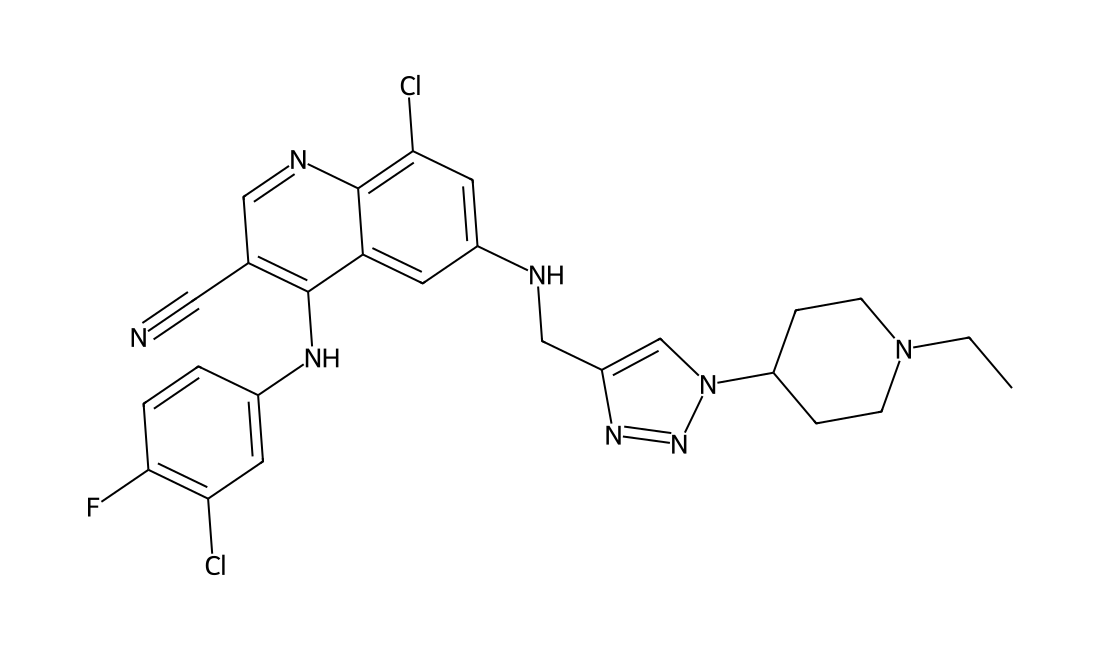
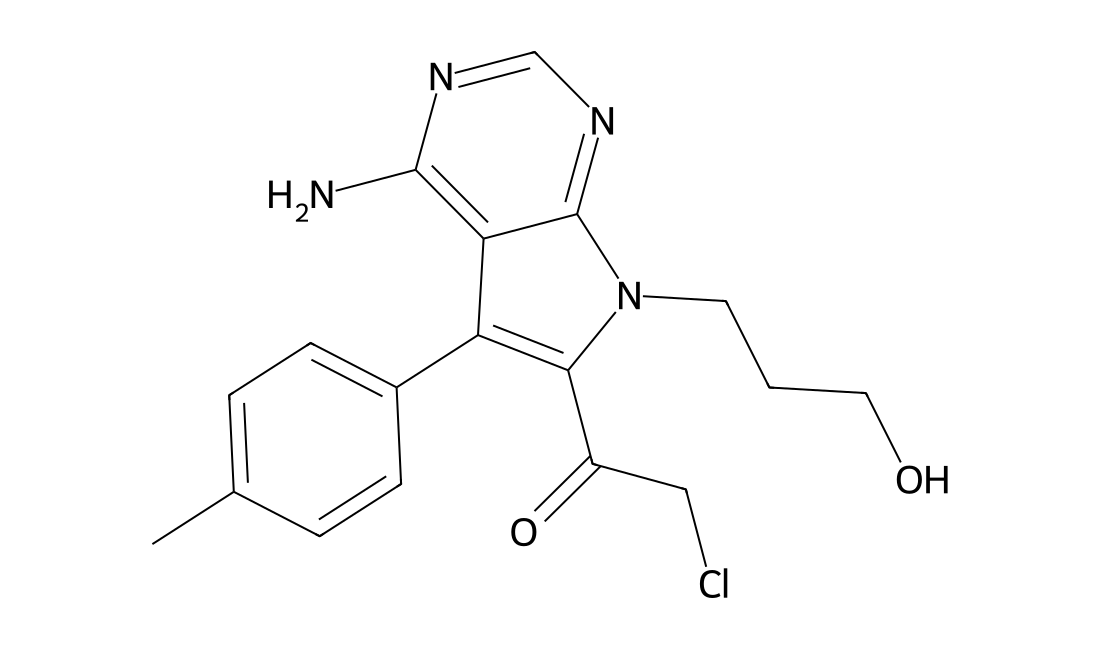
CNX-1351
CAS 1276105-89-5
CNX-1351 is a selective covalent Inhibitor of PI3Kα. CNX-1351 was tested against all four of the class I PI3K enzymes α, β, γ, and δ. In an end point assay, CNX-1351 potently inhibited PI3Kα and was 20−400 times less potent against β, γ, and δ. CNX-1351 inhibit PI3Kα signaling in cells and shows prolonged inhibition consistent with a covalent mechanism of Action. CNX-1351 inhibits growth of cells dependent on PI3Kα. CNX-1351 also inhibits PI3Kα signaling in vivo and bonds to p110α.For the detailed information of CNX-1351, the solubility of CNX-1351 in water, the solubility of CNX-1351 in DMSO, the solubility of CNX-1351 in PBS buffer, the animal experiment (test) of CNX-1351, the cell expriment (test) of CNX-1351, the in vivo, in vitro and clinical trial test of CNX-1351, the EC50, IC50,and Affinity of CNX-1351, Please contact DC Chemicals.
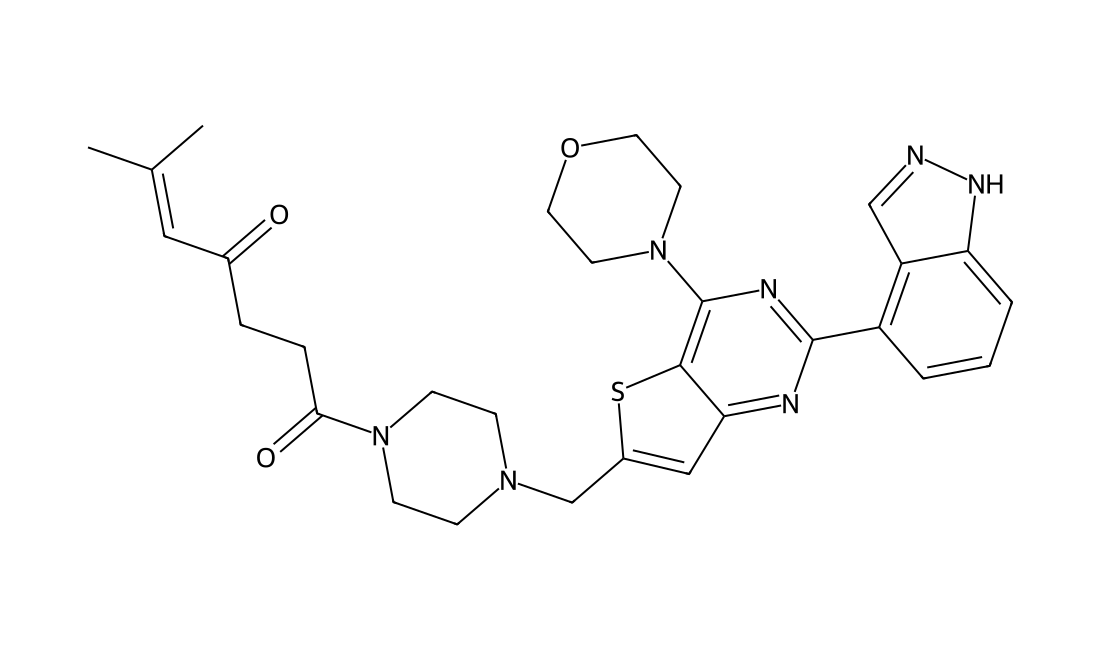
CH5132799
CAS 1007207-67-1
CH5132799 inhibits class I PI3Ks, particularly PI3Kα with IC50 of 14 nM; less potent to PI3Kβδγ, while sensitive in PIK3CA mutations cell lines.For the detailed information of CH5132799, the solubility of CH5132799 in water, the solubility of CH5132799 in DMSO, the solubility of CH5132799 in PBS buffer, the animal experiment (test) of CH5132799, the cell expriment (test) of CH5132799, the in vivo, in vitro and clinical trial test of CH5132799, the EC50, IC50,and Affinity of CH5132799, Please contact DC Chemicals.
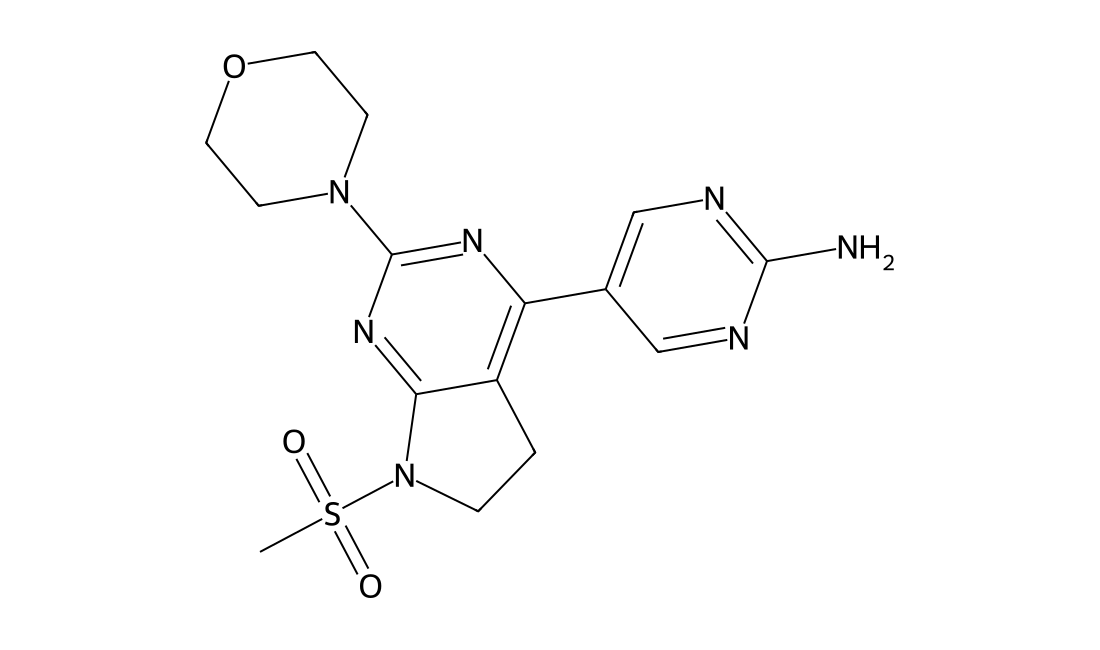
CDK9-IN-1
CAS 1415559-43-1
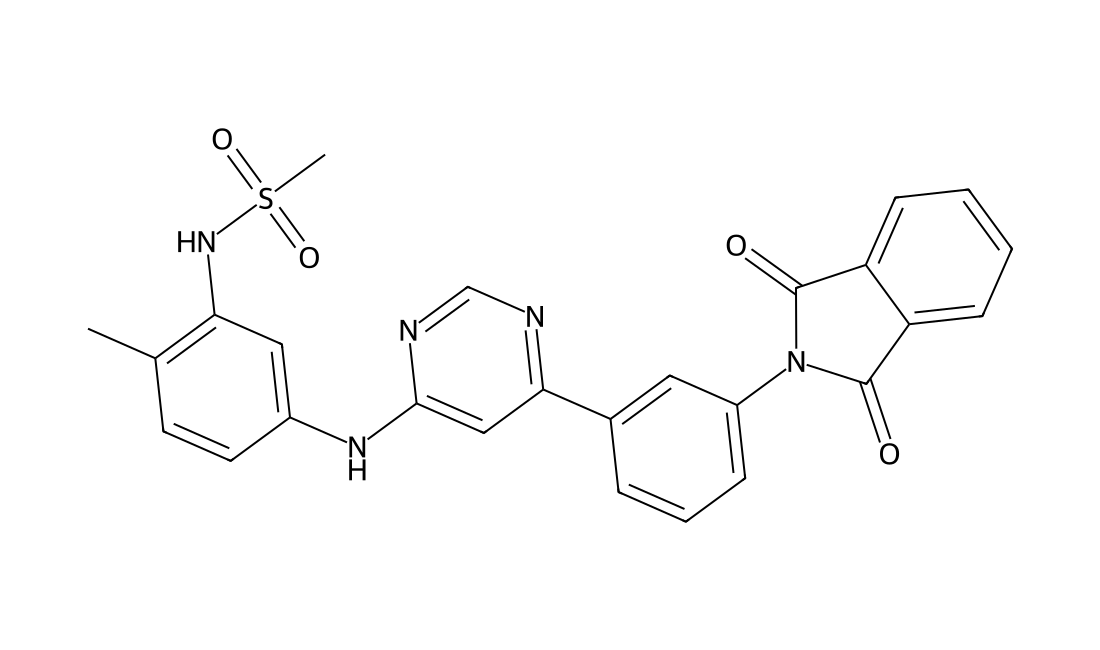
CDK9-IN-1 is a novel, selective CDK9 inhibitor for the treatment of HIV infection. Among CDKs, CDK9 is a validated pathological target in HIV infection, inflammation and cardiac hypertrophy; however selective CDK9 inhibitors are still not available. We present a selective inhibitor family of CDK9 based on the 4-phenylamino-6- phenylpyrimidine nucleus. We show a convenient synthetic method to prepare a useful intermediate and its derivatisation resulting in novel compounds. The CDK9 inhibitory activity of the derivatives was measured in specific kinase assay and the CDK inhibitory profile of the best ones (IC50 > 100nM) was determined. The most selective compounds had high selectivity over CDK1, 2, 3, 5, 6, 7 and showed at least one order of magnitude higher inhibitory activity over CDK4 inhibition. The most selective molecules were examined in cytotoxicity assays and their ability to inhibit HIV-1 replication was determined in cellular assays.
CCT251921
CAS 1607837-31-9
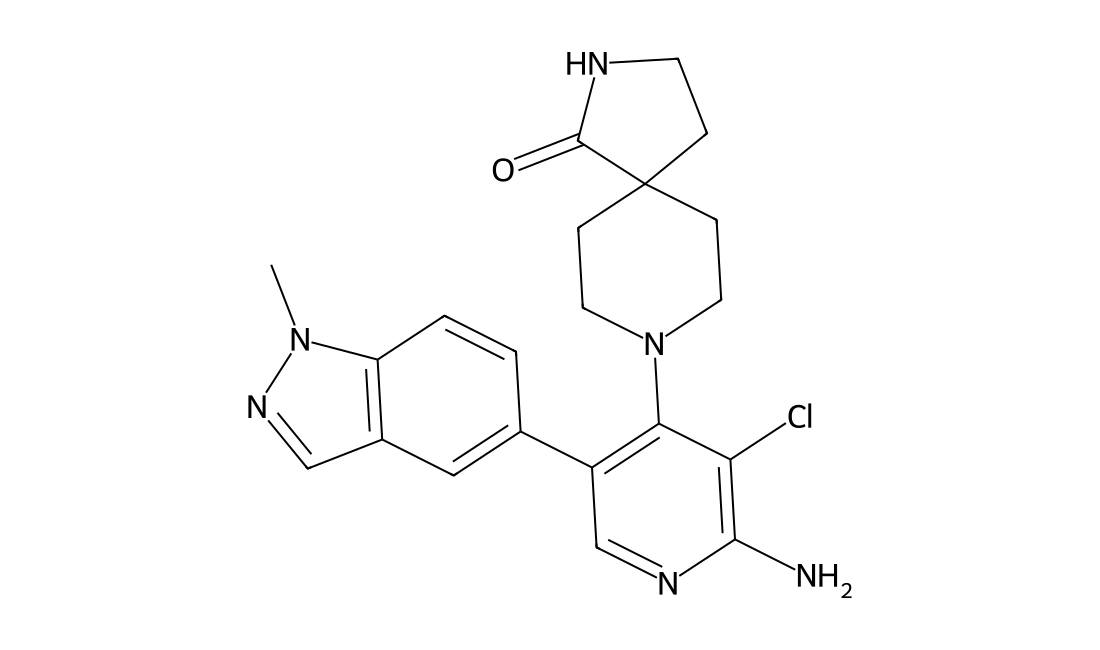
CCT251921 is a potent, selective, and orally bioavailable small-molecule modulators of the mediator complex-associated kinases CDK8 and CDK19. (IC50 data: CDK8:=2.3 nM; CDK19 = 2.6 nM). CCT251921 showed the optimal compromise of in vitro biochemical, pharmacokinetic, and physicochemical properties and is suitable for progression to animal models of cancer. The Mediator complex-associated cyclin-dependent kinase CDK8 has been implicated in human disease, particularly in colorectal cancer where it has been reported as a putative oncogene.
CCT128930
CAS 885499-61-6
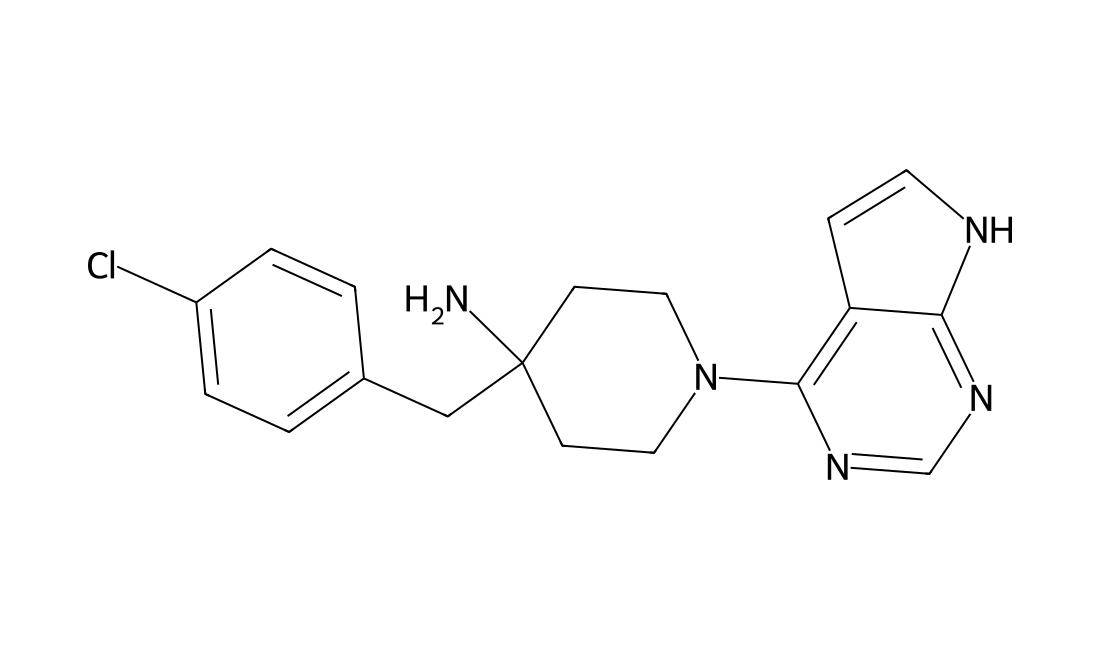
CCT128930 is a potent, selective, ATP-competitive AKT inhibitor with IC50 of 6 nM (AKT2), 28-fold selectivity over the closely related PKA; also exhibits 20-fold selectivity over p70S6K (IC50=120 nM); shows growth inhibition for U87MG human glioblastoma cells (IC50=6.3 uM), for LNCaP human prostate cancer cells (IC50=0.35 uM), and for PC3 human prostate cancer cells (IC50=1.9 uM) consistent with AKT pathway blockade; blocks the phosphorylation of several downstream AKT biomarkers in U87MG tumor xenografts, indicating AKT inhibition in vivo; demonstrates antitumor activity in U87MG and HER2-positive, PIK3CA-mutant BT474 human breast cancer xenografts.
BMS-265246
CAS 582315-72-8
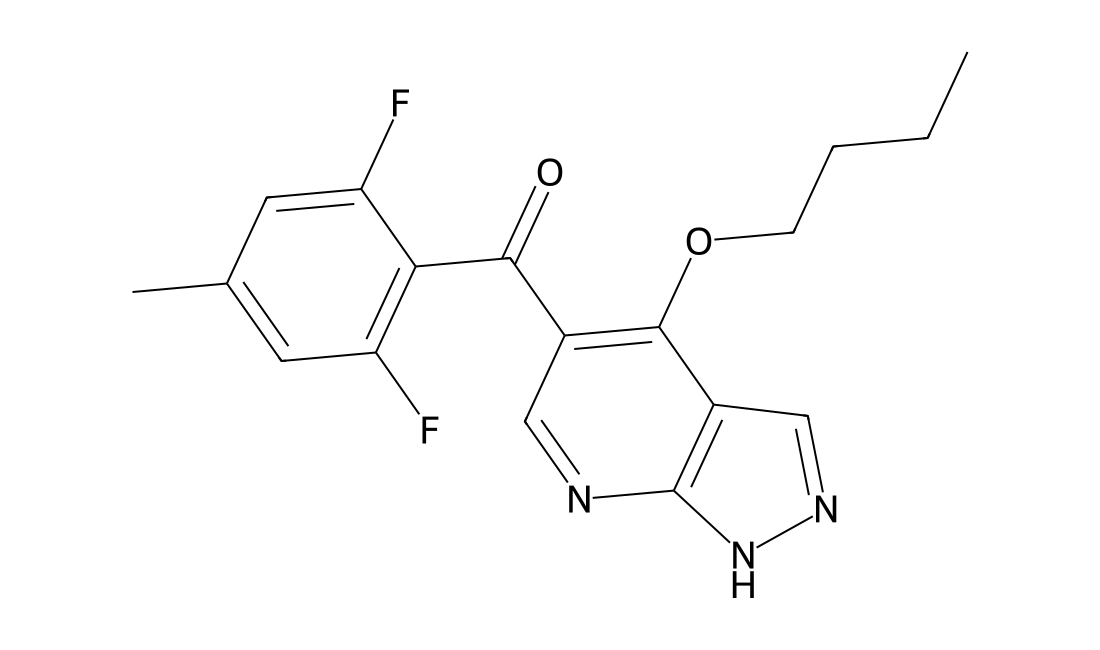
BMS-265246 is a potent and selective CDK1/2 inhibitor for CDK1/cyclin B and CDK2/cyclin E with IC50 of 6 nM and 9 nM, respectively.in vitro: BMS-265246 inhibits the activity of Cdk4/cycD (IC50 = 0.23 μM) and prevents A2780 Cytox with IC50 of 0.76 μM. BMS-265246 when bound to Cdk2, shows the inhibitor resides within the ATP purine binding site and forms important H-bonds with Leu83 on the protein backbone. BMS-265246 represents the most potent Cdk/Cdk2 selective analogue from this chemotype. A recent study shows that BMS-265246 inhibits cell proliferation with EC50 ranging from 0.293 μM-0.492 μM in HCT-116 cells. After treatment of BMS-265246, the dominant cell populations are G2-arrested cells having 4N DNA content, large round nuclei, and low DNA intensity.
BMS-2
CAS 888719-03-7
BMS-2 is a potent MET kinase inhibitor with an IC50 value of 1.8nM. It also possesses potent inhibitory activity against Flt-3 and VEGFR-2 kinases, IC50 values of 4nM and 27nM respectively.
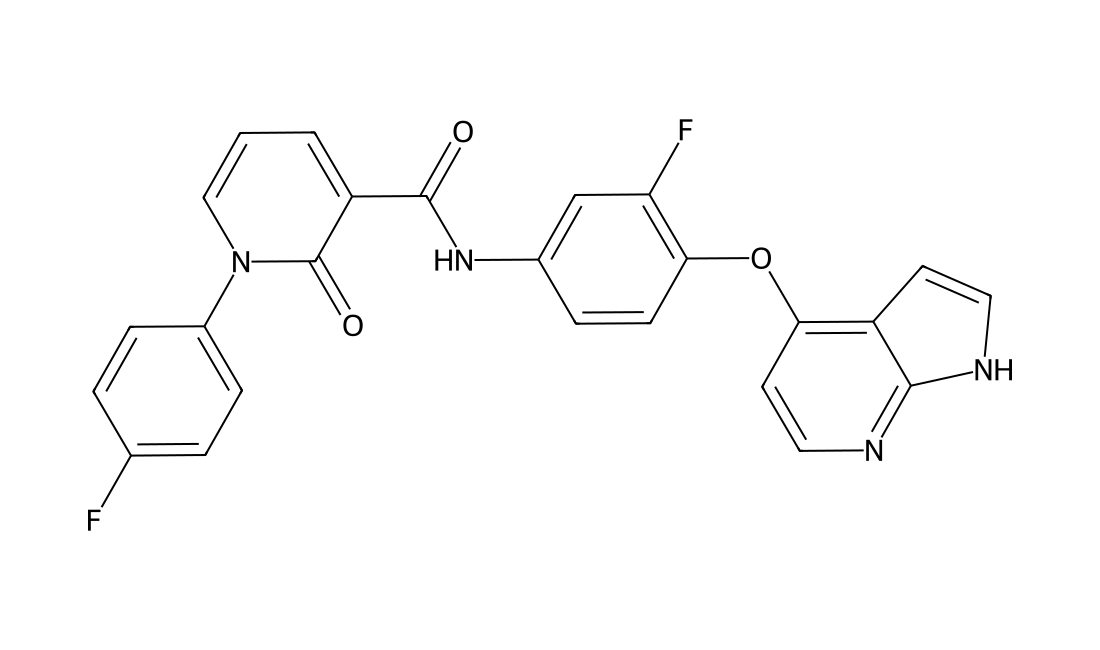
BIX02189 (BIX 02189)
CAS 1265916-41-3
BIX 02189 is a selective MEK5/ERK5 inhibitor with an IC50 of 59 nM. BIX02189 was reported to inhibit catalytic function of purified, MEK5 enzyme.For the detailed information of BIX02189 (BIX 02189), the solubility of BIX02189 (BIX 02189) in water, the solubility of BIX02189 (BIX 02189) in DMSO, the solubility of BIX02189 (BIX 02189) in PBS buffer, the animal experiment (test) of BIX02189 (BIX 02189), the cell expriment (test) of BIX02189 (BIX 02189), the in vivo, in vitro and clinical trial test of BIX02189 (BIX 02189), the EC50, IC50,and Affinity of BIX02189 (BIX 02189), Please contact DC Chemicals.
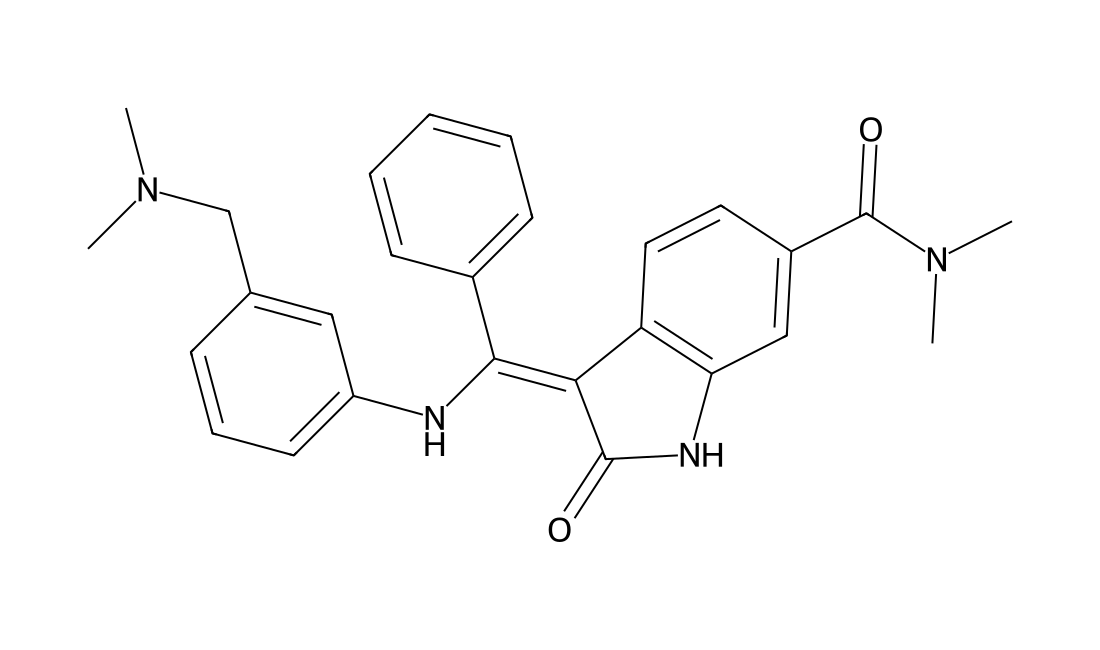
BBT594
CAS 882405-89-2
BBT594 (NVP-BBT594), is potent and selective inhibitor of RET and JAK2. BBT594 impairs "glial-derived neurotrophic factor" (GDNF)-RET signalling and GDNF-dependent growth of in specific in vitro models. Direct inhibition of GDNF-RET signaling by BBT594 in ER+ breast cancer cells enhances the sensitivity to aromatase inhibitor (AI) treatment and reverts AI resistance. In murine models, the IC50 of BBT594 on JAK2 inhibition varies between 8nM - 29nM, depending on cell model and JAK2 mutation present.
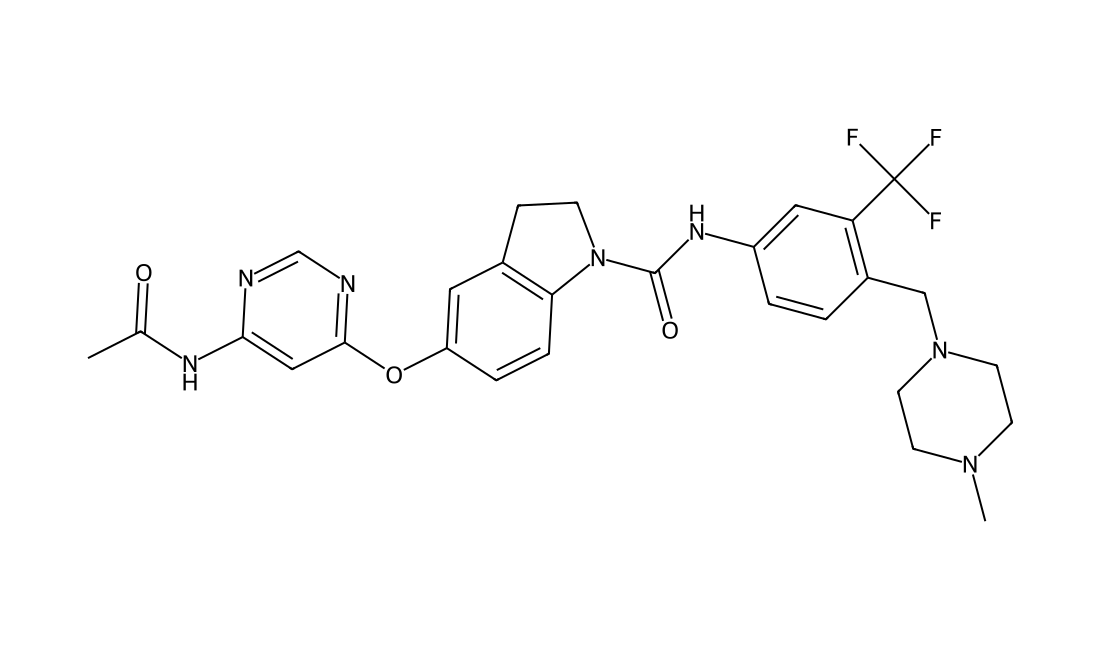
AX15836
CAS 2035509-96-5
Potent and selective ERK5 inhibitor (IC50 = 8 nM). Exhibits >1,000-fold selectivity for ERK5 over a panel of over 200 kinases. Also exhibits selectivity over bromodomain BRD4 (Kd = 3,600 nM). Increases vomocytosis in human macrophages in vitro, as well as in an in vivo zebrafish model of cryptococcal disease, reducing spread of infection.
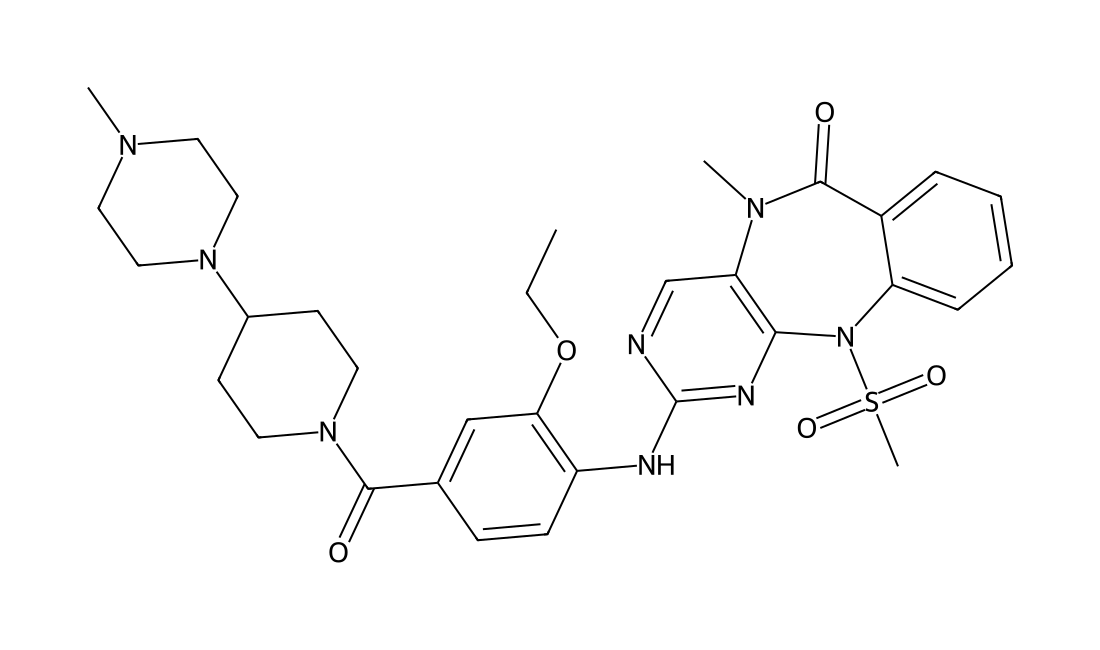
AV-412(MP-412)
CAS 451492-95-8
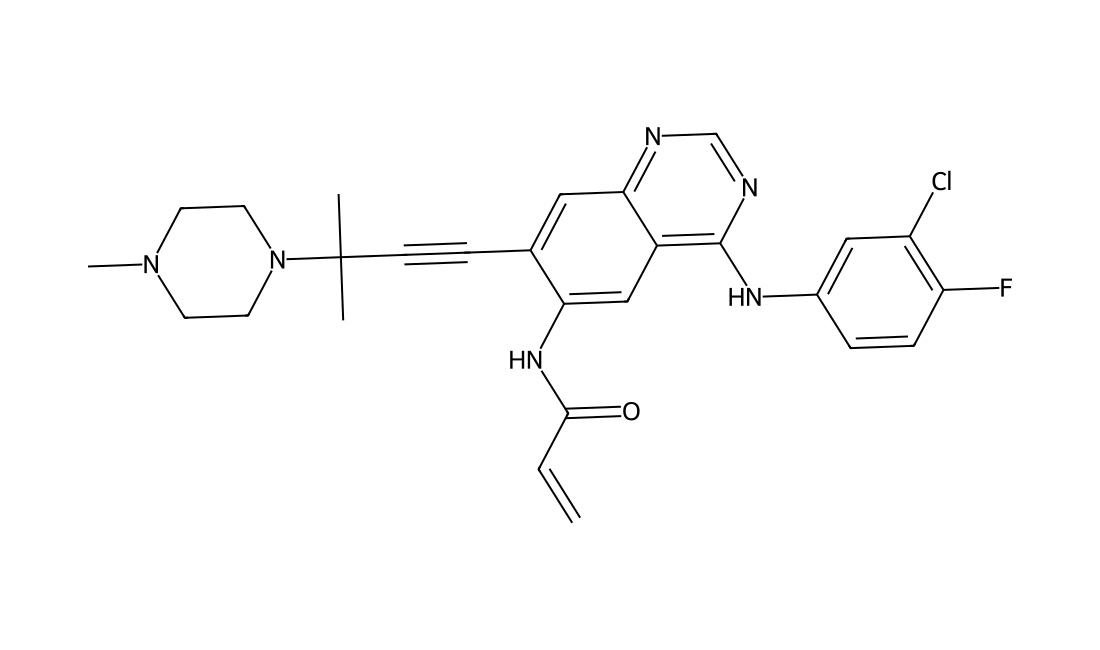
AV-412(MP-412) is a potent dual inhibitor of EGFR and ErbB2(IC50=19 nM) tyrosine kinases, including the mutant EGFR(L858R IC50=0.51 nM, T790M IC50=0.79 nM); inhibits autophosphorylation of EGFR and ErbB2 with IC(50) of 43 and 282 nM, respectively. in vitro: MP-412 (AV-412) is a potent dual inhibitor of EGFR and ErbB2 tyrosine kinases, including the mutant EGFR(L858R,T790M), which is clinically resistant to the EGFR-specific kinase inhibitors erlotinib and gefitinib. In an enzyme assay, MP-412 inhibited the EGFR variants and ErbB2 in the nanomolar range with over 100-fold selectivity compared with other kinases, apart from abl and flt-1, which were both moderately sensitive to the compound. In cells, MP-412 inhibited autophosphorylation of EGFR and ErbB2 with IC(50) of 43 and 282 nM, respectively. It also inhibited epidermal growth factor (EGF)-dependent cell proliferation with an IC(50) of 100 nM. Moreover, MP-412 abrogated EGFR signaling in the gefitinib-resistant H1975 cell line, which harbors a double mutation of L858R and T790M in EGFR. MP-412 inhibited phosphorylation of EGFR and its downstream signaling in NCI-H1650 and NCI-H1975 cell lines, which harbor the E746-A750 deletion and L858R + T790M point mutations, respectively, in EGFR . In MCF7 cells, MP-412 depleted not only ErbB2 but also estrogen receptor (ER)-α, and to some extent, affected Raf-1, while MP-412 activated Hsp70 expression. MP-412 increased immunocomplexing of Hsp70 with ErbB2 and ER-α, with simultaneous induction of ubiquitination of these client proteins. Furthermore, in combination with proteasome inhibitor, MP-412 resulted in the noticeable accumulation of ErbB2 and ER-α in the detergent insoluble fraction of cell lysates. in vivo: In animal studies using cancer xenograft models, MP-412 (30 mg/kg) demonstrated complete inhibition of tumor growth of the A431 and BT-474 cell lines, which overexpress EGFR and ErbB2, respectively. MP-412 suppressed autophosphorylation of EGFR and ErbB2 at the dose corresponding to its antitumor efficacy. MP-412 showed a significant antitumor effect on the ErbB2-overexpressing breast cancer KPL-4 cell line, which is resistant to gefitinib. MP-412 showed potent activity in KPL-4 and DU145 xenografts, in which lapatinib was ineffective. MP-412 also inhibited tumor models in which conventional chemotherapies were less effective. For the detailed information of AV-412(MP-412), the solubility of AV-412(MP-412) in water, the solubility of AV-412(MP-412) in DMSO, the solubility of AV-412(MP-412) in PBS buffer, the animal experiment (test) of AV-412(MP-412), the cell expriment (test) of AV-412(MP-412), the in vivo, in vitro and clinical trial test of AV-412(MP-412), the EC50, IC50,and affinity,of AV-412(MP-412), For the detailed information of AV-412(MP-412), the solubility of AV-412(MP-412) in water, the solubility of AV-412(MP-412) in DMSO, the solubility of AV-412(MP-412) in PBS buffer, the animal experiment (test) of AV-412(MP-412), the cell expriment (test) of AV-412(MP-412), the in vivo, in vitro and clinical trial test of AV-412(MP-412), the EC50, IC50,and affinity,of AV-412(MP-412), Please contact DC Chemicals.
AT7519 (trifluoroacetate)
CAS 1431697-85-6
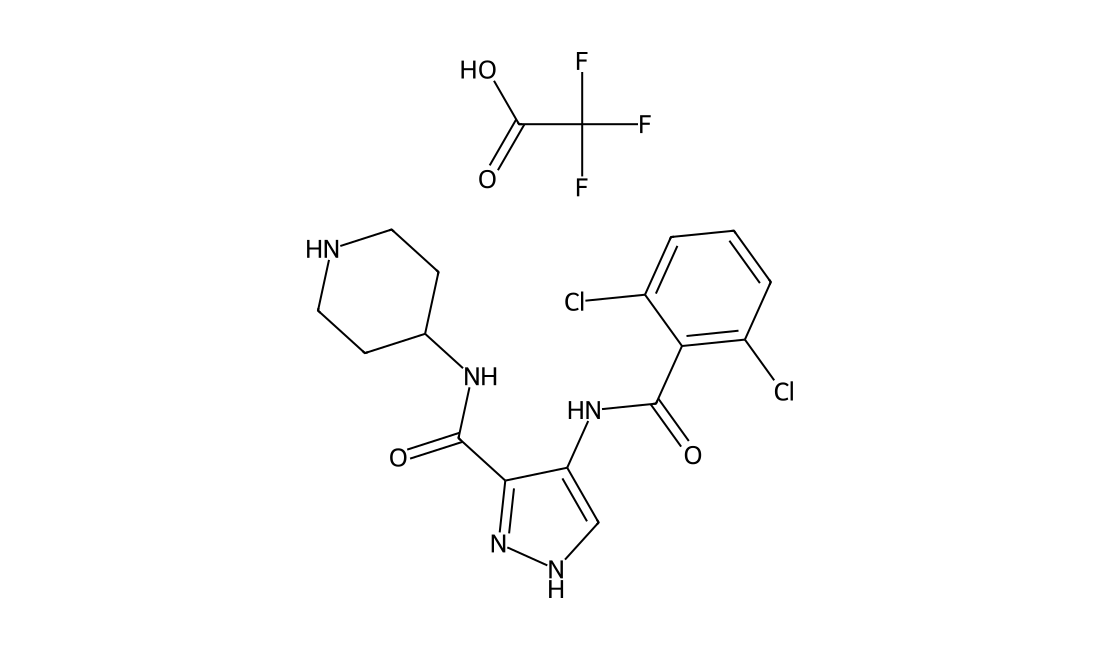
AT7519 trifluoroacetate is a multi-CDK inhibitor for CDK1, 2, 4, 6 and 9 with IC50 of 10-210 nM; less potent to CDK3 and little active to CDK7. in vitro: AT7519 is an ATP competitive CDK inhibitor with a Ki value of 38 nM for CDK1. AT7519 is inactive against all non-CDK kinases with the exception of GSK3β (IC50 = 89 nM). AT7519 shows potent antiproliferative activity in a variety of human tumor cell lines with IC50 values ranging from 40 nM for MCF-7 to 940 nM for SW620 consistent with the inhibition of CDK1 and CDK2. AT7519 induces dose-dependent cytotoxicity in multiple myeloma (MM) cell lines with IC50 values ranging from 0.5 to 2 μM at 48 hours, with the most sensitive cell lines being MM.1S (0.5 μM) and U266 (0.5 μM) and the most resistant MM.1R (>2 μM). It does not induce cytotoxicity in peripheral blood mononuclear cells (PBMNC). AT7519 partially overcomes the proliferative advantage conferred by IL6 and IGF-1 as well as the protective effect of bone marrow stromal cells (BMSCs). AT7519 induces rapid dephosphorylation of RNA pol II CTD at serine 2 and serine 5 sites, and leads to the inhibition of transcription, partially contributing to AT7519 induced cytotoxicity of MM cells. AT7519 induces activation of GSK-3β by down-regulating GSK-3β phosphorylation, which also contributes to AT7519 induced apoptosis independent of the inhibition of transcription. in vivo: A twice daily dosing of AT7519 (9.1 mg/kg) causes tumor regression of both early-stage and advanced-stage s.c. tumors in the HCT116 and HT29 colon cancer xenograft models. AT7519 treatment (15 mg/kg) inhibits tumor growth and prolongs the median overall survival of mice in the human MM xenograft mouse model in association with increased caspase 3 activation.
AS605240
CAS 648450-29-7
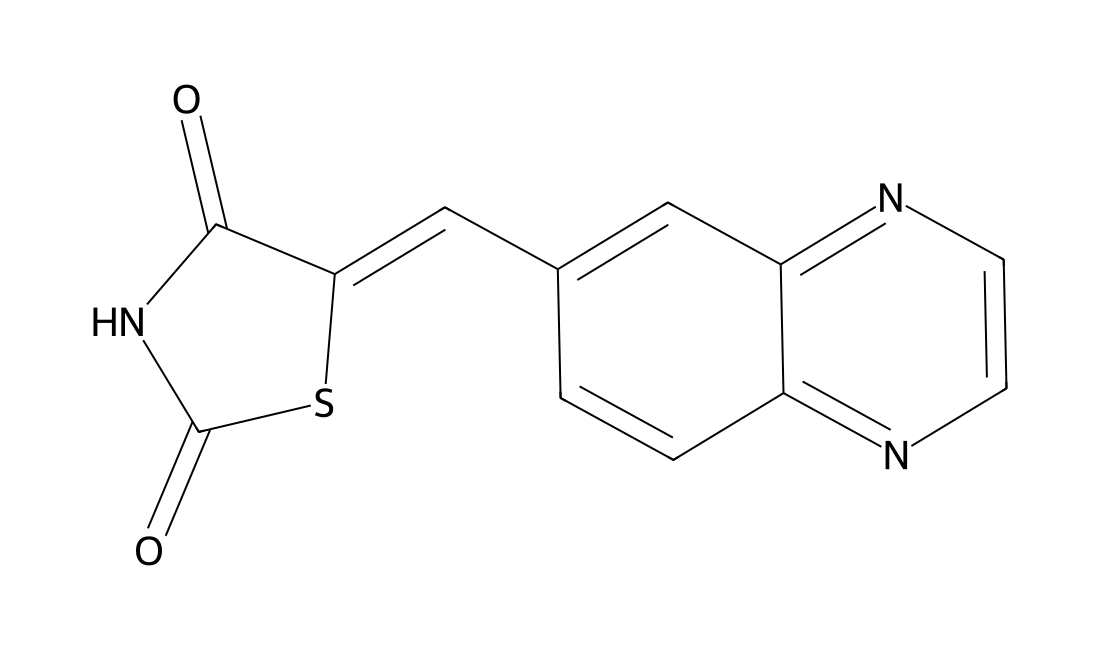
AS-605240 is an ATP-competitive PI3Kγ inhibitor, with Ki values of 7.8 nM. AS-605240 is iso Form-selective, For AS-605240 also inhibits PI3Kα, β, and δ, with IC50 of 60, 270, and 300 nM, respectively. AS-605240 inhibits C5a-mediated PKB phosphorylation with IC50 of 90 nM. In bone marrow-derived monocytes (BMDMs), AS-605240 (1 μM) blocks MCP-1- or CSF-1-induced PKB phosphorylation. At SC-CA1 synapses in mice, AS-605240 (100 nM) eliminates NMDAR LTD, without affecting mGluR LTD, depotentiation, and LTP. In RANTES-induced mouse model of peritonitis, AS-605240 reduces neutrophil chemotaxis with ED50 of 9.1 mg/kg. In a αCII-induced arthritis, AS-605240 (50 mg/kg) protects against αCII-IA symptom. In a mouse model of collagen-induced arthritis, AS-605240 (50 mg/kg) also suppresses joint inflammation and damage. In an obesity-induced diabetes model (ob/ob mice), AS-605240 (10 mg/kg) lowers blood glucose levels, significantly improves both insulin sensitivity and glucose tolerance without affecting body weight. AS-605240 (30 mg/kg) displays more profound effects with slightly less weight gain. Moreover, AS-605240 reduces the abundance of ATMs and the circulating levels of MCP-1. For the detailed information of AS605240, the solubility of AS605240 in water, the solubility of AS605240 in DMSO, the solubility of AS605240 in PBS buffer, the animal experiment (test) of AS605240, the cell expriment (test) of AS605240, the in vivo, in vitro and clinical trial test of AS605240, the EC50, IC50,and Affinity of AS605240, Please contact DC Chemicals.
AG-024322
CAS 837364-57-5
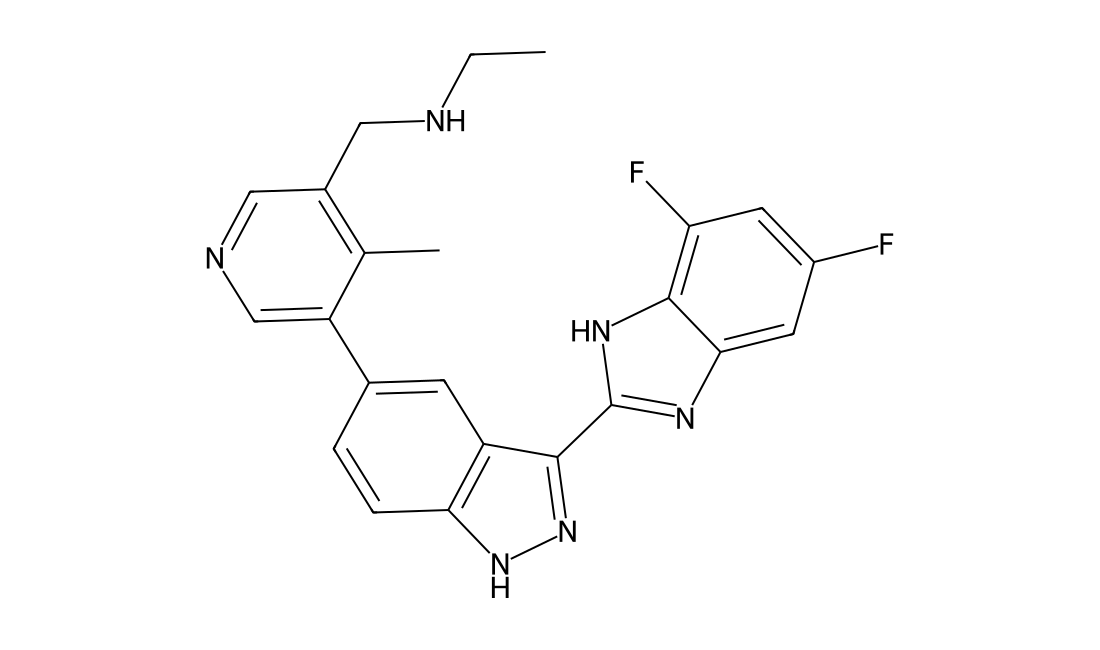
In vitro: Ki = 1–3 nM (CDK1, CDK2 and CDK4)141; displayed CDK selectivity over non-CDKs141; arrested multiple stages of the cell cycle and induced apoptosis in various human tumour cell lines (IC50 = 30–200 nM)141 bulletDisplayed dose-dependent antitumour activity in mice bearing human tumour xenografts142 bulletIntravenous toxicity in cynomolgus monkey included bone marrow hypocellularity, lymphoid depletion and vascular irritation (at doses greater than or equal to 6 mg per kg); the no-adverse-effect dose was 2 mg per kg143For the detailed information of AG-024322, the solubility of AG-024322 in water, the solubility of AG-024322 in DMSO, the solubility of AG-024322 in PBS buffer, the animal experiment (test) of AG-024322, the cell expriment (test) of AG-024322, the in vivo, in vitro and clinical trial test of AG-024322, the EC50, IC50,and Affinity of AG-024322, Please contact DC Chemicals.
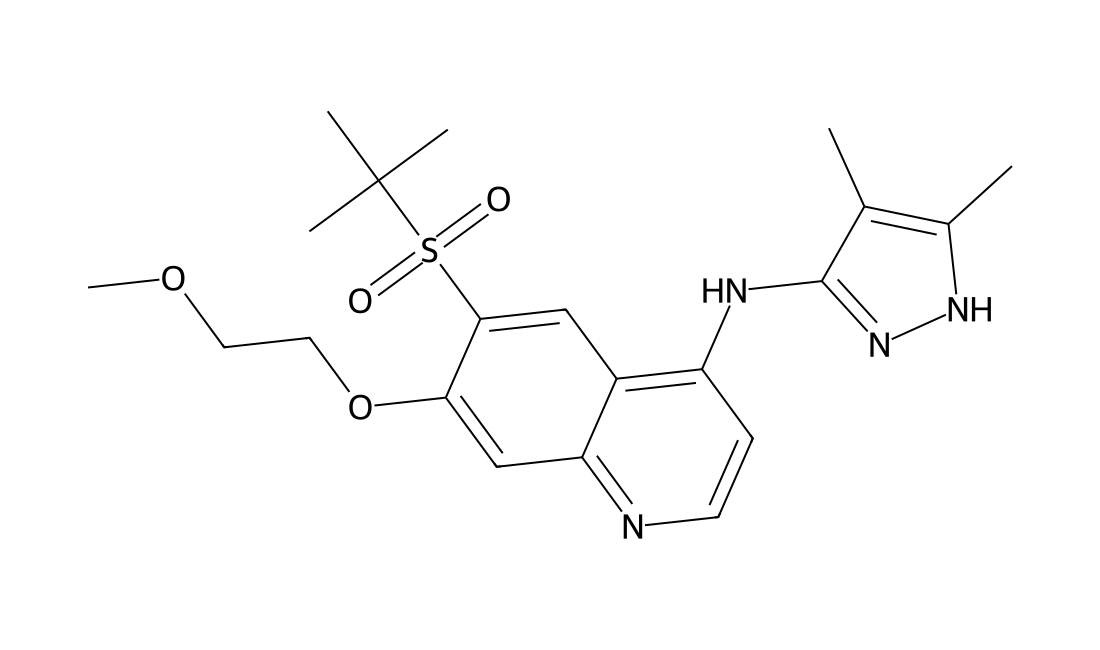
RIPK2-IN-2
CAS 1581270-11-2
A potent, selective receptor interacting protein-2 (RIP2) kinase inhibitor.
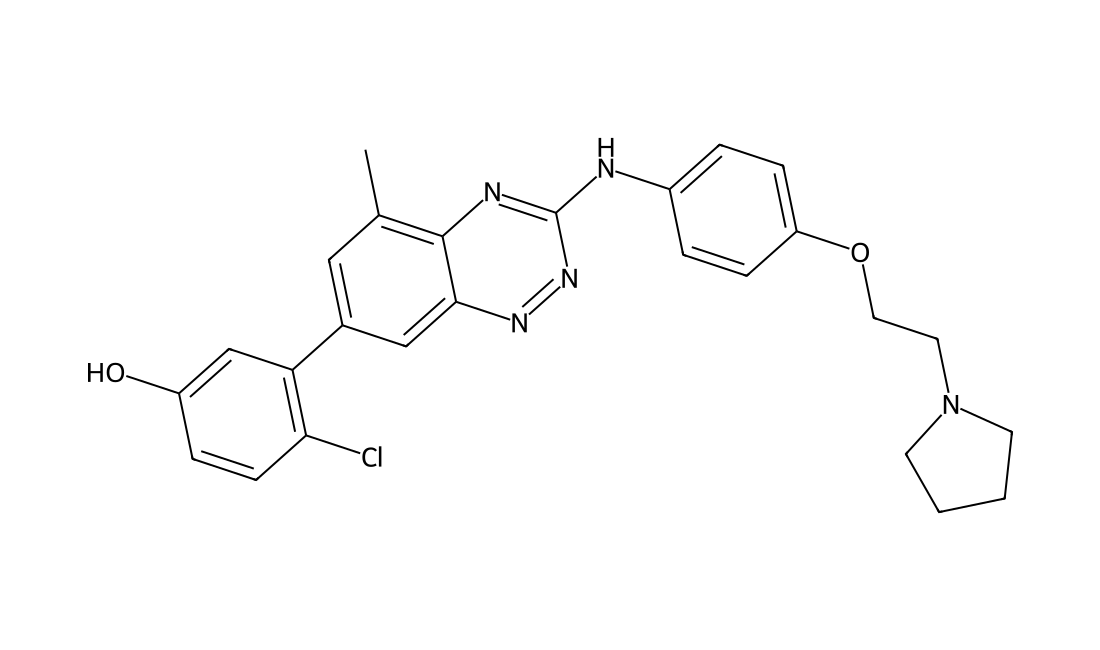
TG 100572
CAS 867334-05-2
A potent, dual receptor tyrosine kinase/Src kinase inhibitor with IC50 of 2-16 nM for VEGFR, FGFR and PDGFR, 0.1-5 nM for Src family; inhibits vascular endothelial cell proliferation in vitro (ED50=610 nM) and blocks VEGF-induced phosphorylation of ERK, induces apoptosis; significant suppresses laser-induced choroidal neovascularization (CNV) in a murine model.
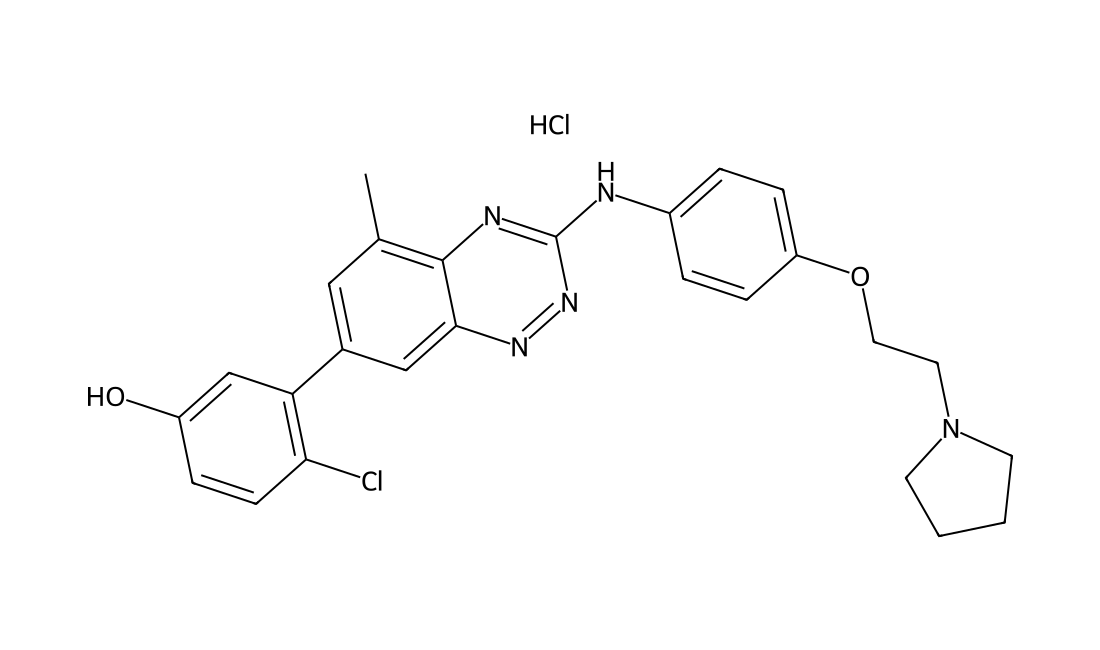
TG 100572 hydrochloride
CAS 867331-64-4
A potent, dual receptor tyrosine kinase/Src kinase inhibitor with IC50 of 2-16 nM for VEGFR, FGFR and PDGFR, 0.1-5 nM for Src family; inhibits vascular endothelial cell proliferation in vitro (ED50=610 nM) and blocks VEGF-induced phosphorylation of ERK, induces apoptosis; significant suppresses laser-induced choroidal neovascularization (CNV) in a murine model.
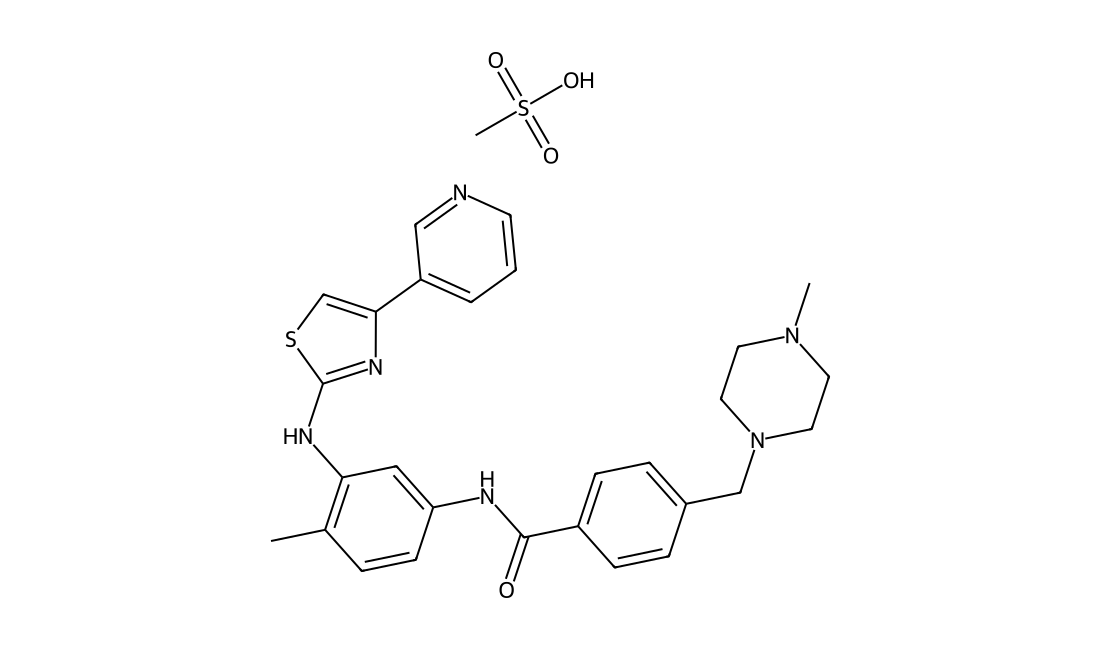
Masitinib mesylate
CAS 1048007-93-7
A potent tyrosine kinase inhibitor targeting c-Kit and PDGFR with IC50 of 0.15 and 0.05 uM in cell based assays; also inhibits Lyn, and to a lesser extent, FGFR3, and inhibits KIT gain-of-function mutants V559D (IC50=3.0 nM) and Δ27 mouse mutant (IC50=5 nM); dose-dependently inhibits SCF-induced cell proliferation in Ba/F3 cells expressing human wild-type KIT (IC50=150 nM); inhibits tumour growth in vivo.Prostate cancerPhase 3 Clinical
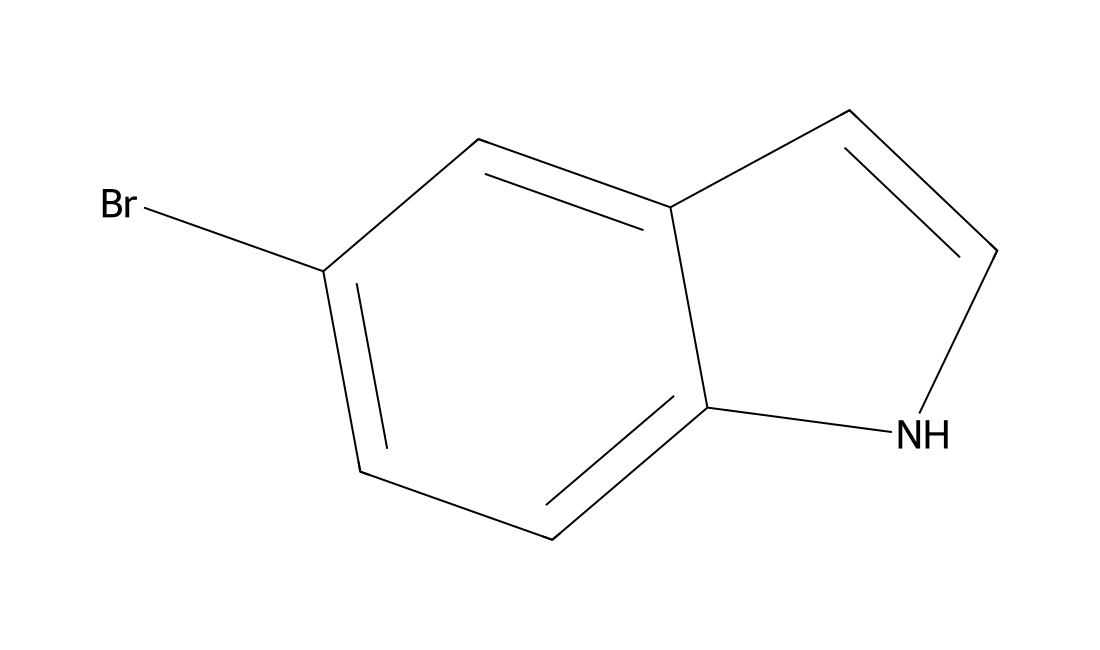
5-Bromoindole
CAS 10075-50-0
5-bromoindole is an important pharmaceutical chemical intermediate and a potential inhibitor of glycogen synthase kinase 3 (GSK-3).
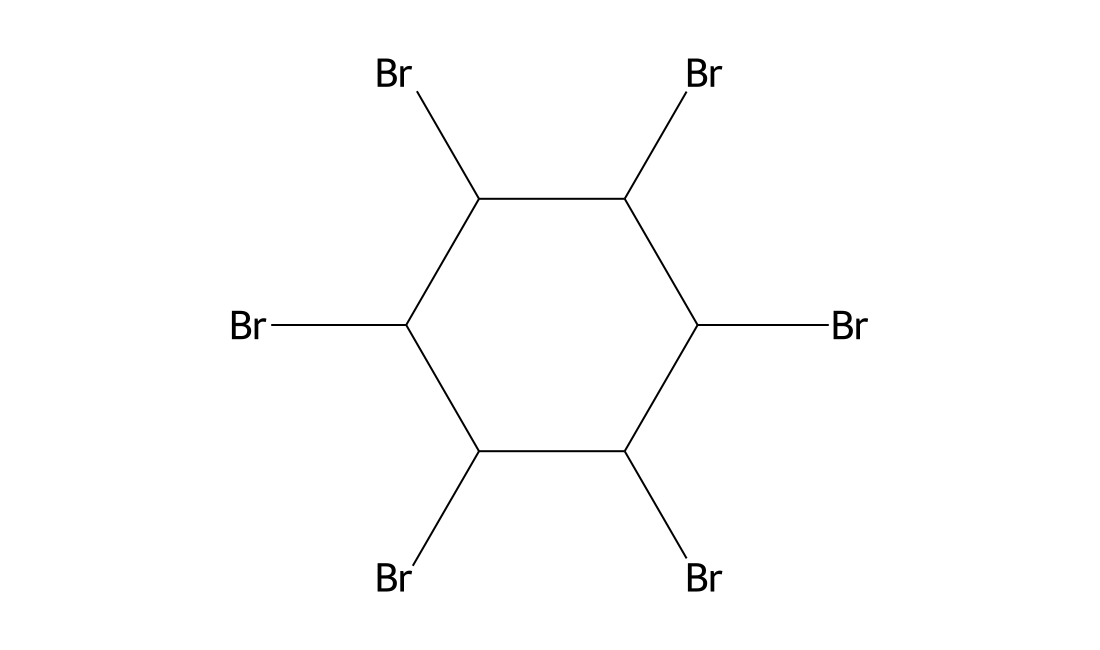
1,2,3,4,5,6-Hexabromocyclohexane;NSC7908
CAS 1837-91-8
In vitro:1,2,3,4,5,6-Hexabromocyclohexane inhibits Jak2 autophosphorylation in a time- and dose-dependent manner. 1,2,3,4,5,6-Hexabromocyclohexane is noncytotoxic to cells at concentrations that maximally inhibit Jak2 tyrosine autophosphorylation.
PIK-93
CAS 593960-11-3
PIK-93 is the first potent, synthetic PI4K (PI4KIIIβ) inhibitor with IC50 of 19 nM, and also inhibits PI3Kγ and PI3Kα with IC50 of 16 nM and 39 nM, respectively.
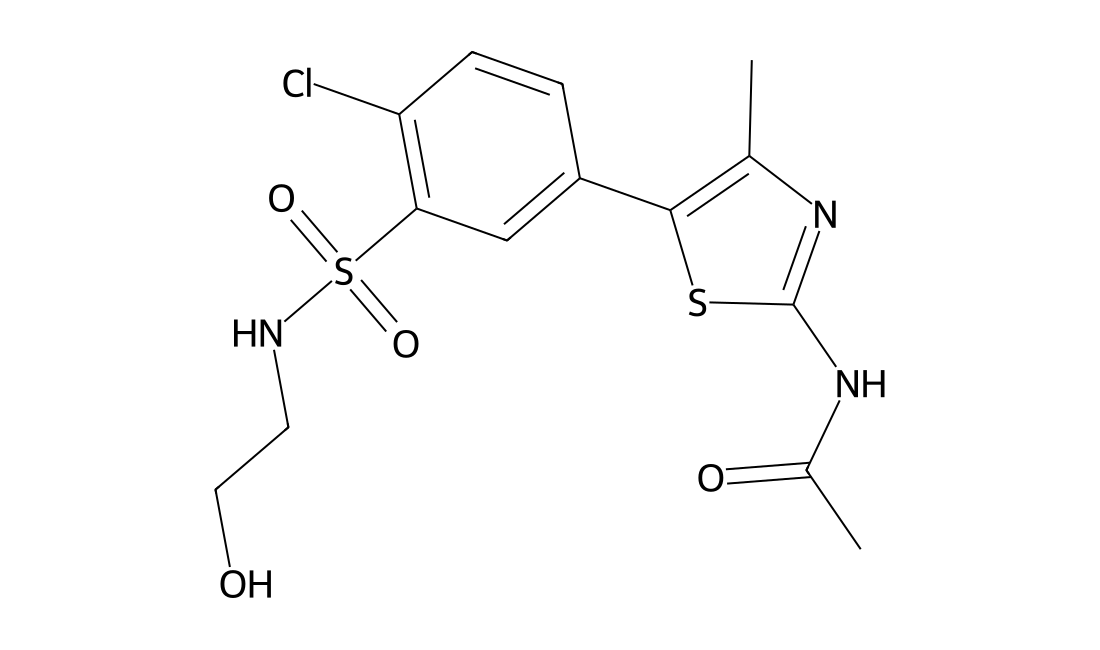
IKK-2 inhibitor VIII
CAS 406209-26-5
IKK-2 inhibitor VIII( ACHP Hydrochloride) is a highly potent and selective IKK-β inhibitor with an IC50 of 8.5 nM.
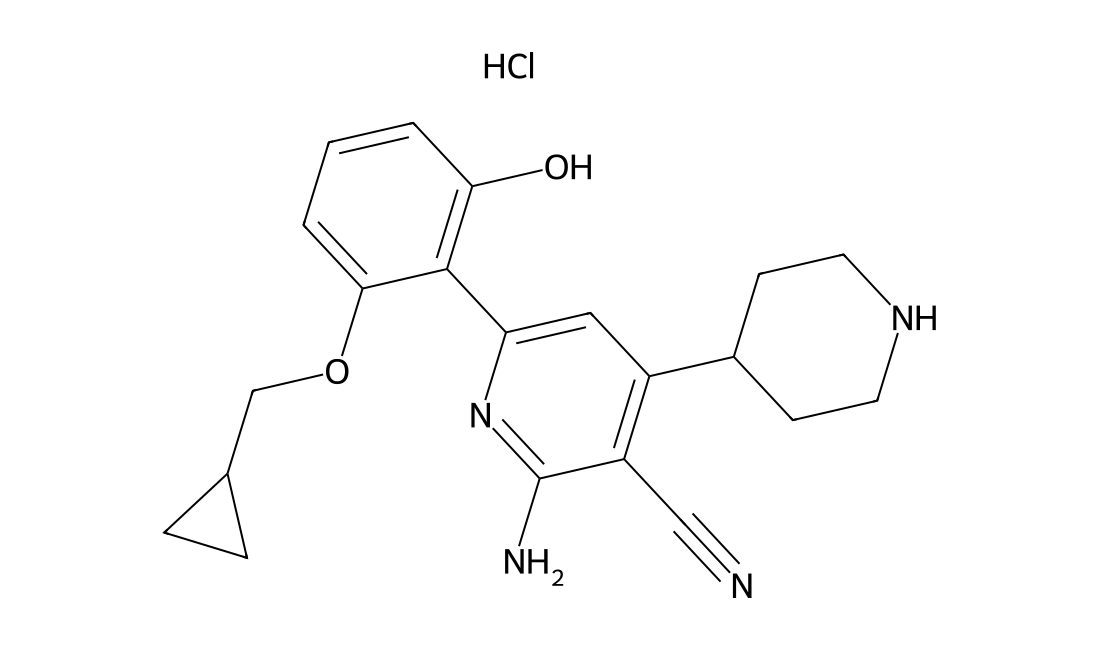
L-779,450
CAS 303727-31-3
L-779450 is a potent and selective B-Raf kinase inhibitor with a Kd of 2.4 nM.
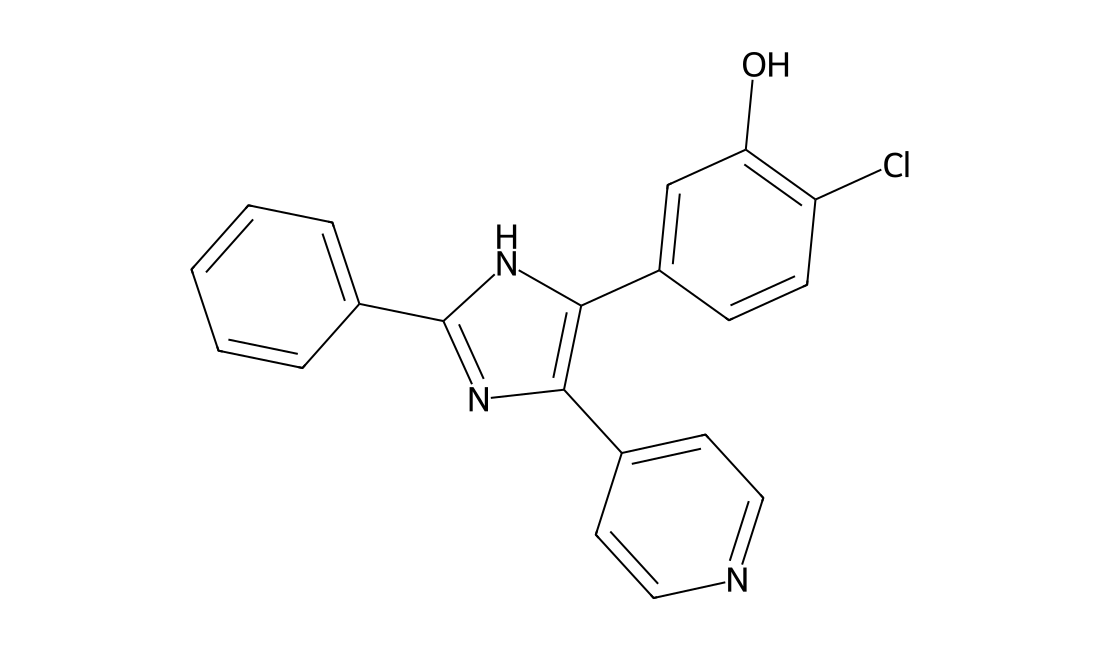
M2N12
CAS 2376577-06-7
M2N12 is a potent and highly selective cell division cycle 25C protein phosphatase (Cdc25C) inhibitor with an IC50 value of 0.09 μM. M2N12 also has promising activity against Cdc25A and Cdc25B with IC50 values of 0.53 μM and 1.39 μM. Anti-tumor activity[1].
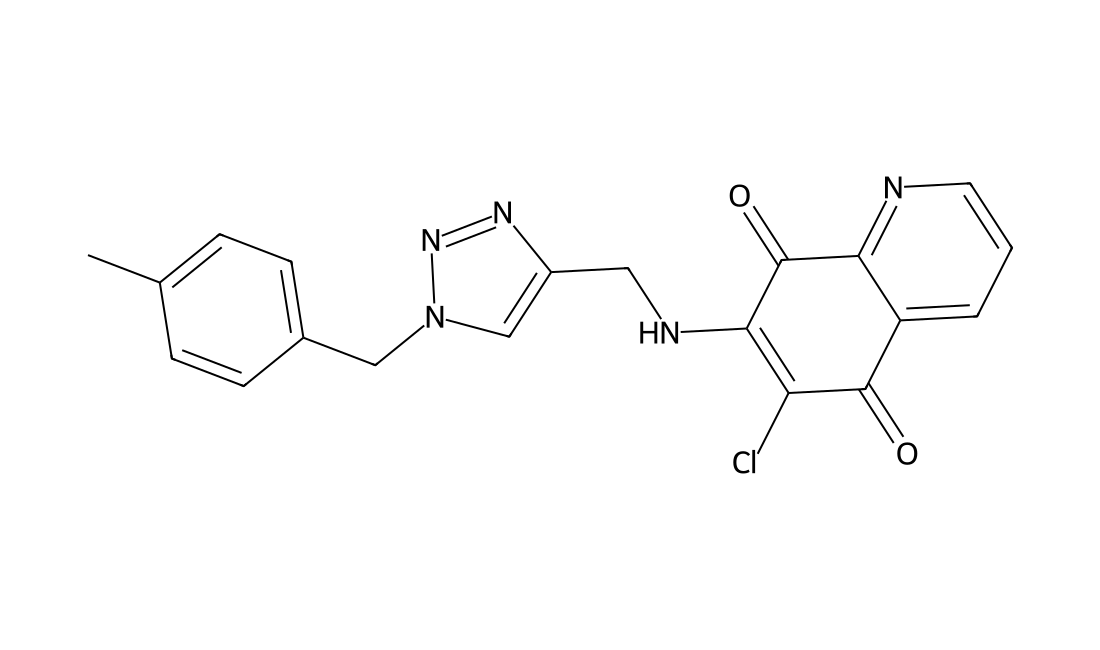
CCT251545
CAS 1661839-45-7
CCT251545 is an orally bioavailable and potent inhibitor of WNT signaling with IC50 value of 5 nM. in vitro: CCT251545 is a potent and selective chemical probe for the human Mediator complex-associated protein kinases CDK8 and CDK19 with >100-fold selectivity over 291 other kinases. CCT251545 also reduces phospho-STAT1SER727 levels in SW620 cells with IC50 of 9 nM. CCT251545 is a small-molecule inhibitor of the WNT pathway discovered through cell-based screening. CCT251545 displays potent cell-based activity. CCT251545 alters WNT pathway-regulated gene expression and other on-target effects of modulating CDK8 and CDK19, including expression of genes regulated by STAT1. CCT251545 demonstrates weak inhibition of tankyrase enzymes (TNKS1 IC50 > 10 μM, TNKS2 IC50 = 15.0 ± 0 μM). CCT251545 potently inhibits reporter-based readouts of basal WNT pathway activity in LS174T and SW480 cells in the absence of WNT ligand or other stimulants (IC50 = 0.023 ± 0.011 μM and 0.190 ± 0.030 μM, respectively) and demonstrated potent inhibition of WNT3a ligand-dependent reporter readout in PA-1 cells (IC50 = 0.007 μM) in vivo: CCT251545 as a potent and selective chemical probe suitable for cell-based exploration of the reported context-dependent roles of CDK8 and CDK19 and associated kinase module subunits in human disease and other biological settings.
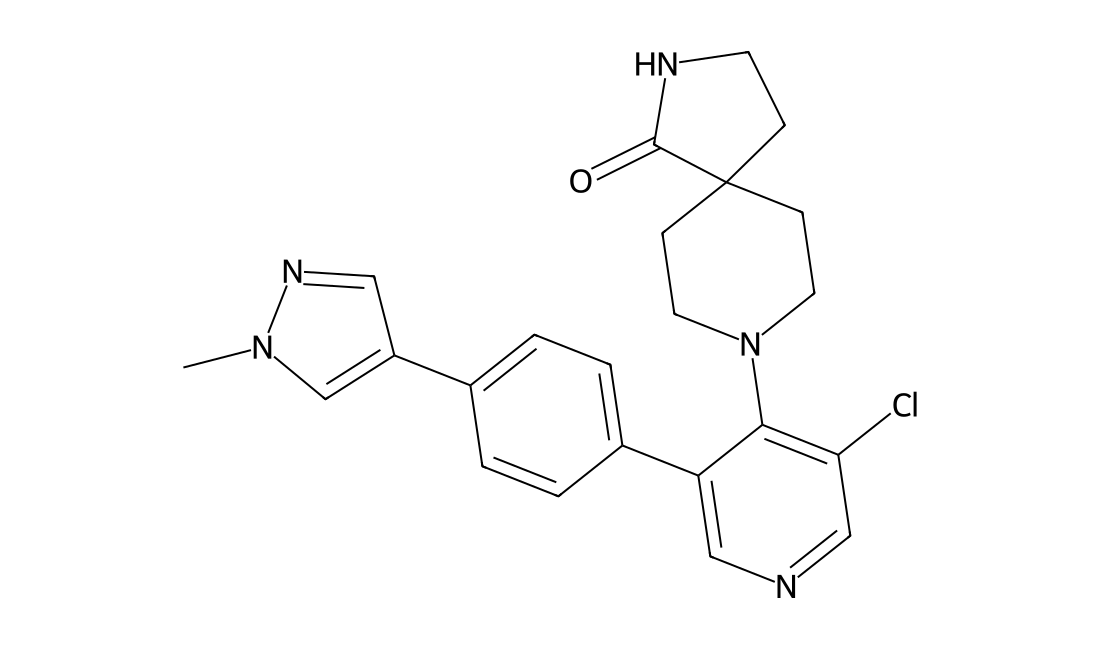
ICCB-19 hydrochloride
CAS 1803605-68-6
ICCB-19 hydrochloride is an inhibitor of TNFRSF1A Associated Via Death Domain (TRADD) with IC50 of 1.12 μM and 2.01 μM for protecting Velcade-induced apoptosis in Jurkat cells and protecting RDA in MEFs, respectively. ICCB-19 indirectly inhibits Receptor-interacting serine/threonine-protein kinase 1 (RIPK1). ICCB-19 effectively induces autophagy.
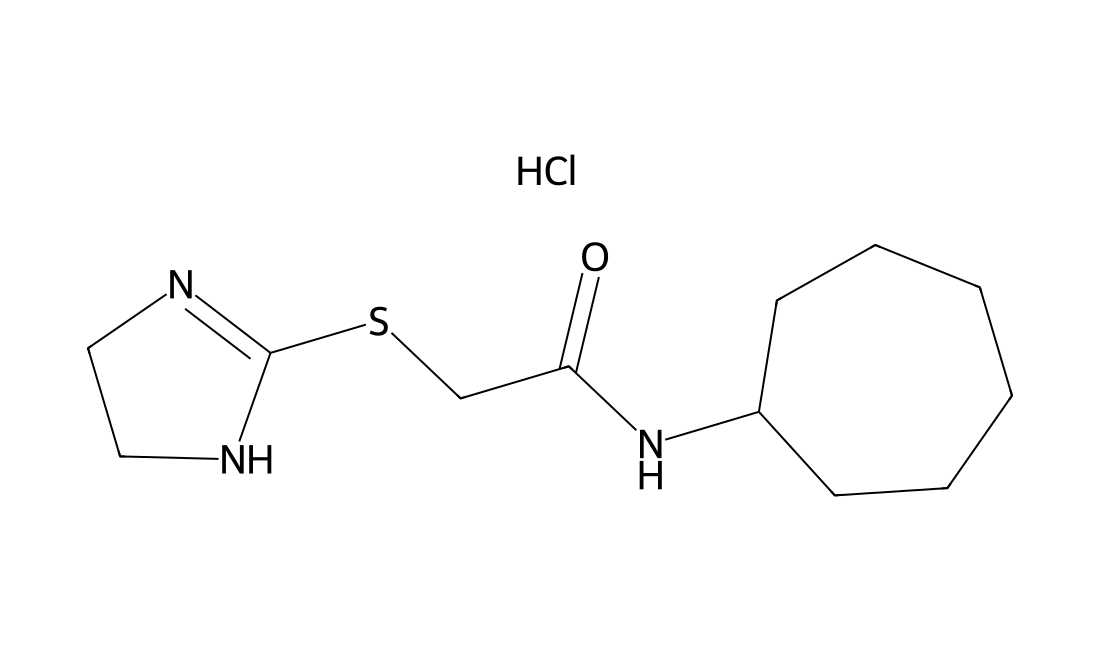
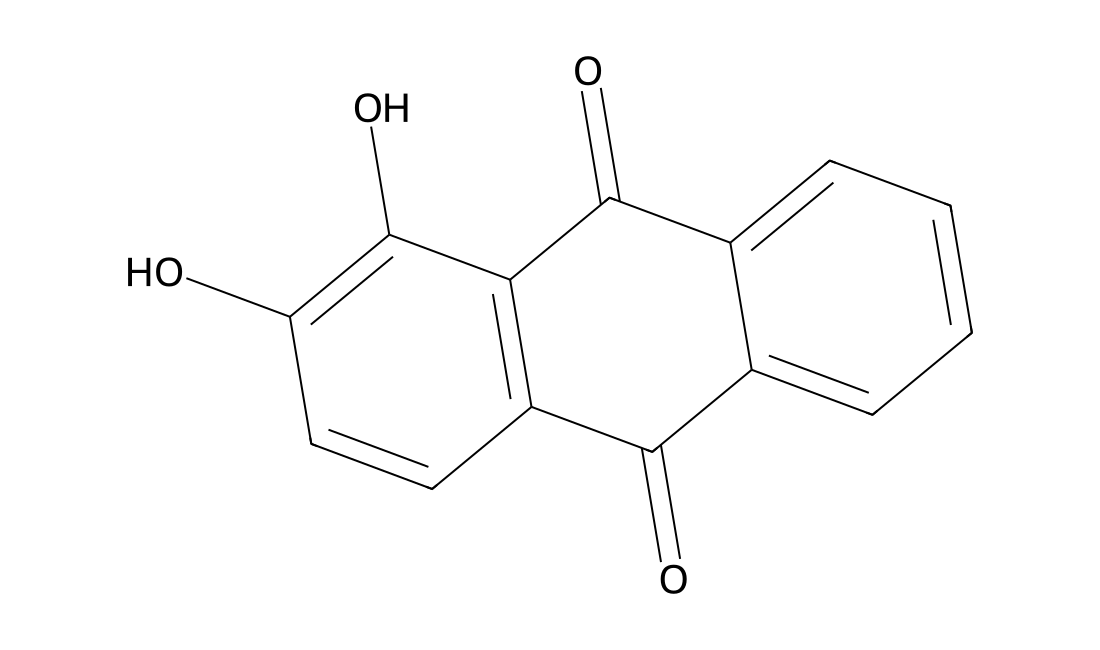
Alizarin
CAS 72-48-0
For the detailed information of Alizarin, the solubility of Alizarin in water, the solubility of Alizarin in DMSO, the solubility of Alizarin in PBS buffer, the animal experiment(test) (test) of Alizarin, the cell expriment (test) of Alizarin, the in vivo, in vitro and clinical trial test of Alizarin, the EC50, IC50,and Affinity of Alizarin,, please contact DC Chemicals.
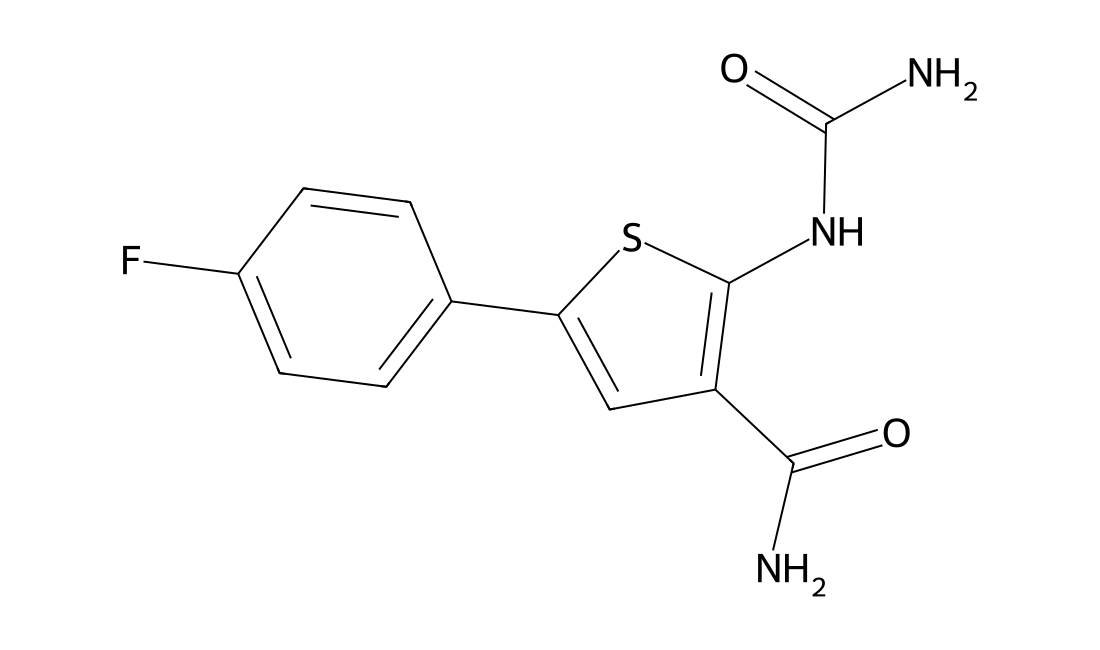
GDC-0941 (dimethanesulfonate)
CAS 957054-33-0
GDC-0941 2 MeSO3H salt is a potent inhibitor of PI3Kα/δ with IC50 of 3 nM, with modest selectivity against p110β (11-fold) and p110γ (25-fold). GDC-0941 is a potent, selective, orally bioavailable inhibitor of class I PI3 kinase for the treatment of cancer. GDC-0941 against p110a IC50=0.003μM,U87MG IC50=0.95μM, A2780 IC50=0.14 μM, and in vitro metabolic stability in mouse and human is 91.96%. The inhibitions of U87MG , PC3, MDA-MB-361 cancer cell proliferation are (IC50) 0.95, 0.28, 0.72 μM, respectively.
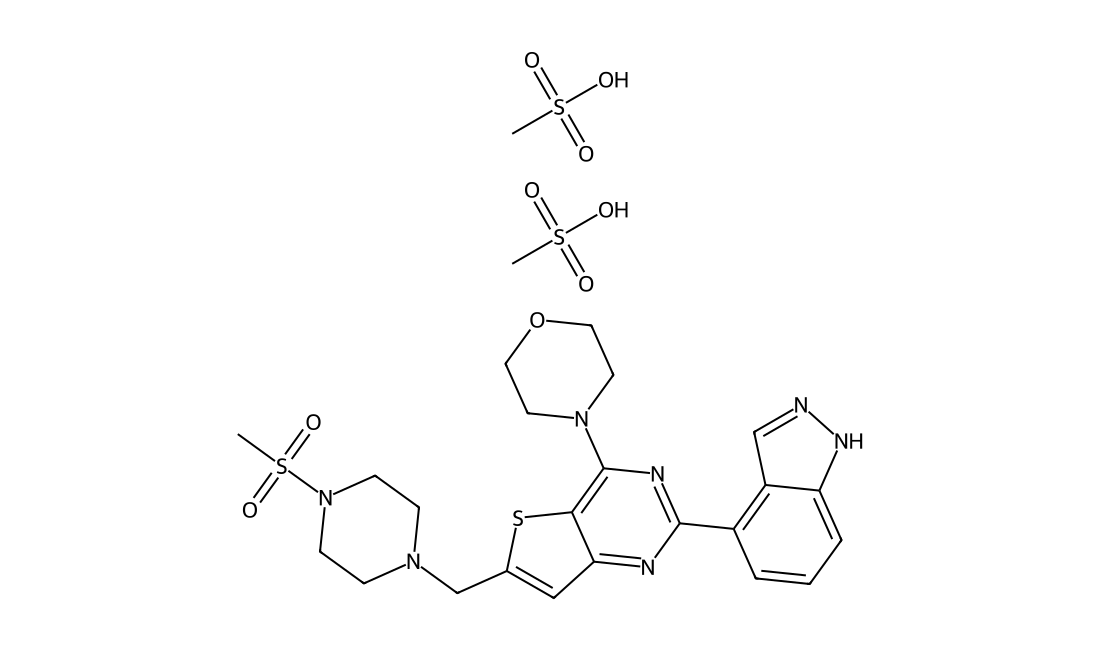
Tyrosine kinase inhibitor
CAS 1021950-26-4
A Tyrosine kinase inhibitor. For the detailed information of Tyrosine kinase inhibitor , the solubility of Tyrosine kinase inhibitor in water, the solubility of Tyrosine kinase inhibitor in DMSO, the solubility of Tyrosine kinase inhibitor in PBS buffer, the animal experiment (test) of Tyrosine kinase inhibitor , the cell expriment (test) of Tyrosine kinase inhibitor , the in vivo, in vitro and clinical trial test of Tyrosine kinase inhibitor , the EC50, IC50,and affinity,of Tyrosine kinase inhibitor , For the detailed information of Tyrosine kinase inhibitor , the solubility of Tyrosine kinase inhibitor in water, the solubility of Tyrosine kinase inhibitor in DMSO, the solubility of Tyrosine kinase inhibitor in PBS buffer, the animal experiment (test) of Tyrosine kinase inhibitor , the cell expriment (test) of Tyrosine kinase inhibitor , the in vivo, in vitro and clinical trial test of Tyrosine kinase inhibitor , the EC50, IC50,and affinity,of Tyrosine kinase inhibitor , Please contact DC Chemicals.
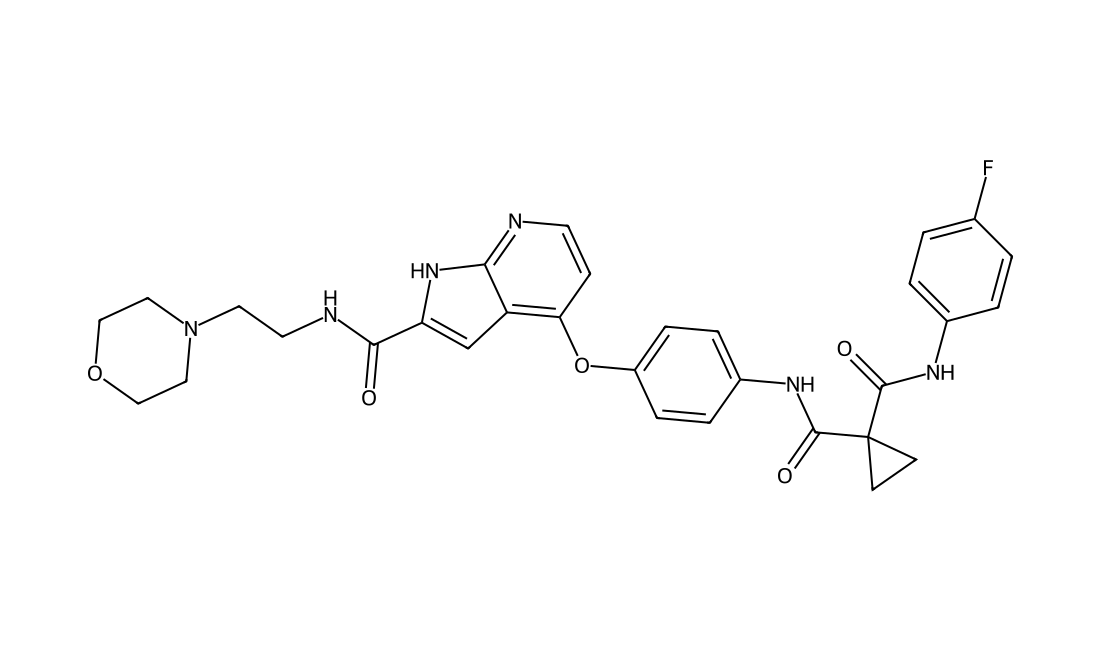
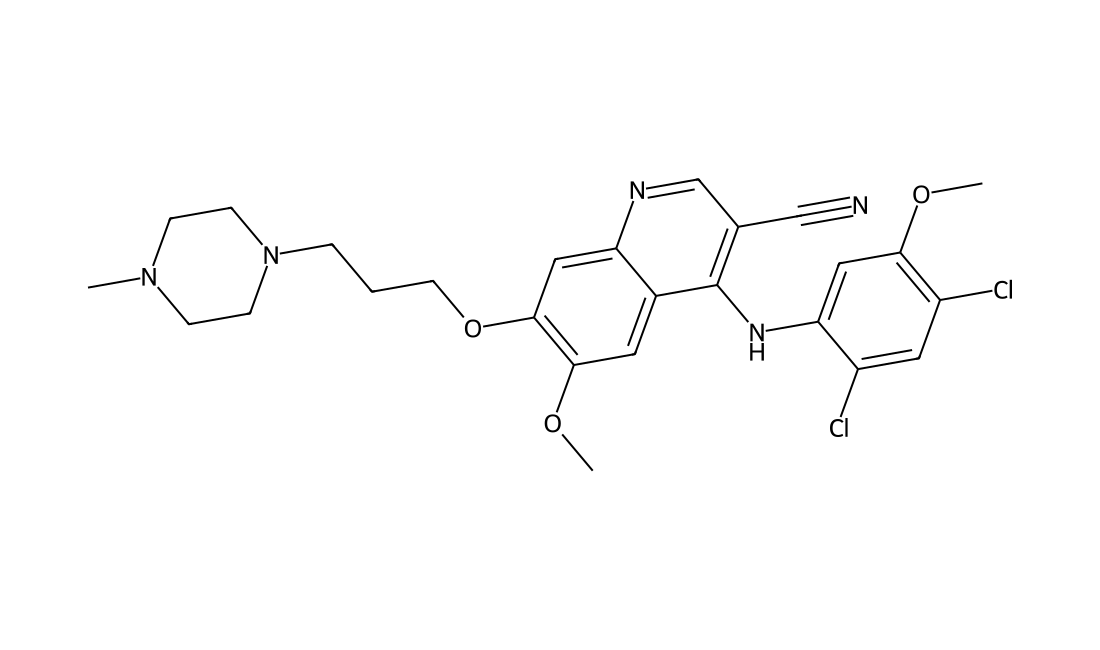
Bosutinib (SKI-606)
CAS 380843-75-4
Bosutinib is a dual Src/Abl inhibitor with IC50s of 1.2 nM and 1 nM, respectively.
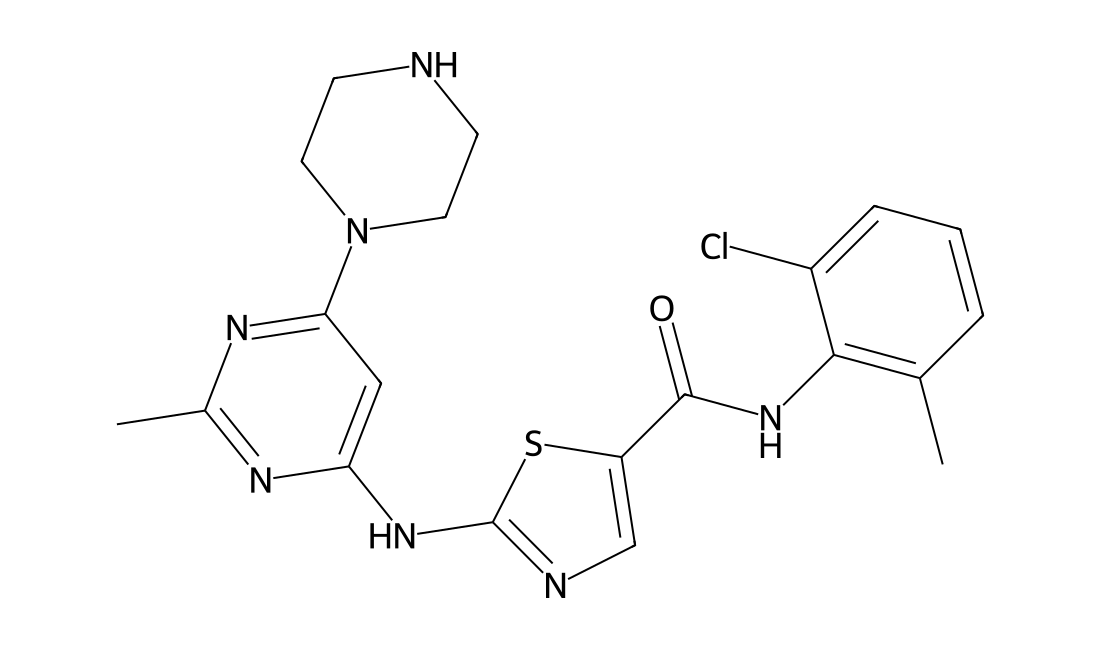
N-Deshydroxyethyl Dasatinib
CAS 910297-51-7
N-Deshydroxyethyl Dasatinib (N-Deshydroxyethyl BMS-354825) is a metabolite of Dasatinib, Dasatinib is a multi-kinase inhibitor that potently inhibits Bcr-Abl, Src family and platelet-derived growth factor receptor kinases.
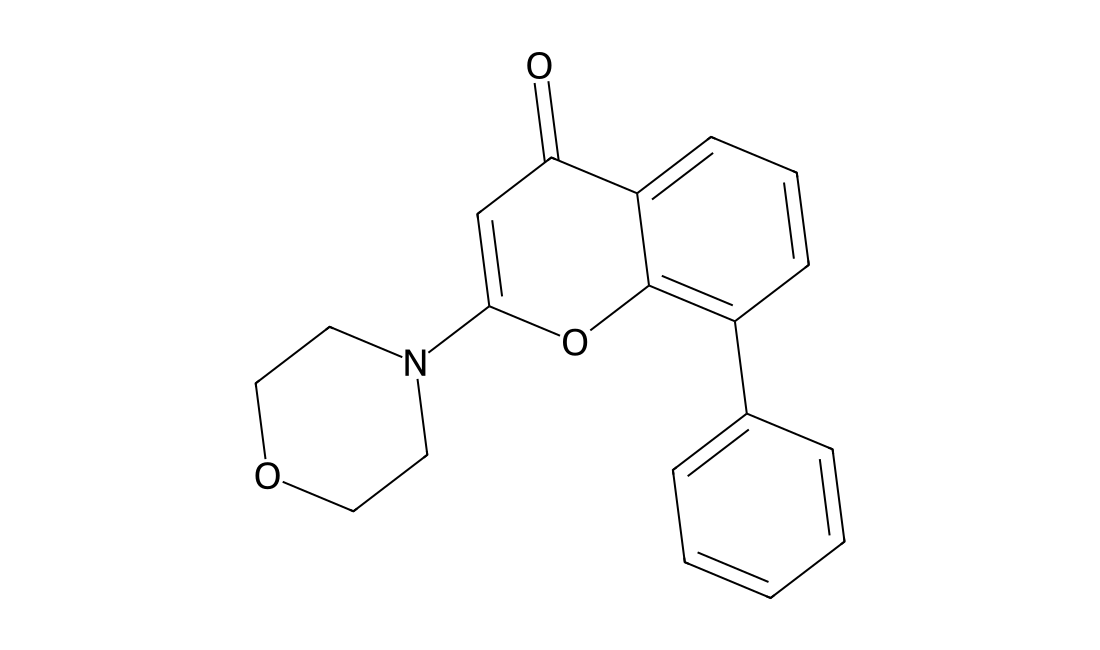
LY294002
CAS 154447-36-6
LY294002 is a broad-spectrum inhibitor of PI3K with IC50s of 0.5, 0.57, and 0.97 μM for PI3Kα, PI3Kδ and PI3Kβ, respectively. It also inhibits CK2 with an IC50 of 98 nM.
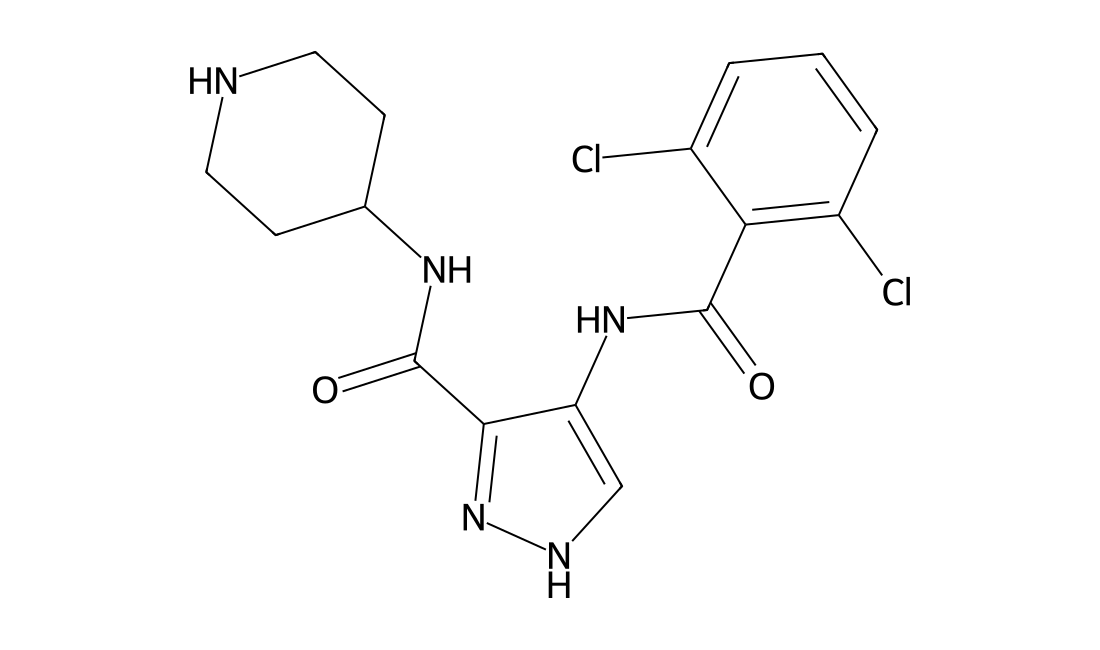
AT7519
CAS 844442-38-2
AT7519 as a potent inhibitor of CDKs, with IC50s of 210, 47, 100, 13, 170, and <10 nM for CDK1, CDK2, CDK4 to CDK6, and CDK9, respectively.
dCeMM3
CAS 311787-85-6
dCeMM3 (Compound 3) is a molecular glue degrader that facilitates the ubiquitination and degradation of cyclin K. It achieves this by promoting an interaction between the CDK12-cyclin K complex and the CRL4B ligase complex.
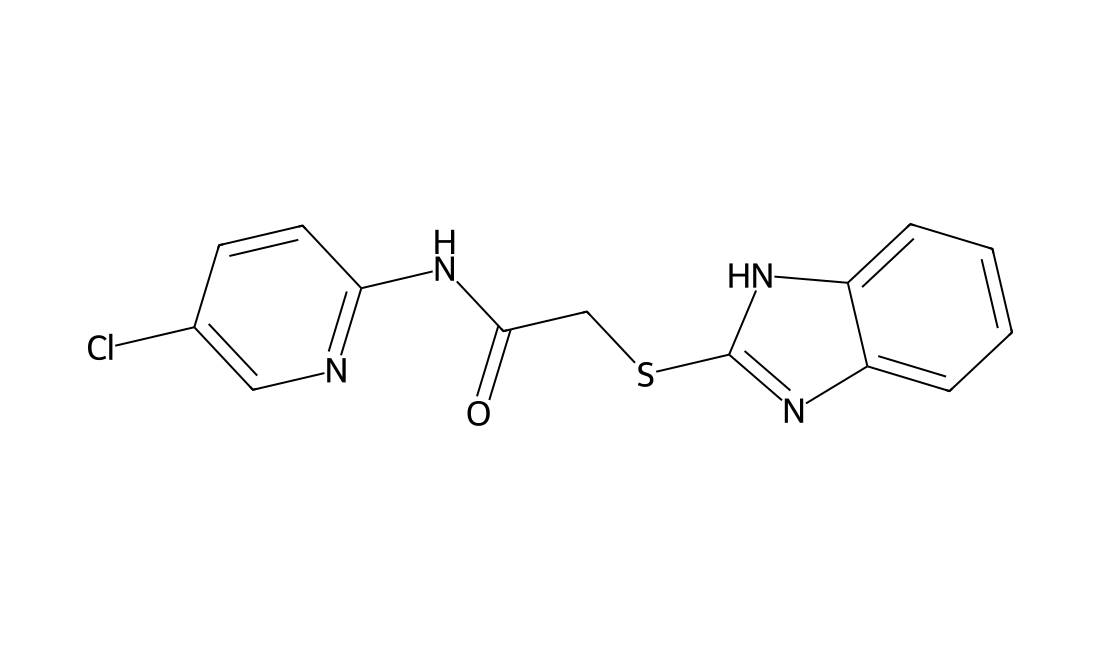
MT 63-78
CAS 1179347-65-9
MT 63-78 is a specific and potent direct AMPK activator with an EC50 of 25 μM. MT 63–78 also induces cell mitotic arrest and apoptosis. MT 63-78 blocks prostate cancer growth by inhibiting the lipogenesis and mTORC1 pathways. MT 63-78 has antitumor effects[1].
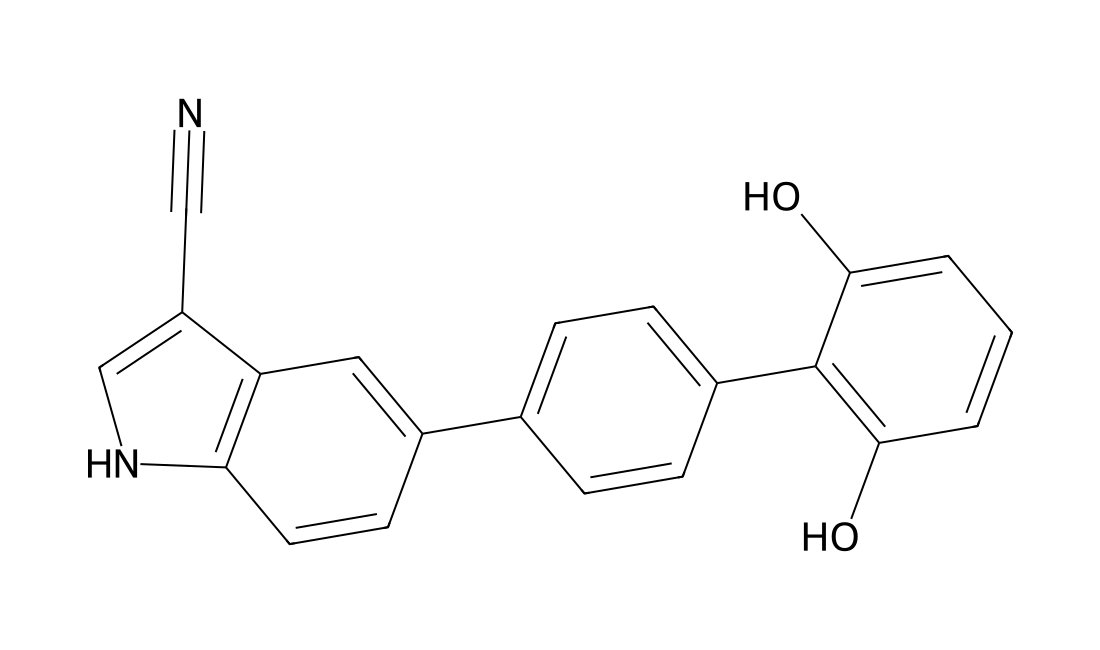
AEM1
CAS 1030123-90-0
NRF2 inhibitor AEM1 is a specific small molecule inhibitor of Nrf2 transcriptional activity in cancer cells, shows no activity against a panel of >100 kinases (including isoforms of PI3K, AKT, and PKC); broadly decreases the expression of Nrf2 controlled genes (HMOX1, GPX2), sensitizes A549 cells to various chemotherapeutic agents, and inhibits the growth of A549 cells in vitro and in vivo.
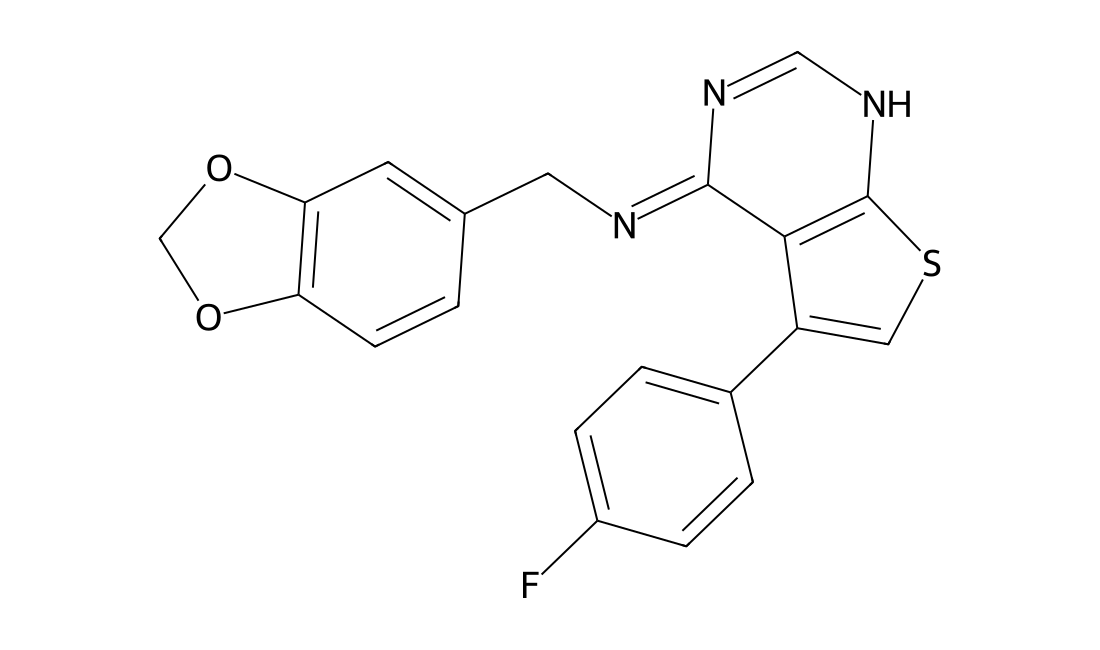
5F 203
CAS 260443-89-8
A potent, selective antitumour agent through activation the aryl hydrocarbon receptor (AhR) pathway; causes MCF-7 sensitive cells to arrest in G(1) and S phase, and induces DNA adduct formation, in contrast to AhR-deficient AH(R100) variant MCF-7 cells, induces CYP1A1 and CYP1B1 transcription; L-lysylamide prodrug Phortress (NSC 710305) demonstrats antitumor activity in vivo.
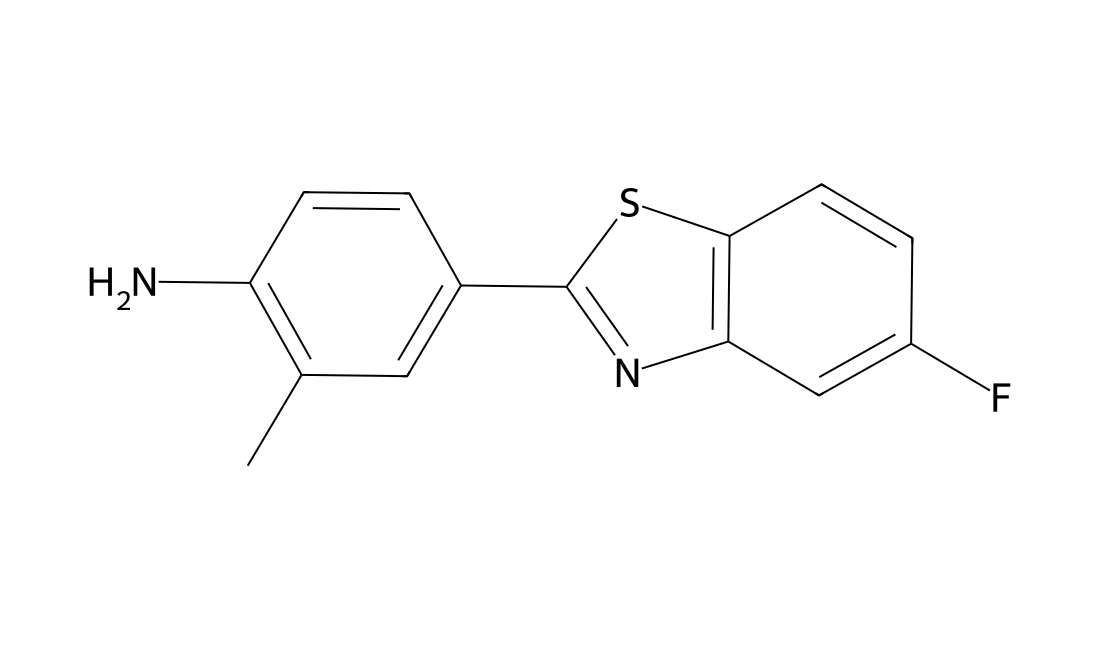
Cediranib maleate
CAS 857036-77-2
A highly potent, orally bioavailable, pan-VEGFR inibitor with IC50 of 1, 5, 3 nM for VEGFR1, 2, 3, respectively; also inhibits c-Kit and PDGFRβ with IC50 of 2 and 5 nM, >36-fold selectivity over PDGFR-α, >1000-fold over Flt-3 and EGFR; inhibits VEGF-stimulated proliferation and KDR phosphorylation with IC50 of 0.4 and 0.5 nM in human umbilical vein endothelial cells; inhibits angiogenesis, neovascular survival and tumor growth in vivo. Ovarian CancerPhase 3 Clinical
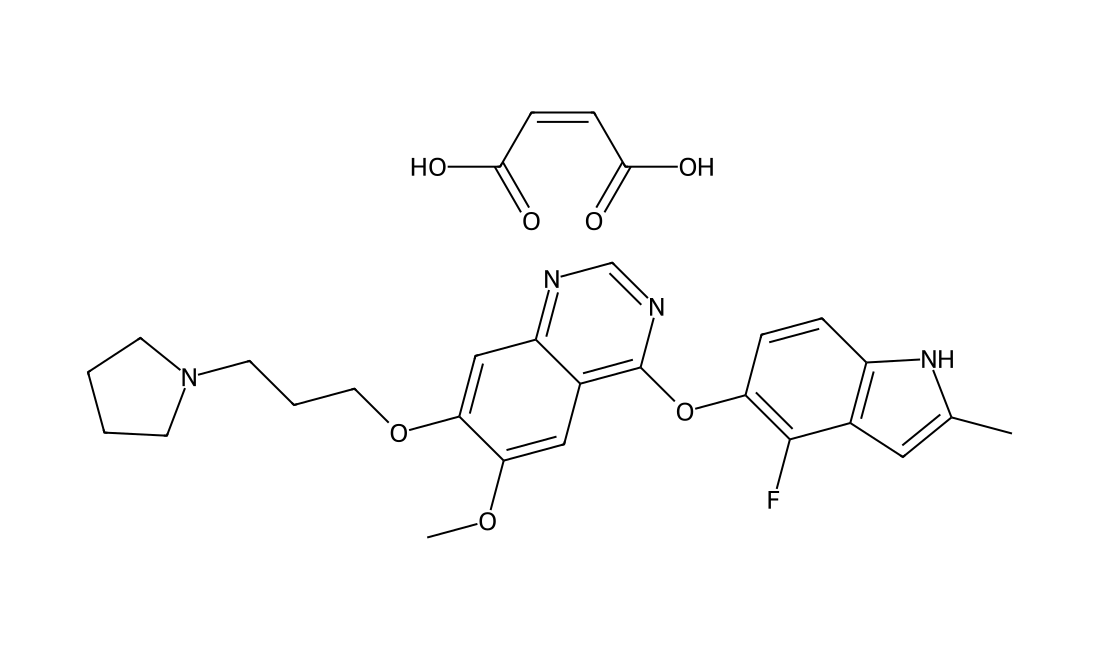
PF-04965842 (Abrocitinib)
CAS 1622902-68-4
Abrocitinib (PF-04965842) is a potent, oral active and selective JAK1 inhibitor, with IC50s of 29 and 803 nM for JAK1 and JAK2, respectively. Abrocitinib (PF-04965842) exhibits less active effect on TYK2 (IC50, 1.253 μM), and inhibits phosphorylation of STAT1,STAT3 and STAT5 after stimulation. Effective in autoimmune disease[1].
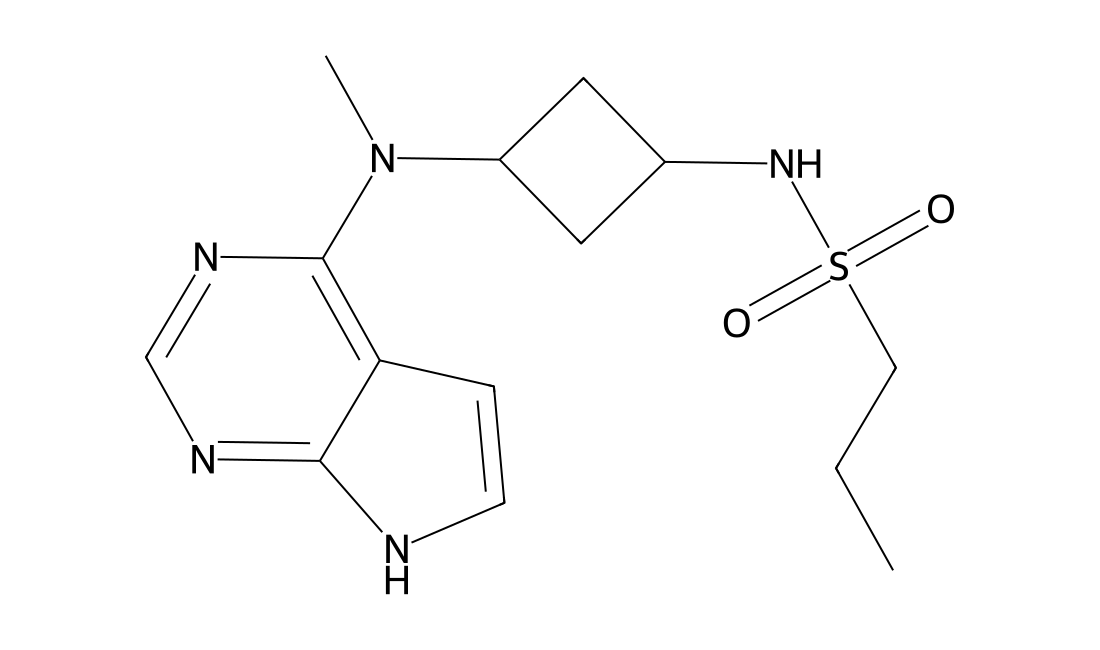
LY2780301
CAS 1226801-23-5
A potent, highly selective, ATP-competitive dual inhibitor of p70S6K and Akt under development for the treatment of solid tumours and non-Hodgkin's lymphoma; drastically decreases proliferation of hMECs with ErbB2-induced p70S6K activation via Cyclin B1 inhibition and cell cycle blockade at G0-G1 phase; exhibited antiproliferative activity in a broad range of cell lines using monolayer and colony formation assays, reduces proliferation of hMECs in vitro and ADH/MIN lesions in vivo.Breast CancerPhase 2 Clinical
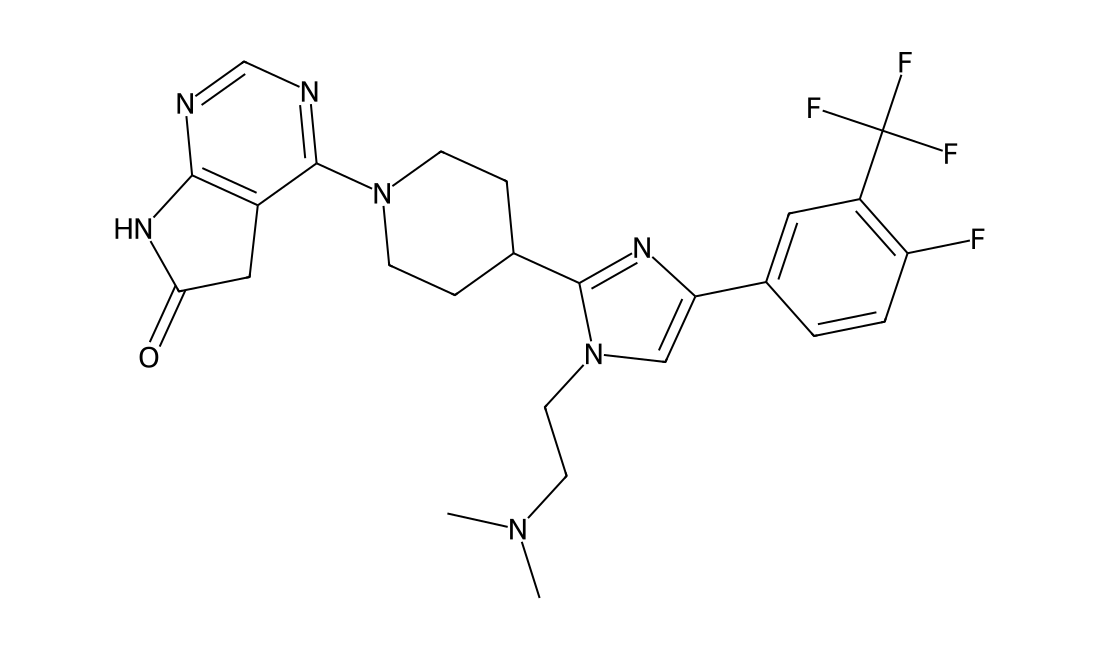
ATH686
CAS 853299-52-2
ATH686 (ATH-686) is a potent and selective, second-generation inhibitor of mutant FLT3 protein kinase; selectively kills leukemic cells harboring mutant FLT3 with no apparent effect on cells harboring wild-type FLT3, via inhibition of FLT3 kinase activity; potently inhibits cell proliferation of FLT3-ITD-Ba/F3 cells and D835Y-Ba/F3 cells (IC50<1 nM), via induction of apoptosis.
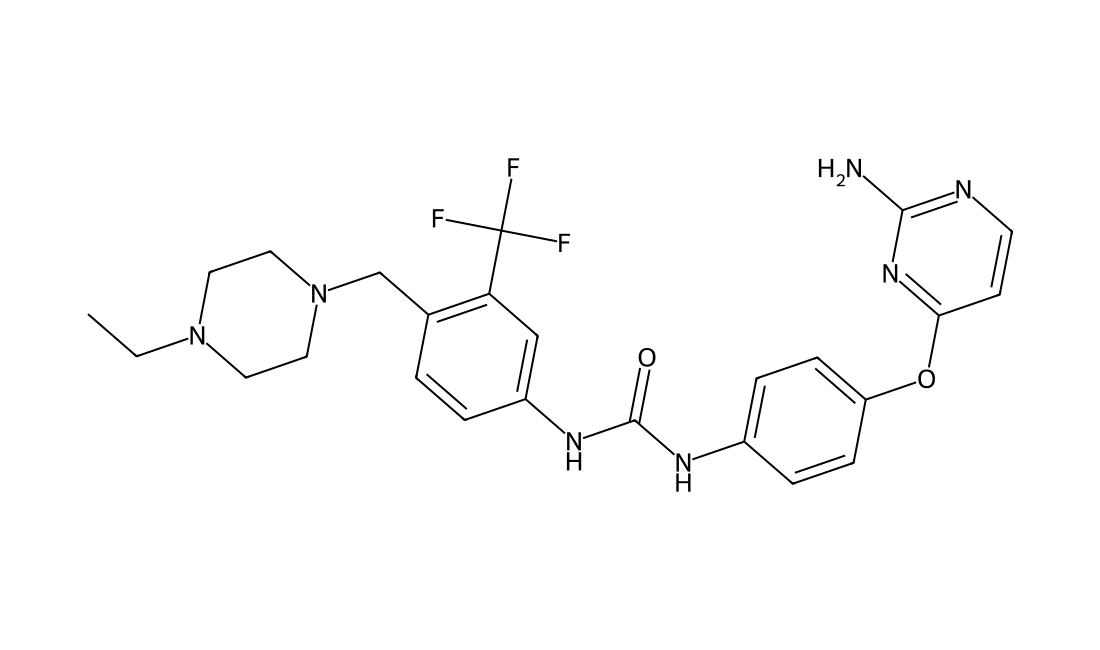
CCT129202
CAS 942947-93-5
CCT129202 is a potent, selective, ATP-competitive pan-Aurora kinase inhibitor with IC50 of 42, 198 and 227 nM for Aurora A, Aurora B and Aurora C, respectively; displays high selectivity for the Aurora kinases over a broad range of 13 other kinases; inhibits proliferation in multiple cultured human tumor cell lines (GI50=0.08-1.7 uM), induces aberrant mitosis that leads to apoptosis; reduces phosphorylation of histone H3, stabilizes p53, and inhibits growth of HCT116 human colon cancer xenografts in athymic mice.
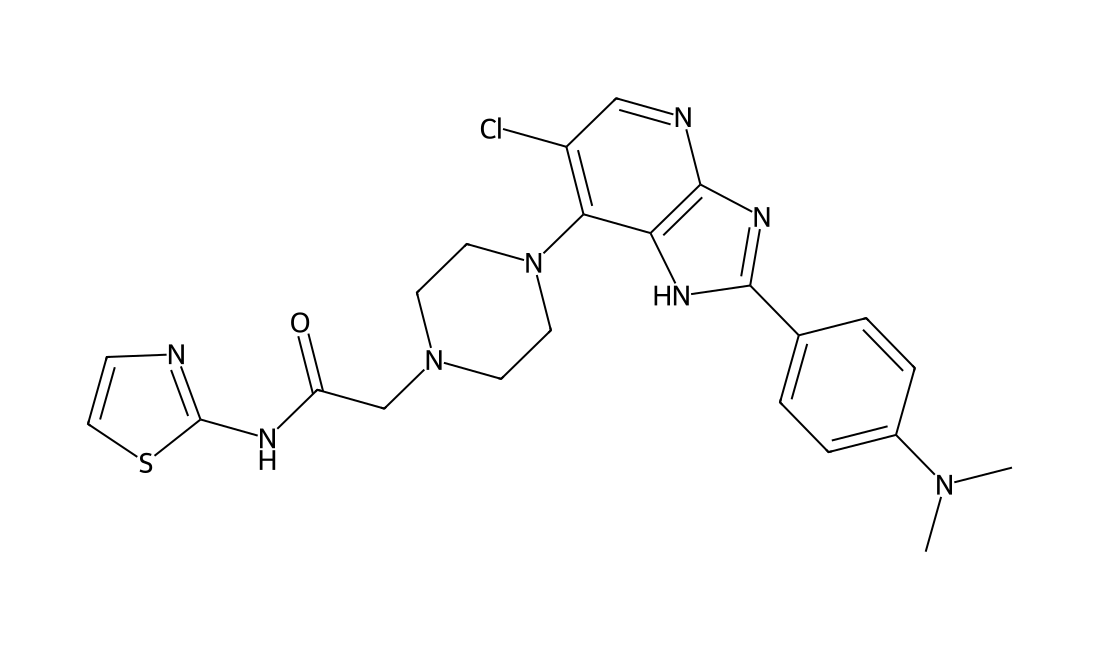
GSK854
CAS 1316059-00-3
GSK854 is a potent Inhibitor of Troponin I-Interacting Kinase (TNNI3K). GSK854 is a suitable lead for identifying new cardiac medicines and have been employed as in vivo tools in investigational studies aimed at defining the role of TNNI3K within heart failure.
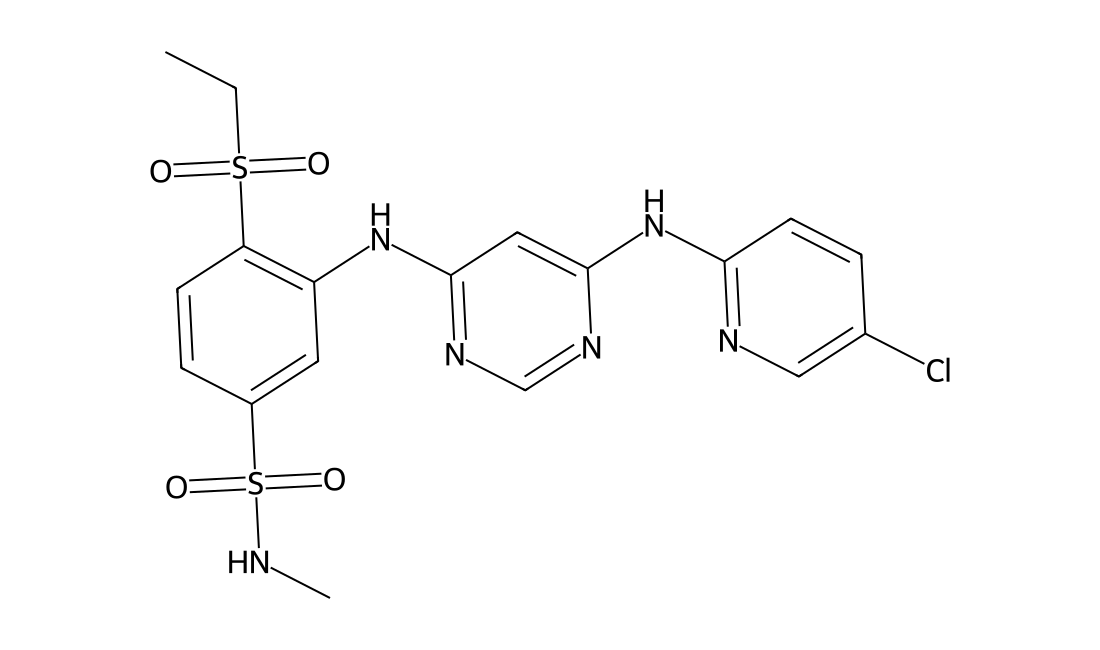
TAK-285
CAS 871026-44-7
Among the 34 kinases tested, TAK-285 only significantly inhibits HER4 with IC50 of 260 nM, slightly inhibits MEK1, MEK5, c-Met, Aurora B, Lck, CSK, and Lyn B with IC50 of 1.1 μM, 5.7 μM, 4.2 μM, 1.7 μM, 2.4 μM, 4.7 μM, and 5.2 μM, respectively, and displays no activity against other kinases with IC50 of >10 μM. TAK-285 shows significant growth inhibitory activity against BT-474 cells (HER2-overexpressing human breast cancer cell line) with GI50 of 17 nM. Compared with SYR127063 a potent inhibitor of HER2, TAK-285 displays similar in vitro potency against HER2 and EGFR. Compared with the full cytoplasmic domains of the wild-type proteins, the mutations and shortened boundaries used For structure determination of HER2-KD and EGFR-KD do not significantly change the inhibitory activity (IC50) of TAK-285. TAK-285 binds to the inactive con Formation of EGFR, and shows a similar binding mode with lapatinib in the active site. The oral bioavailability of TAK-285 is 97.7% in rats and 72.2% in mice at a dose of 50 mg/kg. Oral administration of TAK-285 at 100 mg/kg twice daily For 14 days displays significant antitumor efficacy in the HER2-overexpressing BT-474 tumor xenograft mouse model with tumor/control (T/C) ratio of 29%, without affecting body weight. Similar to the BT-474 model, TAK-285 exhibits dose-dependent tumor growth inhibition of 4-1ST (HER2-overexpressing human gastric cancer tumor) xenografts in mice, with T/C of 44% and 11% at doses of 50 mg/kg and 100 mg/kg, twice daily, respectively, without significant body weight loss in mice. Furthermore, TAK-285 treatment induces dose-dependent growth inhibition of 4-1ST tumors in rats with T/C of 38% and 14% at doses of 6.25 mg/kg and 12.5 mg/kg, and, particularly noteworthy, tumor regression with T/C of -12% and -16% at doses of 25 mg/kg and 50 mg/kg, respectively. After oral administration of TAK-285, a significant amount of TAK-285 is present in the brain of rats in pharmacologically active, unbound Form (approximately 20% of its free plasma level), indicating that TAK-285 has a potential in the therapy of CNS malignancies/metastases. For the detailed information of TAK-285, the solubility of TAK-285 in water, the solubility of TAK-285 in DMSO, the solubility of TAK-285 in PBS buffer, the animal experiment (test) of TAK-285, the cell expriment (test) of TAK-285, the in vivo, in vitro and clinical trial test of TAK-285, the EC50, IC50,and Affinity of TAK-285, Please contact DC Chemicals.
Browse target & topic index A–Z (366)
11β-HSD (1)15-PGDH (2)5-HT Receptor (16)Acetyl-CoA Carboxylase (ACC) (3)Acetylcholinesterase (AChE) (2)Ack1 (TNK2) (1)Acyltransferase (1)ADC Cytotoxin (6)ADCs Linker/Click Chemistry (5)Adenosine Receptor (9)Adenylate Cyclase (2)Adrenergic Receptor (11)Akt (12)Alcoholism (2)Aldehyde Dehydrogenase (ALDH) (6)Allergy (5)Alzheimer Disease (13)Aminopeptidase (1)AMPK (8)Amyloids (4)Anaplastic Lymphoma Kinase (ALK) (9)Androgen Receptor (AR) (11)Anemia (4)Angiotensin Receptor (4)Antibody/Protein labeling dyes (1)Antifolate (2)Anxiety (1)Apoptosis Inducer (3)Arginase (1)Arp2/3 complex (1)Aryl hydrocarbon Receptor (AhR) (1)Asthma (5)Atherosclerosis (2)ATM/ATR (8)Aurora Kinase (10)Autophagy (6)Autophagy-related Protein (Atg) (2)Autotaxin (2)Bacterial (26)Bacterial Infection (17)Bcl-2 (14)Bcr-Abl (5)BCRP (1)Beta-catenin (4)Beta-secretase (BACE) (4)Blood Cancer (91)BMI-1 (1)Bone Cancer (6)Brain Cancer (6)Breast Cancer (30)Bromodomain (22)BTK (10)c-Fms (CSF1R) (5)c-Fos/AP-1 (1)c-Kit (6)c-Met (HGFR) (11)c-Myc (2)Calcium Channel (4)Calcium-sensing Receptor (CaSR) (1)CaMK (4)Cannabinoid Receptor (6)Carbonic Anhydrase (1)Carboxypeptidase (1)Casein Kinase (6)Caspase (4)Cathepsin (6)Cdc2-like Kinase (CLK) (1)CETP (2)CFTR (7)Checkpoint Kinase (Chk) (8)Chemokine Receptor (CCR and CXCR) (14)Chemotherapeutic Agents (19)Chloride Channel (1)CMV (2)CMV Infection (2)Colon Cancer (9)Complement System (1)COPD (3)CREB/CBP (2)CRF Receptor (2)CRISPR/Cas9 (1)Cushing Disease (1)Cyclin-dependent Kinase (CDK) (39)Cyclooxygenase (COX) (4)Cytochrome P450 (CYPs) (5)Depression (2)Dermatitis (2)Deubiquitinase (DUB) (7)Diabetes (20)Dipeptidyl Peptidase (DPP) (3)Discoidin Domain Receptor (DDR) (1)DNA Alkylator/Crosslinker (10)DNA Methyltransferase (DNMT) (1)DNA Repair Protein (1)DNA-PK (2)DNA/RNA Synthesis (5)Dopamine beta-hydroxylase (1)Dopamine Receptor (7)Drug Metabolite (1)Drug-Linker Conjugates (11)Dyes (4)DYRK (1)Dyslipidemia (9)E3 Ligase Ligand (6)E3 Ligase Ligand-Linker Conjugate (1)E3 Ubiquitin Ligase (4)Ebola Virus Infection (1)EGFR (32)Elastase (2)Endothelin Receptor (5)Enzymes substrates (13)Epigenetic Reader Domain (3)Epilepsy (4)ERK (4)Estrogen Receptor/ERR (13)Eukaryotic Initiation Factor (eIF) (2)Exportin-1 (CRM1,XPO1) (2)FABP (1)Factor Xa (5)Farnesoid X Receptor (FXR) (5)Farnesyl transferase (FTase) (1)Ferroptosis (6)FGFR (20)Fibrosis (5)FLT3 (6)Focal Adhesion Kinase (FAK) (11)Foxo1 (1)Free Fatty Acid Receptor (FFAR) (5)Fungal (2)Fungal Infection (1)GABA Receptor (13)Galectin (1)Gastric Cancer (8)Ghrelin Receptor (GHSR) (3)Glucagon Receptor (4)Glucokinase (2)Glucose Transporter (GLUT) (2)Glutamate Transporter (2)GPCR (1)GPER (GPR30) (1)GPR139 (1)GPR183 (EBI2) (2)GPR39 (1)GPR55 (1)GPR84 (1)GRK (GPCRK) (2)Growth Hormone Deficiency (2)GSK-3 (8)Guanylate Cyclase (3)HBV (1)HBV Infection (1)HCN Channel (2)HCV (8)HCV Infection (9)HDAC (38)Heart Arrhythmia (2)Heart Failure (5)Heat Shock Protein (HSP) (15)Hedgehog (Hh) (1)HIF/HIF Prolyl-hydroxylase (8)Histamine Receptor (6)Histone Acetyltransferase (HAT) (5)Histone Demethylase (11)Histone Methyltransferase (HMTase) (31)HIV (12)HIV Infection (11)HMG-CoA Reductase (HMGCR) (3)HSV (1)HSV Infection (1)Hypercholesterolemia (1)Hyperparathyroidism (1)Hypertension (8)IAP (1)IGF-1R (3)iGluR (15)Indoleamine 2,3-Dioxygenase (IDO) (4)Infection (1)Influenza (6)Influenza Virus (6)Insulin Receptor (2)Integrin (6)Interleukin Receptor (1)IRAK (2)IRE1 (4)Irritable Bowel Syndrome (2)Ischemia (1)Isocitrate Dehydrogenase (IDH) (5)ITK (1)IκB kinase (IKK) (7)JAK (32)JNK (3)Keap1-Nrf2 (6)Kidney Cancer (10)Kinesin (5)Kruppel-like Factor (KLF) (1)Kynurenine 3-Monooxygenase (KMO) (1)Leukotriene Receptor (1)LIM Kinase (LIMK) (3)Lipids fragment (1)Liver Cancer (6)Liver X Receptor (LXR) (3)LRRK2 (9)Lung Cancer (39)Lysophospholipid Receptor (12)LYTACs (3)mAChR (9)MALT1 (2)MAP4K (1)Matrix Metalloproteinase (MMP) (10)MDM2-p53 (9)MEK (MAP2K) (14)MEKK (MAP3K) (1)Melanocortin Receptor (2)MELK (1)mGluR (7)MicroRNA (1)Microtubule/Tubulin (5)Mineralocorticoid Receptor (MLR) (1)MITF (1)Mixed Lineage Kinase (MLK) (3)MNK (2)Molecular Glues (21)Monoamine Transporter (5)Monocarboxylate Transporter (MCT) (1)Monopolar Spindle 1 (Mps1/TTK) (3)mTOR (13)Multiple Sclerosis (6)Myosin (1)Na-K-Cl Cotransporter (NKCC) (2)nAChR (2)NADPH Oxidase (NOX) (2)NAMPT (3)Natural products (37)Neprilysin (1)Neurokinin Receptor (3)Neuropeptide Y Receptor (3)NF-κB (5)Nitric Oxide Synthase (NOS) (1)NOD-like Receptor (NLR) (3)Notch (2)Nucleoside Antimetabolite/Analog (10)Nur77 (NR4A1) (1)Obesity (1)Oct3/4 (1)Opioid Receptor (5)Orexin Receptor (7)Osteoporosis (2)Ovarian Cancer (14)Oxytocin Receptor (OXTR) (2)P-glycoprotein (P-gp) (3)p21-activated Kinase (PAK) (1)P2X Receptor (2)P2Y Receptor (1)p38 MAPK (10)p97/VCP (1)Pain (12)Pancreatic Cancer (10)Parasite (5)Parasite Infection (2)Parkinson Disease (2)PARP (19)PCSK9 (1)PD-1/PD-L1 (4)PDGFR (4)PDK1 (2)PEGn (1)PERK (2)PGE synthase (2)Phosphodiesterase (PDE) (9)Phospholipase (4)PI3K (32)PI4K (2)Piezo Channel (1)PIKfyve (3)Pim (9)PKC (12)PKD (1)Plasminogen Activator Inhibitor-1 (PAI-1) (3)Polo-like Kinase (PLK) (4)Porcupine (3)Potassium Channel (13)PPAR (13)Pregnane X Receptor (PXR) (1)Progesterone Receptor (2)Prostaglandin Receptor (11)Prostate Cancer (7)PROTACs (35)Protease-activated Receptor (PAR) (3)Proteasome (12)Protein Disulfide Isomerase (PDI) (1)Protein Phosphatase/PTP (6)Proton Pump (1)Psoriasis (5)RAD51 (1)Radioligand precursors (15)Raf (18)RAR/RXR (3)Ras (17)Renin (2)RET Tyrosine Kinase (c-RET) (3)Rheumatoid Arthritis (16)Ribosomal S6 Kinase (RSK) (5)RIG-I-like Receptor (RLR) (2)RIP kinase (7)ROCK (12)ROR (2)RSV (4)RSV Infection (3)RUNX1-CBFβ (1)S-nitrosoglutathione reductase (GSNOR) (1)Saccharides and Glycosides (1)Salt Inducible Kinase (SIK) (2)SARS-CoV (16)SARS-CoV Infection (34)Schizophrenia (4)Sexual Dysfunction (1)SGLT (4)Sigma Receptor (4)Sirtuin (9)Skin Cancer (13)Sleep Disorder (7)SMN2 Modulator (1)Smoothened (Smo) (9)Sodium Channel (12)Solid Tumors (35)Somatostatin Receptor (2)Sphingosine kinase (SphK) (2)Src (7)STAT (5)Stearoyl-CoA Desaturase (SCD) (1)Steatohepatitis (7)Sterol lipids (1)STING (14)Syk (6)T Cell Receptor (TCR) (1)TAK1 (2)TAM Receptor (Tyro3-Axl-Mer) (4)Taste Receptor (1)Telomerase (2)TGF beta Receptor (TGFBR) (12)Thrombin (3)Thrombosis (13)Thyroid Cancer (1)Thyroid Hormone Receptor (THR) (1)Thyrotropin Receptor (2)TNIK (1)Toll-like Receptor (TLR) (2)TOPK (1)Topoisomerase (11)TRAIL (1)Translocator Protein (TSPO) (1)Trk Receptor (4)TRP Channel (13)Tryptophan Hydroxylase (TPH) (1)Ubiquitin-activating Enzyme (E1) (2)Ubiquitin-conjugating Enzyme (E2) (2)Ulcer (1)ULK (3)Vasopressin Receptor (2)VEGFR (25)Vitamin D Receptor (VDR) (3)Wee1 (1)WNK Kinase (1)Wnt (5)Yes-associated Protein (YAP) (4)γ-secretase (5)